Vĩnh Nghiêm pagoda – Saigon
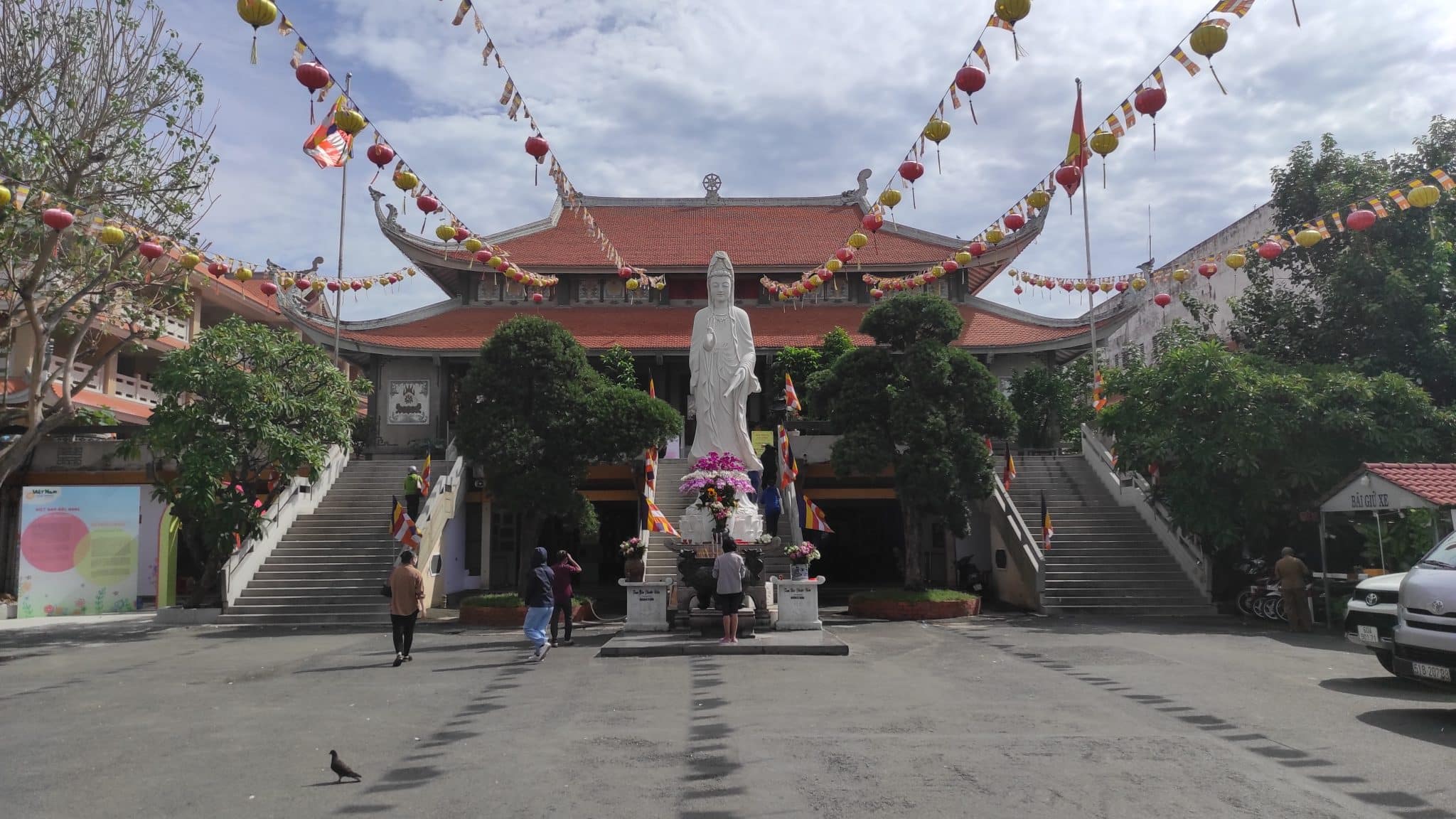
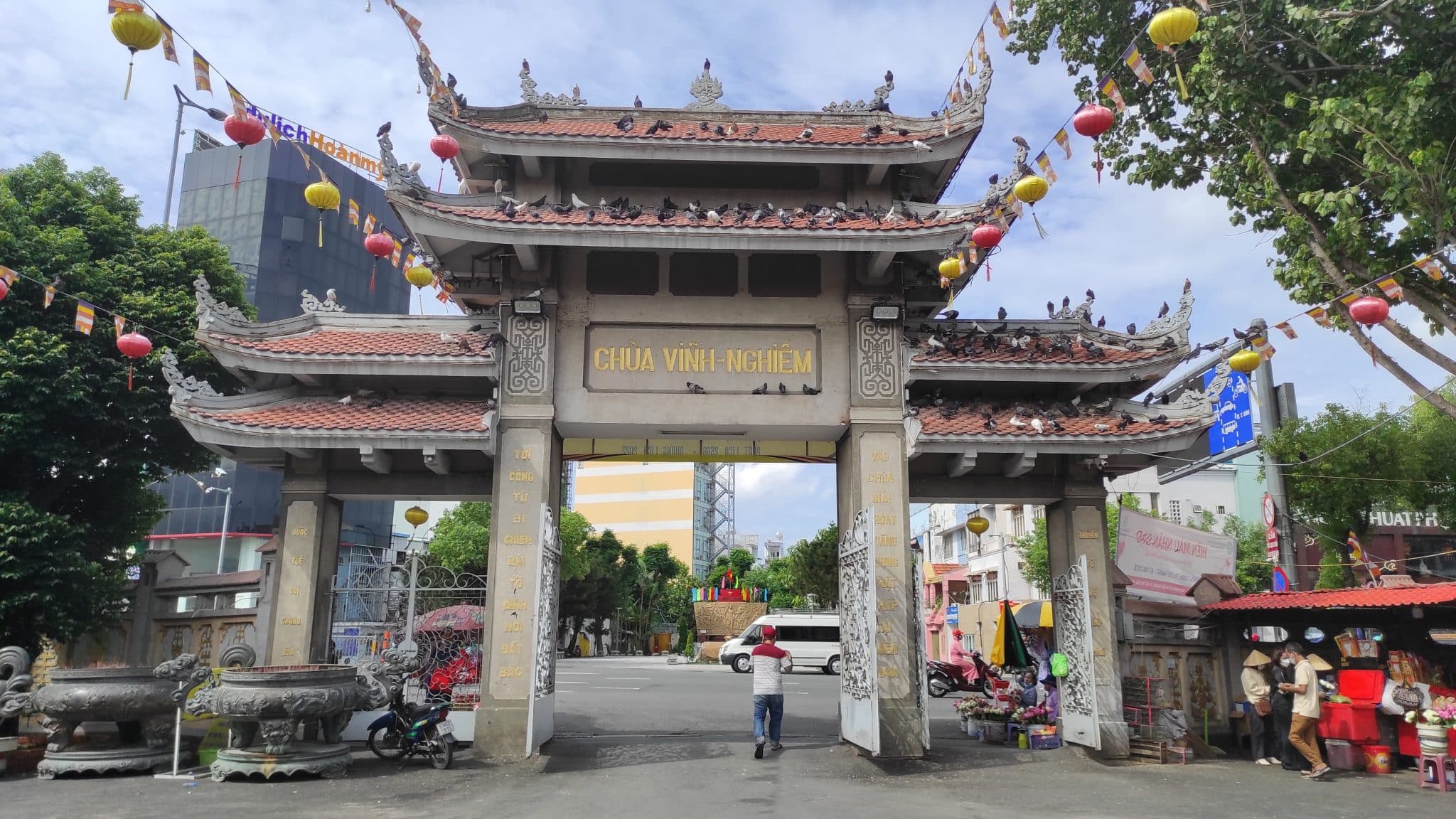
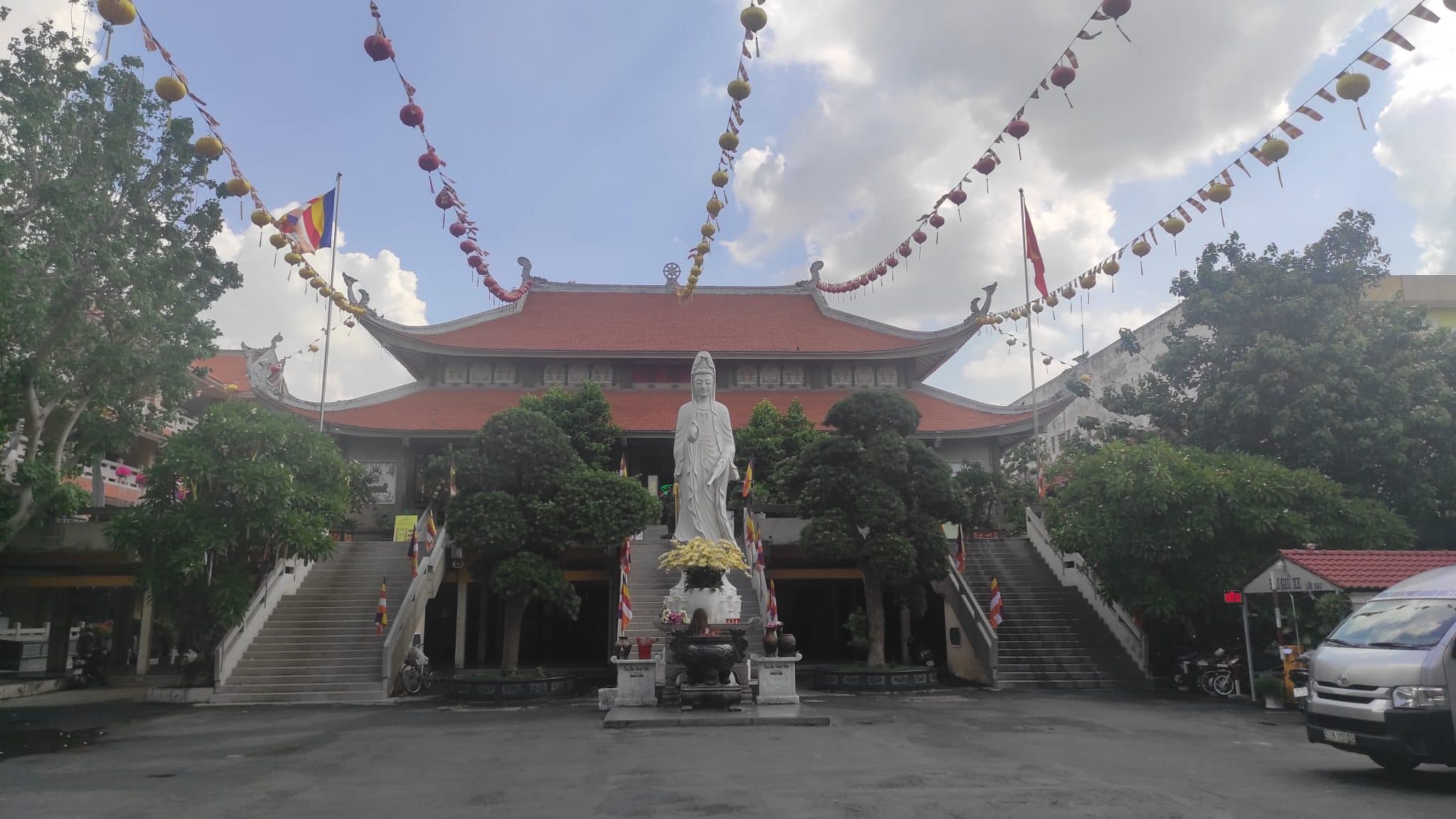
The Vinh Nghiem Pagoda in Saigon (Ho Chi Minh City), Vietnam, is a renowned Buddhist temple known for its architectural beauty, historical significance, and religious importance within the Vietnamese Buddhist community. The name “Vinh Nghiem” has its origins and meaning associated with the pagoda’s establishment, development, and cultural context. Here’s a description and explanation regarding the name “Vinh Nghiem”:
Vĩnh Nghiêm Pagoda:
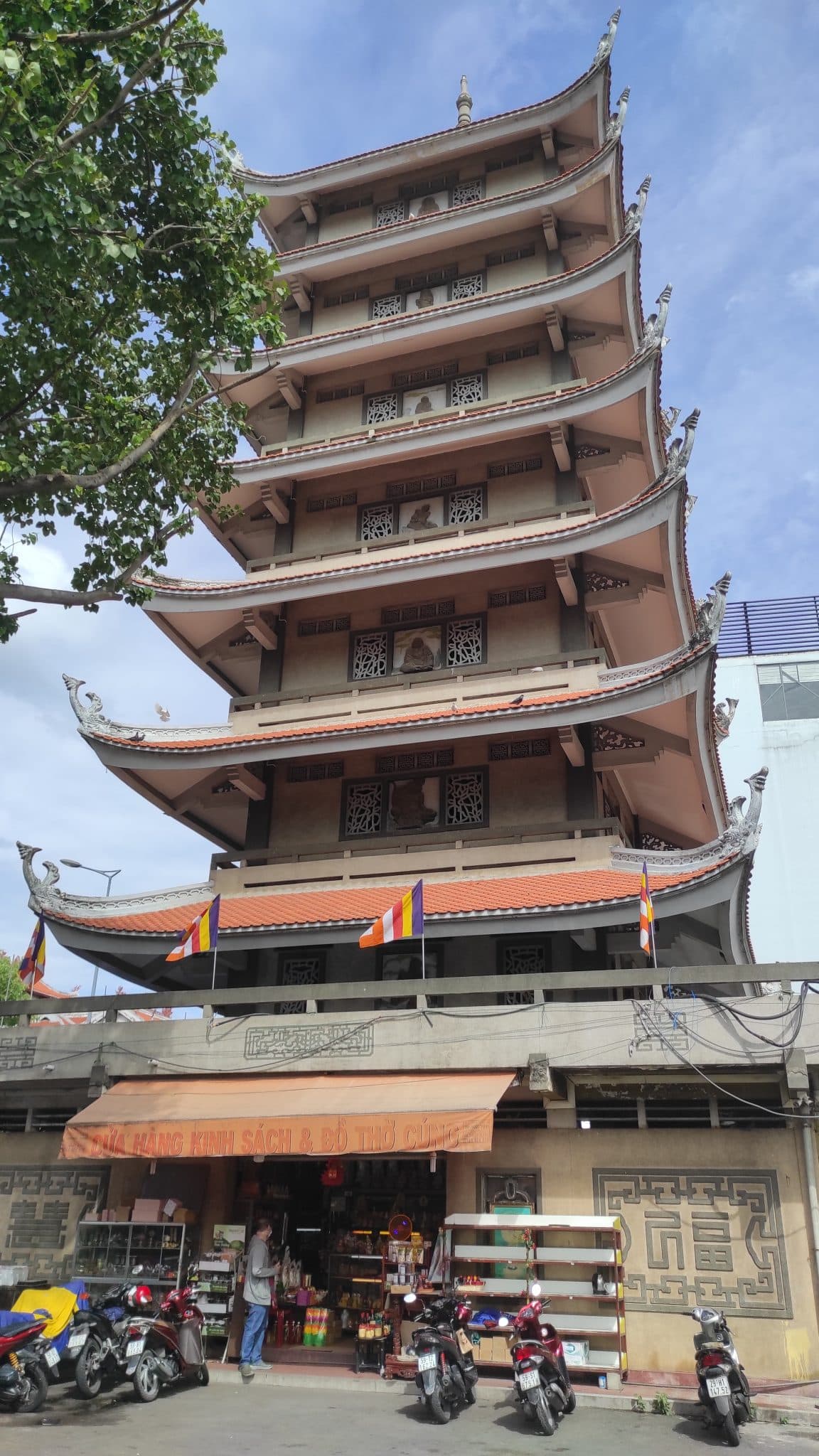
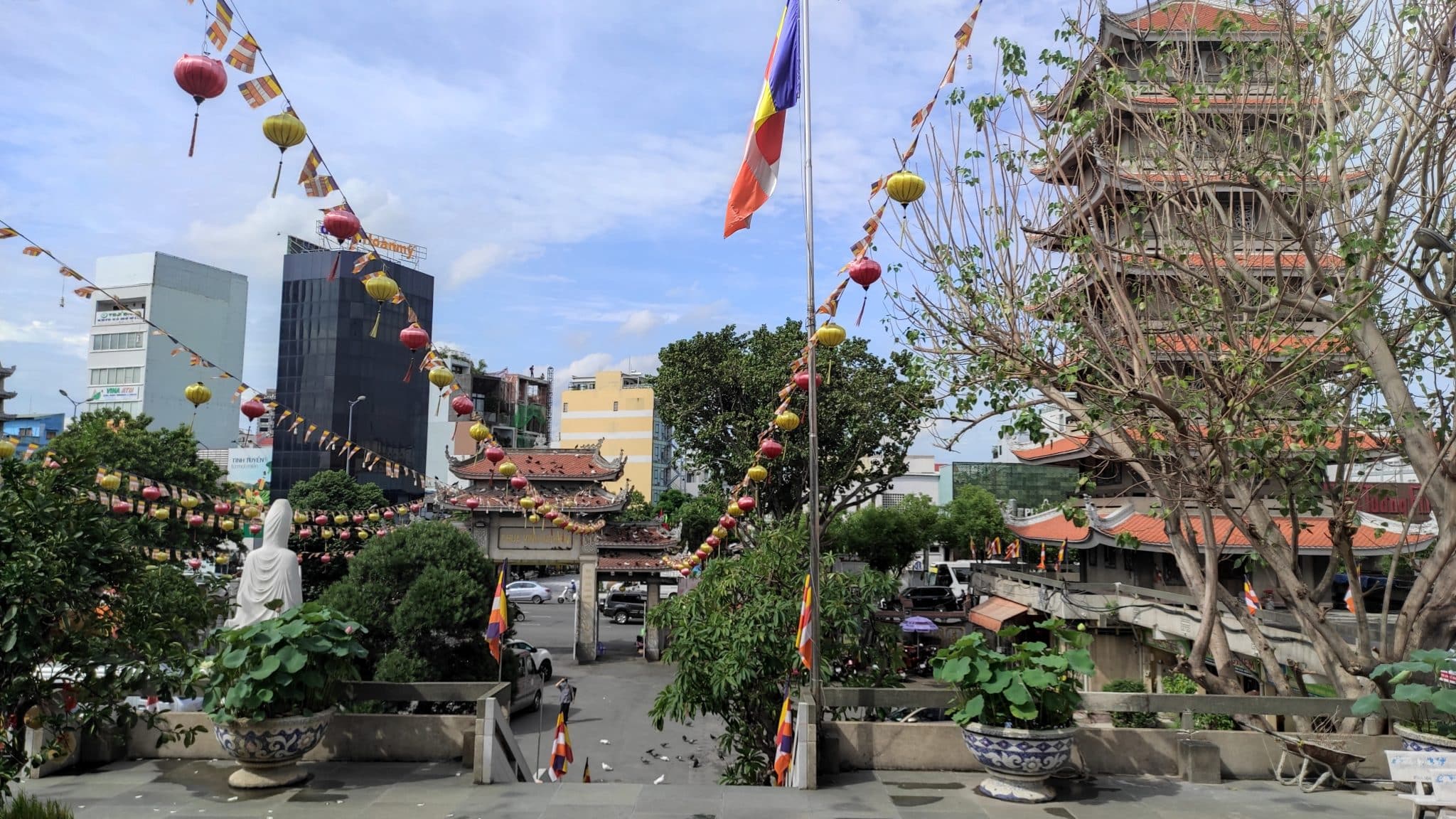
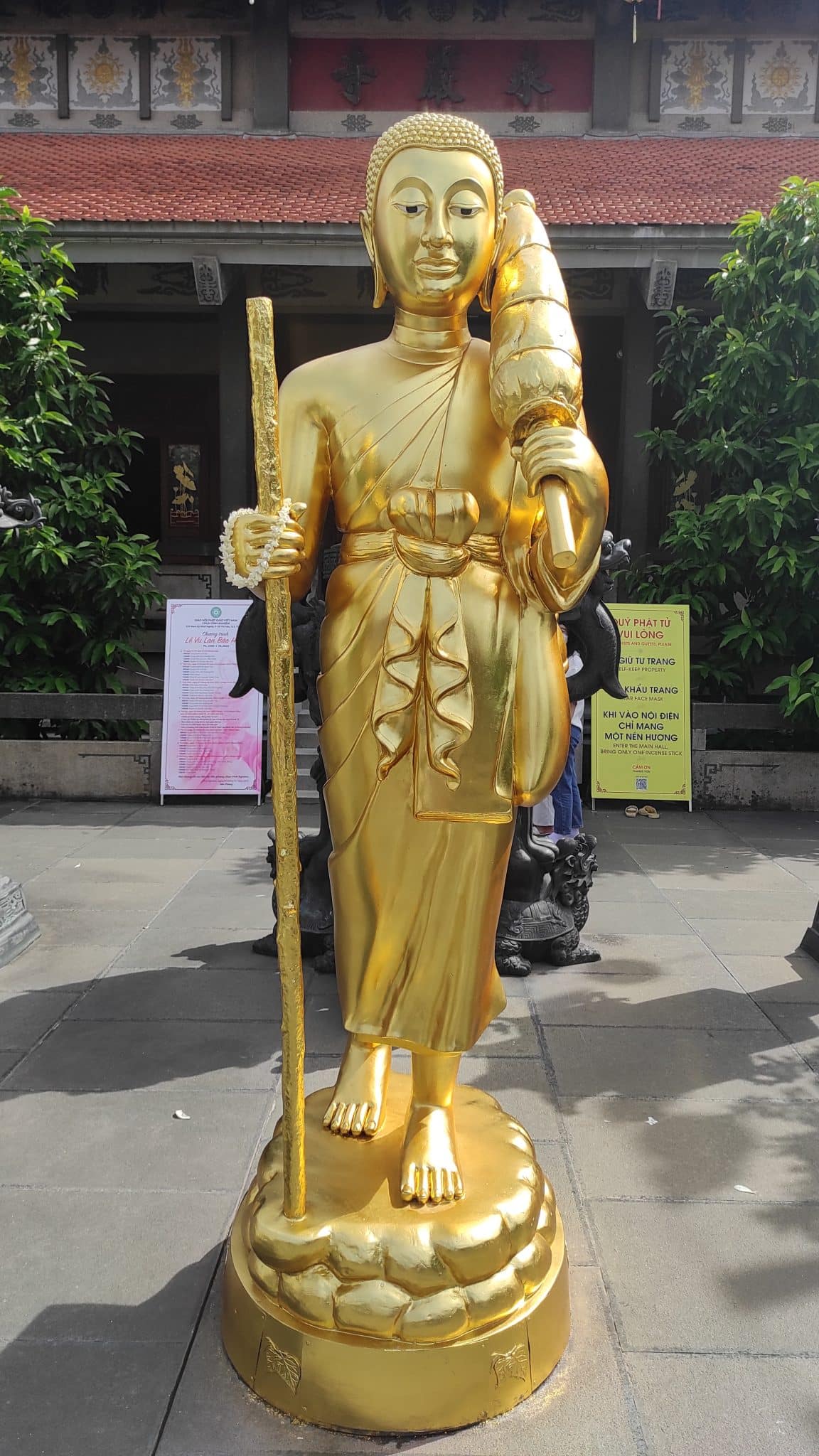
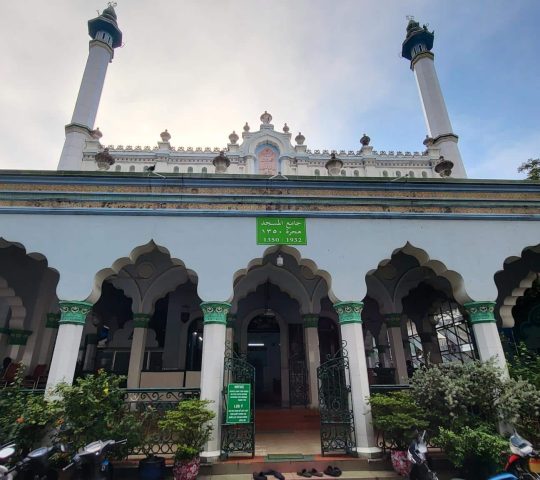
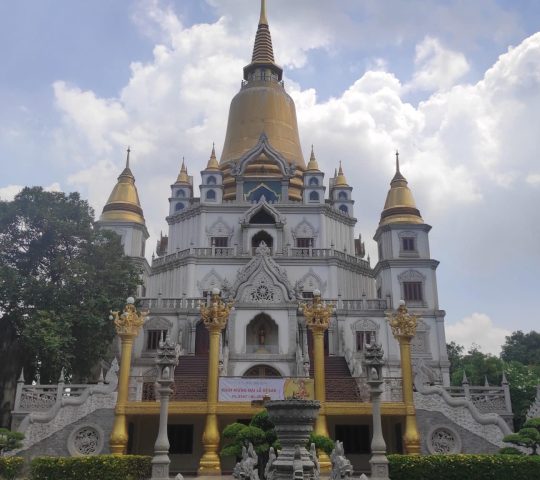
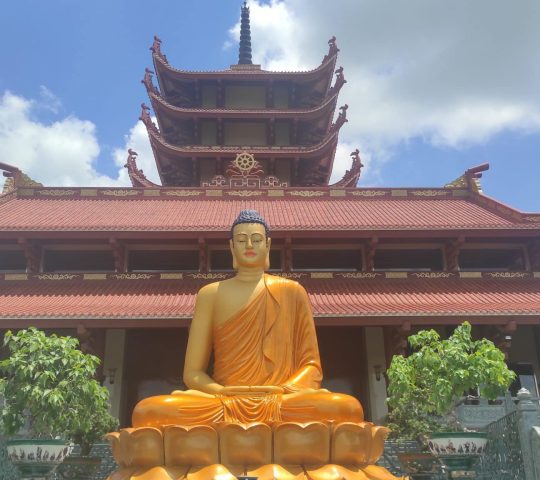
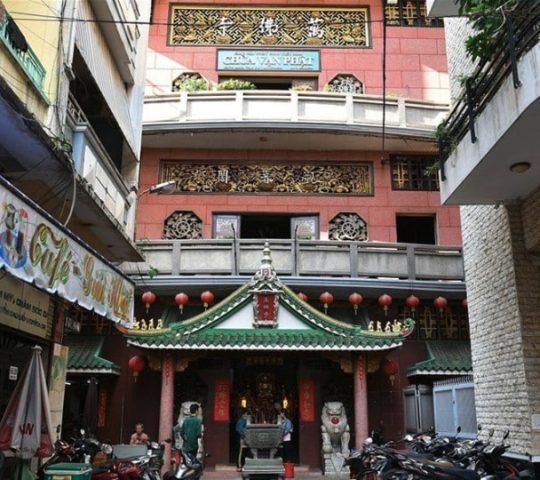
- Architectural Style: The Vinh Nghiem Pagoda showcases a blend of traditional Vietnamese Buddhist architecture with modern design elements, reflecting its historical development, cultural influences, and religious traditions. The pagoda’s architectural features include intricate carvings, ornate decorations, statues, prayer halls, courtyards, gardens, and a towering pagoda that create a serene and spiritual environment for meditation, worship, ceremonies, and community activities.
- Historical and Cultural Significance: Established in the 20th century, the Vinh Nghiem Pagoda serves as a prominent Buddhist center for religious practice, education, cultural preservation, and community engagement. The pagoda’s history, artifacts, relics, ceremonies, festivals, teachings, and activities reflect its commitment to promoting Buddhist principles, values, traditions, and ethics within Vietnamese society and beyond.
Why is it called Vĩnh Nghiêm?
The name “Vinh Nghiem” for the pagoda carries significant meaning and symbolism within the context of Buddhist teachings, principles, and values. The term “Vinh” (永) translates to “eternal” or “everlasting,” symbolizing the timeless and enduring nature of Buddhist wisdom, teachings, and enlightenment. The term “Nghiem” (嚴) translates to “strict,” “disciplined,” or “rigorous,” reflecting the pagoda’s commitment to upholding Buddhist ethics, practices, rituals, and community standards in accordance with the Vinaya (Buddhist monastic code) and Dharma (Buddhist teachings).