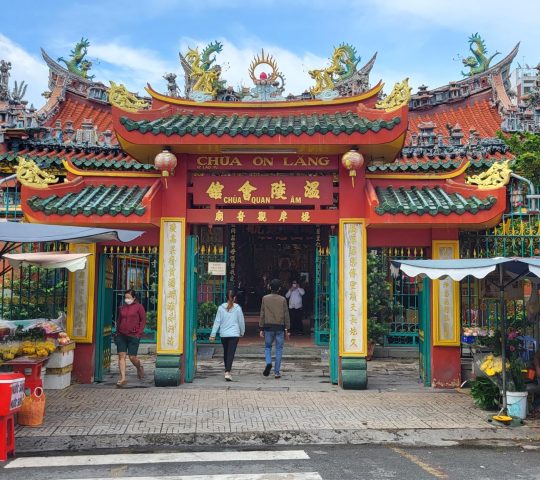
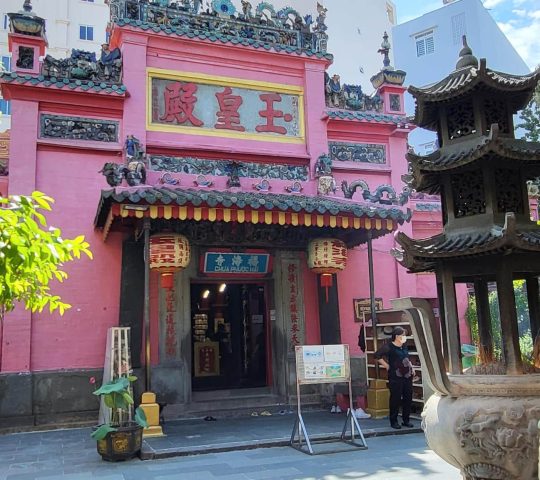
Thien Hau Temple (Chùa Bà Thiên Hậu) – Saigon
Listing has verified and belong the business owner or manager.
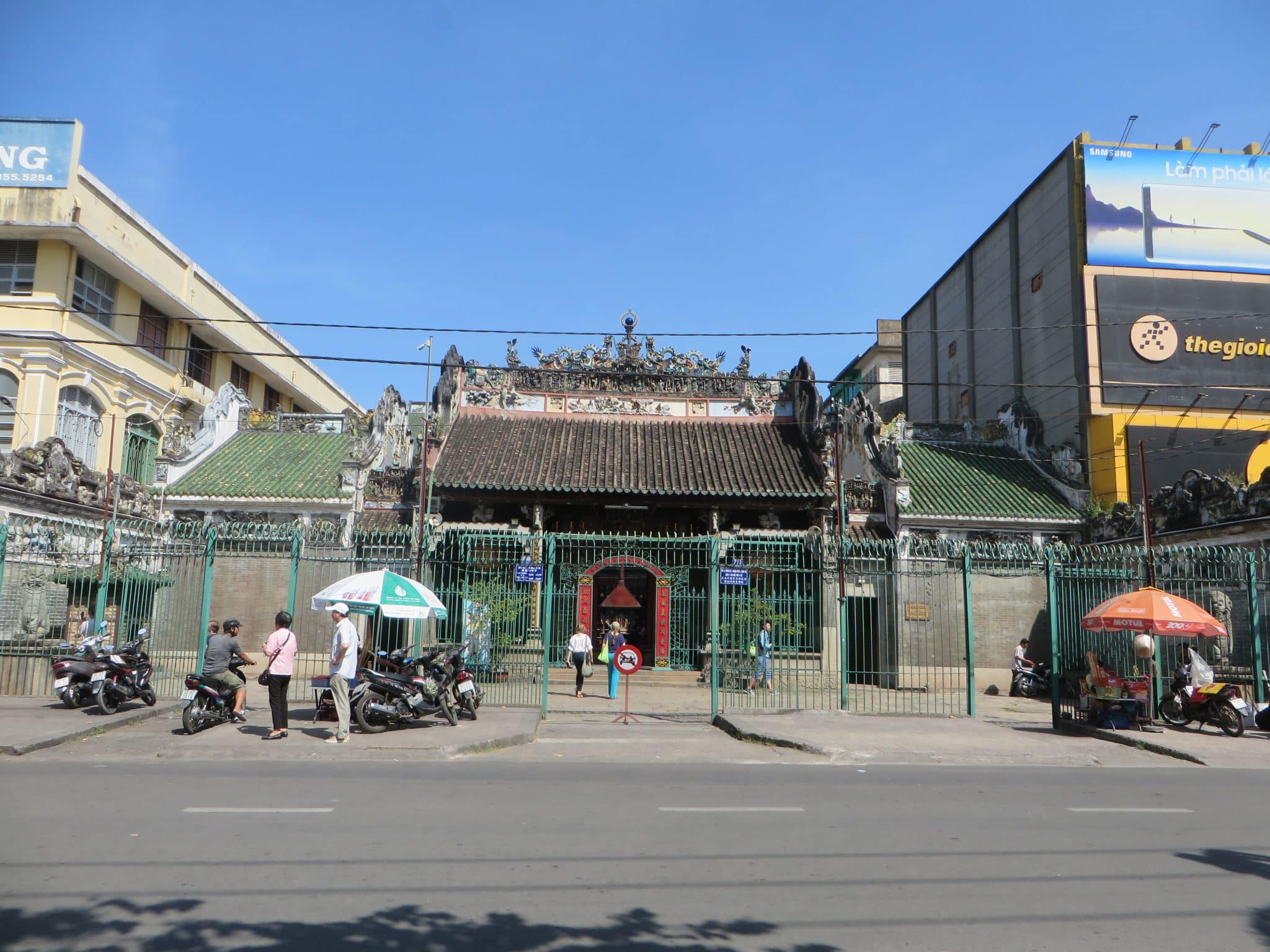
The Thien Hau Temple, located in Cholon (Chợ Lớn), the Chinatown area of Ho Chi Minh City (formerly Saigon), Vietnam, is a significant historical, cultural, and religious landmark.
History:
- Origins and Foundation: The Thien Hau Temple, dedicated to the Chinese sea goddess Mazu (also known as Thien Hau), was constructed by the Chinese community in Cholon to honor and worship Mazu, the protector of sailors, fishermen, and seafarers. The temple reflects the cultural, religious, and historical connections between the Chinese diaspora and Vietnam’s socio-cultural landscape.
- Cultural Significance: Over the years, the Thien Hau Temple has served as a spiritual sanctuary, communal gathering place, and cultural center for the Chinese community in Cholon. The temple’s establishment, rituals, ceremonies, and festivities reflect Chinese traditions, beliefs, values, and practices observed by its congregation and visitors.
- Historical Development: The Thien Hau Temple has undergone various renovations, restorations, and expansions over time to preserve its architectural integrity, cultural heritage, and religious significance as a historical, architectural, and spiritual landmark within Cholon’s vibrant and diverse community.
Architecture:
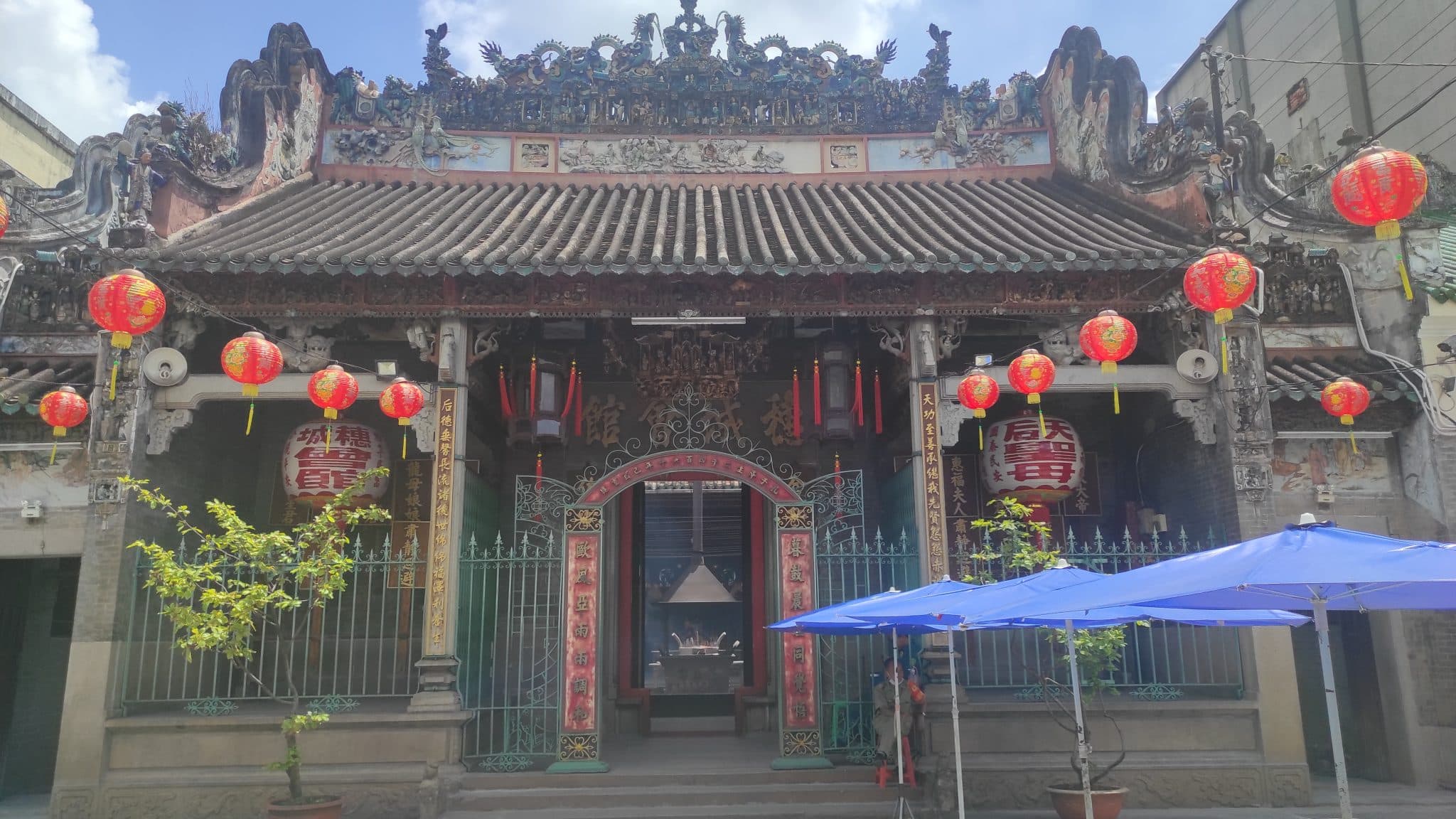
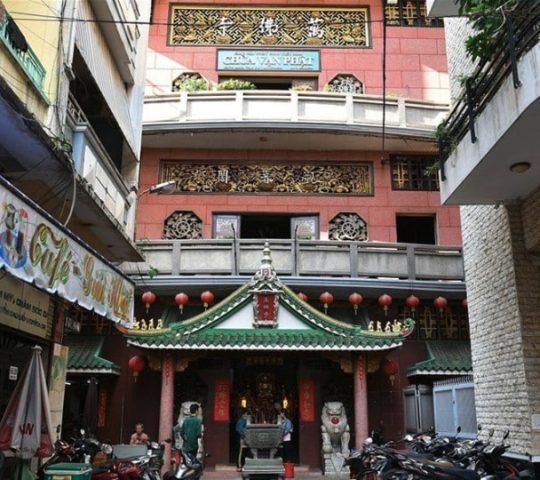
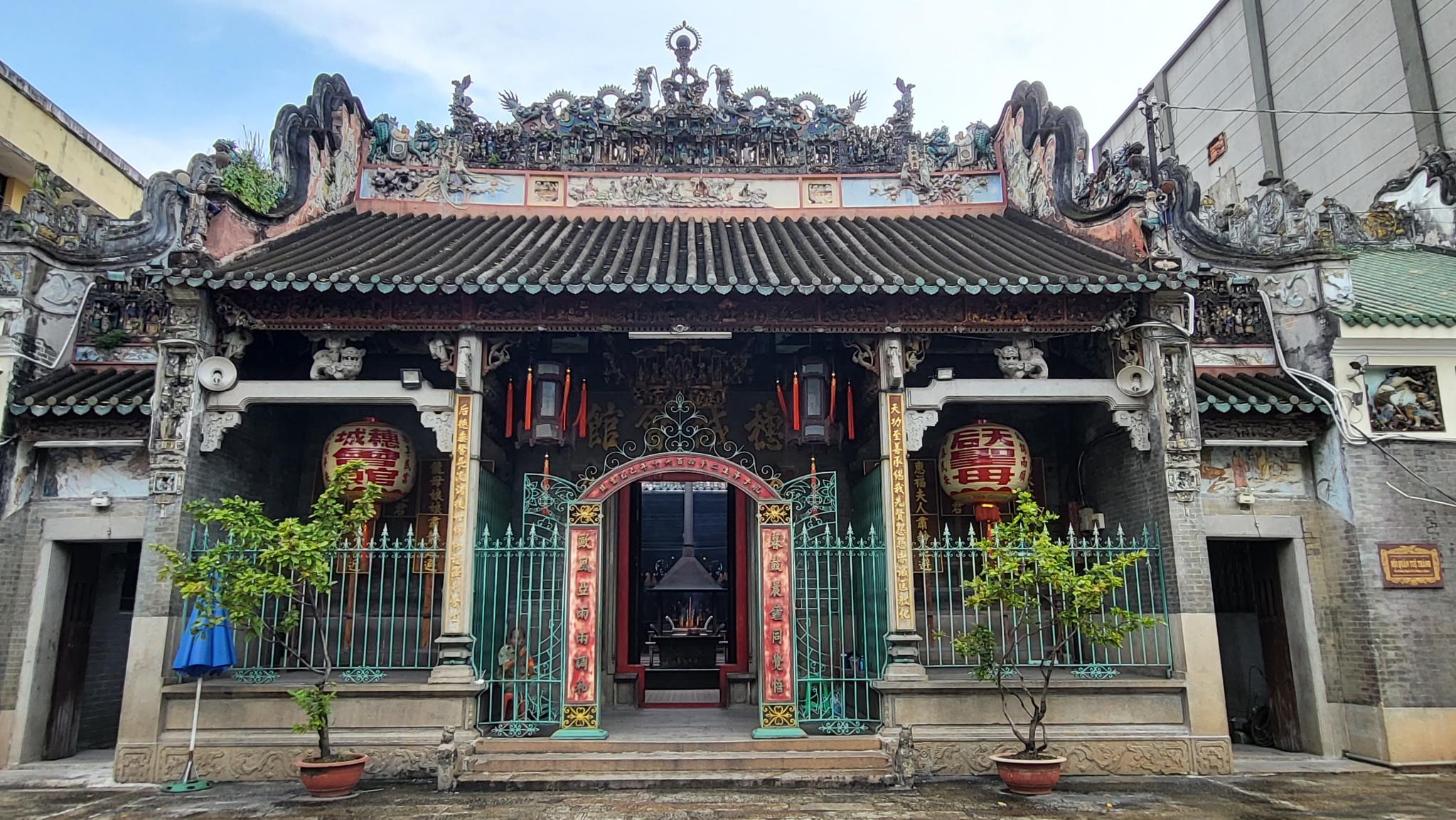
- Architectural Style: The Thien Hau Temple’s architectural design exemplifies traditional Chinese temple architecture, characterized by its intricate craftsmanship, symbolic motifs, ornate decorations, and religious symbolism that reflect the temple’s spiritual significance, cultural identity, and historical context within Cholon’s architectural landscape.
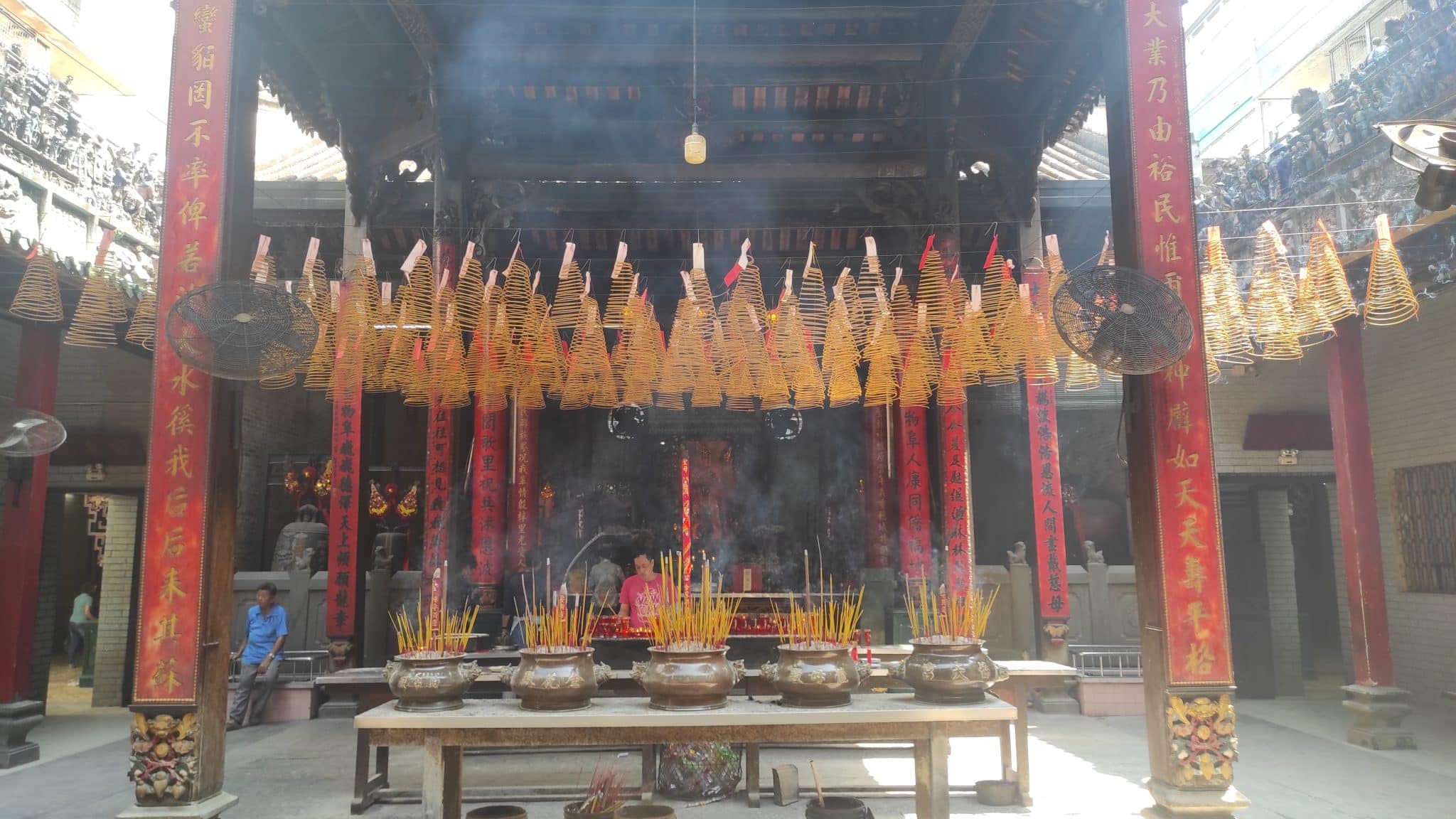
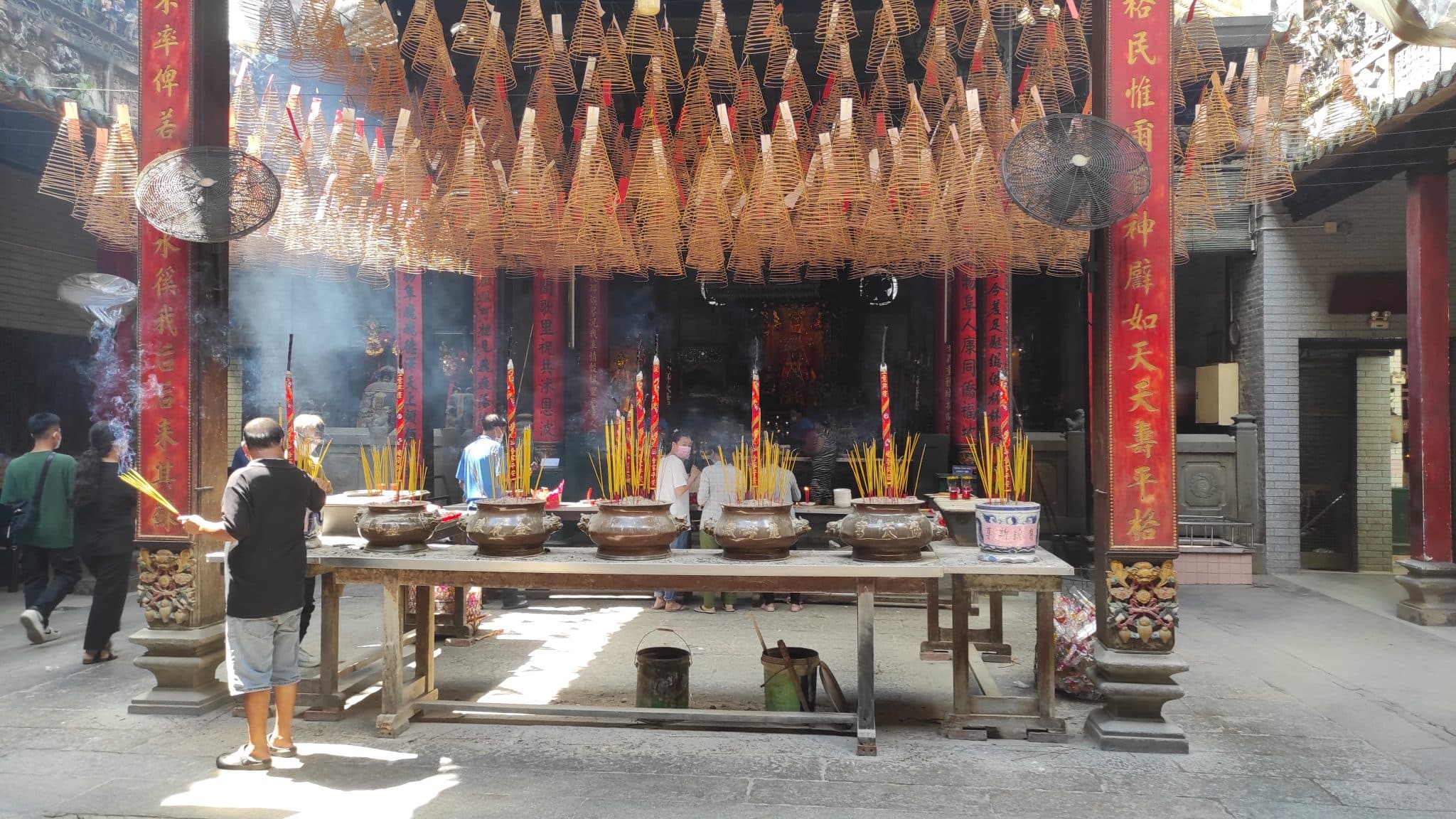
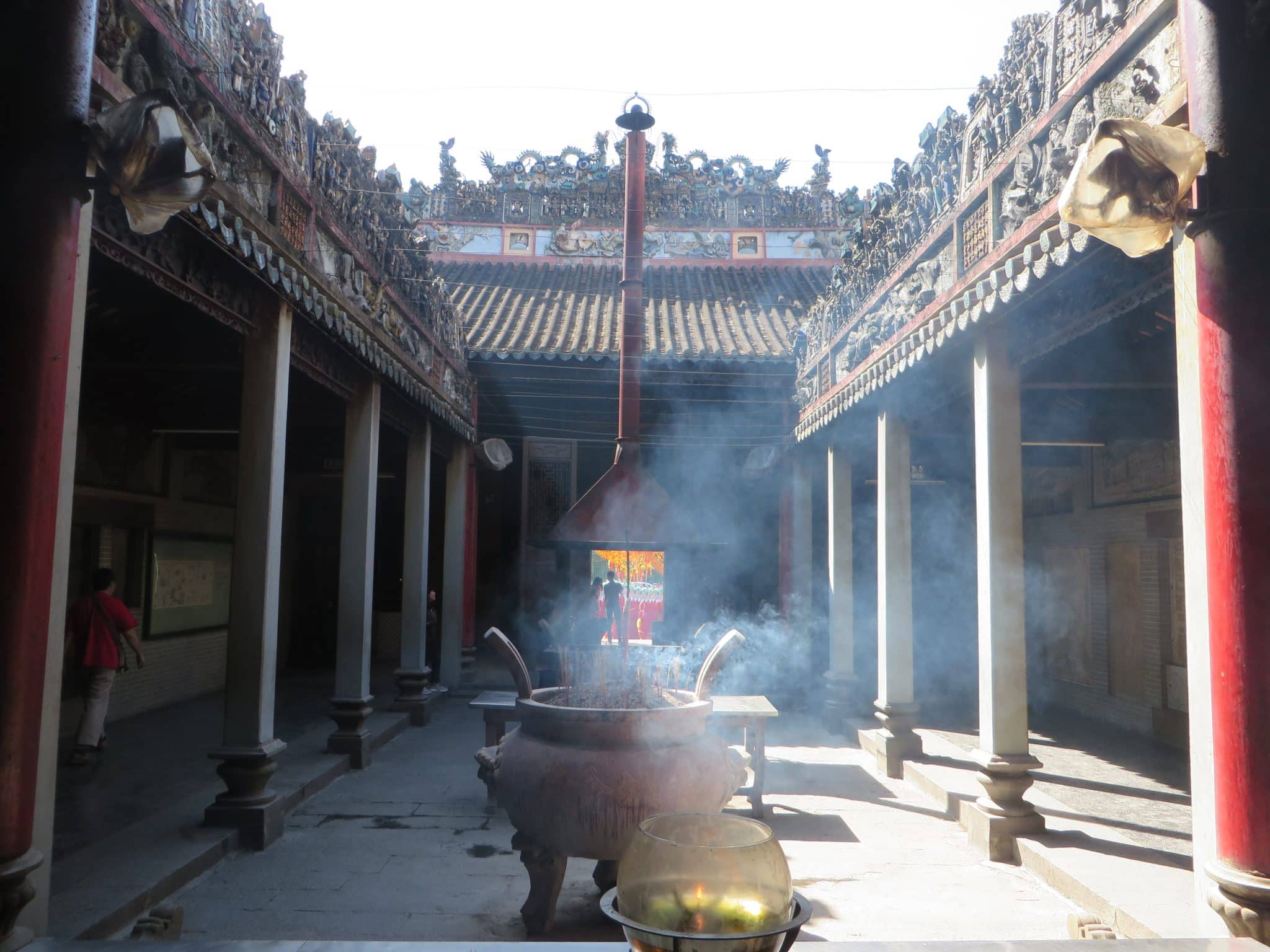
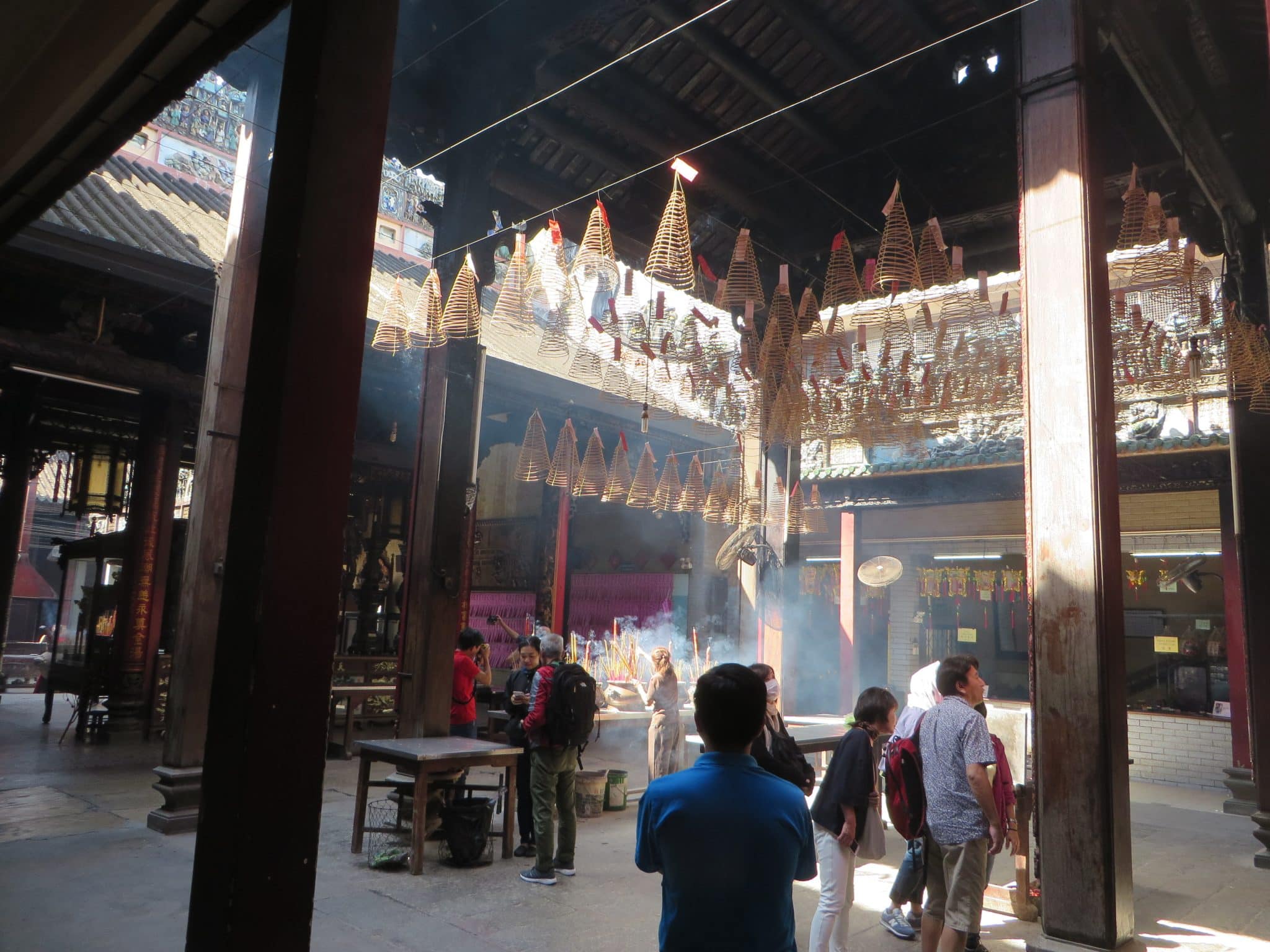
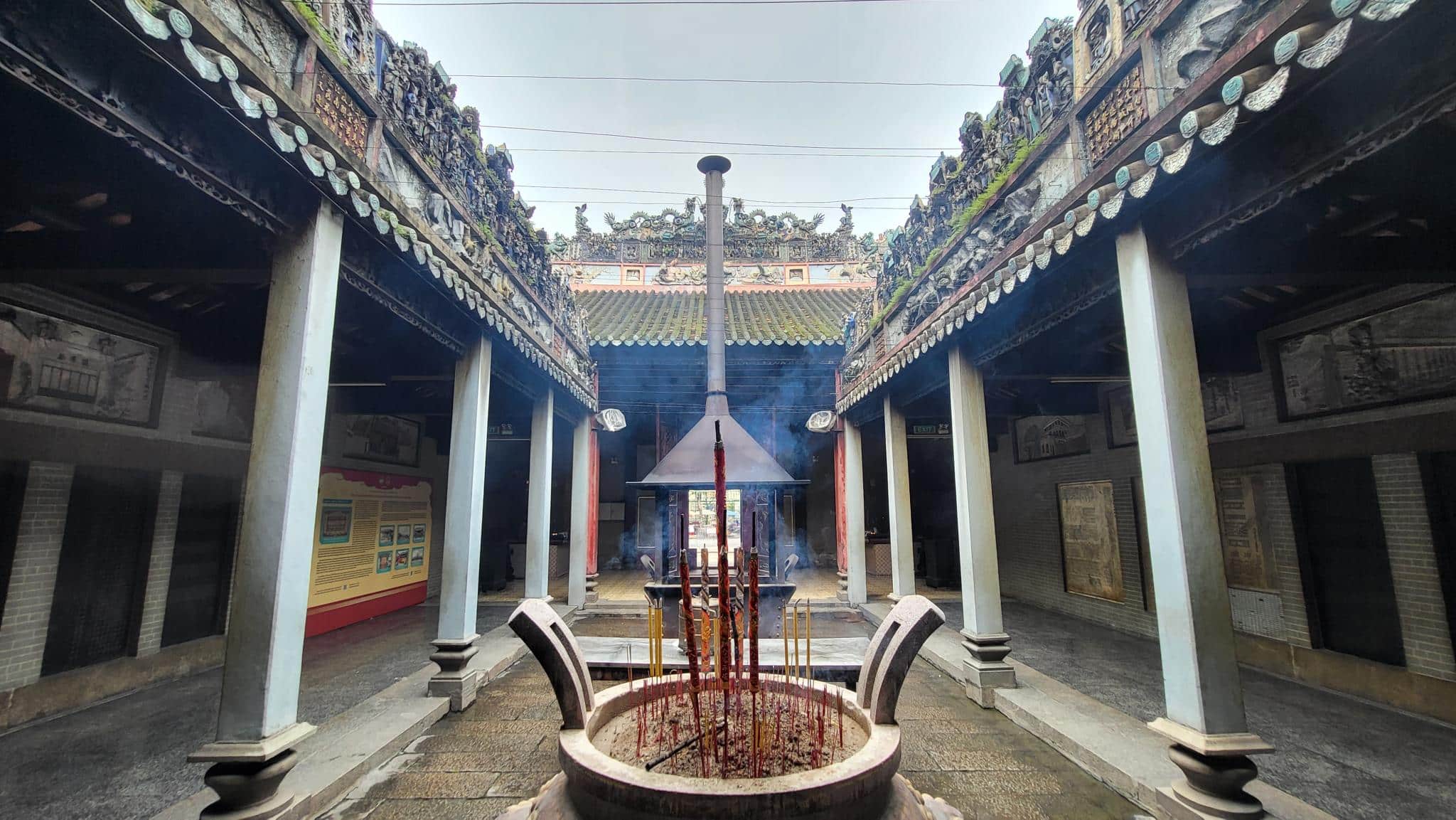
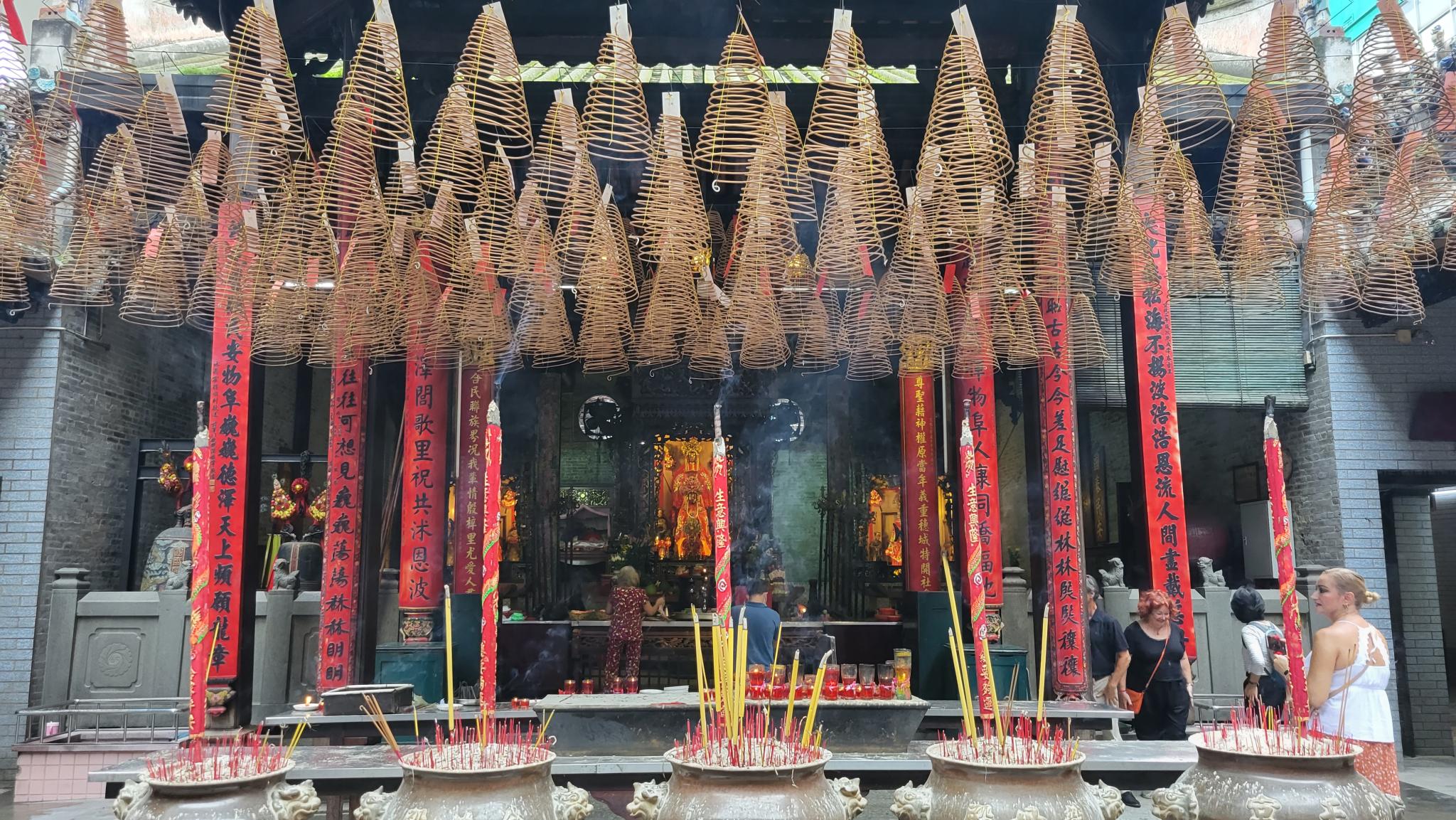
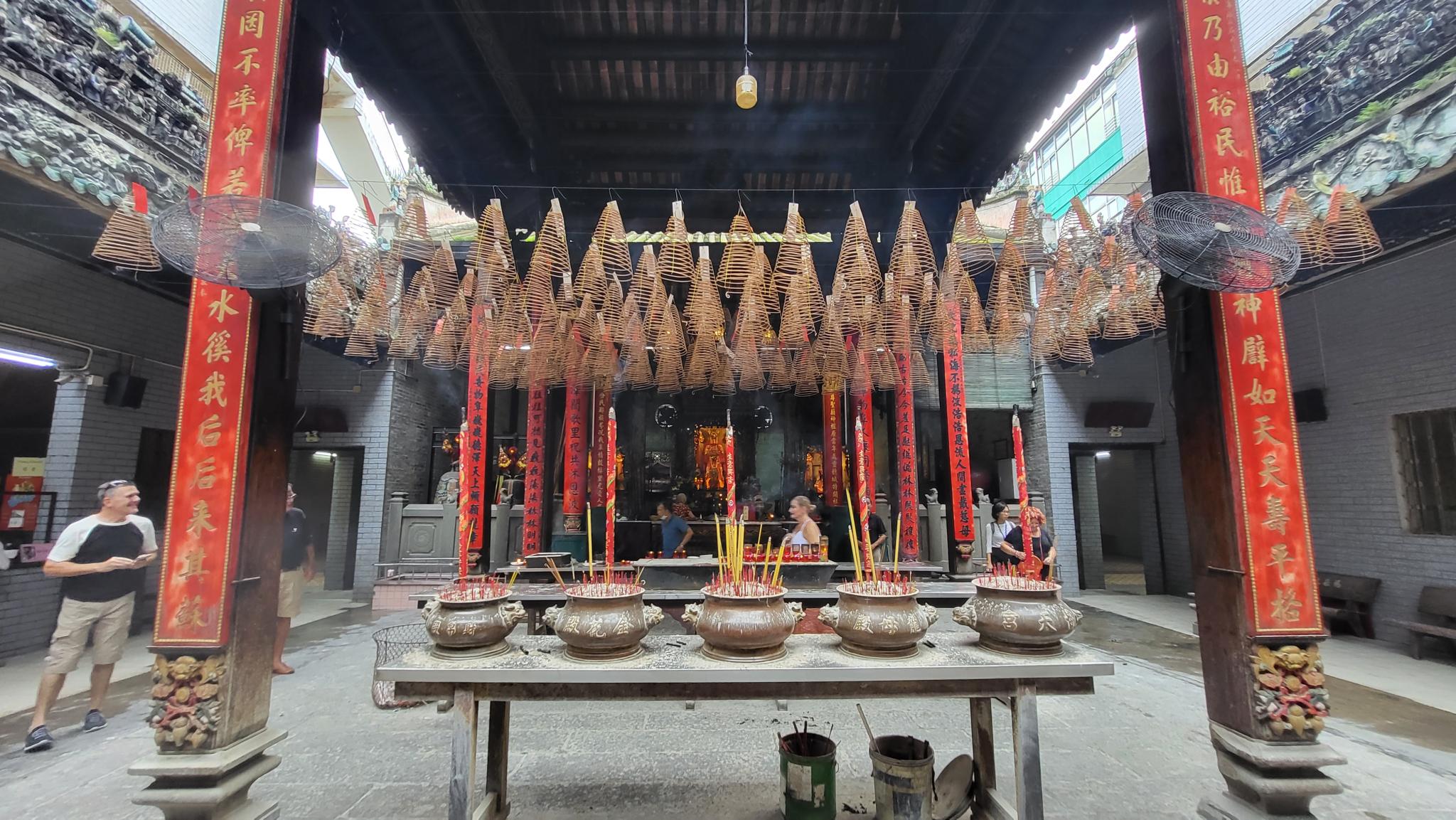
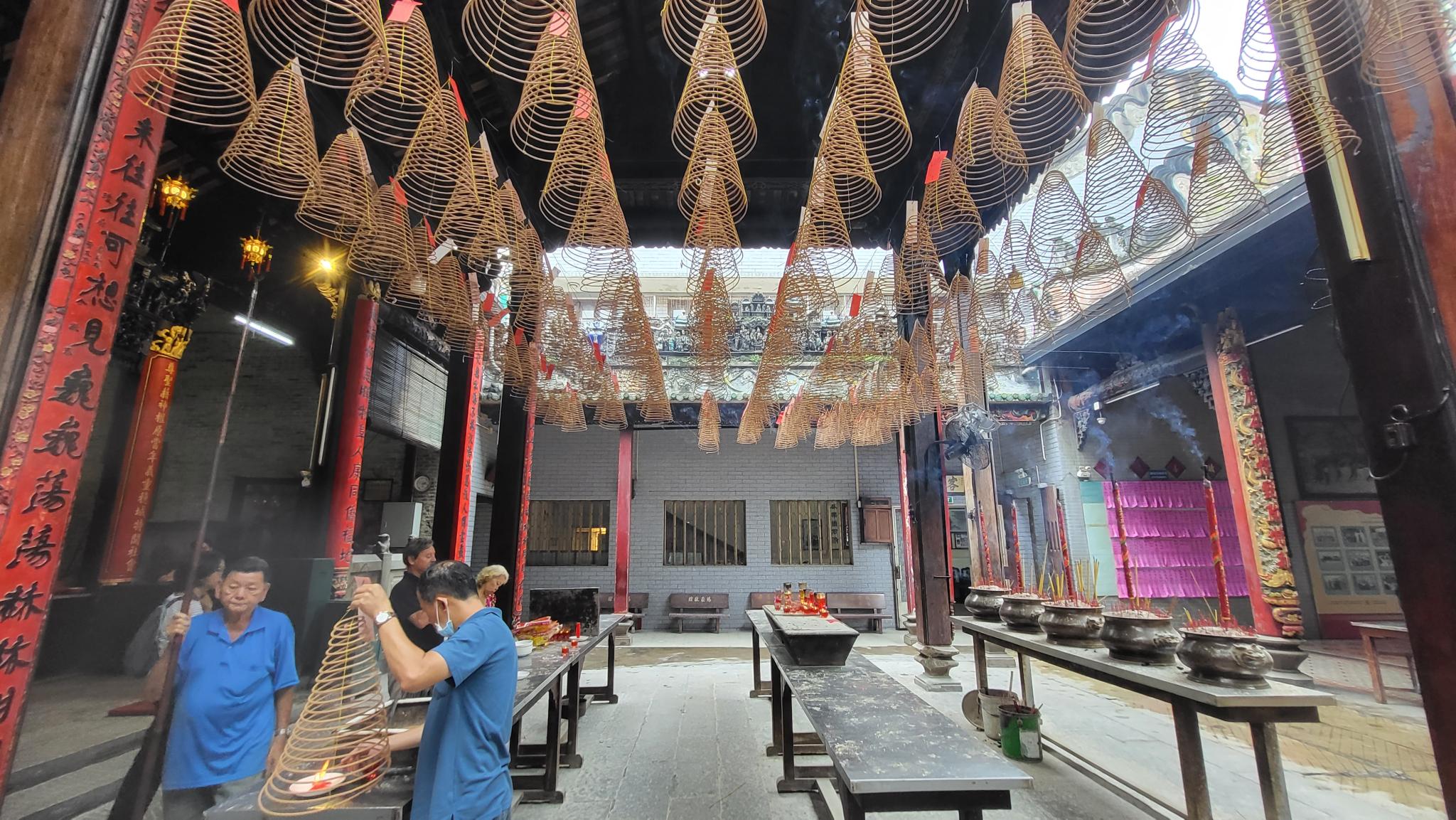
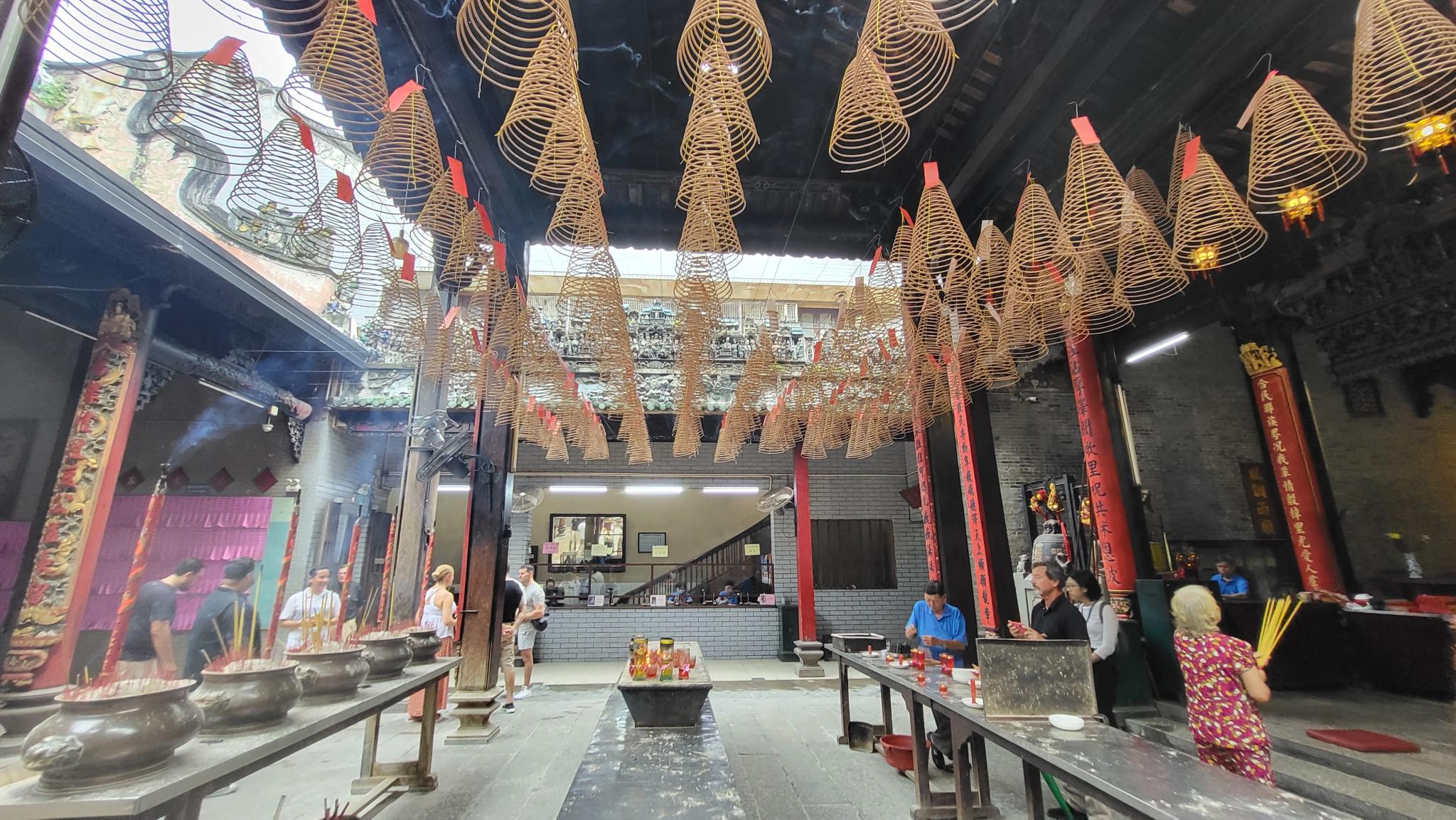
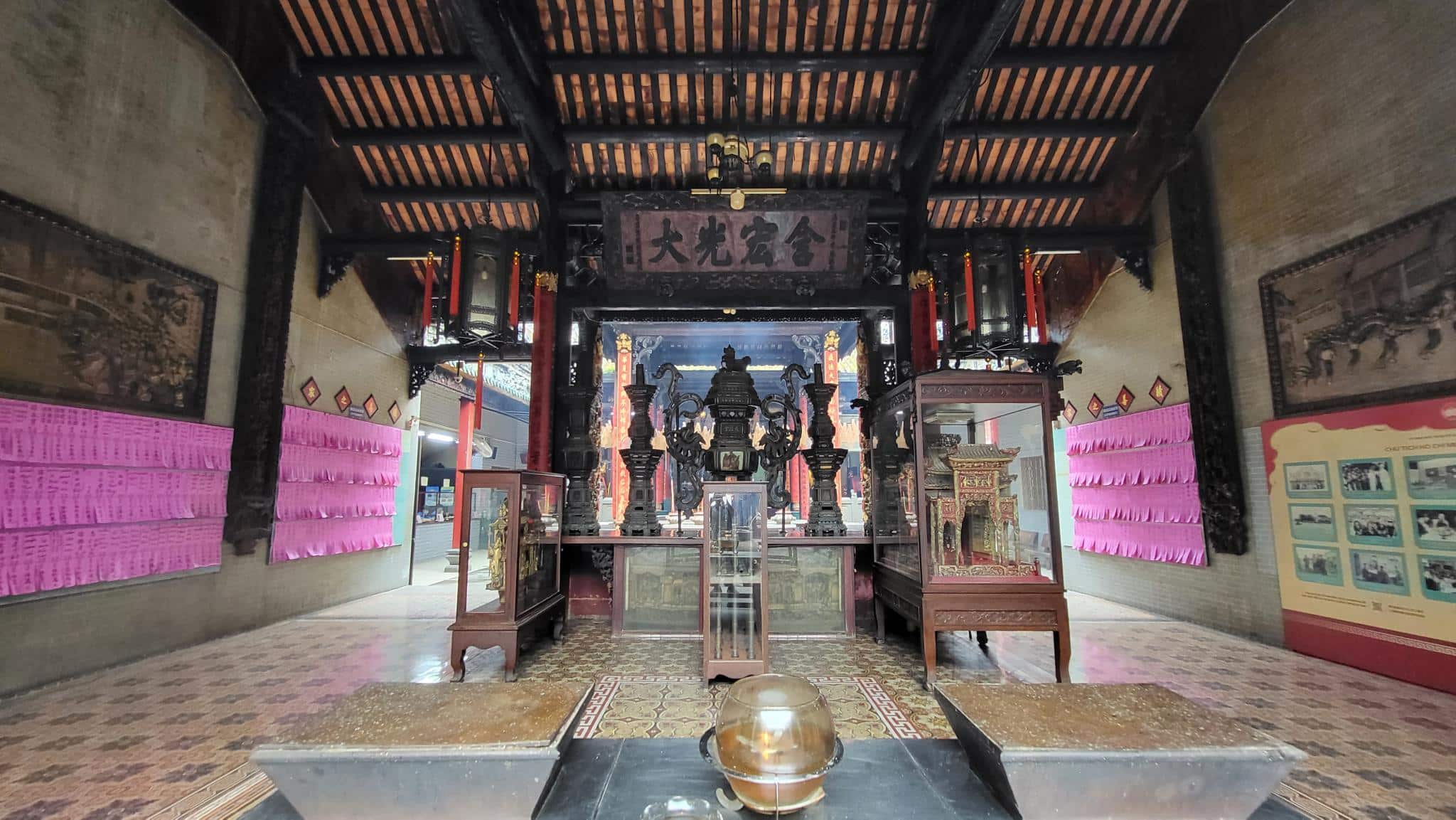
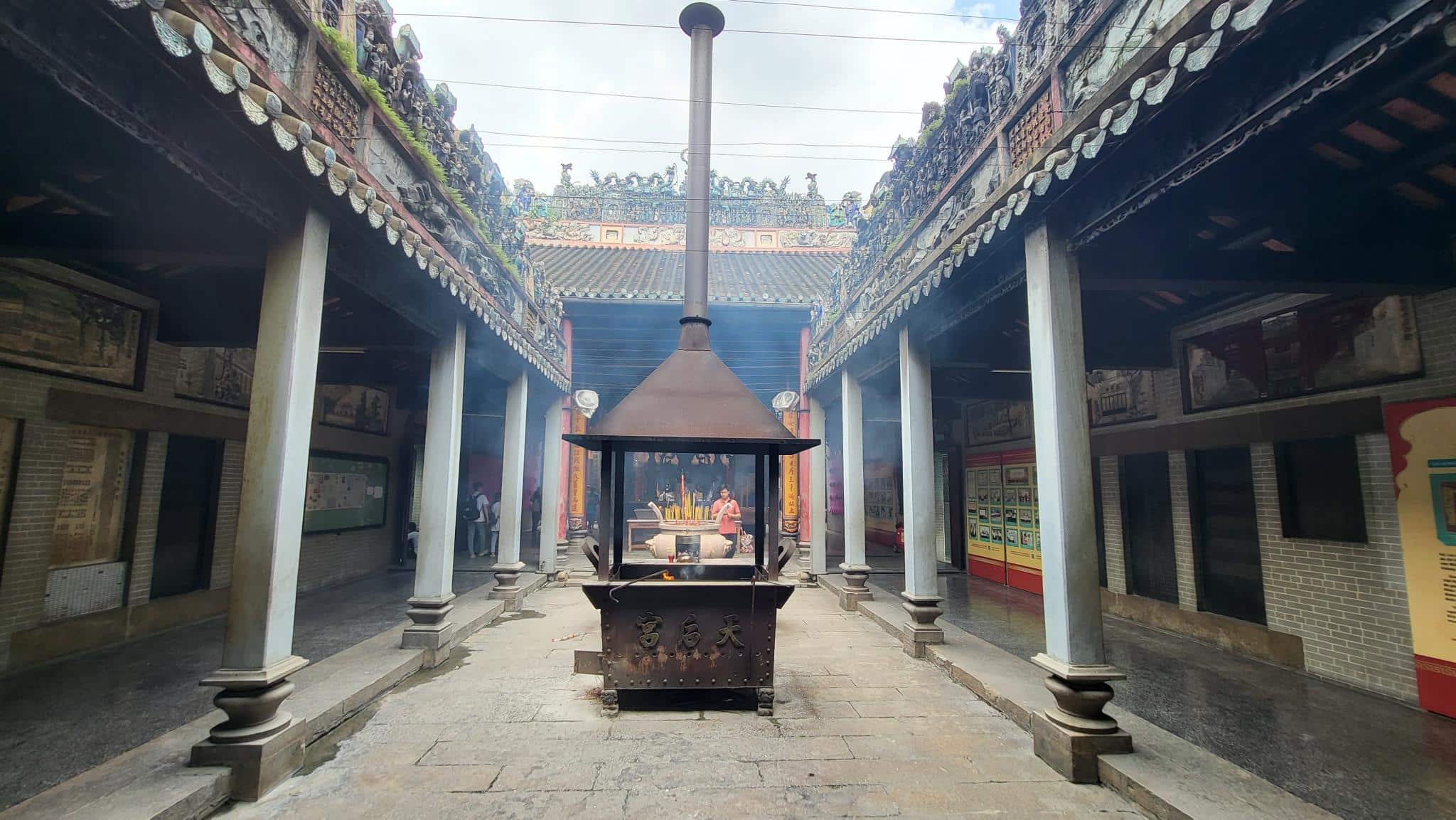
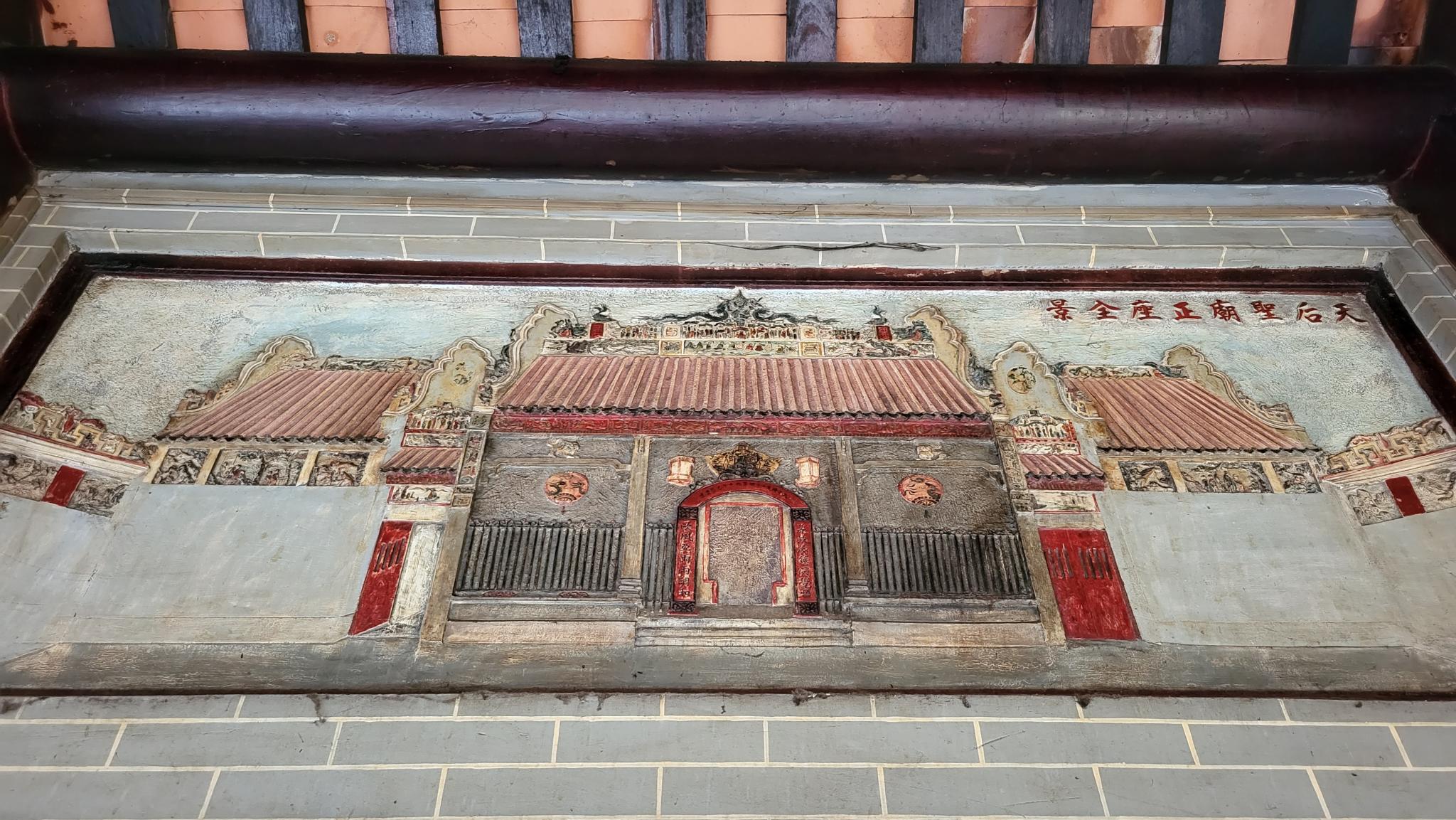
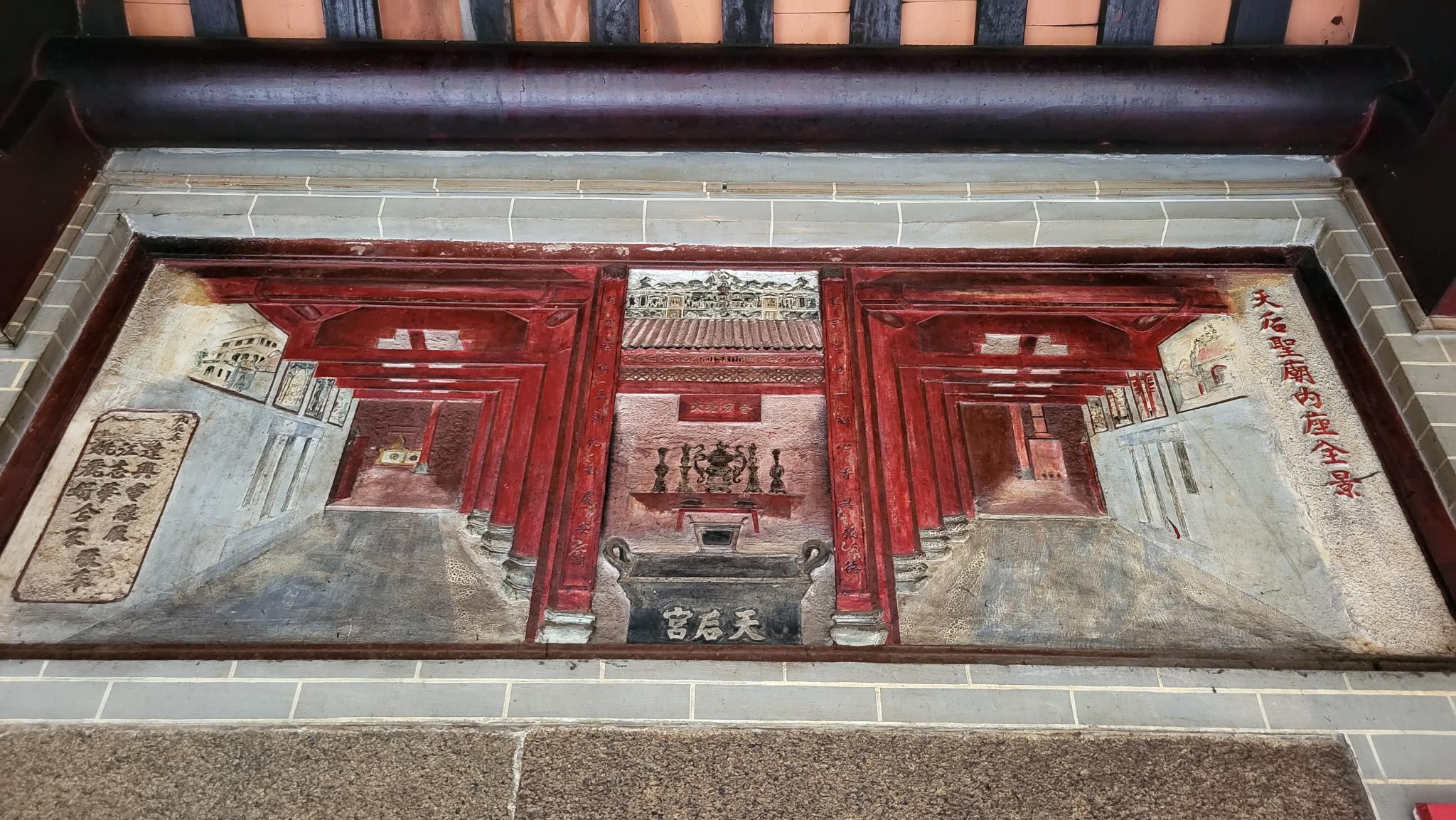
- Design Elements: The temple features a distinctive design that includes a front gate, courtyard, prayer halls, altars, shrines, pavilions, and other architectural elements designed to facilitate religious rituals, ceremonies, cultural practices, and community activities associated with the worship of Mazu and other deities revered within the Chinese pantheon.
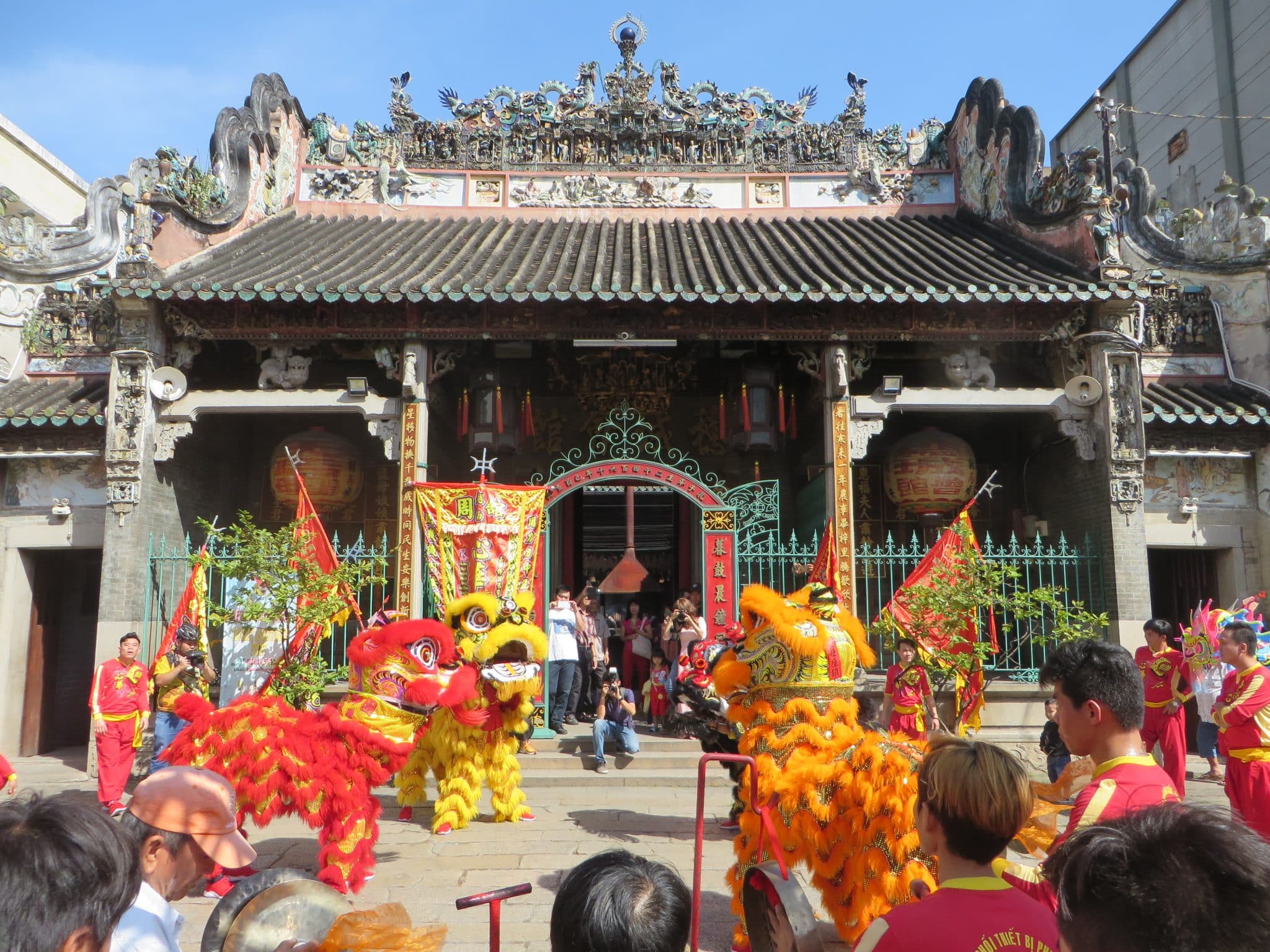
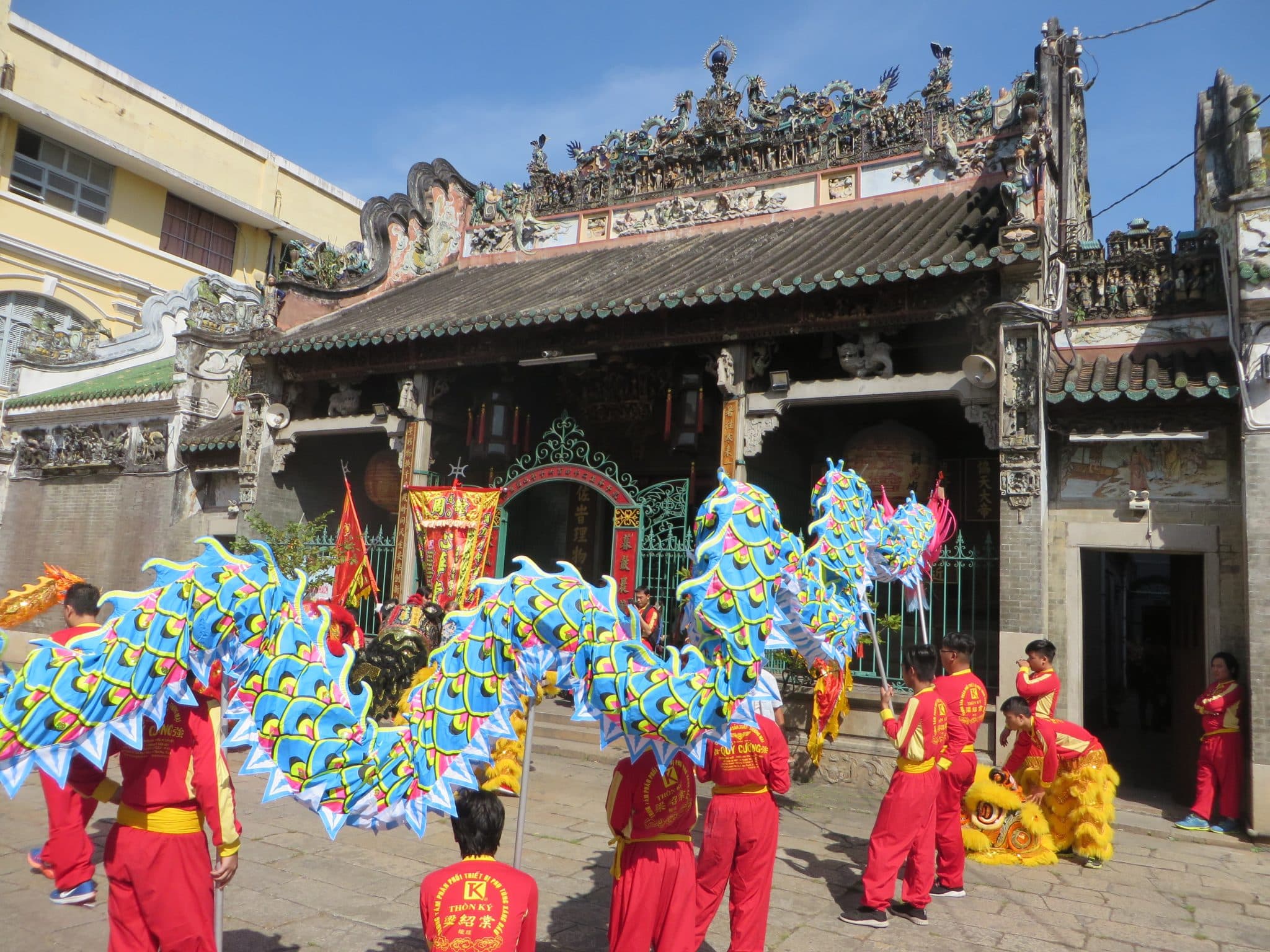
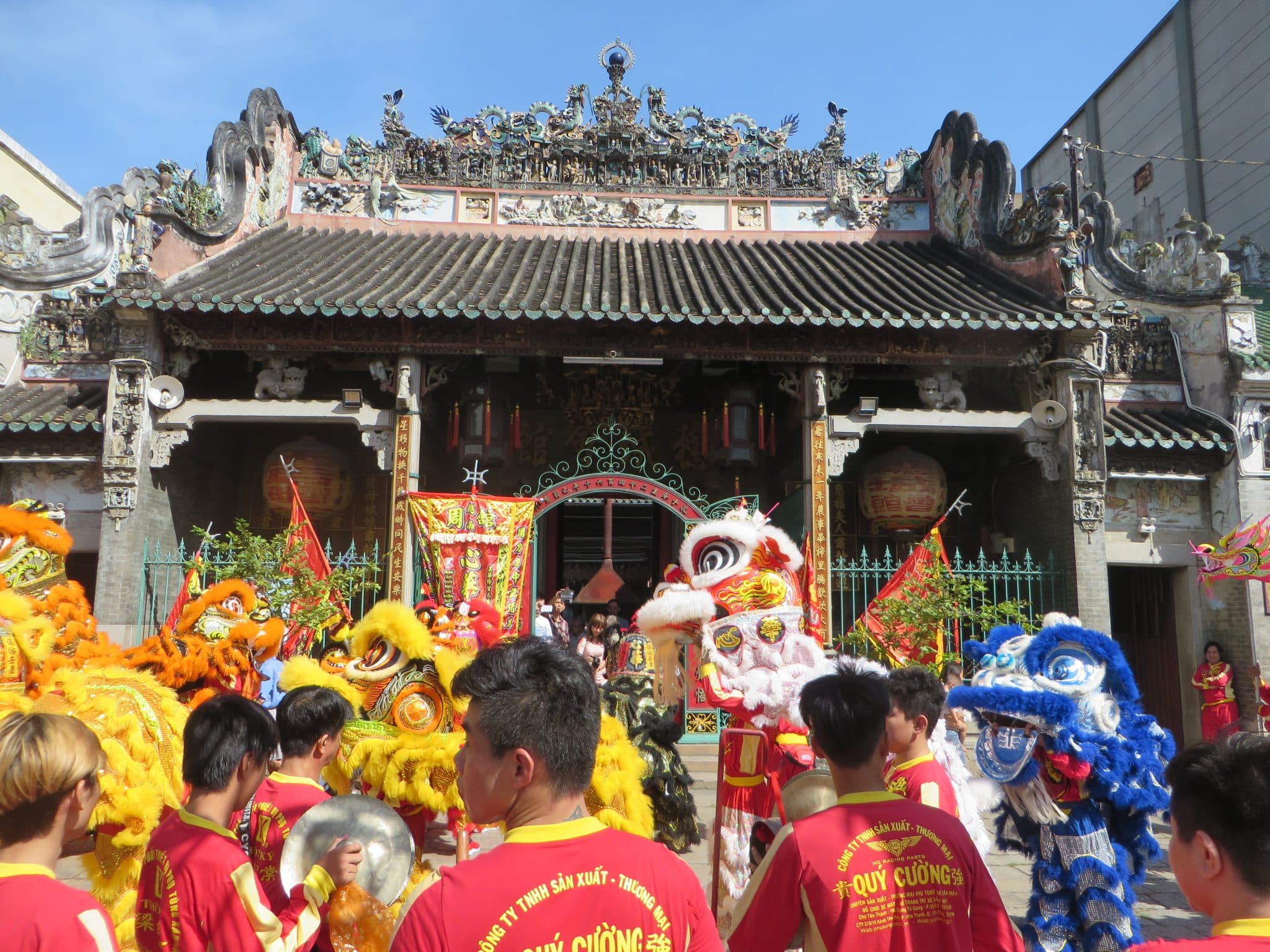
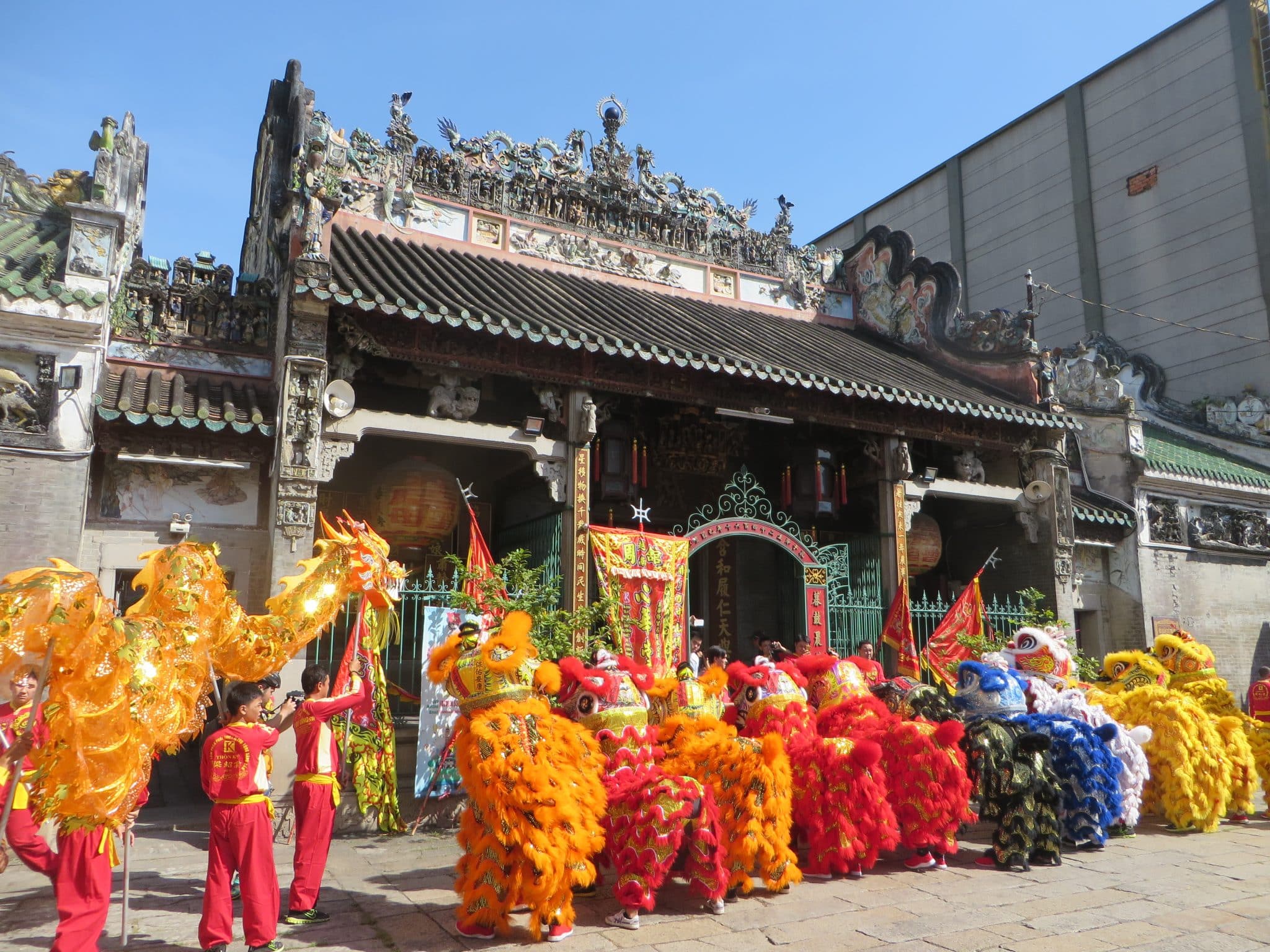
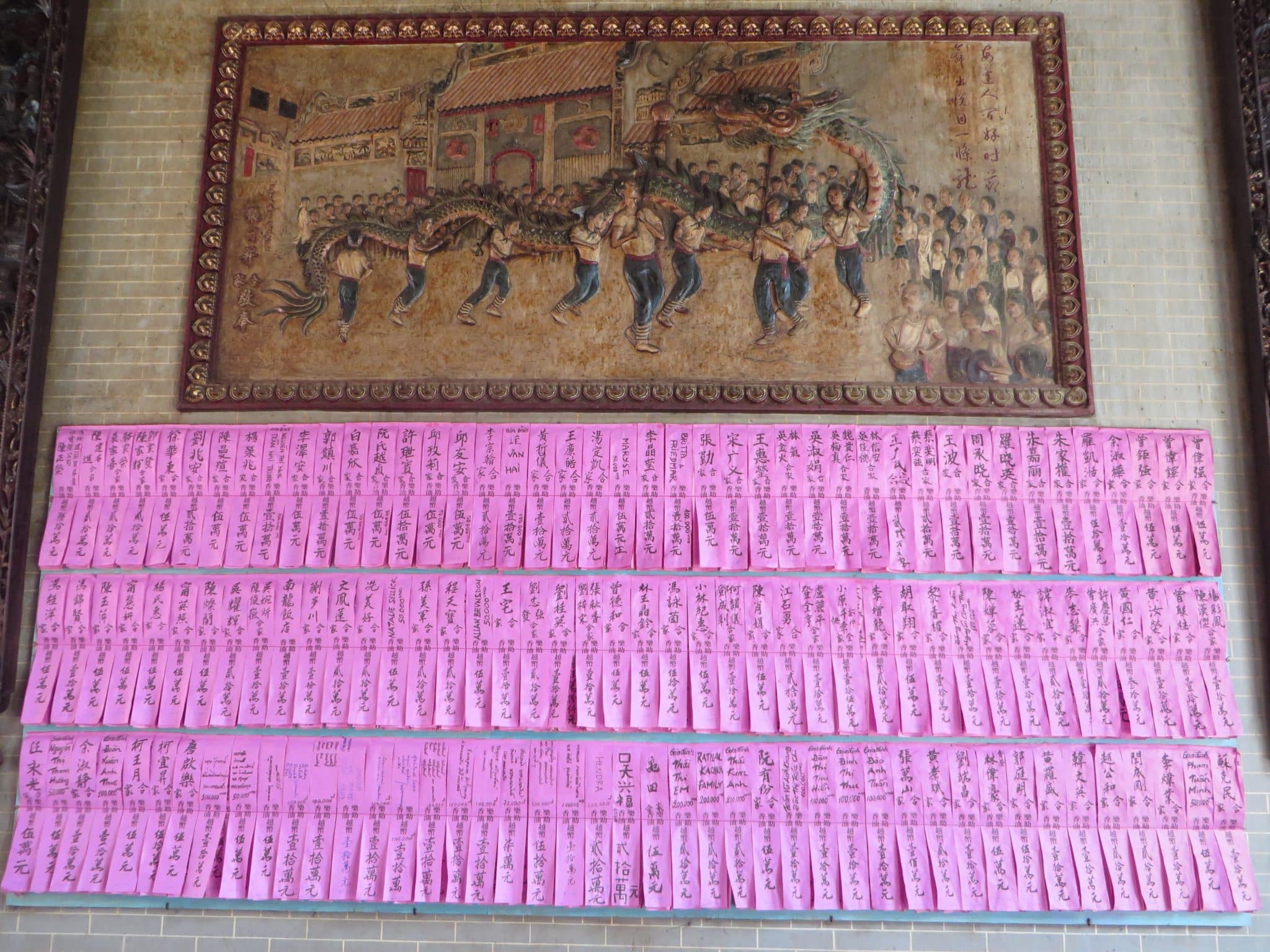
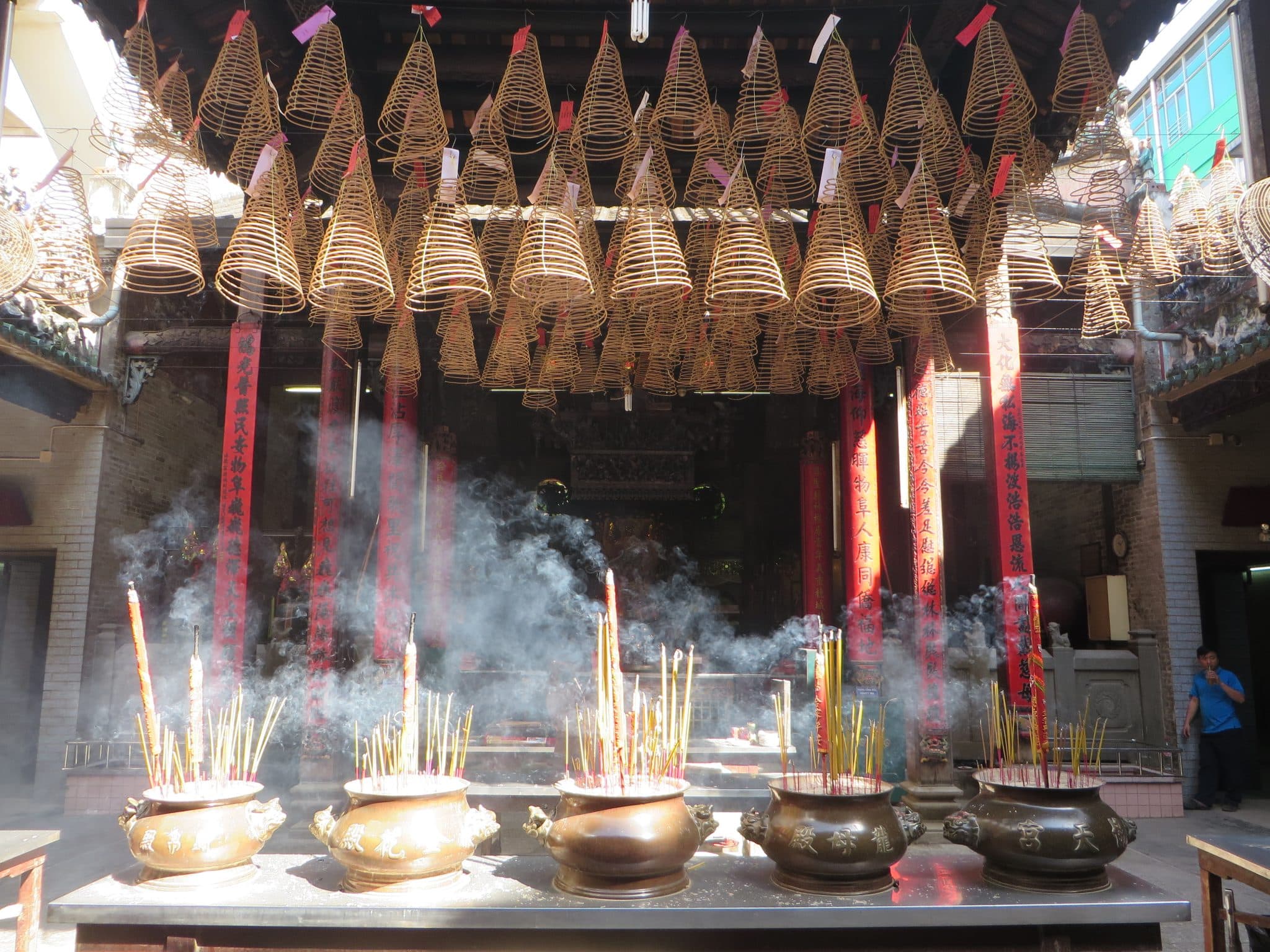
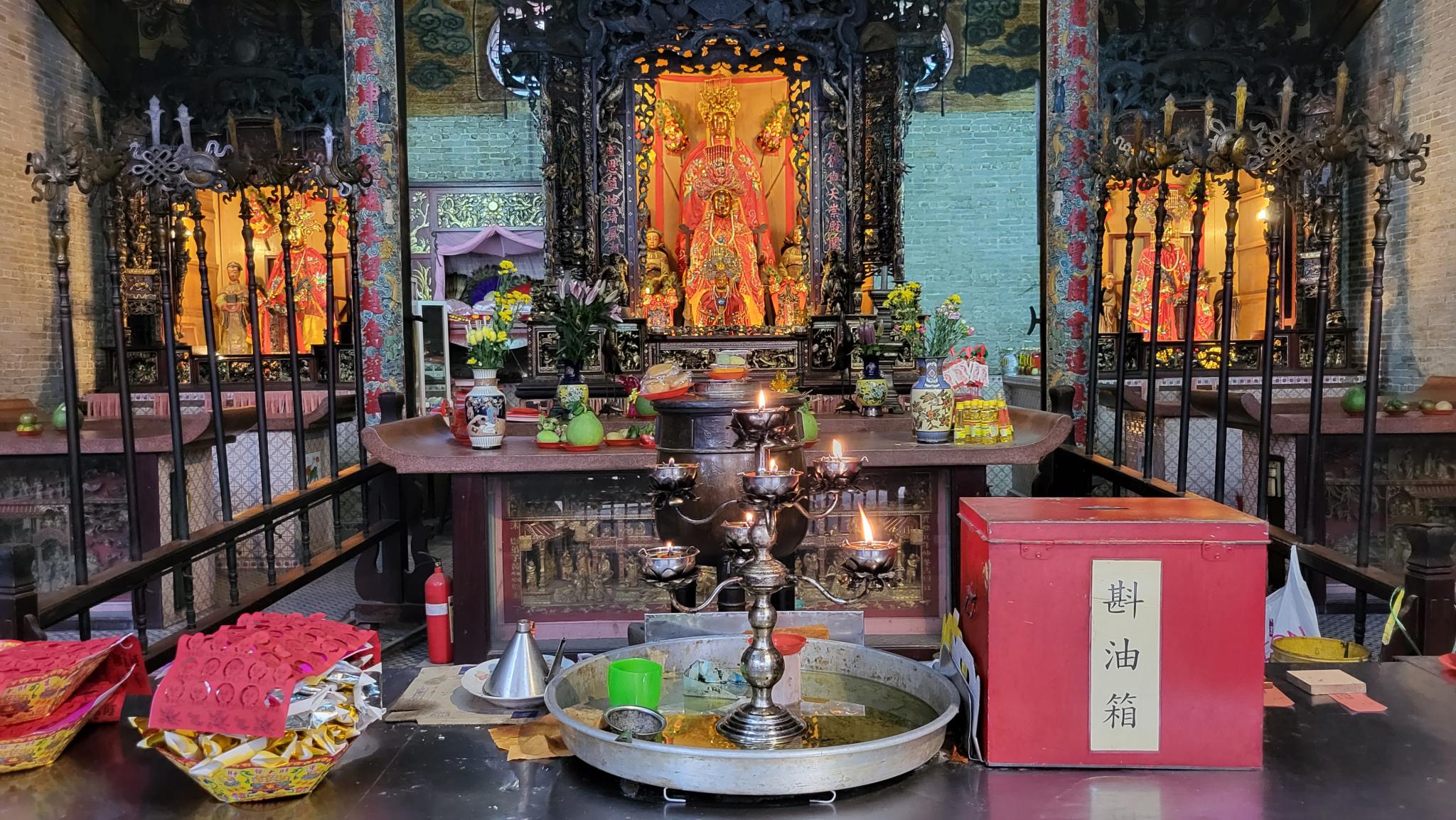
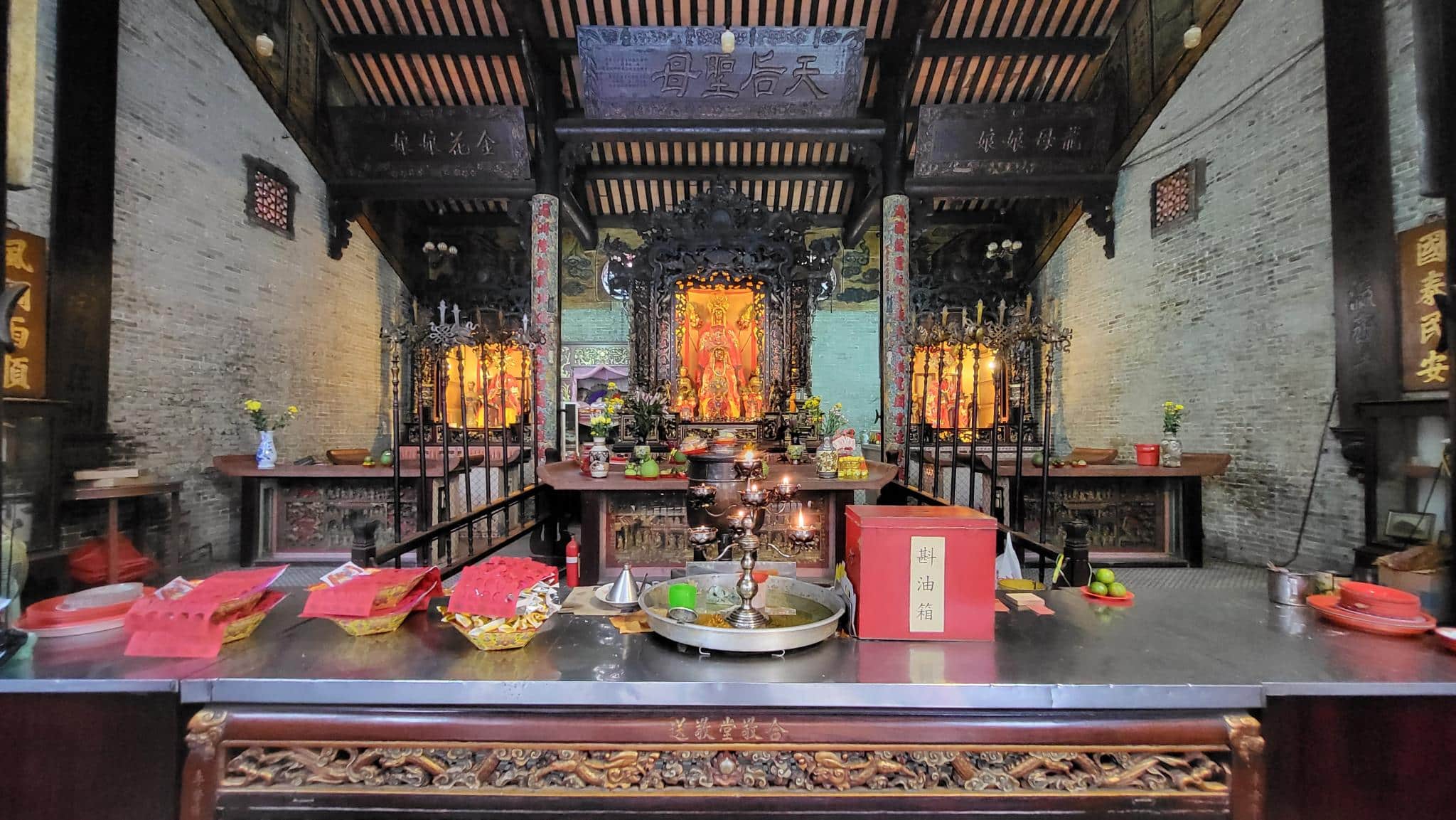
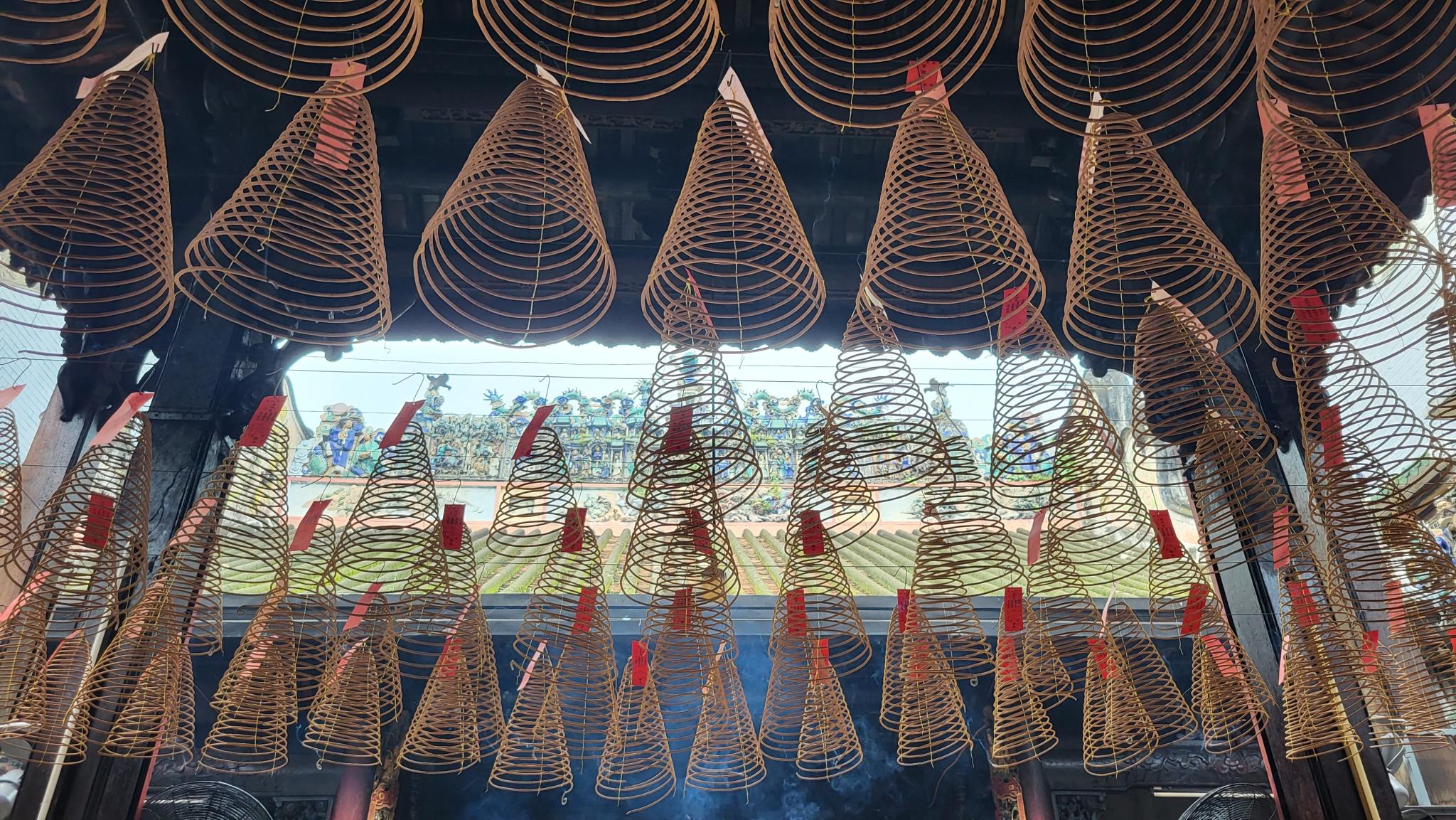
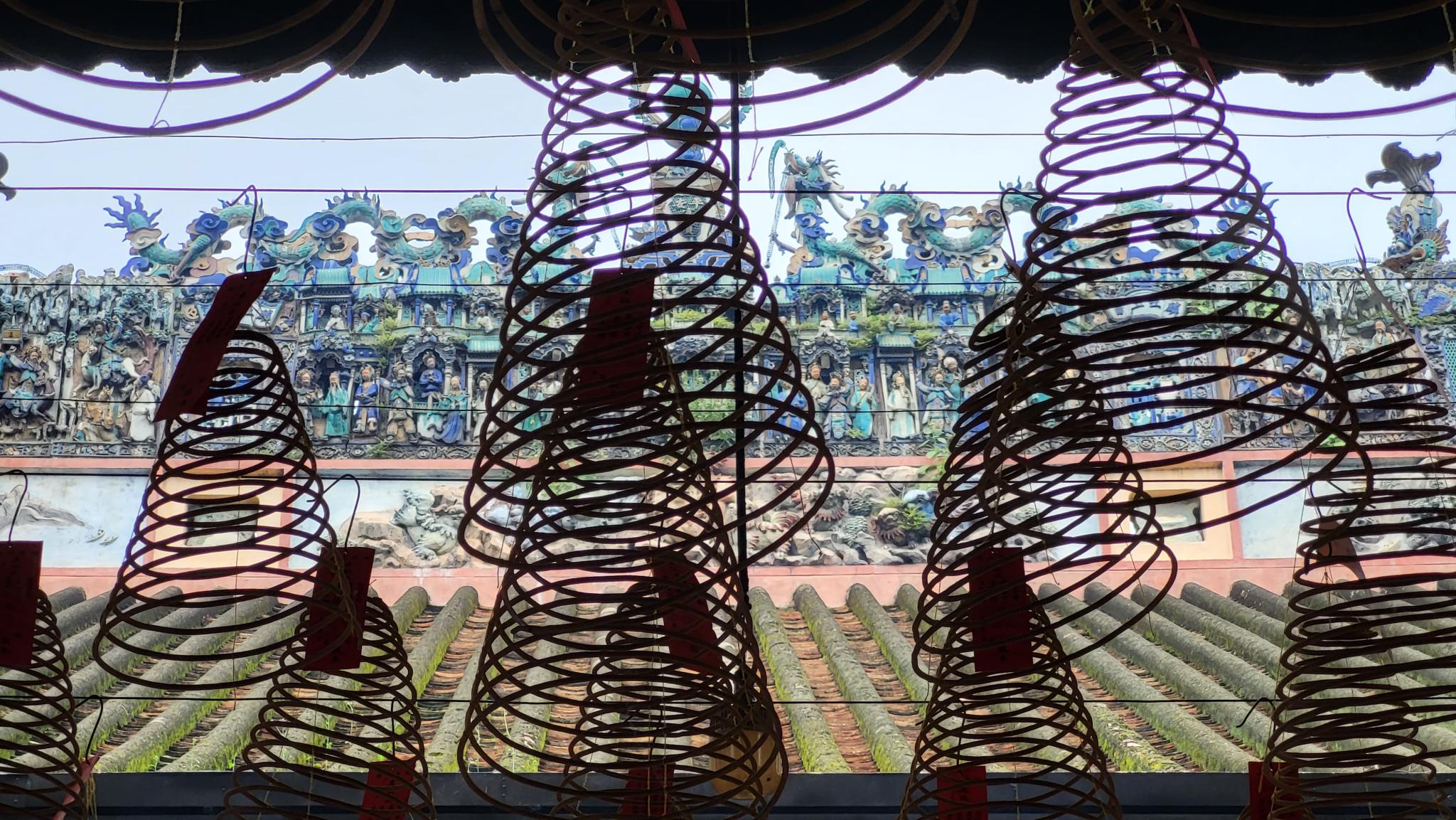
- Decorative Details: The Thien Hau Temple’s interior and exterior may showcase decorative details such as carved wooden panels, painted murals, ceramic tiles, stone sculptures, gilded ornaments, inscribed plaques, and religious artifacts that highlight Chinese artistic traditions, aesthetic values, and craftsmanship inherent to the temple’s construction, decoration, and preservation over generations.
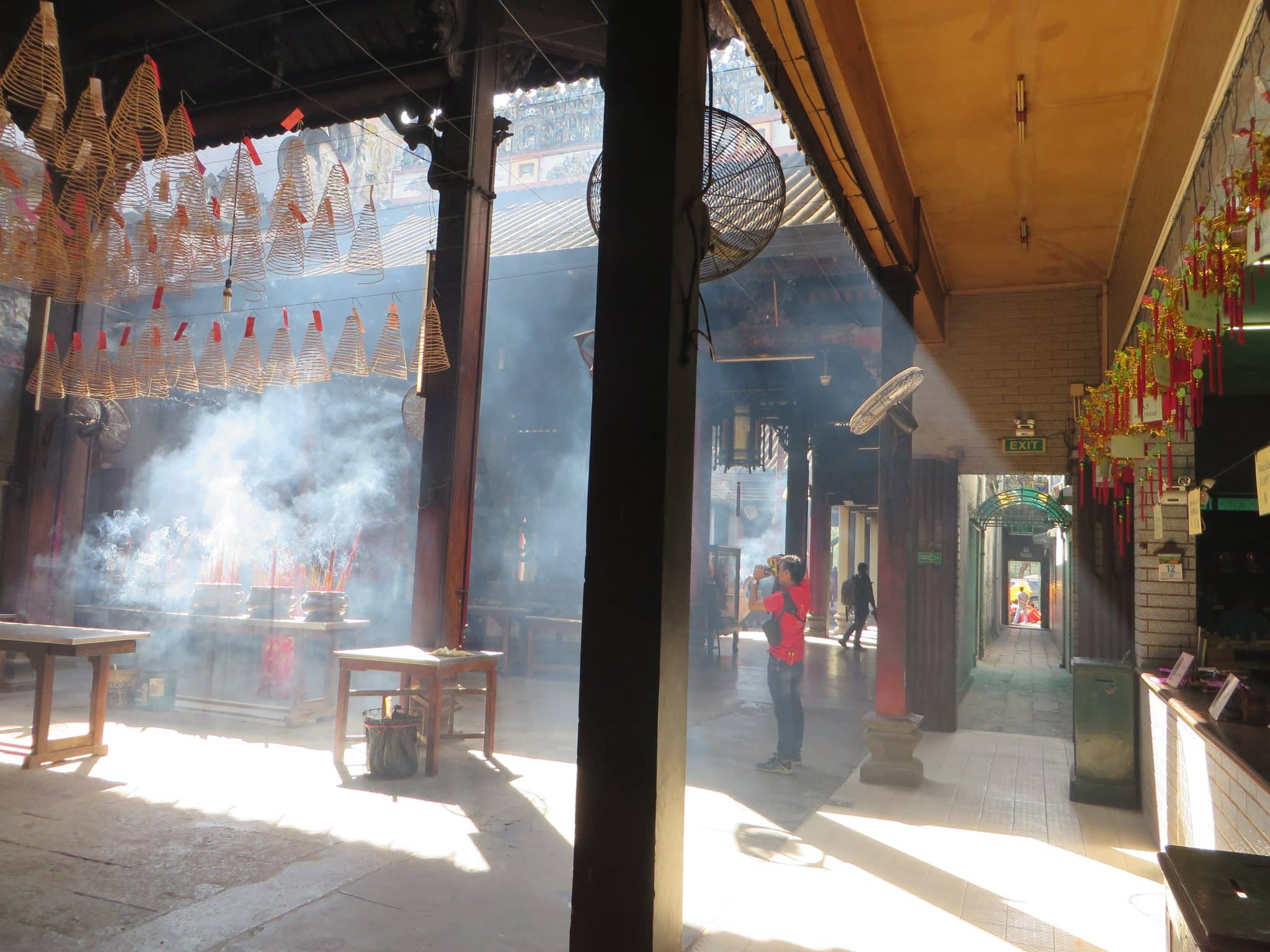
- Sacred Spaces: Within the temple complex, visitors and worshippers can explore various sacred spaces dedicated to Mazu, other deities, historical figures, and cultural symbols associated with Chinese mythology, folklore, legends, and religious beliefs that resonate with the temple’s spiritual, cultural, and historical significance within Cholon’s community.
Modern Context:
- Community Engagement: Today, the Thien Hau Temple continues to serve as a spiritual, cultural, and communal hub for the Chinese community in Cholon. The temple hosts religious services, cultural events, community gatherings, and educational programs that promote religious tolerance, cultural exchange, social cohesion, and interethnic relations within Vietnam’s multicultural society.
- Historical Preservation: Efforts to preserve, maintain, and restore the Thien Hau Temple signify its historical significance, cultural value, and architectural integrity as a religious landmark, cultural heritage site, and historical symbol representing the Chinese community’s identity, contributions, and legacy within Cholon’s socio-cultural, religious, and historical context.
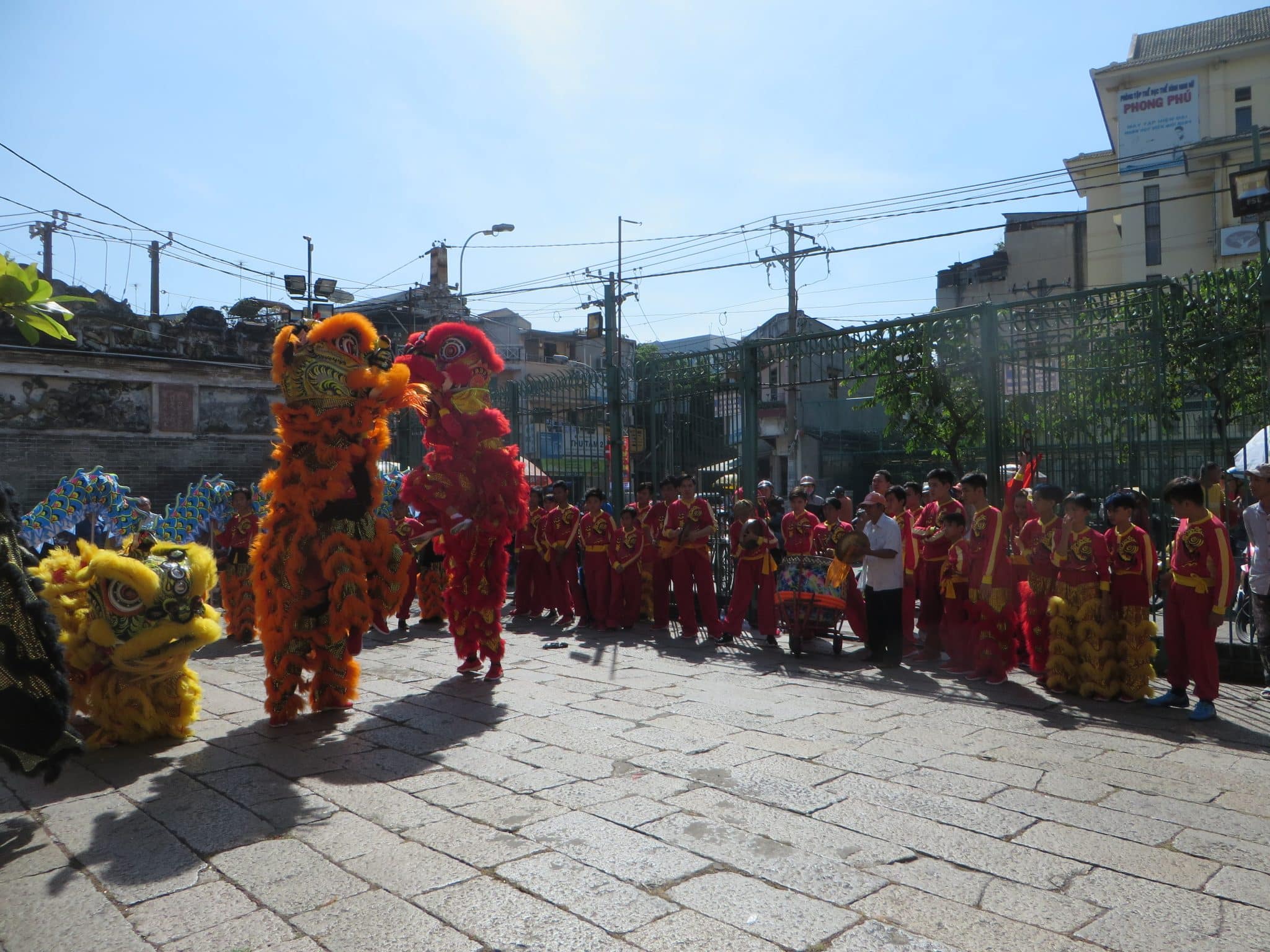
Photos of Thien Hau Temple (Chùa Bà Thiên Hậu) – Saigon (2023-2024)
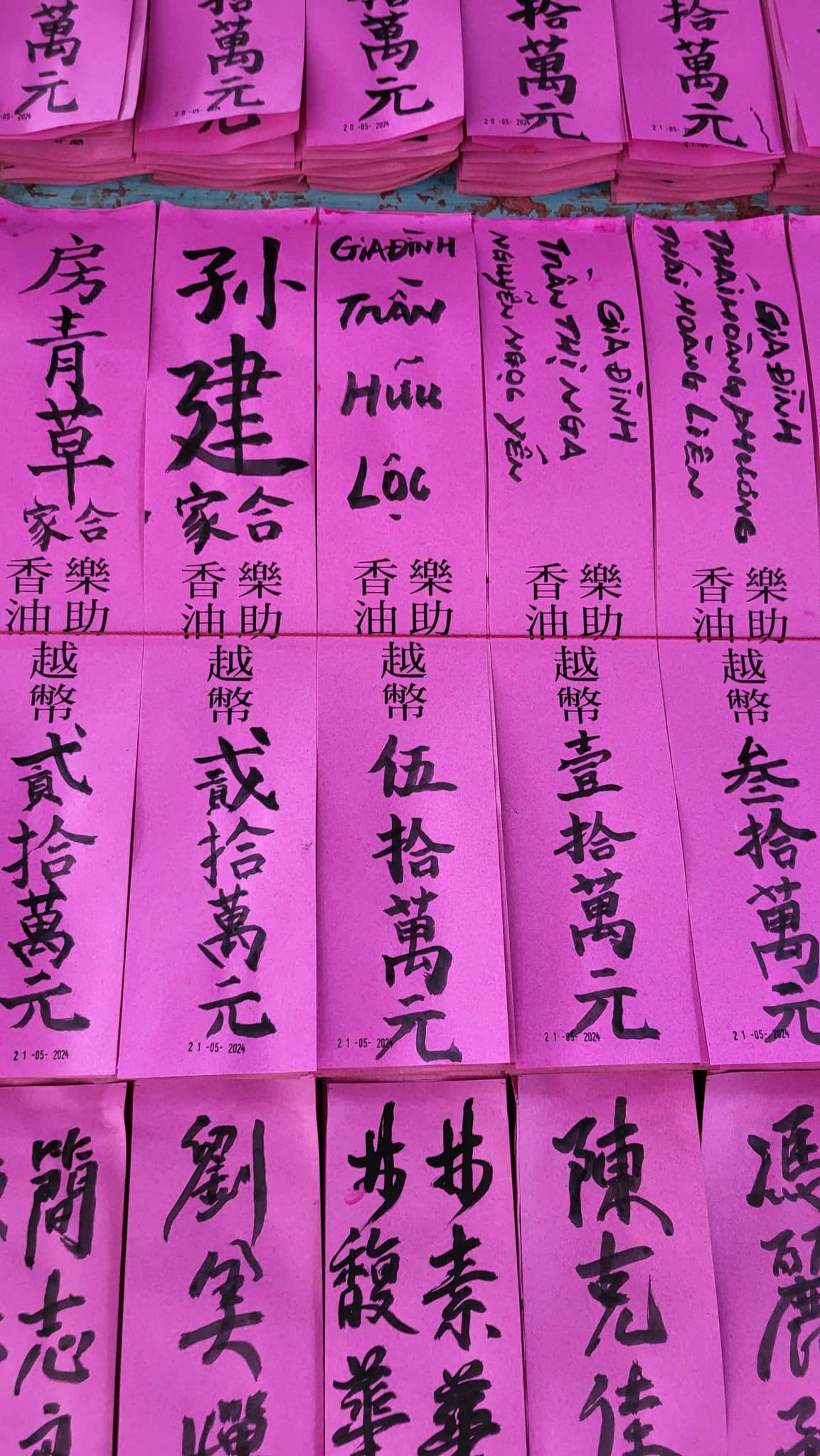
Photos of Thien Hau Temple (Chùa Bà Thiên Hậu) – Saigon (2018)