Jade Emperor Temple (Chùa Ngọc Hoàng) – Saigon
History of Jade Emperor Pagoda in Saigon:
The Jade Emperor Pagoda (Chùa Ngọc Hoàng), commonly known as the Jade Emperor Temple, is a historically significant Taoist and Buddhist temple located in Ho Chi Minh City, formerly known as Saigon. The temple was constructed by the Vietnamese Chinese community during the early 20th century, and it serves as a spiritual sanctuary, pilgrimage site, and cultural landmark within the city.
The temple’s construction was initiated by the Chinese community to honor the Jade Emperor, the supreme Taoist deity, as well as other figures from Chinese mythology, Taoist cosmology, and Buddhist traditions. Over the years, the Jade Emperor Pagoda has become a revered religious site, attracting devotees, worshippers, tourists, and spiritual seekers interested in exploring its historical, cultural, and architectural significance within Vietnam’s diverse religious landscape.
Architecture of Jade Emperor Pagoda:
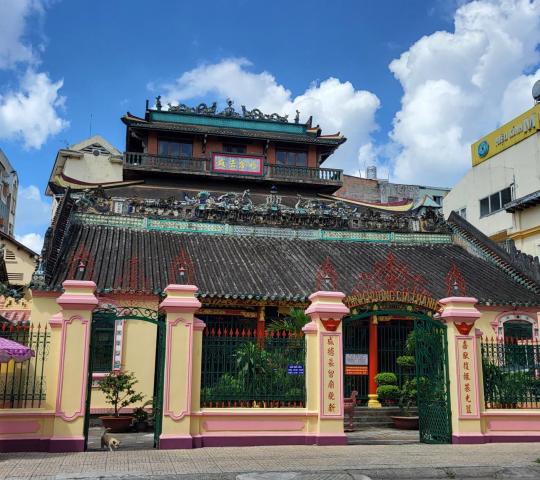
The Jade Emperor Pagoda’s architectural design reflects a blend of Chinese Taoist and Buddhist influences, featuring traditional architectural elements, artistic motifs, and decorative details that characterize its cultural authenticity, historical integrity, and religious significance. Here are some architectural highlights:
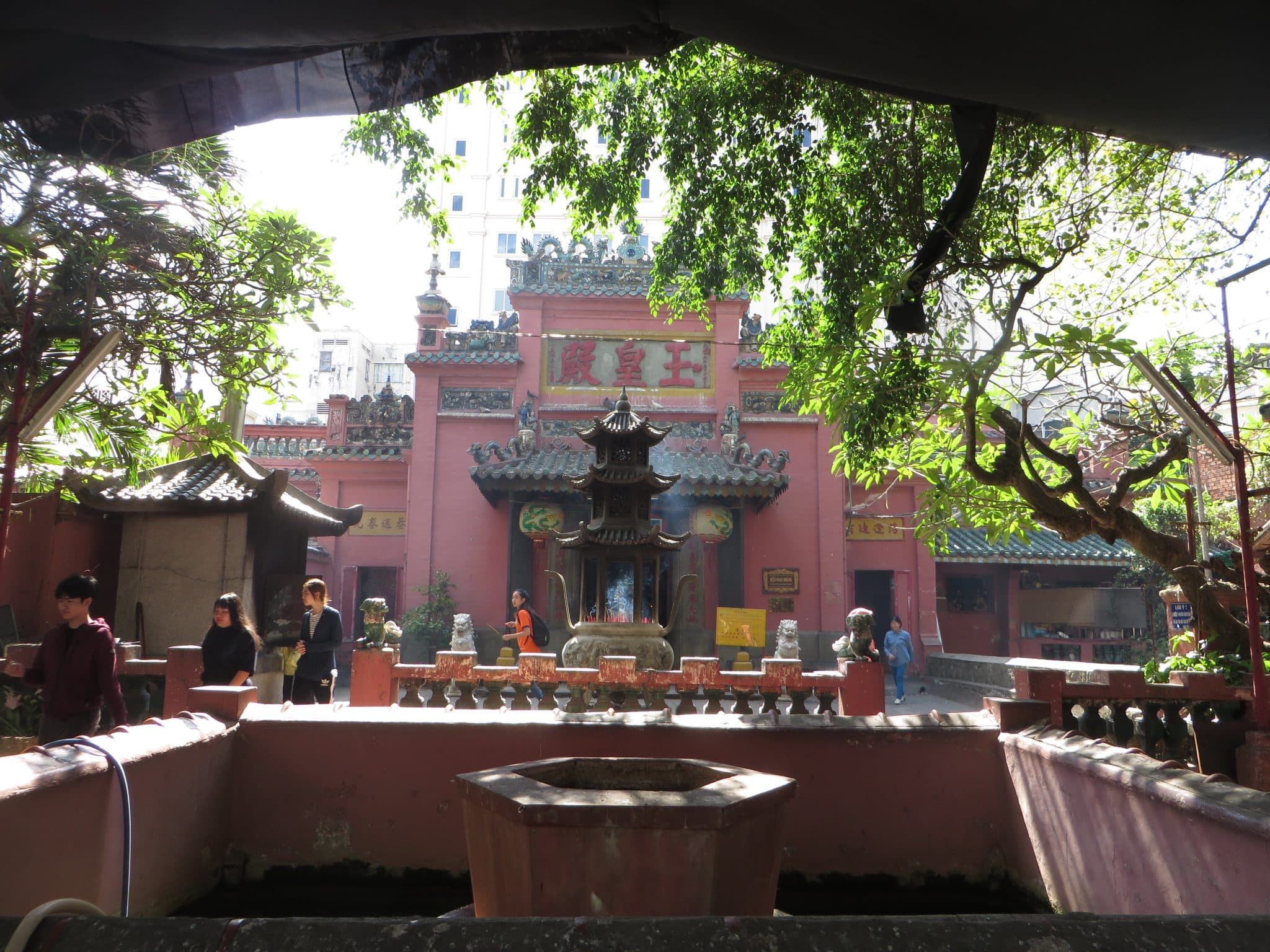
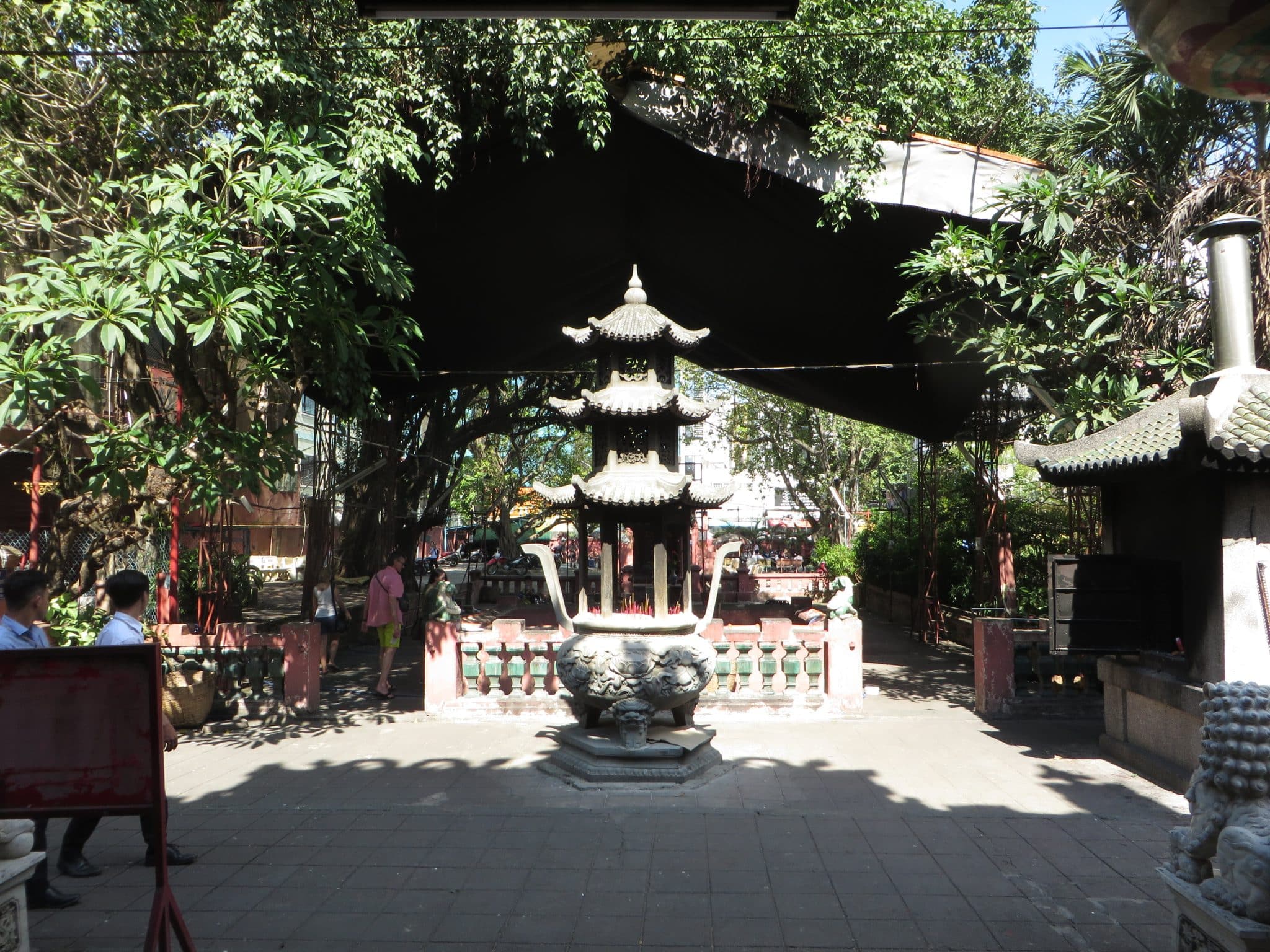
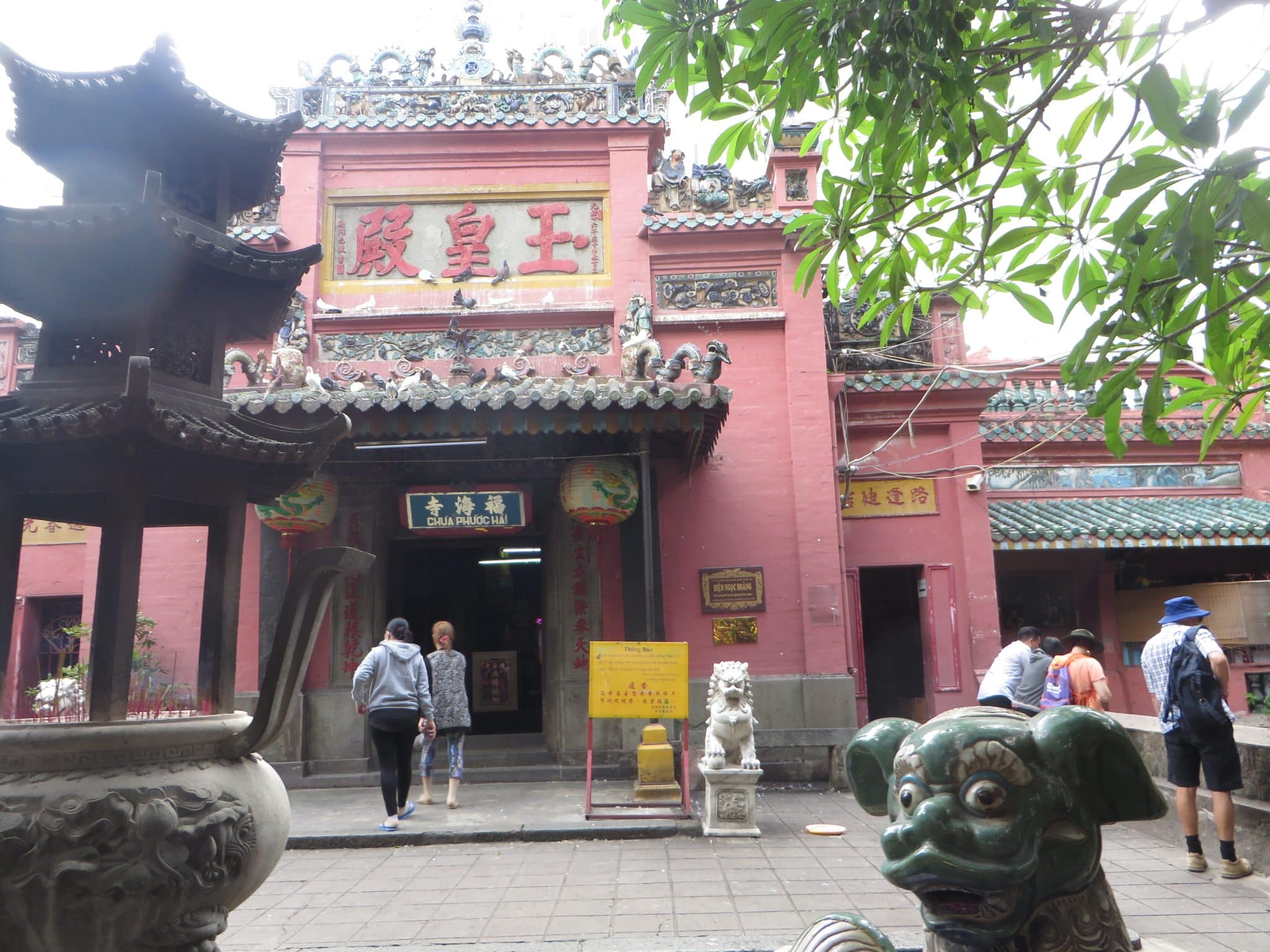
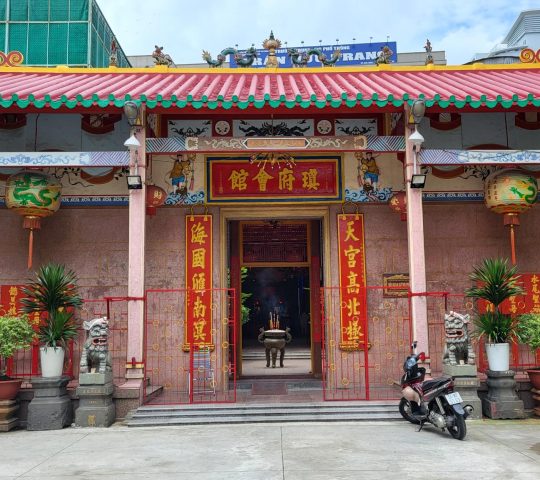
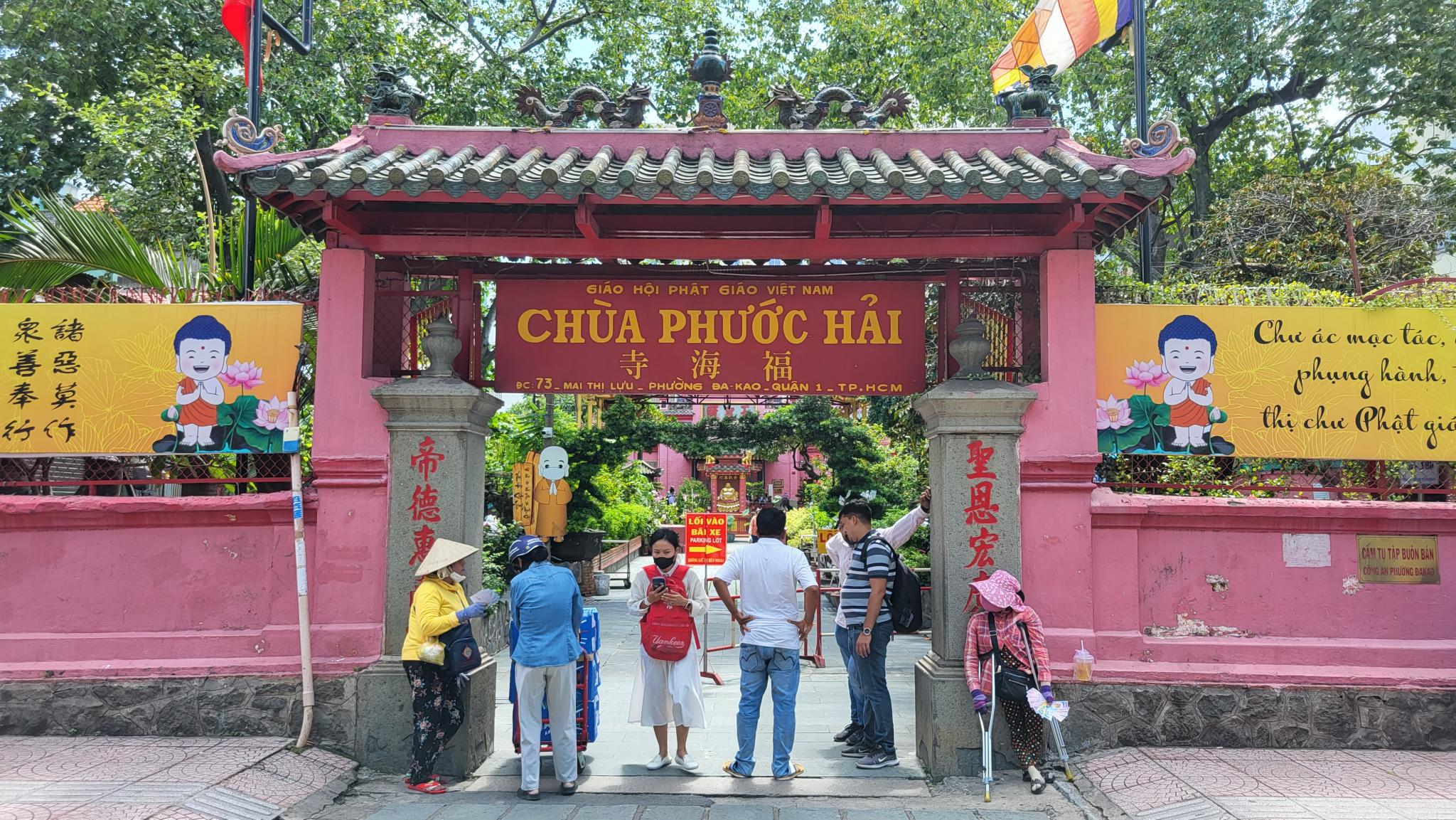
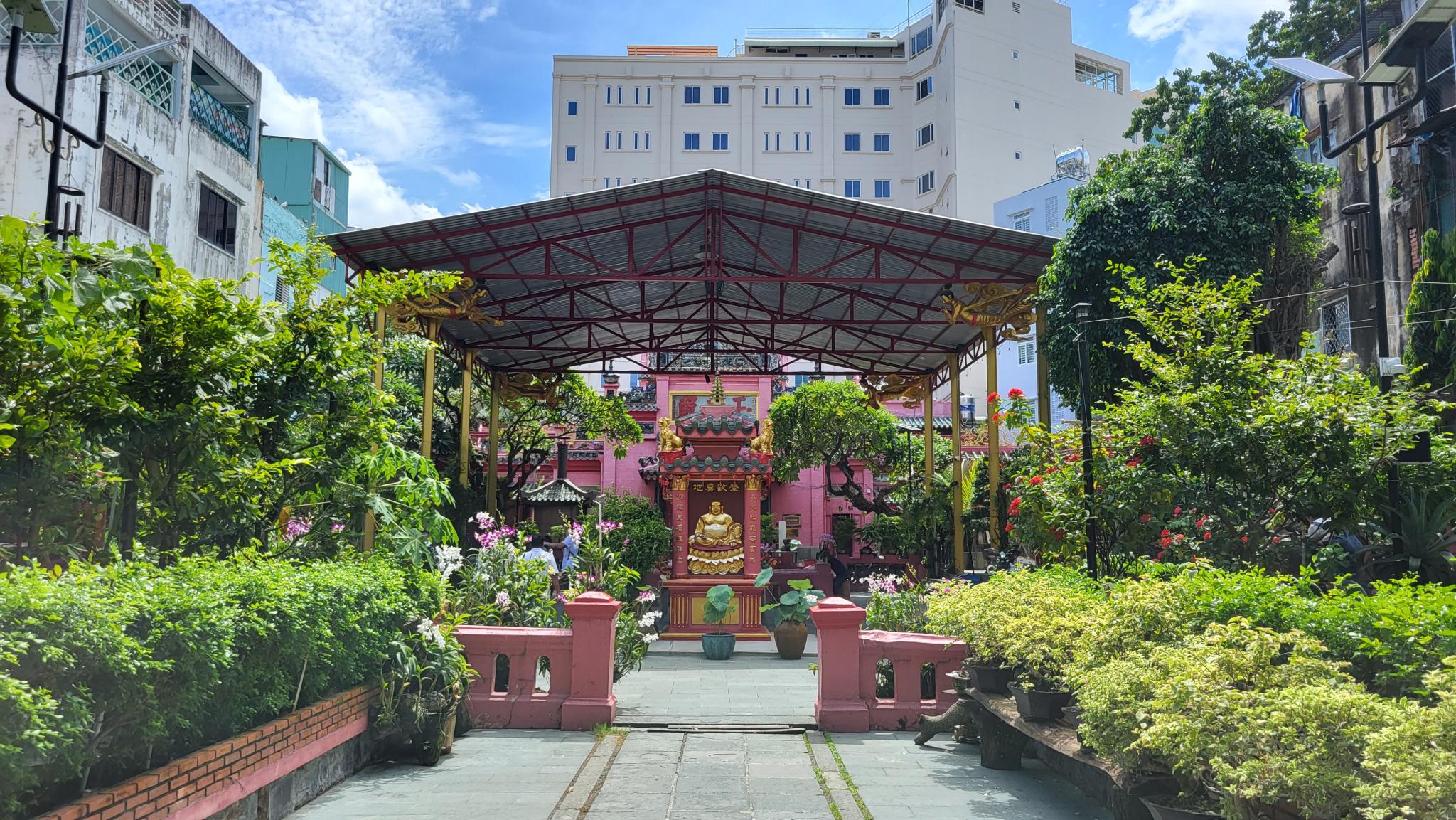
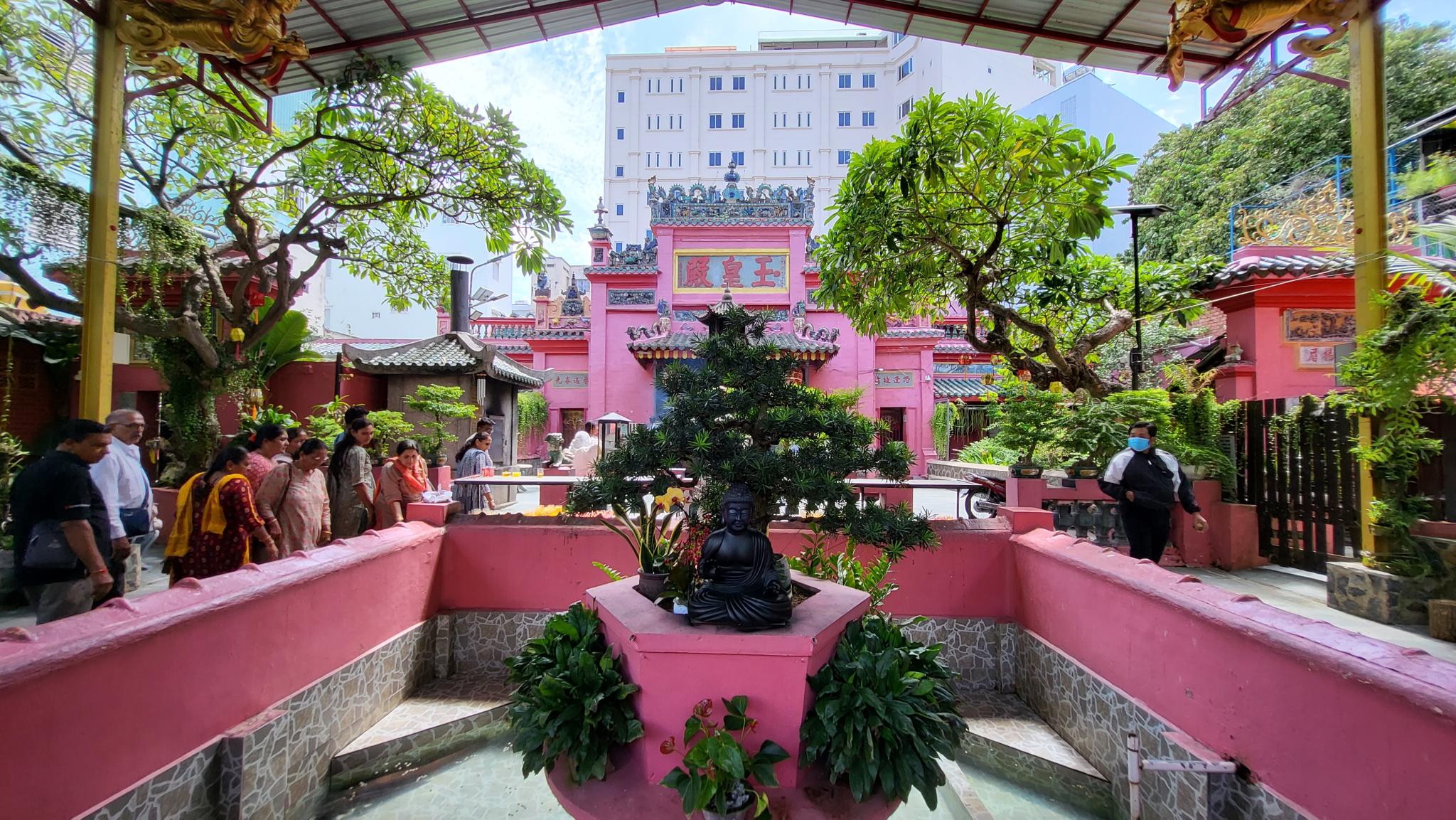
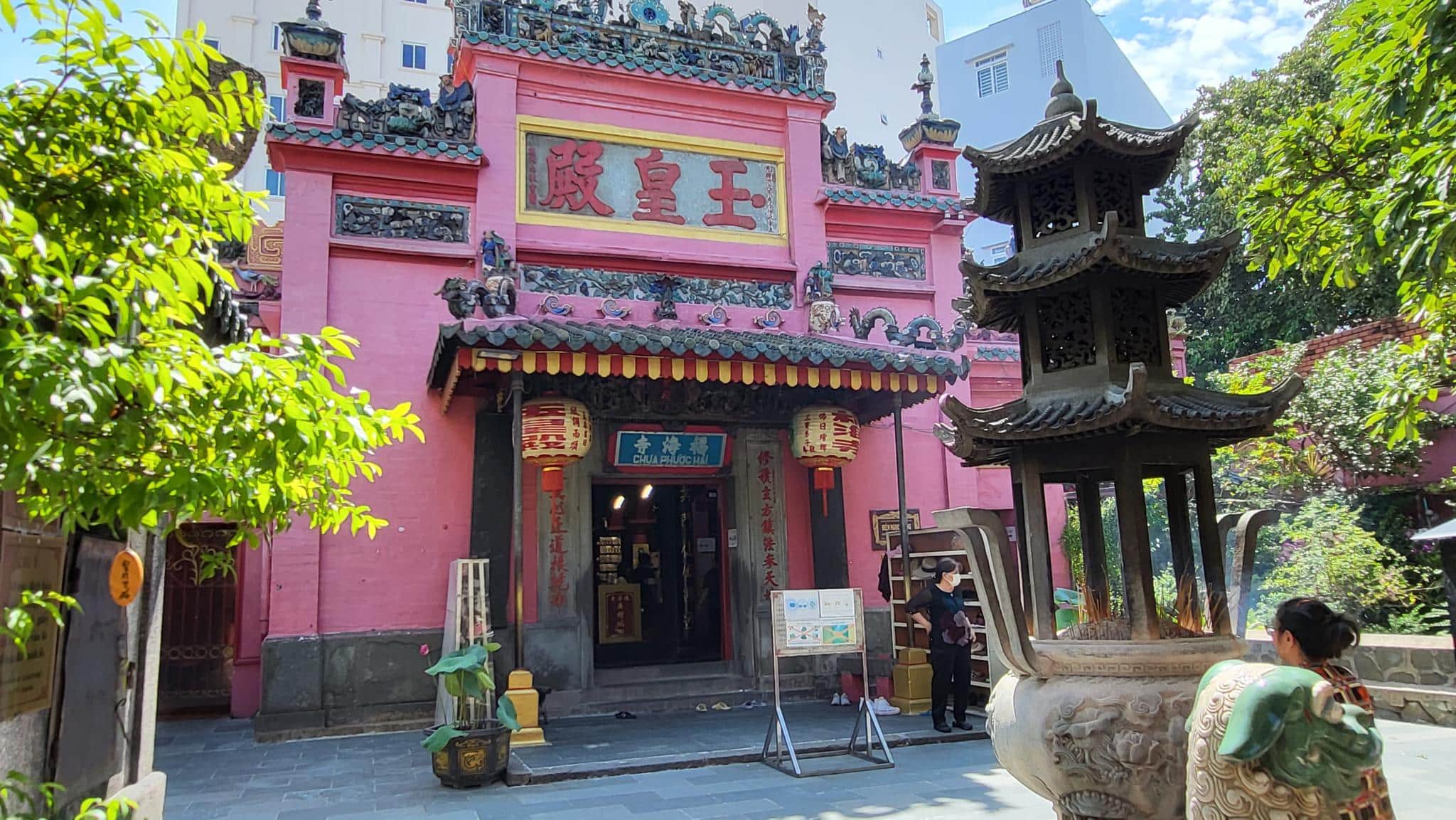
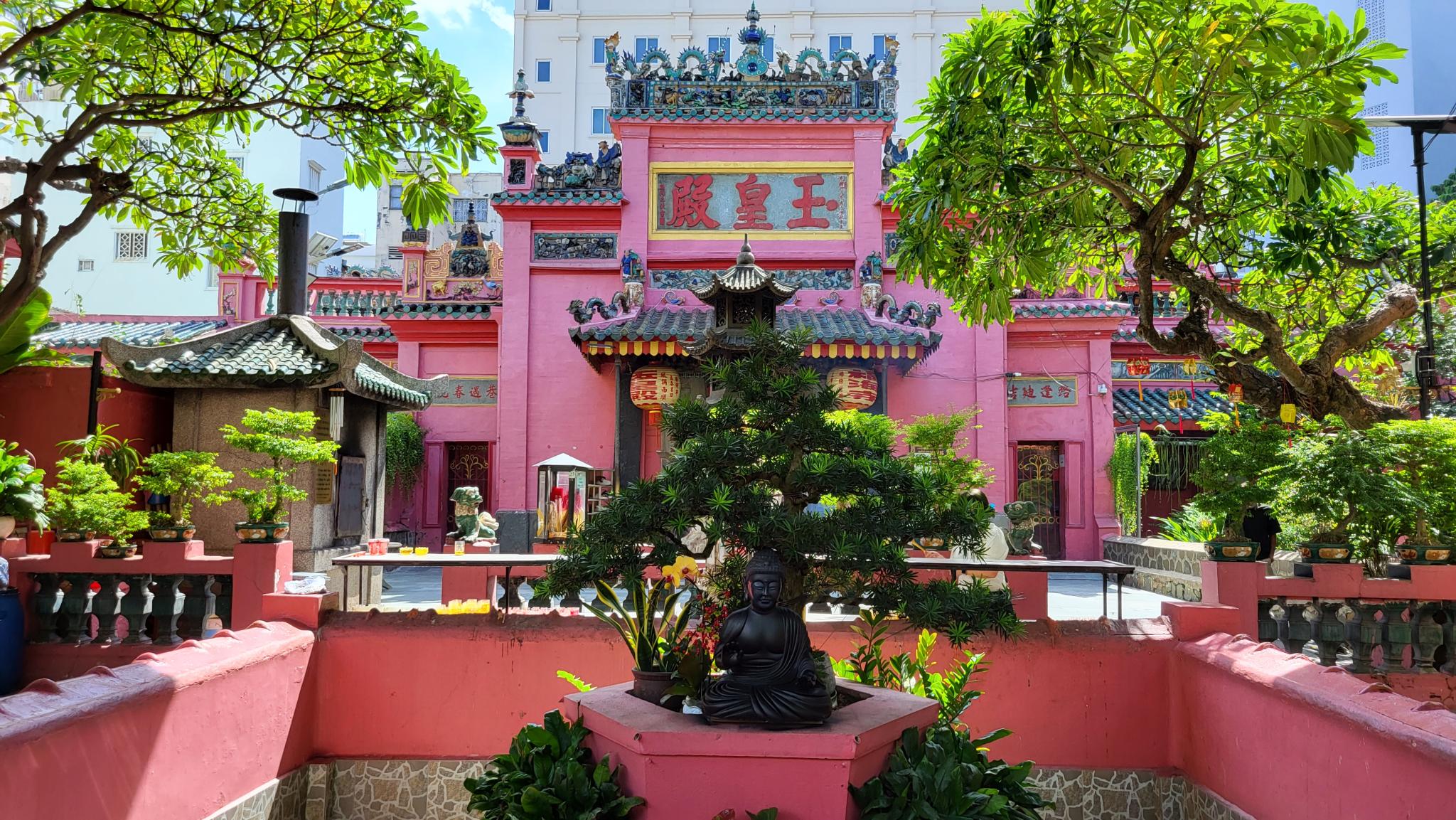
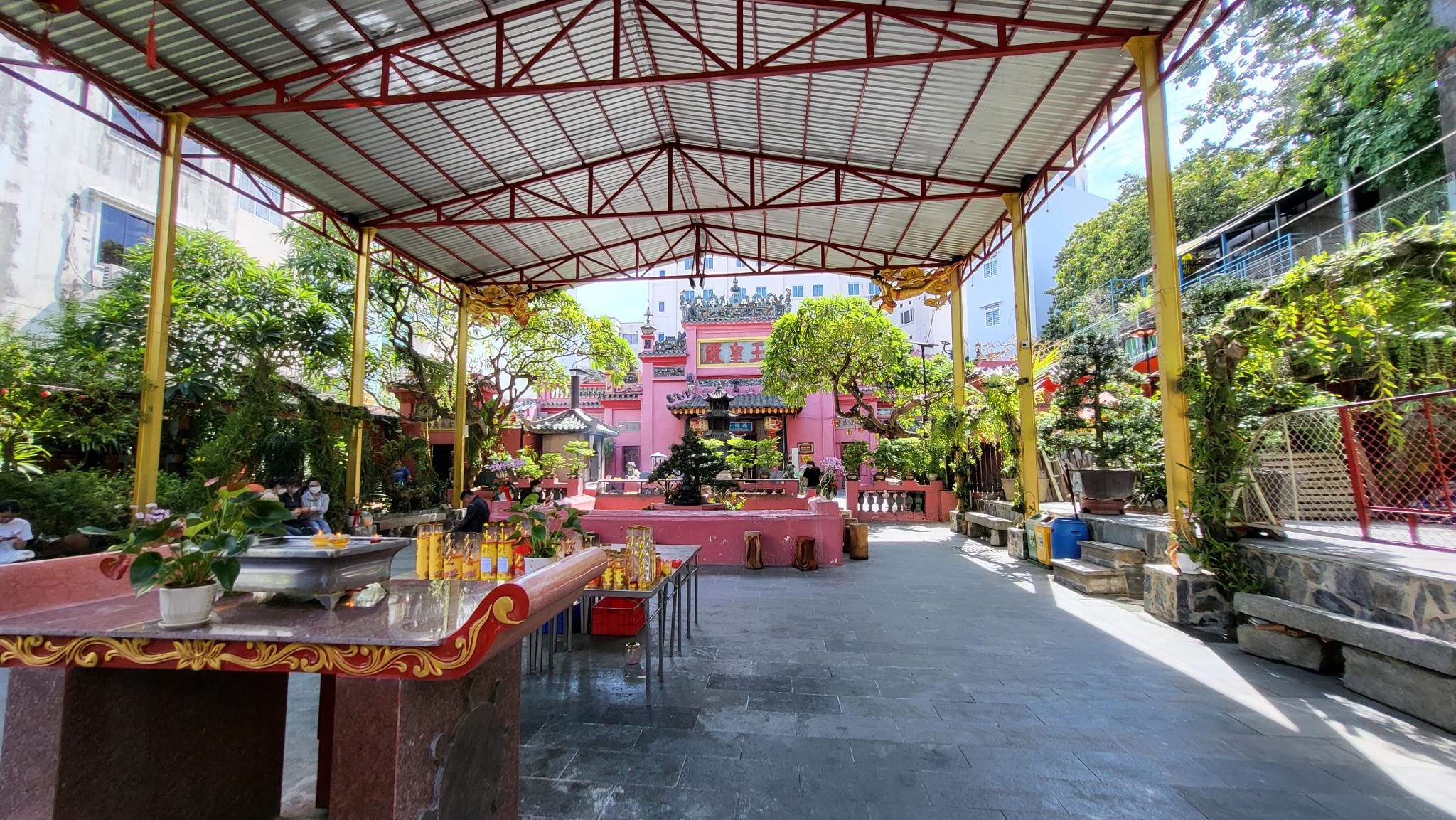
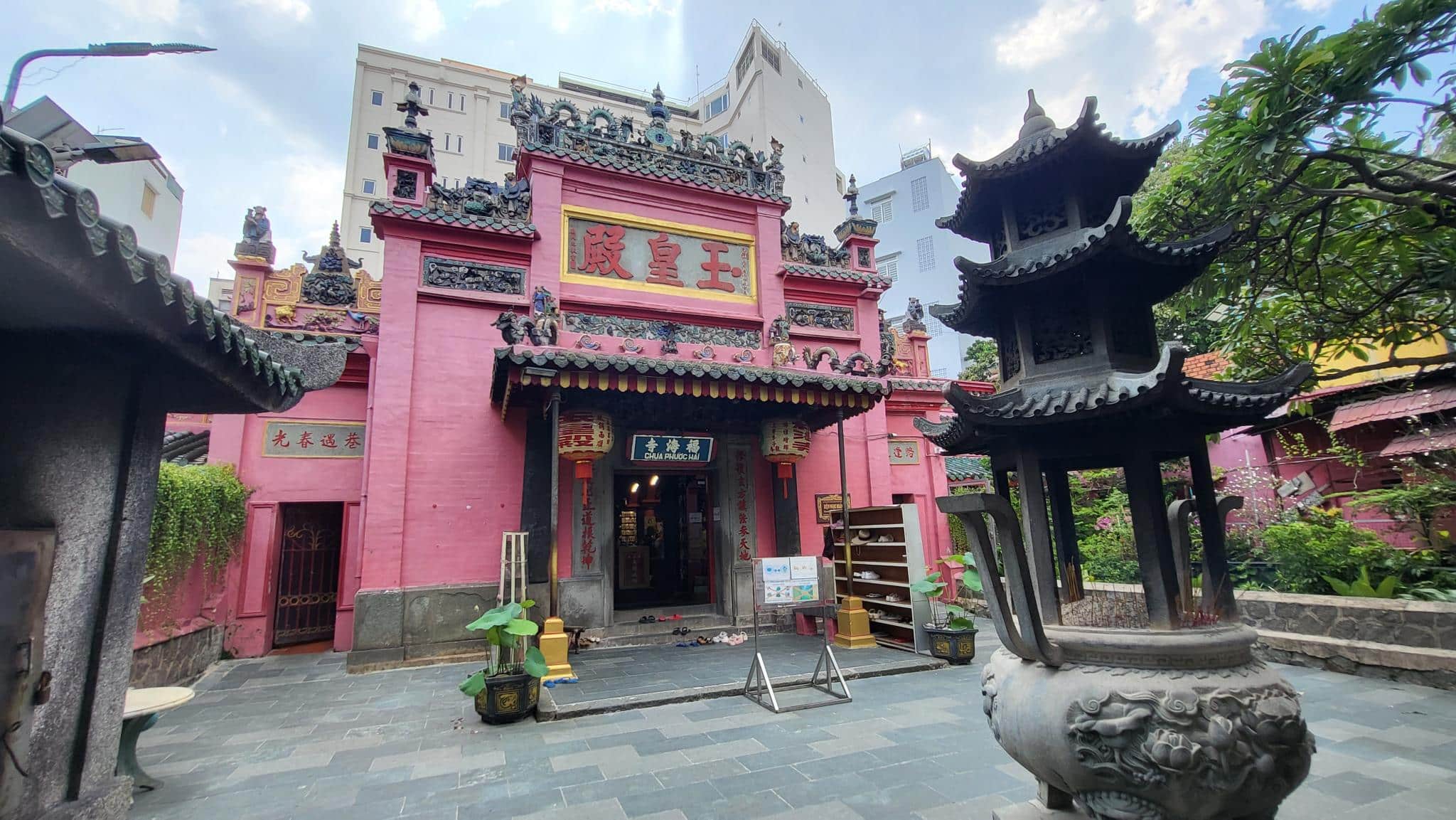
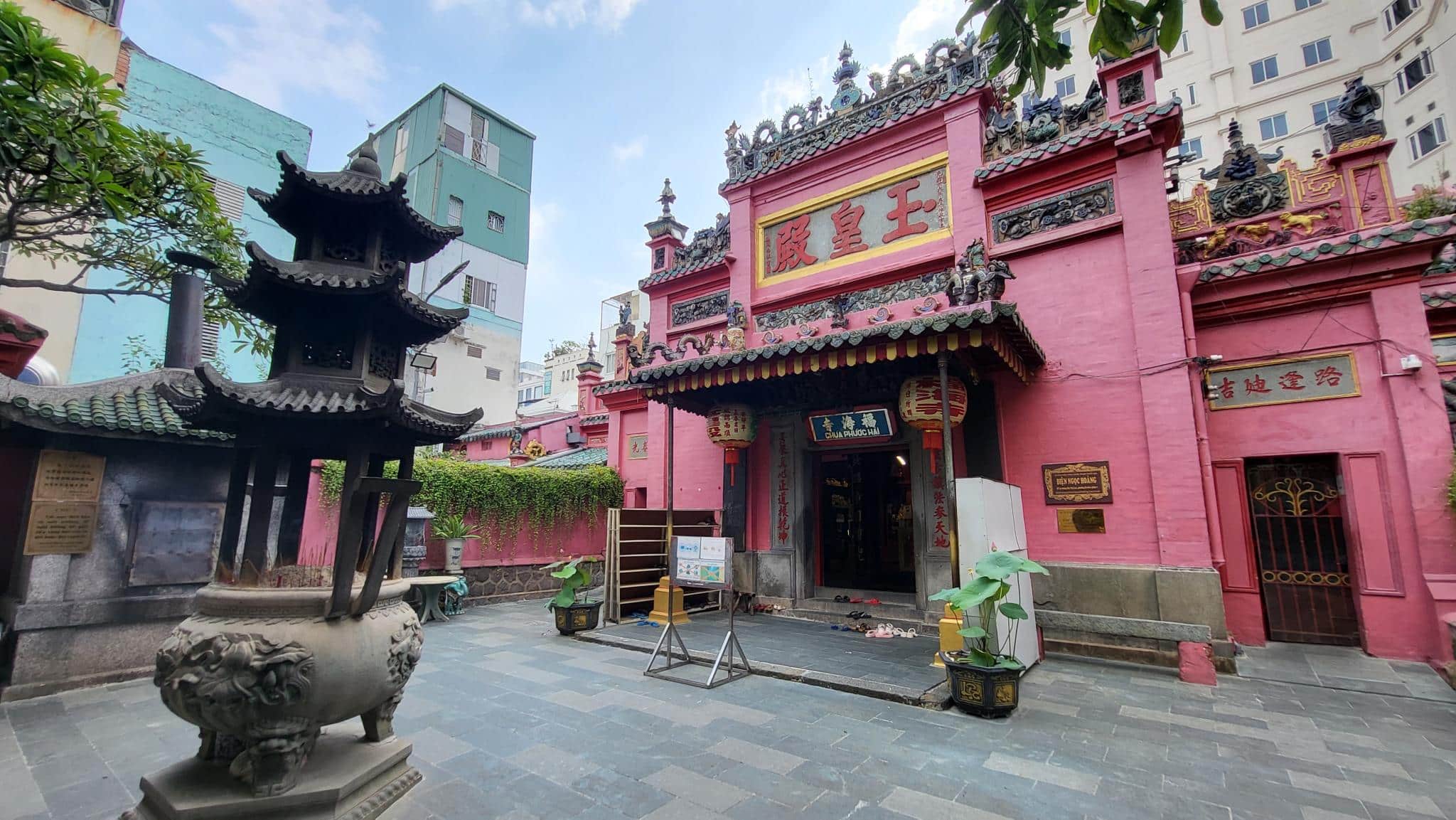
- Entrance and Courtyards: The Jade Emperor Pagoda comprises multiple courtyards, entrance gates, and ceremonial spaces adorned with stone carvings, ornate sculptures, inscriptions, and decorative motifs that symbolize various aspects of Taoist mythology, Buddhist iconography, and Chinese folklore.
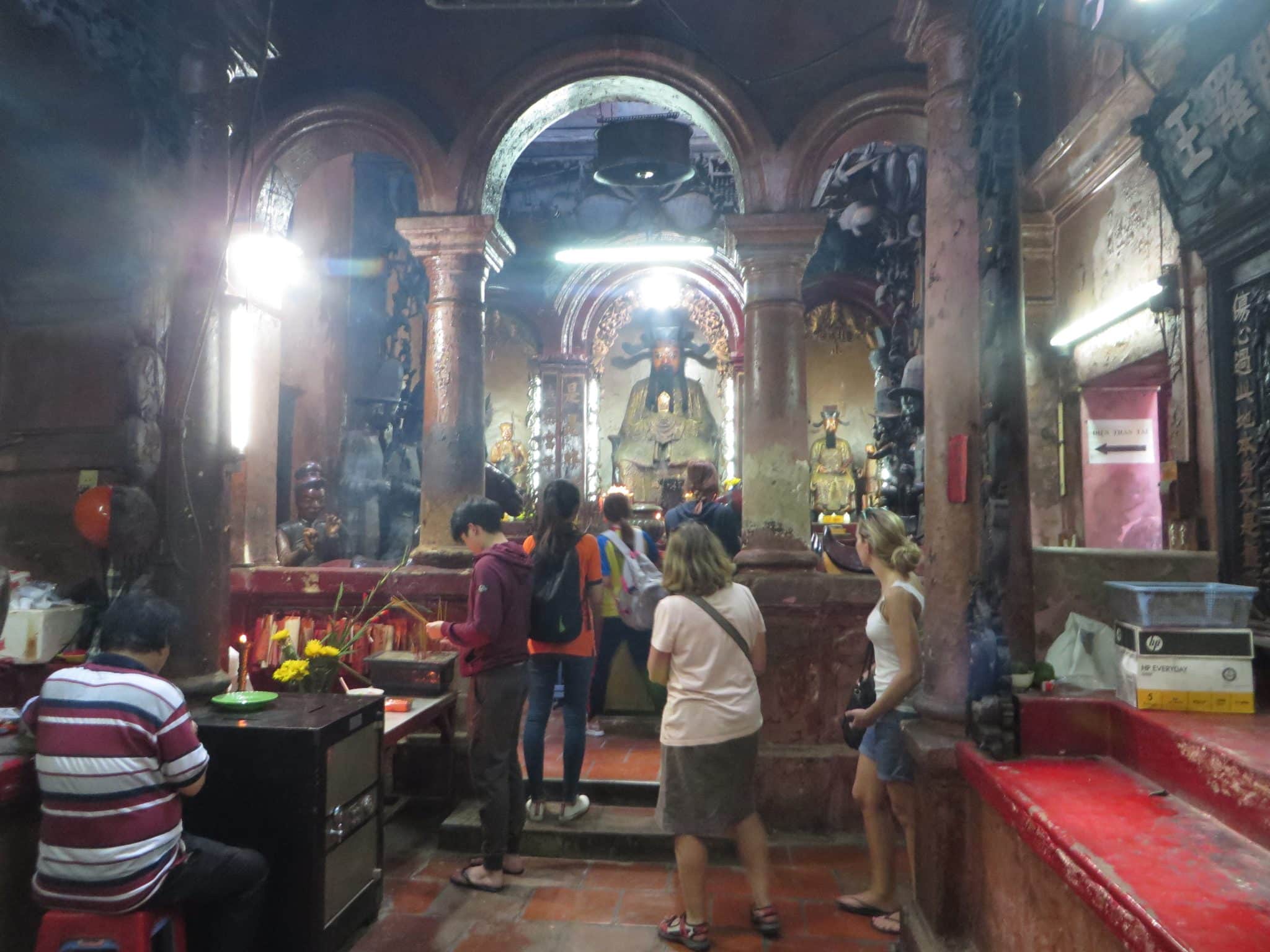
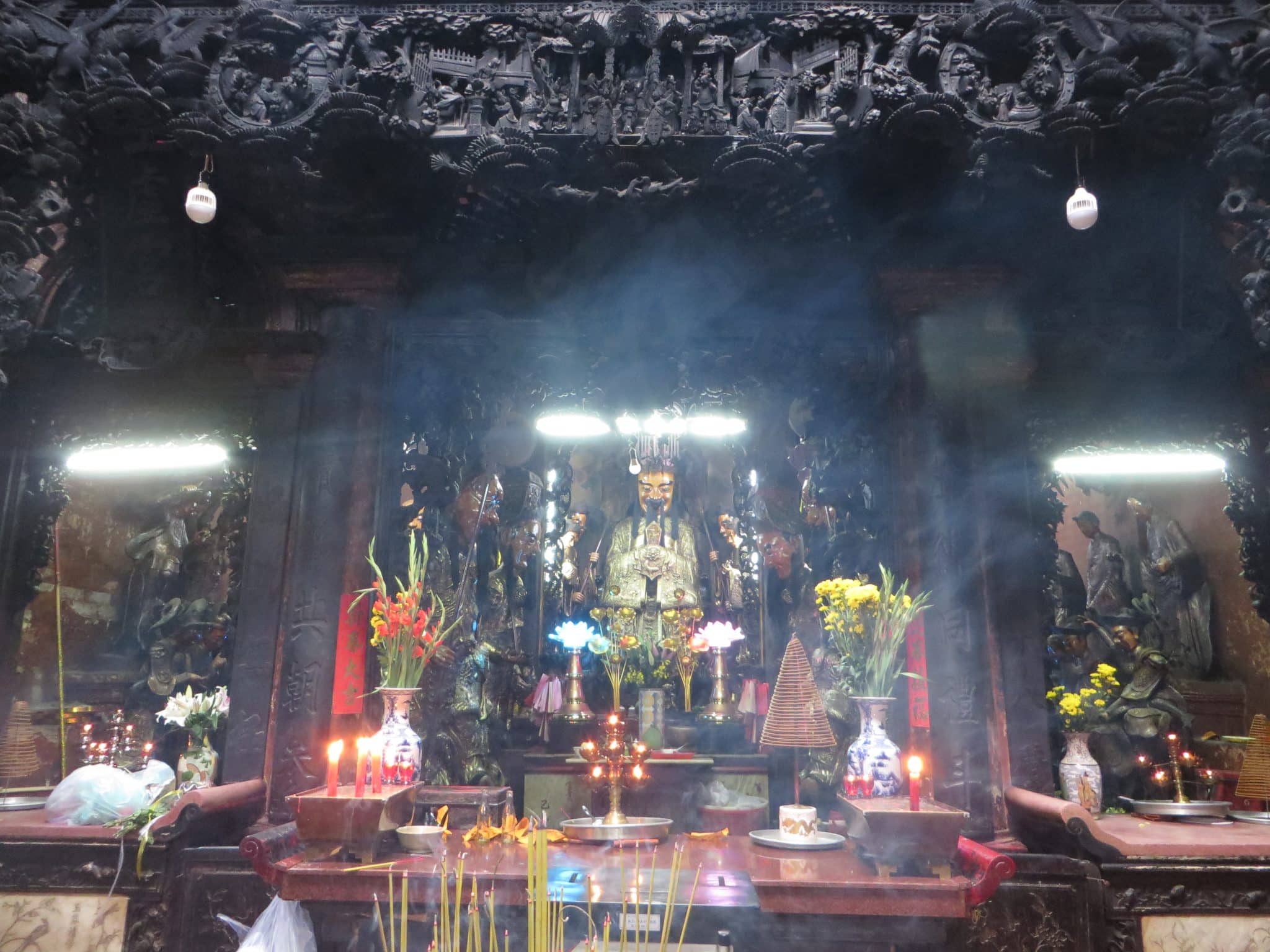
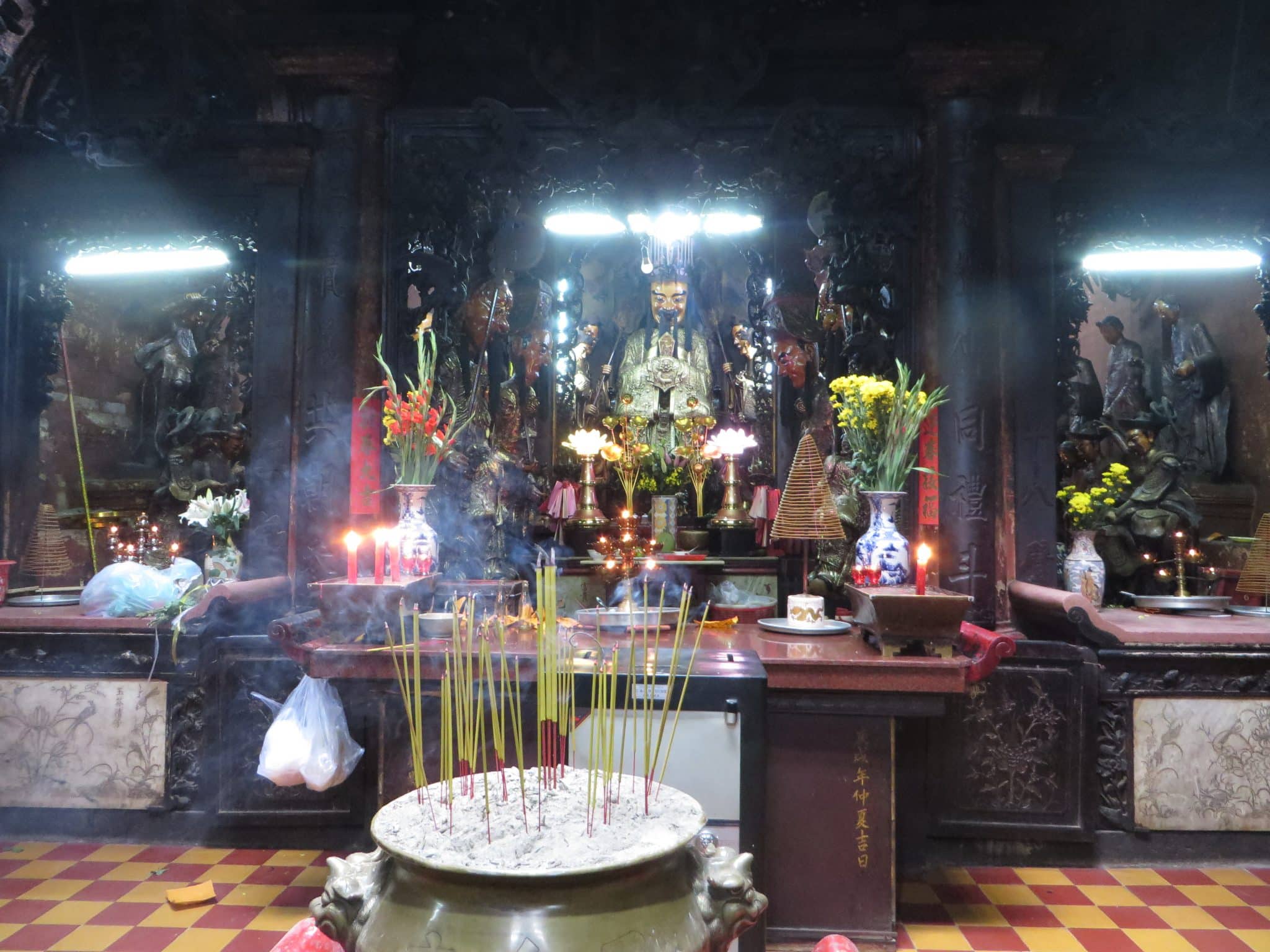
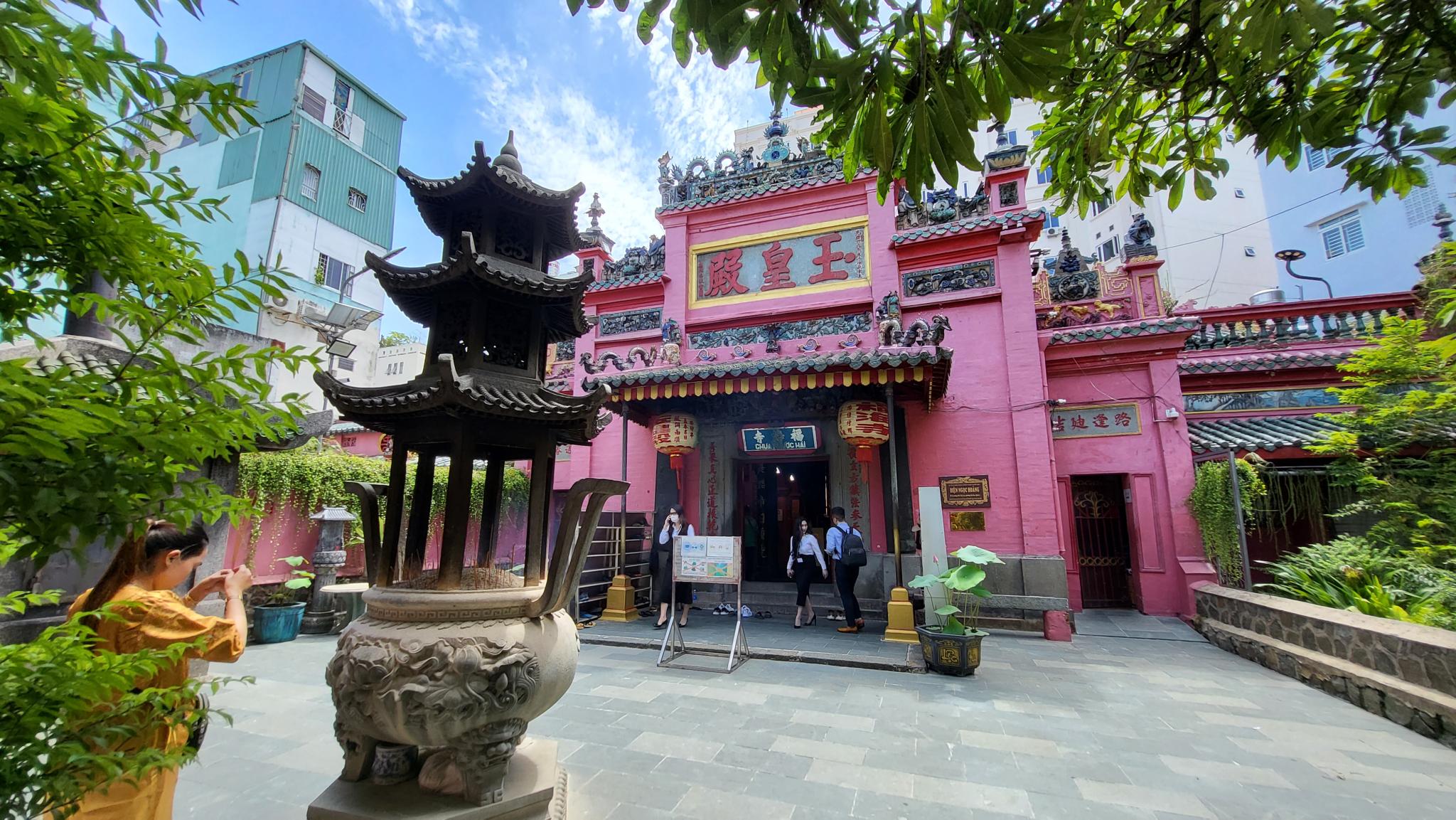
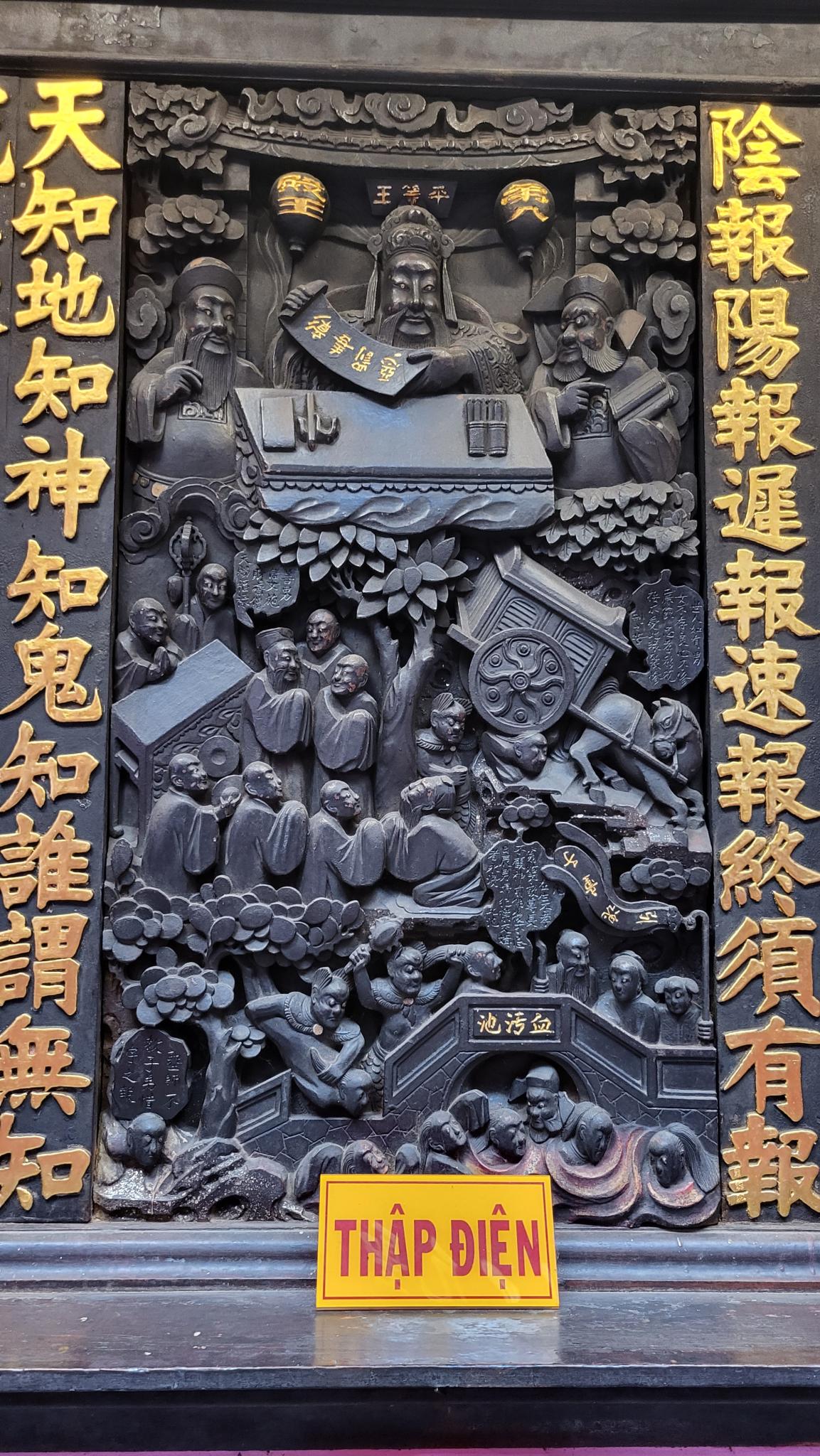
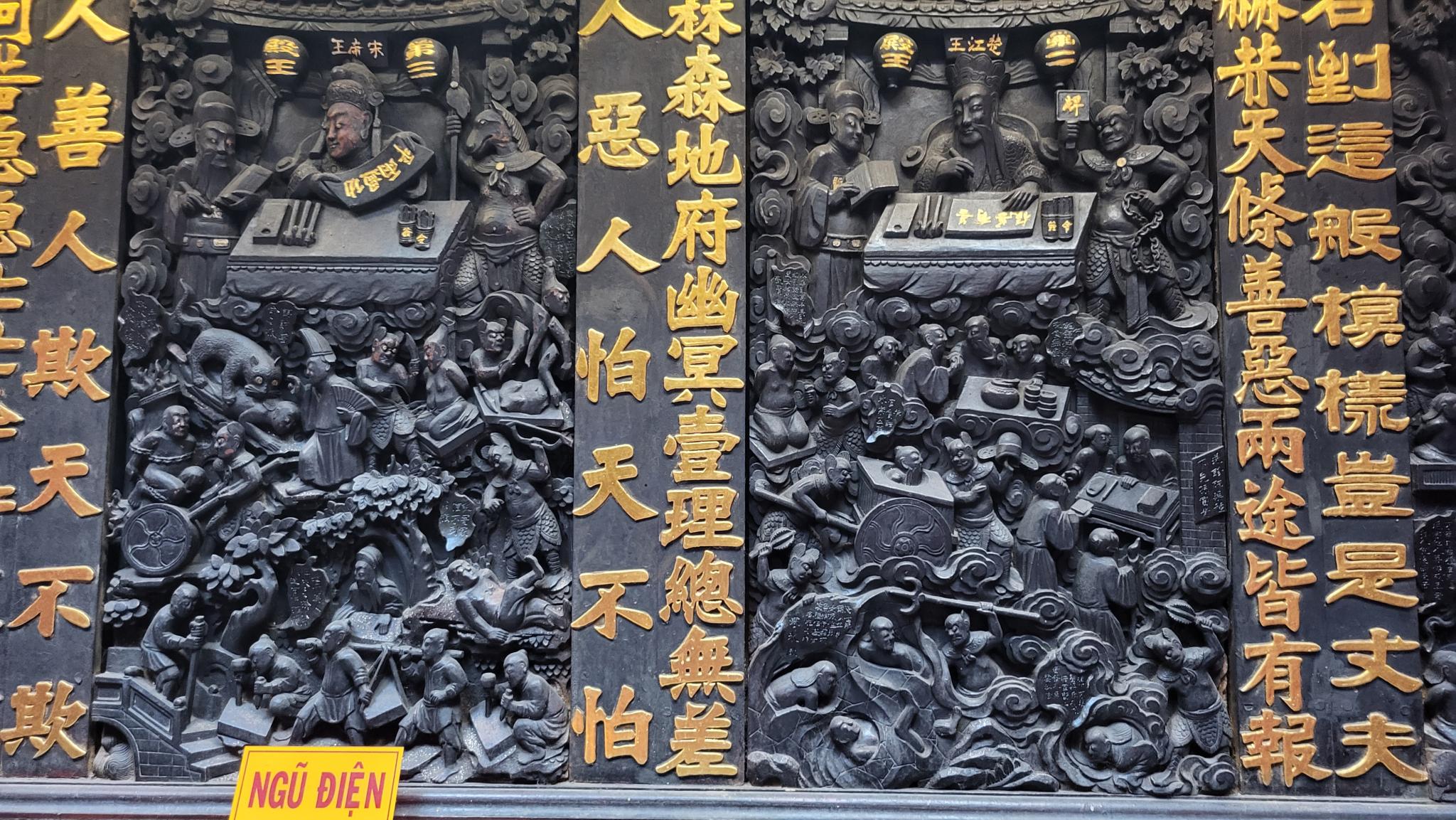
- Main Hall: The temple’s main hall houses the central altar dedicated to the Jade Emperor, featuring a prominent statue of the deity surrounded by other figures, celestial beings, and mythical creatures depicted in Taoist cosmology and mythology. The main hall’s interior design includes decorative elements such as incense burners, ritualistic objects, religious artifacts, and intricate woodwork that enhance its aesthetic appeal and spiritual ambiance.
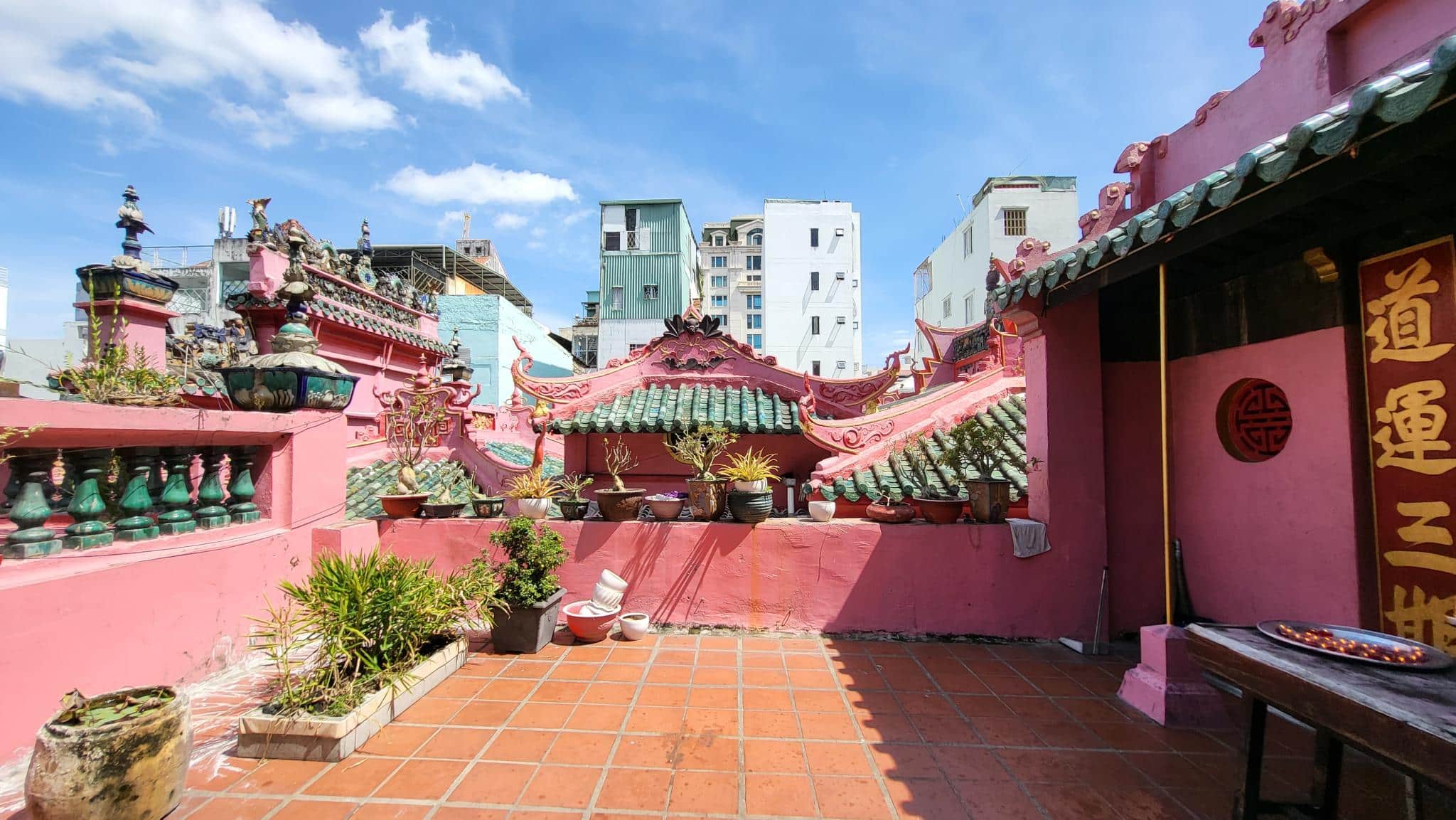
- Pagoda-style Roofs: The Jade Emperor Pagoda features pagoda-style roofs, eaves, and architectural elements characteristic of traditional Chinese temple architecture. The temple’s rooflines, ornamental tiles, dragon sculptures, and decorative details reflect its architectural authenticity, cultural heritage, and historical significance as a religious and cultural landmark within Ho Chi Minh City.
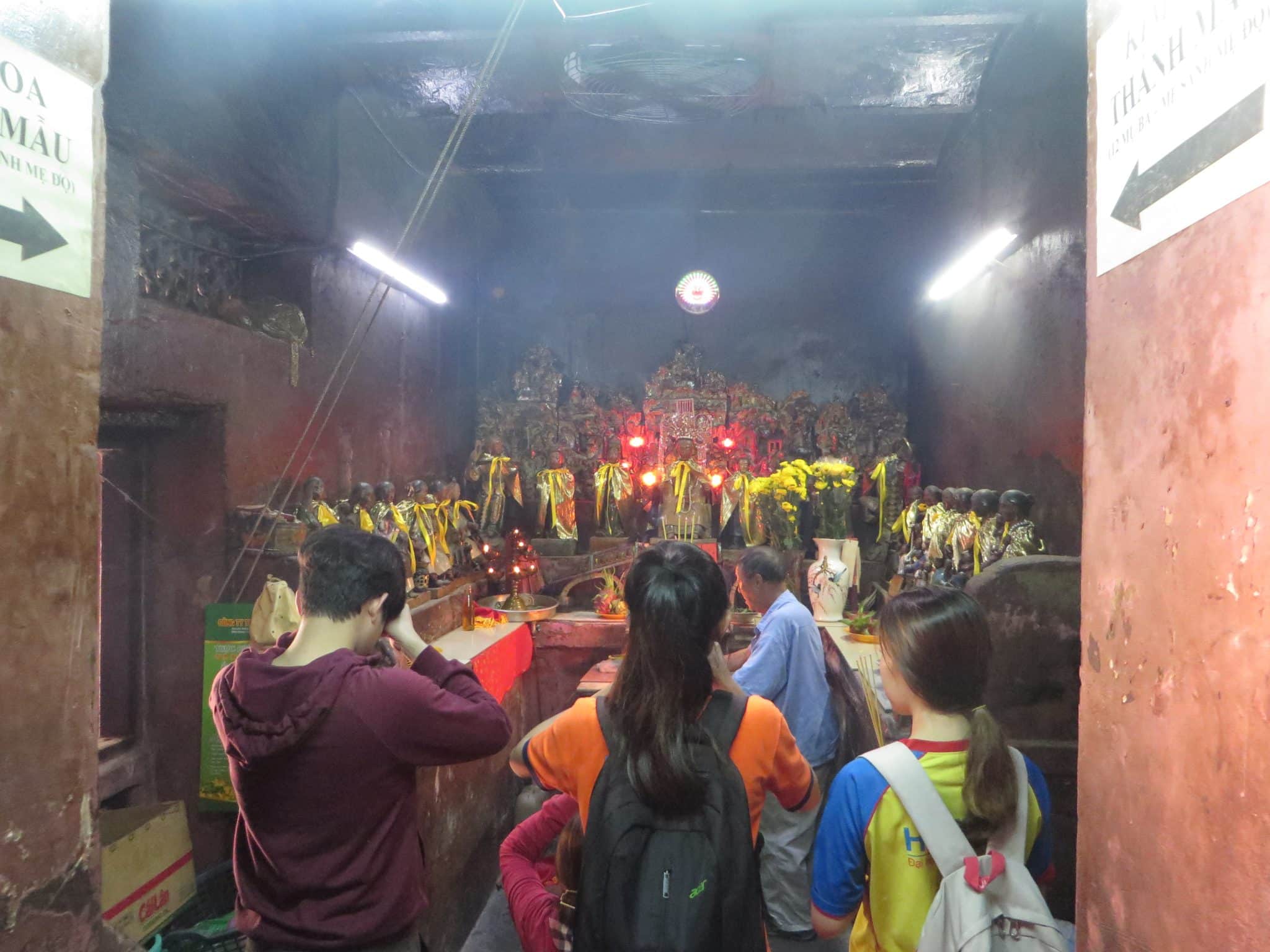
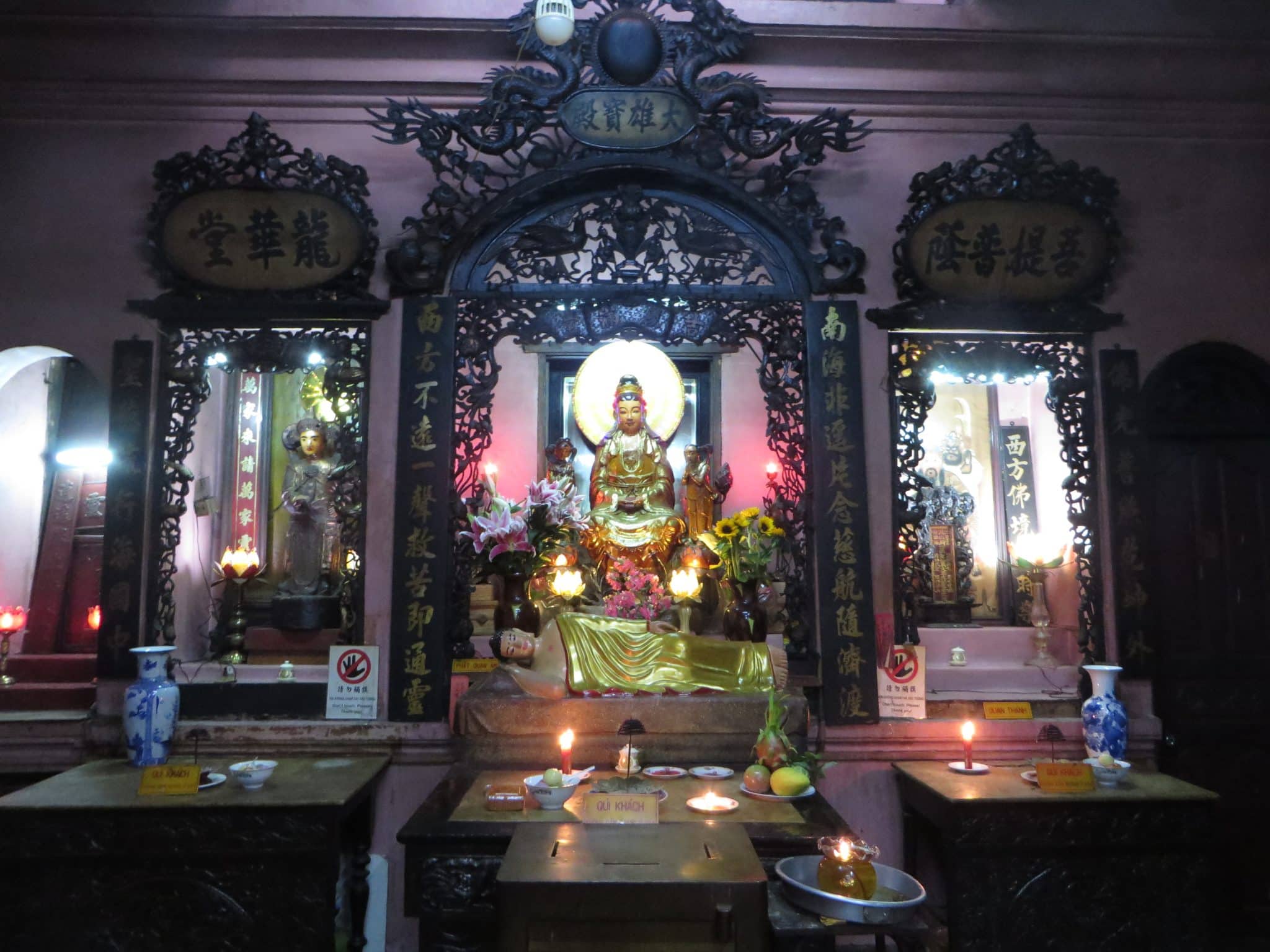
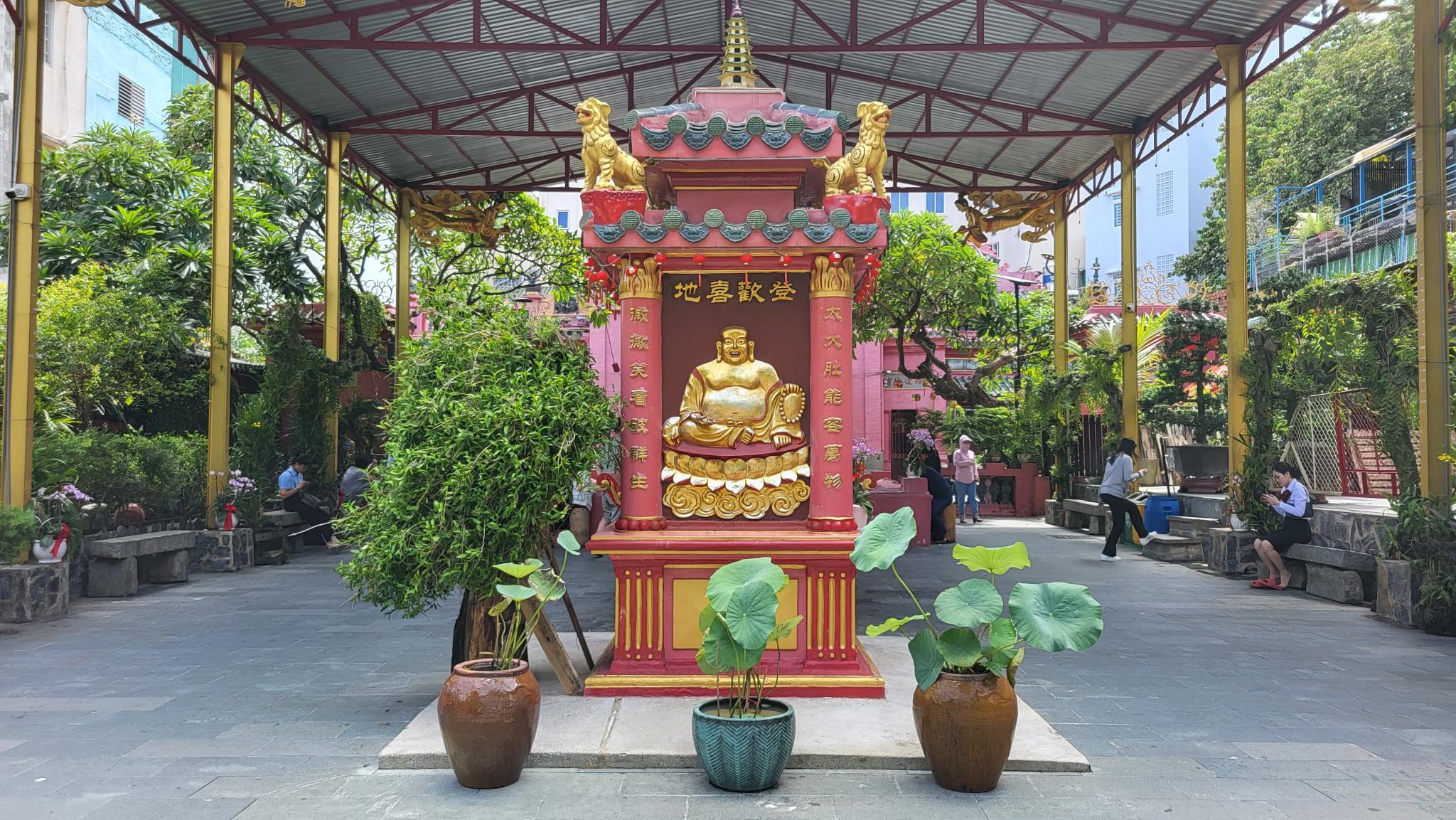
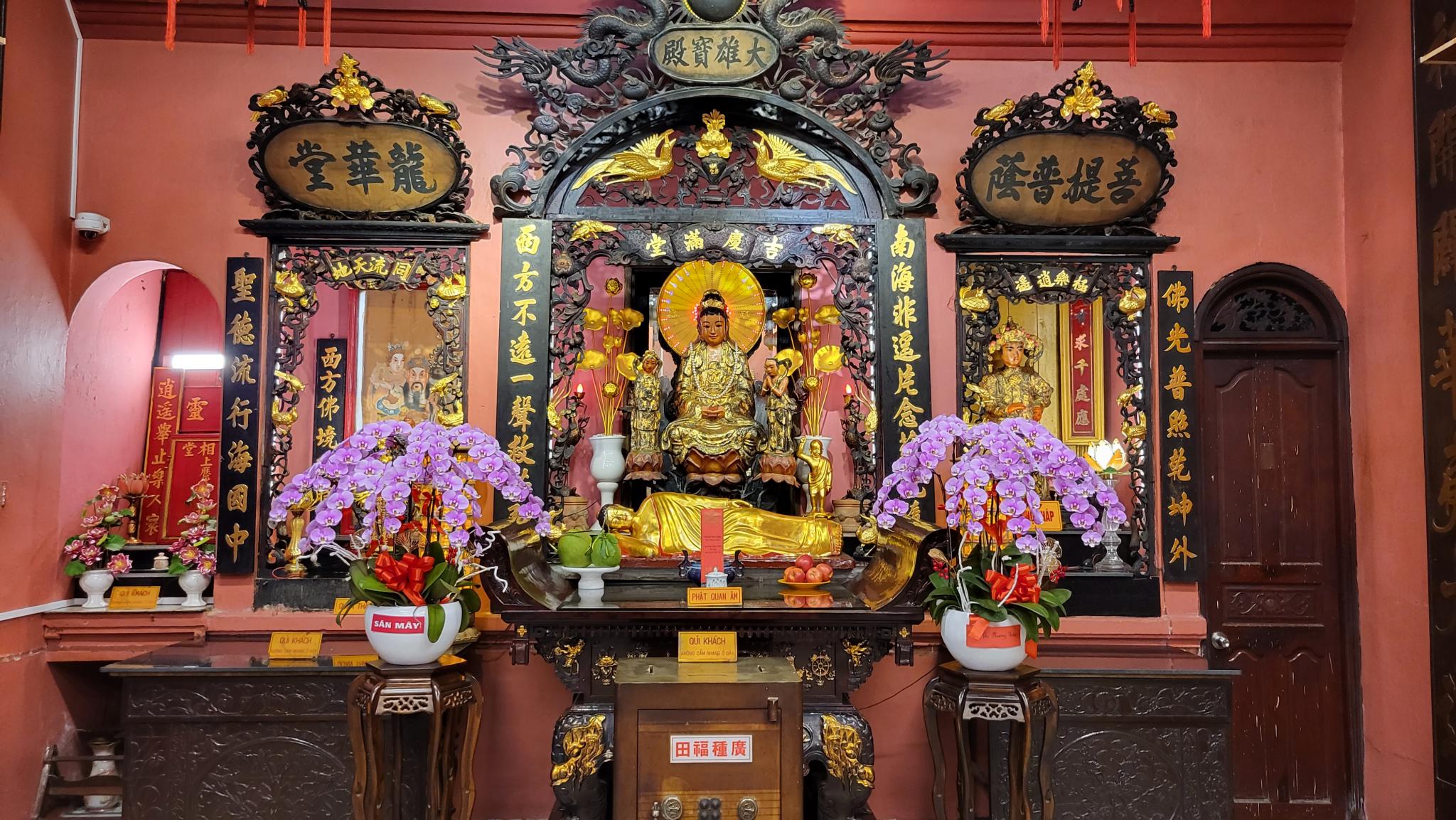
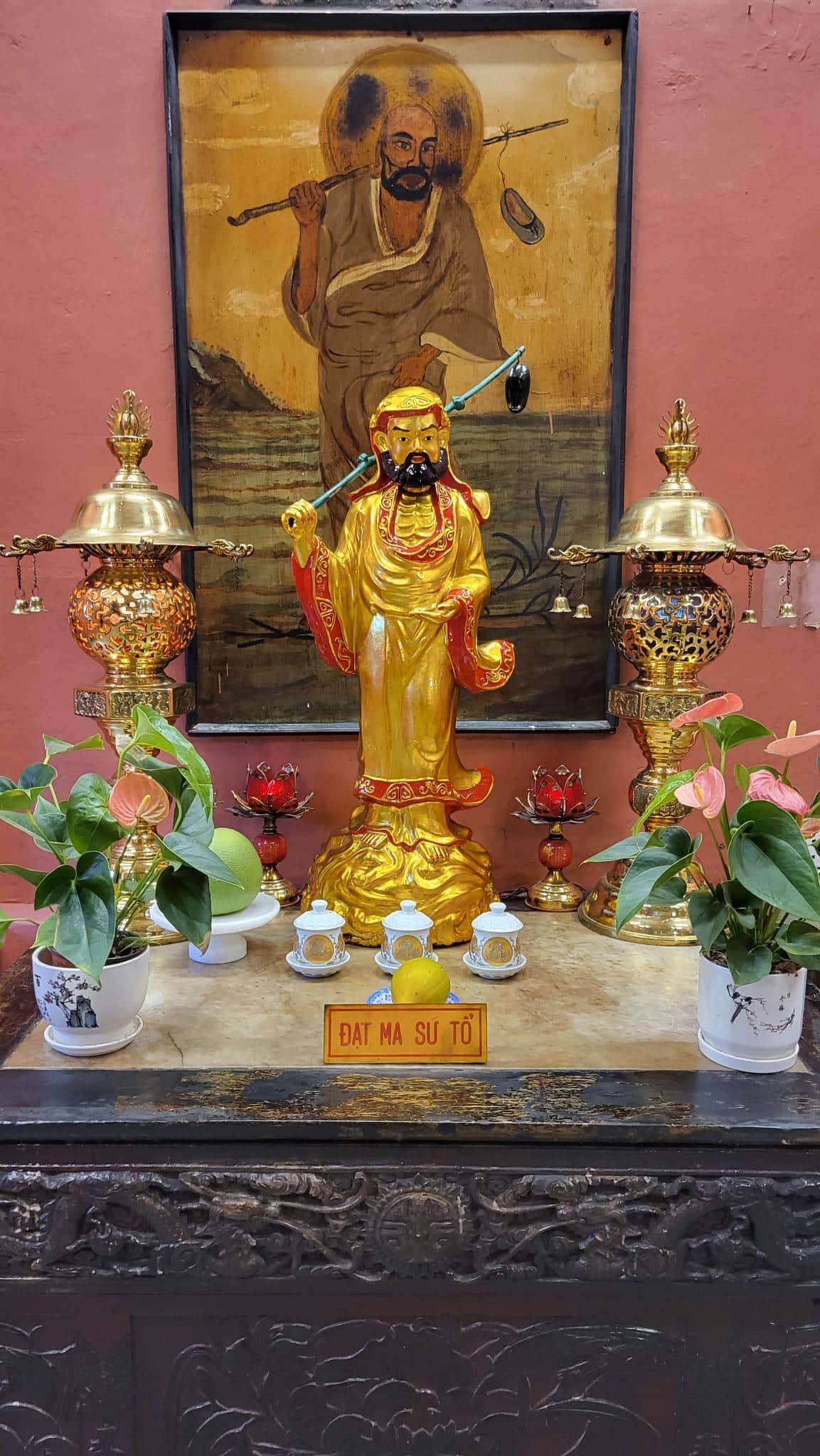
- Altars and Shrines: The Jade Emperor Pagoda comprises multiple altars, shrines, and worship spaces dedicated to various deities, bodhisattvas, and figures from Taoist, Buddhist, and folk traditions. Each altar or shrine is adorned with statues, sculptures, offerings, and symbolic representations that signify specific virtues, qualities, or attributes associated with the respective deity or spiritual figure venerated within the temple.
2023
2018