Quan Am Pagoda (Chùa Quan Âm) – Saigon
Listing has verified and belong the business owner or manager.
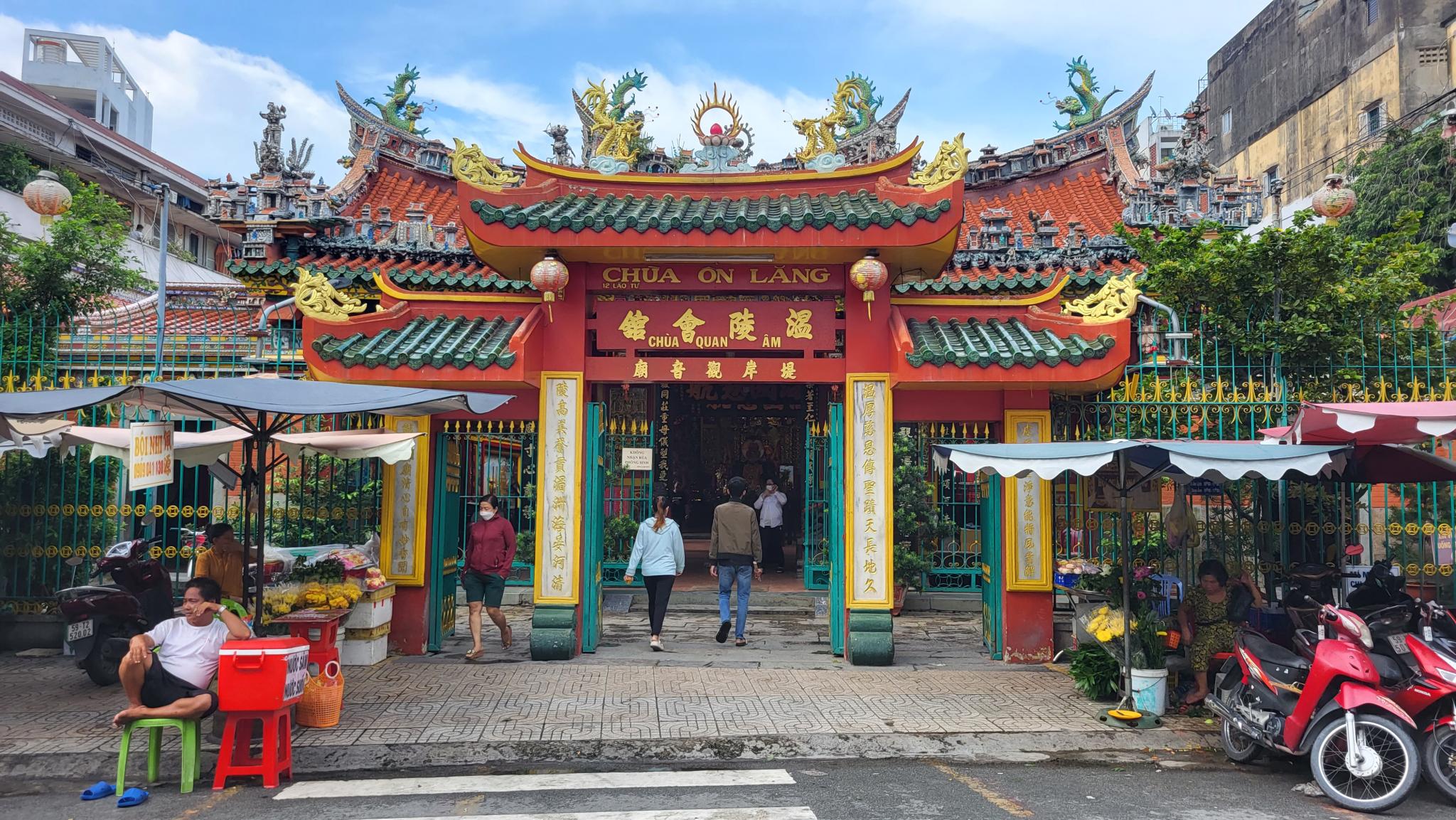
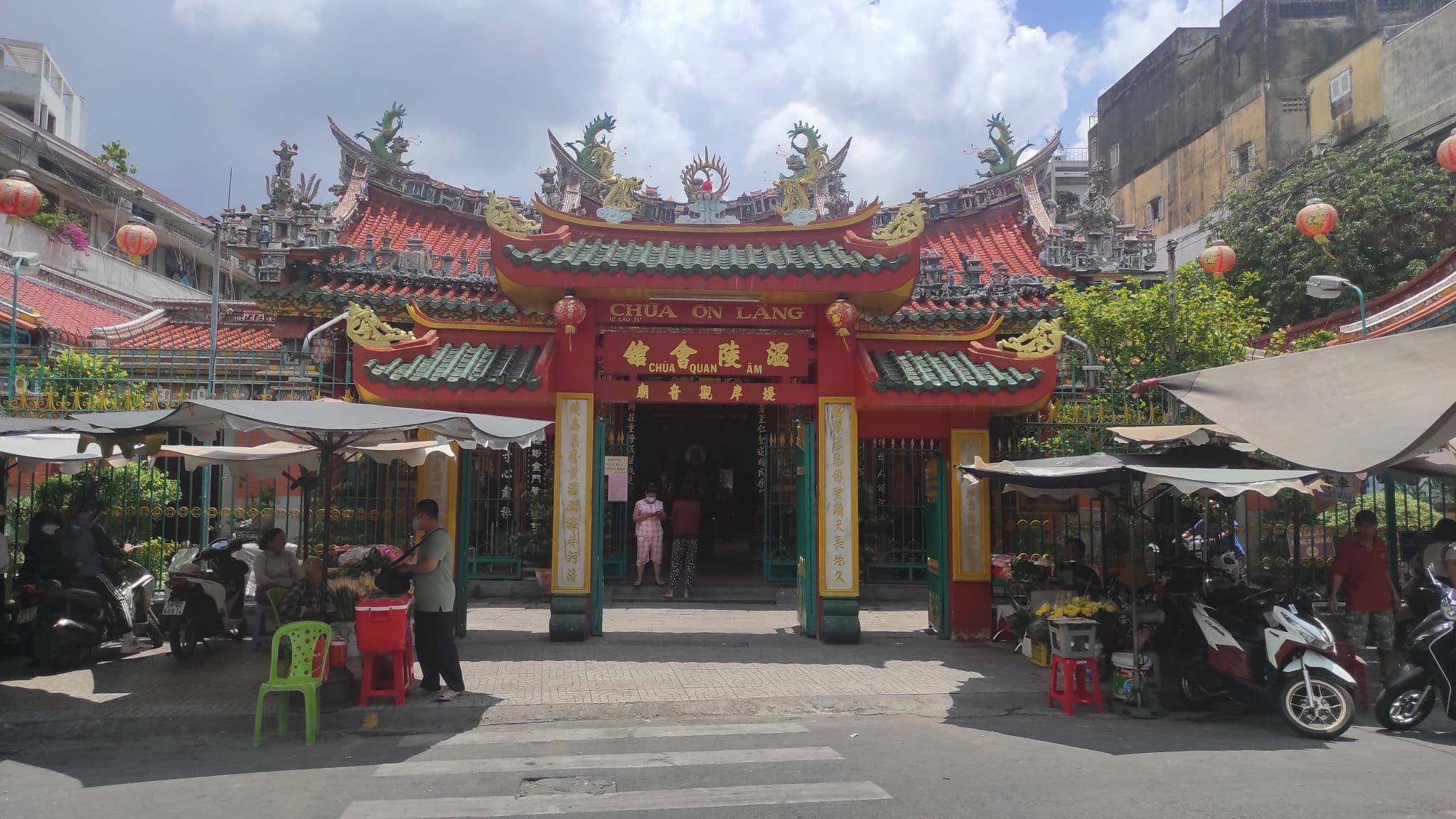
The Quan Am Pagoda (Chùa Quan Âm) located on Lao Tu Street in Saigon (Ho Chi Minh City), Vietnam, is a significant religious and cultural landmark.
History:
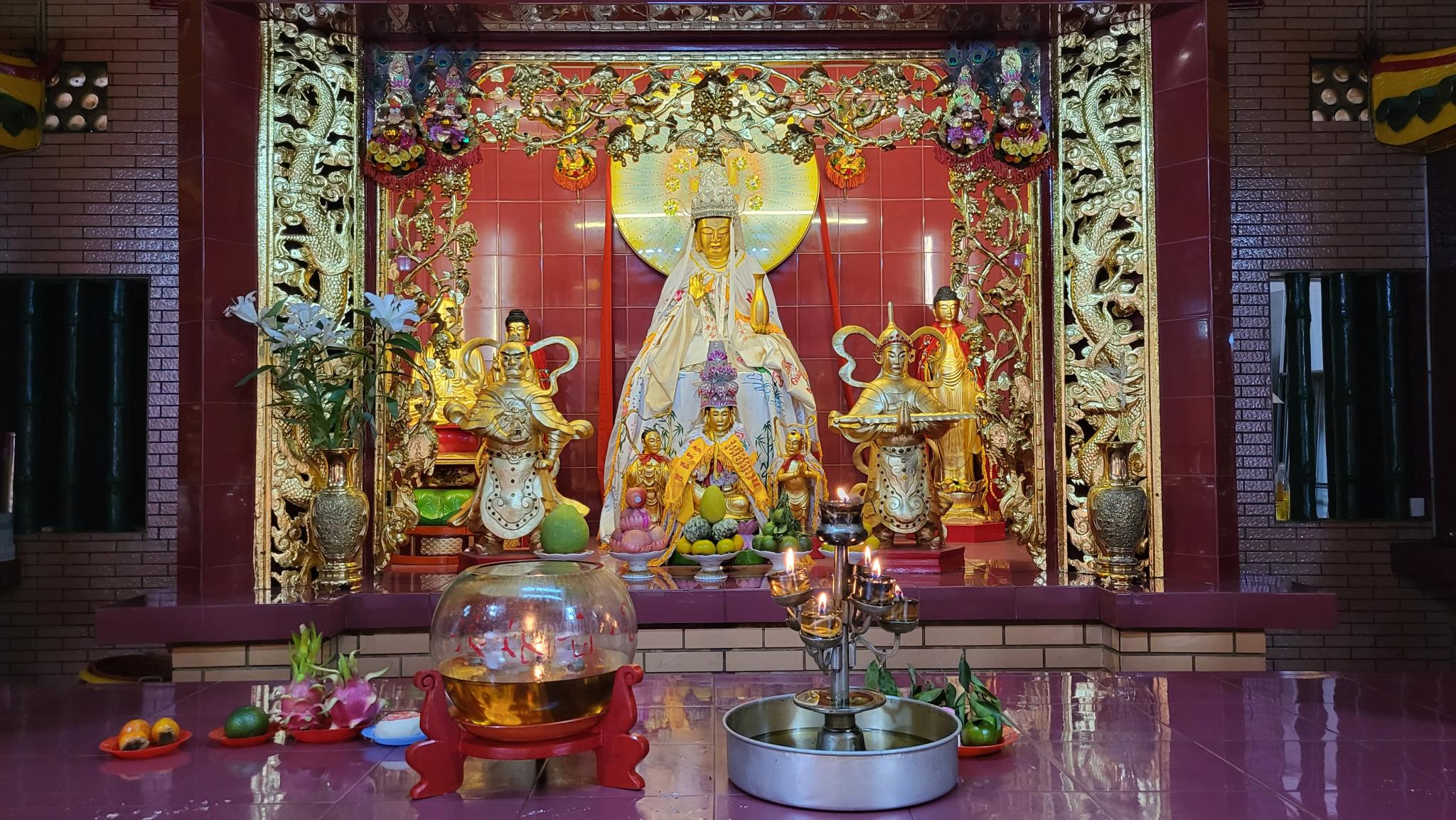
- Foundation and Origins: The Quan Am Pagoda, dedicated to Quan Âm (Avalokiteshvara), the Buddhist goddess of mercy and compassion, was established to serve as a spiritual sanctuary, worship center, and communal gathering place for Buddhist practitioners, devotees, and visitors in Saigon. The pagoda reflects the Vietnamese Buddhist tradition and cultural heritage within the region.
- Cultural Significance: Over the years, the Quan Am Pagoda has played a pivotal role in promoting Buddhist teachings, spiritual practices, and community engagement among its congregation and visitors. The pagoda’s rituals, ceremonies, festivals, and activities reflect Buddhist values, principles, beliefs, and traditions observed by its followers within the context of Vietnam’s diverse religious landscape.
- Historical Development: The Quan Am Pagoda has undergone various renovations, restorations, and expansions to preserve its architectural integrity, historical significance, and cultural value as a religious, architectural, and spiritual landmark within Saigon’s vibrant community. The pagoda’s establishment, maintenance, and development signify its enduring legacy, relevance, and contribution to Vietnam’s socio-cultural, religious, and historical context.
Architecture:
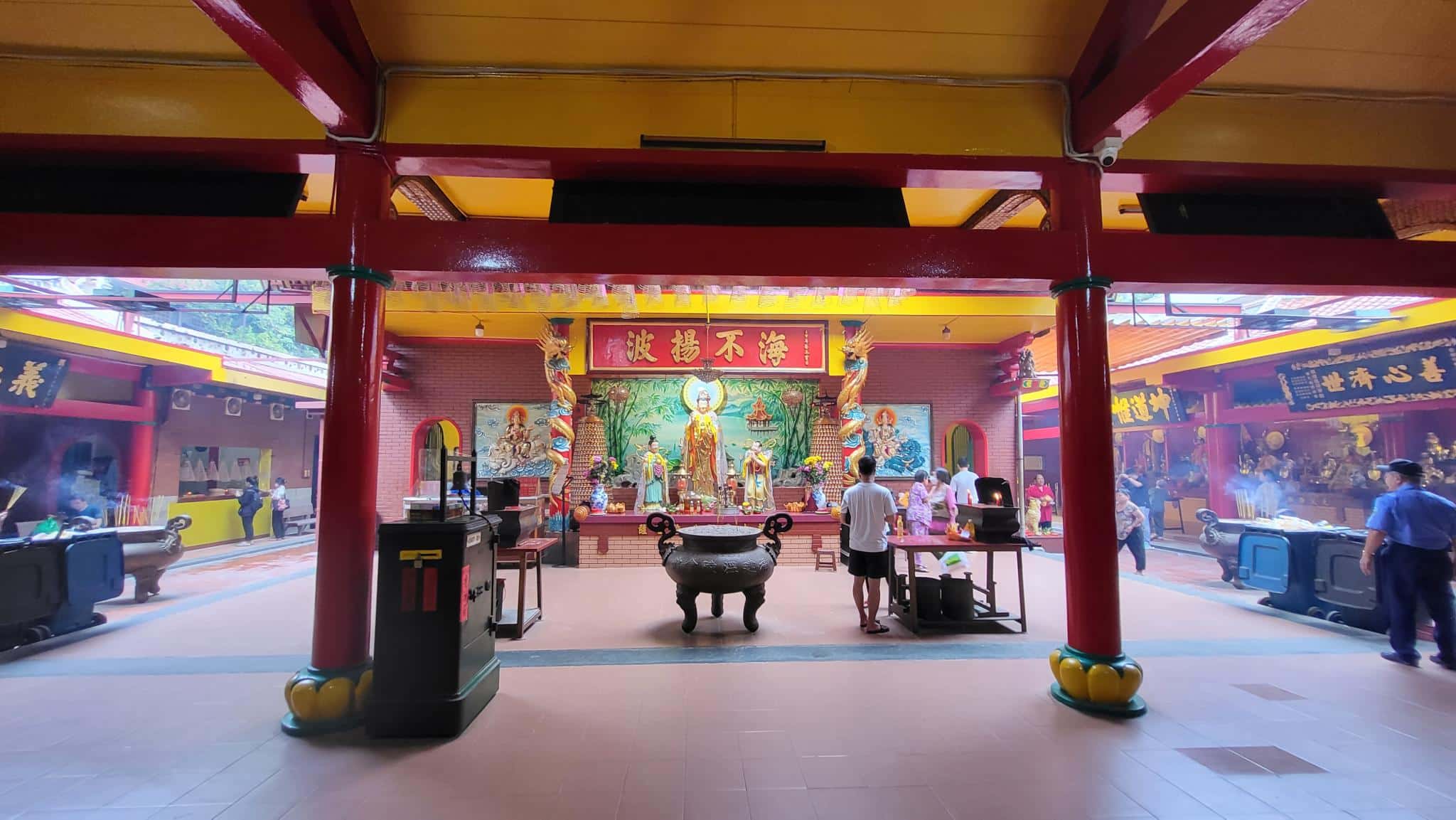
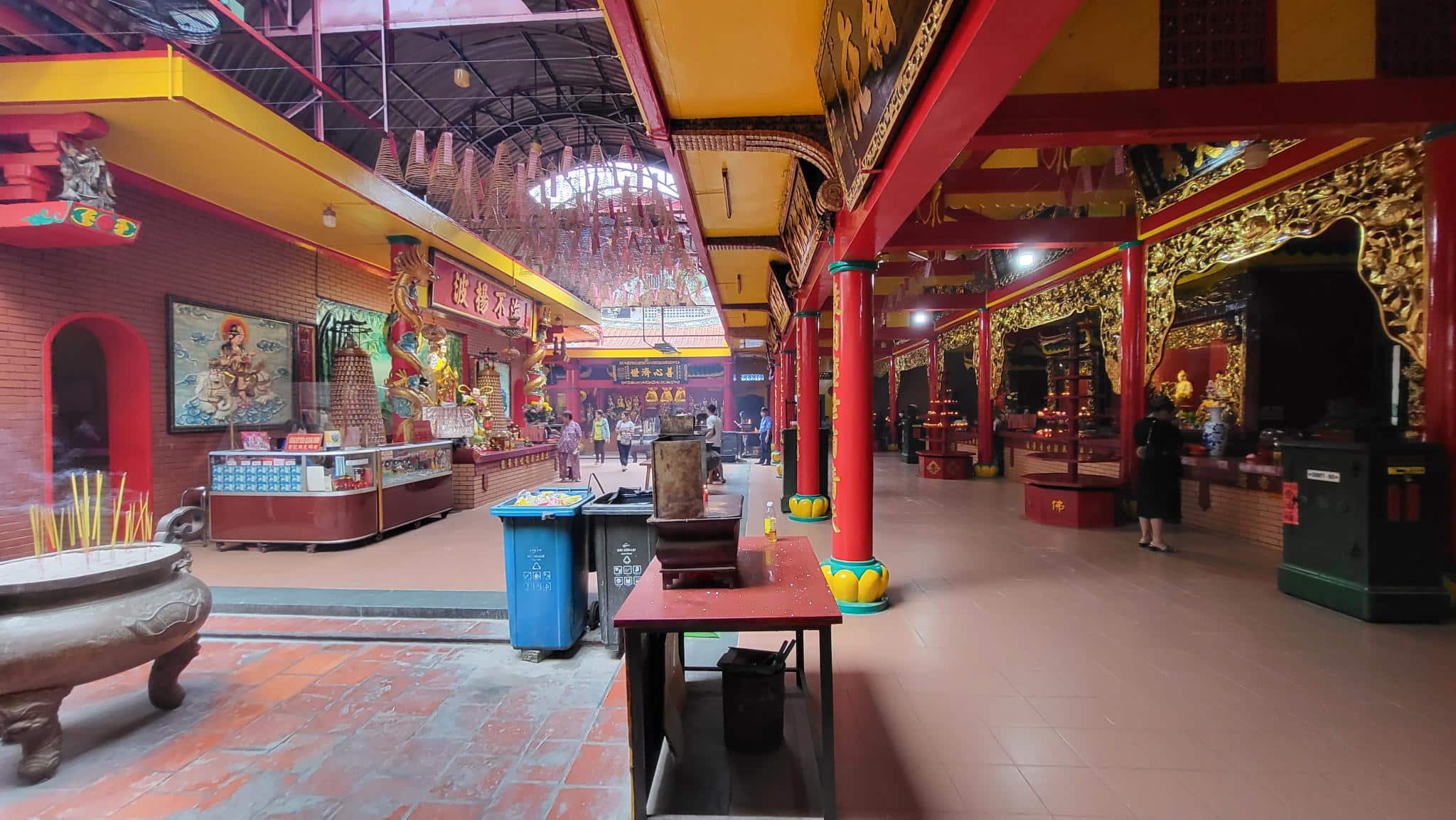
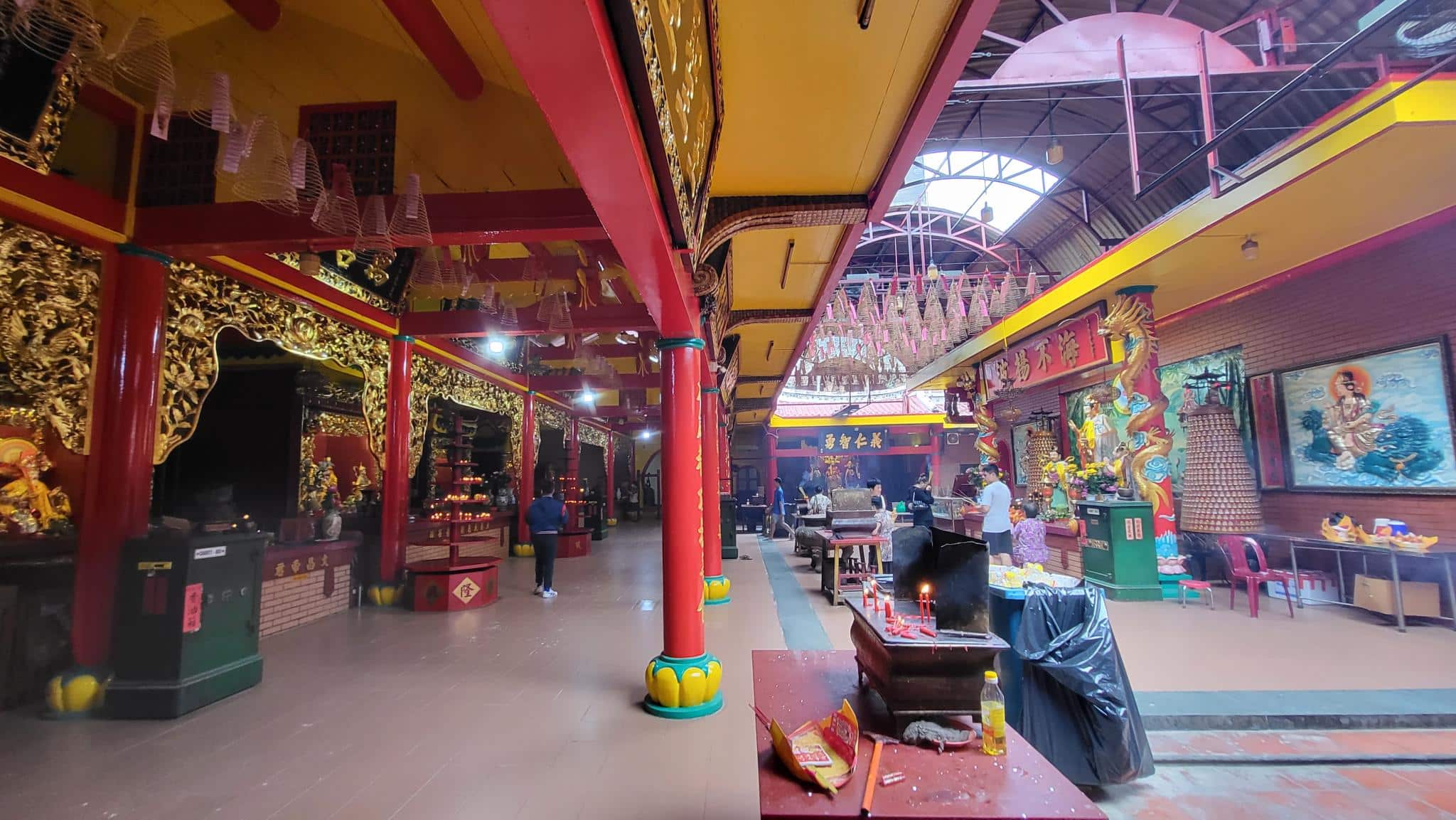
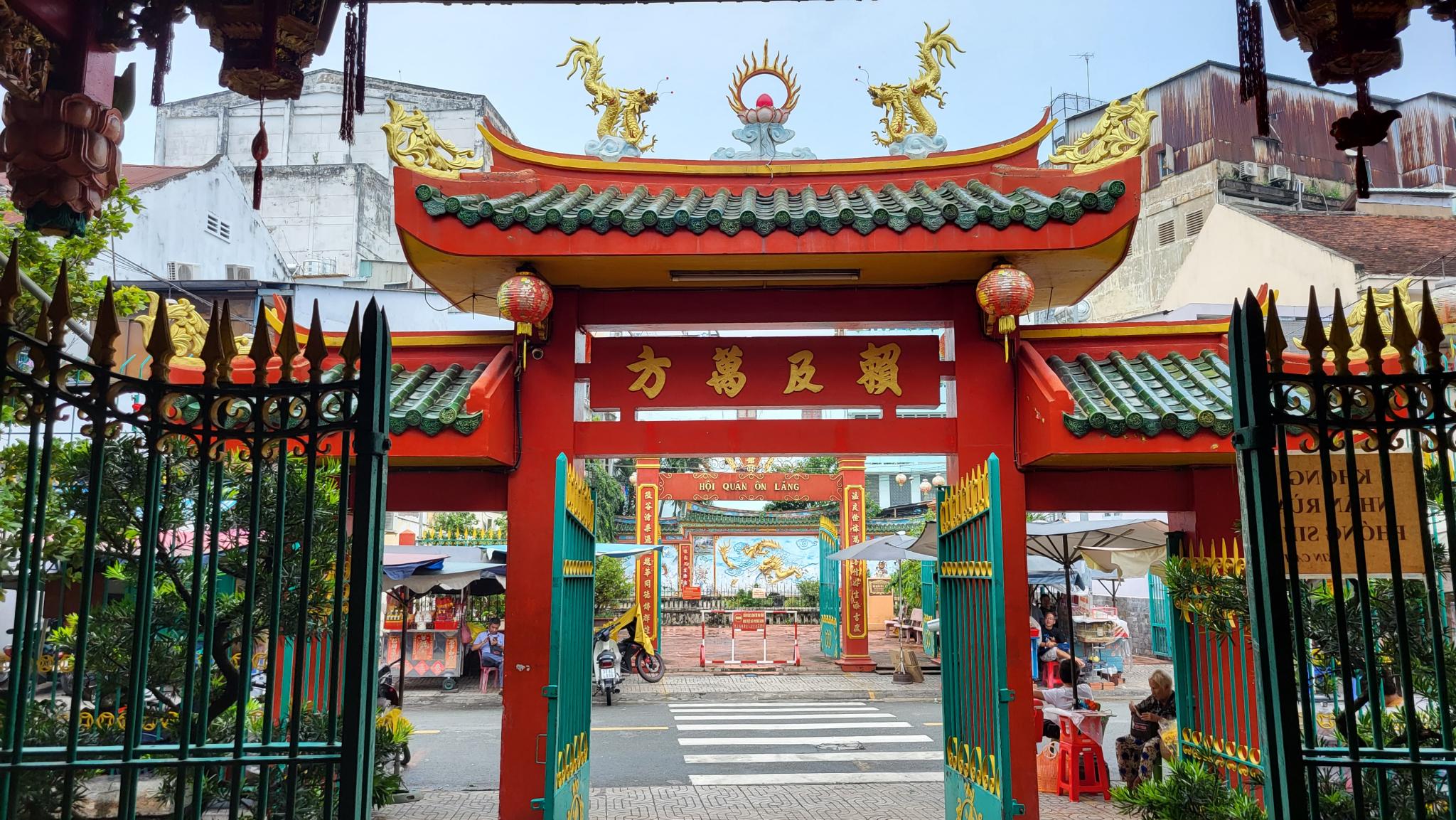
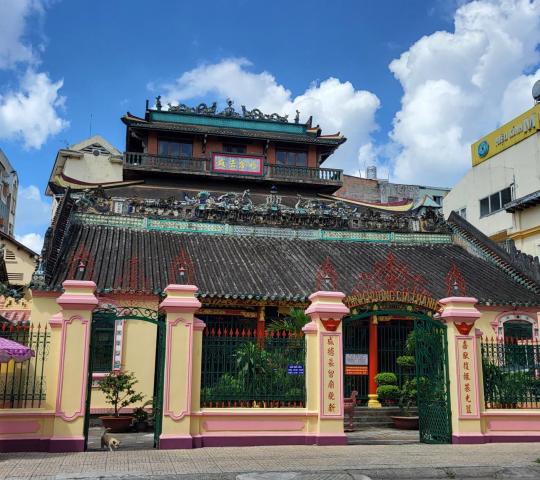
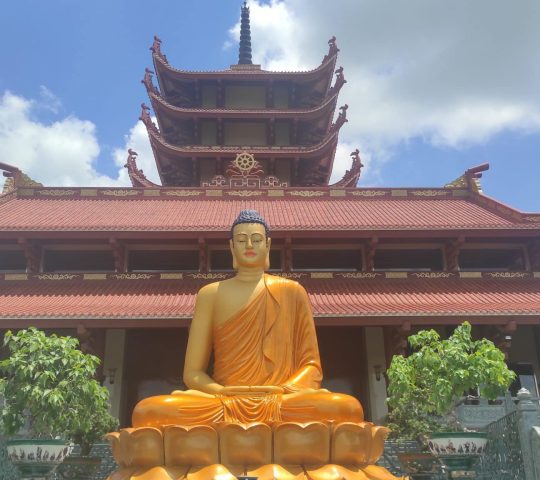
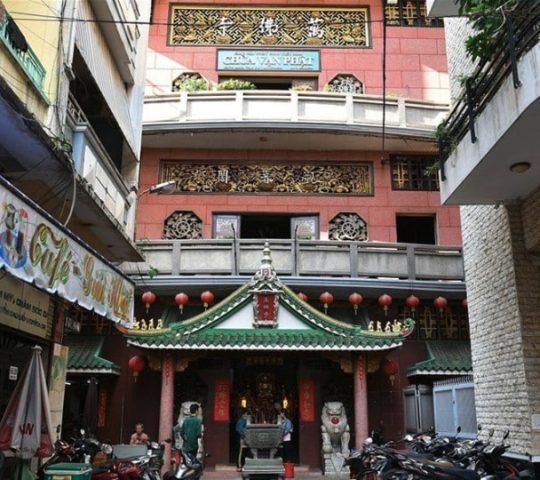
- Architectural Style: The Quan Am Pagoda’s architectural design exemplifies traditional Vietnamese Buddhist temple architecture, characterized by its symmetrical layout, multi-tiered structure, sloping roofs, carved wooden details, ornate decorations, and religious symbolism that reflect the pagoda’s spiritual significance, cultural identity, and historical context within Saigon’s architectural landscape.
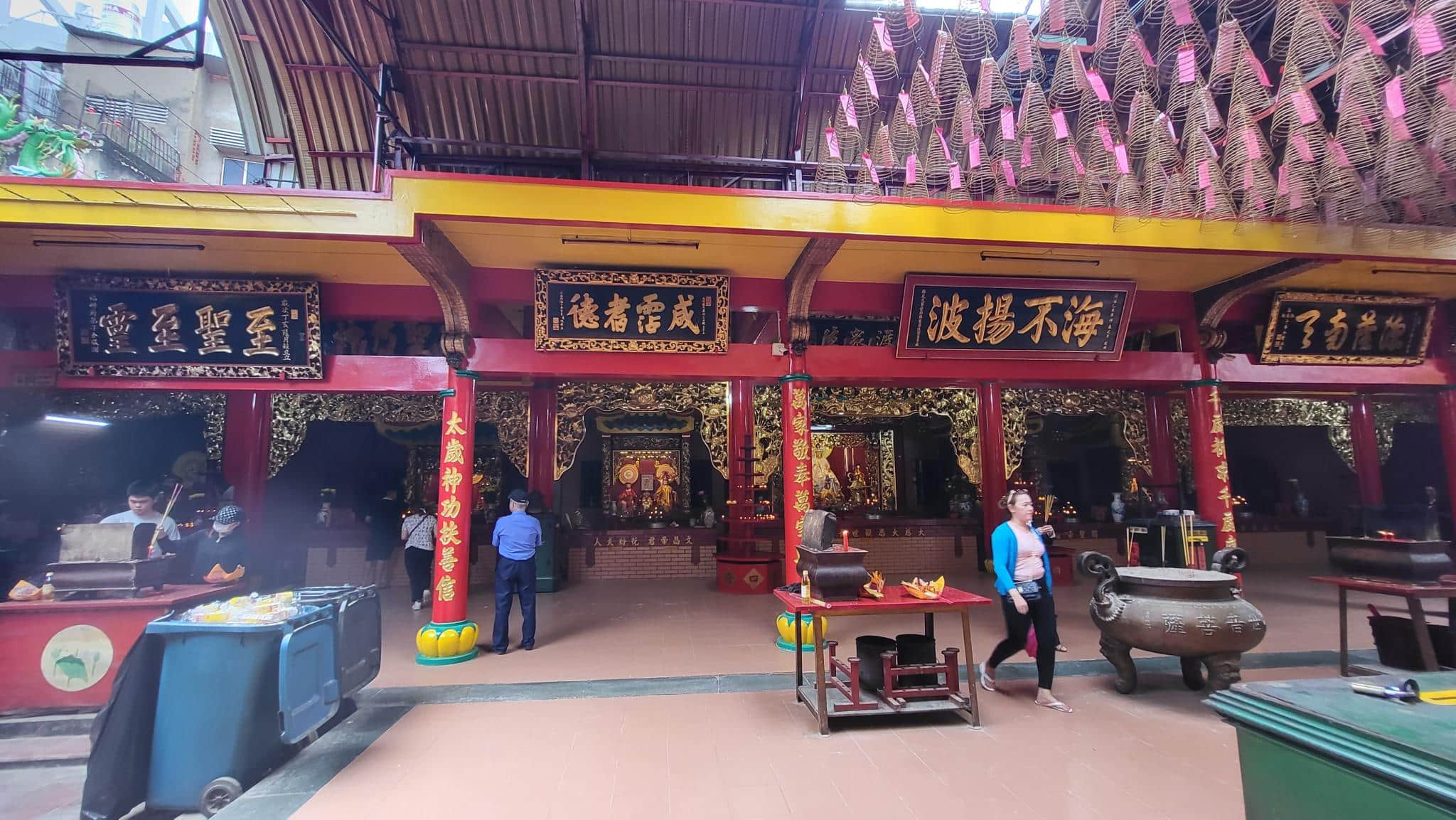
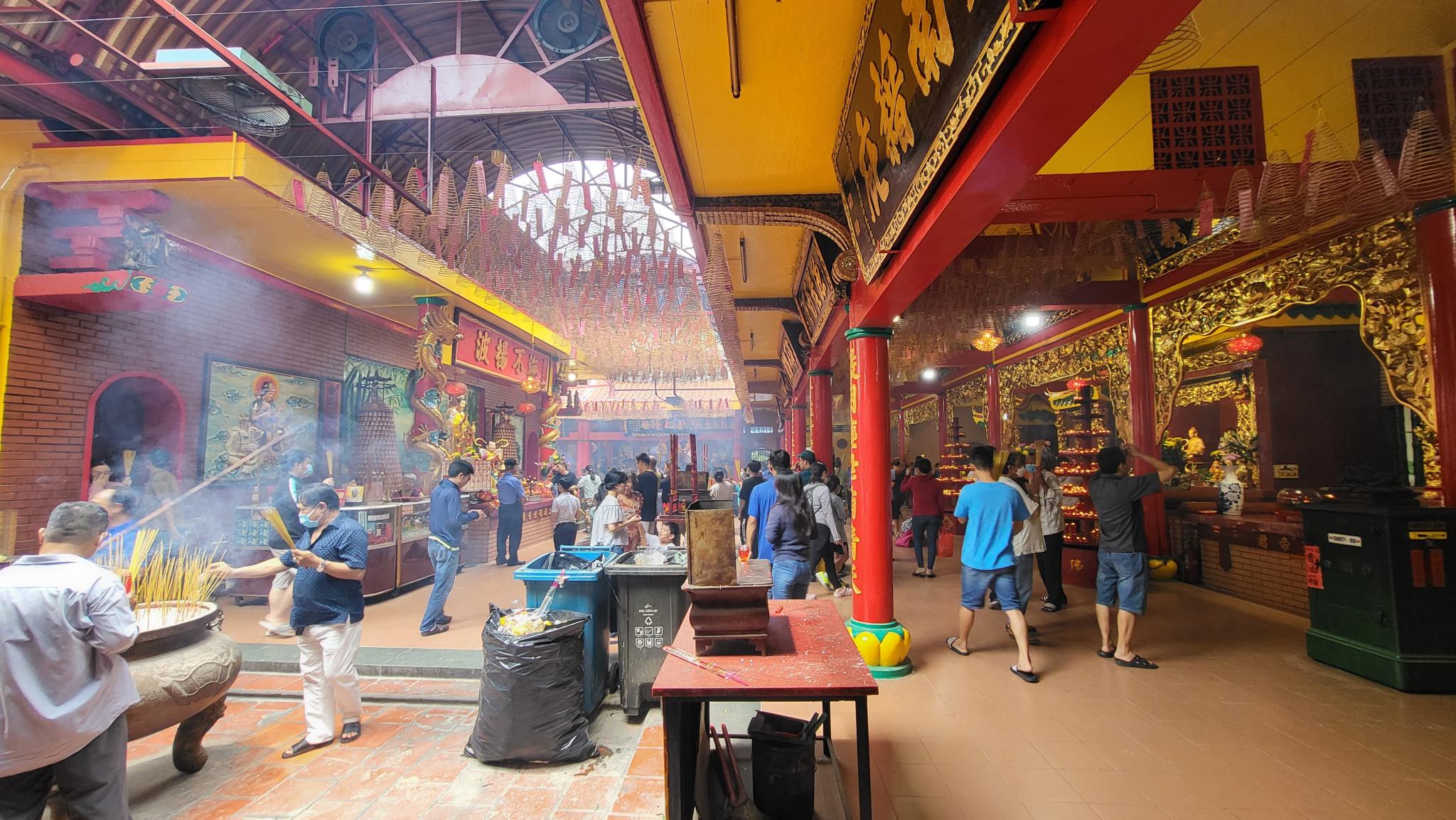
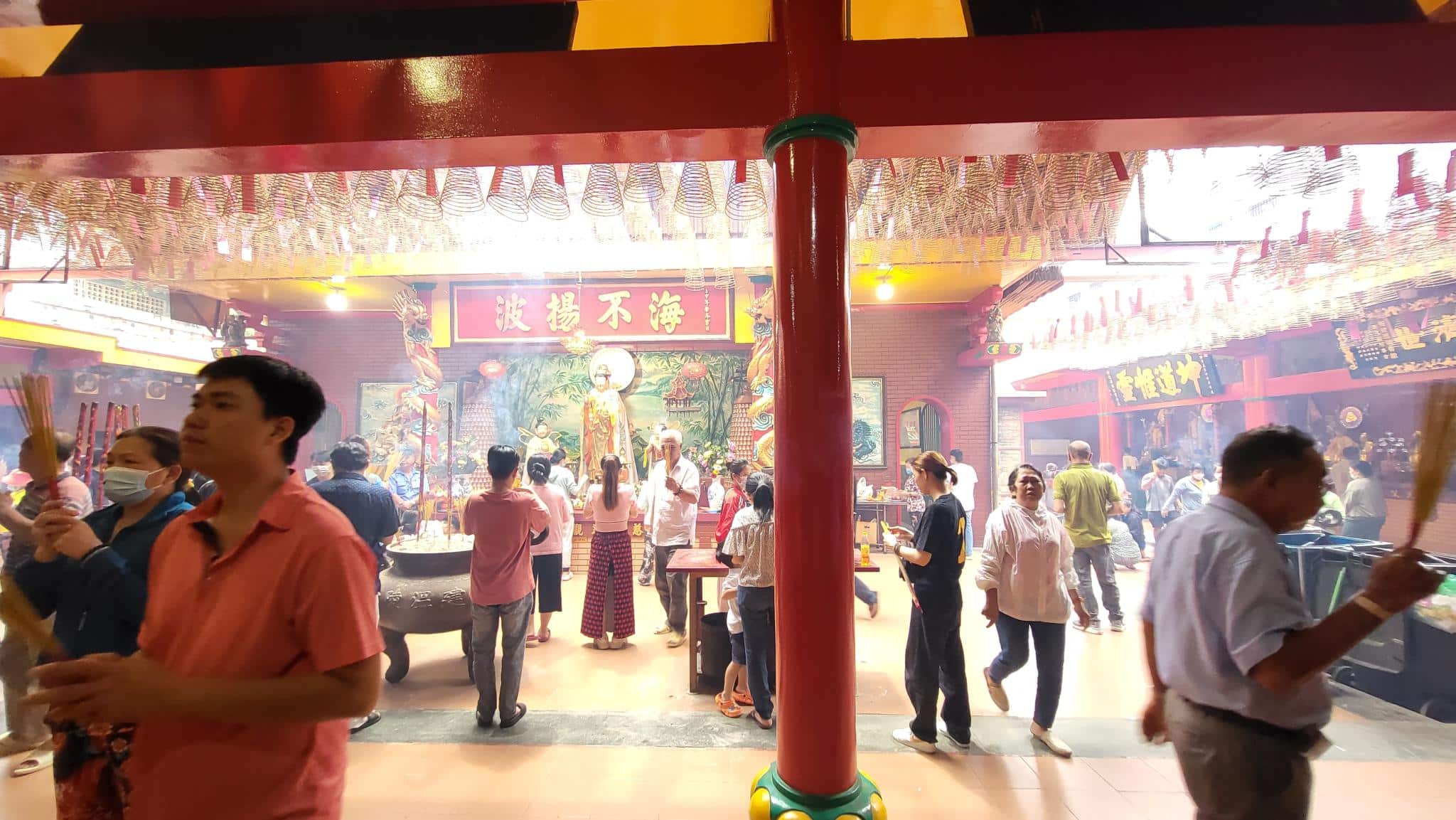
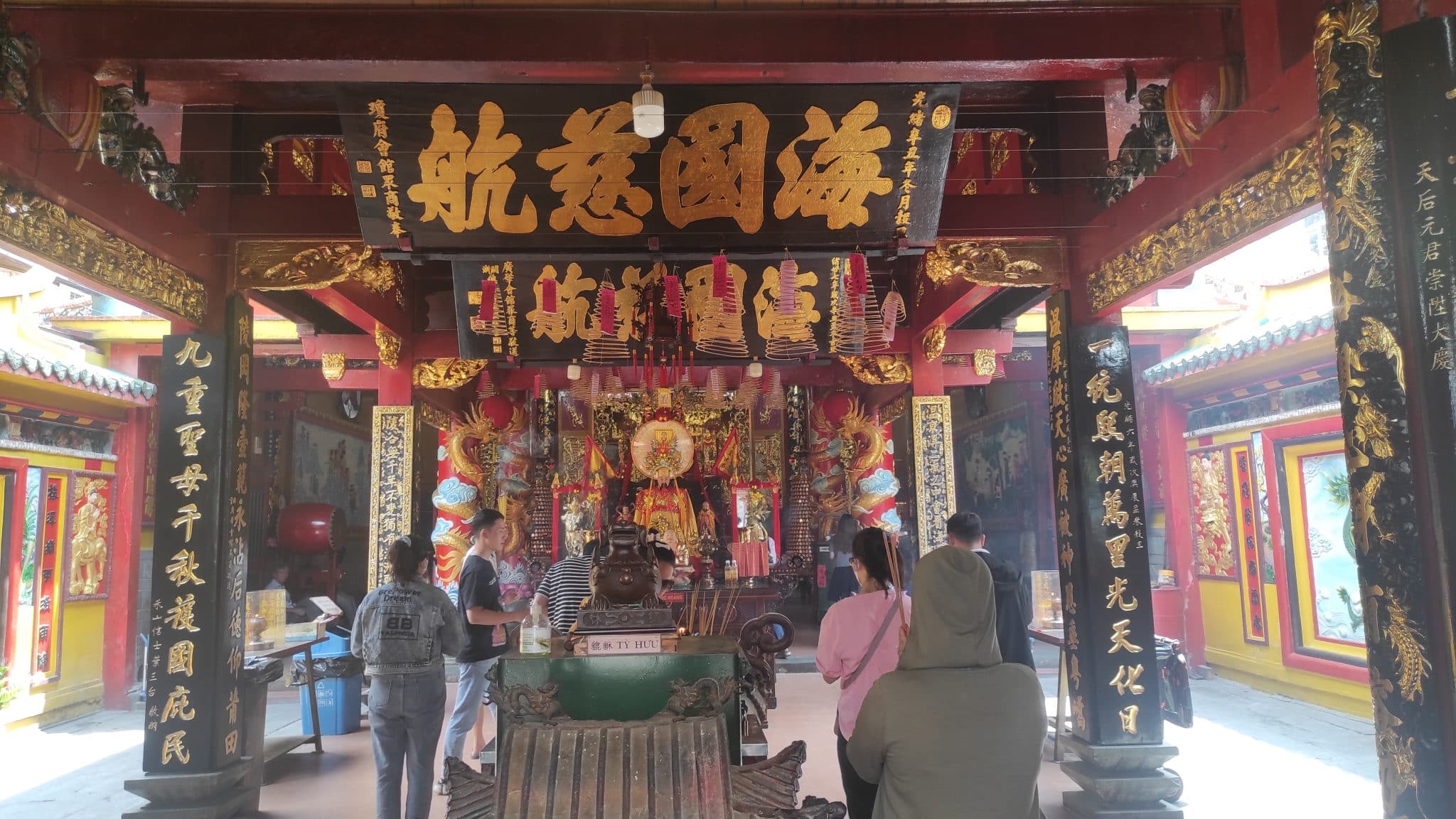
- Design Elements: The pagoda features a distinctive design that includes a main hall, prayer rooms, meditation areas, courtyards, gardens, bell towers, drum towers, and other architectural elements designed to facilitate Buddhist rituals, ceremonies, cultural practices, and community activities associated with worship, meditation, and spiritual enlightenment within the pagoda’s sacred and communal spaces.
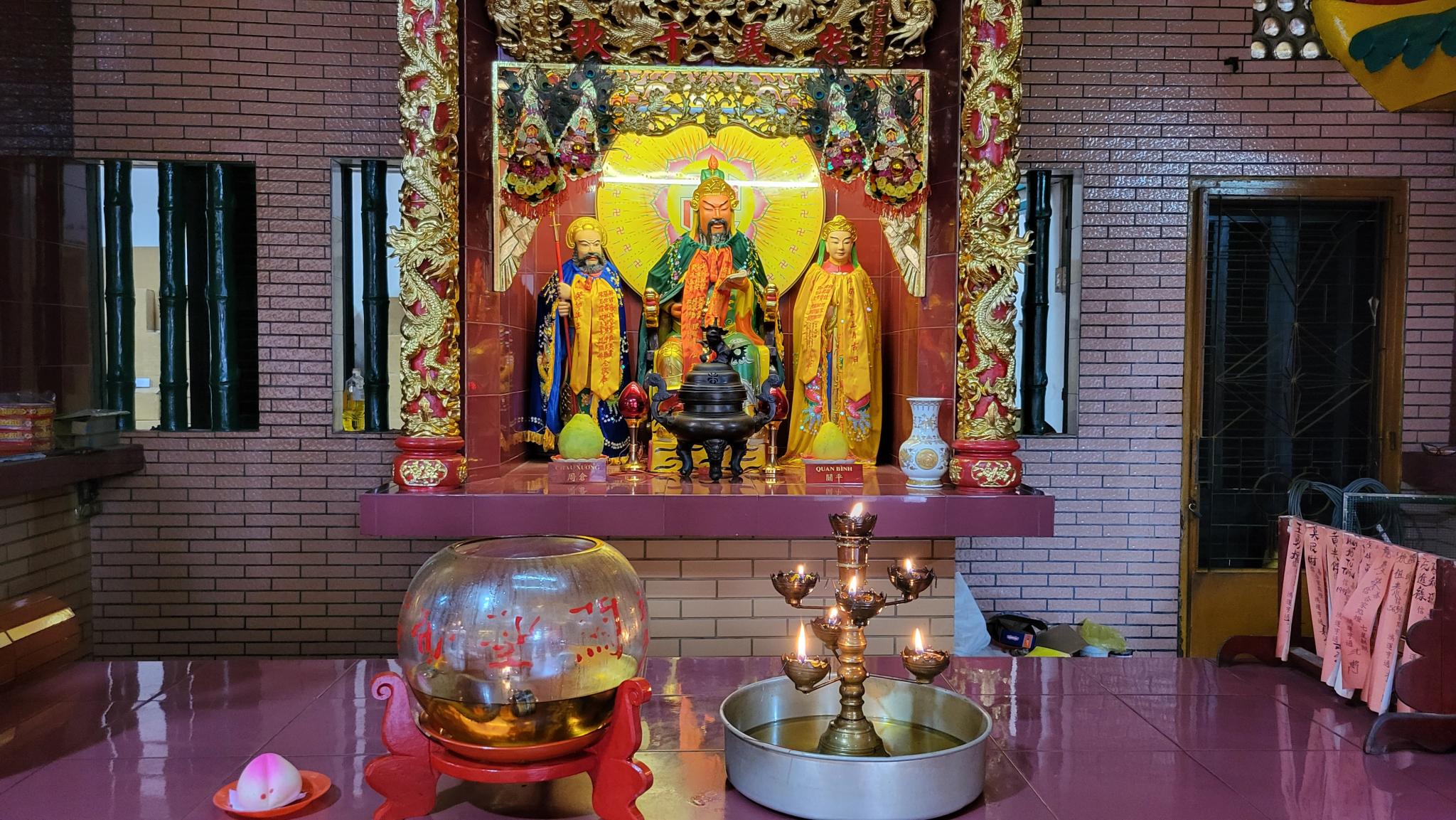
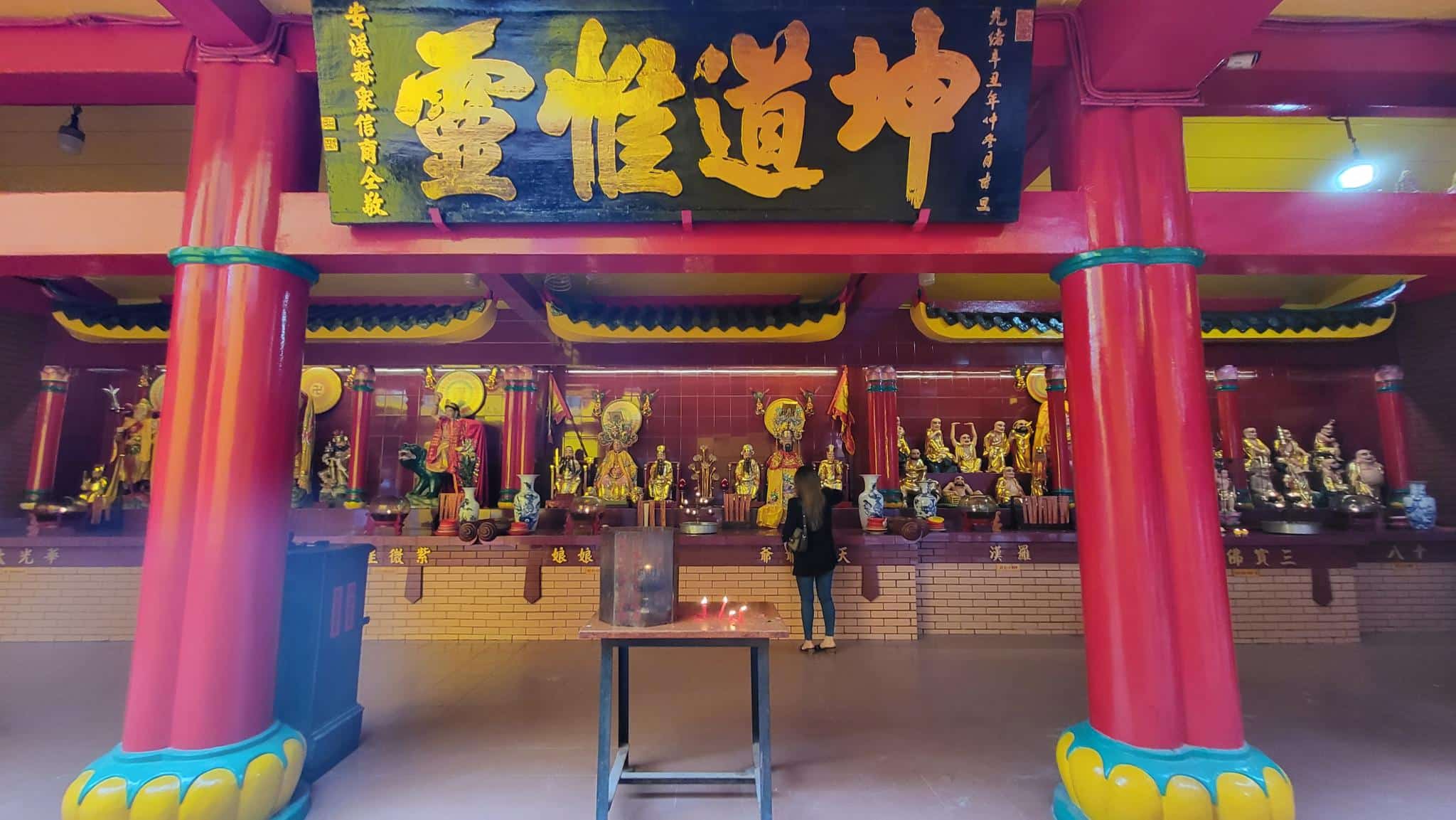
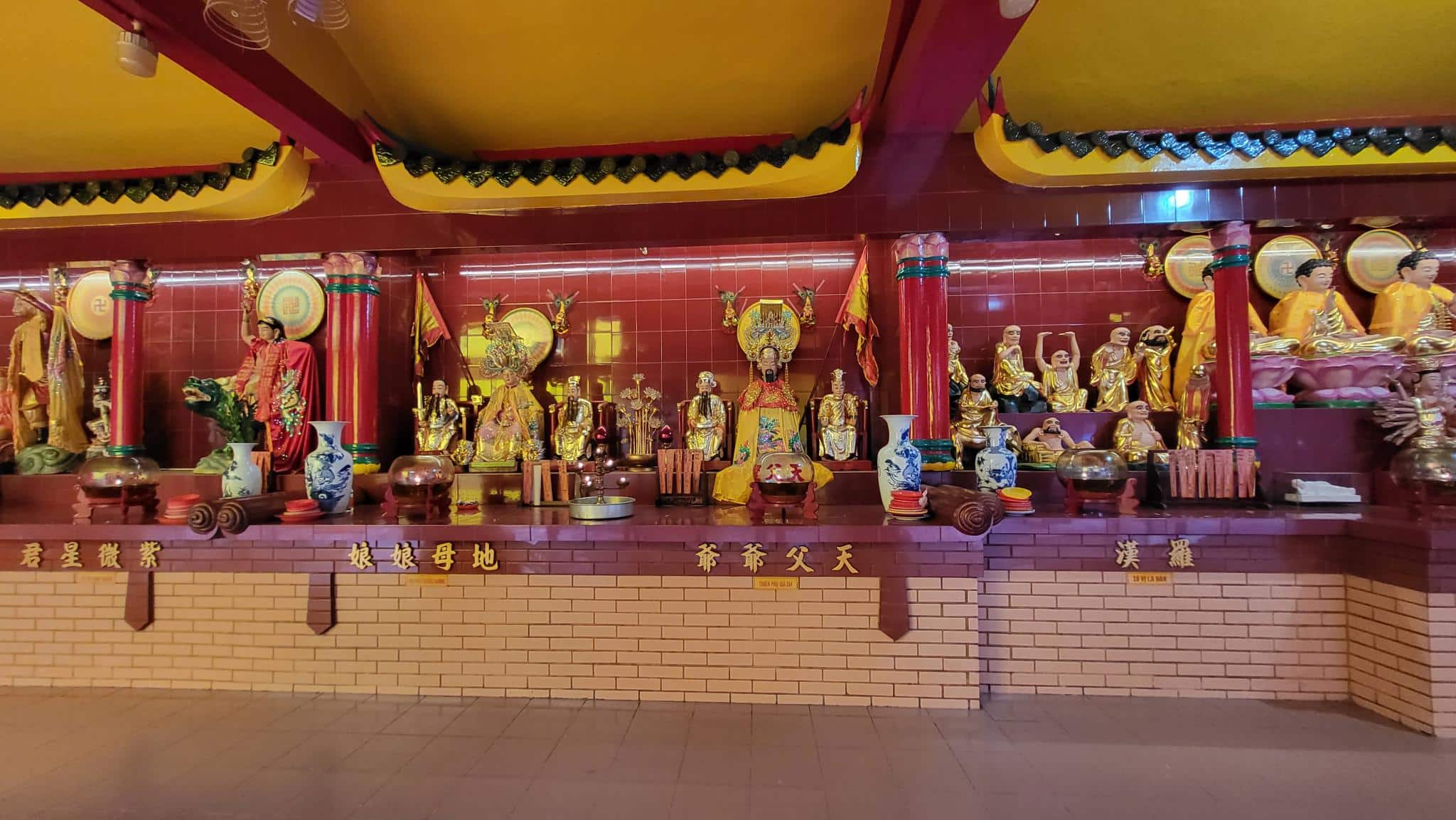
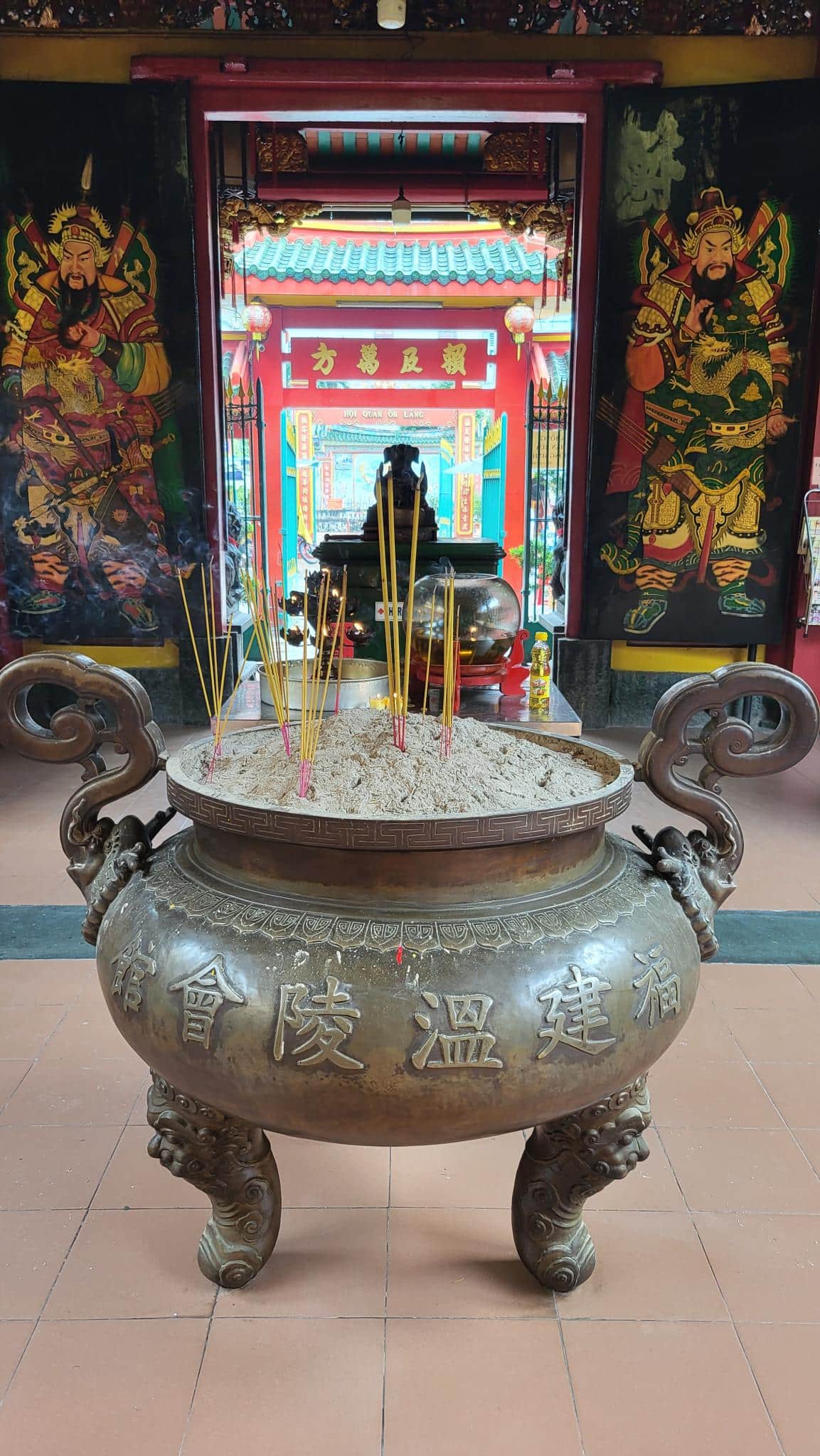
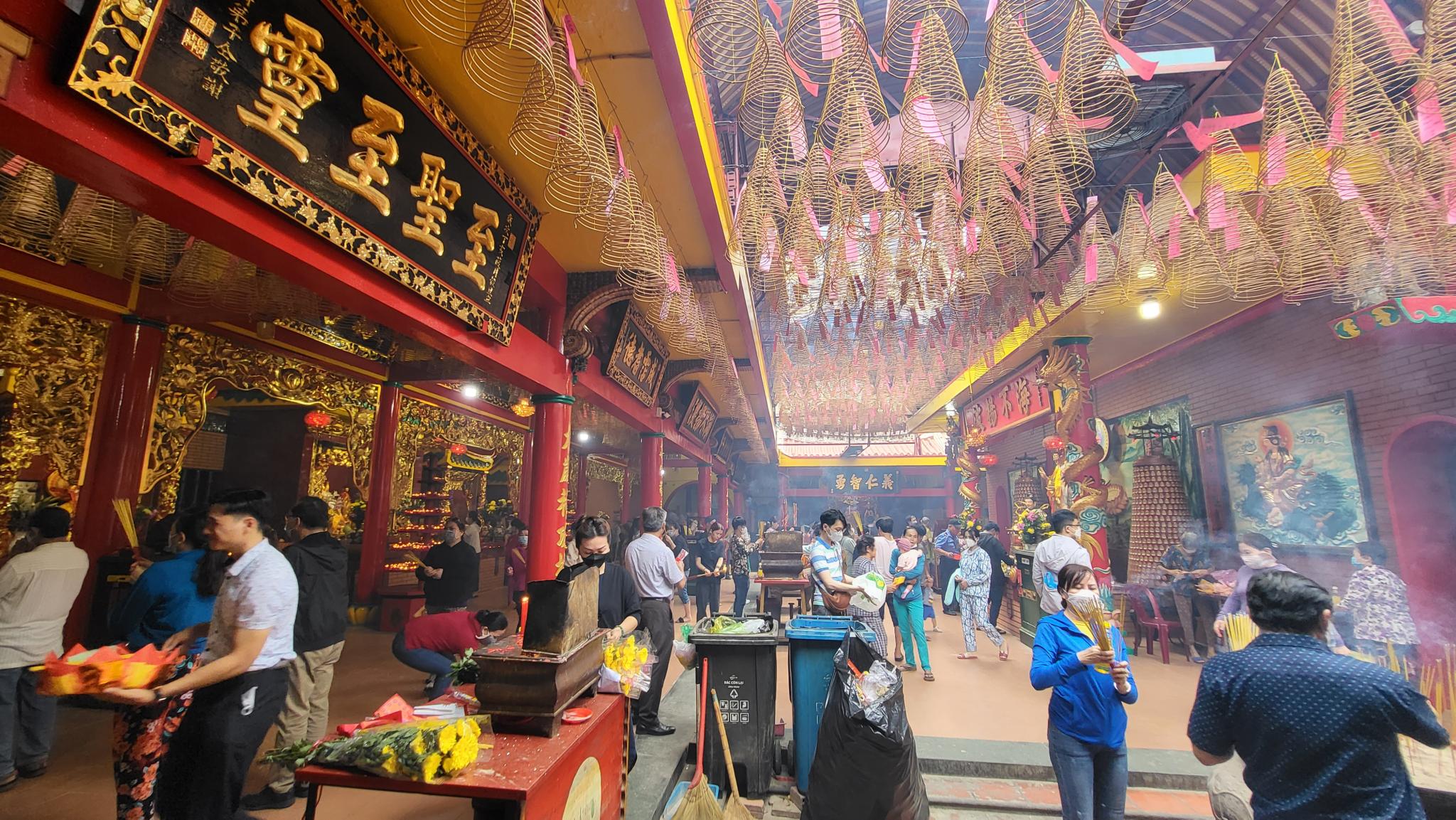
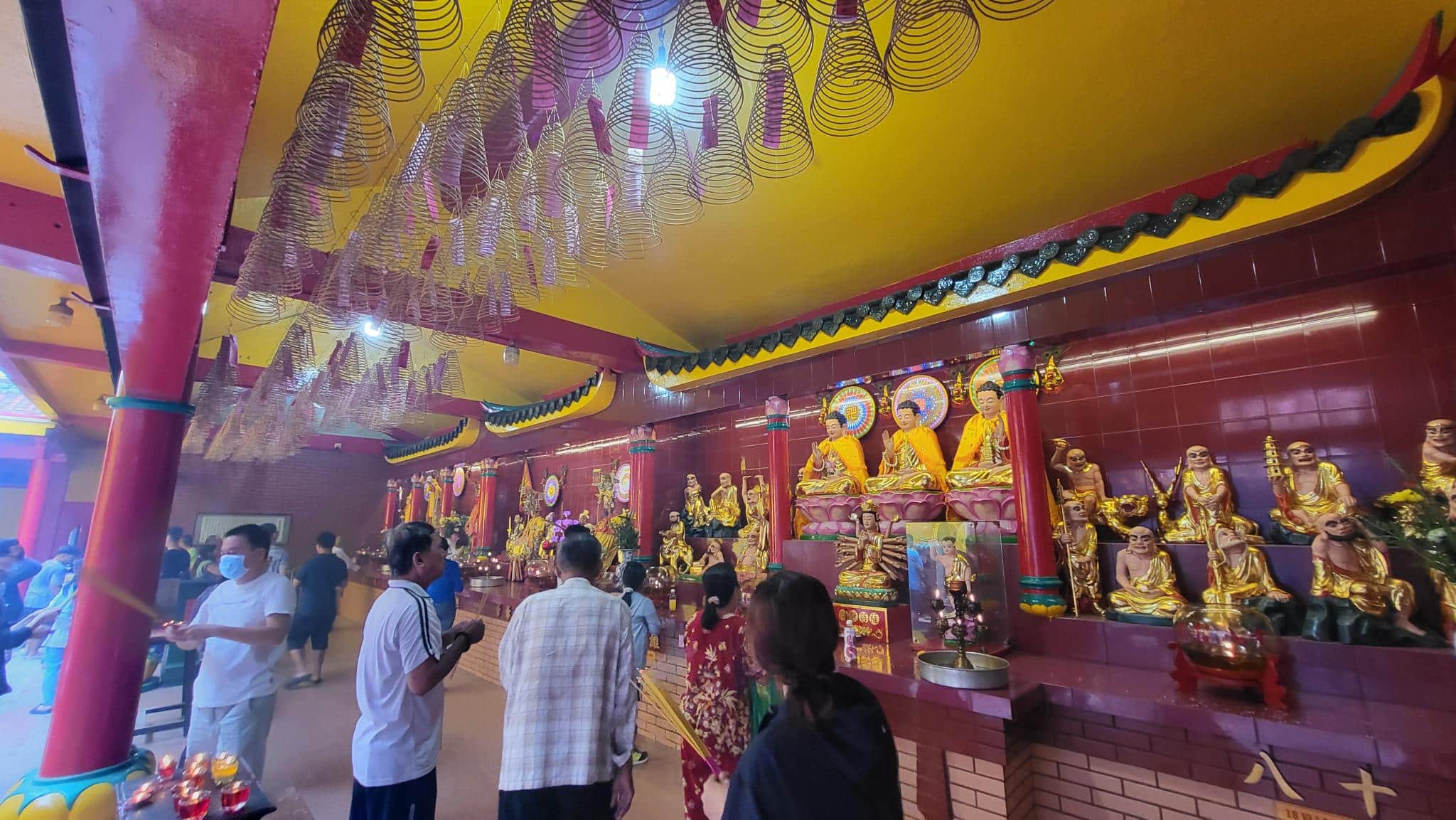
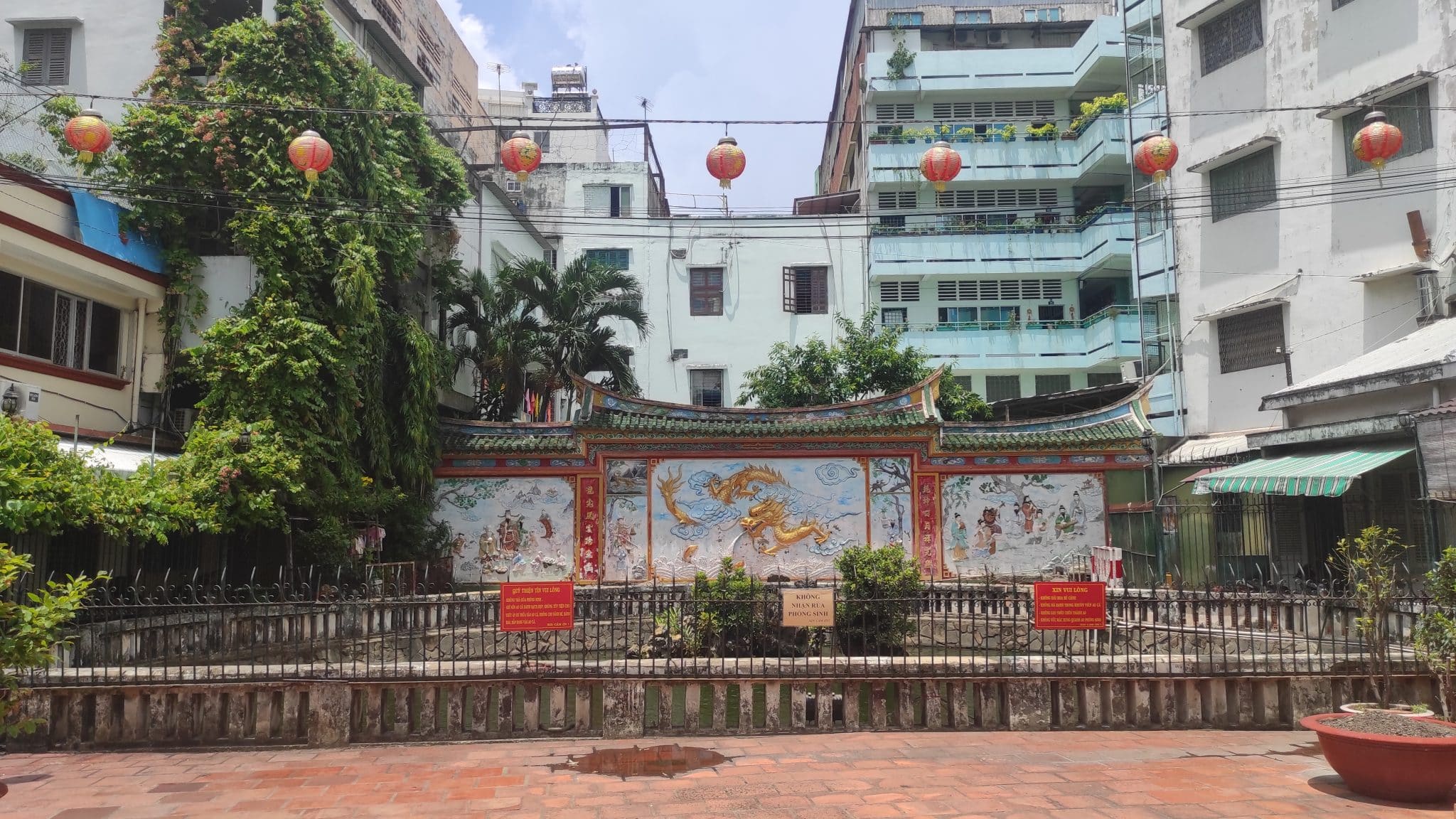
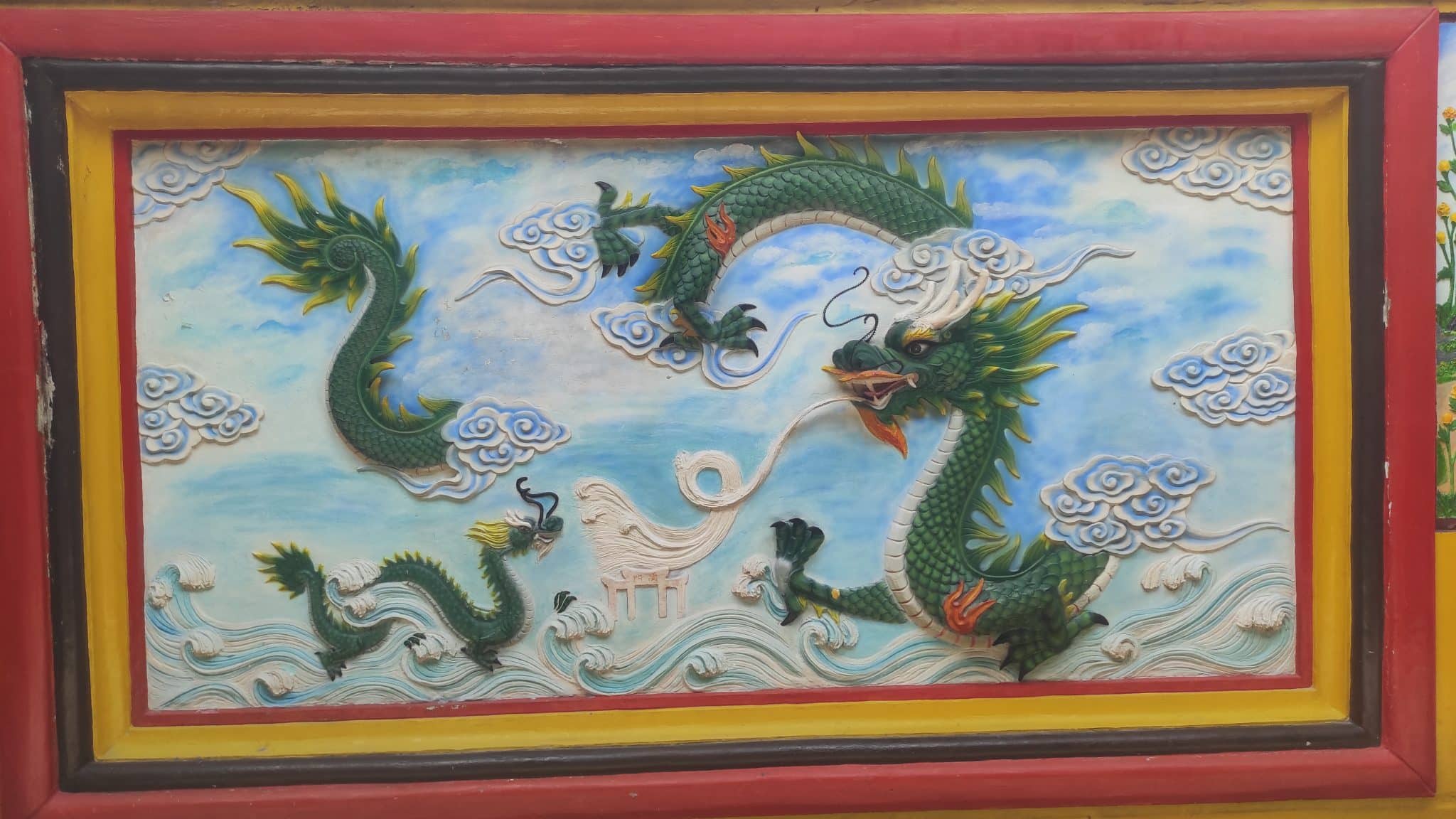
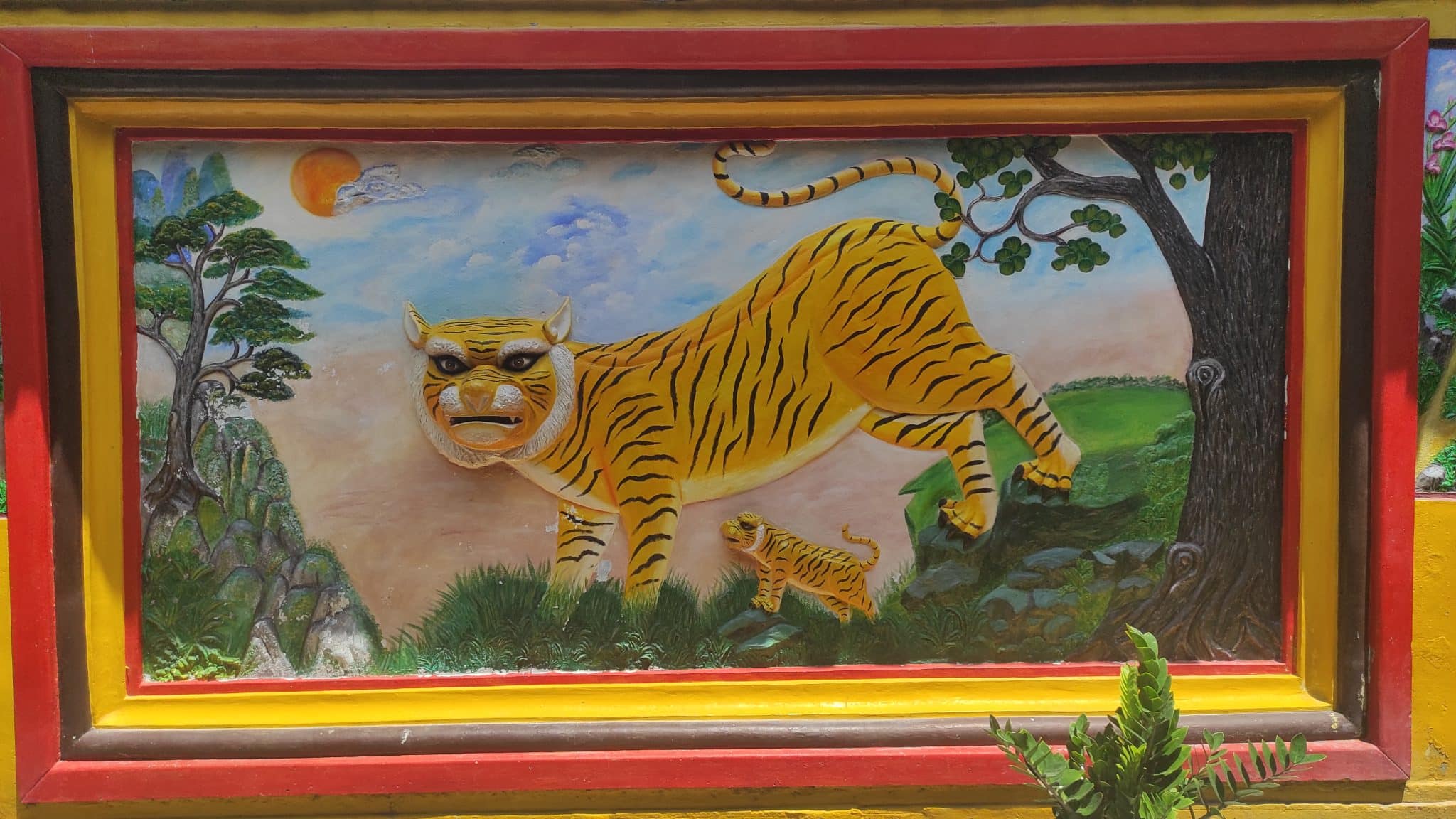
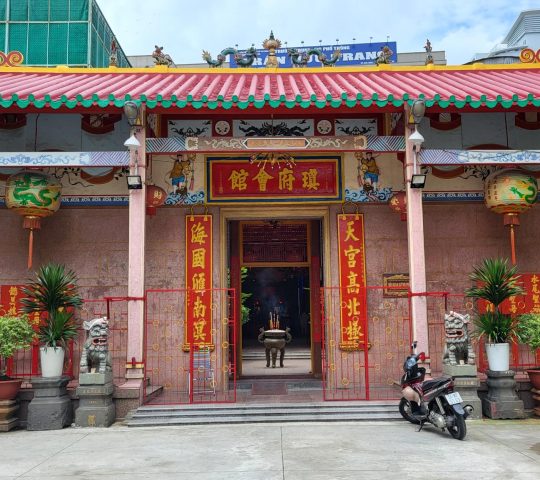
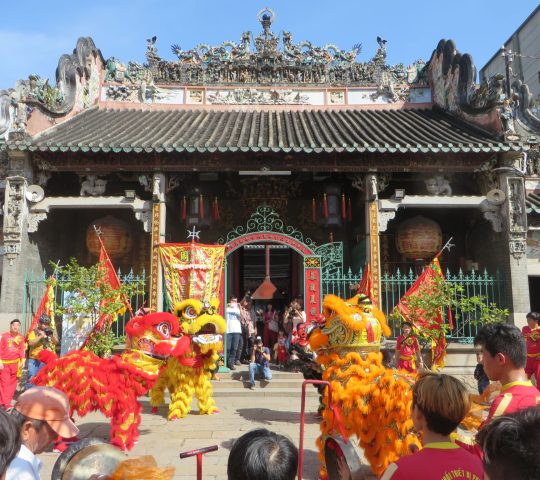
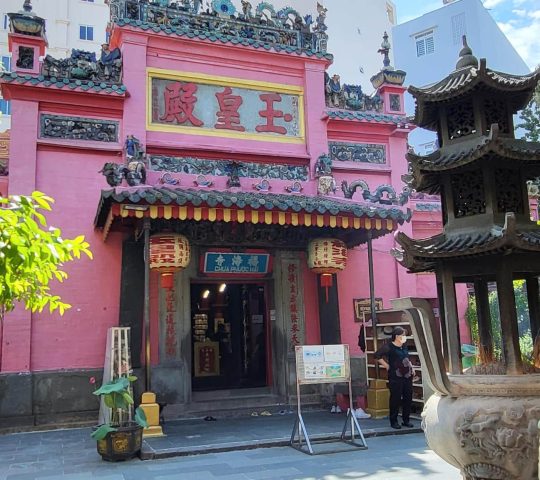
- Decorative Details: The Quan Am Pagoda’s interior and exterior may showcase decorative details such as intricate carvings, painted murals, ceramic tiles, stone sculptures, gilded ornaments, inscribed plaques, and religious artifacts that highlight Vietnamese artistic traditions, aesthetic values, and craftsmanship inherent to the pagoda’s construction, decoration, and preservation over generations.
Modern Context:
- Community Engagement: Today, the Quan Am Pagoda continues to serve as a spiritual, cultural, and communal hub for Buddhist practitioners, devotees, and visitors in Saigon. The pagoda hosts religious services, meditation sessions, Dharma talks, cultural events, community gatherings, and educational programs that promote Buddhist teachings, spiritual development, social cohesion, and interfaith dialogue within Vietnam’s multicultural society.
- Historical Preservation: Efforts to preserve, maintain, and restore the Quan Am Pagoda signify its historical significance, cultural value, and architectural integrity as a religious landmark, cultural heritage site, and historical symbol representing the Vietnamese Buddhist community’s identity, contributions, and legacy within Saigon’s socio-cultural, religious, and historical context.