Việt Nam Quốc Tự pagoda – Saigon
The Việt Nam Quốc Tự Pagoda, also known as the Vietnamese National Pagoda, is a prominent Buddhist temple located in Ho Chi Minh City (formerly Saigon), Vietnam. The name “Việt Nam Quốc Tự” translates to “Vietnam National Pagoda,” highlighting its significance as a spiritual, cultural, and national landmark within the Vietnamese Buddhist community and the broader society. Here’s an overview of the Việt Nam Quốc Tự Pagoda:
Historical and Cultural Significance:
The Việt Nam Quốc Tự Pagoda holds historical and cultural importance, serving as a spiritual sanctuary, cultural institution, and national symbol that reflects Vietnam’s Buddhist heritage, traditions, values, and identity. The pagoda’s history, artifacts, relics, ceremonies, festivals, teachings, and community activities contribute to its recognition, reverence, and impact within Vietnam’s religious landscape and cultural heritage.
Architectural Features:
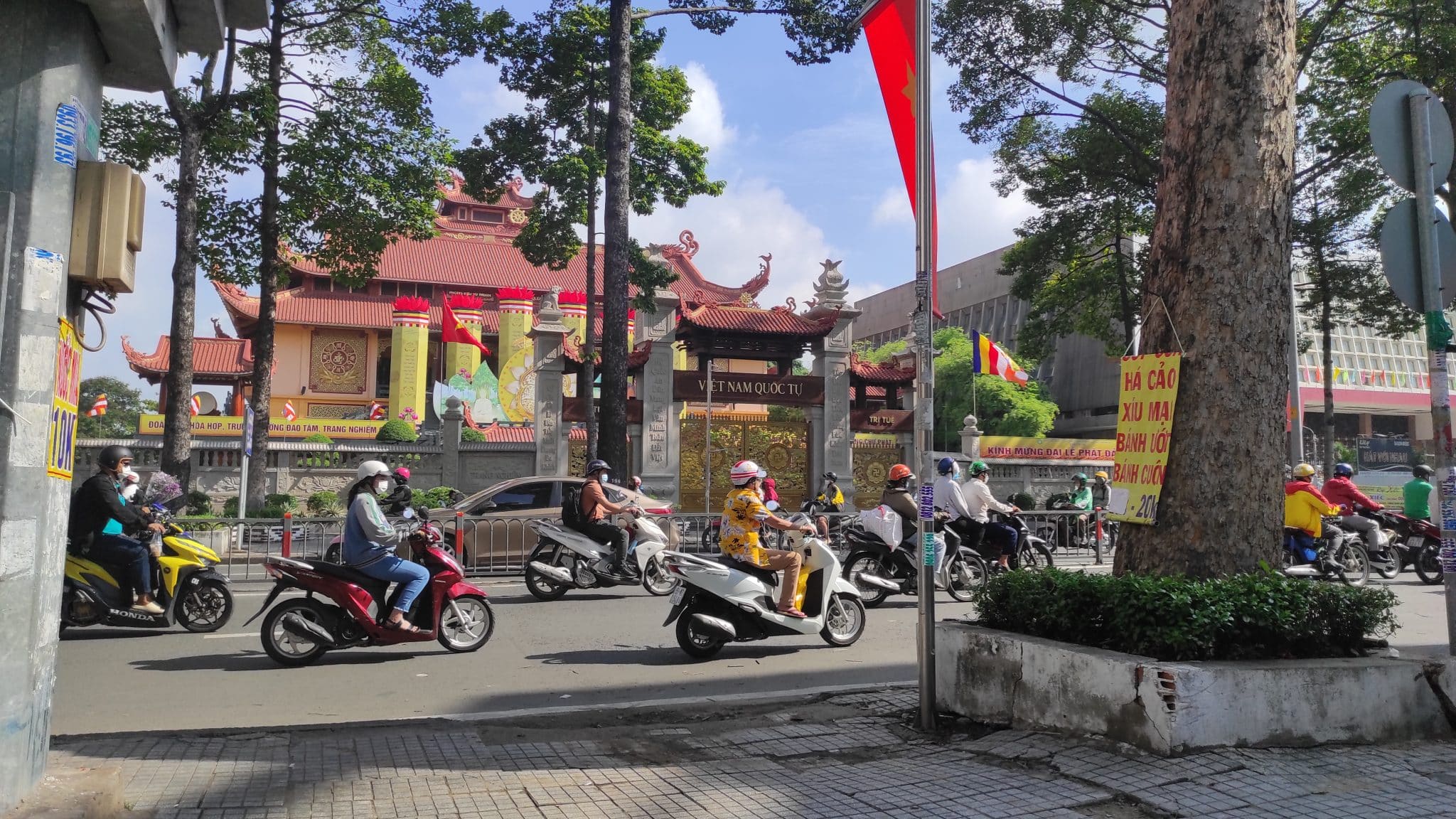
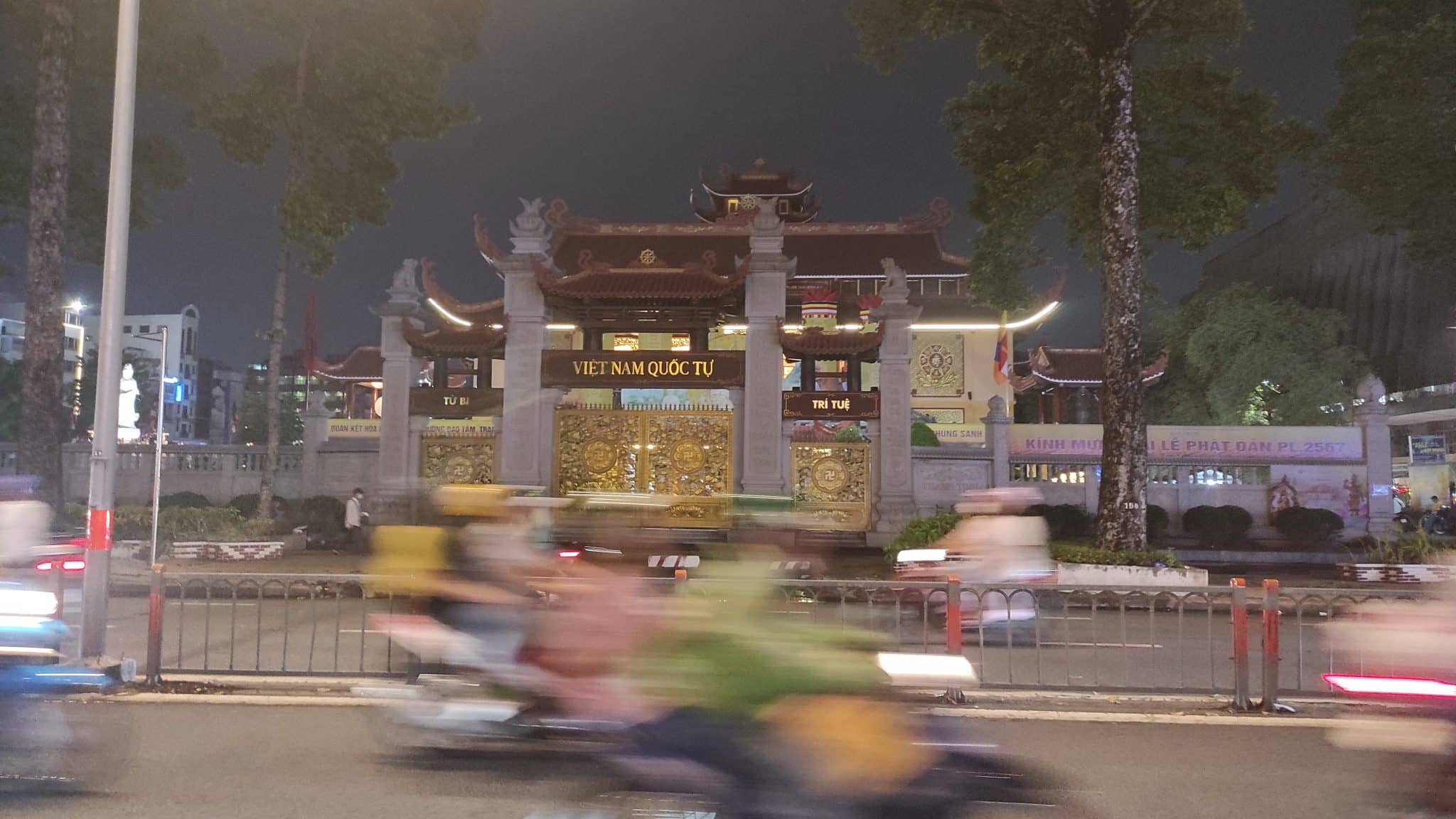
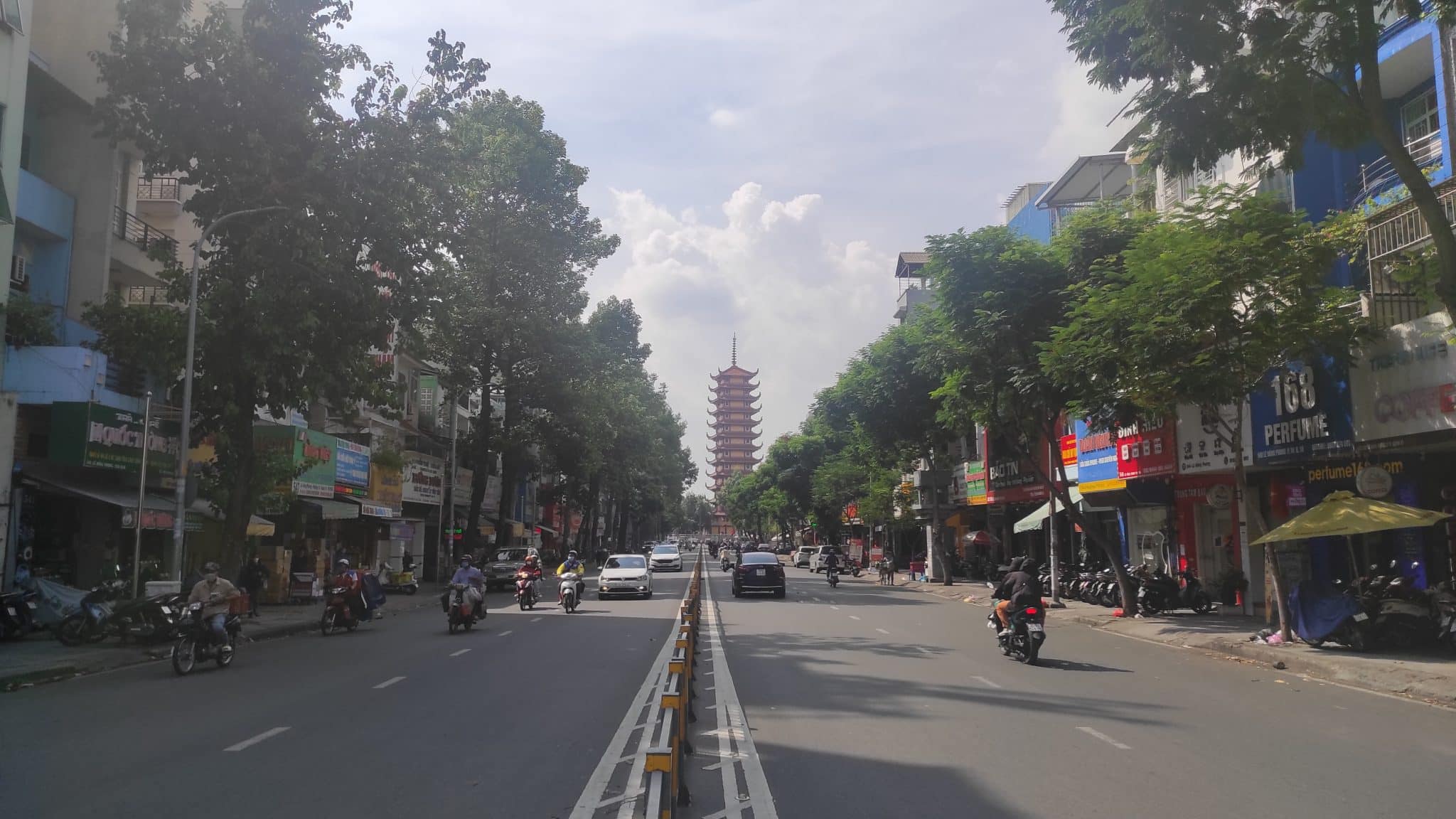
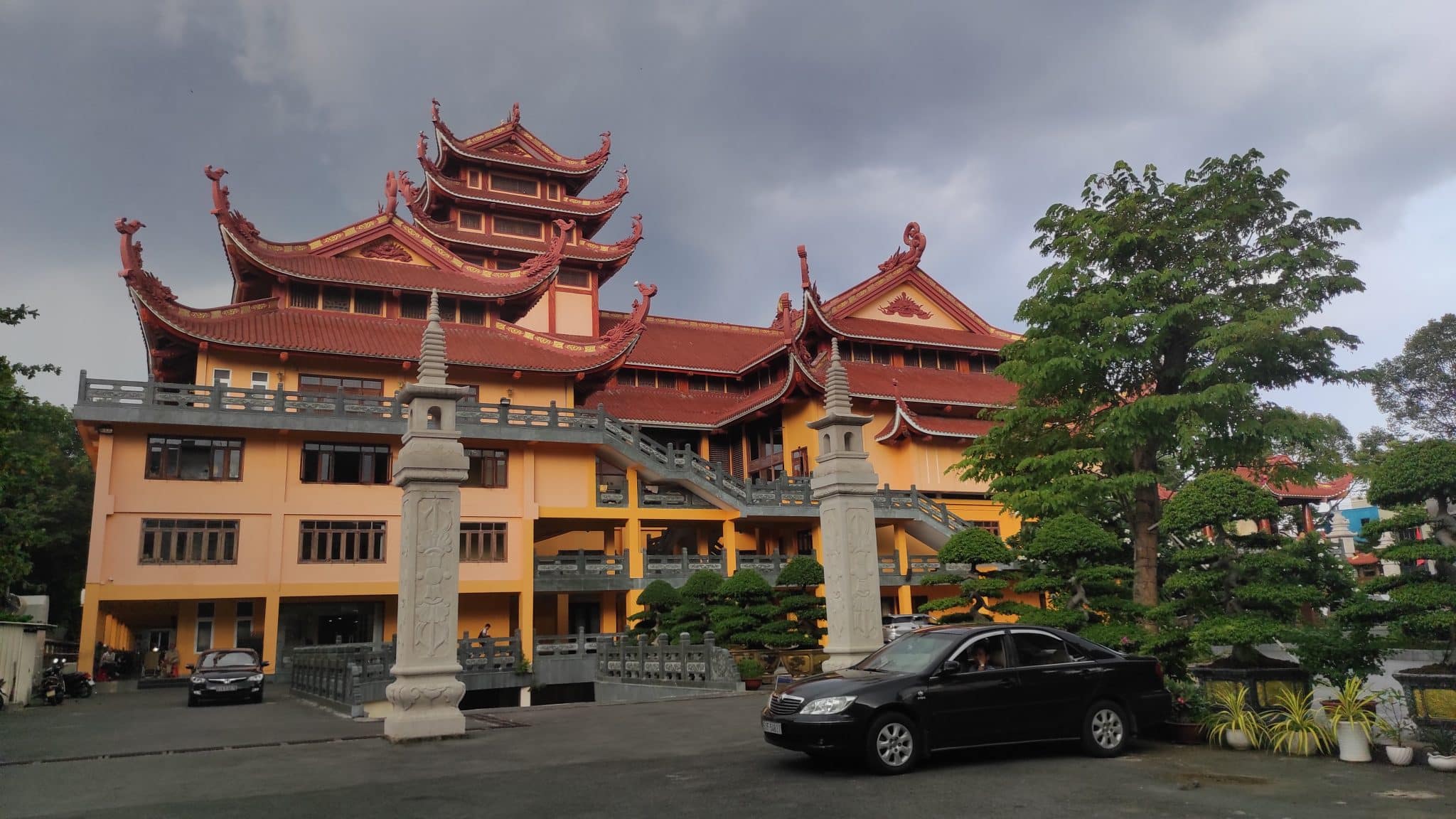
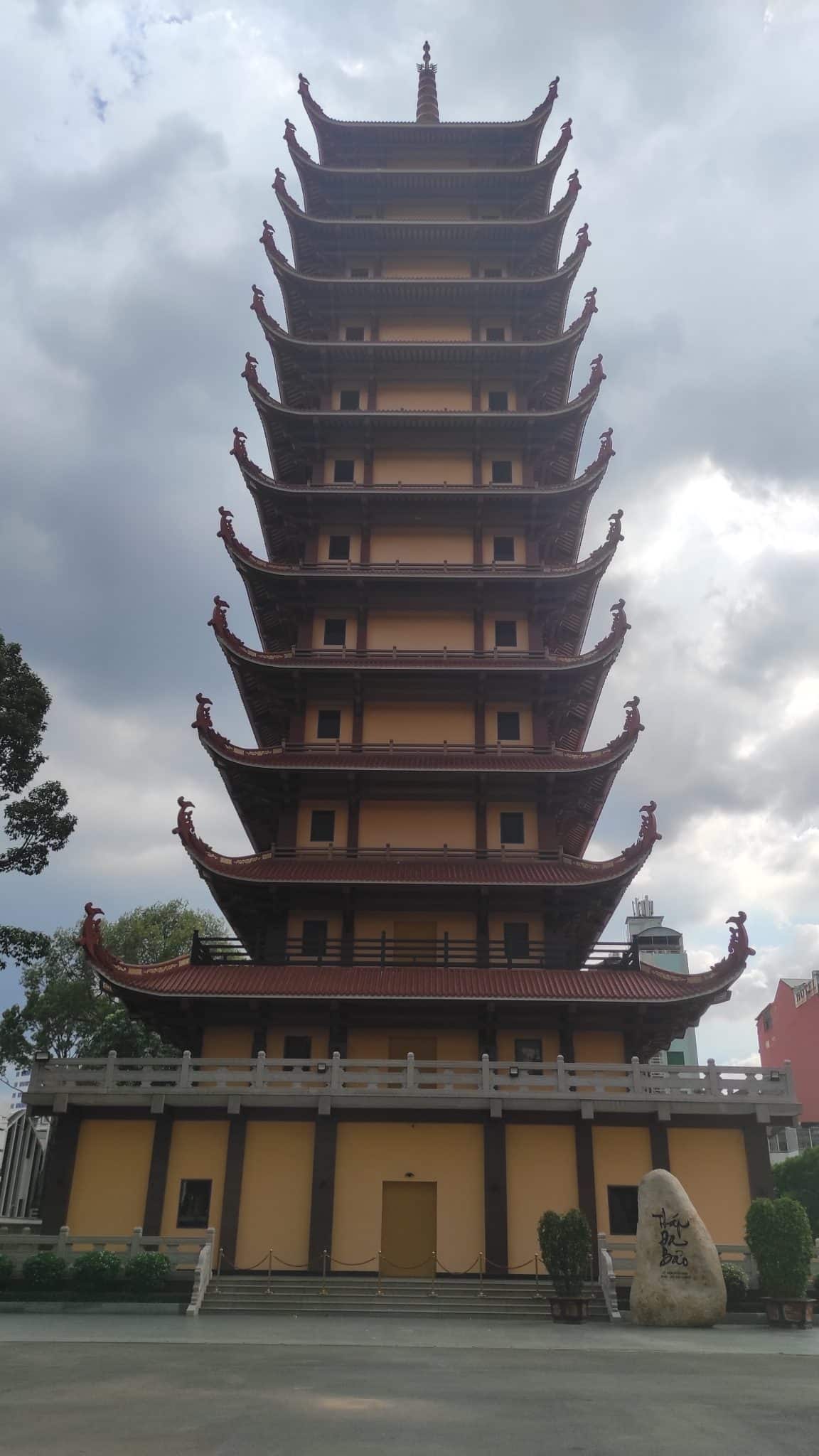
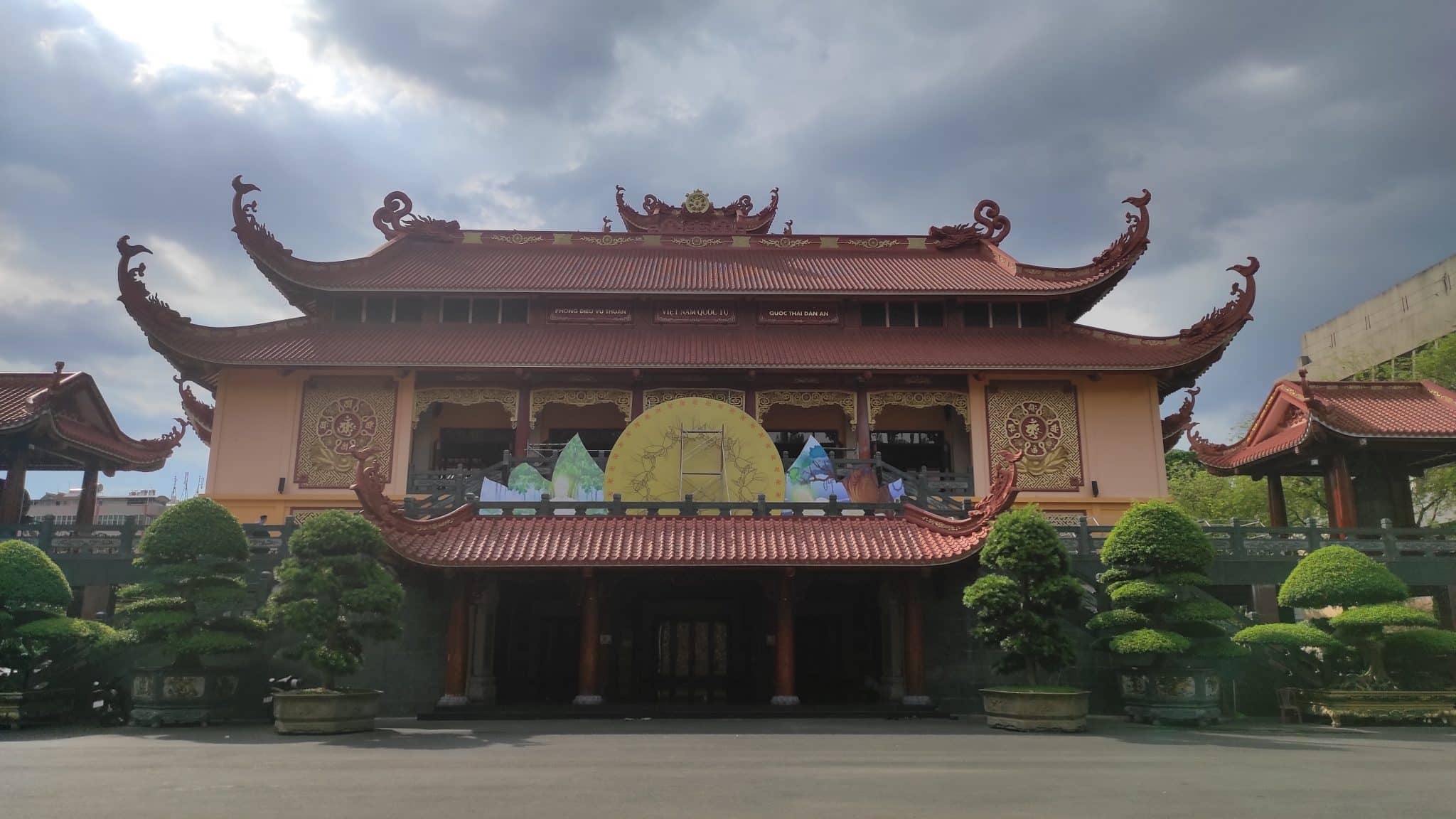
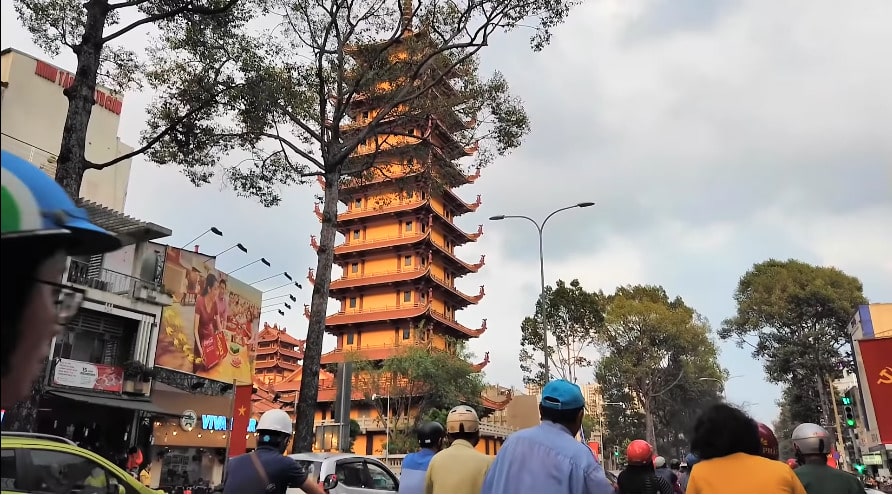
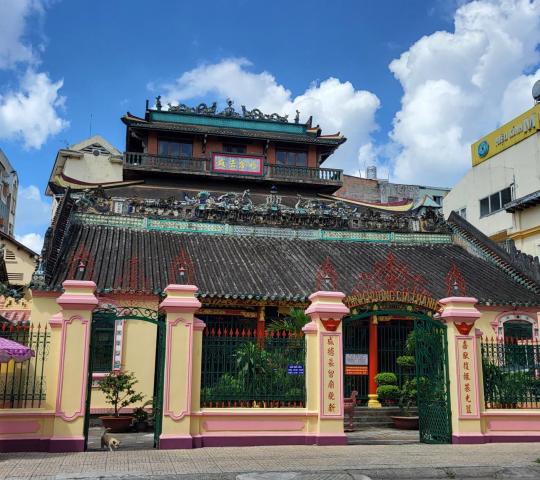
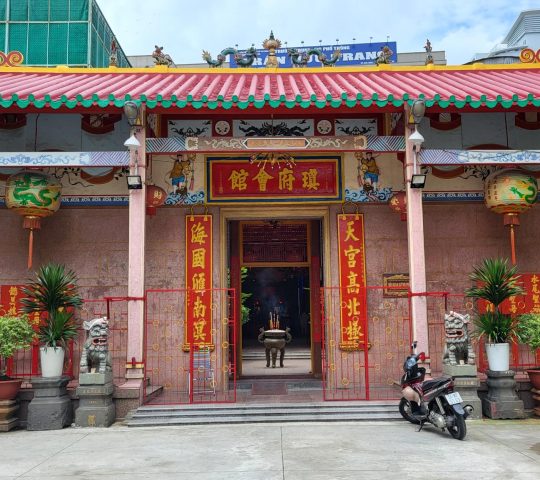
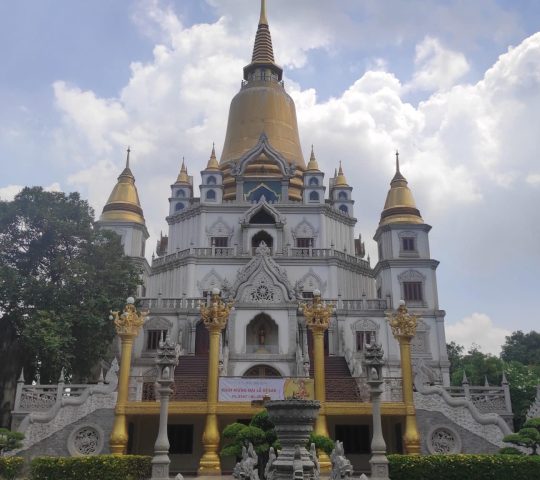
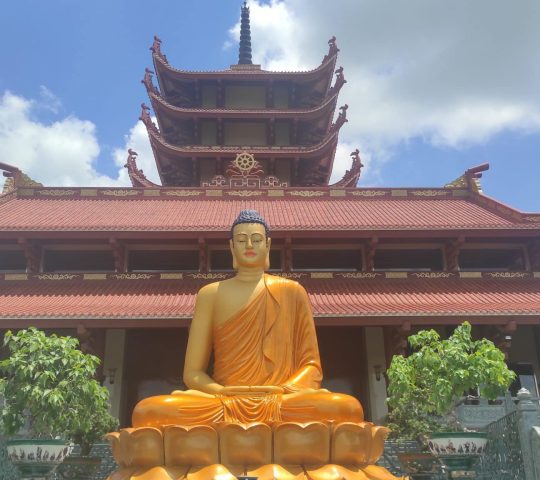
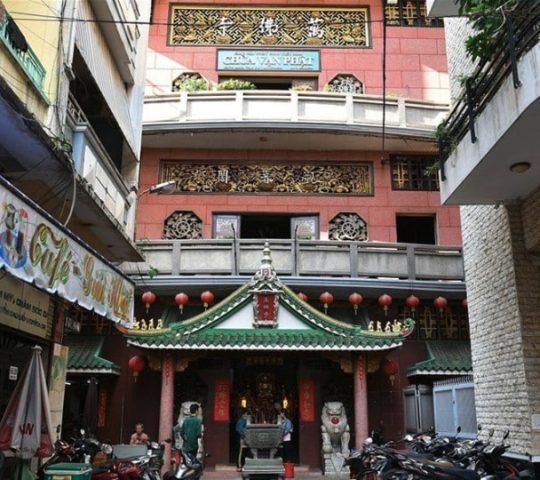
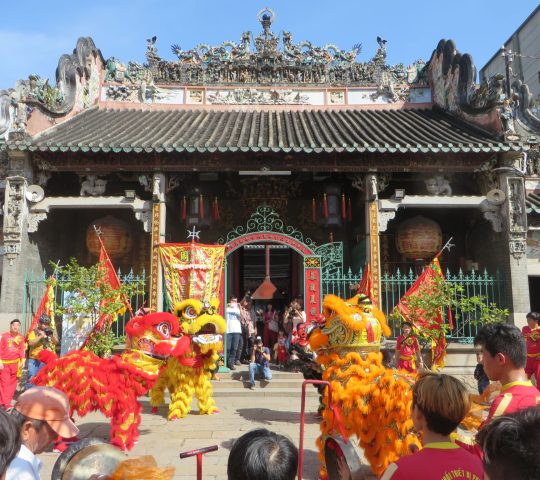
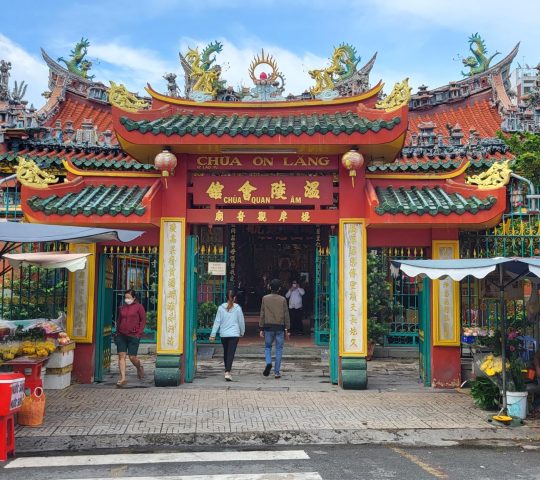
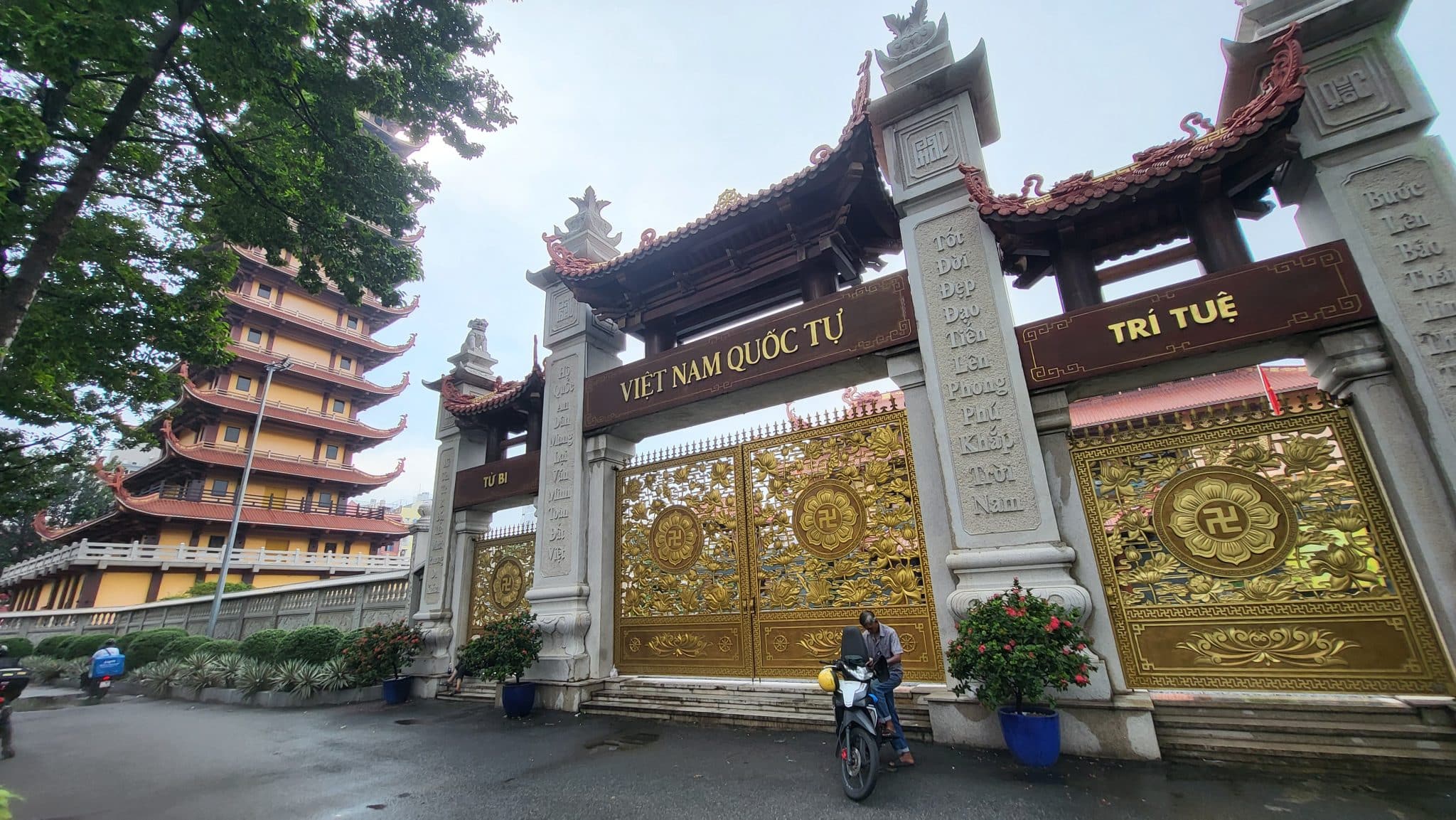
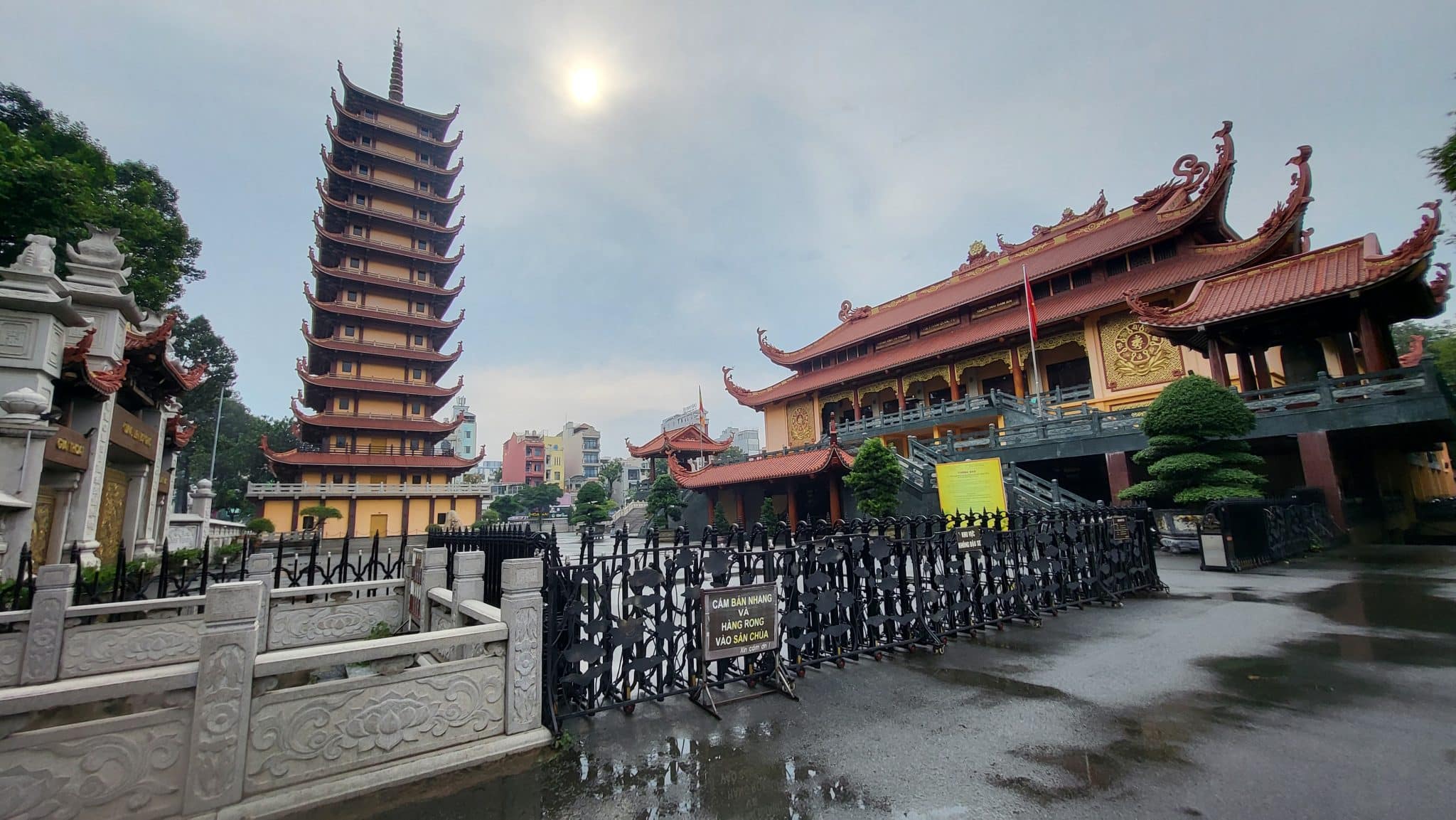
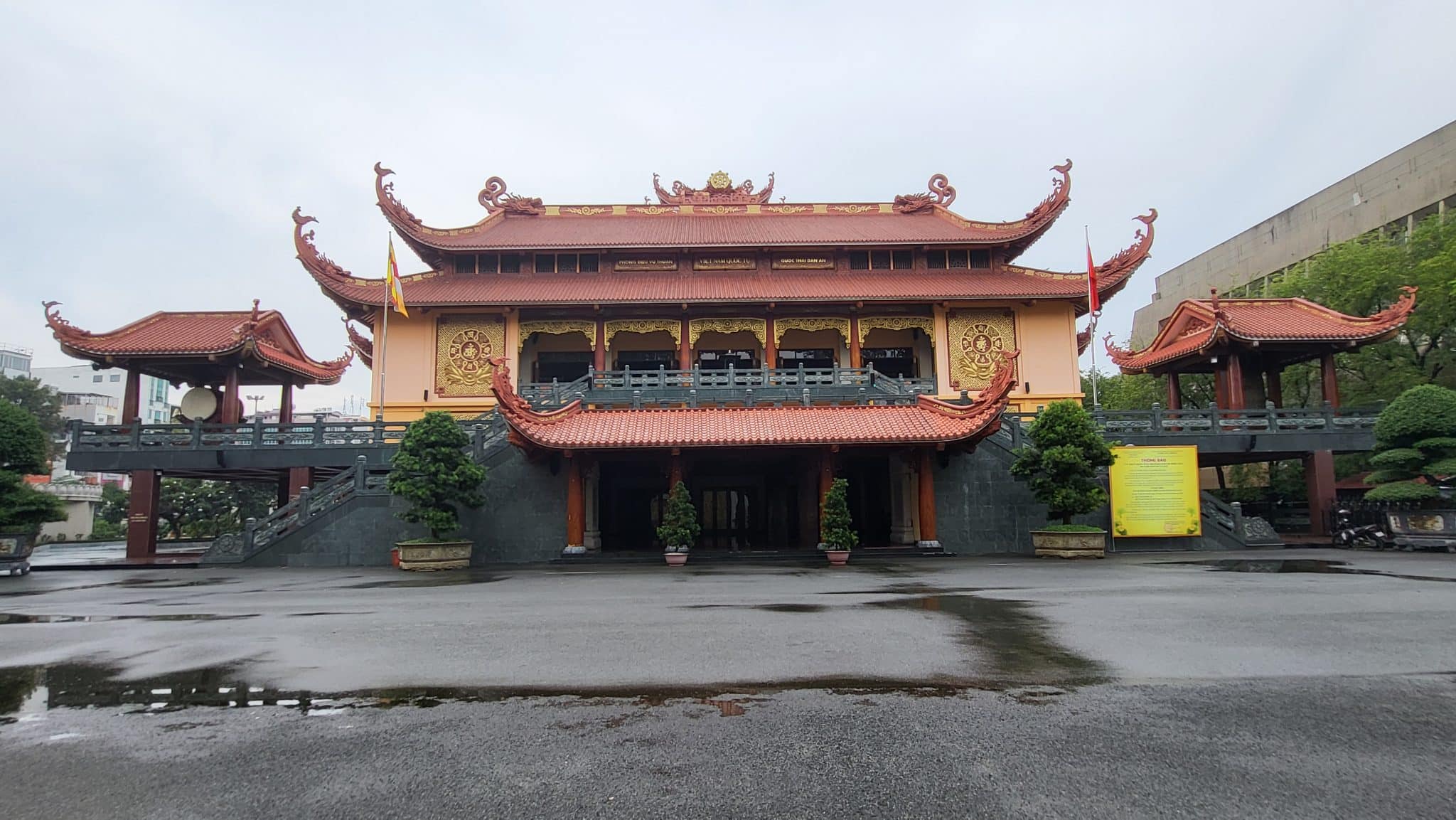
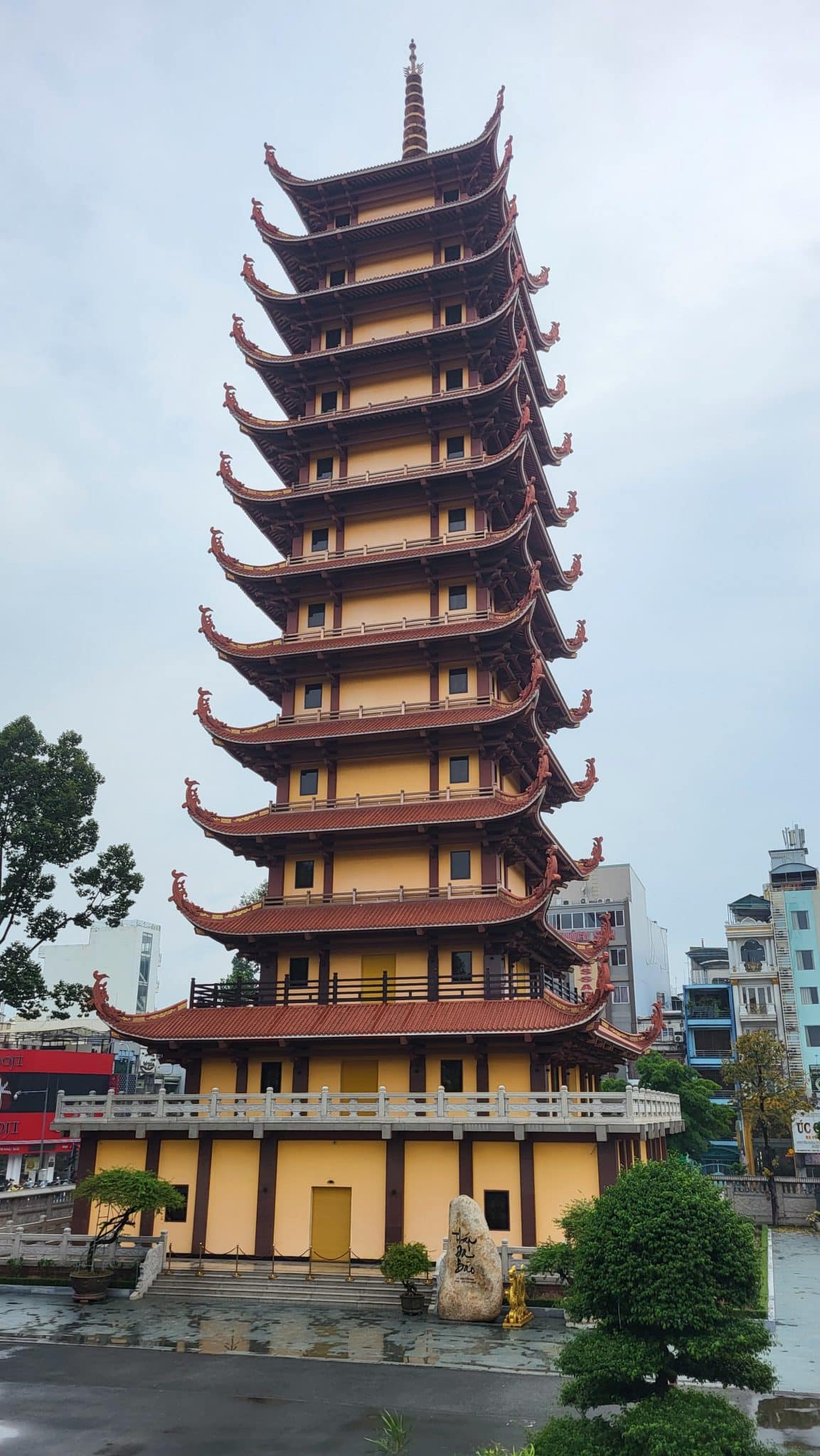
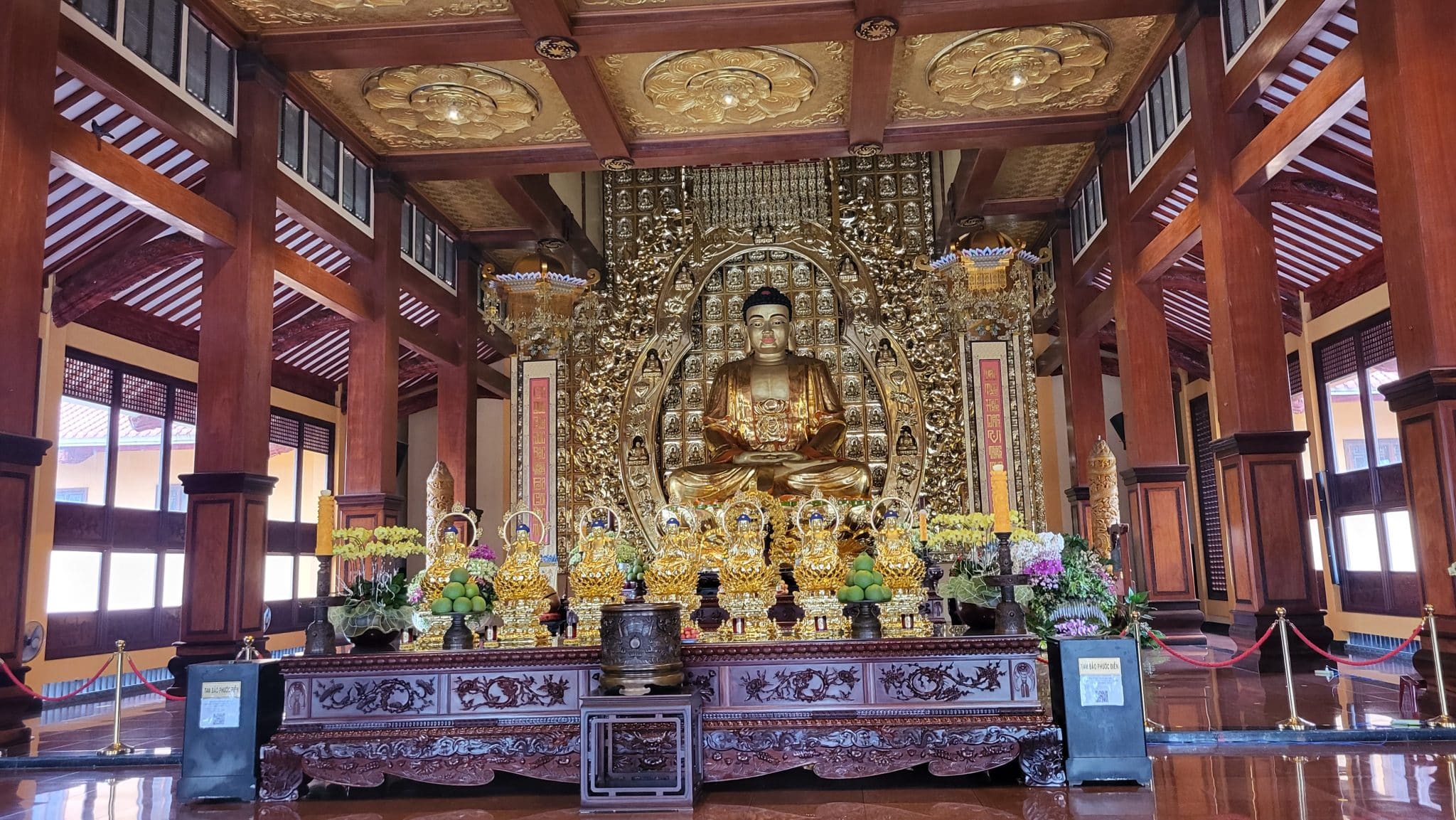
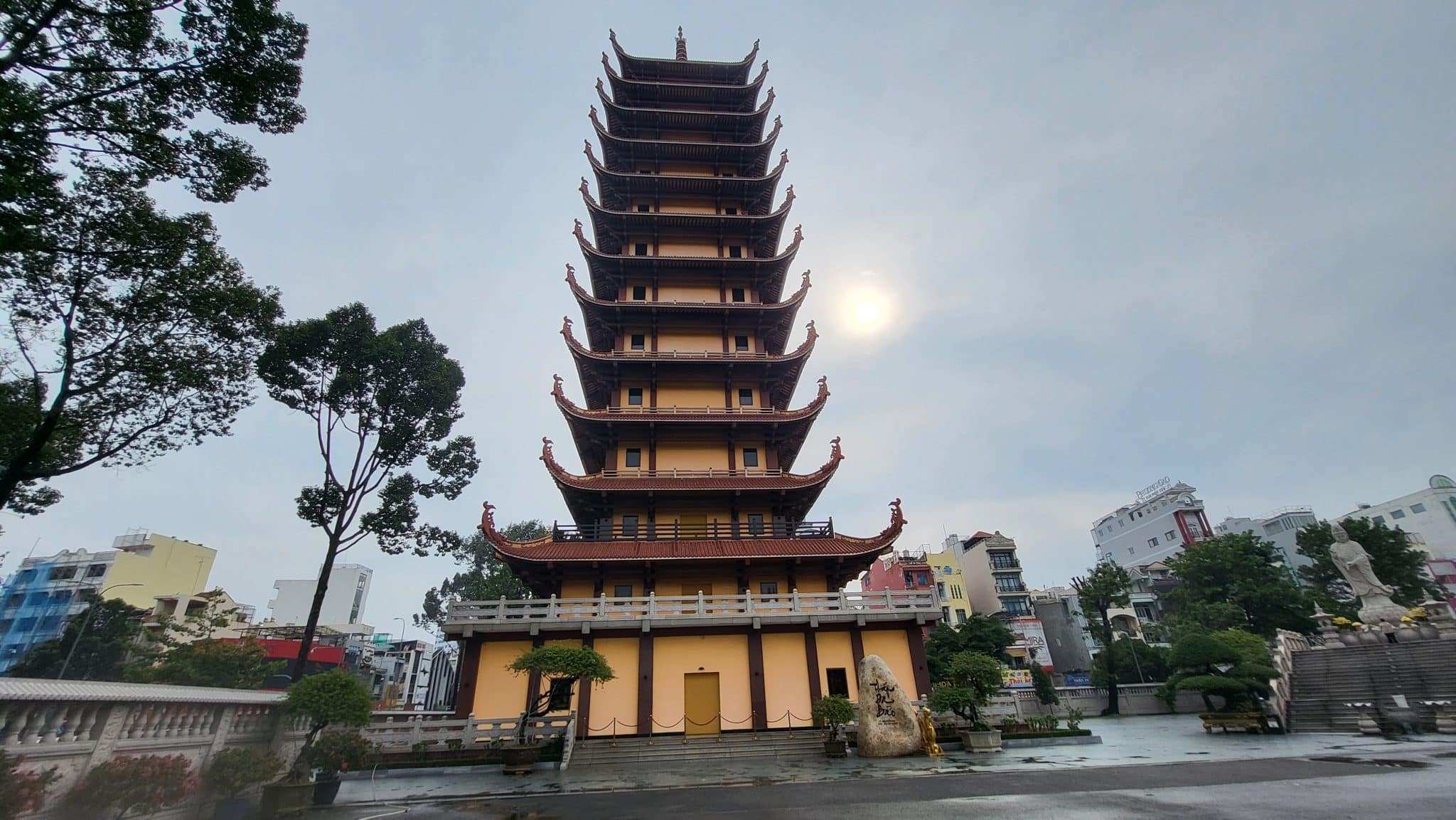
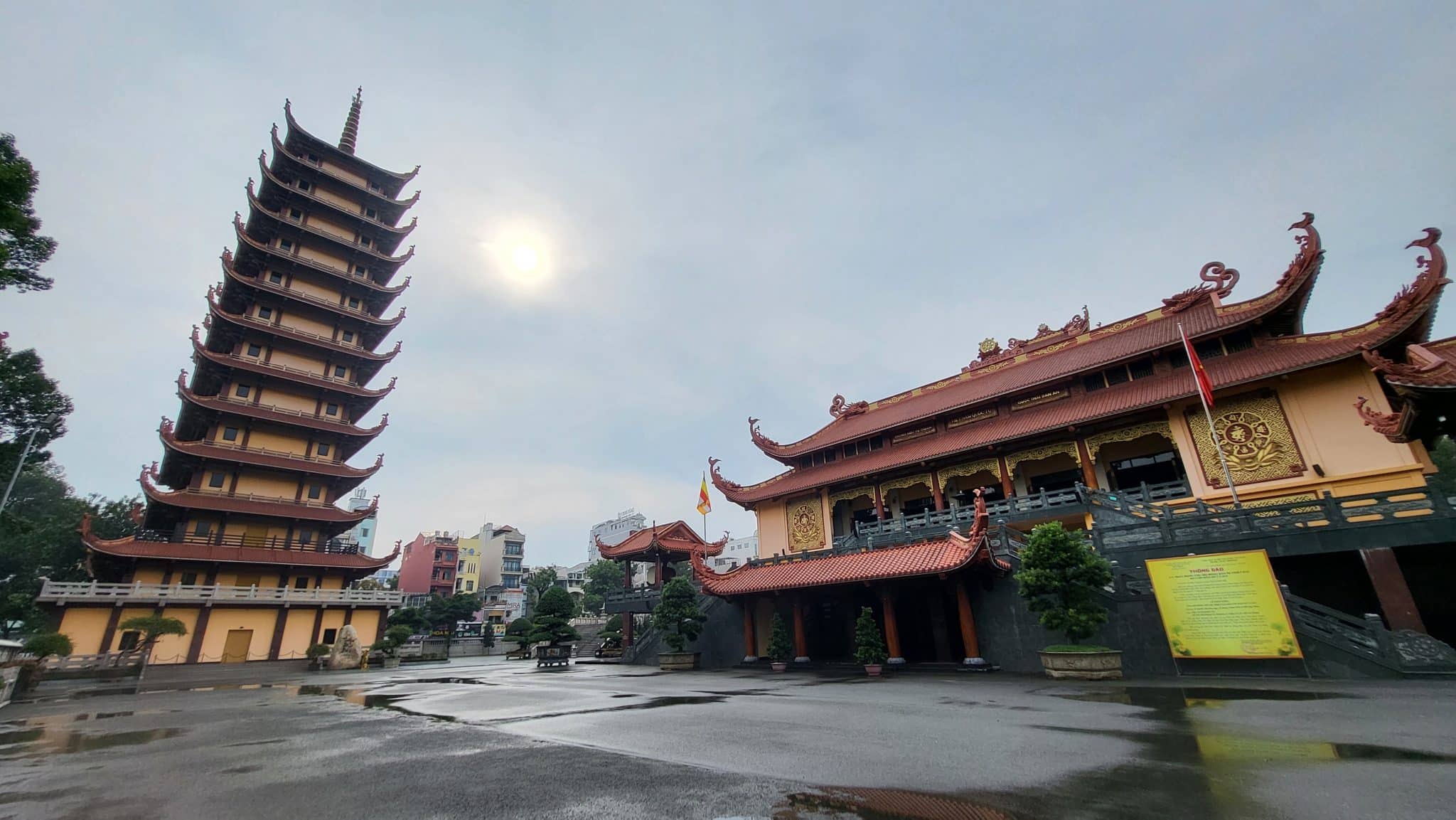
The Việt Nam Quốc Tự Pagoda showcases traditional Vietnamese Buddhist architecture with intricate designs, ornate decorations, statues, prayer halls, courtyards, gardens, and a distinctive pagoda that creates a serene and spiritual ambiance for meditation, worship, ceremonies, and community gatherings. The pagoda’s architectural elements, design principles, and cultural influences reflect its historical development, religious significance, and architectural heritage within Vietnam’s vibrant Buddhist landscape.
Religious Practices and Community Engagement:
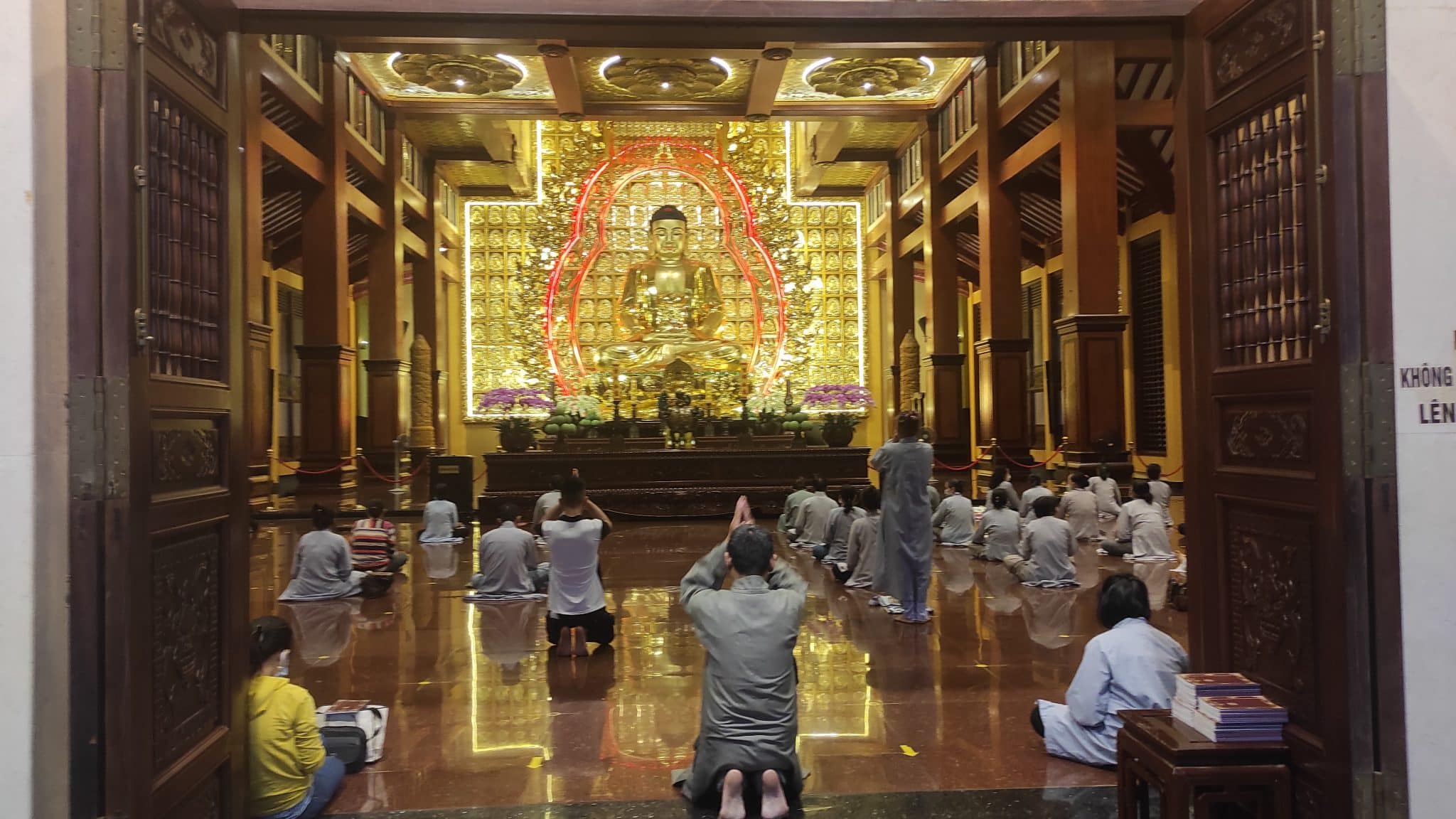
The Việt Nam Quốc Tự Pagoda serves as a spiritual and cultural center for Buddhist practitioners, devotees, scholars, visitors, and the local community. The pagoda’s monks, nuns, and community members engage in religious practices, rituals, ceremonies, educational programs, charitable initiatives, and cultural events that promote spiritual growth, ethical conduct, social harmony, community development, and cultural preservation within Vietnam and beyond.
Cultural Heritage and Tourism:
The Việt Nam Quốc Tự Pagoda attracts local visitors, tourists, scholars, and enthusiasts interested in exploring, understanding, and appreciating its historical, cultural, architectural, and religious significance. The pagoda’s preservation, restoration, and promotion as a cultural landmark, heritage site, and tourist destination contribute to its recognition, visibility, and impact within Vietnam’s rich cultural landscape, Buddhist heritage, and global community.
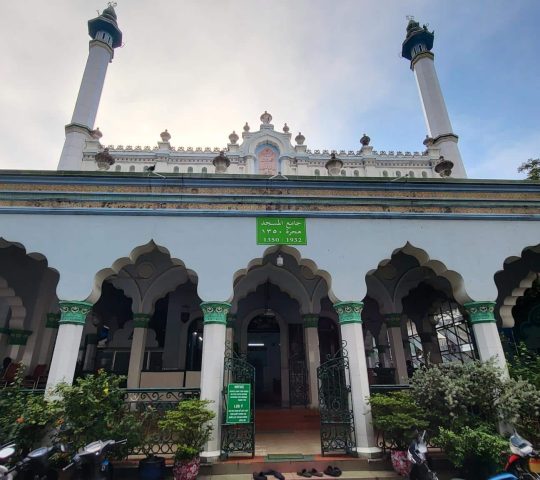
Photos of Việt Nam Quốc Tự pagoda – Saigon (2024)
Photos of Việt Nam Quốc Tự pagoda – Saigon (2023)