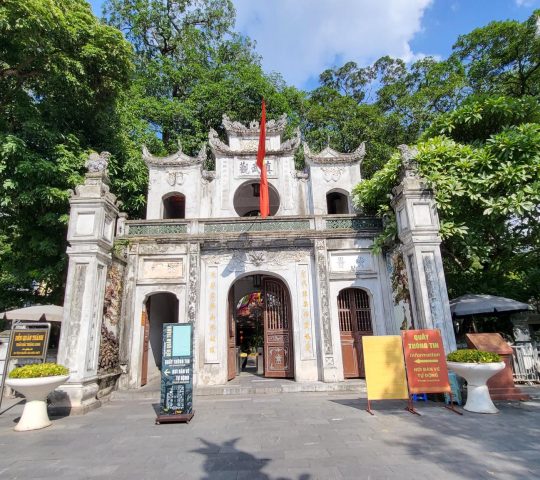
Trấn Quốc Pagoda – Hanoi
Listing has verified and belong the business owner or manager.
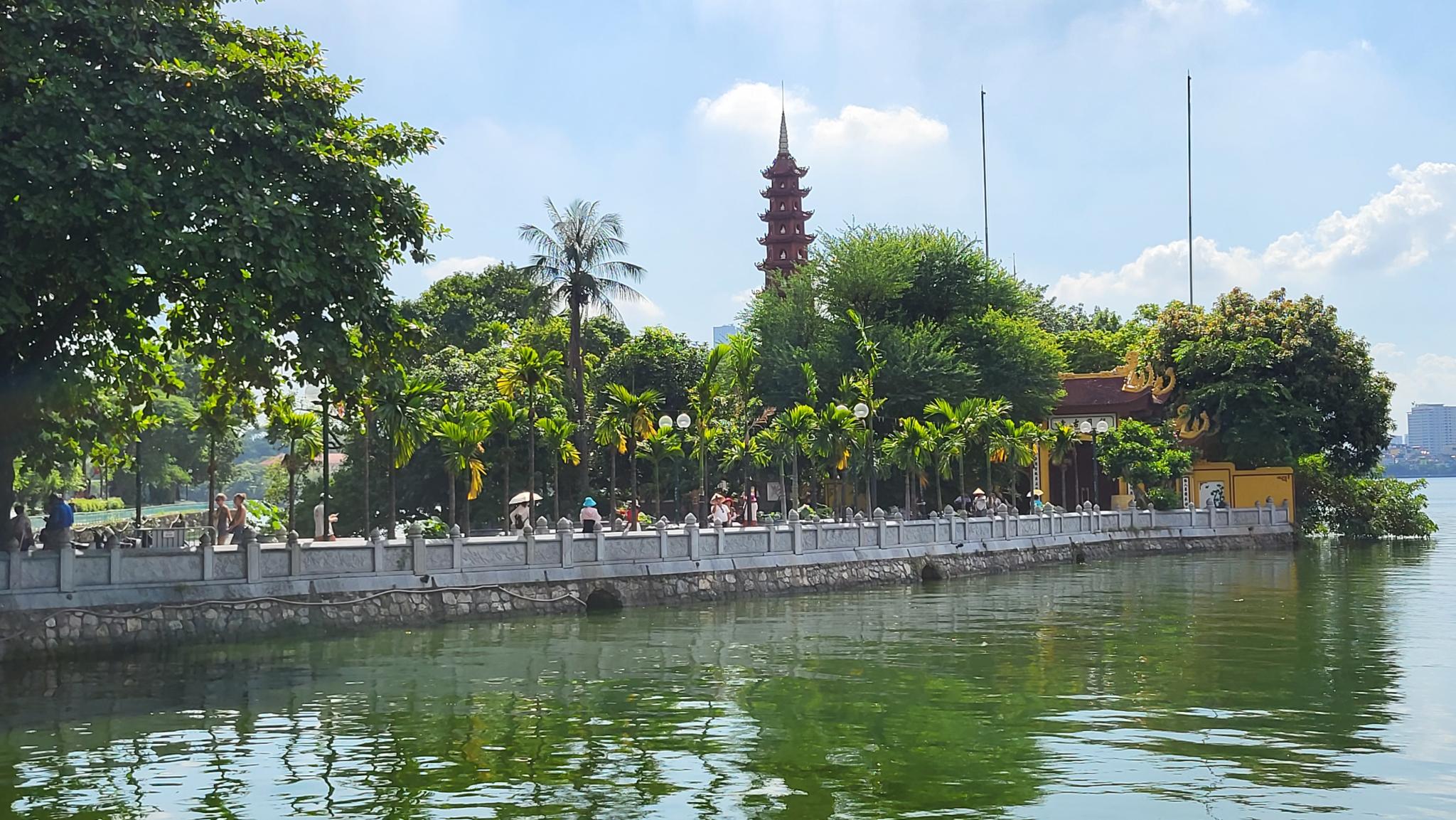
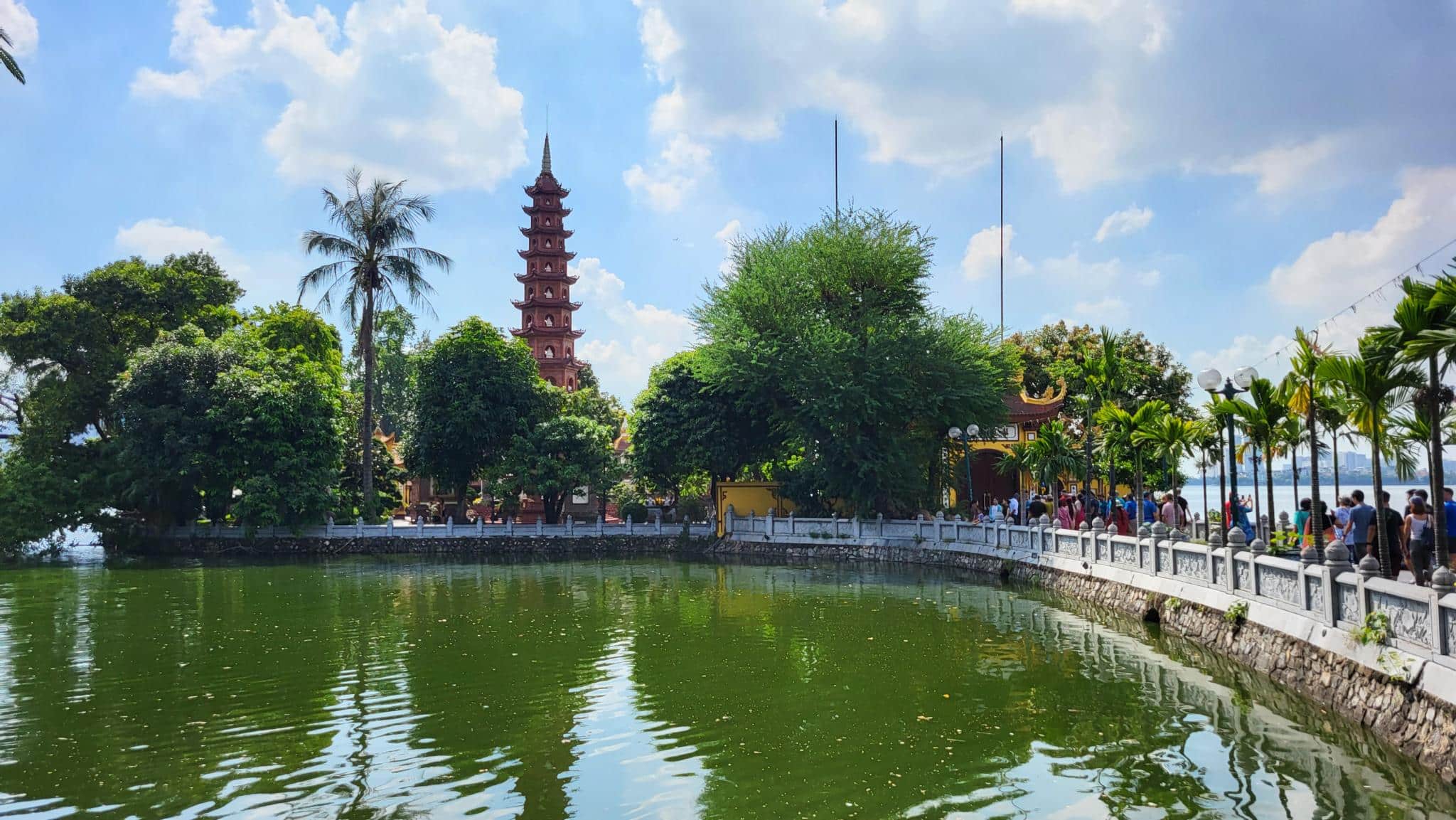
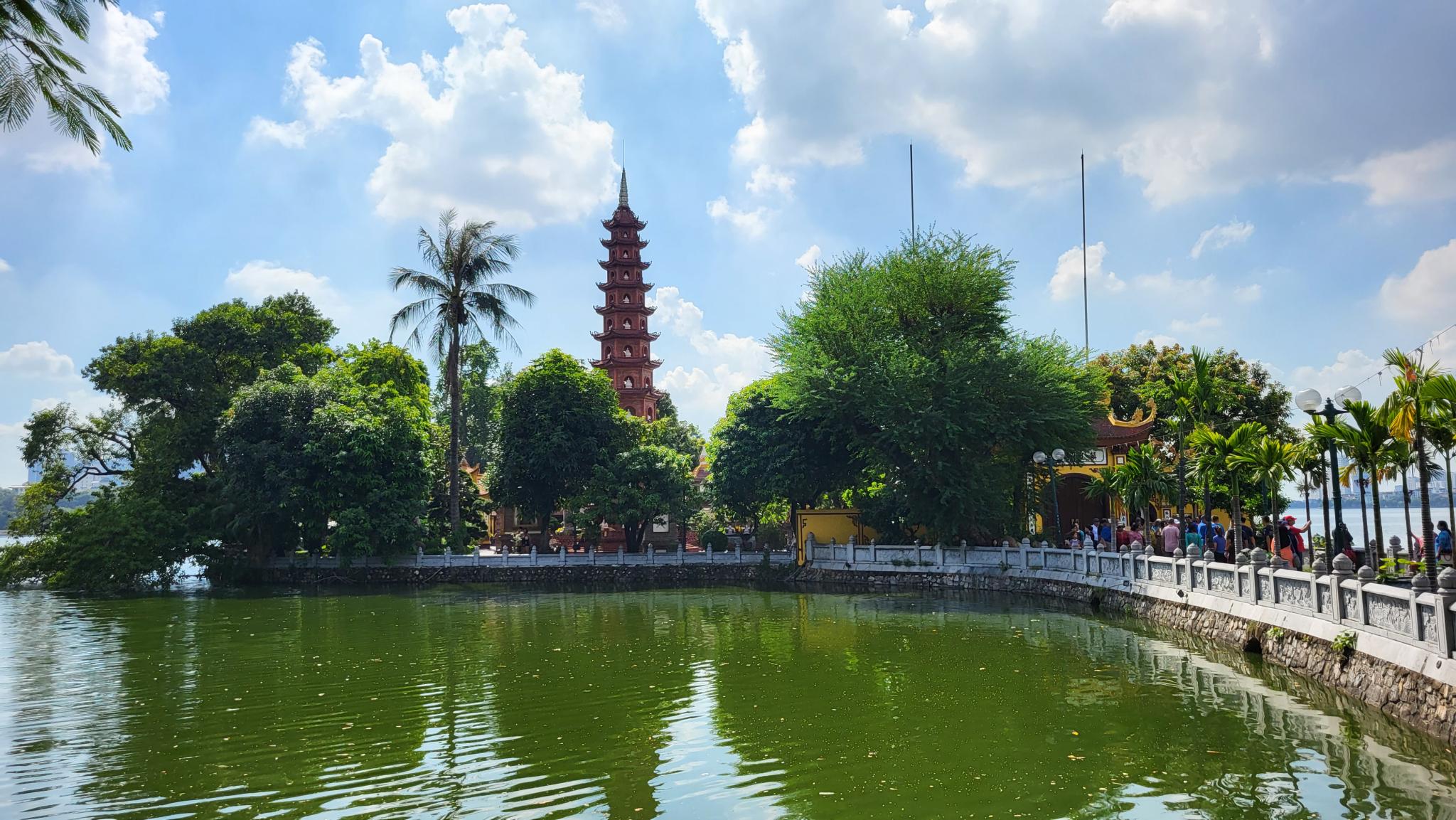
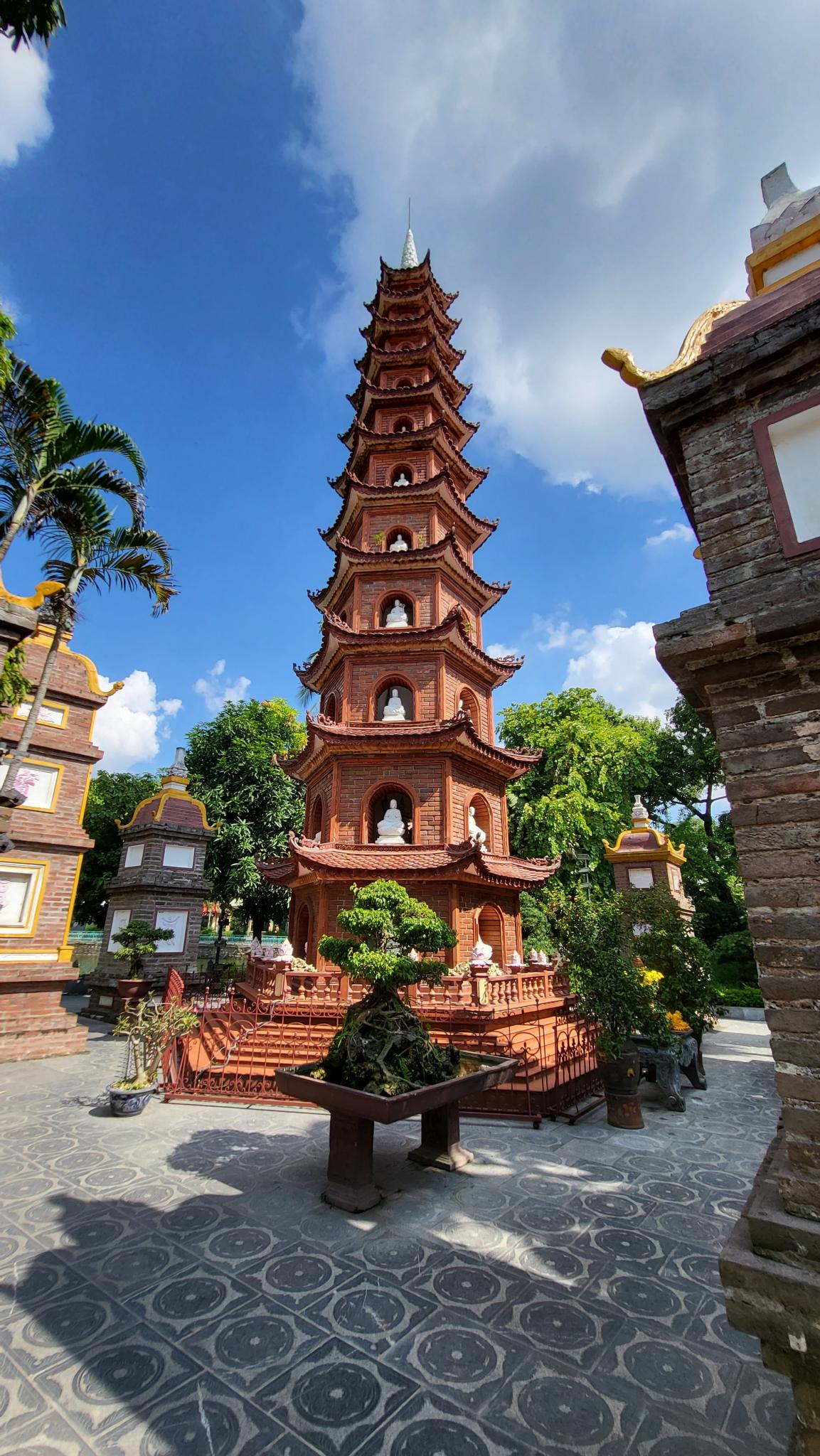
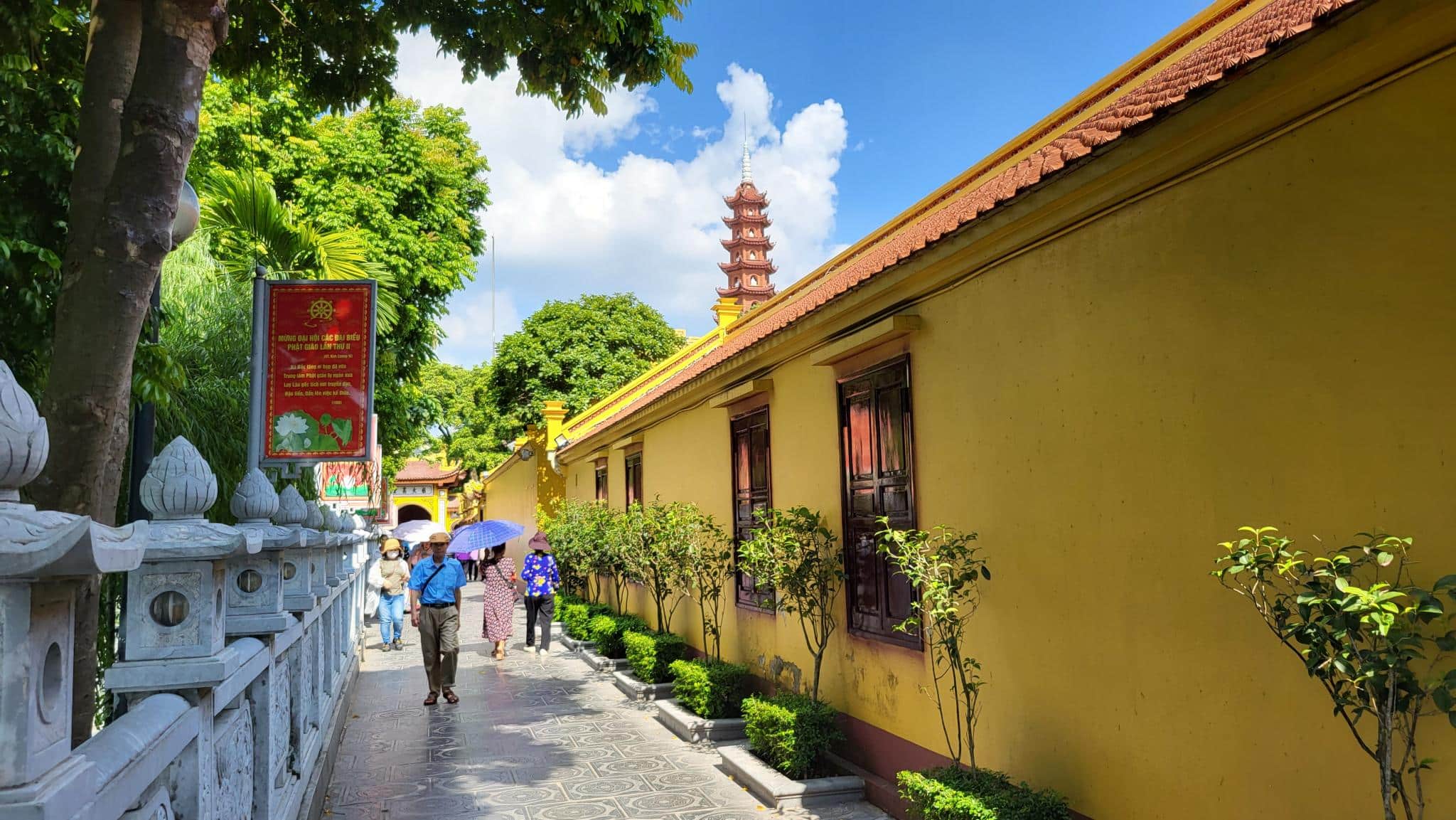
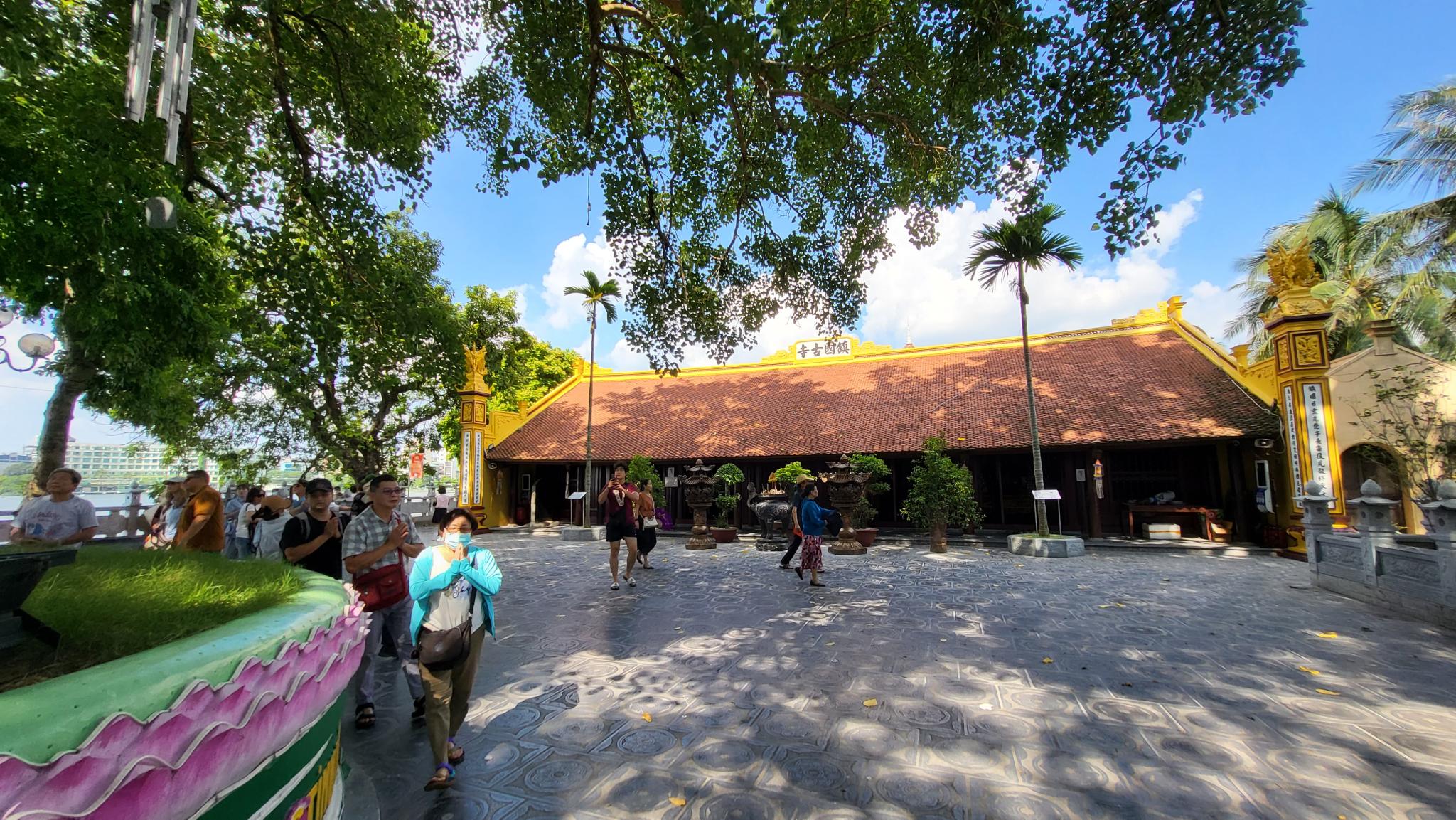
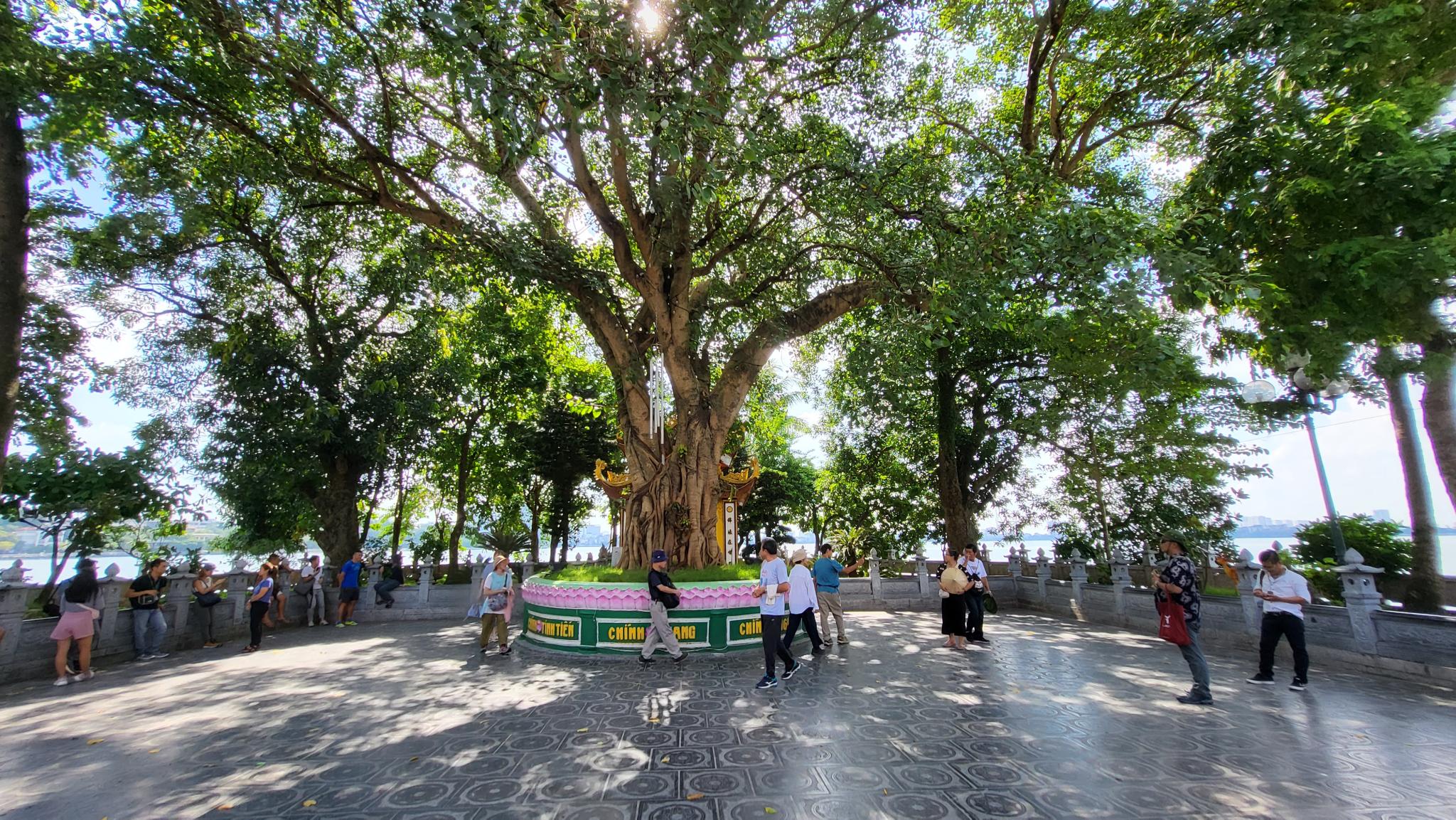
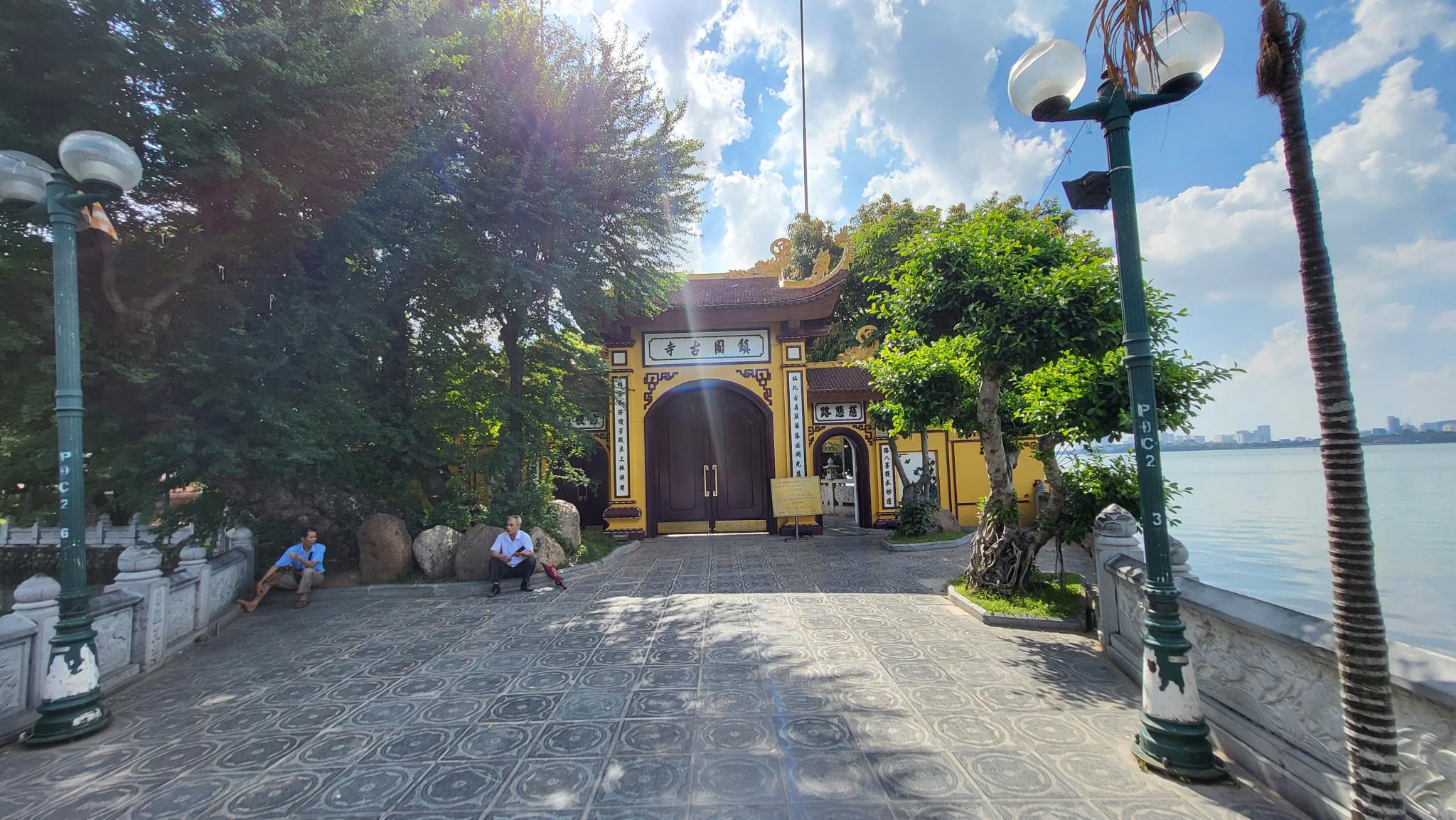
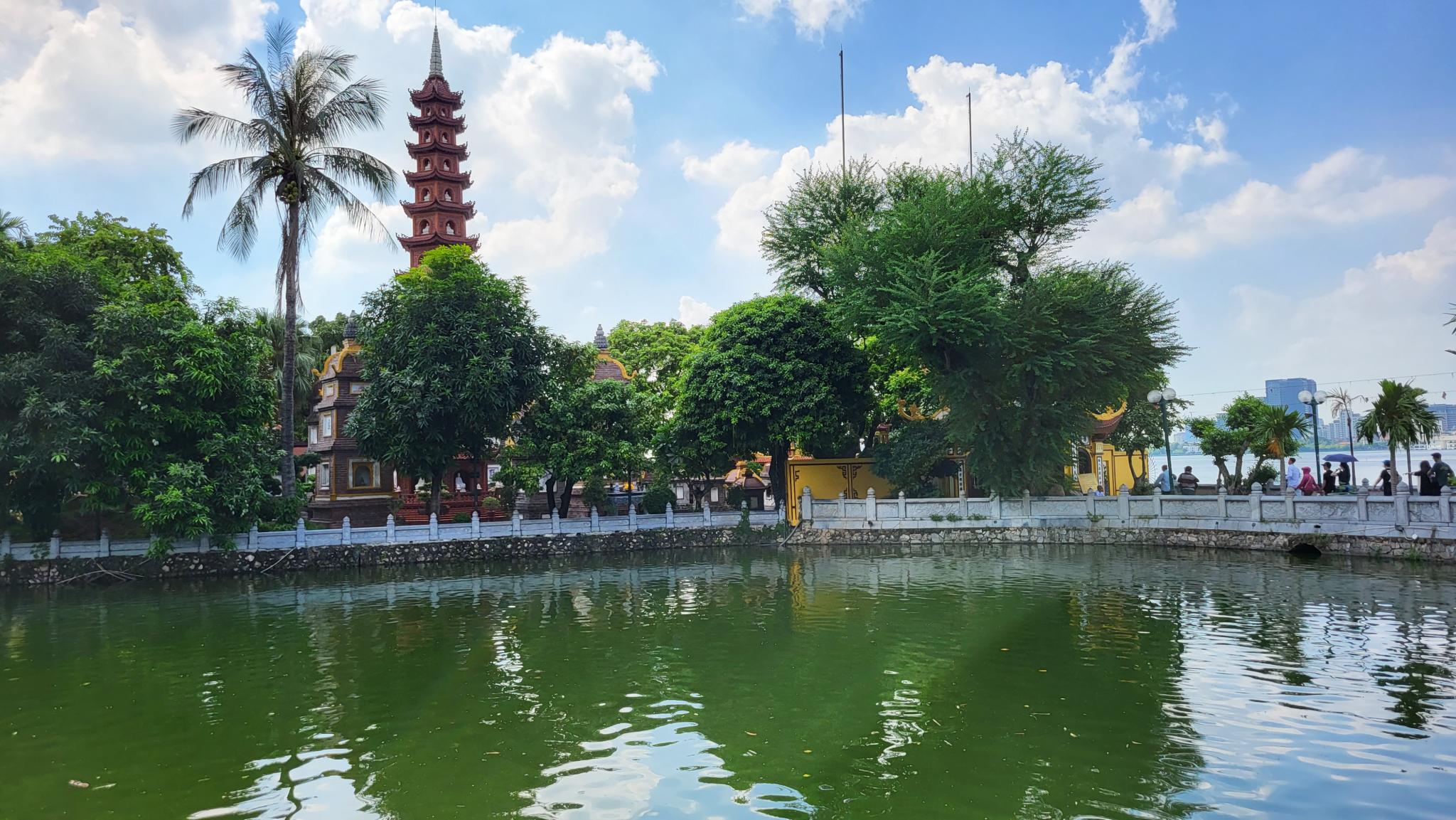
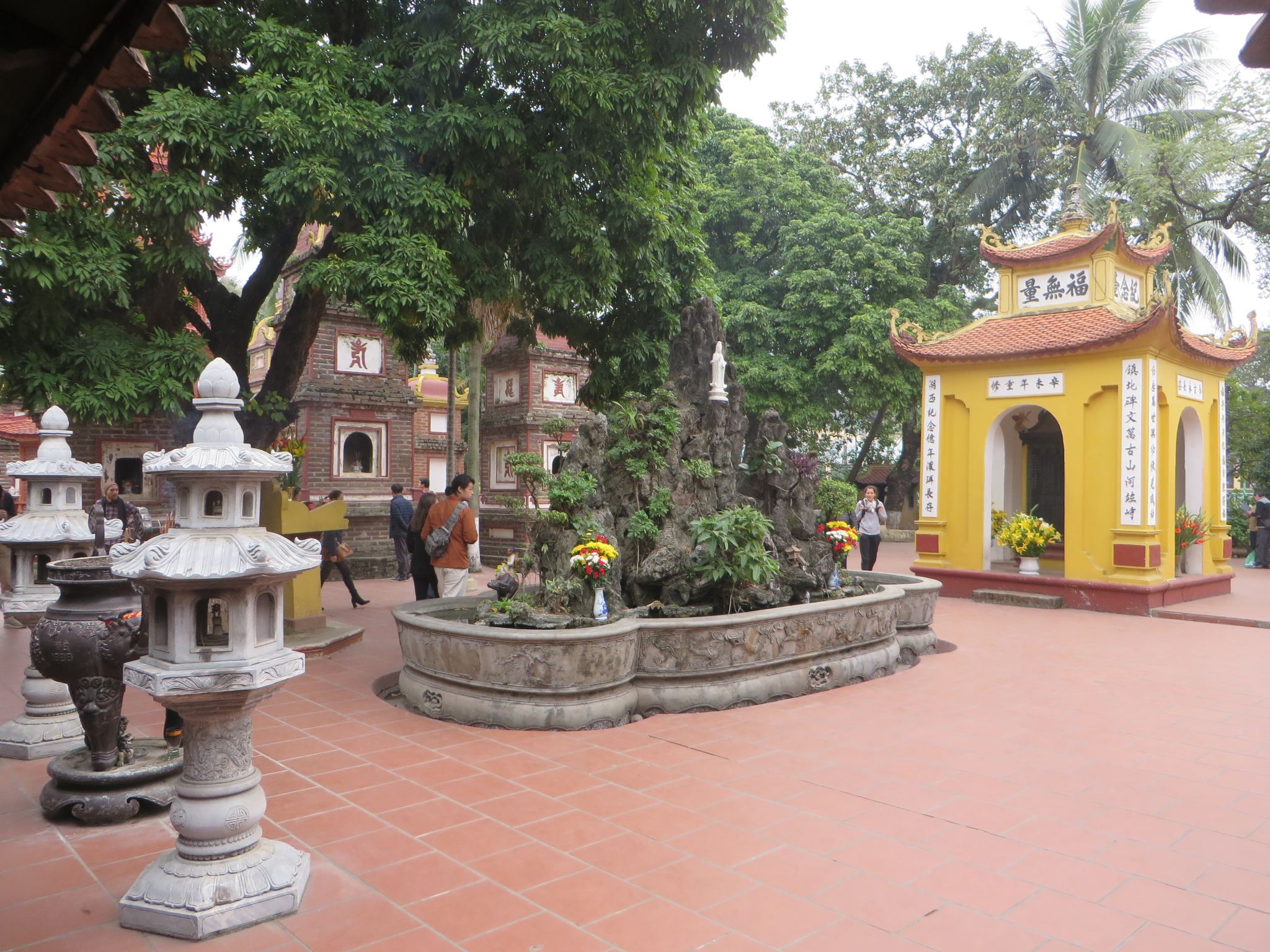
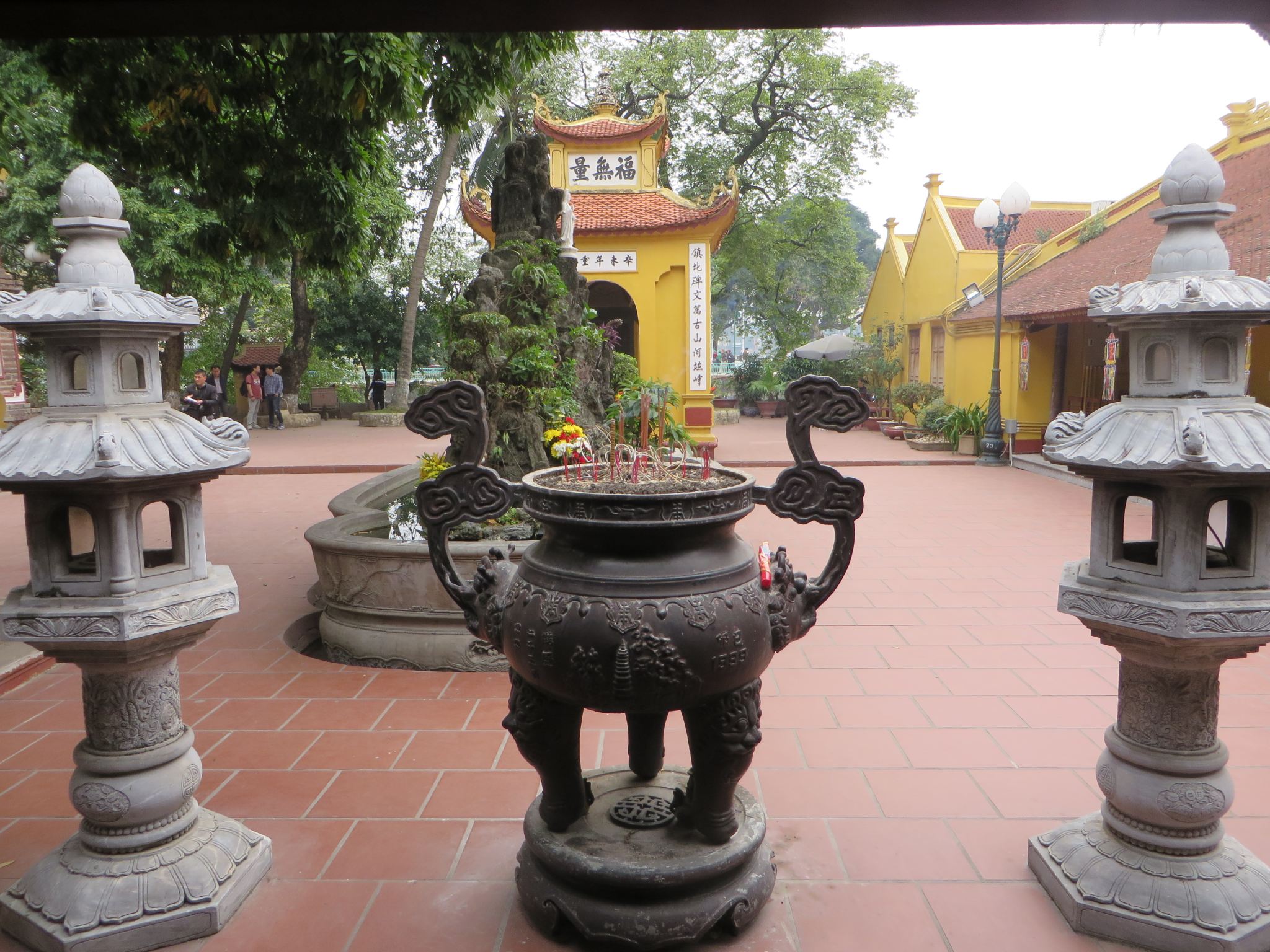
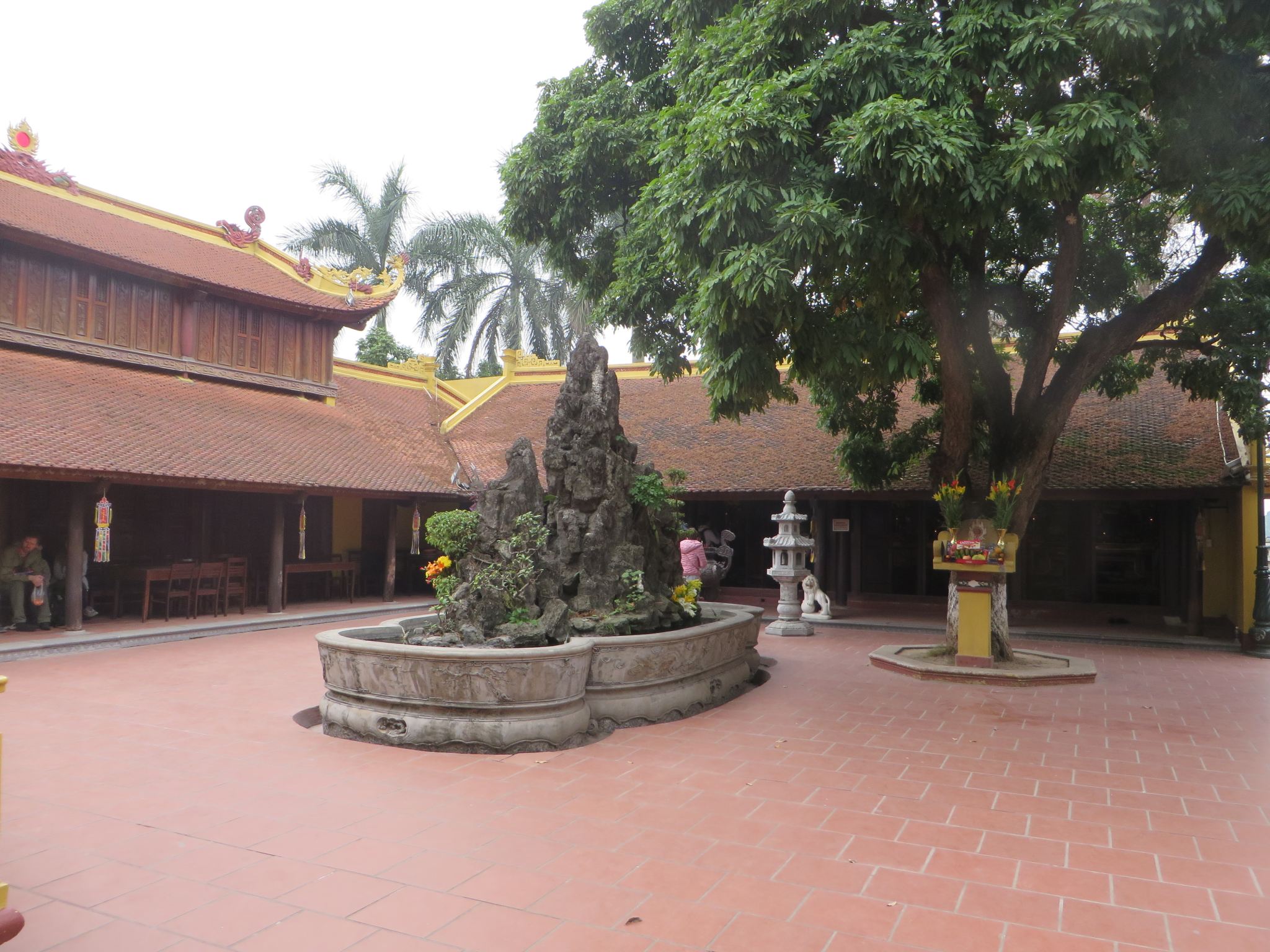
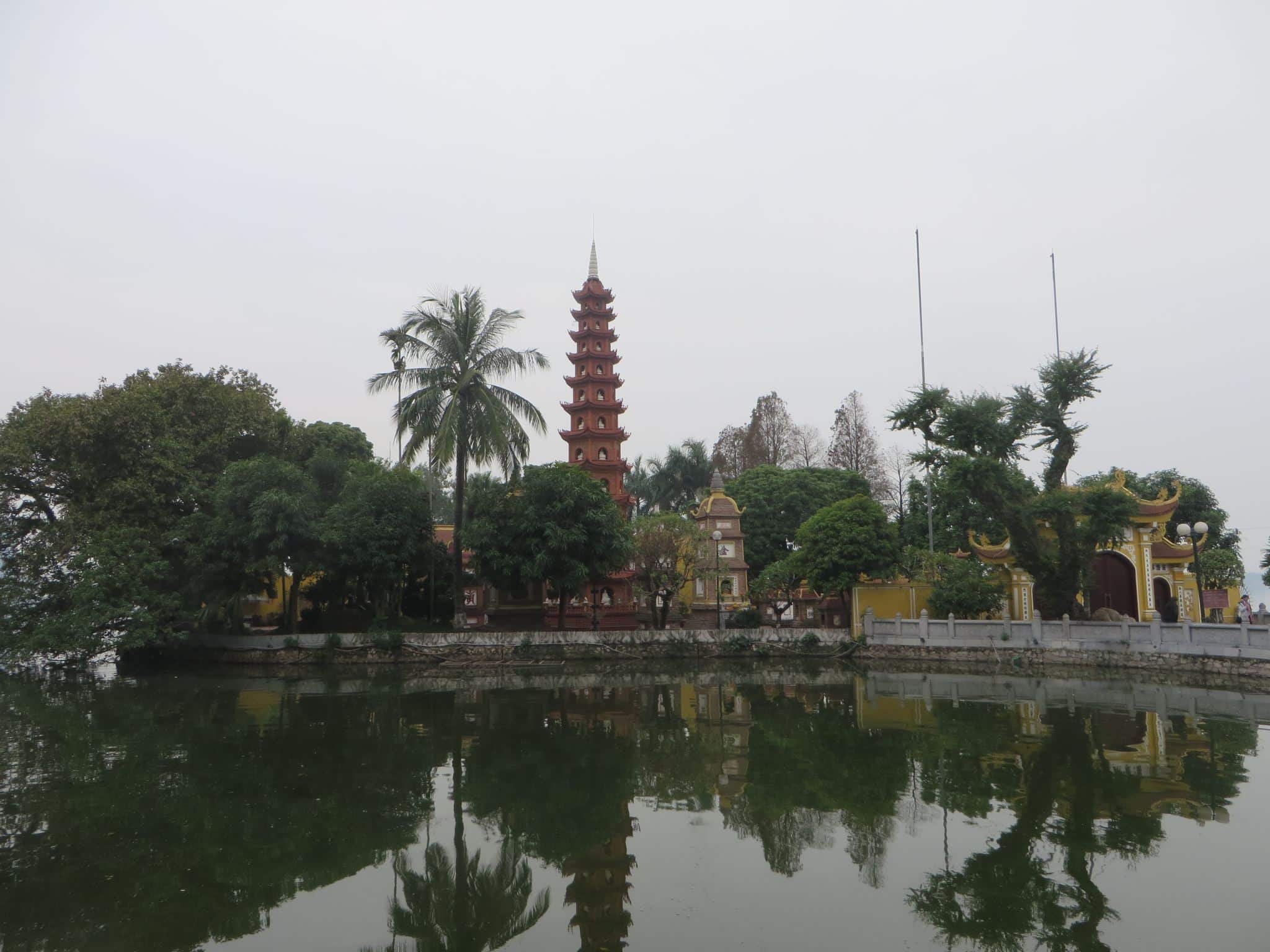
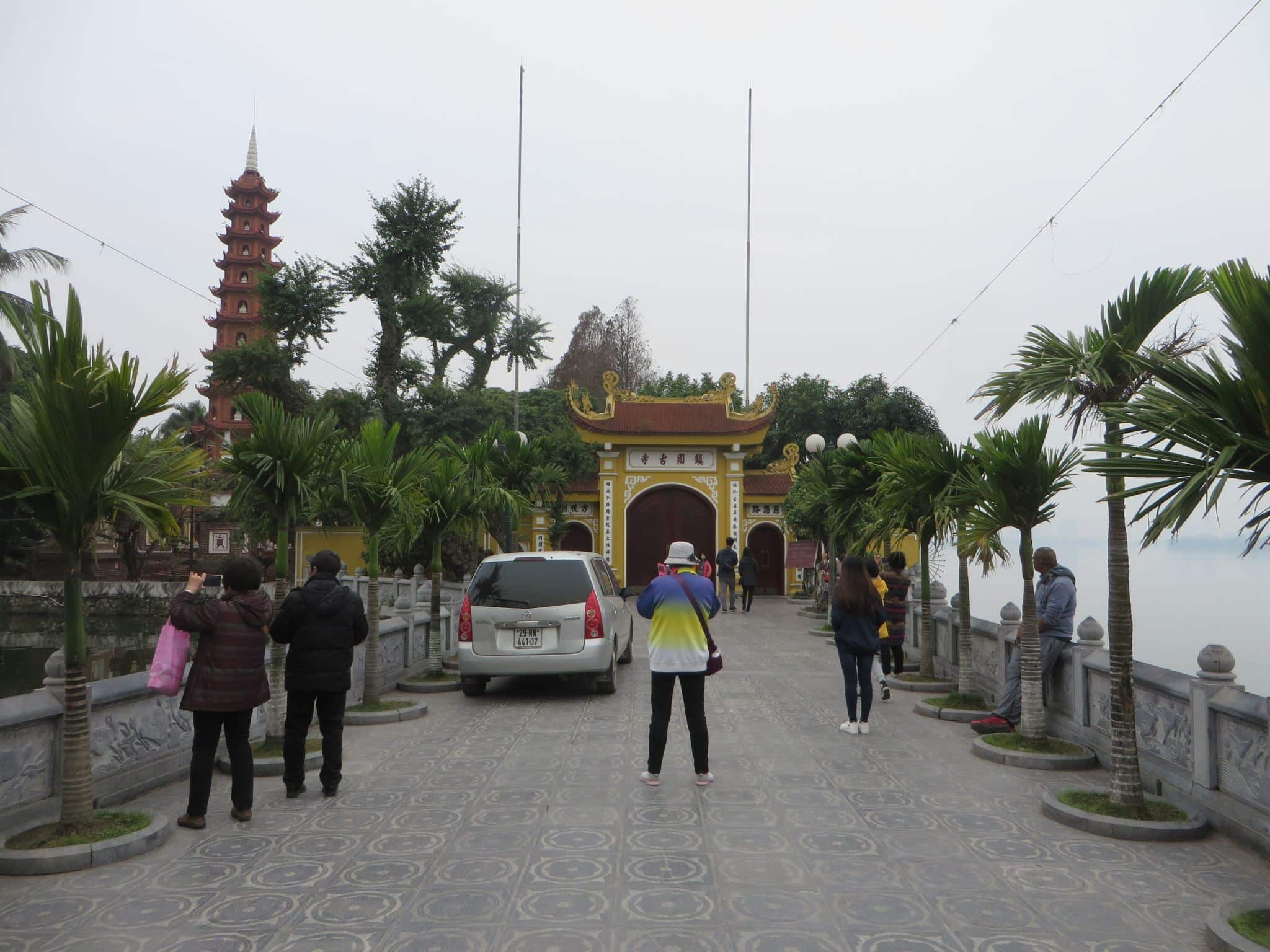
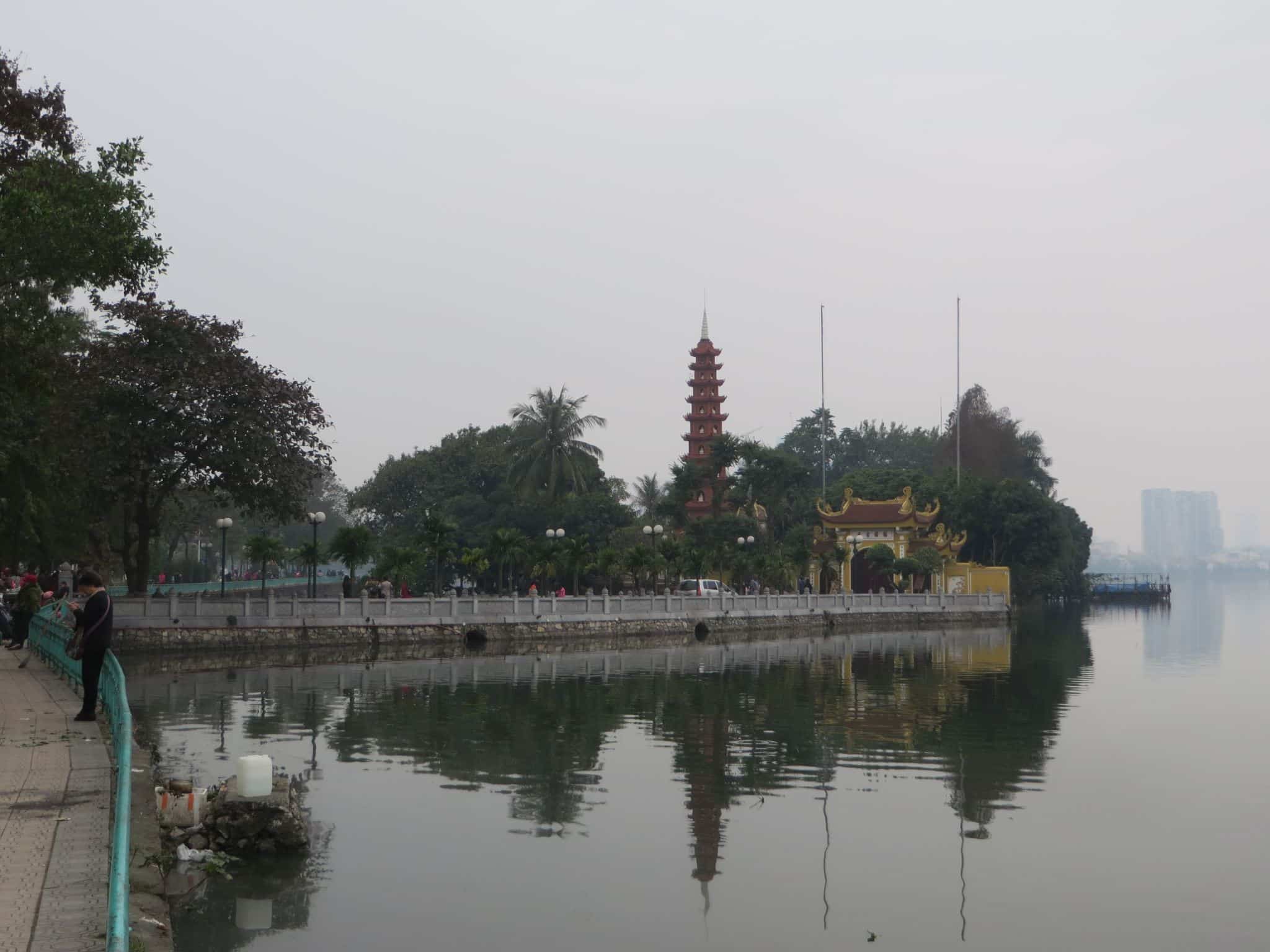
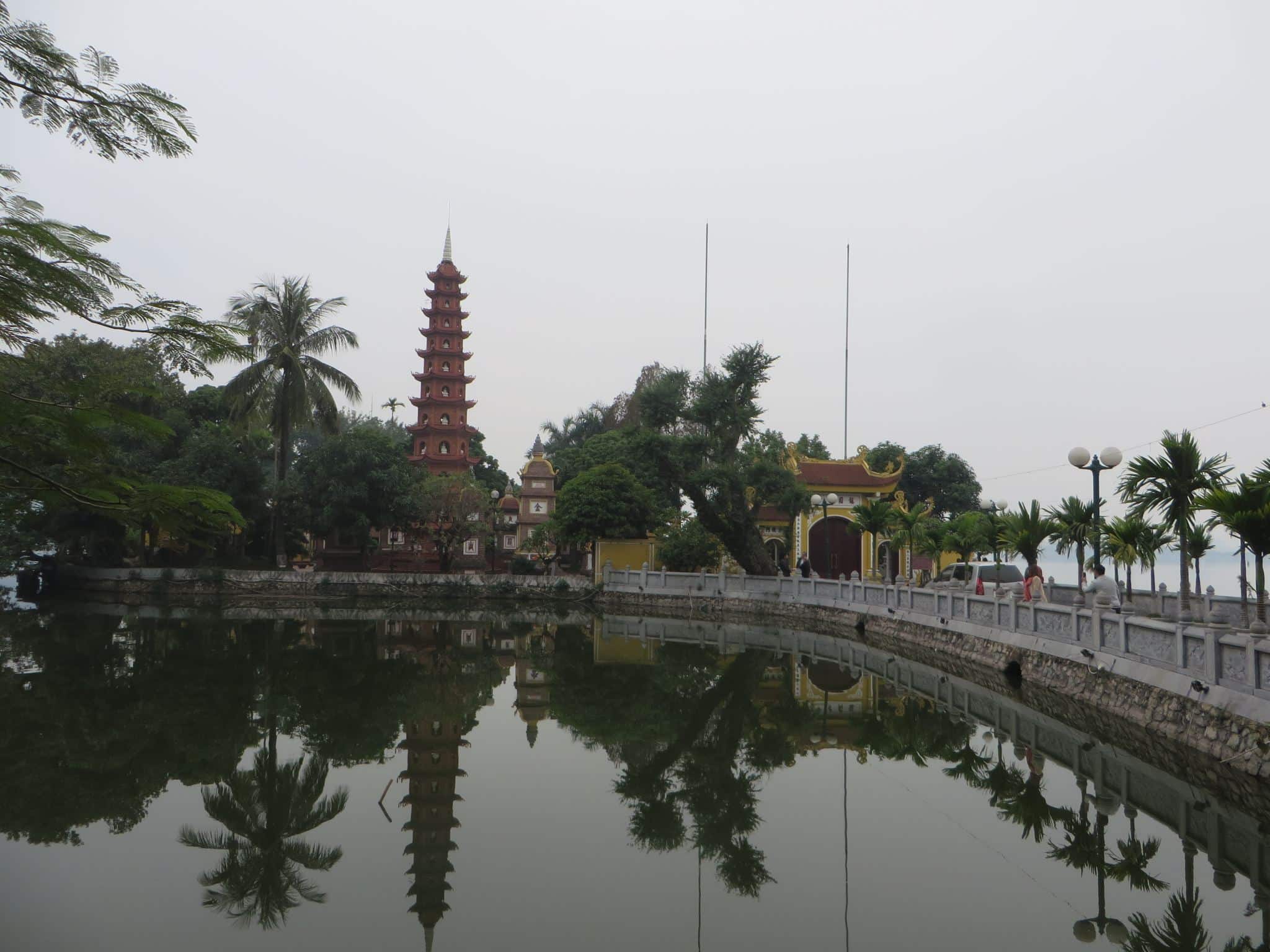
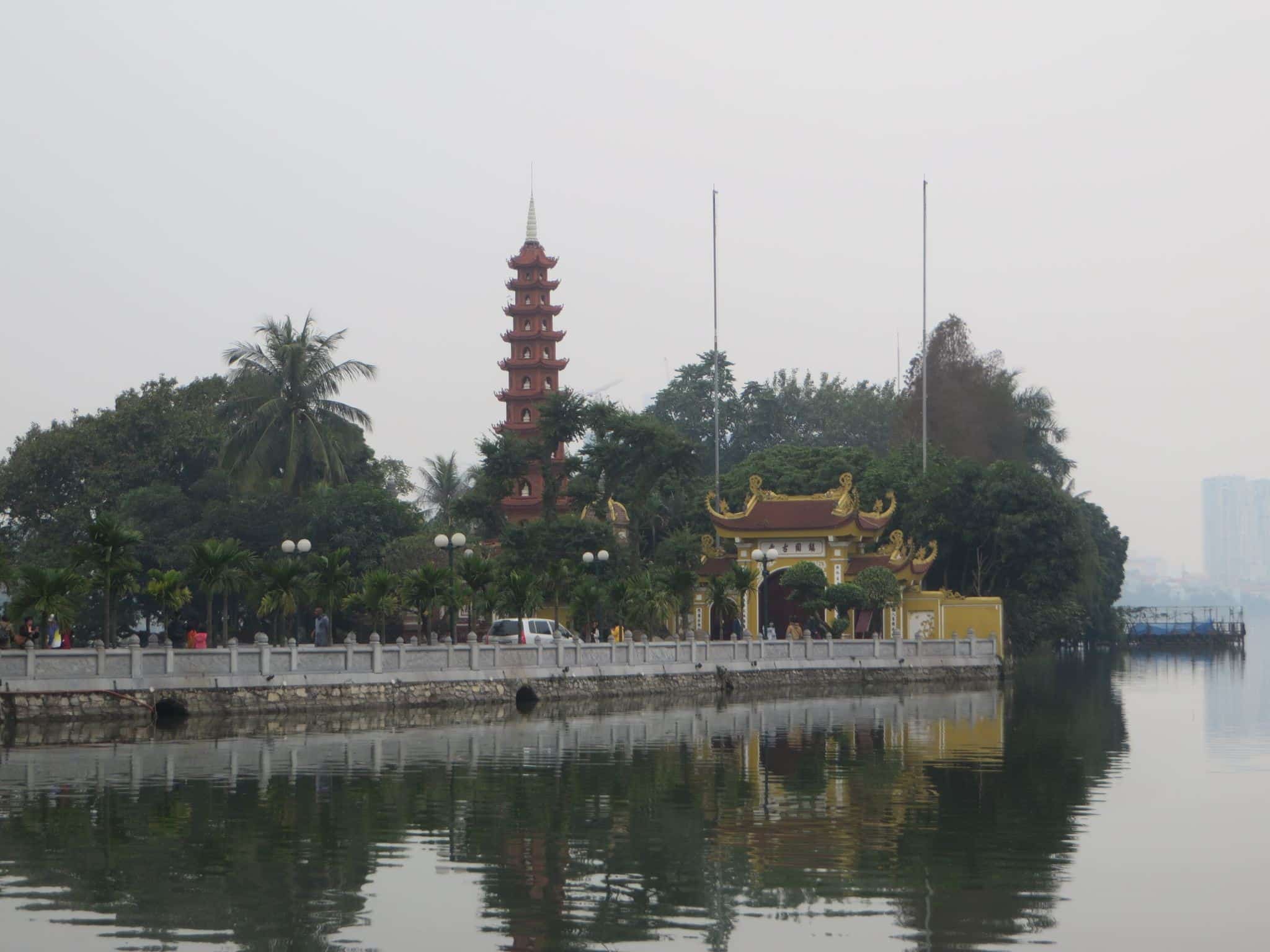
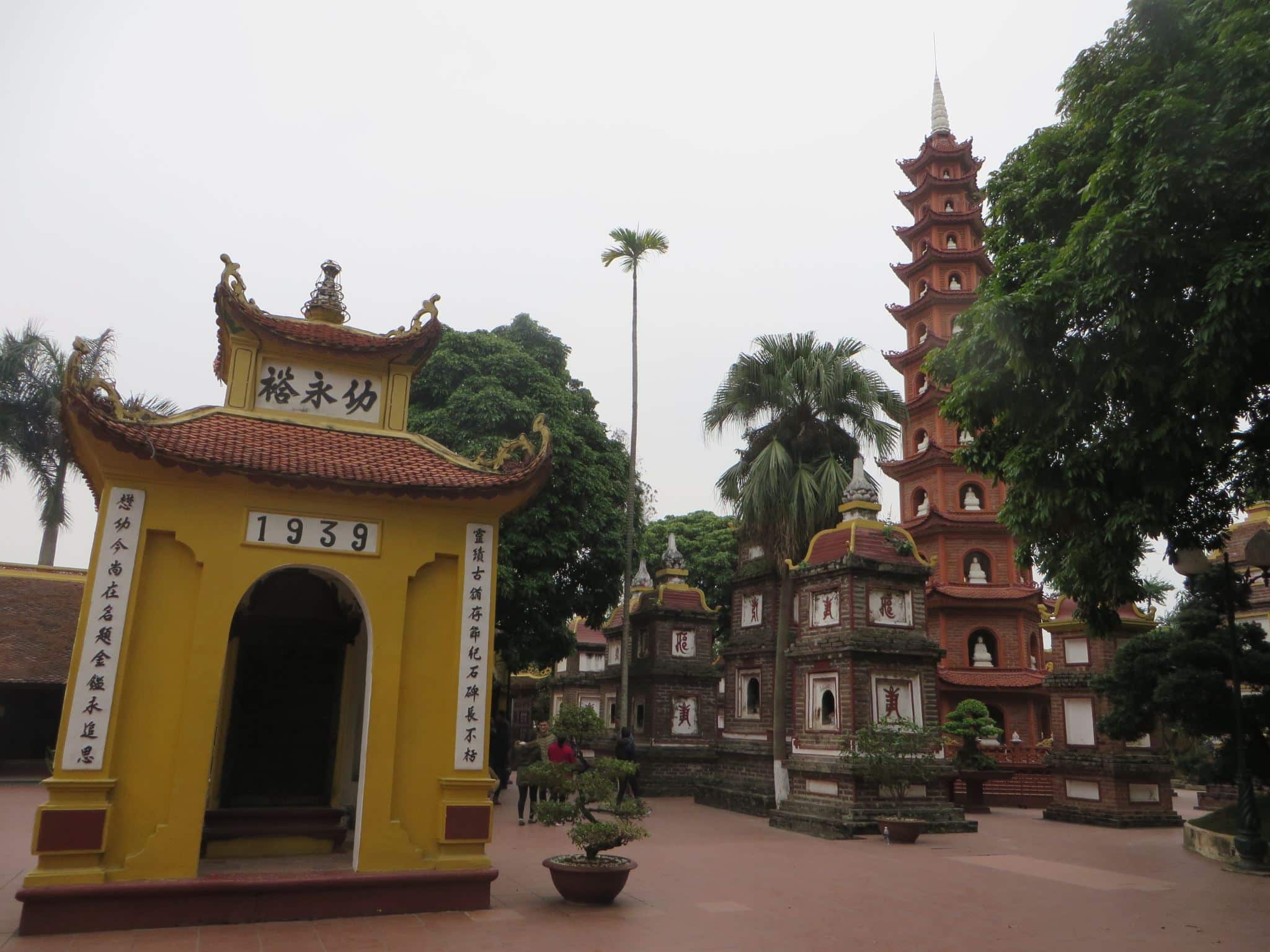
Trấn Quốc Pagoda is a renowned Buddhist temple located on a small island in West Lake, Hanoi, Vietnam. With its picturesque setting, ancient architecture, and historical significance, Trấn Quốc Pagoda is considered one of the oldest pagodas in Hanoi and serves as a symbol of Buddhism’s enduring presence and cultural heritage within the region.
Historical Significance:
- Origins: Trấn Quốc Pagoda has its origins dating back to the 6th century during the reign of Emperor Lý Nam Đế, making it one of the oldest Buddhist temples in Hanoi. The pagoda underwent several renovations and expansions over the centuries, reflecting the changing architectural styles, cultural influences, and religious practices prevalent during different historical periods in Vietnam.
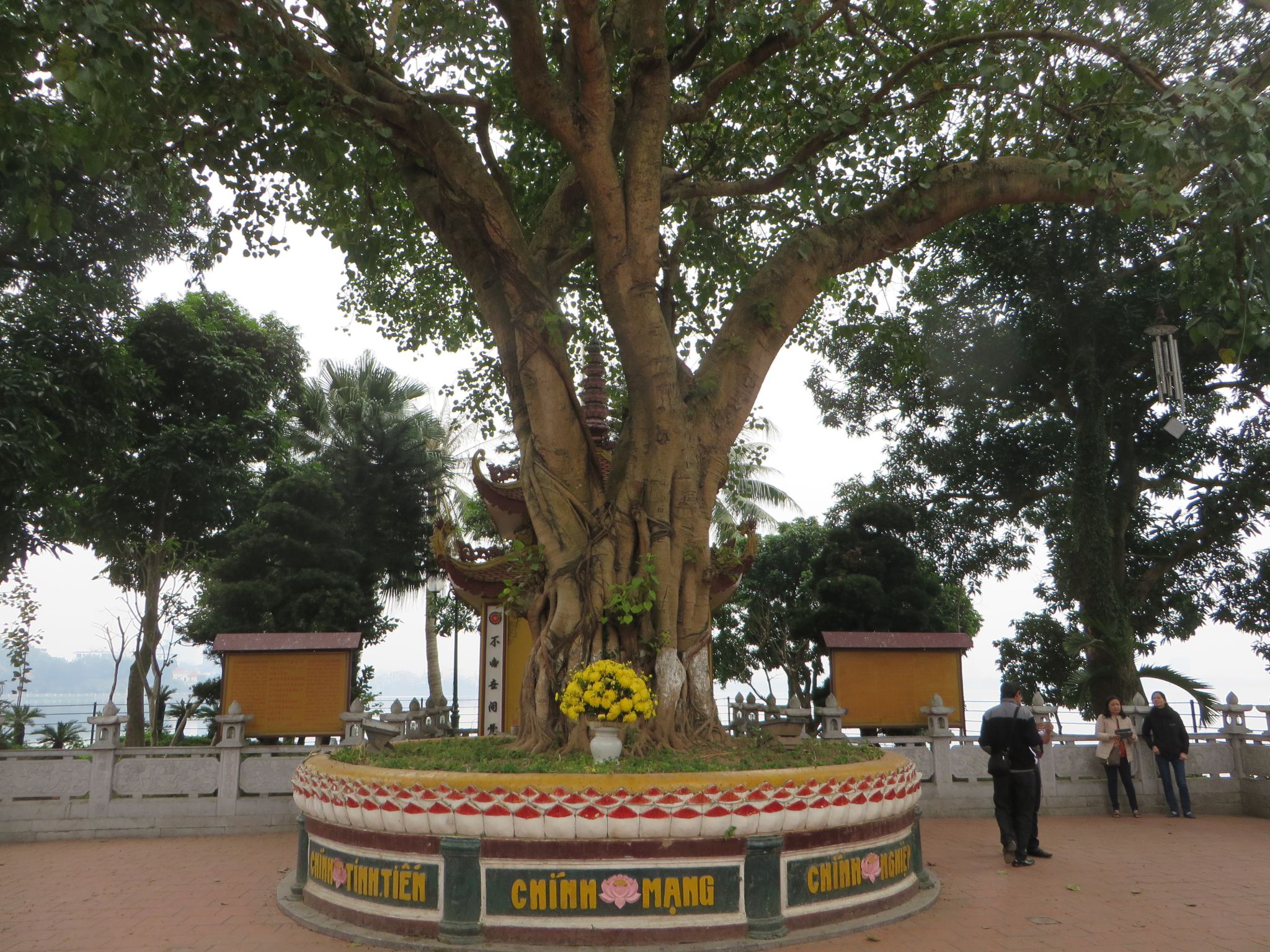
- Religious Importance: Trấn Quốc Pagoda holds significant religious importance for Buddhists in Vietnam and serves as a center of worship, meditation, and spiritual enlightenment. The pagoda’s tranquil surroundings, serene atmosphere, and sacred relics attract devotees, pilgrims, and visitors seeking to explore its historical, cultural, and spiritual significance within the Buddhist community.
Architectural Features:
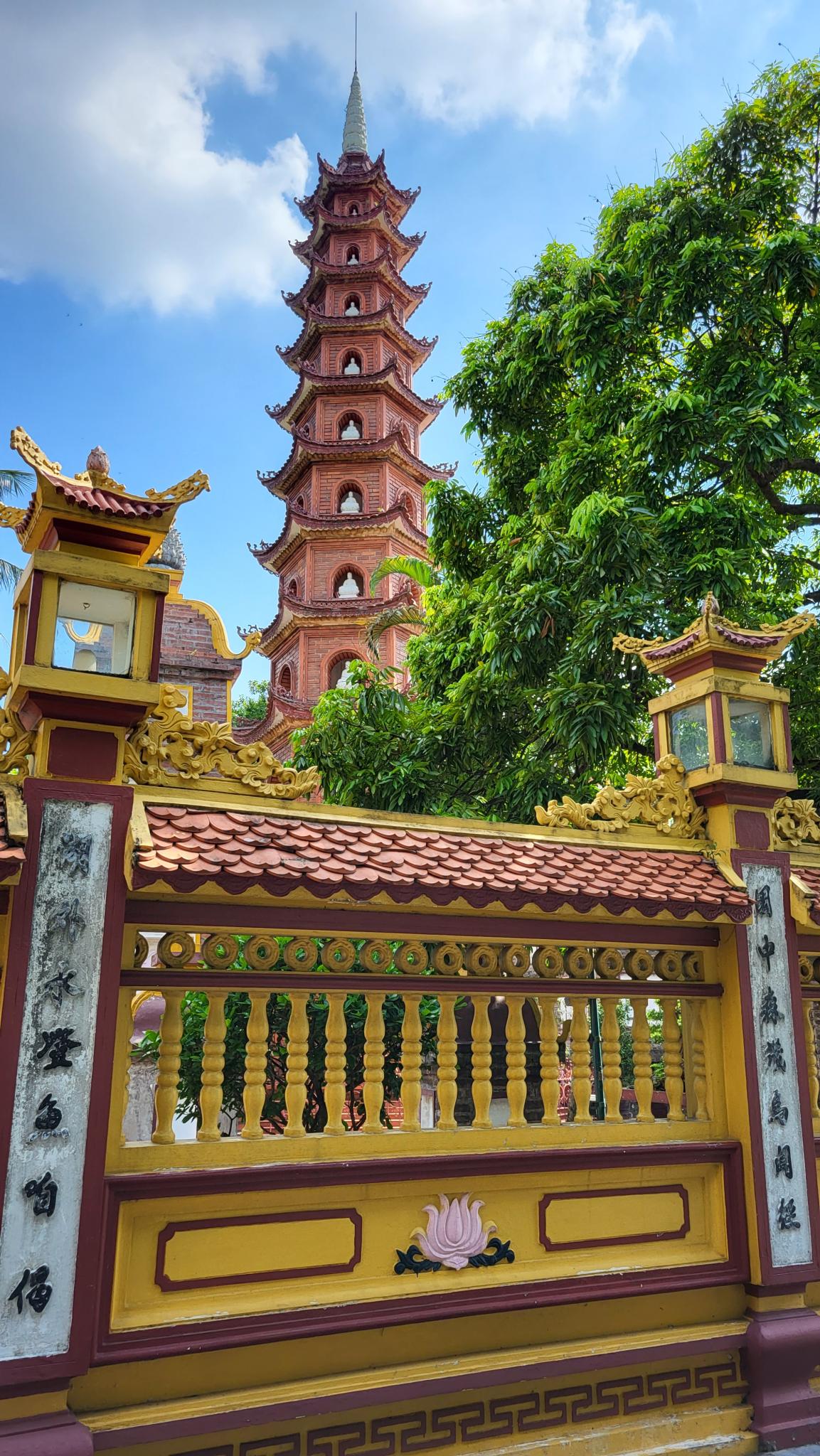
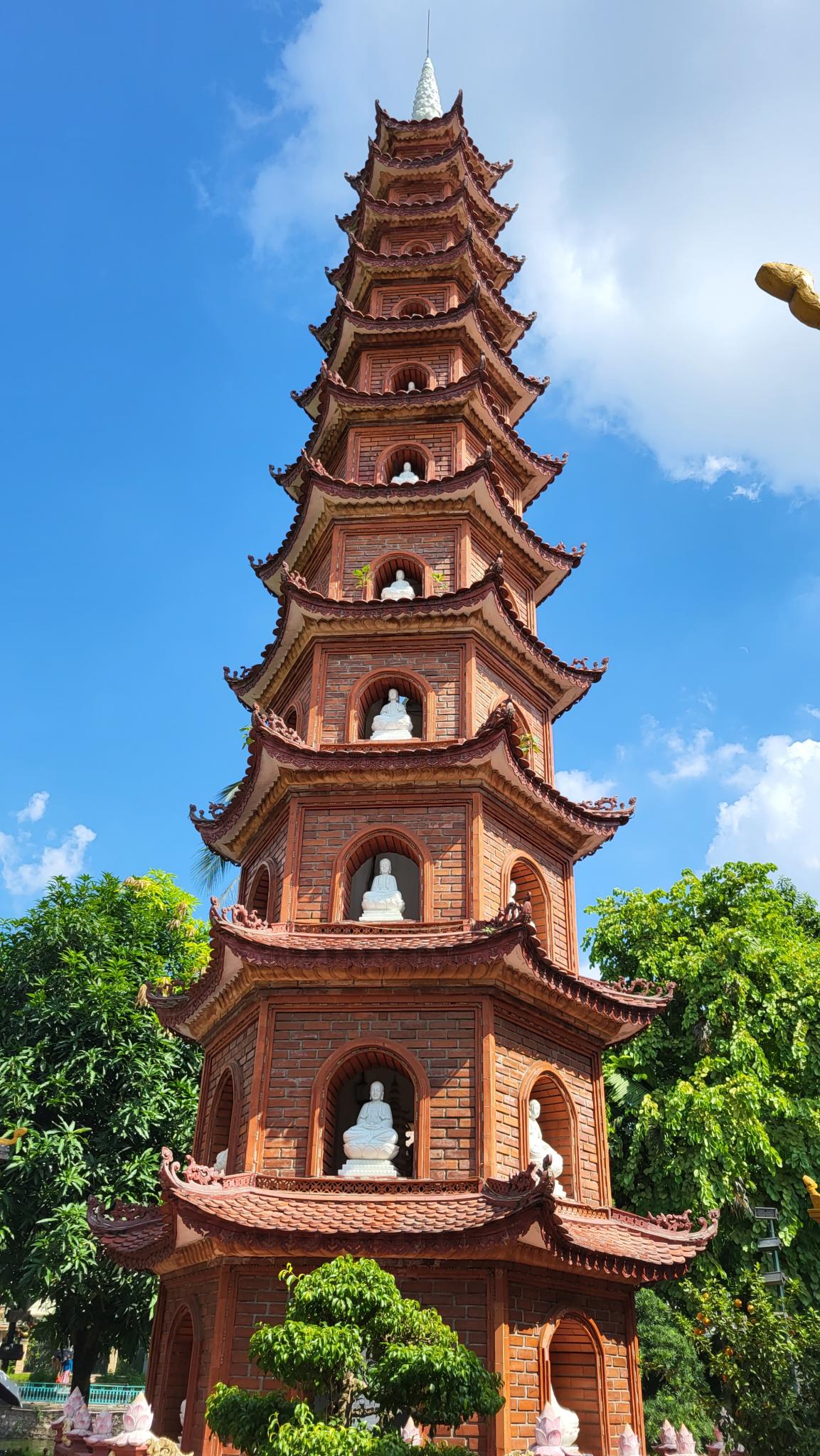
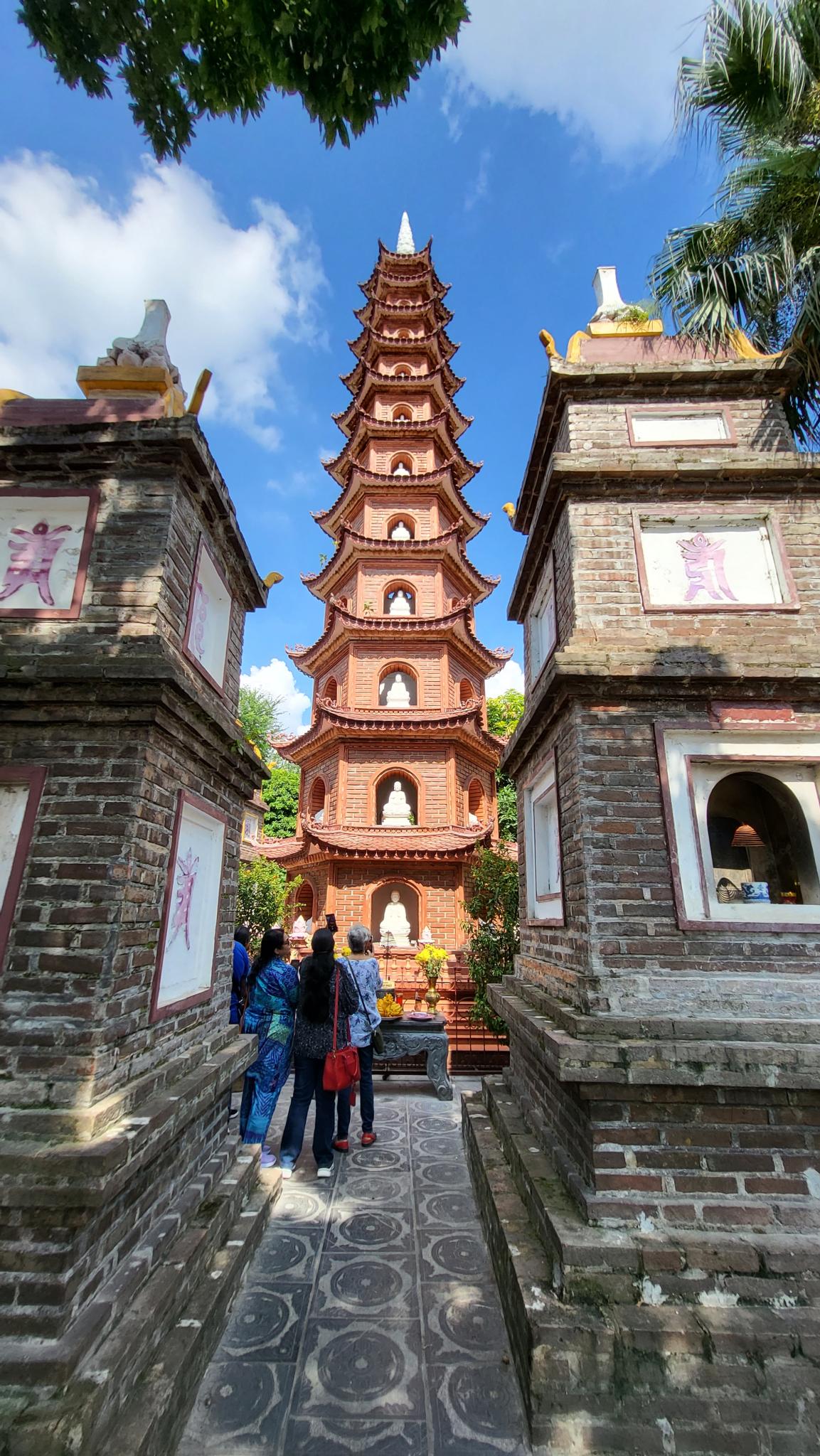
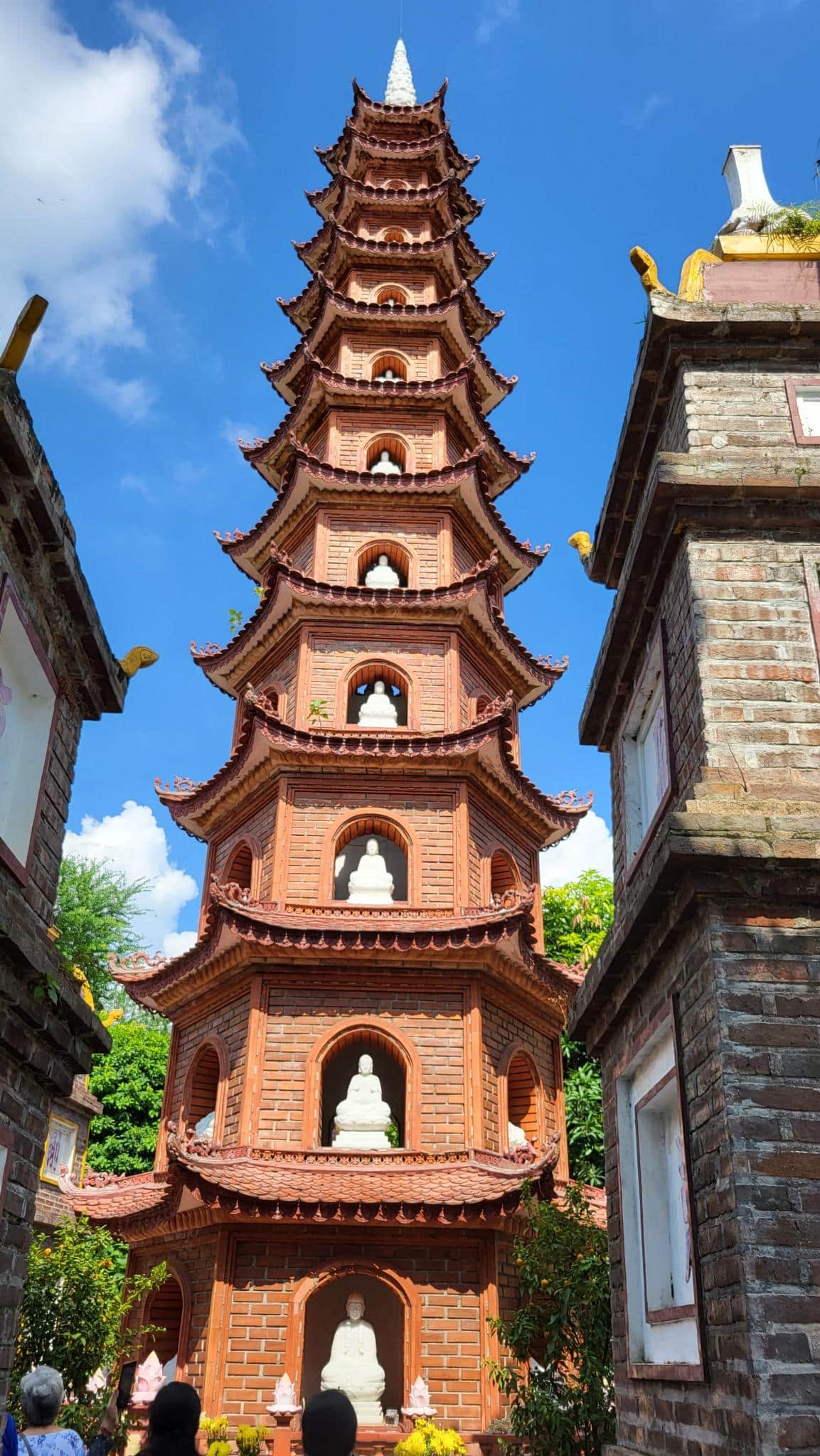
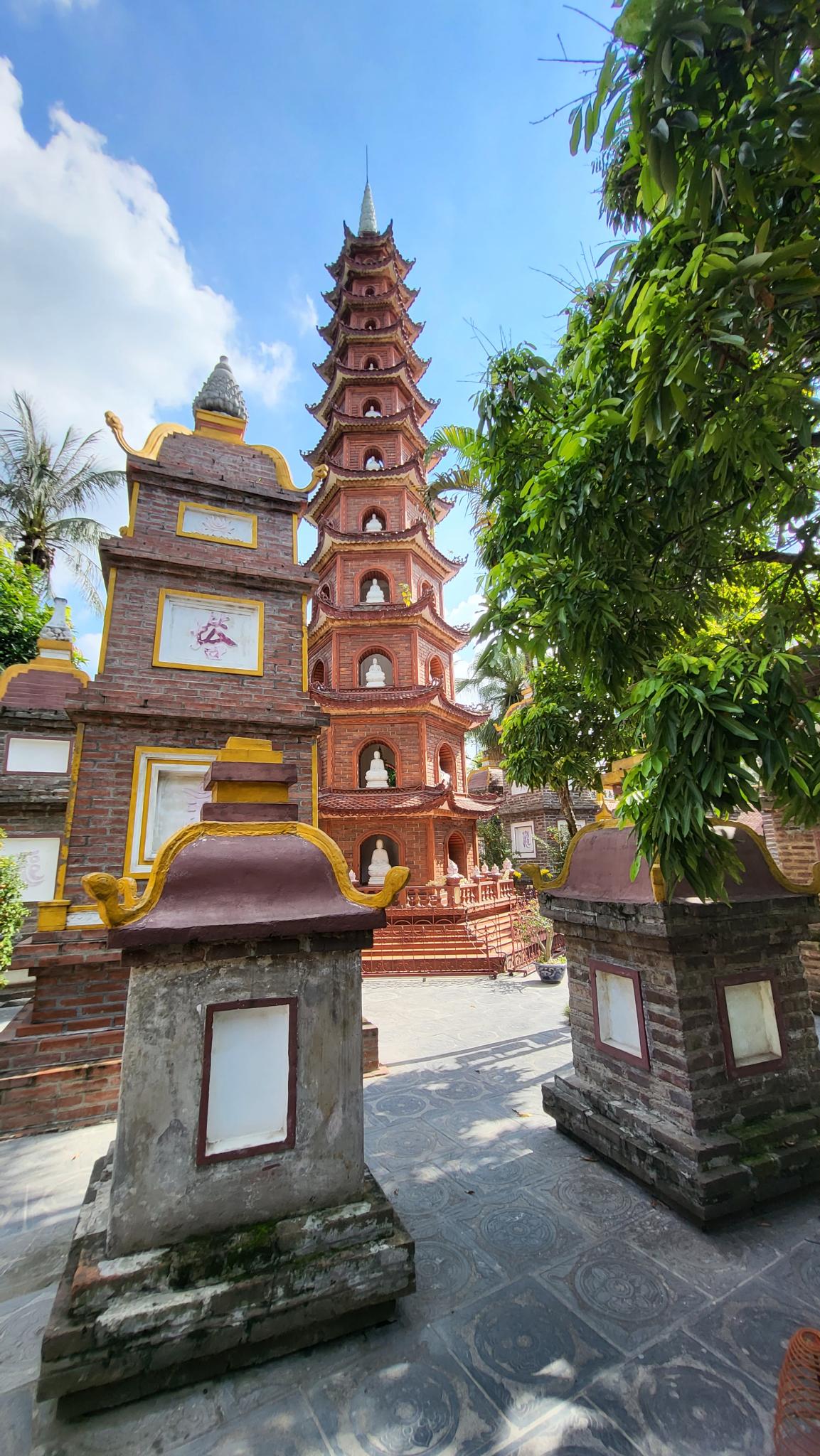
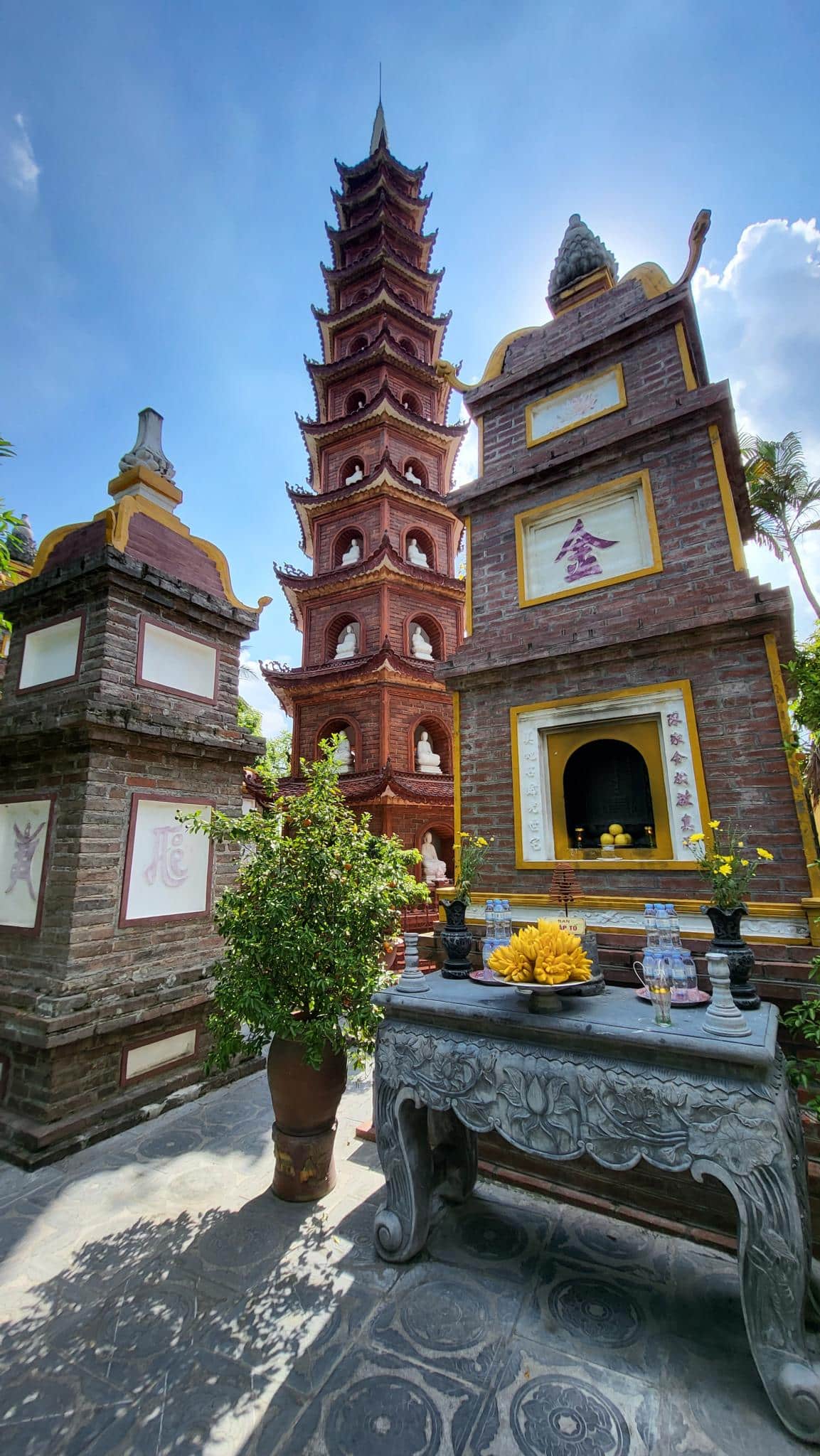
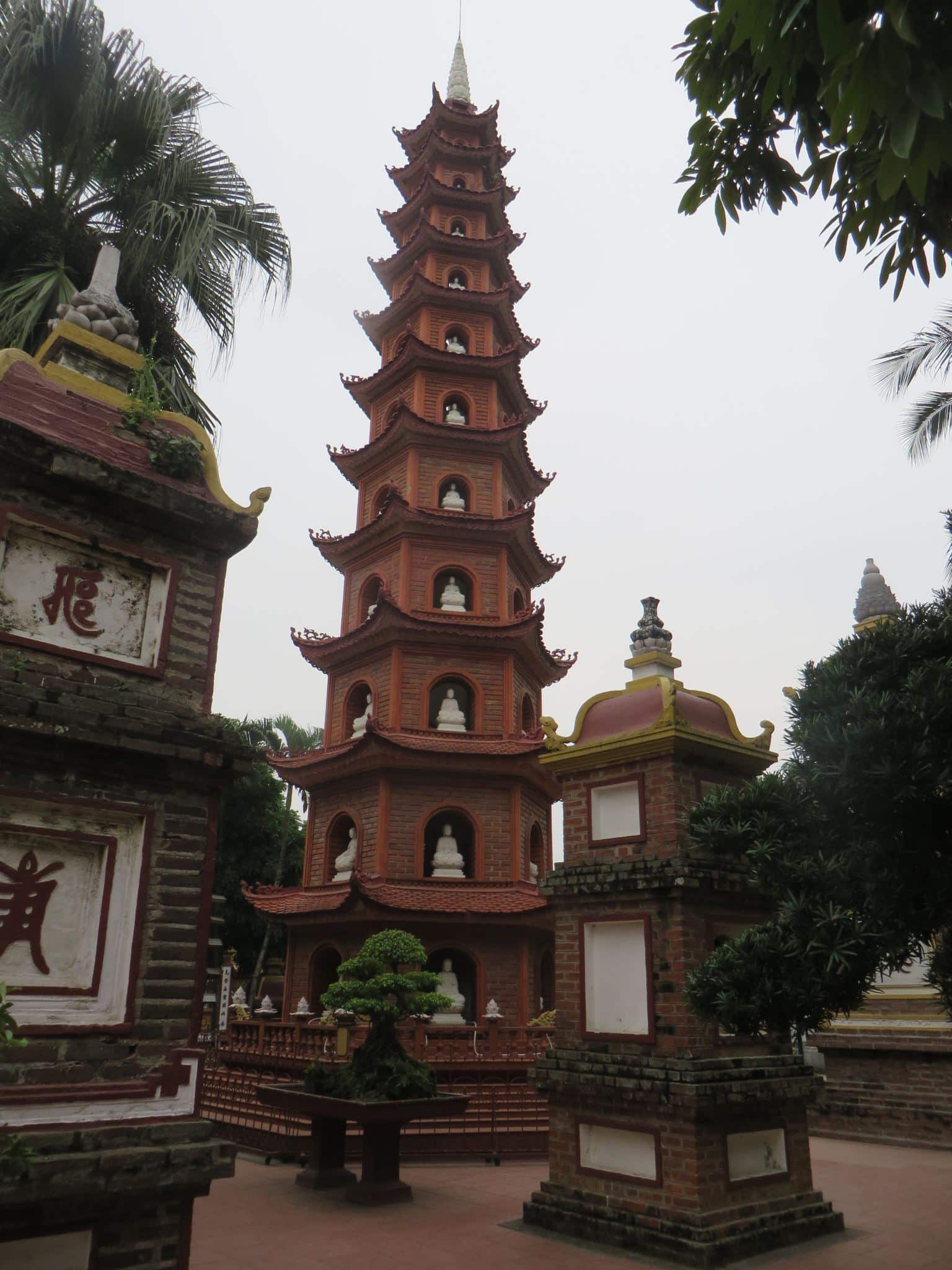
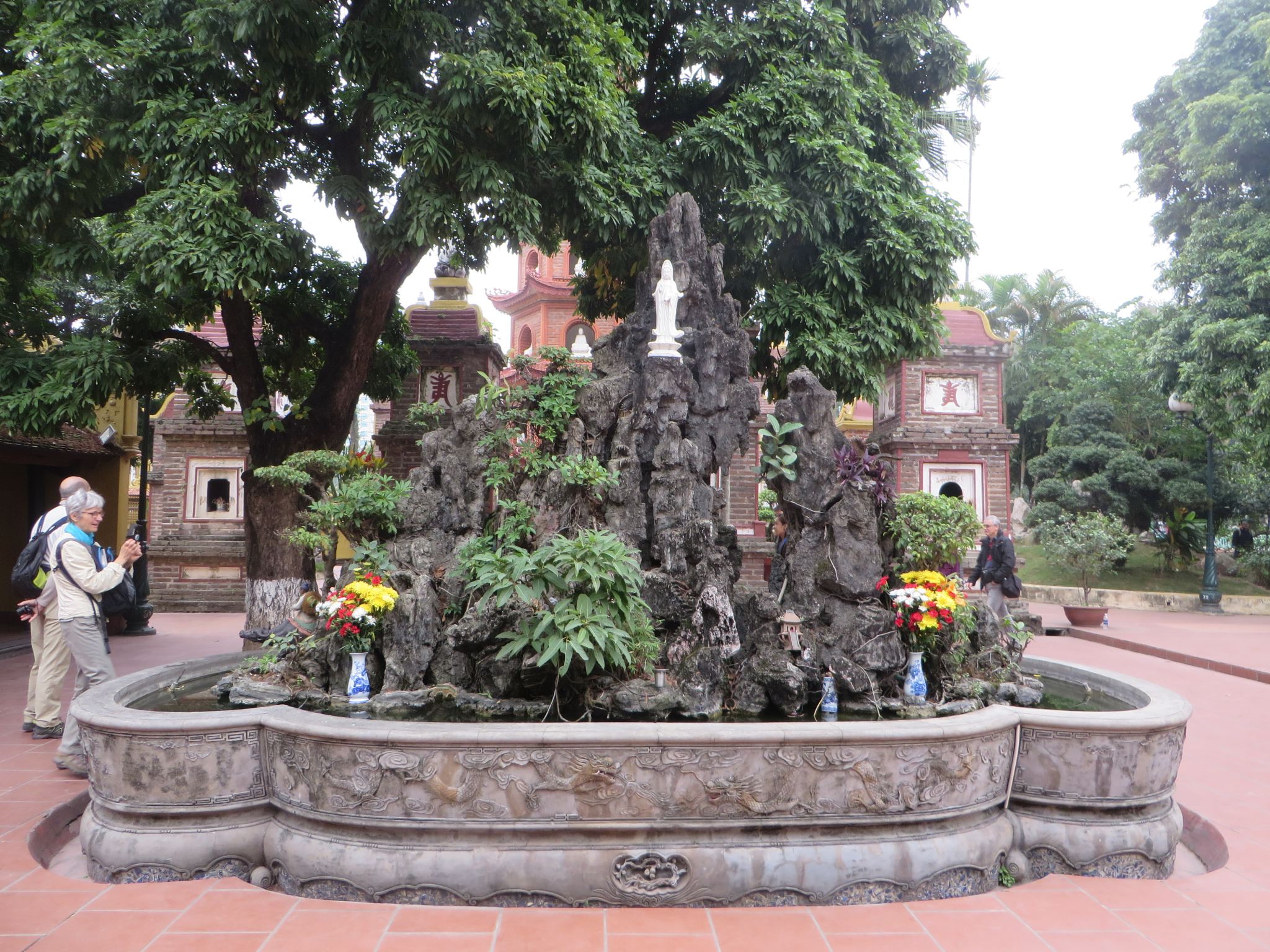
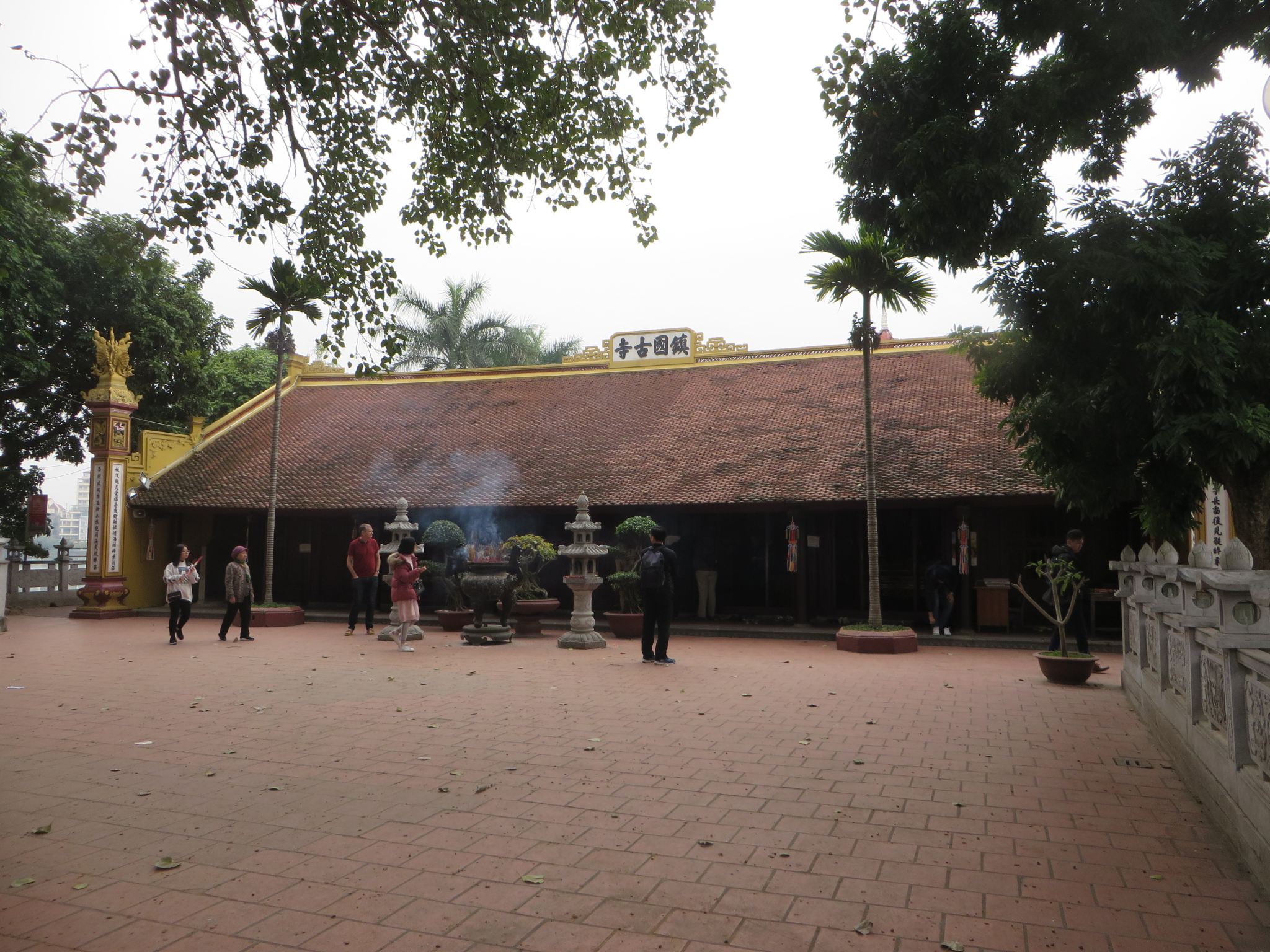
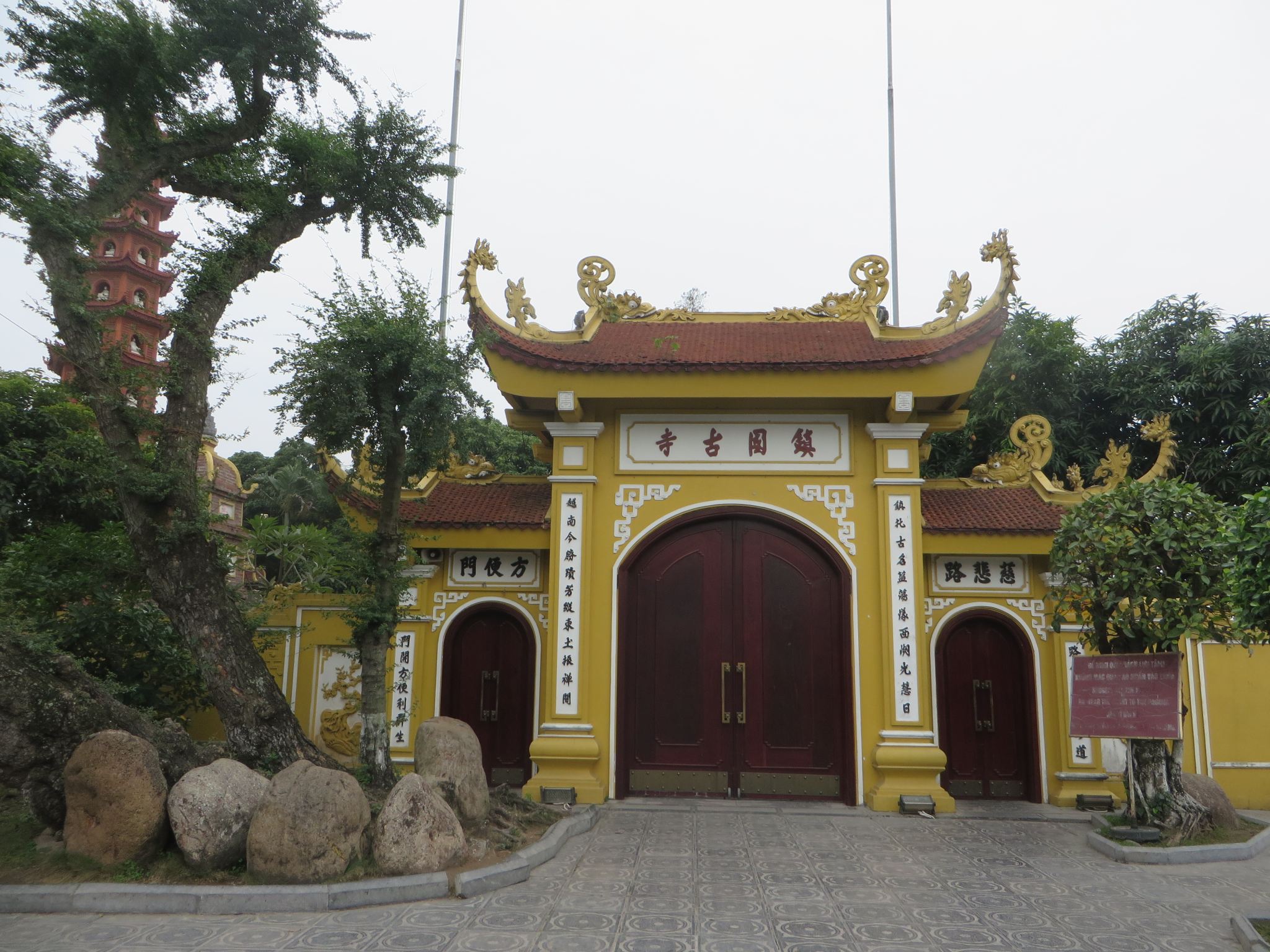
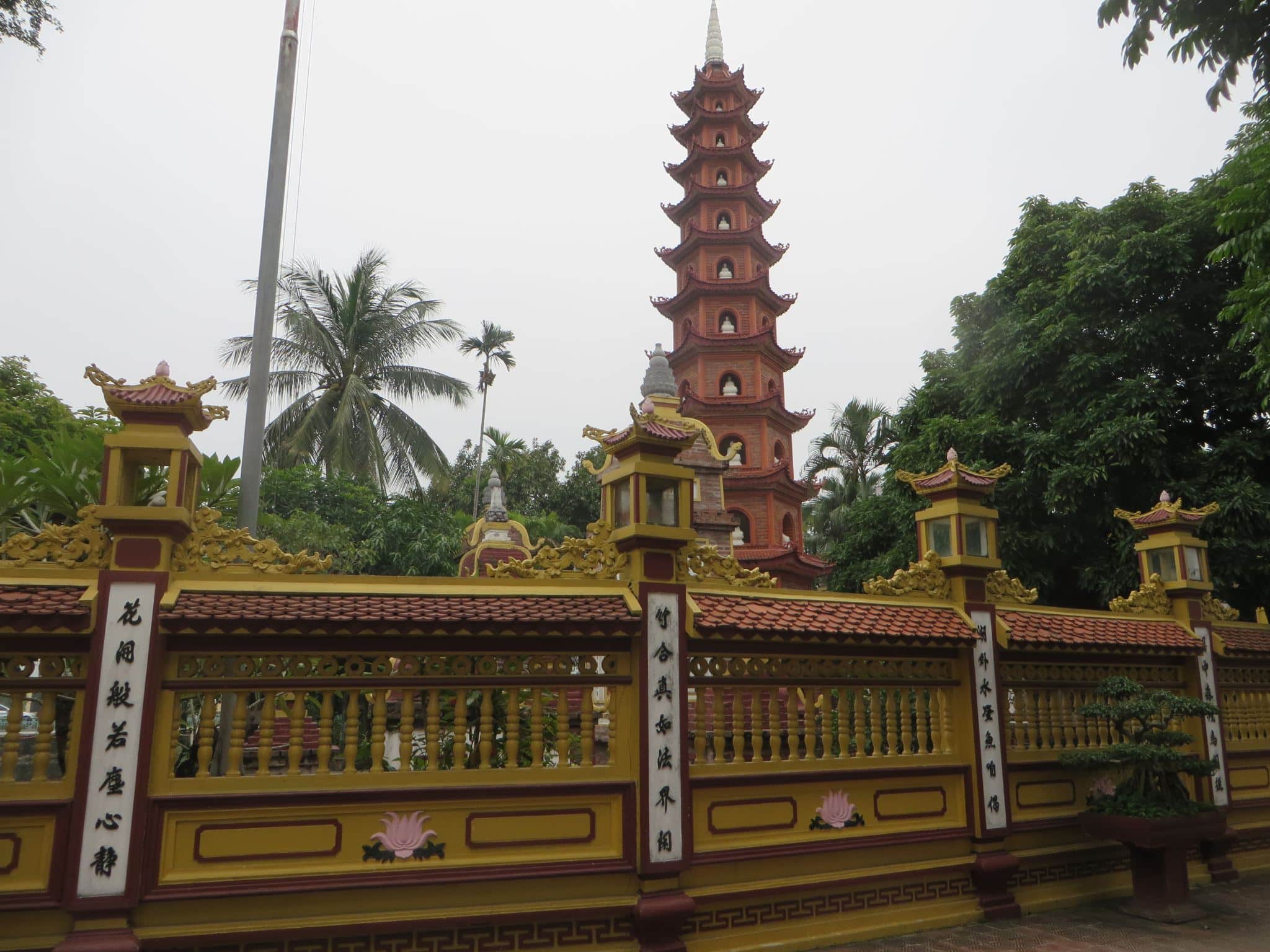
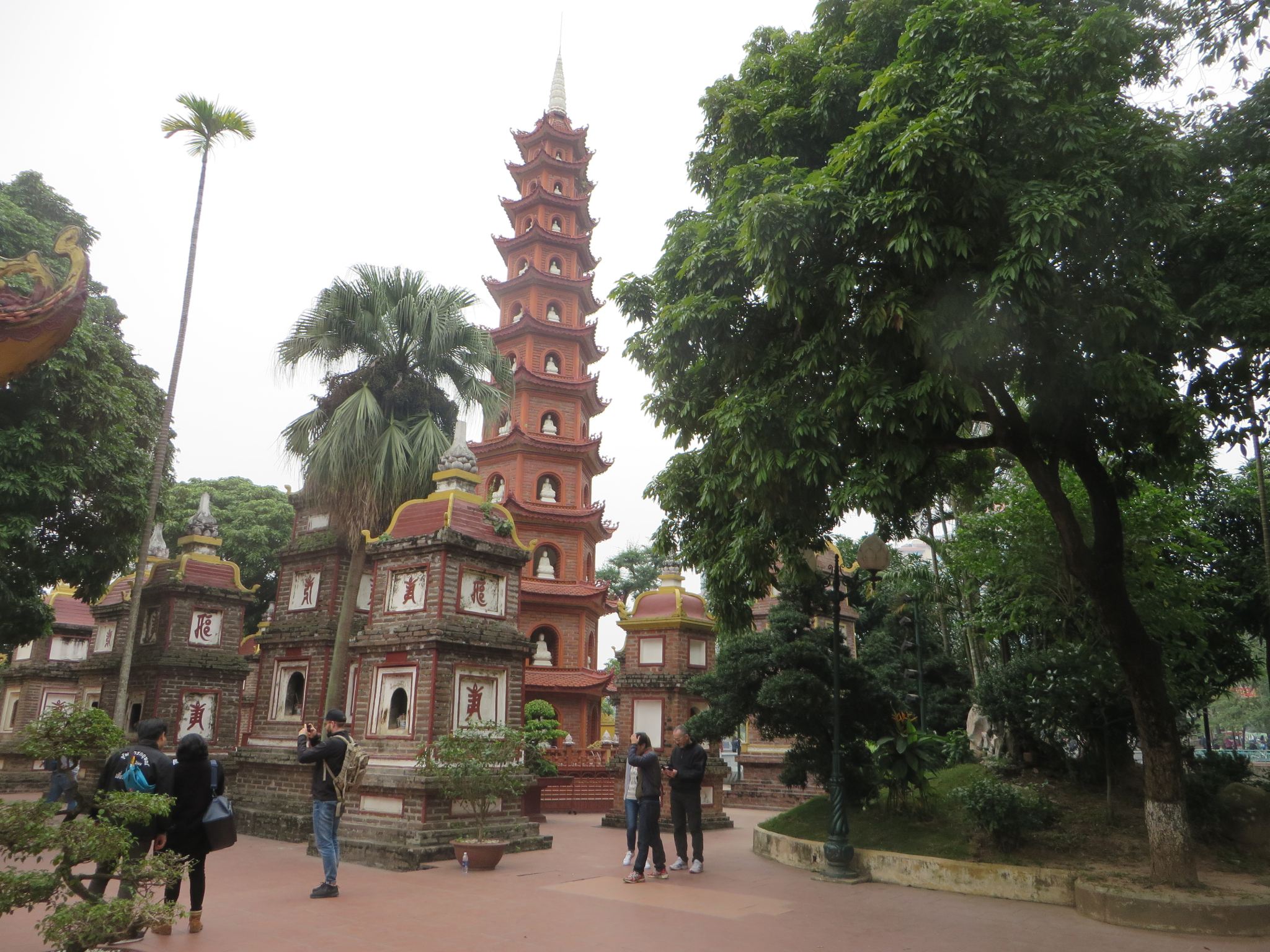
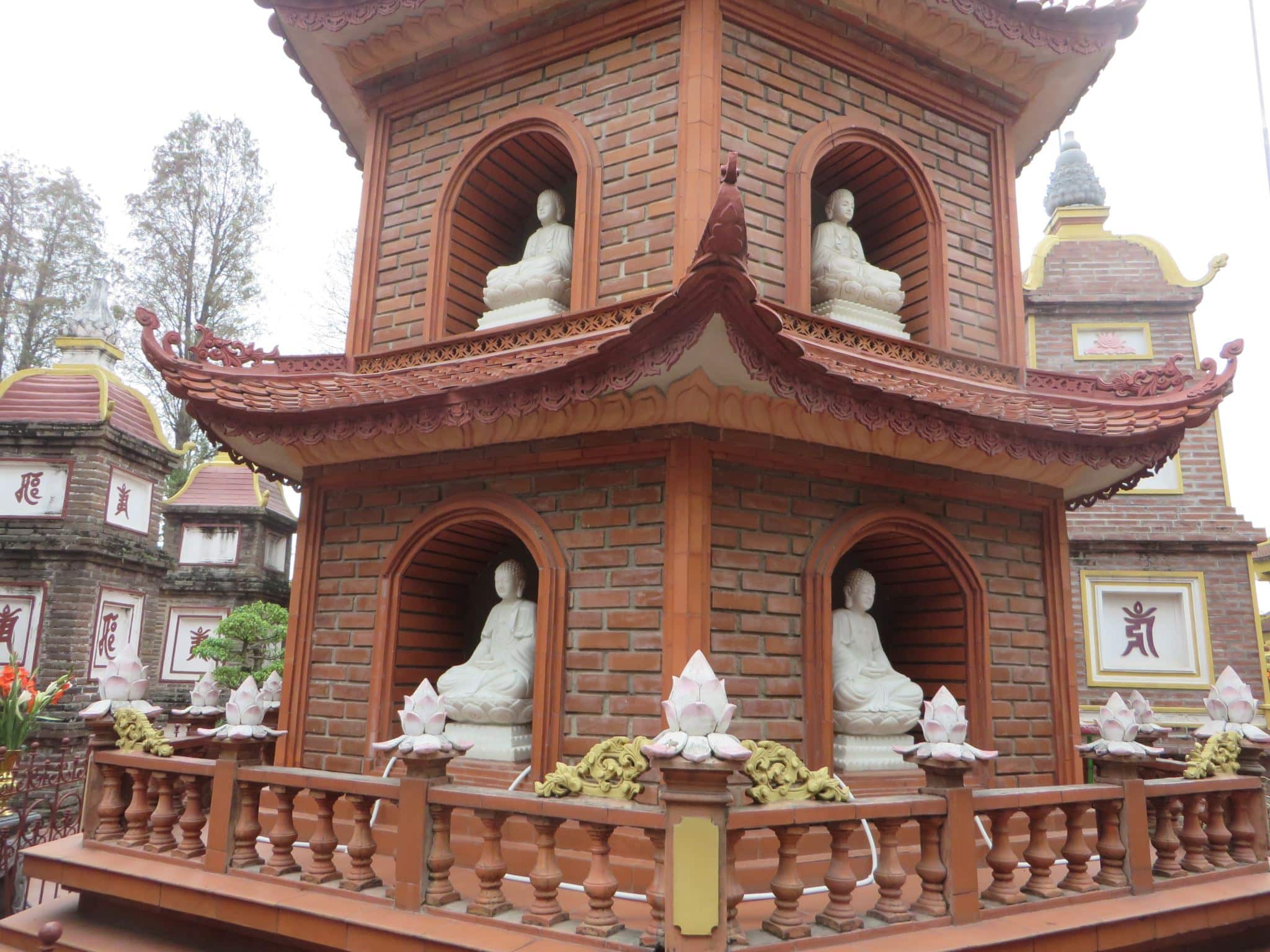
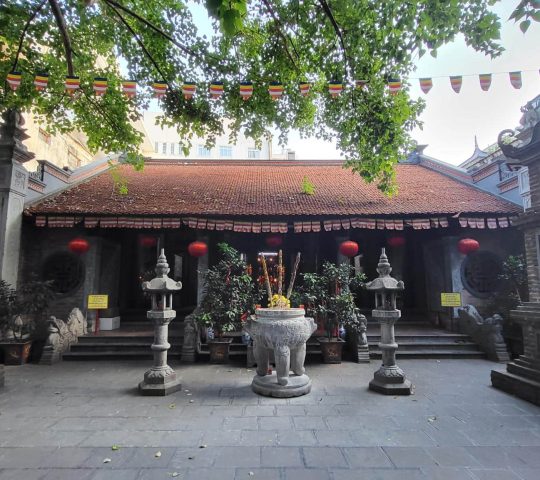
- Traditional Design: Trấn Quốc Pagoda features a harmonious blend of traditional Vietnamese and Buddhist architectural styles, characterized by its multi-tiered tower, curved roofs, intricate carvings, and ornate decorations. The pagoda’s architectural design reflects its historical origins, cultural heritage, and religious symbolism, creating a visually stunning and spiritually inspiring environment for worshippers and visitors alike.
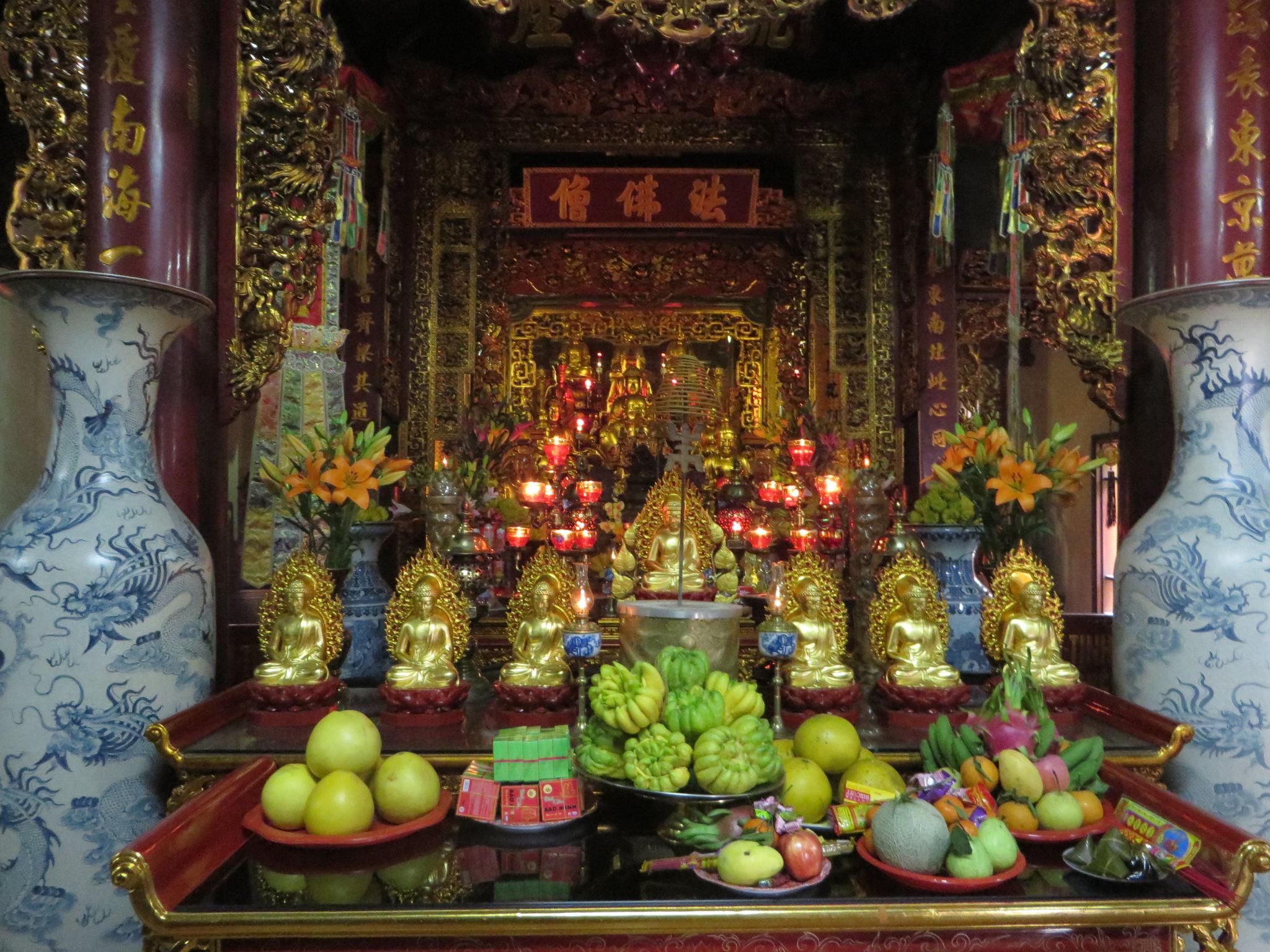
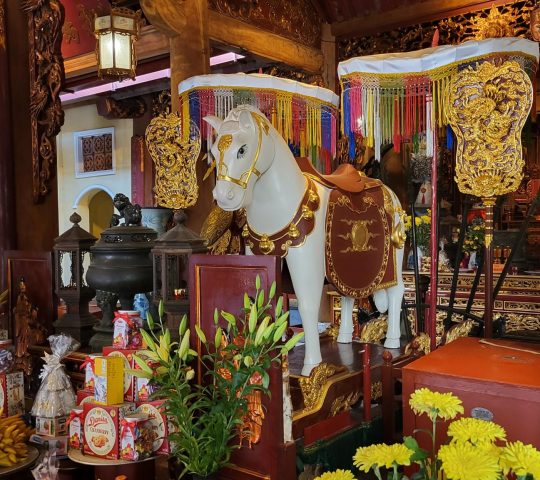
- Sacred Relics: Within Trấn Quốc Pagoda, visitors can find a collection of ancient statues, artifacts, and sacred relics that embody the pagoda’s historical, cultural, and religious significance. The pagoda’s main hall houses a statue of Shakyamuni Buddha, along with other revered deities, bodhisattvas, and religious symbols that symbolize compassion, wisdom, and enlightenment within the Buddhist tradition.