Perfume Pagoda (Chùa Hương) – Hanoi
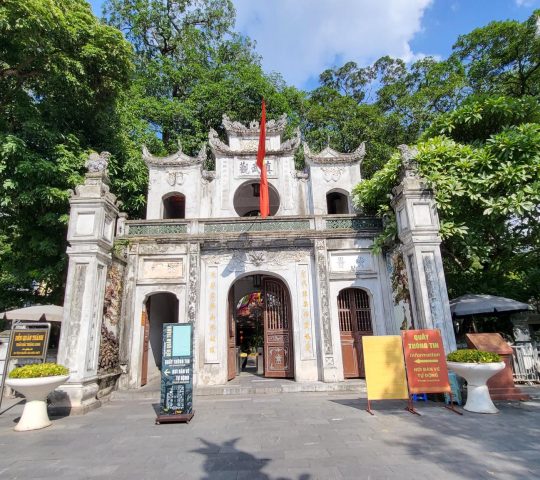
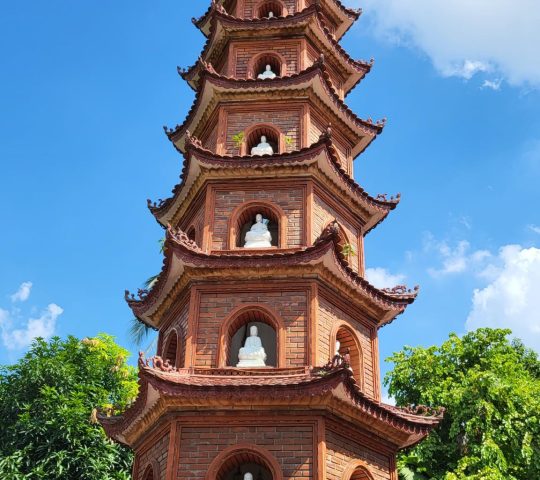
The Perfume Pagoda, known as Chùa Hương in Vietnamese, is a vast complex of Buddhist temples and shrines situated in the Huong Tich mountains, about 60 kilometers southwest of Hanoi. This sacred pilgrimage site holds significant religious, cultural, and historical importance in Vietnam. Let’s delve into its history, architecture, and what you can see when visiting:
History:
- Ancient Origins: The Perfume Pagoda has a history dating back over 2,000 years, with its origins rooted in Vietnamese mythology and religious folklore. Legend has it that an old woman named Huong Son transformed into a deity after her prayers were answered, becoming the guardian spirit of the Perfume Pagoda area.
- Spiritual Significance: Over the centuries, the Perfume Pagoda has become a renowned pilgrimage destination for Buddhists and spiritual seekers who visit to seek blessings, offer prayers, and participate in religious ceremonies during the annual Perfume Pagoda Festival, which takes place from the sixth to the third lunar month.
Architecture:
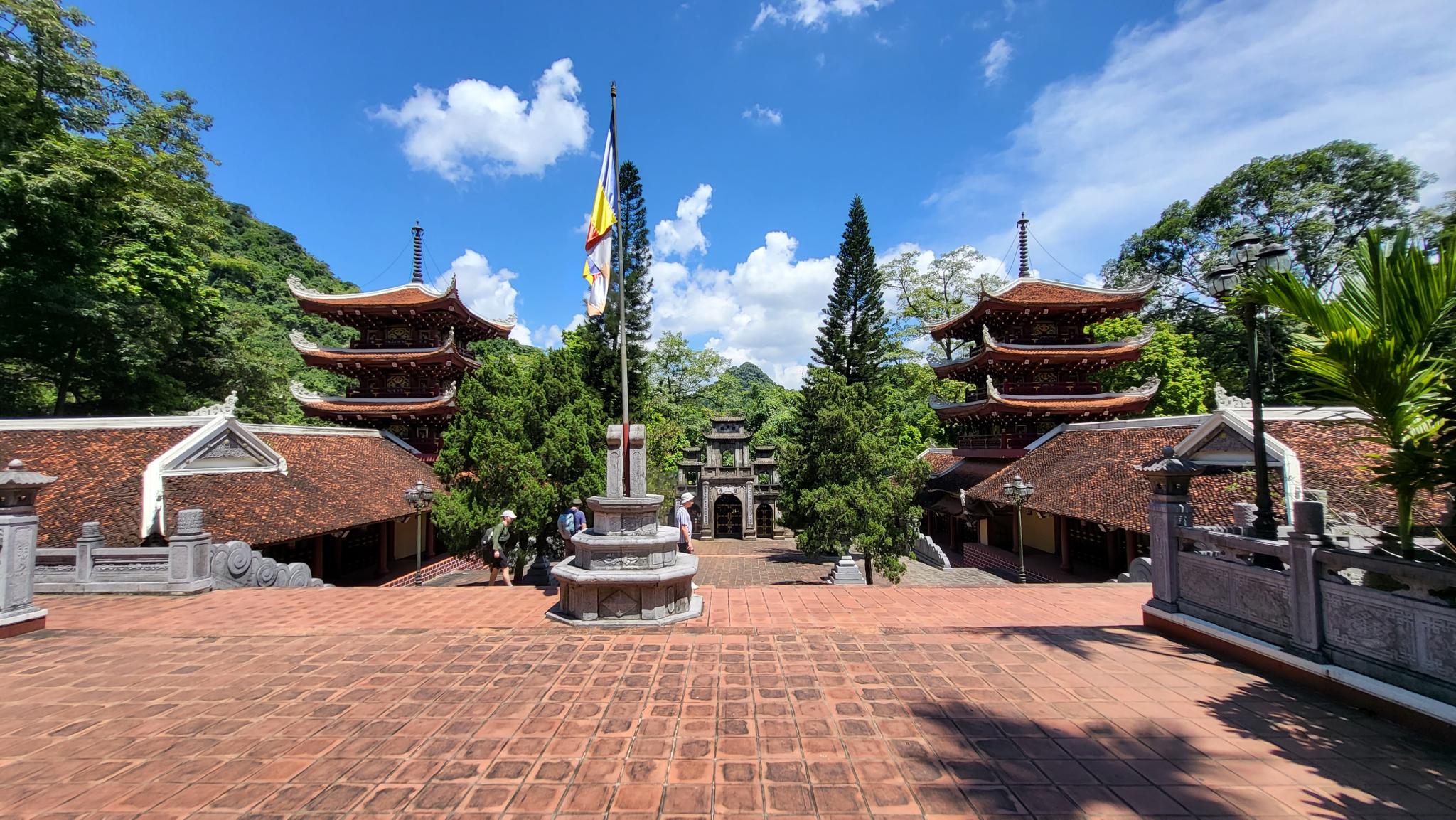
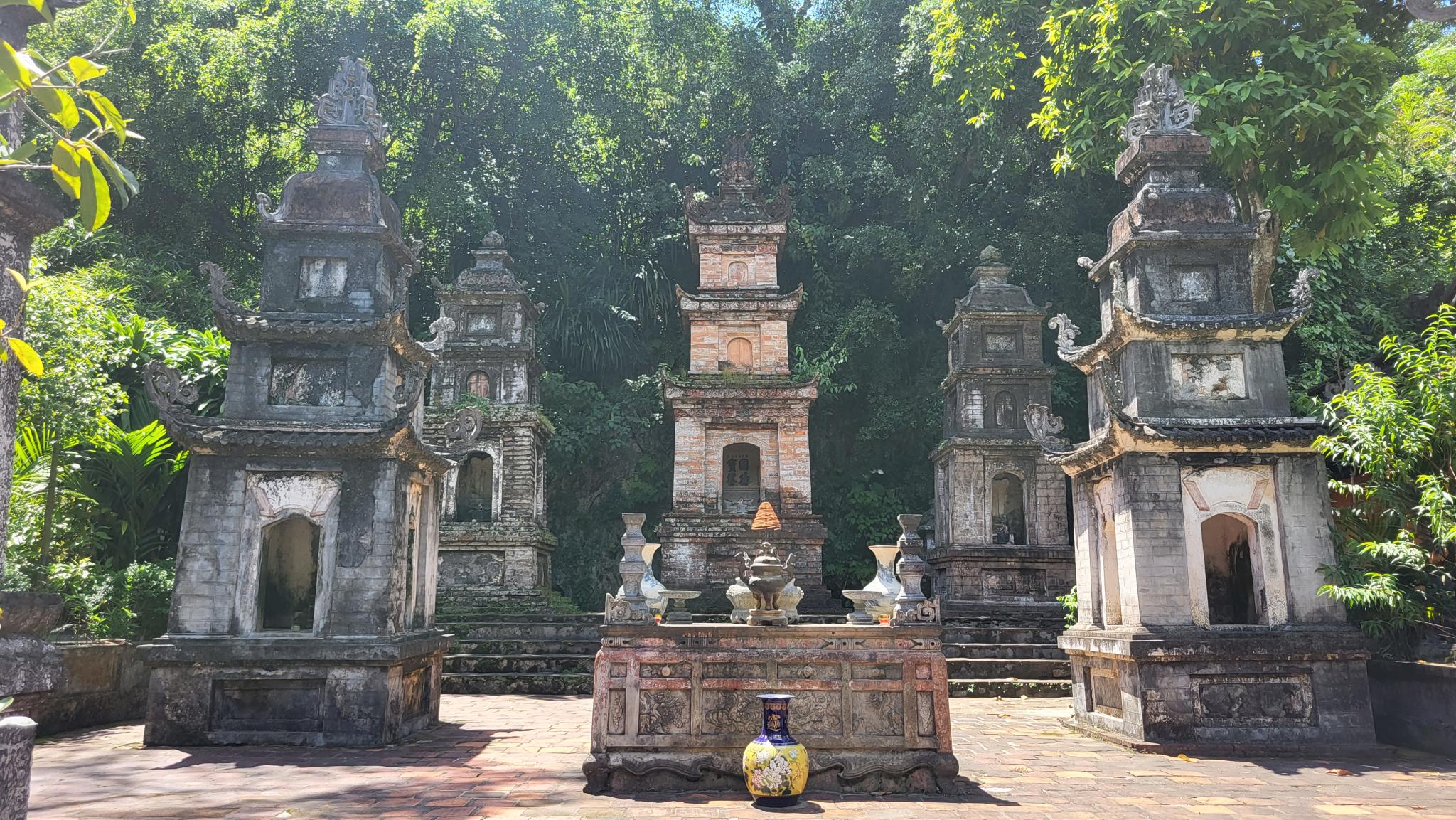
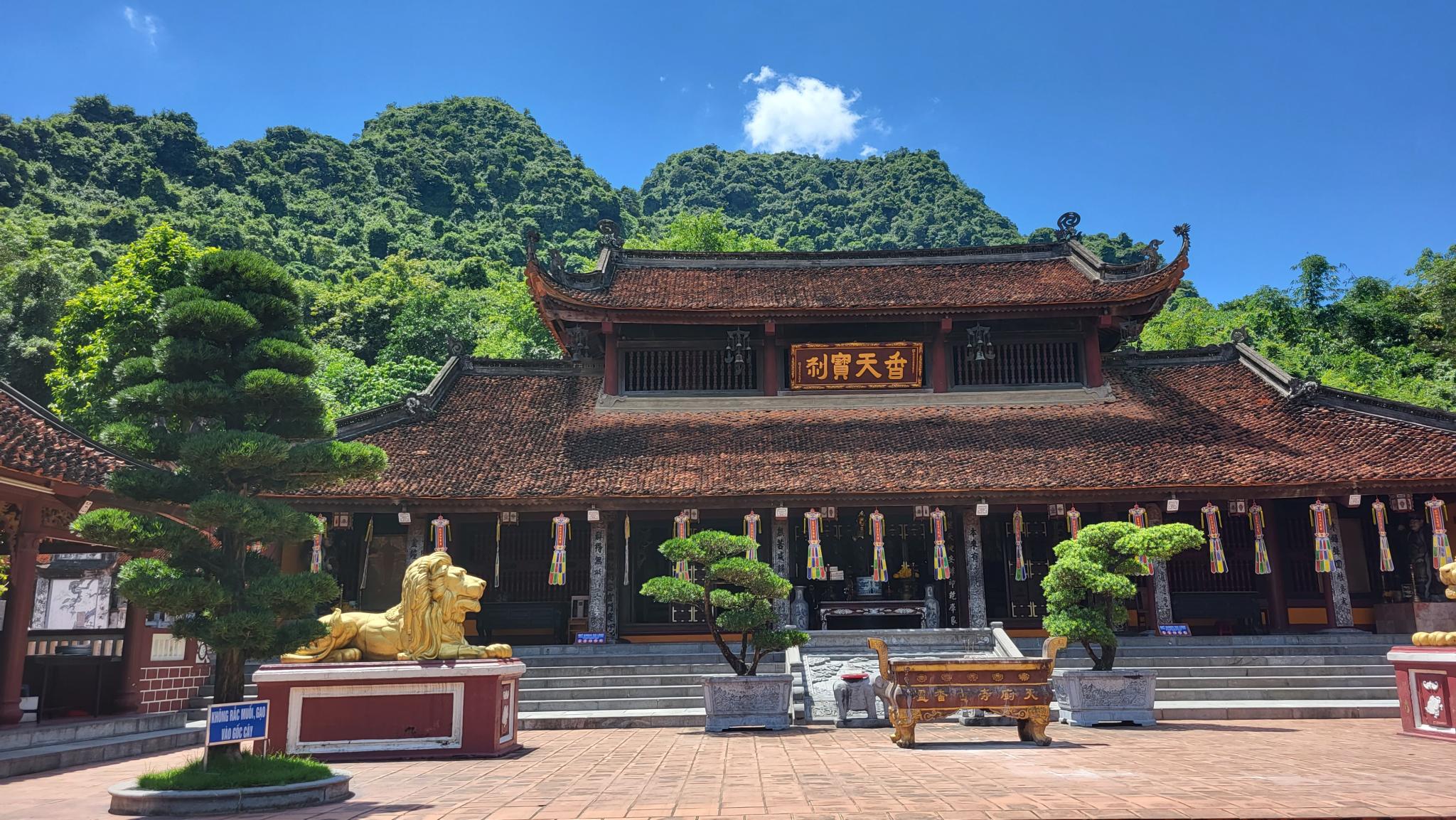
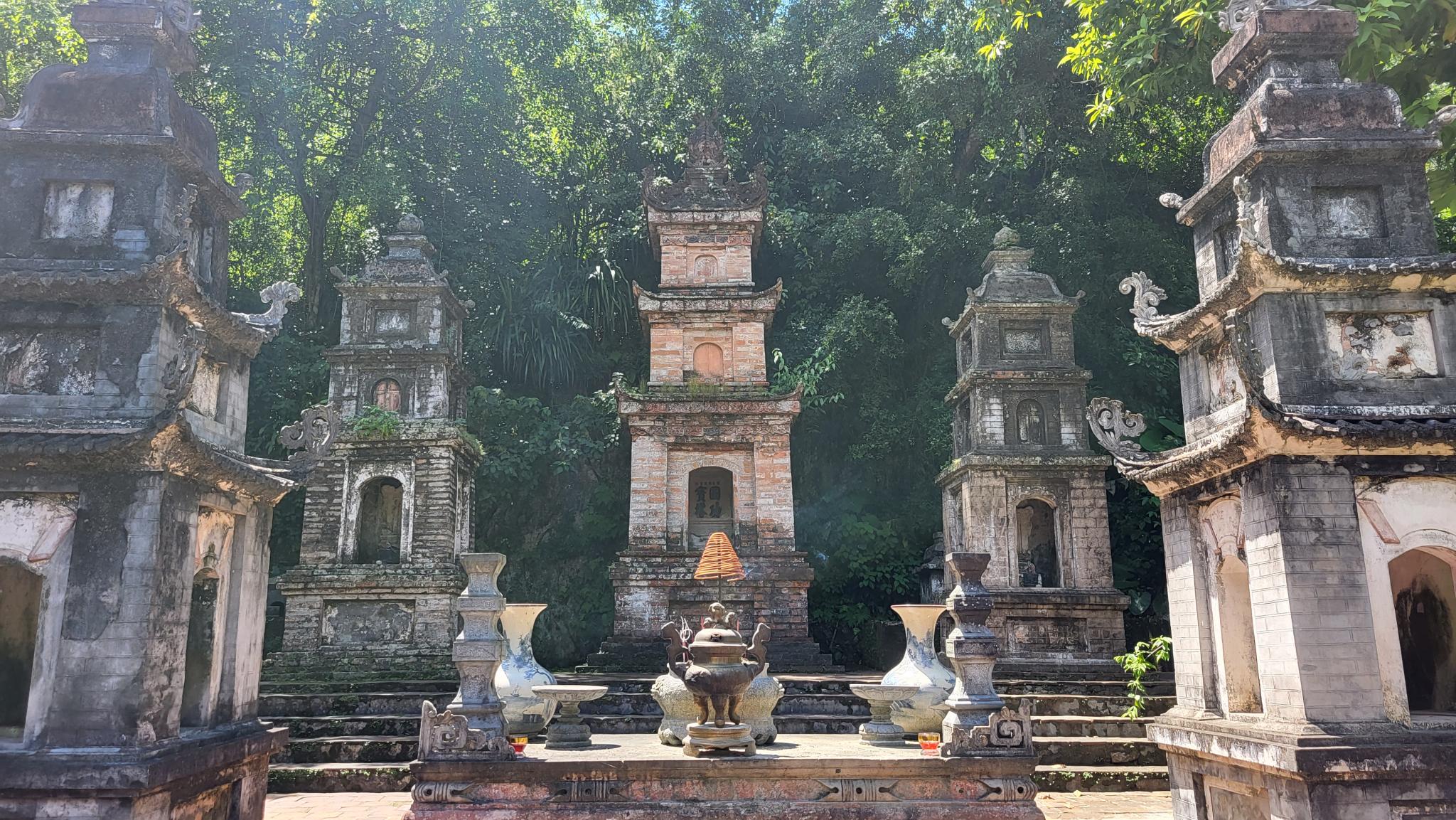
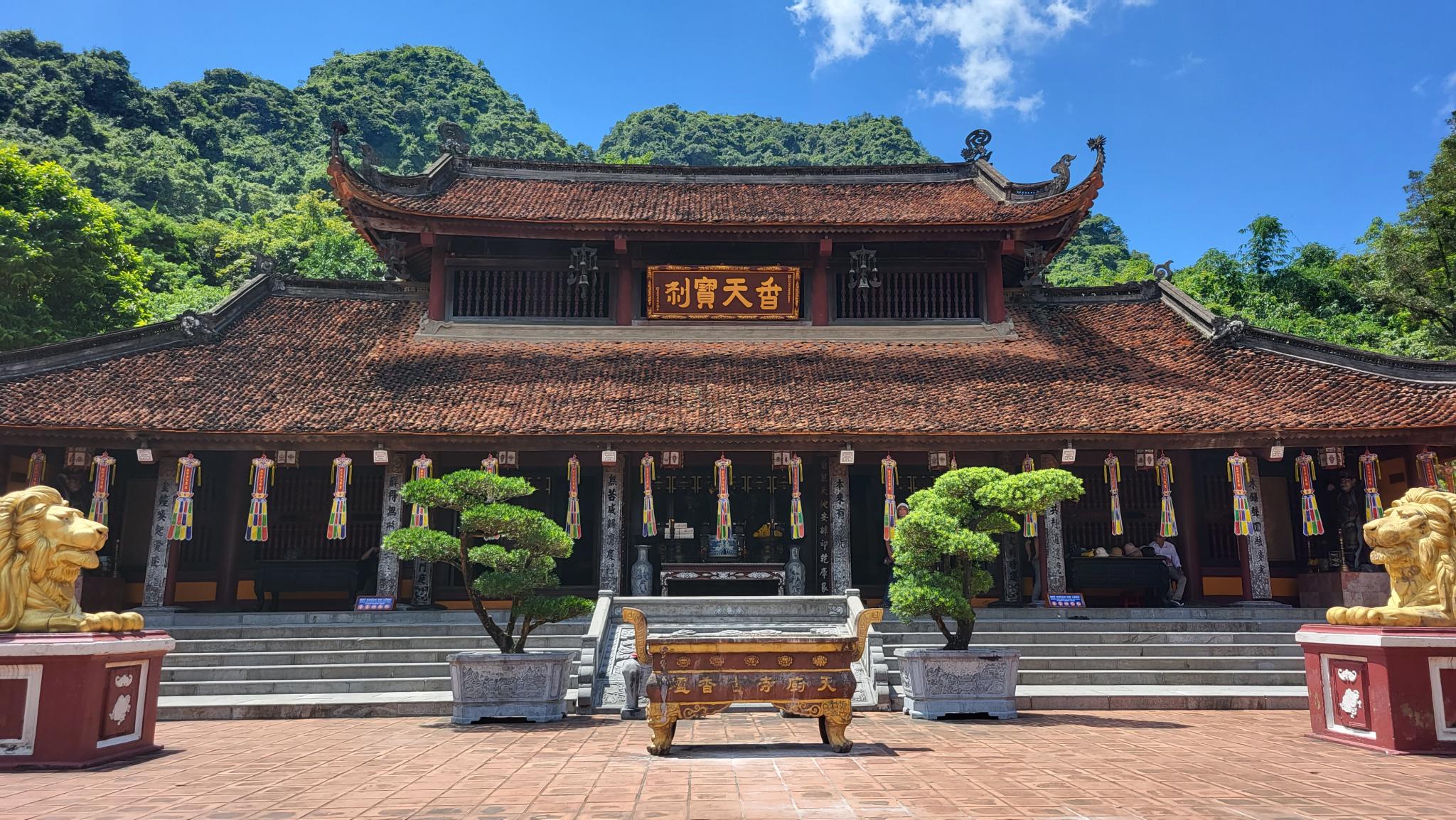
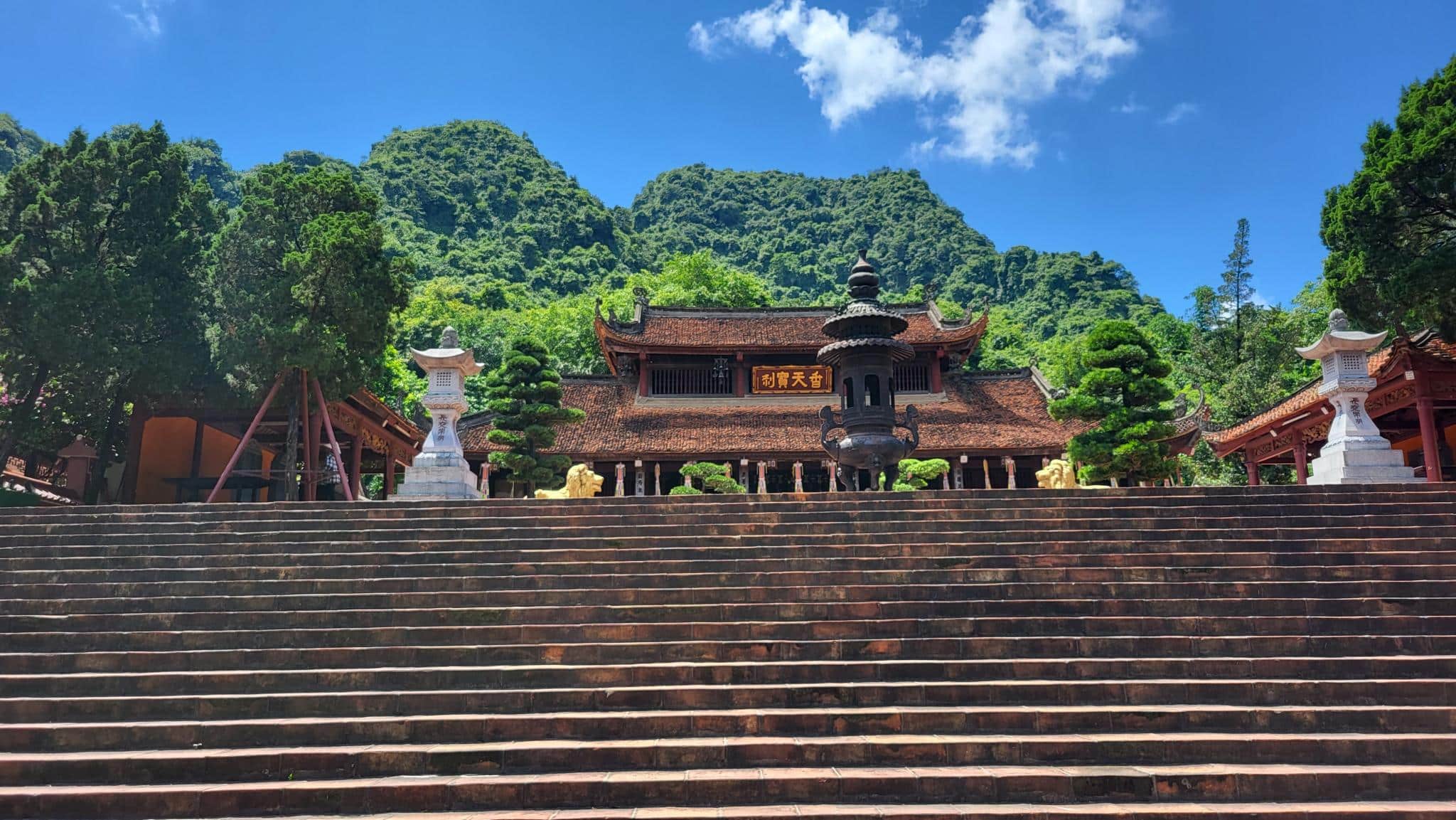
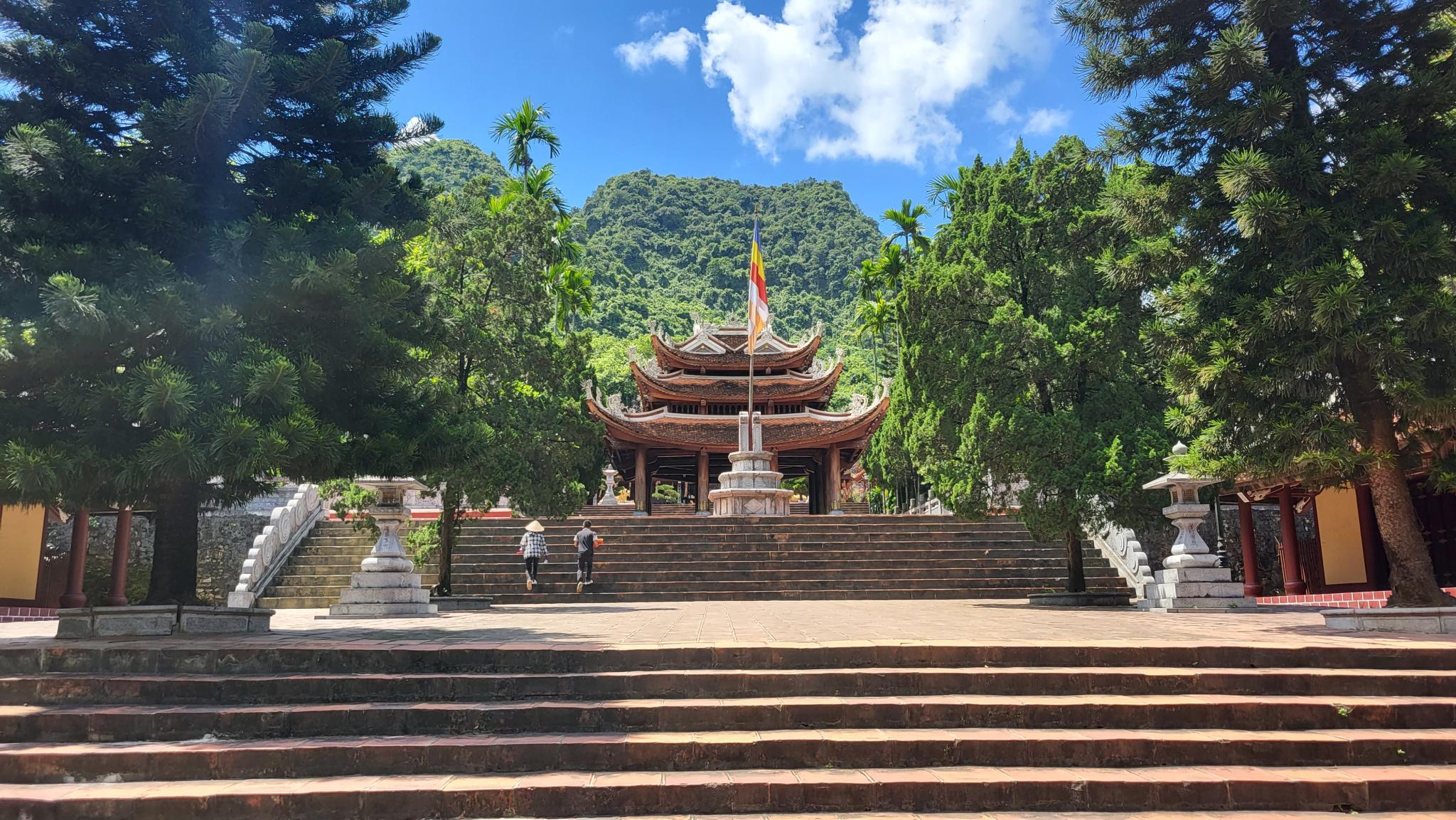
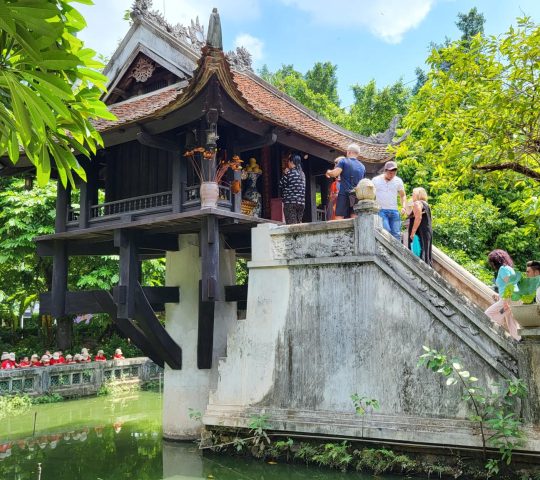
- Temple Complex: The Perfume Pagoda complex comprises a series of temples, shrines, pagodas, and communal areas built into the limestone caves and mountainsides, reflecting Vietnam’s architectural styles, religious symbolism, and cultural heritage.
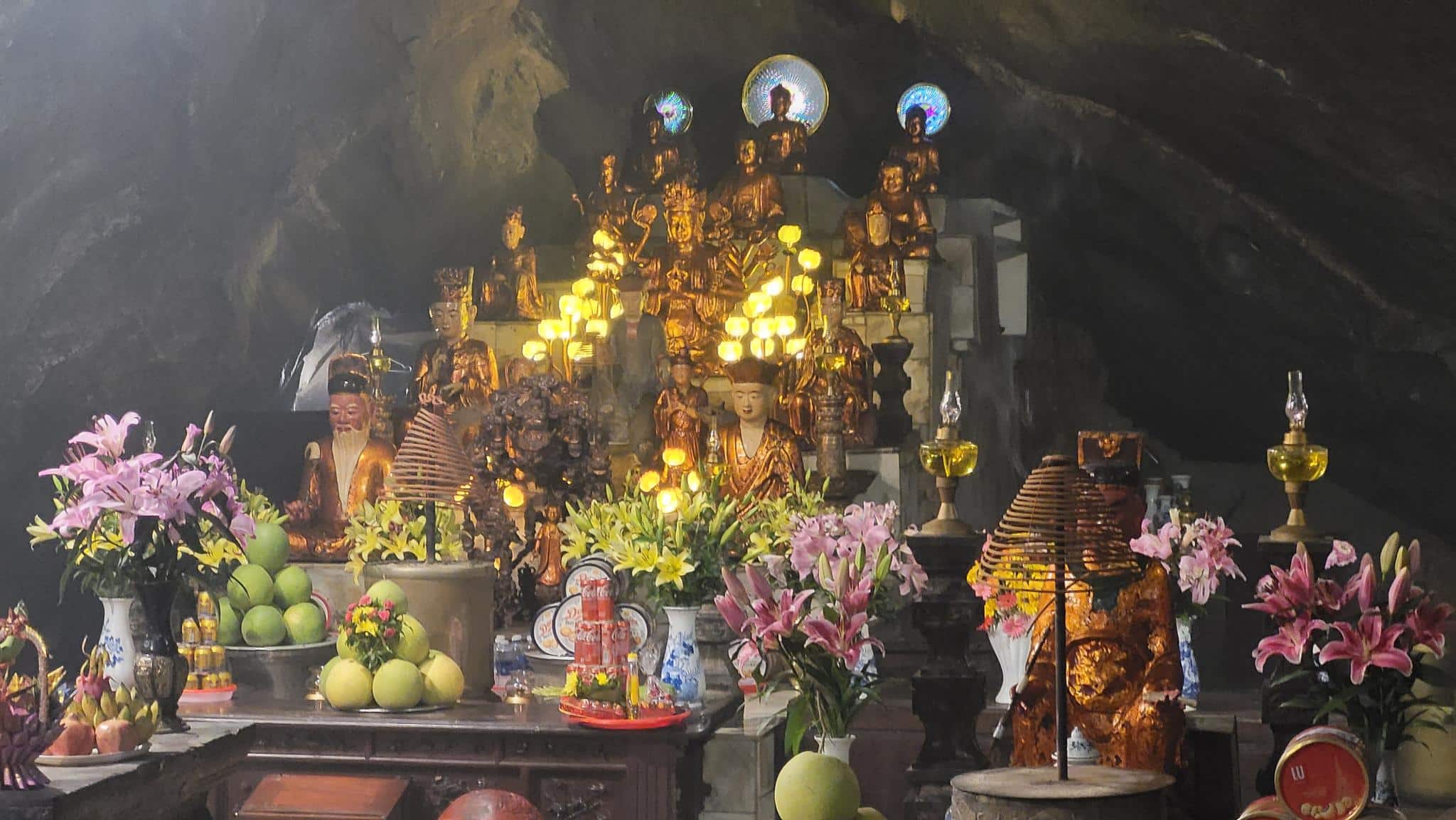
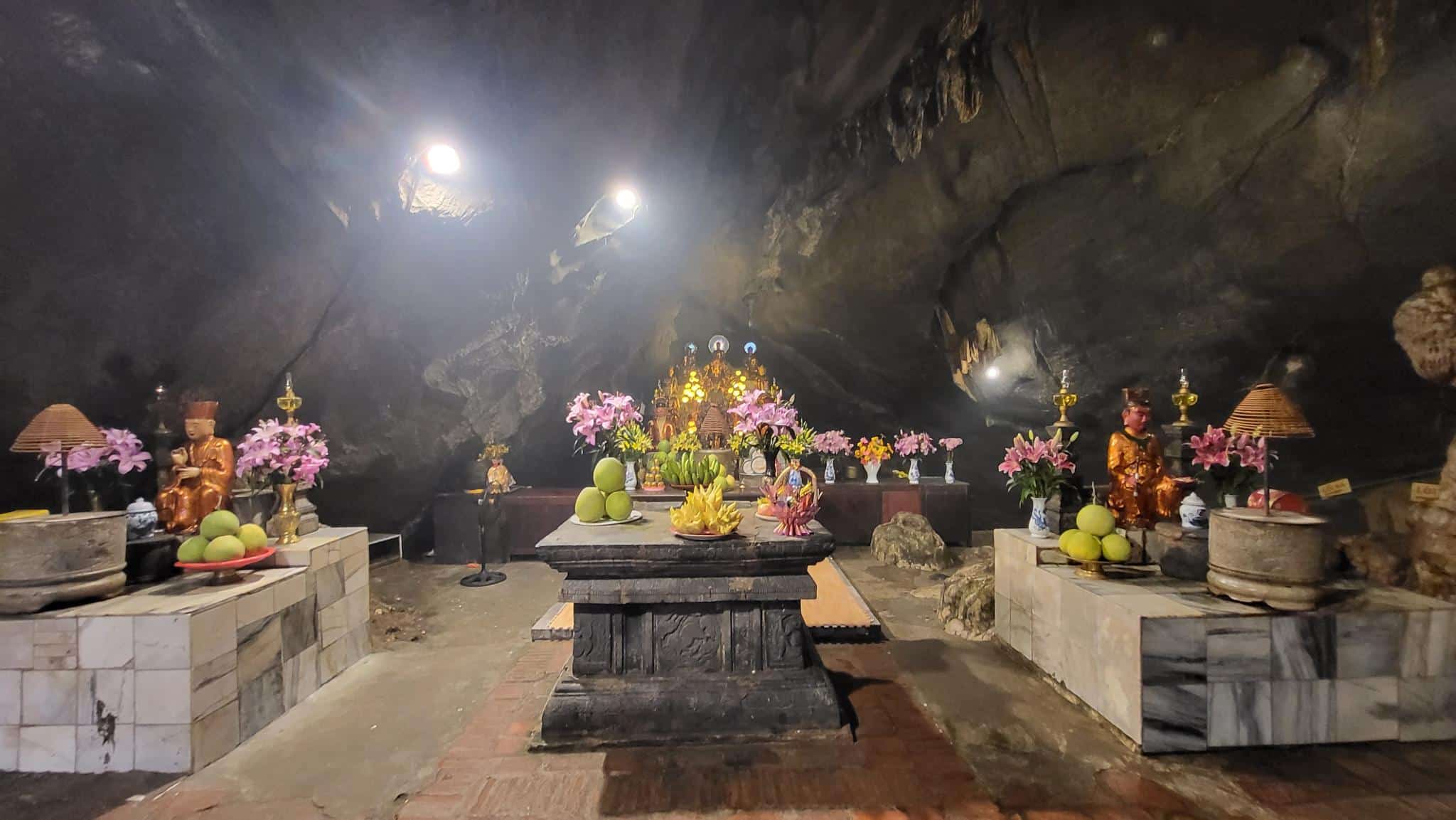
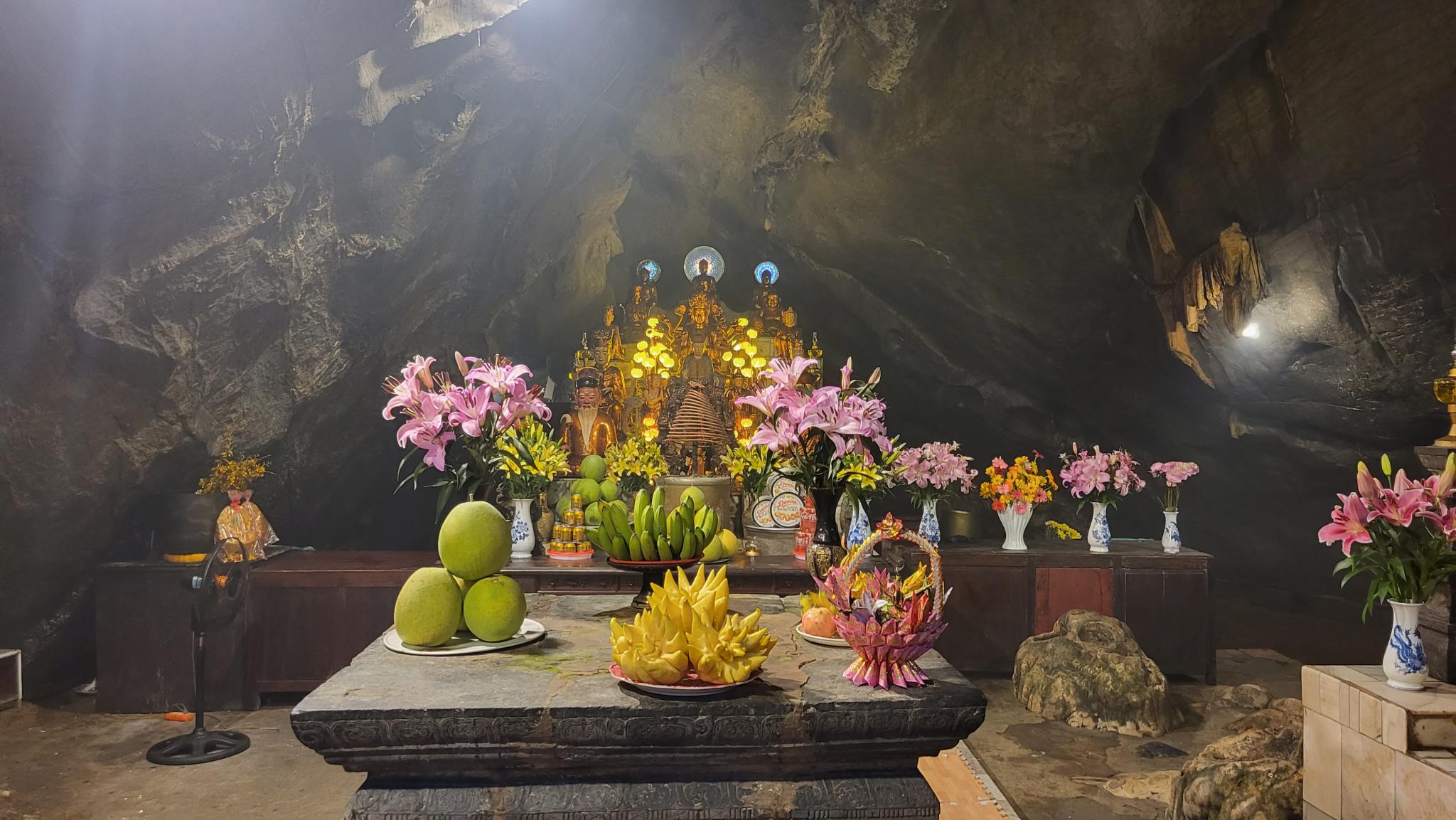
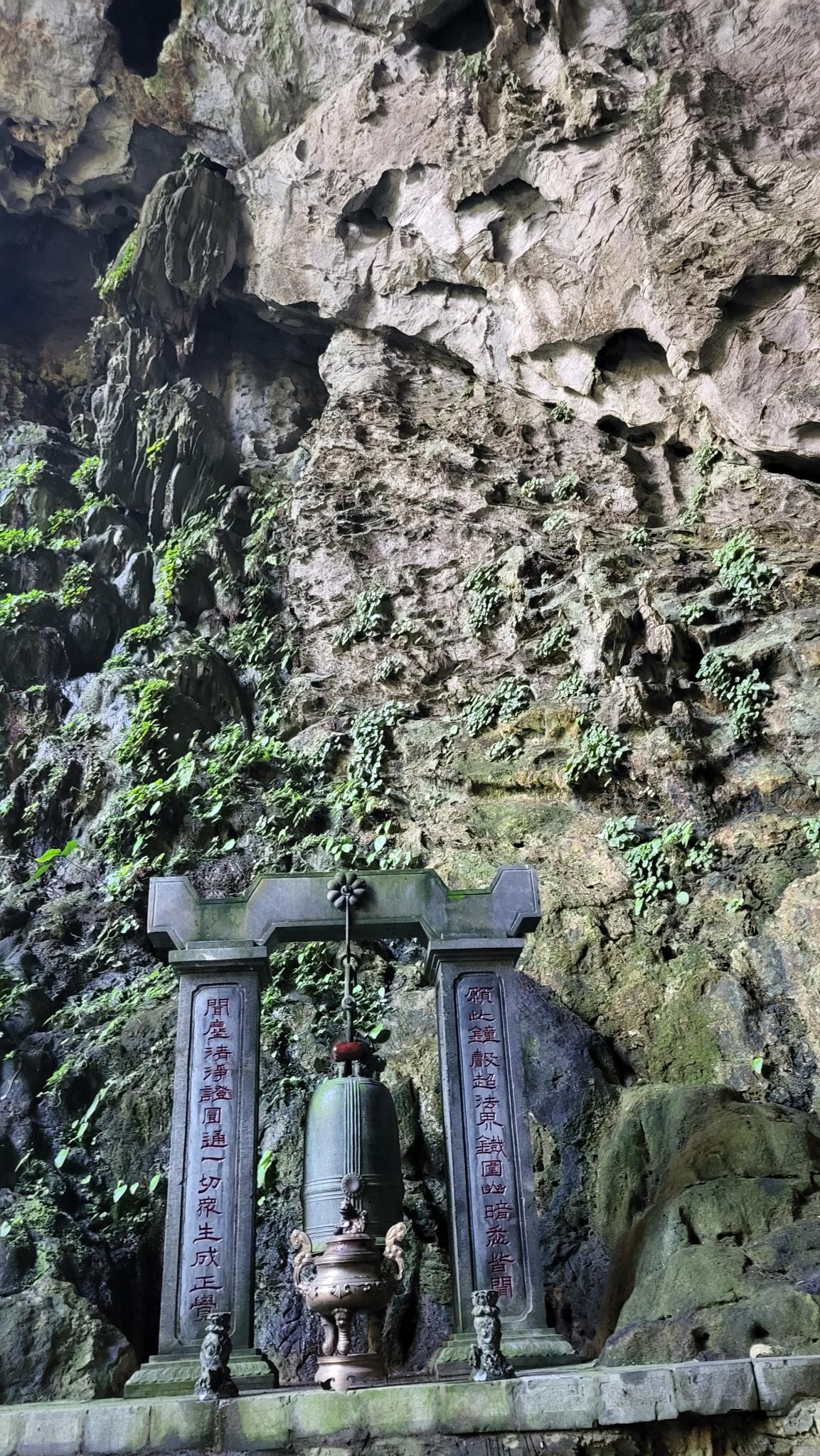
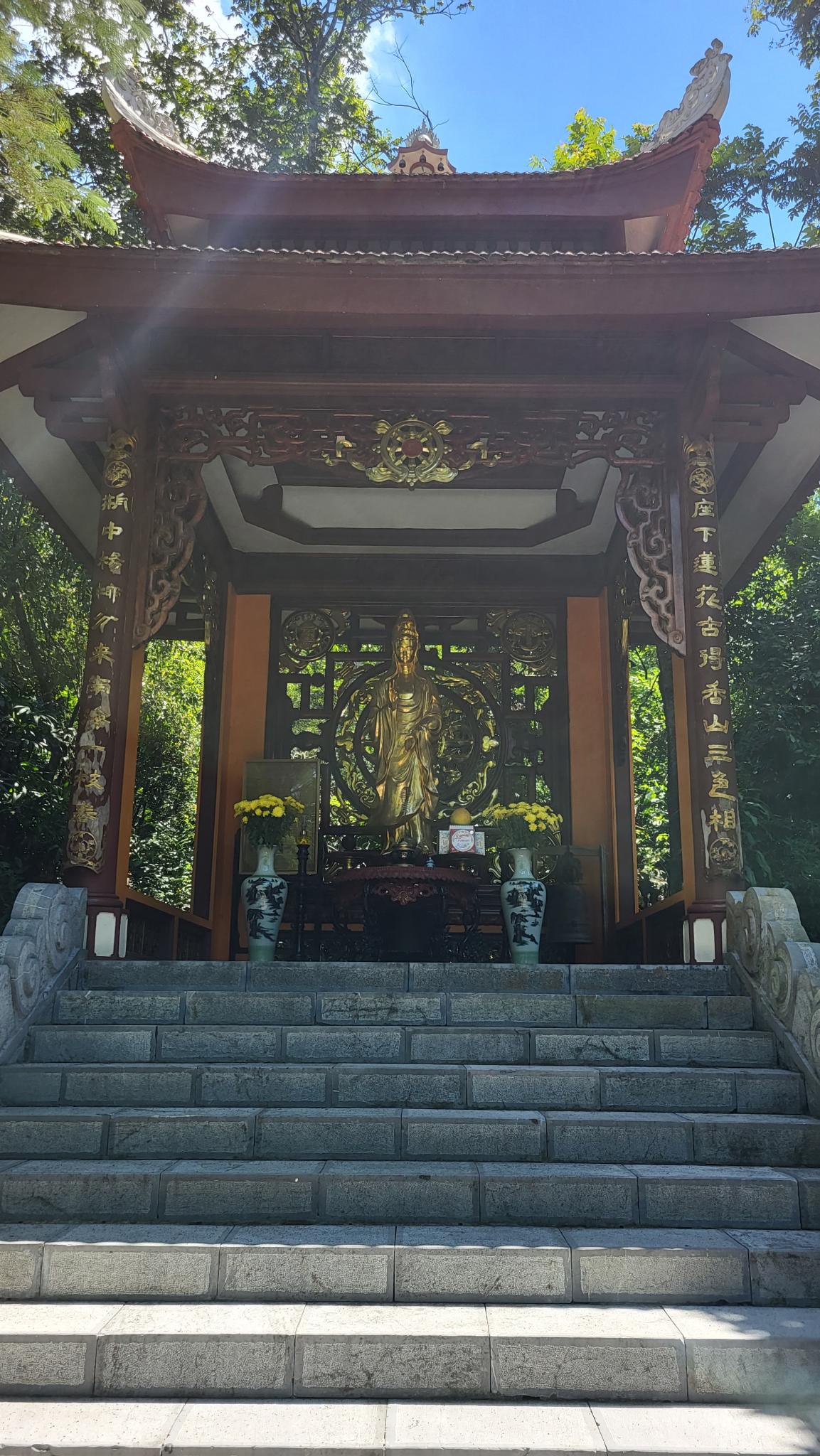
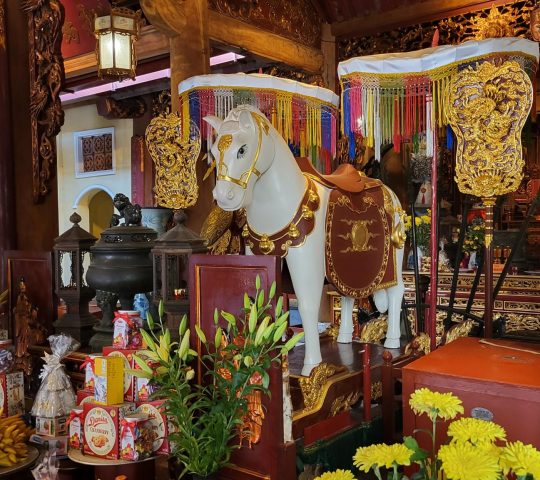
- Architectural Features: Visitors can explore various structures within the Perfume Pagoda complex, including the Huong Tich Cave, Thien Tru Pagoda, Tuyet Son Pagoda, Giai Oan Pagoda, and other temples and shrines that feature intricate carvings, statues, altars, and religious artifacts that highlight Buddhist iconography, spiritual symbolism, and artistic expressions.
What Can You See:
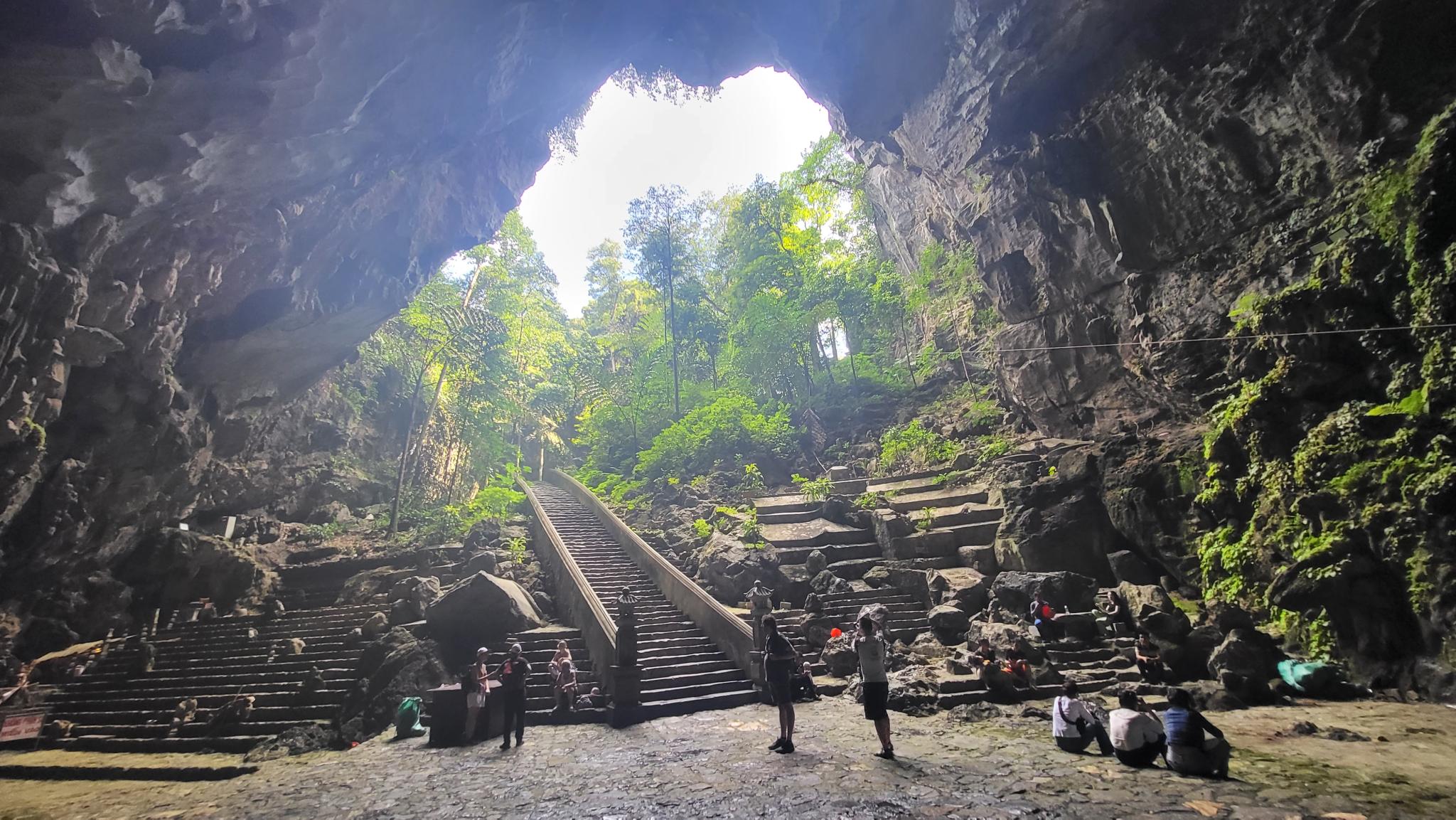
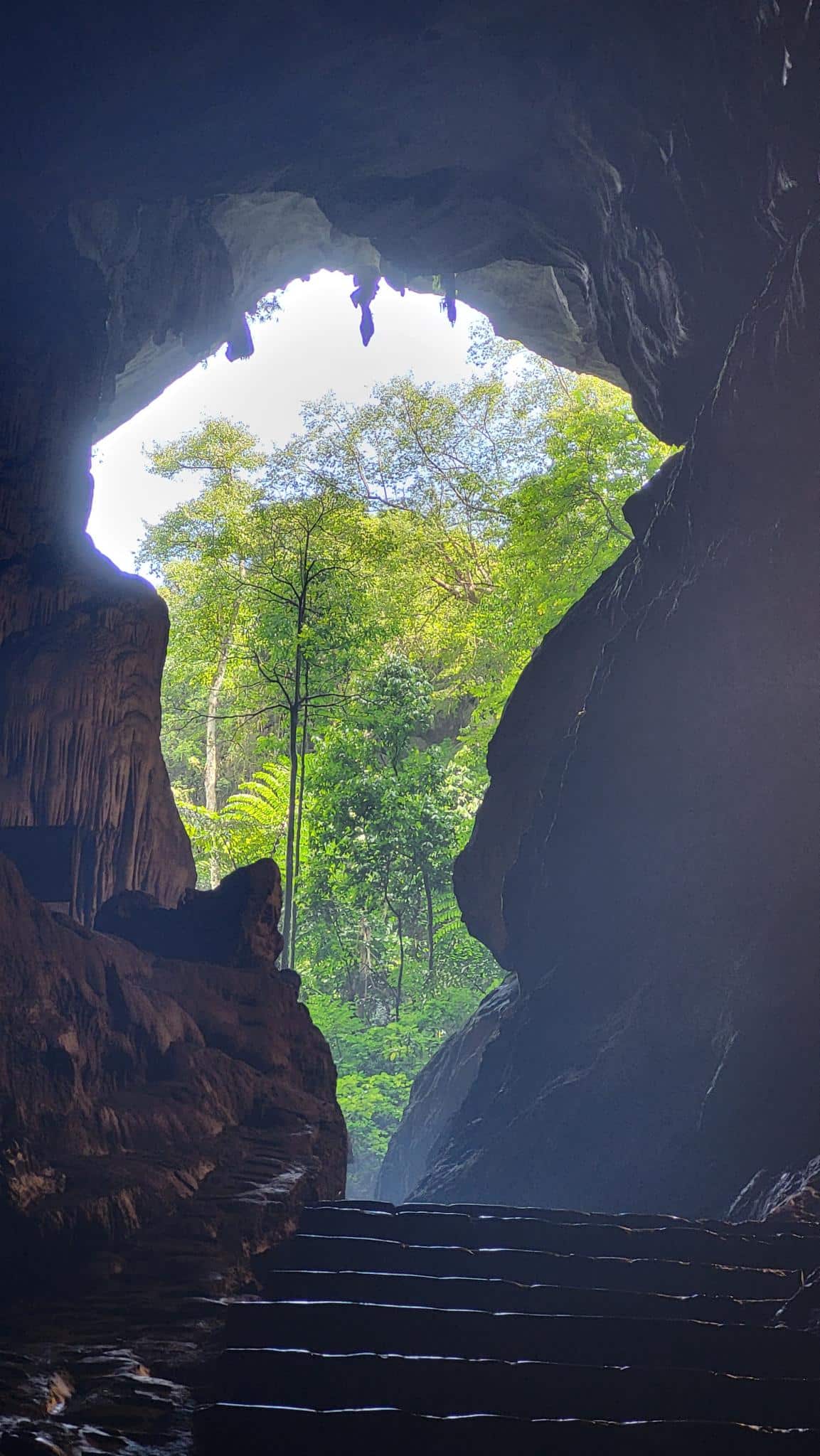
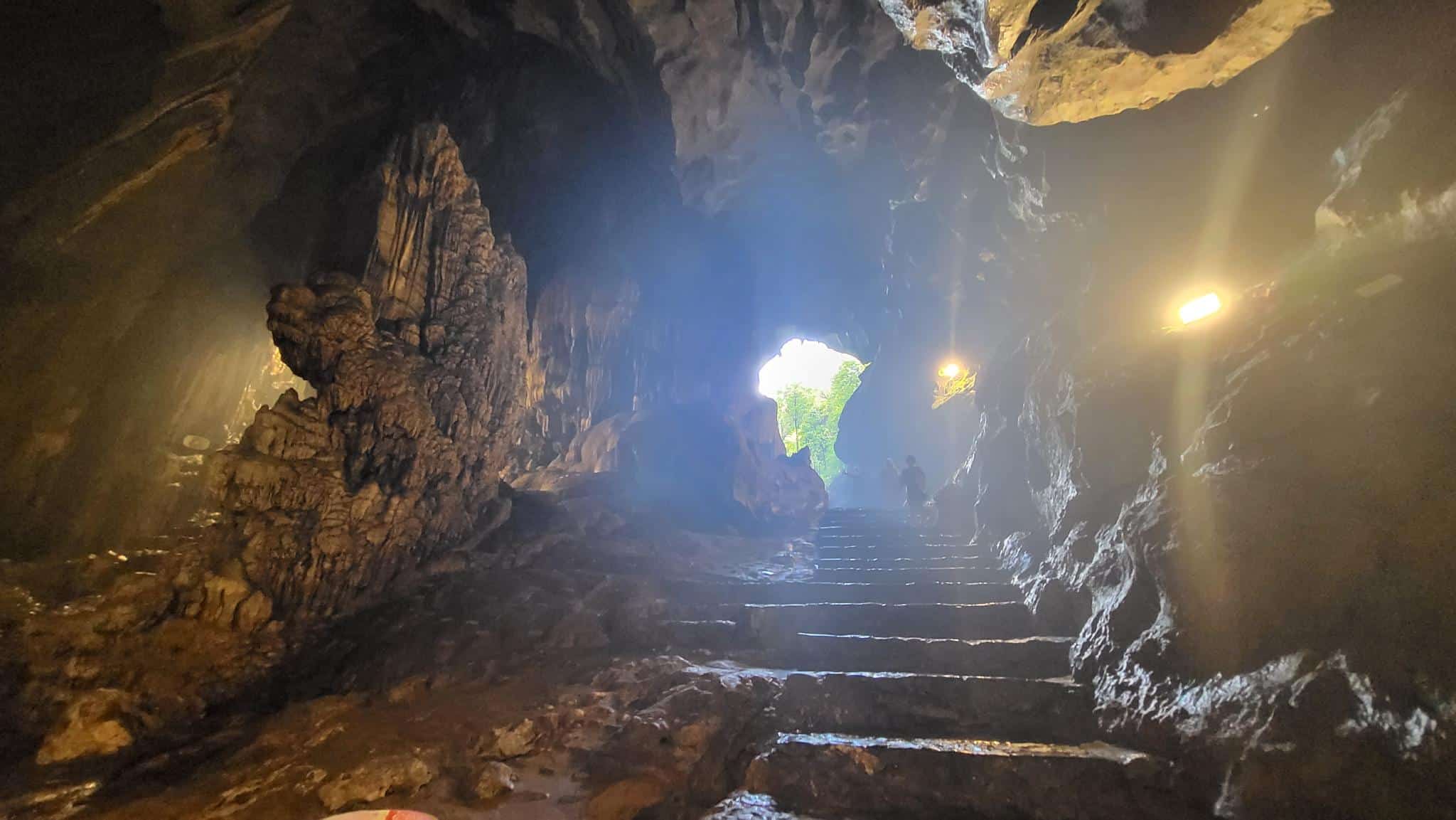
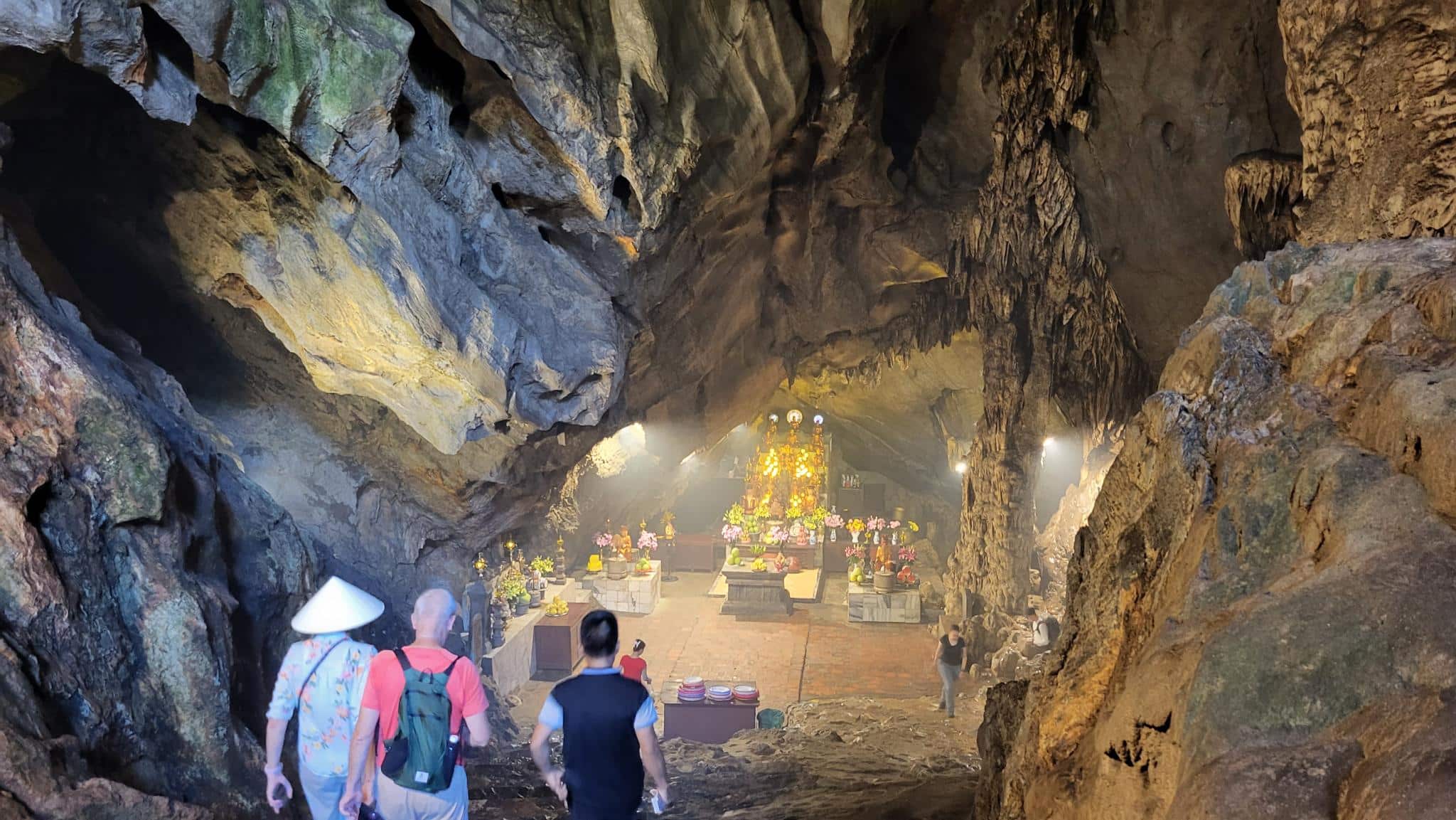
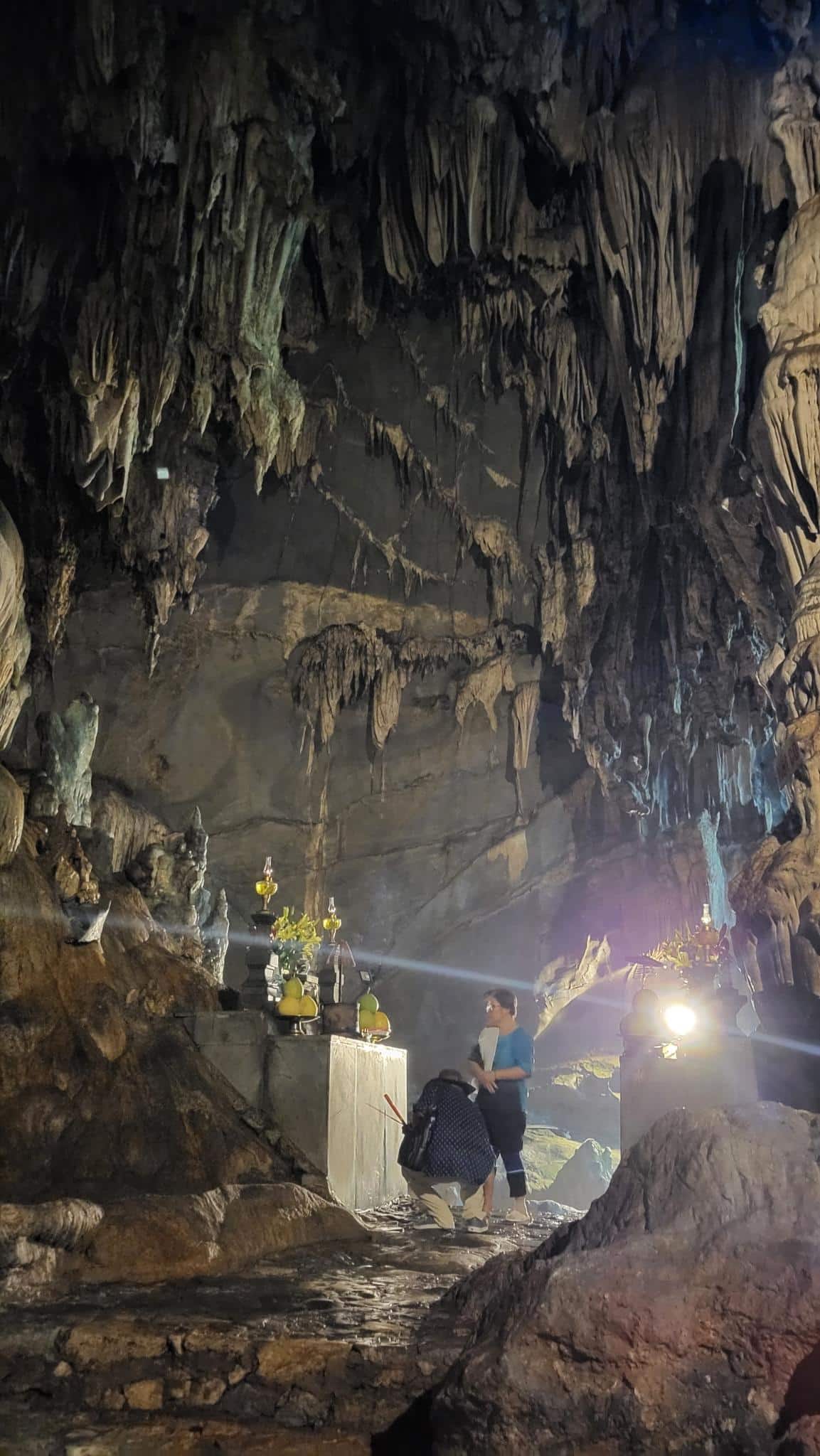
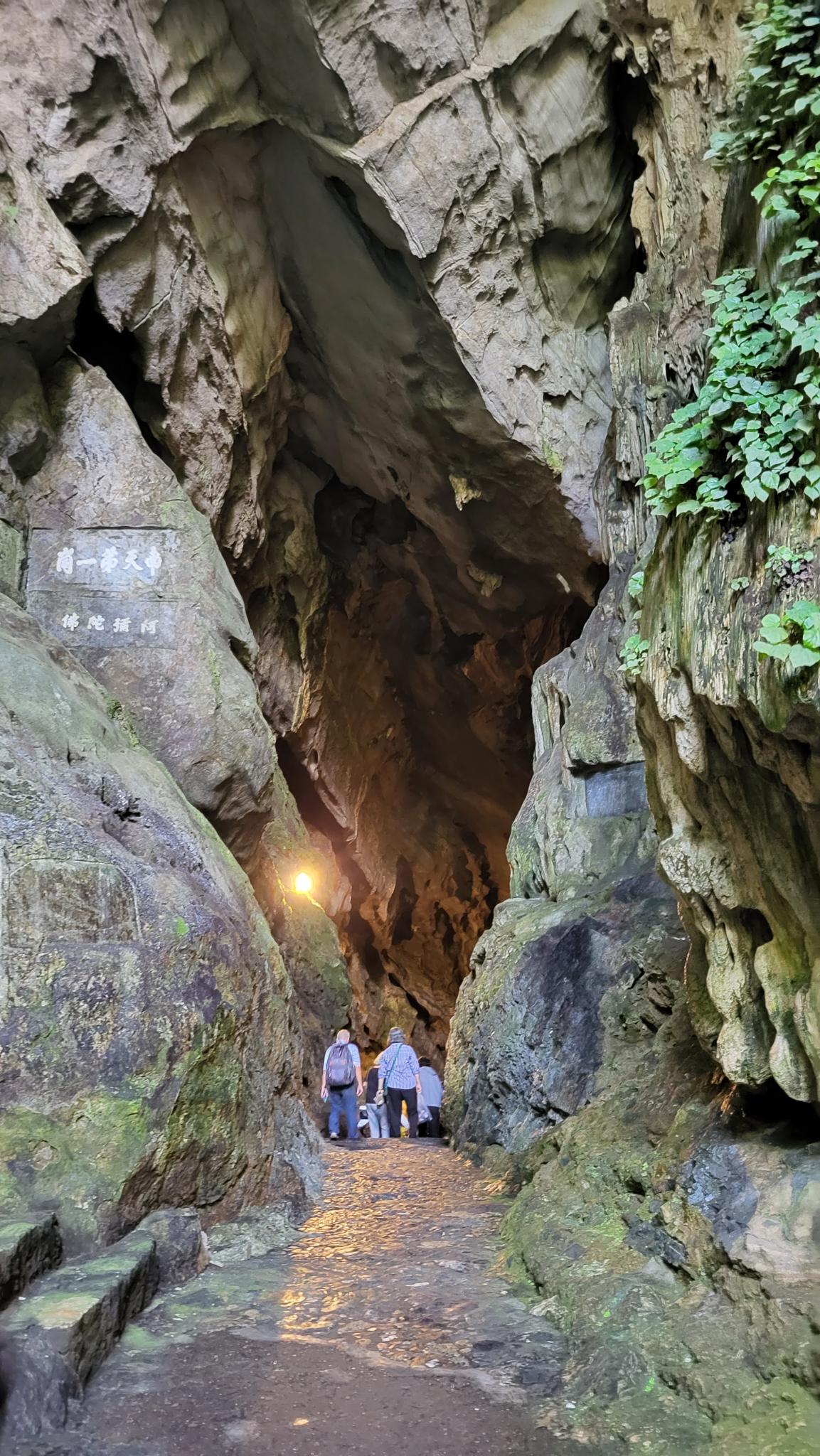
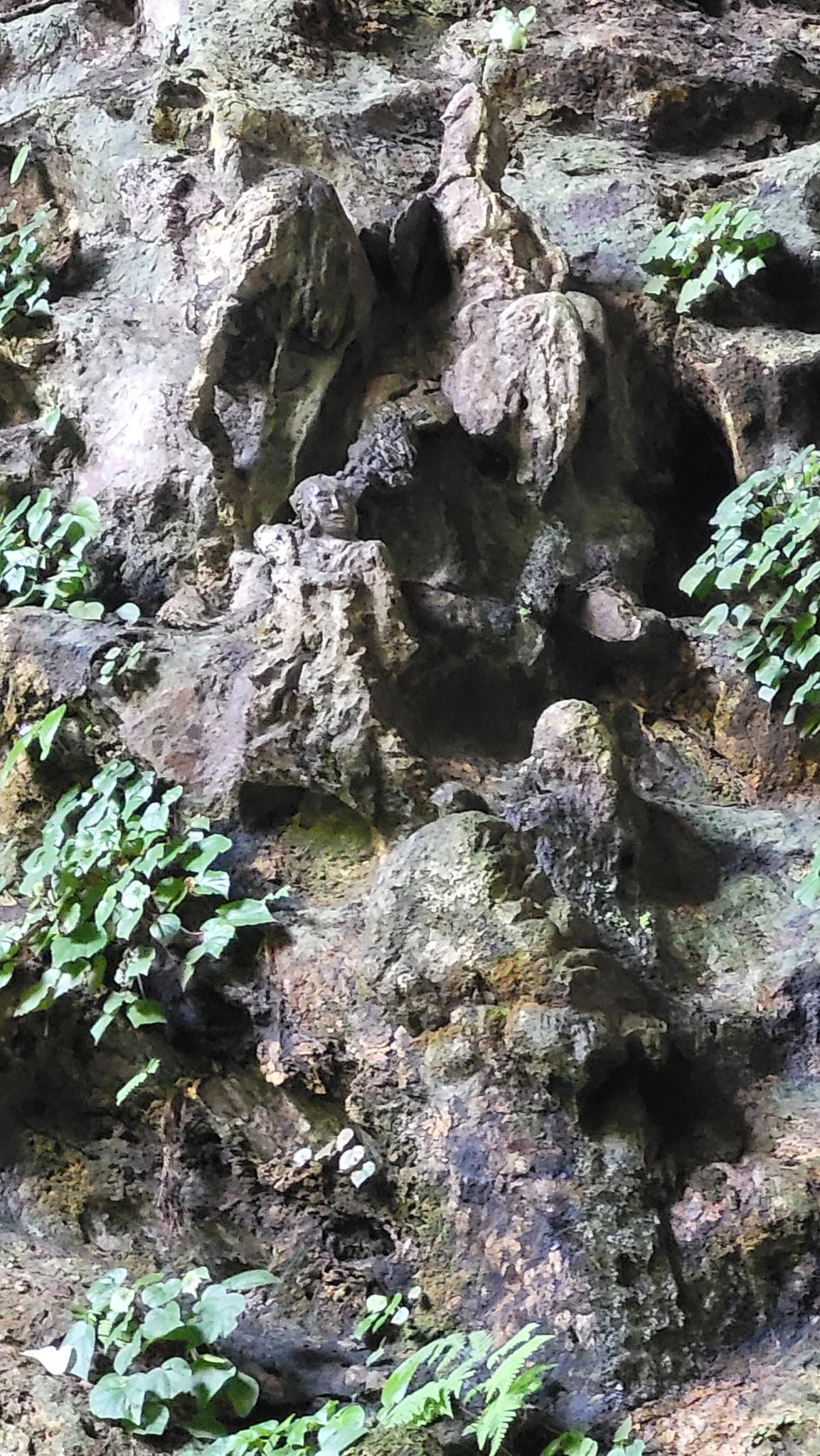
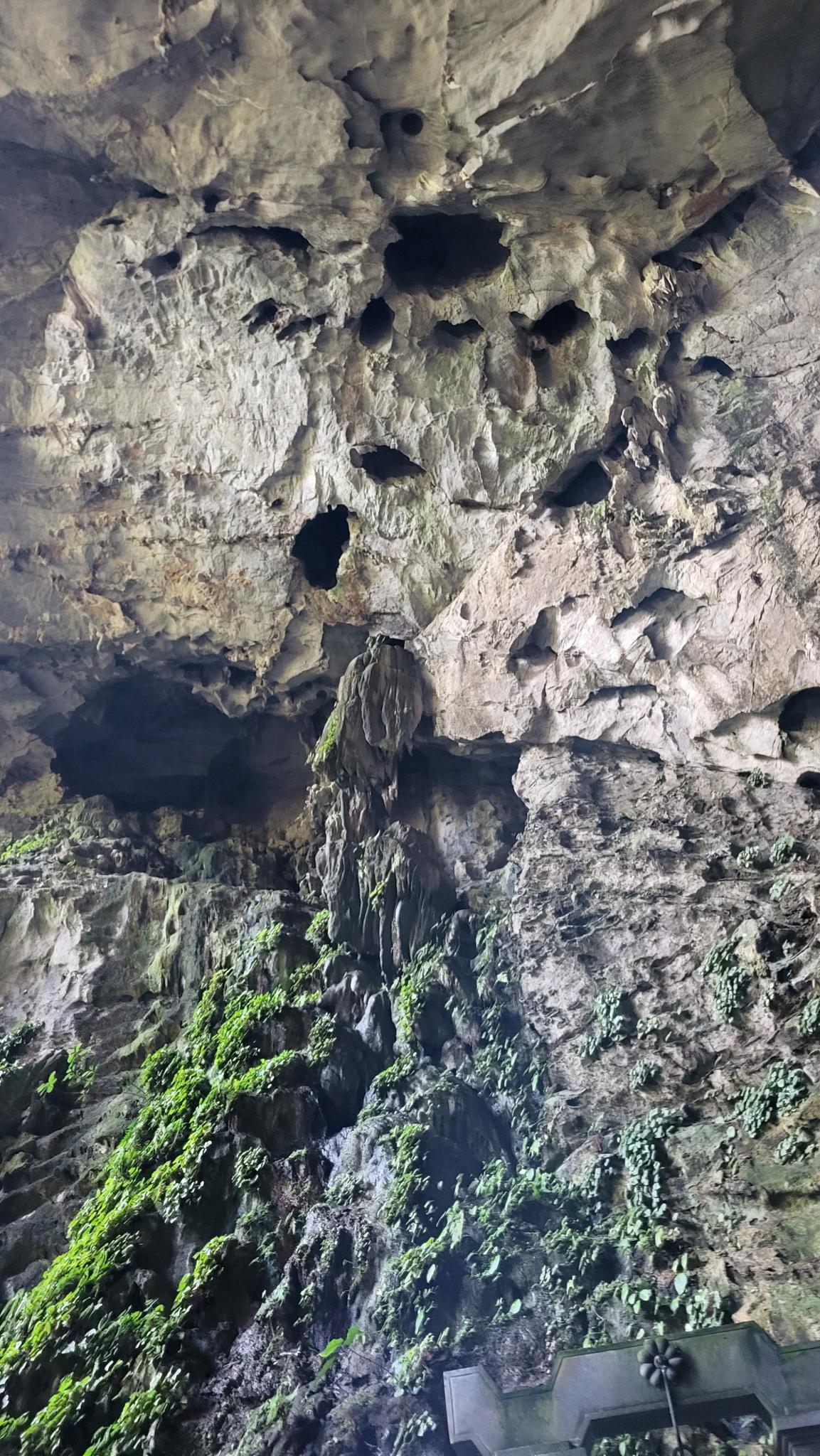
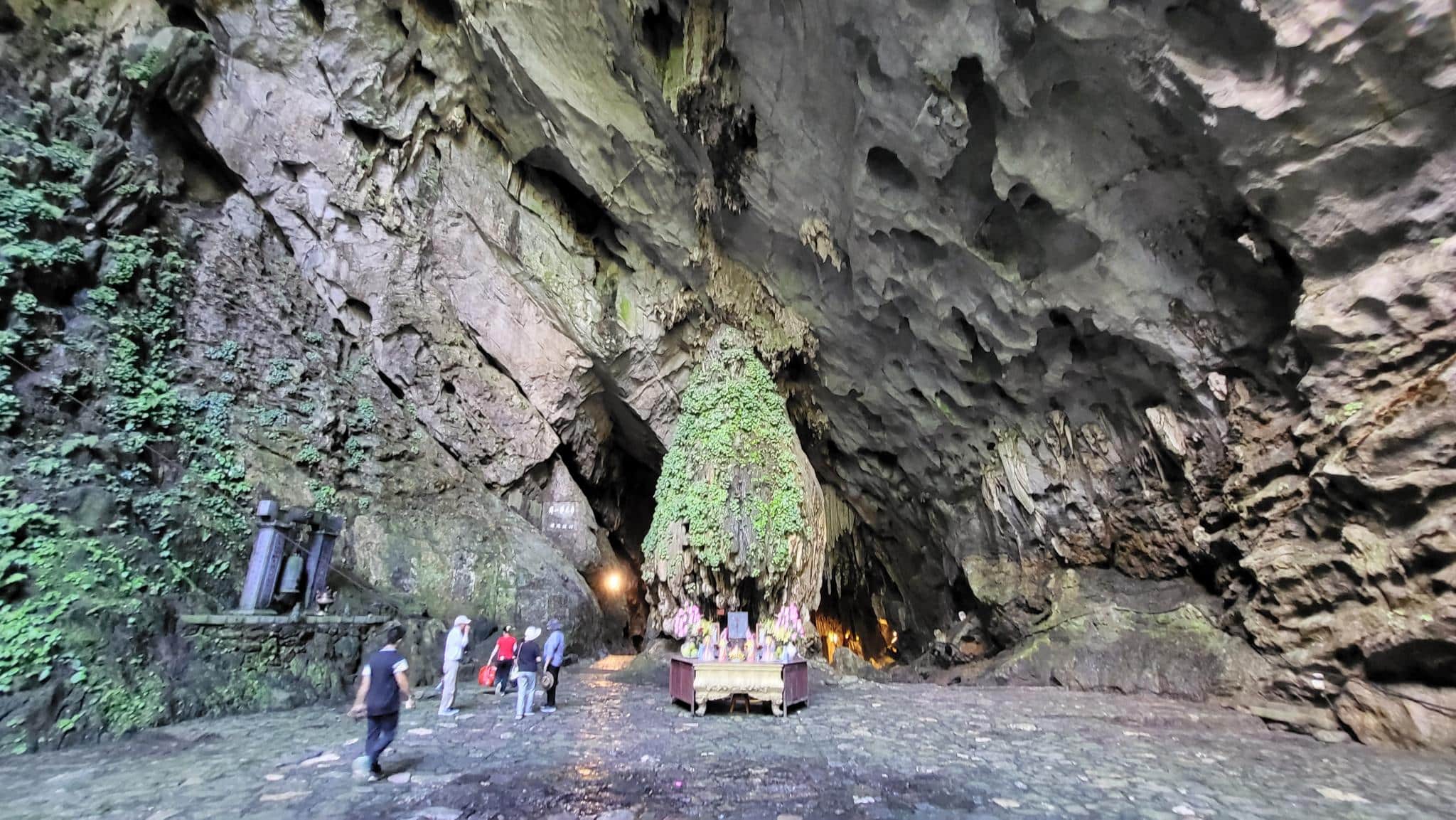
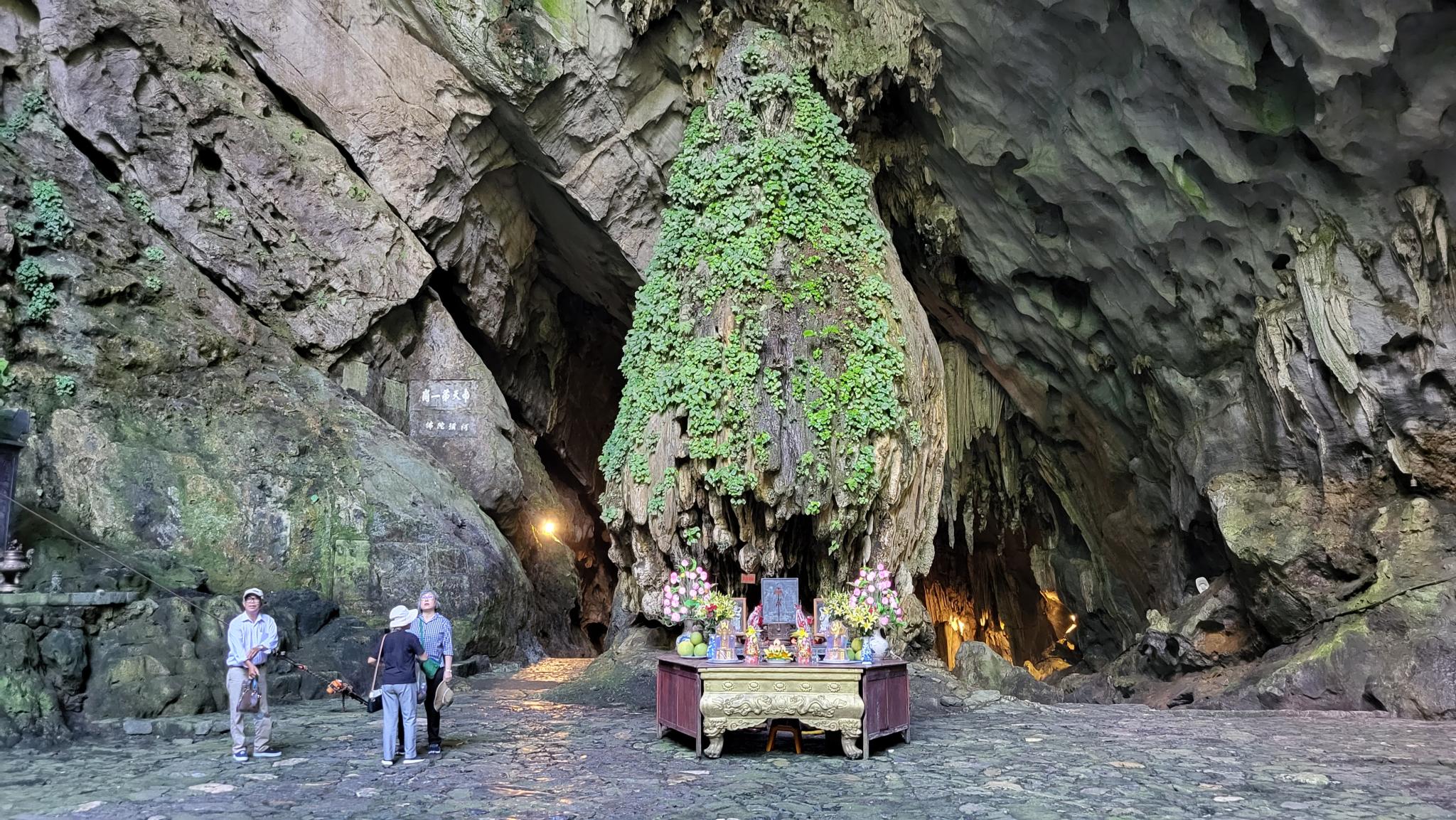
- Huong Tich Cave: The Huong Tich Cave is a significant attraction within the Perfume Pagoda complex, featuring natural stalactites, stalagmites, and rock formations that resemble mythical creatures, Buddhist deities, and religious symbols associated with Vietnamese folklore, spiritual beliefs, and cultural traditions.
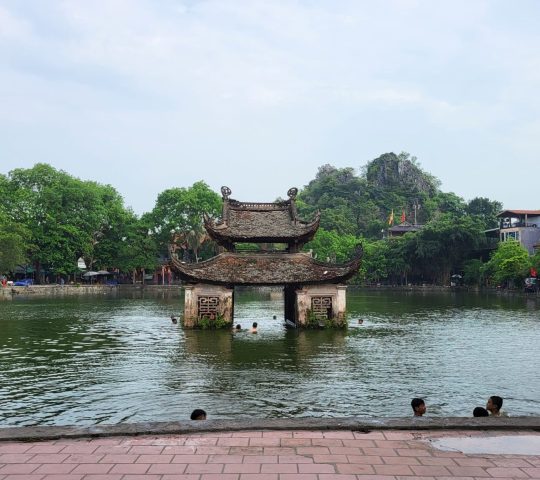
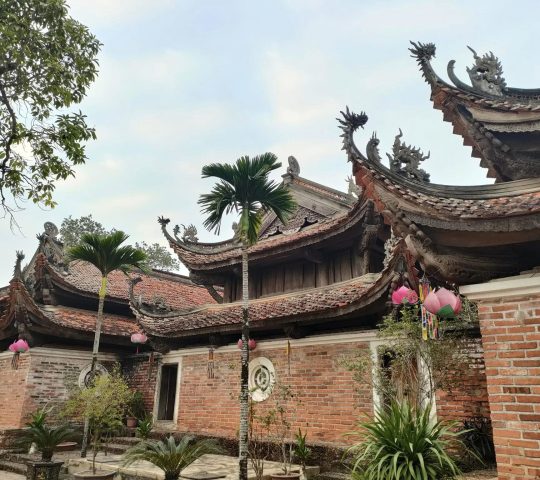
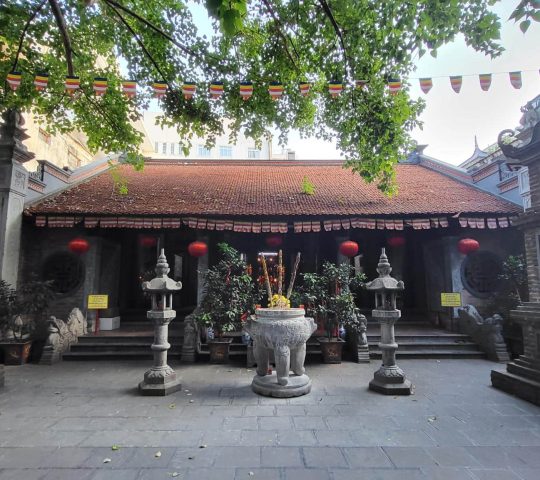
- Thien Tru Pagoda: Thien Tru Pagoda is one of the oldest and most revered structures within the Perfume Pagoda complex, featuring traditional Vietnamese architecture, decorative motifs, and religious artifacts that reflect the pagoda’s historical significance, cultural heritage, and architectural elegance.
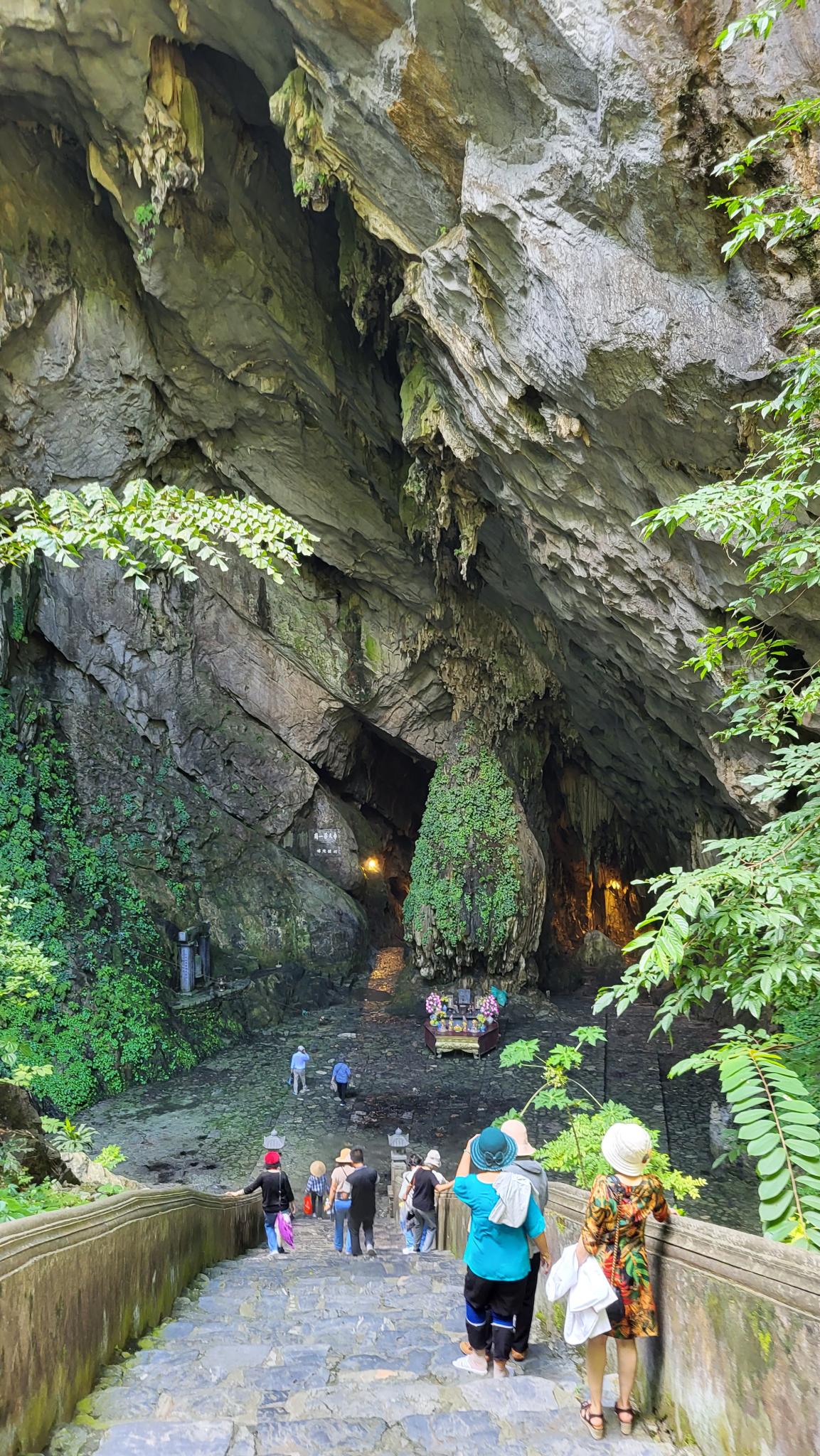
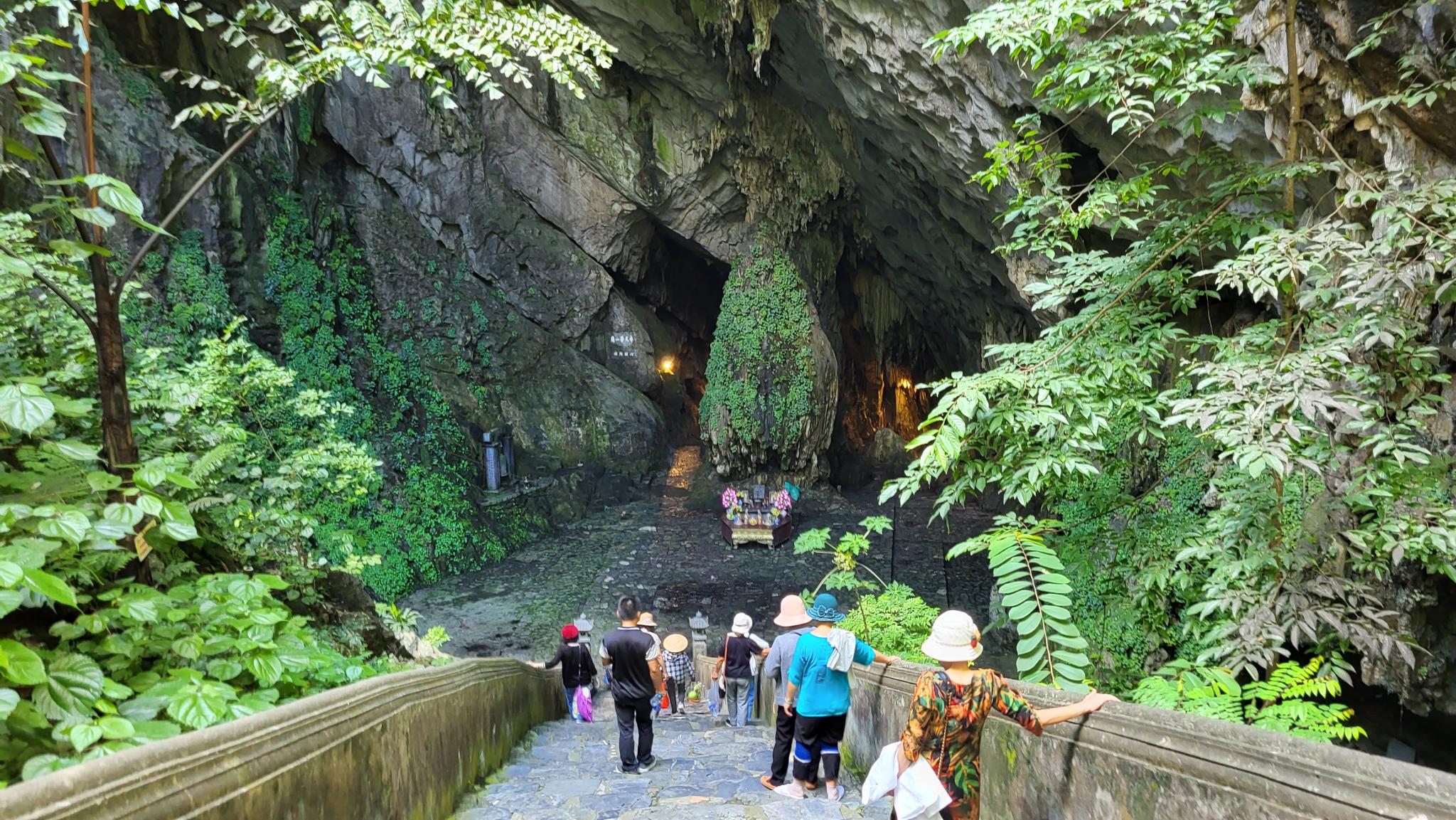
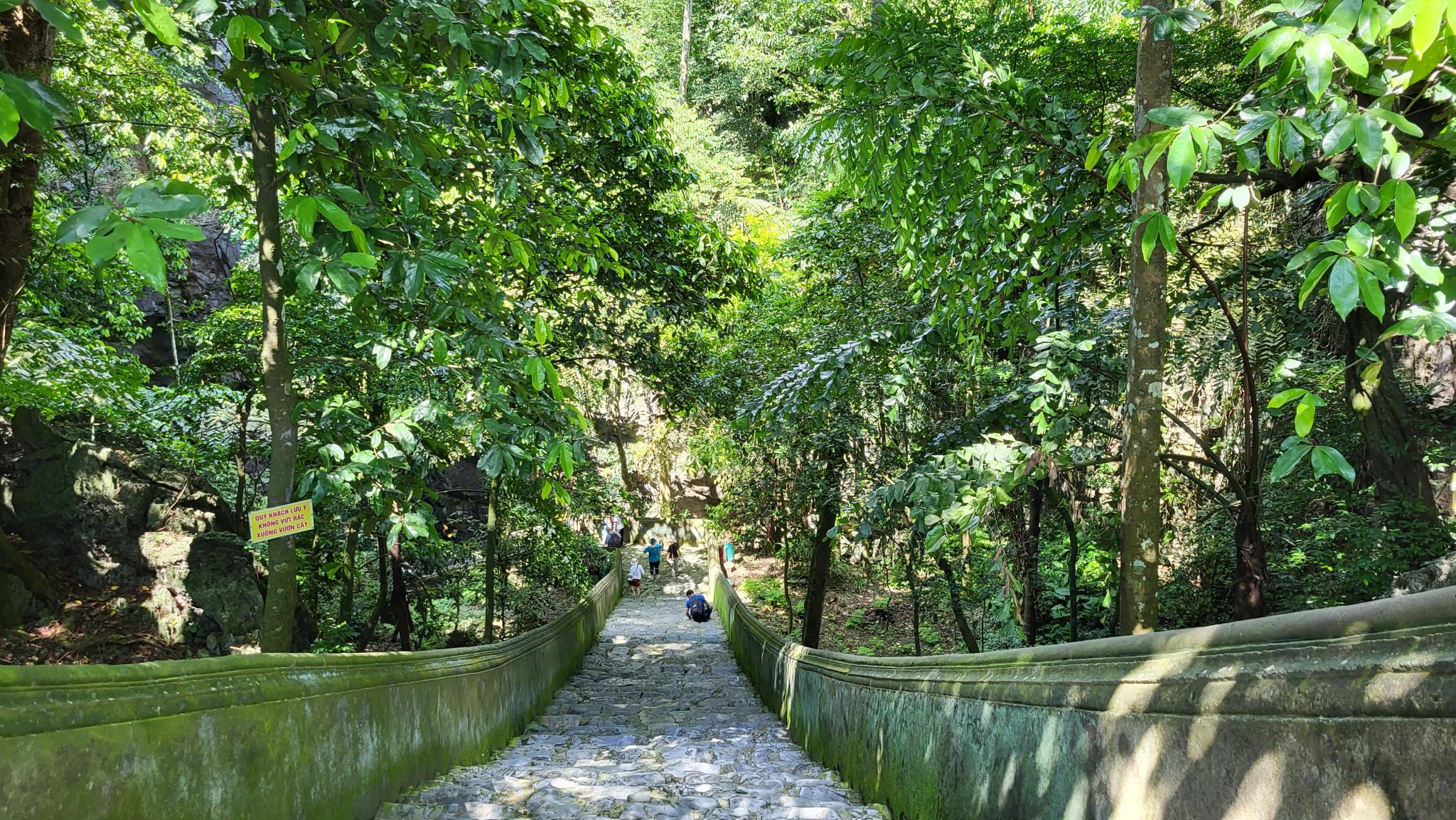
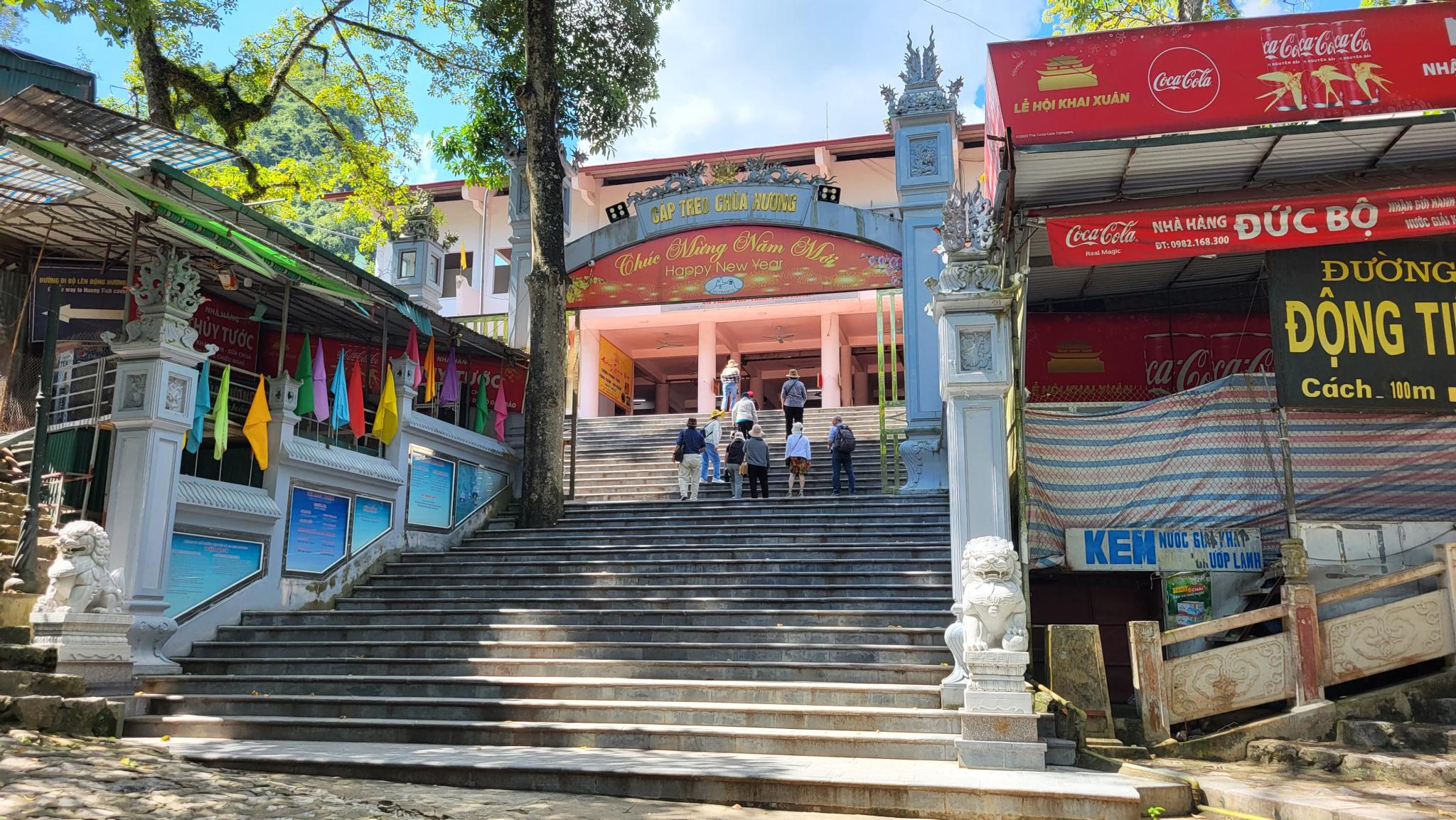
- Pilgrimage Routes: Visitors can follow various pilgrimage routes, walking paths, and stairways that lead to different temples, shrines, and scenic viewpoints within the Perfume Pagoda complex, offering opportunities to explore the site’s natural beauty, cultural significance, and spiritual essence through guided tours, interpretive signage, and immersive experiences that enhance understanding and appreciation of this iconic religious and cultural landmark in Vietnam.
In summary, the Perfume Pagoda (Chùa Hương) near Hanoi is a significant religious and cultural site in Vietnam, offering visitors a unique opportunity to explore ancient temples, sacred caves, and scenic landscapes that reflect the country’s rich history, spiritual traditions, and cultural heritage. Whether participating in religious ceremonies, exploring architectural wonders, or enjoying natural beauty, visitors to the Perfume Pagoda can experience a profound sense of reverence, tranquility, and connection to Vietnam’s enduring legacy, religious beliefs, and cultural identity within a serene and sacred environment.