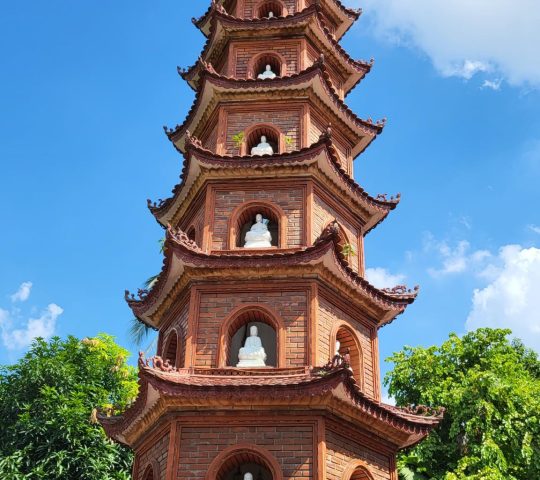
Thầy pagoda (Chùa Thầy) – Hanoi
Visiting Thầy Pagoda (Chùa Thầy) in Hanoi is a fascinating experience that combines history, culture, and nature. One of the unique aspects of the site is the presence of caves, including the intriguing Hang Cắc Cớ (Curiosity Cave). Here’s an overview of what you can see at Thầy Pagoda, with a special focus on Hang Cắc Cớ.
What You Can See at Thầy Pagoda
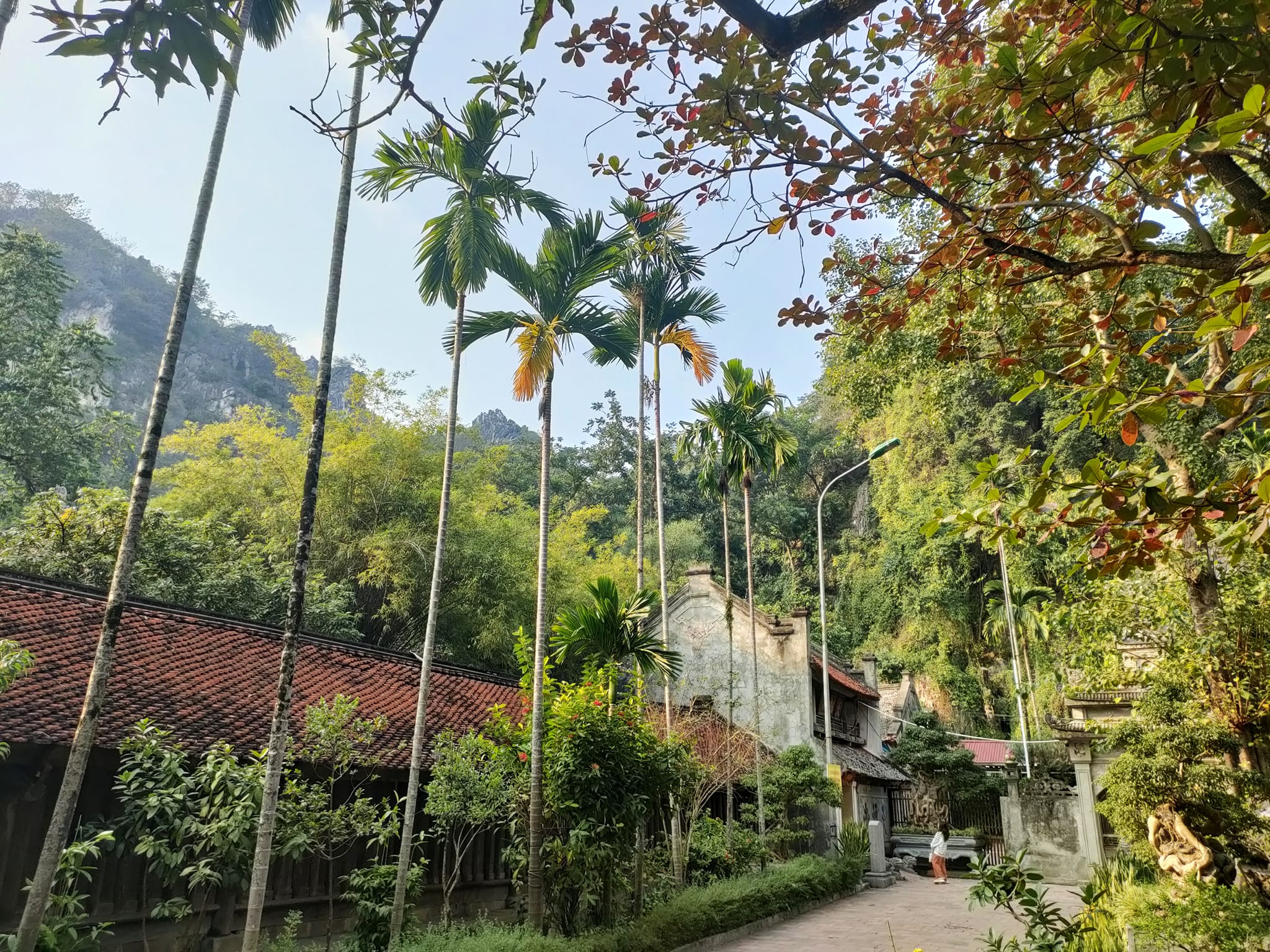
1. Thầy Pagoda Complex
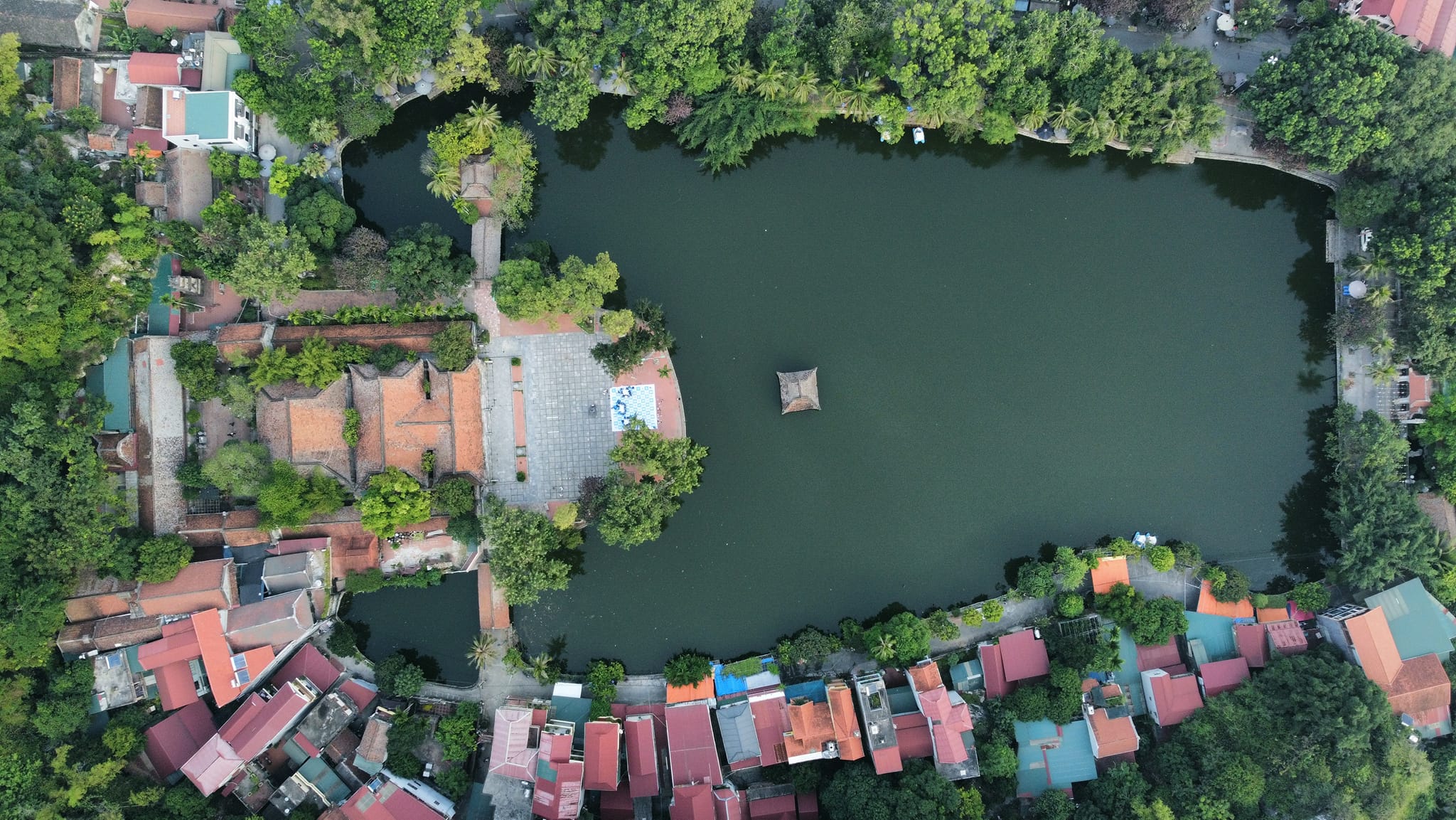
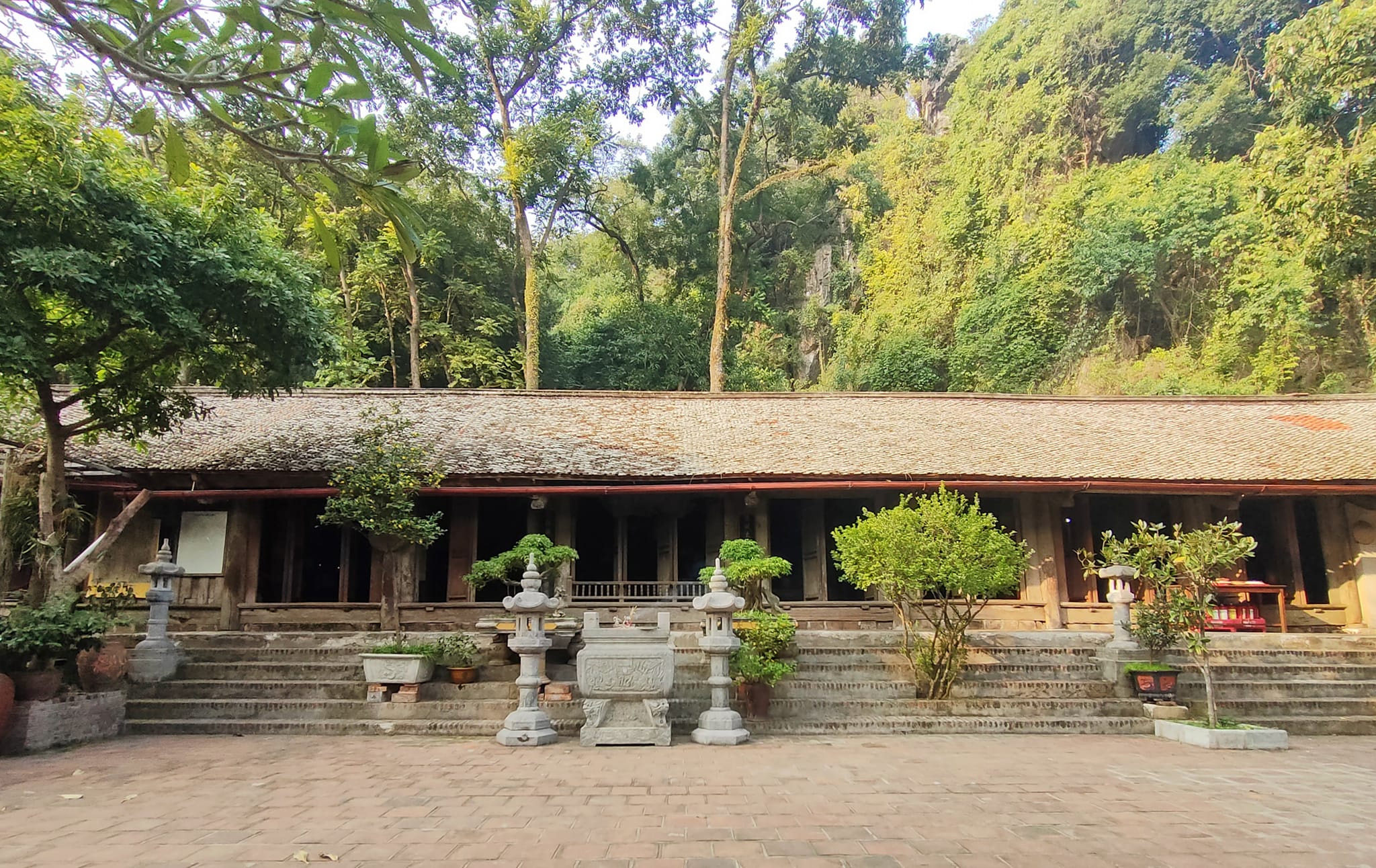
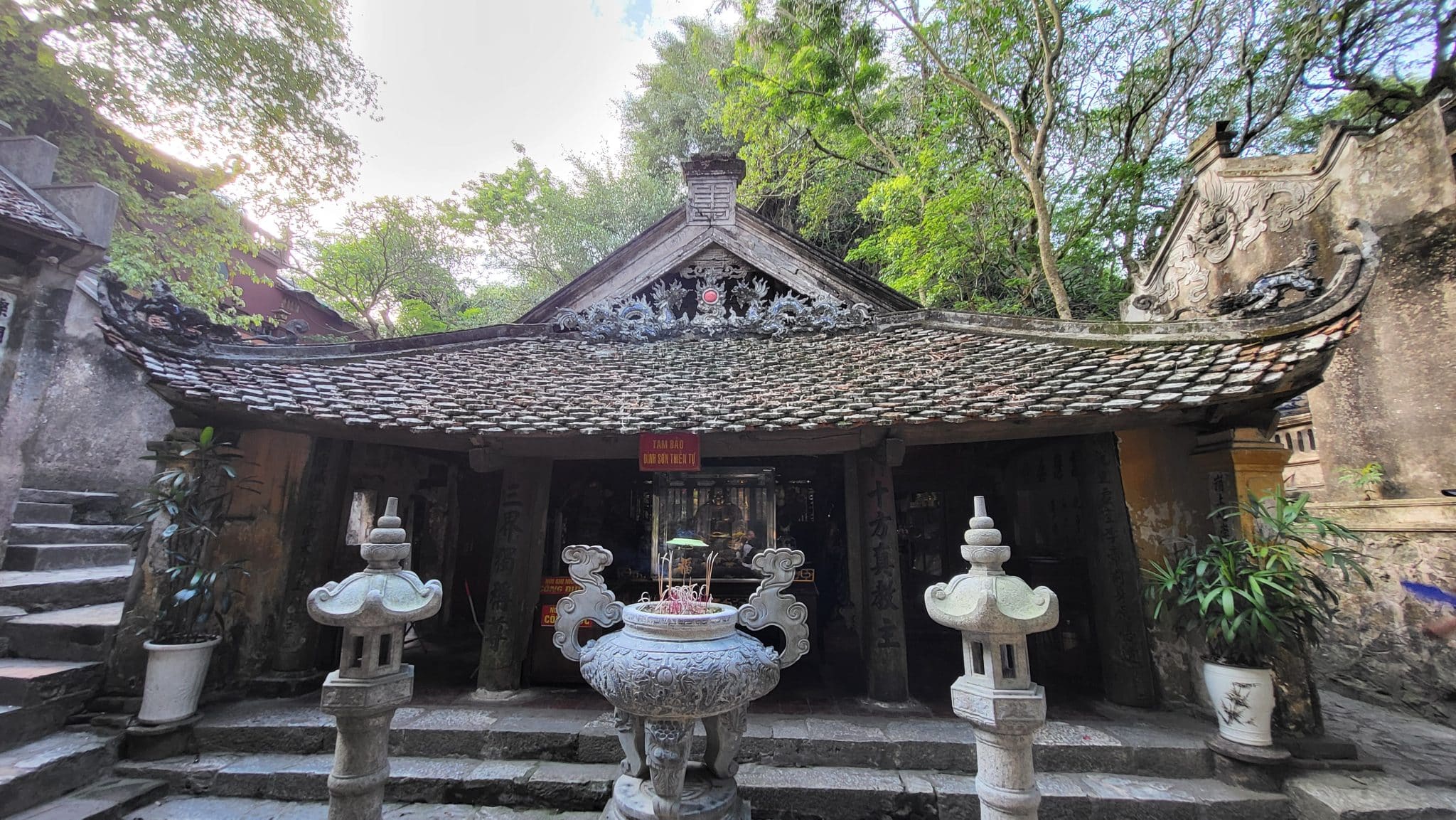
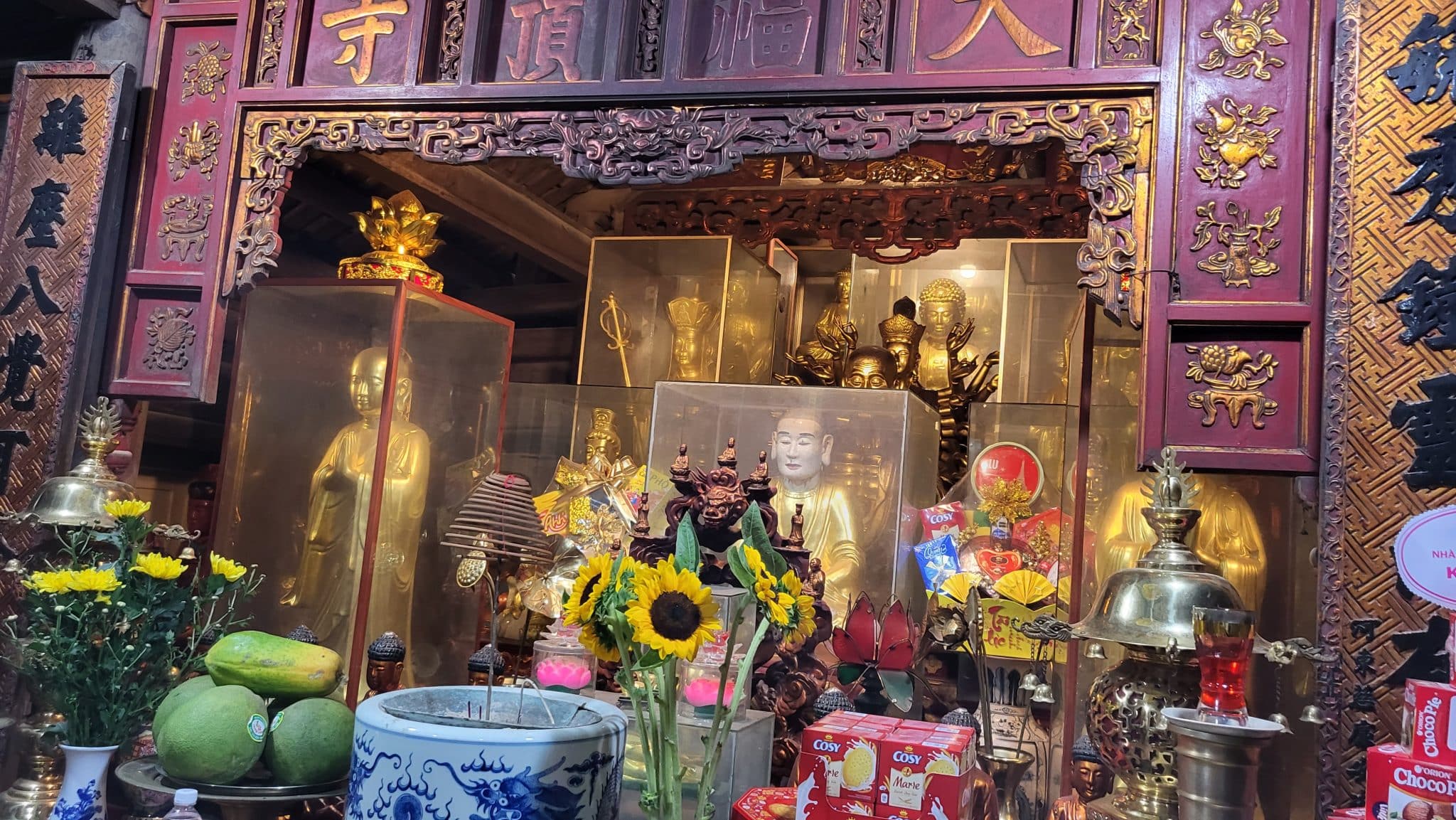
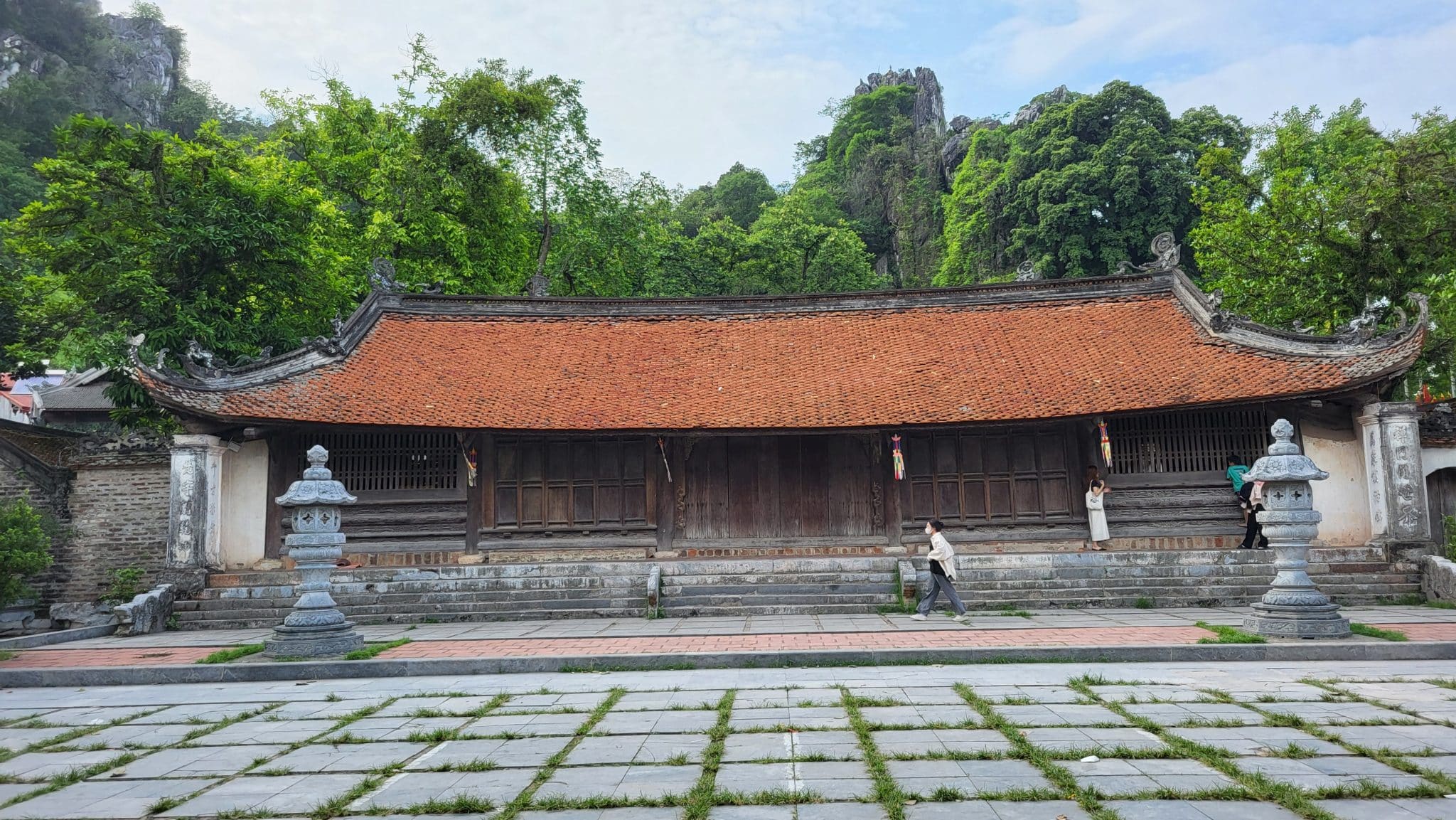
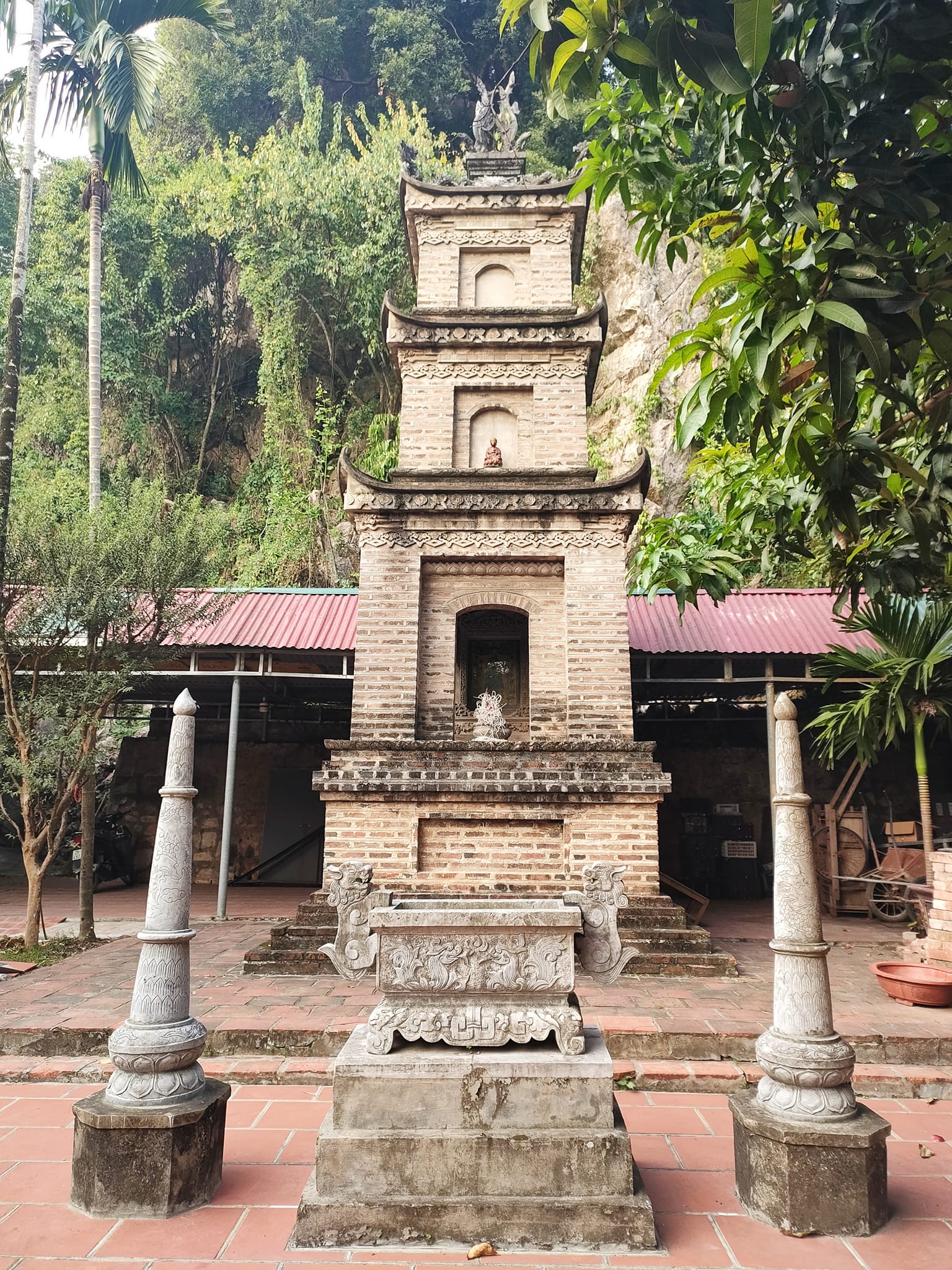
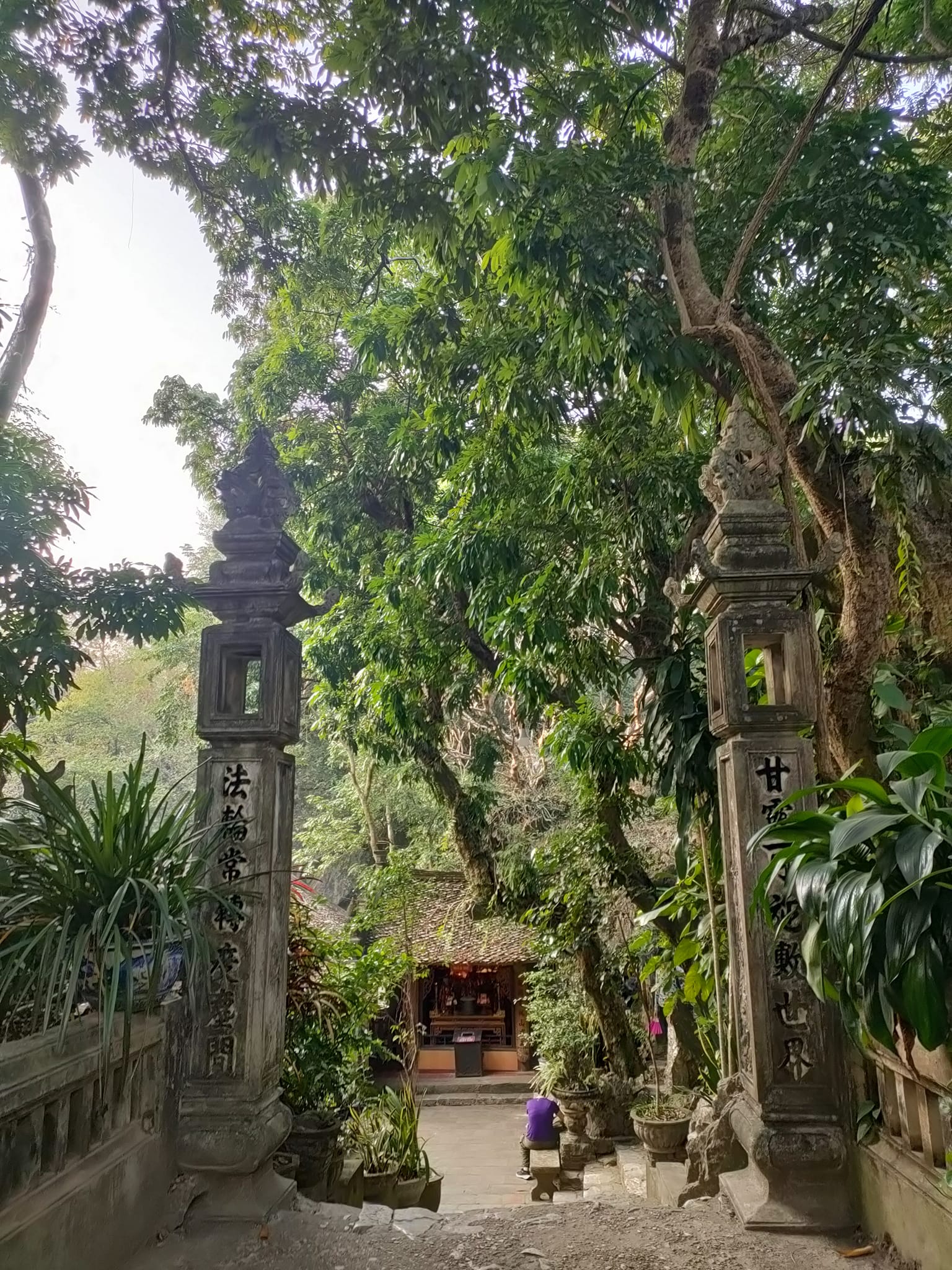
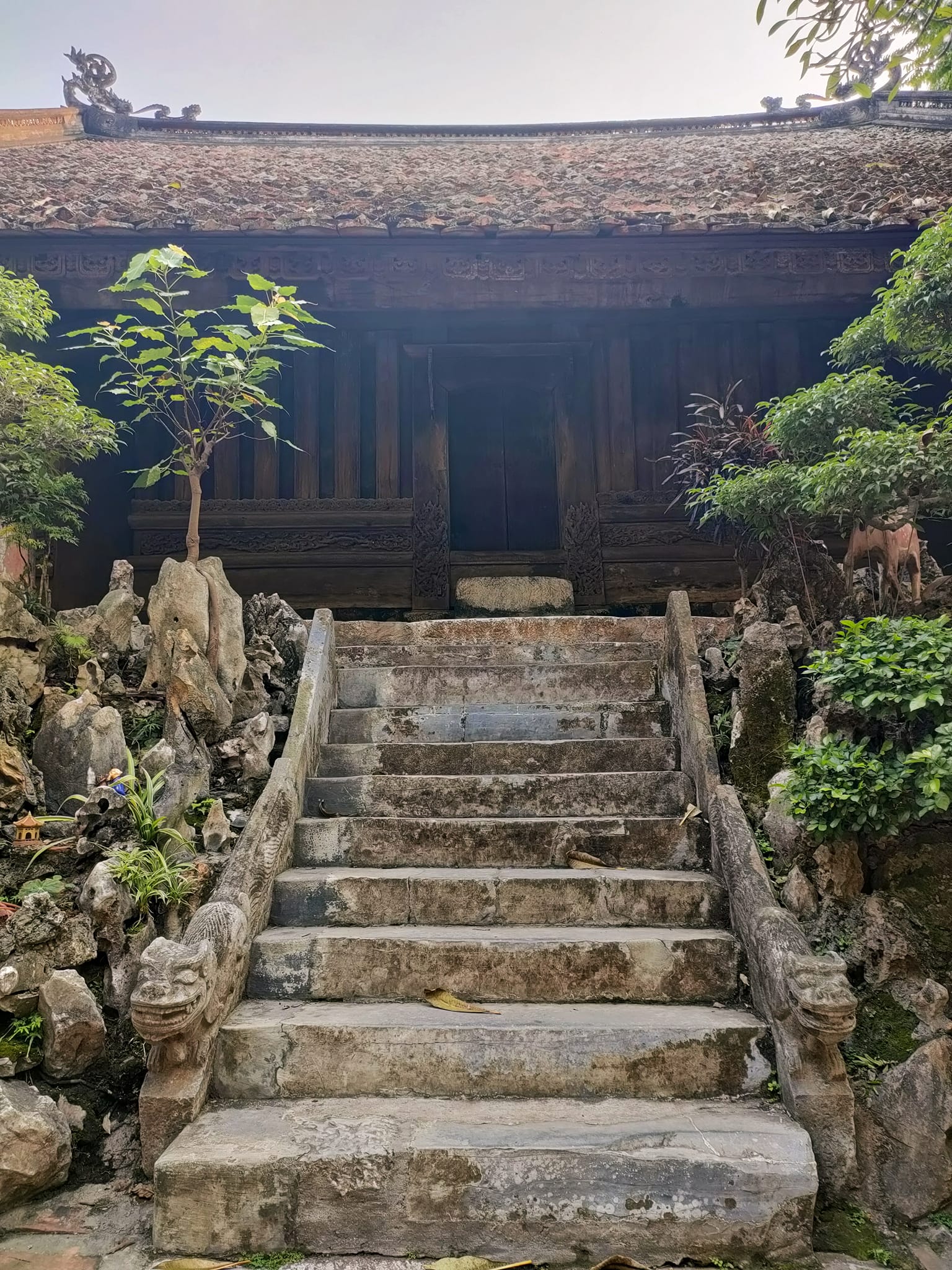
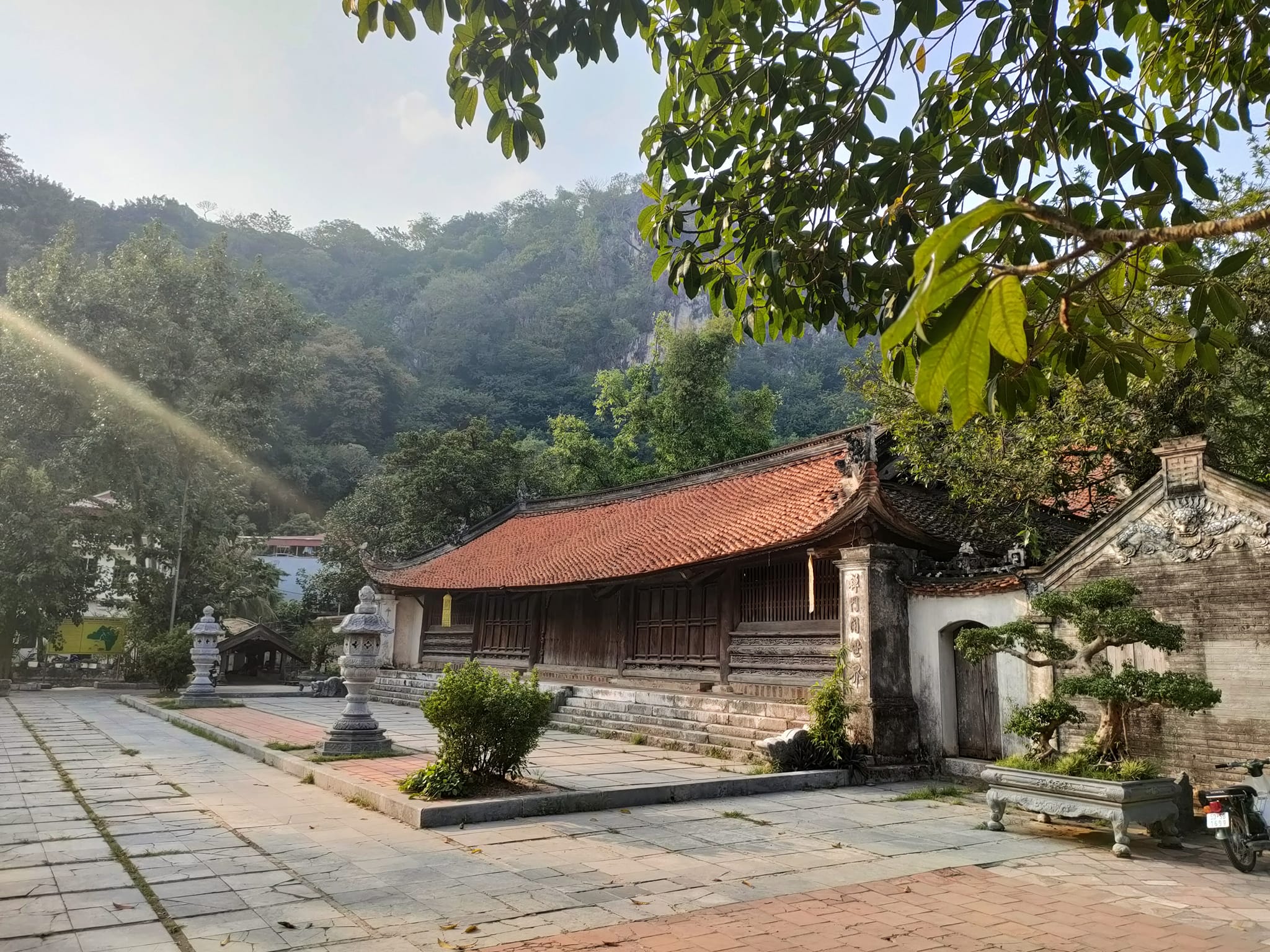
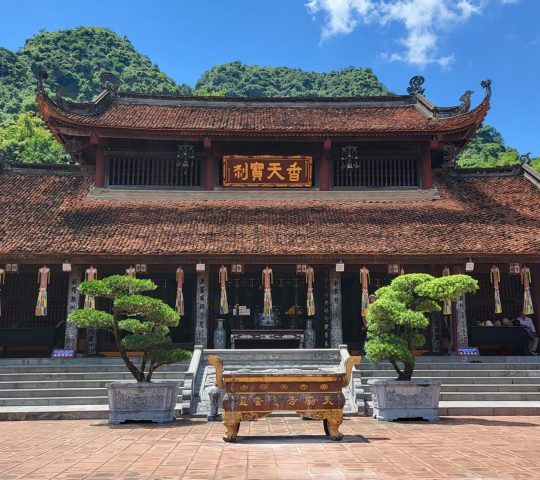
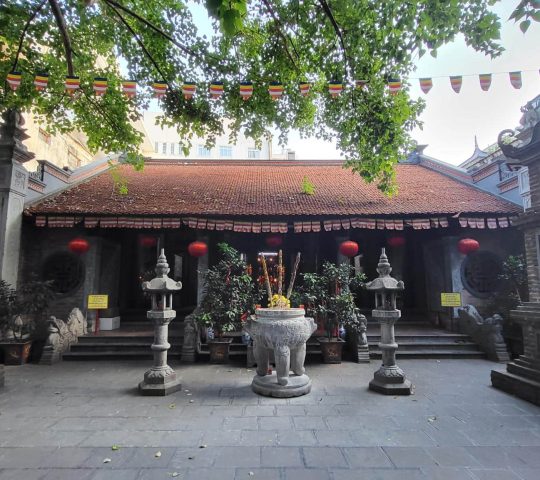
- Three Main Halls: The Lower Pagoda (Hạ), Middle Pagoda (Trung), and Upper Pagoda (Thượng) house Buddhist altars, statues, and relics associated with Zen Master Từ Đạo Hạnh, who is revered for his teachings and contributions to Vietnamese water puppetry.
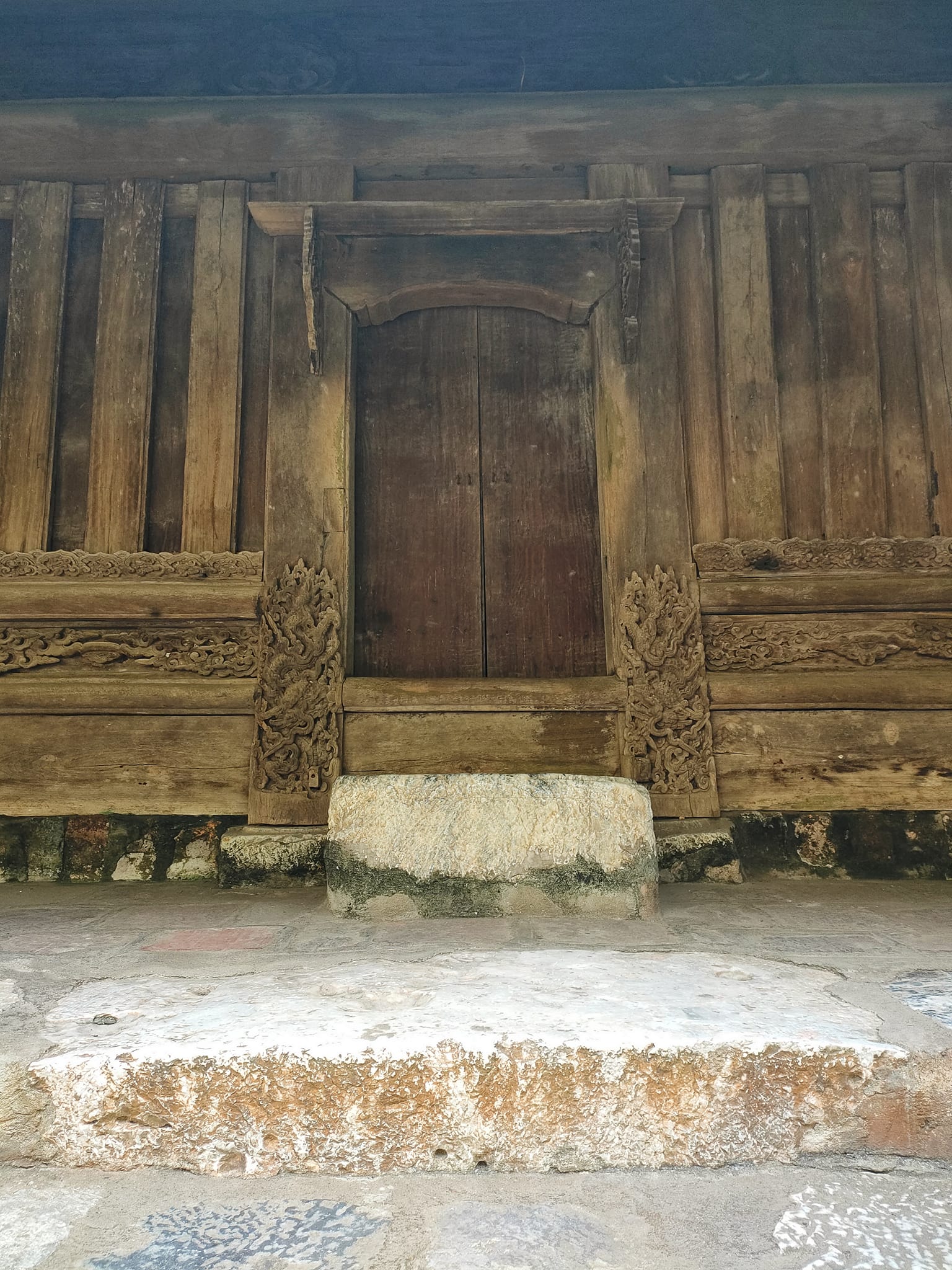
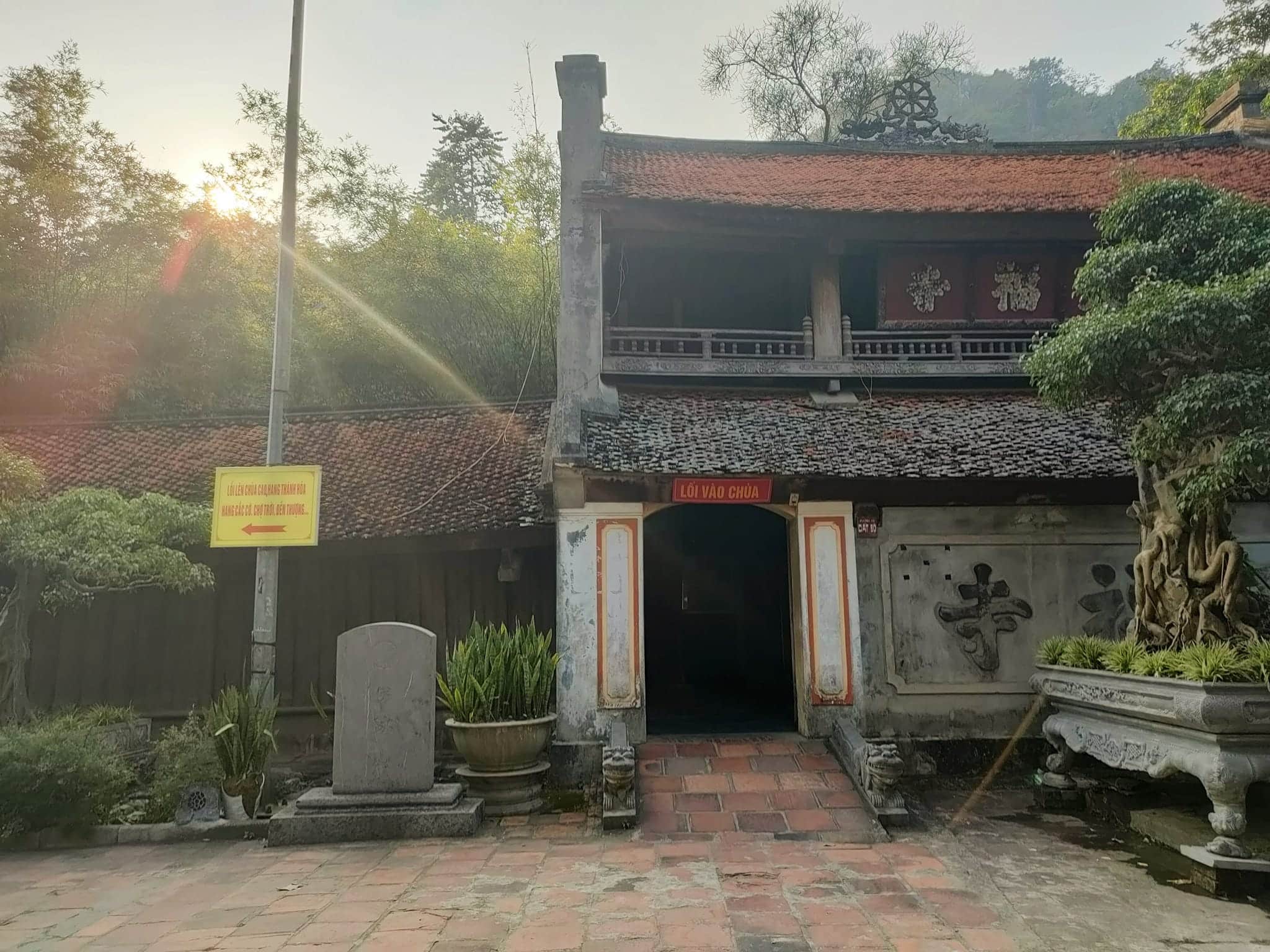
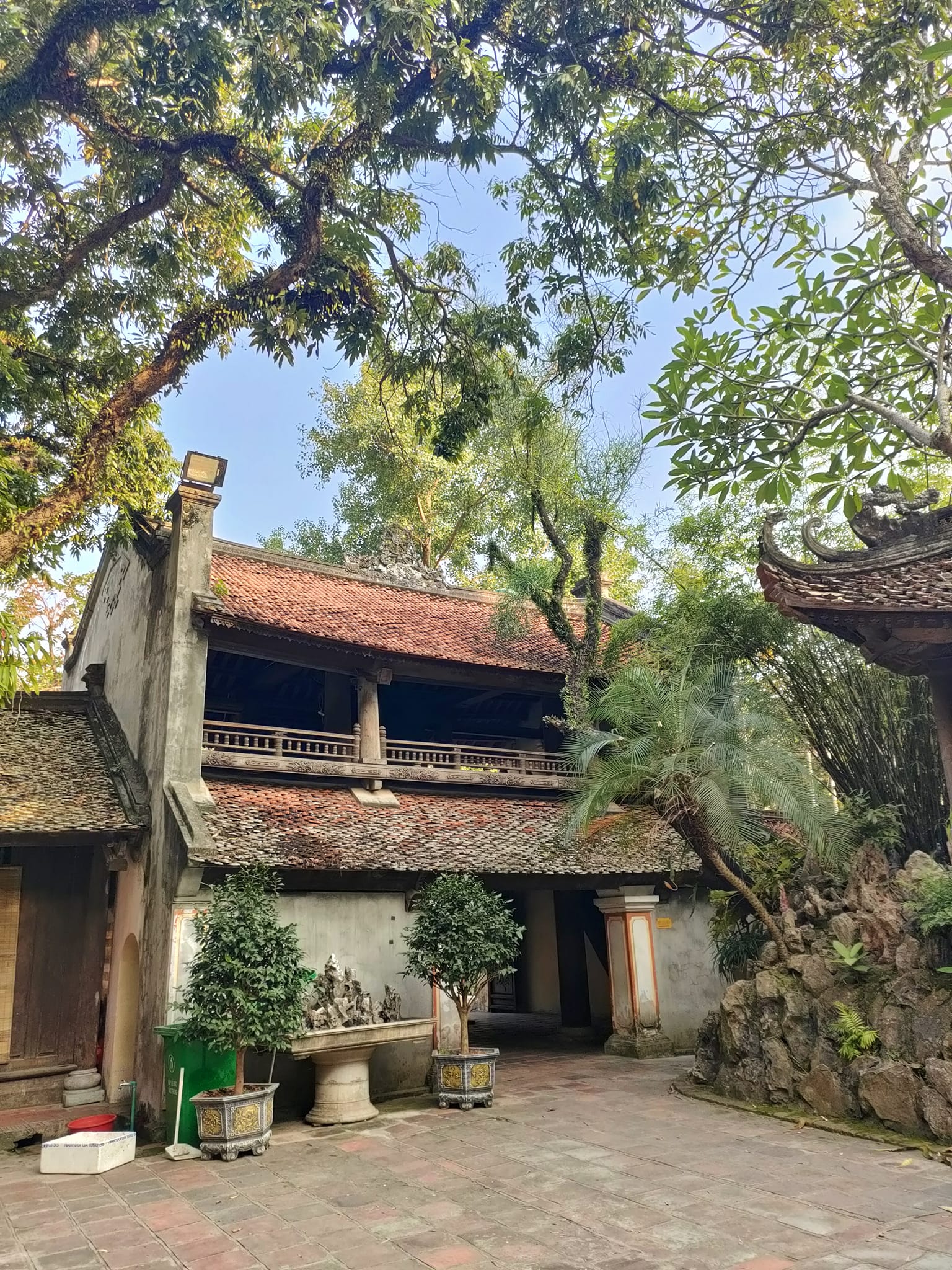
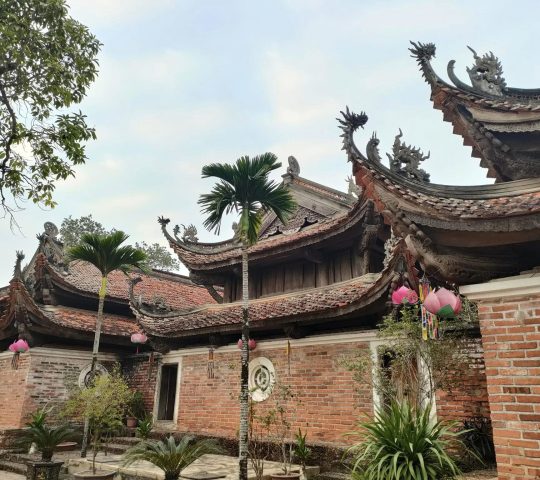
- Traditional Architecture: The pagoda features elegant wooden carvings, tiled roofs, and intricate details reflective of Vietnamese design.
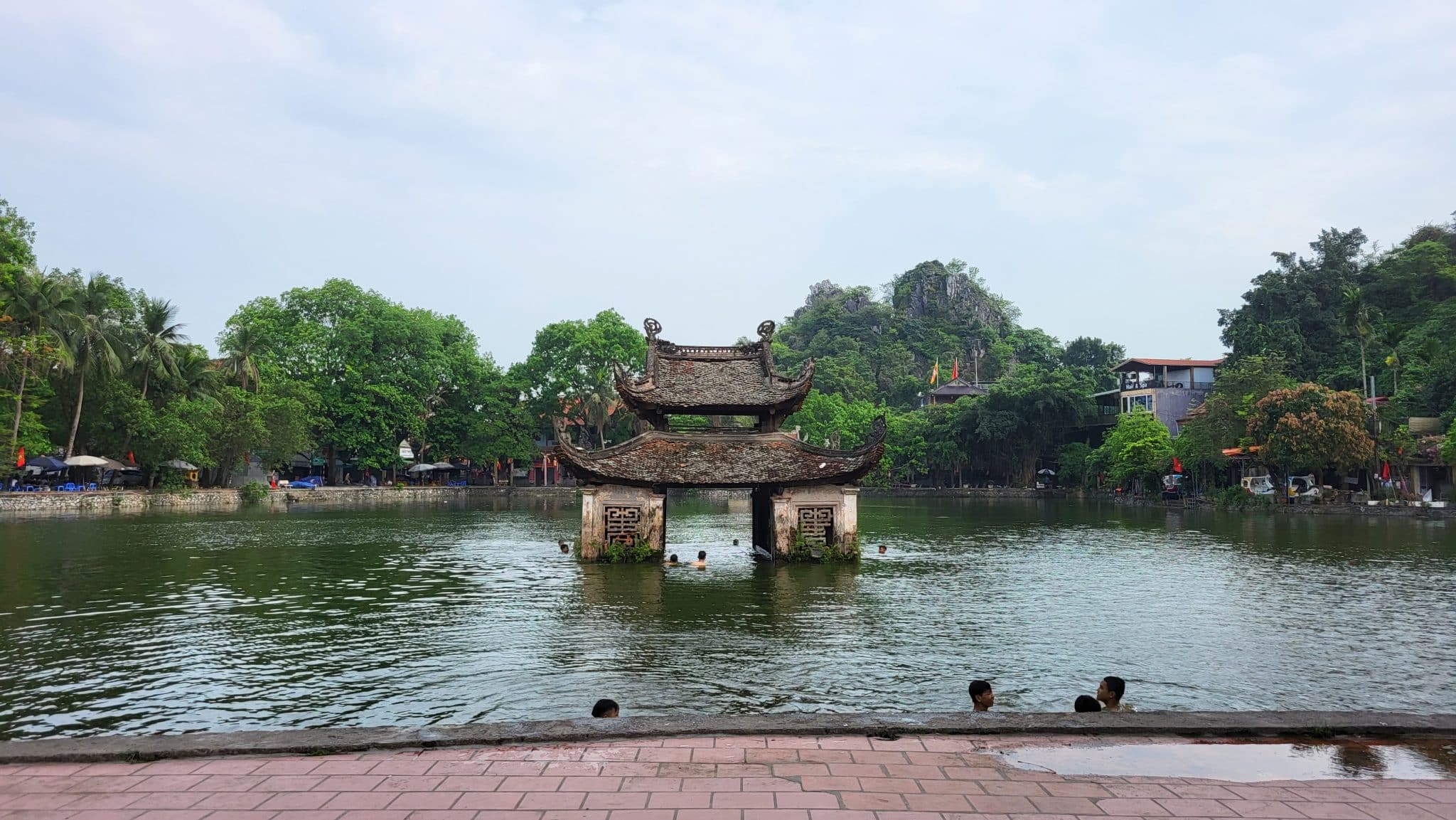
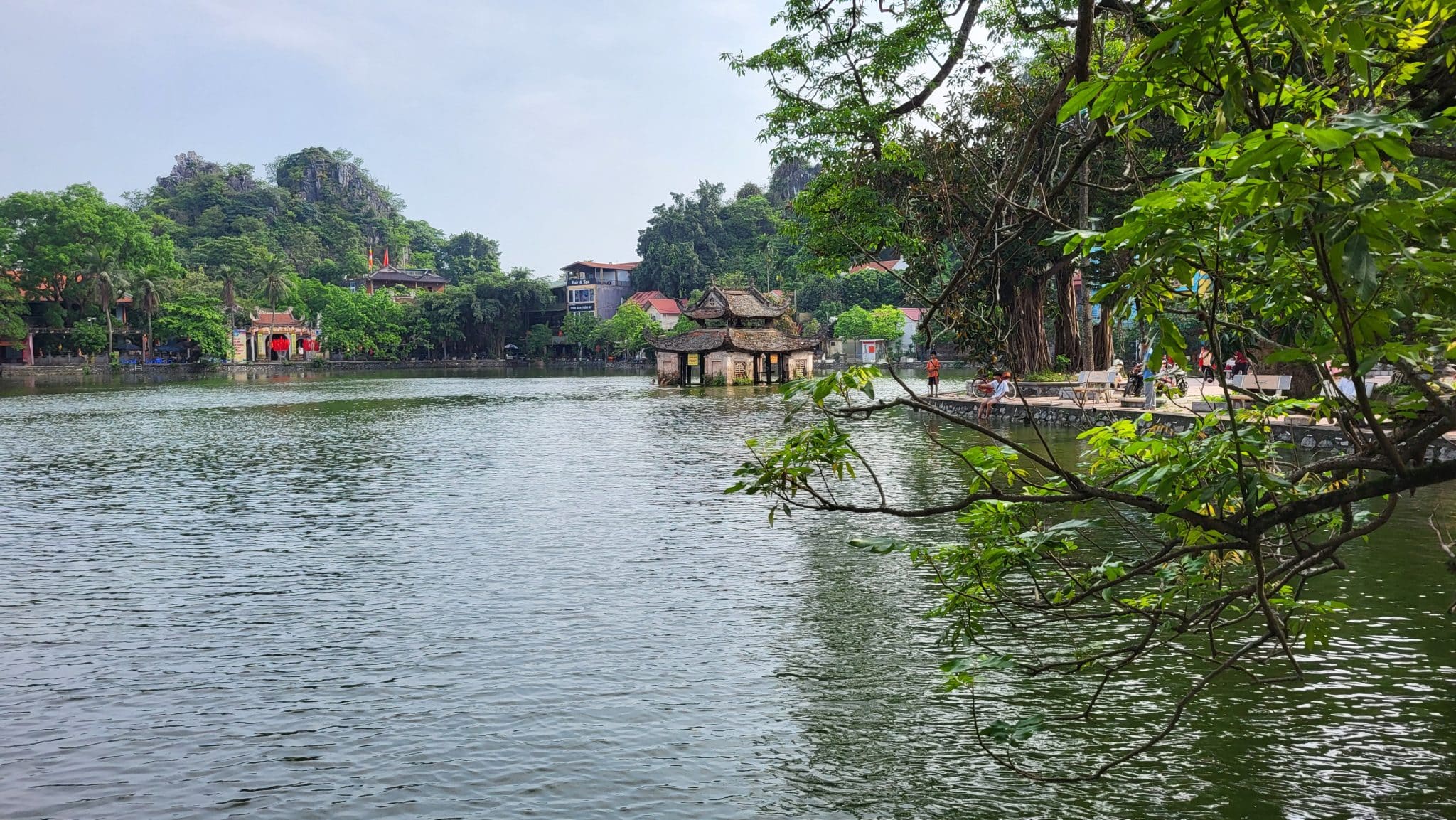
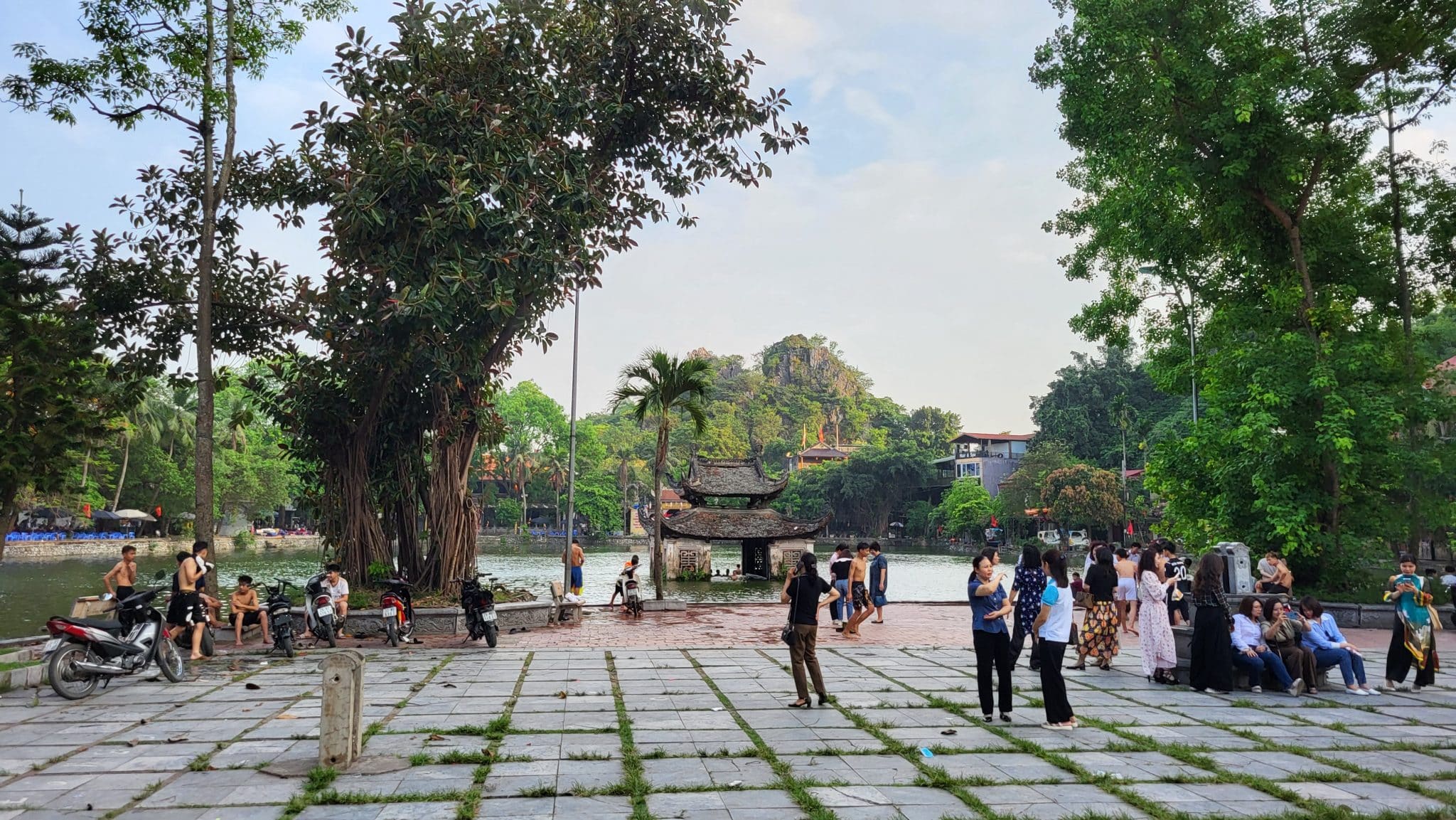
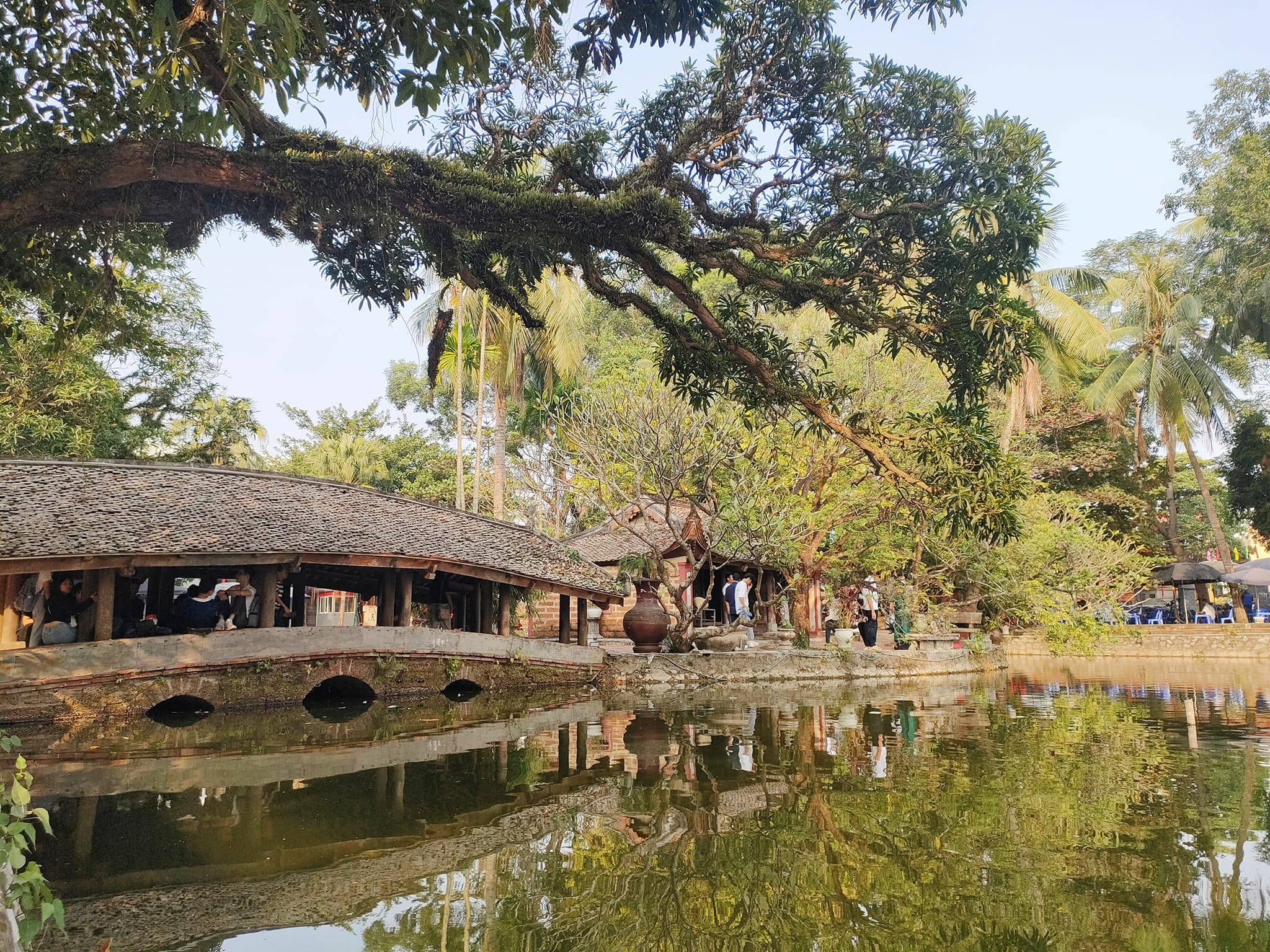
2. Long Trì Pond (Dragon Pond)
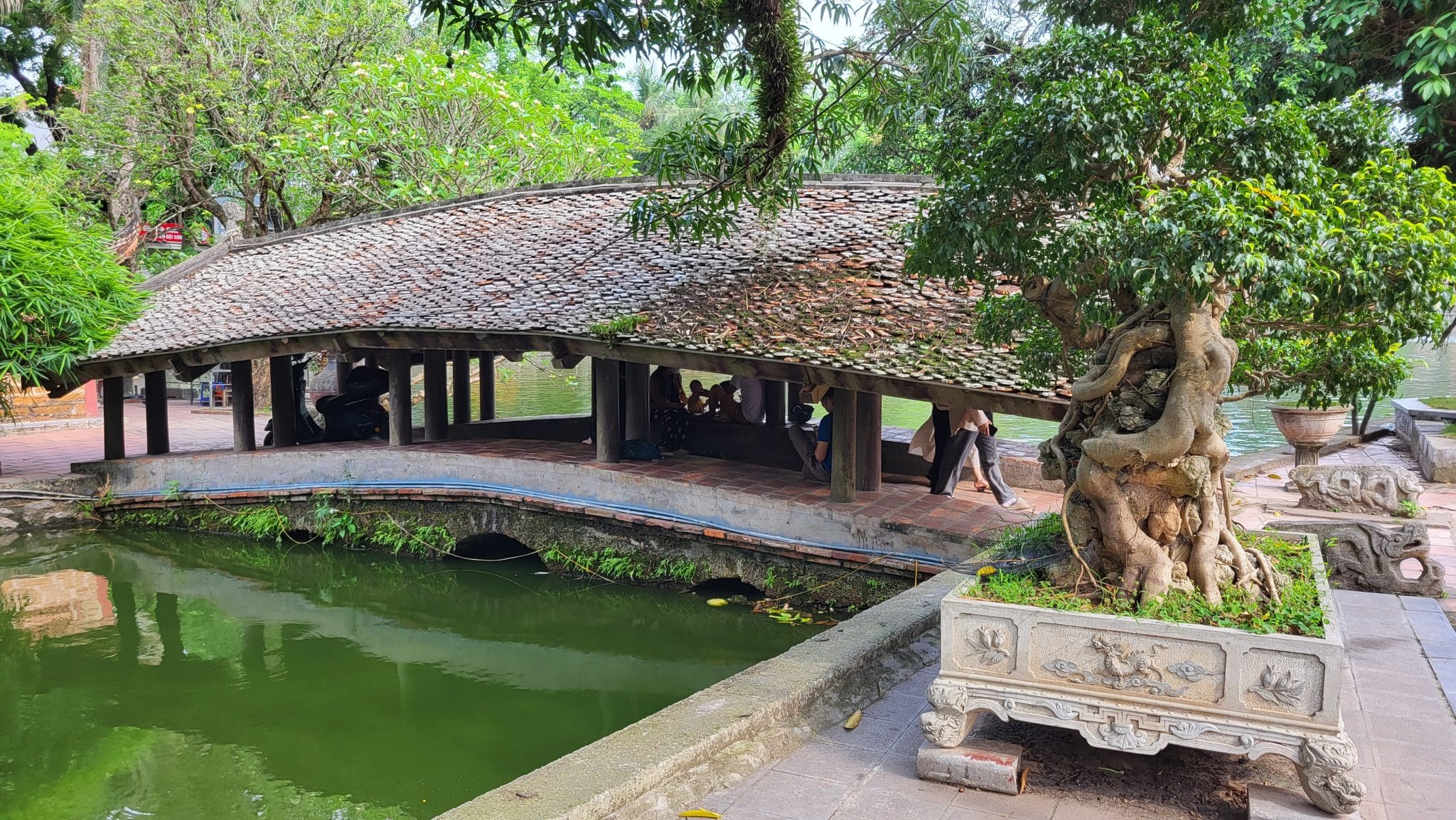
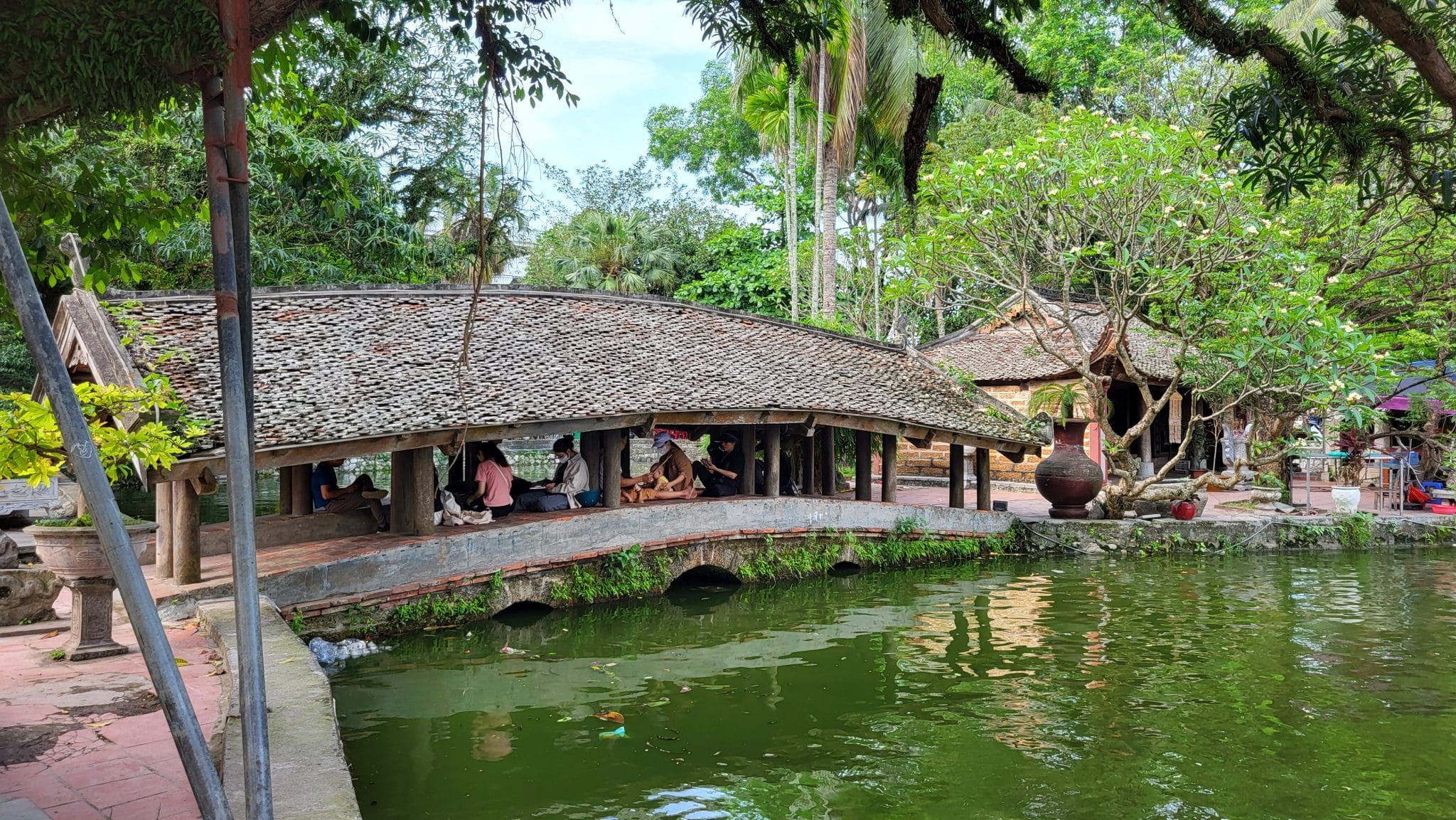
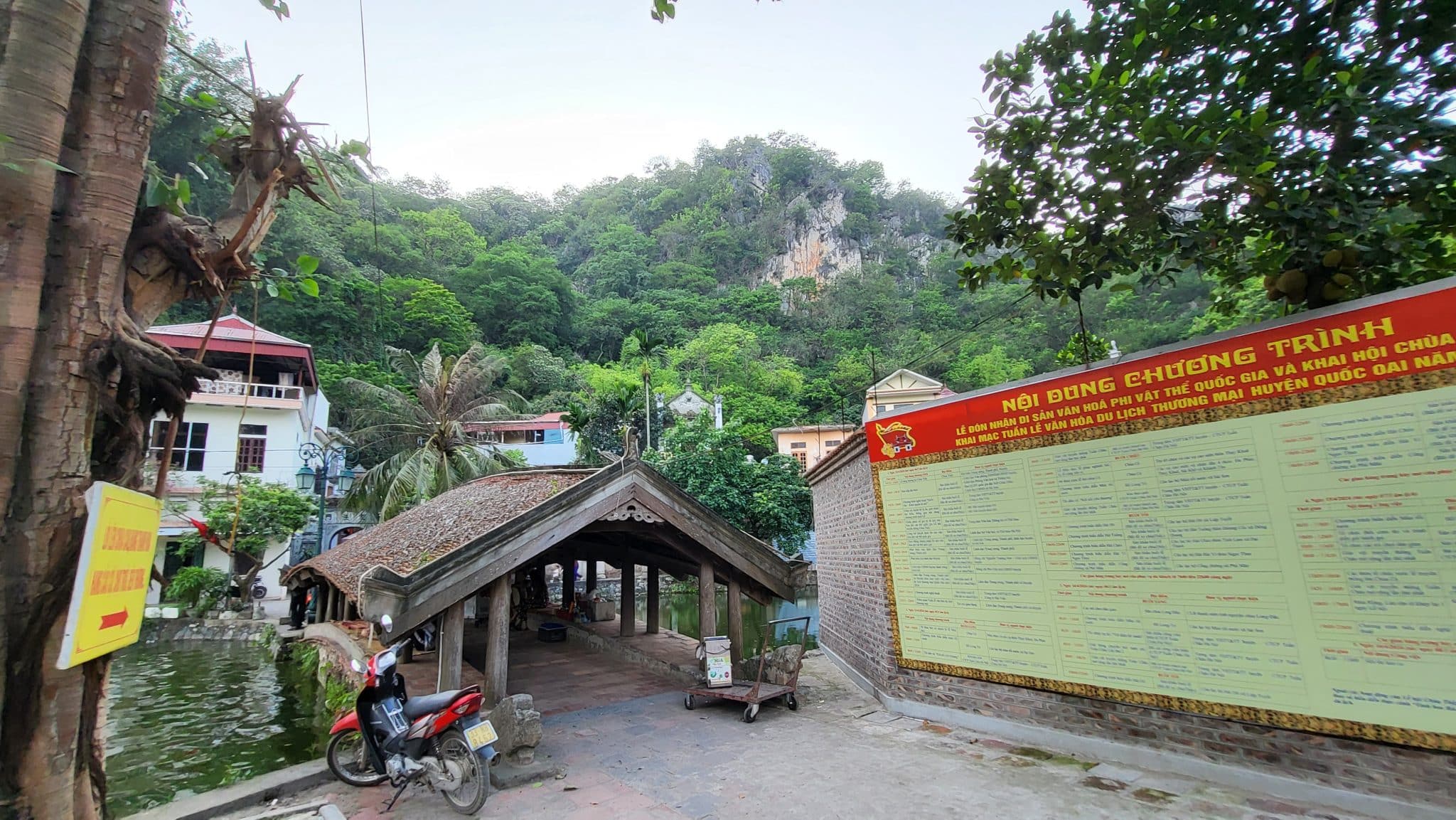
- This serene pond is surrounded by lush greenery and iconic stone bridges: Cầu Nhật Tiên (Sun Bridge) and Cầu Nguyệt Tiên (Moon Bridge).
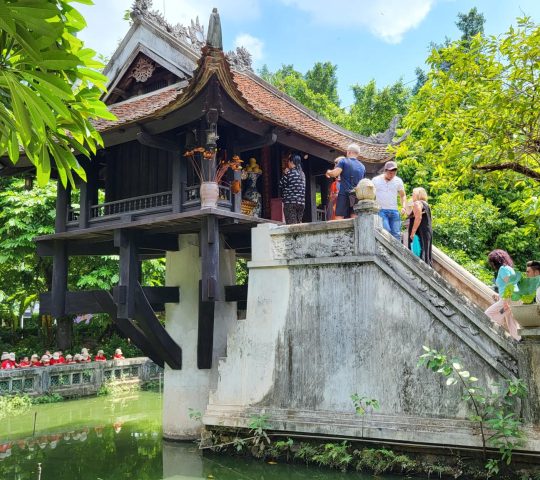
- A floating pavilion in the pond sometimes hosts water puppetry performances, as this art form originated here.
3. Path of the Clouds (Đường Mây)
- A scenic stone path leads you up Sai Son Mountain, offering panoramic views of the countryside and access to the pagoda’s natural attractions, including its caves.
Hang Cắc Cớ (Curiosity Cave)
Location
Hang Cắc Cớ is one of the most famous caves near Thầy Pagoda, located on Sai Son Mountain, accessible via the Path of the Clouds. It’s part of the larger spiritual and natural complex that attracts pilgrims and tourists.
What to See Inside the Cave
- Mystical Atmosphere:
- The cave’s name, “Cắc Cớ,” loosely translates to “Curiosity” or “Mischief,” and is tied to local legends and folklore.
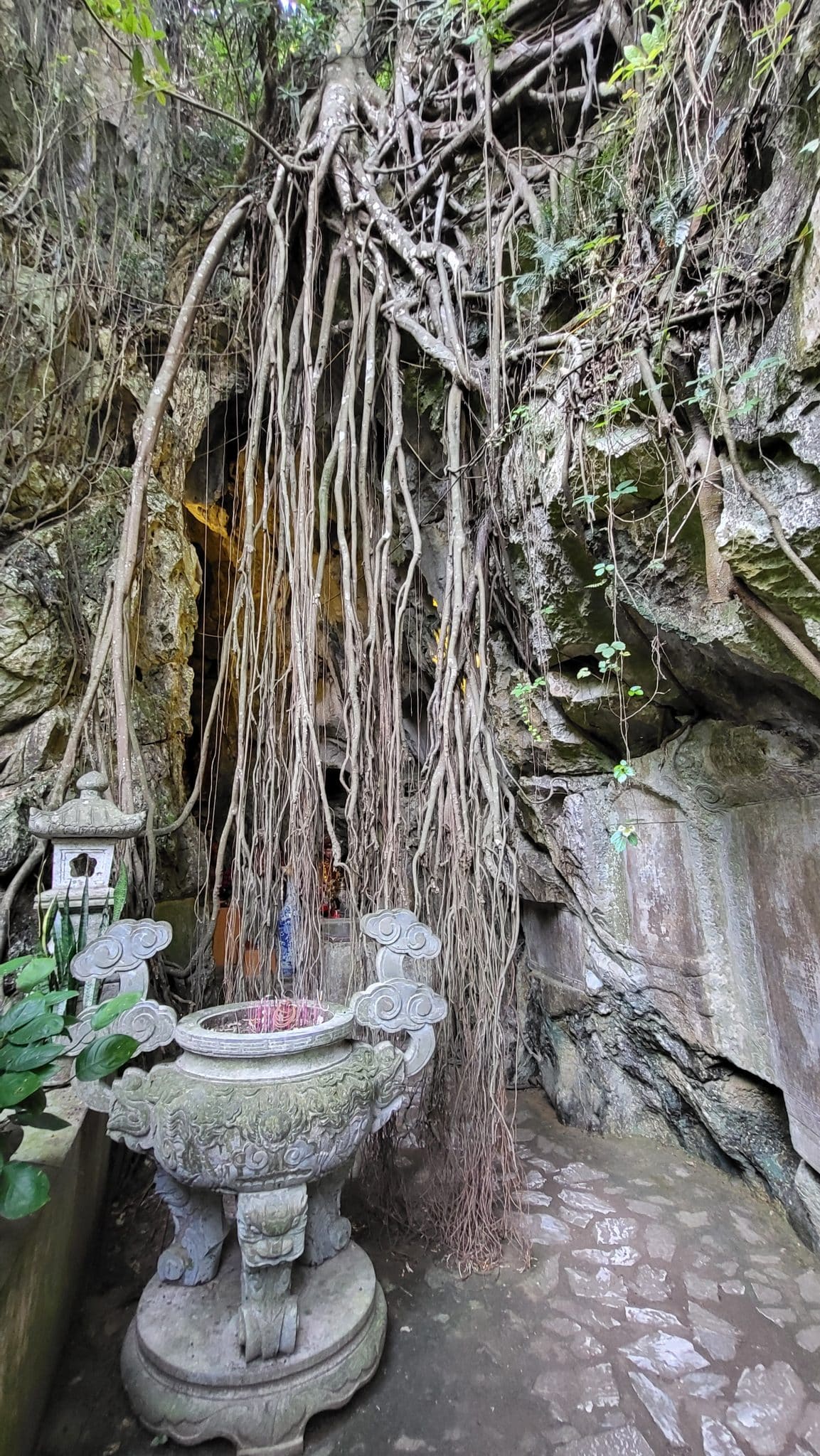
- The cave is dimly lit with an air of mystery, making it a compelling spot for exploration.
- Stalactites and Stalagmites:
- Unique limestone formations are found throughout the cave, shaped by centuries of natural erosion.
- Shrines and Altars:
- Inside, you’ll find small altars where visitors leave offerings. These are dedicated to local spirits and deities, adding a spiritual dimension to the cave.
- Folklore and Legends:
- According to local stories, the cave was once a romantic meeting place for young couples, hence its association with “mischief” and “curiosity.” Some tales also link it to trials and challenges for those seeking love or blessings.
Experience and Exploration
- Climbing to the Cave: Reaching Hang Cắc Cớ requires climbing steep steps, but the journey is part of the adventure. The path offers beautiful views of the countryside.
- Meditative Space: For many visitors, the cave provides a tranquil atmosphere for quiet reflection or prayer.
- Photography: The cave and its surroundings are excellent for capturing atmospheric shots, especially with the contrast between light and shadow inside.
Why Visit Hang Cắc Cớ?
- Natural Beauty: The limestone formations and cool, tranquil atmosphere make it a stunning natural feature.
- Cultural Significance: As part of the Thầy Pagoda complex, the cave adds depth to the spiritual and historical experience.
- Local Legends: Exploring the folklore behind Hang Cắc Cớ brings an extra layer of fascination and connection to Vietnamese culture.
Tips for Visiting
- Footwear: Wear sturdy shoes, as the path to the cave can be steep and uneven.
- Lighting: The cave can be dark in places, so bringing a flashlight or using your phone light is recommended.
- Respect Local Customs: As the cave is considered a sacred space, visitors are encouraged to behave respectfully, especially near altars.
A visit to Thầy Pagoda and Hang Cắc Cớ offers a unique combination of spiritual enrichment, natural exploration, and cultural discovery. It’s a must-see destination for anyone exploring Hanoi’s rich heritage.