Tây Phương Pagoda – Hanoi
Listing has verified and belong the business owner or manager.
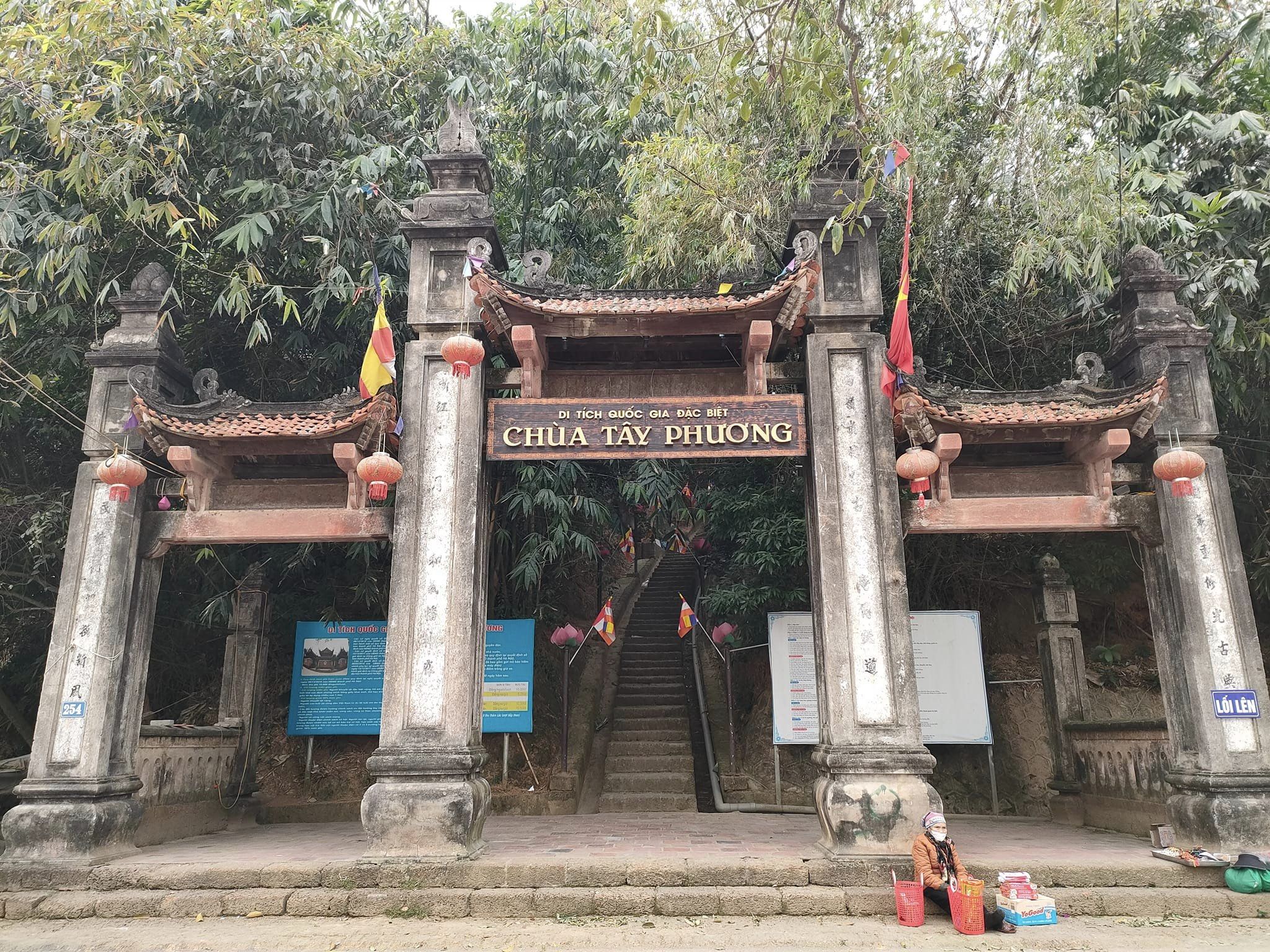
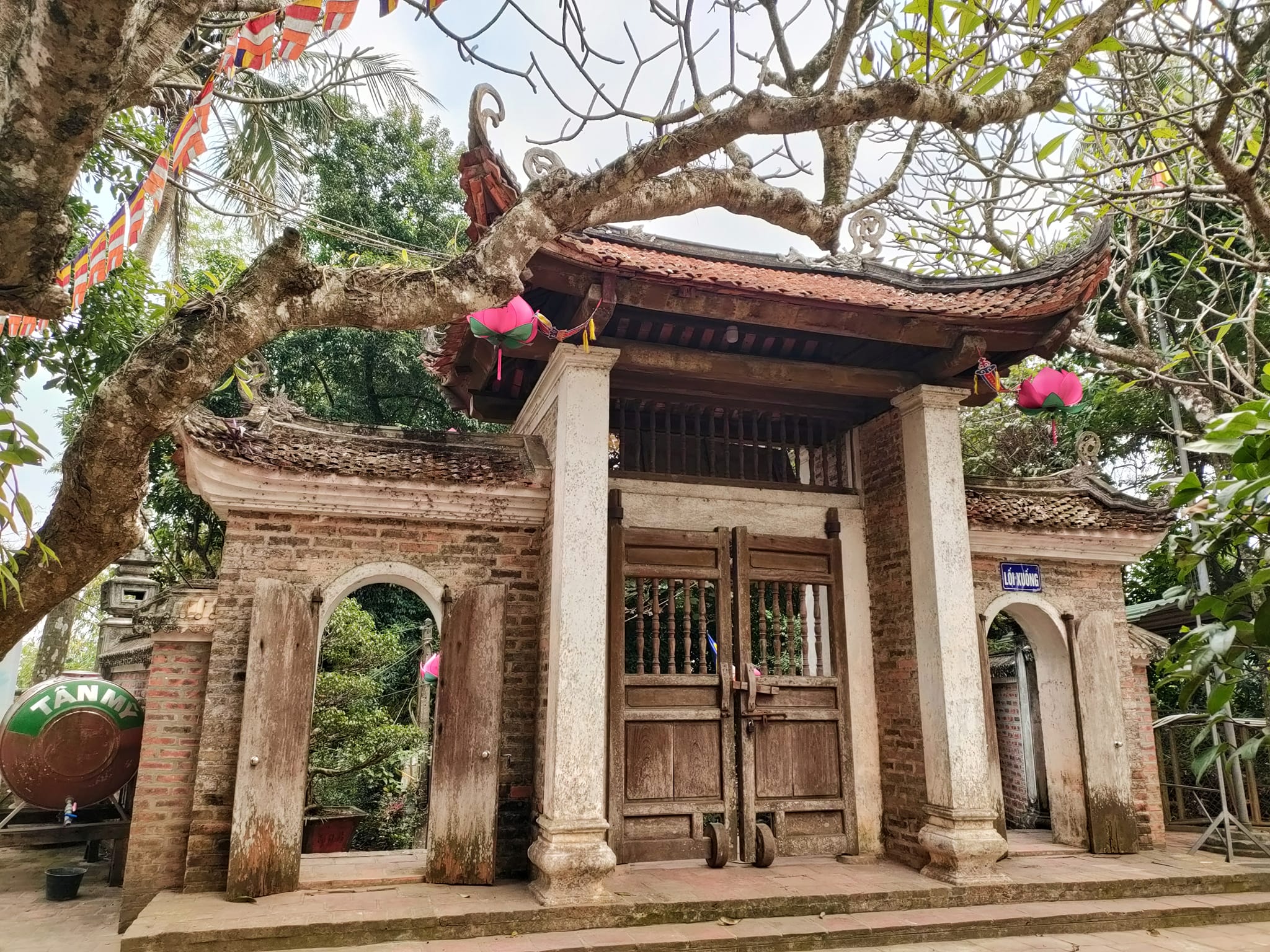
Tây Phương Pagoda (Chùa Tây Phương), located in Thạch Xá Village, Thạch Thất District, about 40 kilometers west of Hanoi, is one of Vietnam’s most significant and historic Buddhist temples. Its history, architecture, and cultural significance make it a treasured landmark.
Historical Background
- Ancient Origins:
Tây Phương Pagoda’s origins date back to the 6th century during the Early Lý Dynasty. However, it gained prominence during the Later Lê Dynasty when it was reconstructed and expanded in 1632 under King Lê Thần Tông. The pagoda underwent further renovations in 1794, during the Tây Sơn Dynasty, which gave it much of its current architectural style. - Spiritual Importance:
The pagoda is dedicated to Mahayana Buddhism and has served as a place of worship and pilgrimage for centuries. It is also associated with Vietnam’s rich folklore and traditional values, blending Buddhist philosophy with cultural identity.
Architectural Features
- Three-Tier Structure:
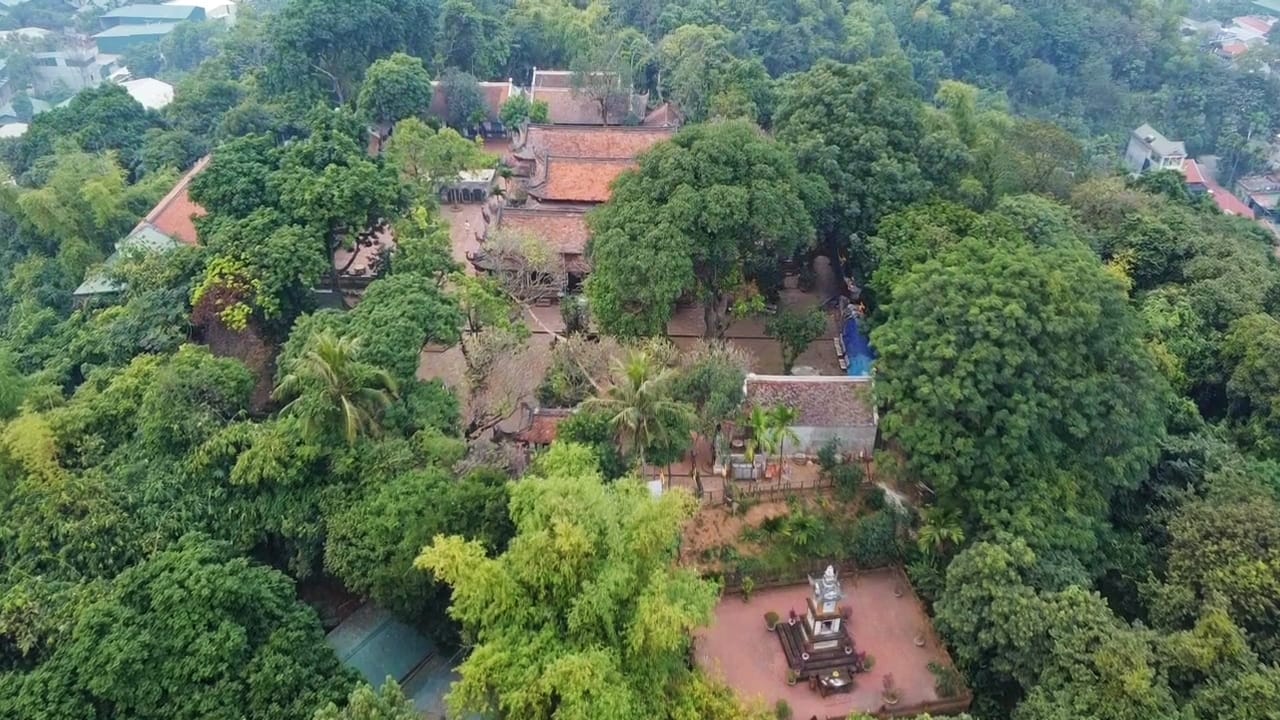
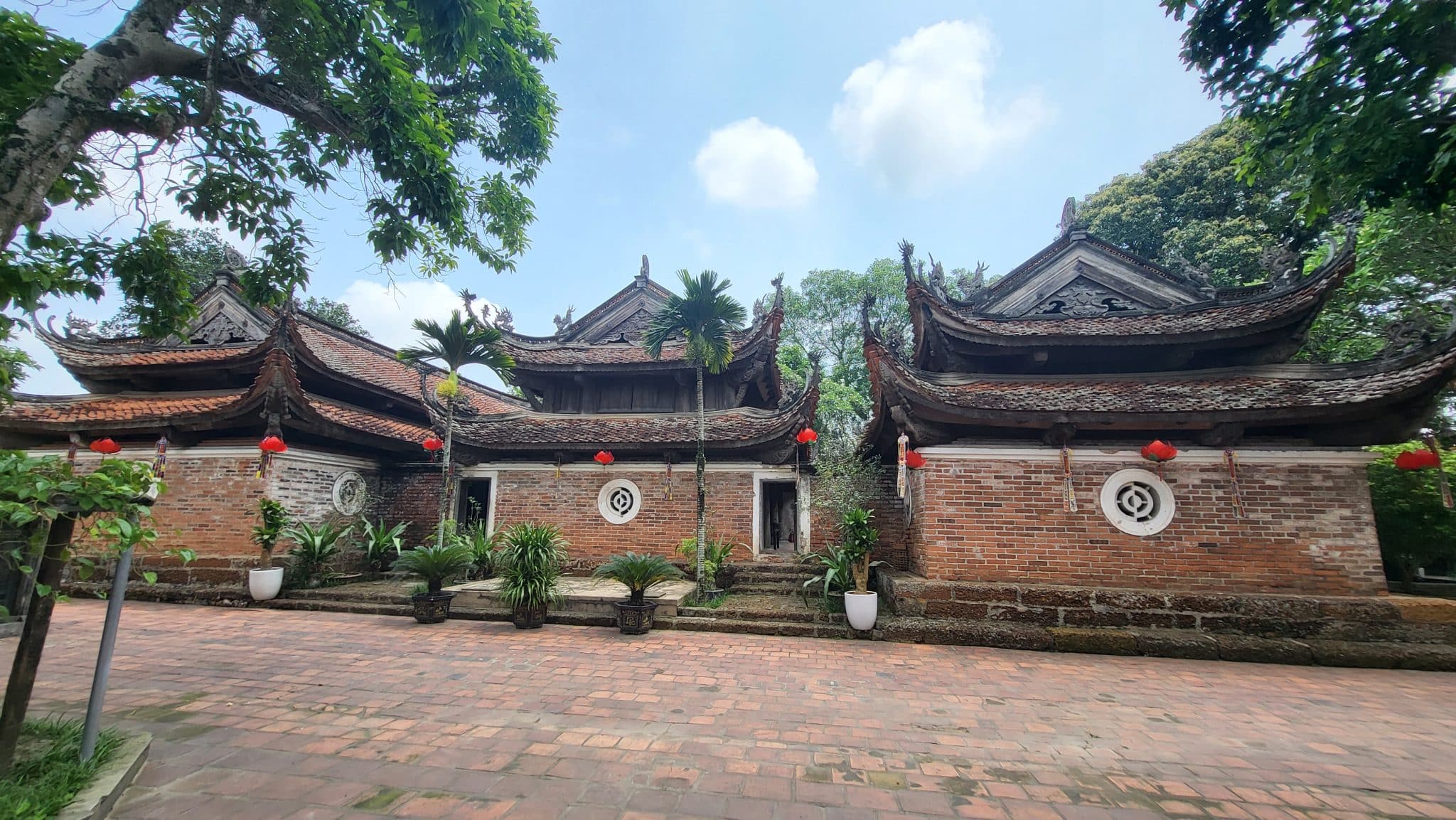
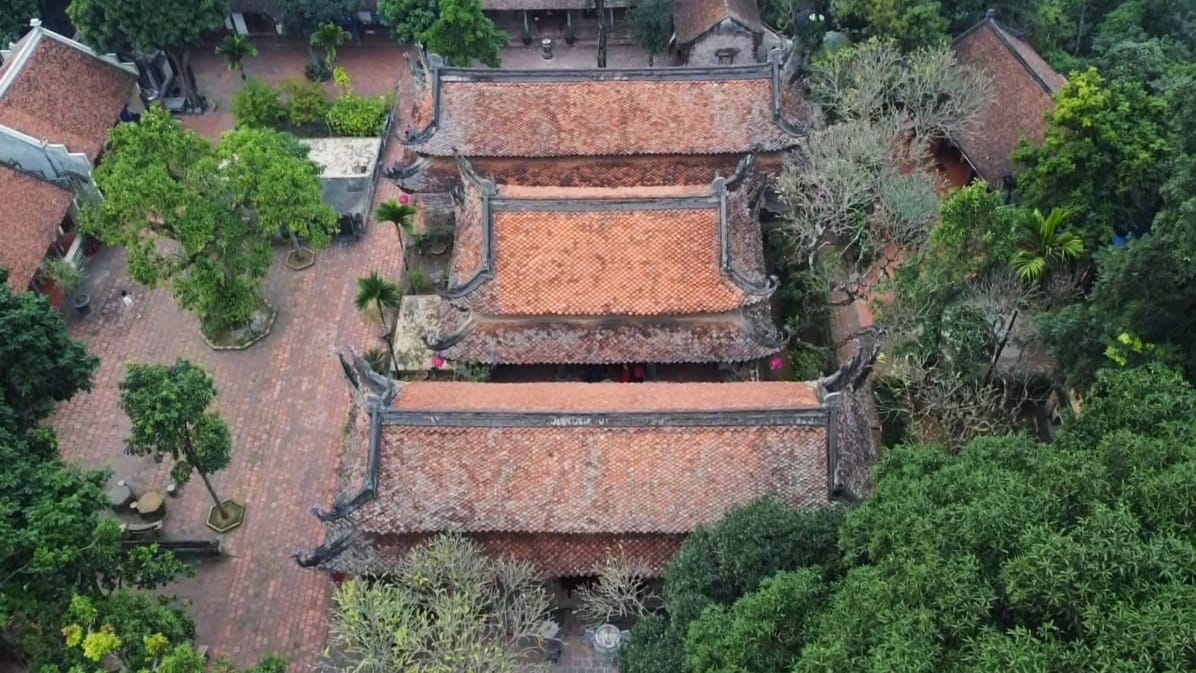
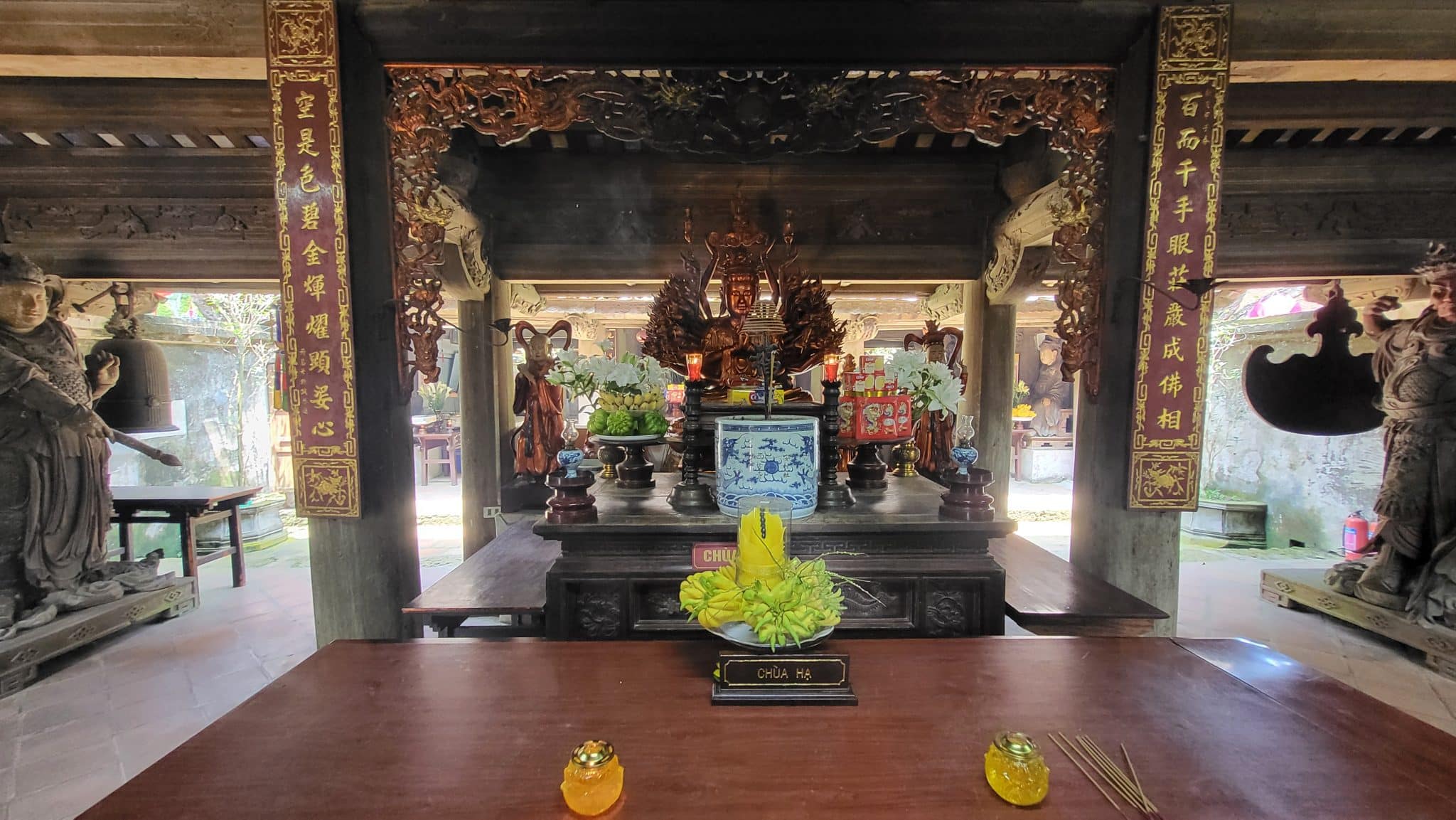
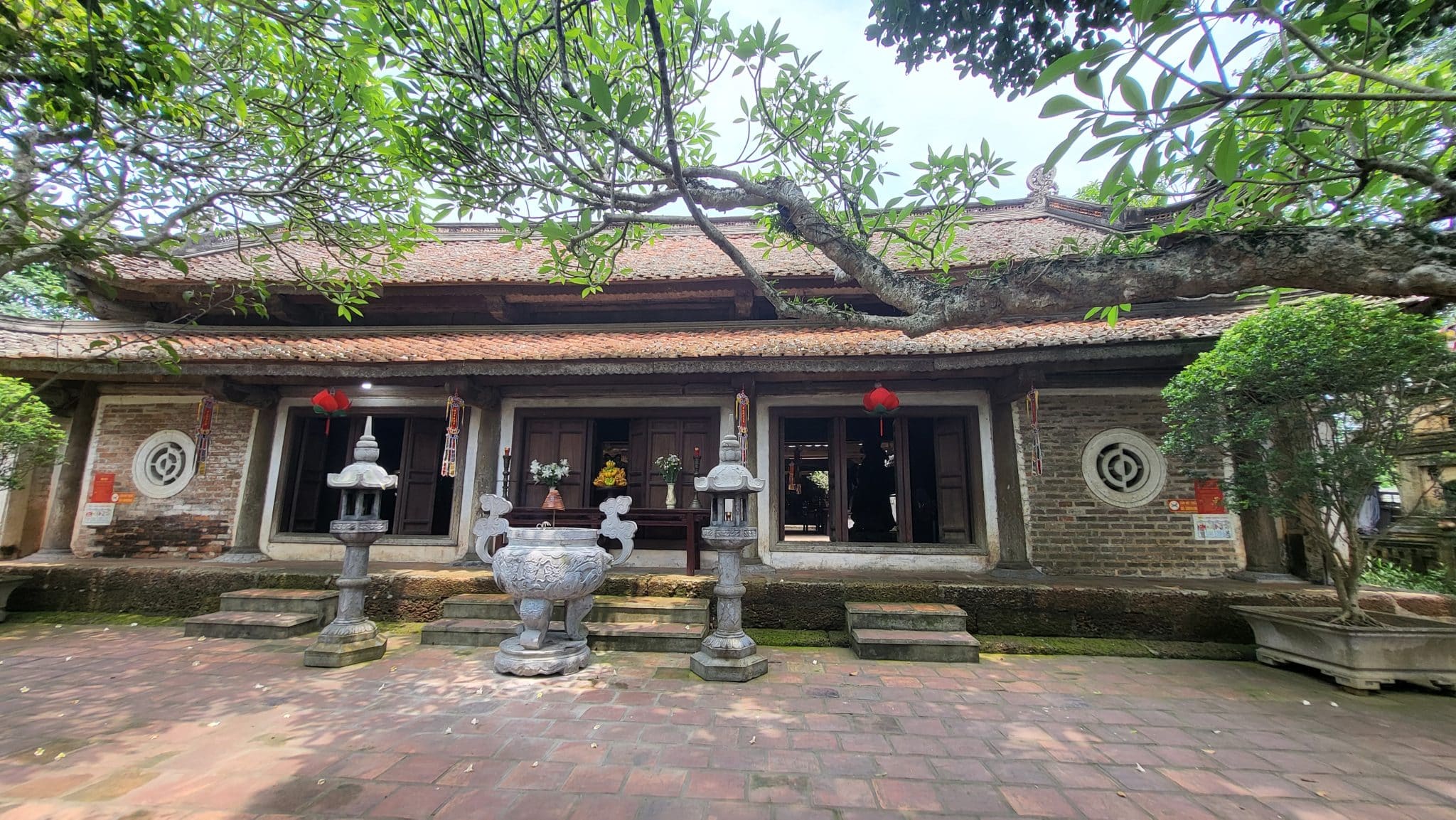
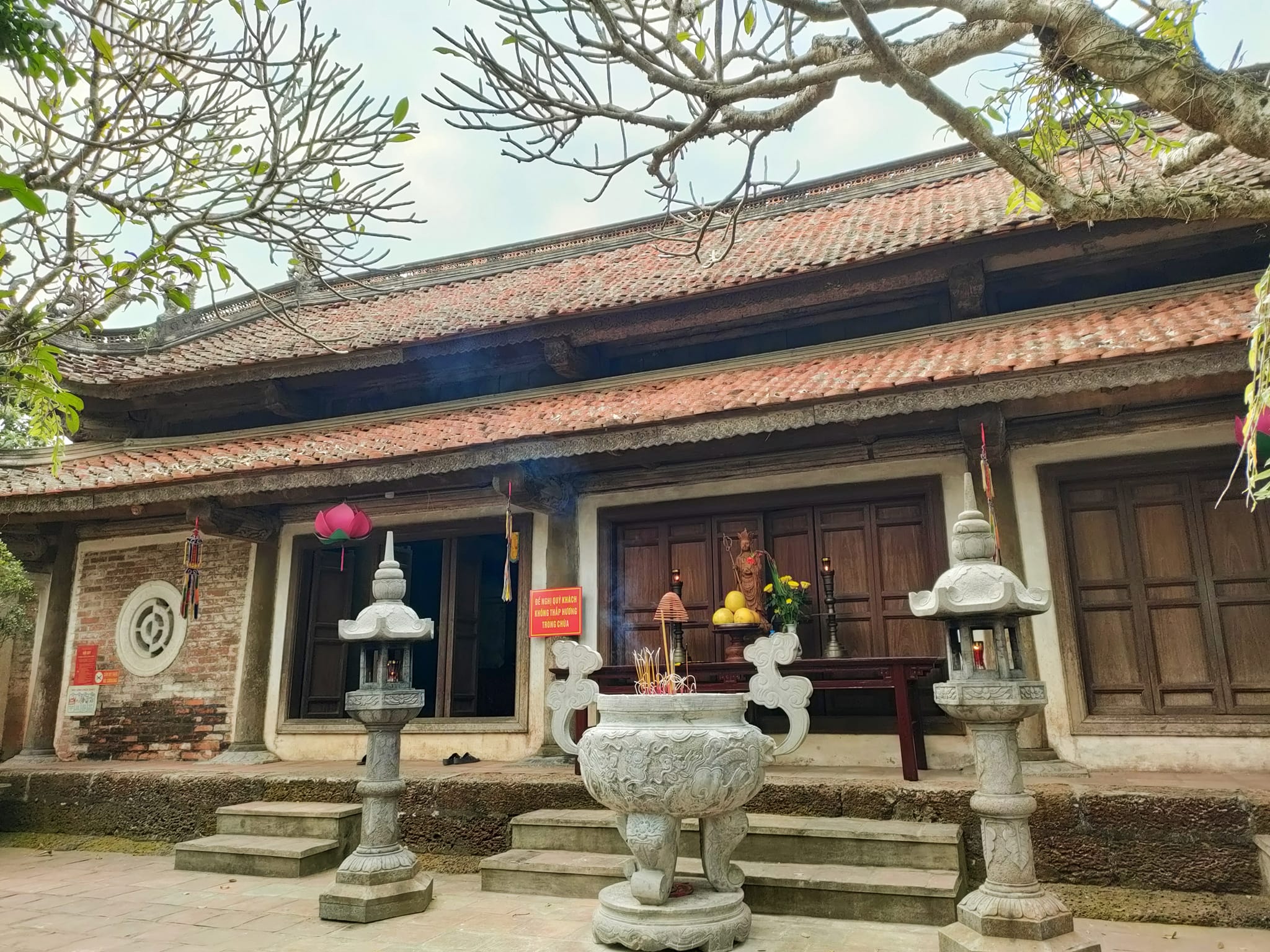
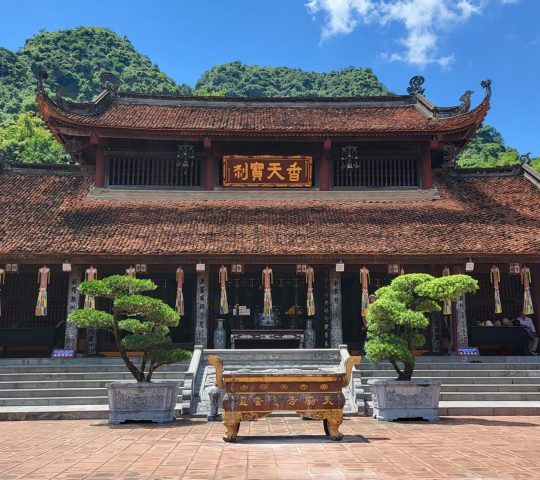
The pagoda is uniquely designed with three parallel buildings on different levels of the hill:- Chính Điện (Main Hall): Houses the principal Buddhist altars.
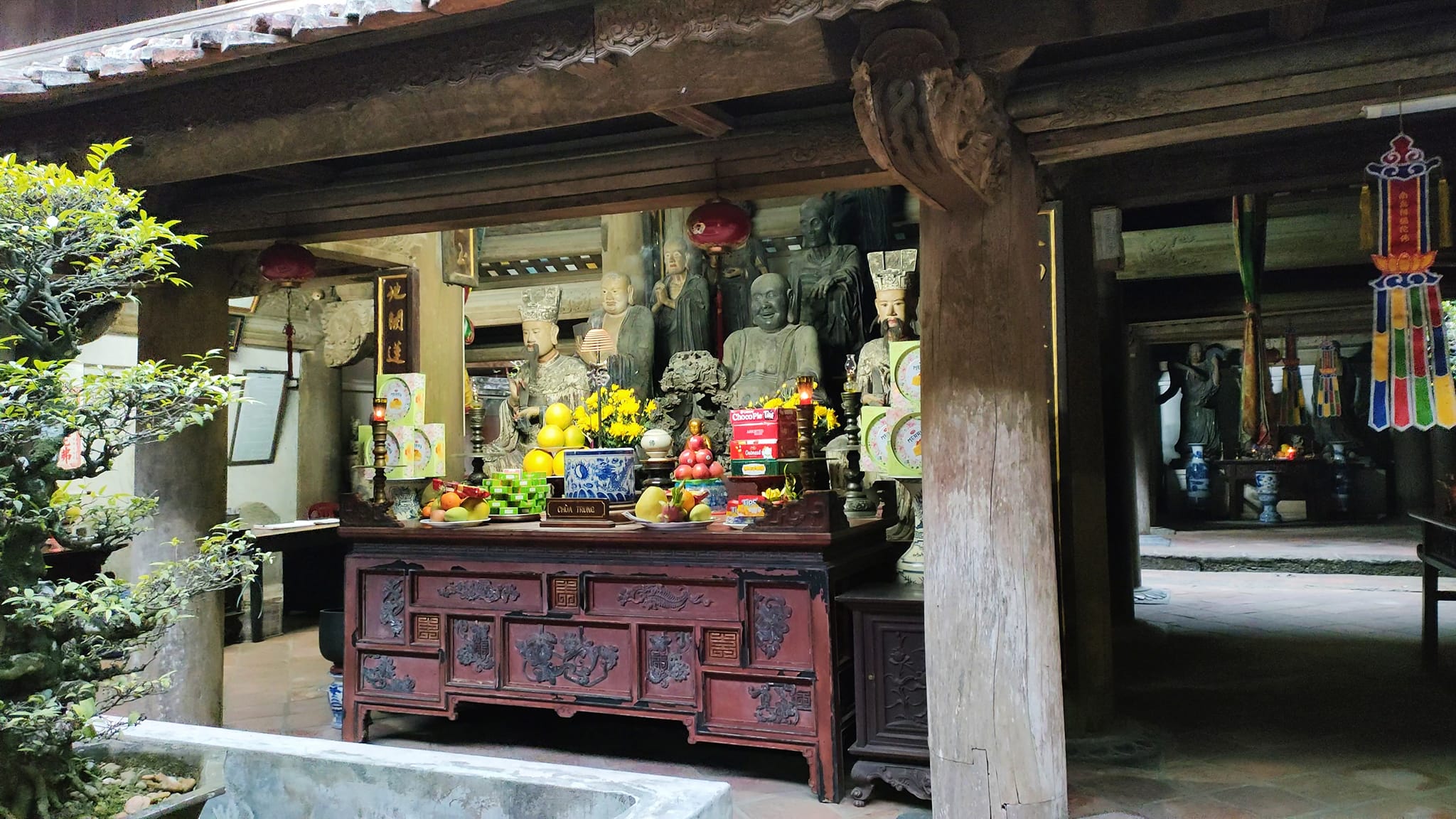
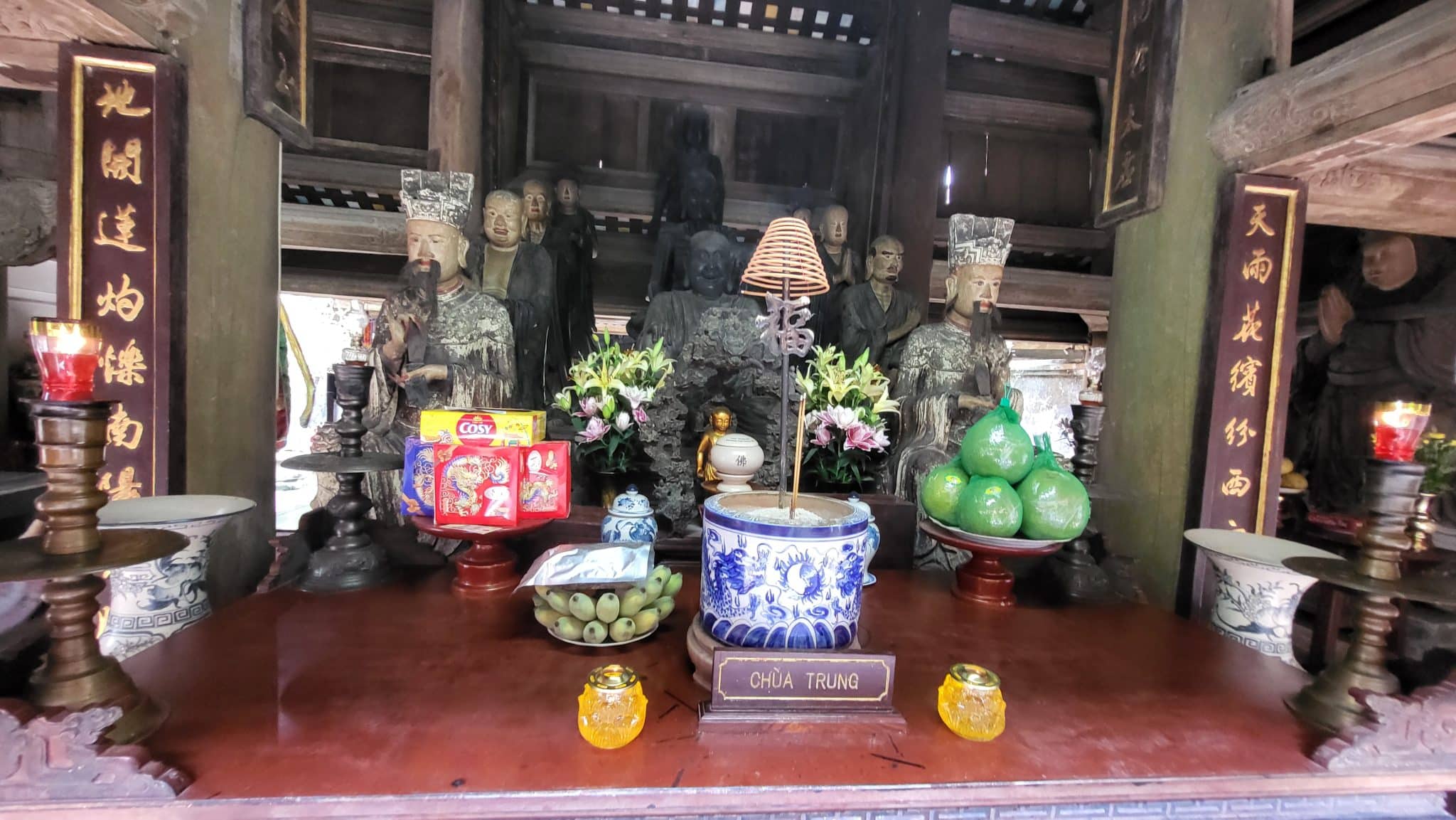
- Hậu Cung (Rear Hall): Contains statues of enlightened beings and revered monks.
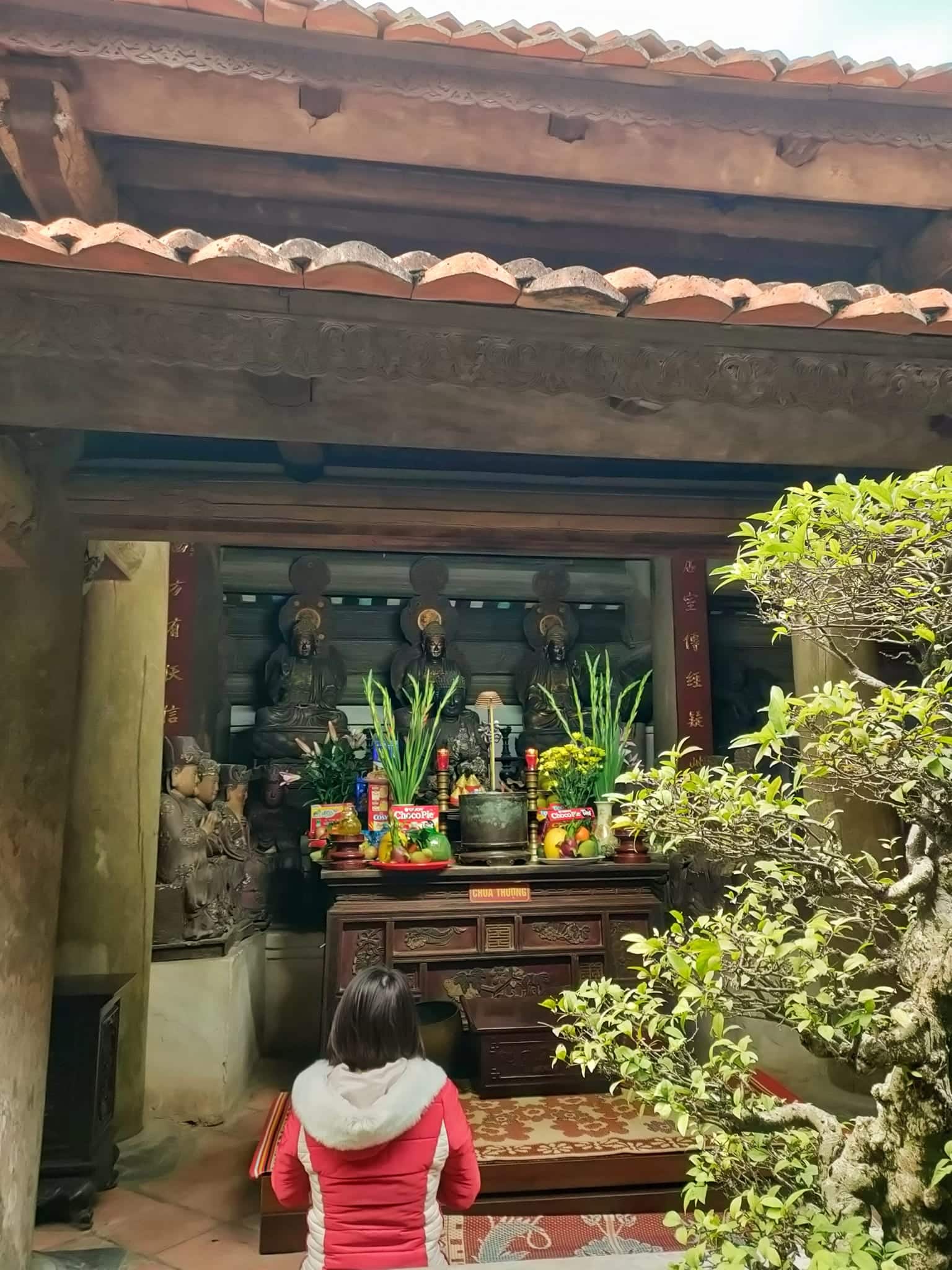
- Upper Hall: Reserved for special ceremonies and housing more sacred statues.
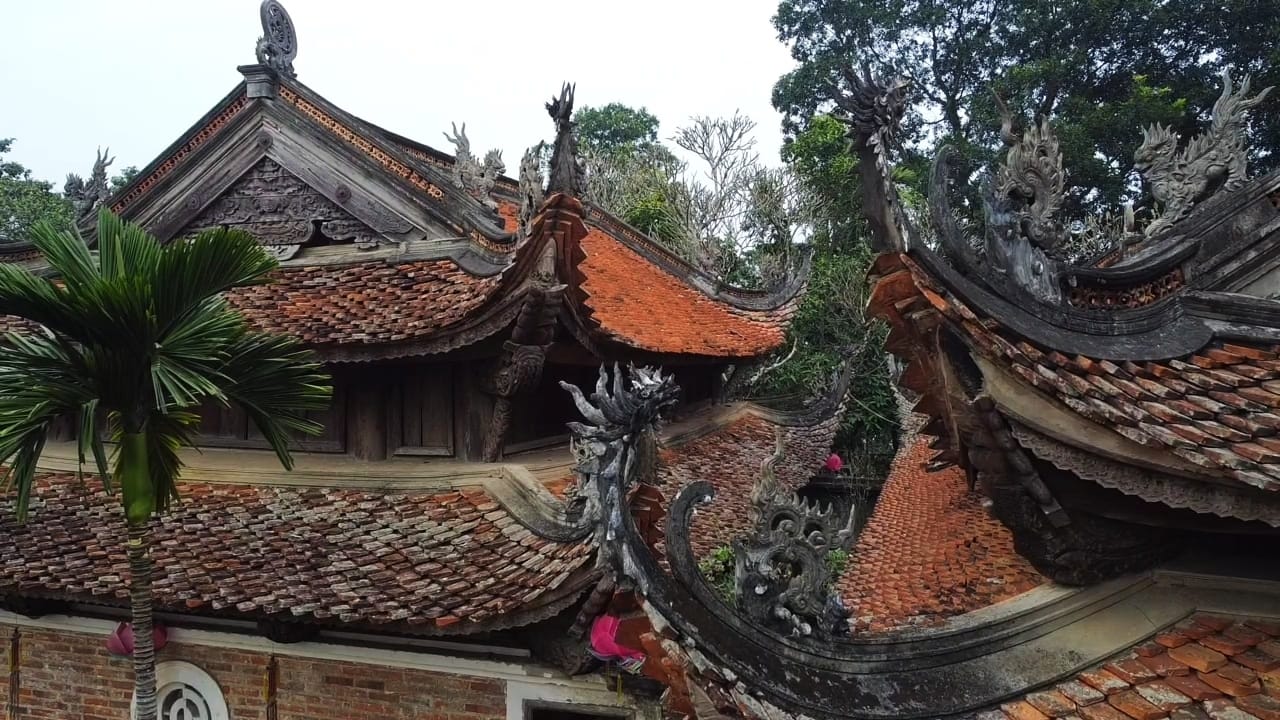
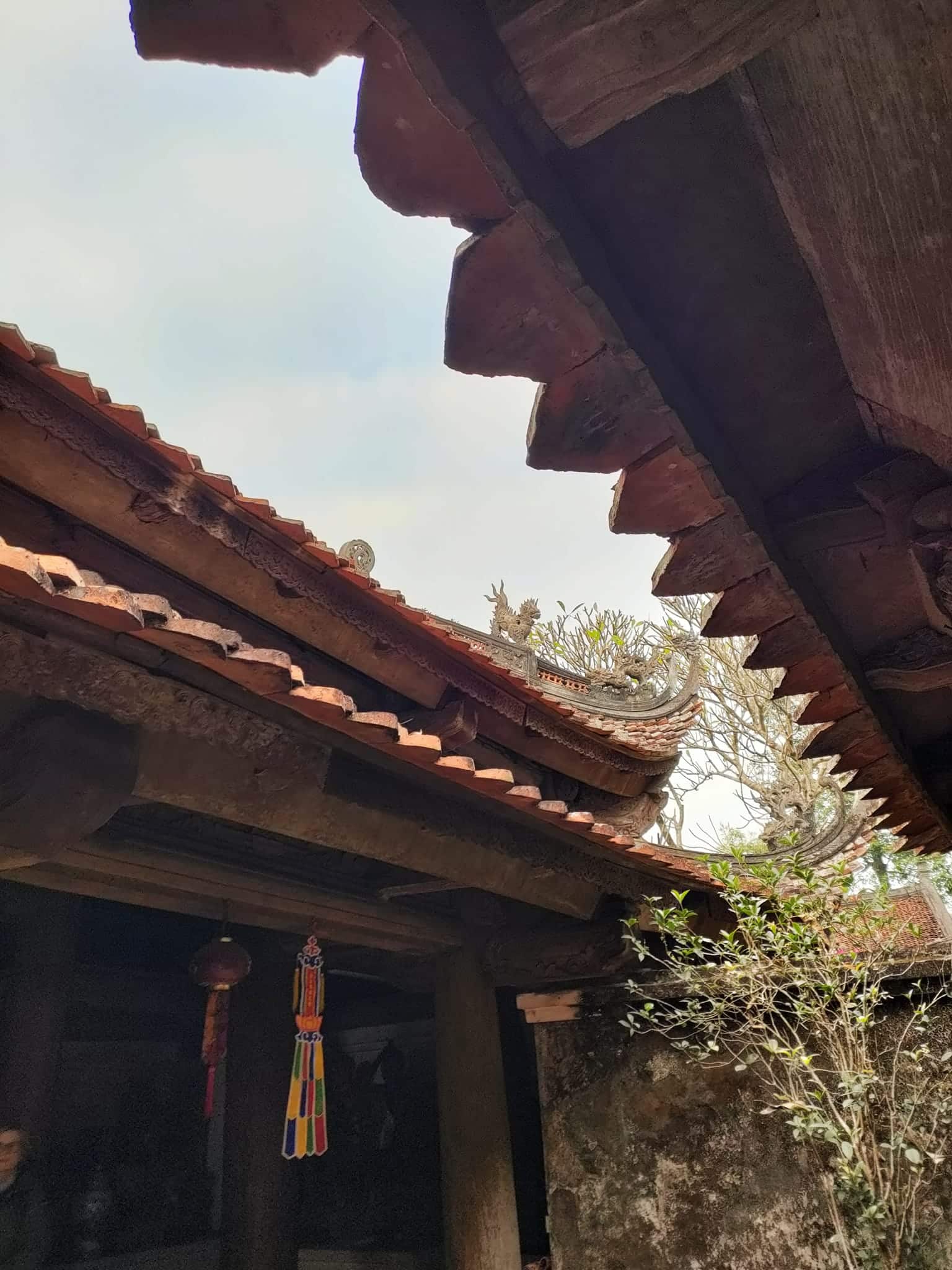
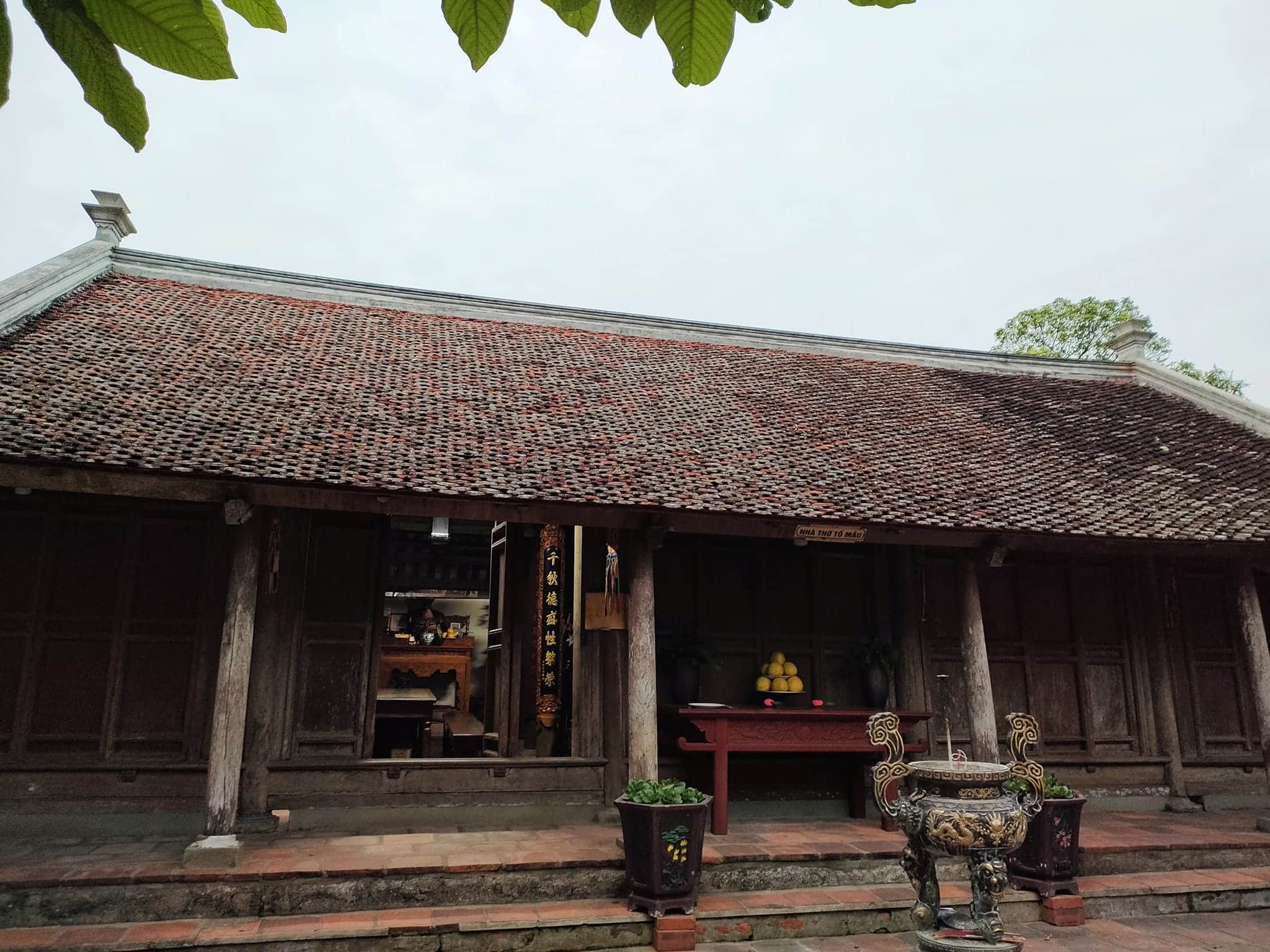
- Traditional Style:
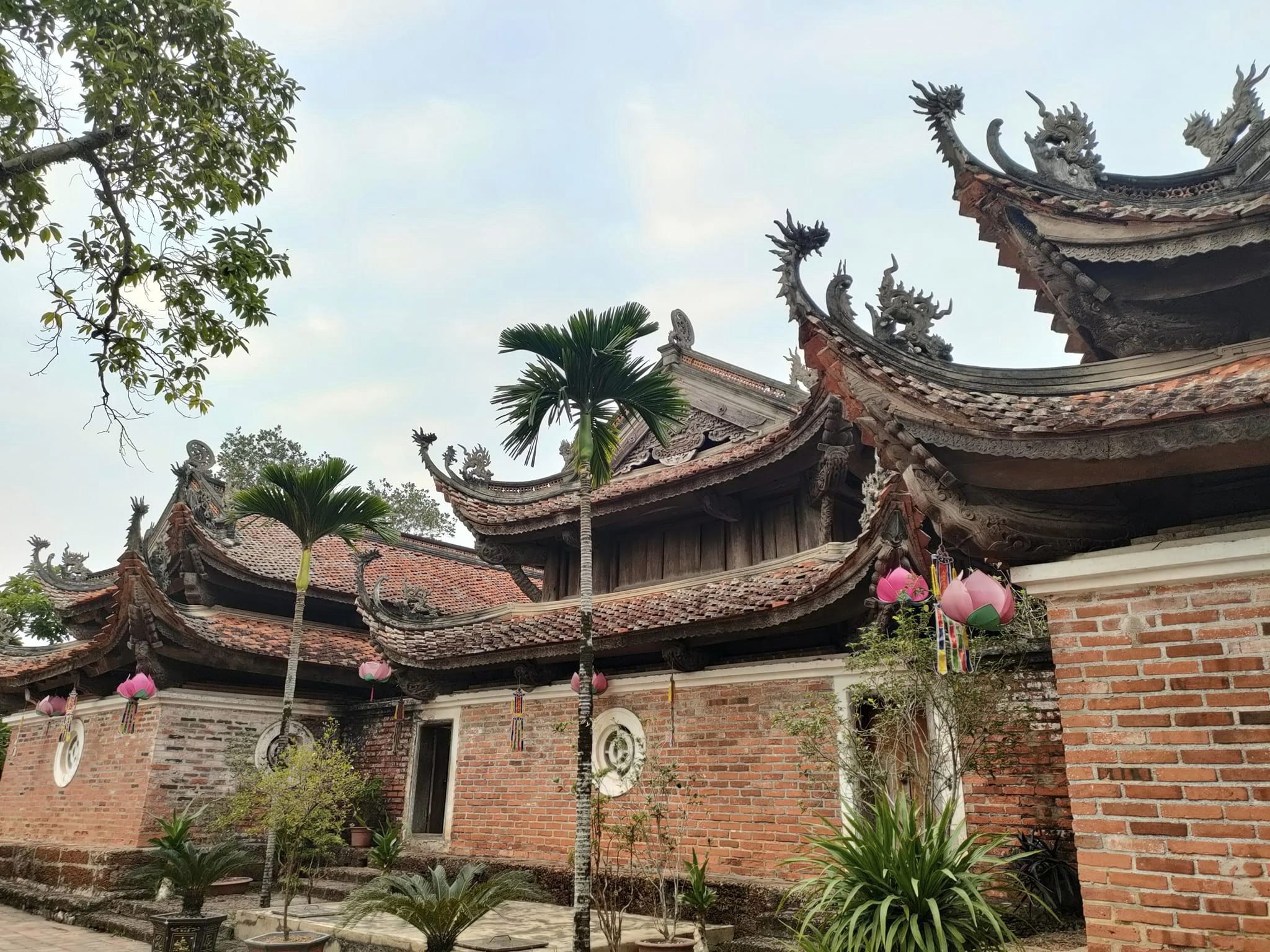
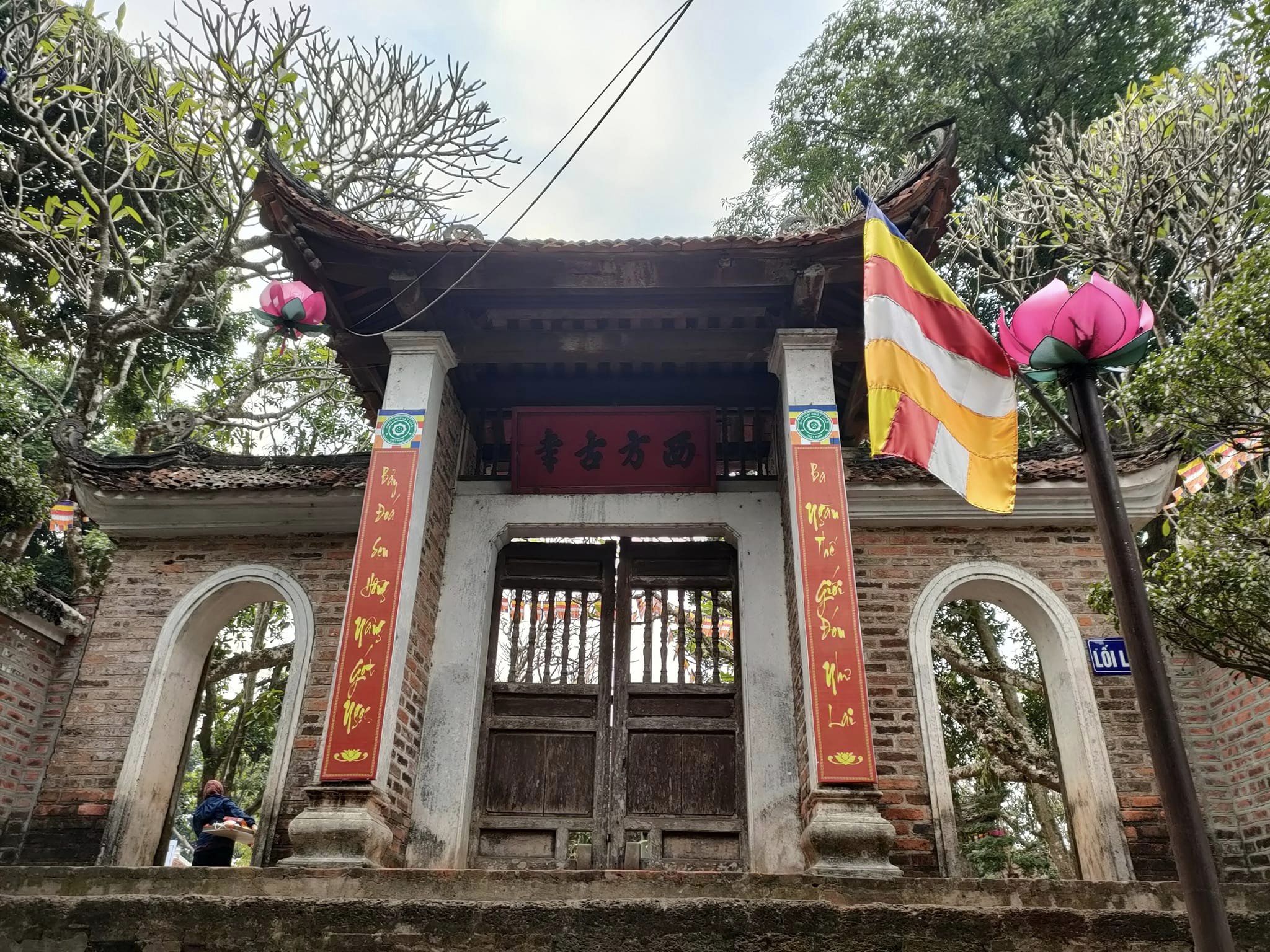
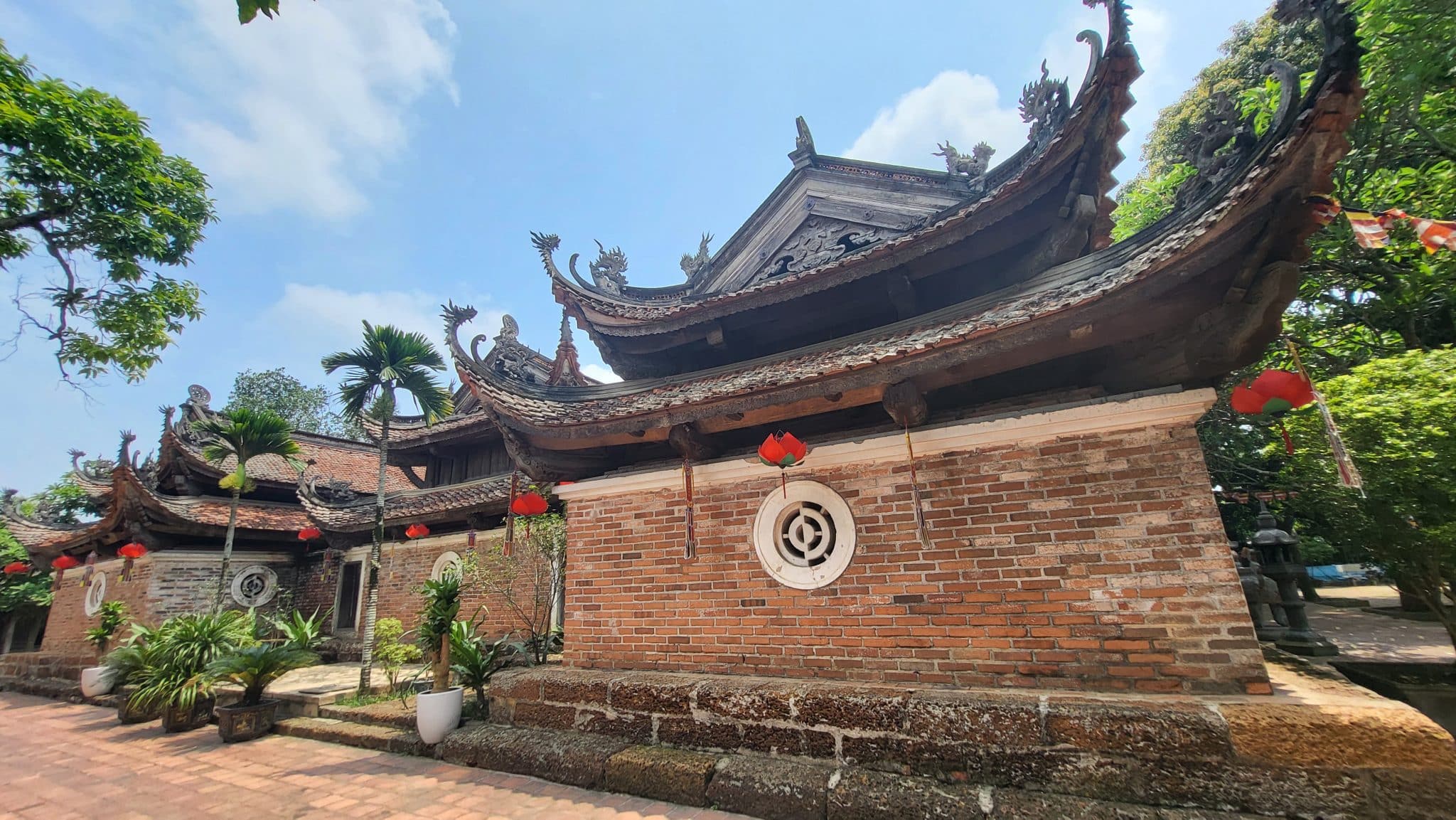
The pagoda showcases traditional wooden architecture with sloping, curved roofs resembling a phoenix spreading its wings. The intricate carvings and decorative details highlight the artistic mastery of Vietnamese artisans during the 18th century. - Sculptures and Statues:
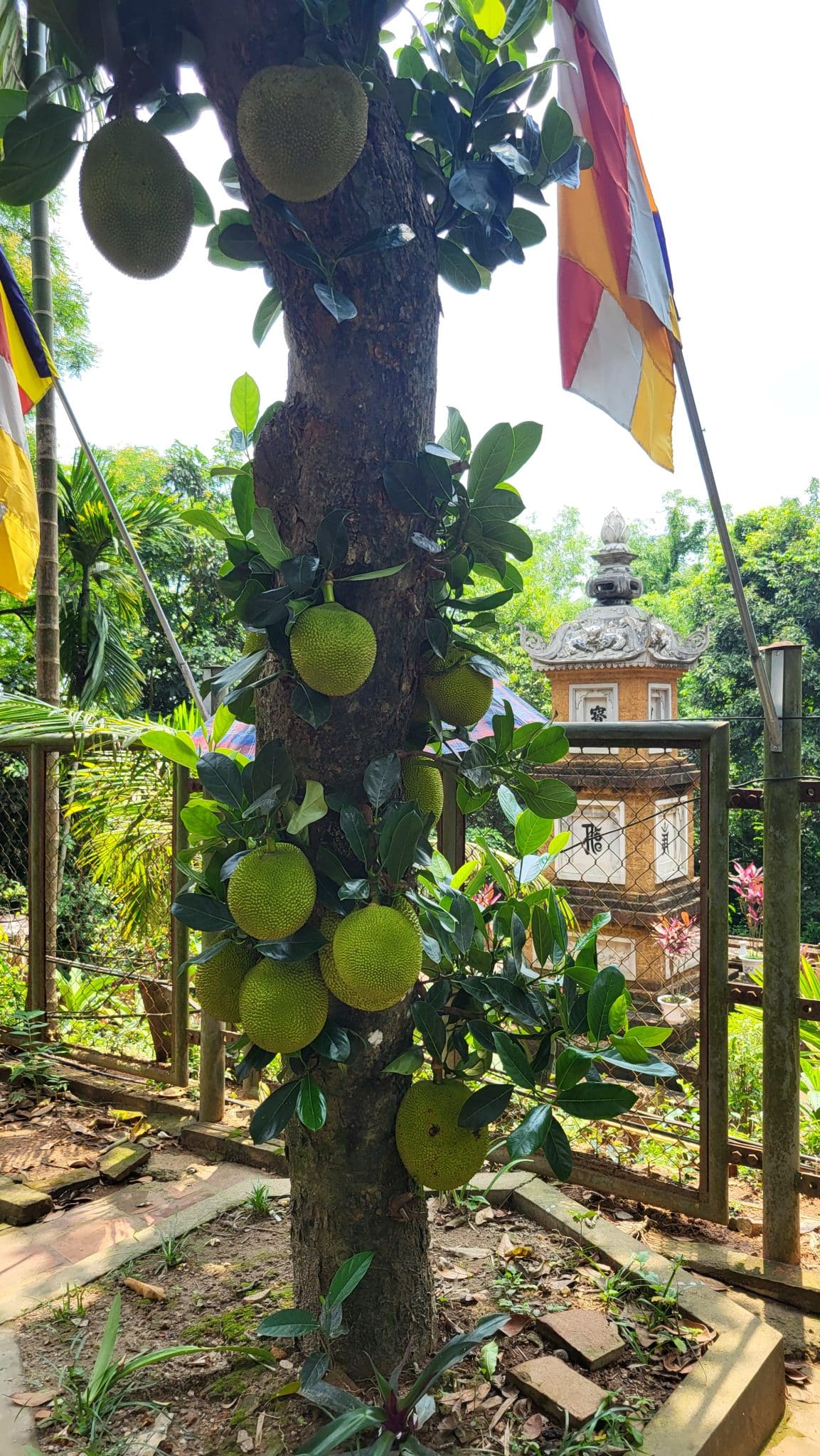
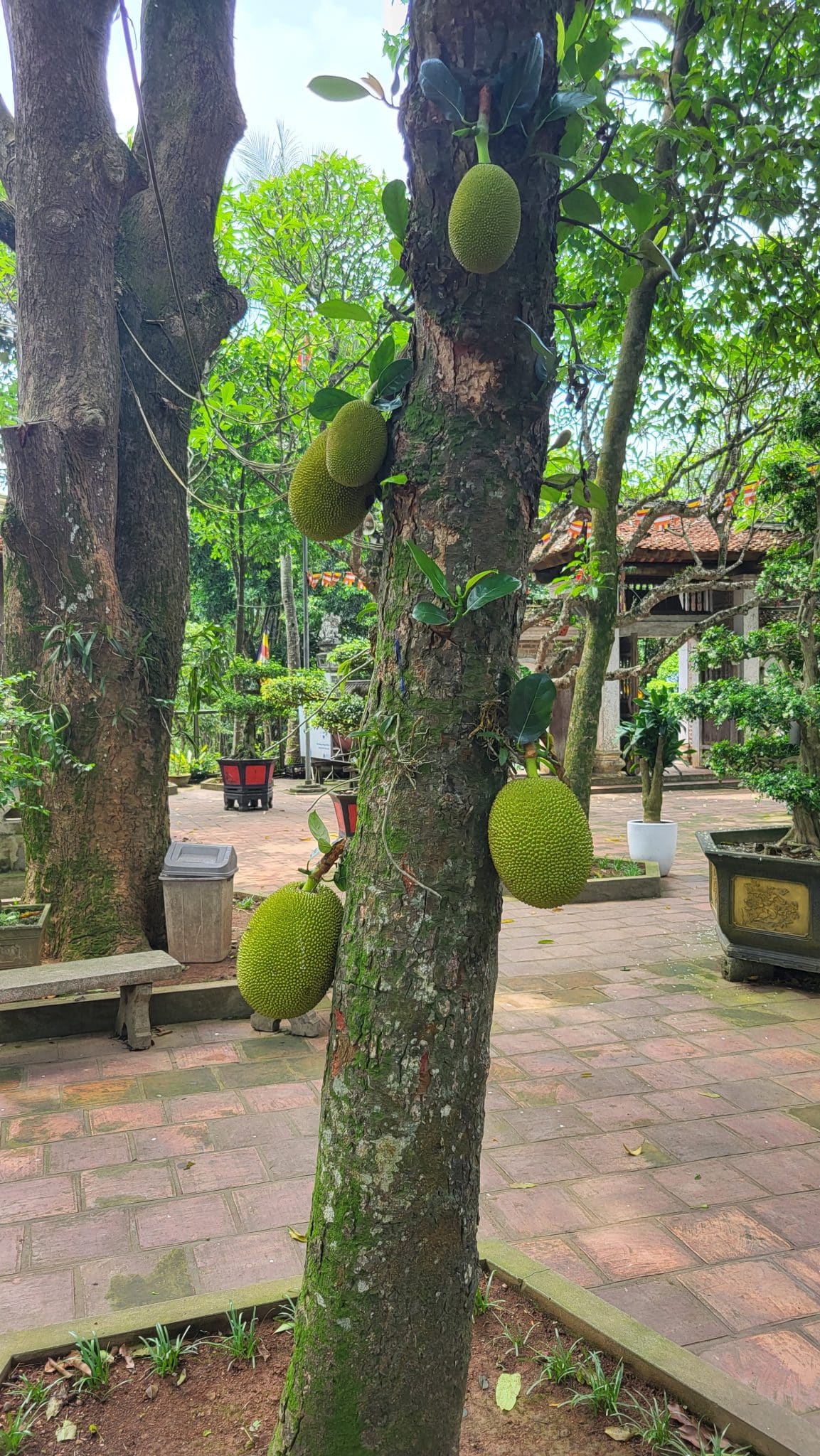
Tây Phương is renowned for its collection of 18 Arhat statues (La Hán), carved from jackfruit wood during the Tây Sơn era. These lifelike statues are expressive and depict various emotional states, showcasing the pinnacle of Vietnamese sculpture. They are considered masterpieces of Buddhist art and cultural heritage. - Location and Scenery:
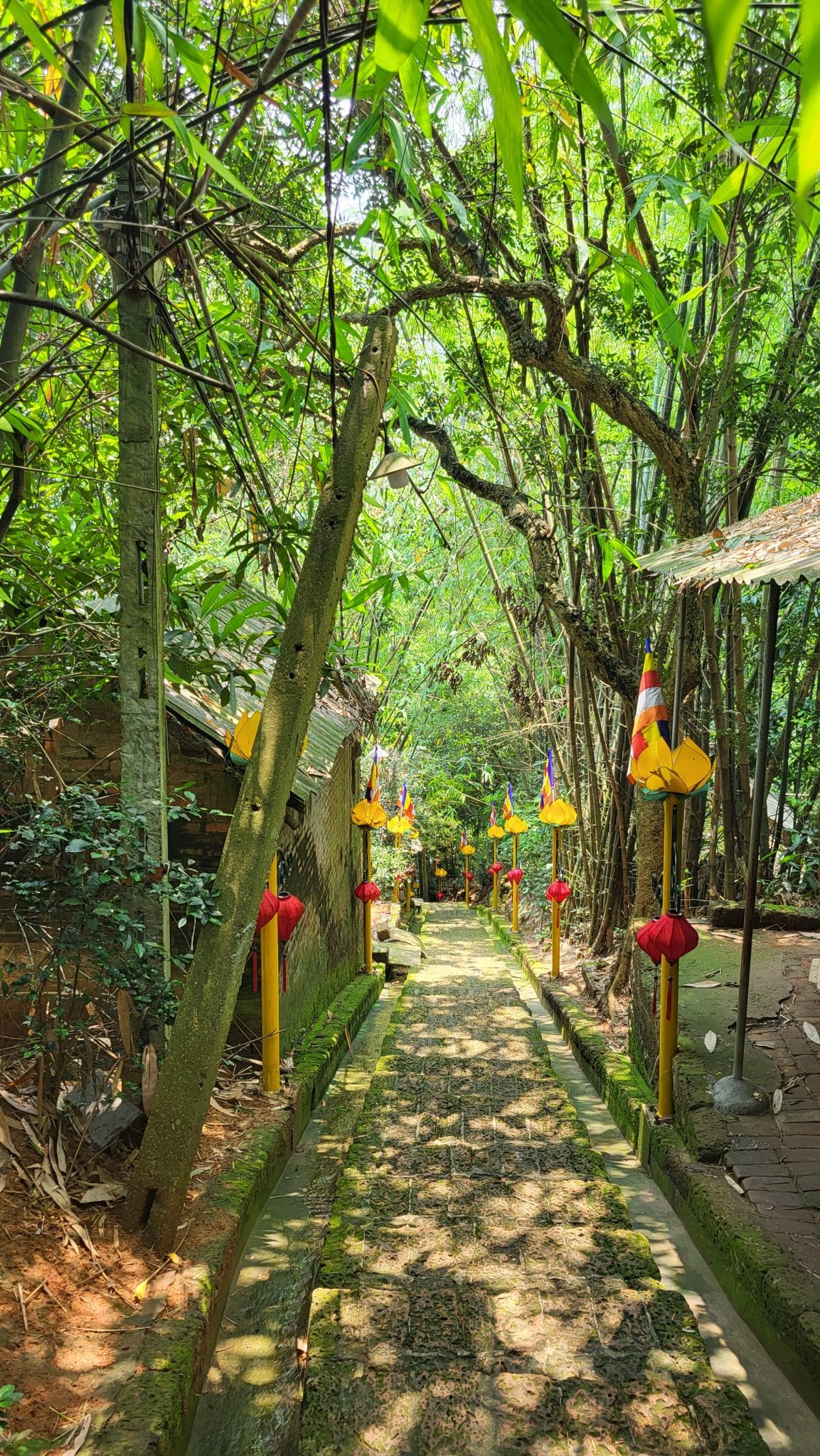
The pagoda is perched on Câu Lâu Hill, offering panoramic views of the surrounding countryside. To reach the pagoda, visitors climb 239 laterite stone steps, adding a sense of journey and devotion.
Cultural and Religious Significance
- Festivals:
Tây Phương Pagoda hosts a major annual festival on the 6th day of the 3rd lunar month. This festival includes traditional rituals, folk games, and performances such as chèo (Vietnamese traditional opera) and hat xoan (spring singing). - Symbolism:
The pagoda symbolizes Vietnam’s spiritual resilience and cultural identity. Its wooden statues and architecture reflect the harmony between Buddhism and Vietnamese folk traditions. - Connection to Vietnamese Literature:
Tây Phương Pagoda has inspired poets, including the famous Nguyễn Khuyến, whose poem “Chùa Tây Phương” reflects on the pagoda’s beauty and the transience of life.
Why Visit Tây Phương Pagoda?
- Historical Value: One of the oldest pagodas in Vietnam, it is a treasure trove of history and culture.
- Architectural Marvel: Its wooden carvings and statues are masterpieces of Vietnamese art.
- Spiritual Experience: A serene atmosphere perfect for reflection and connection with Buddhist teachings.
- Cultural Immersion: The pagoda offers insight into Vietnamese traditions, art, and religious practices.
Tây Phương Pagoda stands as a testament to Vietnam’s rich heritage and enduring spiritual values, making it a must-visit destination for those exploring the Hanoi region.