Presidential Palace – Hanoi
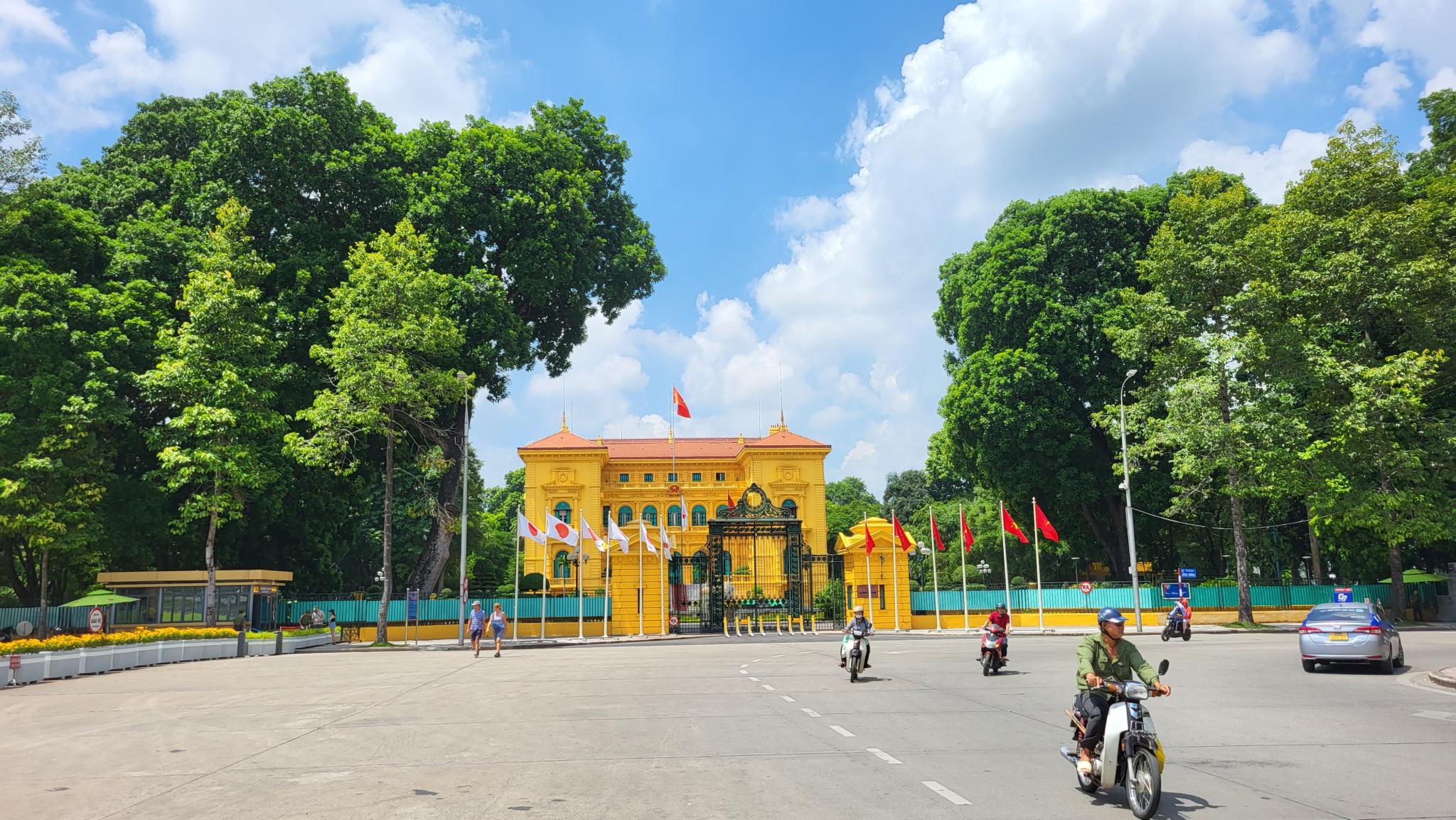
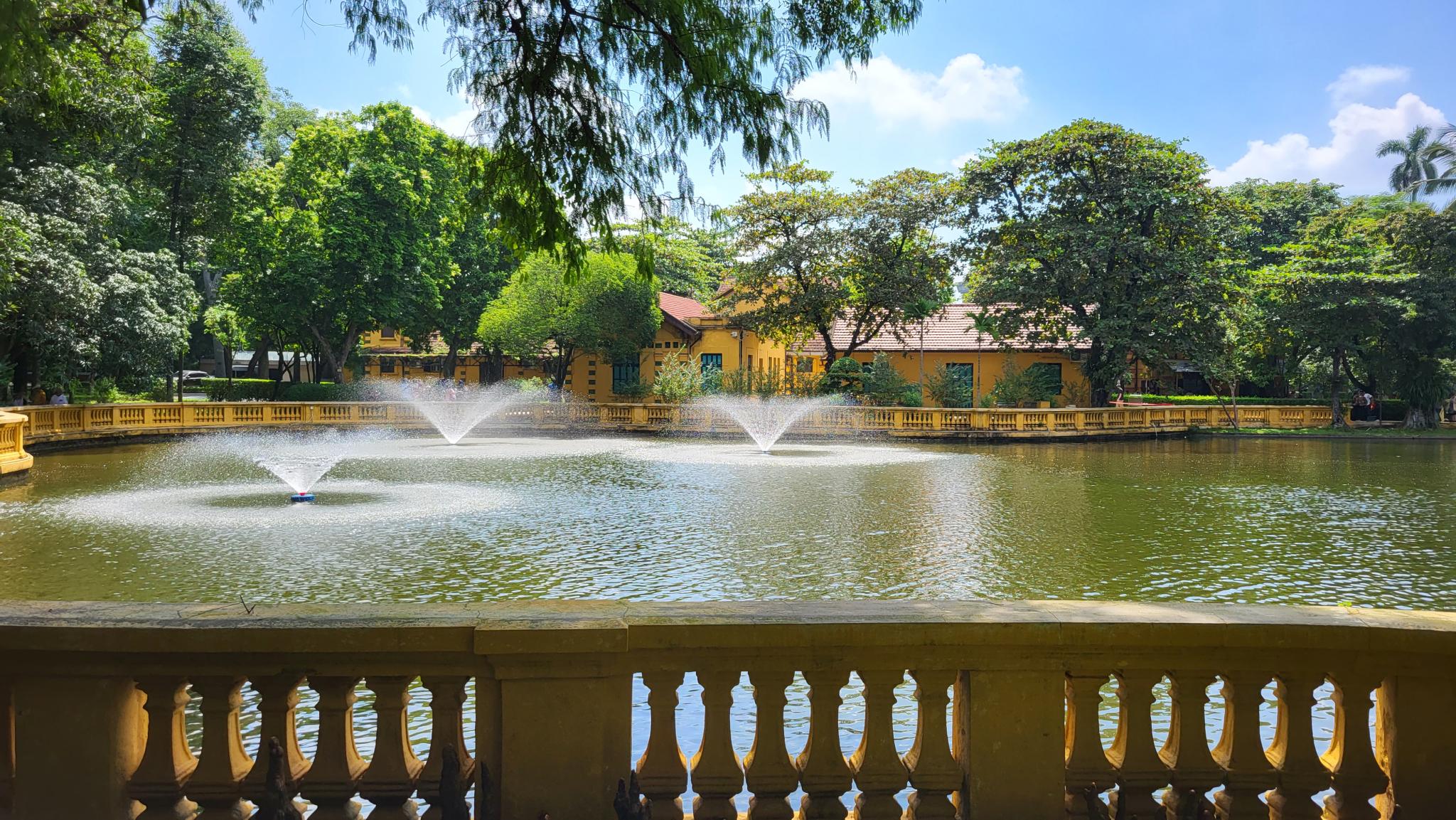
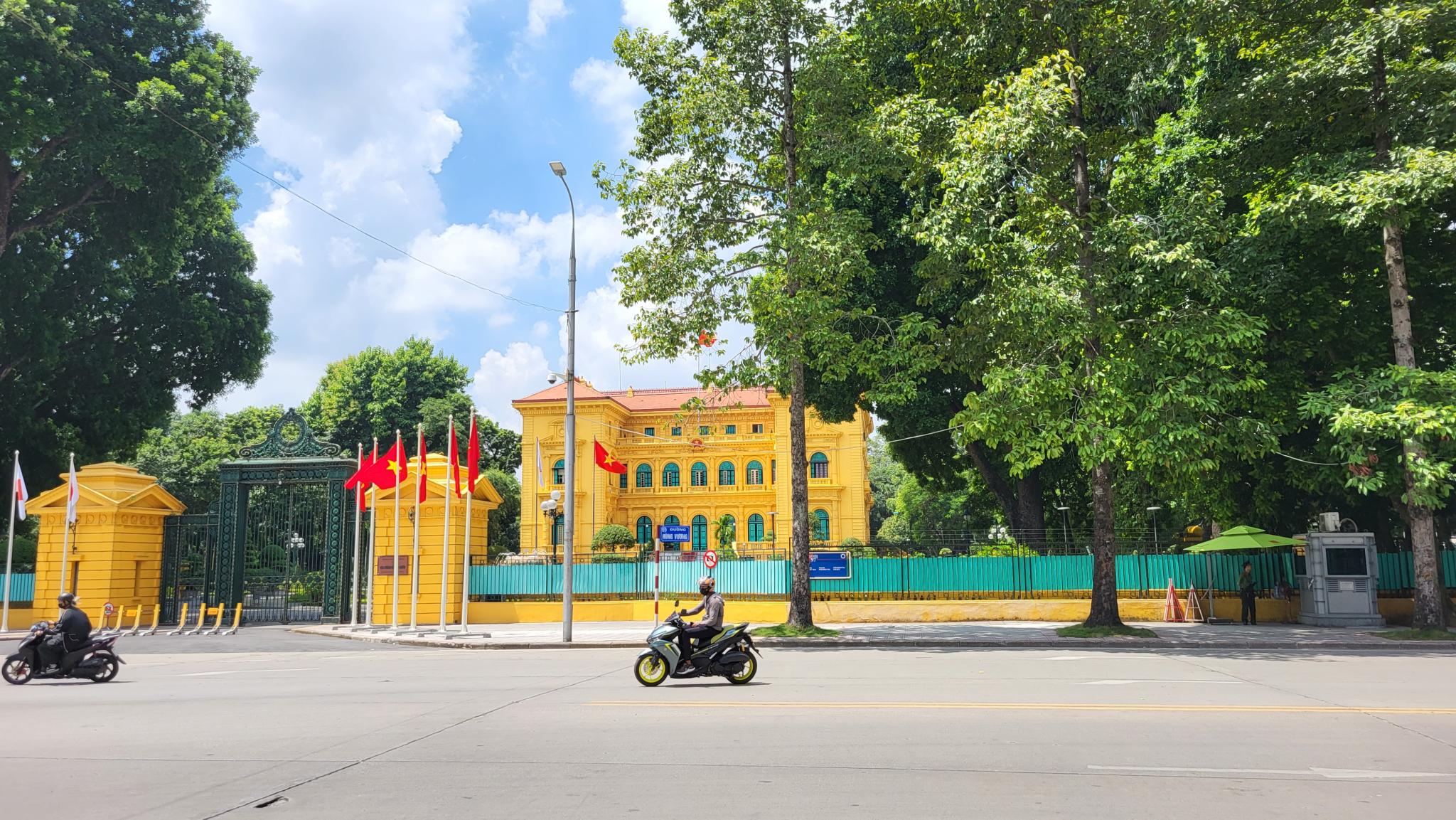
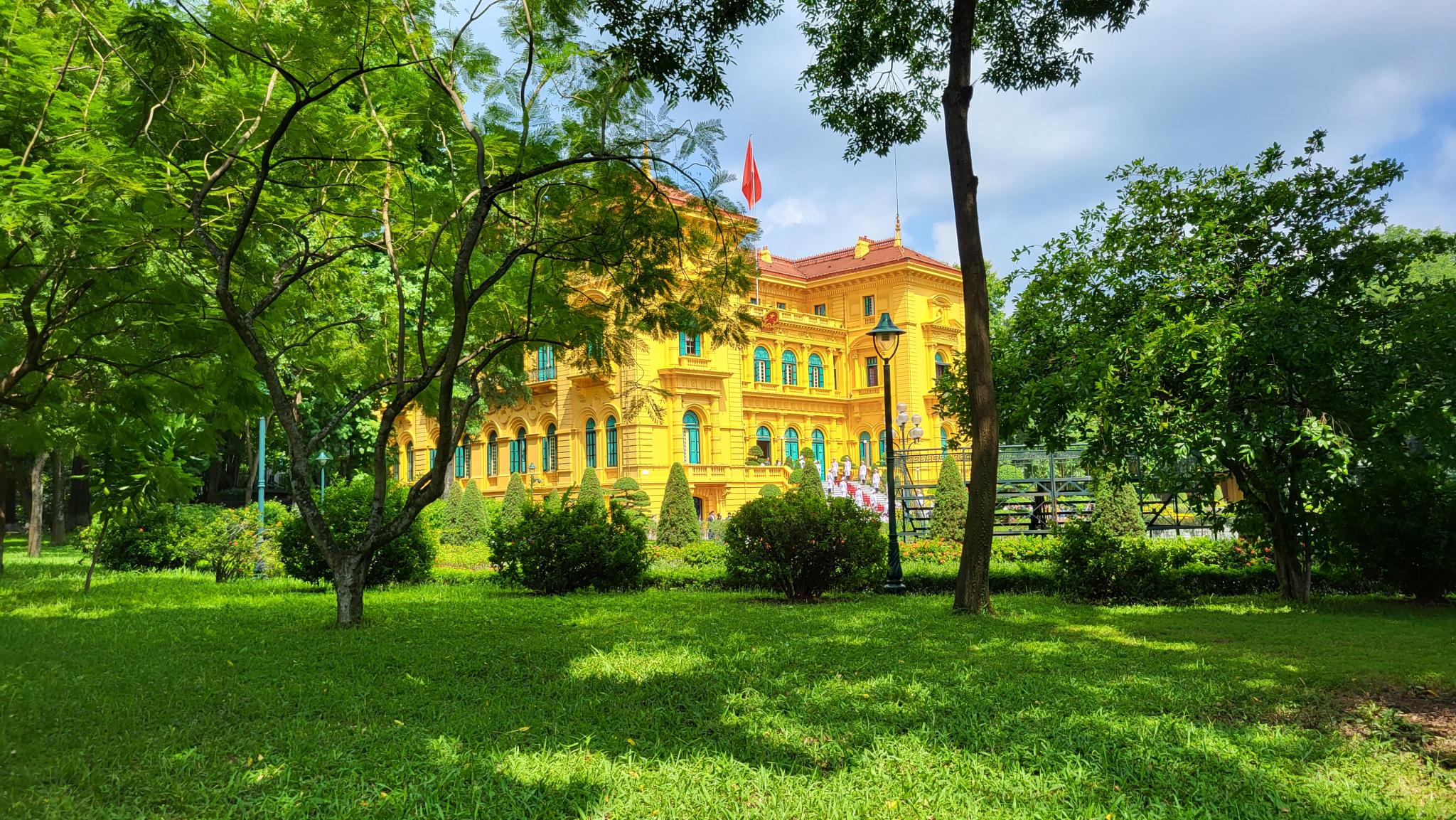
The Presidential Palace (also known as the Presidential Palace of Vietnam or the Government Guesthouse) is a significant historical and architectural landmark located in the heart of Hanoi, Vietnam. It serves as the official residence and workplace of the President of Vietnam, symbolizing the country’s political leadership, governance, and national identity.
Historical Background:
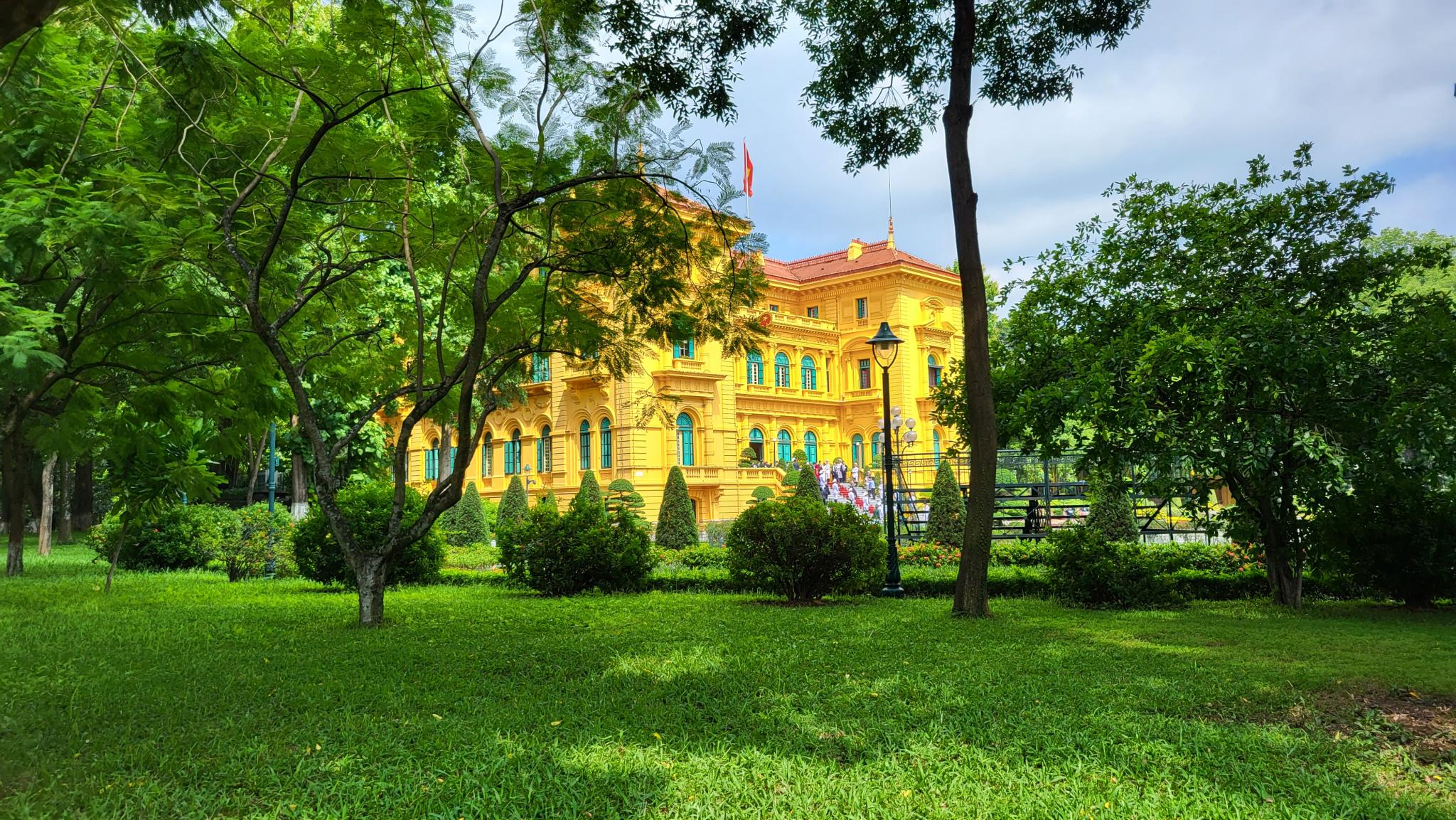
- Construction and Origins: The Presidential Palace was constructed between 1900 and 1906 during the French colonial period in Vietnam, initially serving as the residence of the French Governor-General of Indochina. The architectural design of the palace reflects the Beaux-Arts architectural style, which was popular in France during that era. After gaining independence from French colonial rule in 1954, the Presidential Palace became the official residence and workplace of the President of Vietnam, symbolizing the country’s sovereignty, governance, and national pride.
- Historical Significance: Over the years, the Presidential Palace has served as a symbol of Vietnam’s political leadership, governance, and national identity, witnessing various historical events, diplomatic activities, and political developments that have shaped the country’s modern history. The palace’s historical significance lies in its role as a political institution, cultural landmark, and national symbol that reflects Vietnam’s resilience, independence, and aspirations for peace, prosperity, and progress within the global community.
Architectural Features:
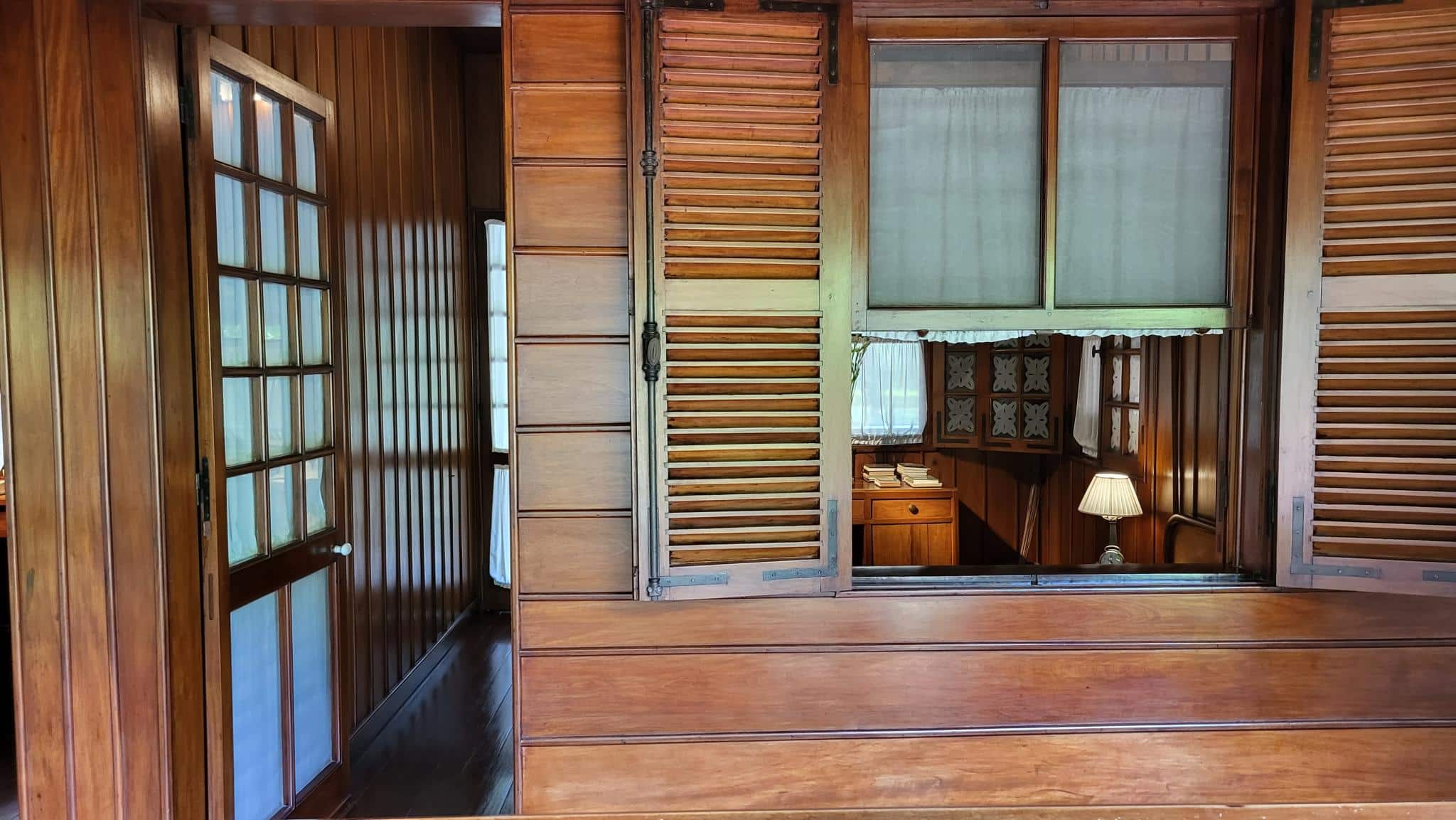
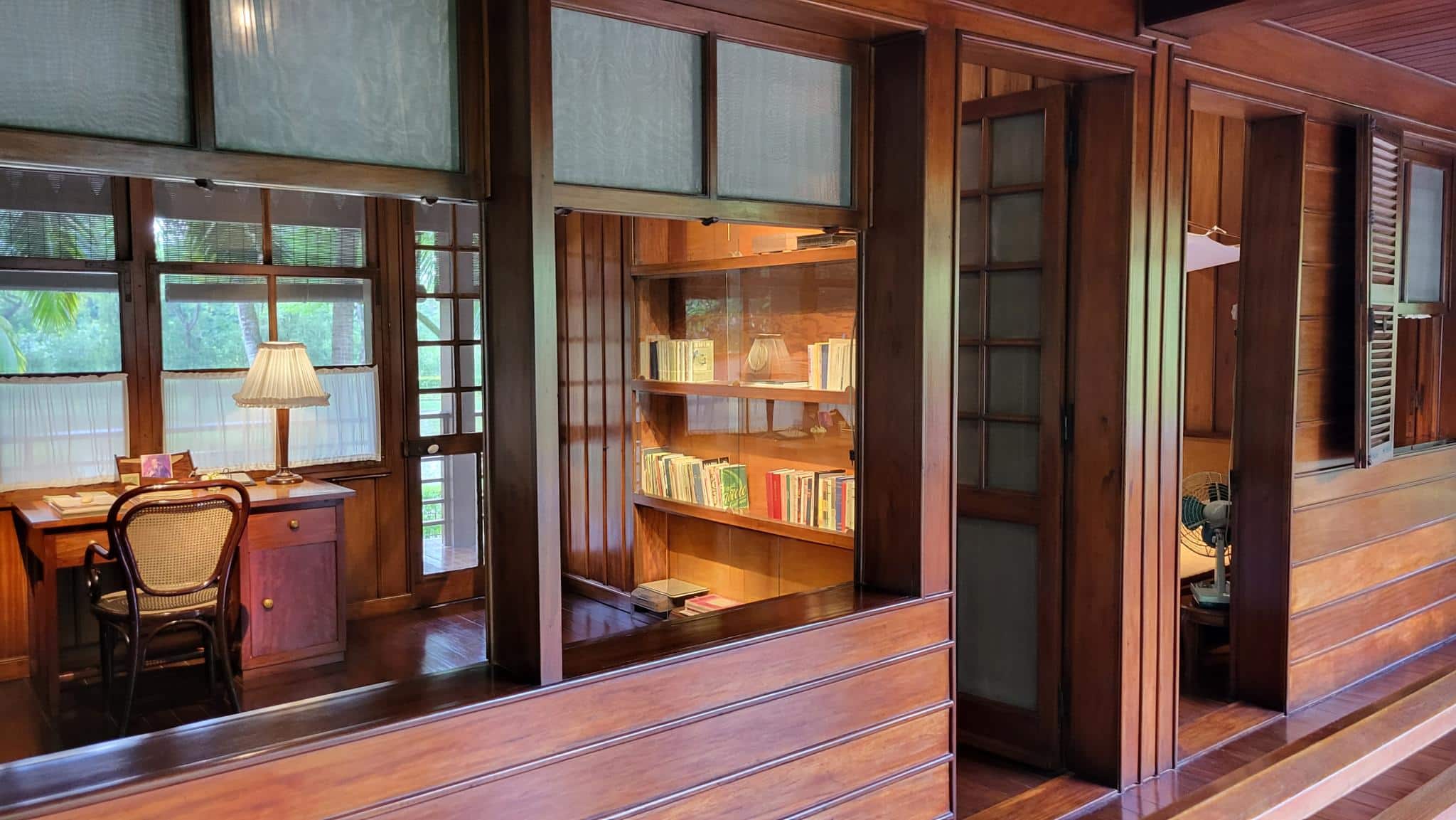
- Design and Style: The Presidential Palace features a Beaux-Arts architectural style characterized by its symmetrical facade, grand columns, ornate decorations, and elegant interiors that reflect the opulence and sophistication of European architectural designs prevalent during the late 19th and early 20th centuries. The palace’s architectural details, interior spaces, and exterior facade showcase the craftsmanship, artistic expressions, and cultural influences that define its architectural style and significance within Hanoi’s diverse architectural landscape.
- Cultural Heritage: The Presidential Palace serves as a cultural, historical, and architectural landmark in Hanoi, preserving Vietnam’s traditional values, political heritage, and national identity through its official functions, diplomatic events, and public ceremonies that celebrate the country’s achievements, aspirations, and contributions to regional and global affairs. The palace’s architectural beauty, historical significance, and cultural heritage contribute to its recognition as a revered and iconic landmark within Hanoi’s vibrant and dynamic urban environment.
Visitor Information:
- Location: The Presidential Palace is located in the French Quarter of Hanoi, Vietnam, making it accessible to visitors exploring the city’s historical landmarks, cultural attractions, and political institutions.
- Accessibility: The palace is open to the public for guided tours, official ceremonies, and diplomatic events, offering visitors an opportunity to experience its architectural beauty, historical significance, and cultural heritage within the context of Hanoi’s rich and diverse cultural landscape.
In summary, the Presidential Palace is a significant historical, architectural, and cultural landmark located in Hanoi, Vietnam. Its construction, design, and development reflect the influences of French colonialism, Beaux-Arts architecture, and Vietnam’s rich history, political heritage, and national identity within the context of its colonial past, wartime experiences, and post-war development.