Bát Tràng Ceramic Village – Hanoi
History and Origins
The origins of Bát Tràng date back to the 14th or 15th century during the Lý and Trần dynasties. According to legend, the village was founded when skilled ceramic artisans from other regions migrated to Bát Tràng. Its location on the banks of the Red River provided easy access to high-quality clay, ideal for ceramics, and facilitated transport of the finished goods to other parts of Vietnam. Over time, Bát Tràng gained a reputation for its durable and beautiful ceramic products, such as bowls, vases, and dishes, which were popular among Vietnamese nobility and commoners alike.
Ceramic Techniques and Products
Bát Tràng is known for its unique and diverse ceramic techniques, which include traditional hand-shaping, wheel-throwing, and advanced glazing methods. The village has preserved and passed down many distinct styles of pottery, including:
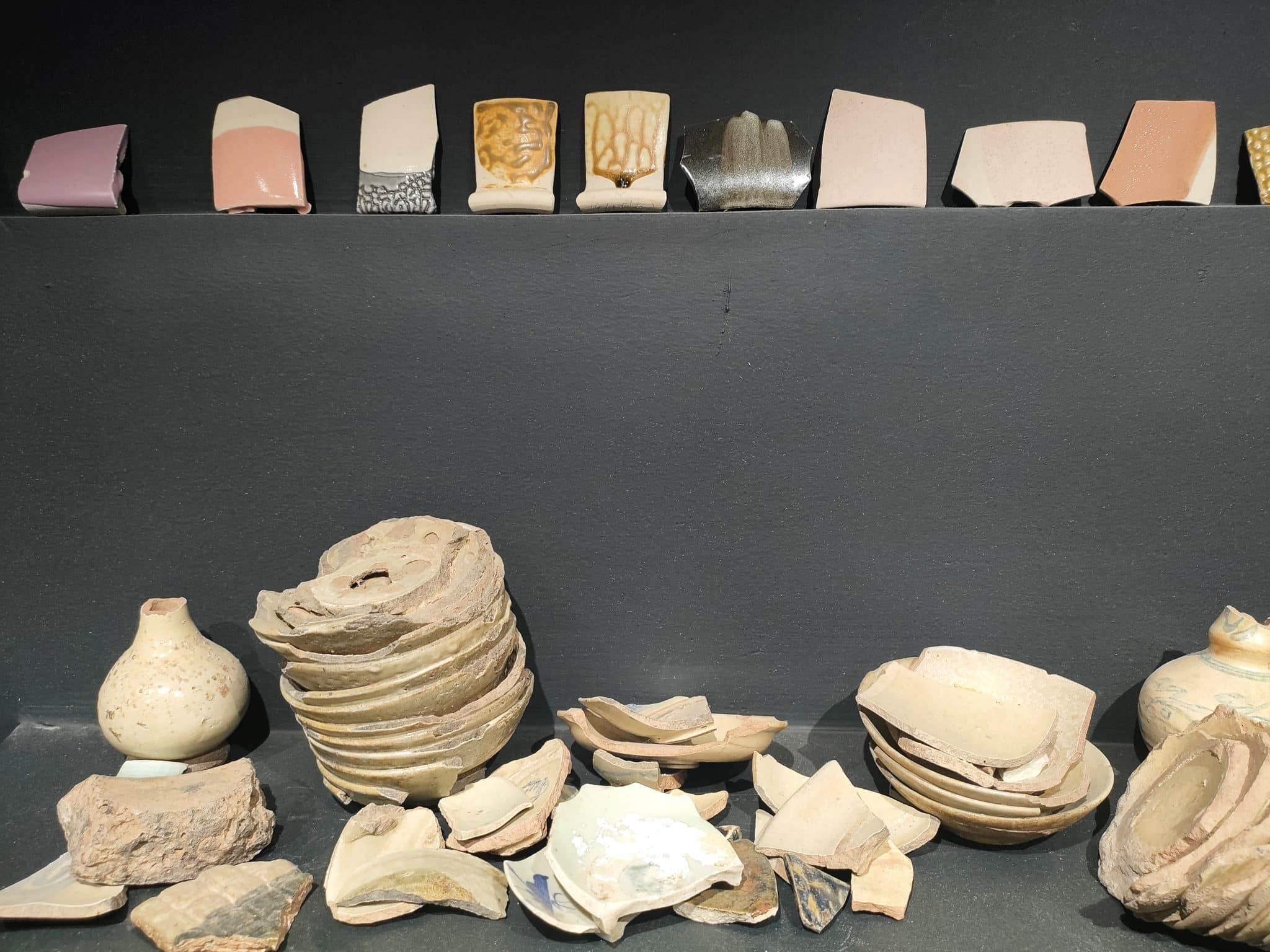
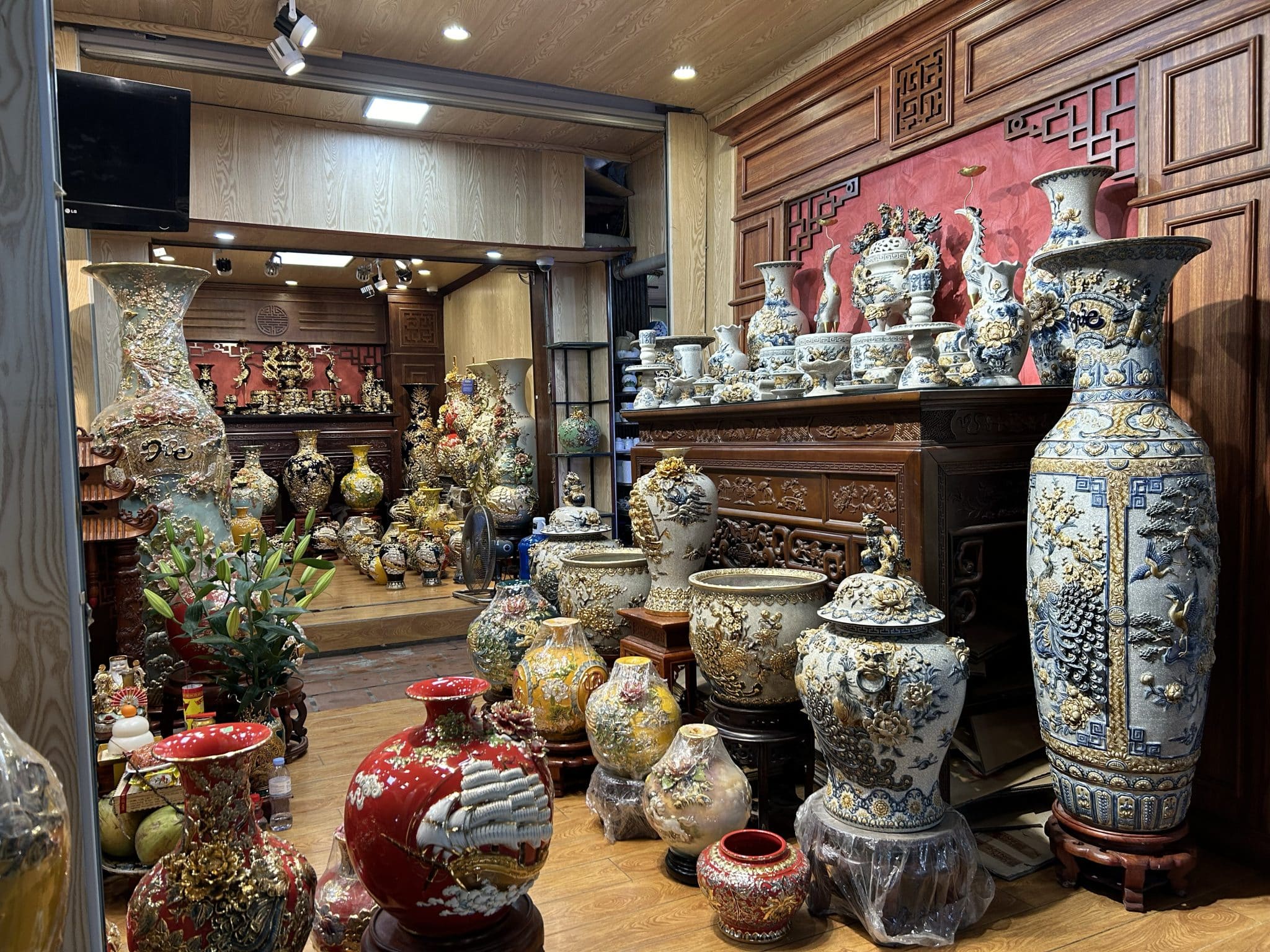
- Crackled Ceramics: Known for a finely crackled glaze, this style gives pieces an antique look, making them highly desirable for collectors.
- Celadon: This jade-green glaze, brought from China but adapted uniquely in Bát Tràng, is one of the most refined styles produced here.
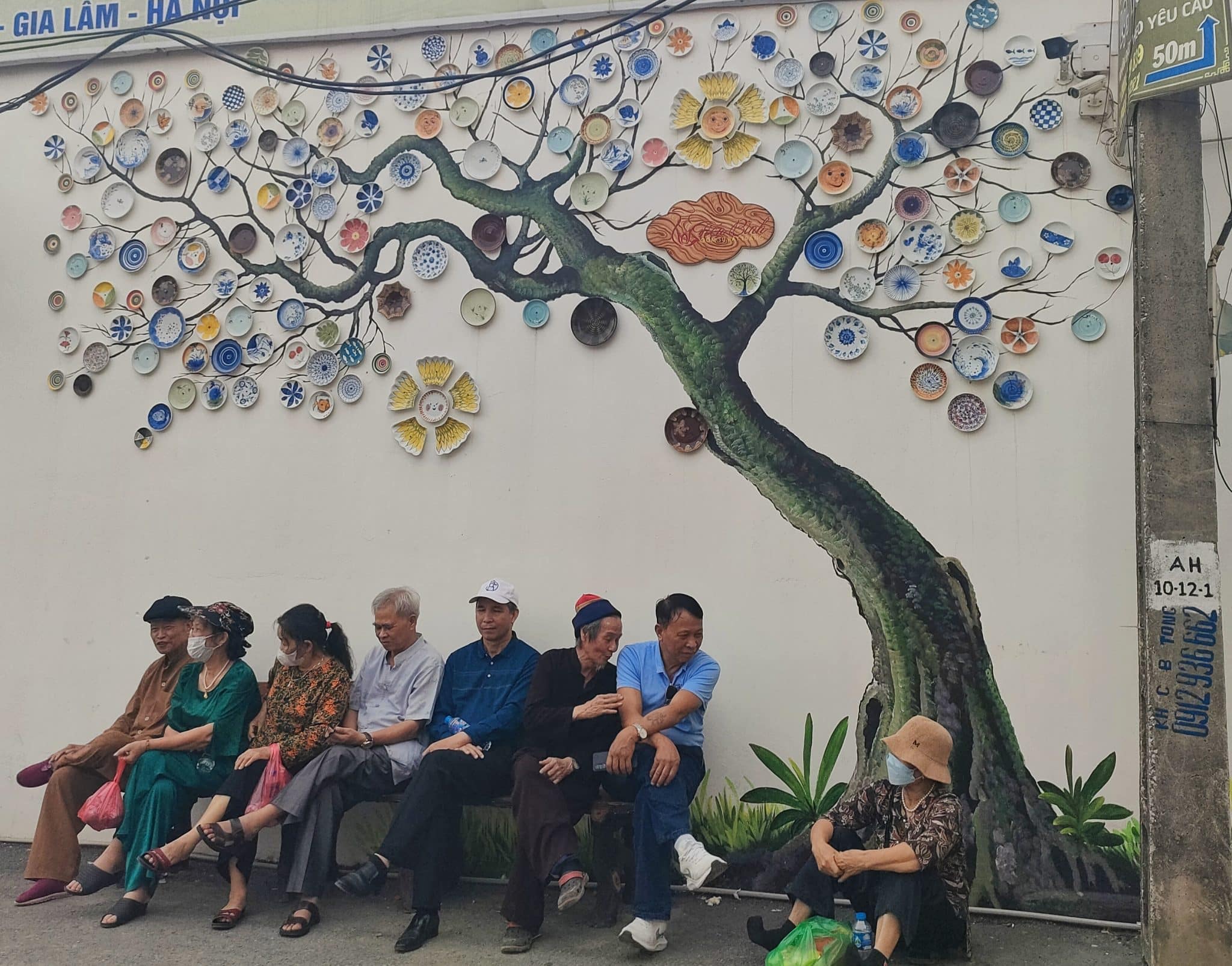
- Blue and White Ceramics: Inspired by Chinese porcelain, Bát Tràng’s blue and white ceramics feature intricate designs, often depicting nature, mythology, or daily life.
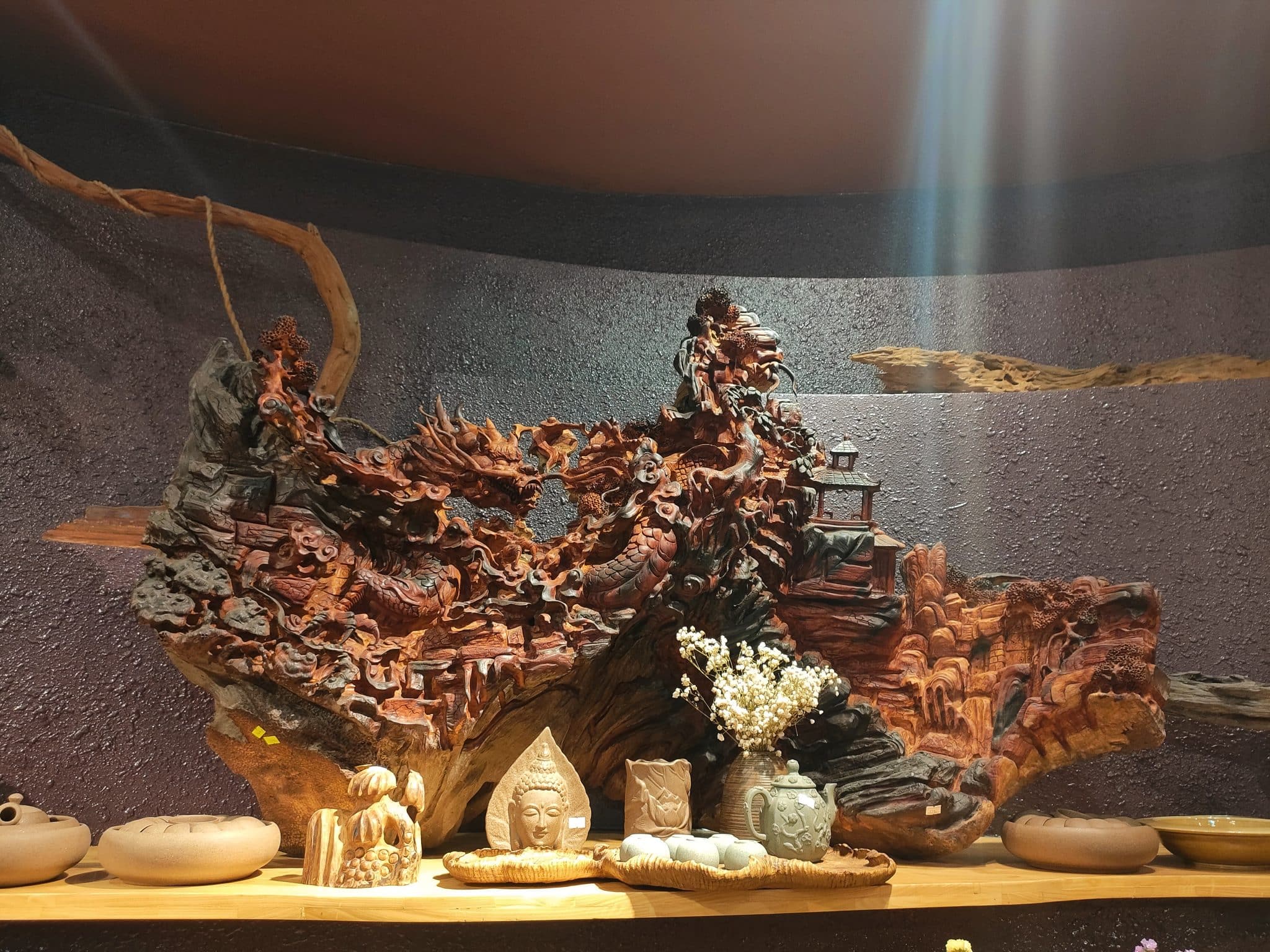
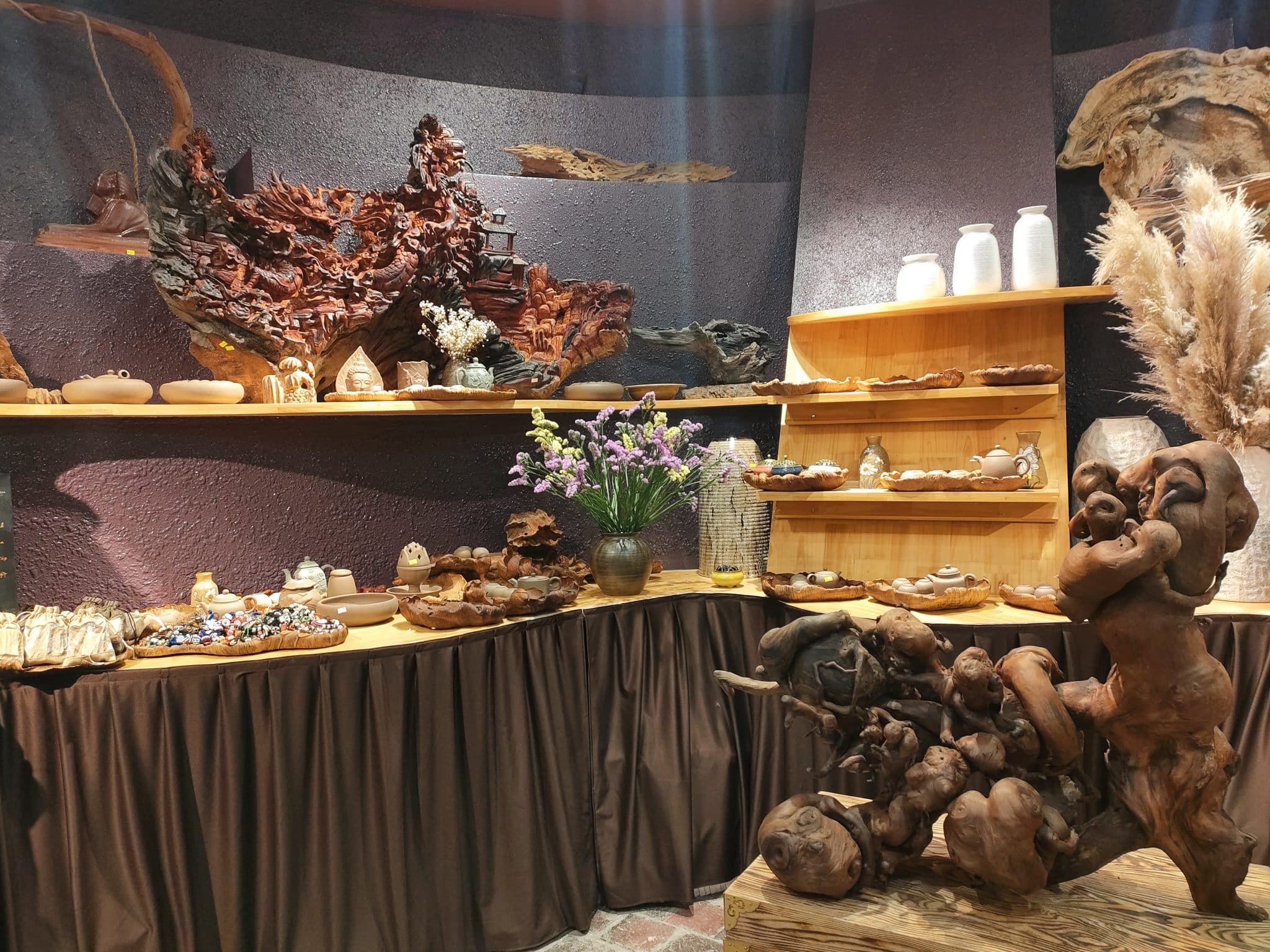
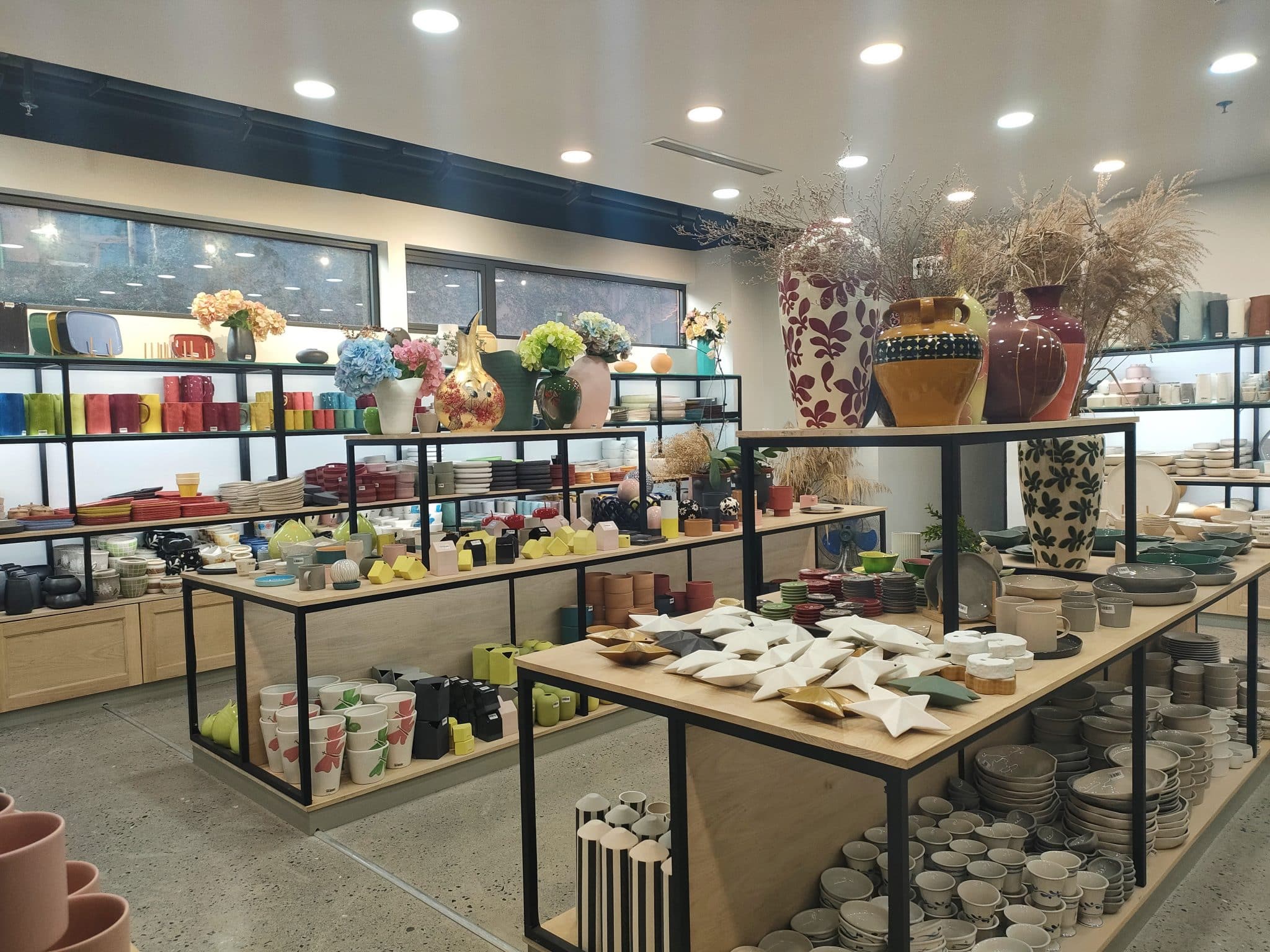
Products include teapots, vases, plates, tiles, statues, and decorative pieces. In recent decades, artisans have also branched into more contemporary and experimental styles to meet modern demands while staying true to traditional craftsmanship.
Cultural and Economic Importance
For centuries, Bát Tràng has been more than just a production site; it has been a cultural and economic center. The ceramics from Bát Tràng were historically traded across Vietnam and beyond, contributing significantly to local and national economies. Today, the village remains a major economic hub, especially for artisanal tourism. Many families in Bát Tràng are multi-generational ceramic artisans, with skills and techniques passed down for hundreds of years.
Tourist Attractions and Activities
Bát Tràng attracts visitors interested in the history and process of ceramic-making, as well as in purchasing unique Vietnamese ceramics. Key attractions and activities include:
- Ceramic Markets: The village has markets and shops where tourists can view and purchase a wide array of ceramic products, ranging from traditional items to contemporary pieces.
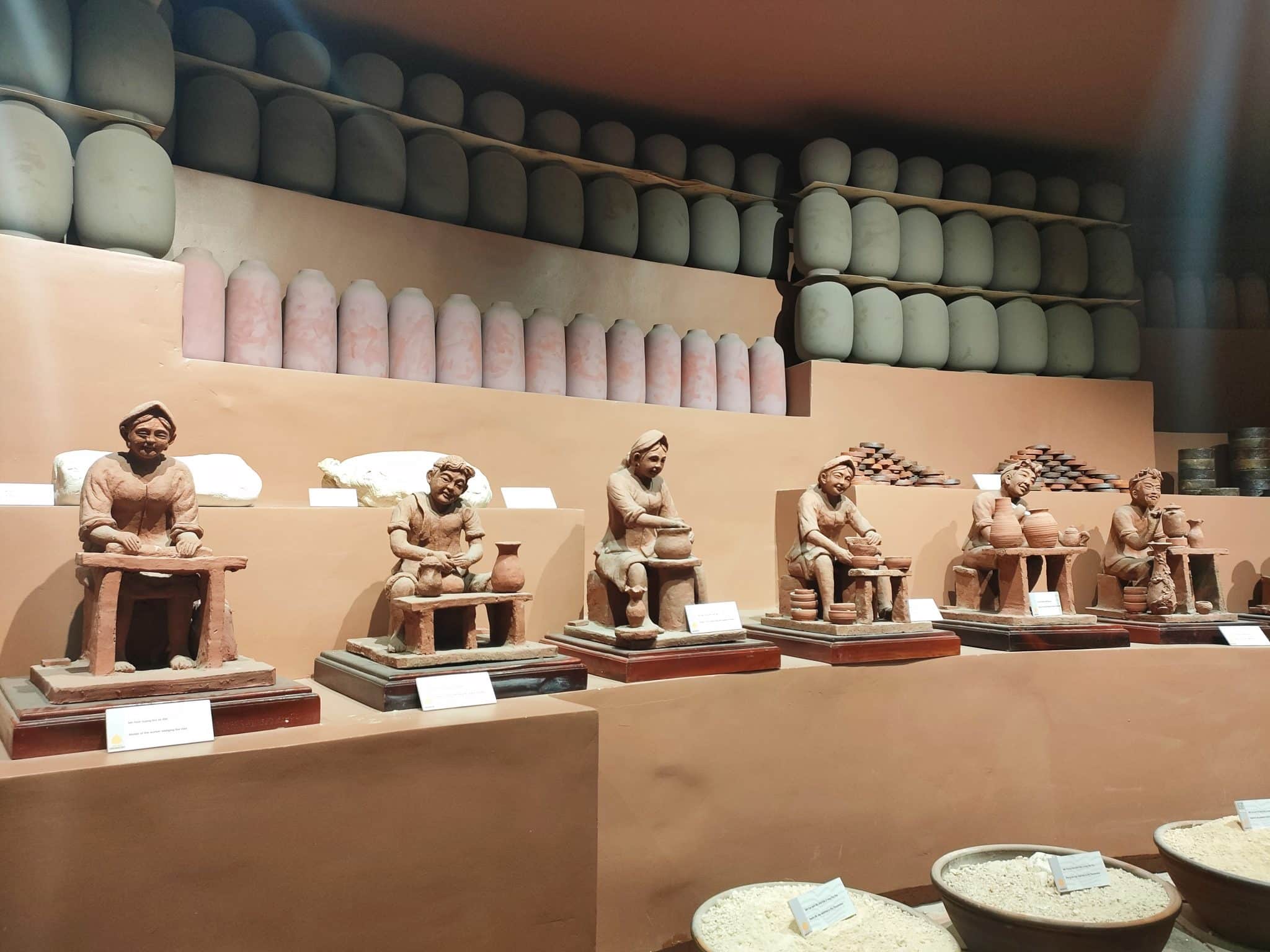
- Hands-On Workshops: Many workshops in Bát Tràng allow visitors to try their hand at pottery-making, from shaping the clay to painting and glazing. This experience offers insight into the skill and patience required to create these pieces.
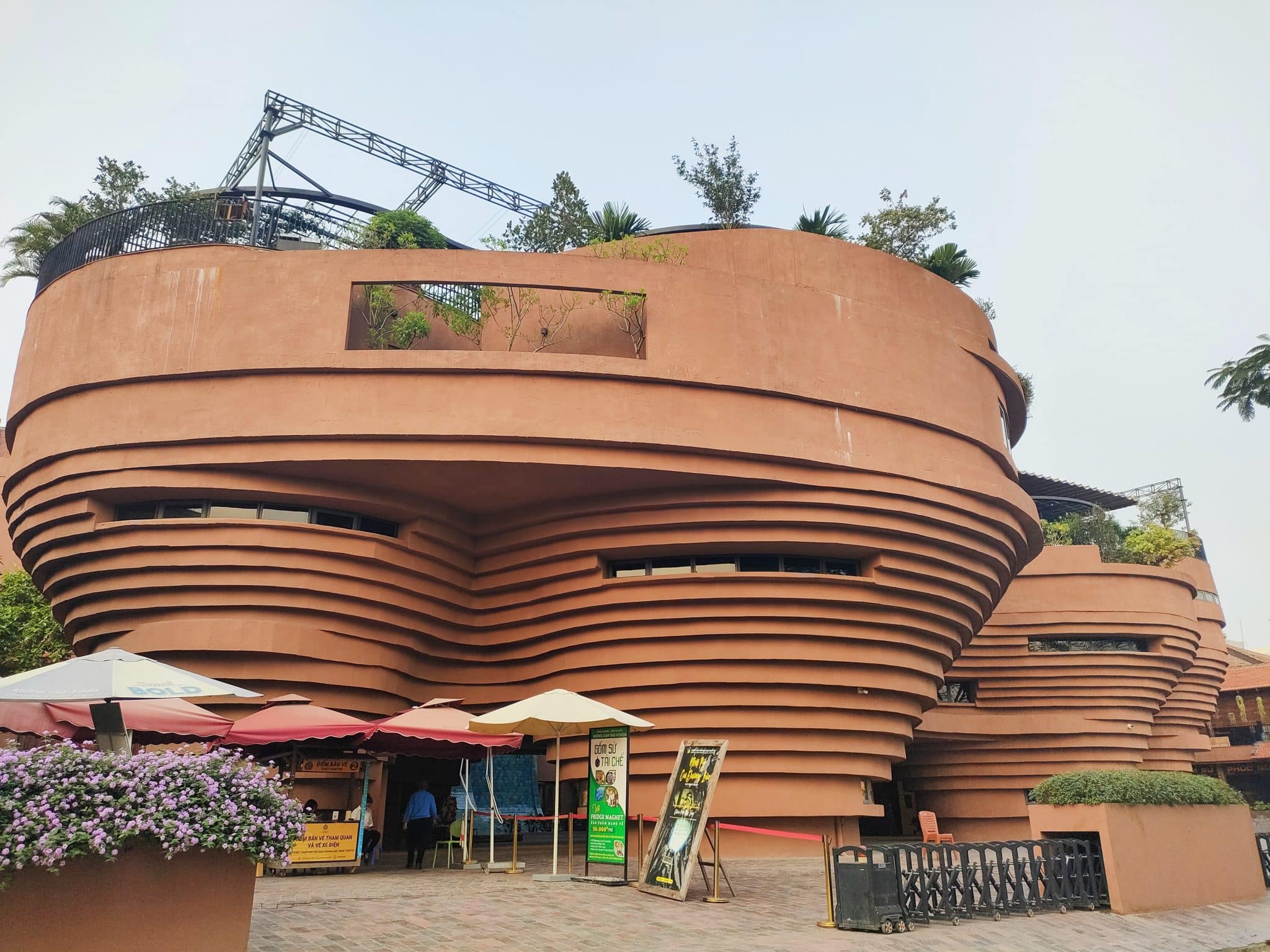
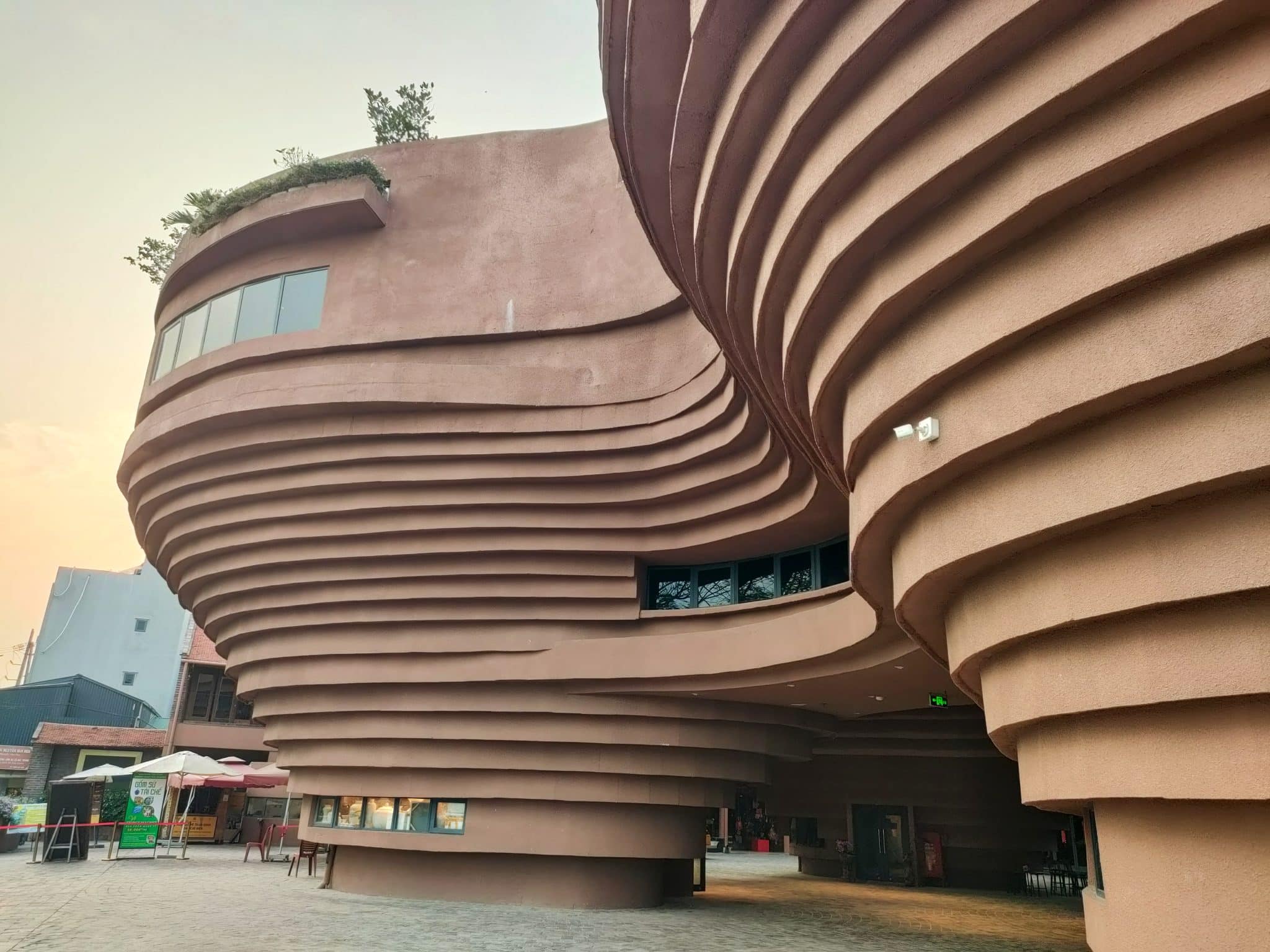
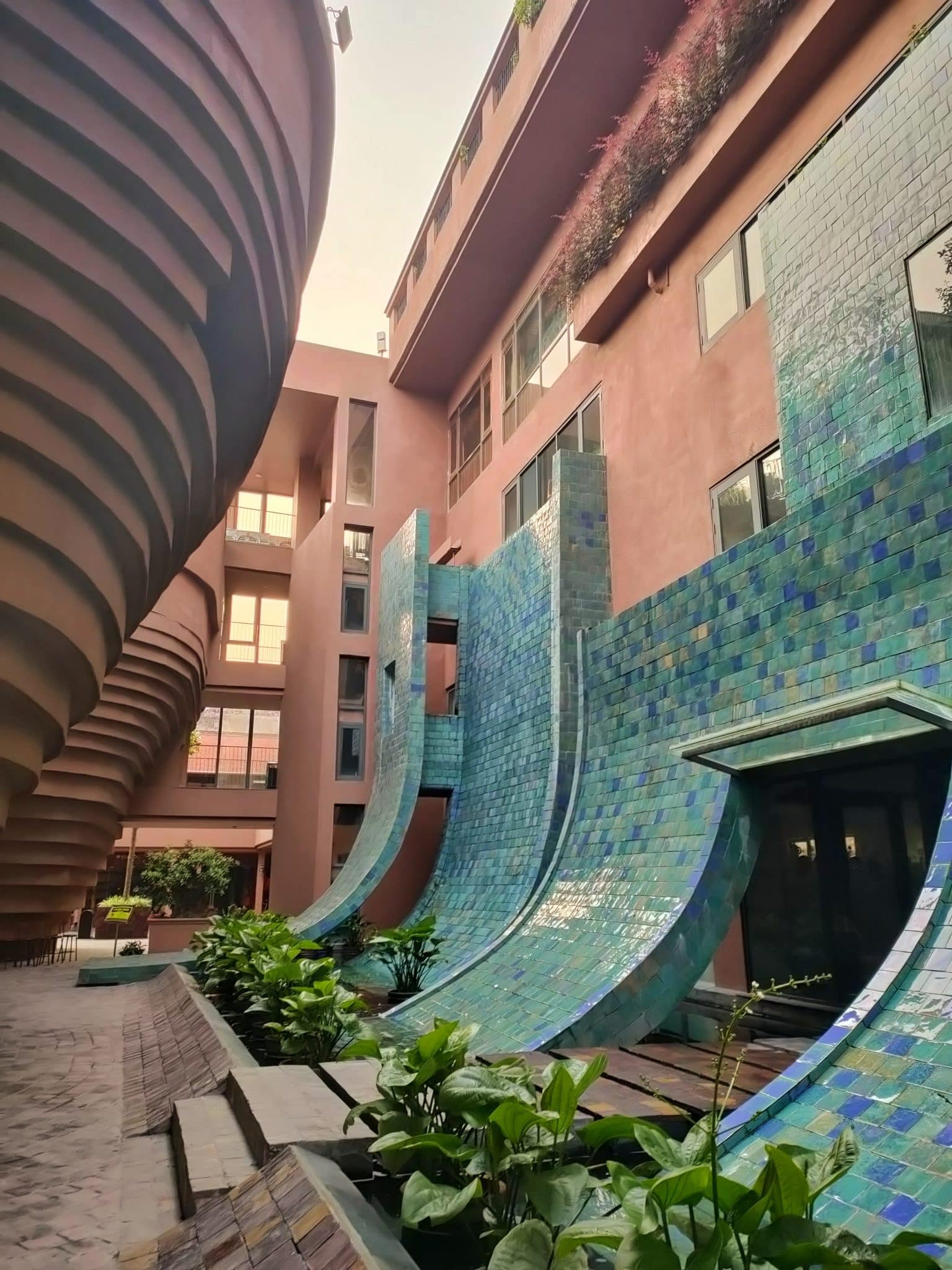
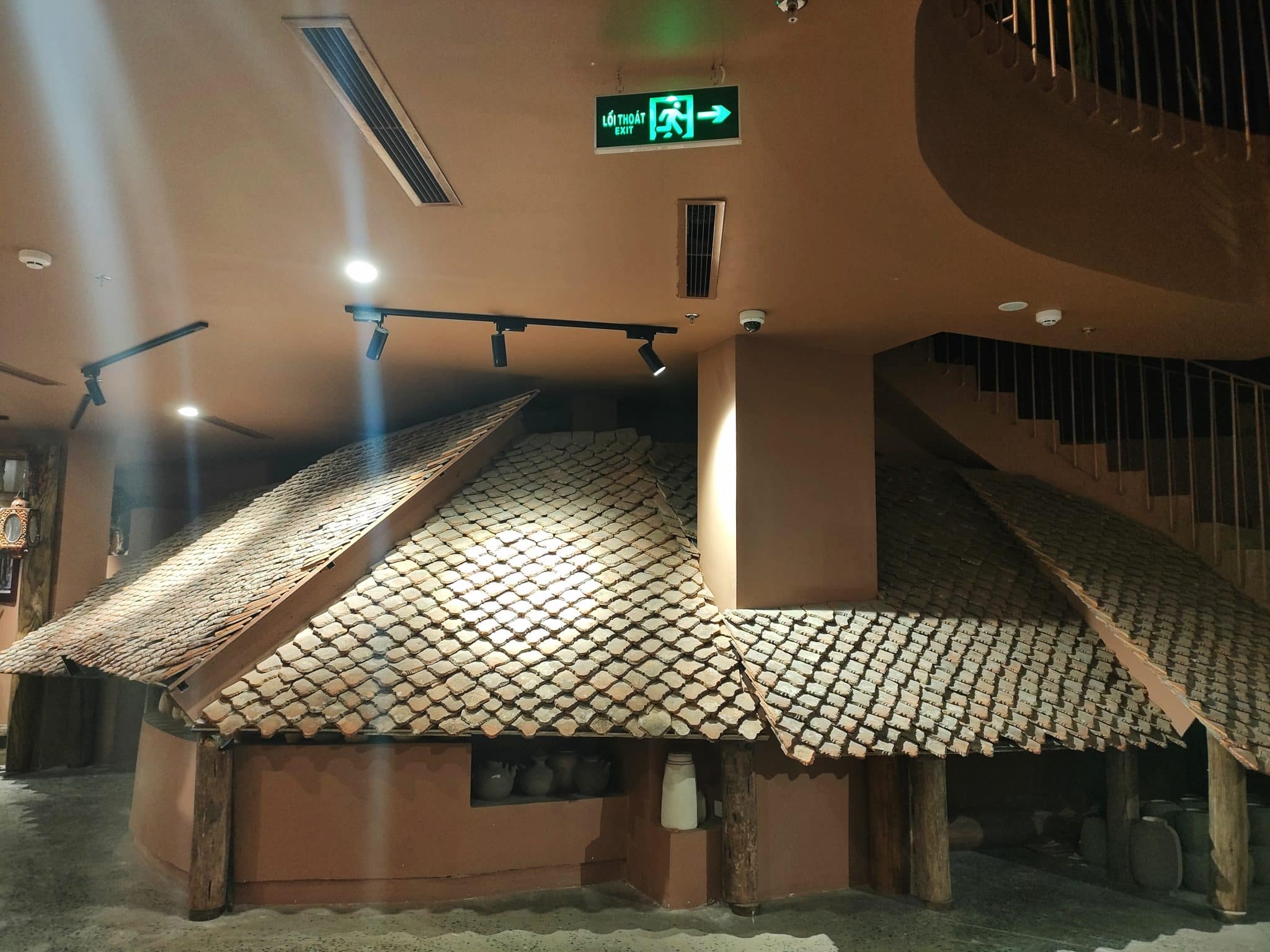
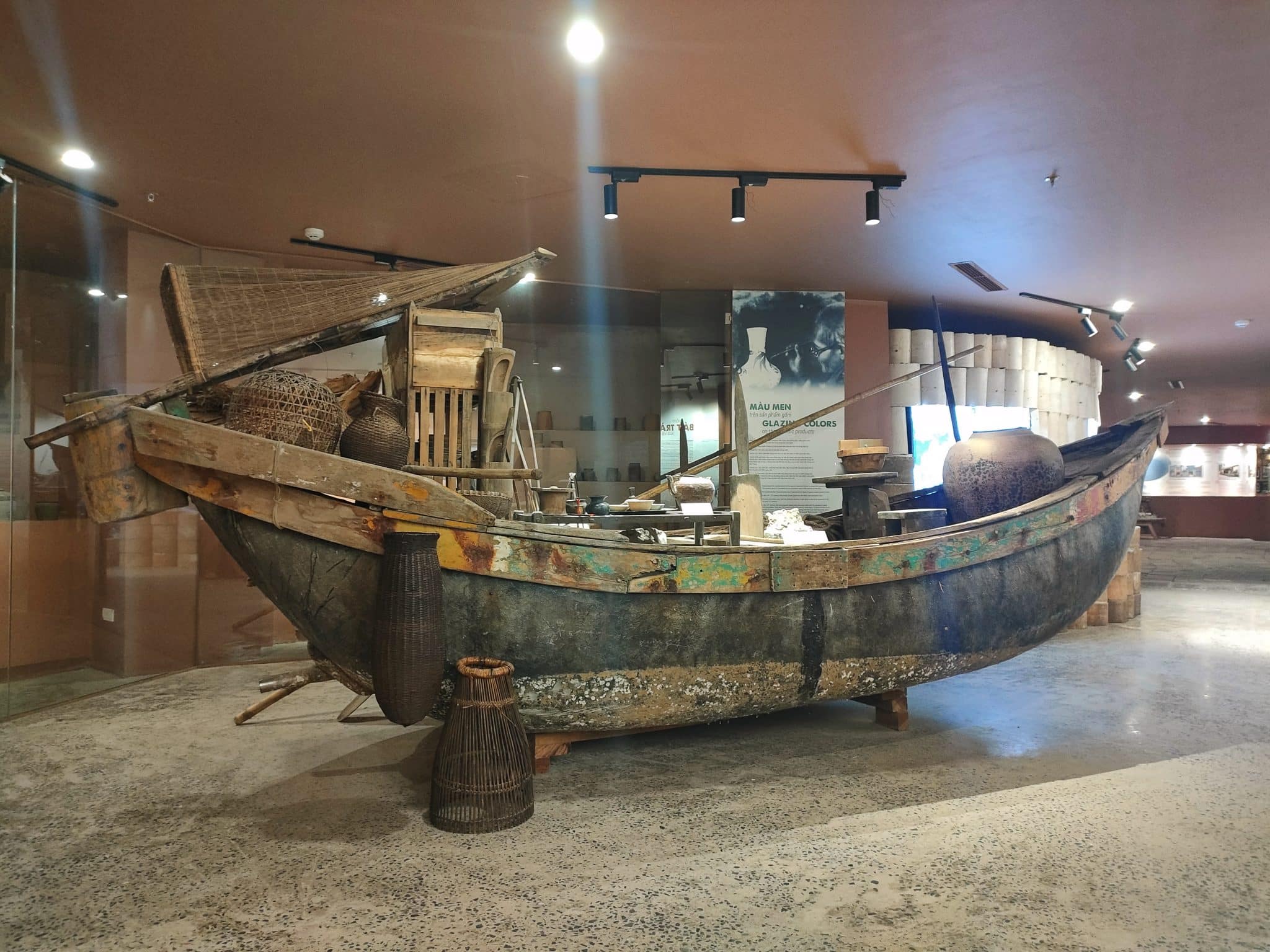
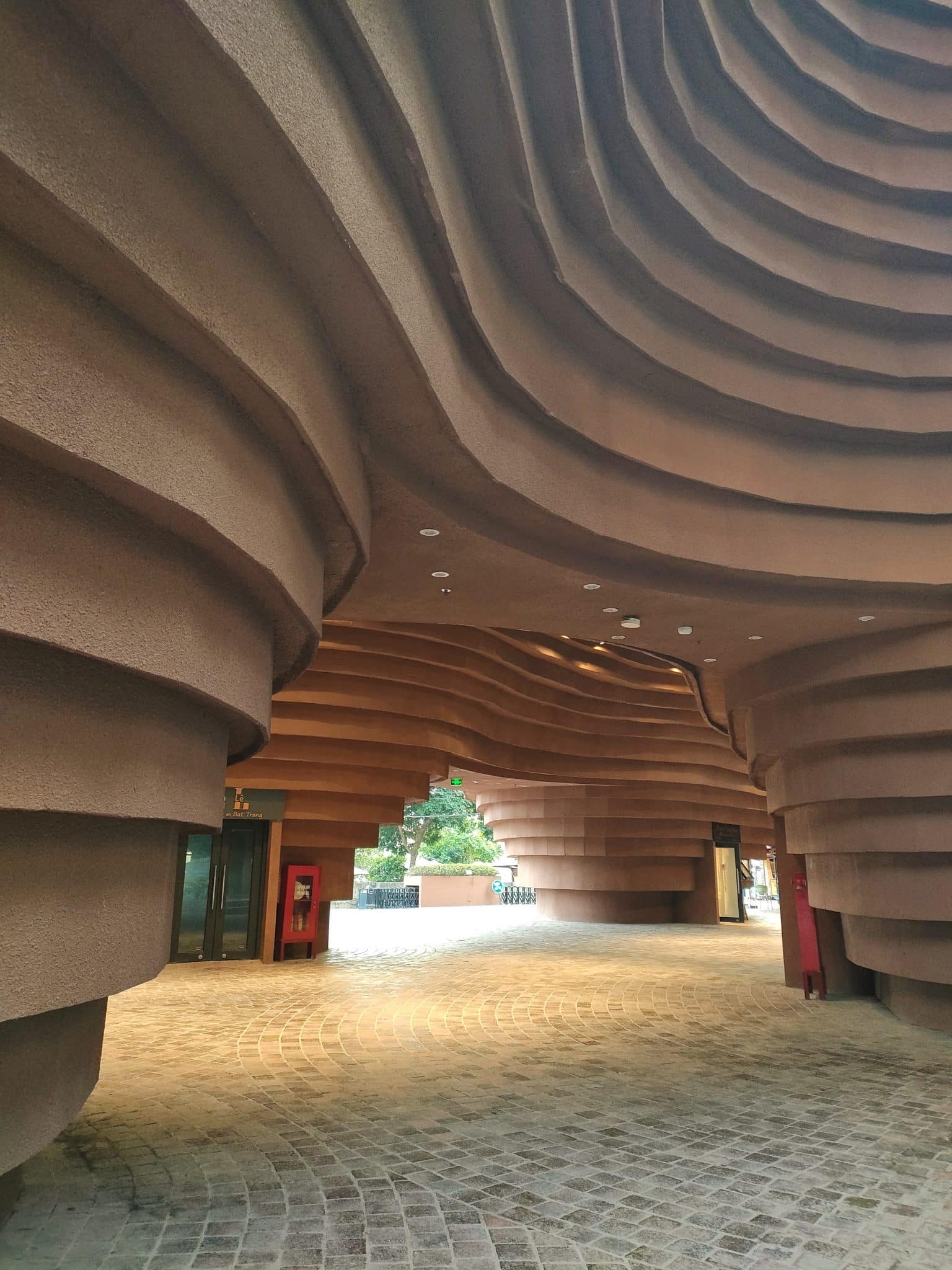
- Bát Tràng Museum: Opened in recent years, the museum showcases the village’s history, traditional techniques, and outstanding examples of Bát Tràng ceramics. It provides a deeper understanding of the art form and its evolution over the centuries.
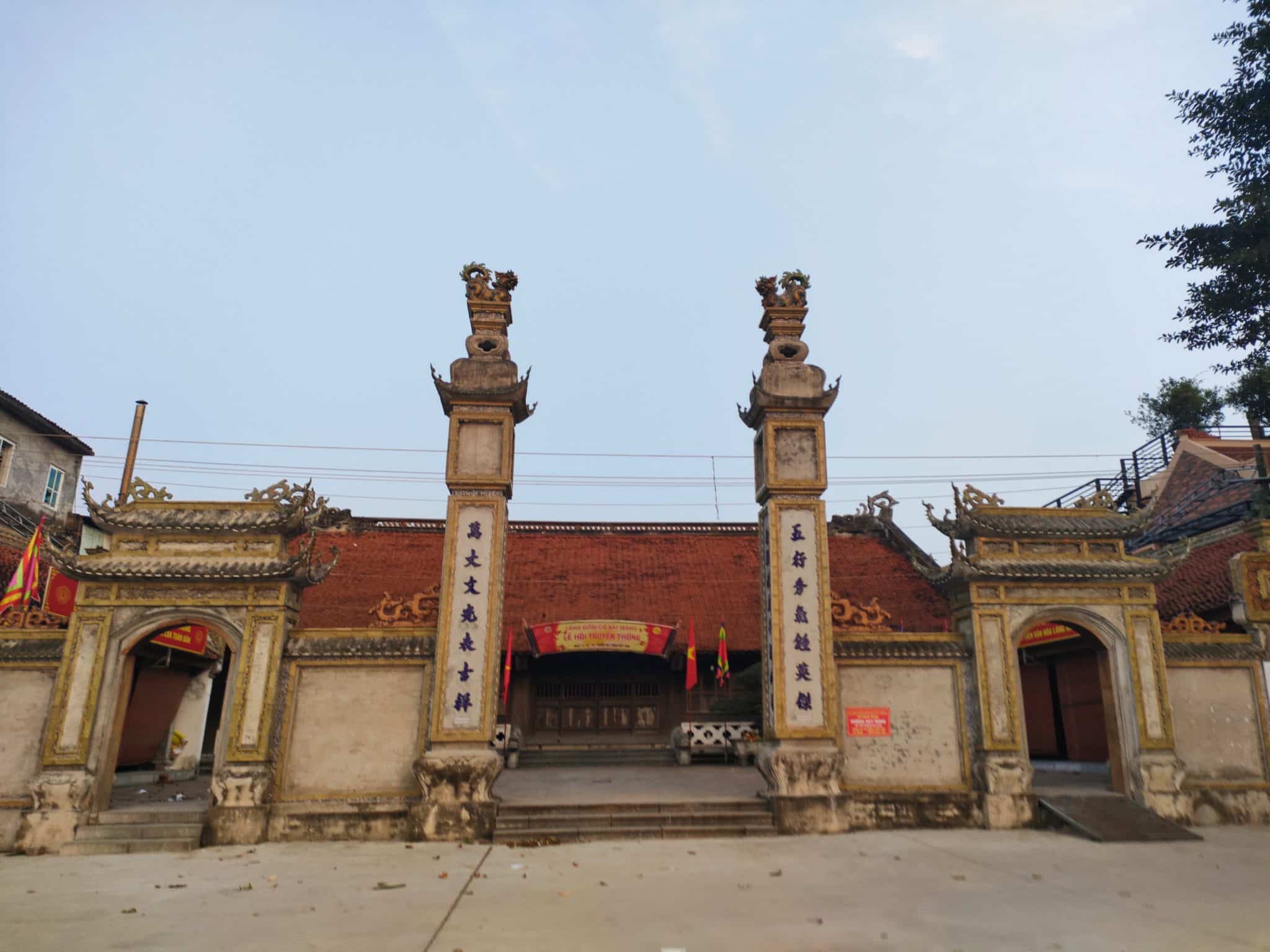
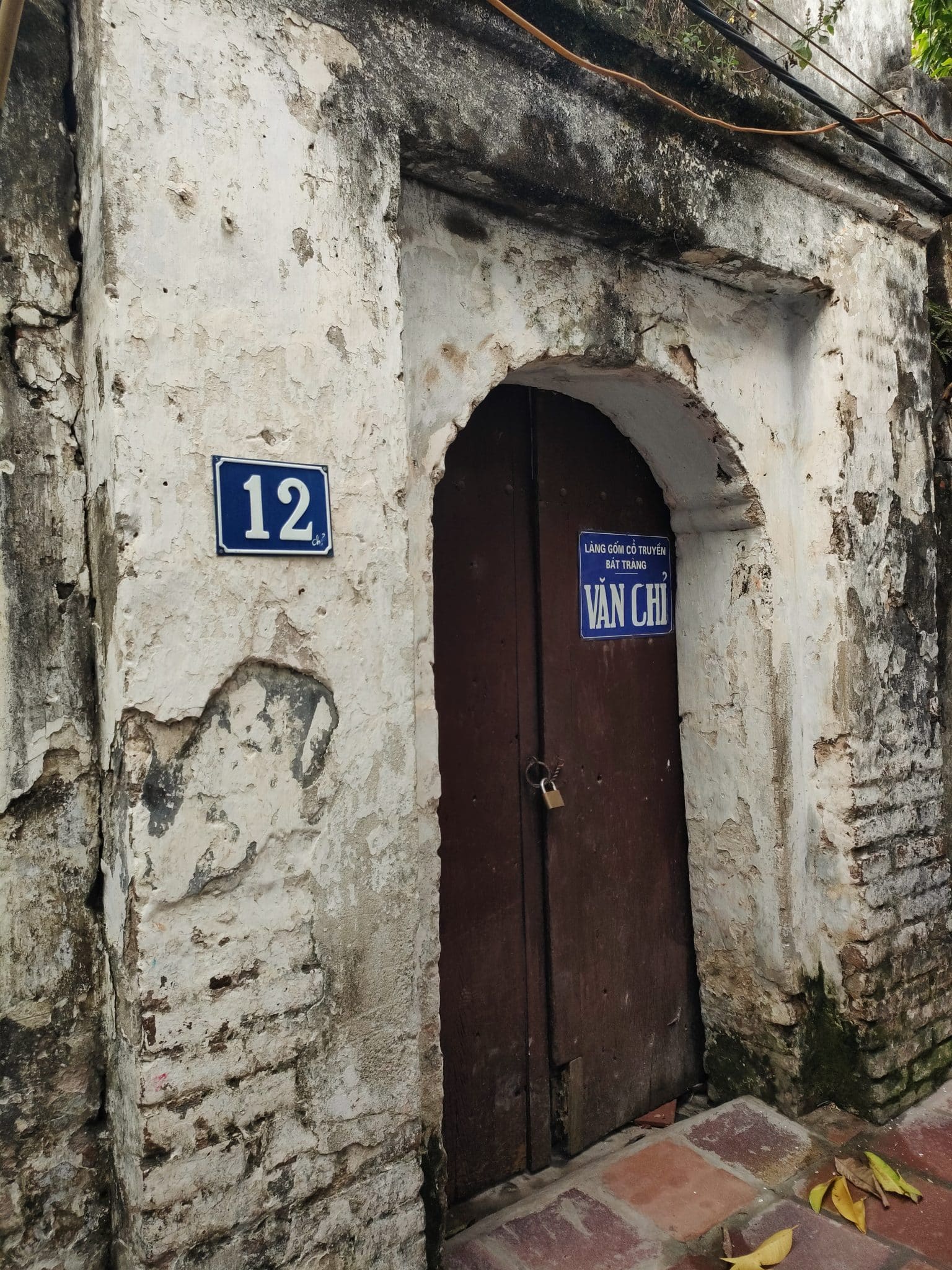
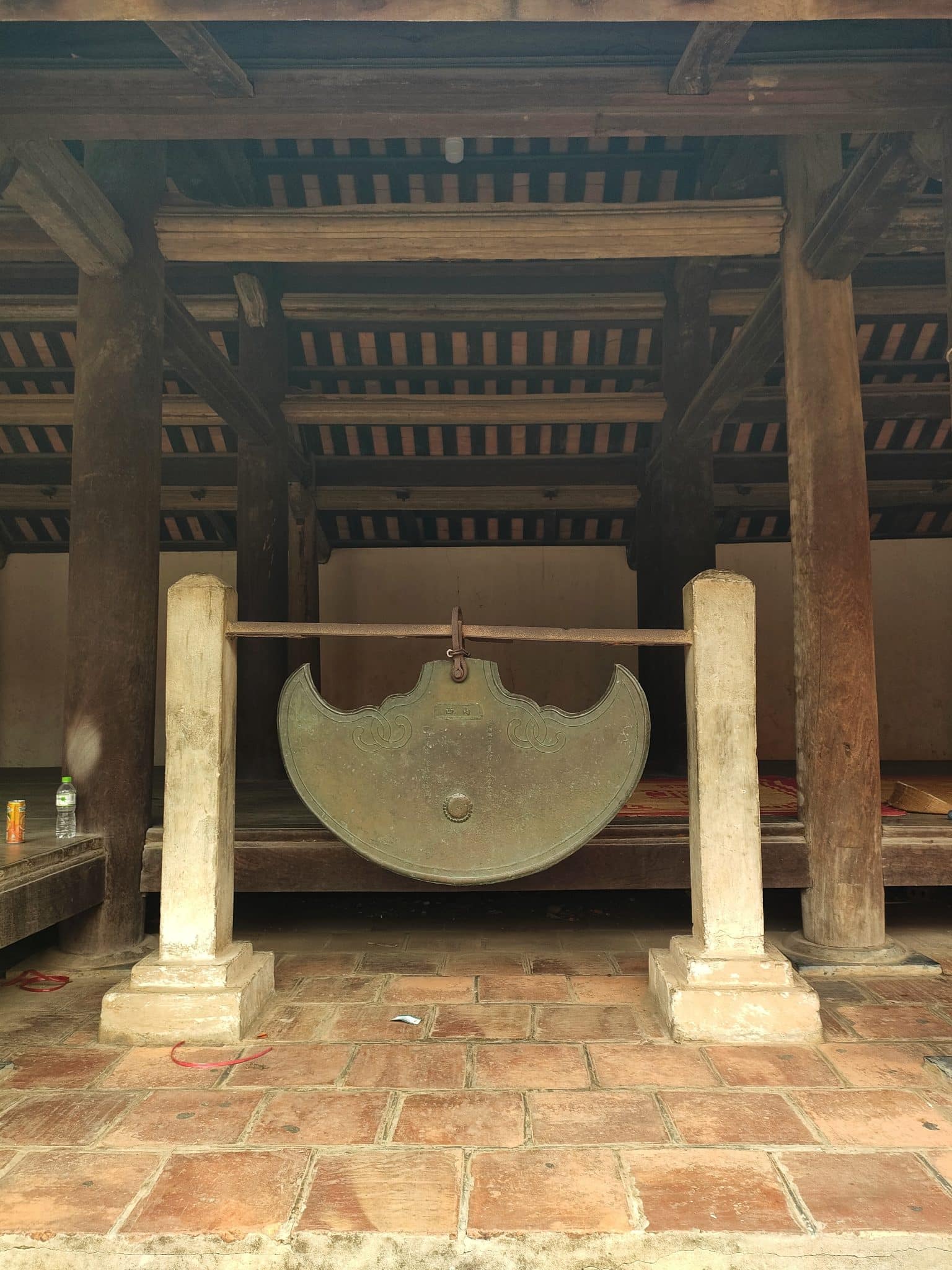
- Village Architecture and Kilns: Walking through Bát Tràng, visitors can see traditional houses, workshops, and ancient kilns, some of which have been in use for generations.
Preservation and Innovation
While preserving traditional methods, Bát Tràng has also adapted to modern trends. Artisans have incorporated new techniques and contemporary designs, creating products that appeal to both local and international markets. Many artists are also experimenting with eco-friendly practices and materials, ensuring that Bát Tràng ceramics continue to evolve and remain relevant in a changing world.
Recognition and Legacy
Bát Tràng Ceramic Village is recognized as an important cultural and craft heritage site of Vietnam. It stands as a testament to Vietnamese artisans’ dedication and innovation in ceramics, and it continues to inspire pride in Vietnamese culture. Today, Bát Tràng ceramics are not only popular domestically but also exported globally, representing Vietnam’s rich cultural heritage on the world stage.
In summary, Bát Tràng Ceramic Village is a living museum of Vietnamese ceramic arts, where tradition and modernity blend to preserve an ancient craft while meeting contemporary demands. Its ceramics reflect Vietnam’s history, artistry, and cultural values, making it a treasured part of the country’s heritage.