Quang Phu Cau Incense Village – Hanoi
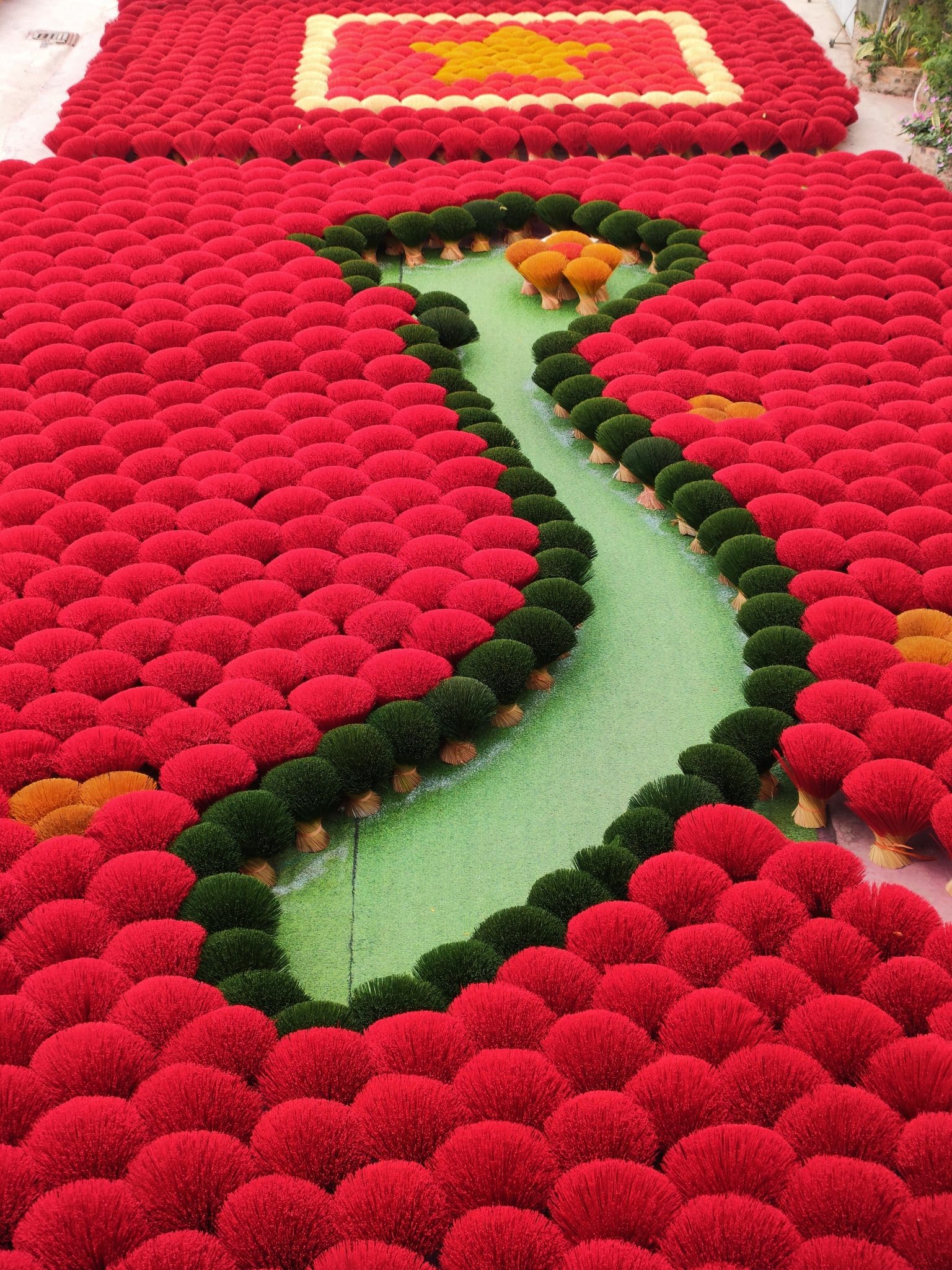
Quang Phu Cau Village, located about 35 kilometers southwest of Hanoi in Ung Hoa District, is famous for its long-standing tradition of making incense. Known as the “Incense Village,” Quang Phu Cau has become a captivating destination for visitors, especially photographers, who are drawn to the sight of colorful incense sticks laid out to dry, creating vibrant scenes that have become iconic images of Vietnam. Here’s what makes Quang Phu Cau Incense Village so special:
1. The Tradition of Incense-Making
- Incense-making in Quang Phu Cau dates back over a century, with many families passing down the craft through generations. Incense holds significant cultural and spiritual importance in Vietnam, where it’s used in temples, pagodas, and homes to honor ancestors, mark ceremonies, and create a sense of peace.
- The village is a primary supplier of incense sticks for northern Vietnam and other parts of the country, especially during important holidays such as the Lunar New Year (Tết), when incense is in high demand for religious offerings.
2. The Process of Making Incense
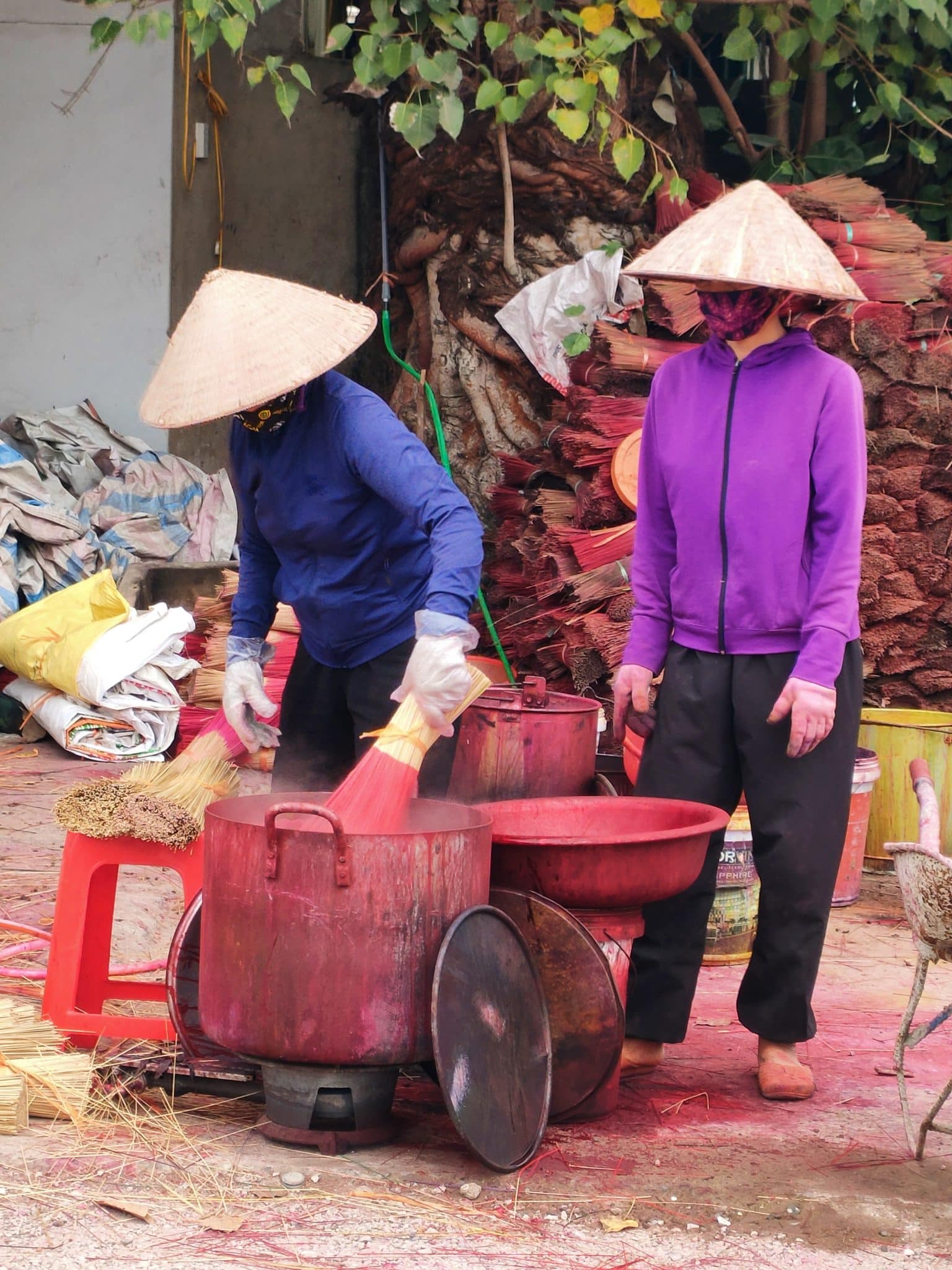
- Quang Phu Cau’s incense-making process is intricate and highly skilled. It involves several steps, including selecting bamboo, cutting it into thin sticks, dyeing the sticks in vibrant colors (often red or pink), drying them, and finally coating them with incense paste made from fragrant wood and aromatic herbs.
- The paste often includes ingredients like sandalwood, cinnamon, and star anise, which give the incense its distinctive fragrance. The sticks are then hand-rolled, dried, and bundled for sale. Each step of the process requires skill and patience, and watching the villagers work offers insight into this traditional craft.
3. Vibrant Scenes of Incense Sticks Drying
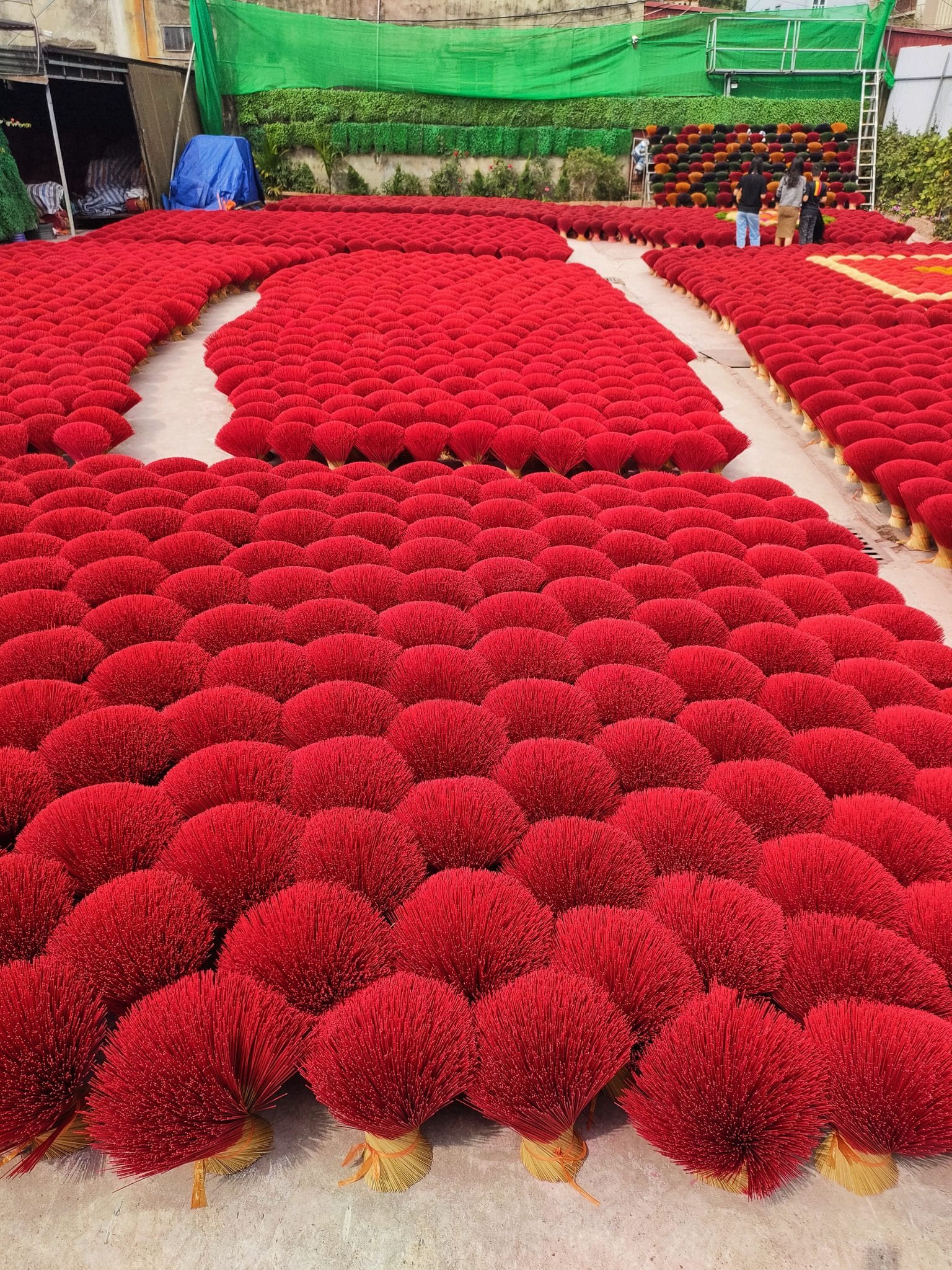
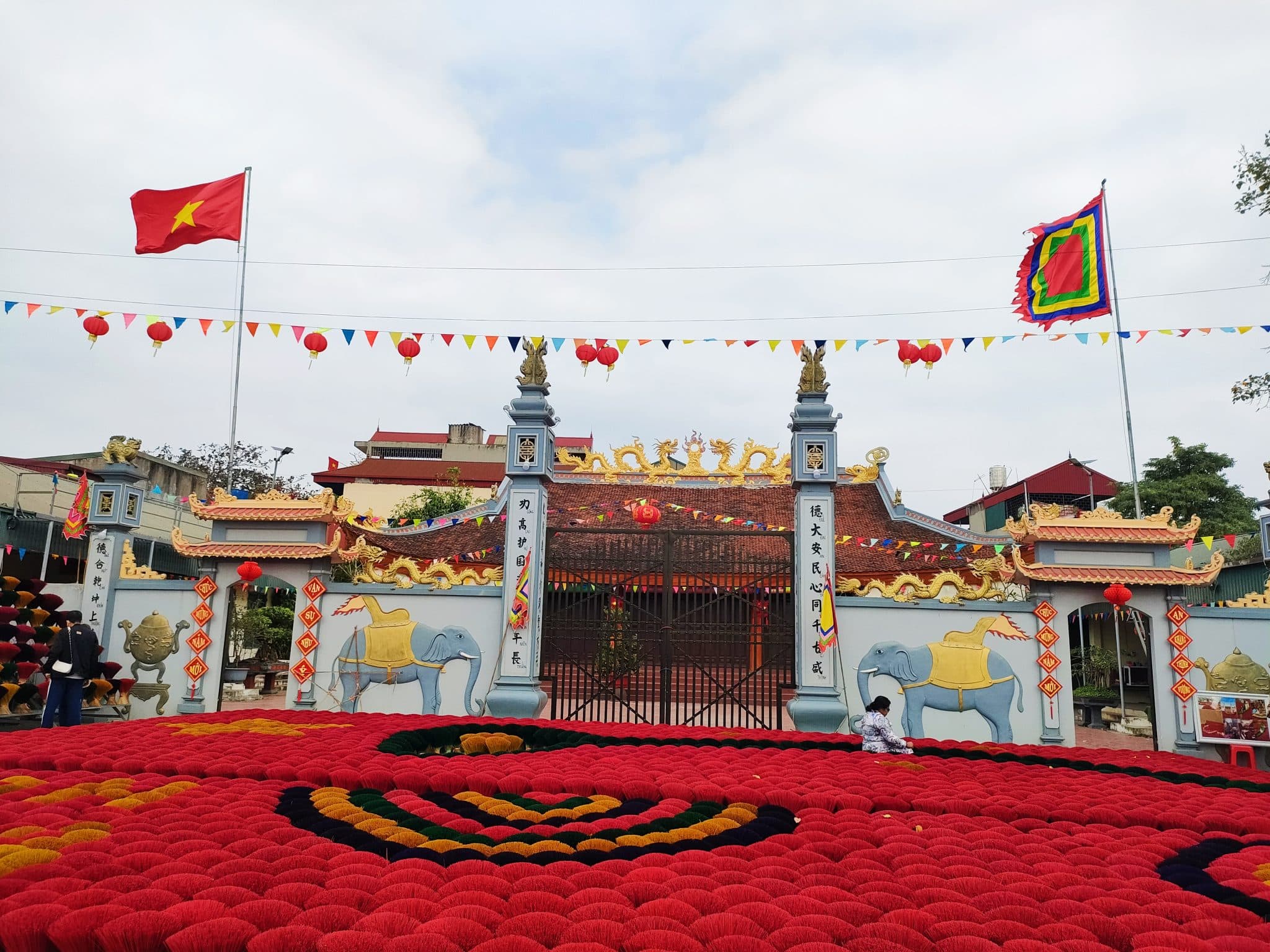
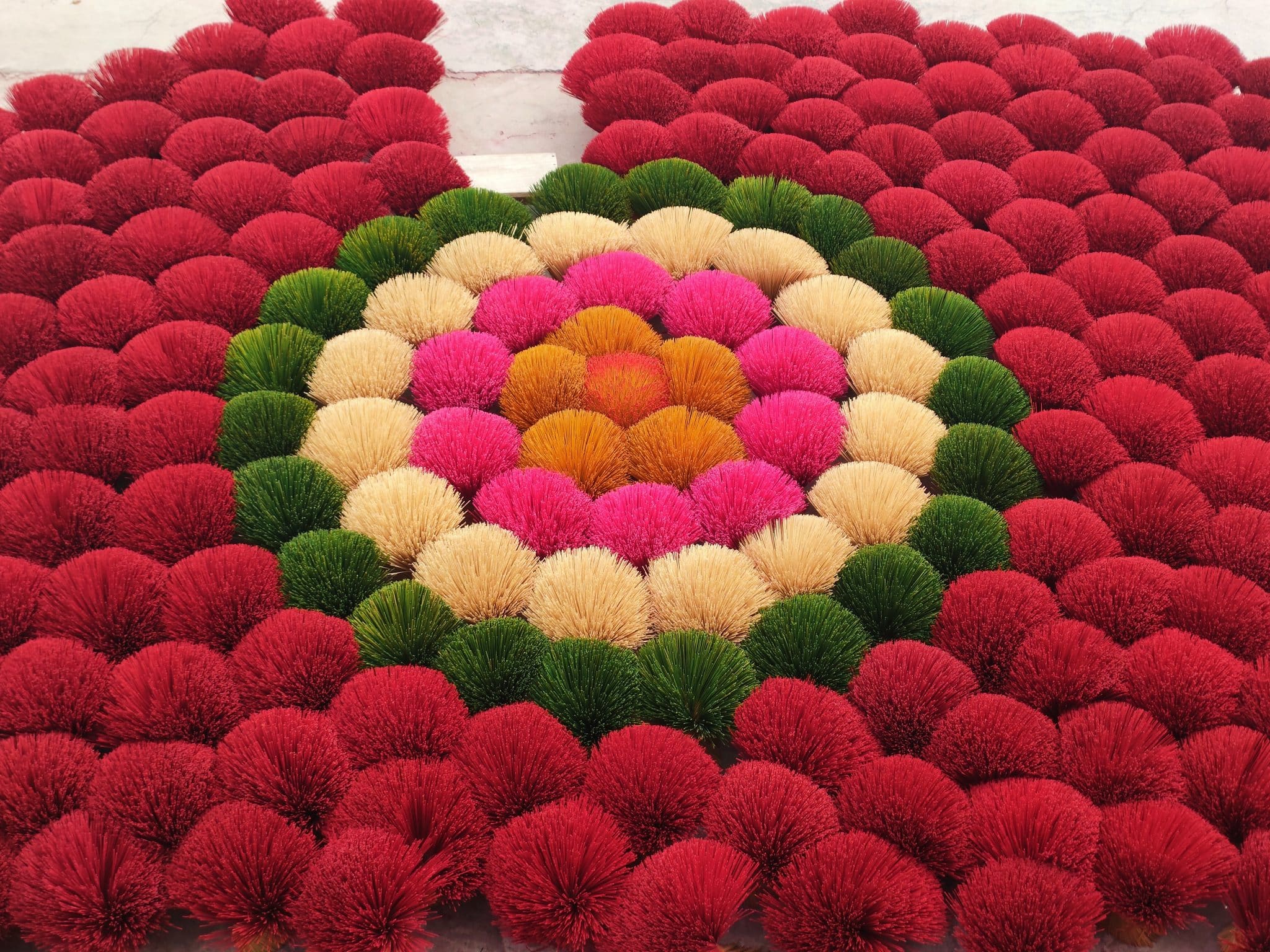
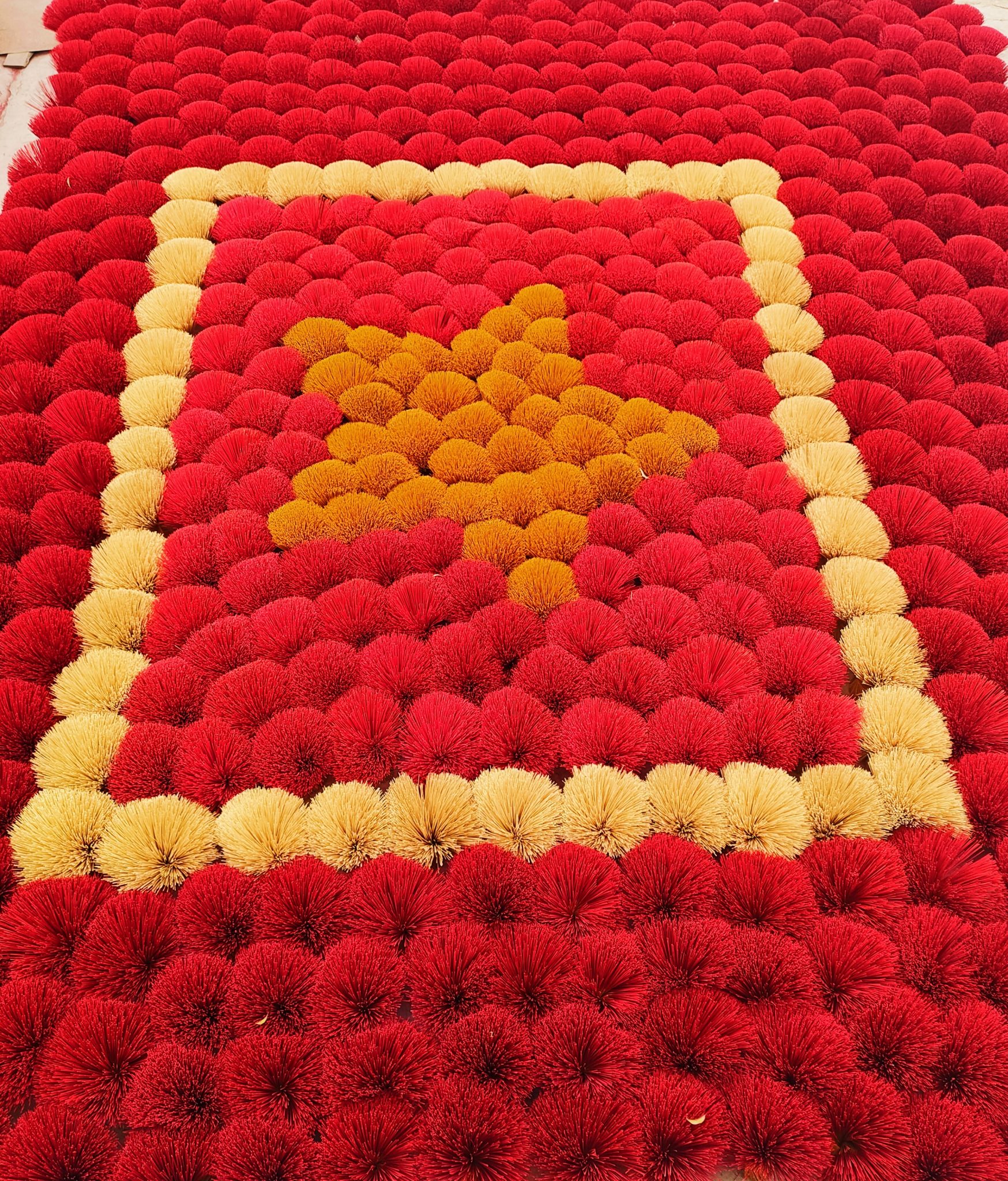
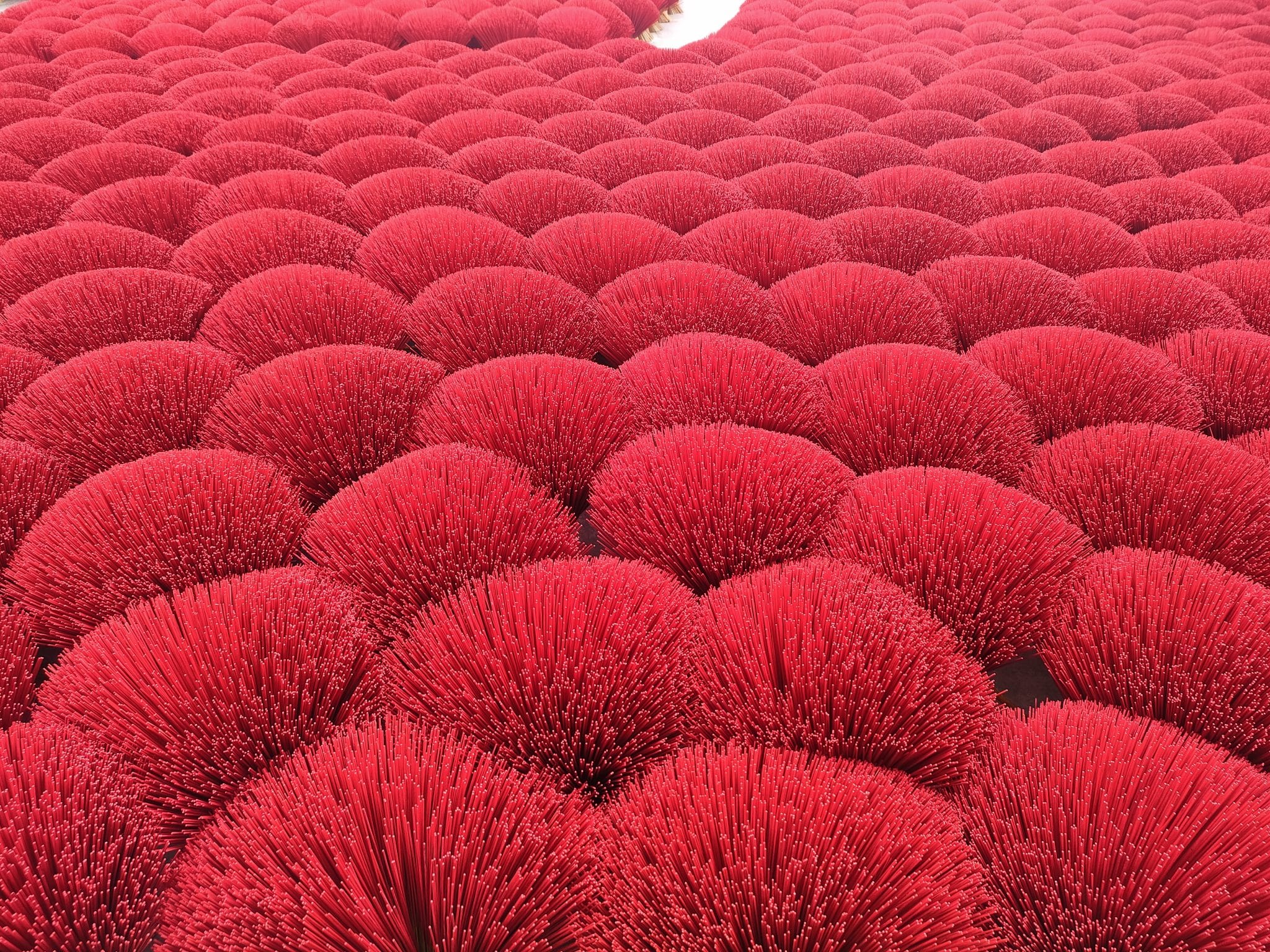
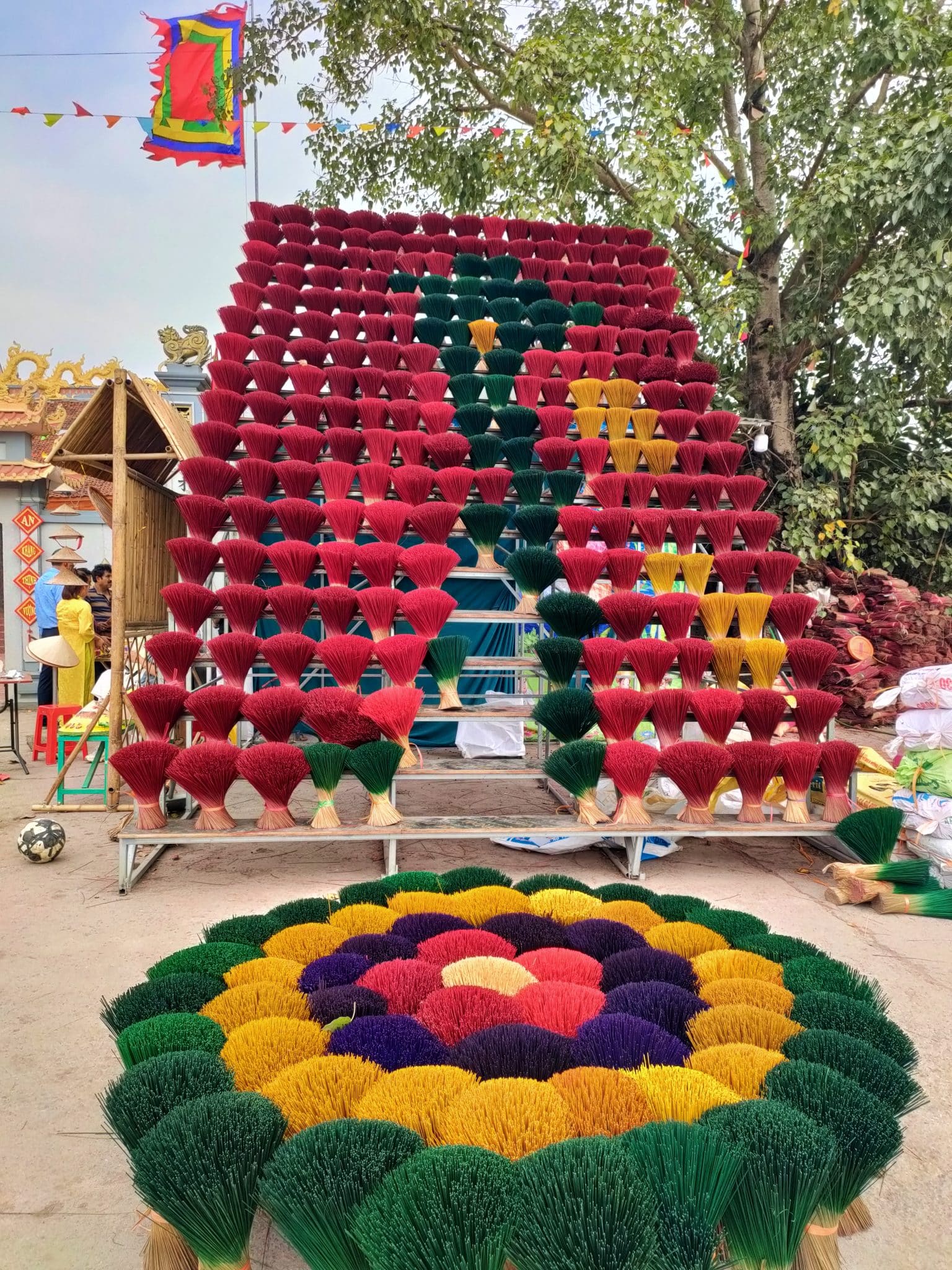
- One of the most captivating sights in Quang Phu Cau is the colorful display of incense sticks drying in the open air. The village streets and courtyards are often covered in circular arrangements of red and pink incense sticks that look like blooming flowers. This drying process is both practical and aesthetic, creating a vibrant, picturesque scene.
- The unique visuals of thousands of incense sticks laid out in clusters have become a popular subject for photographers and travelers, giving Quang Phu Cau a reputation as one of the most “Instagrammable” spots in Vietnam.
4. Workshops and Artisan Families
- Quang Phu Cau is home to many small, family-owned workshops where artisans have honed their skills over decades. Each workshop has its own techniques and secret methods for creating incense with unique fragrances and quality.
- Some workshops allow visitors to see the process up close and may even offer the chance to participate in certain steps, such as dyeing the sticks or arranging them for drying. Meeting the artisans and seeing their dedication provides a personal connection to this age-old craft.
5. Incense for Different Purposes
- Quang Phu Cau produces a wide variety of incense, catering to different uses. Traditional incense for religious ceremonies is made from natural ingredients, while some incense varieties are crafted for aromatherapy and everyday use.
- The village also produces various lengths and thicknesses of incense sticks, depending on the purpose and regional preferences. Some incense is designed to burn longer, especially for temples, while smaller sticks are intended for household altars.
6. Community and Cultural Importance
- The art of making incense is not just a trade in Quang Phu Cau; it’s a way of life that binds the community together. Almost every household in the village is involved in some aspect of incense production, from children helping to arrange sticks for drying to elders overseeing the quality of the incense paste.
- The community takes pride in its work, as incense-making supports the local economy and keeps traditional crafts alive. This craft has shaped the identity of Quang Phu Cau, making it one of the few villages in Vietnam dedicated to incense production.
7. Festivals and High-Production Periods
- During major Vietnamese holidays like Tết (Lunar New Year) and Vu Lan (a festival to honor ancestors), the demand for incense surges, making it the busiest time in Quang Phu Cau. Villagers work long hours to produce the extra incense needed for these events, with workshops buzzing with activity.
- If you visit during these high-production periods, you’ll witness an even more lively and colorful atmosphere, as families work together to meet the seasonal demand.
8. Best Time to Visit
- Quang Phu Cau can be visited year-round, but the dry season (typically from November to April) is ideal, as the weather is optimal for drying incense outdoors. During these months, the displays of incense sticks are at their most vibrant, creating stunning visual contrasts with the rural landscape.
- Early morning and late afternoon are the best times to see villagers actively working and to capture the warm light that enhances the colors of the incense sticks.
9. Photography Opportunities
- For photographers, Quang Phu Cau is a dream destination. The red and pink incense sticks arranged in circular bundles create beautiful geometric patterns, while the villagers working on their craft add a human element to the vibrant scenes.
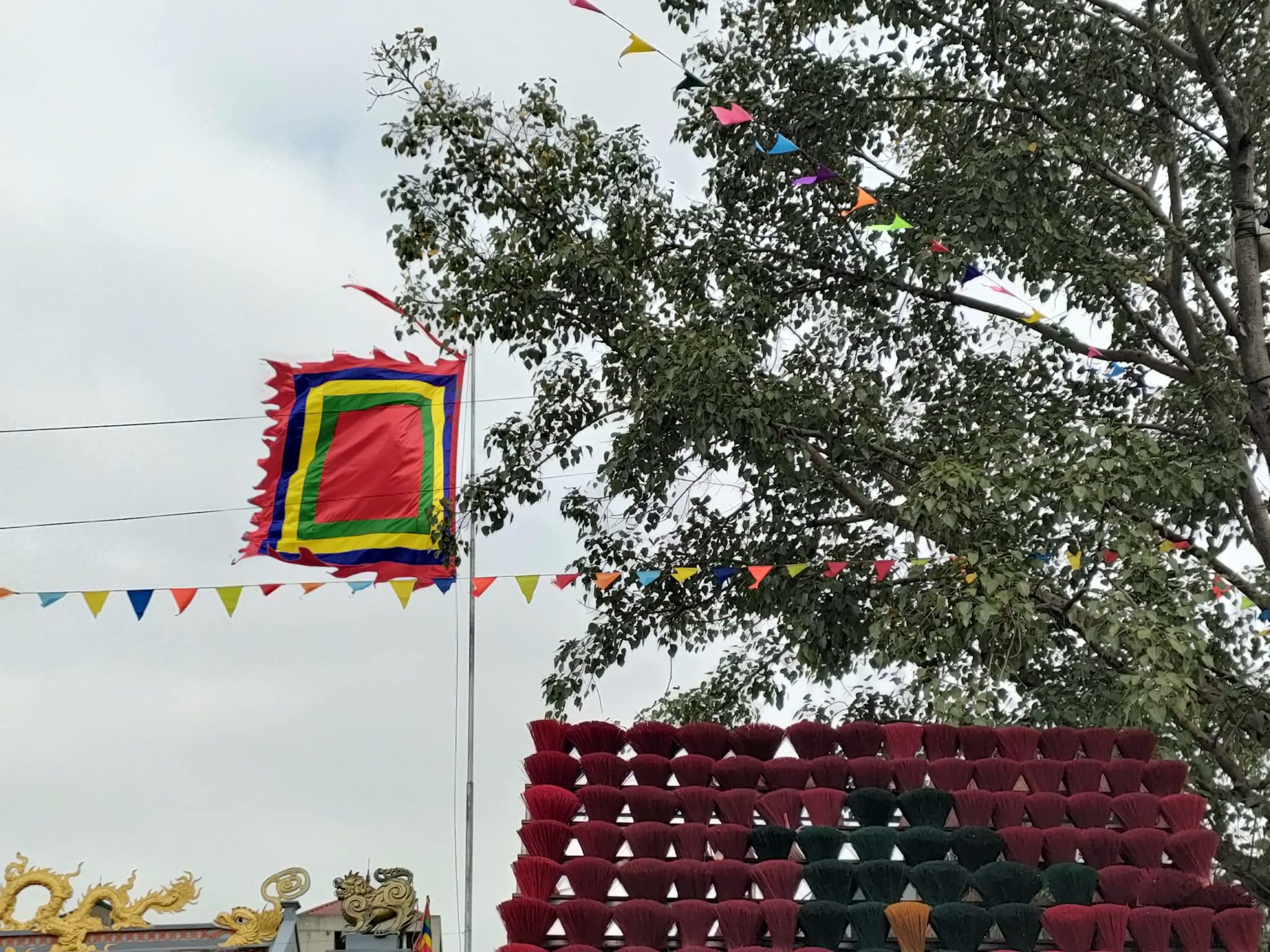
- The village also has scenic backdrops of traditional houses, greenery, and blue skies, making it a picturesque setting for capturing Vietnam’s rural culture and traditional craftsmanship.
Visiting Quang Phu Cau Incense Village provides an immersive experience of Vietnamese craftsmanship and culture. The village’s colorful scenes, combined with the intricate incense-making process, offer insight into a craft that has been practiced for generations. It’s a place where artistry and spirituality intersect, showcasing Vietnam’s vibrant heritage and the enduring importance of incense in Vietnamese life. Whether you’re interested in cultural traditions, photography, or simply a unique experience, Quang Phu Cau offers a memorable visit just outside Hanoi.