Nôm ancient village (Làng Nôm Hưng Yên) – Hanoi
Nôm Village, located in Hung Yen Province about 30 kilometers southeast of Hanoi, is a beautifully preserved ancient village that offers a glimpse into traditional Vietnamese rural life. Known for its well-maintained historical architecture, peaceful atmosphere, and cultural heritage, Nôm Village feels like a step back in time, showcasing centuries-old buildings, communal spaces, and Buddhist temples. Here’s what makes Nôm Village a unique destination:
1. Ancient Architecture and Traditional Houses
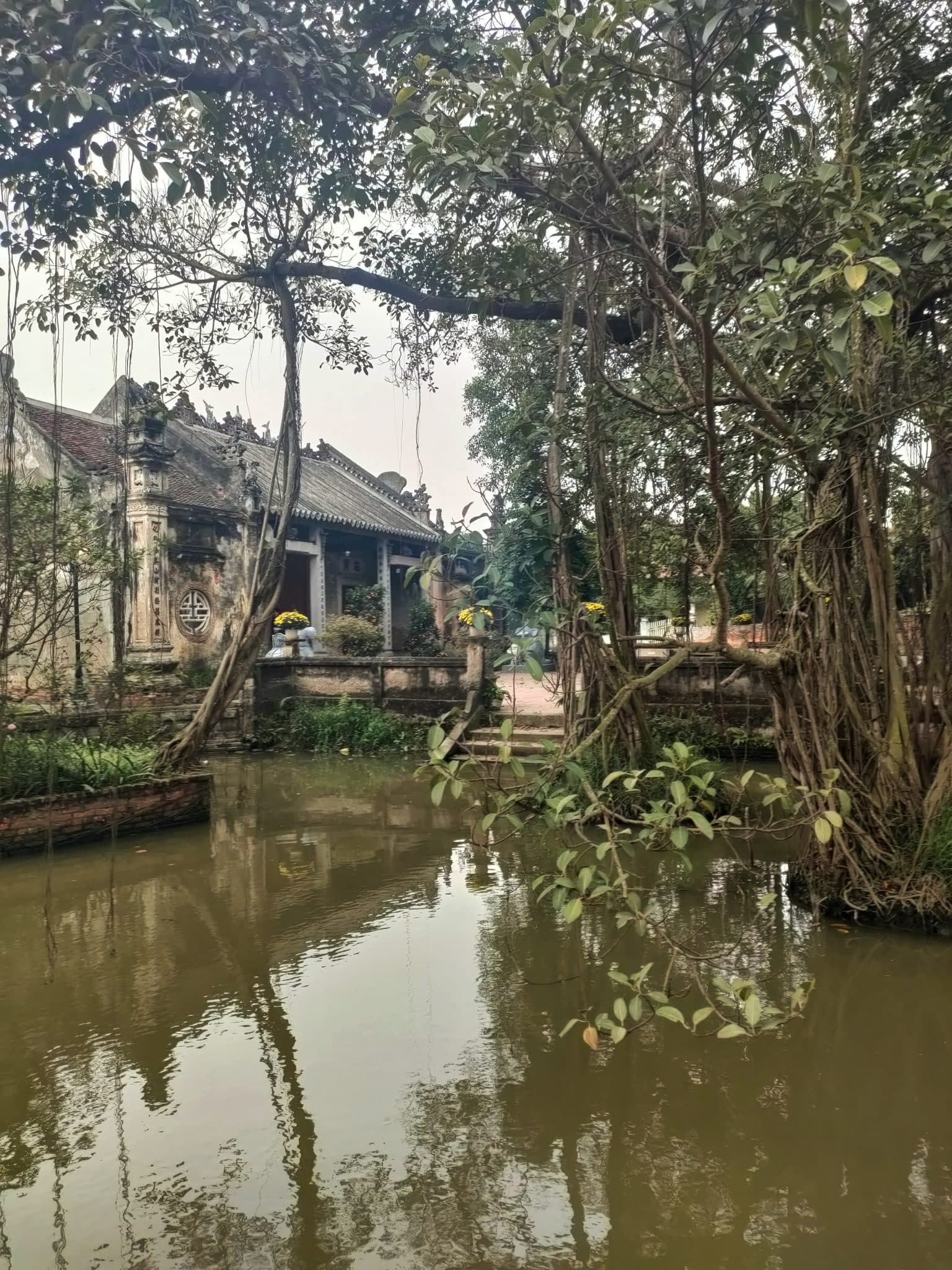
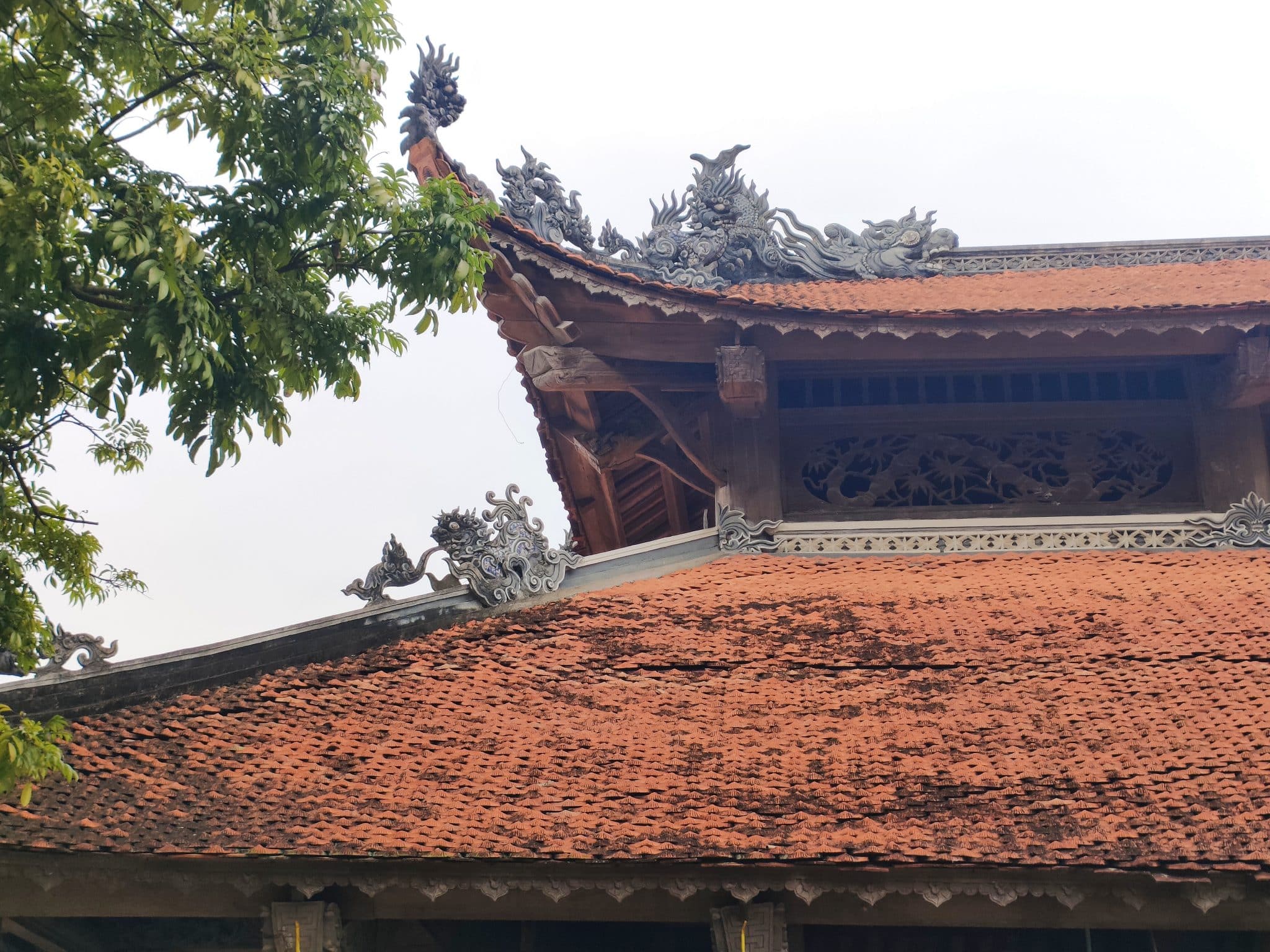
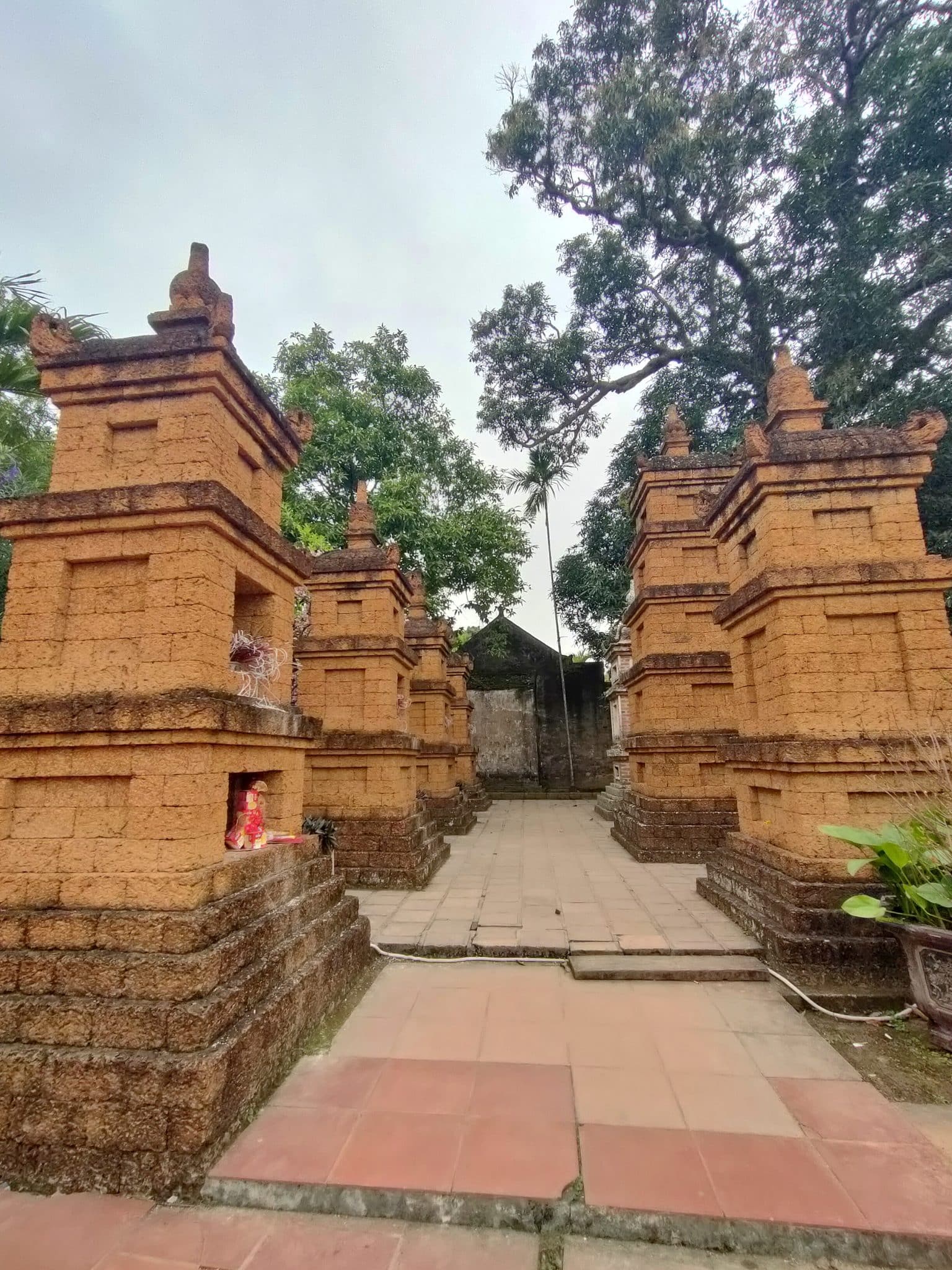
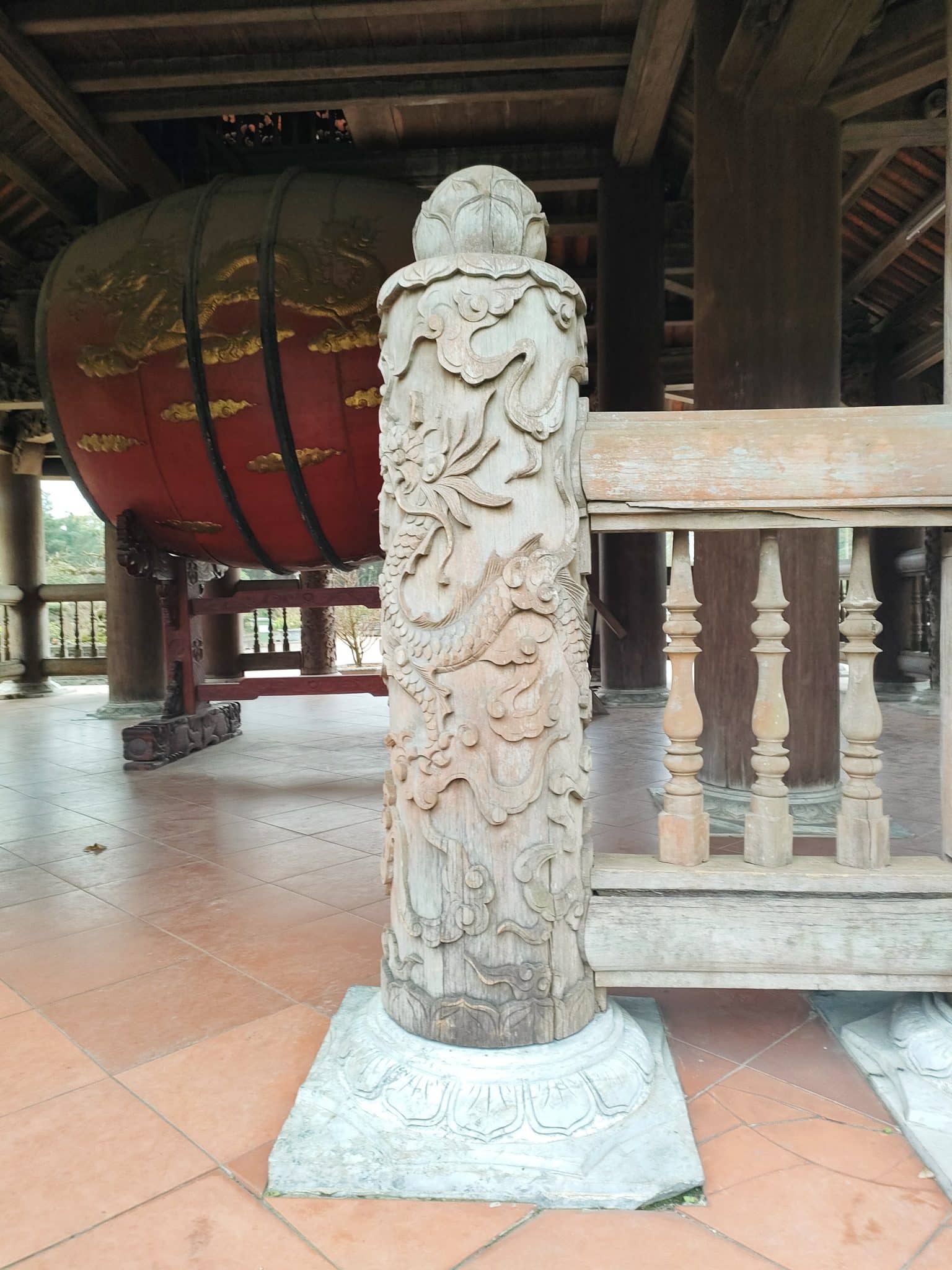
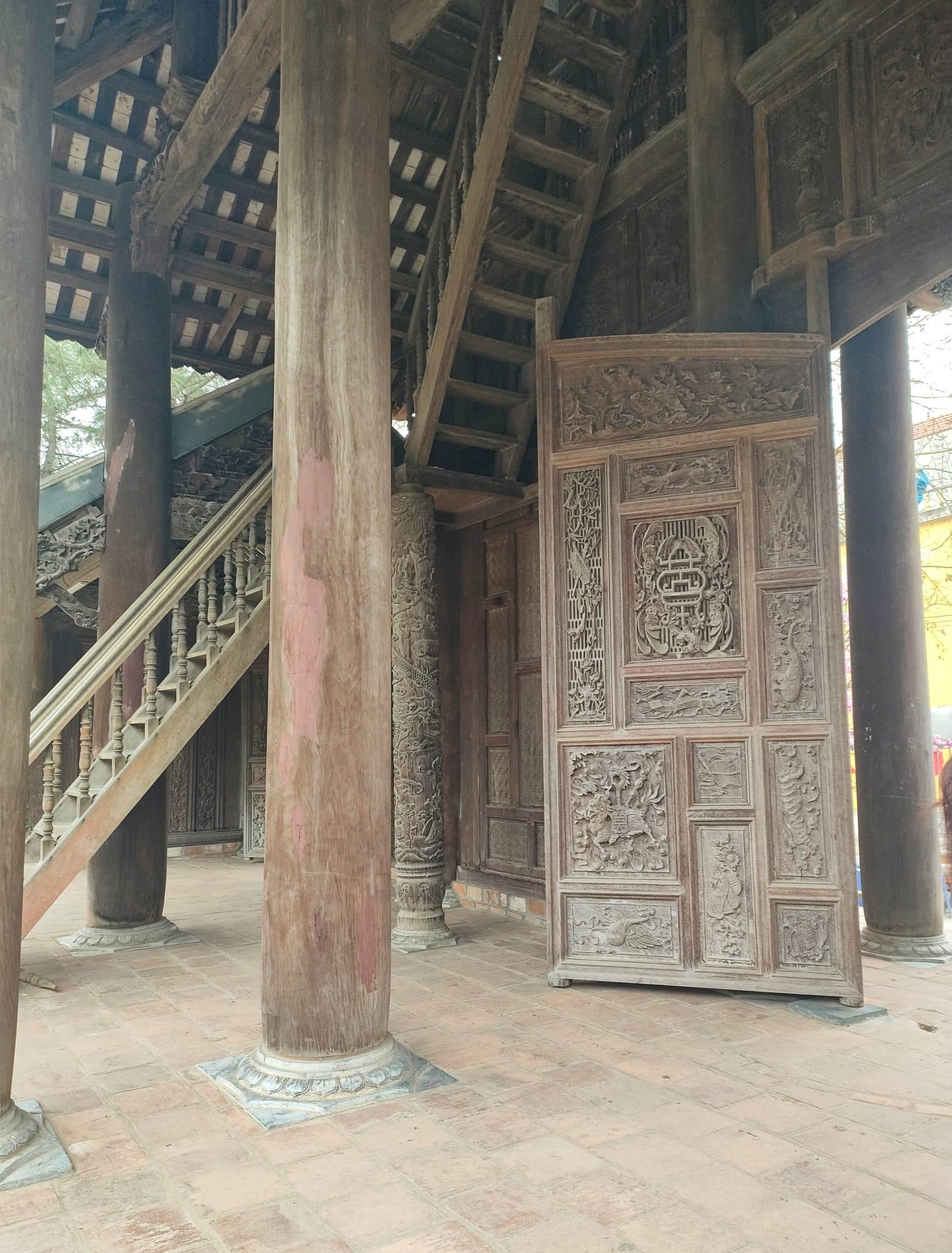
- One of the most captivating aspects of Nôm Village is its architecture. The village is filled with traditional Vietnamese houses that date back to the 17th and 18th centuries, constructed from materials such as laterite, wood, and tiles. These houses feature the classic Vietnamese layout with curved roofs, intricately carved wooden doors, and spacious courtyards.
- Many of the houses are still inhabited by local families, who preserve the traditional lifestyle and customs of rural Vietnam. Walking through the village, visitors can see daily life unfold much as it did centuries ago.
2. Nôm Pagoda (Chùa Nôm)
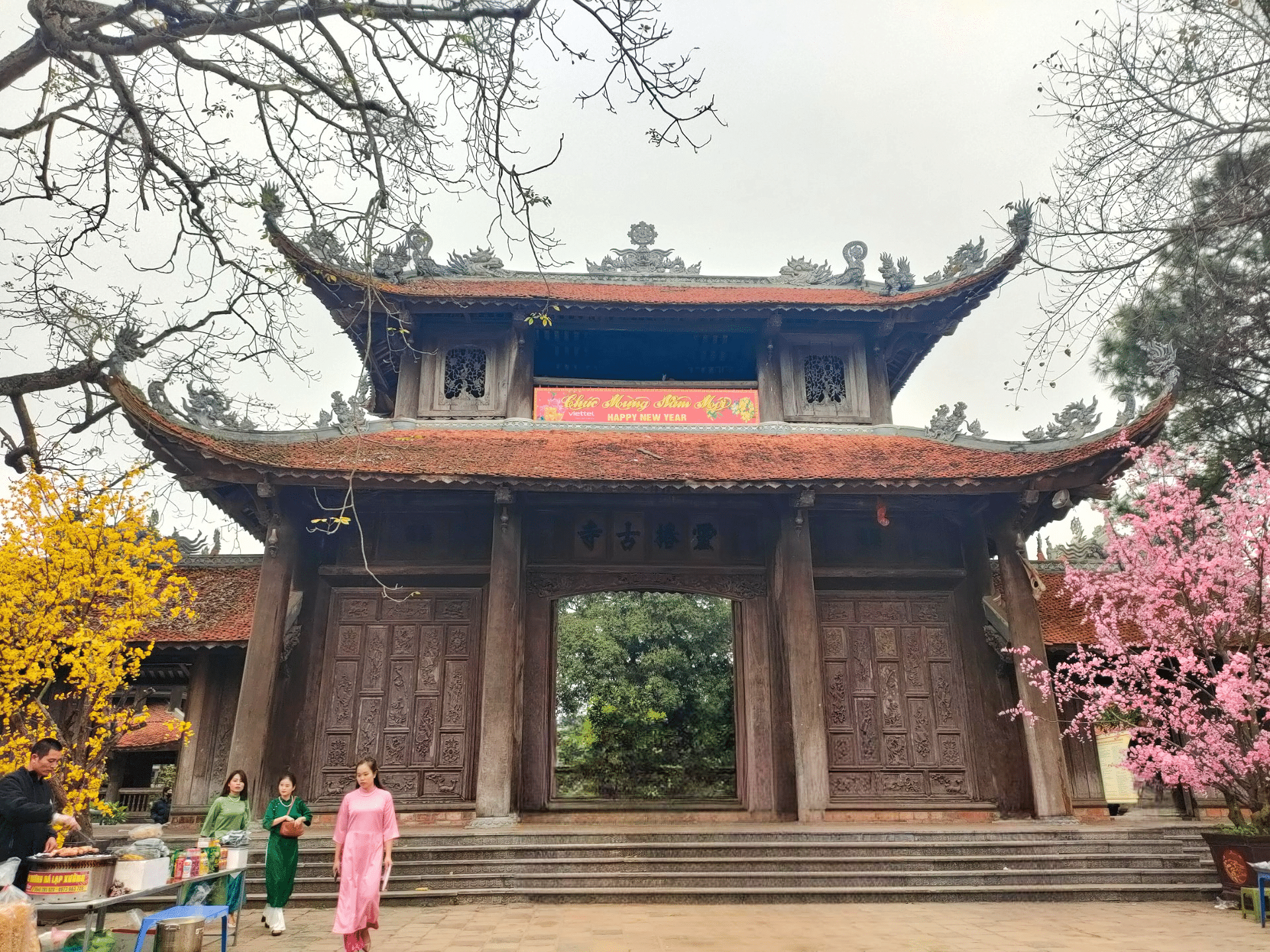
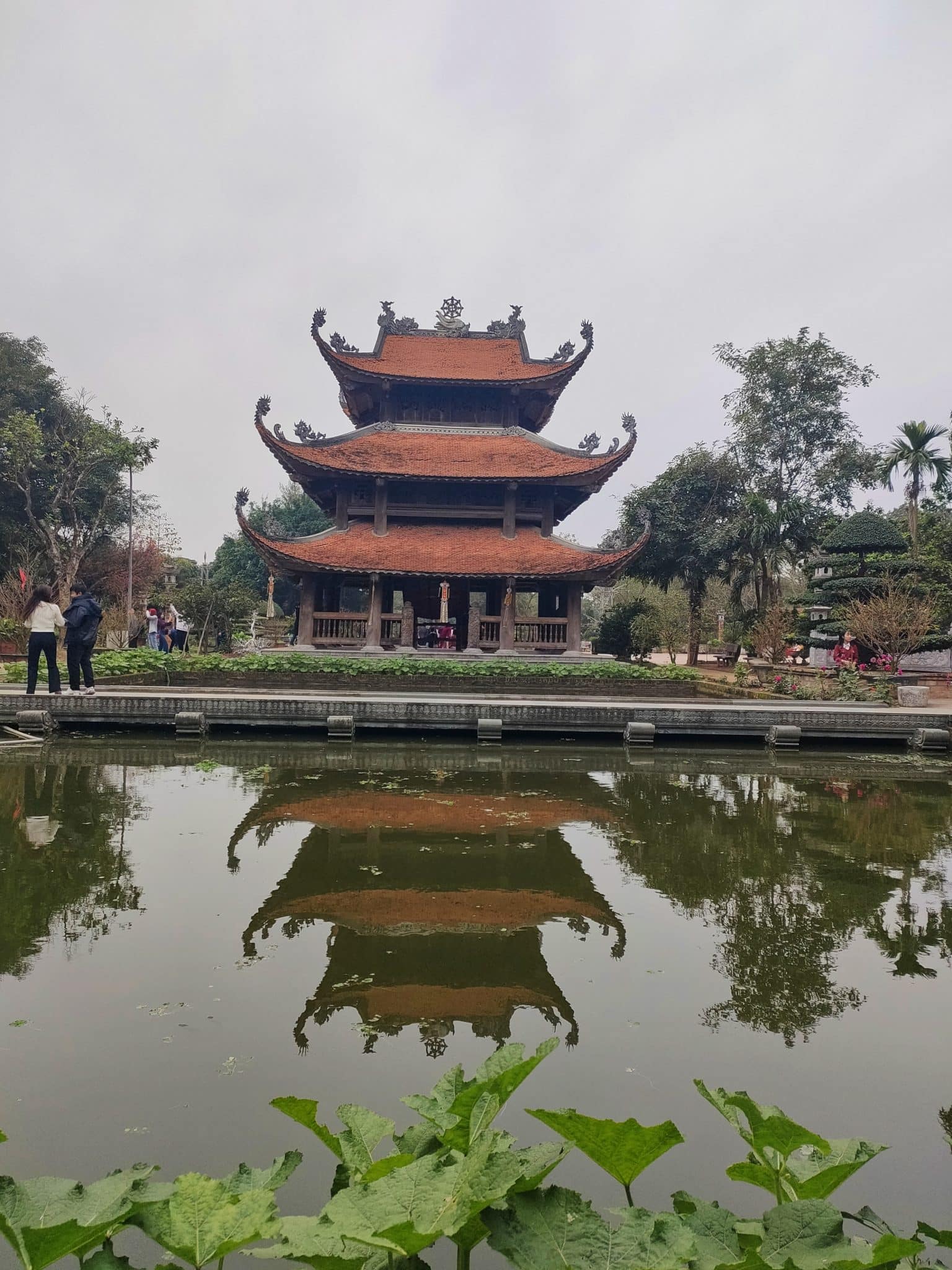
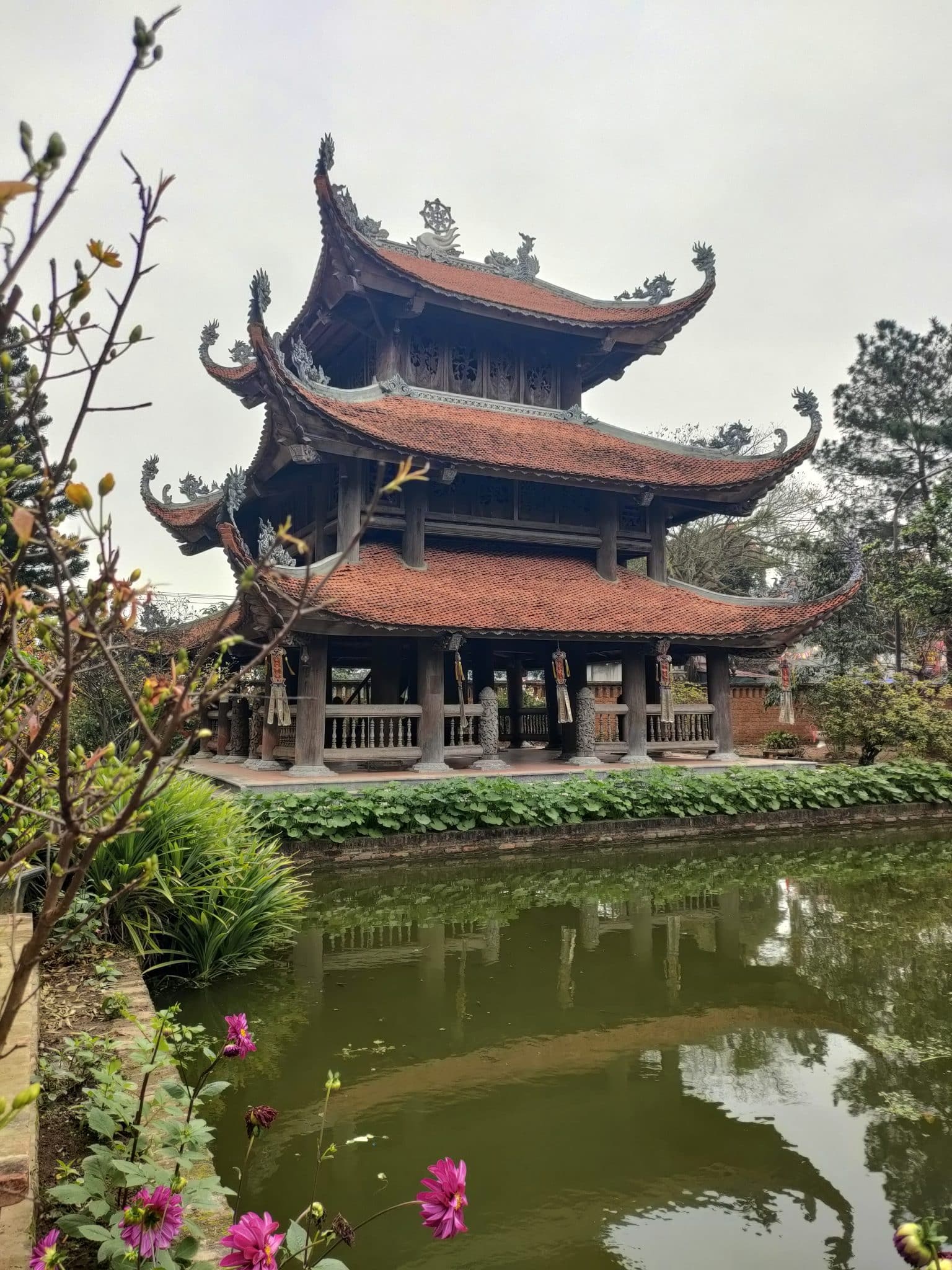
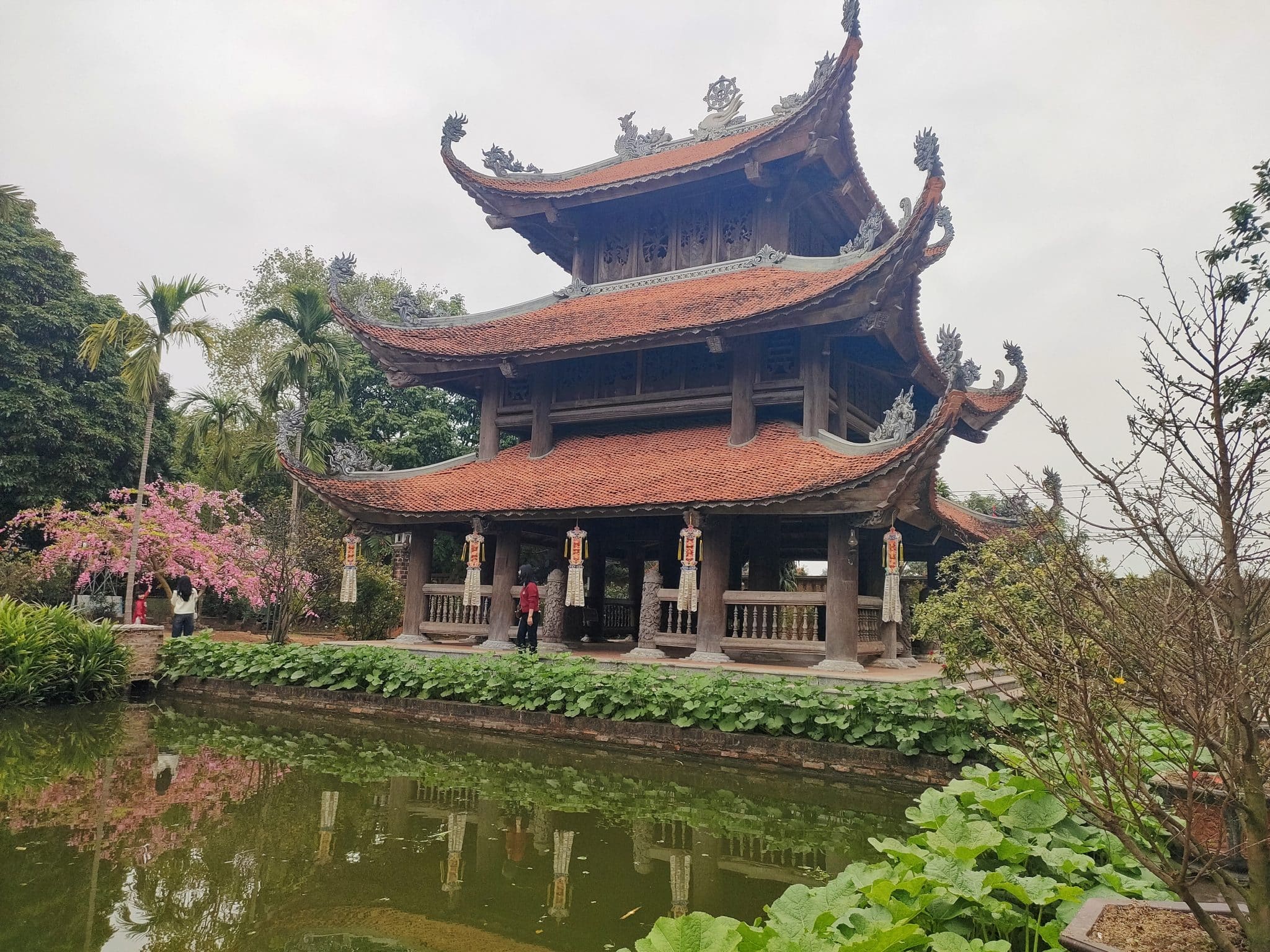
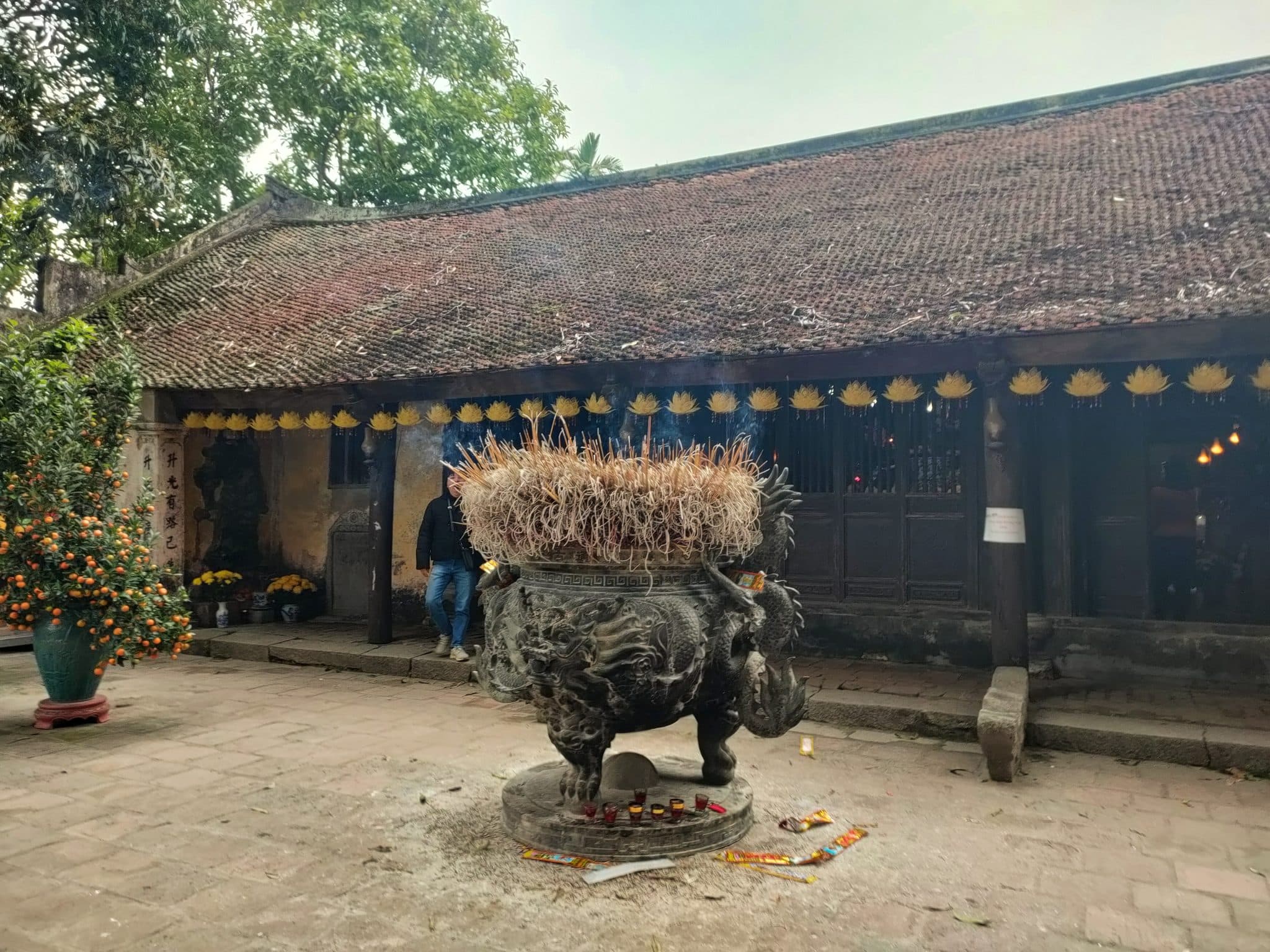
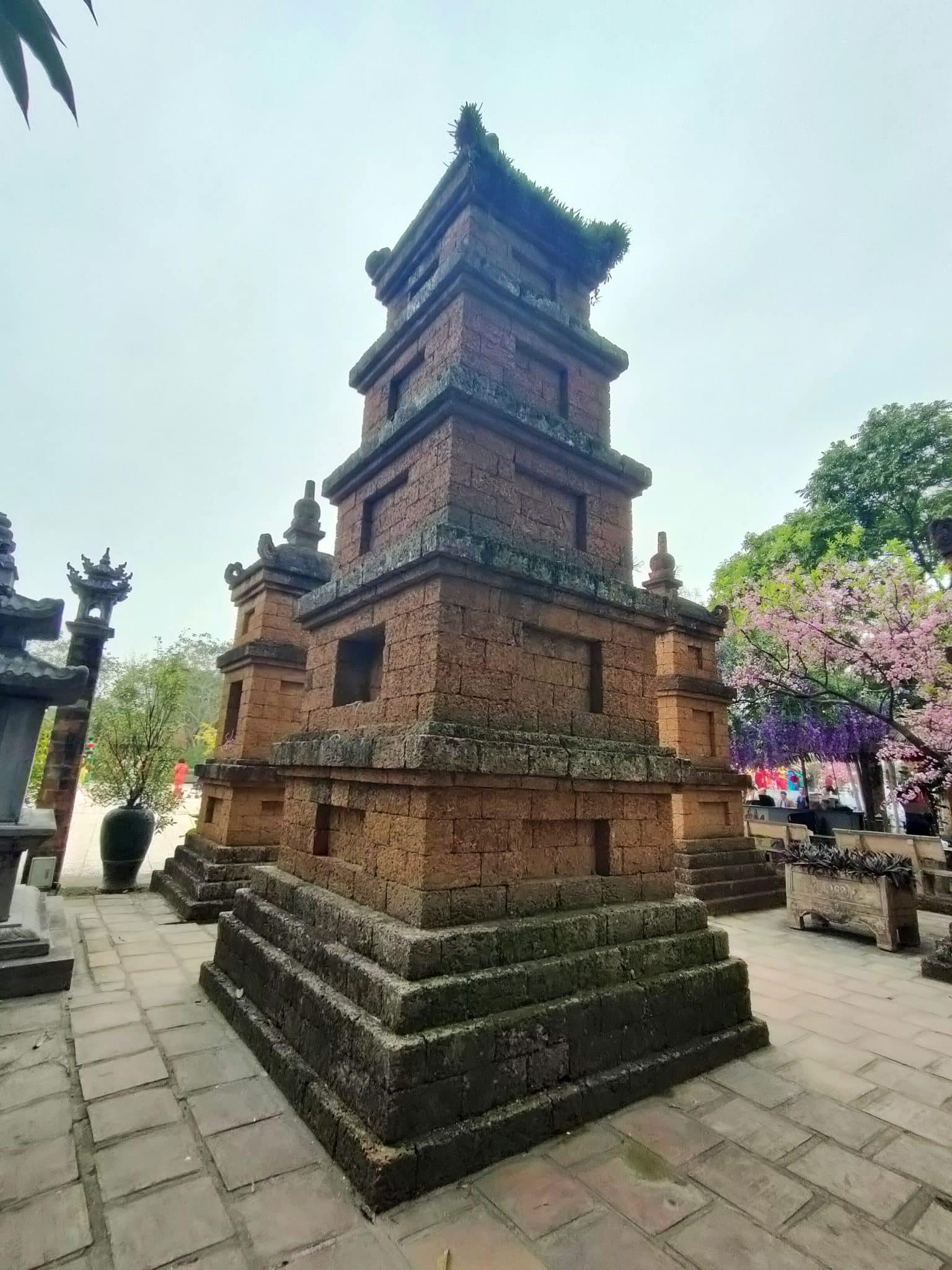
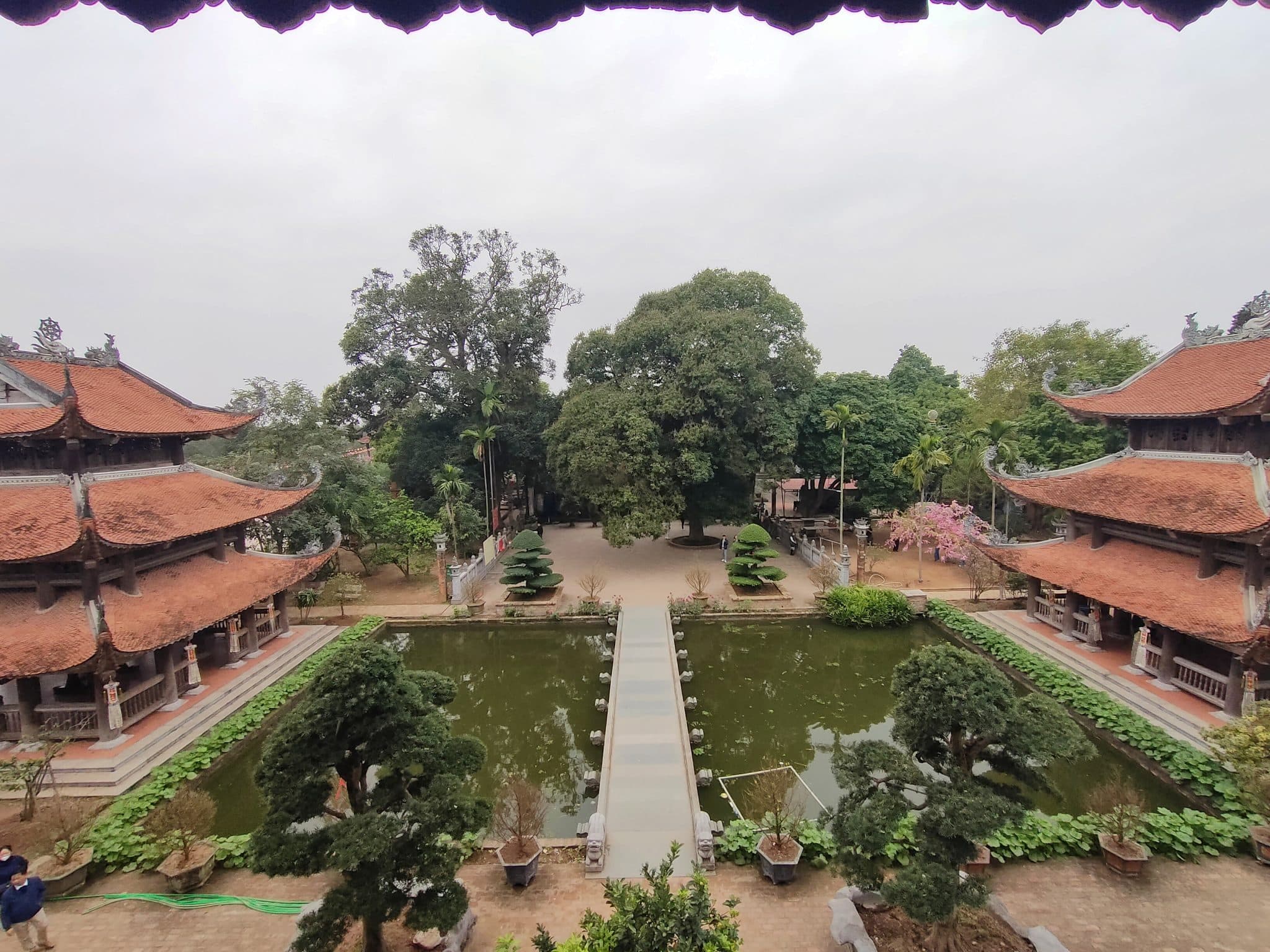
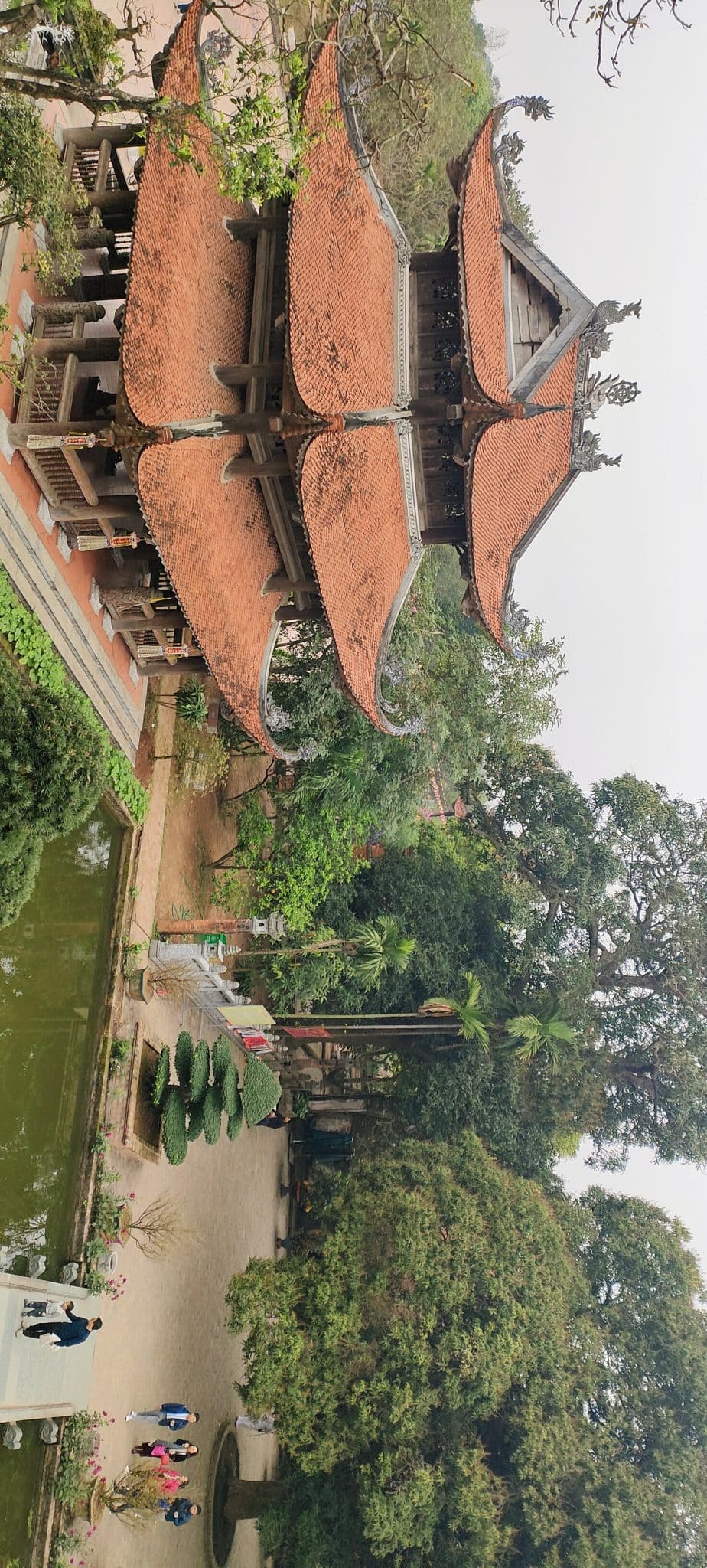
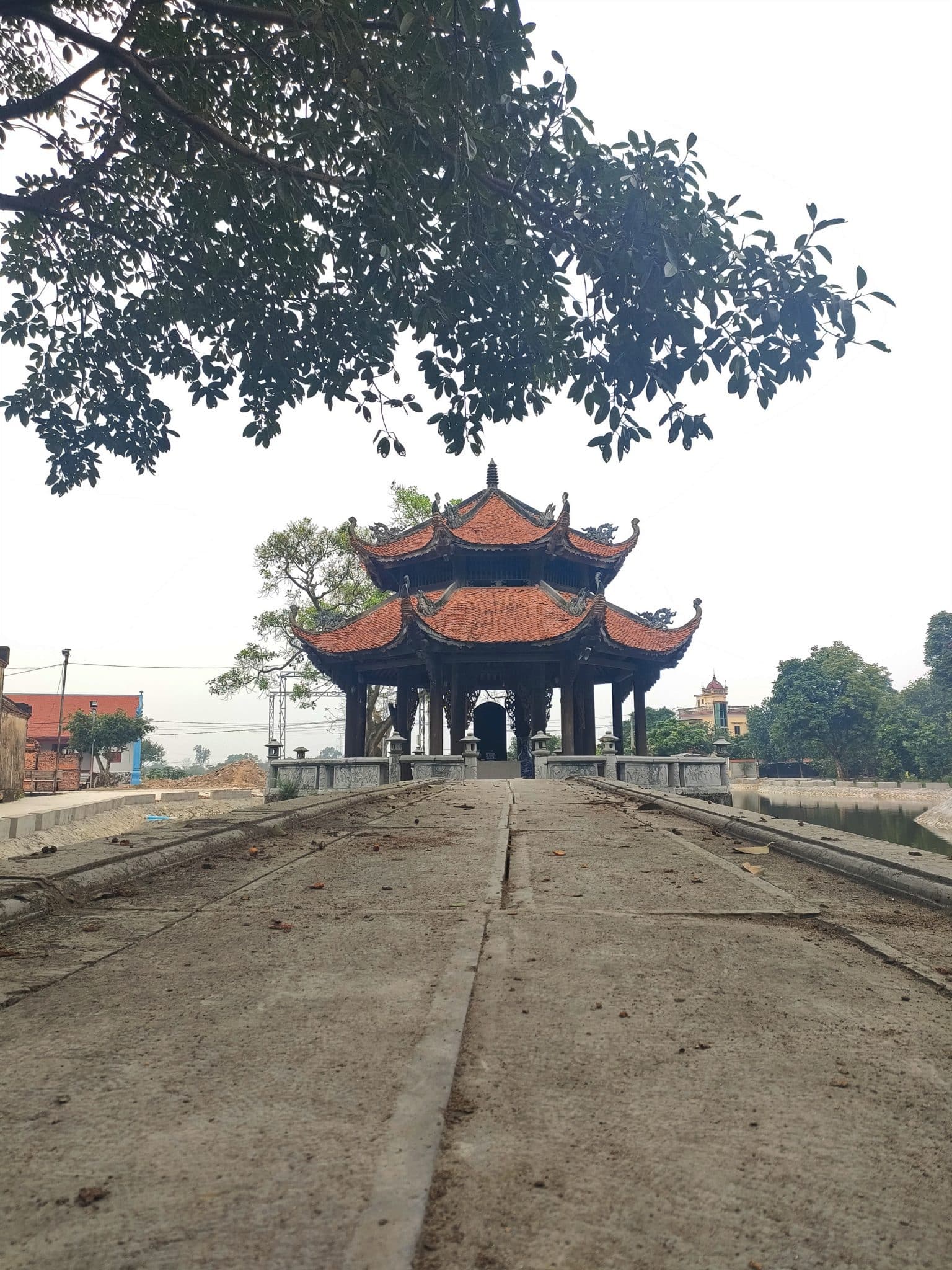
- Nôm Pagoda, also known as Linh Thông Cổ Tự, is one of the village’s most prominent historical sites. Originally built in the 17th century, the pagoda has undergone various restorations but retains much of its ancient charm. It is surrounded by serene landscapes, with a large lotus pond and lush gardens, creating a peaceful environment.
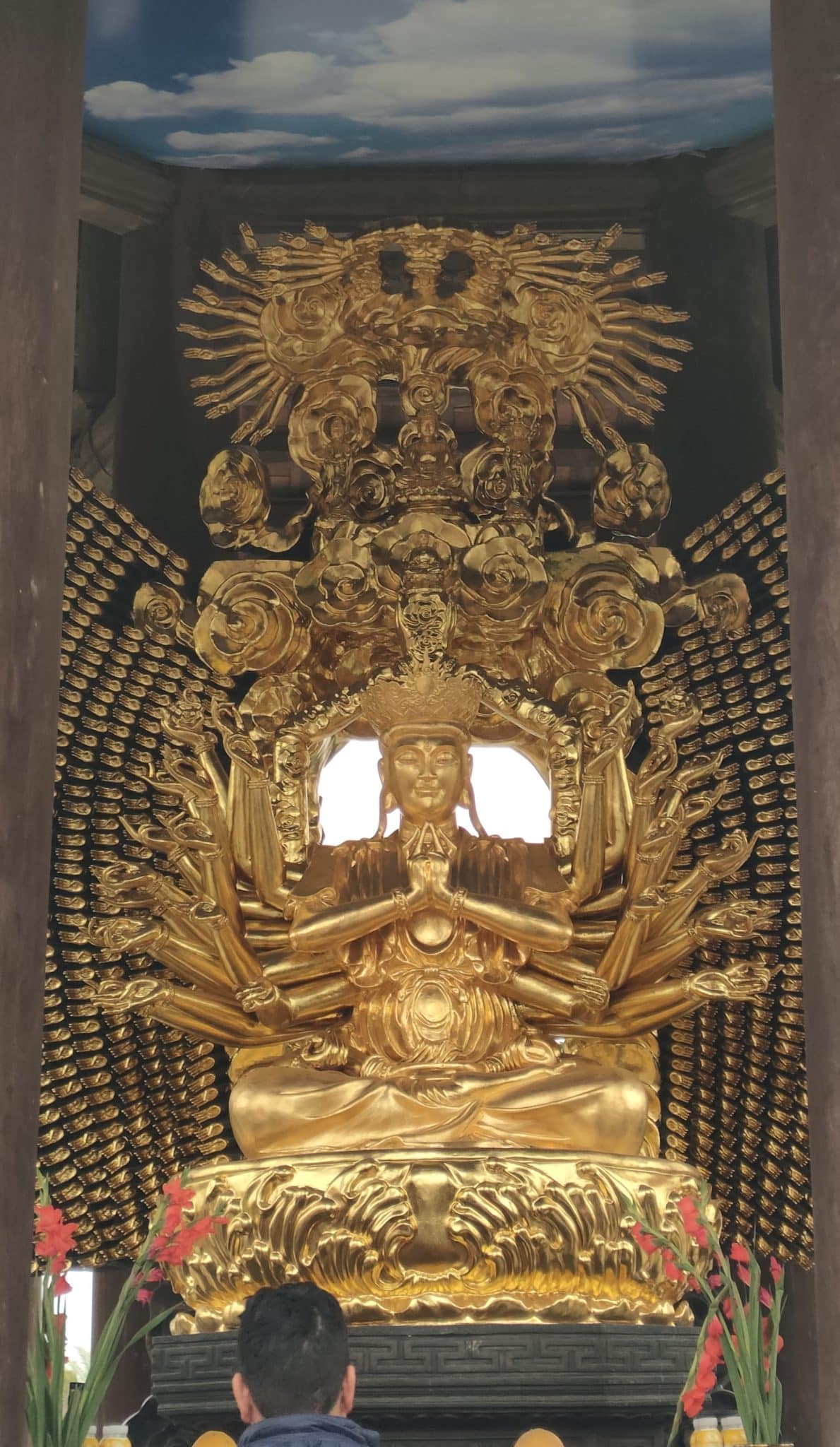
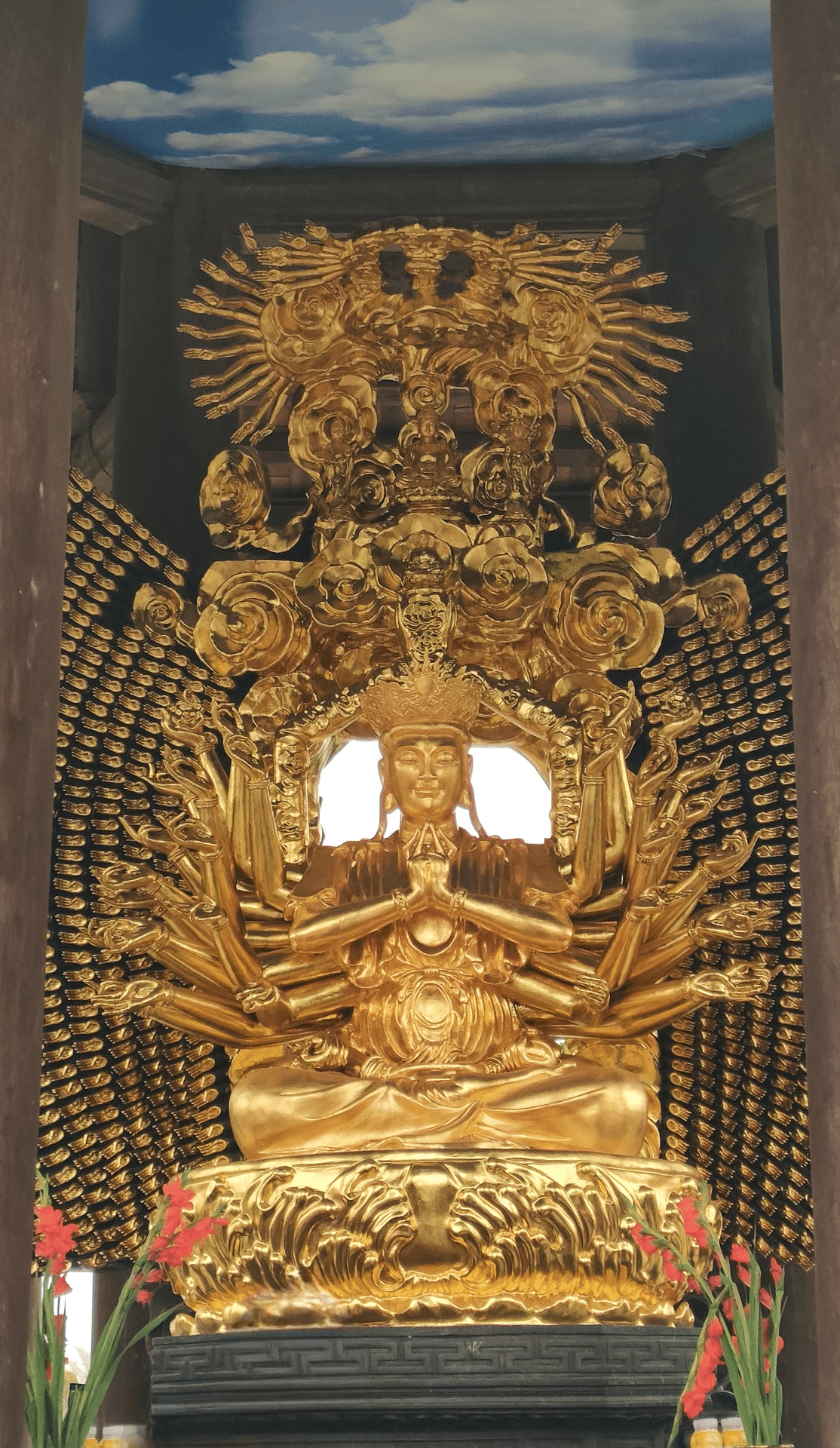
- Inside, the pagoda houses an impressive collection of nearly 100 Buddha statues of various sizes and styles, many of which are made of terracotta and are believed to be centuries old. This pagoda is a revered spiritual site for locals and a highlight for visitors to the village.
3. Nôm Bridge and Village Entrance
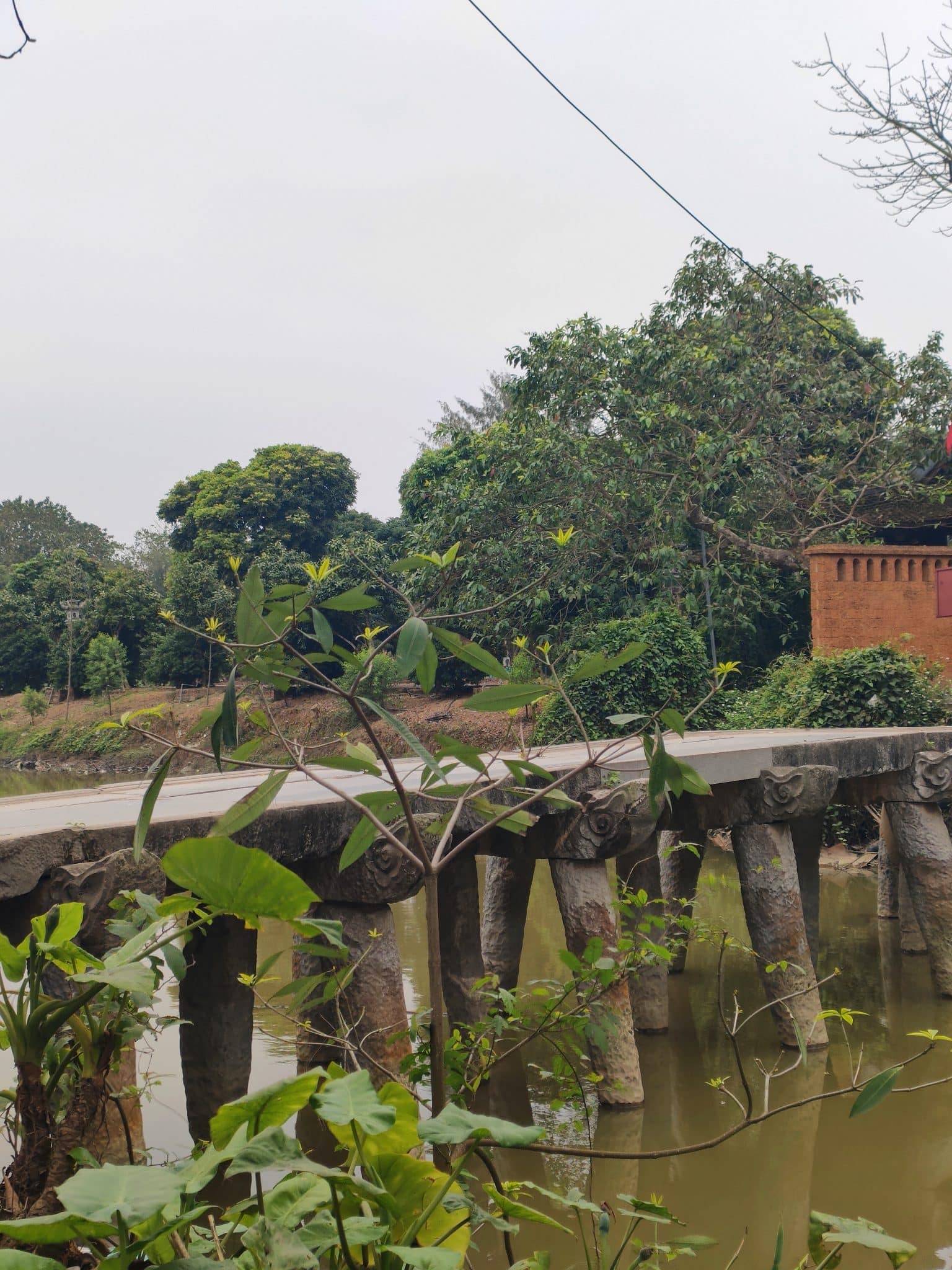
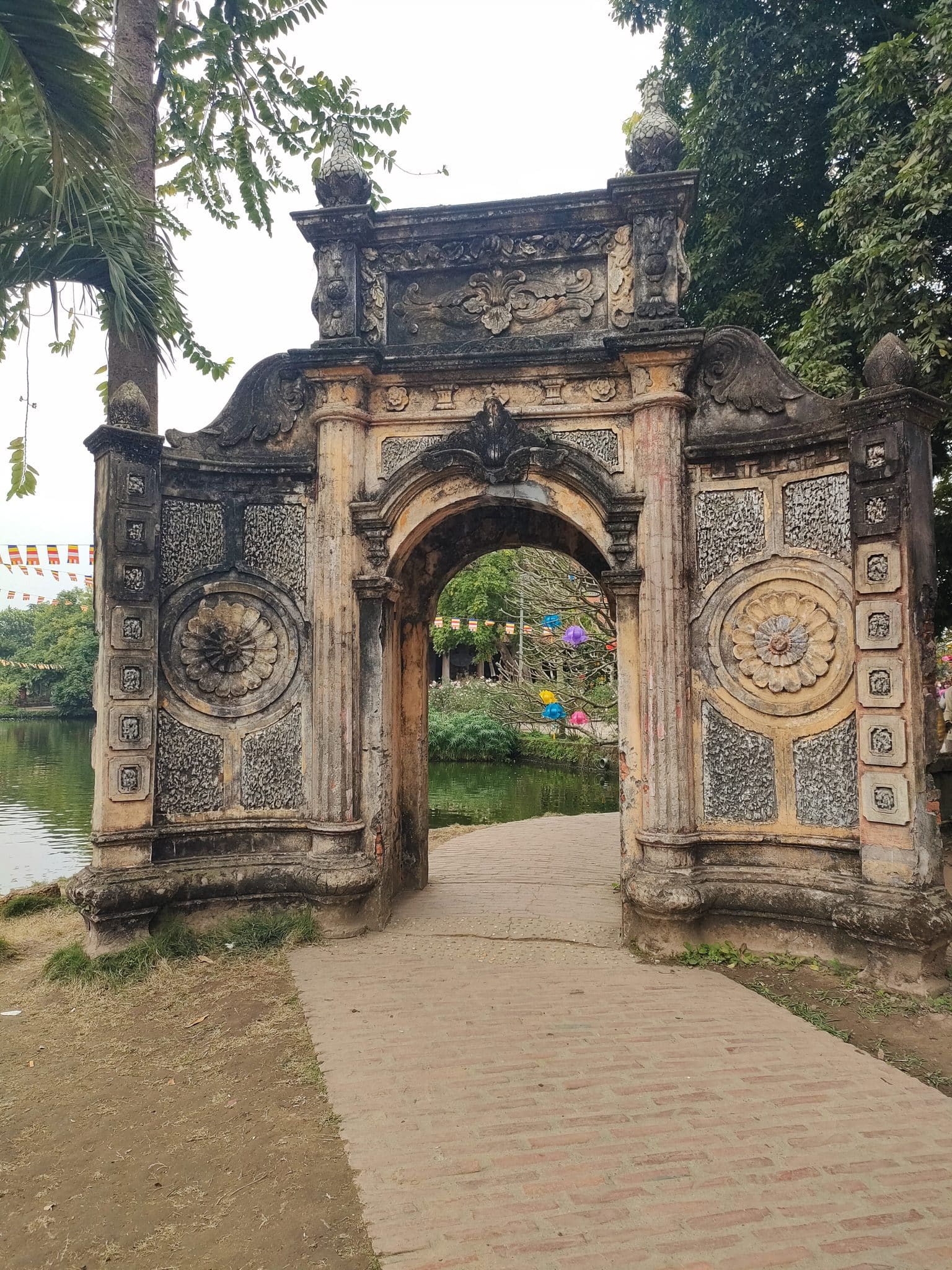
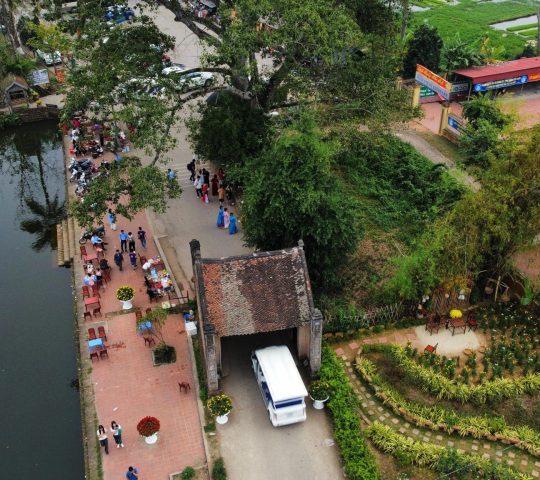
- At the entrance to the village stands Nôm Bridge, an ancient stone bridge that crosses a small river and serves as a picturesque gateway into the village. This bridge, with its moss-covered stones and traditional design, is often seen as a symbol of Nôm Village.
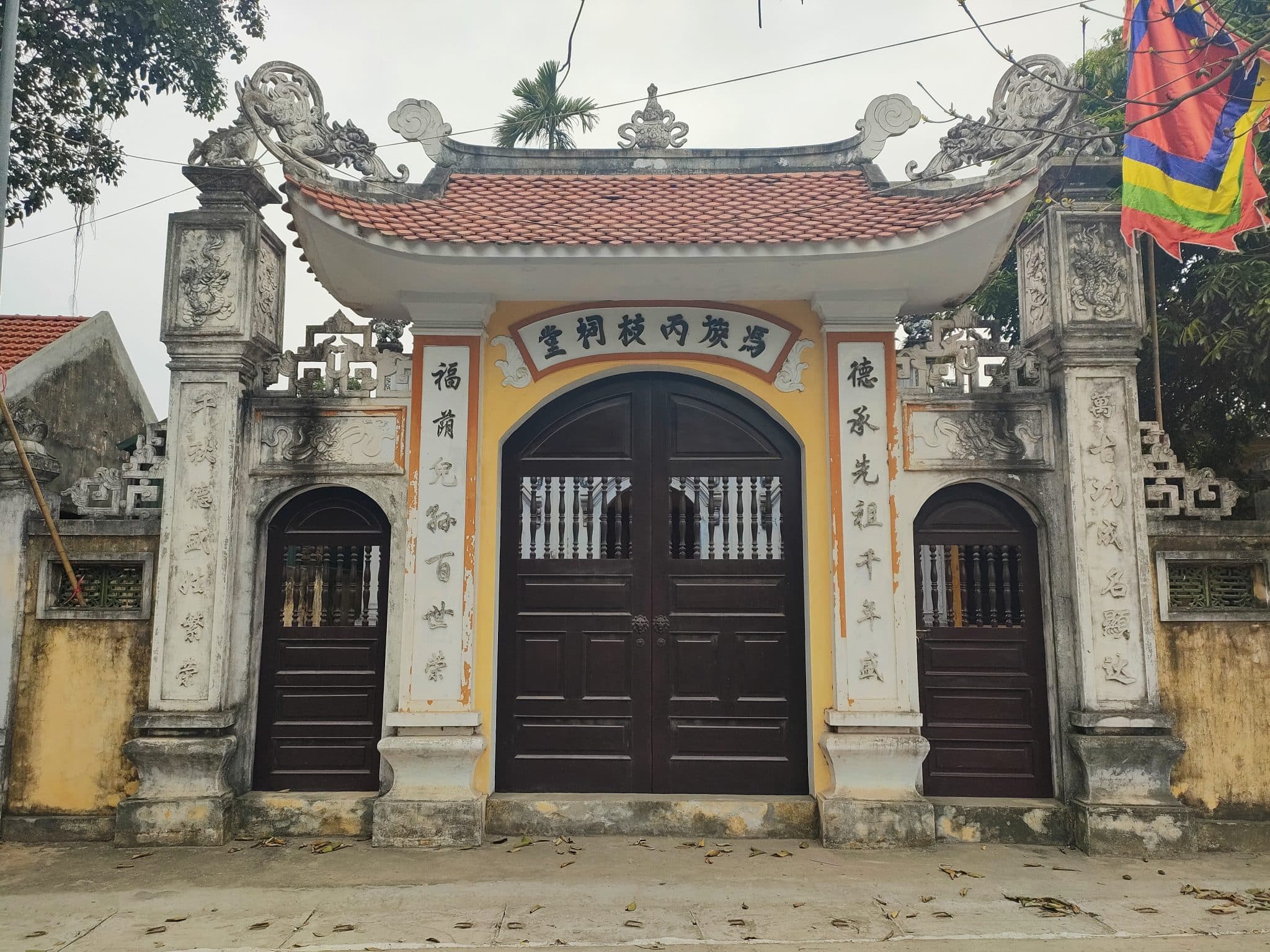
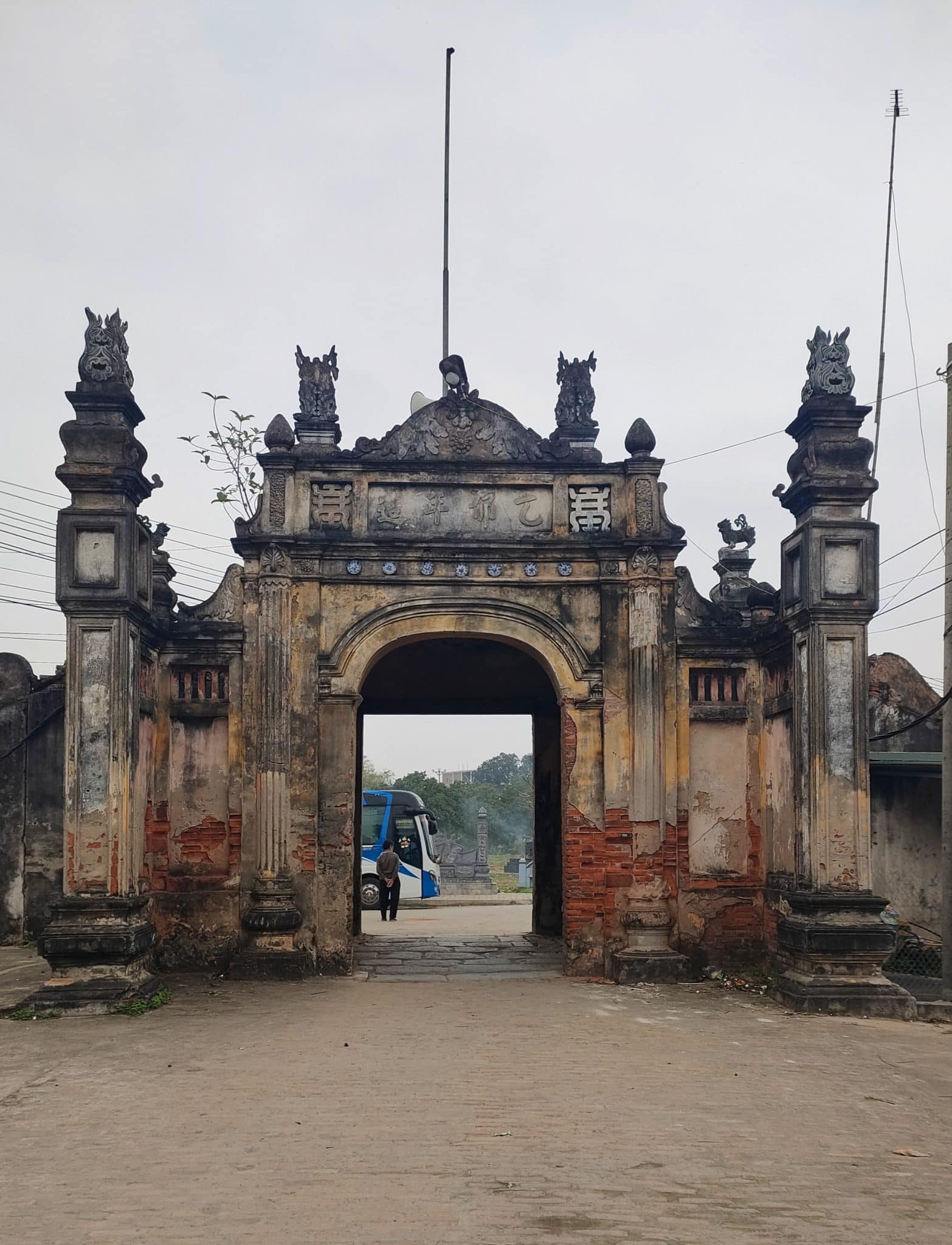
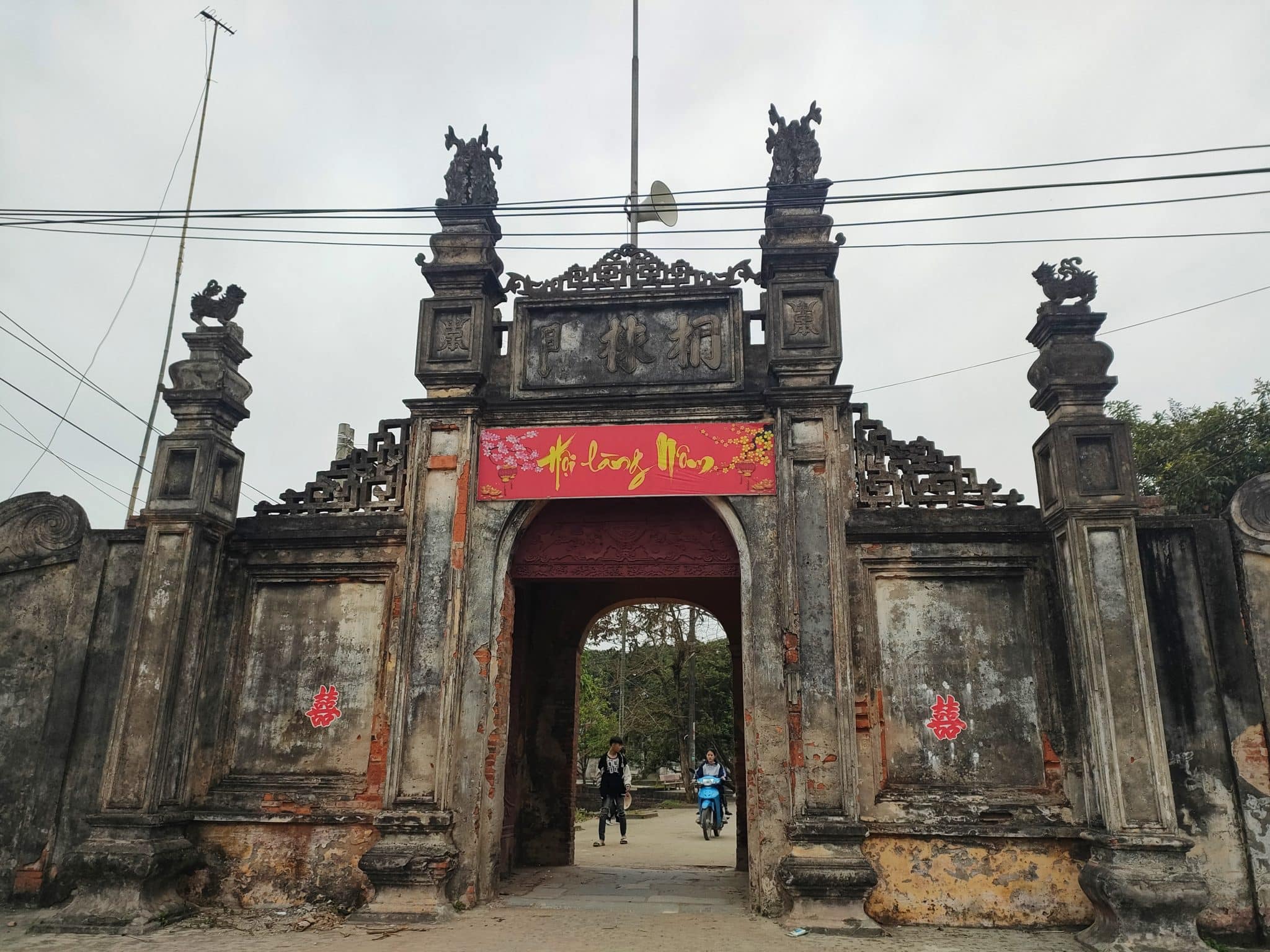
- As you cross the bridge, you pass through the village gate, a brick structure topped with a tiled roof that adds to the timeless feel of the area. It’s a perfect spot for taking photos that capture the essence of the village.
4. Communal House (Đình Làng Nôm)
- Like many traditional Vietnamese villages, Nôm has a communal house, known as Đình Làng Nôm, which serves as the cultural and social hub. This communal house is an architectural treasure, featuring intricate wooden carvings and a large open hall supported by sturdy wooden pillars.
- The communal house hosts local festivals, rituals, and gatherings. The village’s most important event, the annual village festival, includes traditional music, folk games, and rituals, all centered around the communal house. The Đình Làng Nôm symbolizes the spirit of unity and tradition within the village.
5. Old Market Area
- Nôm Village has an old market area where locals gather to sell produce, traditional handicrafts, and daily essentials. The market retains a rustic, authentic feel, with vendors using bamboo baskets and traditional scales.
- Visiting the market provides a glimpse into the slow-paced, communal lifestyle that characterizes Vietnamese rural culture. Although small, it’s a great place to see local goods and perhaps buy some handmade souvenirs.
6. Temple of the Village’s Patron Saint
- In addition to the communal house and pagoda, Nôm Village has a temple dedicated to its patron saint, who is believed to protect the community and bring good fortune. This temple is a quiet place for locals to pay respects and offer prayers, with incense and offerings filling the air with a sense of devotion.
7. Peaceful Scenery and Landscapes
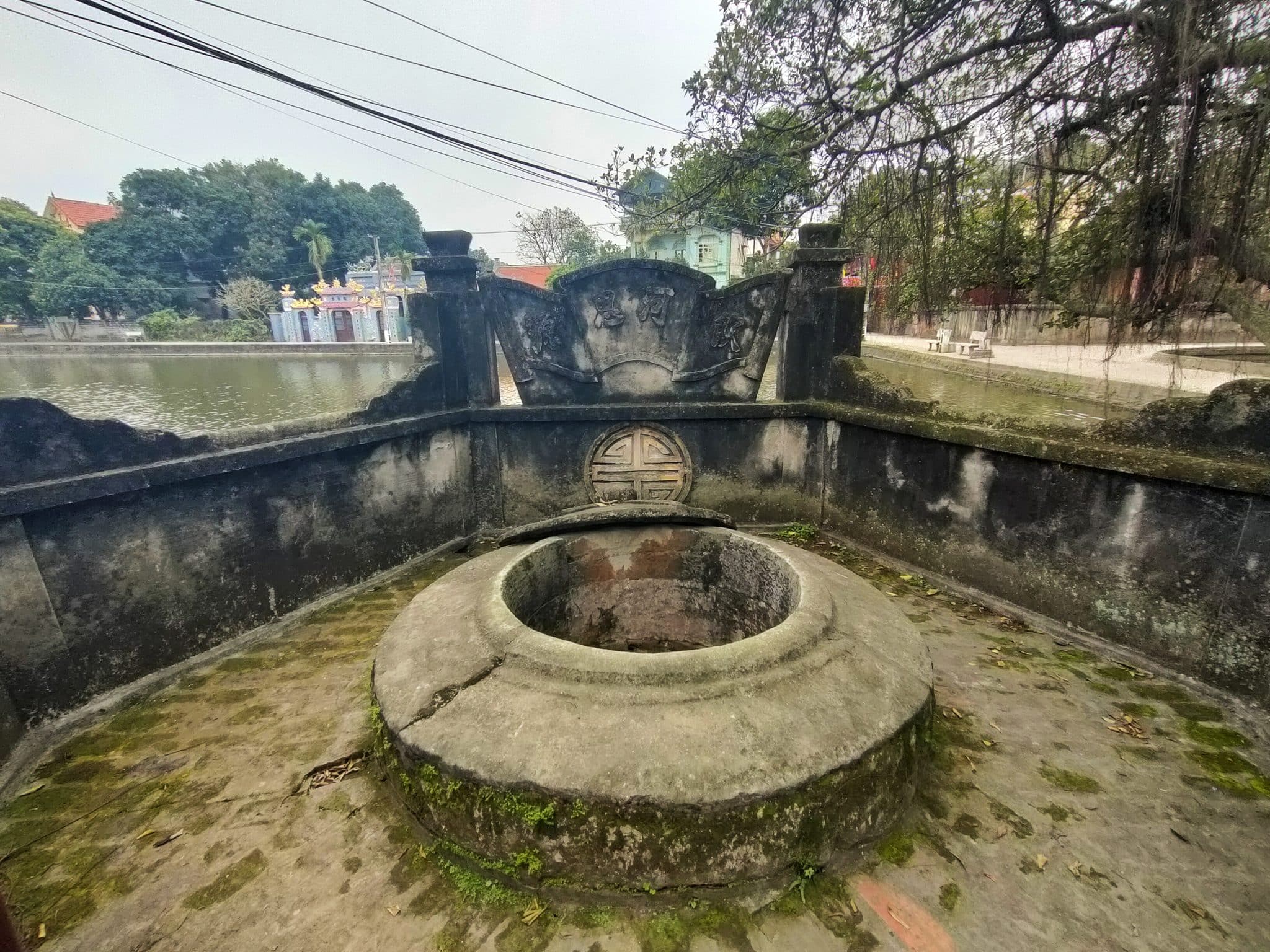
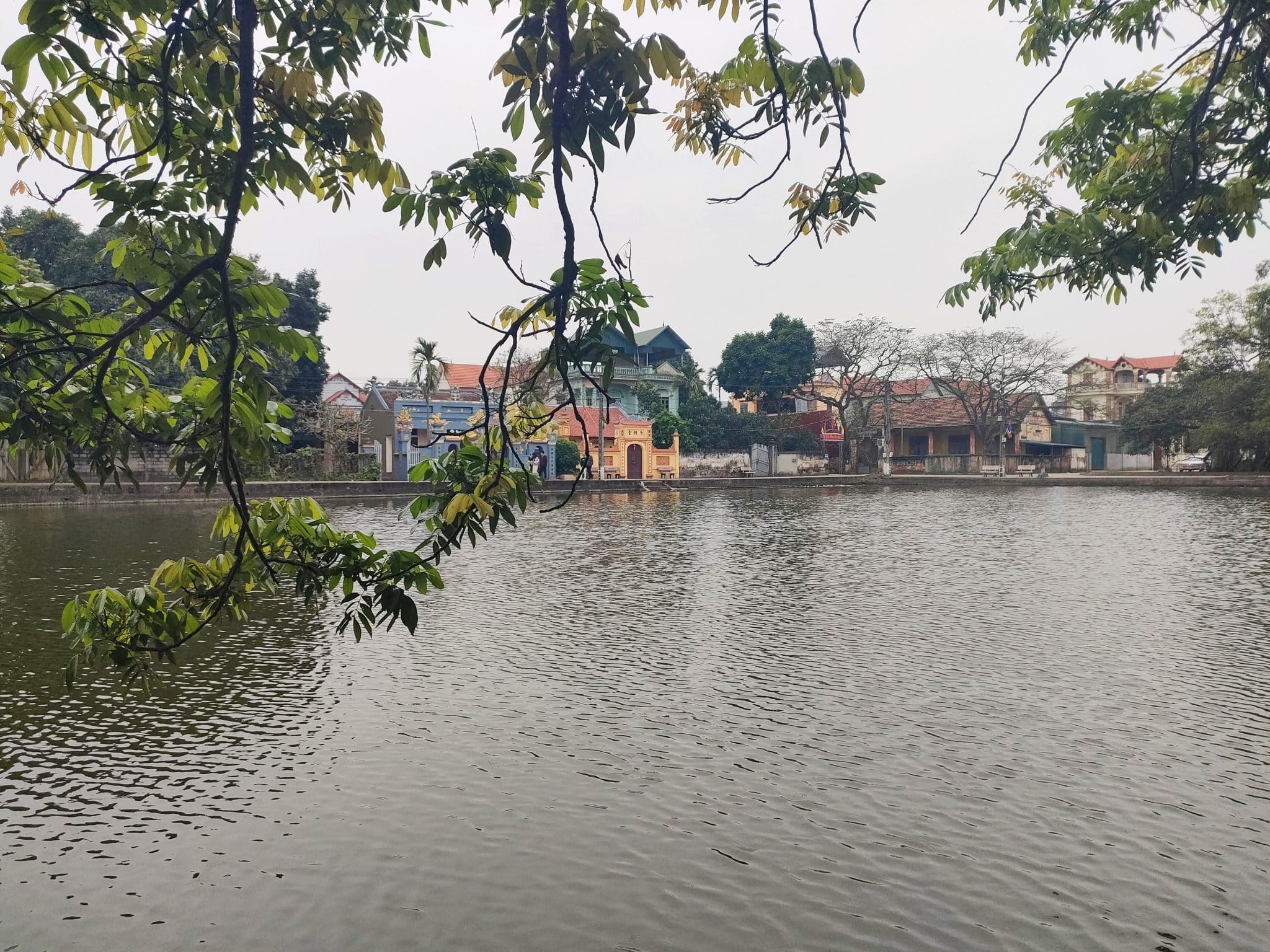
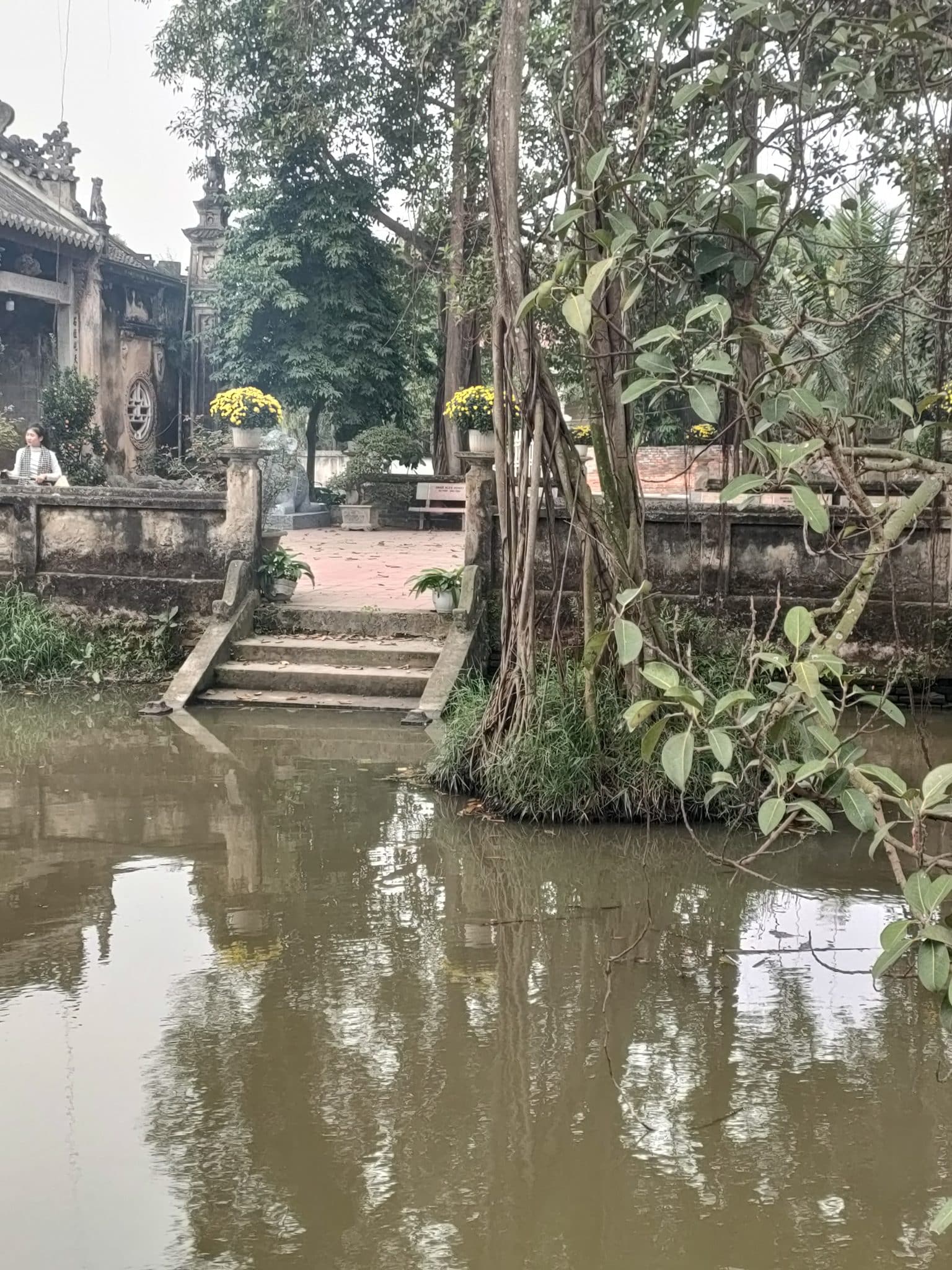
- Nôm Village is set amidst tranquil surroundings, with lush rice paddies, bamboo groves, and small ponds throughout the area. The traditional houses, pagodas, and ponds reflect the natural beauty and harmony that characterize traditional Vietnamese villages.
- The village’s small canals, stone paths, and ancient trees make it a relaxing place to stroll. Photographers often come here to capture the serene landscapes and rustic charm of the village.
8. Authentic Rural Experience
- Unlike more commercialized tourist destinations, Nôm Village has a quiet, authentic atmosphere, largely untouched by modernity. Many villagers still practice traditional farming and crafts, which allows visitors to witness Vietnam’s agrarian culture up close.
- Locals are generally welcoming, and some may invite visitors to join them for tea or show them around. This warm hospitality makes the experience of visiting Nôm Village feel more personal and meaningful.
9. Annual Festivals and Traditional Performances
- Nôm Village hosts several annual festivals, including spring celebrations and events dedicated to local deities. During these festivals, villagers perform traditional dances, sing folk songs, and reenact historical scenes.
- These festivals are vibrant displays of Vietnamese culture, with participants dressed in traditional costumes, creating a lively atmosphere that contrasts with the village’s usual tranquility.
Nôm Village is a gem of traditional Vietnamese heritage, offering a blend of historical architecture, religious sites, and scenic beauty. It’s an ideal destination for those seeking an authentic experience of Vietnam’s rural past, where the atmosphere remains peaceful and rooted in age-old customs. Visiting Nôm Village gives travelers a unique opportunity to step back in time and appreciate the enduring beauty of Vietnam’s cultural heritage.