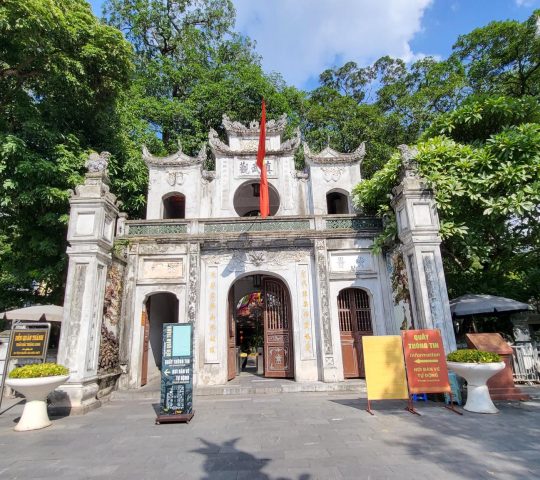
Ngọc Sơn Temple – Hanoi
Listing has verified and belong the business owner or manager.
History:
Ngọc Sơn Temple, also known as Temple of the Jade Mountain, is a historical and cultural landmark located on Hoan Kiem Lake in the heart of Hanoi, Vietnam. The temple’s origins can be traced back to the 14th century, although it has undergone several renovations and reconstructions over the centuries, reflecting its evolving significance, architectural style, and cultural importance within the region.
- 14th Century: The earliest historical records of Ngọc Sơn Temple date back to the 14th century when it was initially constructed to honor the revered Vietnamese military leader Tran Hung Dao, who played a pivotal role in defeating the Mongol invaders during the 13th century.
- Later Periods: Over the centuries, Ngọc Sơn Temple underwent various renovations and expansions, with significant modifications and enhancements made during the Le Dynasty (15th-18th centuries) and subsequent periods. The temple’s architectural design, layout, and decorative elements evolved over time, reflecting the influence of various architectural styles, cultural trends, and religious practices prevalent during different historical periods in Vietnam.
Architecture:
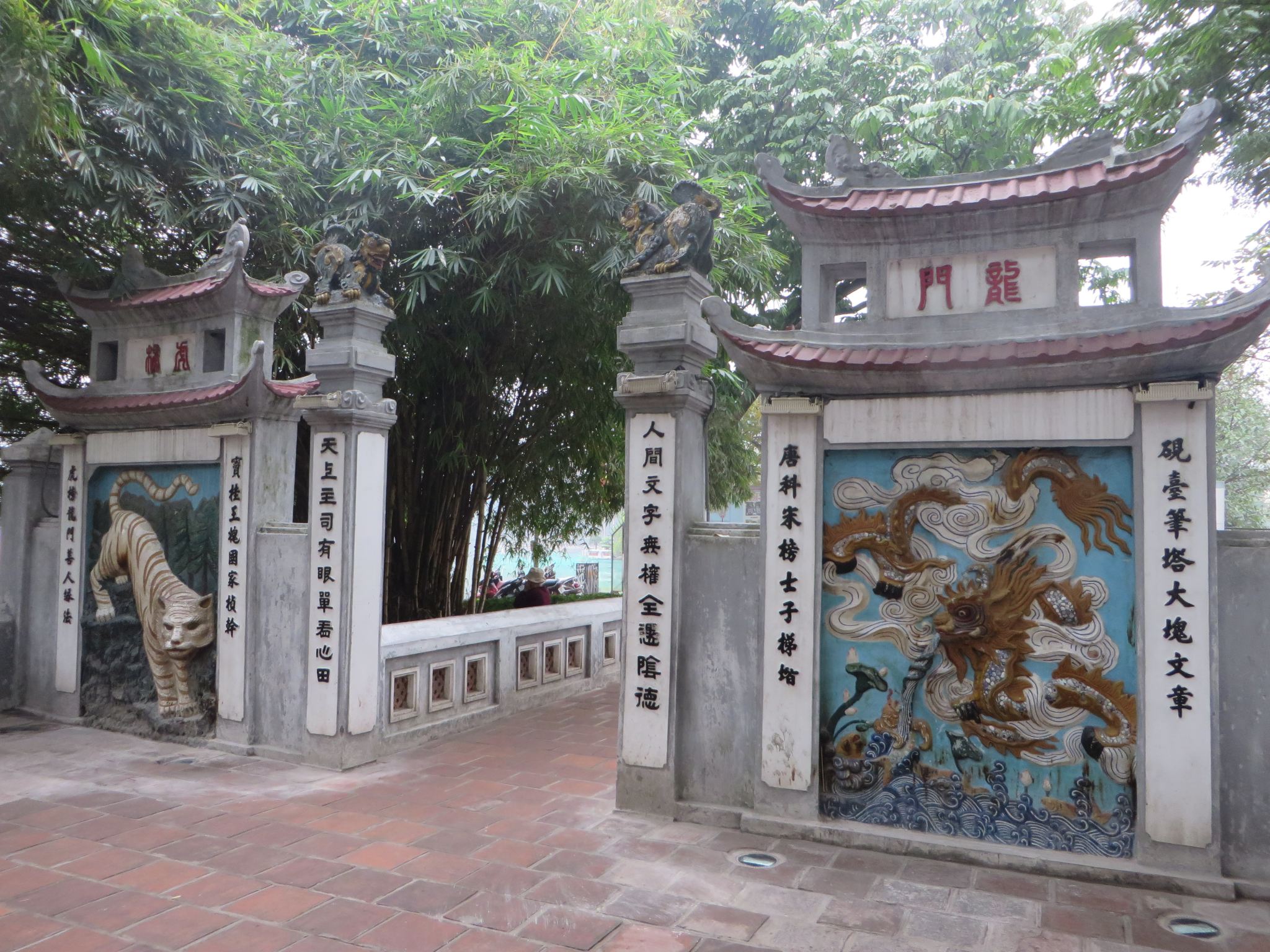
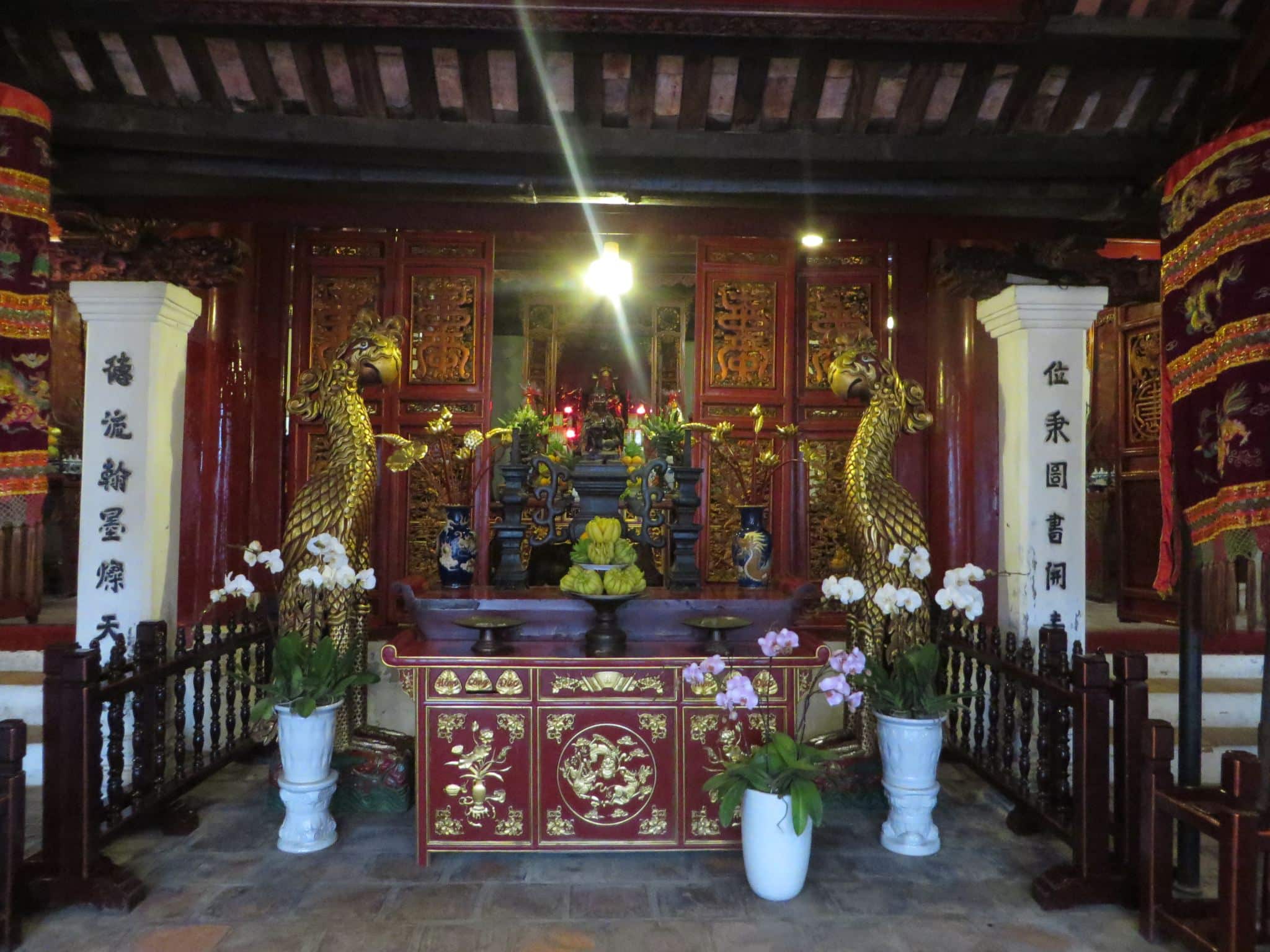
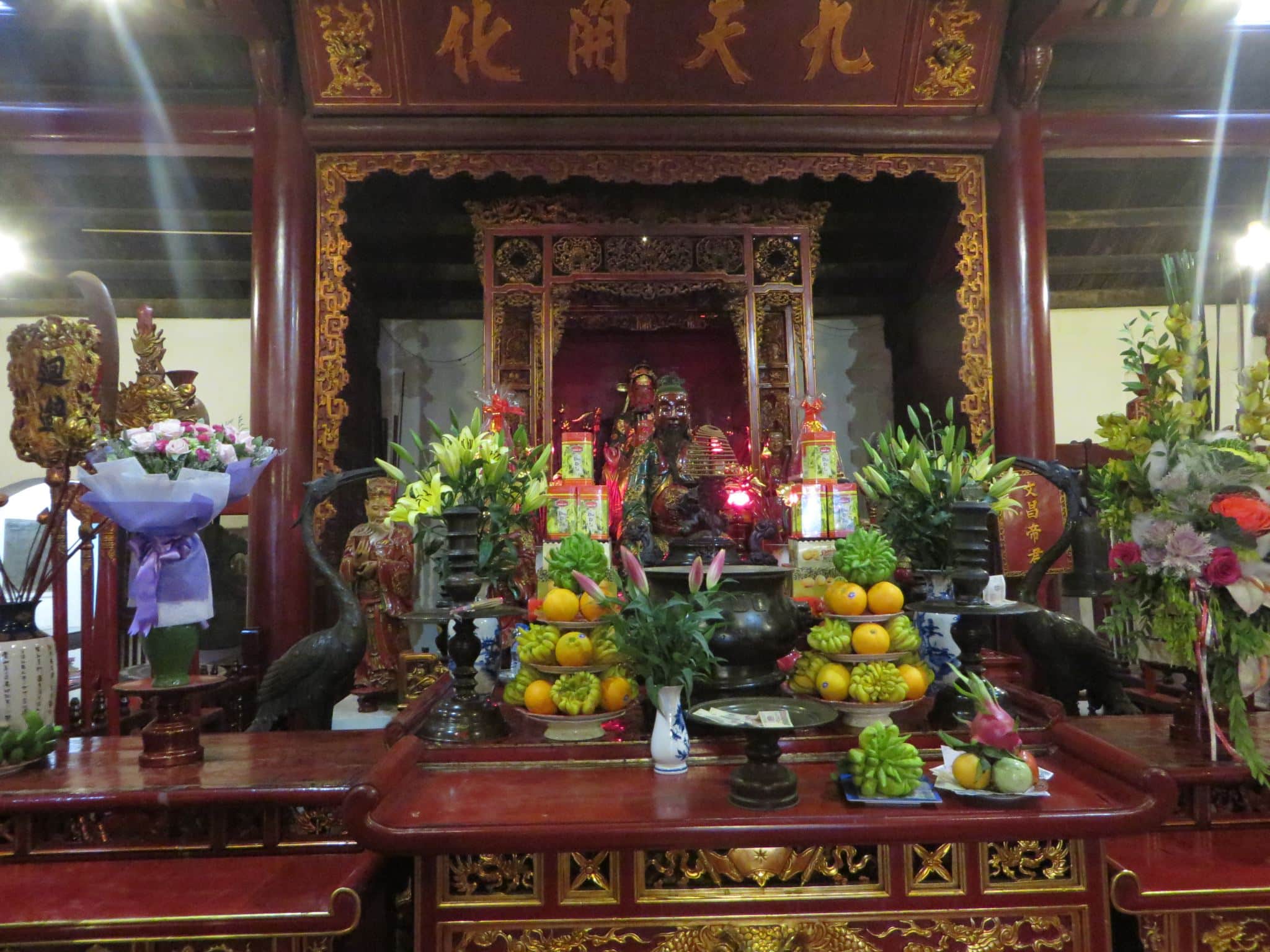
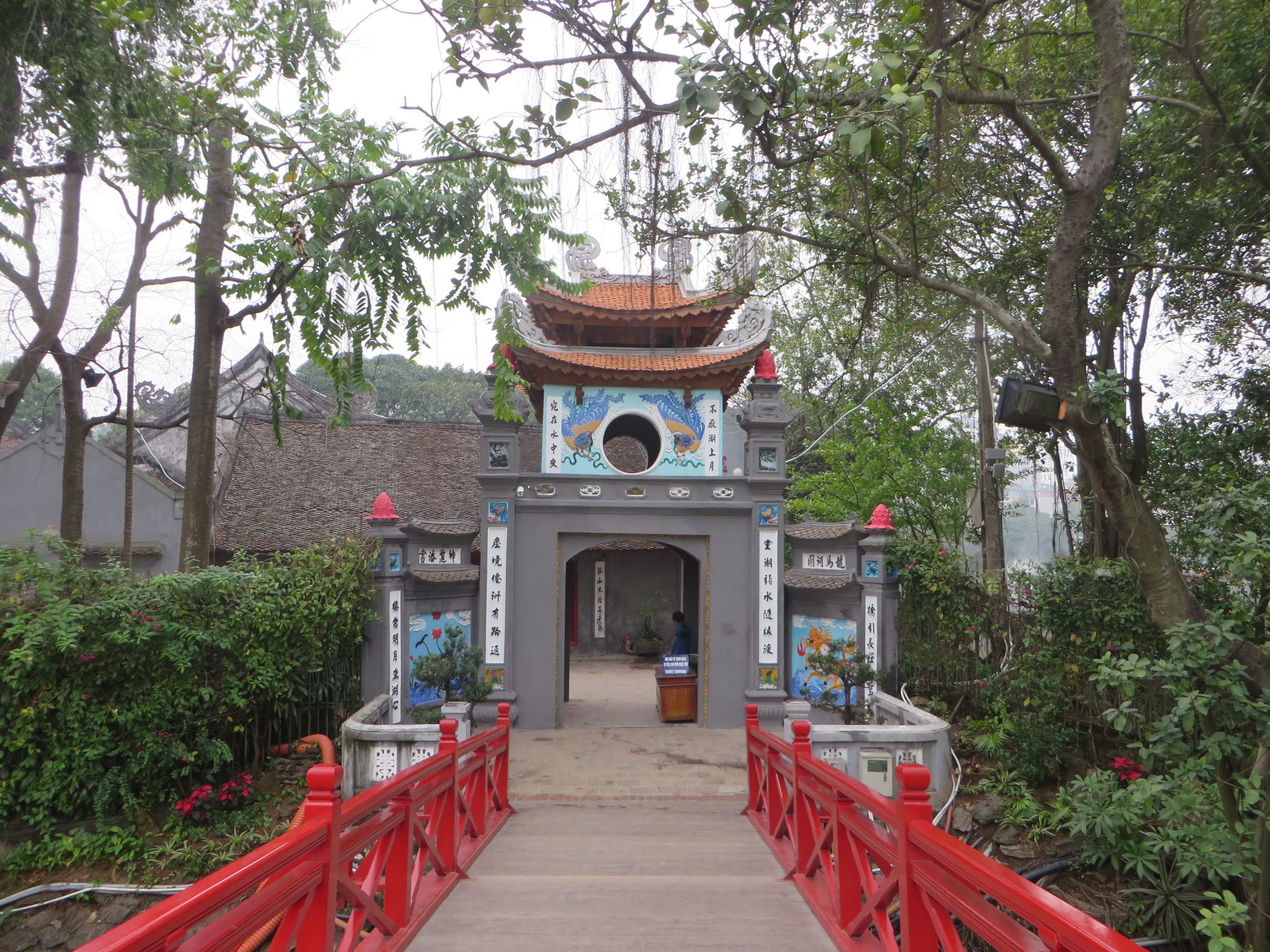
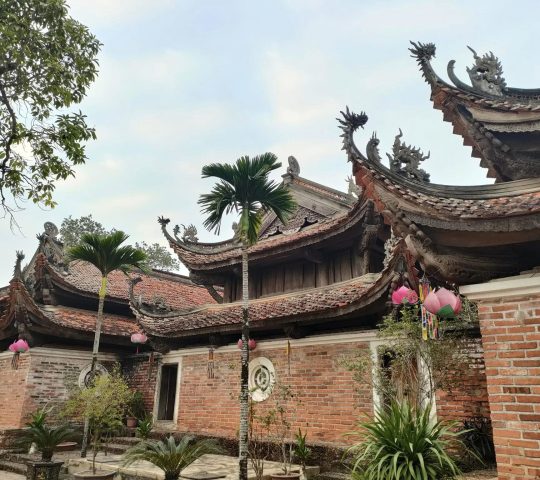
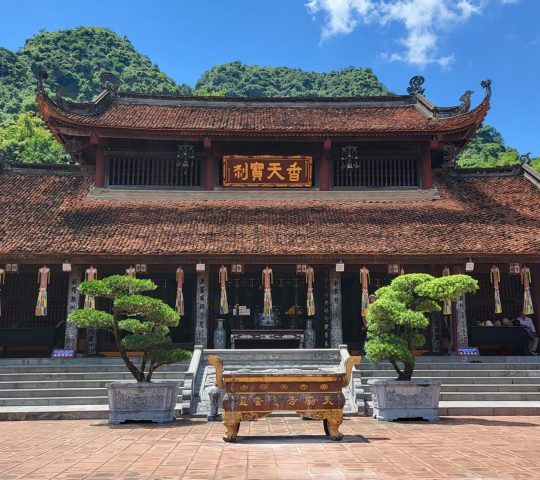
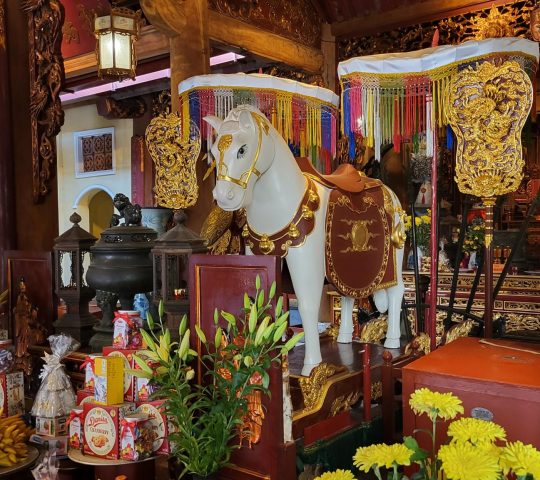
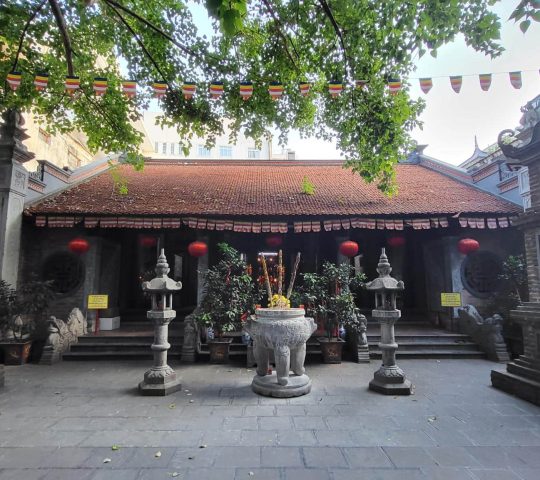
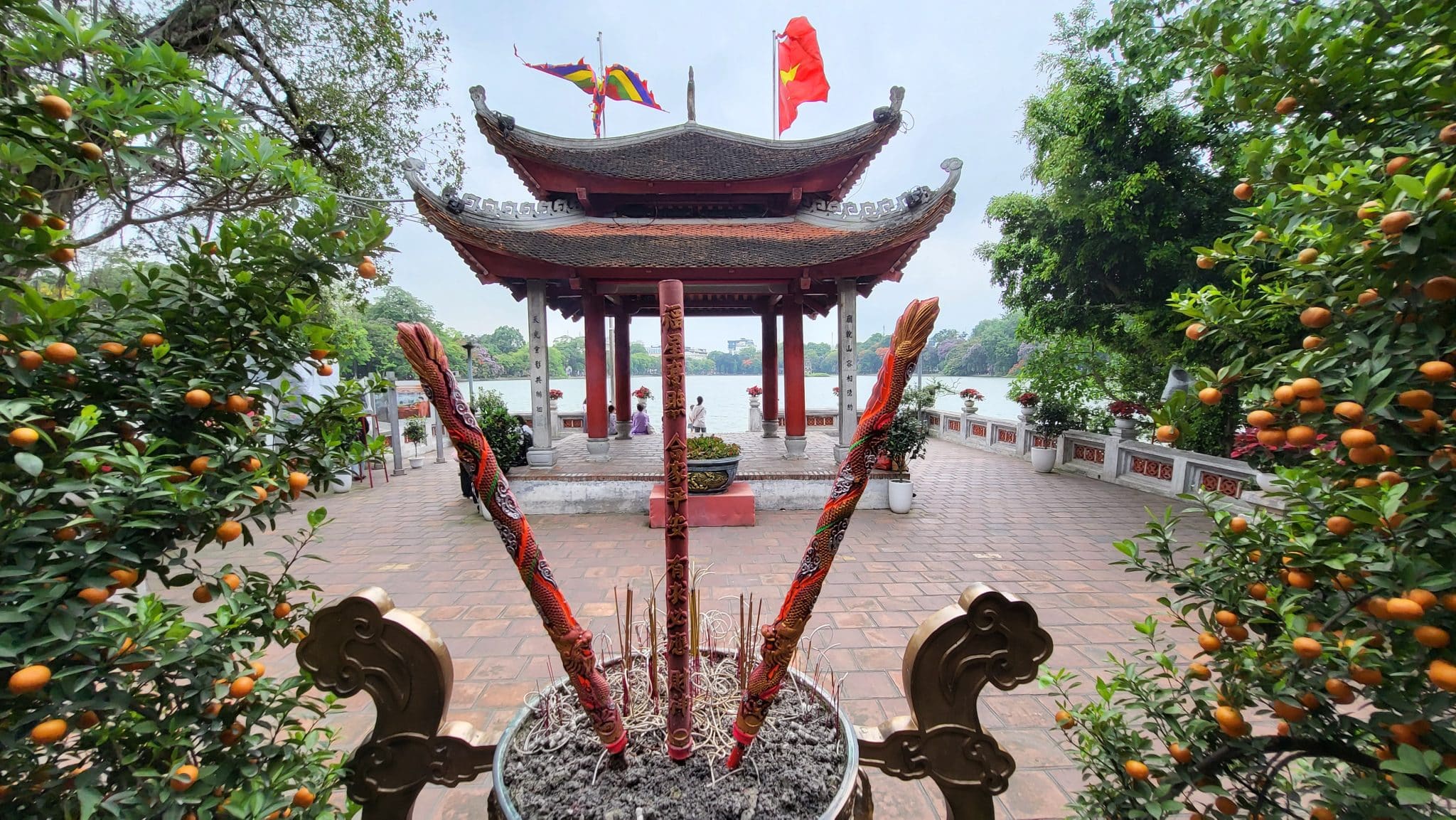
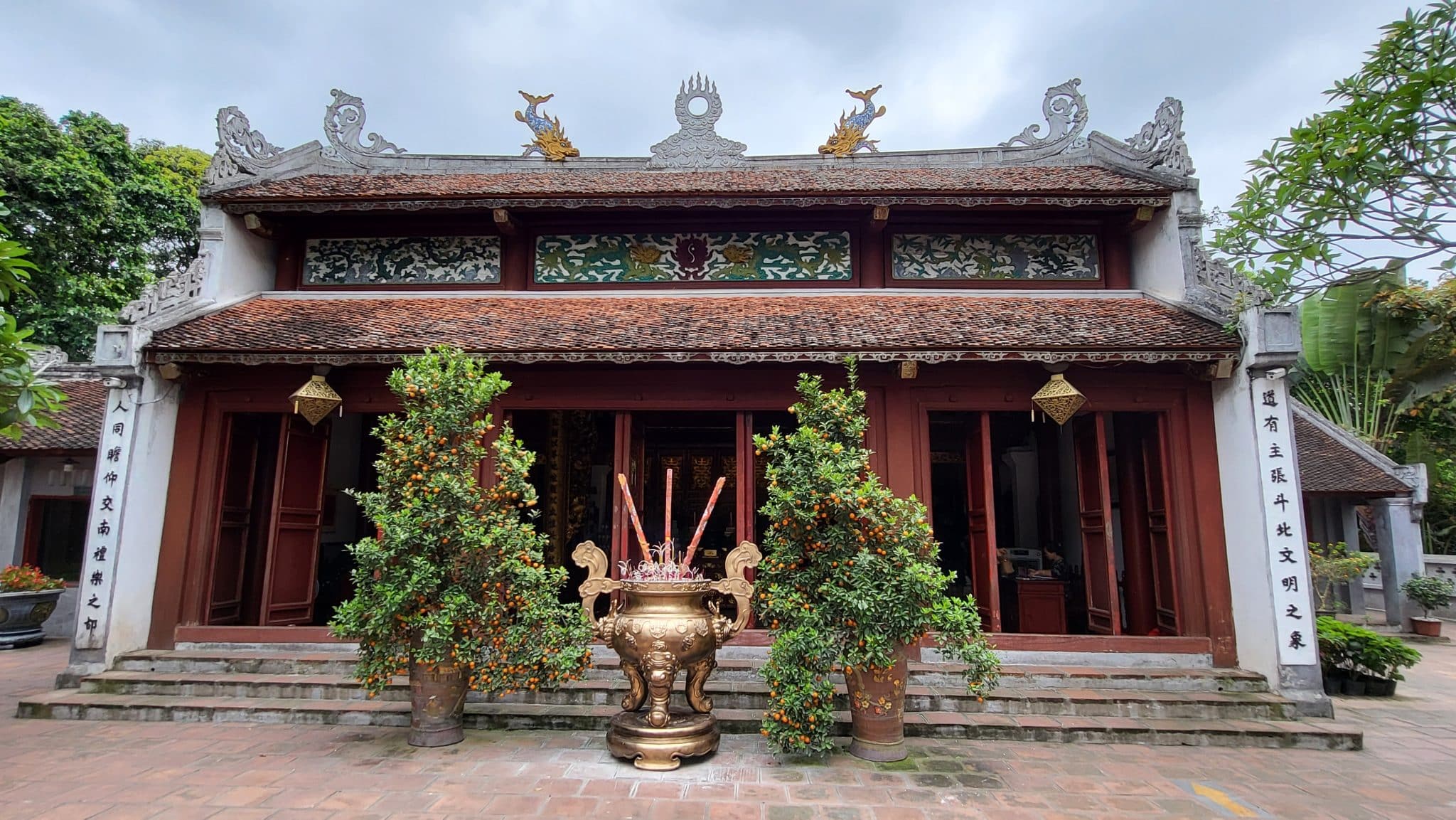
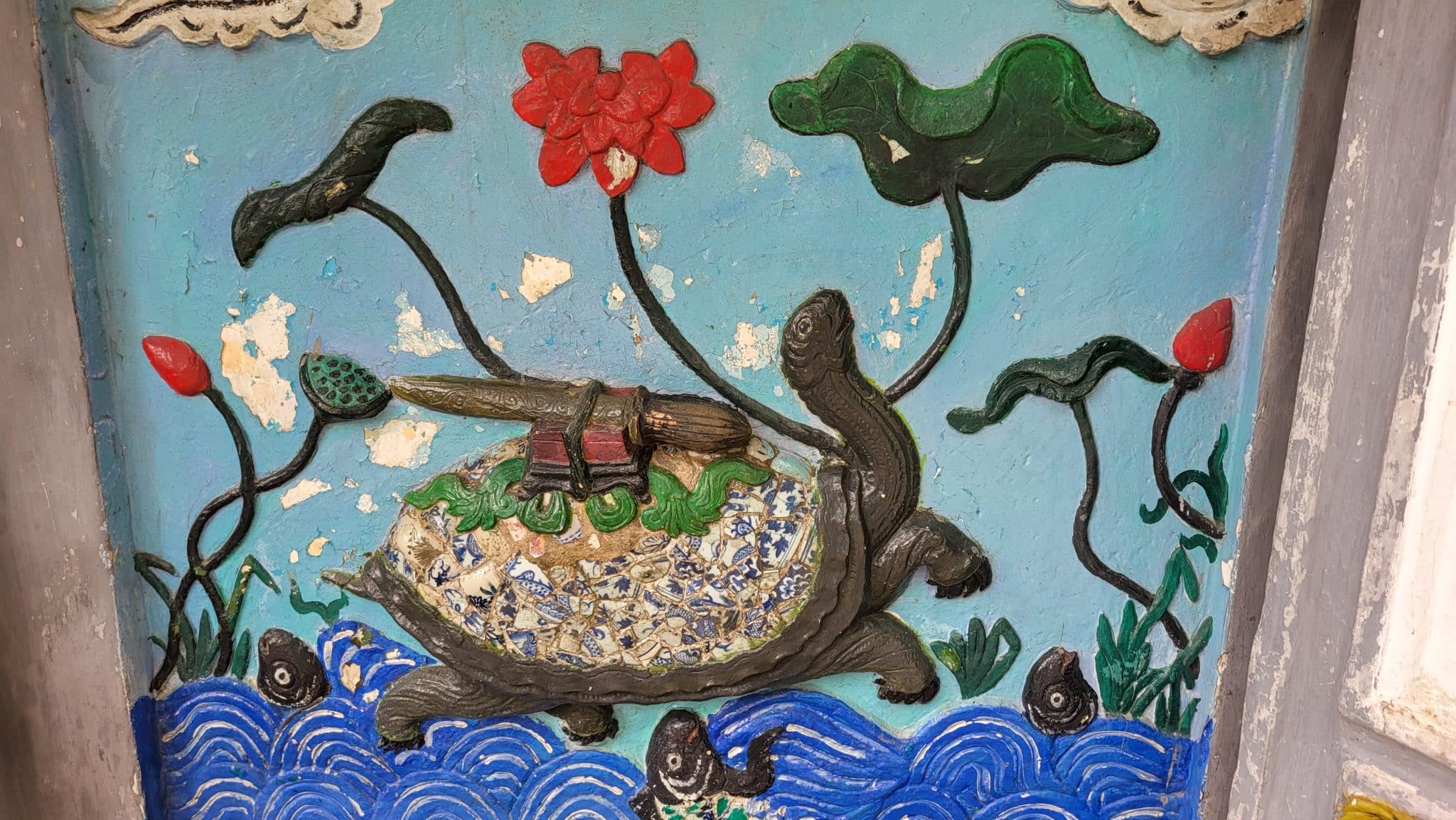
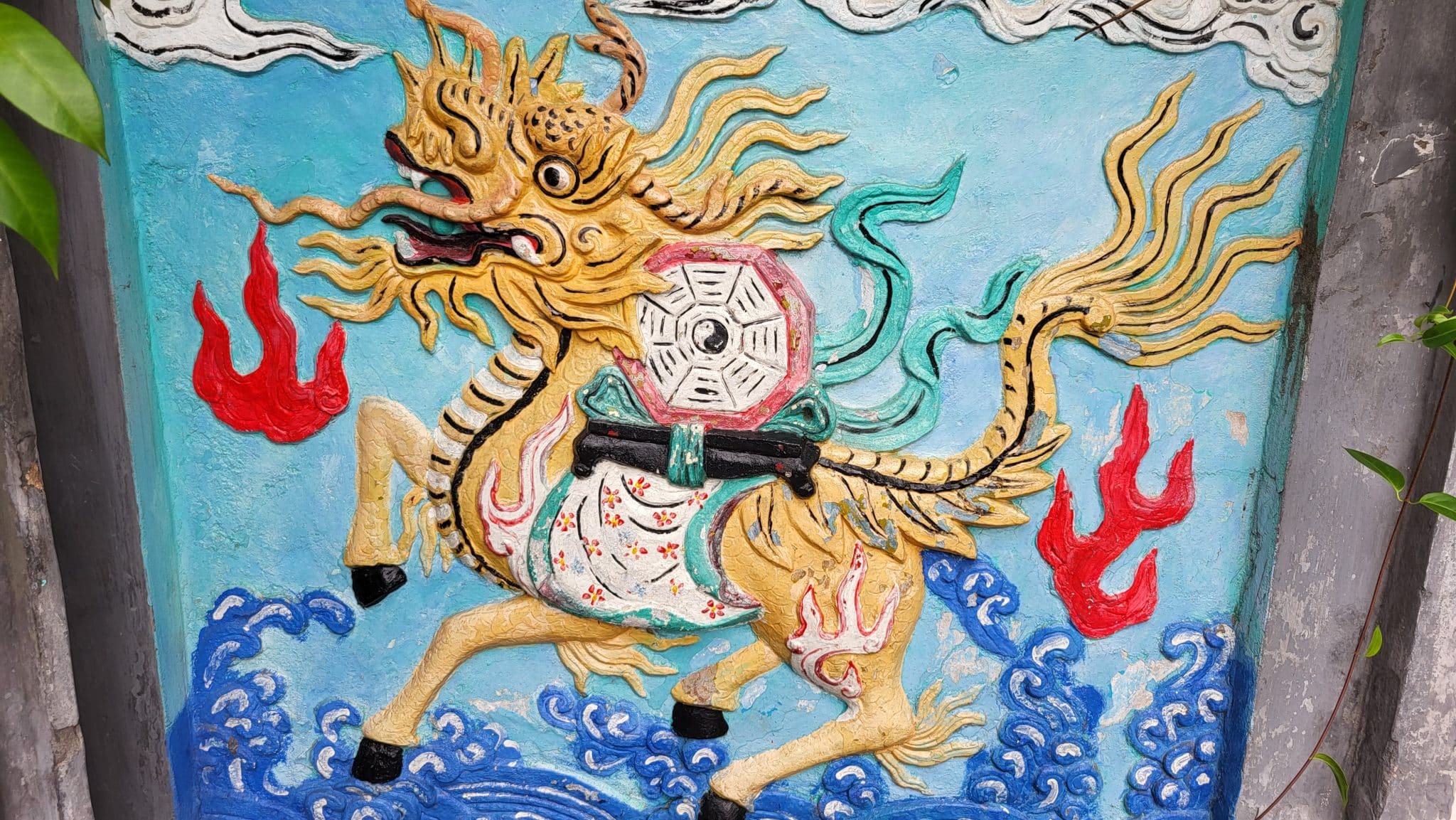
- Traditional Vietnamese Style: Ngọc Sơn Temple features a distinctive blend of traditional Vietnamese architectural elements, reflecting its historical, cultural, and religious significance within the region. The temple’s design incorporates wooden structures, tiled roofs, ornate carvings, and decorative motifs that exemplify the aesthetic principles, craftsmanship, and artistic traditions of Vietnamese architecture.
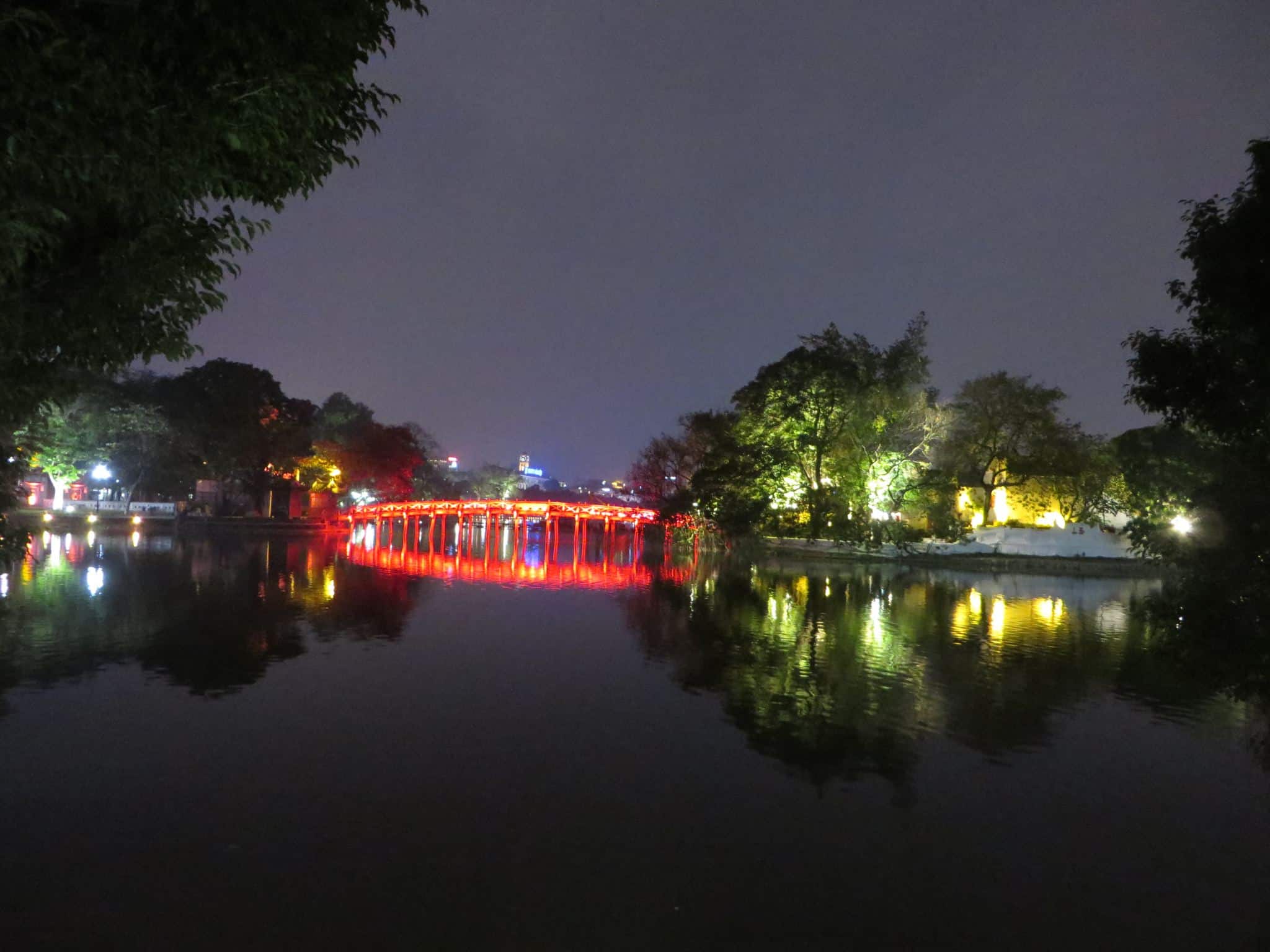
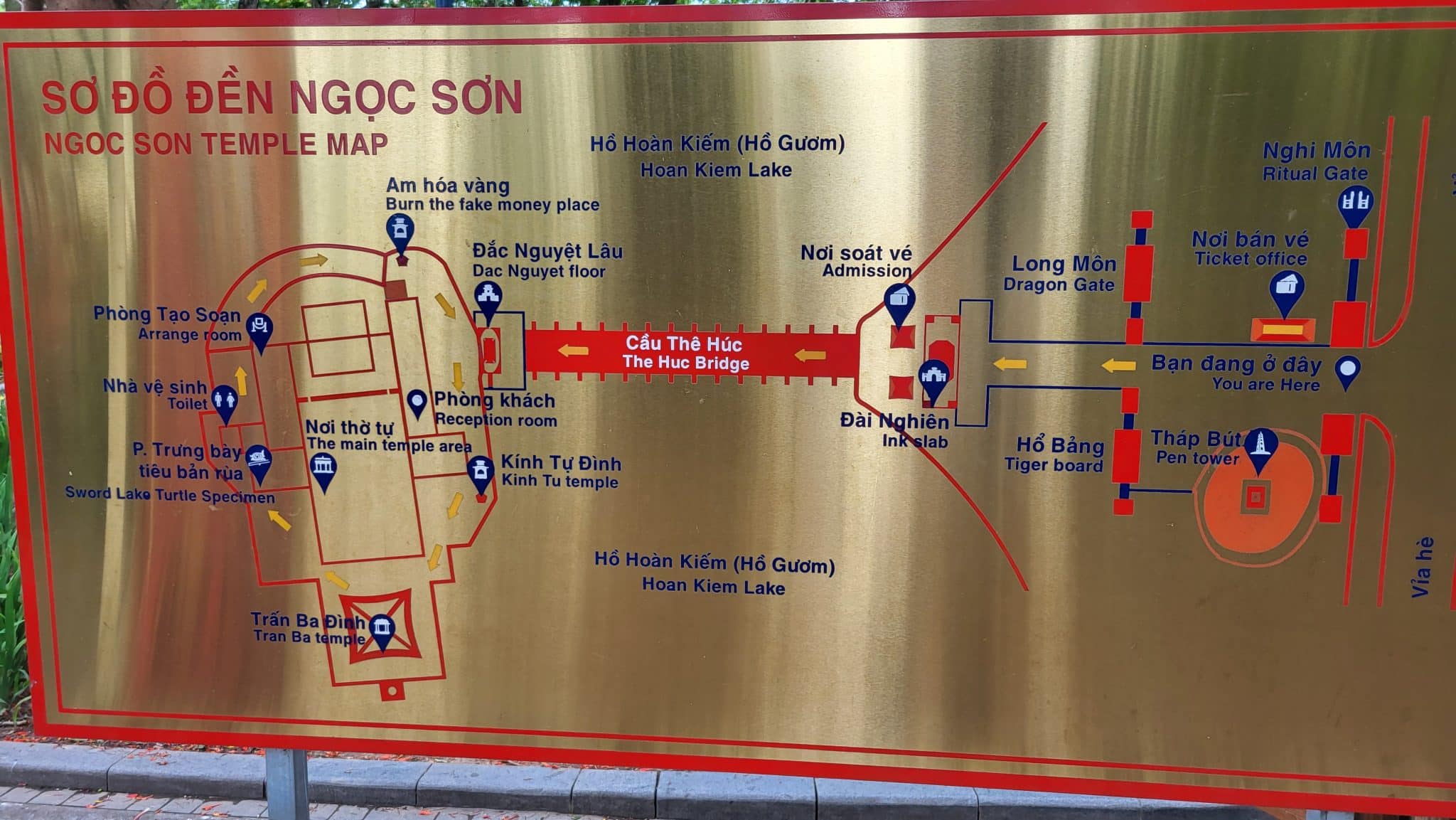
- Three-Tiered Pavilion: One of the most iconic features of Ngọc Sơn Temple is its three-tiered pavilion, known as Thap But or Pen Tower, which rises majestically above the surrounding landscape and serves as a symbol of Hanoi’s cultural heritage. The pavilion’s architectural design, intricate carvings, and ornamental details symbolize the temple’s historical significance, religious symbolism, and artistic beauty.
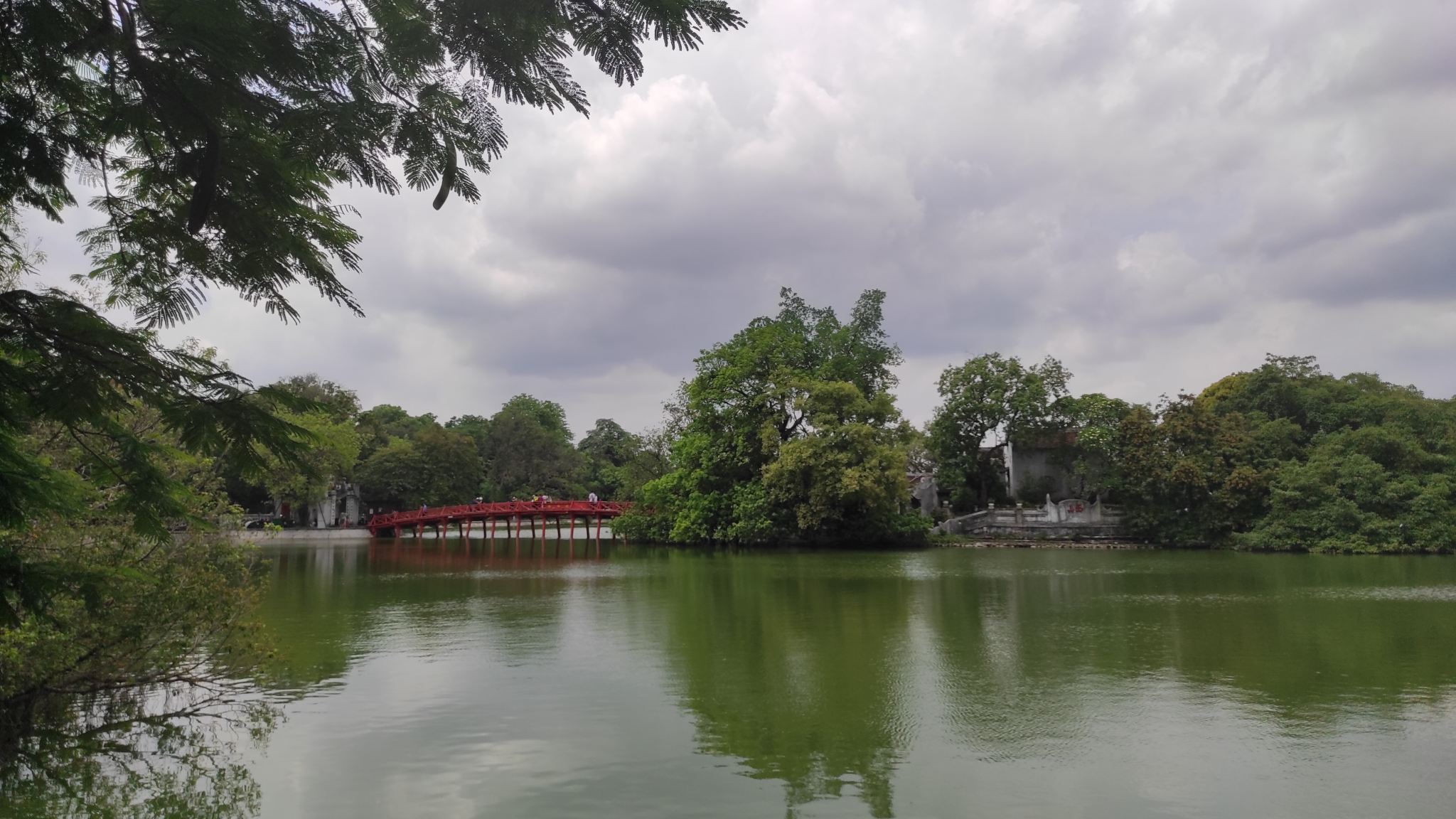
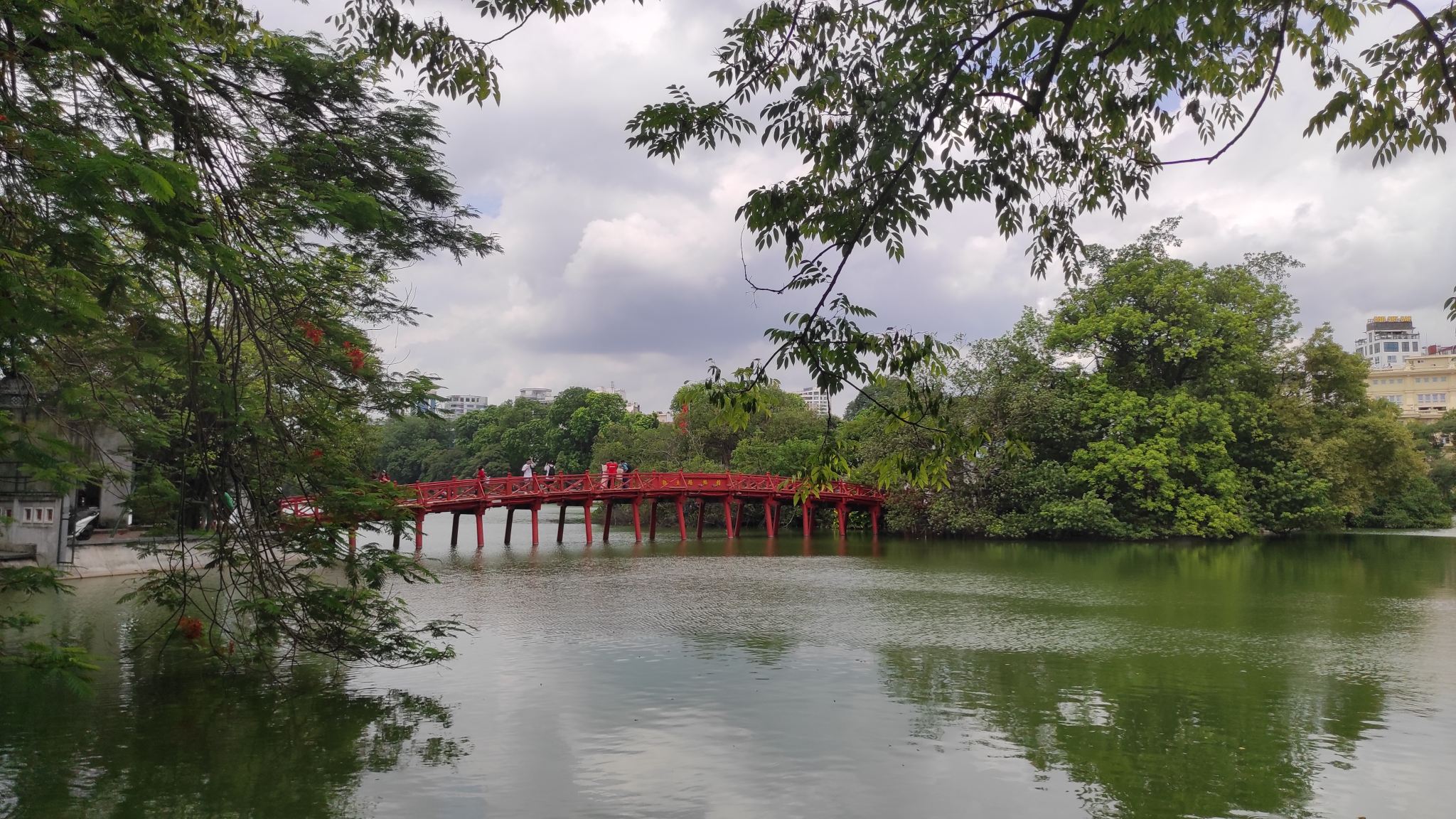
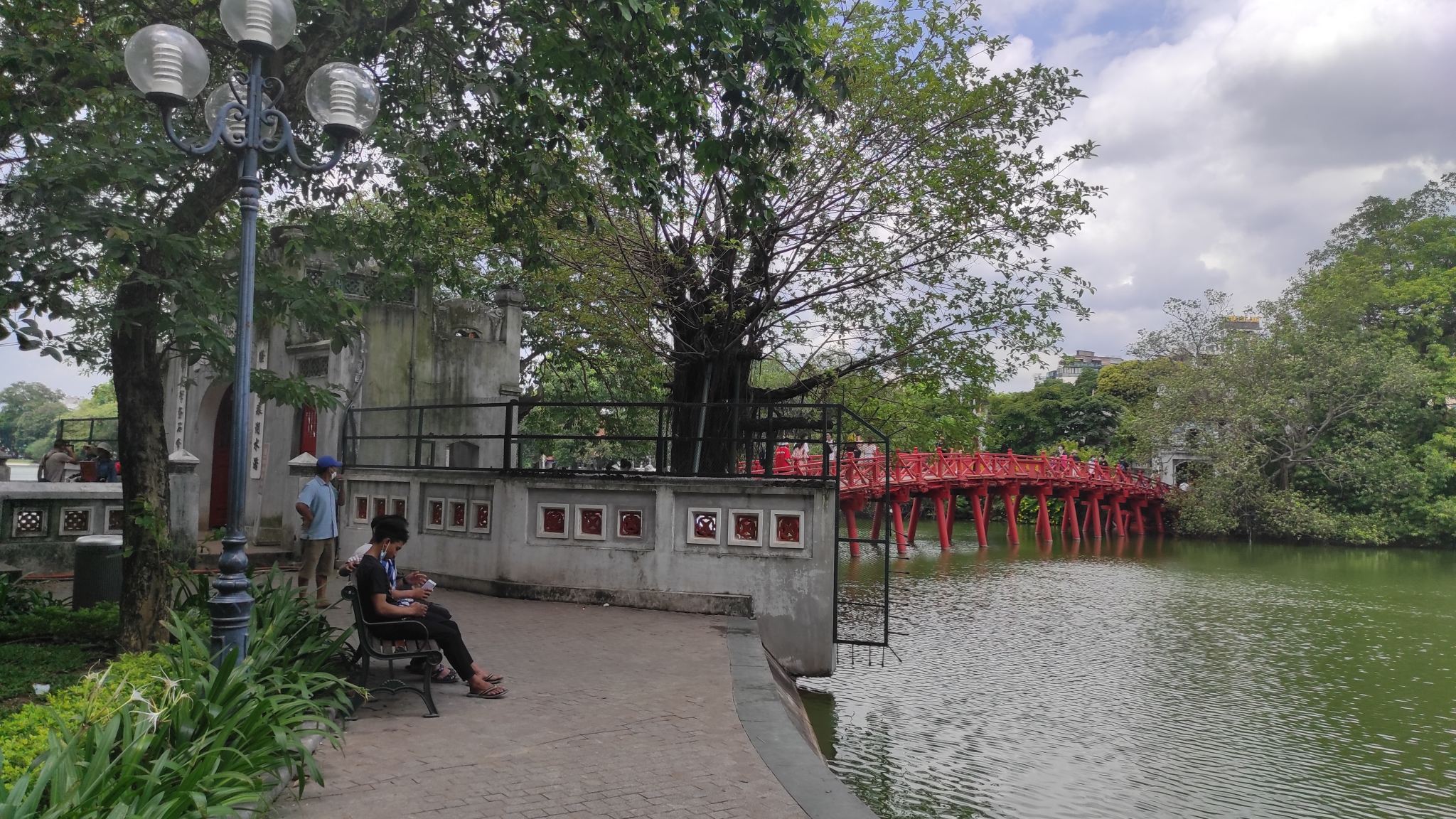
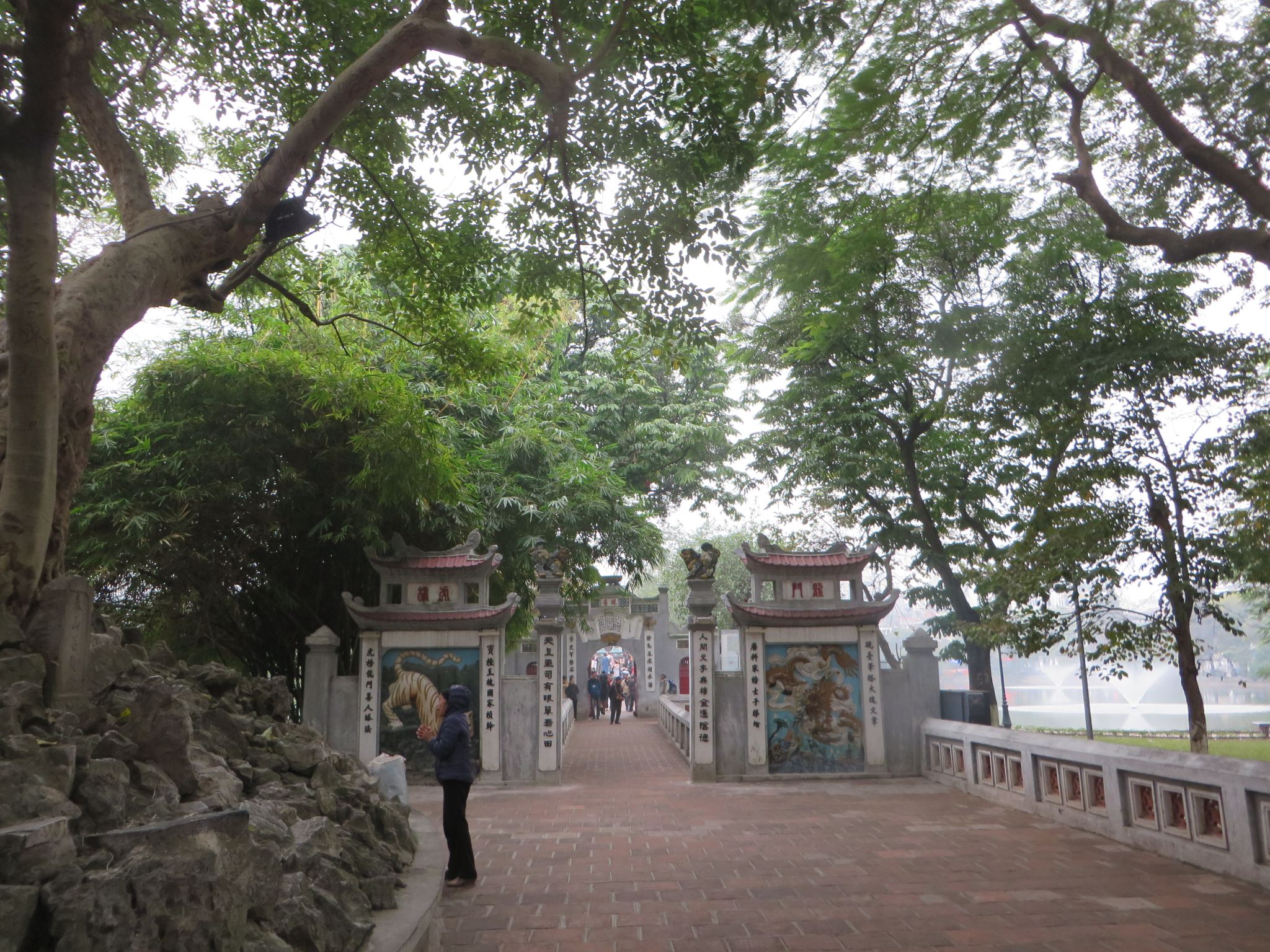
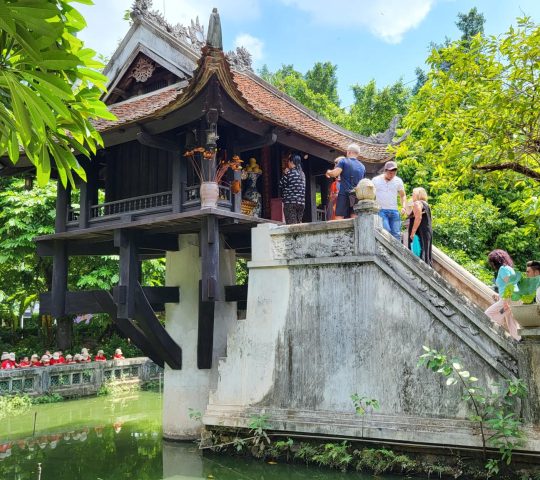
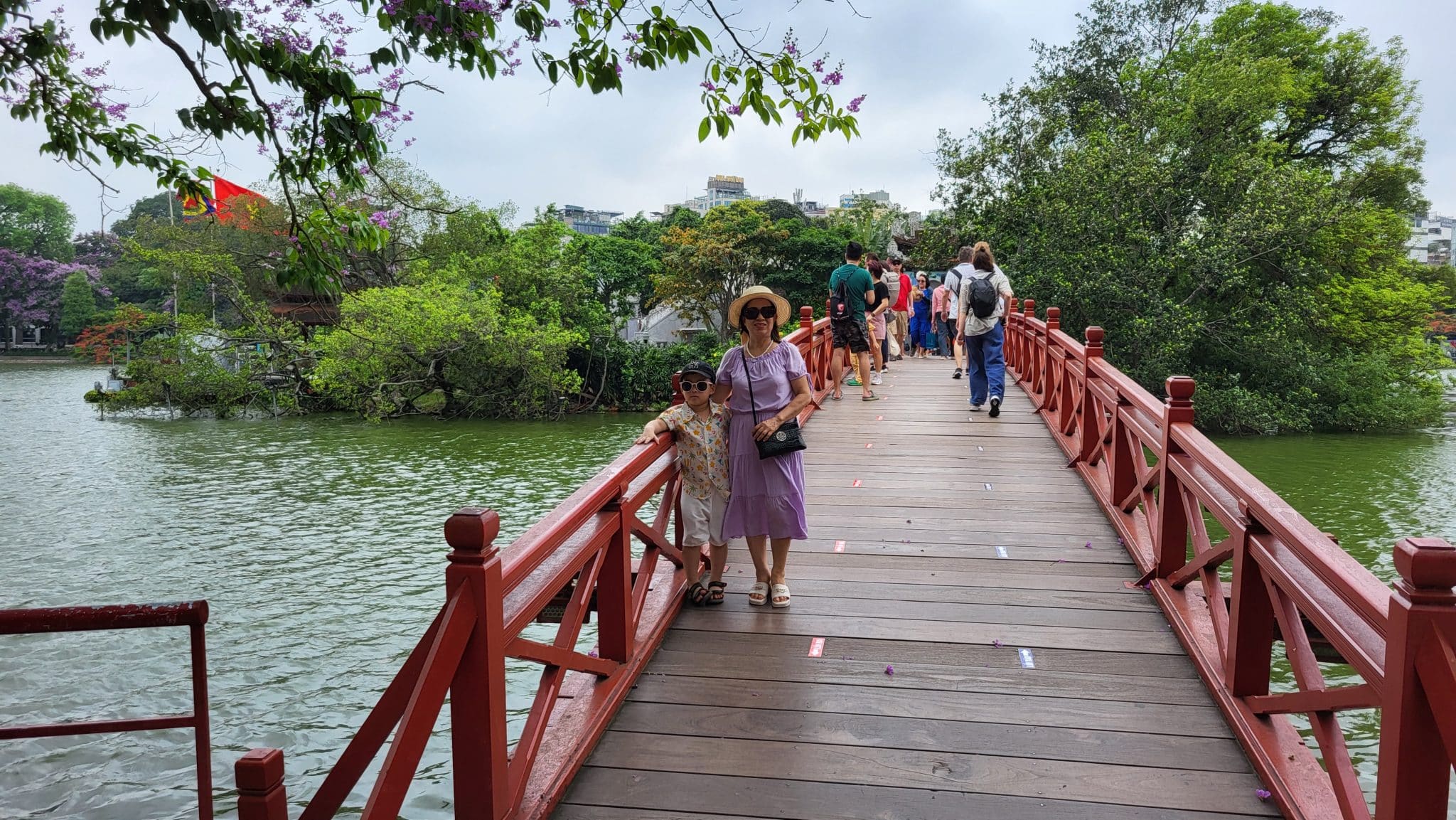
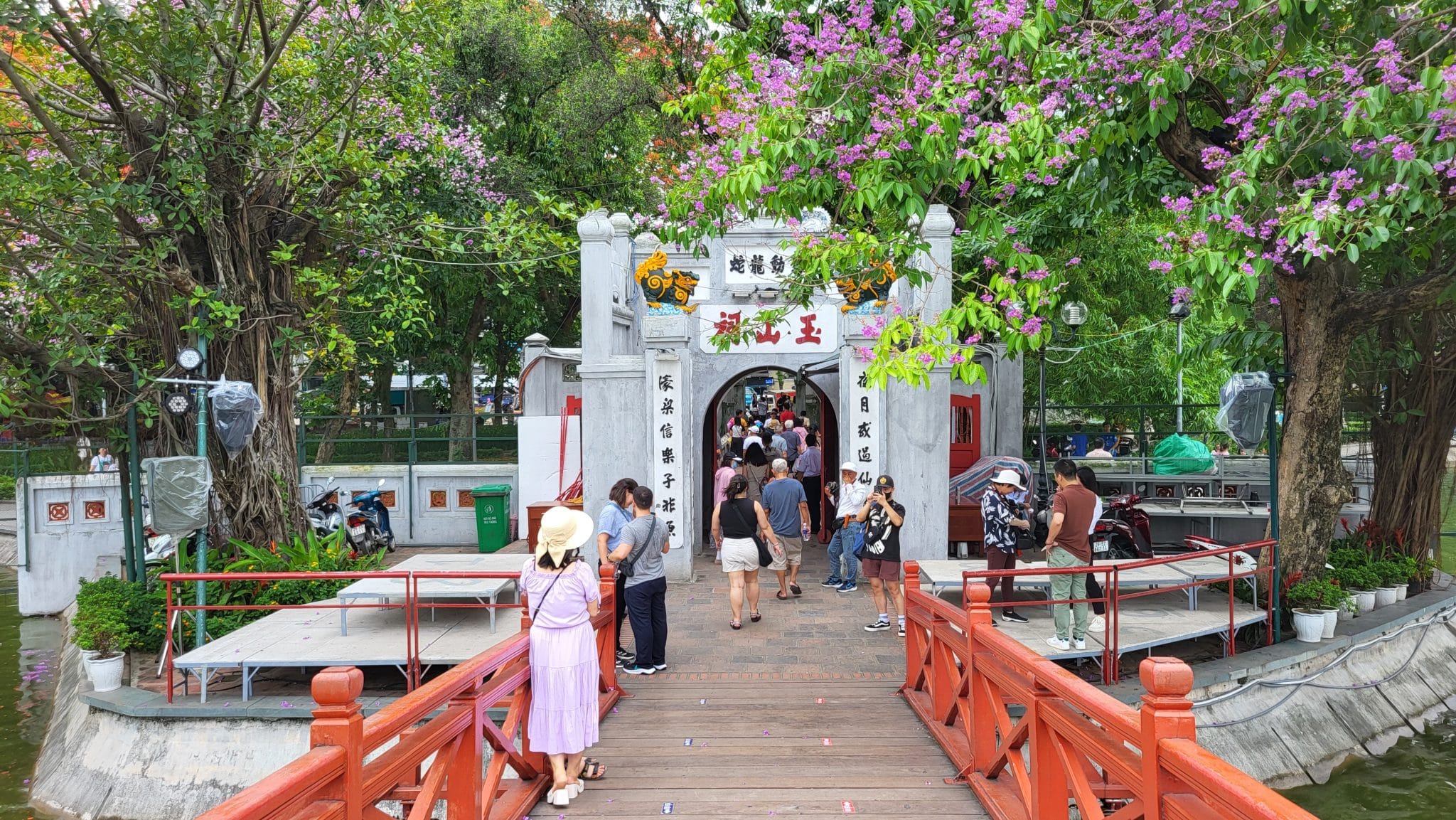
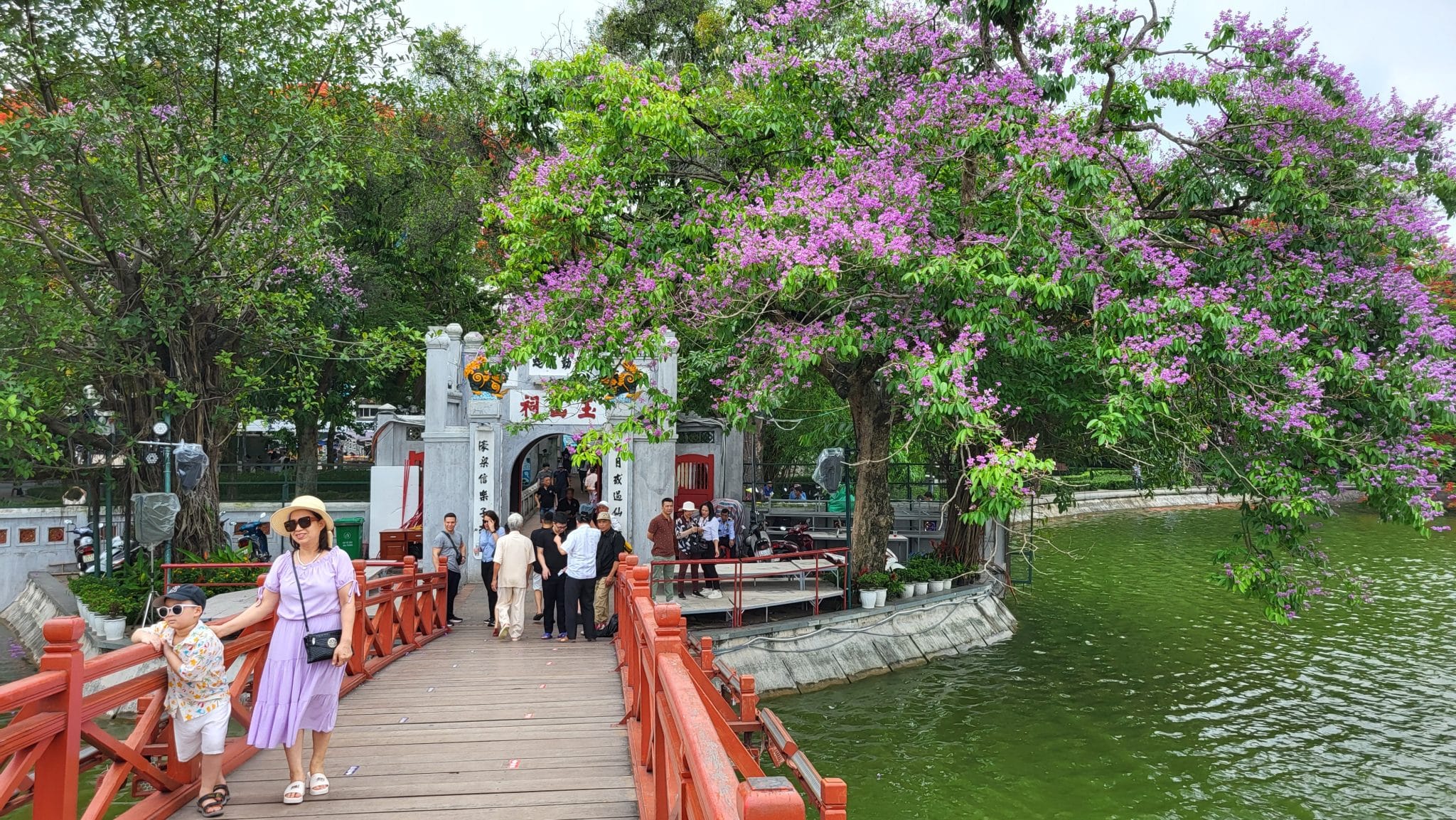
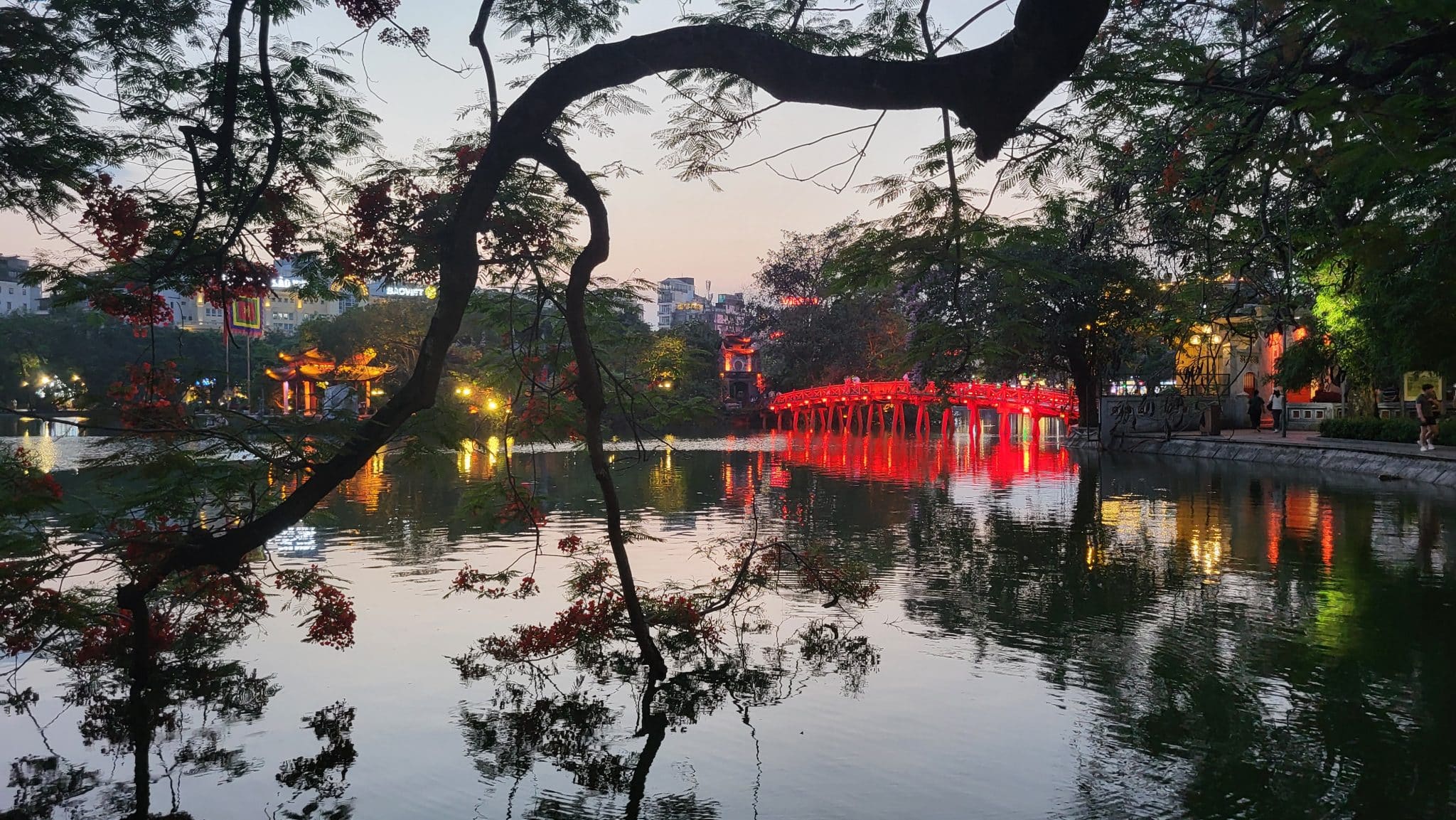
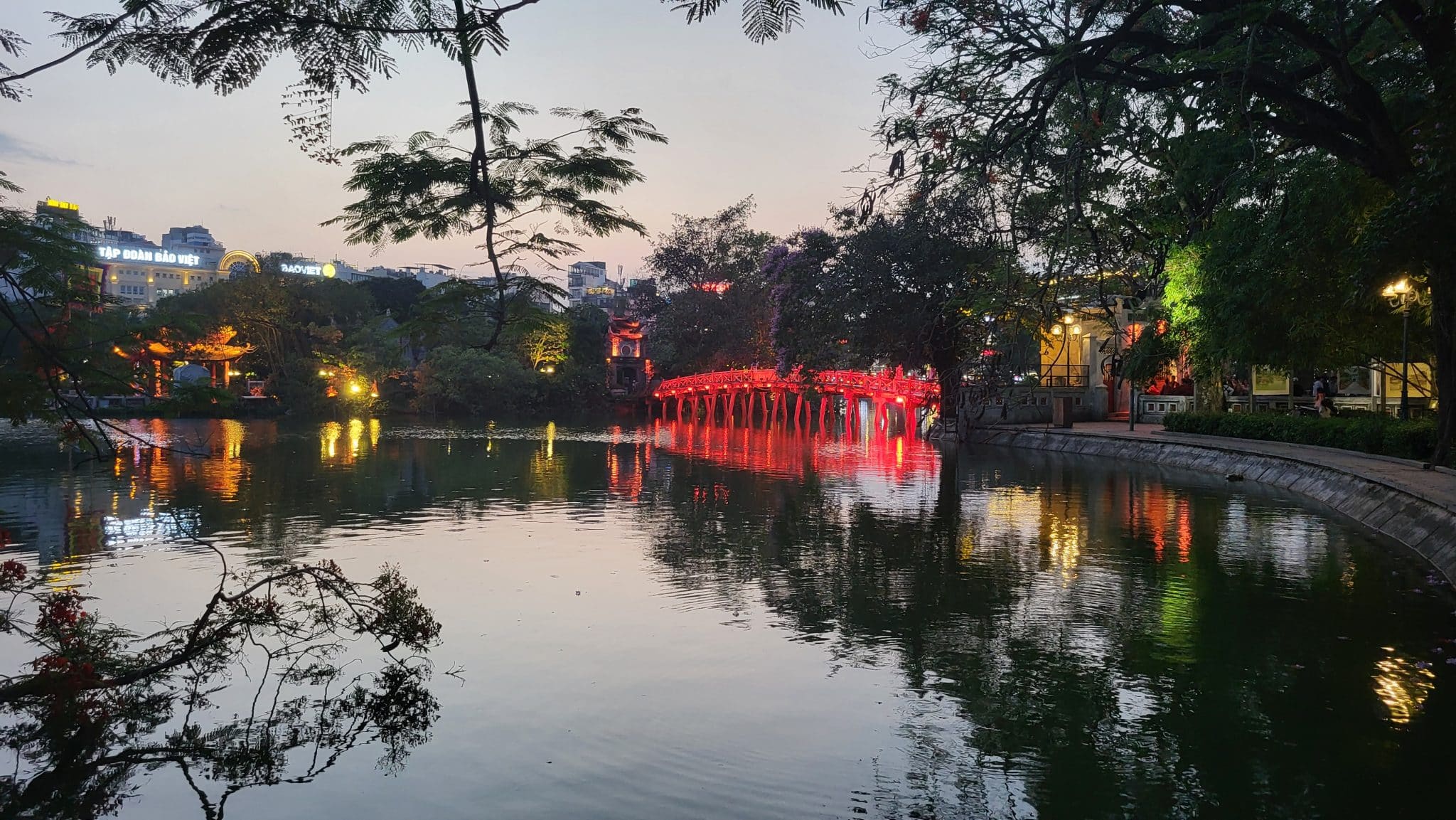
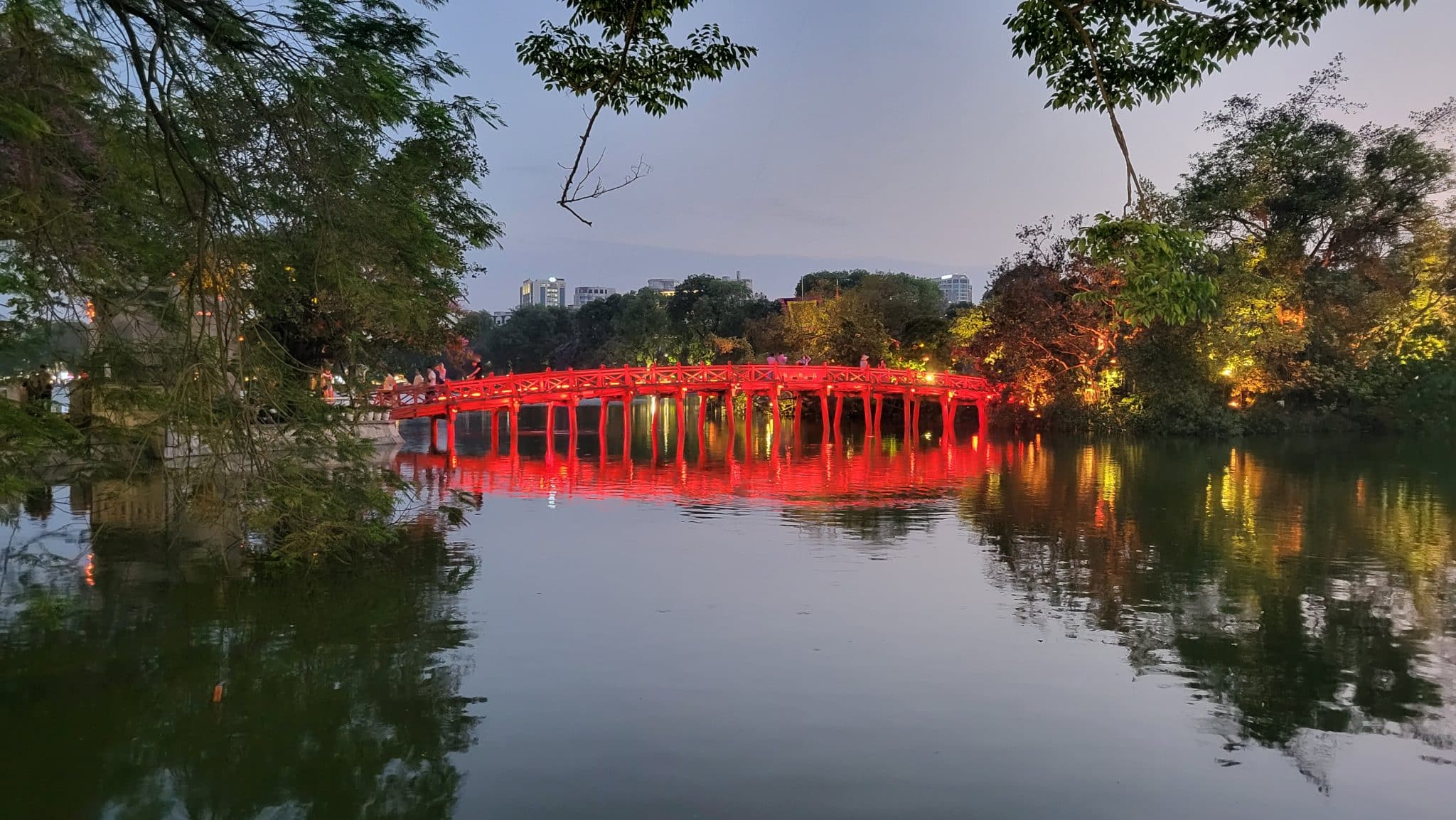
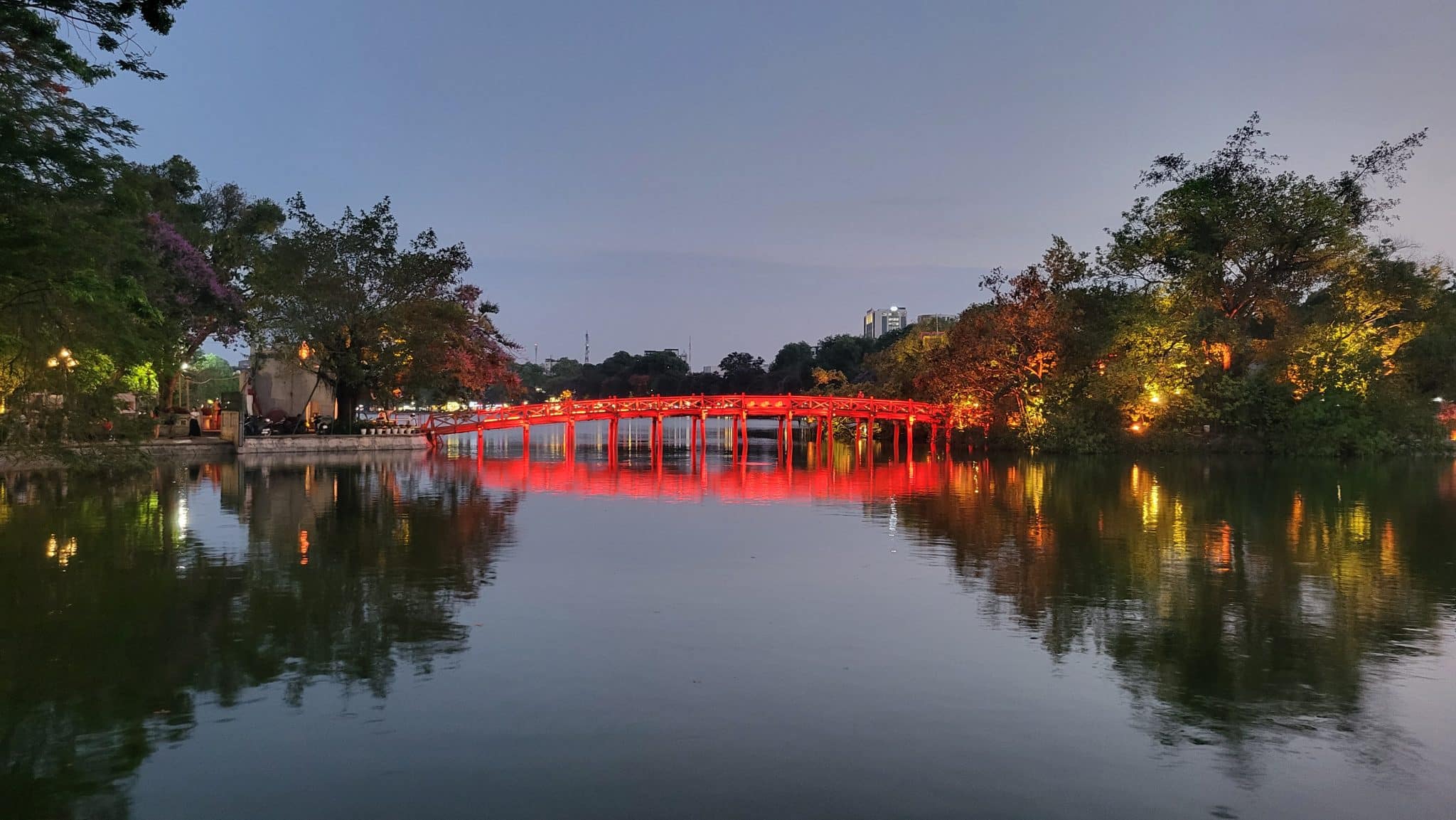
- Lake Setting: Ngọc Sơn Temple’s picturesque location on a small island in Hoan Kiem Lake enhances its architectural beauty, spiritual ambiance, and cultural significance. The temple’s proximity to the lake, scenic views, and tranquil surroundings create a serene and contemplative environment for visitors to explore, reflect, and appreciate its historical, cultural, and architectural richness.
- Cultural and Historical Landmark: Ngọc Sơn Temple stands as a testament to Vietnam’s rich history, cultural heritage, and religious traditions. Its architectural beauty, historical significance, and spiritual importance make it a popular destination for tourists, worshippers, and cultural enthusiasts seeking to explore Hanoi’s vibrant culture, heritage, and traditions.
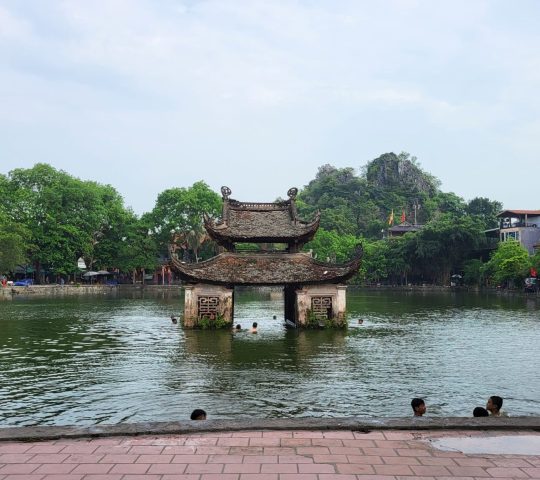
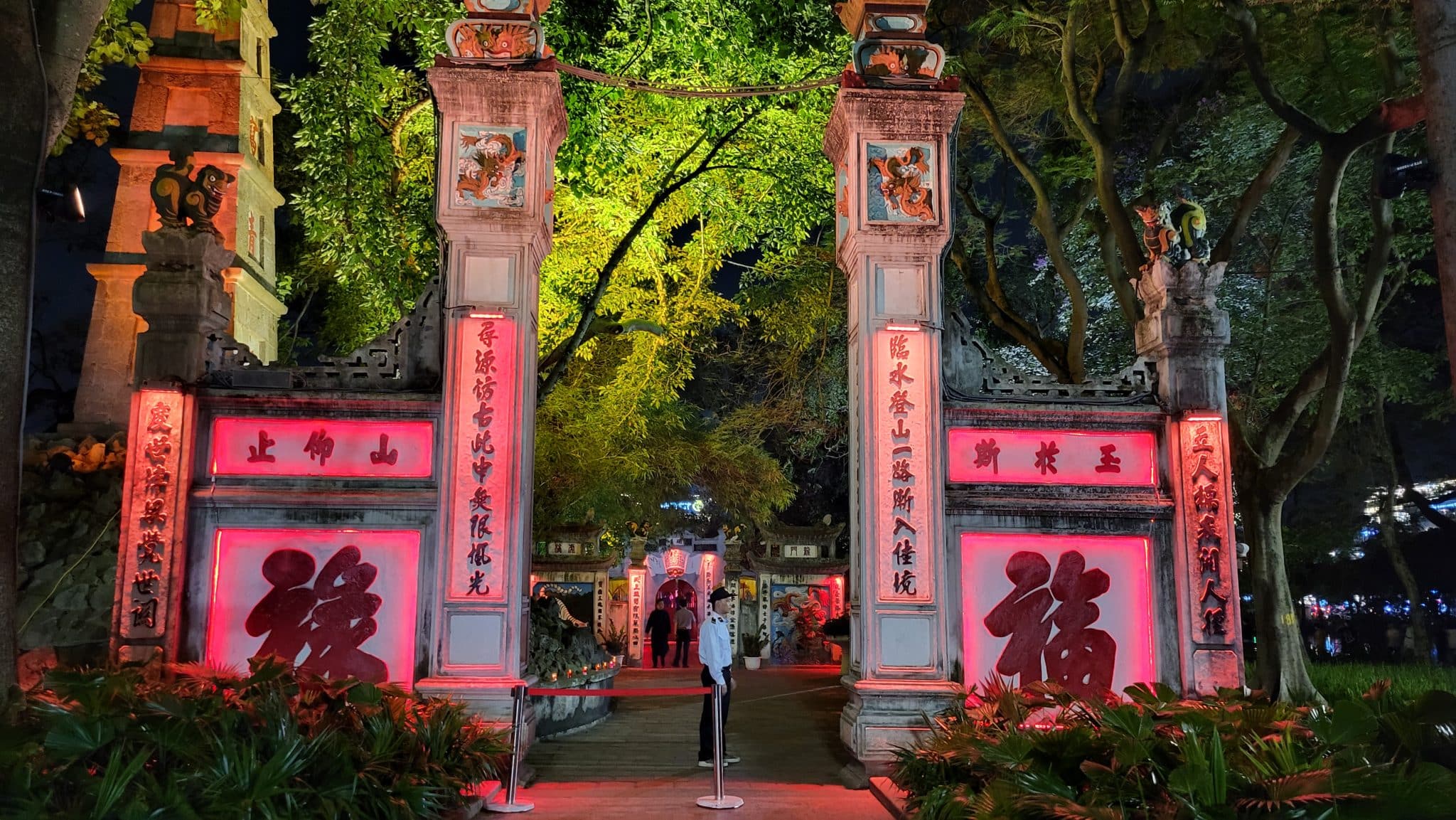
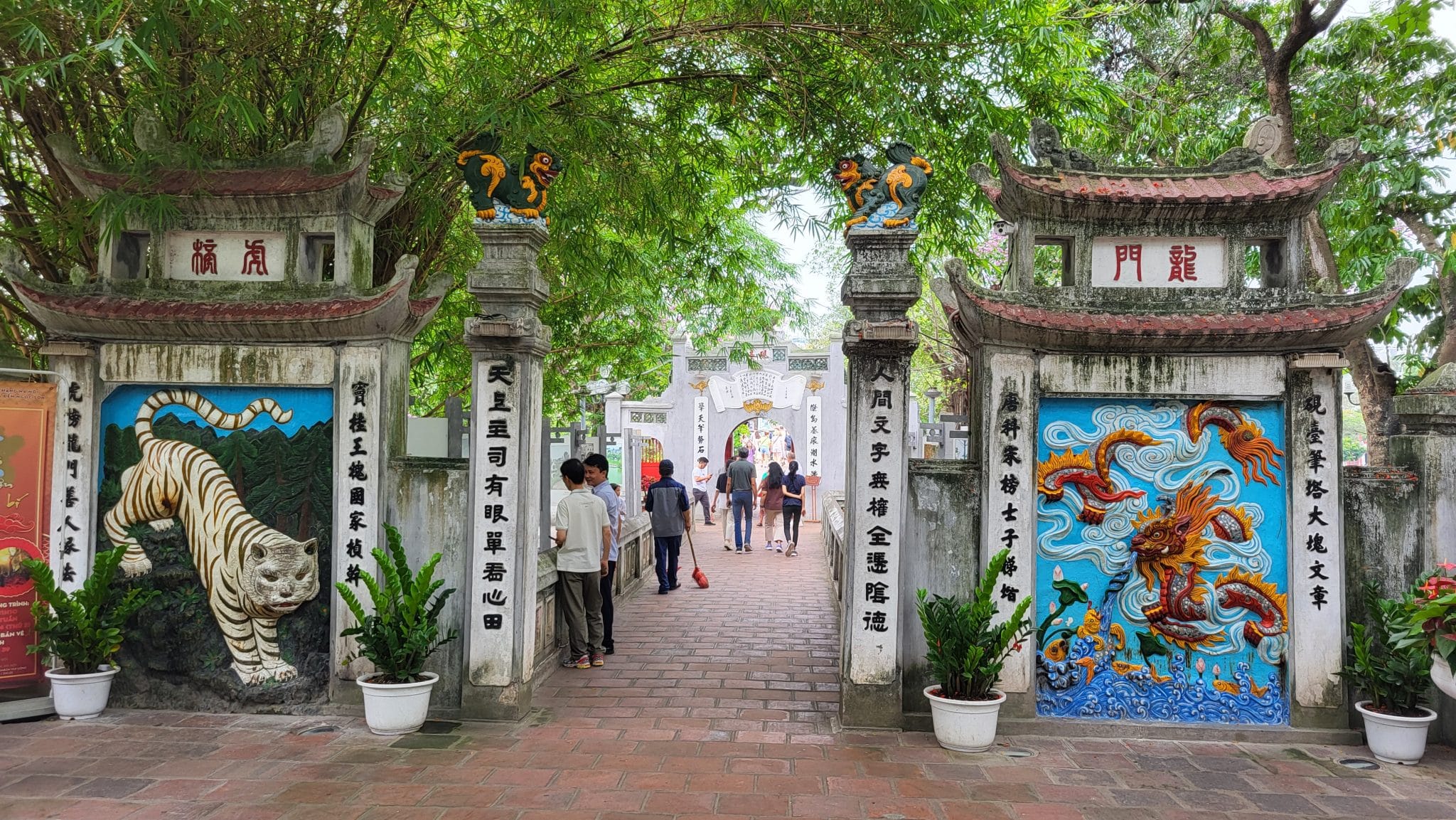
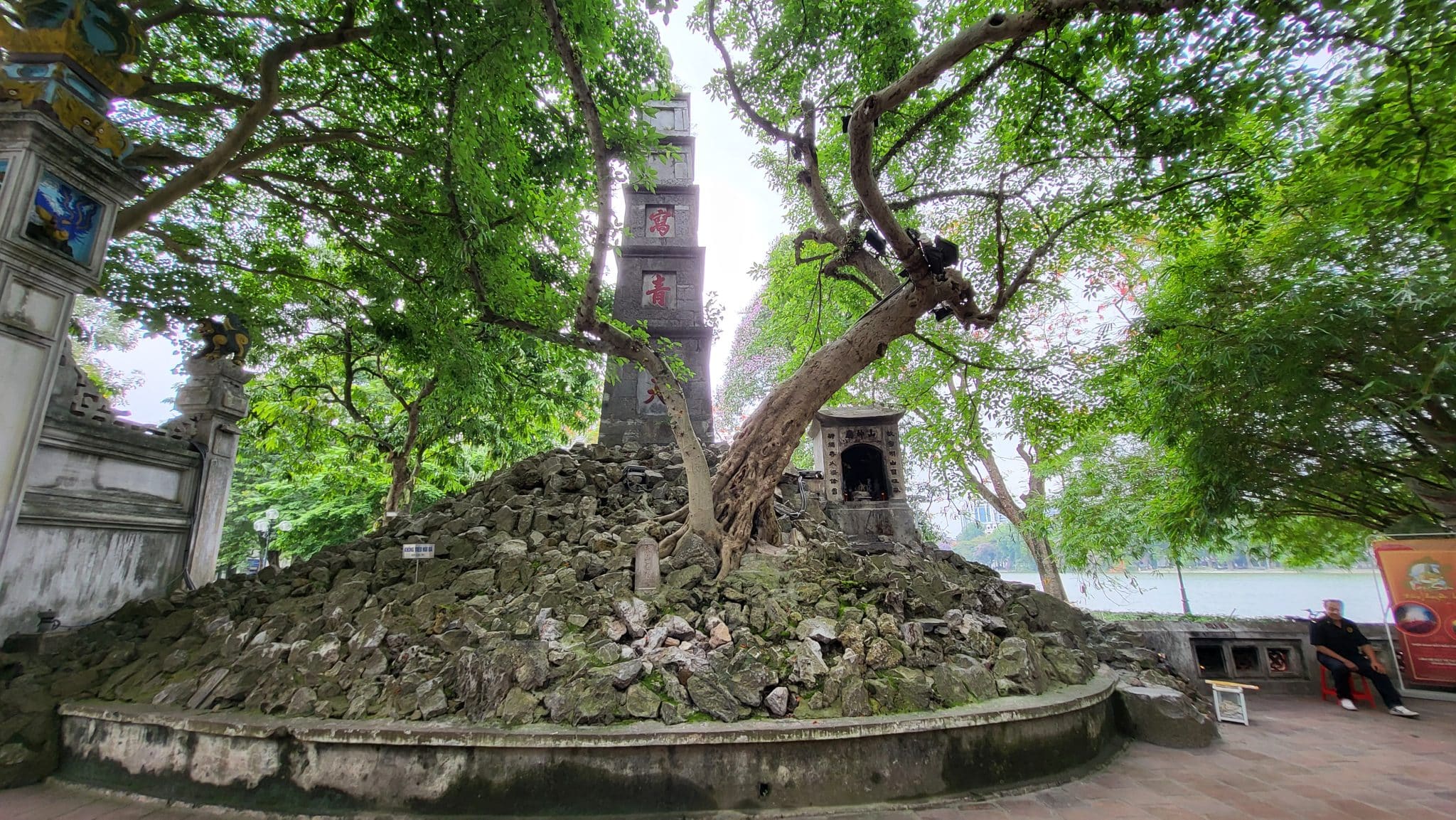
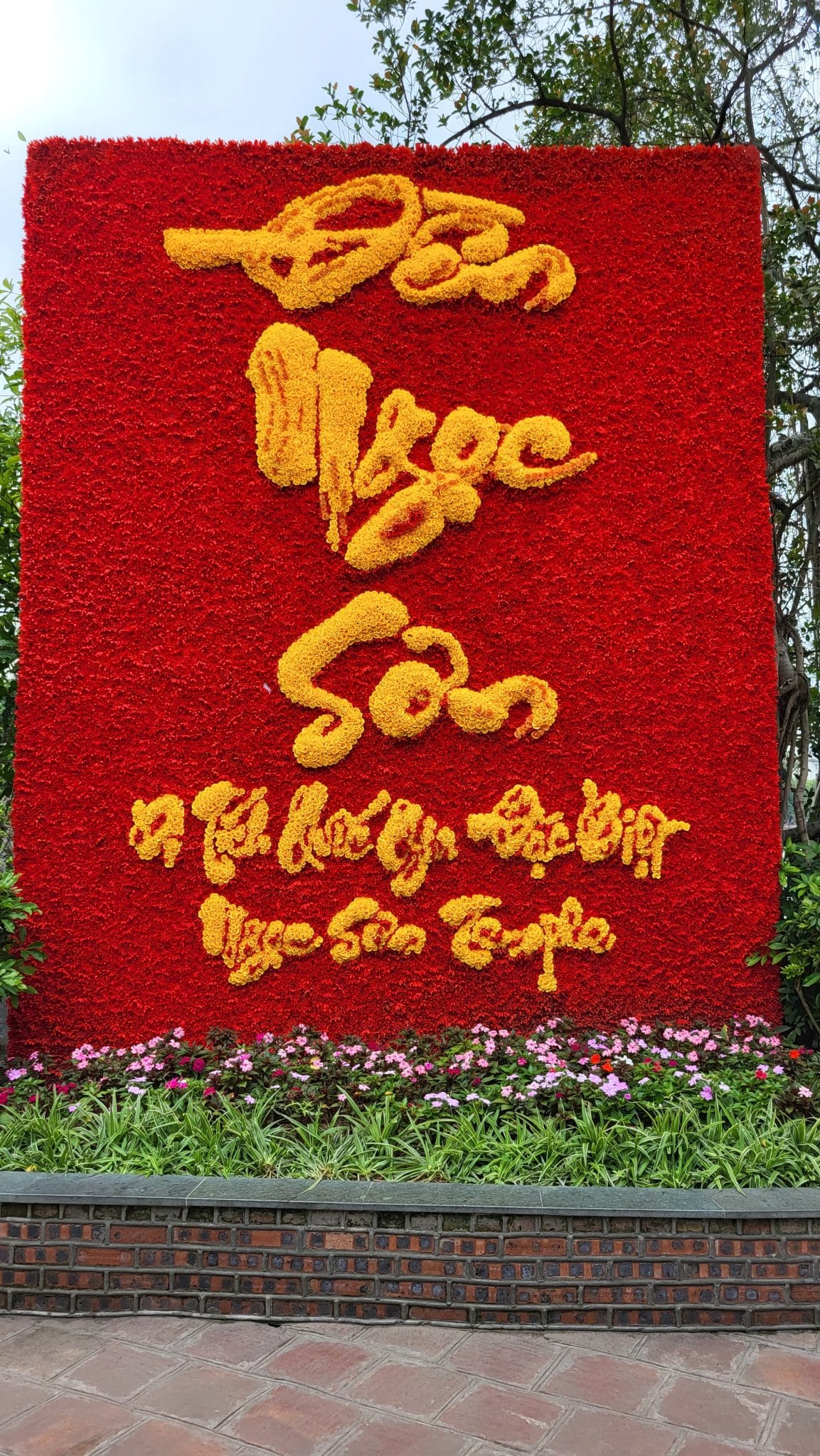
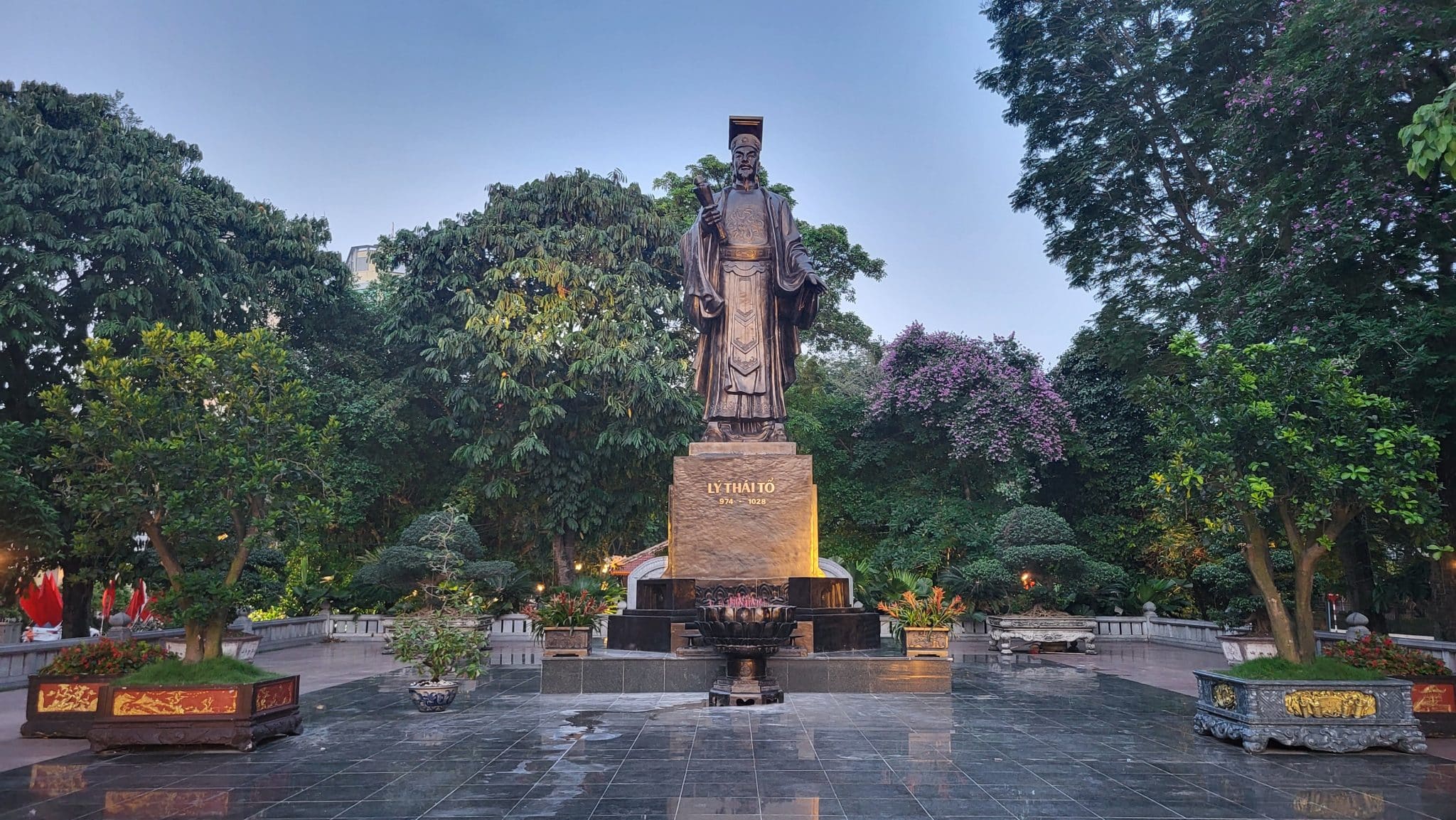
Photos of Ngọc Sơn Temple – Hanoi (2024)
Photos of Ngọc Sơn Temple – Hanoi (2018)