Giác Lâm Pagoda – Saigon
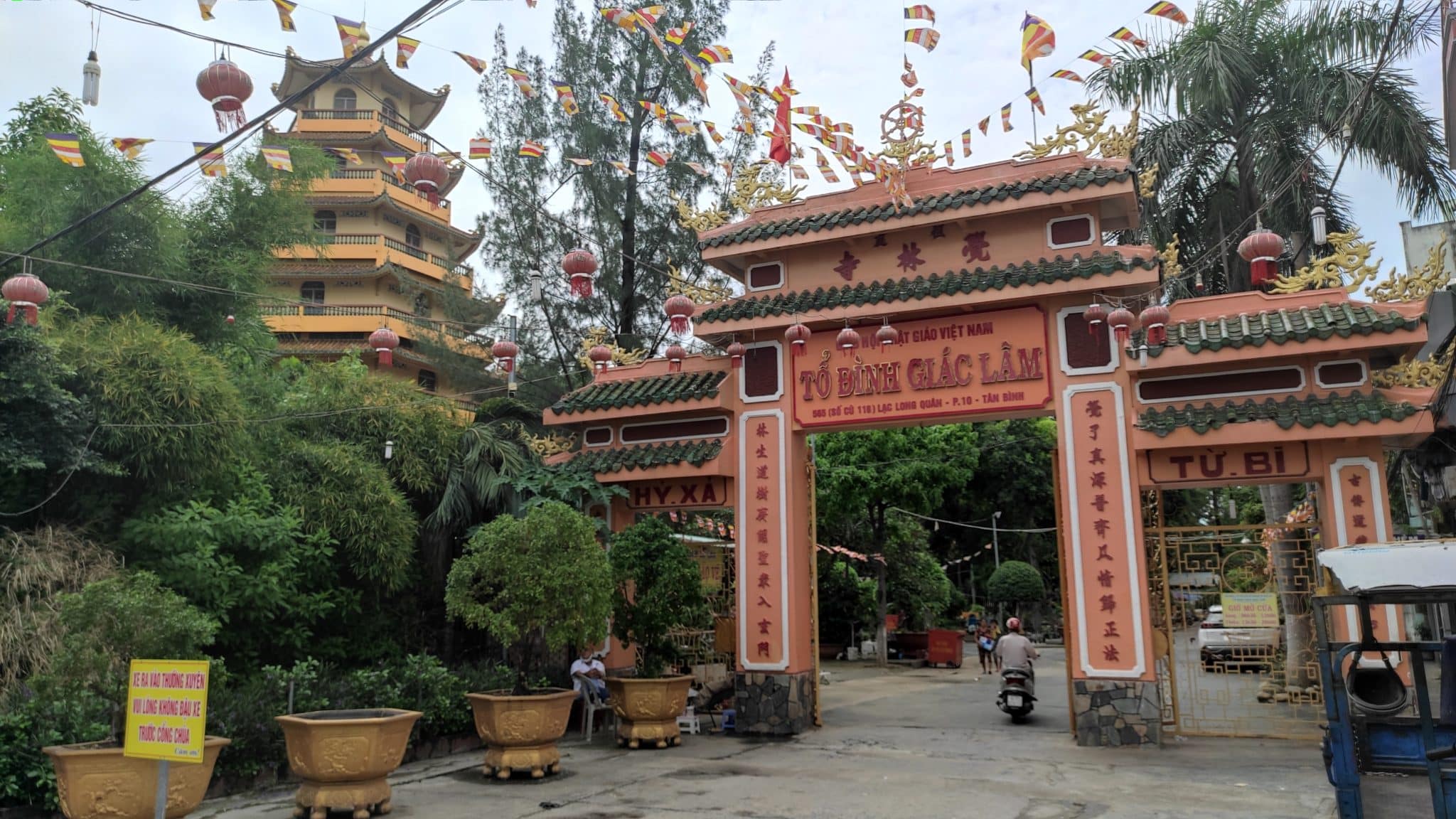
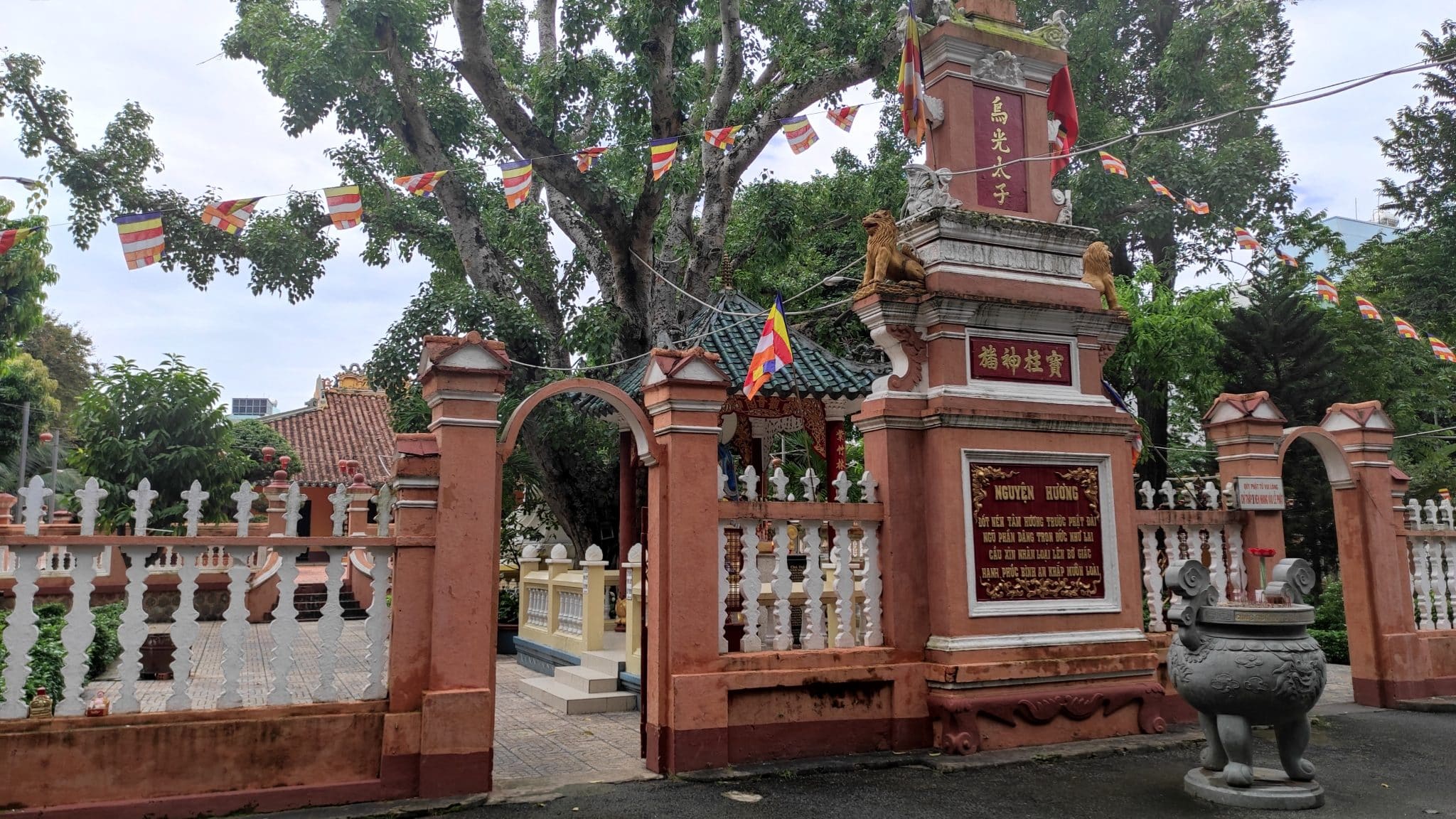
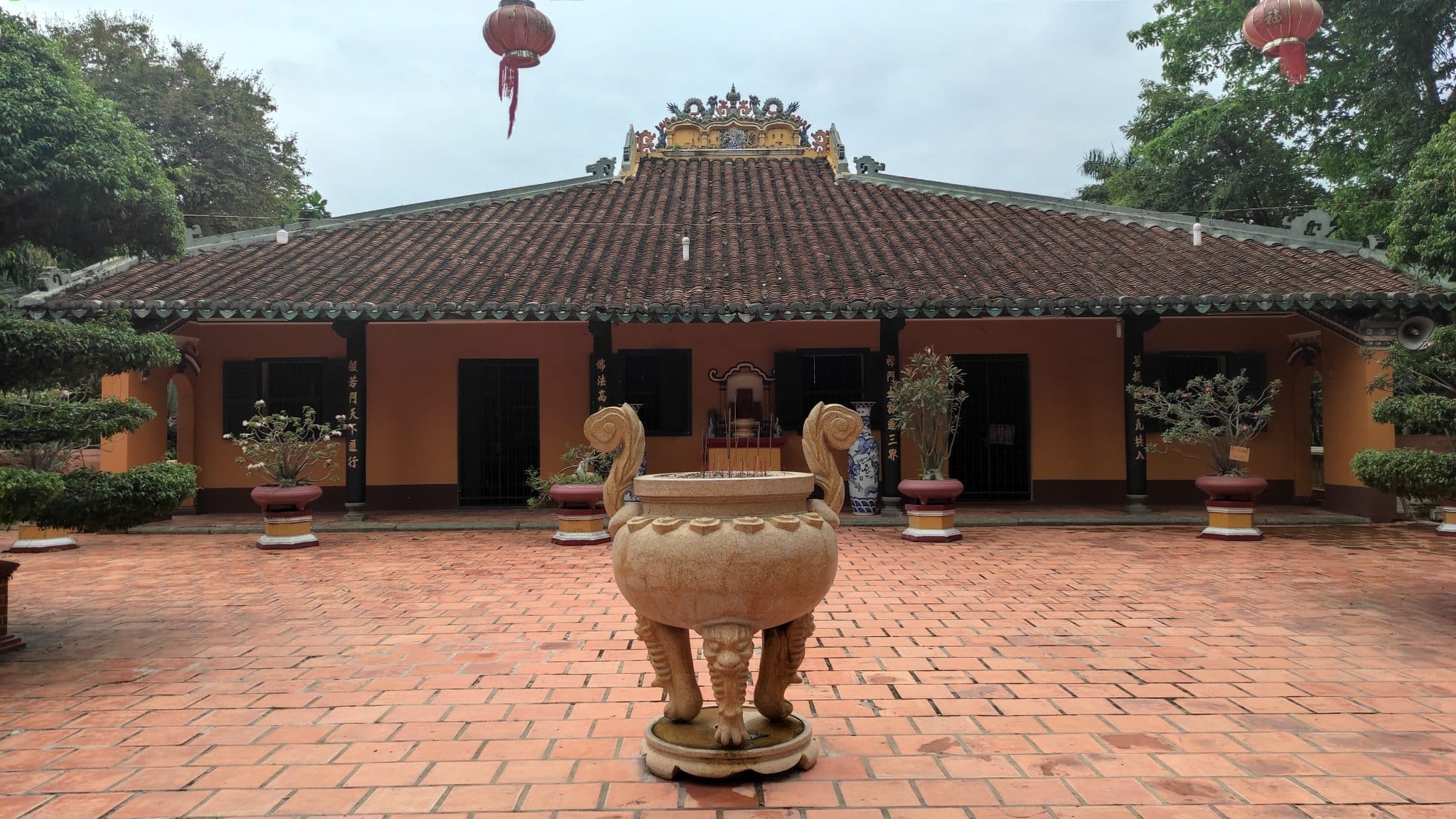
The Giác Lâm Pagoda, located in Saigon (Ho Chi Minh City), Vietnam, is one of the oldest Buddhist temples in the city, dating back to the 18th century. The pagoda is renowned for its historical, cultural, and religious significance, as well as its architectural beauty, spiritual ambiance, and tranquil surroundings. Here’s a description and explanation regarding the name “Giác Lâm”:
Architecture and Design:
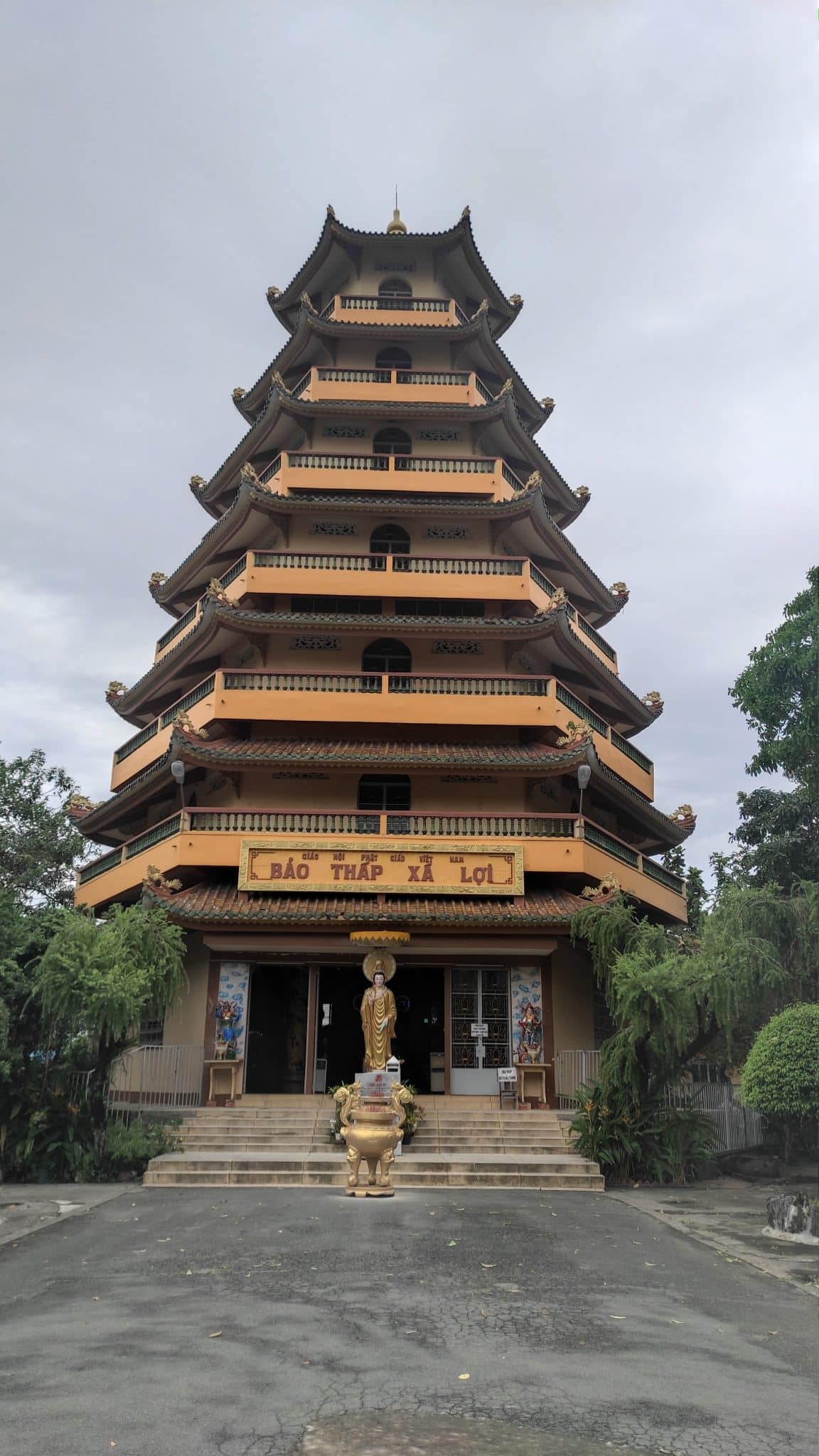
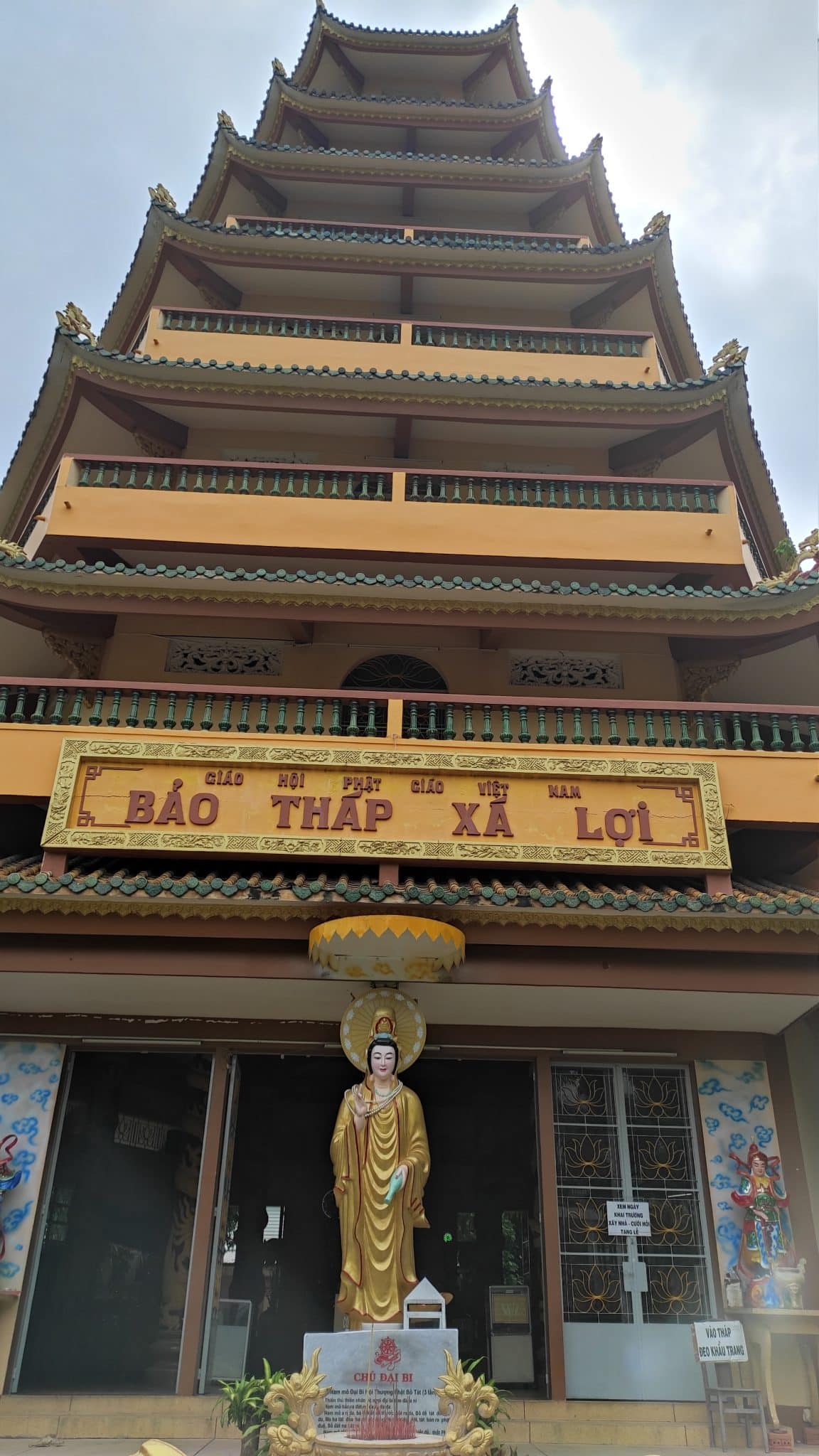
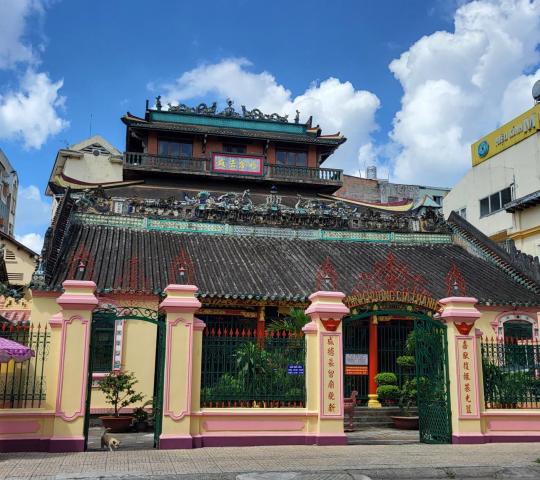
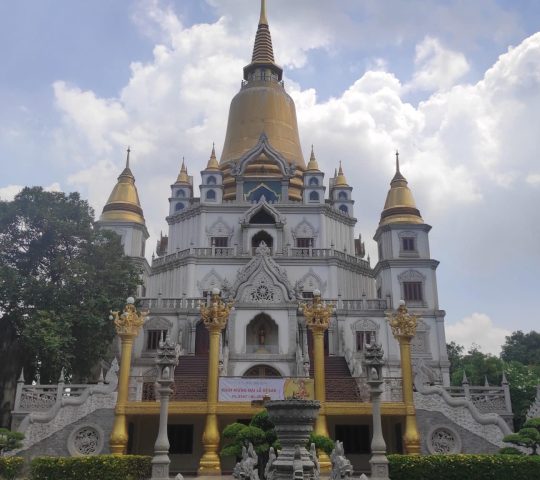
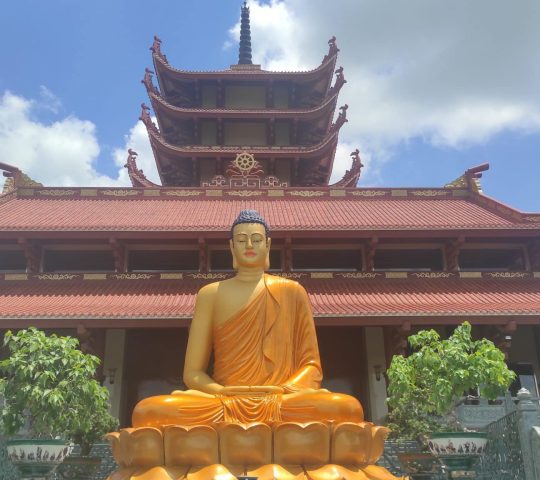
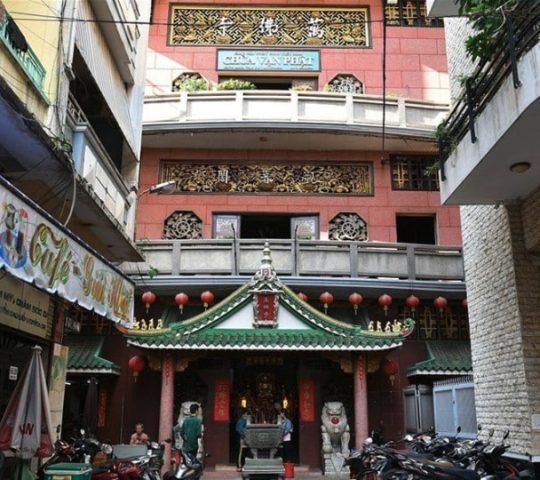
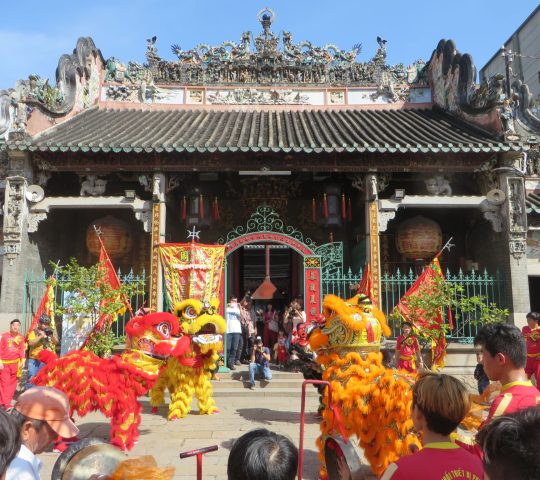
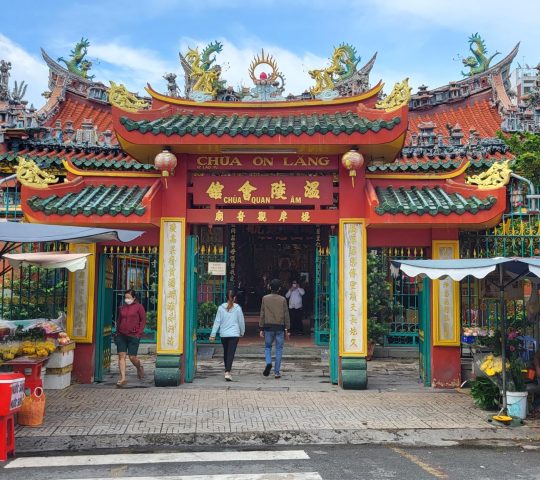
- Architectural Style: The Giác Lâm Pagoda showcases a blend of architectural styles, reflecting its historical development, cultural influences, and religious traditions over the centuries. The pagoda’s design features traditional Vietnamese Buddhist architecture, with influences from Chinese architectural elements, craftsmanship, and artistic motifs that contribute to its aesthetic appeal and spiritual atmosphere.
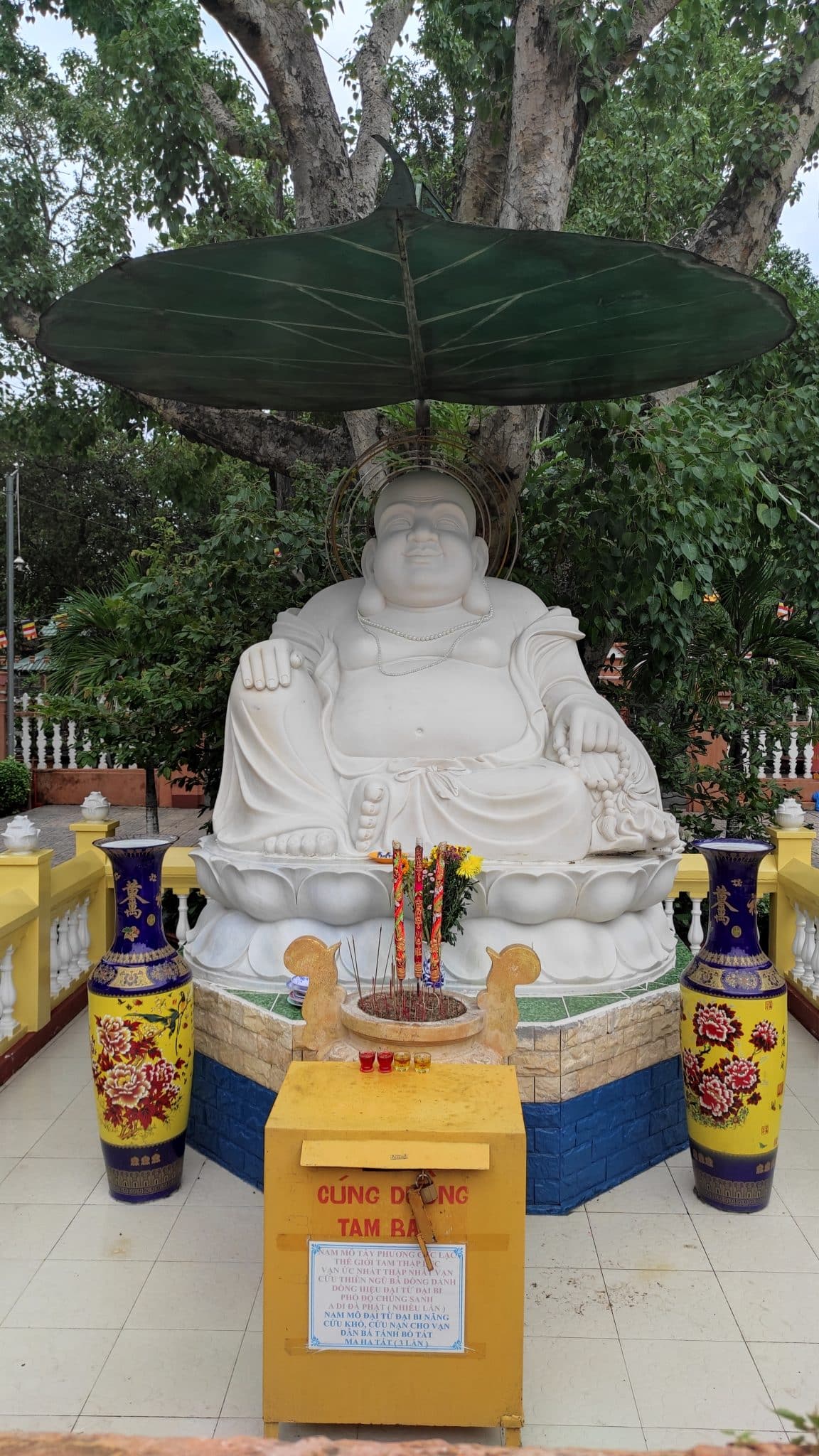
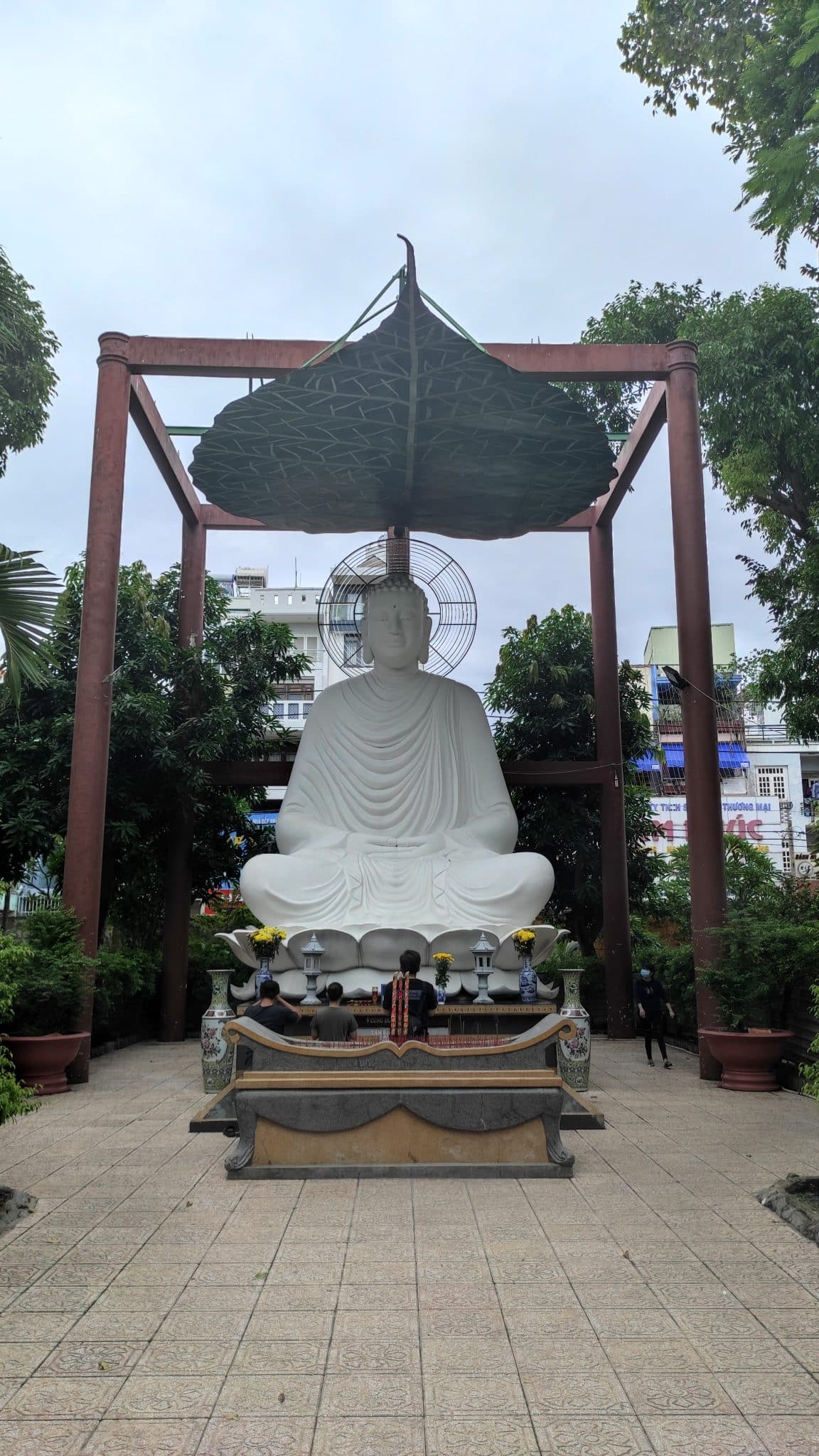
- Structural Features: The pagoda’s architecture includes a main hall, prayer halls, bell tower, drum tower, courtyards, statues, altars, and gardens that create a harmonious and serene environment for worship, meditation, ceremonies, and cultural activities. The pagoda’s structural elements, decorative details, and sacred artifacts reflect its role as a spiritual, cultural, and community center for Buddhist practitioners, devotees, and visitors in Saigon.
Name “Giác Lâm”:
The name “Giác Lâm” is derived from Buddhist terminology and historical context related to the pagoda’s establishment, development, and religious significance. The term “Giác” (覺) translates to “awakening” or “enlightenment,” symbolizing the Buddhist path of spiritual awakening, wisdom, compassion, and liberation from suffering. The term “Lâm” (林) translates to “forest” or “grove,” reflecting the pagoda’s serene and secluded location amidst lush gardens, trees, and natural surroundings that provide a tranquil and peaceful setting for meditation, contemplation, and spiritual practice.
Historical and Cultural Significance:
- Early Origins: The Giác Lâm Pagoda has a rich history dating back to the 18th century, with legends and stories attributing its founding to revered Buddhist monks, local communities, and benefactors who contributed to its establishment, development, and preservation over the centuries.
- Cultural Heritage: The pagoda’s historical, cultural, and religious significance is celebrated through its architecture, artifacts, statues, inscriptions, ceremonies, festivals, and community activities that honor Buddhist traditions, teachings, practices, and values within the context of Vietnamese culture, spirituality, and heritage.