Church of Saint Francisco Xavier (Nhà thờ Thánh Phanxicô Xaviê) – Saigon
Listing has verified and belong the business owner or manager.
The Nhà thờ Thánh Phanxicô Xaviê refers to the Church of Saint Francis Xavier in Ho Chi Minh City (formerly Saigon).
History:
- Foundation: The Church of Saint Francis Xavier, known in Vietnamese as “Nhà thờ Thánh Phanxicô Xaviê,” was established to serve the Catholic community in Ho Chi Minh City. The church is named after Saint Francis Xavier, a prominent Catholic missionary and co-founder of the Society of Jesus (Jesuits) known for his evangelization efforts in Asia, including Vietnam.
- Cultural Significance: Over the years, the Church of Saint Francis Xavier has served as a spiritual, cultural, and community center for Catholic worshippers, devotees, and visitors in Ho Chi Minh City. The church’s establishment, rituals, ceremonies, and activities reflect Catholic traditions, beliefs, values, and practices observed by its congregation within the context of Vietnam’s religious landscape.
Architecture:
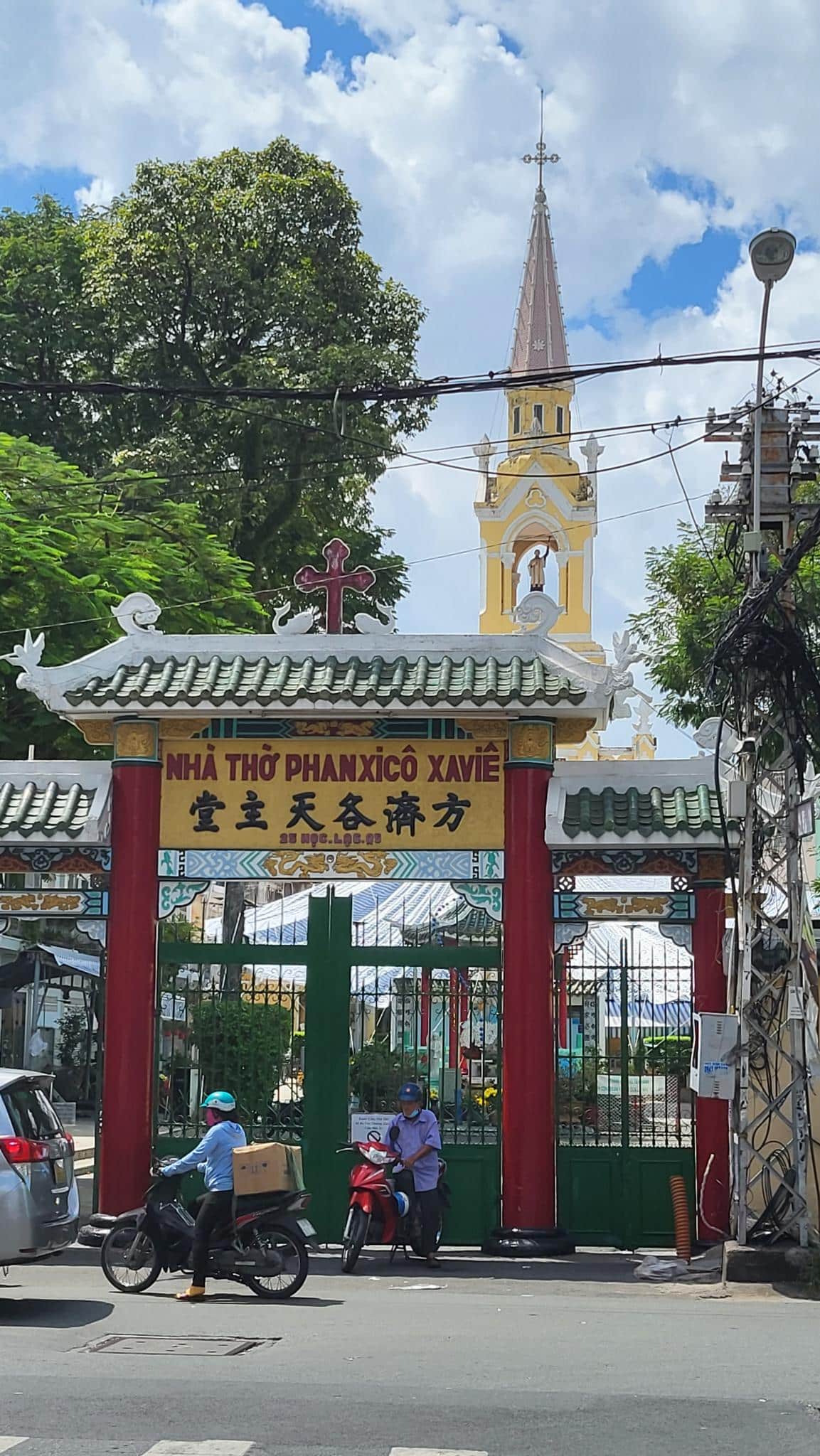
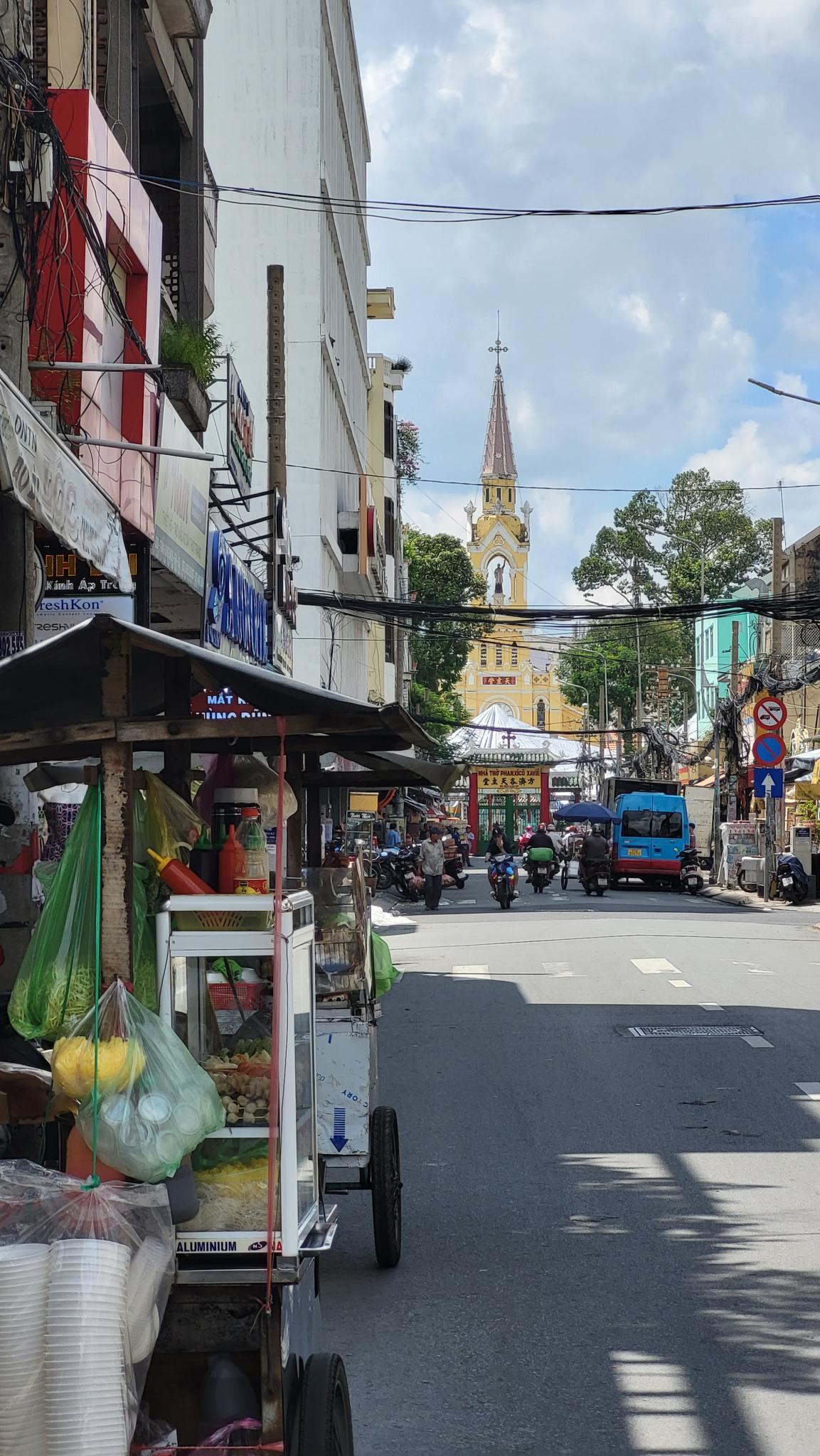
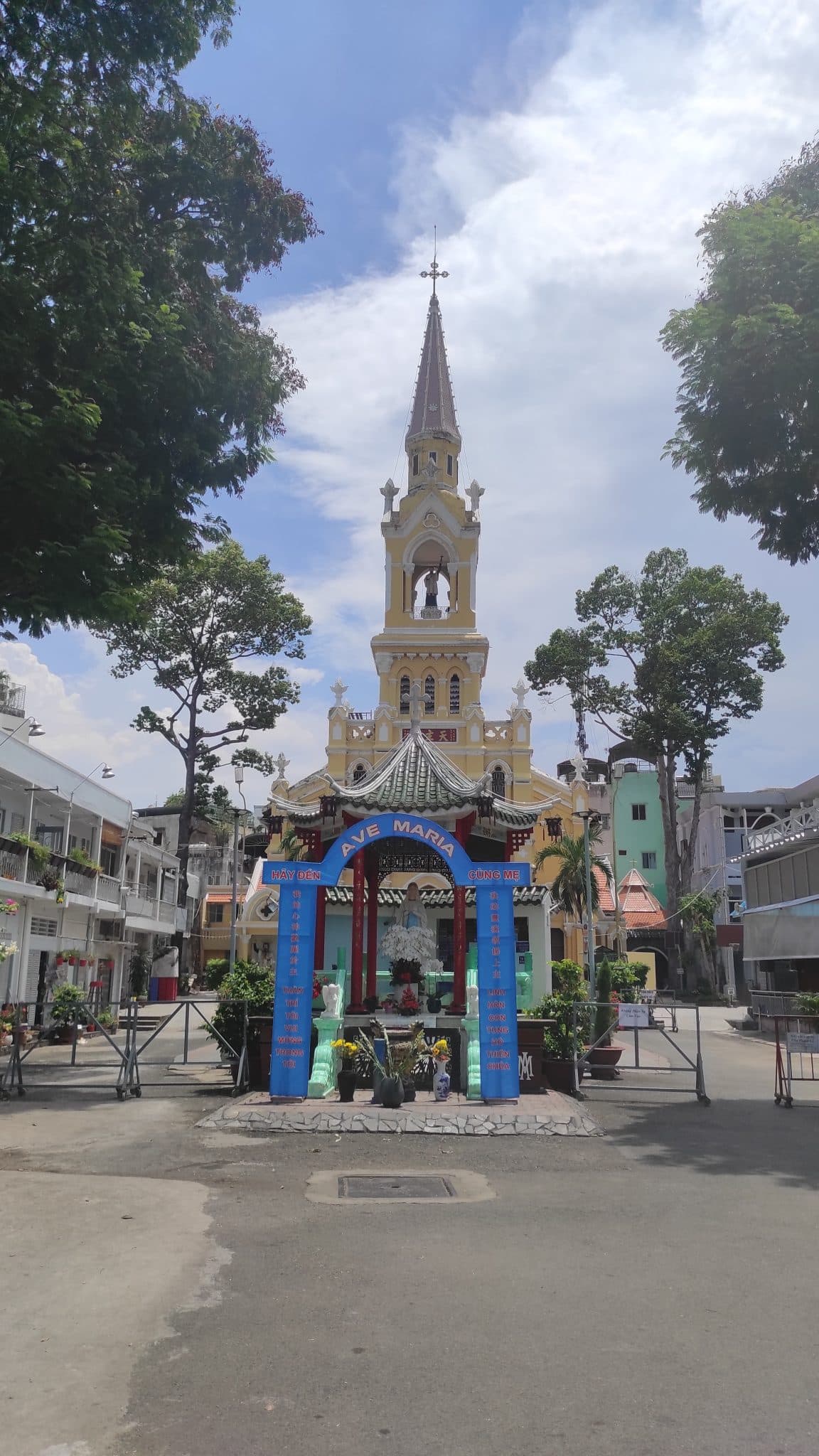
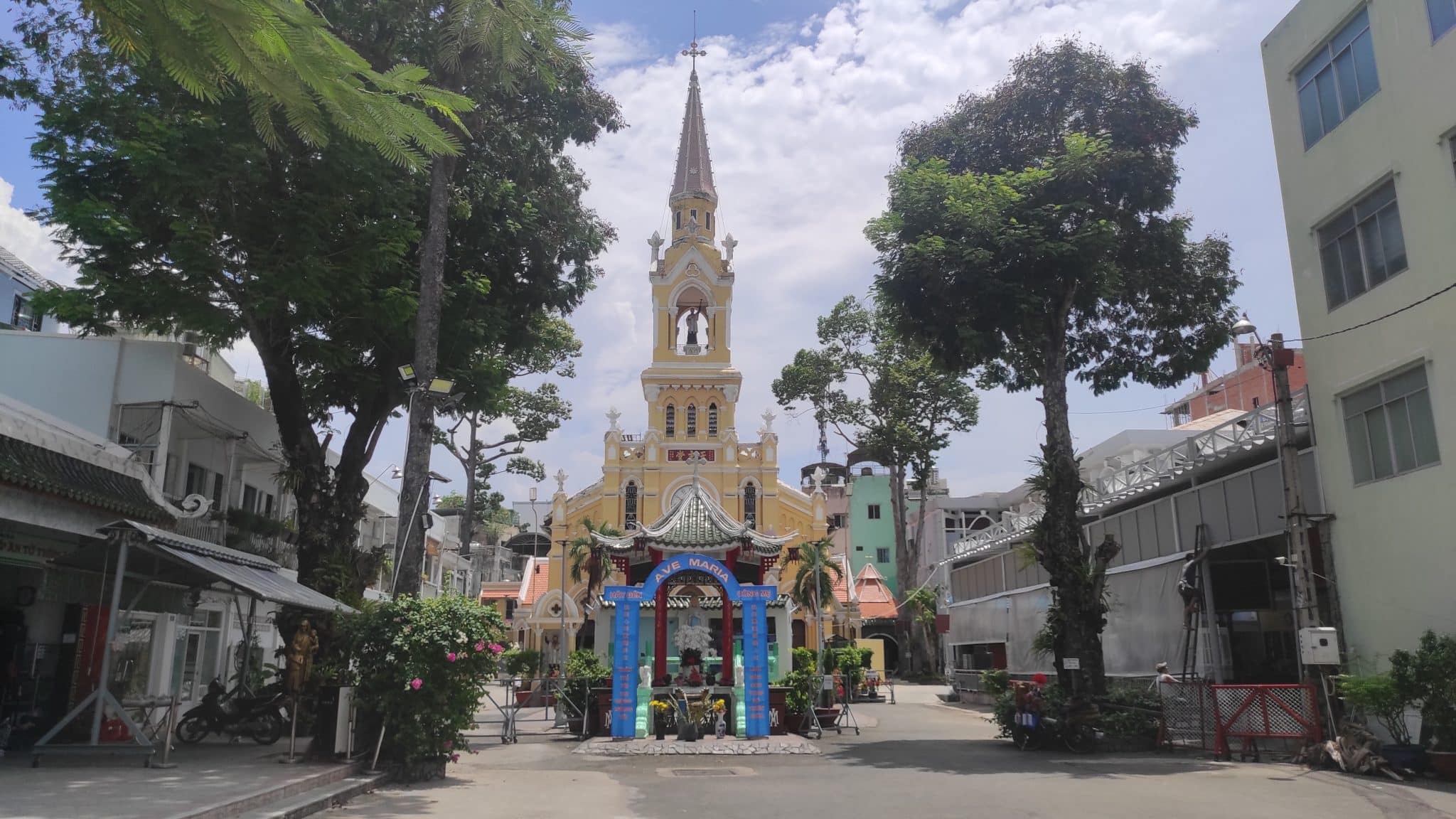
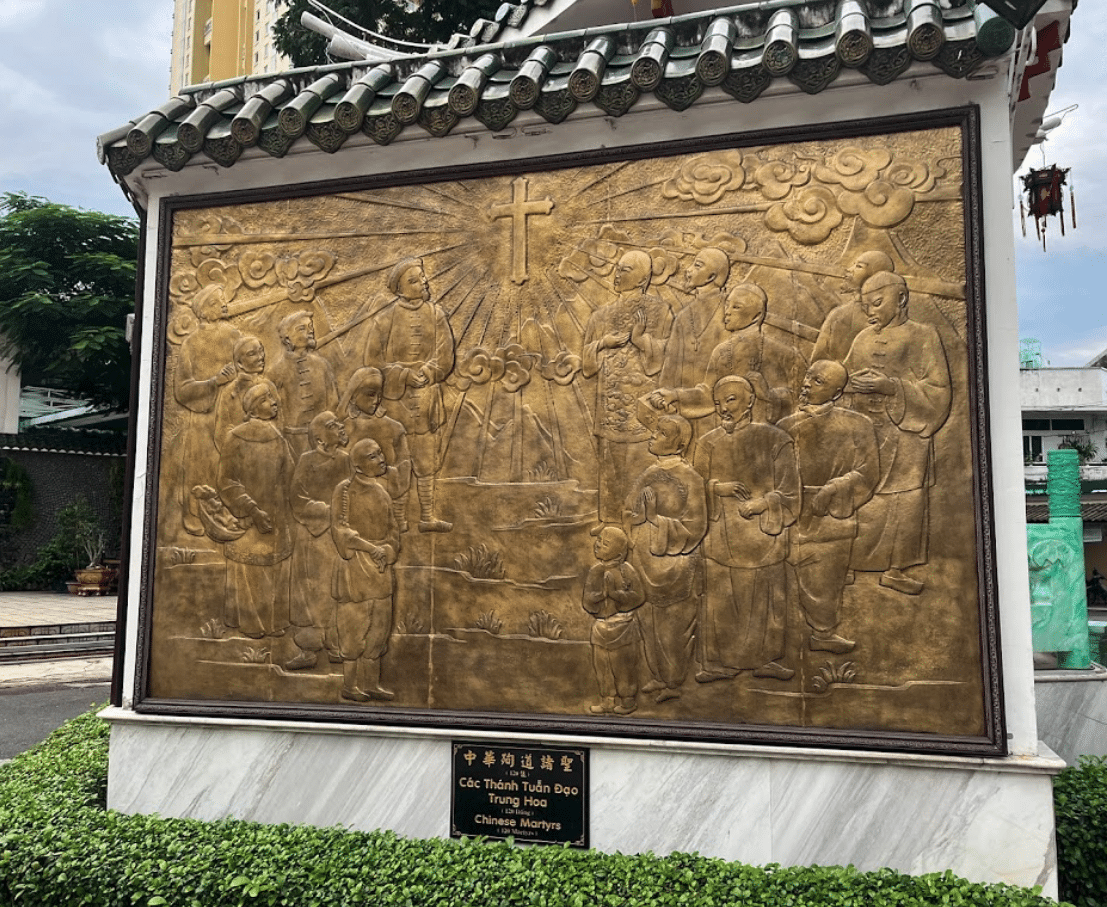
- Architectural Style: The Church of Saint Francis Xavier features a blend of architectural styles influenced by European and Vietnamese design elements. The church’s facade, interior layout, decorative motifs, and structural details reflect its historical, cultural, and religious significance within the architectural context of Ho Chi Minh City.
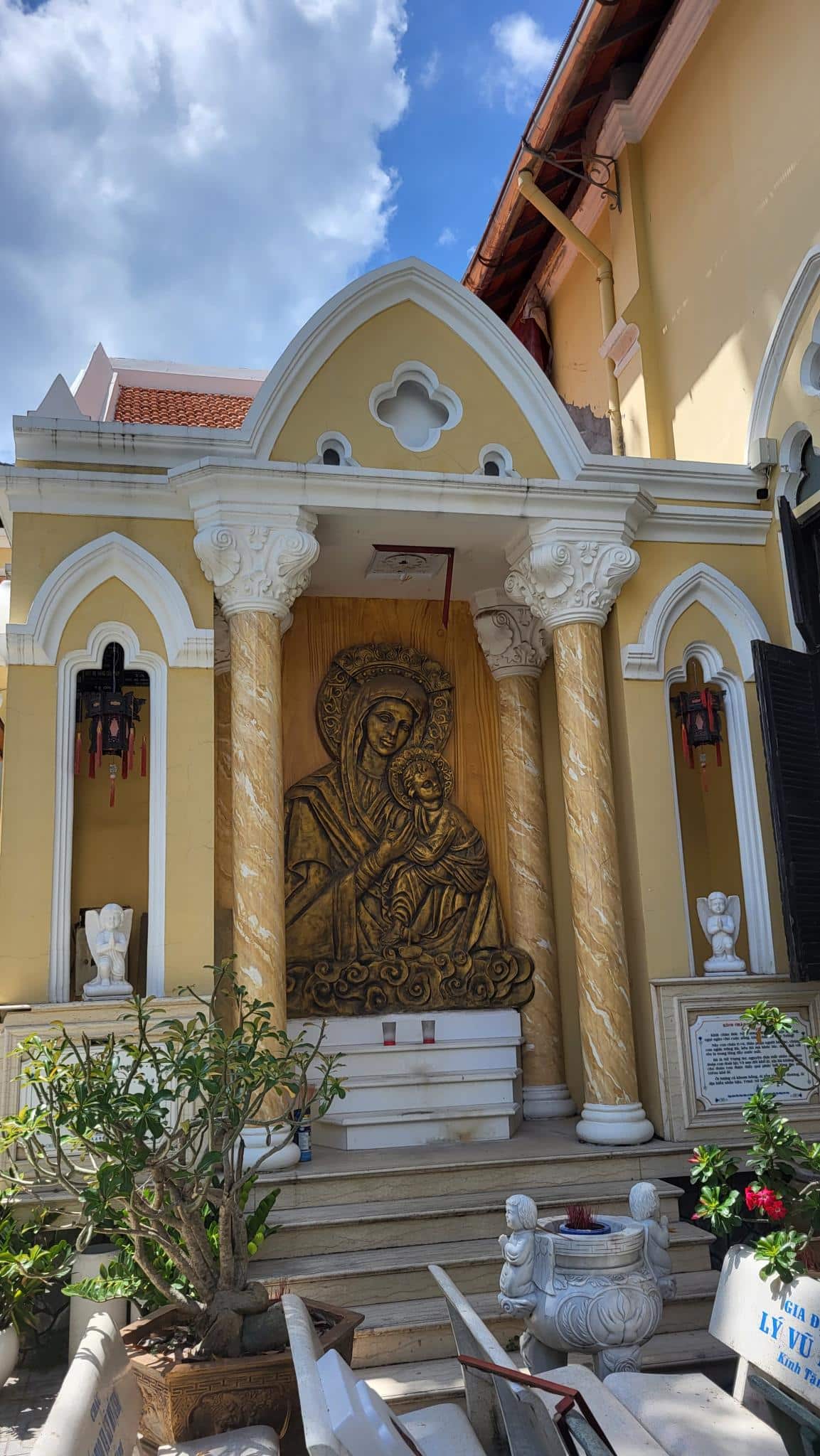
- Design Elements: The church’s design incorporates traditional Catholic architectural elements such as a cruciform floor plan, nave, transept, sanctuary, altar, stained glass windows, bell tower, and other features commonly found in Catholic churches. The interior may include decorative elements like religious statues, artwork, frescoes, and ornate furnishings that enhance the church’s aesthetic appeal and spiritual atmosphere.
- Historical Preservation: Efforts to preserve, maintain, and restore the Church of Saint Francis Xavier signify its architectural integrity, historical significance, and cultural value as a religious landmark, cultural heritage site, and historical symbol representing the Catholic community’s identity, contributions, and legacy within Ho Chi Minh City’s socio-cultural, religious, and historical context.