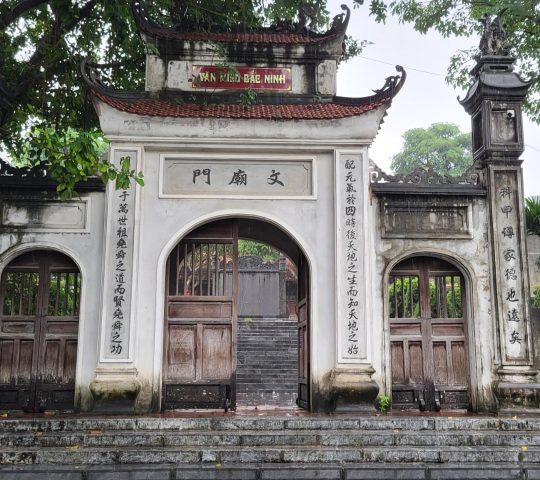
Dinh Bang Communal House – Bac Ninh
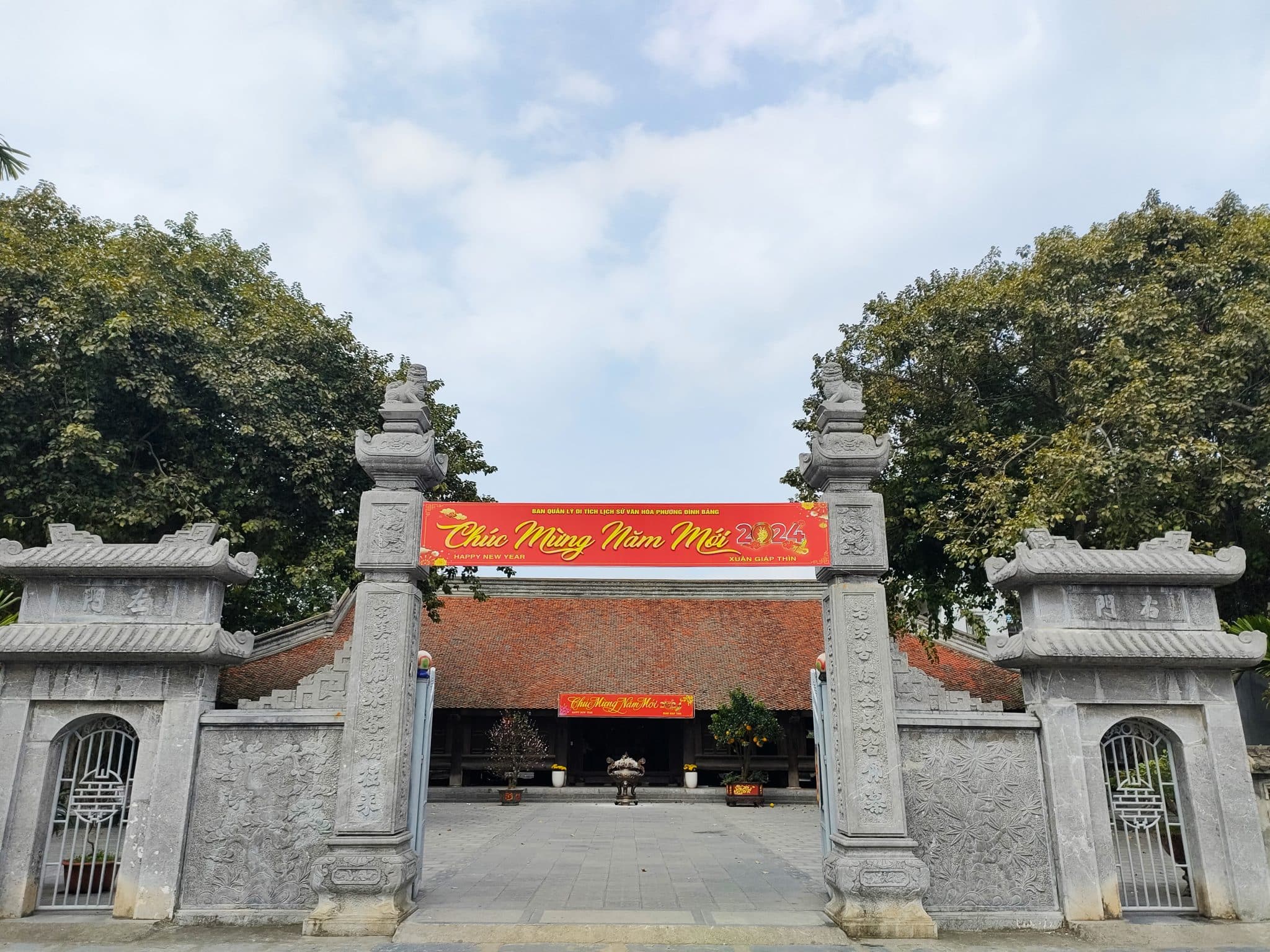
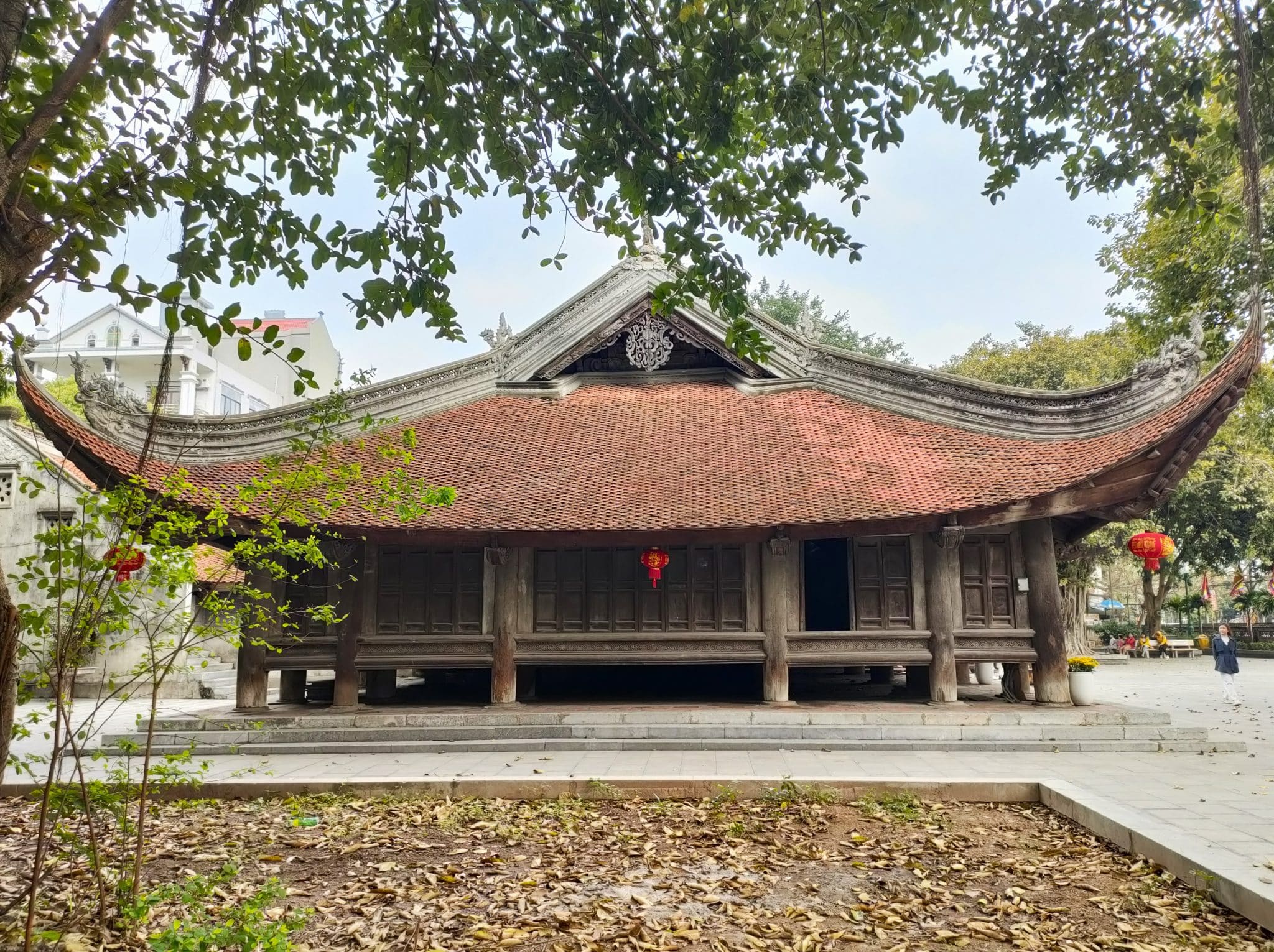
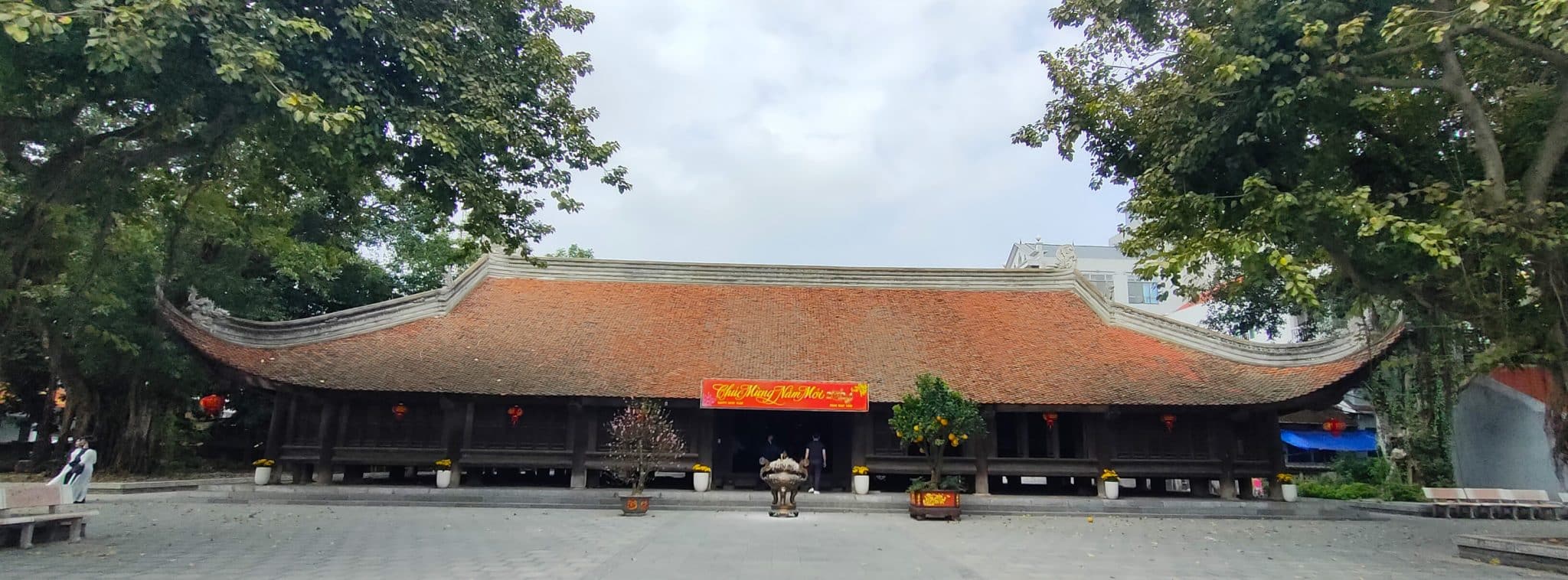
Dinh Bang Communal House, located in Dinh Bang Village, Tu Son Town, Bac Ninh Province, Vietnam, is one of the oldest and most significant communal houses in the country. It was originally constructed in the late 17th century and is renowned for its traditional Vietnamese architecture, intricate carvings, and significant historical value.
Here’s a brief look at its history:
Origins and Construction
The communal house was originally built in 1736, during the reign of King Le Du Tong. However, the construction might have begun earlier, as communal houses in Vietnam were often gradually developed over decades by local artisans and community members. Communal houses like Dinh Bang were essential cultural and religious hubs where villagers gathered, prayed, and held festivals. Dinh Bang is particularly special due to its scale and the craftsmanship involved in its construction, showcasing Vietnam’s architectural and decorative styles from the late feudal period.
Architectural Highlights
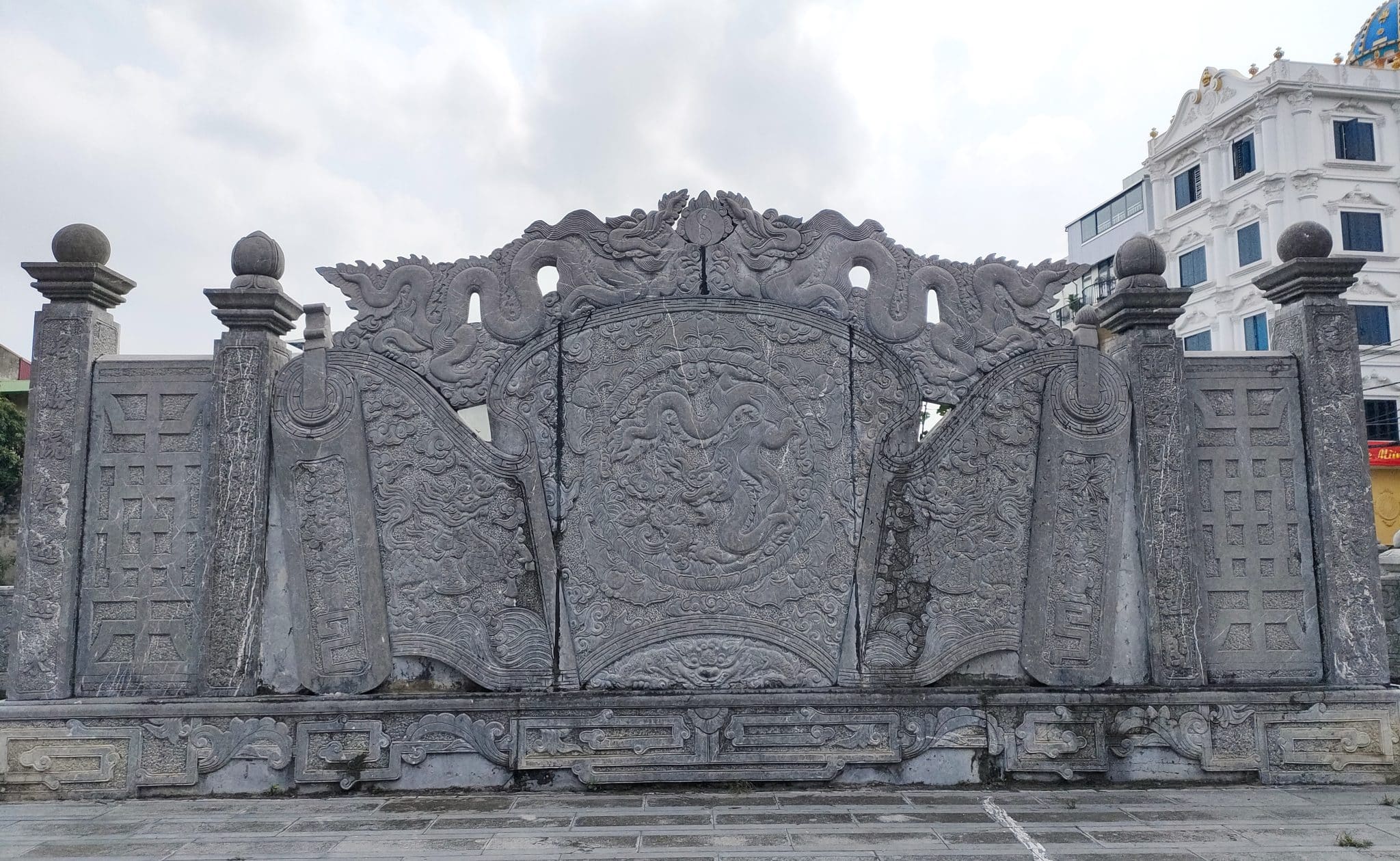
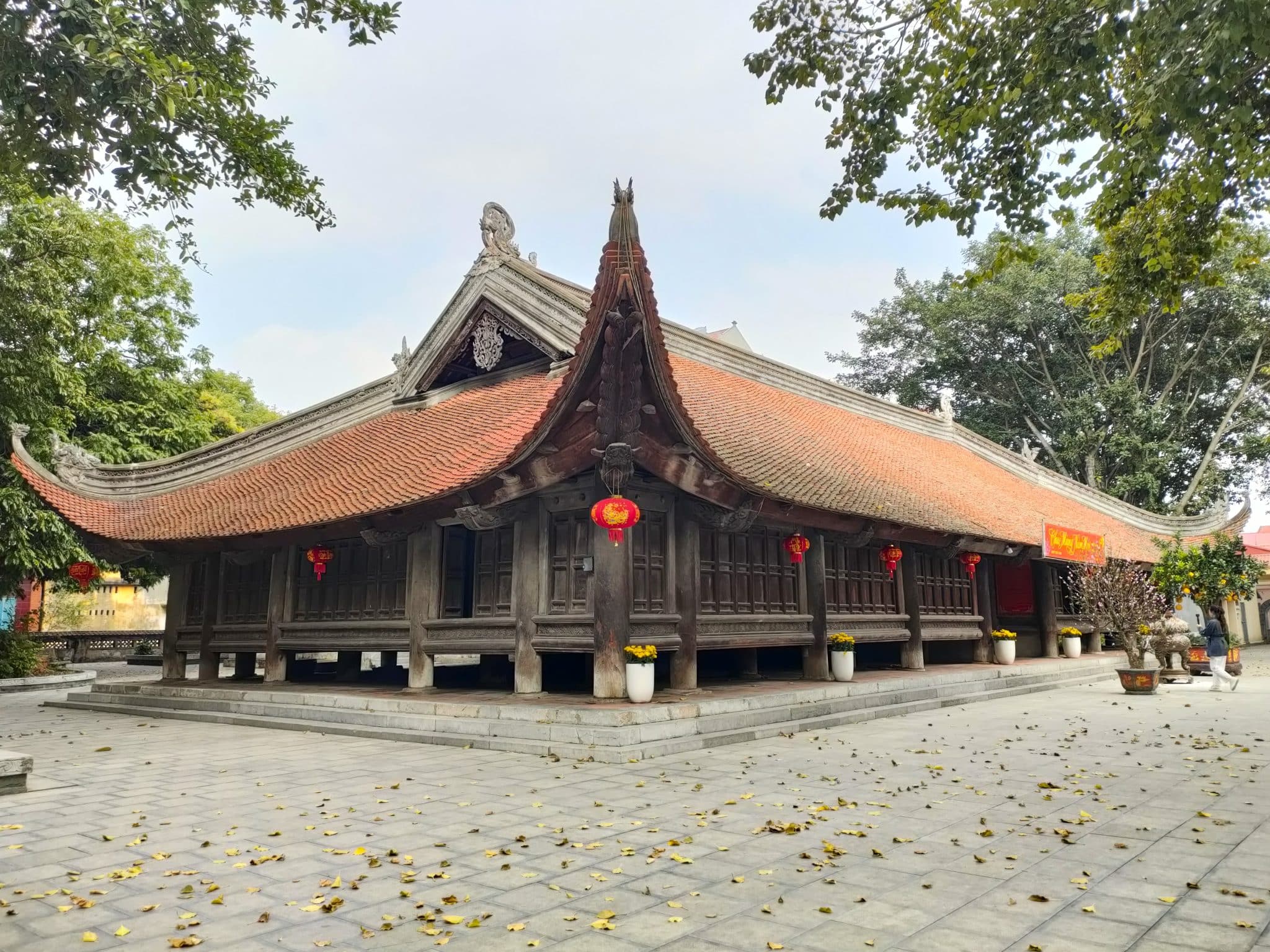
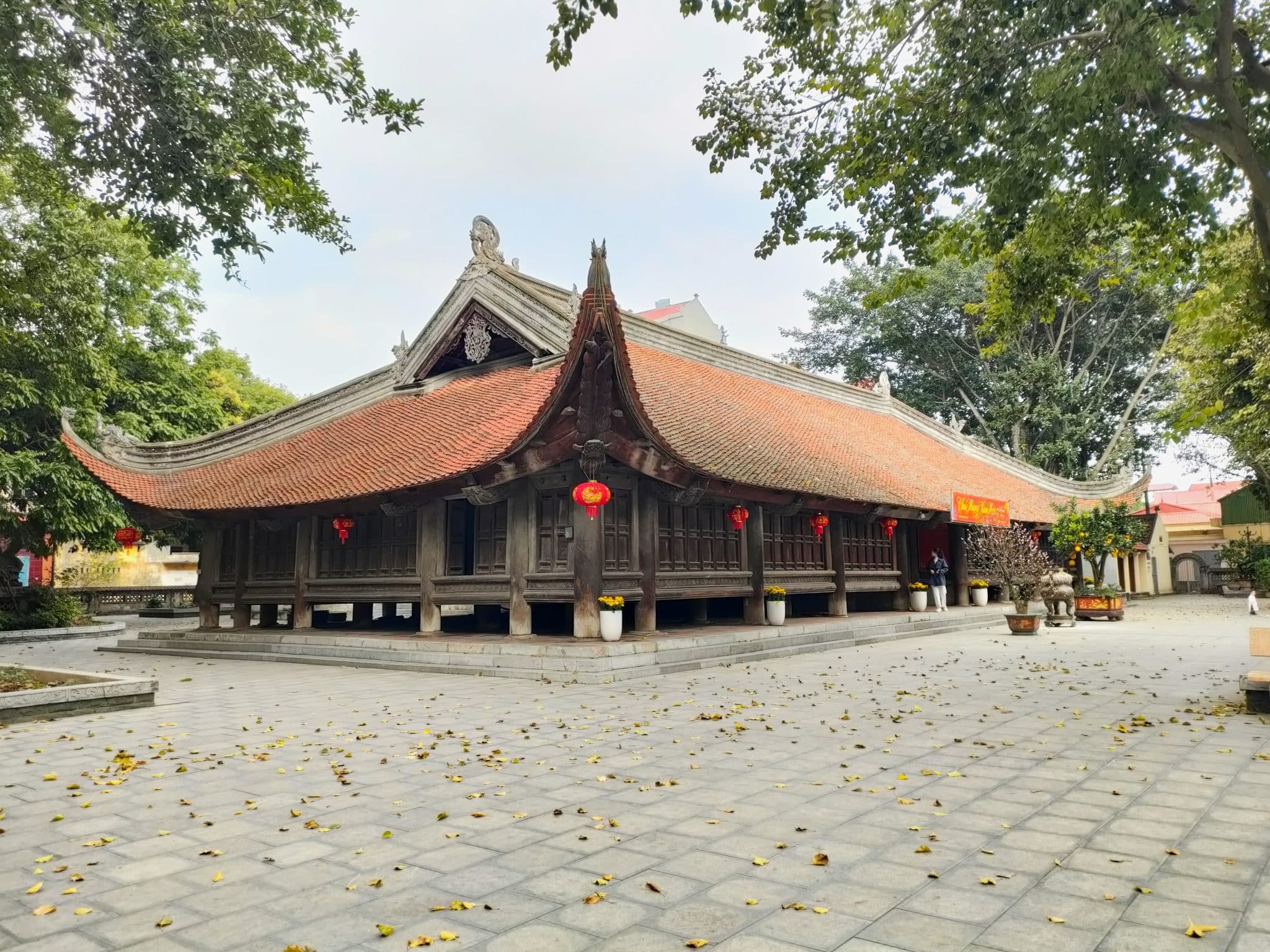
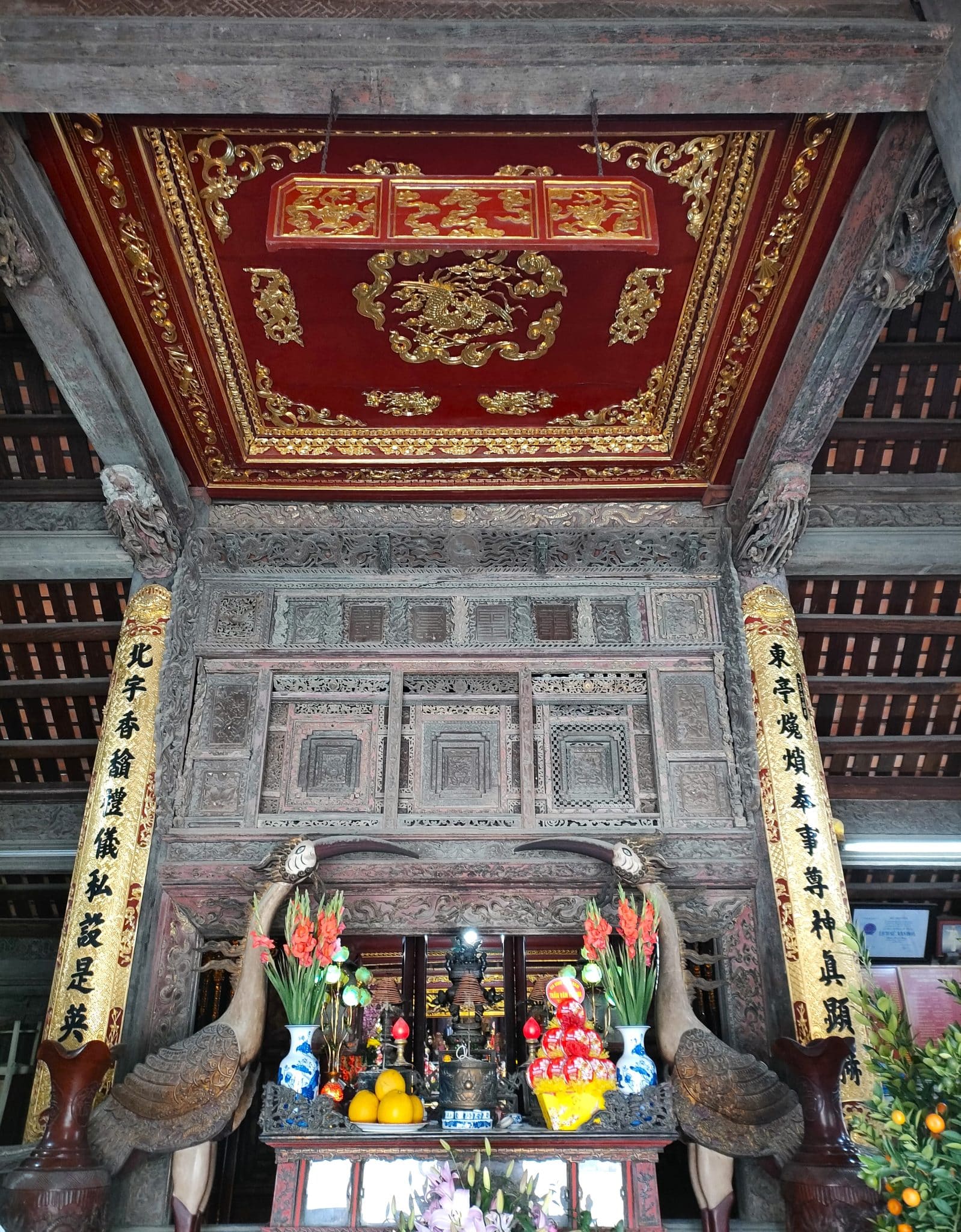
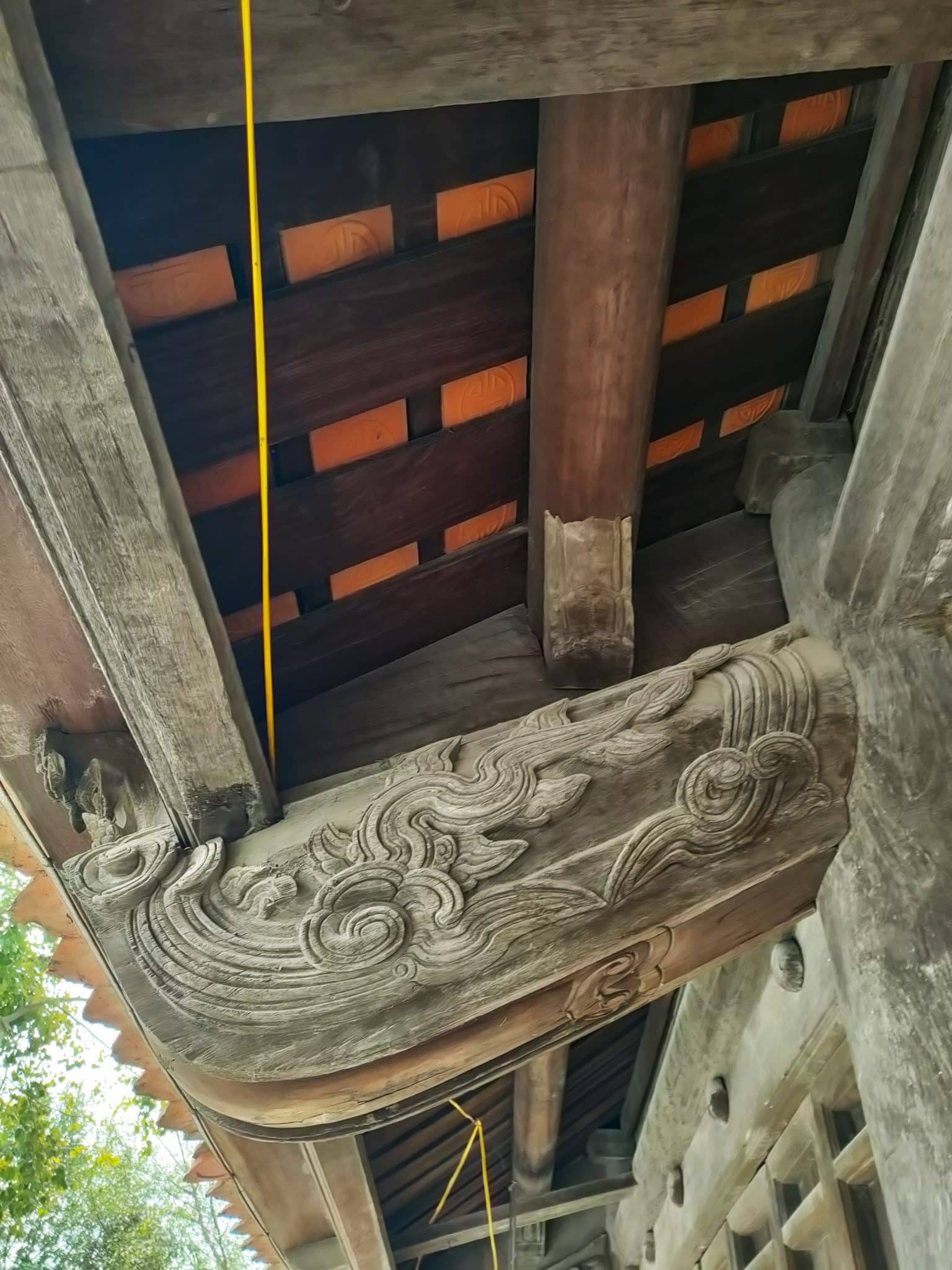
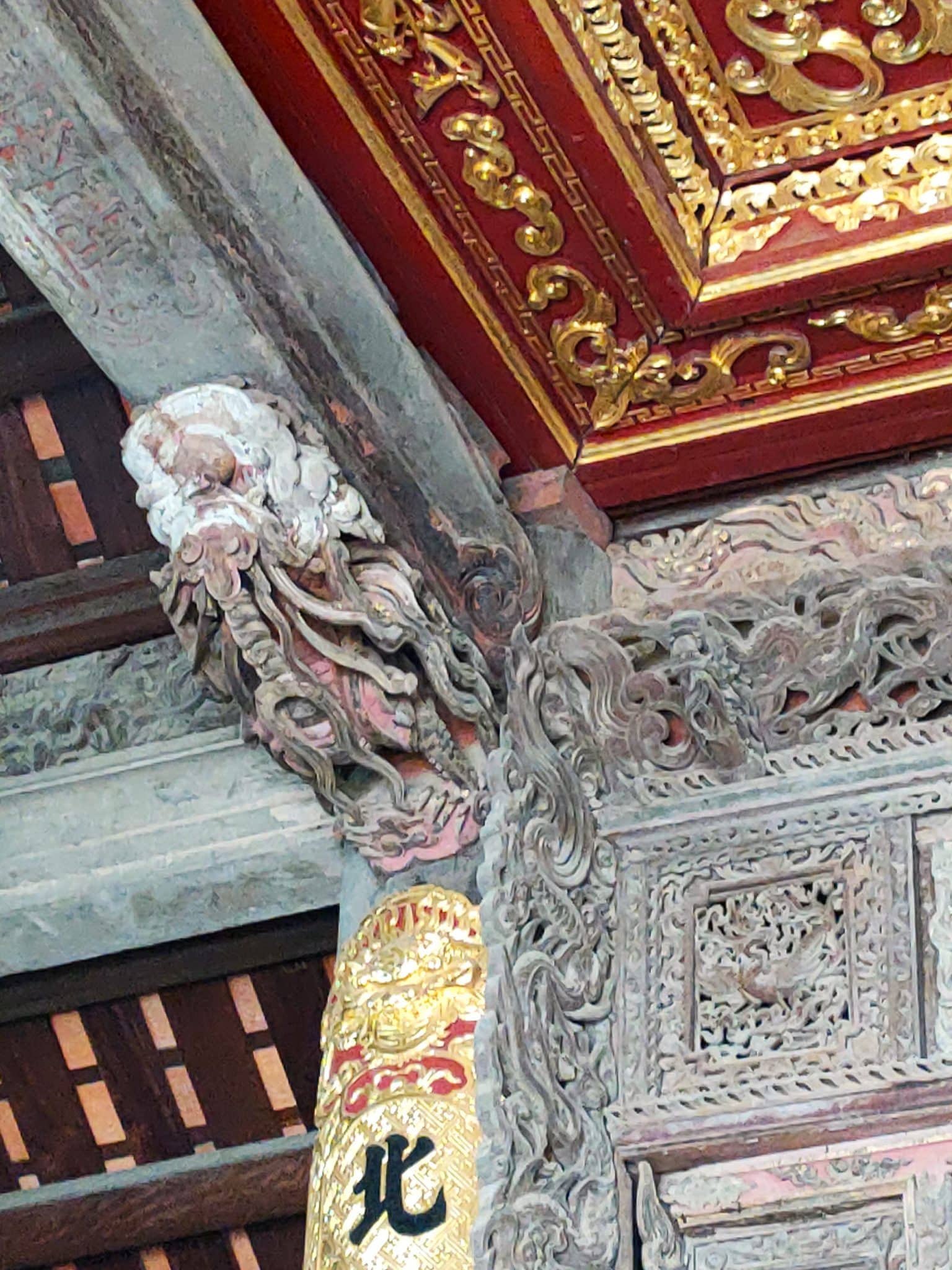
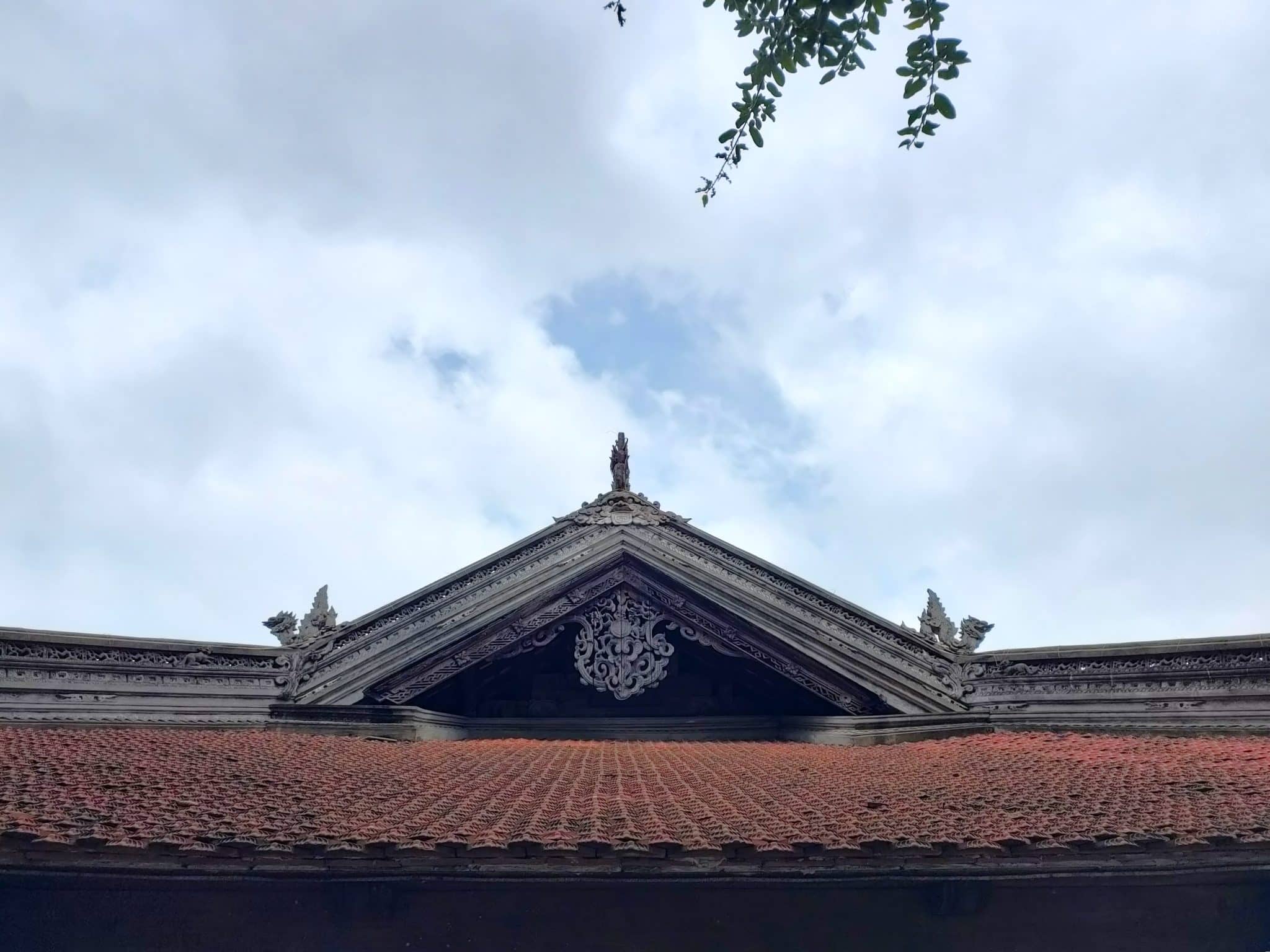
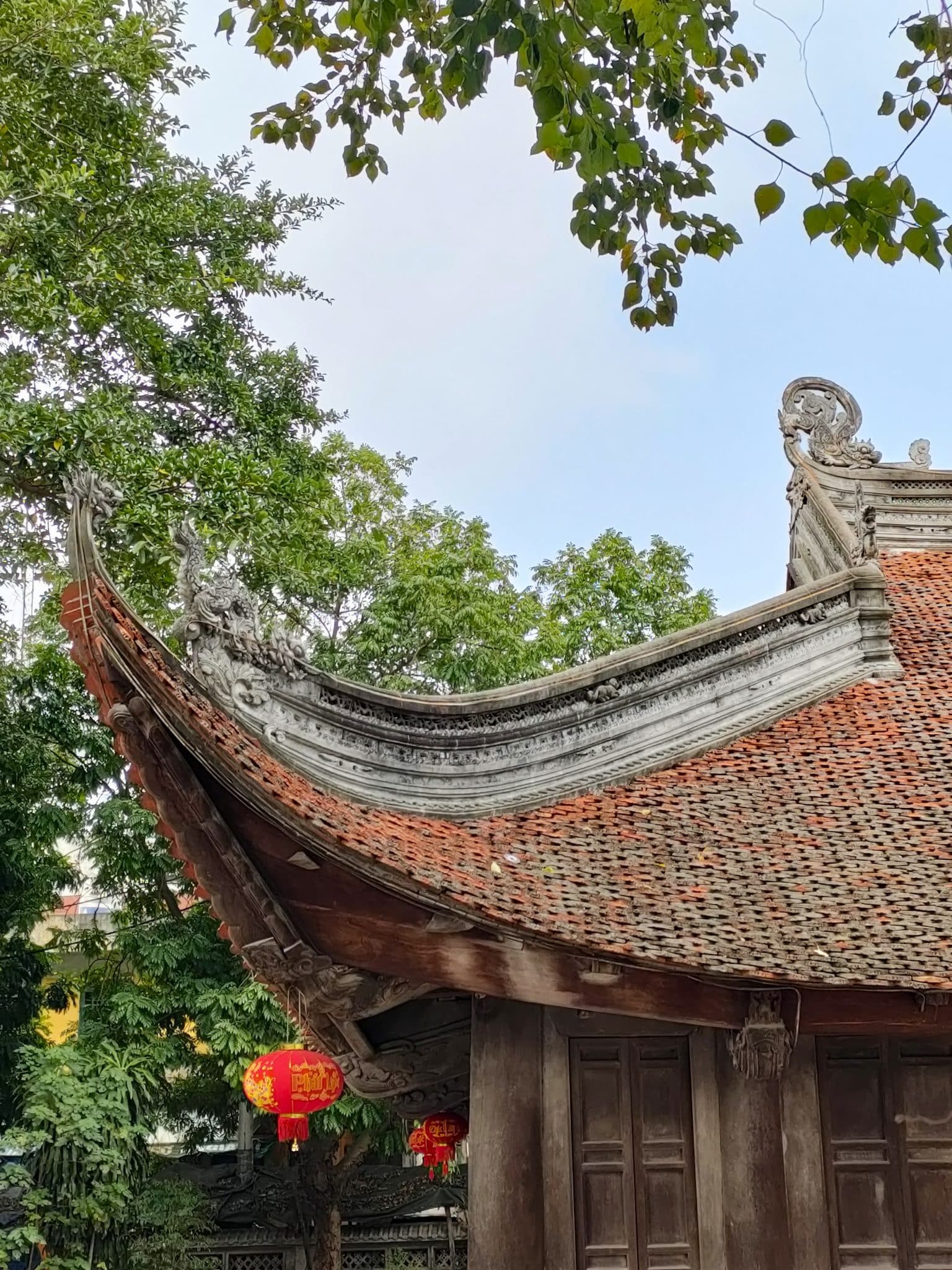
Dinh Bang Communal House exemplifies traditional Vietnamese architecture, featuring a large, open structure made mostly of ironwood and stone. The building is organized around a spacious central hall, with thick wooden pillars supporting the roof, showcasing traditional curved lines and elaborate carvings. The roof has upturned eaves, adorned with dragon and phoenix figures, symbols of royalty and nobility in Vietnamese culture. Intricate wood carvings, depicting scenes from Vietnamese folklore and history, decorate the structure’s beams and supports, and these are considered masterpieces of Vietnamese woodworking.
Historical Significance
Dinh Bang Communal House holds significant historical and cultural value. It served as a meeting place for village elders and was the site for important village decisions, festivities, and religious ceremonies dedicated to various local deities and cultural heroes. The house is also tied to the legendary history of the Ly dynasty (the first major independent dynasty in Vietnam), as Dinh Bang Village is reputed to be the birthplace of King Ly Thai To, who founded the capital in what is now Hanoi in 1010. Some historical sources suggest that Dinh Bang Communal House was built on or near the former residence of the Ly dynasty’s founder.
Rituals and Festivals
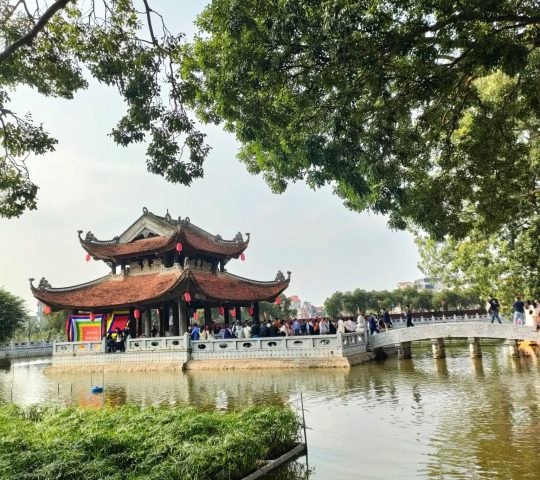
Dinh Bang Communal House is still an active site of cultural activity today. The annual Do Temple Festival, which honors King Ly Thai To and other figures of the Ly dynasty, draws thousands of visitors every spring. During this festival, traditional rituals, music, and performances are held, reflecting both religious and community spirit, connecting modern generations with the village’s rich history.
Restoration and Preservation
Over the years, Dinh Bang Communal House has undergone various restorations, especially during the 20th century, to preserve its structure and historical value. Although much of the original structure remains intact, careful restoration has helped maintain its architectural integrity and cultural significance.
Today, Dinh Bang Communal House is recognized as a cultural heritage site, serving as both a monument to Vietnam’s feudal era and a continuing center of community life. It symbolizes Vietnamese resilience and continuity, embodying centuries of spiritual and communal tradition in northern Vietnam.