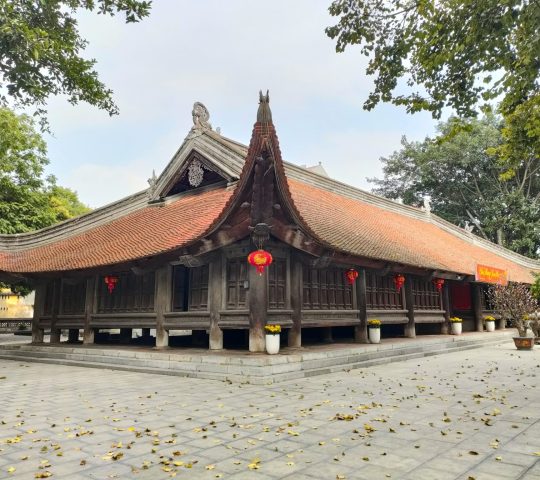
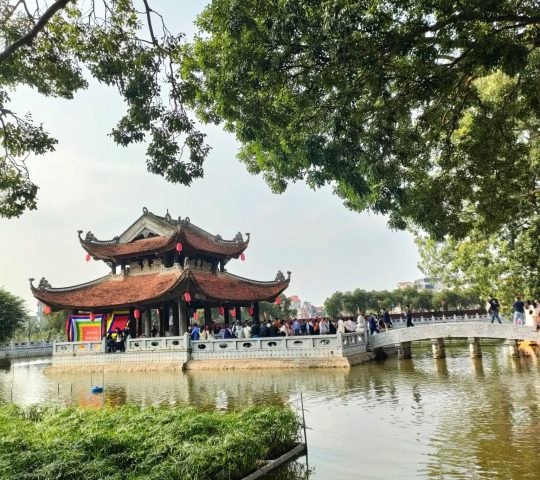
Bac Ninh Temple of Literature (Văn miếu Bắc Ninh)
Listing has verified and belong the business owner or manager.
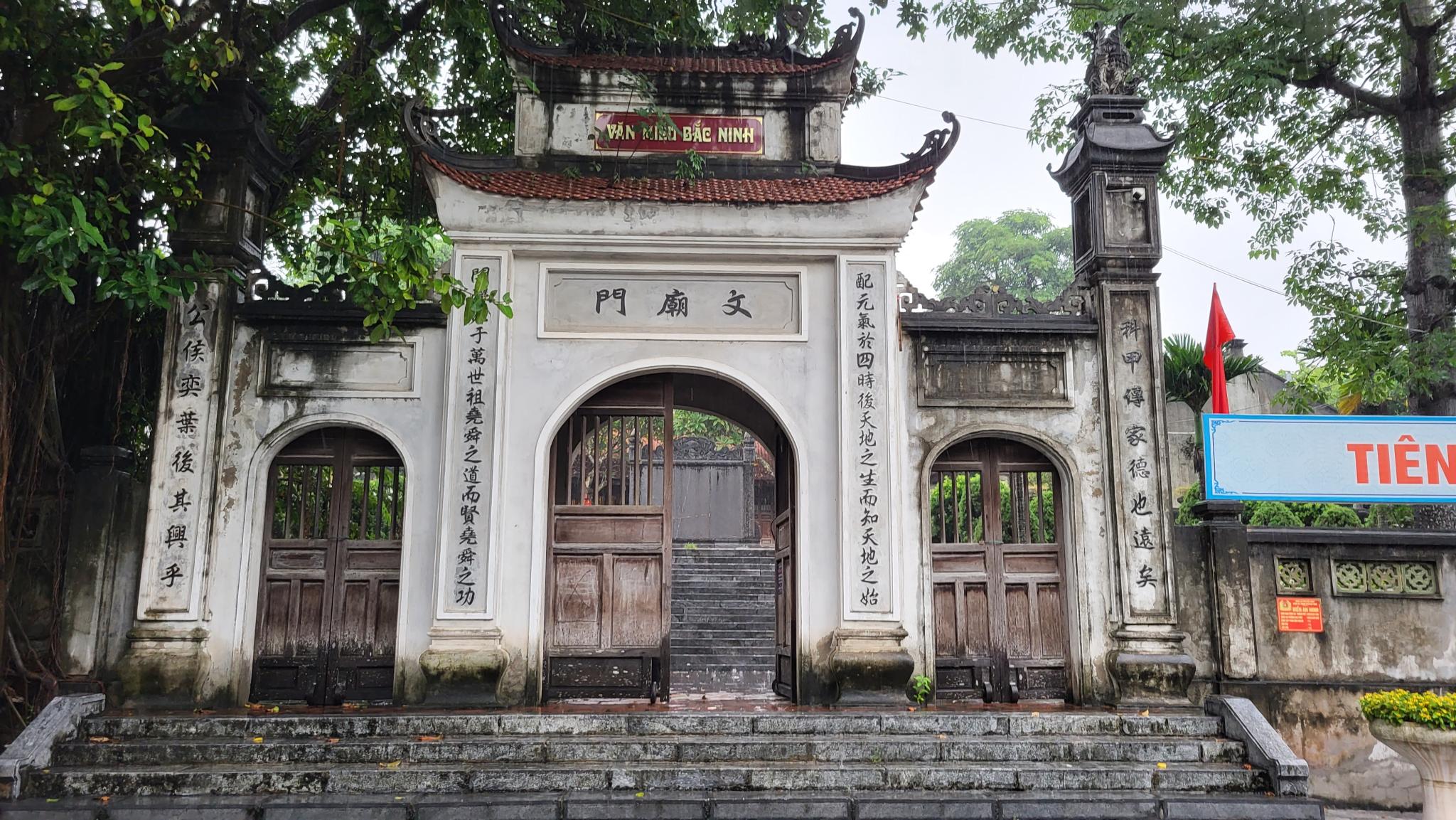
The Bắc Ninh Temple of Literature (Văn Miếu Bắc Ninh) is a significant historical and cultural site located in Bắc Ninh Province, Vietnam. Although it may not be as well-known as the Temple of Literature (Văn Miếu) in Hanoi, it holds its own historical and architectural significance within Vietnamese heritage.
History:
- Origins and Purpose: Like the Temple of Literature in Hanoi, the Bắc Ninh Temple of Literature was established as an institution of learning and education, dedicated to Confucius and scholars, where scholars, academics, and mandarins were trained, examined, and honored during the feudal dynasties of Vietnam.
- Cultural Significance: The temple complex represents a center of Confucian worship and academic excellence, reflecting Vietnam’s deep-rooted Confucian traditions, scholarly achievements, and reverence for learning, morality, and virtue.
Architecture:
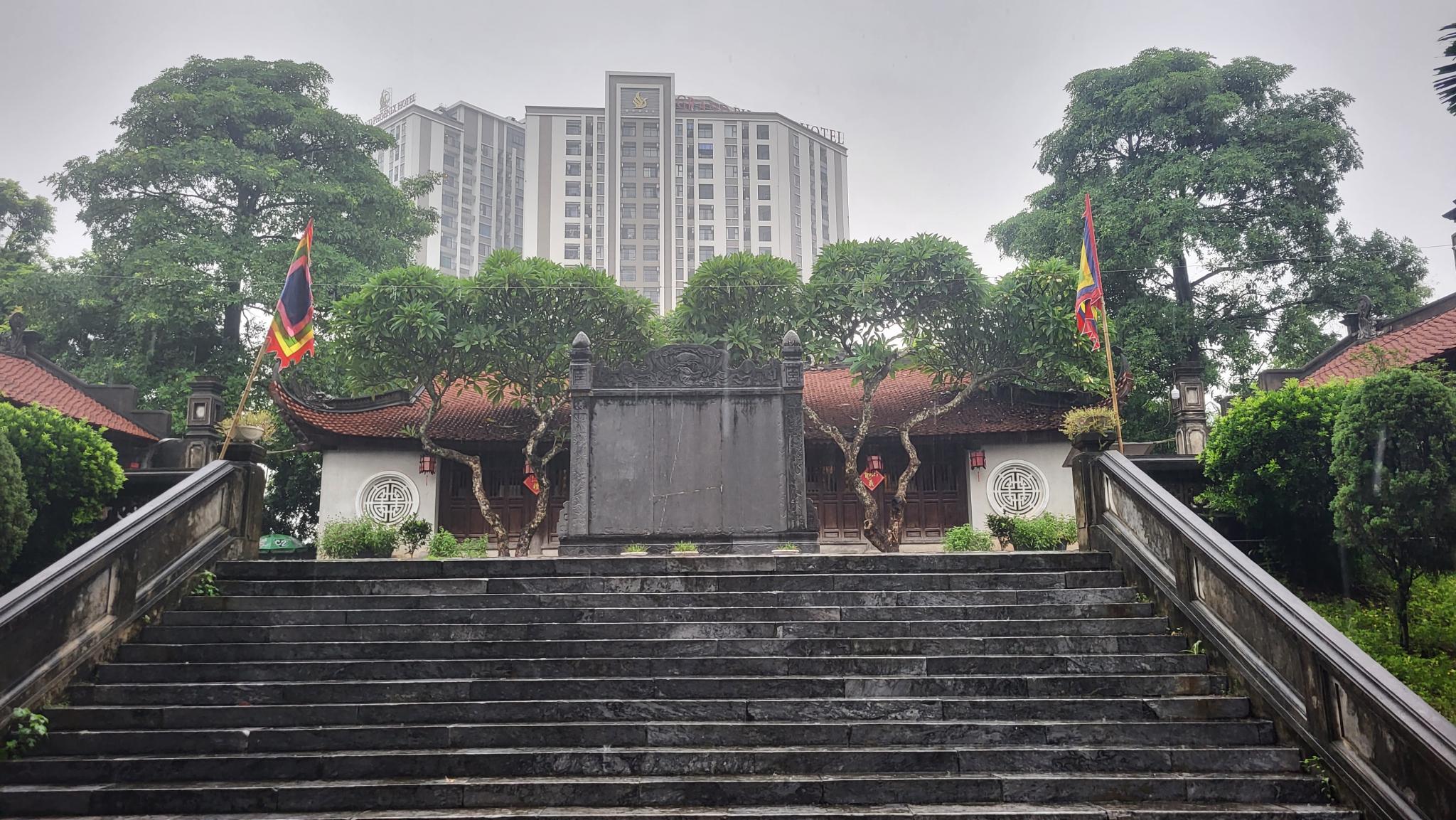
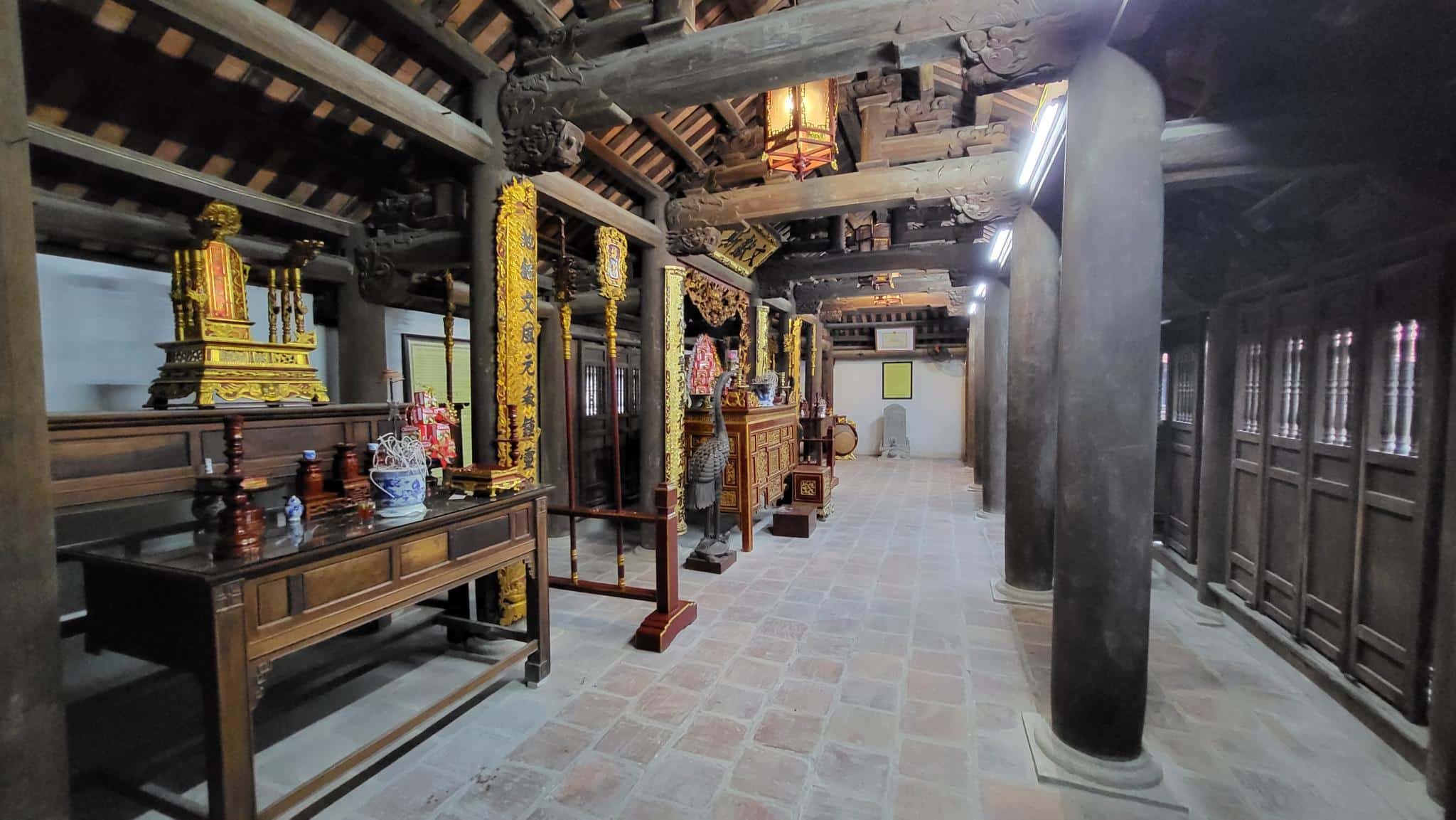
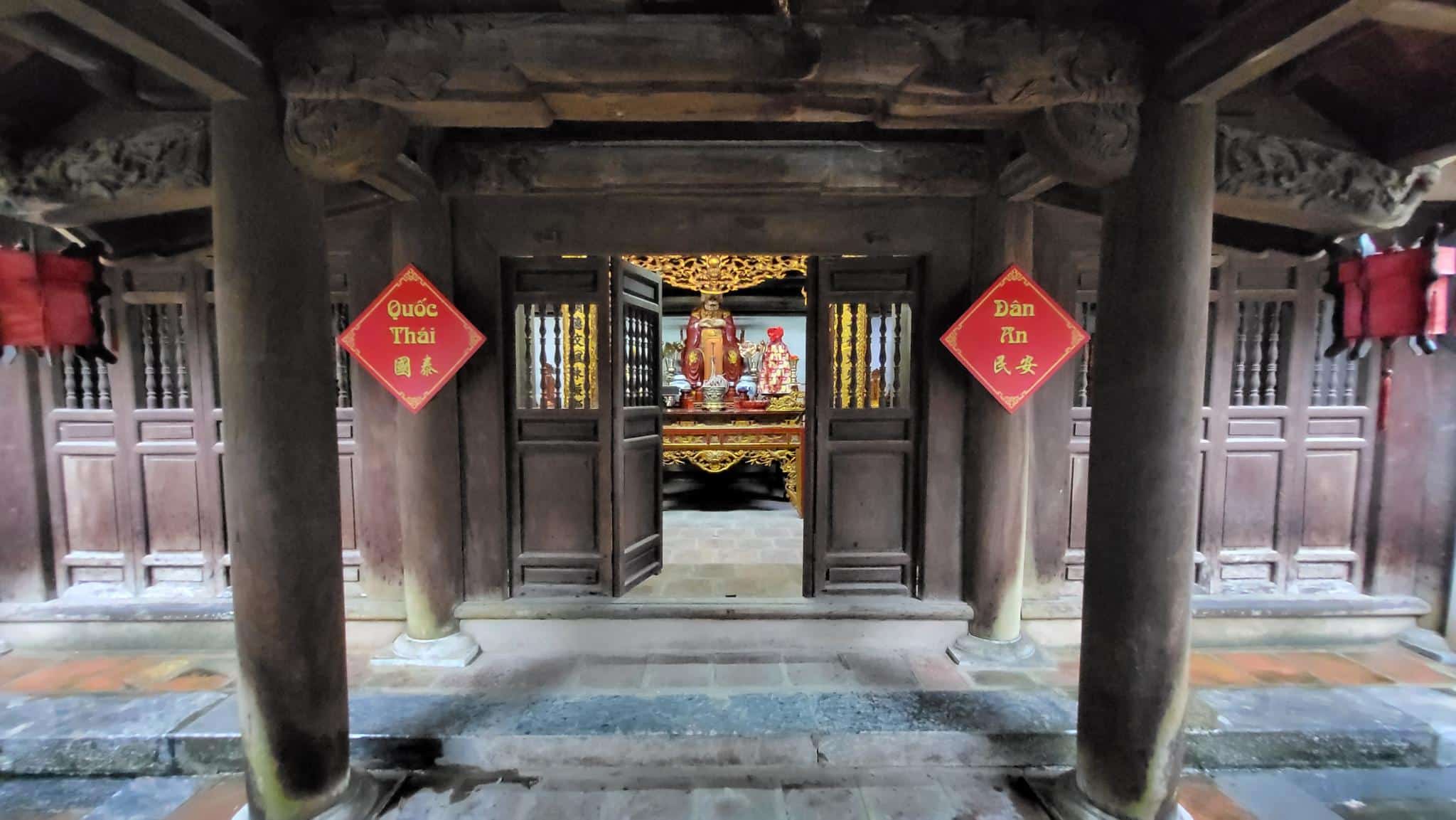
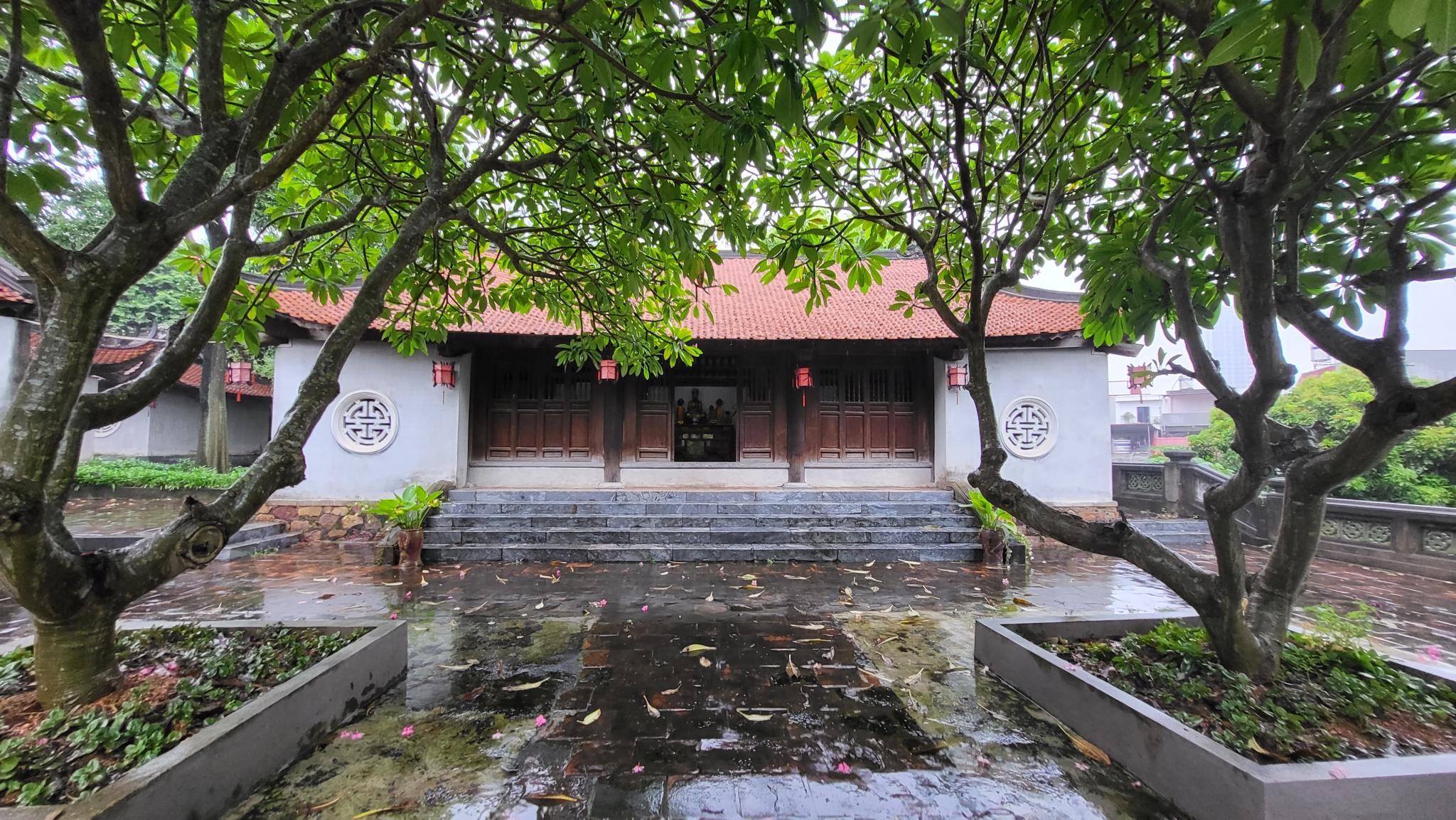
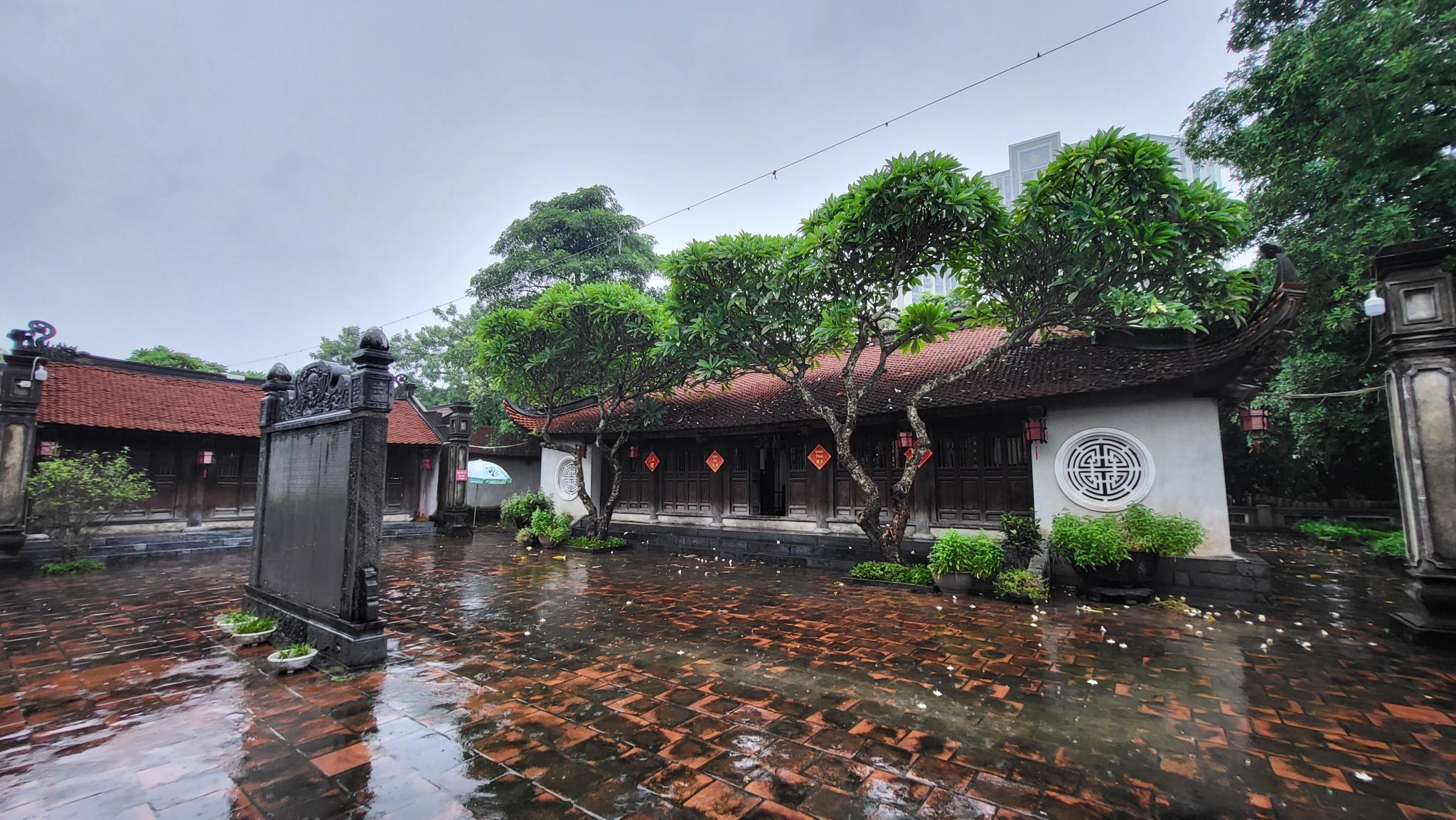
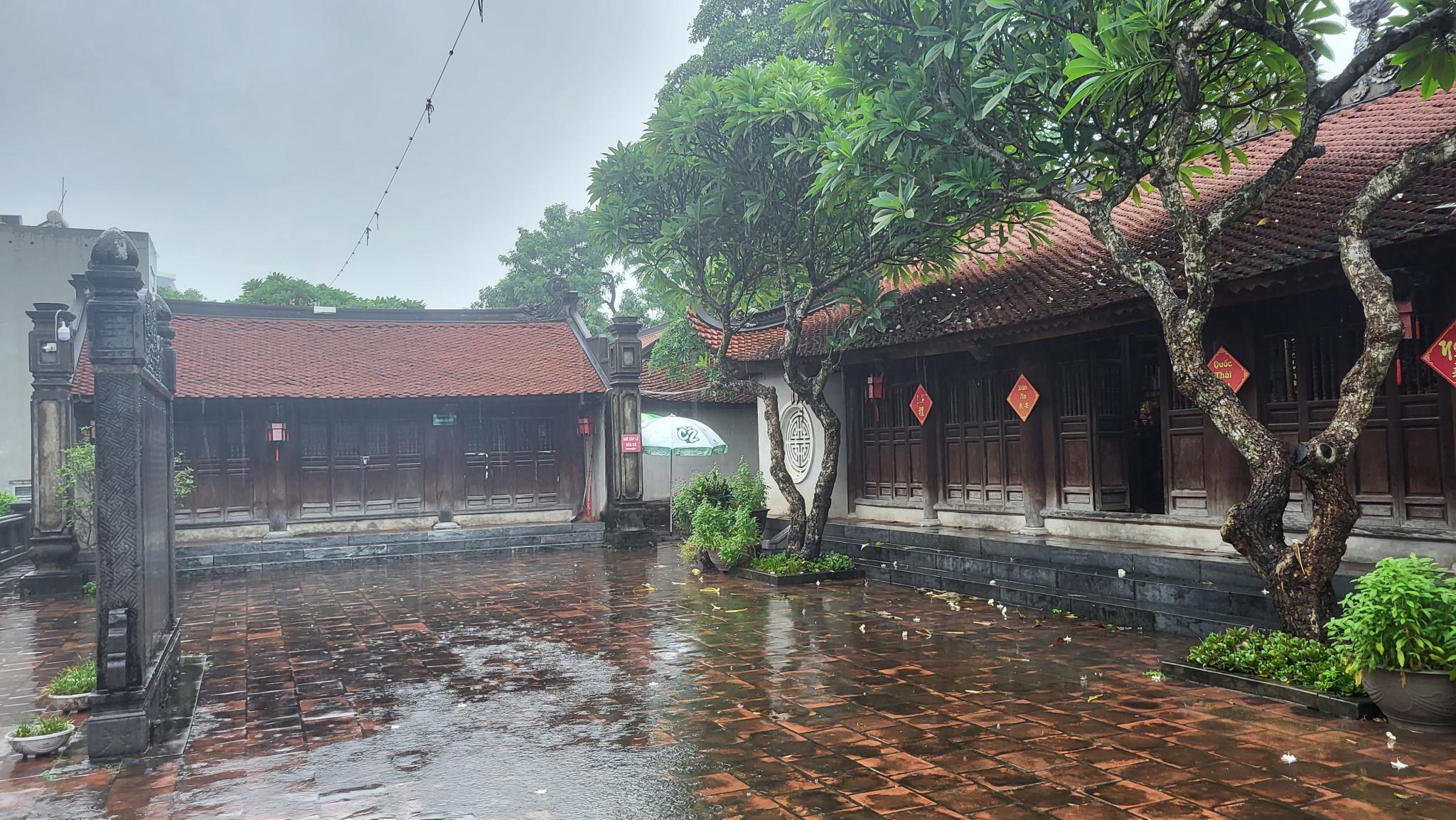
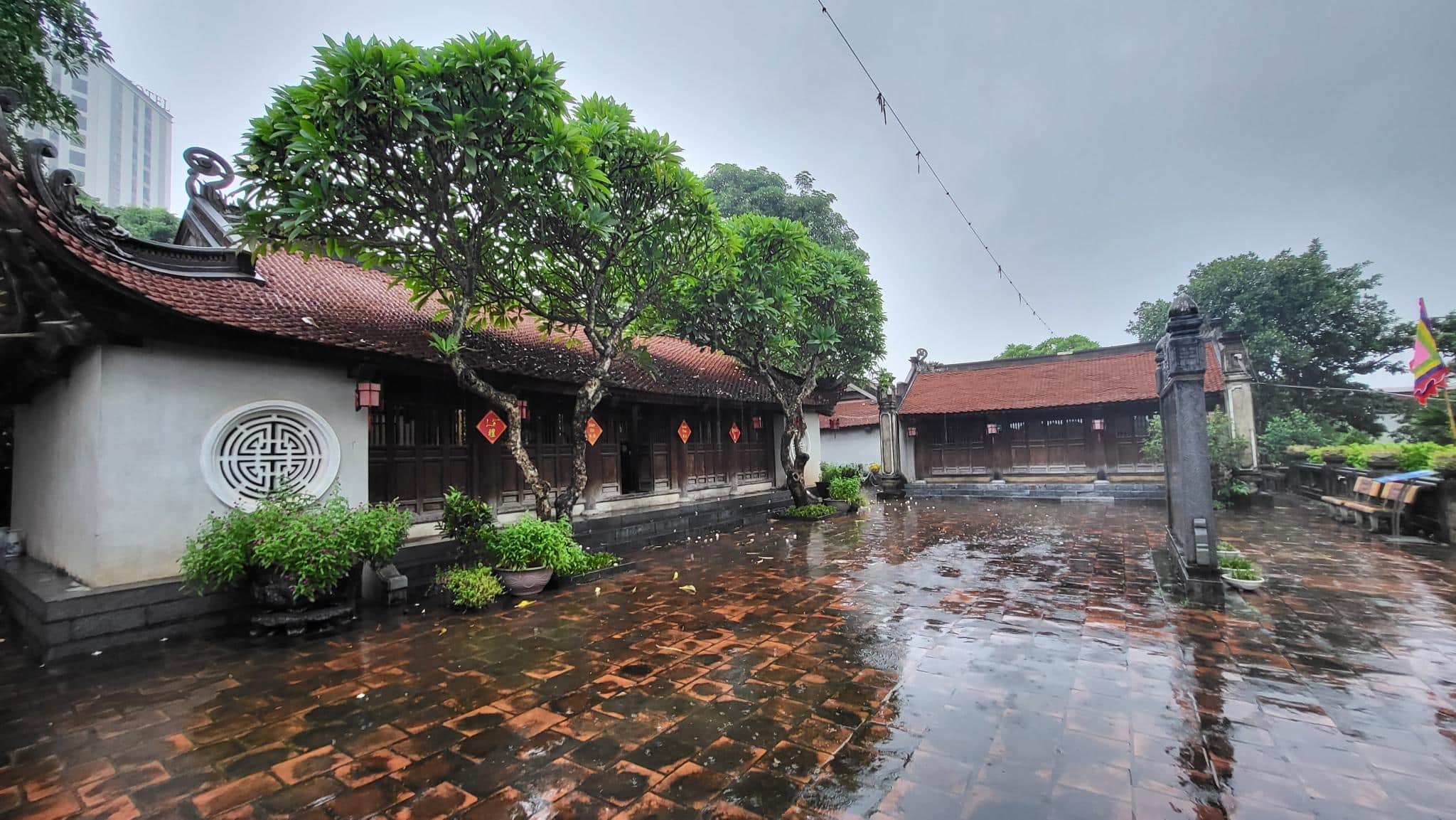
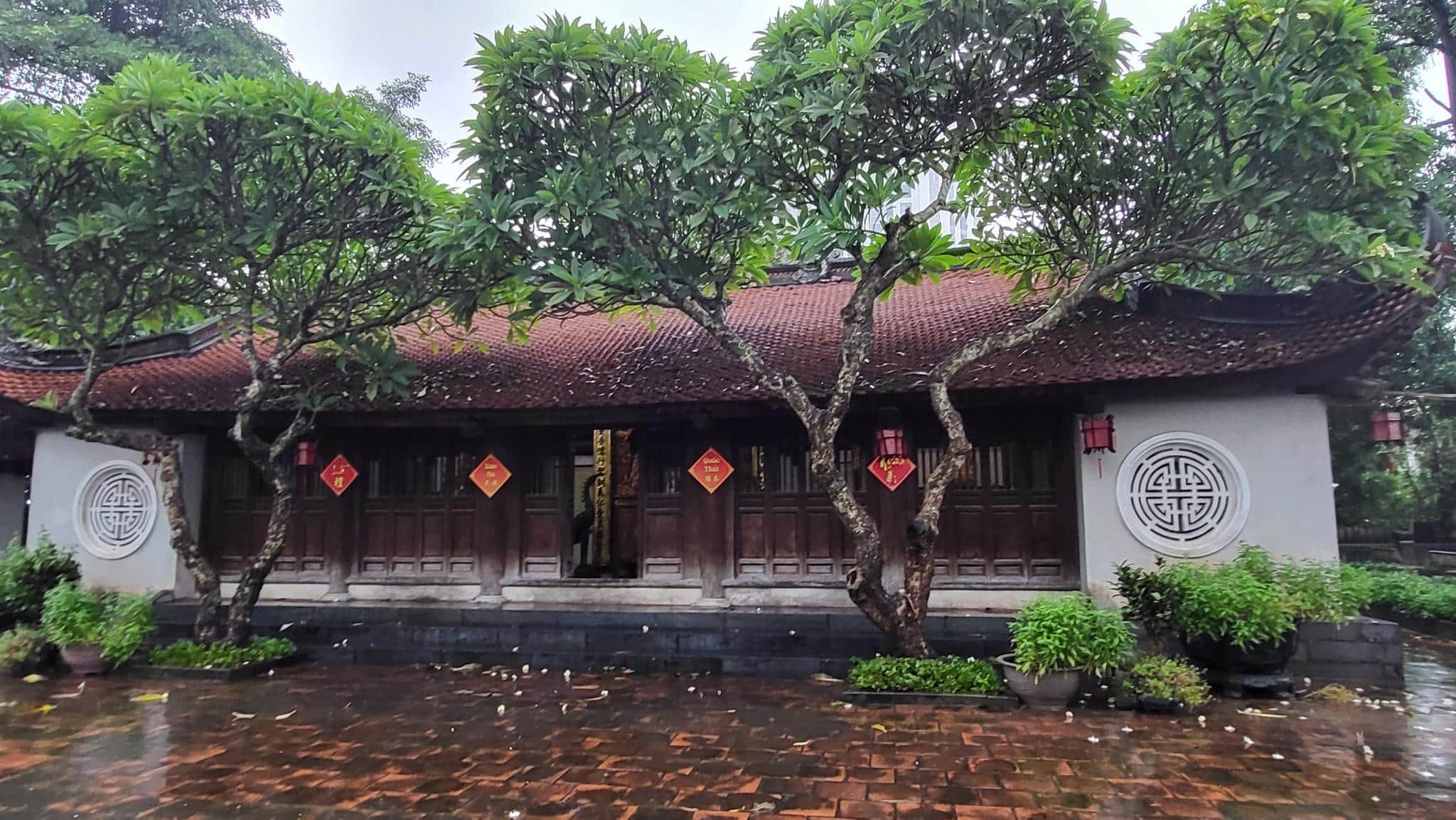
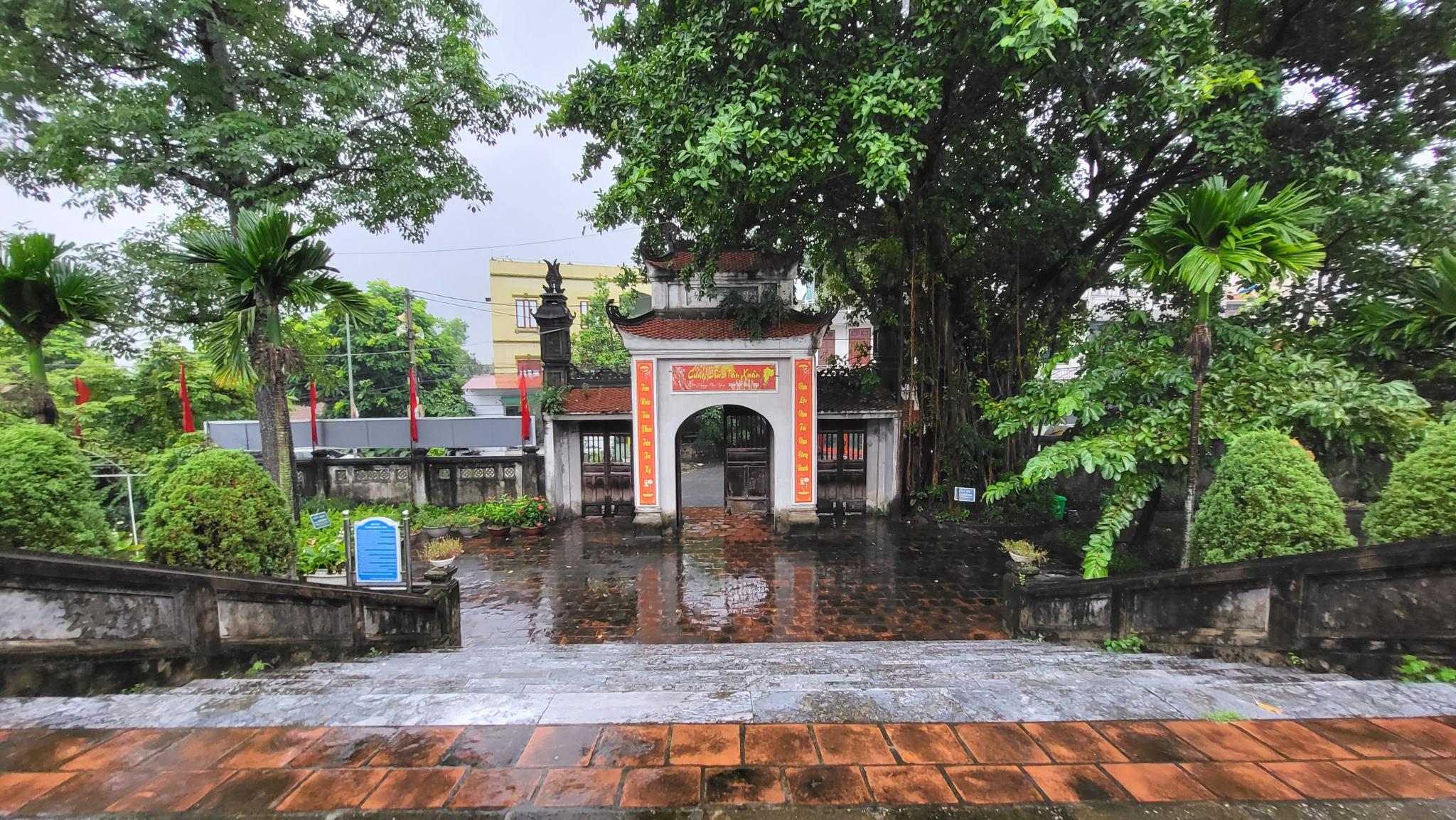
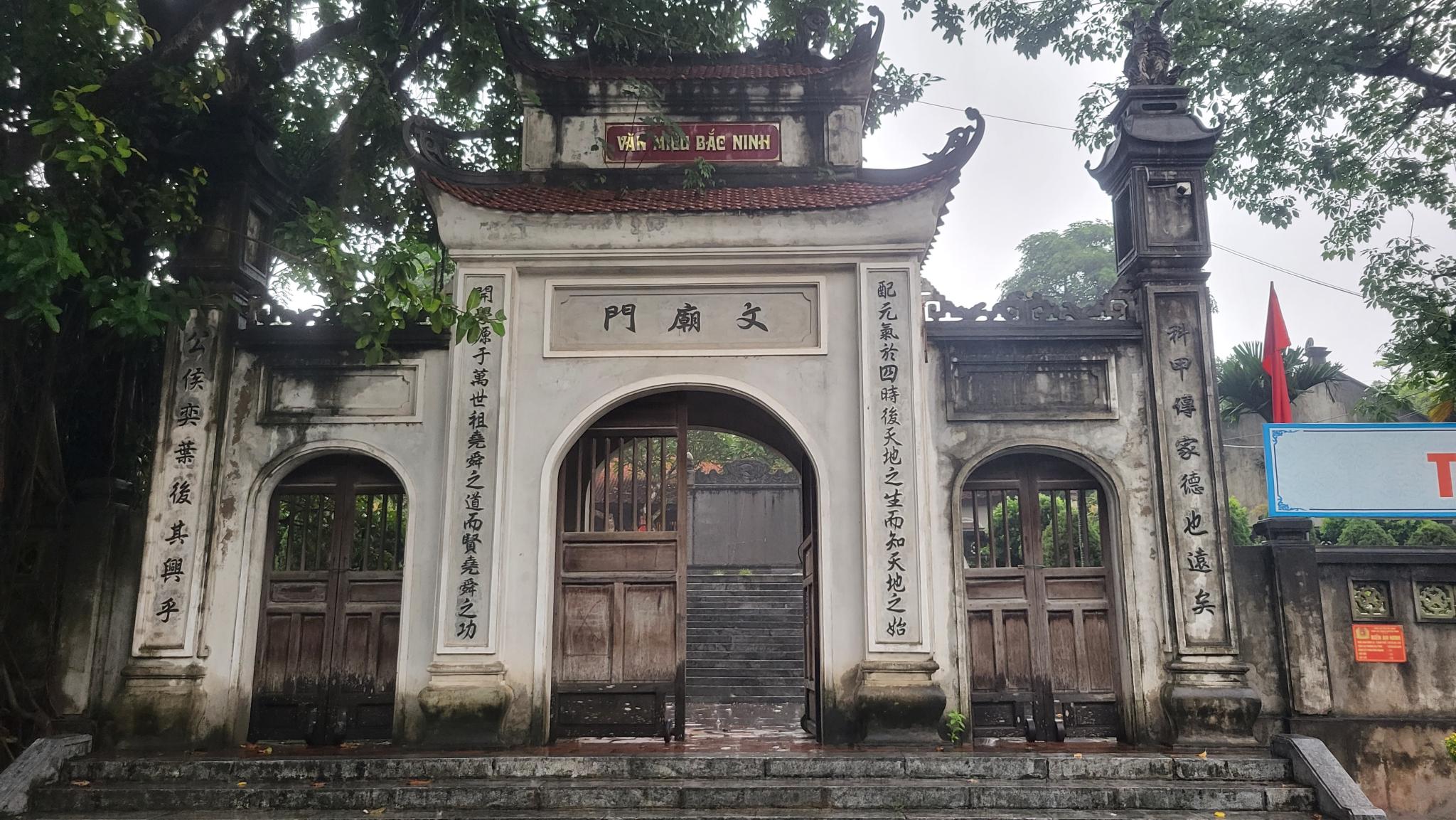
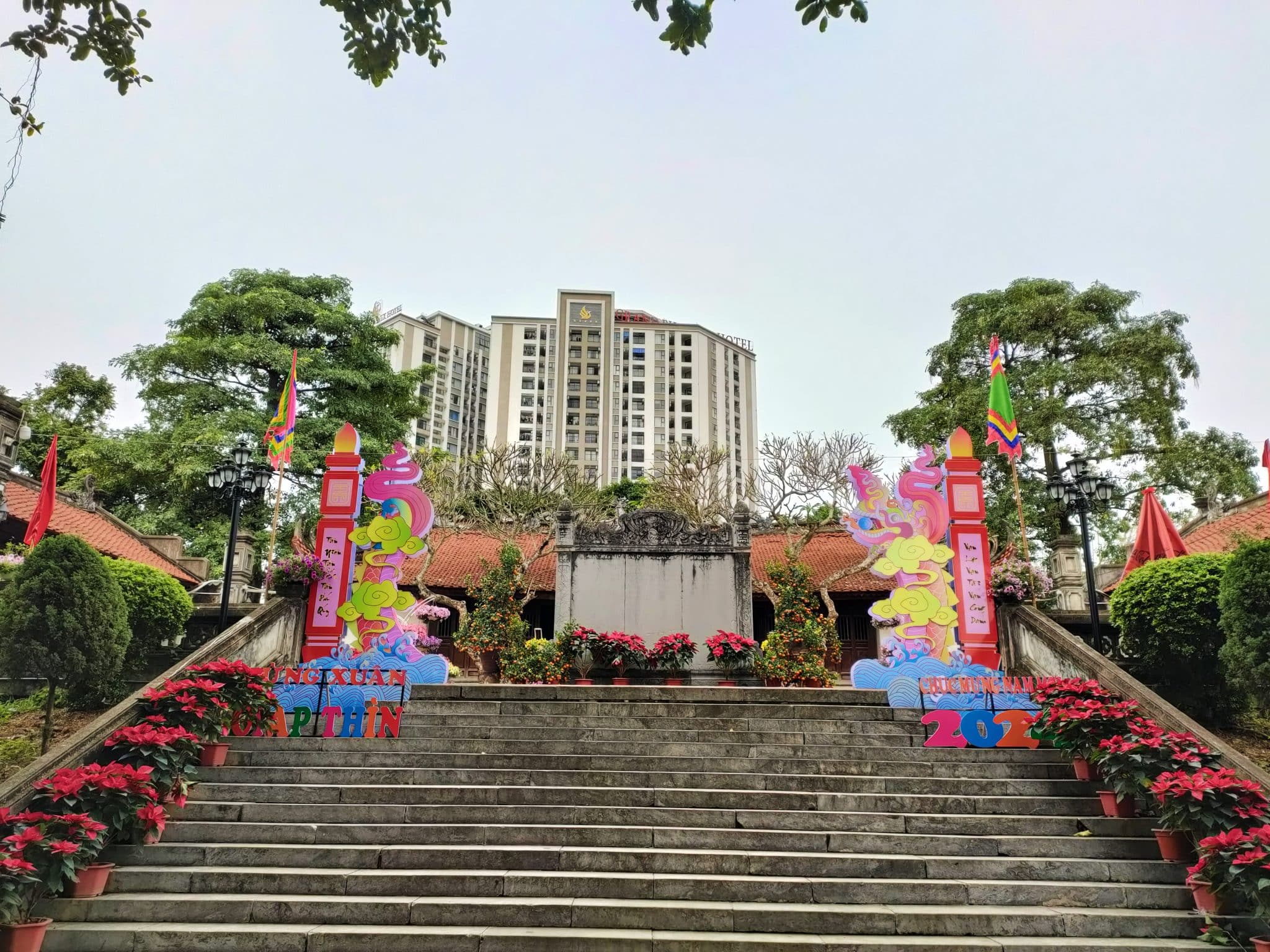
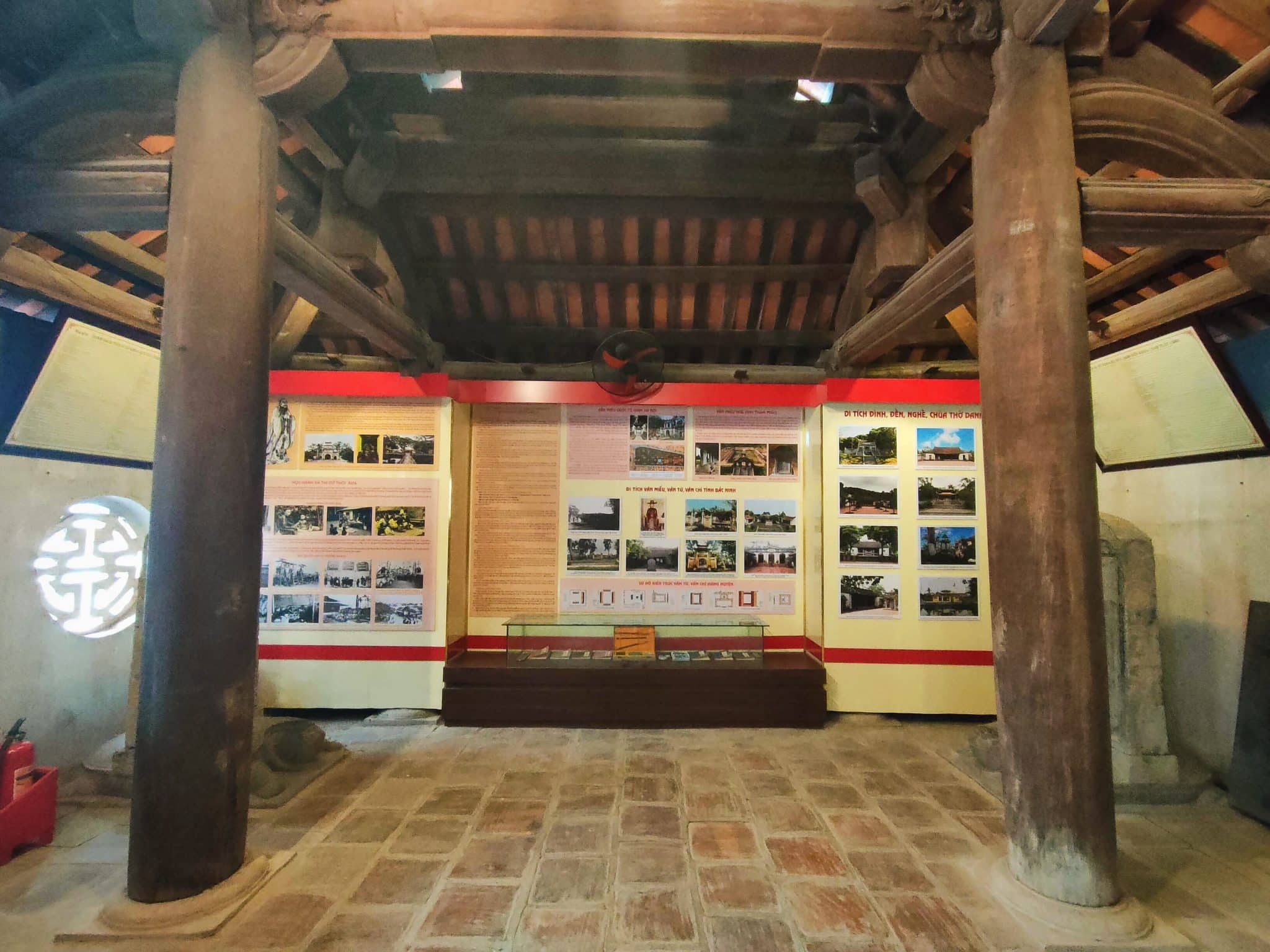
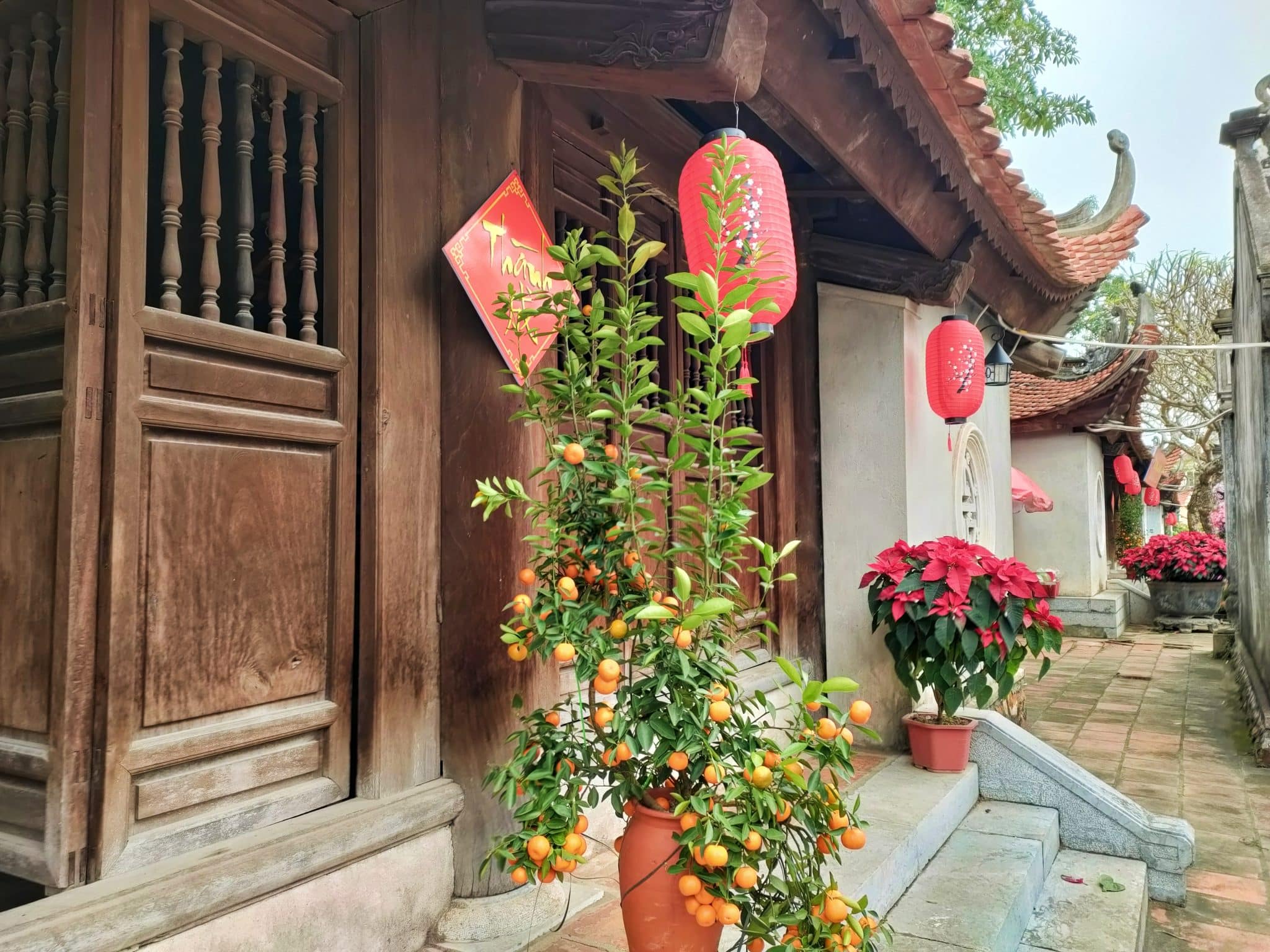
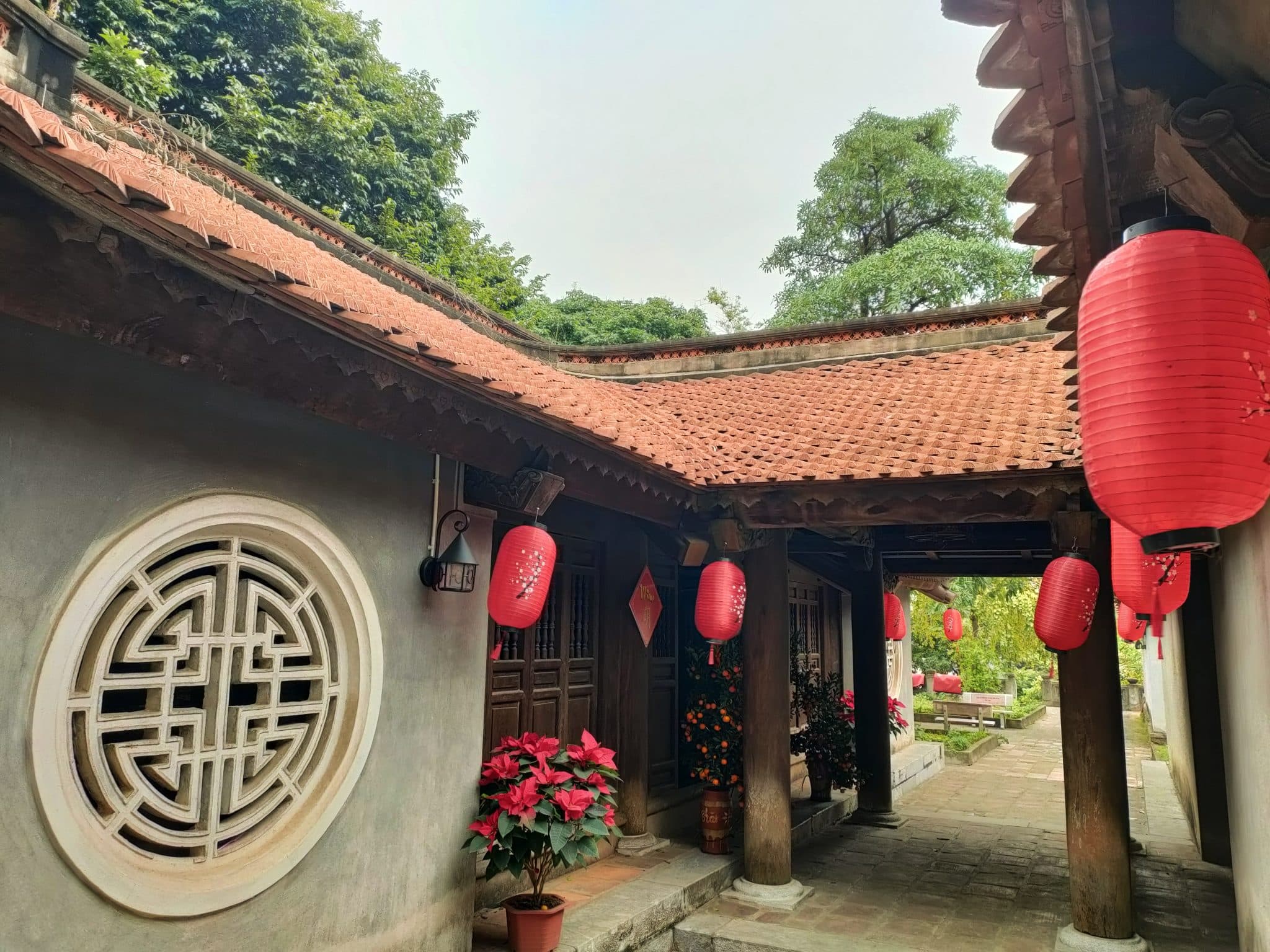
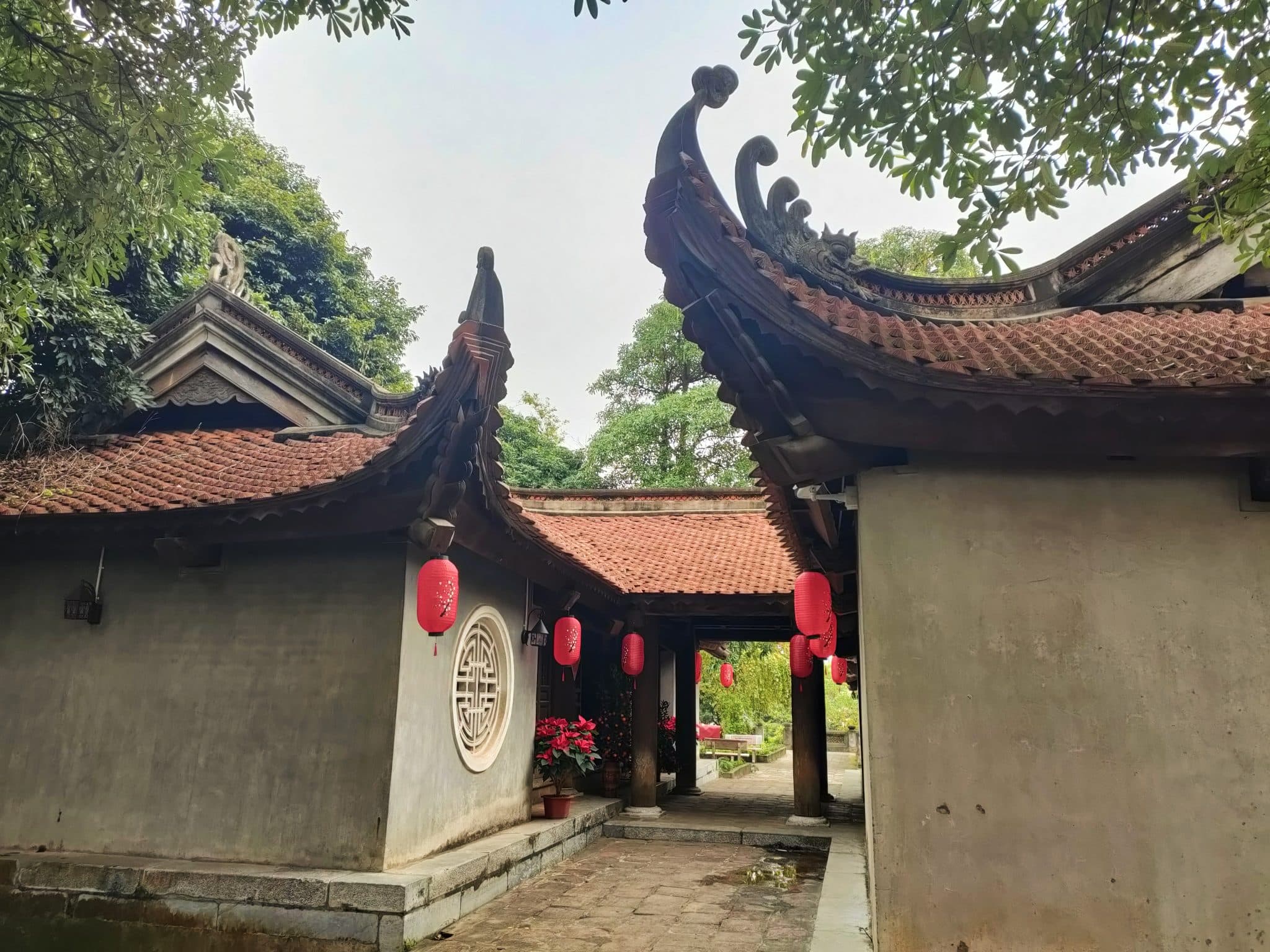
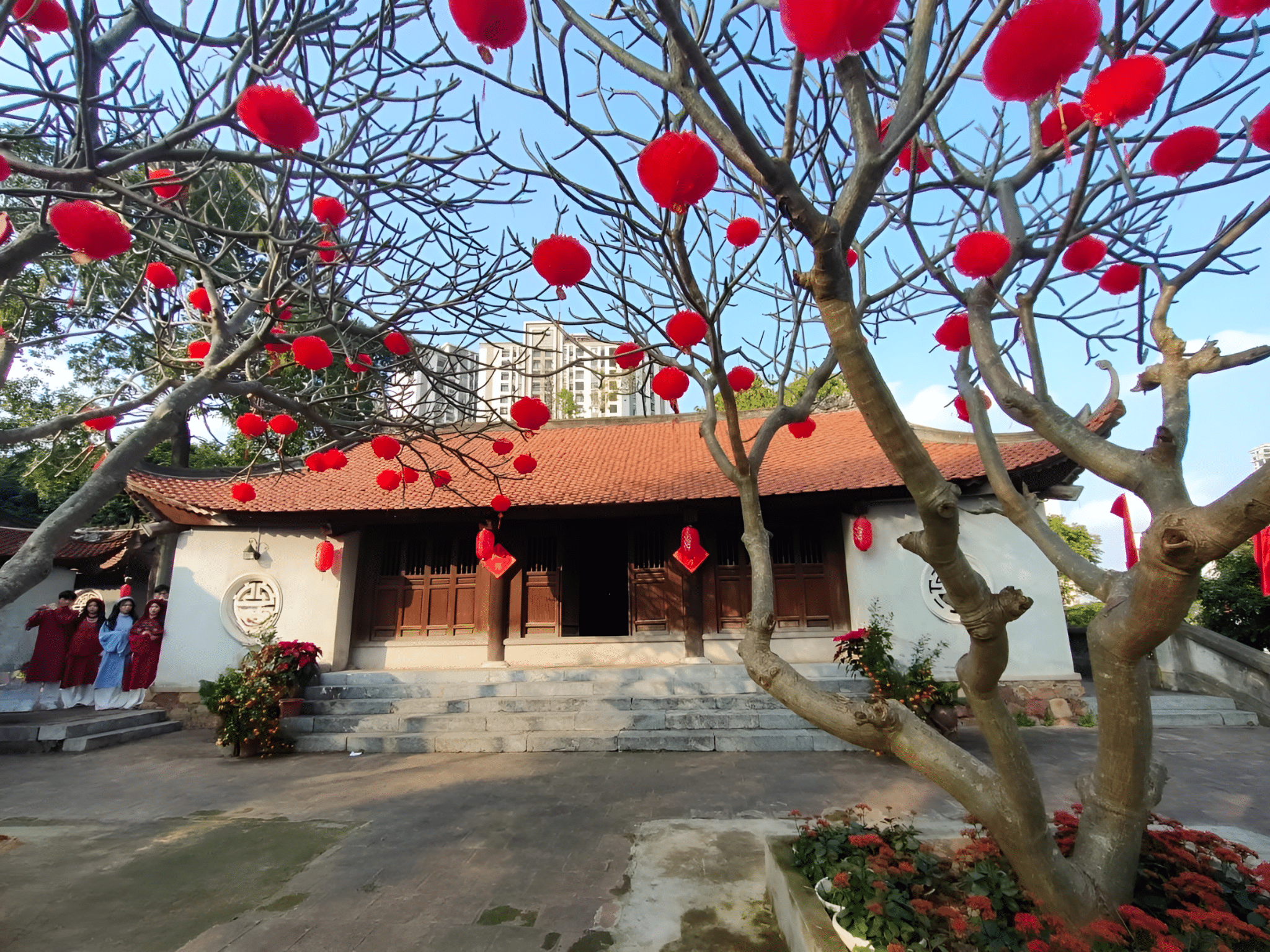
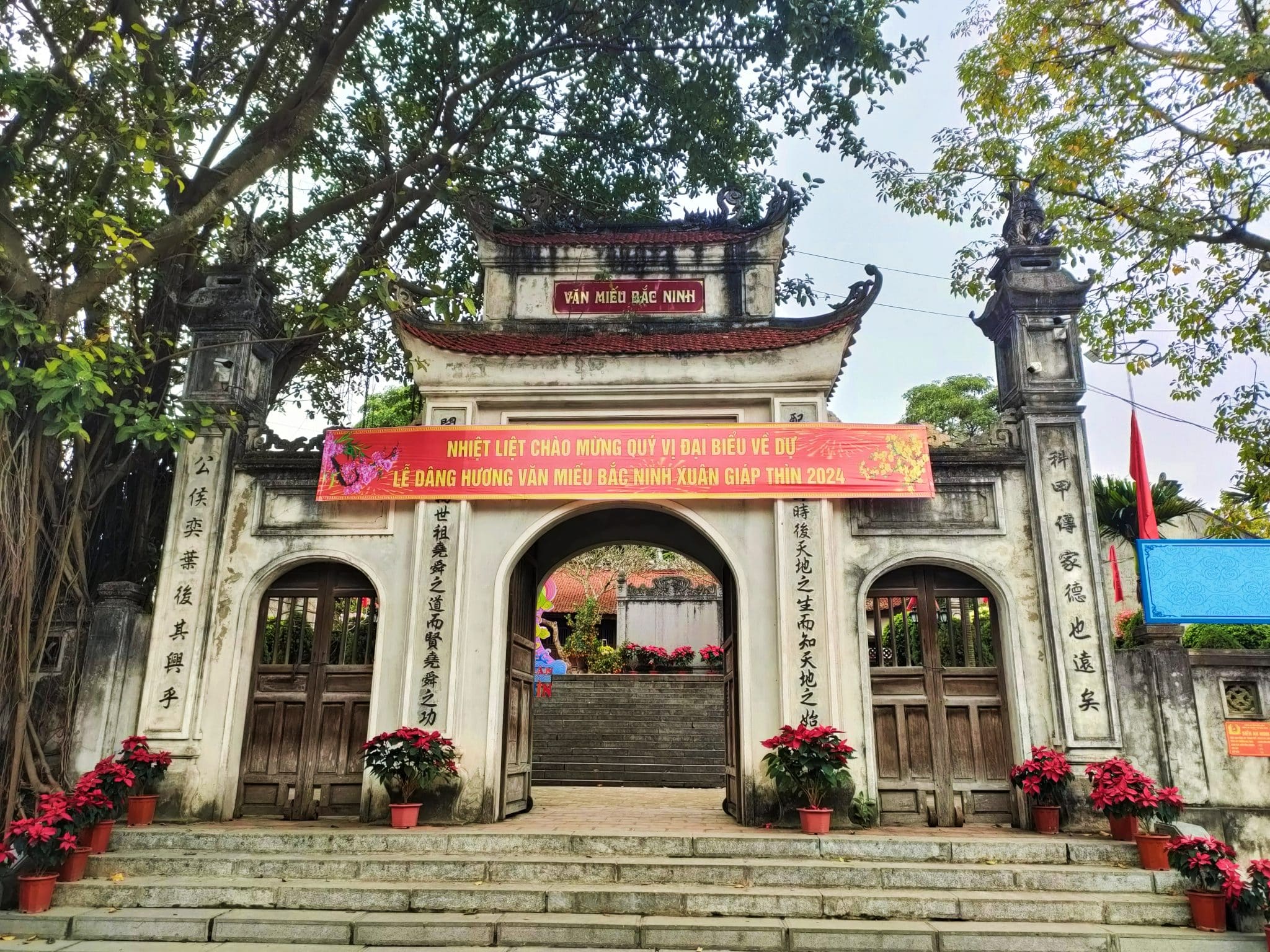
- Layout and Design: The Bắc Ninh Temple of Literature typically features a traditional Vietnamese architectural style characterized by pavilions, courtyards, gates, statues, stone steles, and gardens arranged in harmony with Confucian principles and design aesthetics.
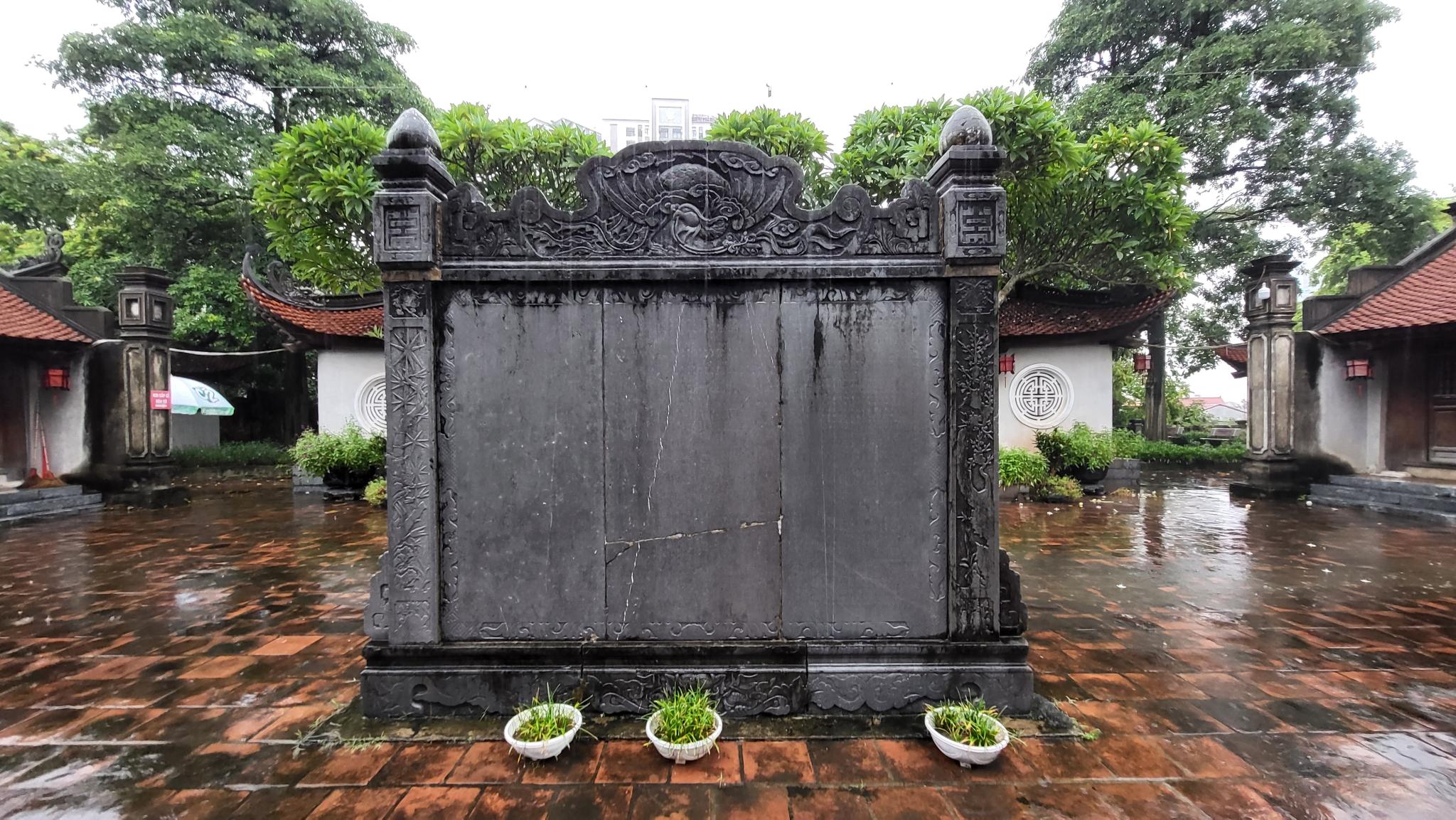
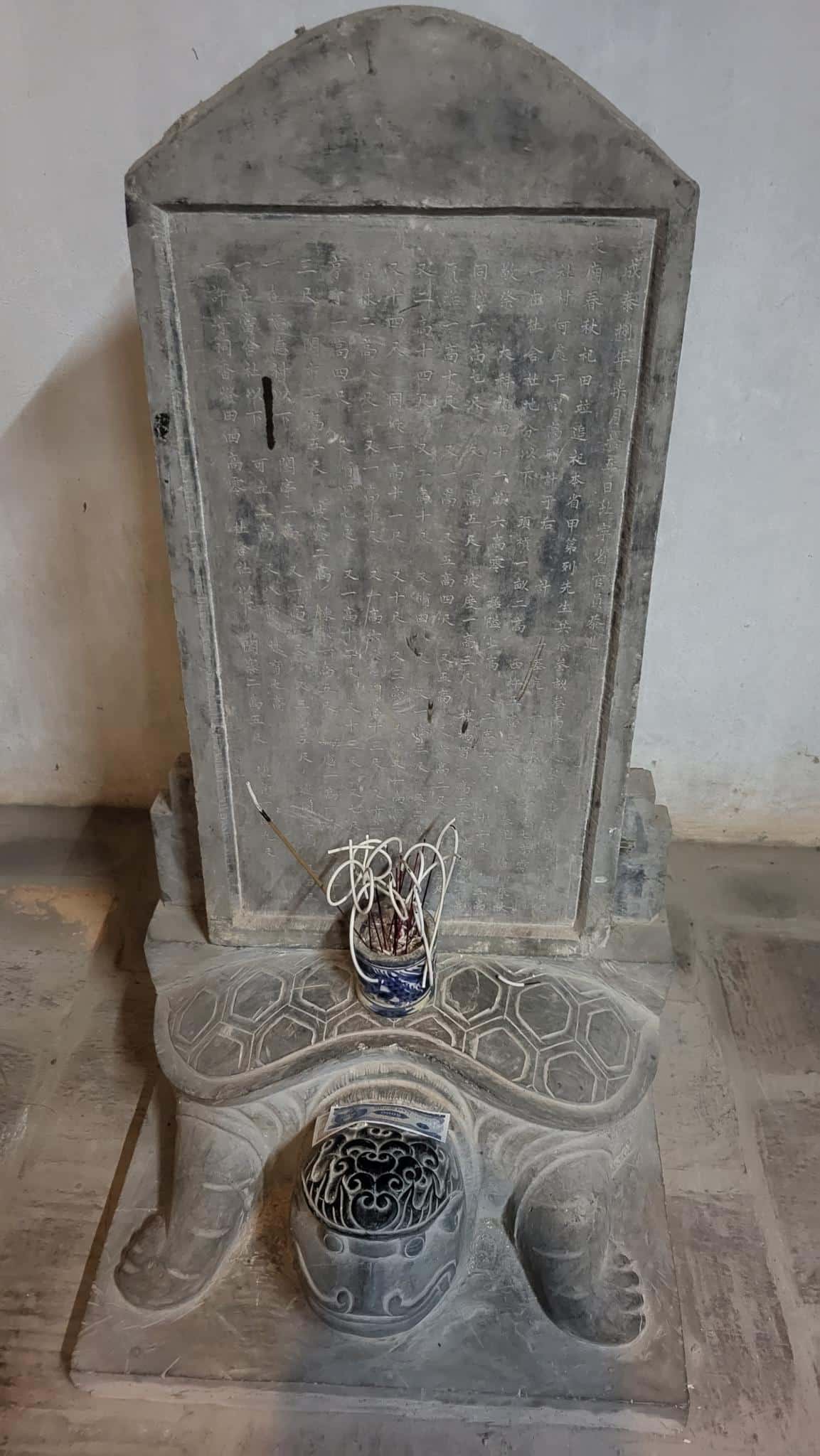
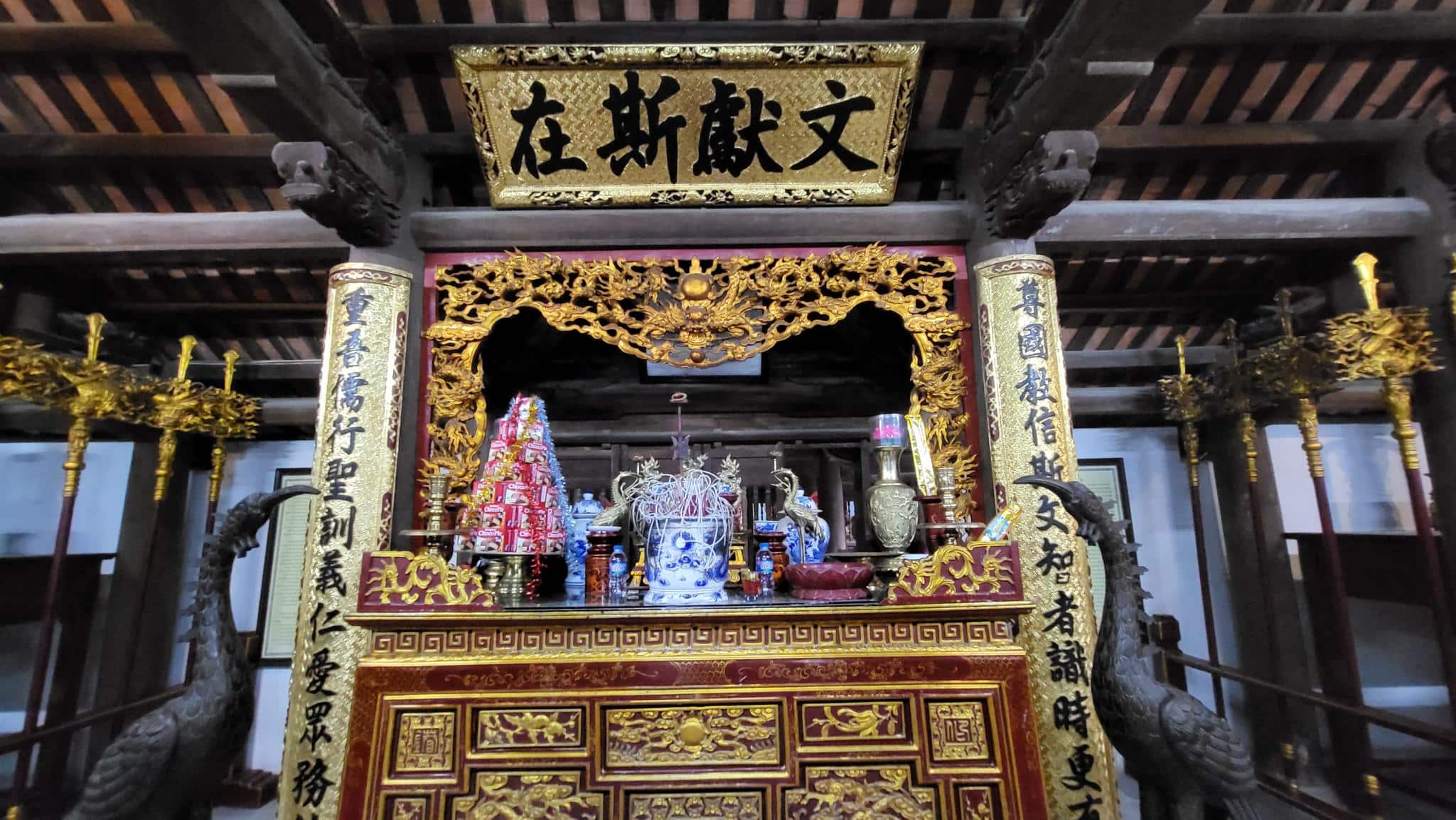
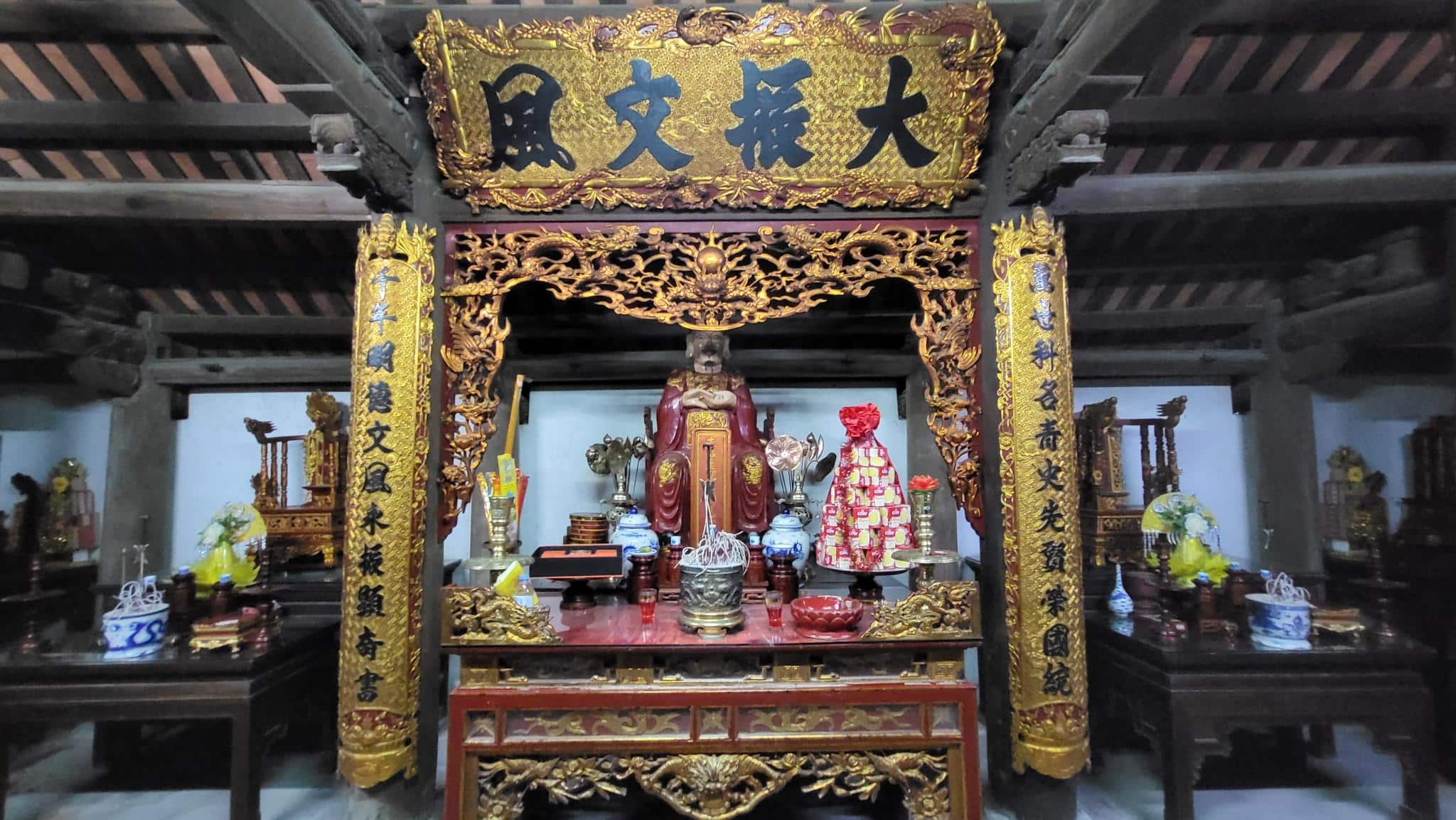
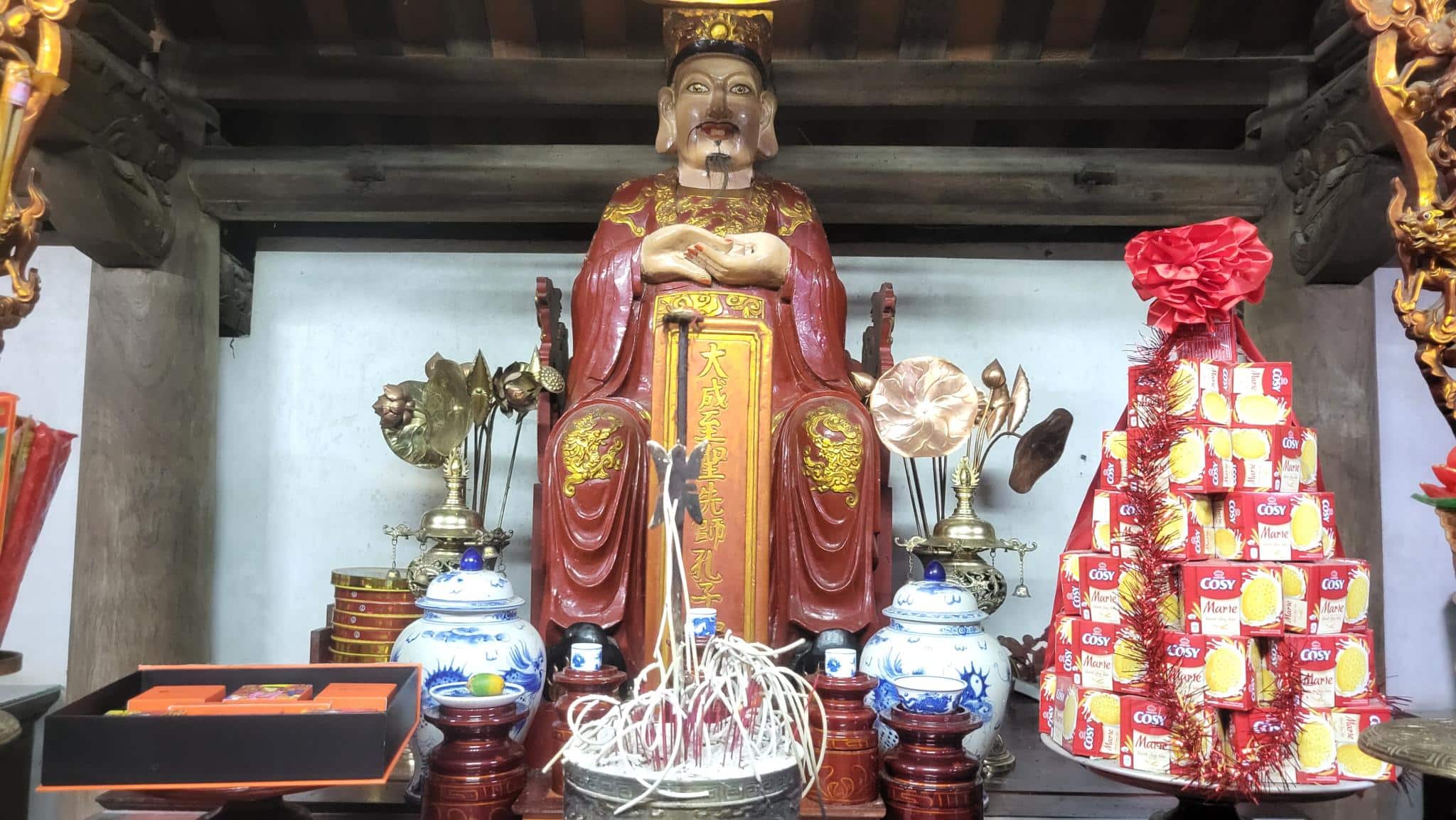
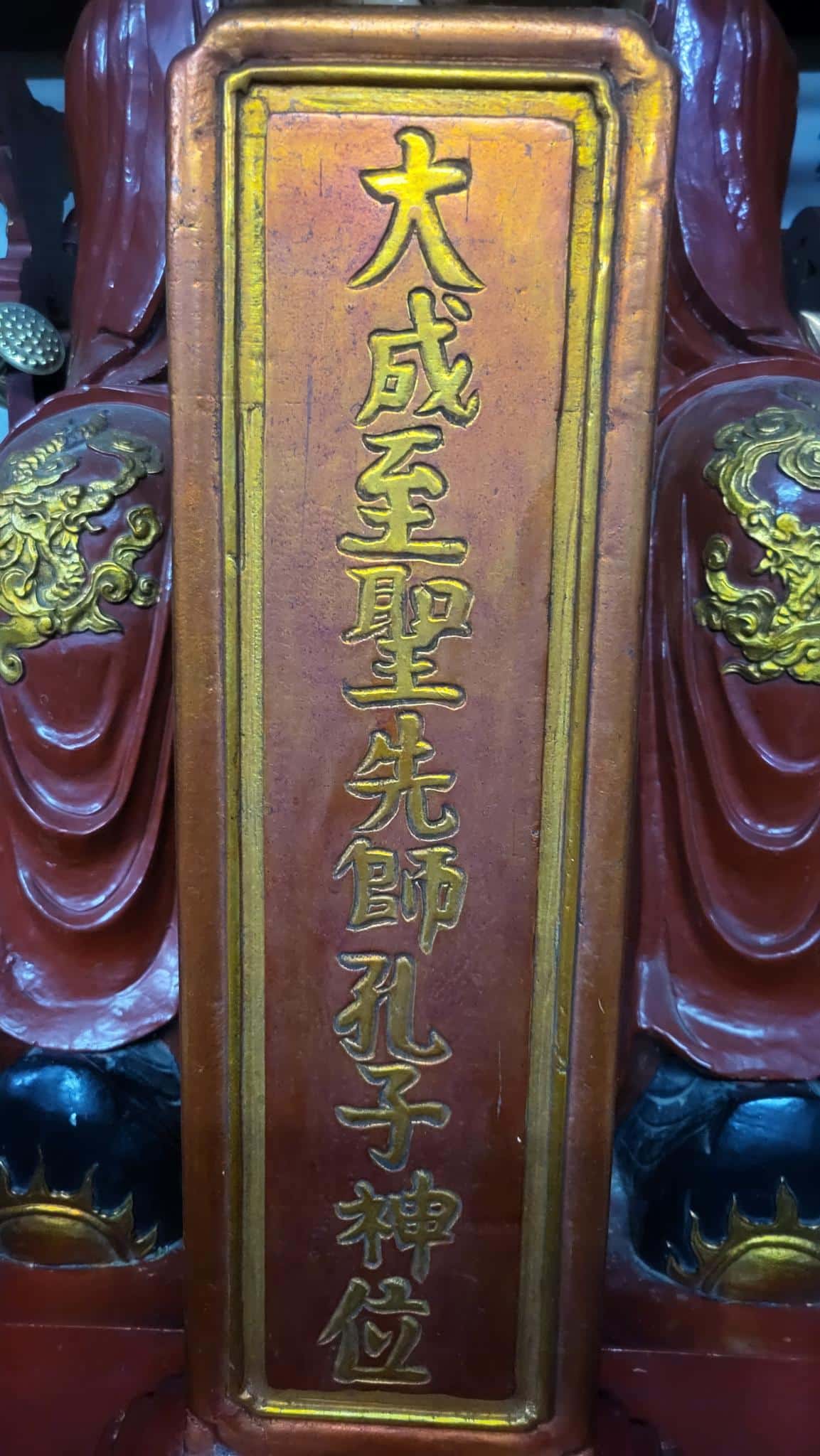
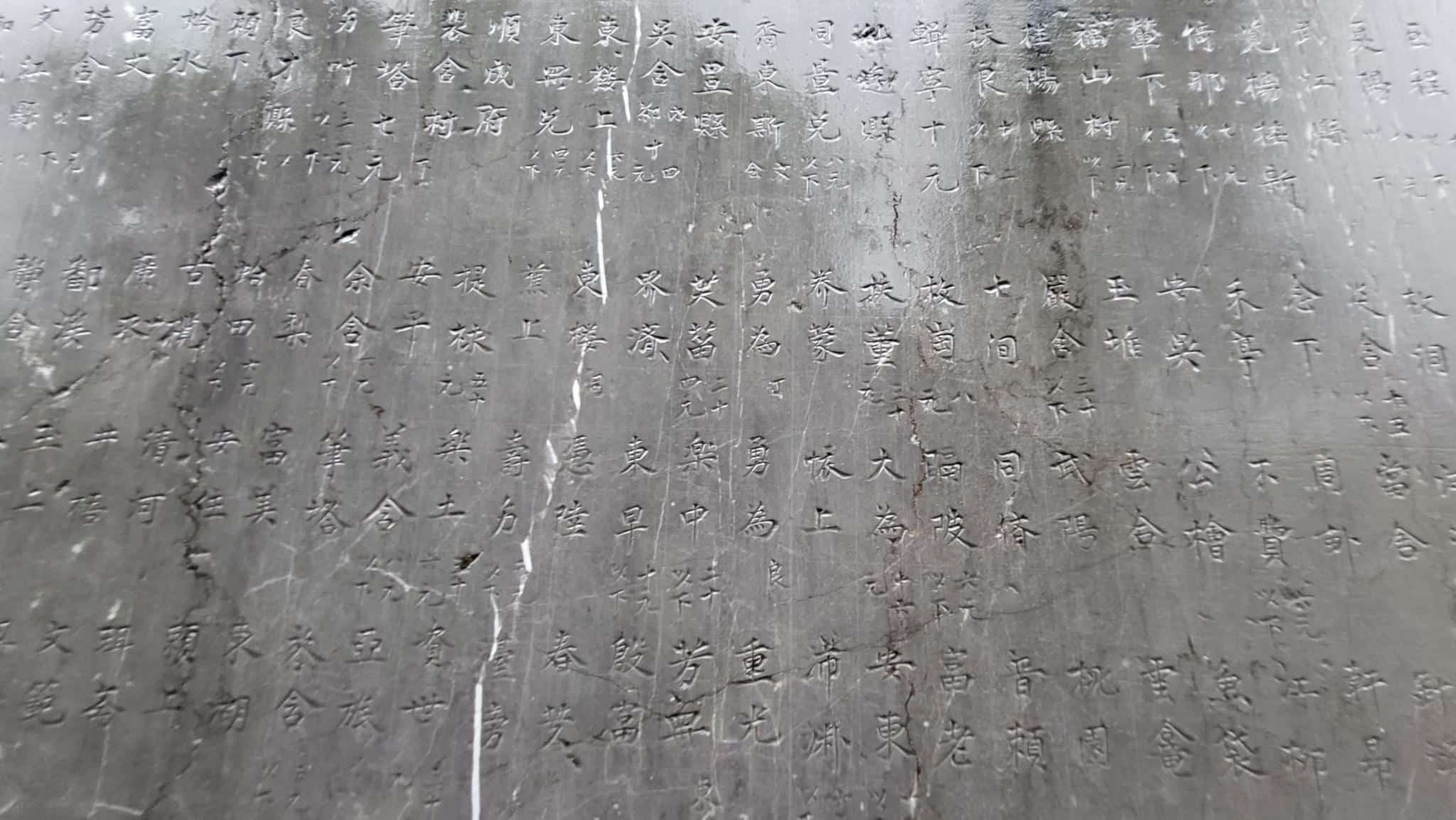
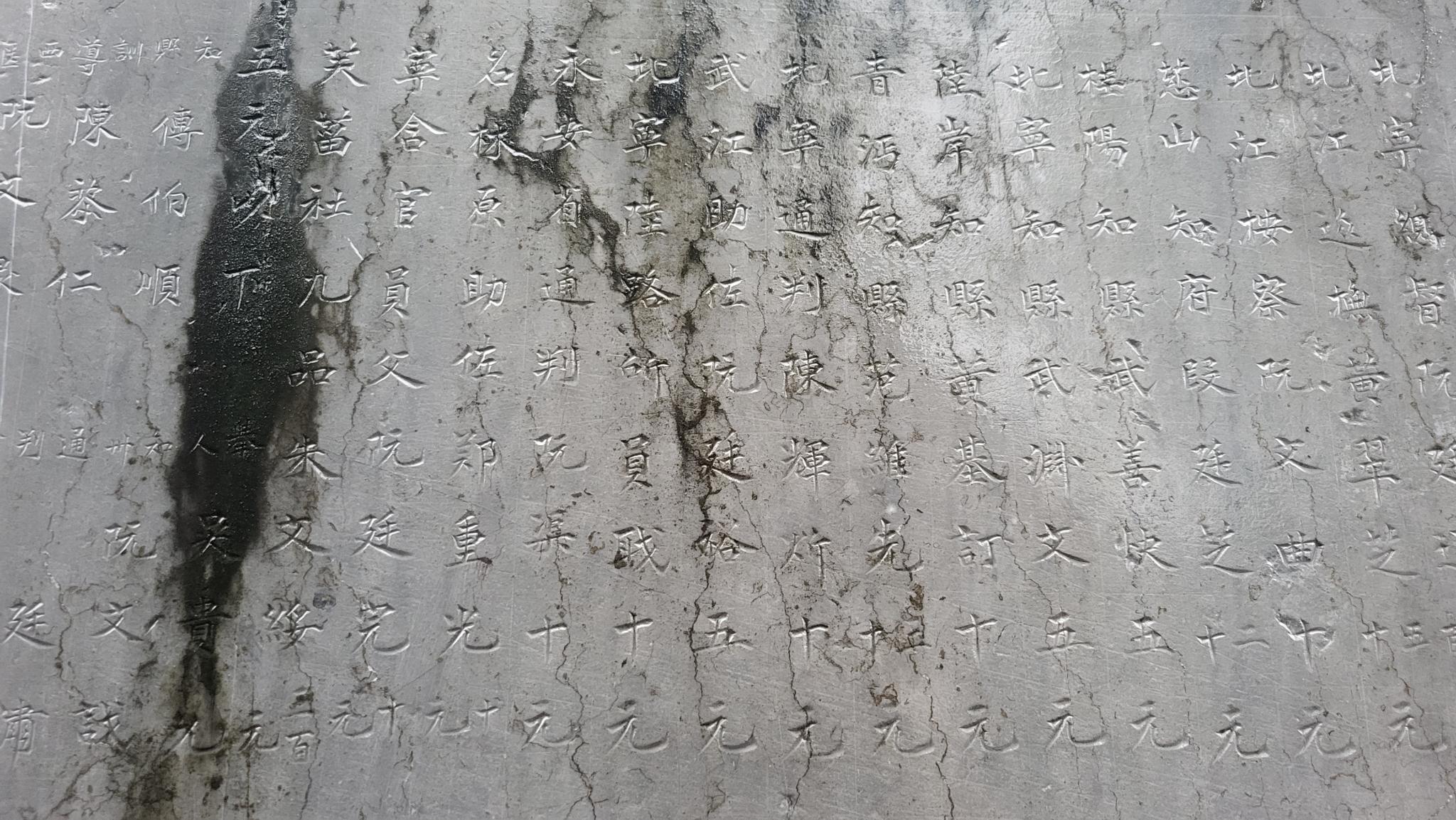
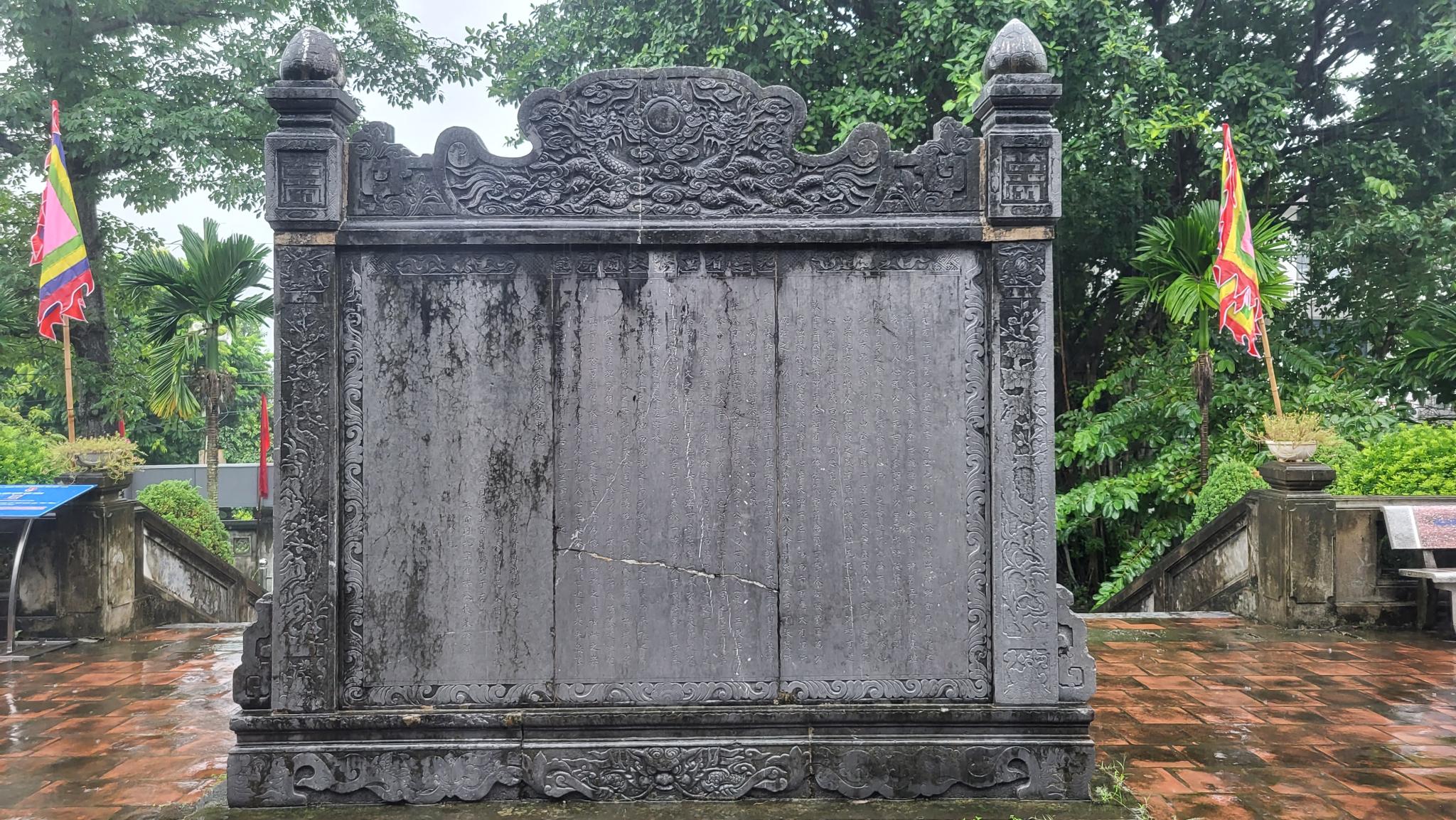
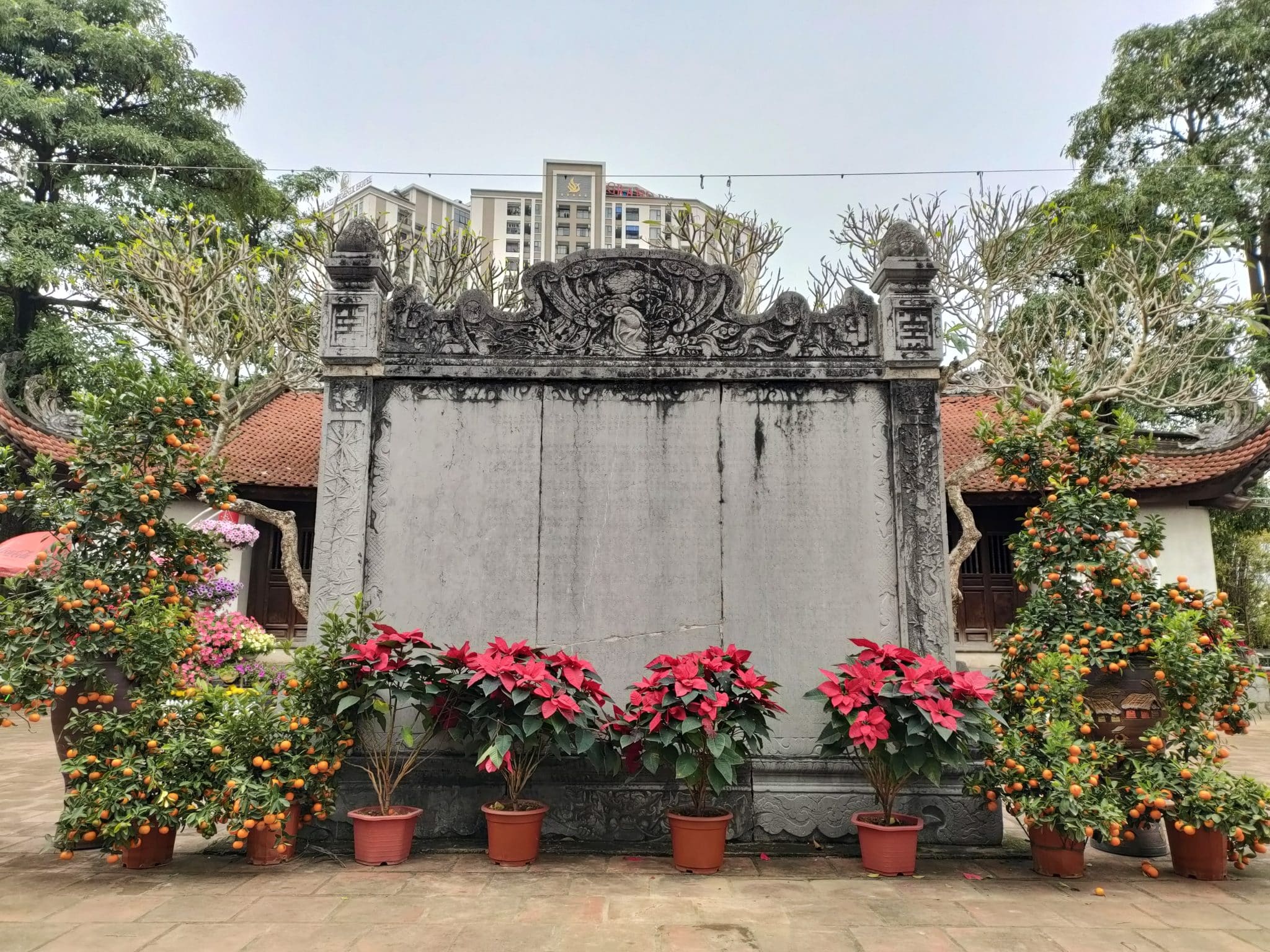
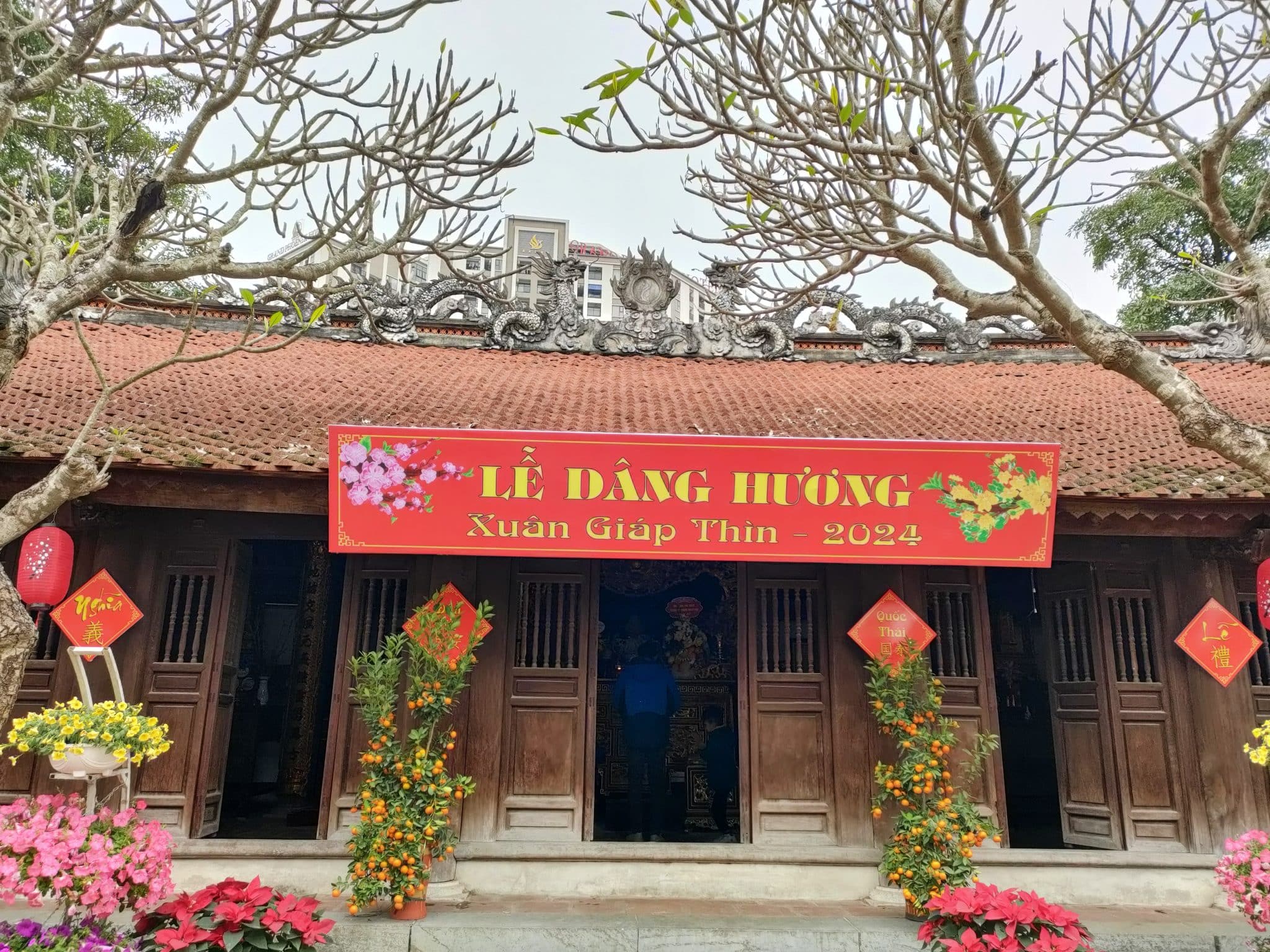
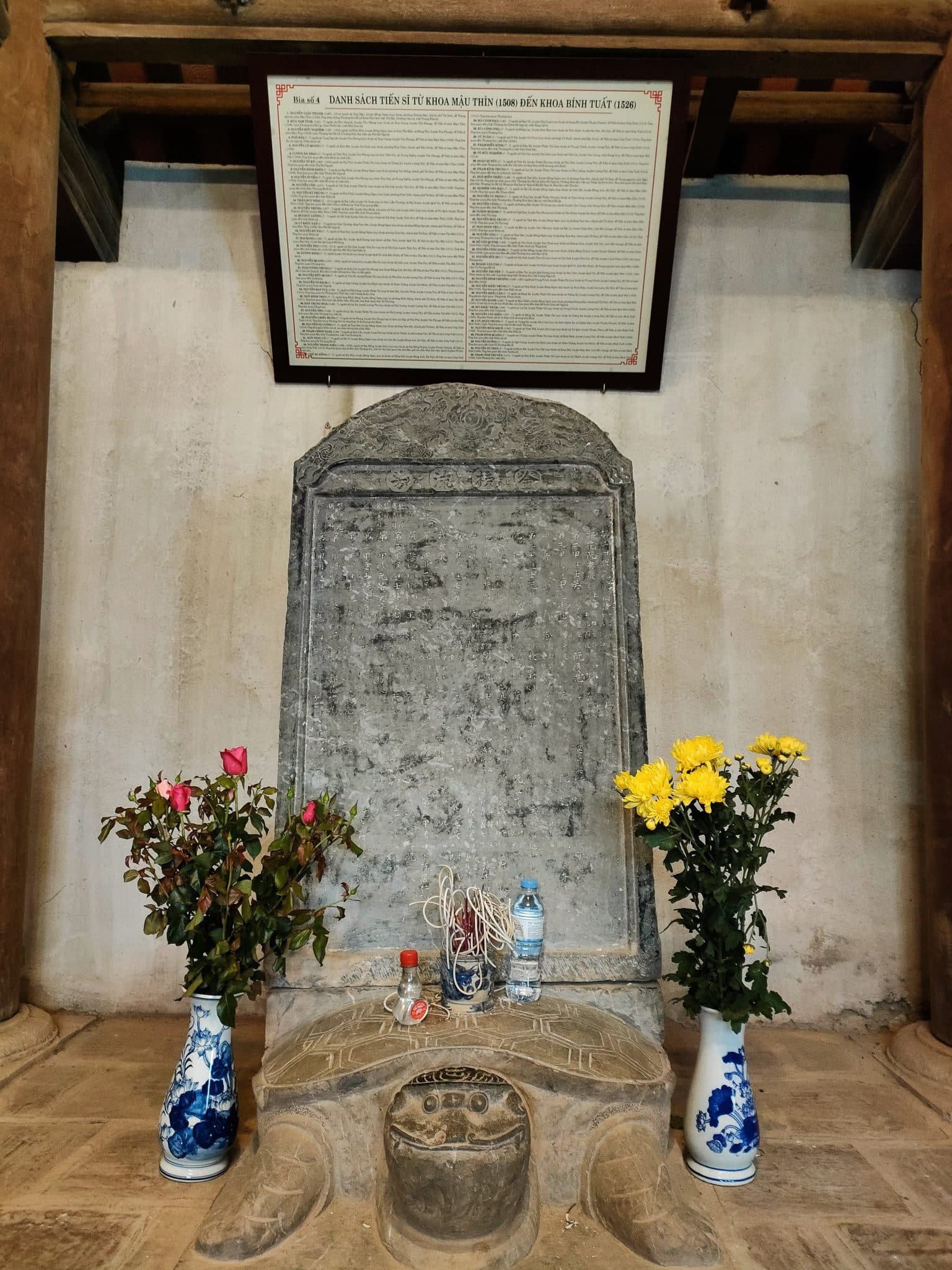
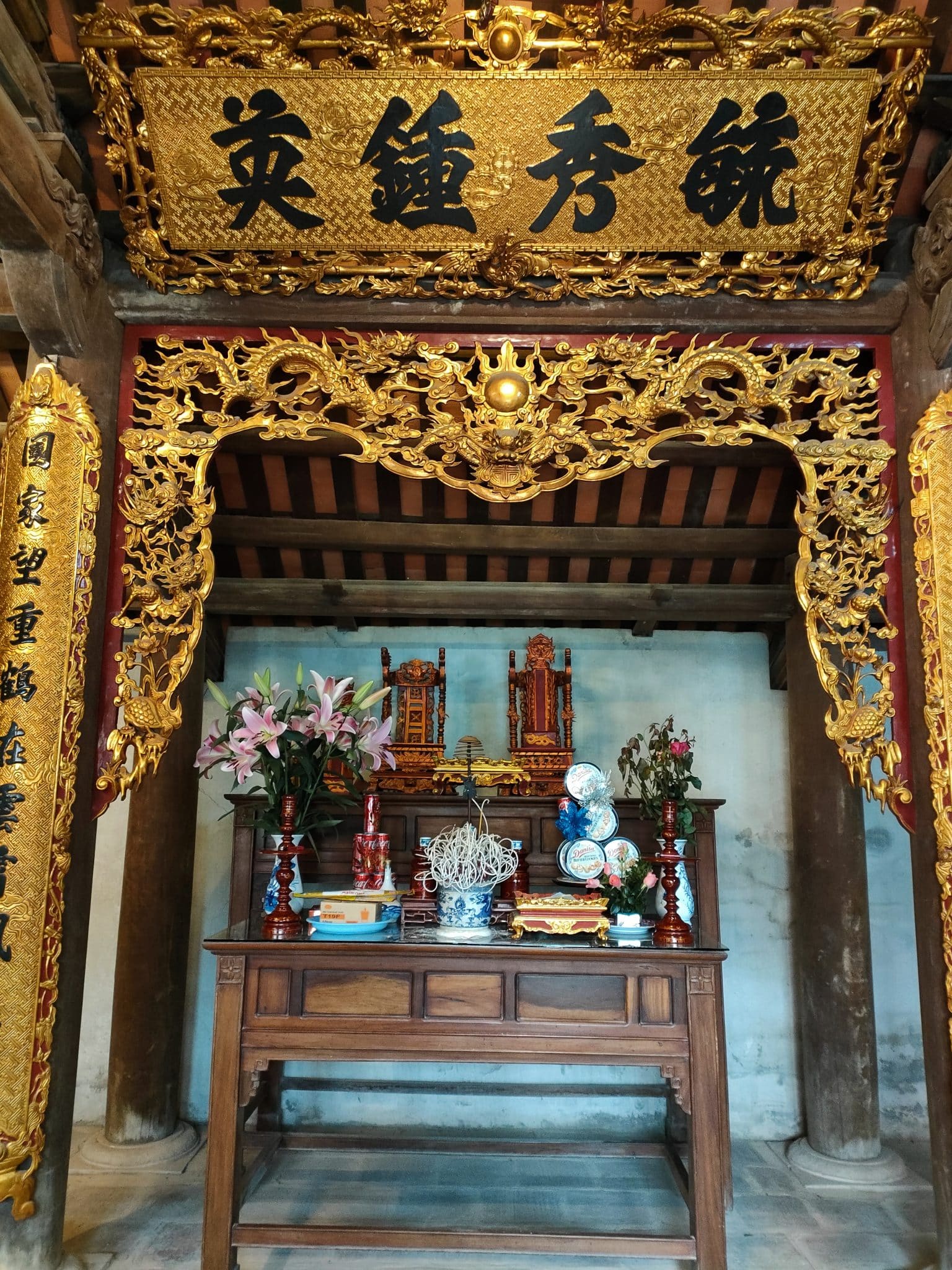
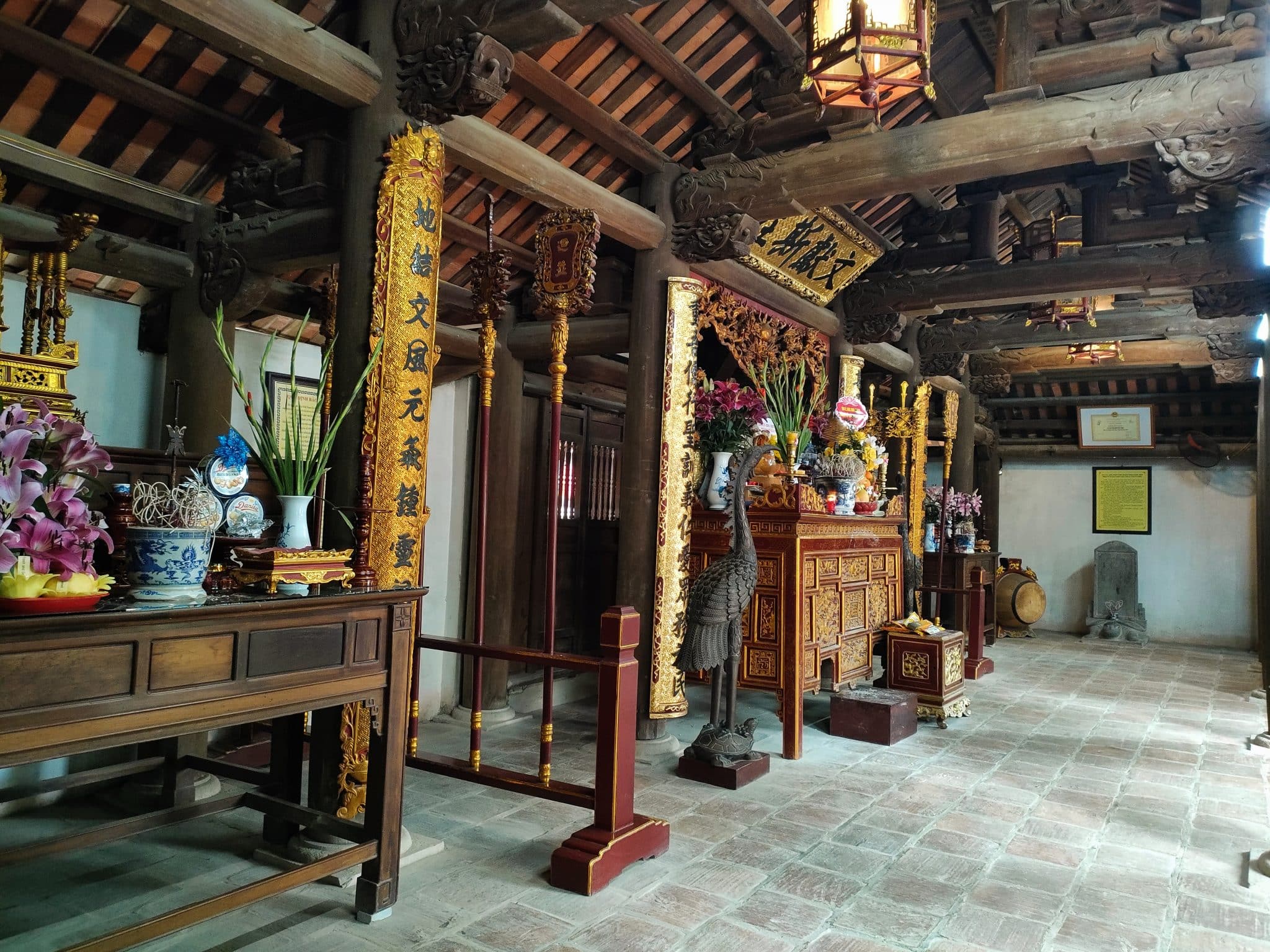
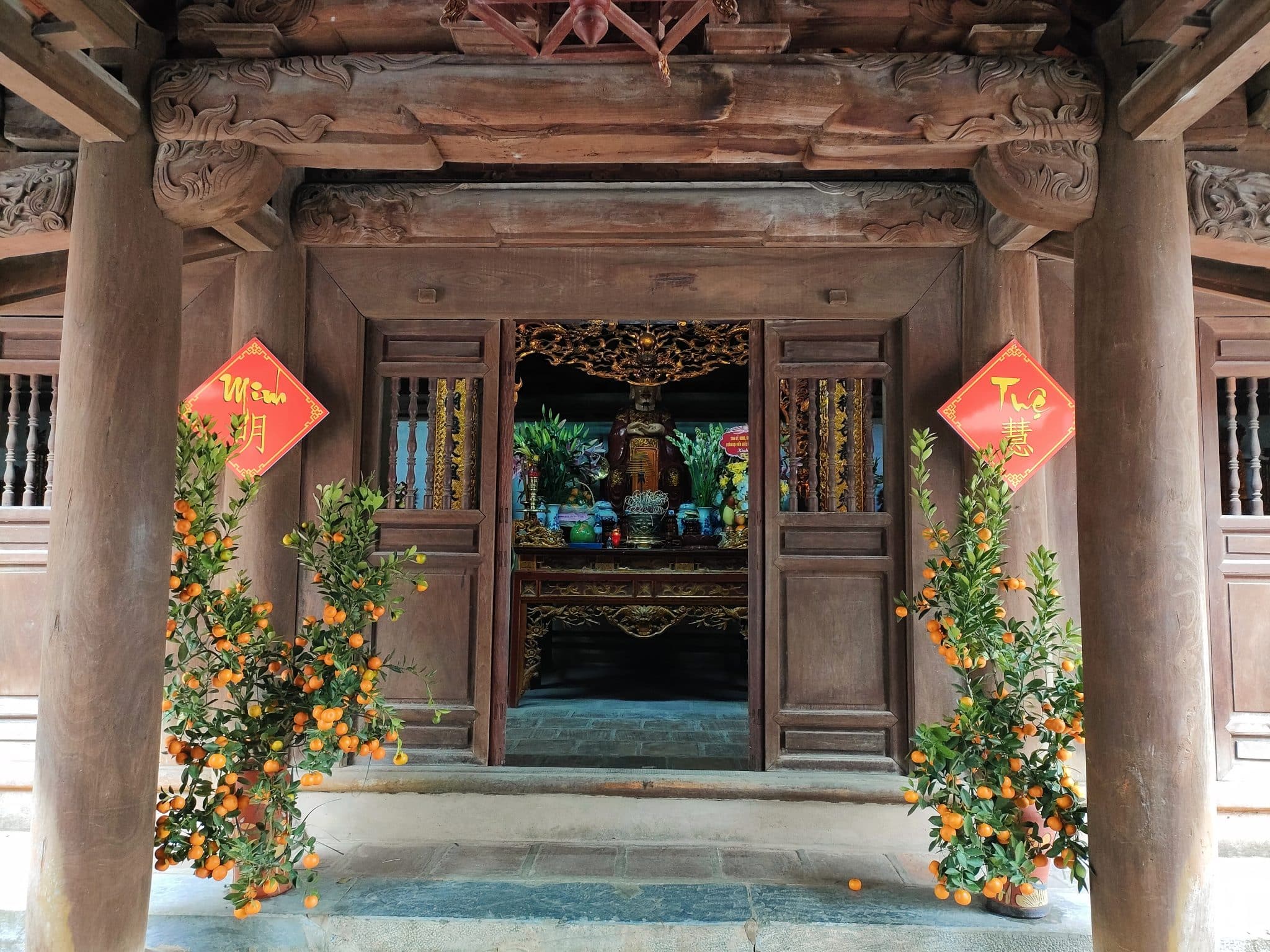
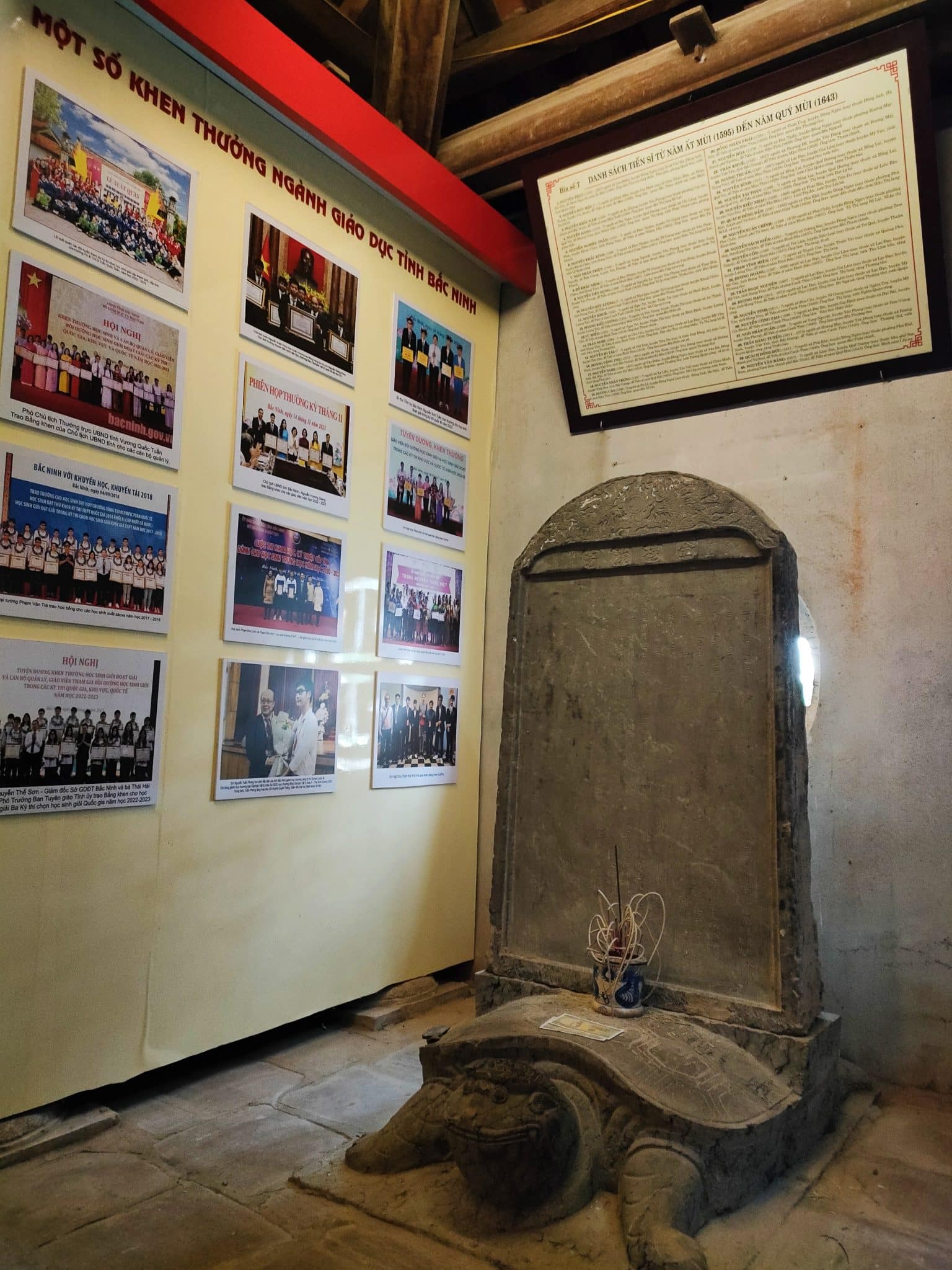
- Structural Elements: The architectural elements within the temple complex may include ceremonial halls, altars, lecture halls, pavilions, stone tablets inscribed with the names of scholars, statues of Confucius and other Confucian sages, and landscaped gardens that symbolize nature’s harmony, balance, and tranquility.
What Can You See If You Visit?
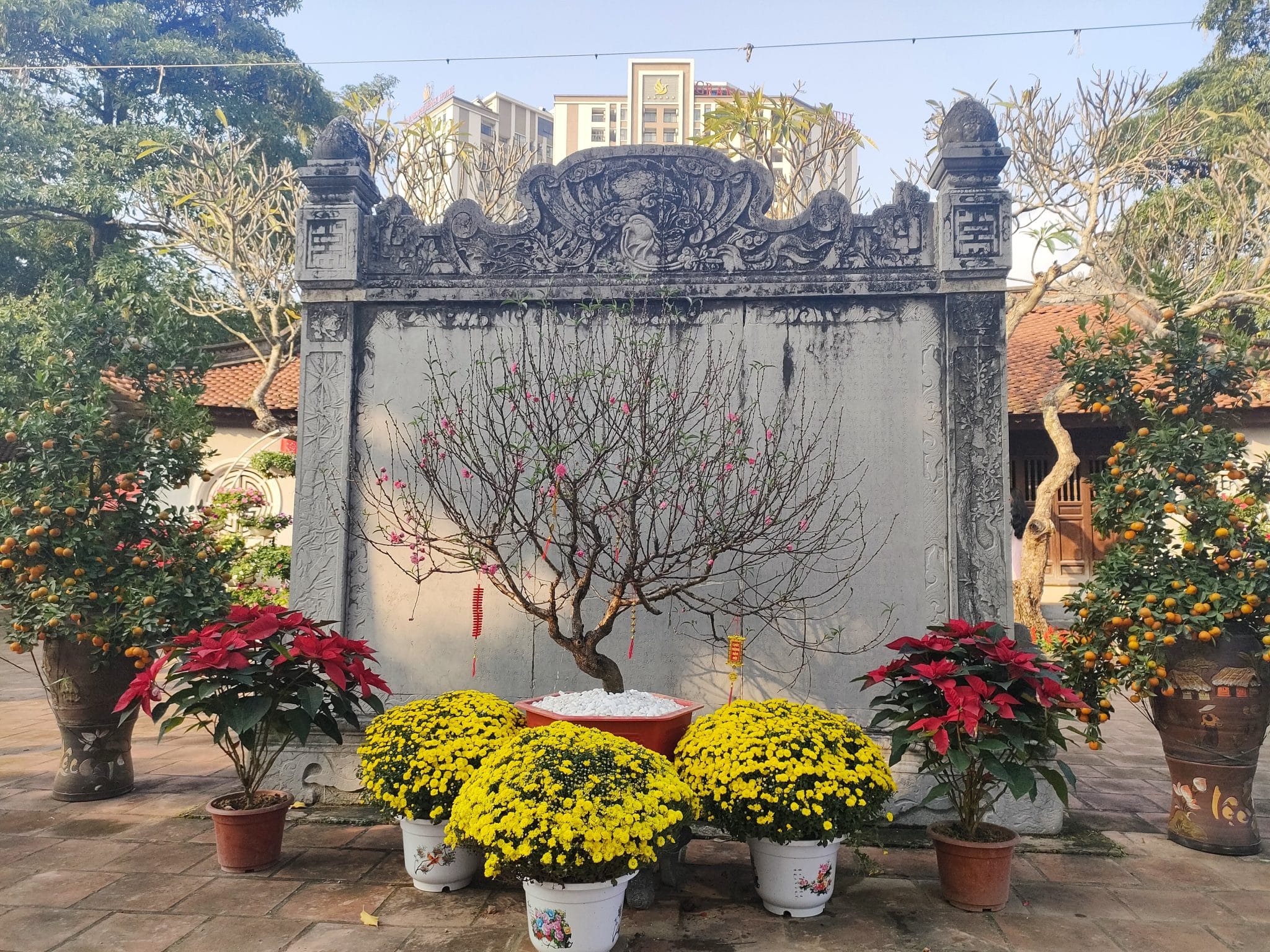
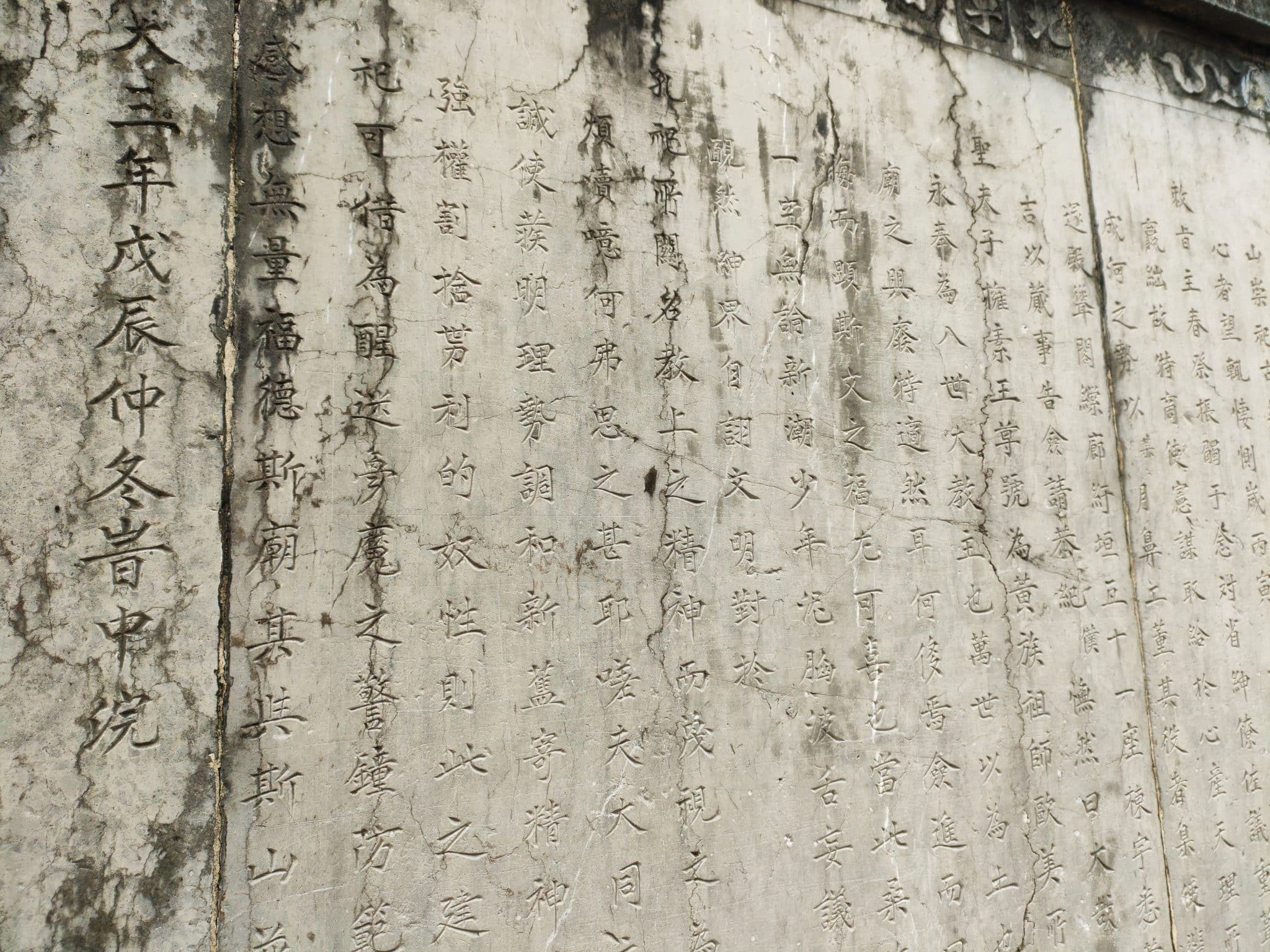
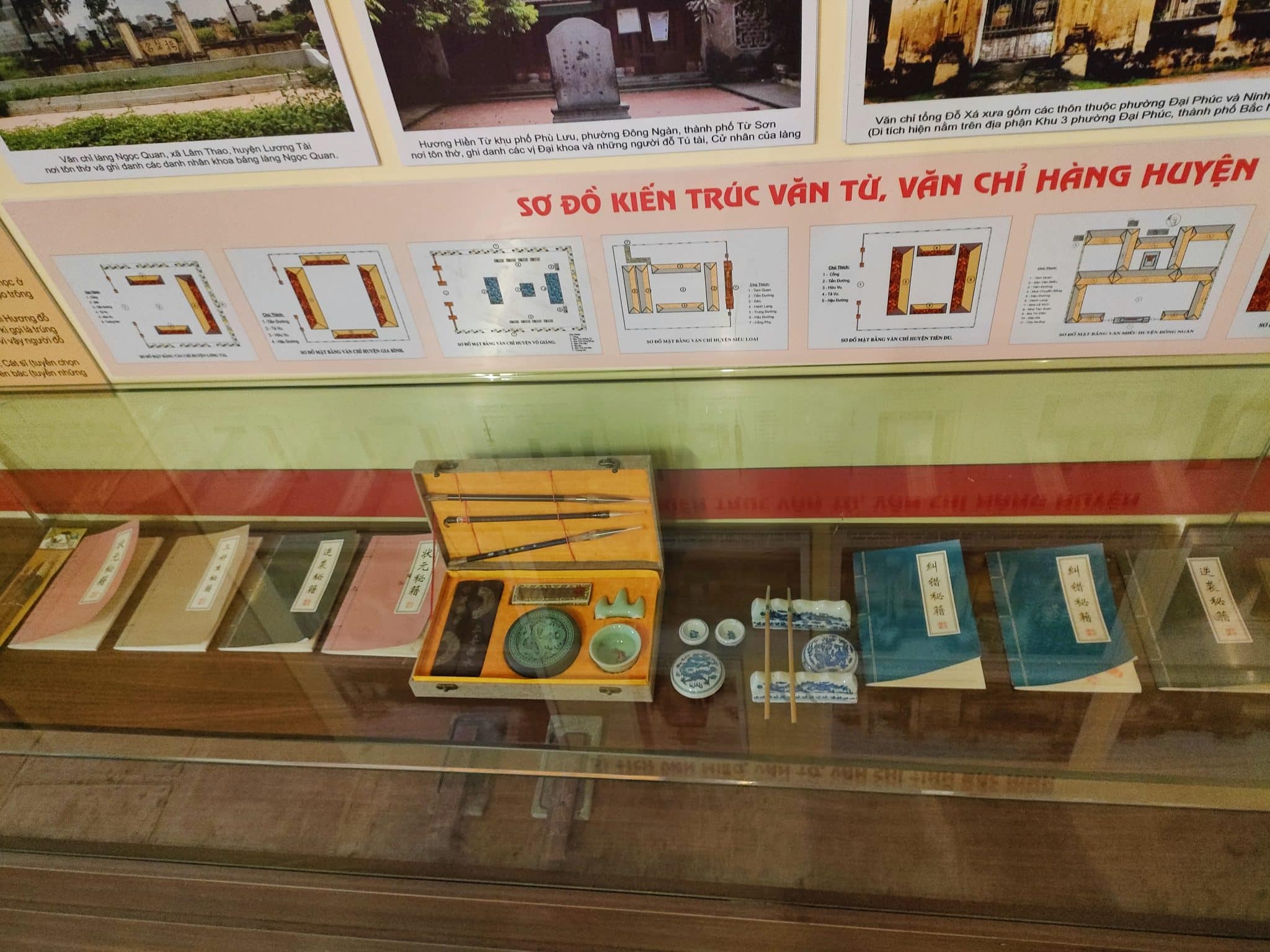
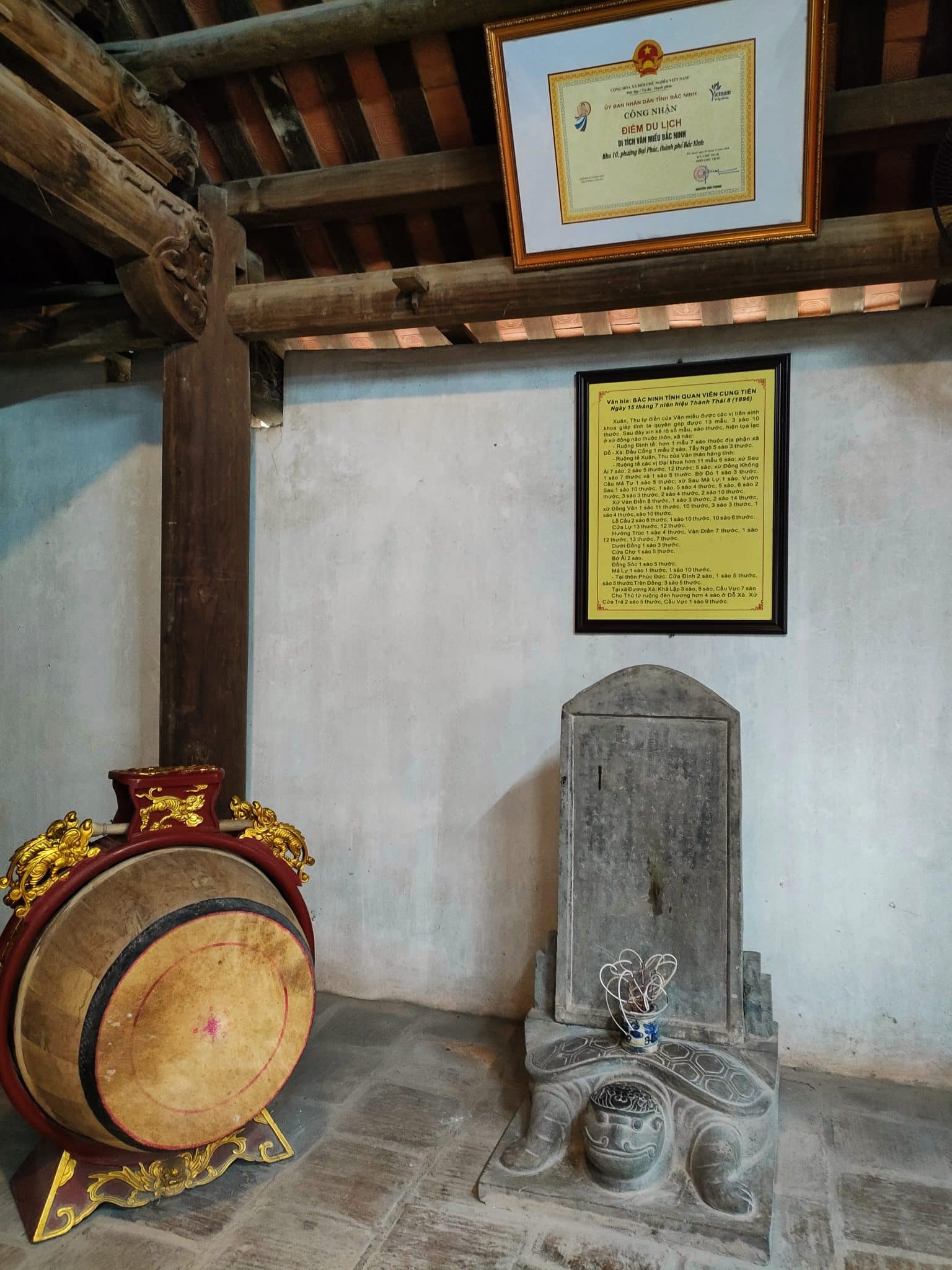
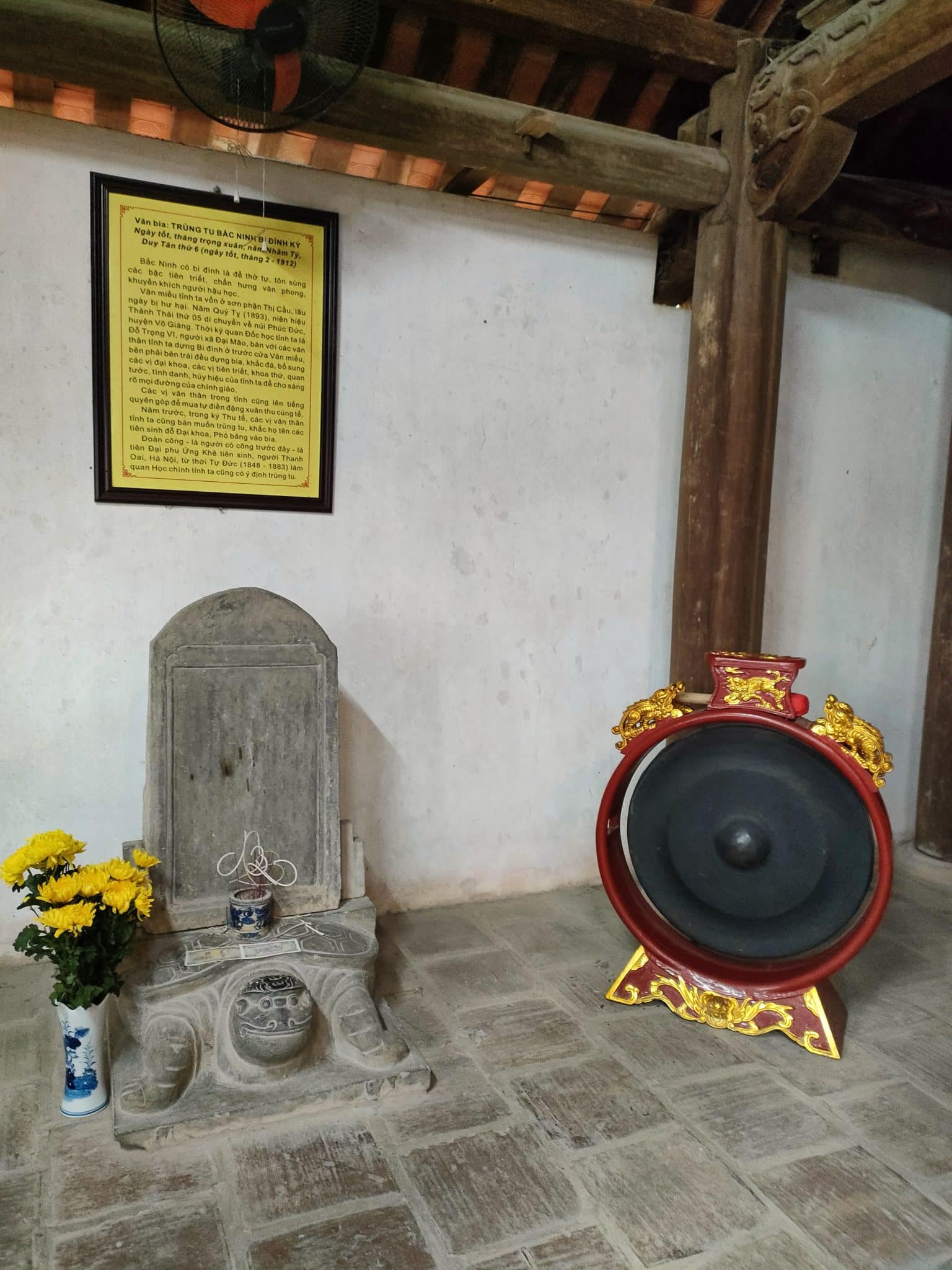
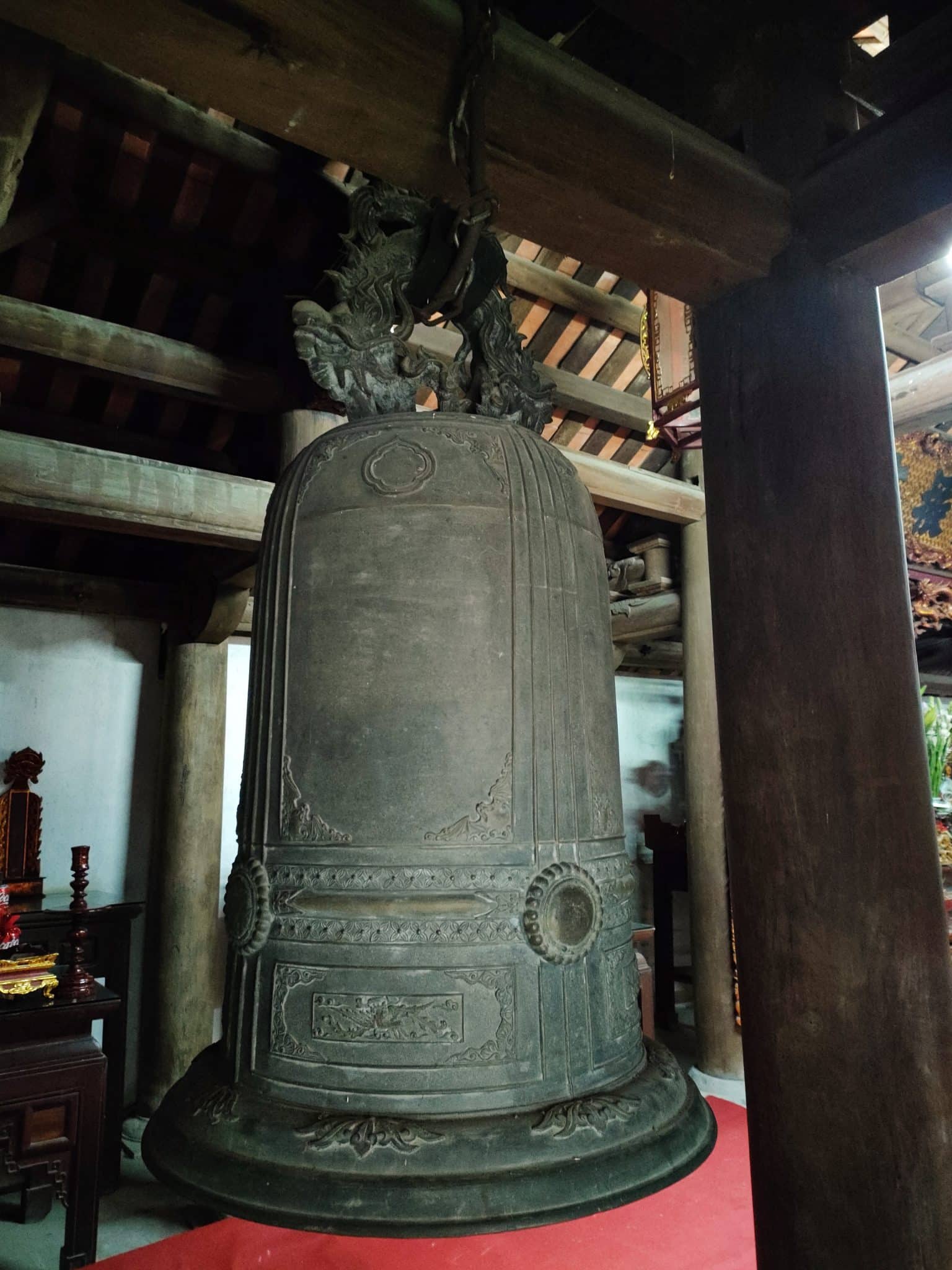
- Historical and Cultural Artifacts: Visitors can explore various historical and cultural artifacts, including stone steles, inscriptions, statues, and relics that reflect the temple’s significance as a center of learning, scholarship, and cultural heritage.
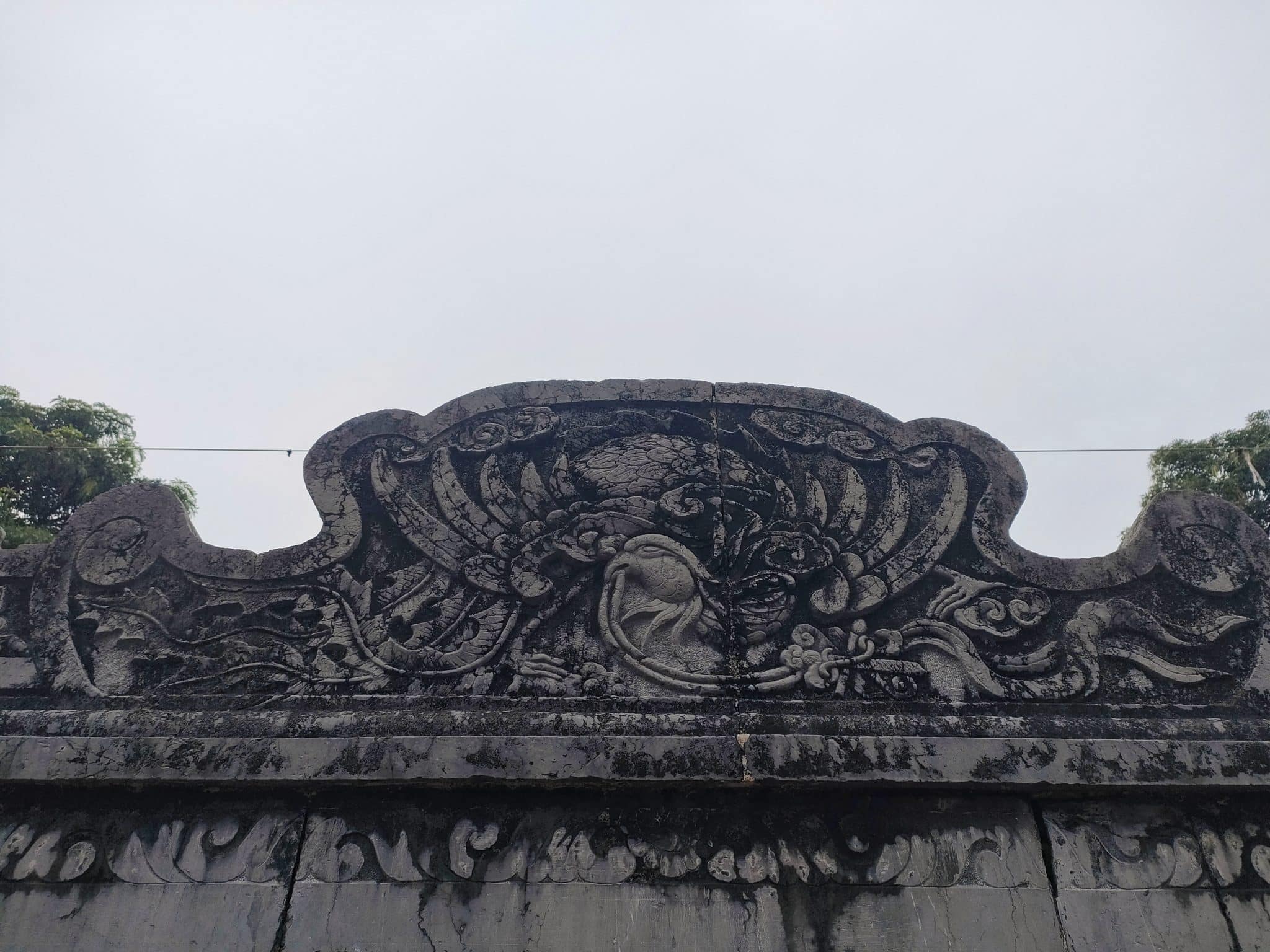
- Architectural Beauty: The architectural beauty of the temple complex offers visitors an opportunity to appreciate traditional Vietnamese design, craftsmanship, and symbolism reflected in the layout, structures, decorations, and landscaping within the temple grounds.
- Ceremonial and Cultural Activities: Depending on the time of visit, visitors may have the opportunity to witness or participate in ceremonial rituals, cultural activities, festivals, or events held at the temple that celebrate Confucian traditions, academic achievements, and cultural heritage.
Photos of Temple of Literature, Bac Ninh (2024)
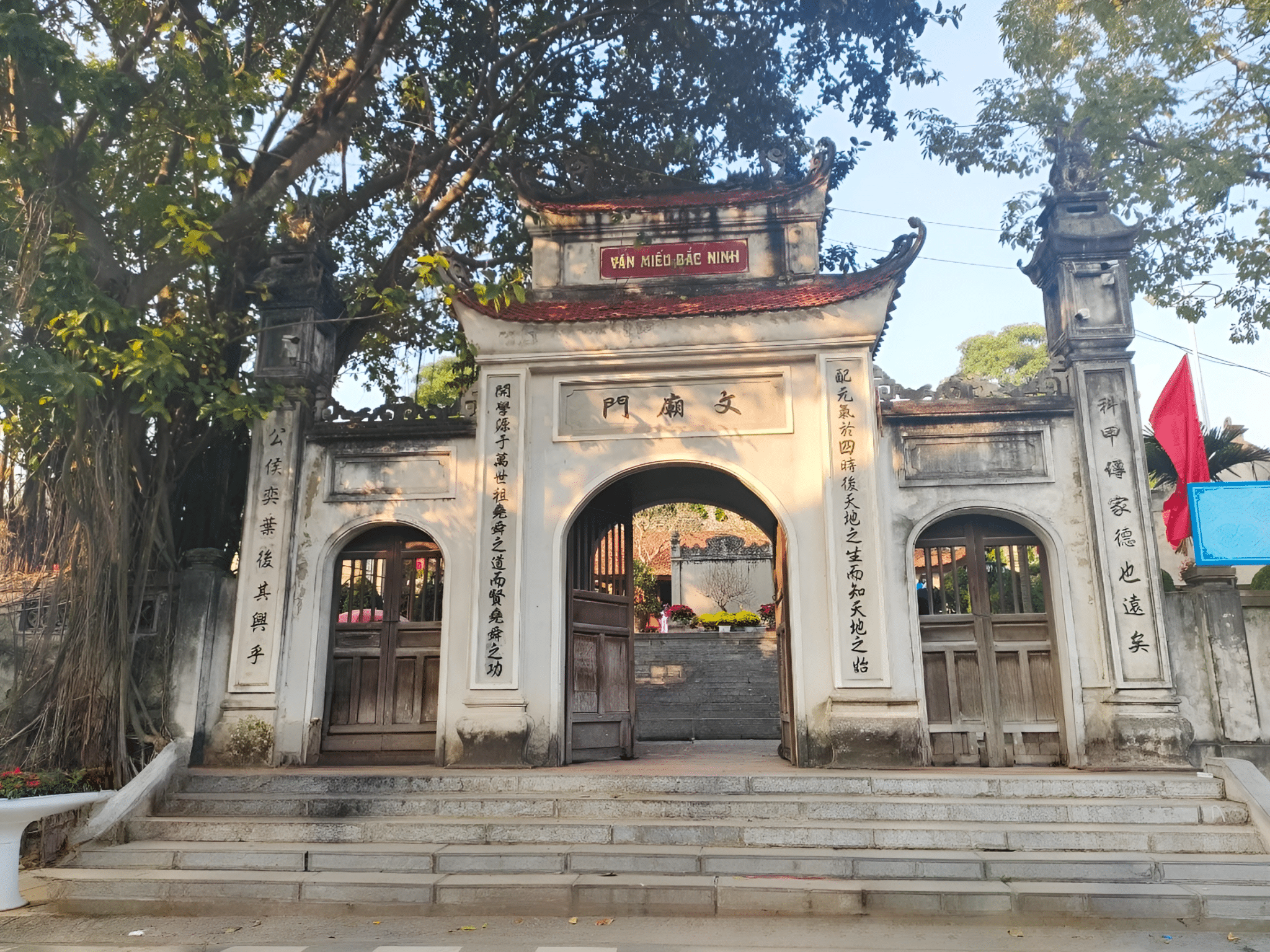
Photos of Temple of Literature, Bac Ninh (2023)