Thap Doi Twin Cham Towers – Quy Nhon
Listing has verified and belong the business owner or manager.
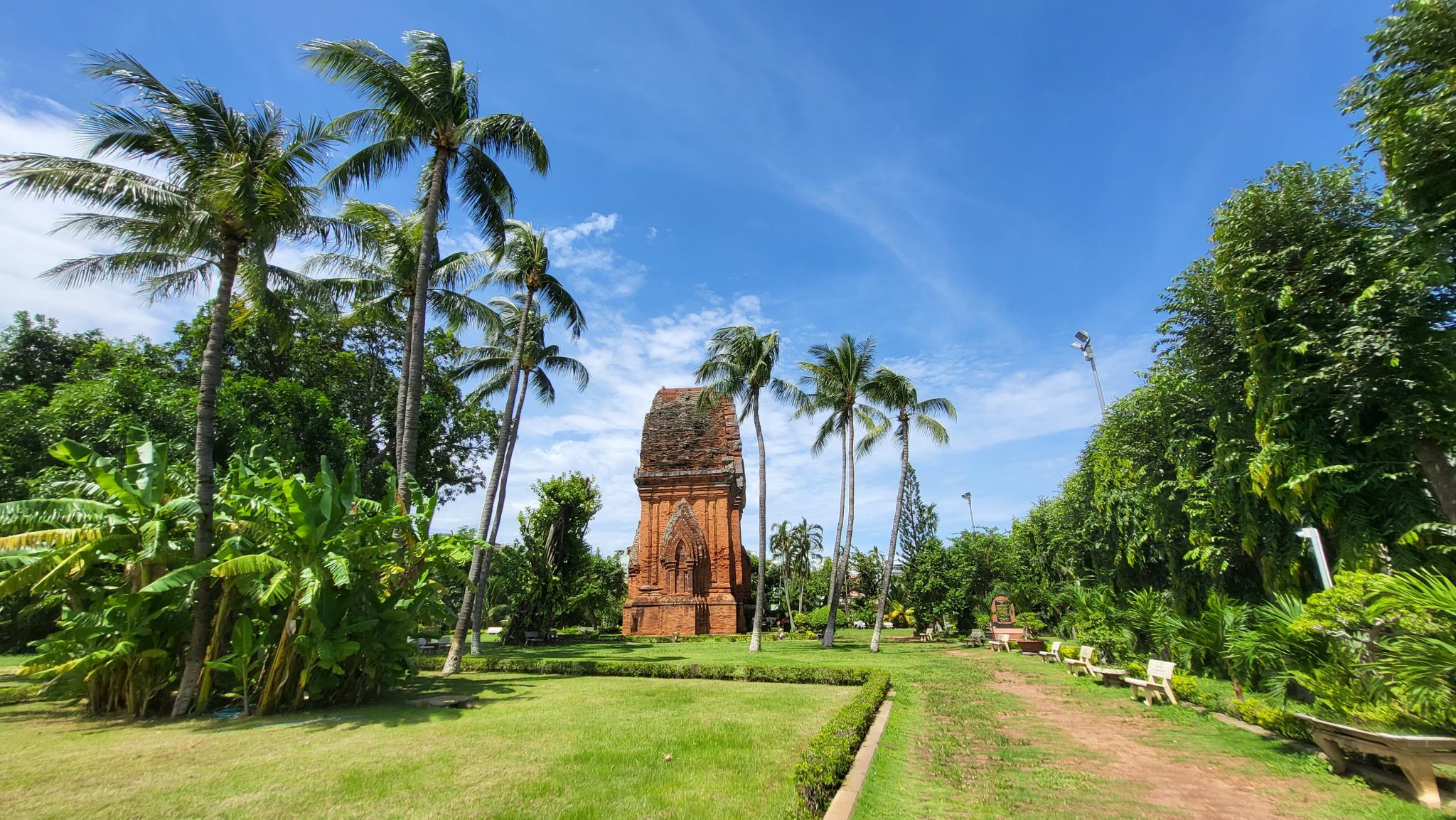
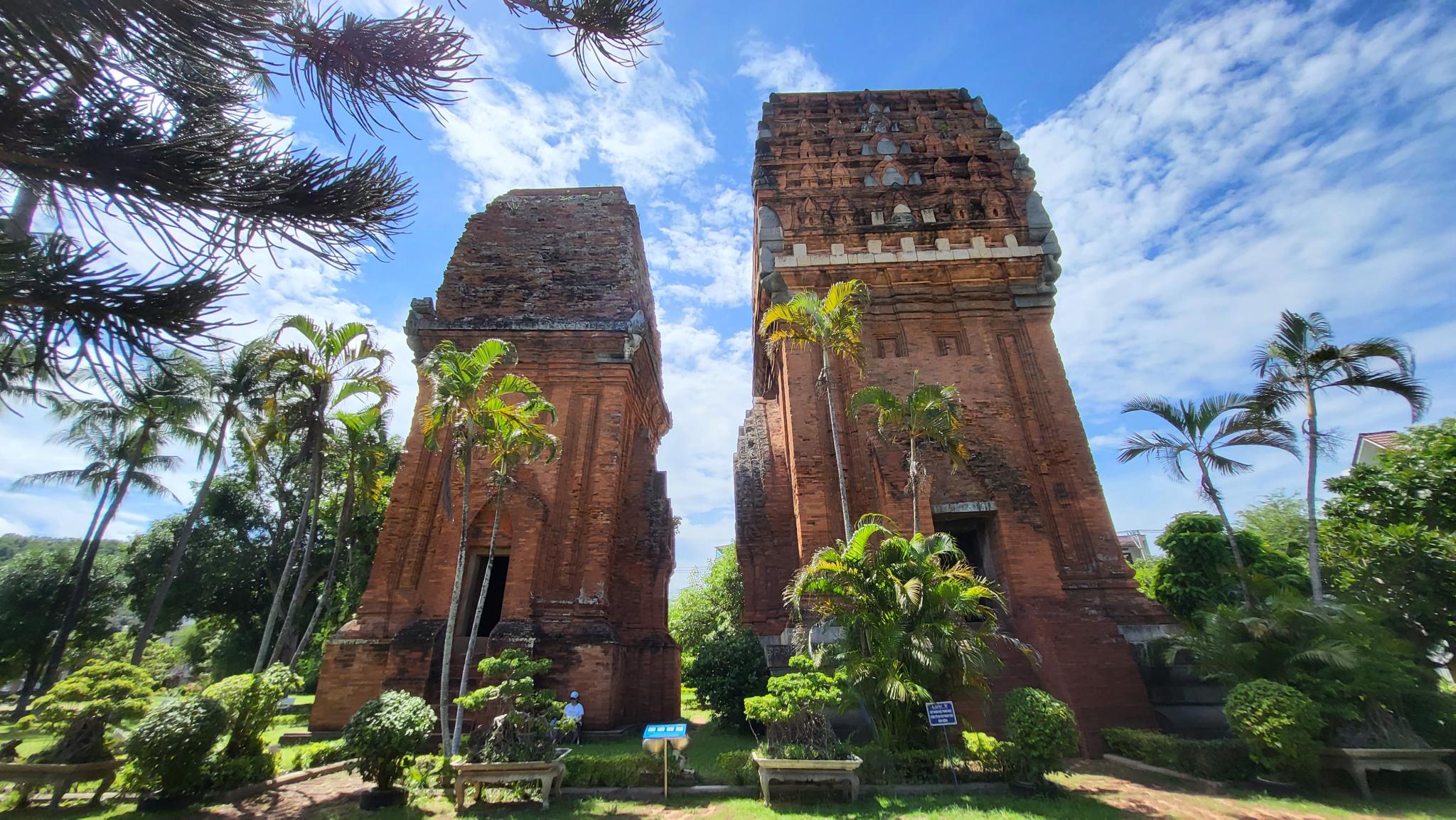
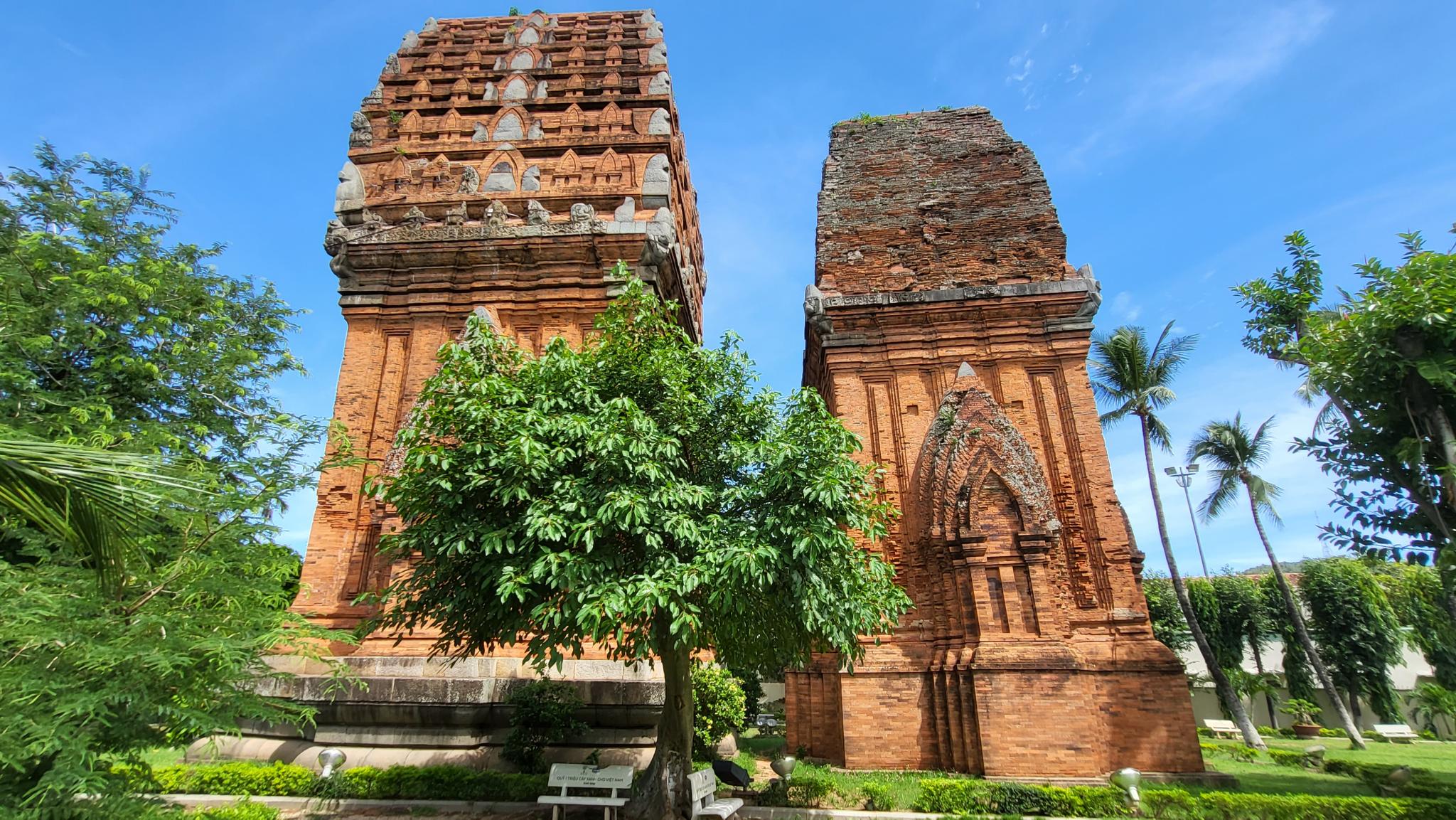
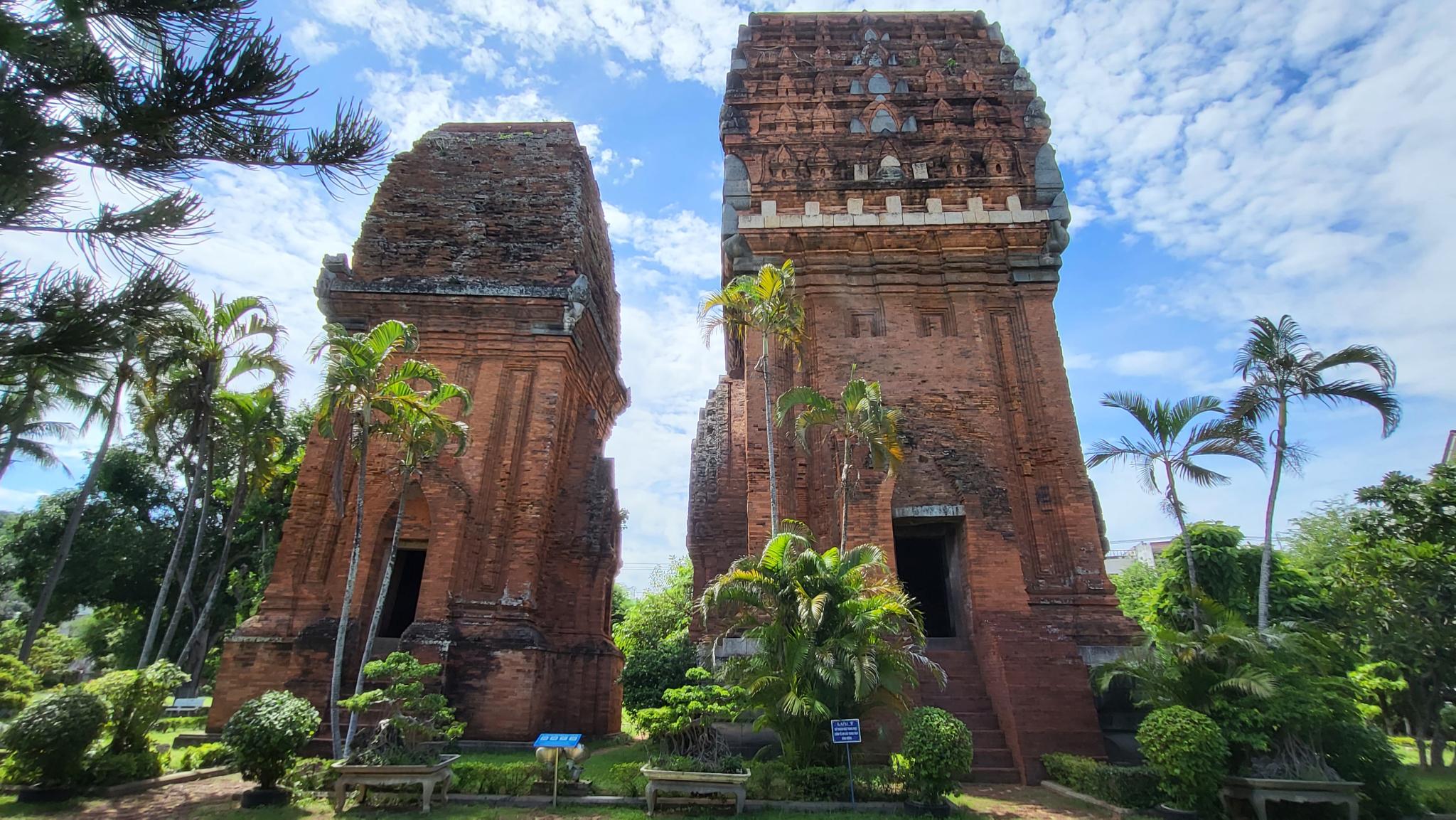
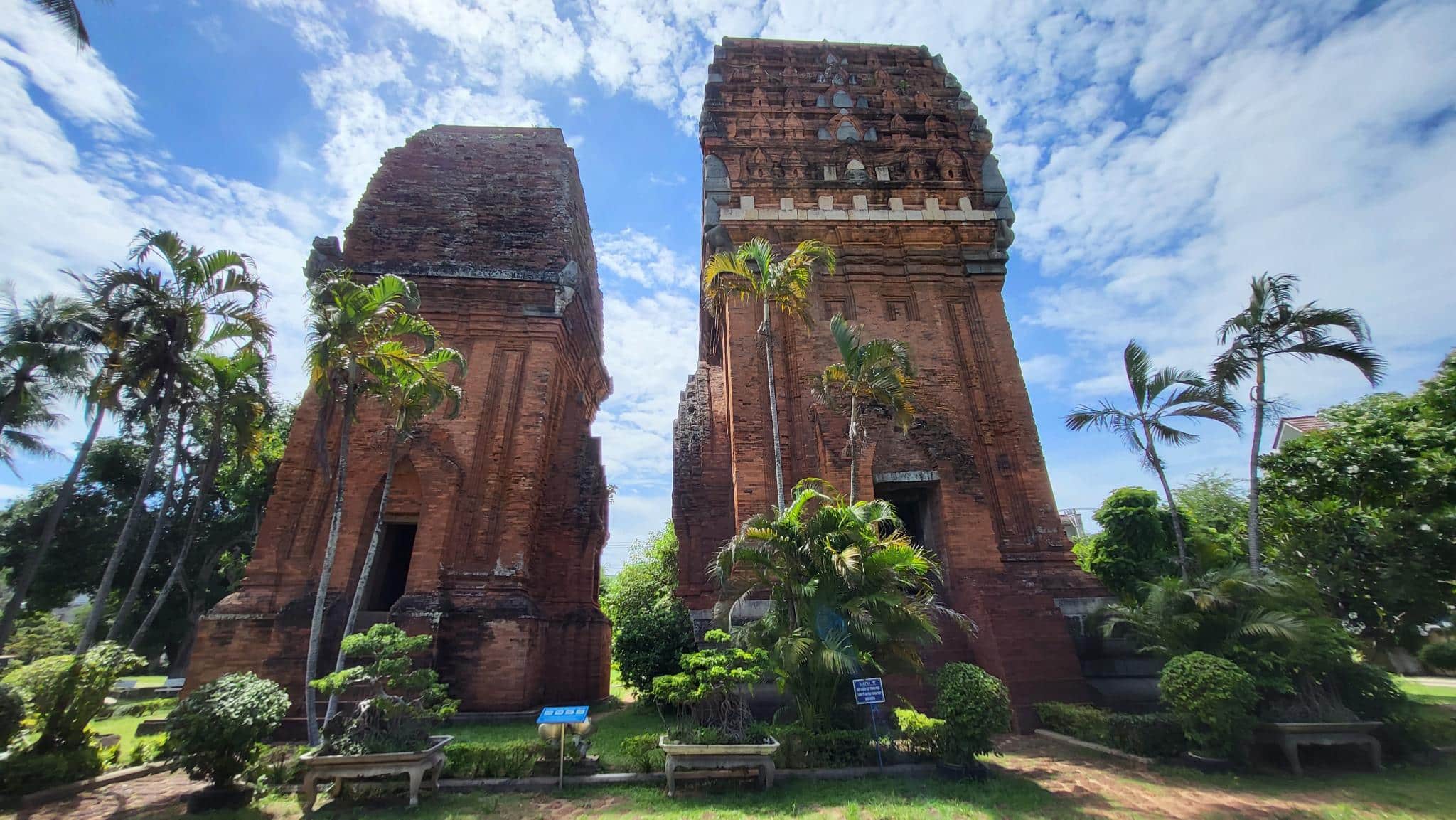
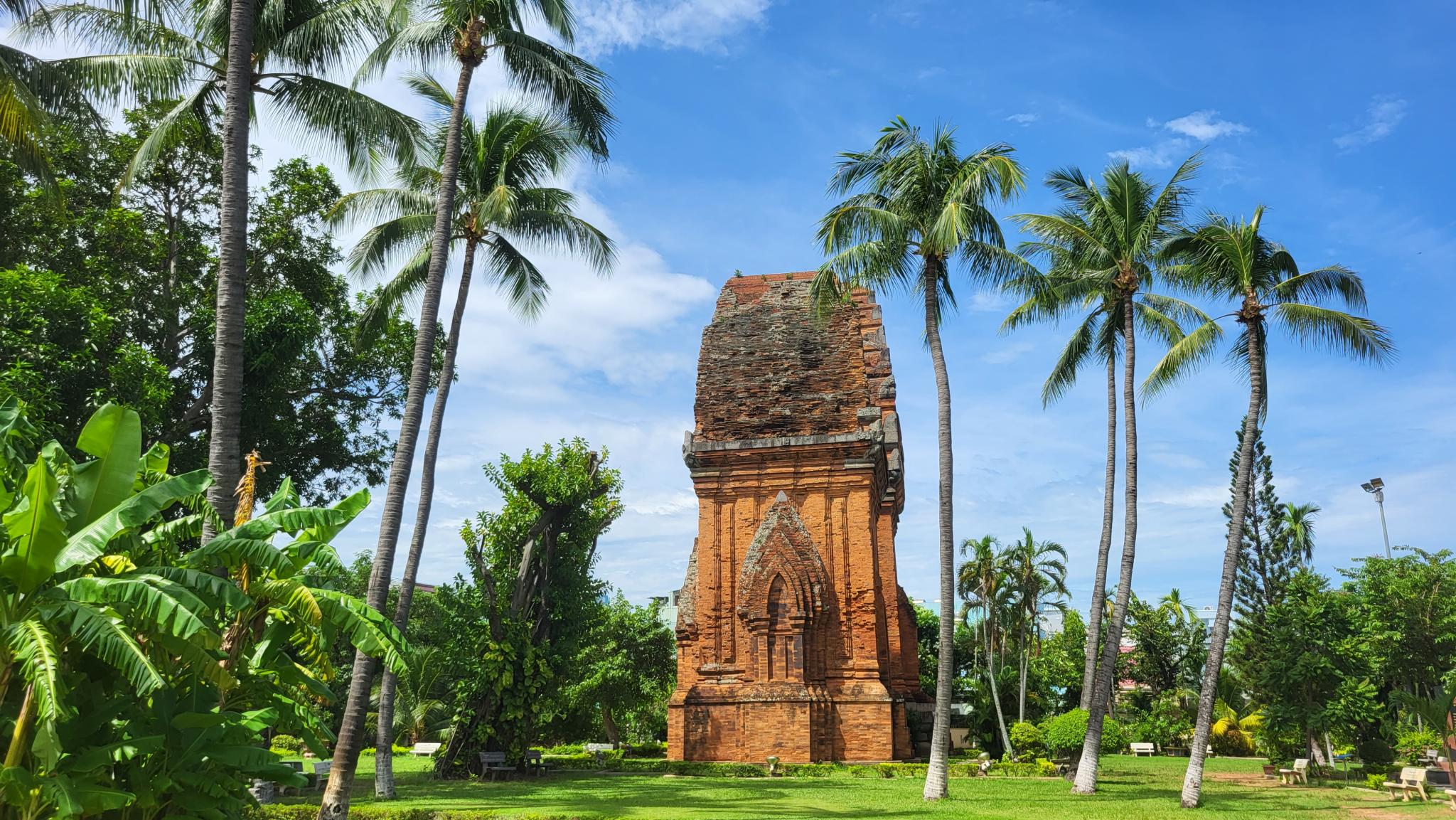
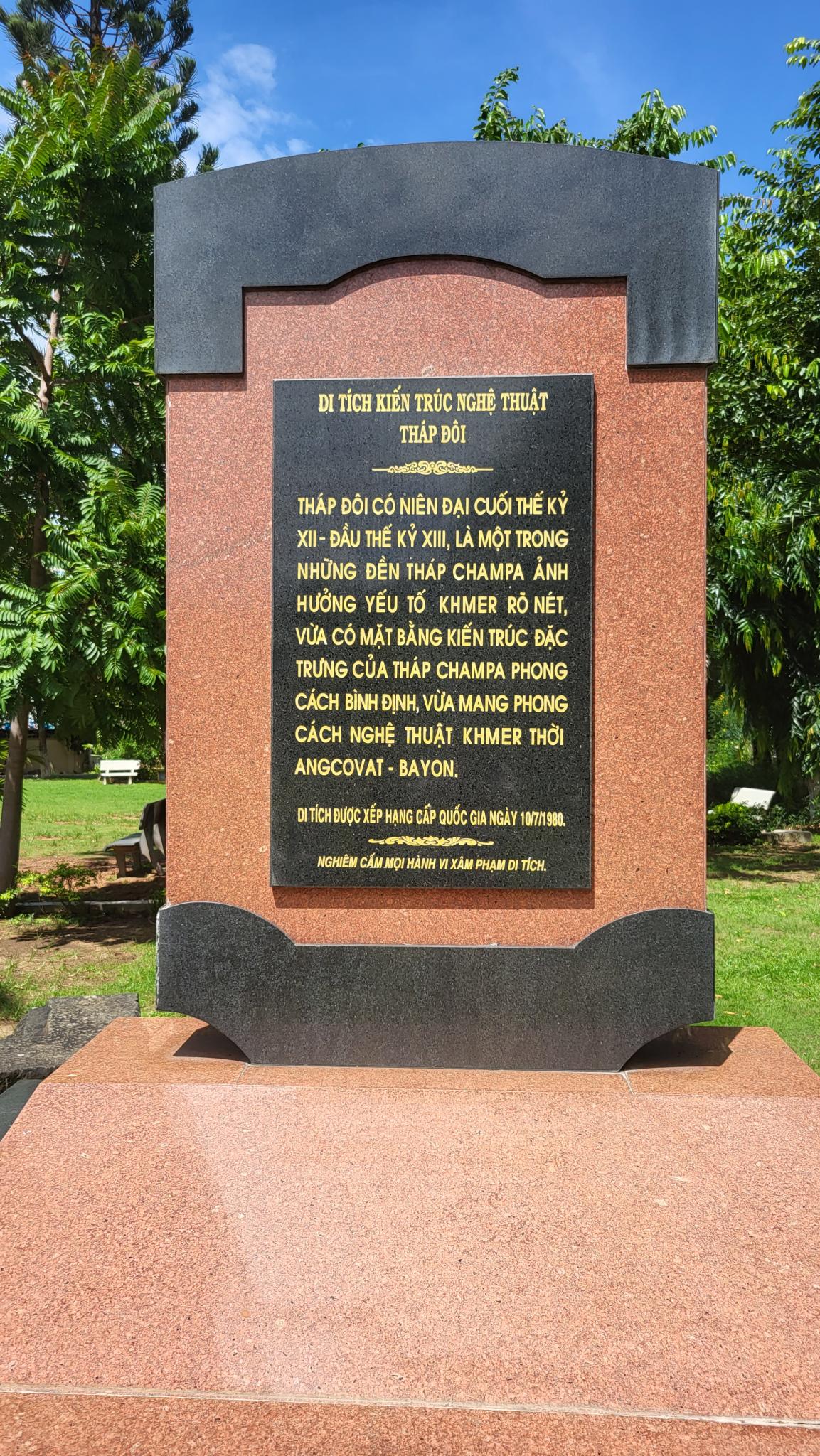
The Tháp Đôi (Twin Towers) in Quy Nhơn, Vietnam, are a pair of ancient Cham towers that stand as remnants of the Cham civilization’s architectural and cultural legacy in Central Vietnam.
Architectural and Historical Significance:
- Cham Civilization: The Tháp Đôi Twin Towers are believed to date back to the Champa Kingdom, an ancient civilization that flourished in Central Vietnam from around the 2nd to the 17th century AD. These towers served as religious sanctuaries, ceremonial sites, and commemorative monuments dedicated to Hindu deities, ancestors, and spiritual practices associated with the Cham people’s religious beliefs and cultural traditions.
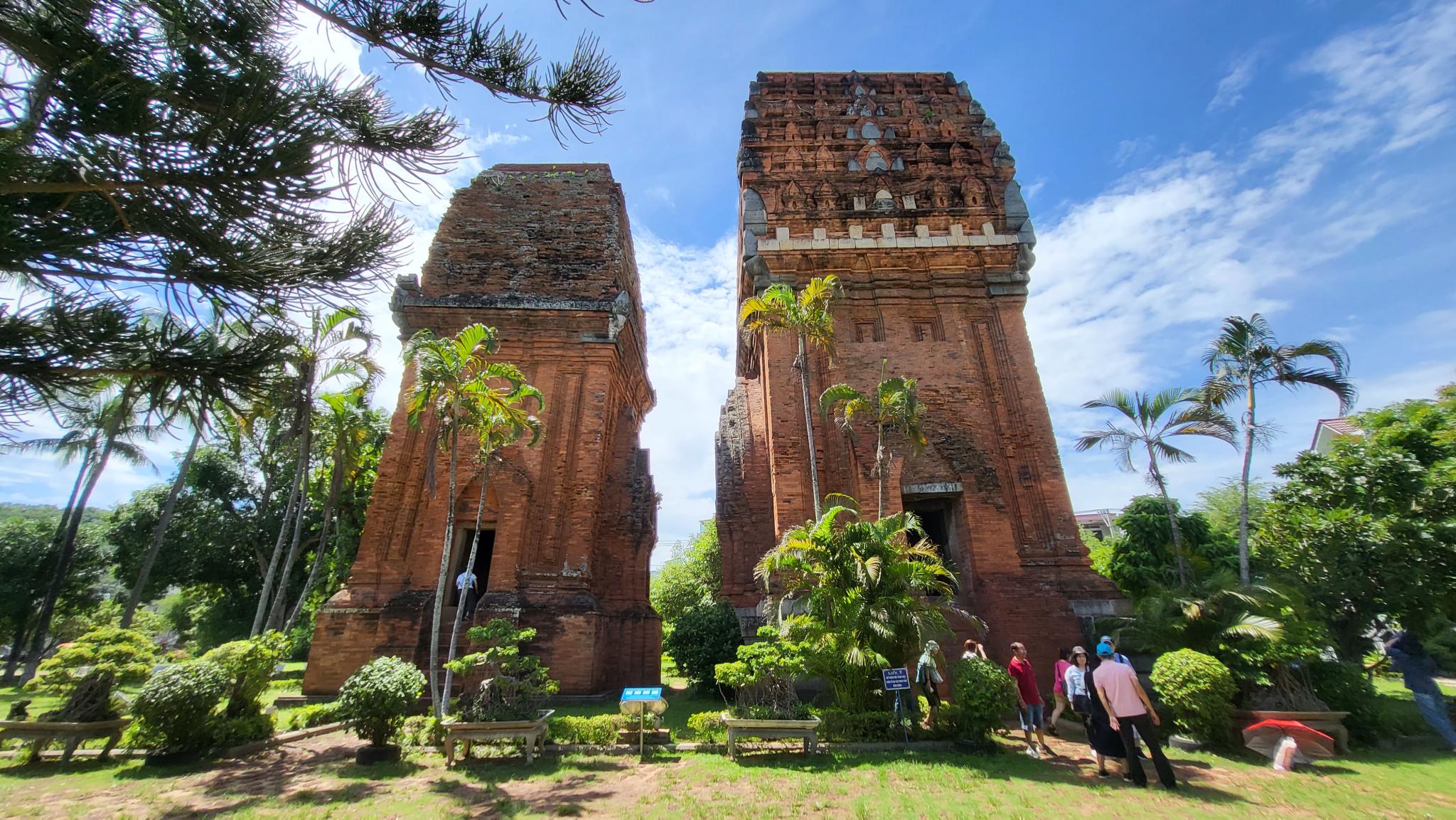
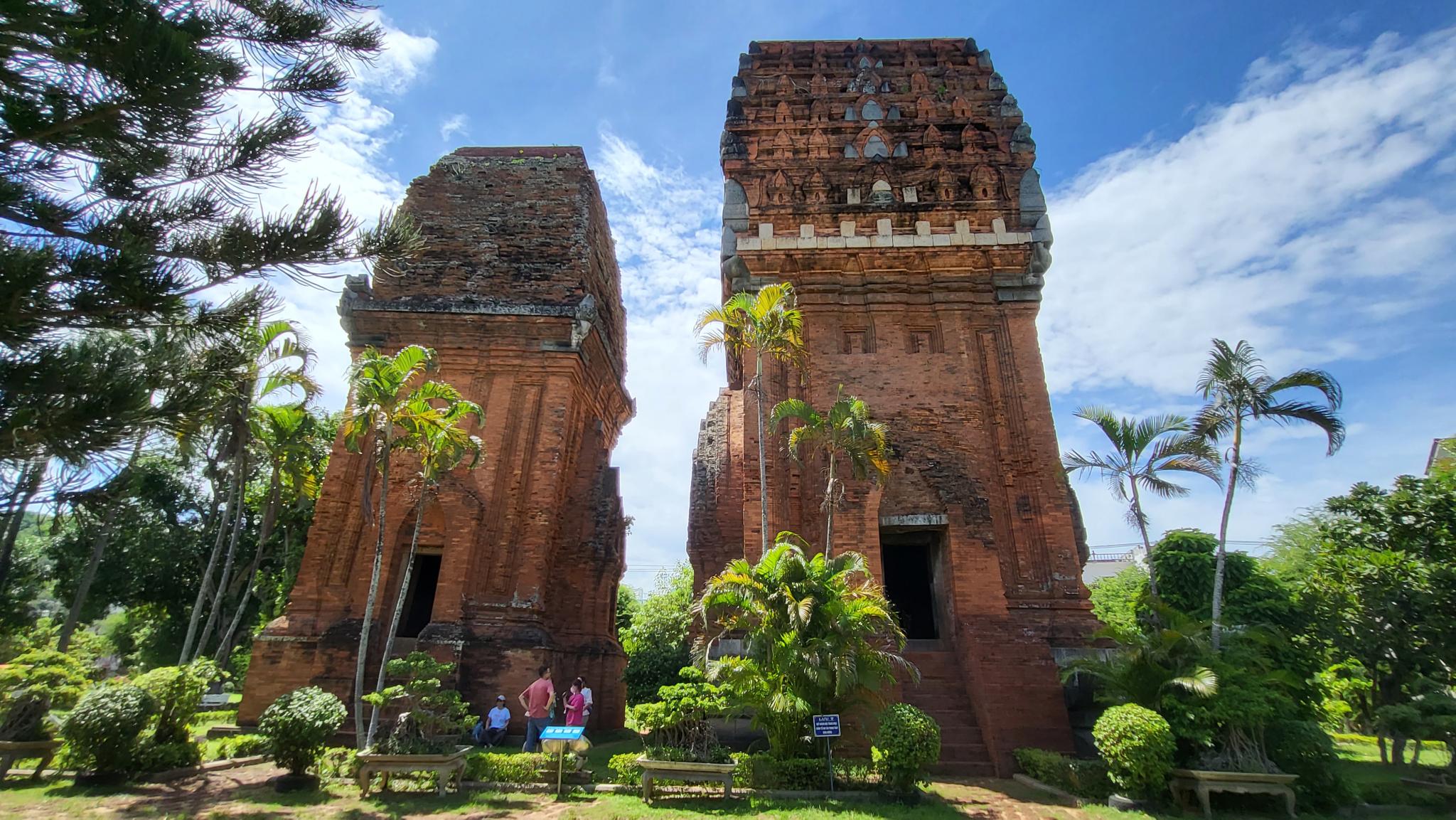
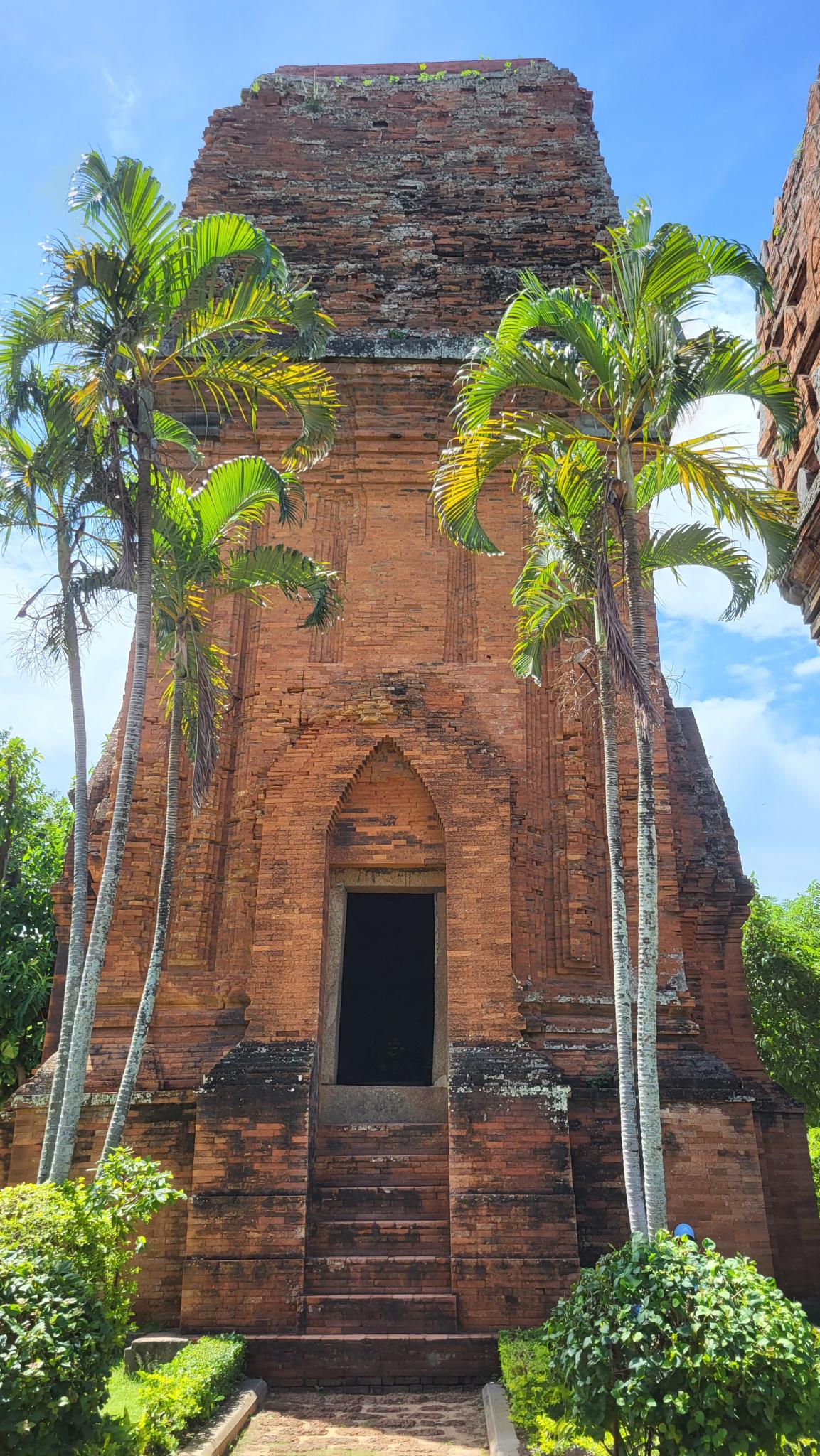
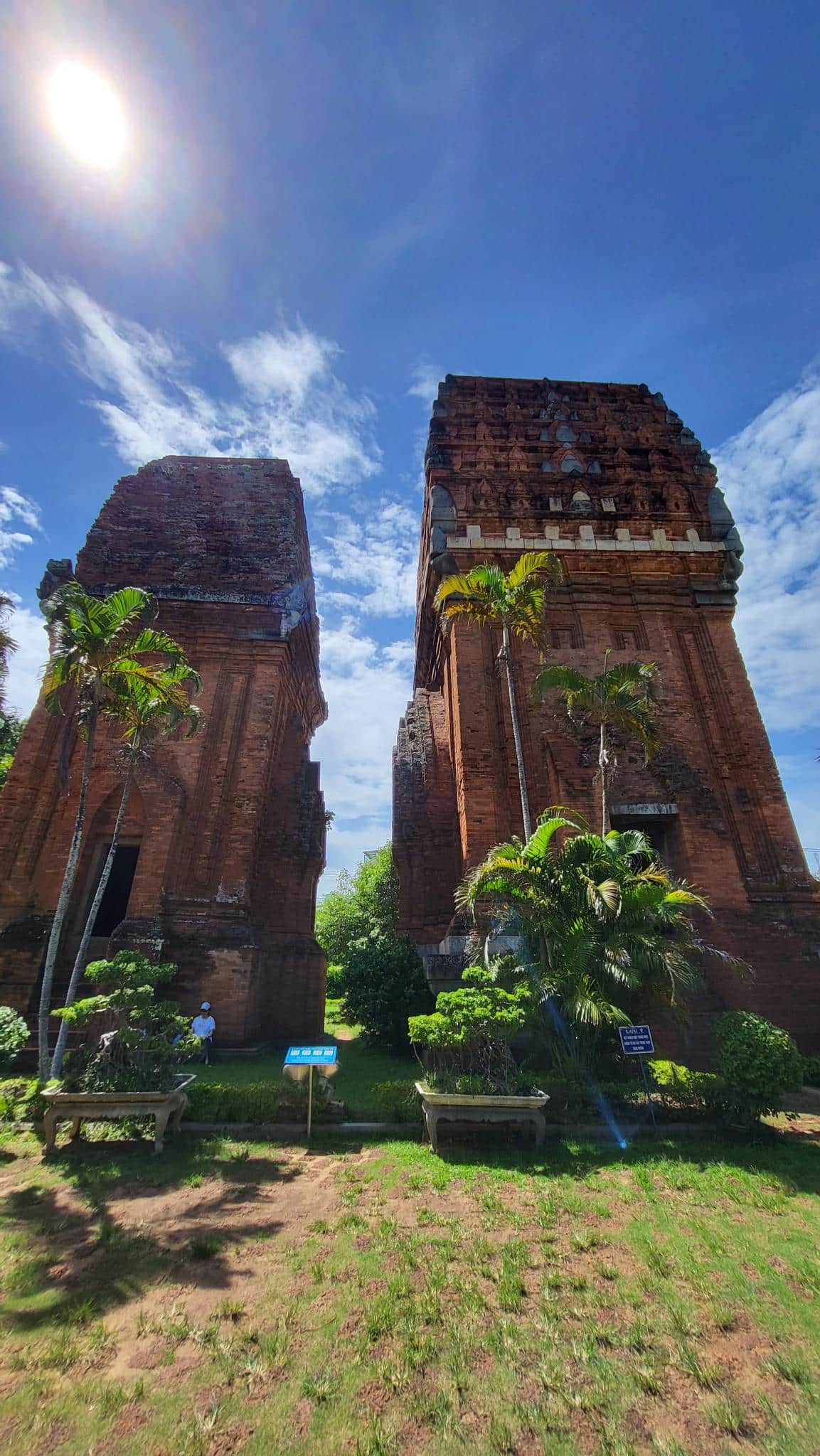
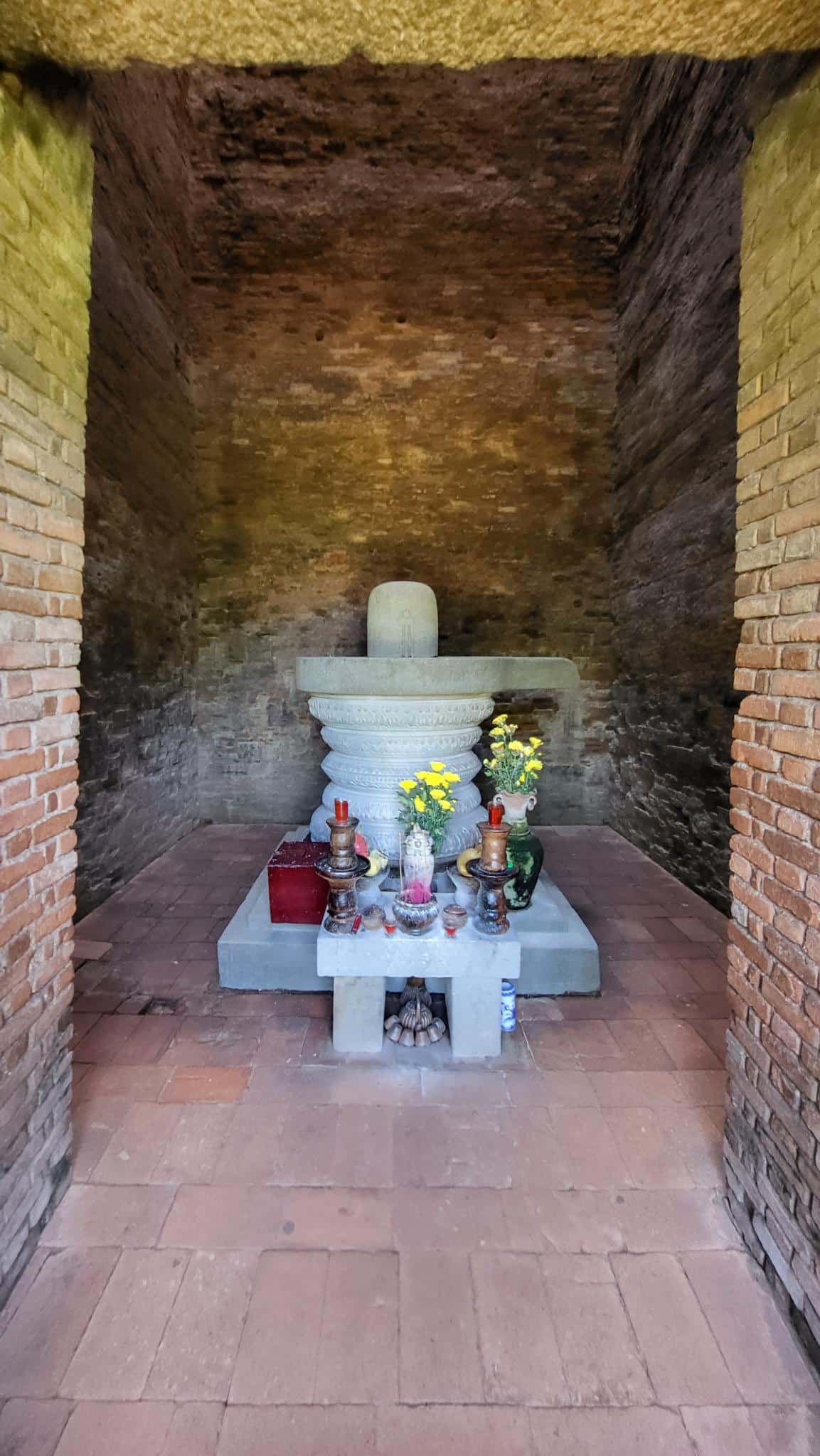
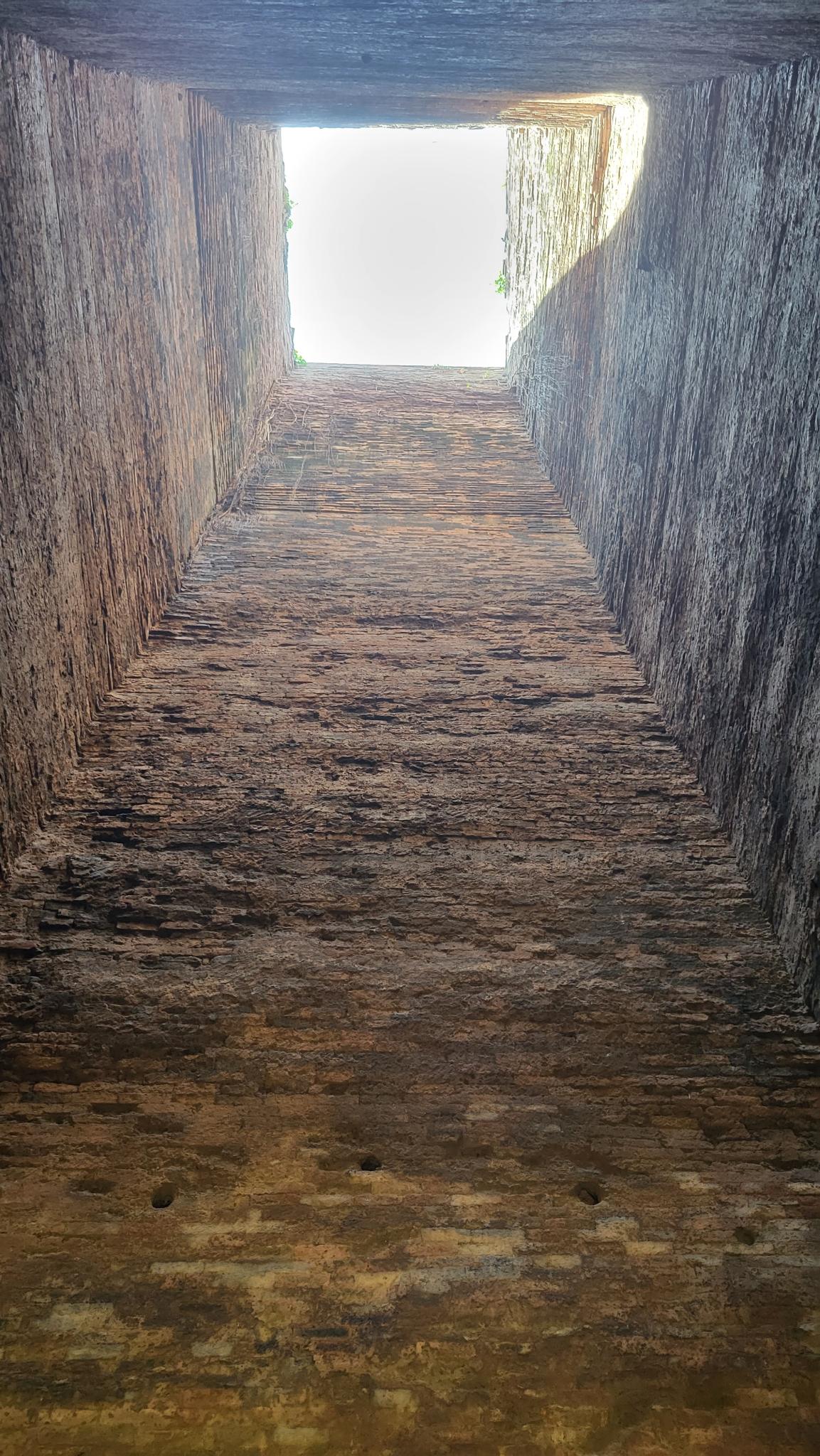
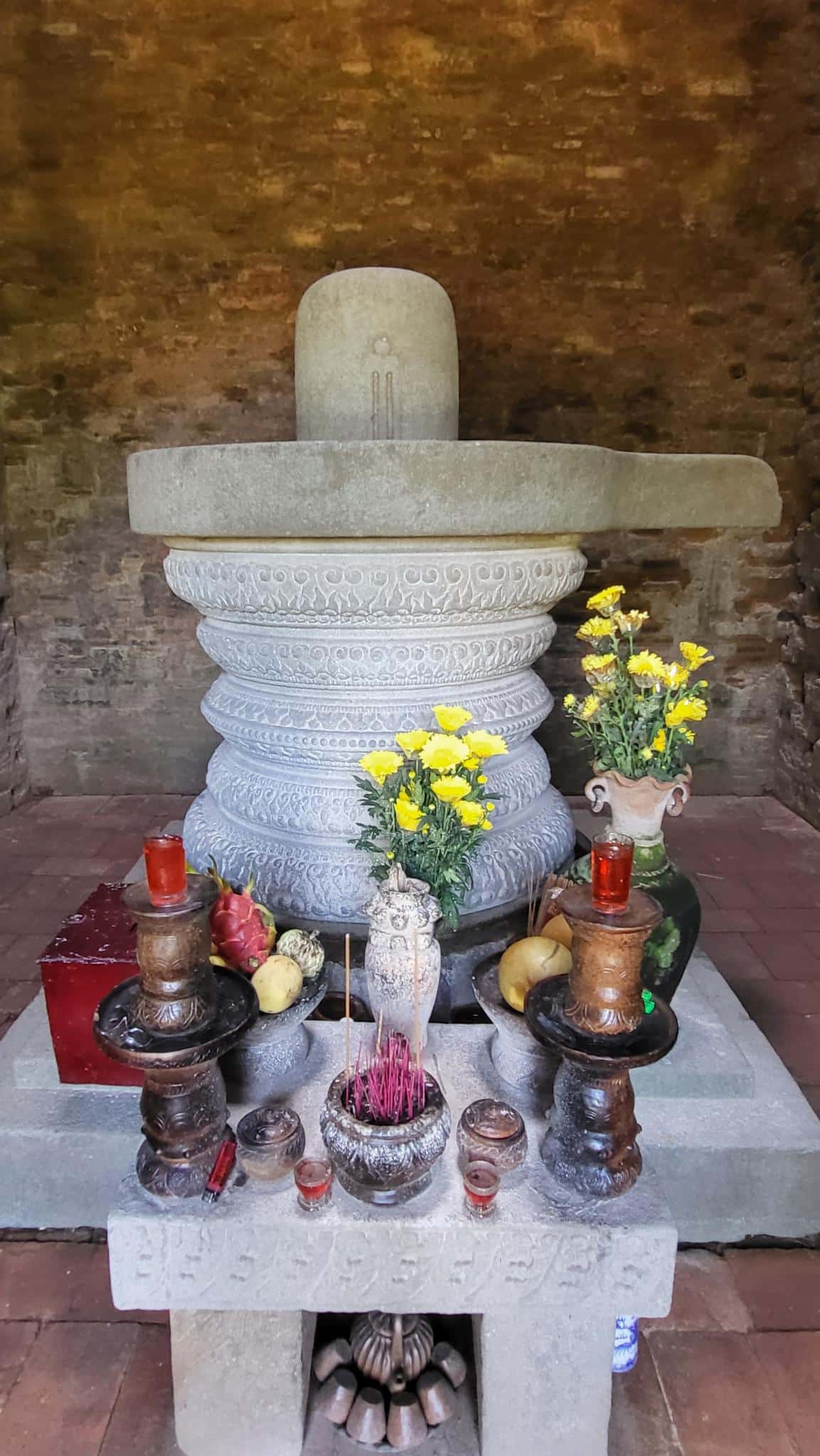
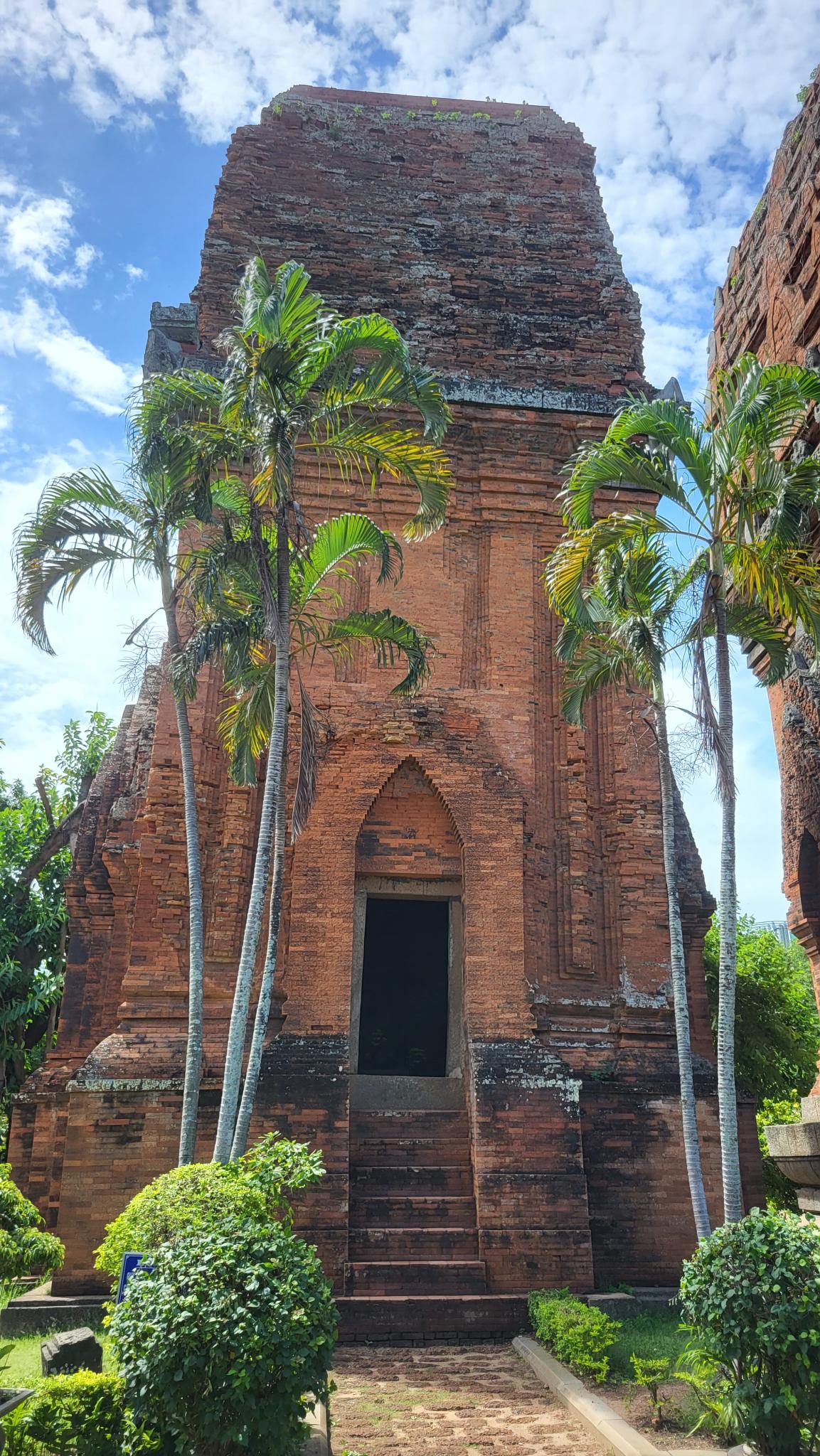
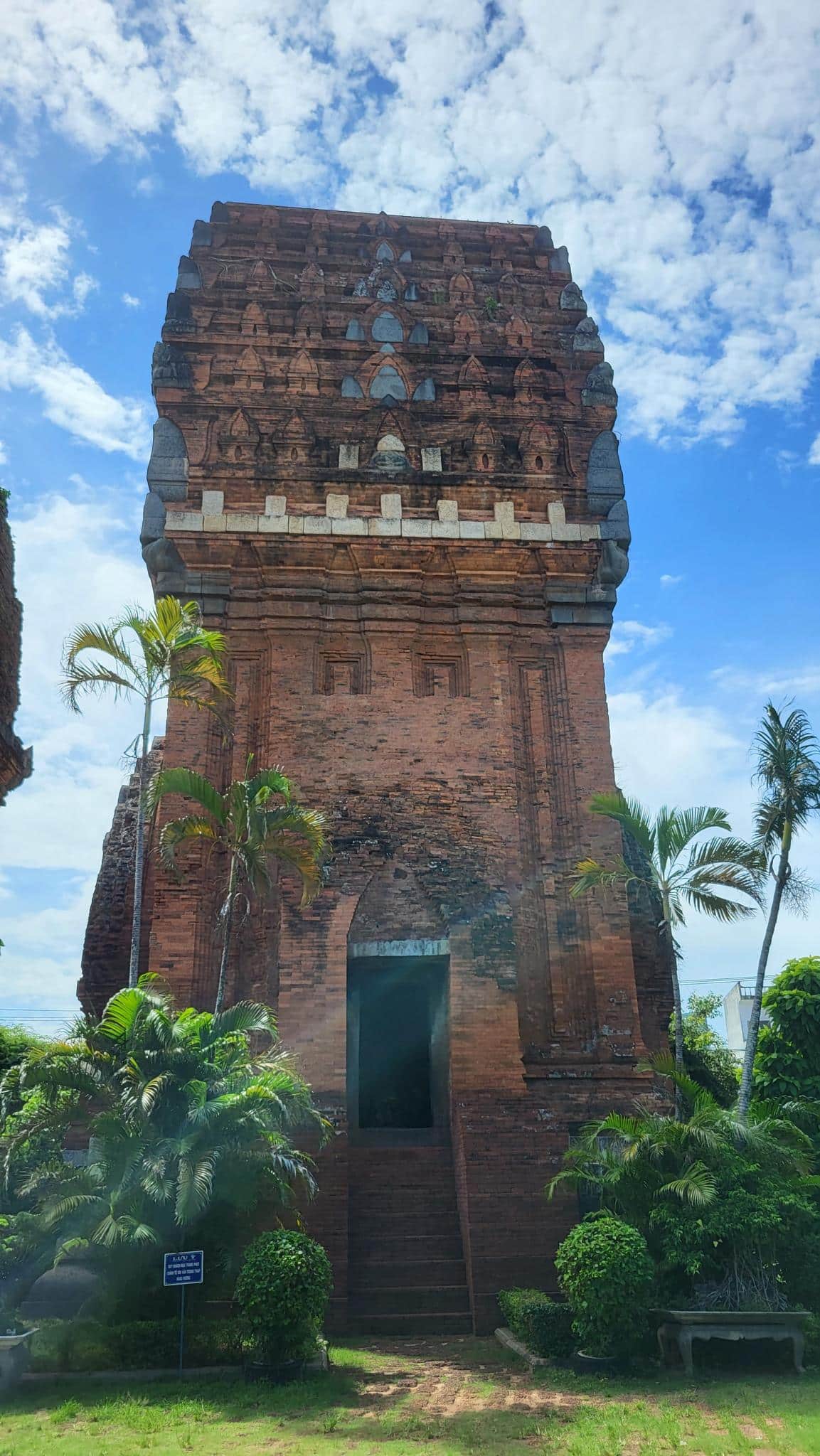
- Twin Towers: The Tháp Đôi consists of two towers constructed from brick, sandstone, and other local materials using traditional Cham architectural techniques, design principles, and craftsmanship. Each tower features a distinctive architectural style, decorative elements, carvings, inscriptions, and religious symbolism that reflect the Cham’s artistic talents, religious practices, and cultural influences from India and Southeast Asia.
Architectural Features:
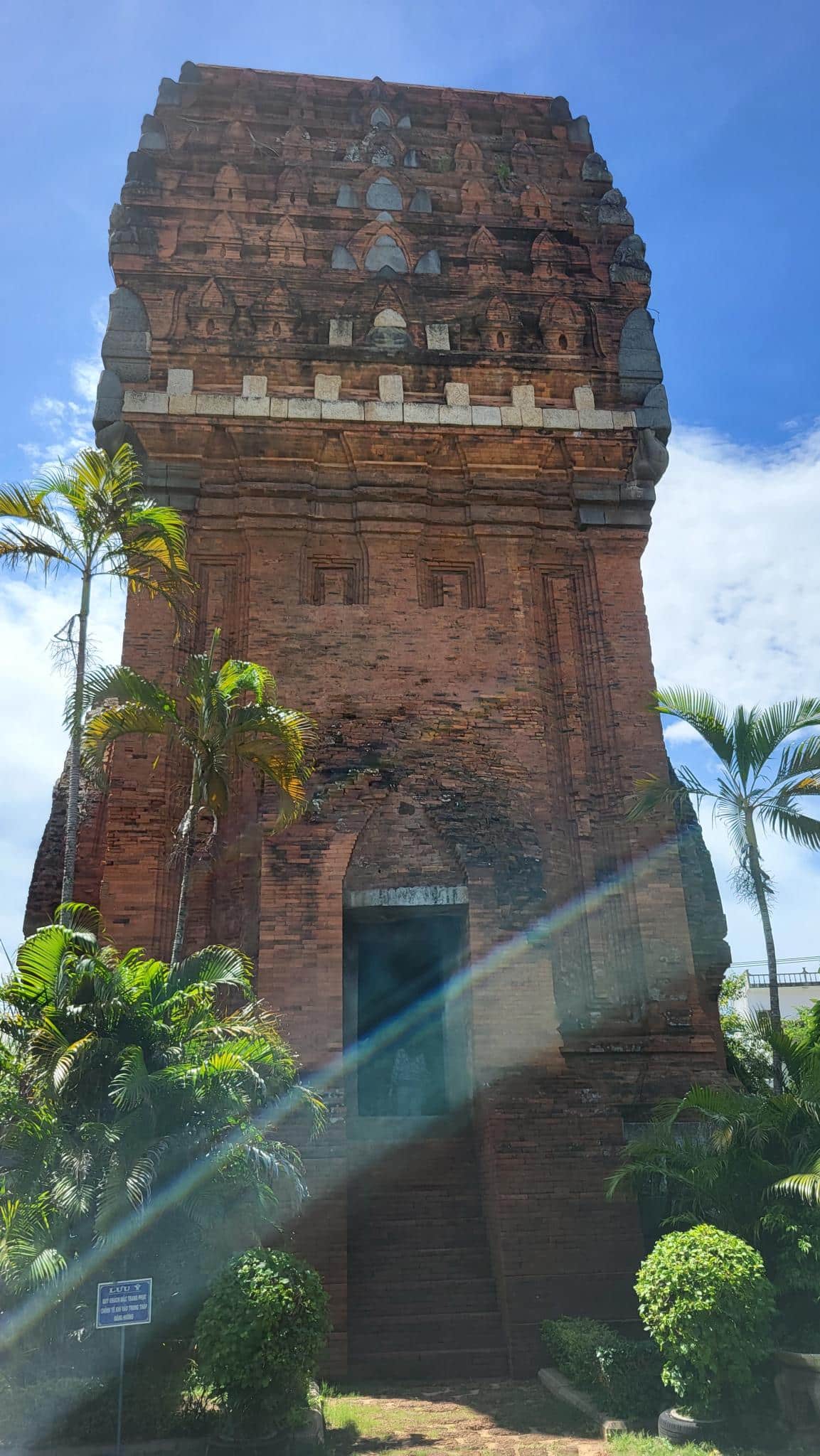
- Towers’ Design: The Tháp Đôi Twin Towers exhibit characteristic Cham architectural features, including rectangular foundations, tapering structures, pyramidal roofs, decorative facades, carved motifs, and symbolic elements that represent various aspects of Hindu mythology, cosmology, and religious iconography prevalent during the Champa Kingdom’s era.
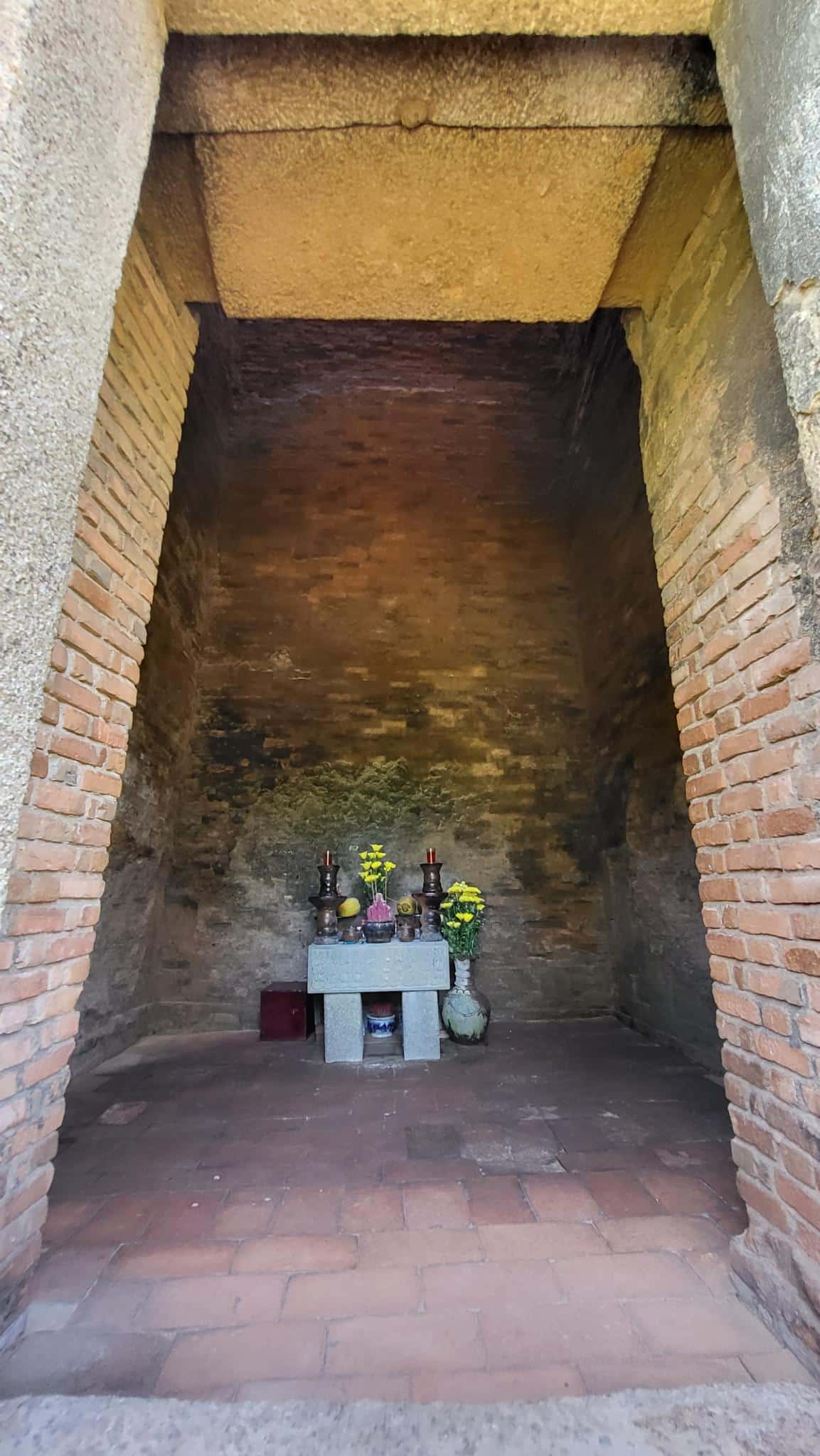
- Decorative Elements: The towers’ exteriors and interiors are adorned with intricate carvings, bas-reliefs, statues, inscriptions, and decorative motifs depicting scenes from Hindu epics, mythological figures, celestial beings, cosmic elements, and religious rituals associated with the Cham’s religious beliefs, spiritual practices, and cultural traditions.
Visitor Experience:
- Historical Landmark: The Tháp Đôi Twin Towers serve as a historical landmark, archaeological site, and cultural heritage monument that attracts visitors, historians, archaeologists, and cultural enthusiasts interested in exploring Vietnam’s ancient civilizations, architectural wonders, and cultural landscapes. The towers’ significance, preservation efforts, and UNESCO World Heritage status highlight their importance as symbols of Vietnam’s rich history, cultural diversity, and archaeological heritage.
- Cultural Exploration: Visitors to the Tháp Đôi Twin Towers can explore the site’s architectural features, artistic expressions, historical context, and cultural significance while gaining insights into the Cham civilization’s religious beliefs, artistic traditions, and architectural achievements. Guided tours, information panels, and interpretive exhibits provide visitors with educational opportunities to learn about the towers’ history, construction techniques, religious symbolism, and cultural legacy.
In summary, the Tháp Đôi (Twin Towers) in Quy Nhơn, Vietnam, are ancient Cham towers that represent the architectural, historical, and cultural legacy of the Champa Kingdom. Their significance as archaeological sites, cultural landmarks, and symbols of Vietnam’s rich heritage underscores the importance of preserving, protecting, and promoting these iconic structures for future generations to appreciate, explore, and understand the country’s ancient civilizations, religious traditions, and cultural landscapes.