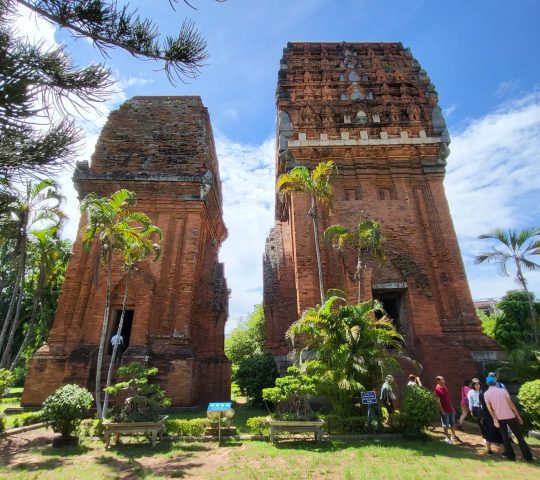
Han Man Tu’s Tomb and Garden of poetry – Mộ Hàn Mặc Tử – Quy Nhon
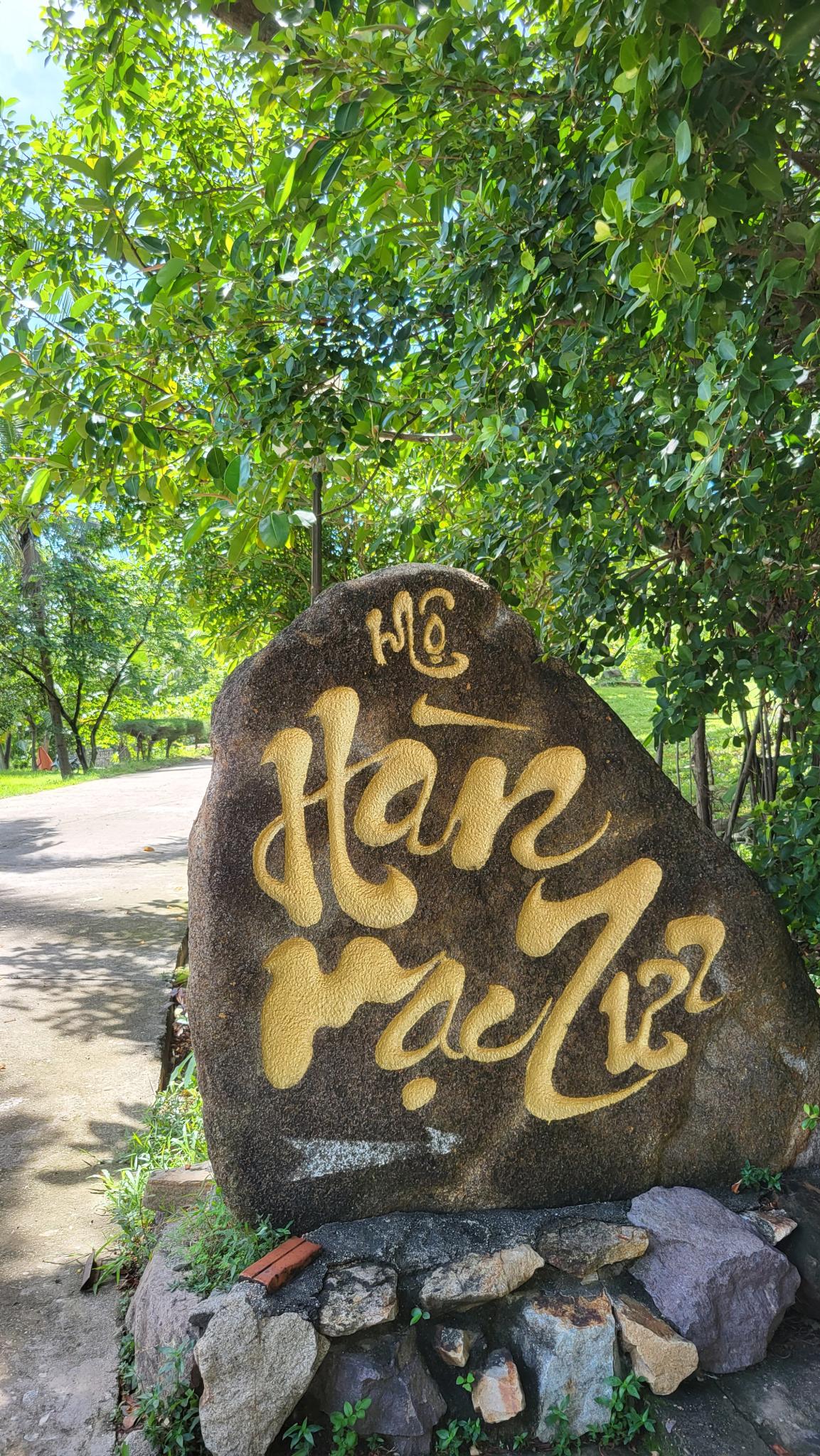
Han Mac Tu’s Tomb and the nearby Garden of Poetry in Quy Nhơn, Vietnam, serve as important cultural and historical landmarks dedicated to commemorating the life, works, and legacy of the renowned Vietnamese poet Han Mac Tu. Here’s an overview based on available information:
Han Mac Tu’s Tomb:
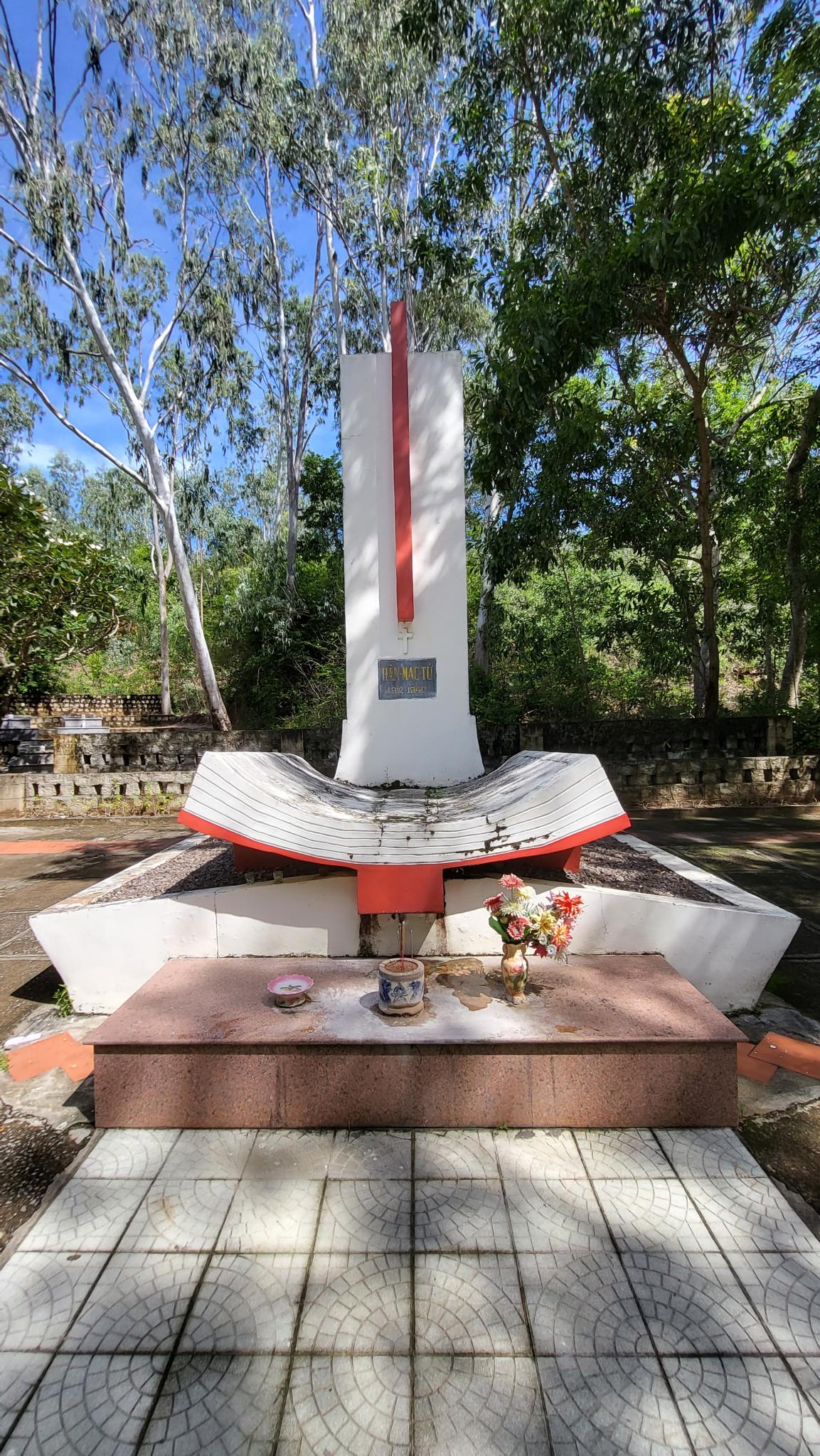
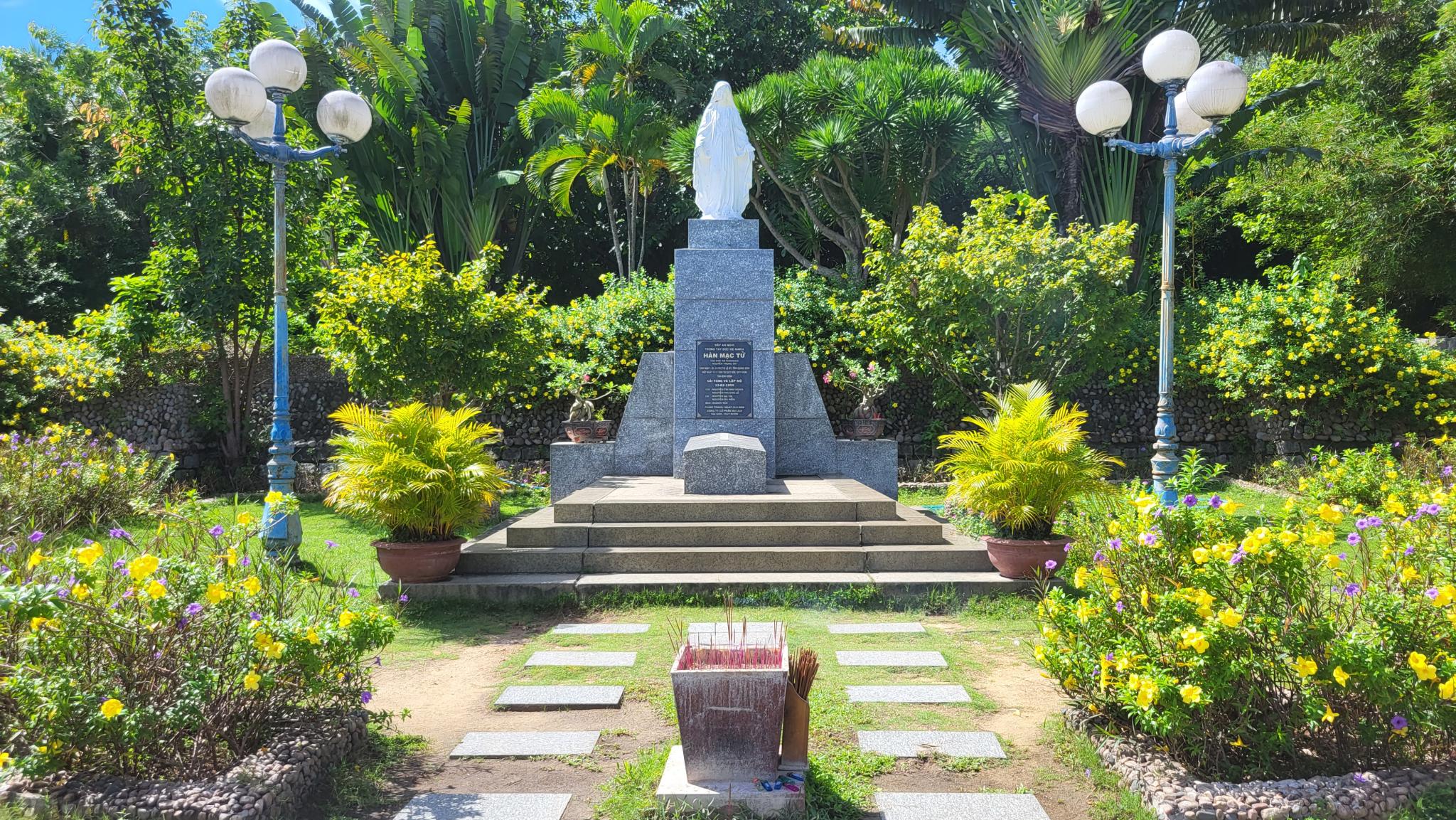
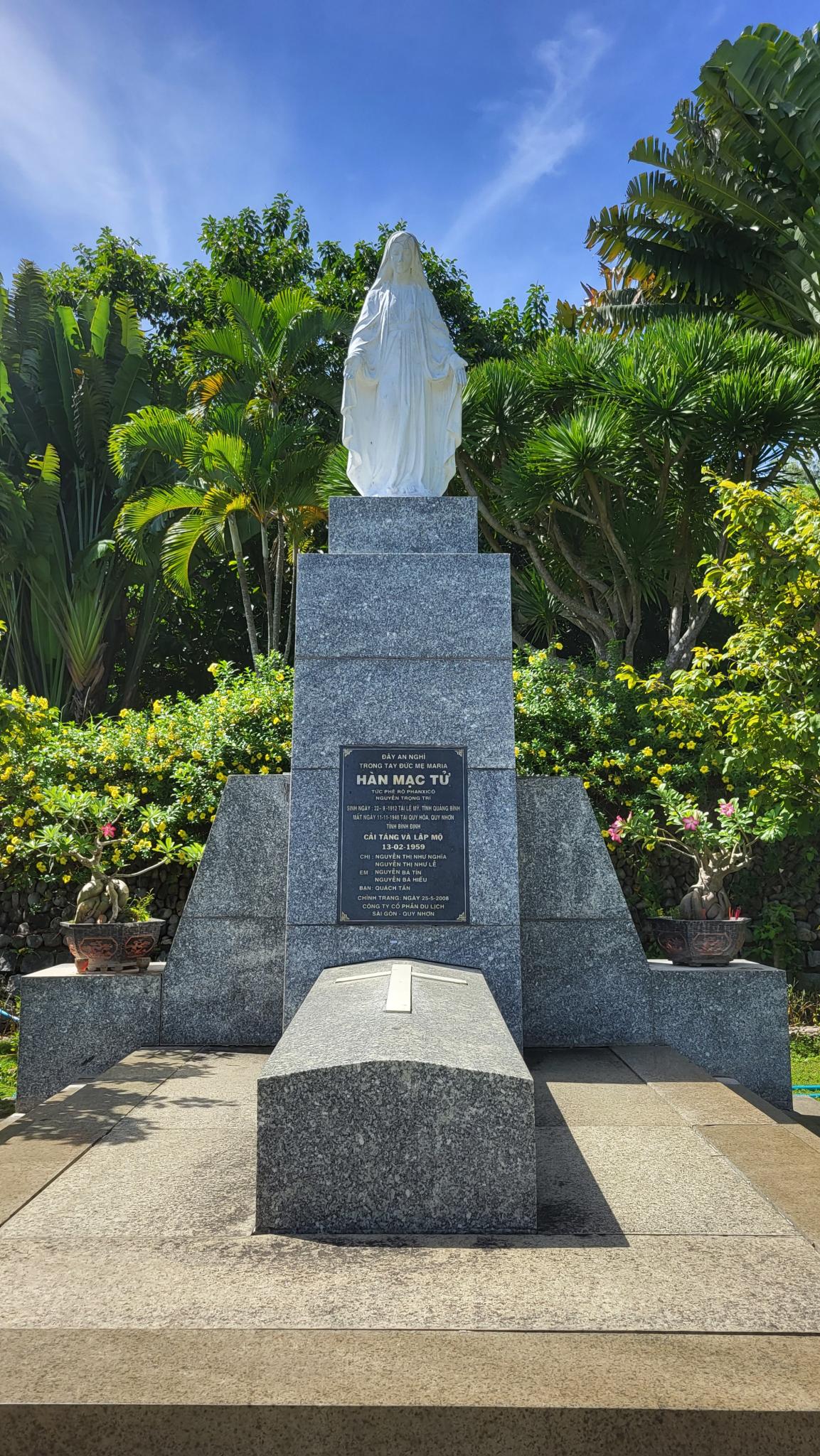
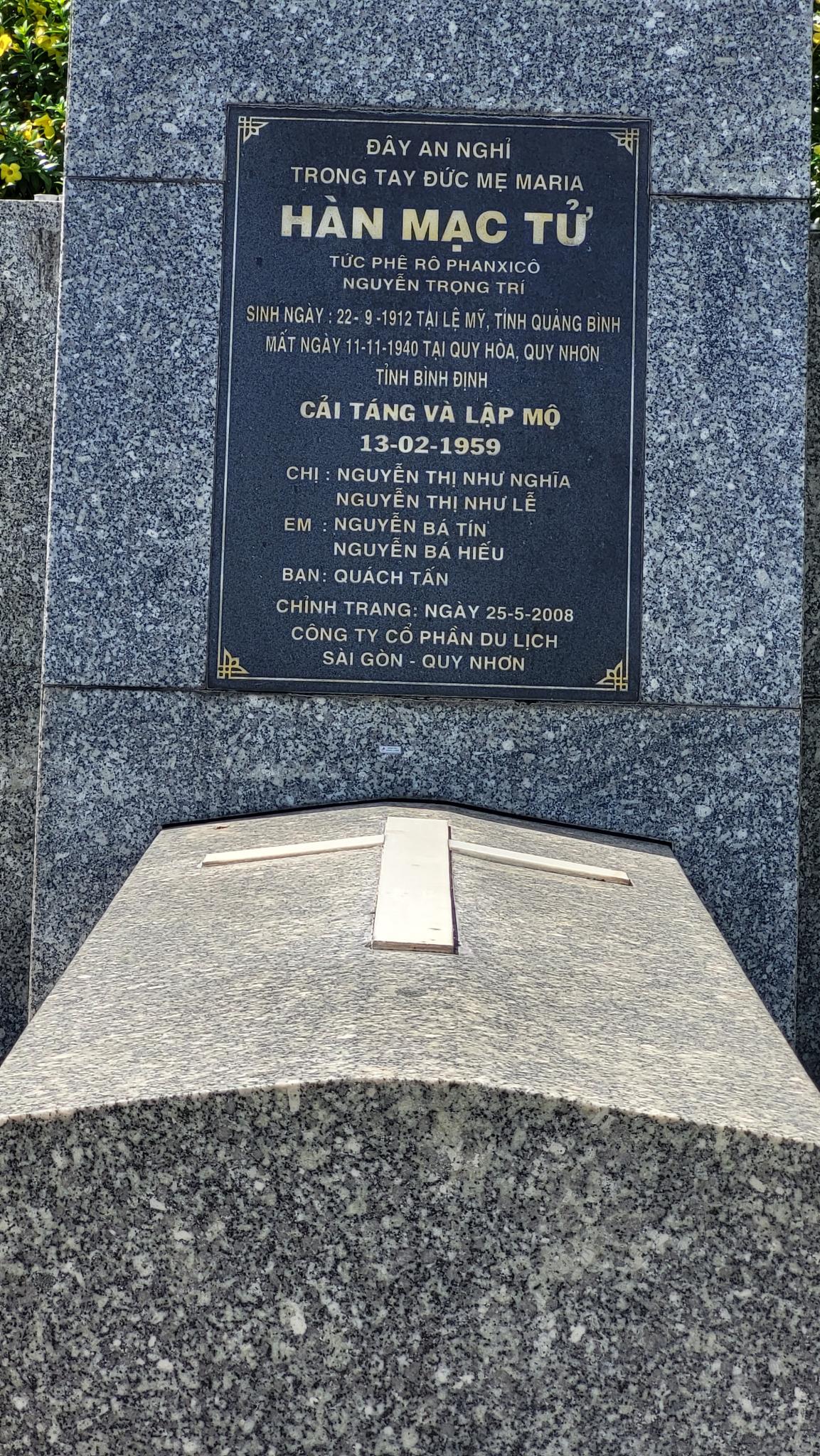
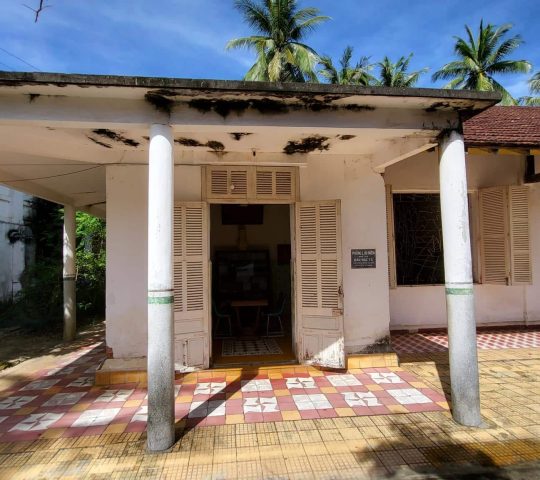
- Final Resting Place: Han Mac Tu’s Tomb is the final resting place of the celebrated Vietnamese poet Han Mac Tu (1912–1940), whose poignant and emotive works have left an indelible mark on Vietnamese literature, culture, and society. The tomb serves as a solemn and reflective space where visitors can pay their respects, honor the poet’s memory, and appreciate his contributions to Vietnamese art and intellectual heritage.
- Architectural Features: Han Mac Tu’s Tomb is designed with traditional Vietnamese architectural elements, cultural motifs, and symbolic features that reflect the country’s funerary customs, religious traditions, and artistic expressions. The tomb’s serene and peaceful setting creates a tranquil atmosphere conducive to contemplation, remembrance, and spiritual reflection among visitors seeking to connect with Han Mac Tu’s legacy and literary achievements.
Garden of Poetry:
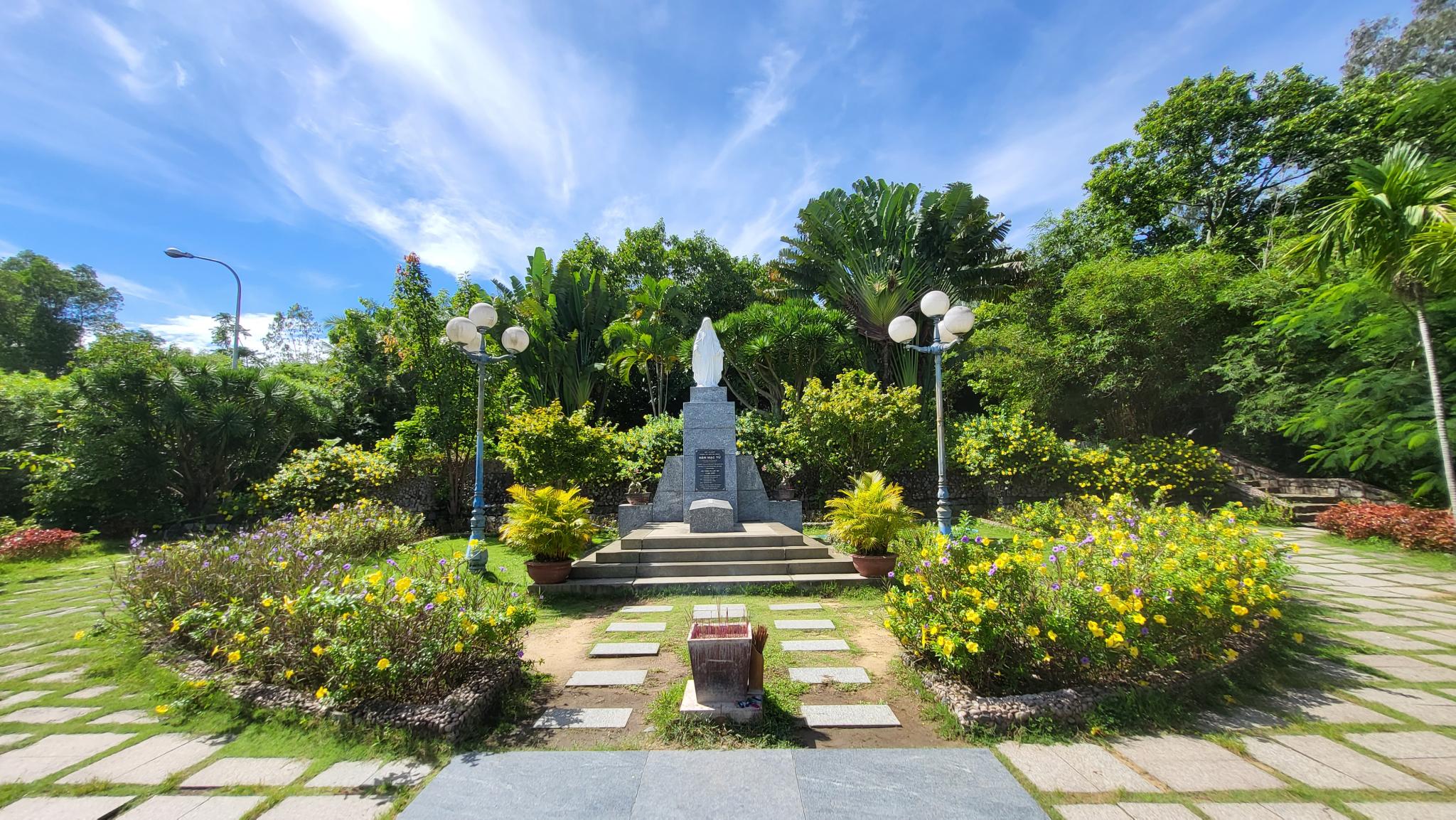
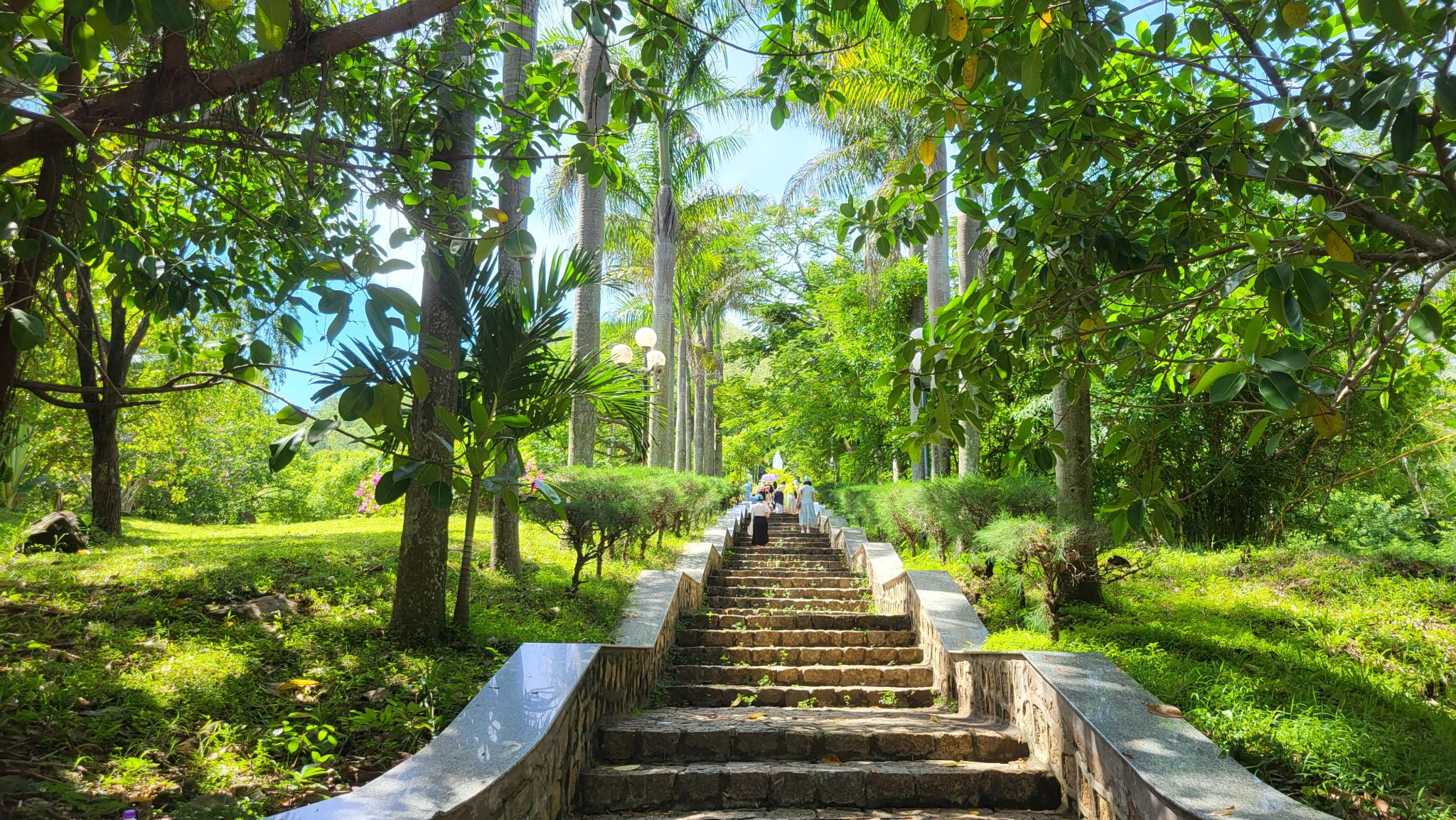
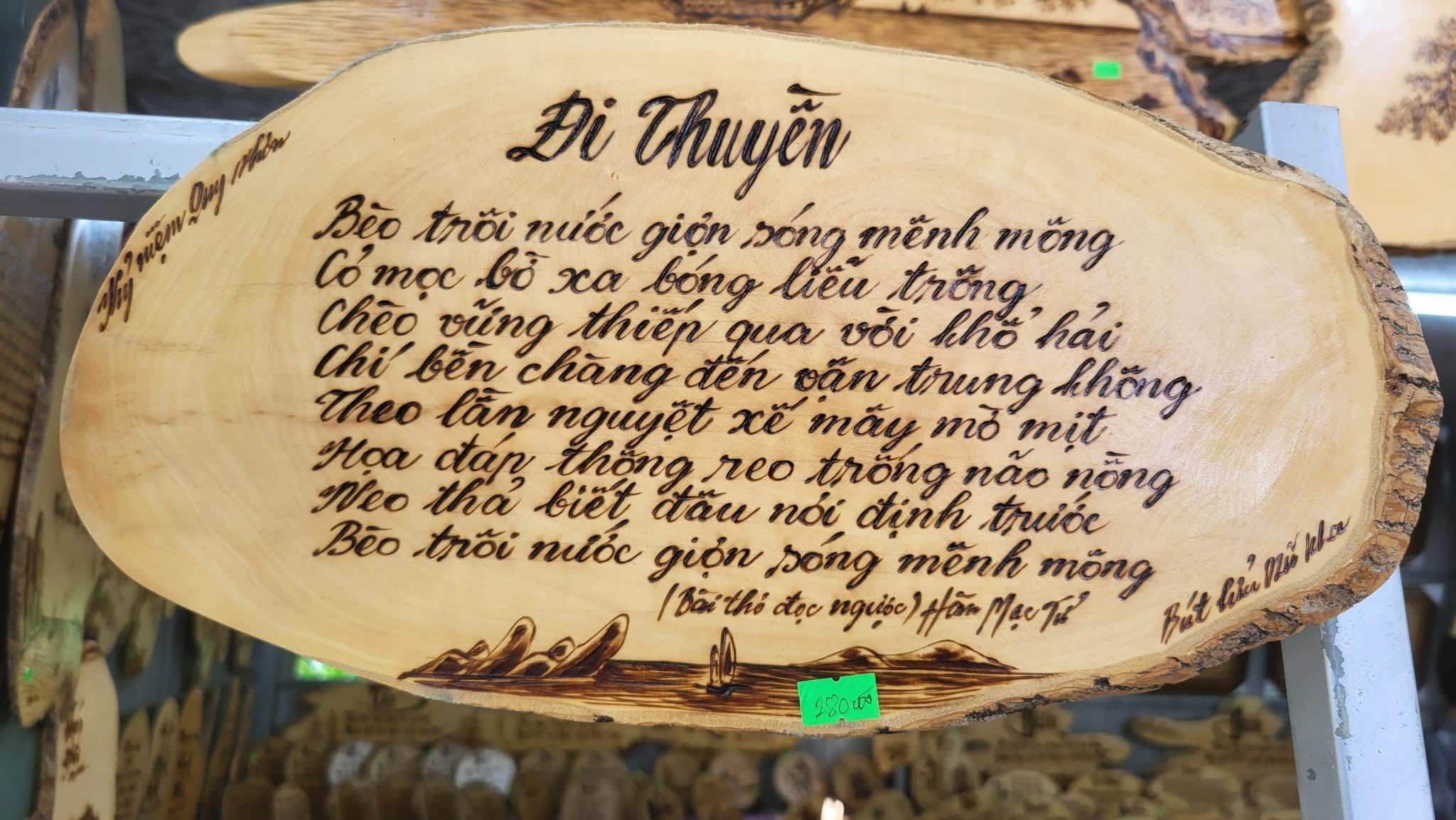
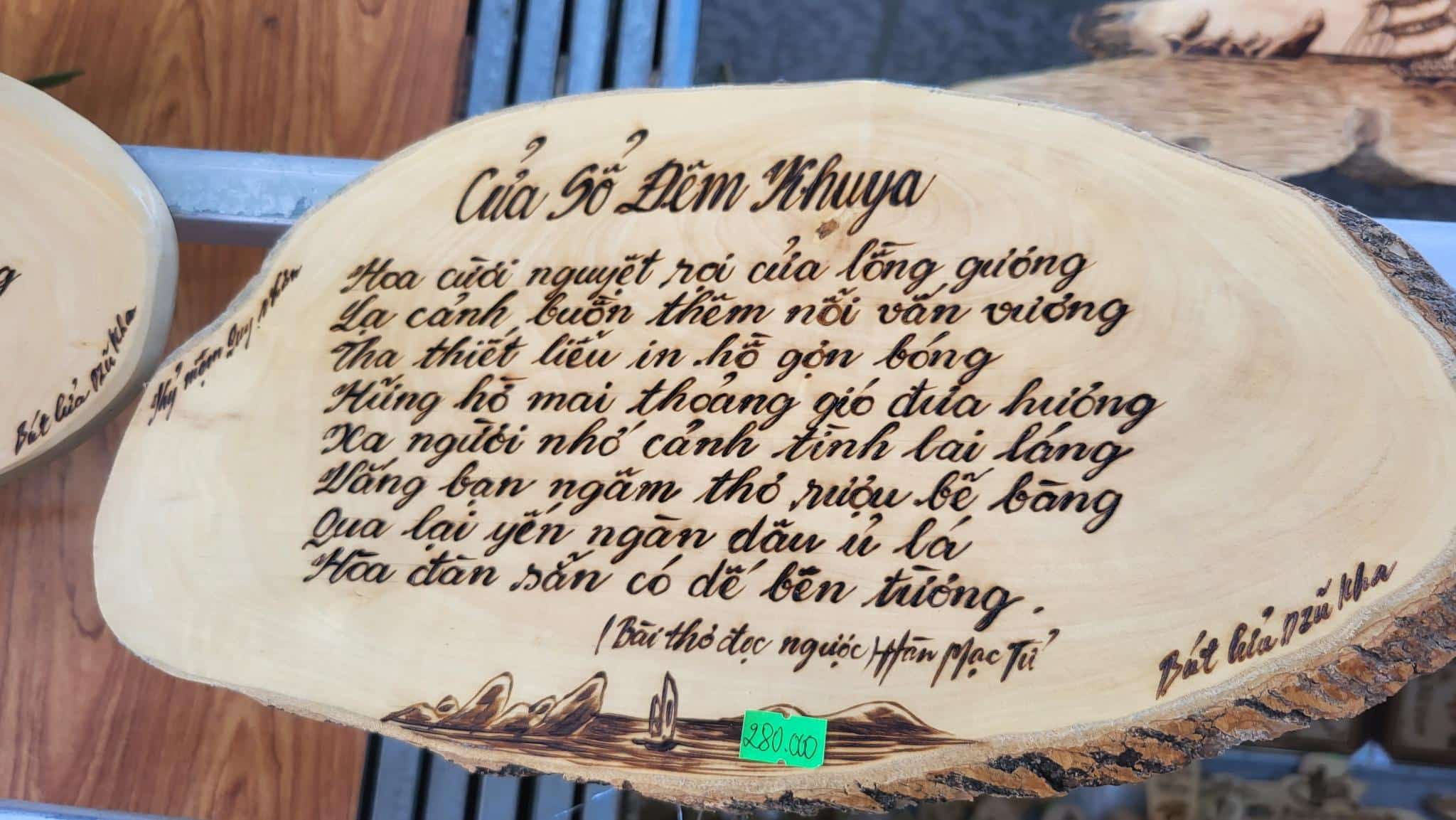
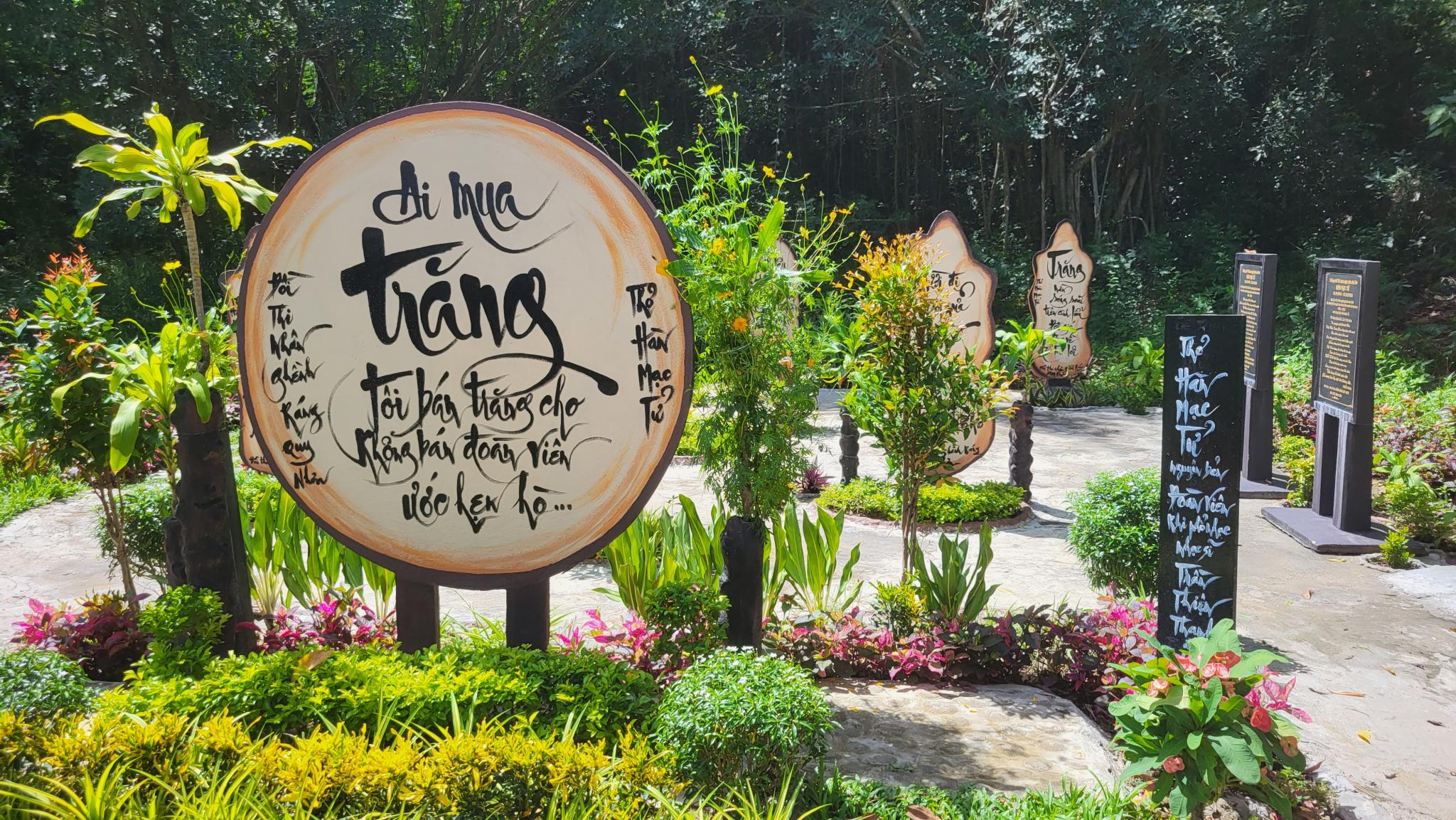
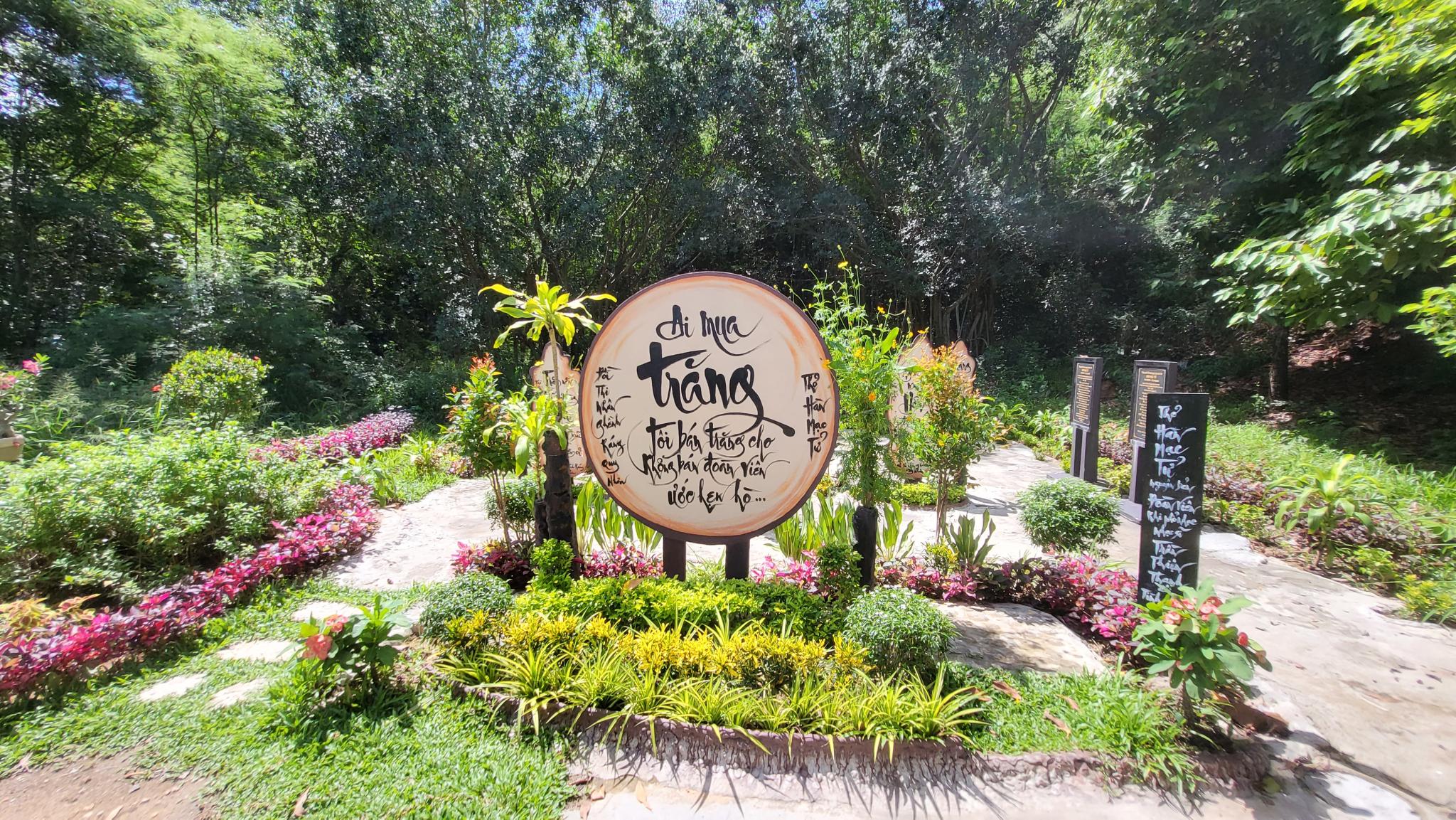
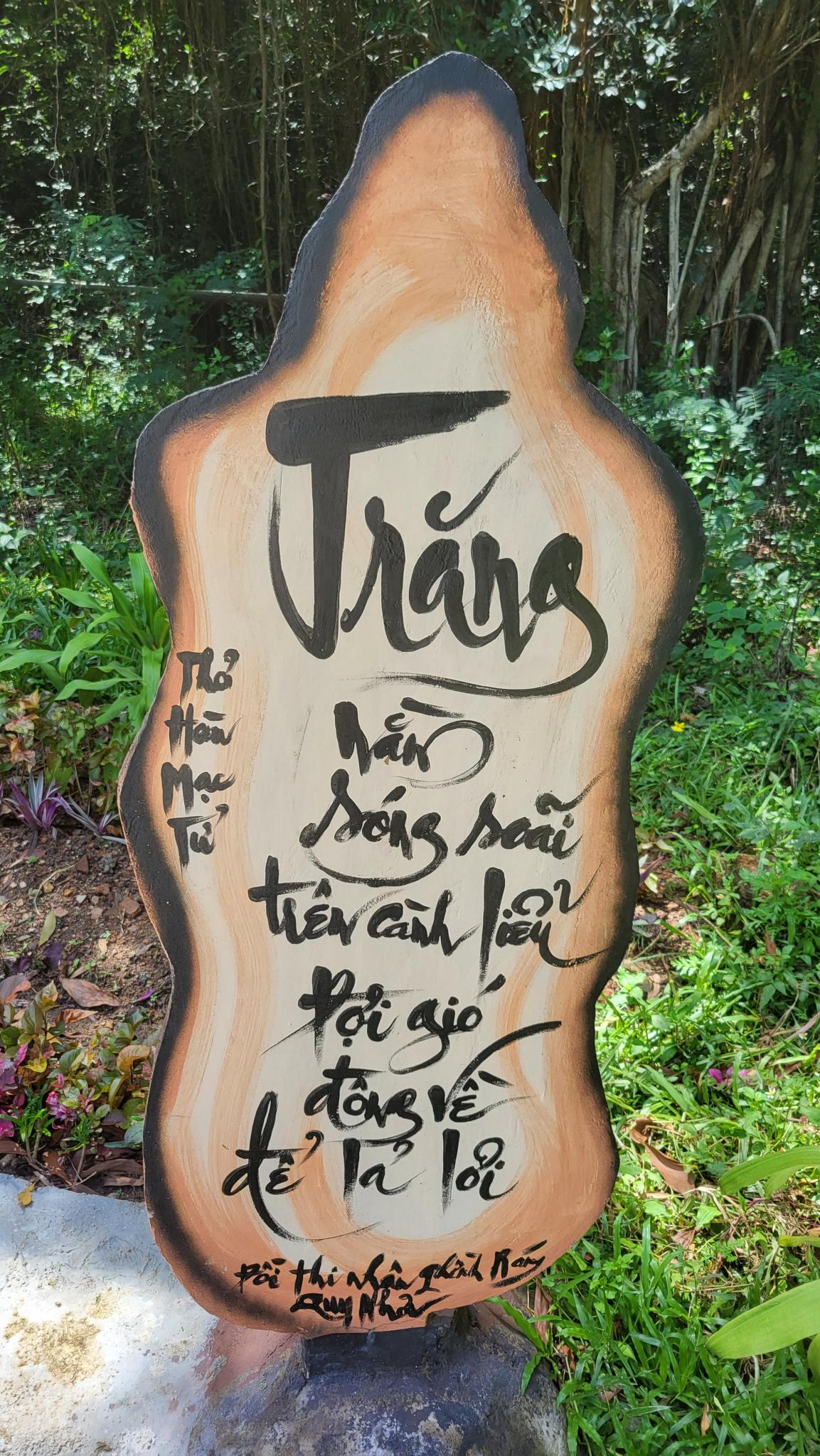
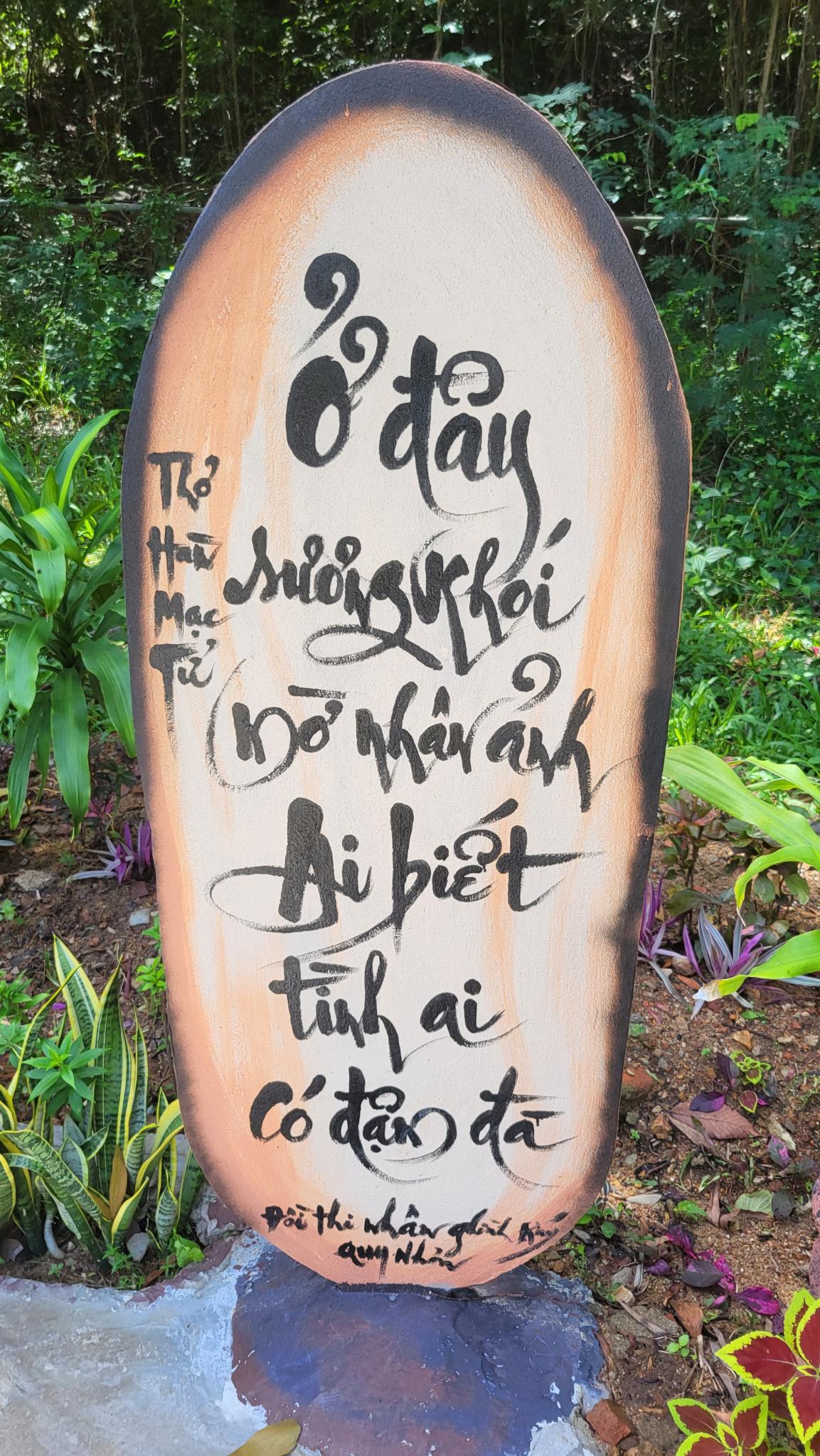
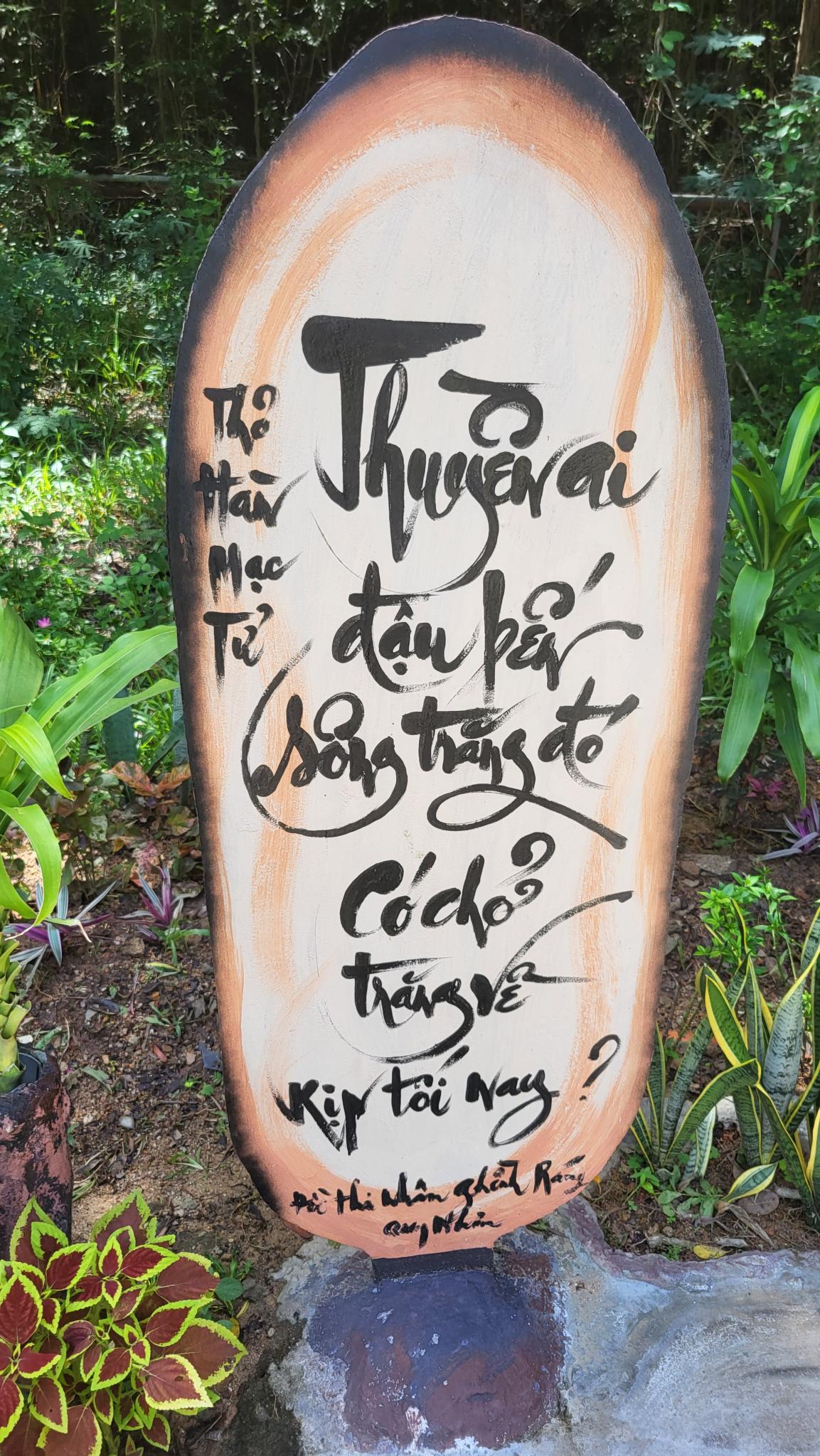
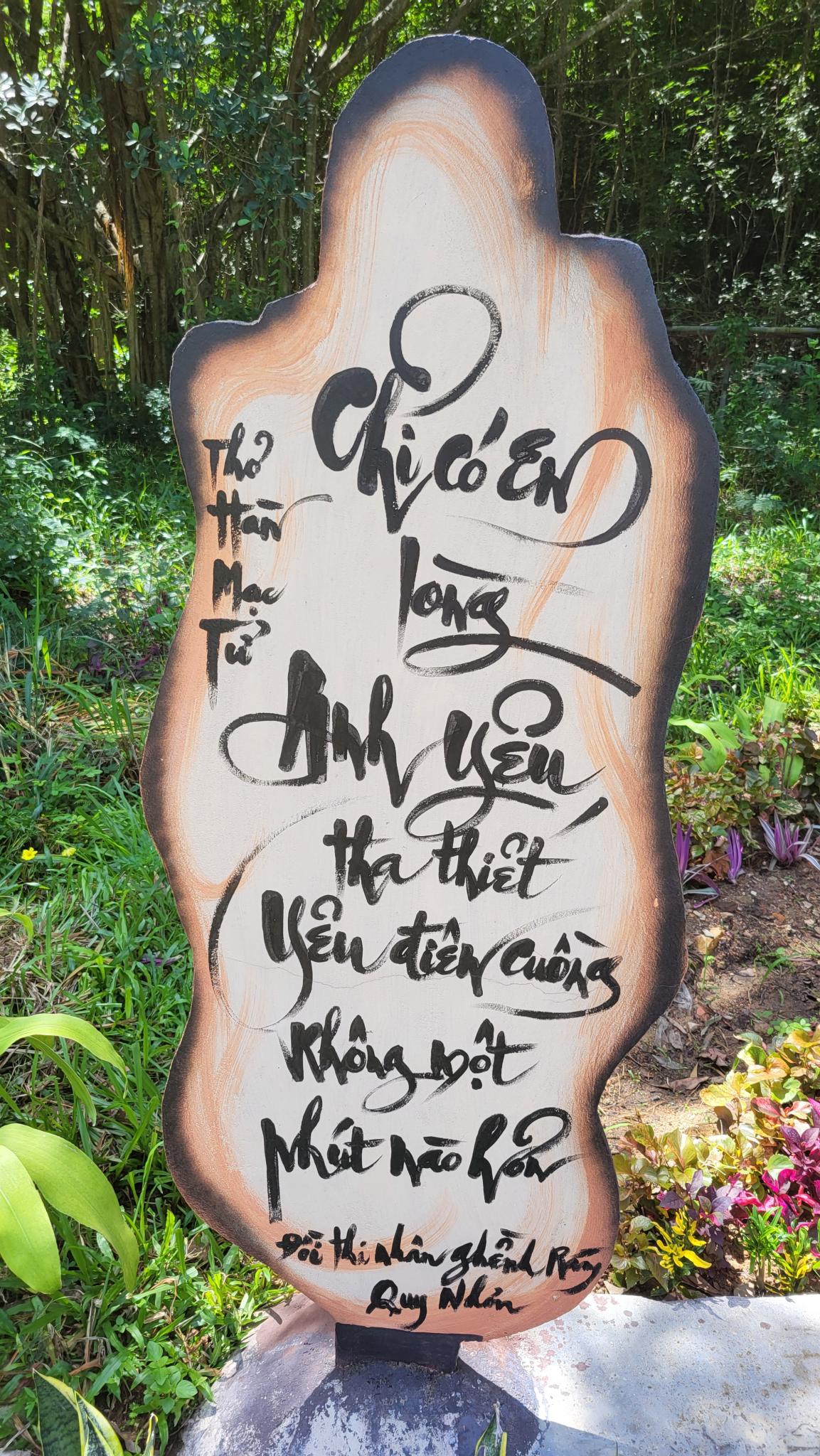
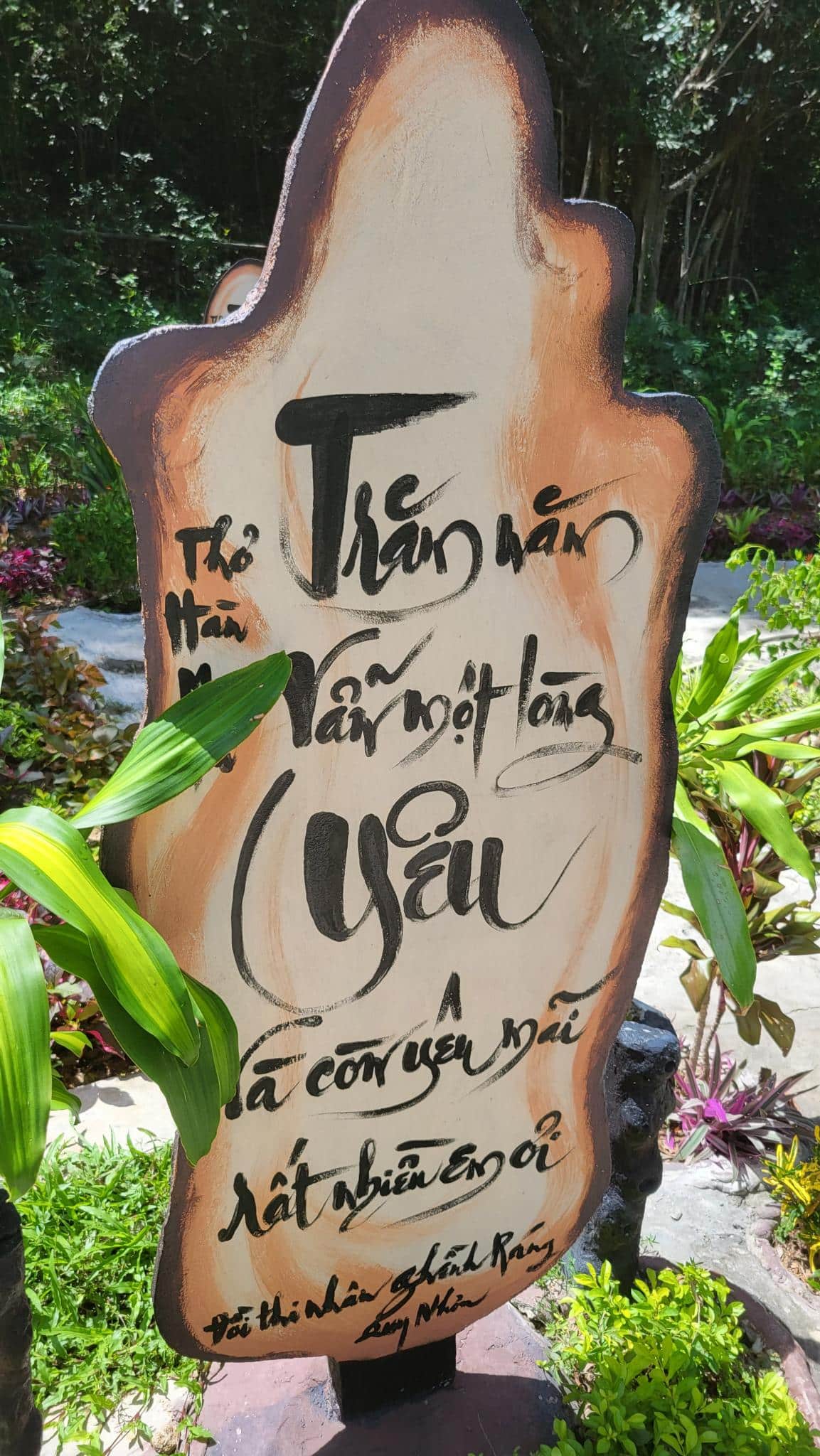
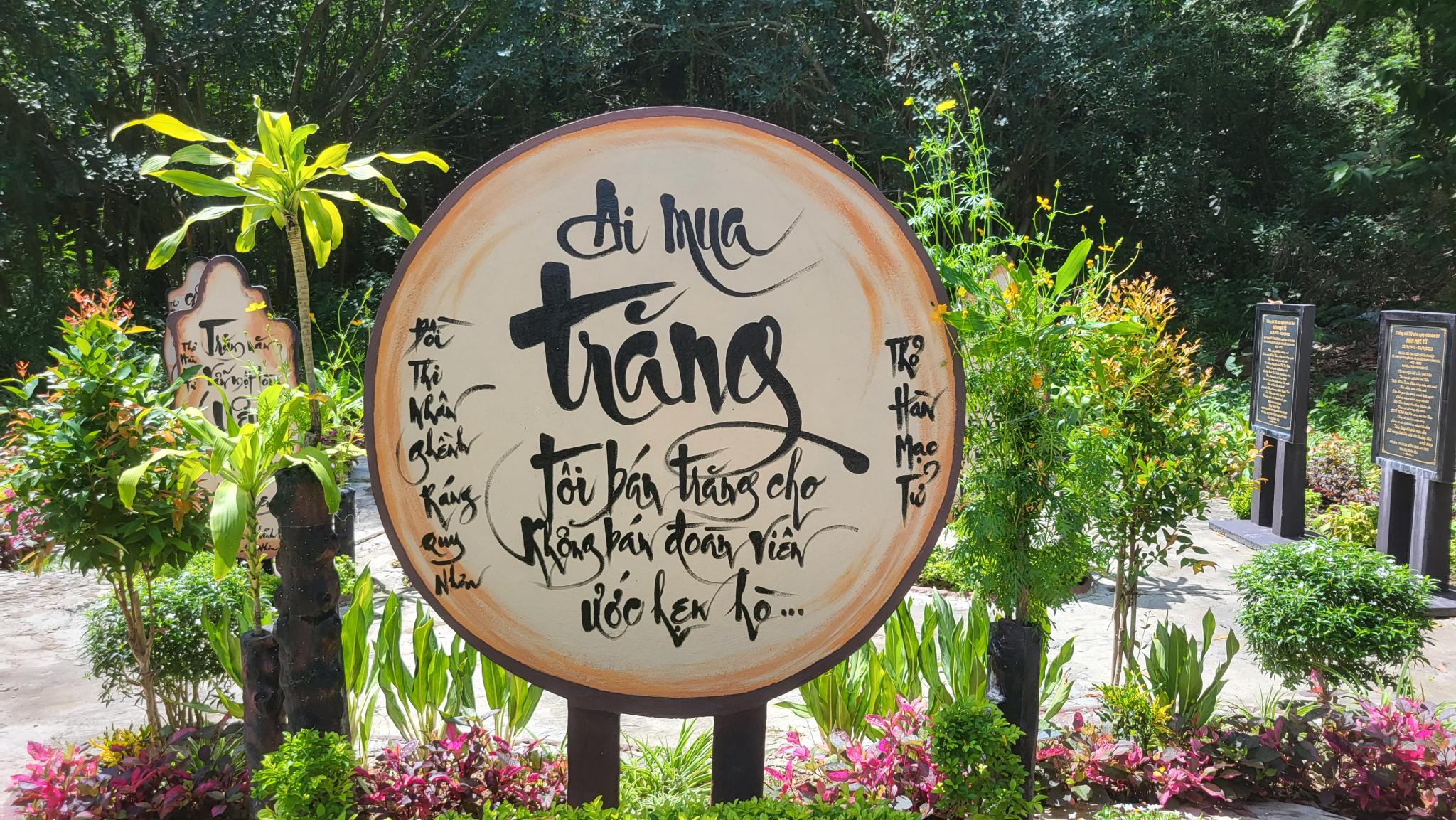
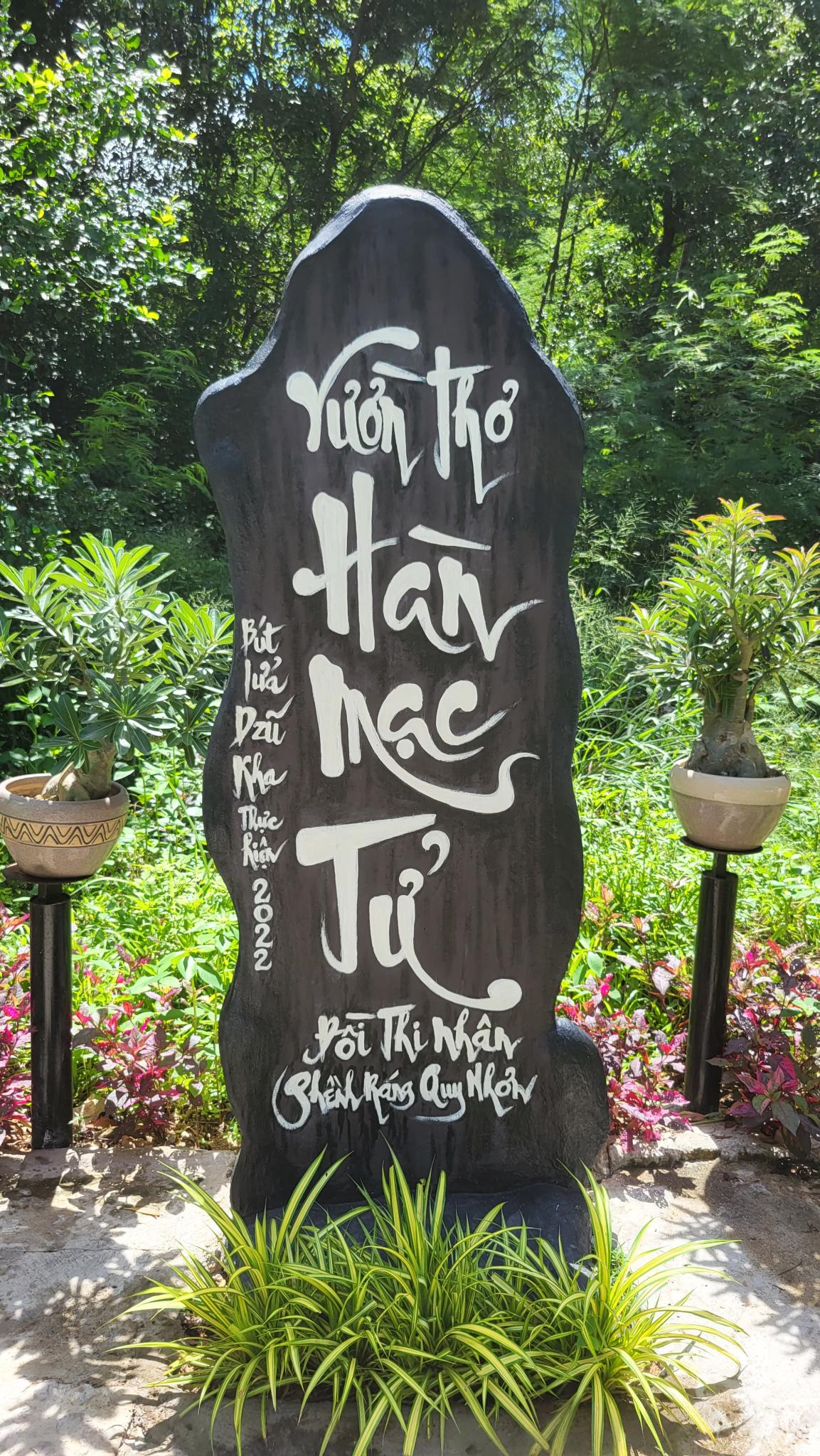
- Literary Tribute: The Garden of Poetry is a scenic and contemplative space adjacent to Han Mac Tu’s Tomb, dedicated to celebrating Vietnamese poetry, literature, art, and cultural heritage. The garden features pathways, sculptures, inscriptions, landscapes, and thematic elements that evoke themes, imagery, and emotions found in Han Mac Tu’s poetry and writings.
- Cultural Landscape: The Garden of Poetry serves as a cultural landscape where visitors can explore, engage, and interact with various poetic forms, literary traditions, and artistic expressions prevalent in Vietnamese literature, culture, and society. The garden’s design, layout, and features create an immersive and inspirational environment that encourages appreciation, reflection, and exploration of Han Mac Tu’s poetry, philosophy, and artistic vision.
Visitor Experience:
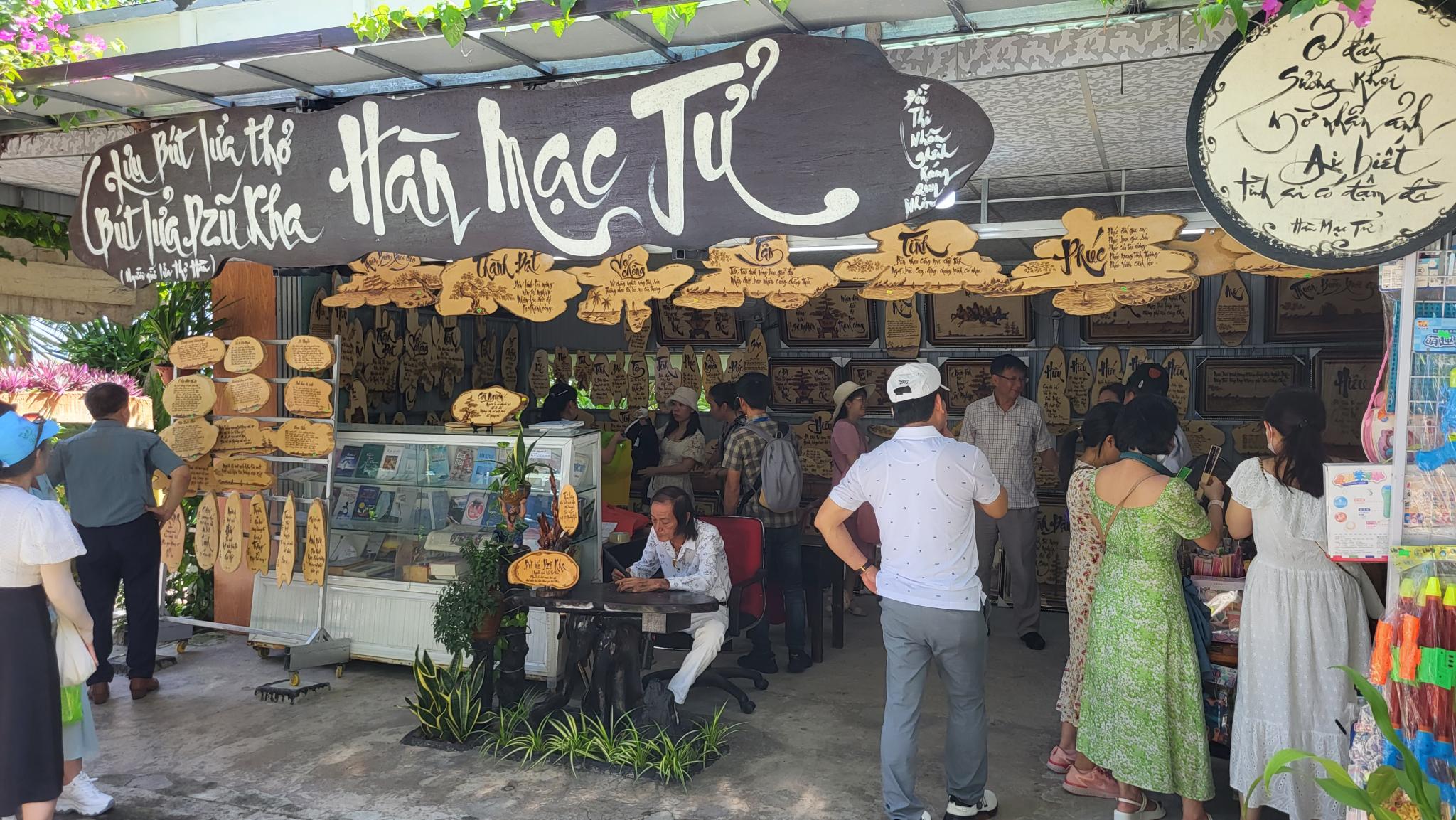
- Cultural Exploration: Visitors to Han Mac Tu’s Tomb and the Garden of Poetry can immerse themselves in the poet’s world, exploring his life, works, influences, and contributions to Vietnamese literature, culture, and society. The sites offer unique opportunities to engage with Han Mac Tu’s poetry, philosophy, and artistic vision while gaining a deeper appreciation for his enduring legacy and cultural significance.
- Educational and Inspirational: Han Mac Tu’s Tomb and the Garden of Poetry serve as educational, inspirational, and reflective spaces for students, scholars, poets, writers, artists, and cultural enthusiasts interested in exploring Vietnamese literature, history, art, and intellectual heritage. The sites’ programs, events, workshops, and activities encourage dialogue, appreciation, and engagement with Han Mac Tu’s poetry, literary traditions, and cultural values.
In summary, Han Mac Tu’s Tomb and the nearby Garden of Poetry in Quy Nhơn, Vietnam, are significant cultural and historical landmarks dedicated to commemorating the life, works, and legacy of the renowned Vietnamese poet Han Mac Tu. These sites symbolize Vietnam’s rich literary heritage, artistic traditions, and intellectual contributions to the world of poetry, literature, and culture, providing visitors with meaningful experiences, insights, and connections to the poet’s enduring legacy and cultural impact.