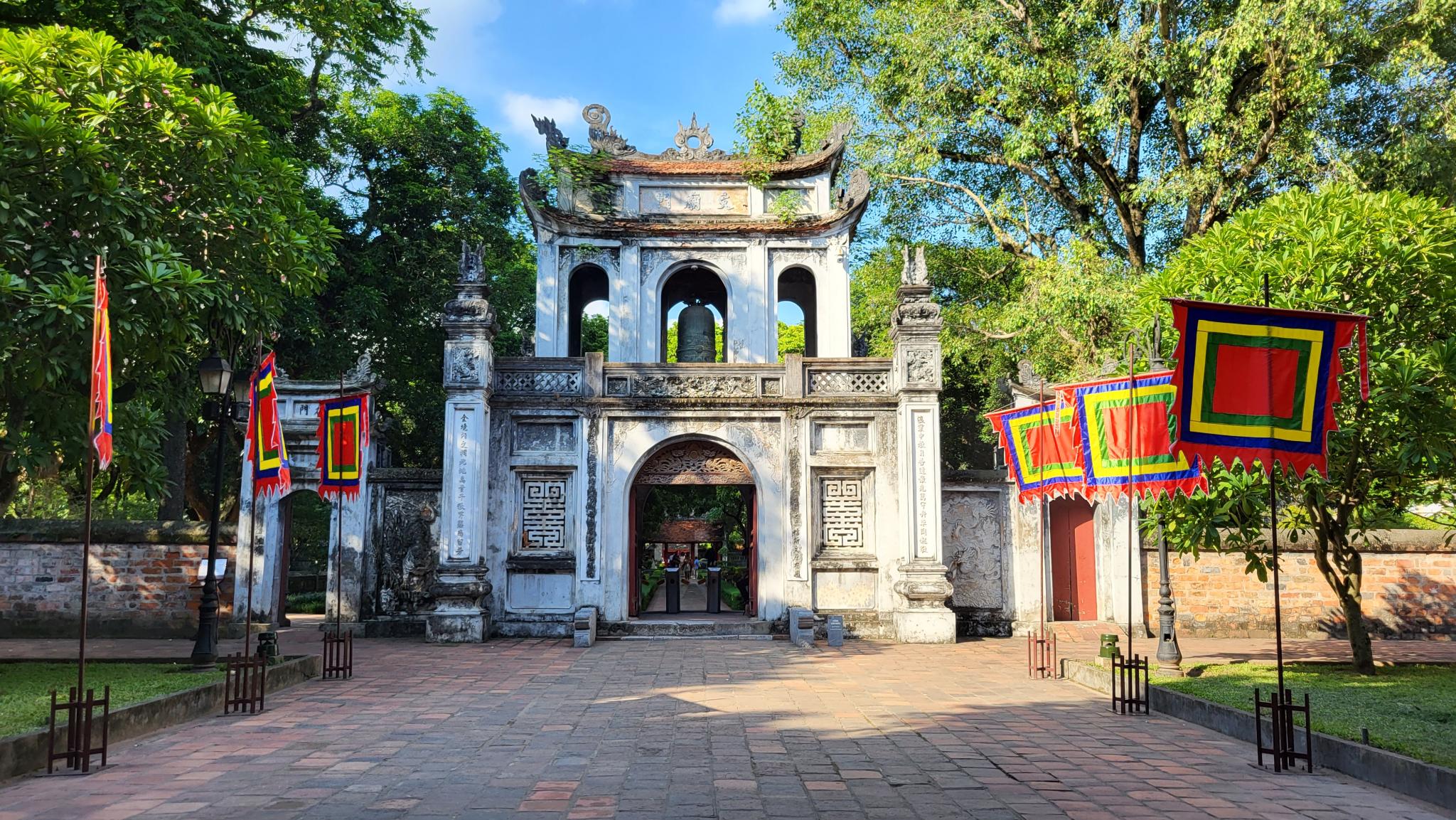
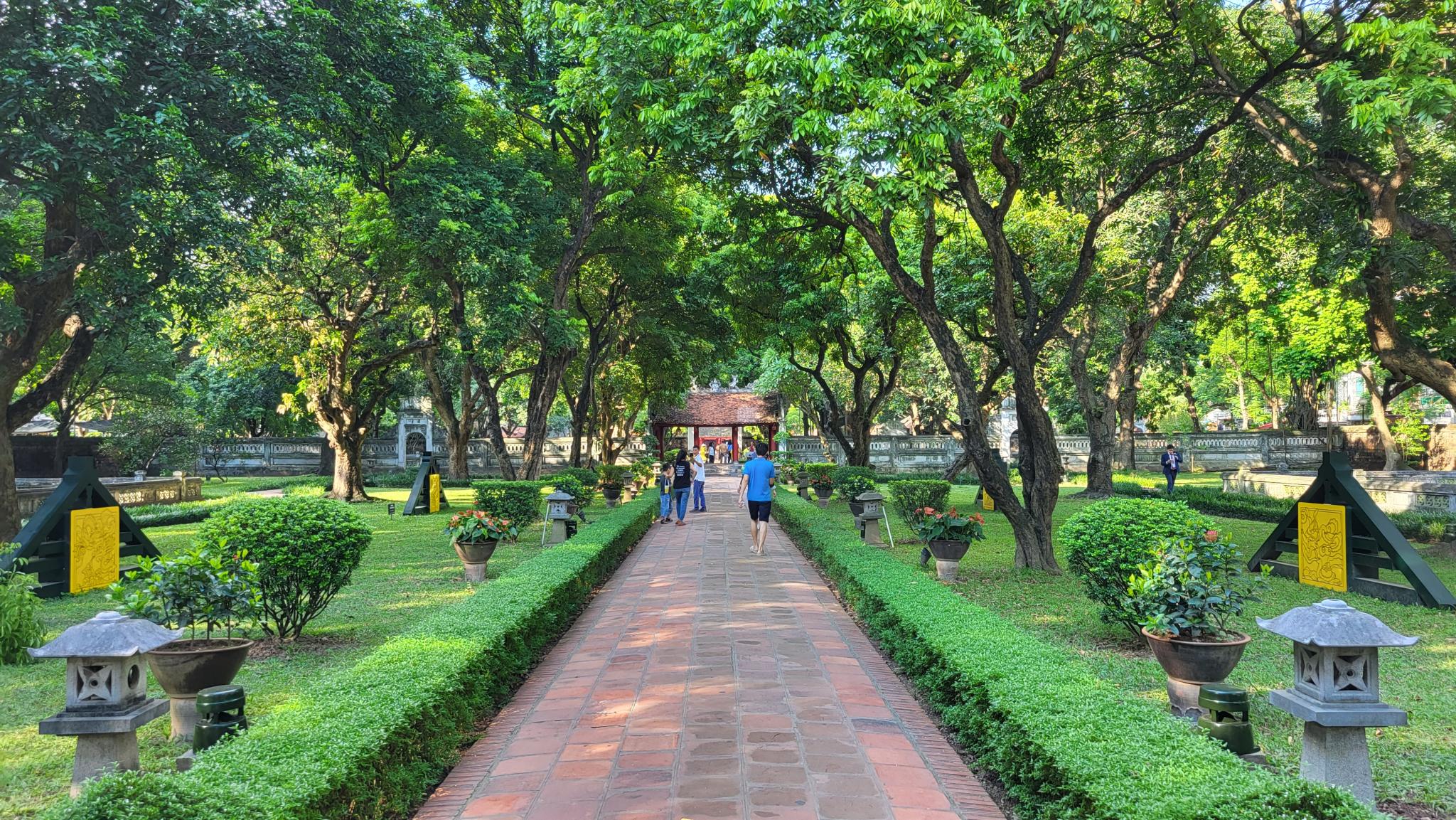
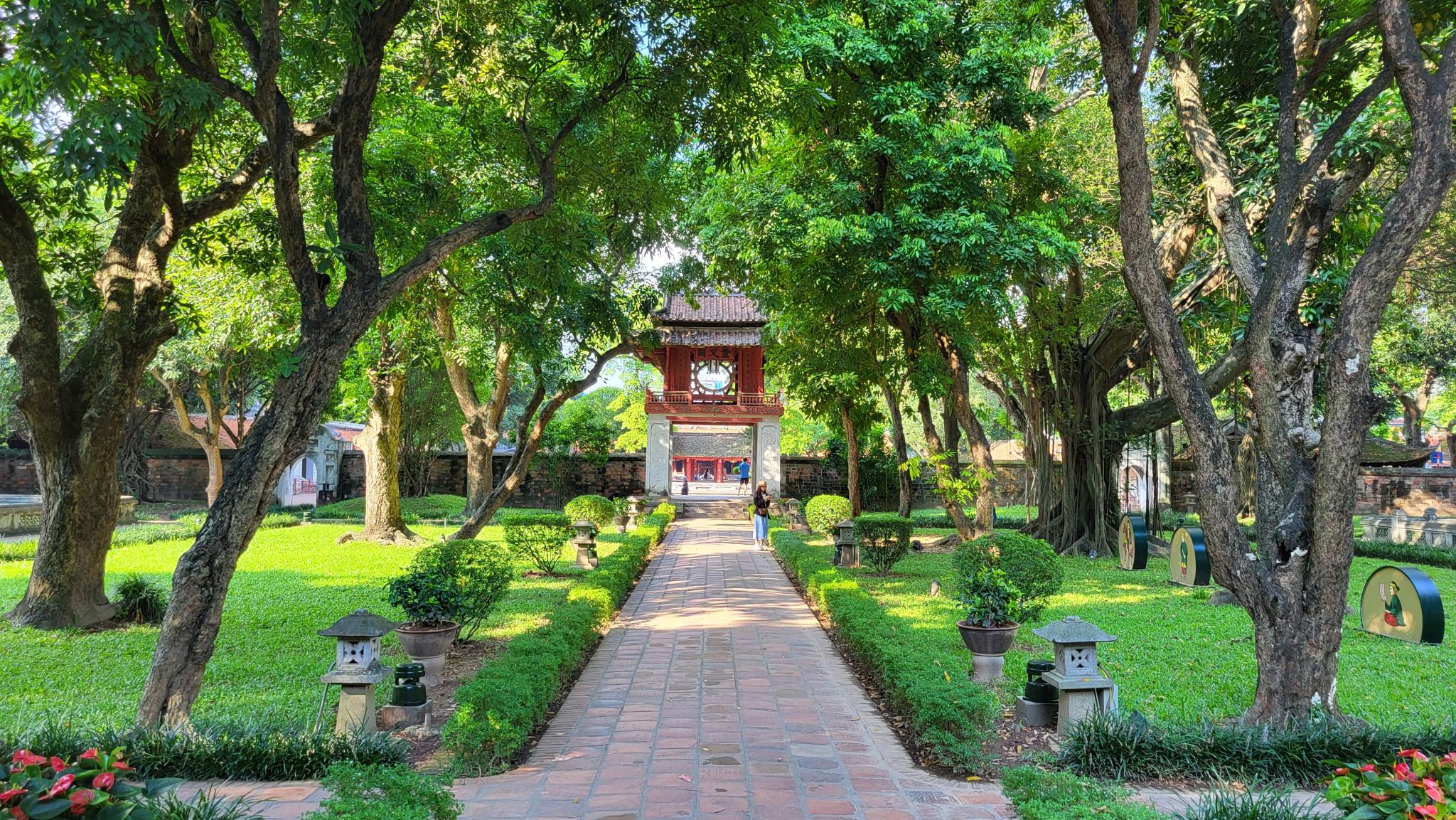
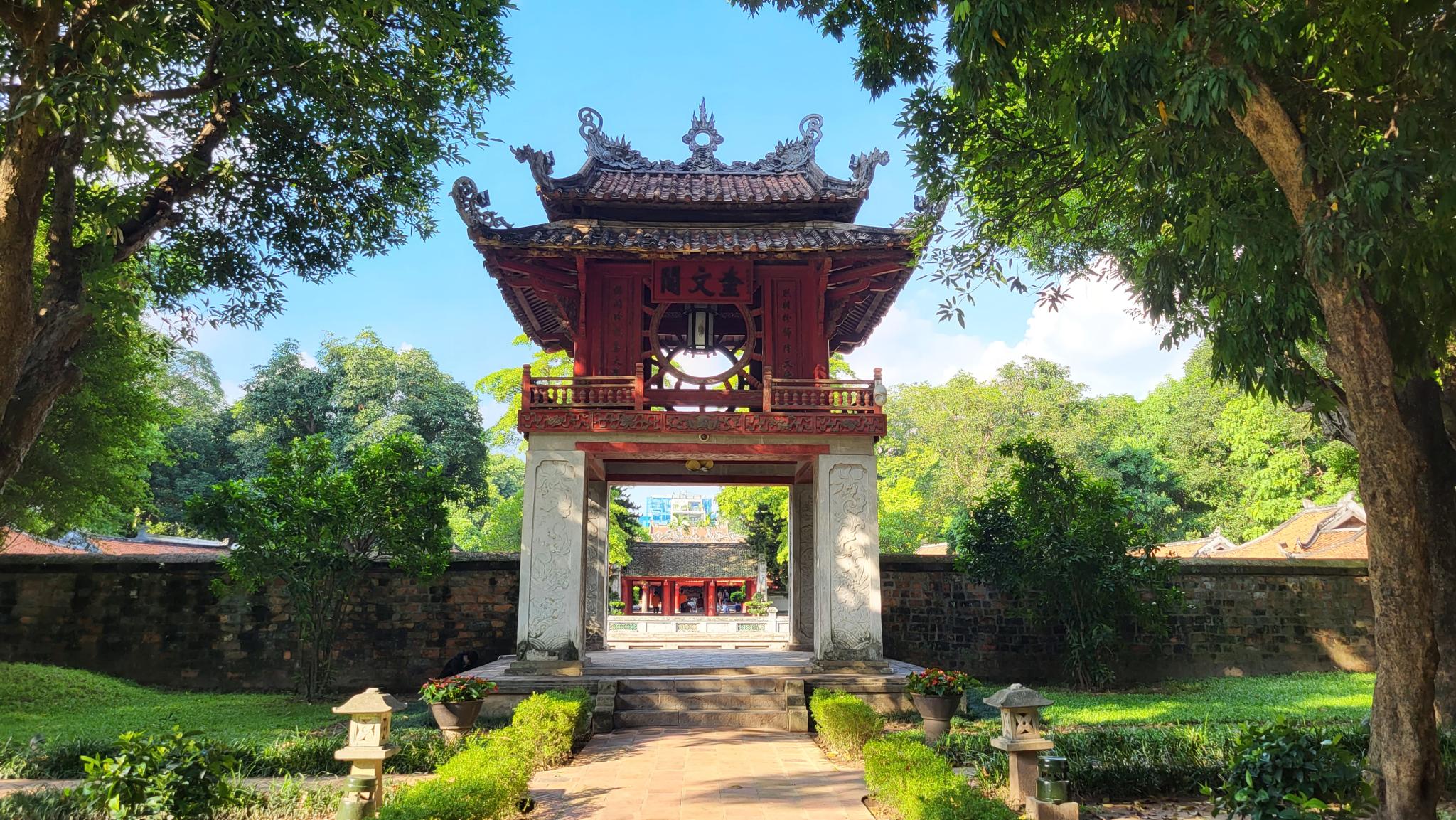
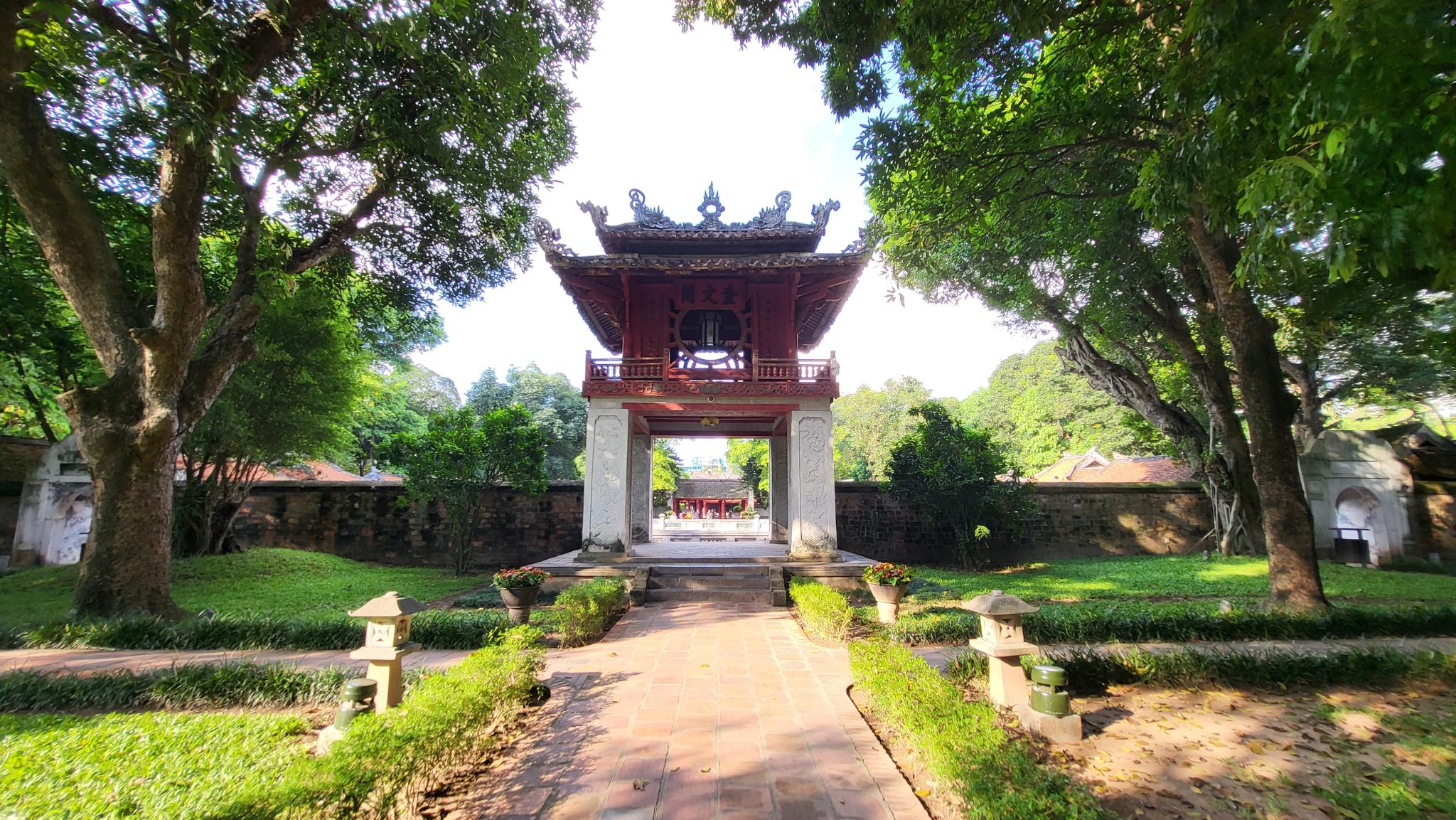
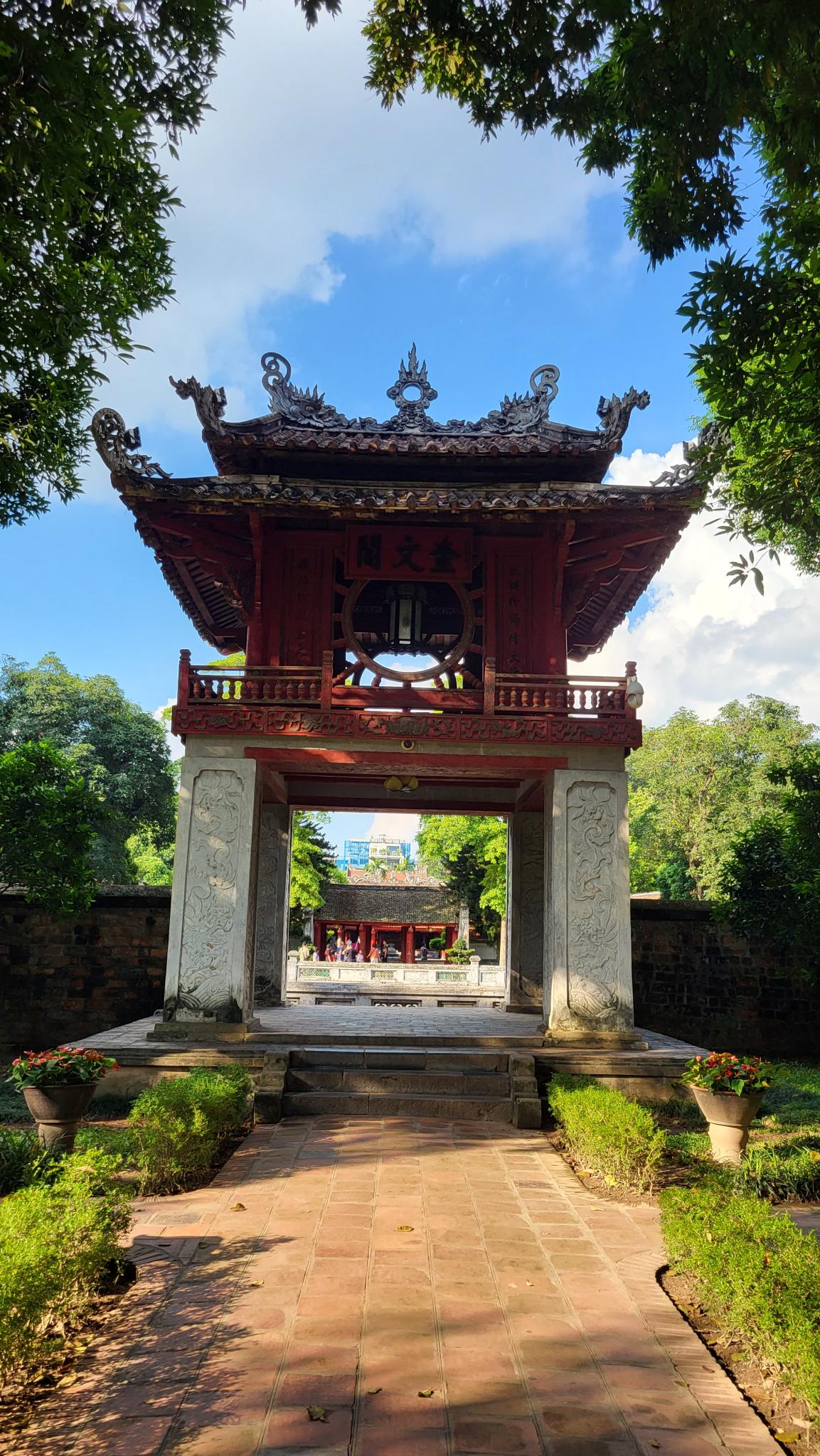
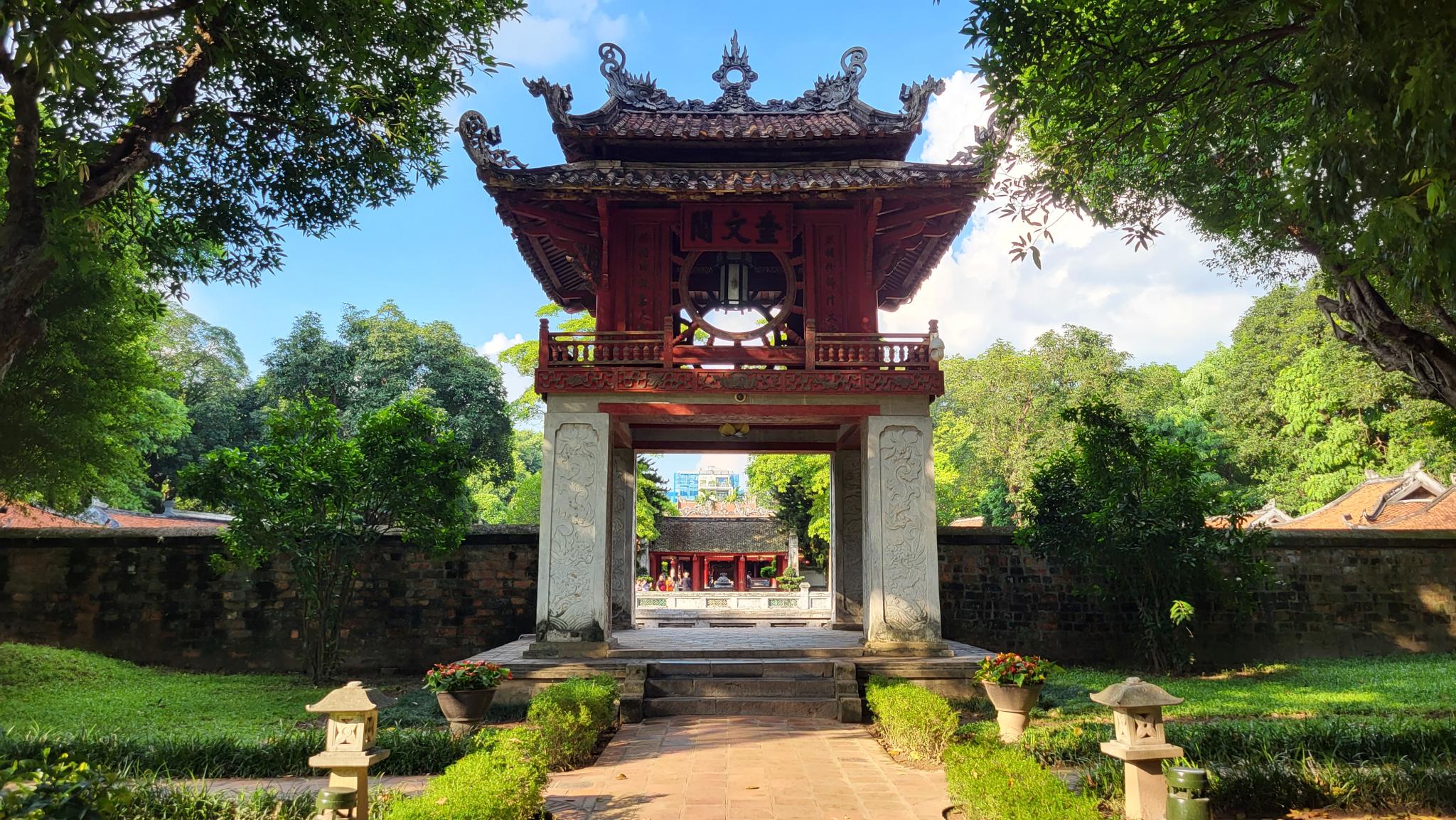
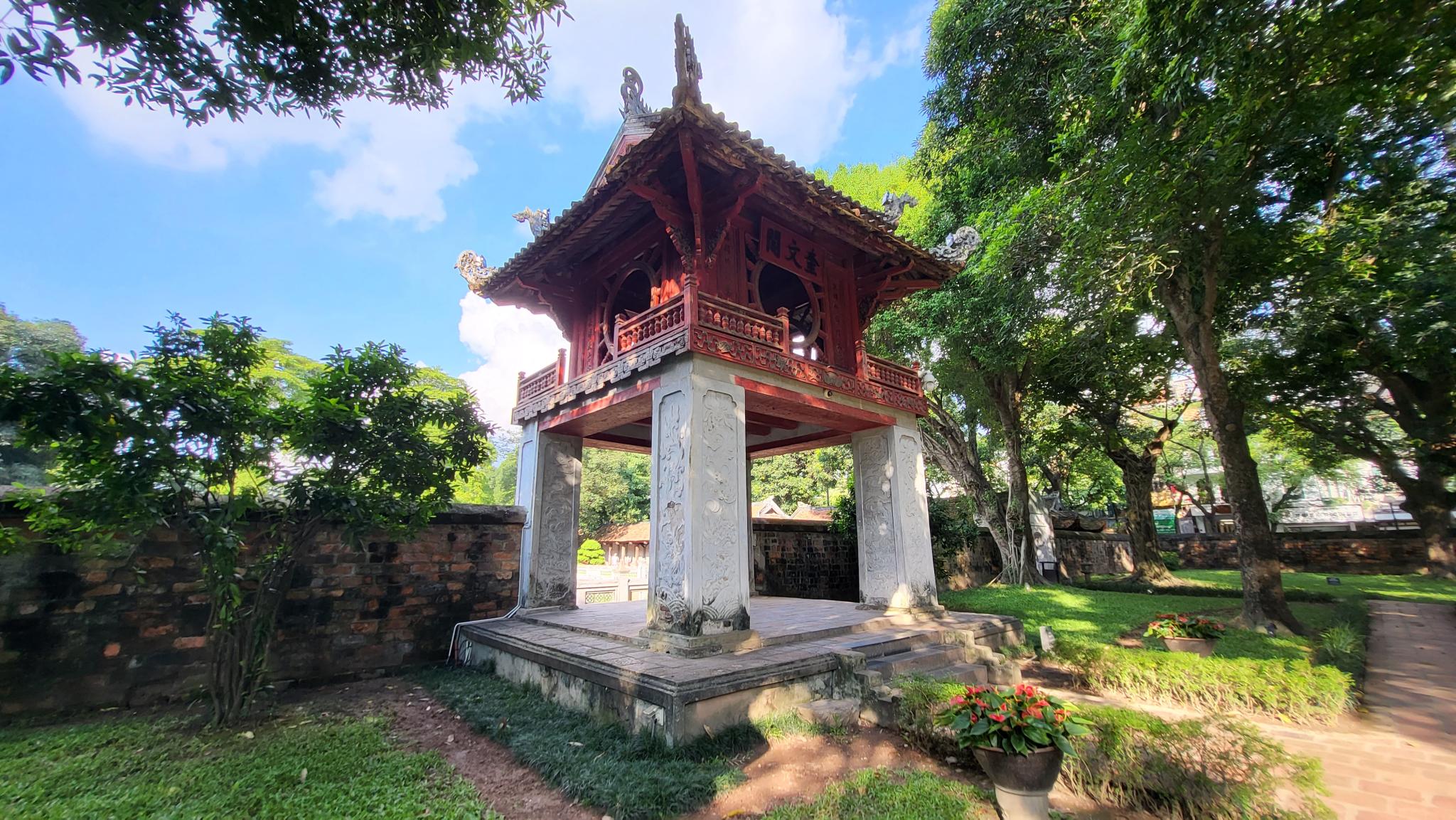
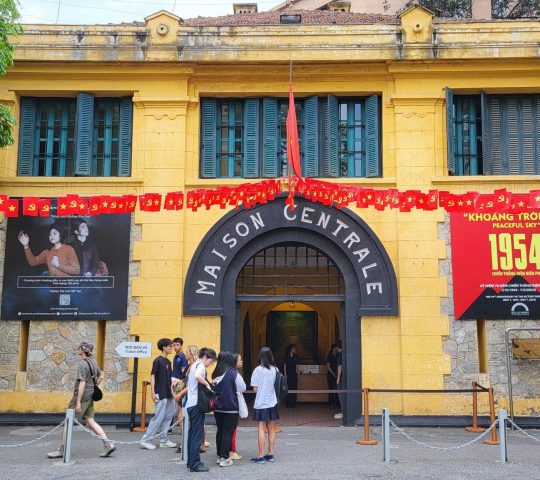
Temple of Literature (Văn Miếu – Quốc Tử Giám) – Hanoi
Listing has verified and belong the business owner or manager.
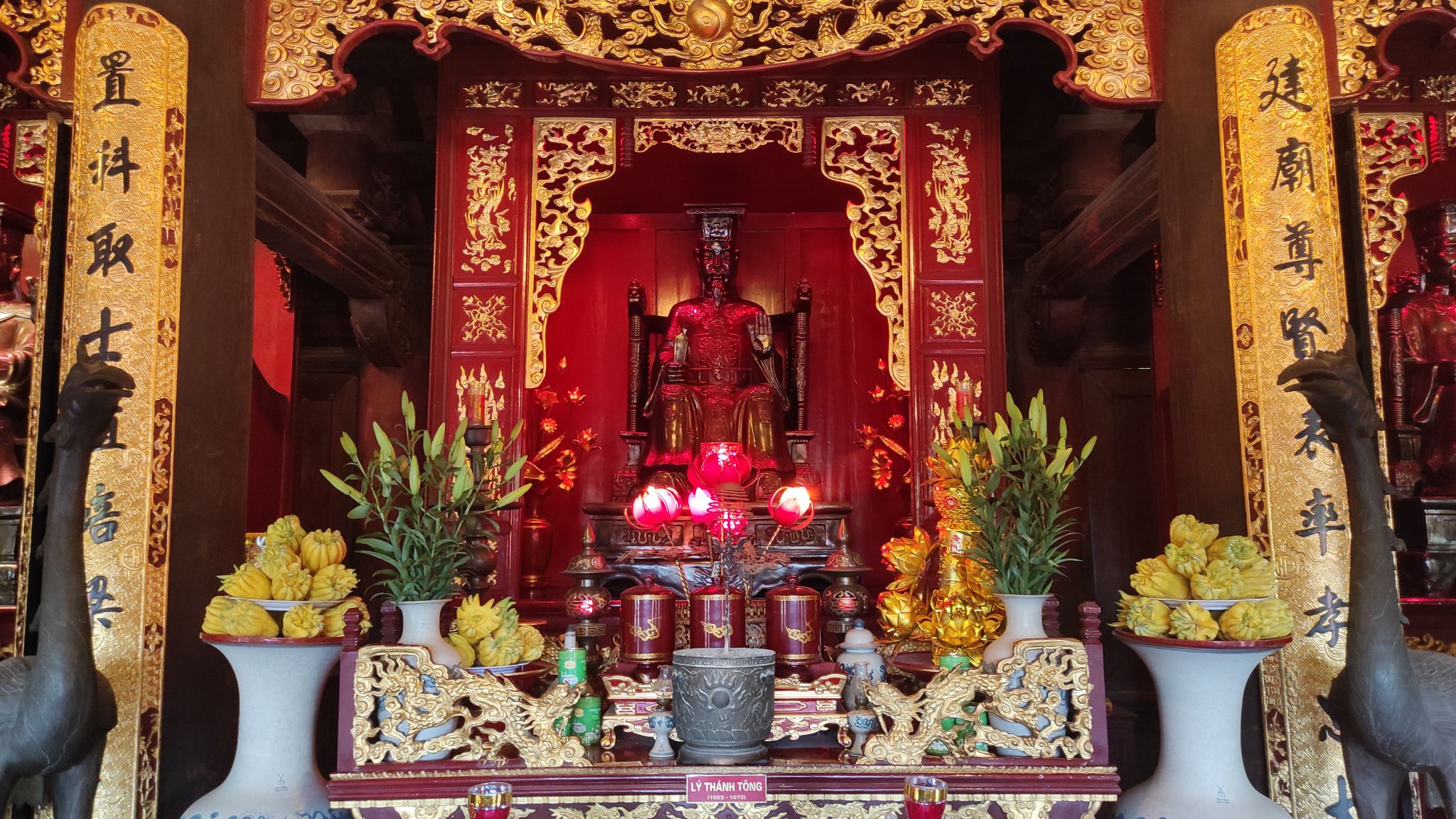
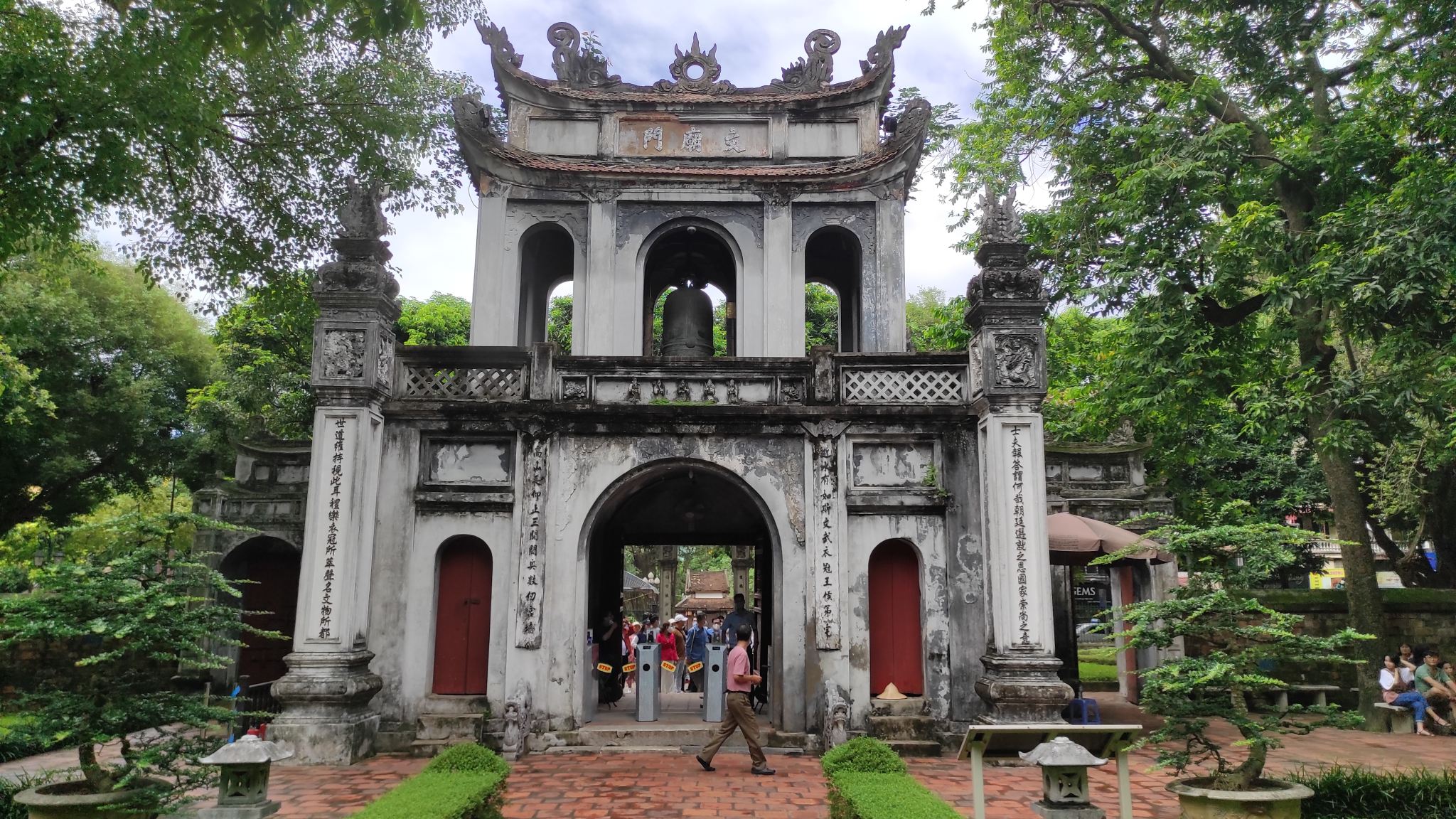
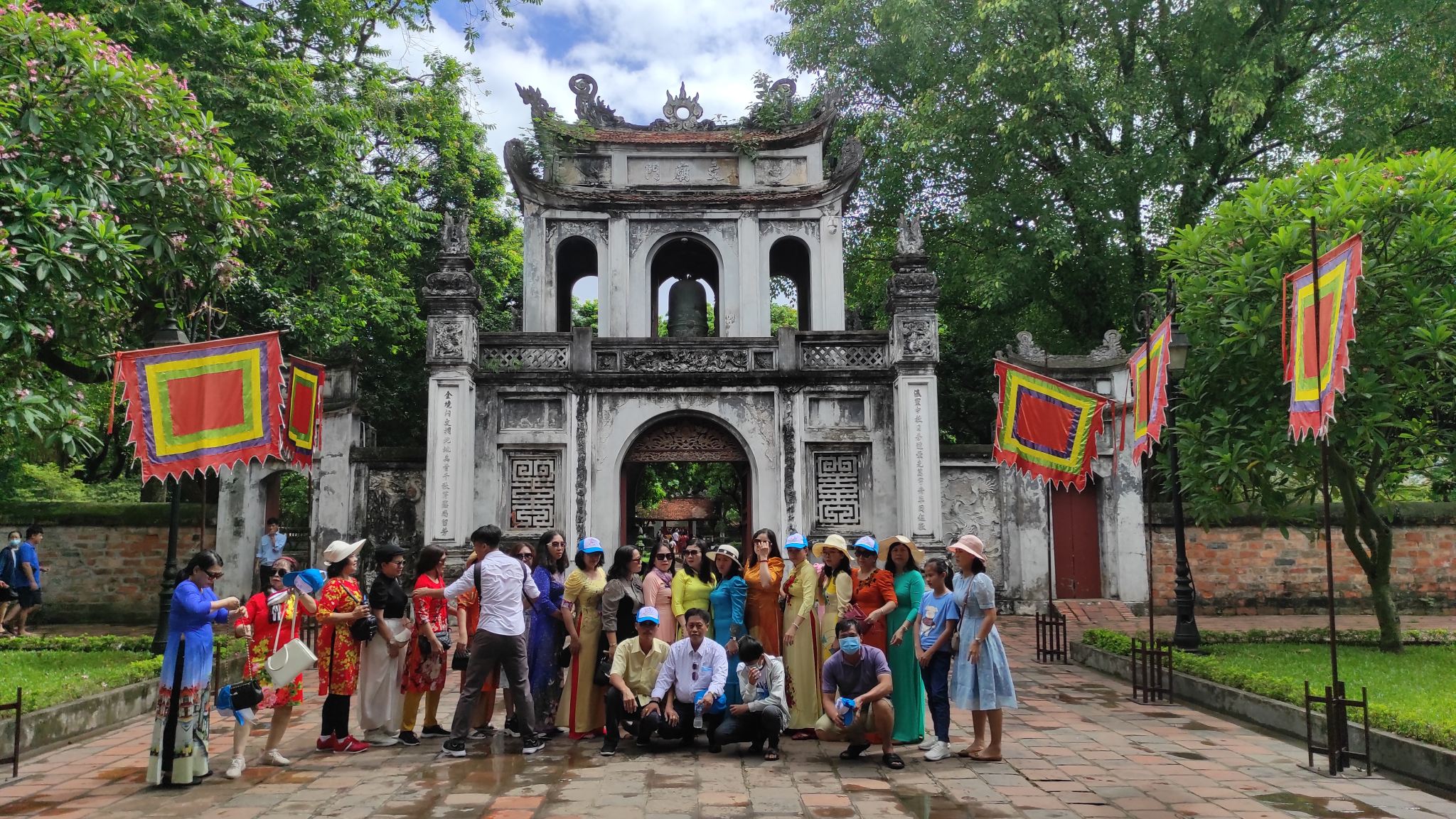
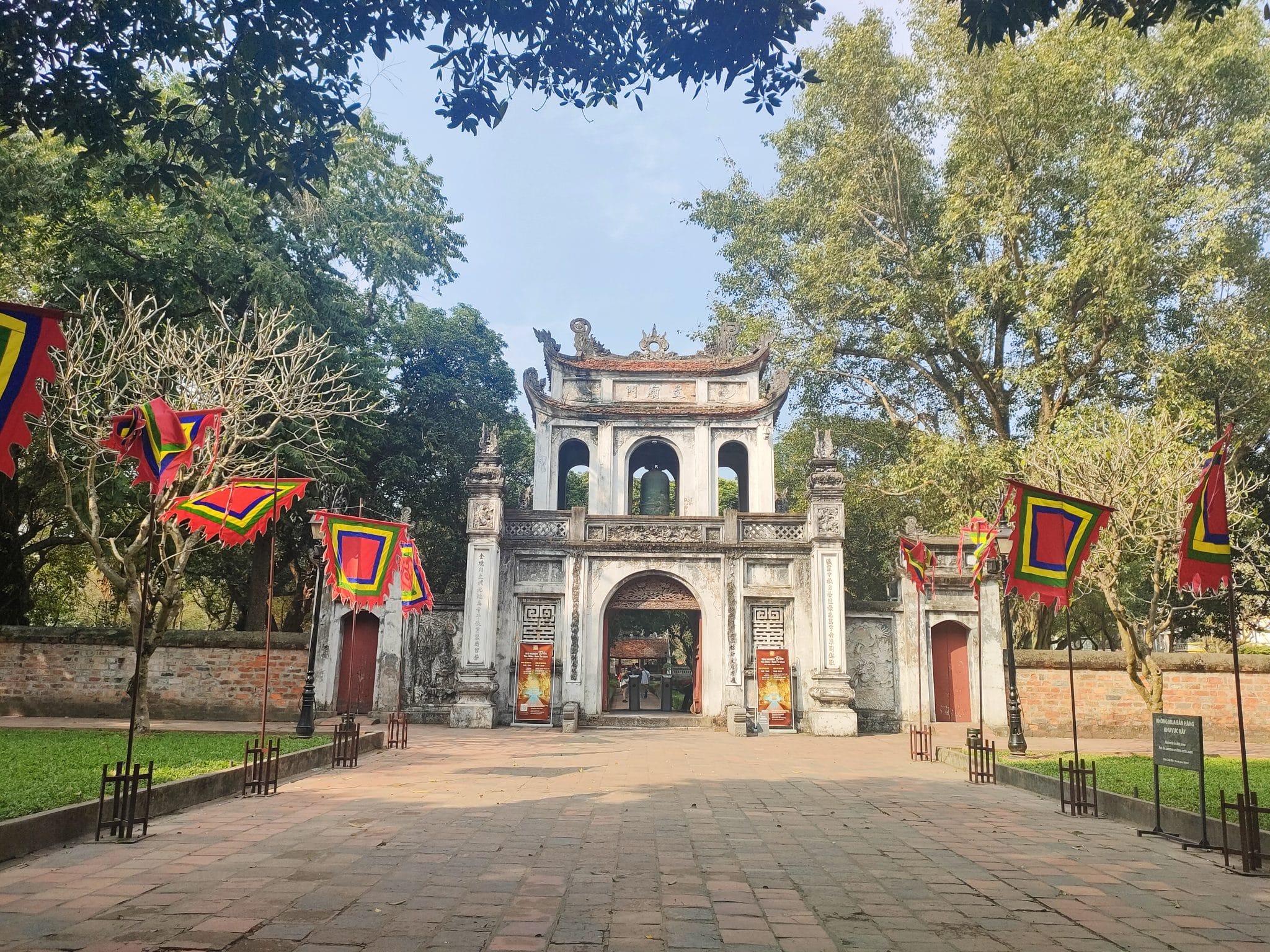
The Temple of Literature, known as Văn Miếu in Vietnamese, is a historical and cultural landmark located in Hanoi, Vietnam. Established in 1070 during the reign of Emperor Lý Thánh Tông, the Temple of Literature is dedicated to Confucius, scholars, and sages and served as Vietnam’s first national university.
Purpose and History:
- Educational Institution: The primary purpose of the Temple of Literature was to honor Confucius and serve as an educational institution for scholars, students, and mandarins aspiring to pursue academic excellence, moral integrity, and public service. The temple complex housed the Imperial Academy, Vietnam’s first national university, where scholars studied Confucianism, literature, poetry, and governance.
- Cultural Significance: The establishment of the Temple of Literature reflected Vietnam’s commitment to Confucian ideals, education, and moral values, as well as its desire to cultivate a well-educated and virtuous scholar-official class capable of governing the country, upholding social harmony, and preserving cultural traditions.
What Can You See:
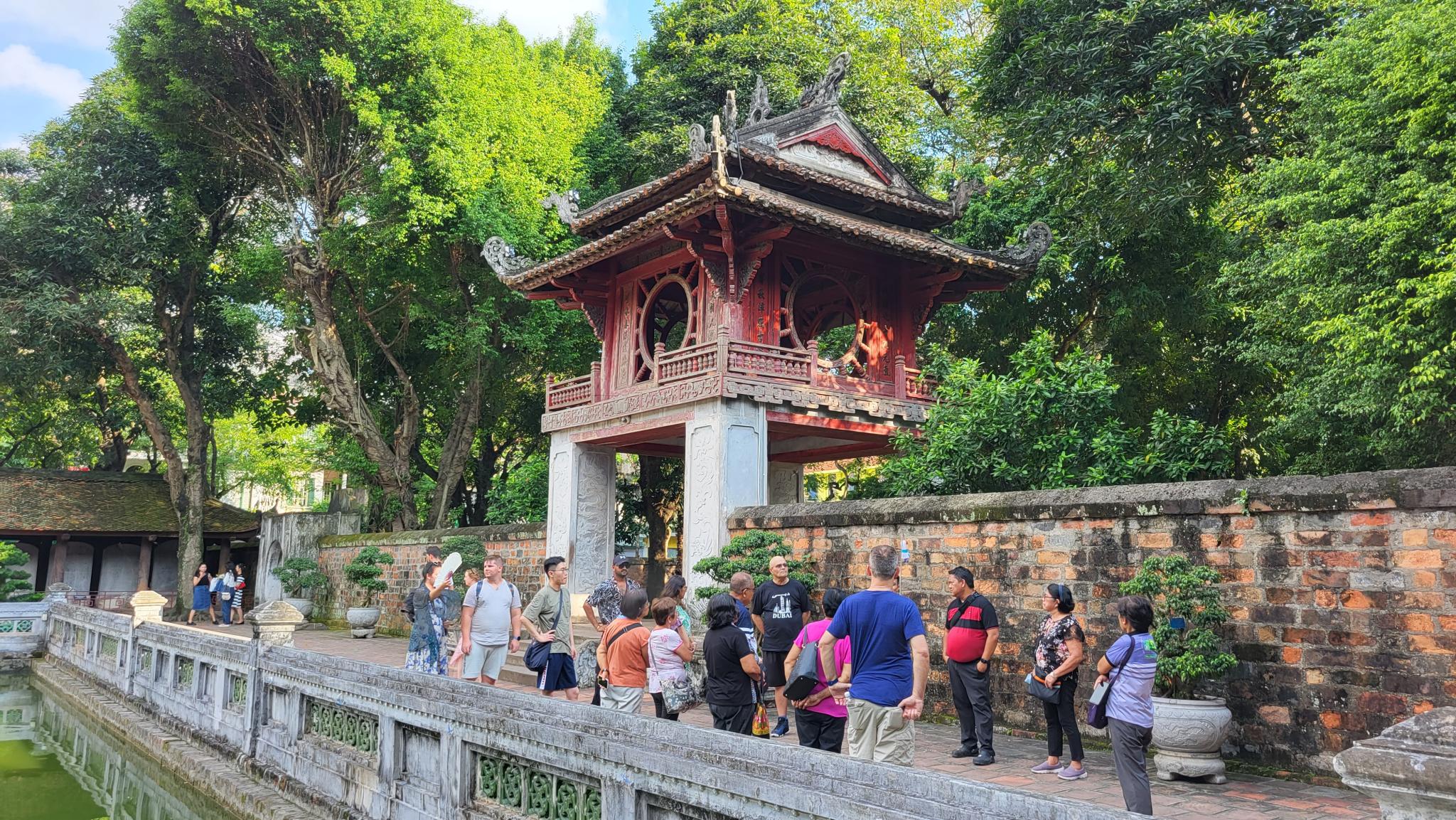
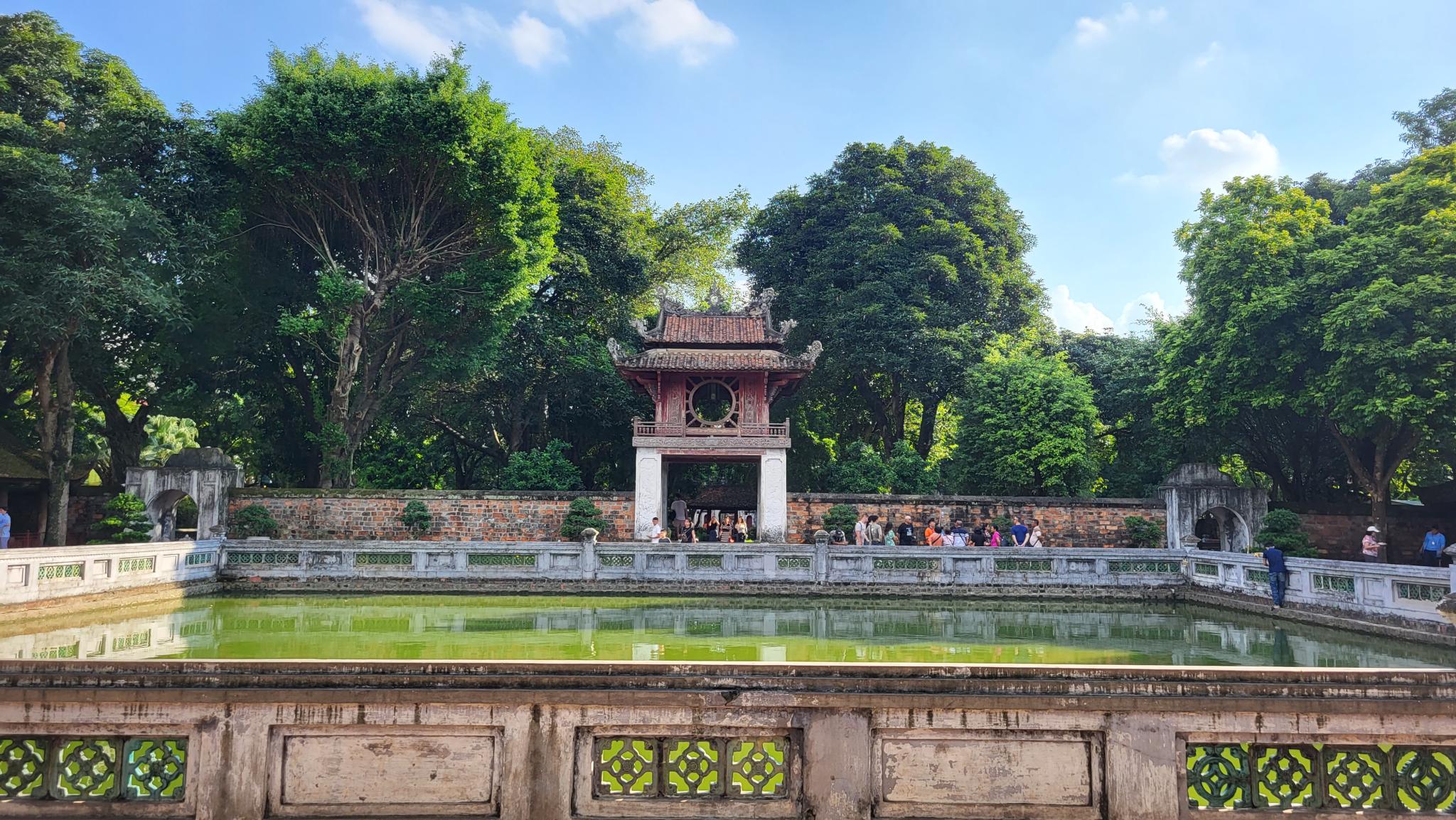
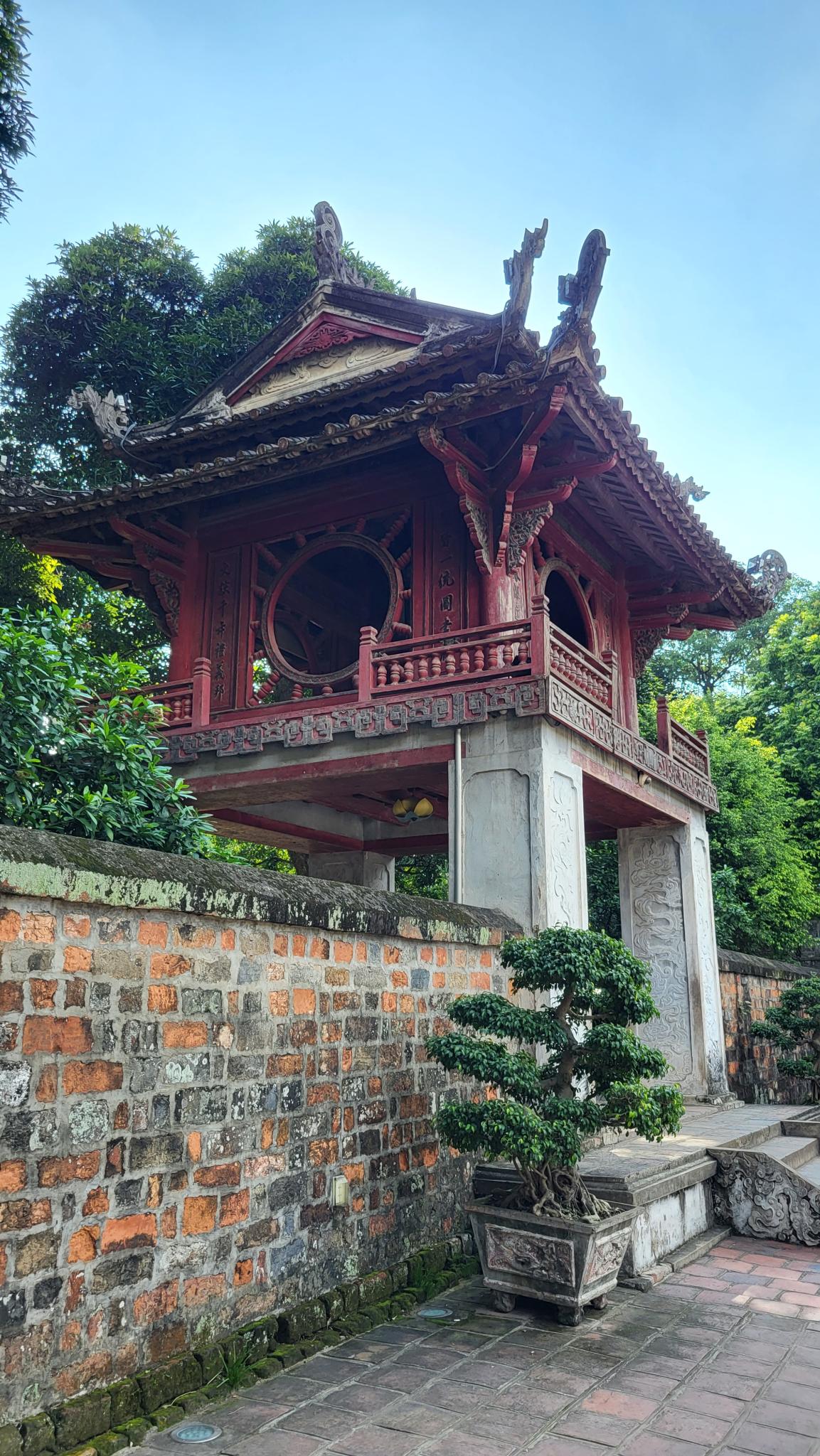
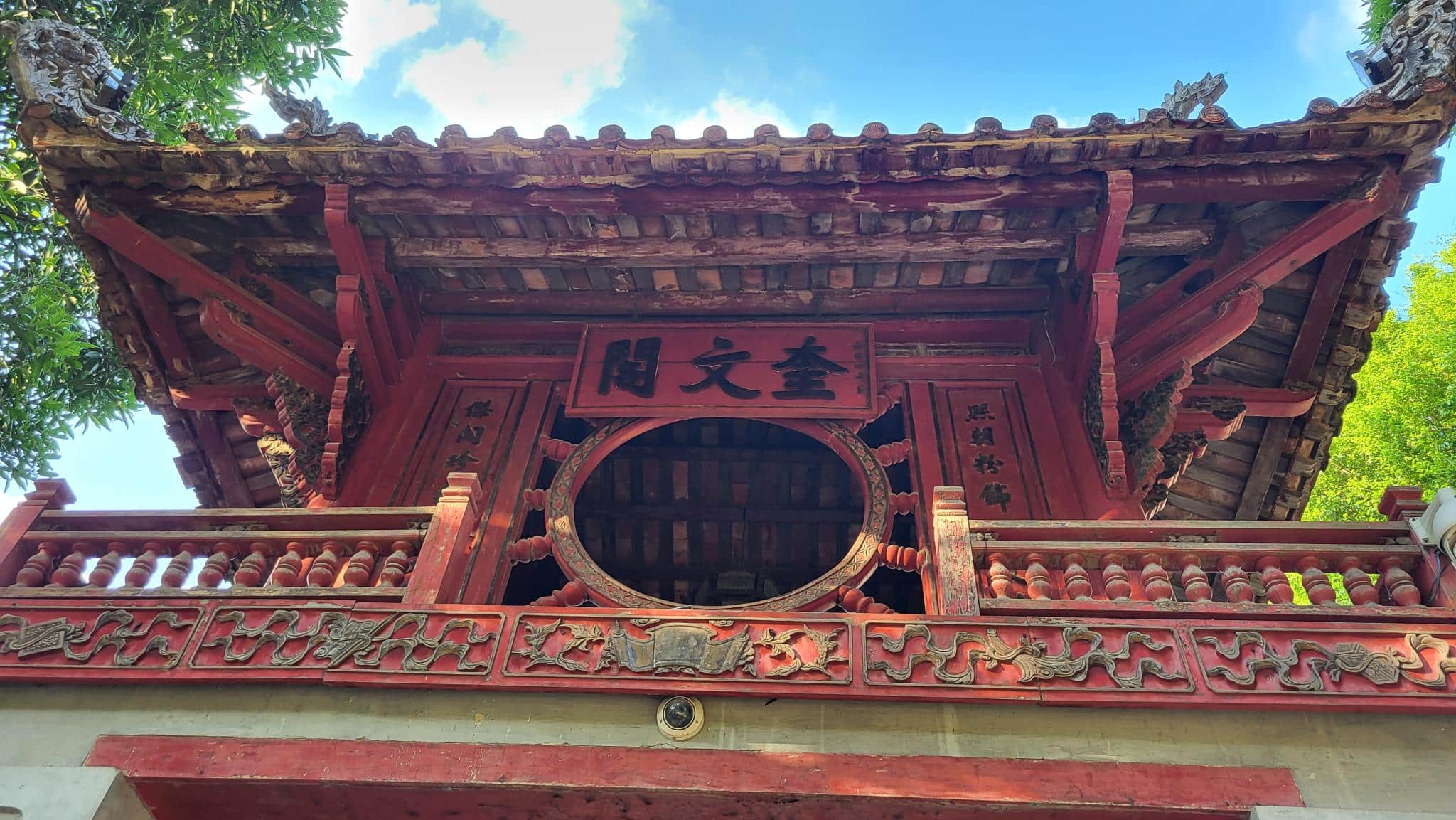
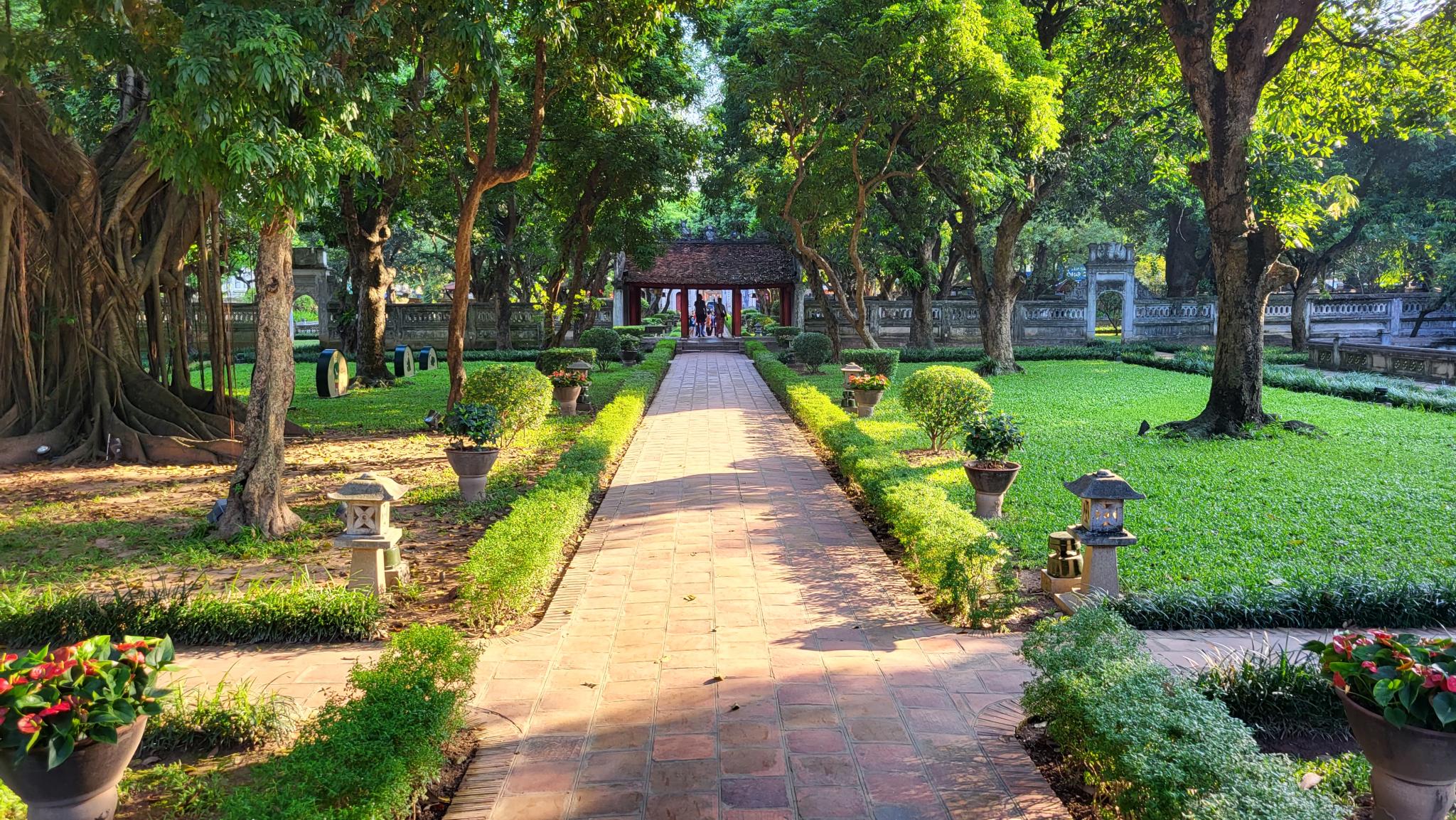
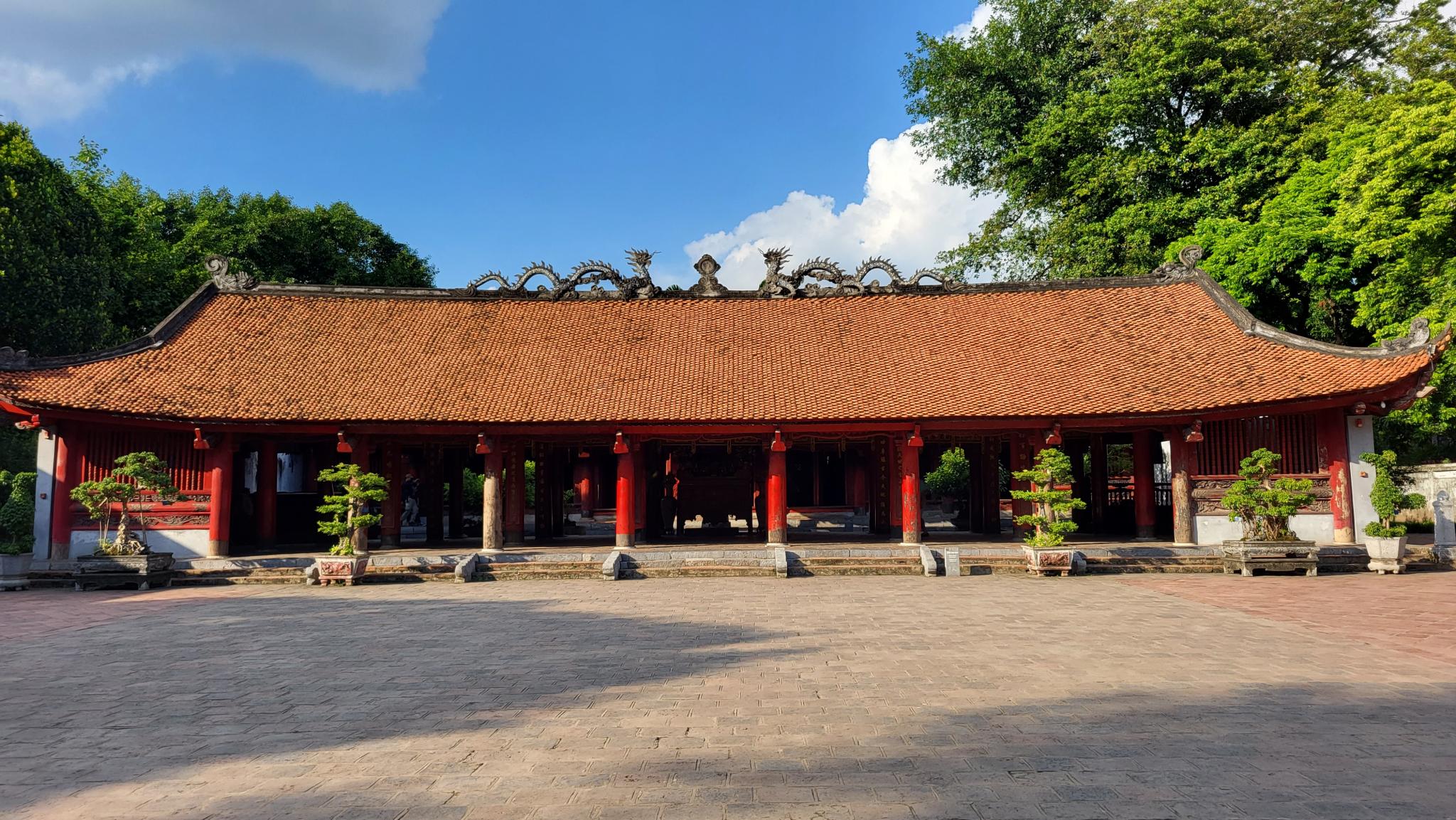
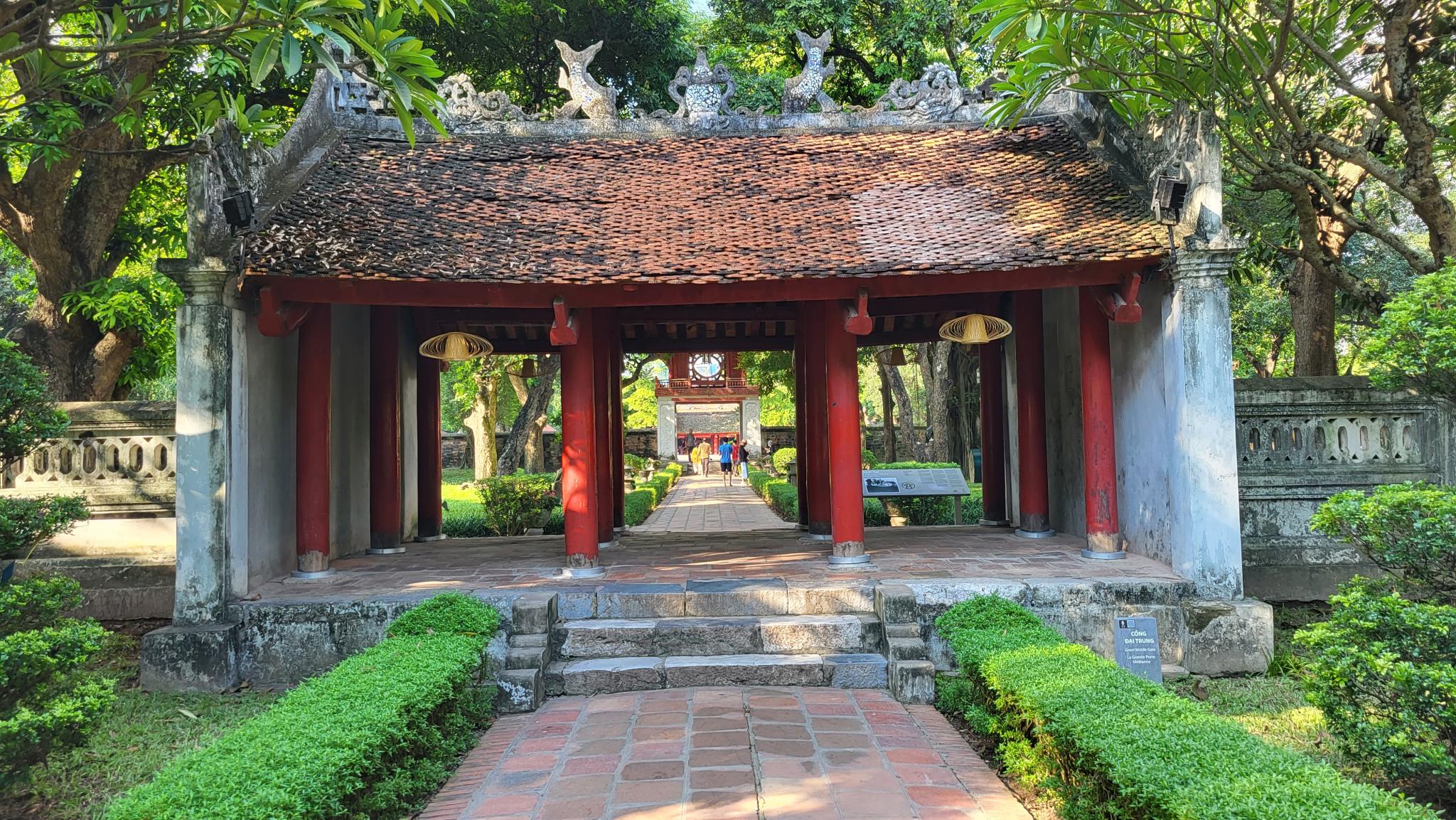
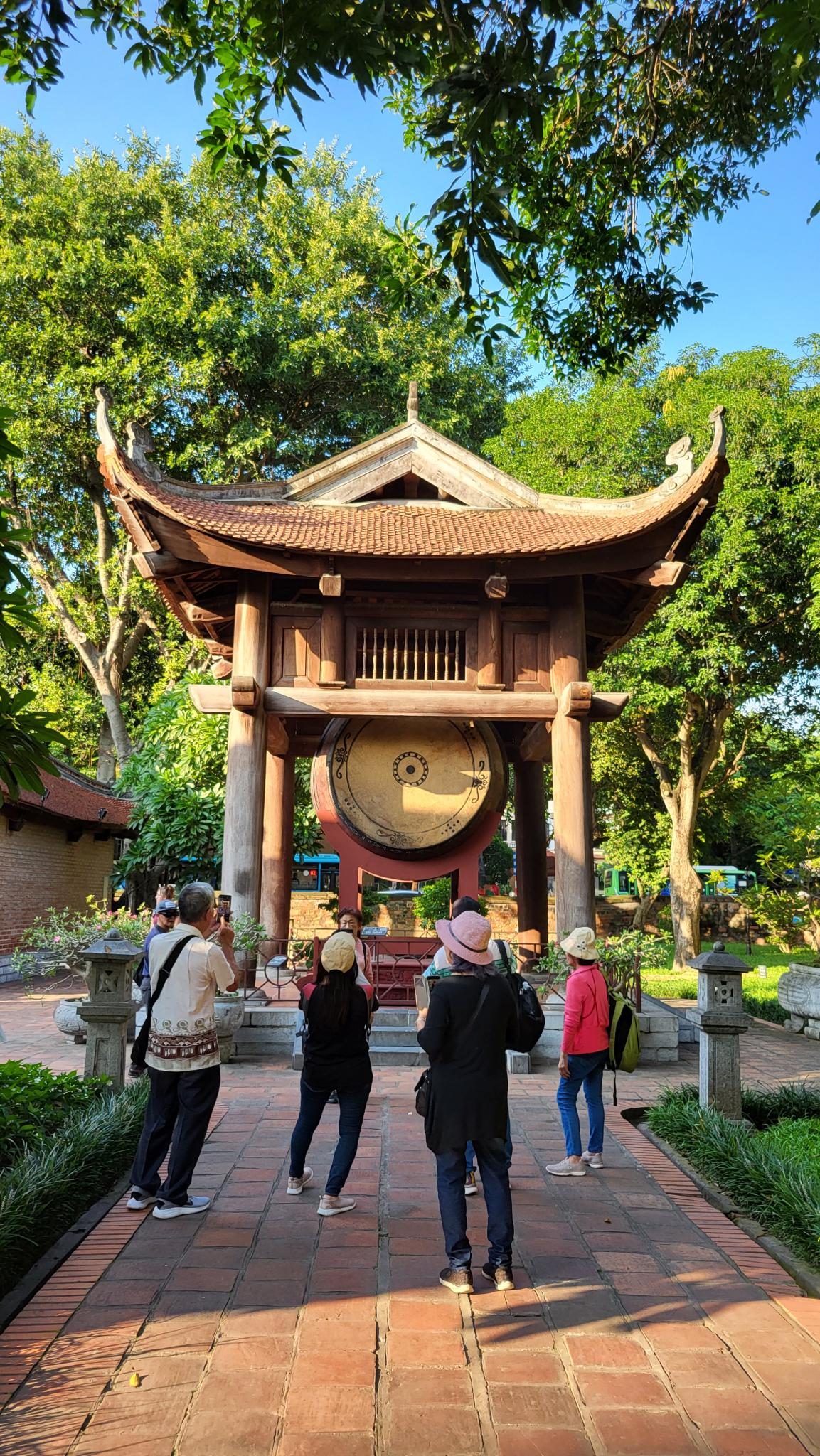
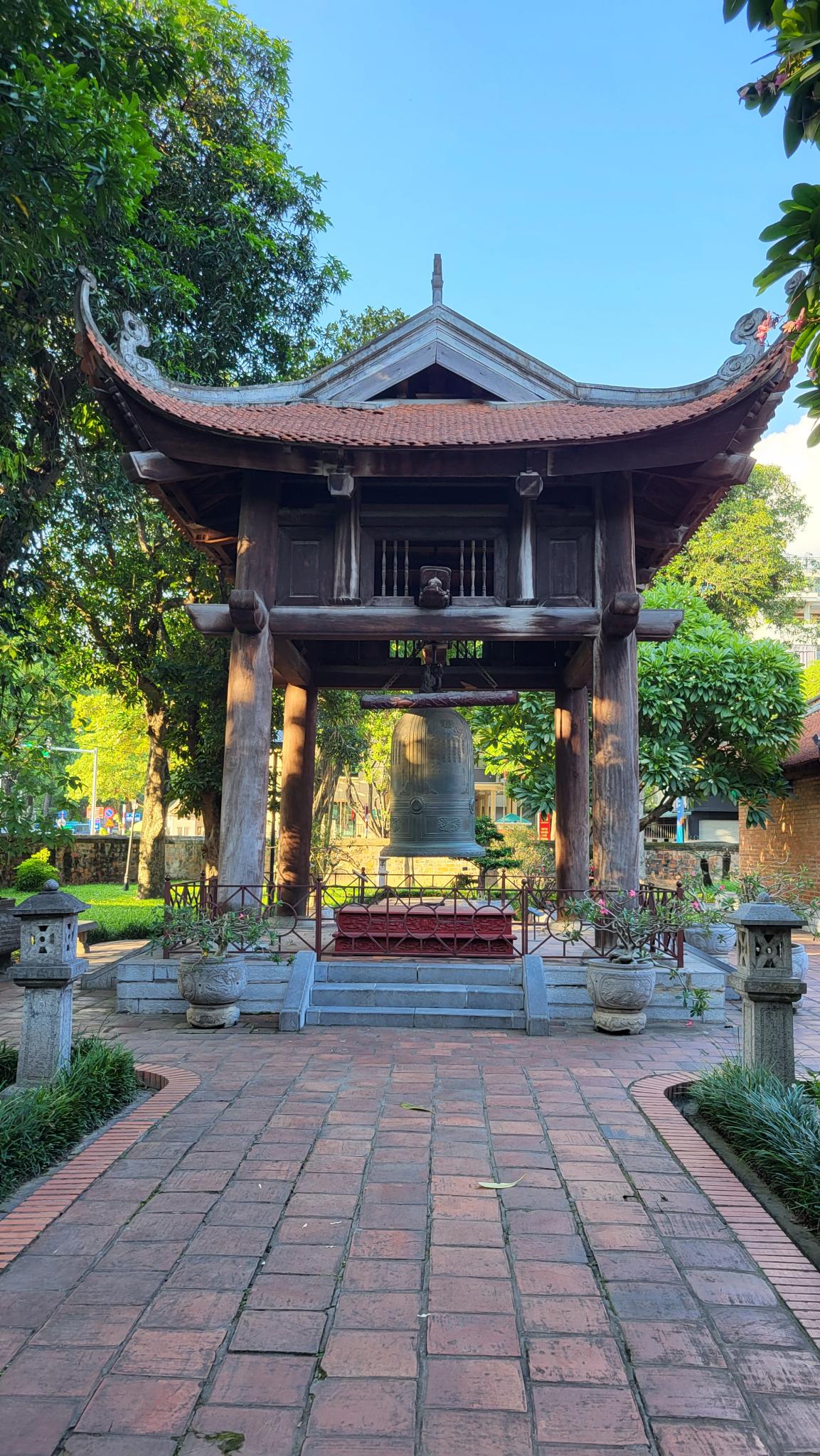
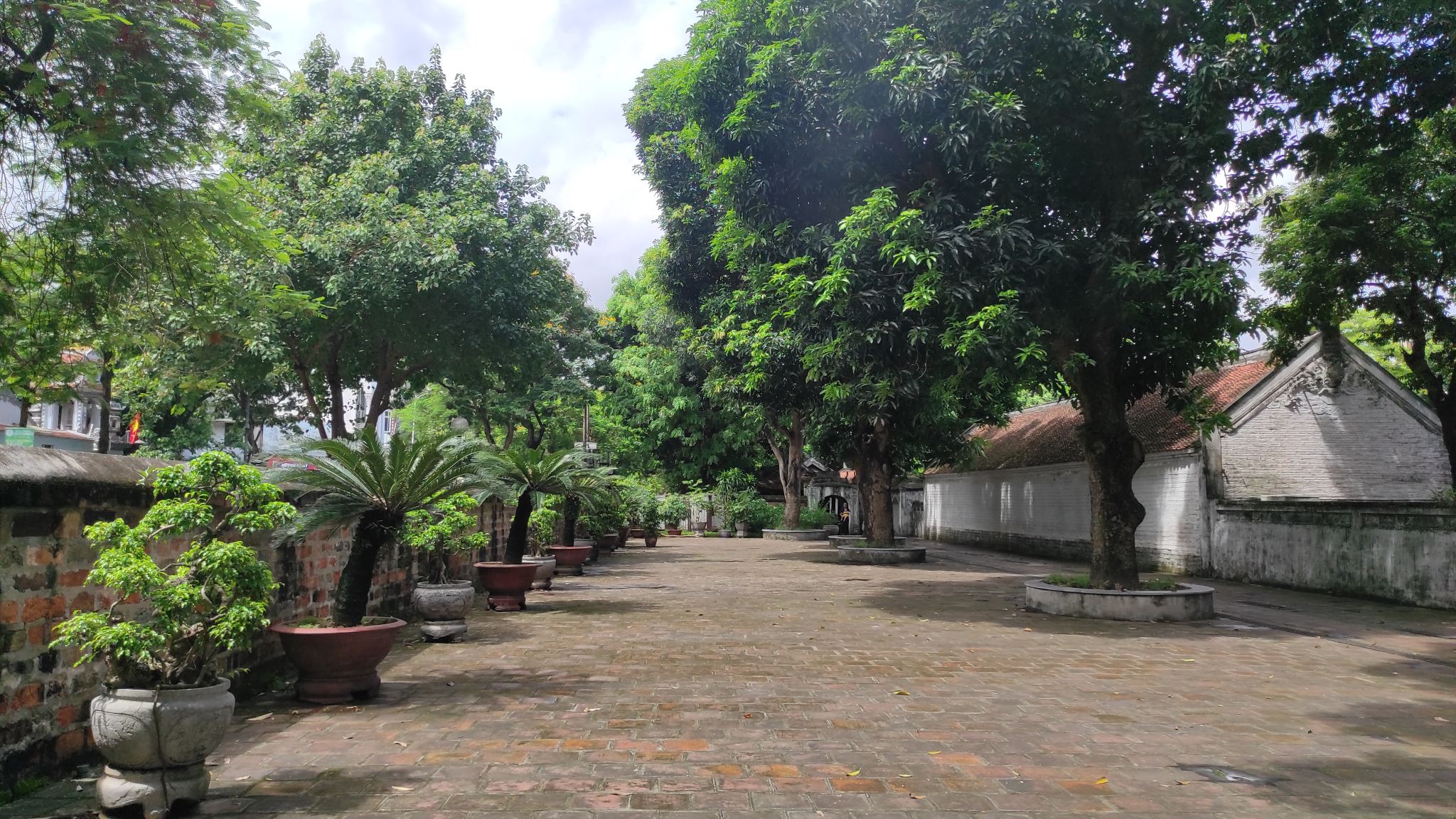
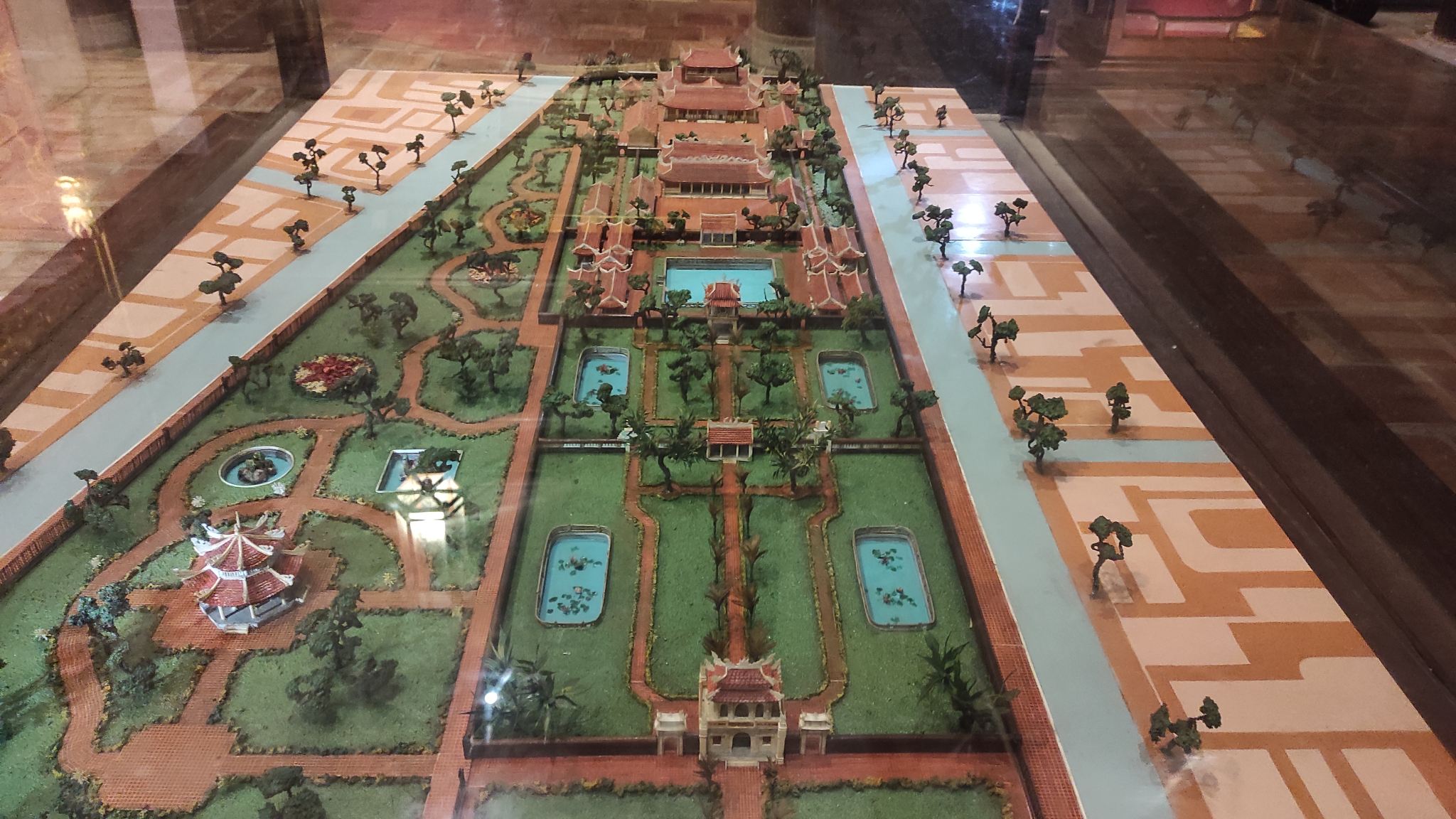
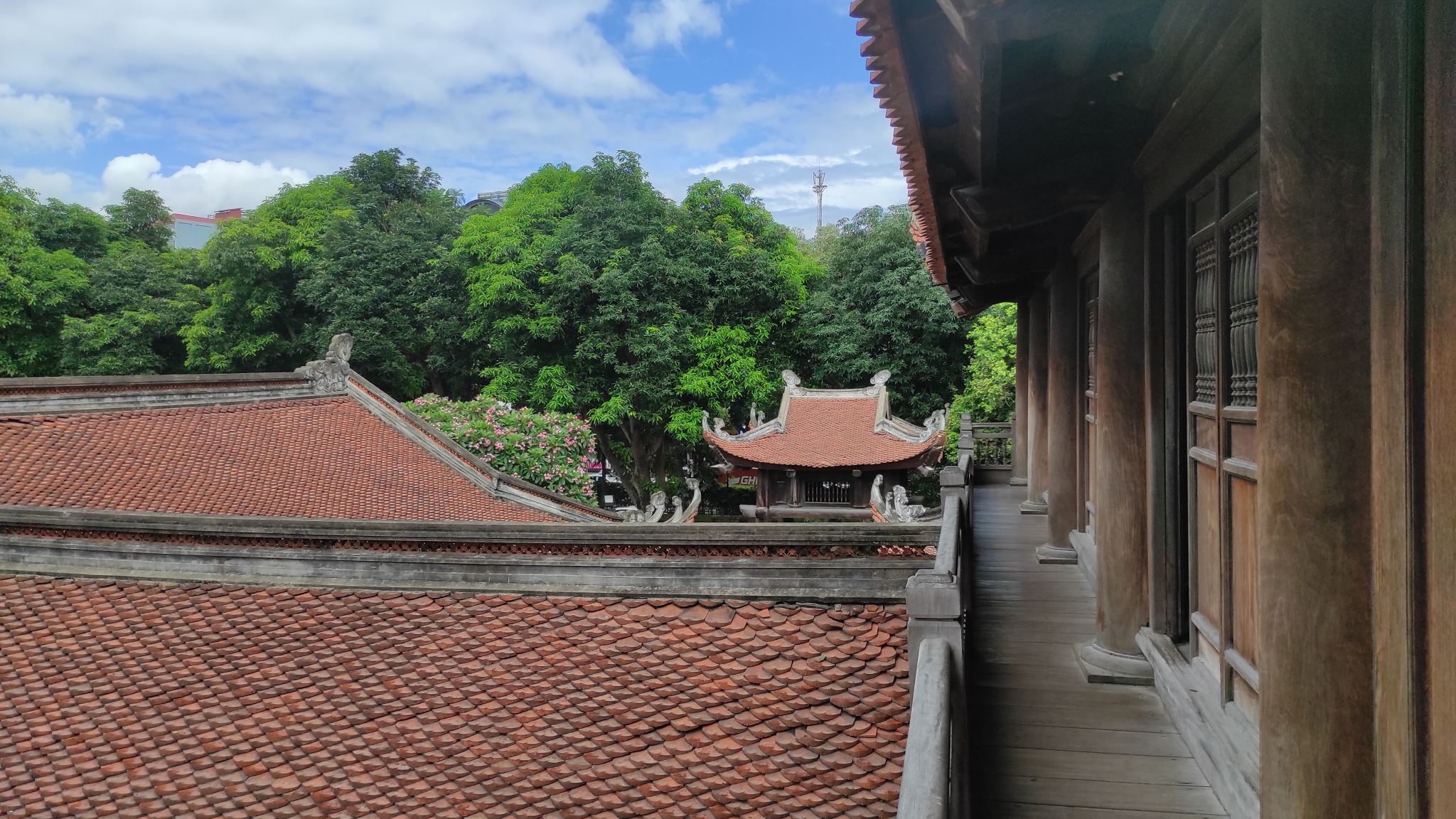
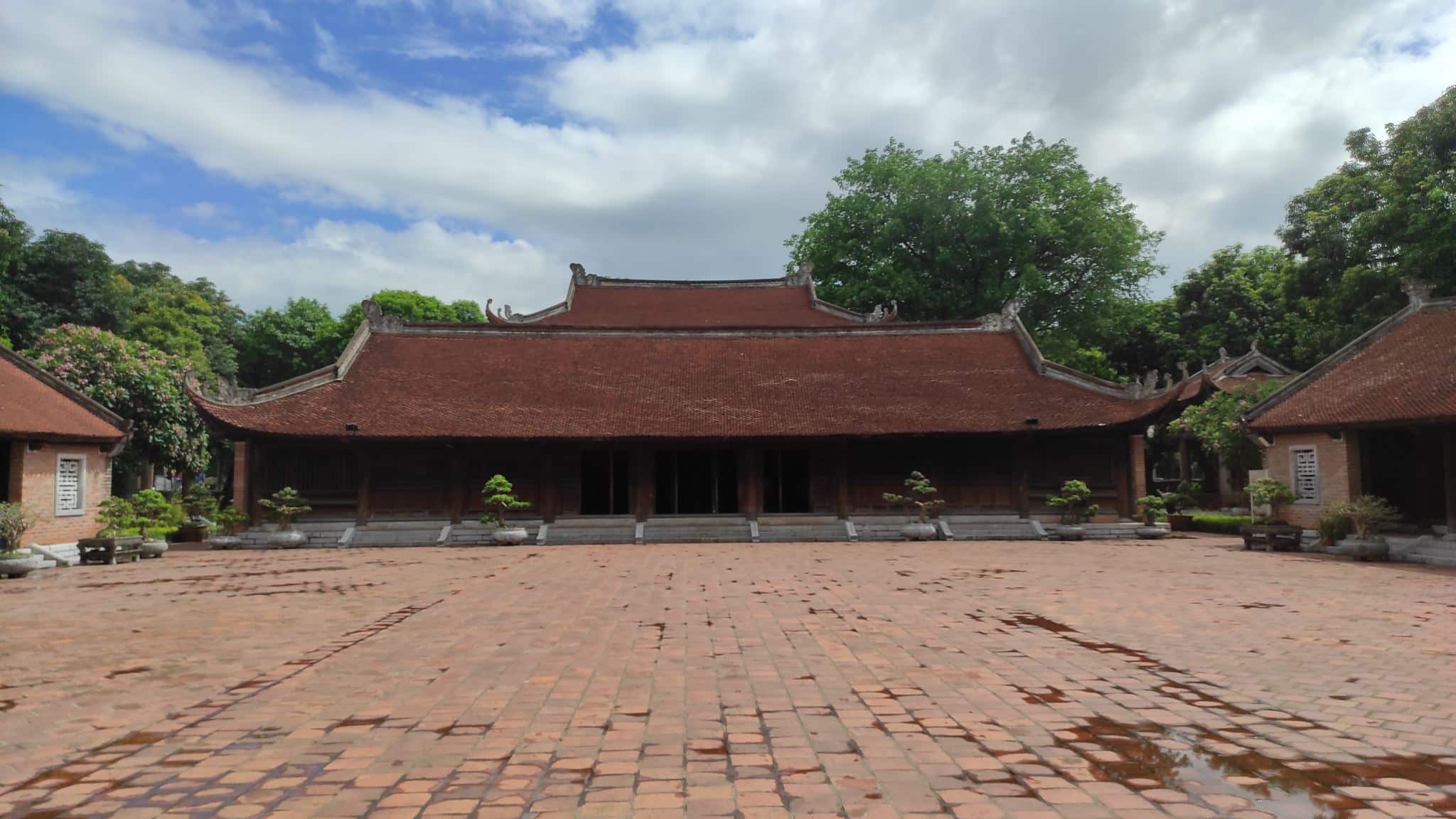
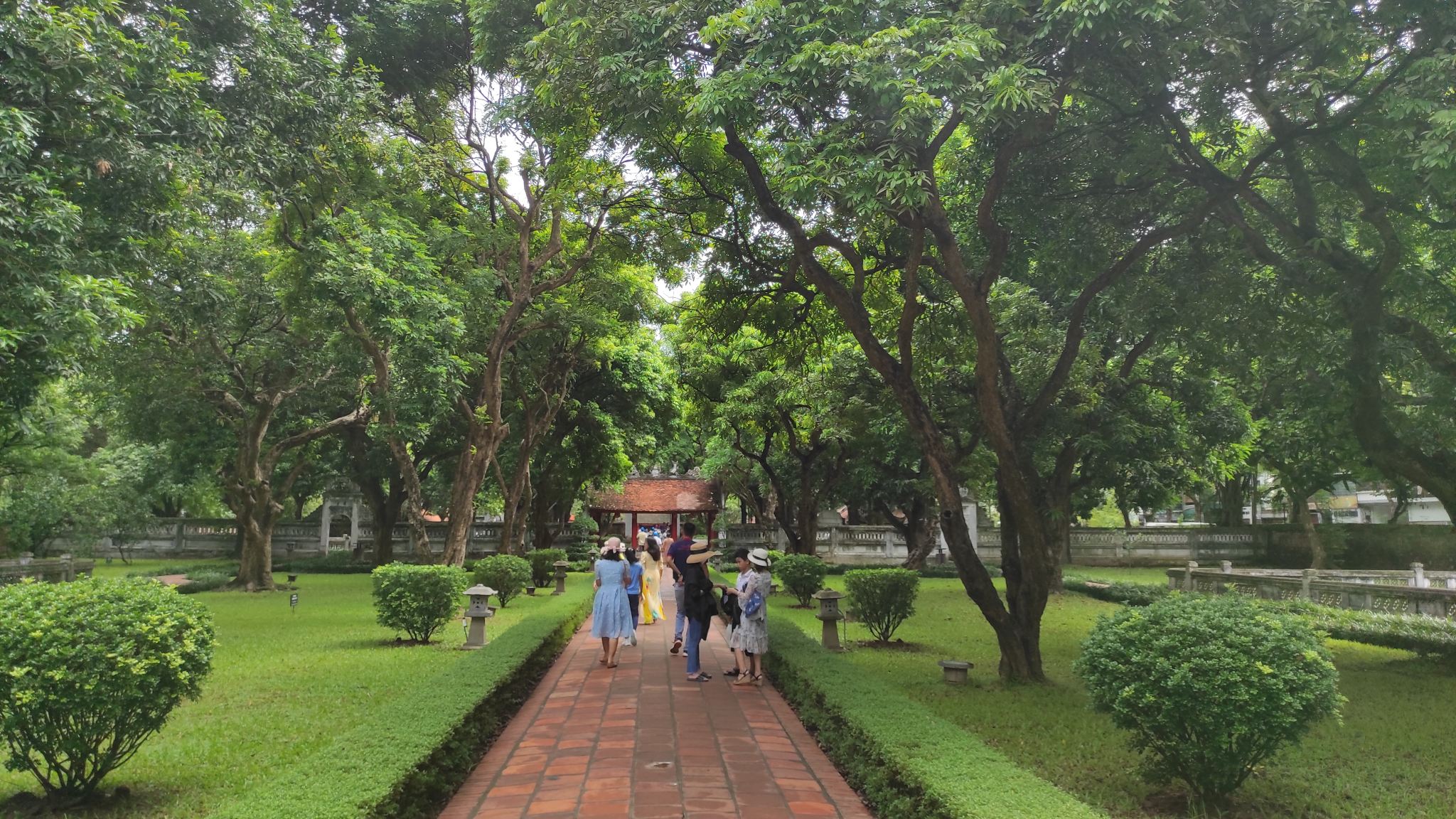
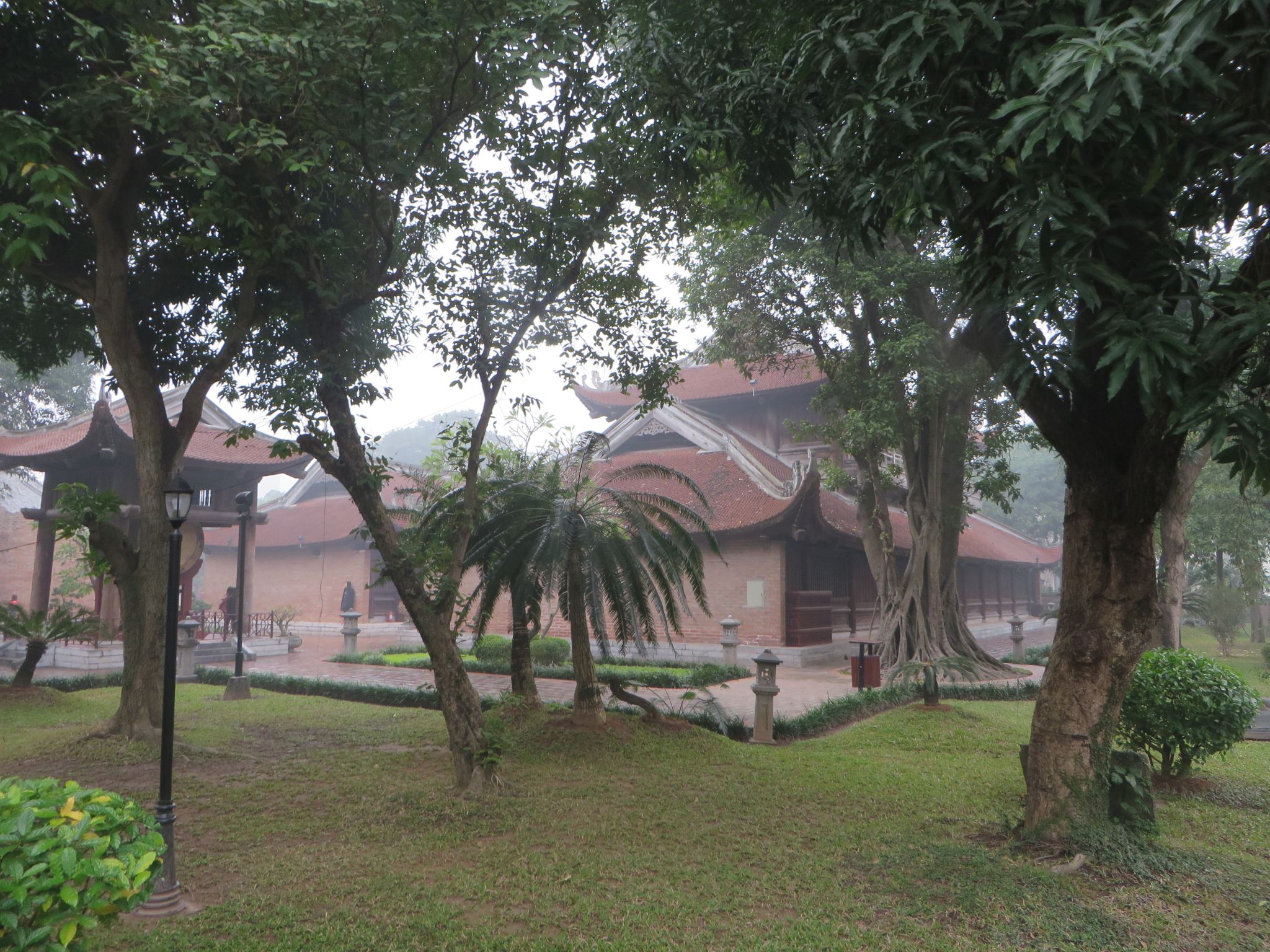
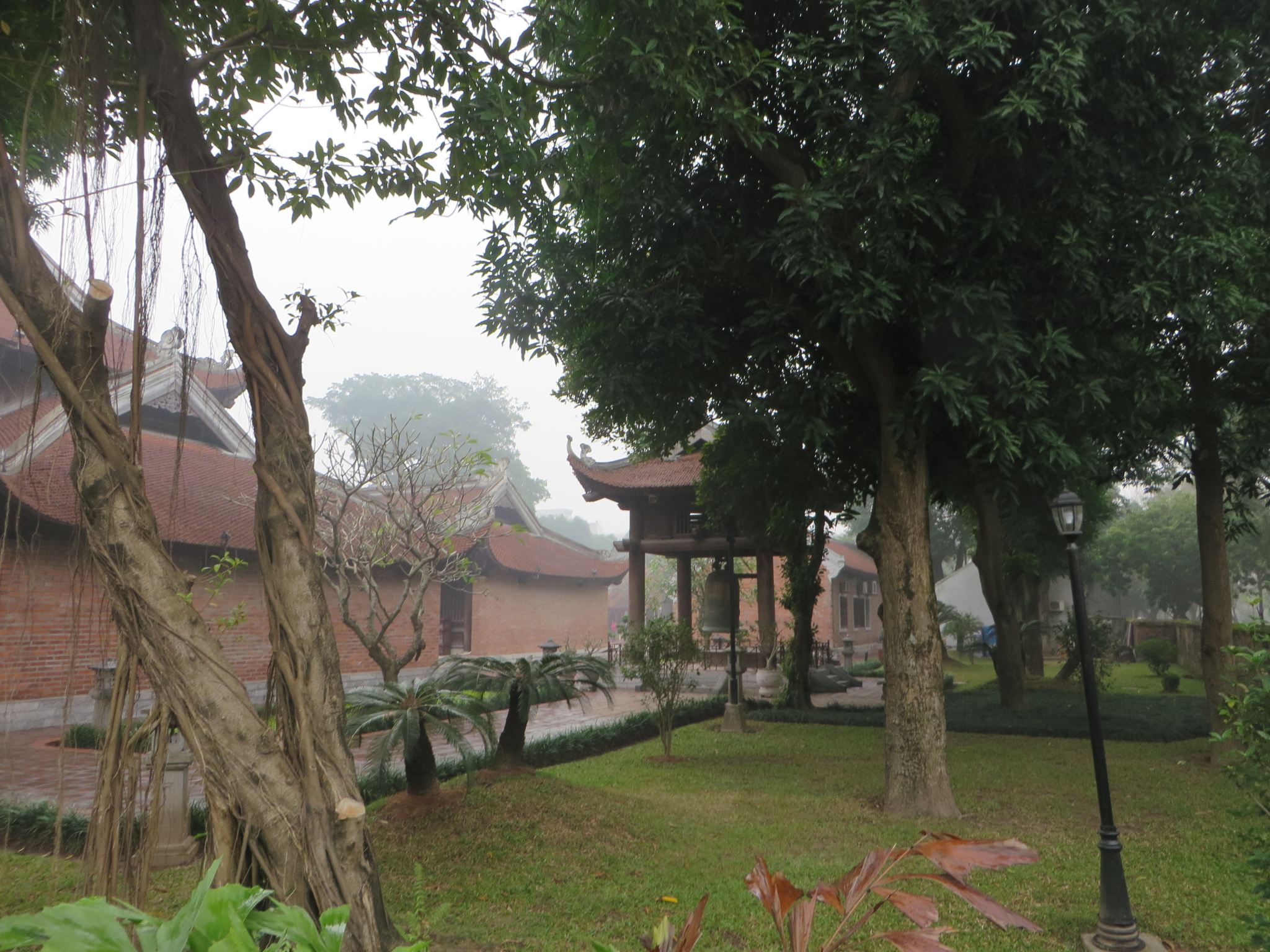
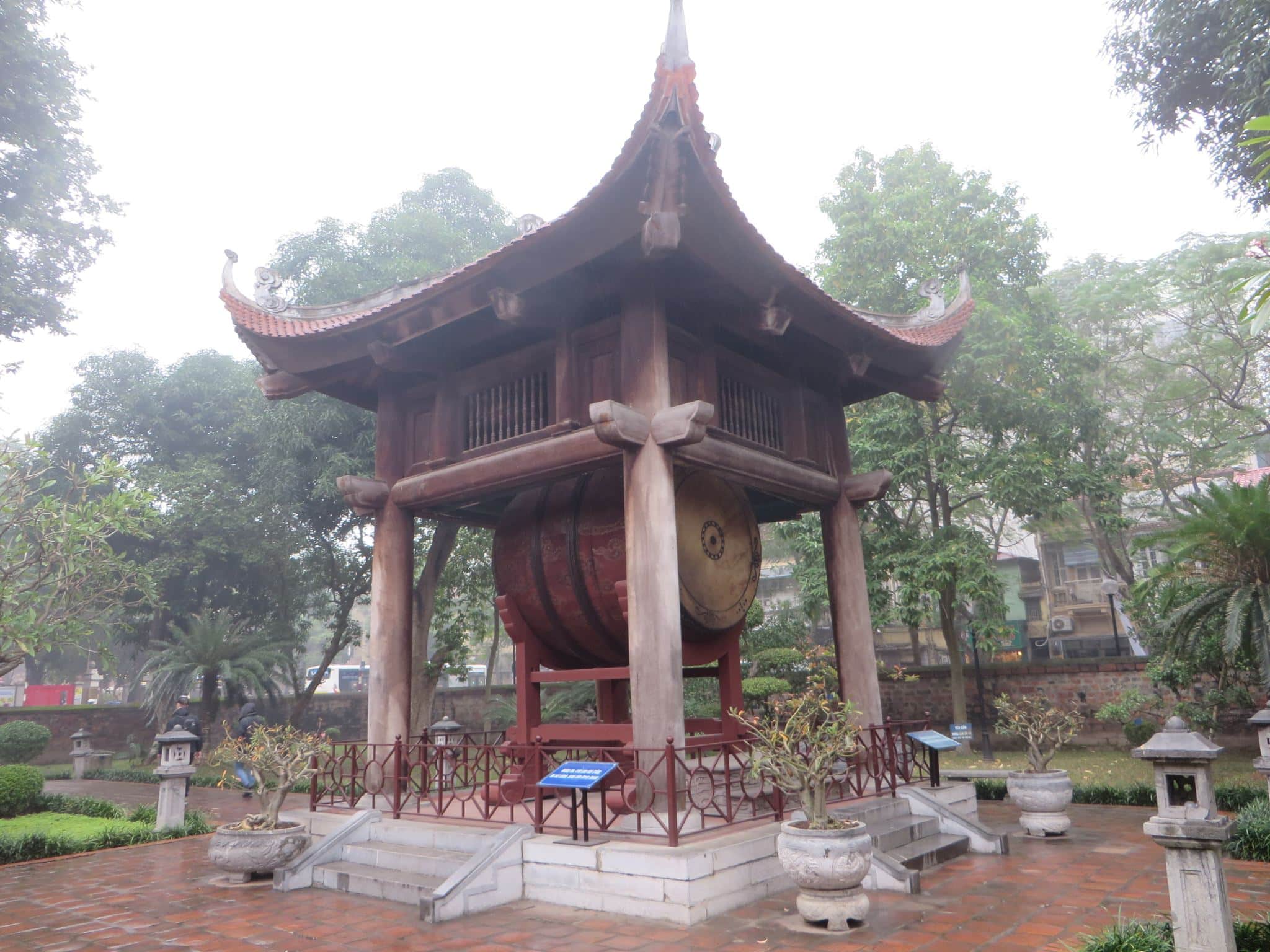
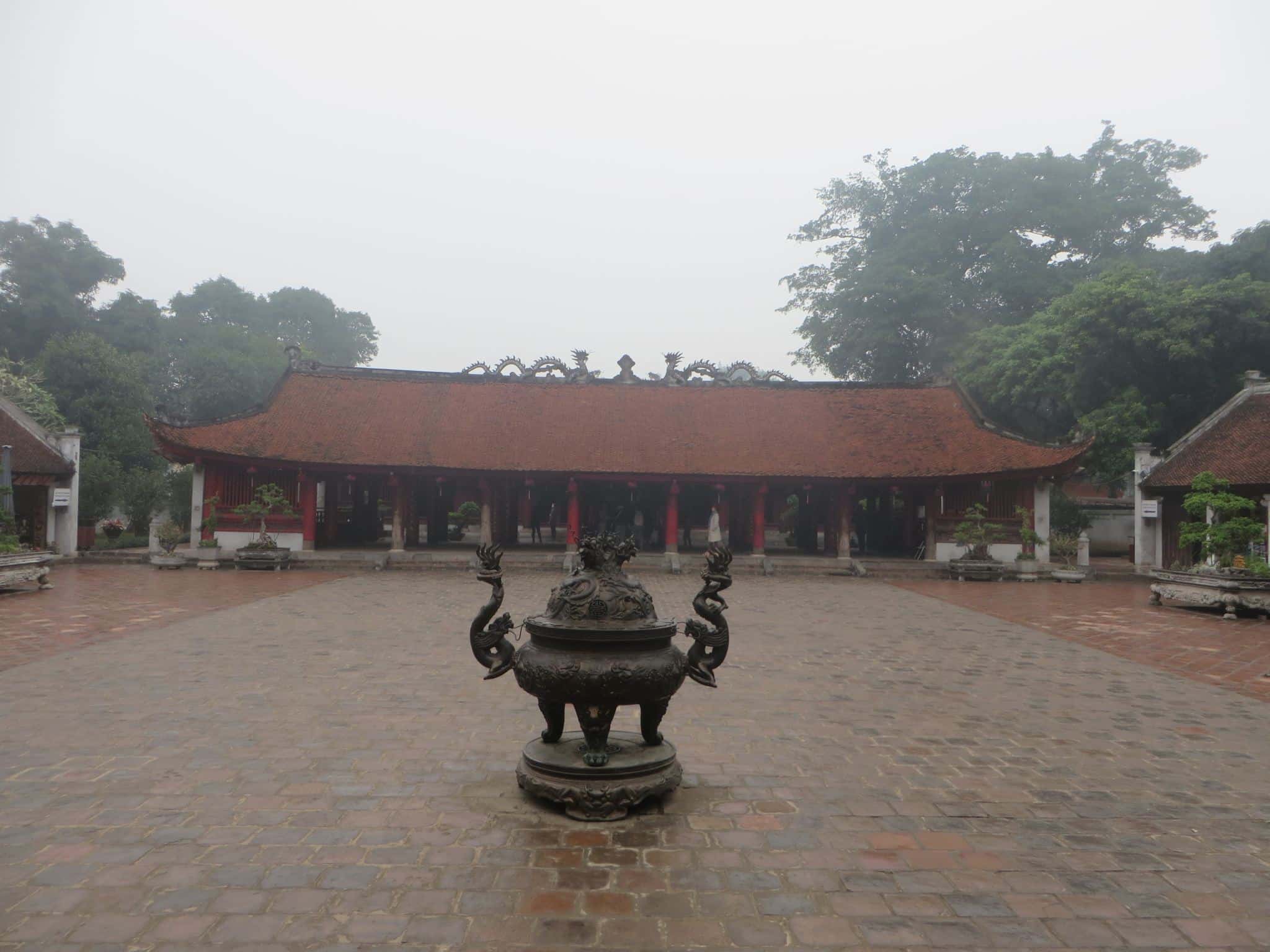
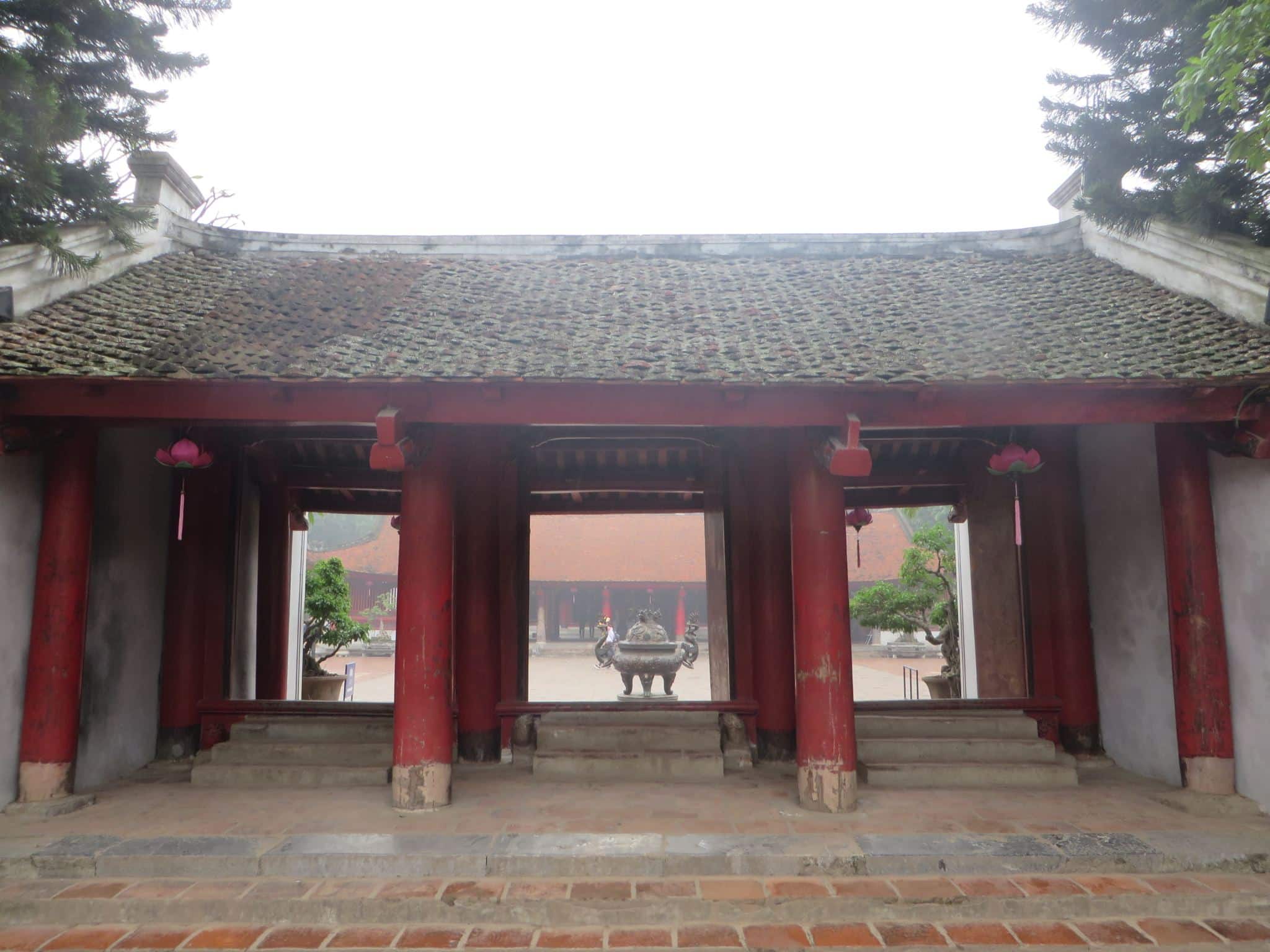
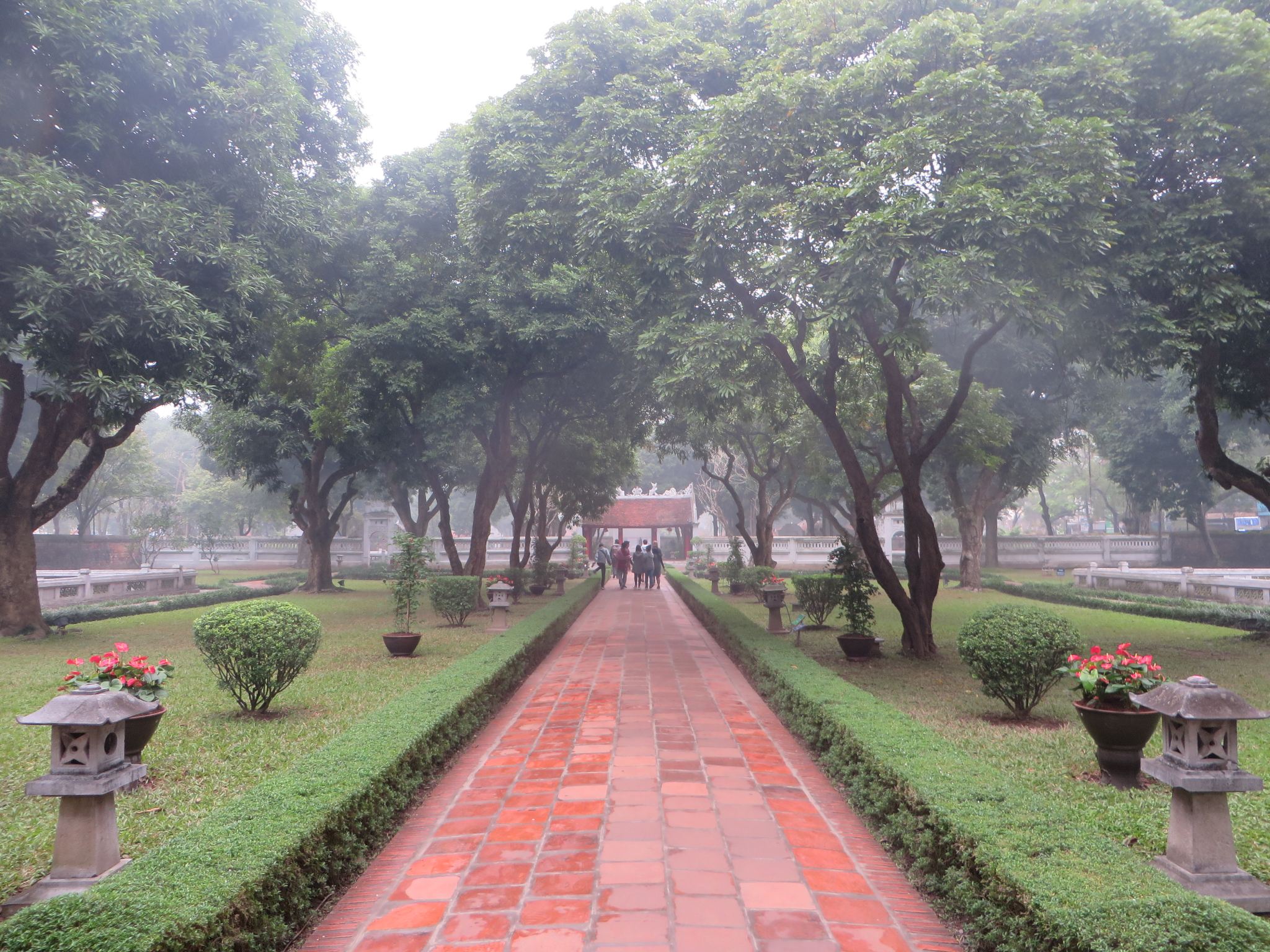
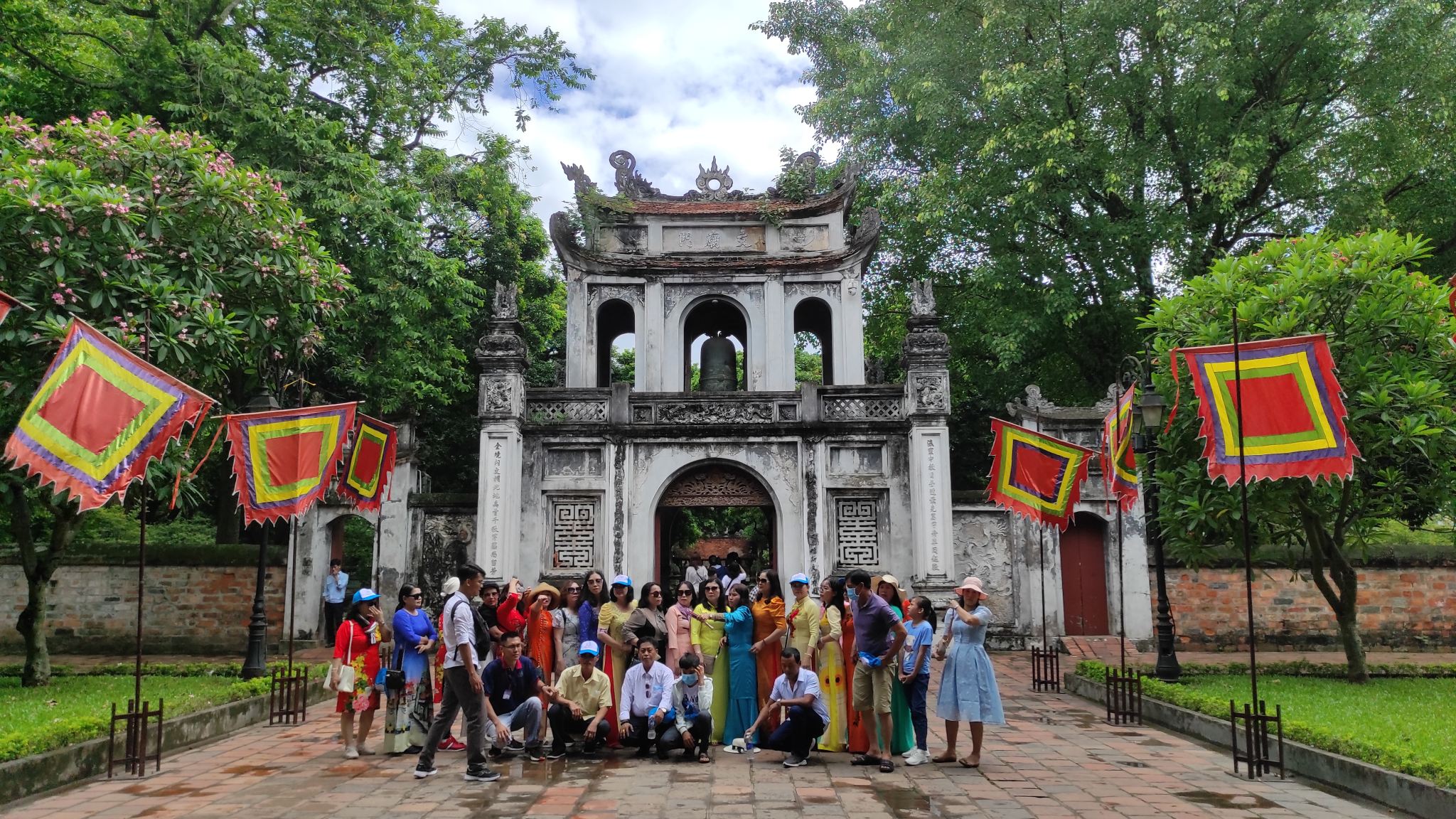
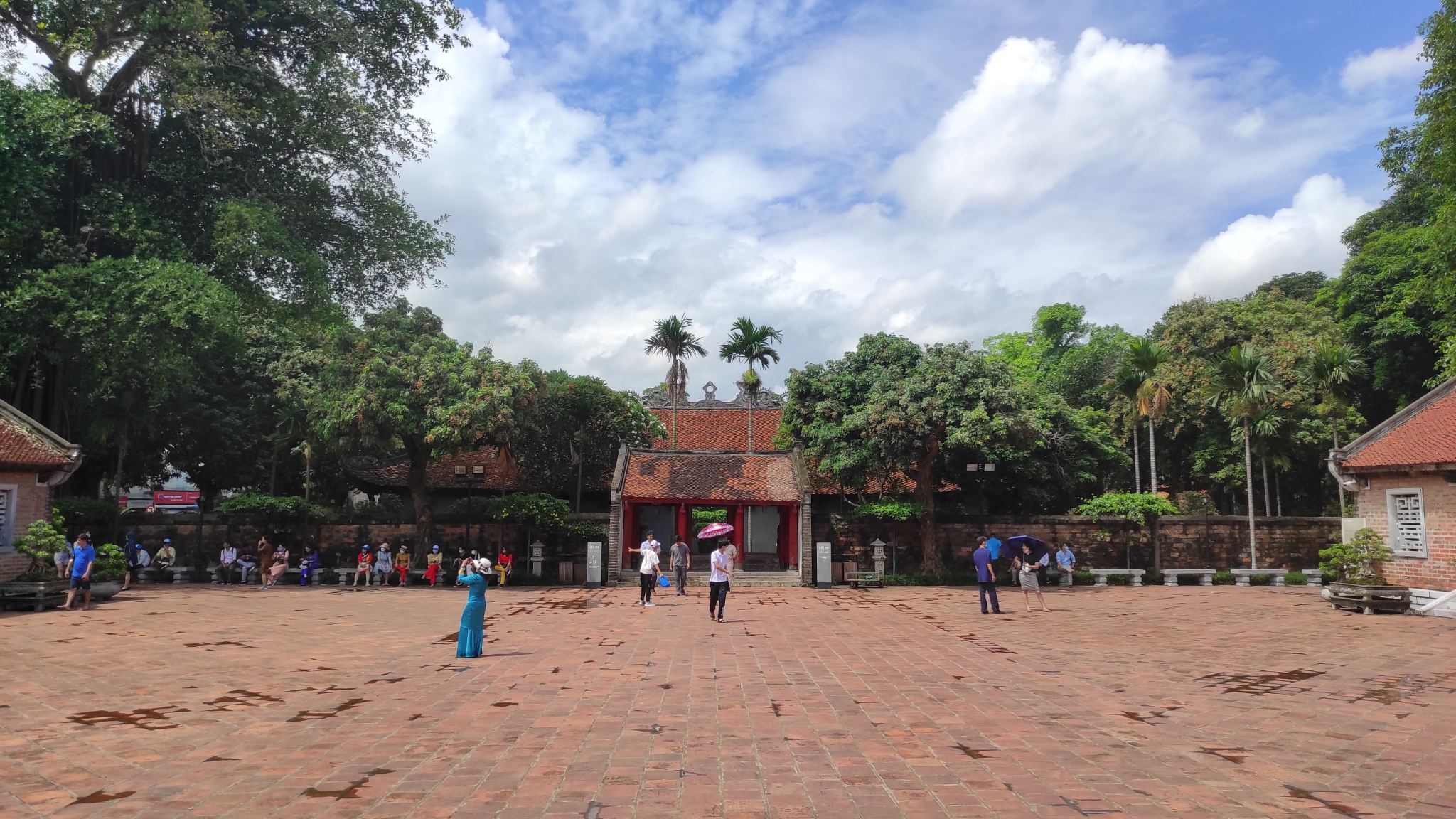
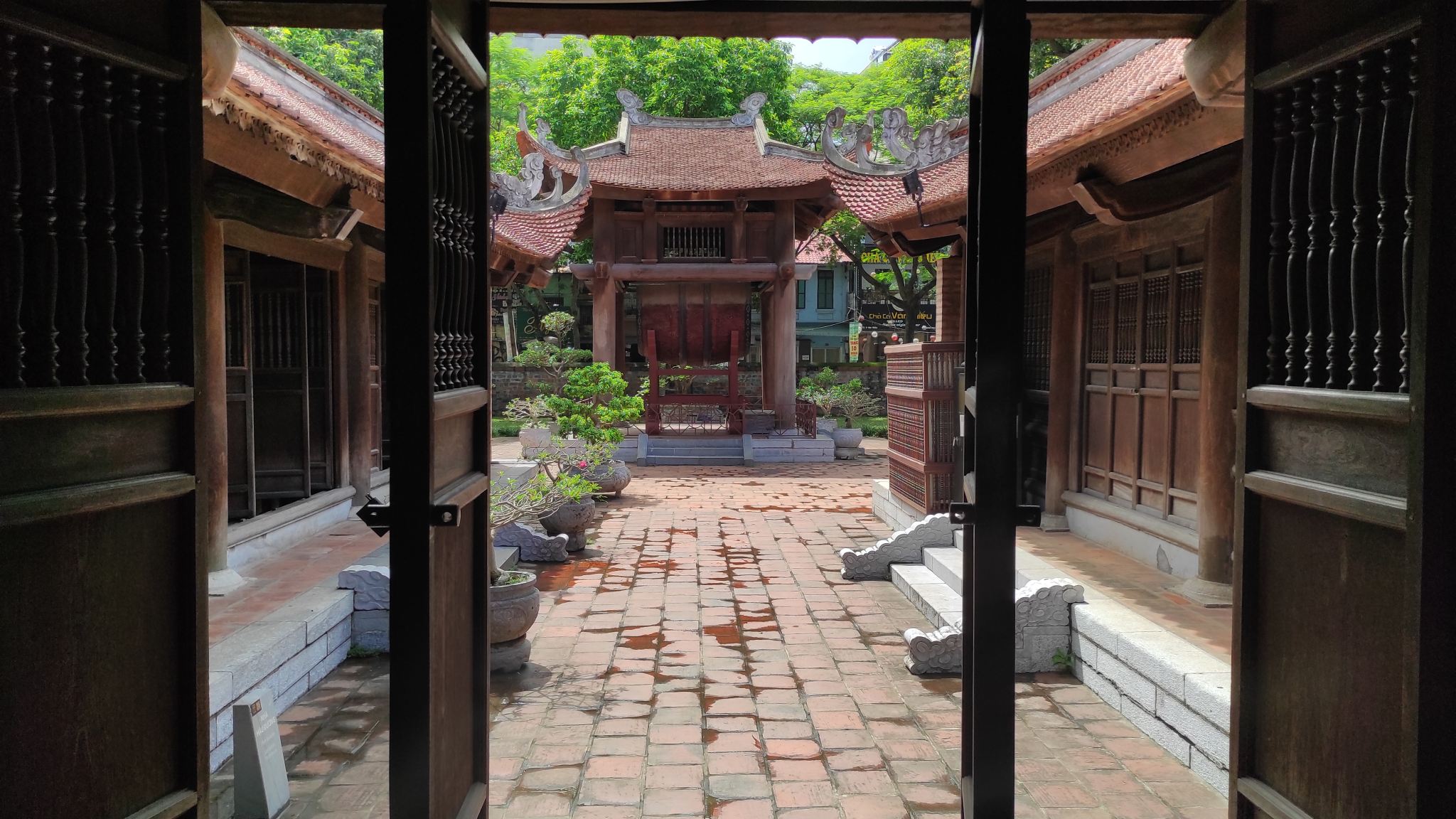
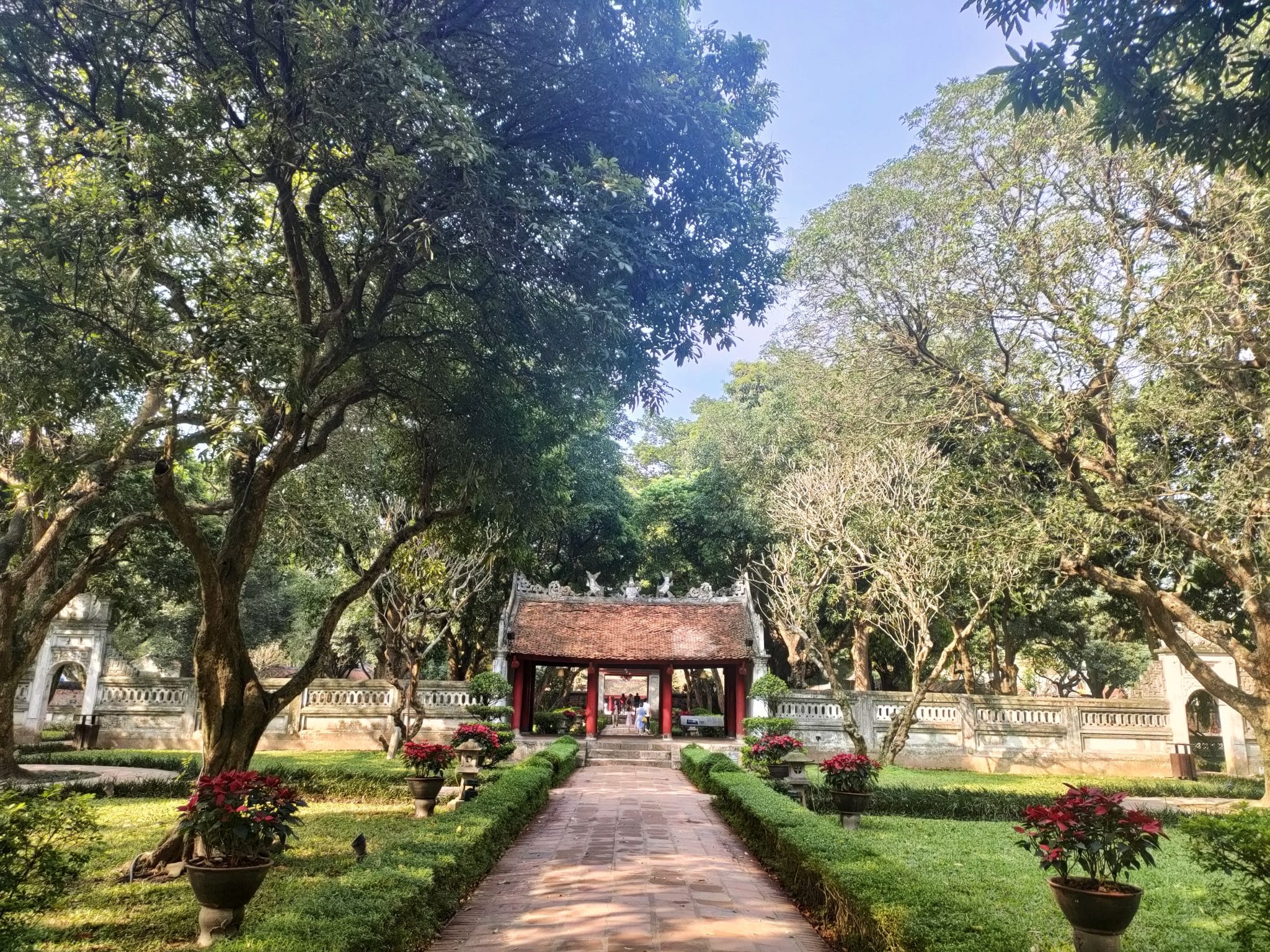
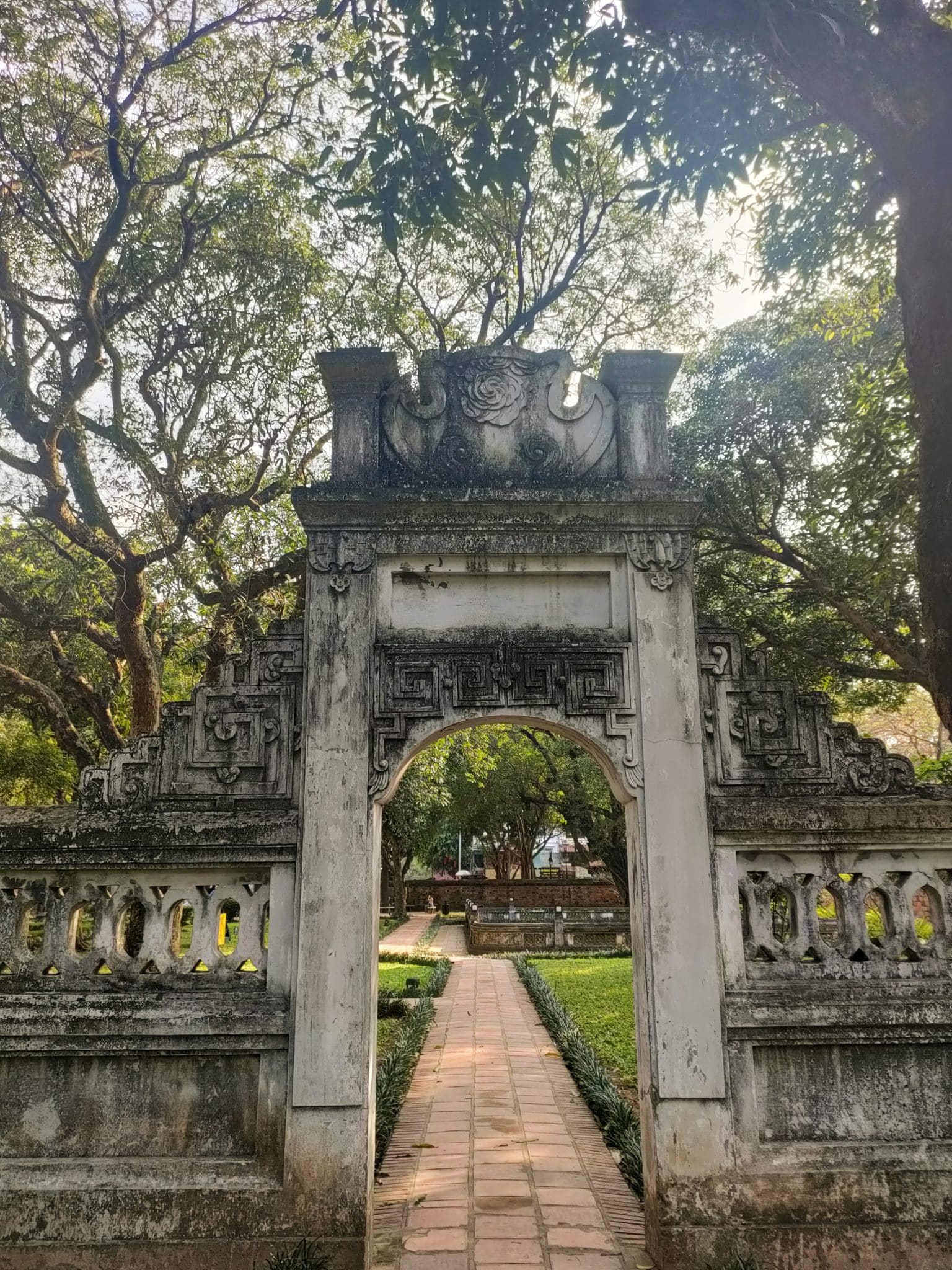
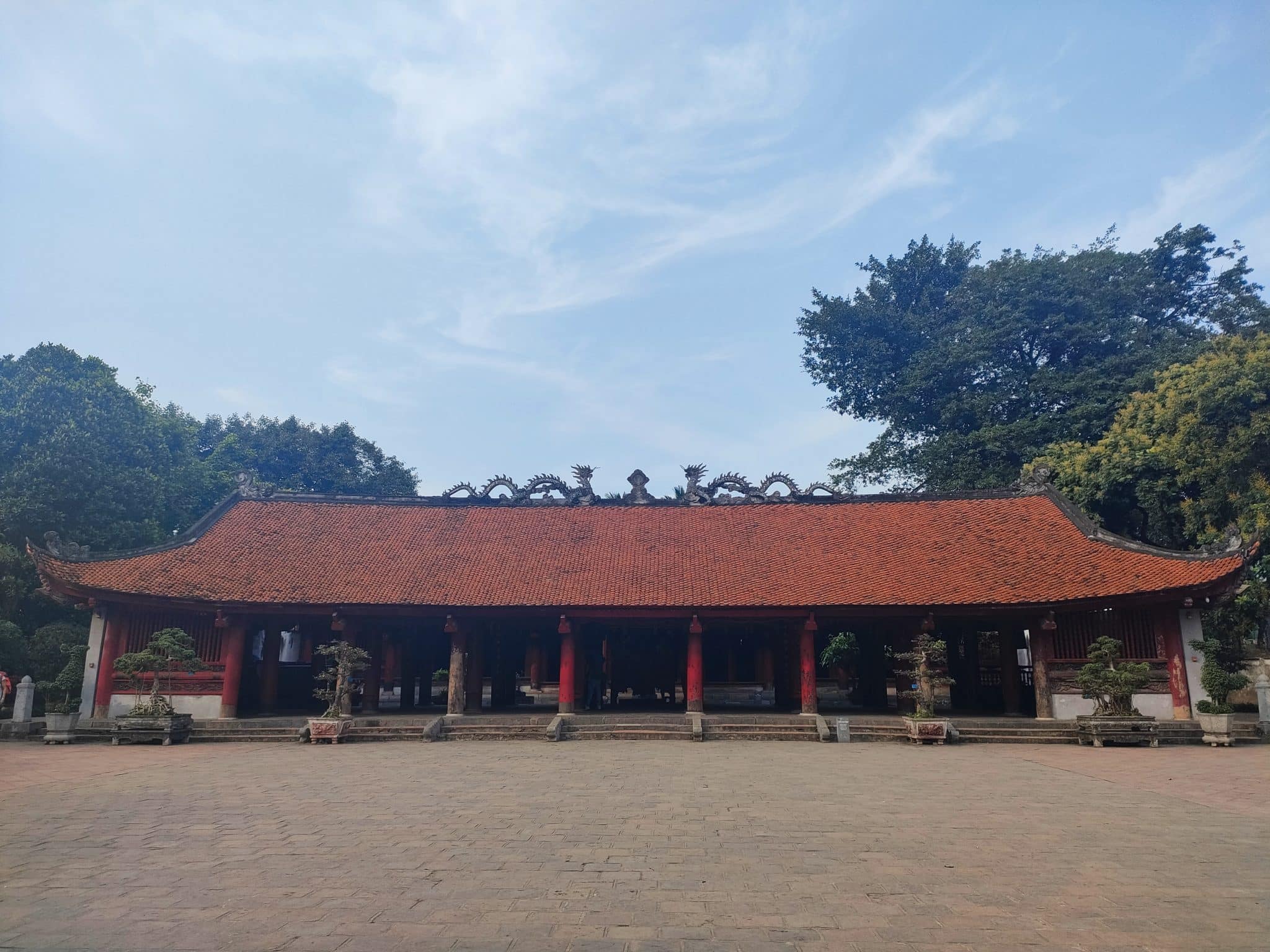
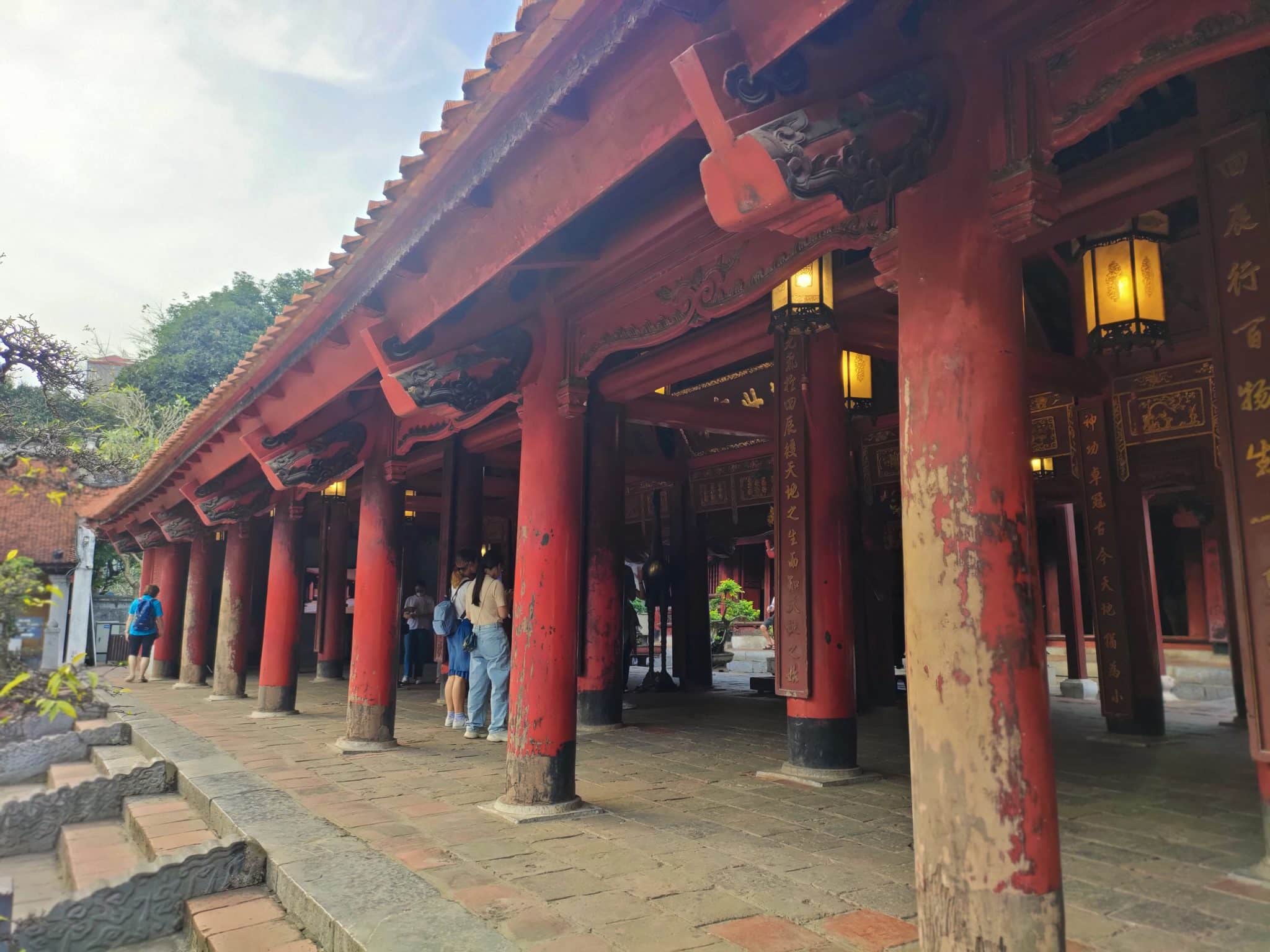
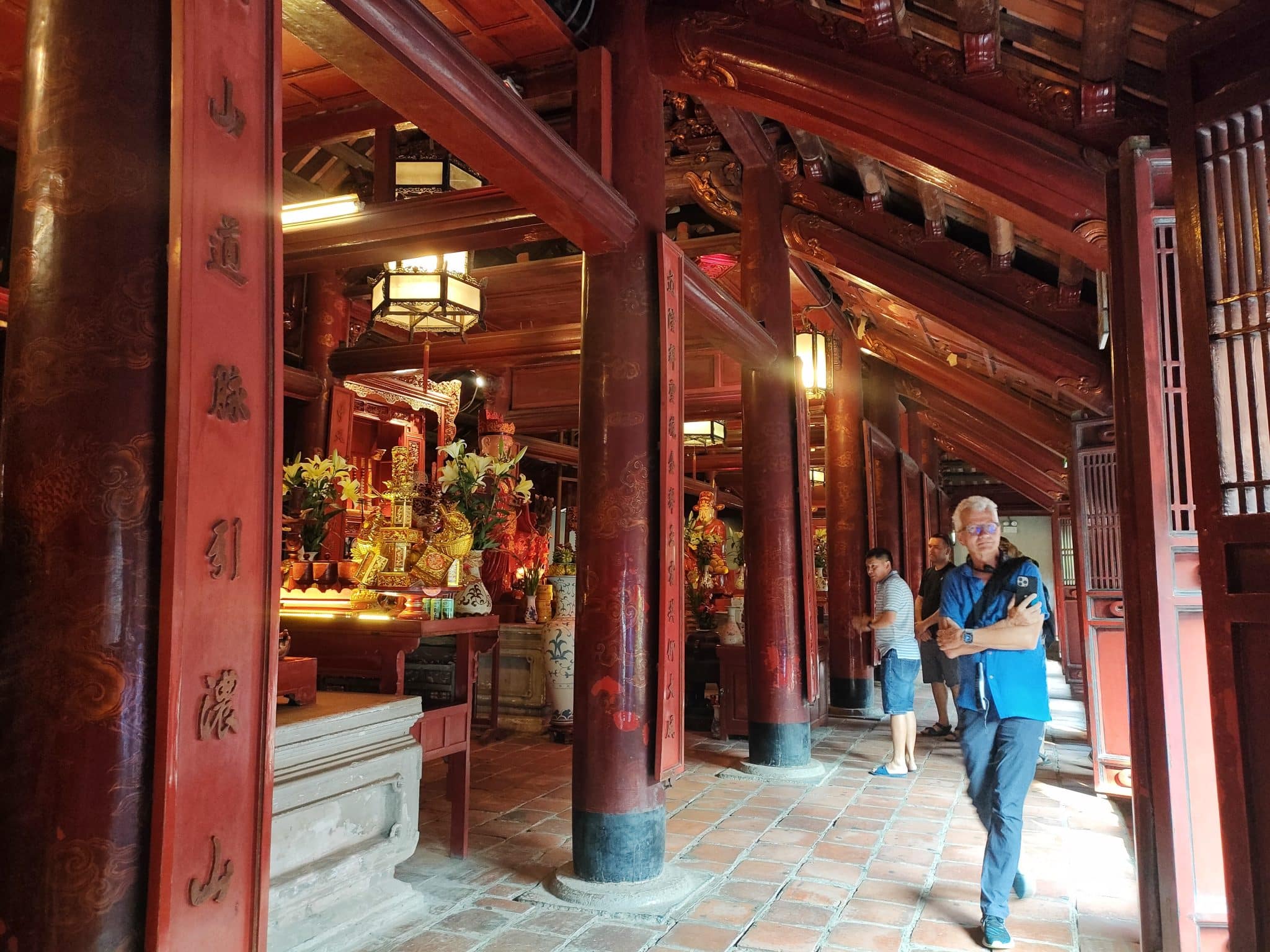
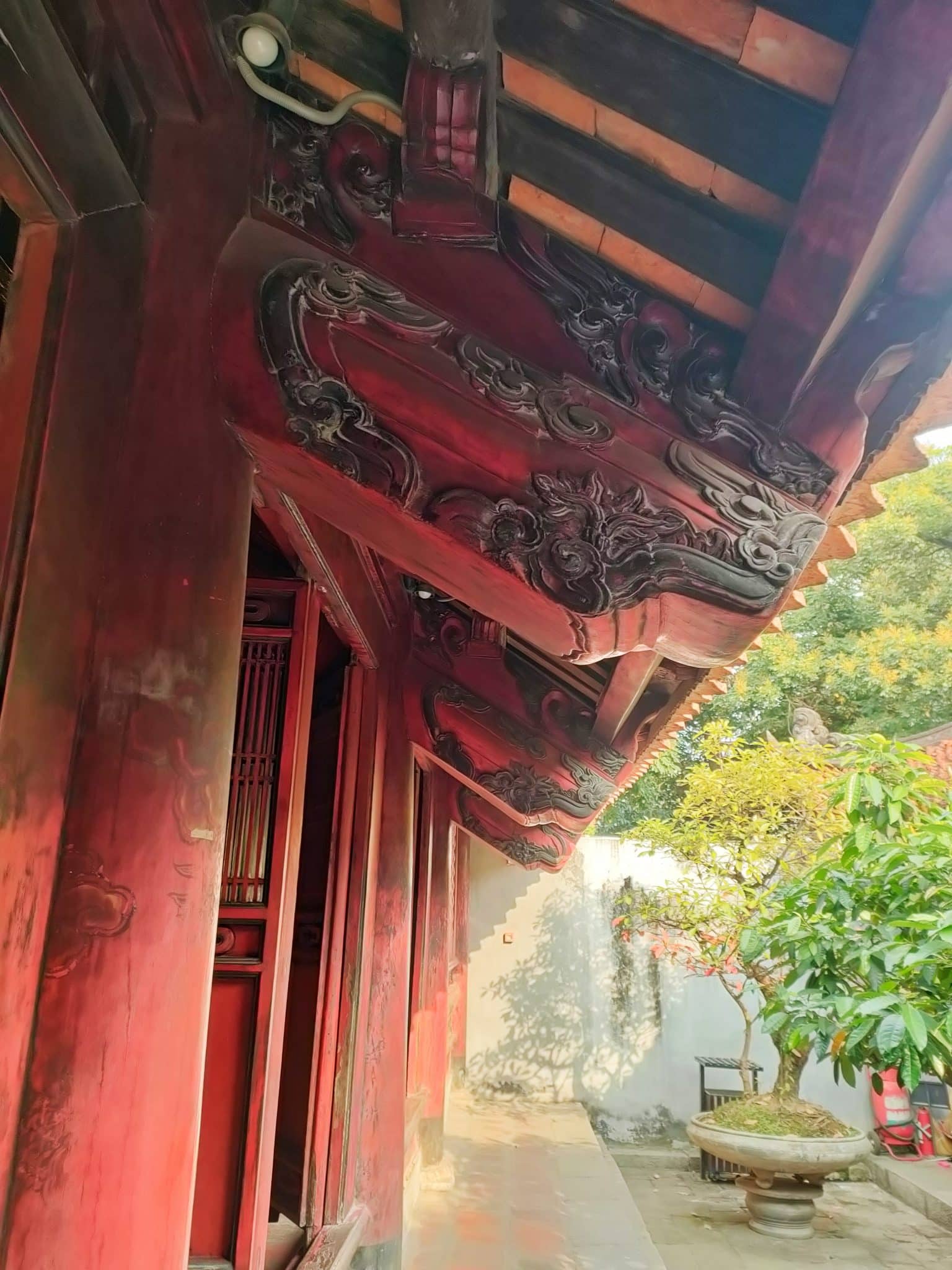
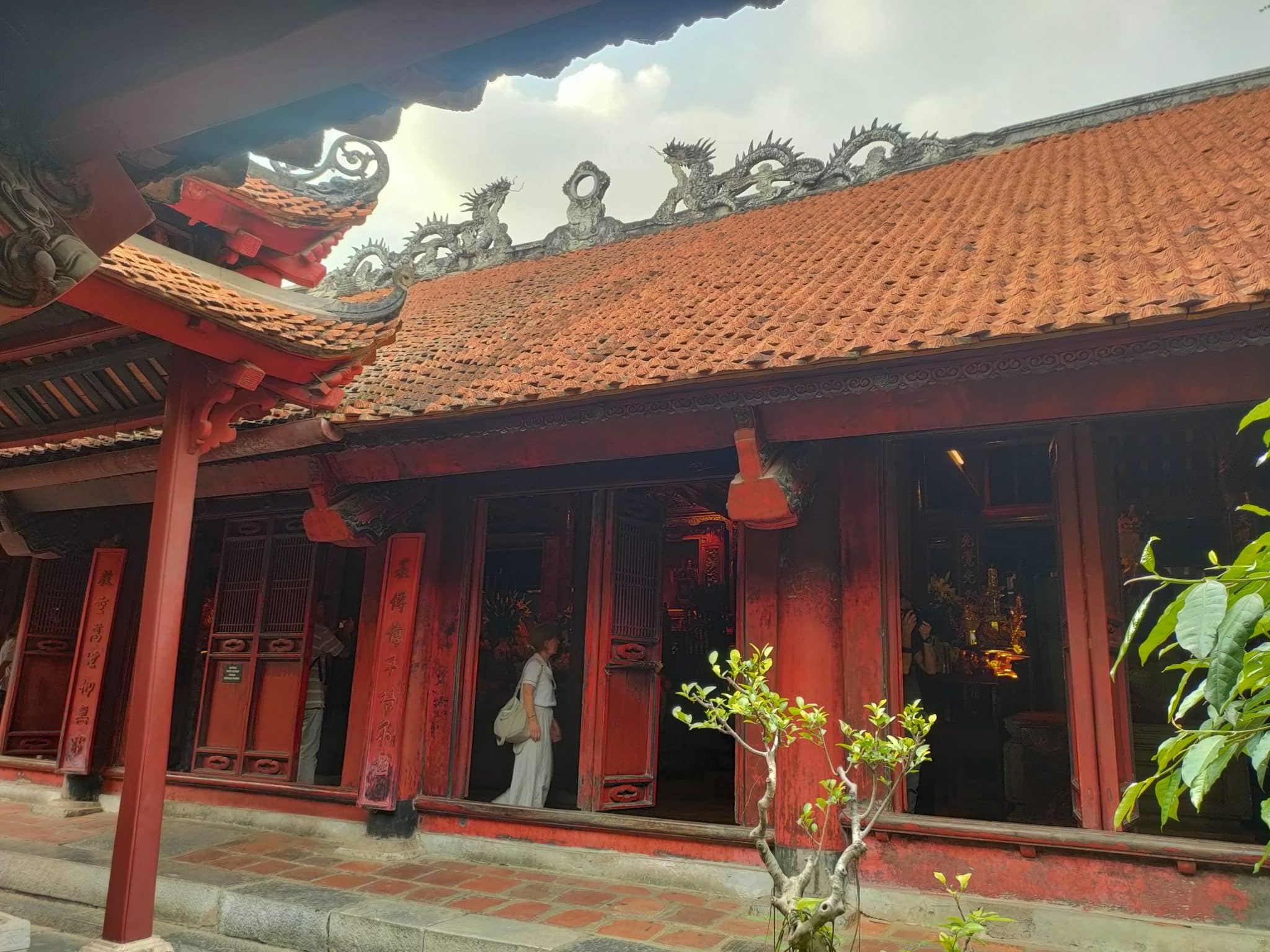
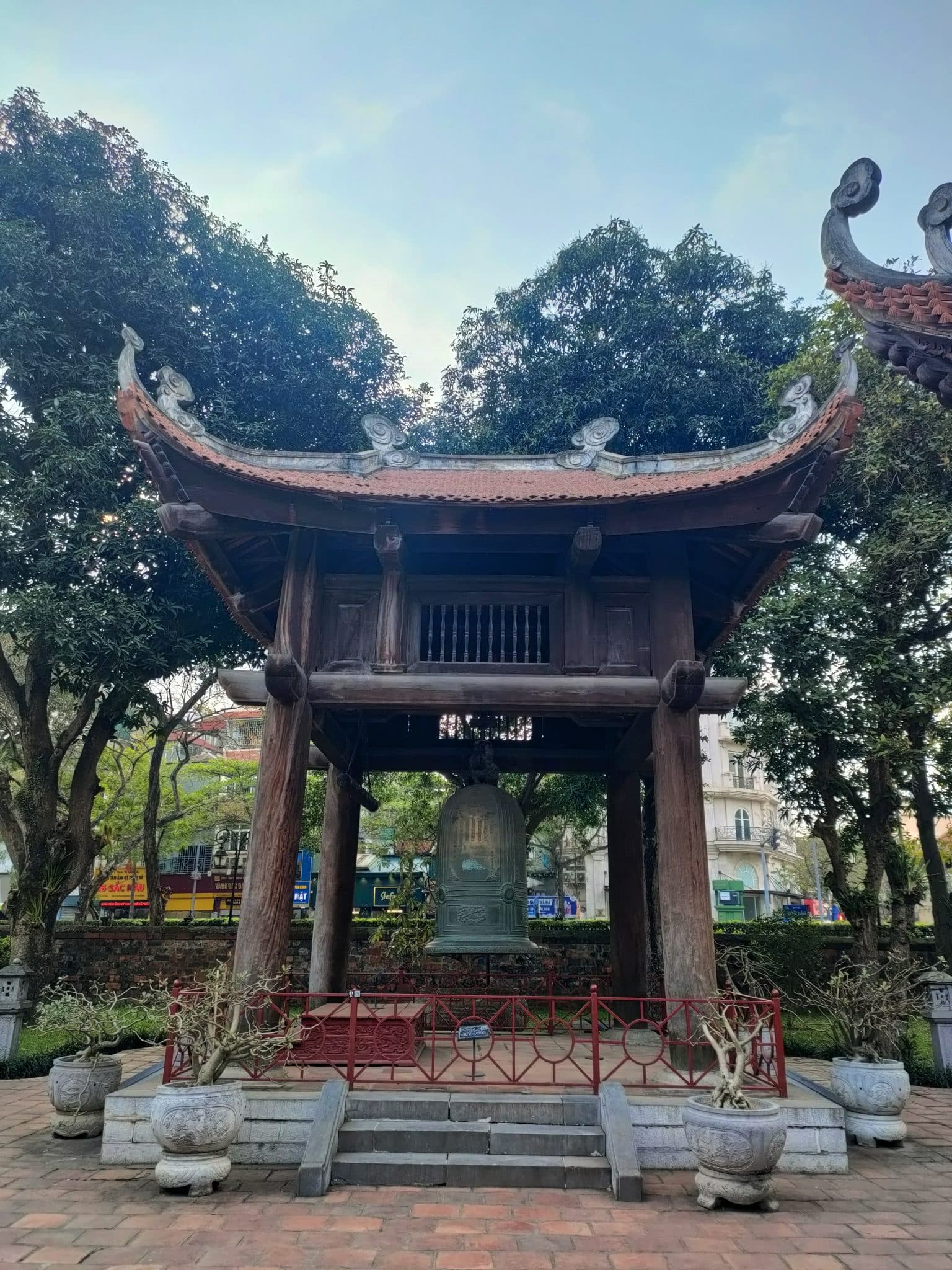
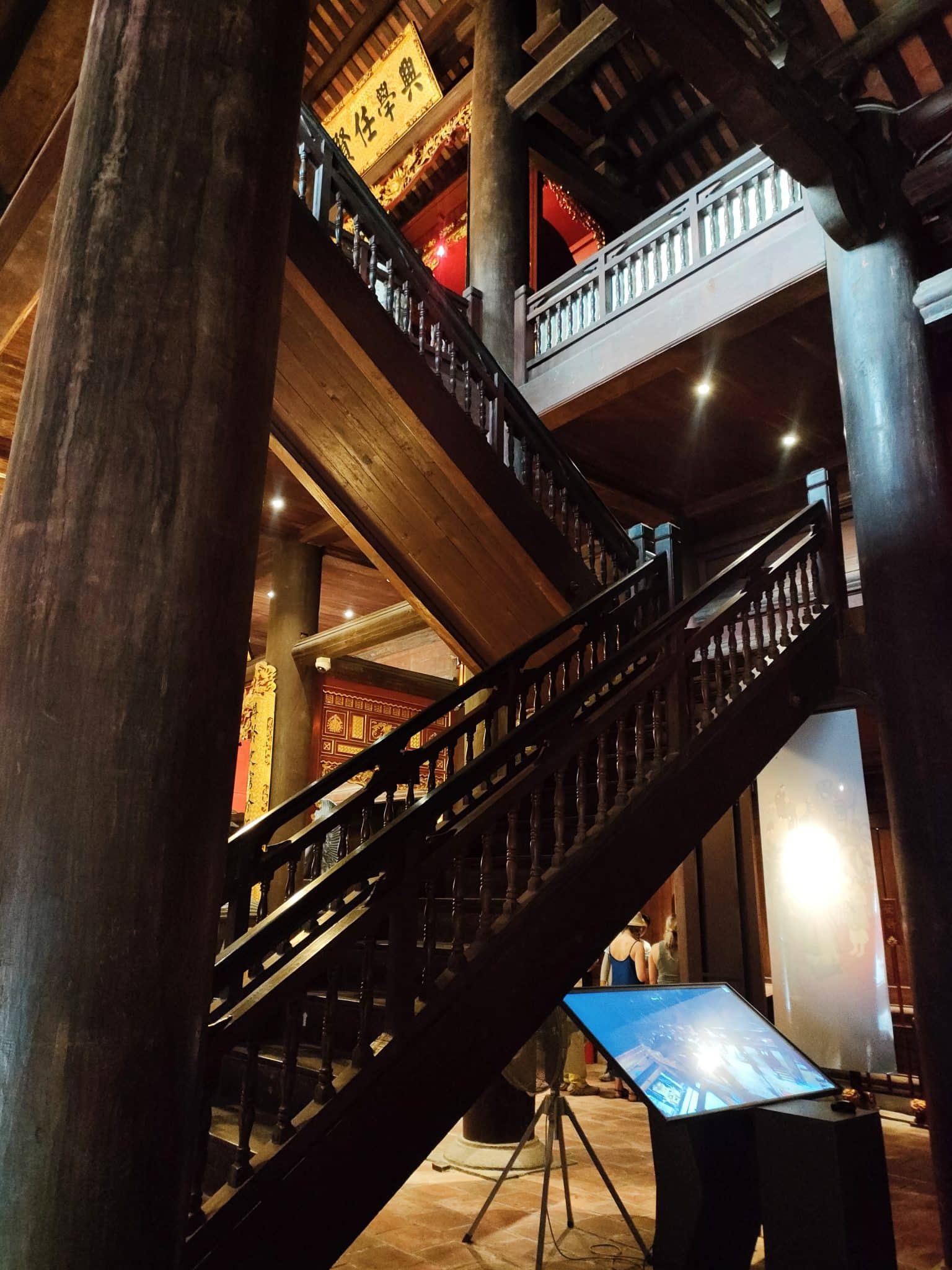
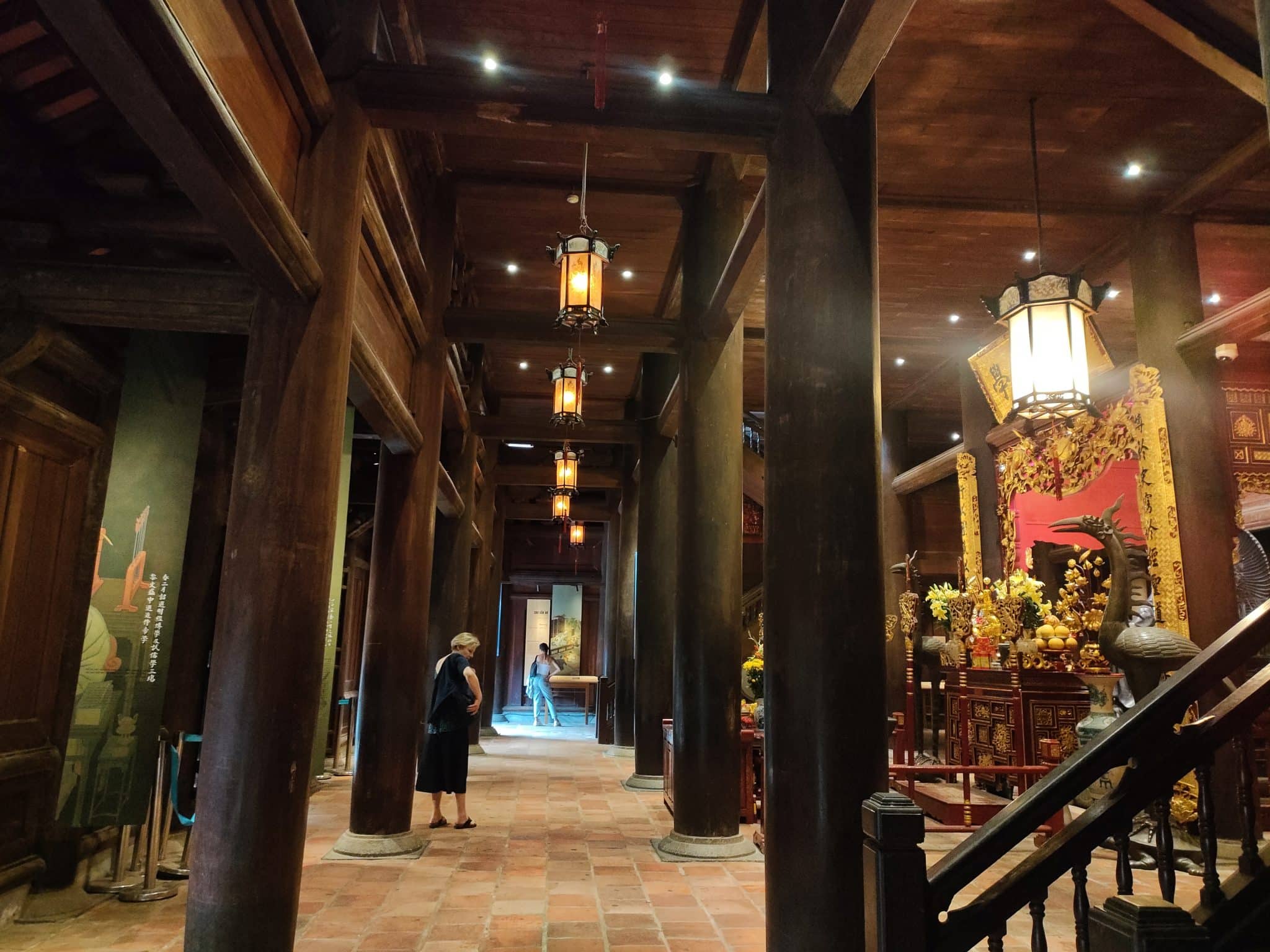
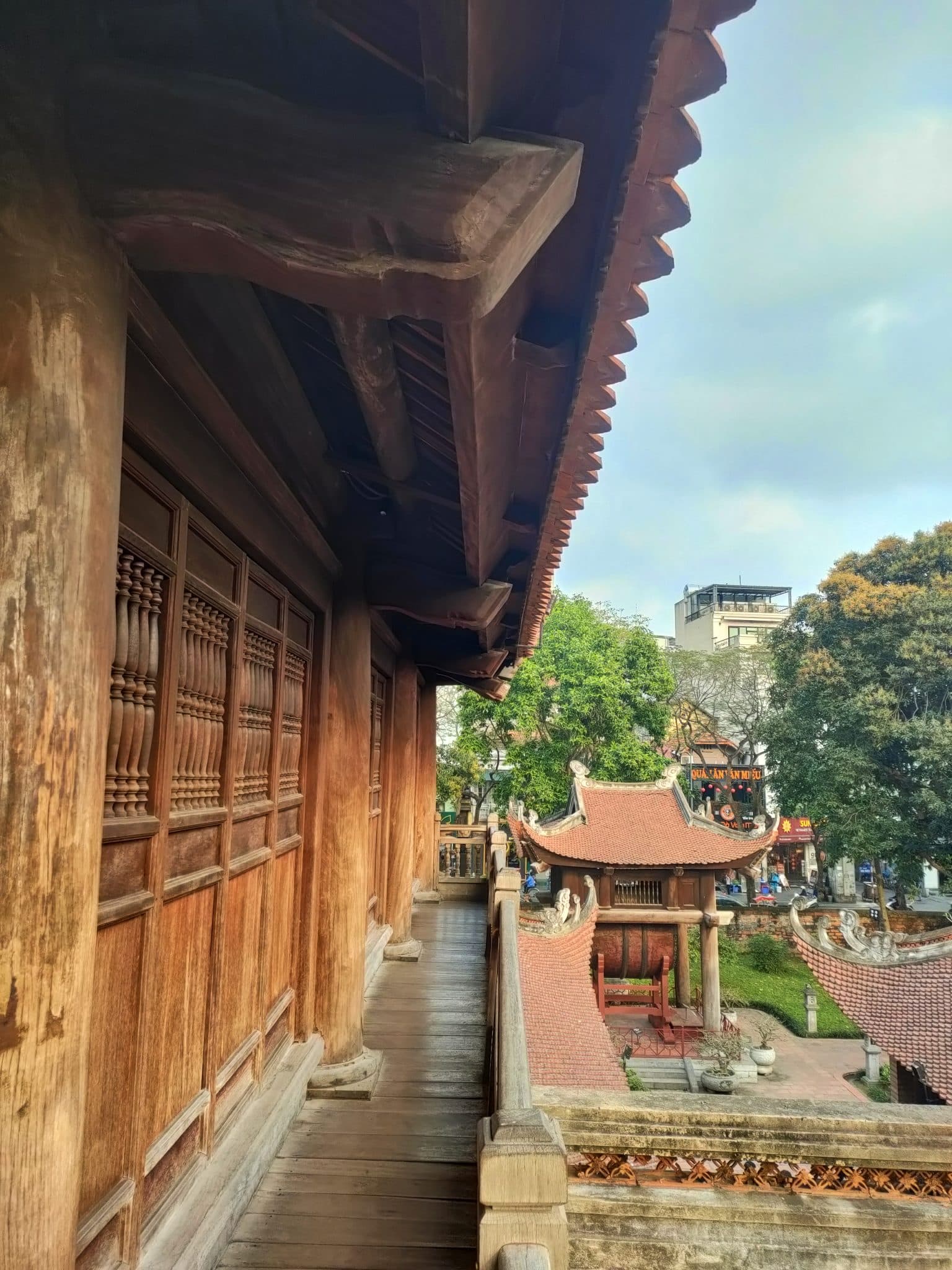
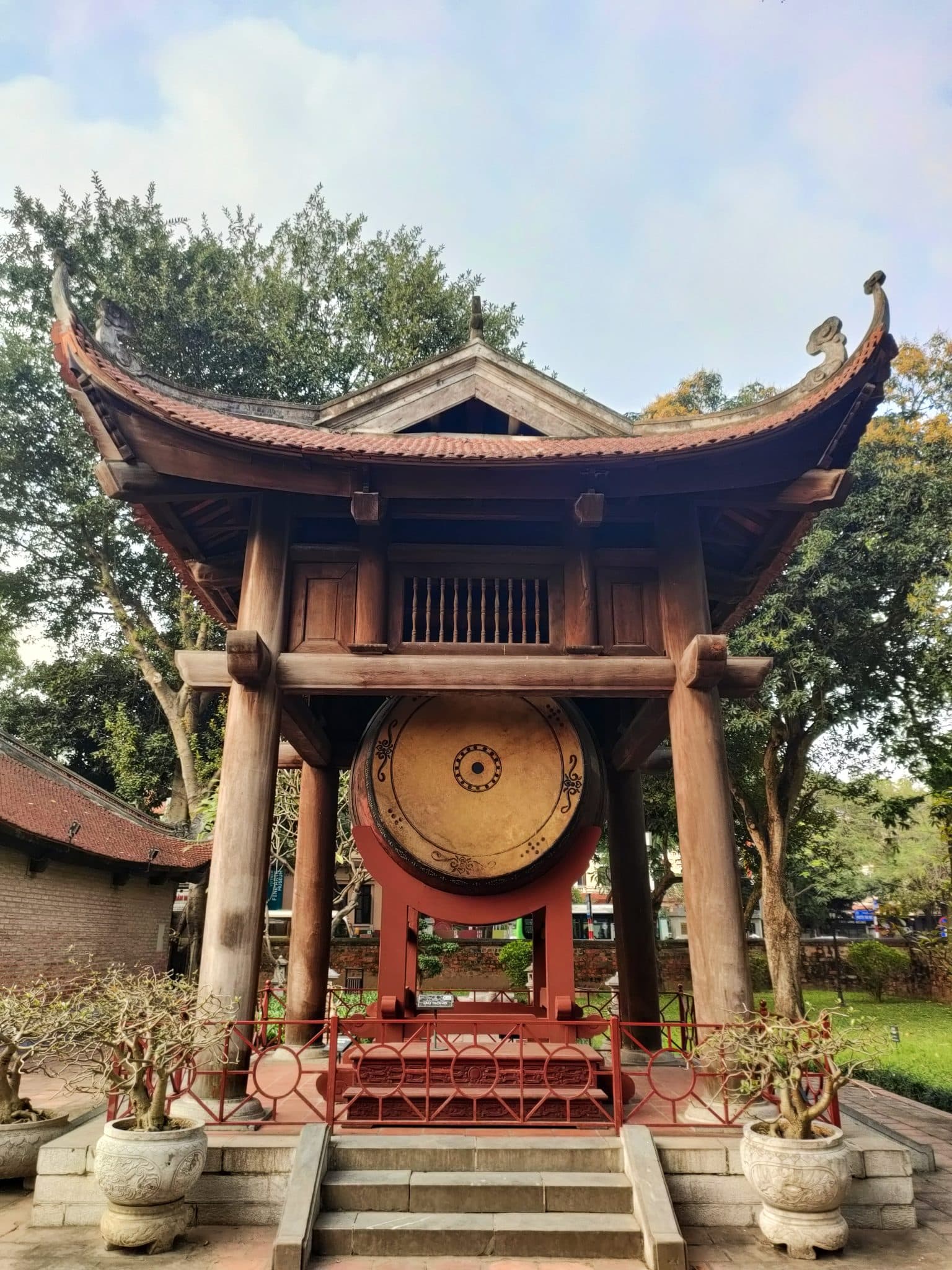
- Five Courtyards: The Temple of Literature is structured around five courtyards, each with its own significance and historical monuments. Visitors can explore the courtyards, admire the traditional Vietnamese architecture, and learn about the temple’s rich history, cultural heritage, and educational legacy.
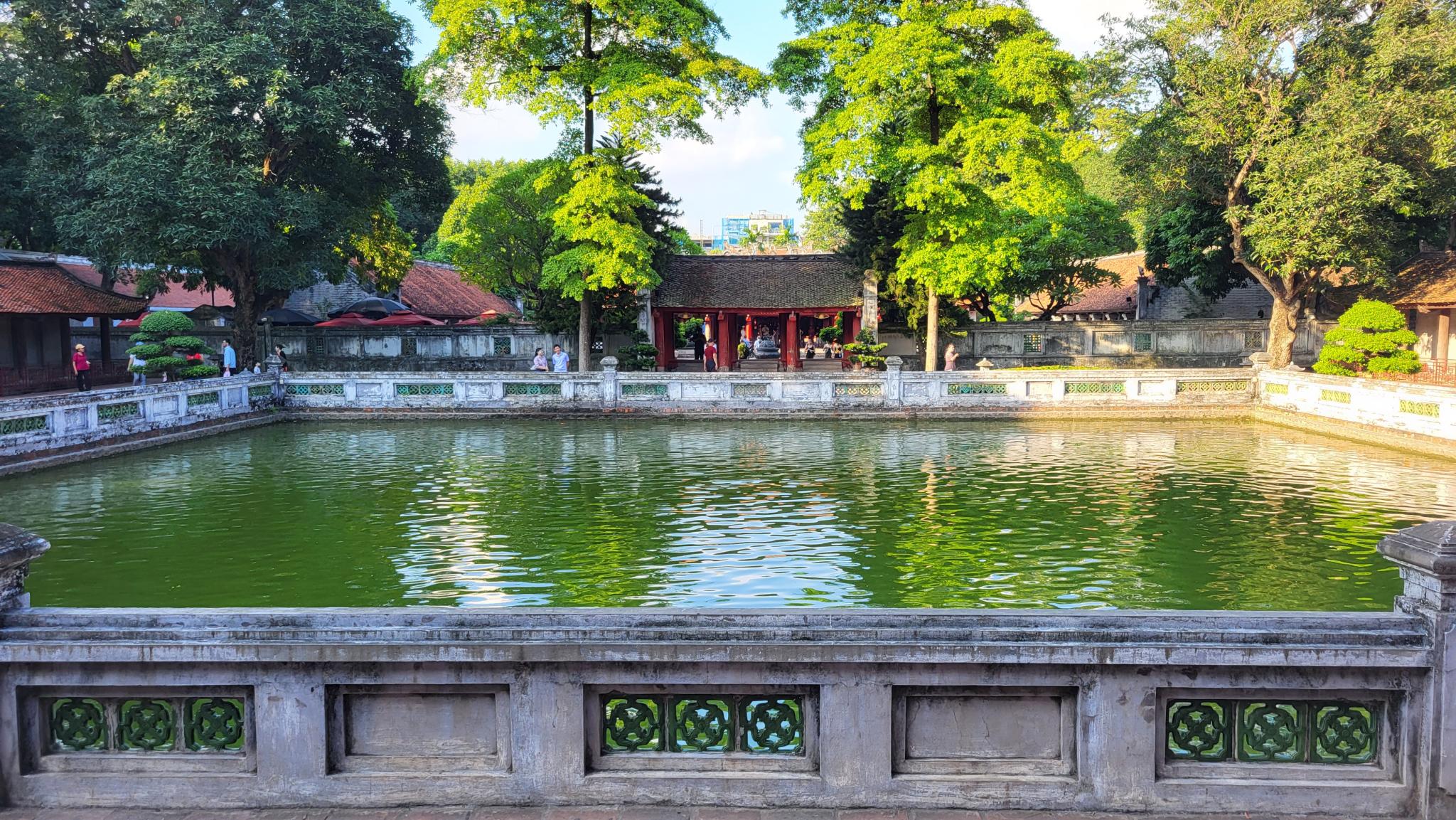
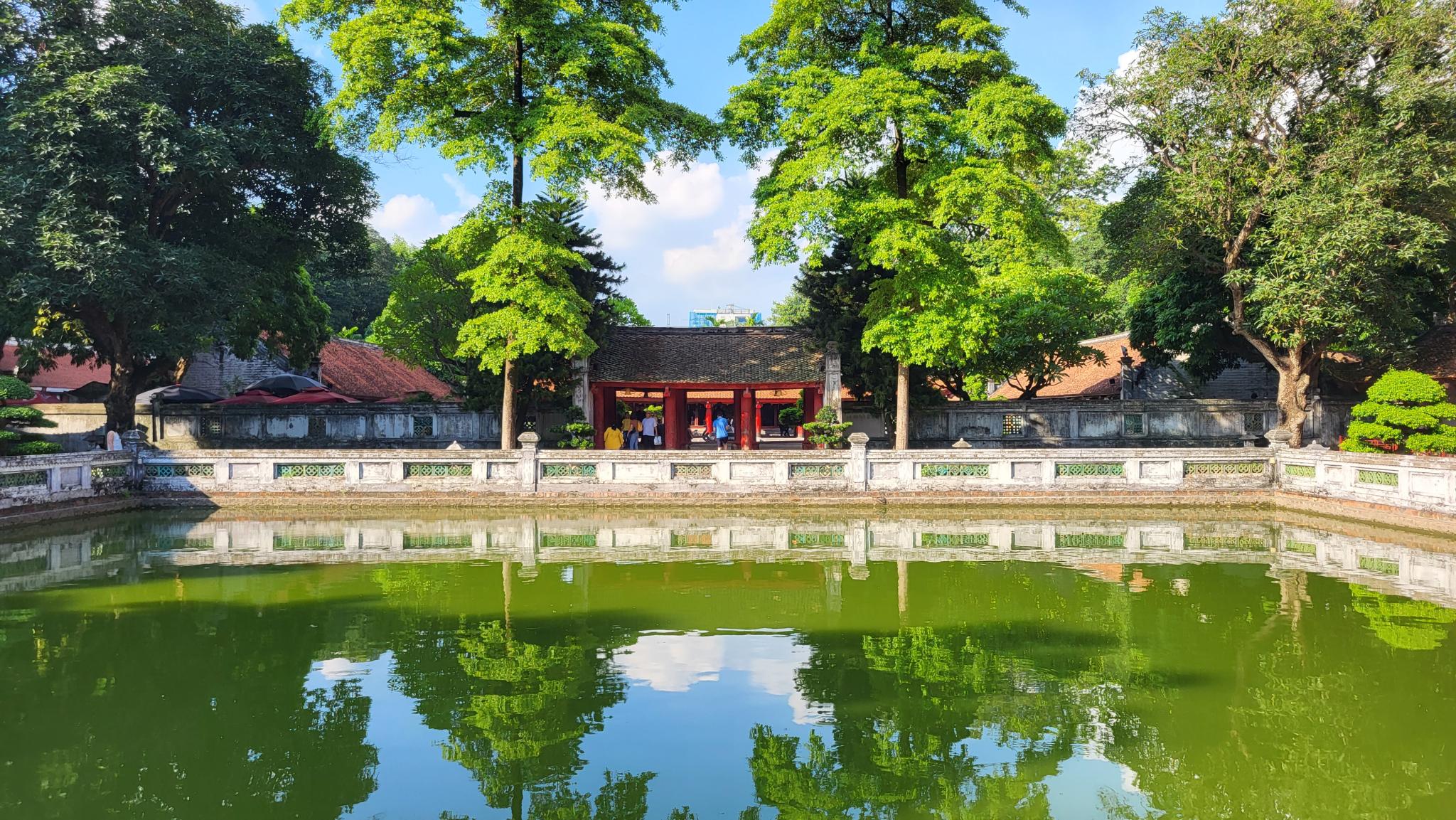
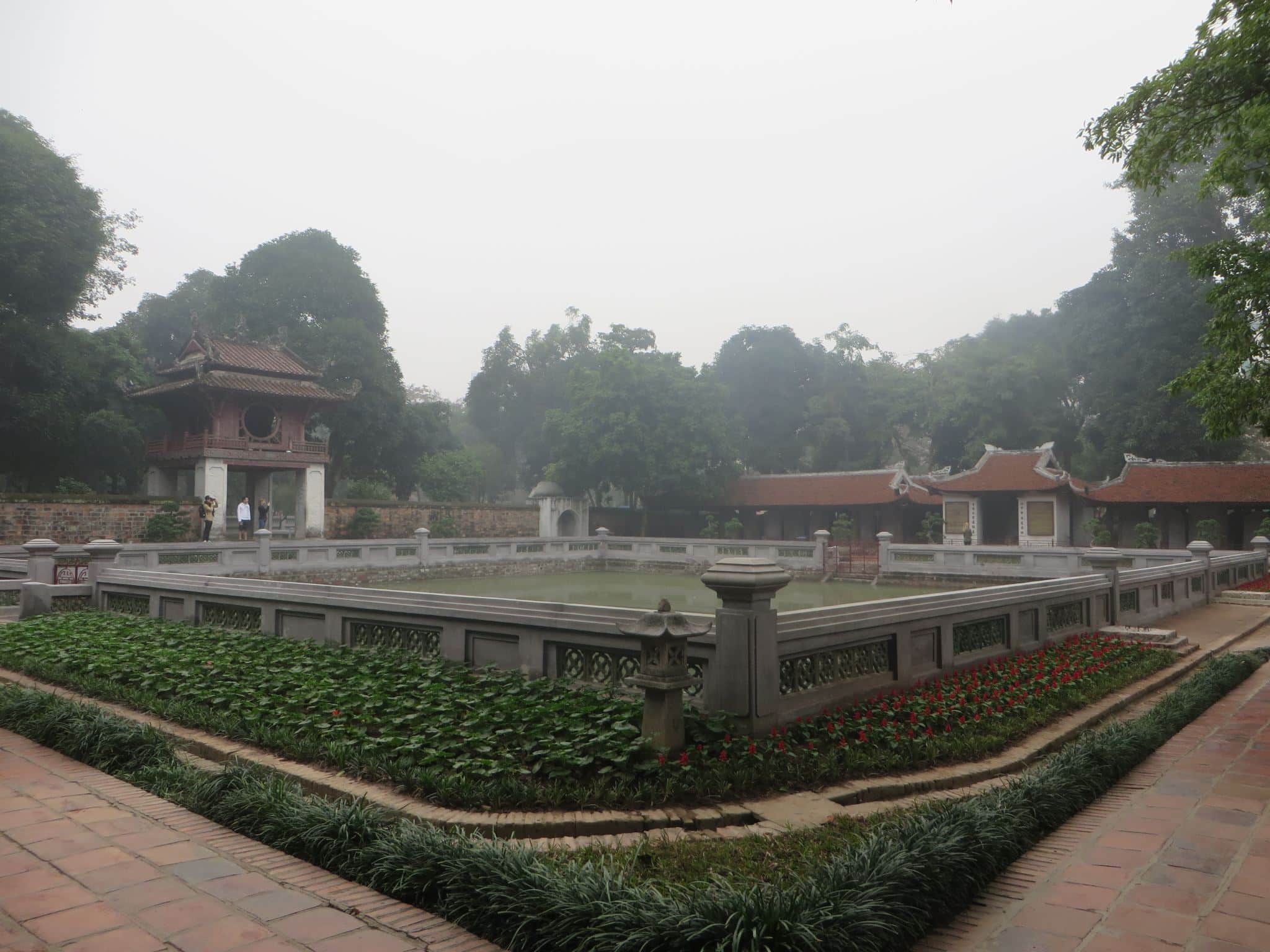
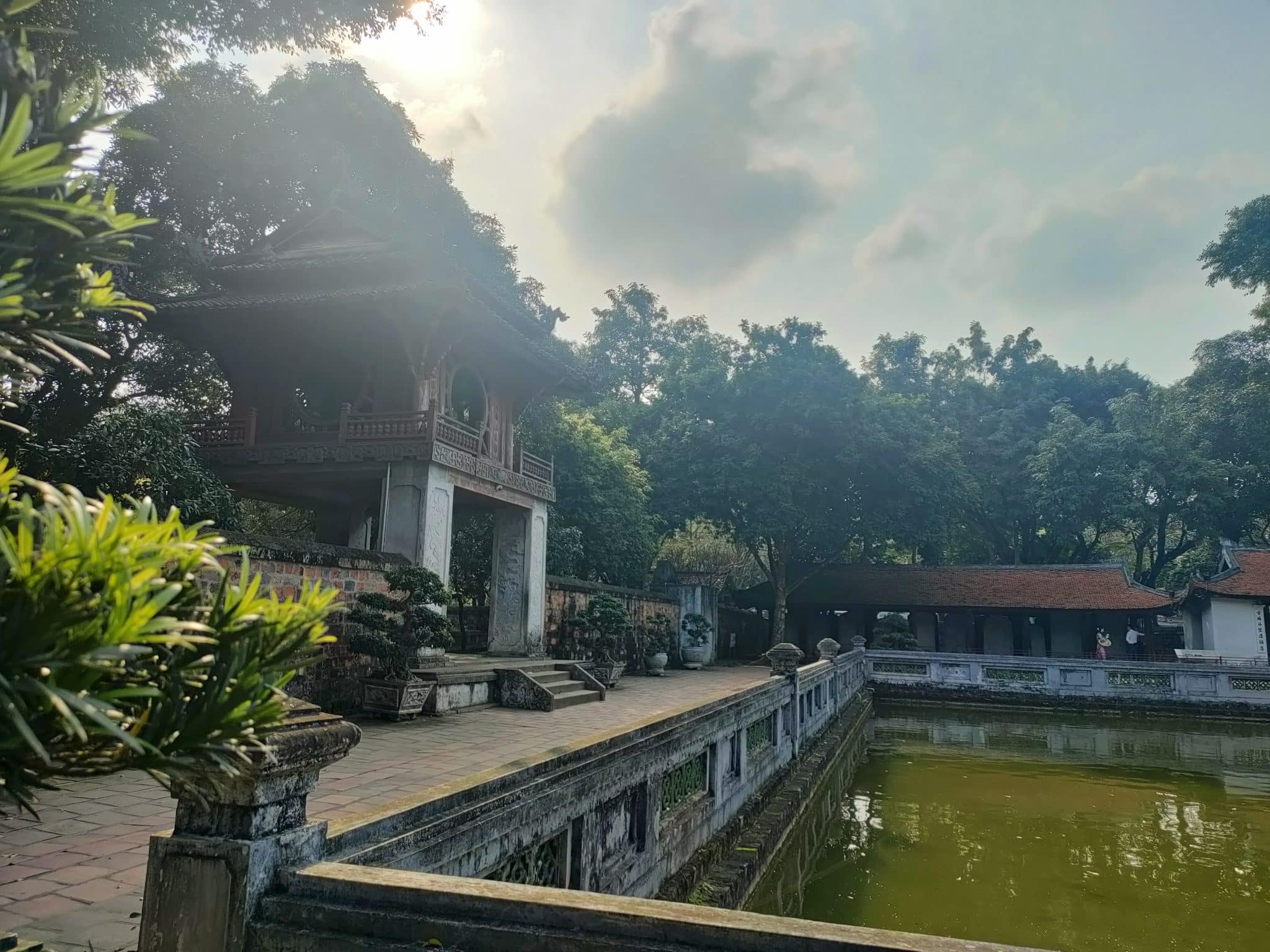
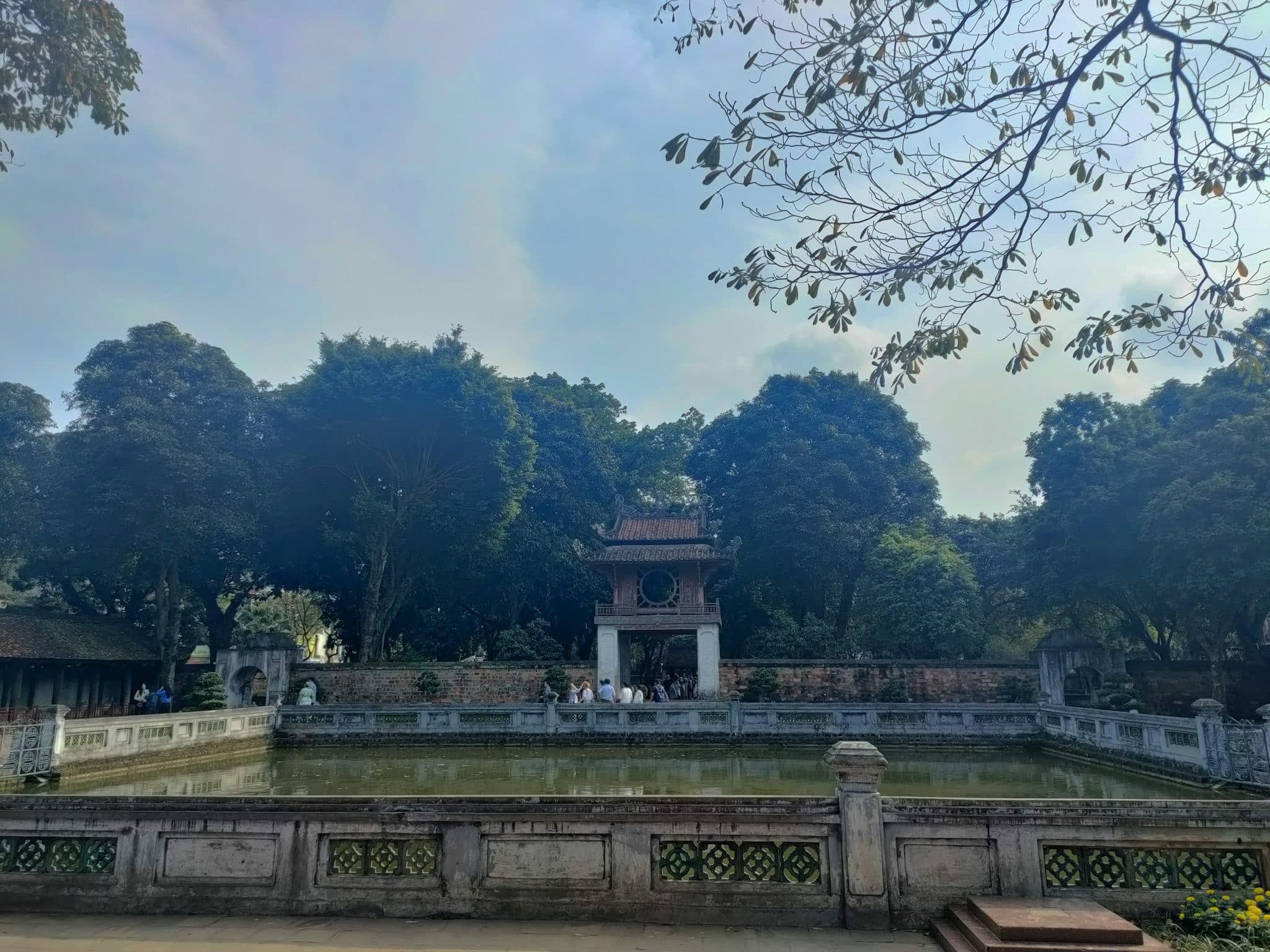
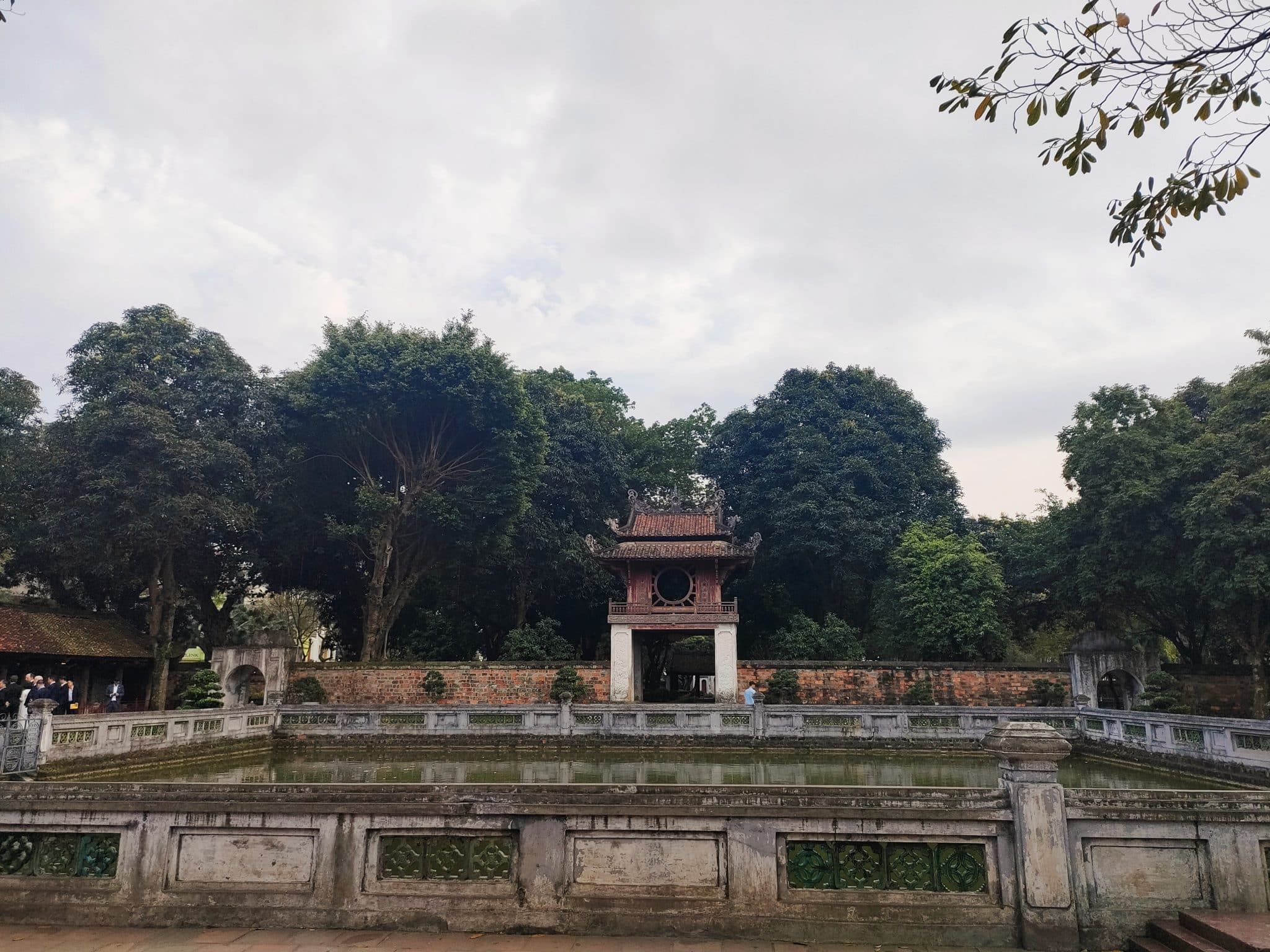
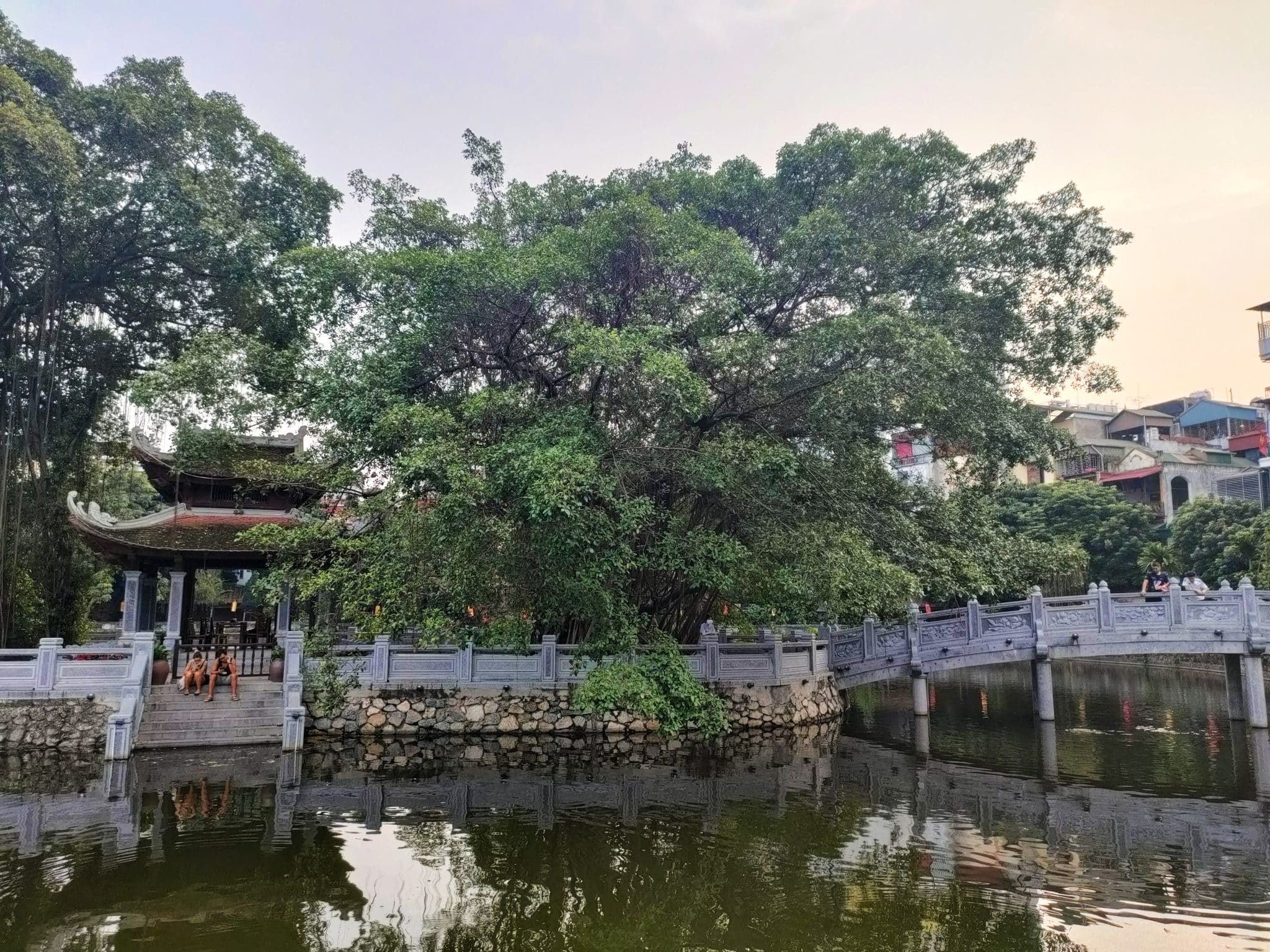
- Well of Heavenly Clarity: The Well of Heavenly Clarity, also known as Thien Quang Tinh, is a prominent feature within the temple complex that symbolizes purity, enlightenment, and spiritual purification. The well’s tranquil setting, intricate carvings, and symbolic significance provide visitors with a peaceful and contemplative space to reflect on Confucian ideals and moral values.
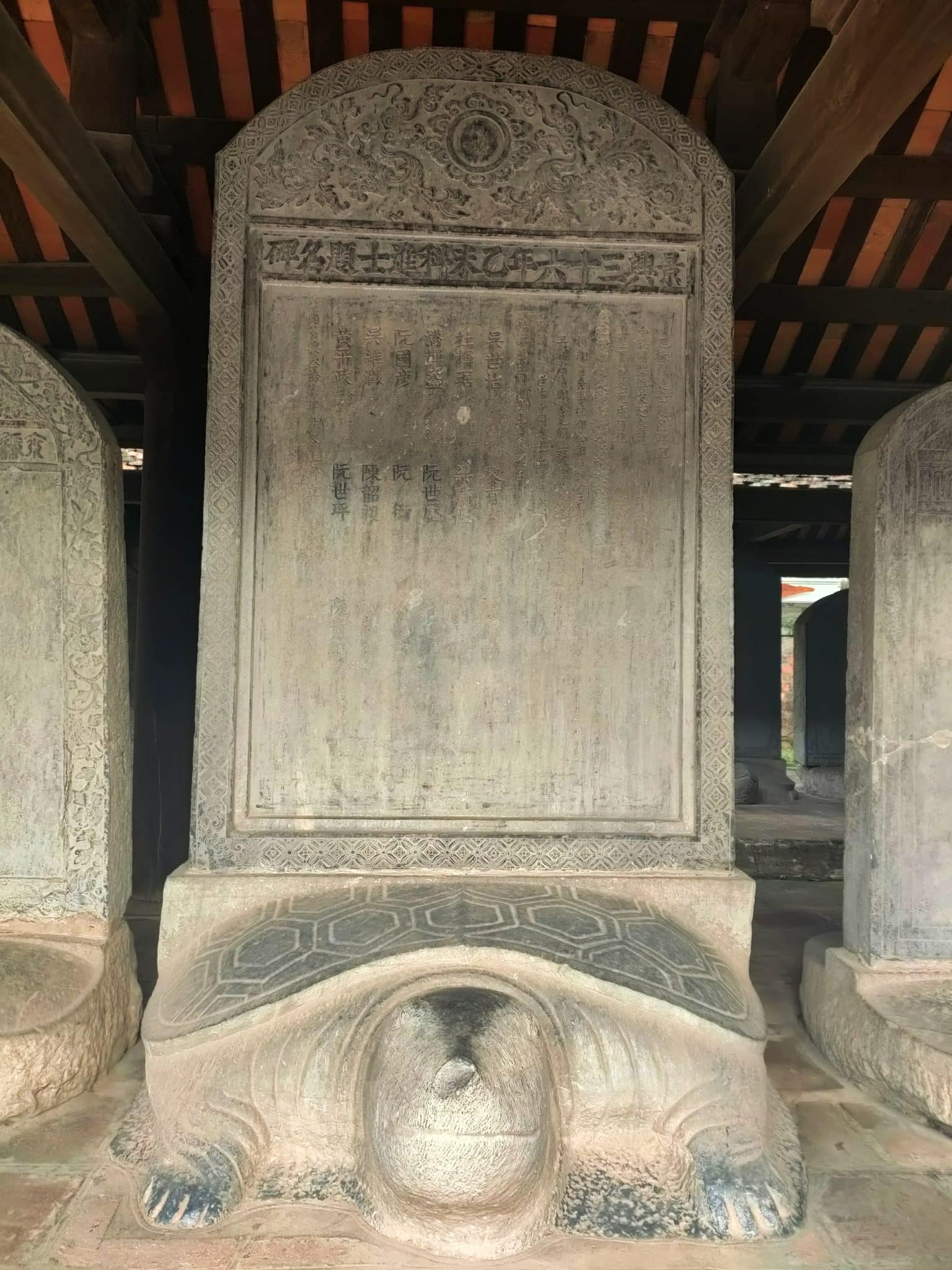
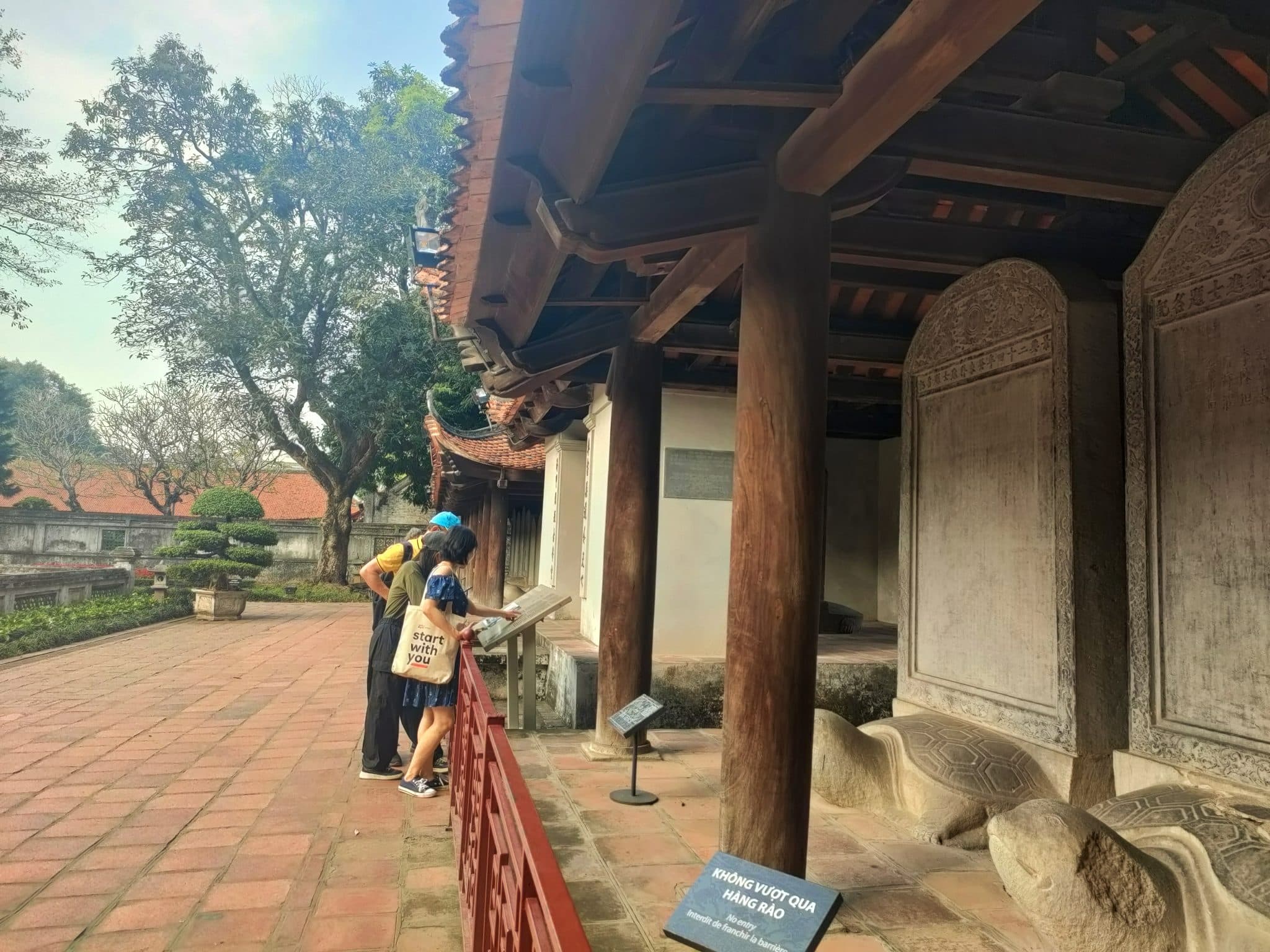
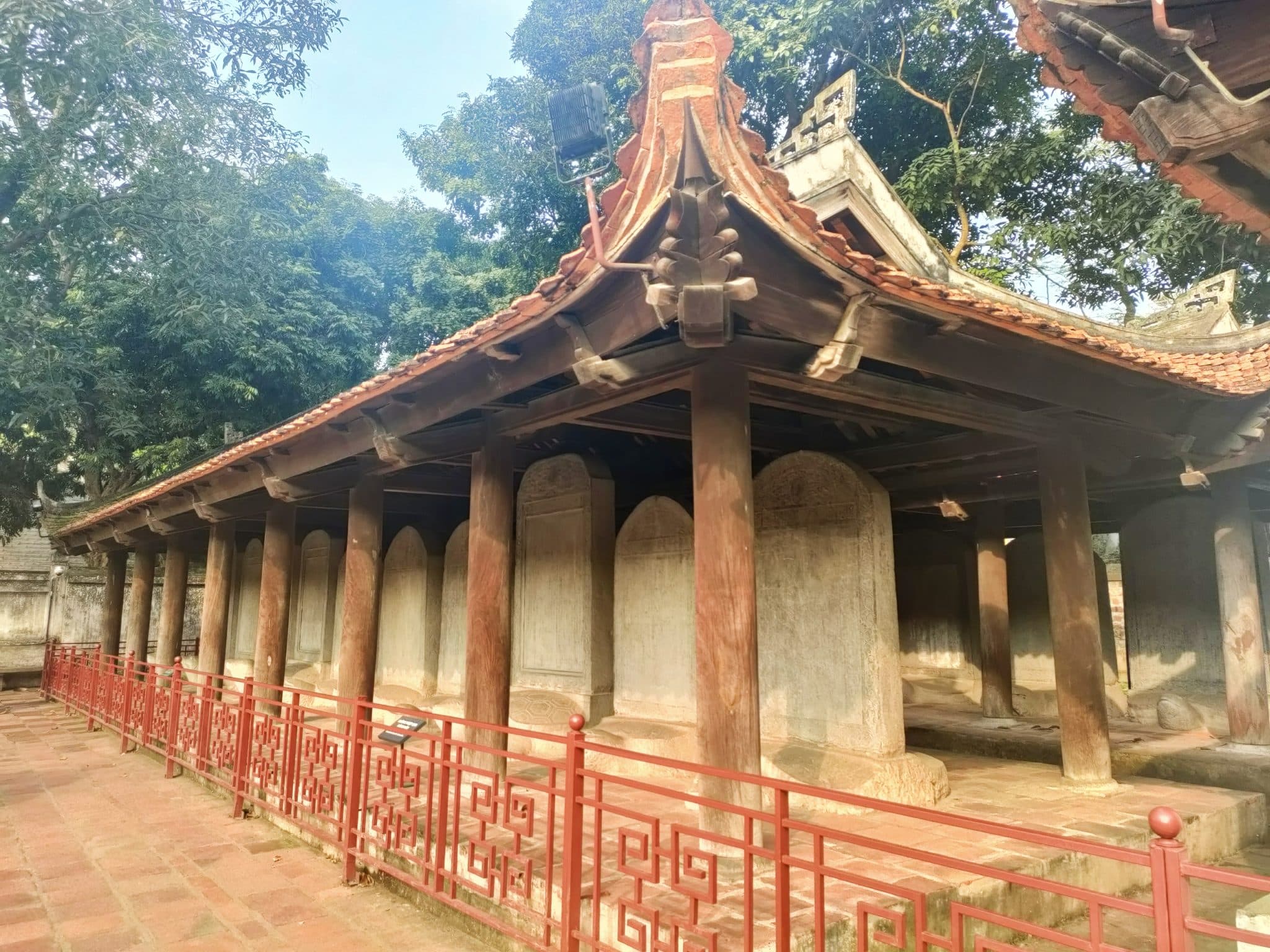
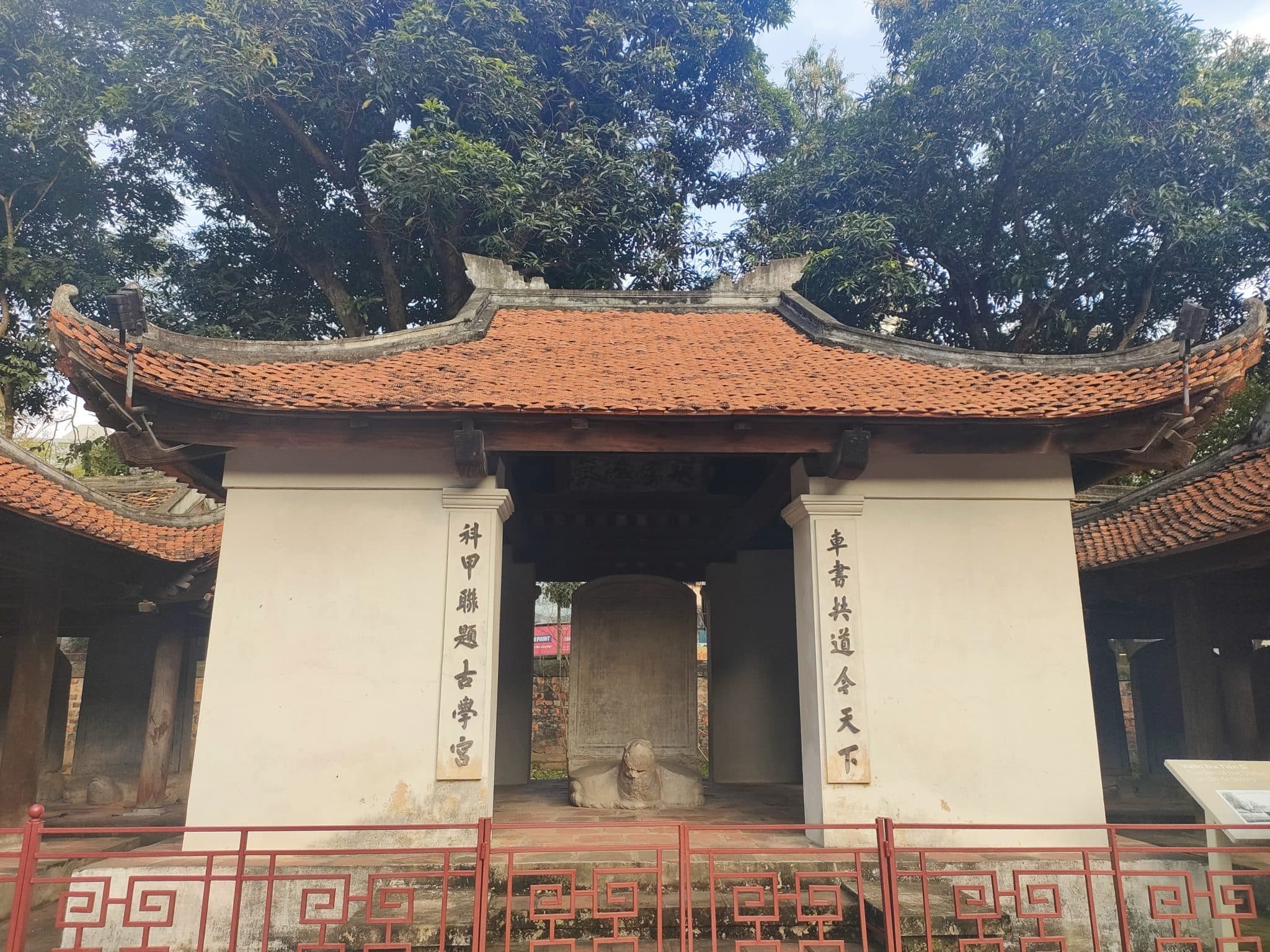
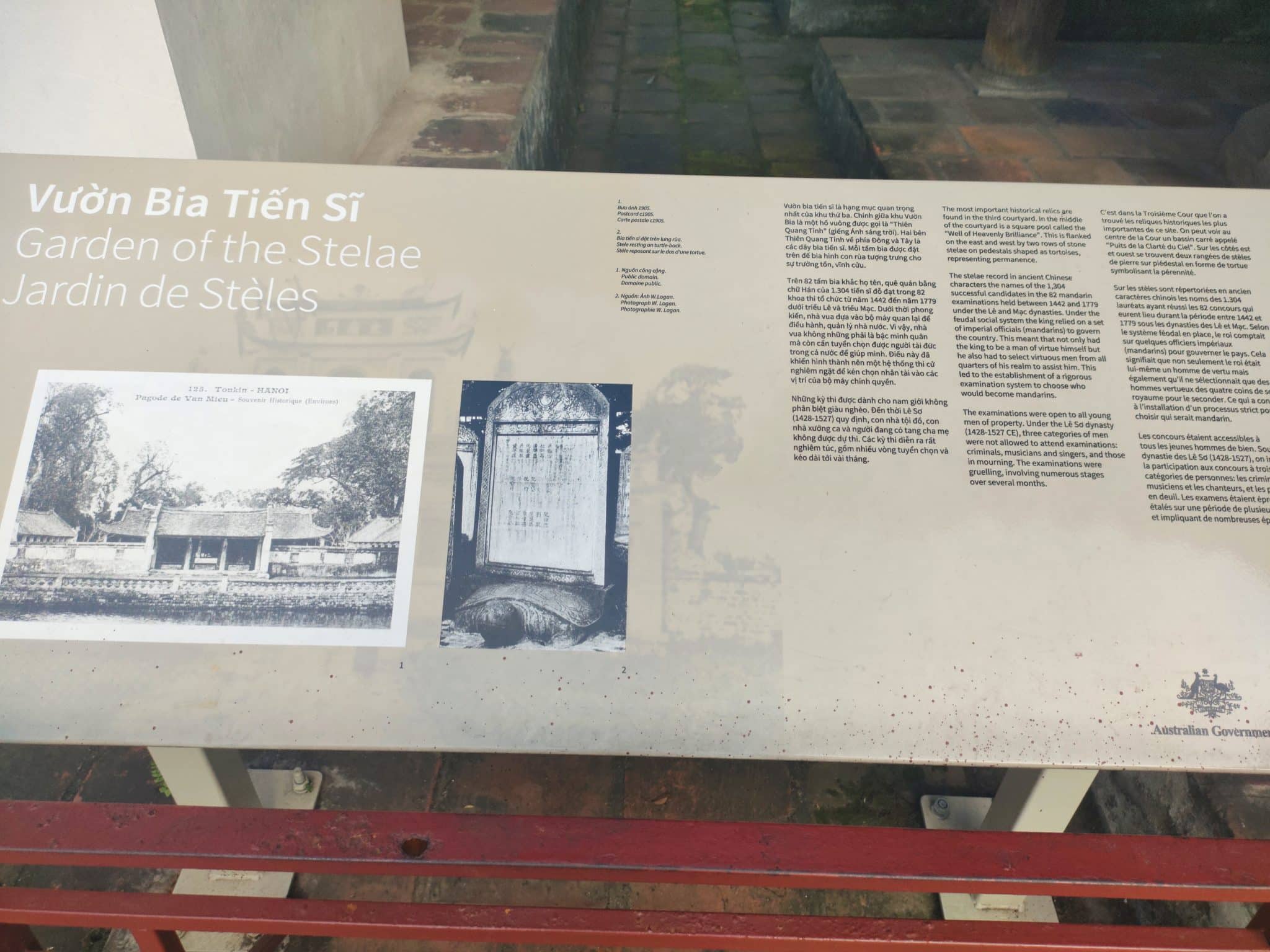
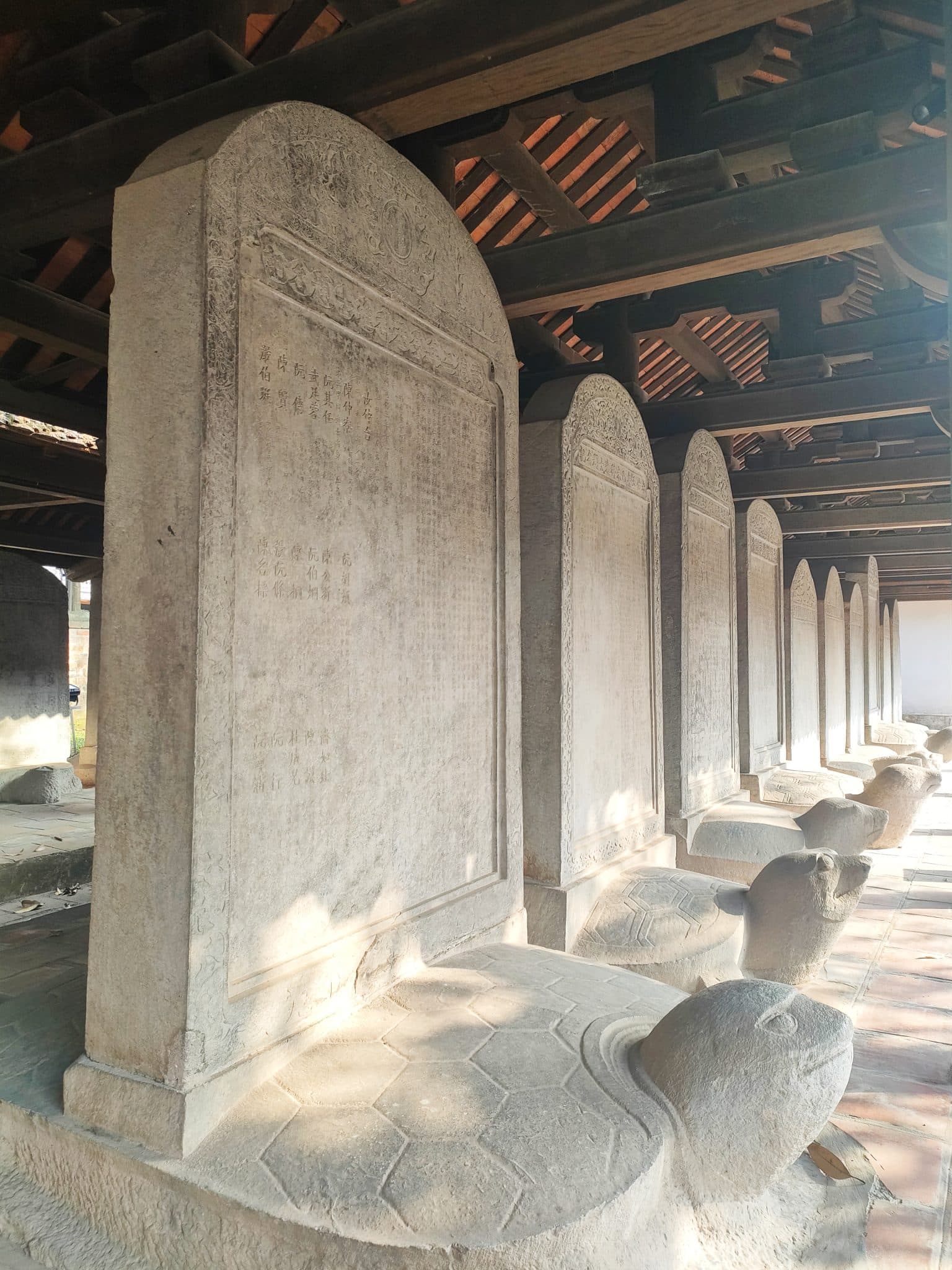
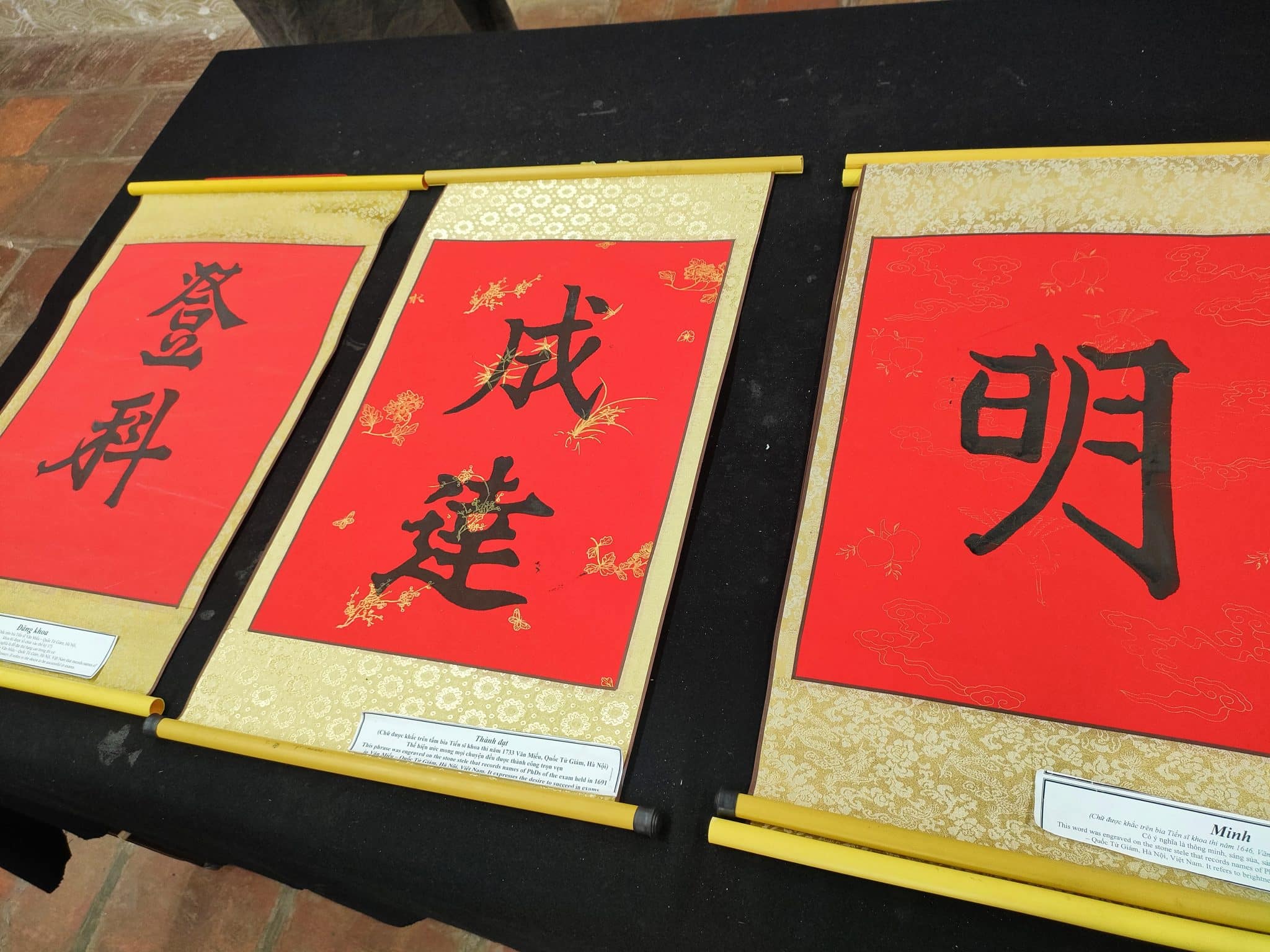
- Stelae of Doctors: The Stelae of Doctors, or Stone Steles, are stone monuments inscribed with the names, achievements, and biographies of scholars who passed the royal examinations at the Temple of Literature from 1442 to 1779. The stelae reflect Vietnam’s reverence for scholarship, intellectual achievement, and the pursuit of knowledge, as well as its recognition of individuals who contributed to the country’s cultural, literary, and political development.
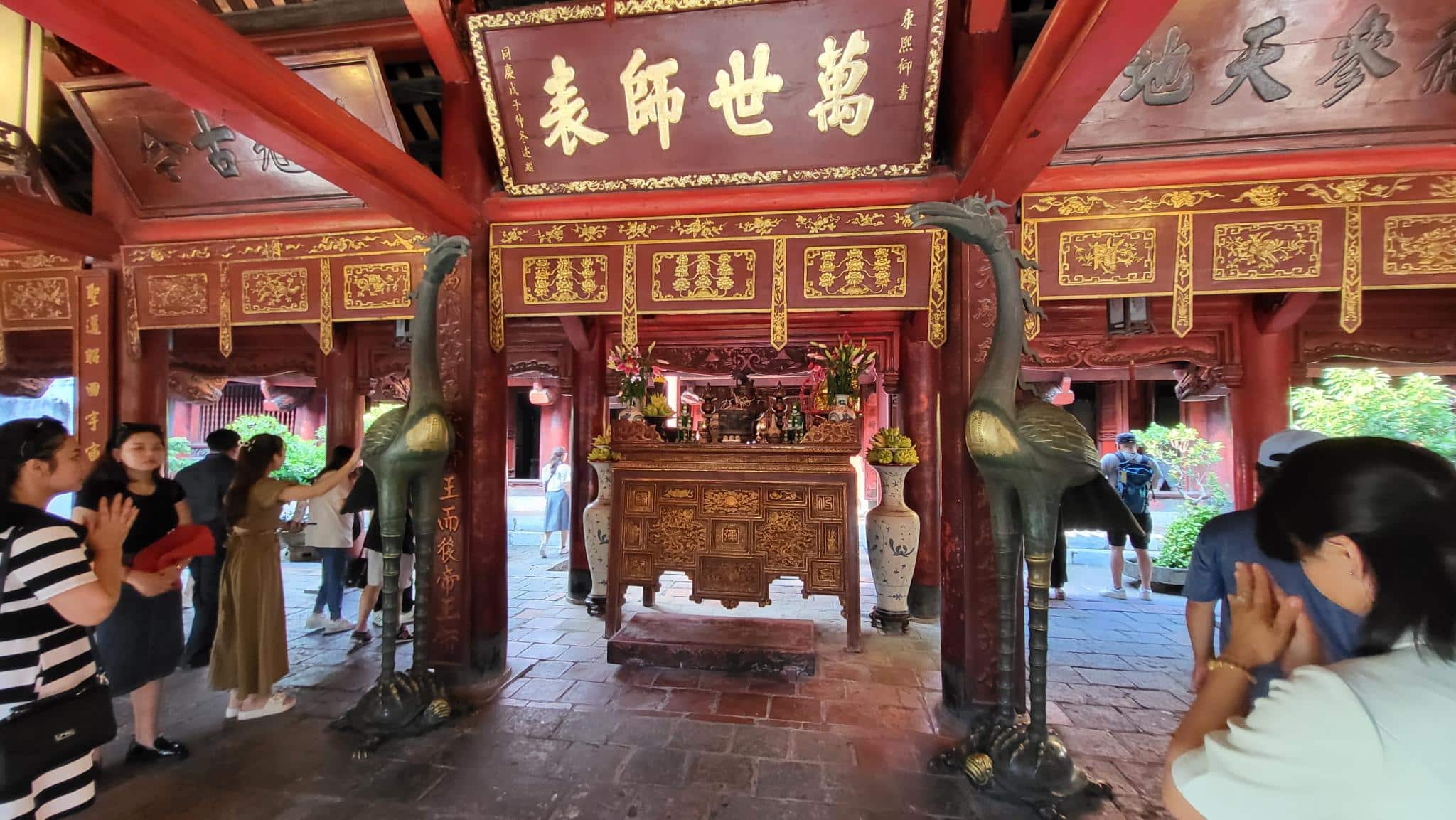
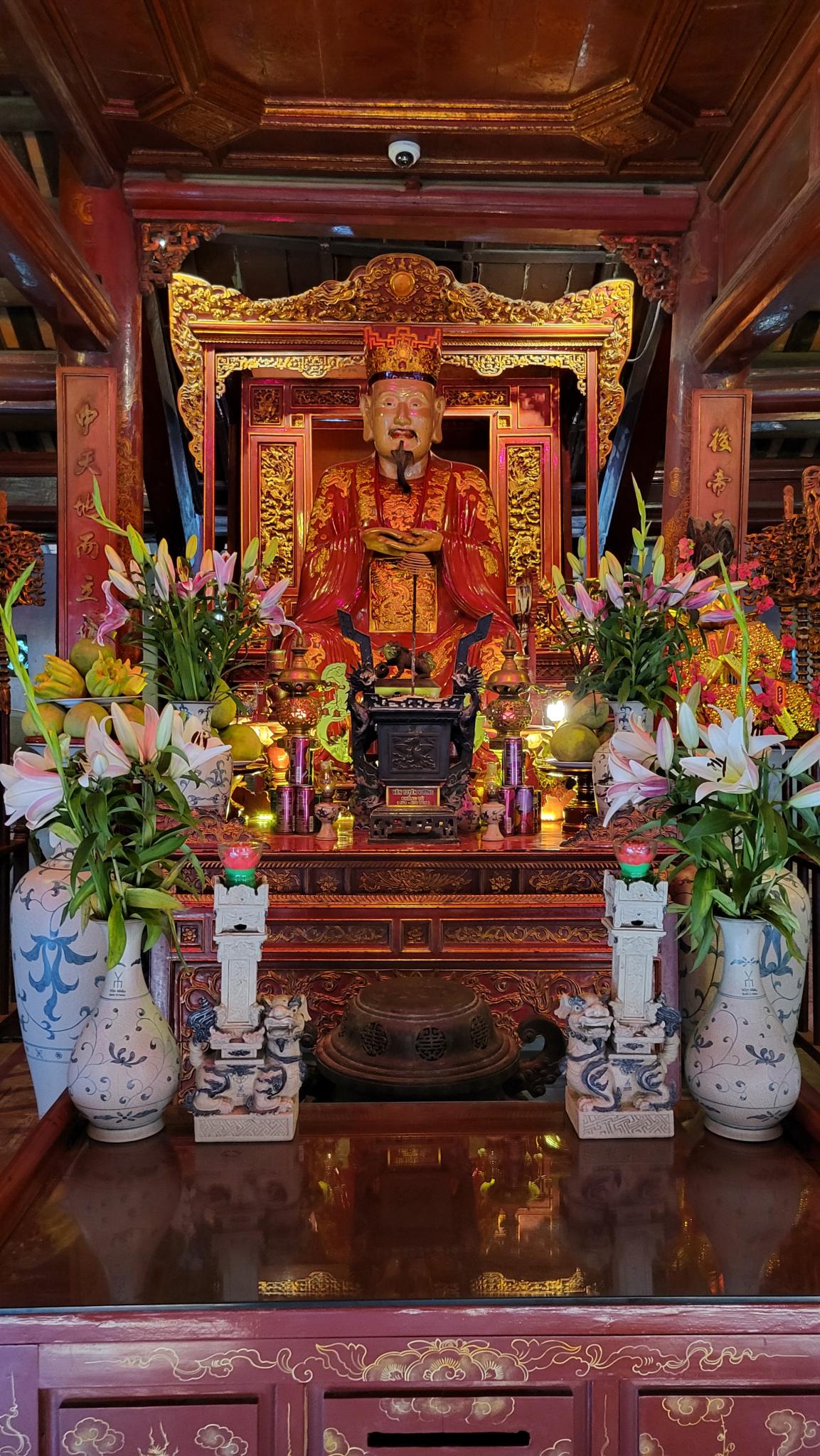
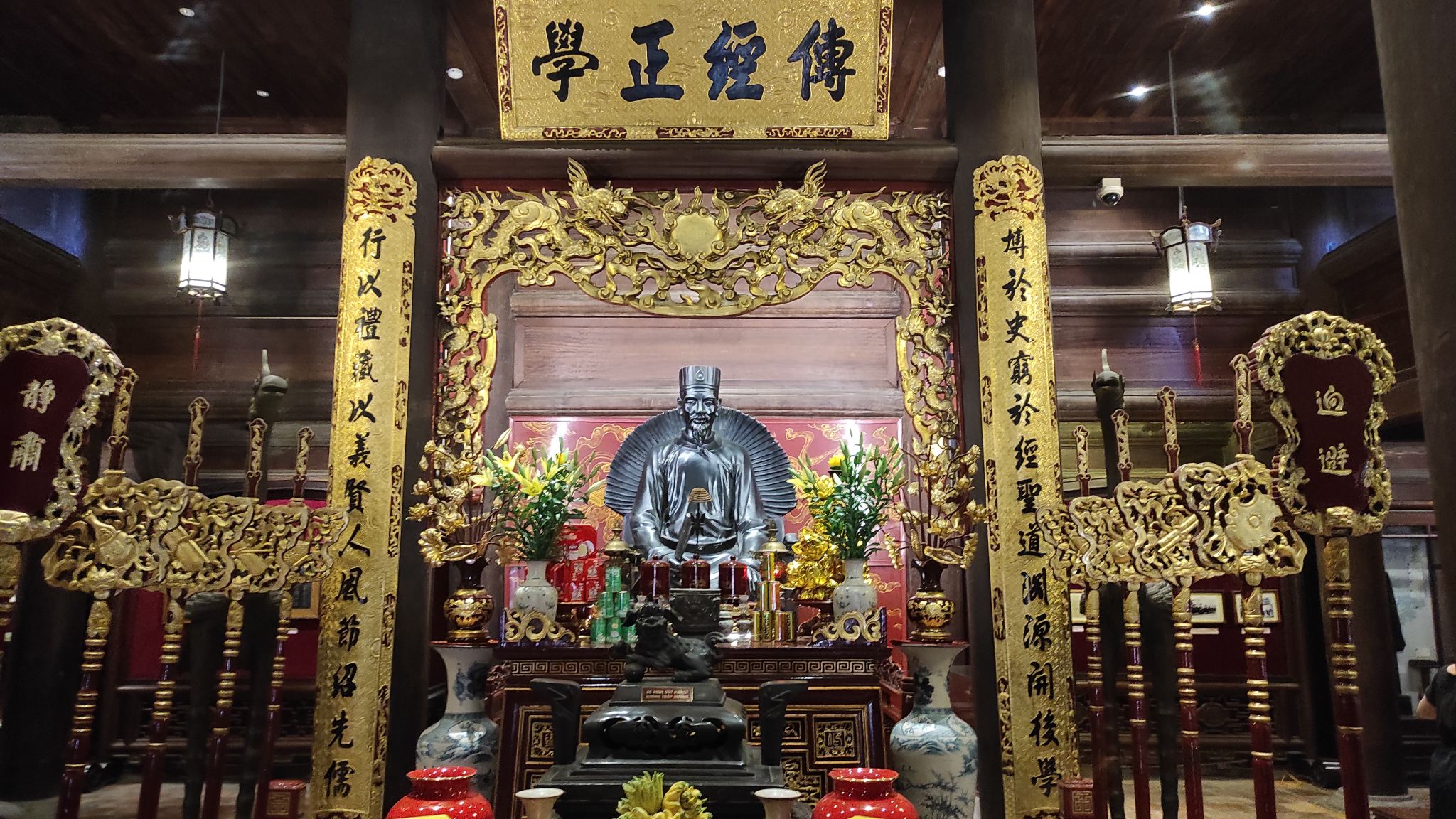
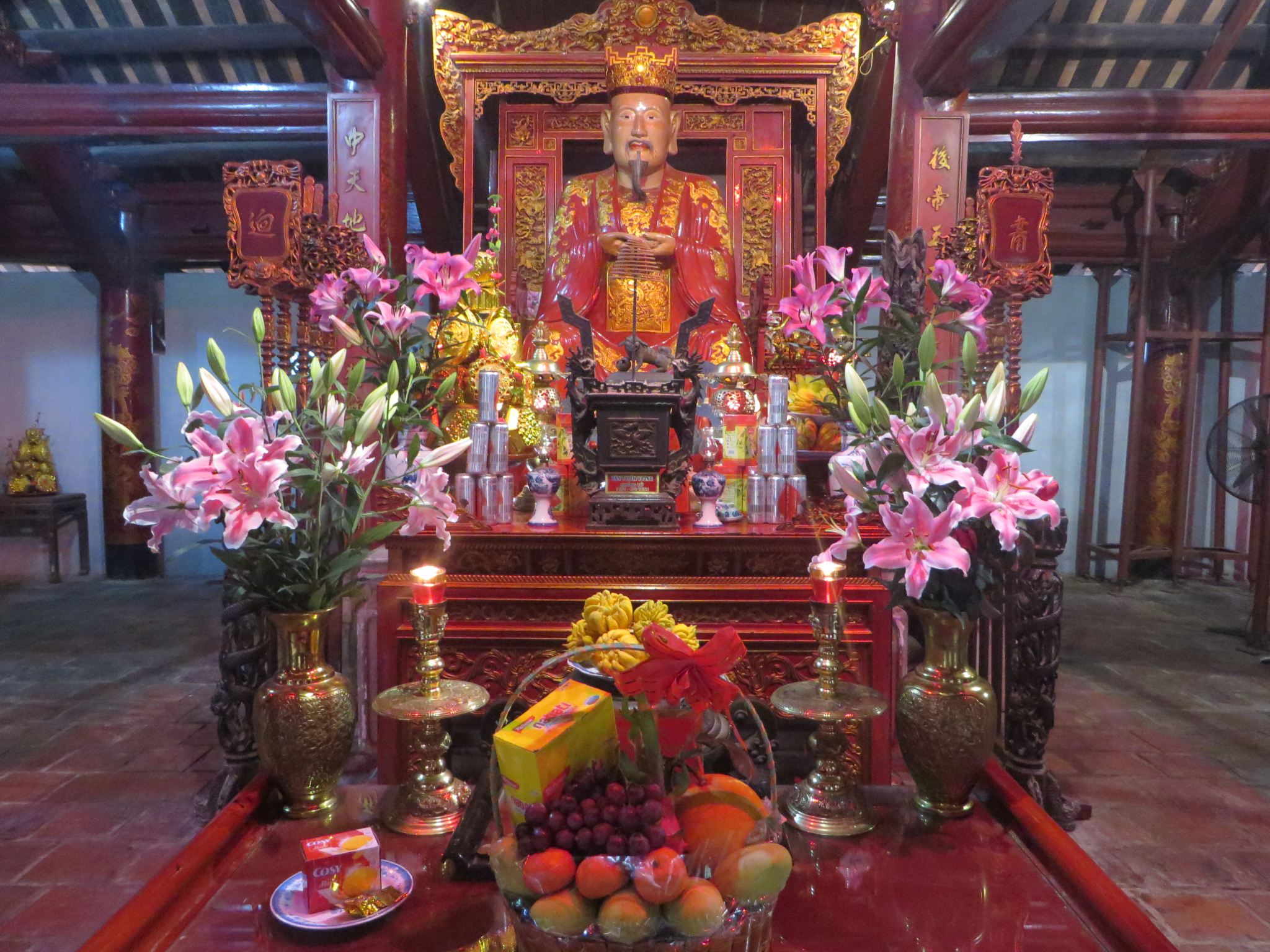
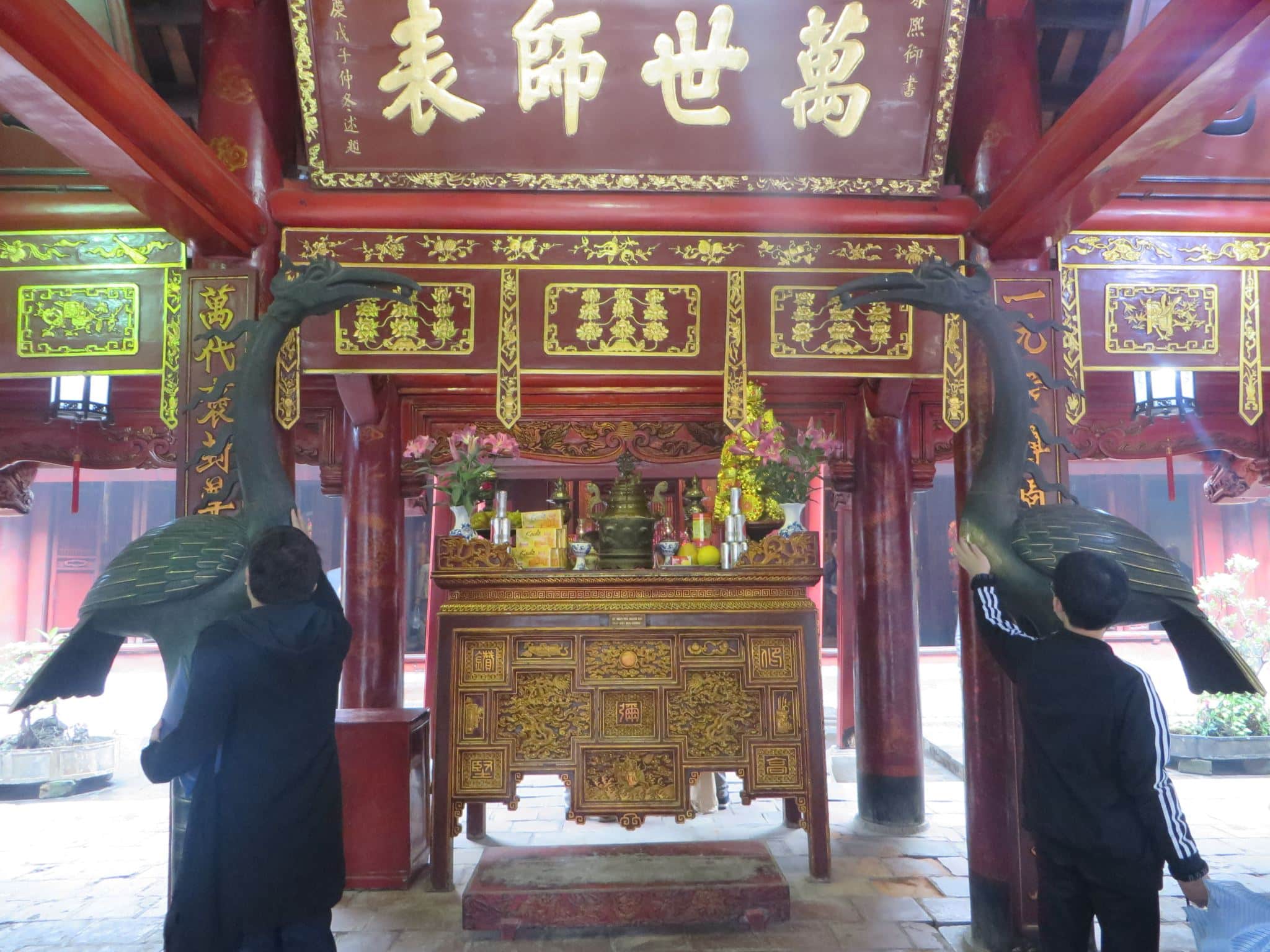
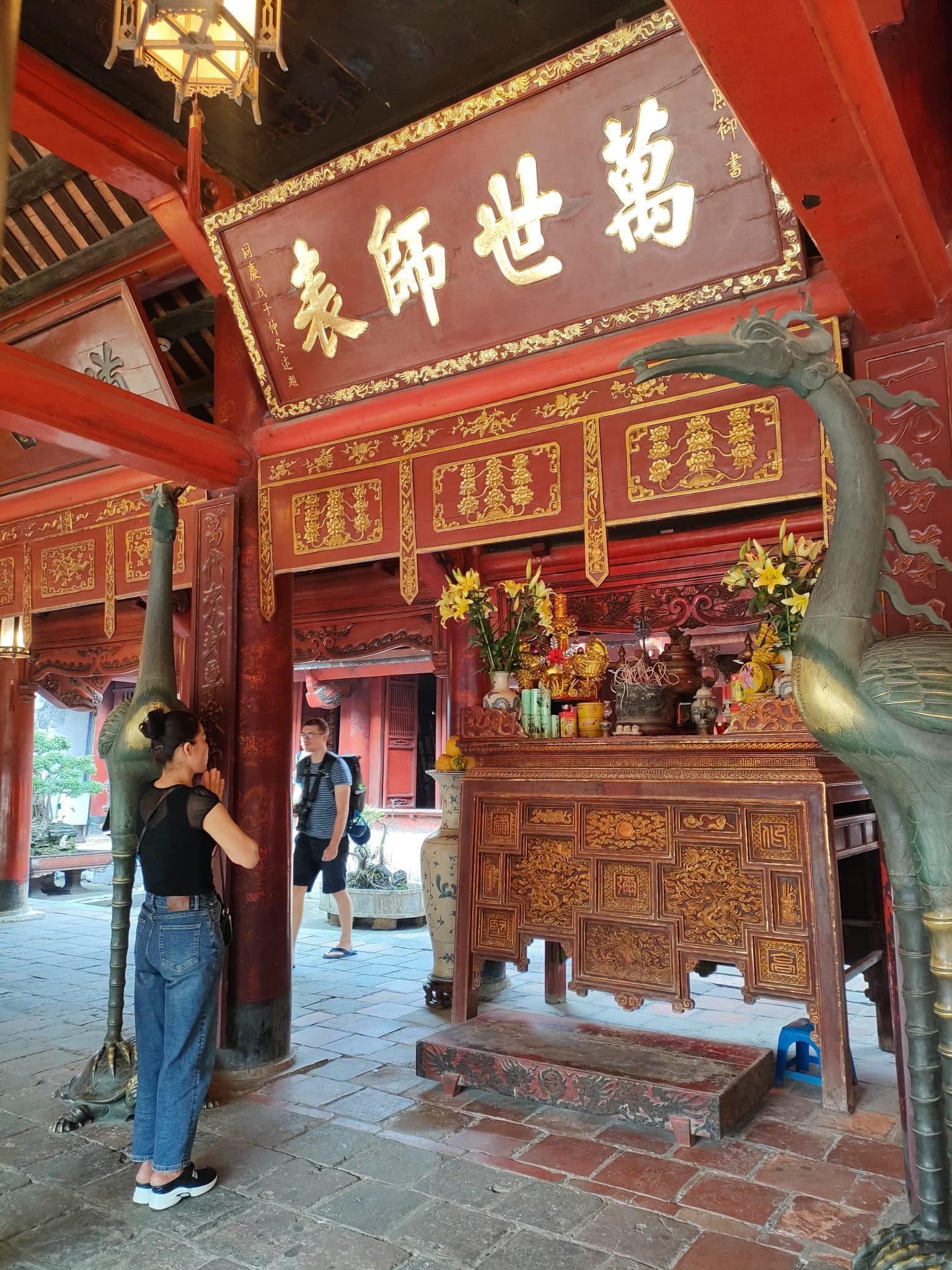
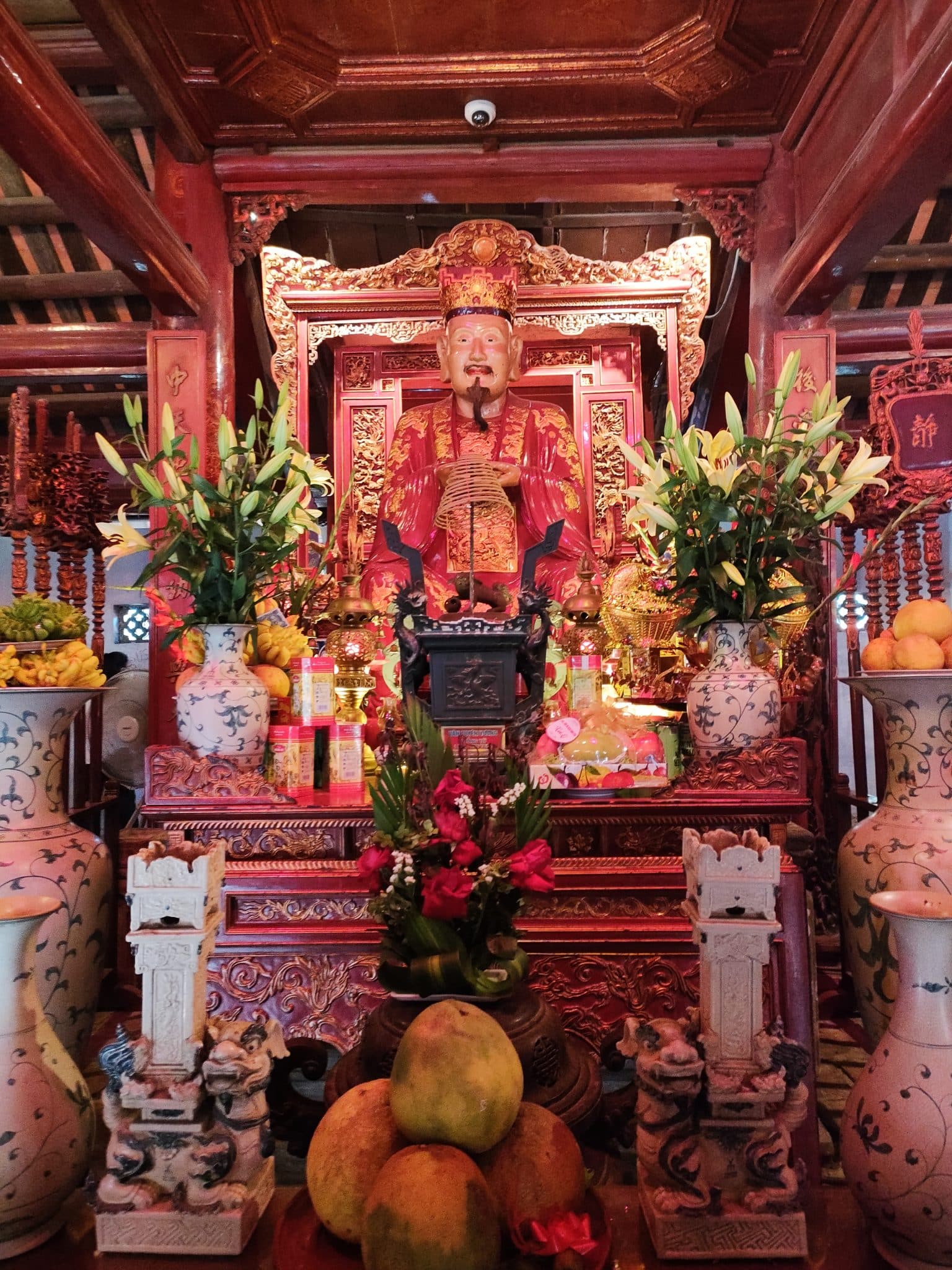
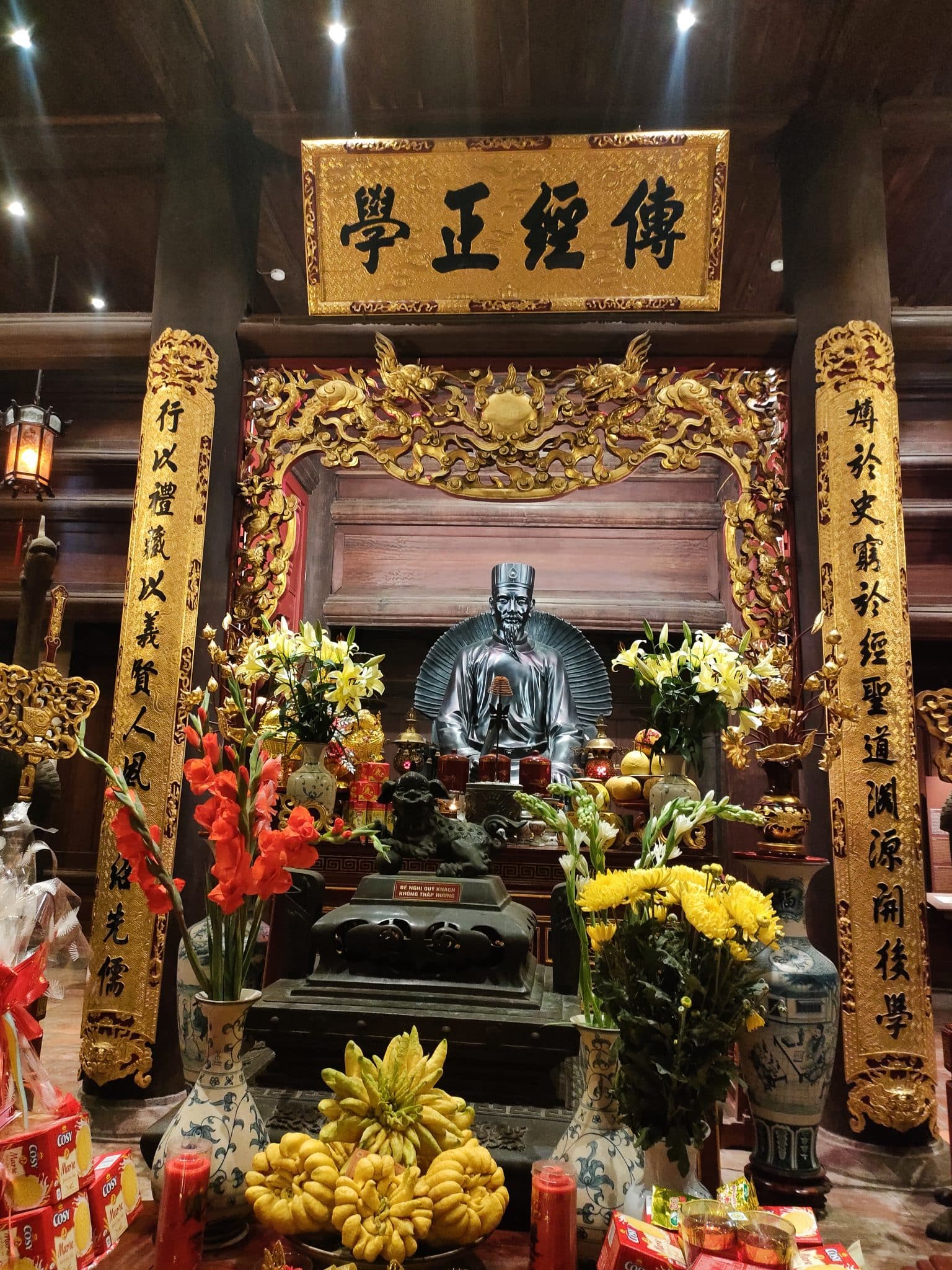
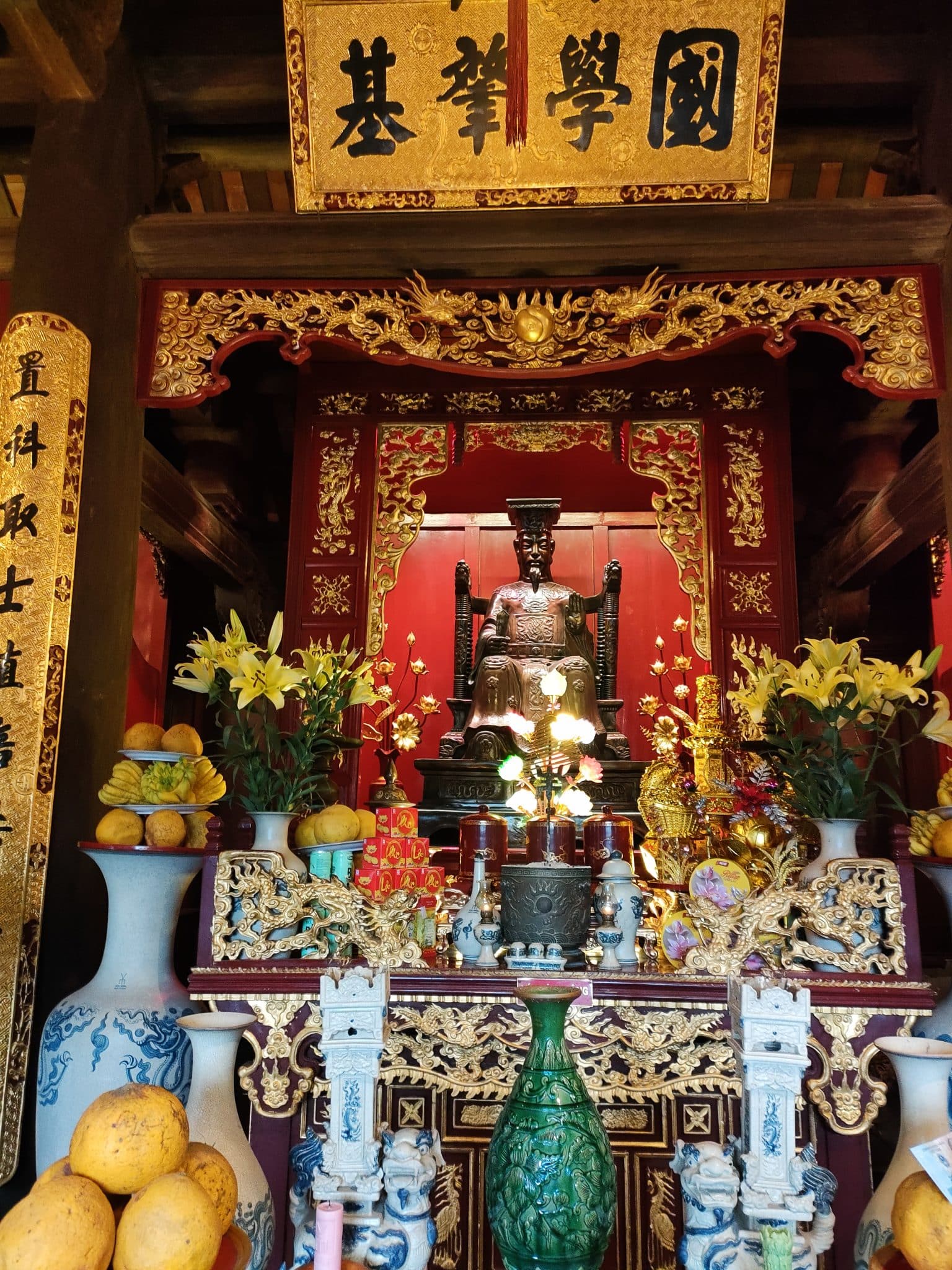
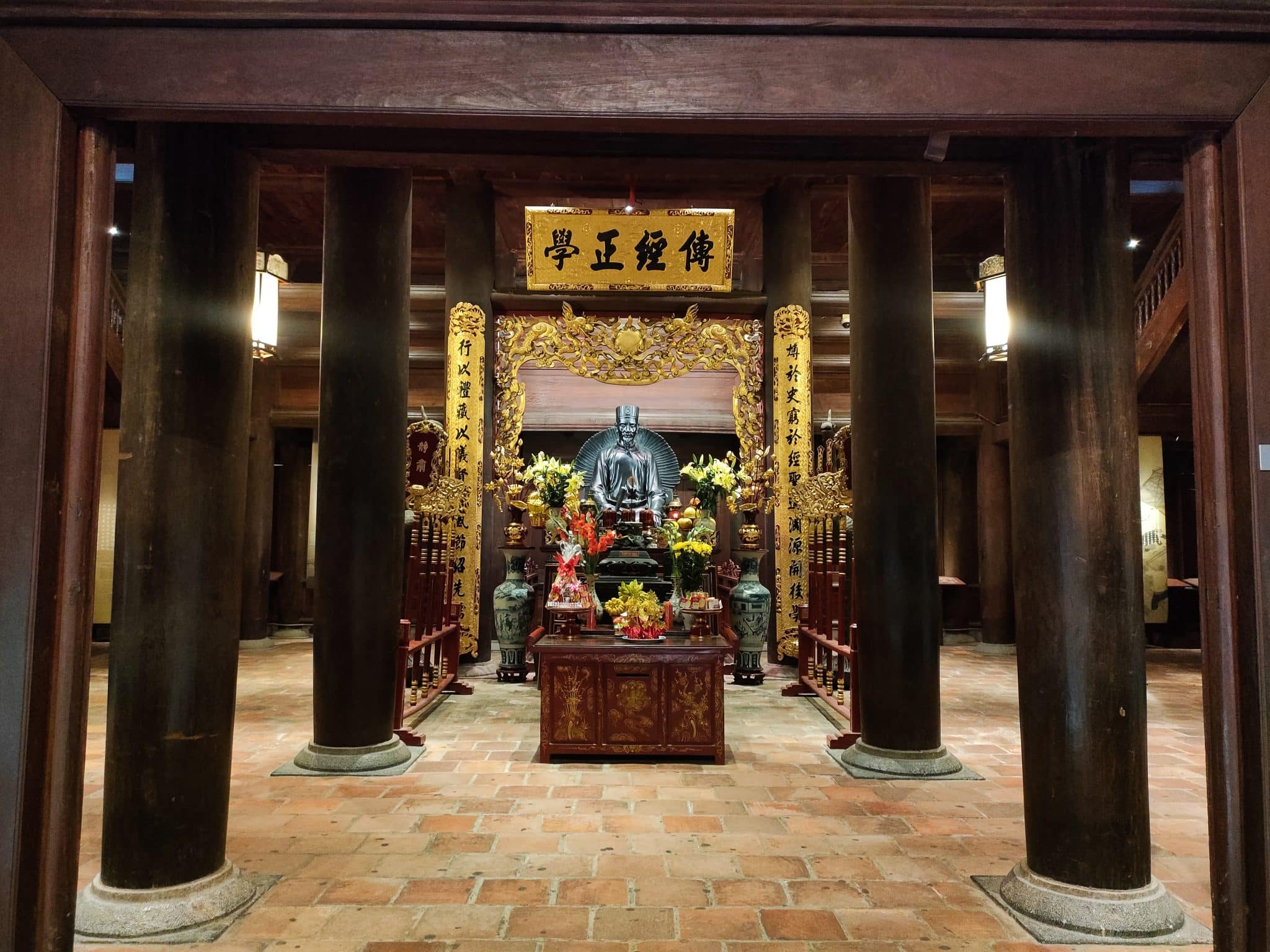
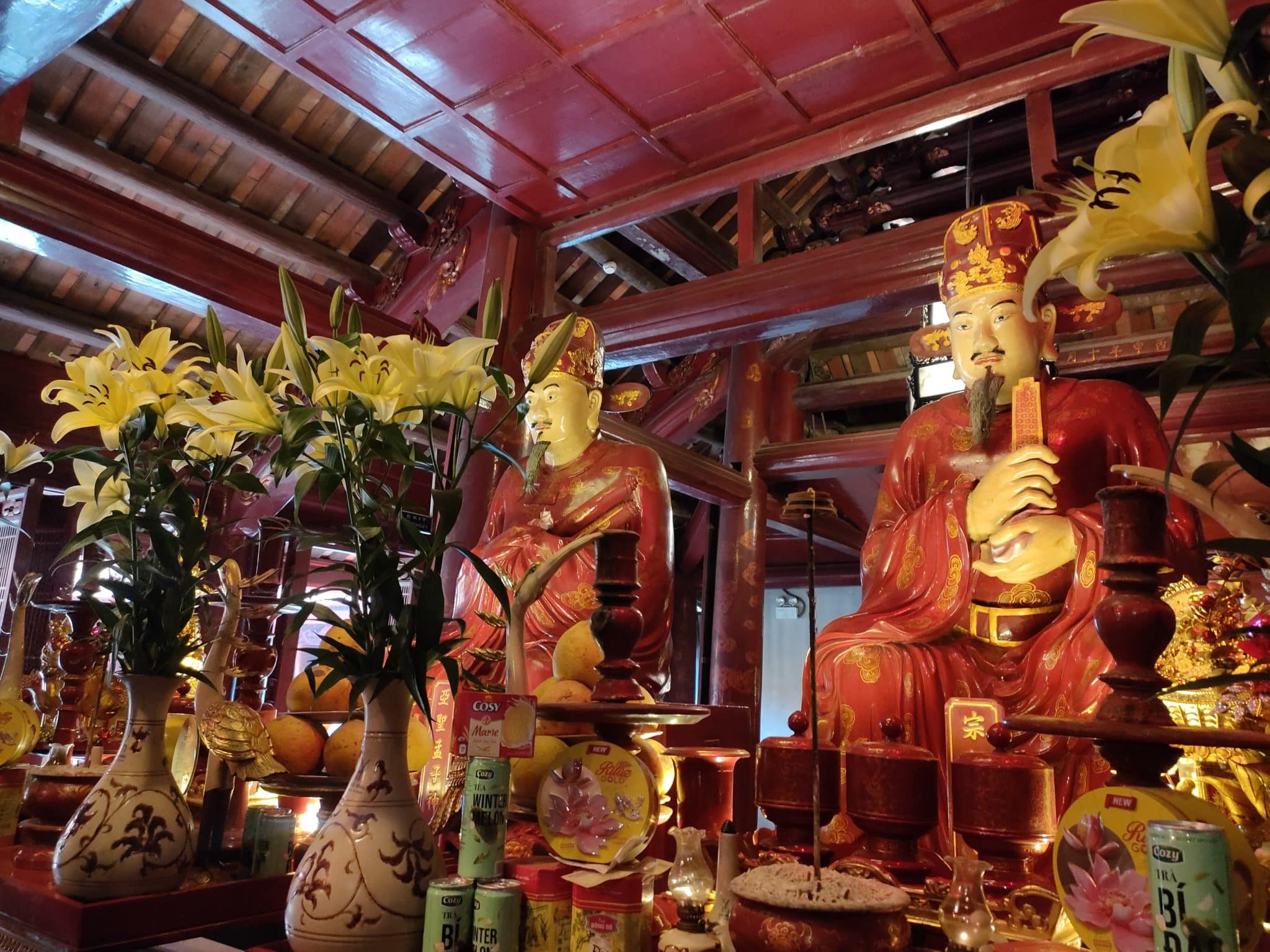
- Honor Courtyard and Altars: Within the temple complex, visitors can explore the Honor Courtyard, where statues of Confucius and his four disciples are enshrined, and the Altars of the Earth and Harvest, which are dedicated to the worship of deities associated with agriculture, prosperity, and national unity.
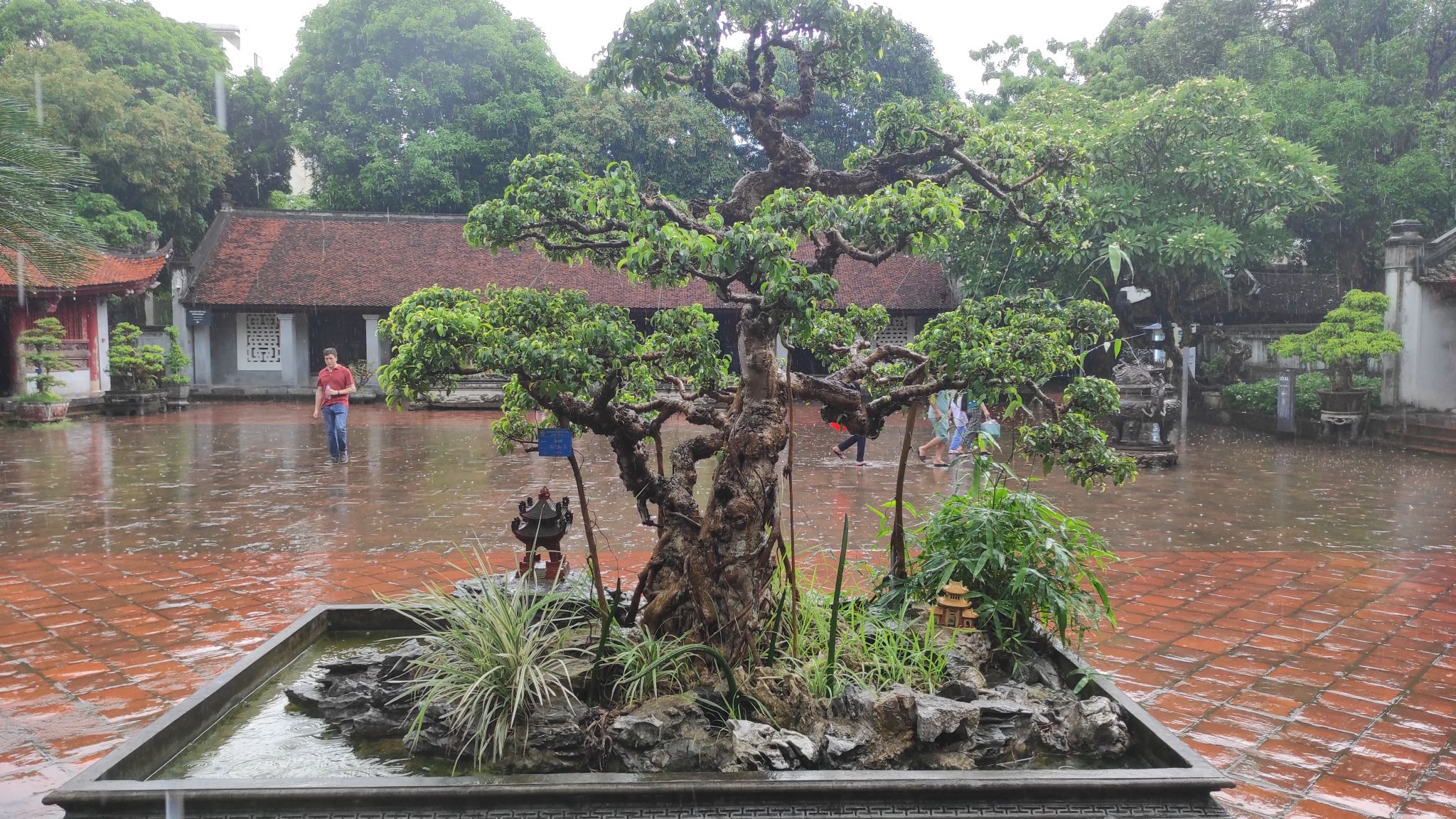
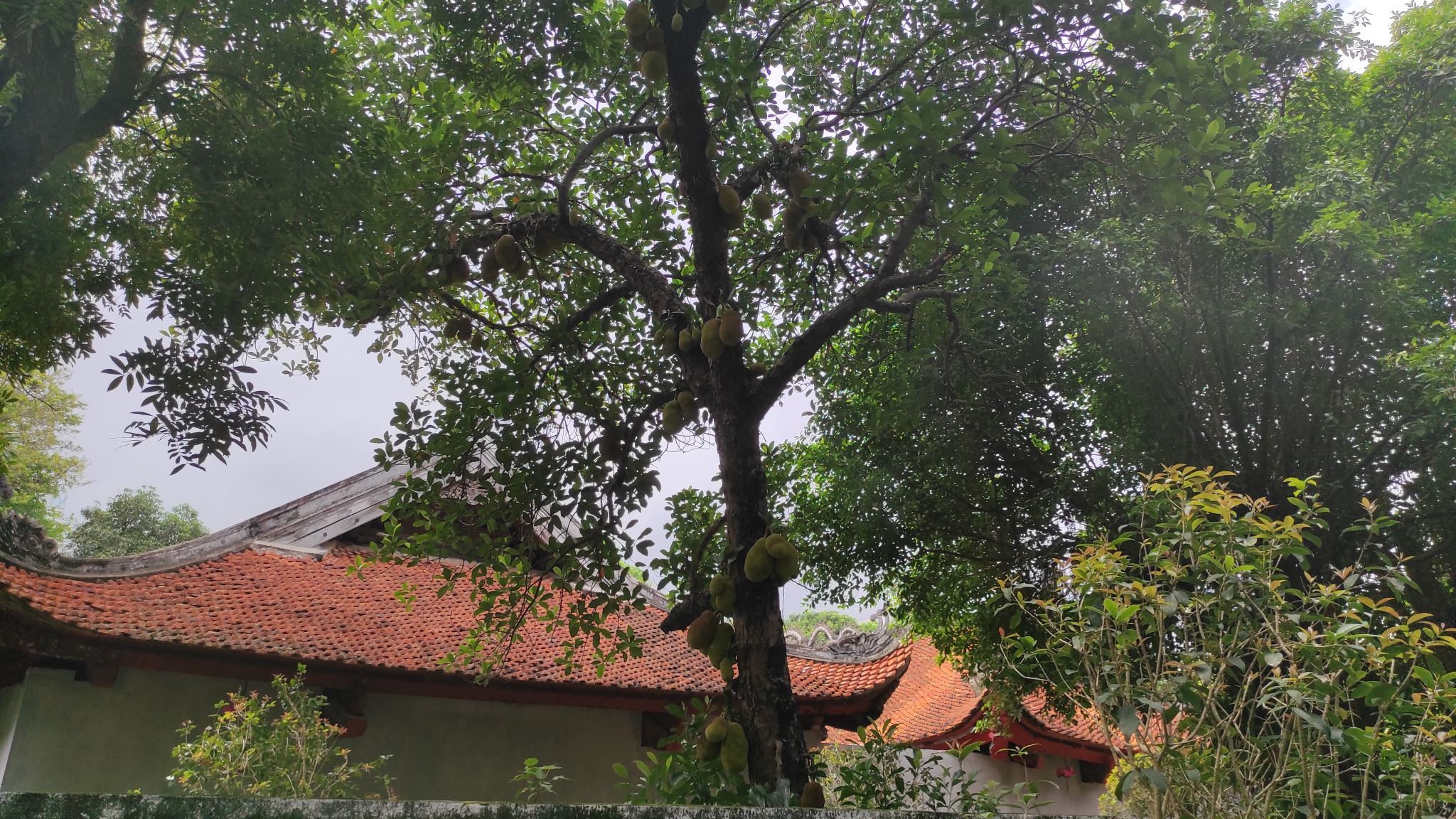
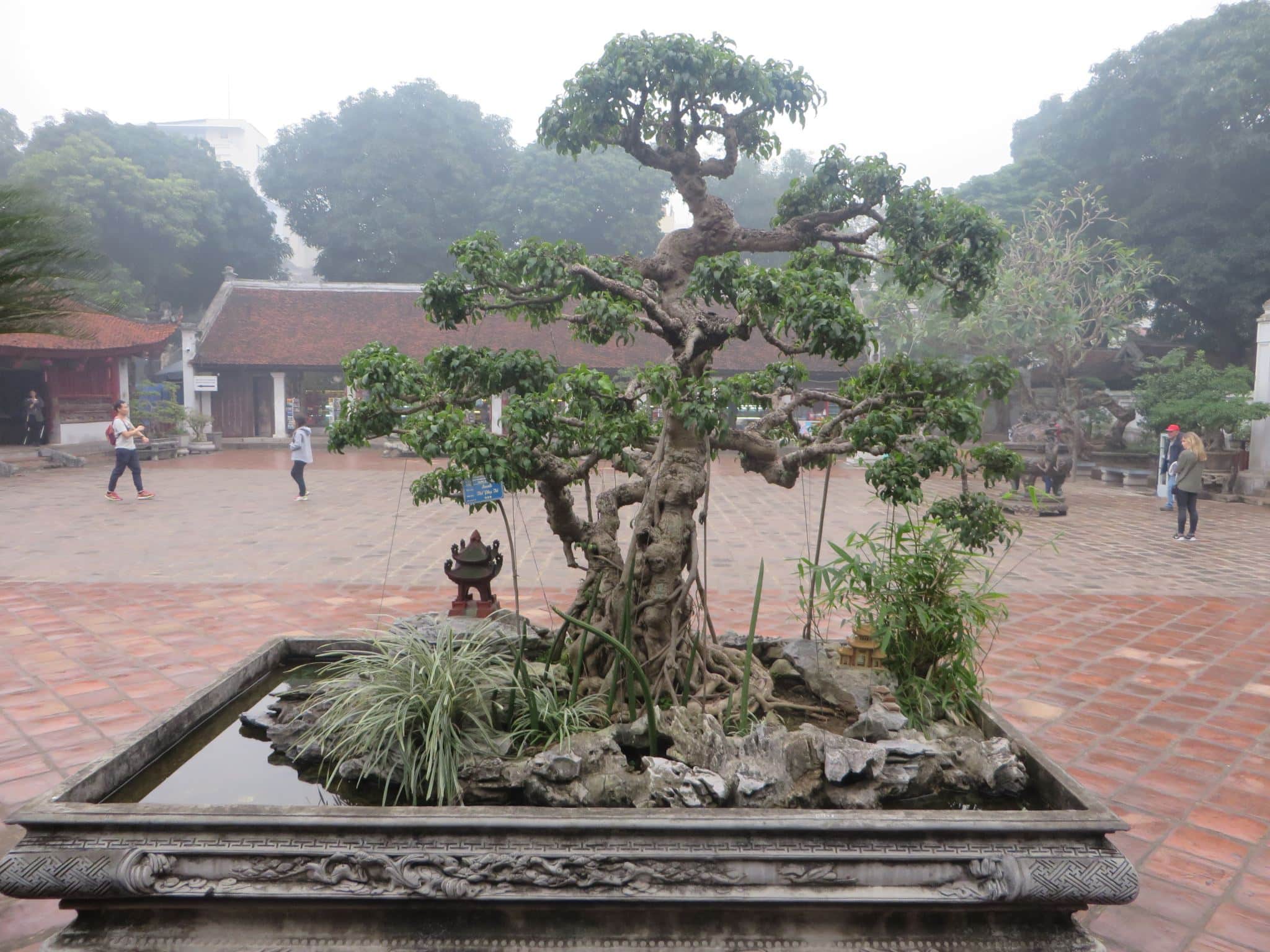
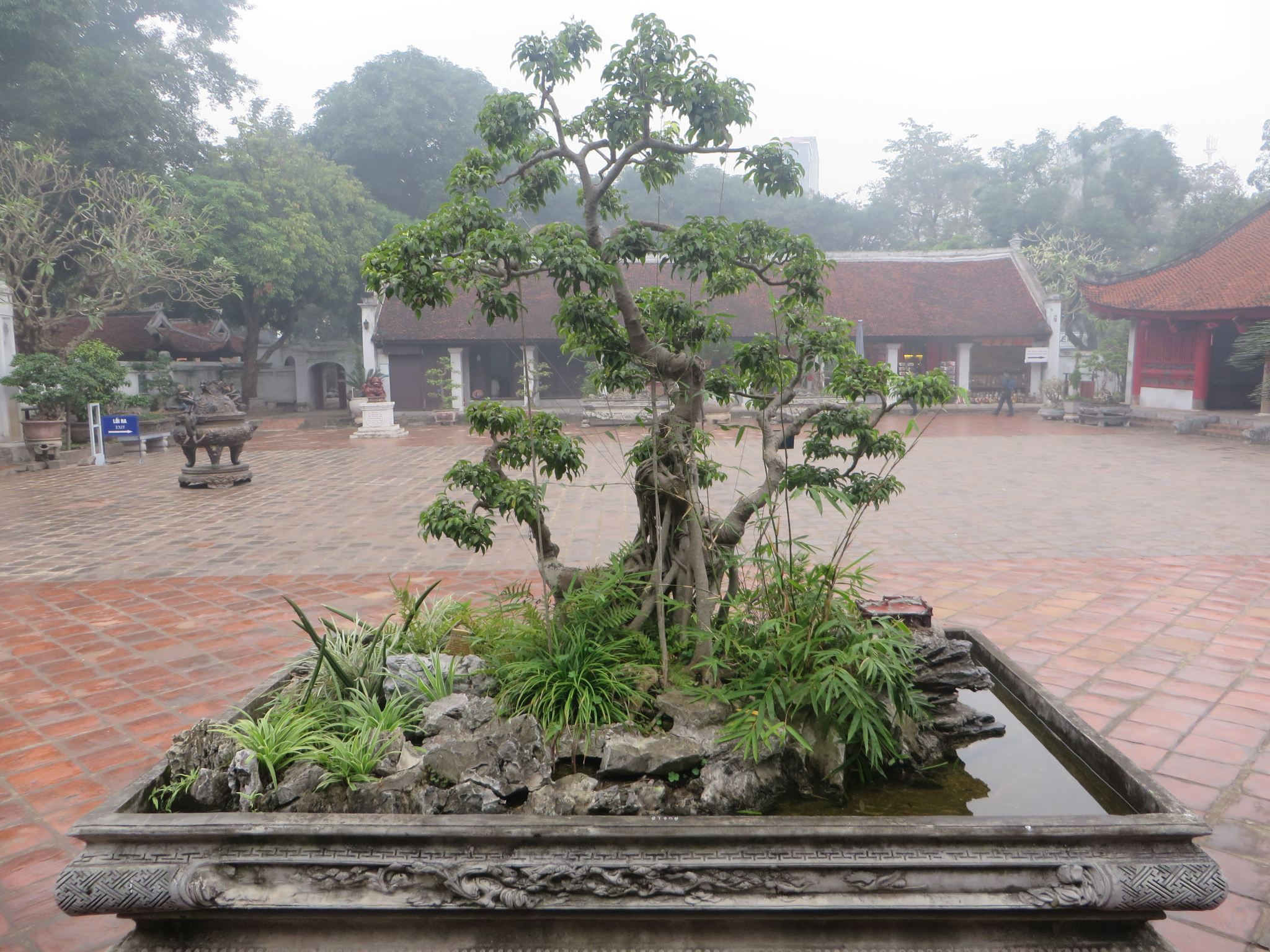
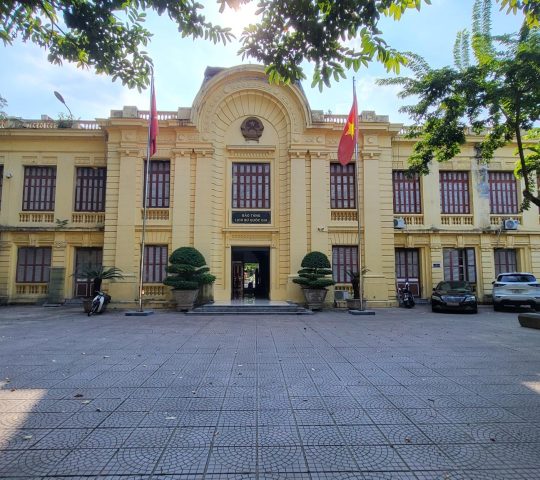
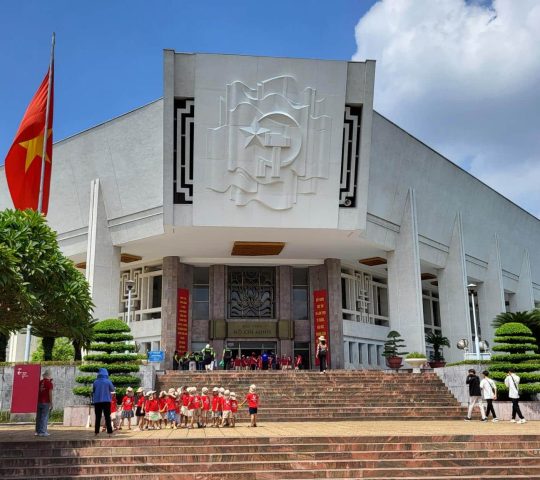
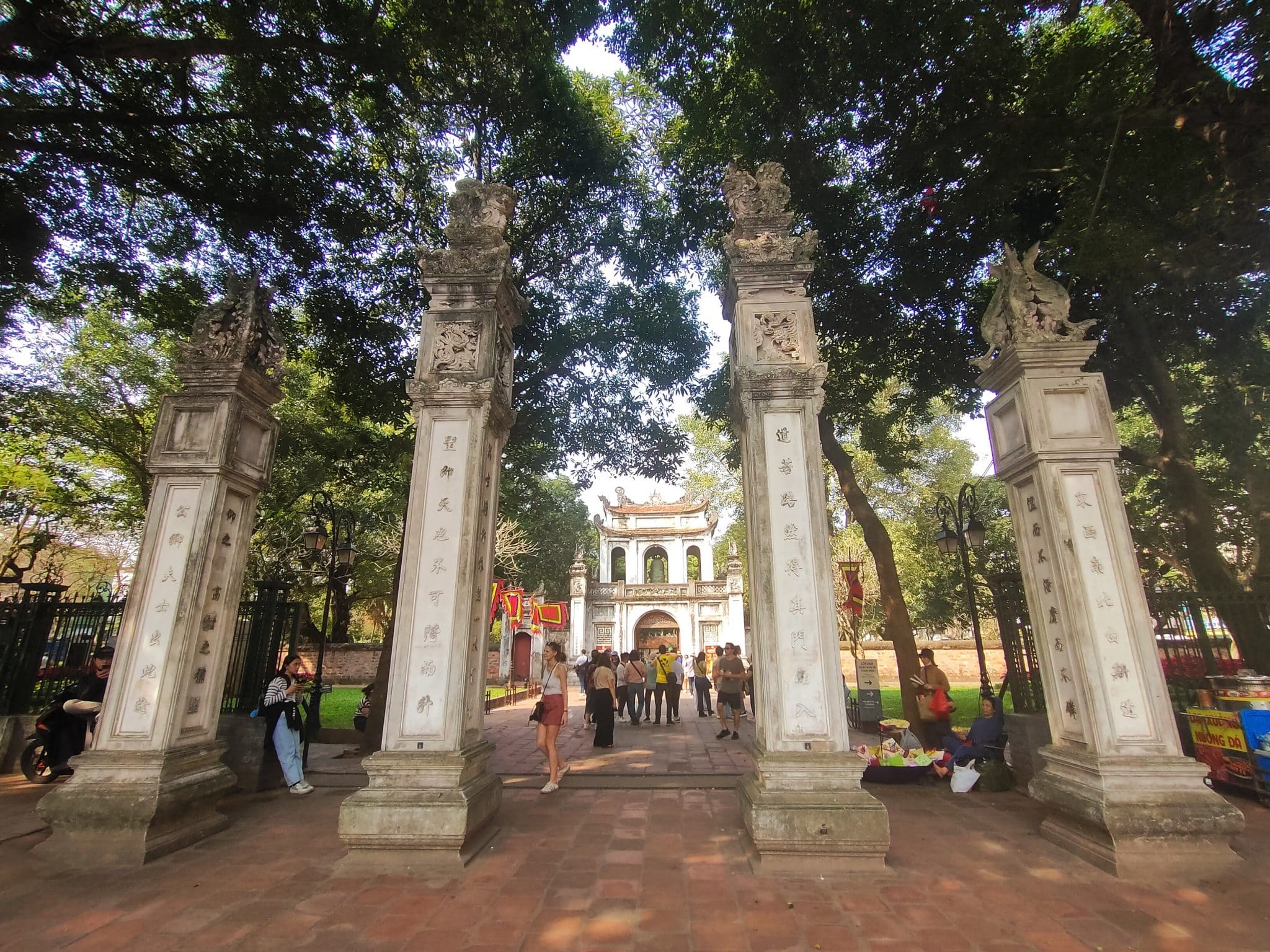
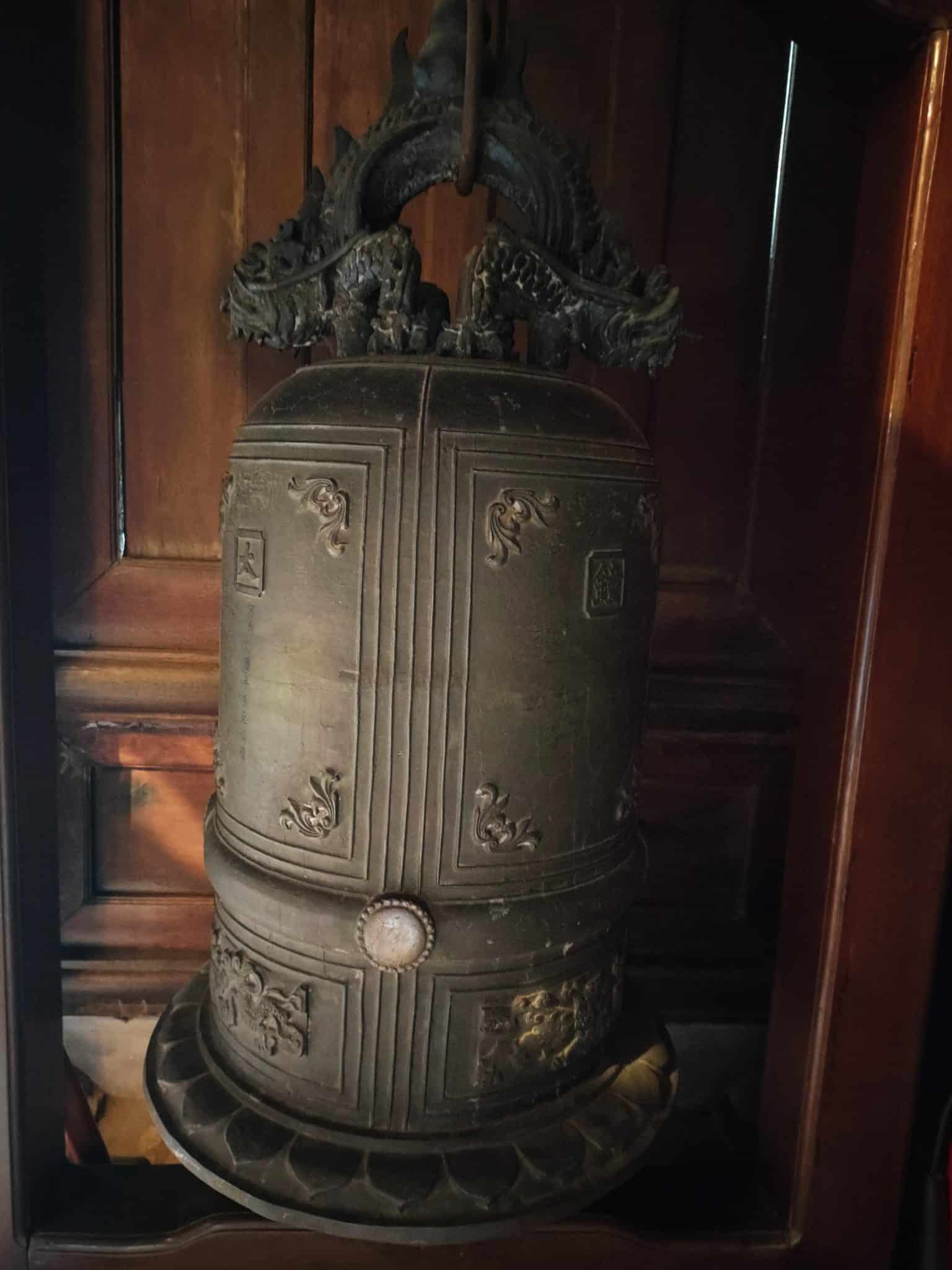
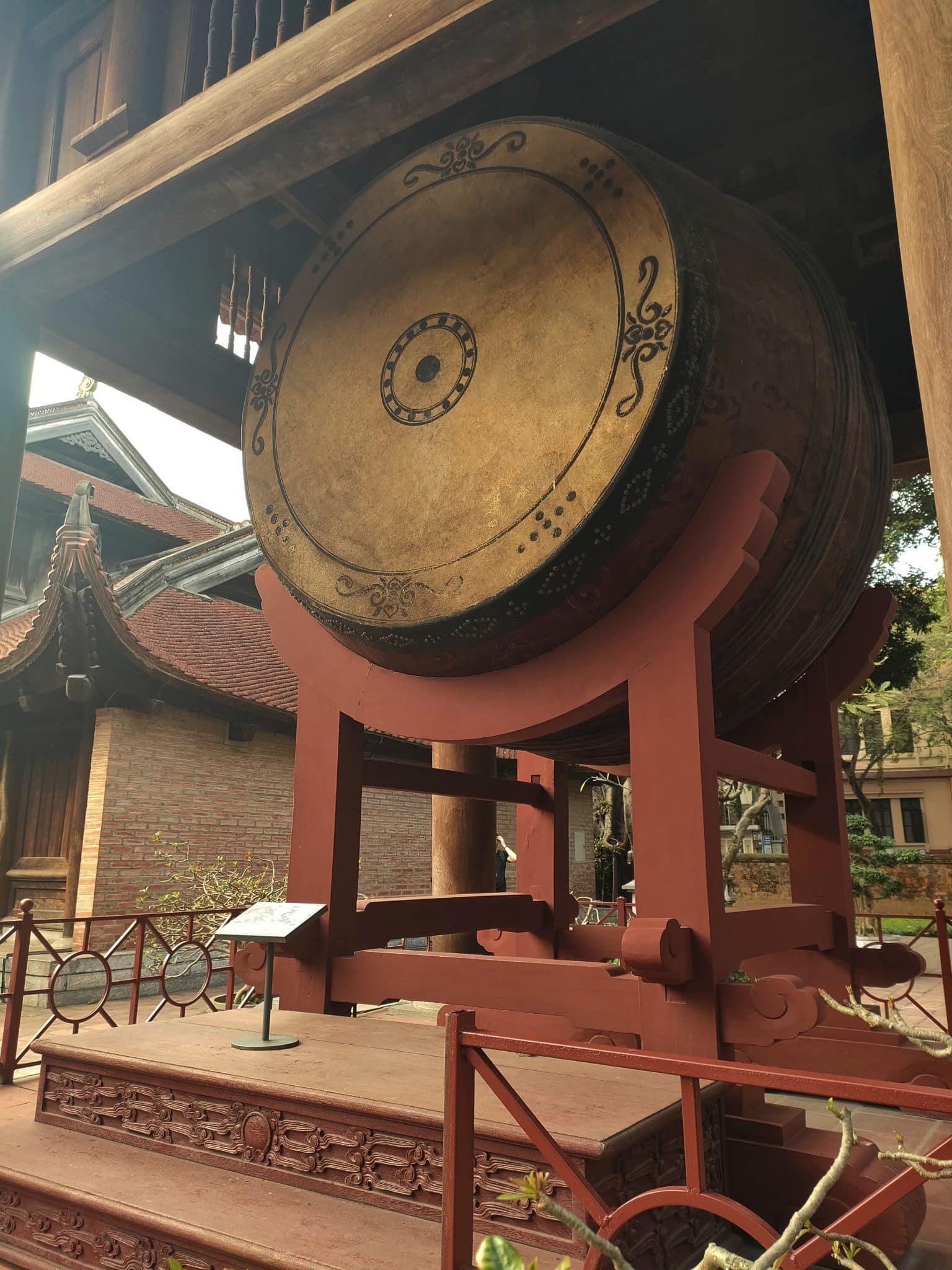
Photos of Temple of Literature, Hanoi (2024)
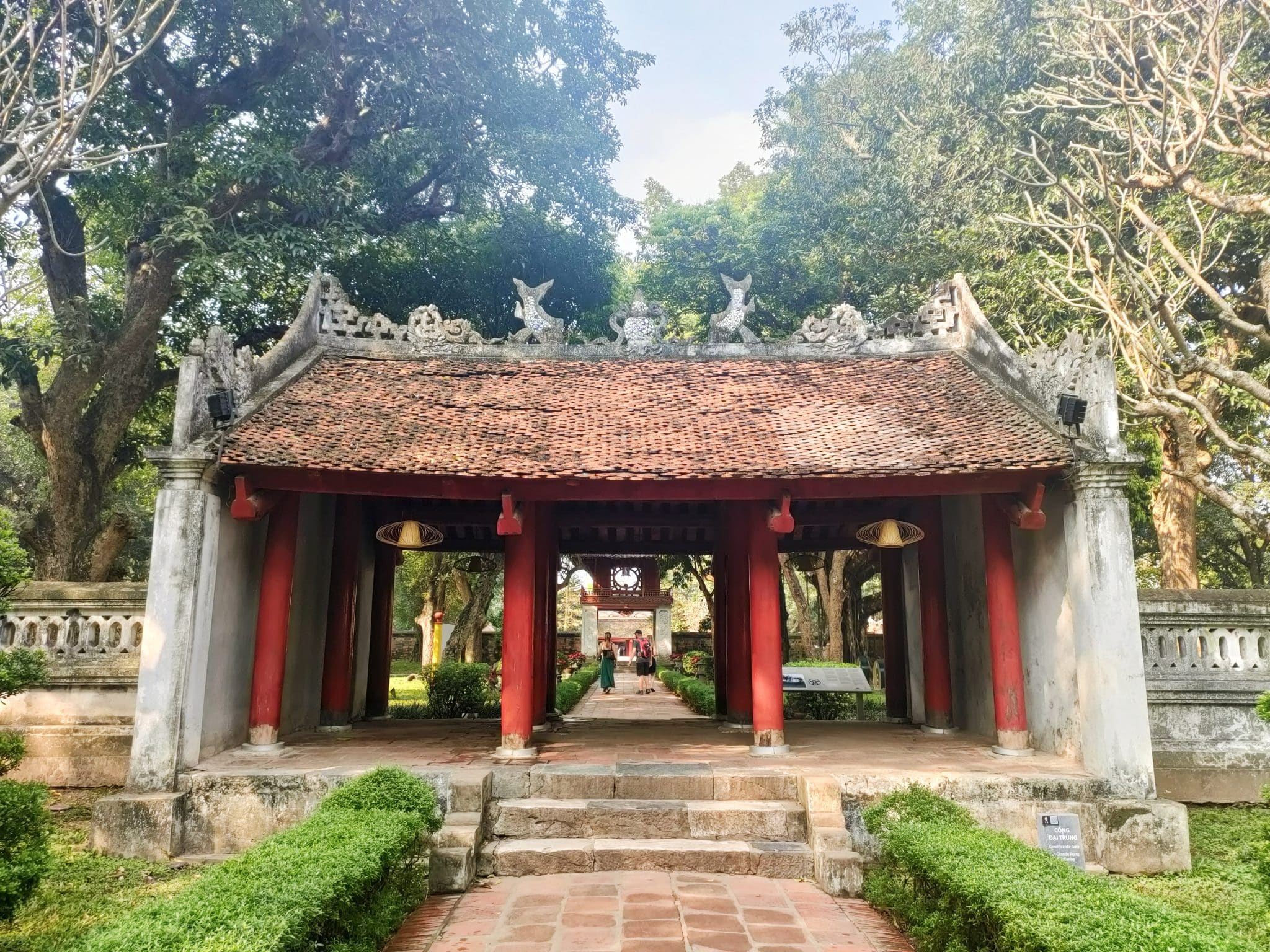
Photos of Temple of Literature, Hanoi (2023)