Maison centrale (Hỏa Lò Prison) – Hanoi
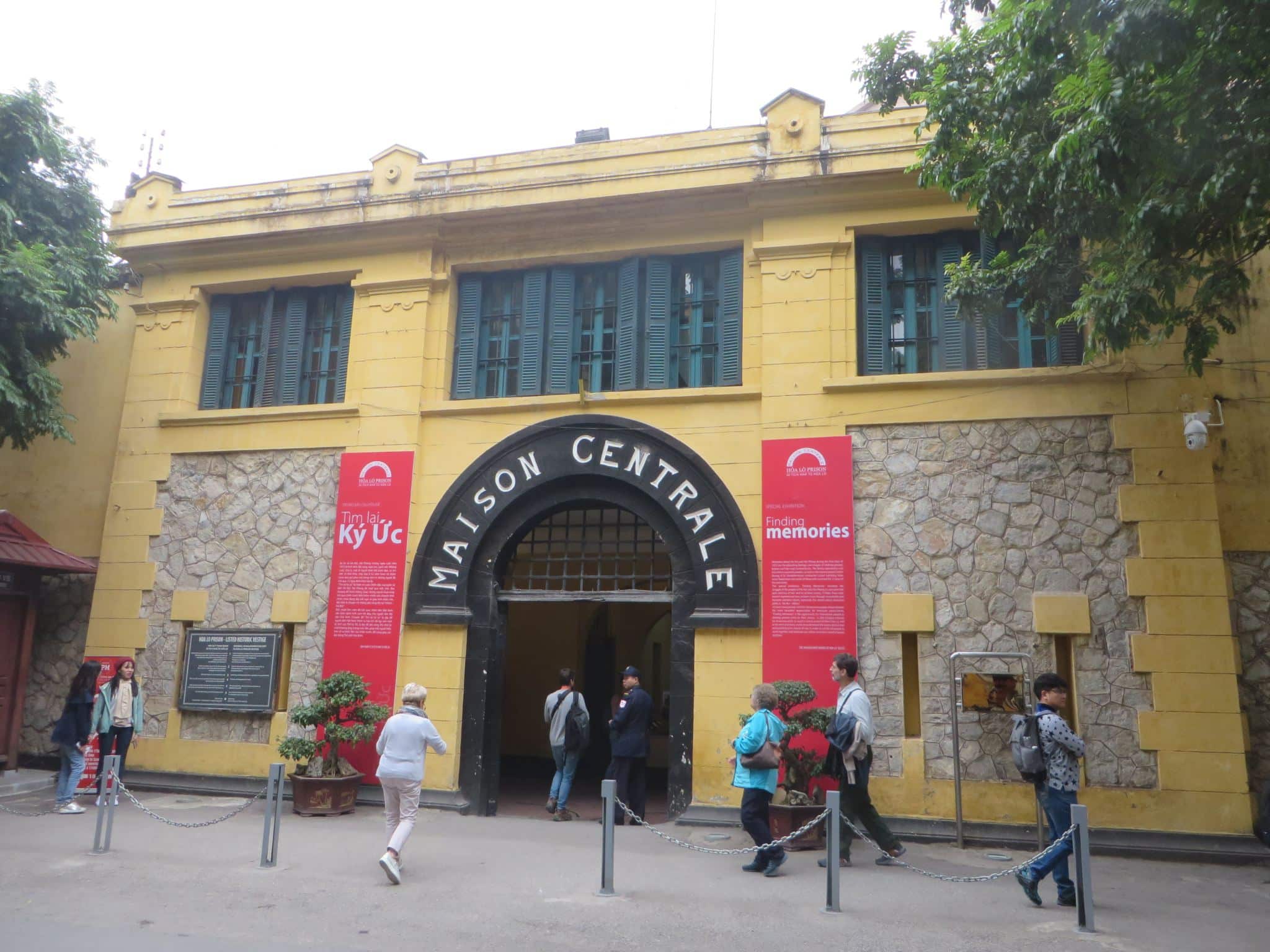
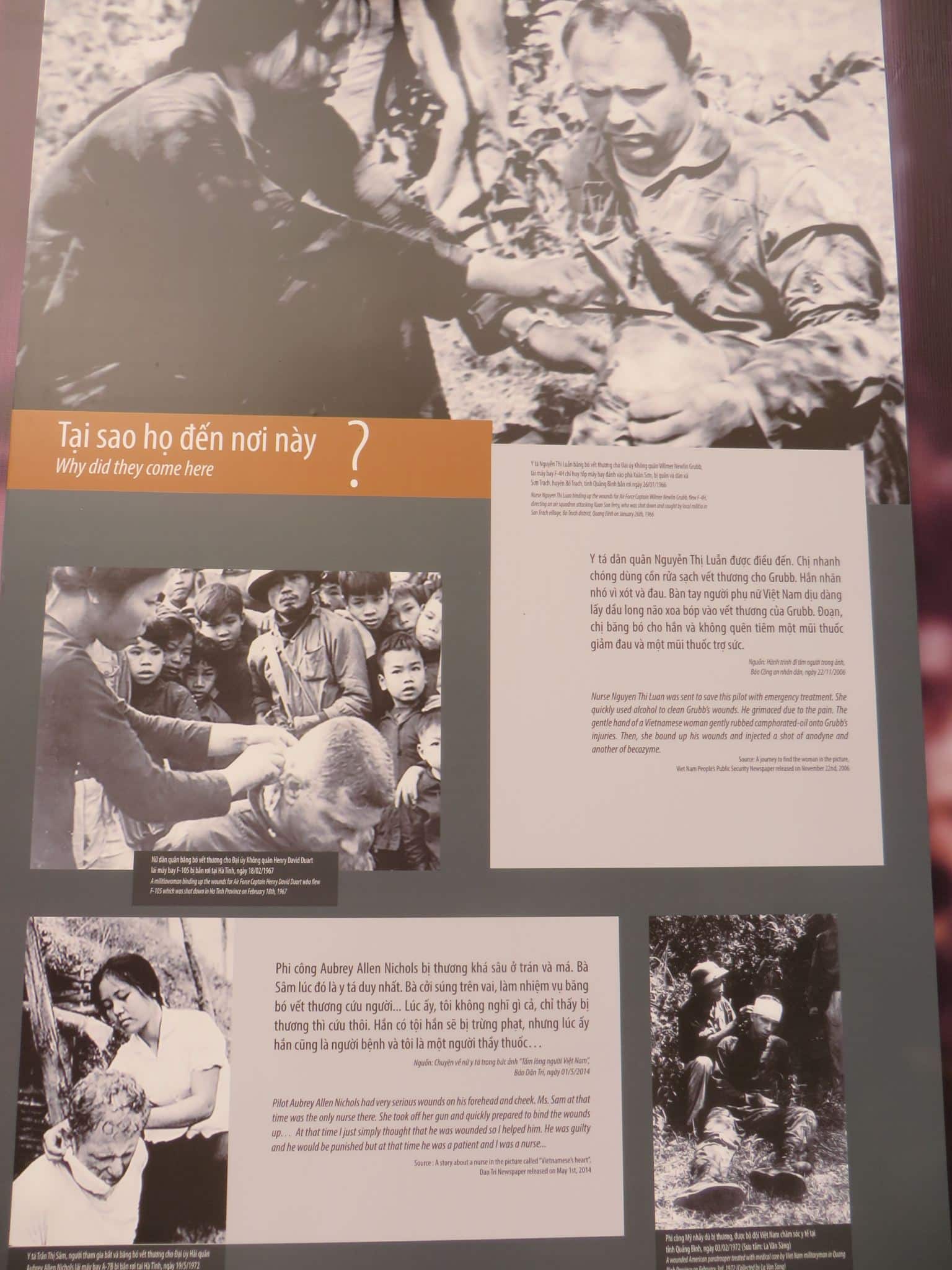
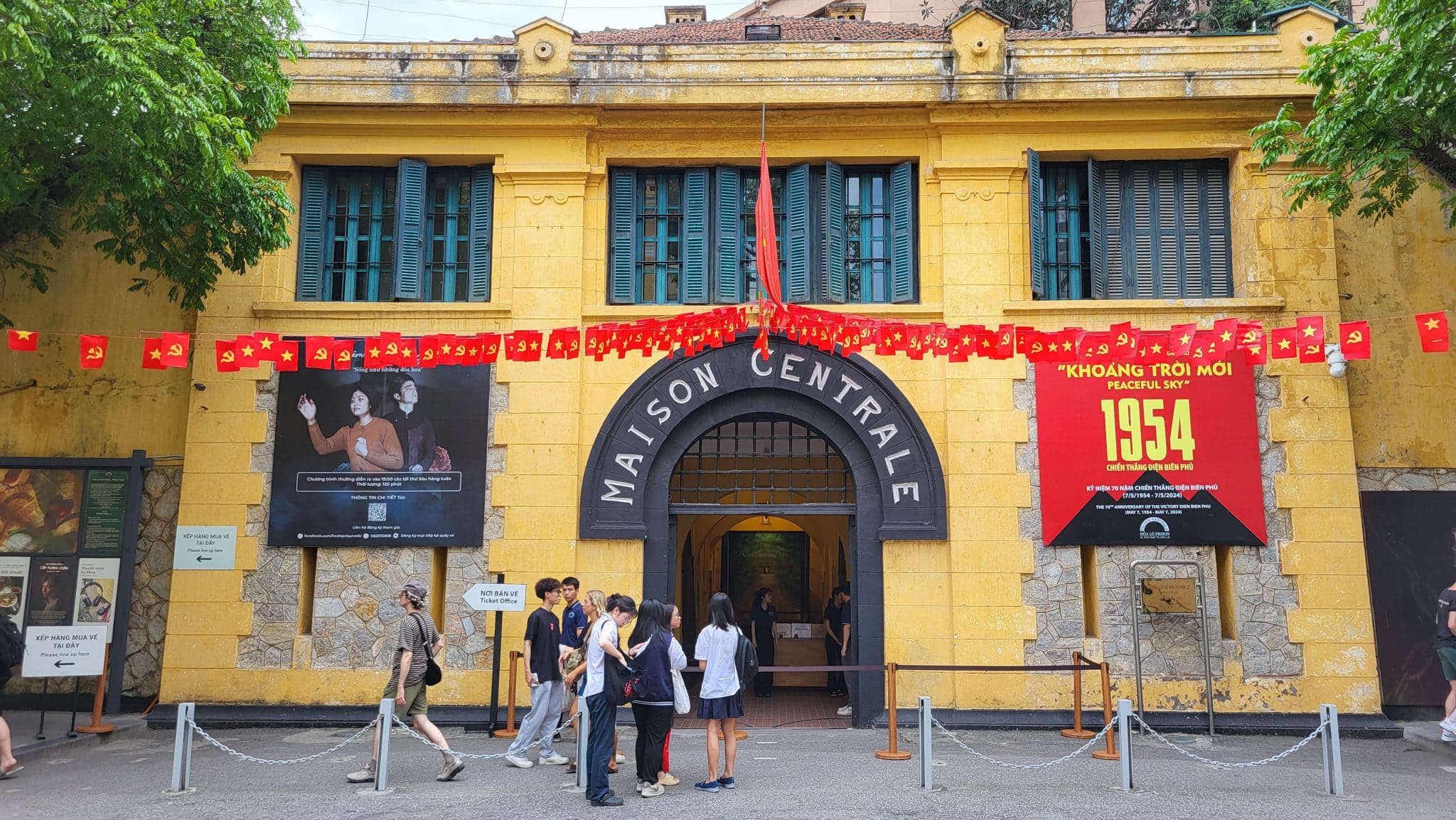
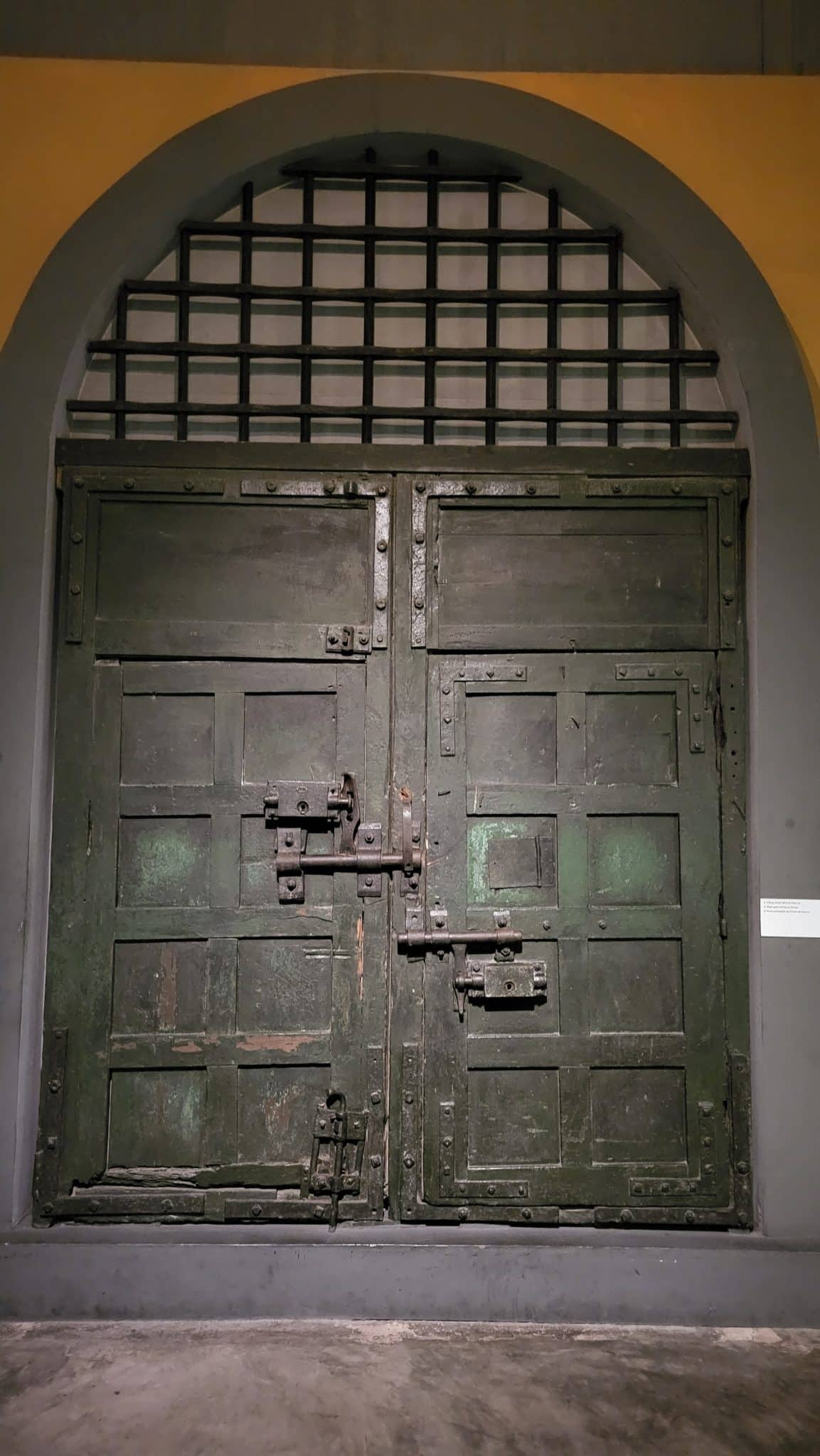
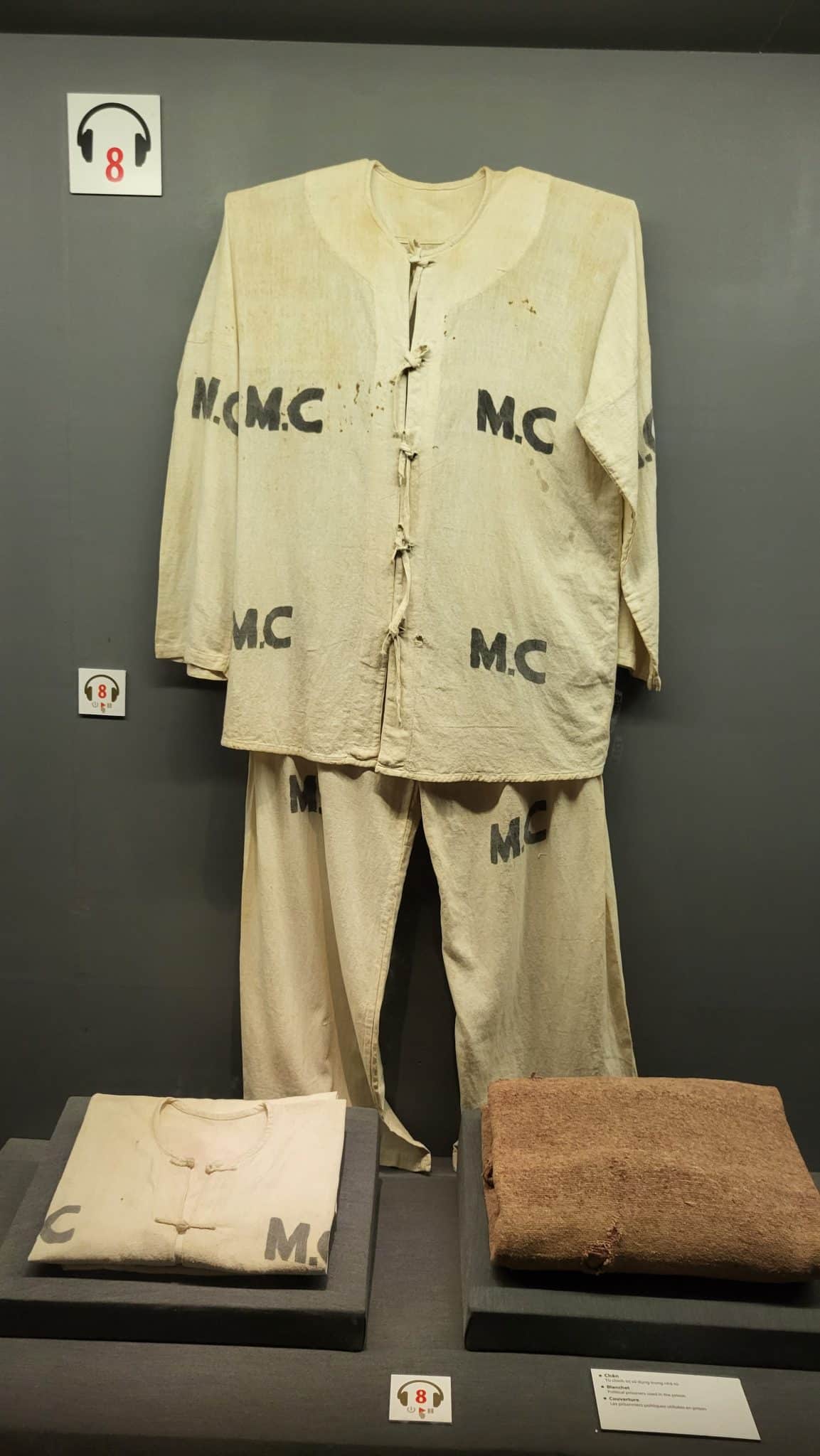
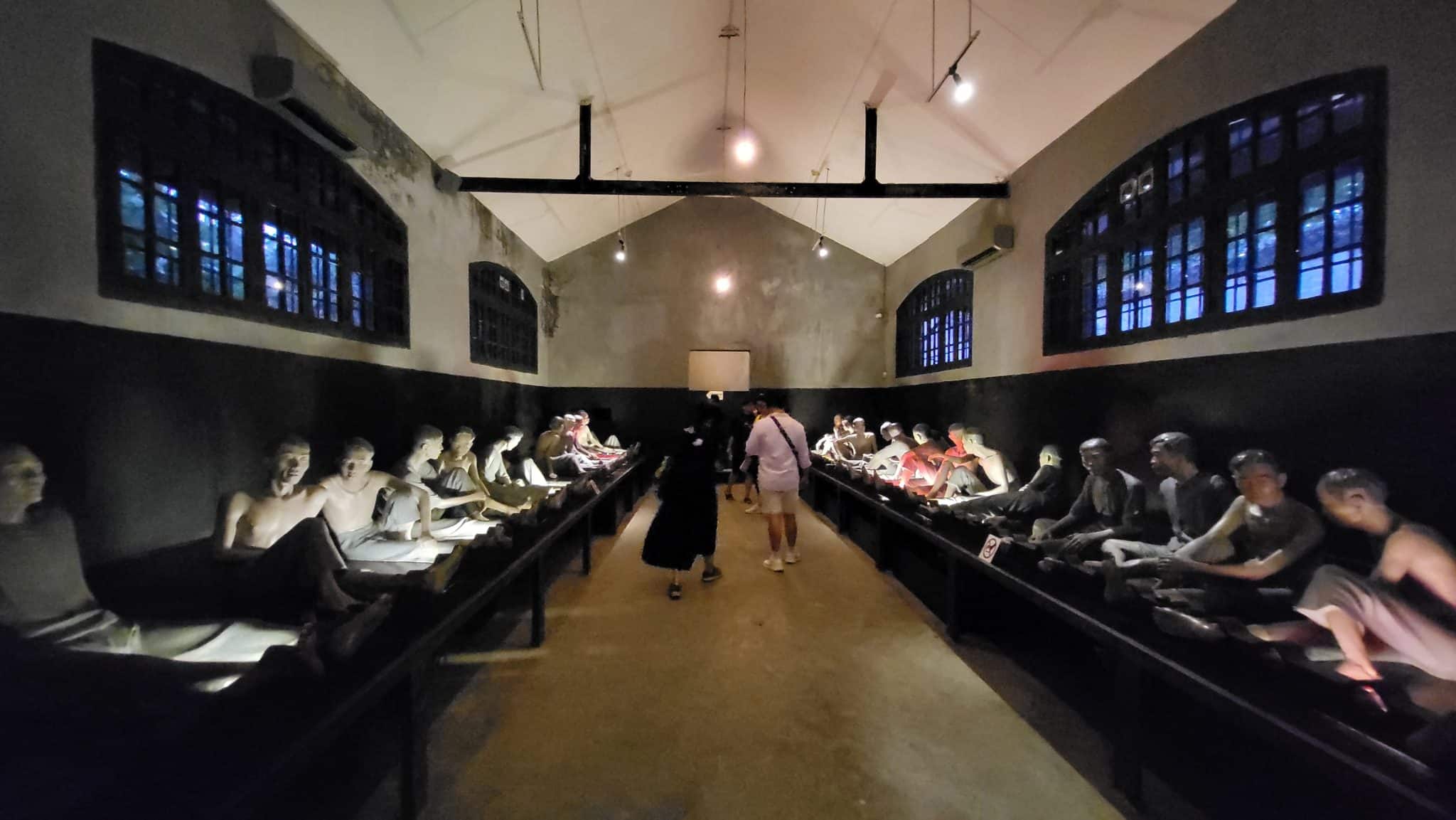
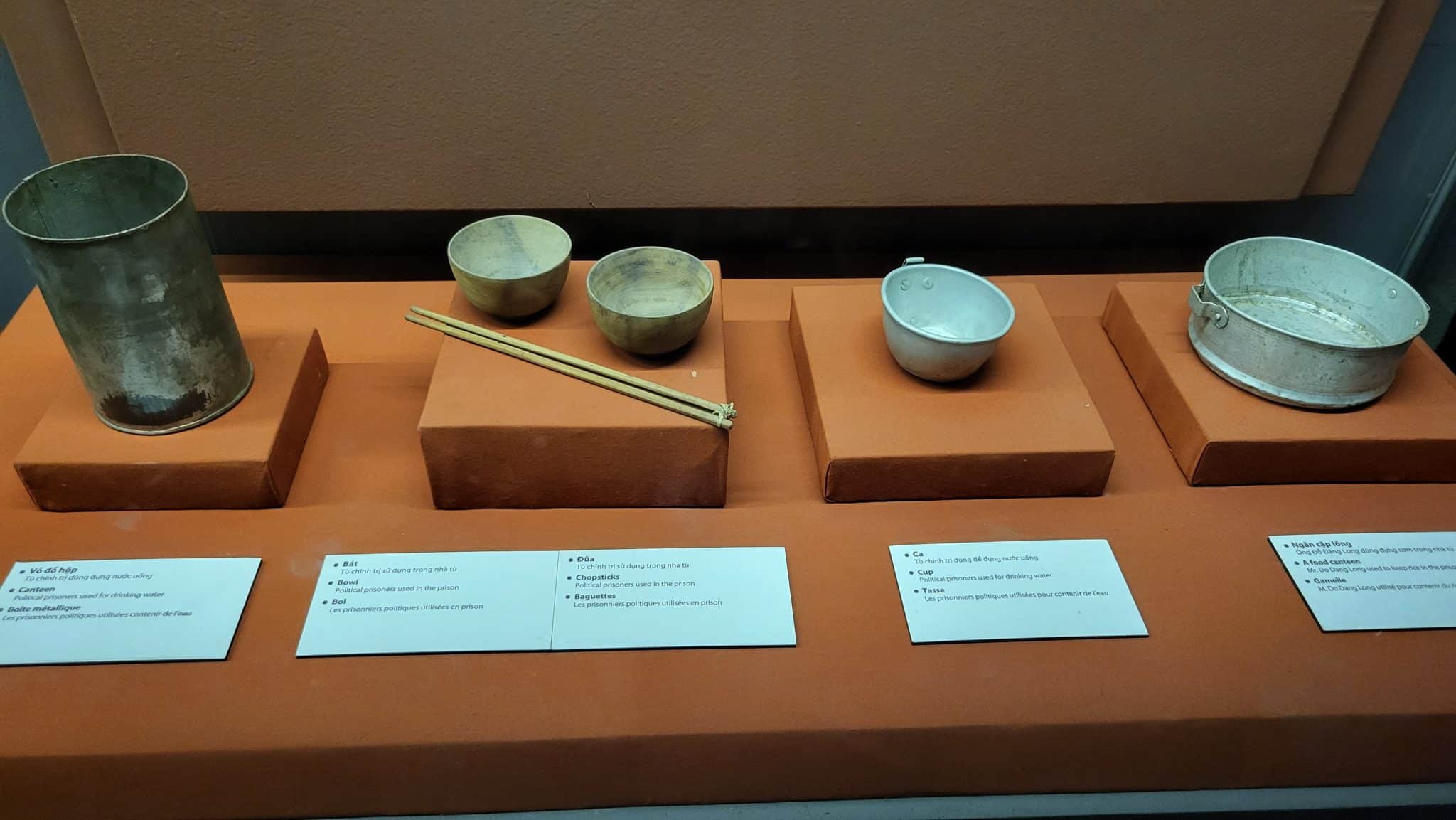
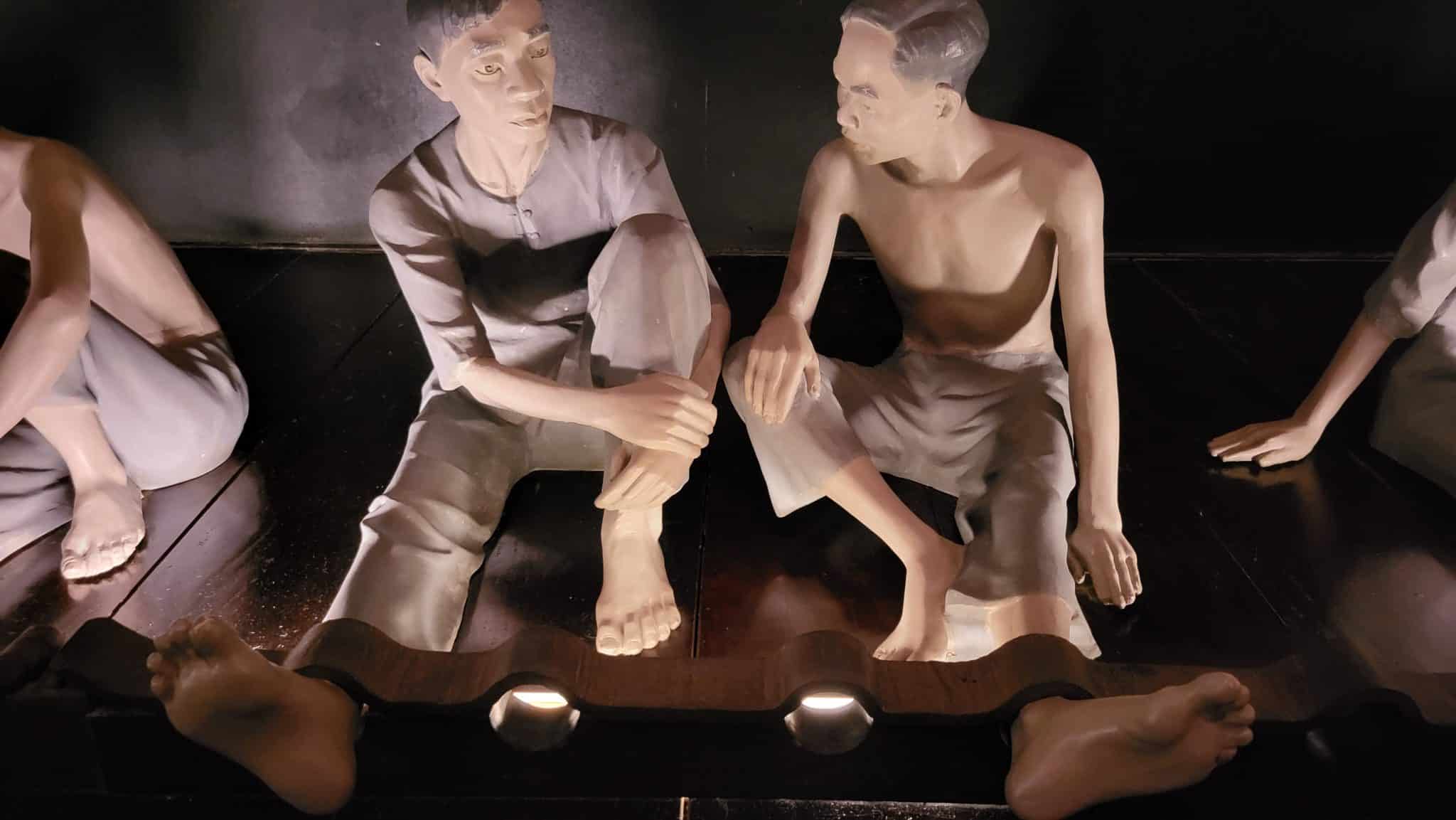
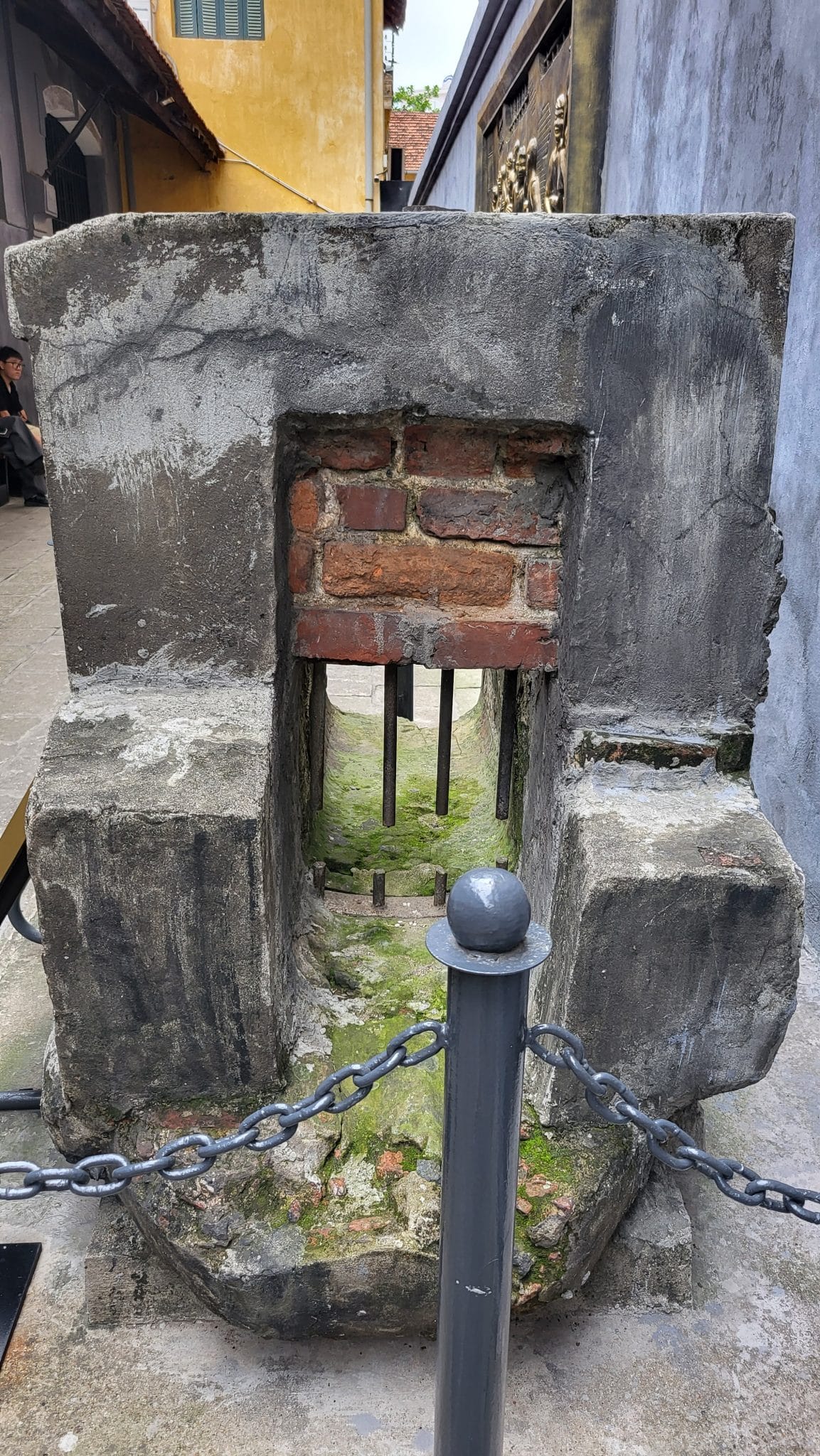
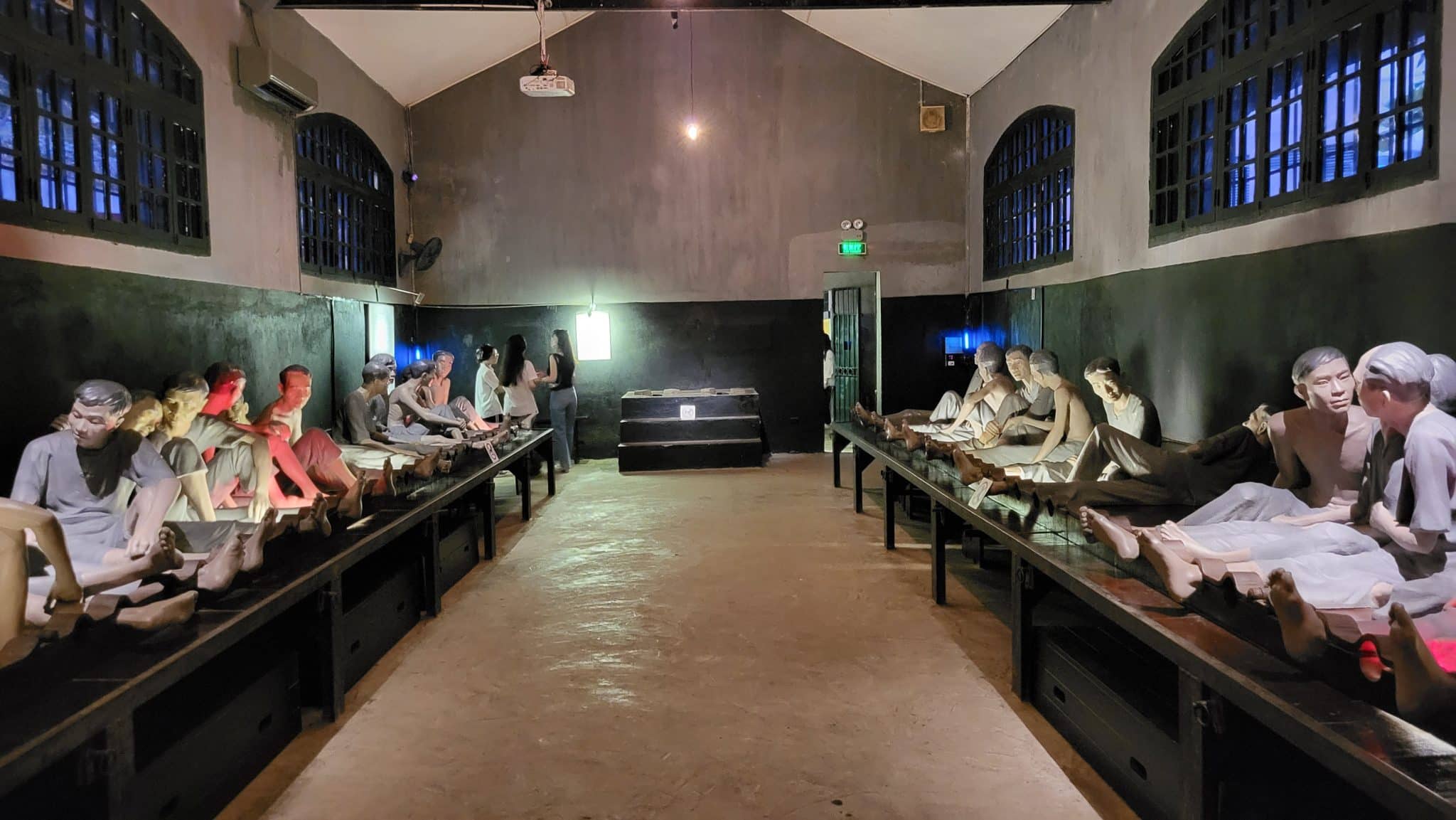
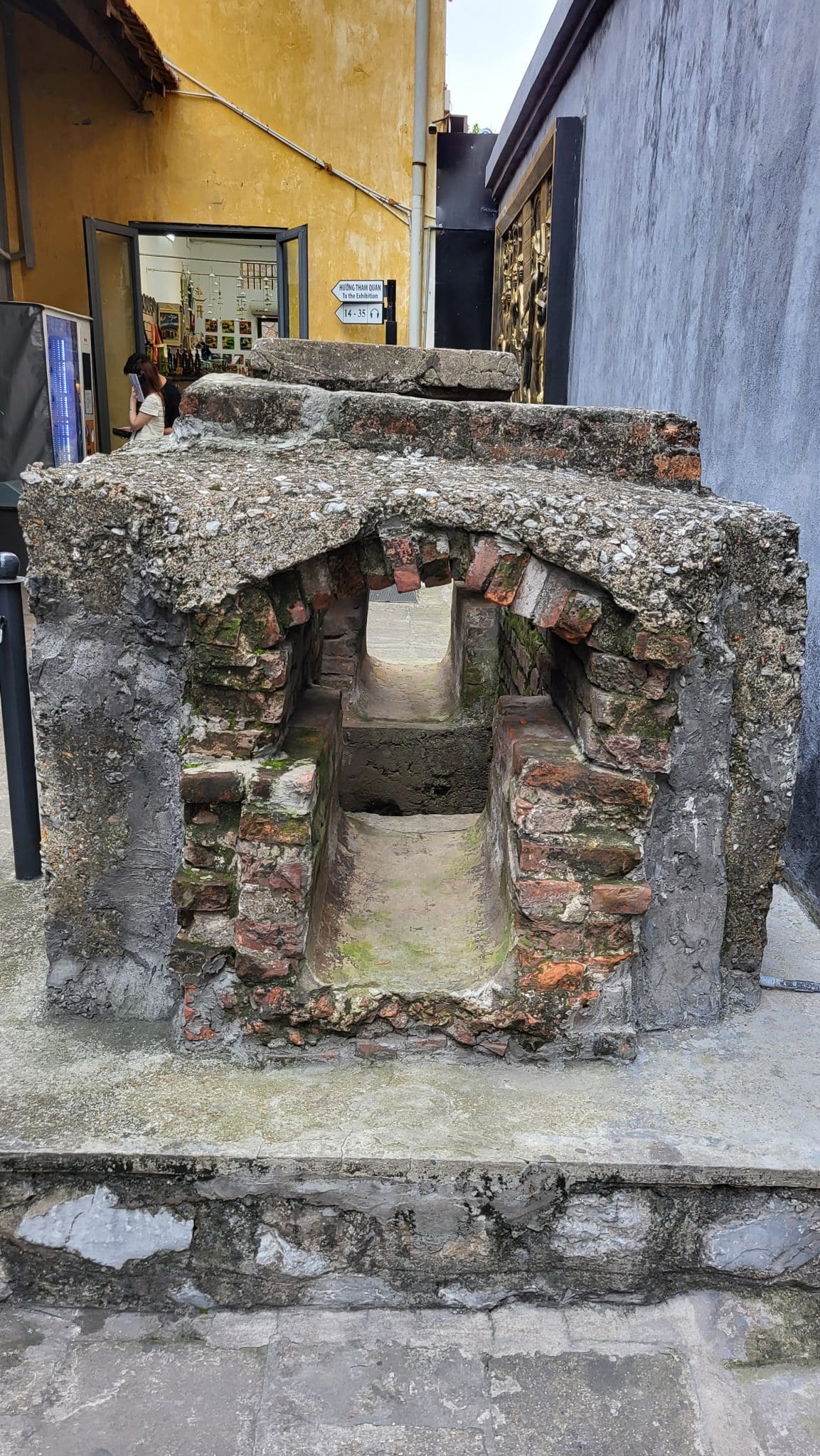
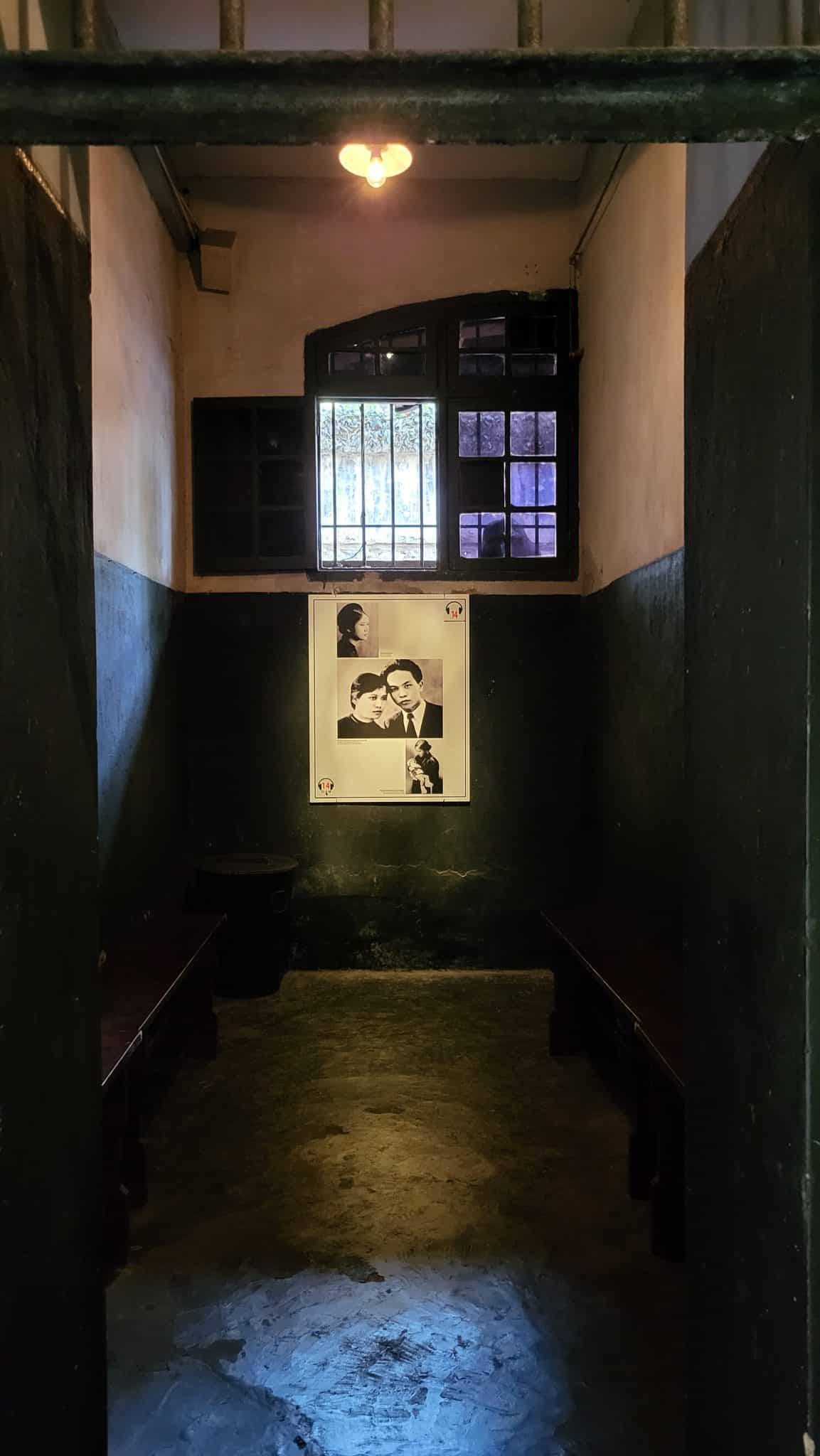
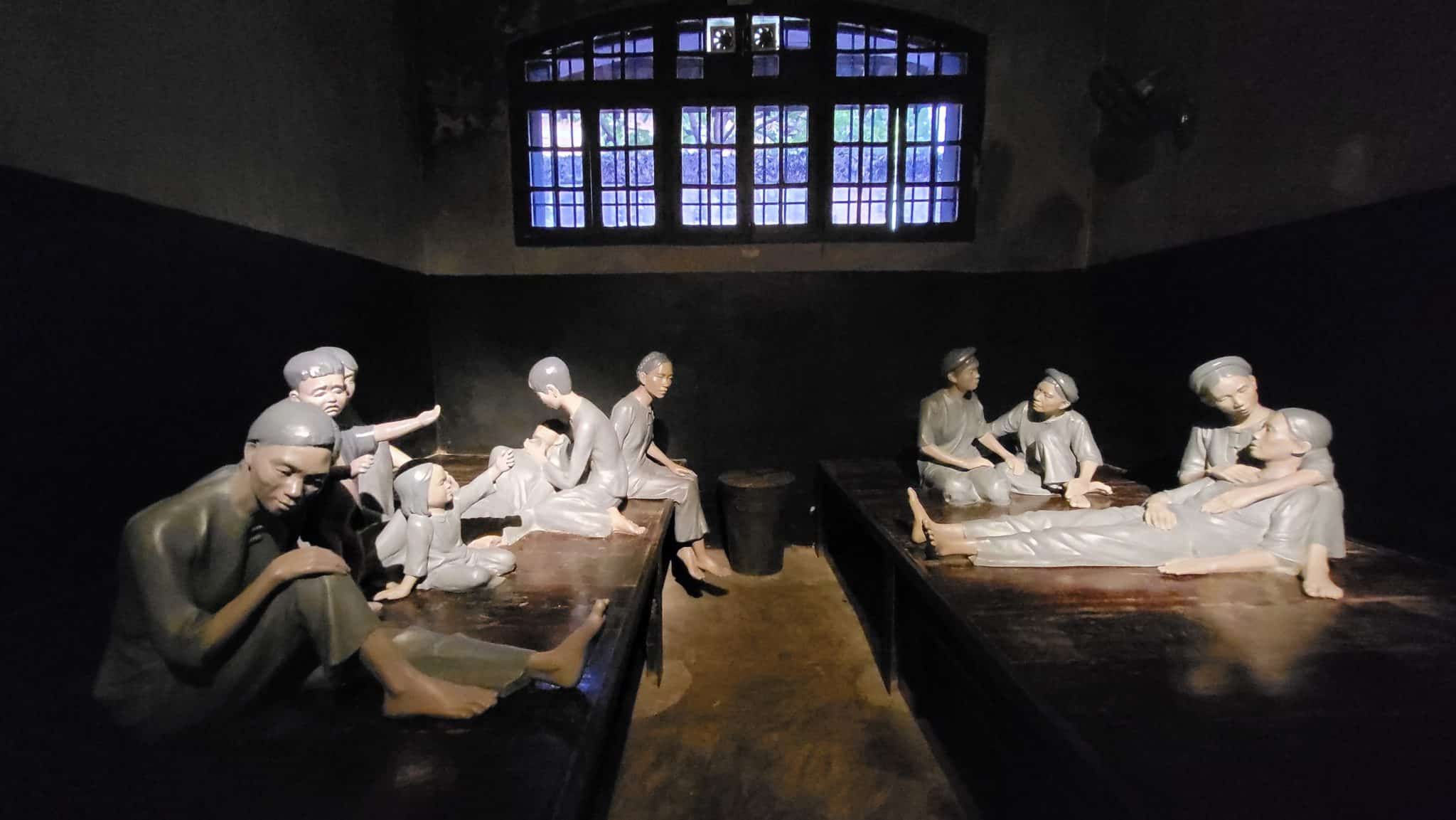
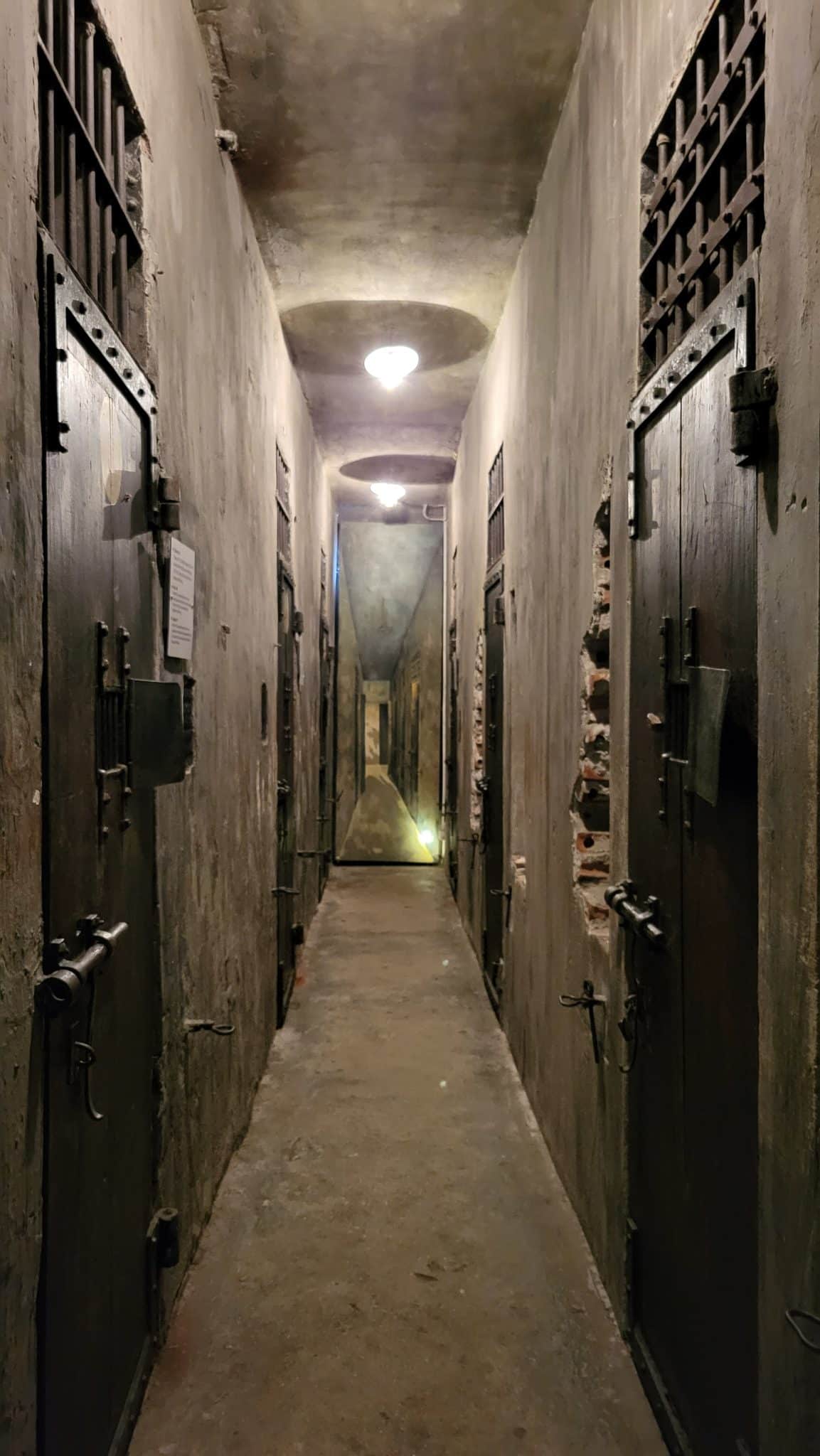
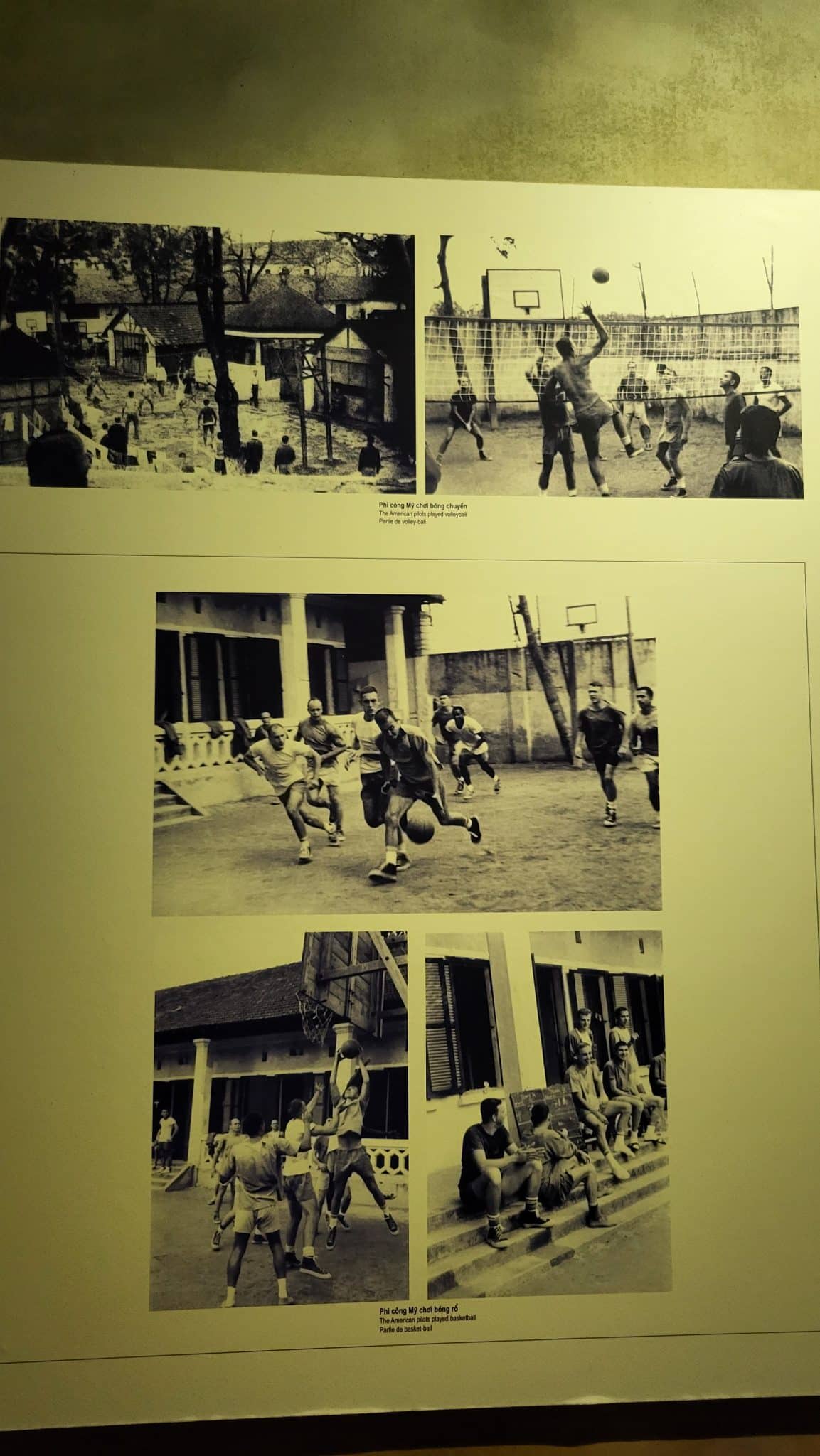
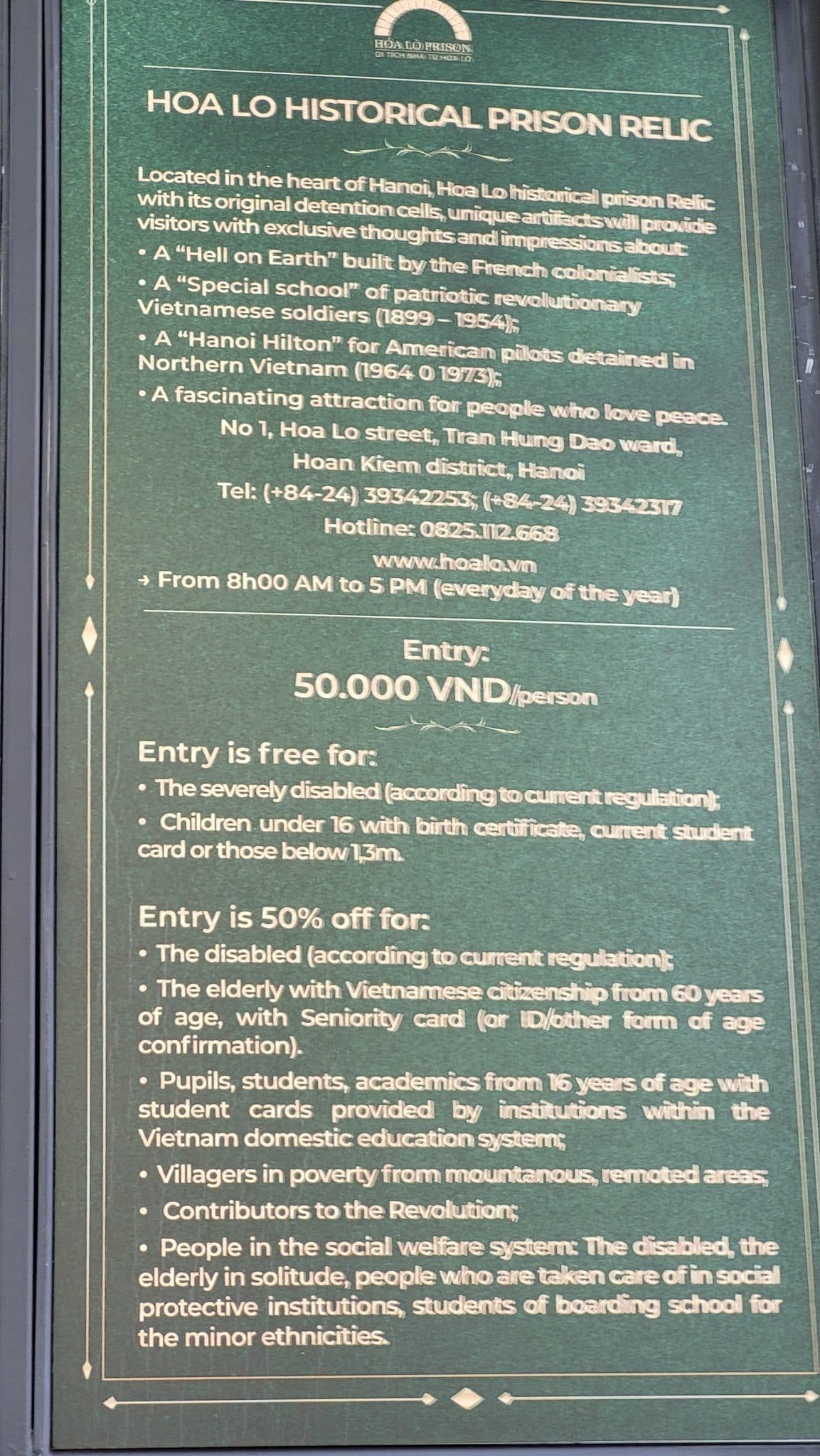
Maison Centrale, commonly known as Hỏa Lò Prison, is a historical site located in Hanoi, Vietnam. Originally built by the French during the colonial period, Hỏa Lò Prison served as a detention center for political prisoners, revolutionaries, and dissidents from the late 19th century until the mid-20th century. The prison gained international notoriety during the Vietnam War when it was used to hold American prisoners of war (POWs), most notably U.S. Senator John McCain.
Purpose and Construction:
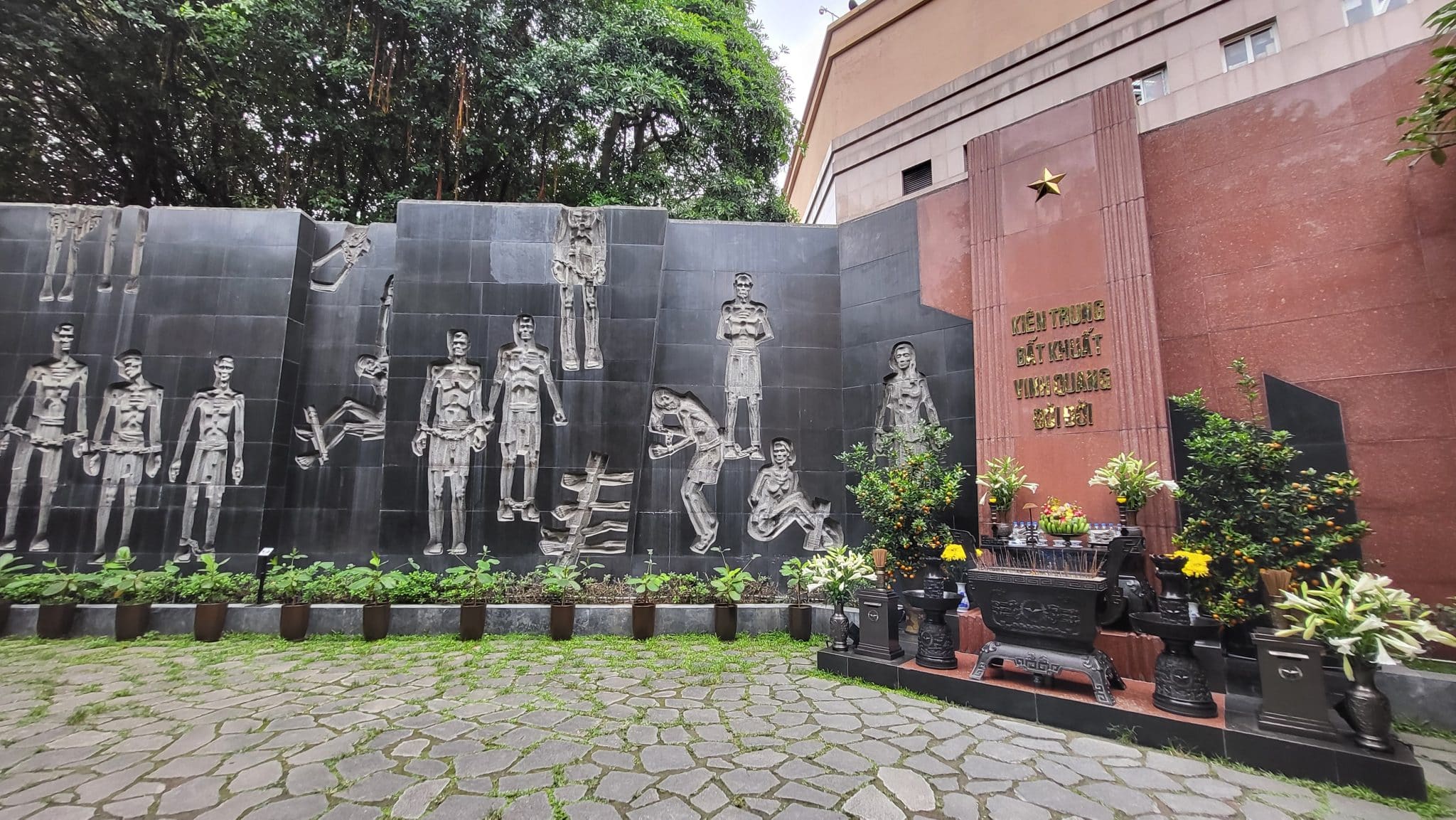
- French Colonial Era: Hỏa Lò Prison was built by the French colonial authorities in the late 19th century as part of their efforts to maintain control over Vietnam and suppress resistance movements seeking independence from French rule. The prison was designed to house political prisoners, revolutionaries, and individuals deemed threats to colonial authority.
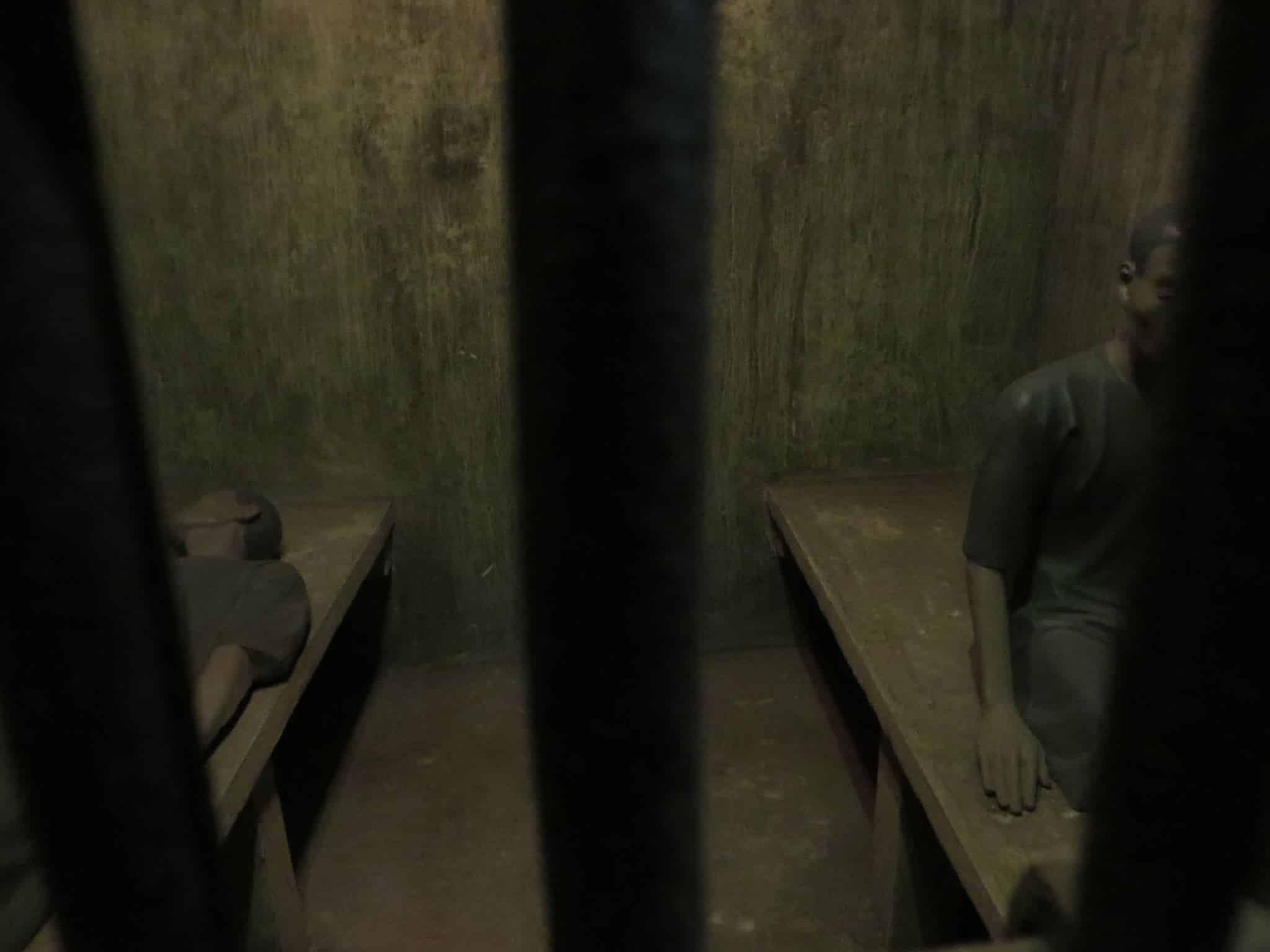
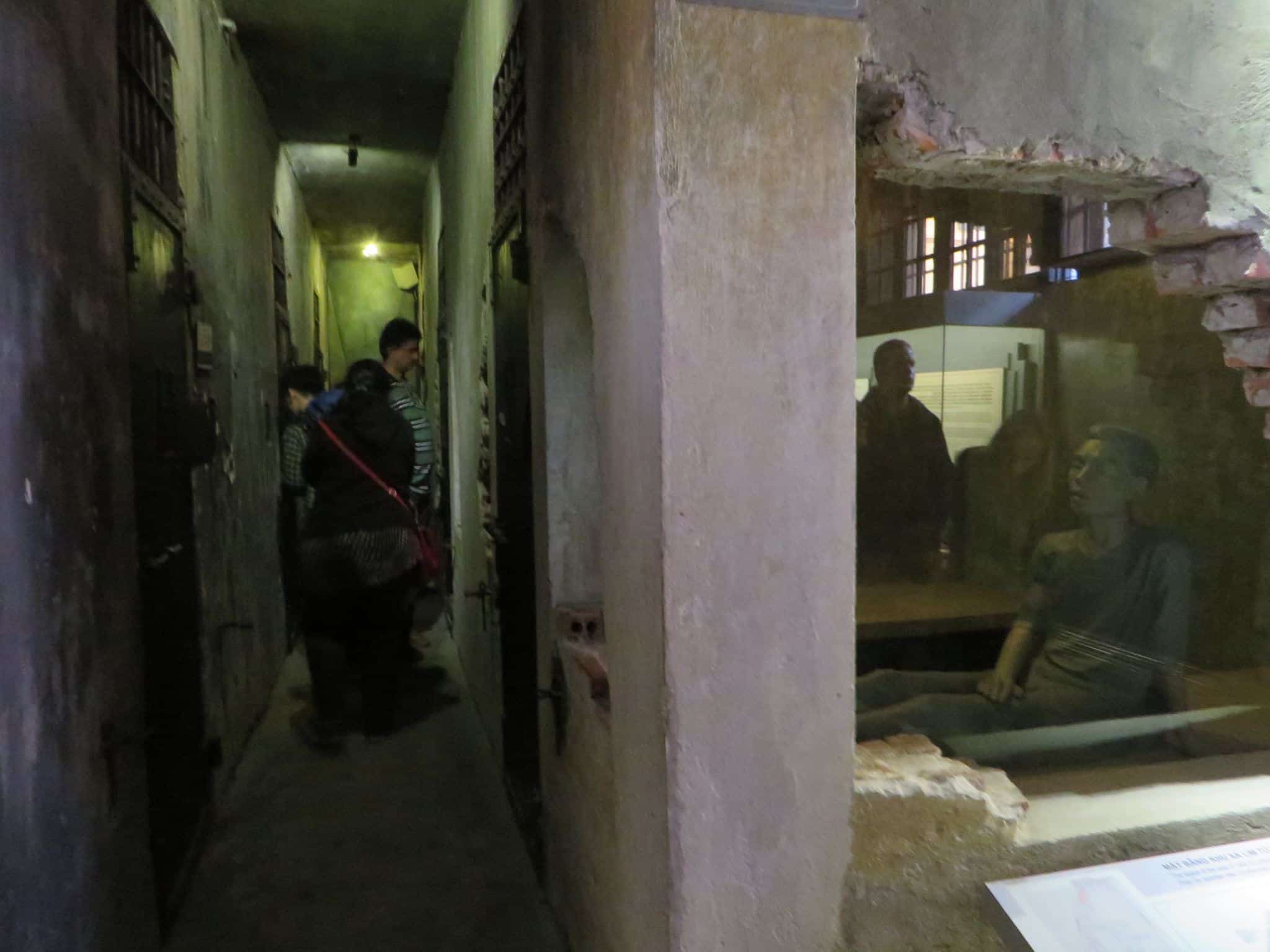
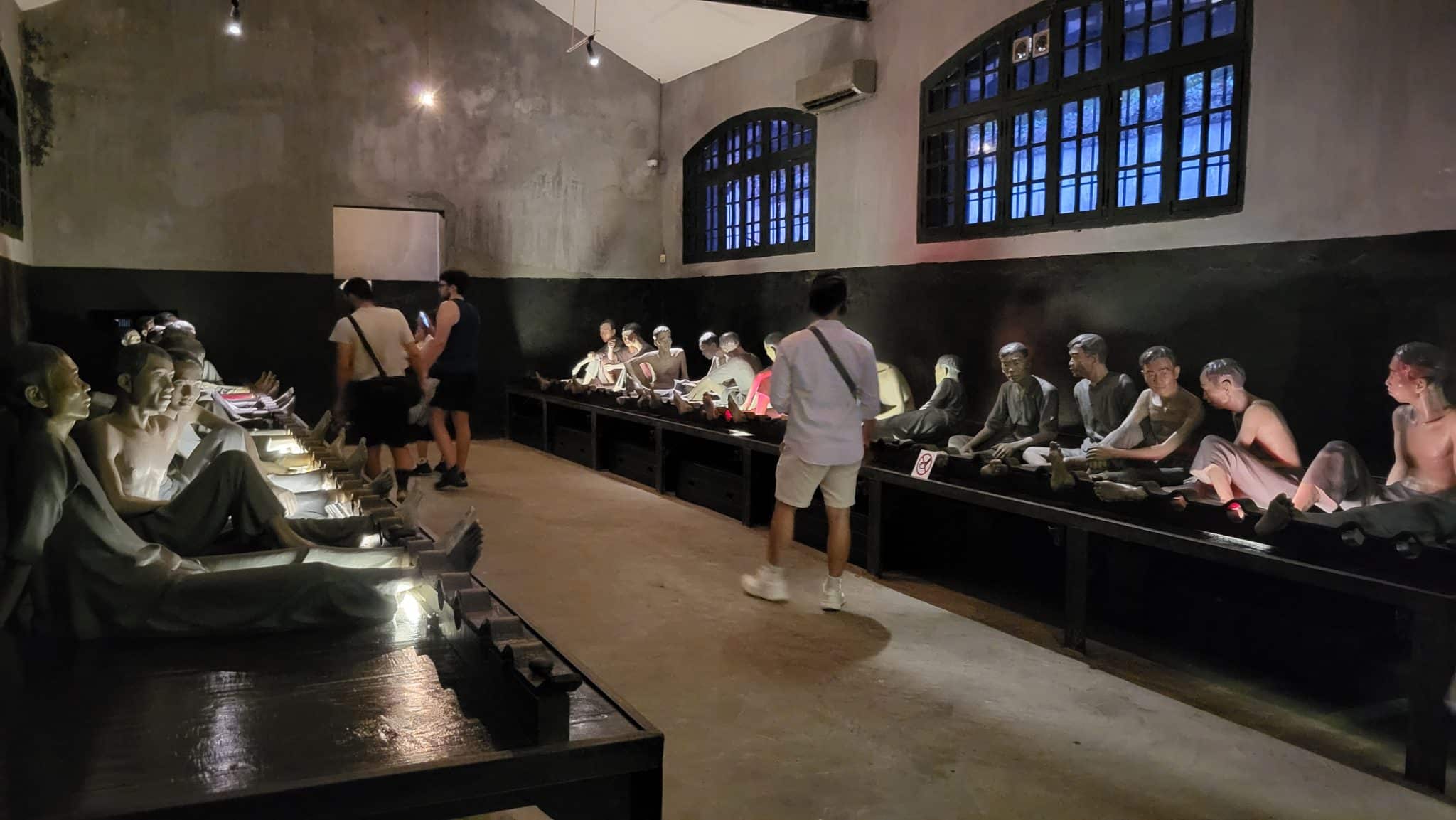
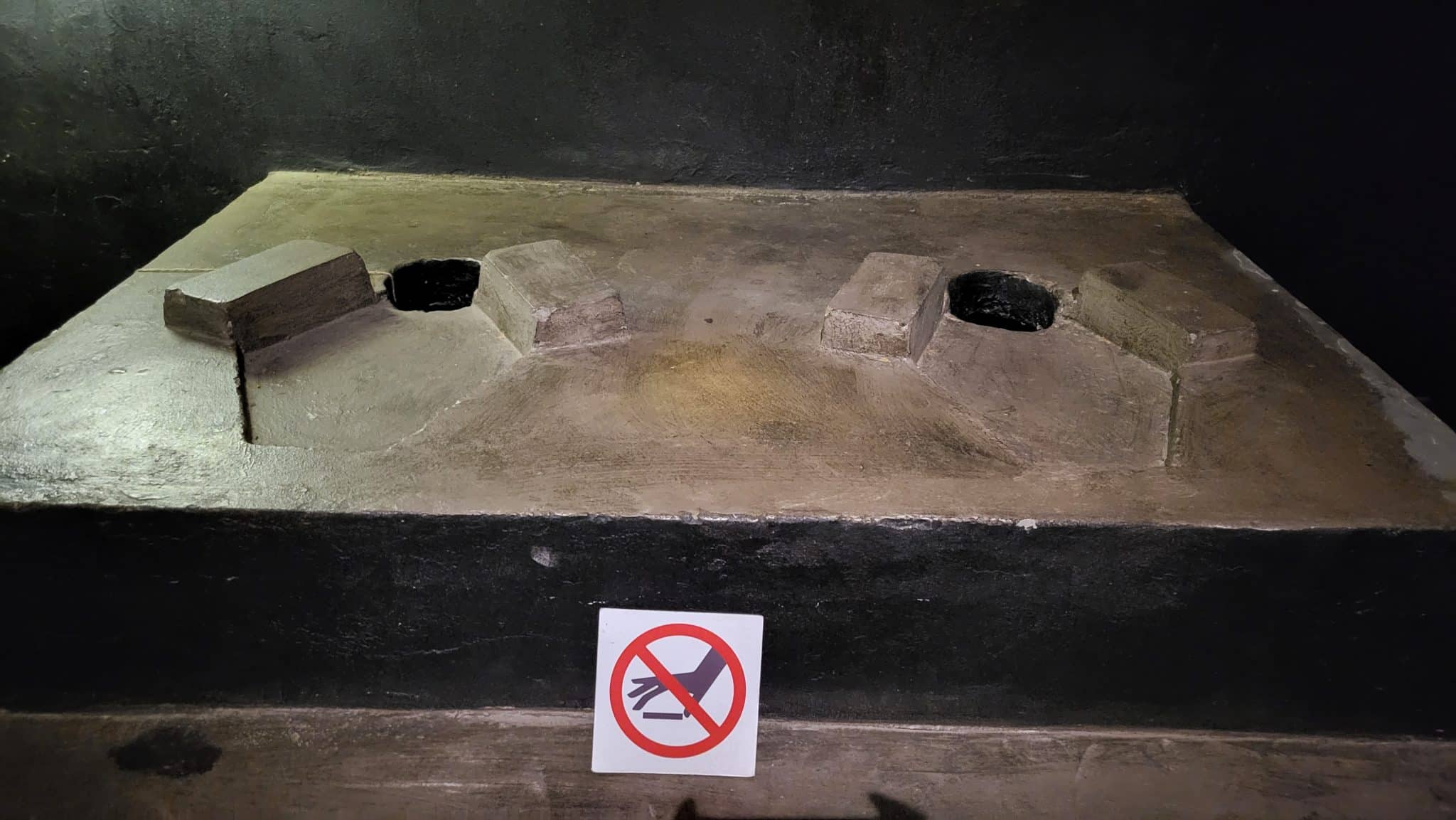
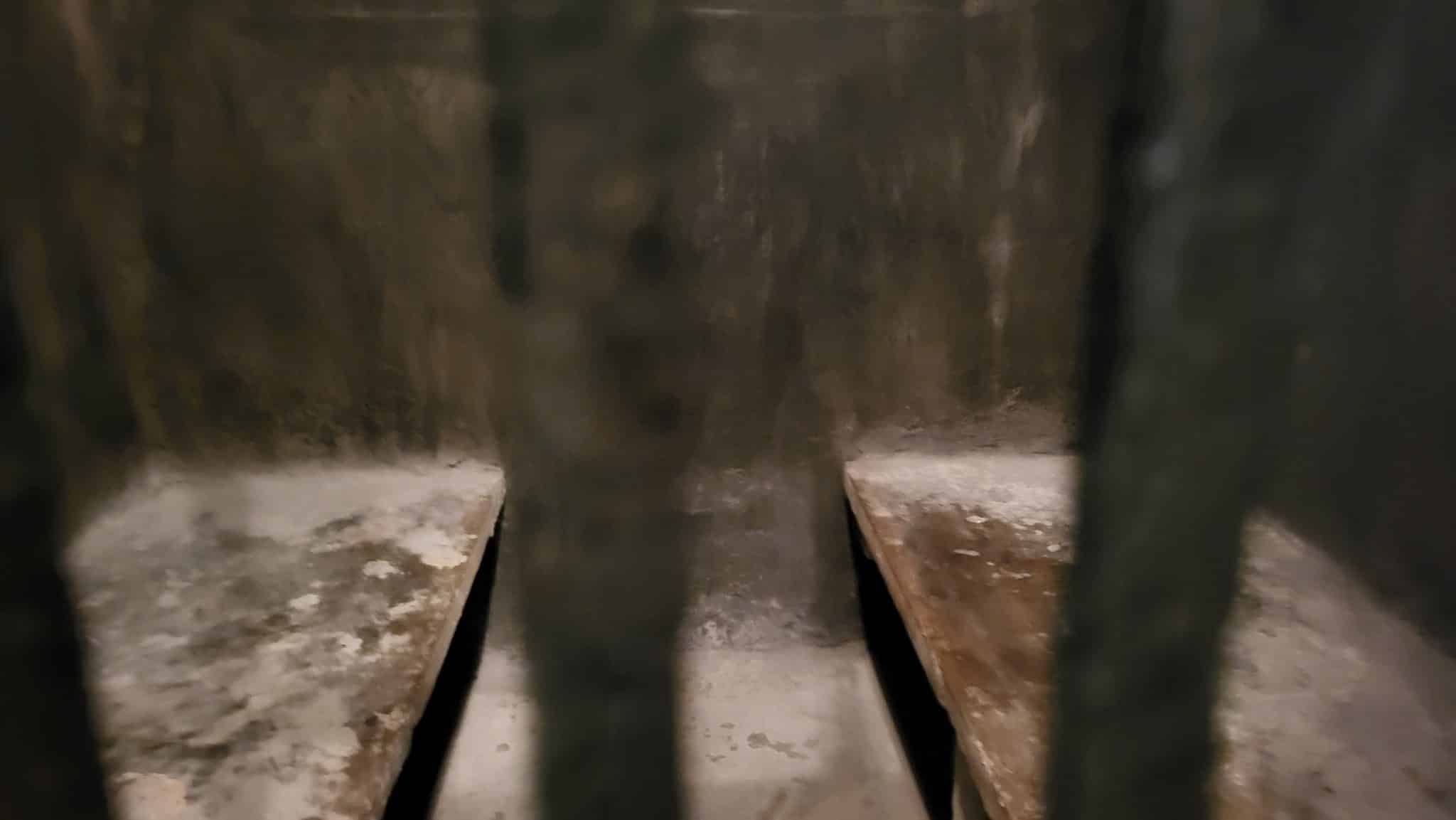
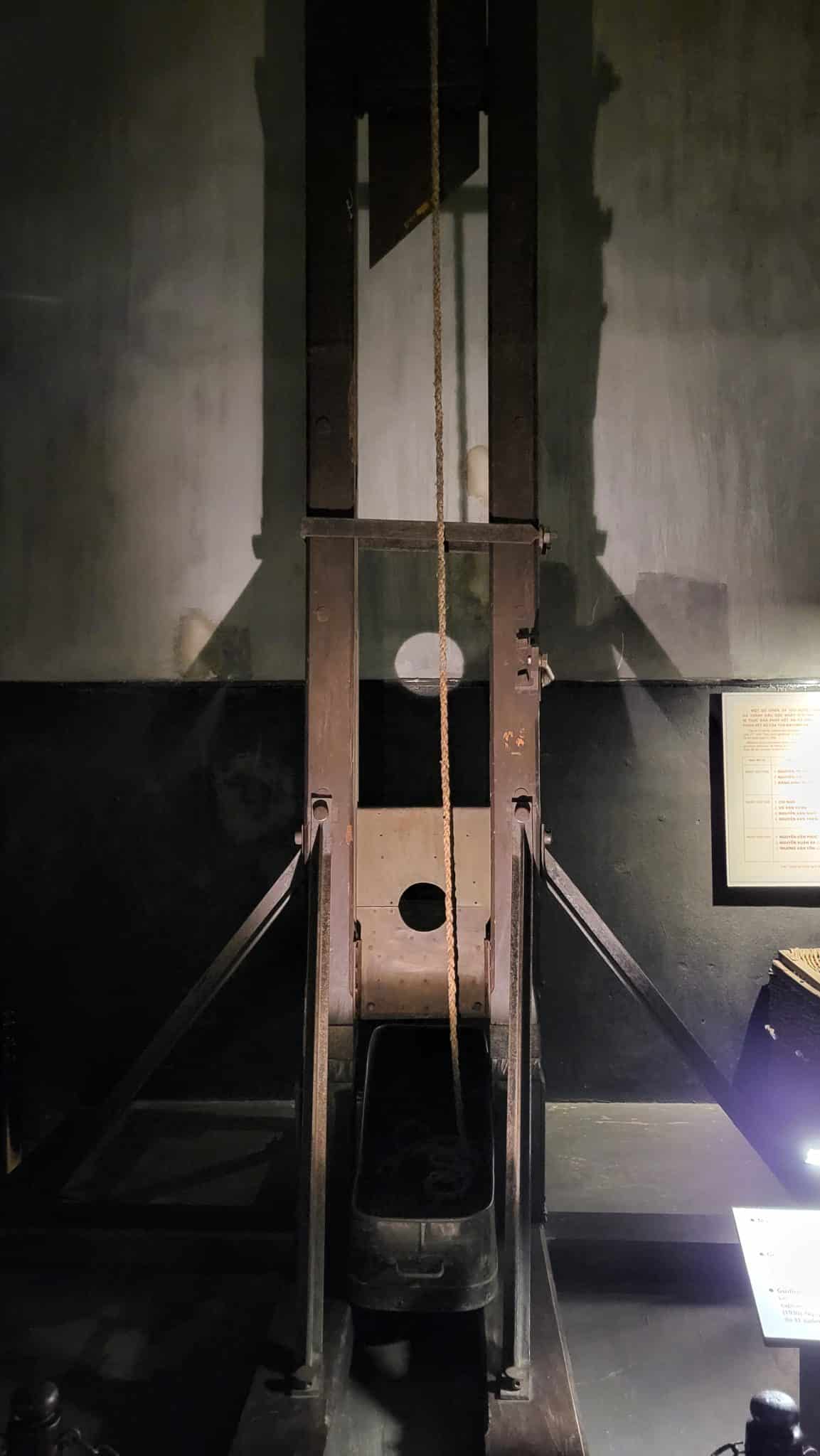
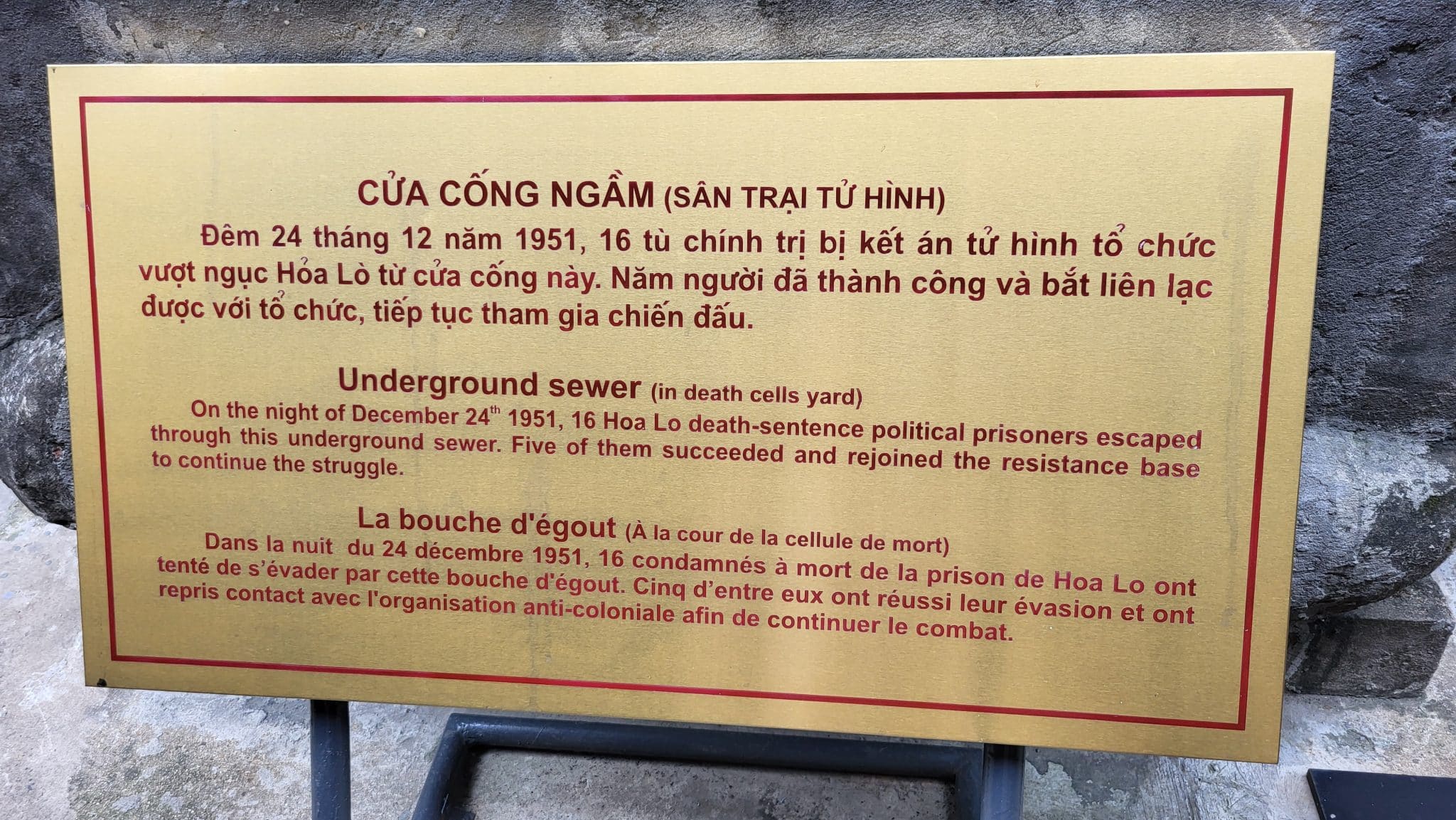
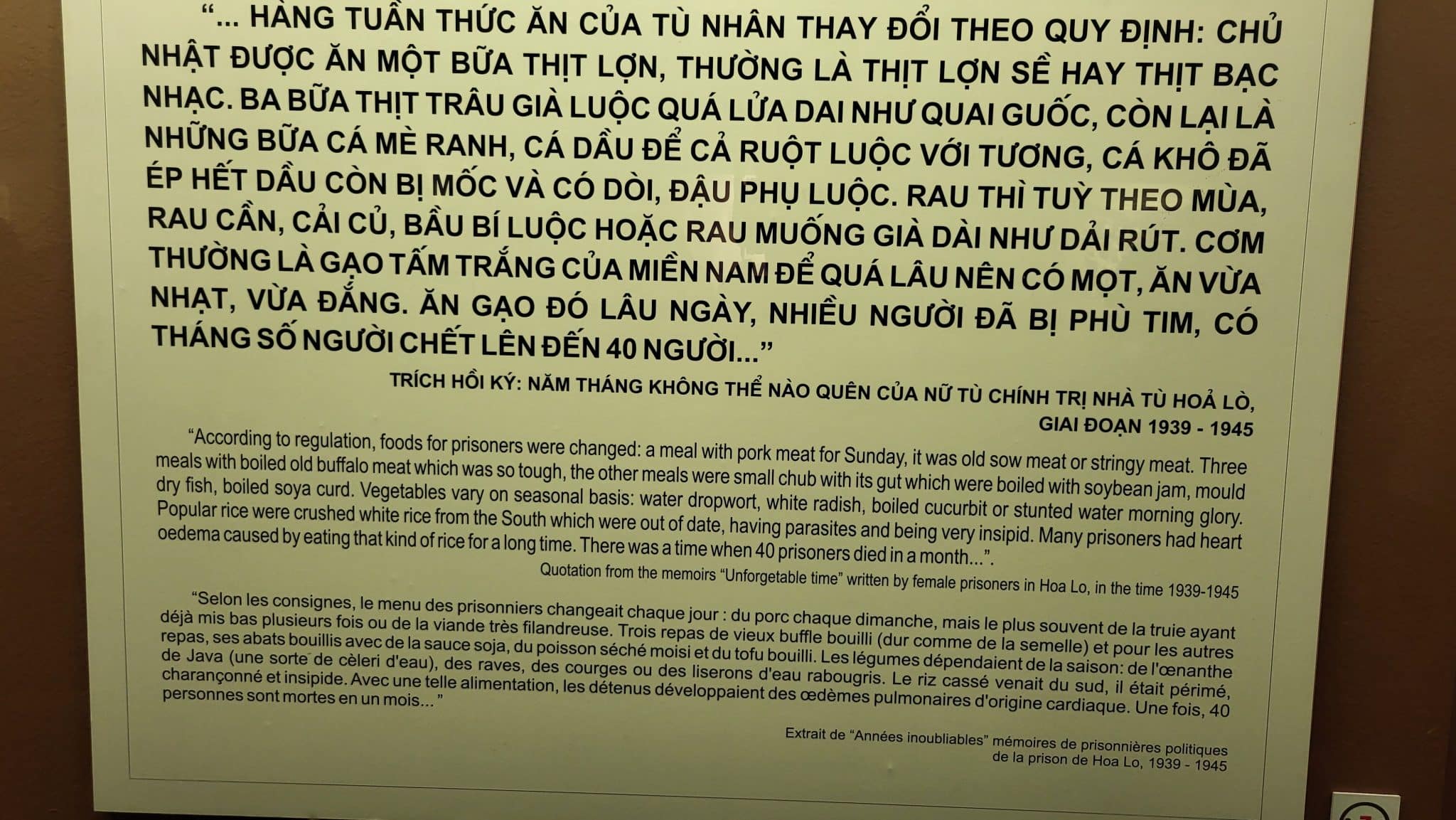
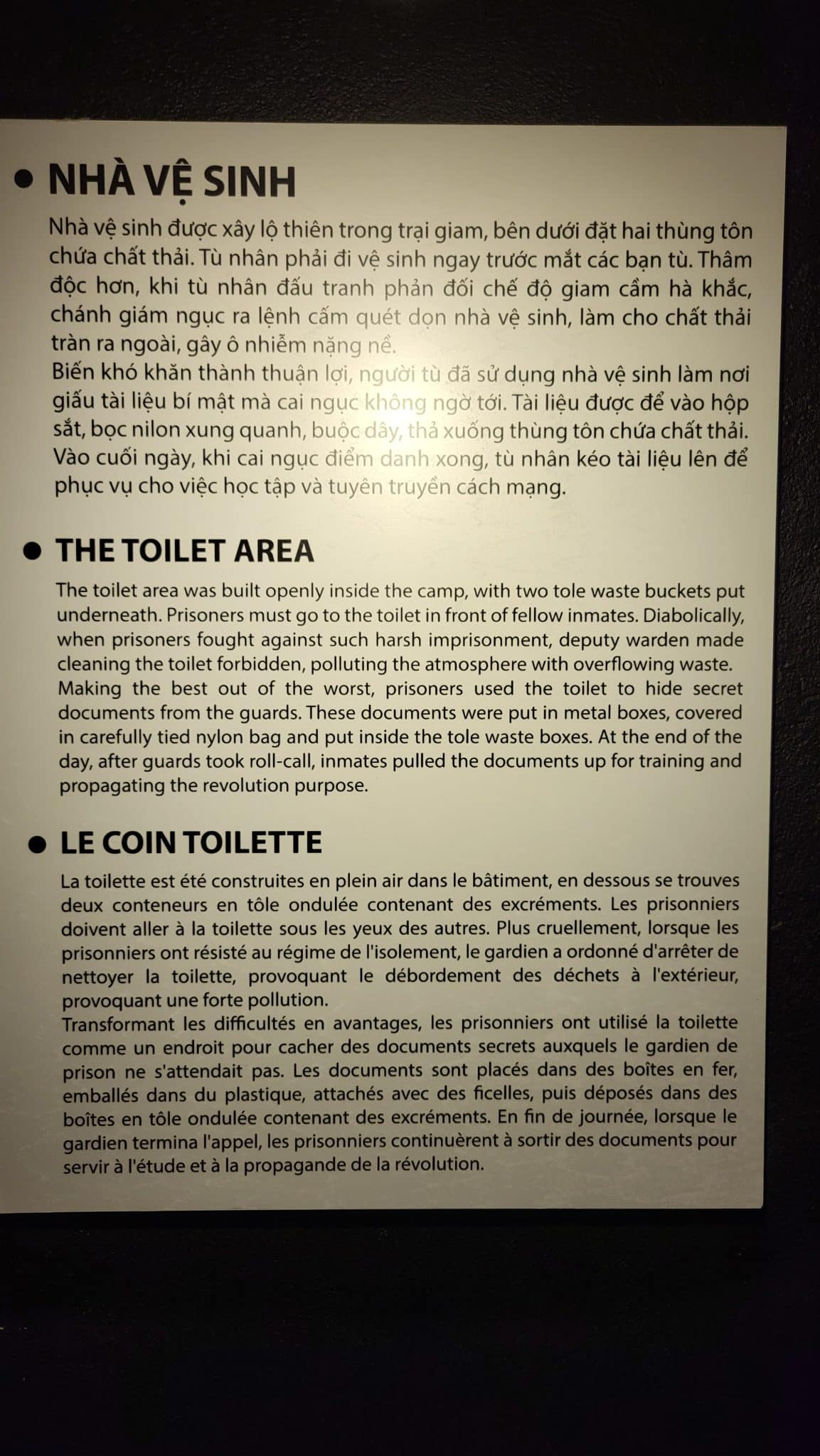
- Purpose: The primary purpose of Hỏa Lò Prison was to incarcerate, interrogate, and intimidate individuals who opposed French colonial rule, advocated for Vietnamese independence, or participated in revolutionary activities aimed at overthrowing the colonial regime. The prison’s harsh conditions, brutal treatment of inmates, and notorious reputation reflected the French colonial authorities’ efforts to suppress dissent and maintain control over Vietnam.
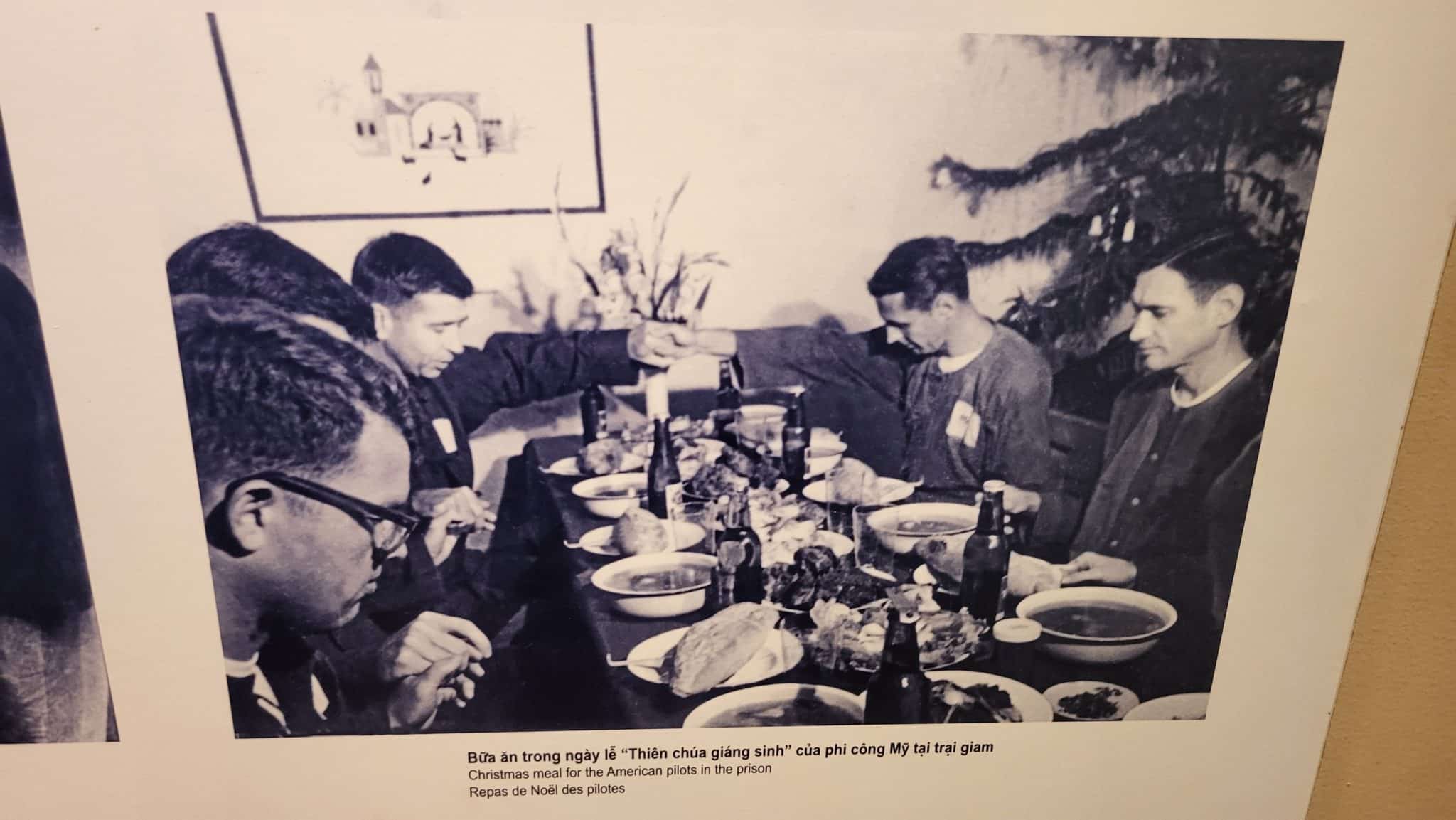
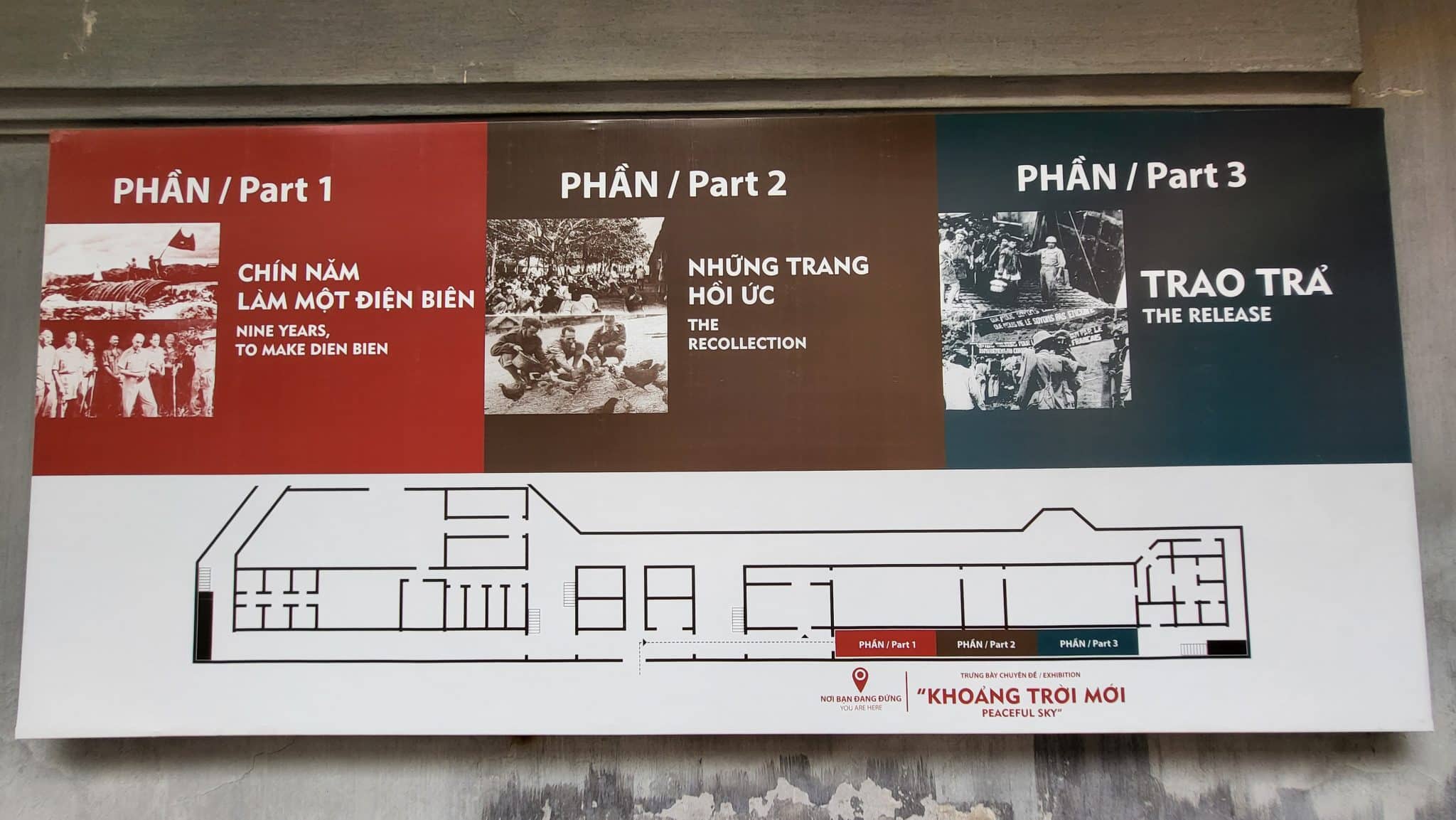
- Vietnam War Era: During the Vietnam War, Hỏa Lò Prison gained international attention for its role in holding American POWs captured by the North Vietnamese forces. The prison, referred to as the “Hanoi Hilton” by American POWs, became a focal point of the Vietnam War’s controversial and tumultuous history, symbolizing the conflict’s broader political, military, and ideological dimensions.
- Historical Significance: Hỏa Lò Prison stands as a symbol of Vietnam’s struggle for independence, resistance against colonial rule, and resilience in the face of adversity. The prison’s historical significance, architectural remnants, and preserved artifacts provide visitors with insights into Vietnam’s complex and turbulent past, highlighting the sacrifices, struggles, and triumphs of the Vietnamese people in their quest for freedom, sovereignty, and national unity.
In summary, Hỏa Lò Prison, also known as Maison Centrale, was built by the French colonial authorities in Hanoi during the late 19th century as a detention center for political prisoners, revolutionaries, and dissidents opposed to French colonial rule. The prison’s construction and purpose reflected the French colonial regime’s efforts to suppress dissent, maintain control over Vietnam, and preserve their imperial interests. Over time, Hỏa Lò Prison became a symbol of Vietnam’s struggle for independence, resistance against foreign domination, and resilience in the face of adversity, shaping its historical legacy and cultural significance within the broader context of Vietnam’s turbulent and transformative history.
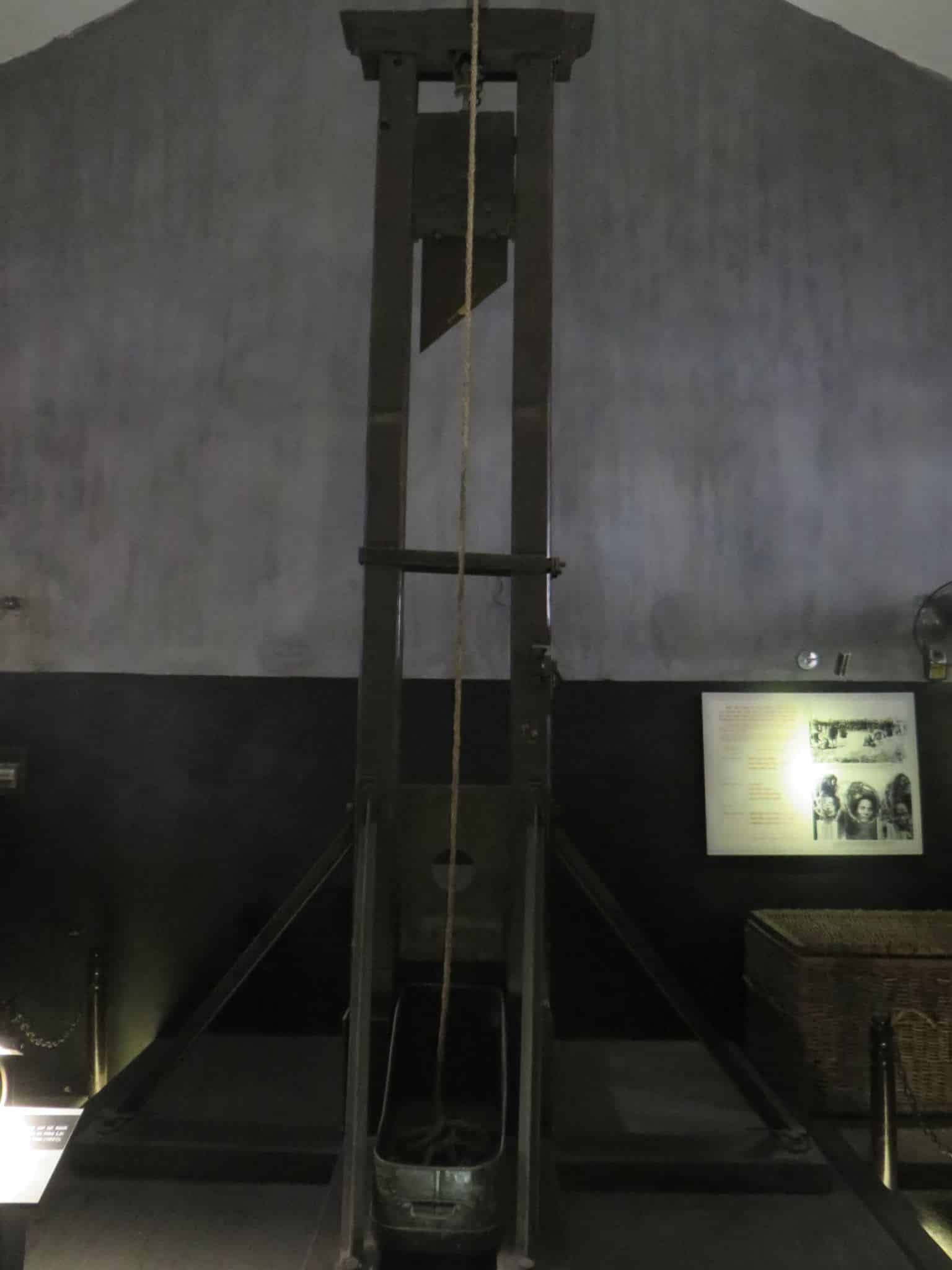
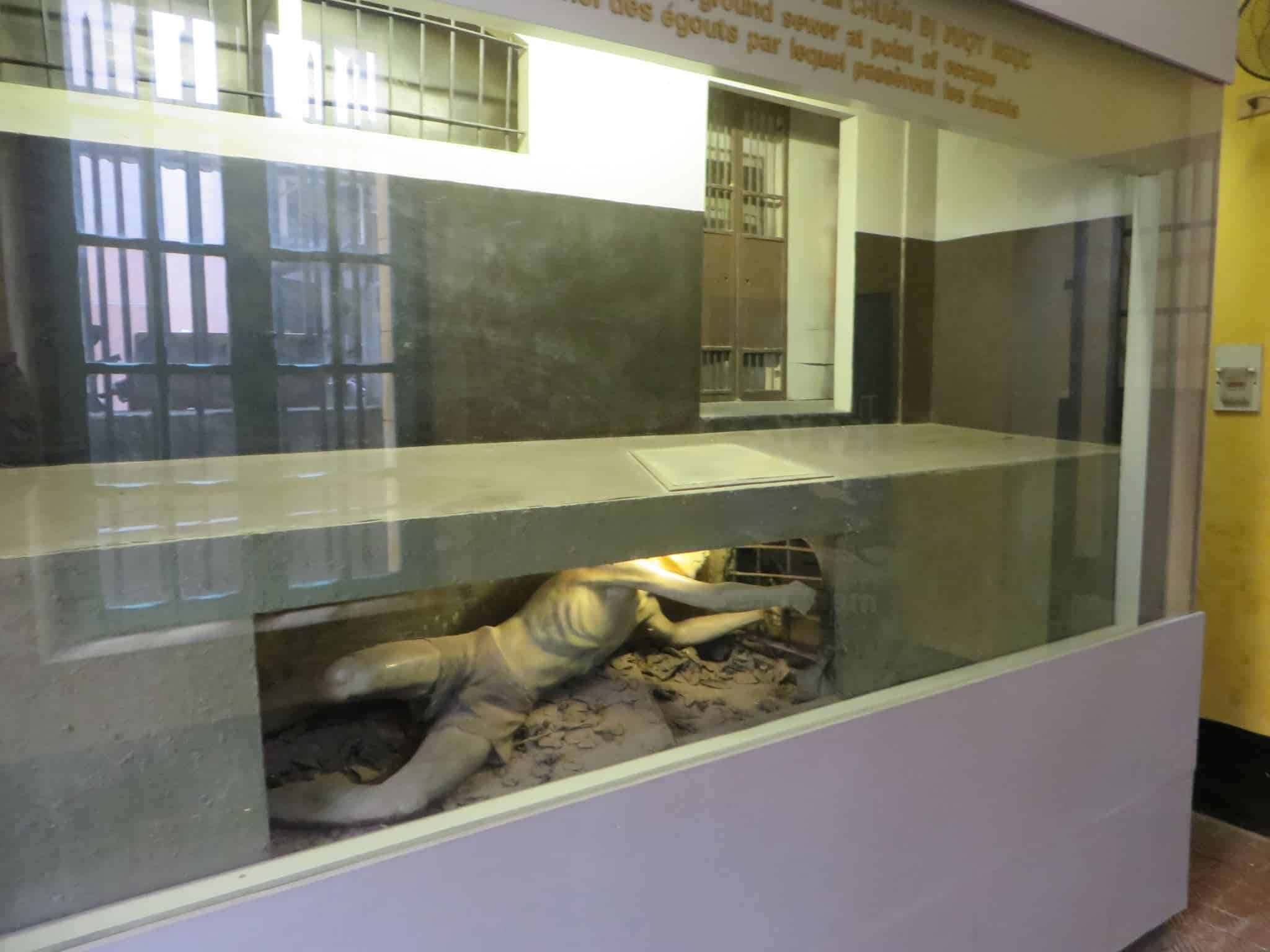
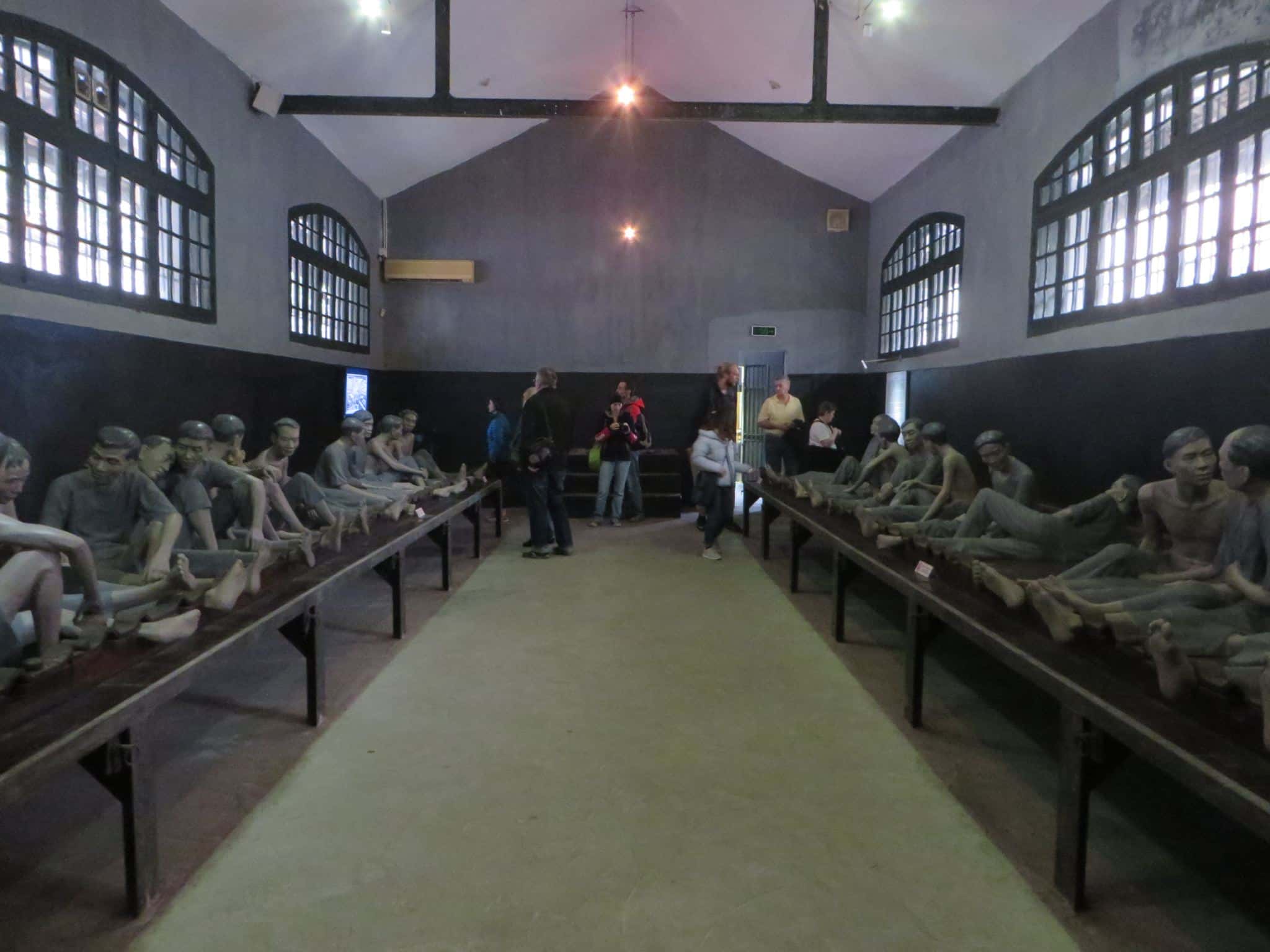
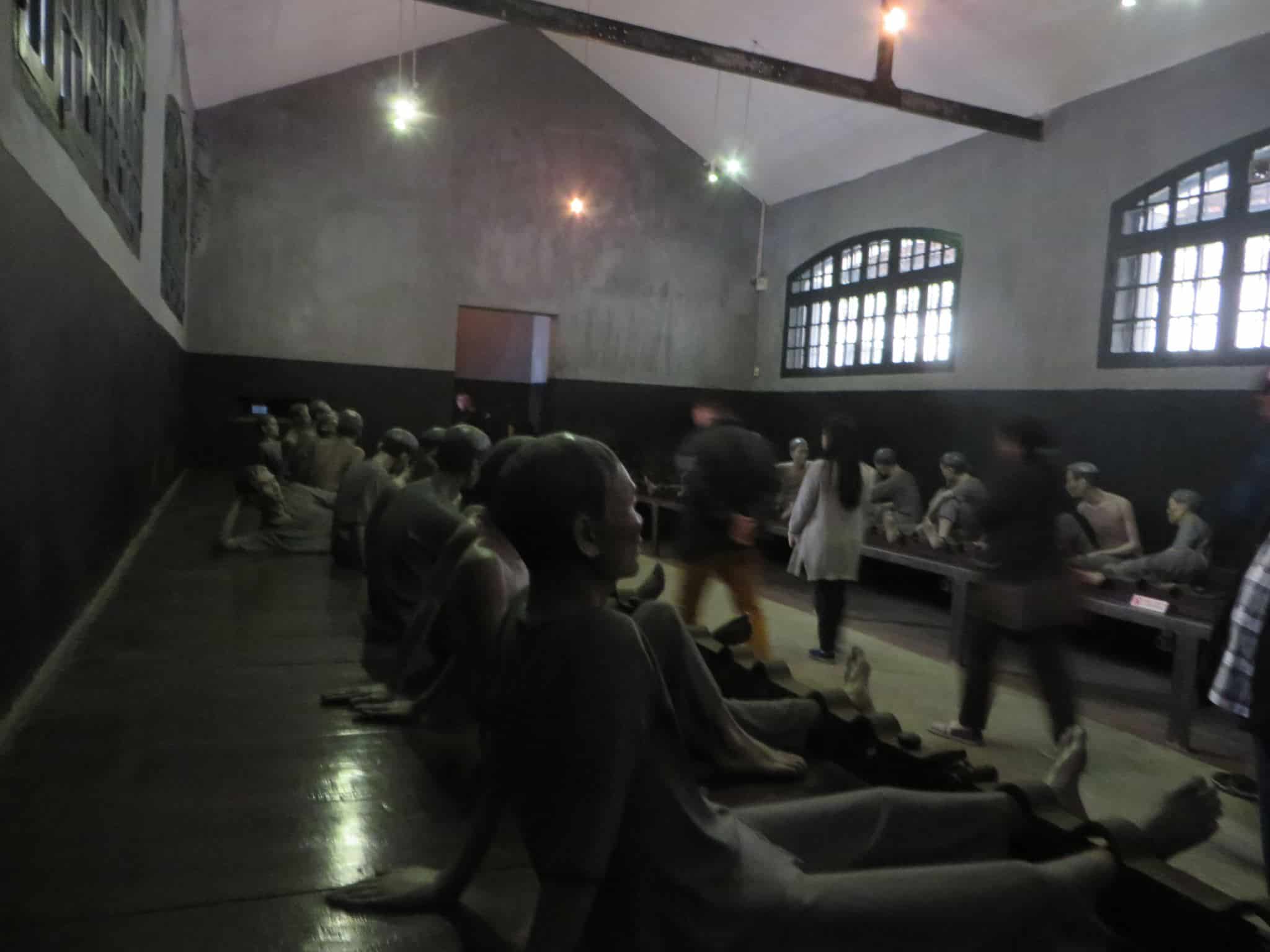
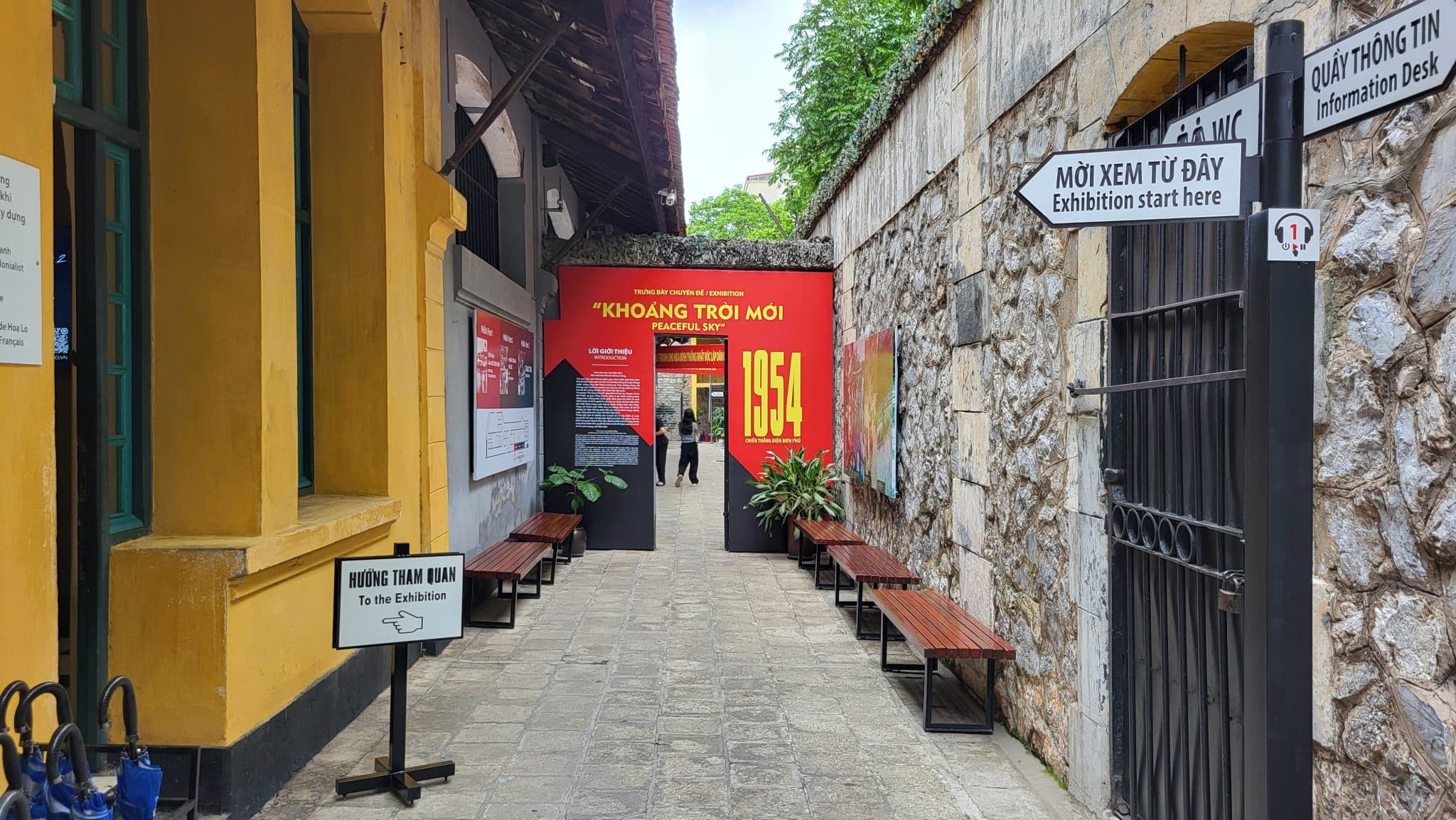
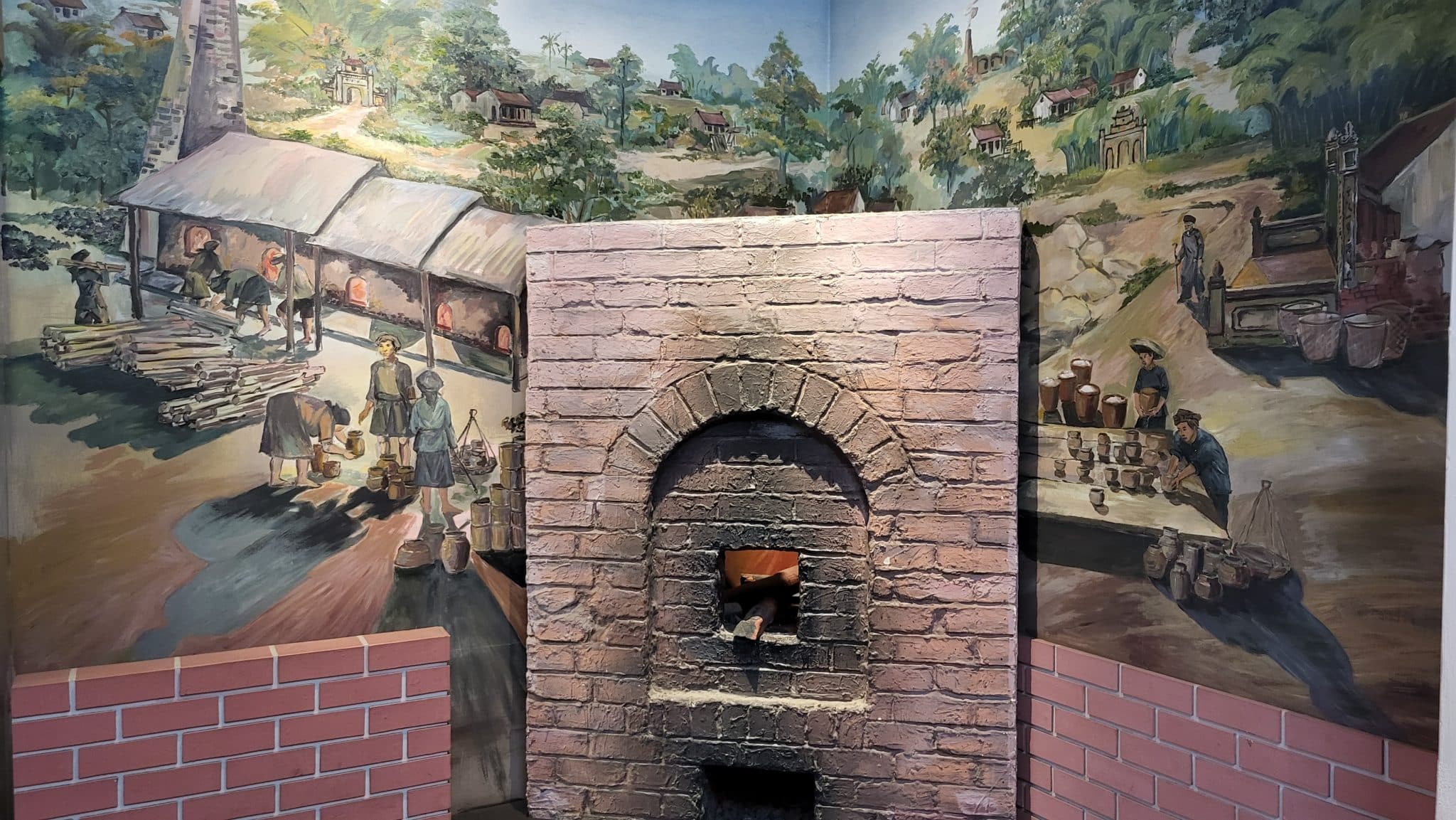
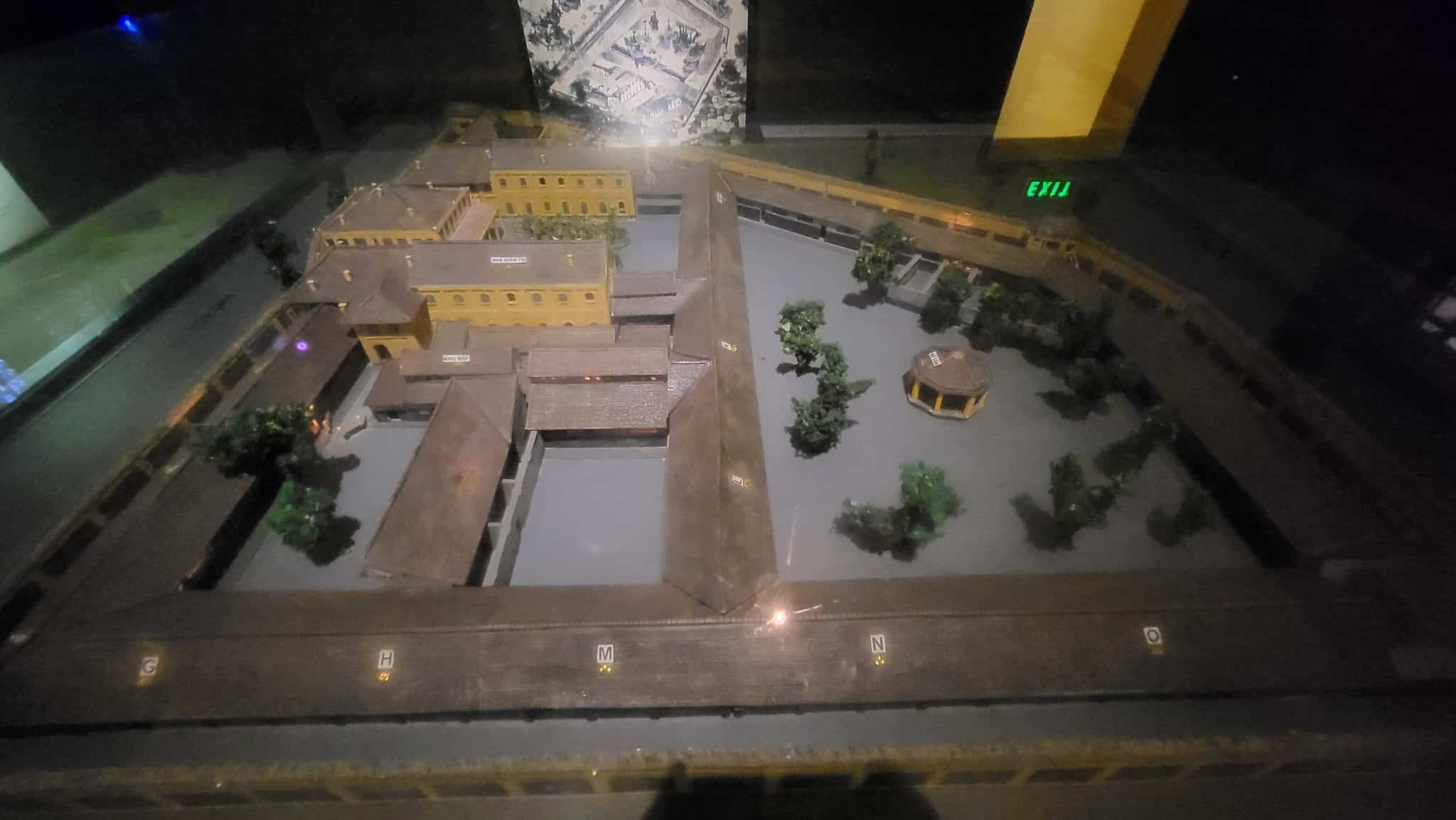
Photos of Maison centrale (Hỏa Lò Prison) – Hanoi (2024)
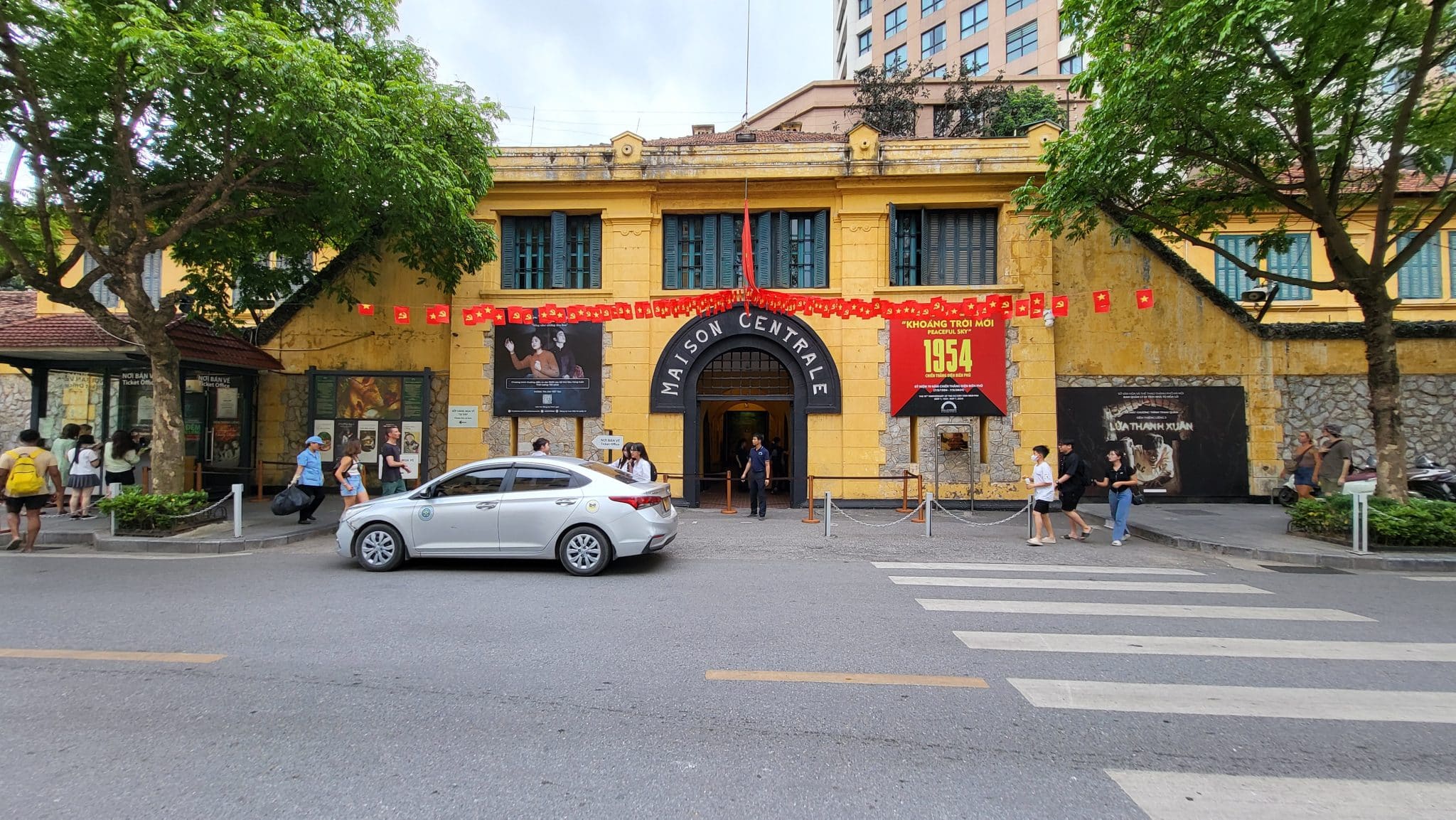
Photos of Maison centrale (Hỏa Lò Prison) – Hanoi (2018)