Saigon central post office
Listing has verified and belong the business owner or manager.
History of Saigon Central Post Office:
When:
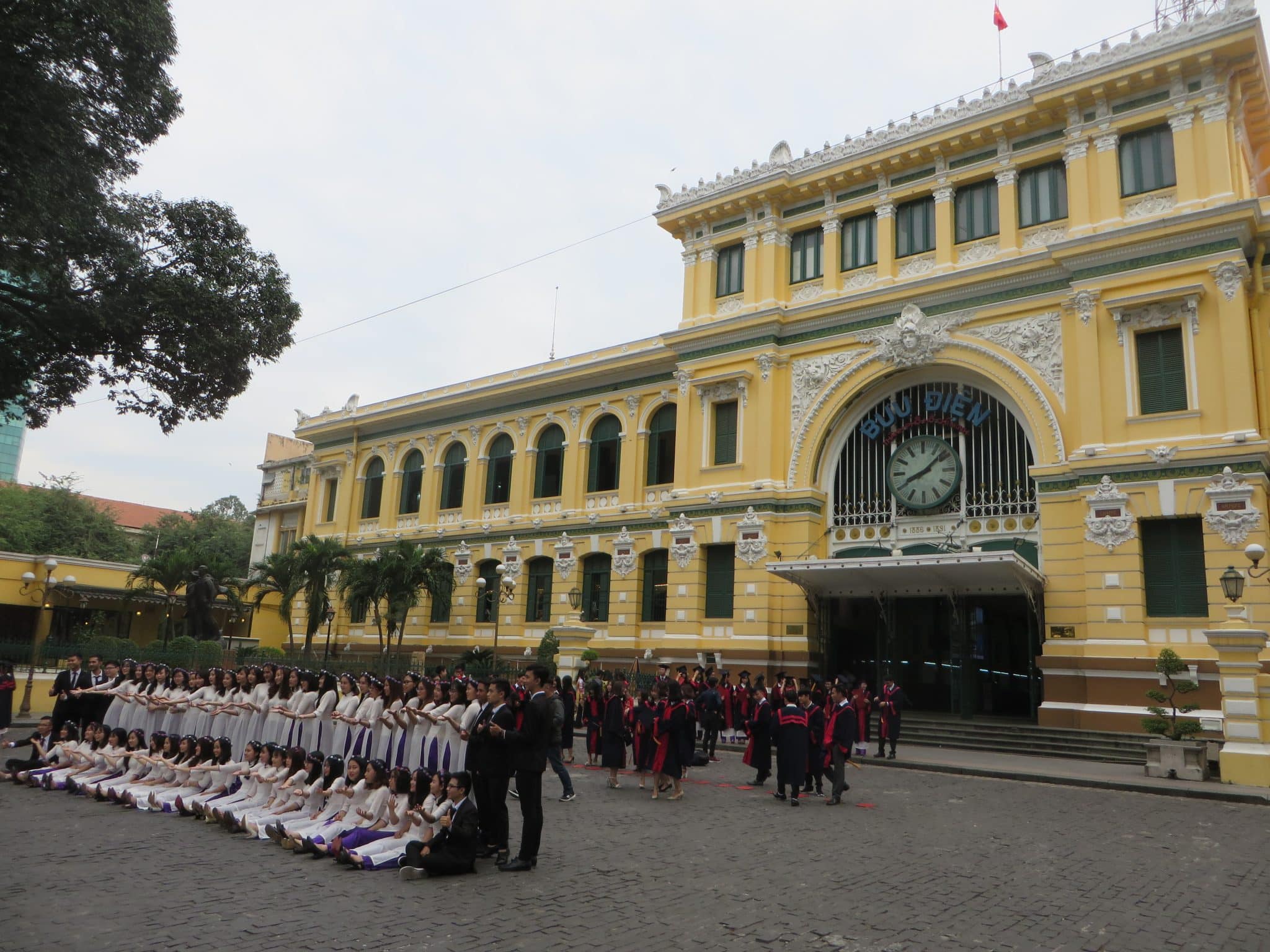
The Saigon Central Post Office was constructed between 1886 and 1891 during the French colonial period in Vietnam.
Where:
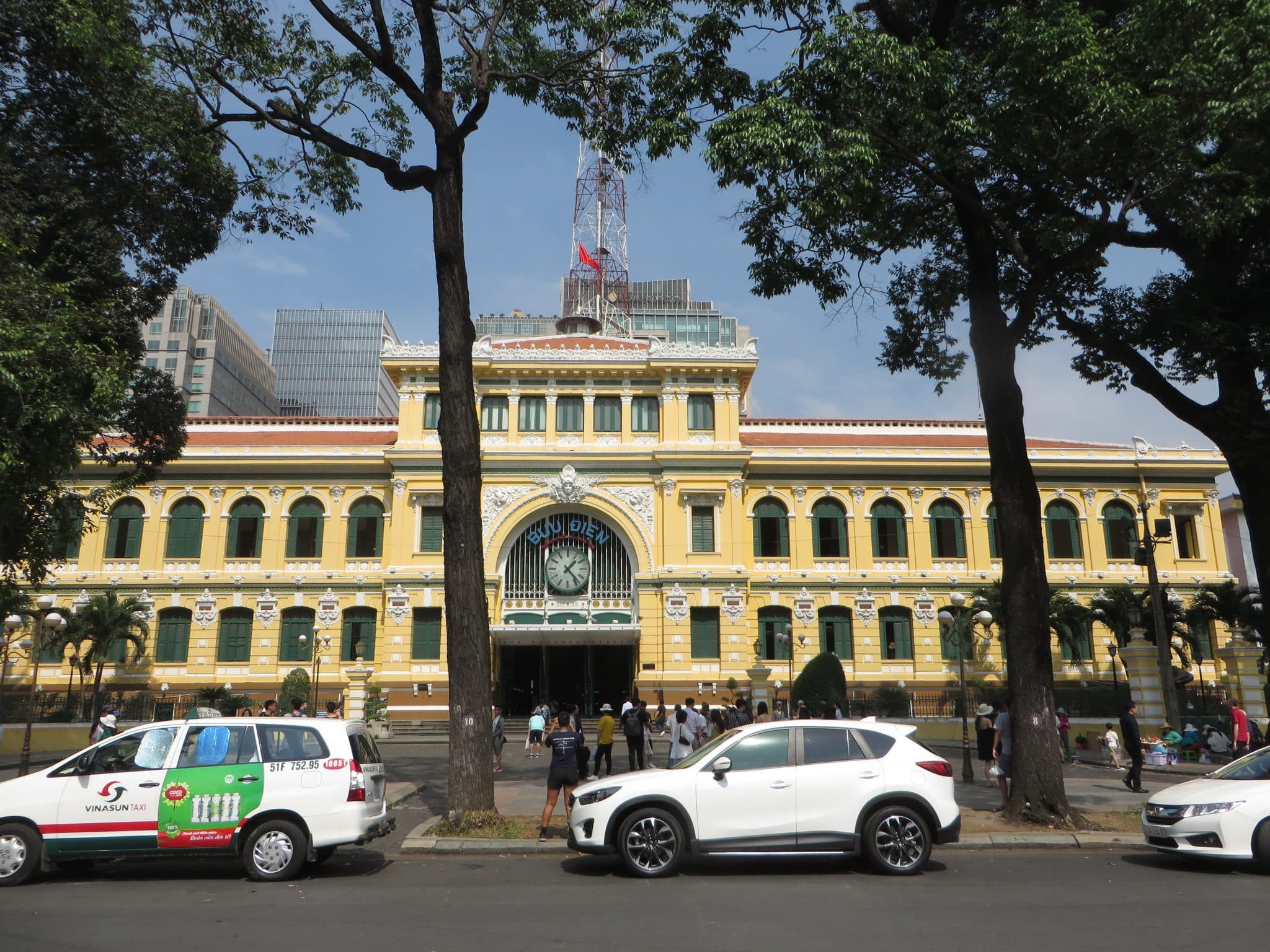
The Saigon Central Post Office is located in the heart of Ho Chi Minh City (formerly known as Saigon), Vietnam, near notable landmarks such as the Notre-Dame Cathedral Basilica of Saigon.
Who Built It:
The Saigon Central Post Office was designed and constructed by the French architect Alfred Foulhoux, whose design reflects the influence of French colonial architecture prevalent during the late 19th century in Vietnam.
Architecture:
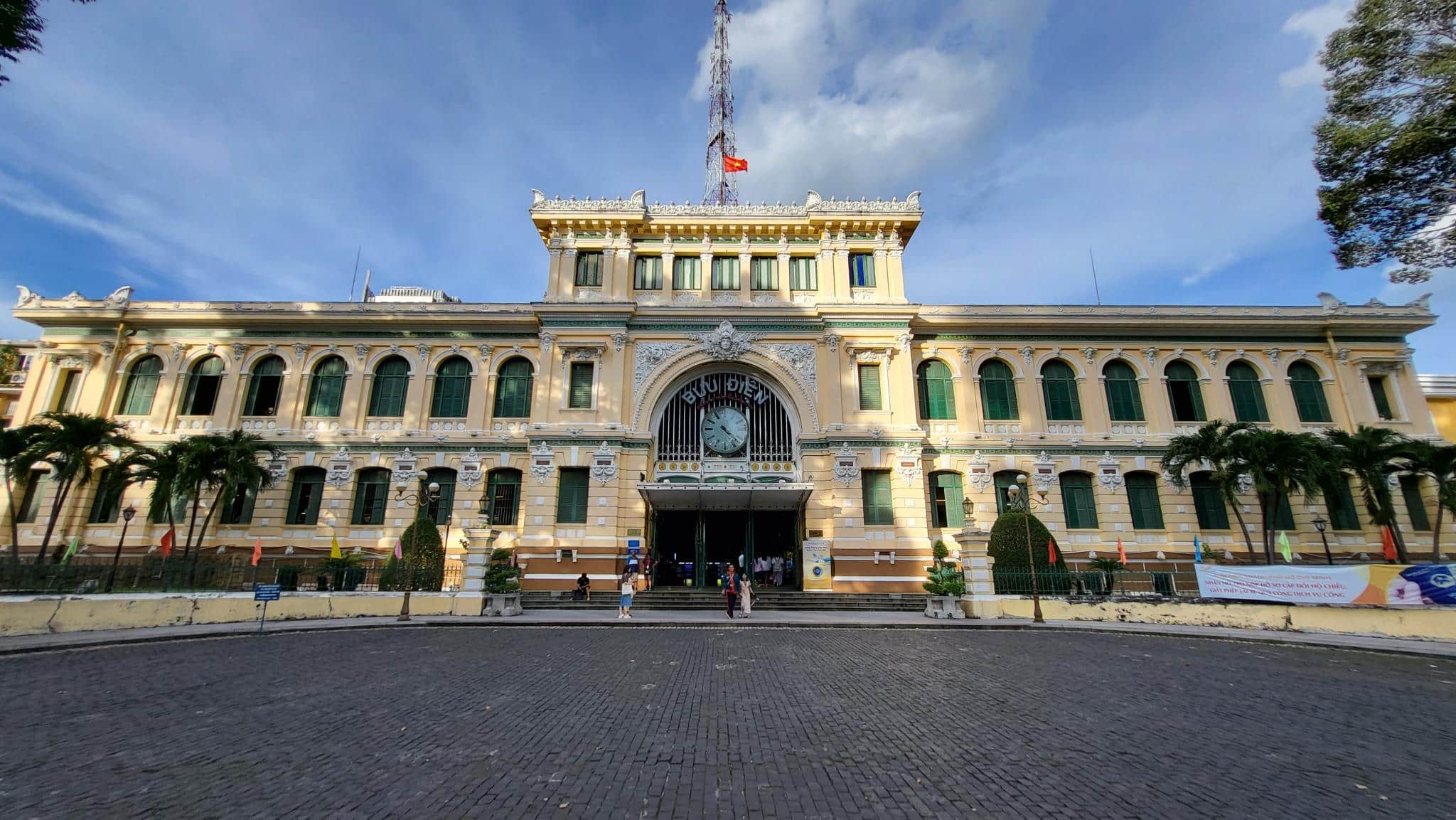
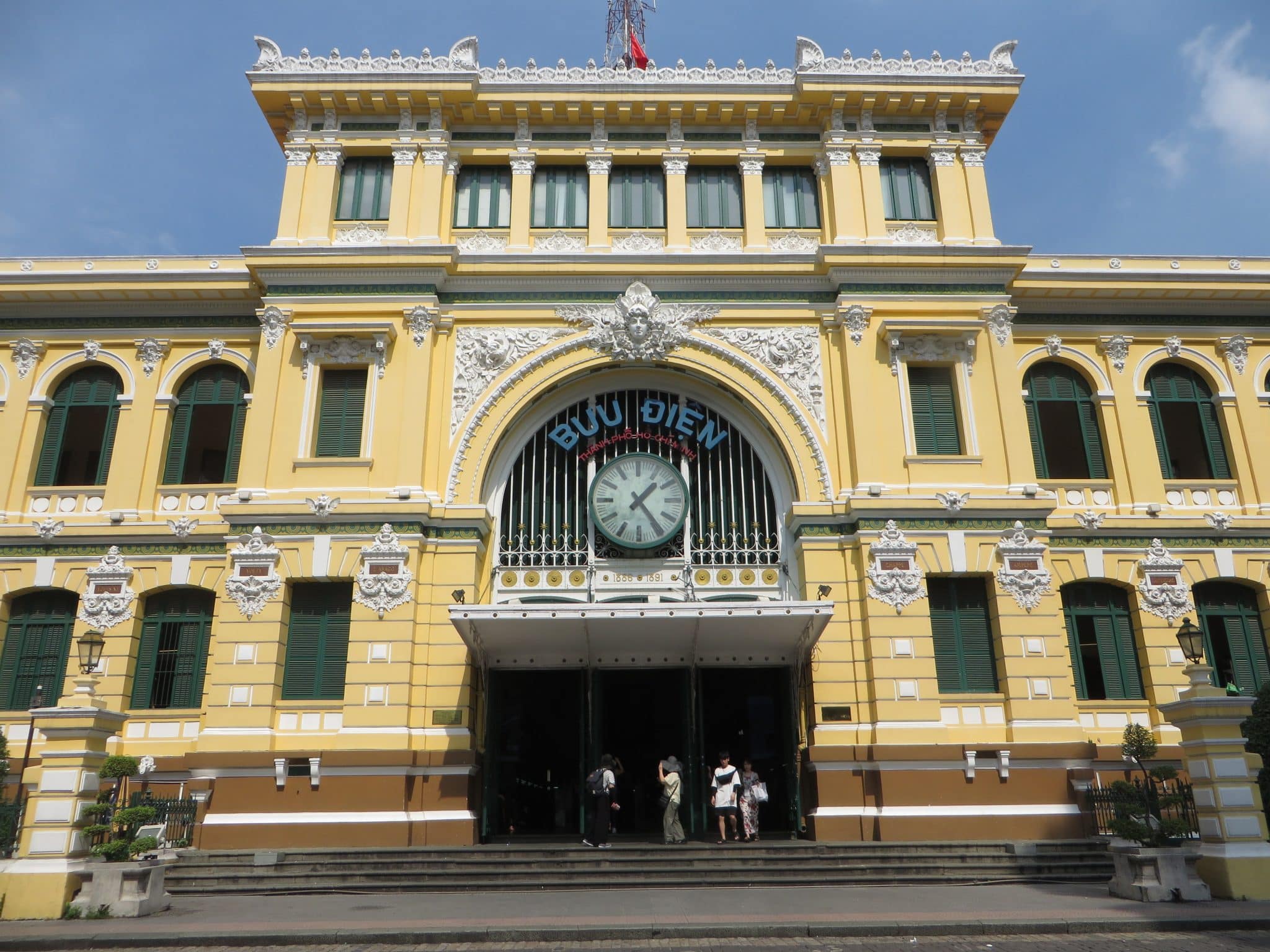
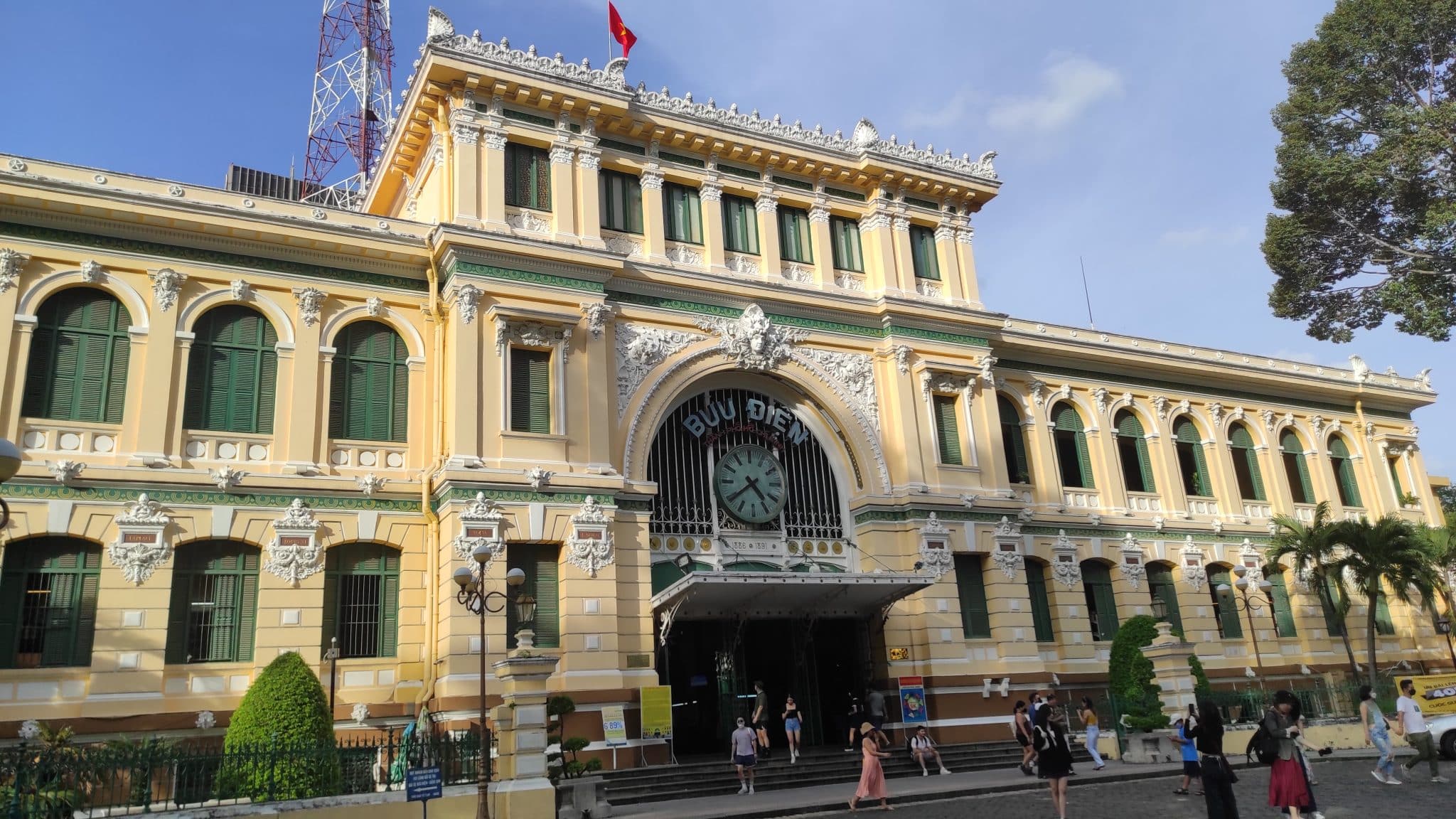
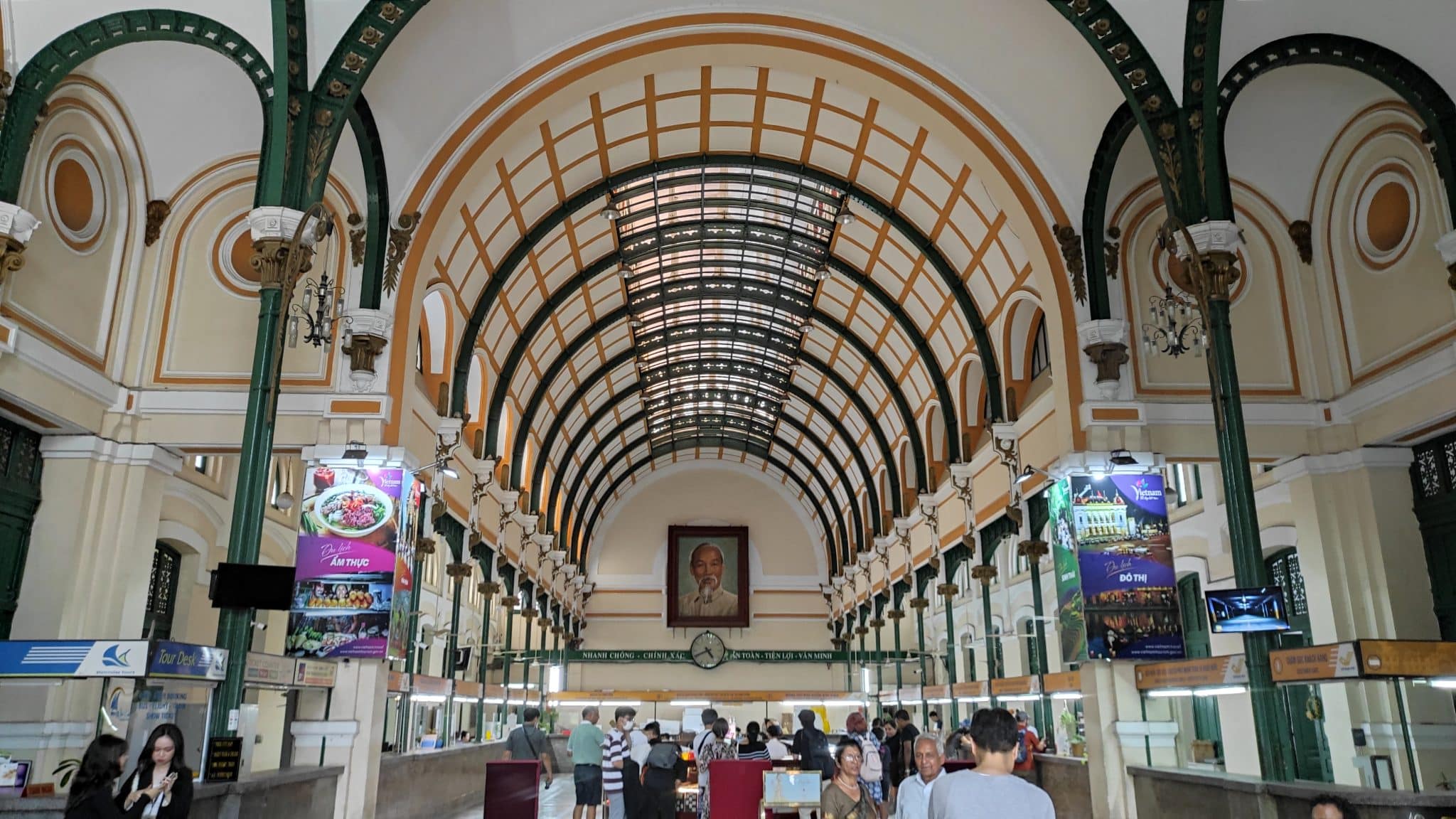
- Architectural Style: The Saigon Central Post Office showcases a unique blend of Gothic, Renaissance, and French colonial architectural styles. The building’s design features a grand neoclassical facade, high ceilings, arched windows, ornate decorations, and intricate ironwork that reflect its historical, cultural, and architectural significance within the urban landscape of Ho Chi Minh City.
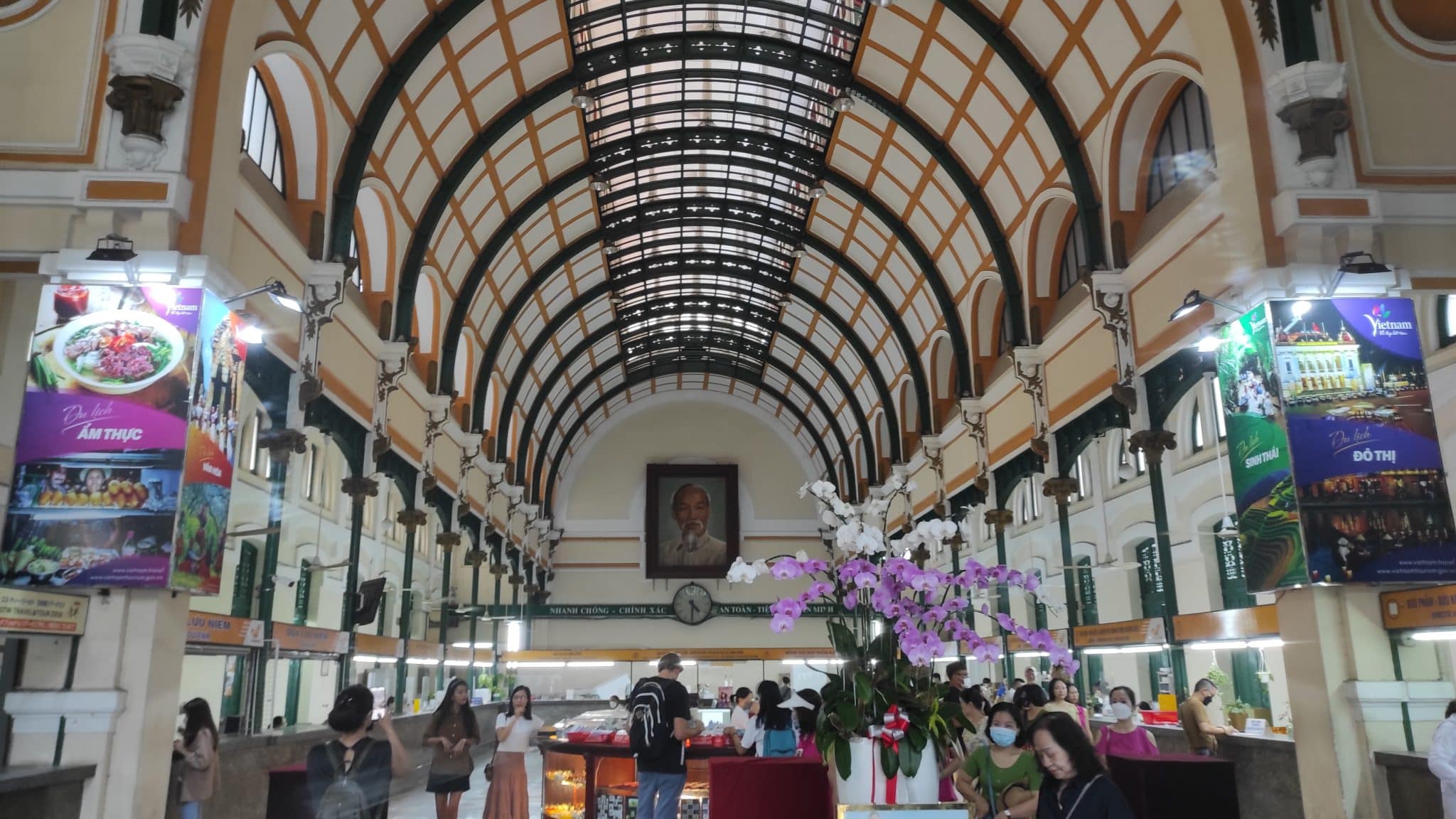
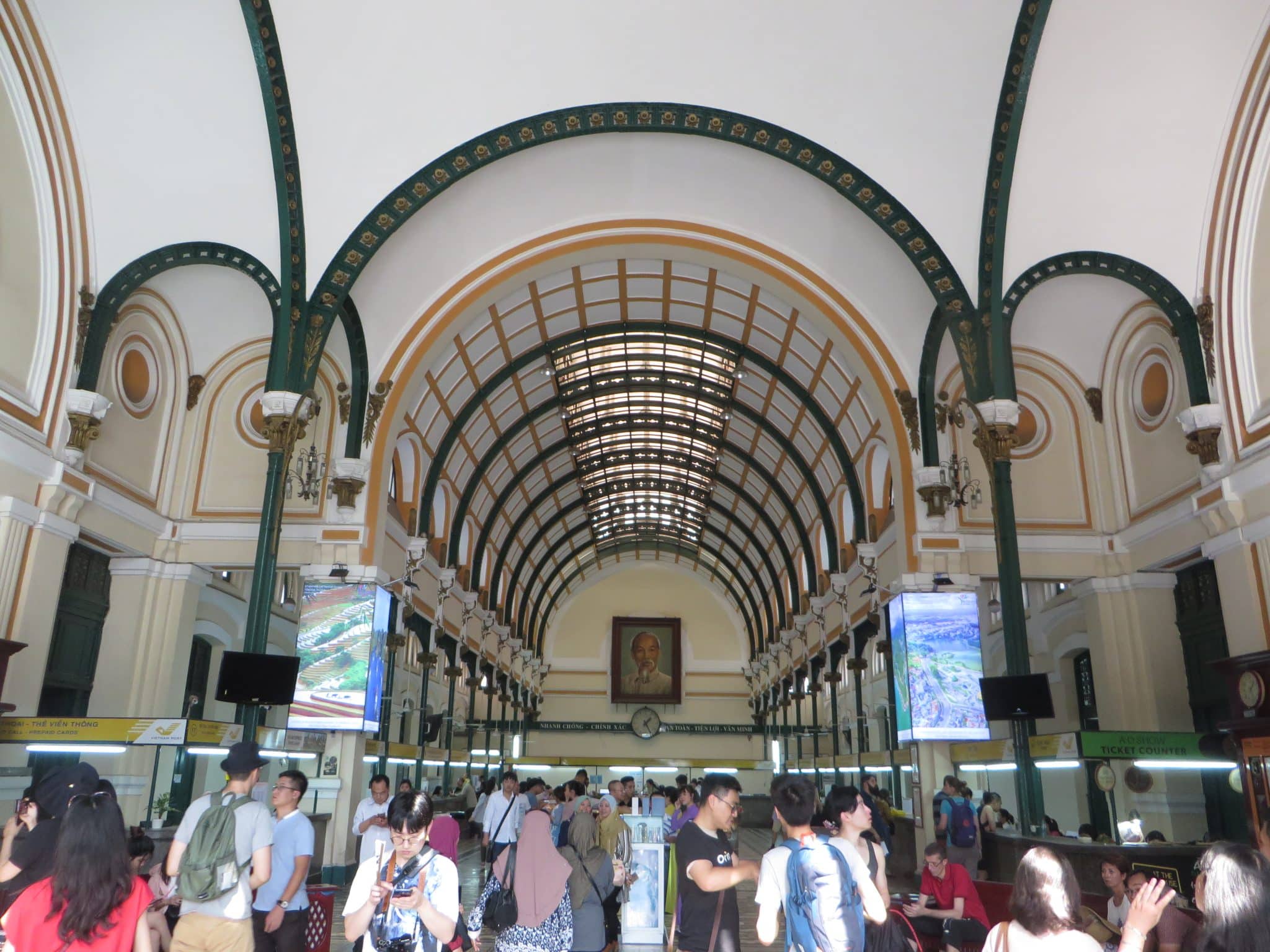
- Structural Elements: The Saigon Central Post Office’s architectural design includes a spacious interior hall with a barrel-vaulted ceiling, ornate columns, marble floors, wooden furnishings, and historical maps of Saigon and surrounding regions displayed on the walls. The building’s layout, symmetry, and proportions emphasize its functional, aesthetic, and symbolic significance as a central hub for postal services, communications, and public administration during the colonial era.
- Decorative Details: The Saigon Central Post Office features decorative details such as intricate mosaics, frescoes, reliefs, and statues that embellish its interior and exterior spaces. The building’s decorative elements highlight its historical context, cultural heritage, and architectural integrity as a landmark, heritage site, and symbol of Saigon’s identity, history, and development over time.
- Iconic Landmark: The Saigon Central Post Office has become an iconic landmark, tourist attraction, and symbol of Ho Chi Minh City’s colonial heritage, architectural beauty, and cultural significance within Vietnam and the global community. The building’s historical legacy, civic importance, and architectural design contribute to its recognition as a must-visit destination for tourists, history enthusiasts, and architectural aficionados exploring the city’s diverse and dynamic urban landscape.