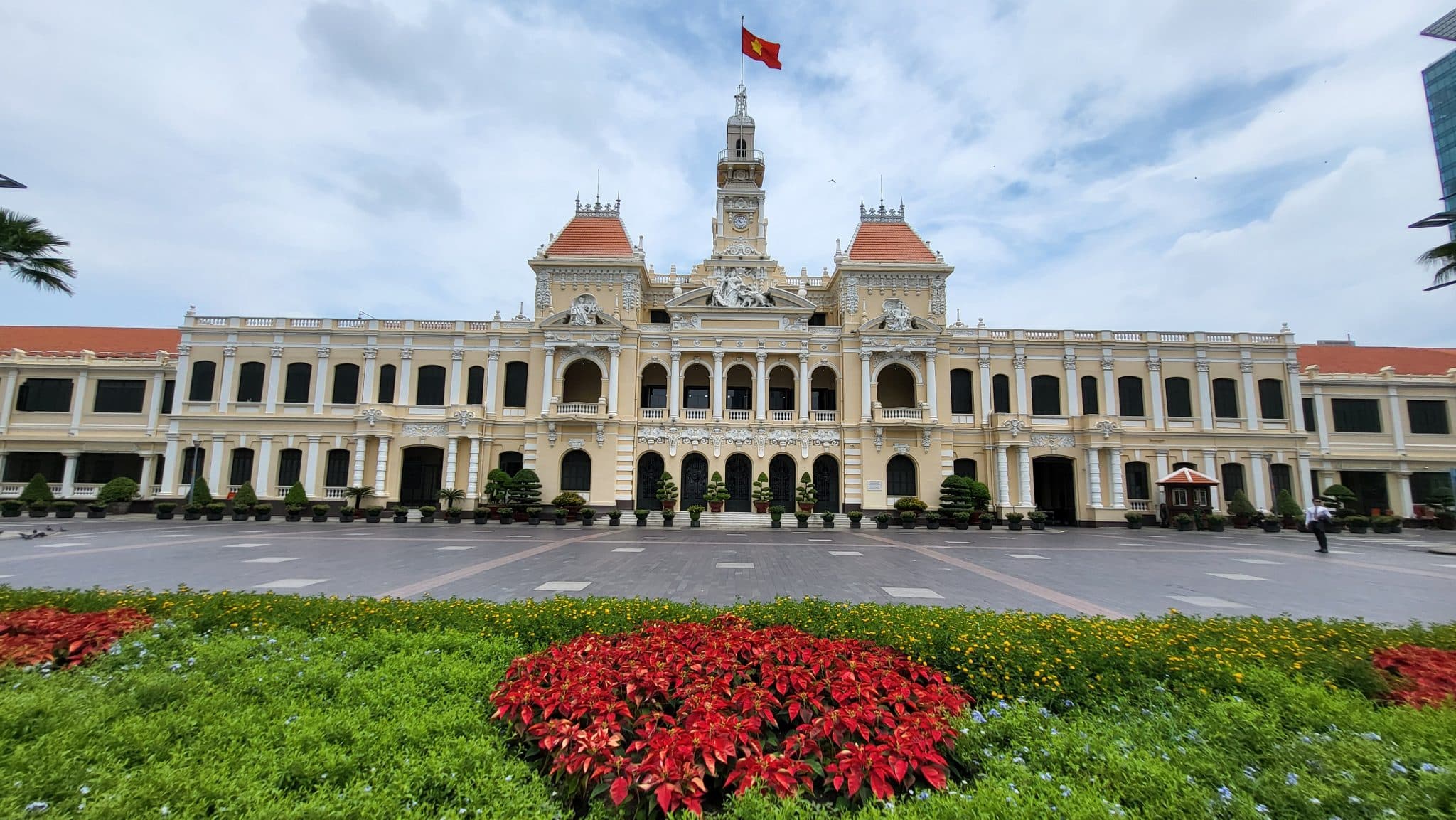
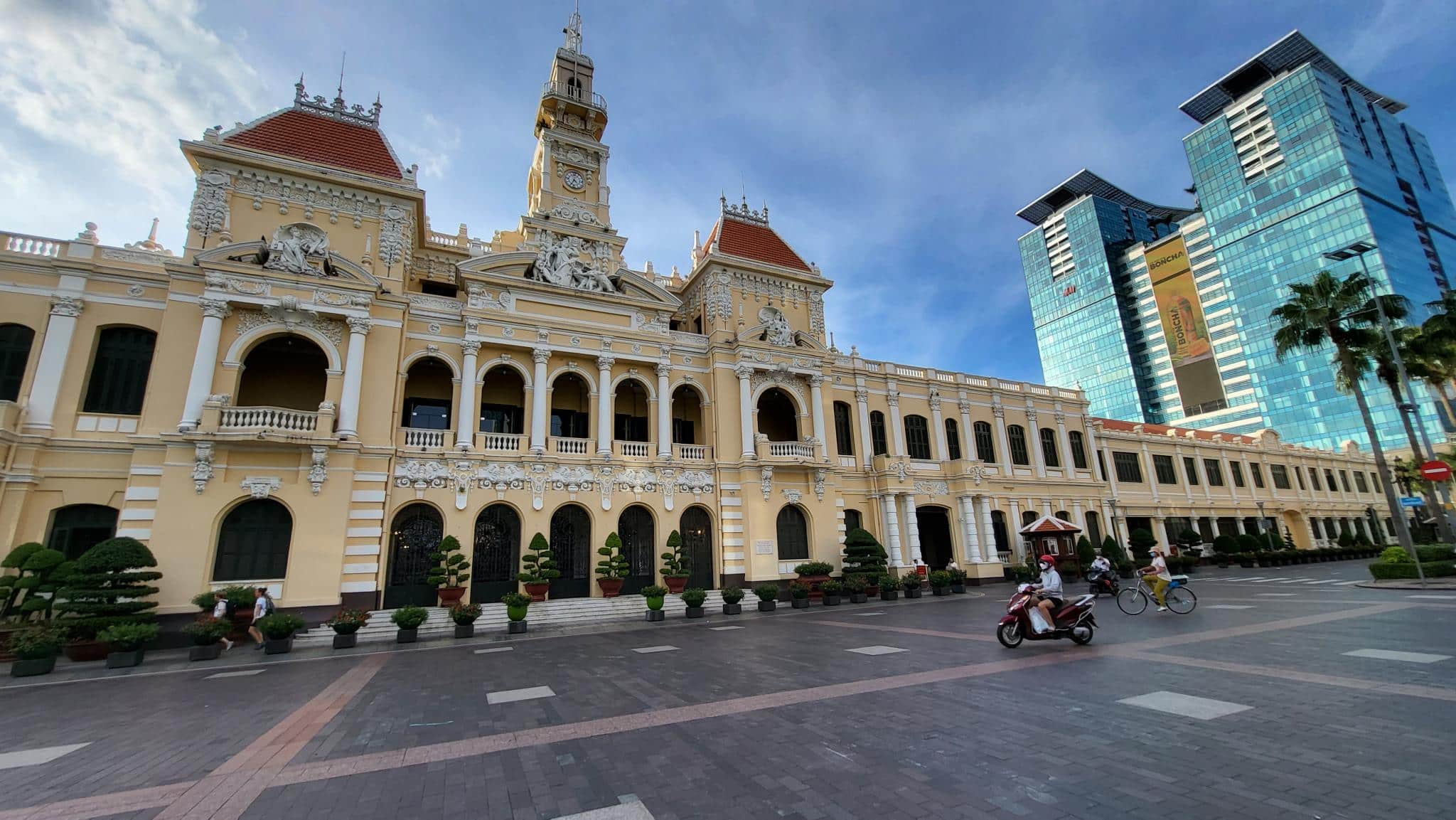
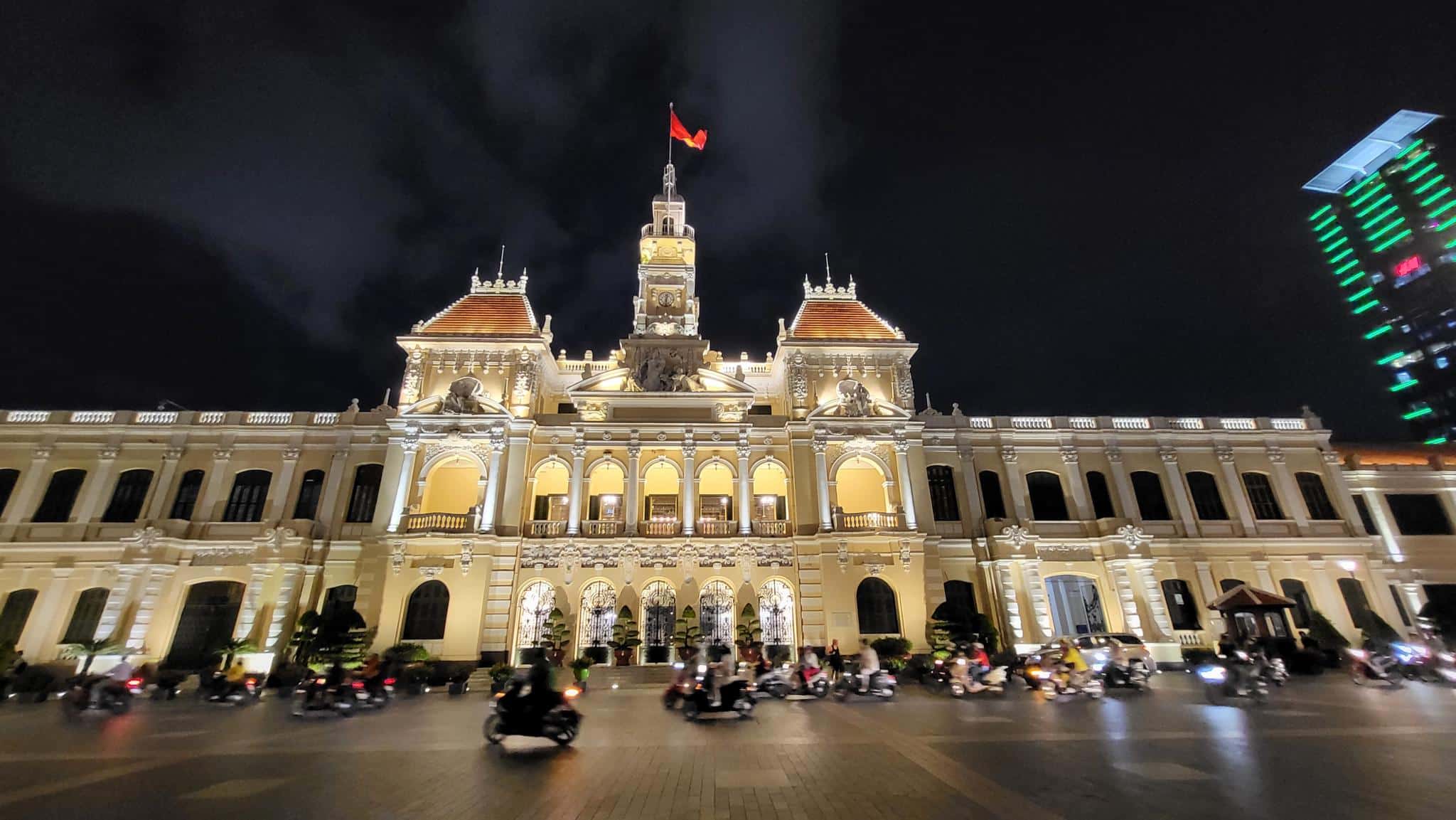
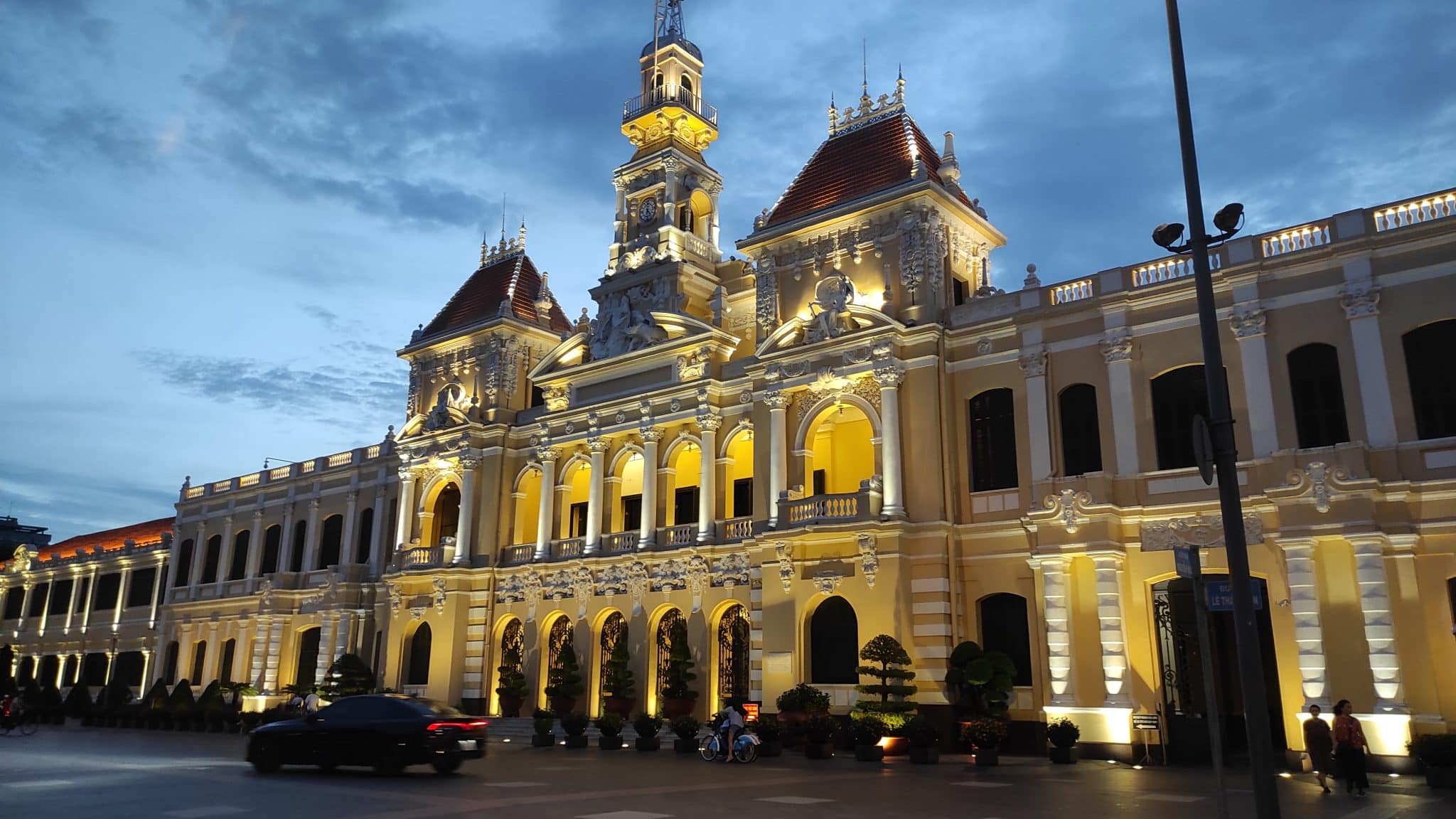
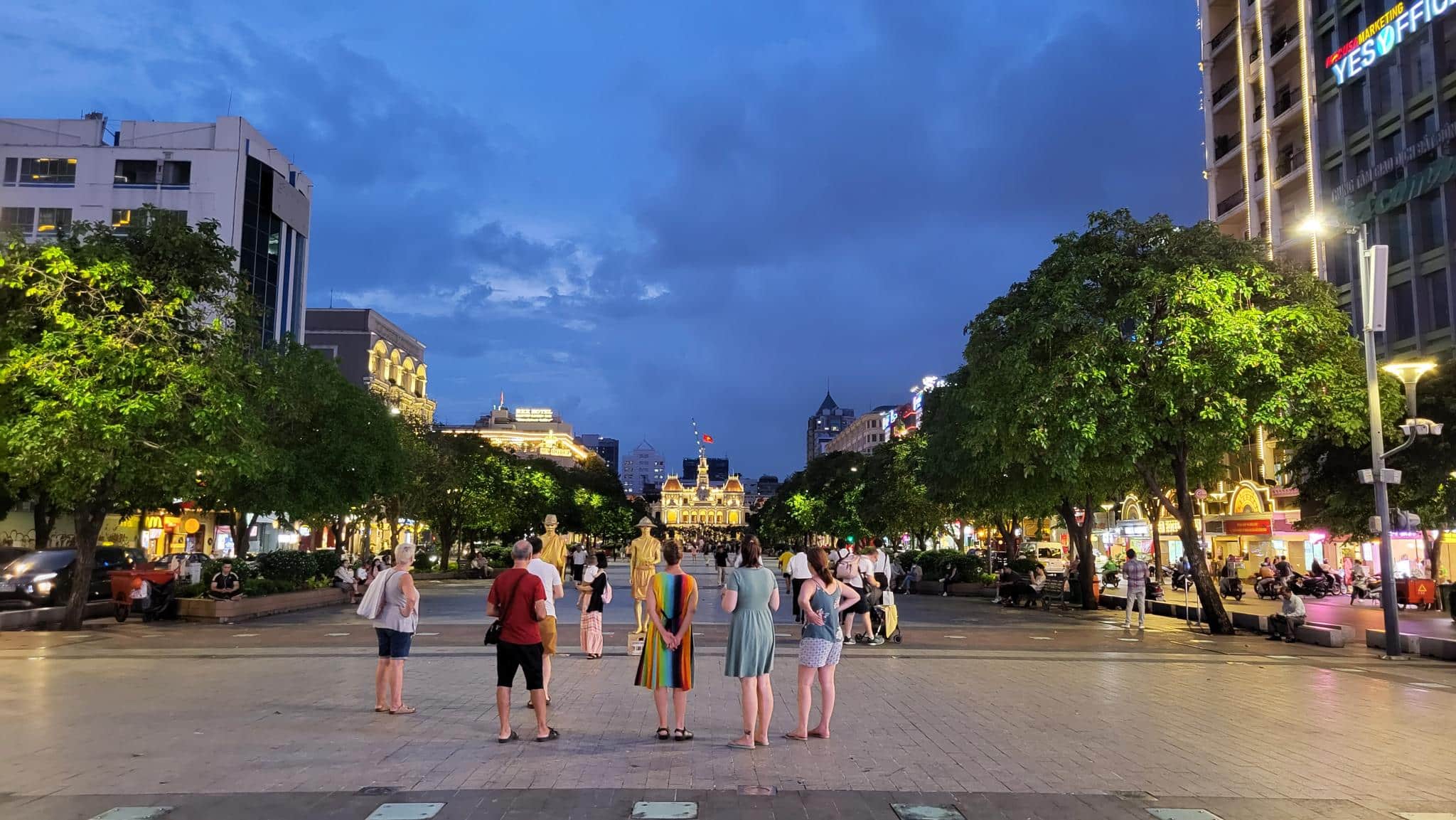
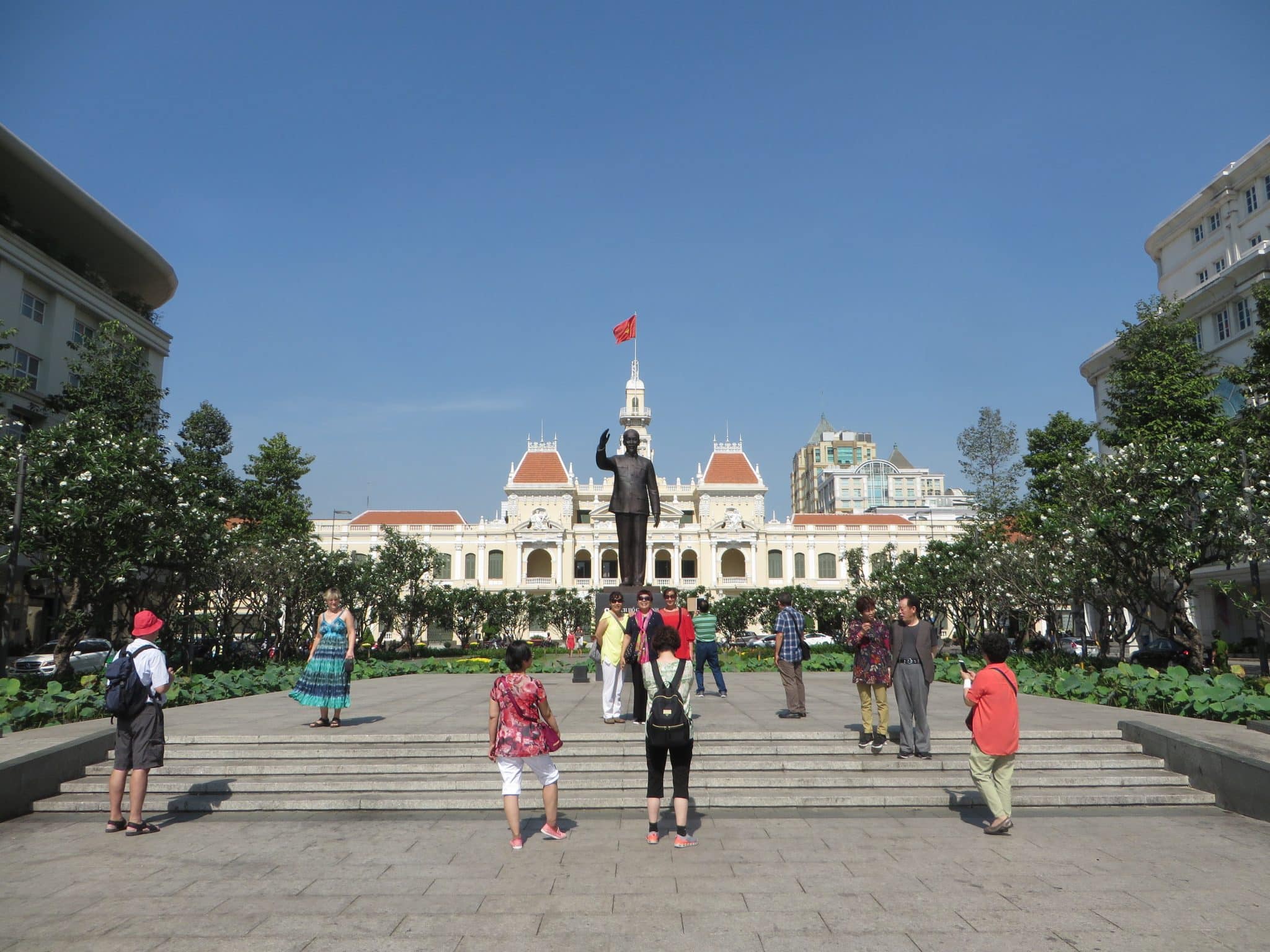
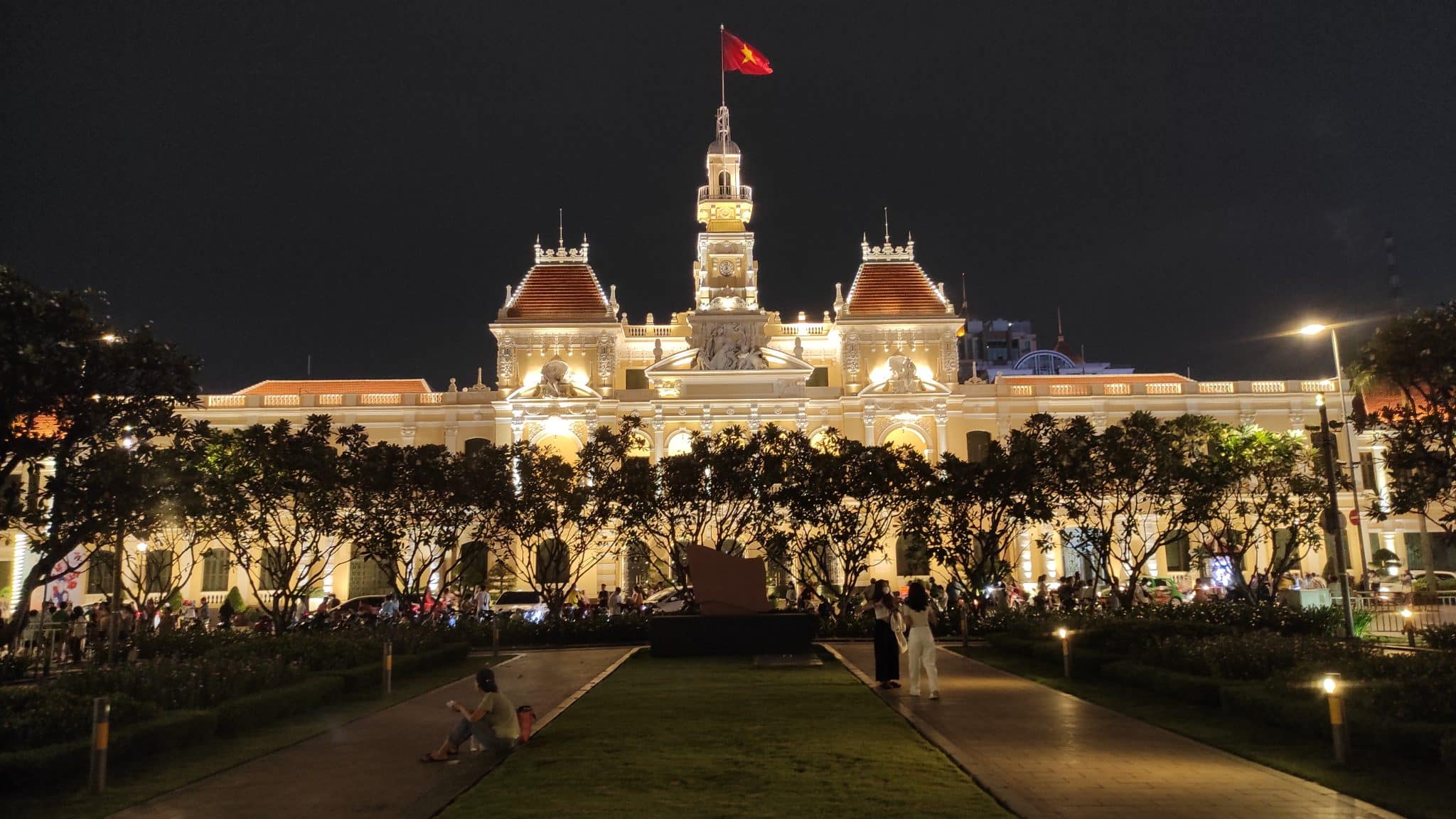
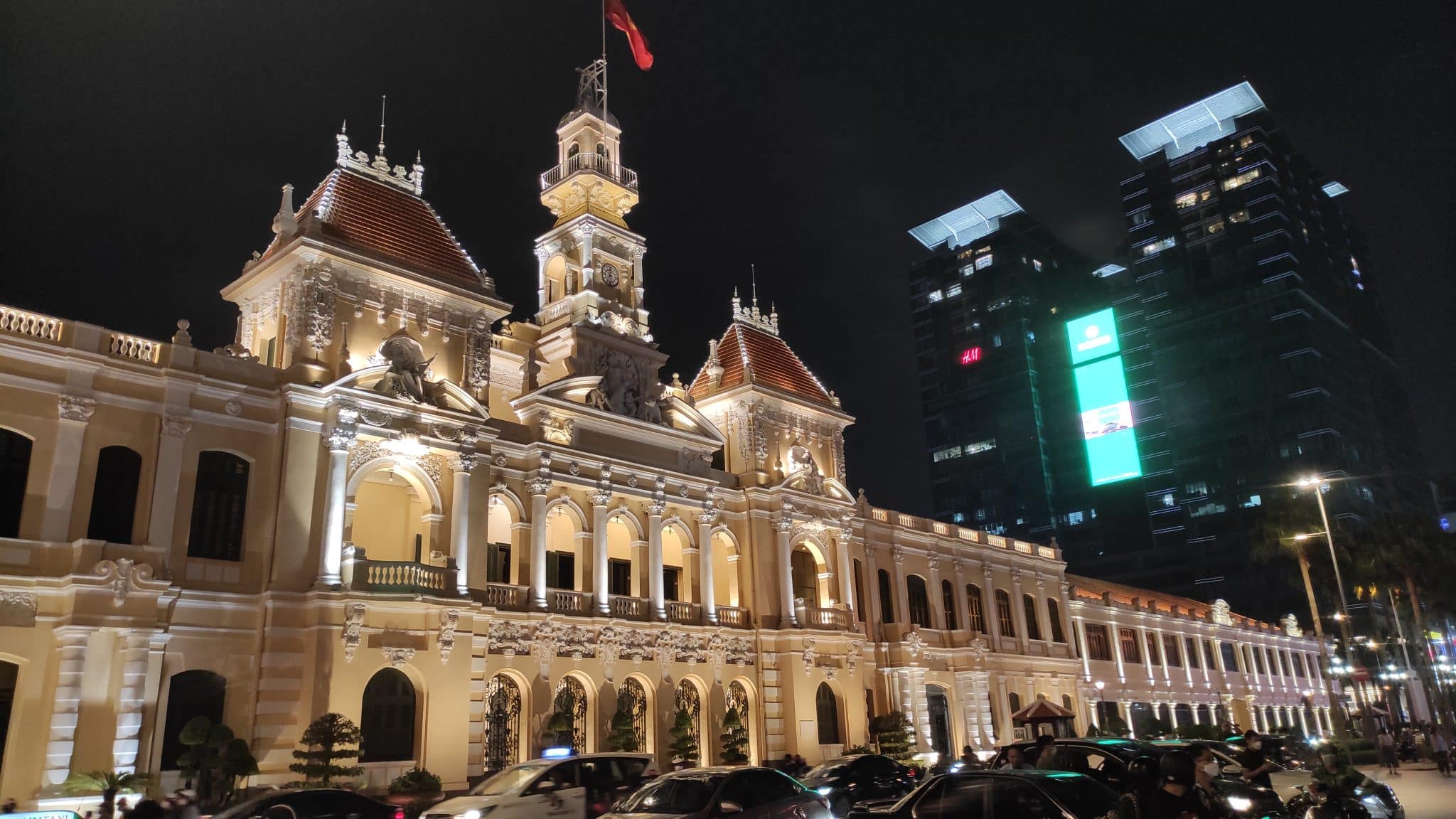
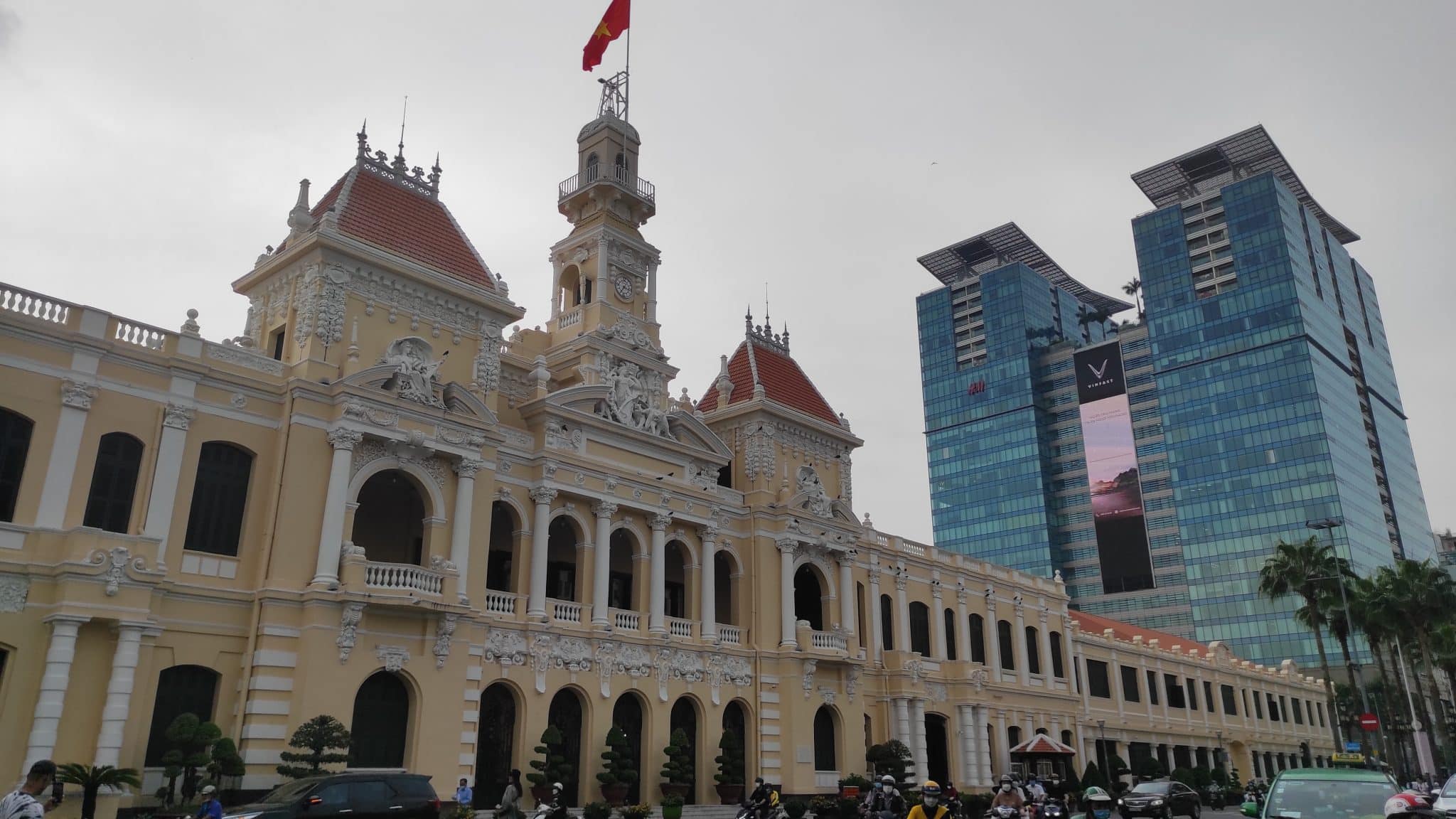
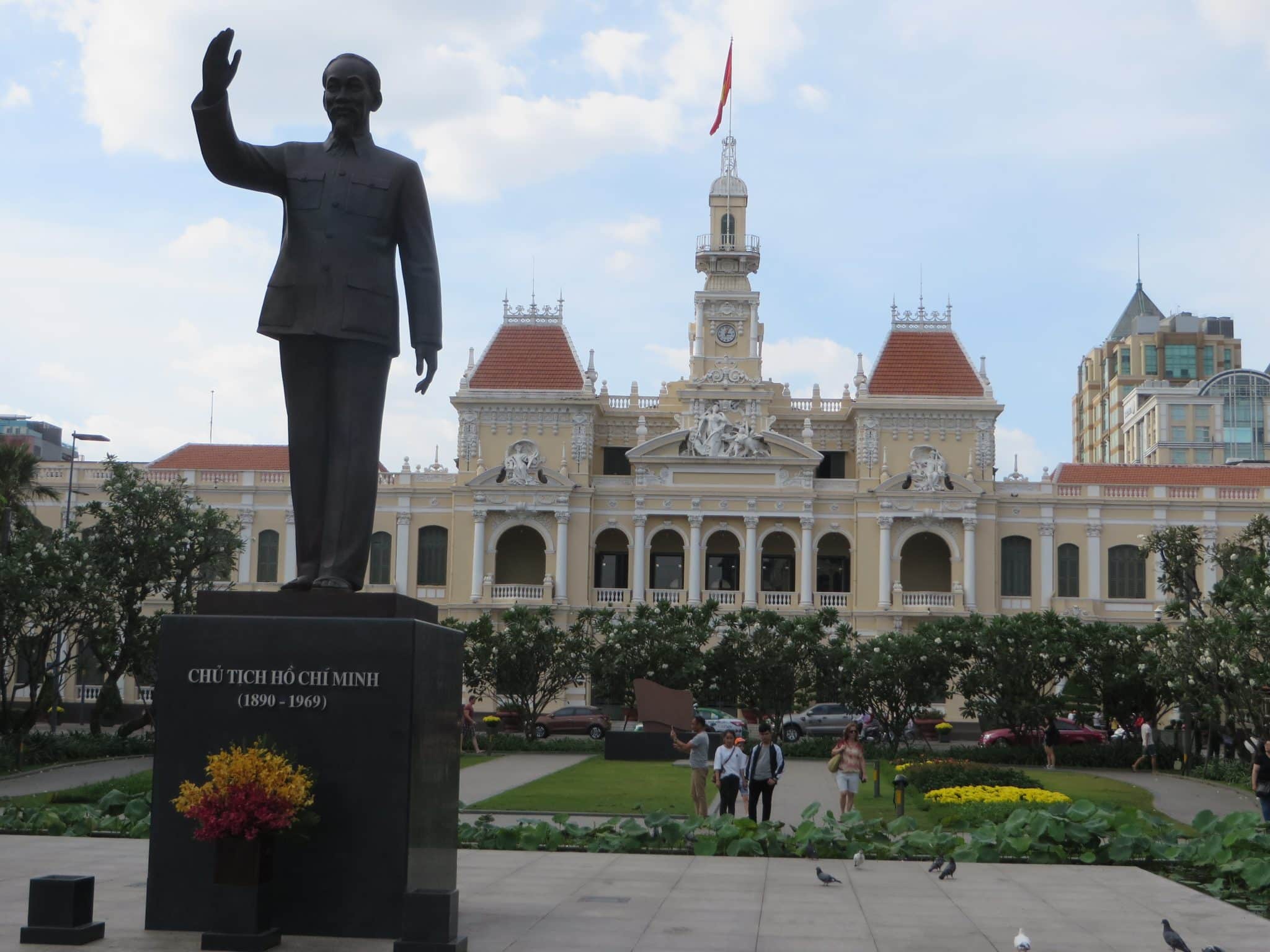
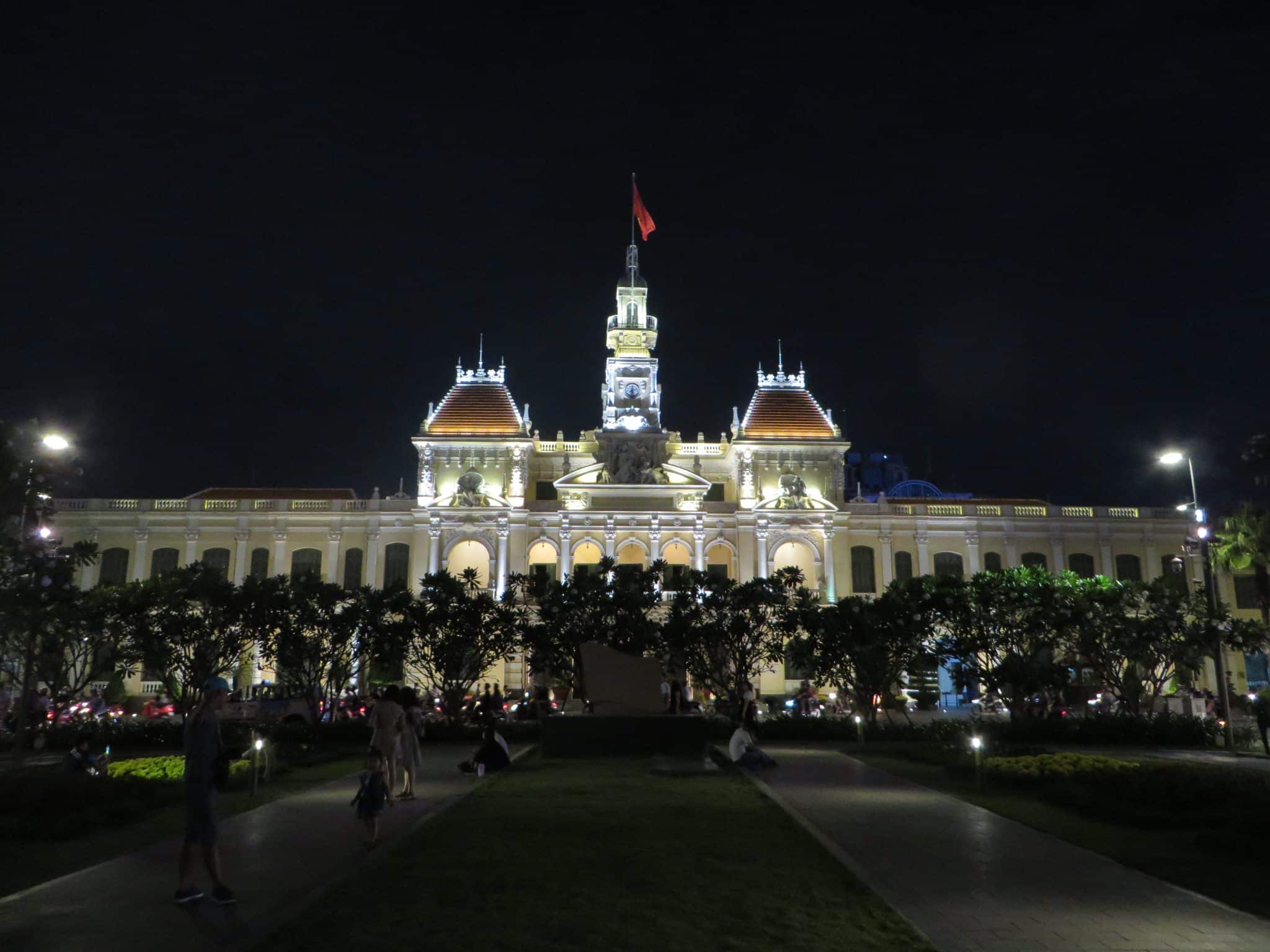
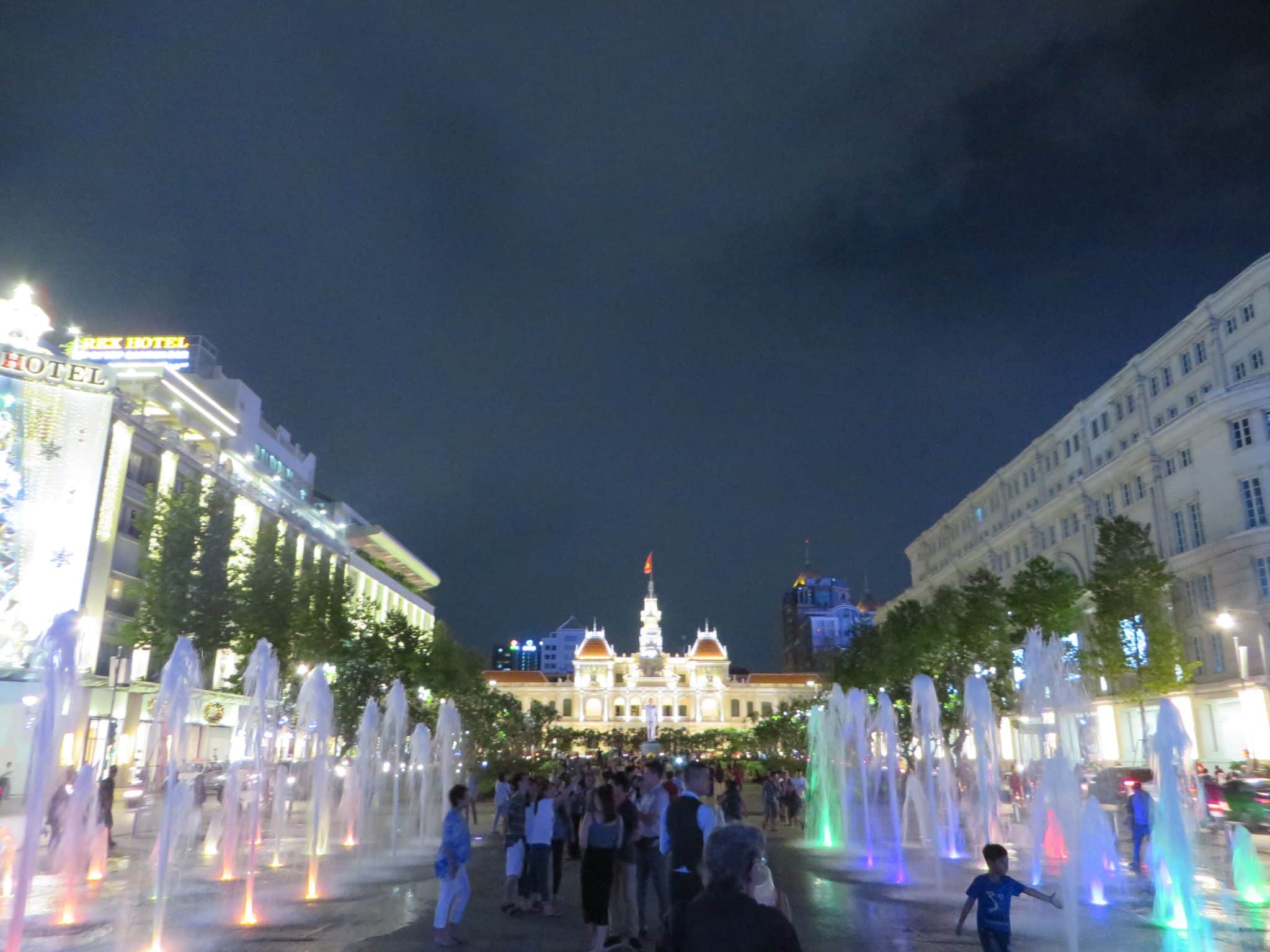
The Ho Chi Minh City Hall, also known as the People’s Committee Building of Ho Chi Minh City, is a prominent administrative and architectural landmark located in the heart of Ho Chi Minh City, Vietnam. The construction and history of this building reflect its significance as a symbol of governance, public administration, and urban development within the city’s socio-political landscape.
Construction and Architecture:
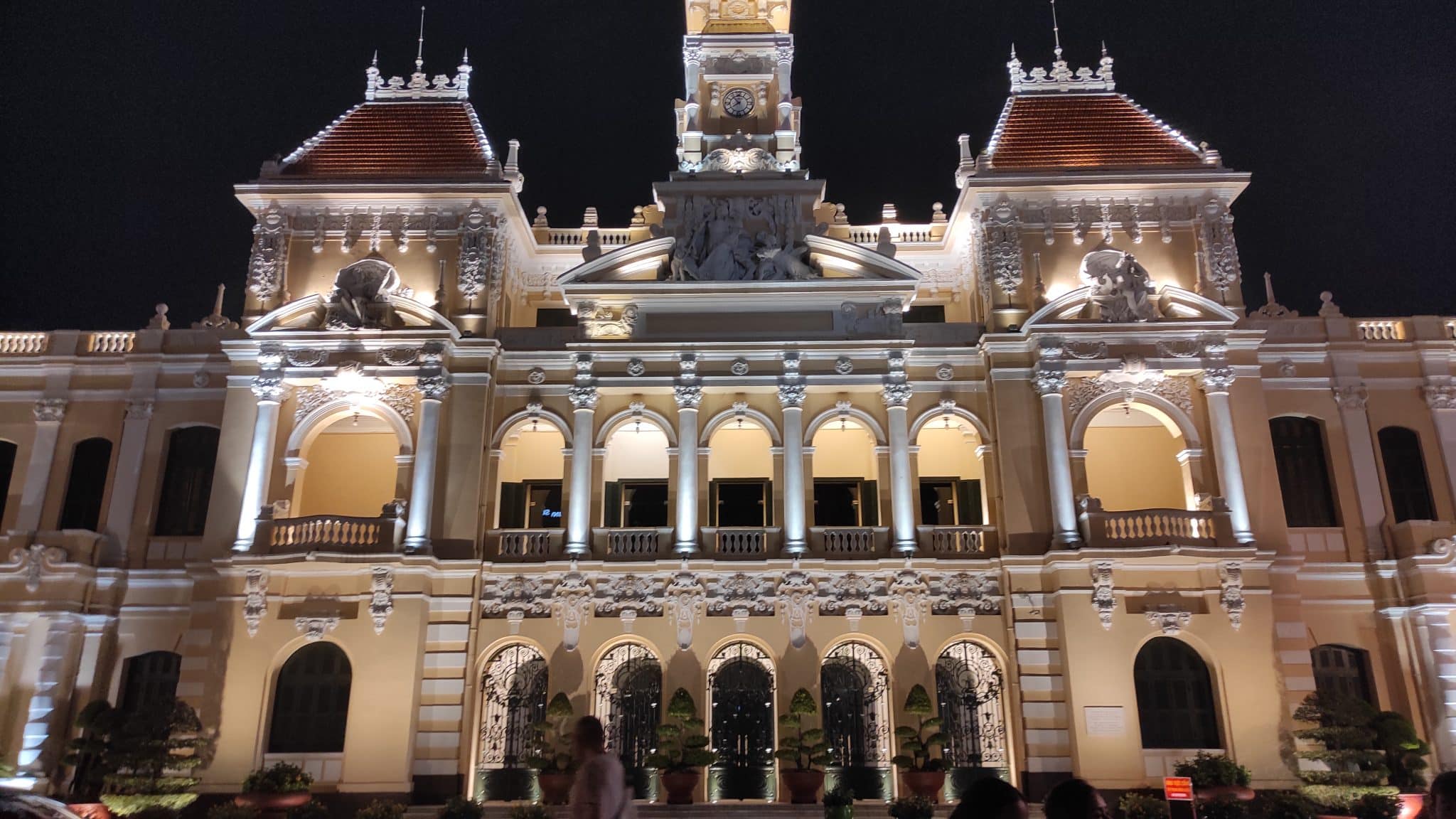
- Architectural Style: The Ho Chi Minh City Hall showcases a blend of French colonial and neoclassical architectural styles, reflecting its historical context and colonial heritage during the French colonial era in Vietnam. The building’s design features symmetrical facades, grand columns, ornate details, and a prominent clock tower that symbolizes its civic importance and architectural prominence within the cityscape.
- Construction Timeline: The construction of the Ho Chi Minh City Hall began during the French colonial period in the late 19th or early 20th century. The building underwent various phases of construction, renovation, and expansion over the years to accommodate the growing administrative needs, functions, and responsibilities of the city’s government and administrative agencies.
- Historical Significance: The Ho Chi Minh City Hall serves as the headquarters for the city’s People’s Committee, the municipal government, and administrative authority responsible for governing Ho Chi Minh City. The building’s historical significance lies in its role as a symbol of governance, public administration, and civic pride that reflects the city’s development, progress, and transformation over time.
- Cultural and Civic Symbol: The Ho Chi Minh City Hall has become a cultural, civic, and architectural symbol representing the city’s identity, heritage, values, and aspirations. The building’s iconic status, historical legacy, and architectural design contribute to its recognition as a landmark, tourist attraction, and symbol of Ho Chi Minh City’s socio-cultural, political, and economic significance within Vietnam and the global community.
- Architectural Features: The building’s architectural features may include a central courtyard, administrative offices, meeting rooms, reception halls, ceremonial spaces, and other facilities designed to accommodate the city’s government officials, staff, visitors, and public events. The interior and exterior design elements, decorative motifs, and artistic details reflect the building’s historical context, cultural heritage, and architectural integrity within the urban fabric of Ho Chi Minh City.