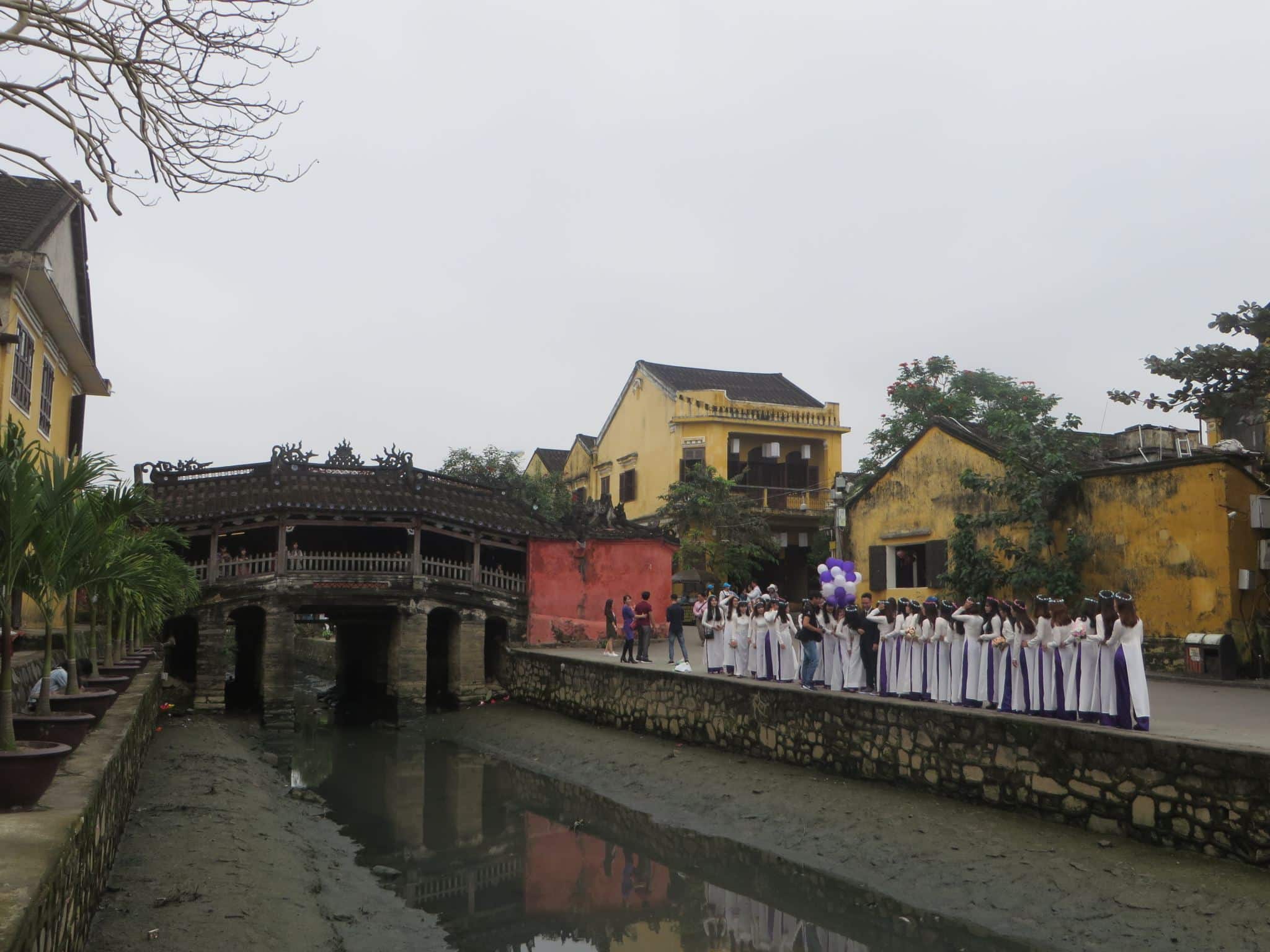
The Japanese Covered Bridge (Chùa Cầu) – Hoi An
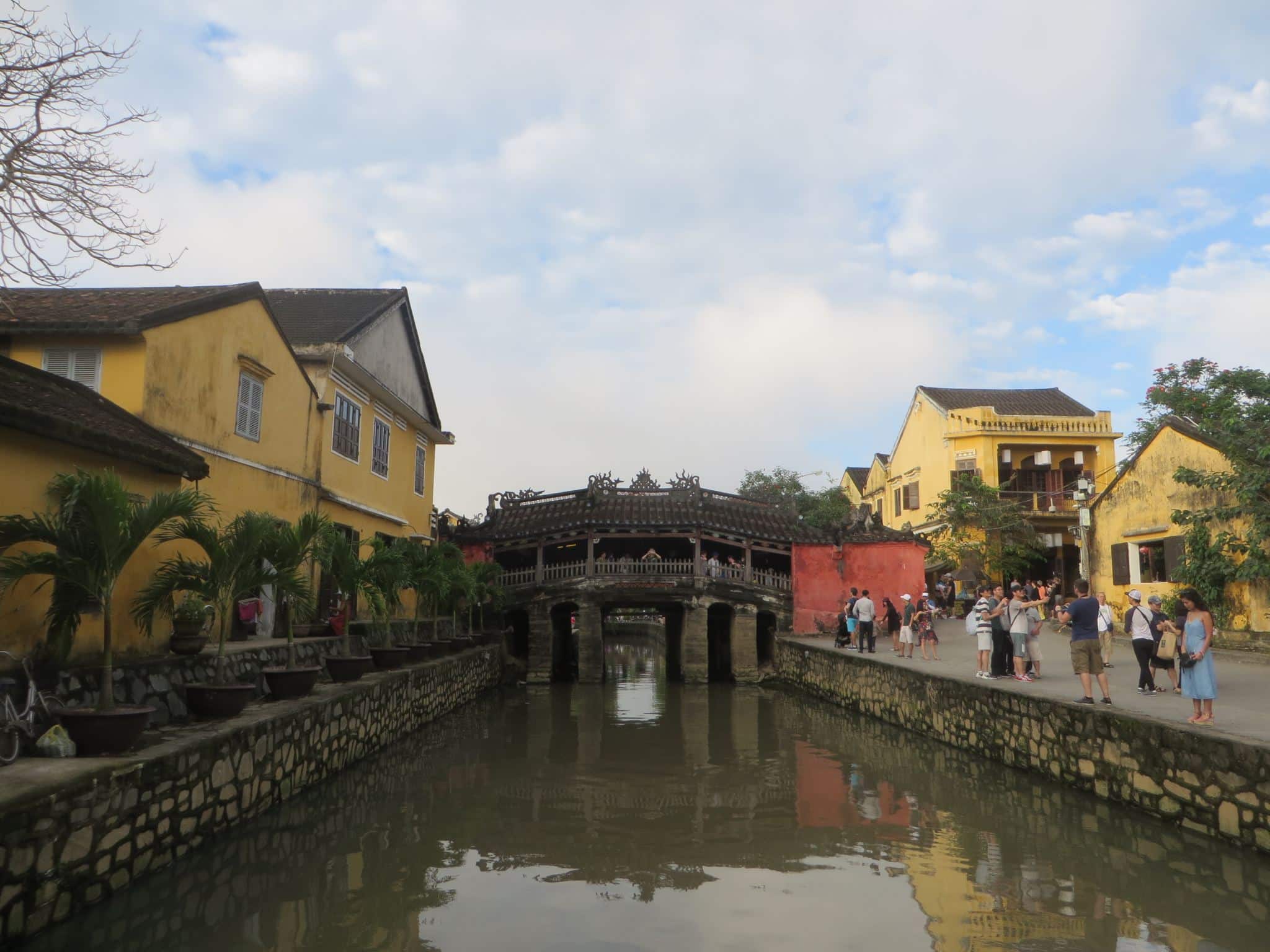
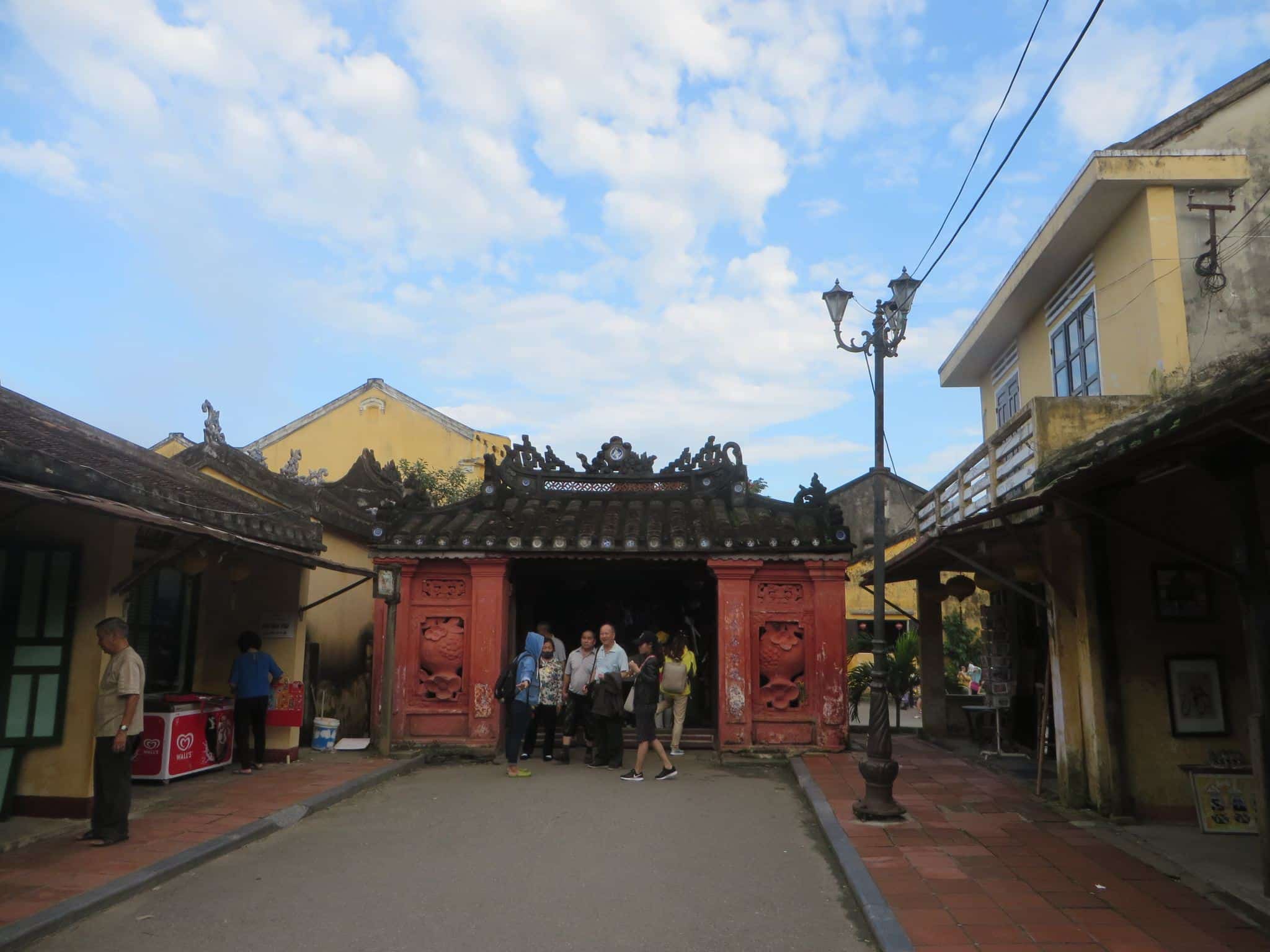
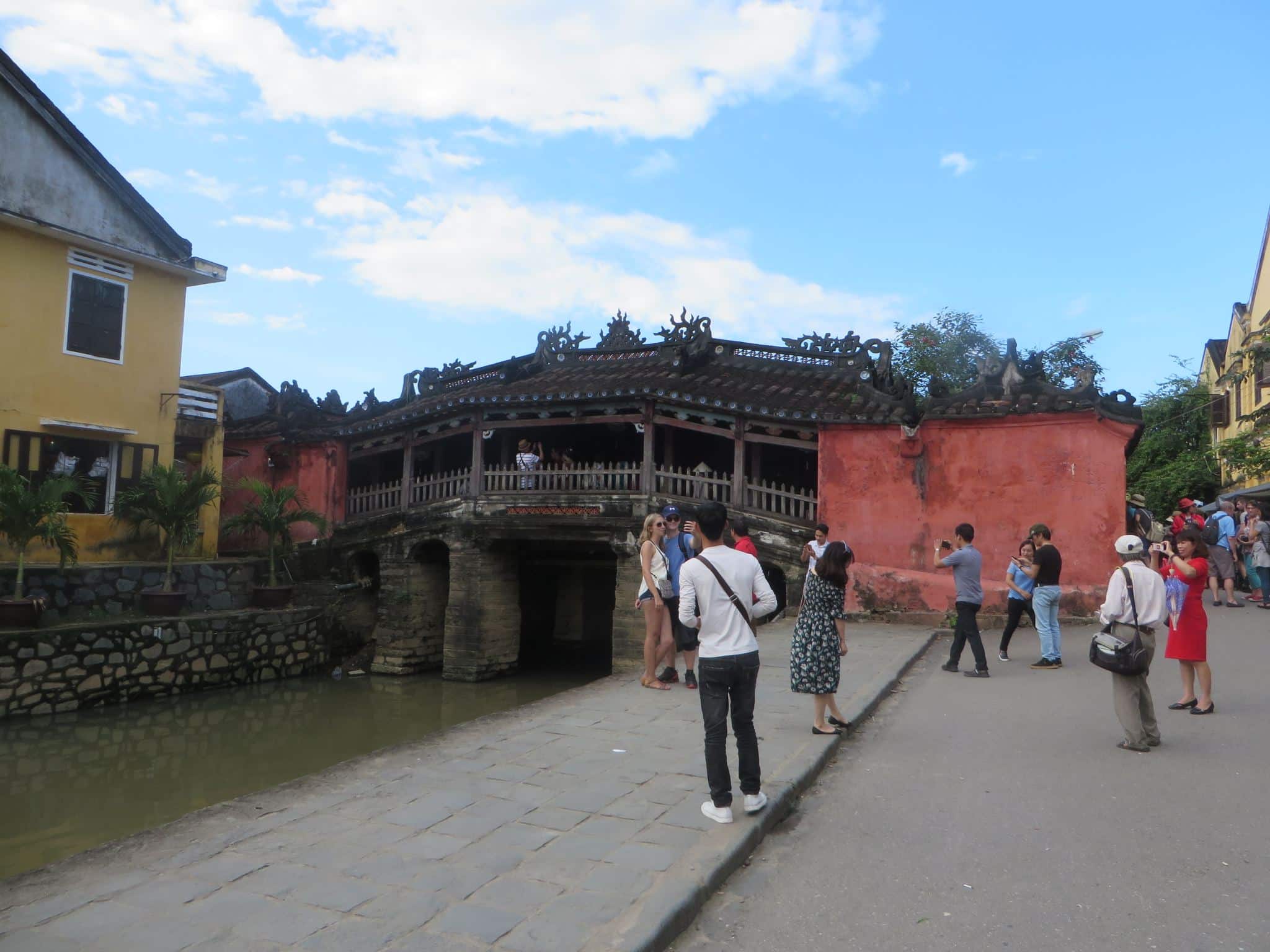
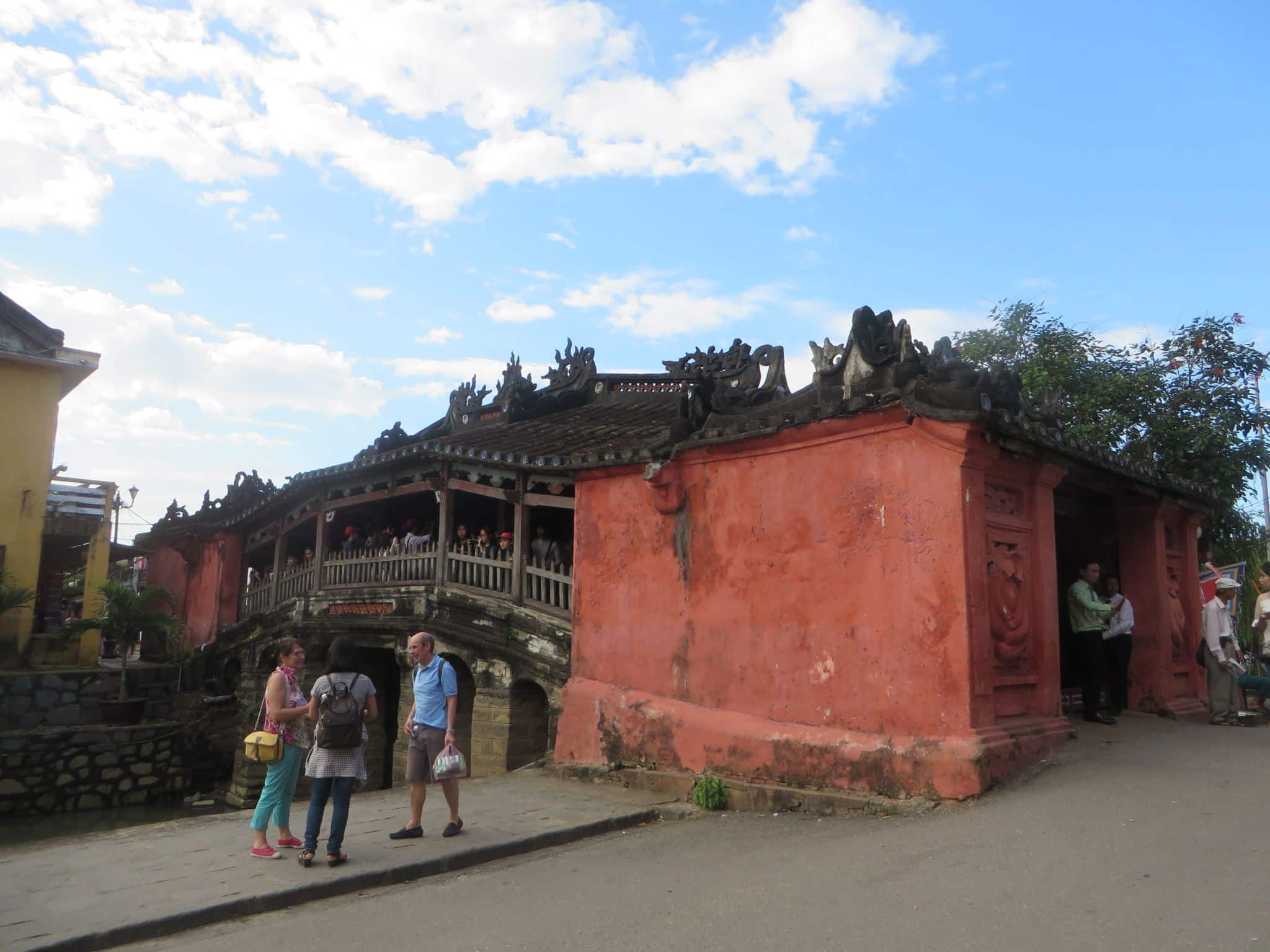
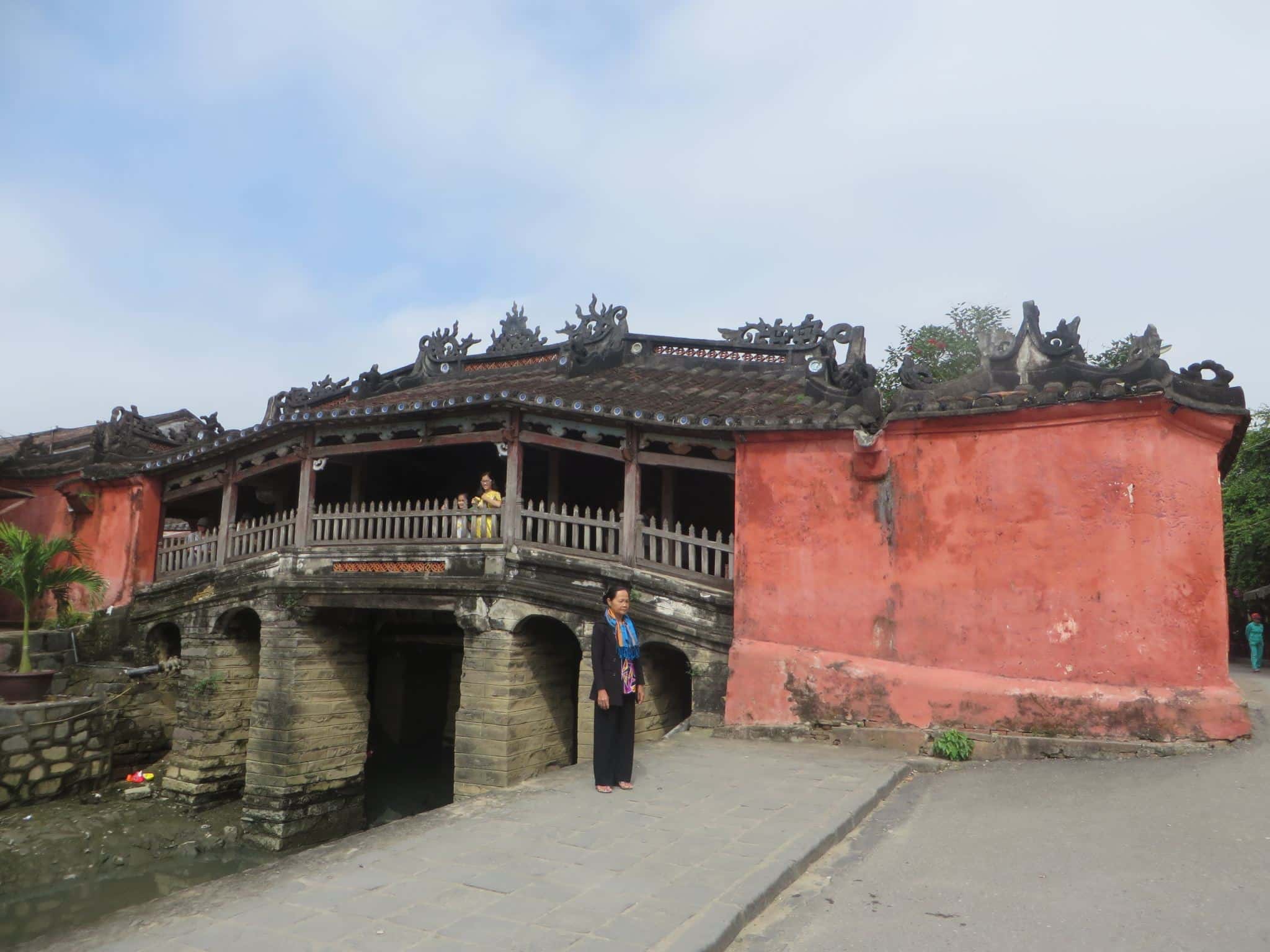
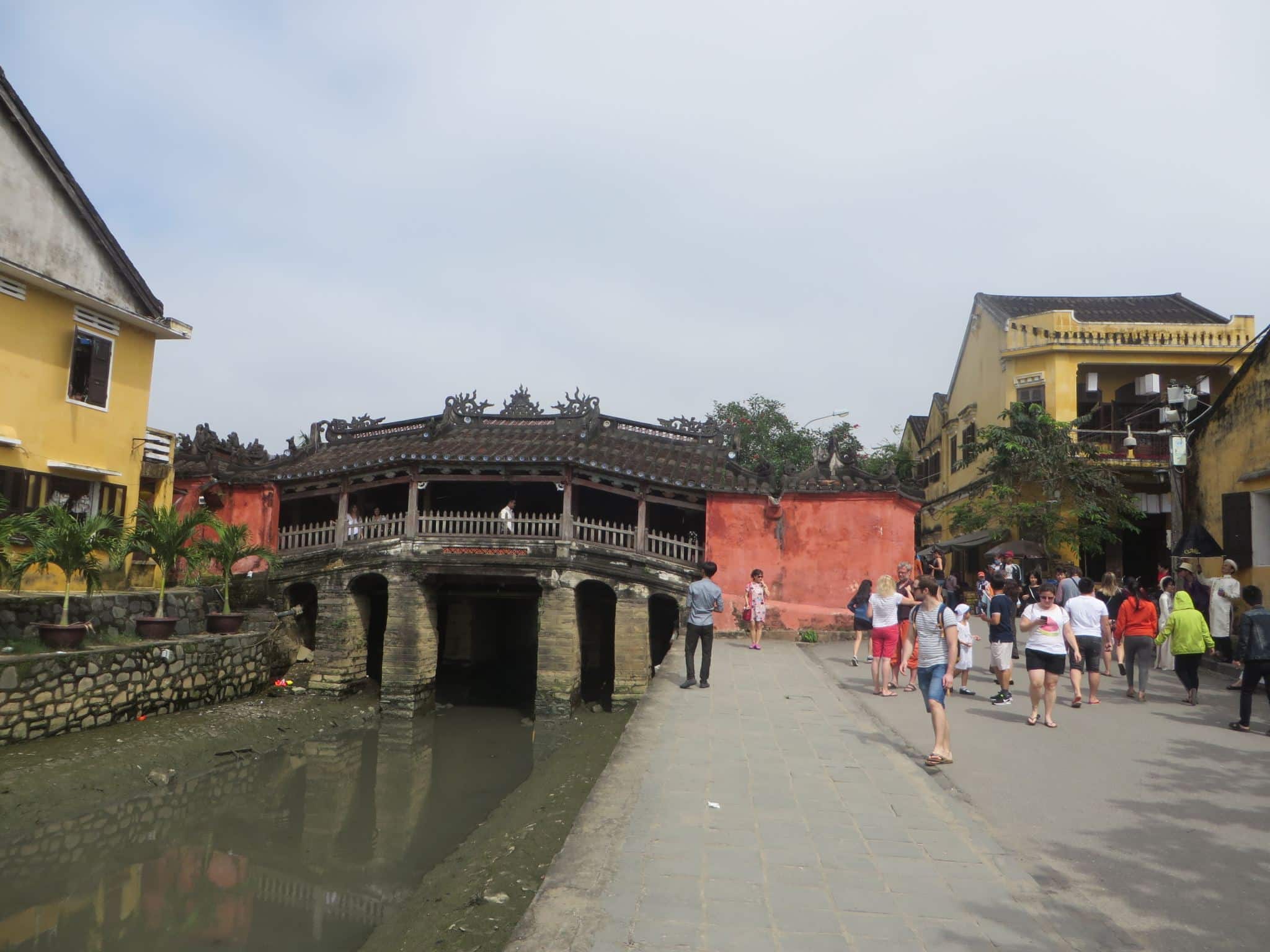
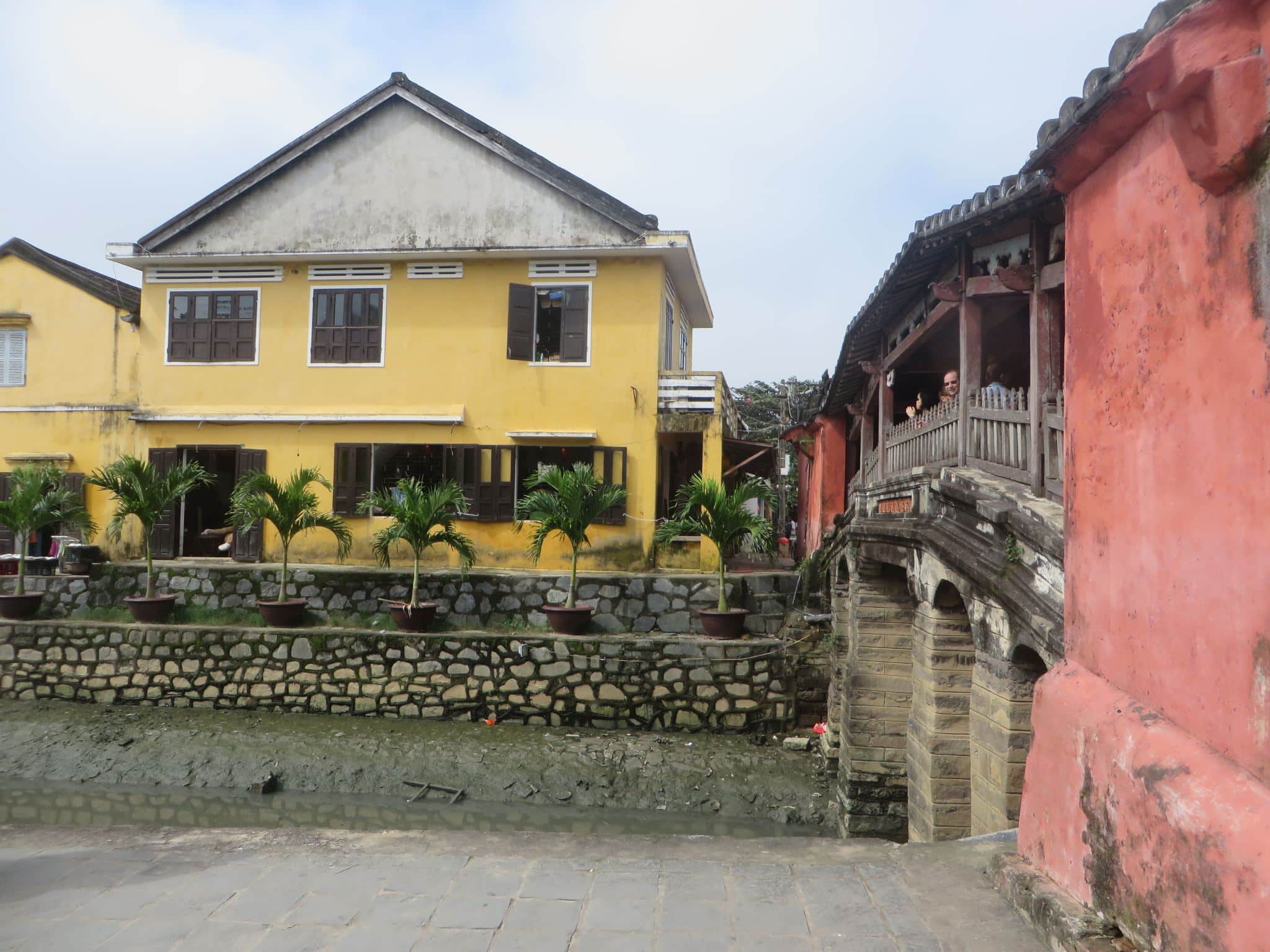
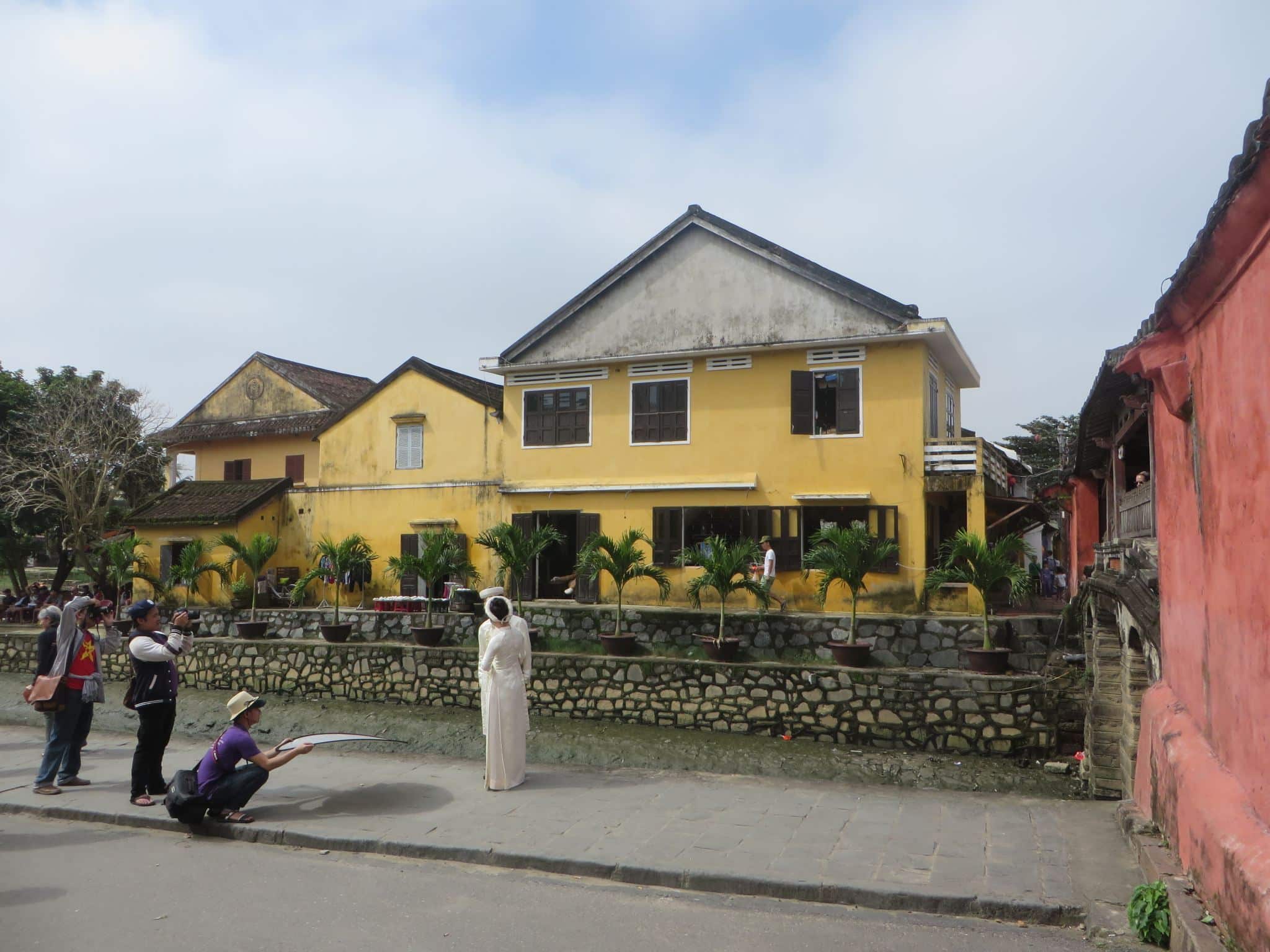
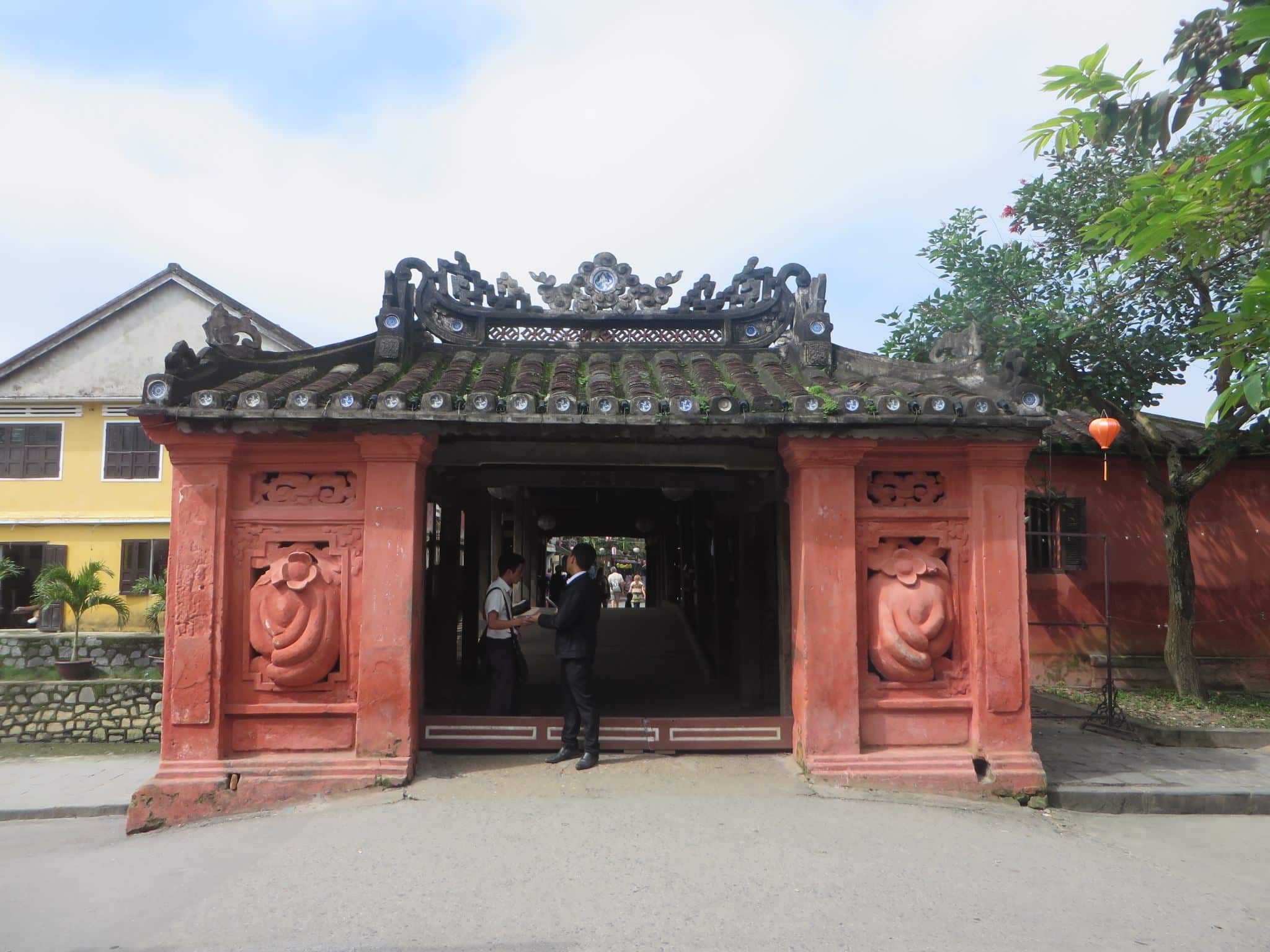
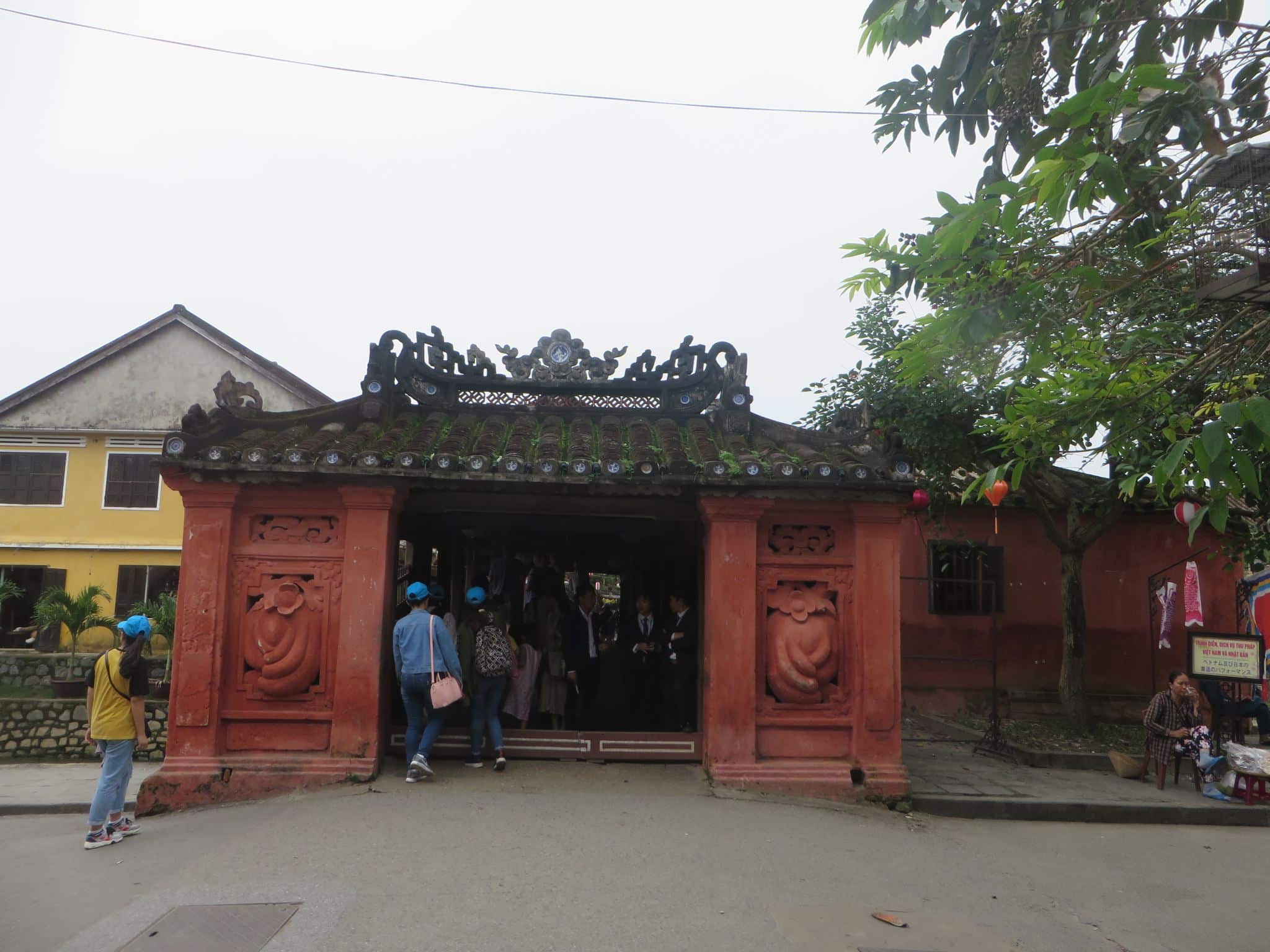
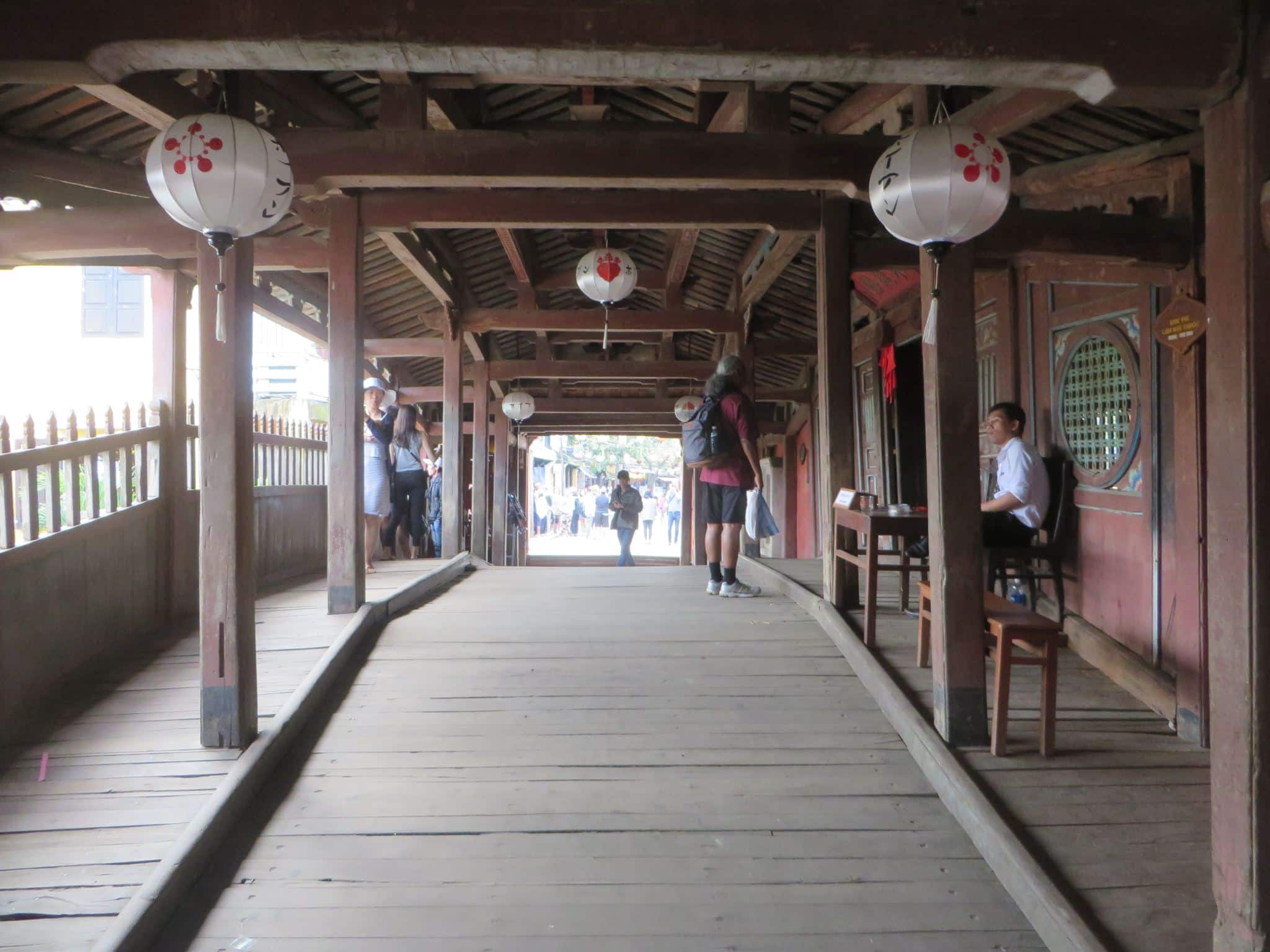
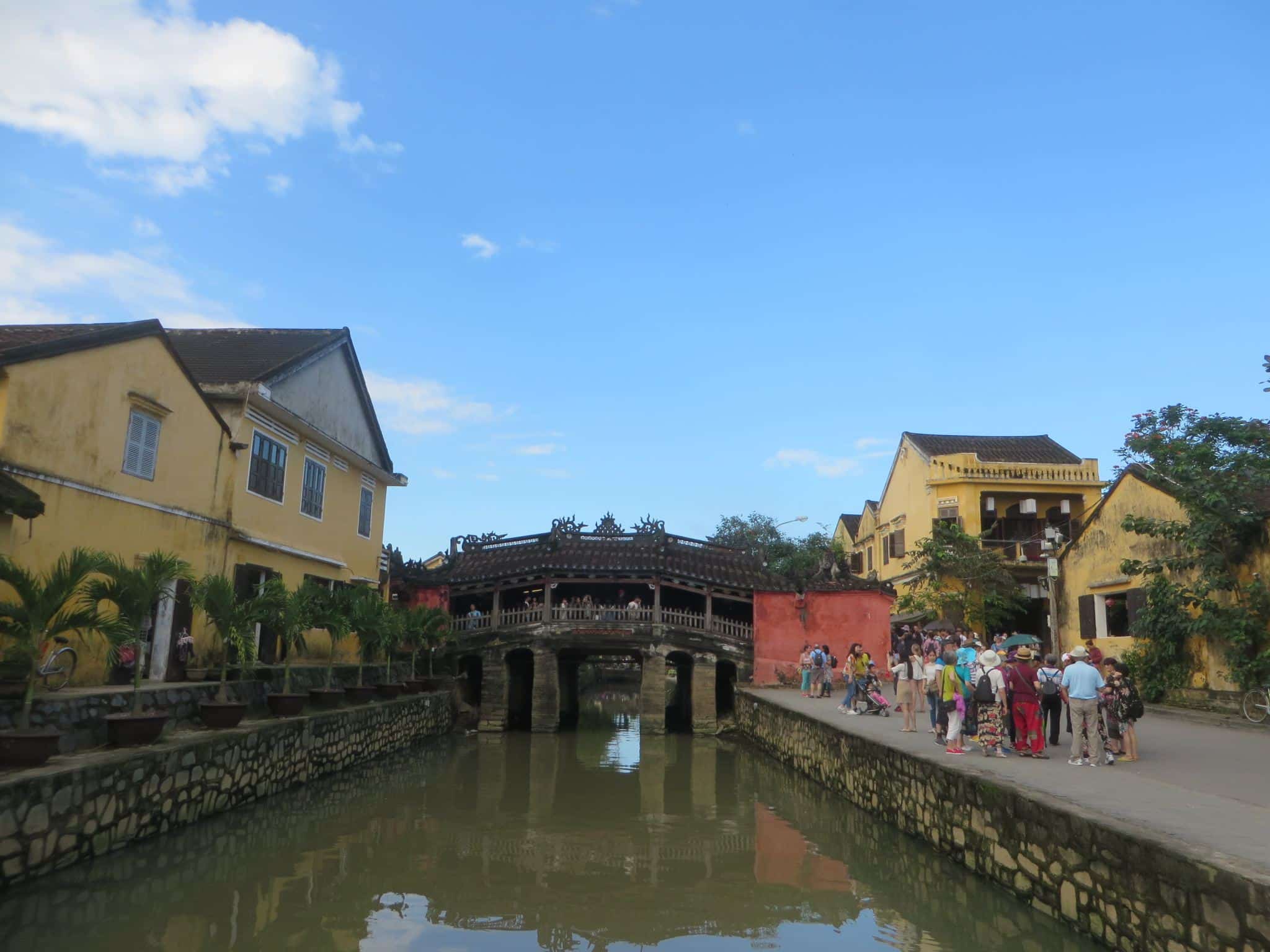
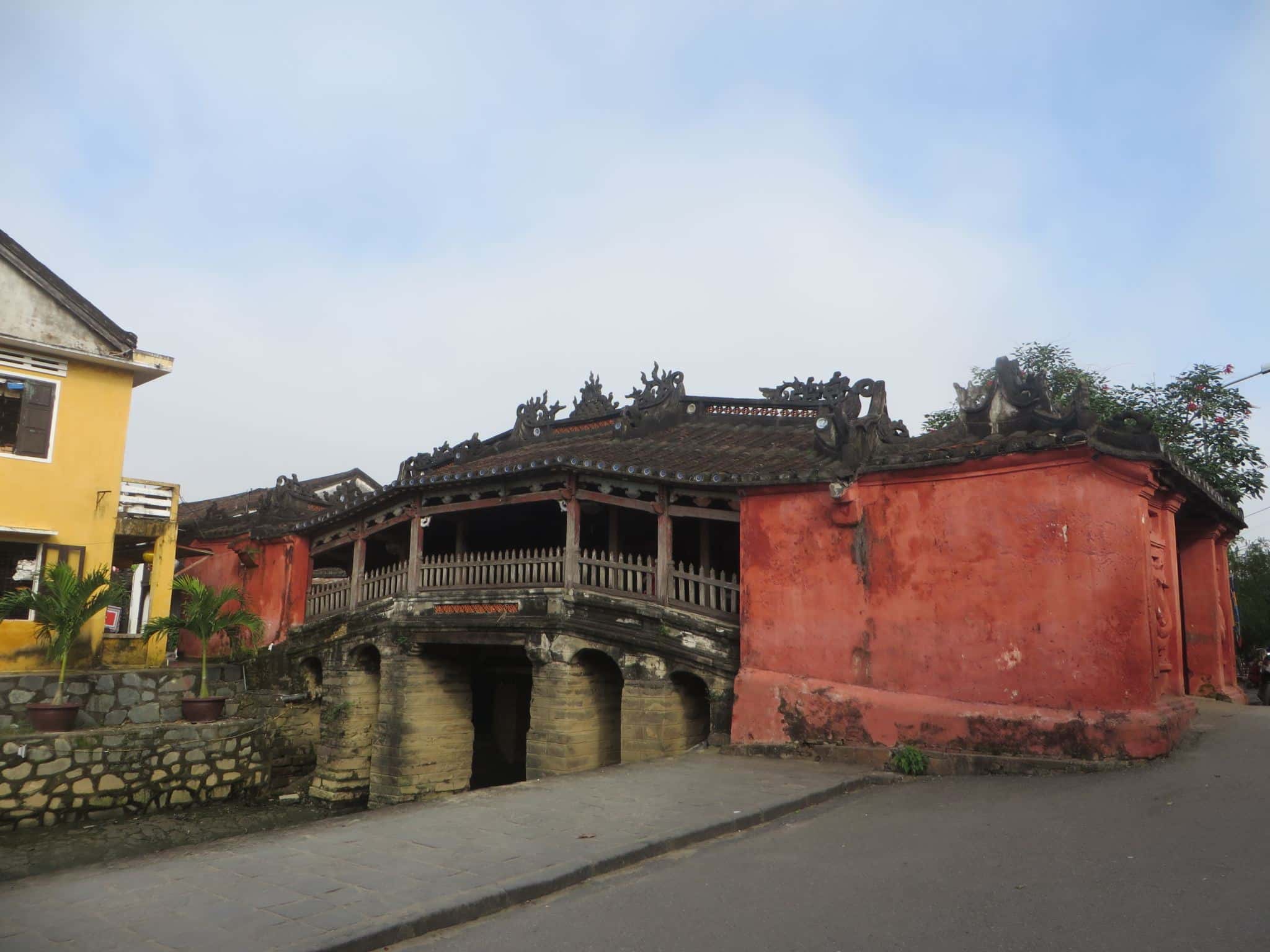
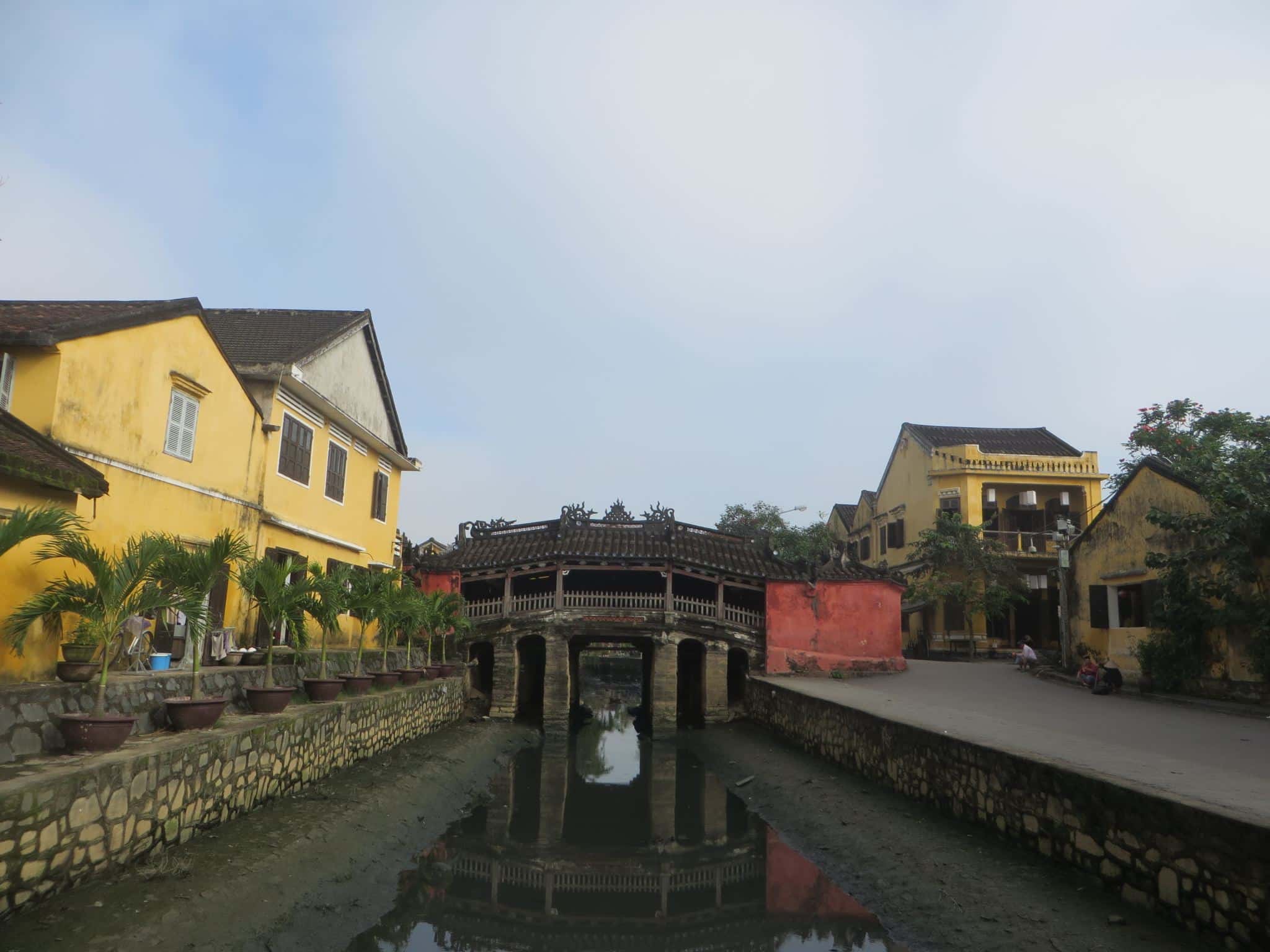
The Japanese Covered Bridge, also known as the Cầu Chùa (Chùa Cầu) or Lai Vien Kieu, is a renowned historical landmark in Hội An, Vietnam. This bridge is not exactly a temple but rather a unique architectural structure that holds significant cultural and historical importance. Here’s an overview:
Historical Background:
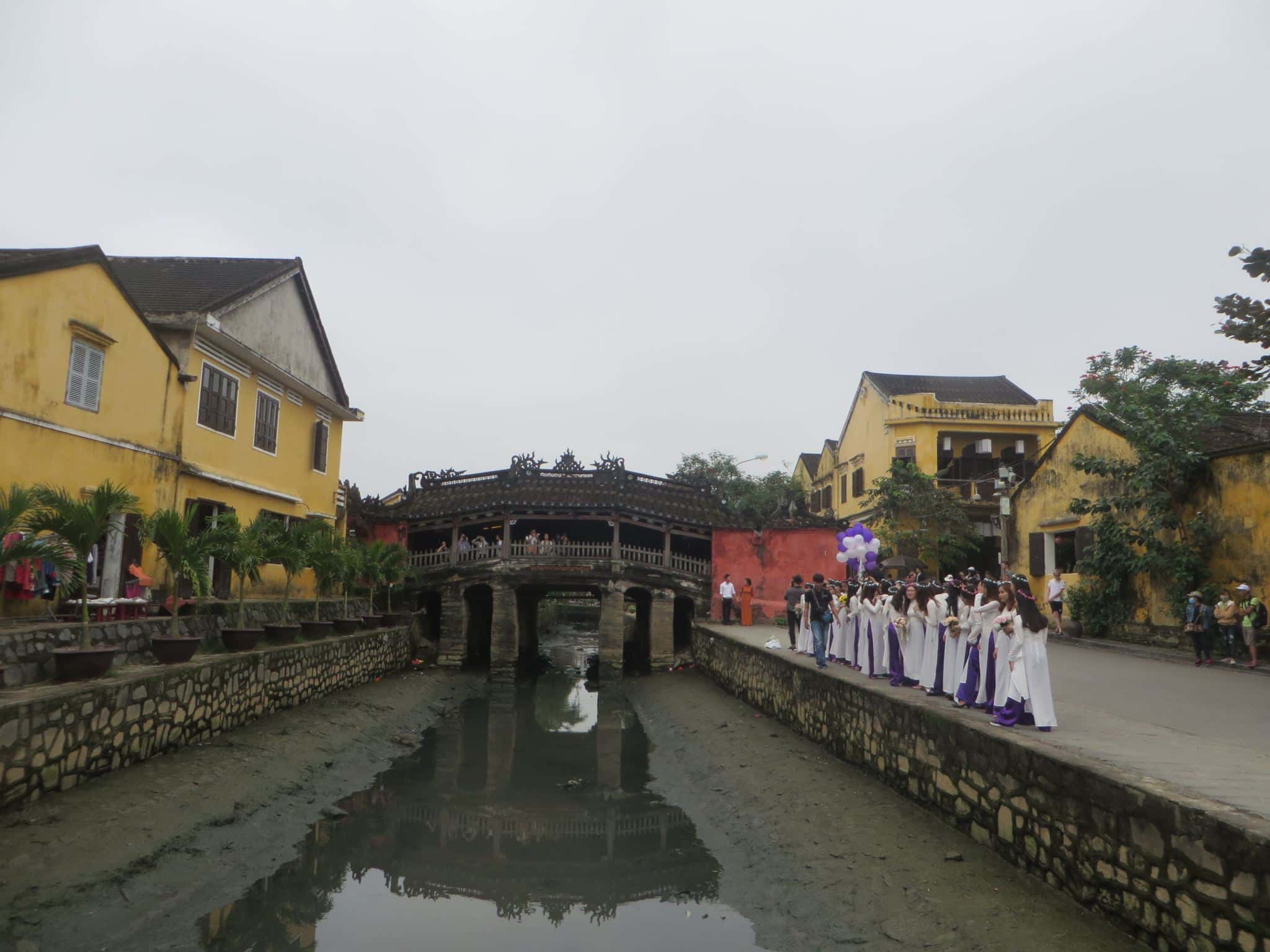
- Origins: The Japanese Covered Bridge was constructed in the 16th or 17th century, with some historical accounts suggesting it was built by the Japanese community in Hội An to connect the Japanese quarter with the Chinese quarters. The bridge served as a symbol of unity between the two communities and facilitated trade and cultural exchanges during the town’s prosperous trading era.
- Symbolism: The bridge is renowned for its architectural significance and symbolic representation of cultural integration, cooperation, and harmony among different communities. The structure combines Japanese and Vietnamese architectural elements, reflecting the town’s multicultural heritage and historical connections with neighboring countries.
Architectural Features:
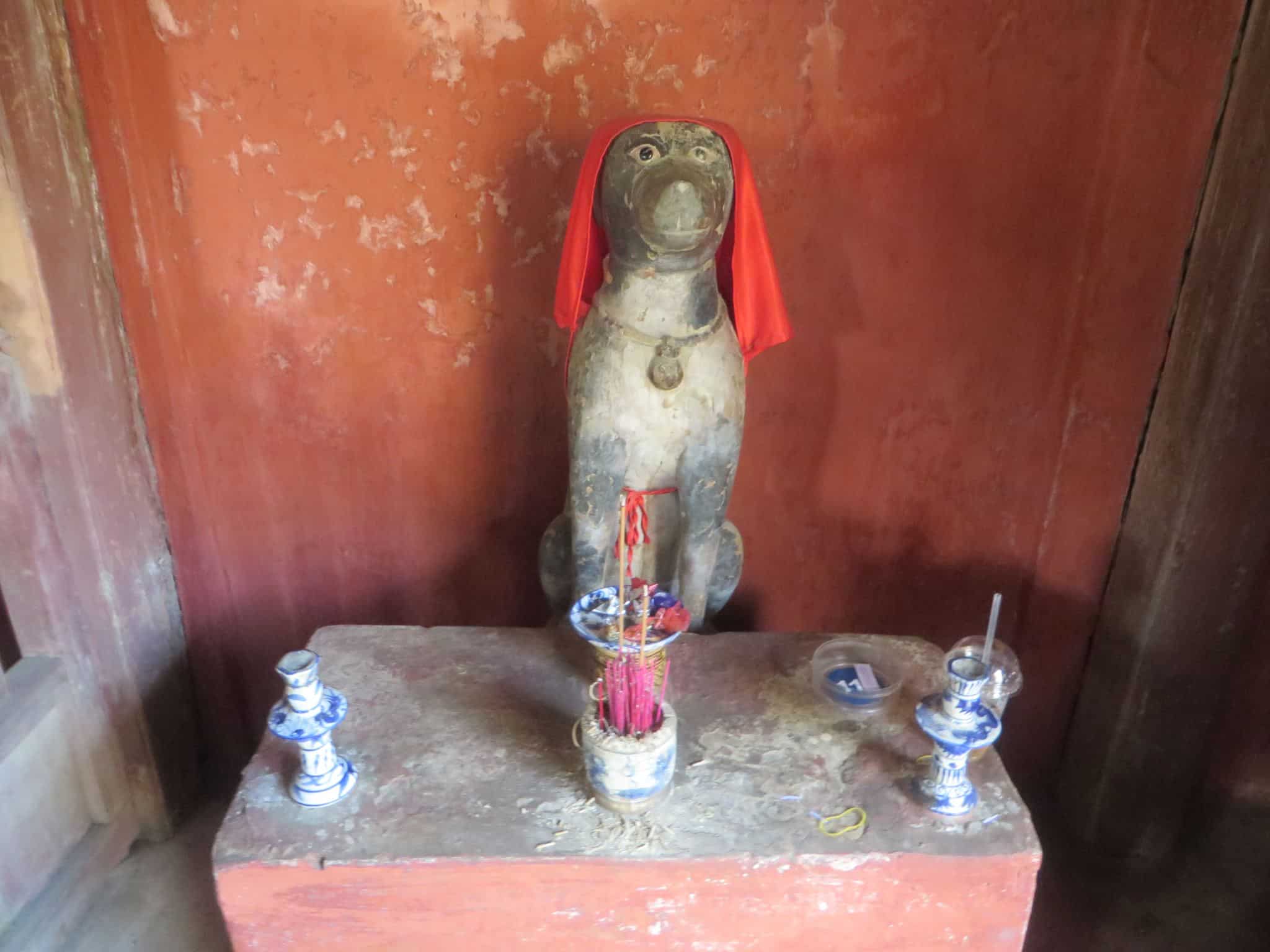
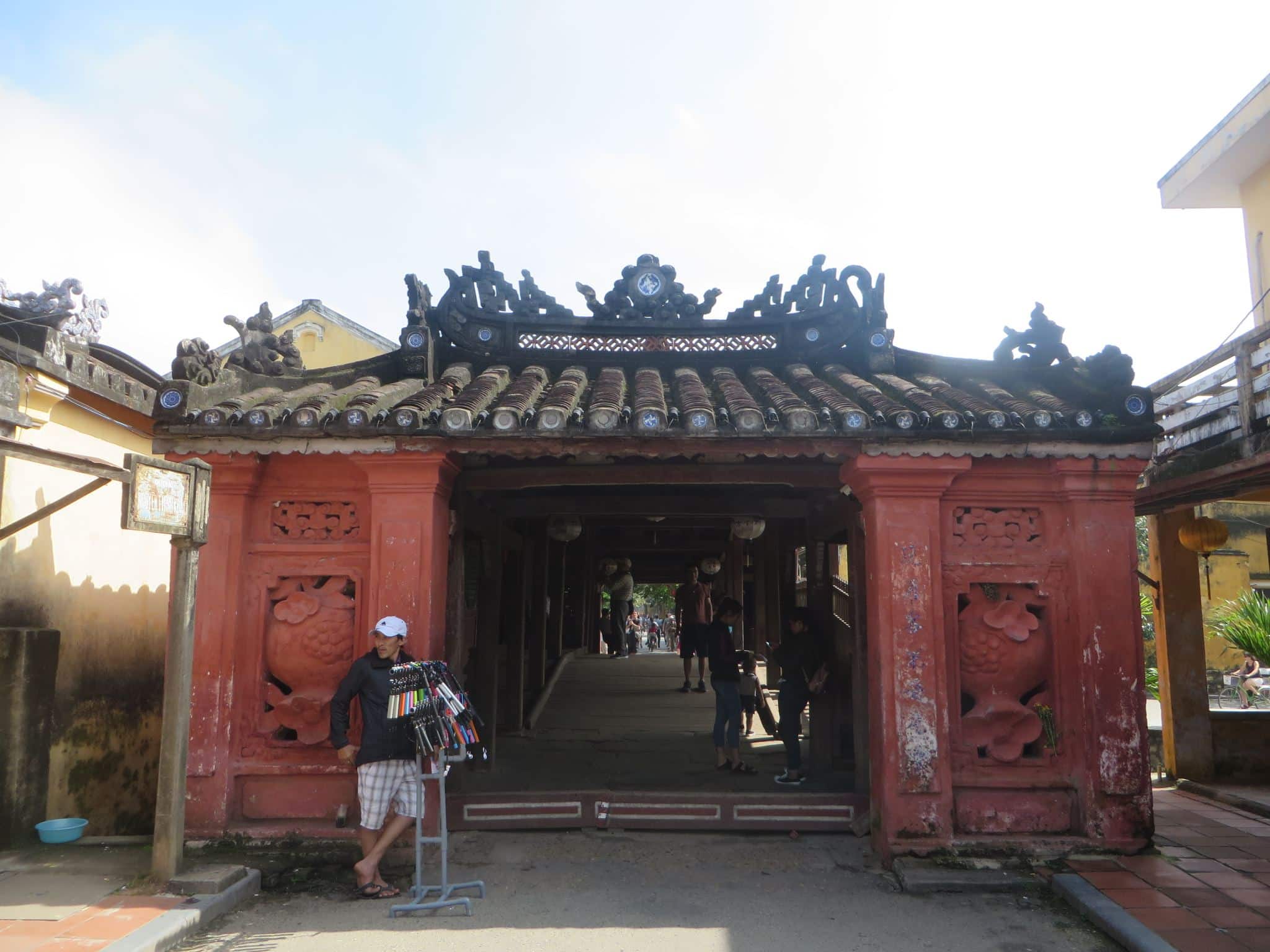
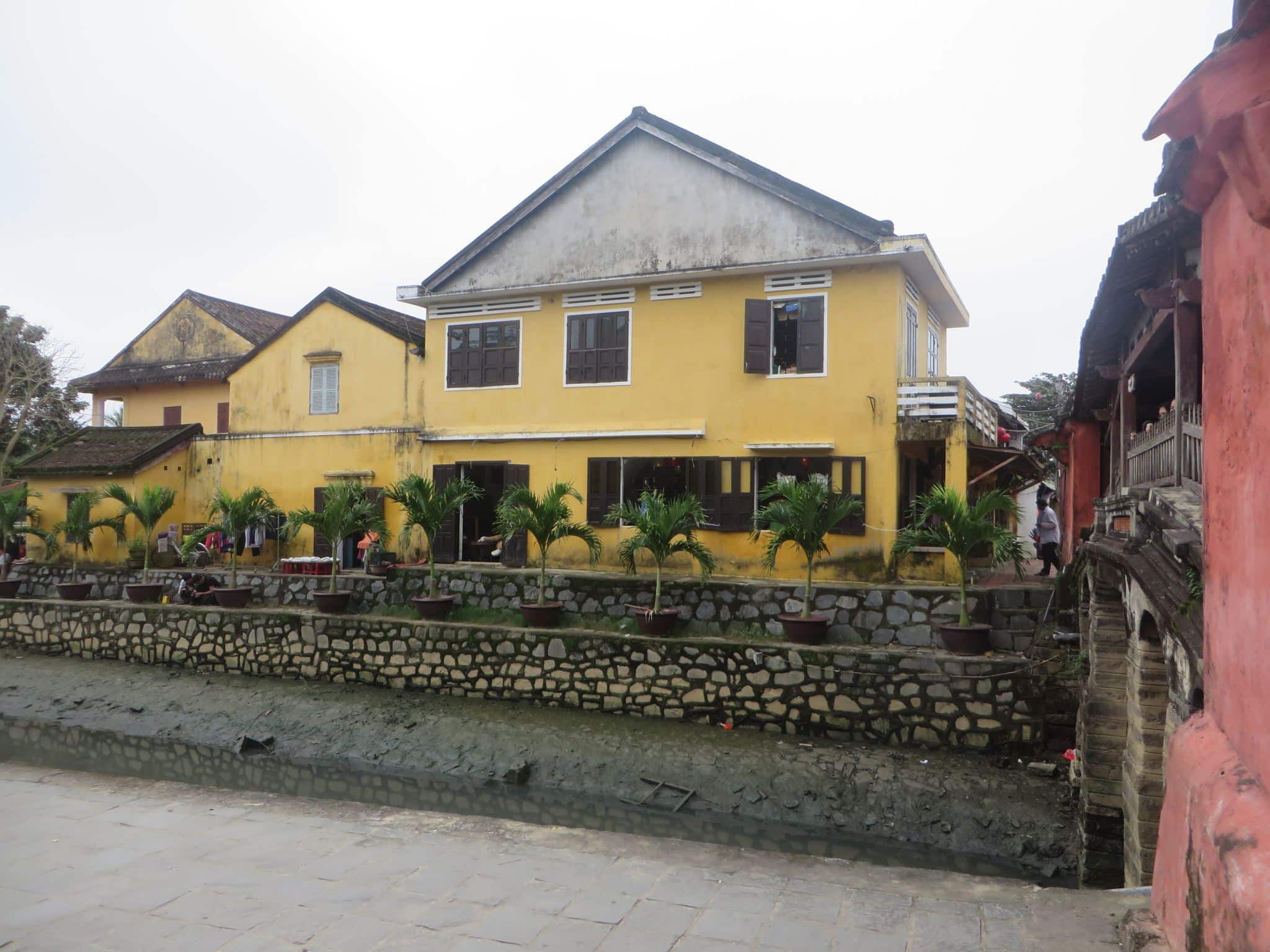
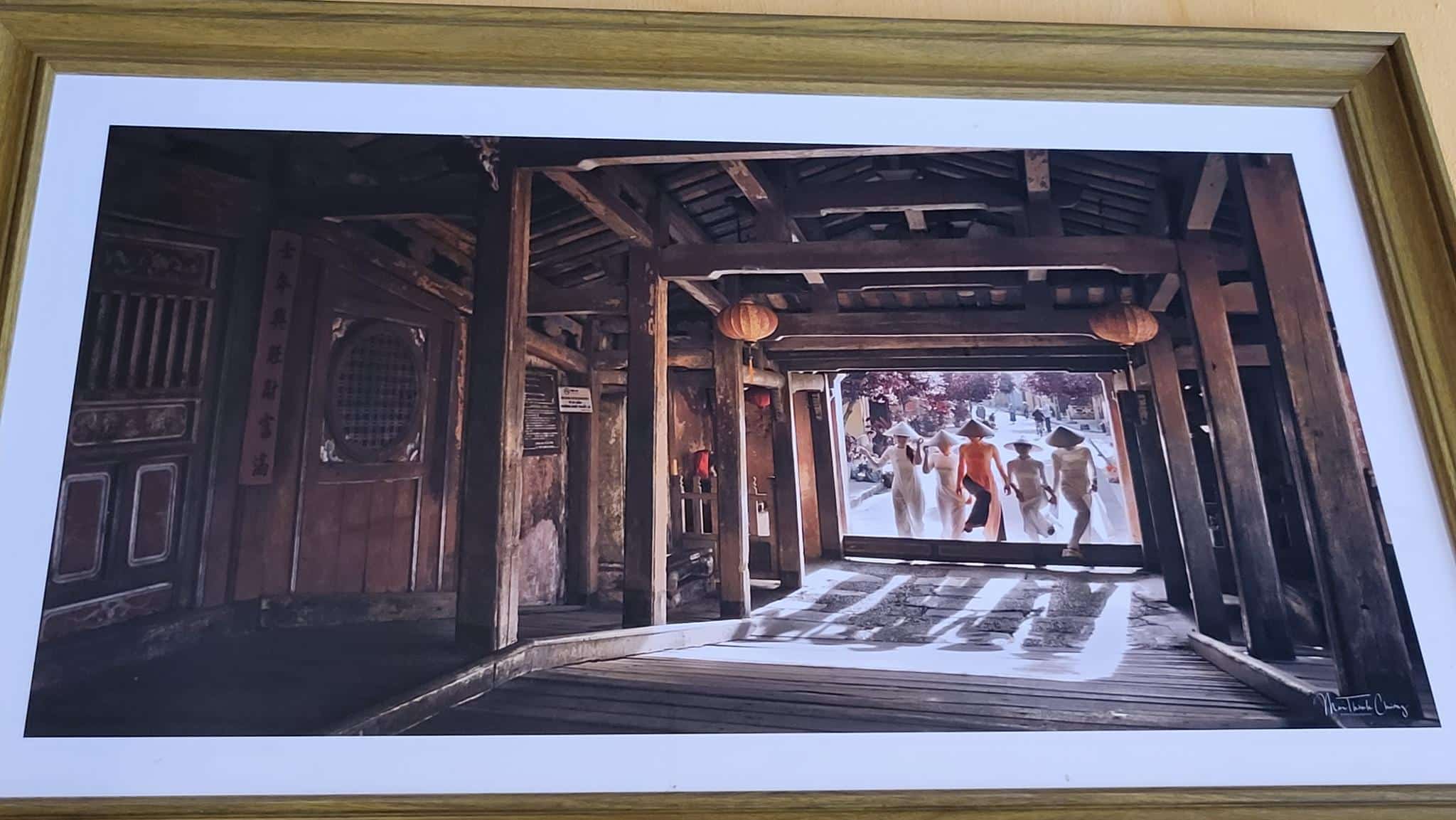
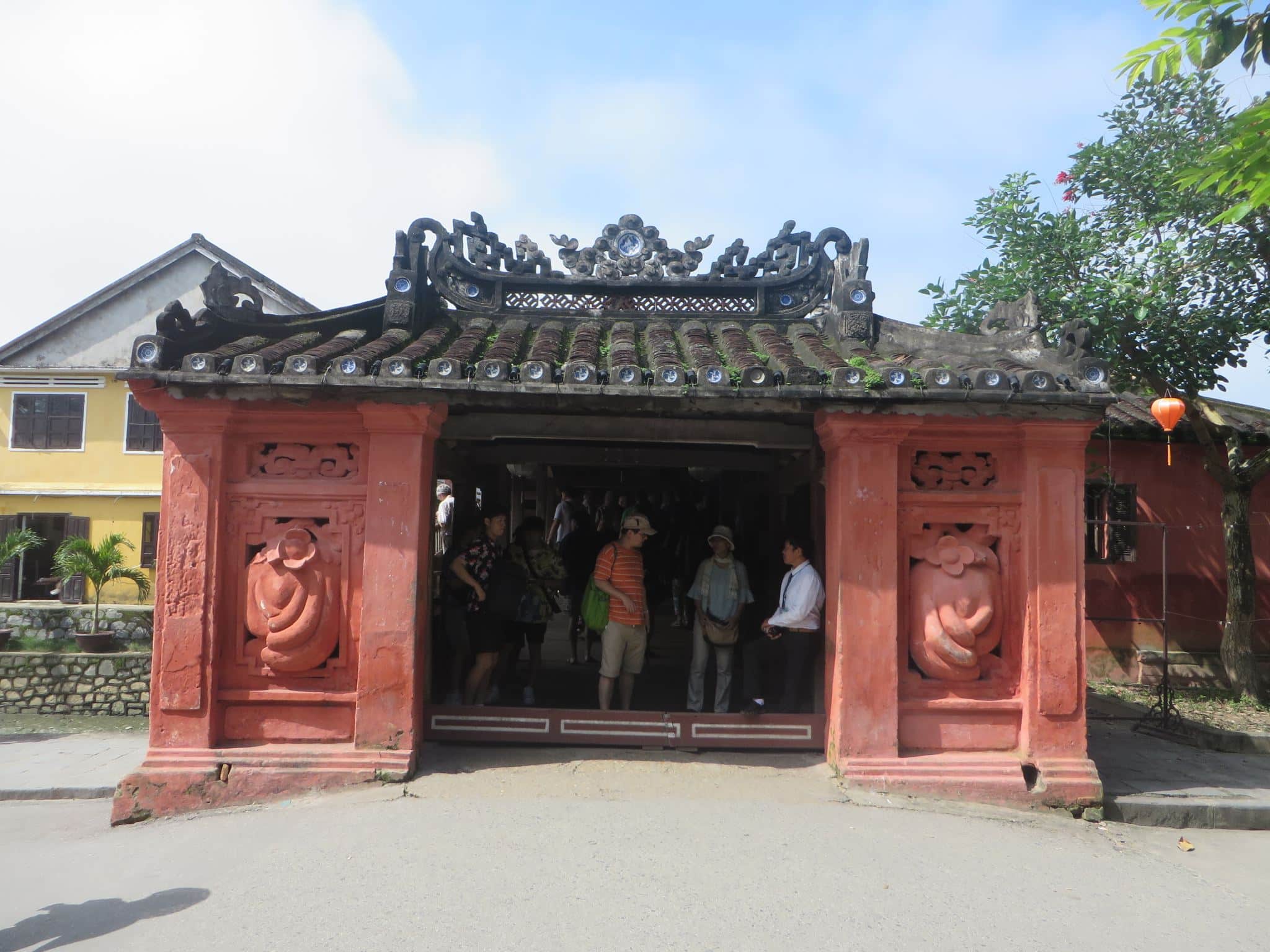
- Design and Structure: The Japanese Covered Bridge is characterized by its unique roofed structure, intricate wooden carvings, ornate decorations, and symbolic features, such as statues of dogs and monkeys at opposite ends of the bridge, representing the years of construction and completion according to the Chinese zodiac.
- Cultural Significance: The bridge’s design and decorations incorporate various cultural and religious symbols, motifs, and elements that reflect both Japanese and Vietnamese artistic traditions, beliefs, and aesthetics. Visitors can admire the bridge’s craftsmanship, design, and historical significance while exploring Hội An’s UNESCO World Heritage-listed Ancient Town.
Tourism and Accessibility:
- Tourist Attraction: The Japanese Covered Bridge is a popular tourist destination in Hội An, attracting visitors from around the world who come to admire its architectural beauty, historical significance, and cultural symbolism. The bridge offers panoramic views of the Thu Bồn River, surrounding landscapes, and Hội An’s Ancient Town, making it a must-visit destination for travelers exploring the city’s rich heritage.
- Accessibility: Located within Hội An’s Ancient Town, the Japanese Covered Bridge is easily accessible by foot from various accommodations, restaurants, attractions, and landmarks. Visitors can explore the bridge, take photographs, learn about its history, and appreciate its cultural and architectural significance while experiencing the vibrant atmosphere of Hội An’s UNESCO World Heritage-listed Ancient Town.
In summary, the Japanese Covered Bridge in Hội An is a significant historical and cultural landmark that reflects the city’s multicultural heritage, architectural beauty, and historical connections with neighboring countries. Its unique design, symbolic features, and central location within Hội An’s Ancient Town make it a must-visit destination for travelers seeking to explore Vietnam’s rich cultural tapestry, artistic traditions, and historical legacy.