Ba Mu Temple Gate – Hoi An
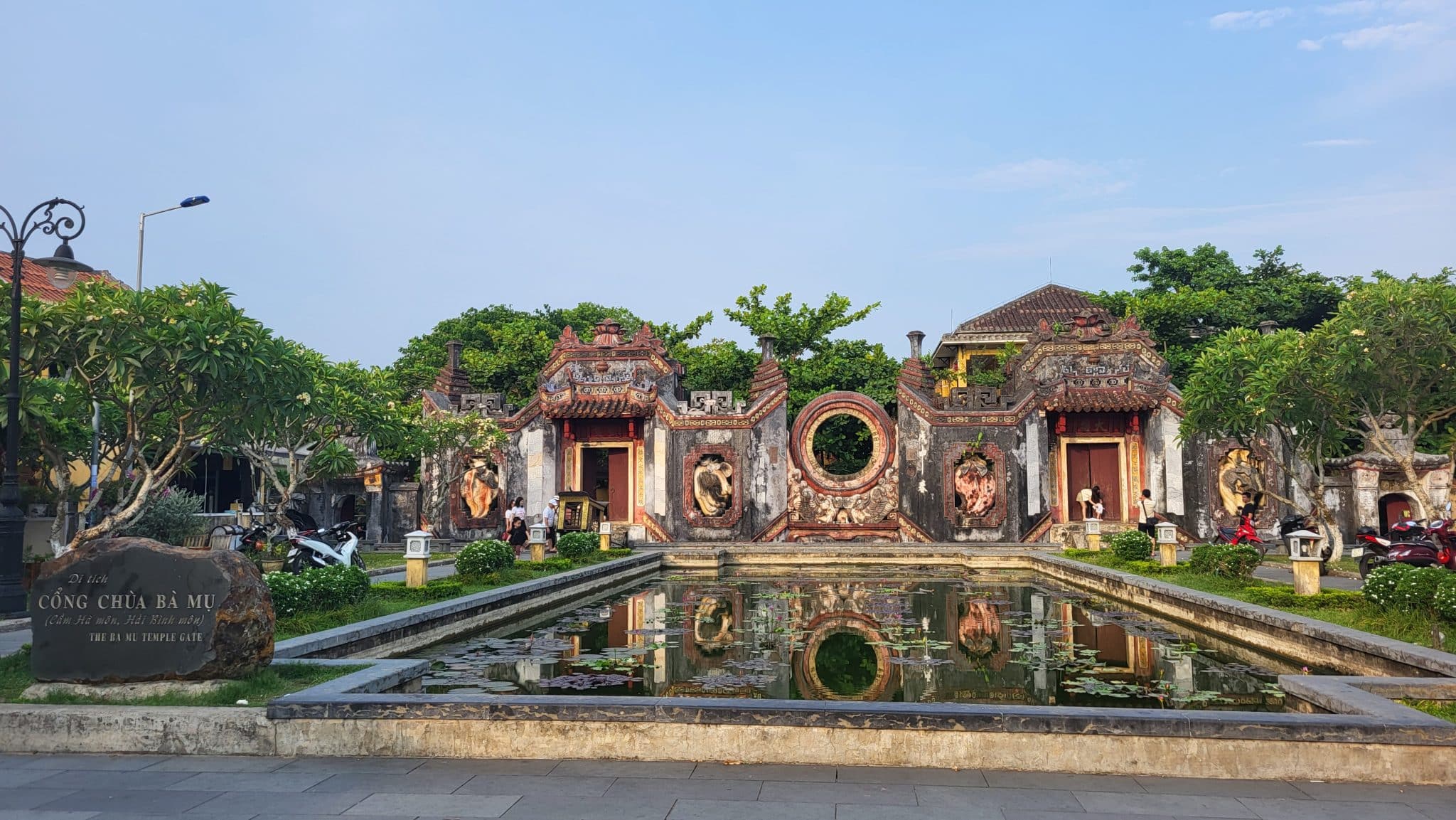
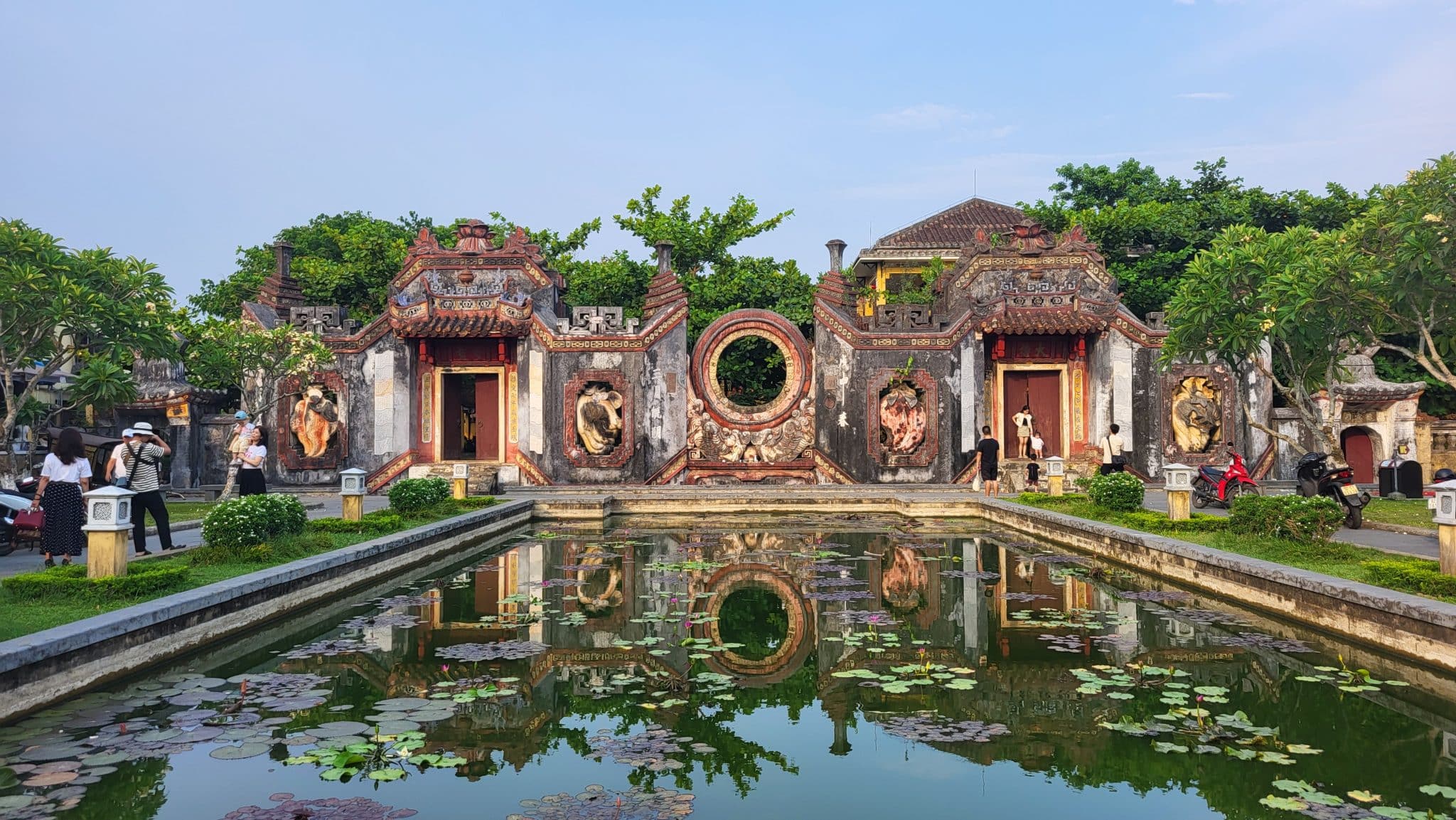
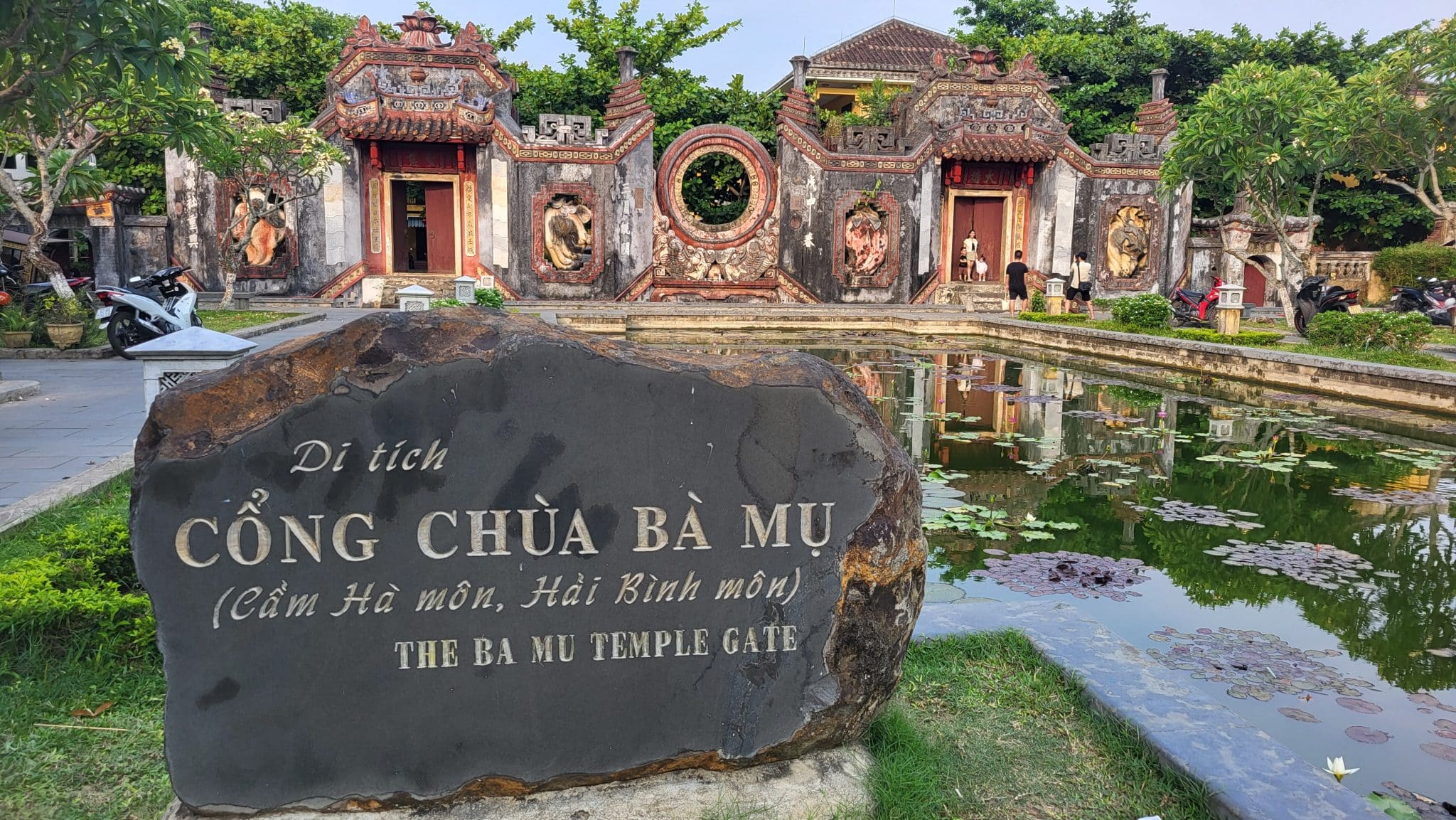
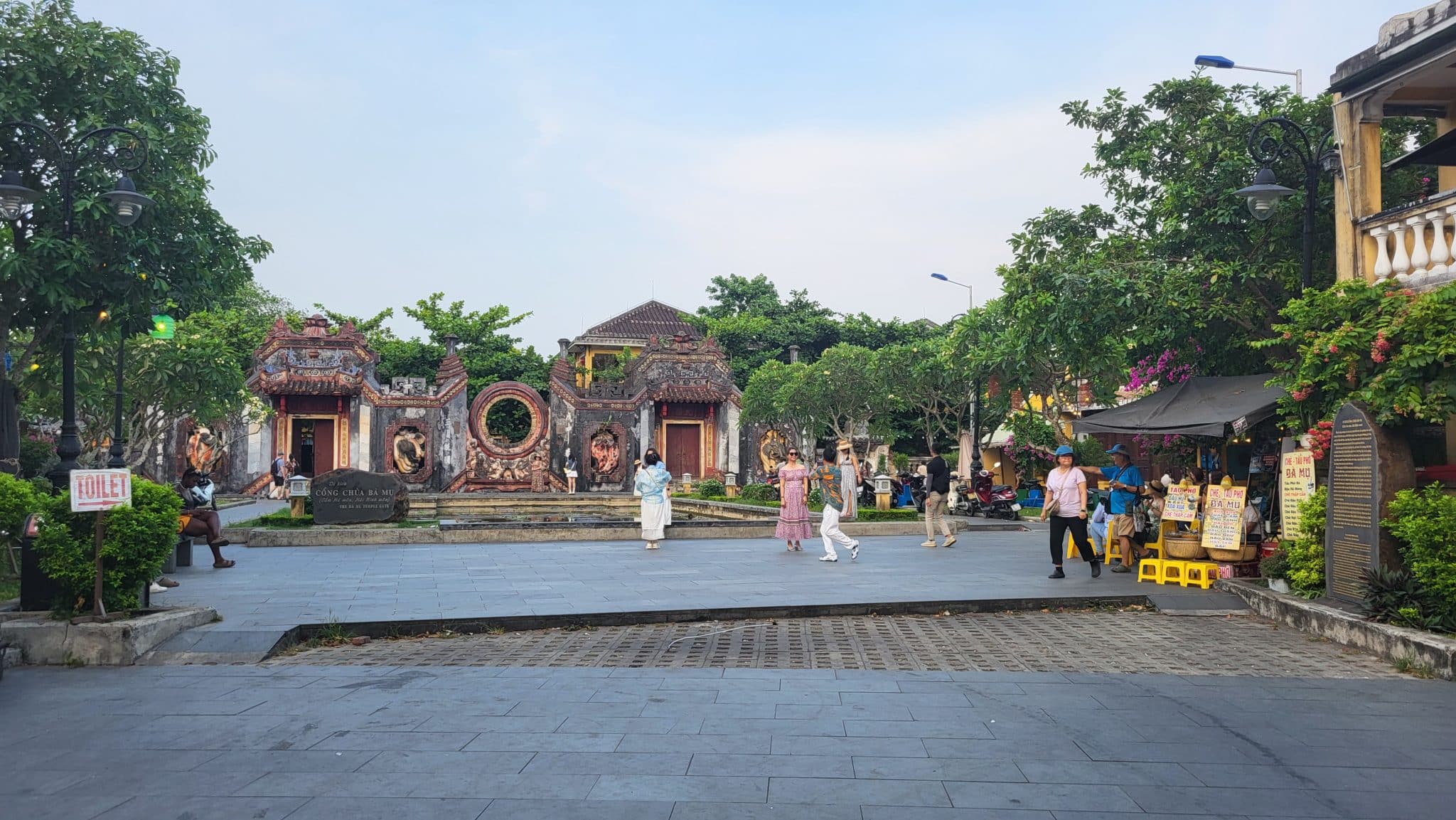
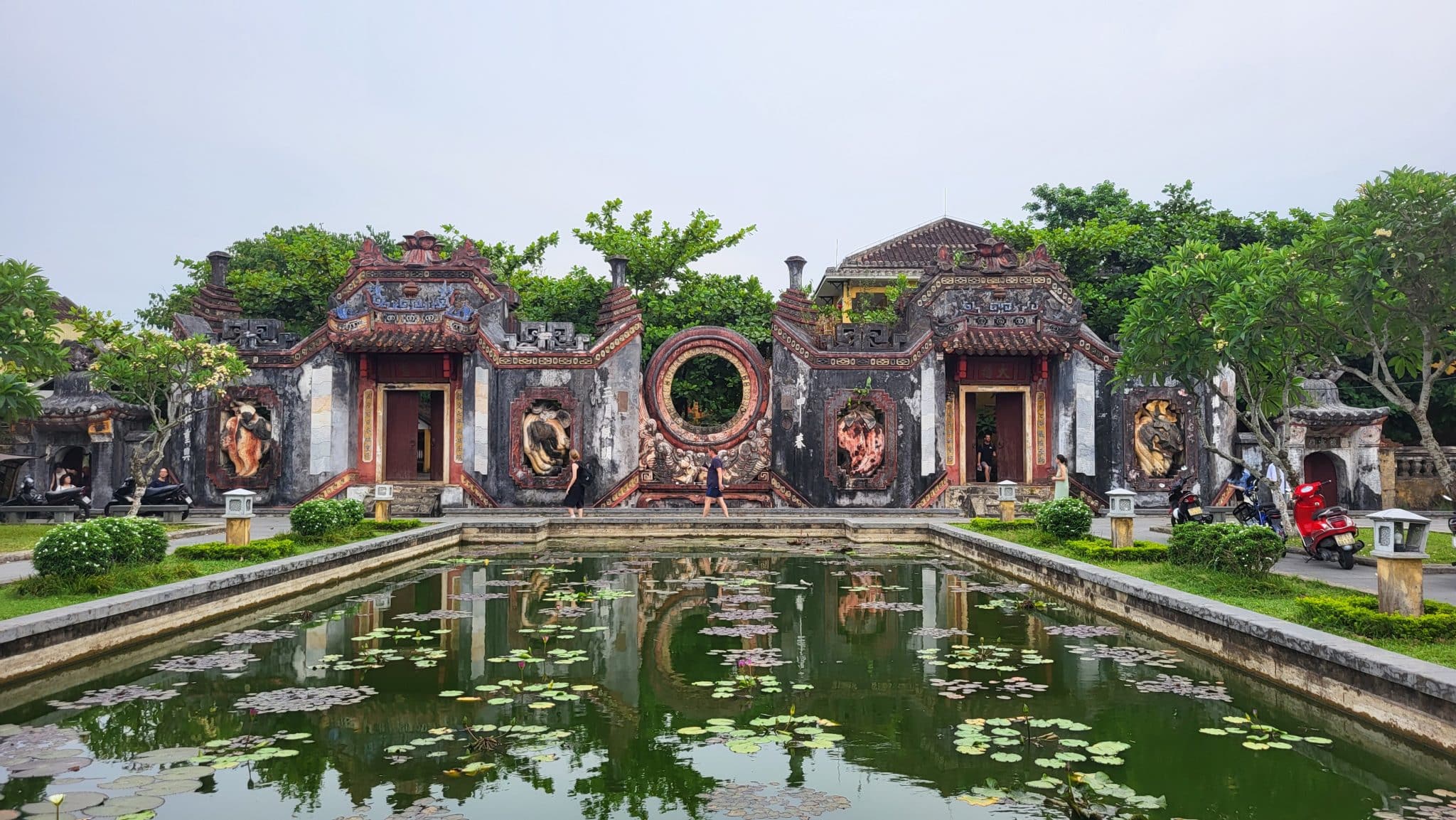
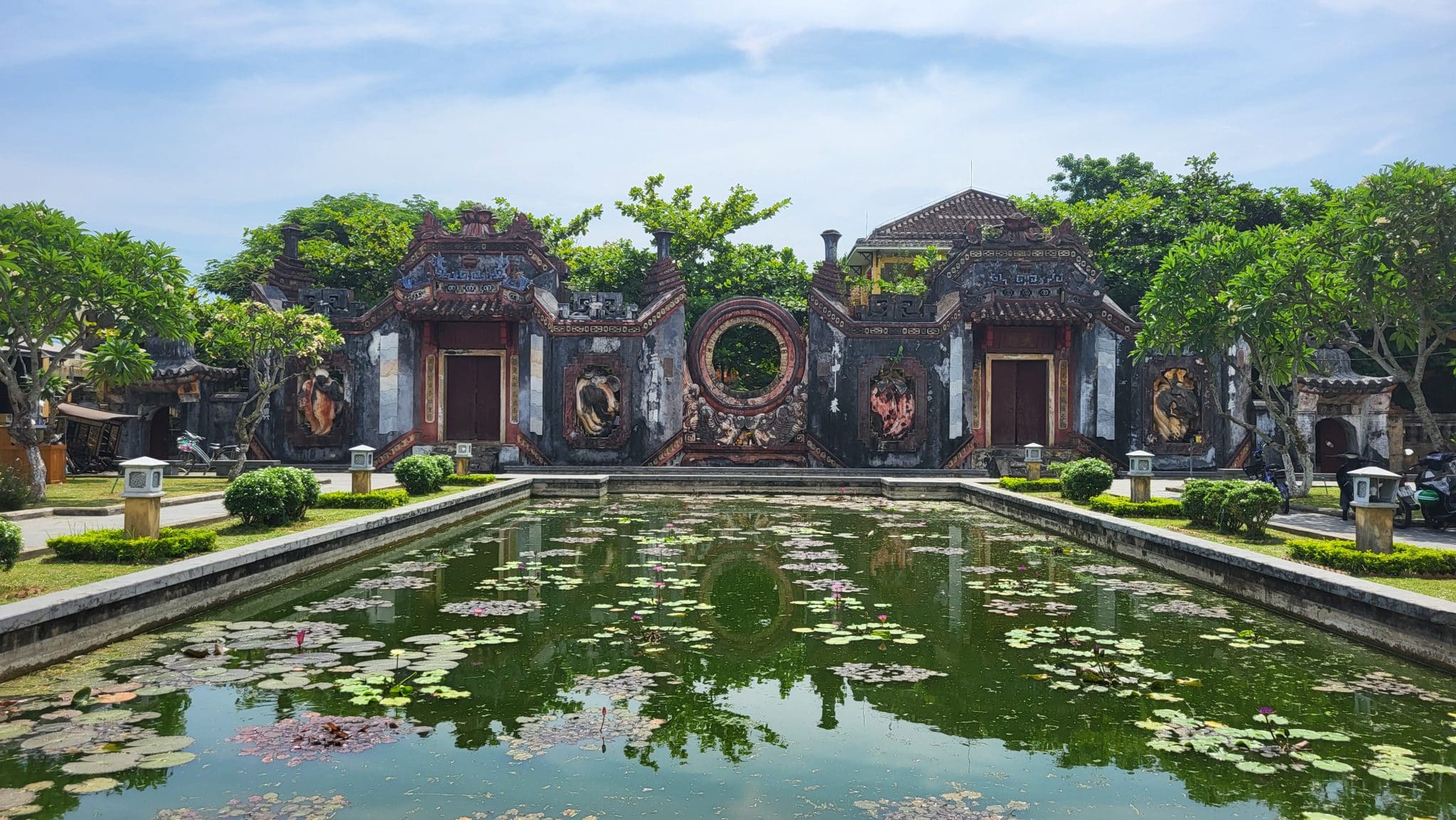
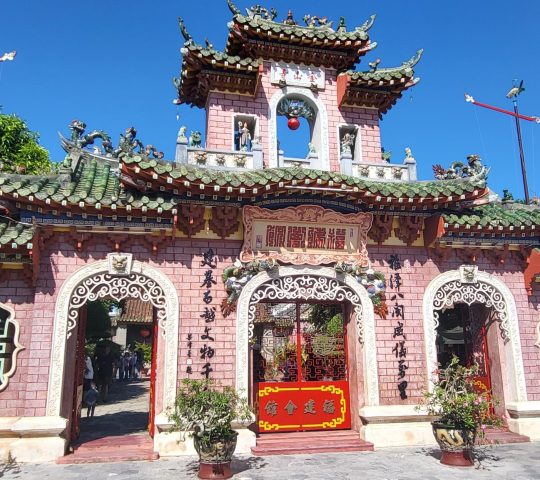
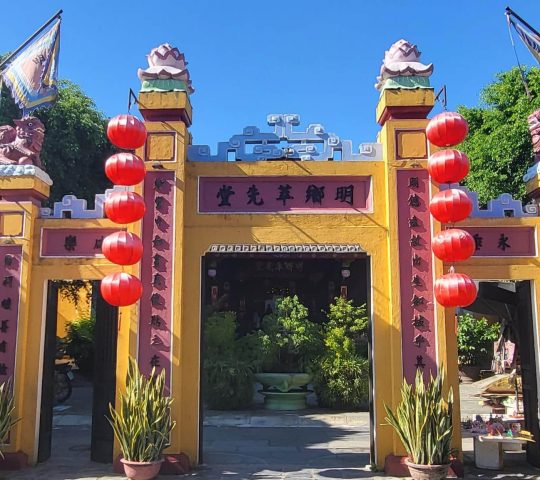
The Ba Mu Temple Gate in Hoi An, Vietnam, is a historical structure renowned for its beauty and cultural significance. Part of the ancient Ba Mu Pagoda complex, also known as the Chùa Bà Mụ, this gate has become one of the iconic symbols of Hoi An, showcasing the city’s blend of Chinese, Japanese, and Vietnamese architectural influences.
Historical Background
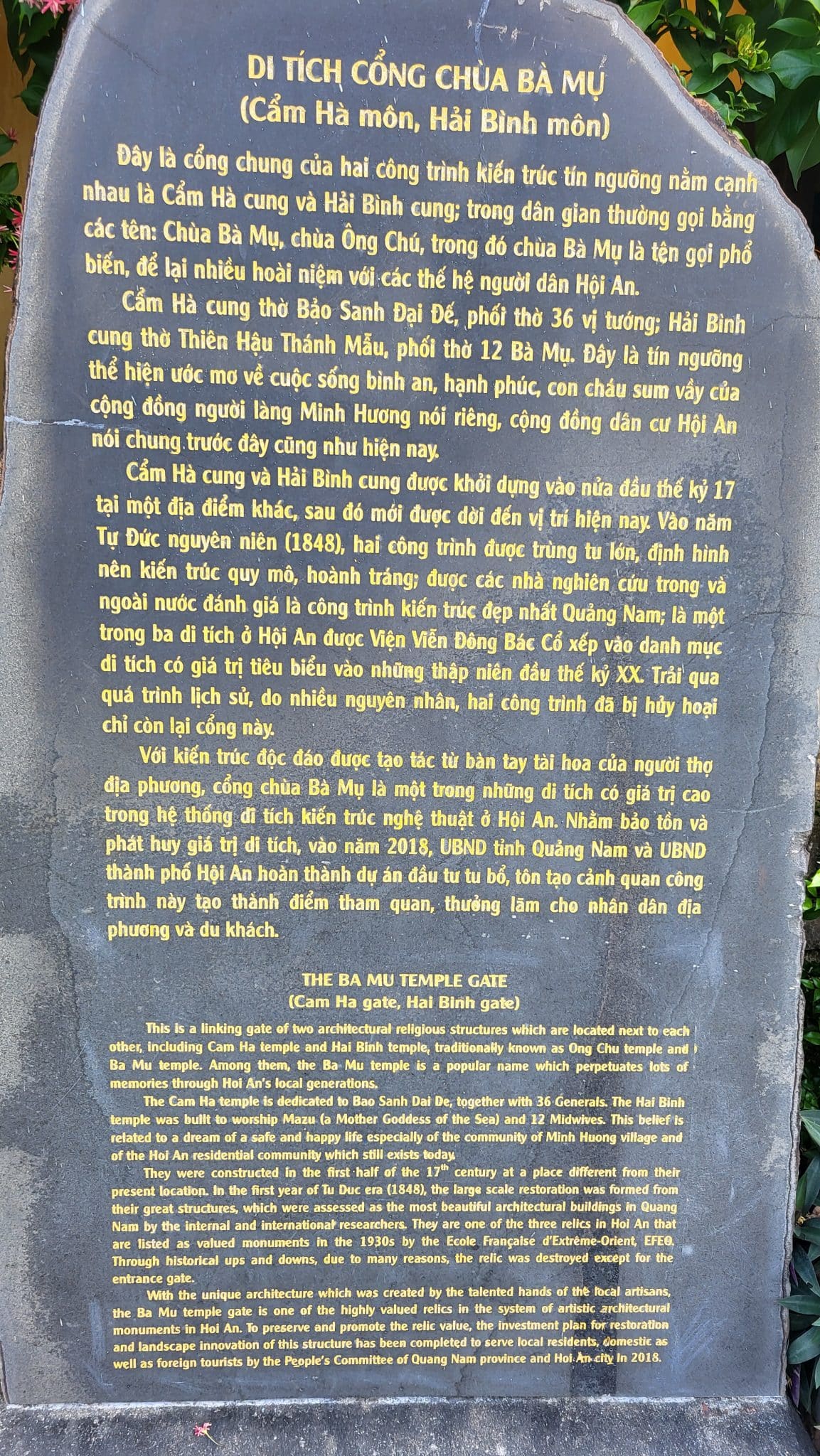
Built in the 17th century, the Ba Mu Temple served as a sacred place for worshiping Ba Mu, a respected deity in Vietnamese and East Asian cultures. Over centuries, the pagoda and gate fell into disrepair, but local efforts led to its restoration to preserve the city’s heritage. The restoration work, completed in recent years, has allowed visitors to experience a carefully reconstructed version of the gate, which is faithful to its original design.
Architectural Features
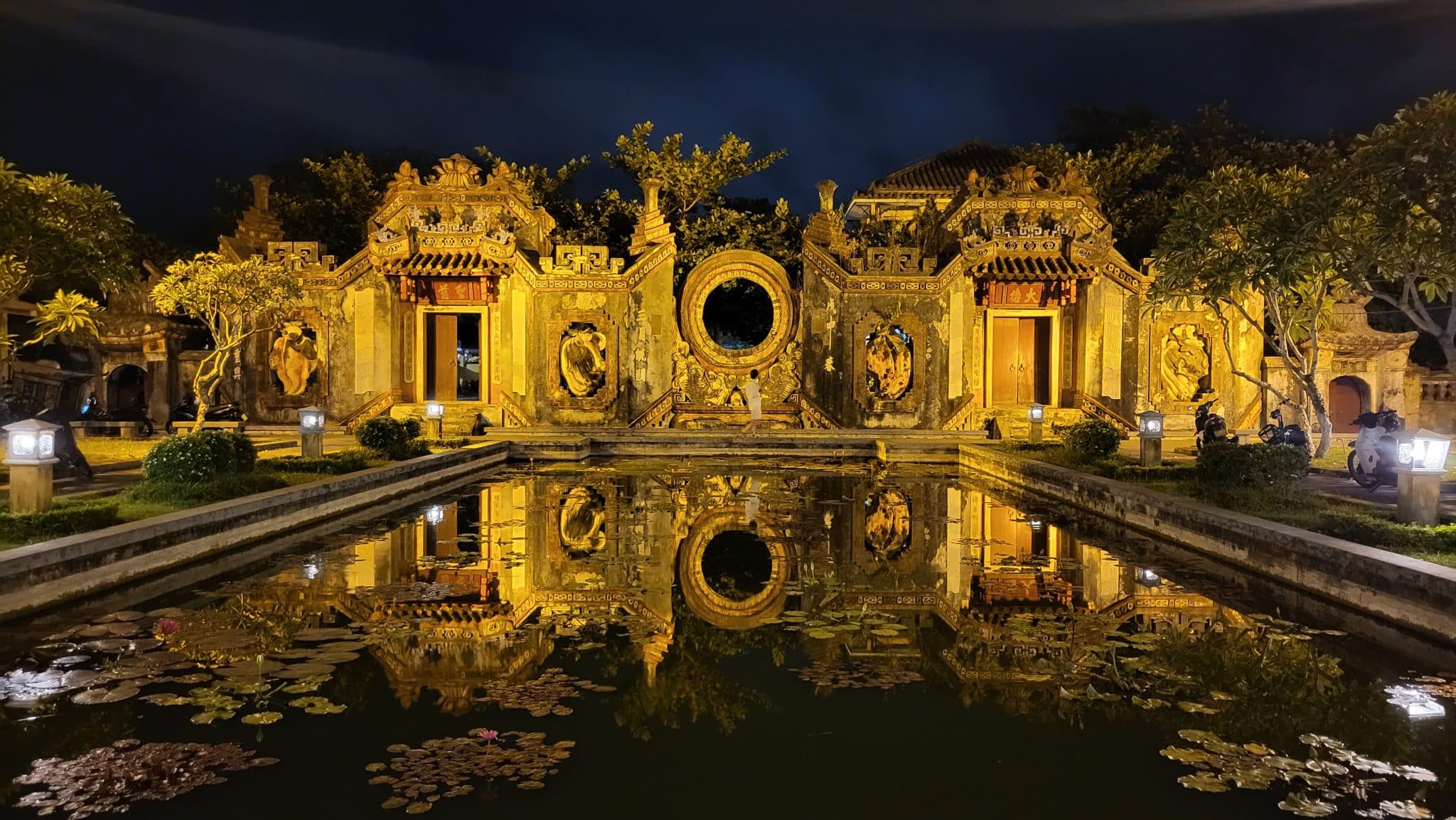
The gate is distinguished by its ornate carvings, vibrant colors, and intricate details. The architecture combines traditional Vietnamese styles with elements inspired by Chinese pagodas. You’ll notice the delicate motifs of dragons, flowers, and mythical creatures on its facades, symbolizing good fortune, strength, and spirituality. The gate itself comprises three main sections, with a central arch flanked by two smaller ones, which is typical of East Asian temple entrances.
Cultural Significance
The Ba Mu Temple Gate stands as a testament to Hoi An’s rich cultural history and the harmonious blend of diverse cultural influences. It’s a significant spot for locals, who use the gate as a place for prayer and remembrance. For visitors, it offers a glimpse into Hoi An’s historical ties with other East Asian cultures and serves as an atmospheric entryway into the old town.
Today, the Ba Mu Temple Gate is popular among tourists not only for its beauty but also for the peaceful ambiance it brings to Hoi An’s historic quarters. It’s one of the most photographed spots in the city and provides a fascinating insight into Vietnam’s architectural heritage.