Independence Palace (Dinh Độc Lập) – Saigon
Listing has verified and belong the business owner or manager.
History of Independence Palace (Dinh Độc Lập)
- Colonial Origins: The location where the Independence Palace (Dinh Độc Lập) stands today was initially the site of the Norodom Palace, constructed during the French colonial era. This palace served as the residence for French colonial officials in Vietnam.
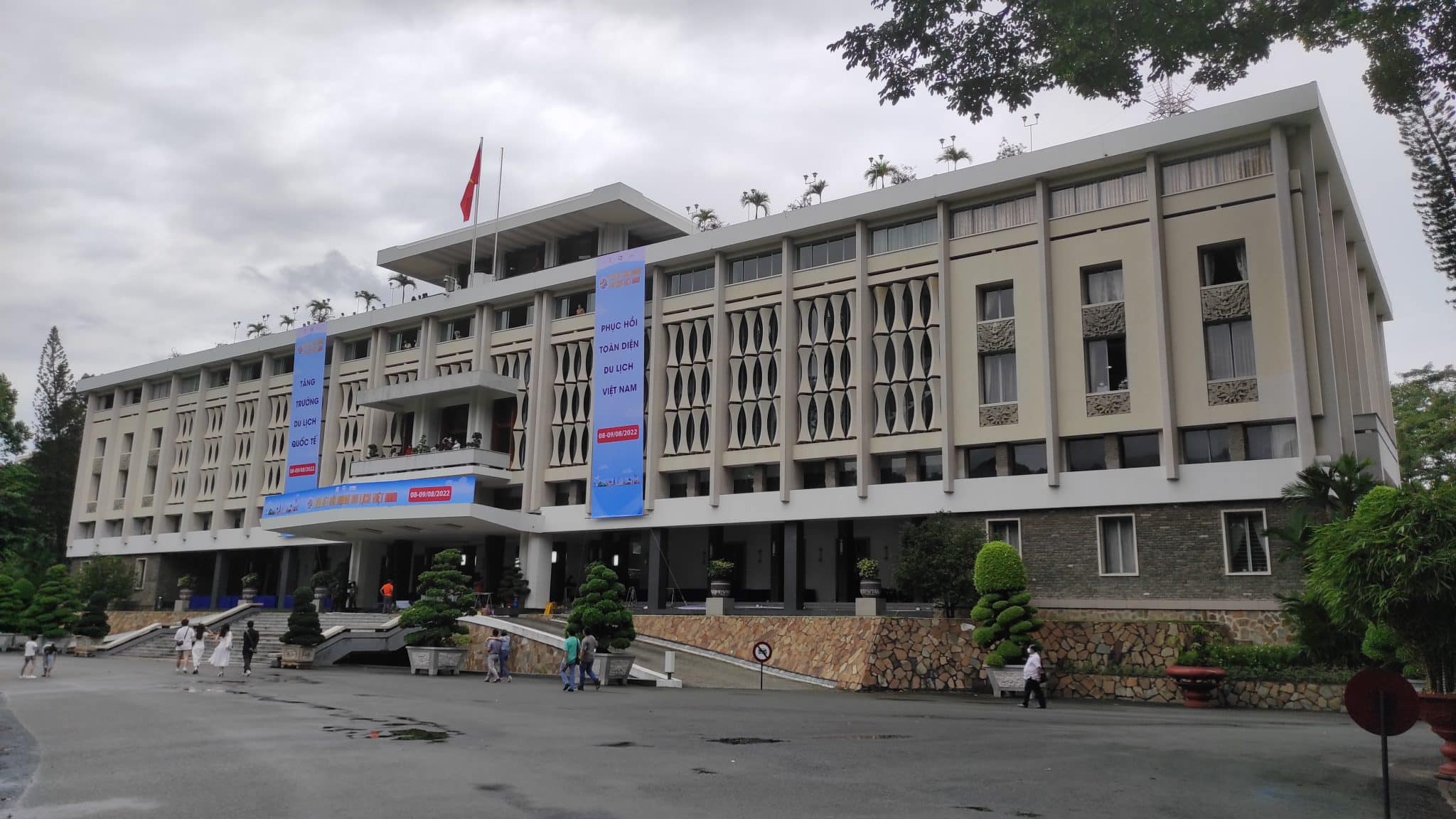
- Vietnam War Era: After being heavily damaged during a coup in 1962, the Norodom Palace was demolished, and a new structure was built to serve as the presidential palace for South Vietnam. Designed by Vietnamese architect Ngô Viết Thụ, the new palace was completed in 1966 and named the Independence Palace.
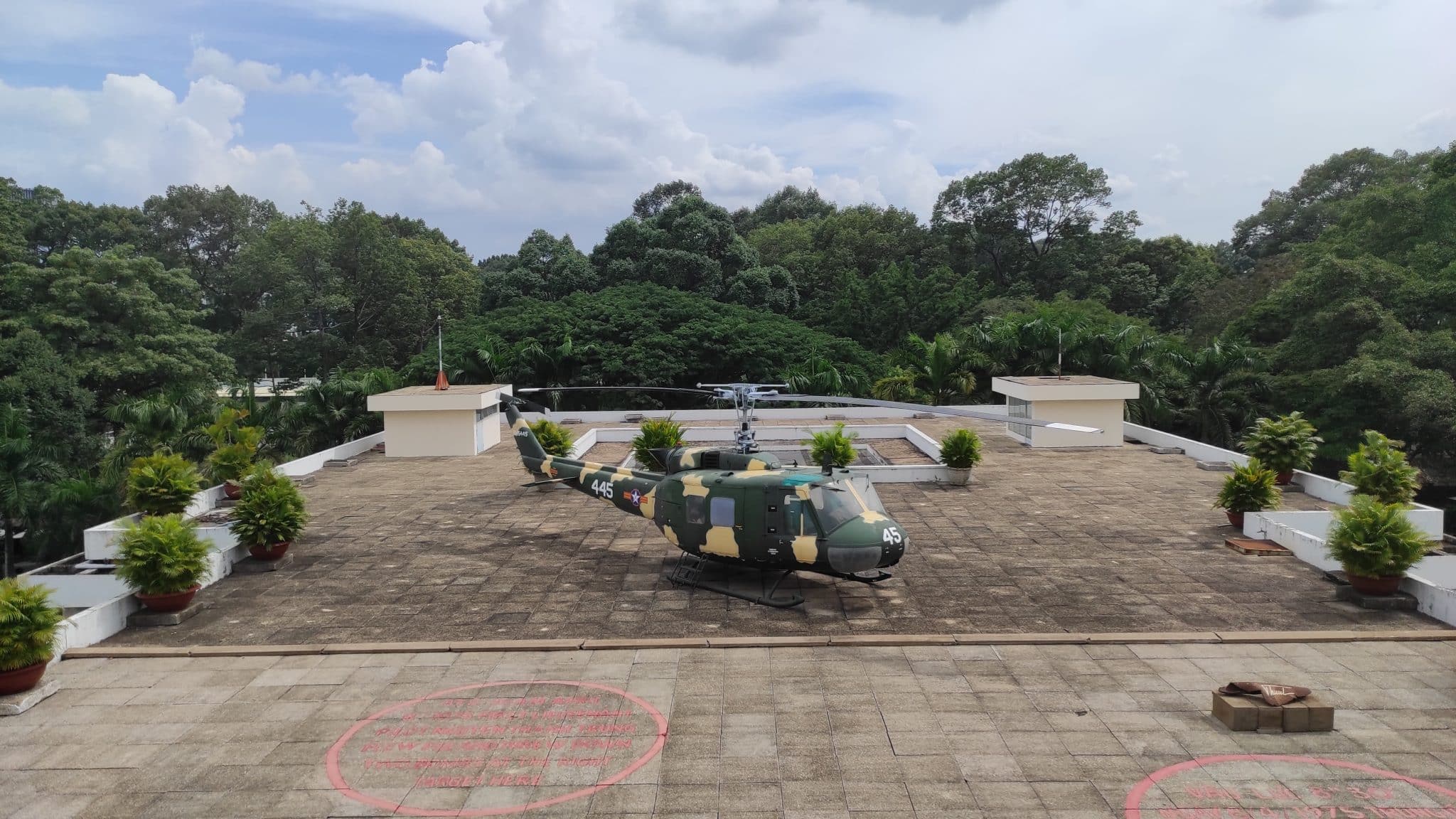
- Historic Events: The Independence Palace gained global attention during the Fall of Saigon on April 30, 1975, when North Vietnamese forces captured the palace, signaling the end of the Vietnam War and the reunification of North and South Vietnam. Following this event, the palace was renamed the Reunification Palace.
Architecture:
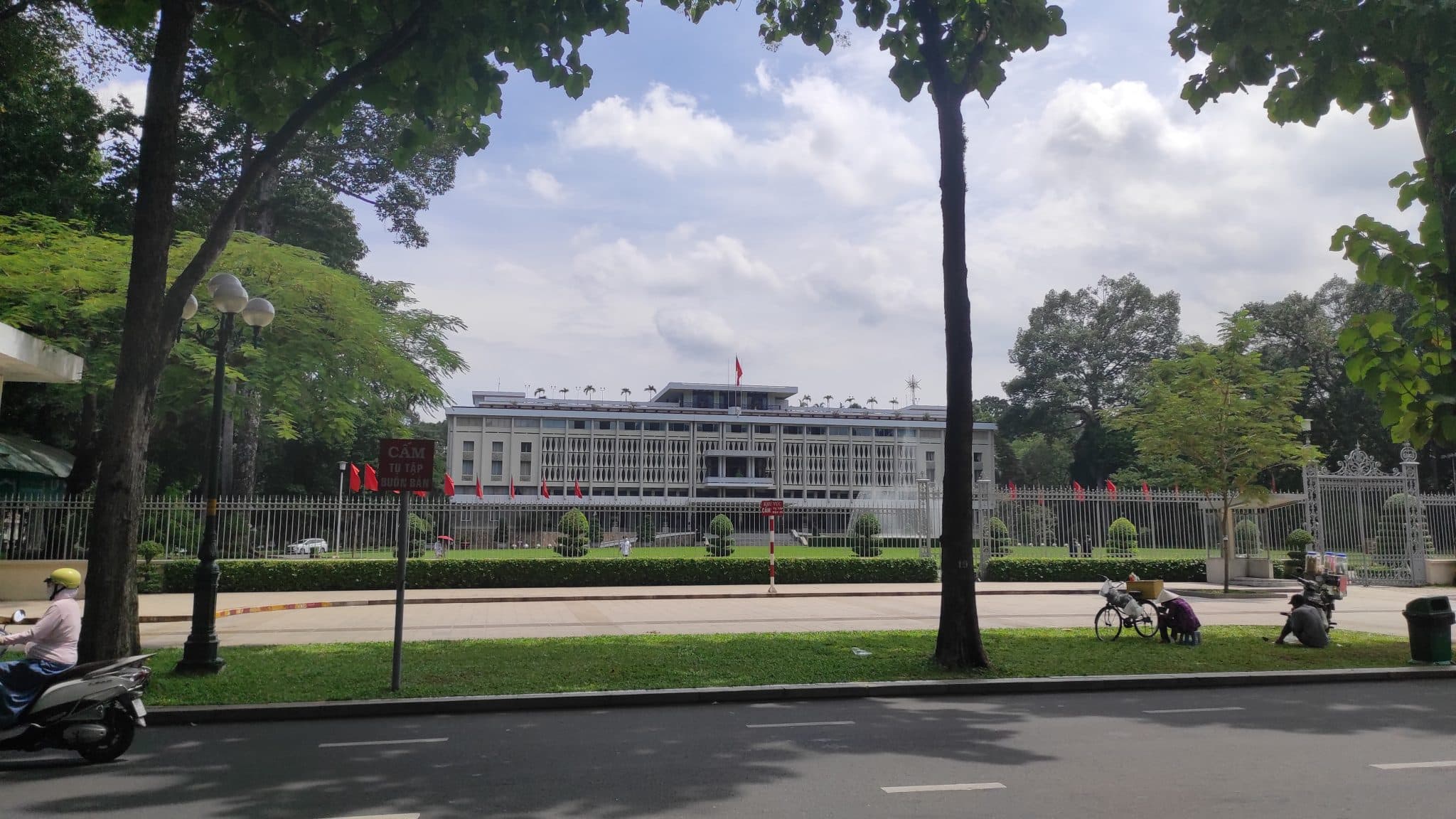
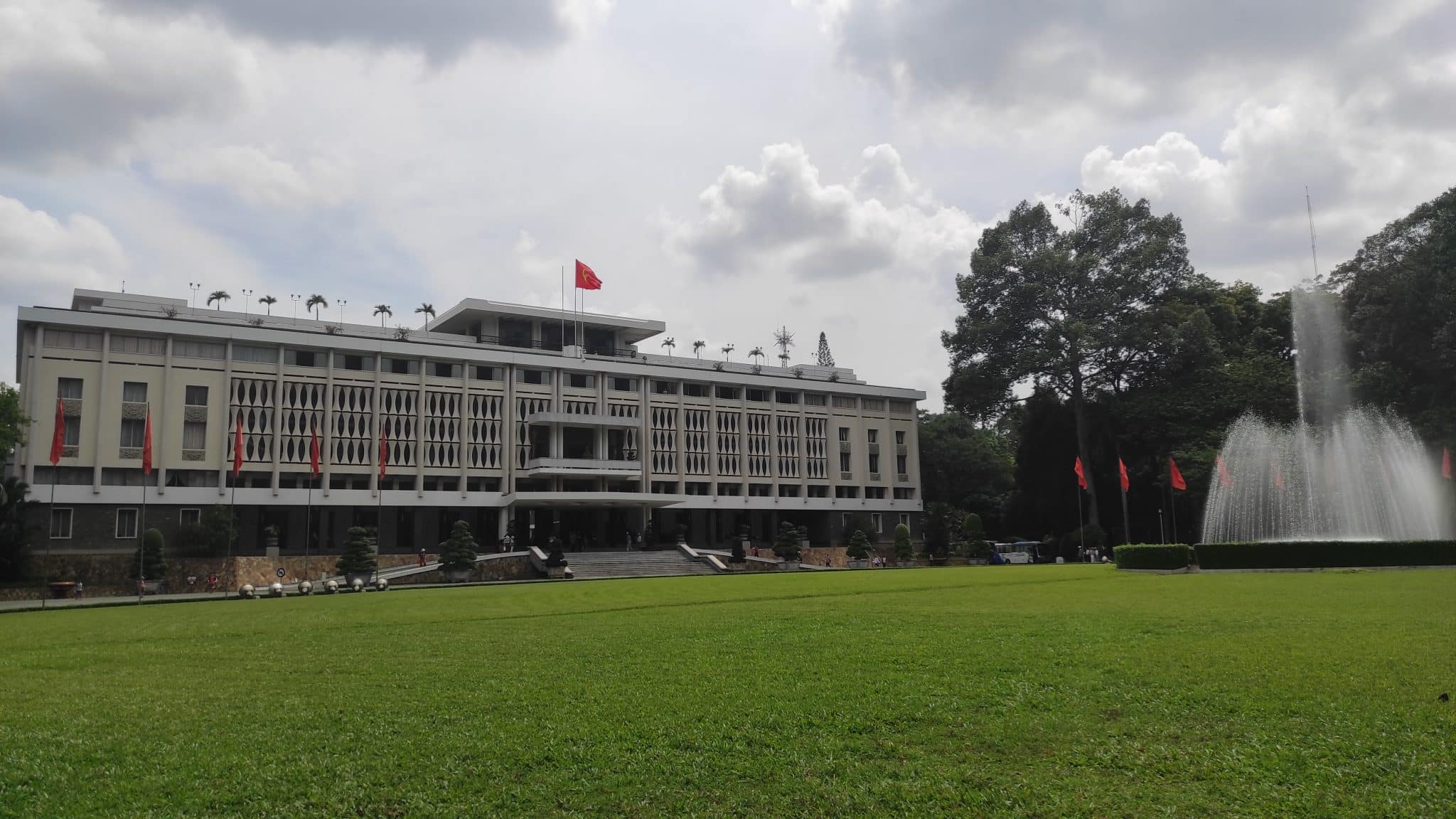
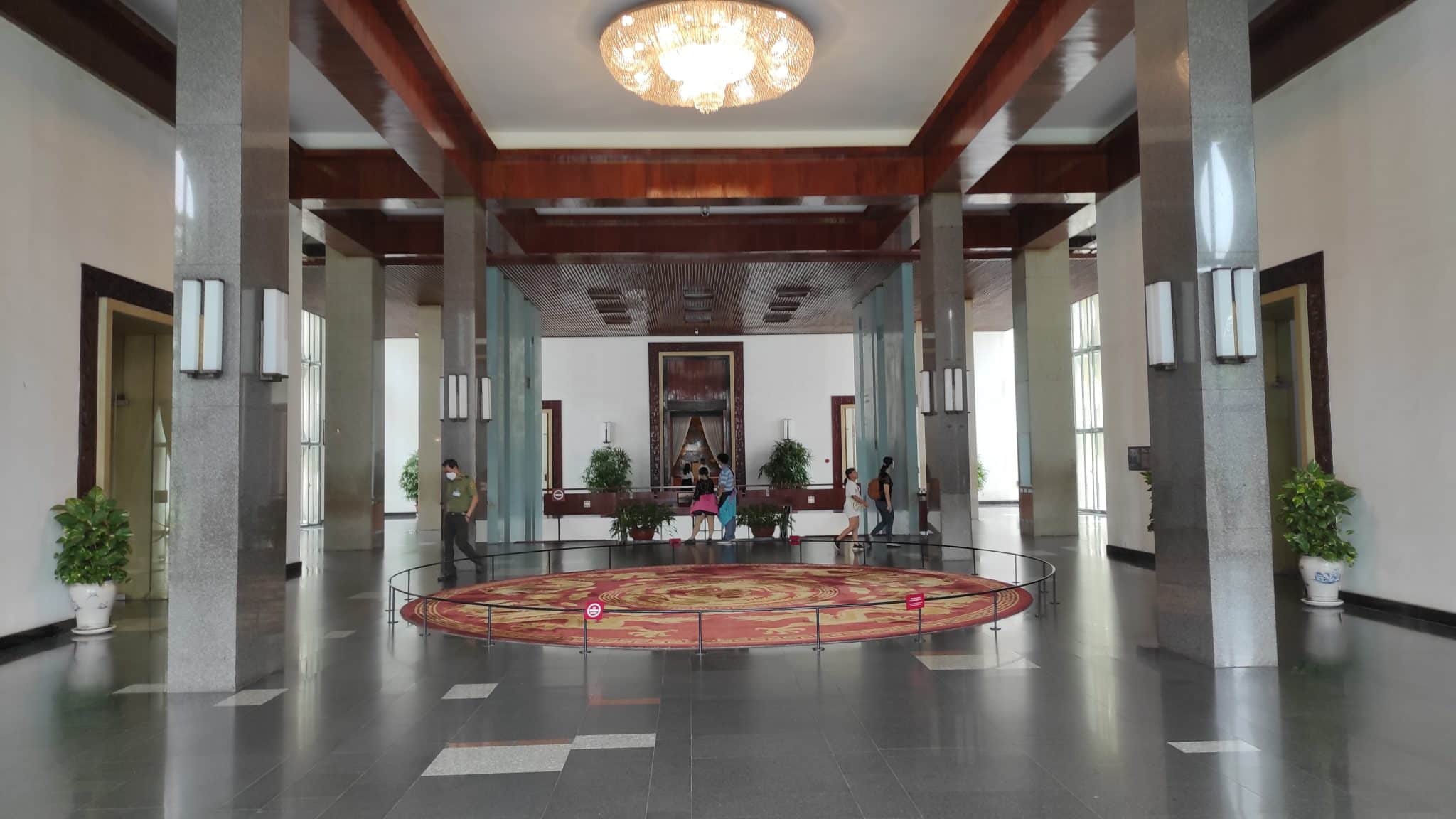
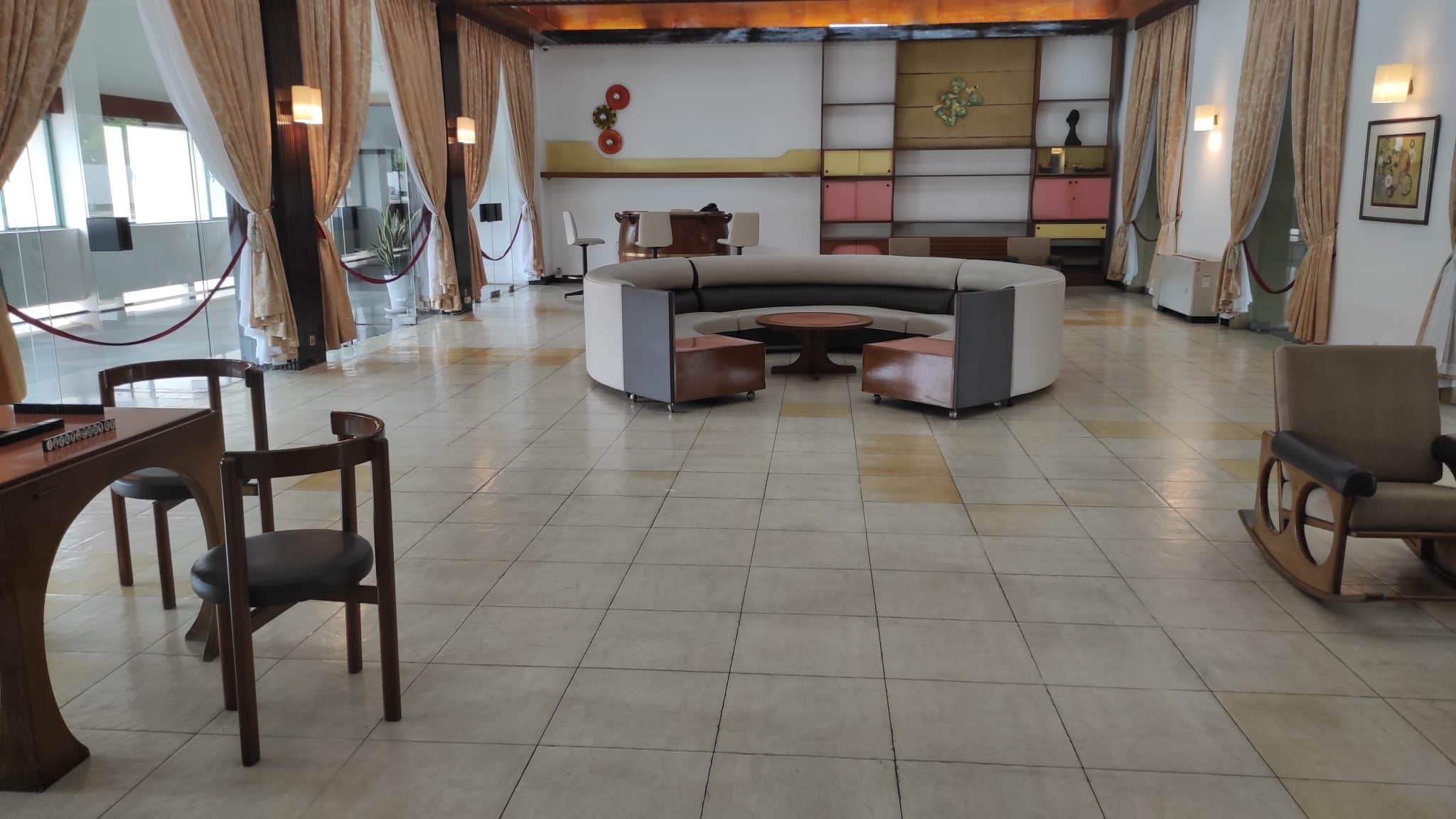
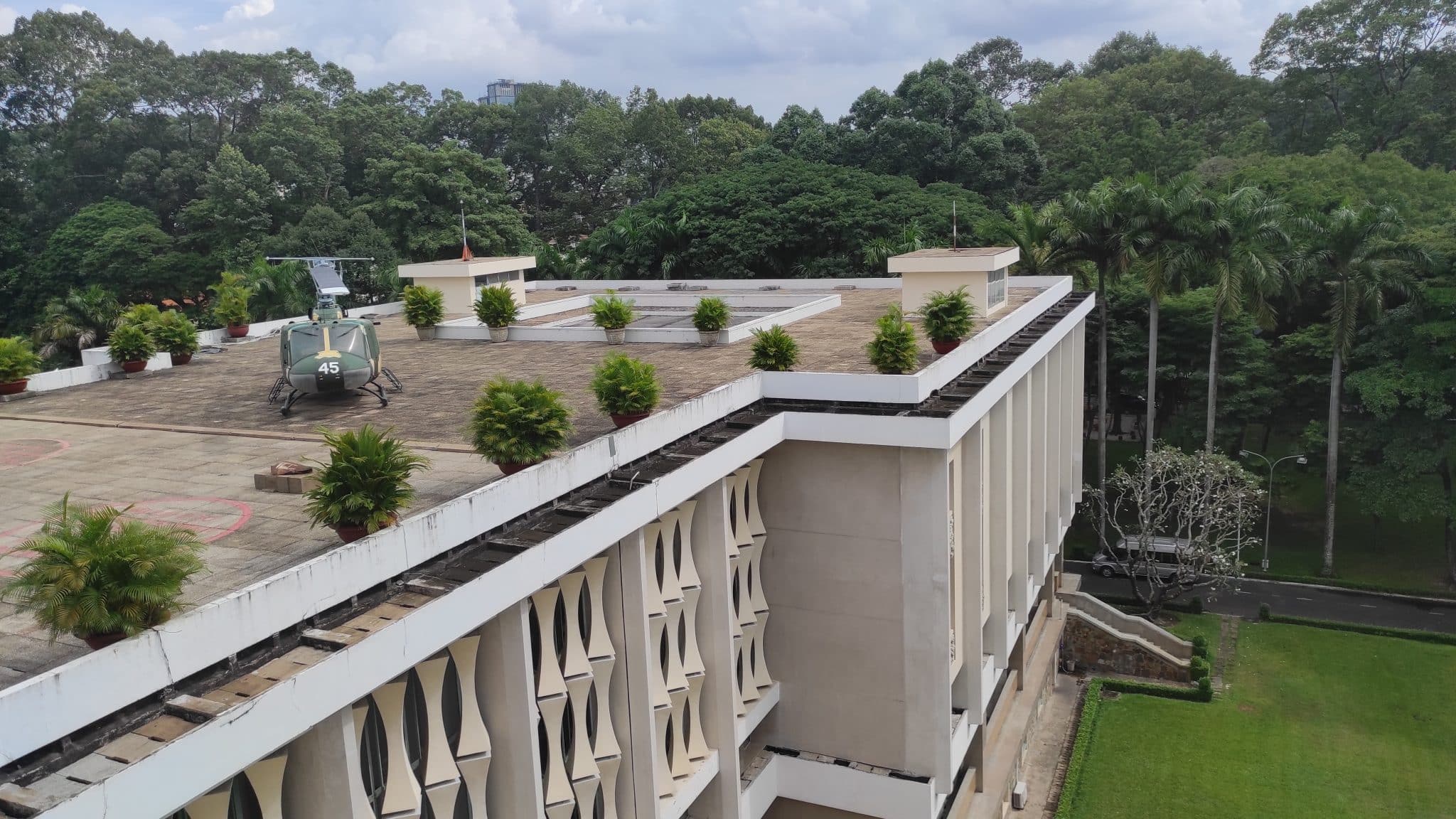
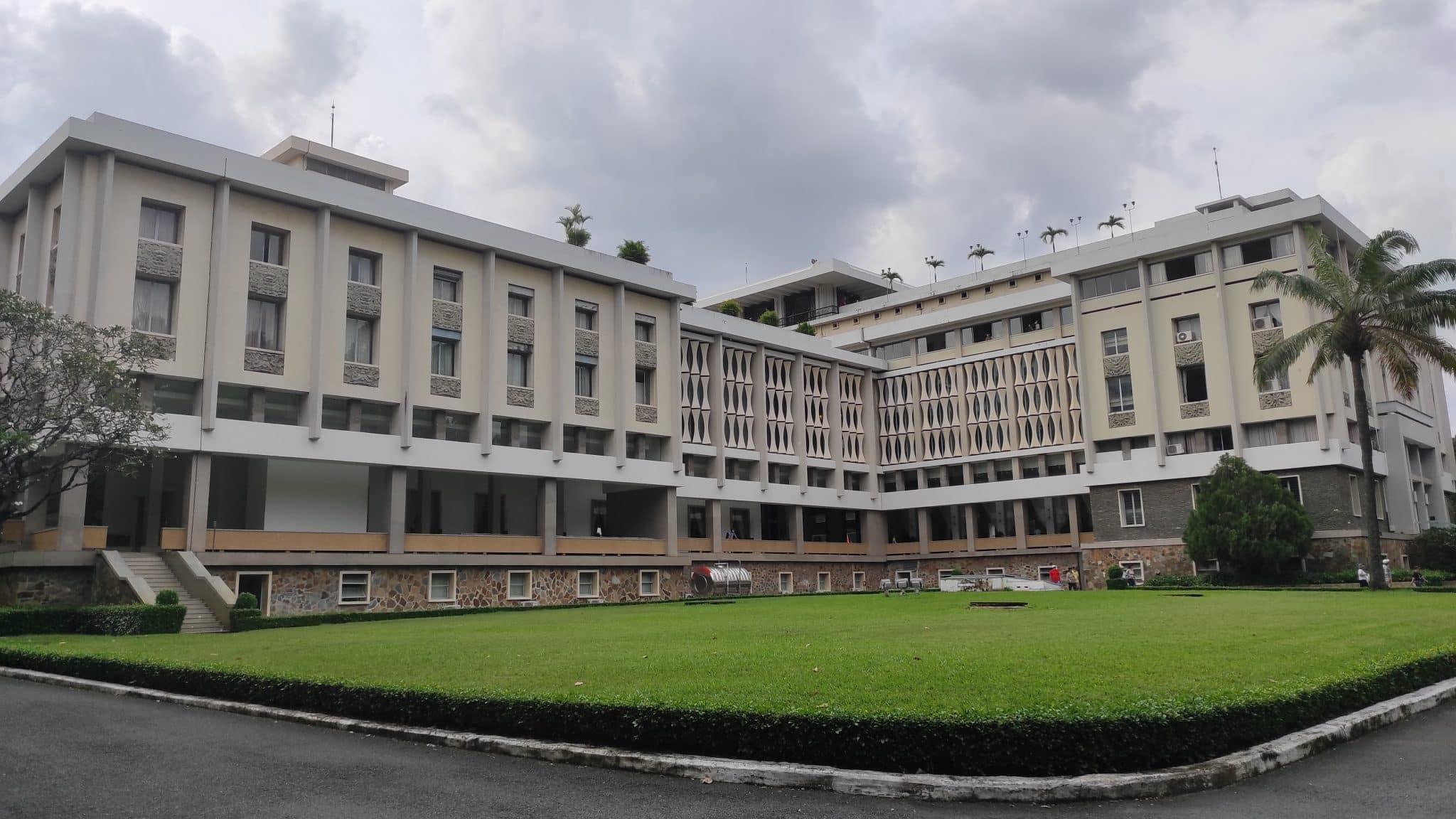
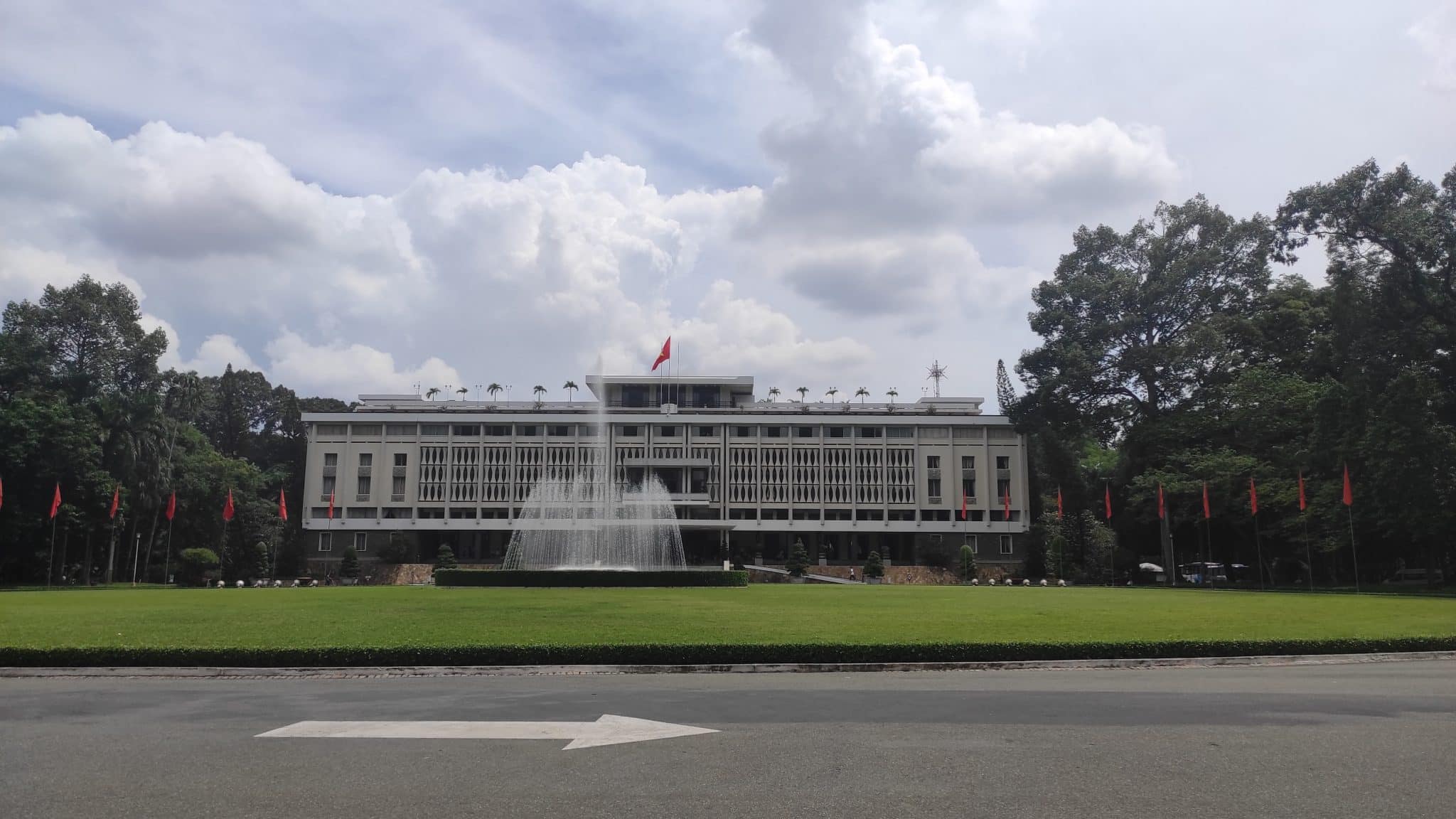
- Modernist Design: The Independence Palace is renowned for its modernist architectural style, reflecting the design trends prevalent in the 1960s. The building features clean lines, geometric shapes, and functional spaces, showcasing a blend of modernist aesthetics with functional design principles.
- Distinctive Features: The palace’s architecture emphasizes symmetry, simplicity, and functionality. The building comprises multiple levels, interconnected rooms, and open spaces designed to accommodate various functions, including administrative, ceremonial, and residential areas.
- Preservation and Restoration: Over the years, efforts have been made to preserve and maintain the architectural integrity of the Independence Palace. Renovations and restoration projects have been undertaken to ensure the building’s preservation as a significant historical and cultural landmark in Ho Chi Minh City.
What You Can See When Visiting:
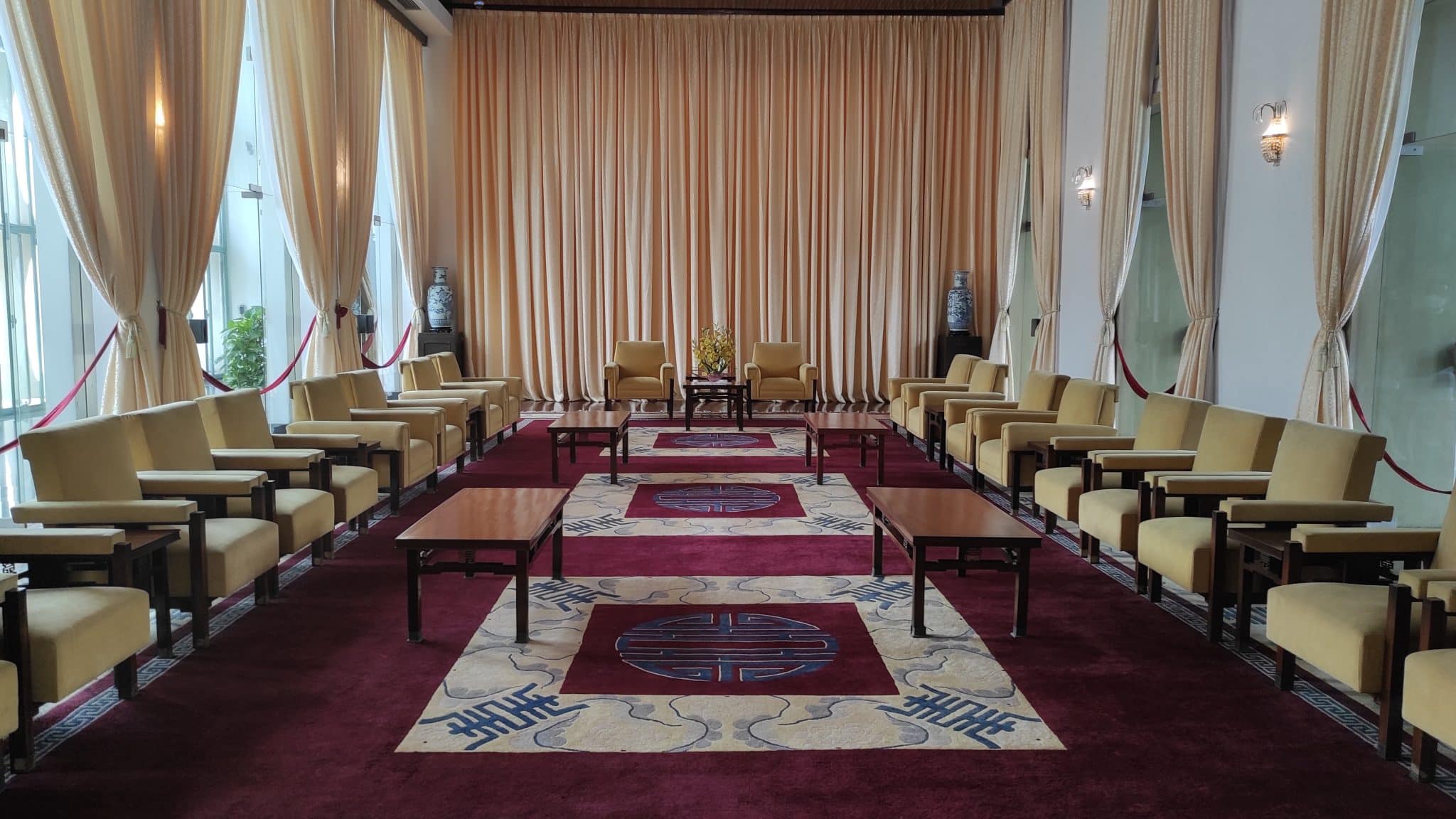
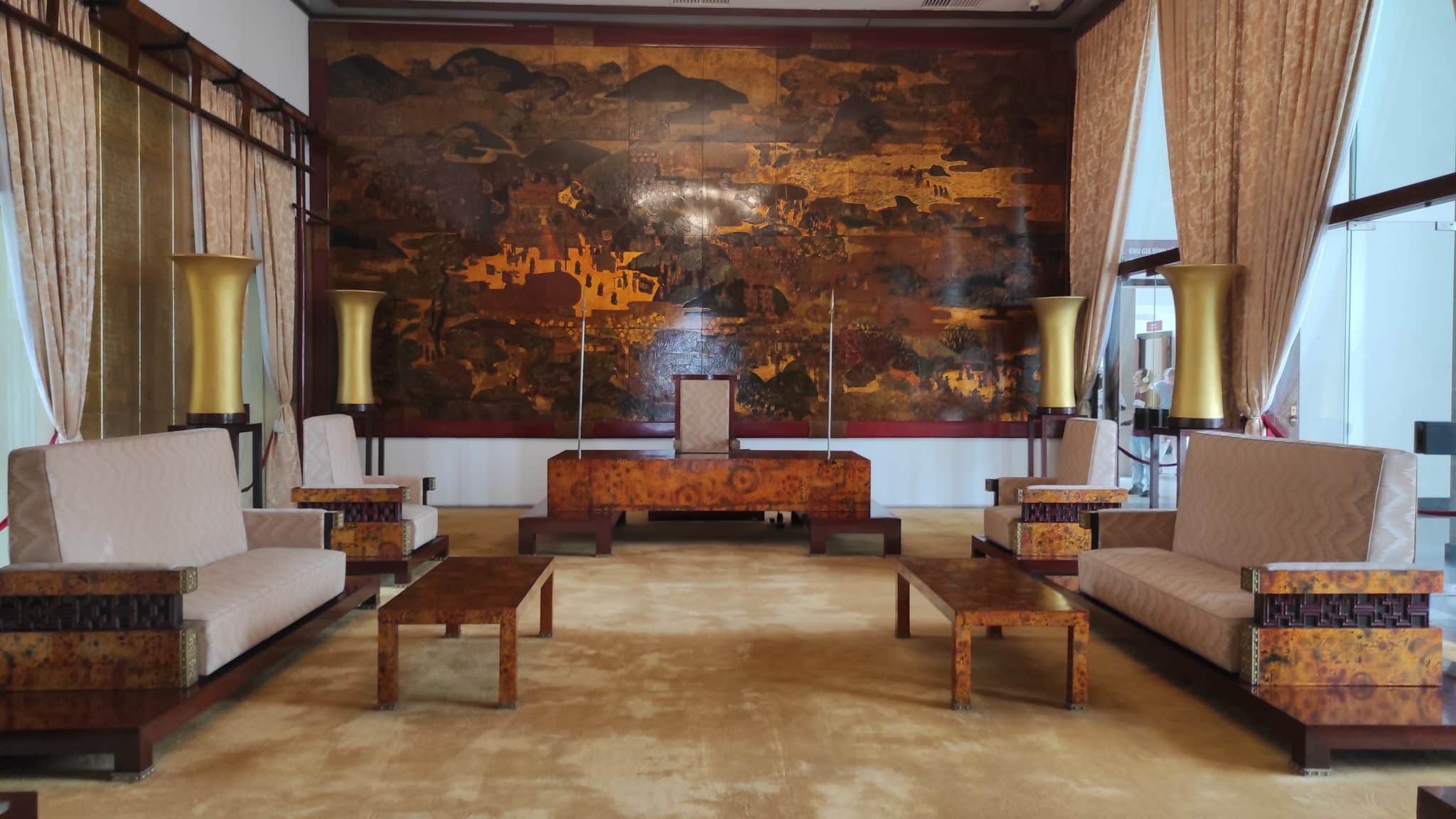
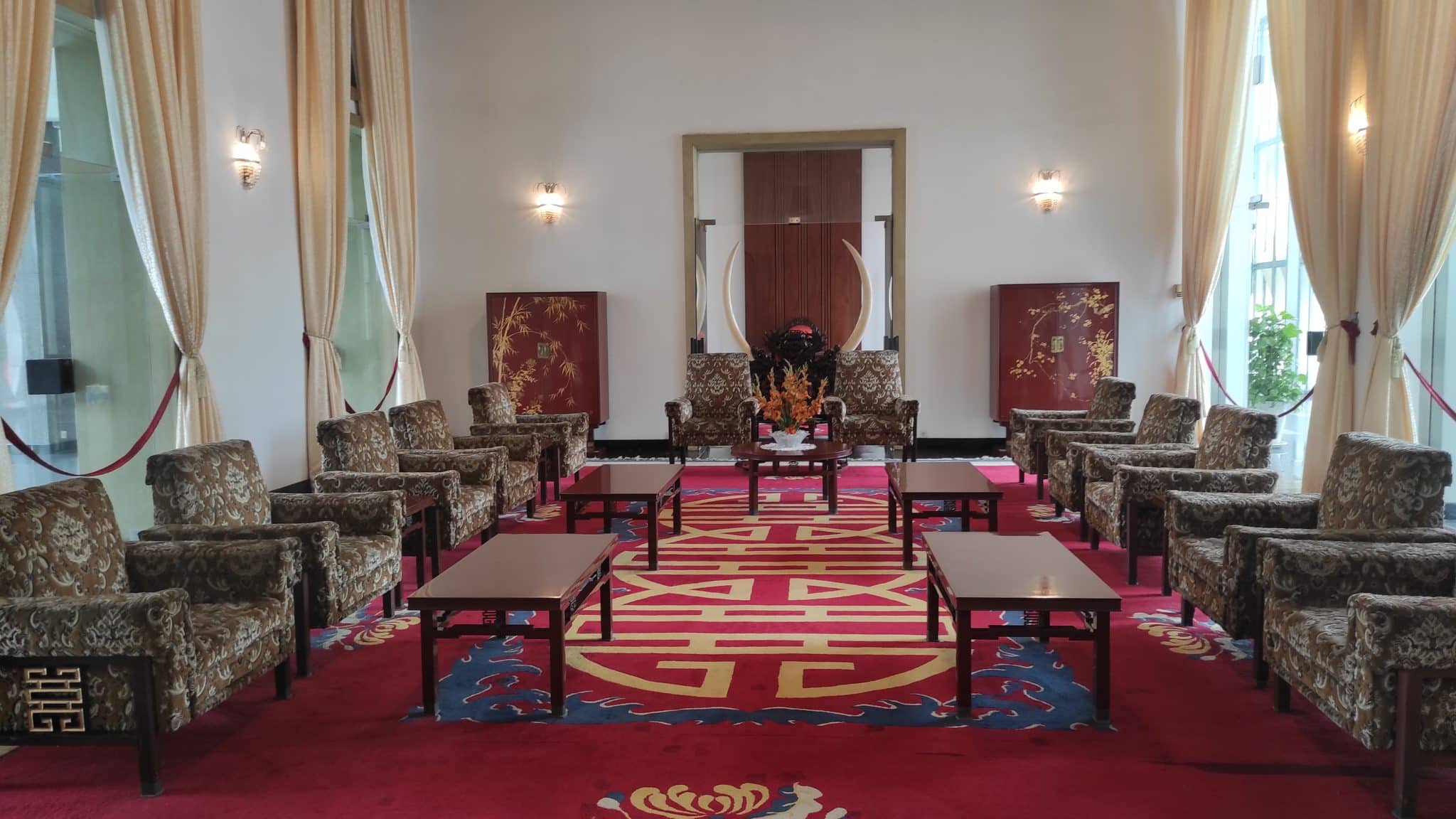
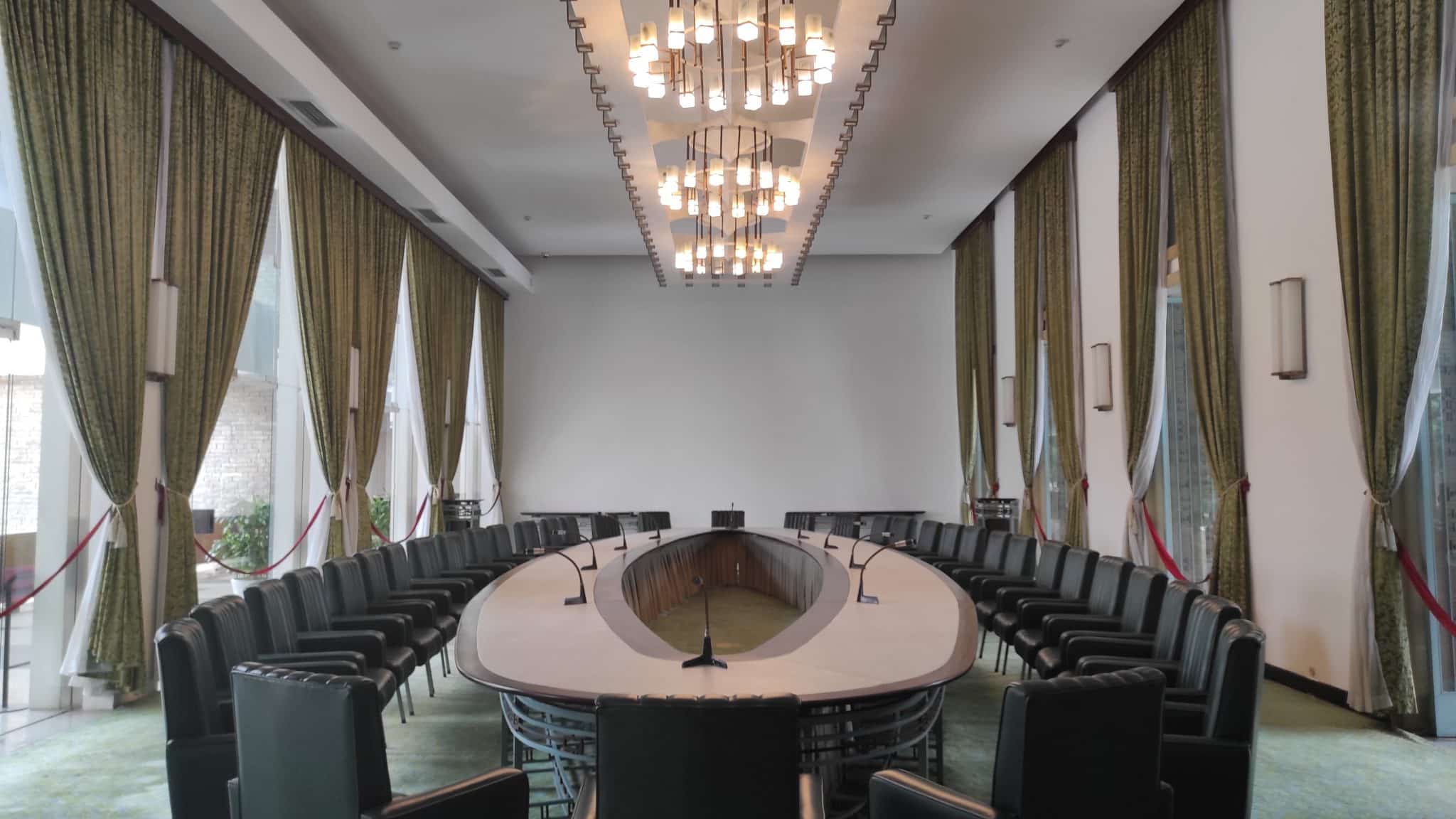
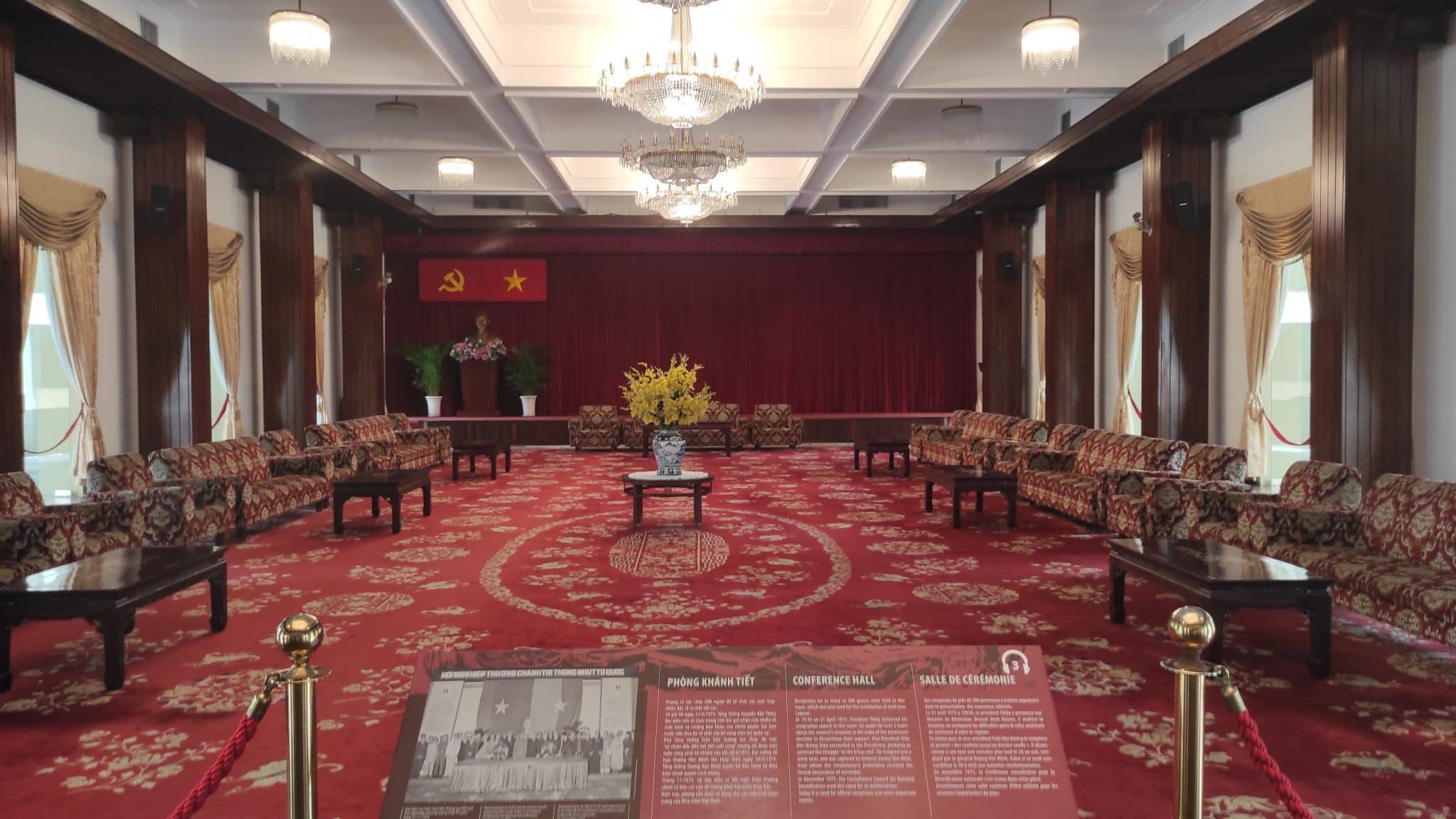
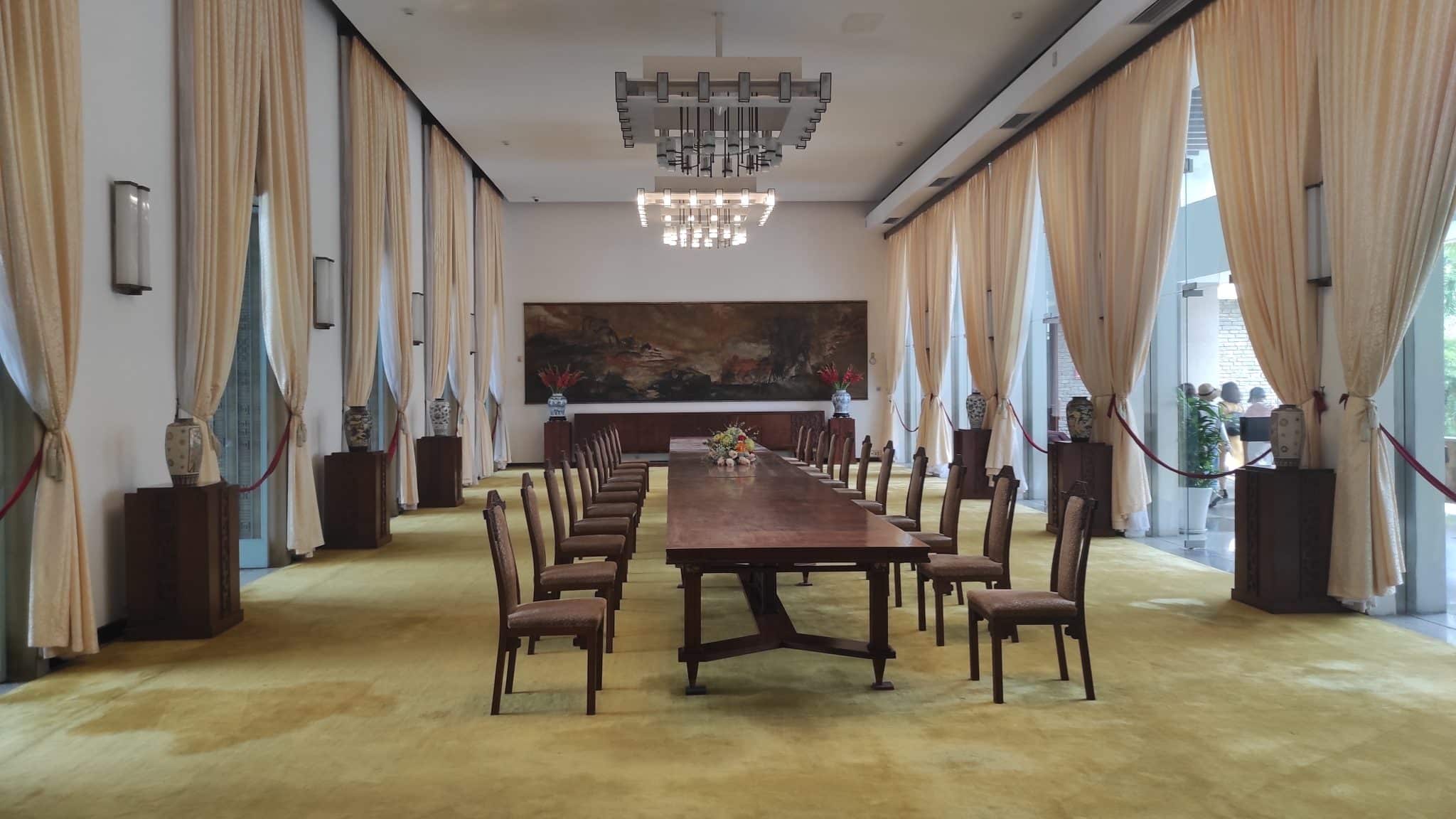
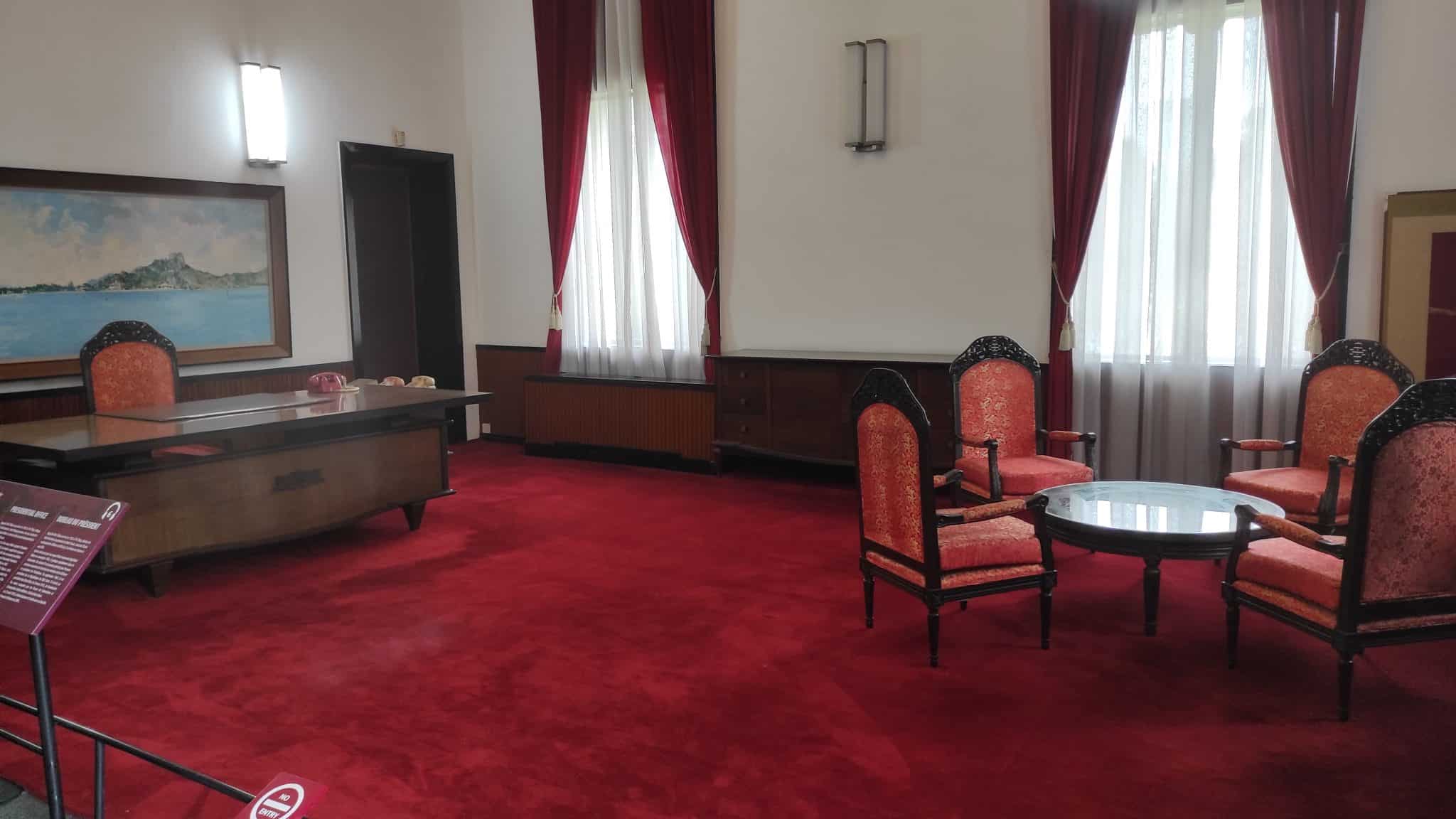
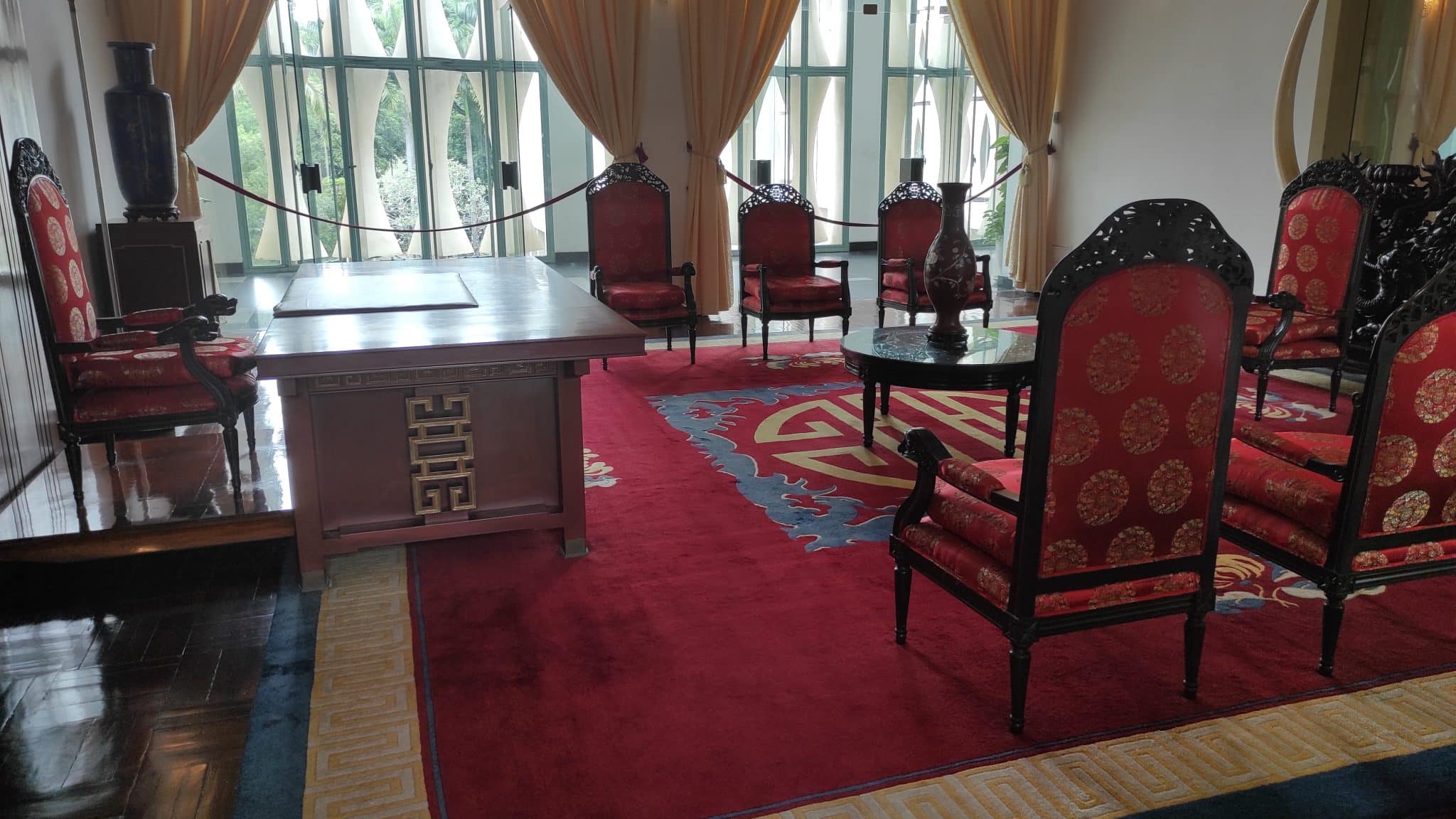
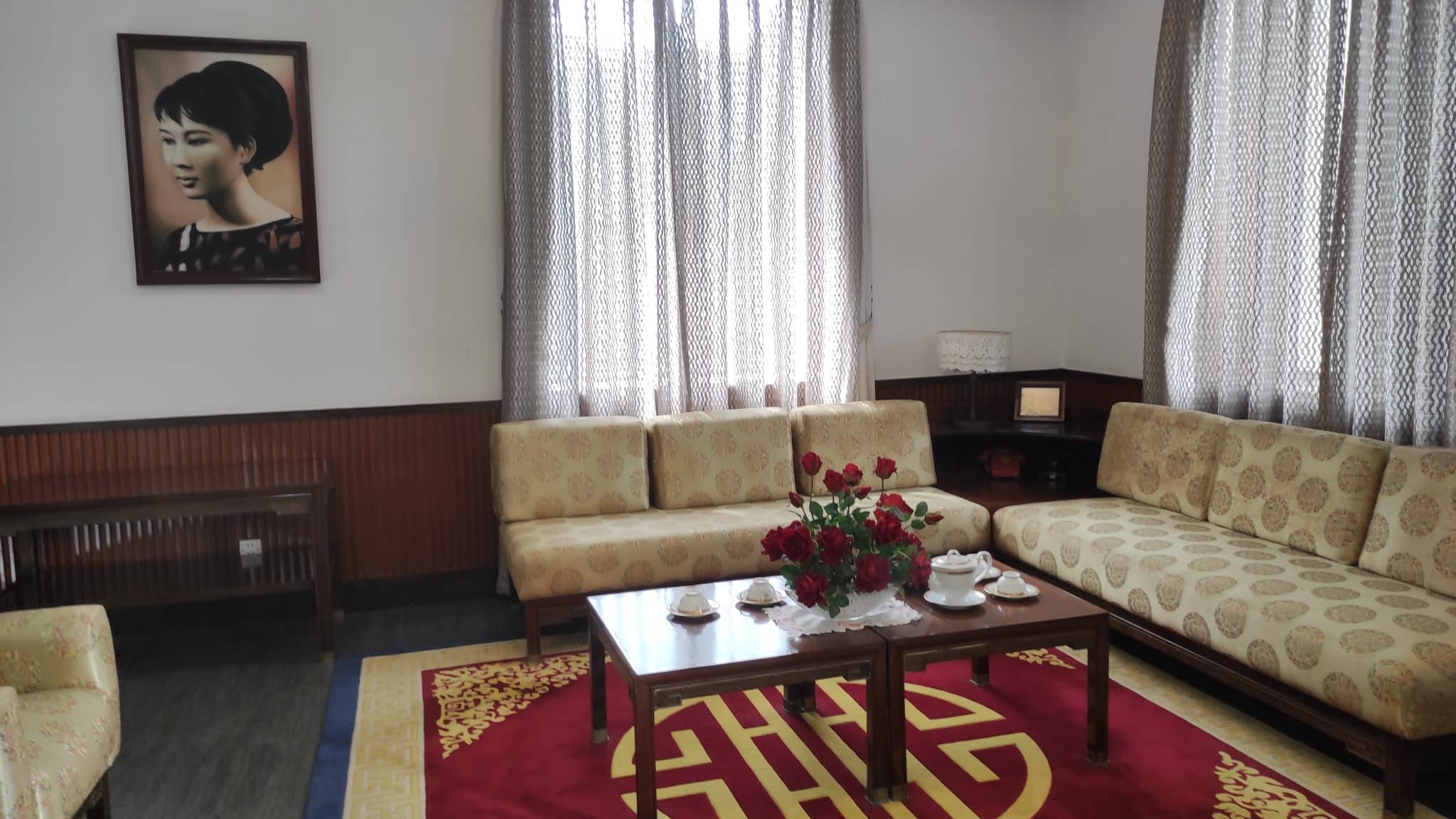
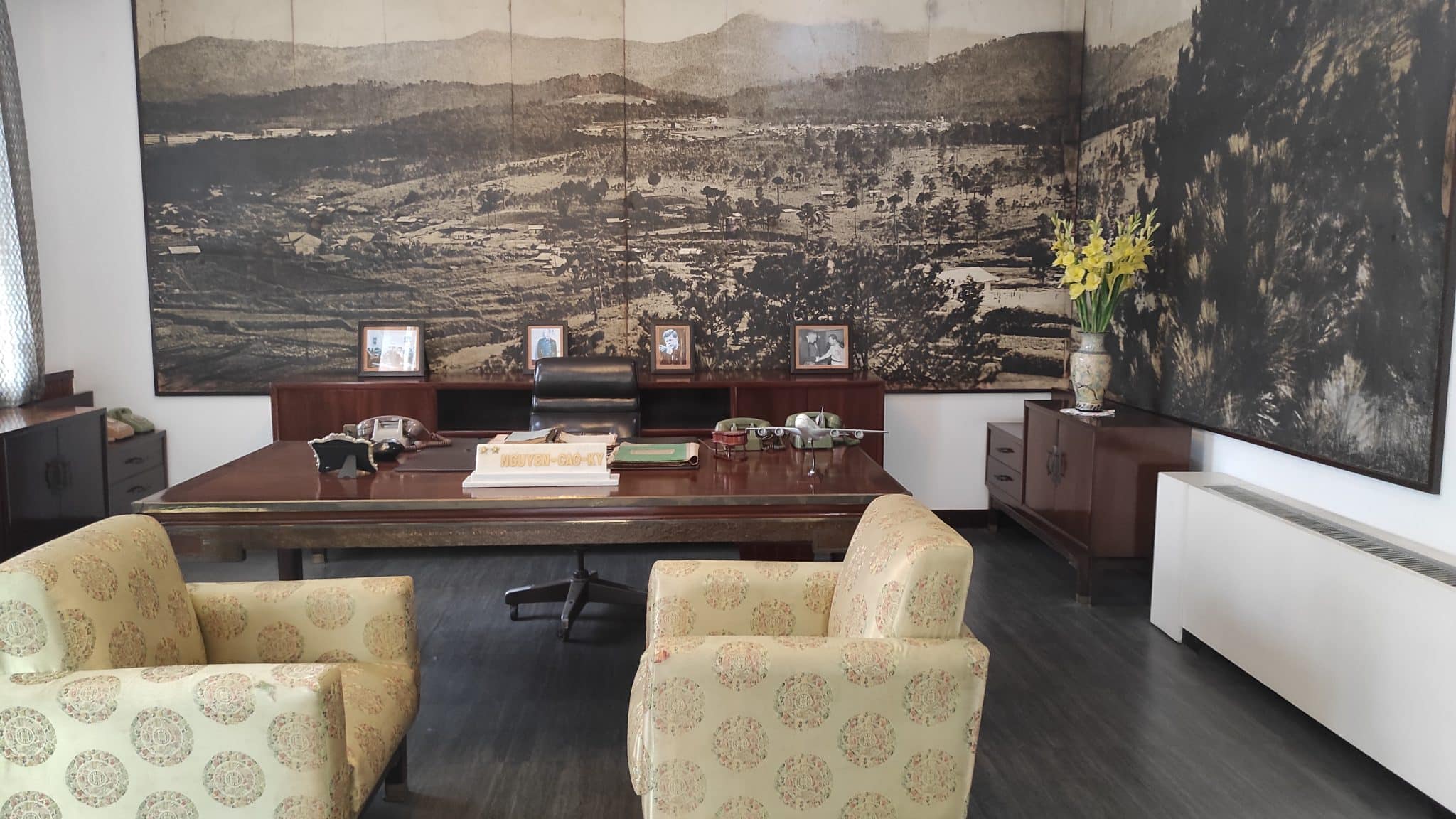
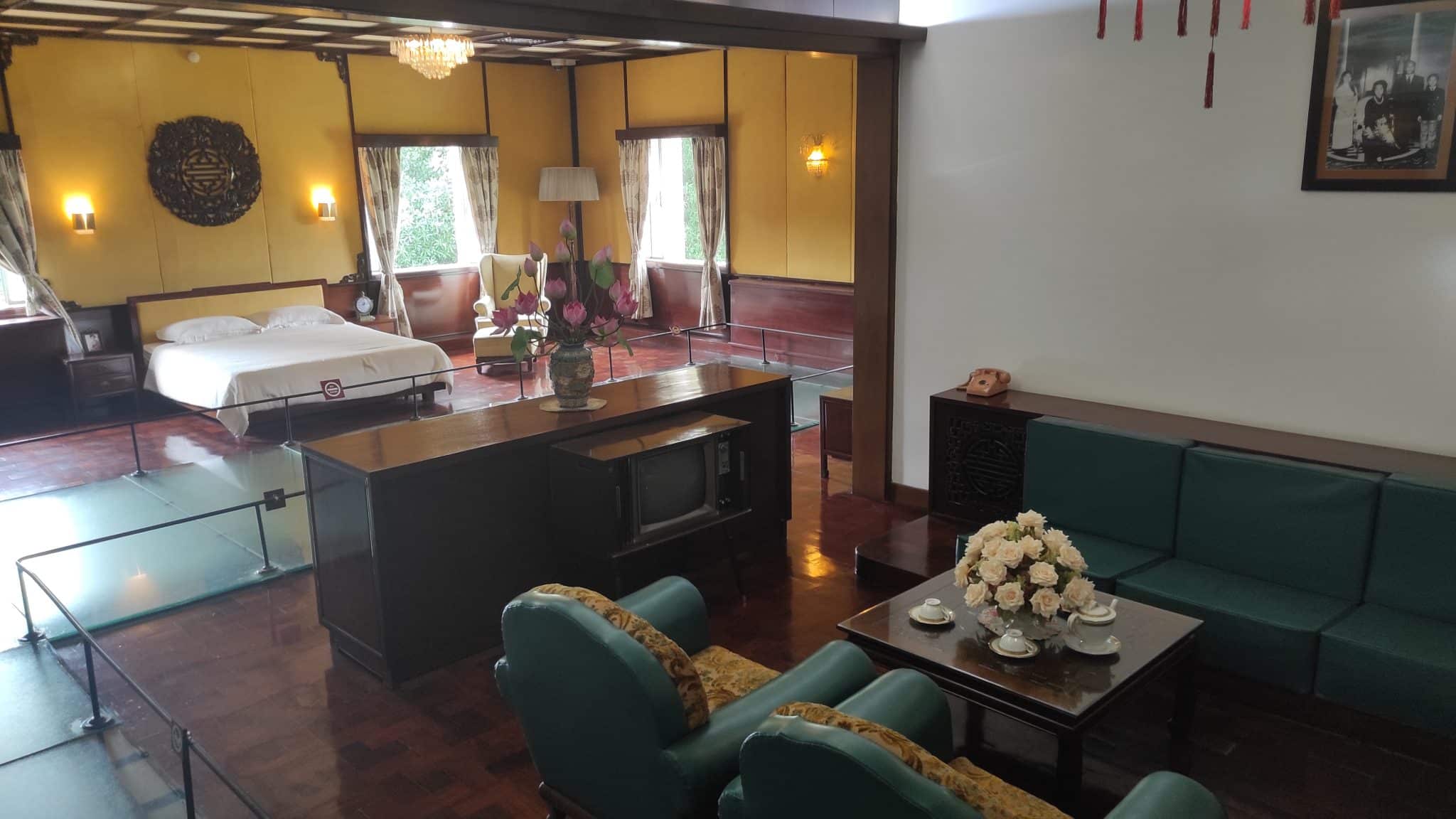
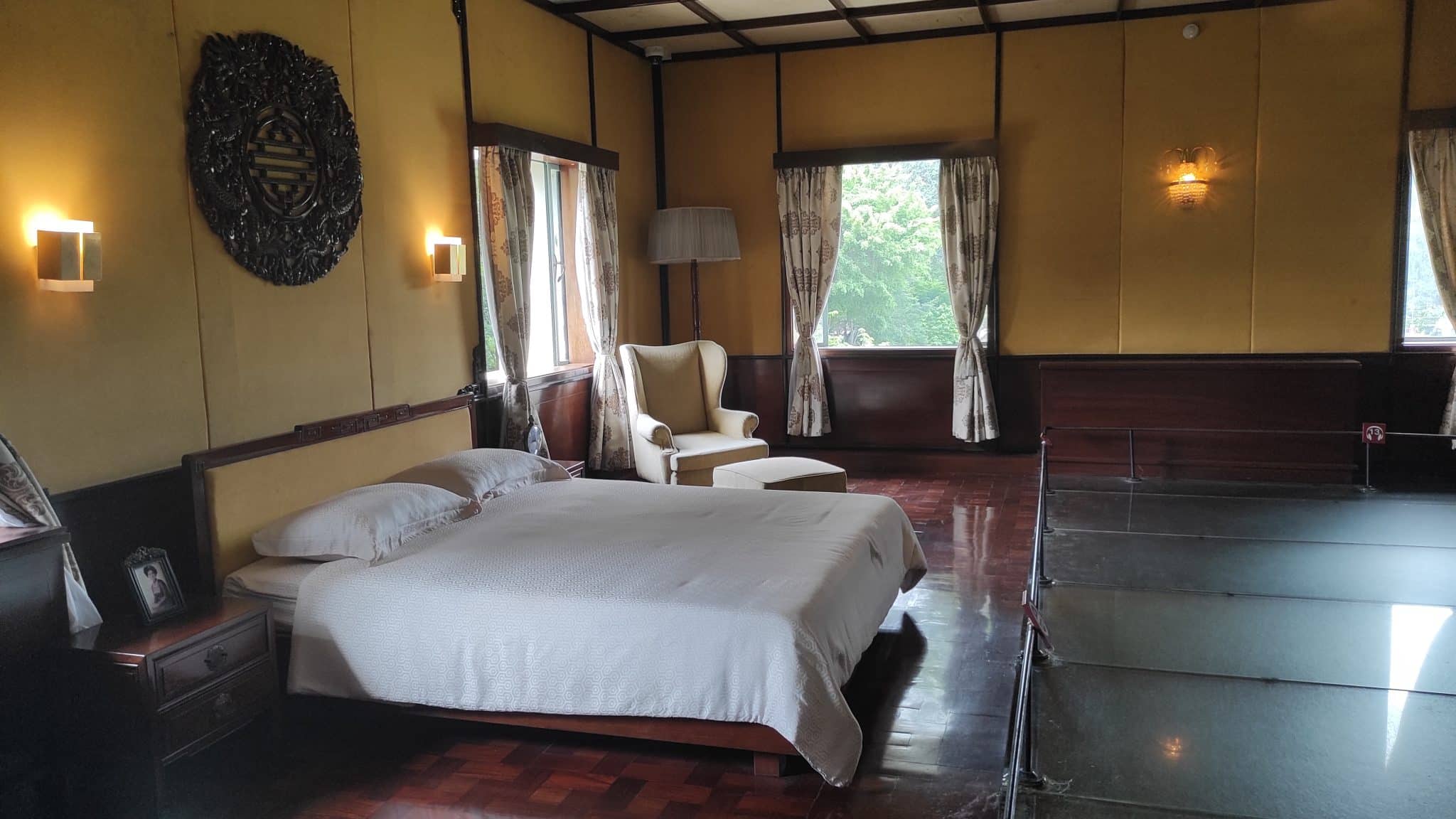
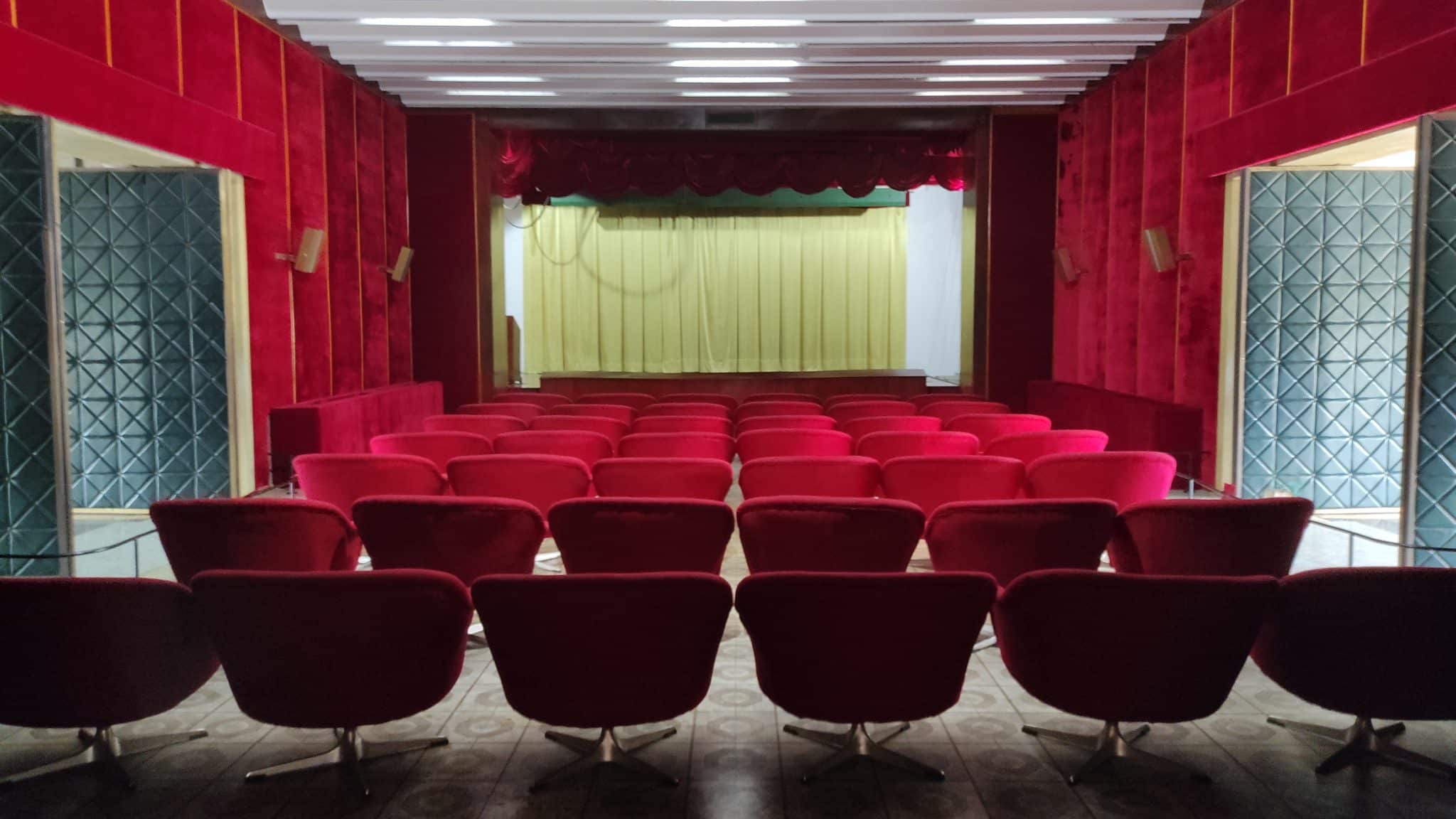
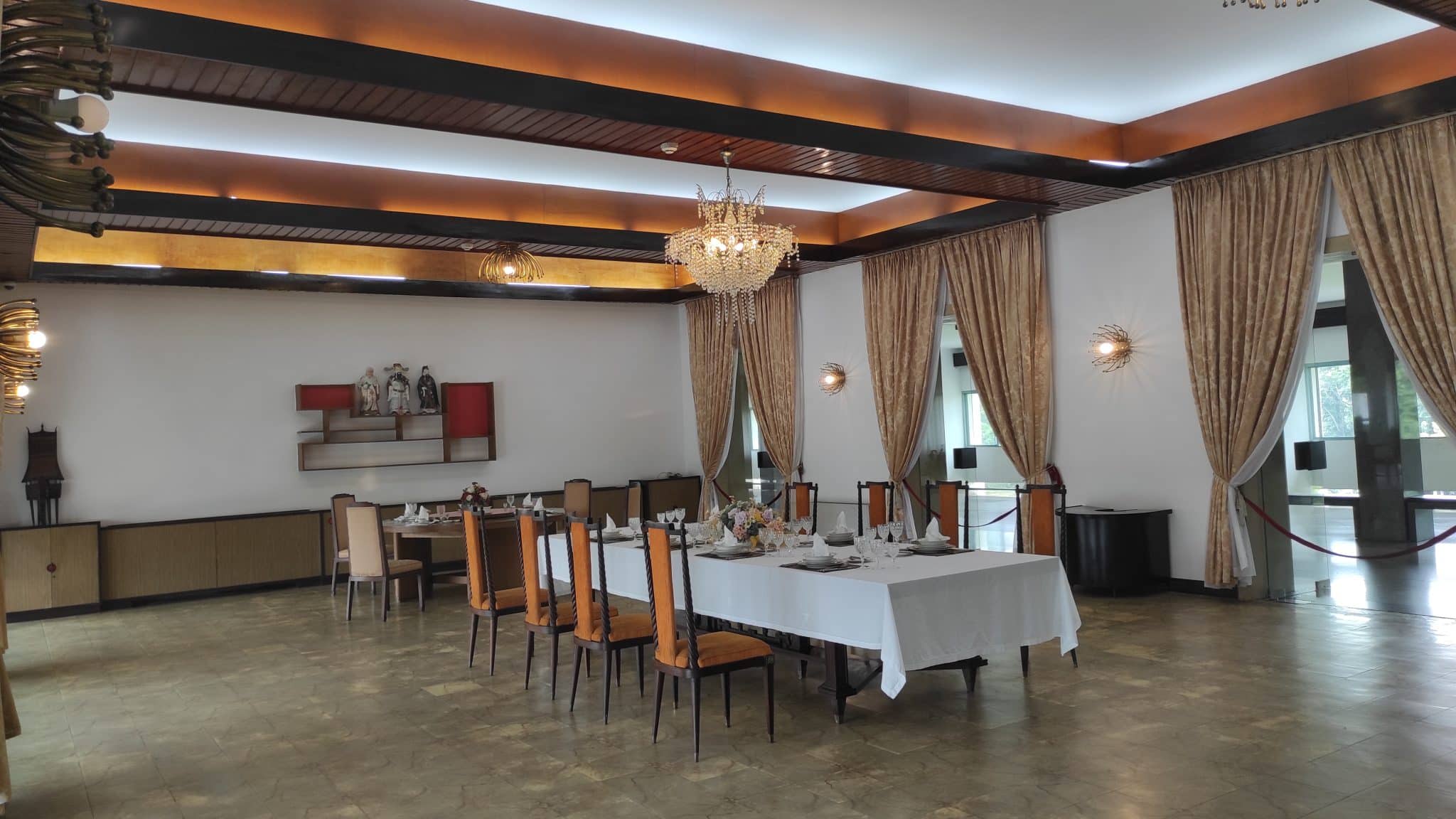
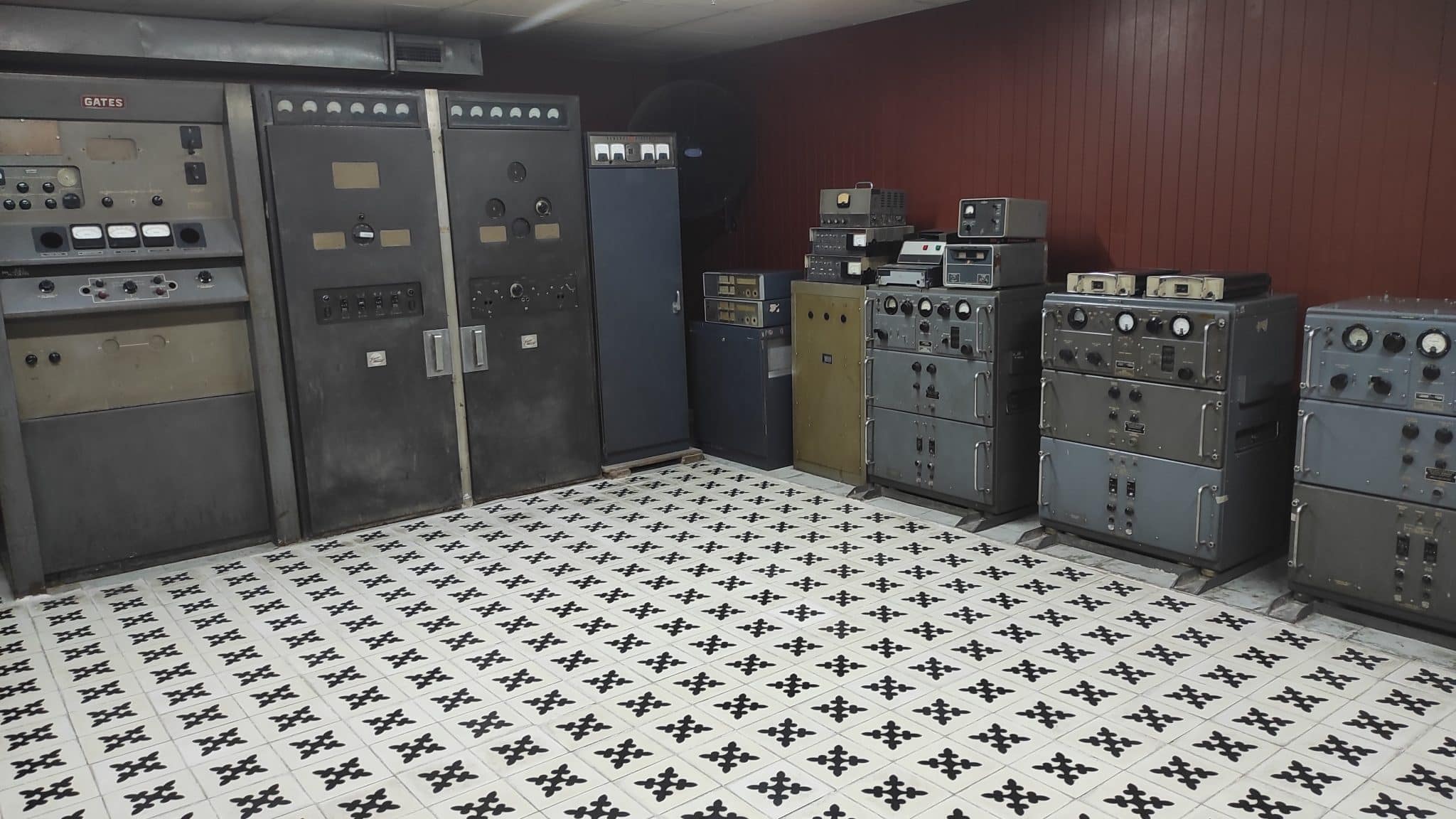
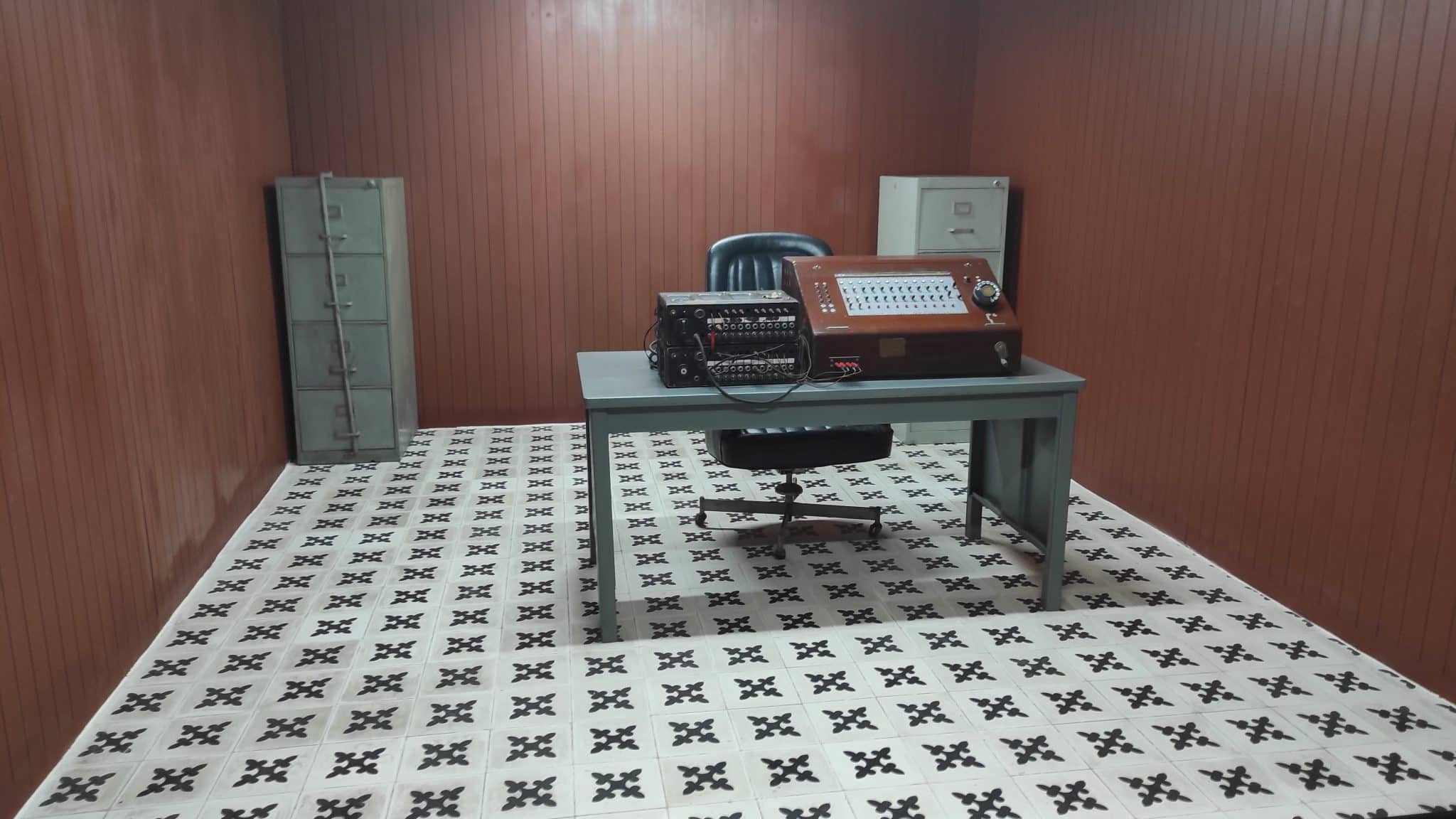
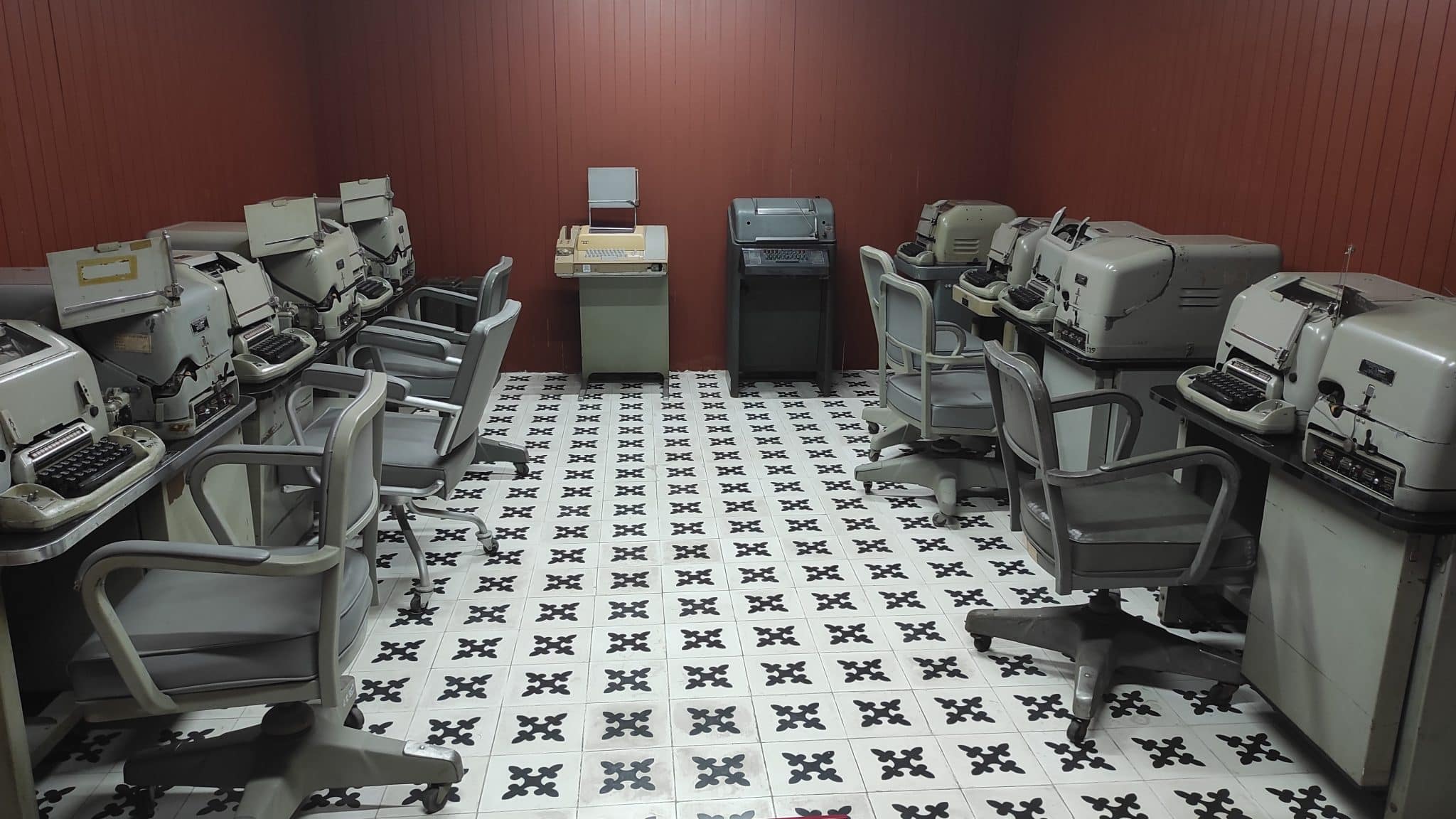
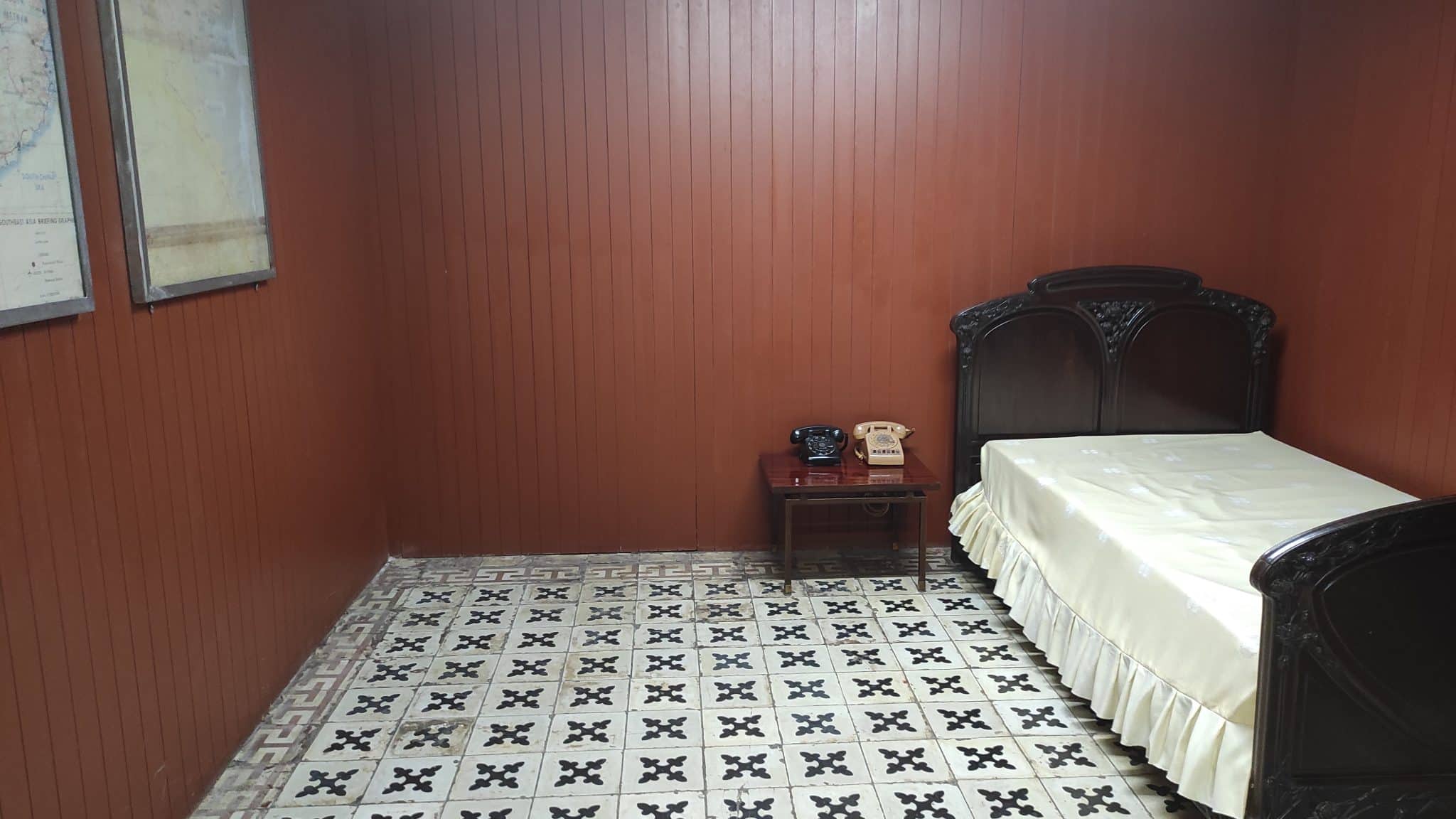
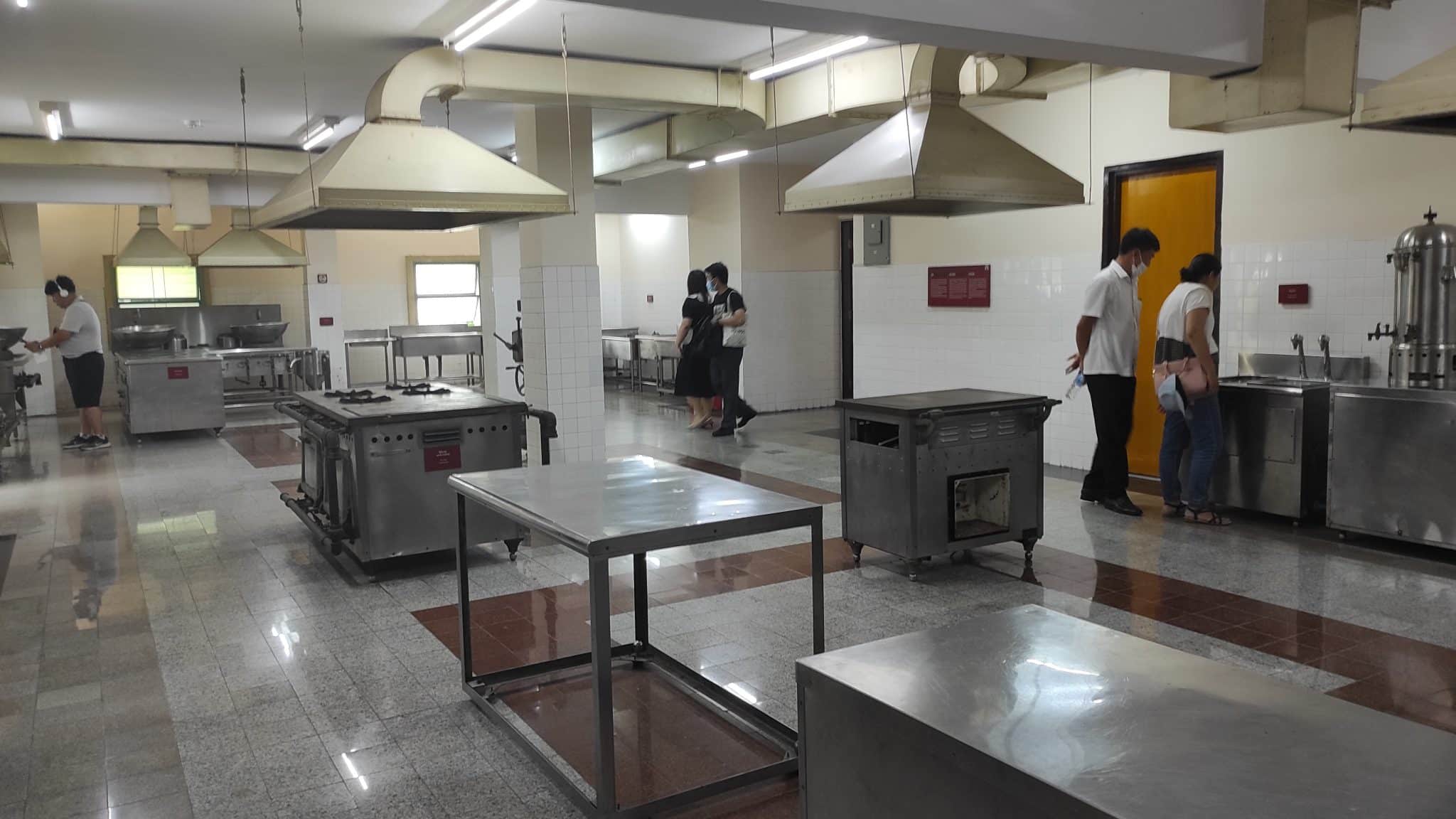
- Historical Rooms and Areas: Visitors can explore various rooms, halls, and areas within the Independence Palace, including the presidential office, conference rooms, living quarters, and ceremonial spaces. These areas provide insights into the daily operations and activities conducted within the palace during its time as the seat of power in South Vietnam.
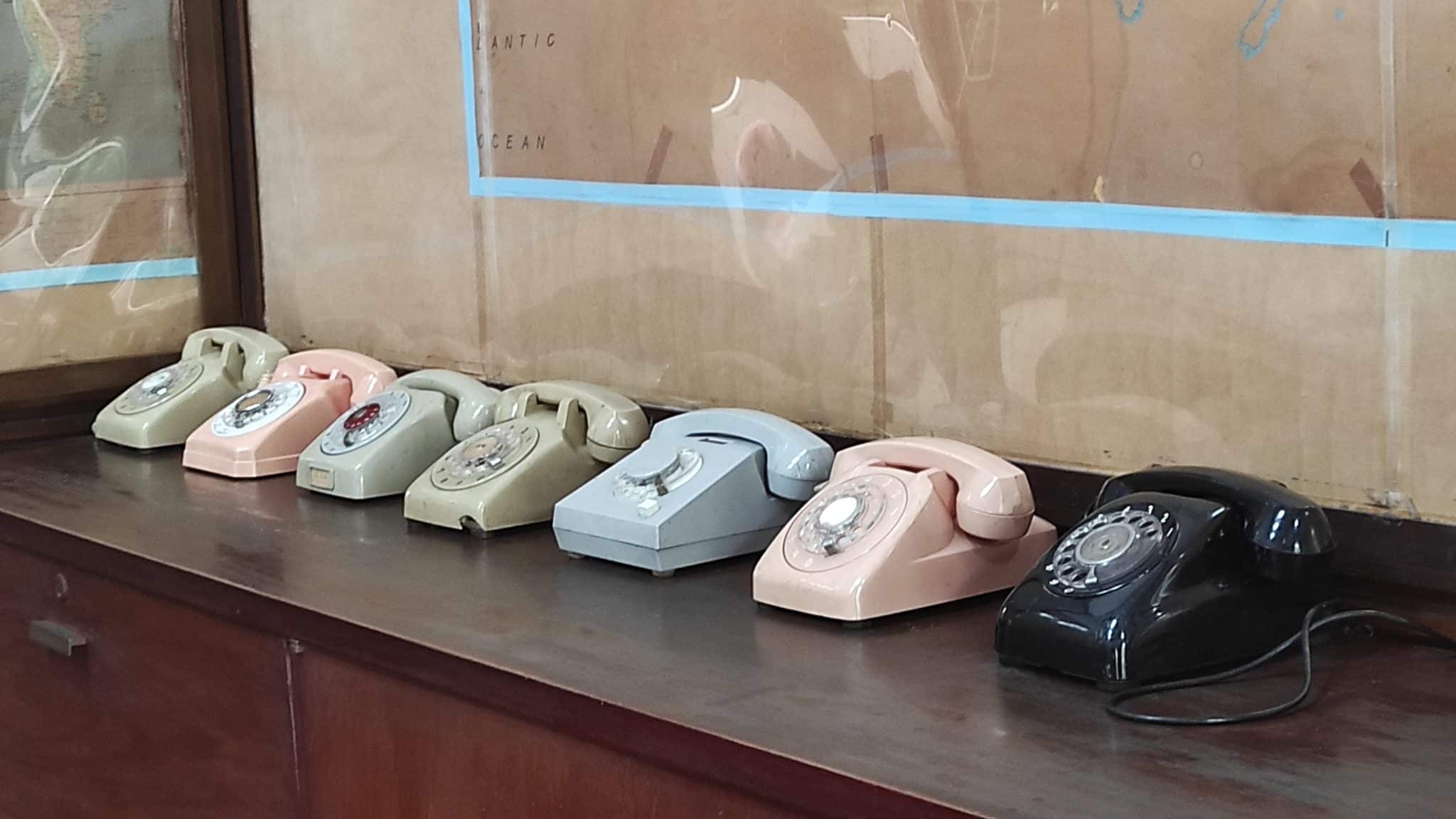
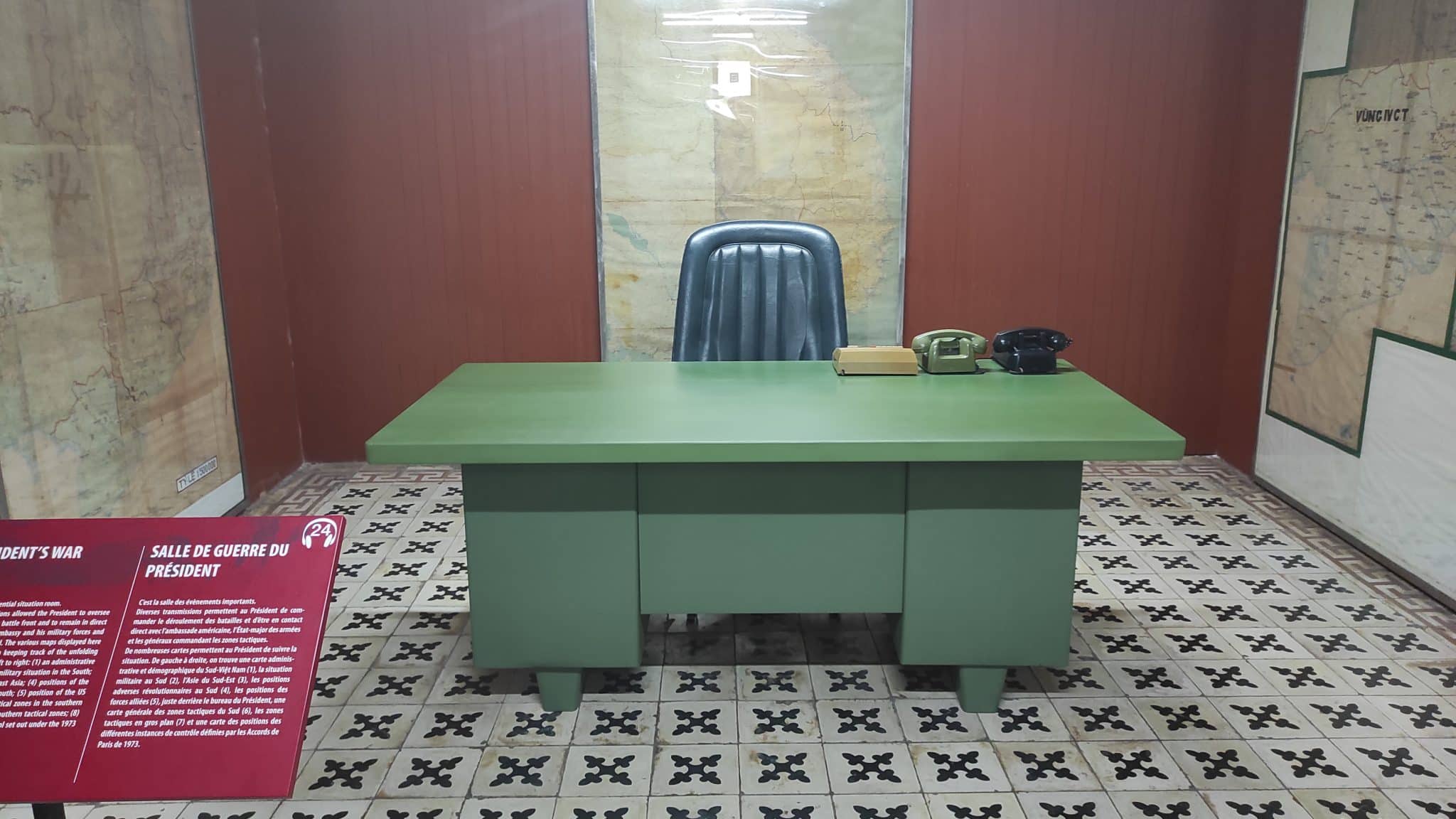
- War Command Room: One of the highlights of a visit to the Independence Palace is the War Command Room, which remains largely unchanged since the Vietnam War era. This room offers a glimpse into the strategic operations and decision-making processes that took place during this tumultuous period in Vietnamese history.
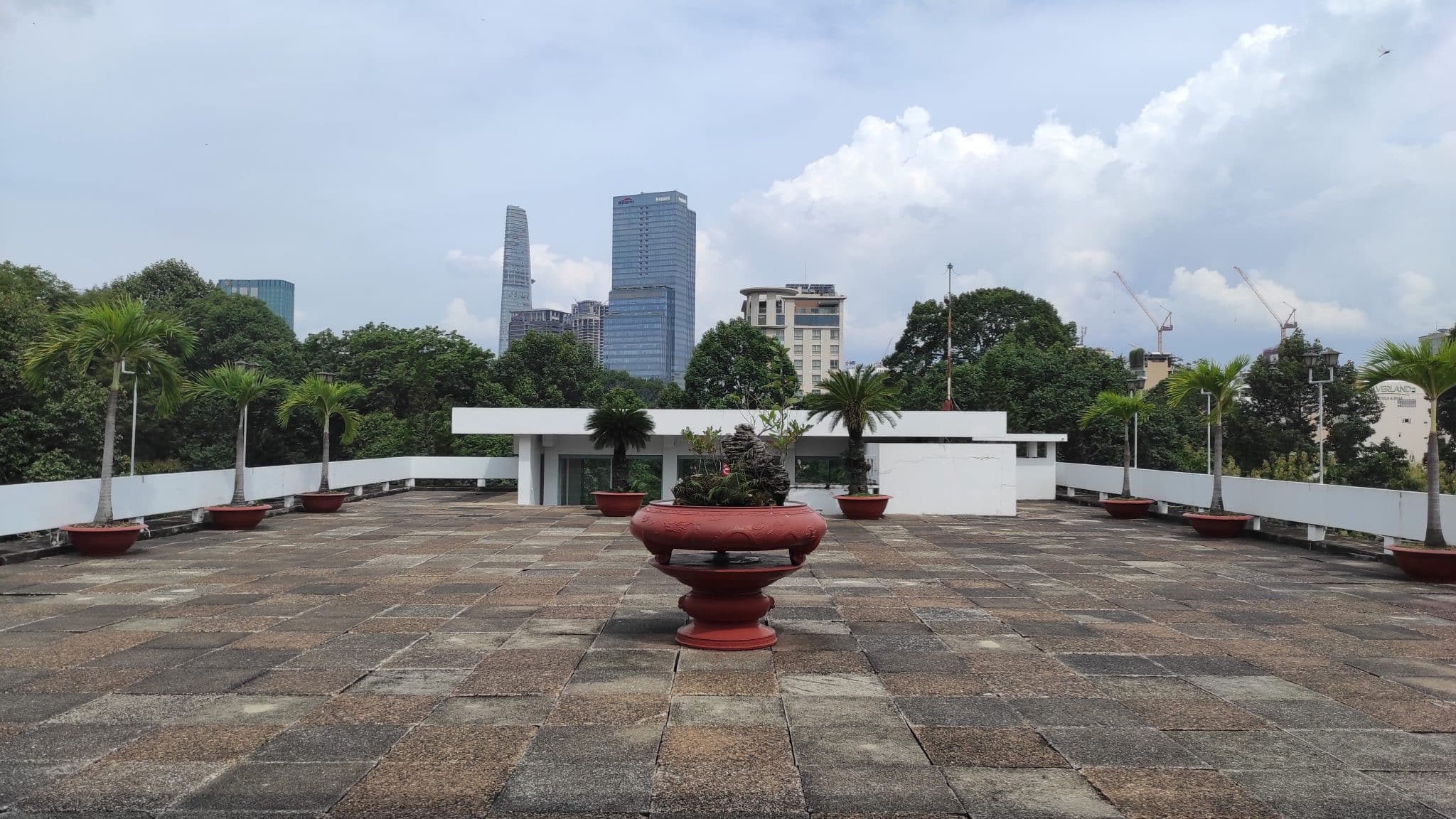
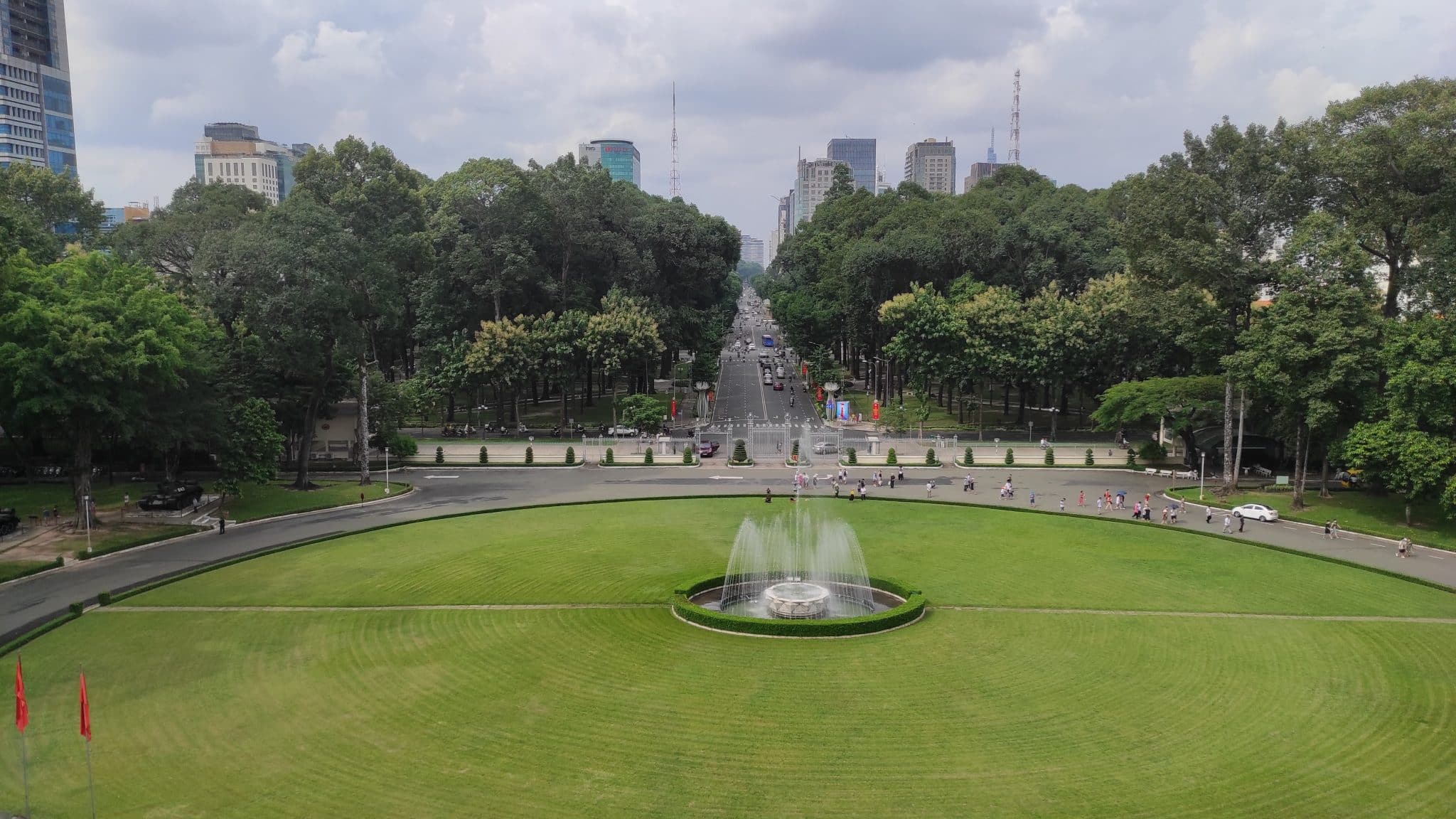
- Grounds and Gardens: In addition to exploring the interior of the palace, visitors can wander through the palace grounds, gardens, and surrounding areas. The landscaped gardens, fountains, and pathways offer a tranquil setting amidst the bustling city, providing a peaceful retreat and scenic backdrop for exploring the palace complex.
- Museum Exhibits: The Independence Palace features museum exhibits showcasing artifacts, photographs, documents, and multimedia displays that provide historical context, insights, and information about the palace’s significance, the Vietnam War era, and Vietnam’s journey towards reunification.
Overall, a visit to the Independence Palace (Dinh Độc Lập) in Saigon offers a unique opportunity to explore a pivotal landmark in Vietnamese history, experience modernist architecture, and gain insights into the country’s political, cultural, and historical evolution.