Emperor Khai Dinh’s tomb – Huế
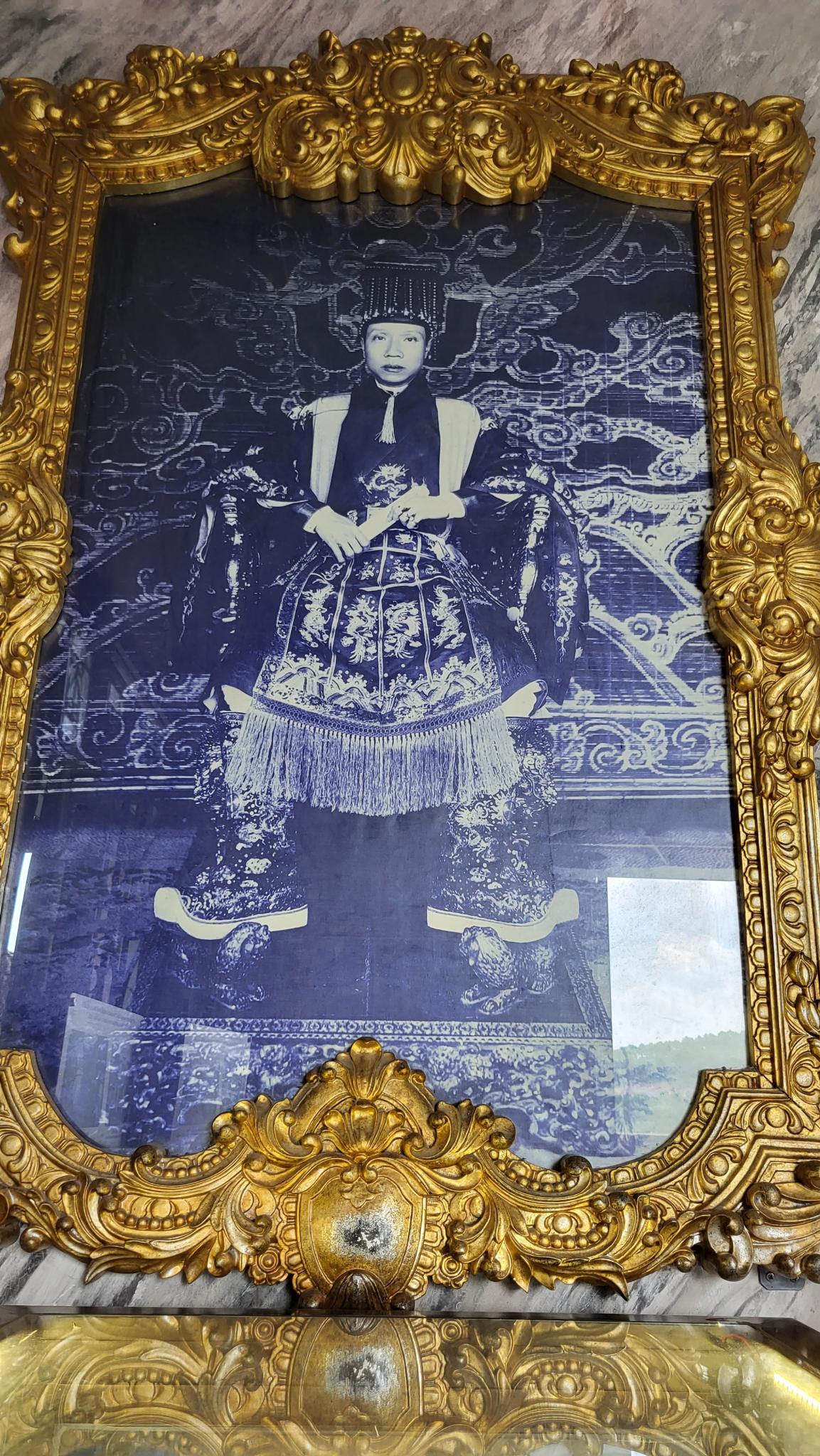
Emperor Khai Dinh’s tomb is located in Chau Chu Mountain near the city of Hue in Vietnam. Khai Dinh ruled Vietnam from 1916 to 1925 as the 12th Emperor of the Nguyen Dynasty. His tomb is a blend of traditional Vietnamese architectural elements and European design influences, reflecting the period of French colonial rule and the emperor’s personal tastes.
Here are some key features and details about Emperor Khai Dinh’s tomb:
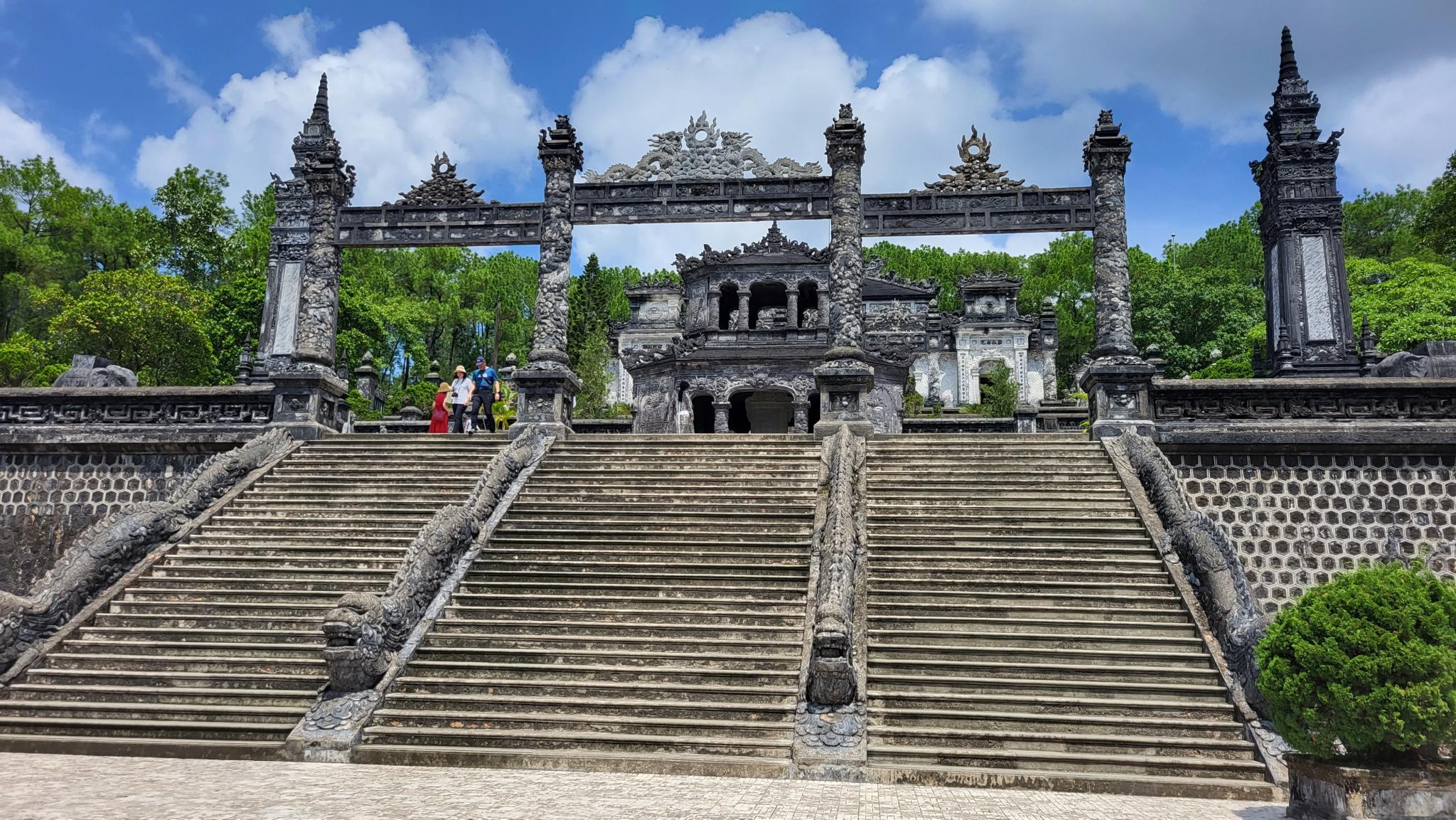
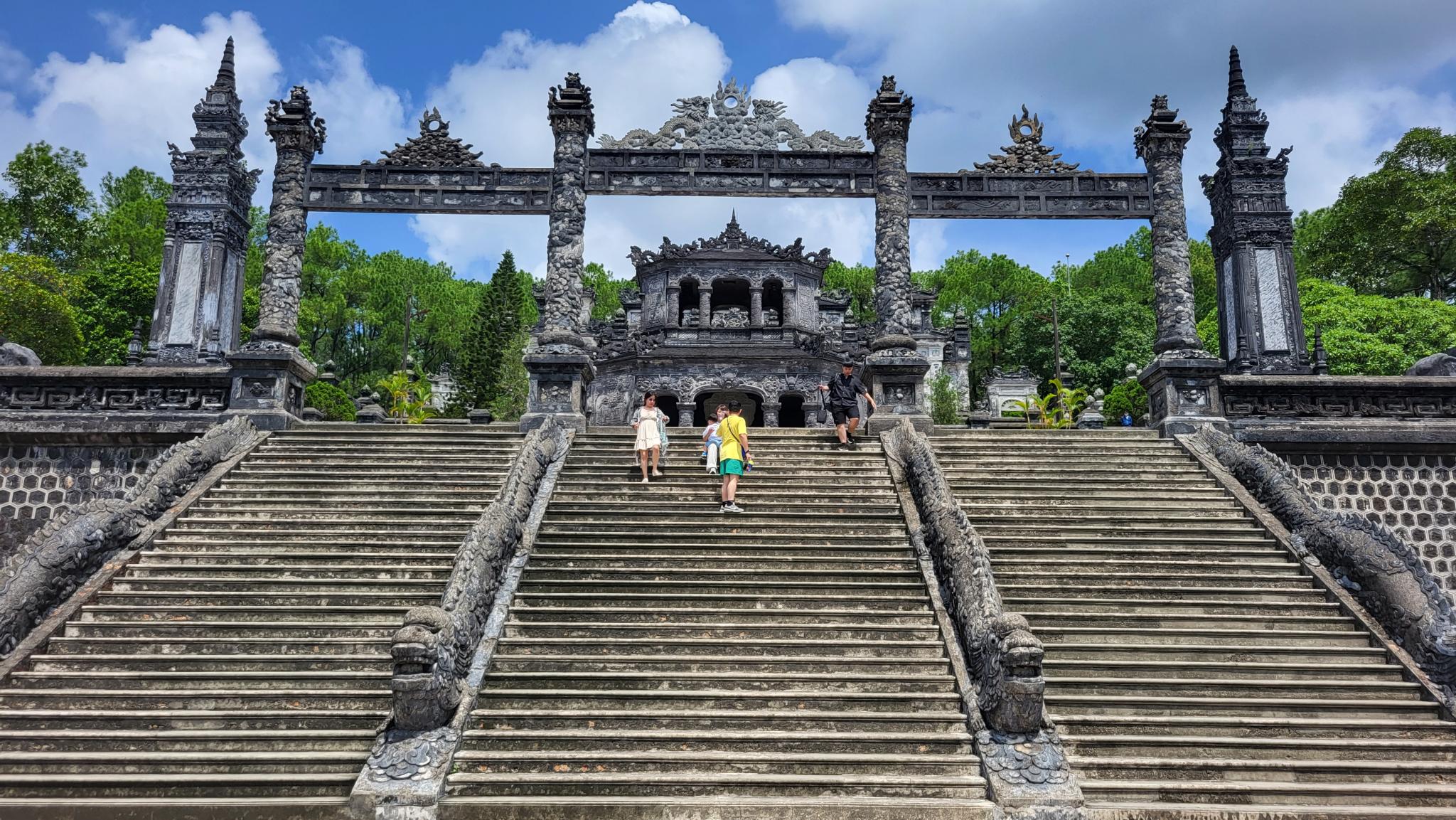
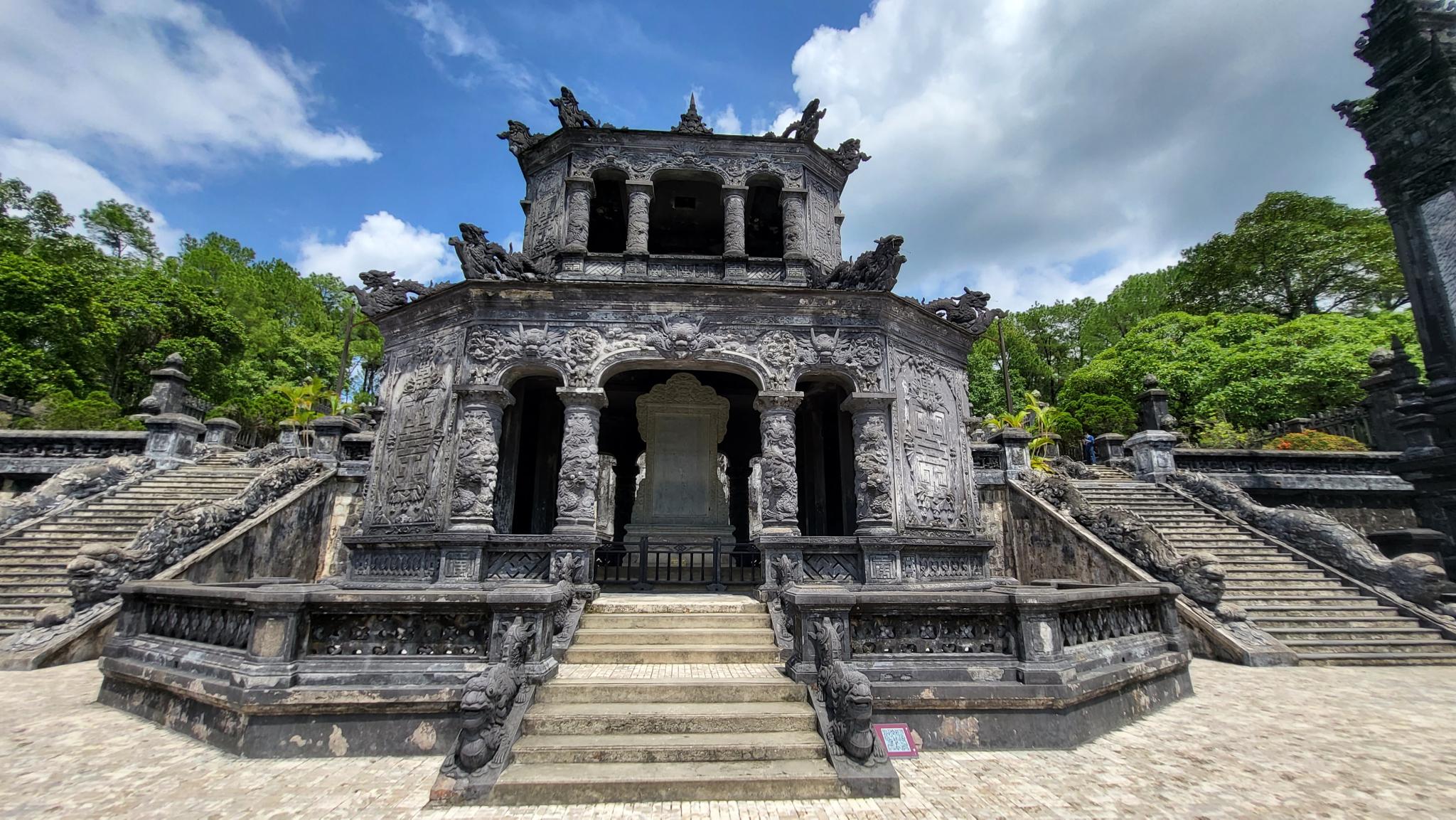
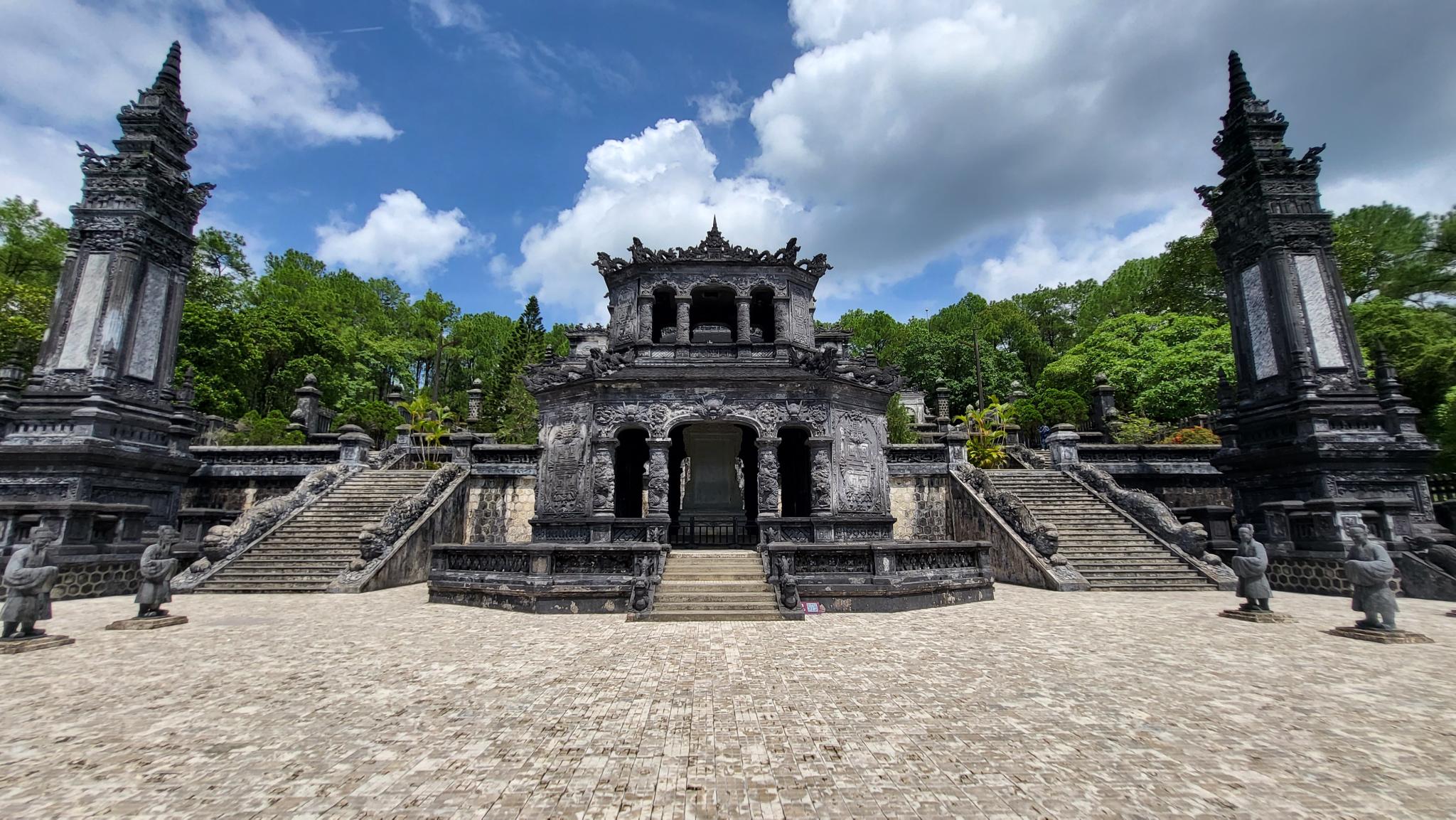
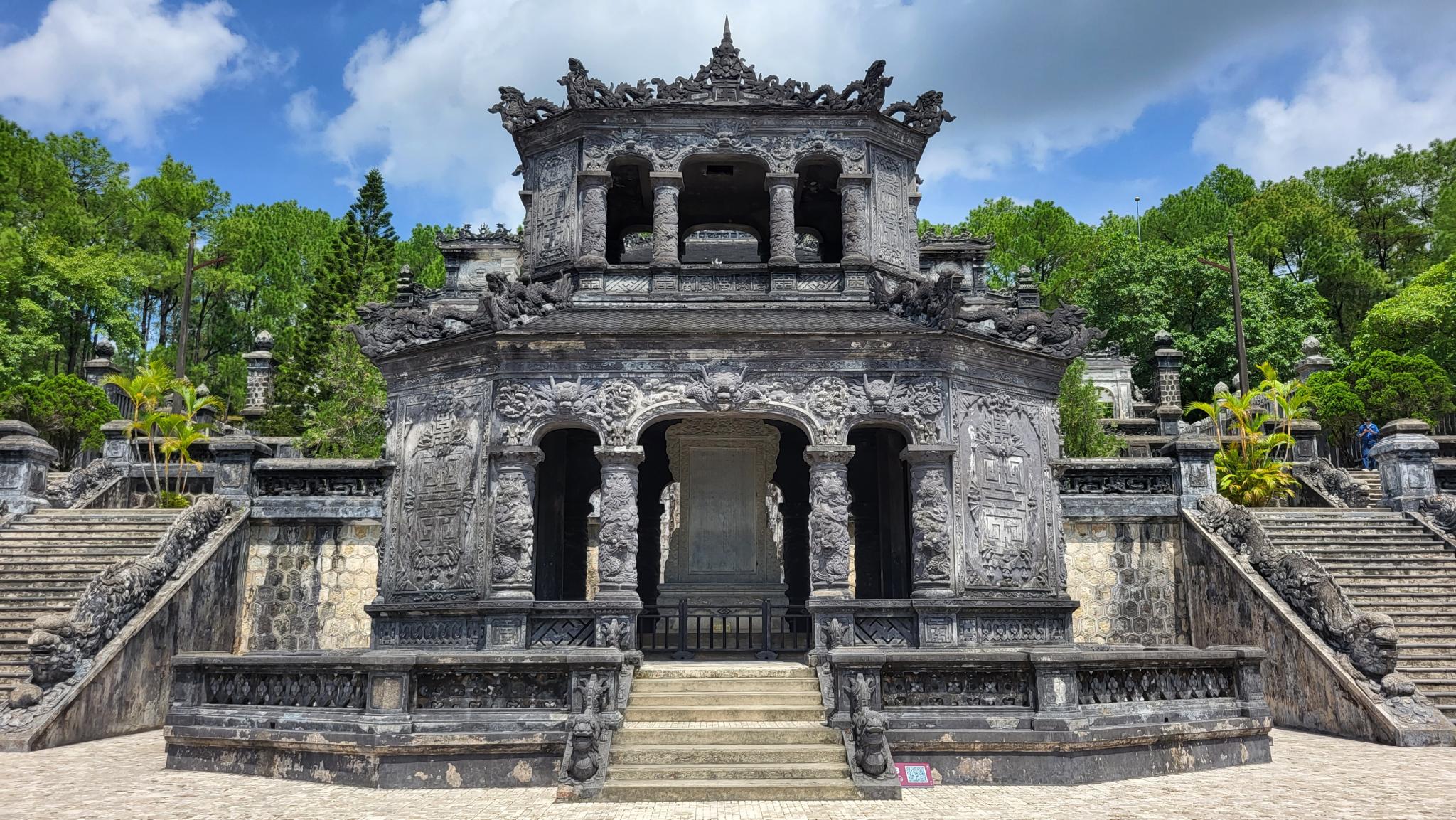
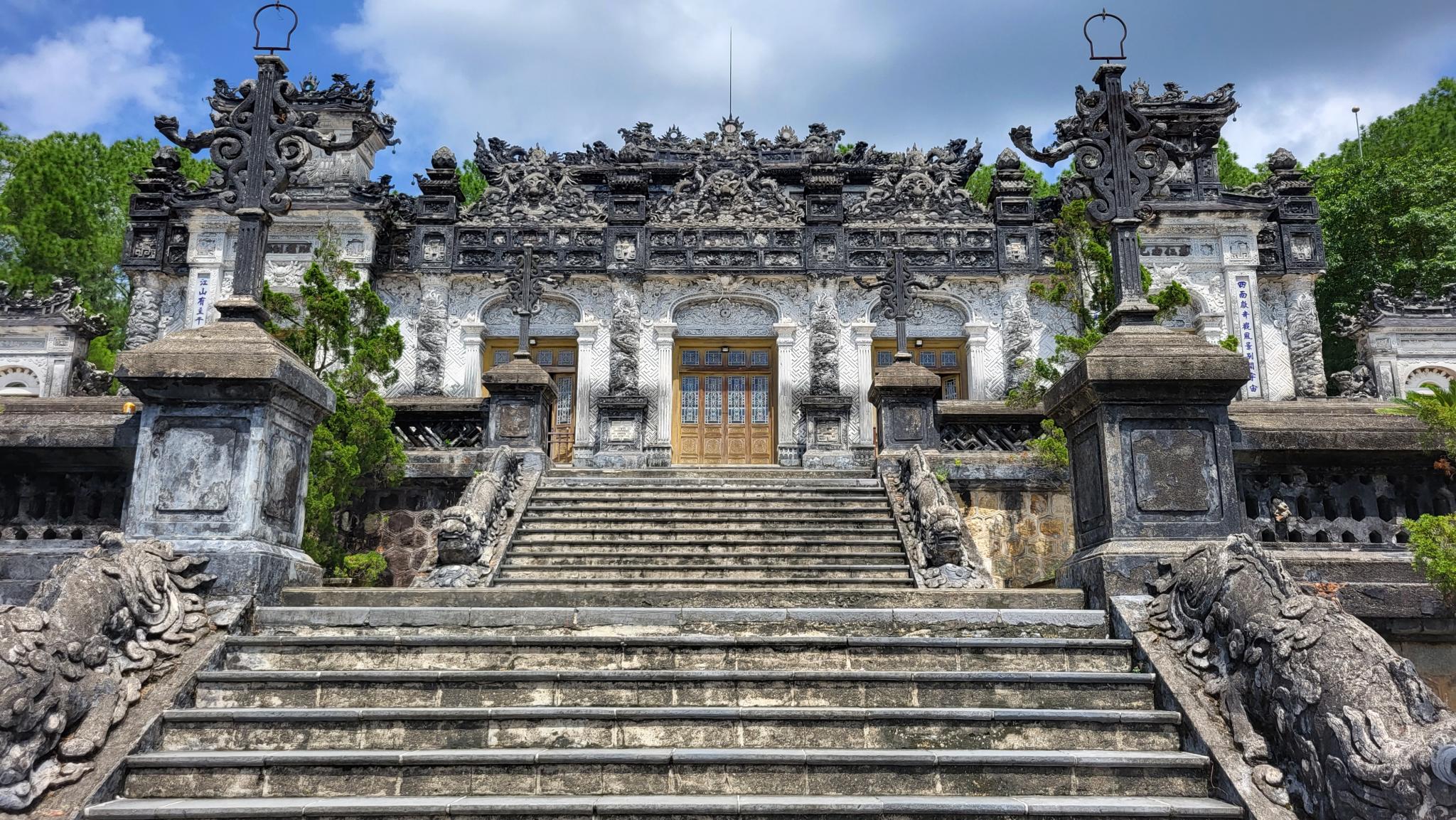
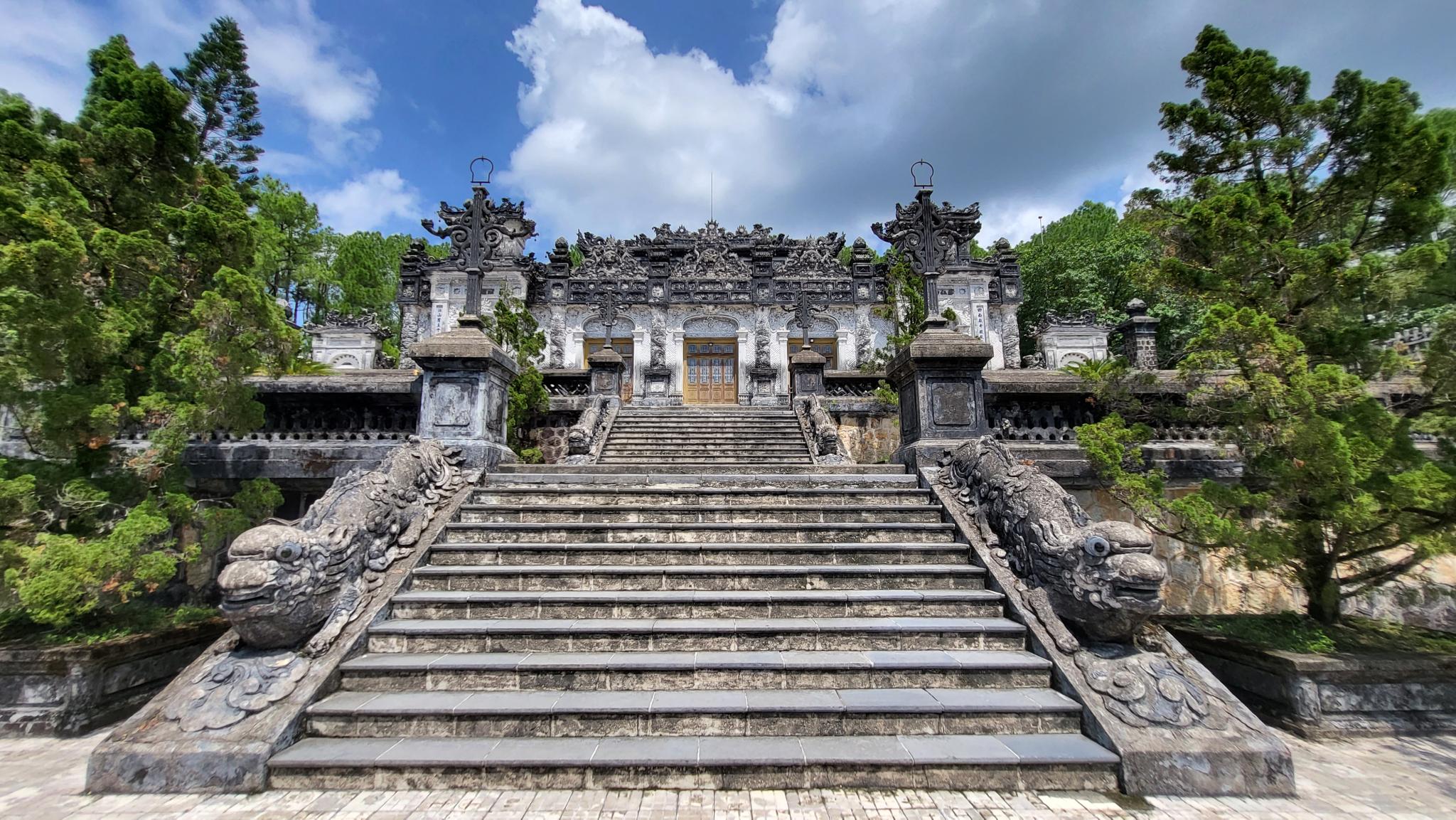
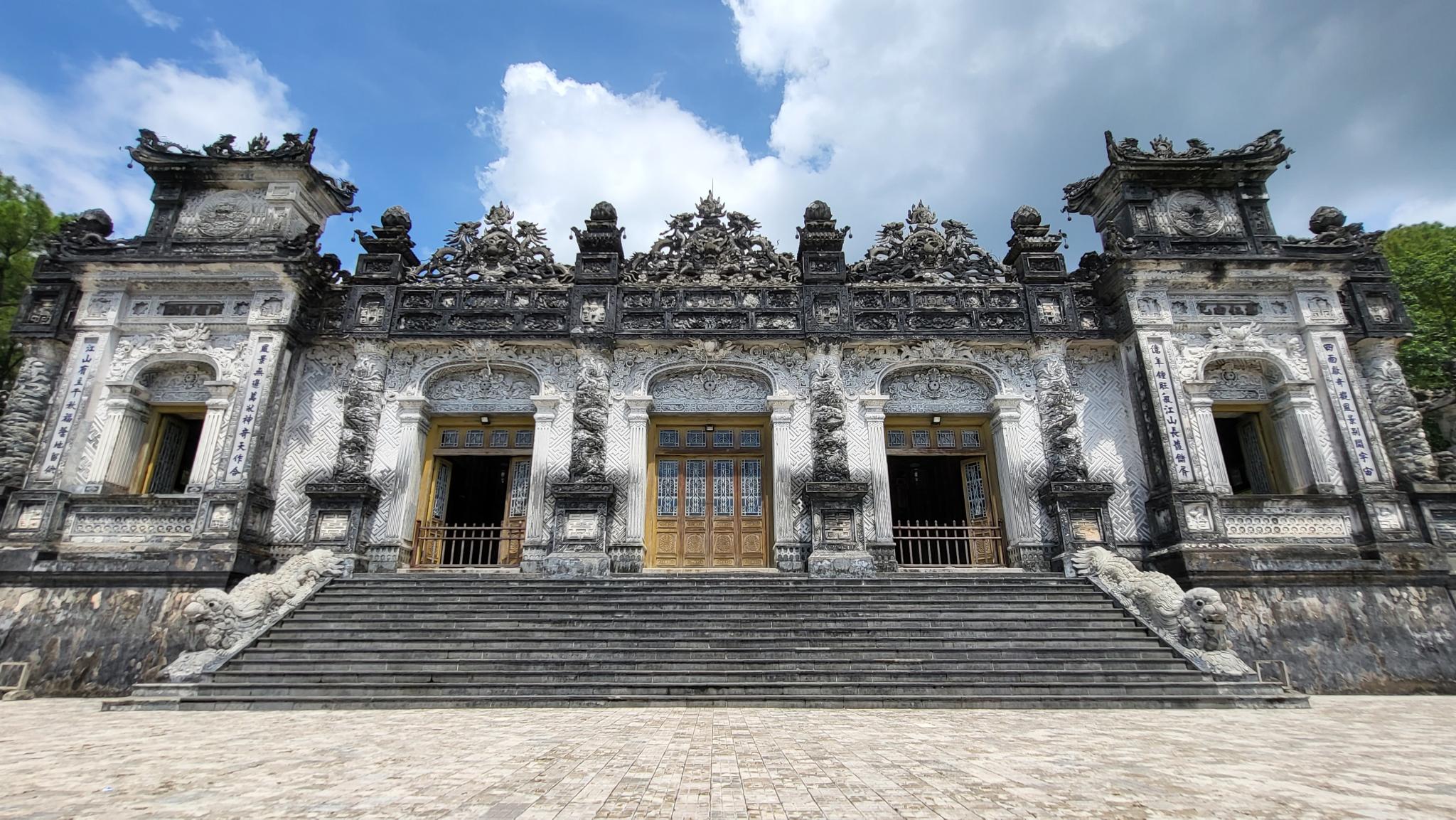
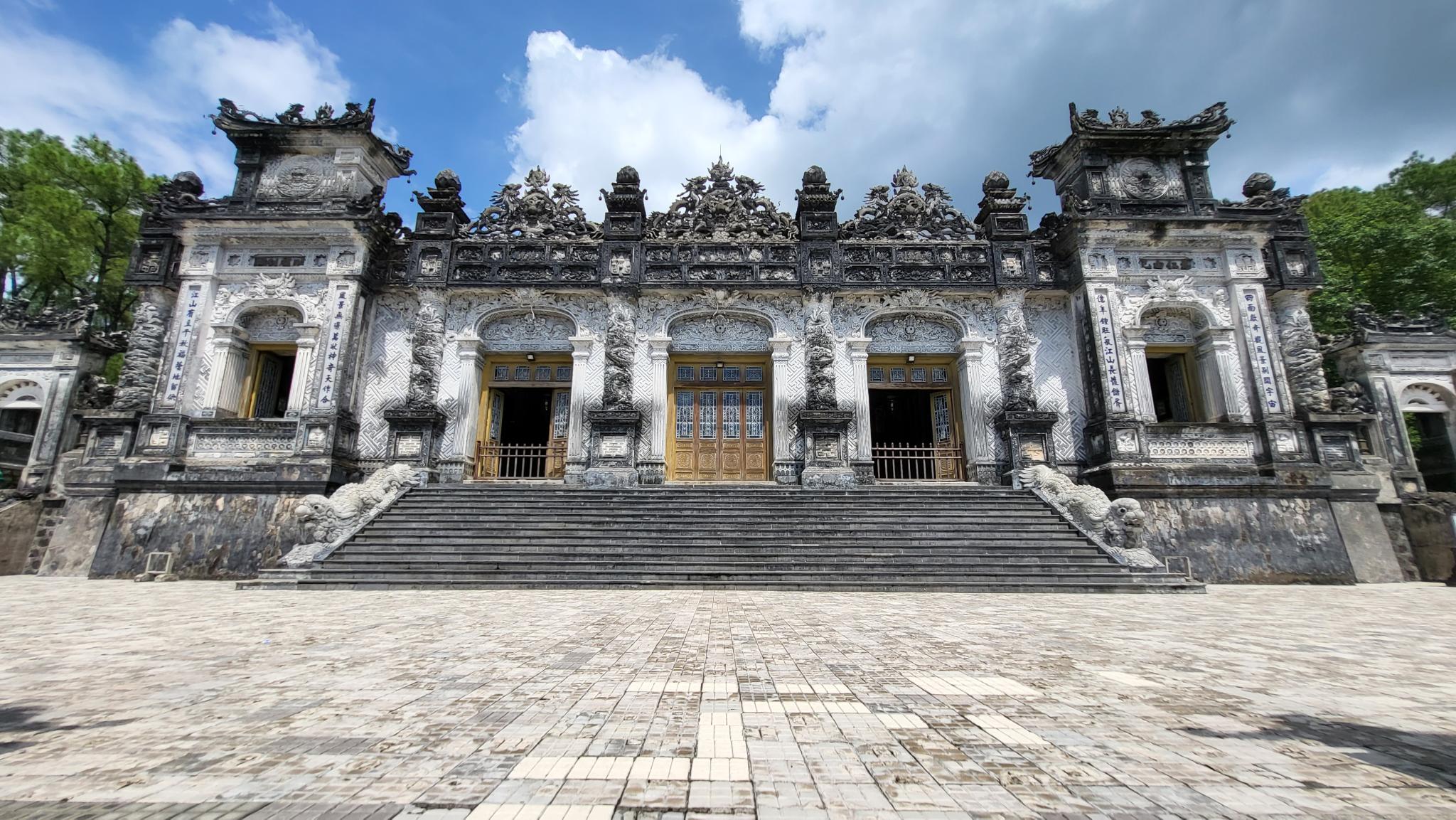
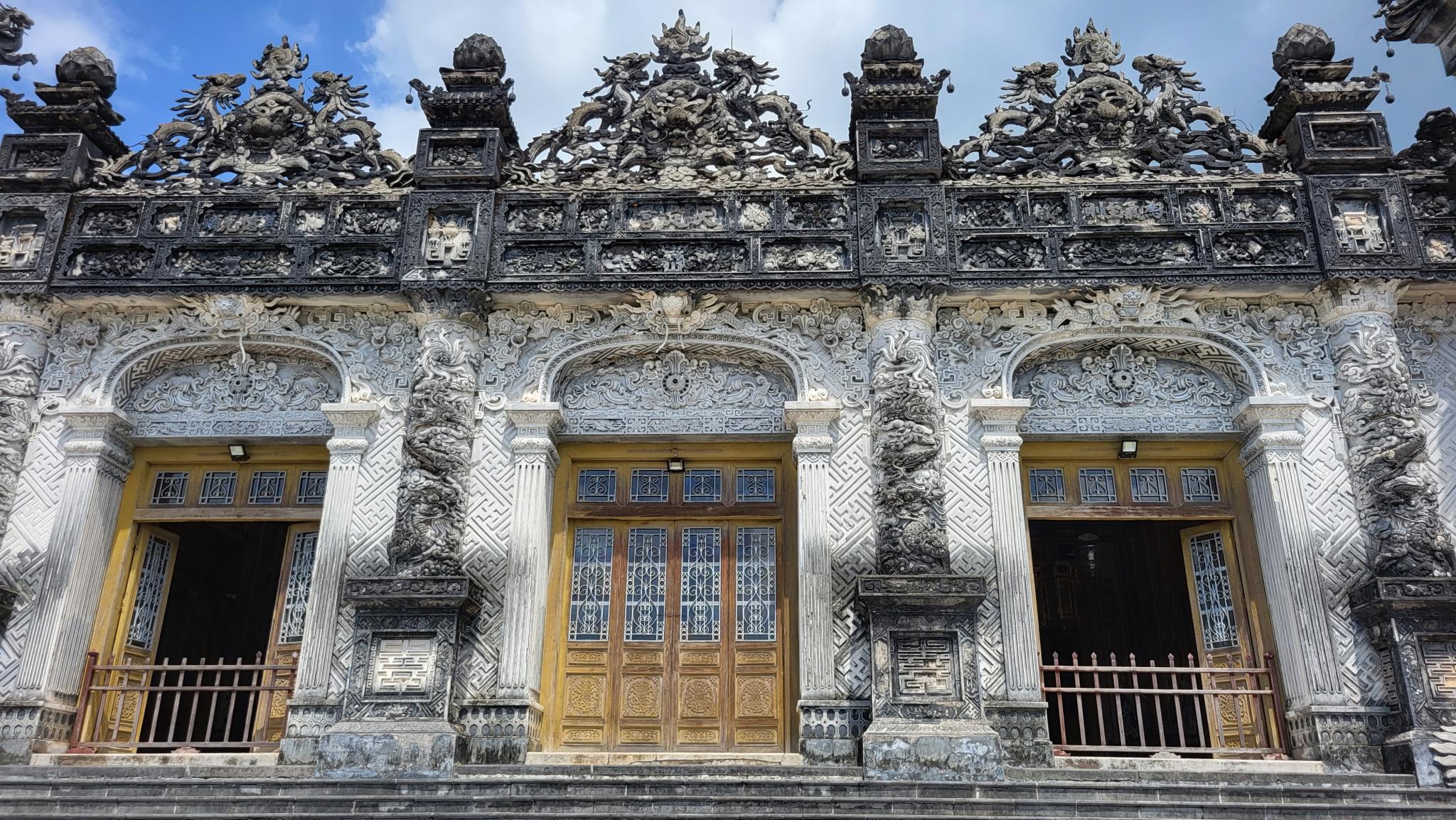
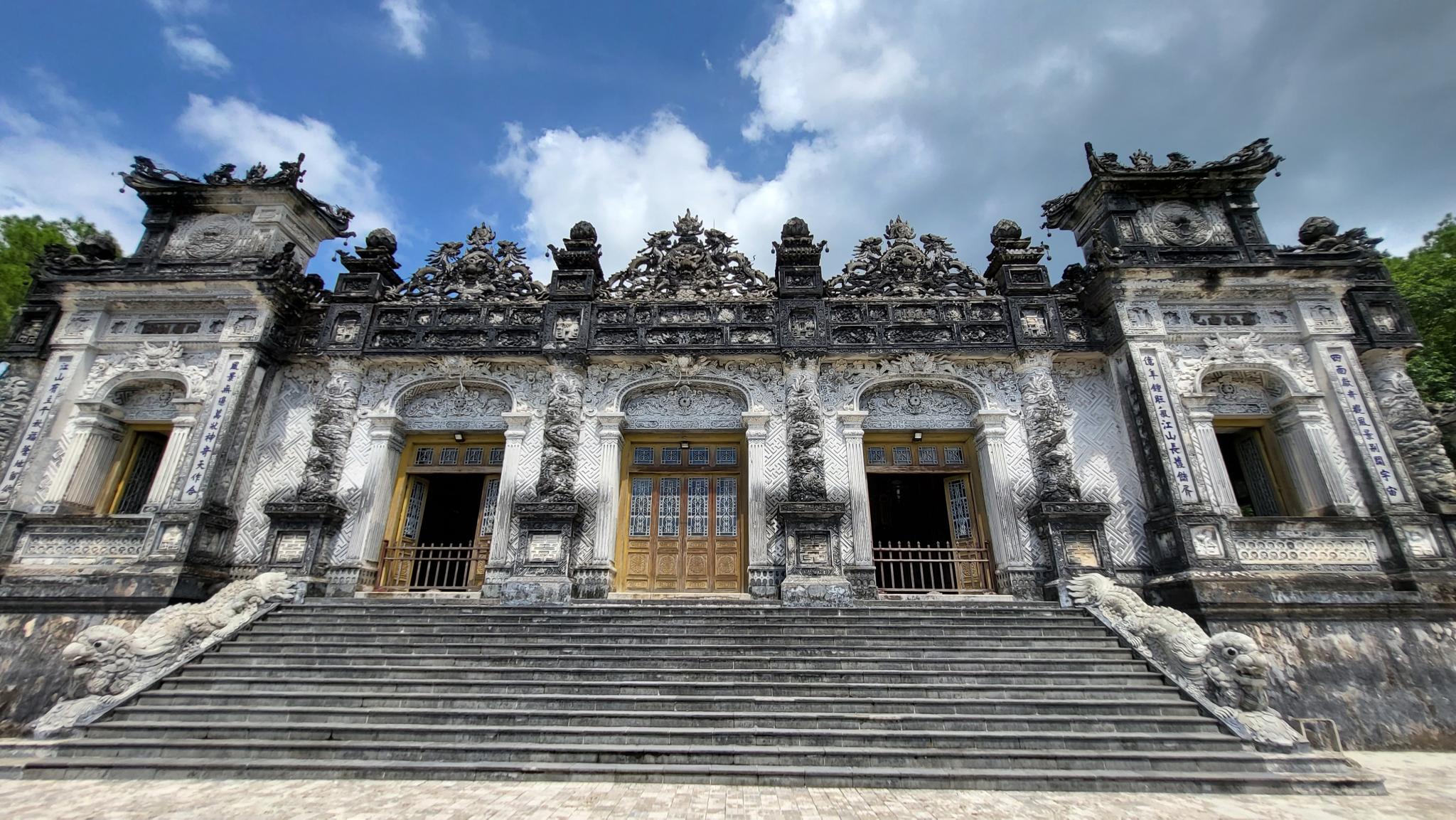
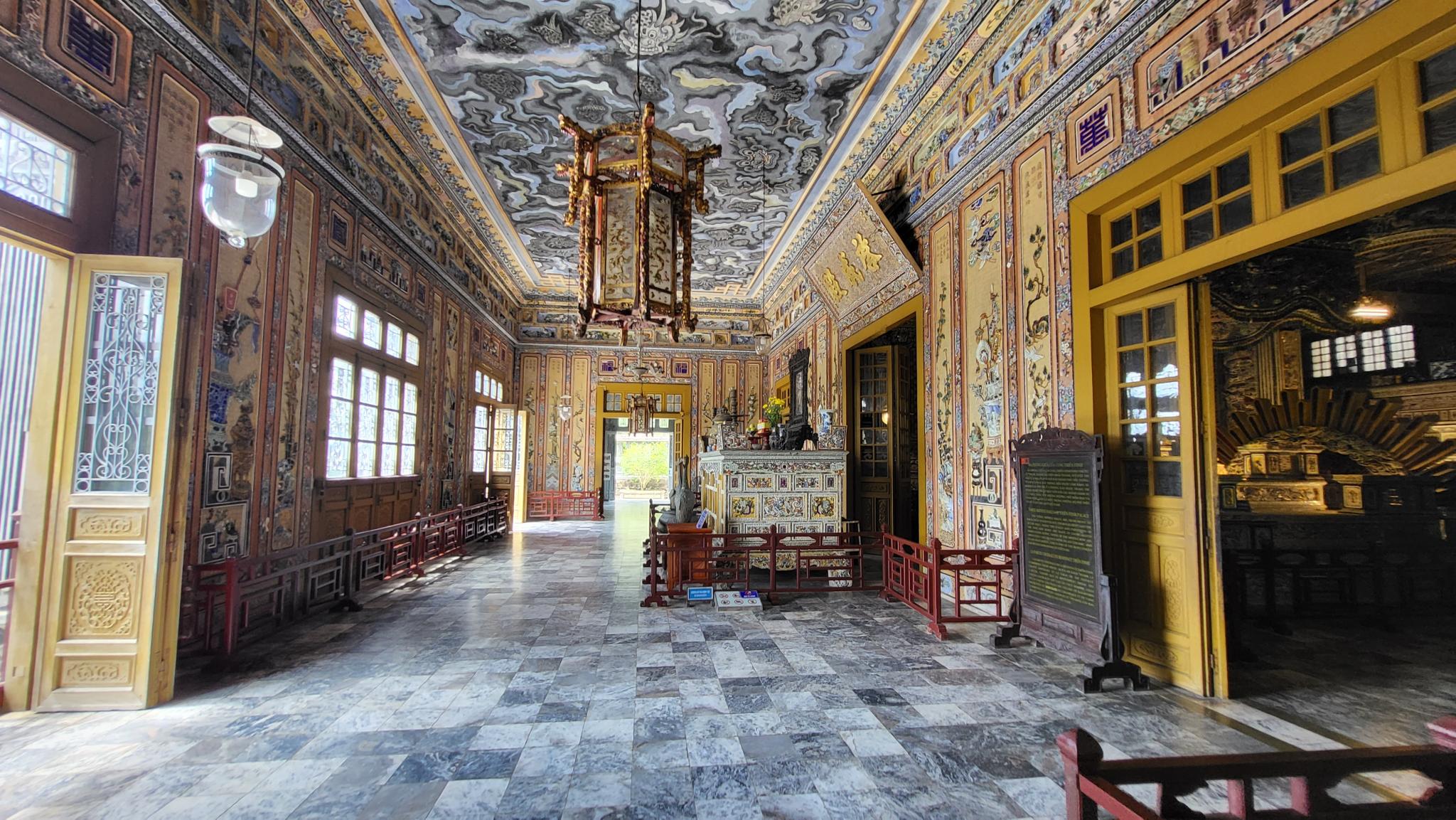
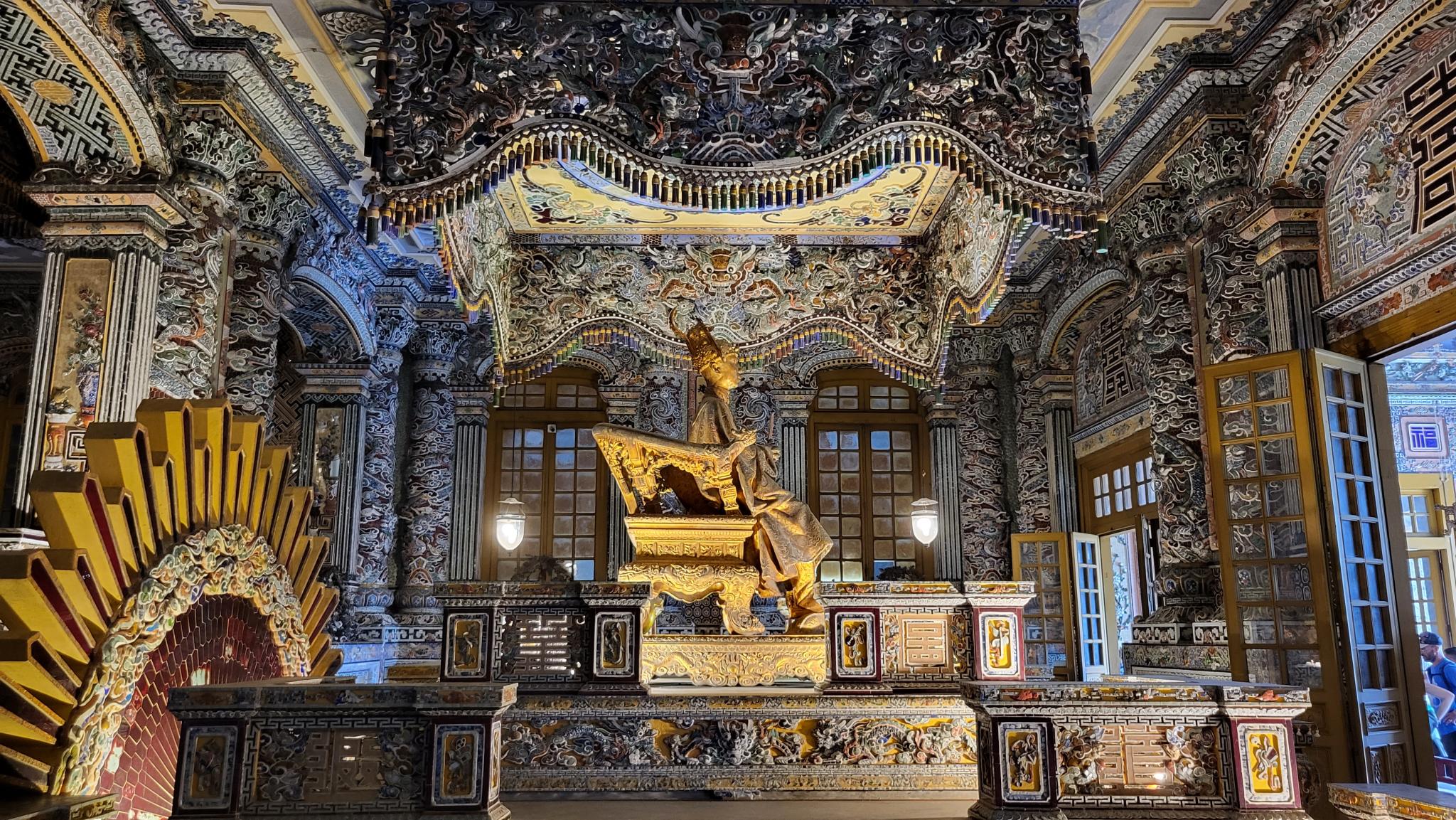
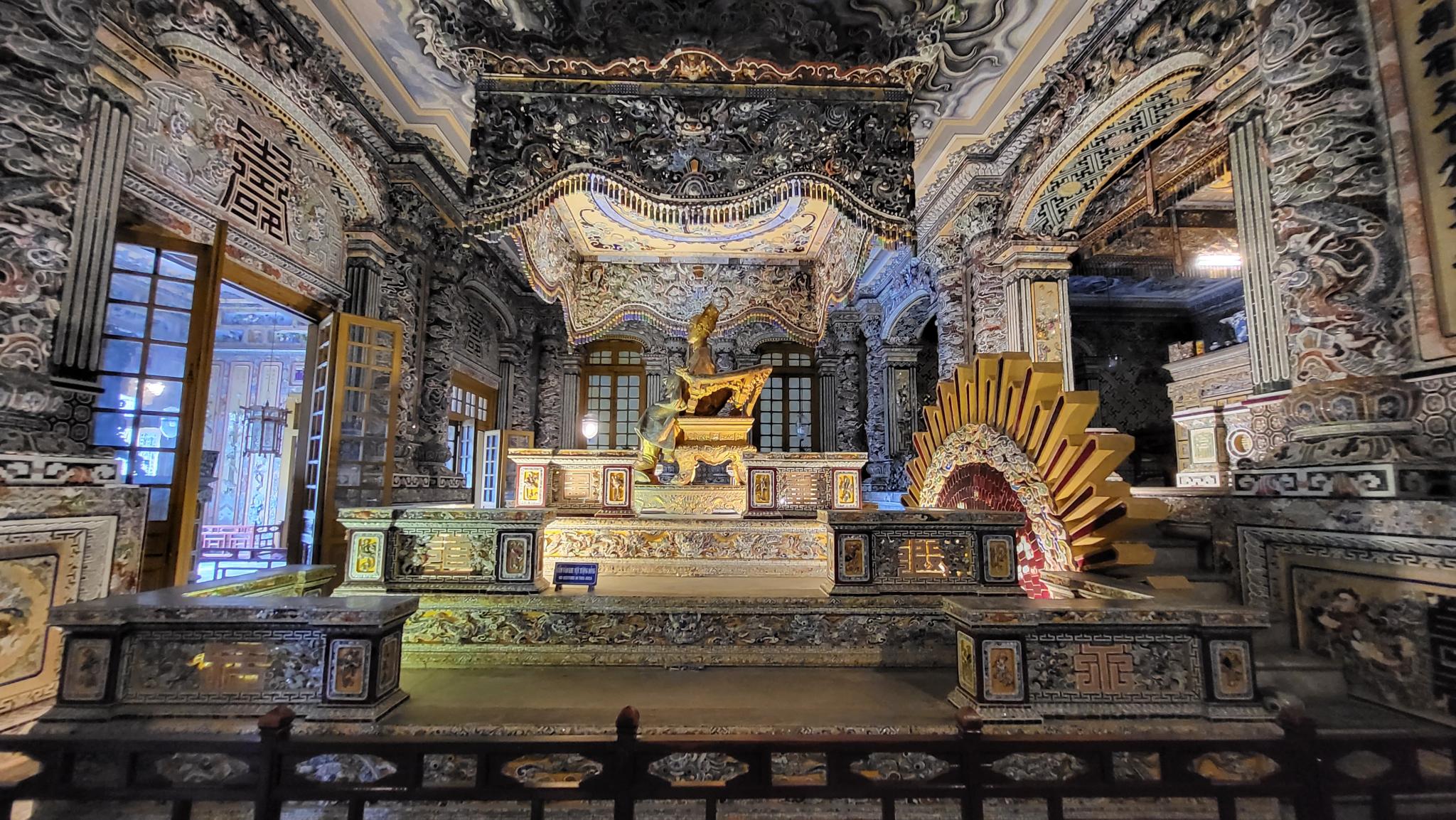
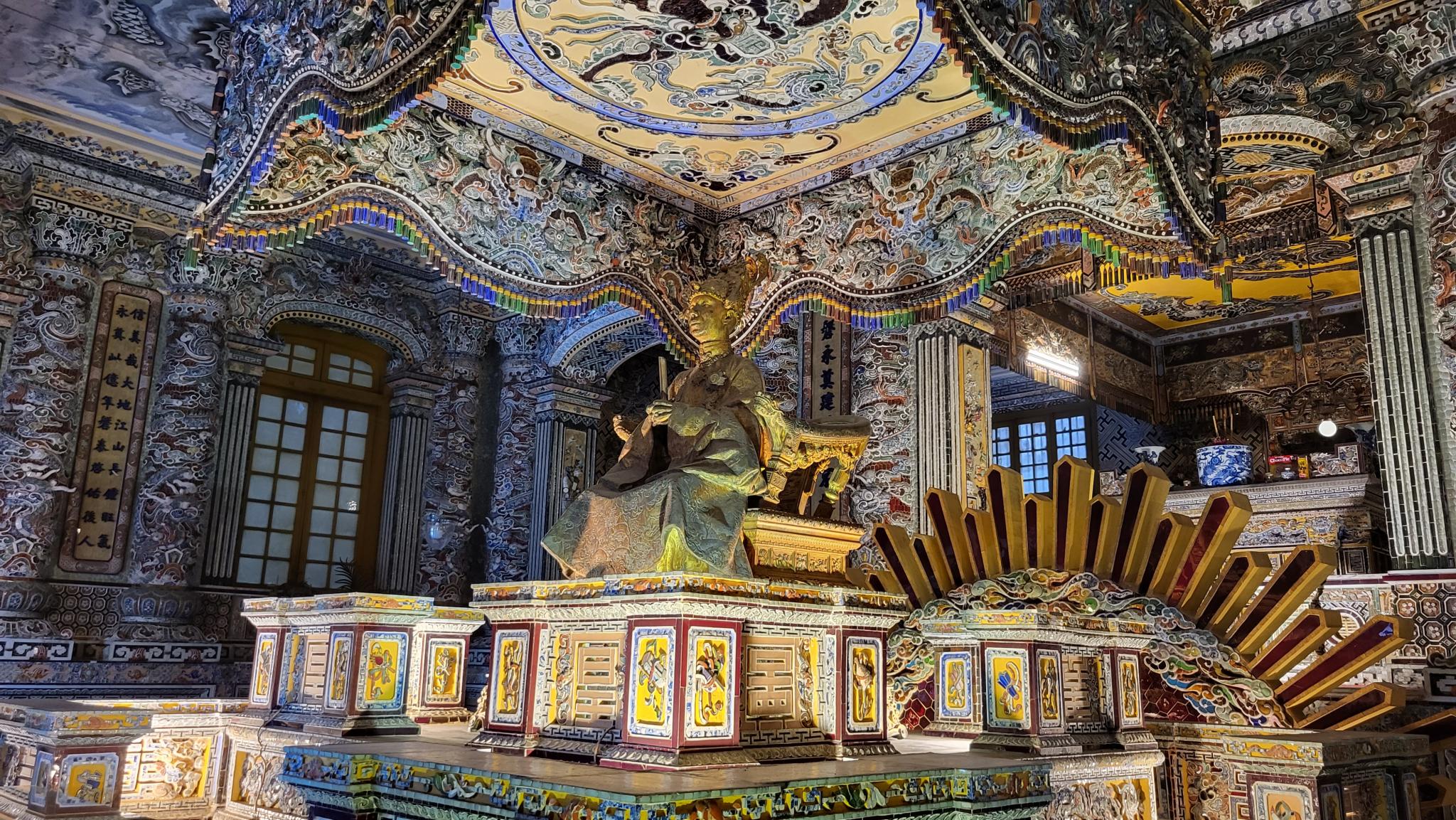
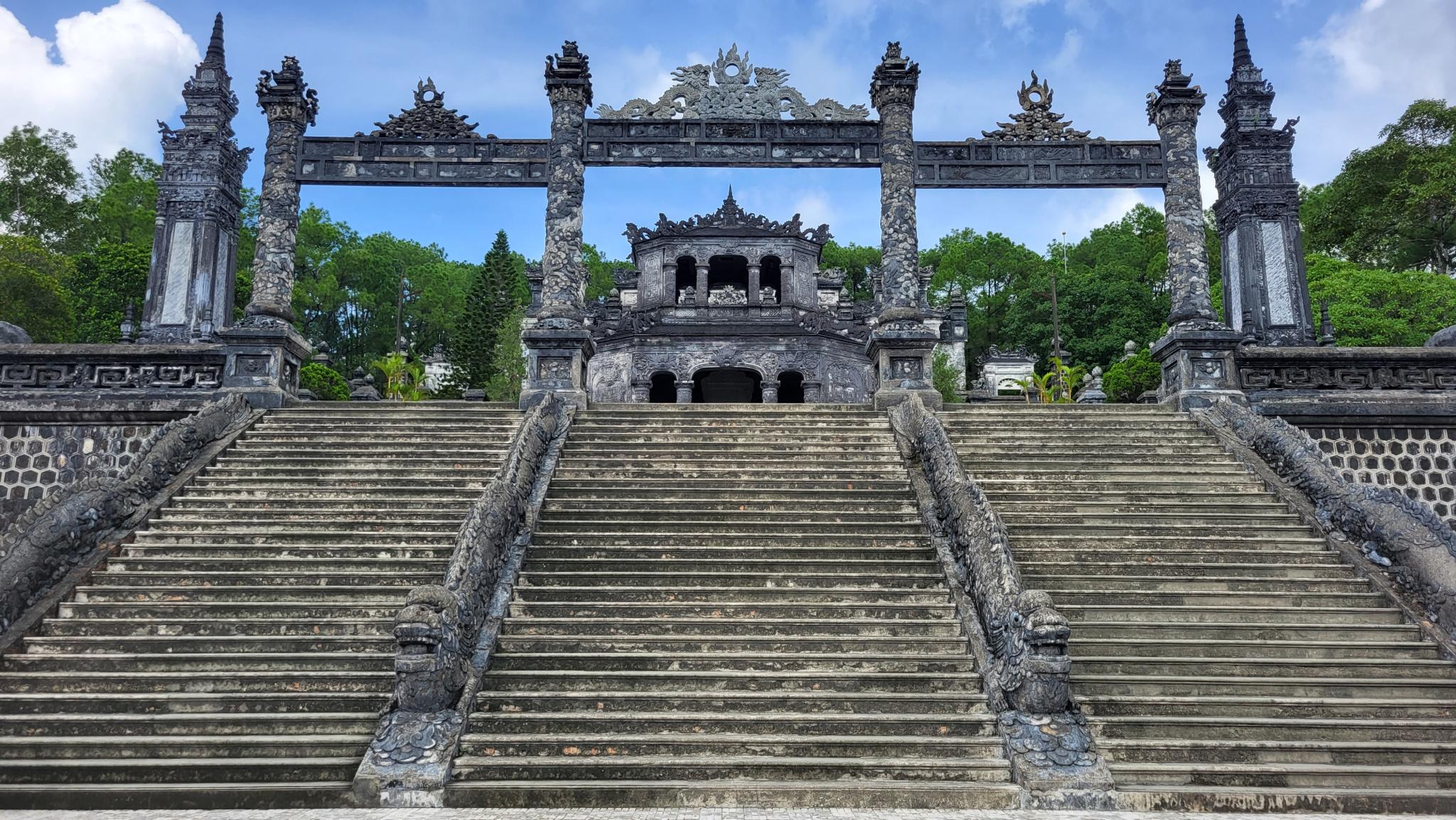
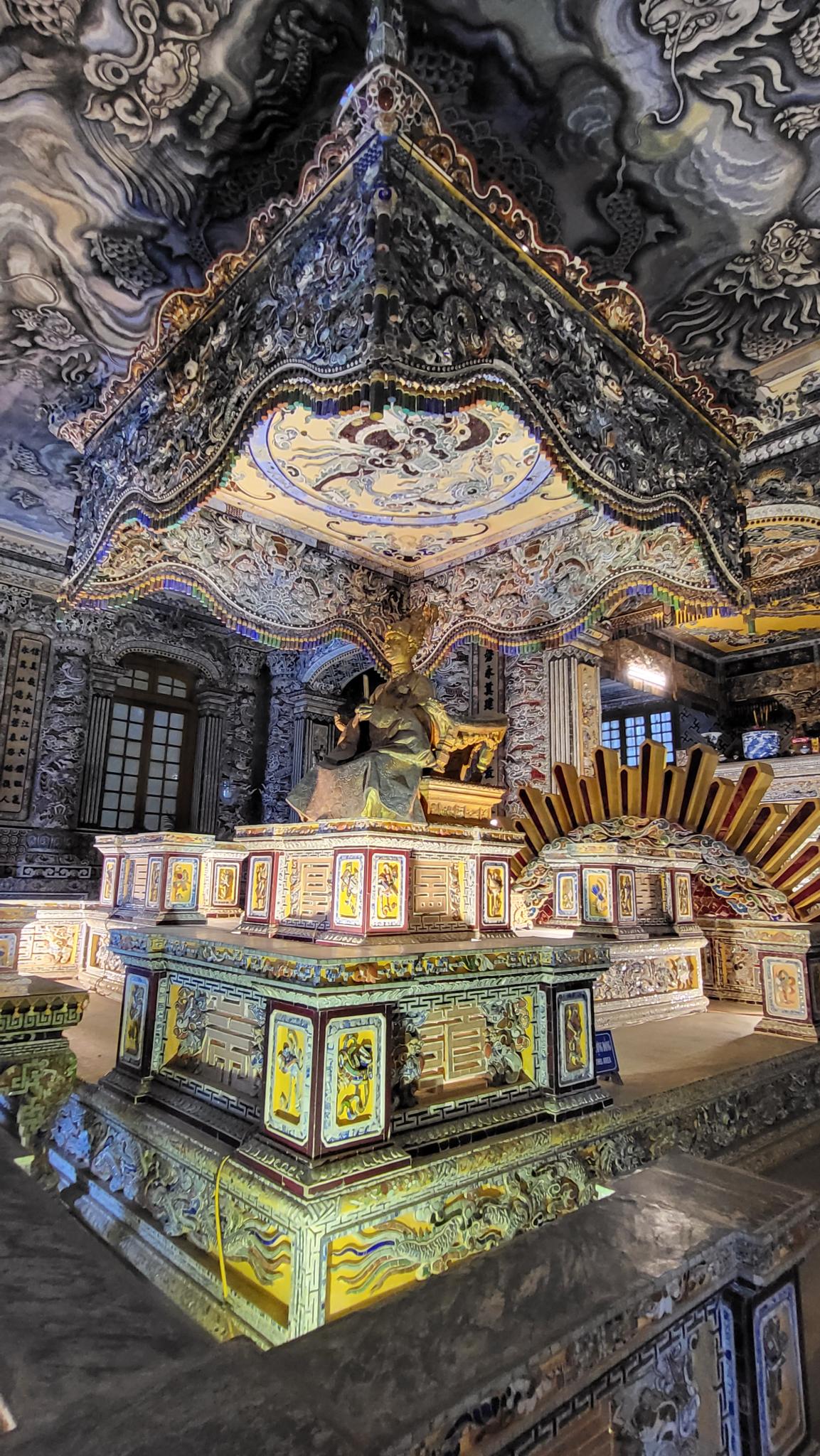
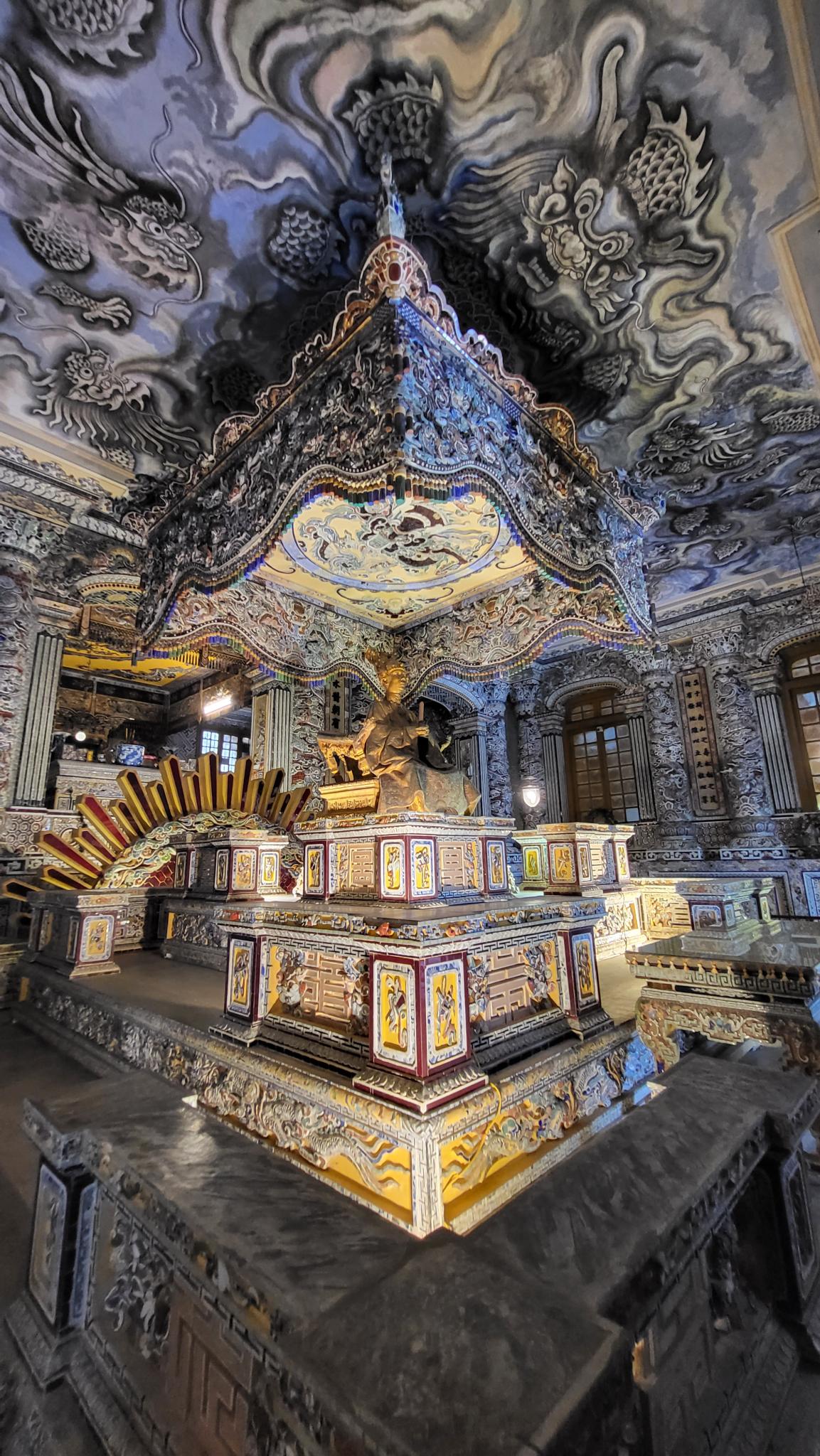
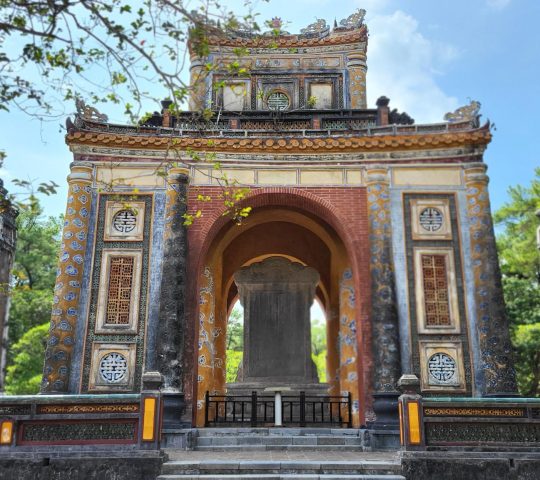
- Architectural Style: Unlike the more traditional tombs of his predecessors, Khai Dinh’s tomb stands out due to its blend of Vietnamese and European architectural styles. The exterior features intricate mosaics made from pieces of glass and ceramic, which add a unique aesthetic to the tomb.
- Materials Used: The construction of the tomb began in 1920 and took 11 years to complete. Various materials were sourced, including concrete, granite, and porcelain, contributing to its grandeur and unique appearance.
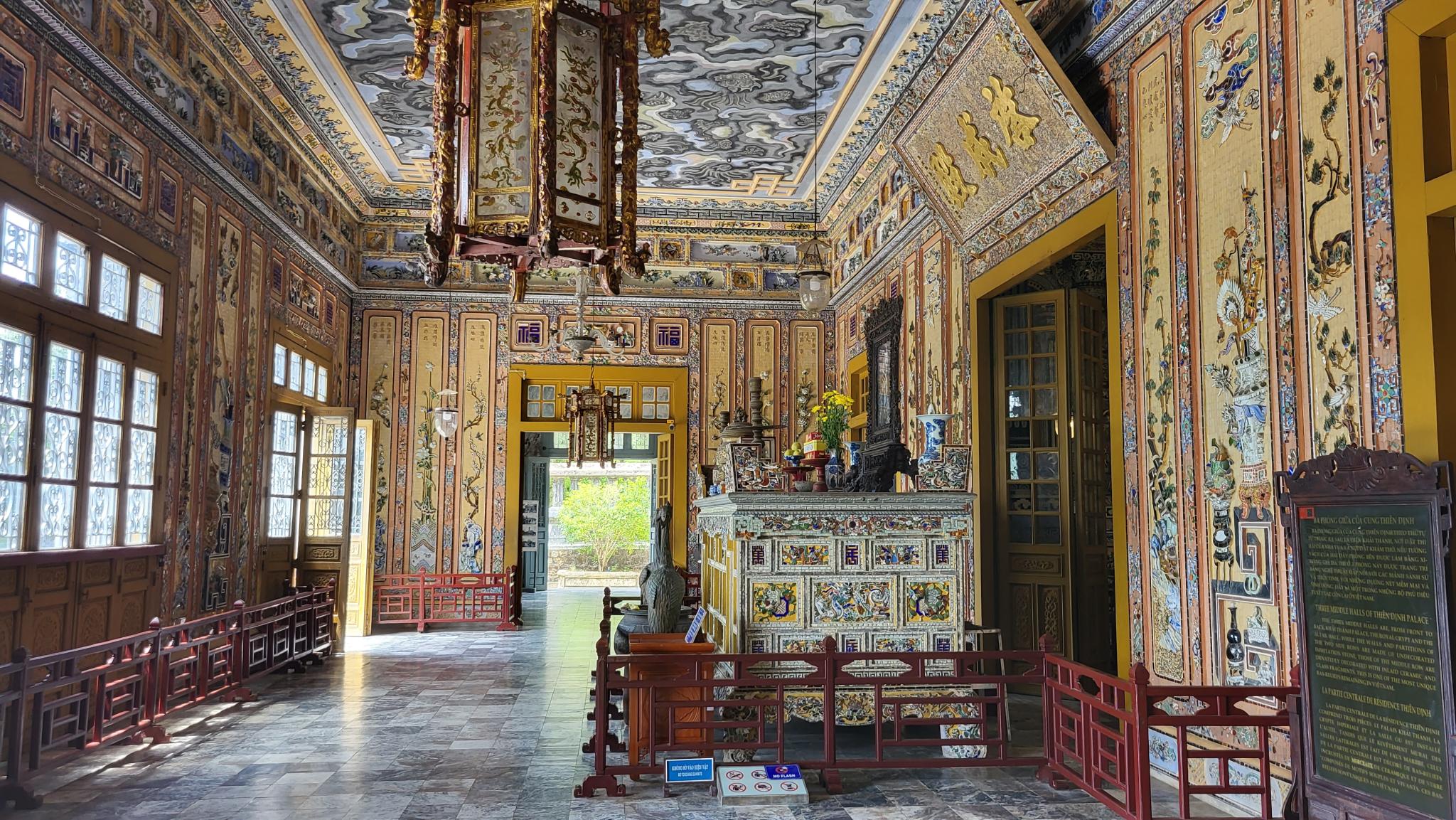
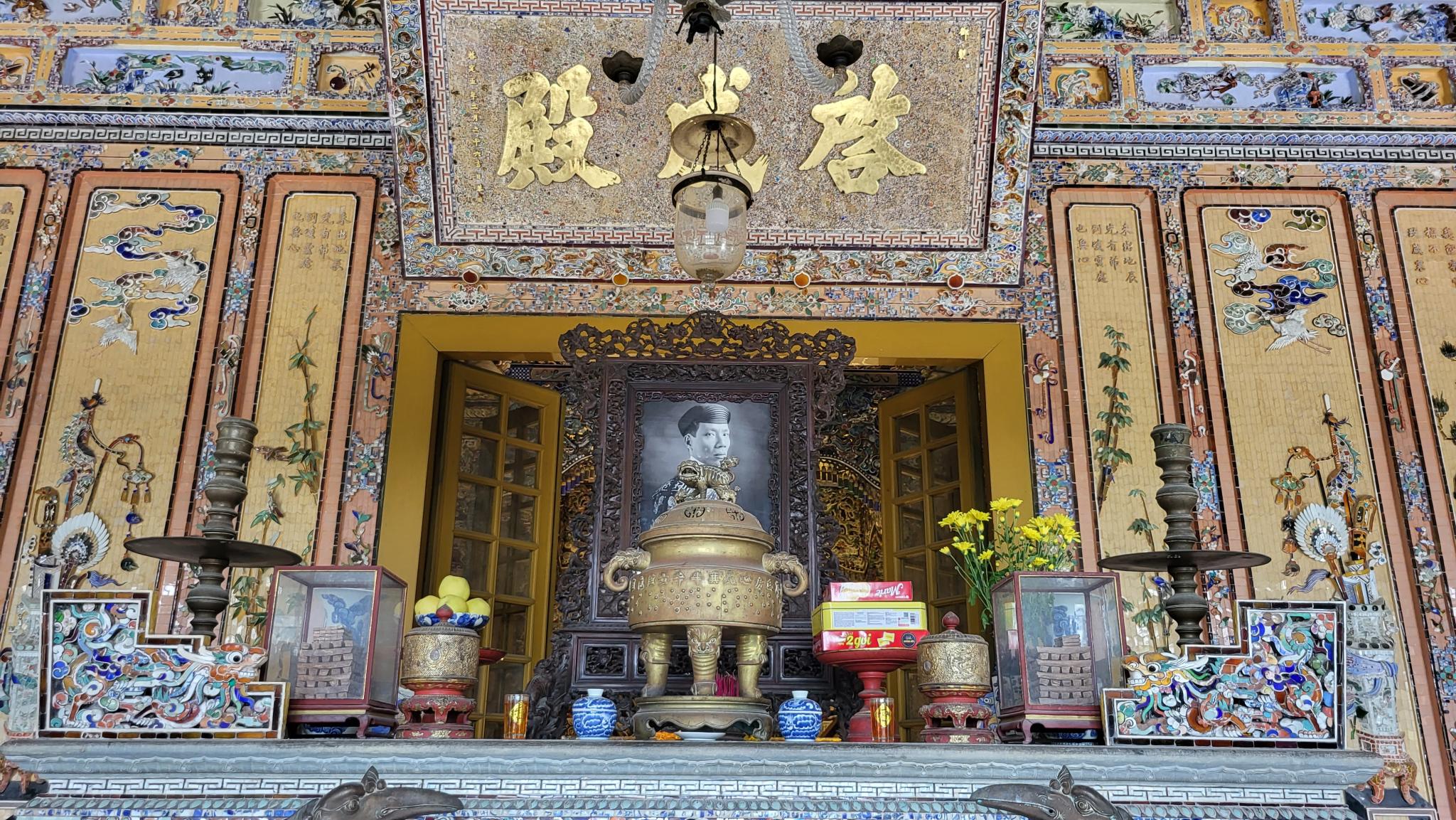
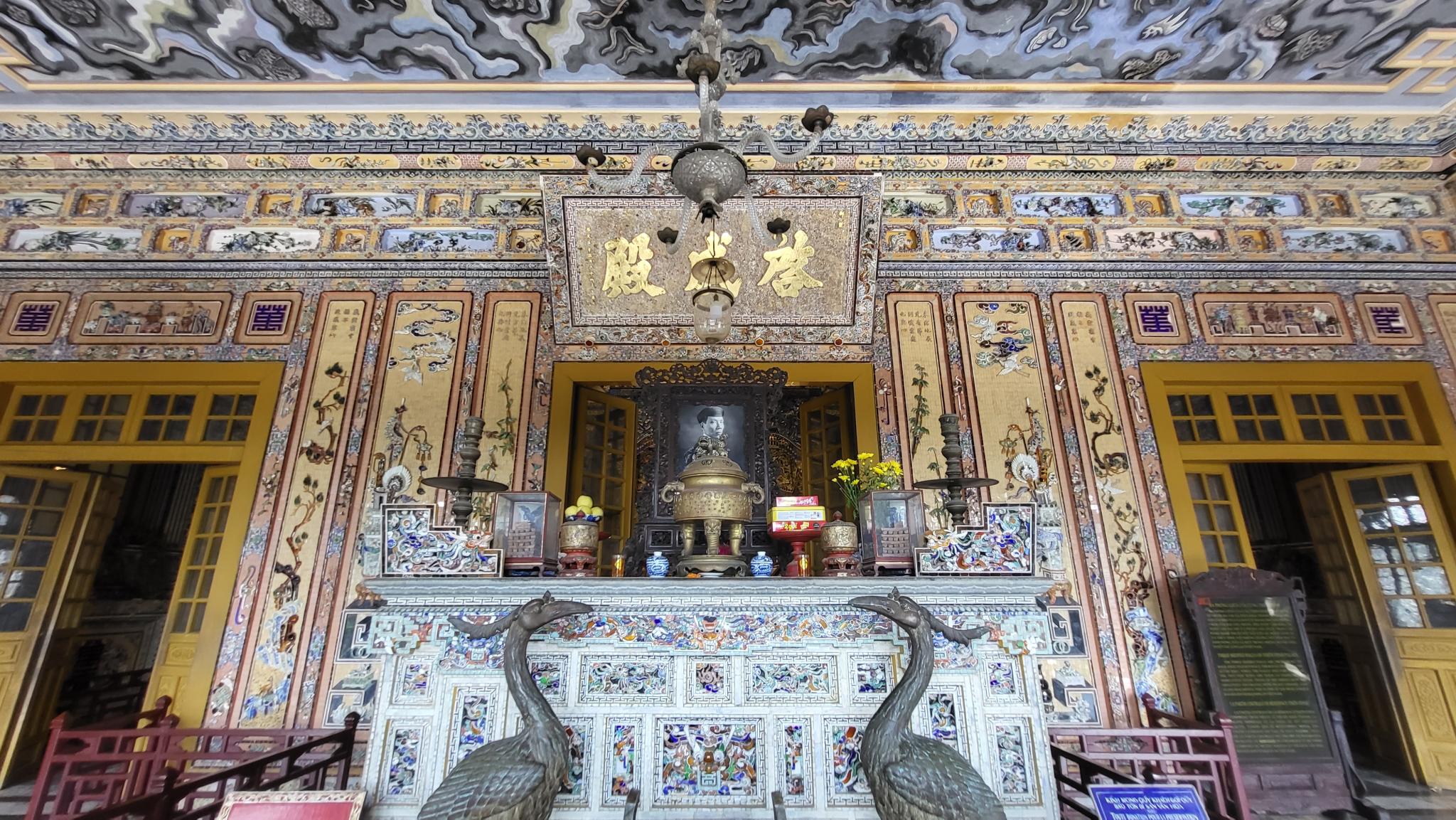
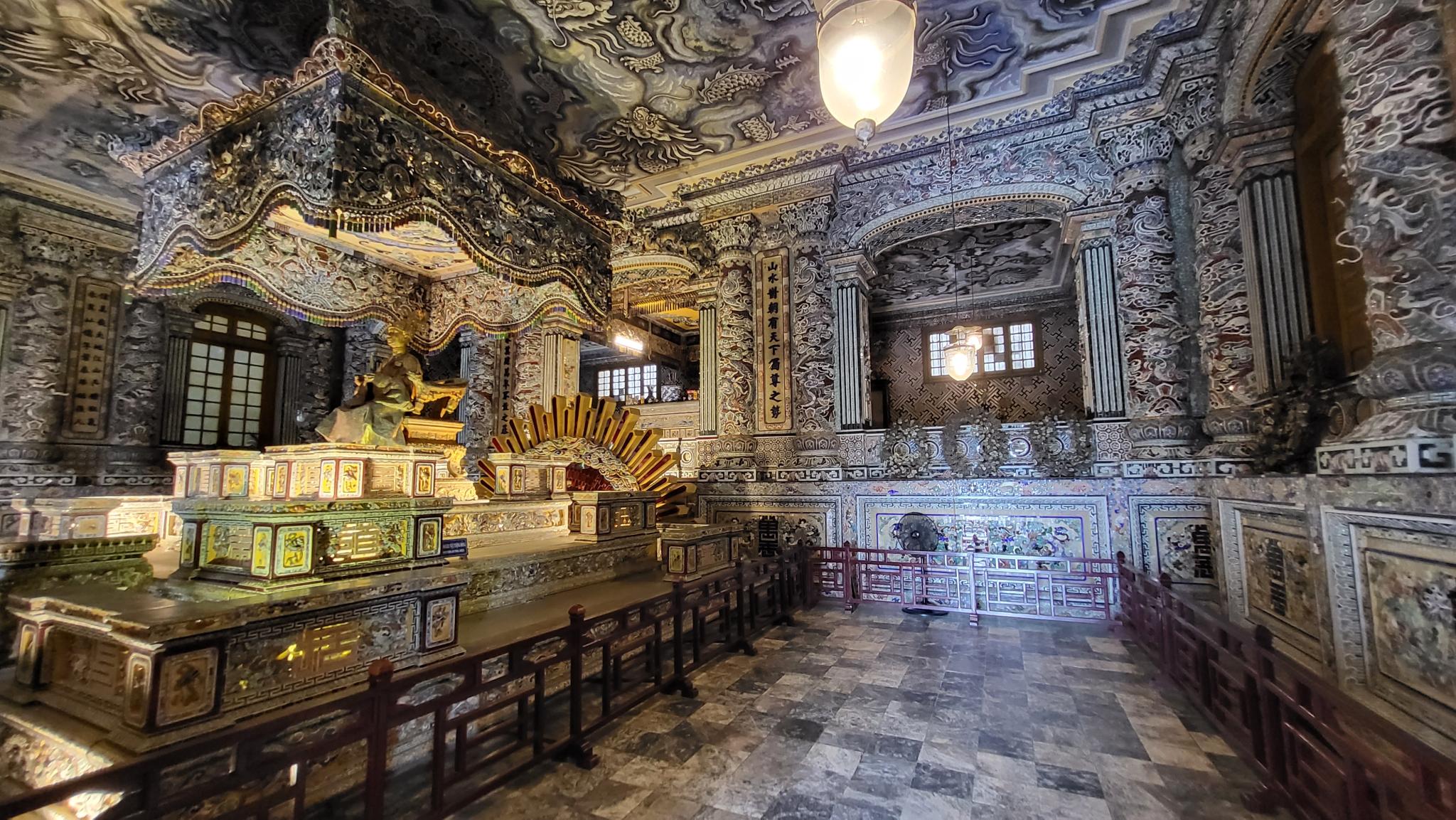
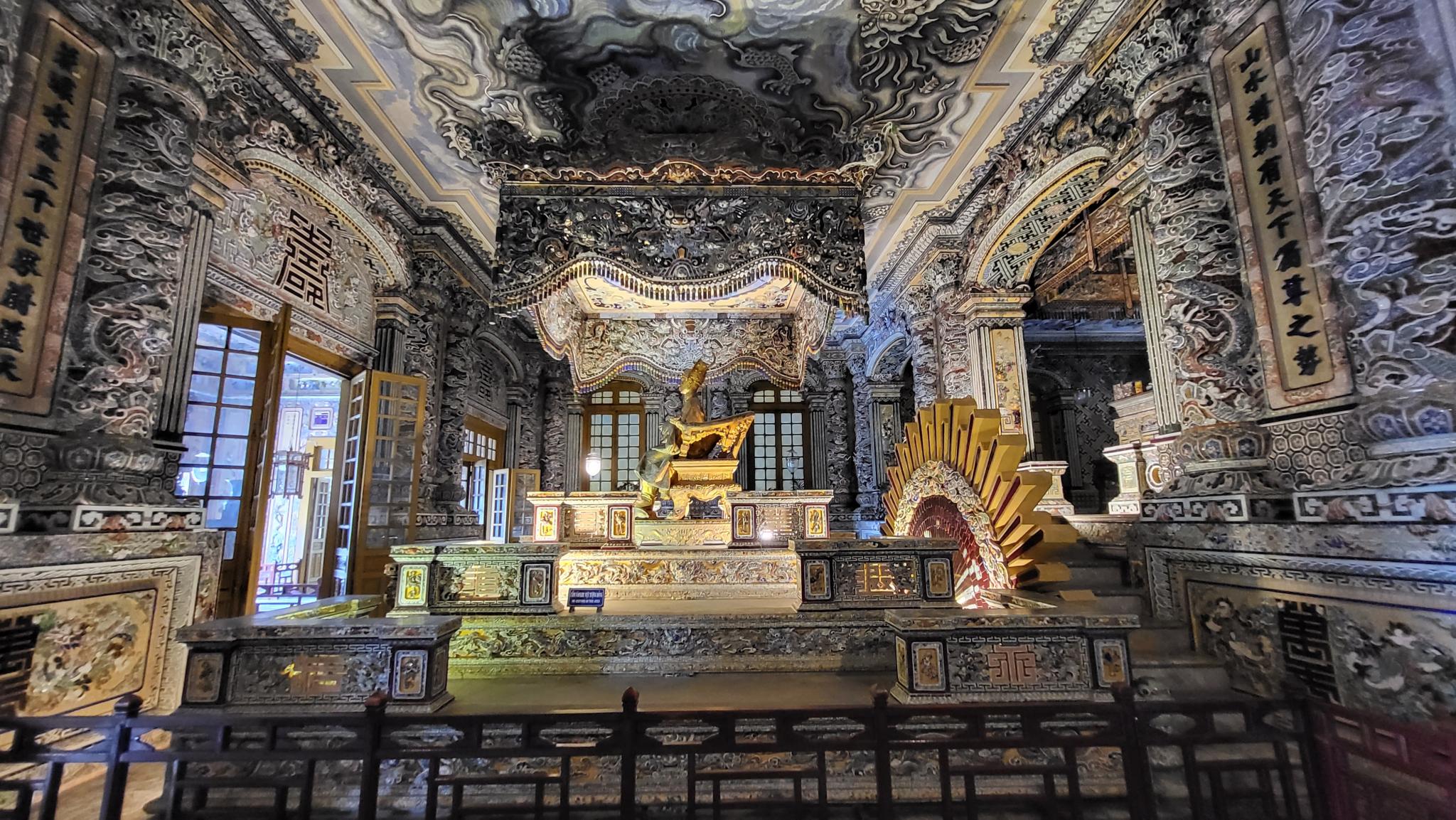
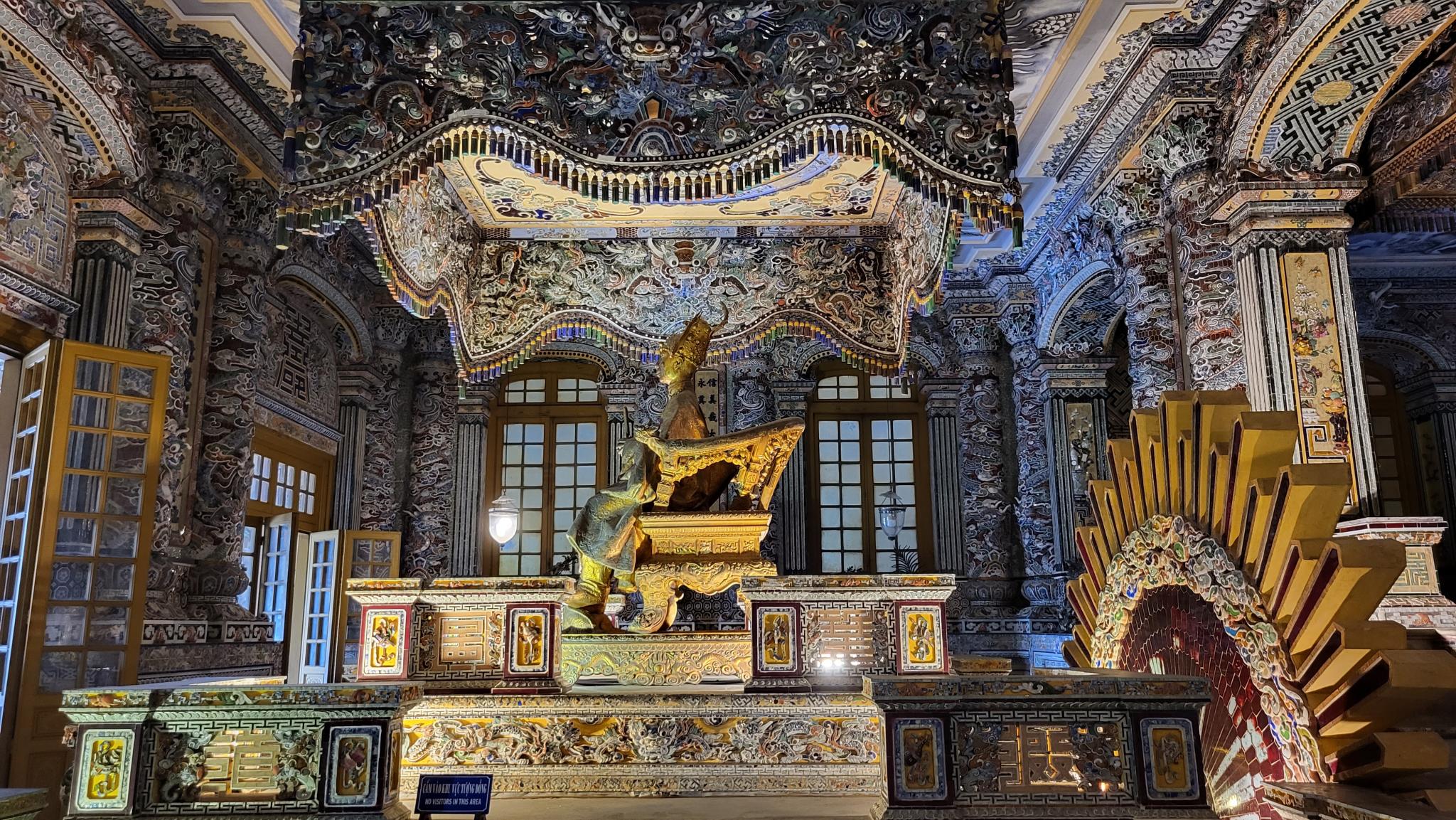
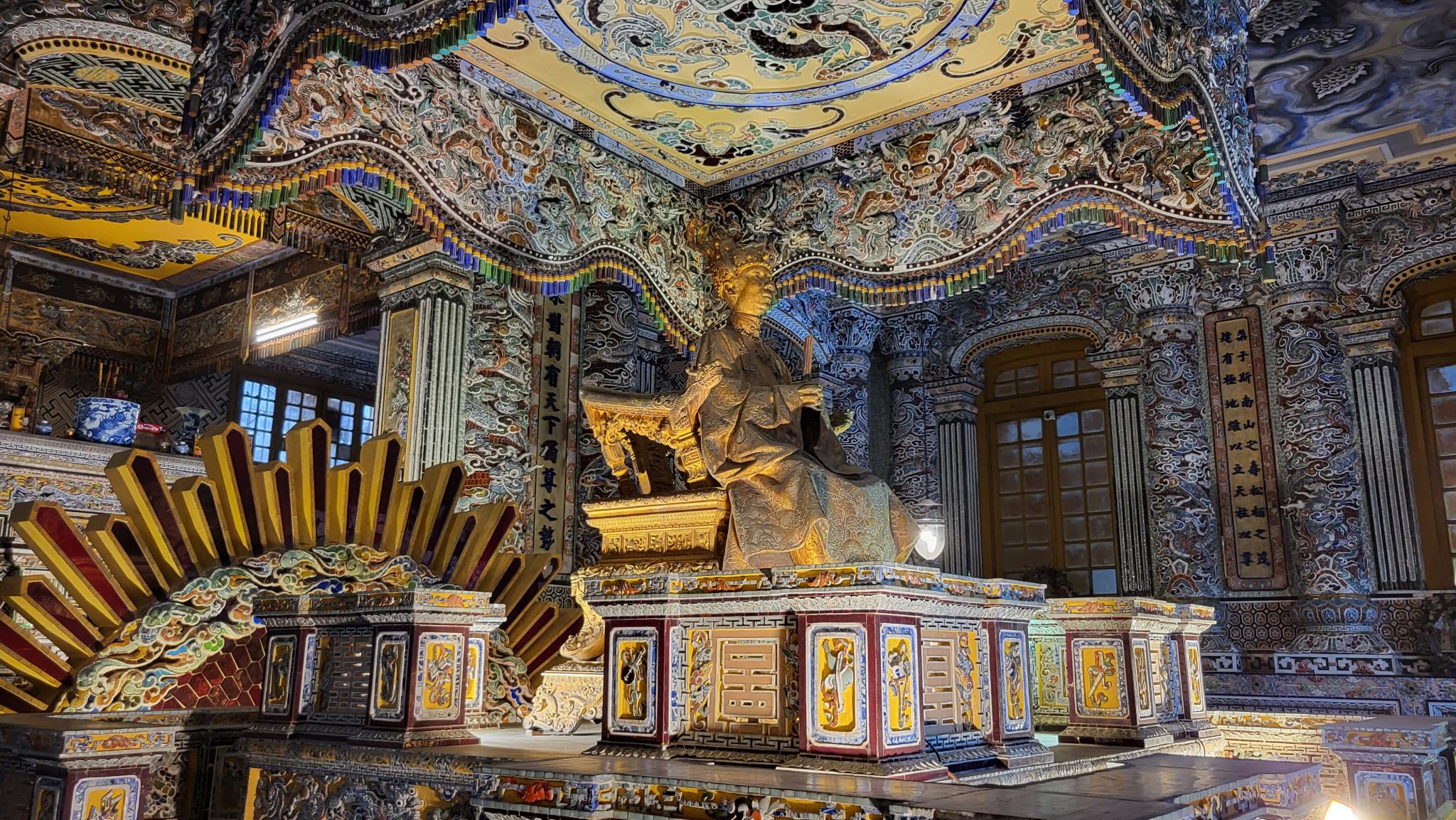
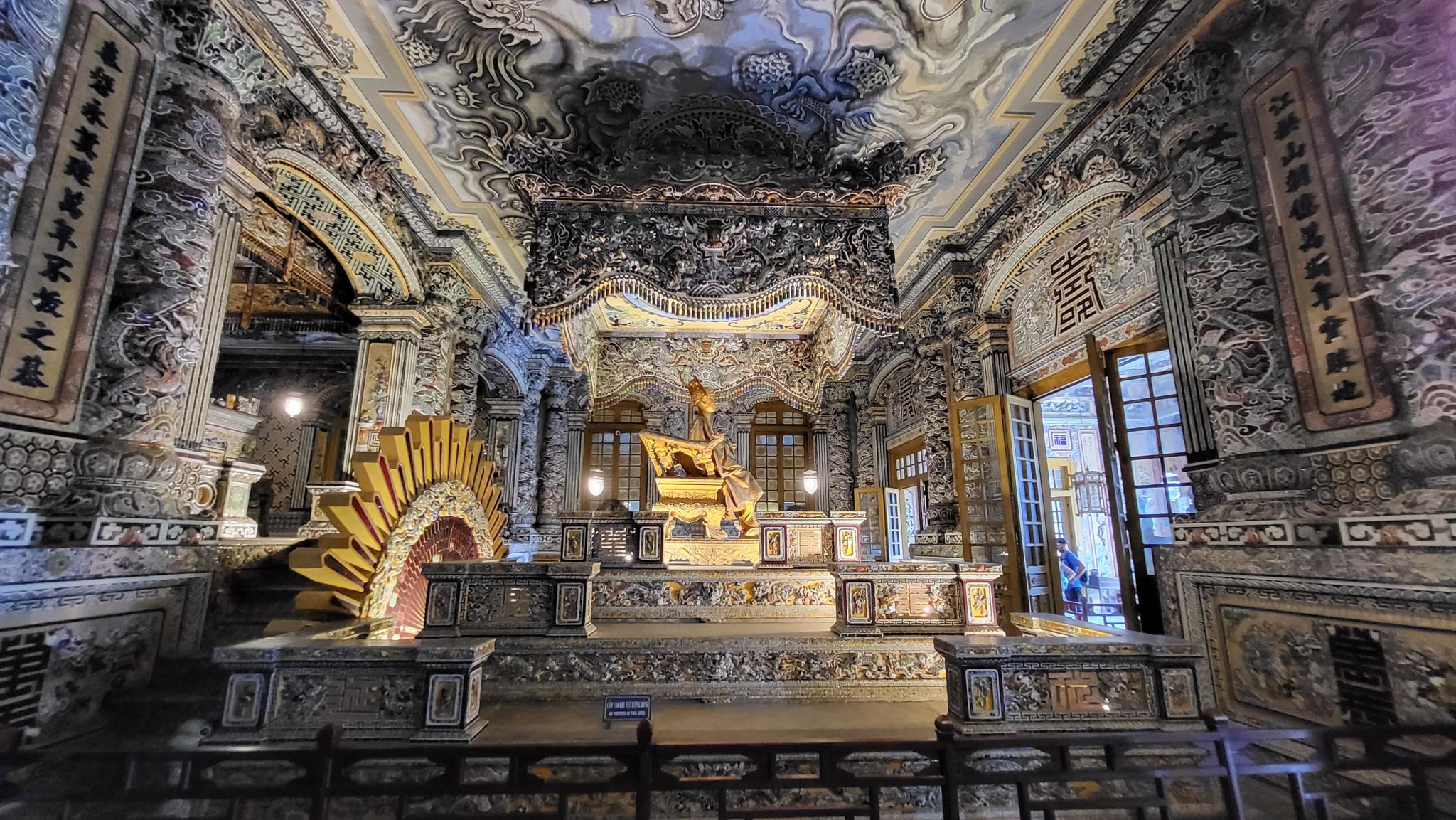
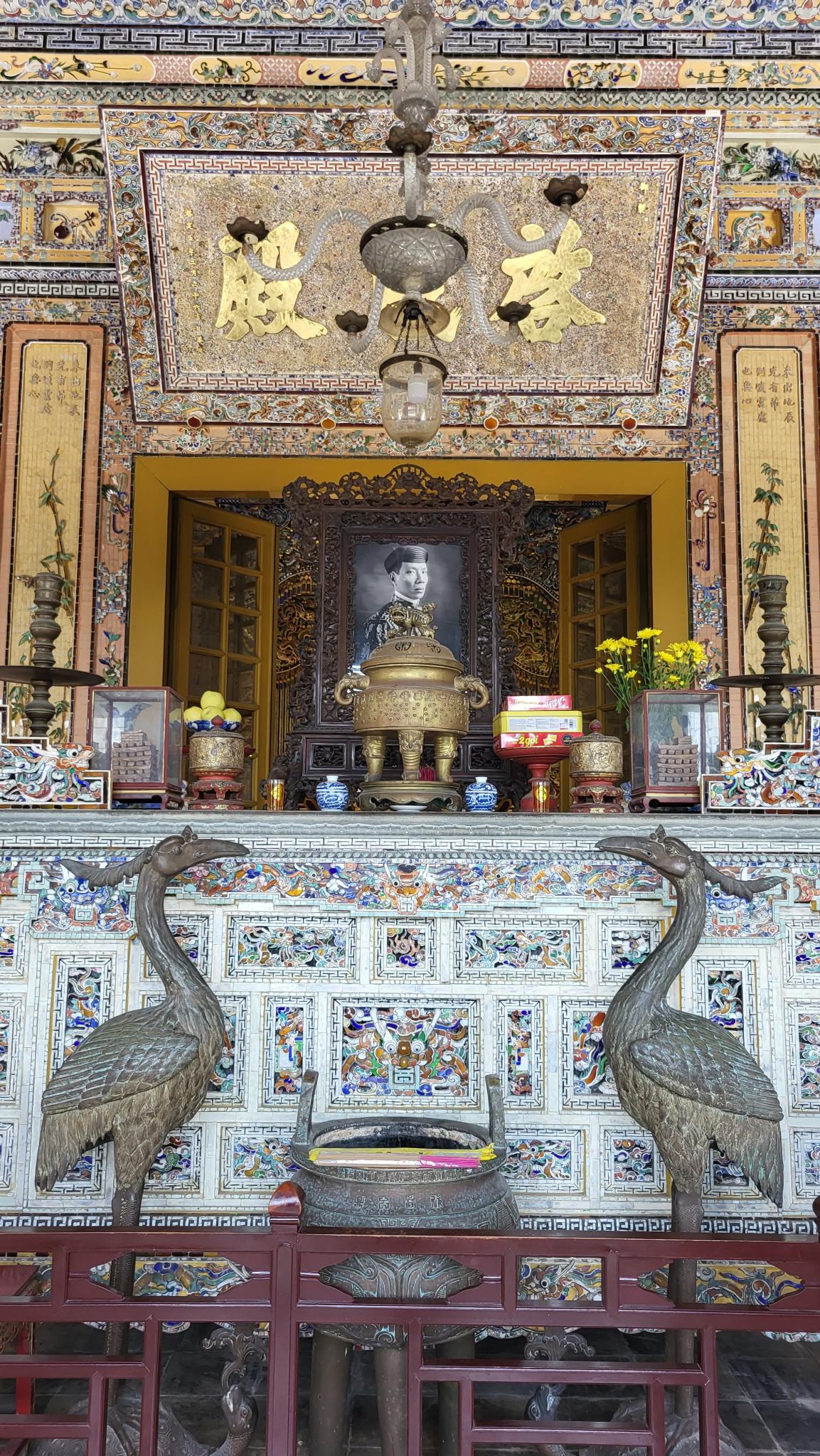
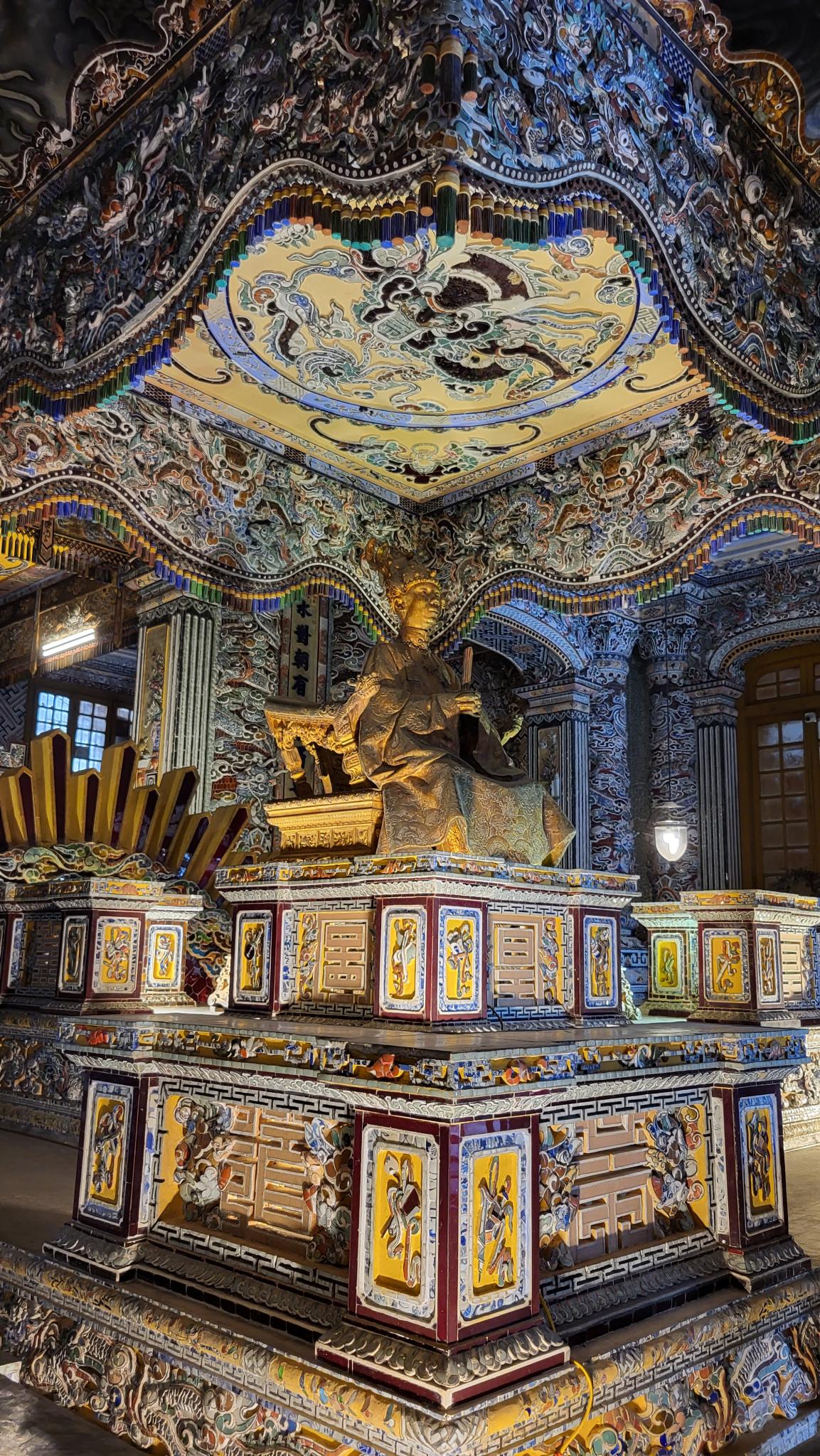
- Interior Design: Inside the tomb, visitors can explore the main chamber where a bronze statue of Emperor Khai Dinh sits. The interior is adorned with detailed mosaics, intricate carvings, and vibrant decorations, showcasing the opulence and artistic achievements of the Nguyen Dynasty during its later years.
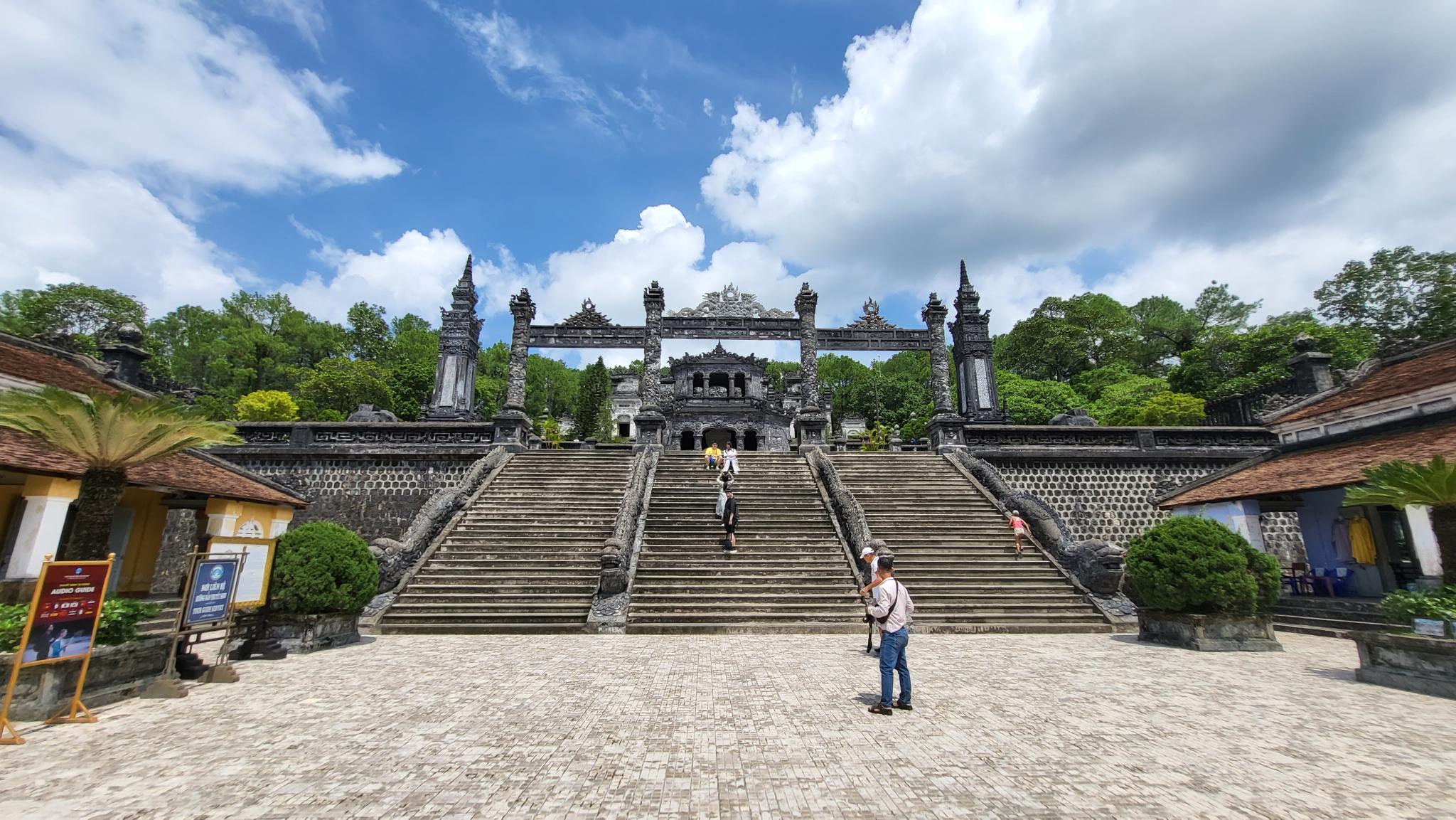
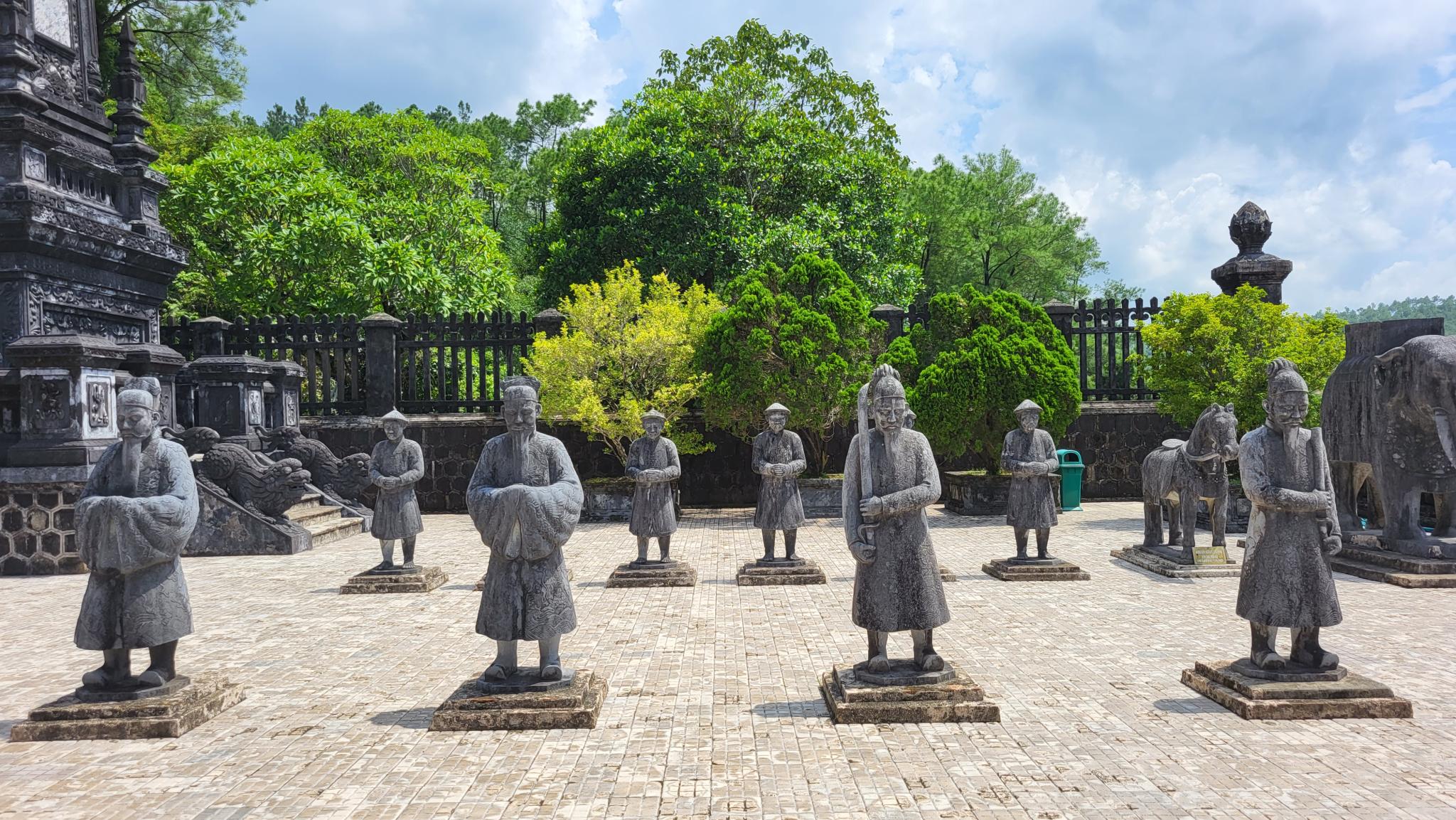
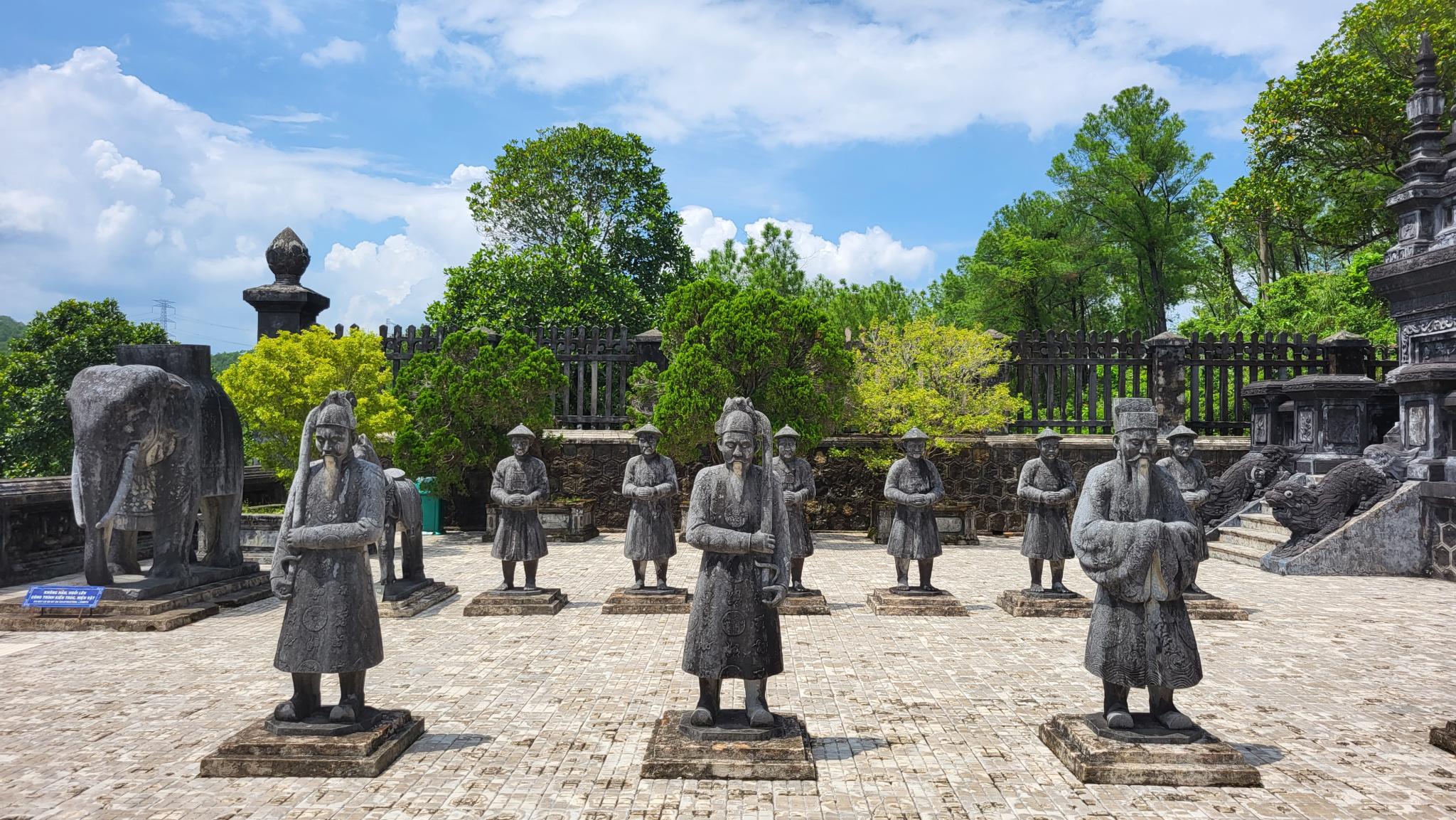
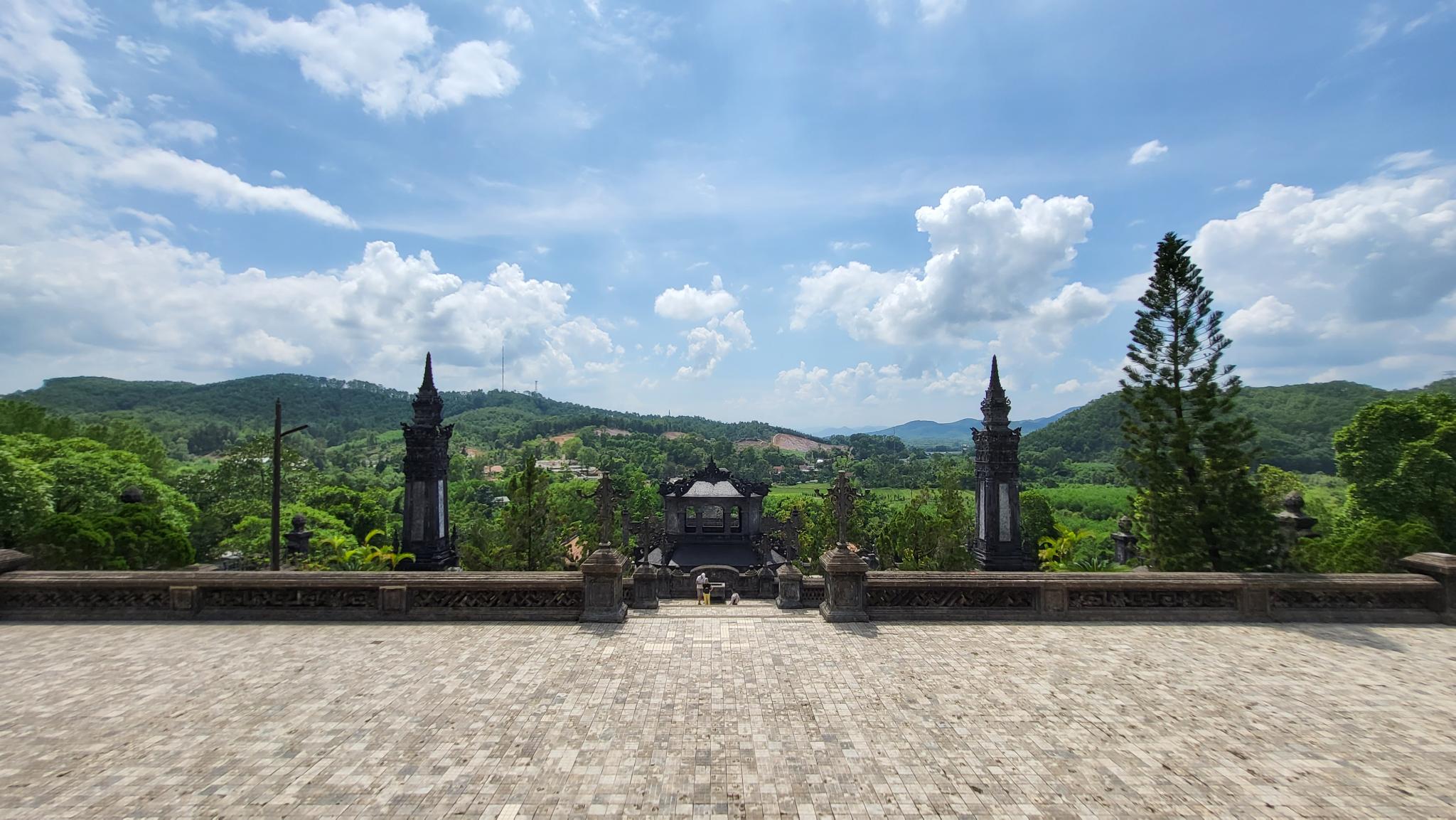
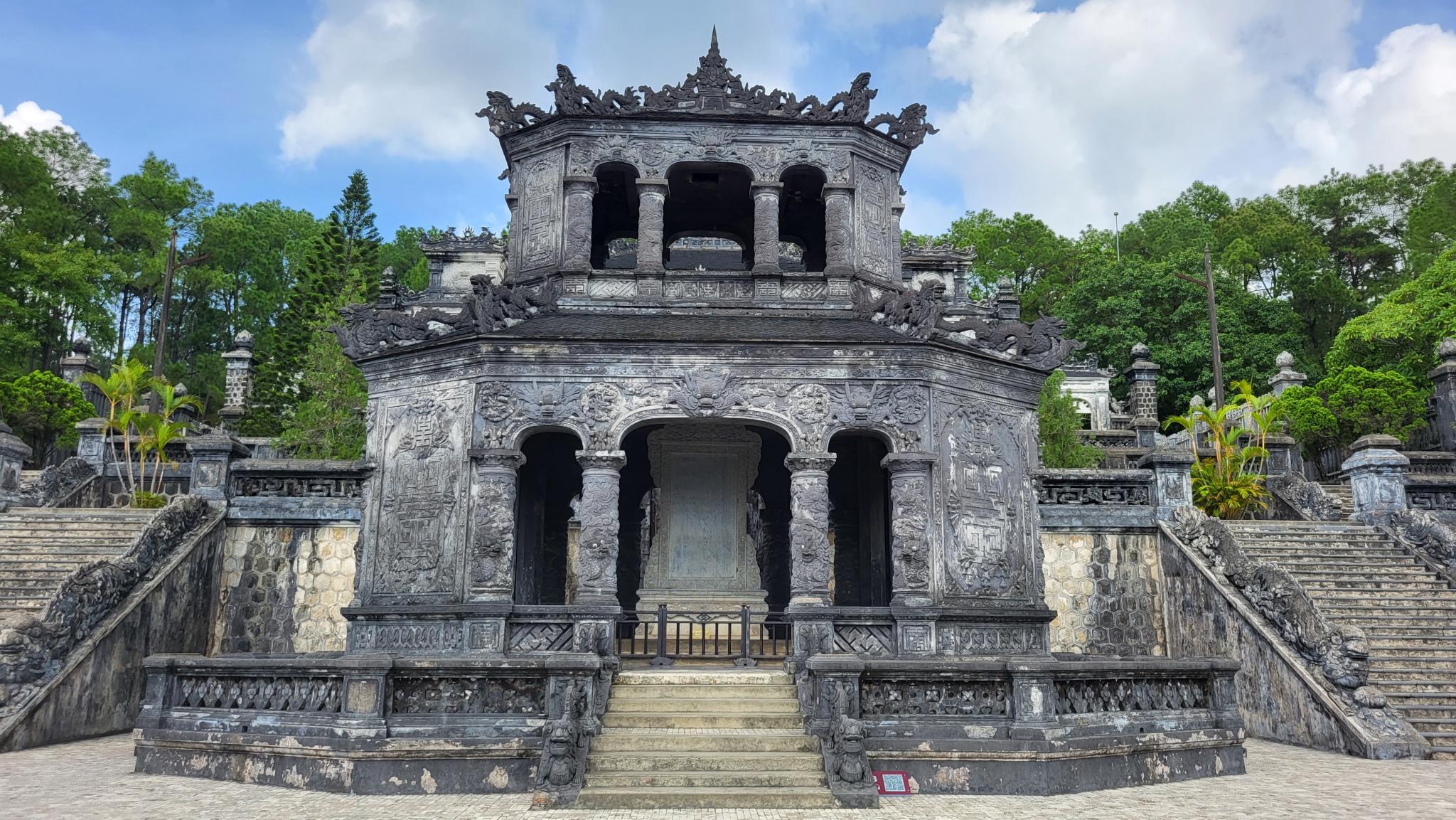
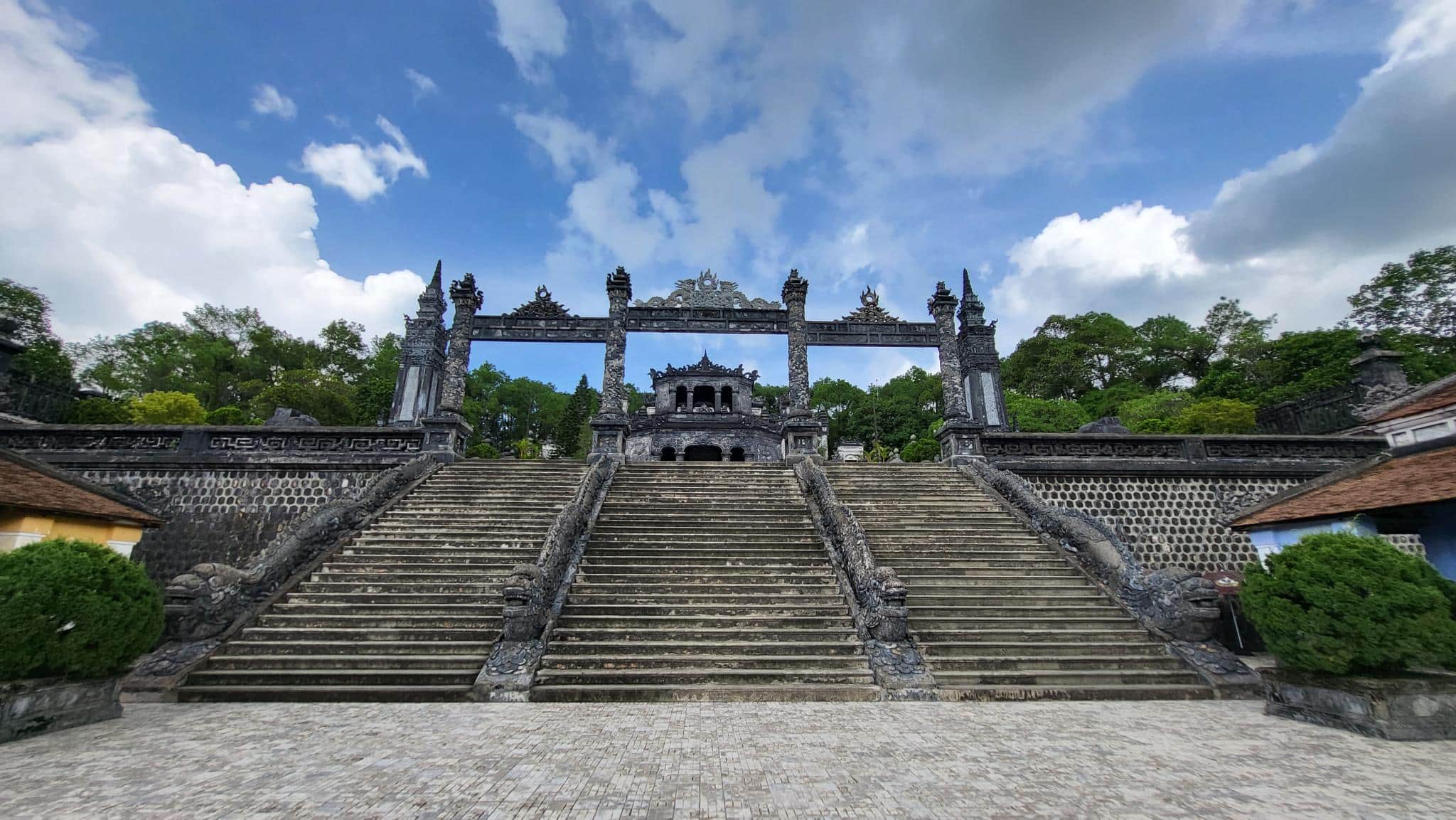
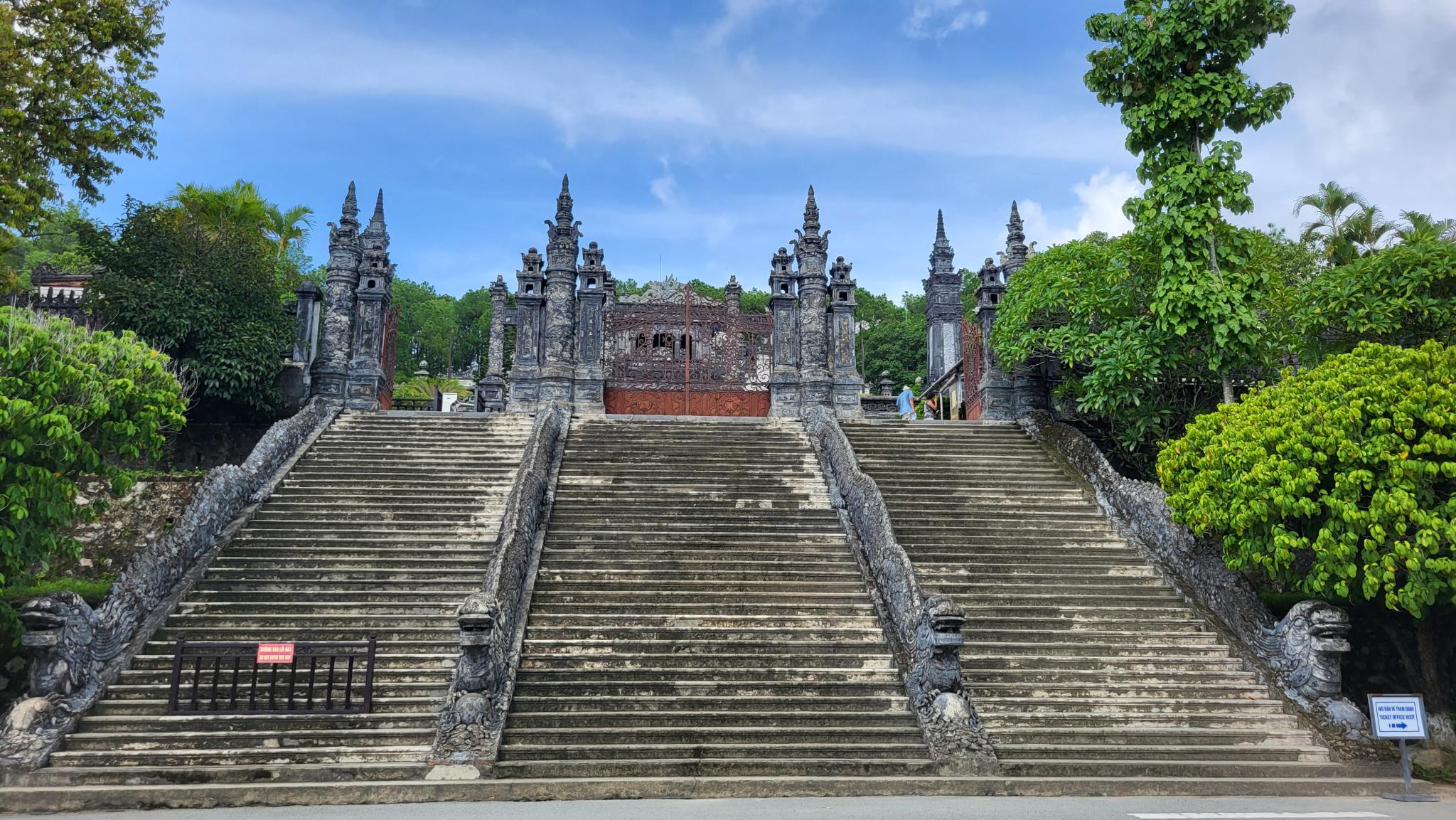
- Location and Surroundings: The tomb is set against the picturesque backdrop of Chau Chu Mountain, offering panoramic views of the surrounding countryside. To reach the tomb, visitors must climb a series of steps flanked by stone statues of mandarins, soldiers, and animals, adding to the grandeur and majesty of the site.
- Historical Significance: Emperor Khai Dinh’s reign was marked by challenges, including the pressures of French colonial rule and economic hardships. His tomb reflects the complexities of this period, blending traditional Vietnamese symbolism with European design elements.
Visiting Emperor Khai Dinh’s tomb provides a unique opportunity to explore the architectural, cultural, and historical aspects of Vietnam during the early 20th century. The tomb serves as a testament to the artistic achievements of the Nguyen Dynasty and offers insights into the influences that shaped Vietnam’s history during this period.