Yên Tử Mountain – Dong Pagoda – Trần Nhân Tông statue 2/2
Listing has verified and belong the business owner or manager.
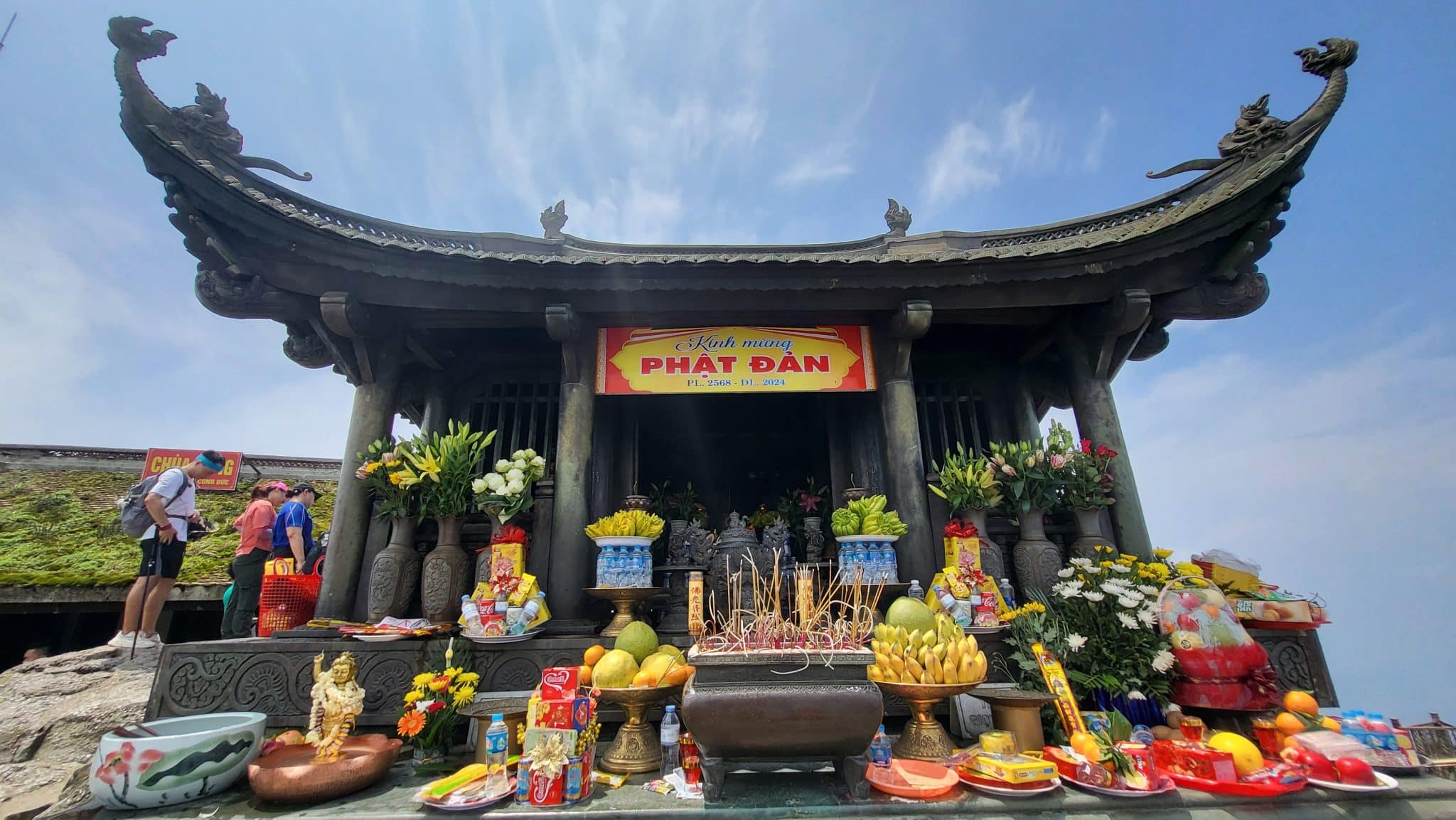
Dong Pagoda (Chùa Đồng) and the Statue of Trần Nhân Tông are two of the most significant landmarks on Yên Tử Mountain, offering both spiritual and cultural importance. Here’s a closer look at each:
1. Dong Pagoda (Chùa Đồng)
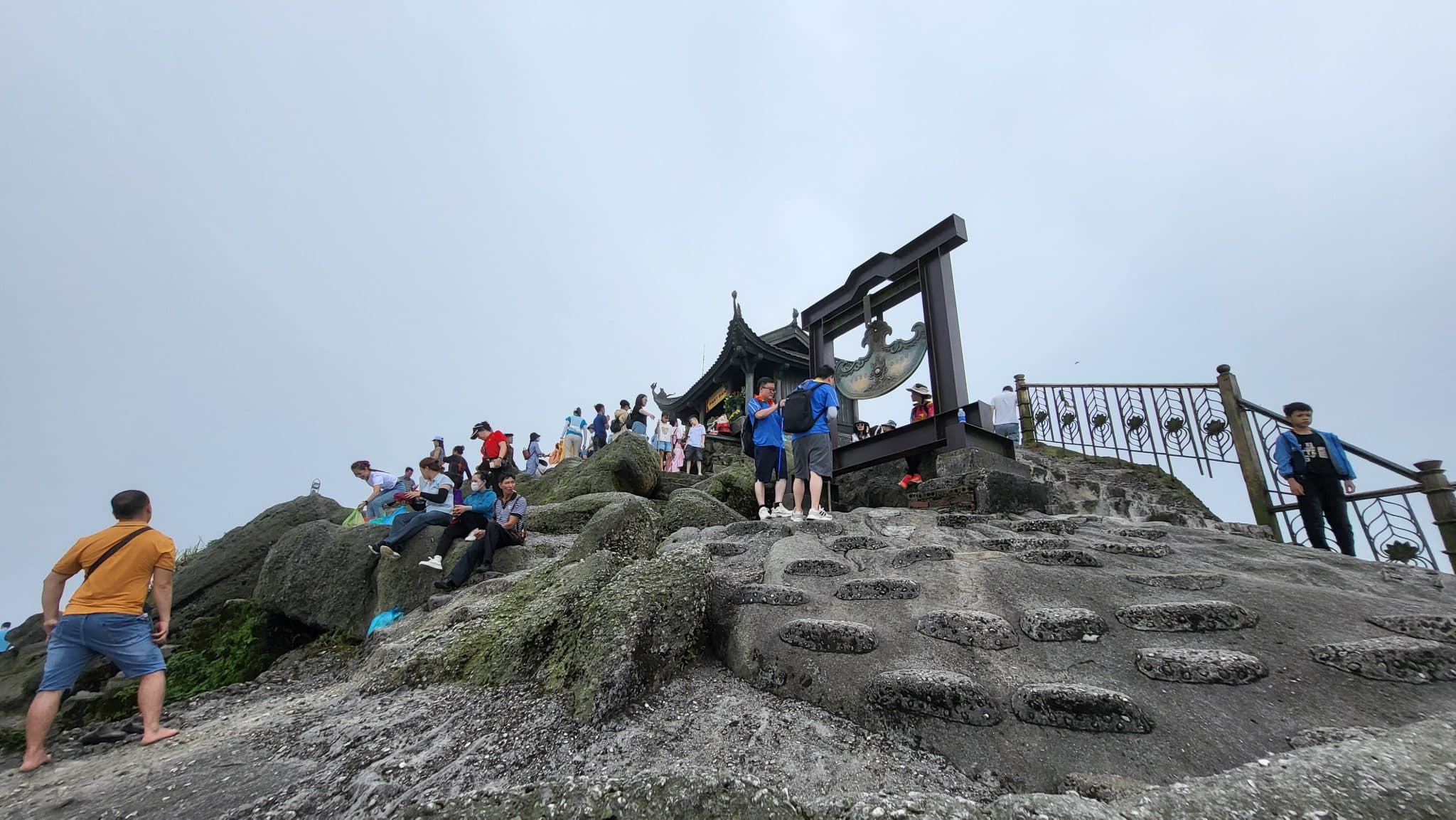
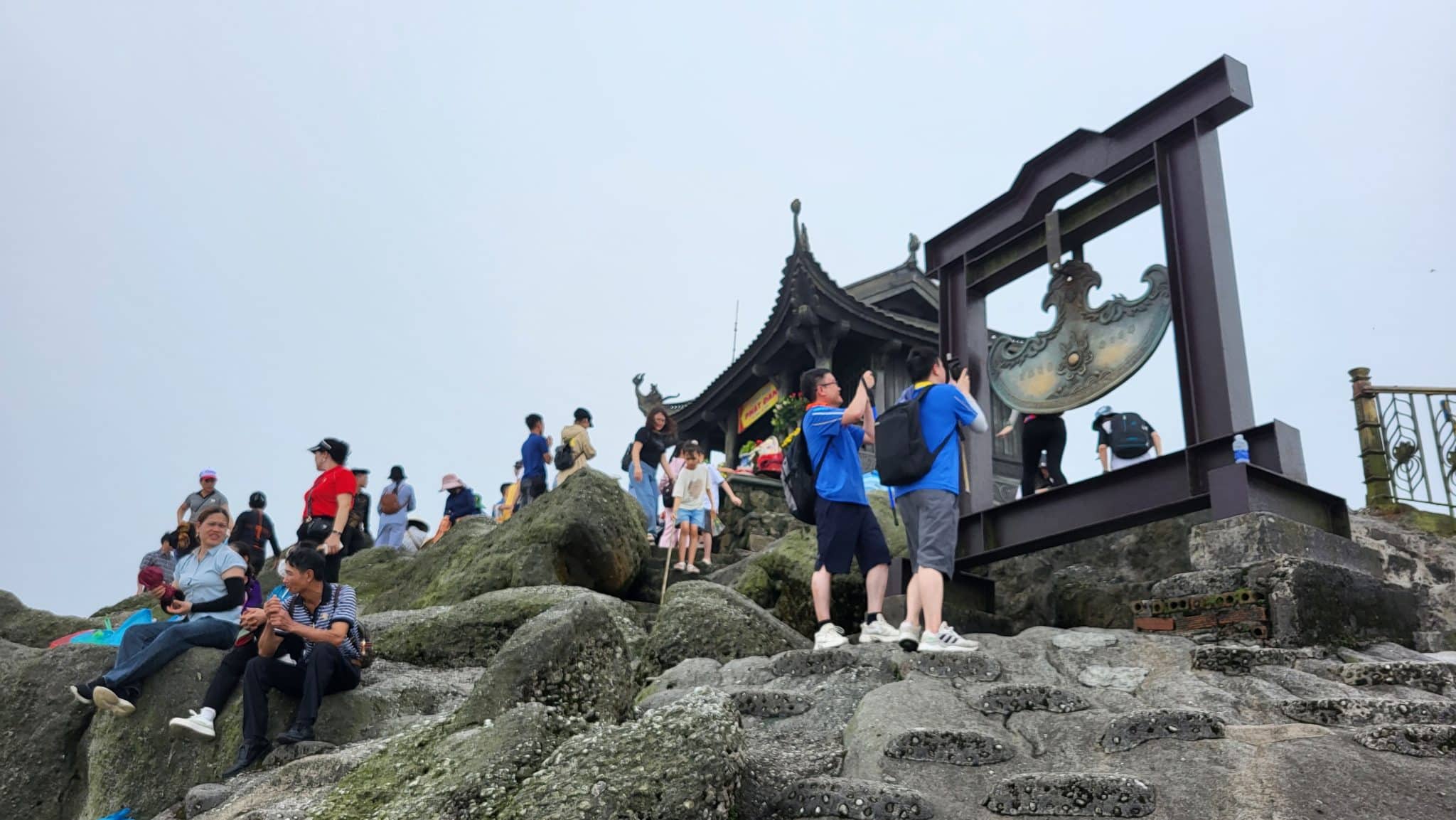
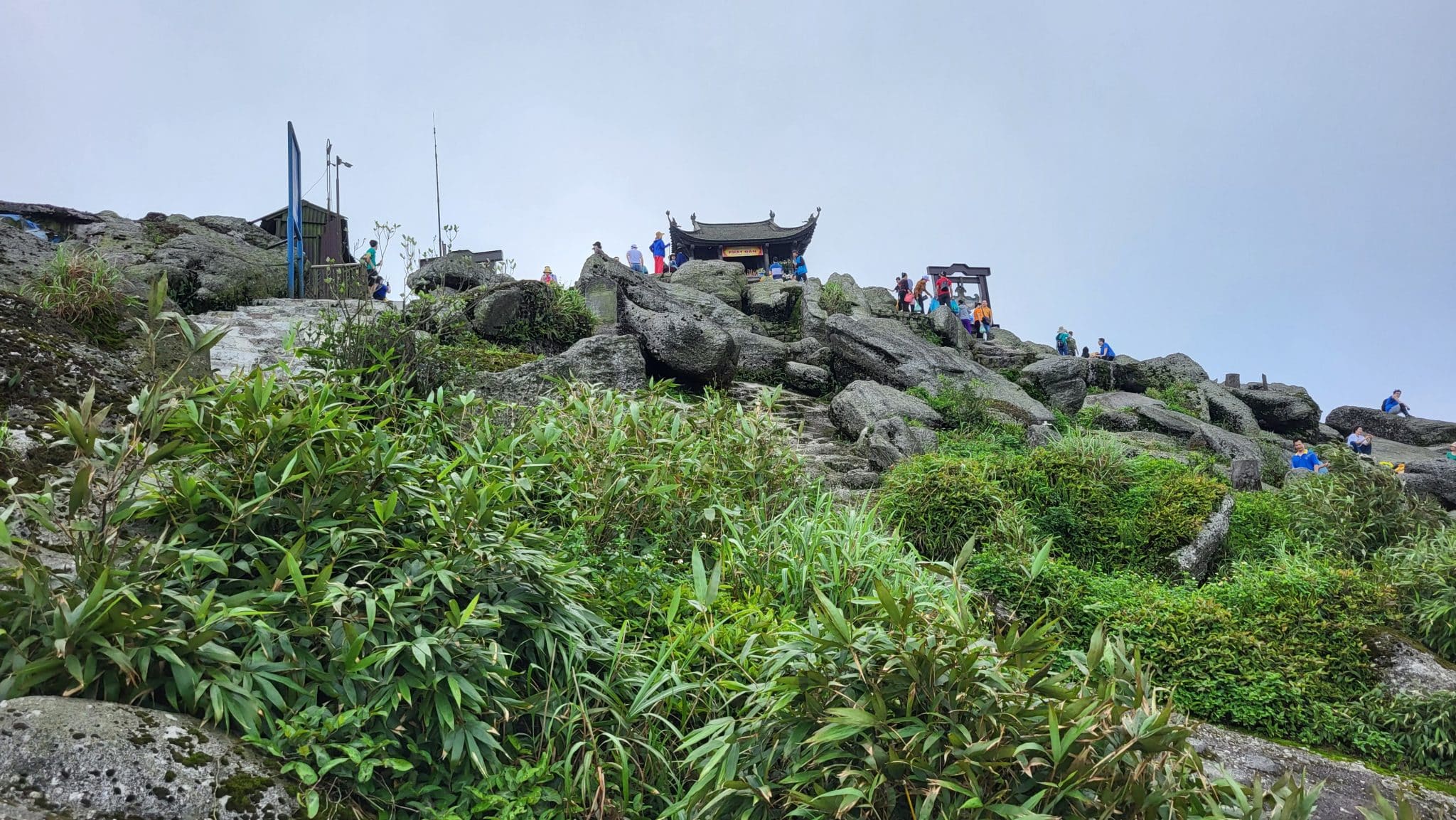
- Location: Dong Pagoda is located at the summit of Yên Tử Mountain, at an altitude of 1,068 meters (3,504 feet) above sea level, making it the highest pagoda on the mountain.
- History and Significance:
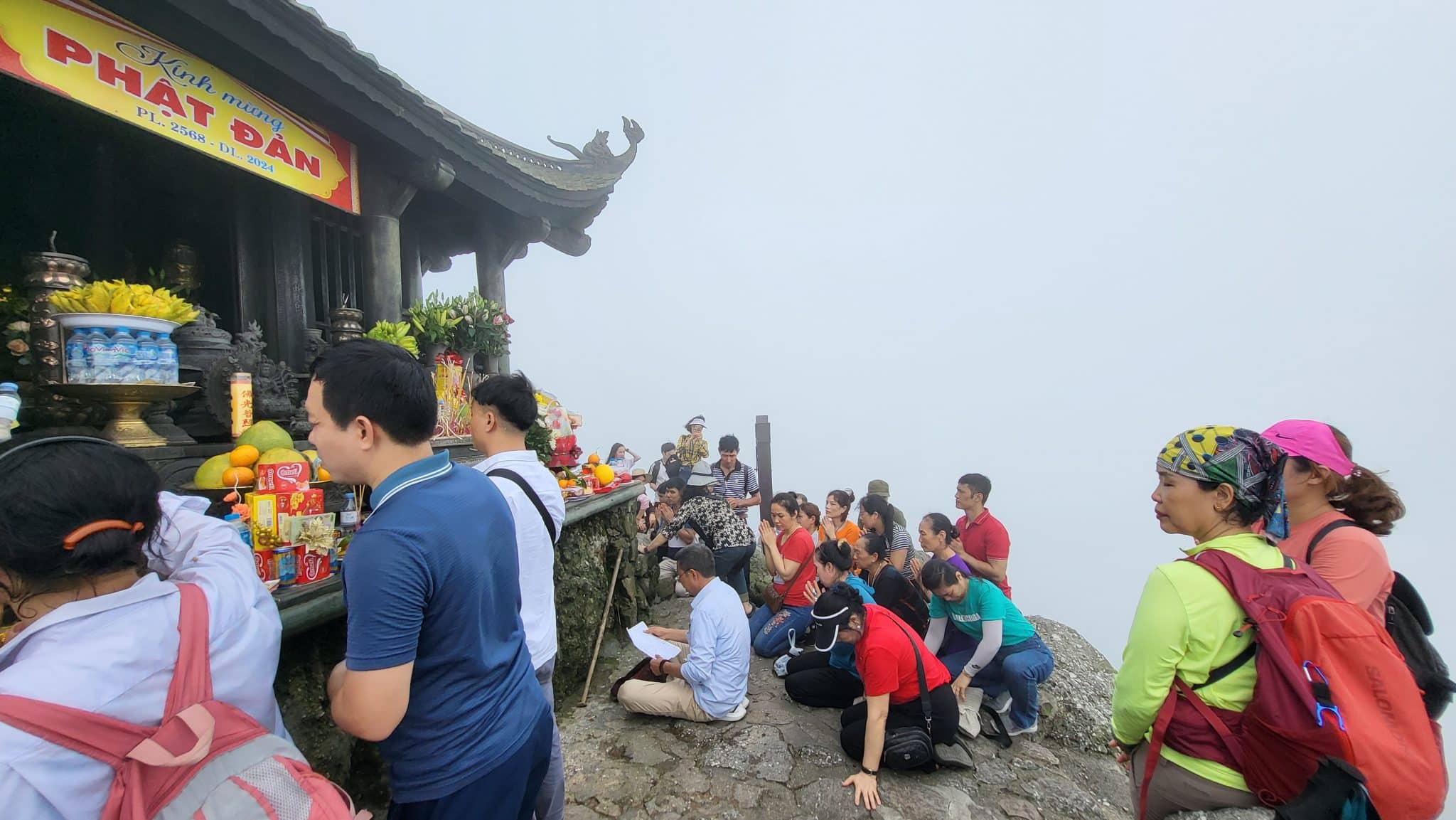
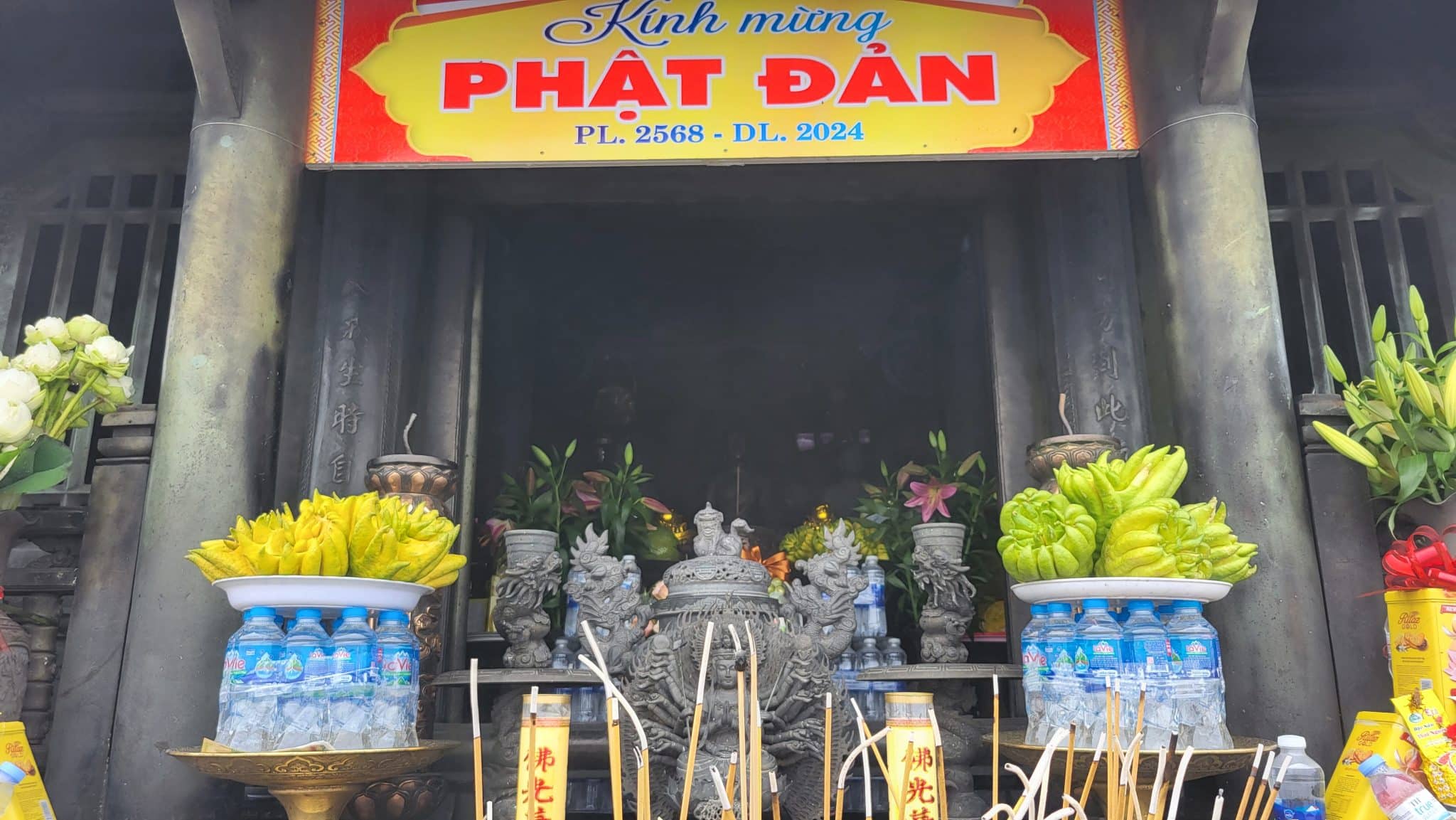
- Dong Pagoda is a symbol of Vietnamese Buddhism and a place of pilgrimage for Buddhists across Vietnam. It is dedicated to the worship of Buddha and is one of the most famous pagodas in the country.
- The pagoda was originally built in the 14th century during the reign of King Trần Nhân Tông (the founder of the Trúc Lâm Zen School), although the current structure is a modern reconstruction that was completed in 2004.
- Material:
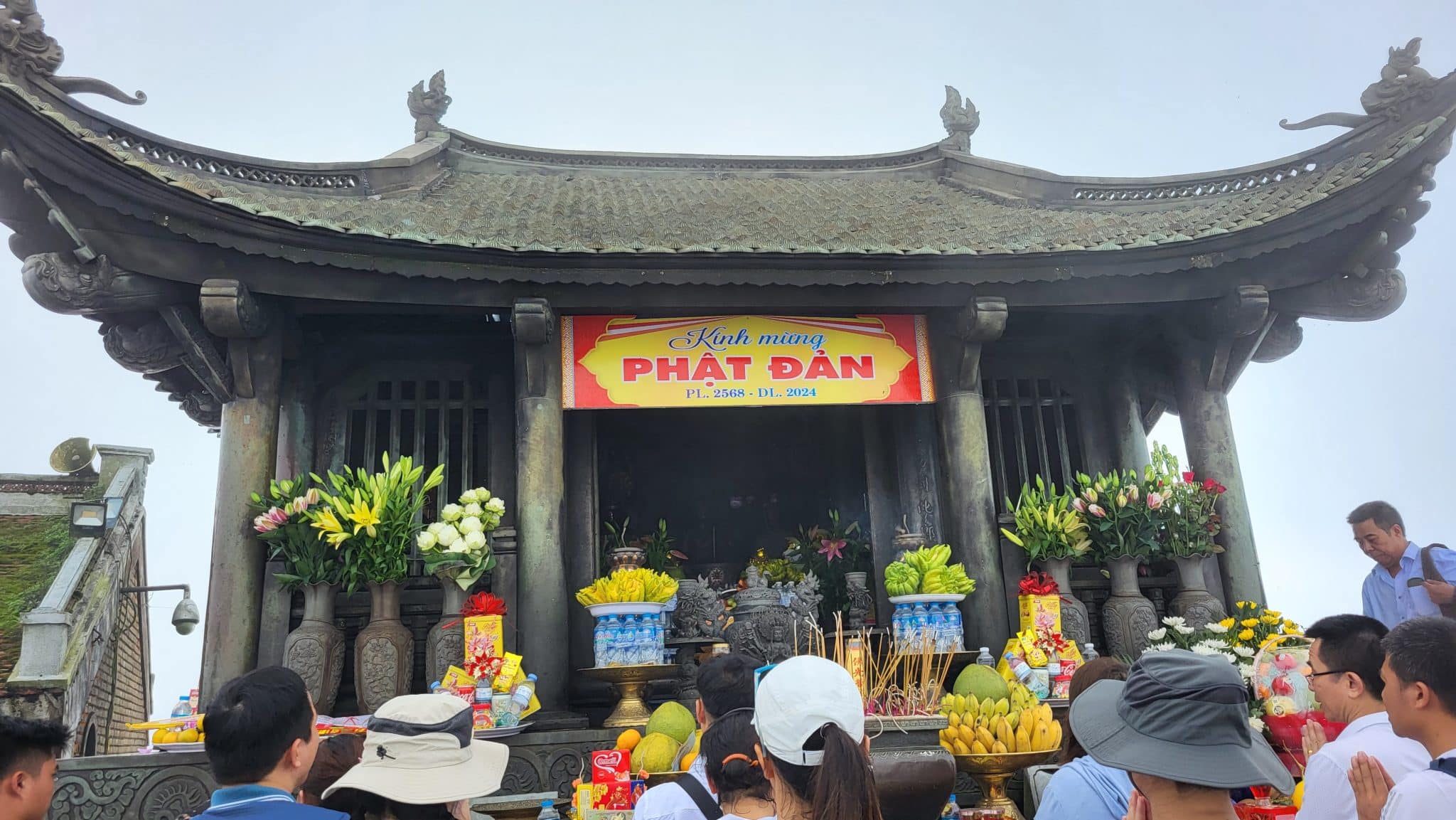
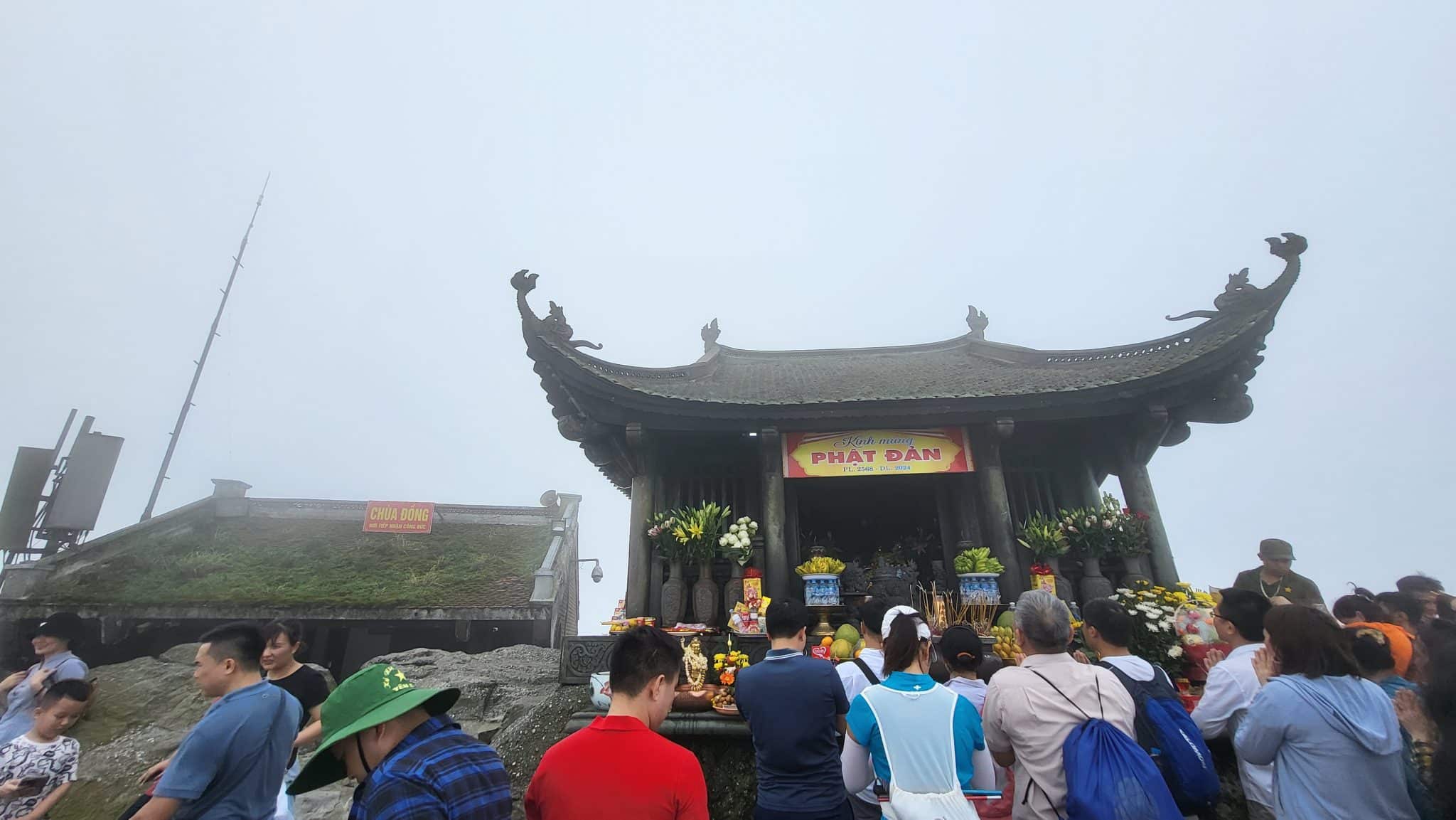
- The most striking feature of Dong Pagoda is that it is made entirely of bronze. The pagoda is crafted with intricate details, giving it a shimmering golden appearance. This material choice also symbolizes the timeless nature of Buddhism and the enduring spiritual legacy of King Trần Nhân Tông.
- Pilgrimage Destination:
- The journey to Dong Pagoda is a pilgrimage that involves a physically demanding climb or, for those preferring a more leisurely journey, a cable car ride. Pilgrims come to this site to pray for good health, prosperity, and spiritual enlightenment.
- Viewpoint:
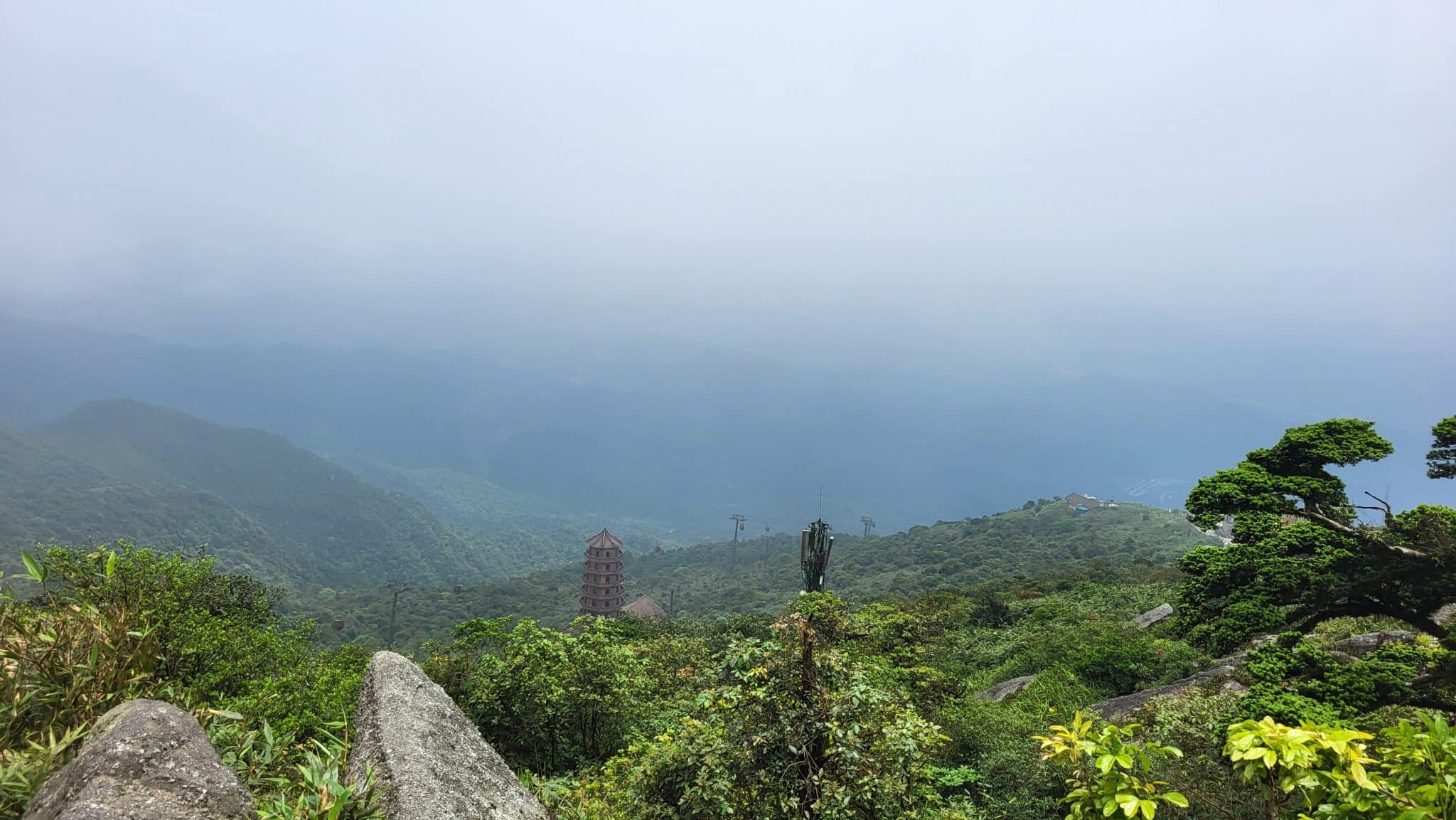
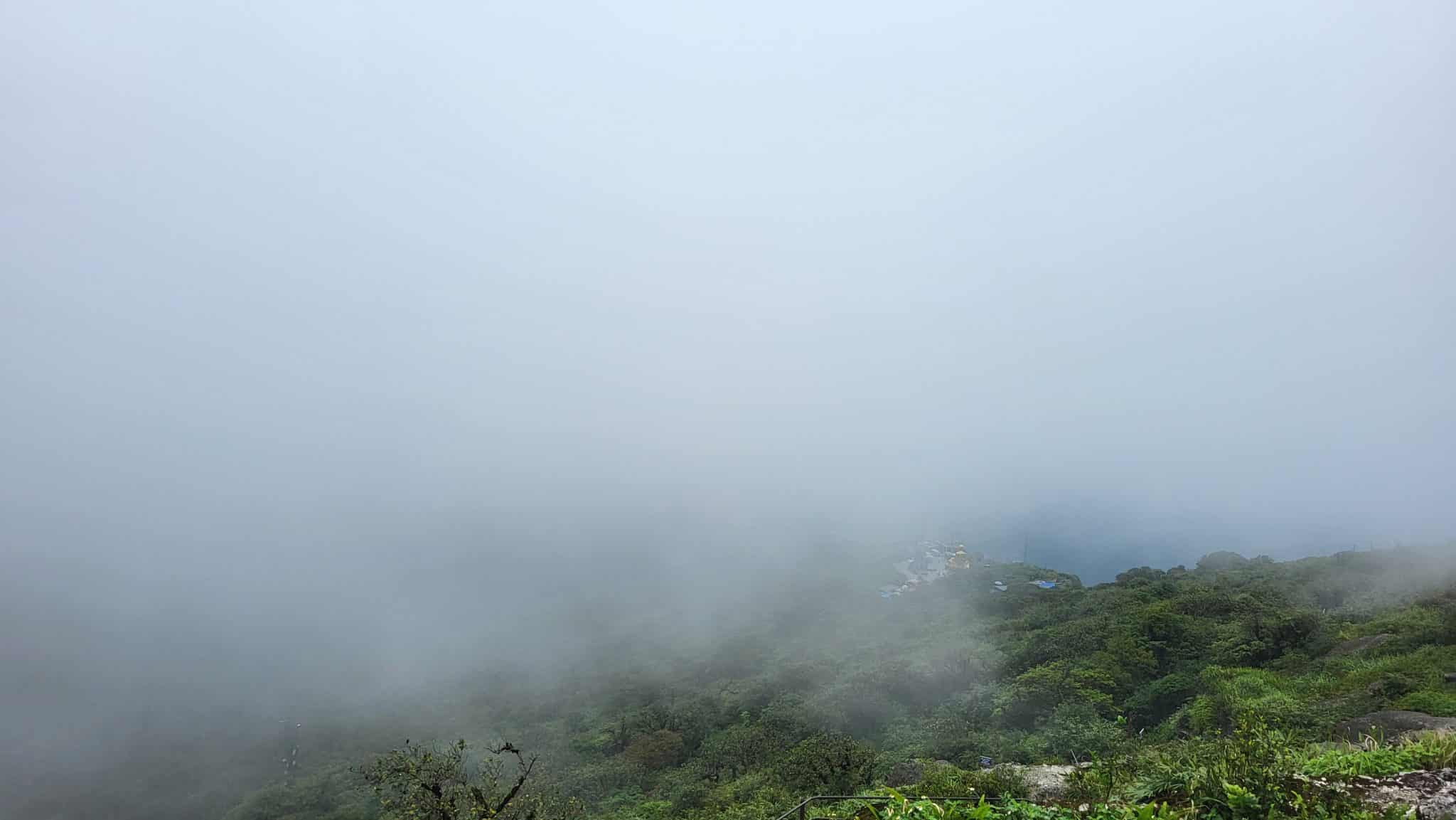
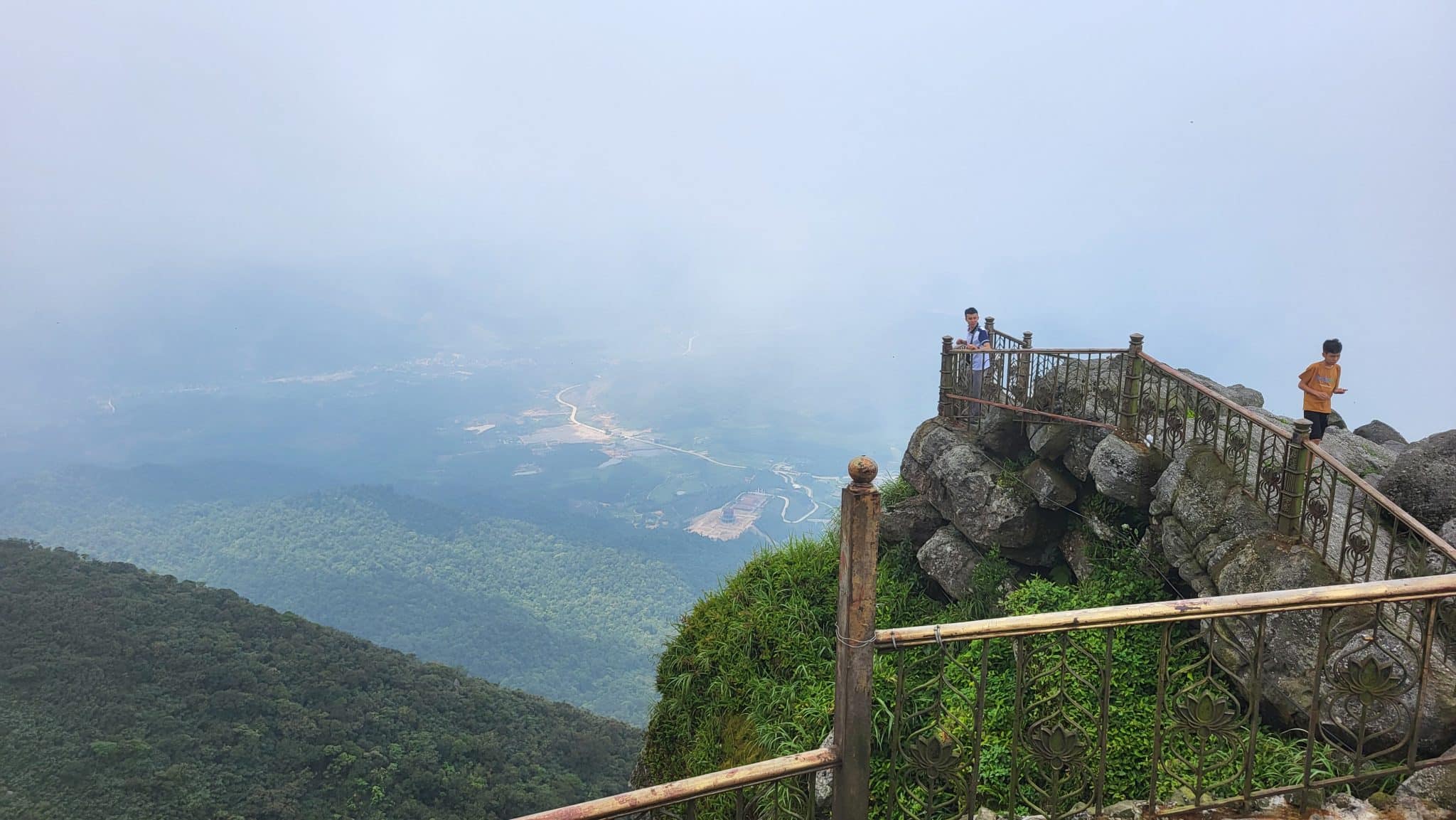
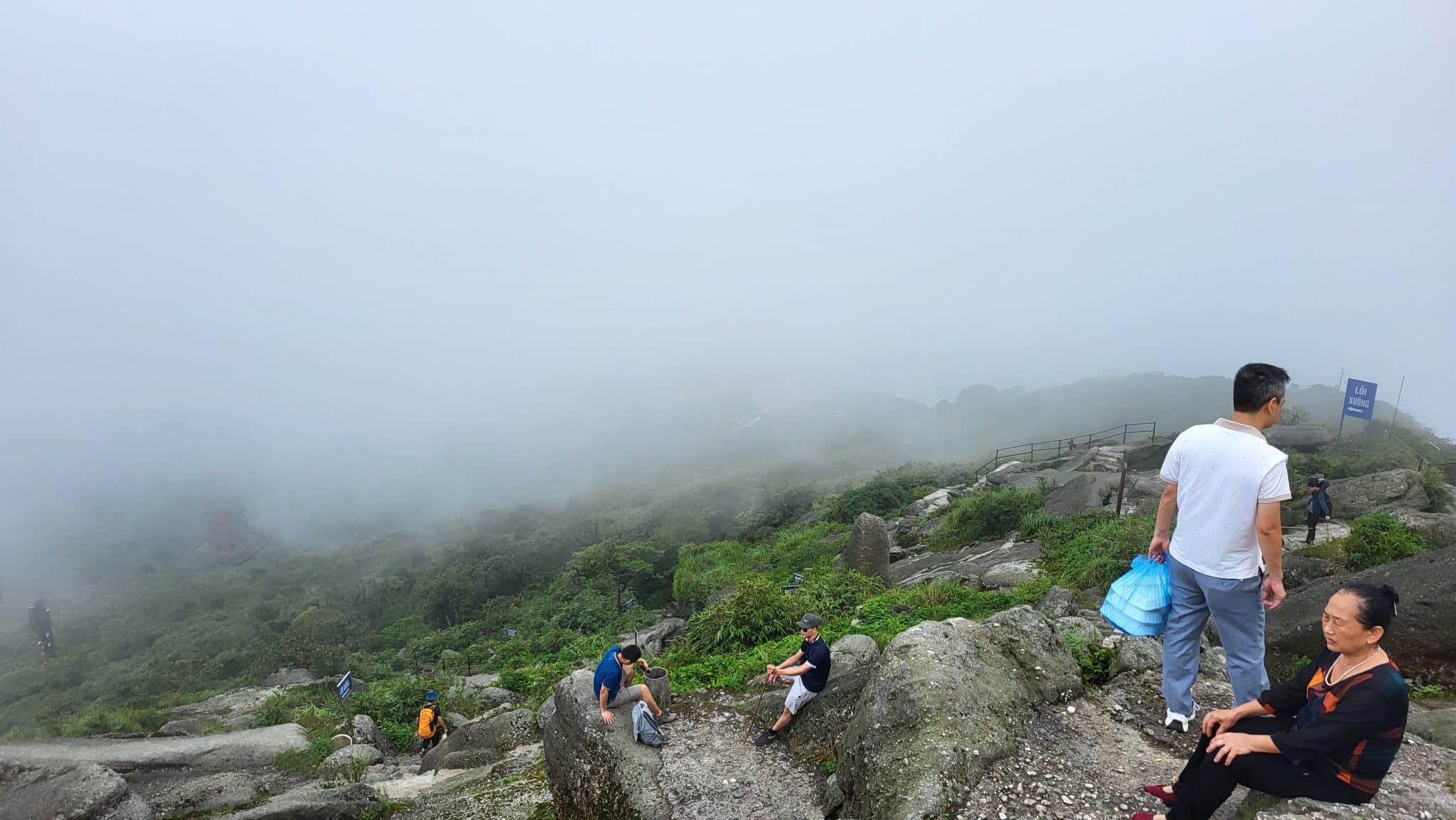
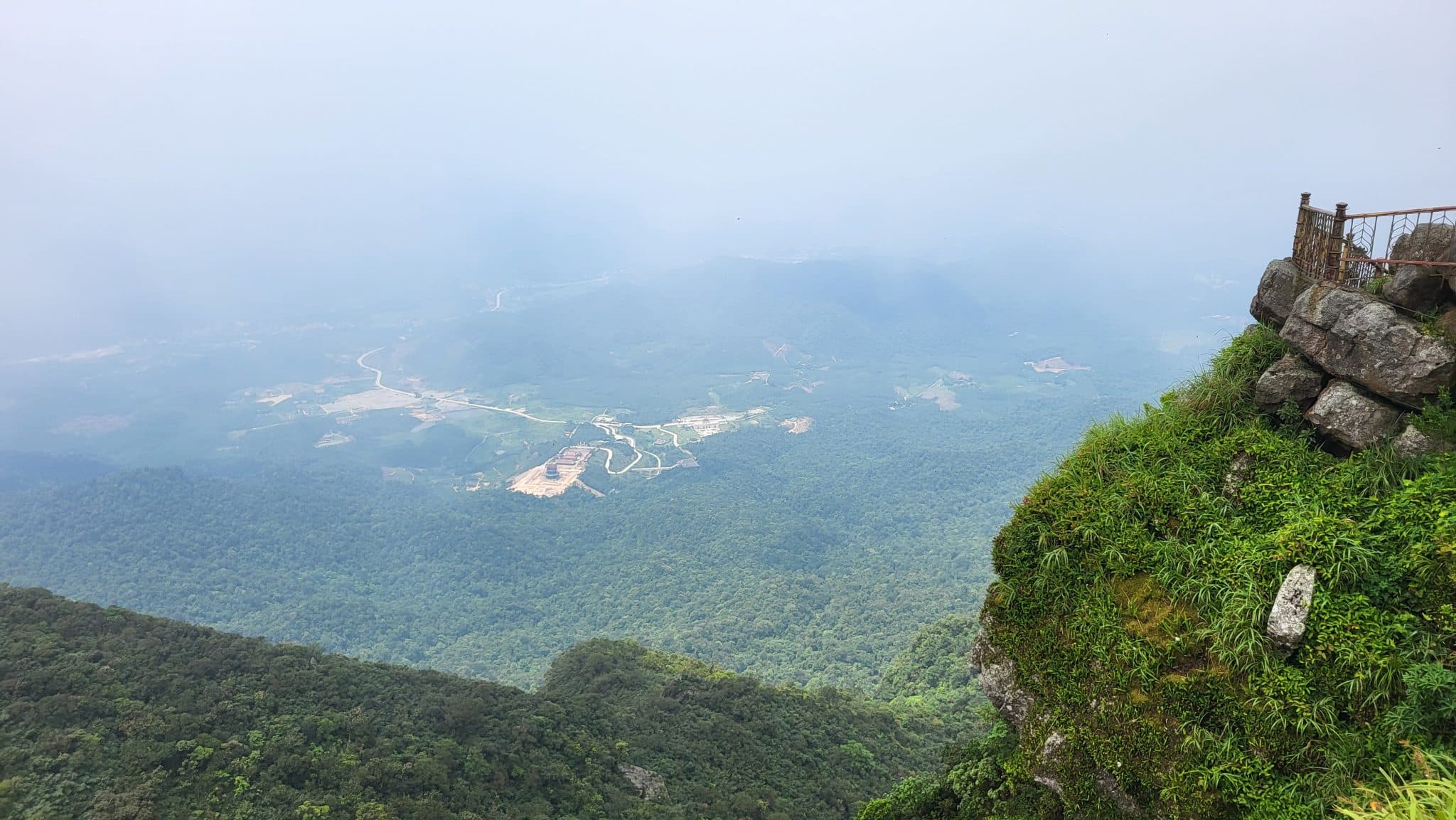
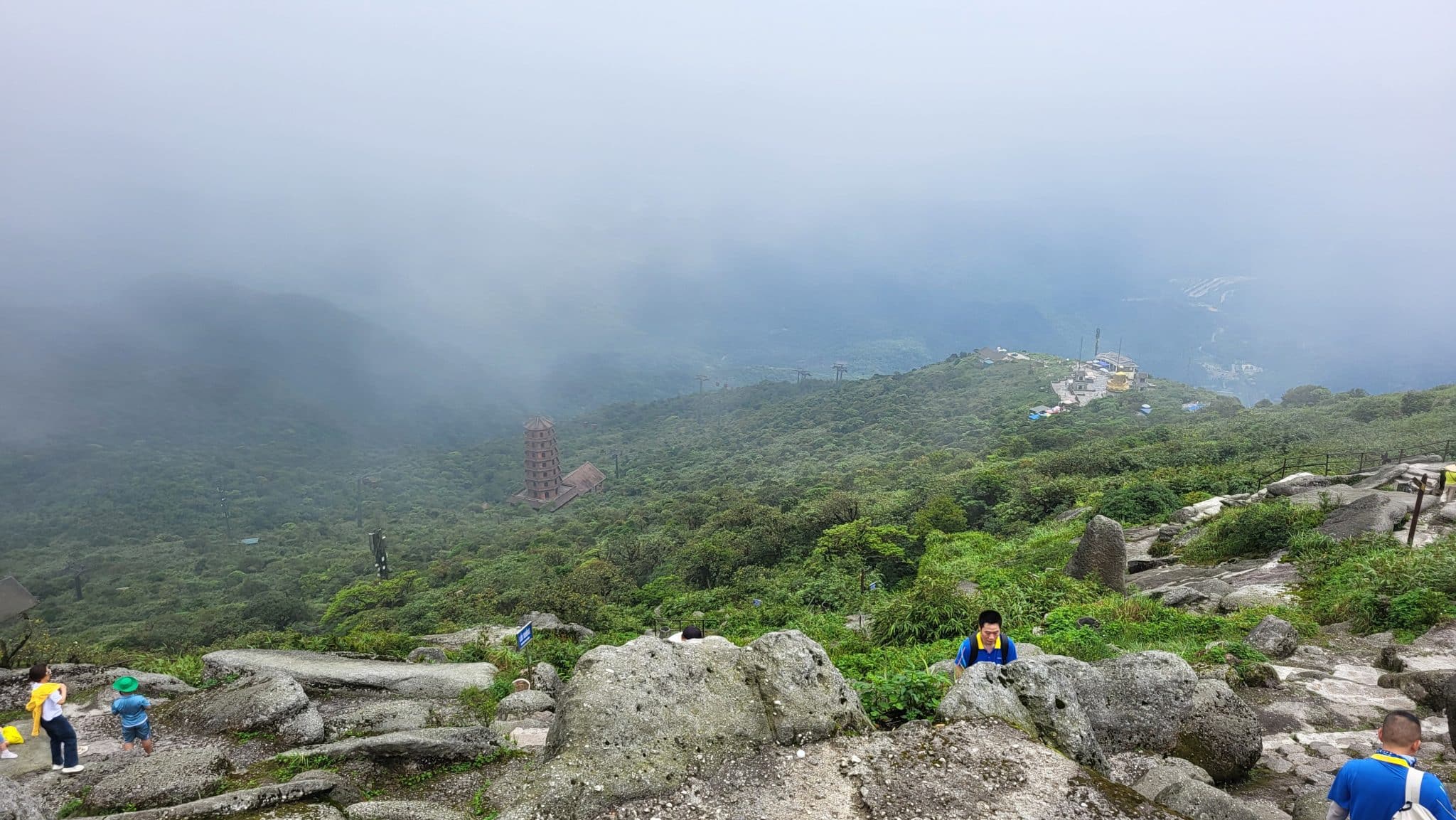
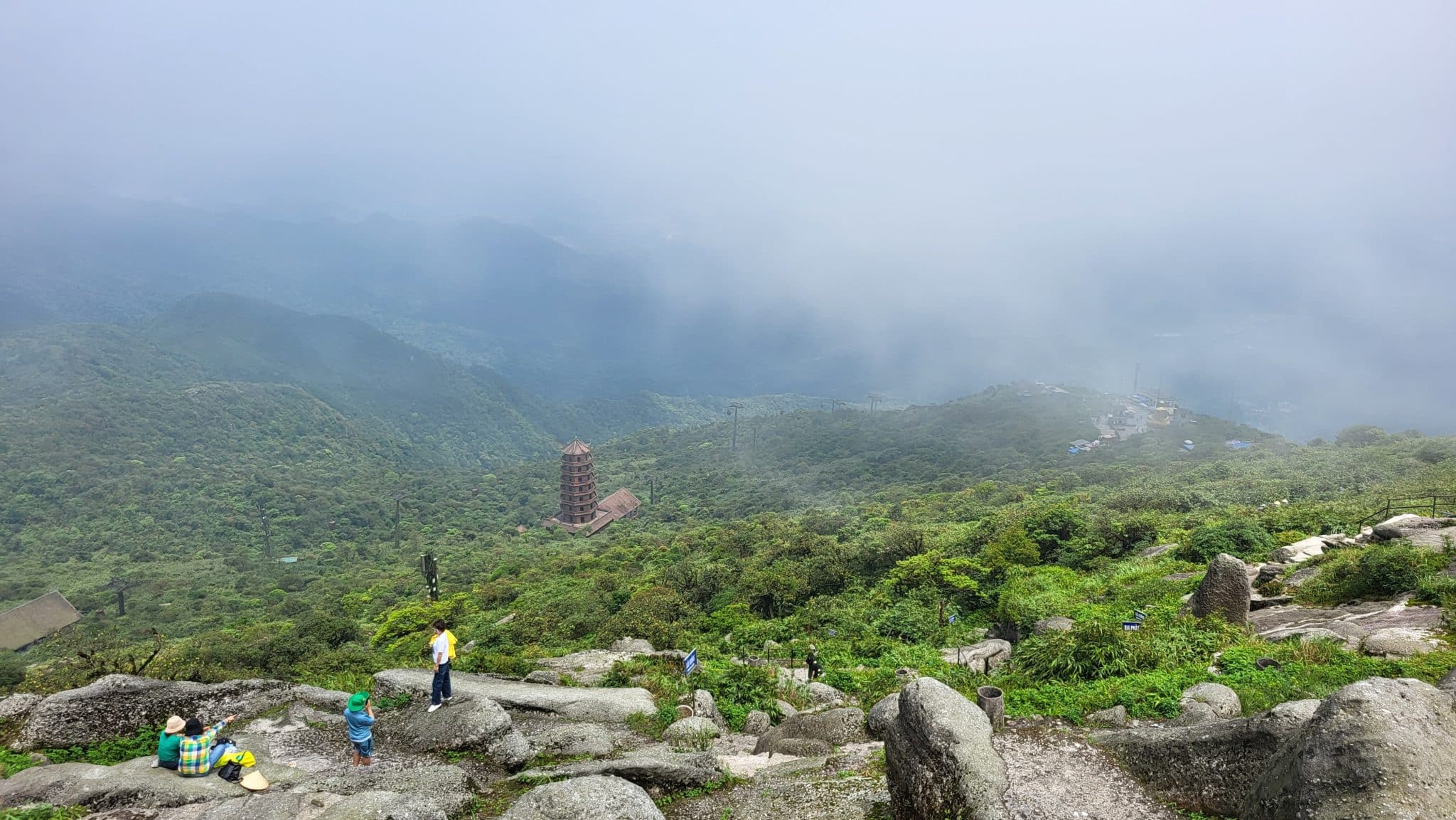
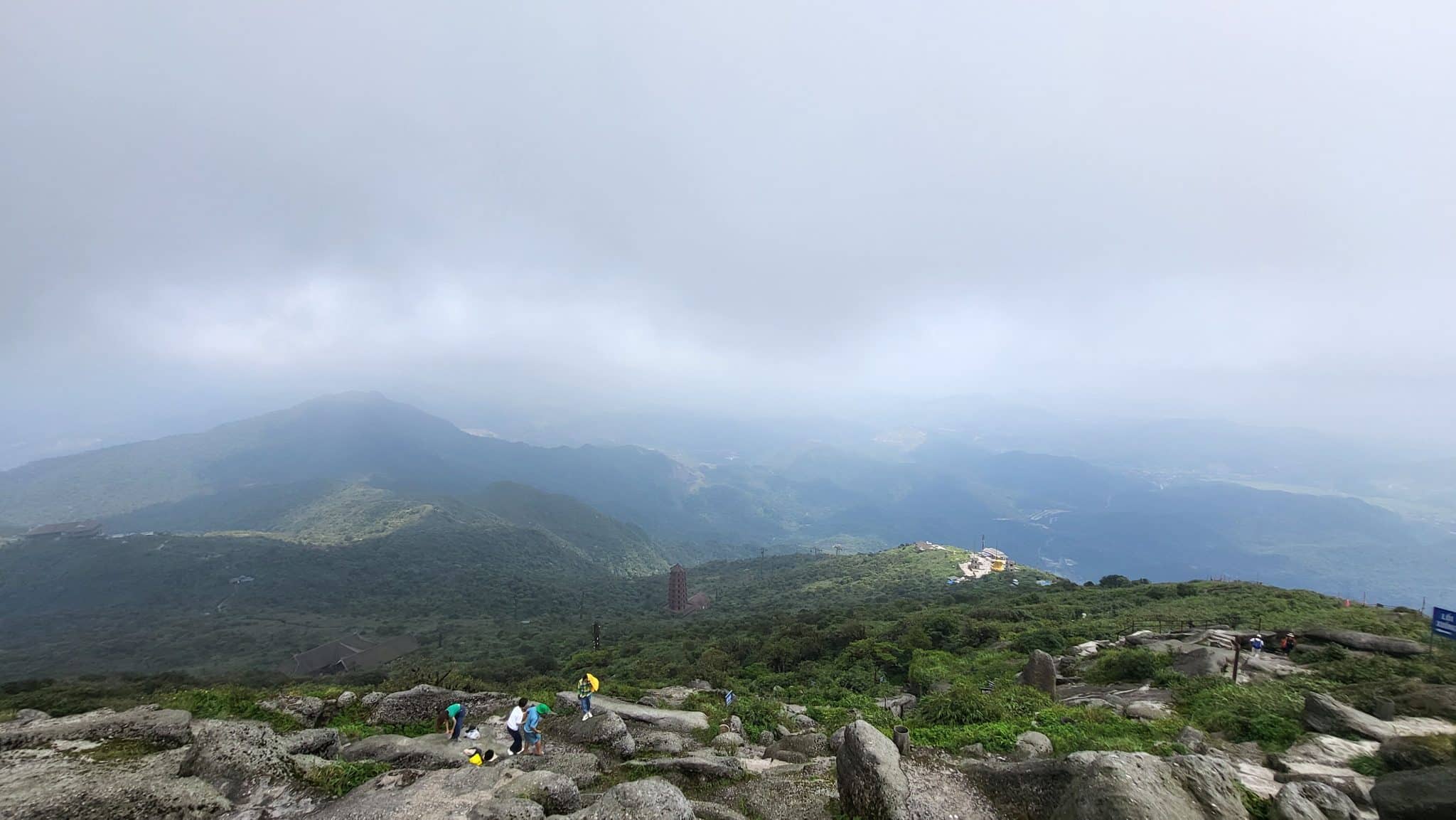
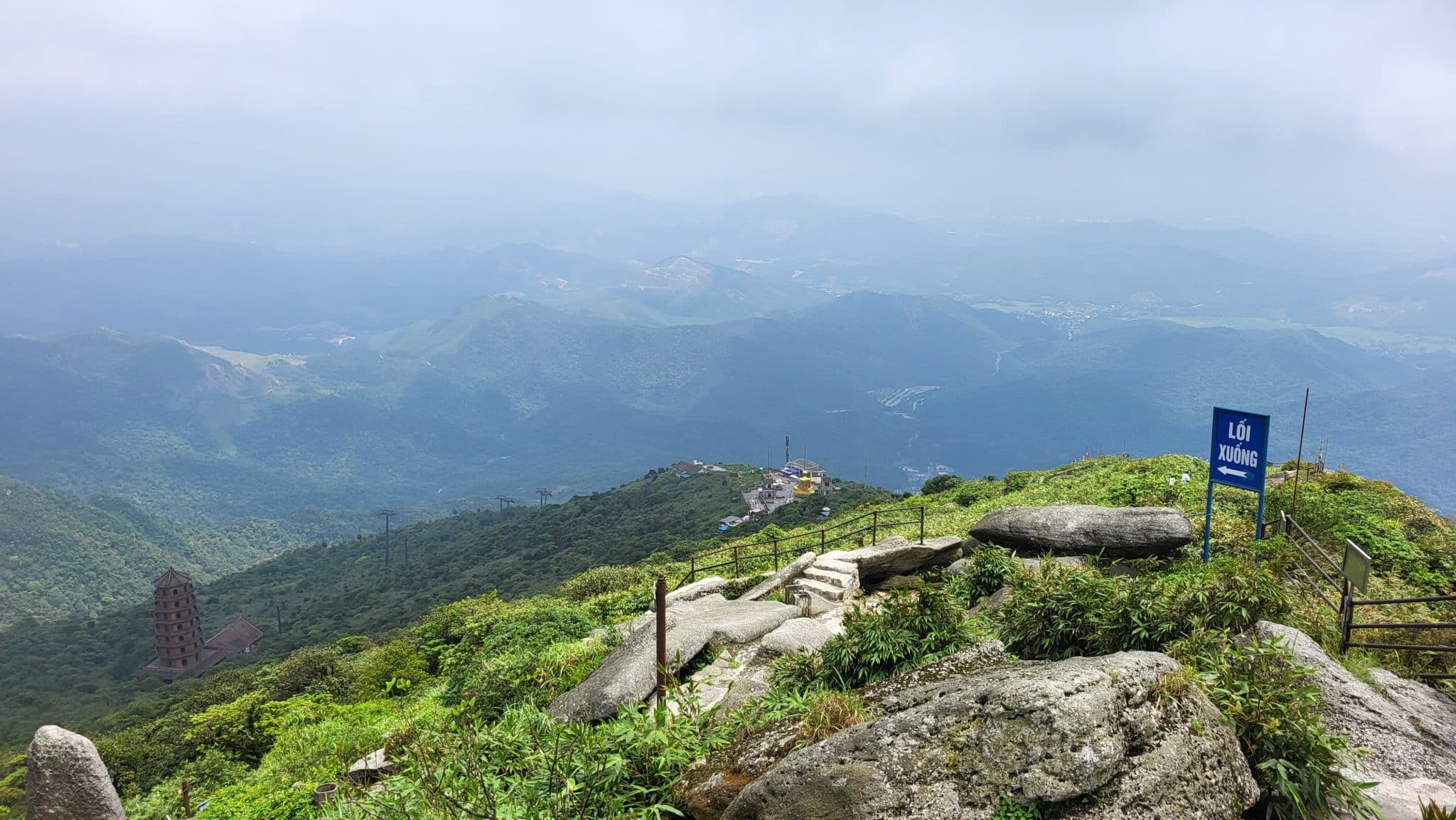
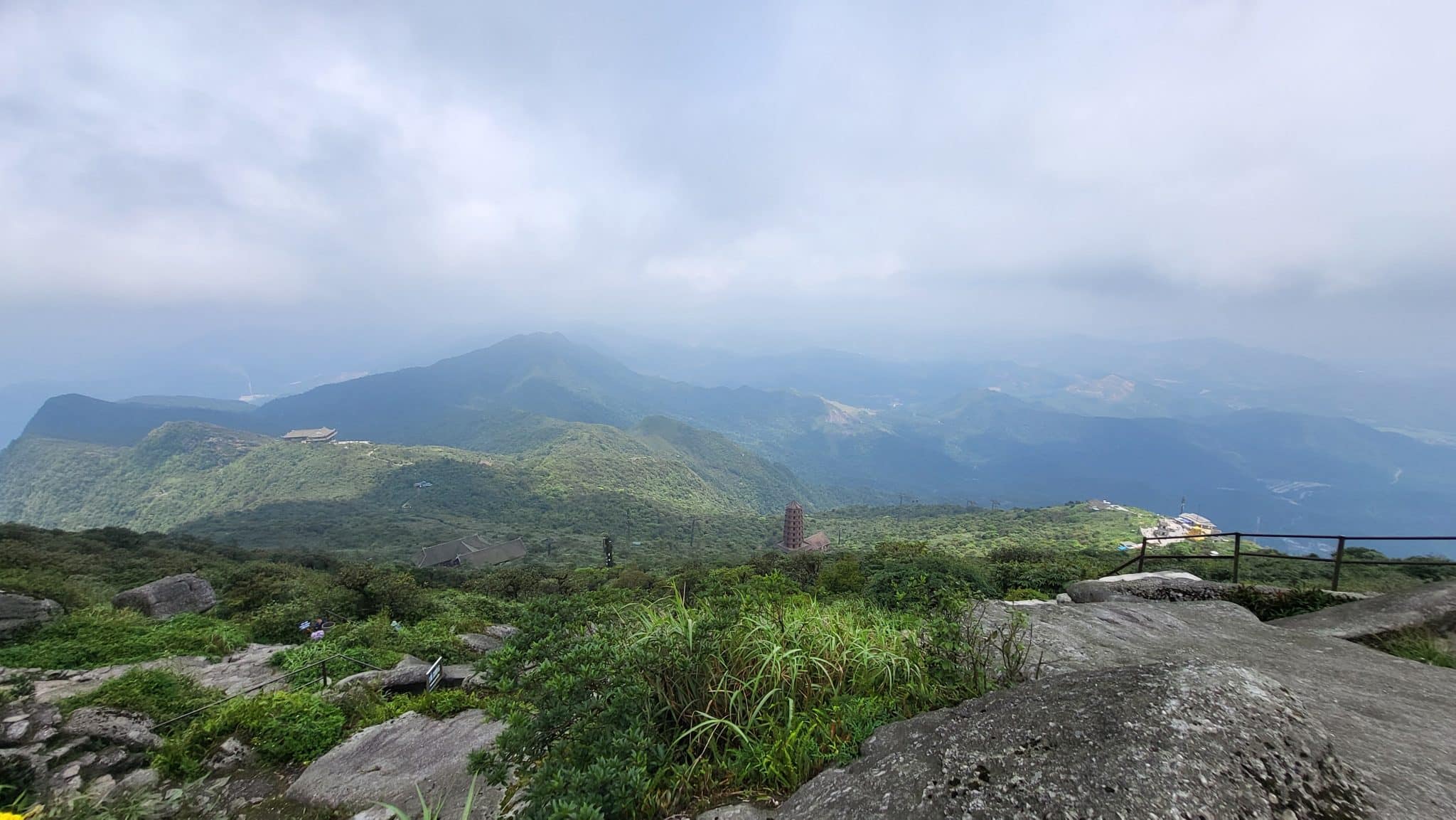
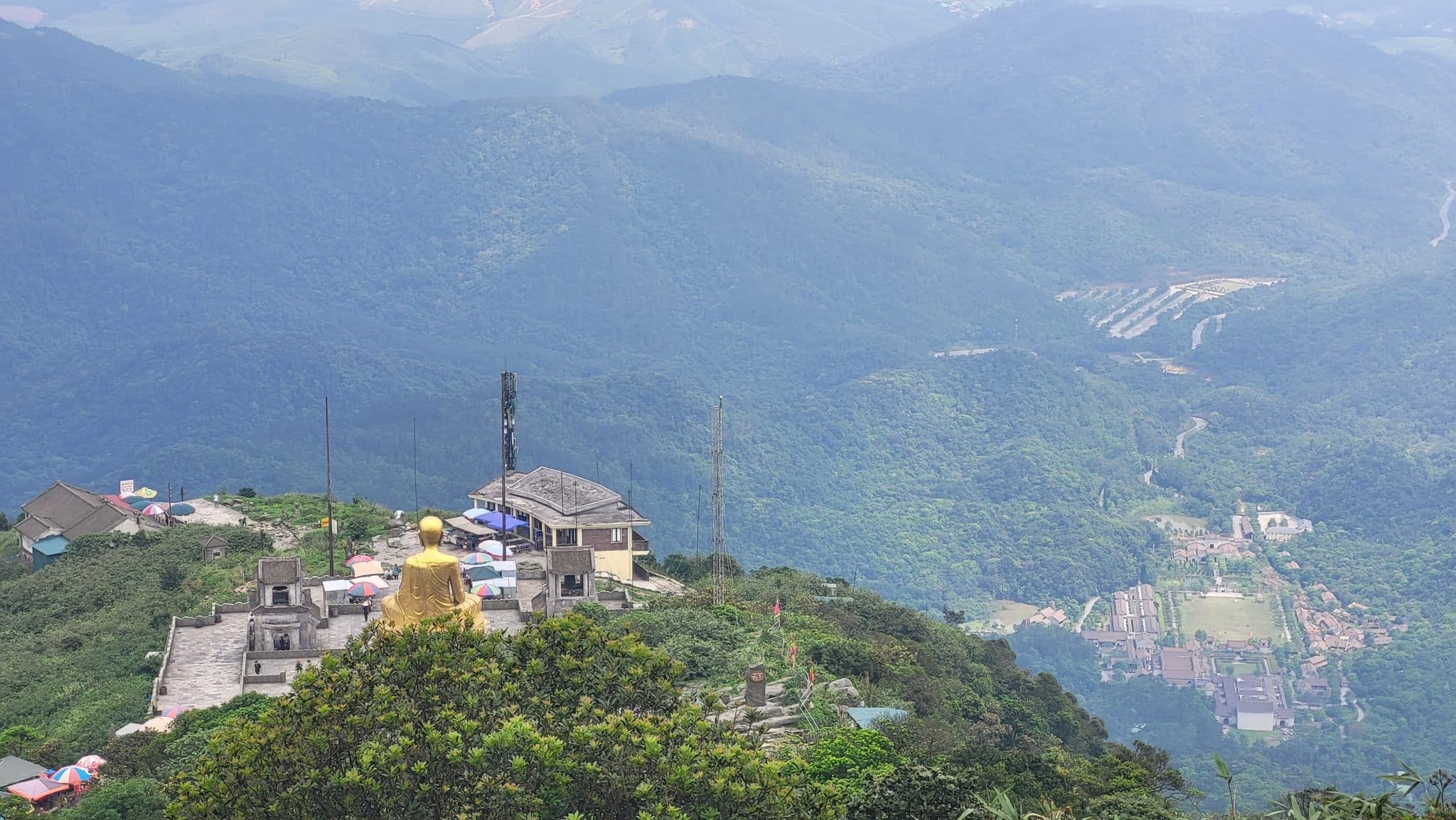
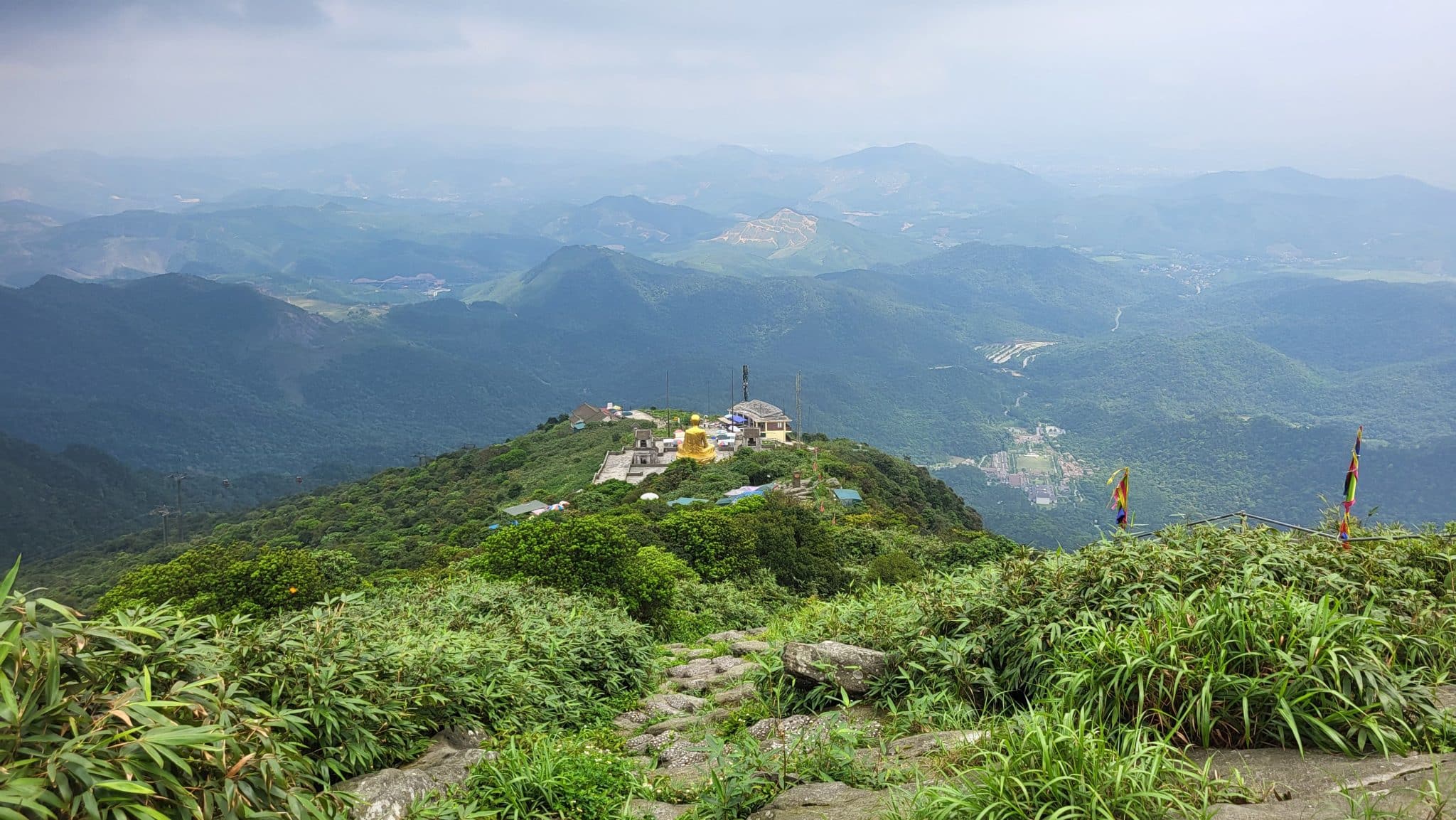
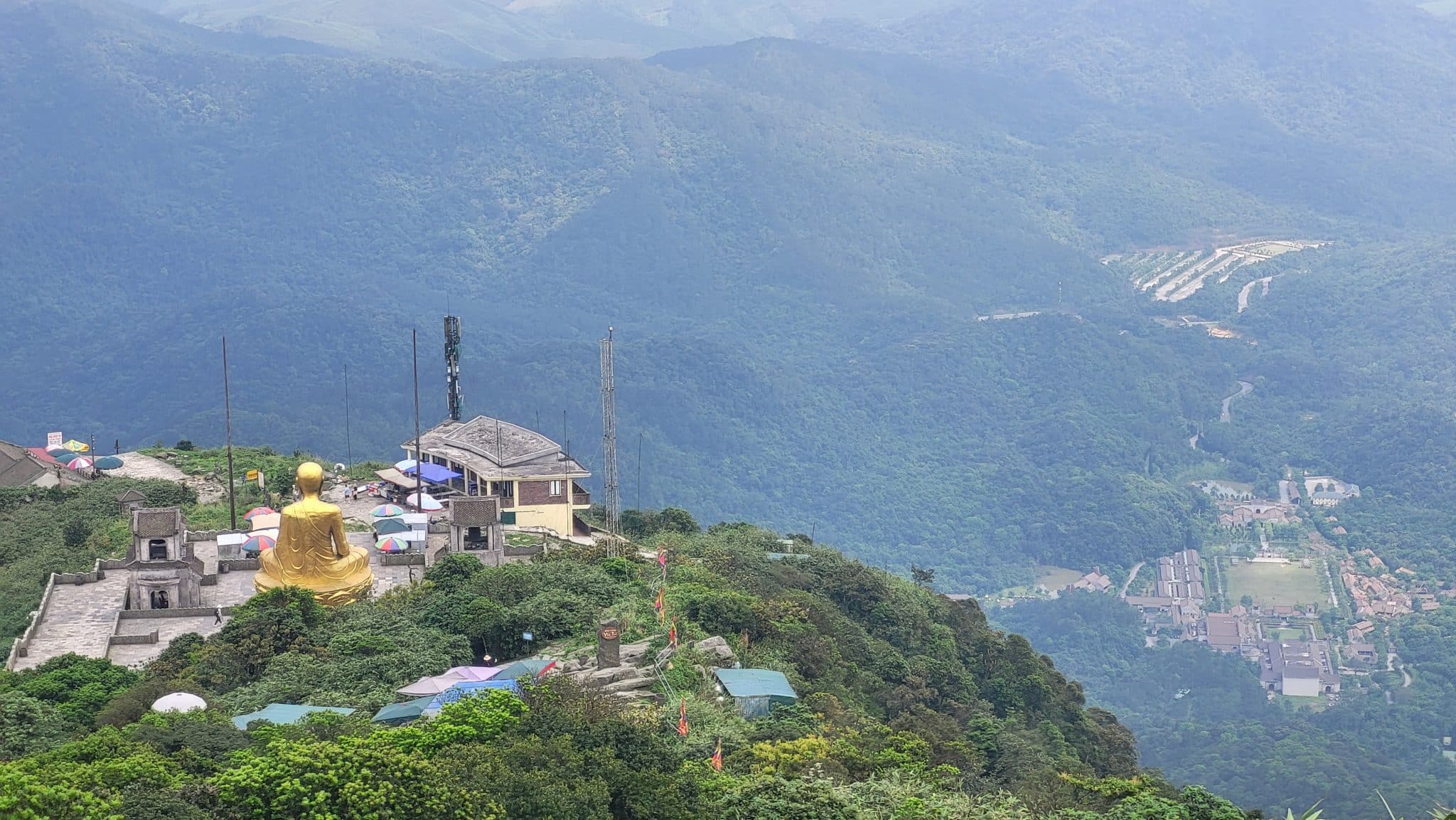
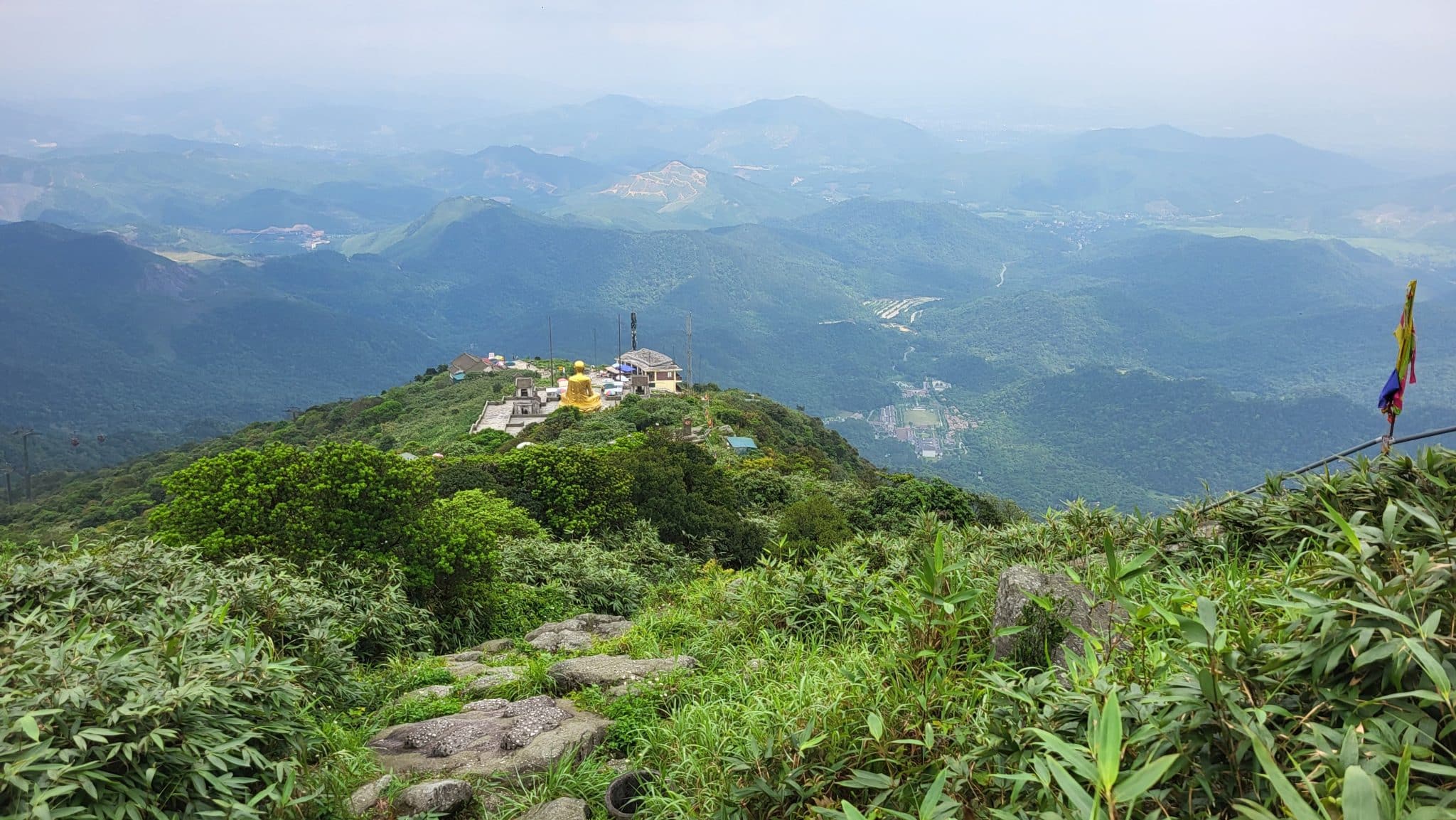
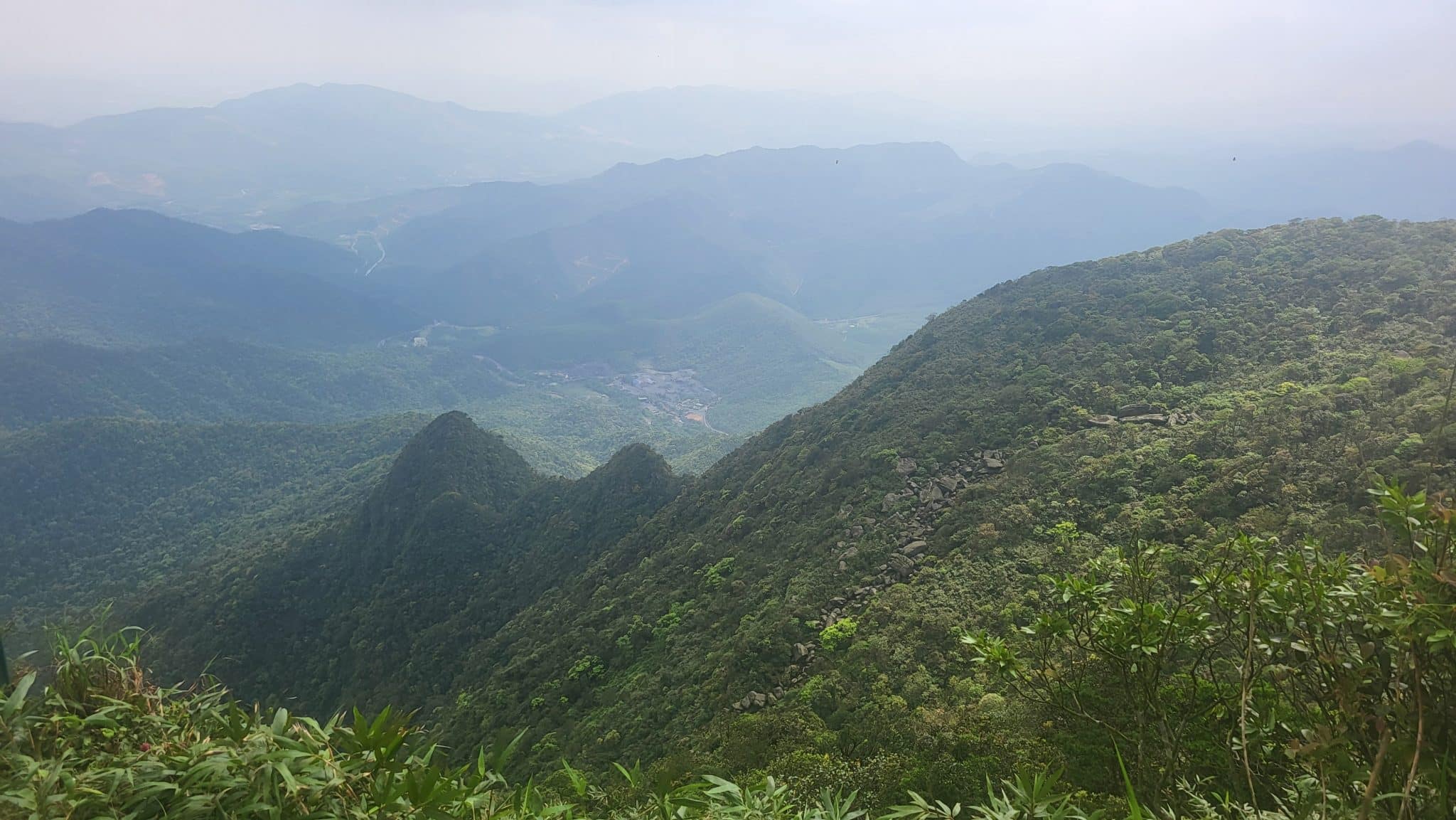
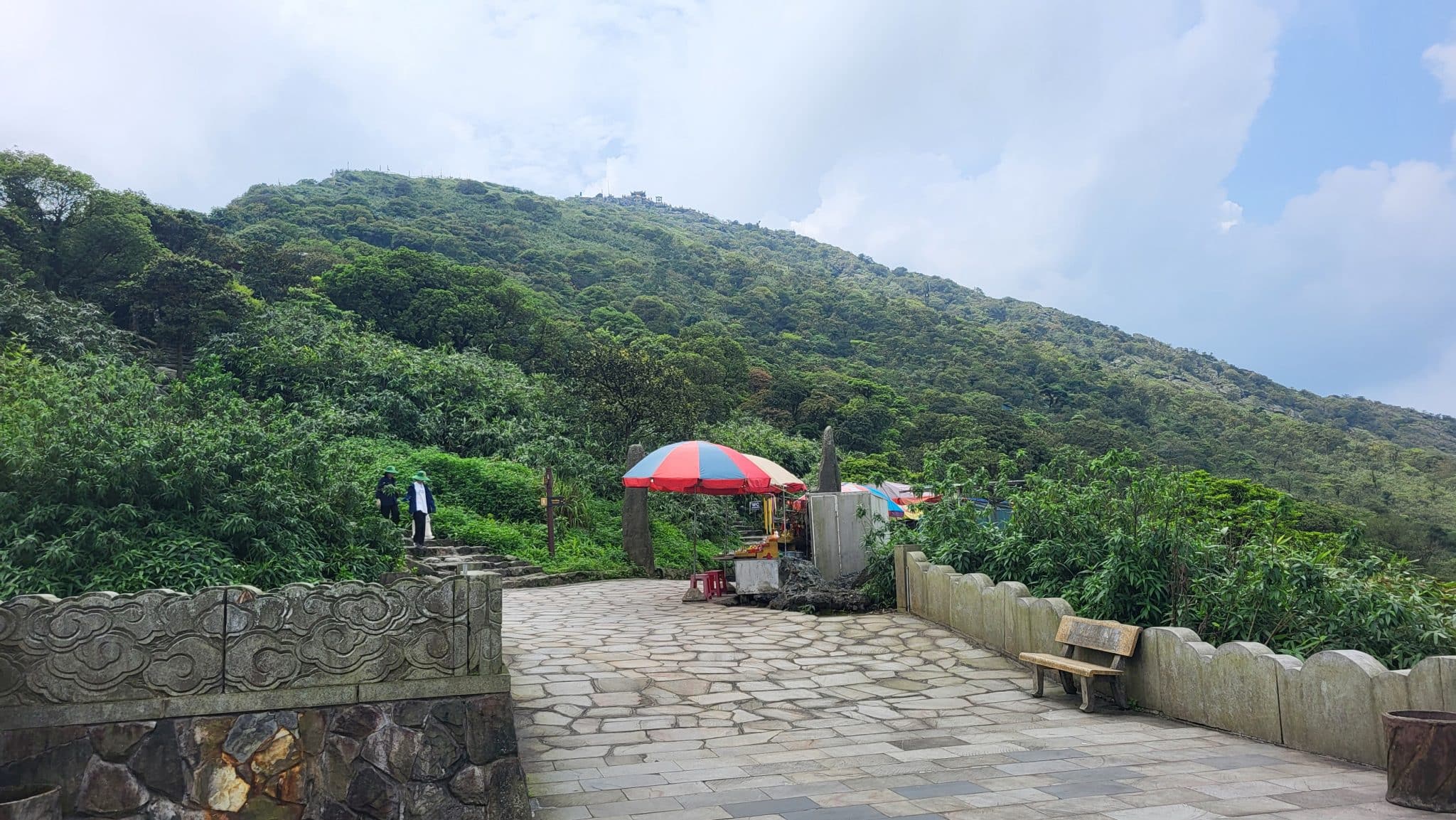
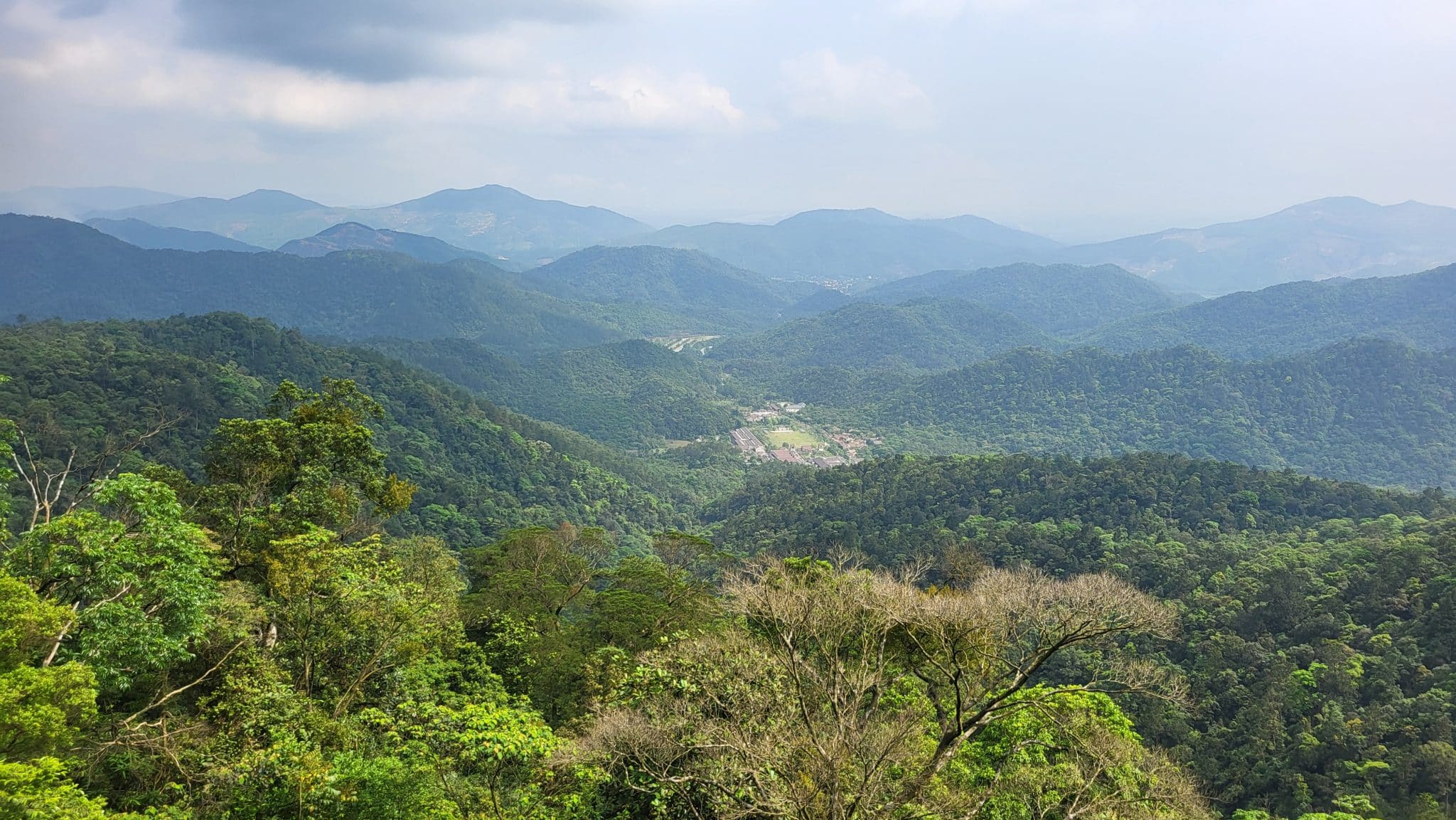
- From the pagoda, visitors are treated to breathtaking panoramic views of the surrounding landscape. The misty mountains, valleys, and rivers below create a serene and mystical atmosphere that enhances the spiritual experience.
- Symbolism:
- The pagoda is a symbol of peace, enlightenment, and spiritual ascension. It represents the ultimate goal of the Buddhist path — reaching a state of enlightenment, as represented by the mountain’s summit and the gleaming bronze pagoda itself.
2. Statue of Trần Nhân Tông
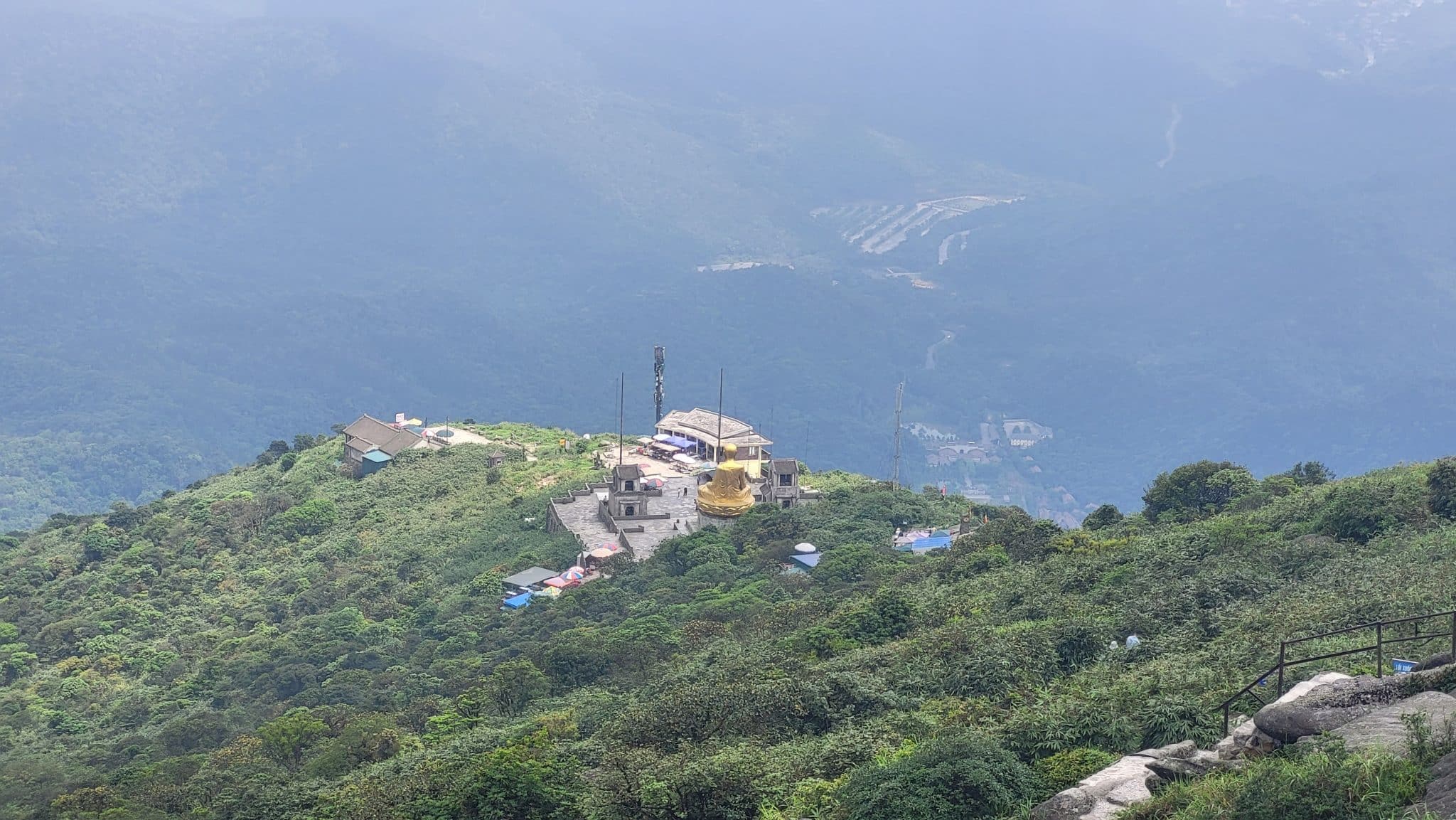
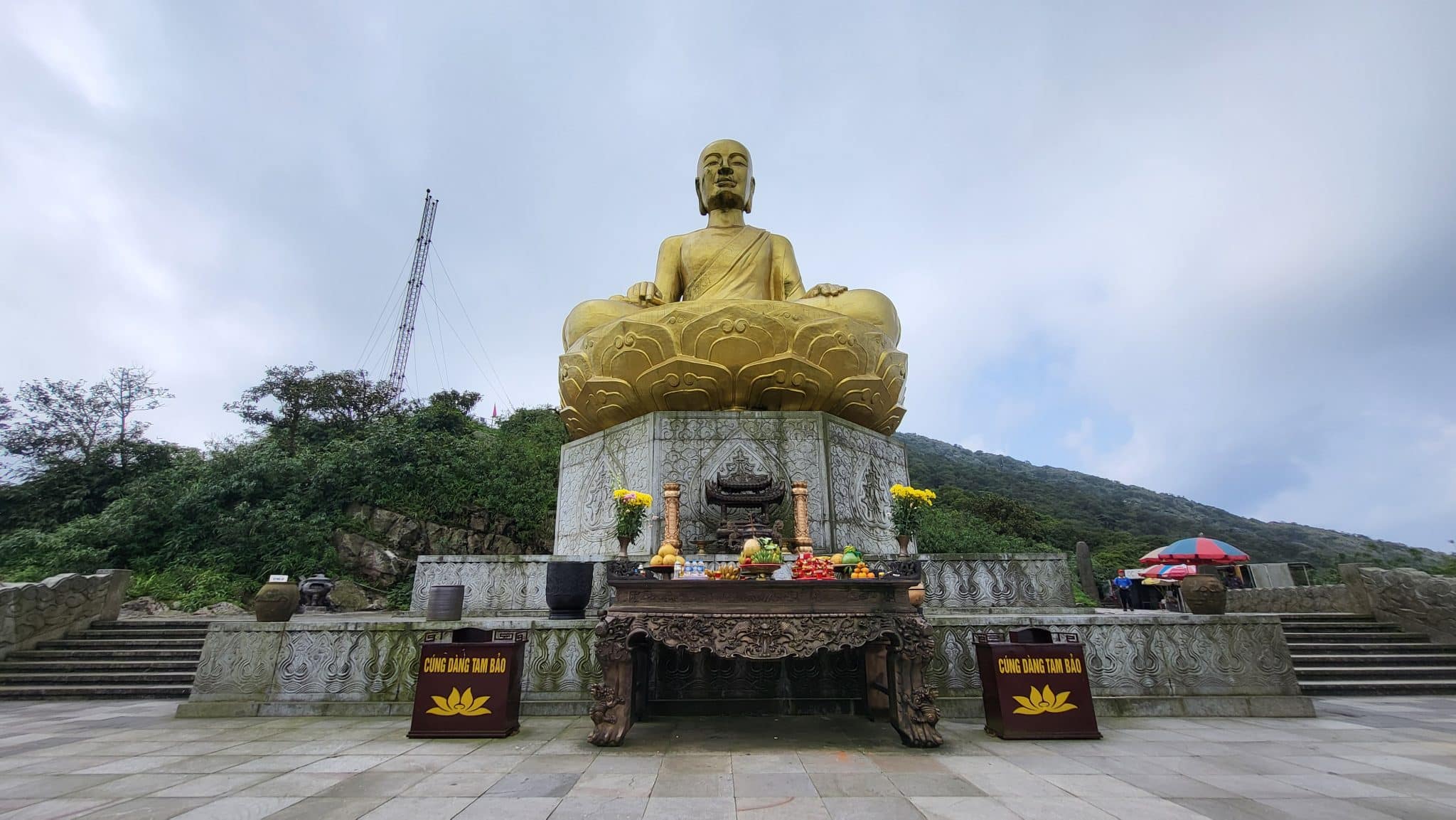
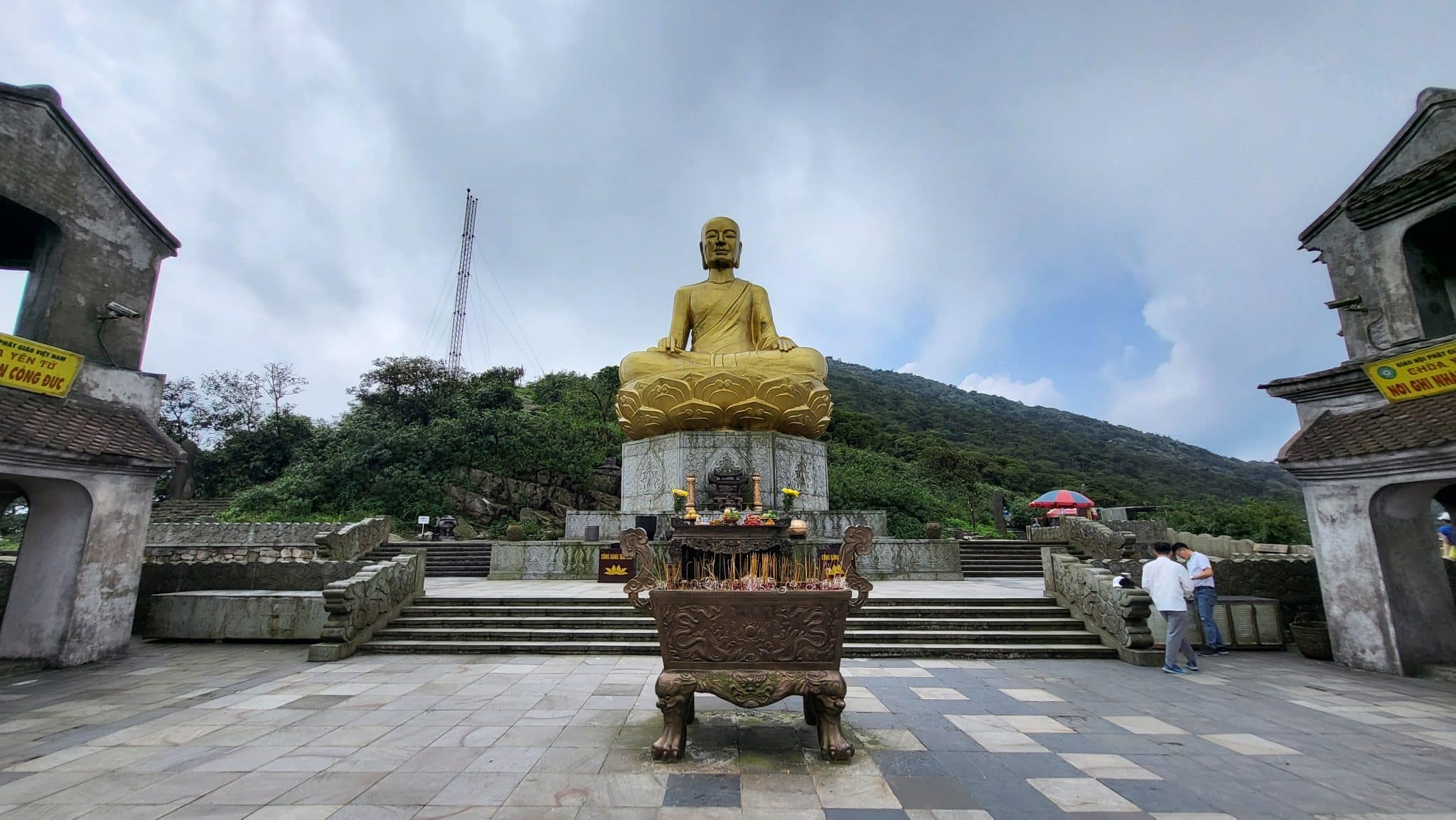
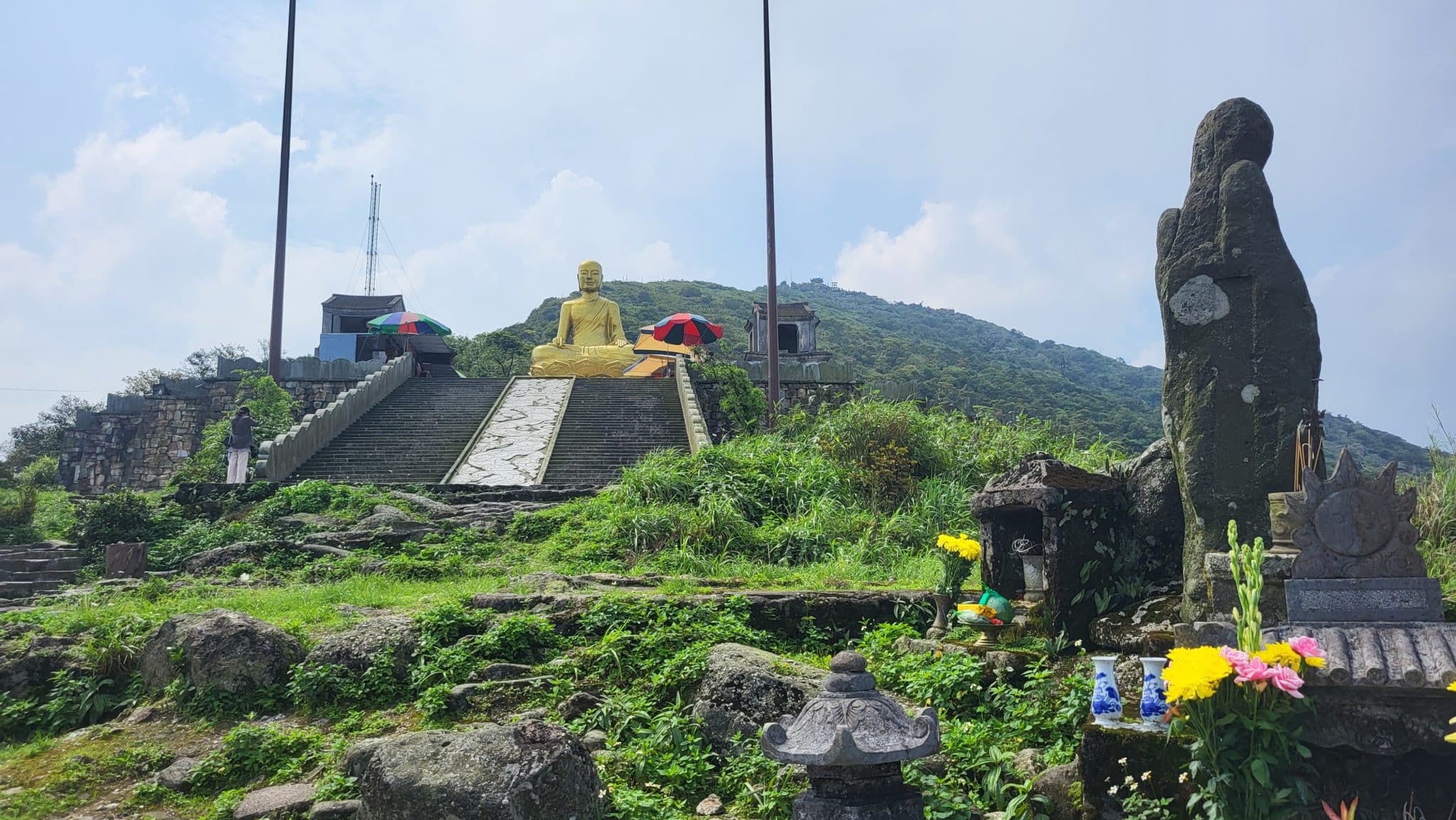
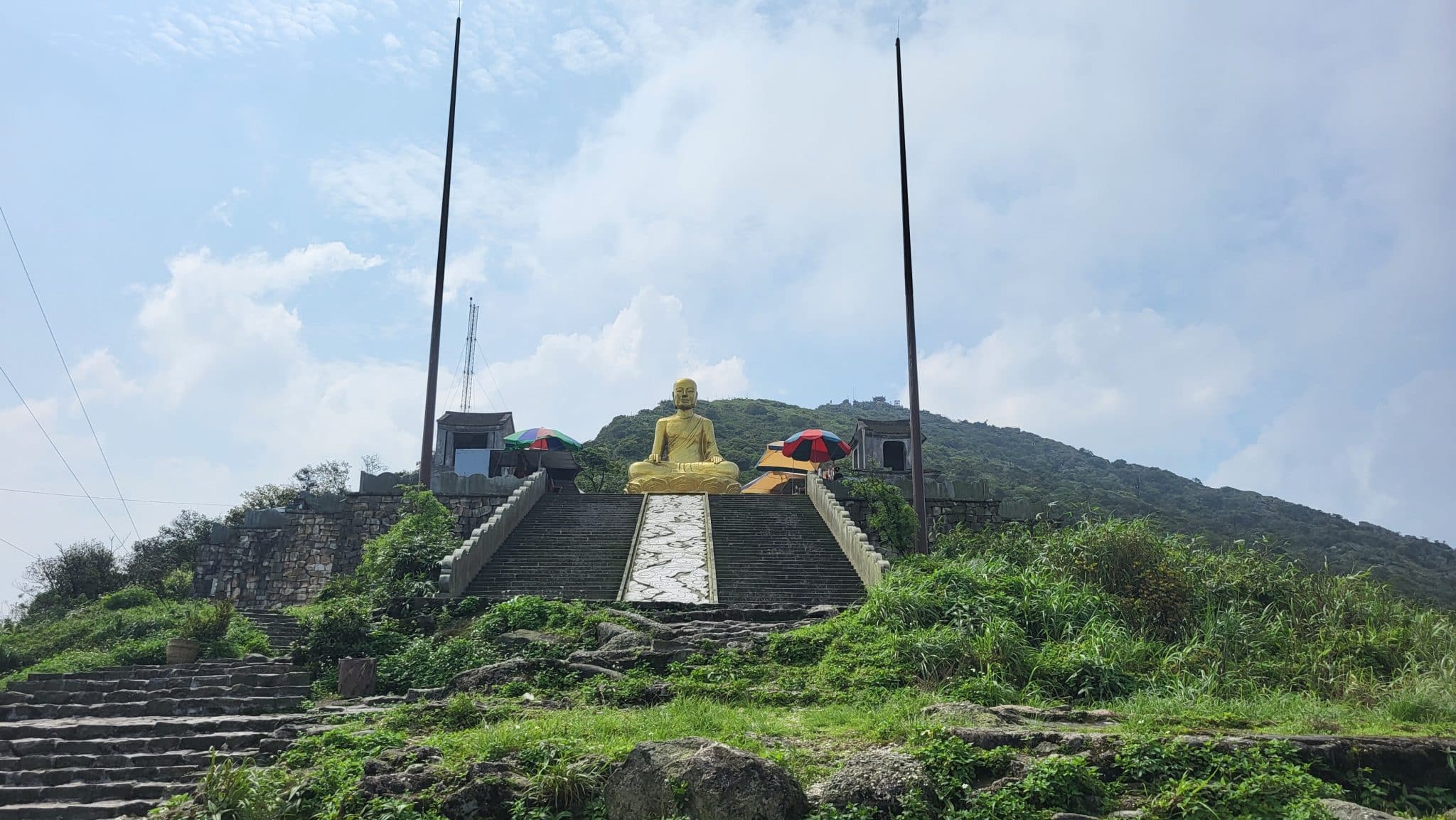
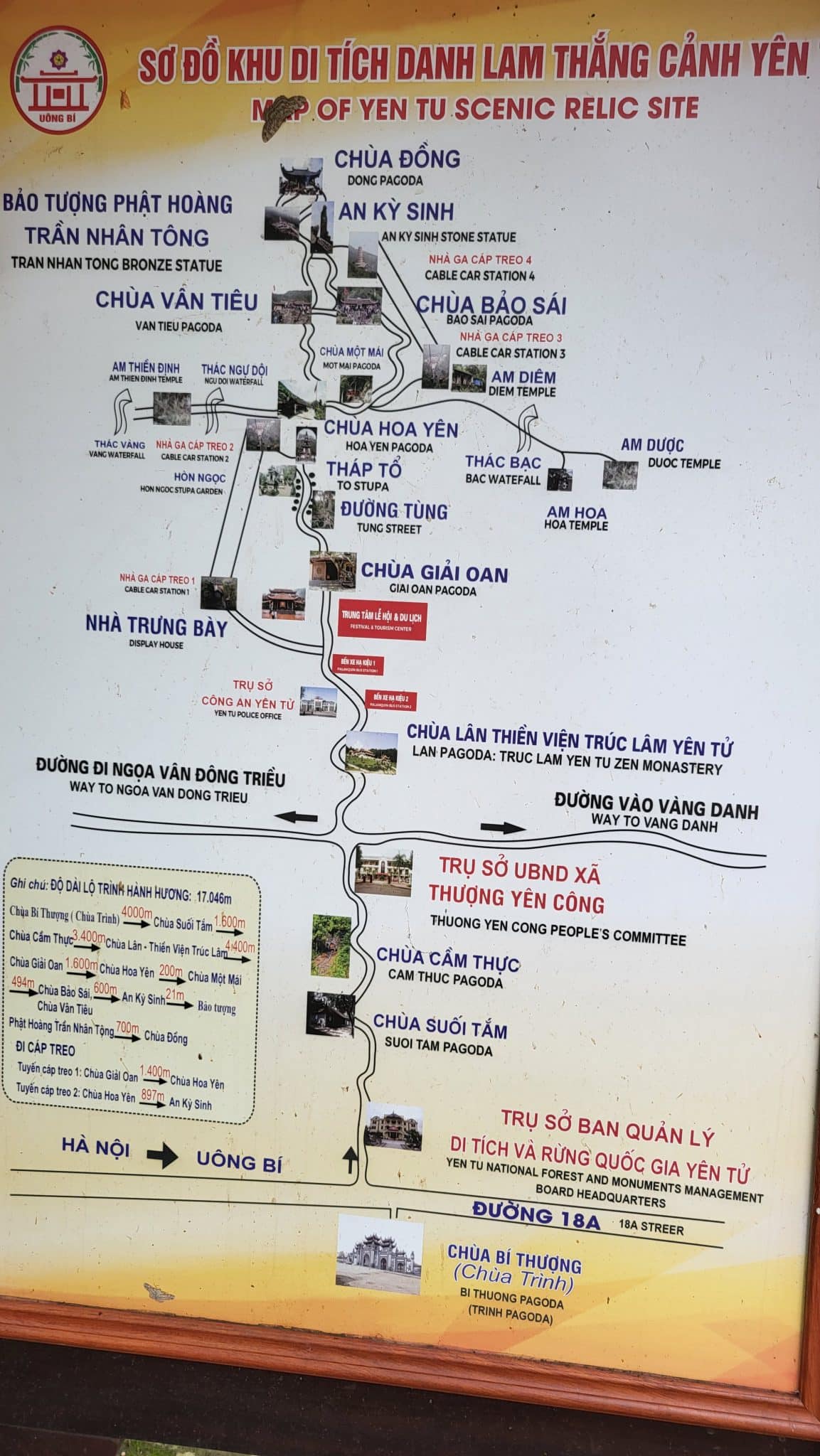
- Location: The Statue of Trần Nhân Tông is located near Hoa Yên Pagoda, which is a few hundred meters below Dong Pagoda. It stands on a scenic platform along the path to the summit.
- Description:
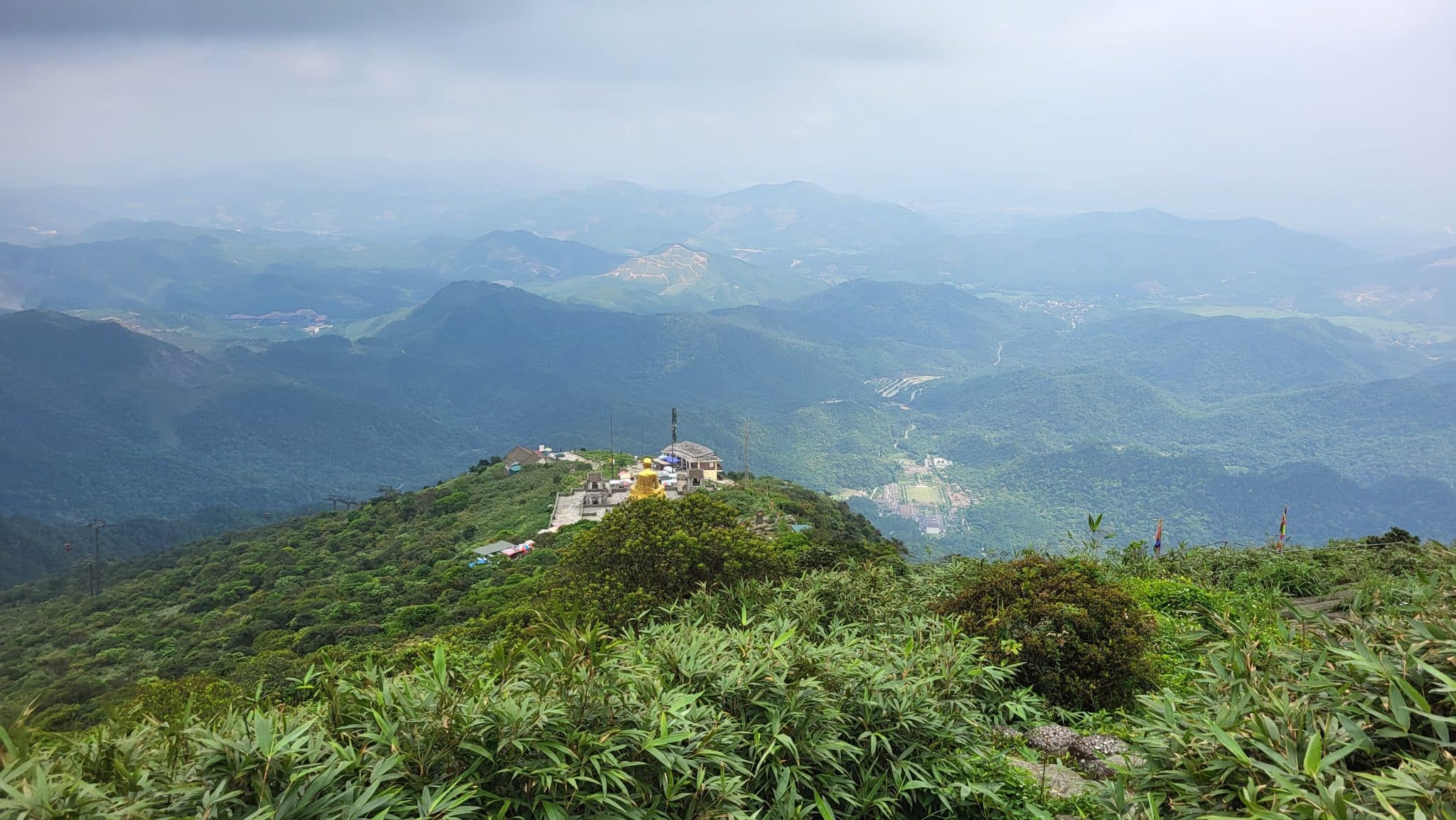
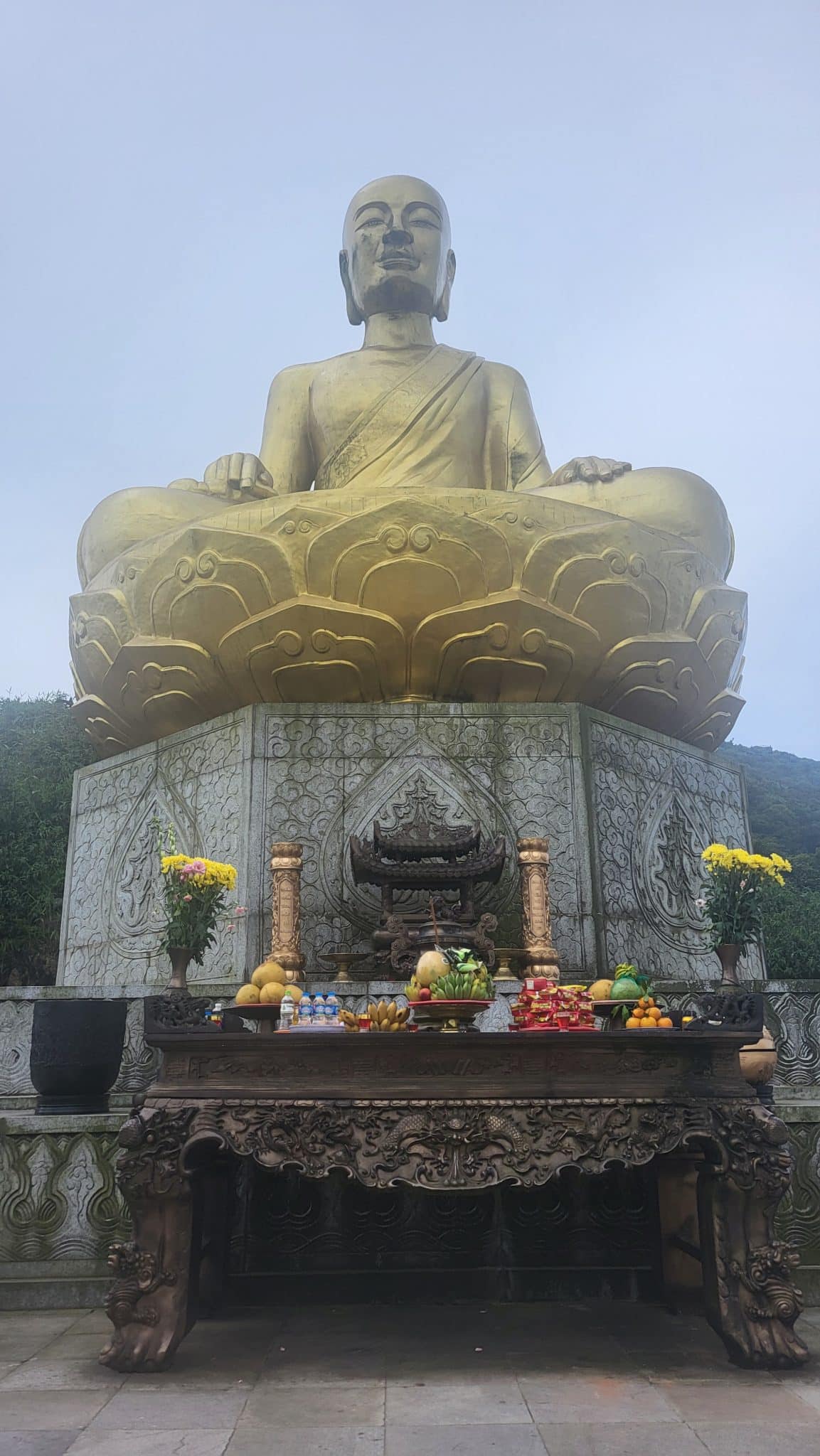
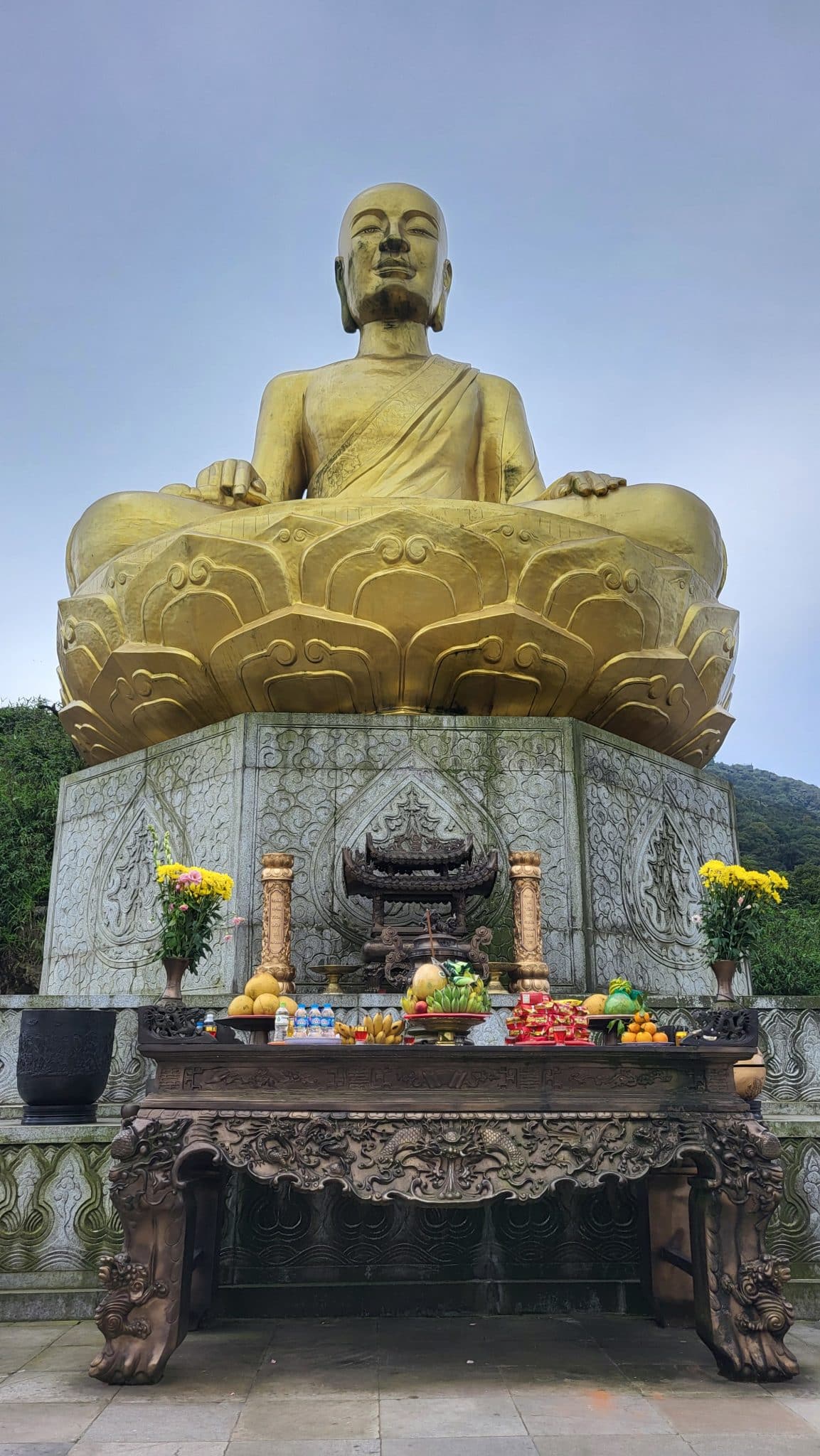
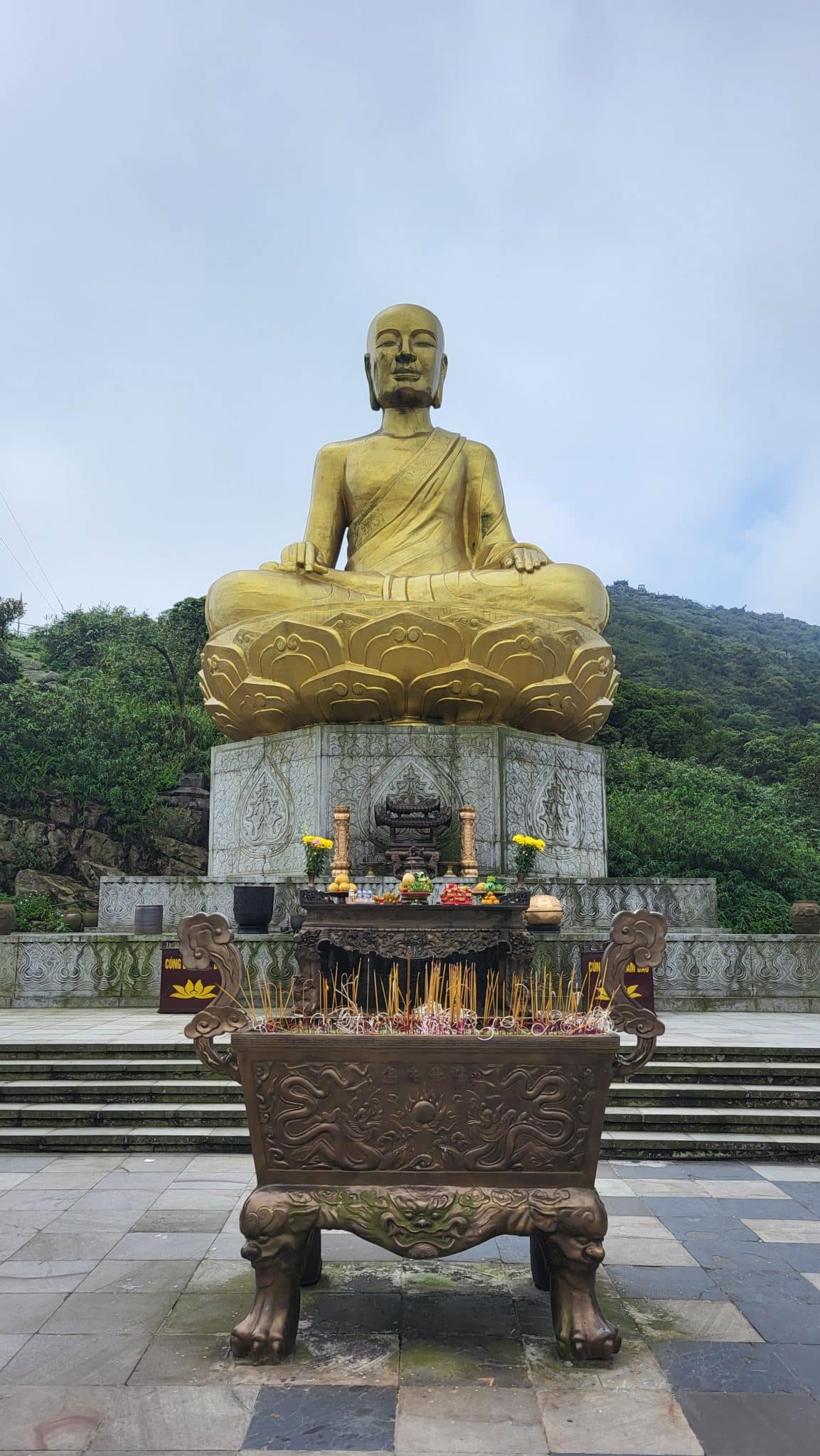
- The statue is an impressive bronze statue of King Trần Nhân Tông seated in a meditative pose, symbolizing his transformation from a king to a Buddhist monk. It is a striking representation of the king’s devotion to Buddhism after he abdicated the throne in 1293 to become a monk and retreat to Yên Tử Mountain for meditation.
- The statue is over 10 meters tall and has a serene, dignified expression, symbolizing the king’s spiritual wisdom and the founding of the Trúc Lâm Zen School. Trần Nhân Tông is regarded as a national hero and a key figure in Vietnamese history and Buddhism.
- Significance:
- King Trần Nhân Tông is revered for his contributions to Vietnamese Zen Buddhism, and the statue represents his spiritual journey and legacy. He is considered one of the most important figures in Vietnamese history, not only for his leadership in repelling Mongol invasions but also for his work in spreading and popularizing Zen Buddhism in Vietnam.
- The statue serves as a spiritual beacon for pilgrims who visit Yên Tử Mountain, as it symbolizes the transition from the material world to the world of enlightenment through meditation and Buddhist practice.
- Cultural Importance:
- The statue and its location on the mountain enhance the sense of reverence that surrounds Yên Tử Mountain as a whole. The king’s Zen teachings and his retreat to the mountain are central to the spiritual identity of Yên Tử and continue to attract countless visitors seeking peace, wisdom, and meditative reflection.
Why Visit Dong Pagoda and the Statue of Trần Nhân Tông?
- Spiritual Journey: The climb to Dong Pagoda and the visit to the Statue of Trần Nhân Tông represent a pilgrimage journey of both physical effort and spiritual growth, a path taken by many Buddhists who come to pay respects to the king and to deepen their connection with Zen Buddhism.
- Cultural and Historical Insight: These landmarks offer visitors a deep connection to Vietnamese history and Buddhist philosophy, especially in relation to King Trần Nhân Tông and the Trúc Lâm Zen School that he founded.
- Stunning Views: The panoramic views from Dong Pagoda are among the most spectacular in Vietnam, with the mist-covered mountains and lush green landscapes offering a calming and reflective backdrop to the religious and cultural experiences.
- Symbolic Importance: Both the pagoda and the statue represent ideals of spirituality, peace, and enlightenment, making them important stops for anyone interested in Vietnamese Buddhism or the historical legacy of Trần Nhân Tông.
Visiting Dong Pagoda and the Statue of Trần Nhân Tông offers a rich, immersive experience, combining the physical beauty of Yên Tử Mountain with its deep spiritual and historical significance. Whether you are a pilgrim or a traveler seeking cultural insight, these landmarks are sure to leave a lasting impression.