Trần Temple – Nam Dinh
Listing has verified and belong the business owner or manager.
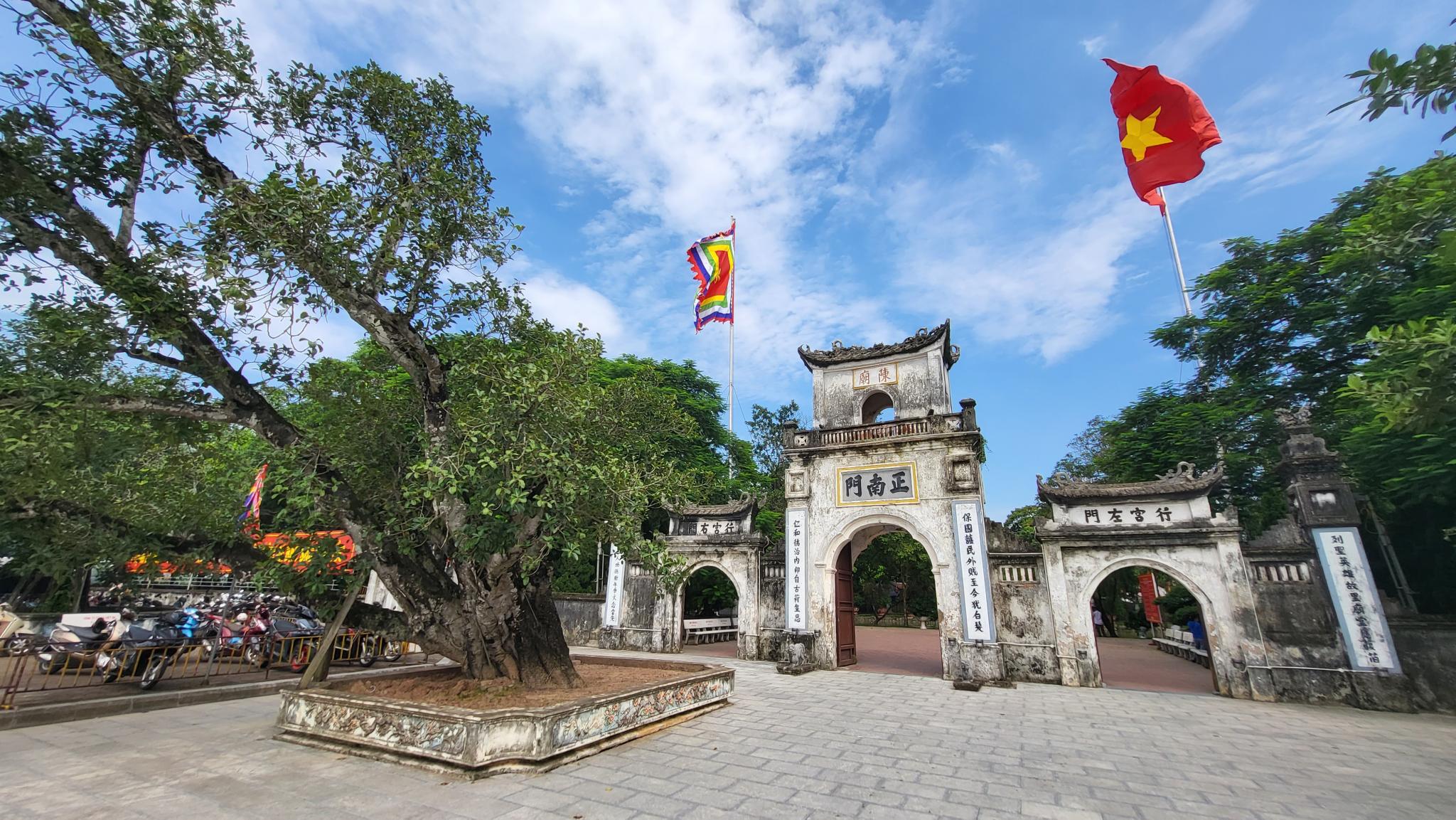
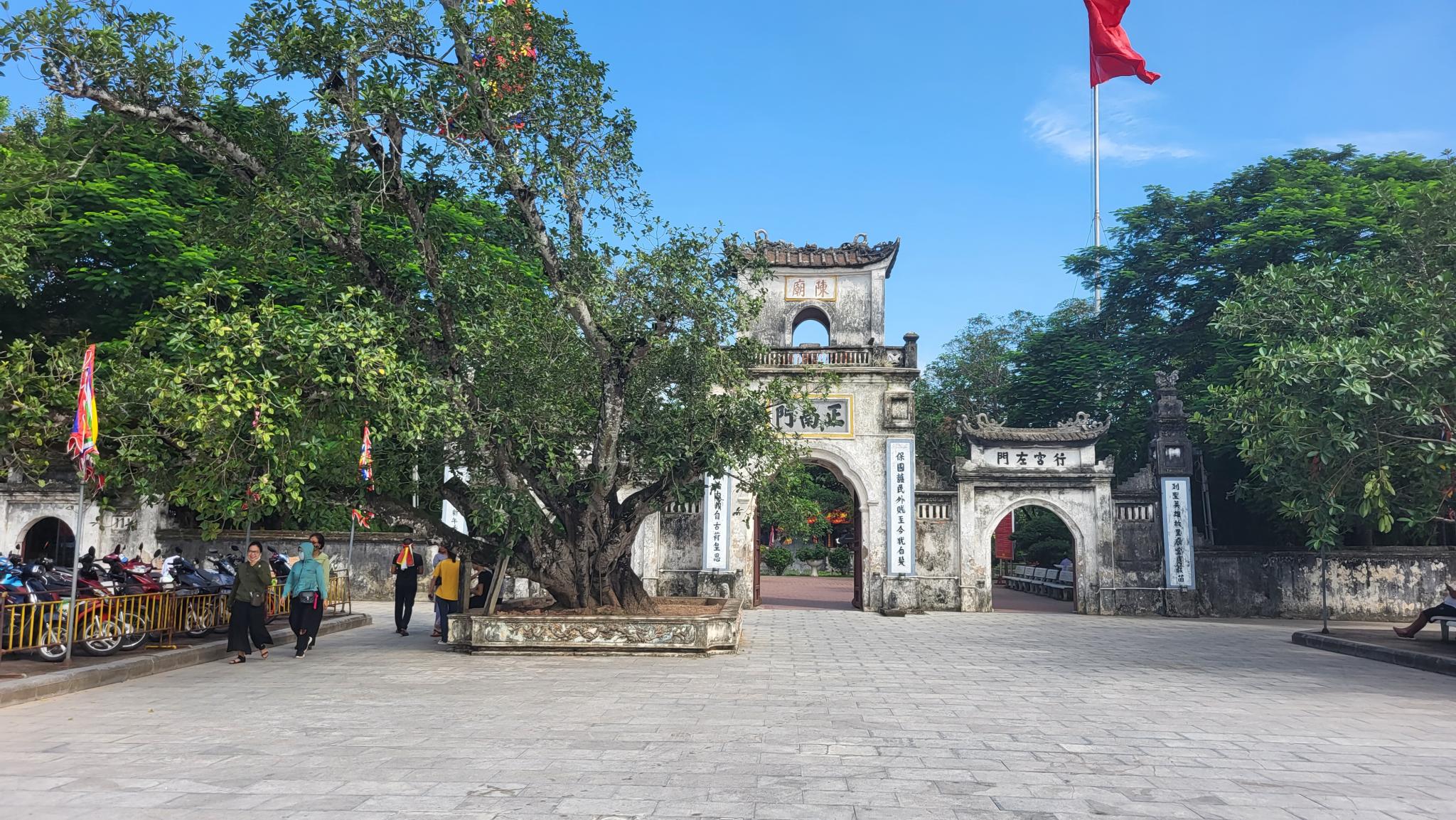
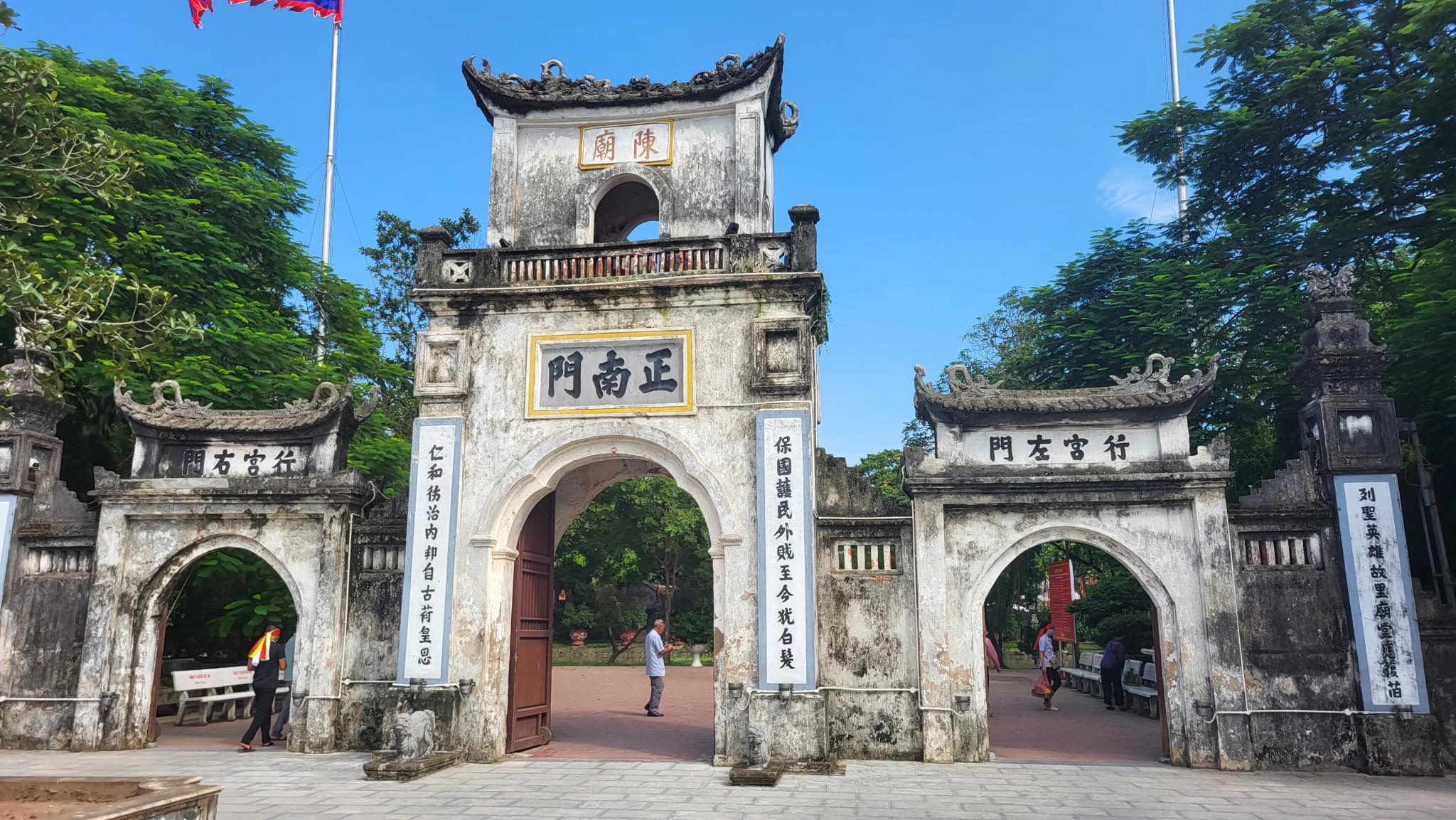
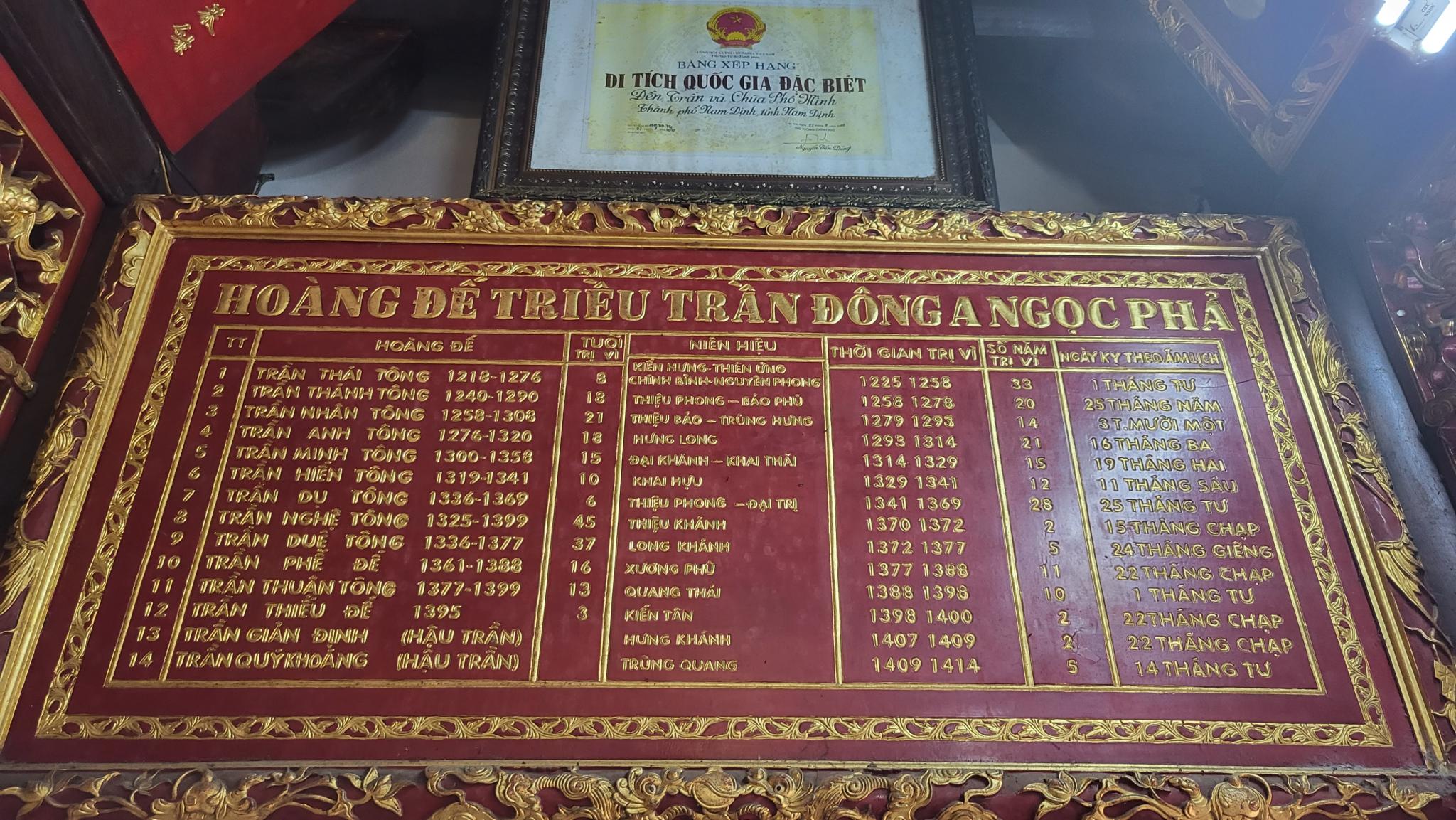
Trần Temple in Nam Định Province, Vietnam, is a historical and cultural landmark associated with the Trần Dynasty (1225–1400), a significant period in Vietnamese history marked by political stability, territorial expansion, cultural flourishing, and architectural advancements. Here’s an overview of its history, architecture, and key points of interest:
History:
- Trần Dynasty Legacy: Trần Temple serves as a memorial and homage to the Trần Dynasty, which ruled Vietnam for nearly two centuries and left an indelible imprint on the country’s political, cultural, and social landscape. The dynasty’s contributions to governance, literature, arts, religion, and national defense during a pivotal period of Vietnamese history are commemorated and celebrated through the temple’s architecture, artifacts, inscriptions, and historical narratives that highlight the Trần Dynasty’s achievements, challenges, and enduring legacy.
- Cultural Heritage: Trần Temple embodies Vietnam’s cultural heritage, spiritual traditions, and historical consciousness by preserving, interpreting, and promoting the Trần Dynasty’s legacy, values, and significance within the context of national identity, regional development, and global history. The temple serves as a sacred, educational, and communal institution that fosters reverence, respect, and remembrance for the Trần Dynasty’s contributions to Vietnam’s historical, cultural, and political evolution.
Architecture:
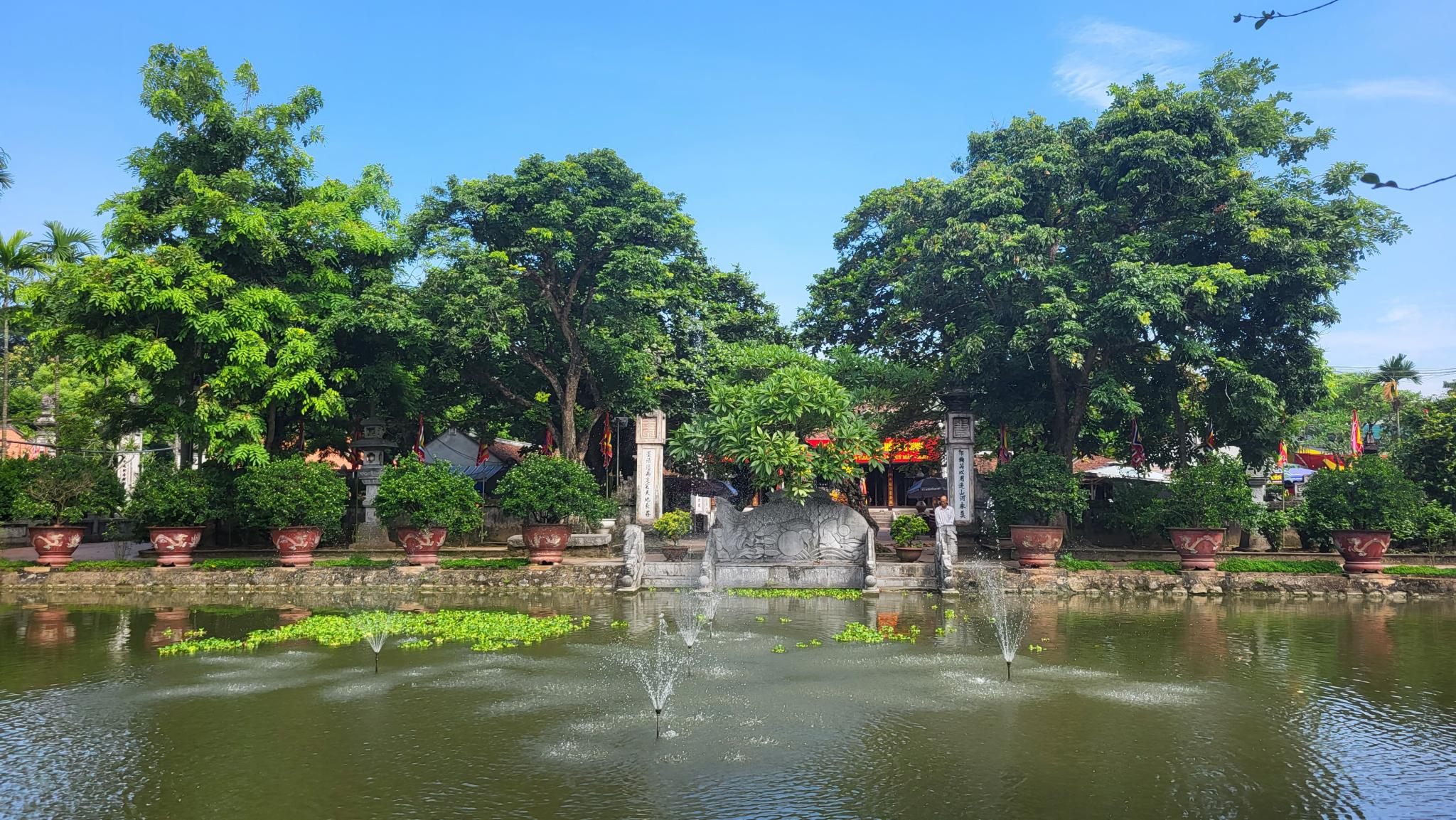
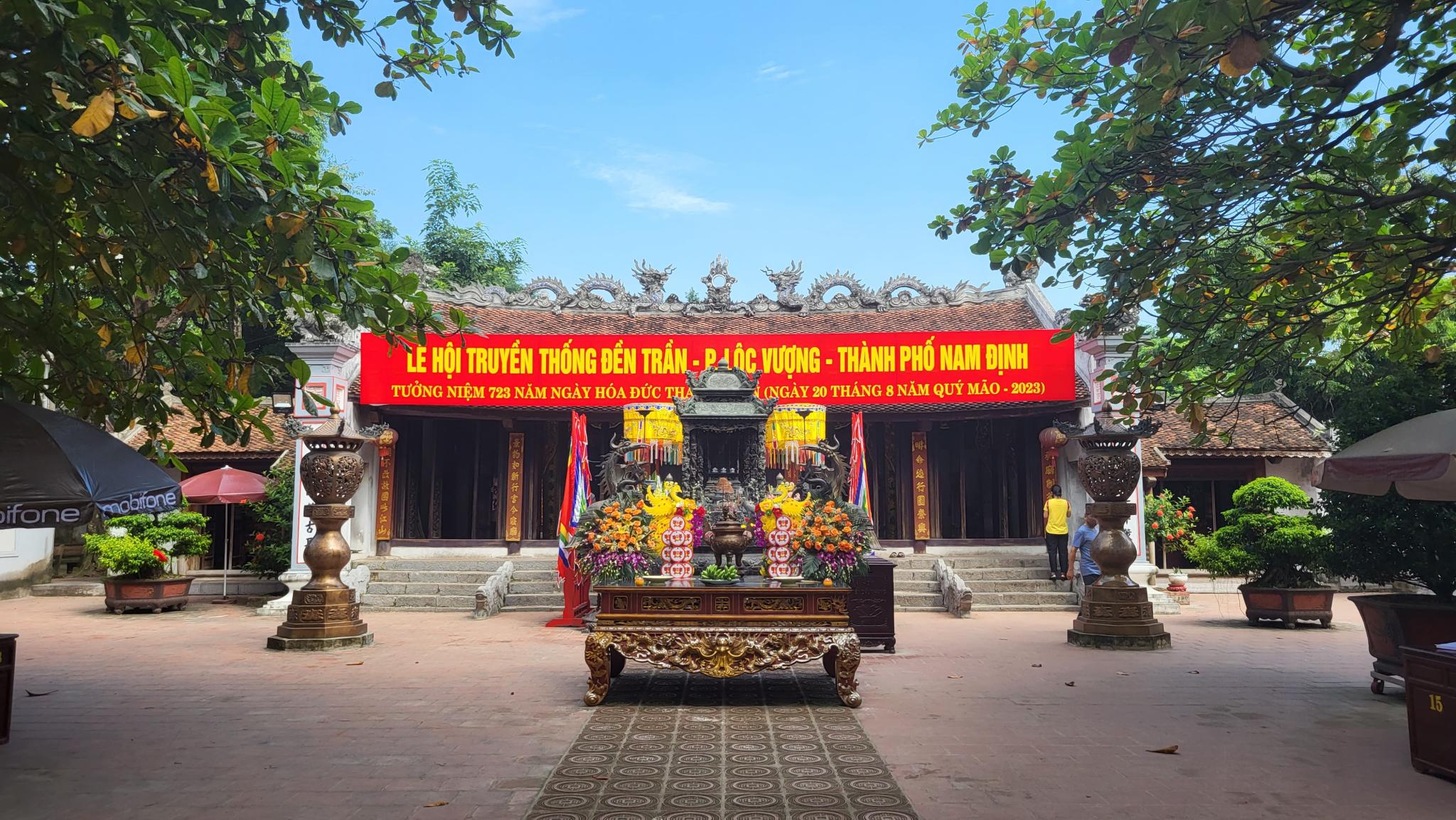
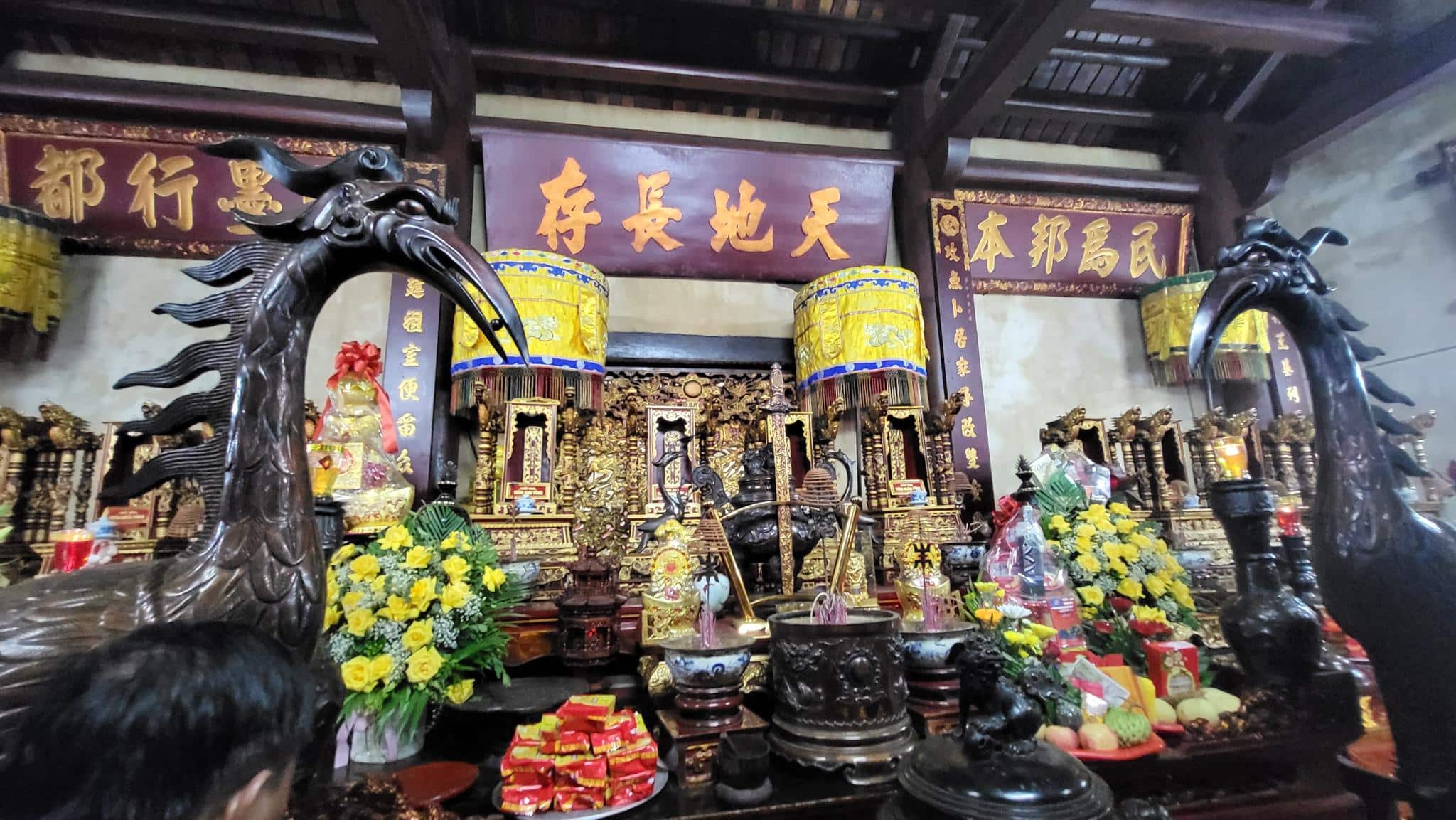
- Architectural Style: Trần Temple features traditional Vietnamese architectural styles, design principles, and construction techniques that reflect the country’s cultural influences, religious beliefs, and artistic traditions prevalent during the Trần Dynasty. The temple’s structural form, decorative elements, and spatial arrangements incorporate symbolic imagery, aesthetic motifs, and functional spaces that emphasize harmony, balance, and spiritual resonance within its architectural design, historical context, and cultural significance.
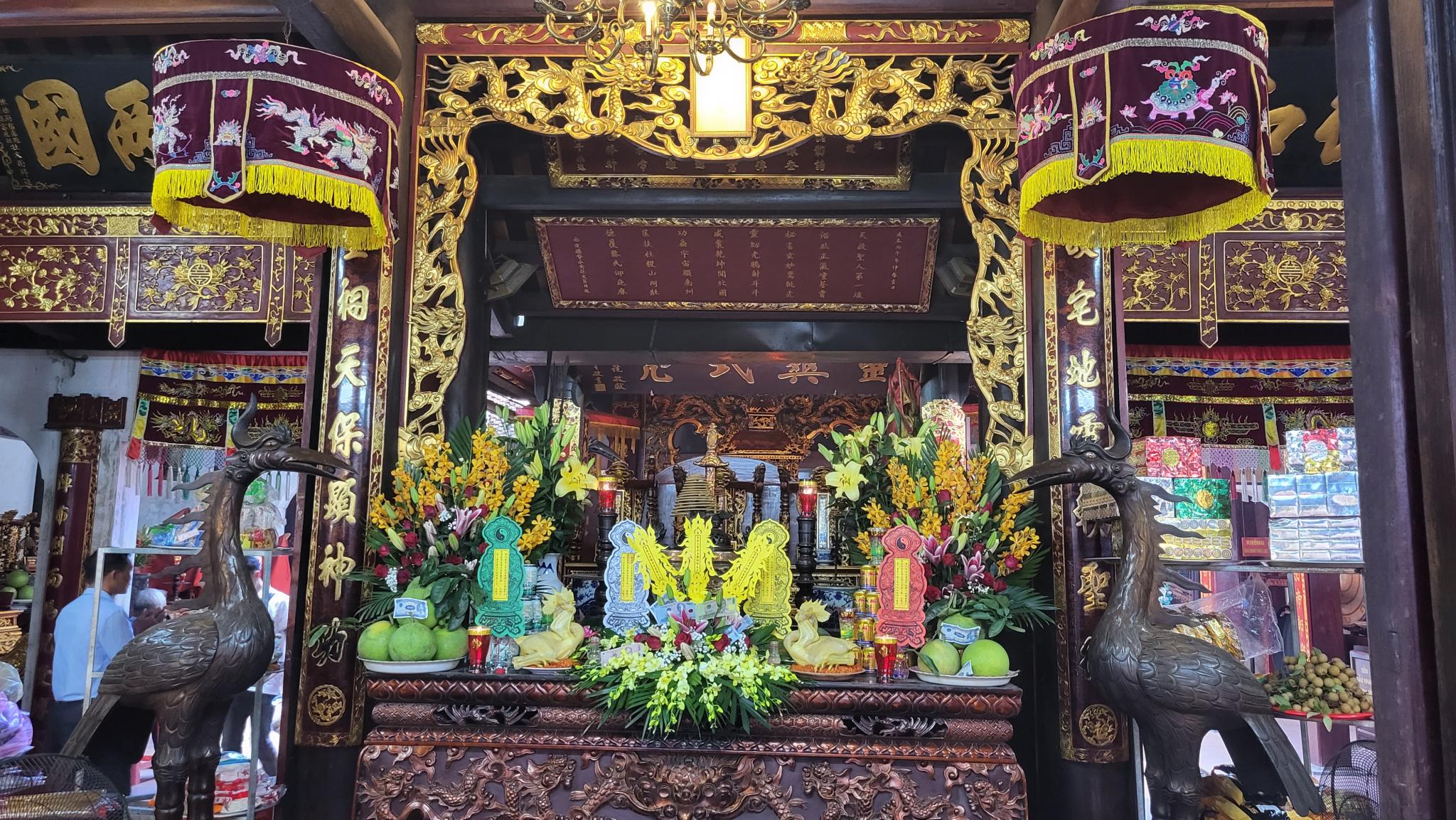
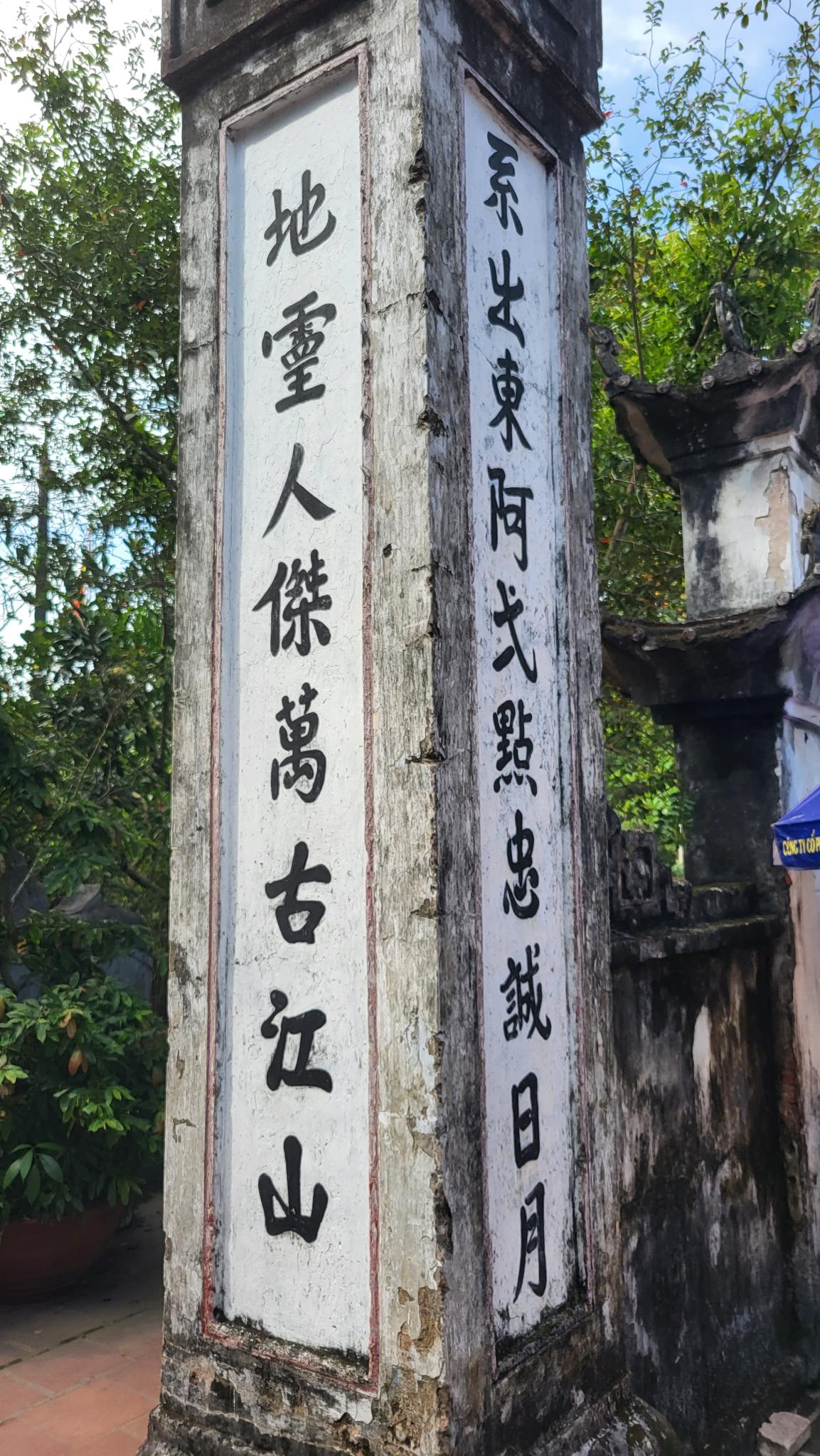
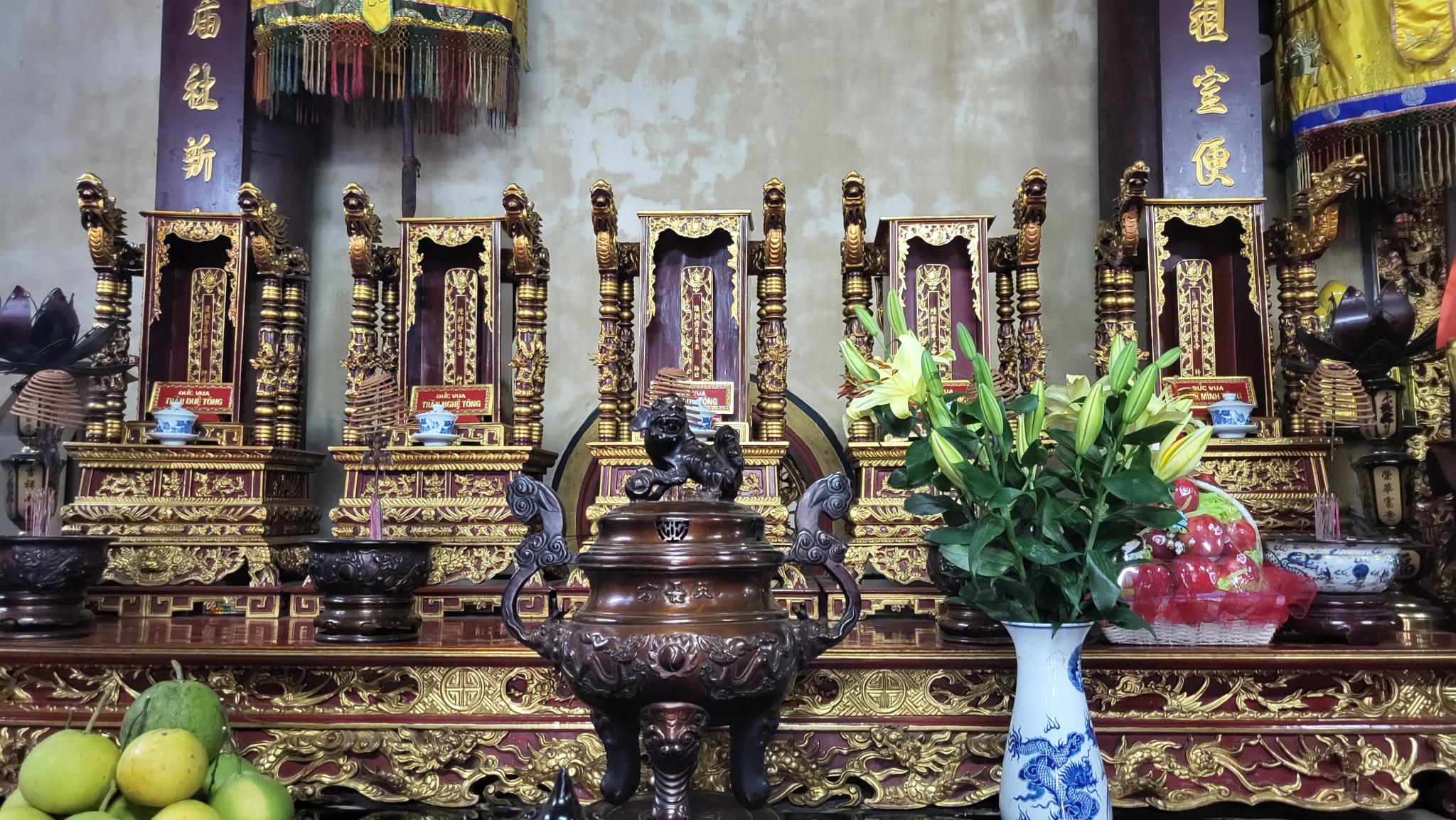
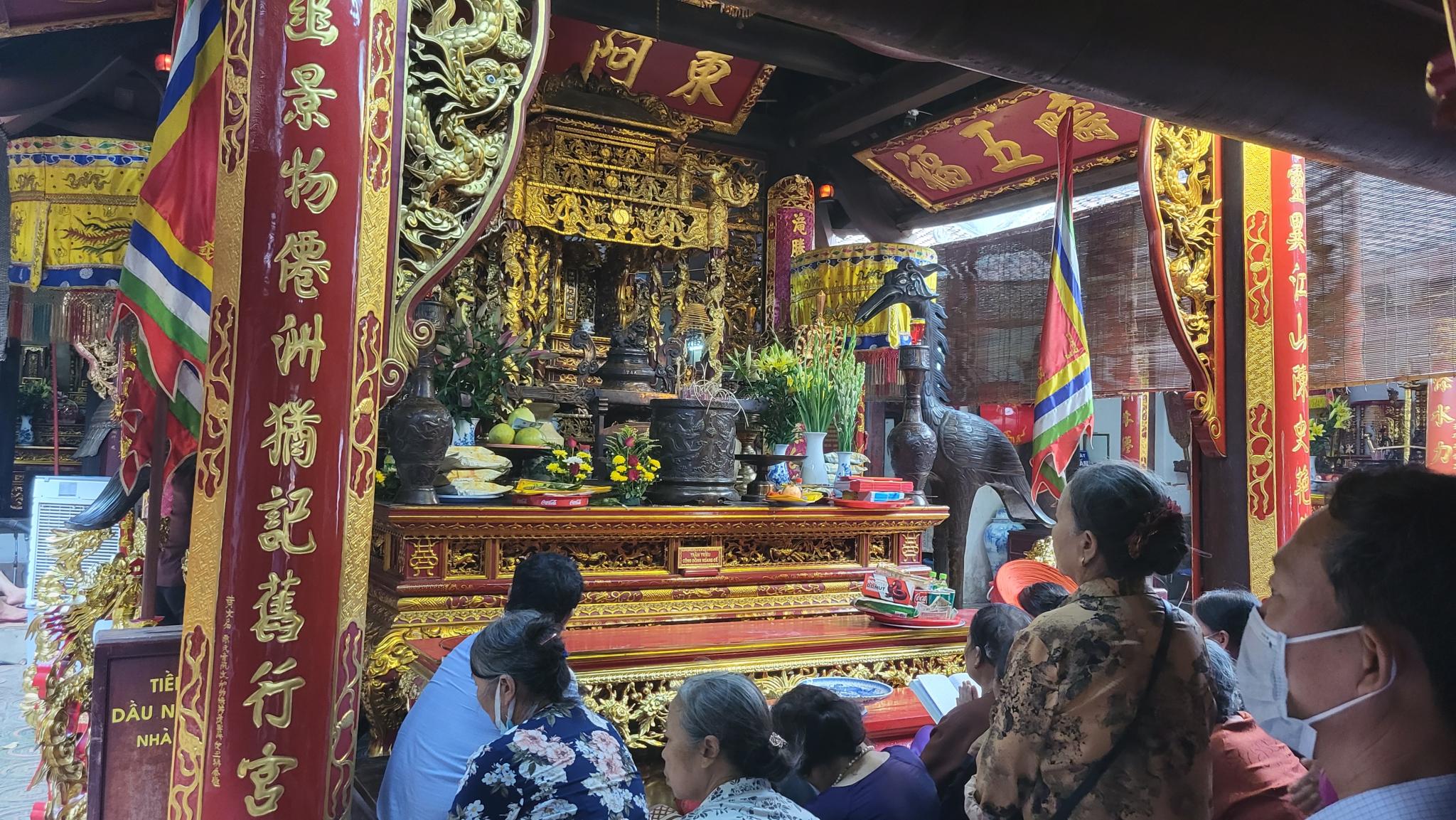
- Structural Elements: Trần Temple comprises a series of buildings, halls, courtyards, and shrines that house statues, altars, scriptures, relics, and artifacts associated with the Trần Dynasty, its royal family, and historical events. The temple’s architectural features, such as tiled roofs, wooden carvings, stone sculptures, and mural paintings, showcase intricate craftsmanship, artistic expressions, and cultural symbolism that reflect Vietnam’s architectural heritage, religious traditions, and historical narratives related to the Trần Dynasty’s reign, governance, and legacy.
Key Points to Know:
- Historical Significance: Trần Temple is renowned for its historical significance as a symbol of the Trần Dynasty’s achievements, influence, and impact on Vietnam’s political, cultural, and social development during the medieval period. The temple’s preservation, interpretation, and promotion of the Trần Dynasty’s legacy contribute to scholarly research, educational programs, and cultural tourism initiatives that raise awareness, appreciation, and admiration for Vietnam’s rich history, heritage, and national identity.
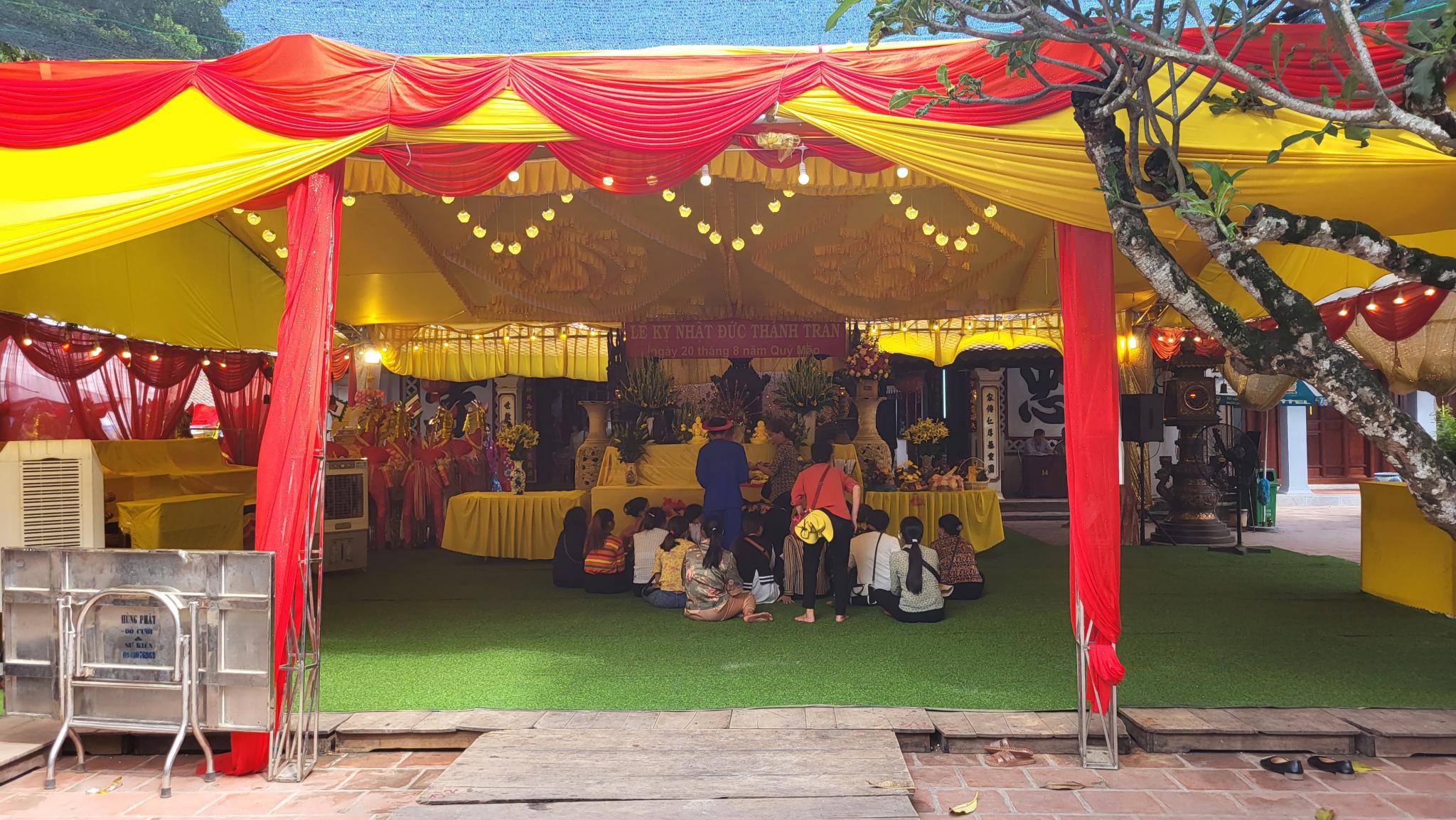
- Cultural Preservation: Trần Temple plays a crucial role in preserving, promoting, and transmitting Vietnam’s cultural heritage, spiritual traditions, and historical consciousness through exhibitions, lectures, ceremonies, and community activities that engage visitors, scholars, and local communities in exploring the Trần Dynasty’s legacy, values, and contributions to Vietnam’s historical, cultural, and political evolution.