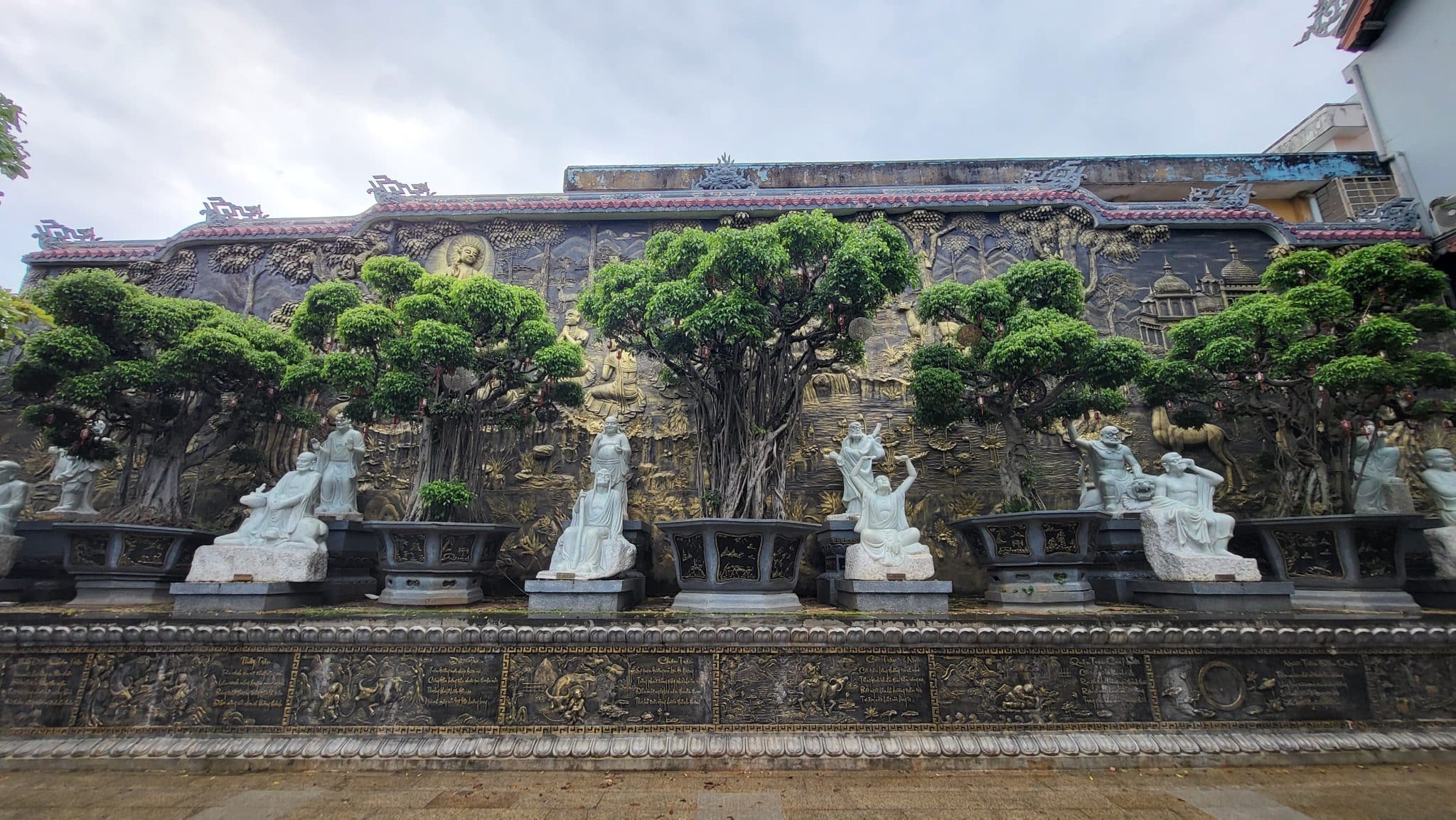
Sắc Tứ Khải Đoan pagoda – Buon Ma Thuot
Listing has verified and belong the business owner or manager.
Sắc Tứ Khải Đoan Pagoda is a prominent Buddhist temple located in Buôn Ma Thuột, the capital of Đắk Lắk Province in Vietnam’s Central Highlands. It is not only a significant religious site but also an architectural and cultural landmark reflecting the region’s rich history and spiritual heritage.
History and Significance
- Foundation and Name:
- Built in 1951, Sắc Tứ Khải Đoan Pagoda is the largest Buddhist temple in the Central Highlands.
- Its name, Sắc Tứ Khải Đoan, is a combination of the names of Emperor Khải Định (Khải) and his wife, Queen Đoan Huy (Đoan), who were instrumental in its establishment. The term “Sắc Tứ” signifies royal endorsement, indicating its imperial ties.
- The pagoda was among the last to receive royal patronage in Vietnam, linking it to the Nguyen Dynasty’s legacy.
- Religious Importance:
- The pagoda serves as a spiritual center for local Buddhists and visitors.
- It is an active monastery and a site for religious ceremonies, meditation, and community gatherings.
Architecture
- Blending Cultures:
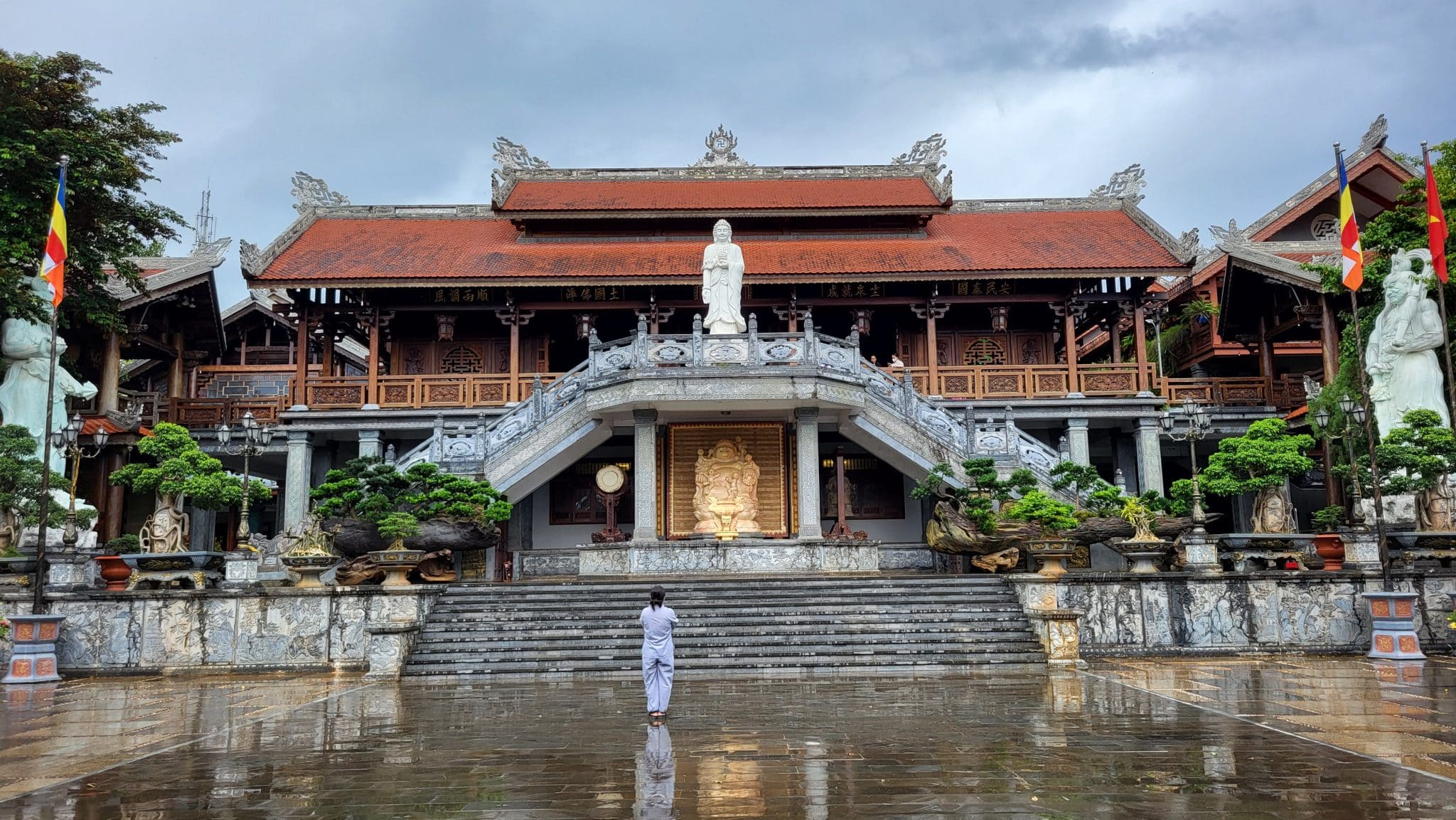
- The pagoda showcases a harmonious mix of Vietnamese and Central Highlands architecture.
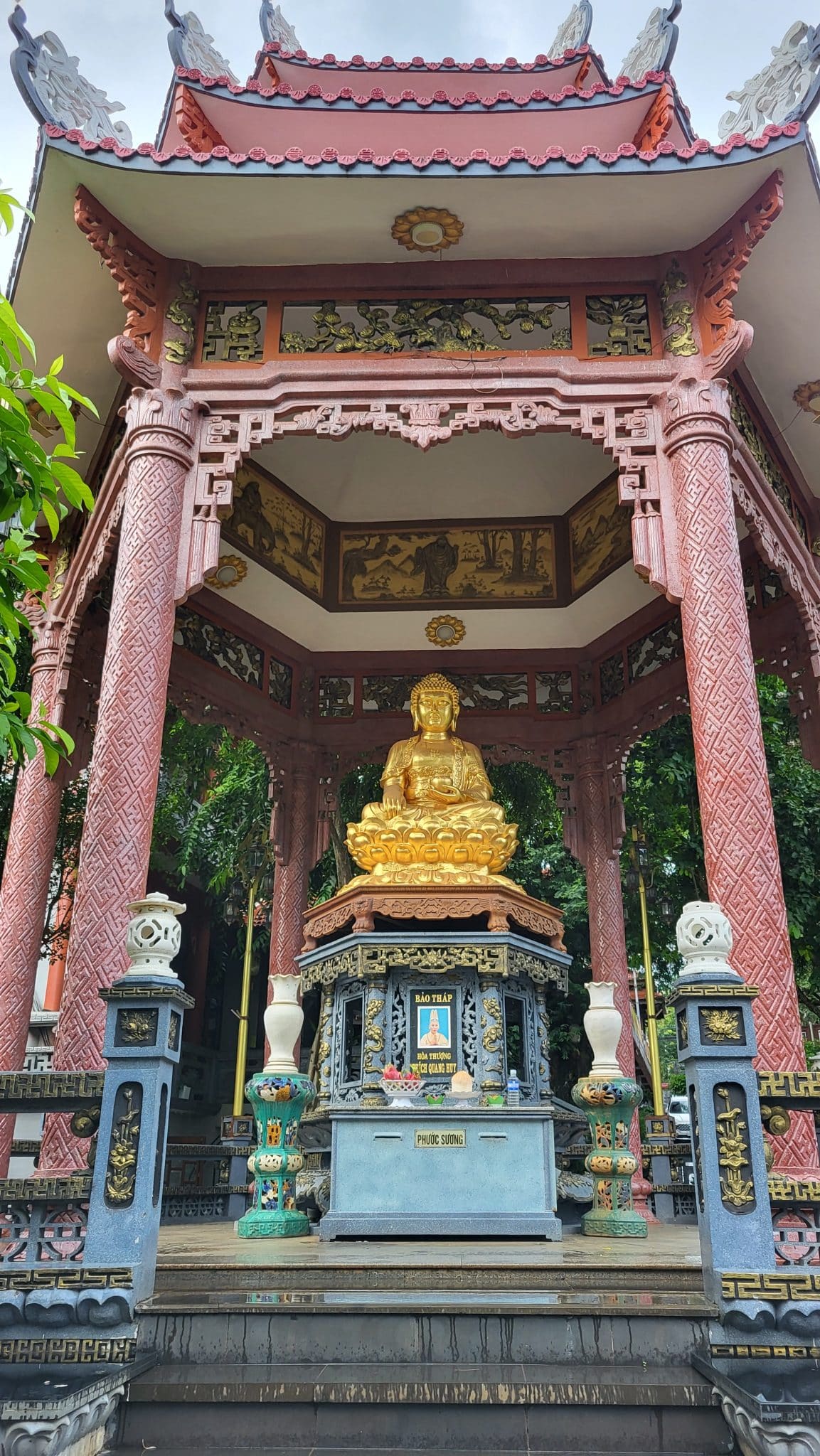
- Its design incorporates traditional Vietnamese motifs, such as curved rooflines and intricate carvings, with elements inspired by the culture of the Êđê ethnic group indigenous to the region.
- Main Features:
- Main Hall (Chính Điện): The largest structure, where statues of Buddha and other deities are enshrined. The hall is adorned with detailed woodwork and traditional carvings.
- Bell Tower and Drum Tower: These iconic towers stand as symbols of Buddhist tradition, used for calling monks and signaling prayer times.
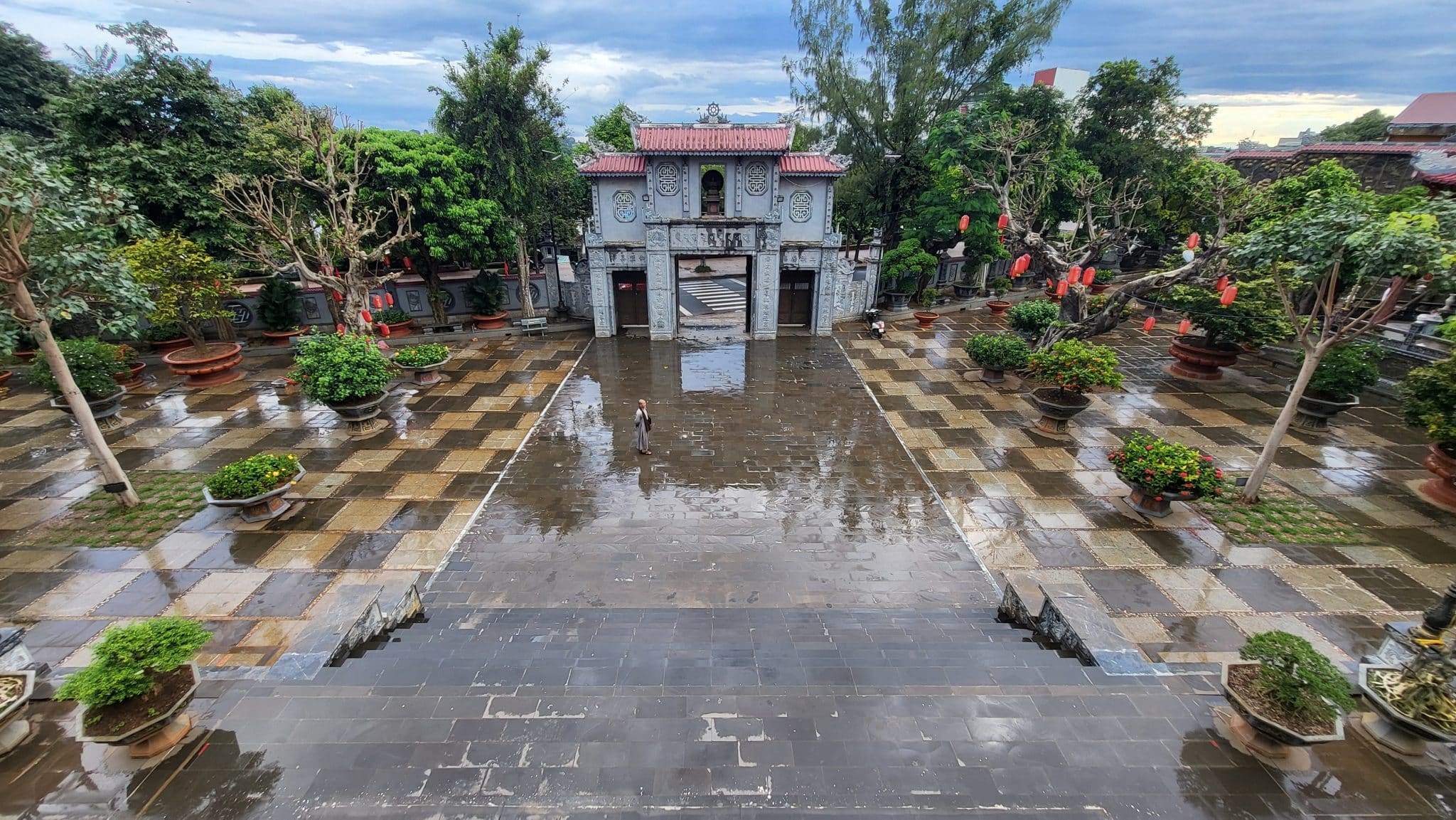
- Gate (Tam Quan): A beautifully crafted entrance gate featuring intricate designs and vibrant colors.
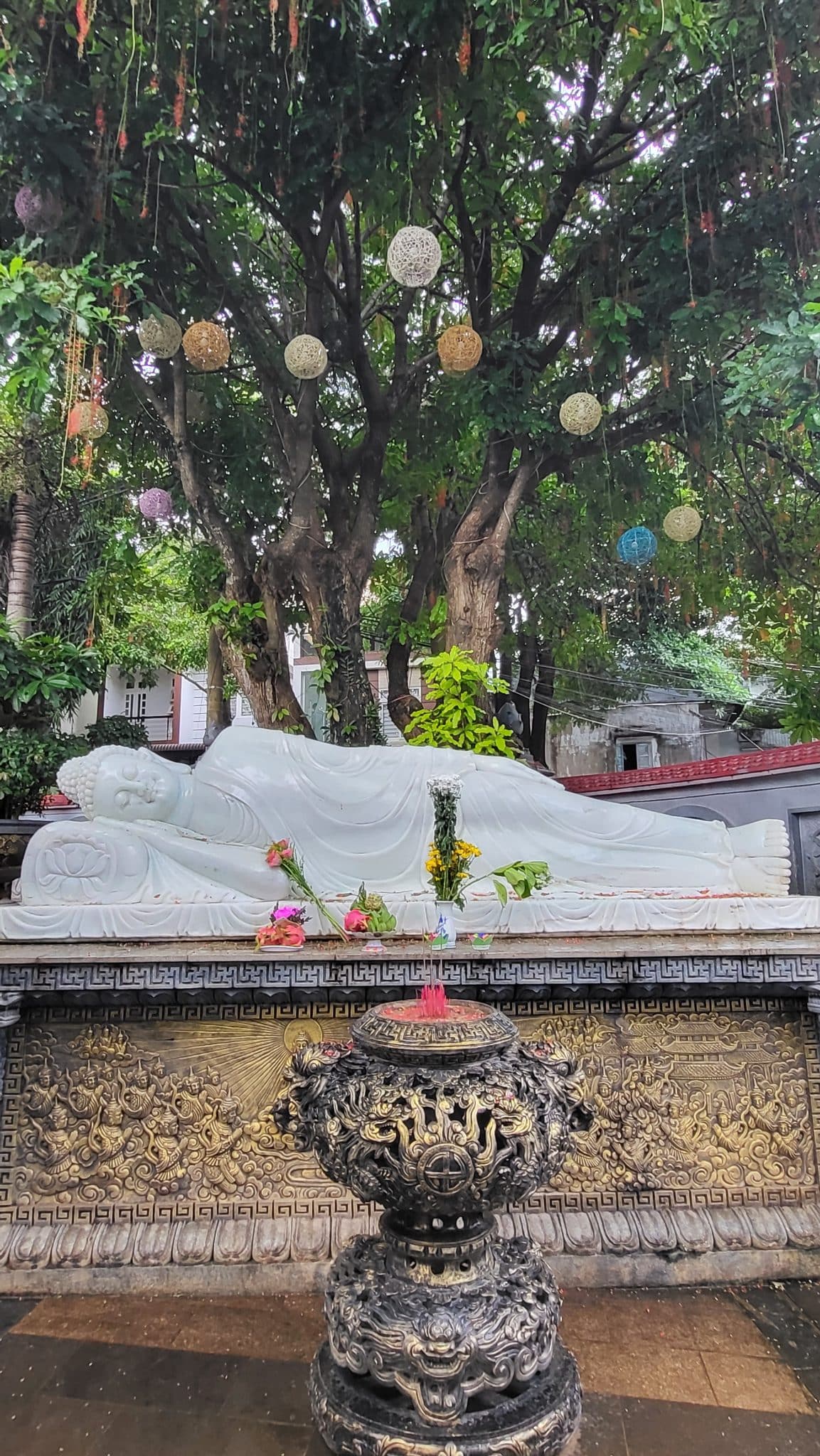
- Garden: The temple grounds are landscaped with lush greenery, lotus ponds, and statues, creating a serene atmosphere for meditation and reflection.
- Local Materials and Craftsmanship:
- The temple incorporates materials from the Central Highlands, such as wood and stone, reflecting the area’s natural resources and the craftsmanship of local artisans.
Cultural and Religious Activities
- Festivals and Celebrations:
- The pagoda is a hub for Buddhist festivals, especially during the Lunar New Year (Tết) and Buddha’s Birthday (Vesak). These events attract thousands of devotees and visitors.
- Meditation and Education:
- It serves as a center for Buddhist teachings, meditation sessions, and retreats for monks and laypeople.
- Community Role:
- The pagoda plays an essential role in fostering spiritual and cultural cohesion among ethnic groups in the region.