Pho Minh Pagoda Tower (Chùa Tháp Phổ Minh) – Nam Dinh
Listing has verified and belong the business owner or manager.
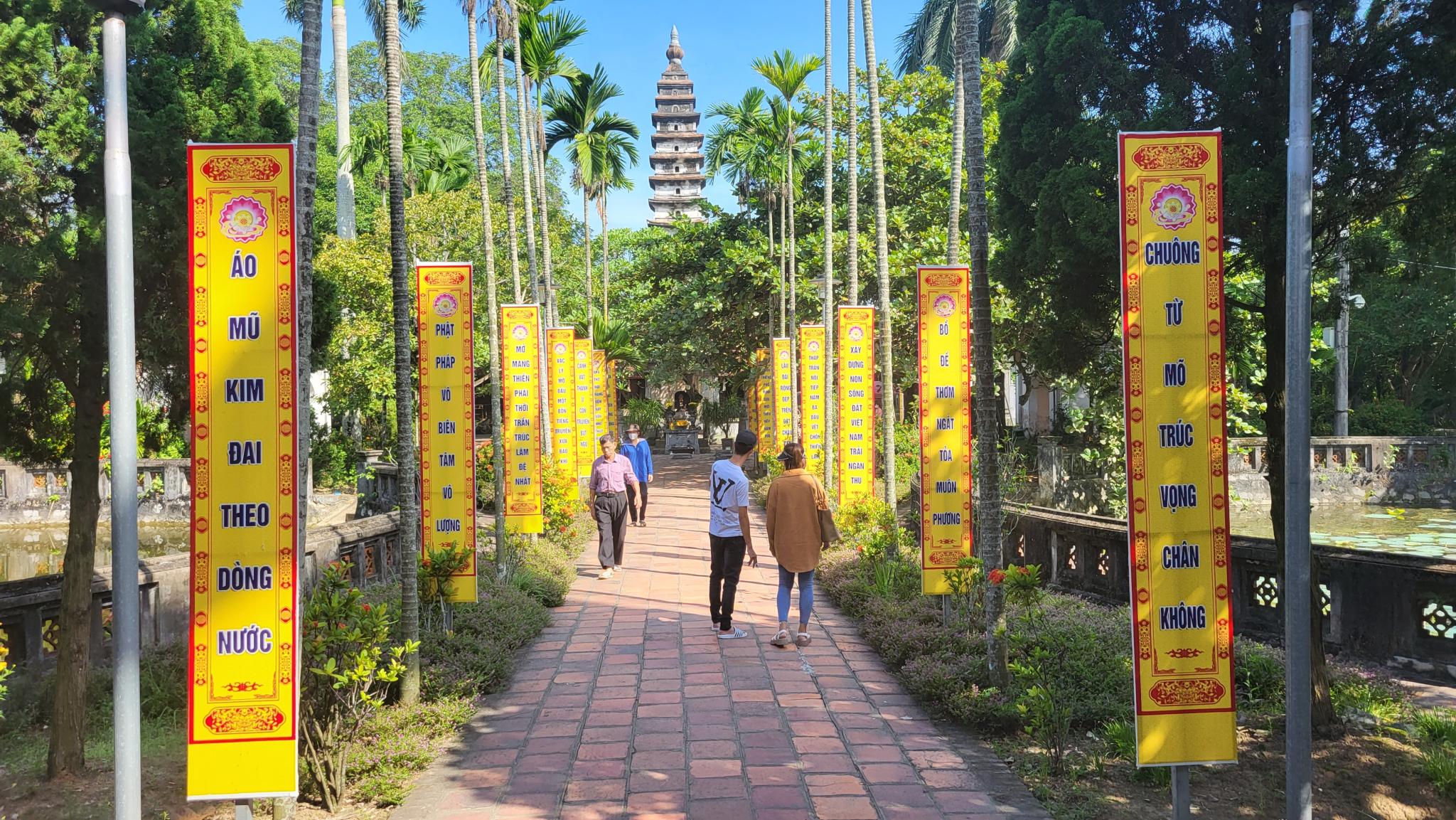
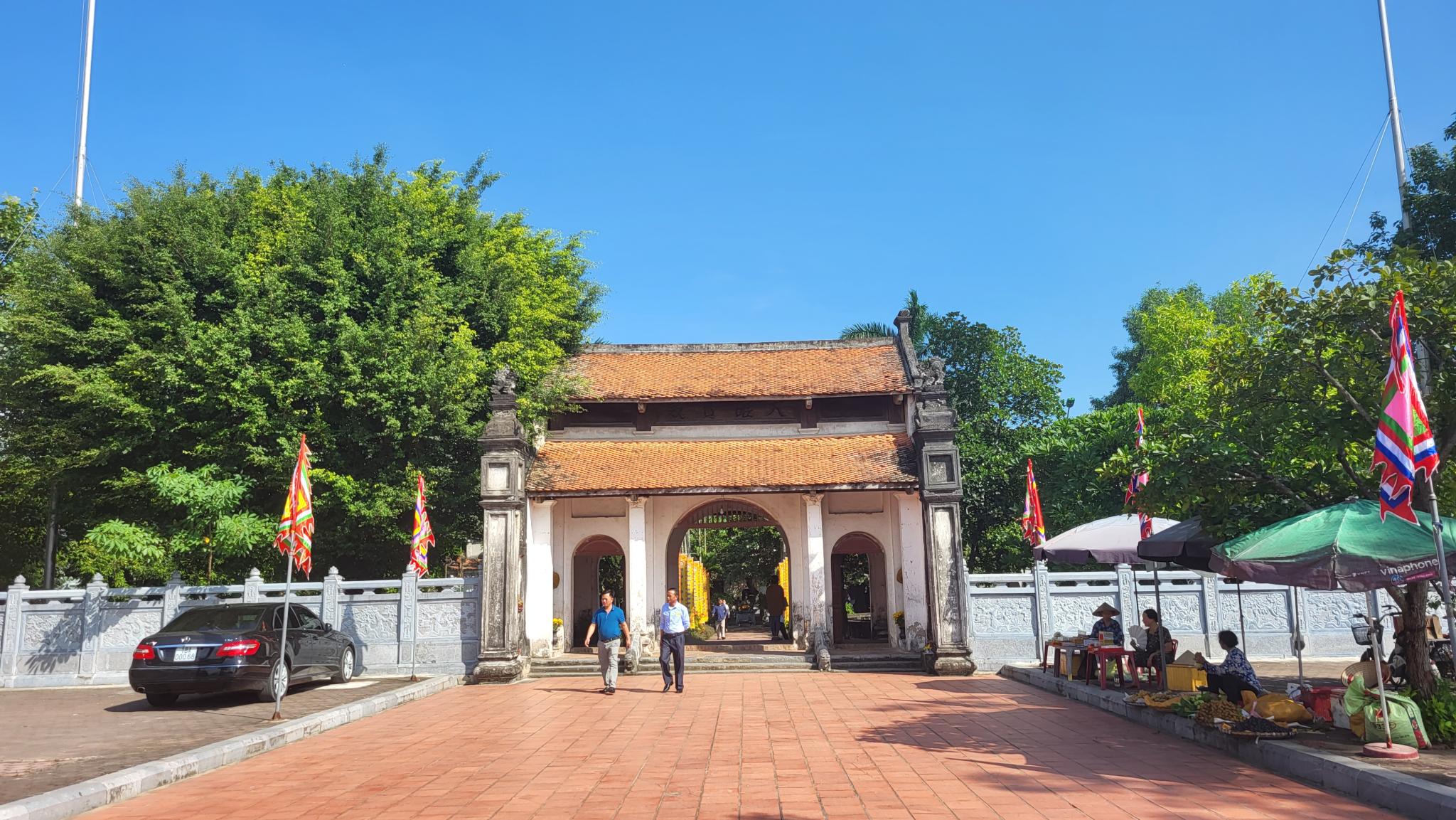
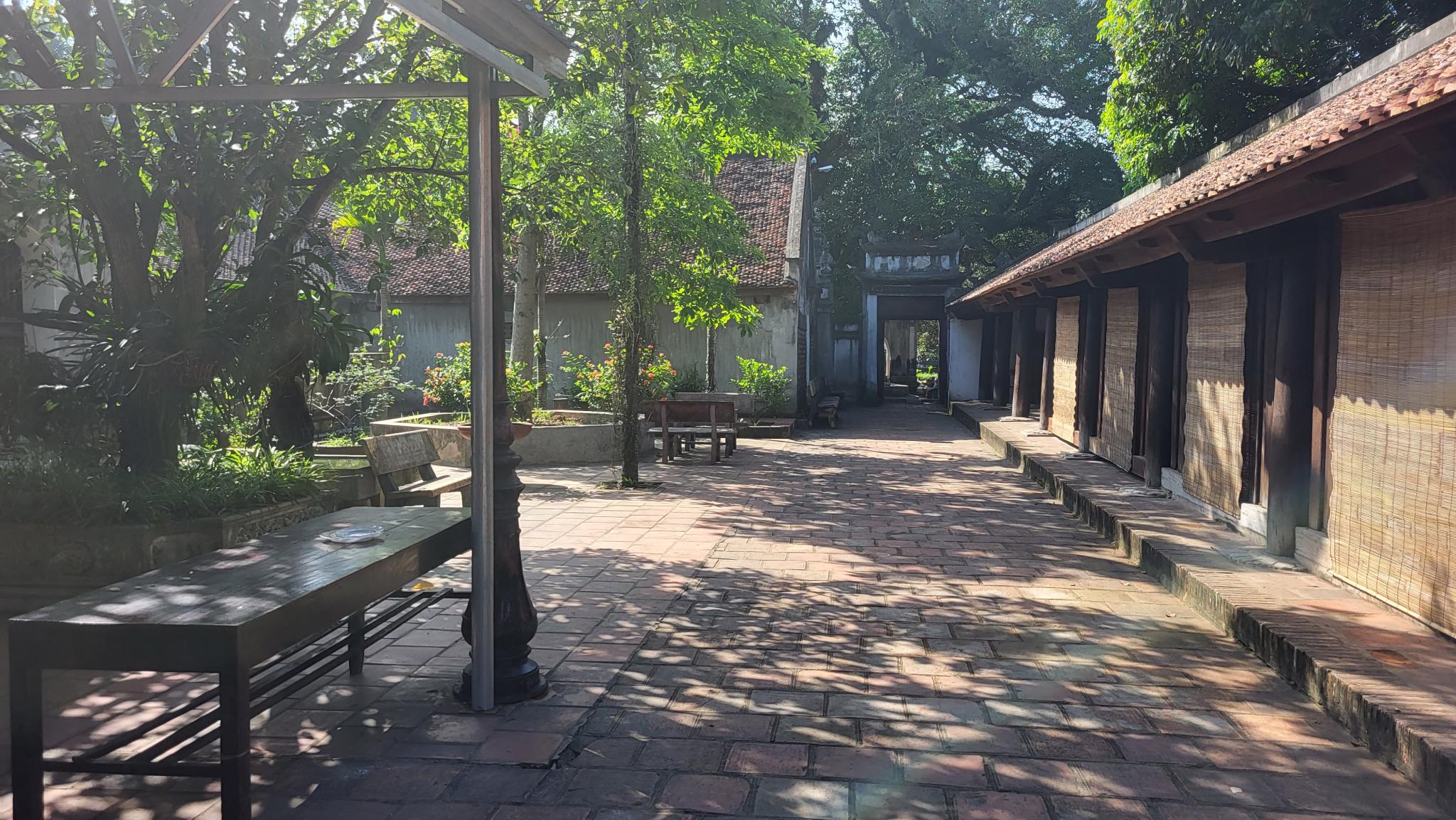
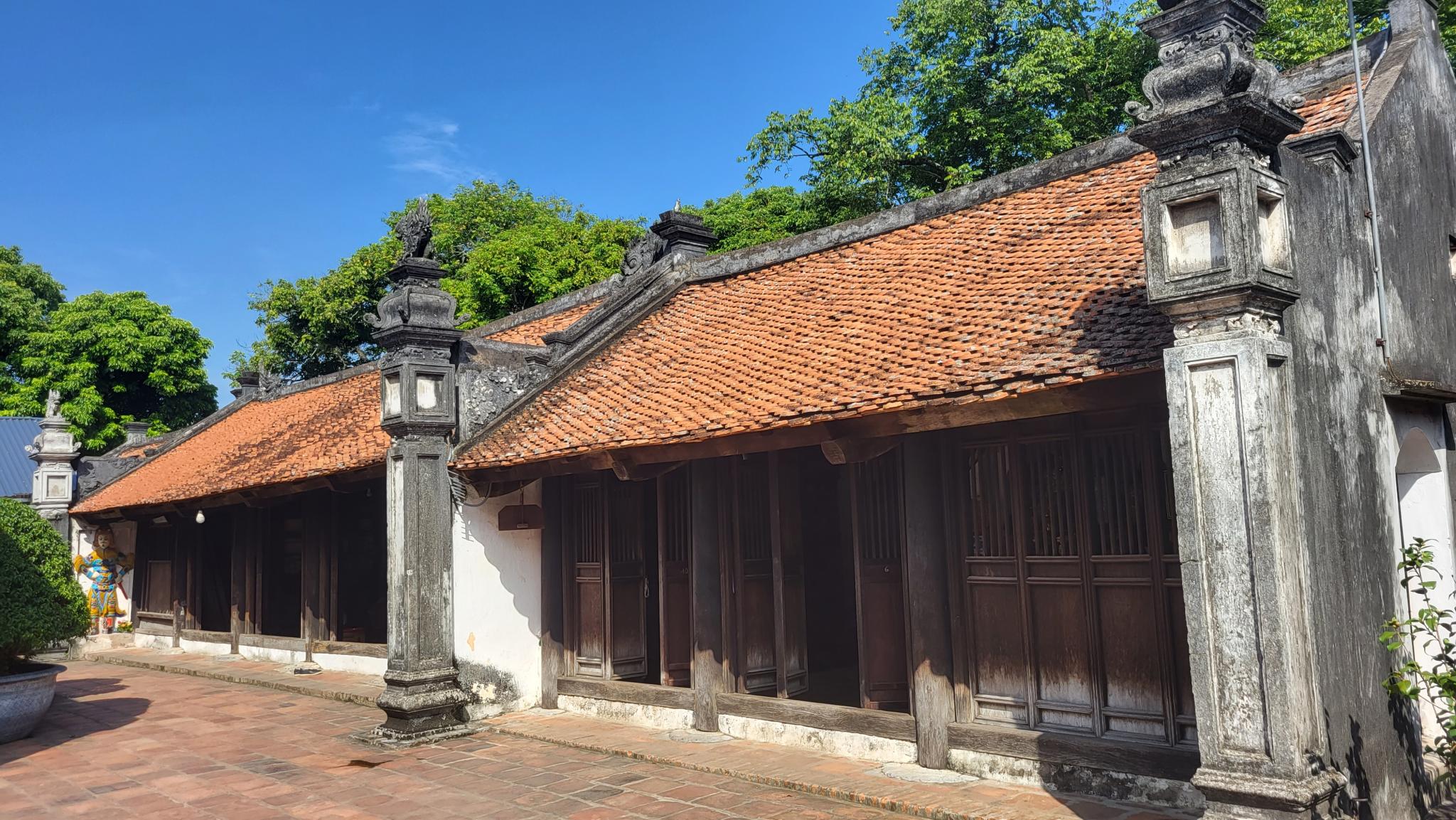
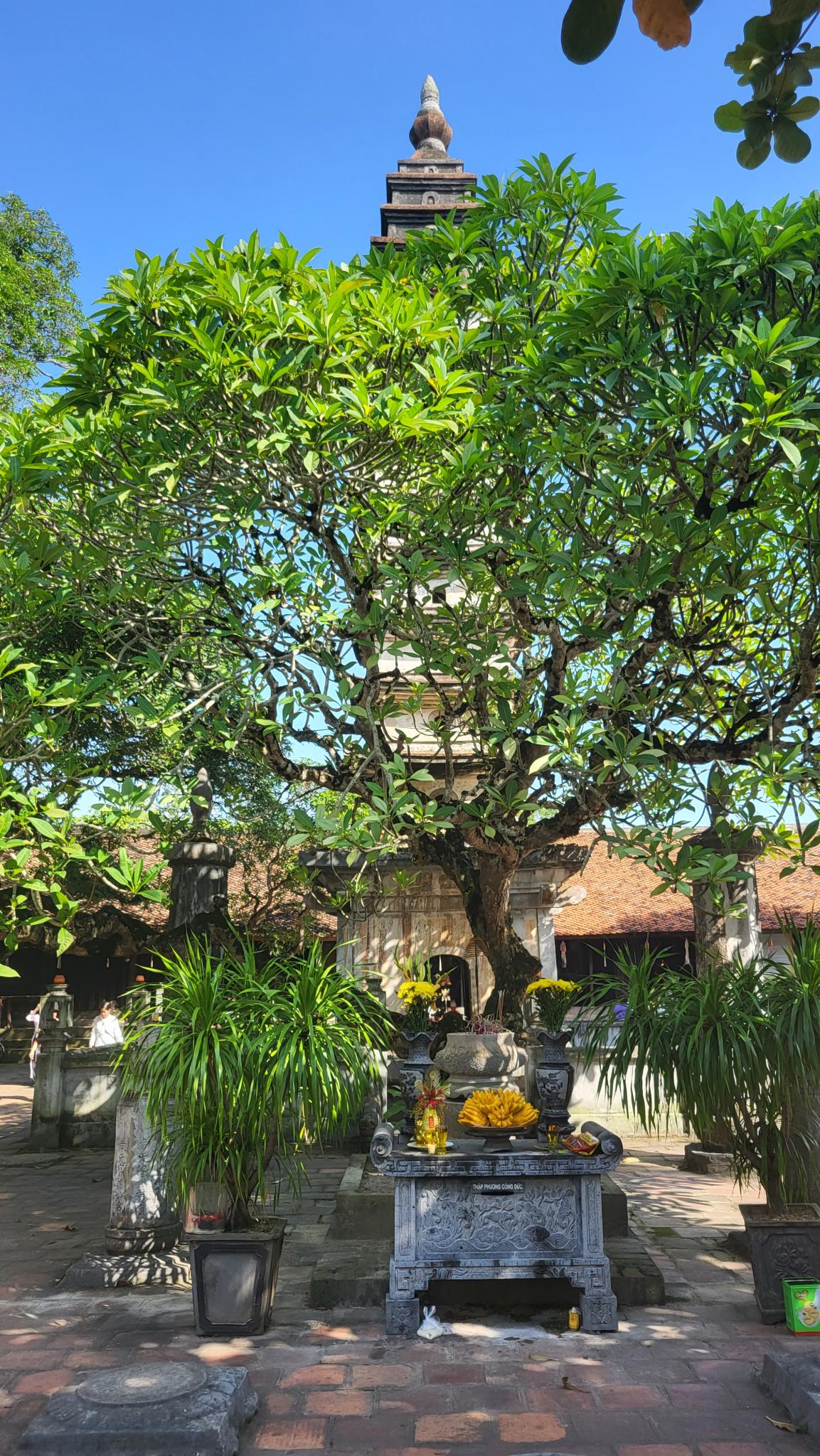
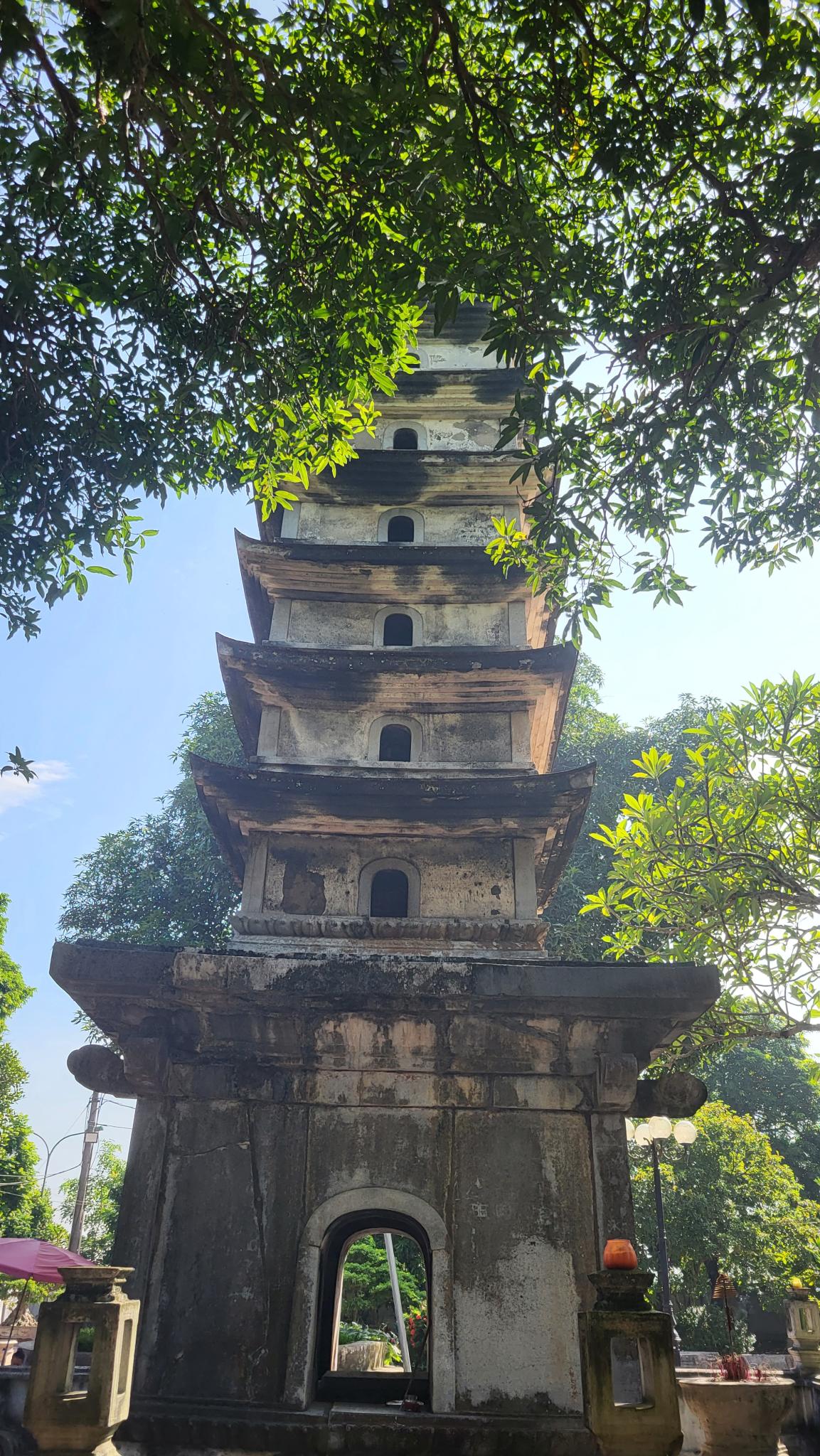
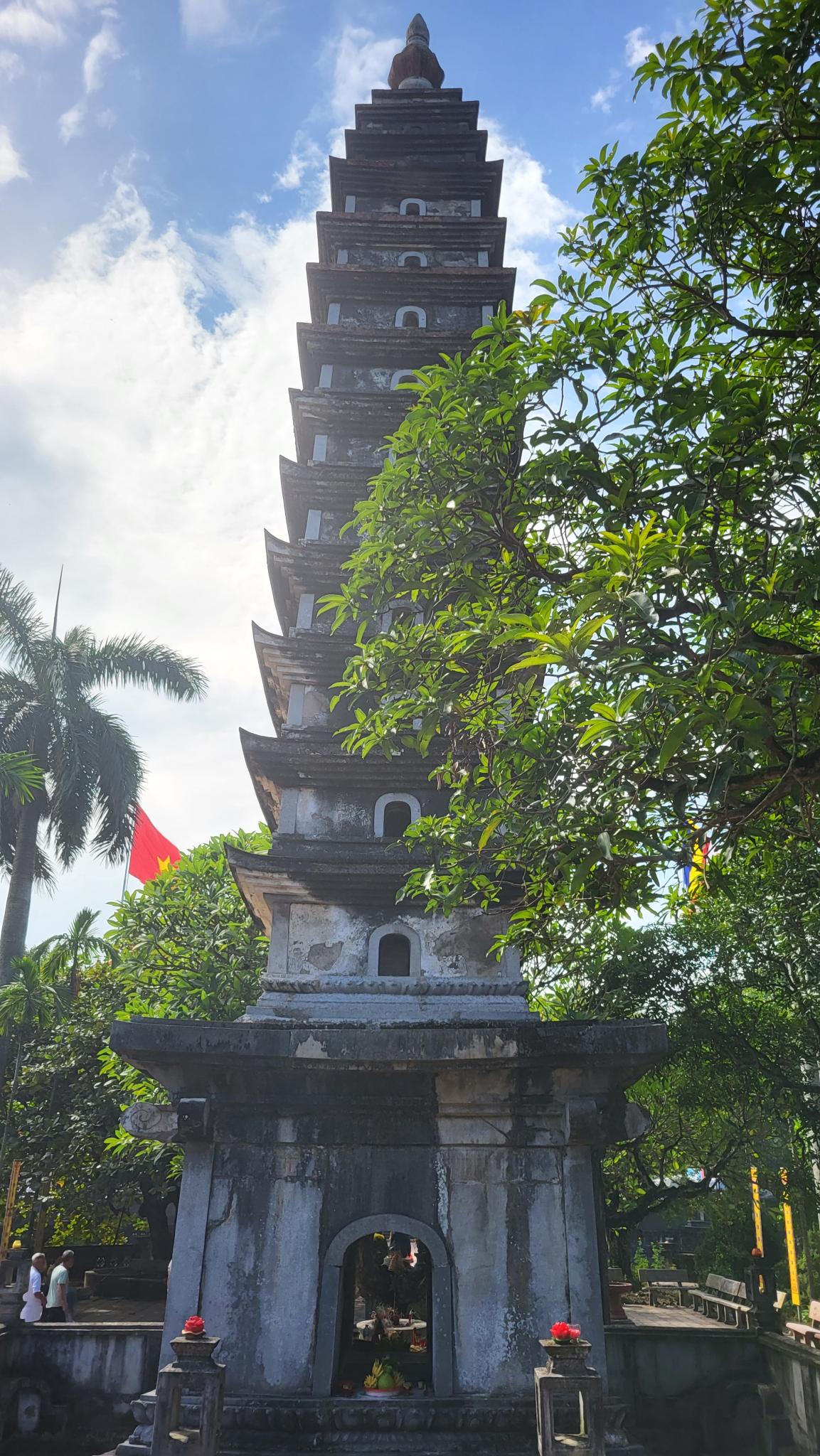
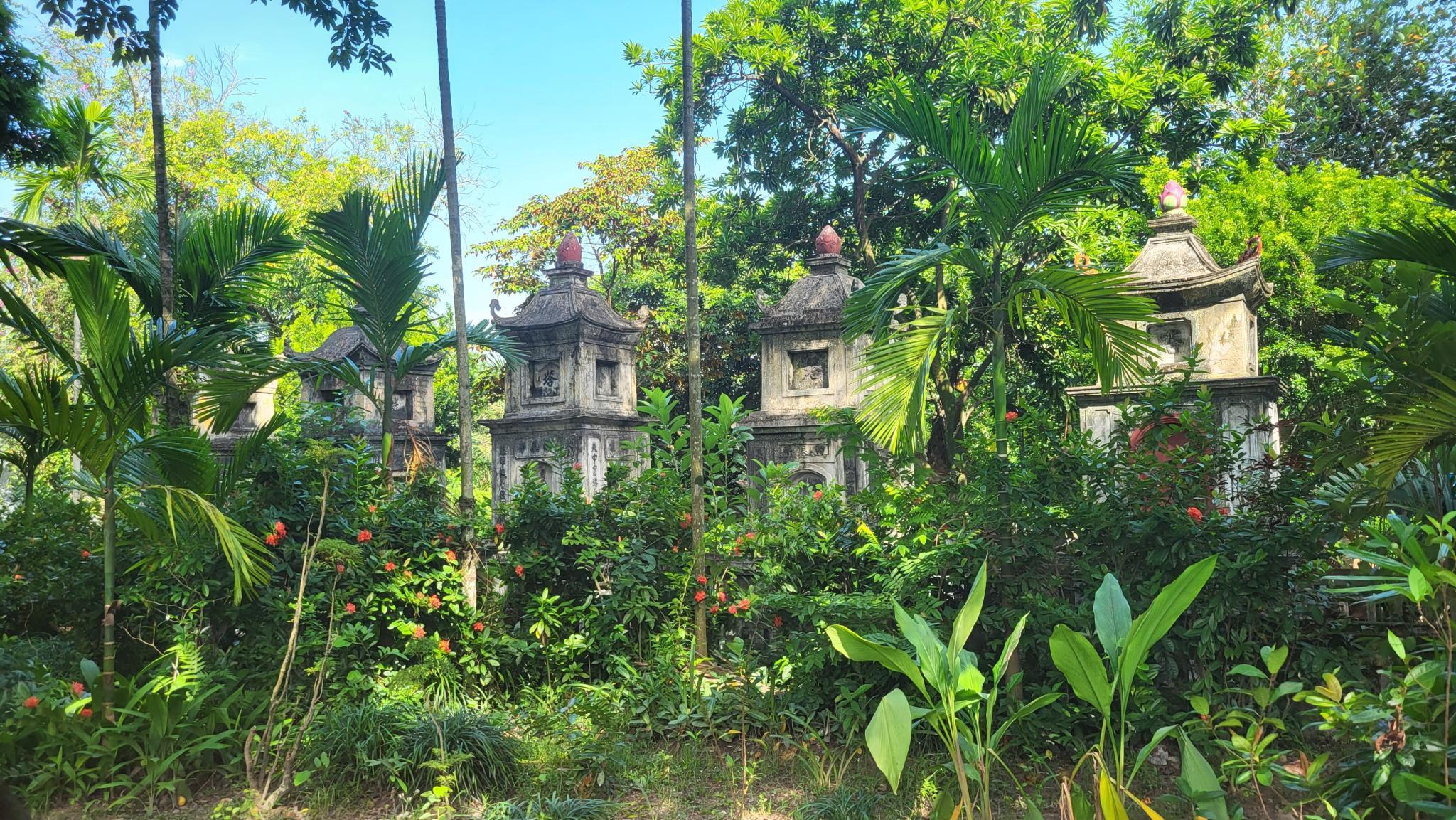
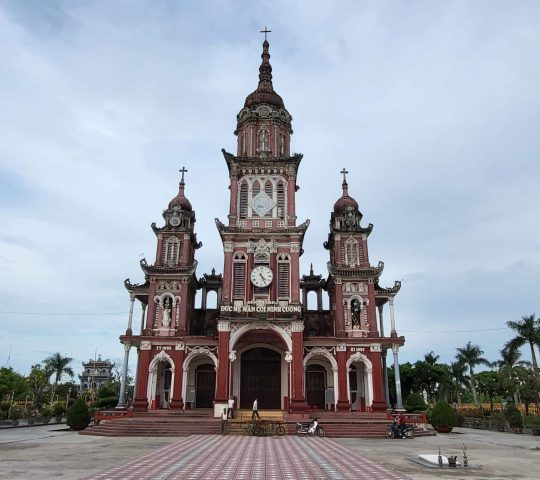
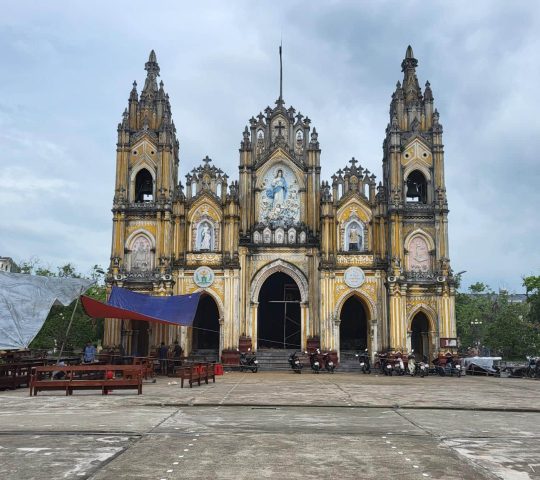
The Pho Minh Pagoda Tower, also known as Chùa Tháp Phổ Minh, is a historical and architectural landmark located in Nam Định Province, Vietnam. This pagoda tower holds significant religious, cultural, and historical importance in the region. Here’s an overview of its history and architecture:
History:
- Origins and Foundation: The Pho Minh Pagoda Tower has its origins dating back to the Ly Dynasty (1009–1225), a period marked by the establishment of Buddhism as the state religion and the construction of numerous pagodas, temples, and religious monuments throughout Vietnam. The pagoda was built to serve as a spiritual center, monastic retreat, and pilgrimage site for Buddhists and religious practitioners seeking enlightenment, spiritual guidance, and communal support within the local community.
- Cultural Legacy: Over the centuries, the Pho Minh Pagoda Tower has played a pivotal role in preserving Vietnam’s Buddhist heritage, cultural traditions, and historical legacy through periods of political upheaval, social change, and cultural transformation, reflecting the pagoda’s enduring significance as a sacred, educational, and communal institution within the Nam Định Province and broader Vietnamese society.
Architecture:
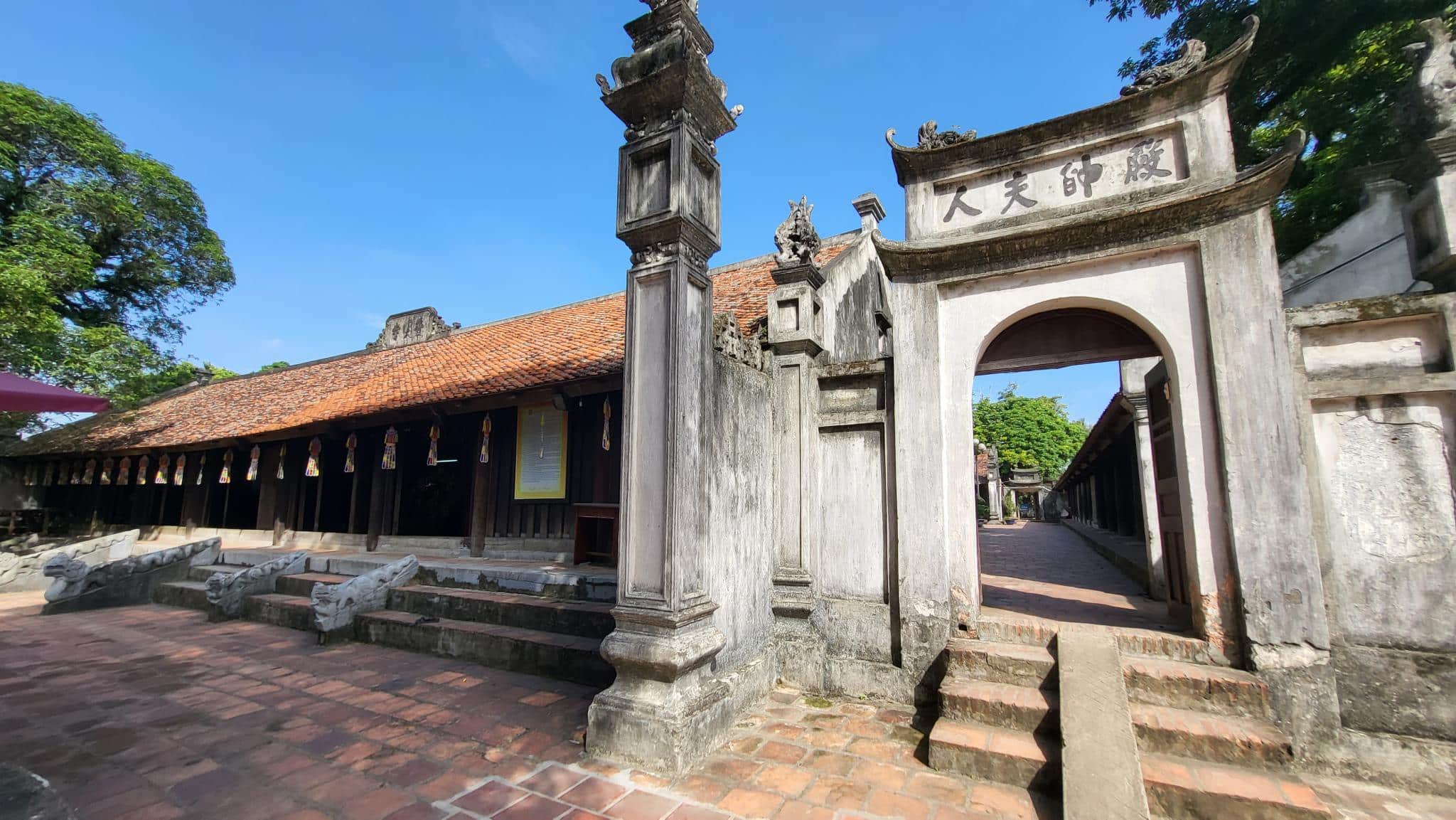
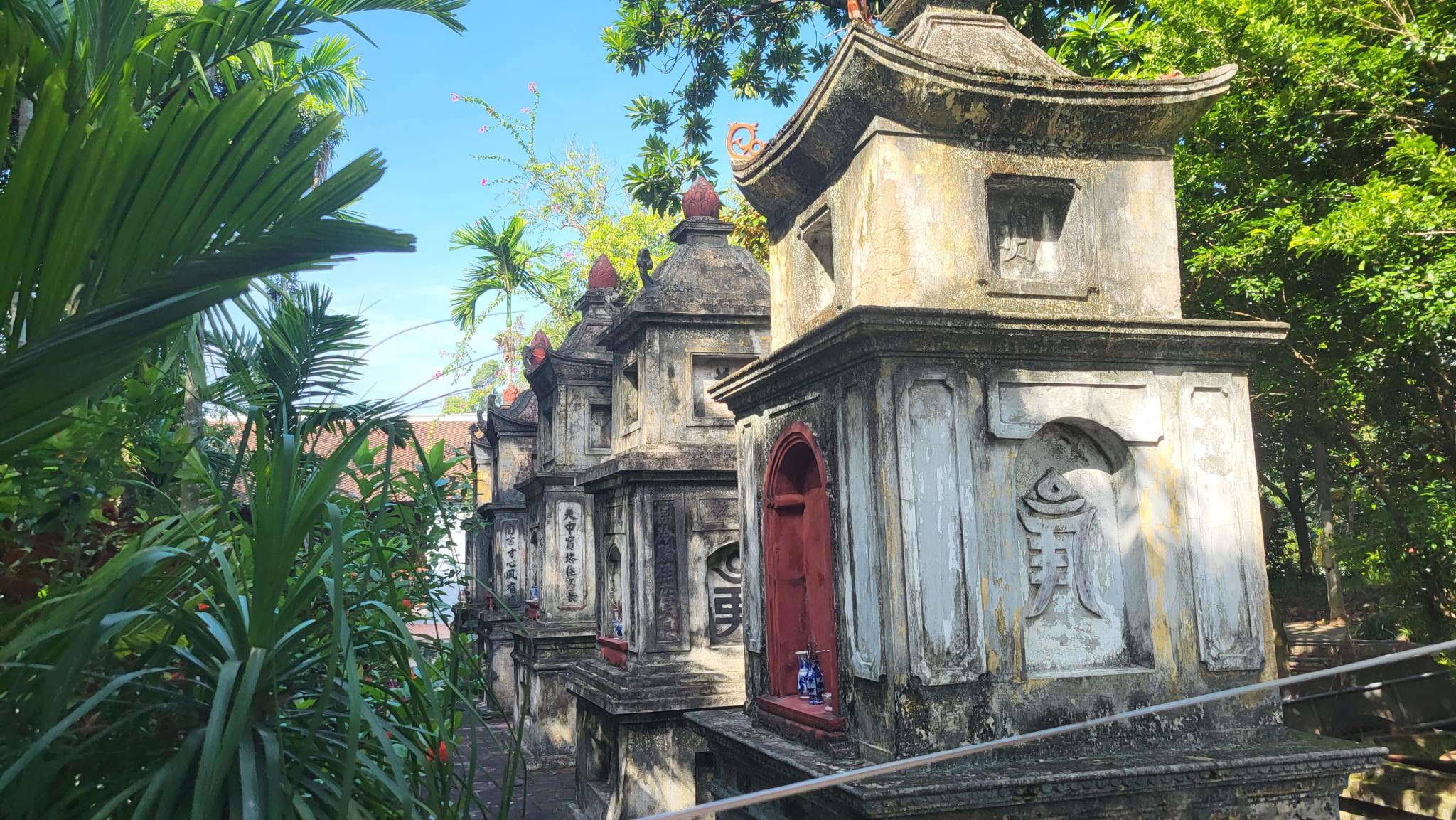
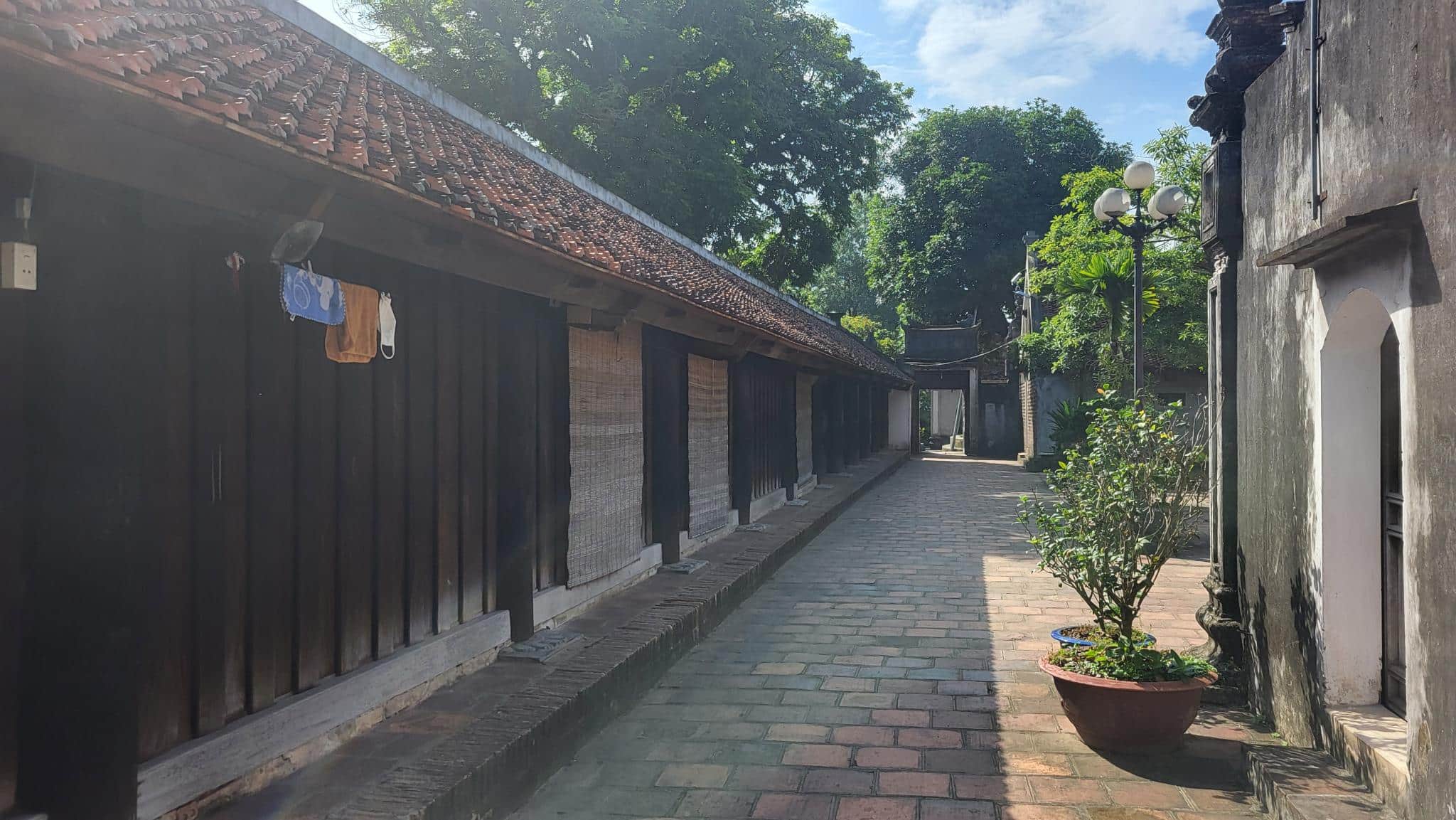
- Architectural Style: The Pho Minh Pagoda Tower features a unique blend of architectural styles, construction techniques, and decorative elements that reflect Vietnam’s cultural influences, religious beliefs, and artistic traditions prevalent during the Ly Dynasty. The pagoda tower’s design incorporates traditional Vietnamese architectural motifs, Buddhist symbolism, and aesthetic principles that emphasize harmony, balance, and spiritual resonance within its structural form, decorative details, and spatial arrangements.
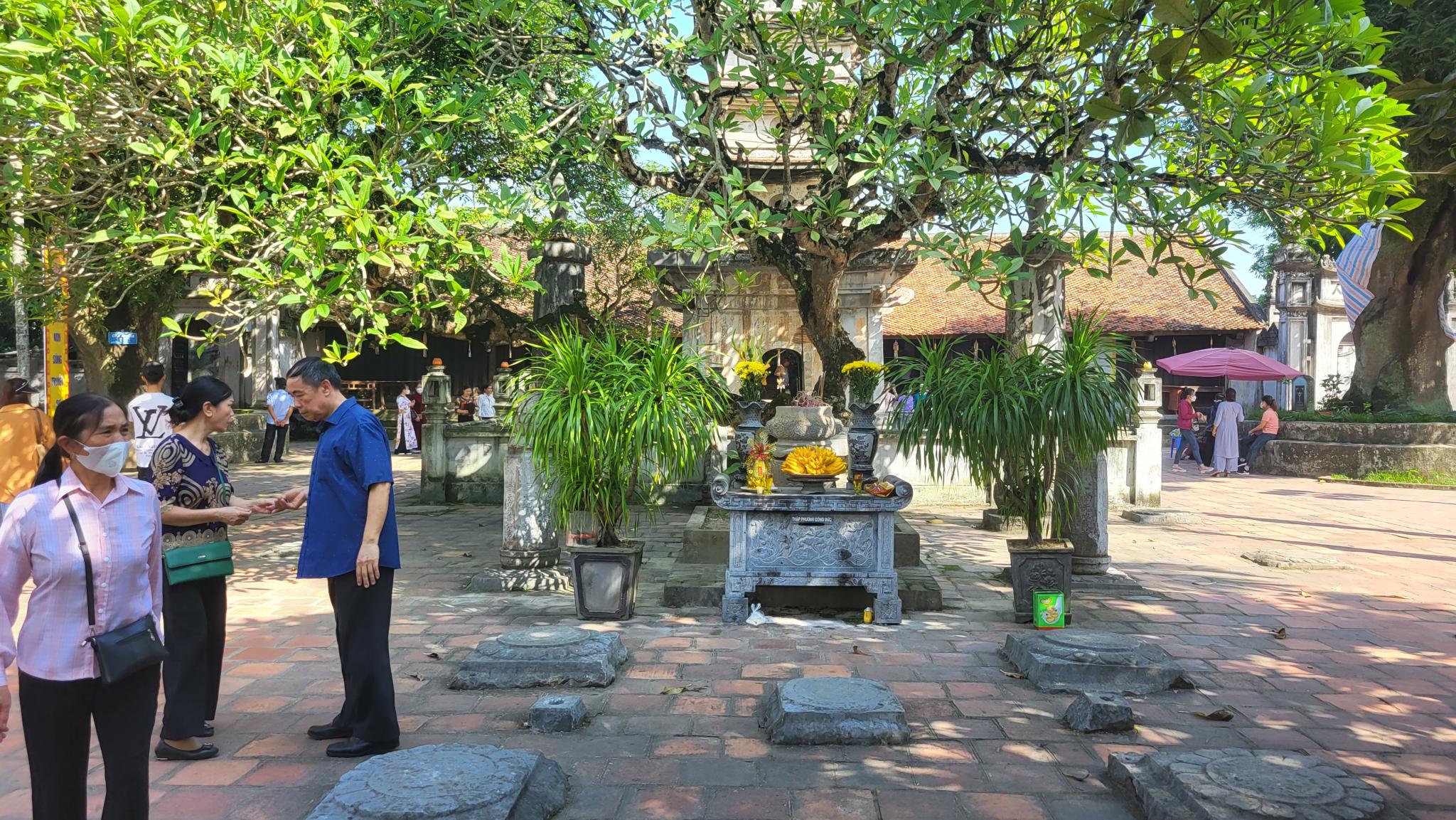
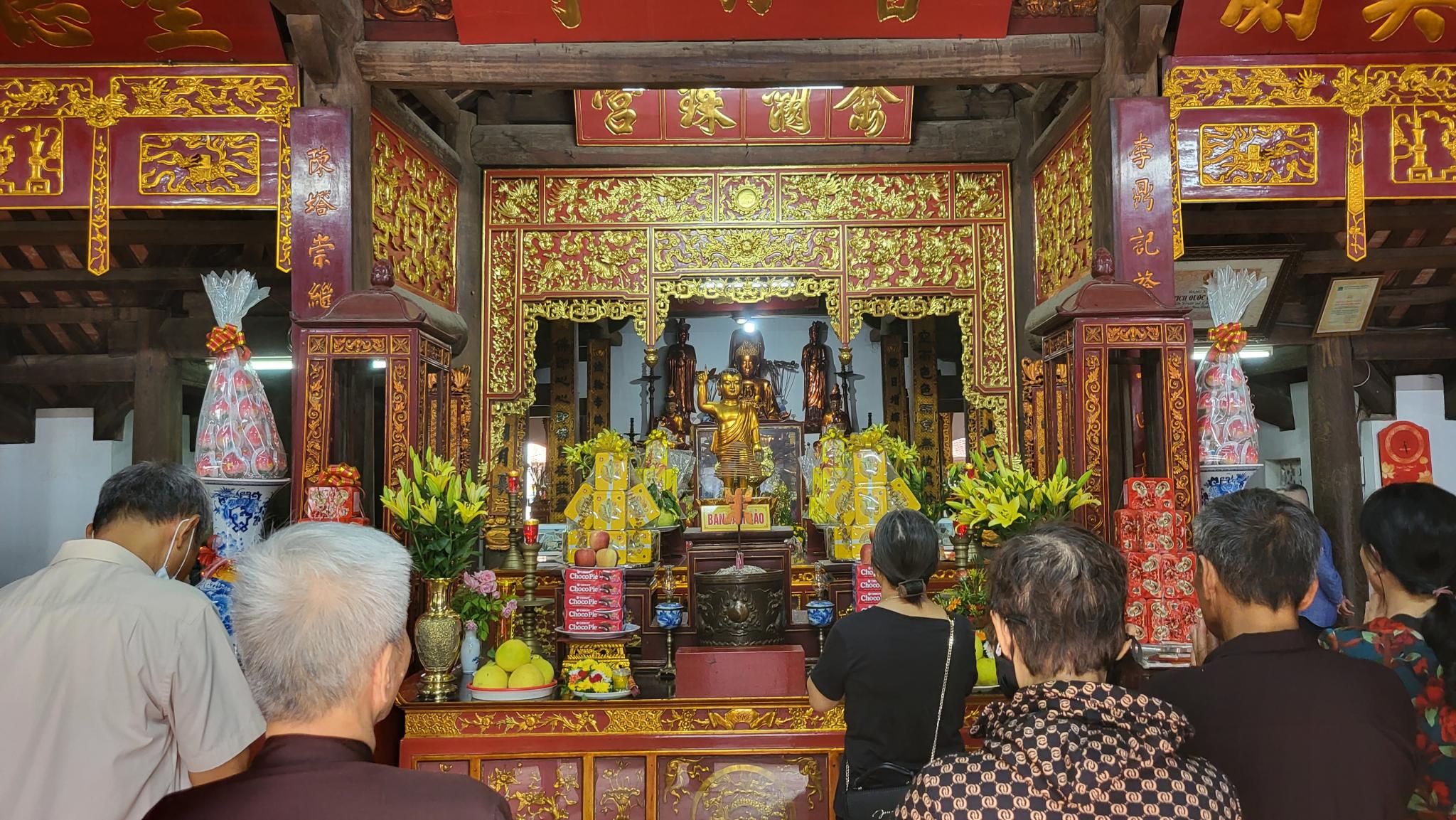
- Structural Elements: The Pho Minh Pagoda Tower comprises a multi-story structure with tiered roofs, ornate carvings, and symbolic imagery that represent Buddhist deities, celestial beings, and mythological creatures associated with Vietnamese folklore, religious mythology, and spiritual teachings. The pagoda tower’s interior spaces feature altars, statues, scriptures, and religious artifacts that serve as focal points for meditation, worship, and communal gatherings, reflecting the pagoda’s function as a sacred space, cultural center, and spiritual sanctuary for practitioners, pilgrims, and visitors seeking solace, enlightenment, and connection to Vietnam’s religious heritage.
- Historical Preservation: The Pho Minh Pagoda Tower has undergone restoration, conservation, and preservation efforts to maintain its structural integrity, historical authenticity, and cultural significance as a heritage site, religious monument, and architectural landmark within the Nam Định Province and broader Vietnamese landscape. These efforts reflect the pagoda tower’s importance as a symbol of Vietnam’s Buddhist heritage, cultural identity, and historical legacy that continues to inspire reverence, respect, and admiration among generations of visitors, pilgrims, and scholars interested in exploring Vietnam’s rich history, spiritual traditions, and architectural achievements.