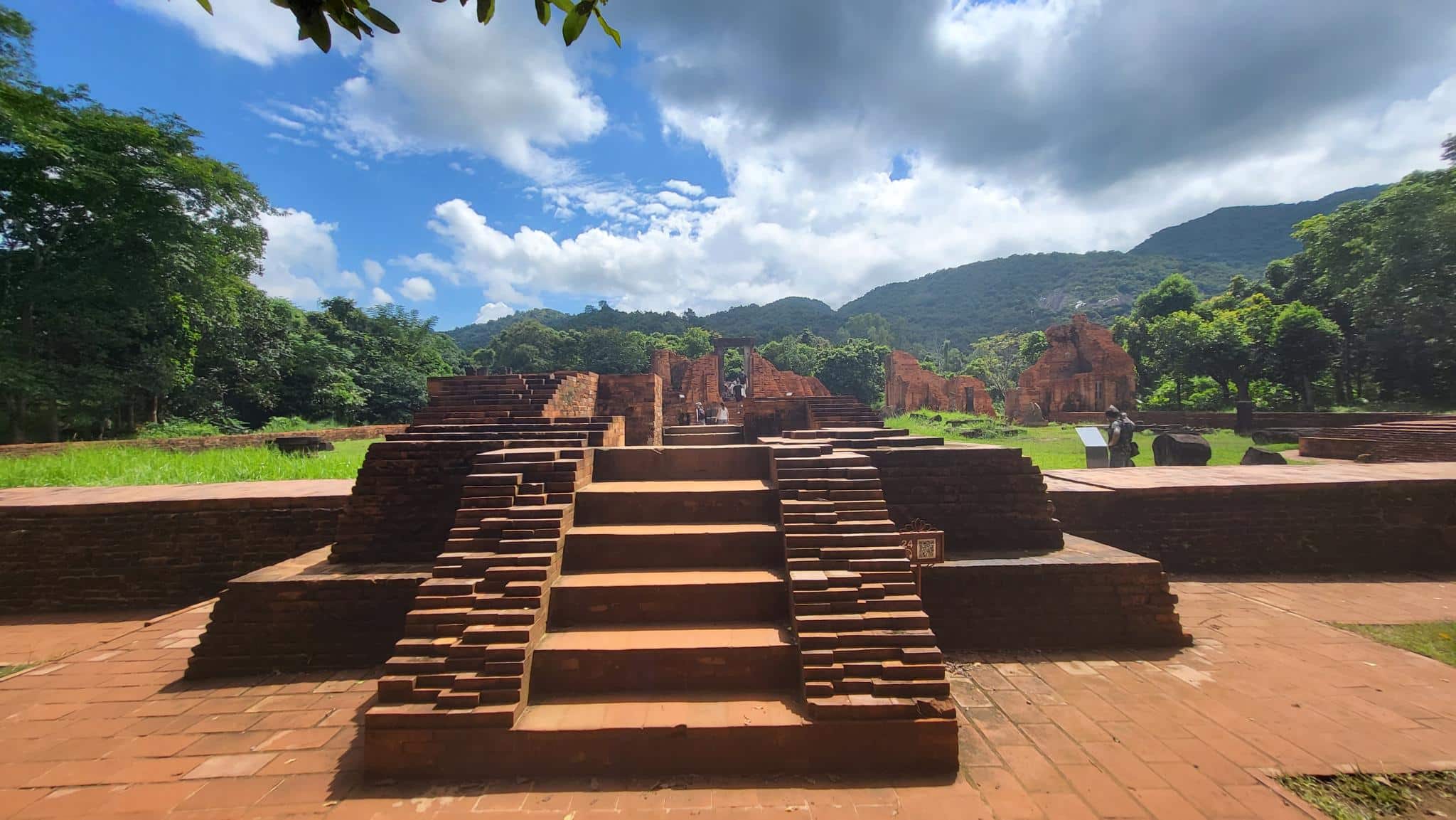
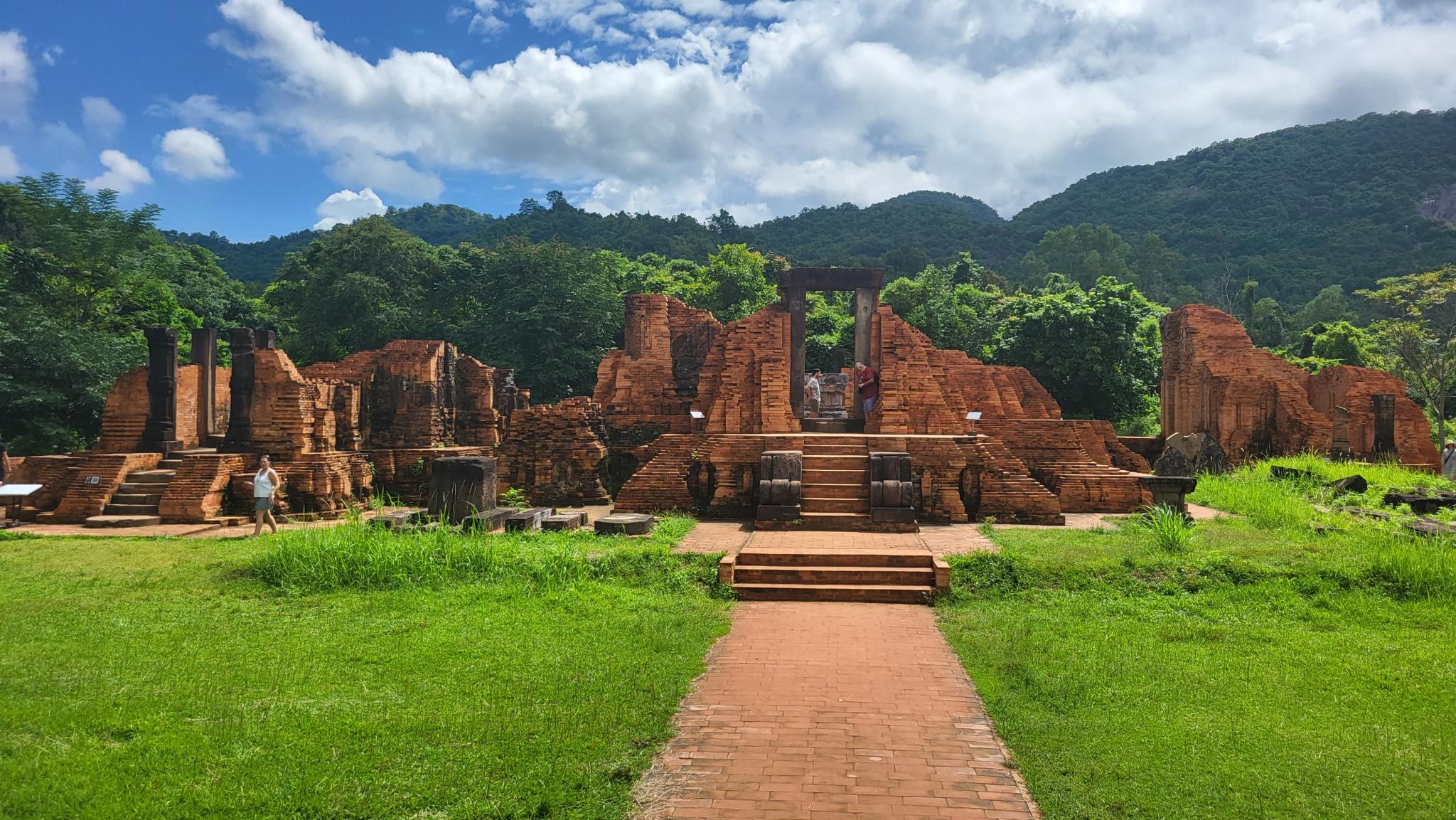
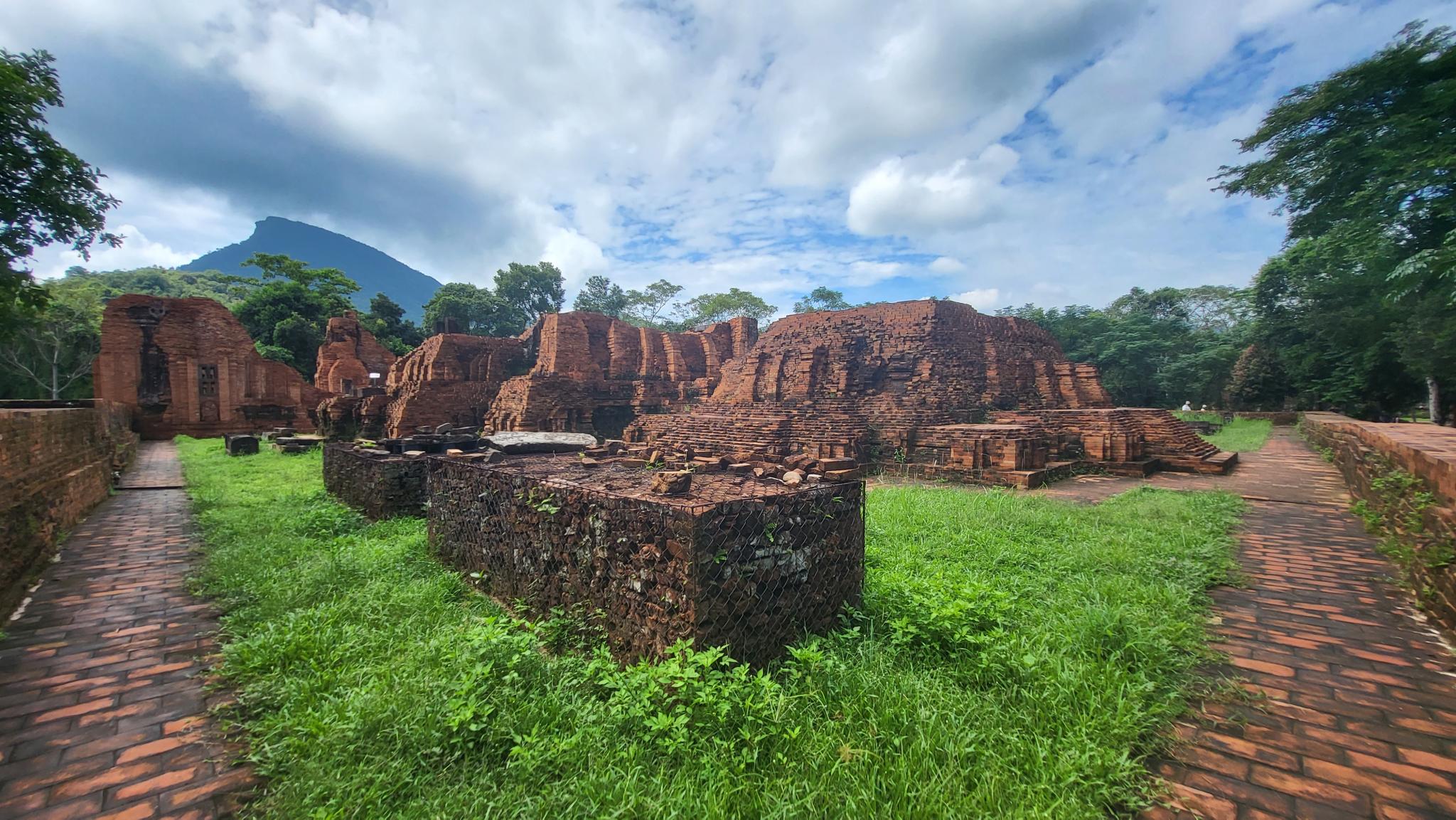
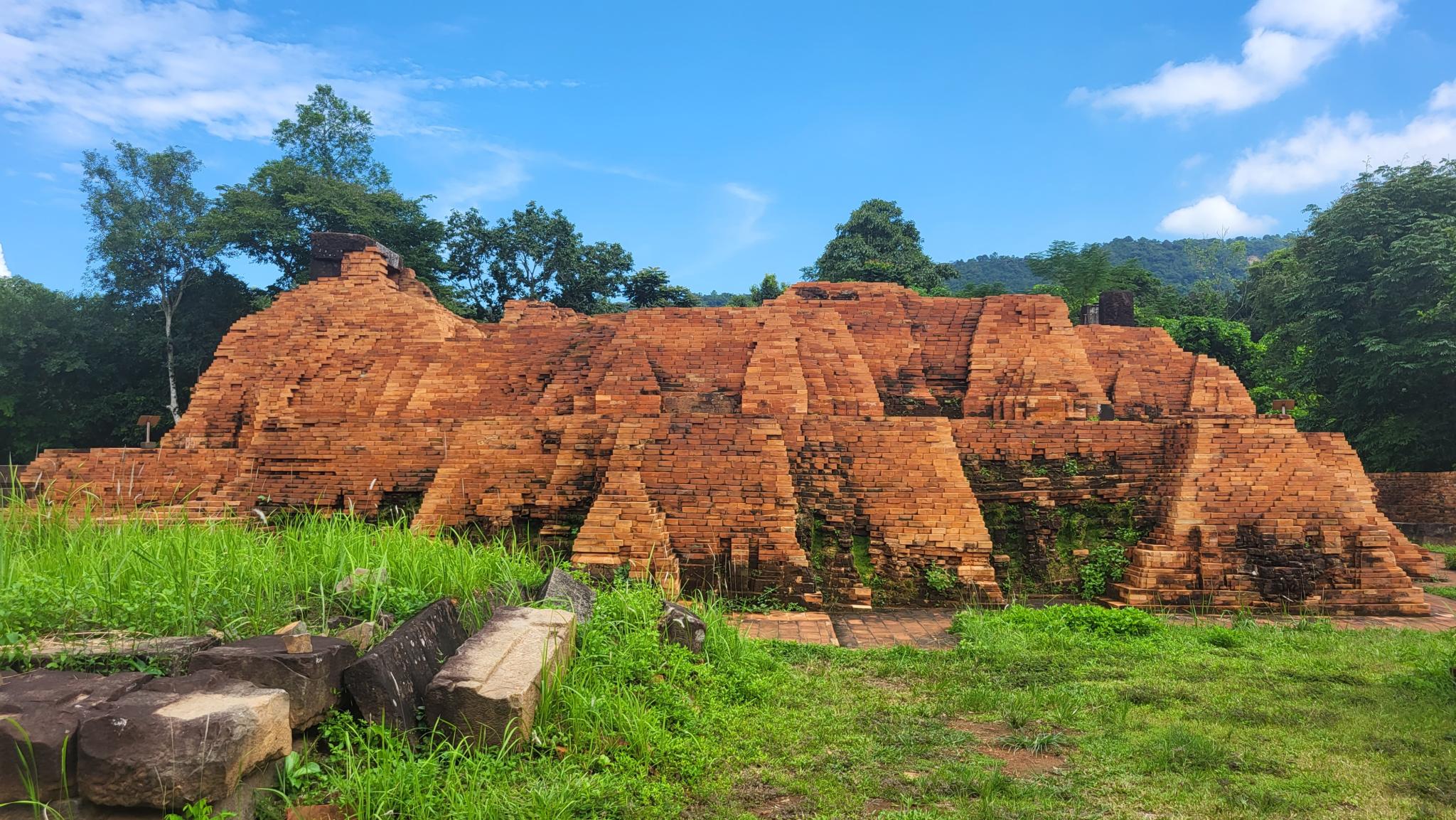
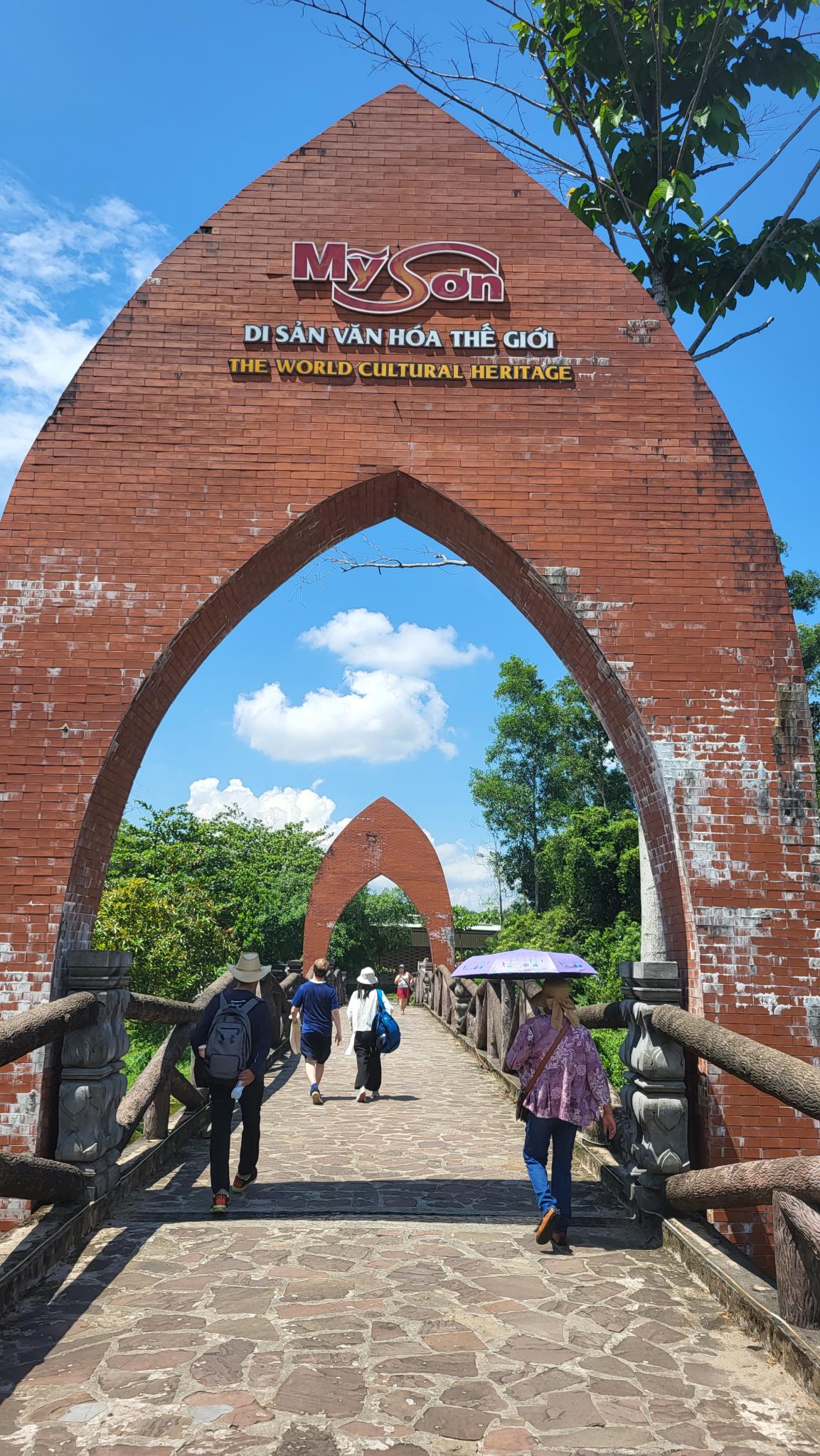
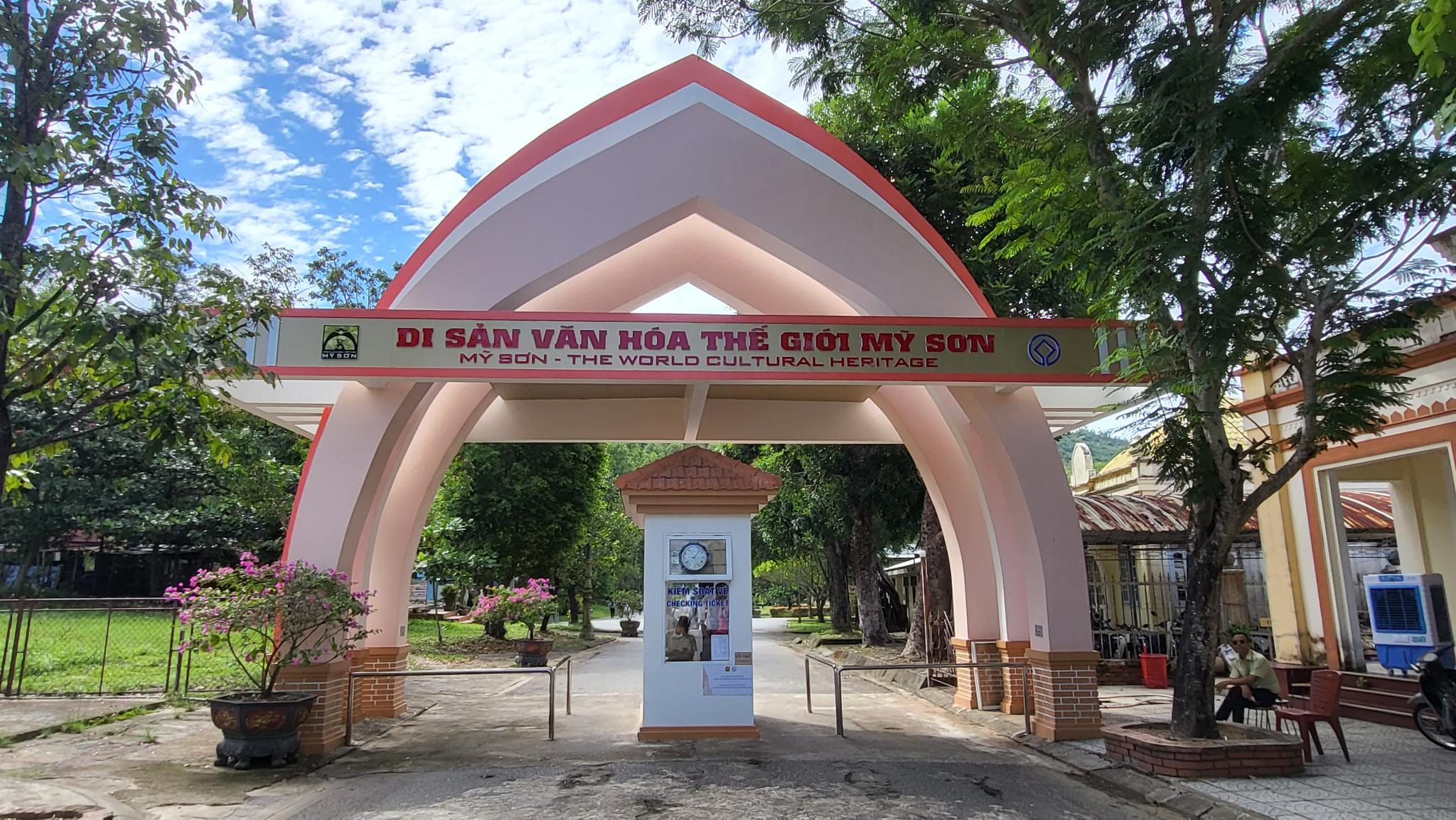
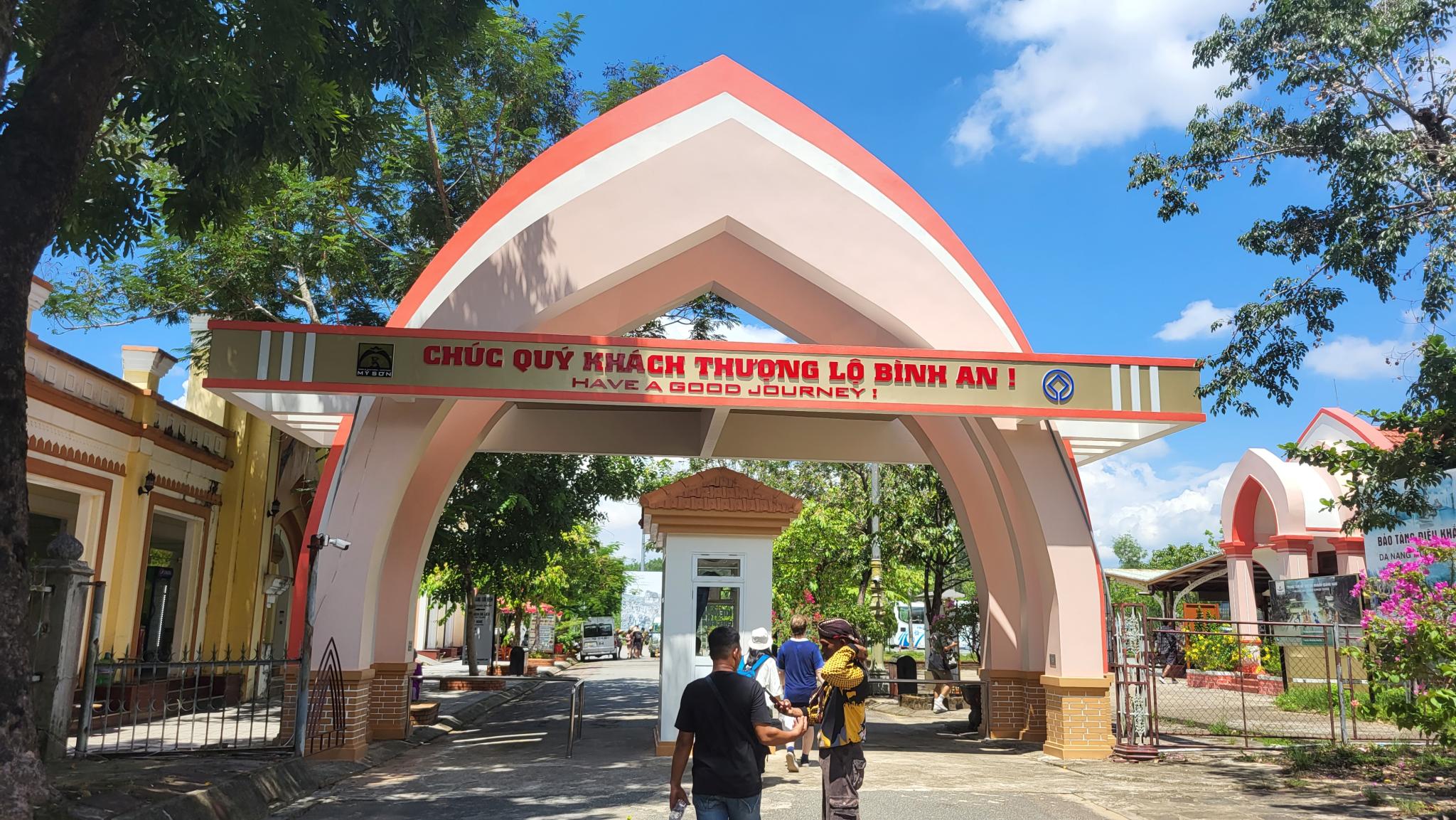
Mỹ Sơn sanctuary UNESCO
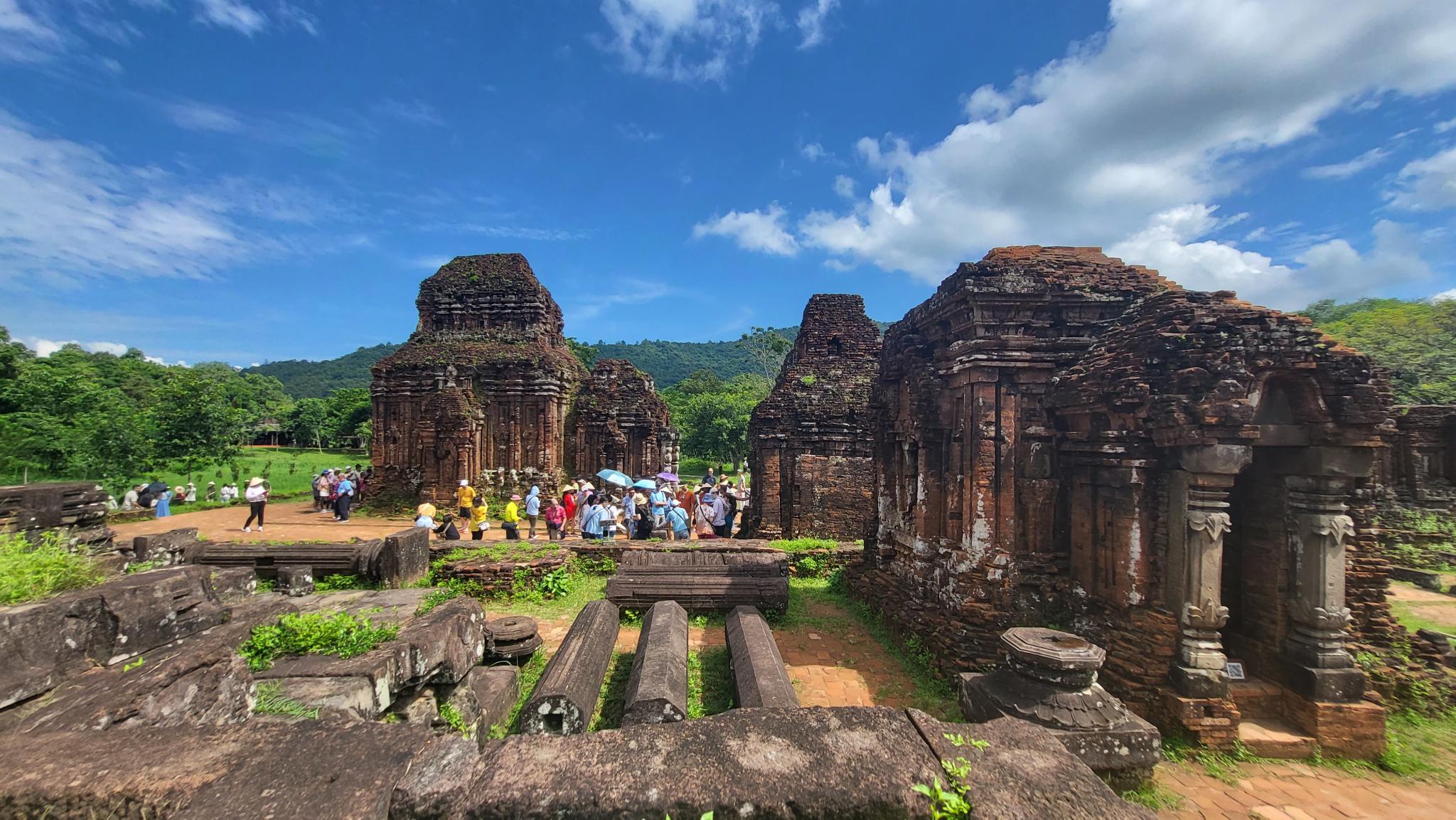
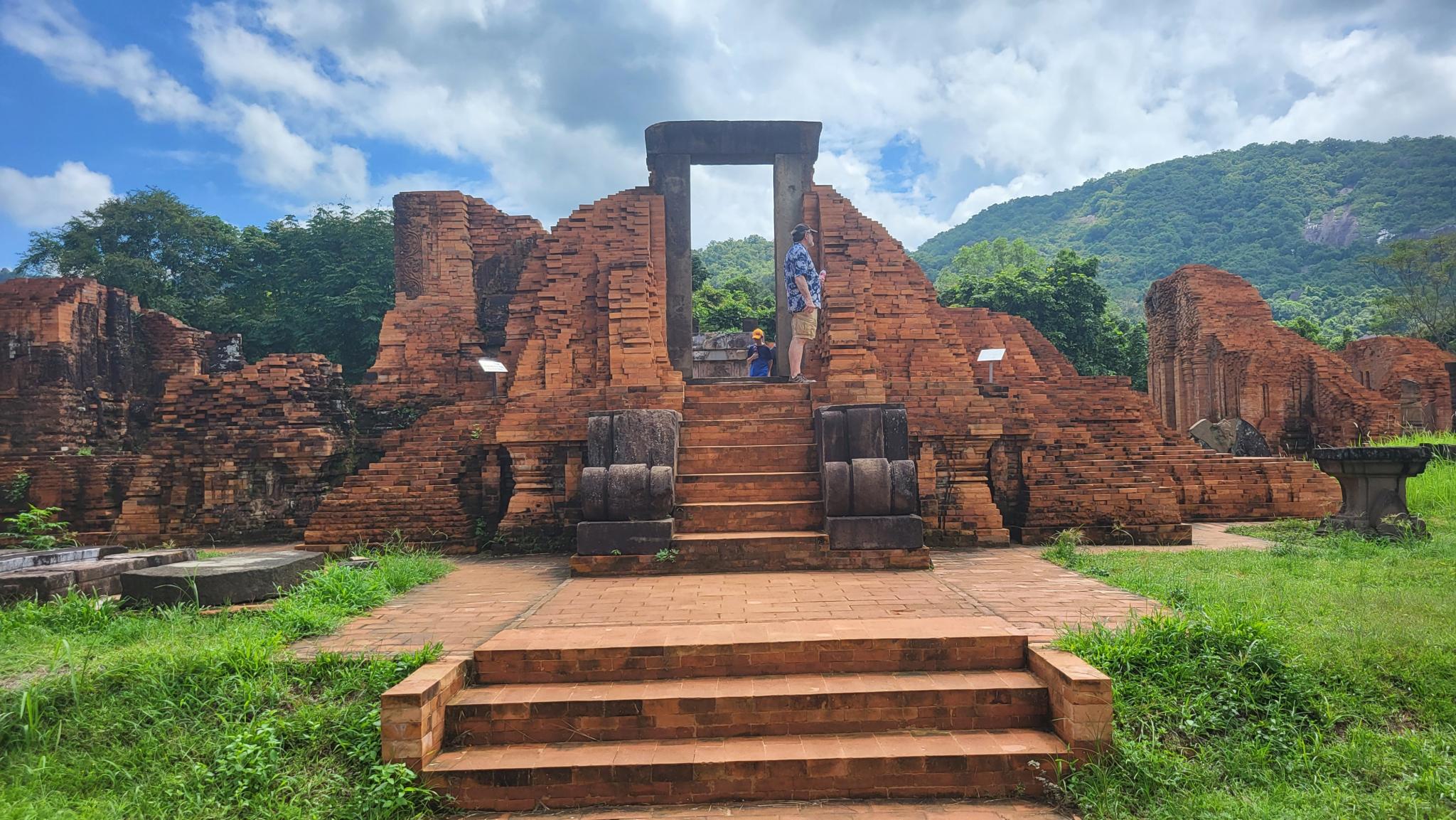
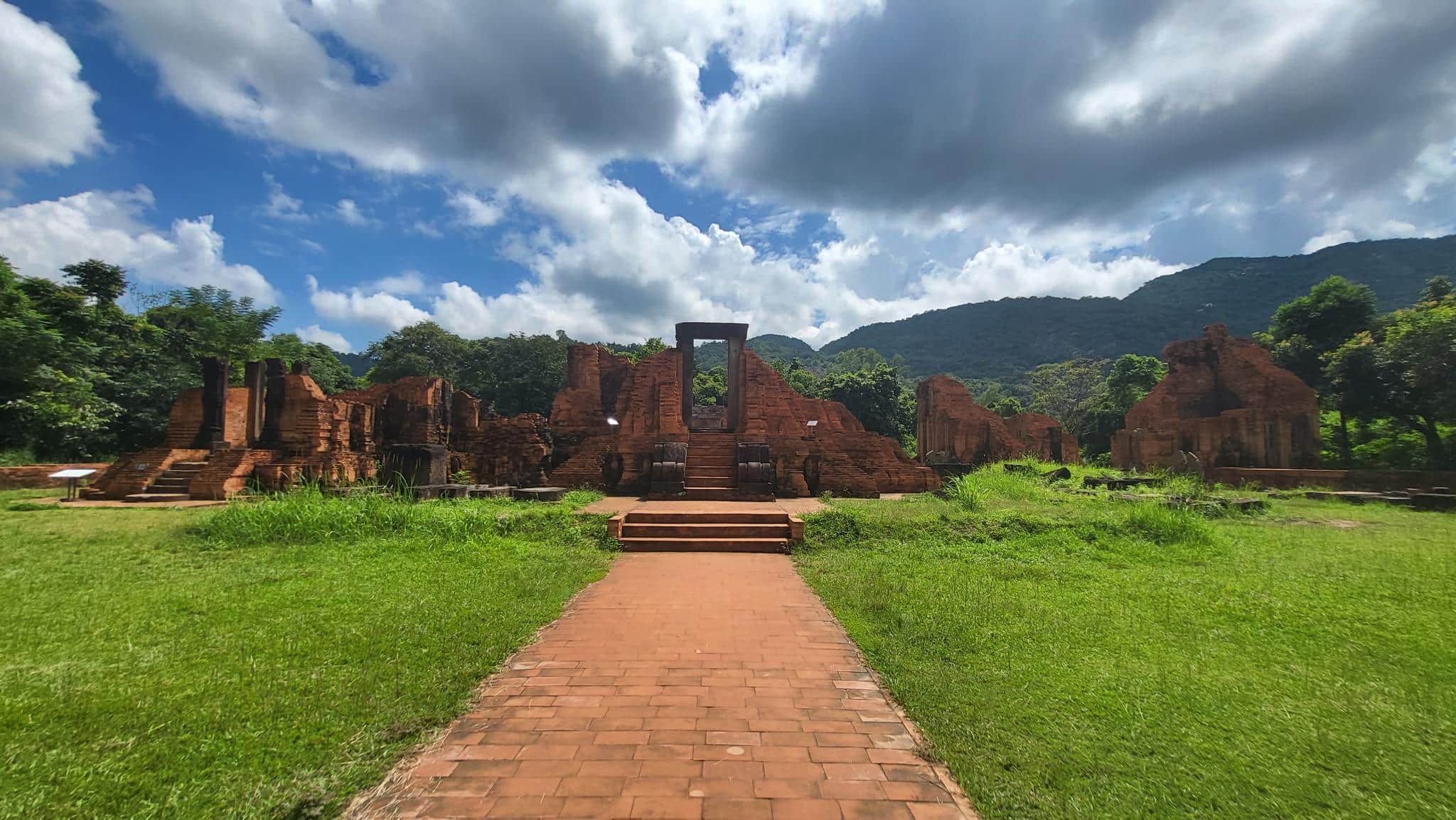
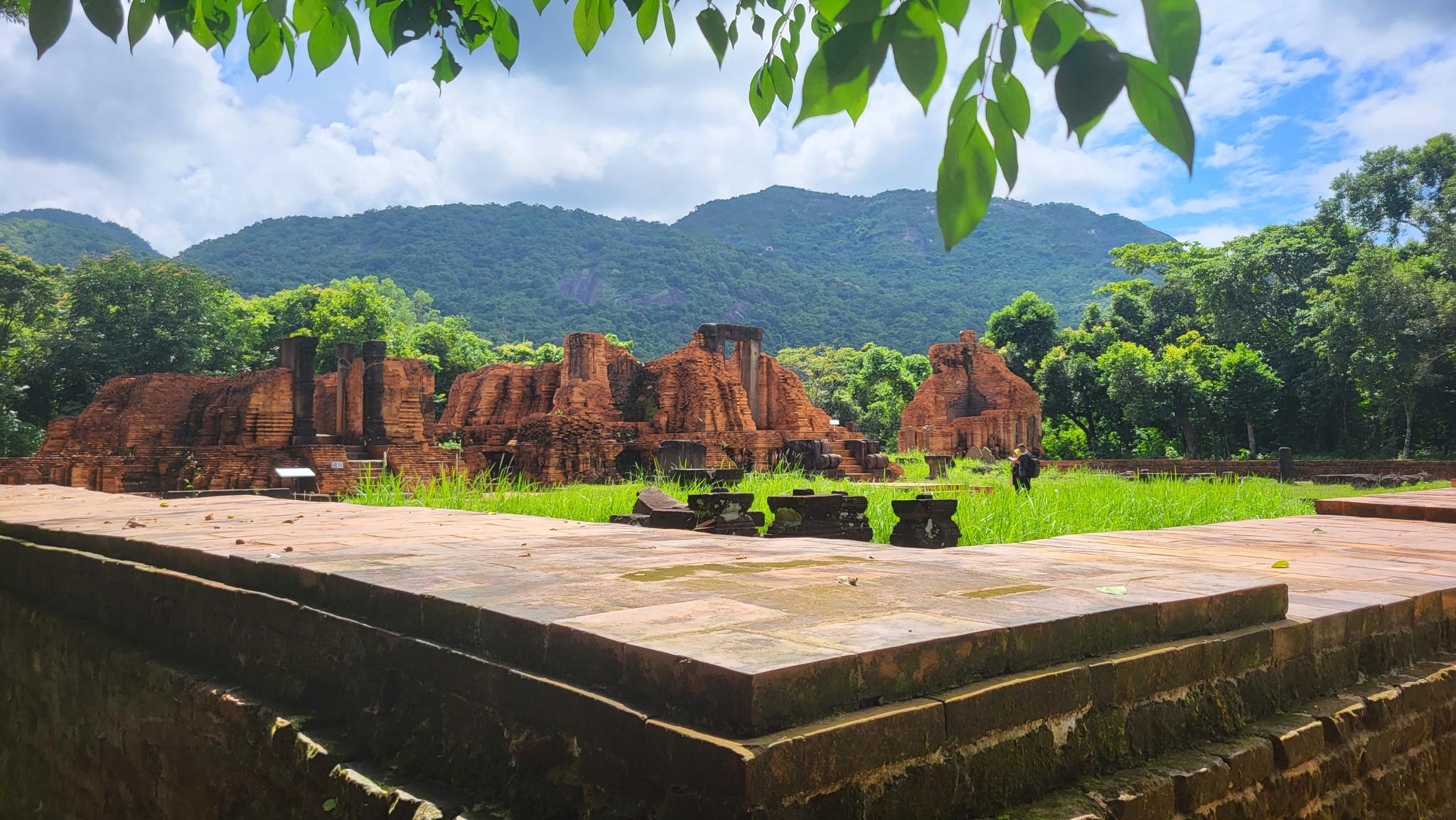
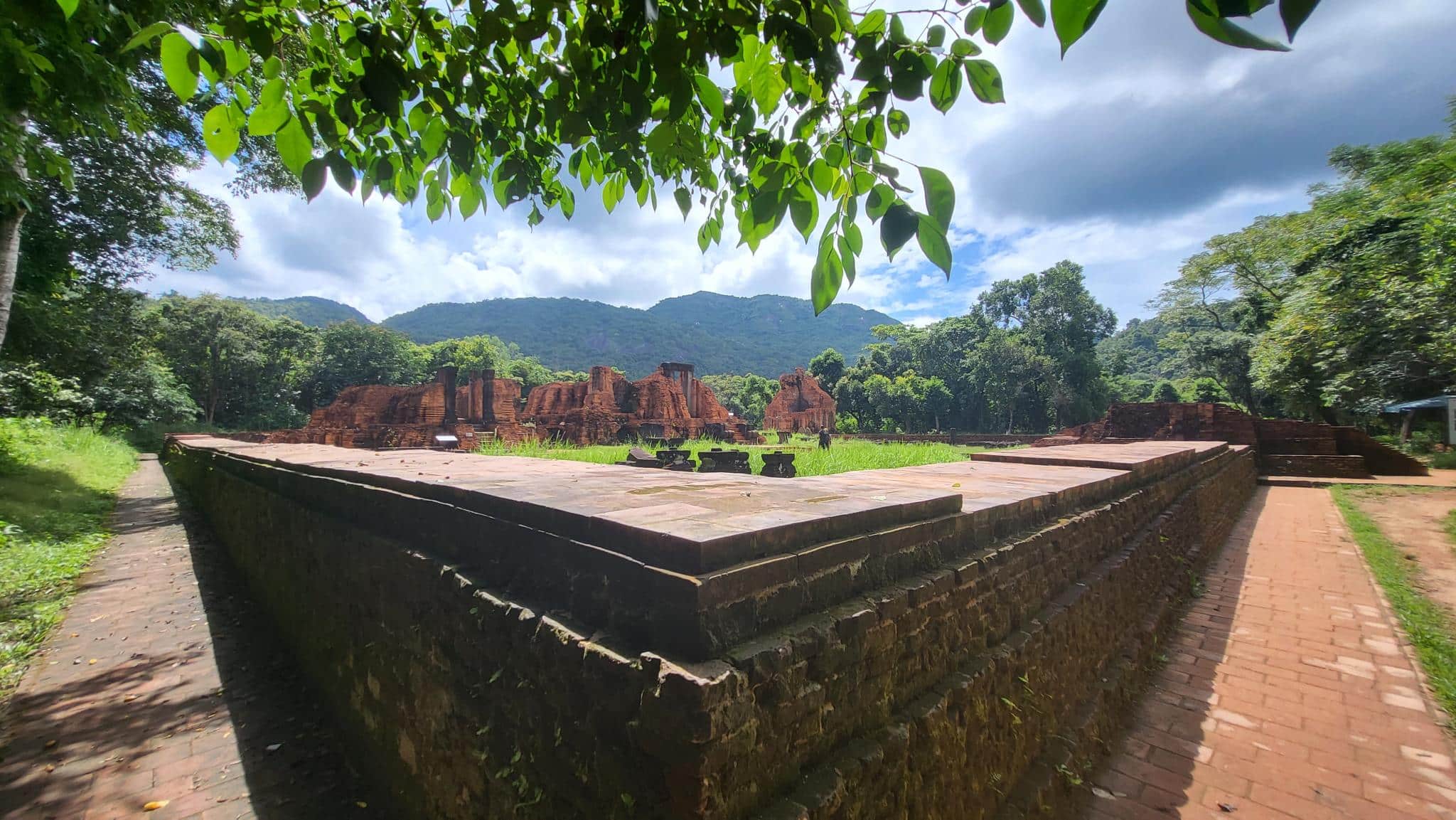
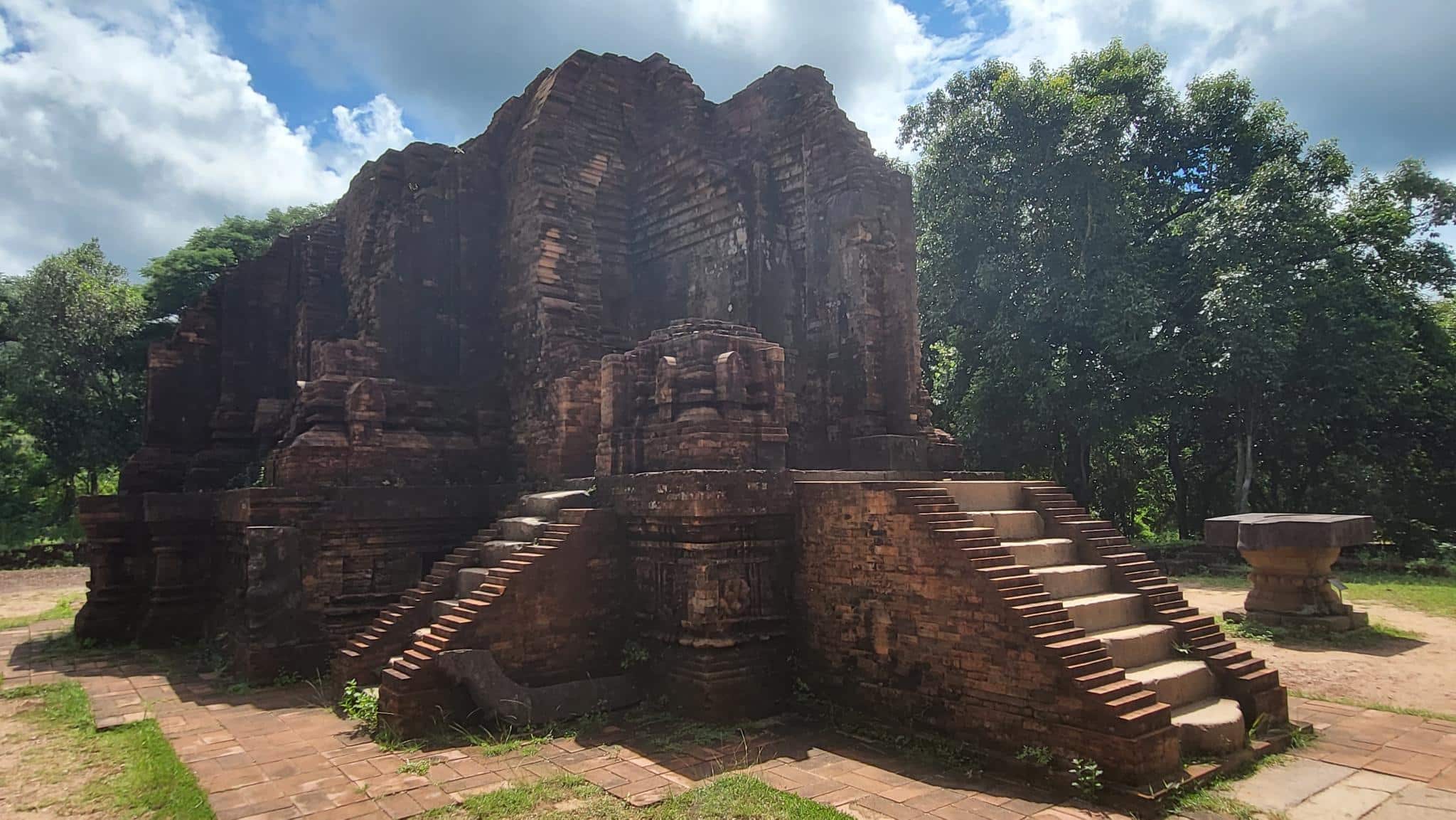
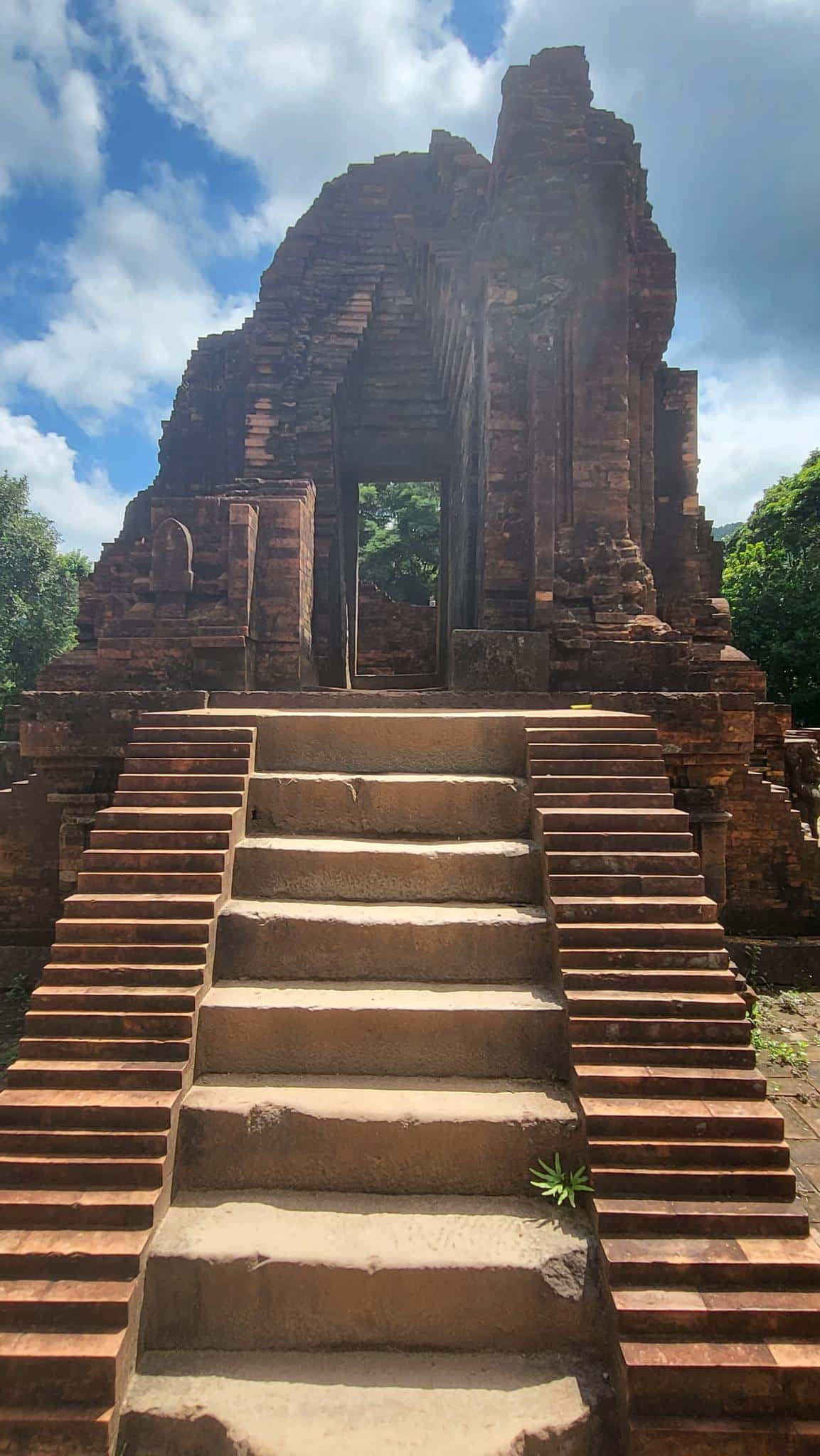
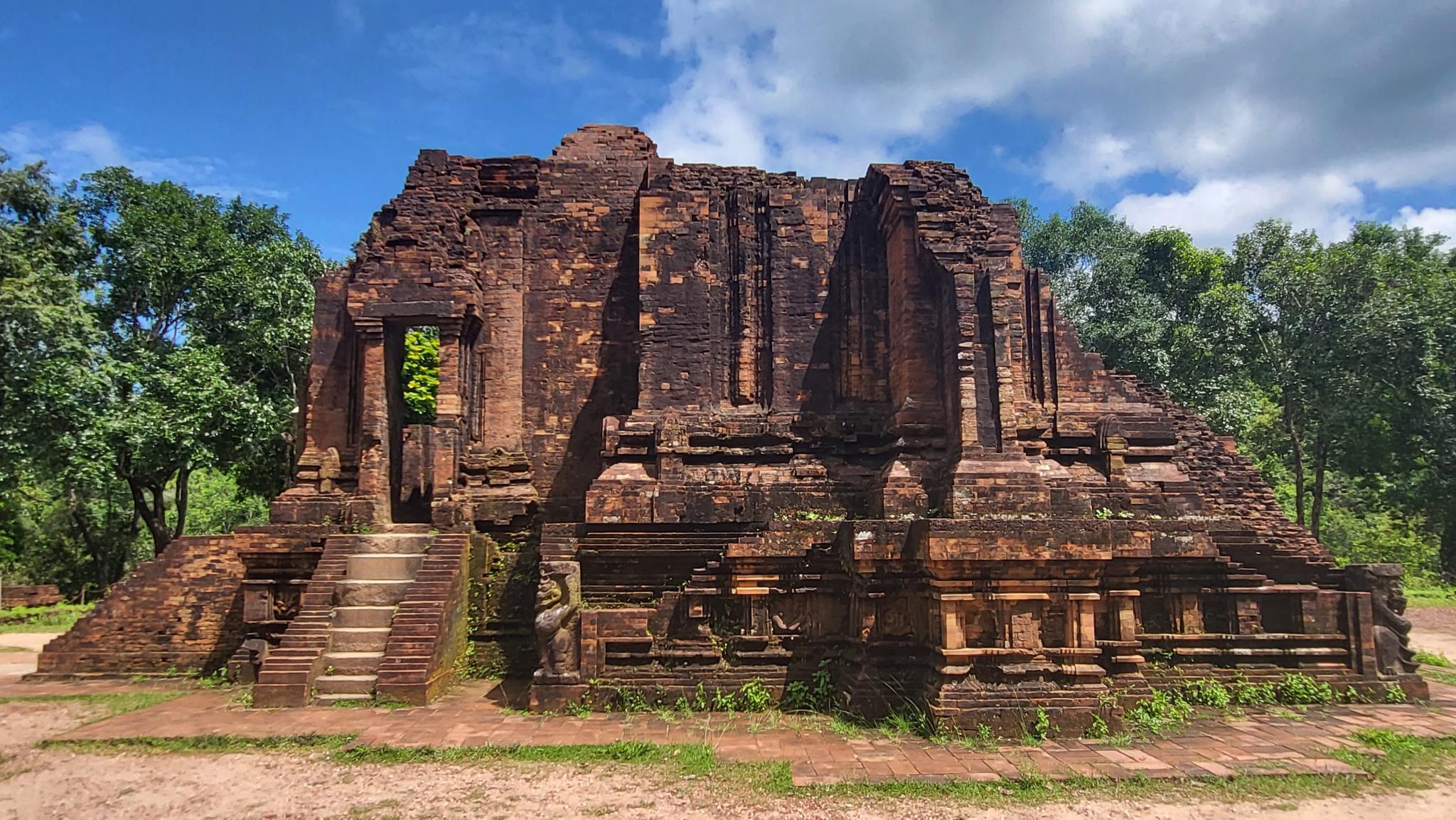
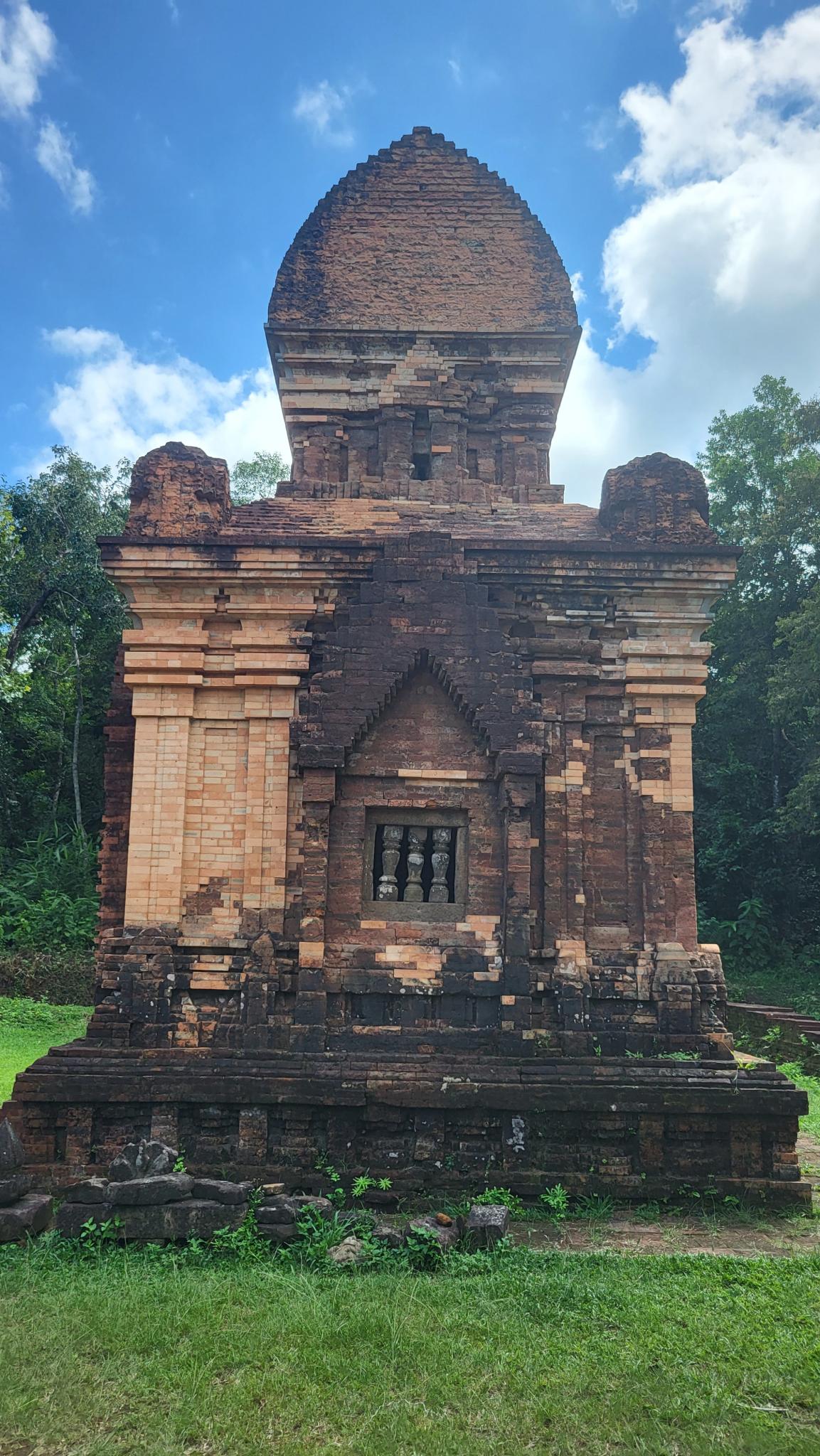
The Mỹ Sơn Sanctuary (sometimes spelled “My Son”) is a significant archaeological site located in Quảng Nam Province, Central Vietnam, approximately 69 kilometers southwest of the city of Da Nang. Recognized as a UNESCO World Heritage site, Mỹ Sơn is a cluster of ancient Hindu temples and religious monuments that date back to the Champa Kingdom, which flourished between the 4th and 14th centuries AD. Here’s an overview of the Mỹ Sơn Sanctuary and its historical significance:
Historical and Cultural Significance:
- Champa Civilization: The Mỹ Sơn Sanctuary represents the rich cultural, religious, and architectural heritage of the Champa civilization, an ancient kingdom that once ruled parts of present-day Central and Southern Vietnam. The site served as a religious and cultural center where the Cham people worshipped their deities, conducted rituals, ceremonies, and commemorated their ancestors.
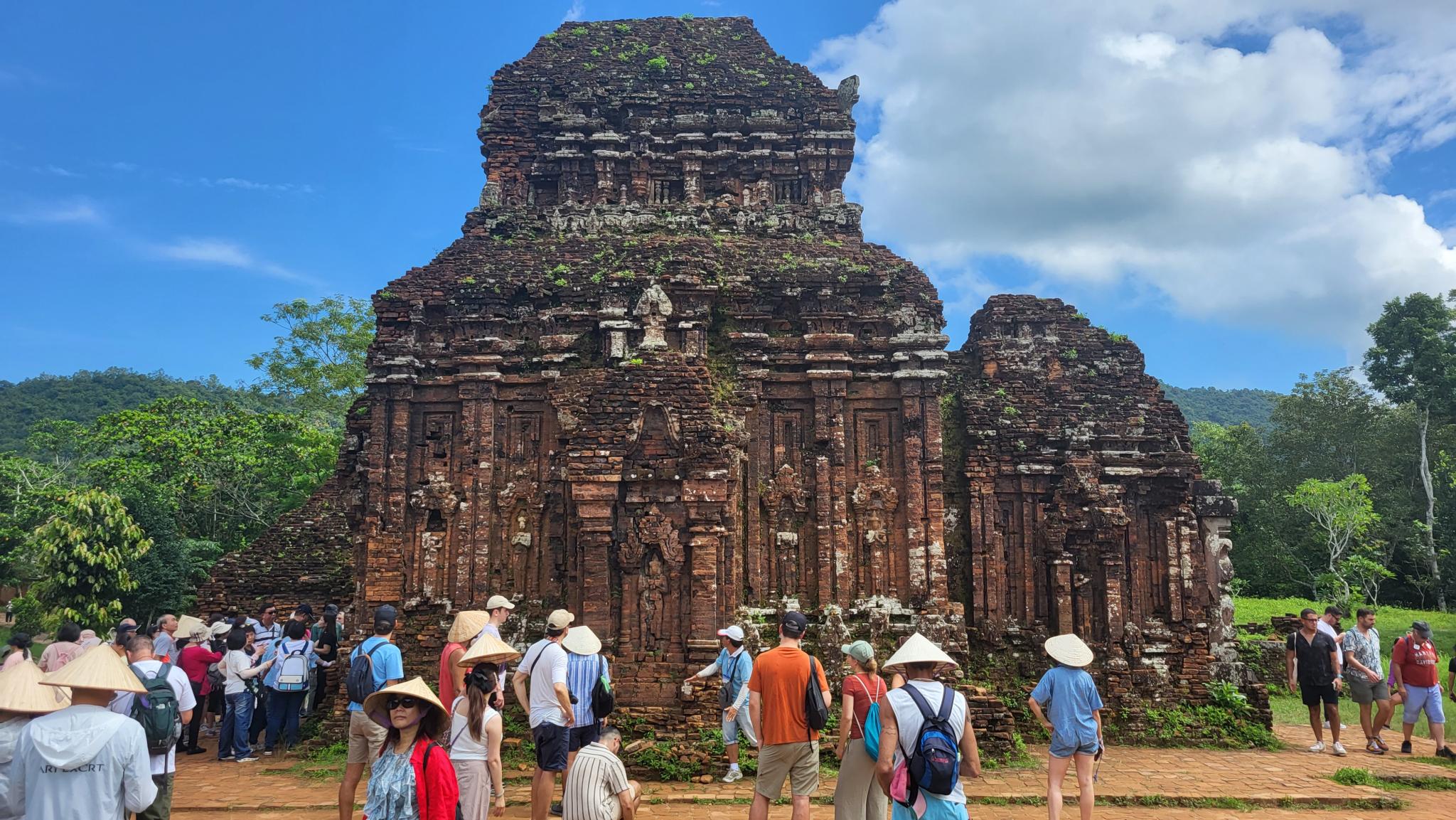
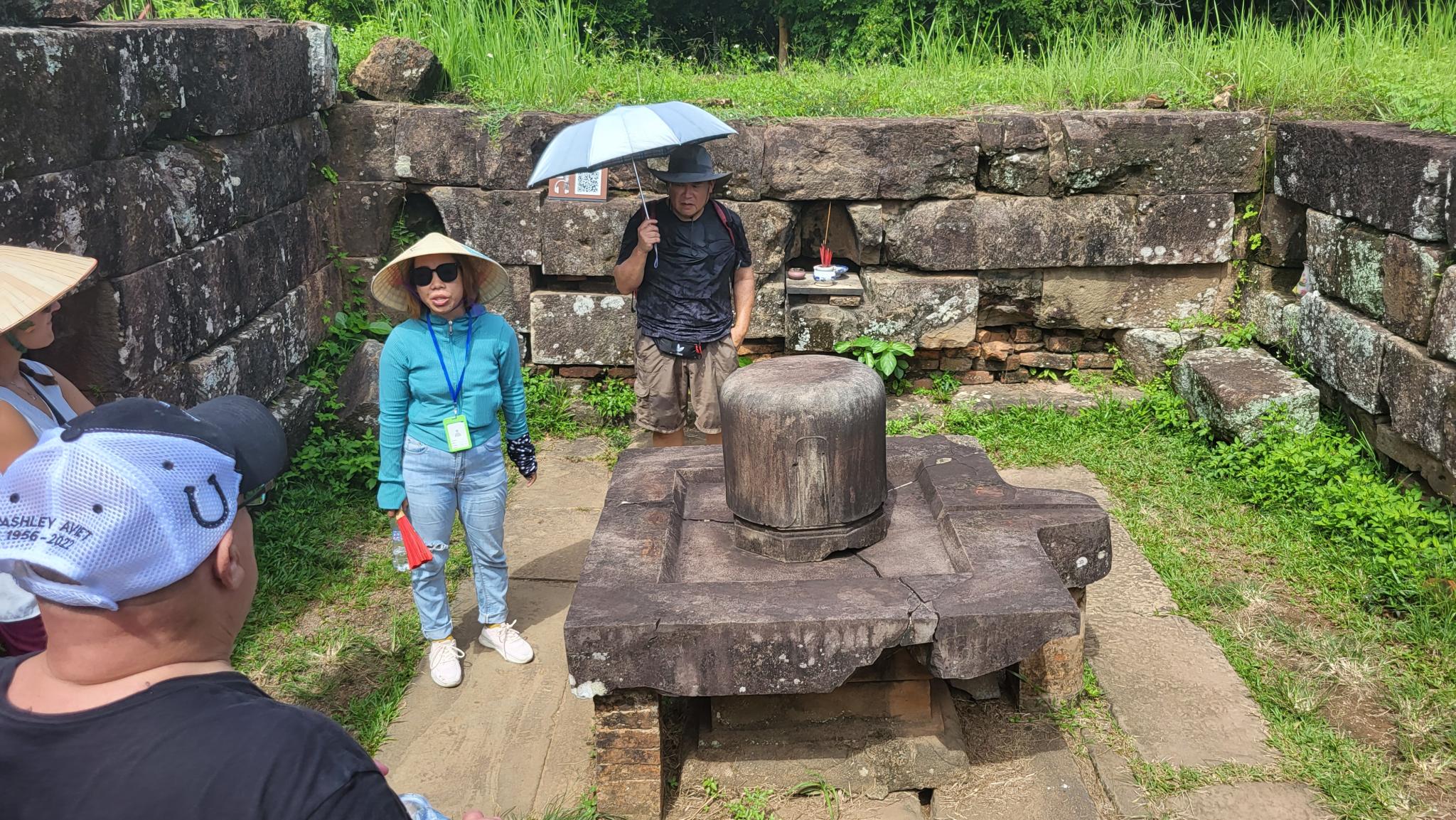
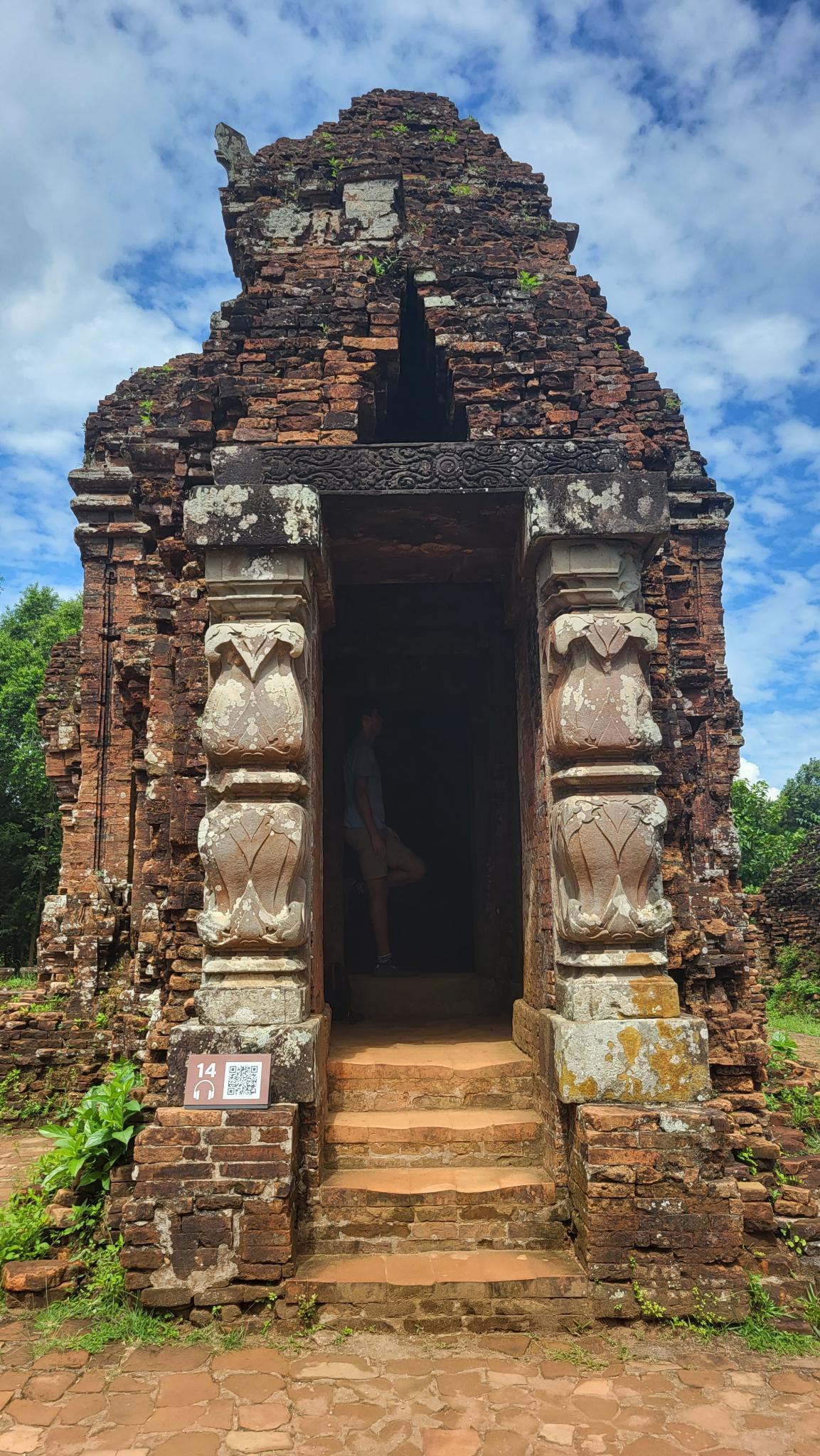
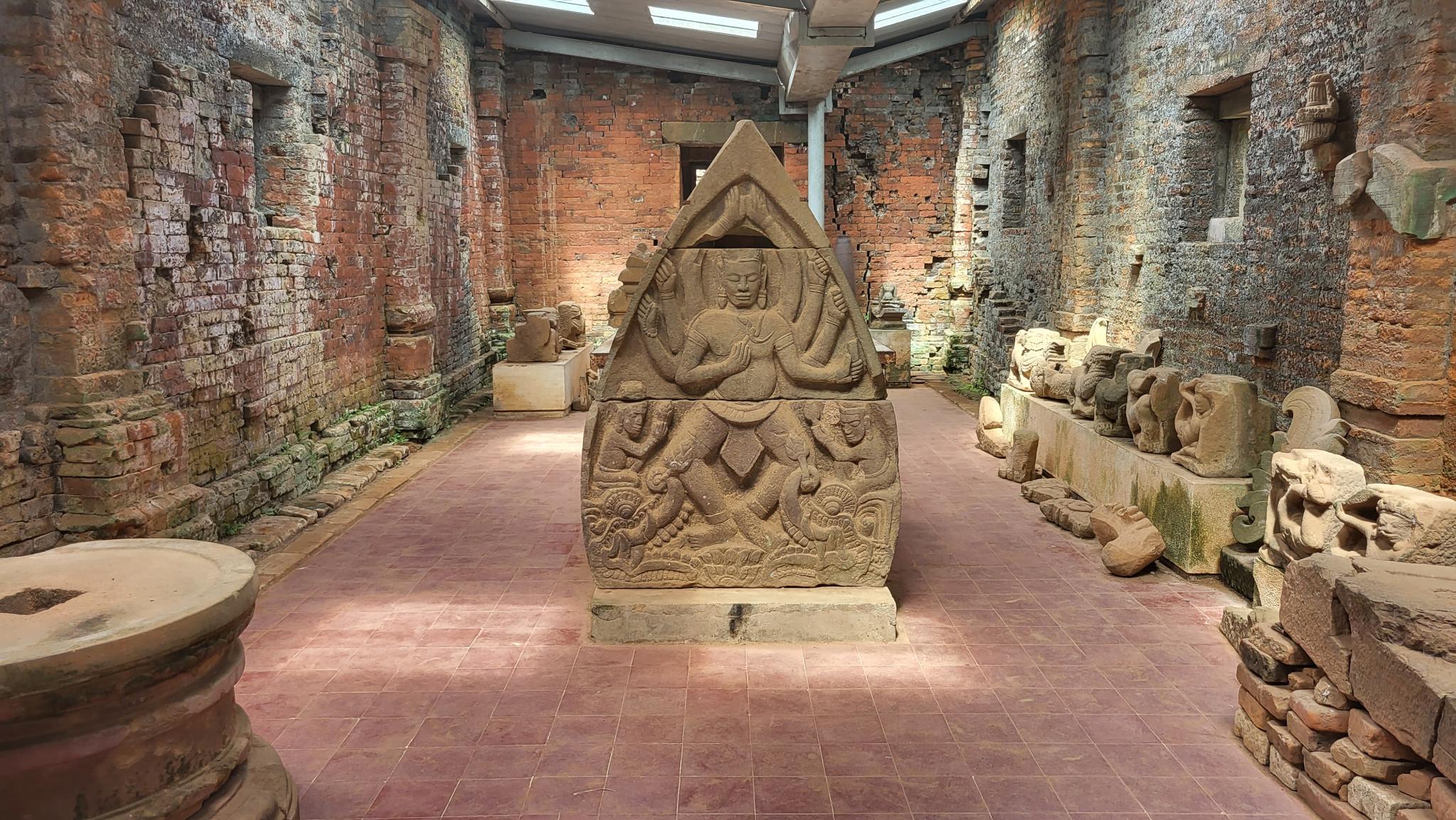
- Hindu Temples: Mỹ Sơn features a collection of Hindu temples, towers, shrines, and sanctuaries dedicated to various deities, including Shiva, Vishnu, and other Hindu gods and goddesses. The architectural styles, design elements, decorative motifs, and sculptures found at Mỹ Sơn reflect the Champa’s artistic traditions, religious beliefs, and cultural influences from India and Southeast Asia.
Architectural and Archaeological Features:
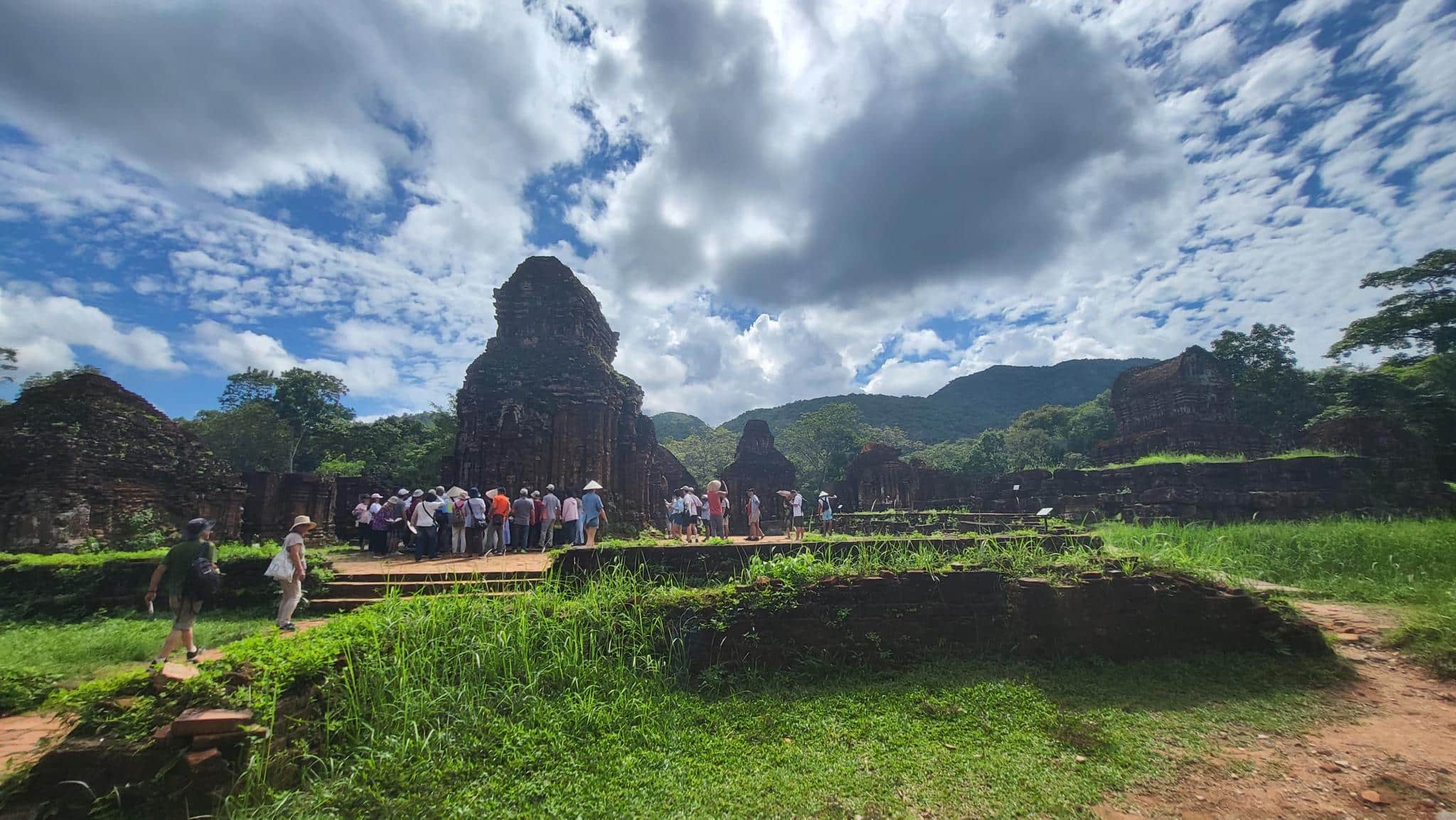
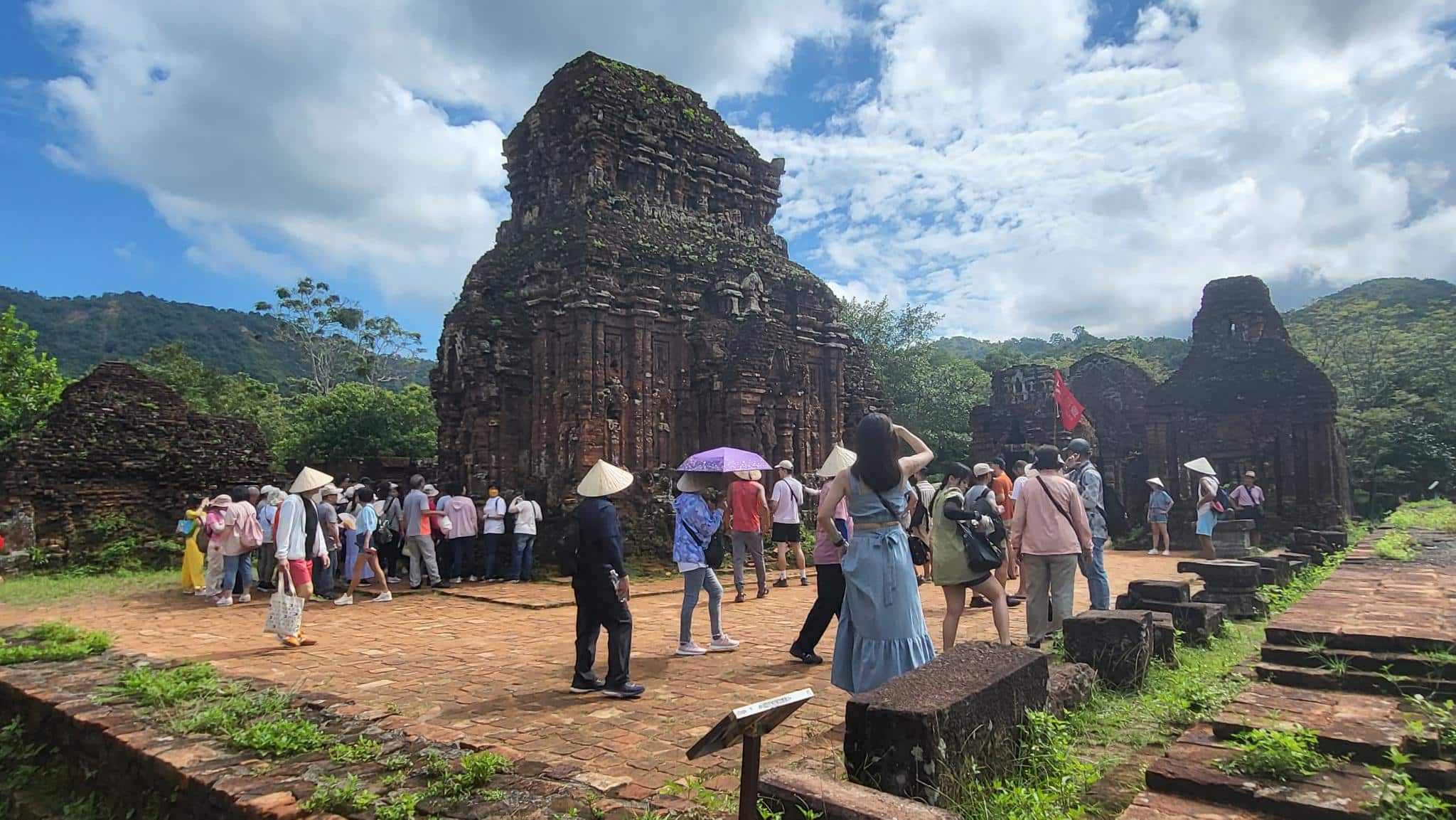
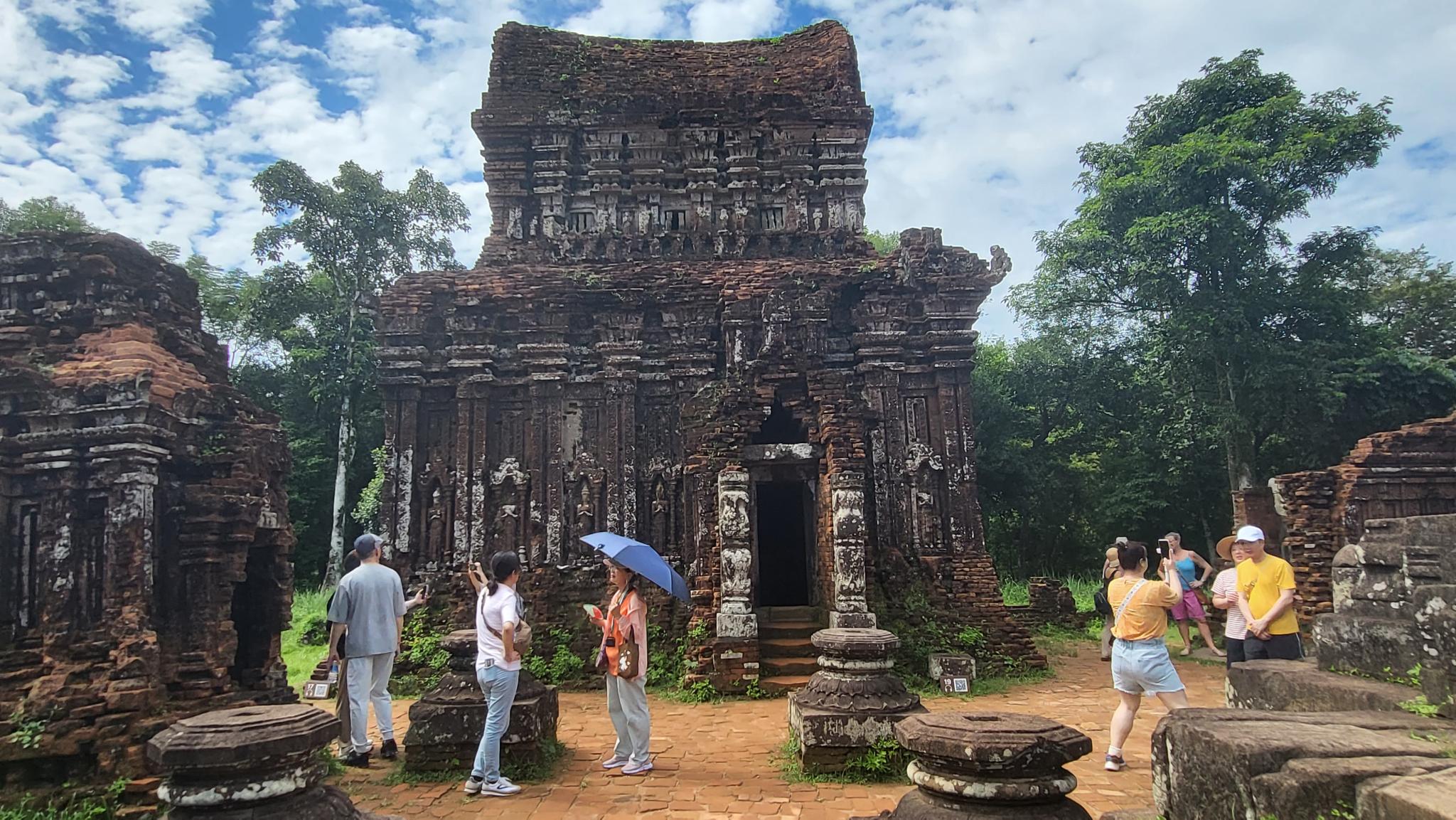
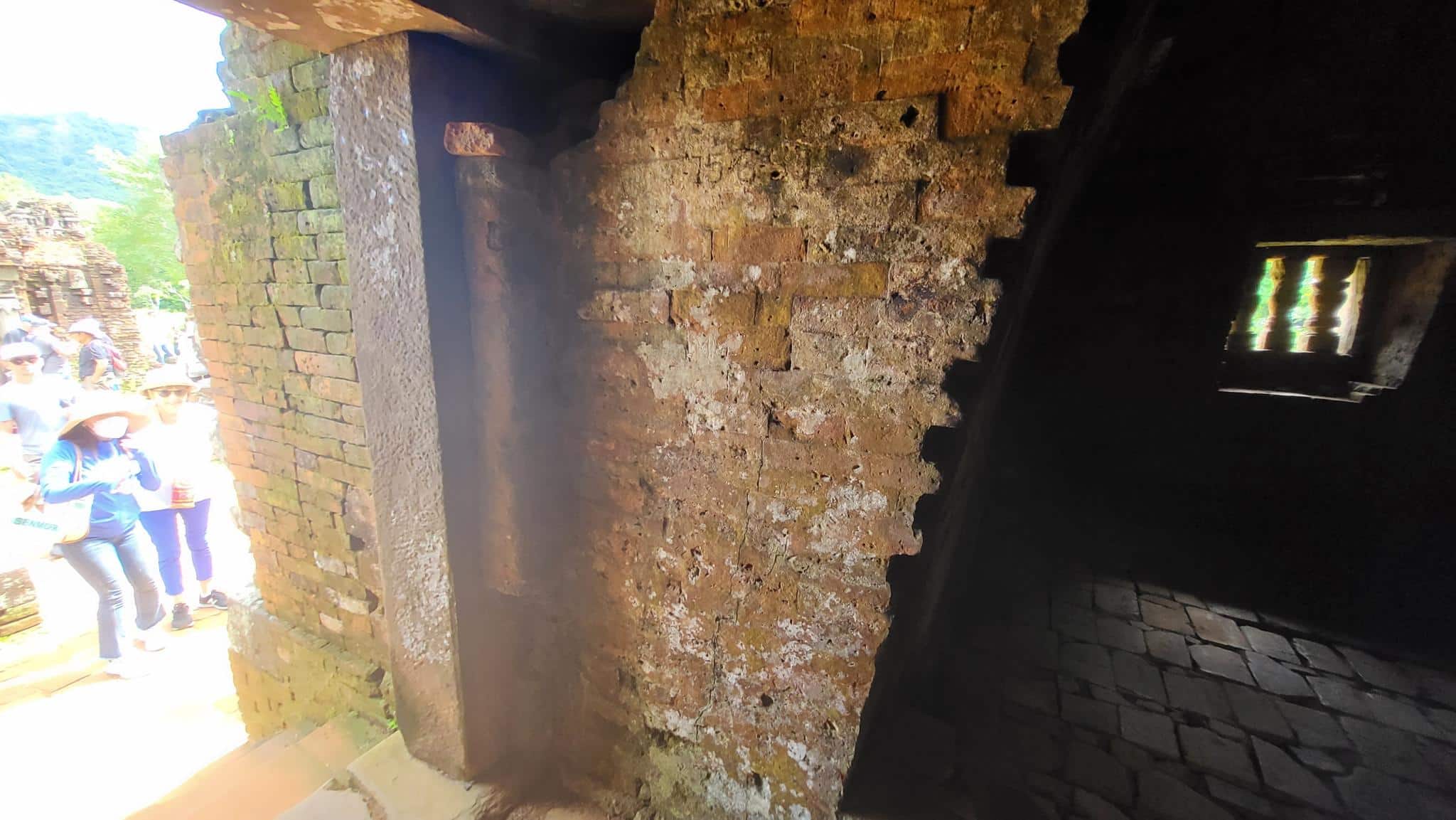
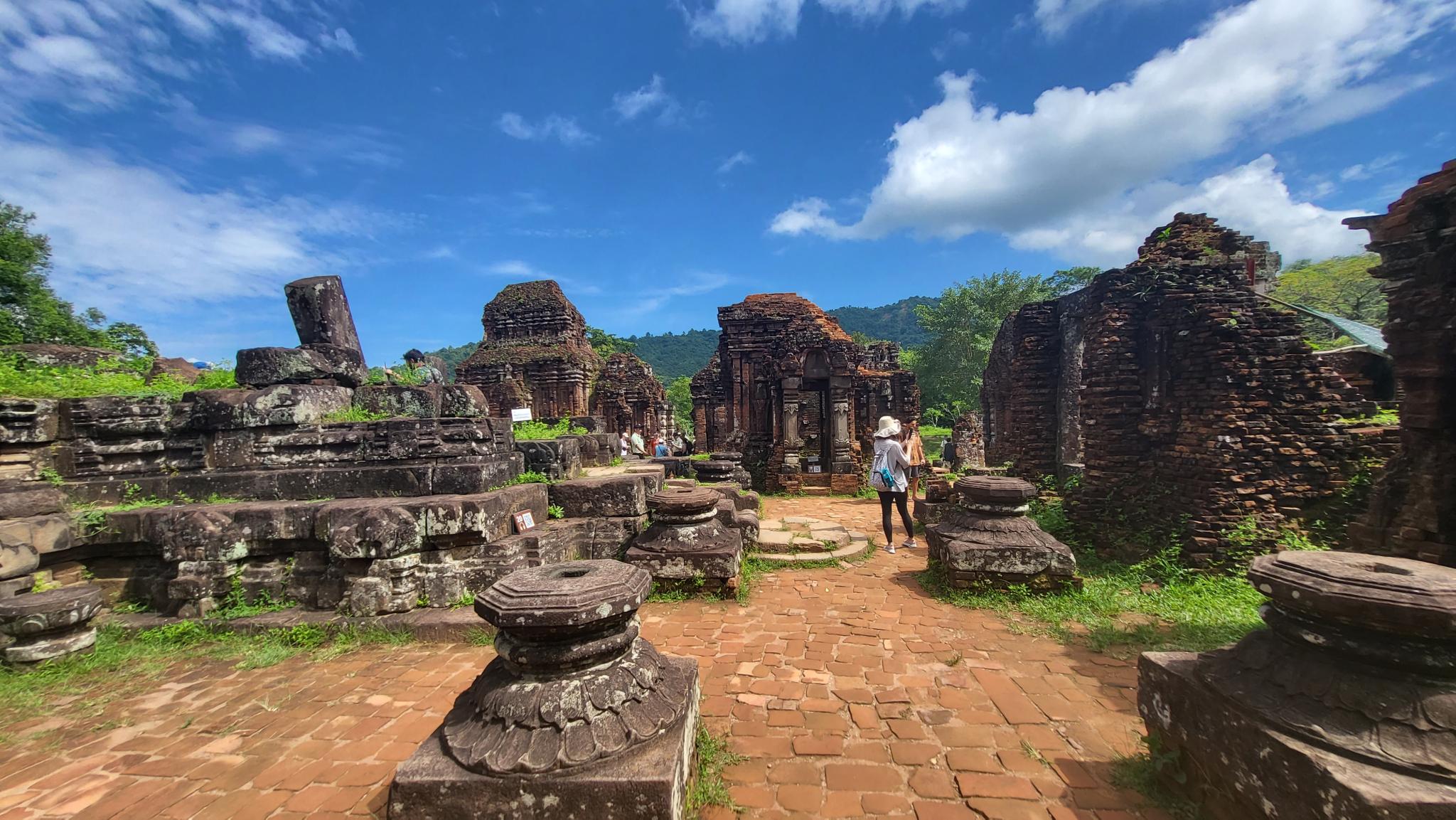
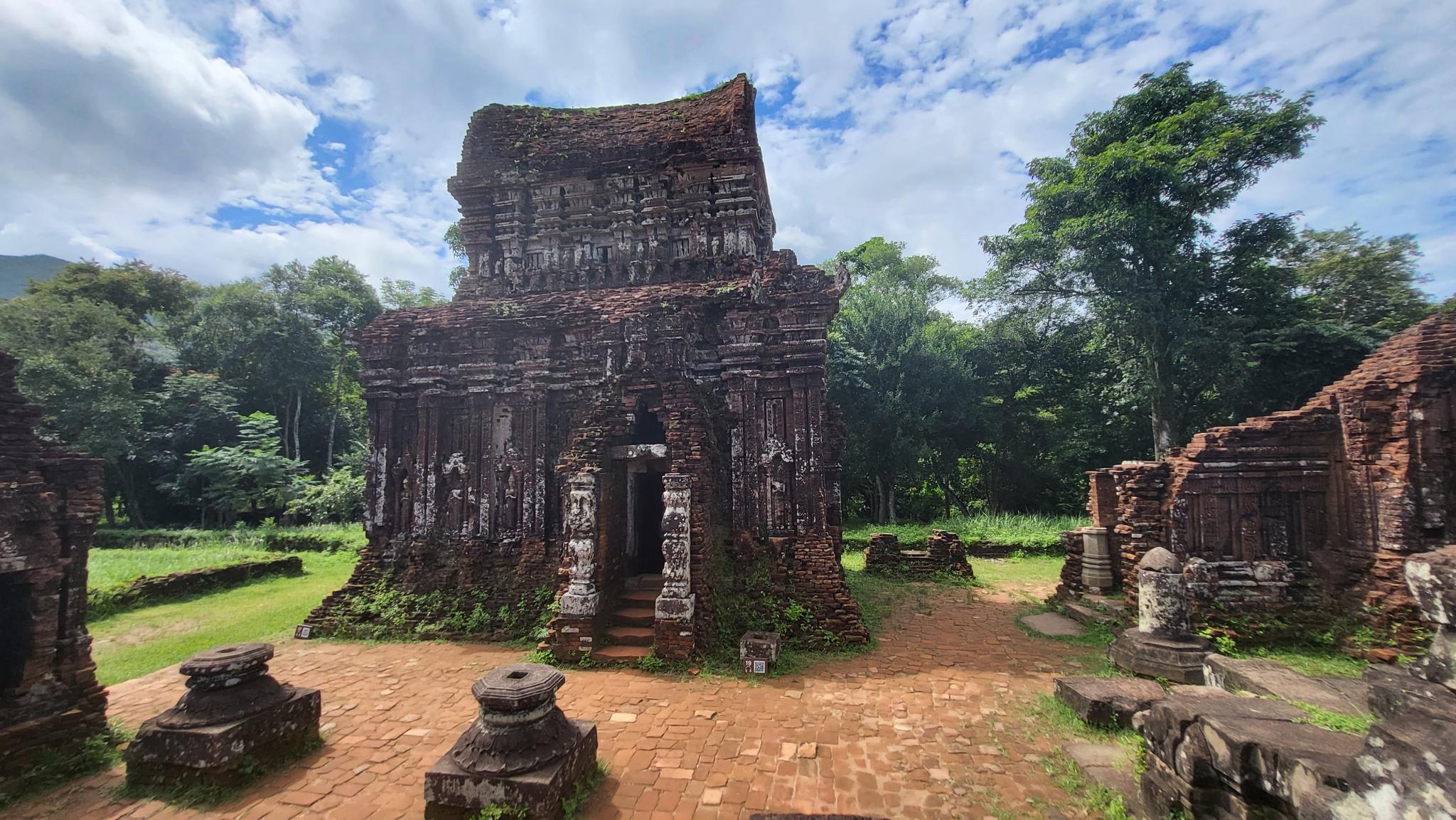
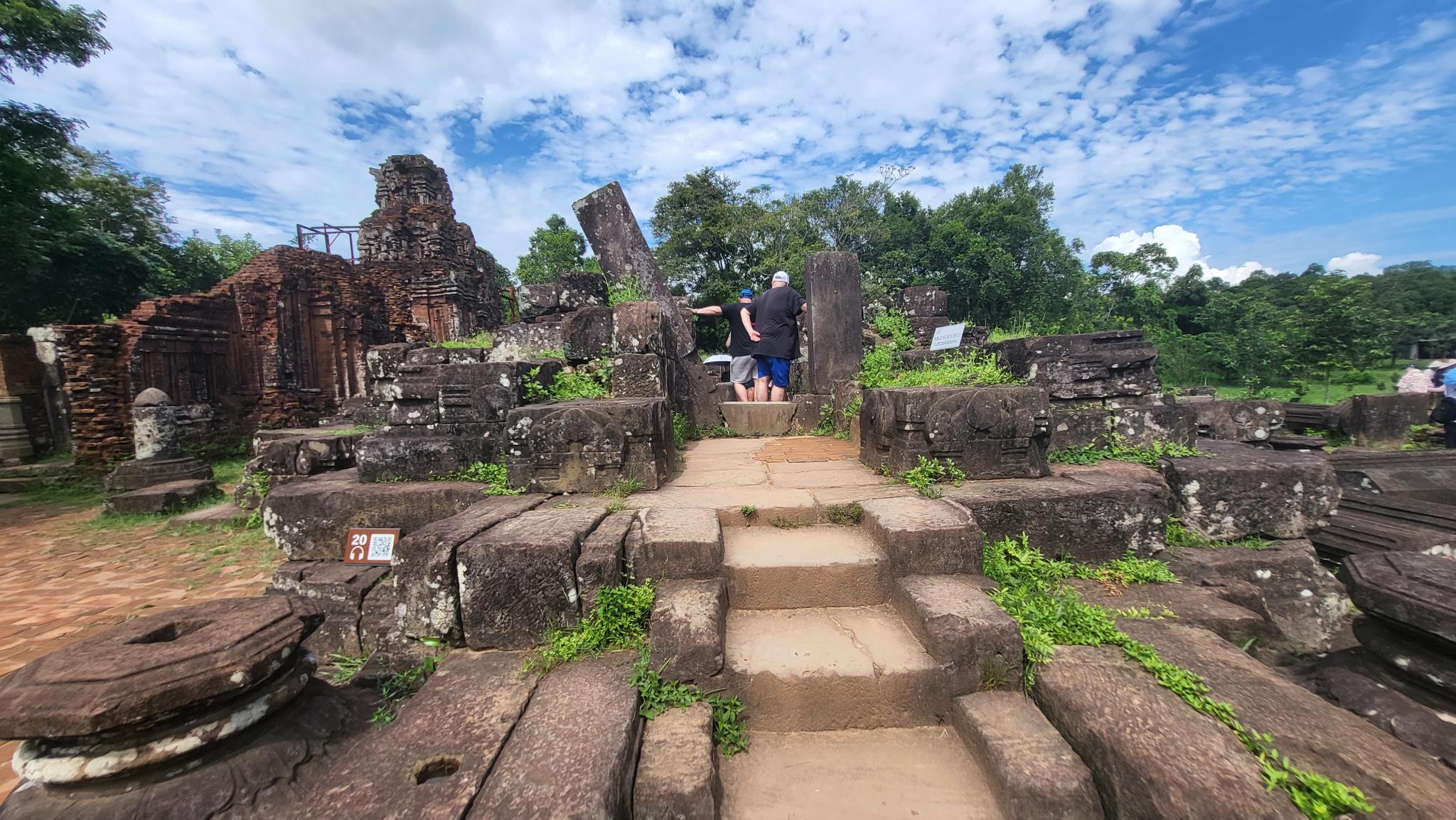
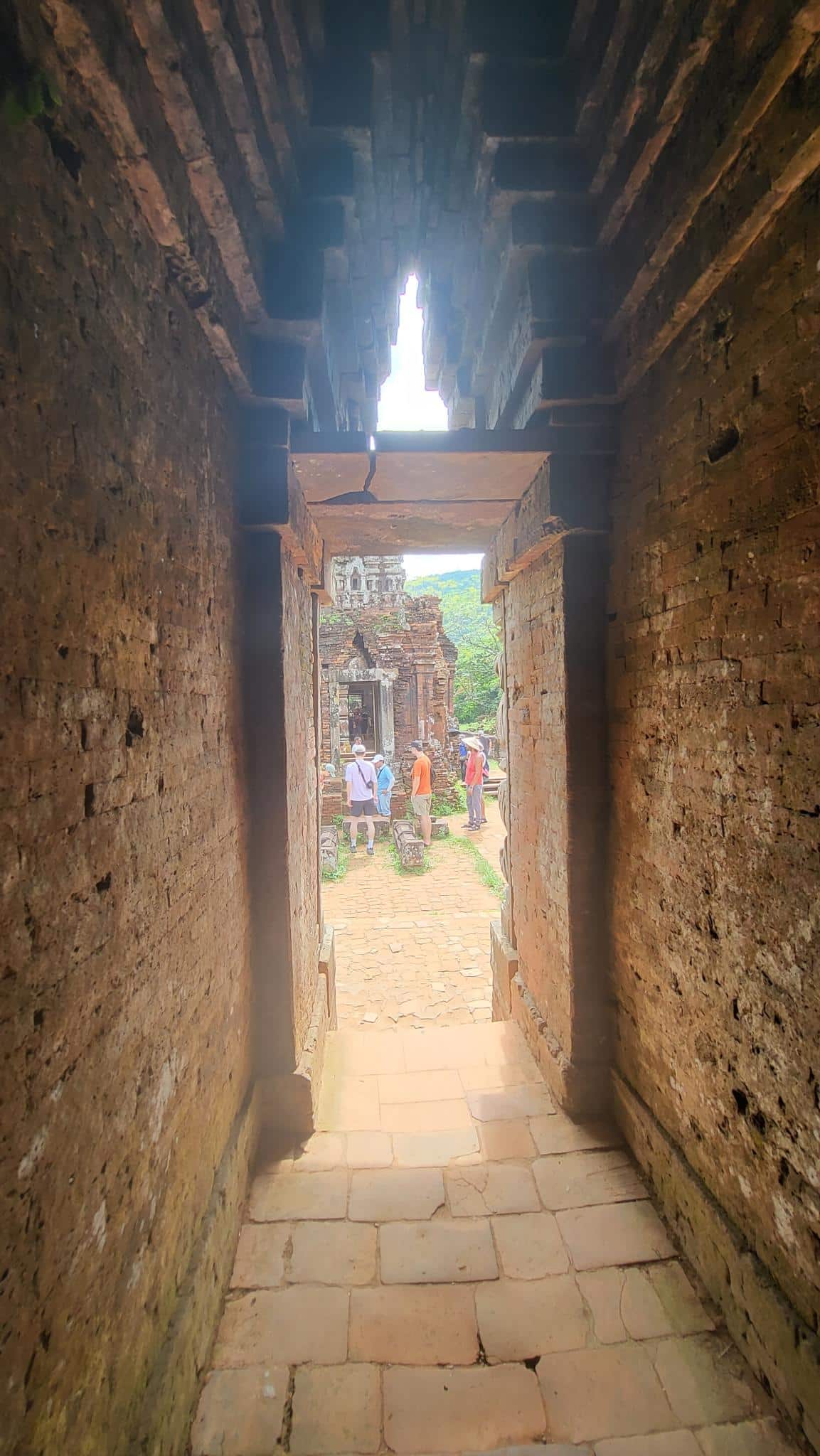
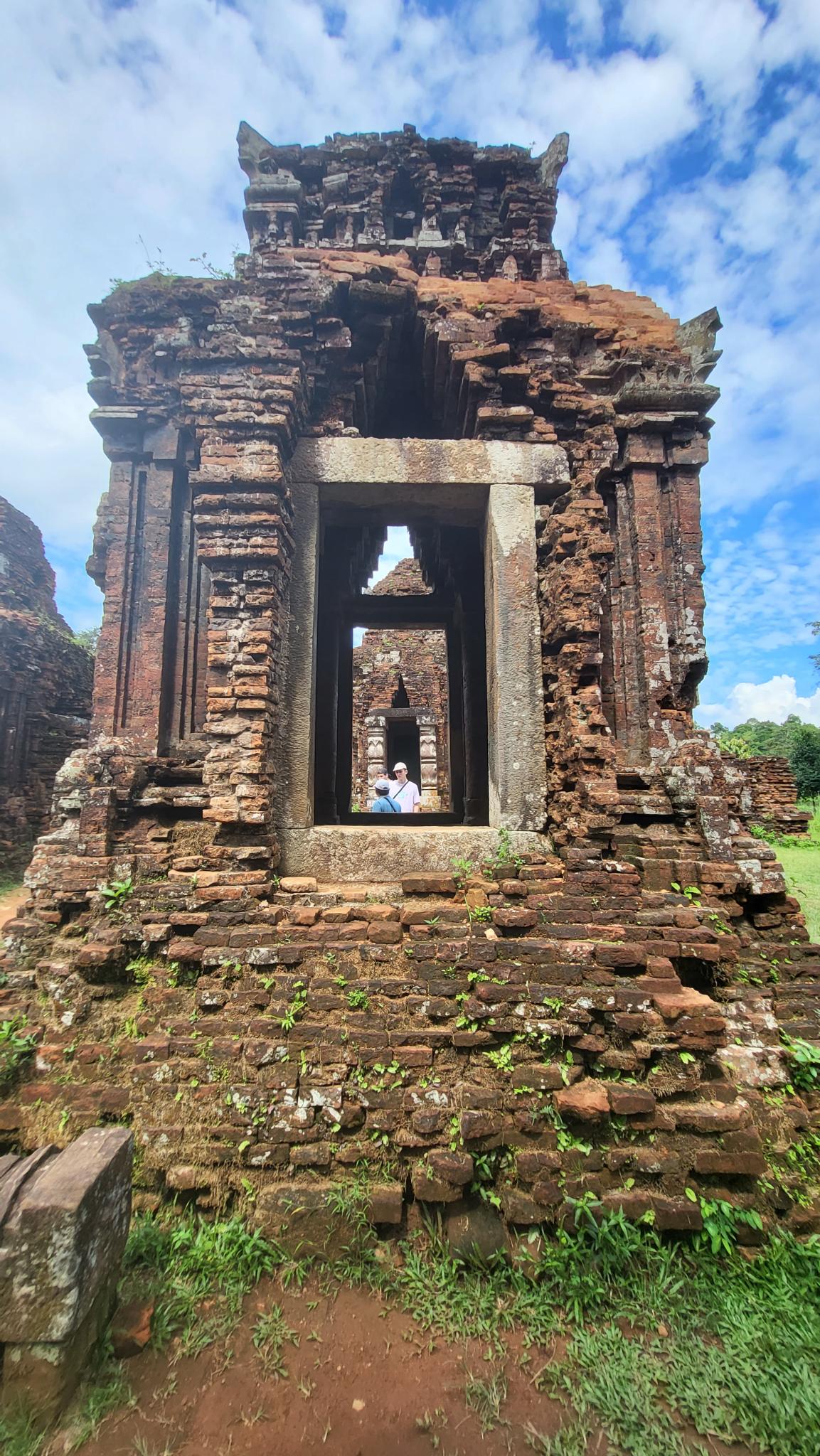
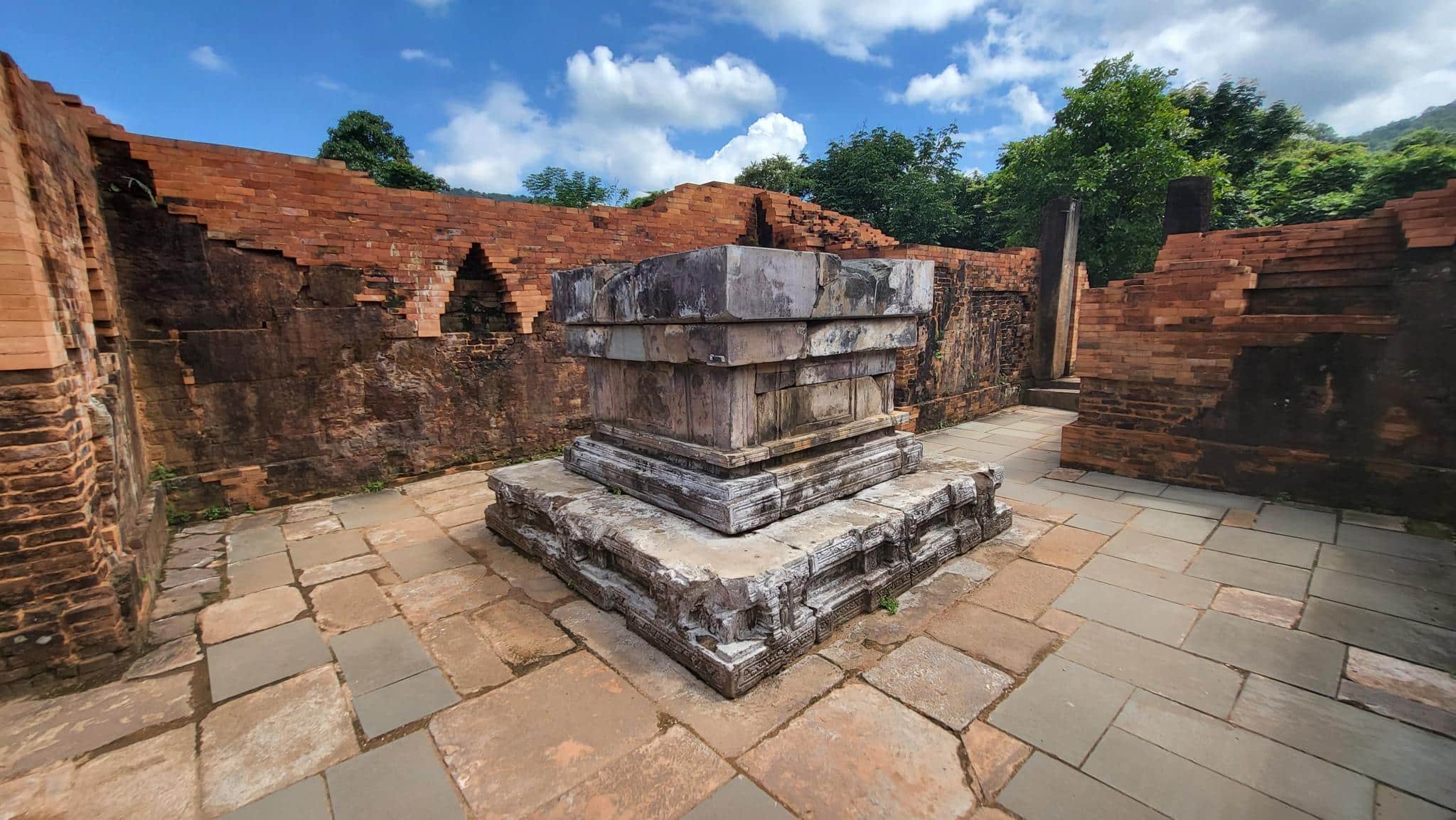
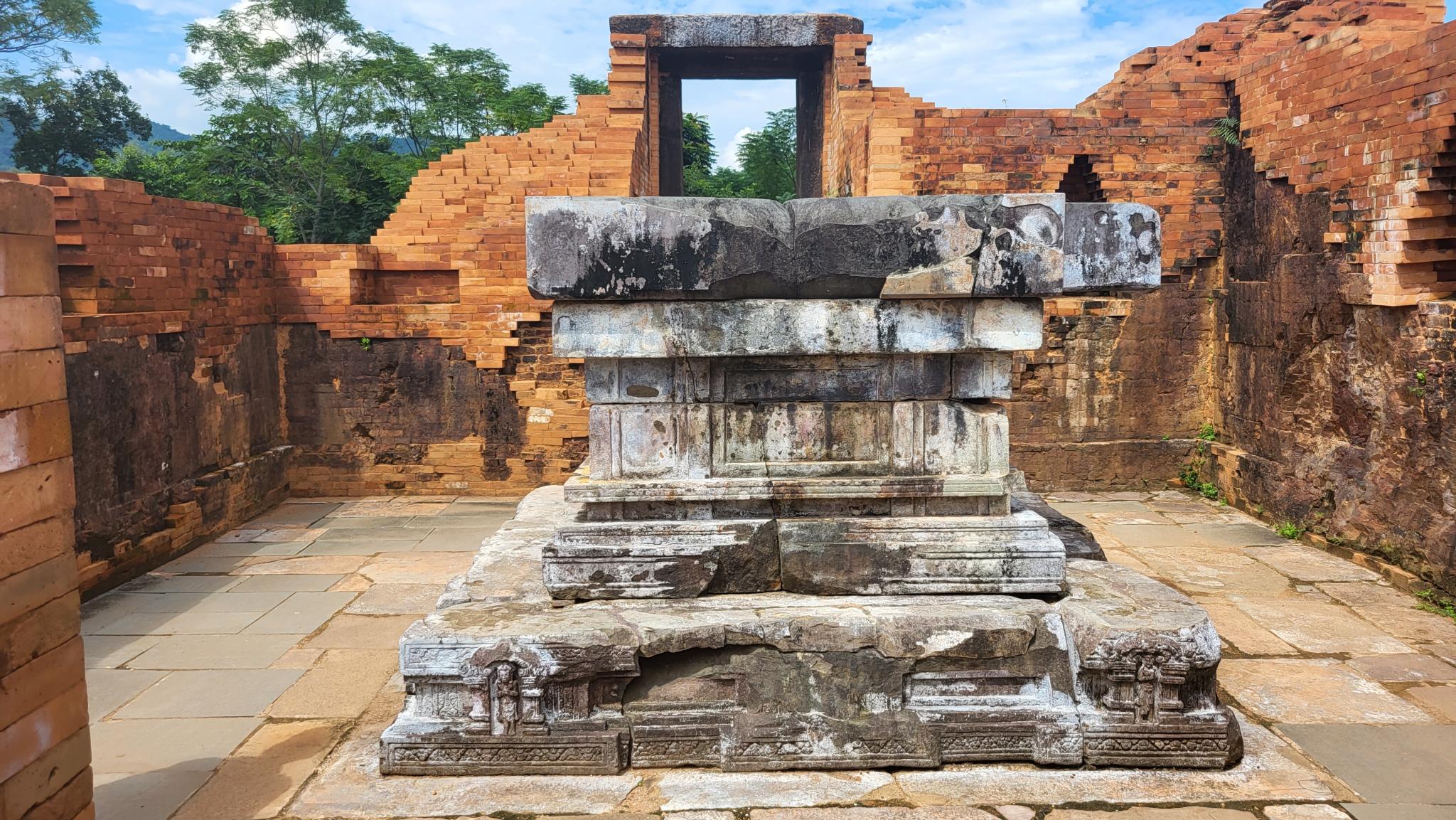
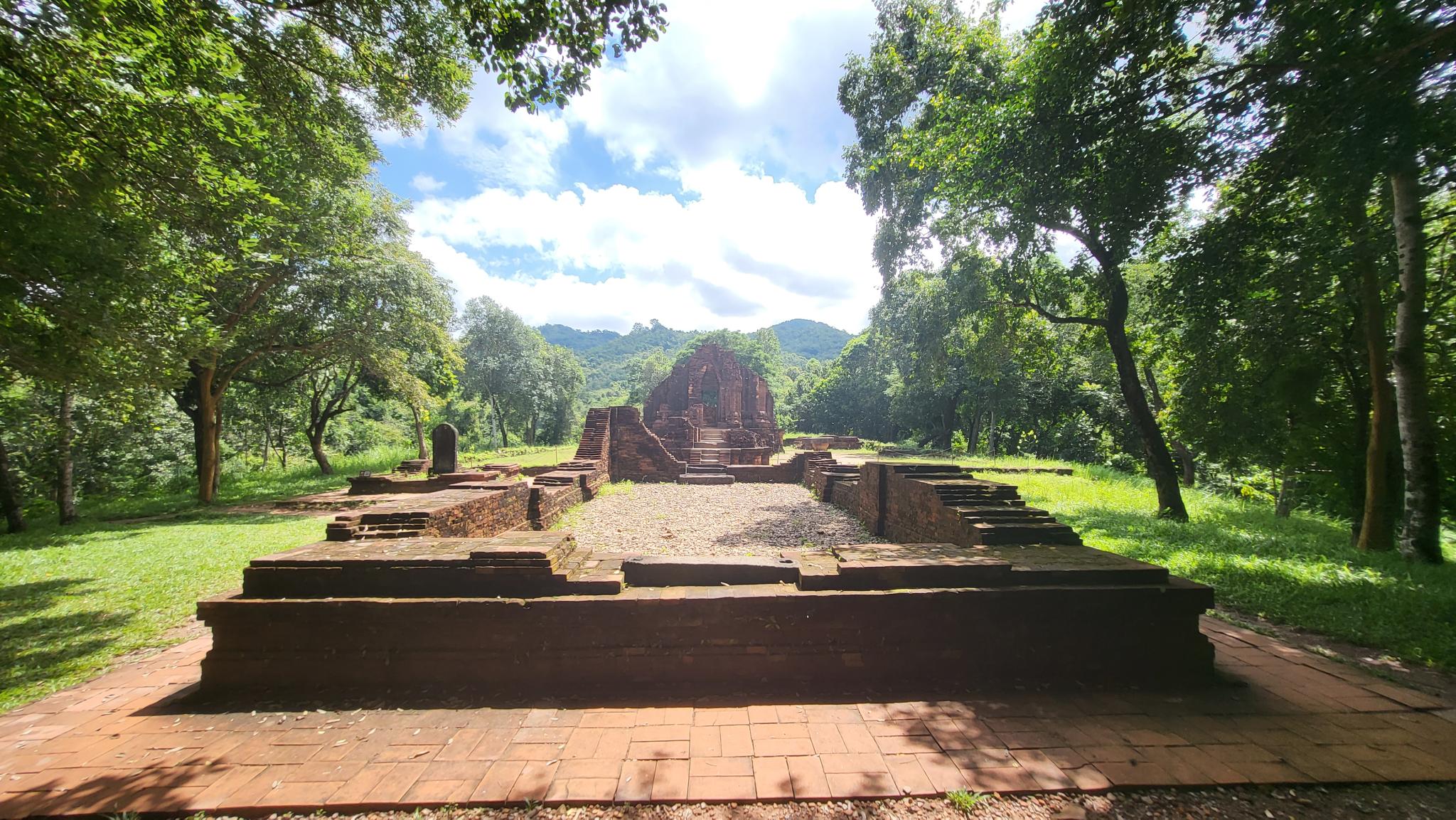
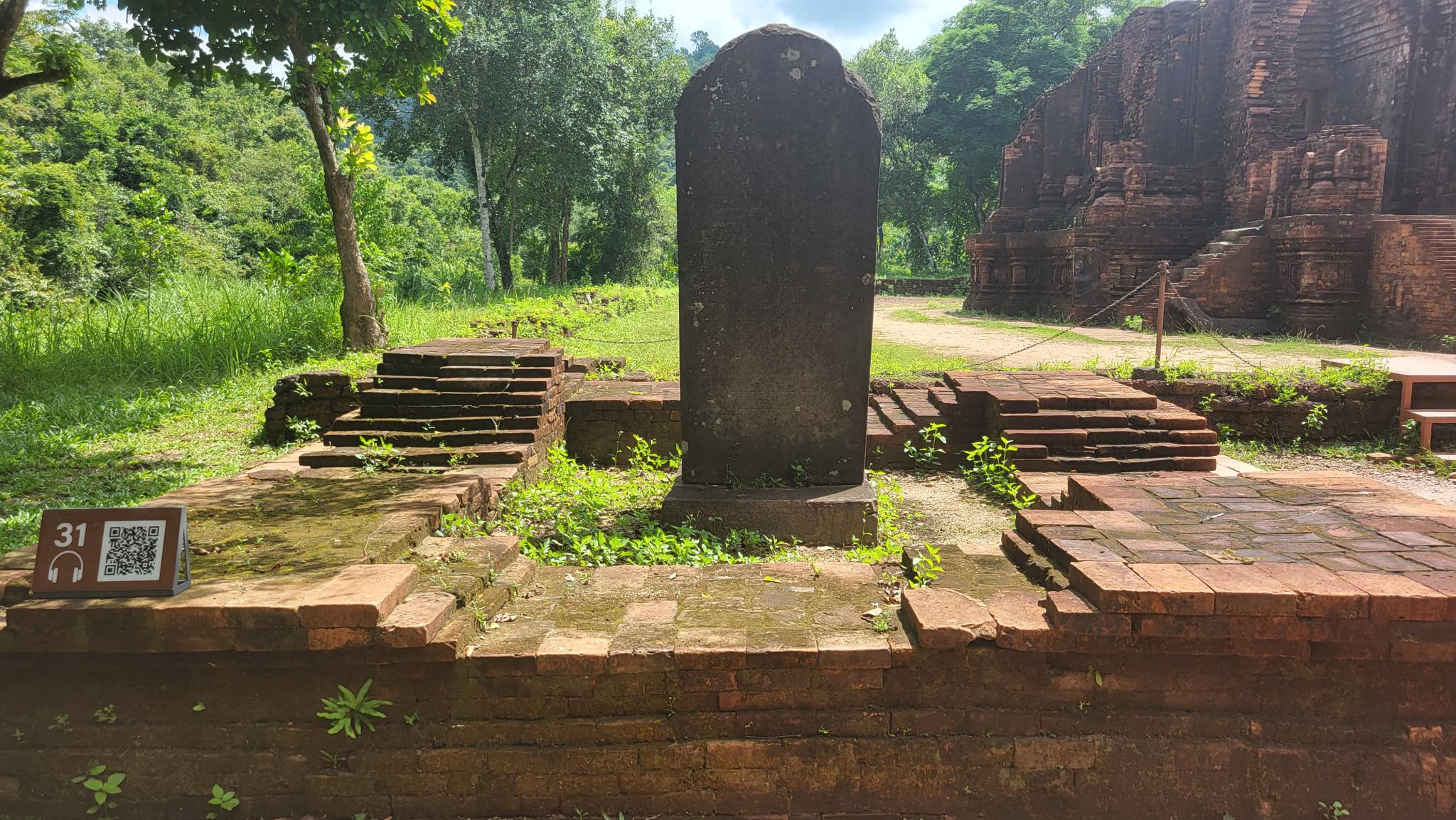
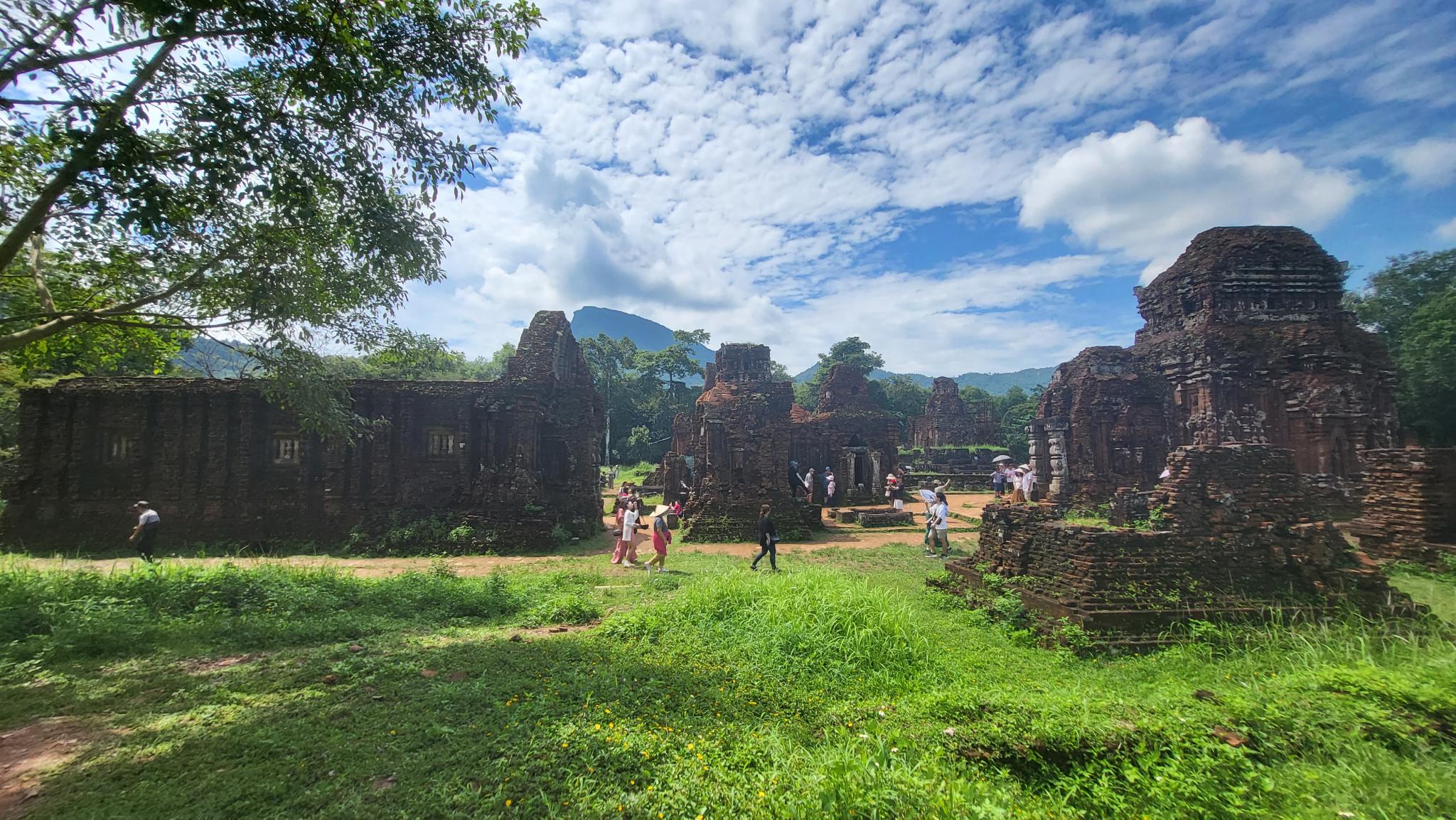
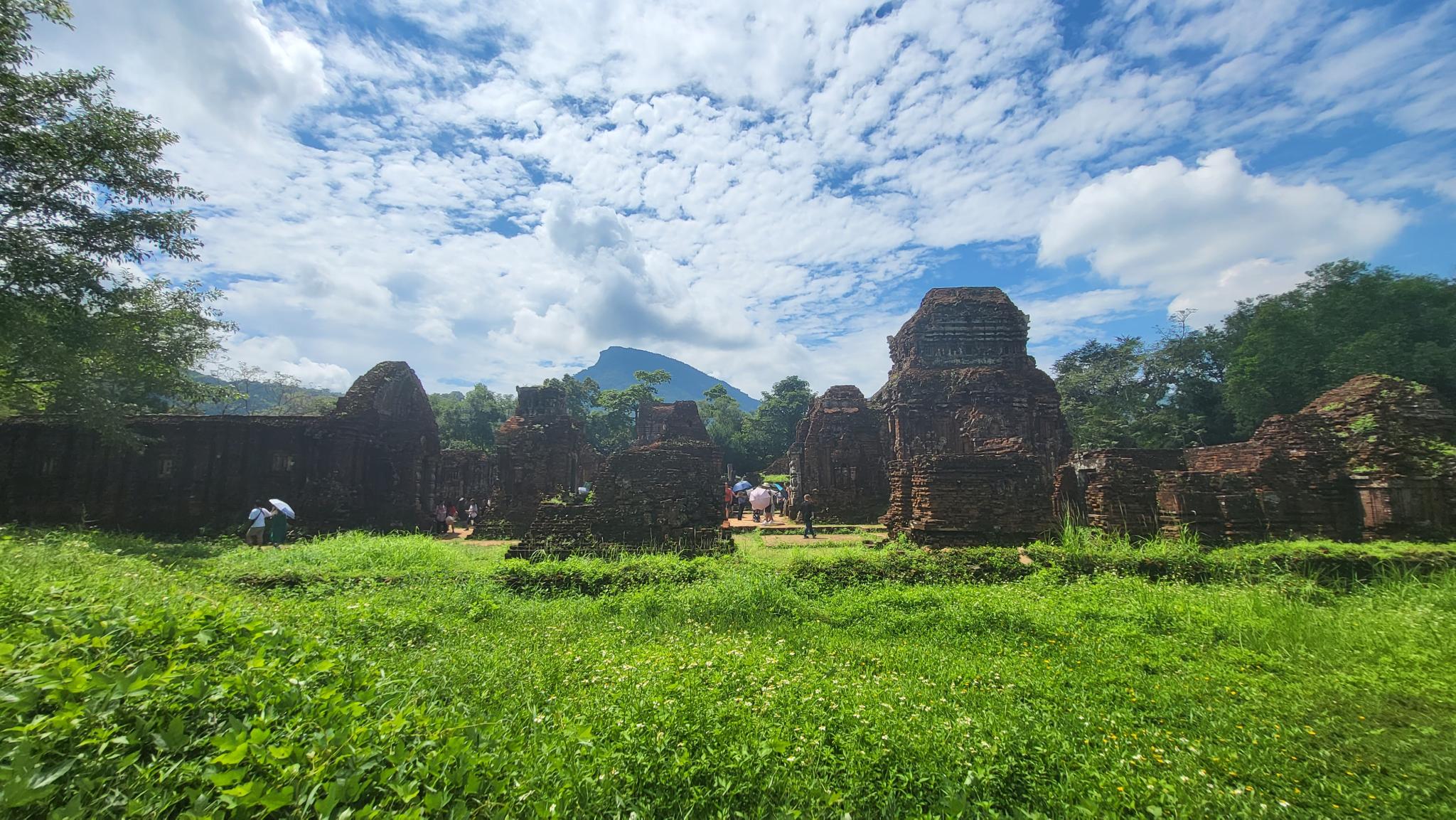
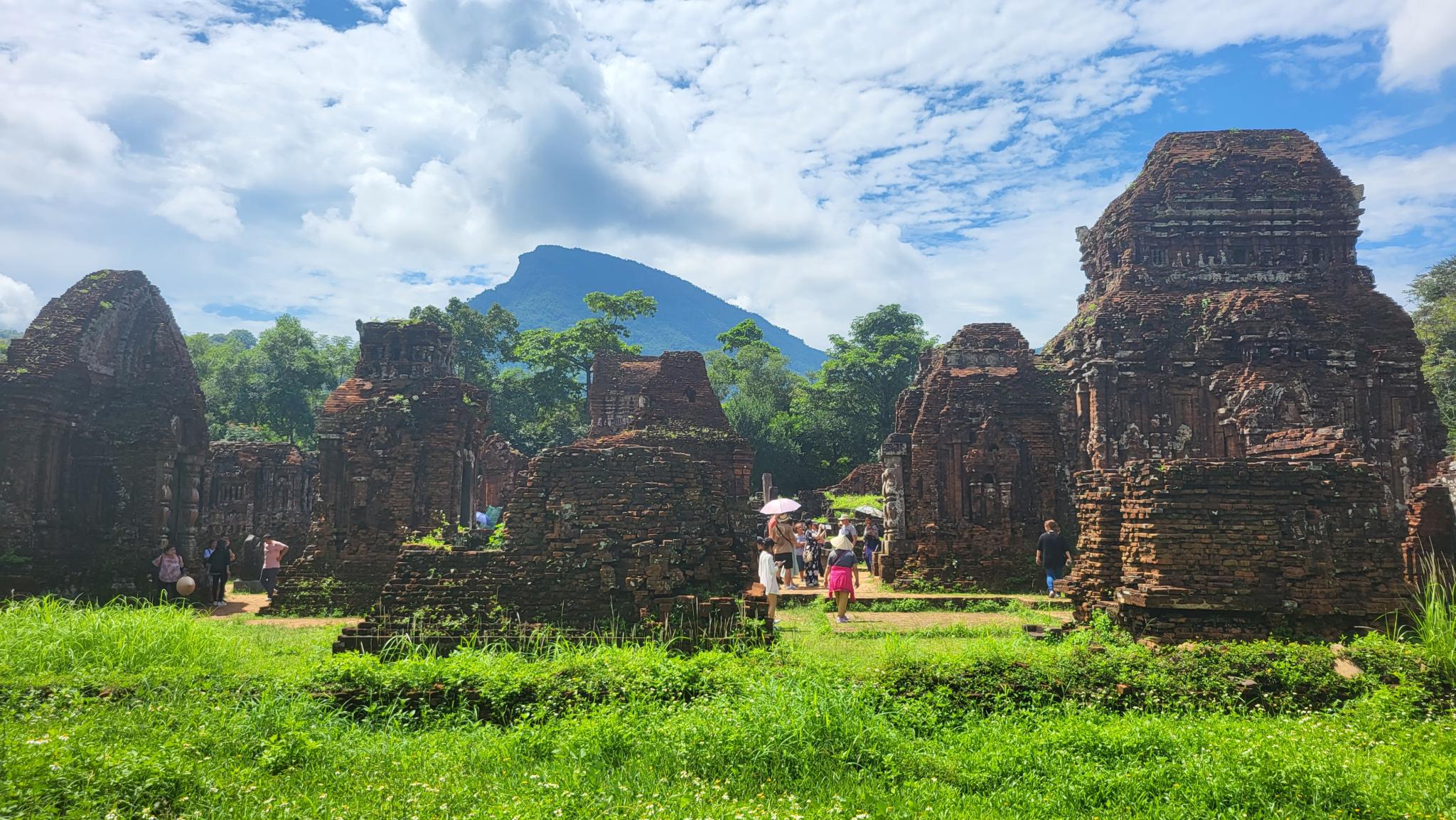
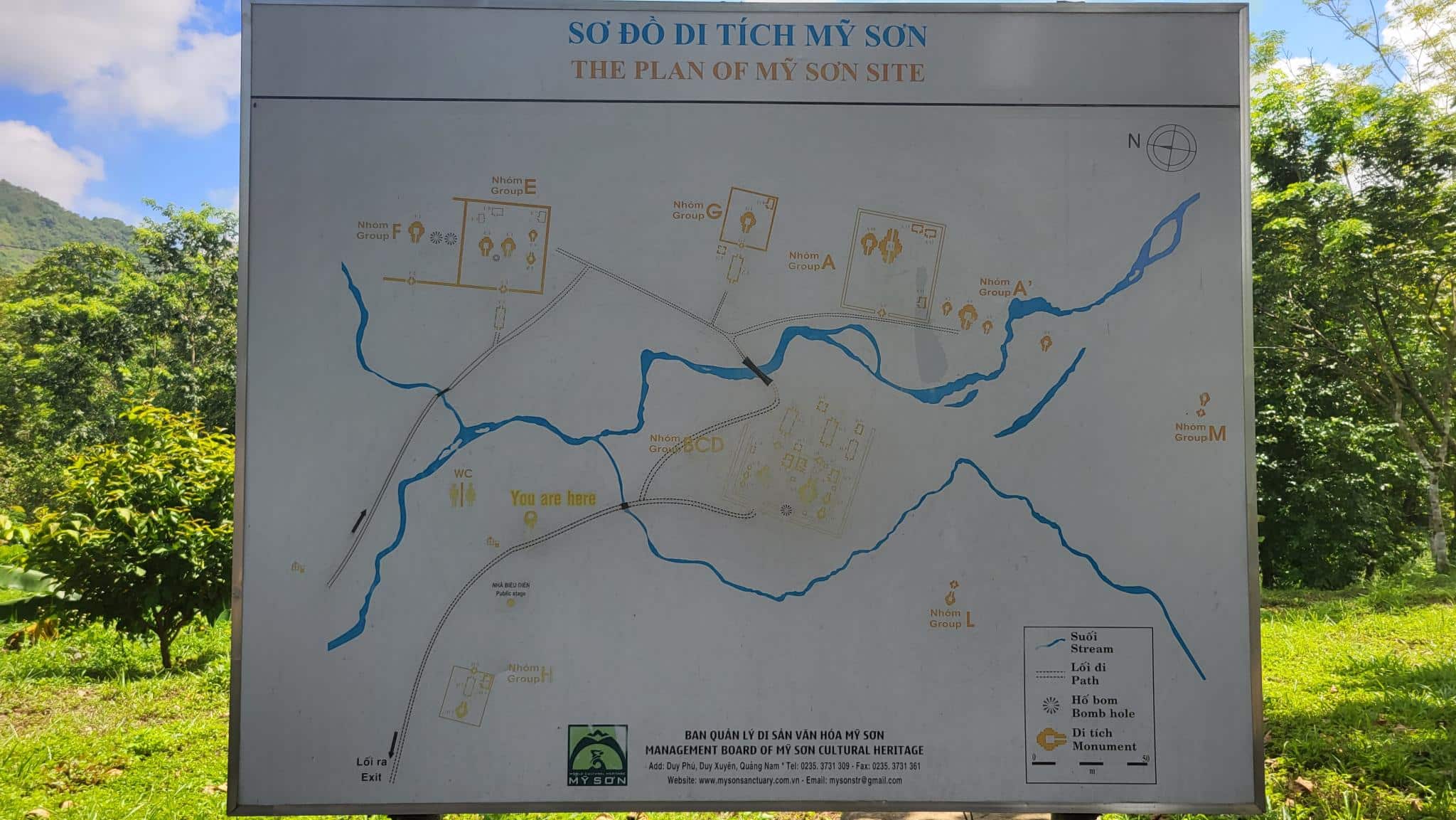
- Temple Complex: The Mỹ Sơn Sanctuary comprises several temple complexes, each containing multiple structures, pillars, altars, bas-reliefs, and architectural elements that showcase the Champa’s architectural prowess, craftsmanship, and design principles. The temples’ brickwork, carvings, inscriptions, and layouts provide insights into the Champa’s religious practices, rituals, and cultural traditions.
- Artistic Expressions: The Mỹ Sơn Sanctuary’s temples and structures feature intricate carvings, sculptures, bas-reliefs, and decorative motifs that depict scenes from Hindu mythology, religious rituals, celestial beings, animals, and geometric patterns. These artistic expressions highlight the Champa’s artistic talents, craftsmanship, and cultural exchanges with neighboring civilizations.
Tourism and Accessibility:
- Tourist Destination: The Mỹ Sơn Sanctuary is a popular tourist destination for travelers, historians, archaeologists, and cultural enthusiasts exploring Vietnam’s ancient civilizations, historical landmarks, and UNESCO World Heritage sites. Its historical significance, architectural beauty, and cultural heritage make it a must-visit site for those interested in Southeast Asia’s rich history, traditions, and values.
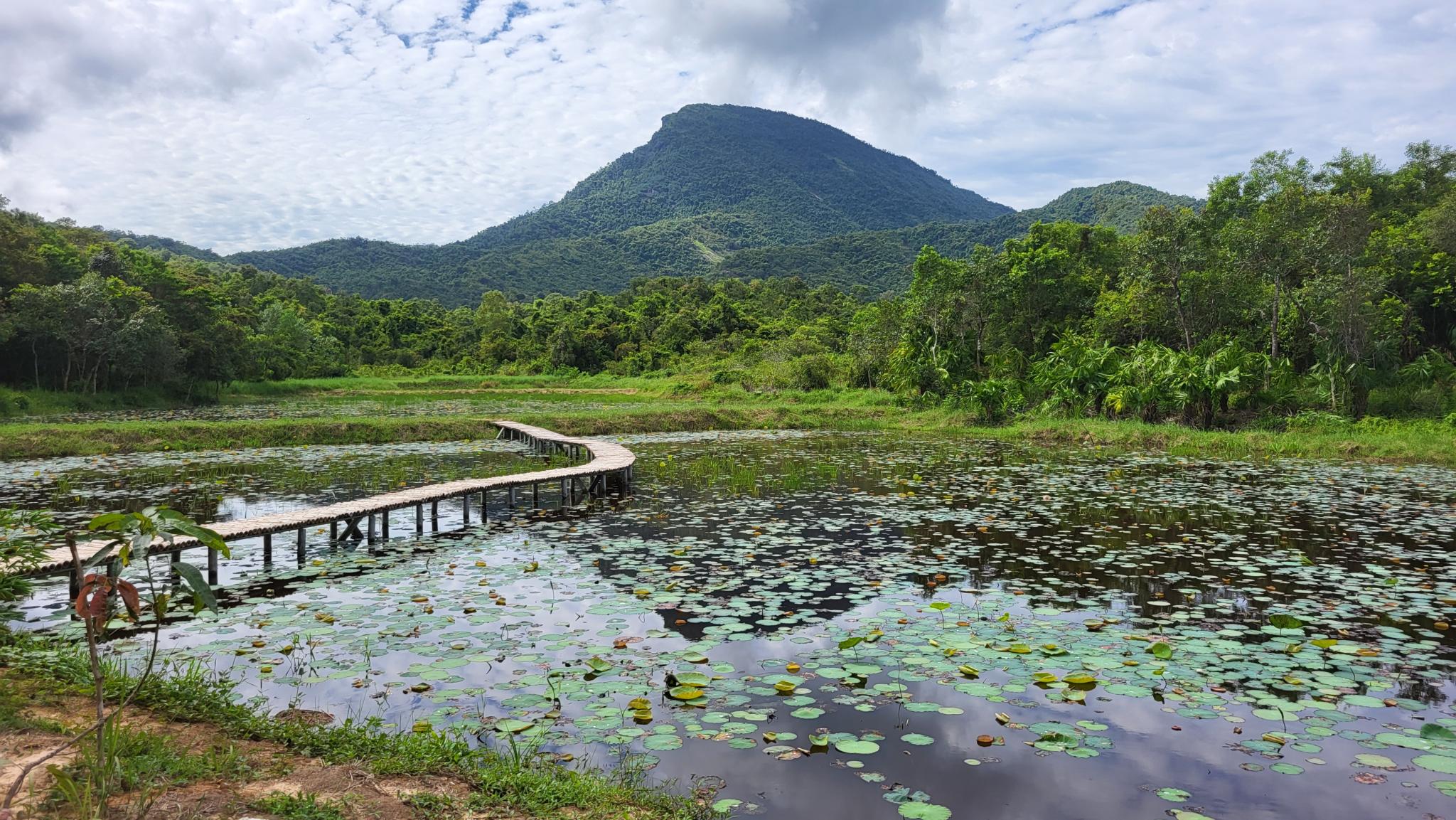
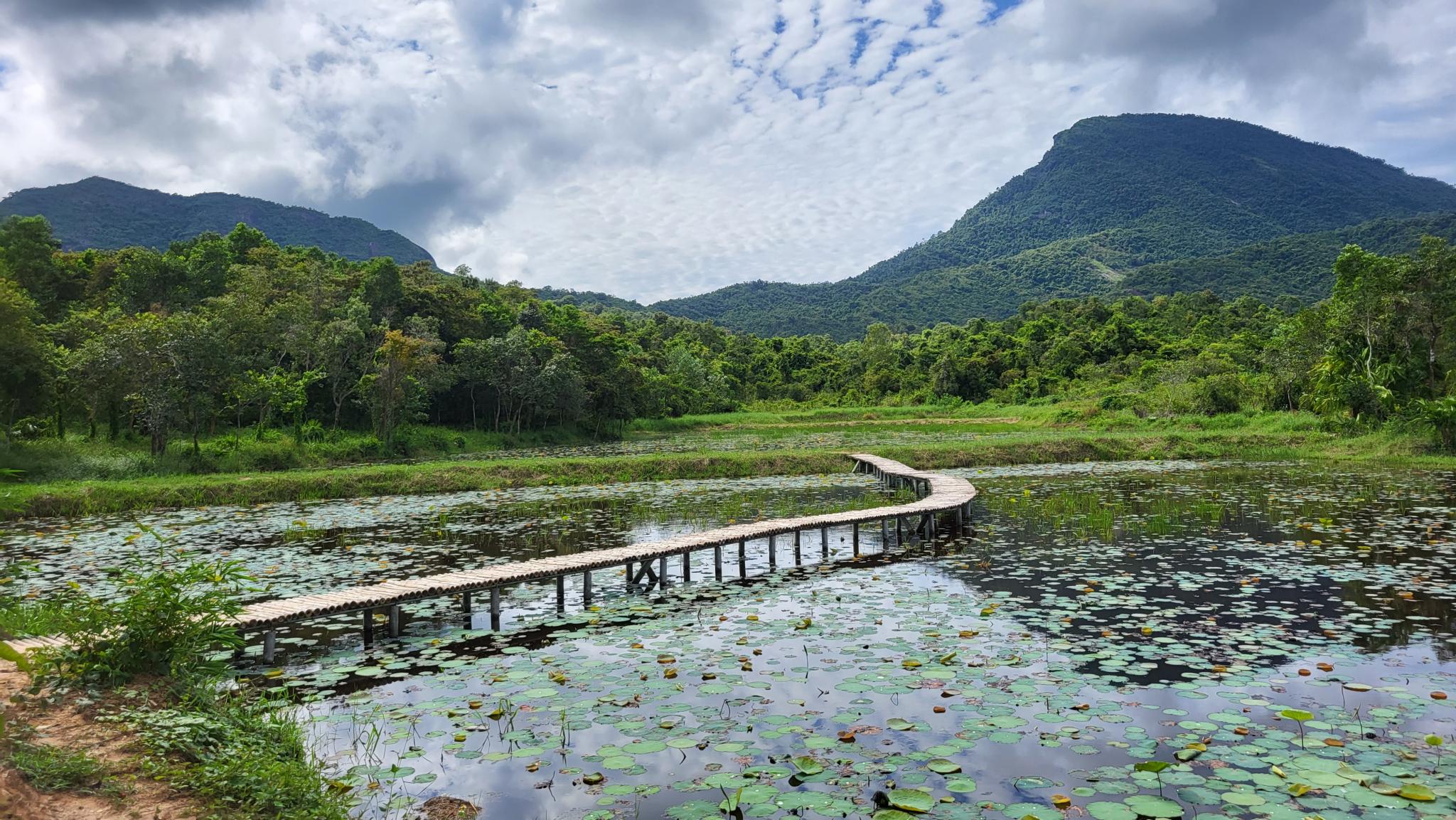
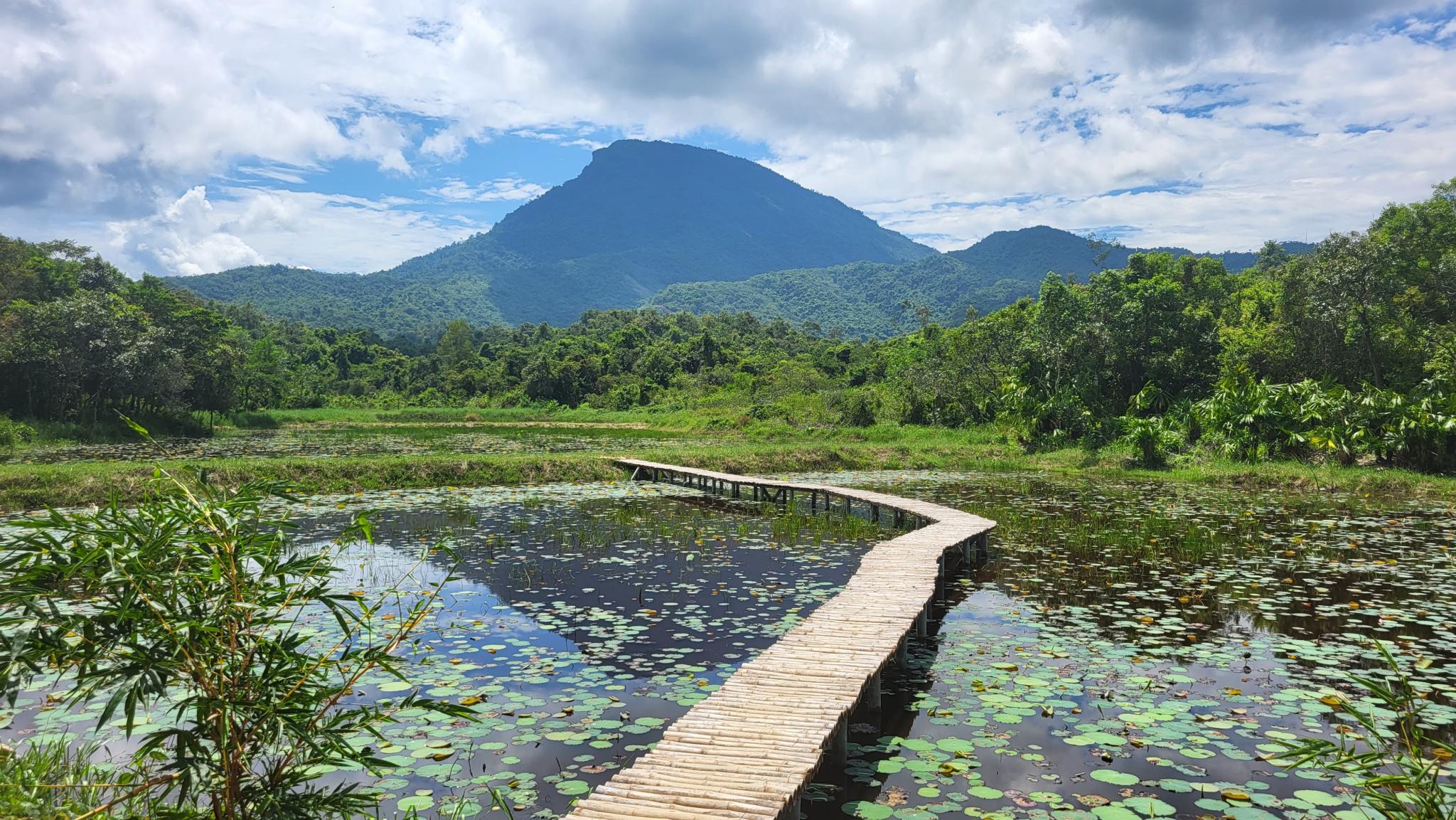
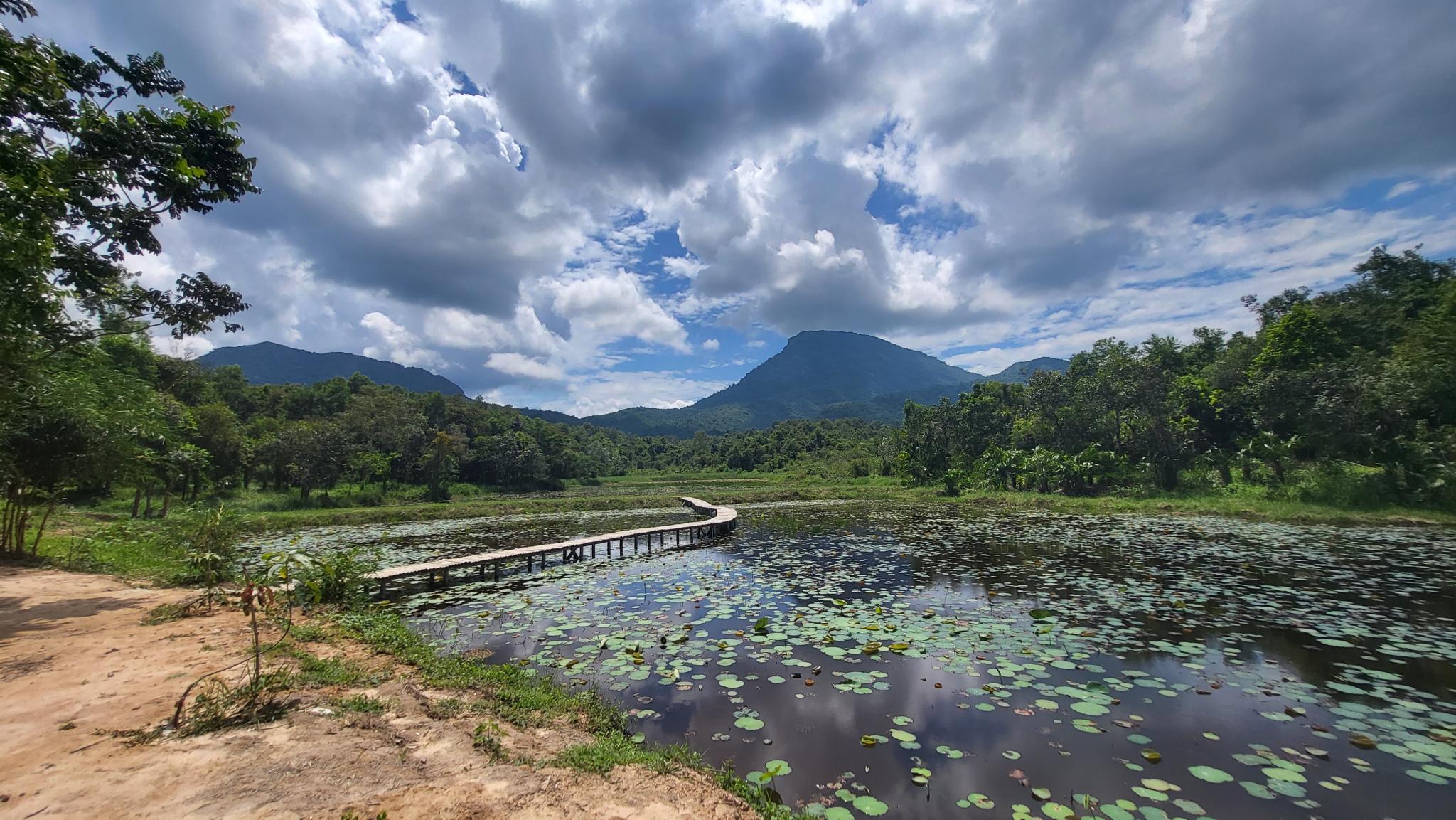
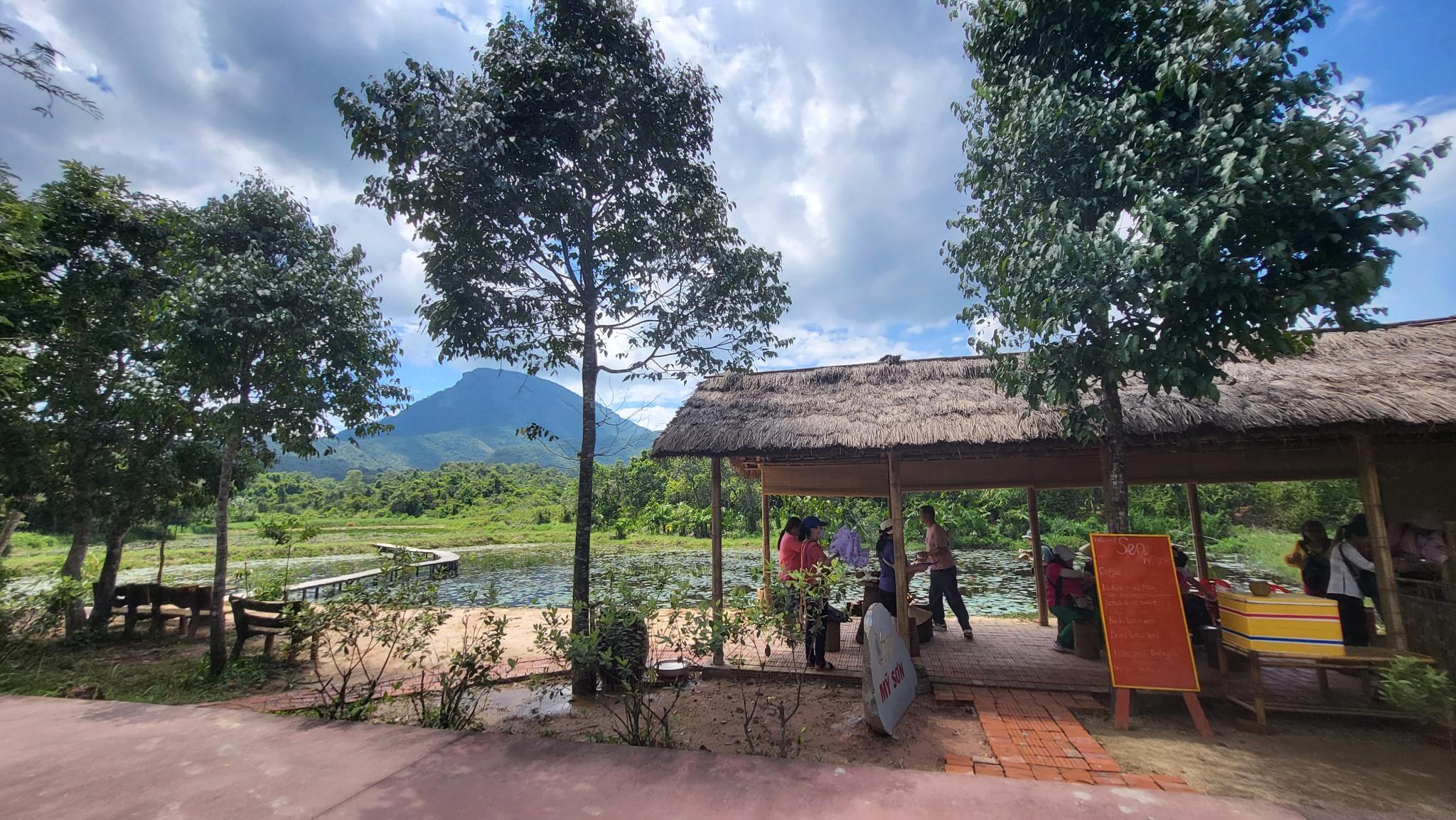
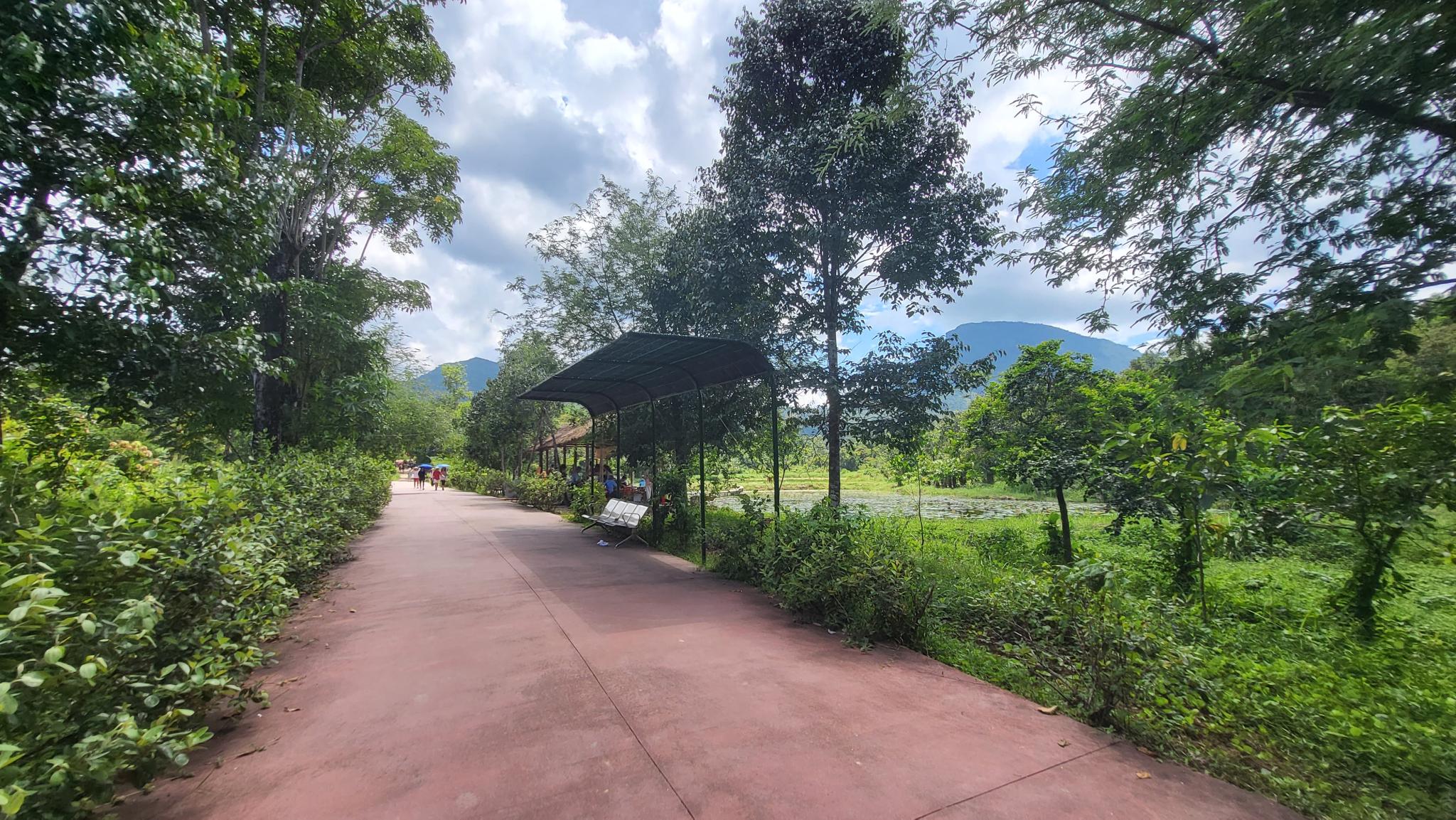
- Accessibility: Located amidst a lush green valley surrounded by mountains and forests, the Mỹ Sơn Sanctuary is accessible by road from Da Nang, Hội An, and other nearby cities. Visitors can explore the temple complexes, attend cultural performances, and learn about the site’s history, significance, and preservation efforts while experiencing its serene atmosphere and natural beauty.
In summary, the Mỹ Sơn Sanctuary in Quảng Nam Province, Central Vietnam, is a significant archaeological, historical, and cultural site that showcases the Champa civilization’s religious, architectural, and artistic achievements. Its Hindu temples, structures, sculptures, and artistic expressions reflect the region’s rich heritage, traditions, and contributions to Southeast Asia’s cultural landscape, making it a UNESCO World Heritage site and a symbol of Vietnam’s ancient civilizations, historical legacy, and cultural identity.