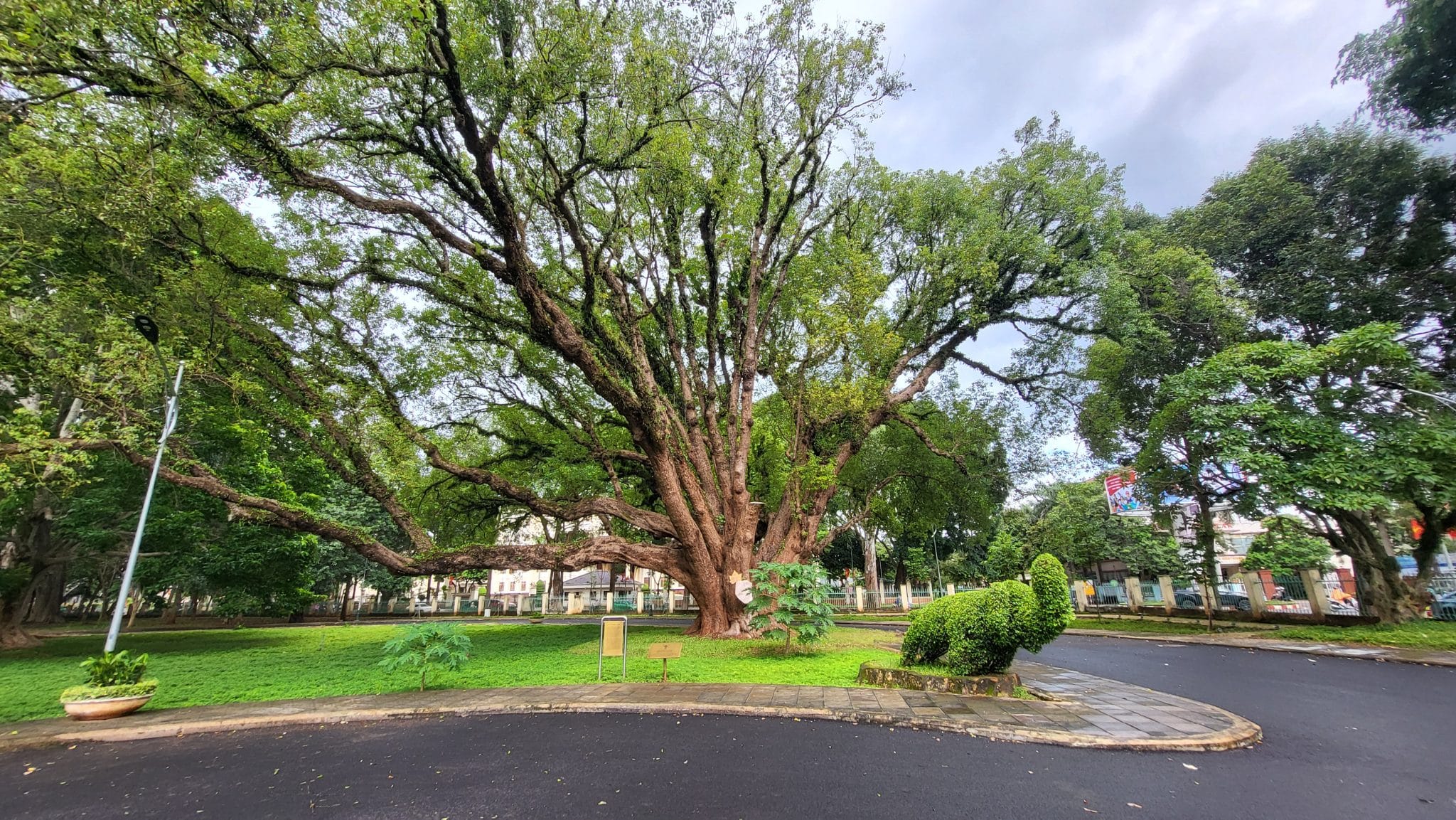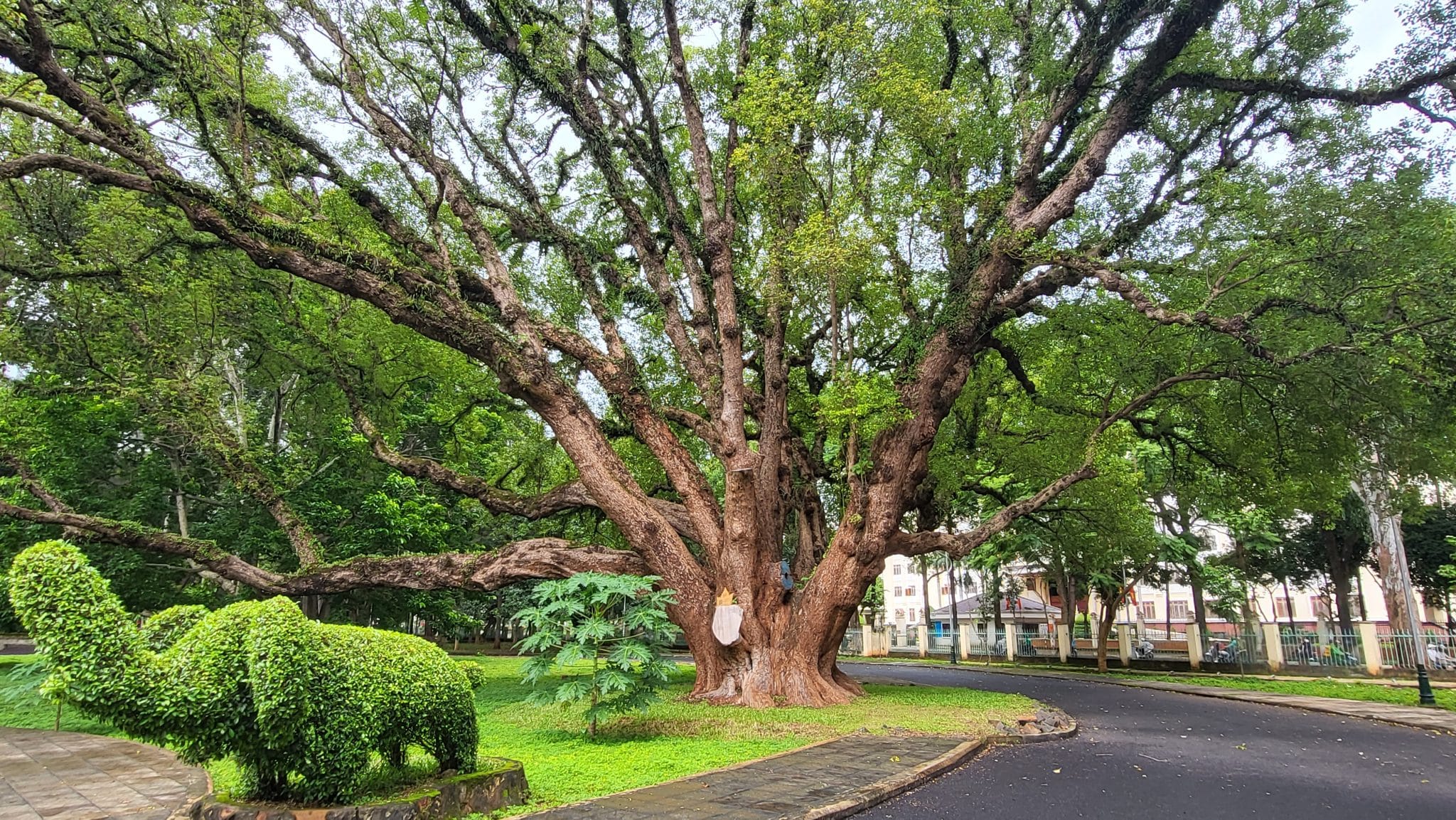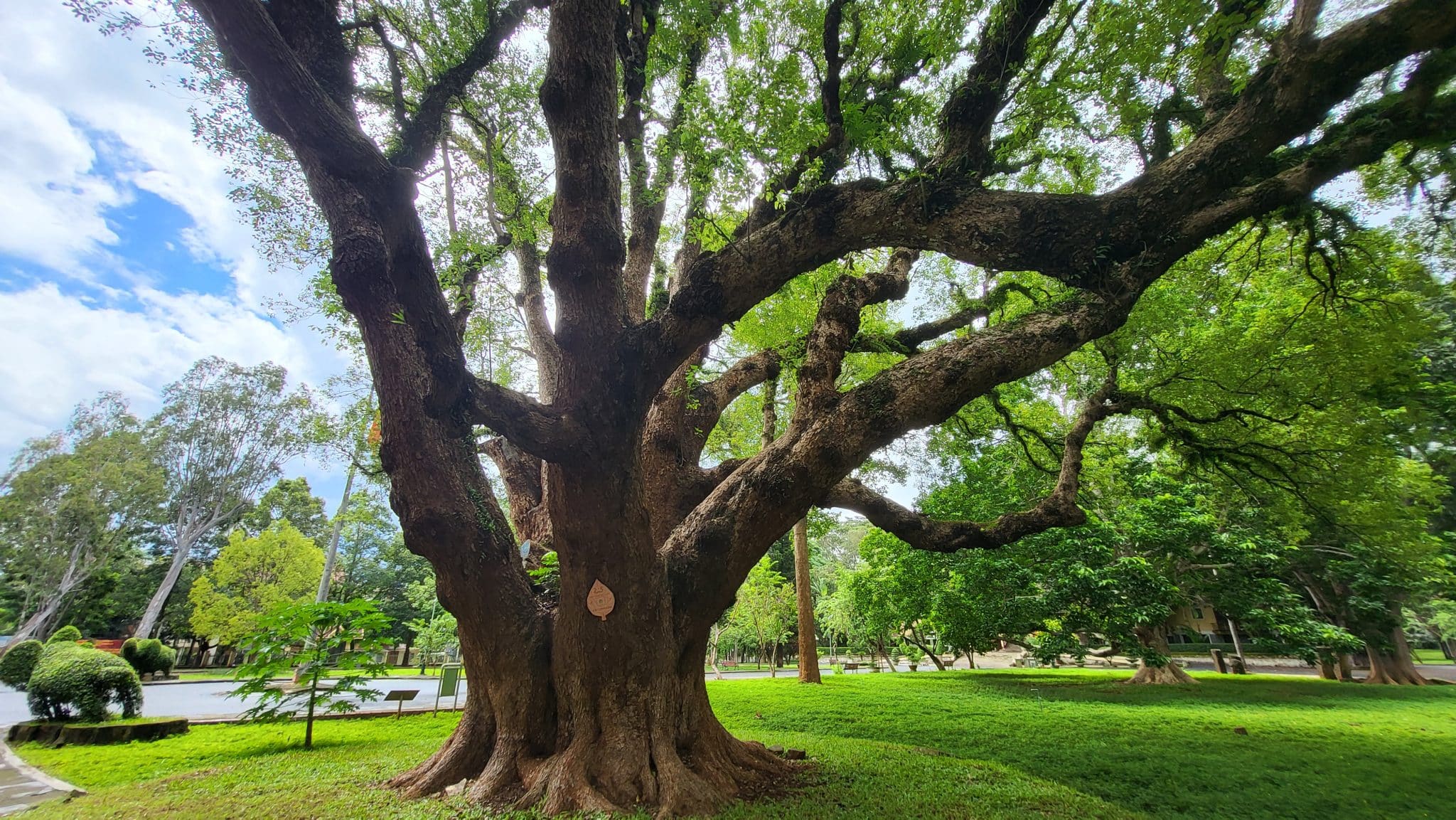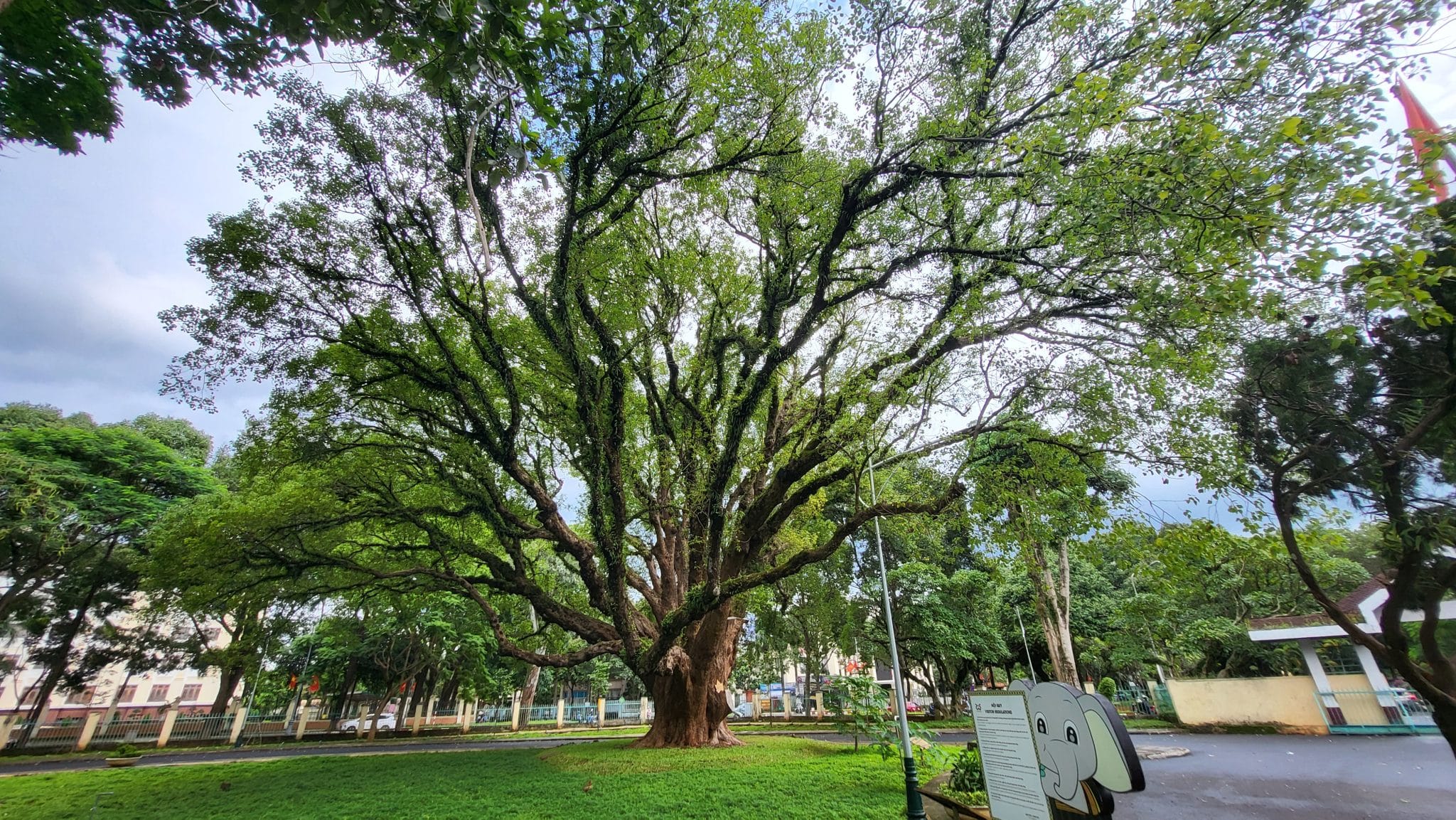
Long nao tree (Cây long não) – Vietnam heritage tree – Buon Ma Thuot
Listing has verified and belong the business owner or manager.
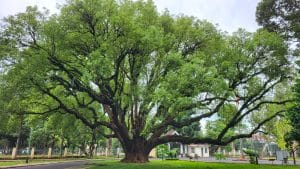
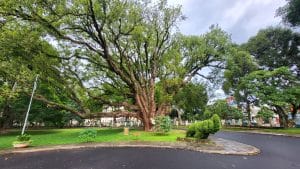
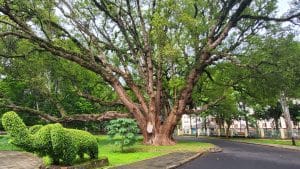
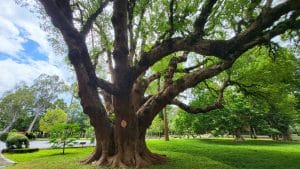
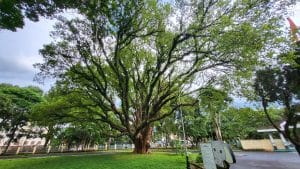
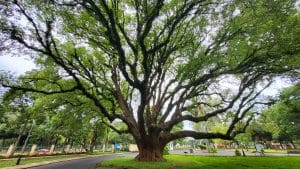
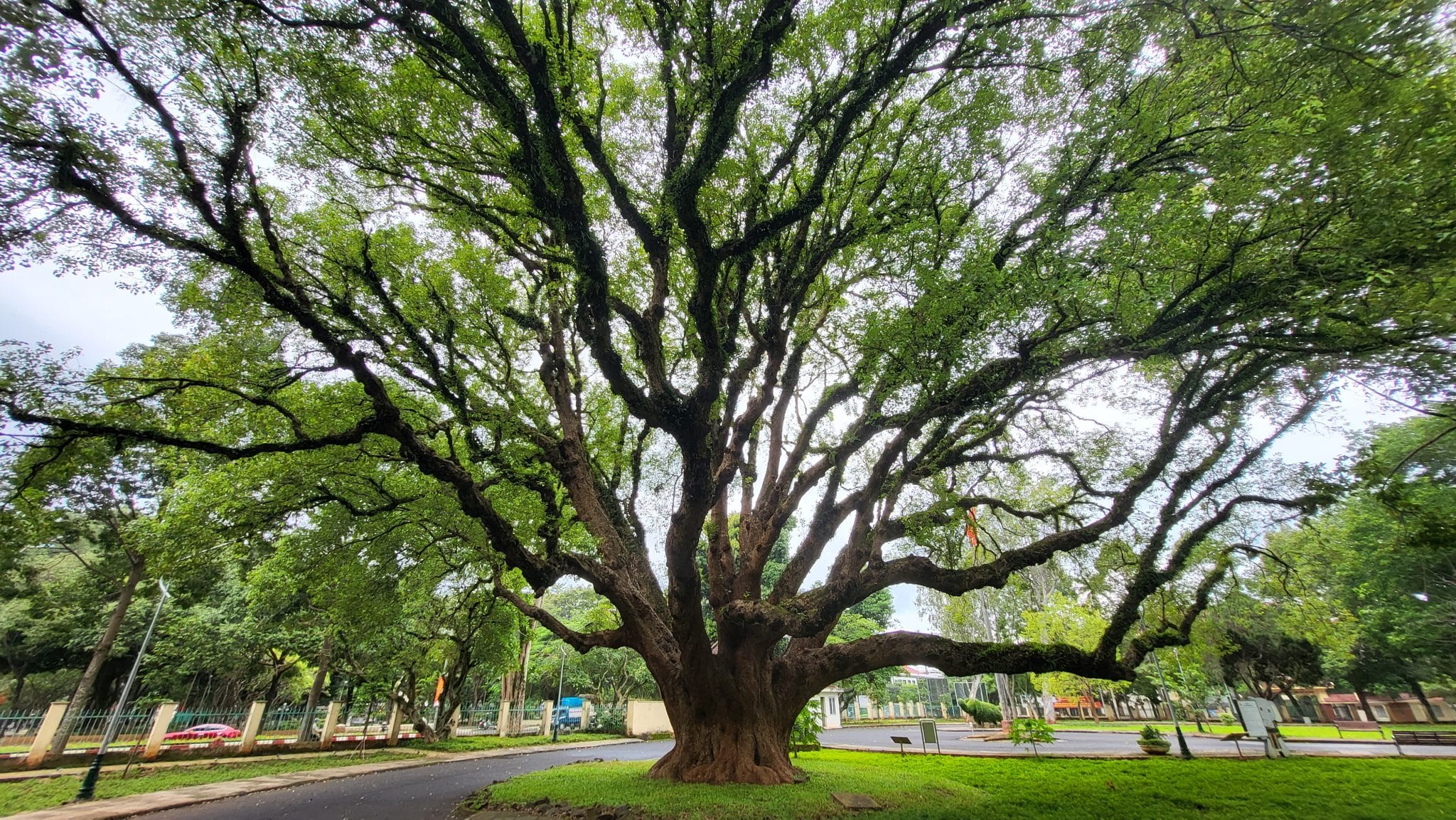
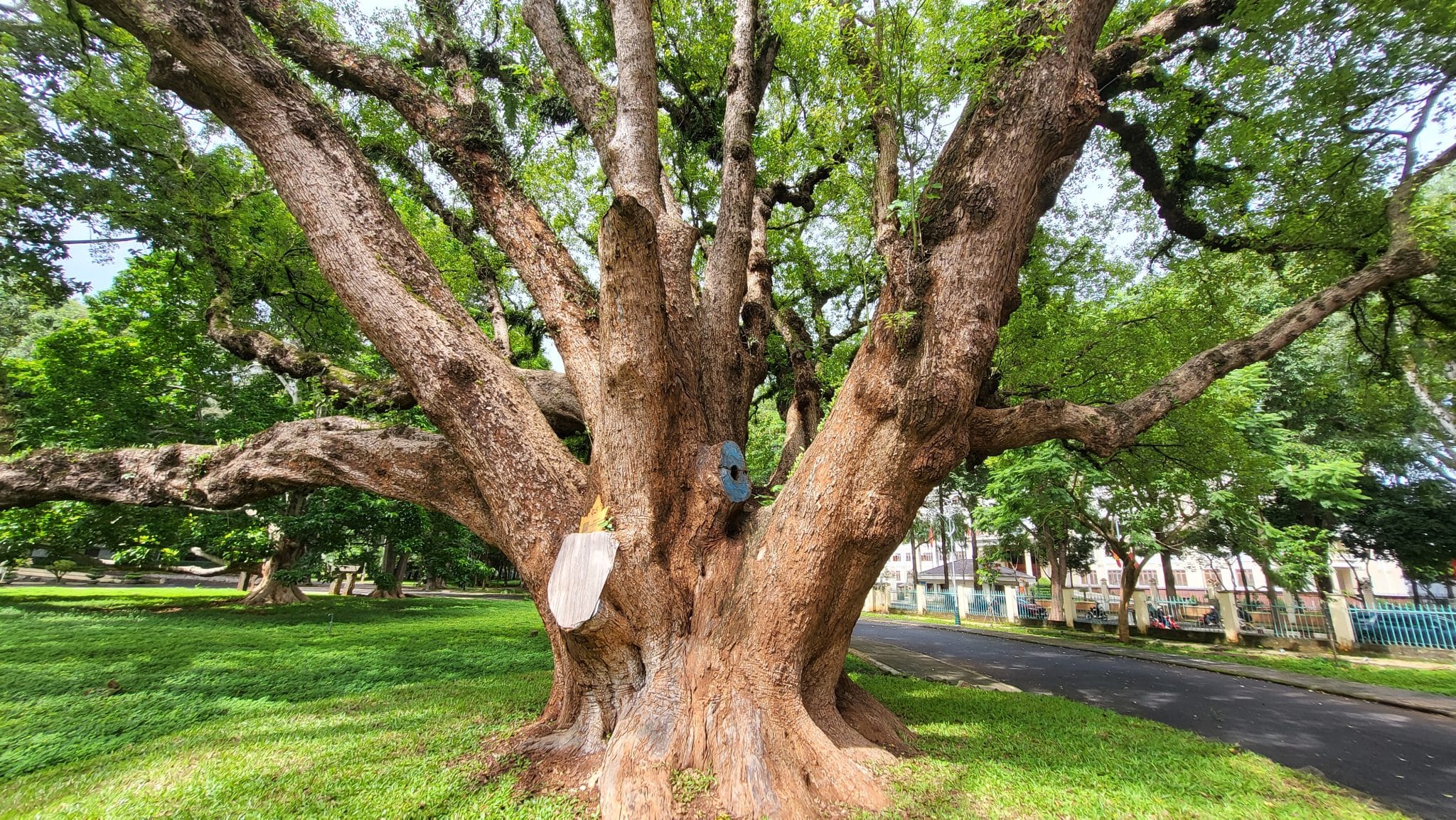
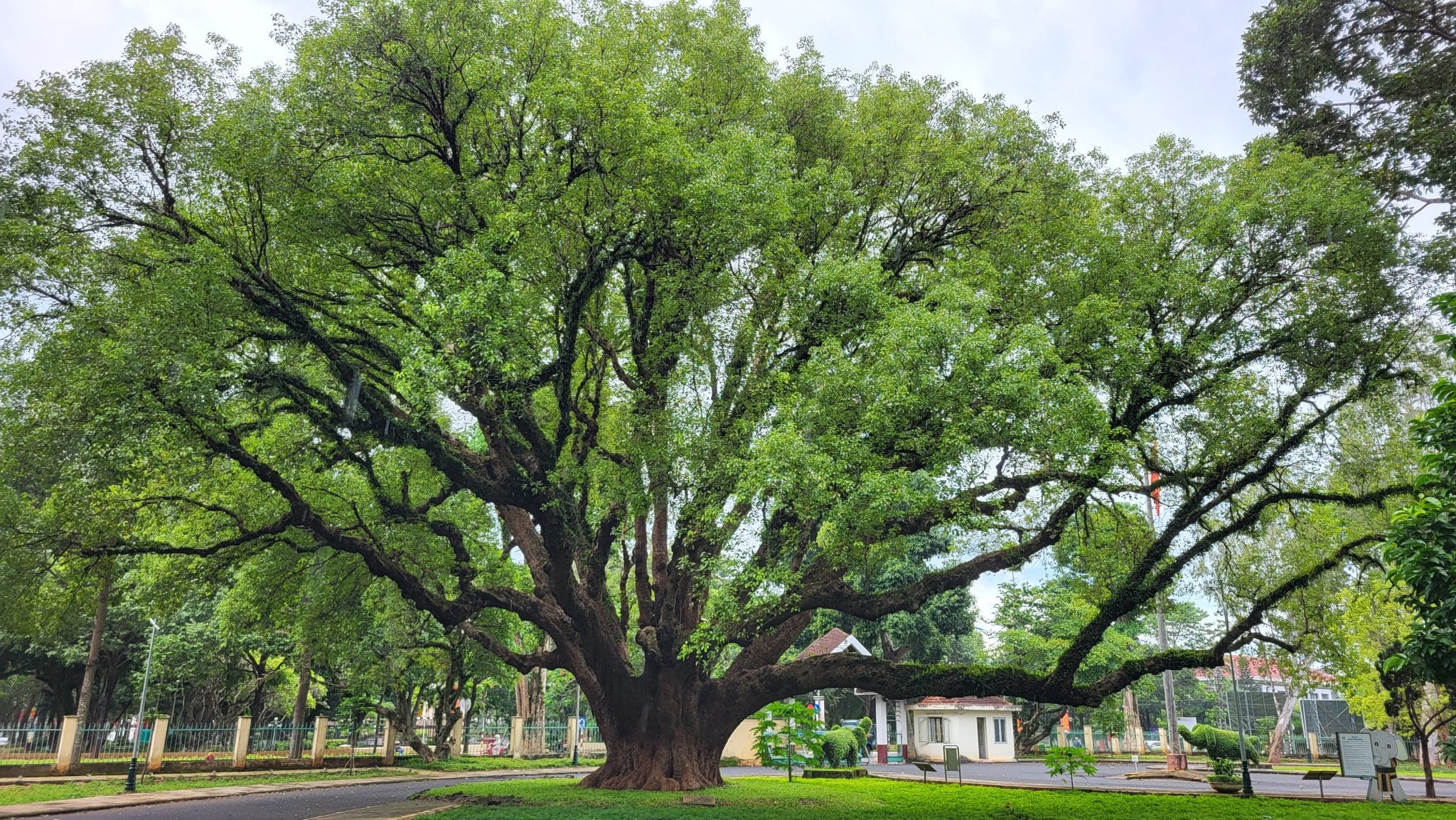
The Long Não tree (Cây Long Não) near Bảo Đại’s Palace in Buôn Ma Thuột is a significant natural and historical landmark. It holds special importance due to its connection to the city’s heritage and its proximity to the palace, which is itself a notable historical site.
Details about the Long Não Tree:
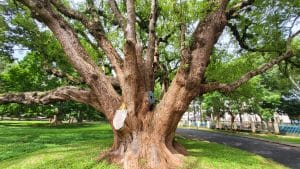
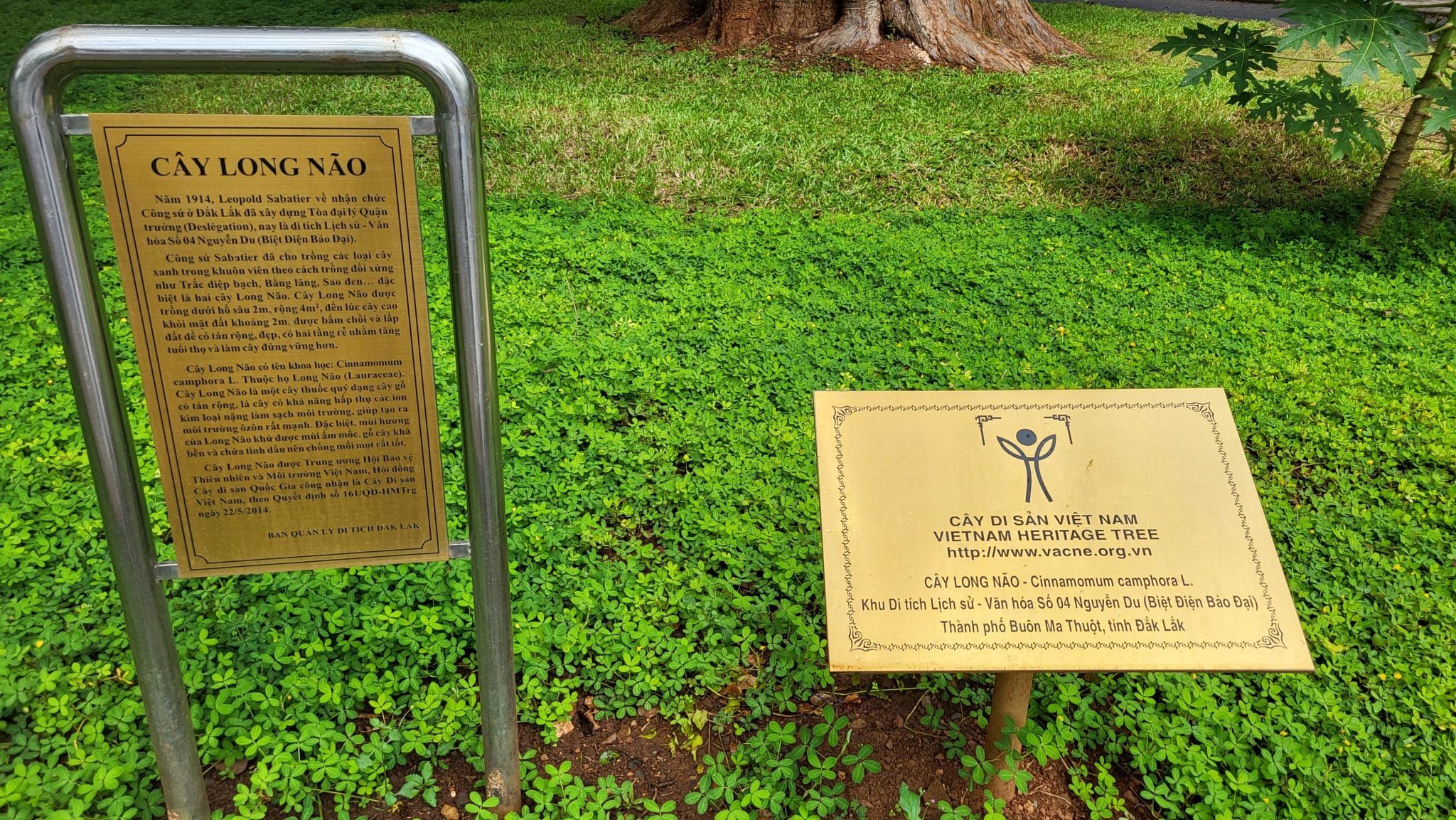
- Species: This tree is a camphor tree (Cinnamomum camphora), known for its dense foliage, fragrant leaves, and durable wood. Camphor trees are native to East Asia and have been valued for centuries for their aromatic oils.
- Age: The Long Não tree near Bảo Đại’s Palace is estimated to be over 100 years old, making it a living witness to the region’s colonial and post-colonial history.
- Who Planted It?
The tree is believed to have been brought to Vietnam by French colonialists during the late 19th or early 20th century. The French introduced camphor trees to Vietnam for their aesthetic appeal and environmental benefits, such as providing shade and ornamental beauty. Its exact planting date near Bảo Đại’s Palace likely coincides with the establishment of French administrative and residential structures in Buôn Ma Thuột during the early 1900s. - Connection to Bảo Đại’s Palace:
Bảo Đại’s Palace, the summer residence of Vietnam’s last emperor, Bảo Đại, was built during the 1930s under French rule. The Long Não tree’s presence in the vicinity adds to the historical ambiance of the palace, linking it to the colonial-era landscaping practices and the natural heritage of the region. - Recognition:
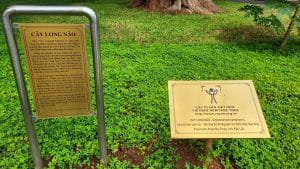
The tree has been designated as a Vietnam Heritage Tree by the Vietnam Association for Conservation of Nature and Environment (VACNE). This recognition reflects its ecological, historical, and cultural significance.