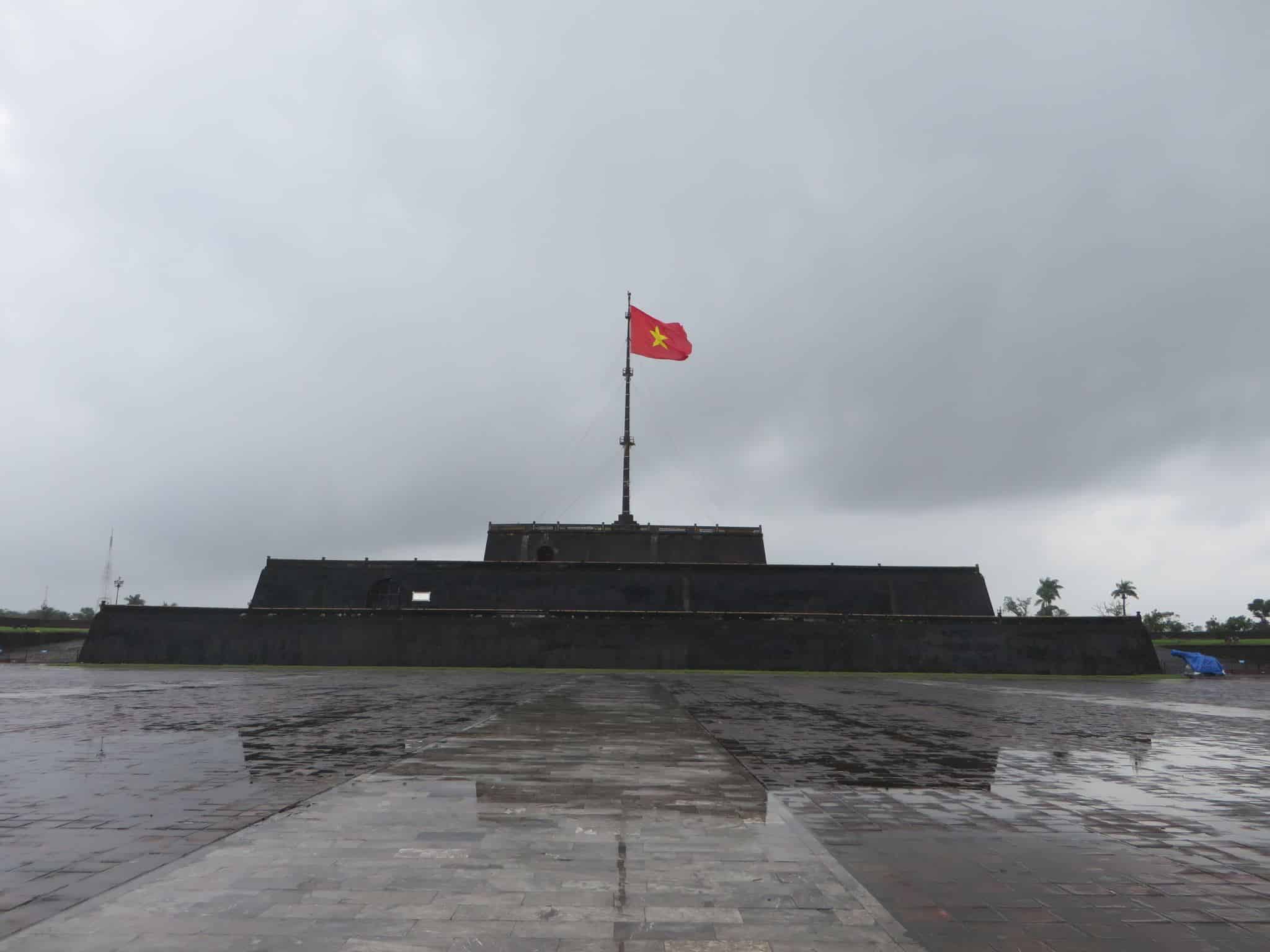
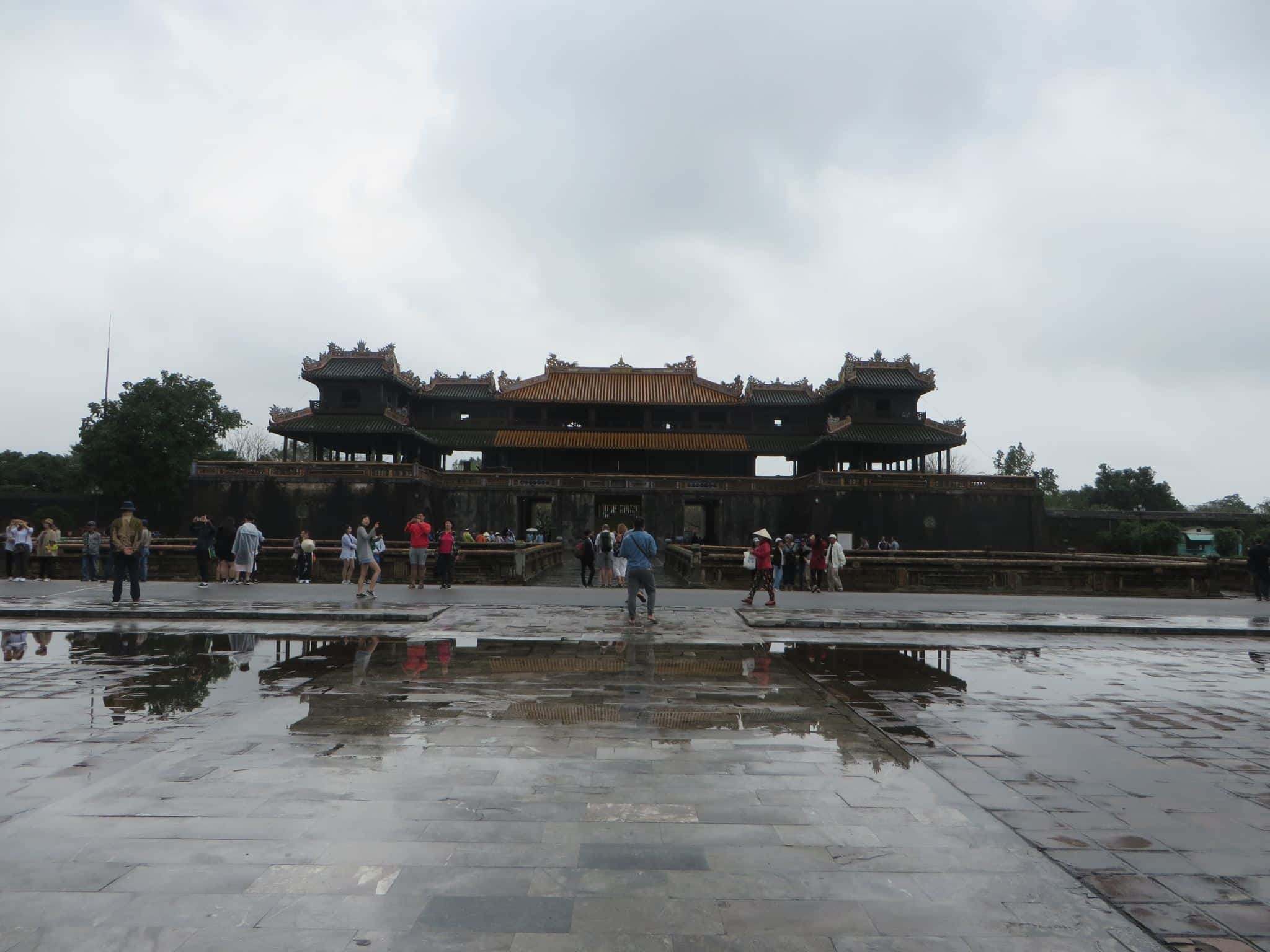
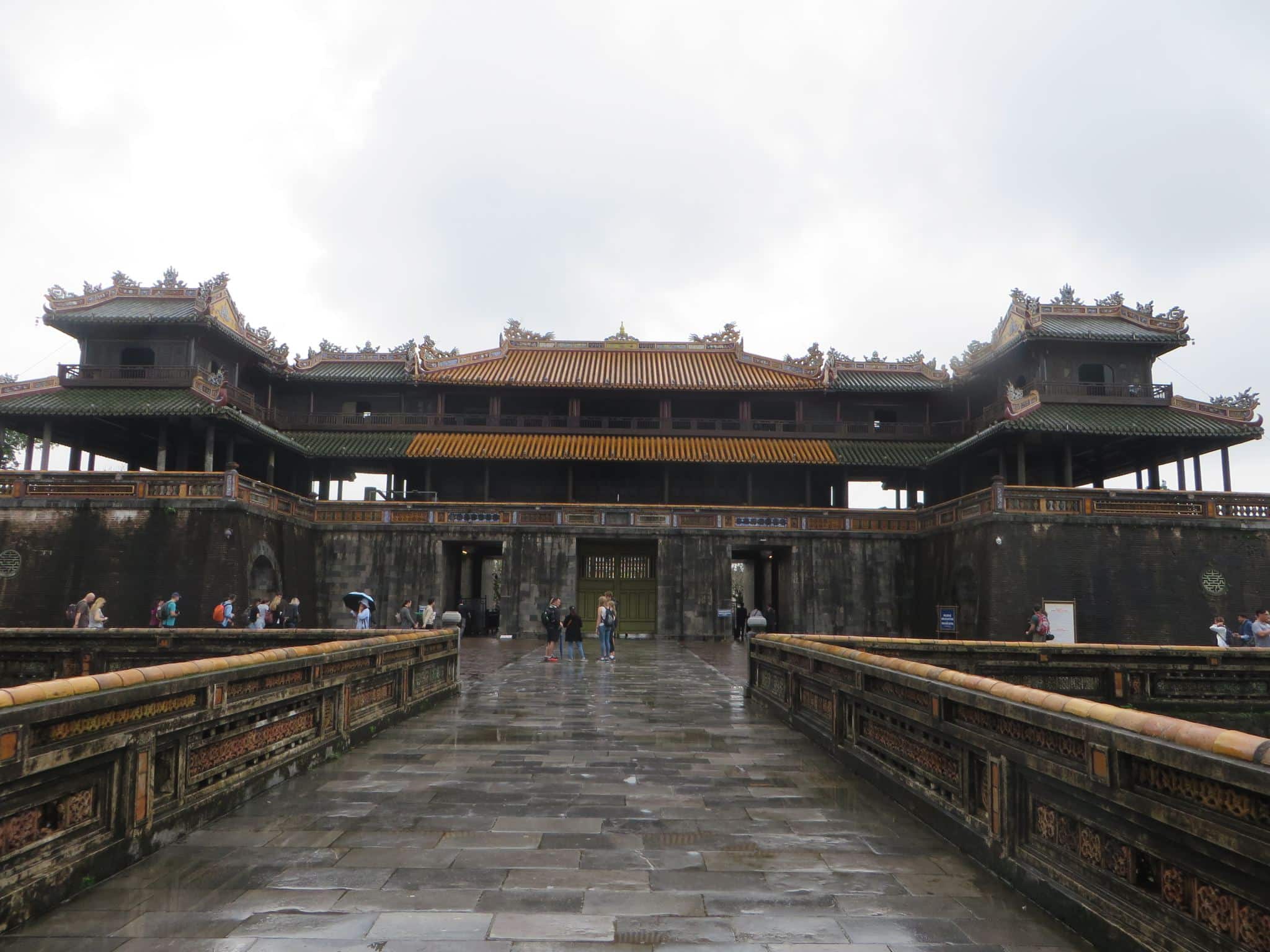
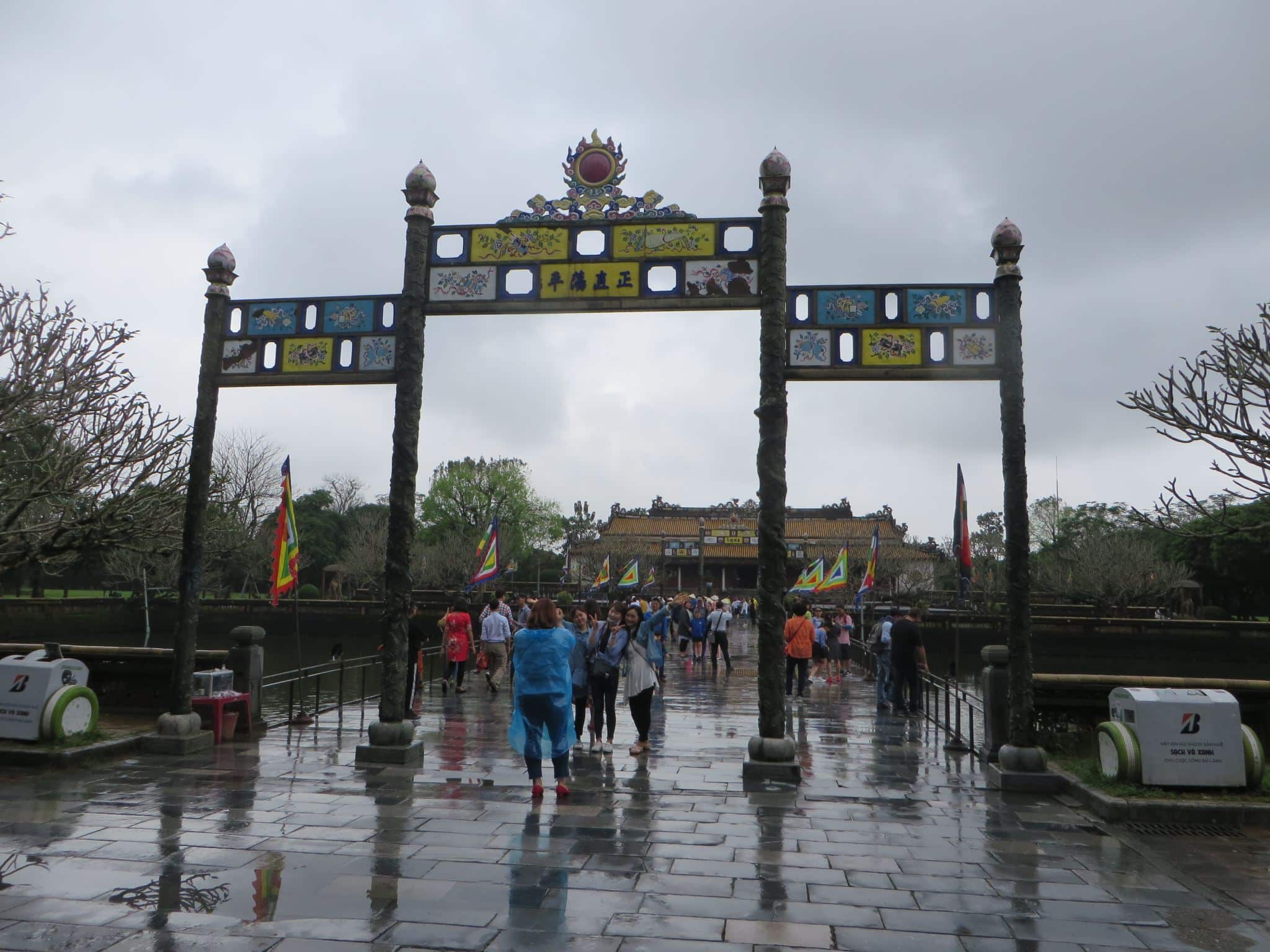
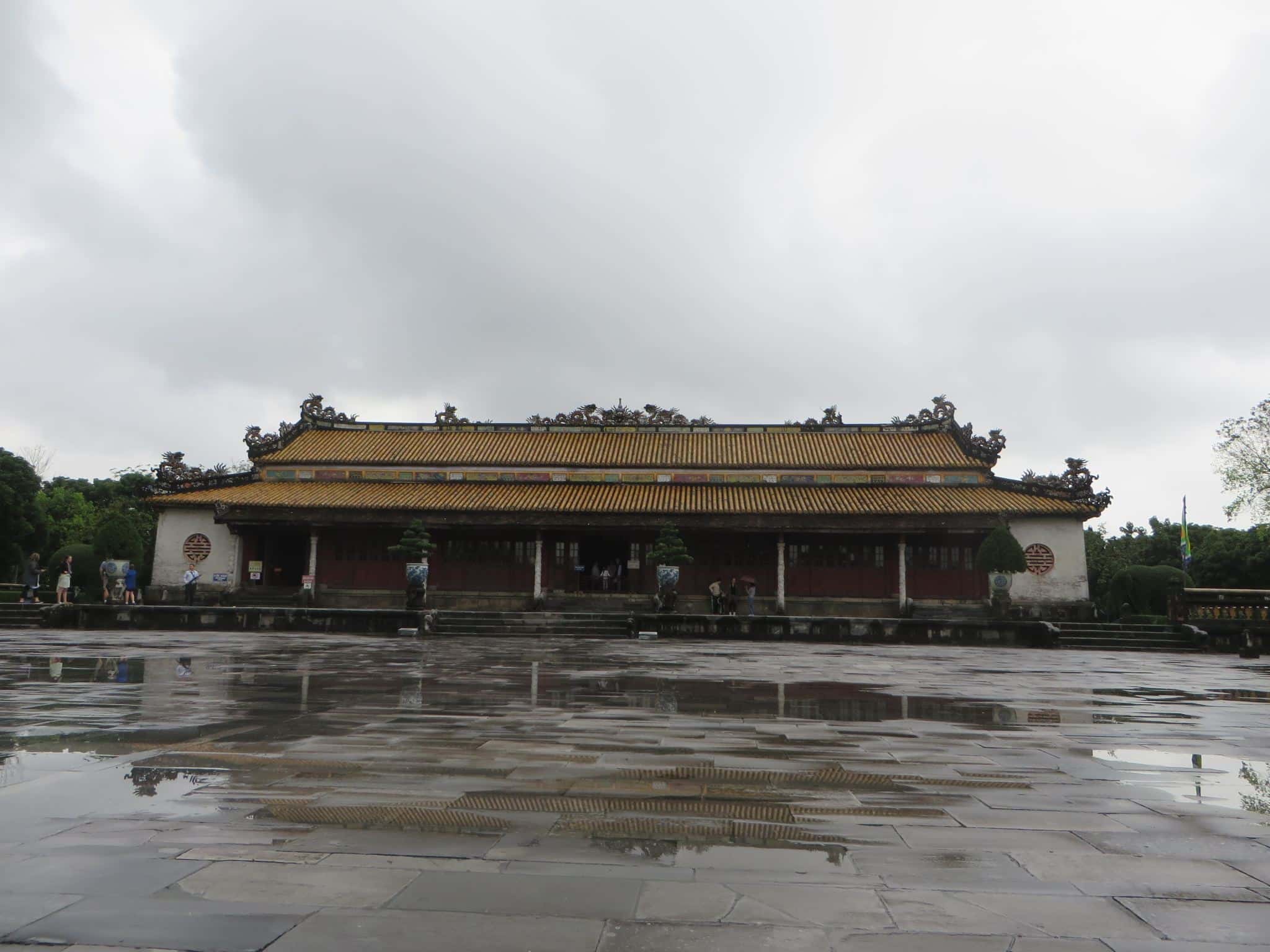
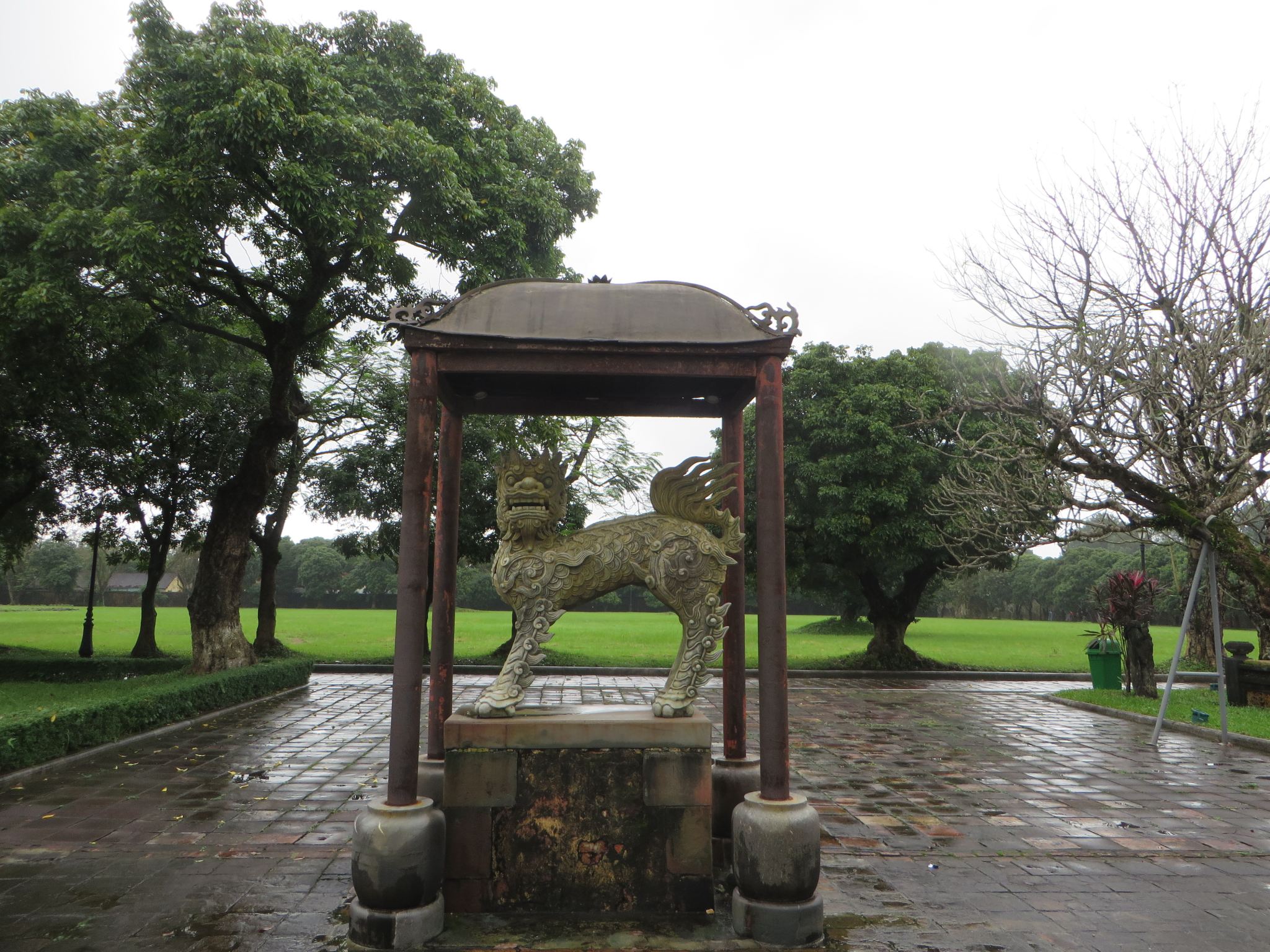
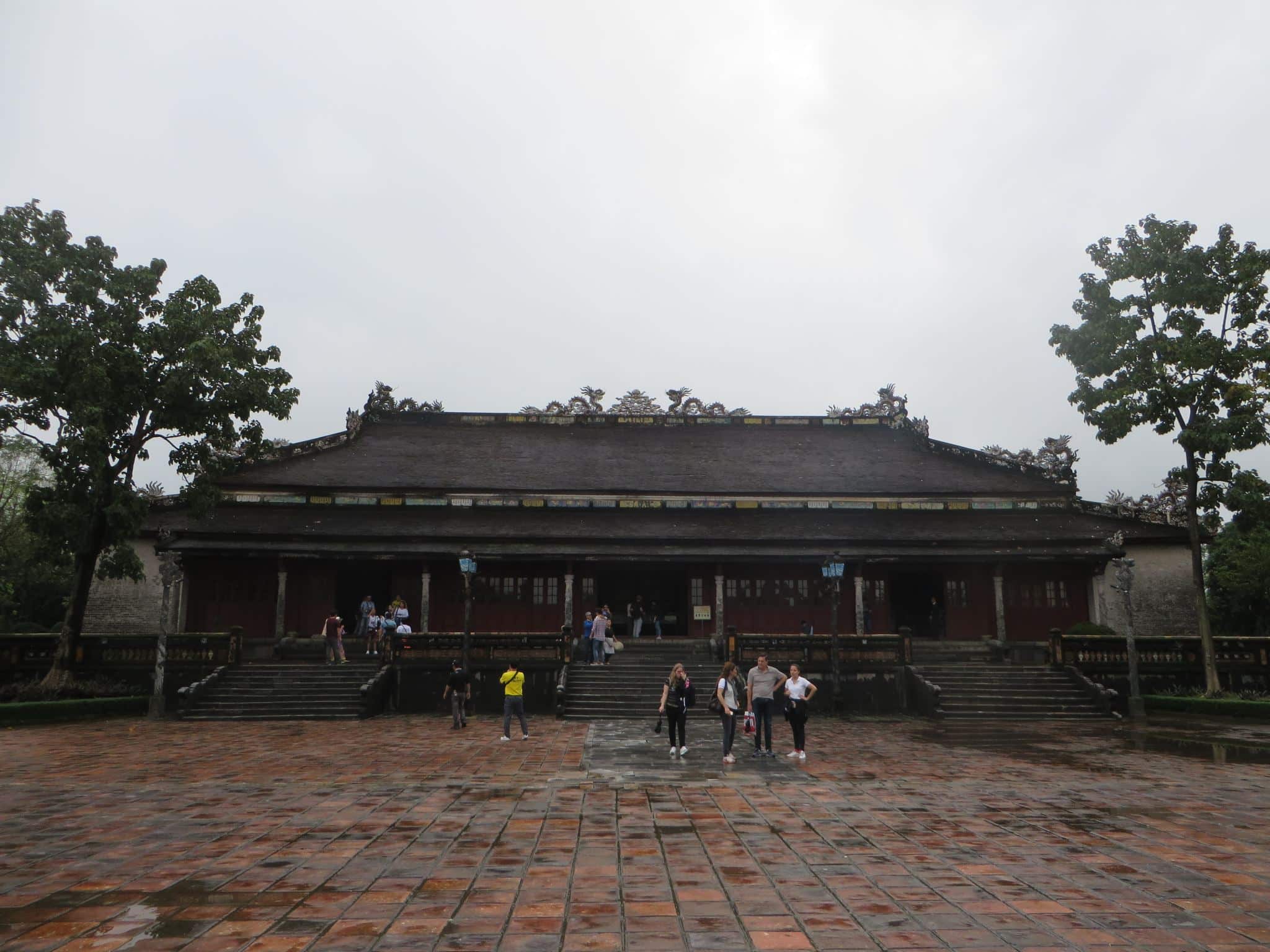
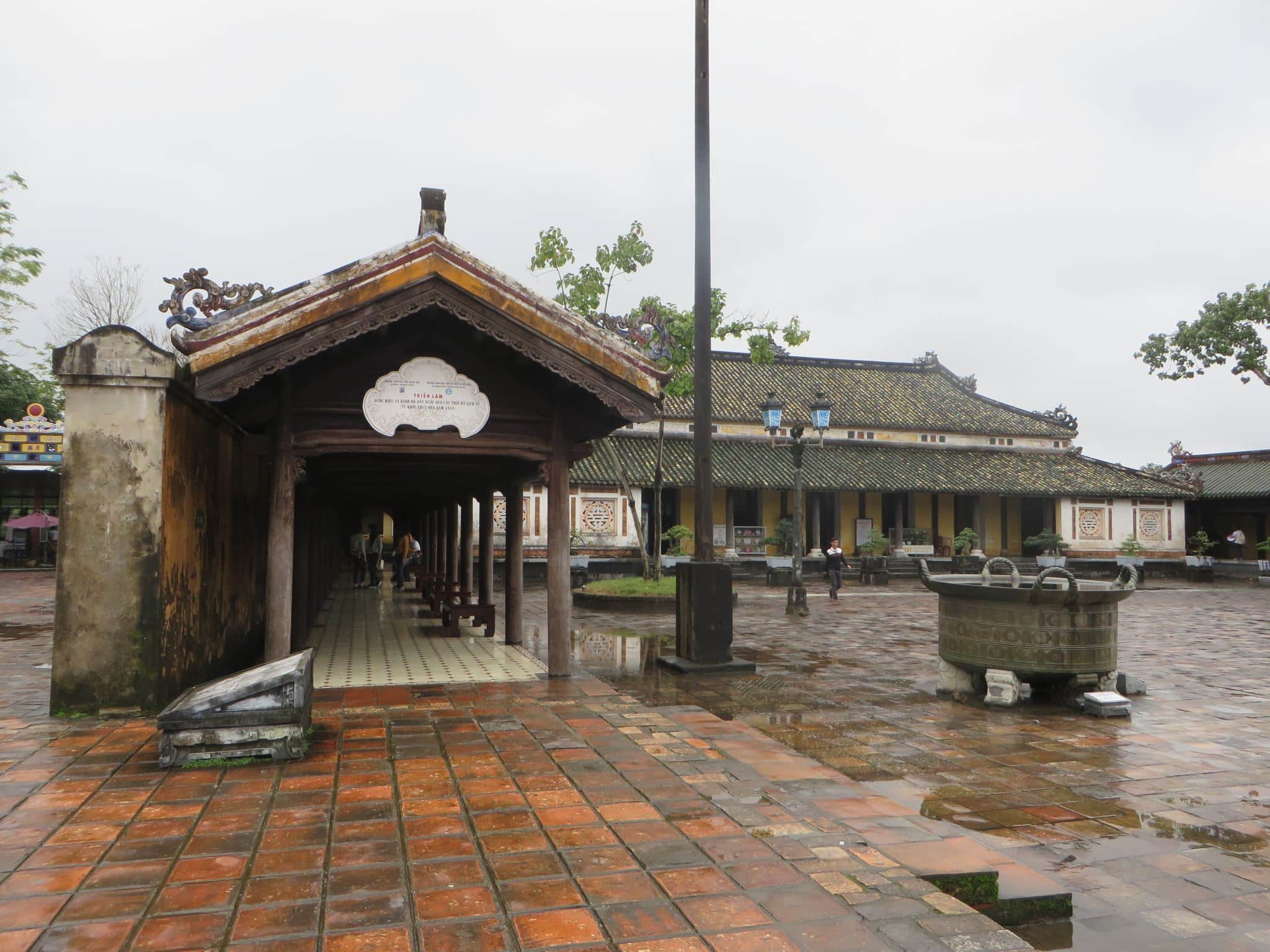
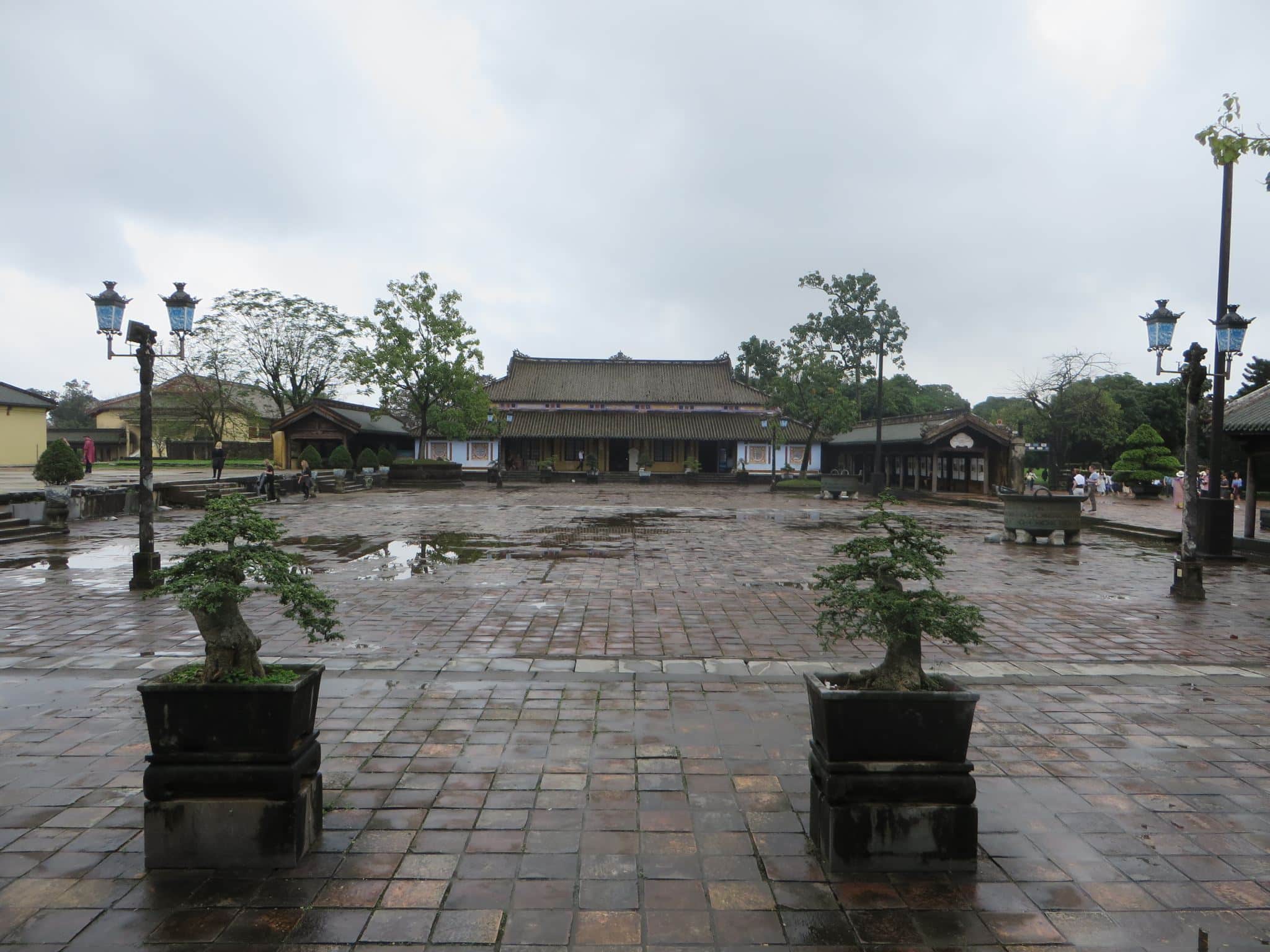
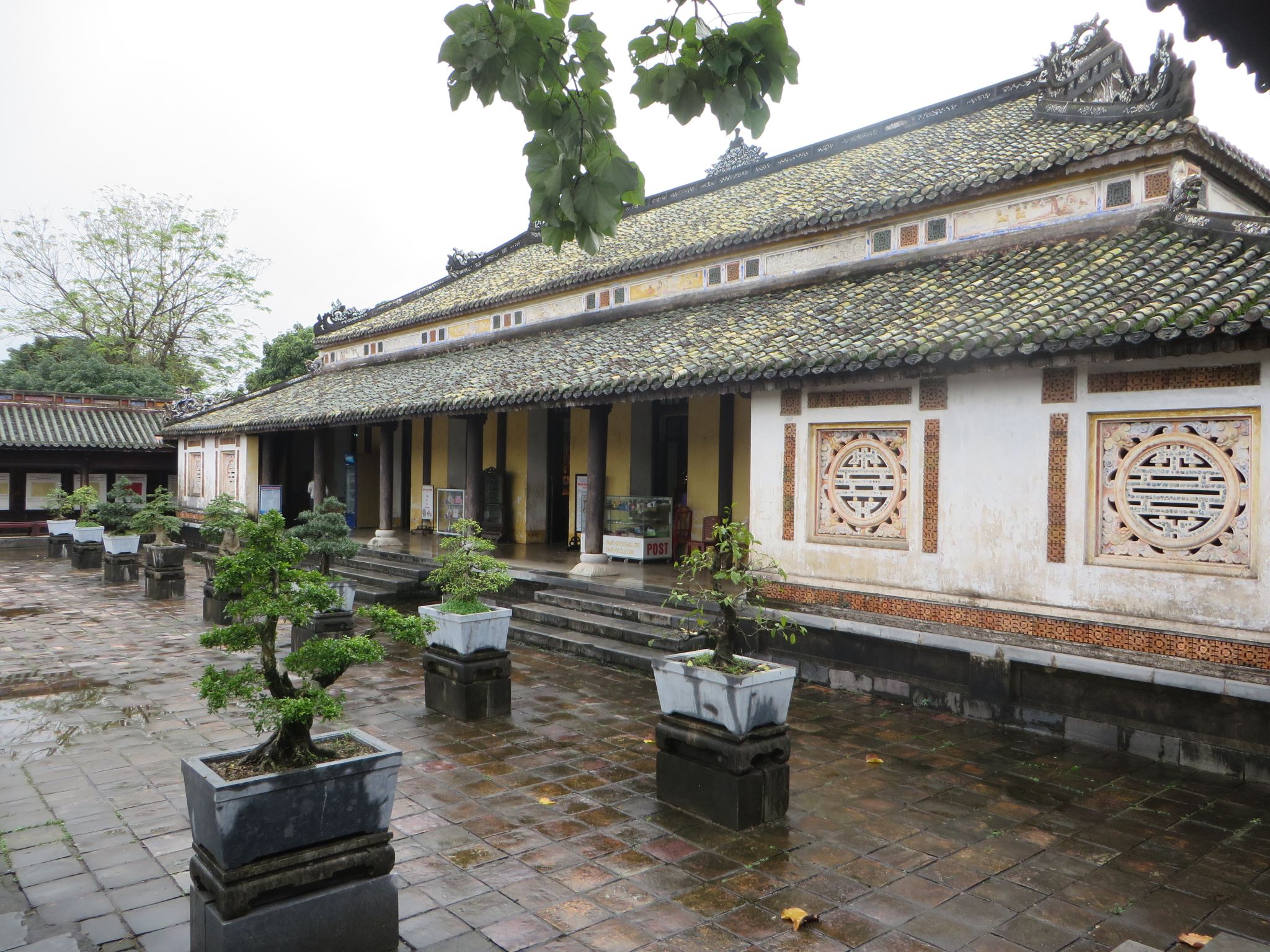
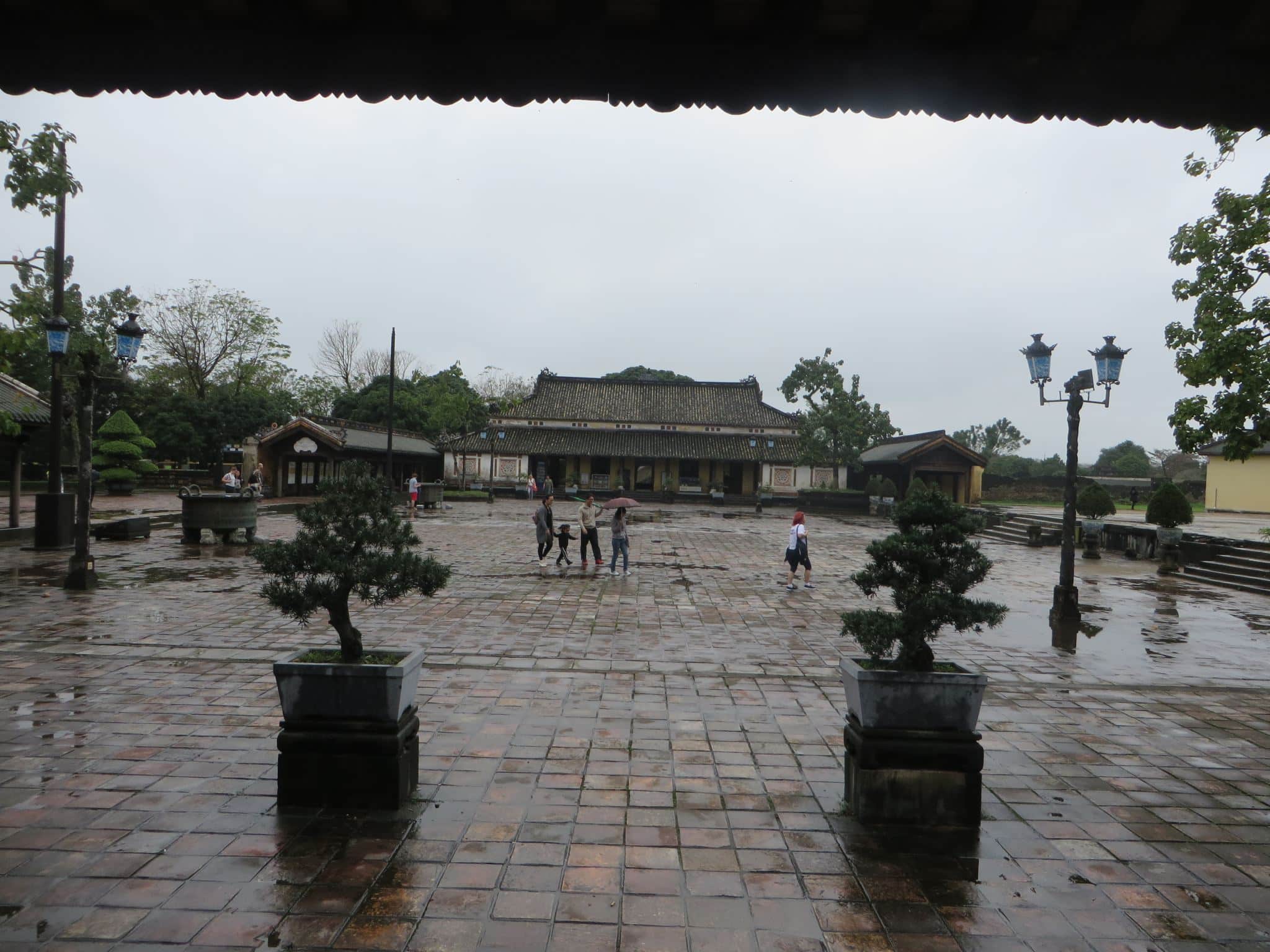
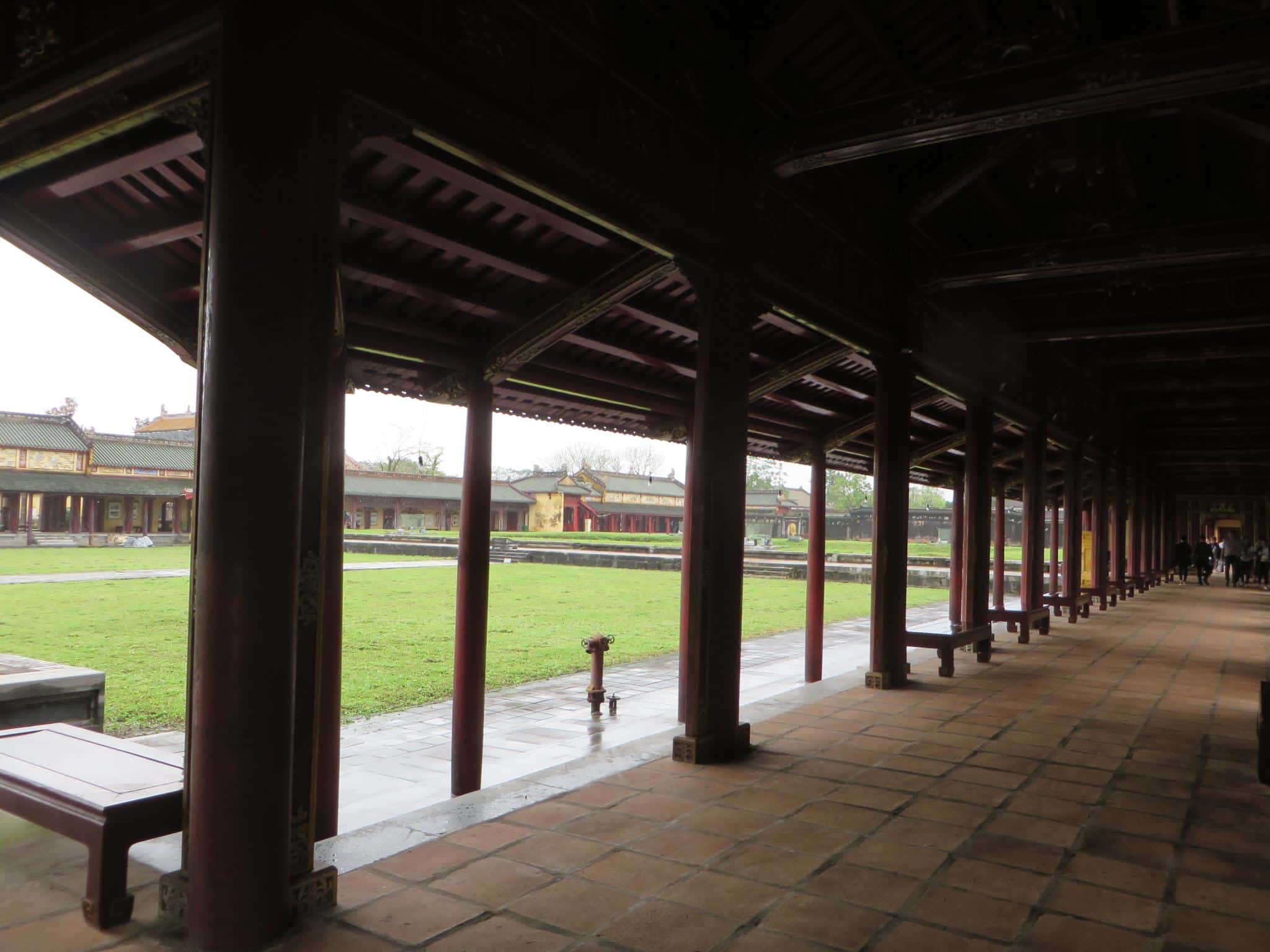
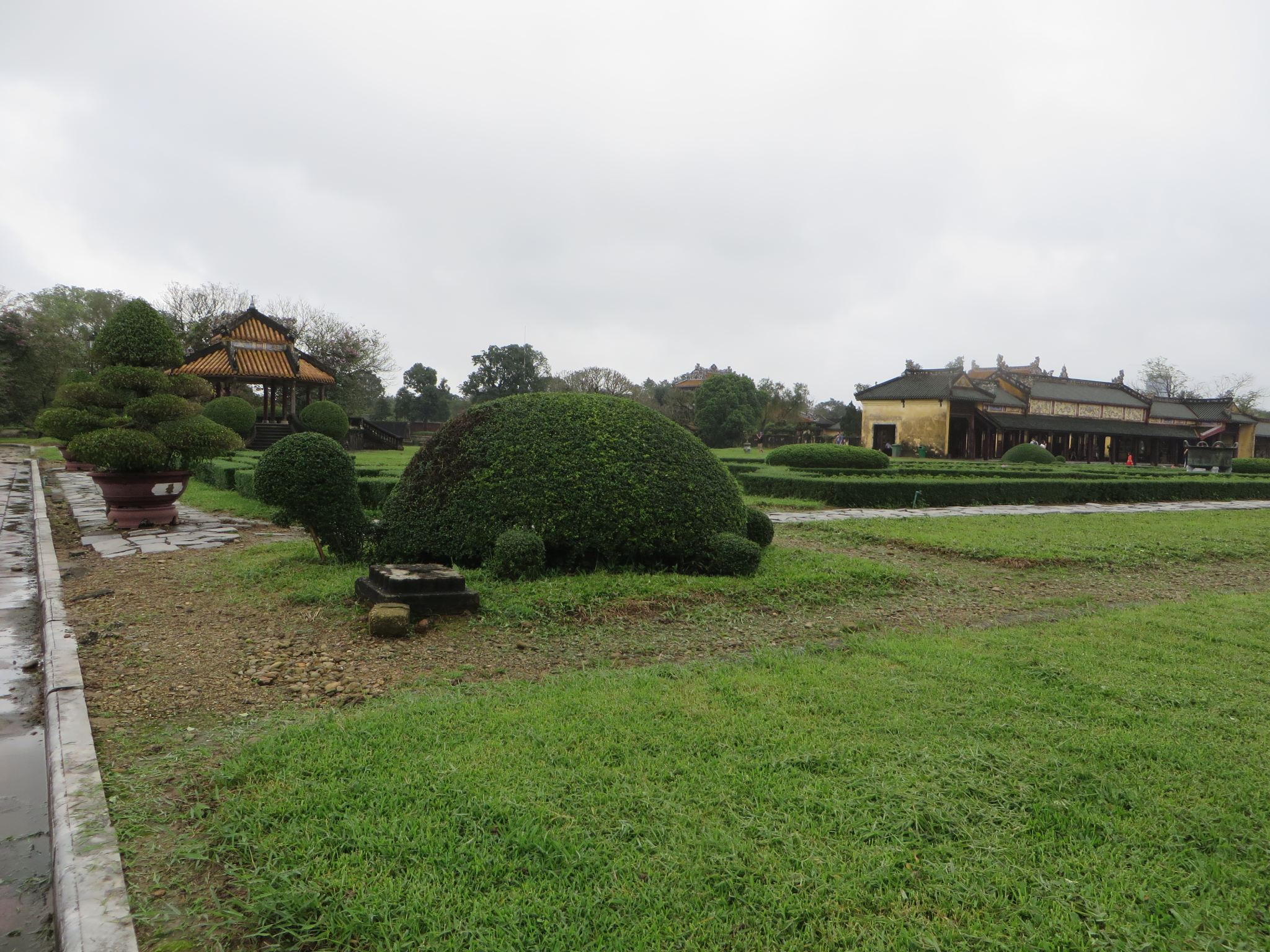
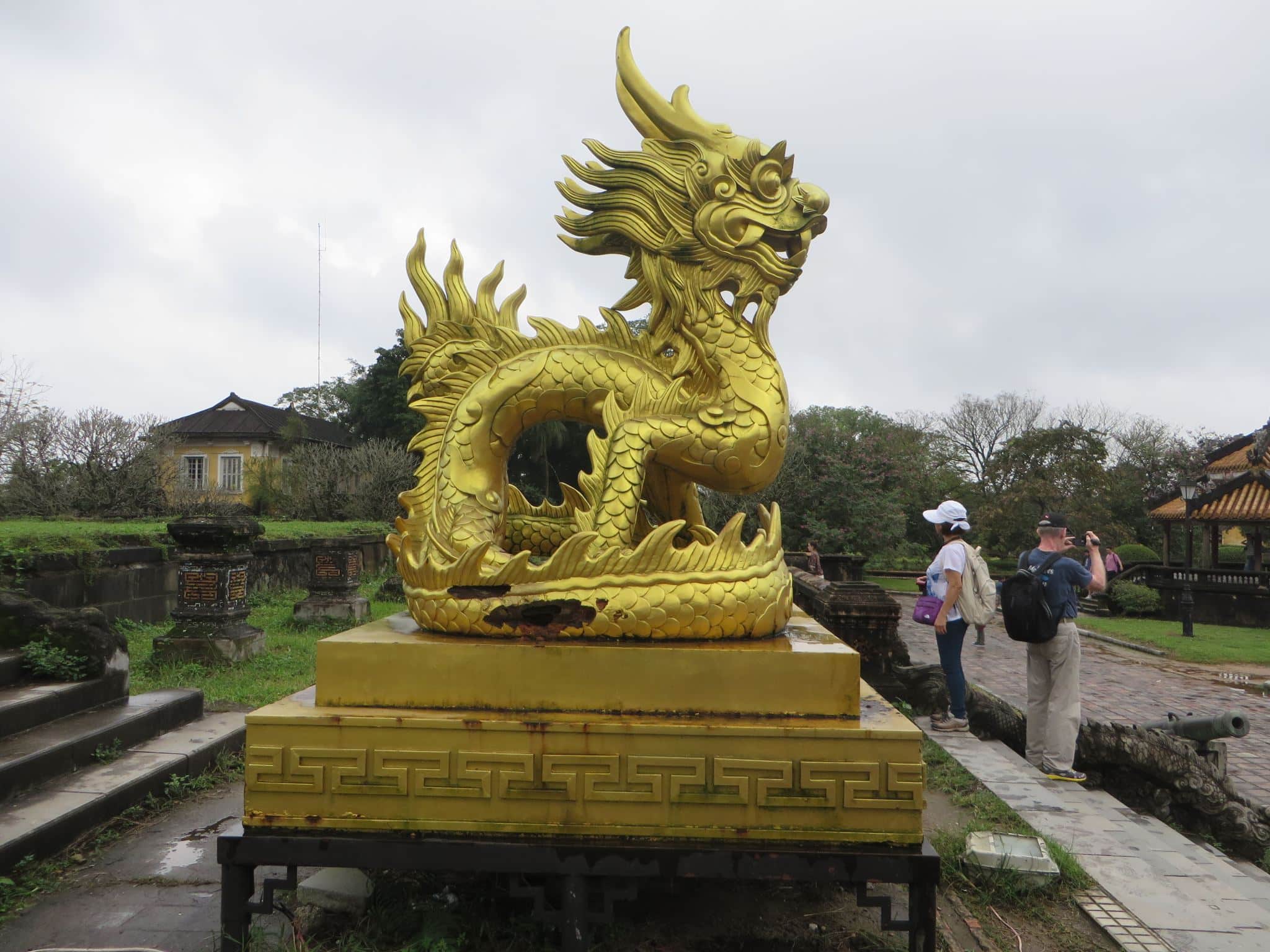
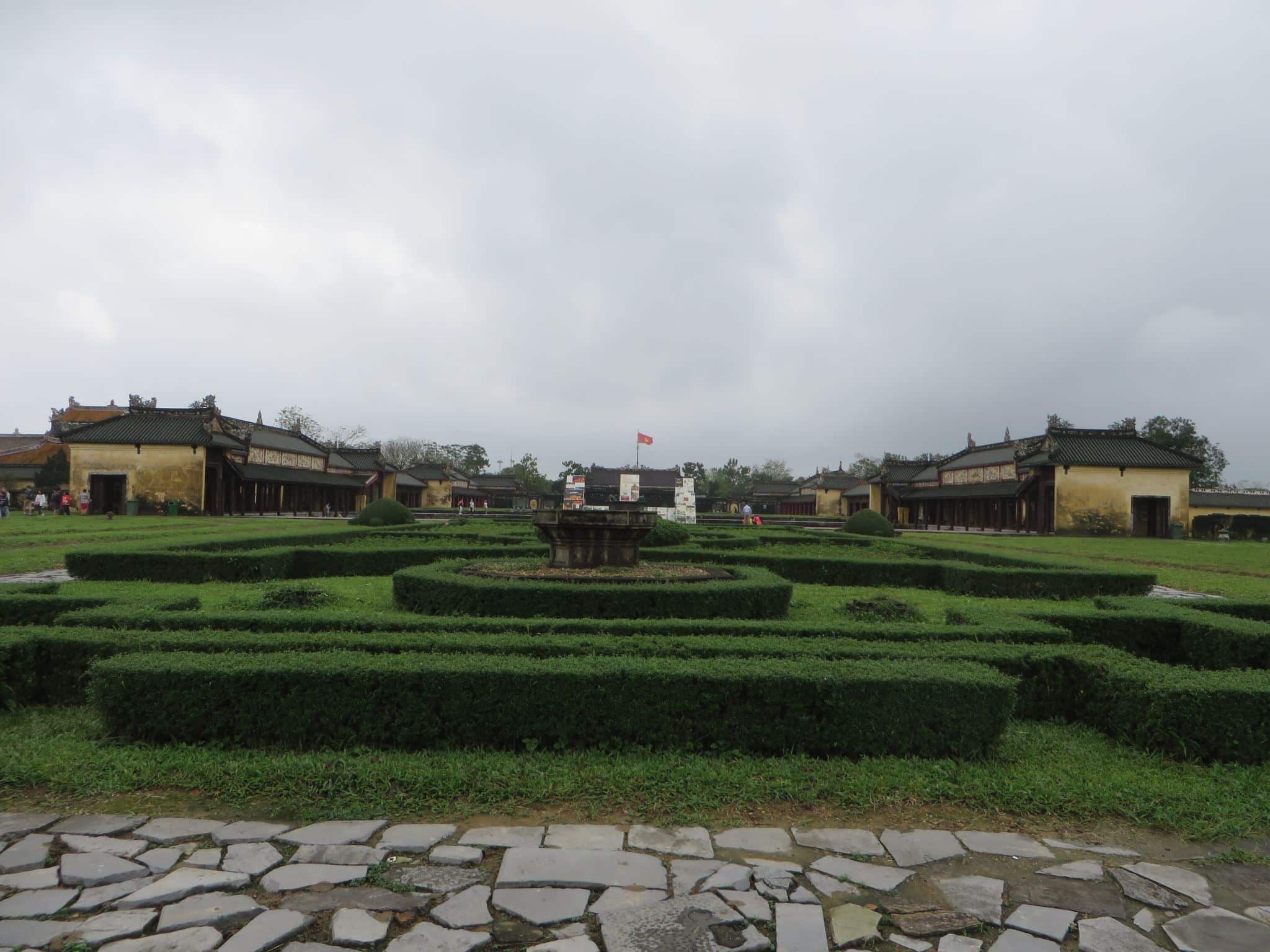
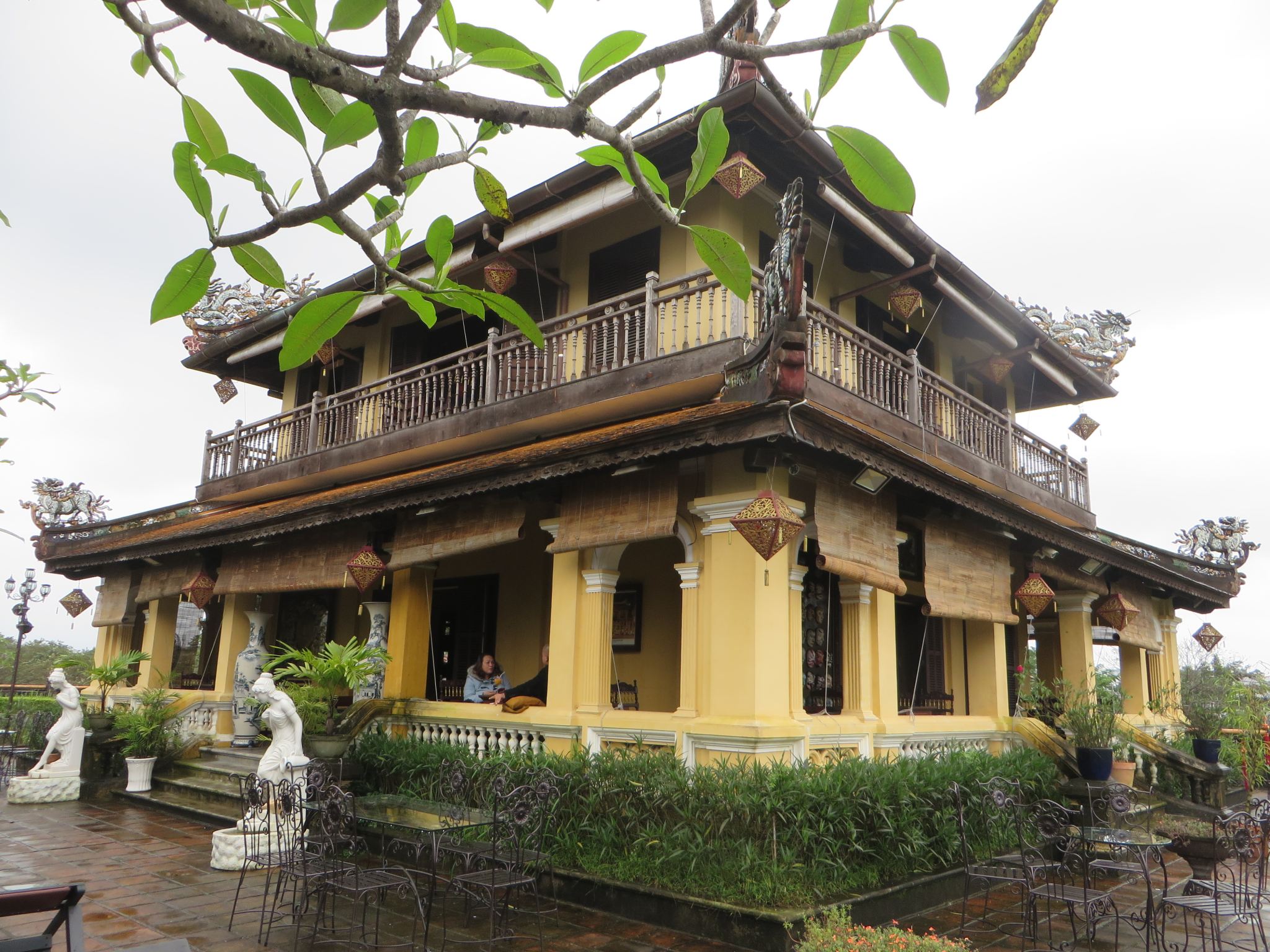
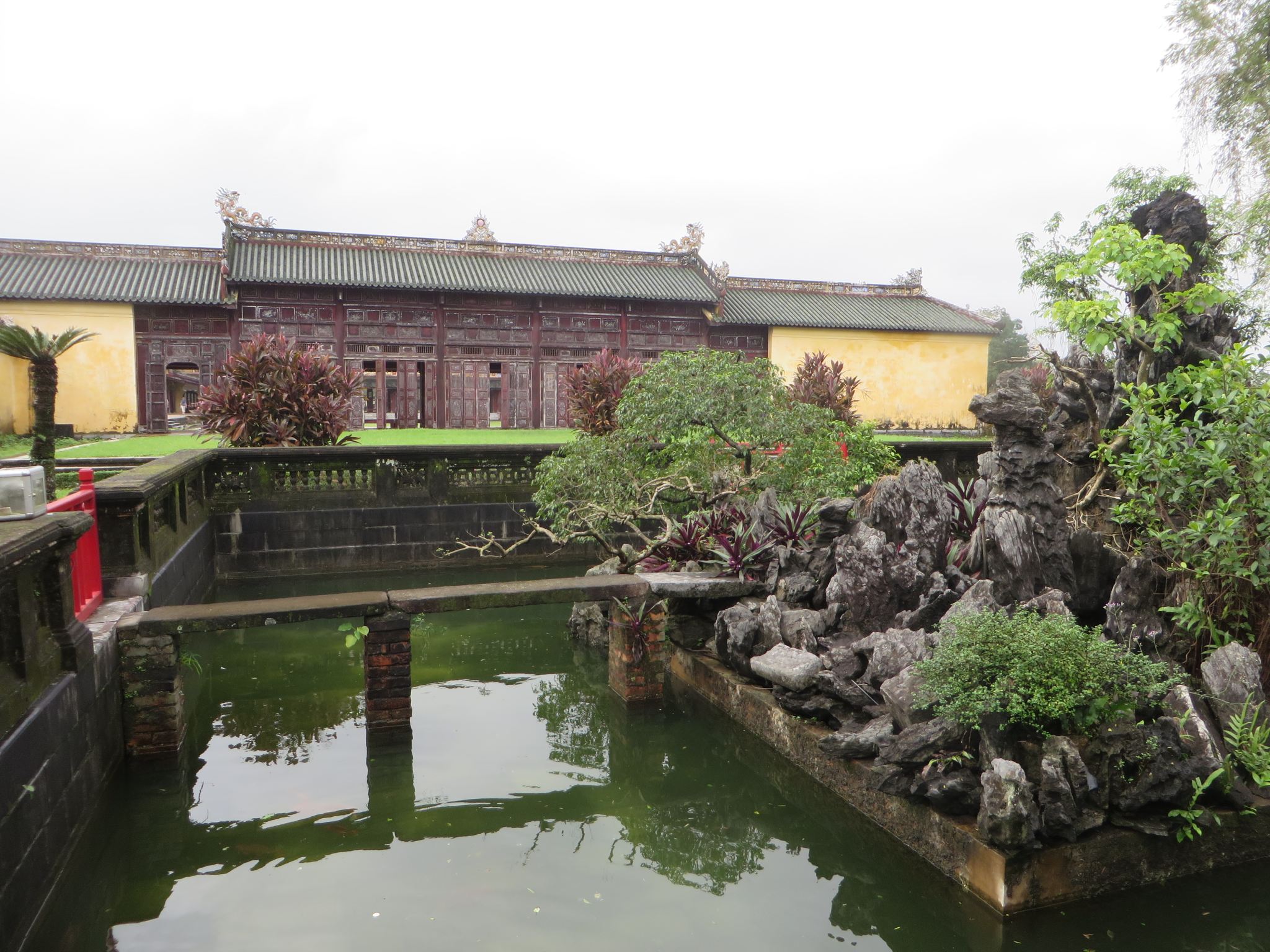
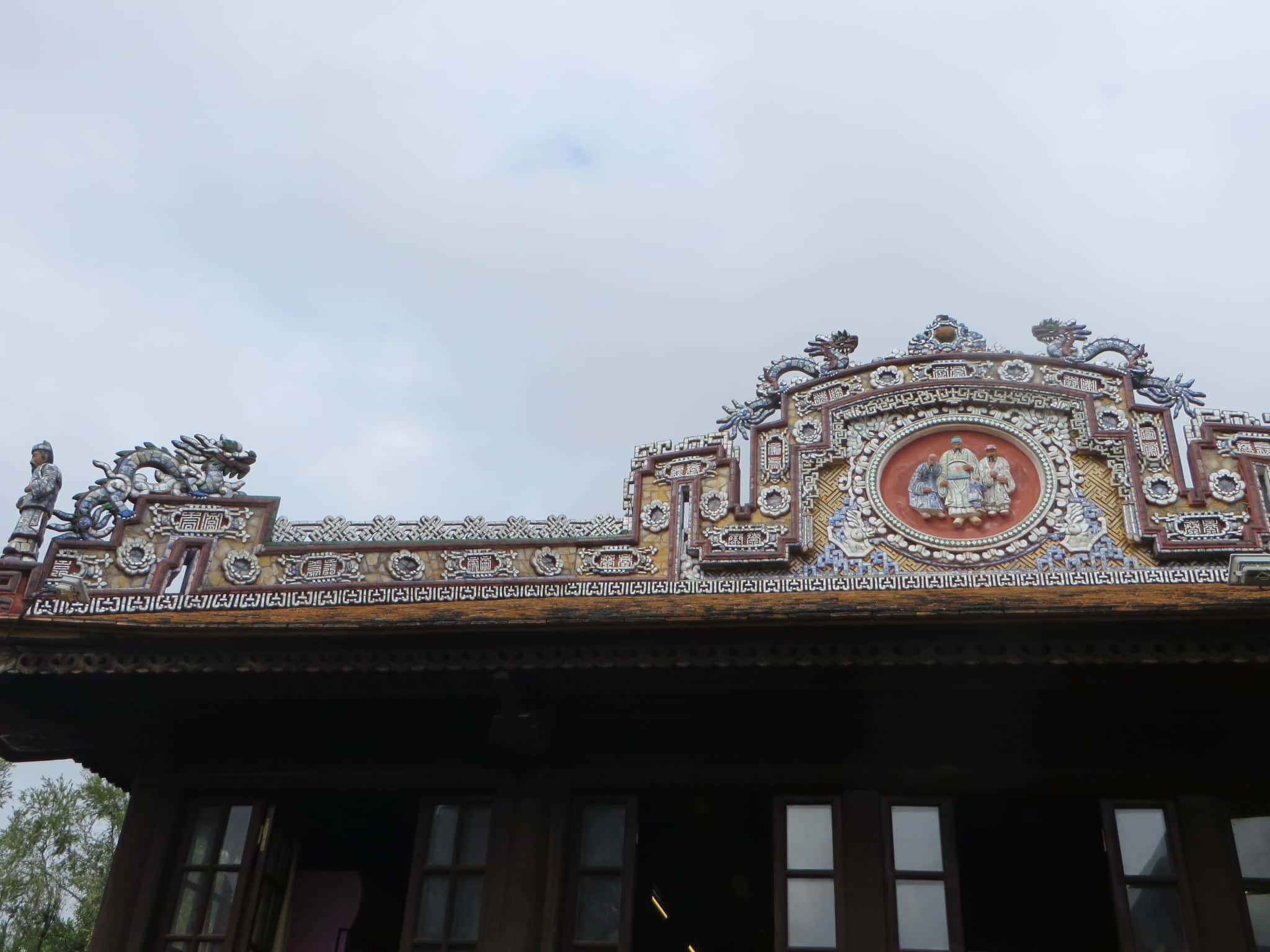
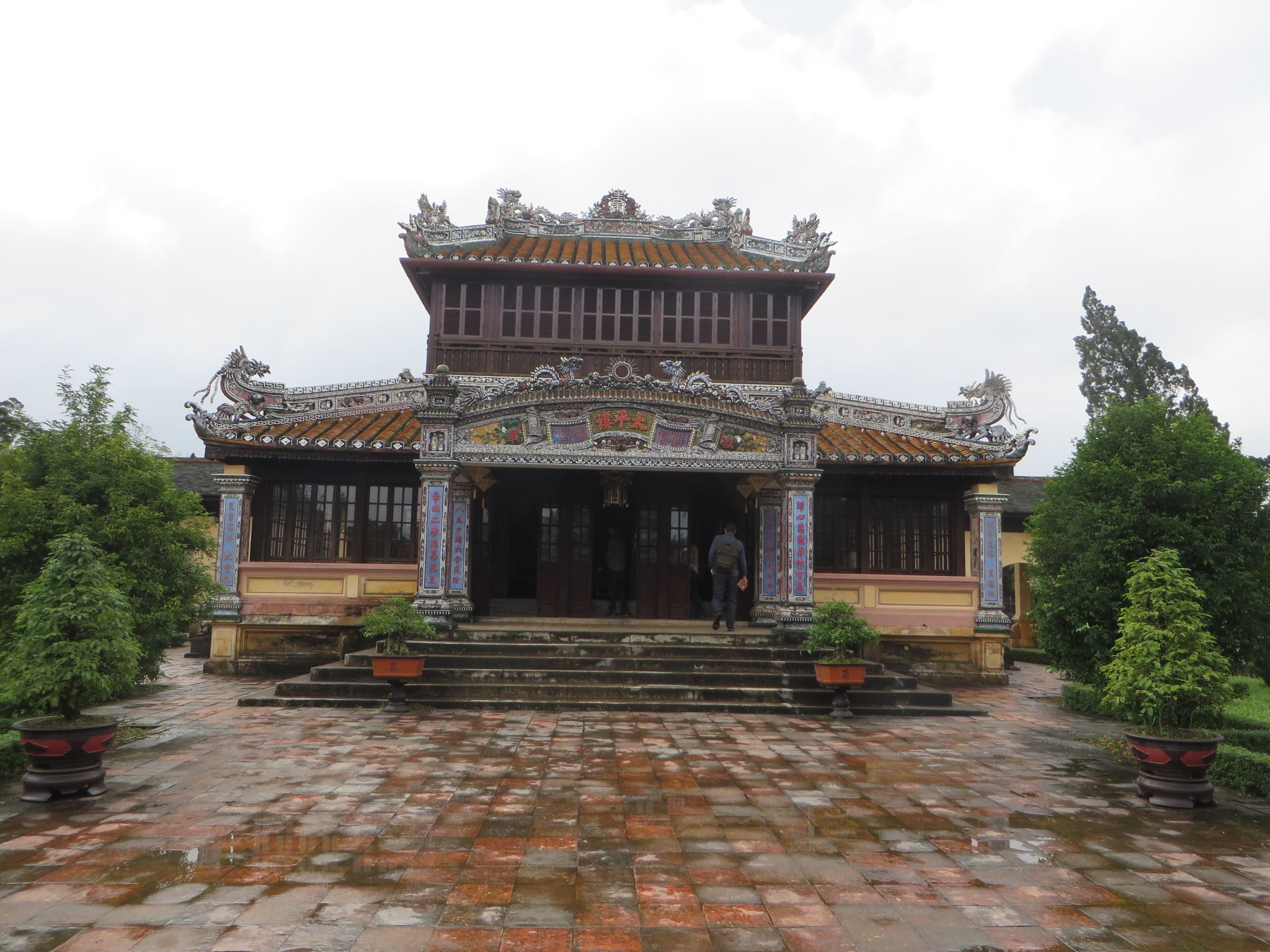
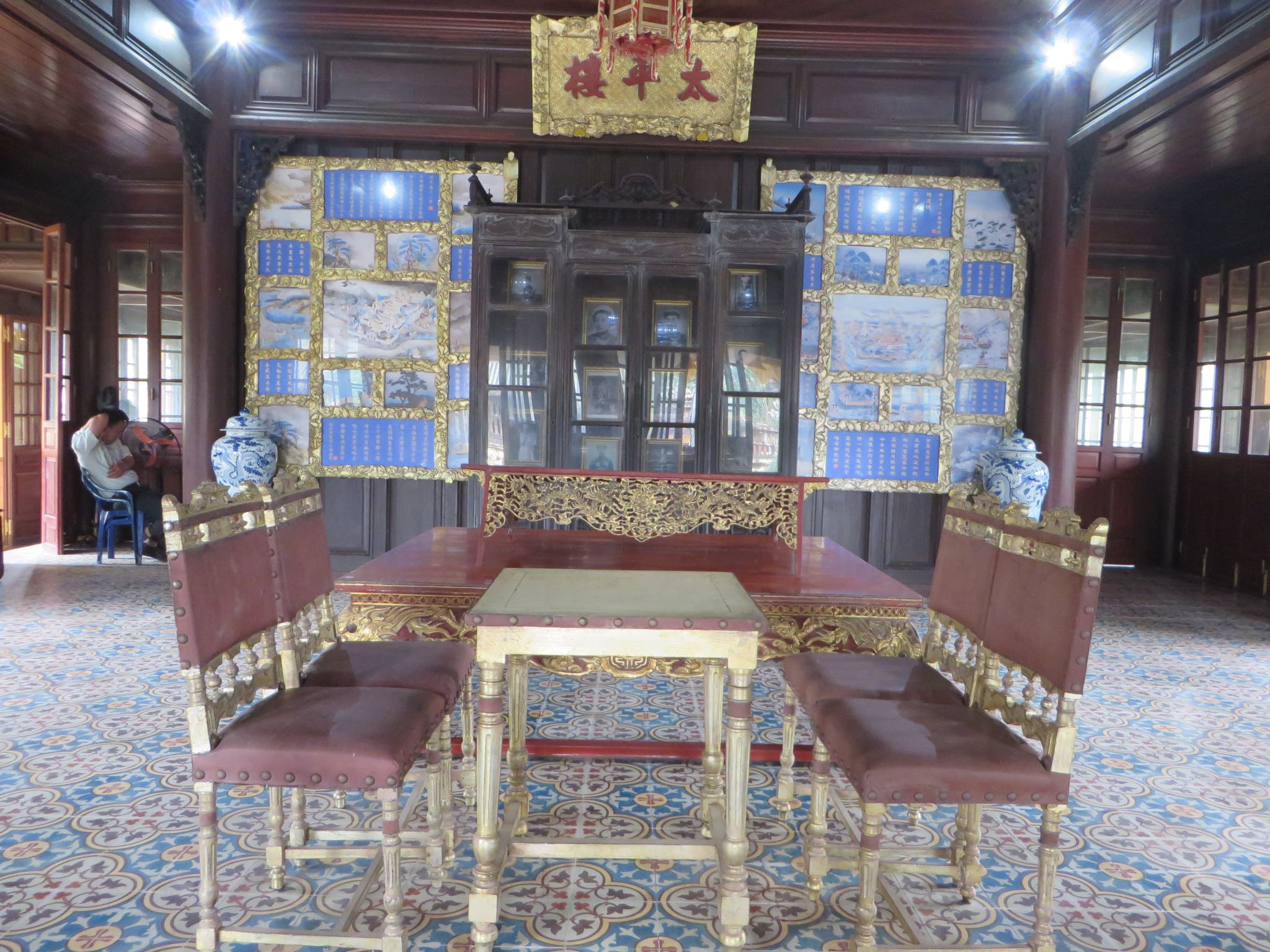
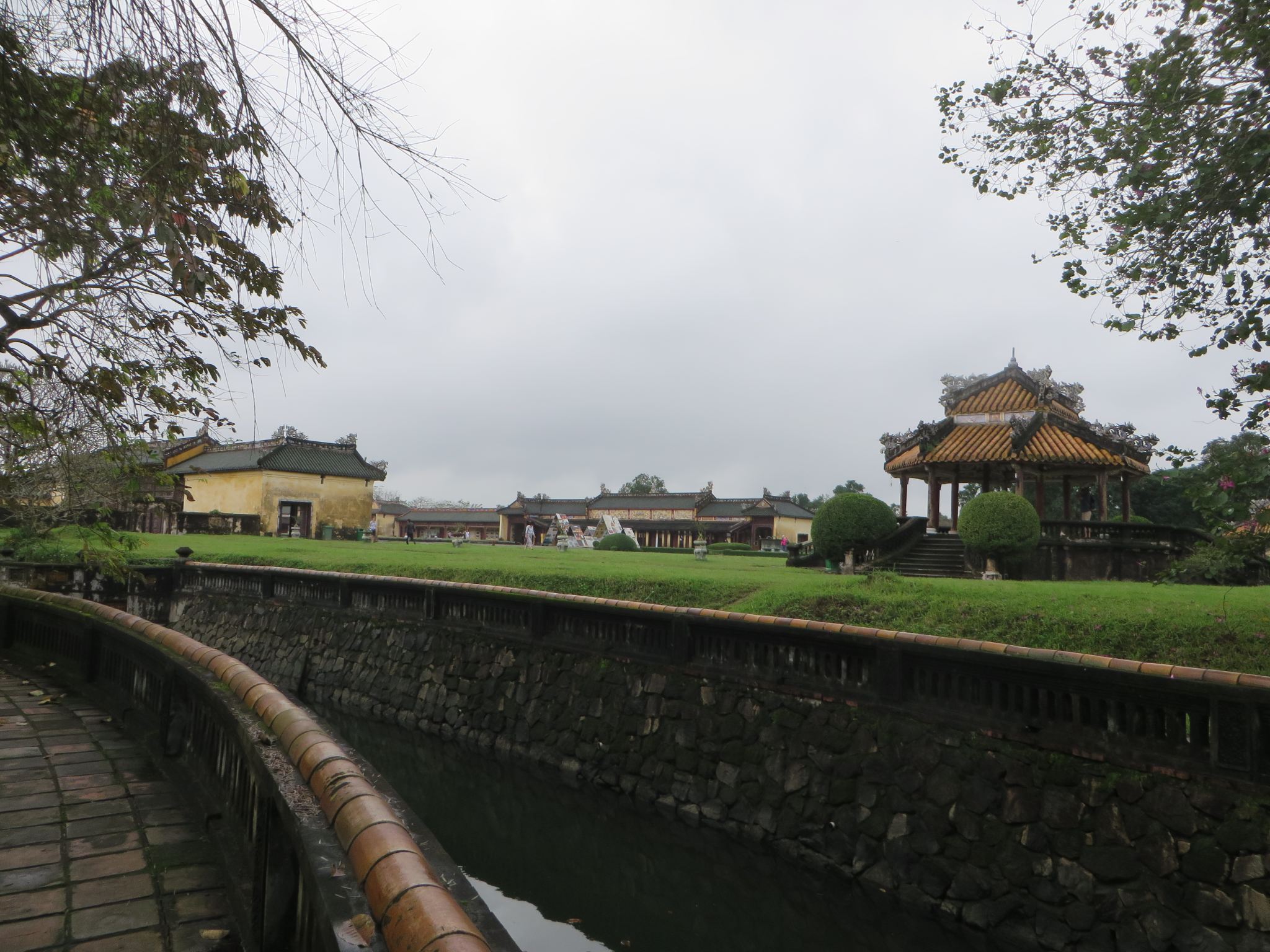
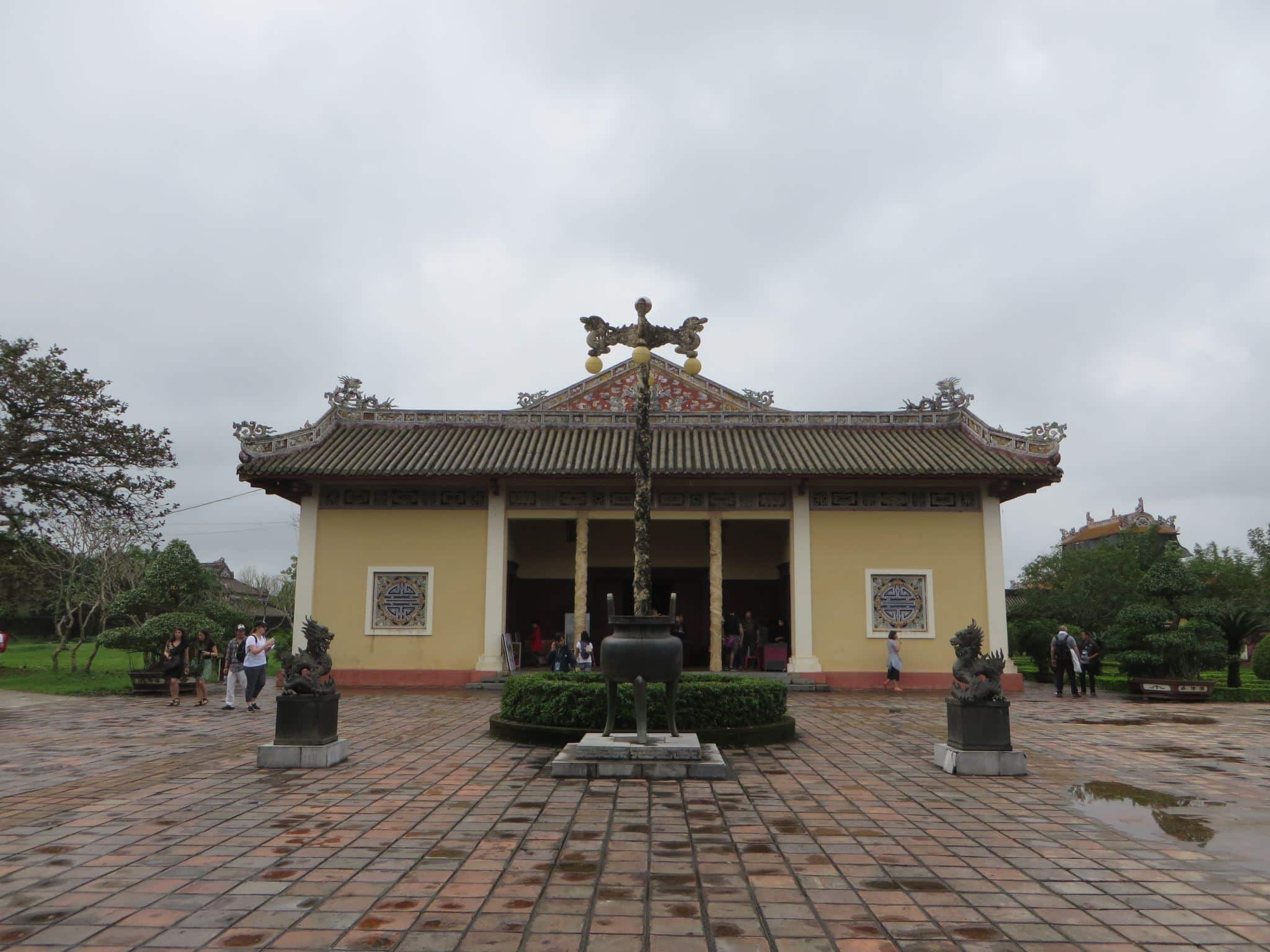
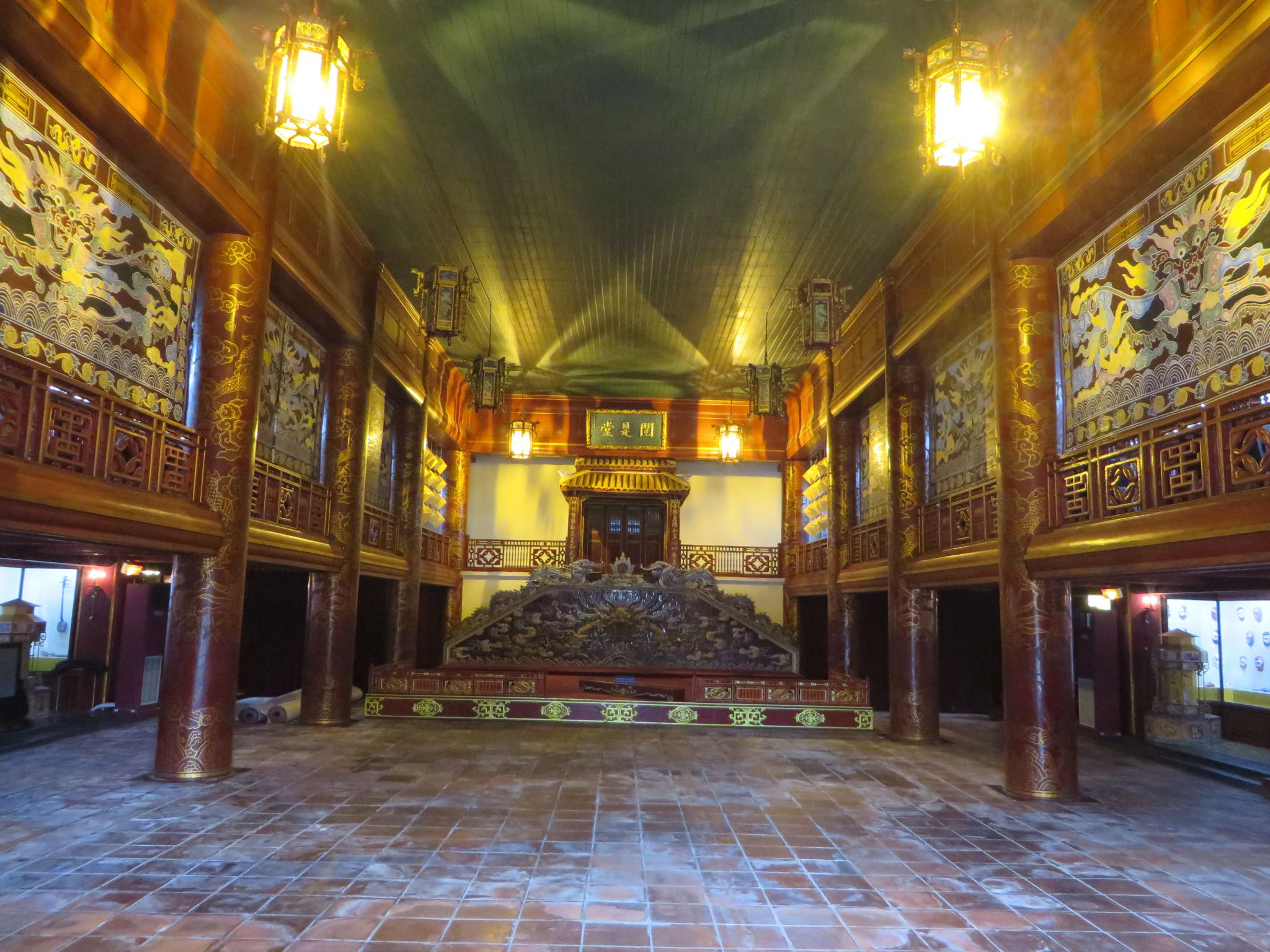
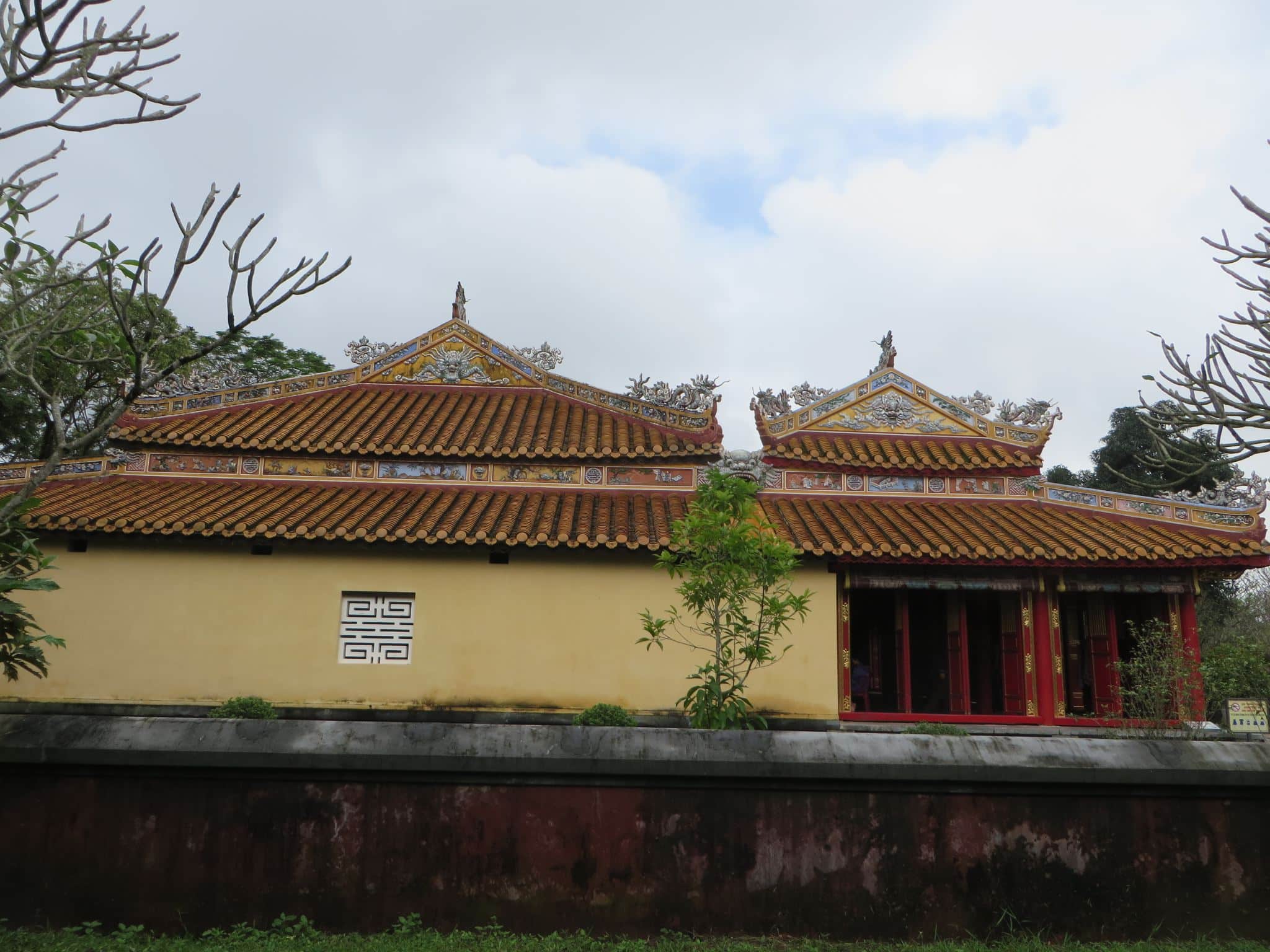
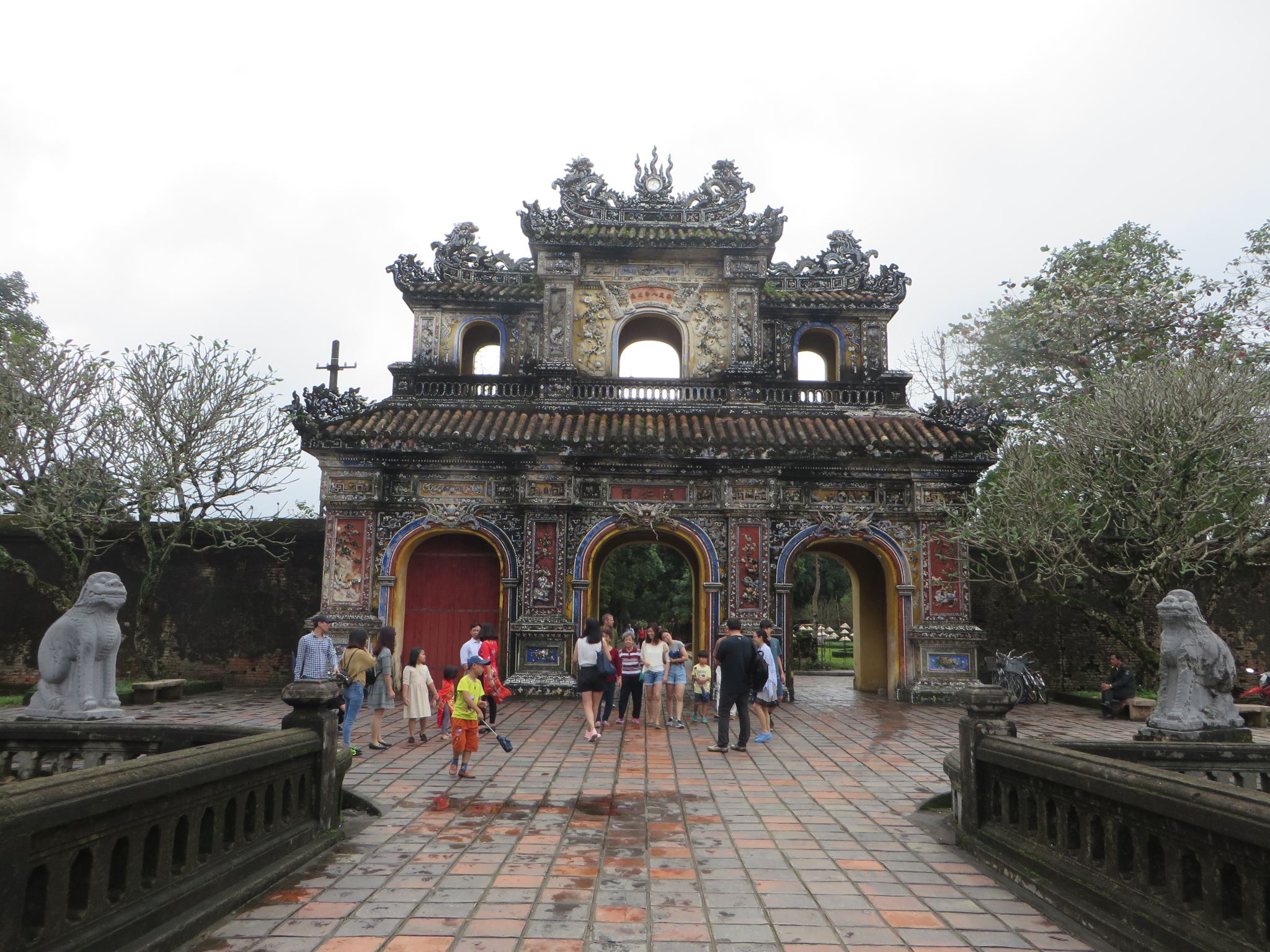
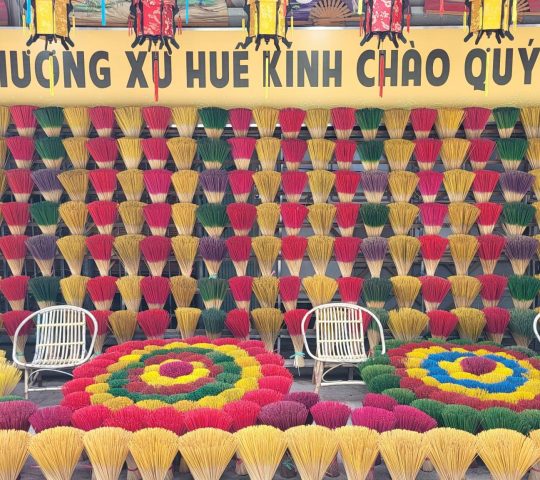
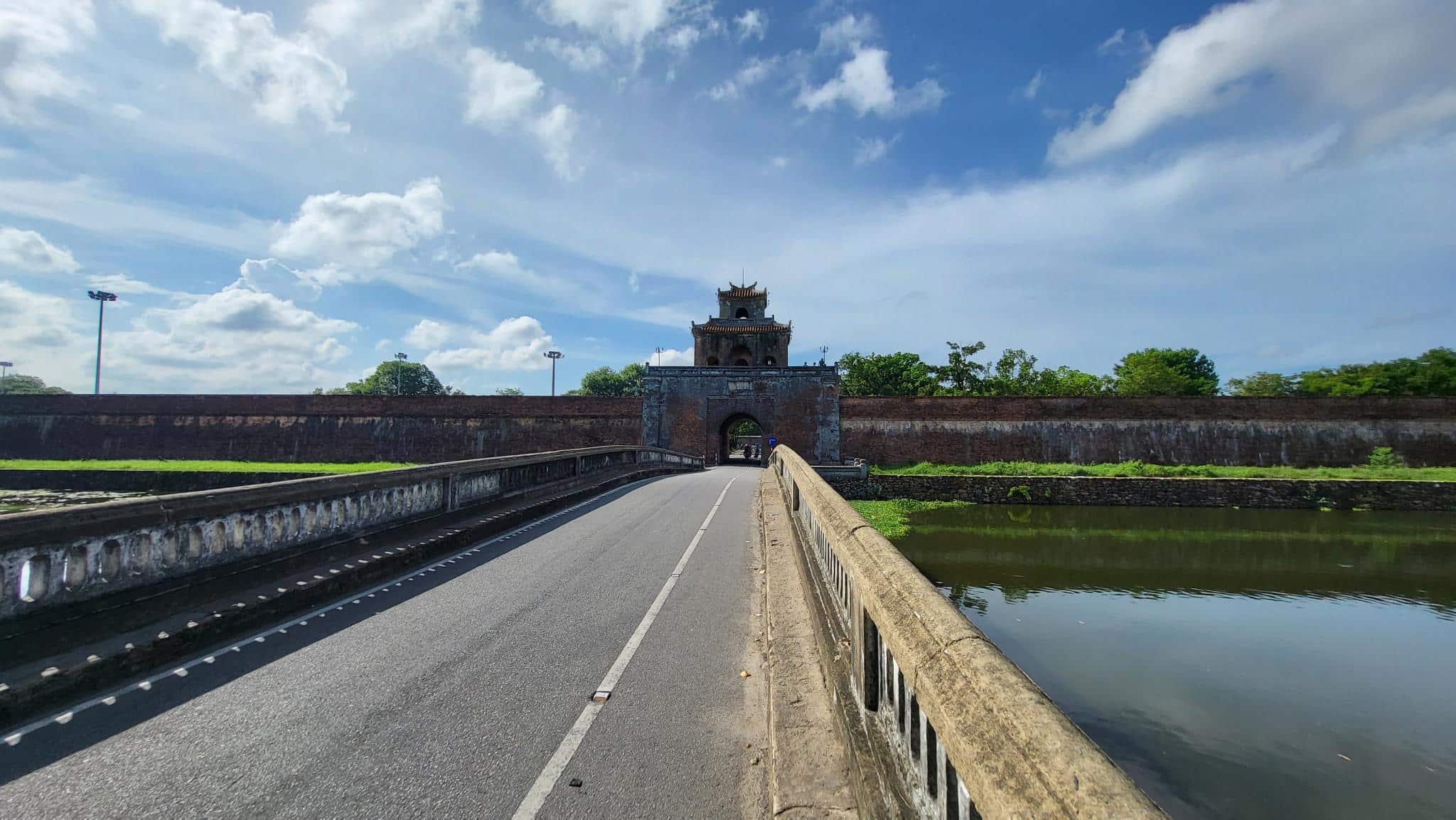
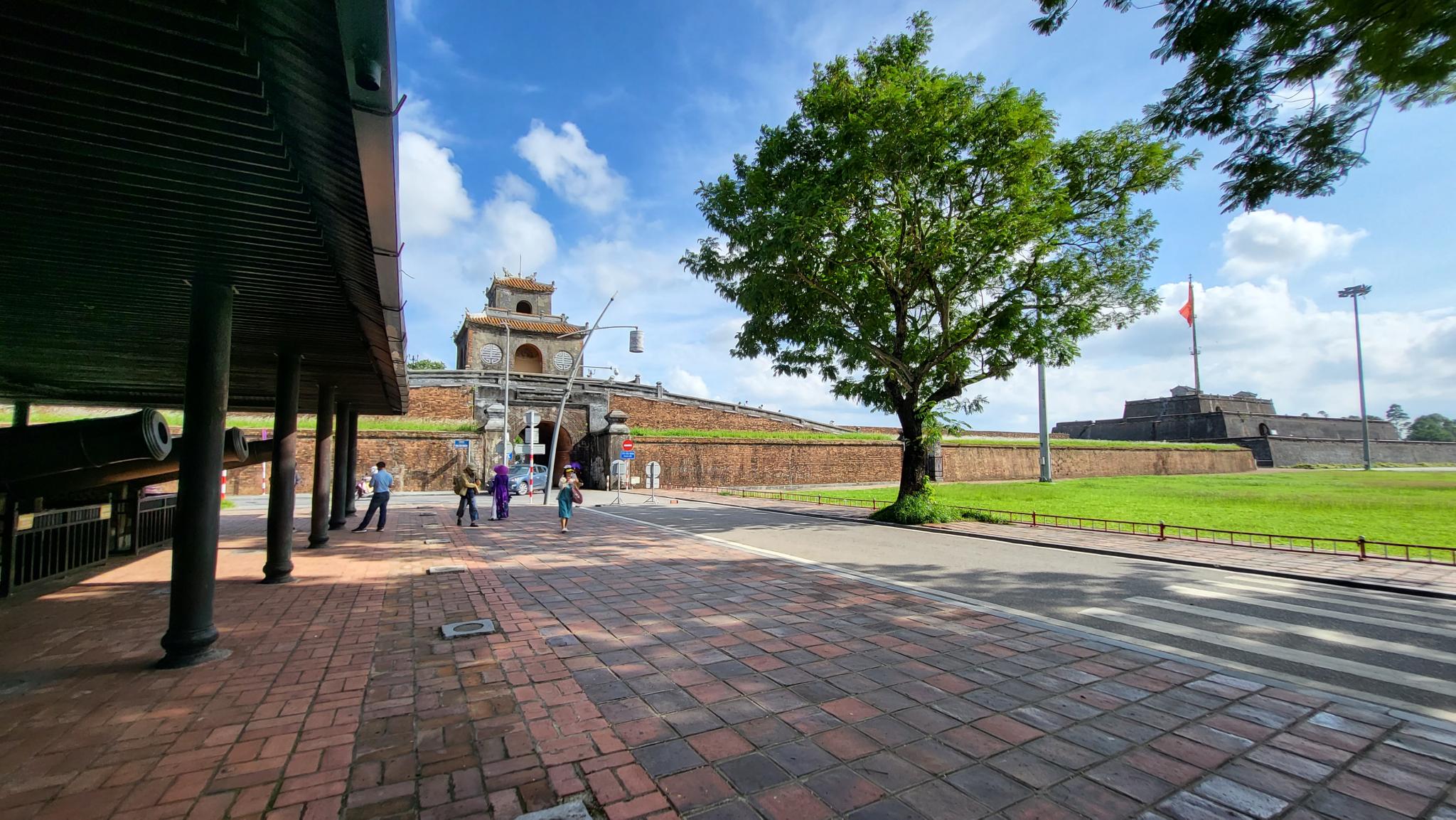
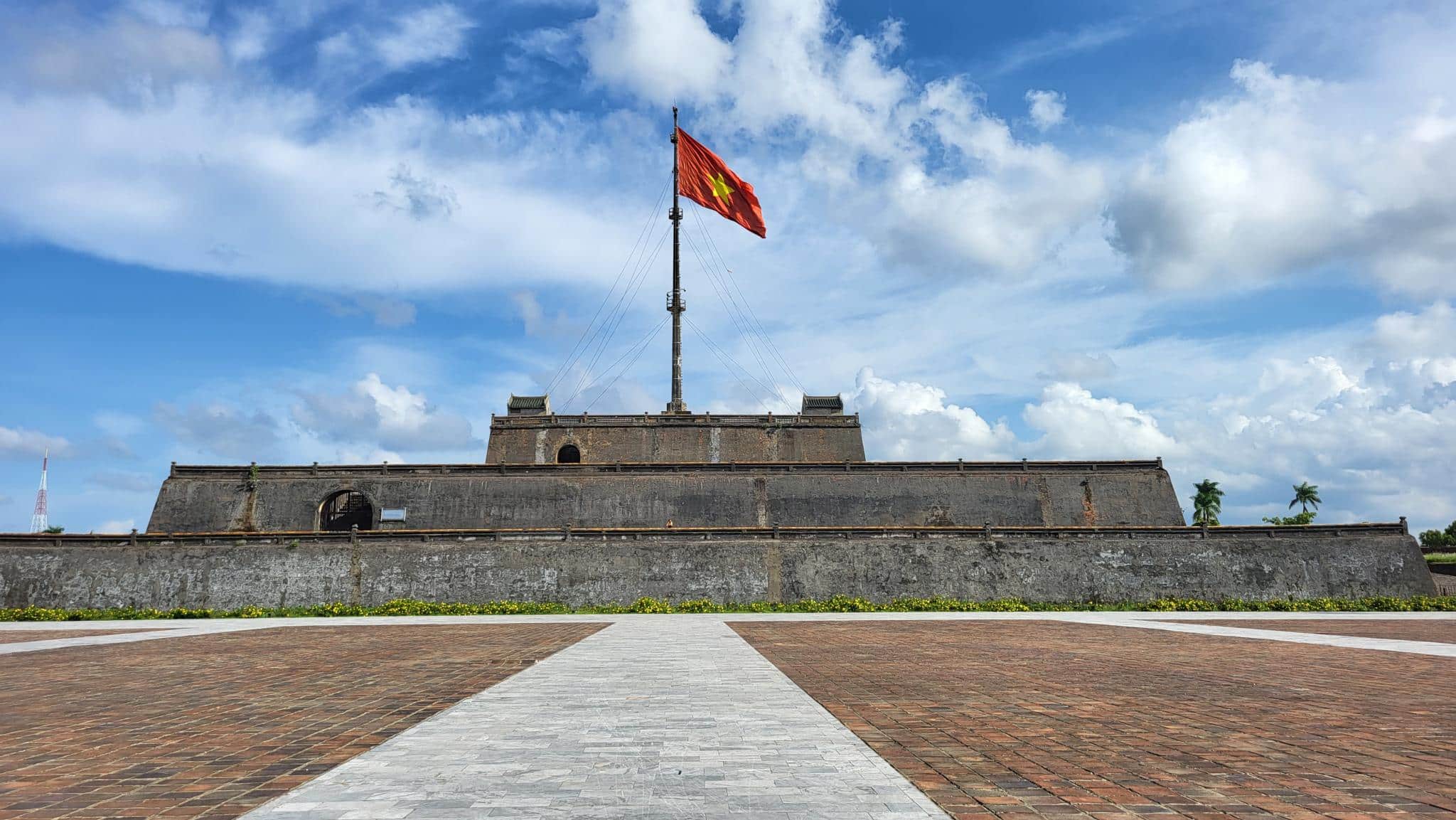
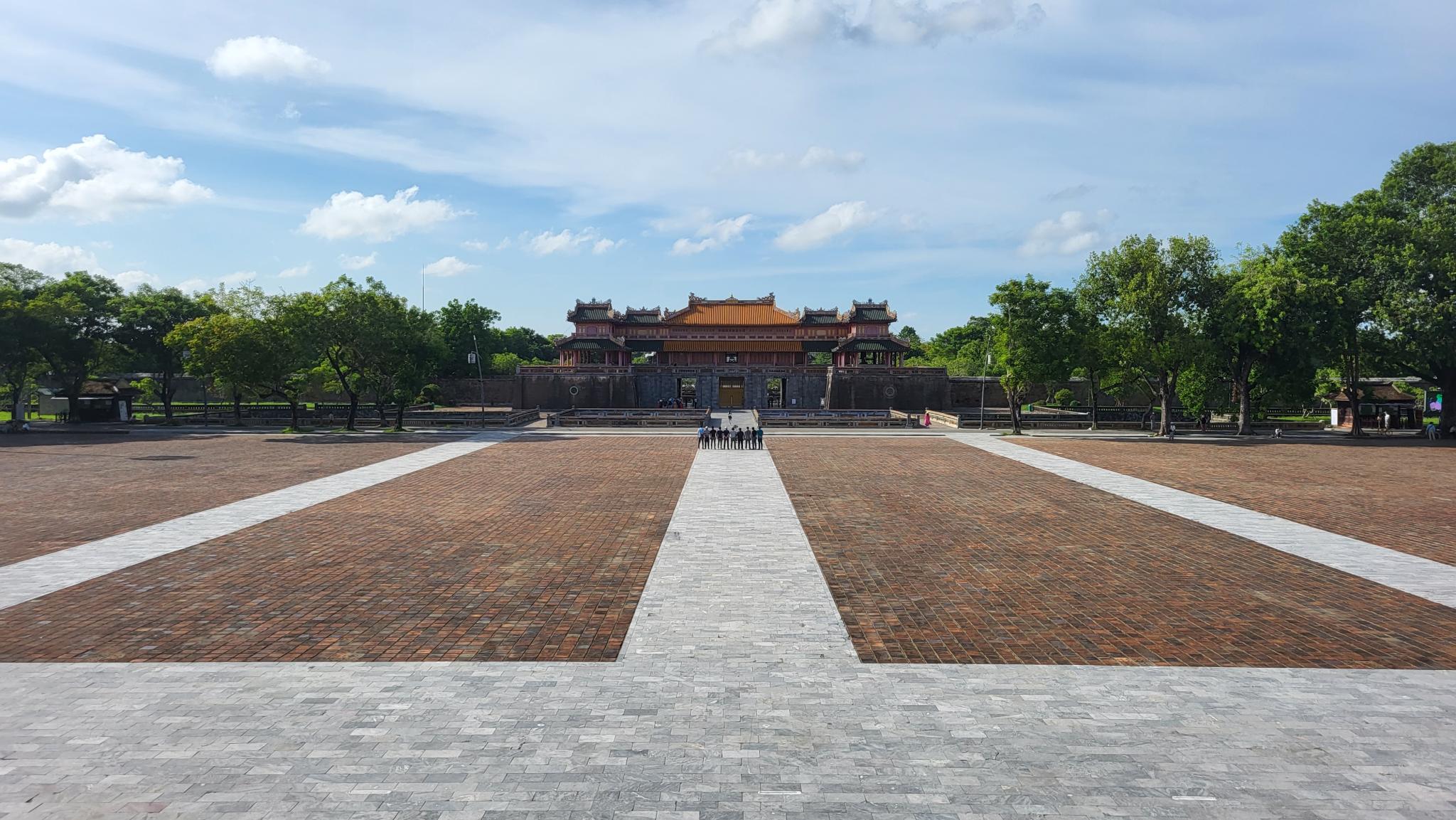
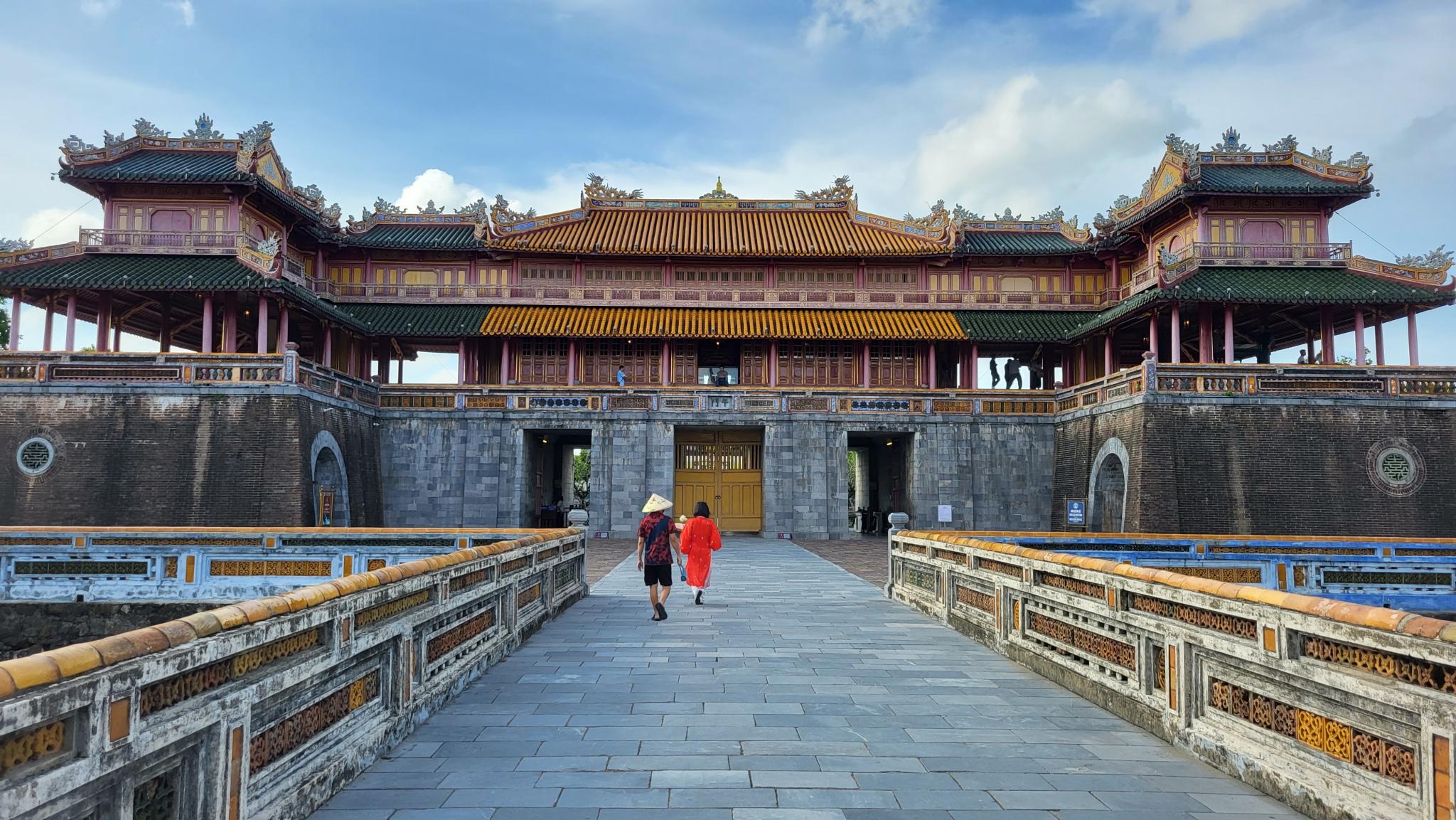
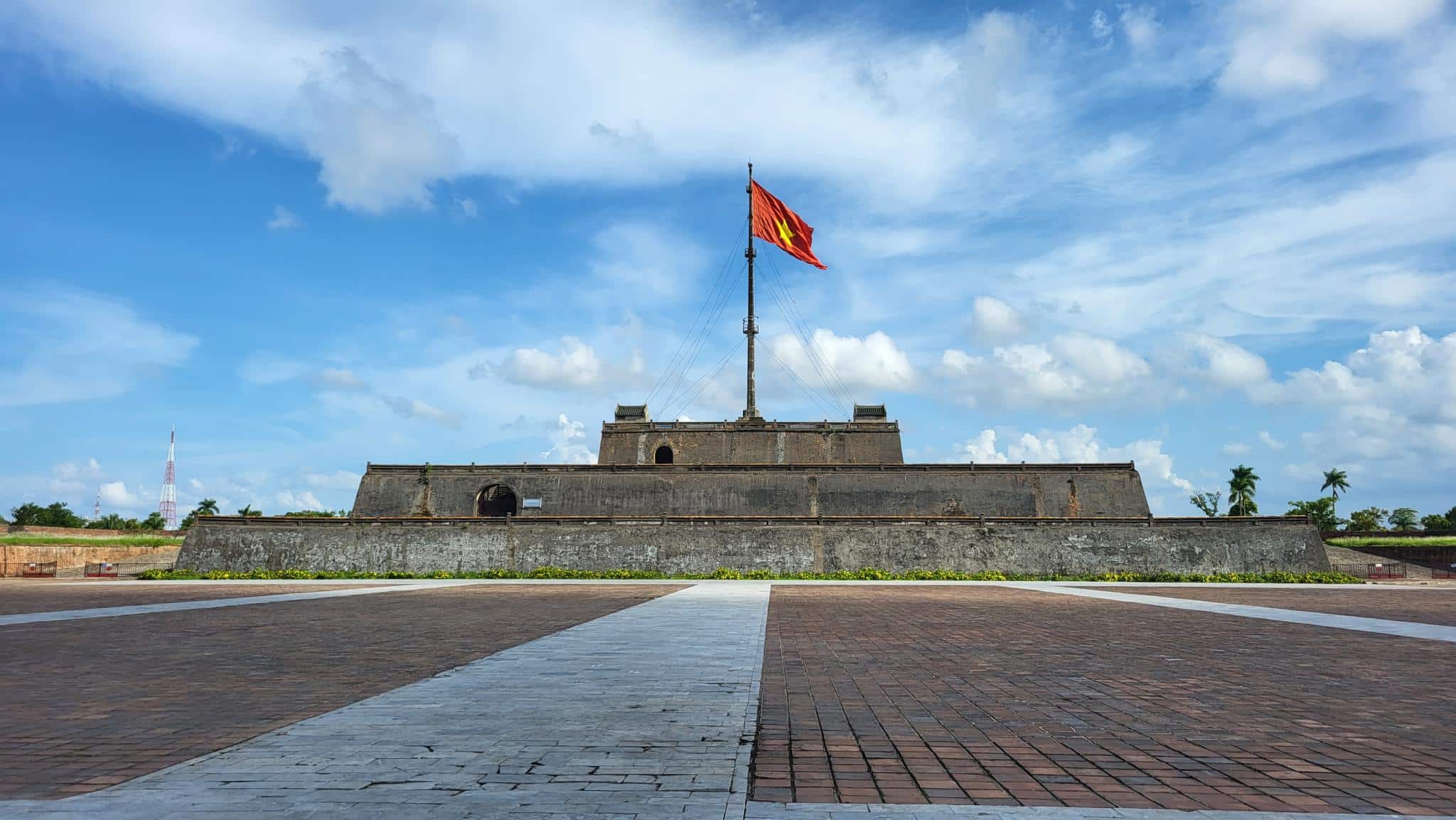
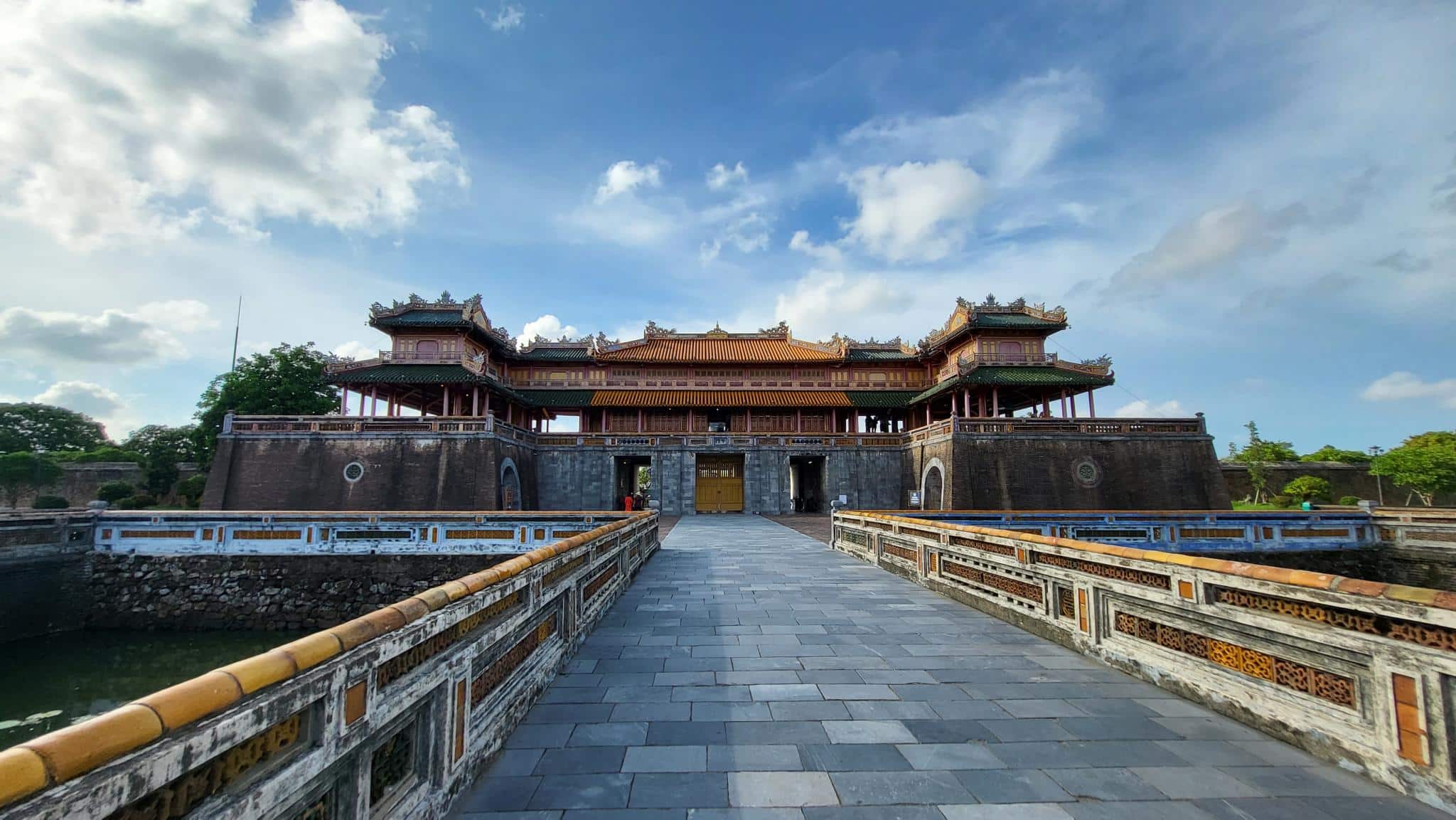
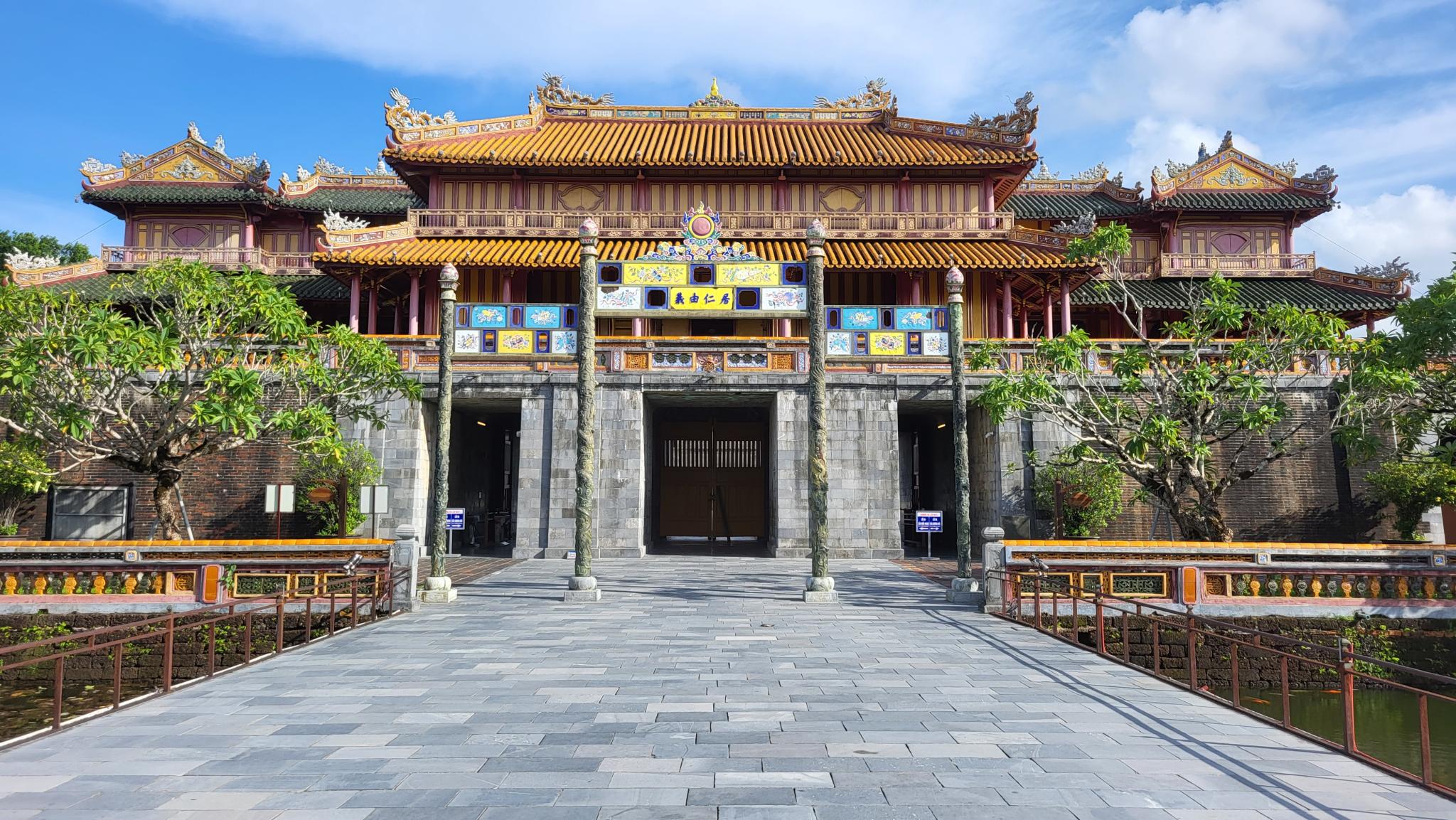
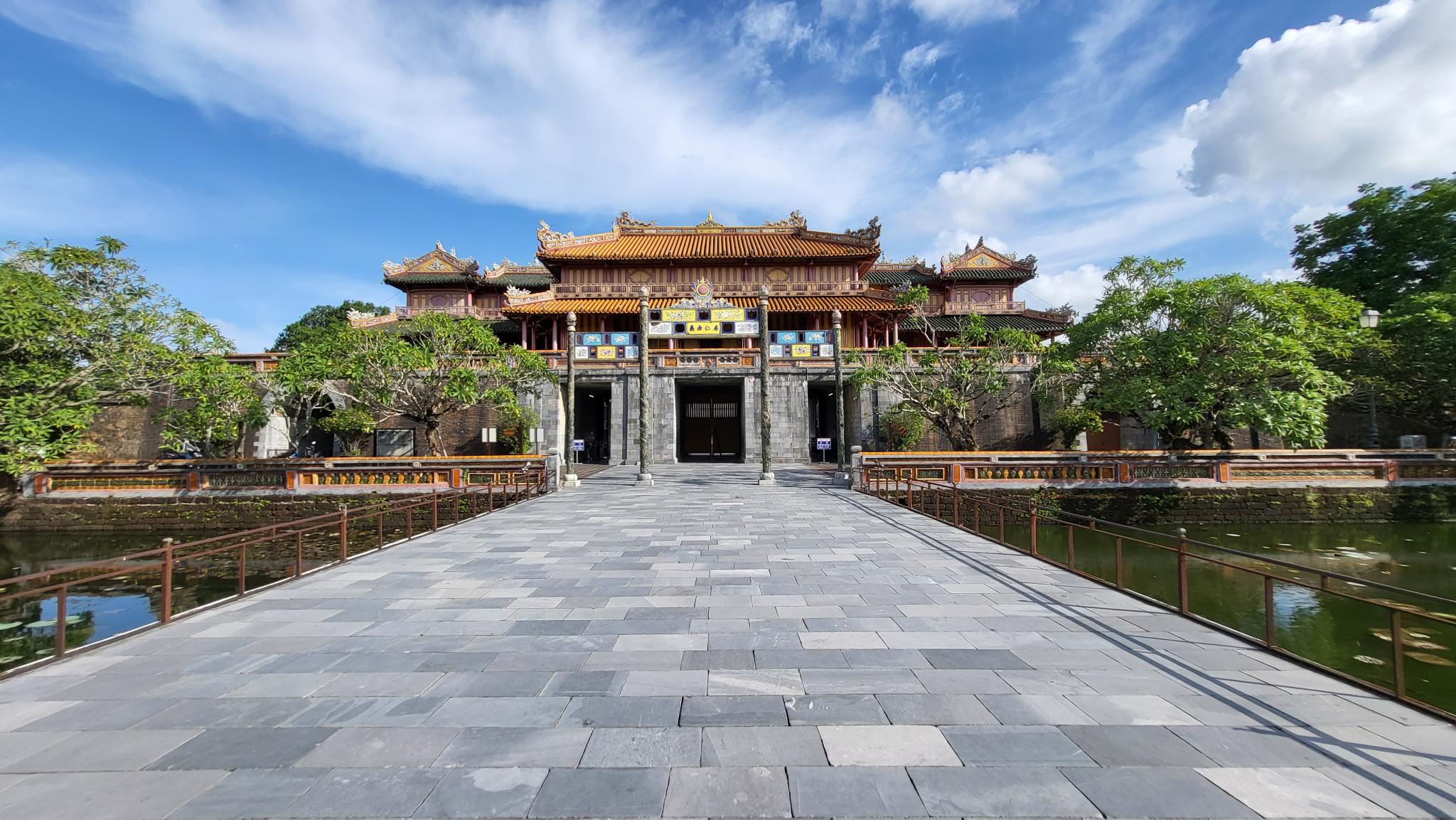
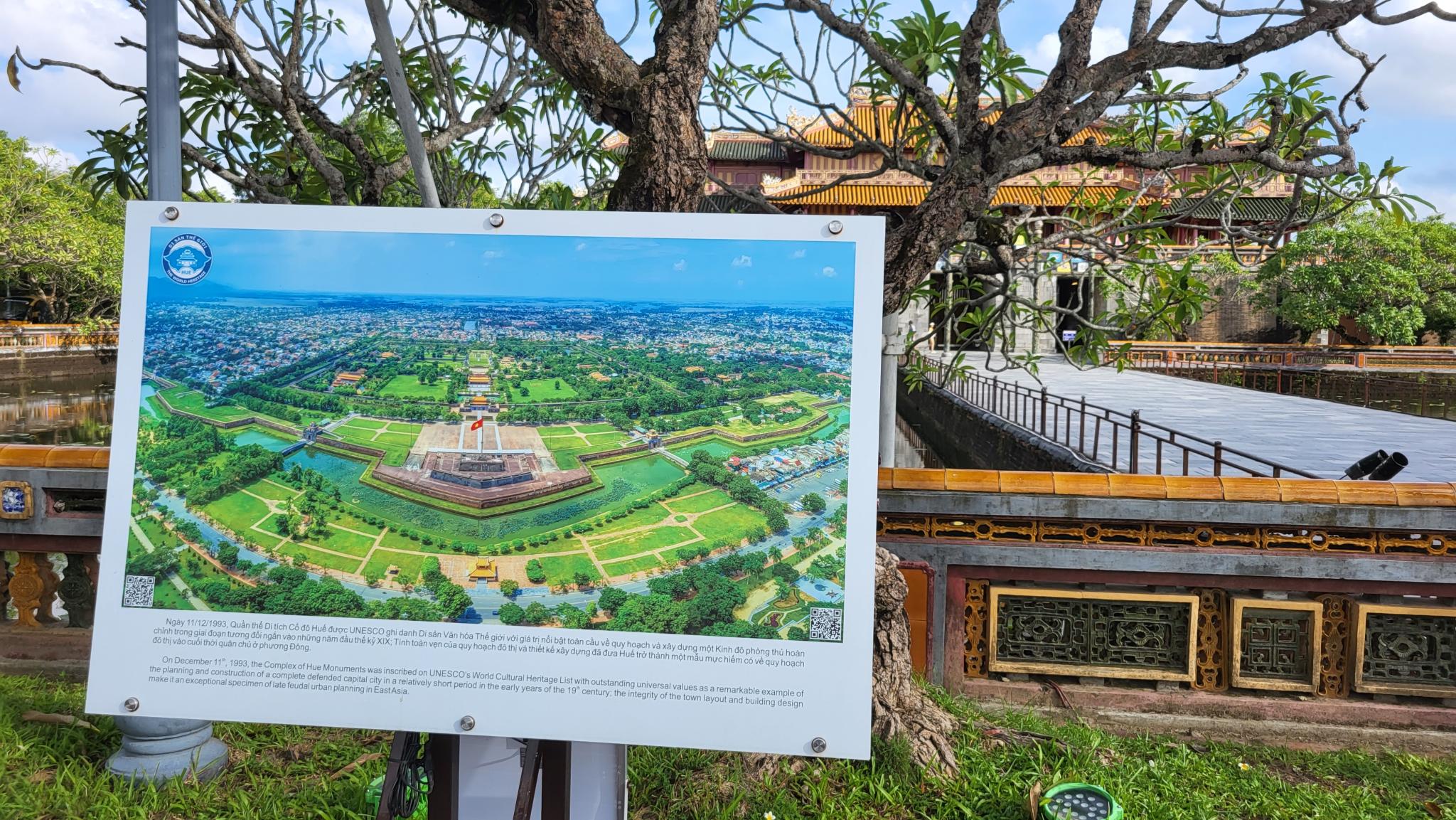
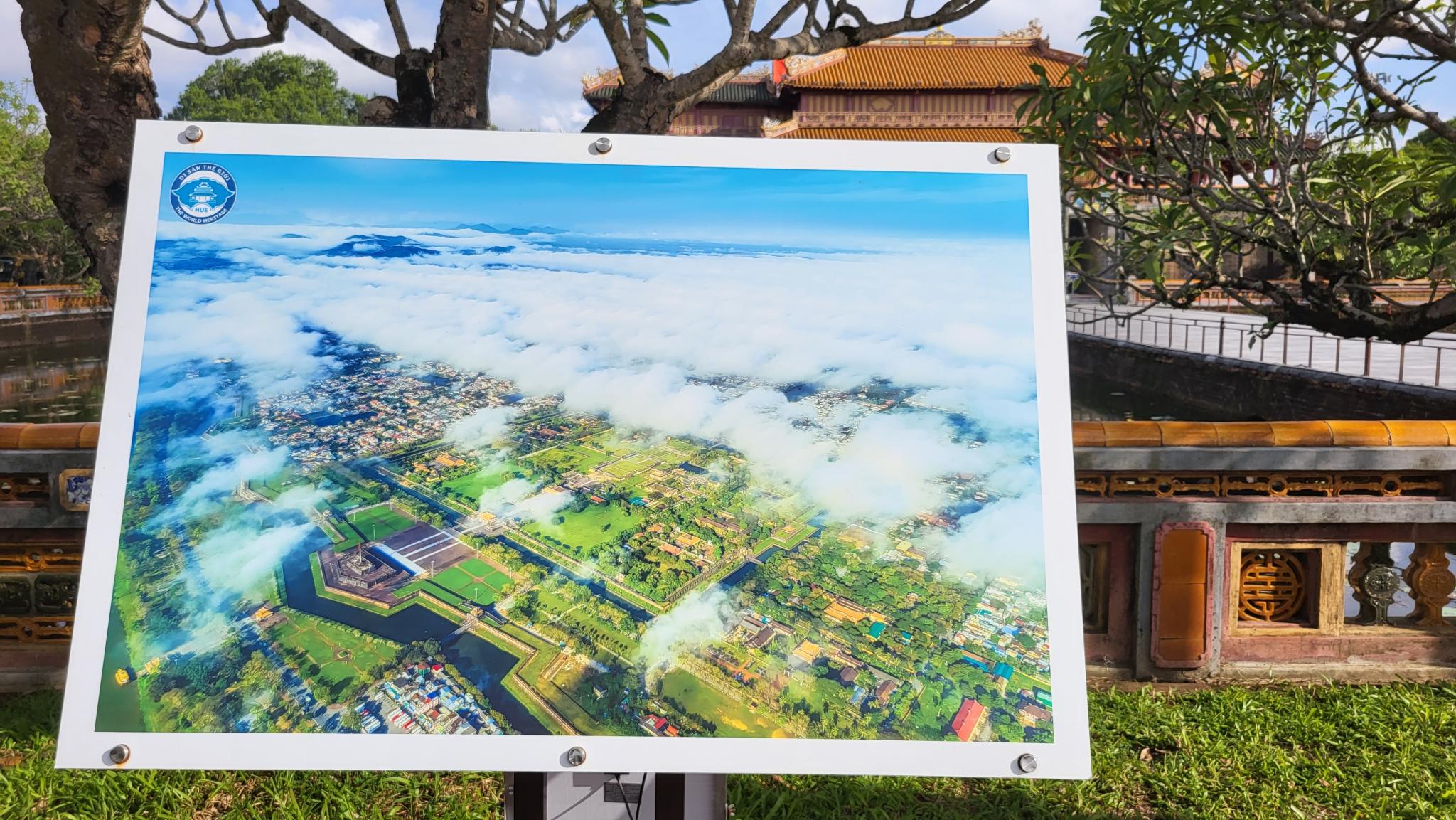
The Imperial City of Huế, located in central Vietnam on the banks of the Perfume River, is a significant historical and cultural site that served as the capital of the Nguyen Dynasty from 1802 to 1945. This sprawling complex, which was designated a UNESCO World Heritage Site in 1993, offers a glimpse into Vietnam’s imperial past.
Here are some key points about the Imperial City of Huế:
- Historical Significance: The Nguyen Dynasty, Vietnam’s last imperial ruling family, established Huế as its capital. The construction of the Imperial City began in 1804 under the reign of Emperor Gia Long and continued through subsequent reigns.
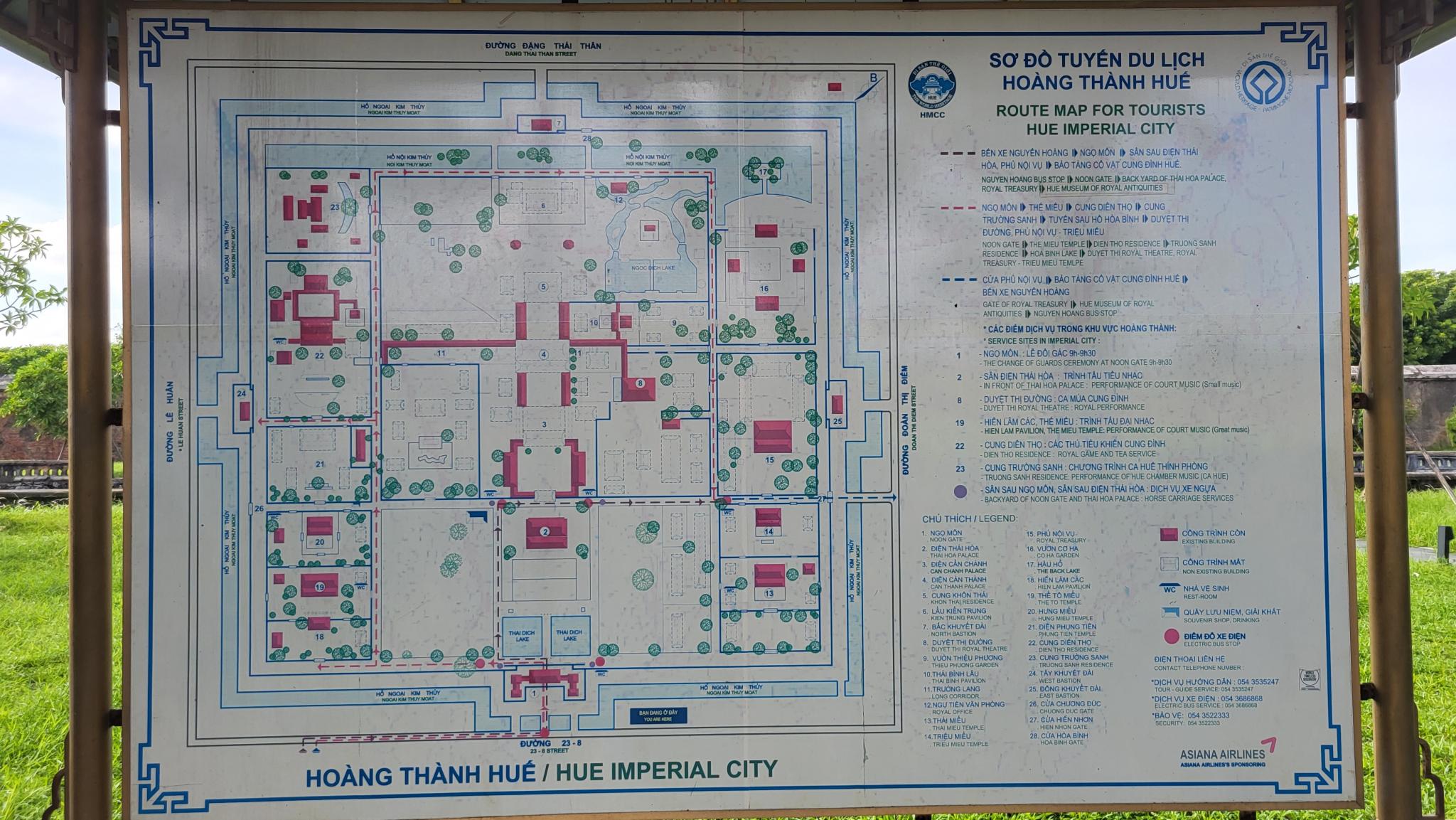
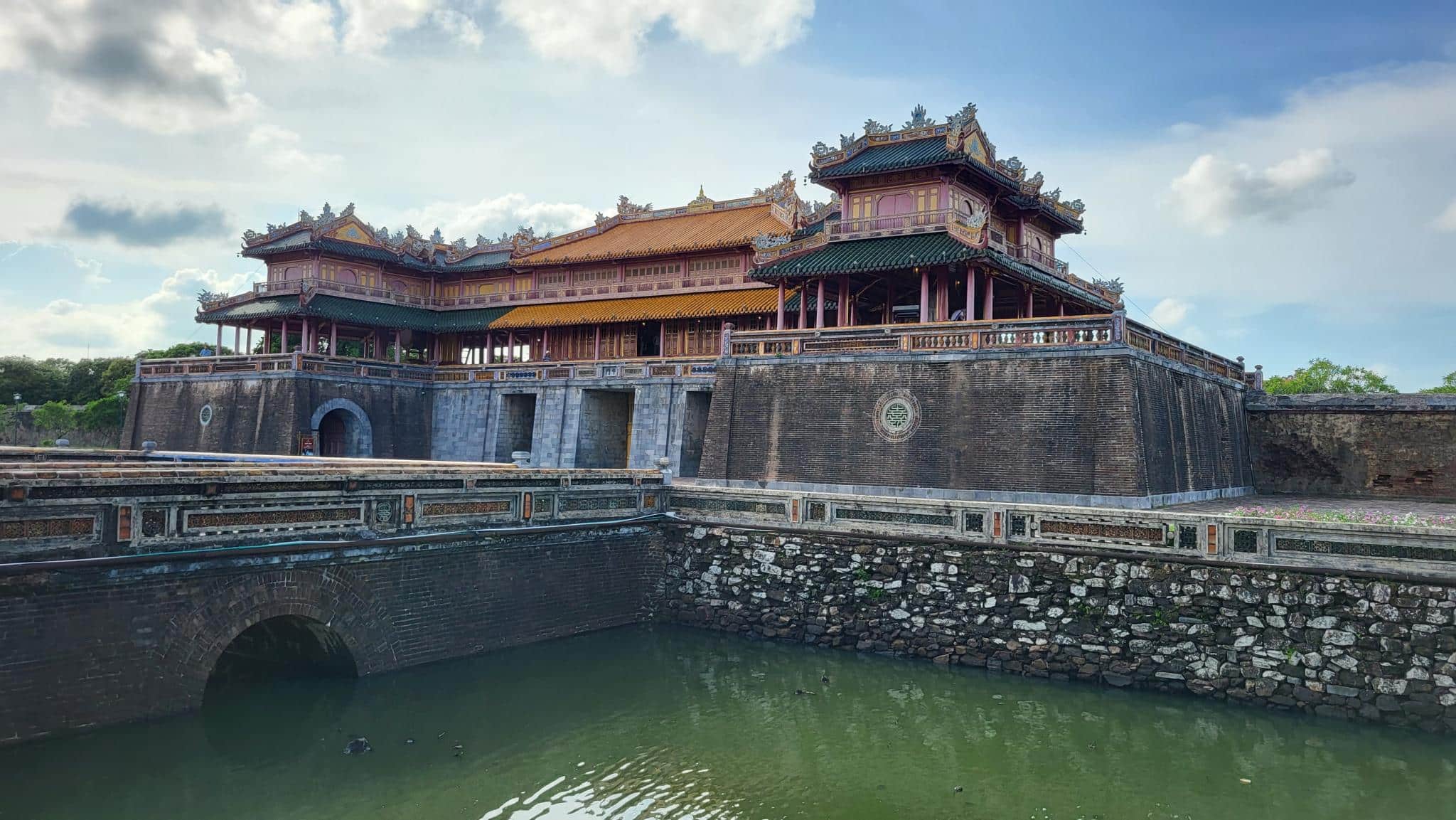
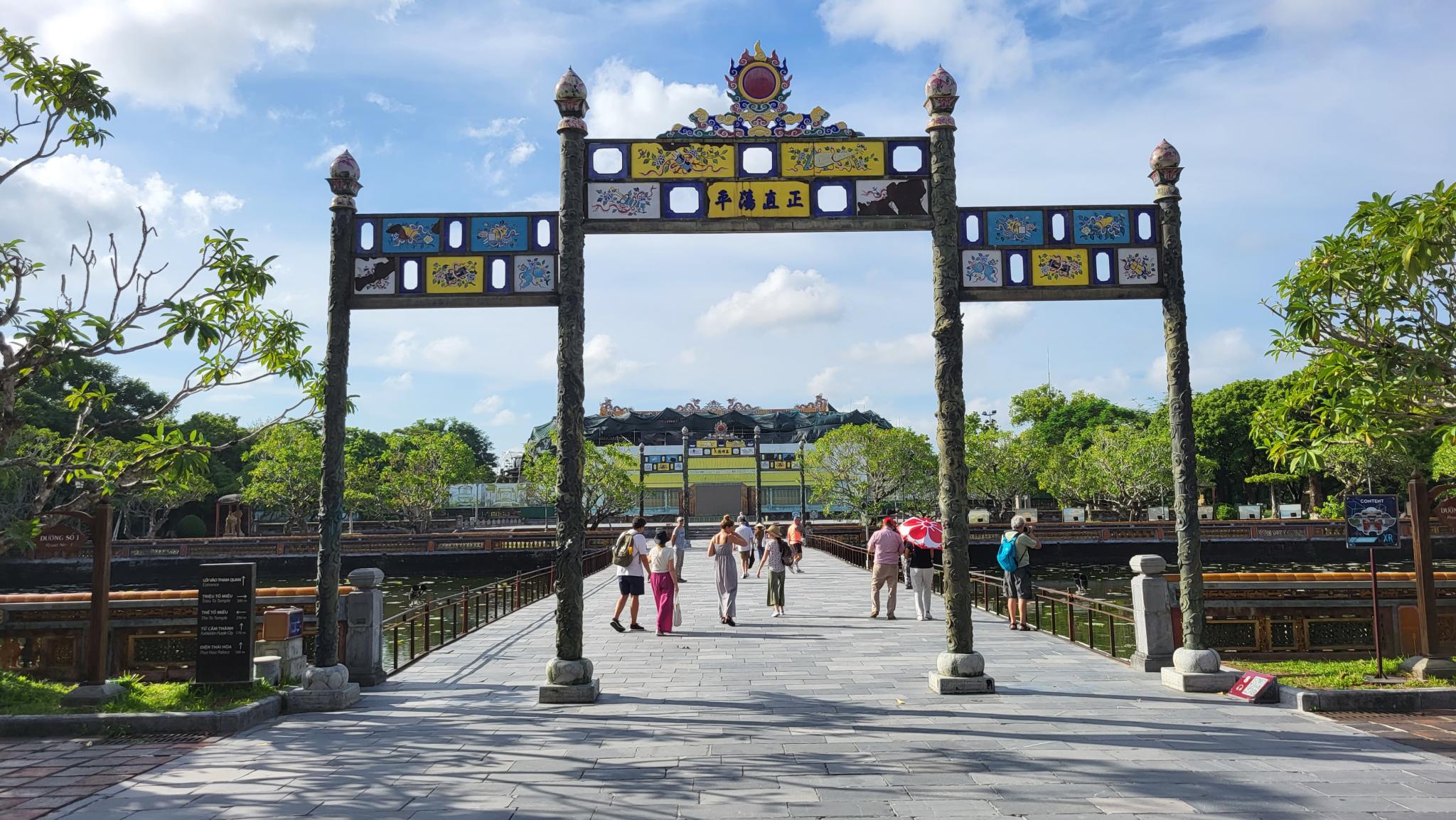
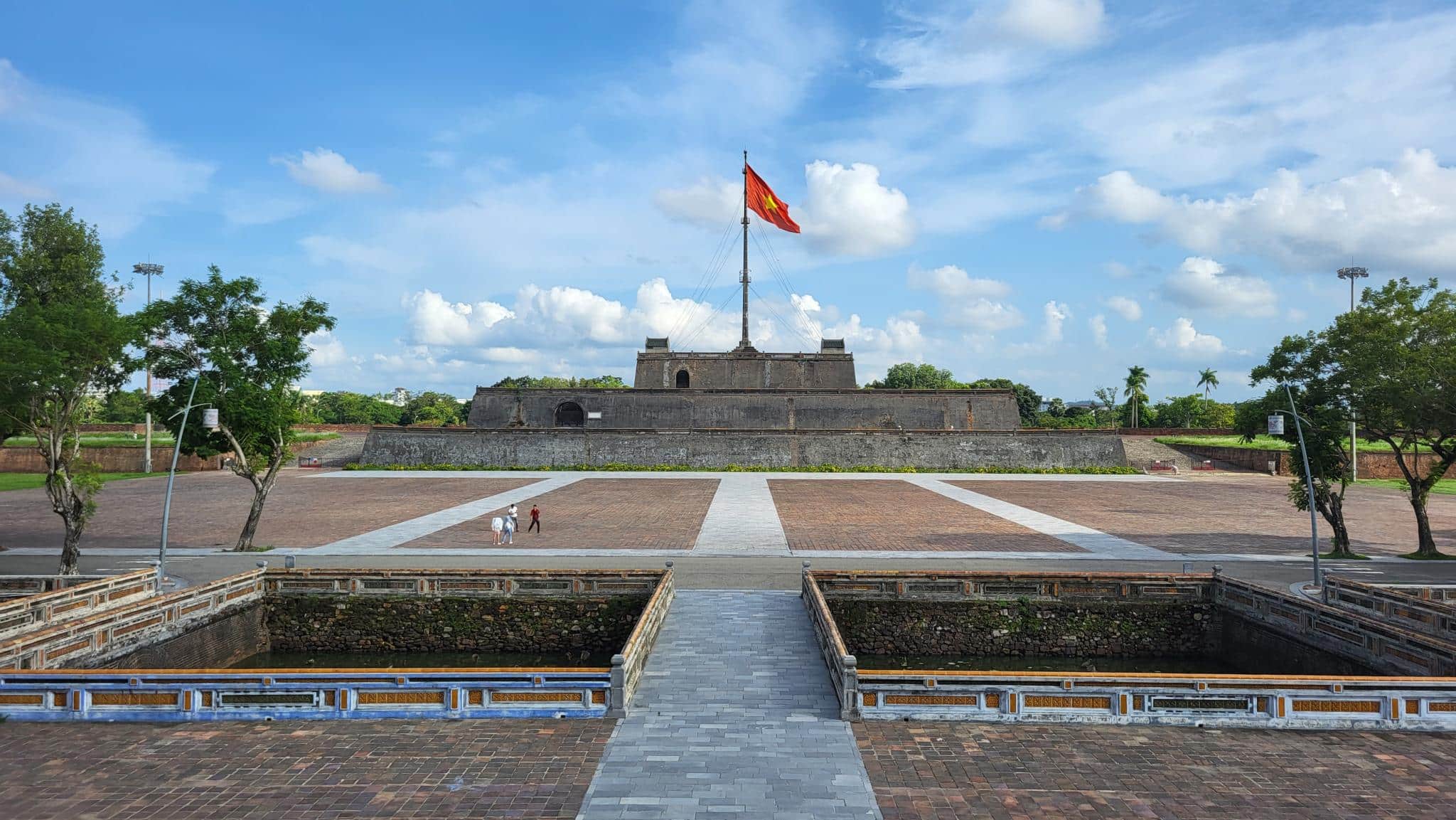
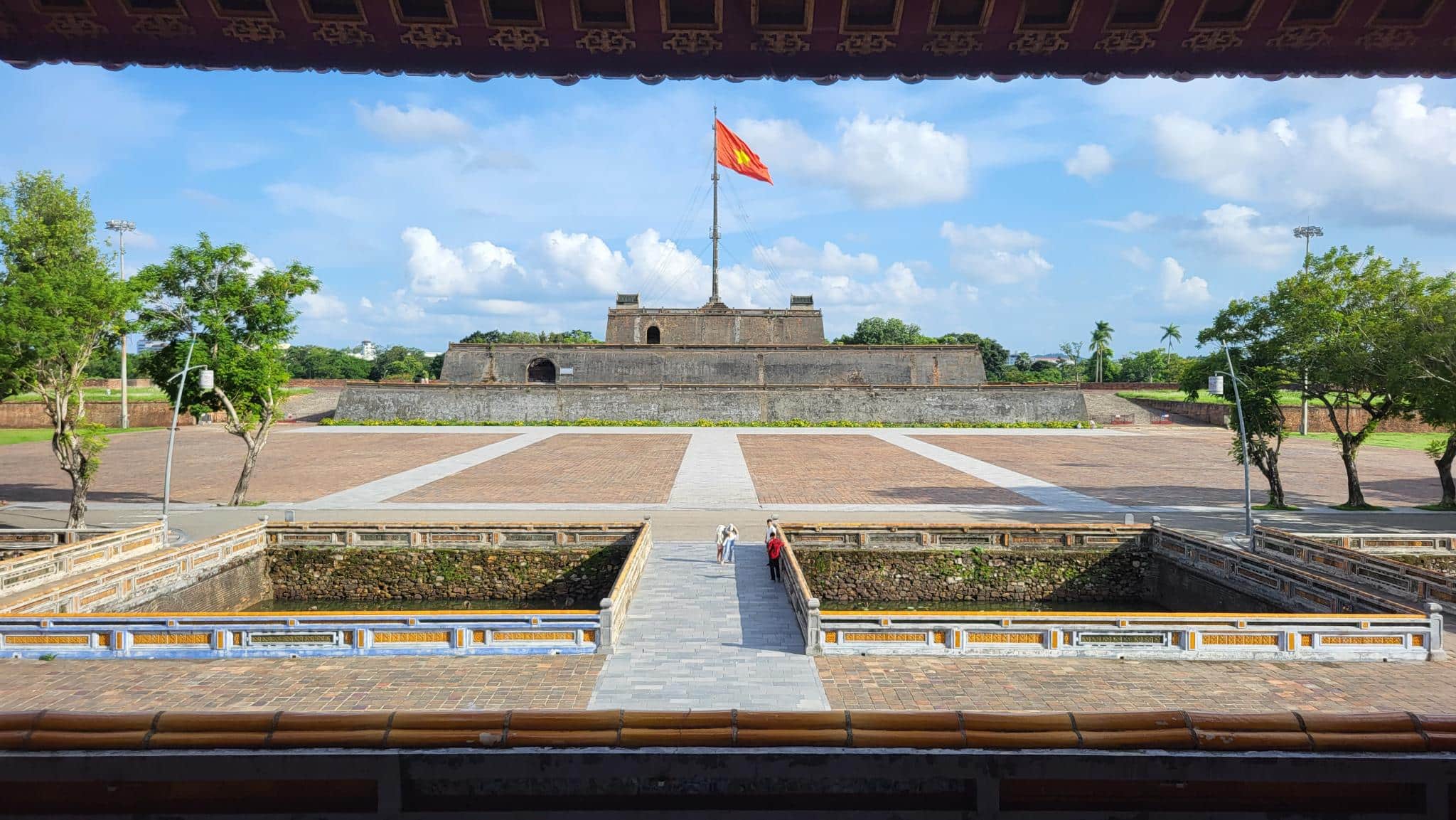
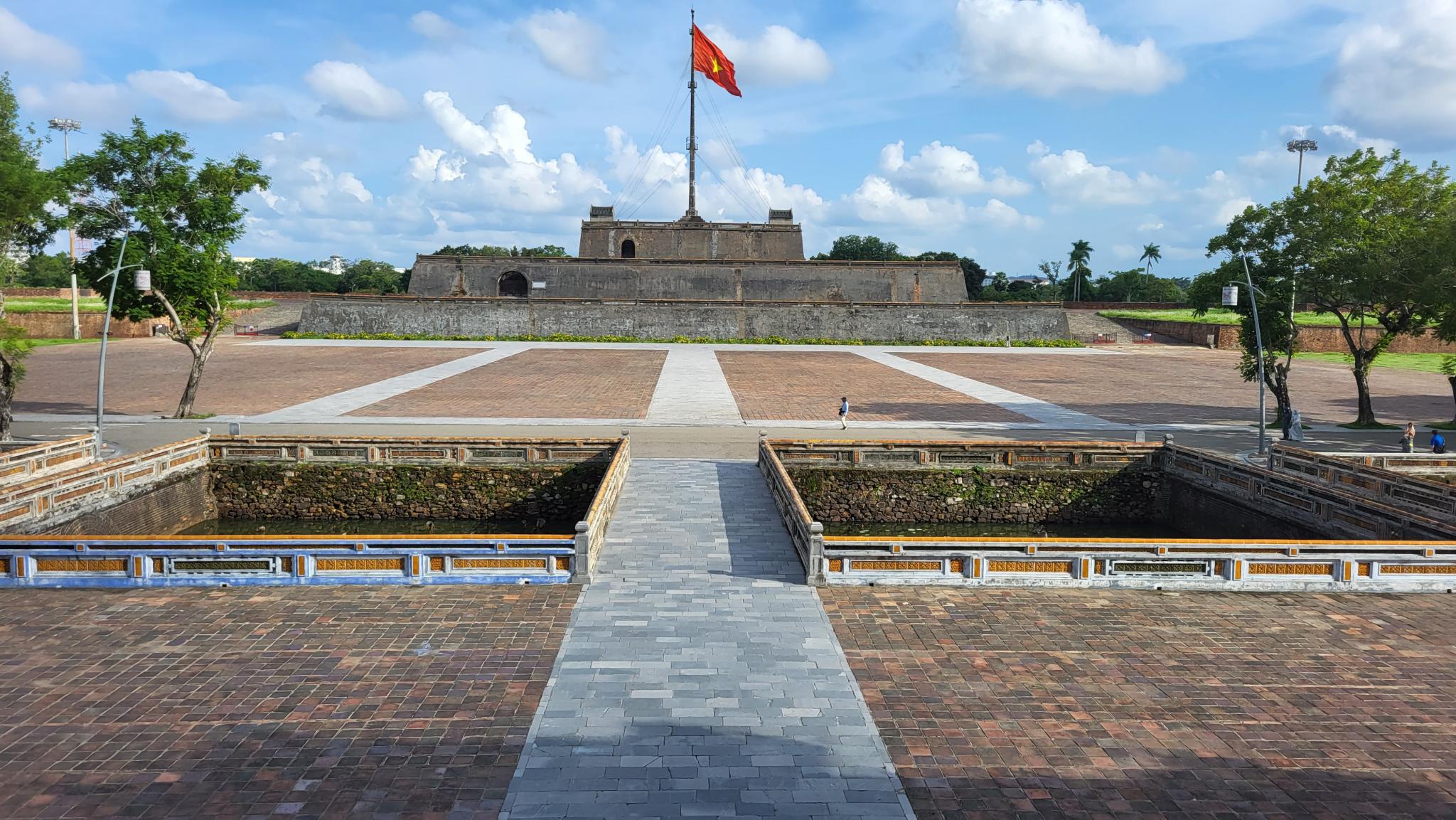
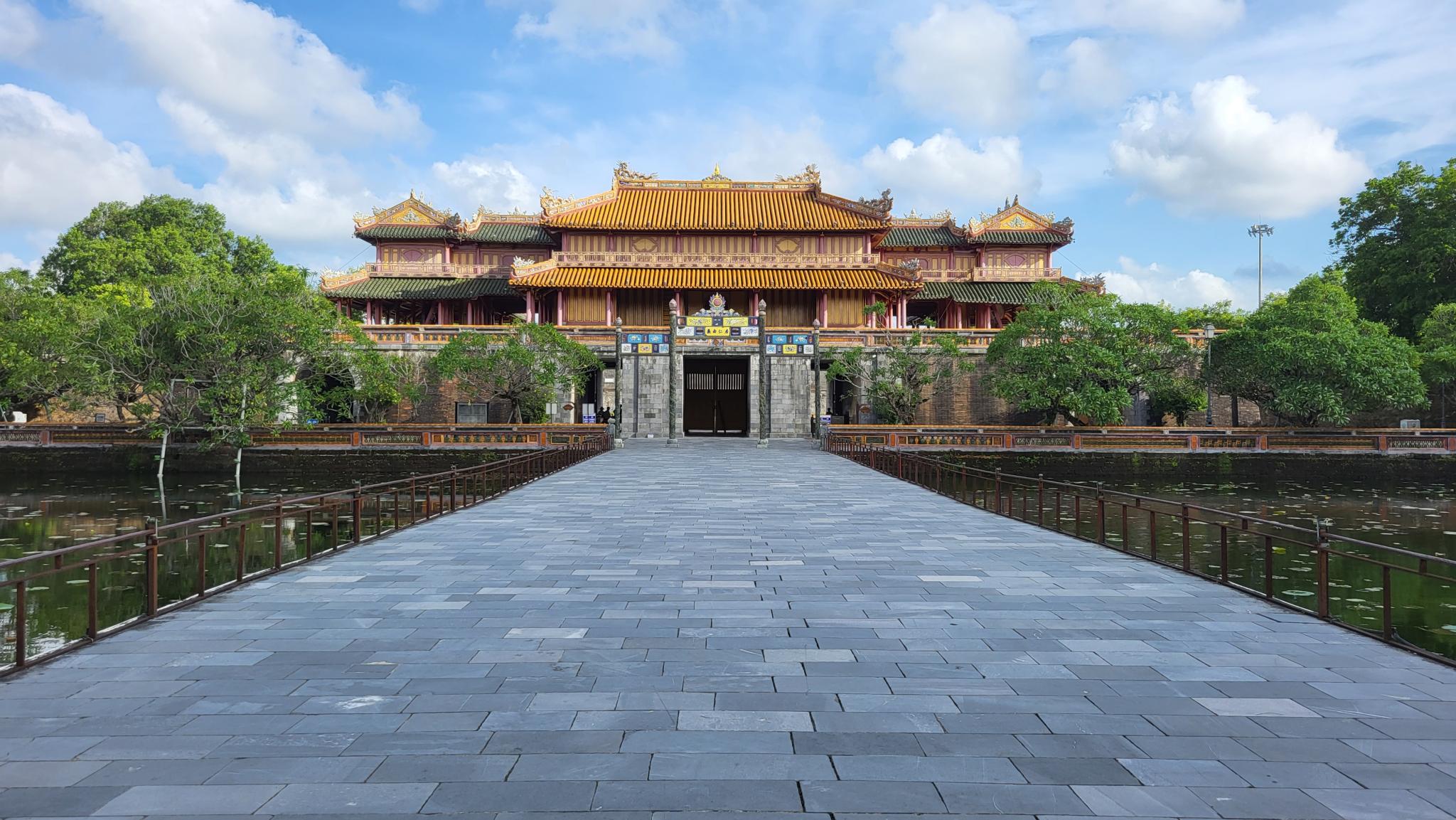
- Architectural Layout: The Imperial City is characterized by a series of concentric circles of walls and moats, with the outermost being the Citadel, followed by the Imperial City (Hoàng Thành), and finally the Forbidden Purple City (Tử cấm thành), which was reserved for the emperor and his family.
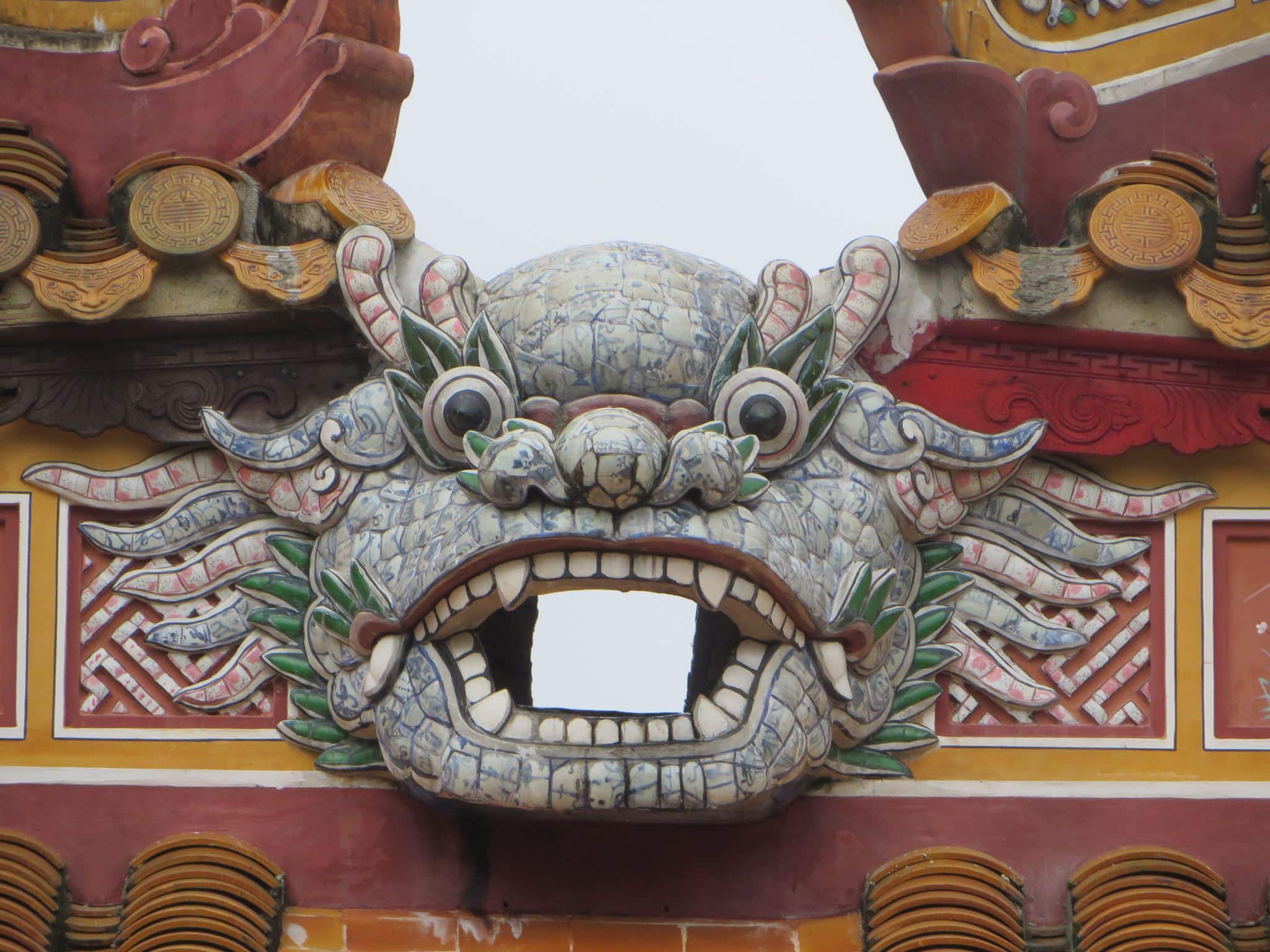
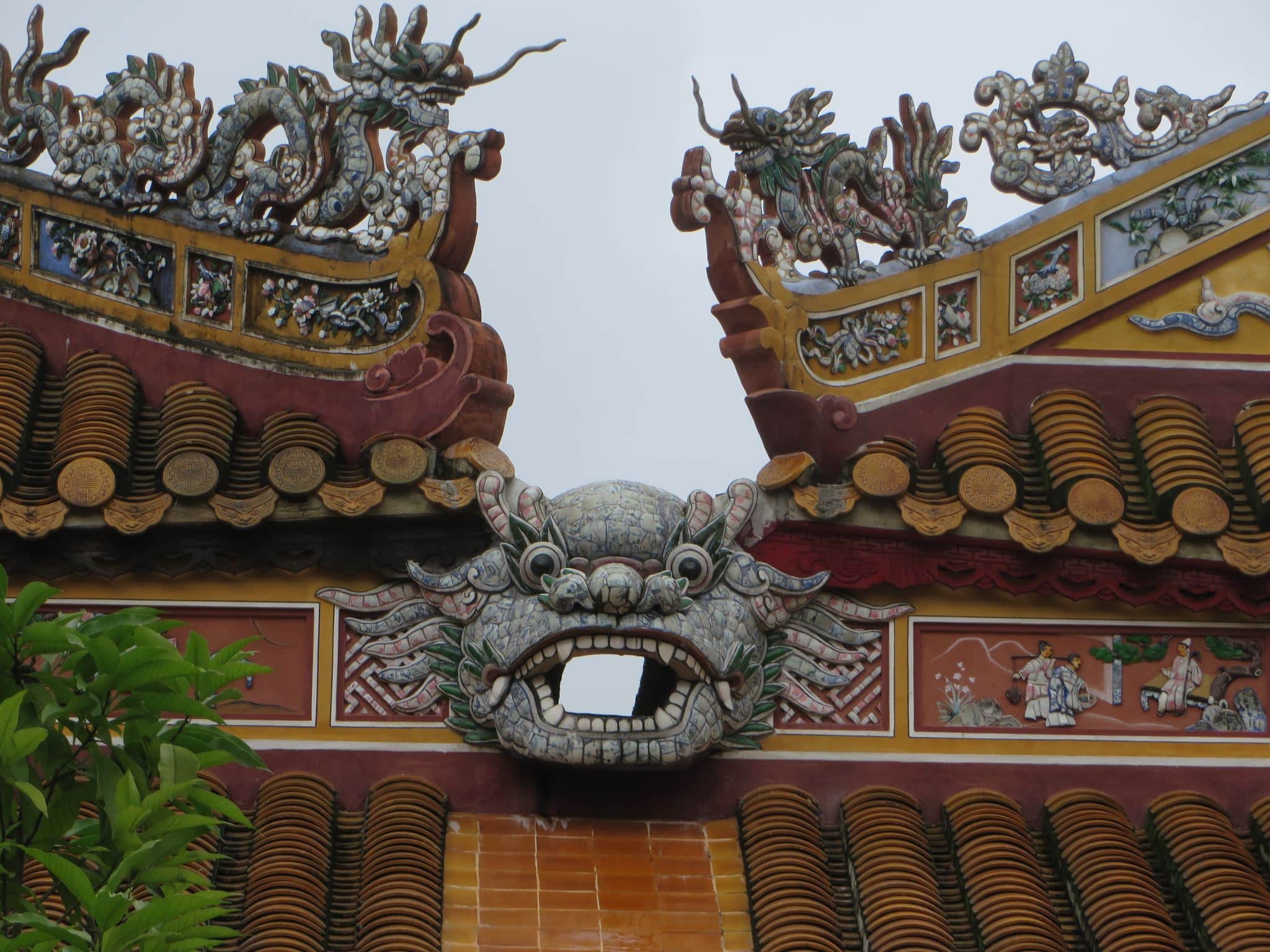
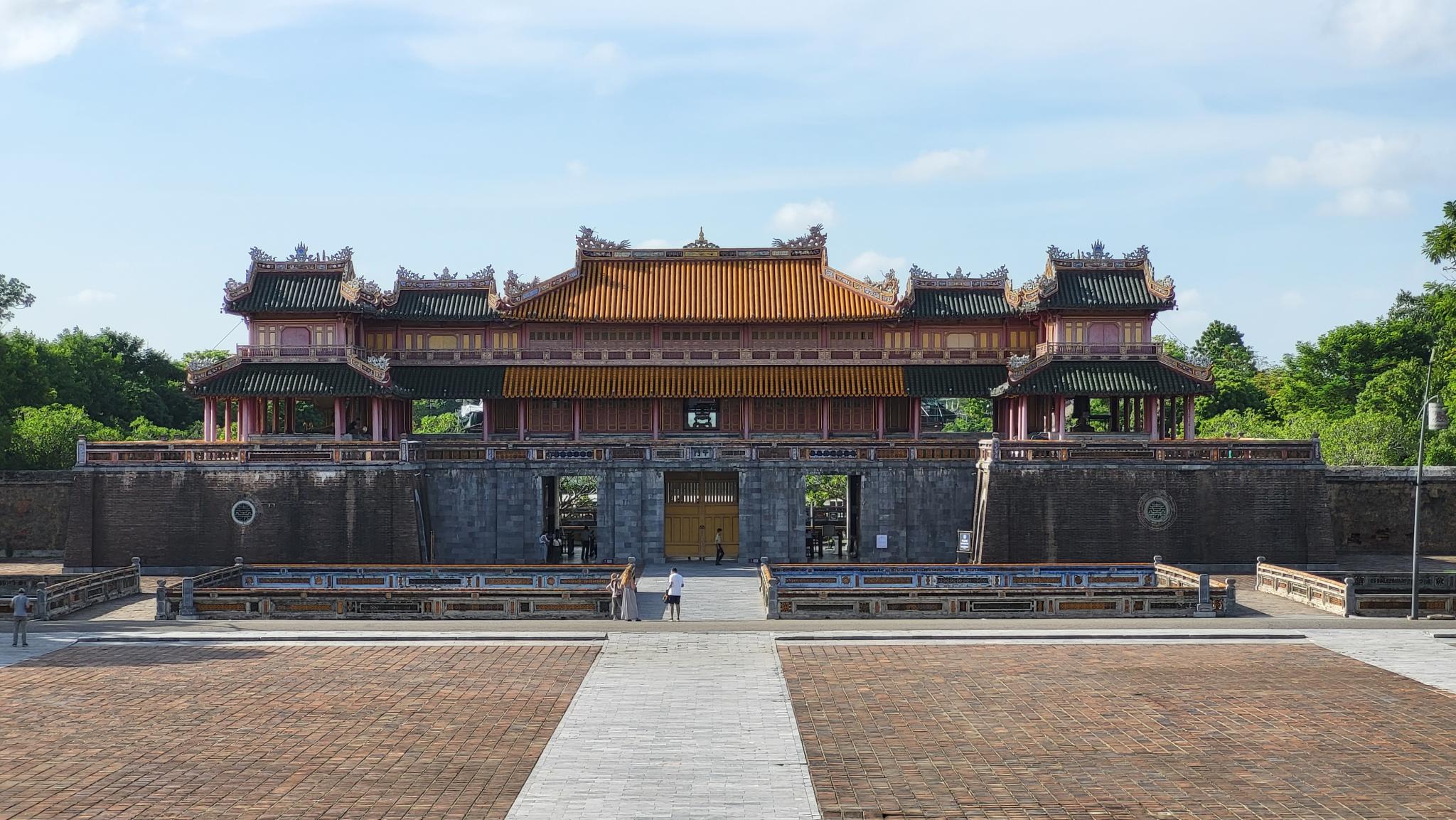
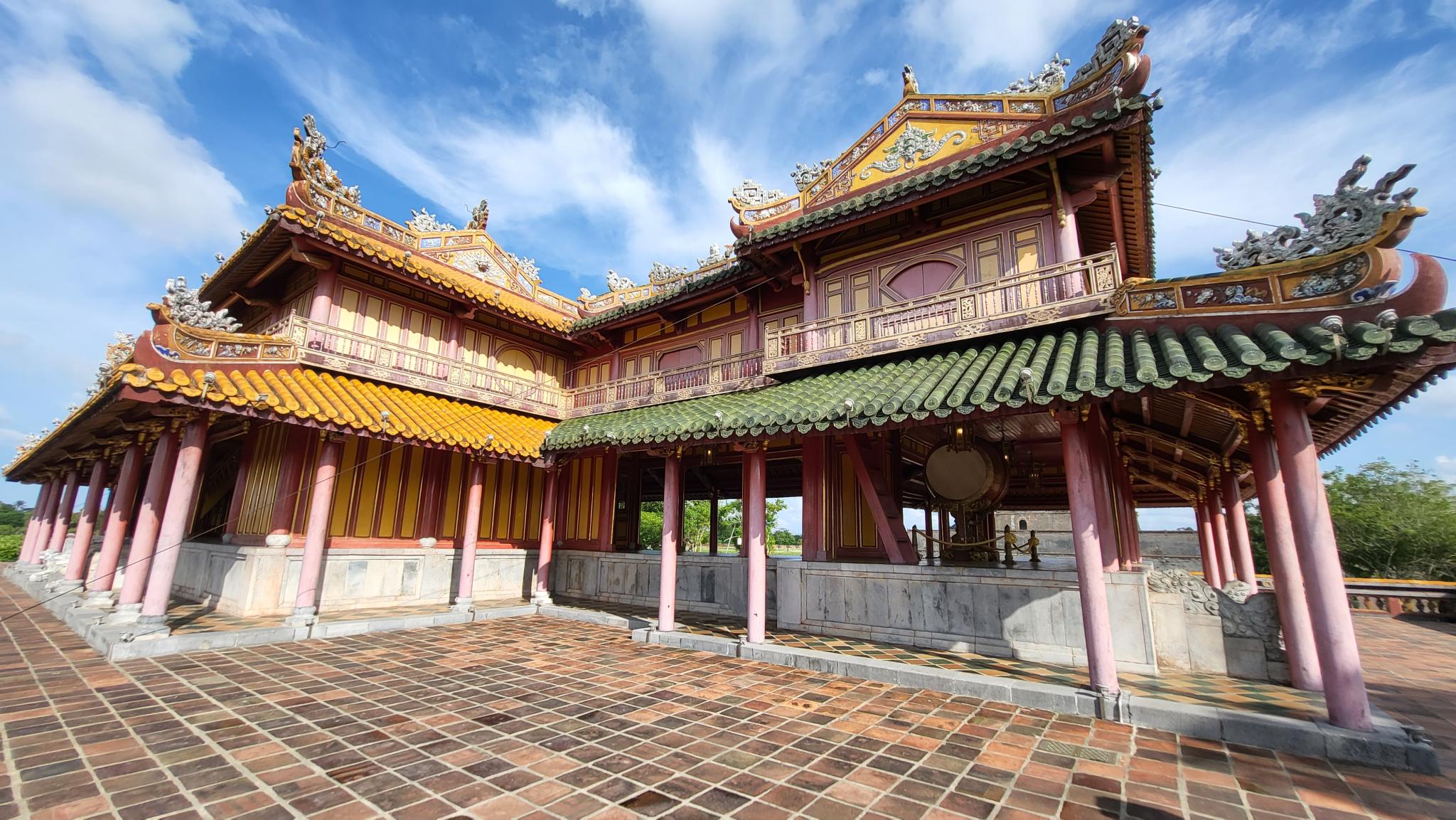
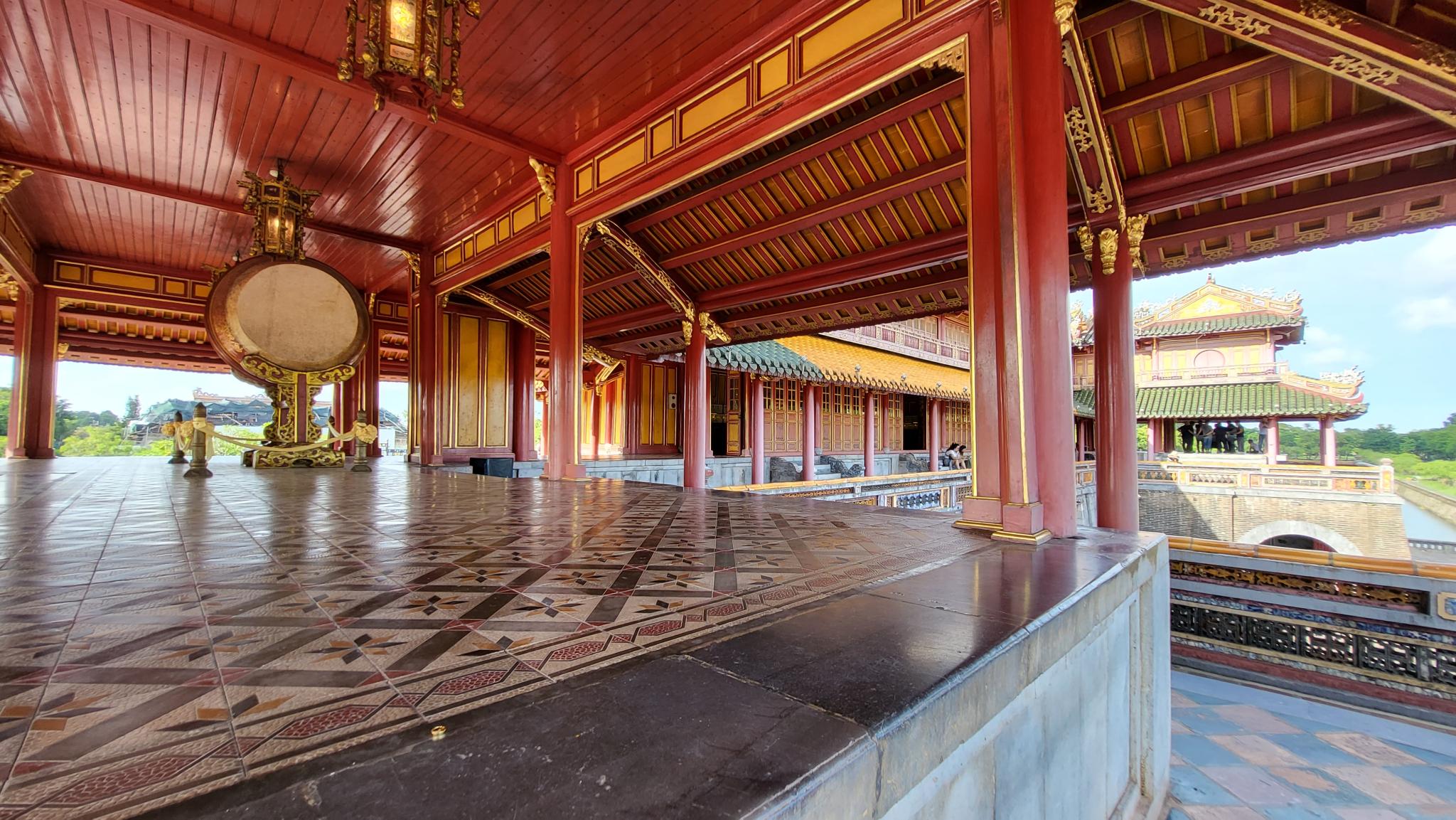
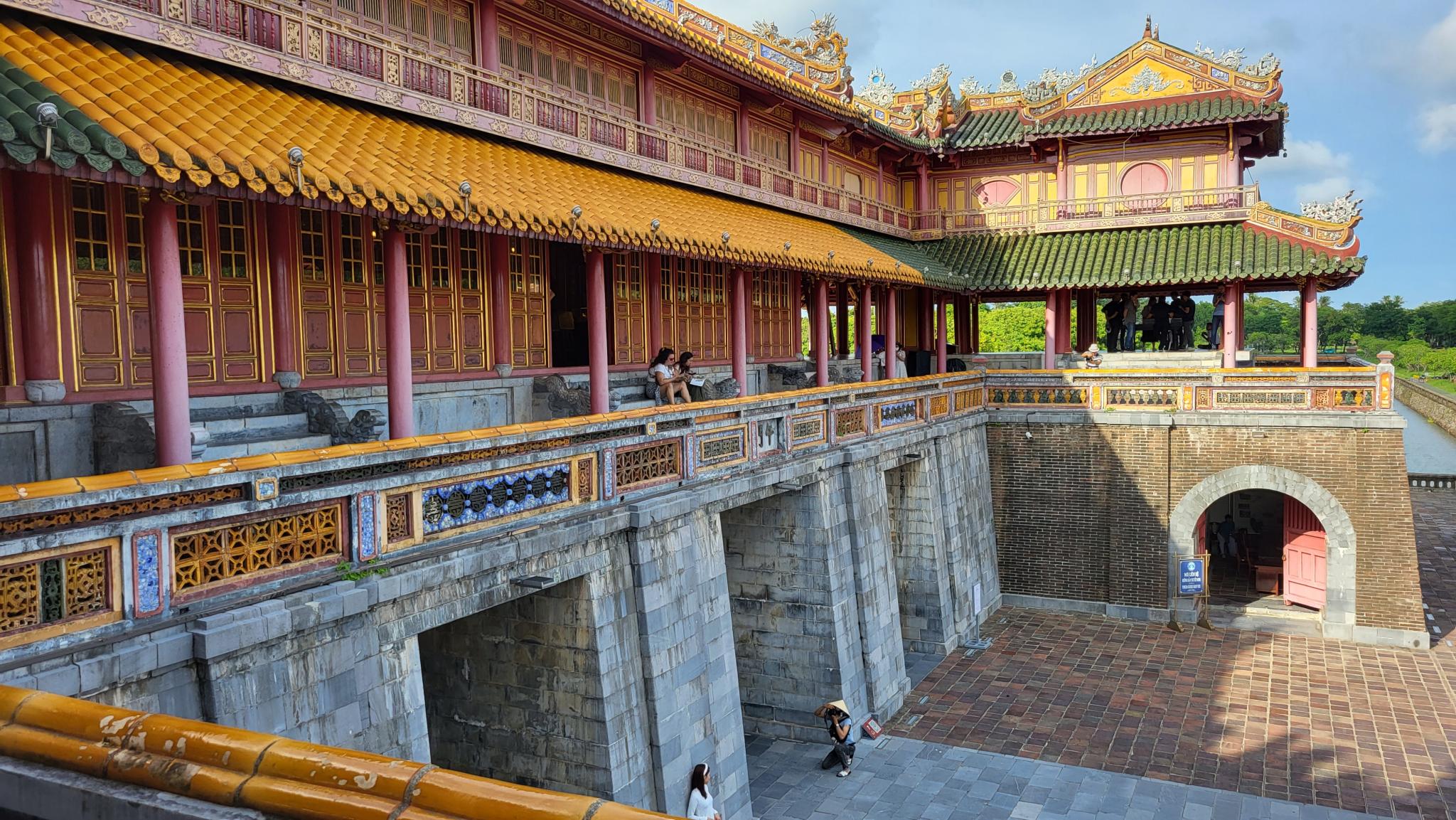
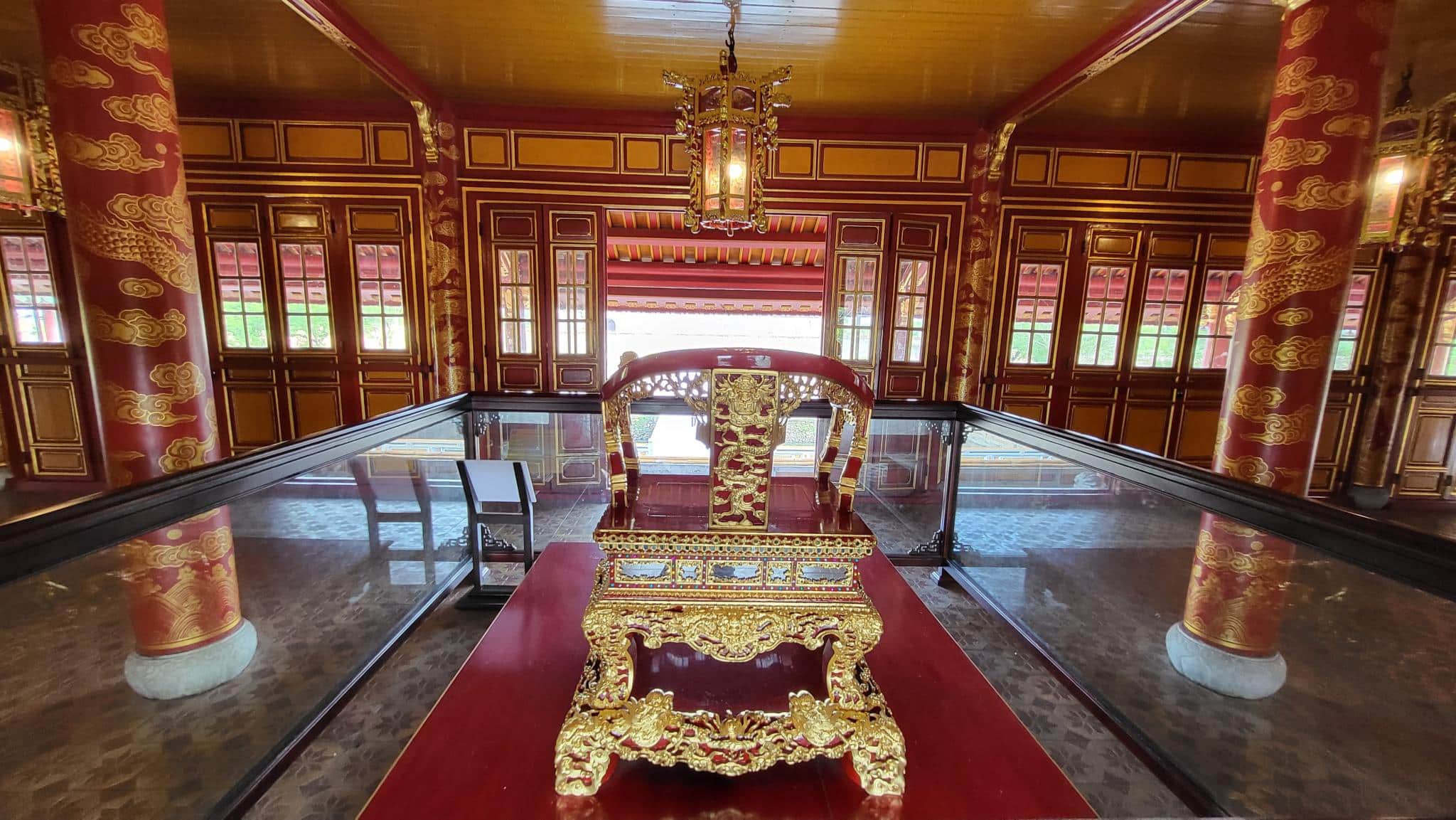
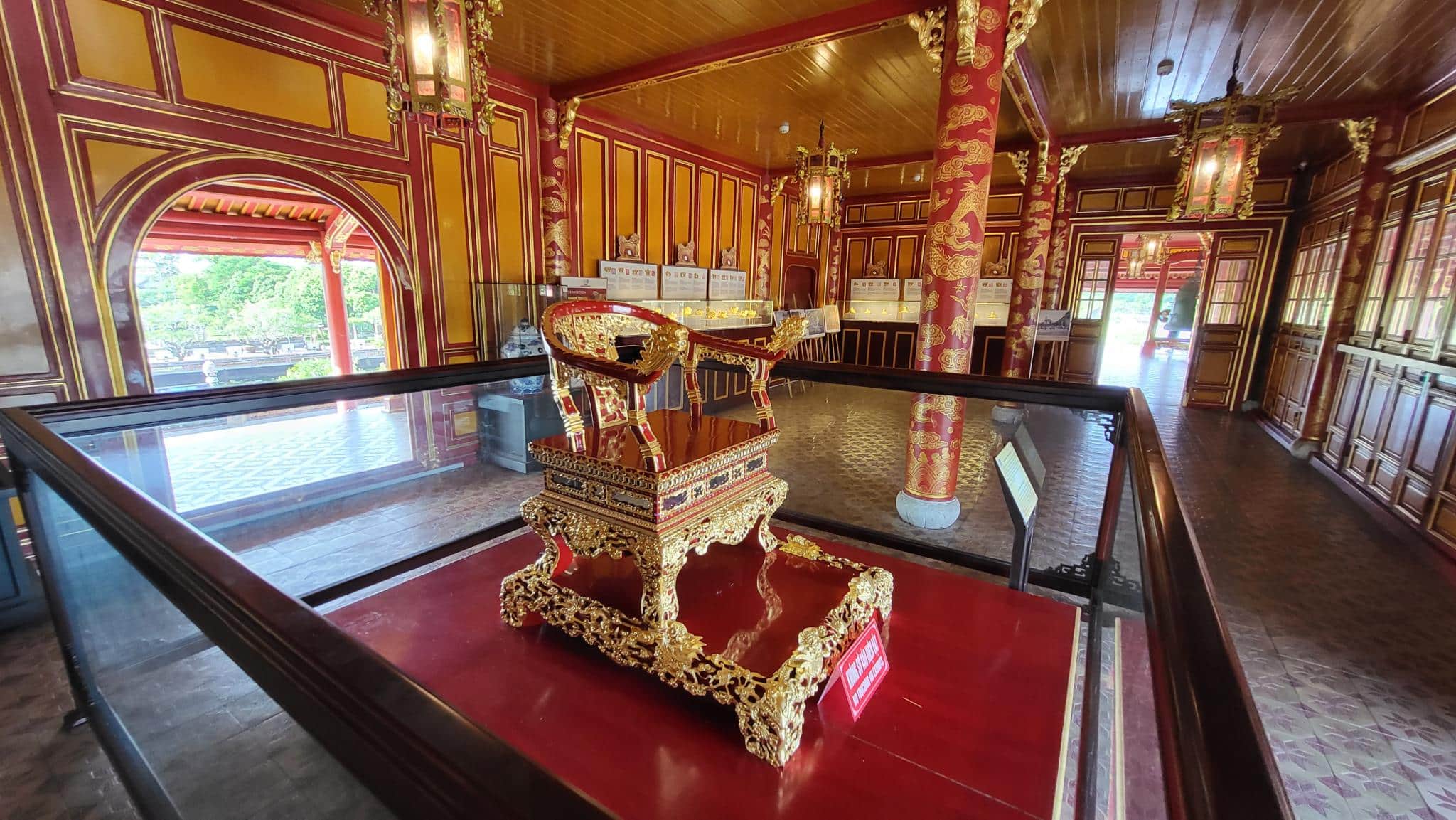
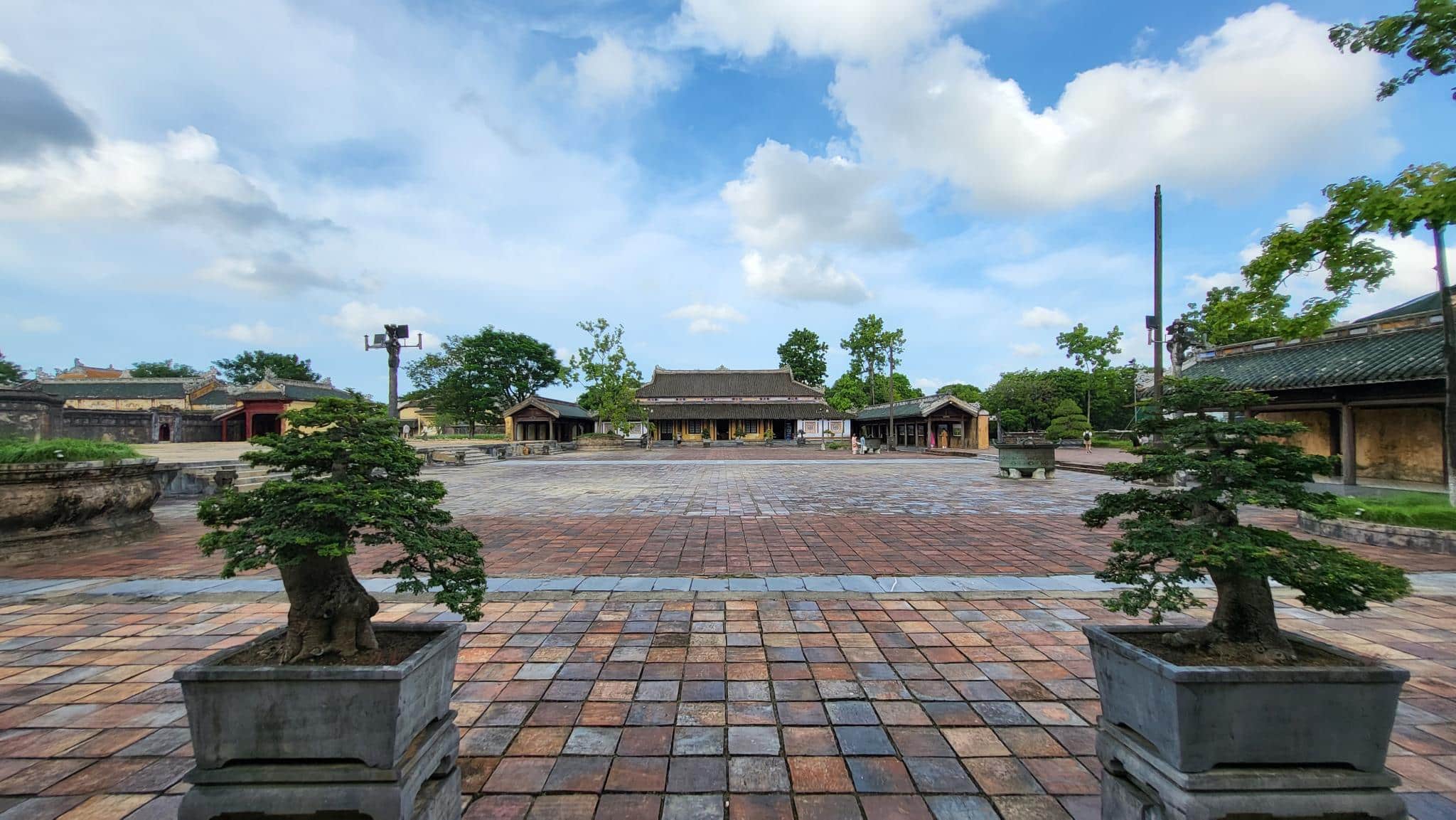
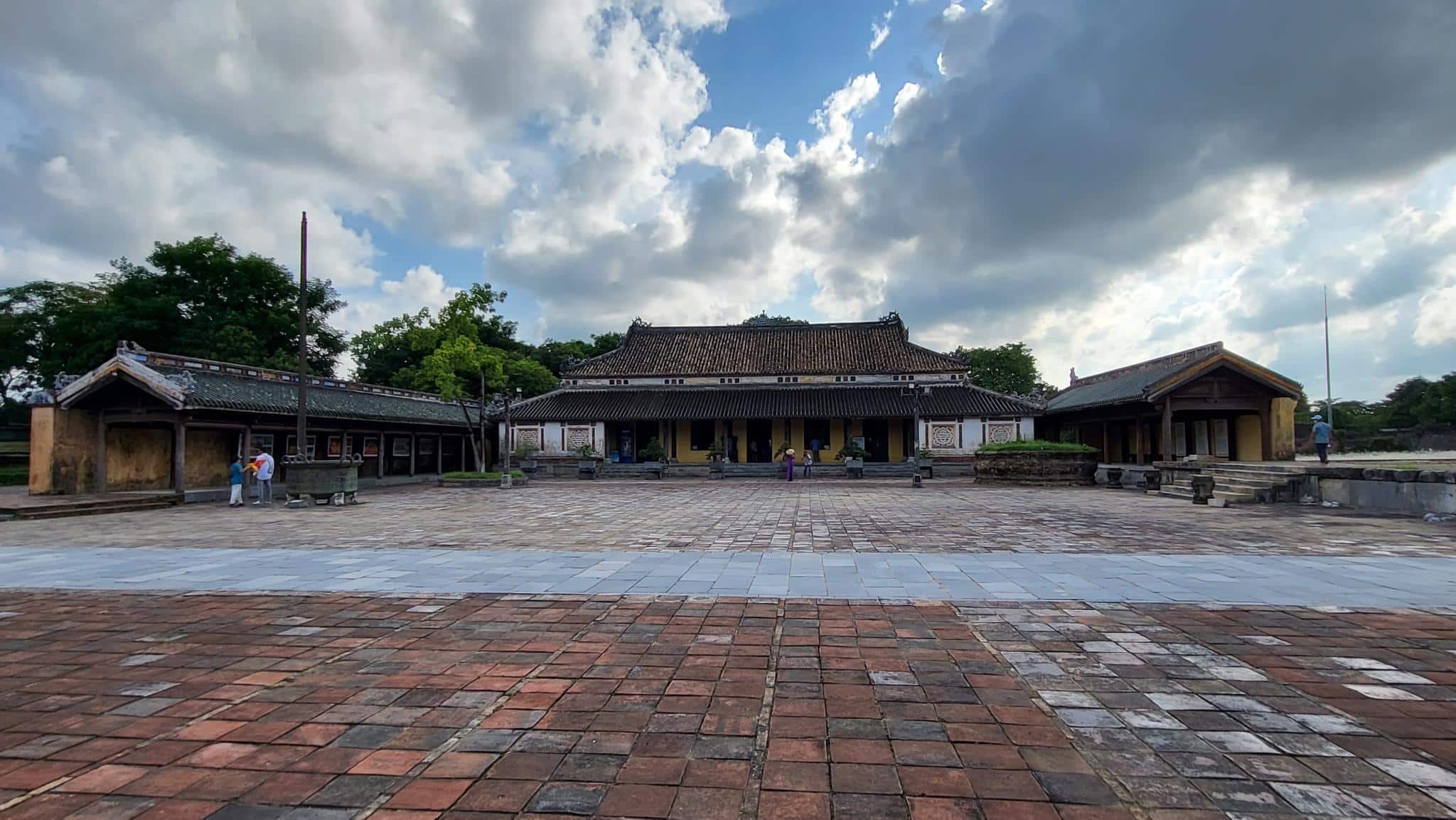
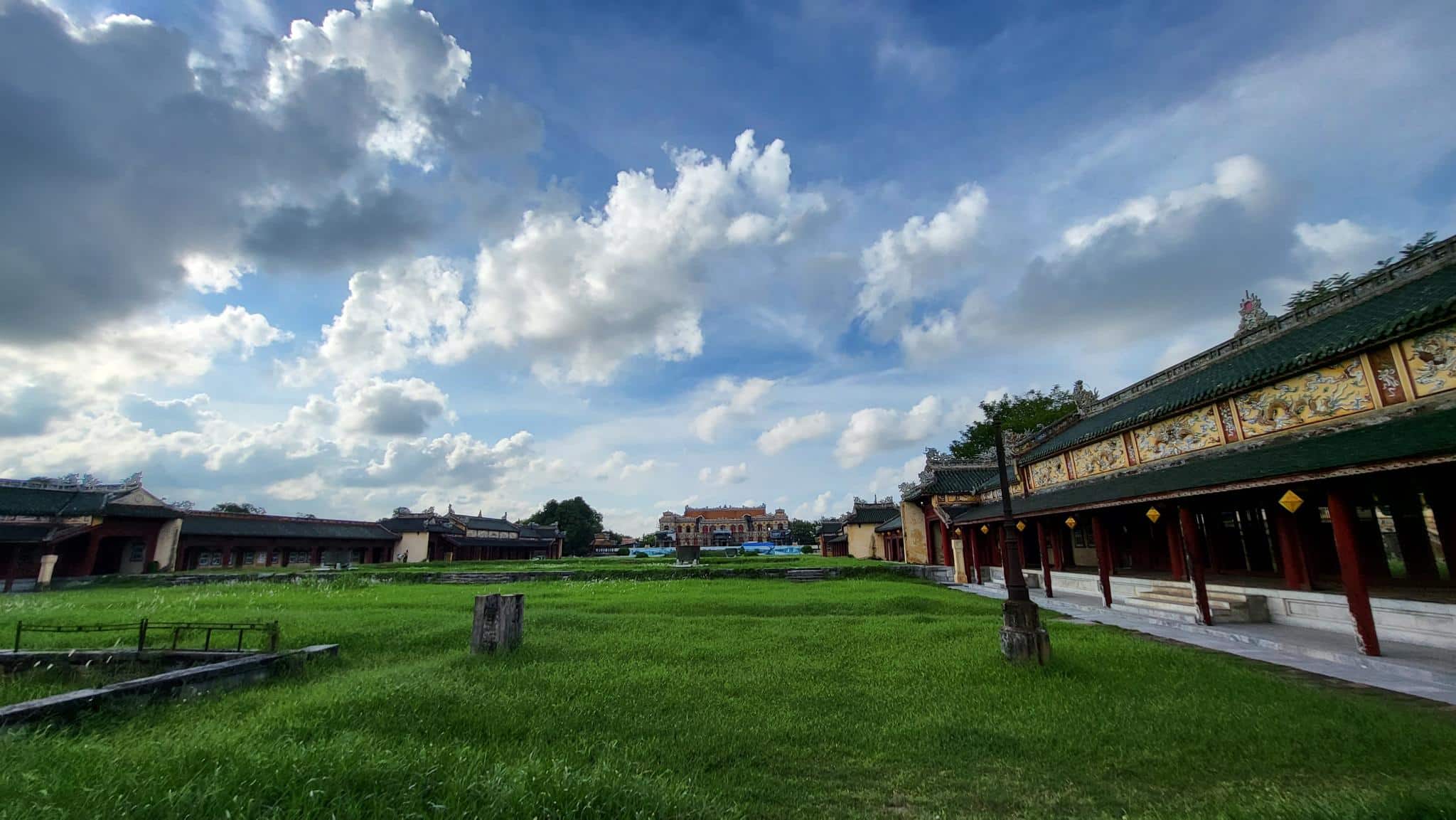
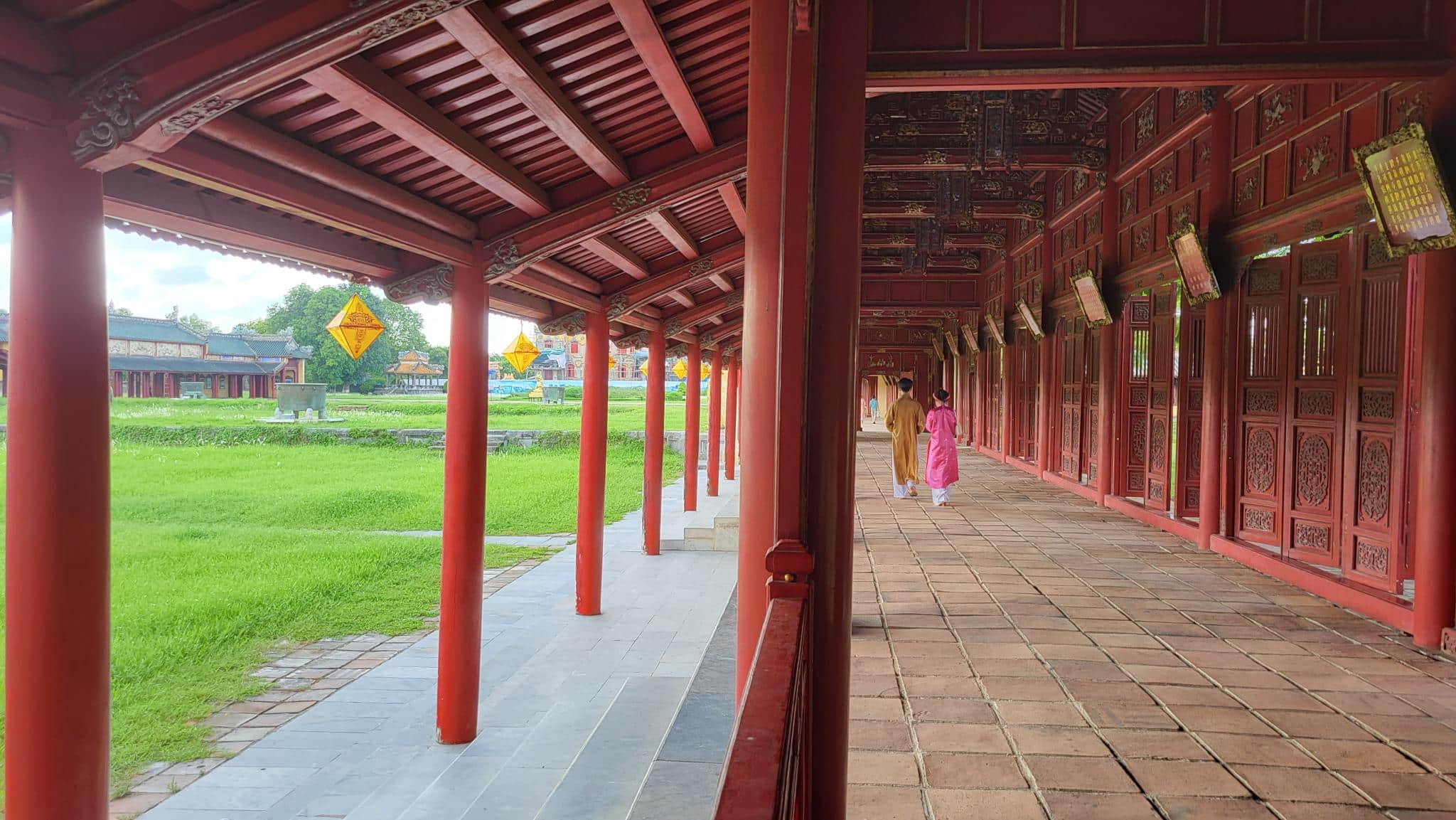
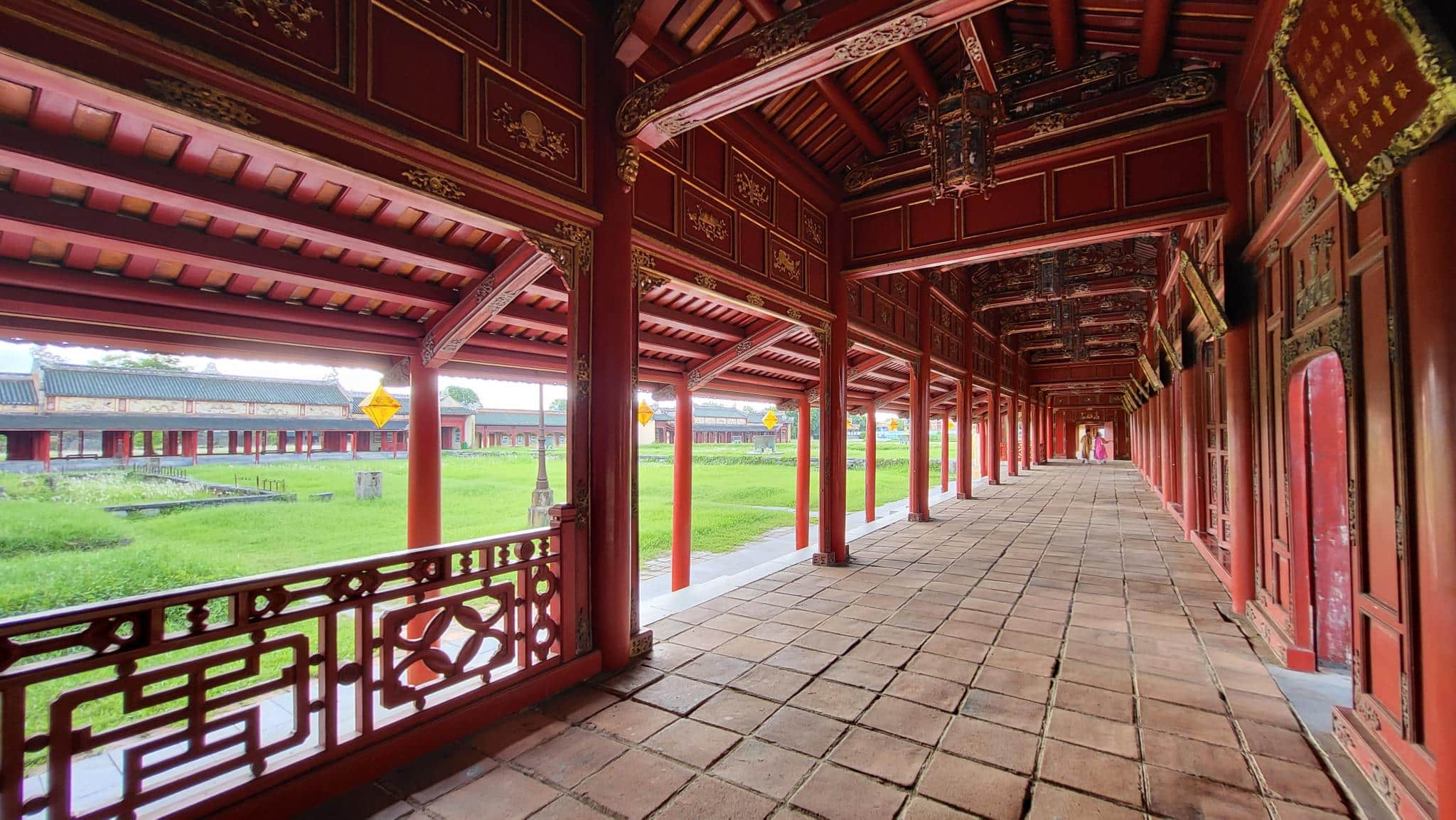
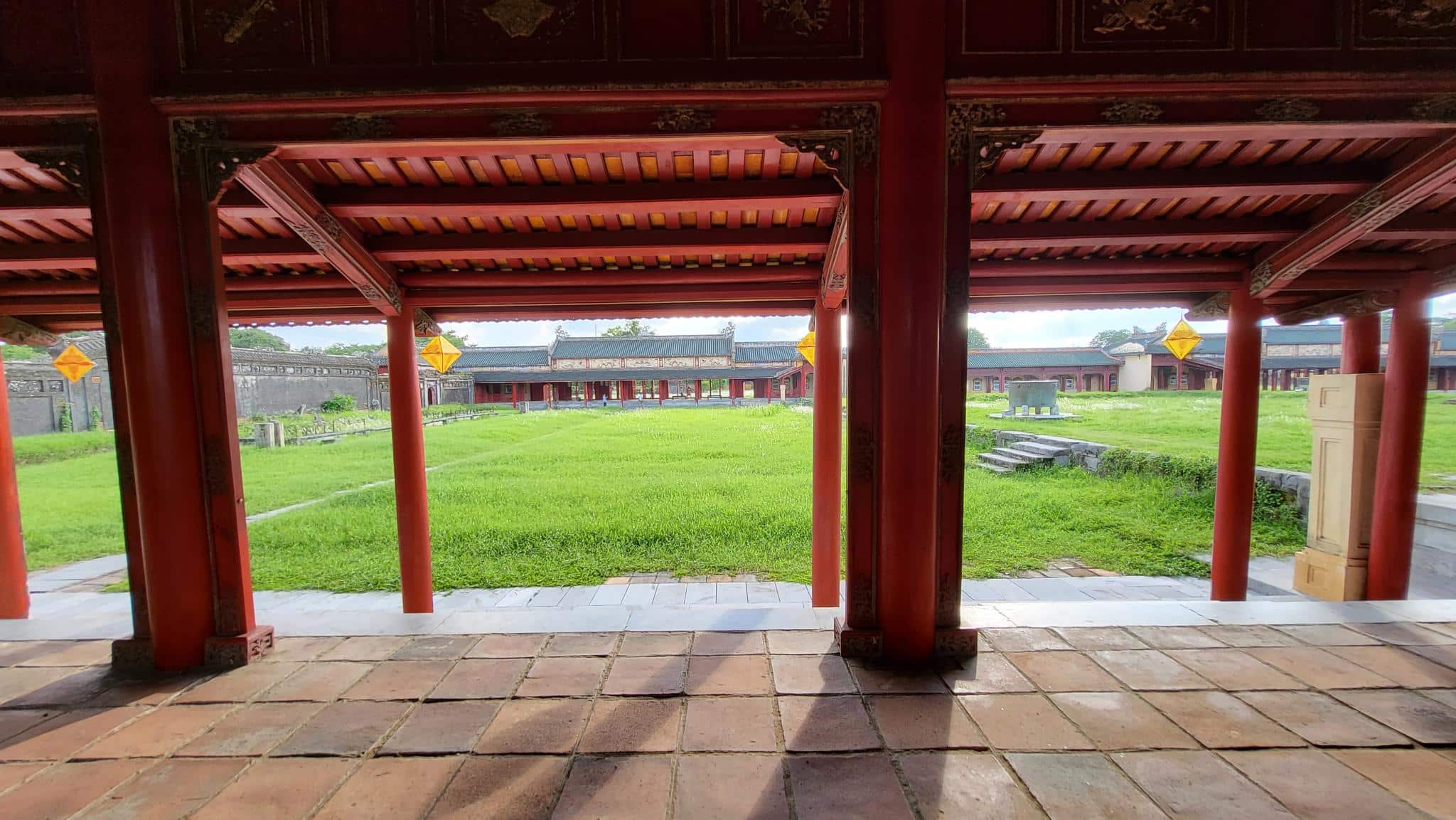
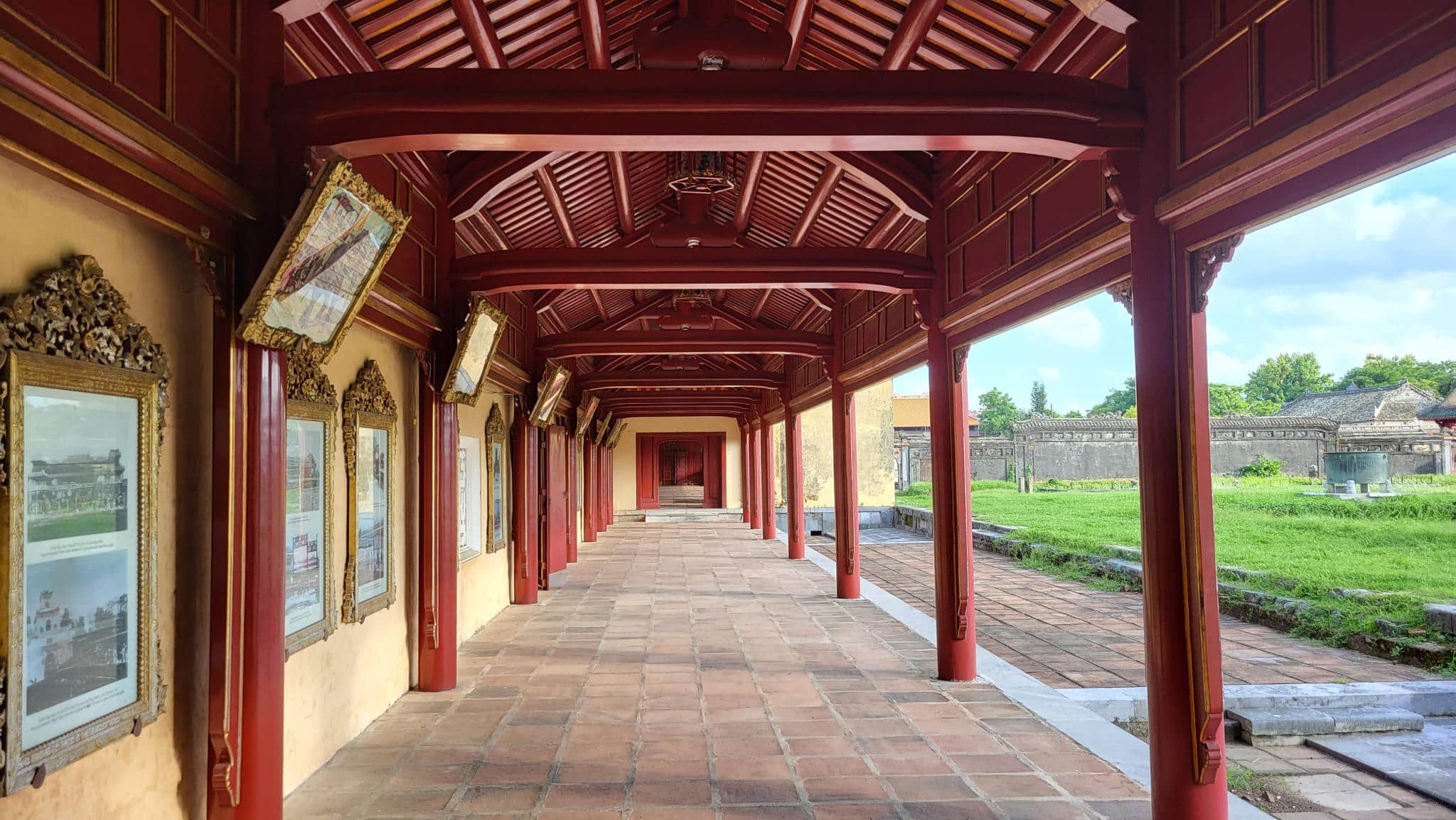
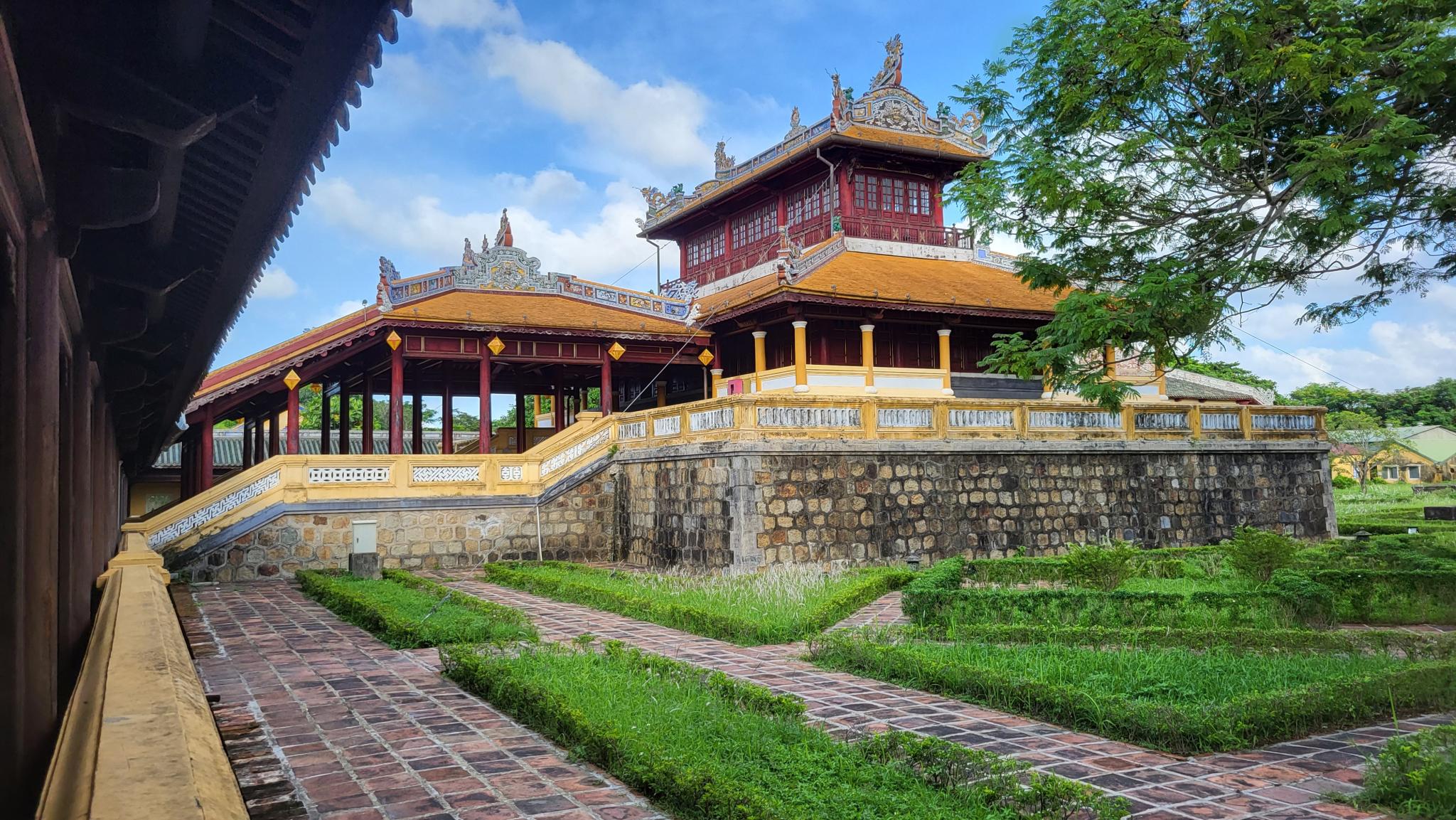
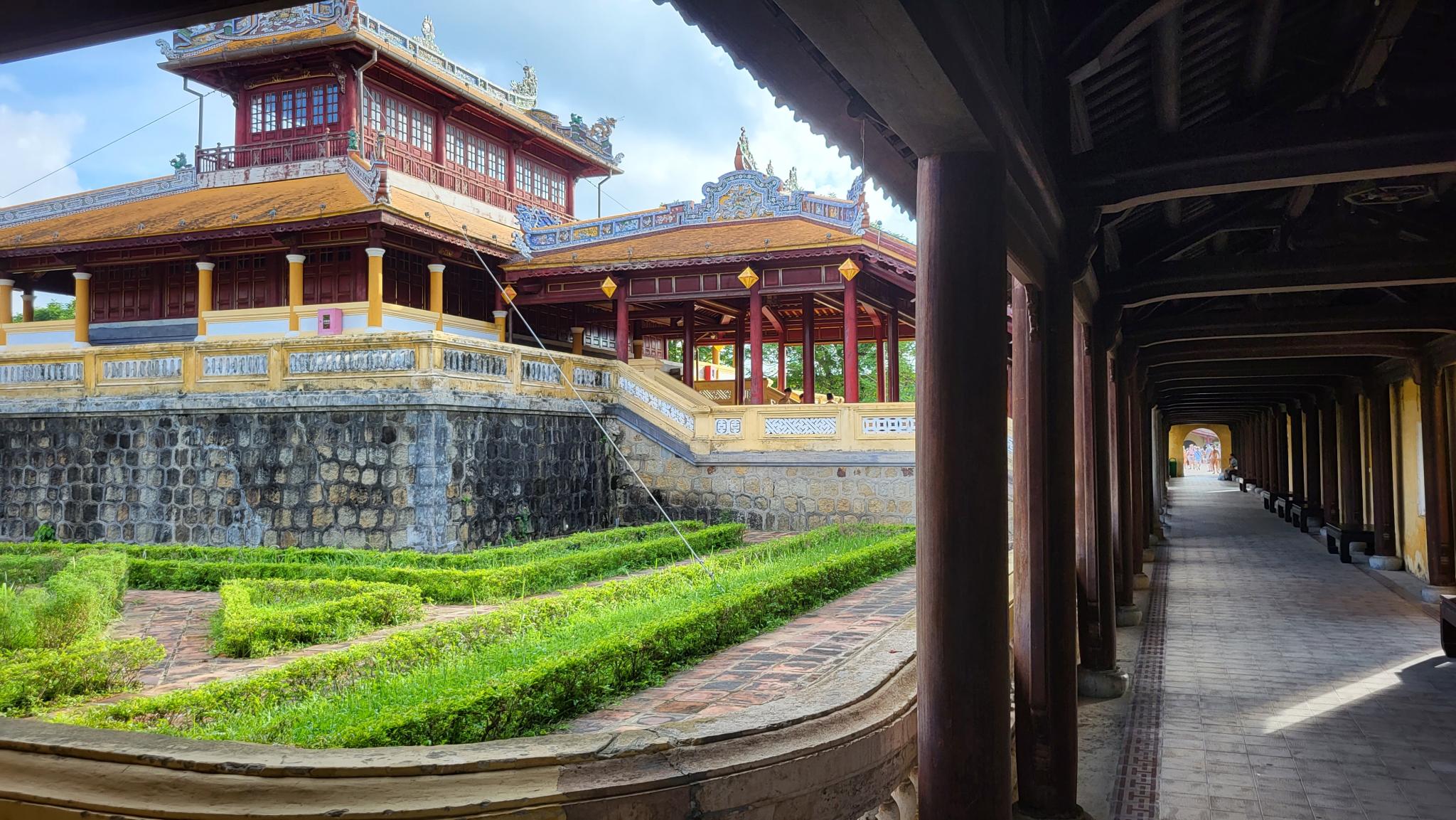
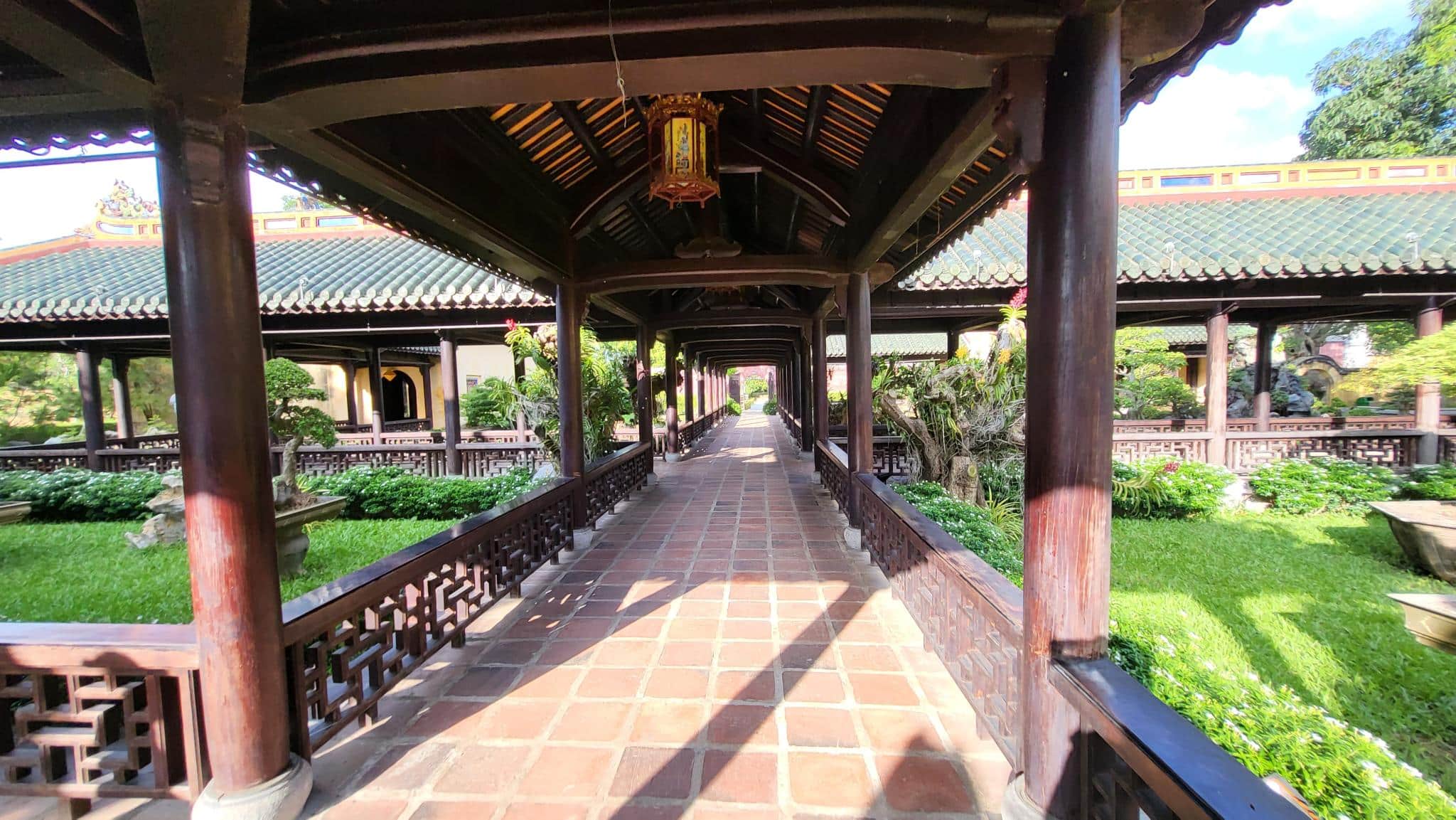
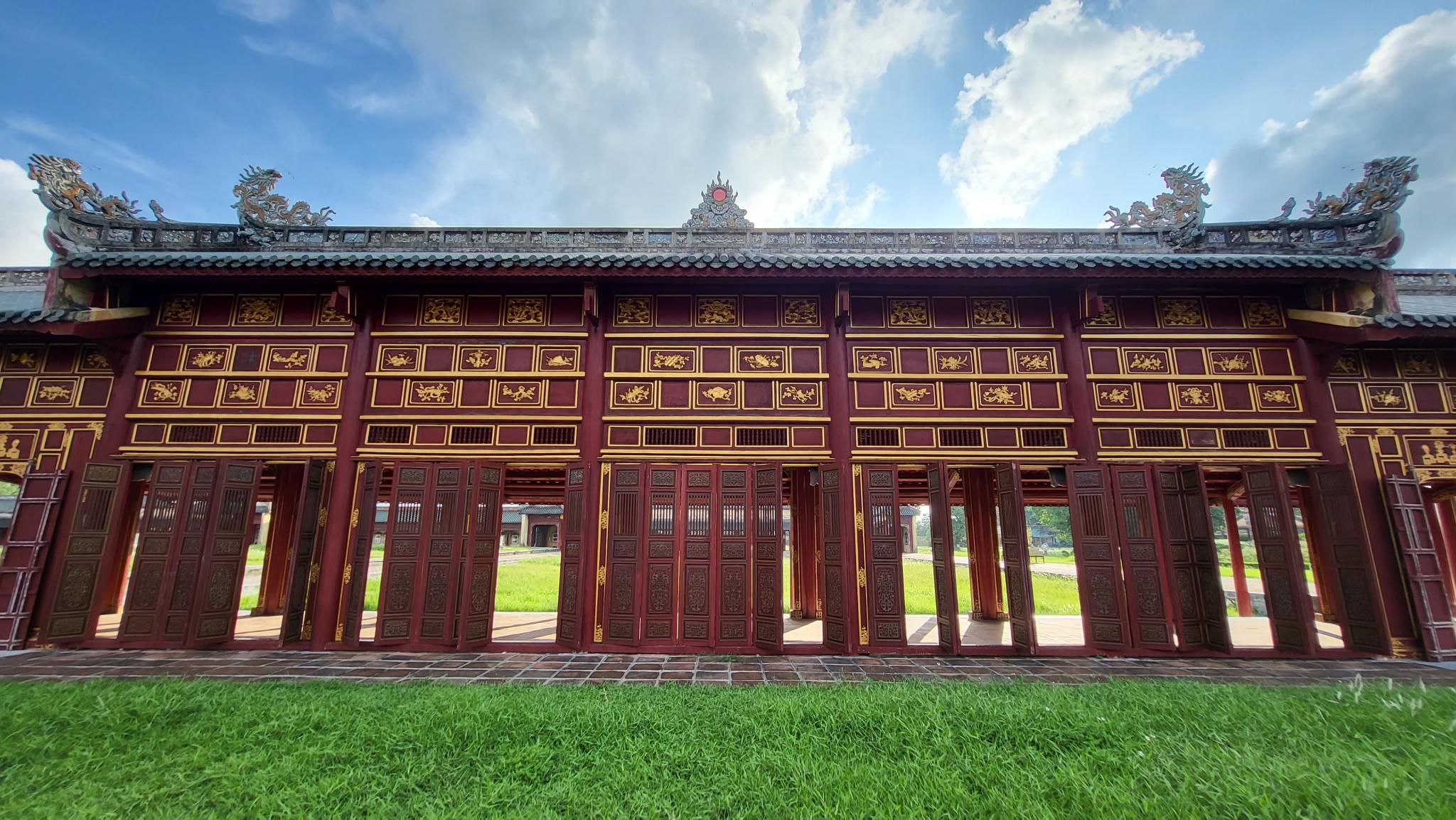
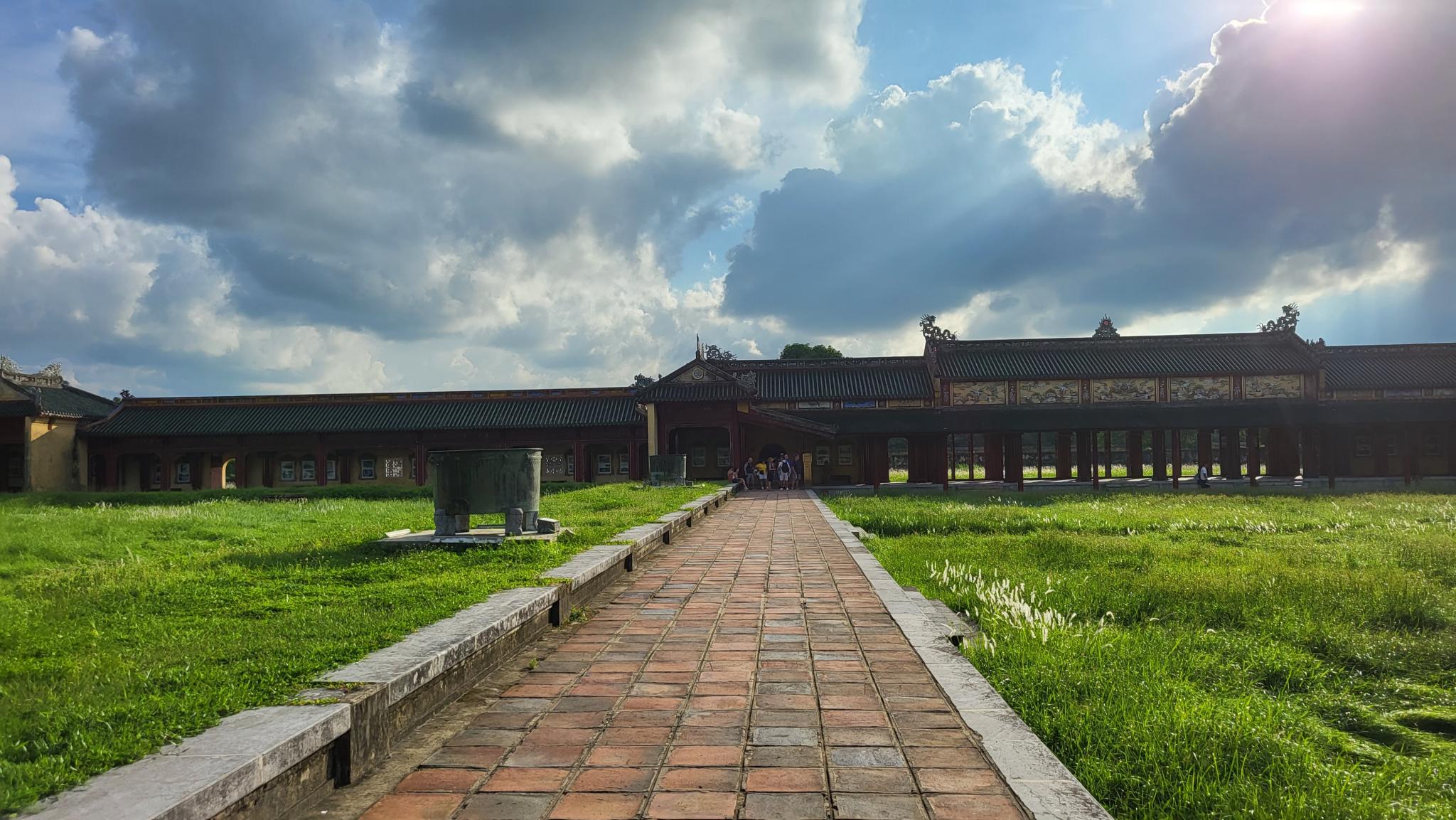
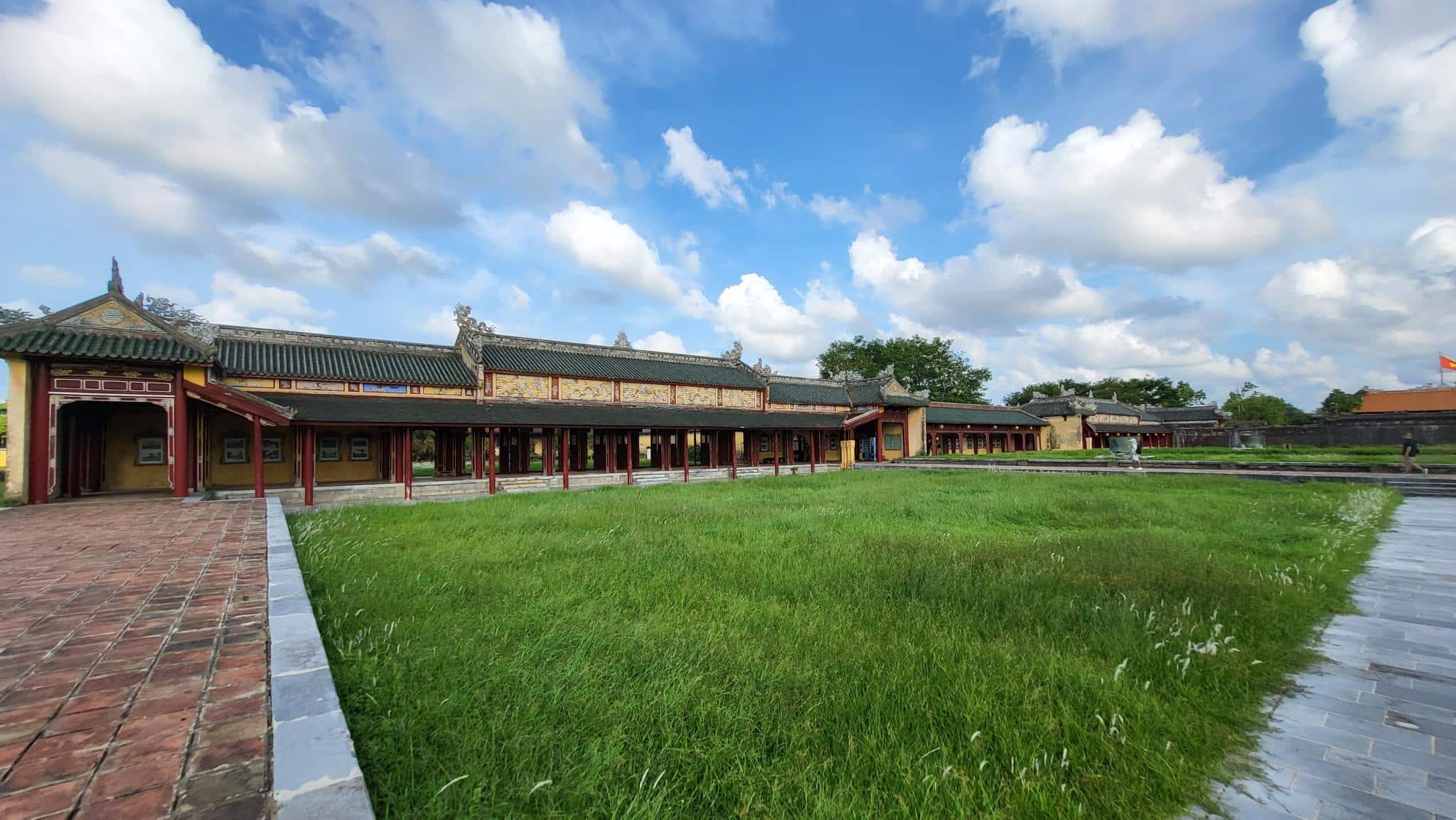
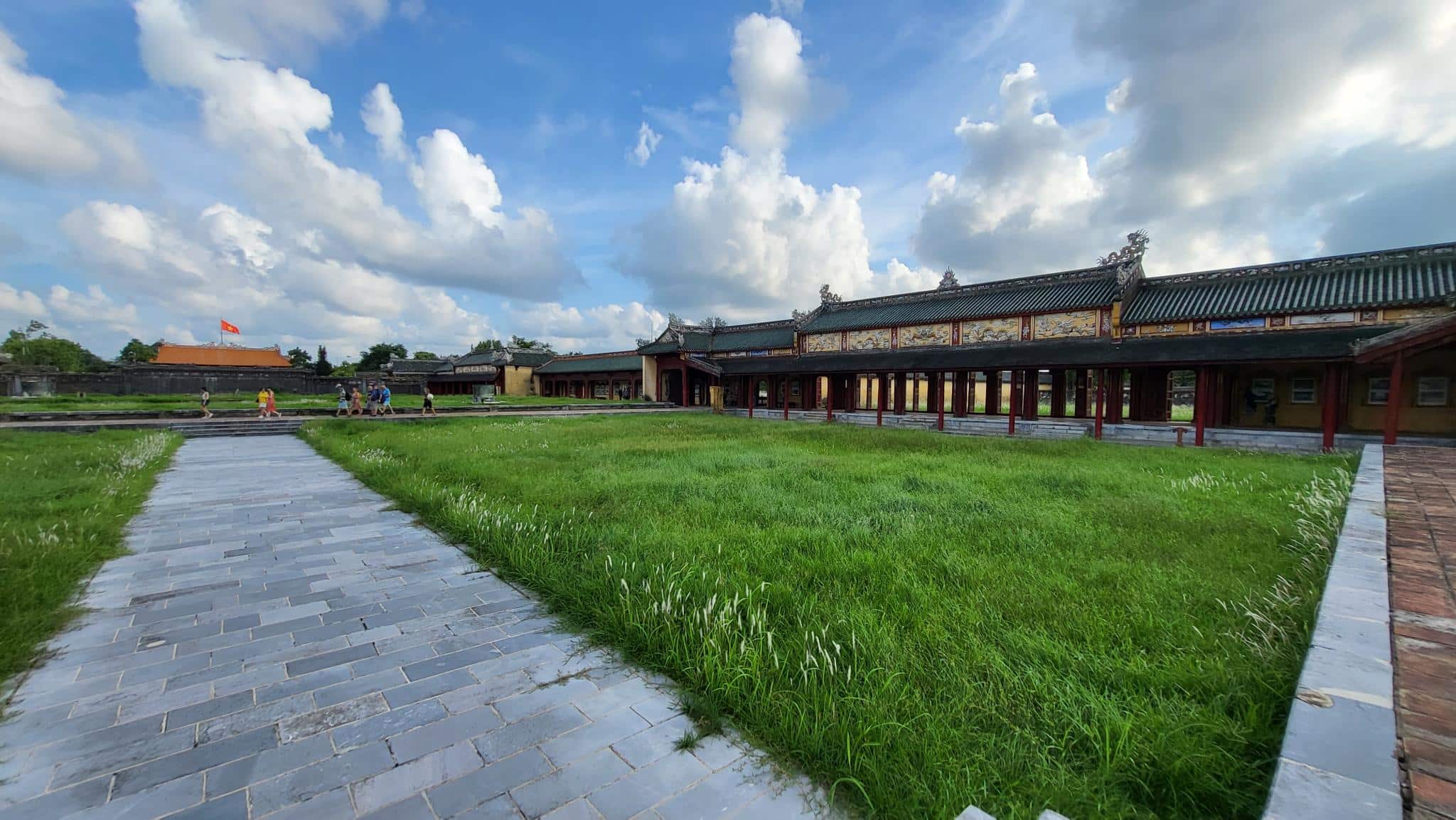
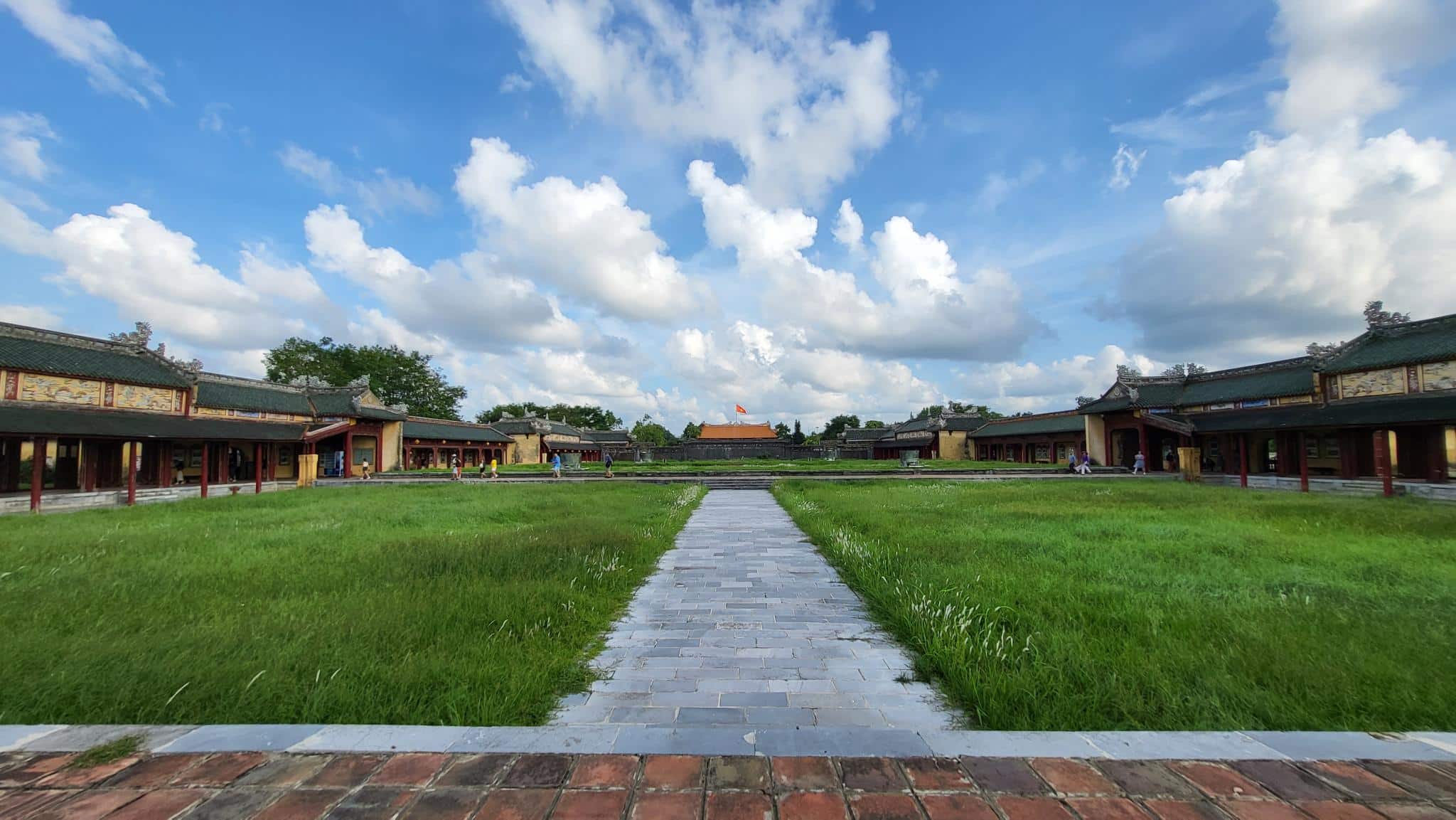
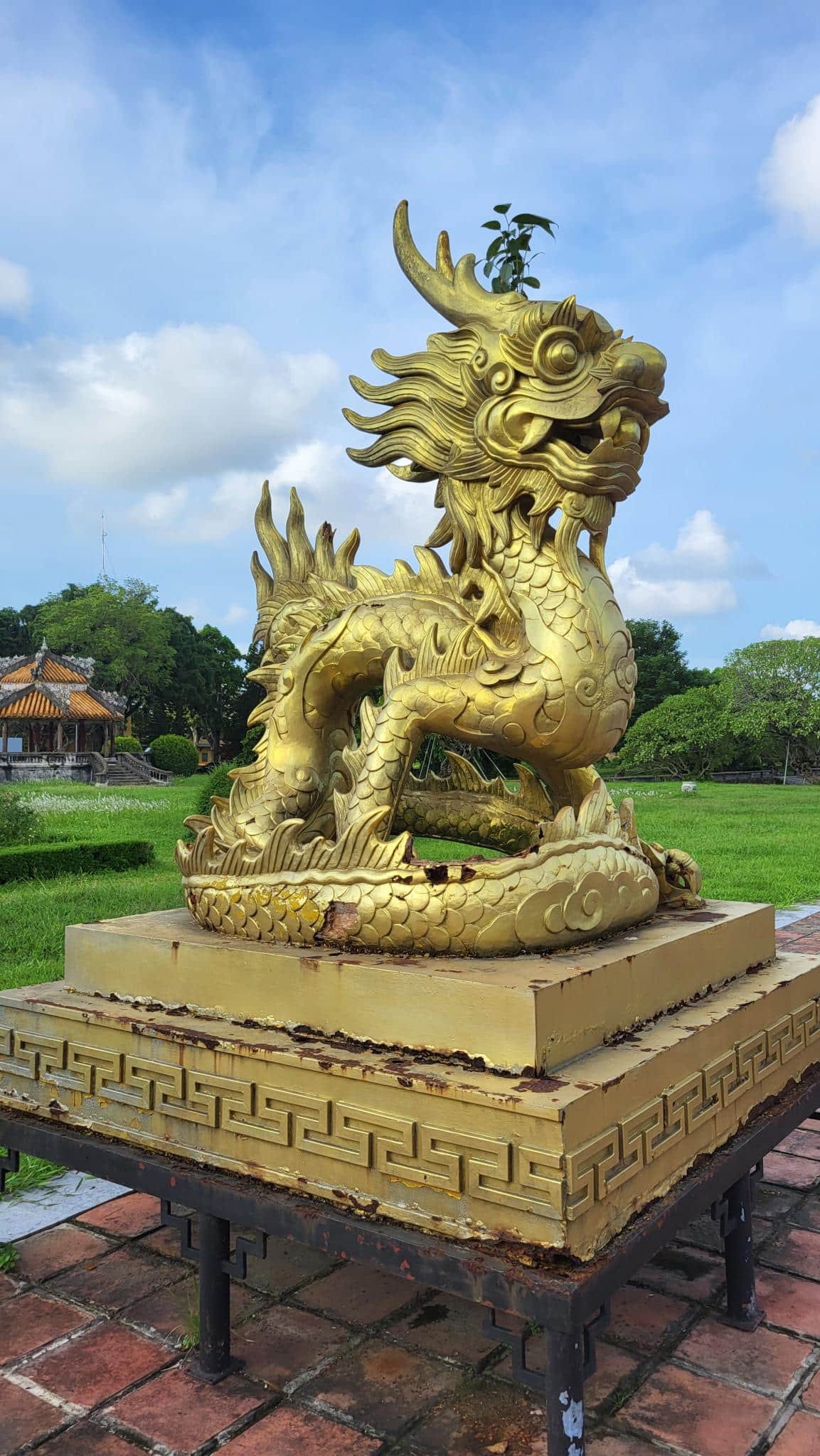
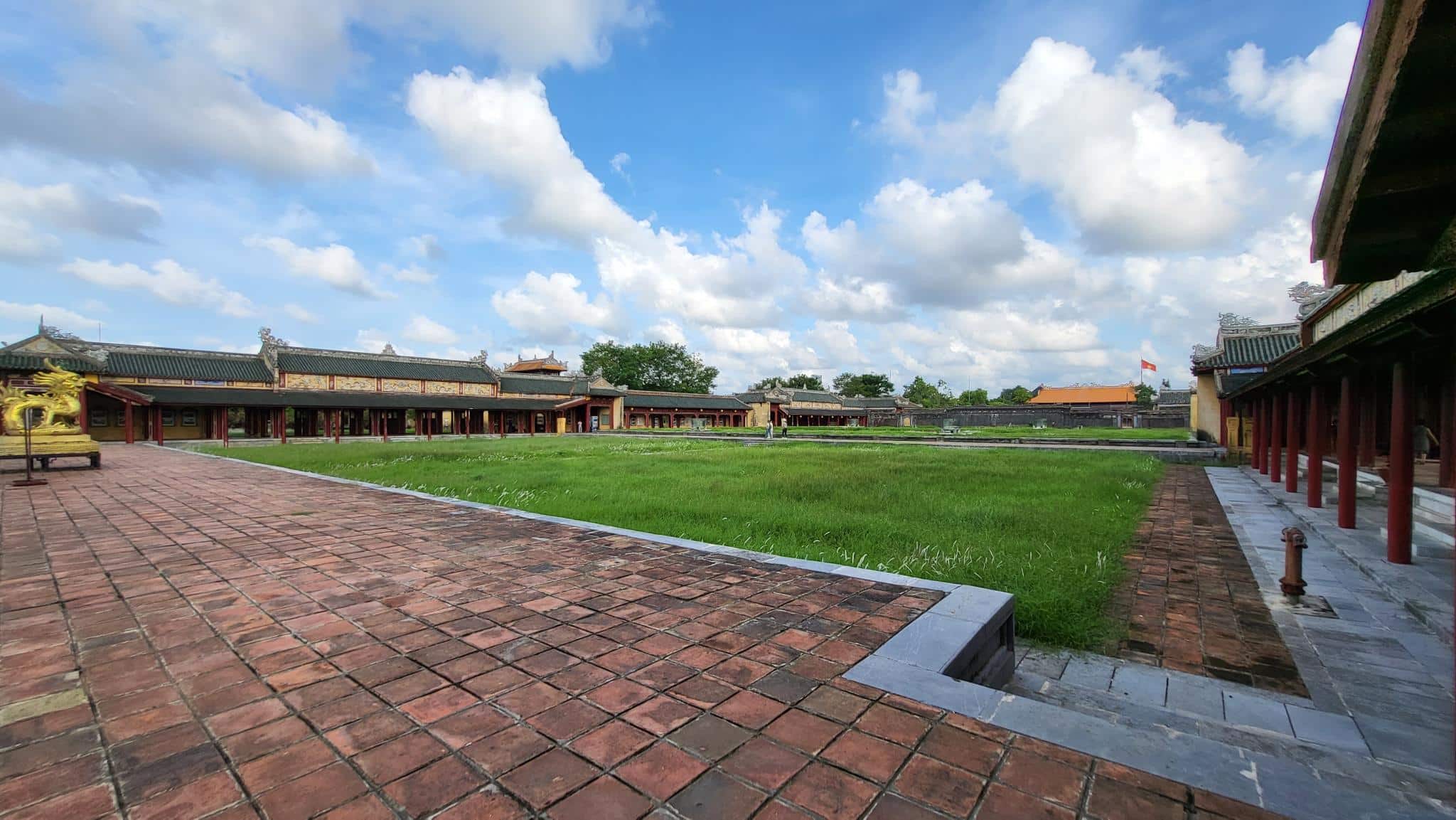
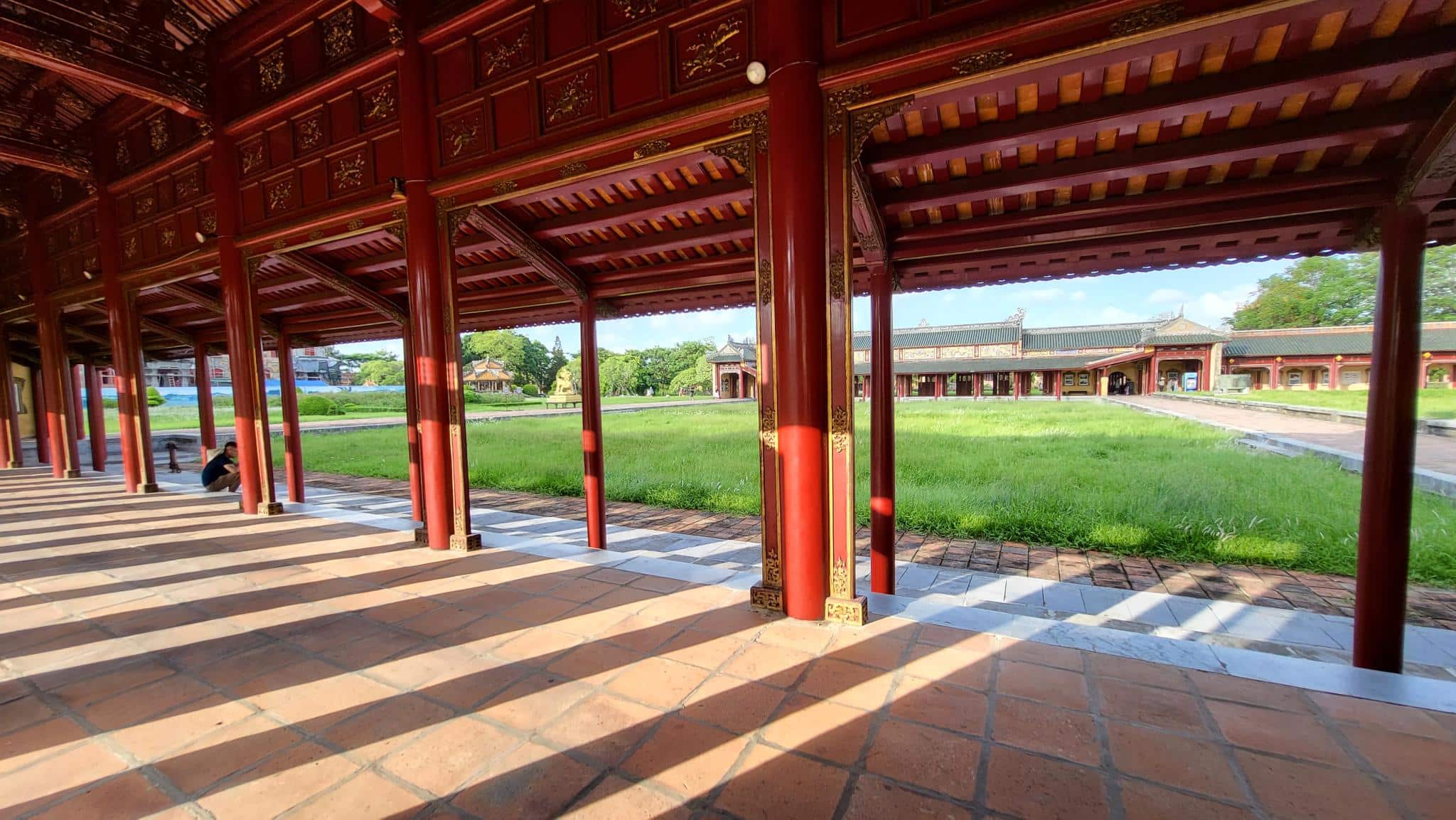
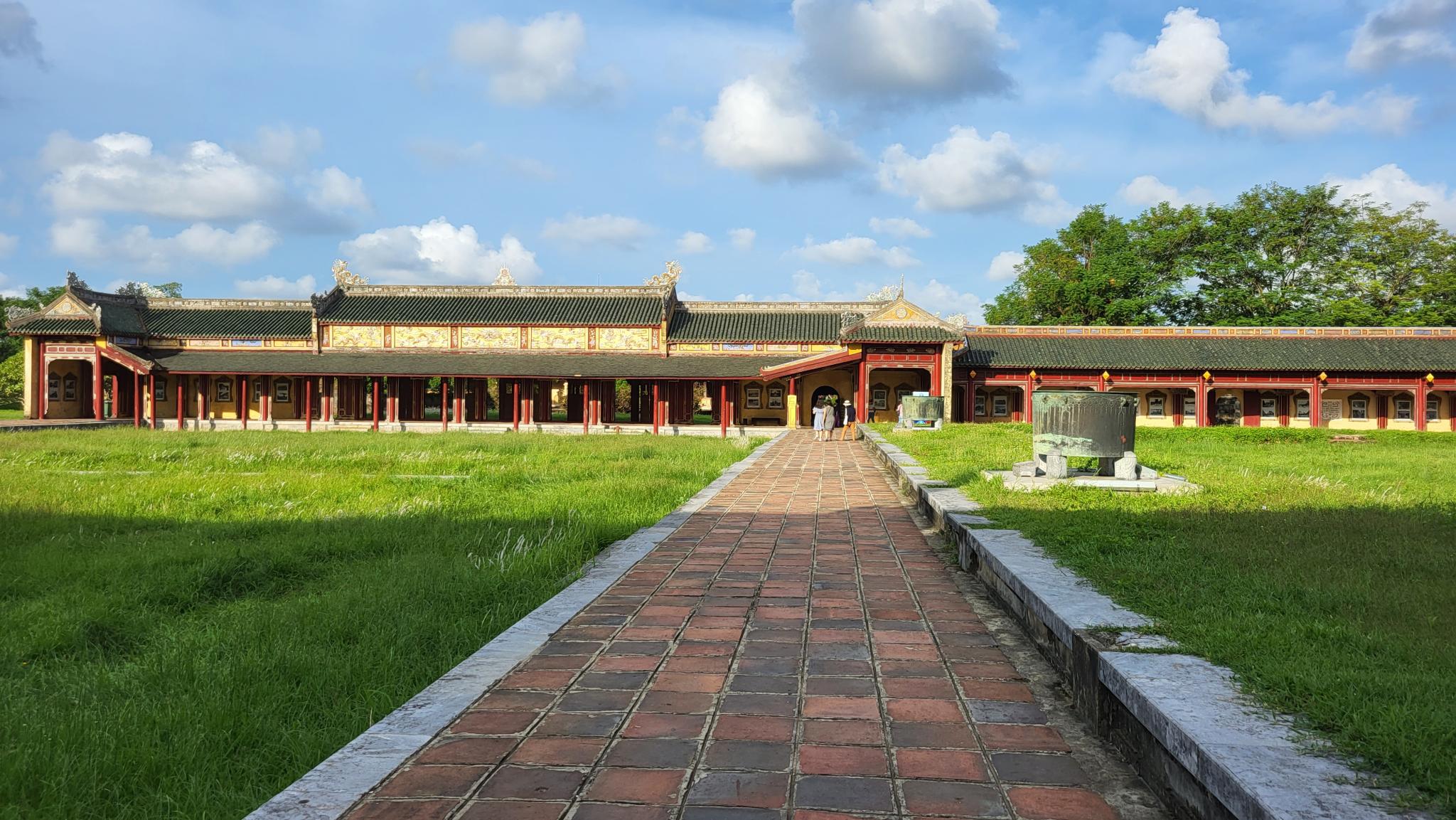
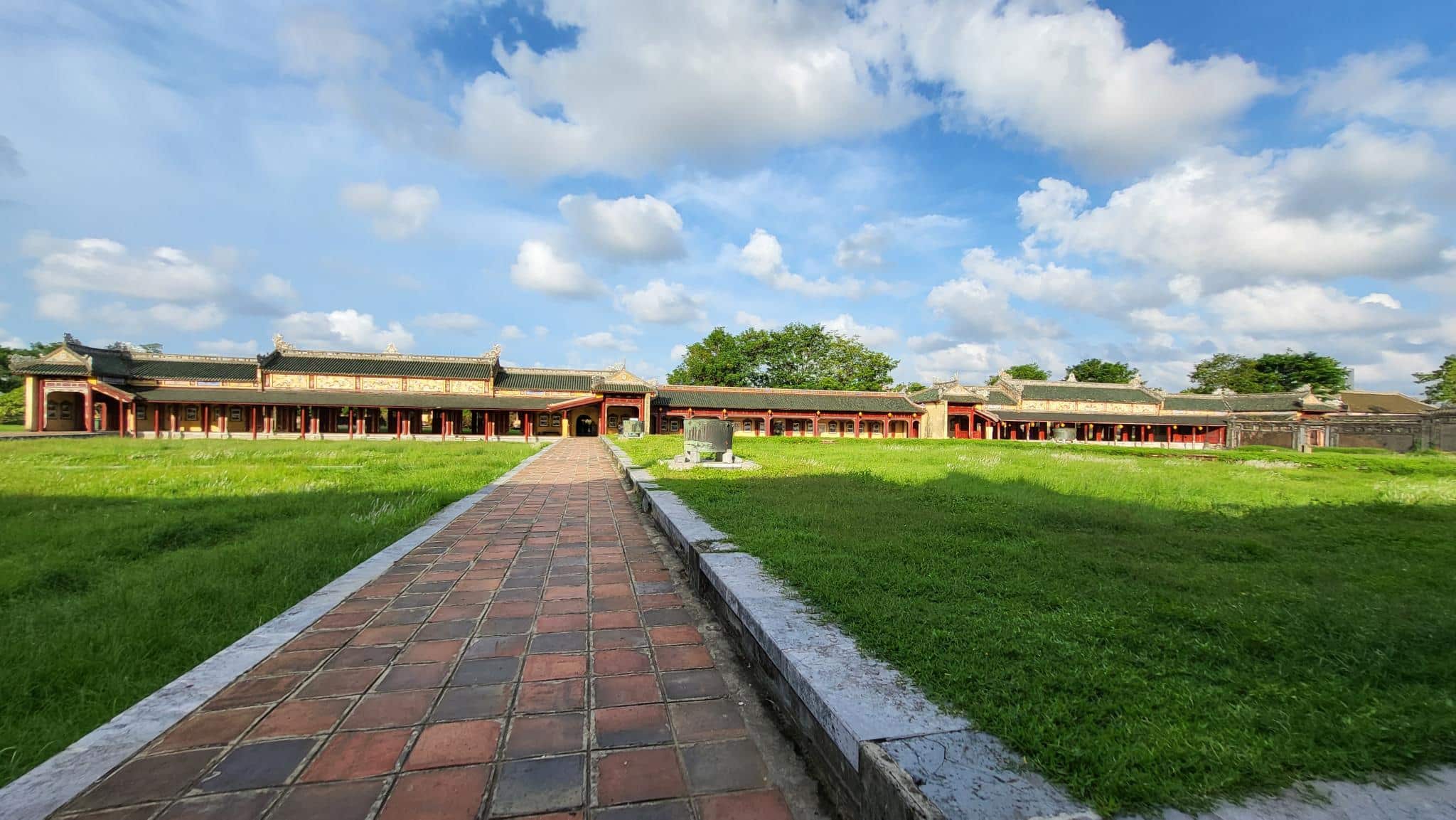
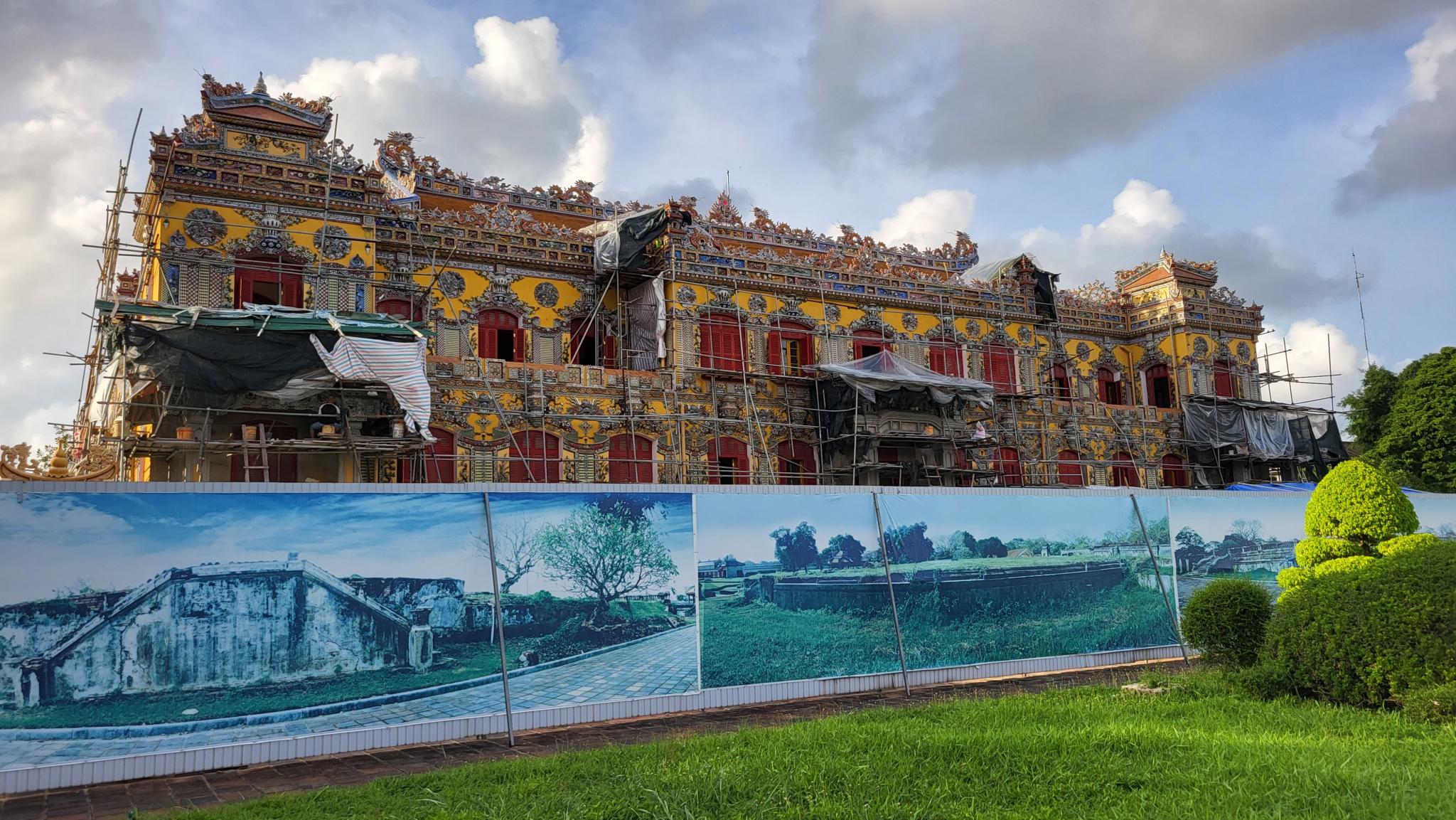
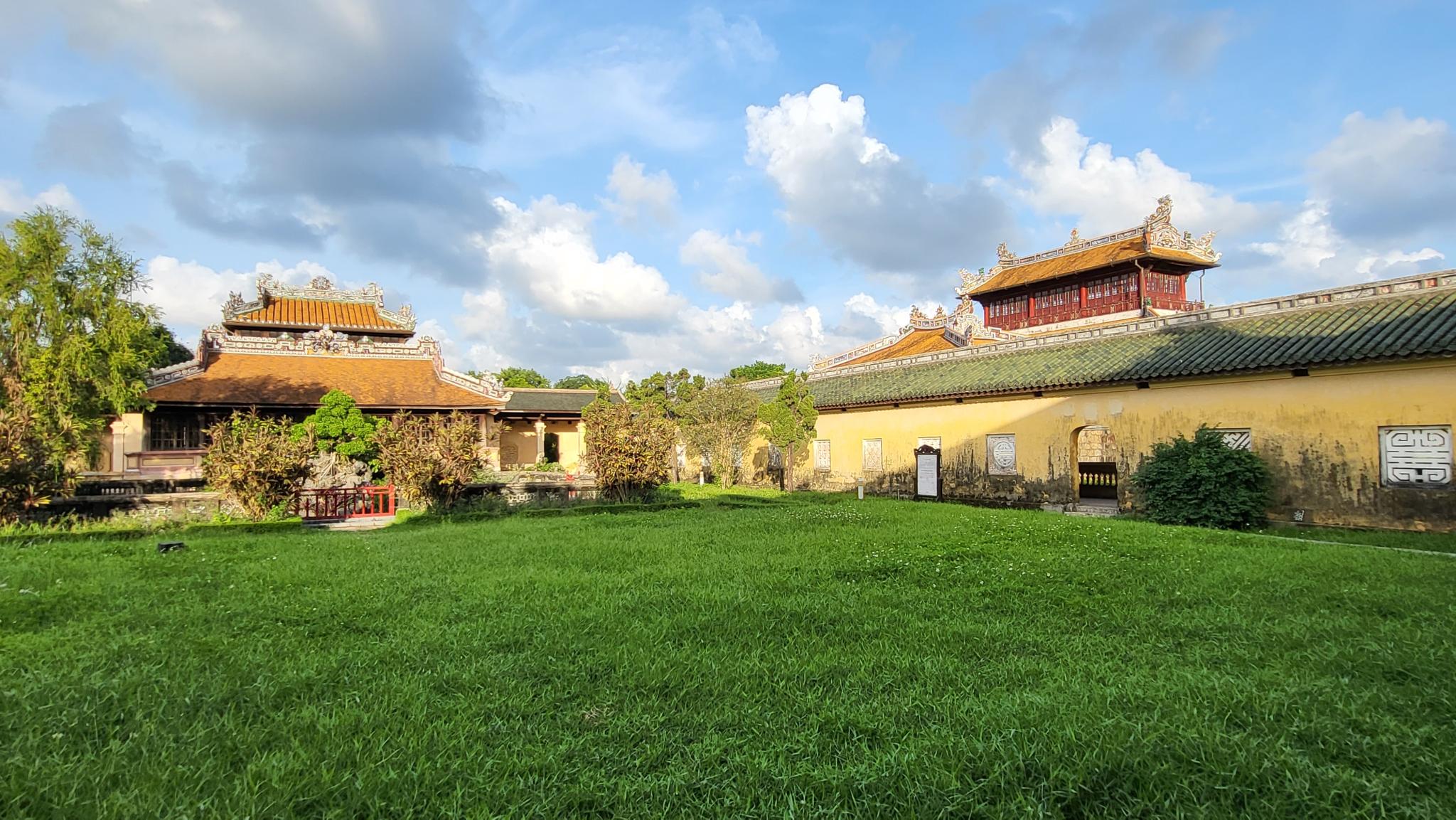
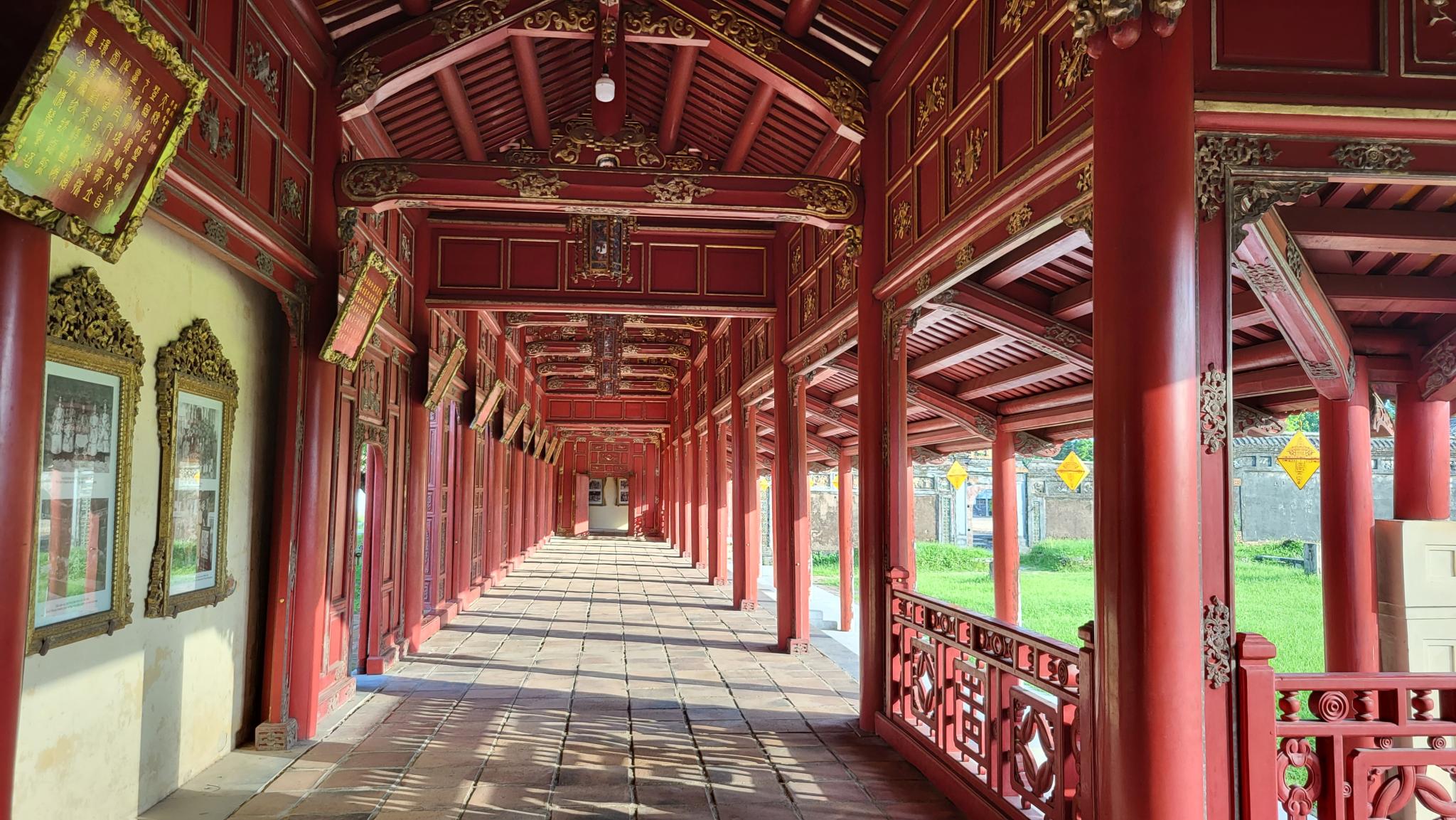
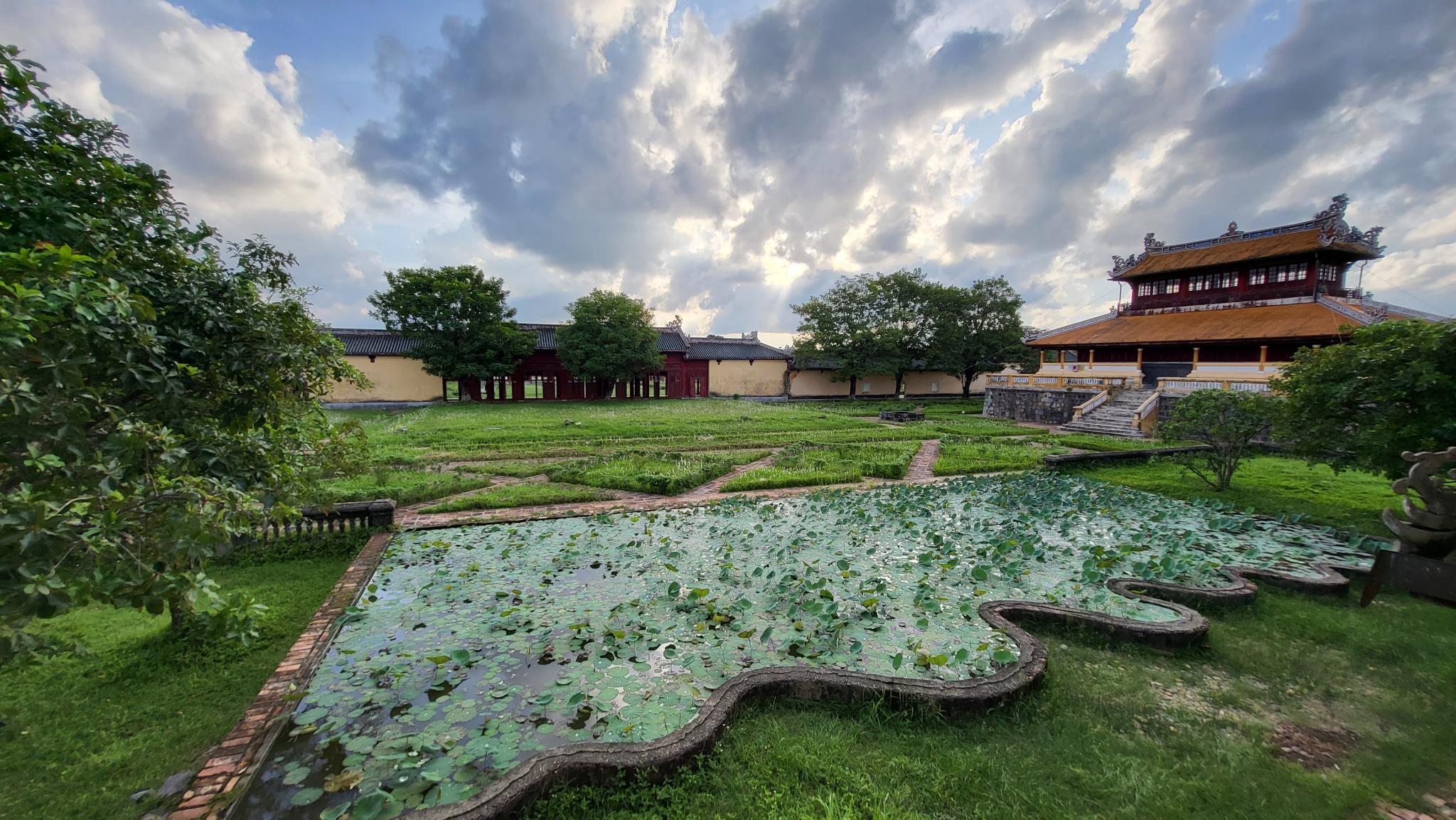
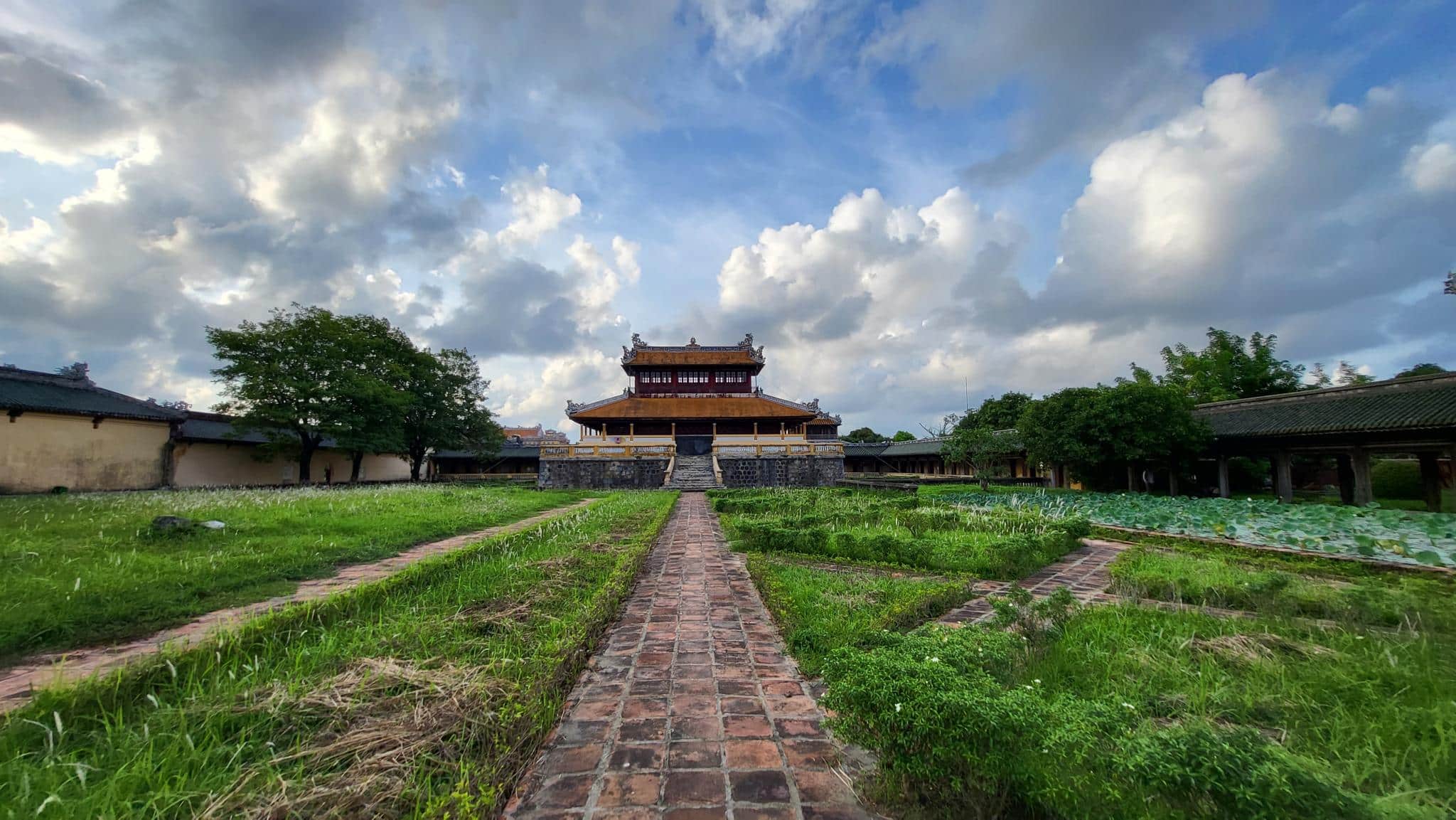
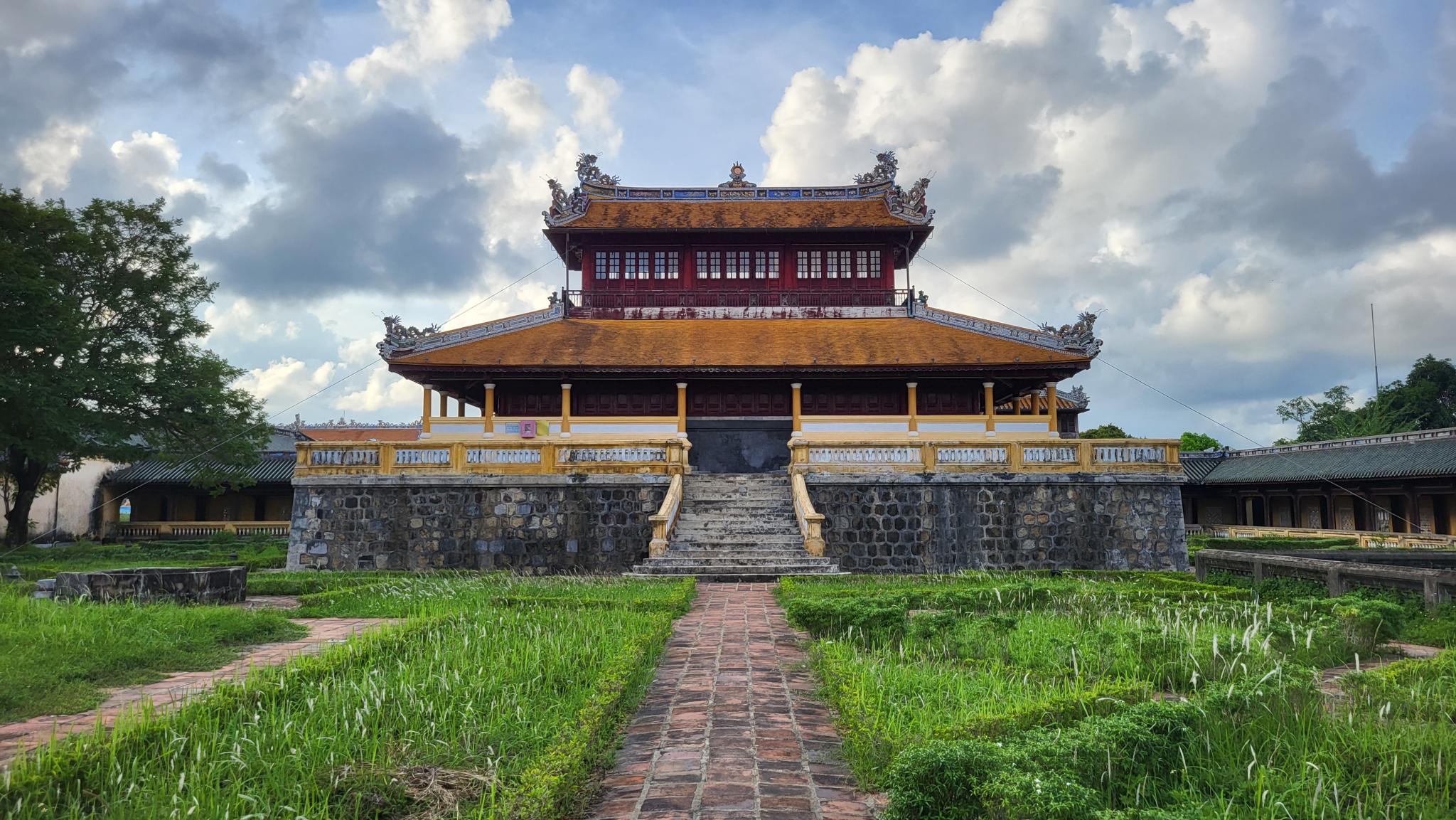
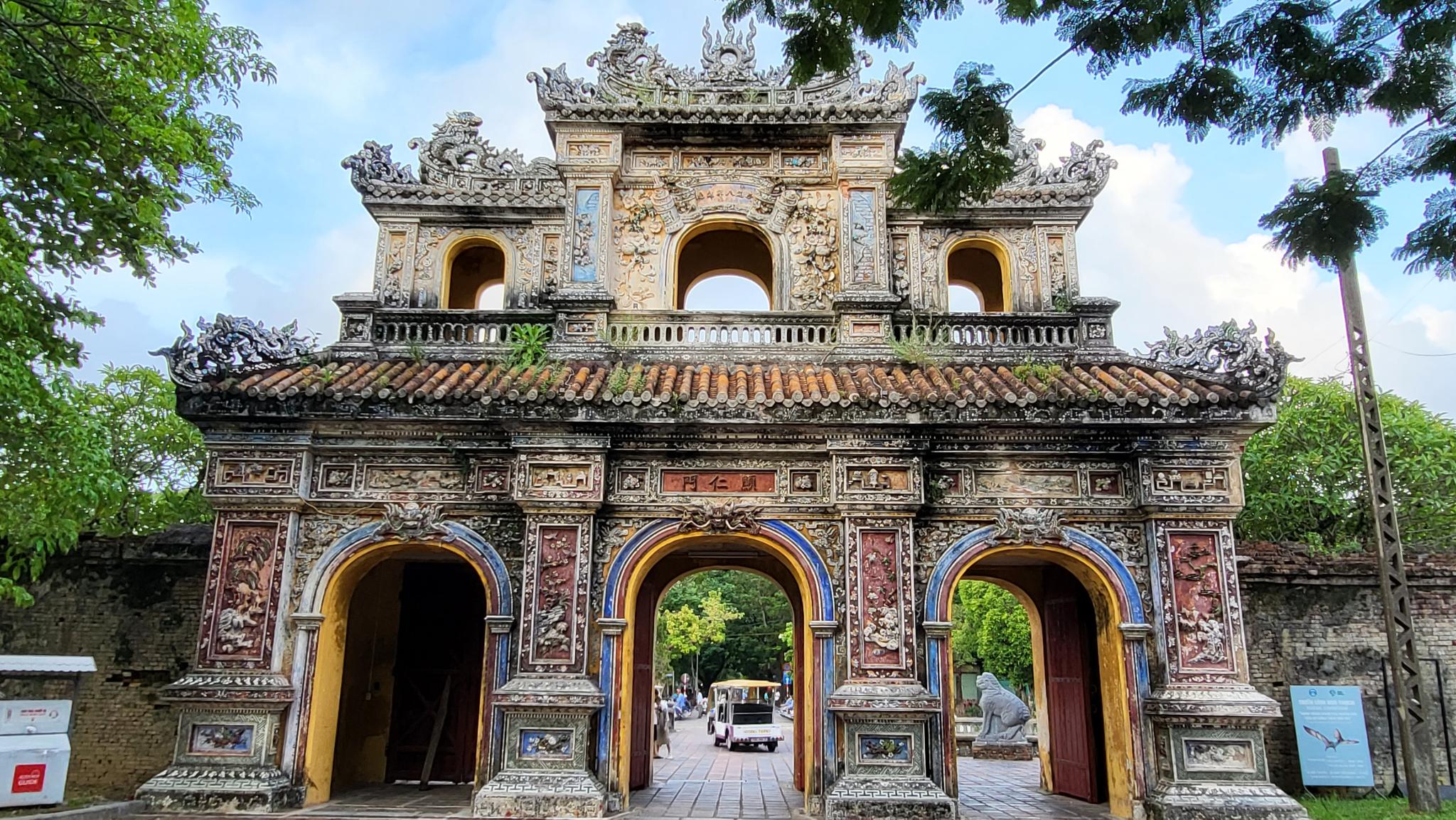
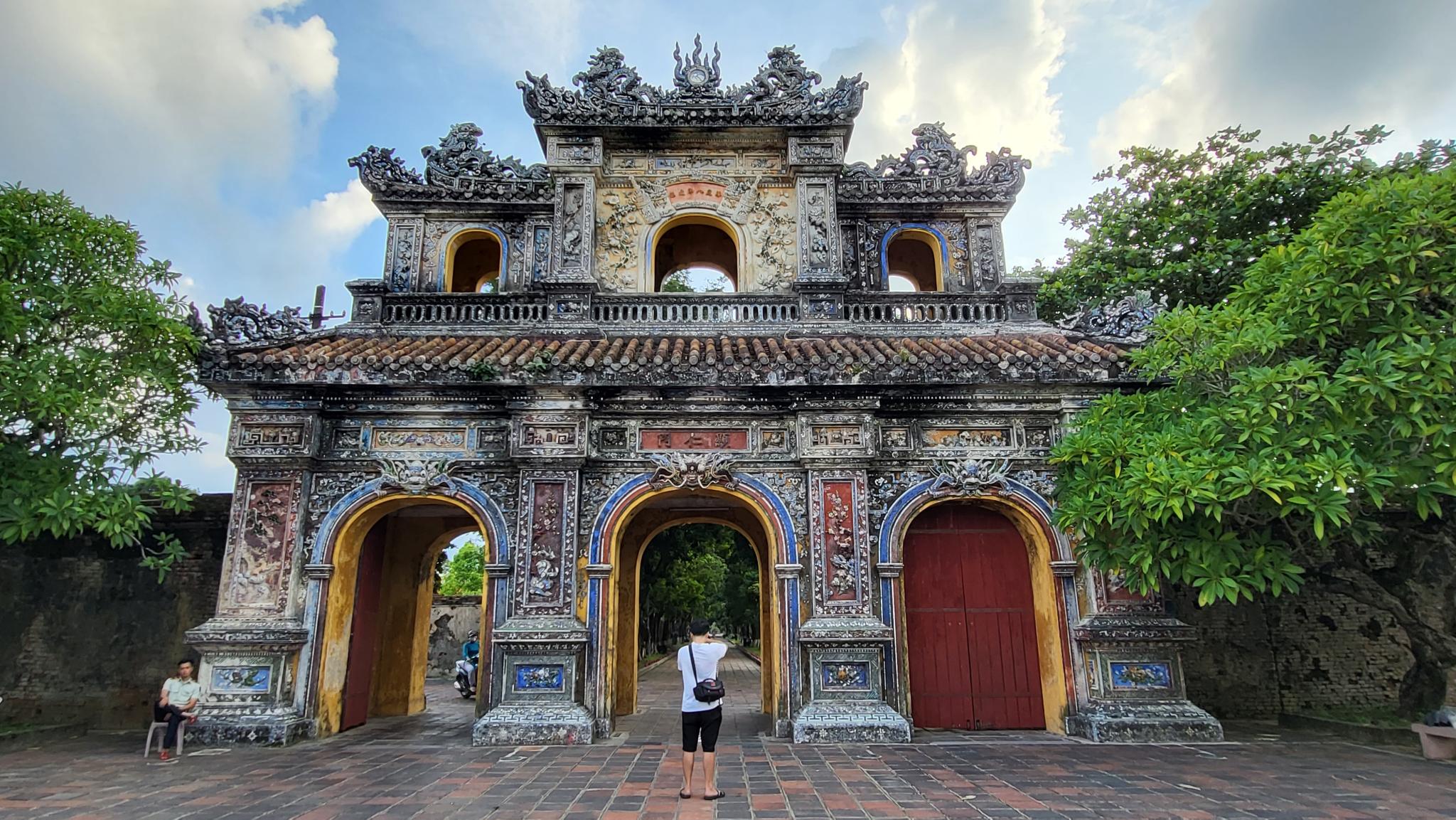
- Structures and Palaces: Within the Imperial City, various palaces, temples, pavilions, and halls showcase the grandeur and architectural prowess of the Nguyen Dynasty. While many structures suffered damage during the Vietnam War, ongoing restoration efforts have sought to preserve and reconstruct parts of the complex.
- War Damage and Restoration: The Vietnam War took a toll on the Imperial City, with many structures damaged or destroyed during the conflict. However, efforts have been underway to restore and preserve this significant historical site, although challenges remain due to factors like climate, funding, and the complexity of restoration work.
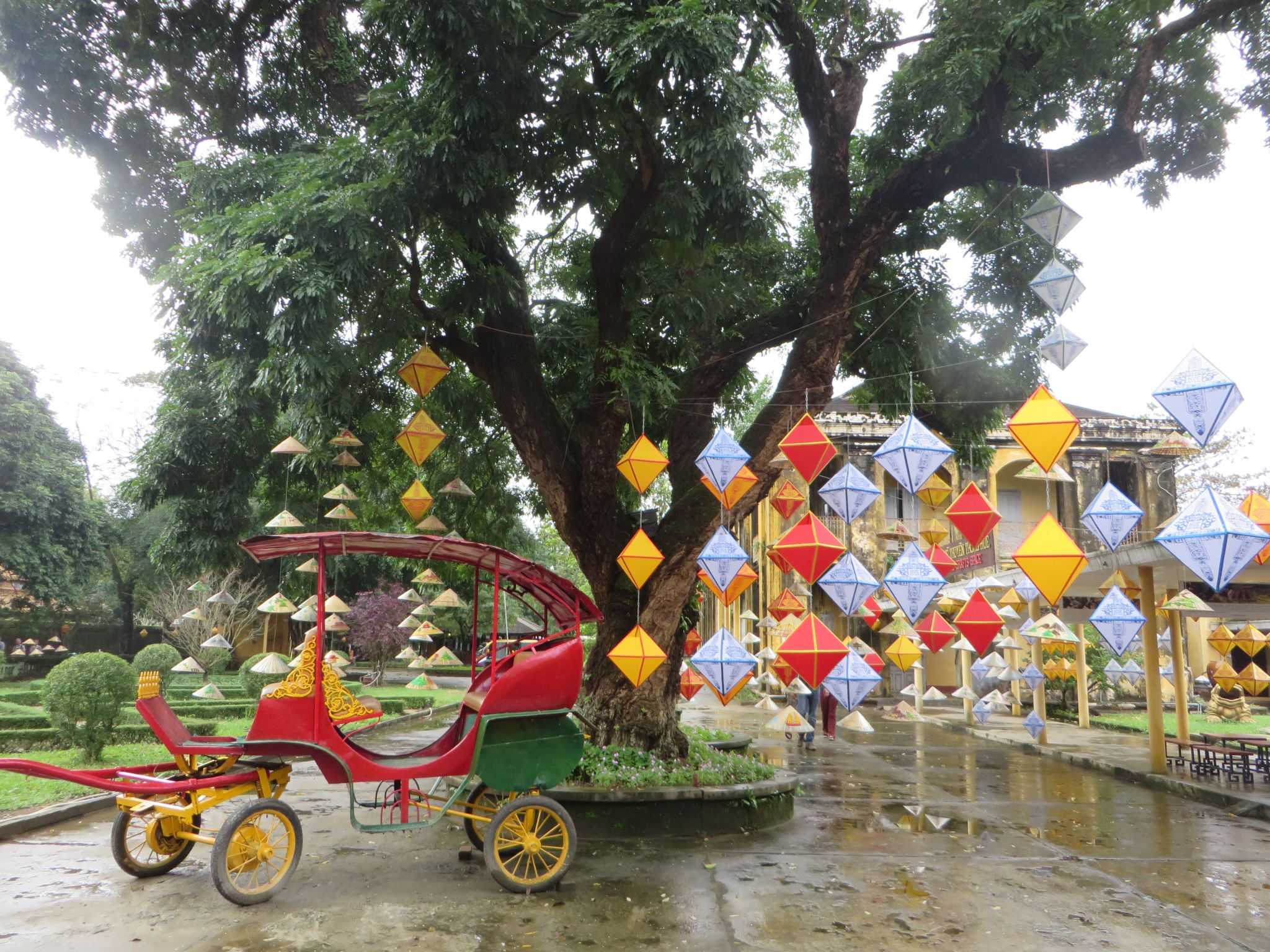
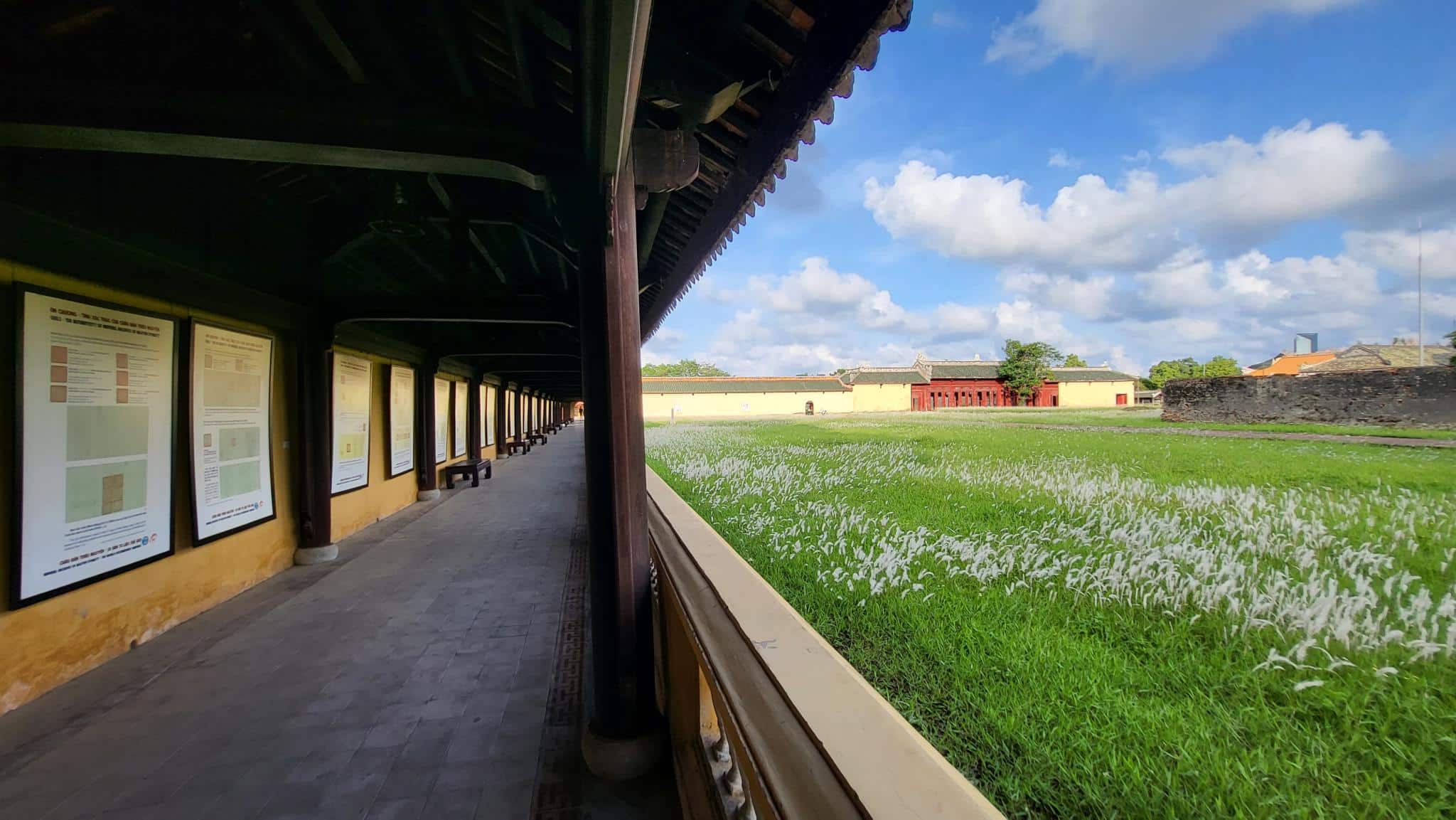
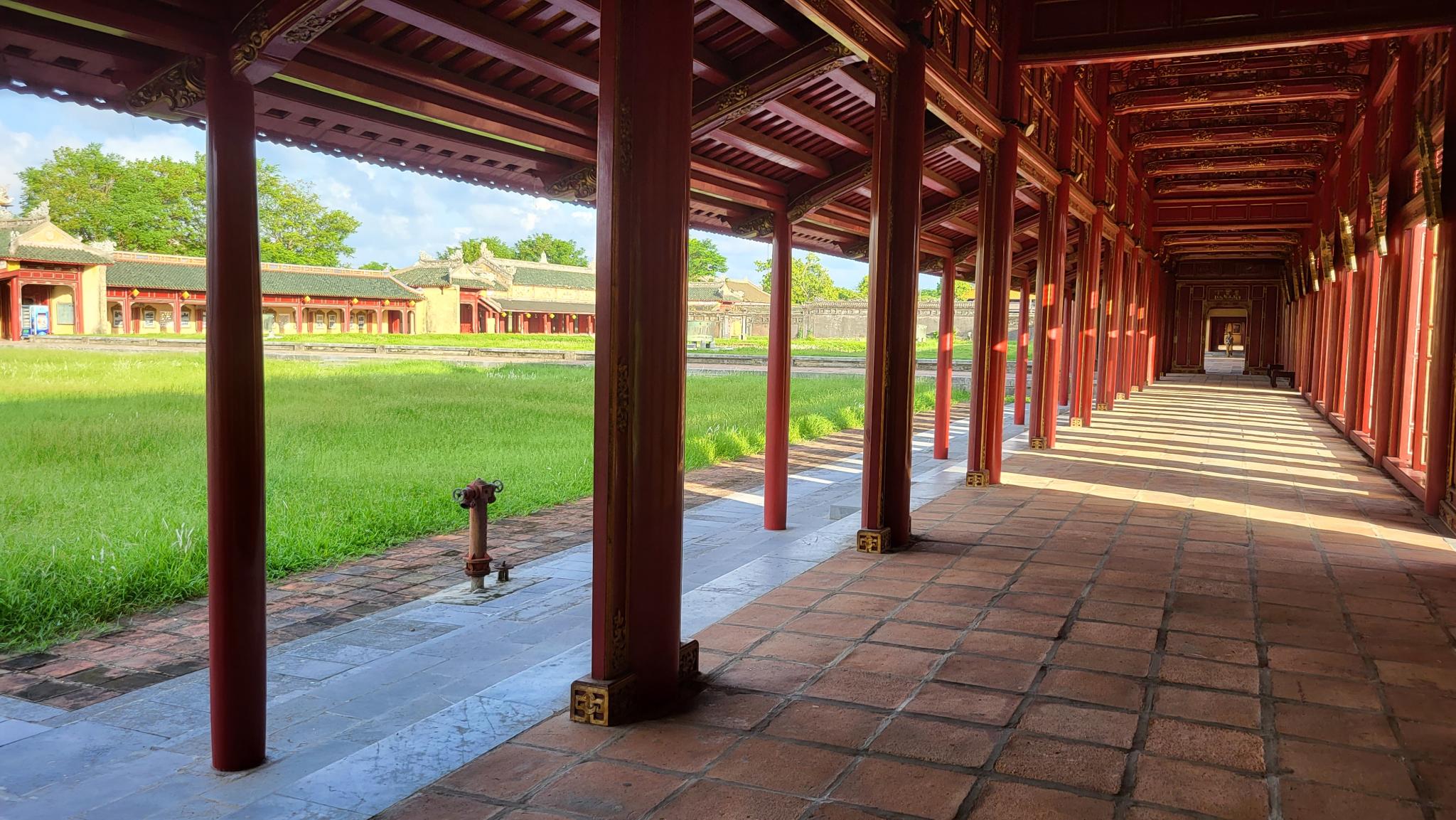
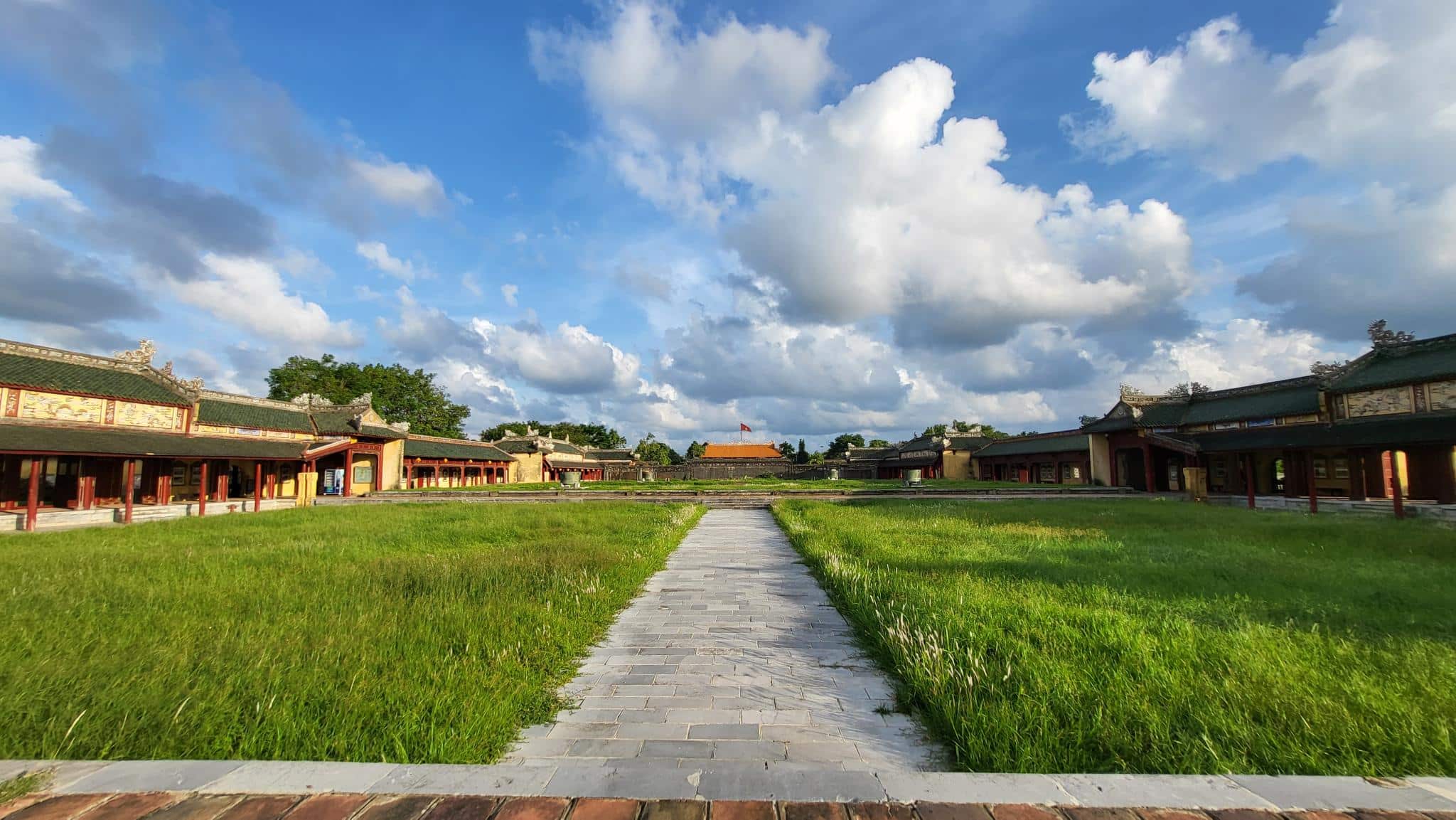
- Visitor Experience: Today, visitors can explore the Imperial City to admire its architectural beauty, learn about Vietnam’s imperial history, and appreciate the blend of Vietnamese and East Asian architectural styles. The site offers insights into the cultural, political, and historical aspects of Vietnam during the Nguyen Dynasty.
- Cultural Heritage: Apart from its architectural significance, the Imperial City of Huế is also a testament to the cultural heritage of Vietnam, reflecting influences from Confucianism, Buddhism, and indigenous traditions. The site provides a window into the rituals, ceremonies, and lifestyles of Vietnam’s imperial past.
Visiting the Imperial City of Huế offers a rich experience for those interested in history, architecture, and Vietnamese culture. The site’s significance as a UNESCO World Heritage Site underscores its importance not only to Vietnam but also to the broader world as a repository of cultural and historical treasures.
2023 :
2018 :