Hoa Lư Ancient Capital – Ninh Binh
Listing has verified and belong the business owner or manager.
Historical Background:
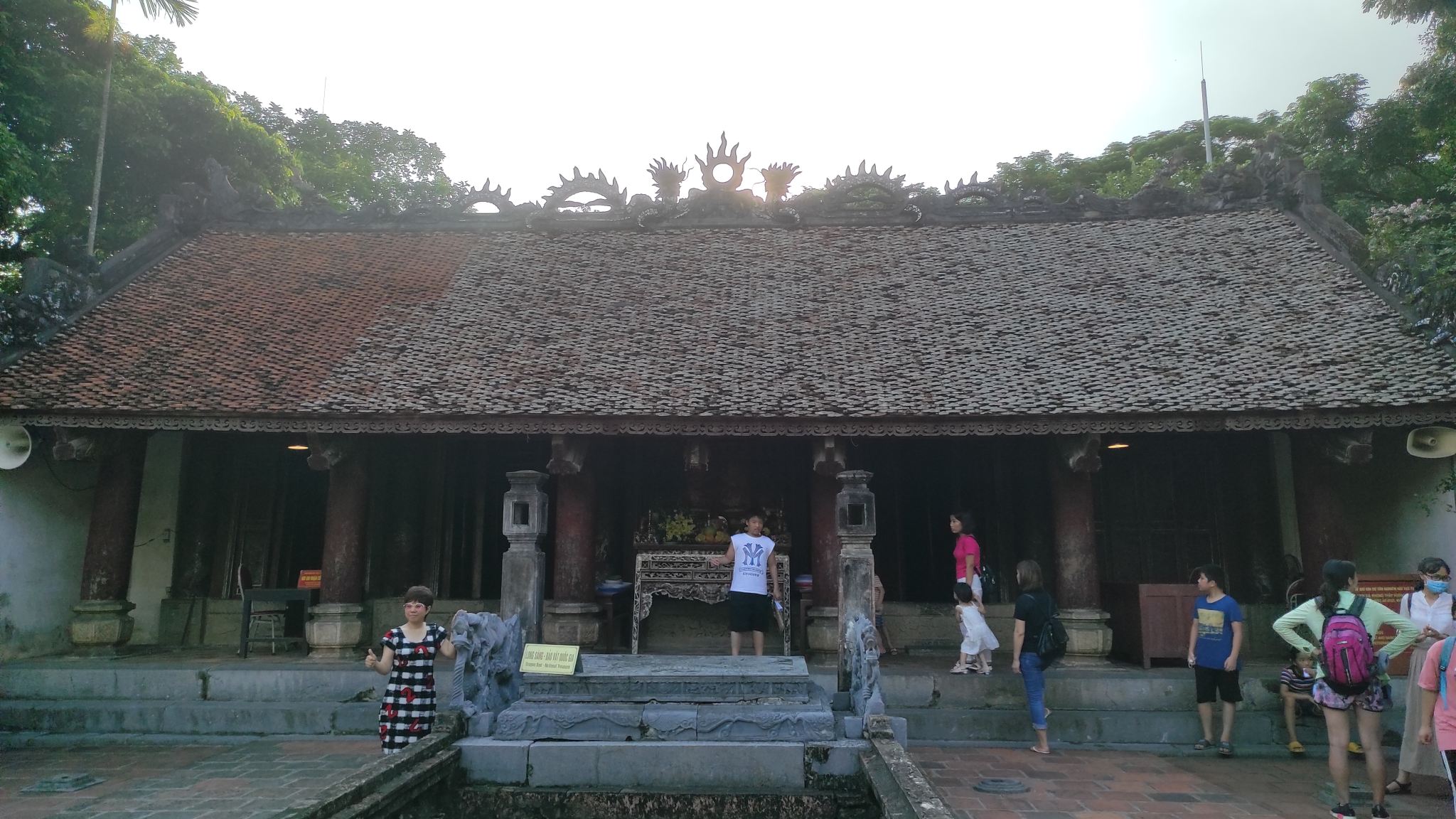
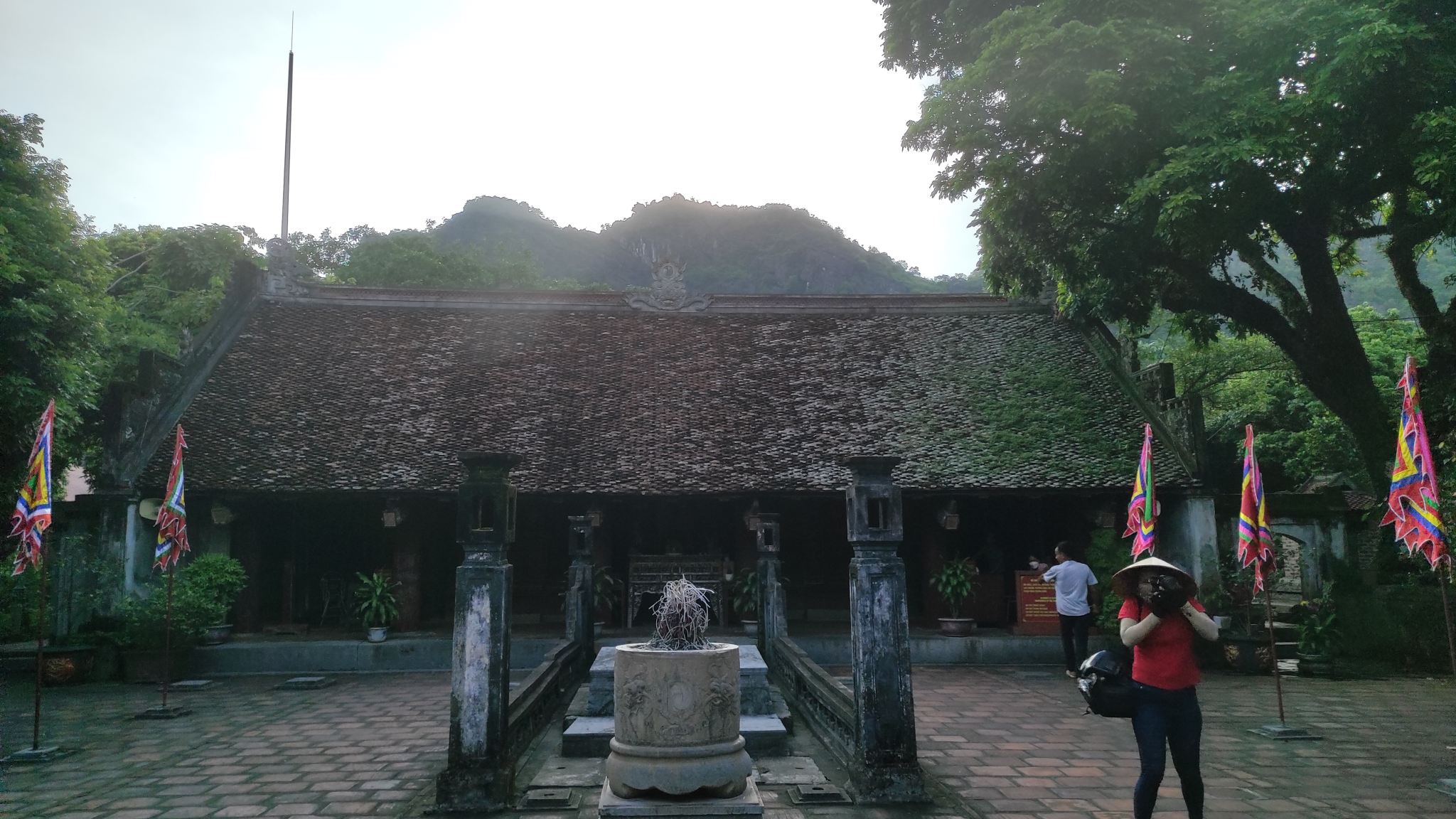
Hoa Lư Ancient Capital holds significant historical importance as it was the capital of Vietnam in the 10th and 11th centuries during the Dinh and Early Lê dynasties. Strategically located in Ninh Bình Province, Hoa Lư served as the political, economic, and cultural center of Vietnam during this period, witnessing significant developments, expansions, and transformations that shaped the nation’s history, governance, and identity.
Past:
- Political Center: Hoa Lư Ancient Capital was established by Emperor Đinh Tiên Hoàng in the 10th century after defeating the Southern Han forces and unifying Vietnam. The capital served as the political center of the country, where the Dinh and Early Lê dynasties ruled and governed Vietnam, implementing administrative reforms, military strategies, and cultural initiatives to consolidate power, maintain stability, and foster national unity.
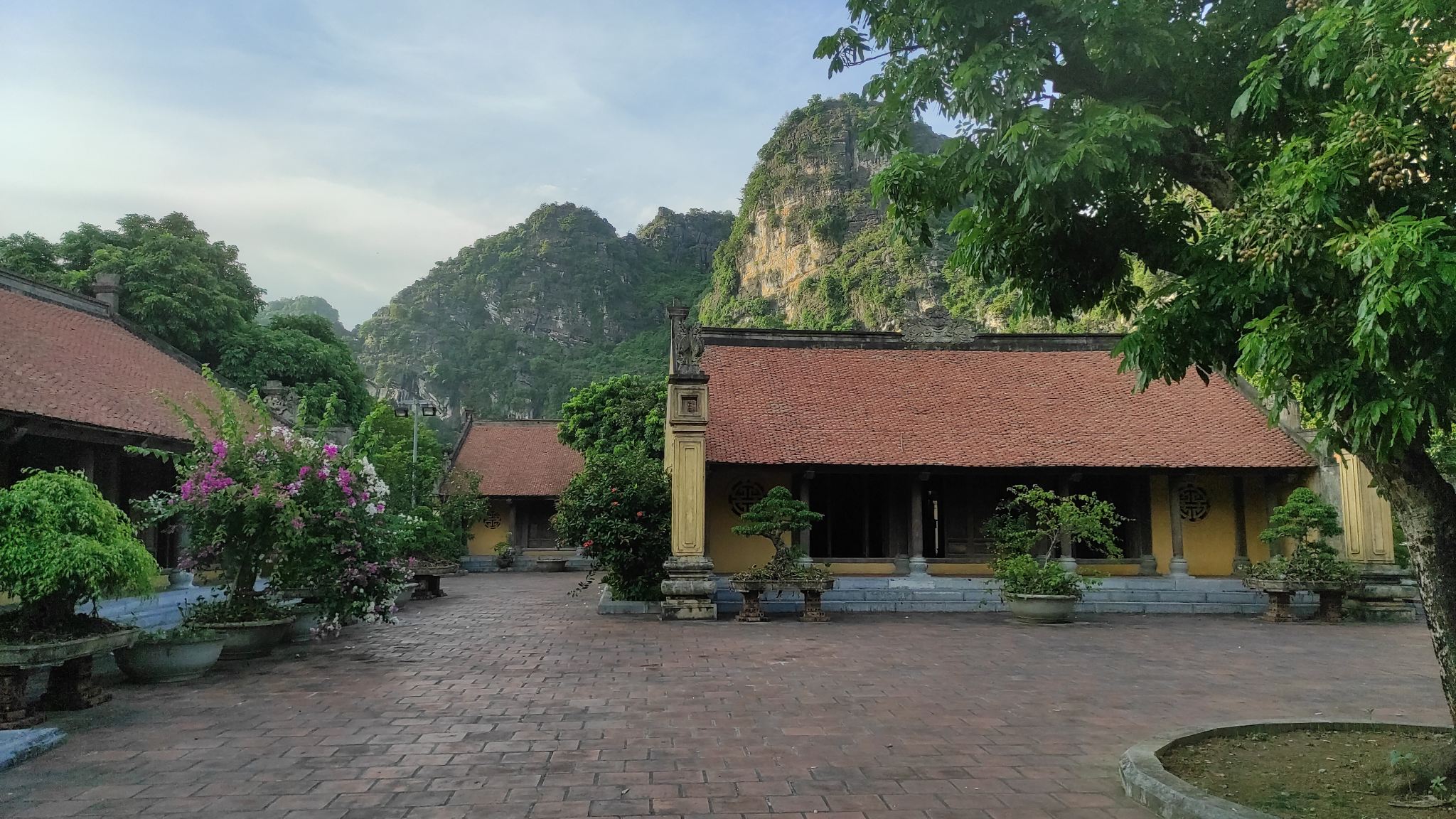
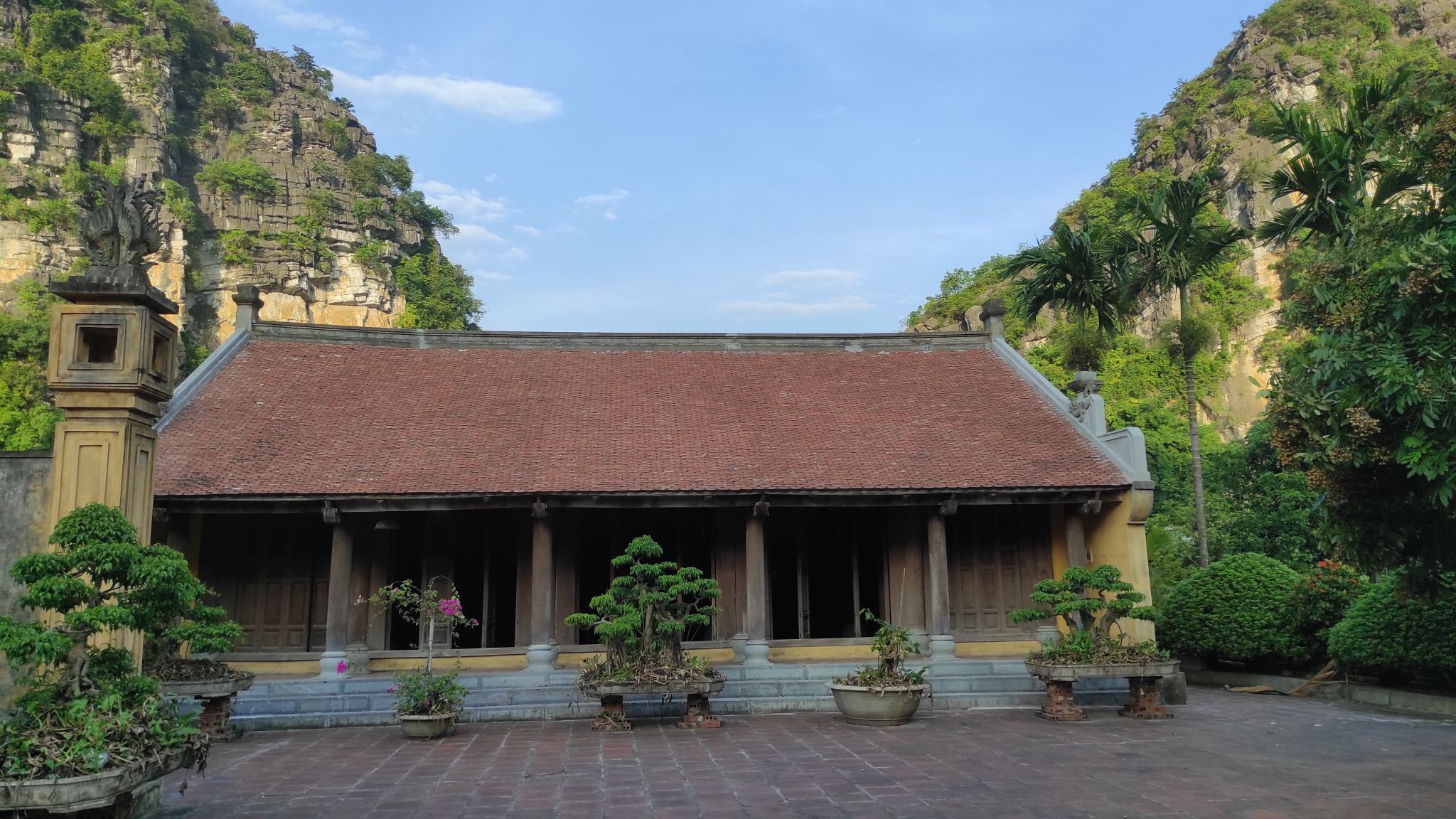
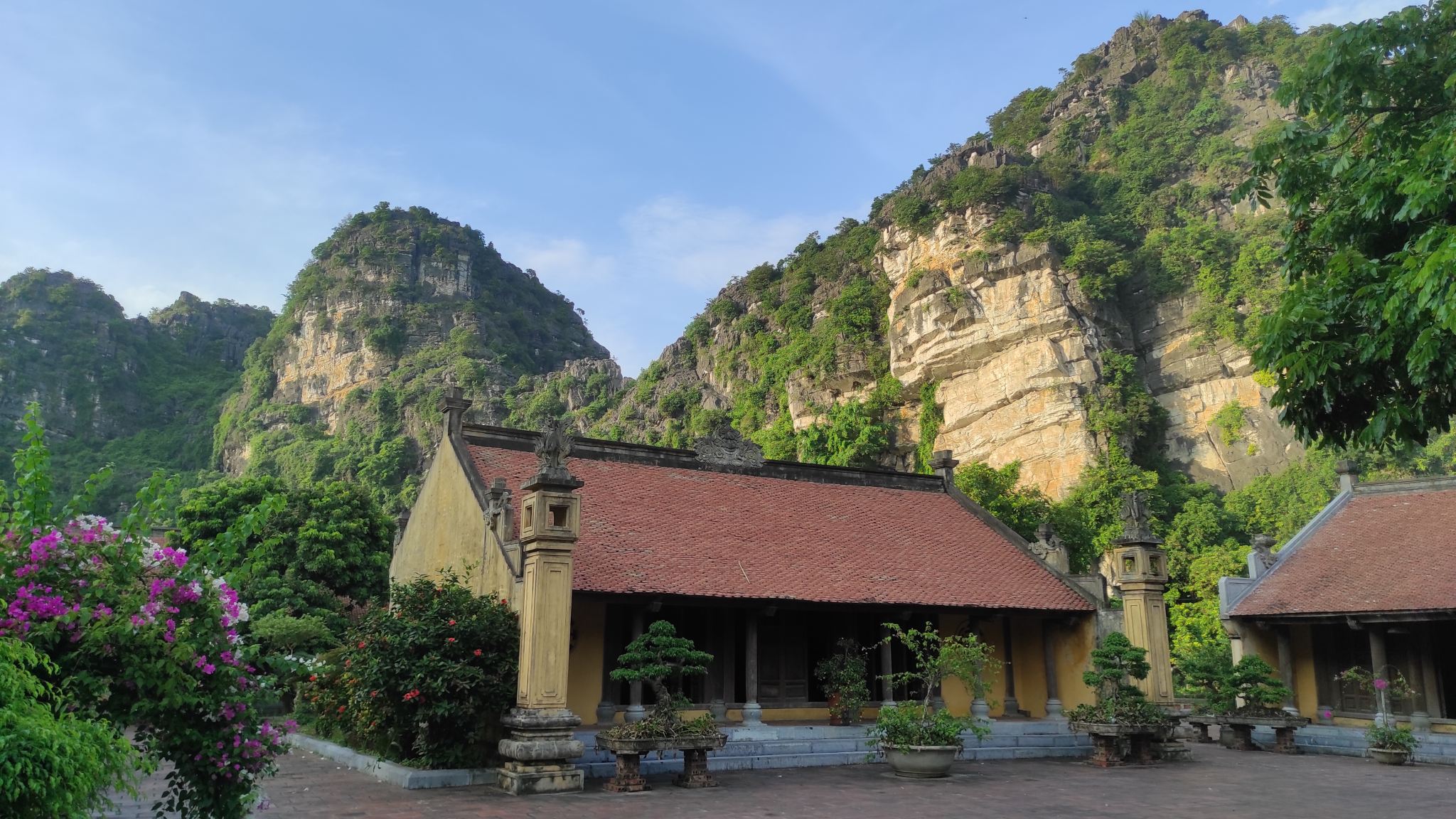
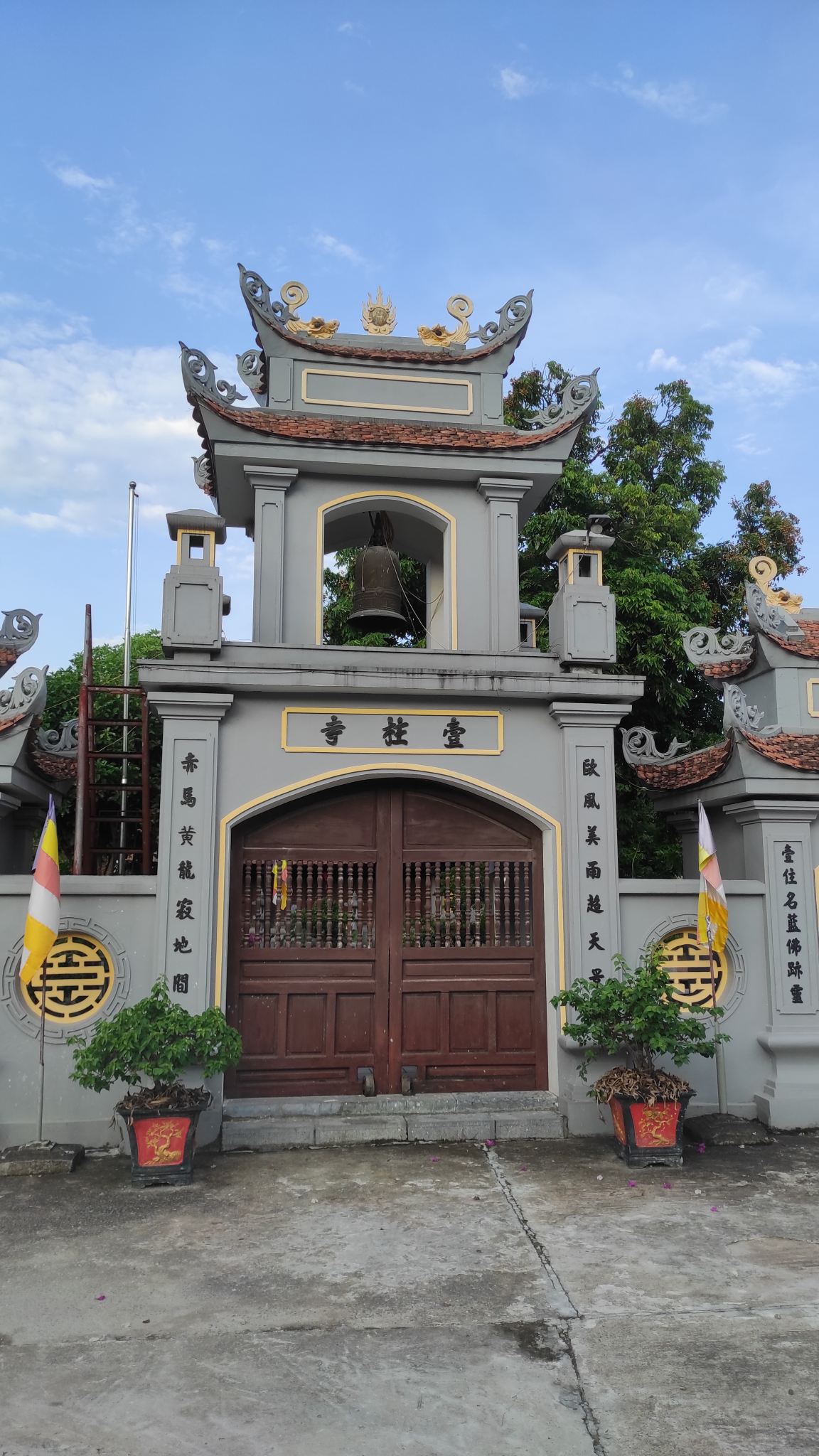
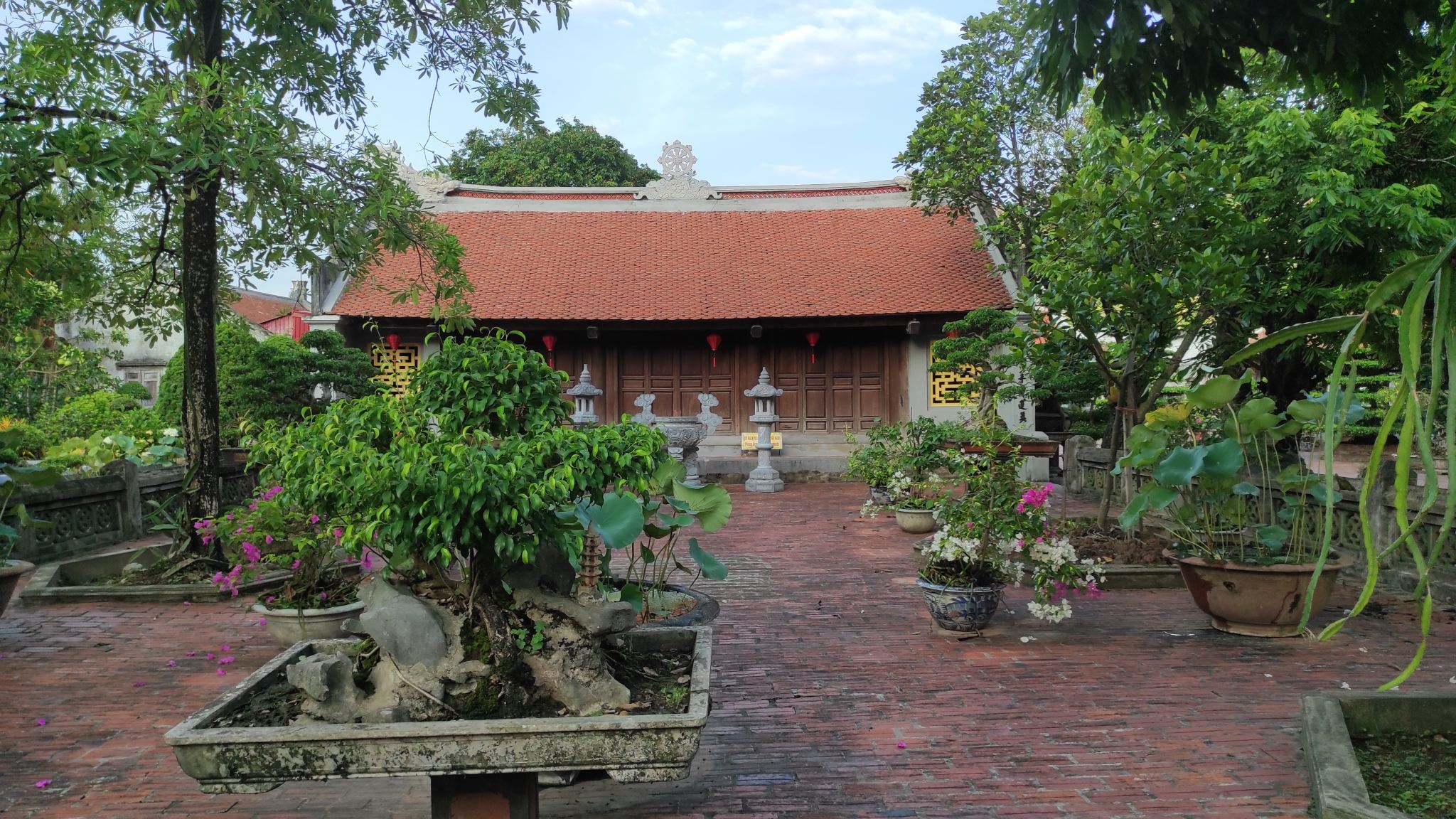
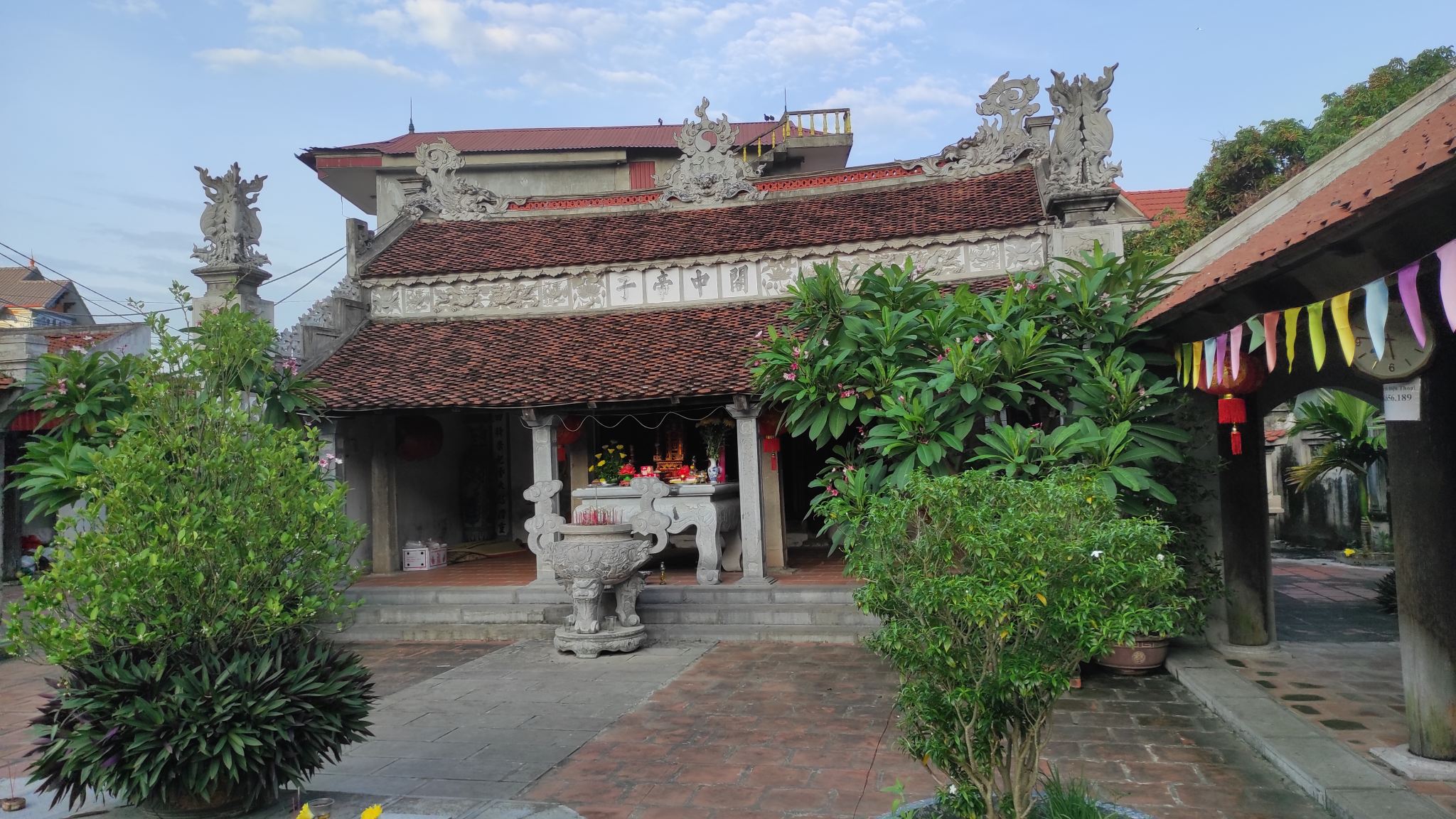
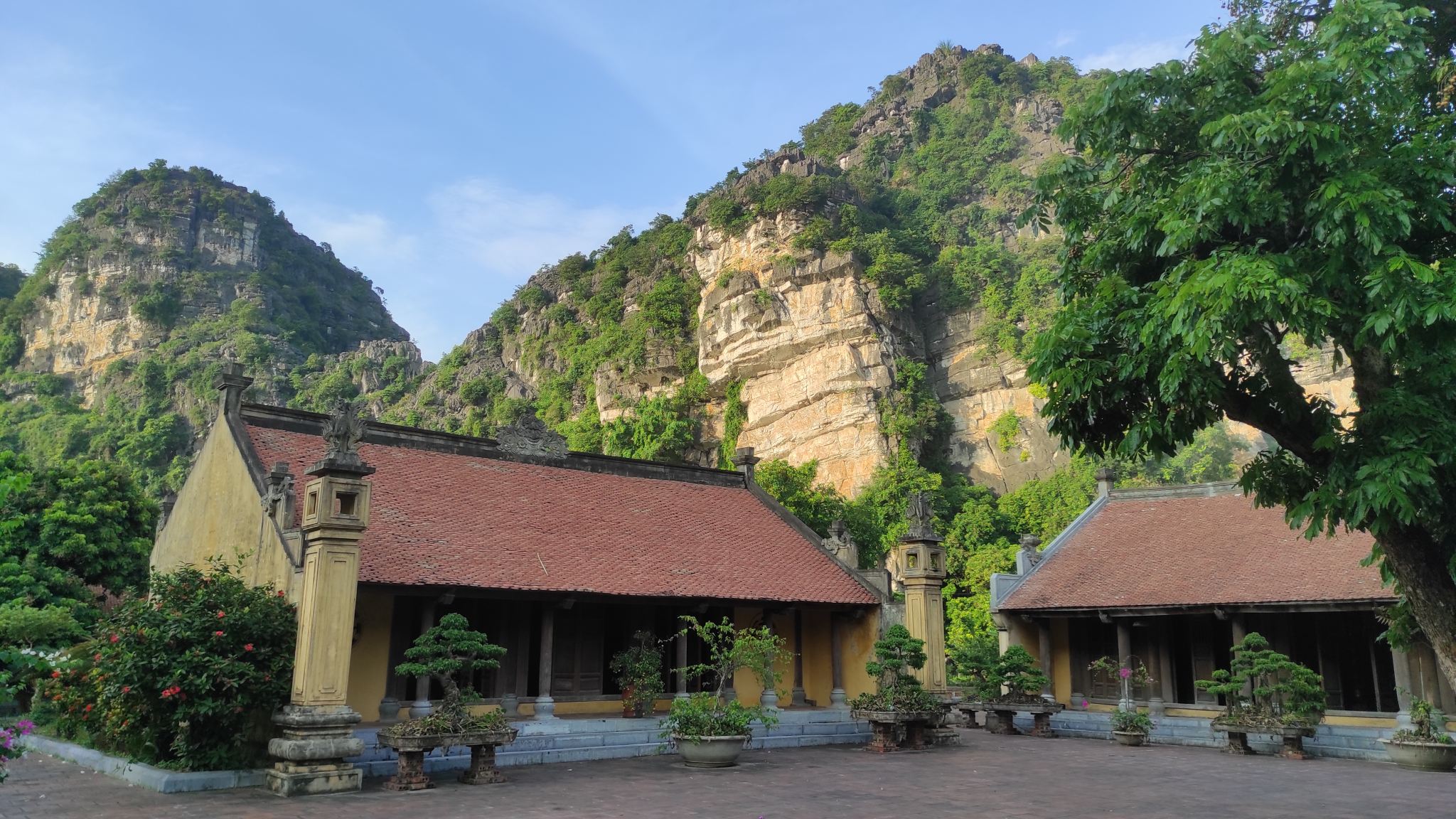
- Cultural and Religious Significance: During its heyday, Hoa Lư Ancient Capital was a thriving cultural and religious hub, featuring magnificent palaces, temples, pagodas, and communal spaces that reflected the region’s spiritual beliefs, cultural traditions, and architectural achievements. The capital’s monumental structures, artistic creations, and intellectual pursuits contributed to the flourishing of literature, arts, philosophy, and religion, establishing Hoa Lư as a center of learning, scholarship, and spiritual enlightenment within the region.
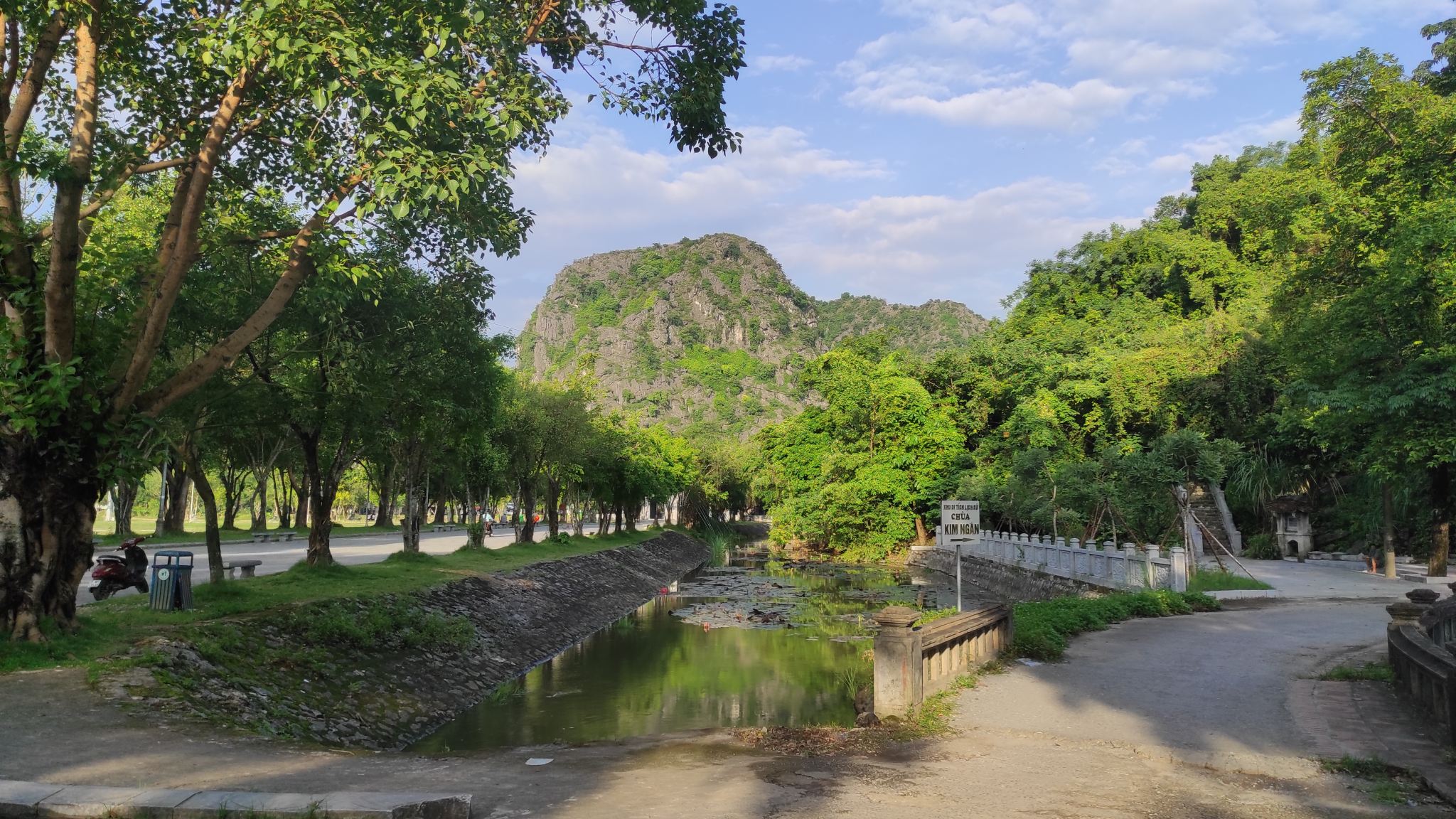
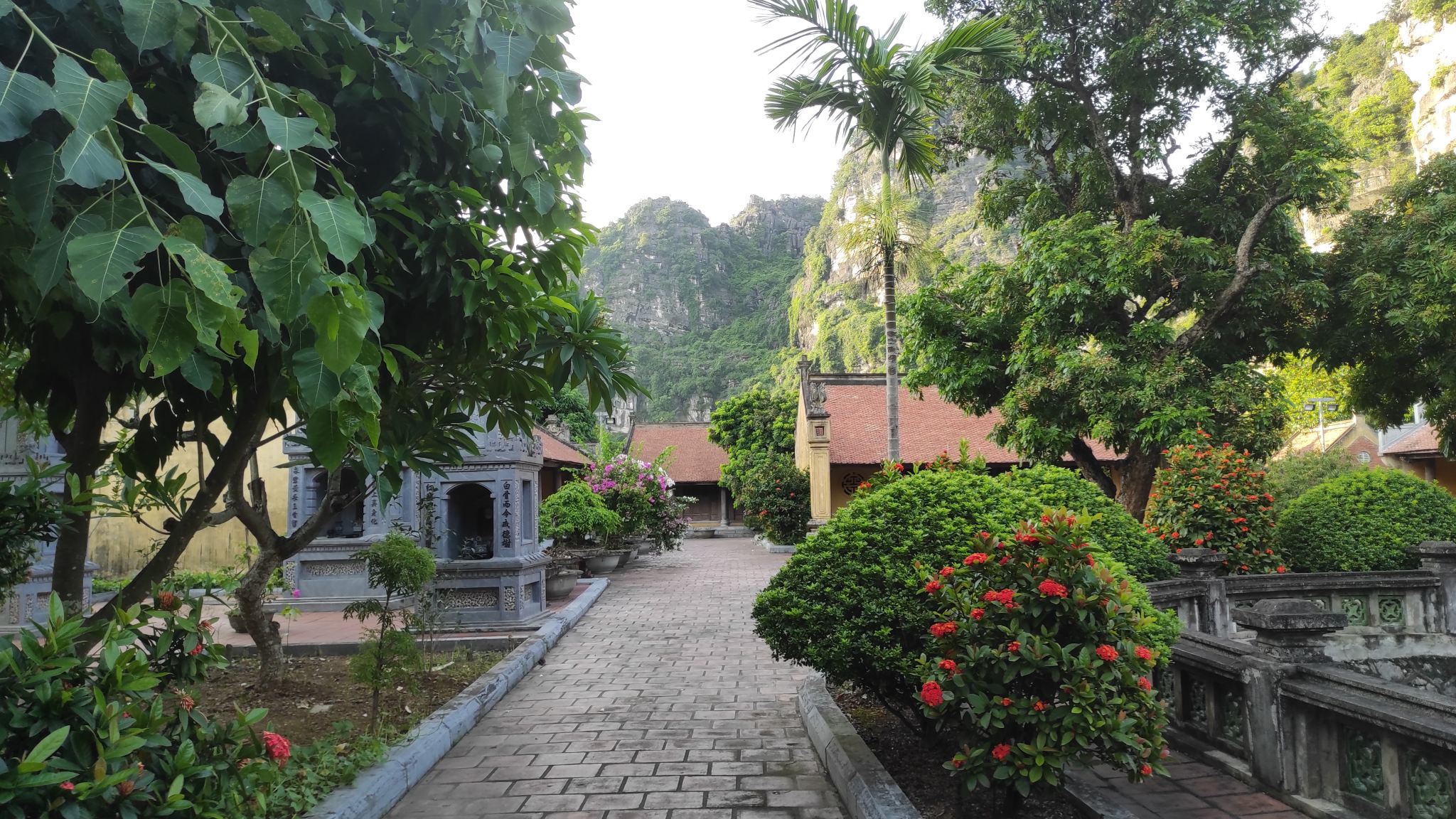
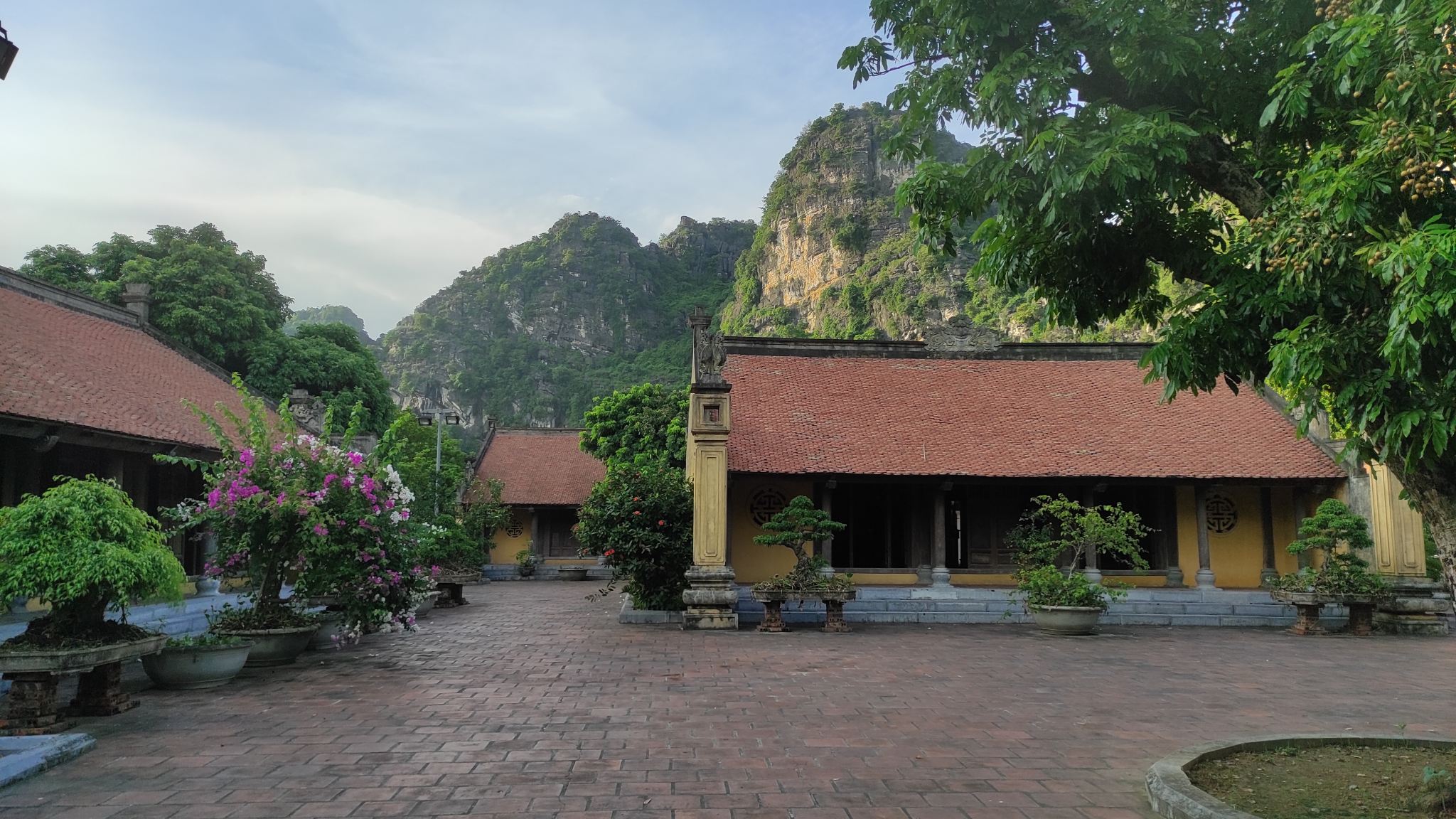
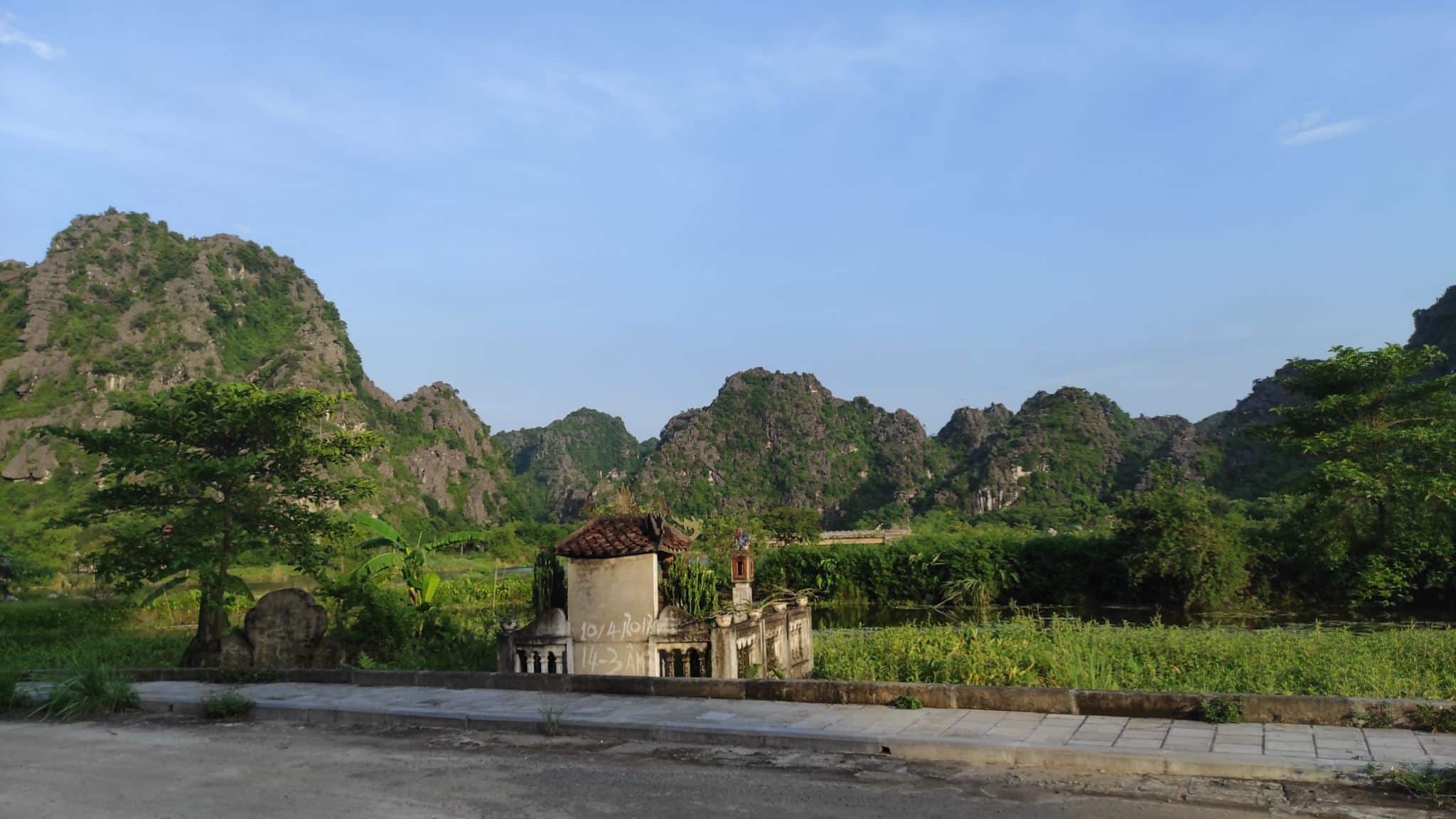
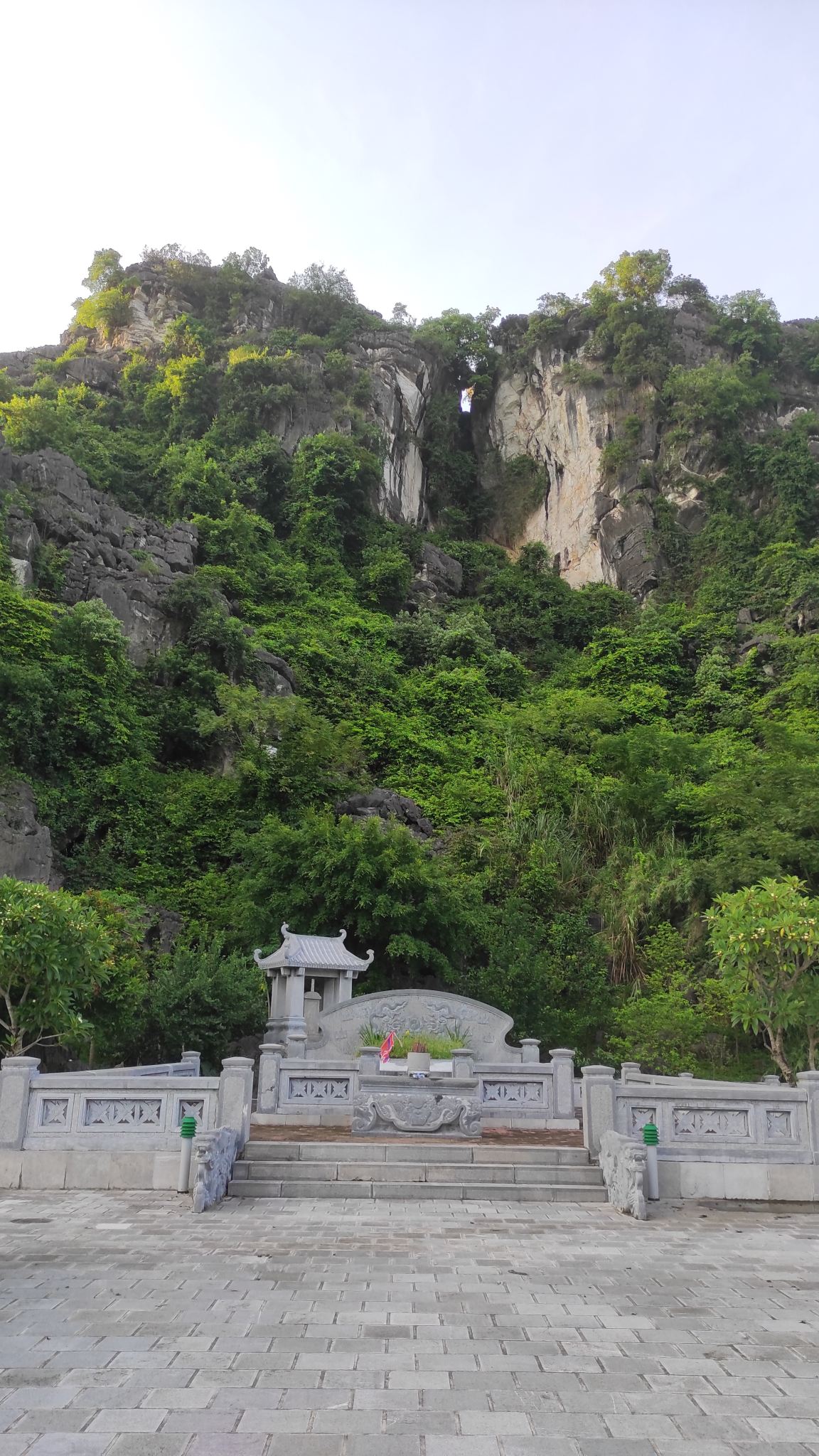
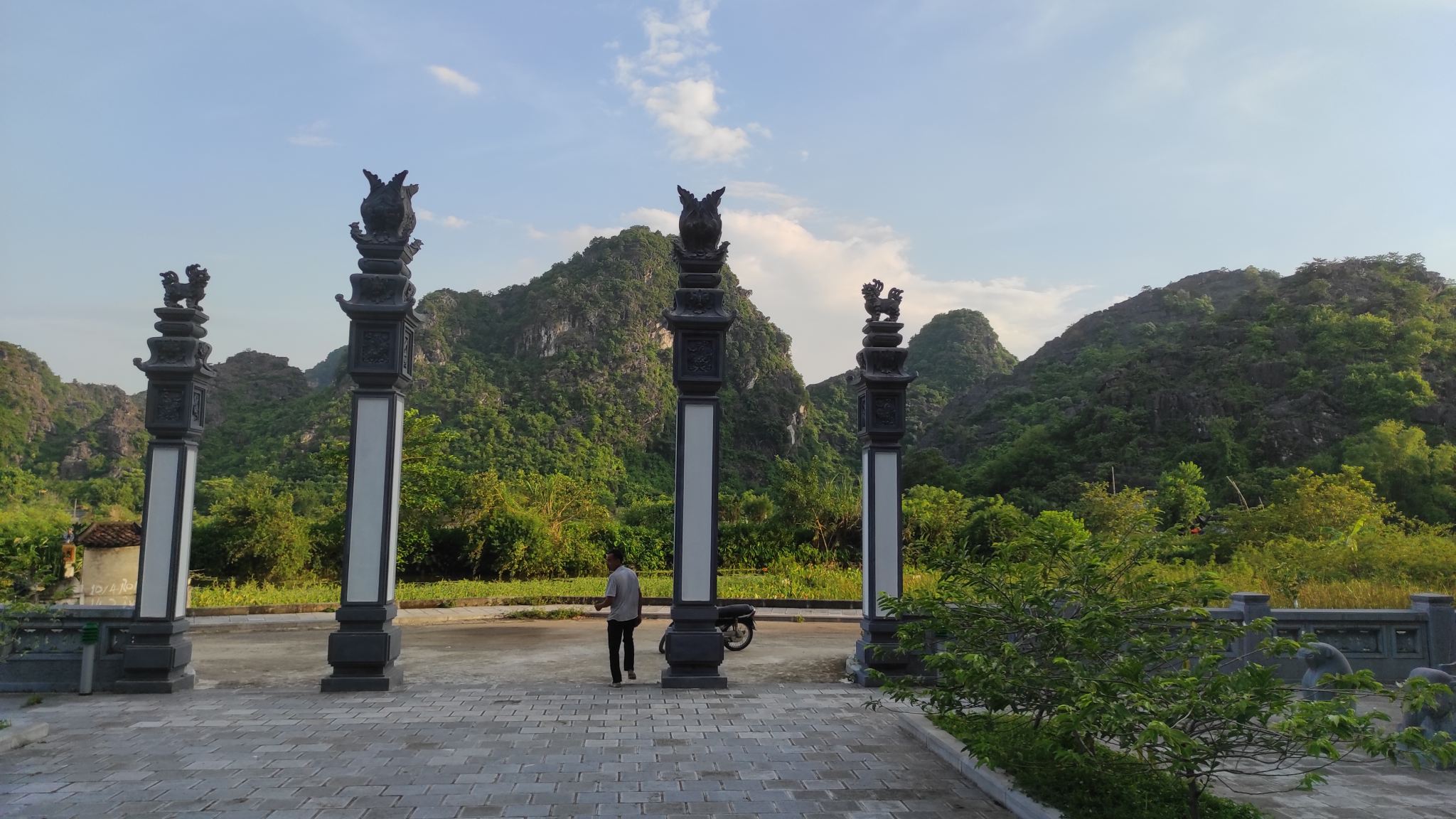
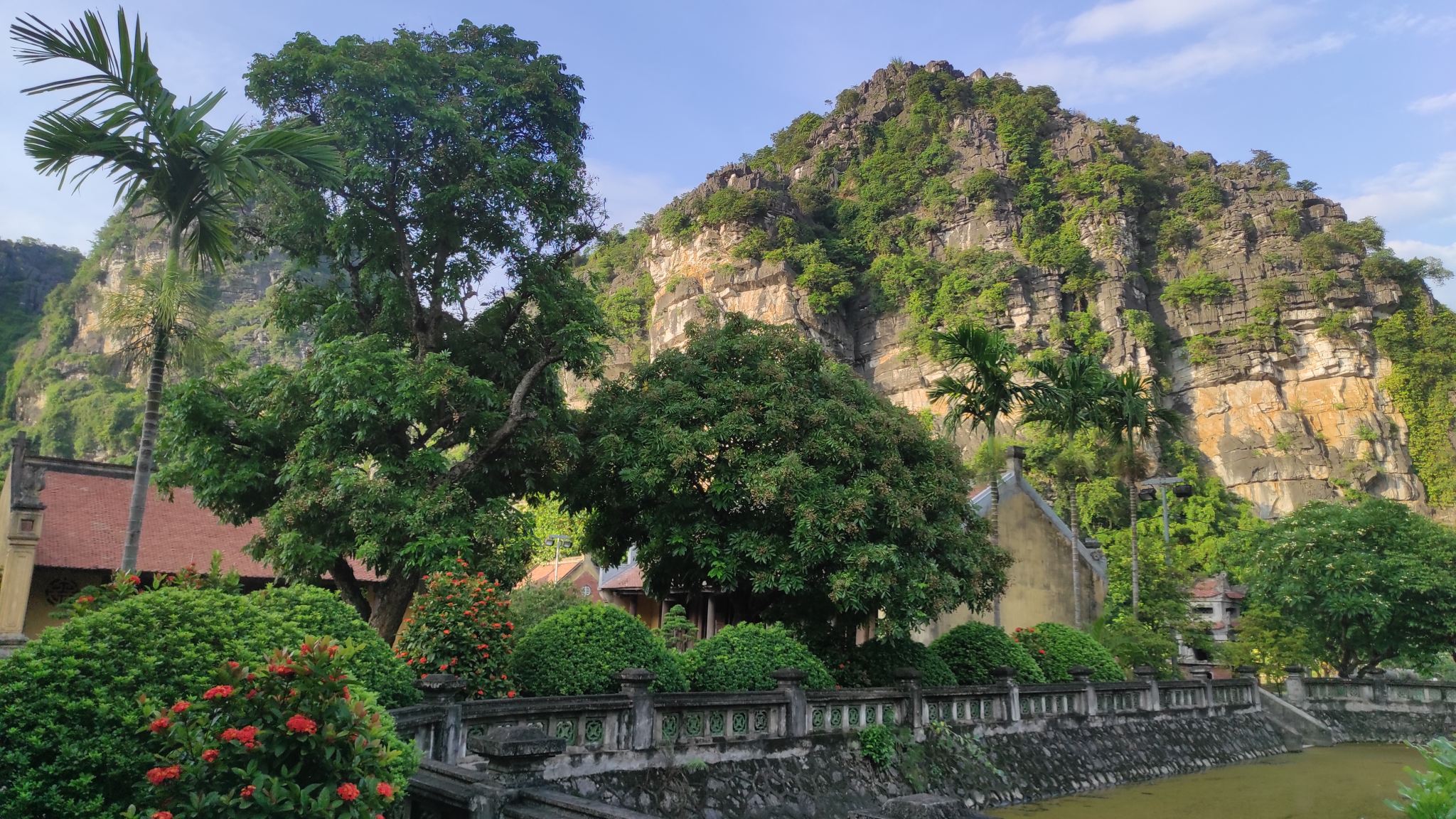
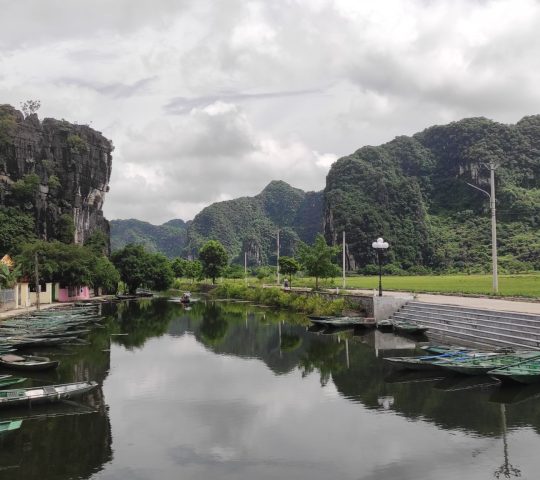
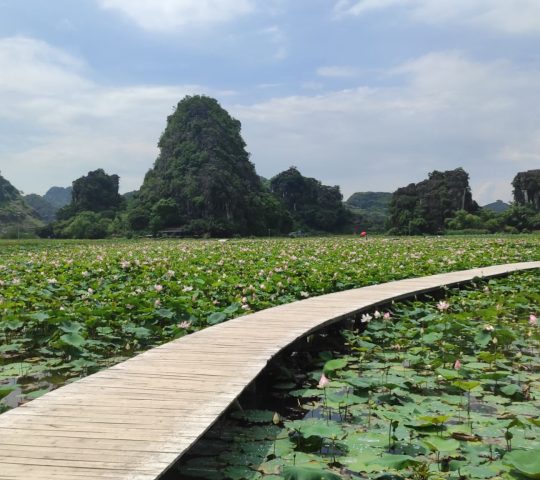
- Strategic Importance: Hoa Lư Ancient Capital’s strategic location, surrounded by limestone karst formations and natural barriers, provided protection, defense, and security against external threats, invasions, and conflicts. The capital’s fortified walls, defensive structures, and military installations enabled the Dinh and Early Lê dynasties to defend their territory, repel invaders, and maintain sovereignty over Vietnam’s territories, resources, and people.
Now:
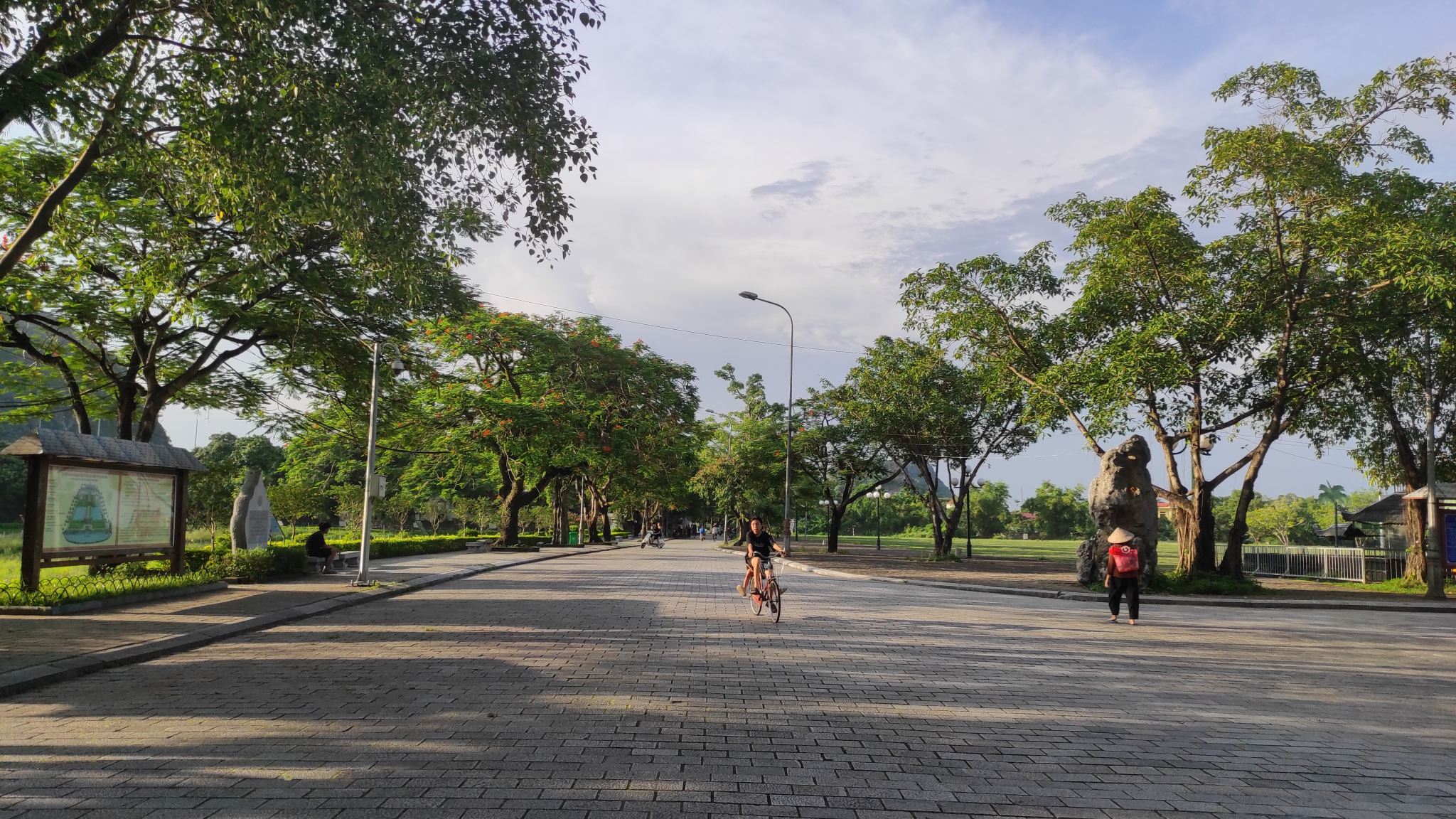
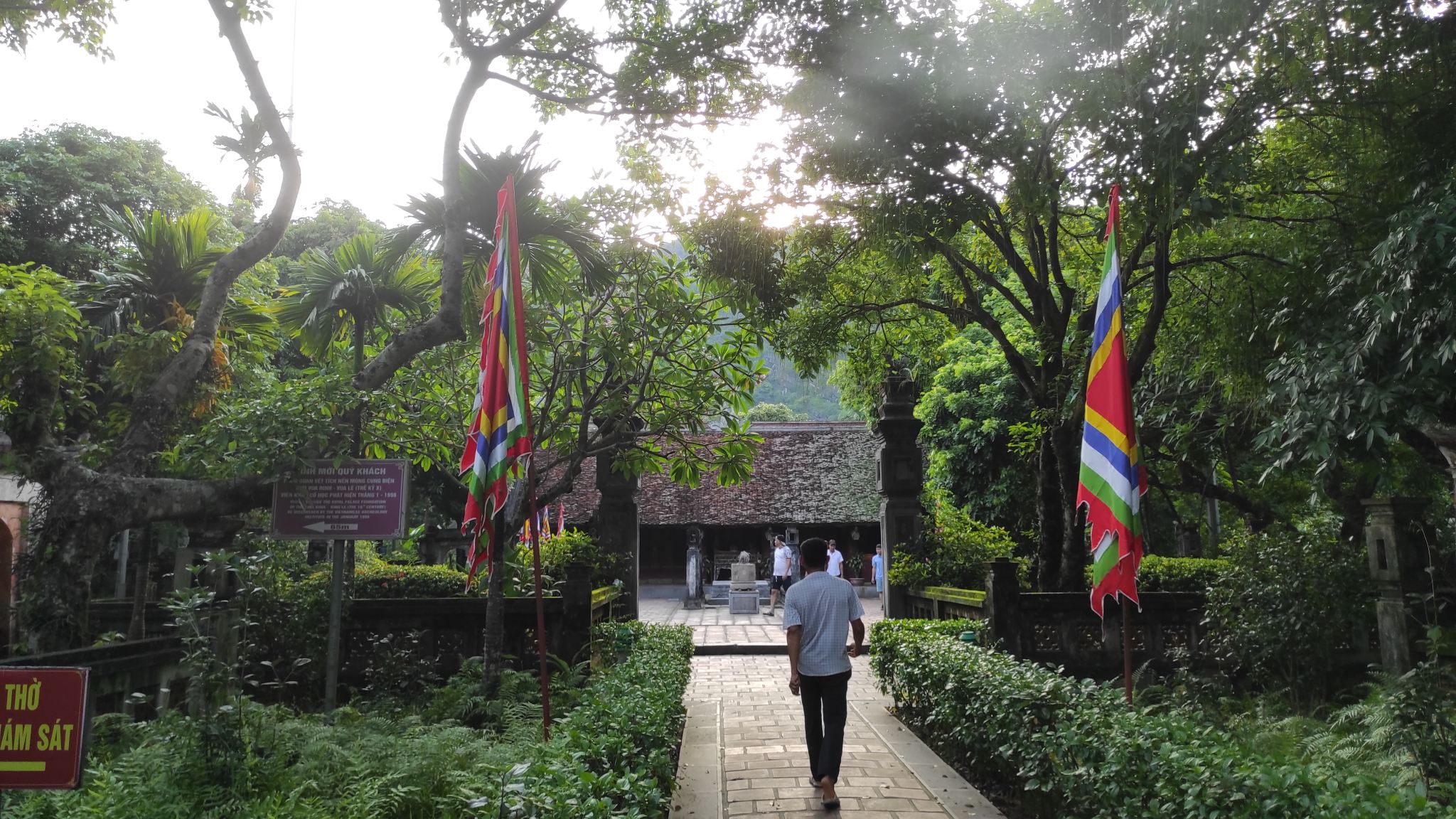
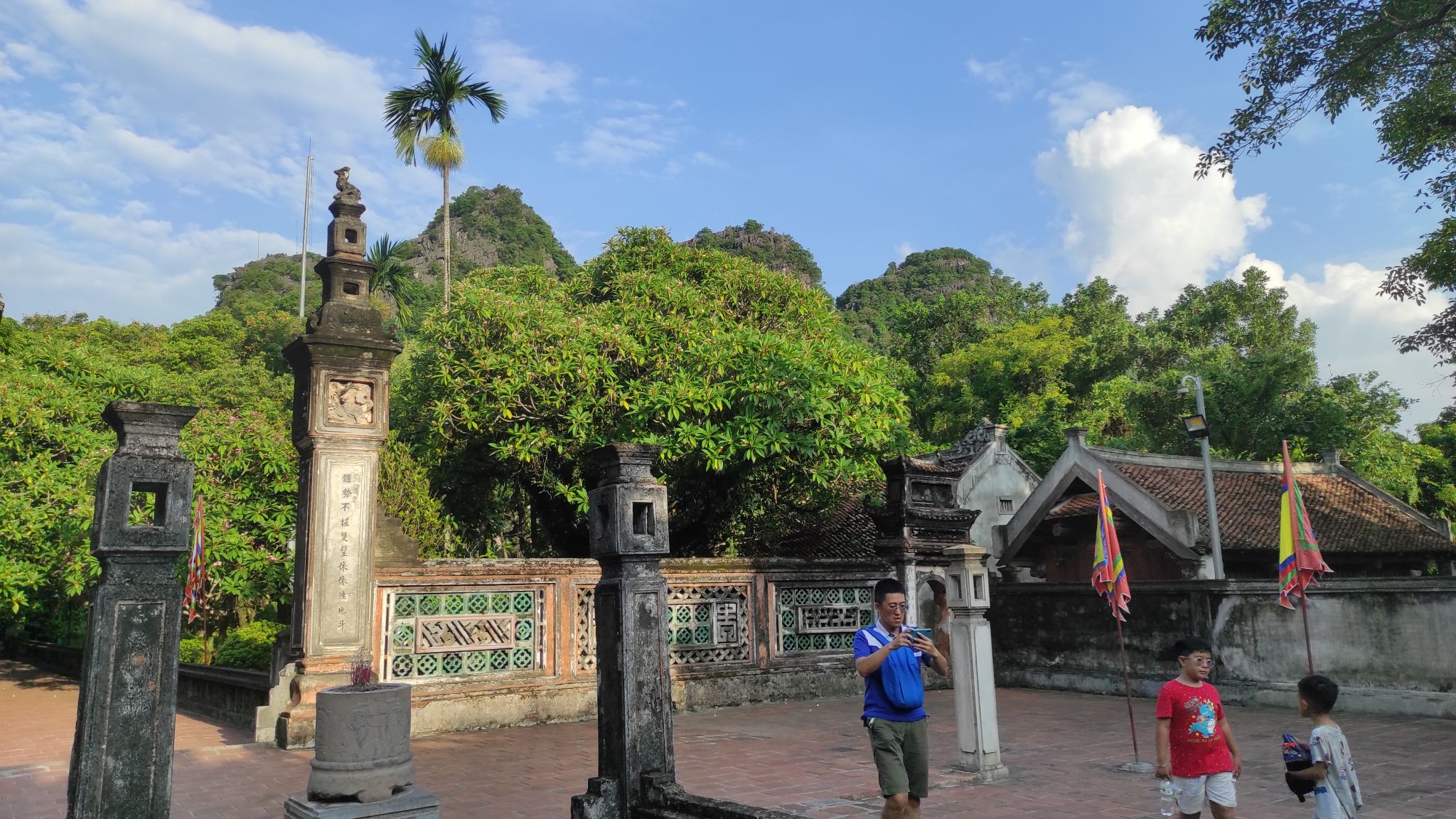
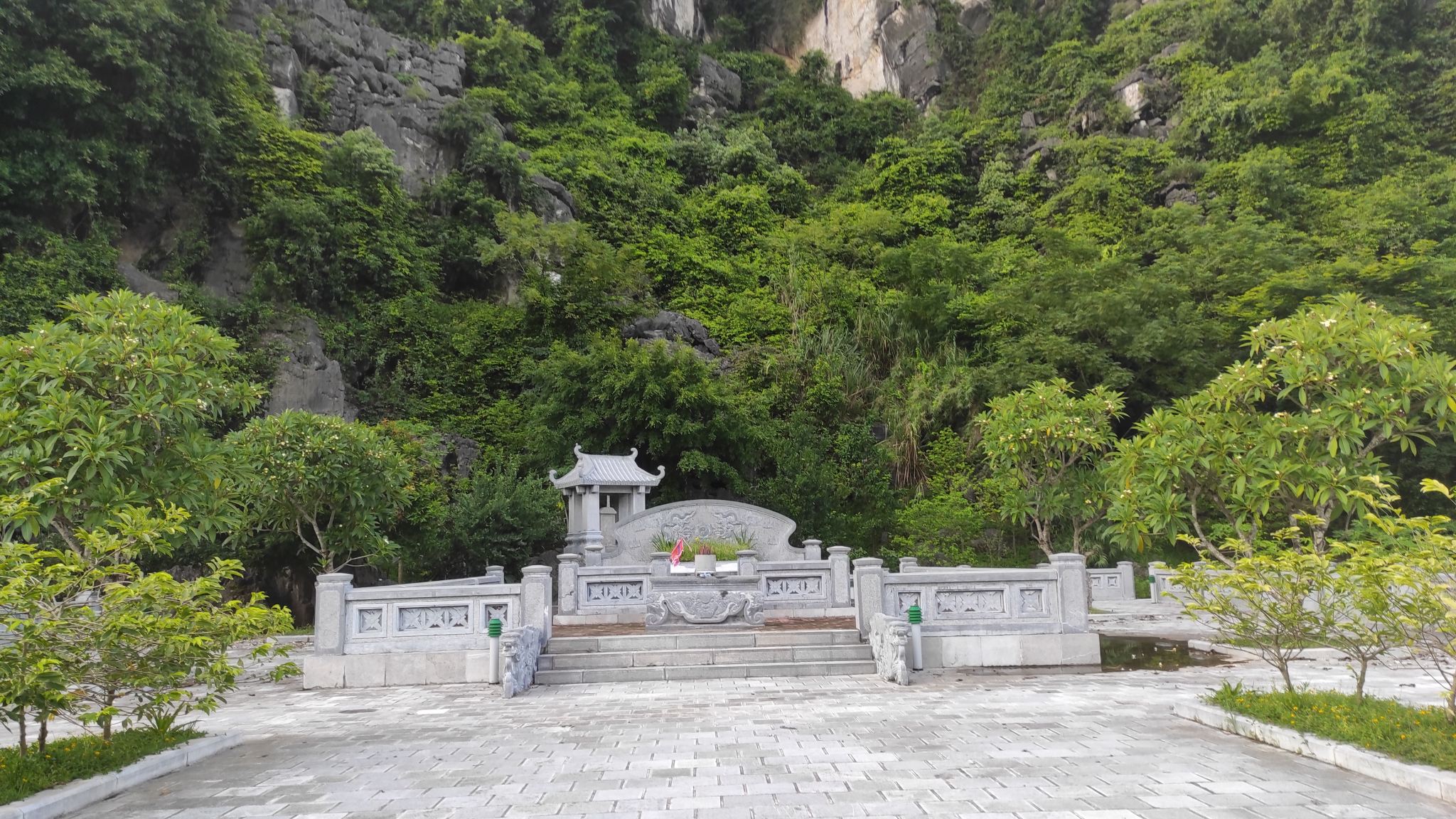
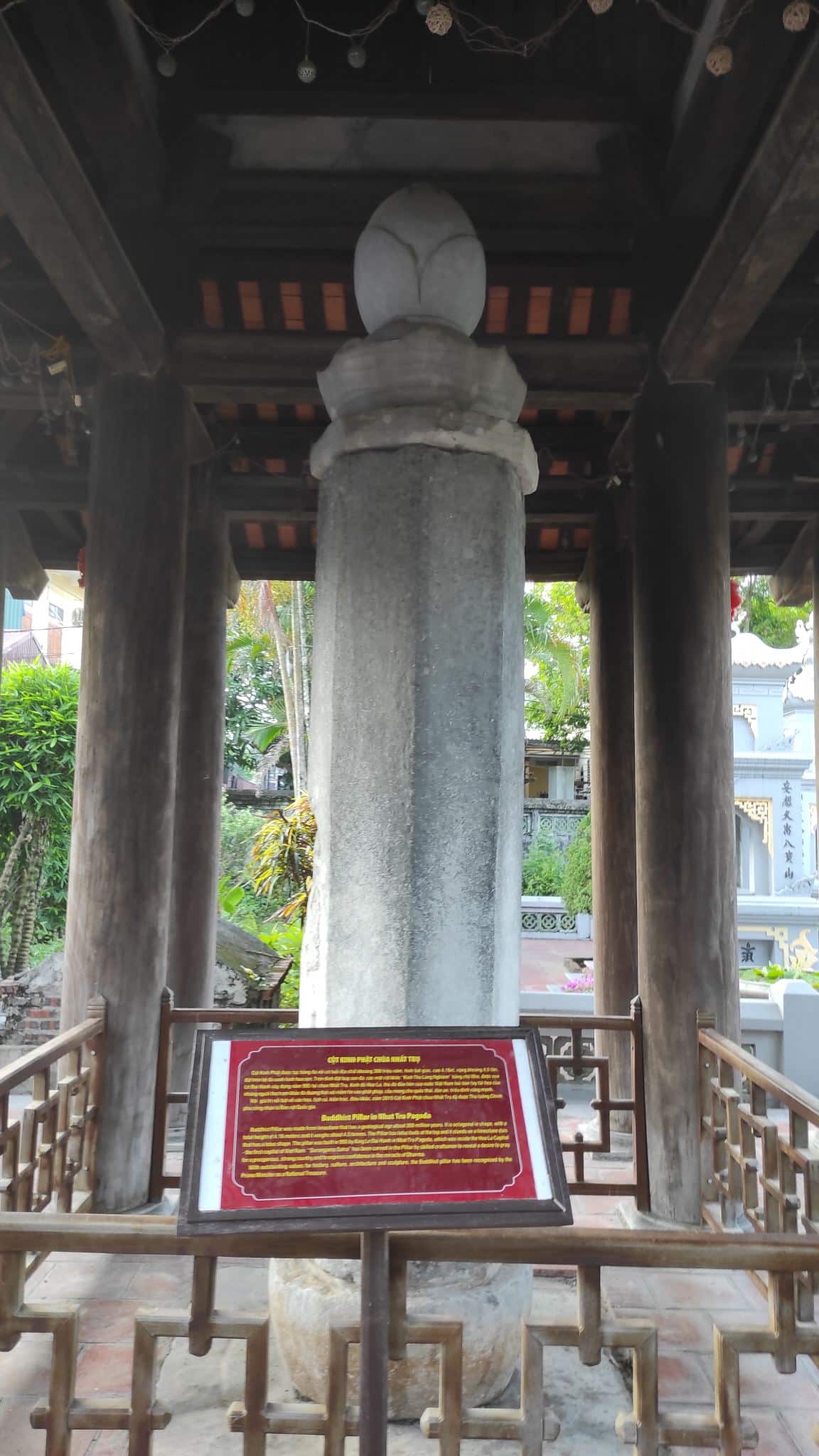
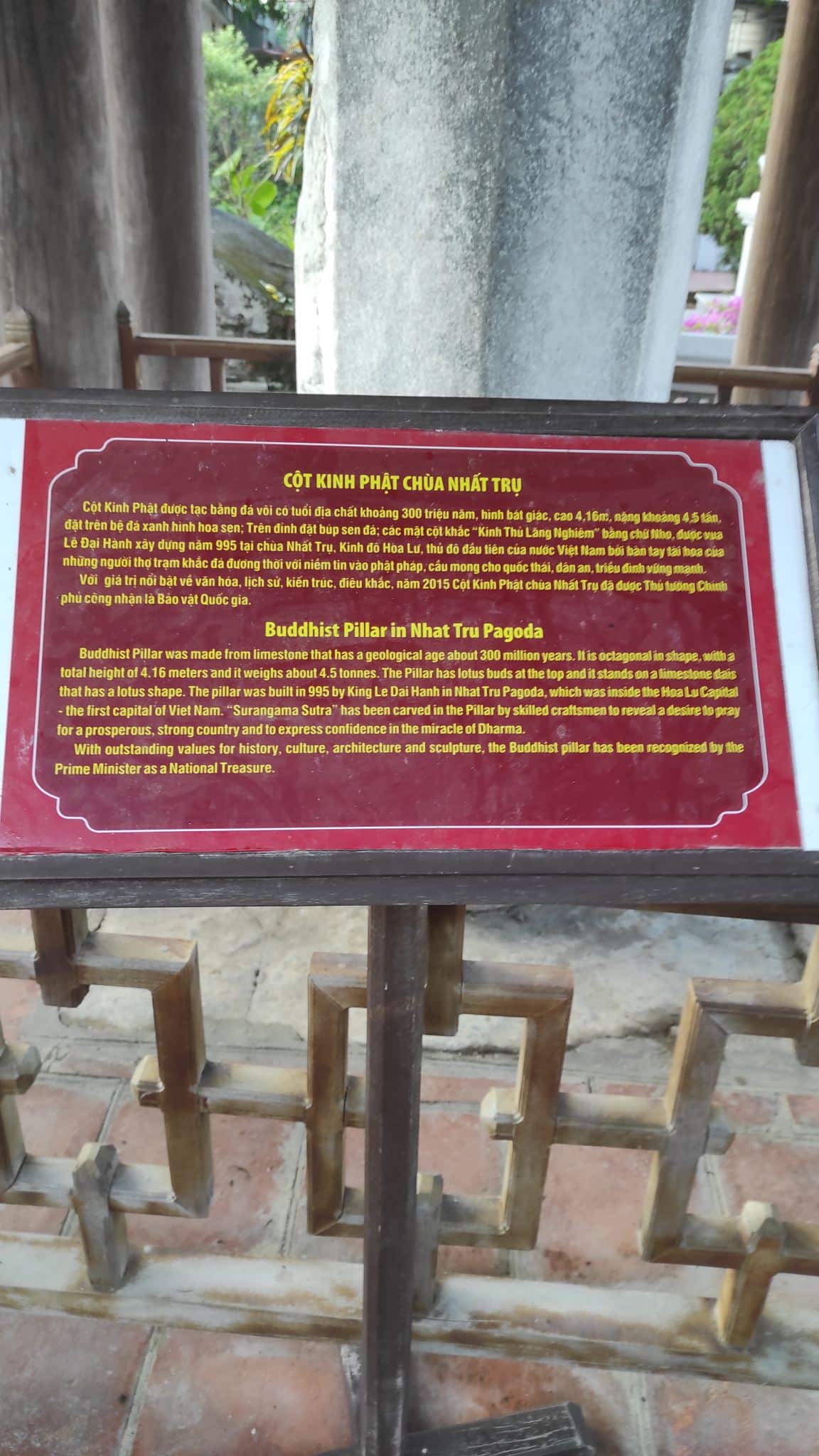
- Historical Landmark: Today, Hoa Lư Ancient Capital is recognized as a UNESCO World Heritage Site and a National Historic Landmark, attracting tourists, historians, and cultural enthusiasts seeking to explore its rich history, architectural ruins, and cultural significance. The ancient capital’s archaeological remains, historical artifacts, and cultural relics provide insights into Vietnam’s feudal era, governance structure, and societal development during the Dinh and Early Lê dynasties.
- Tourist Destination: Hoa Lư Ancient Capital has been developed into a popular tourist destination, featuring guided tours, interpretative exhibits, and cultural performances that showcase the capital’s historical legacy, architectural heritage, and cultural traditions. Visitors can explore the ancient ruins, temples, pagodas, and royal palaces, learn about the capital’s history, and experience the region’s natural beauty, spiritual ambiance, and cultural richness.
- Cultural Preservation: Efforts to preserve, protect, and promote Hoa Lư Ancient Capital’s cultural heritage, historical significance, and archaeological resources are ongoing, with conservation initiatives, restoration projects, and educational programs aimed at safeguarding the site’s integrity, authenticity, and value for future generations. The collaboration between government agencies, local communities, and cultural organizations ensures that Hoa Lư’s legacy continues to inspire, educate, and enlighten visitors from around the world about Vietnam’s rich history, cultural heritage, and national identity.