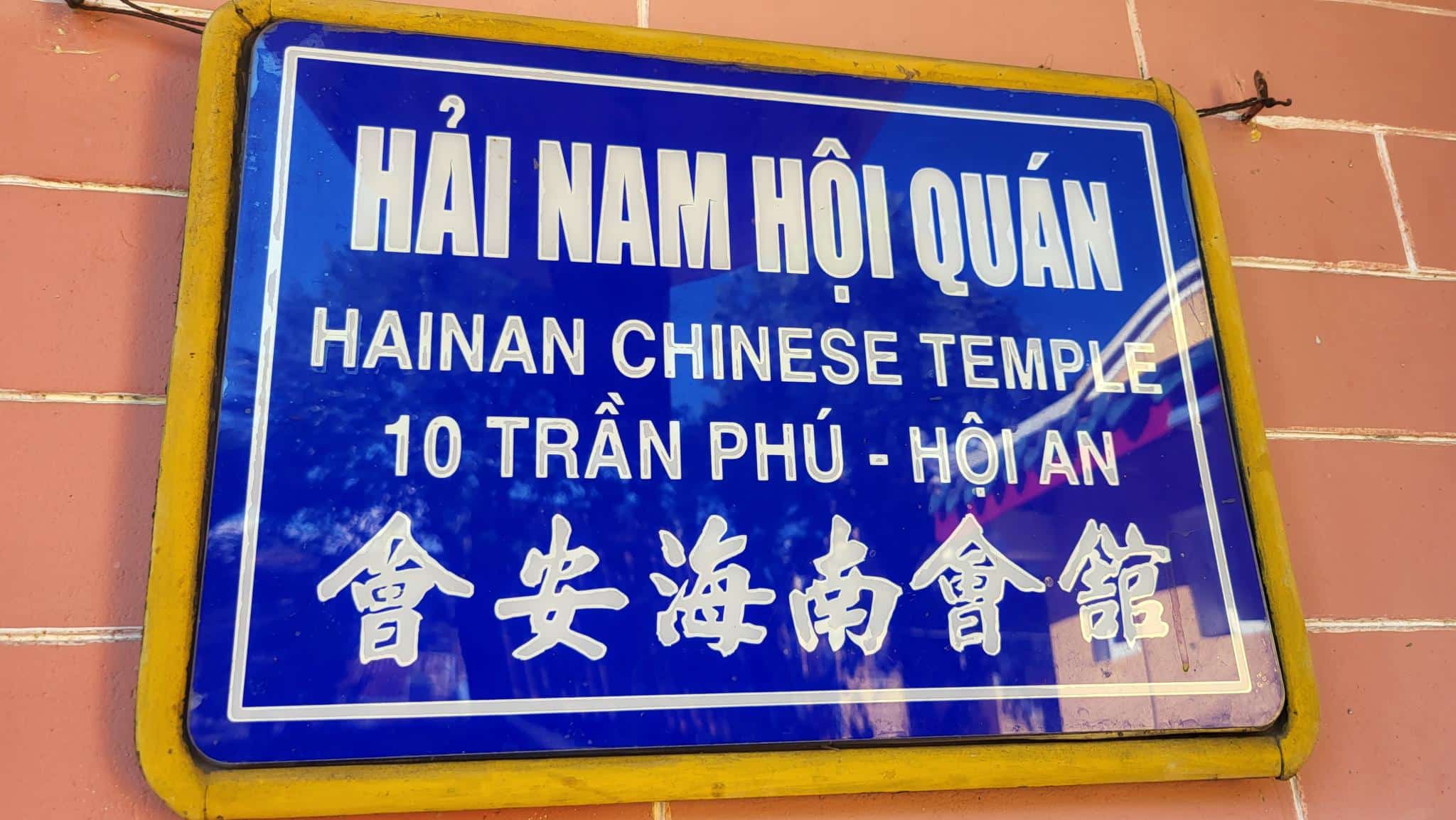
Hainan chinese temple (Hội quán Hải Nam) – Hoi An
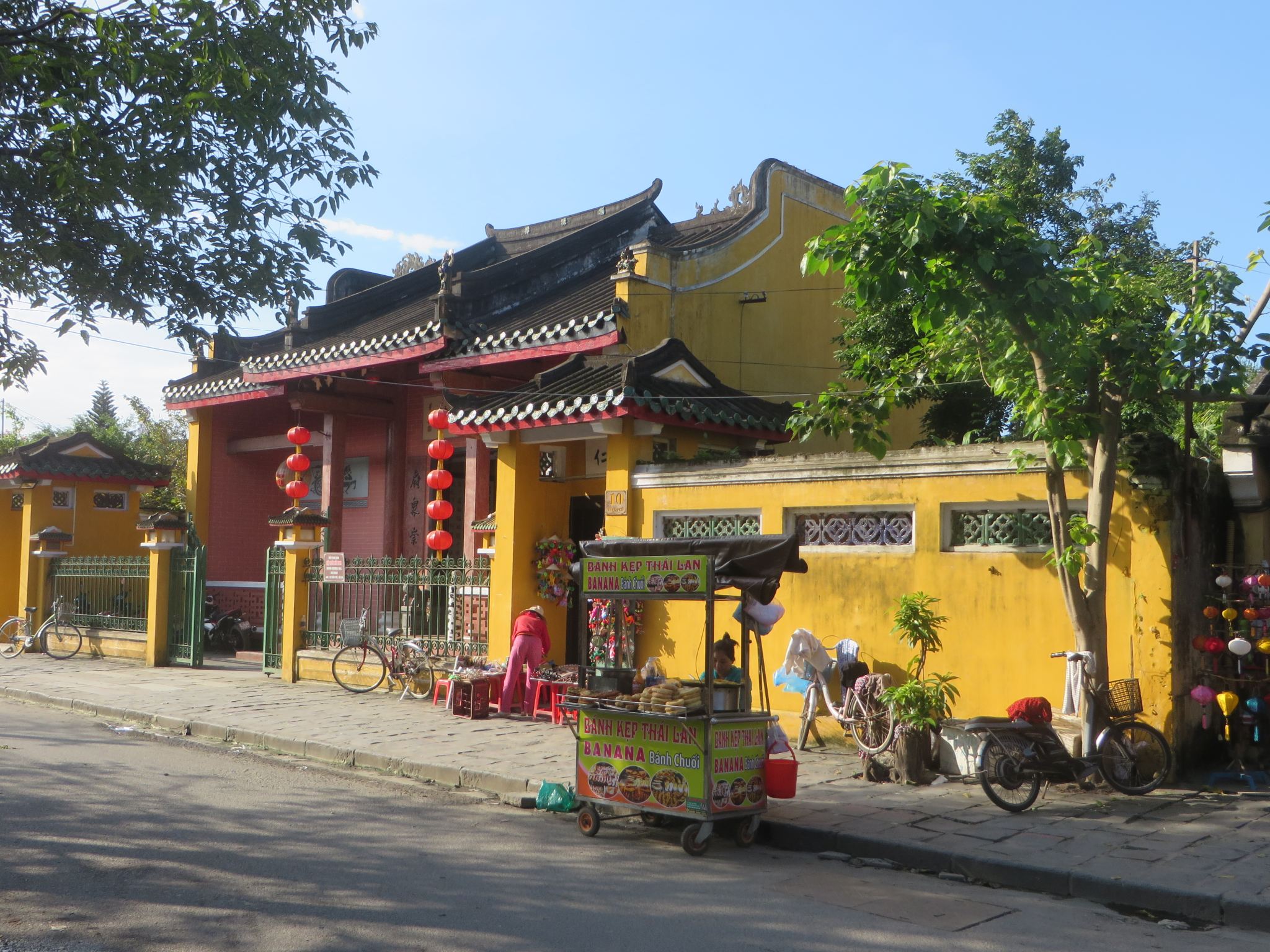
The Hainan Chinese Temple, also known as the Hainan Assembly Hall or the Hainan Temple, is one of the notable assembly halls in Hoi An, Vietnam. It stands as a testament to the presence and influence of the Hainanese community, who were among the Chinese diaspora settling in Hoi An during its prosperous trading era. Here’s an overview:
Historical Background:
- Hainanese Community: The Hainanese community, originating from Hainan Island in China, played a significant role in Hoi An’s history as traders, merchants, and settlers. Over time, they established the Hainan Chinese Temple as a focal point for community gatherings, religious ceremonies, and cultural activities.
- Trading Connections: Hoi An’s status as a bustling trading port attracted various Chinese communities, including the Hainanese, who contributed to the city’s economic, cultural, and social development. The establishment of the Hainan Chinese Temple reflects the community’s prosperity, influence, and contributions to Hoi An’s multicultural landscape.
Architectural and Artistic Features:
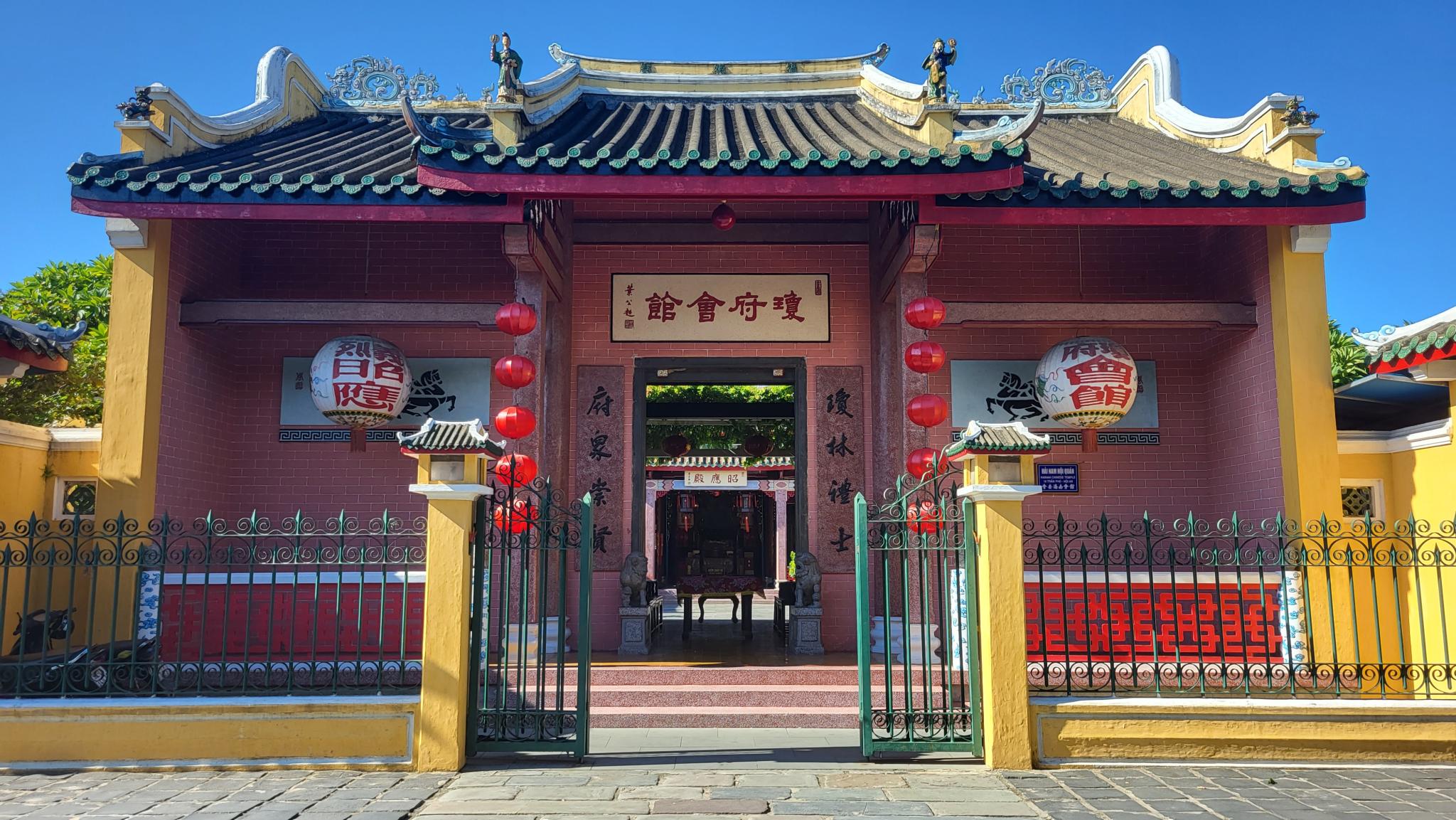
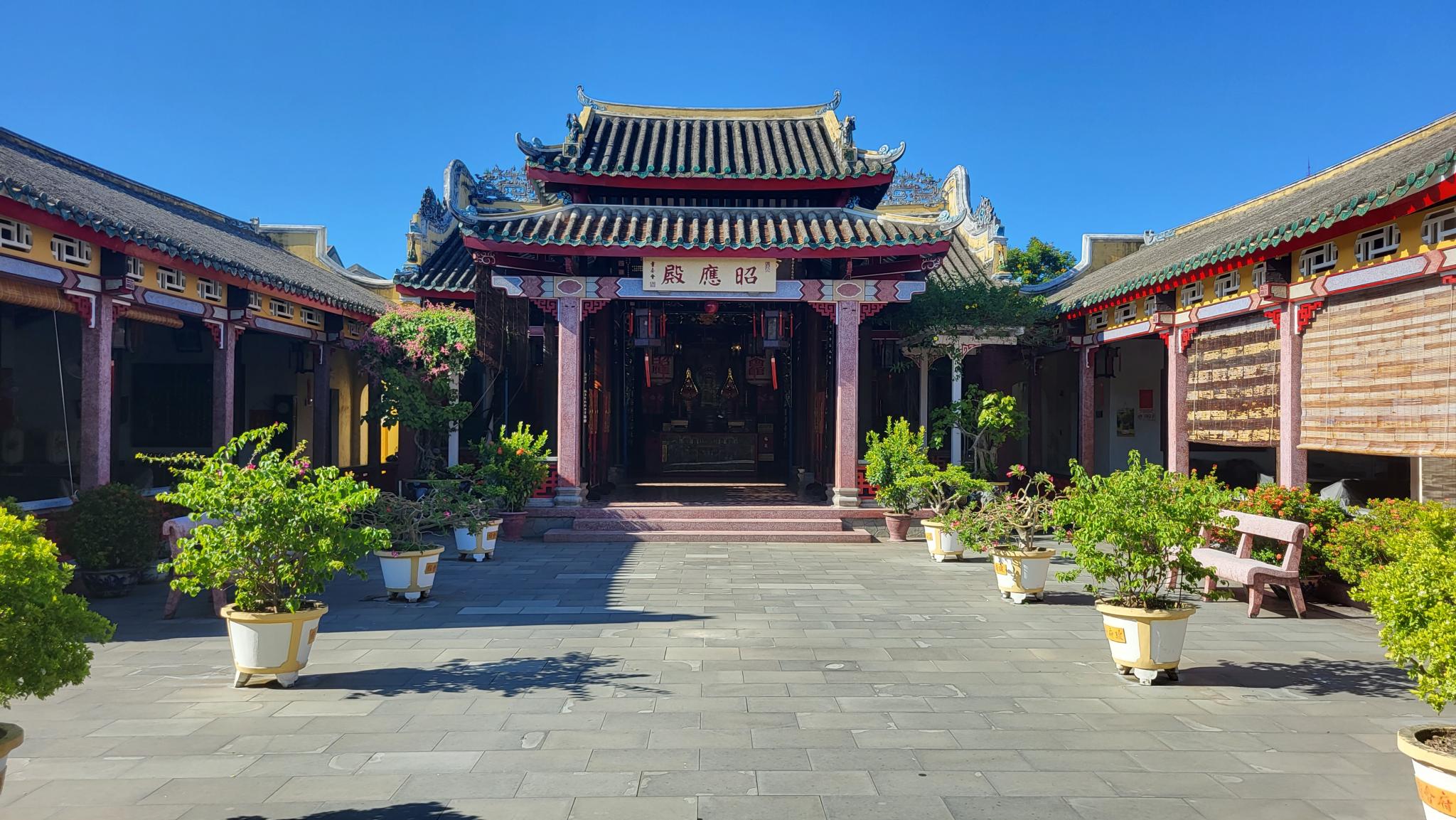
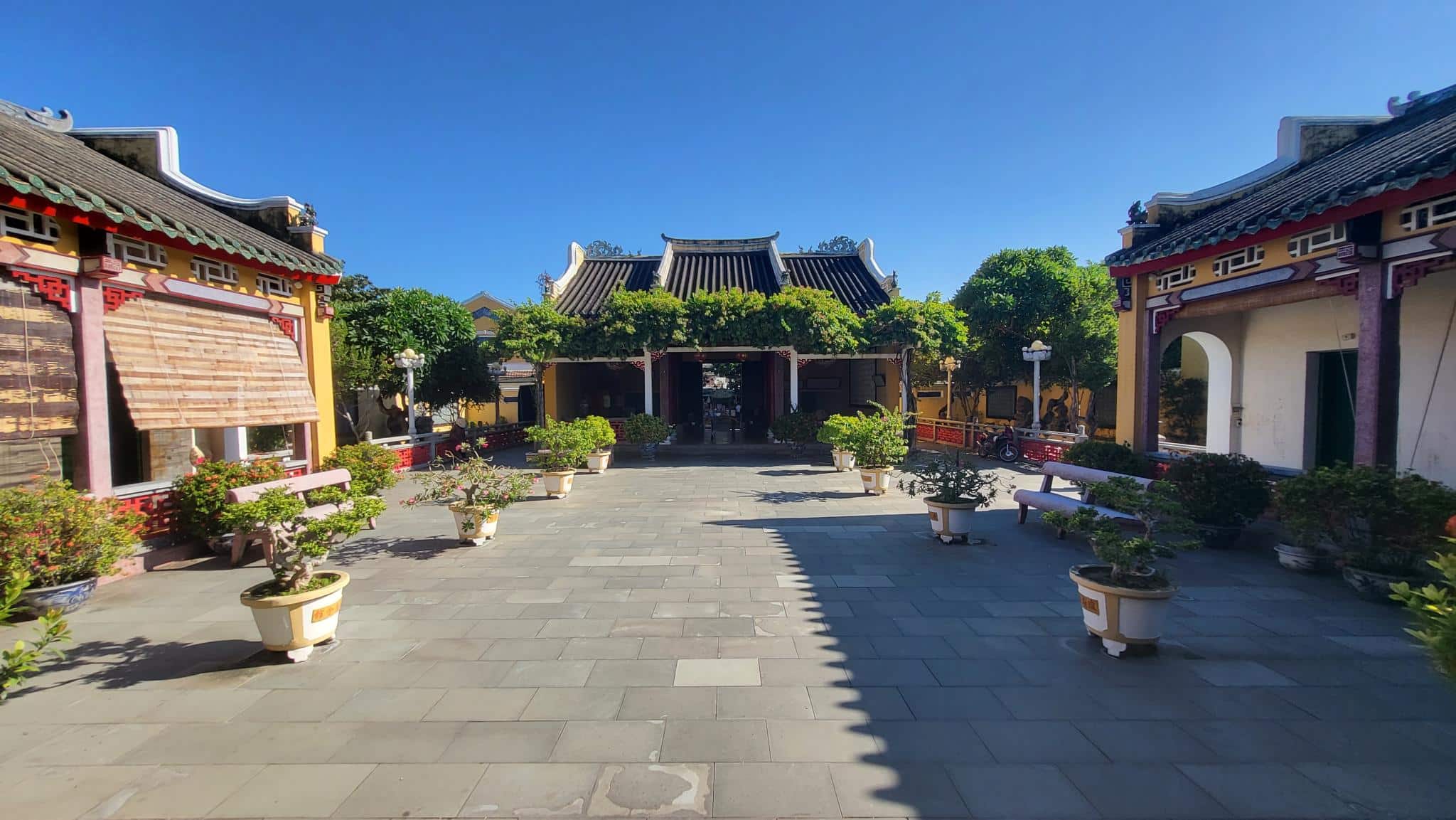
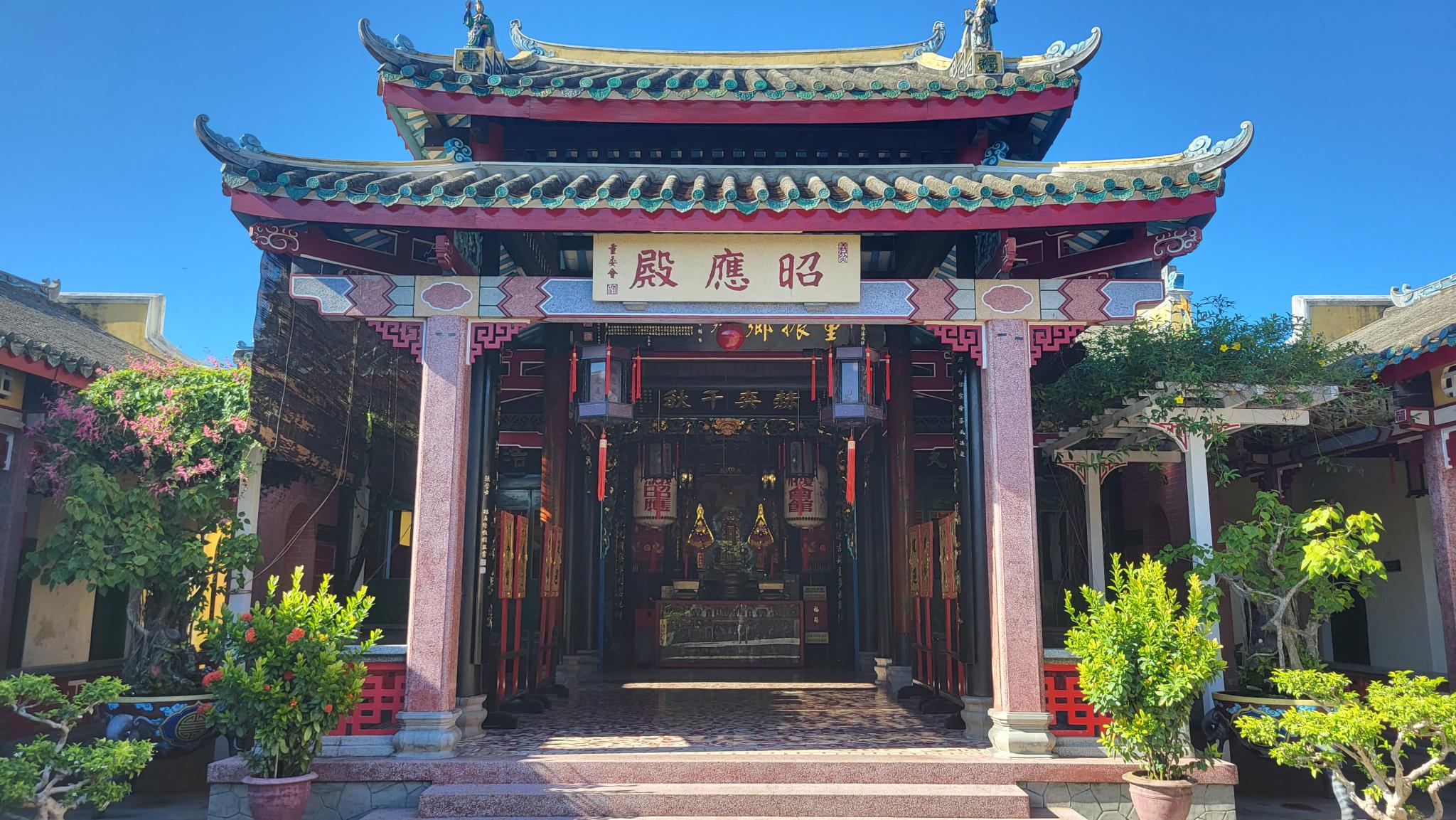
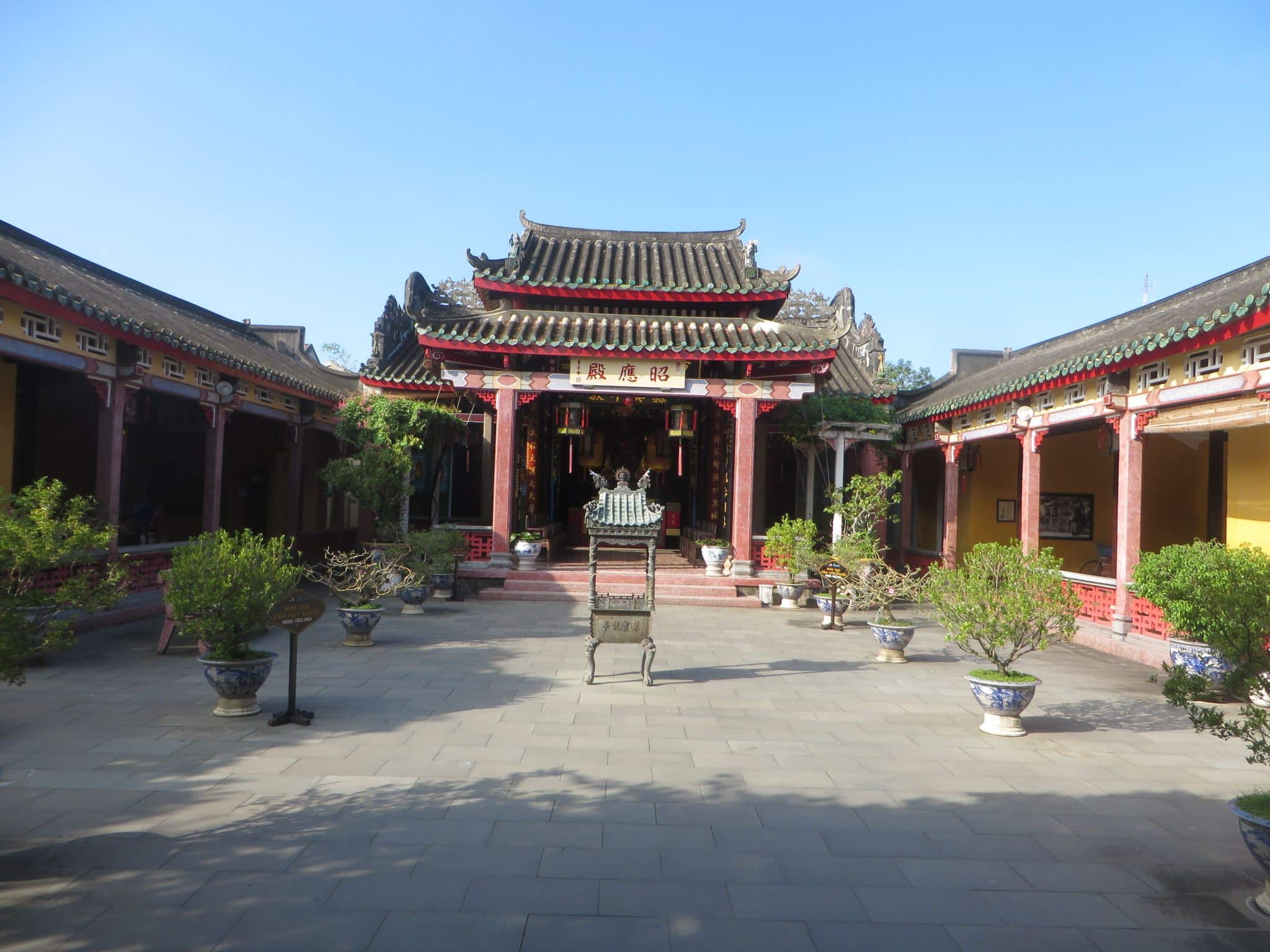
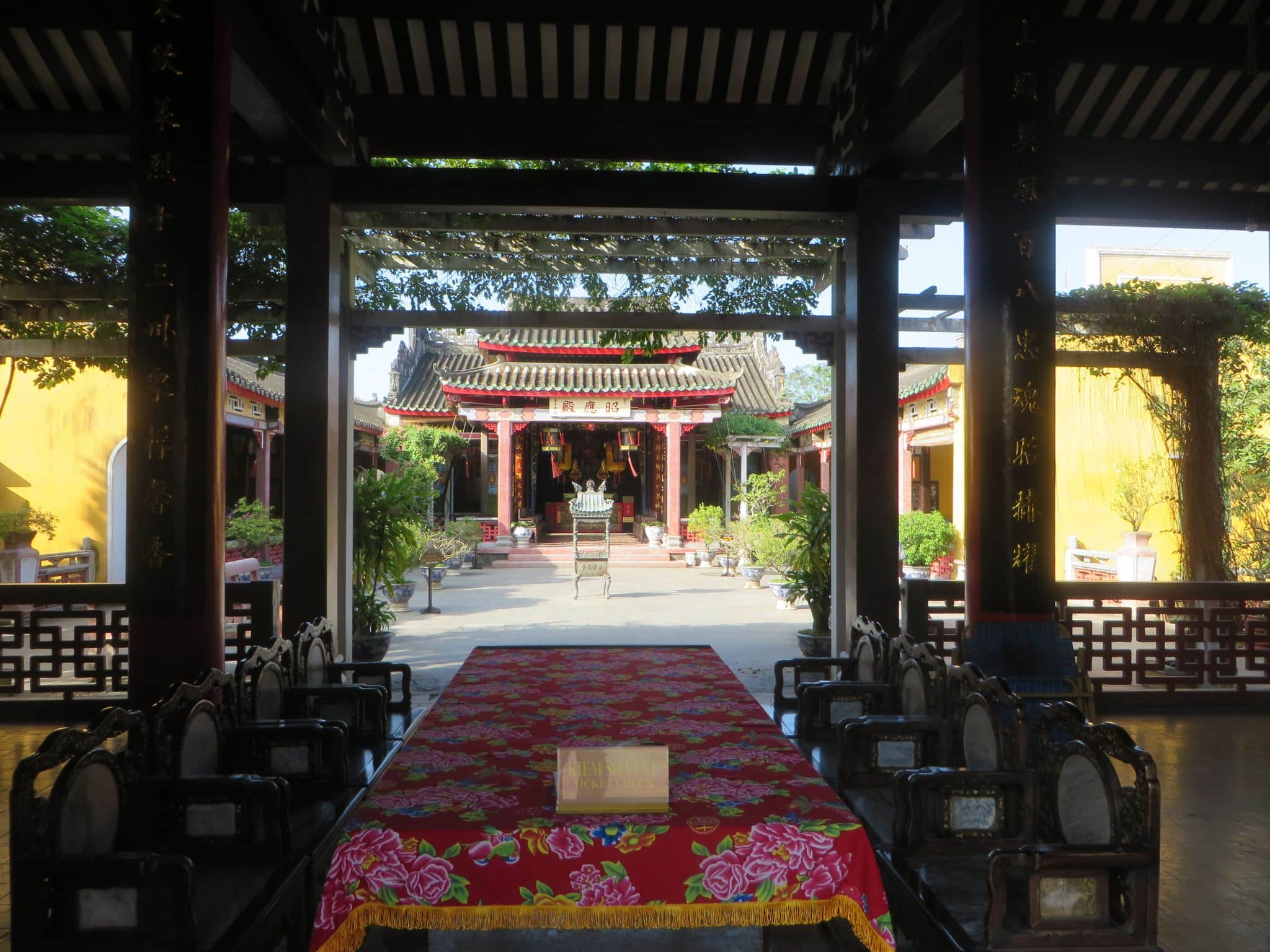
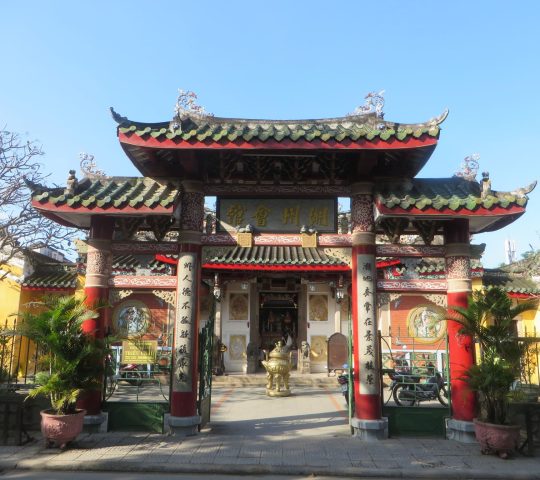
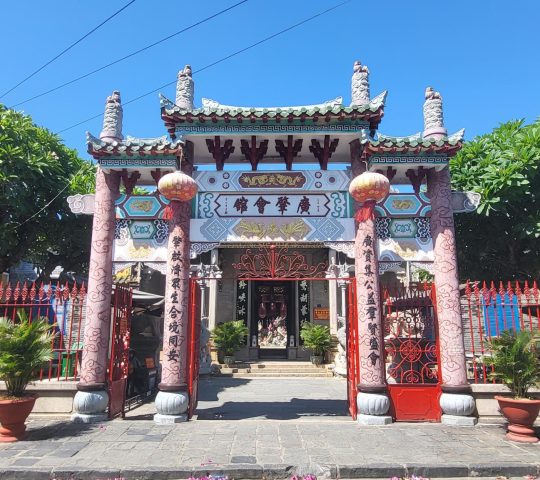
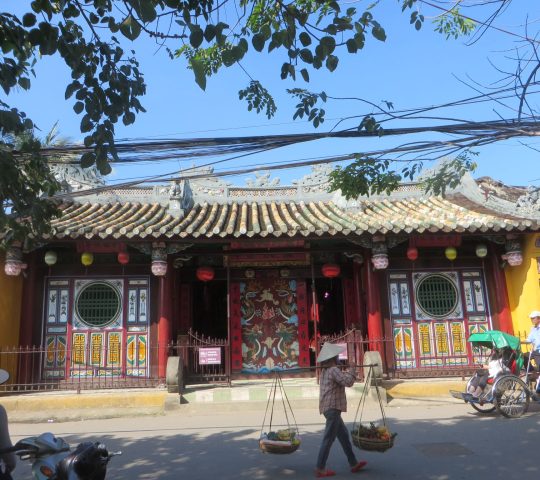
- Traditional Design: The Hainan Chinese Temple features traditional Chinese architectural elements, incorporating design motifs, craftsmanship, and artistic styles characteristic of Hainanese temples and assembly halls. The temple’s design includes intricate carvings, ornate decorations, tiled roofs, courtyards, and altars dedicated to deities and ancestral figures revered by the Hainanese community.
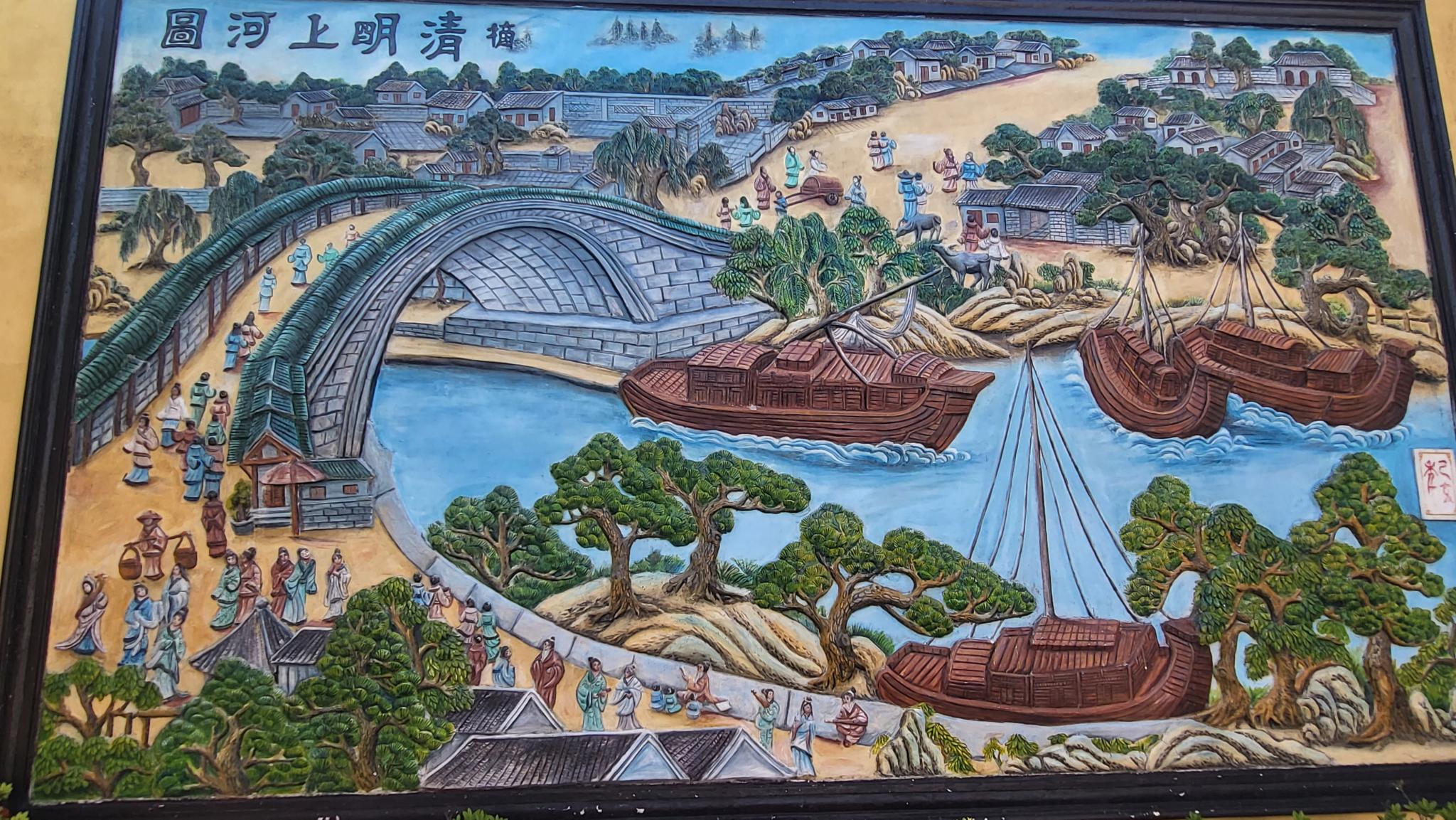
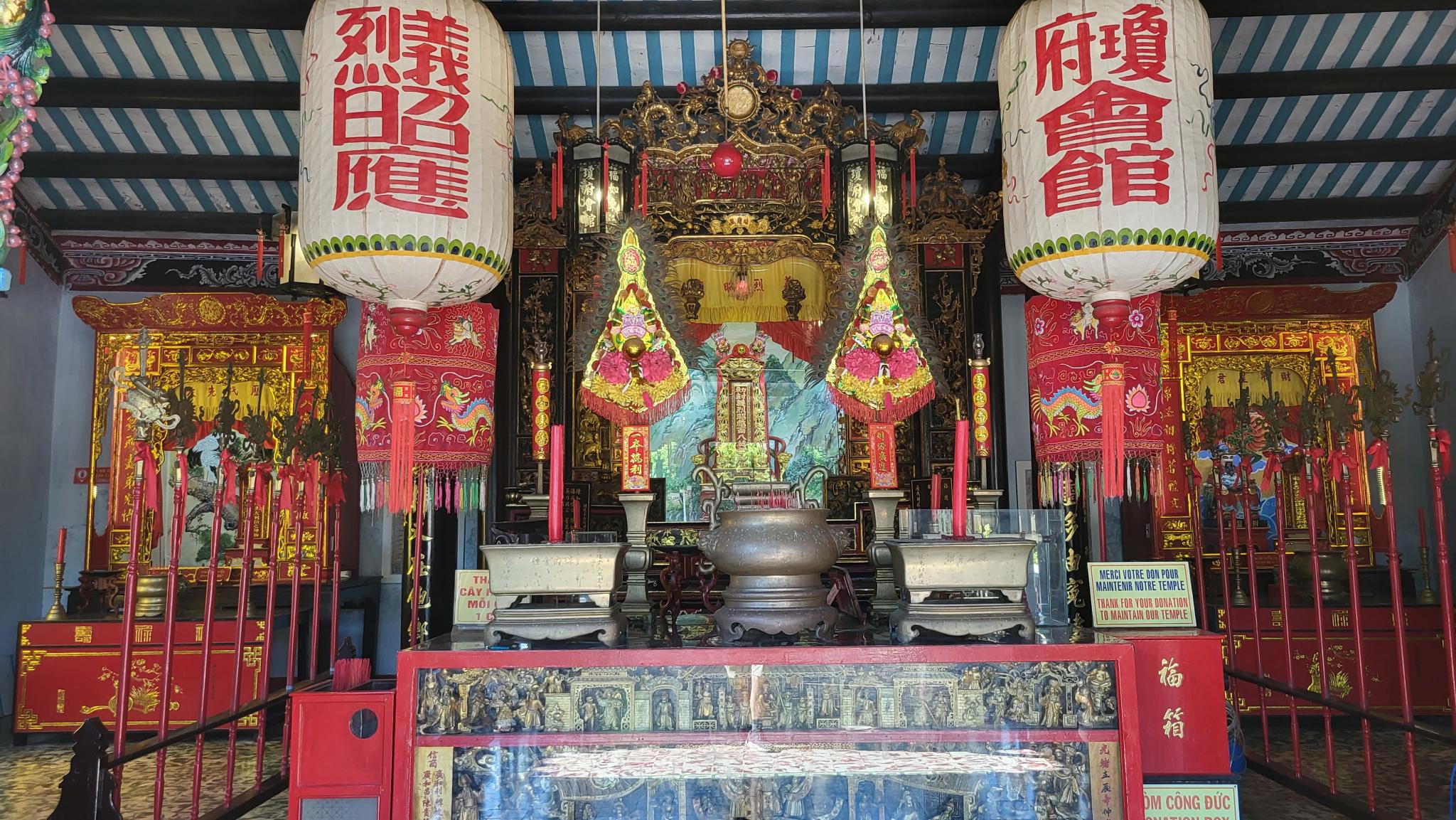
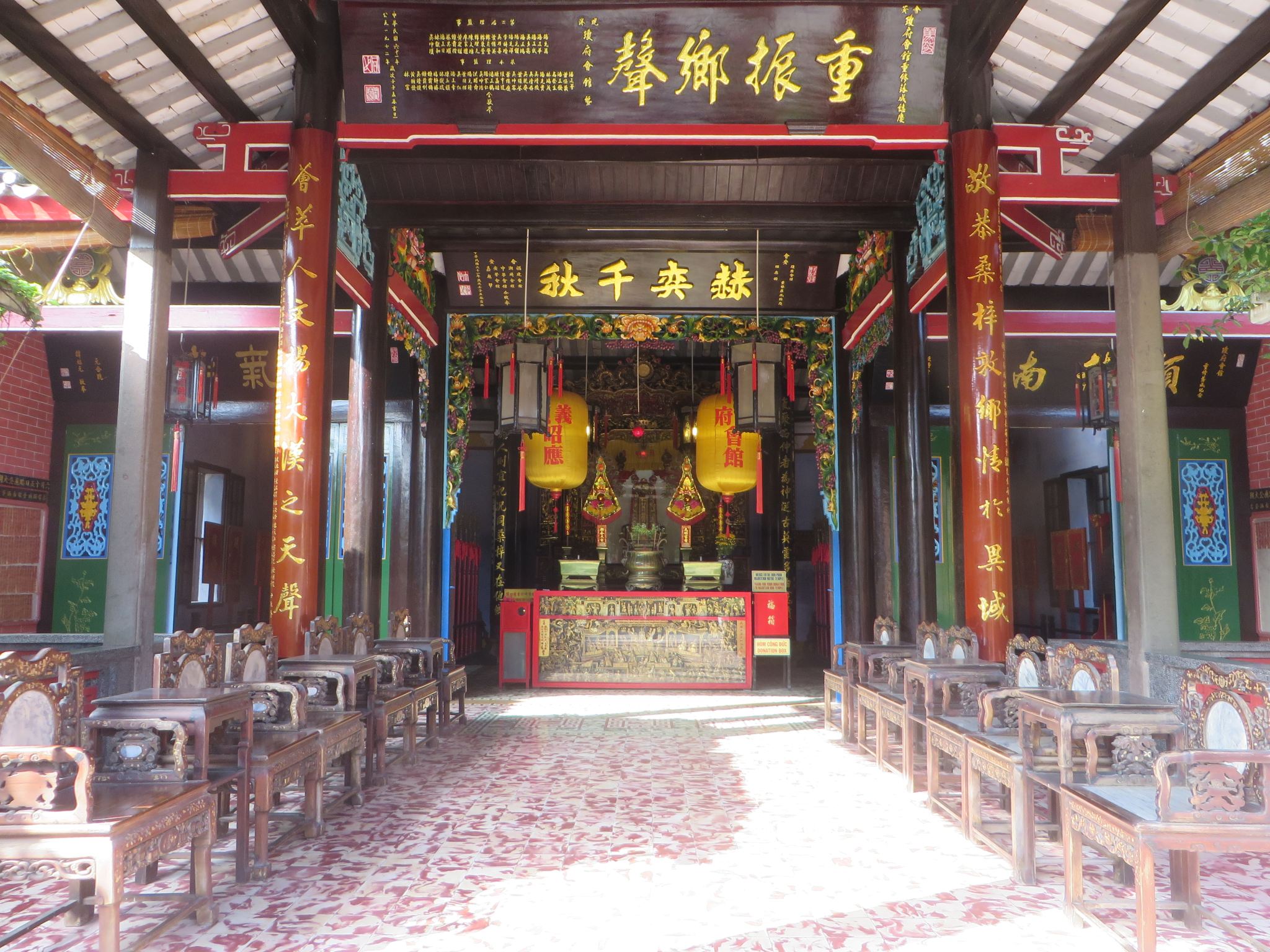
- Decorative Elements: Inside the Hainan Chinese Temple, visitors can admire a variety of artworks, sculptures, frescoes, and decorative elements that depict scenes from Chinese mythology, folklore, history, and religious beliefs. The temple’s interior is adorned with intricate carvings, paintings, ceramics, and other artistic expressions that reflect the Hainanese community’s spiritual, cultural, and historical values.
Cultural and Religious Significance:
- Ancestral Worship: The Hainan Chinese Temple serves as a place of ancestral worship and veneration, where community members gather to pay their respects, offer prayers, and uphold the Hainanese community’s religious and cultural traditions. The temple’s altars, shrines, and ceremonial items are used for traditional rituals, ceremonies, and offerings that honor the community’s ancestors and spiritual beliefs.
- Community Activities: Throughout its history, the Hainan Chinese Temple has been a focal point for community activities, social gatherings, and cultural celebrations. The temple hosts various events, festivals, and ceremonies, including Lunar New Year celebrations, ancestral worship rituals, and cultural performances that showcase the Hainanese community’s traditions, customs, and values.
Tourism and Preservation:
- Tourist Attraction: The Hainan Chinese Temple is a popular tourist destination in Hoi An, offering visitors insights into the city’s multicultural heritage, historical significance, and architectural beauty. Tourists can explore the temple, learn about its history, and admire its artistic and cultural treasures while experiencing the vibrant atmosphere of Hoi An’s Ancient Town.
- Preservation and Conservation: Recognizing its historical and cultural importance, efforts have been made to preserve and conserve the Hainan Chinese Temple’s architectural features, artworks, and heritage. Restoration projects, maintenance efforts, and conservation initiatives aim to protect the temple’s cultural legacy and ensure its continued significance for future generations.
In summary, the Hainan Chinese Temple in Hoi An is a significant historical, cultural, and architectural landmark that reflects the city’s multicultural heritage, Chinese influence, and Hainanese community’s contributions. Its intricate design, artistic treasures, religious significance, and community traditions make it a must-visit destination for travelers seeking to explore the rich cultural tapestry of Hoi An and its Chinese heritage.