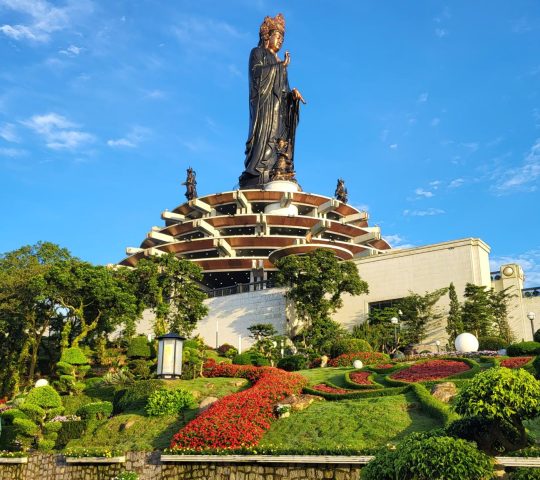
Cao Dai temple – Tay Ninh
Listing has verified and belong the business owner or manager.
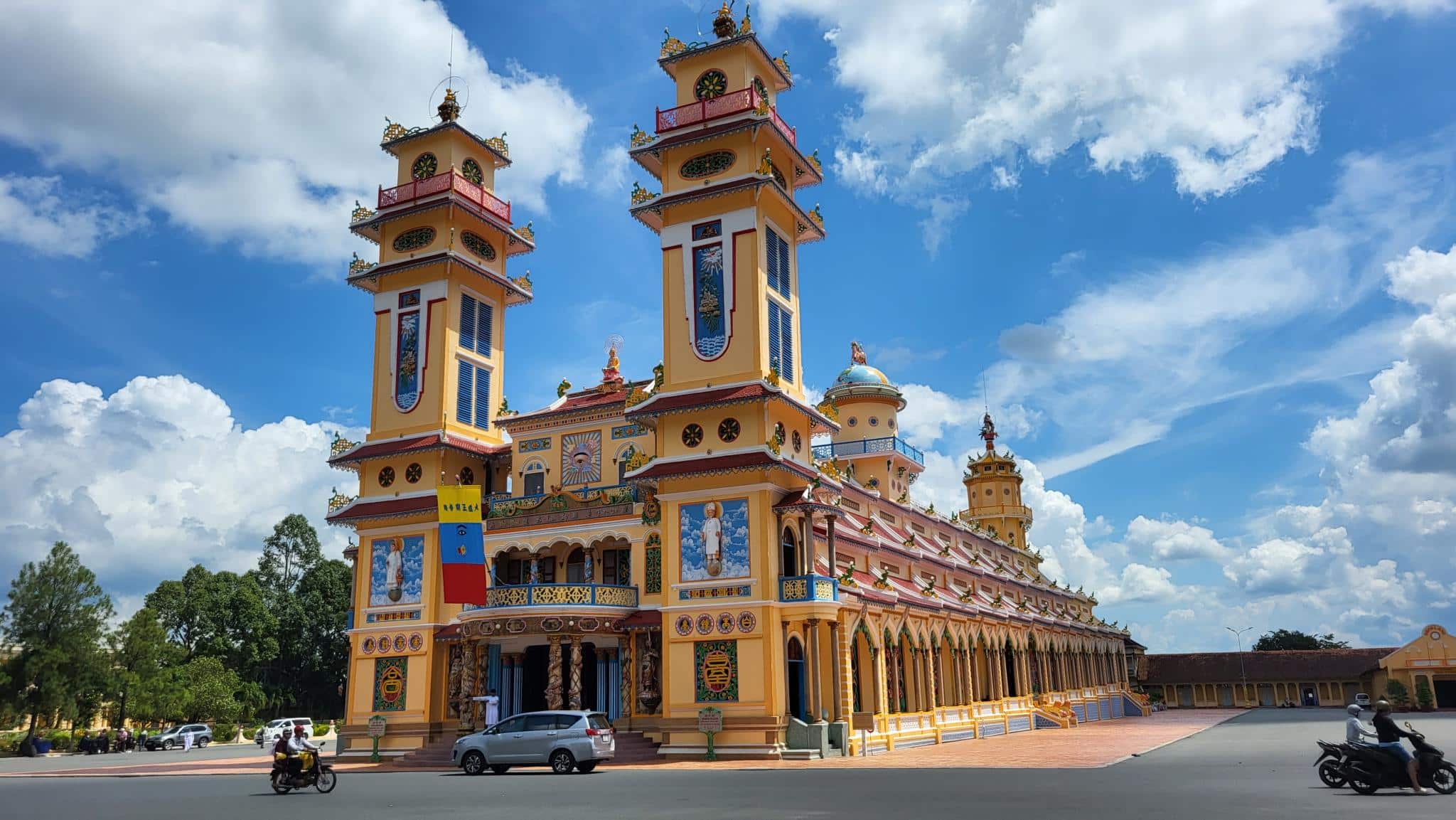
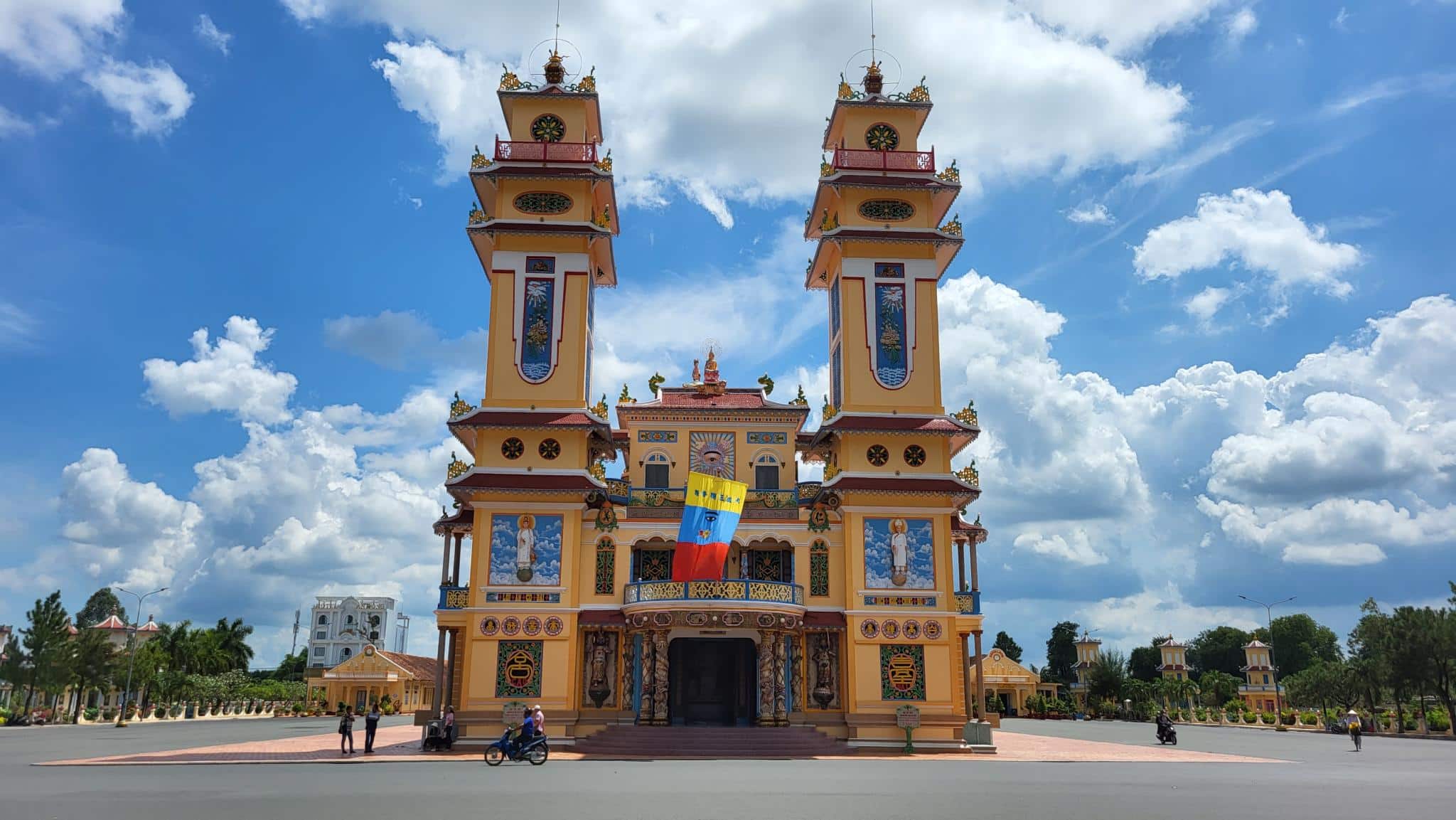
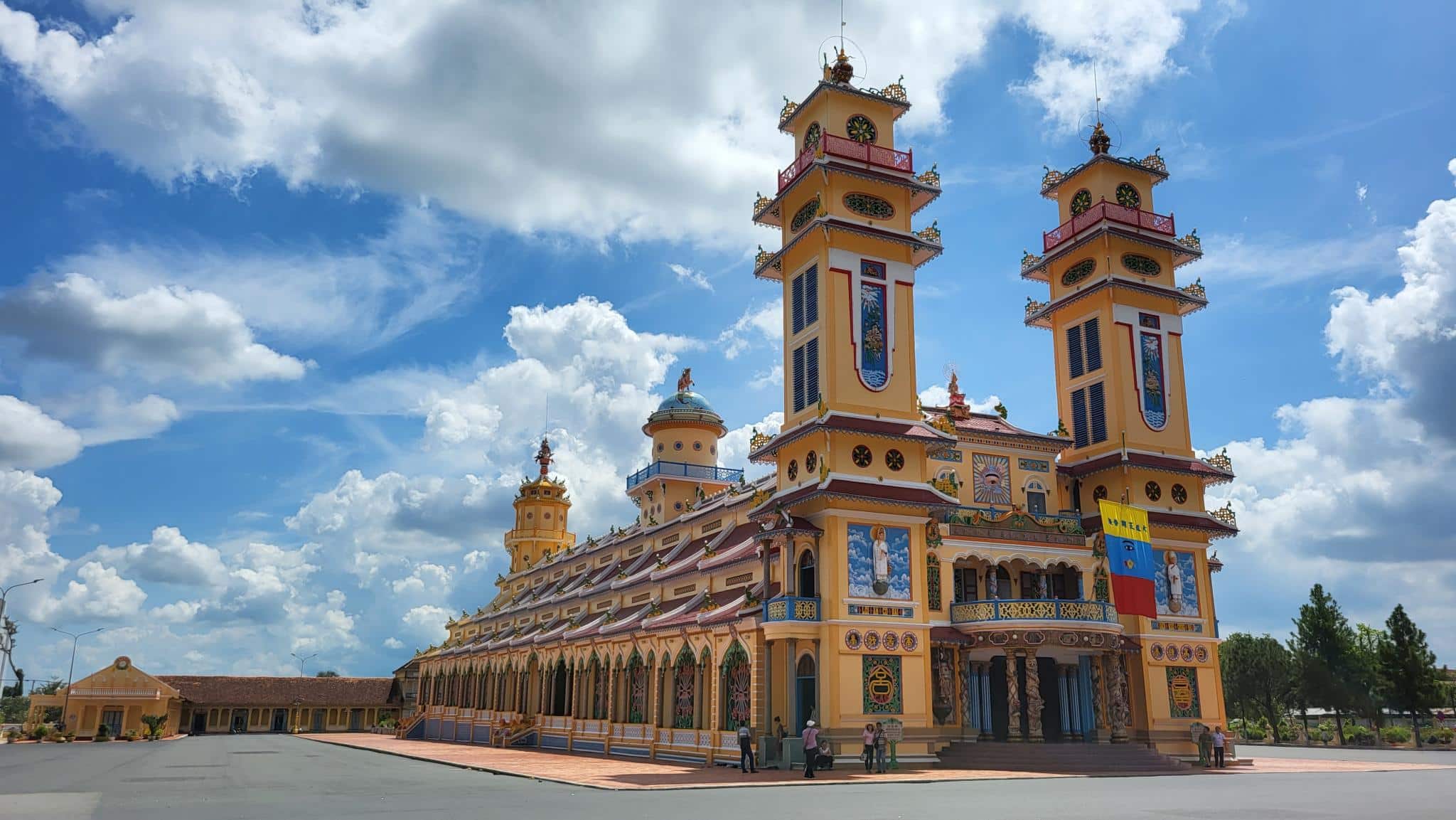
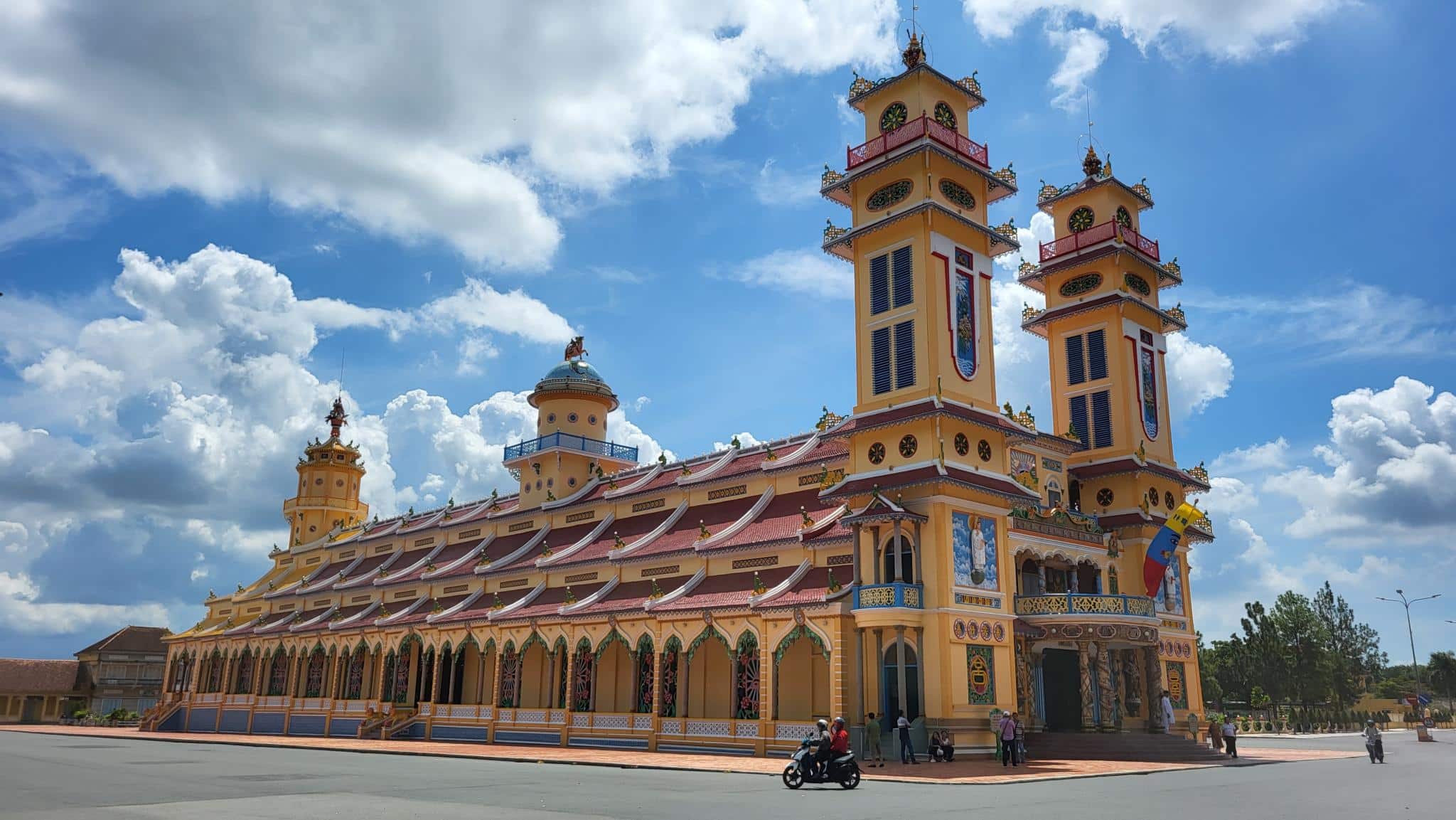
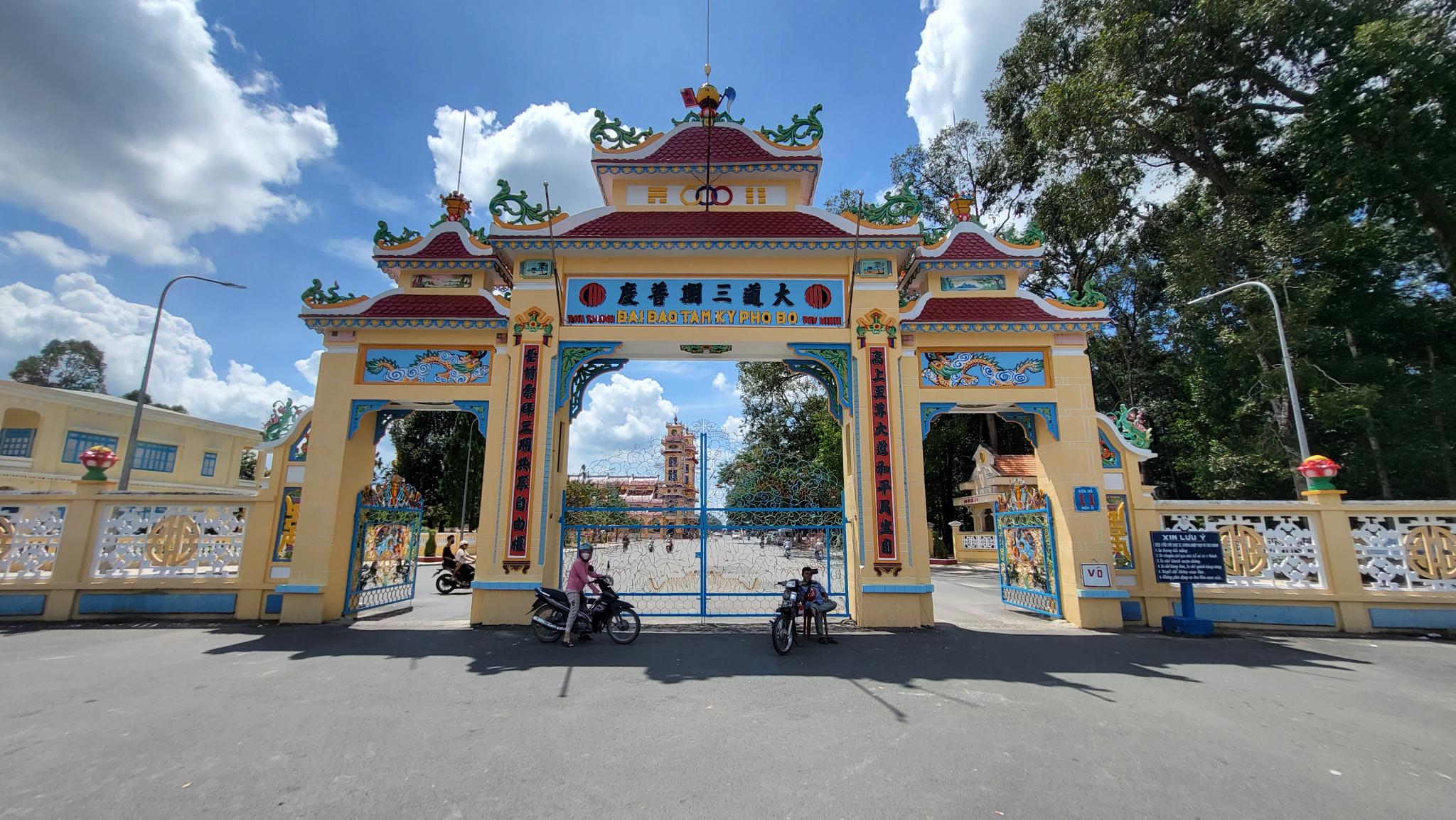
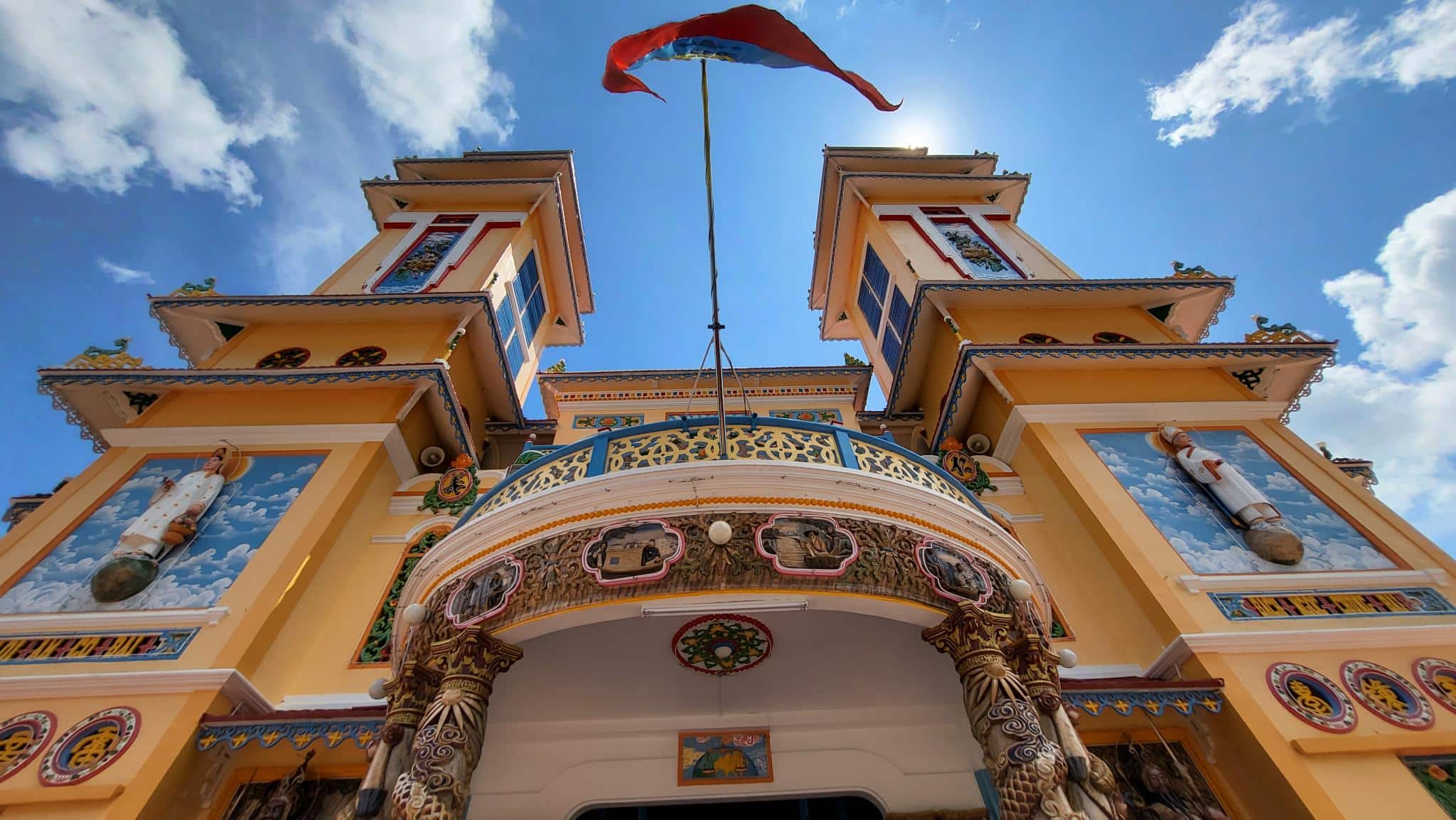
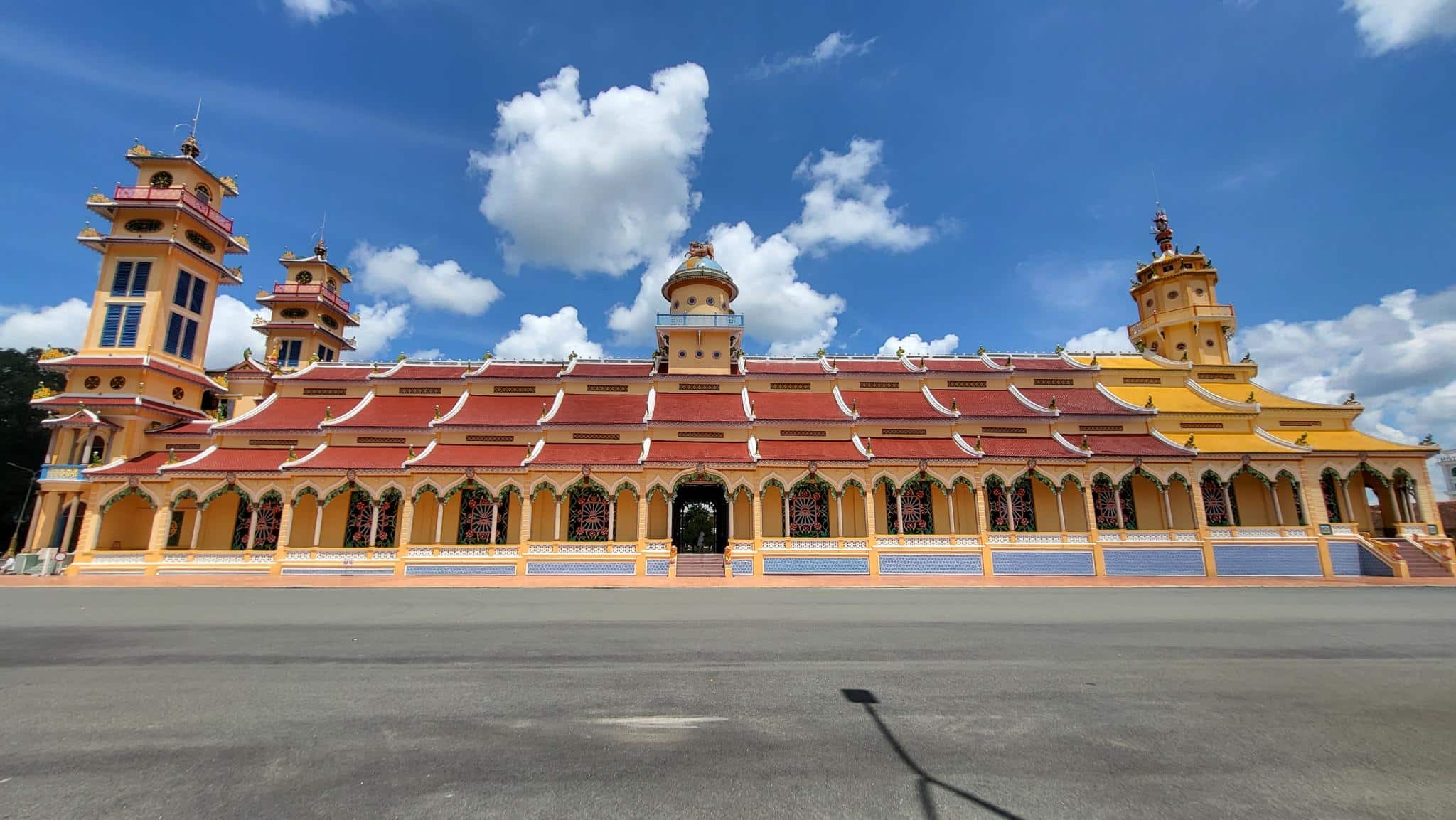
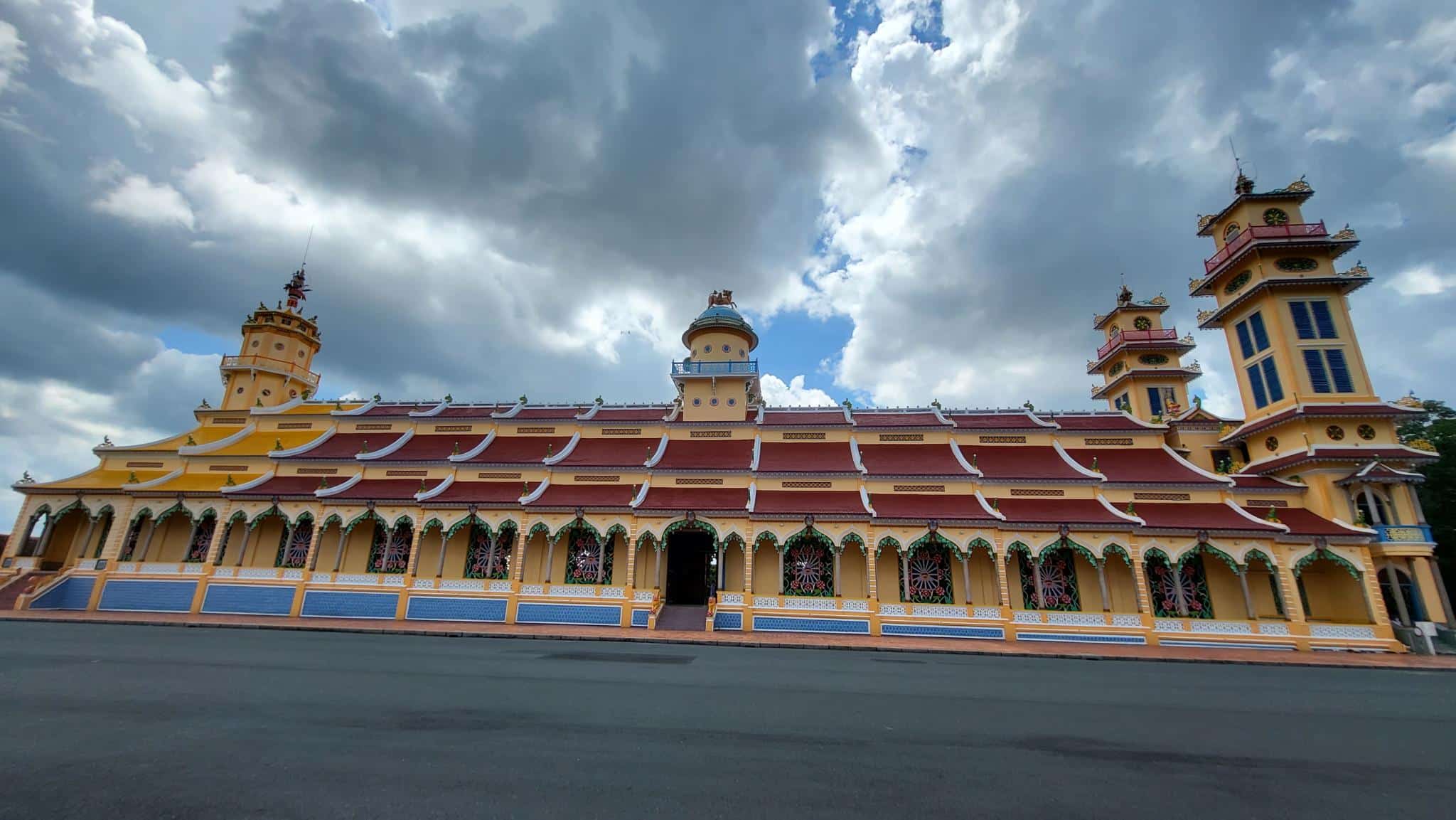
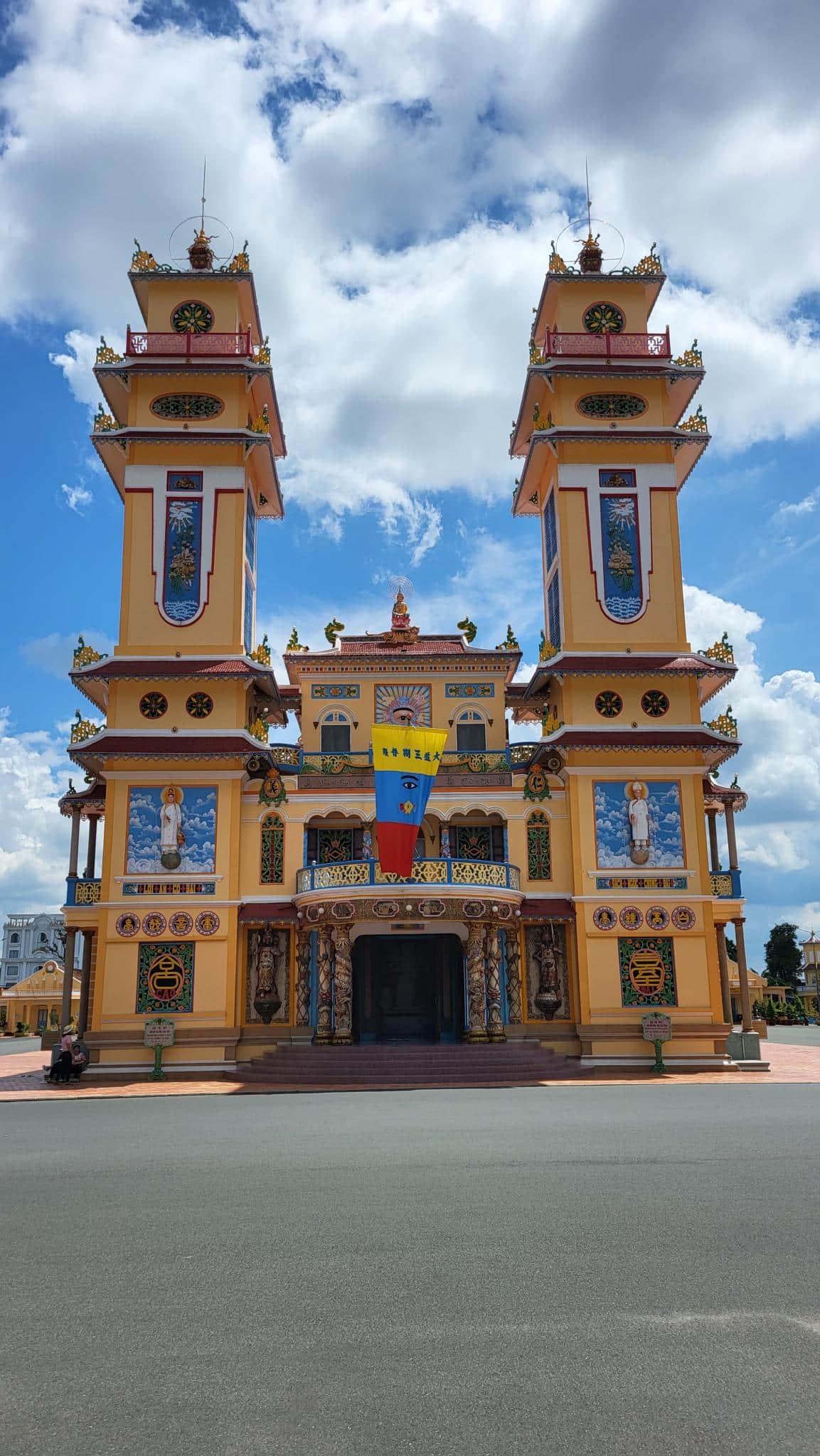
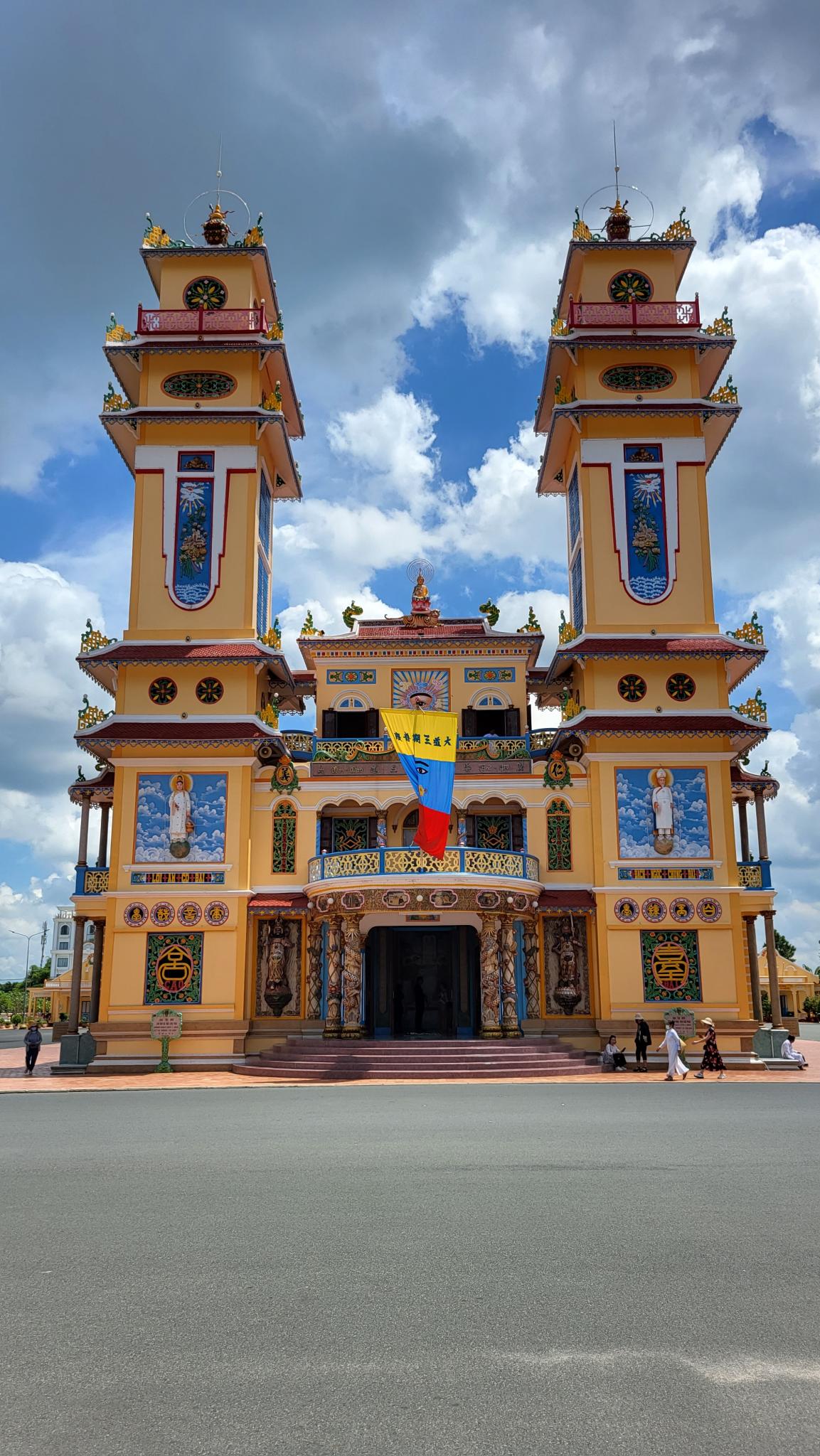
The Cao Dai Temple in Tây Ninh, Vietnam, is an architectural marvel that serves as the Holy See of the Cao Đài religion. Here’s an overview of its architecture and the Cao Đài religion:
Architecture of Cao Dai Temple:
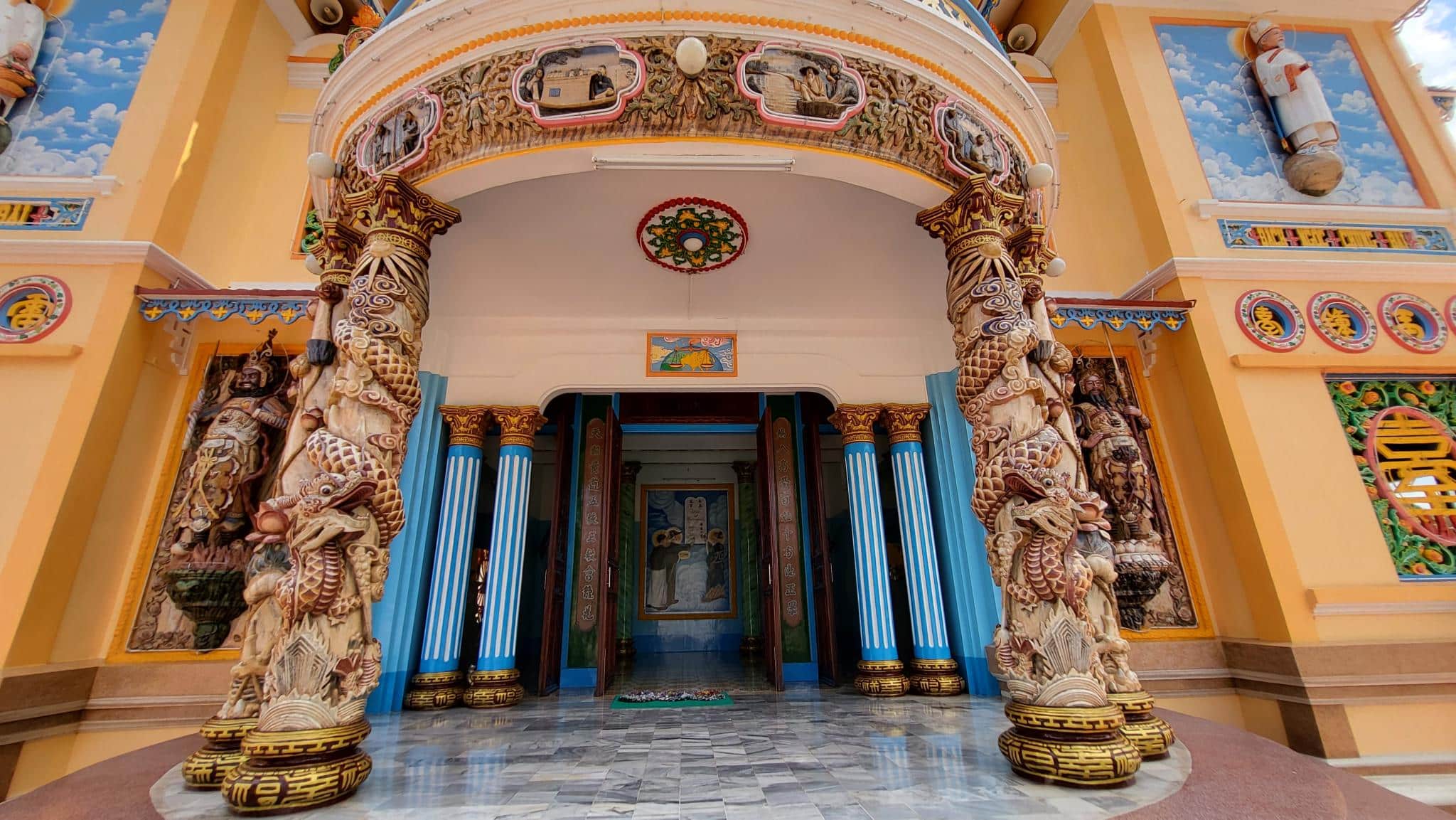
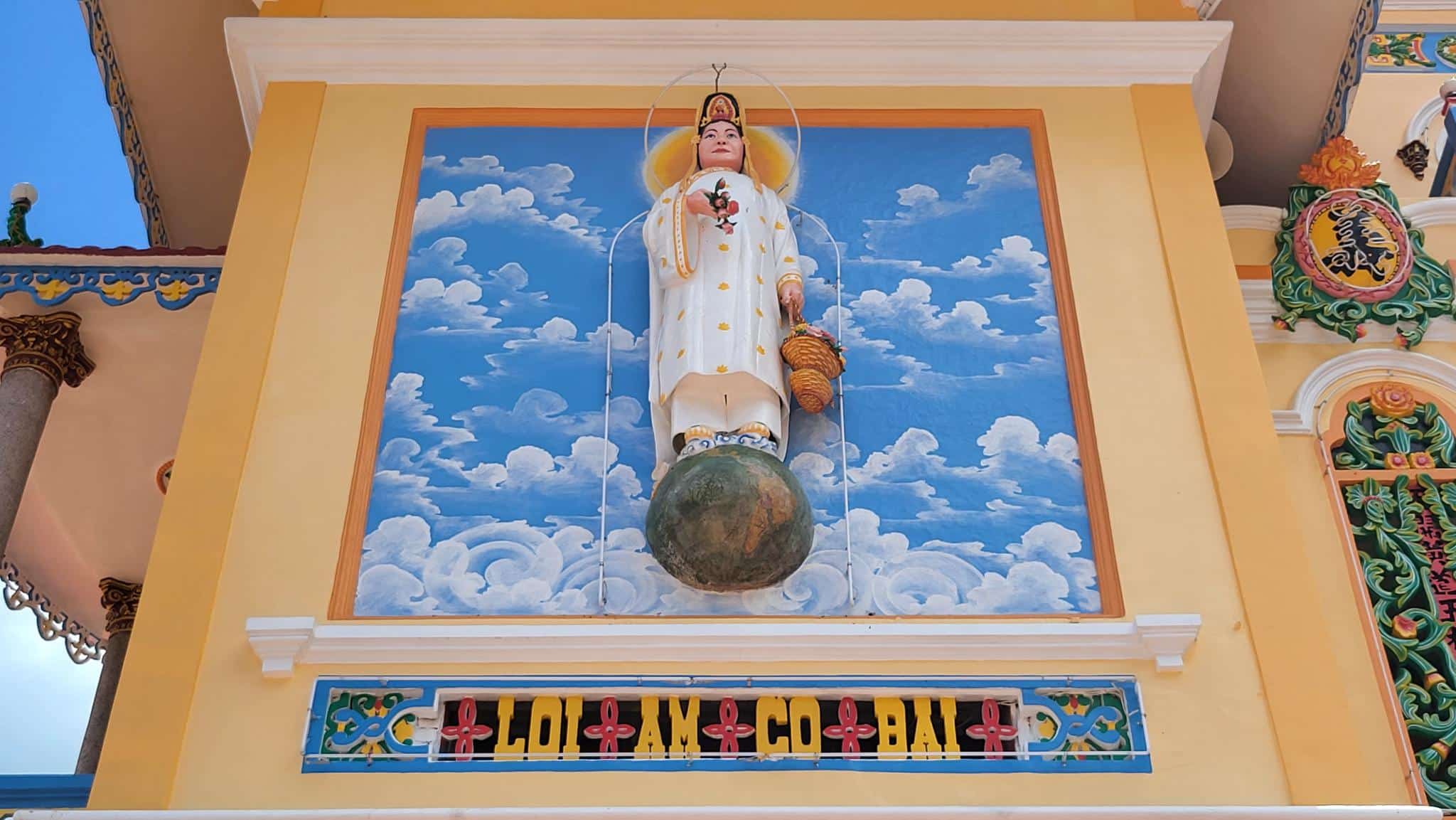
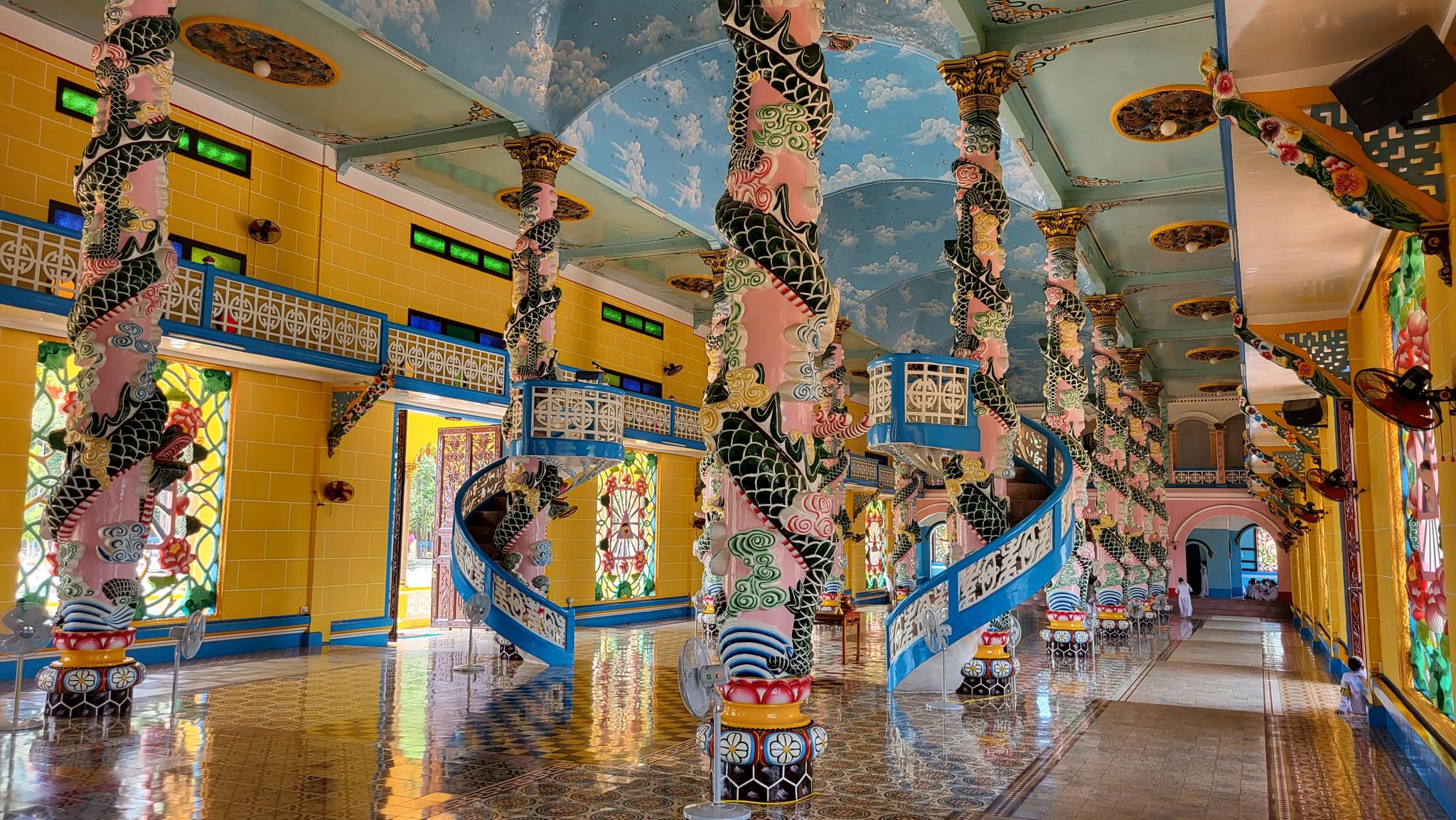
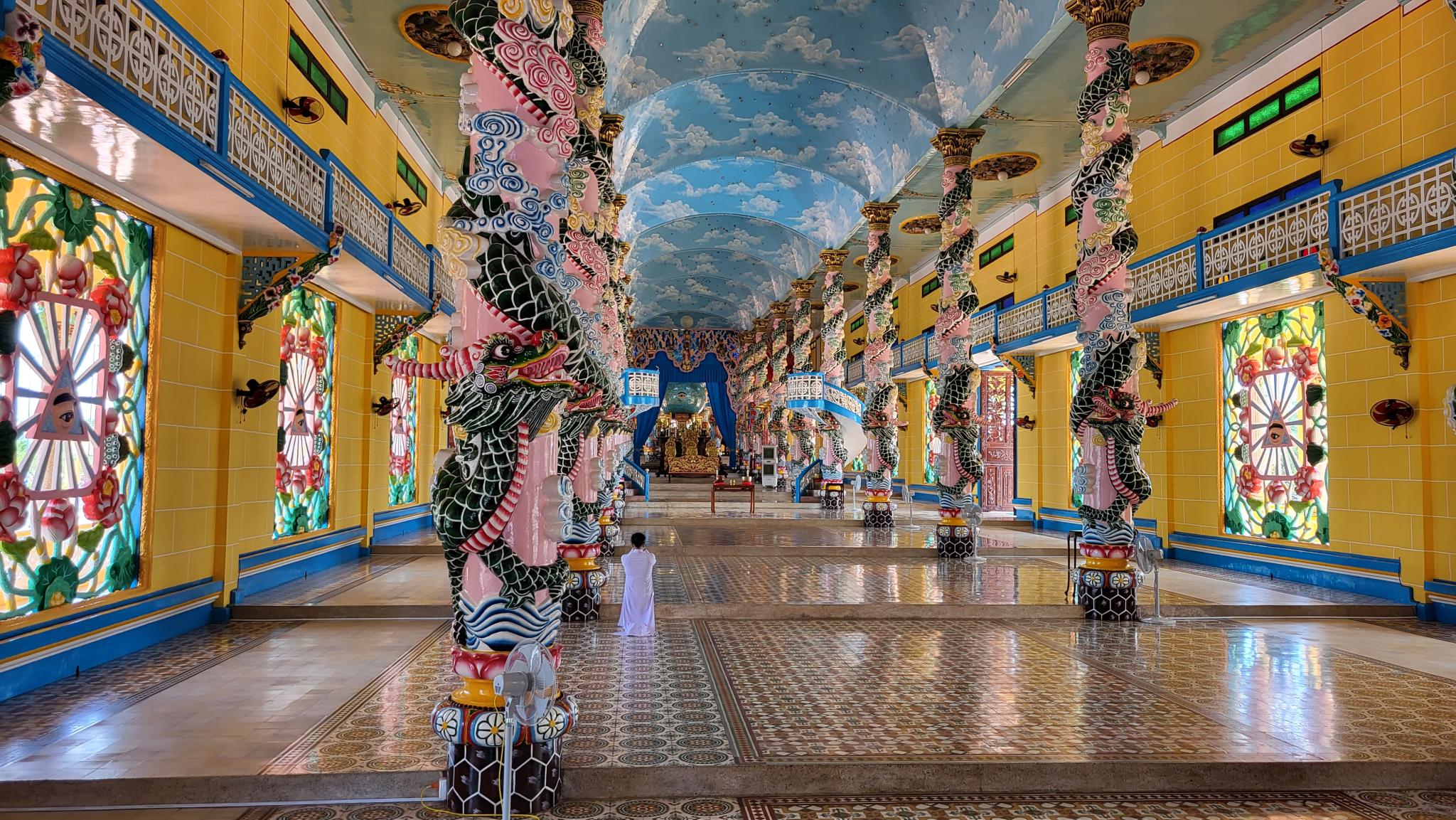
- Exterior Design: The Cao Dai Temple features a distinctive and ornate architectural style that blends various influences, including Eastern and Western architectural elements. The temple’s façade is characterized by vibrant colors, intricate carvings, decorative motifs, and symbolic representations that reflect the religious beliefs and principles of the Cao Đài faith.
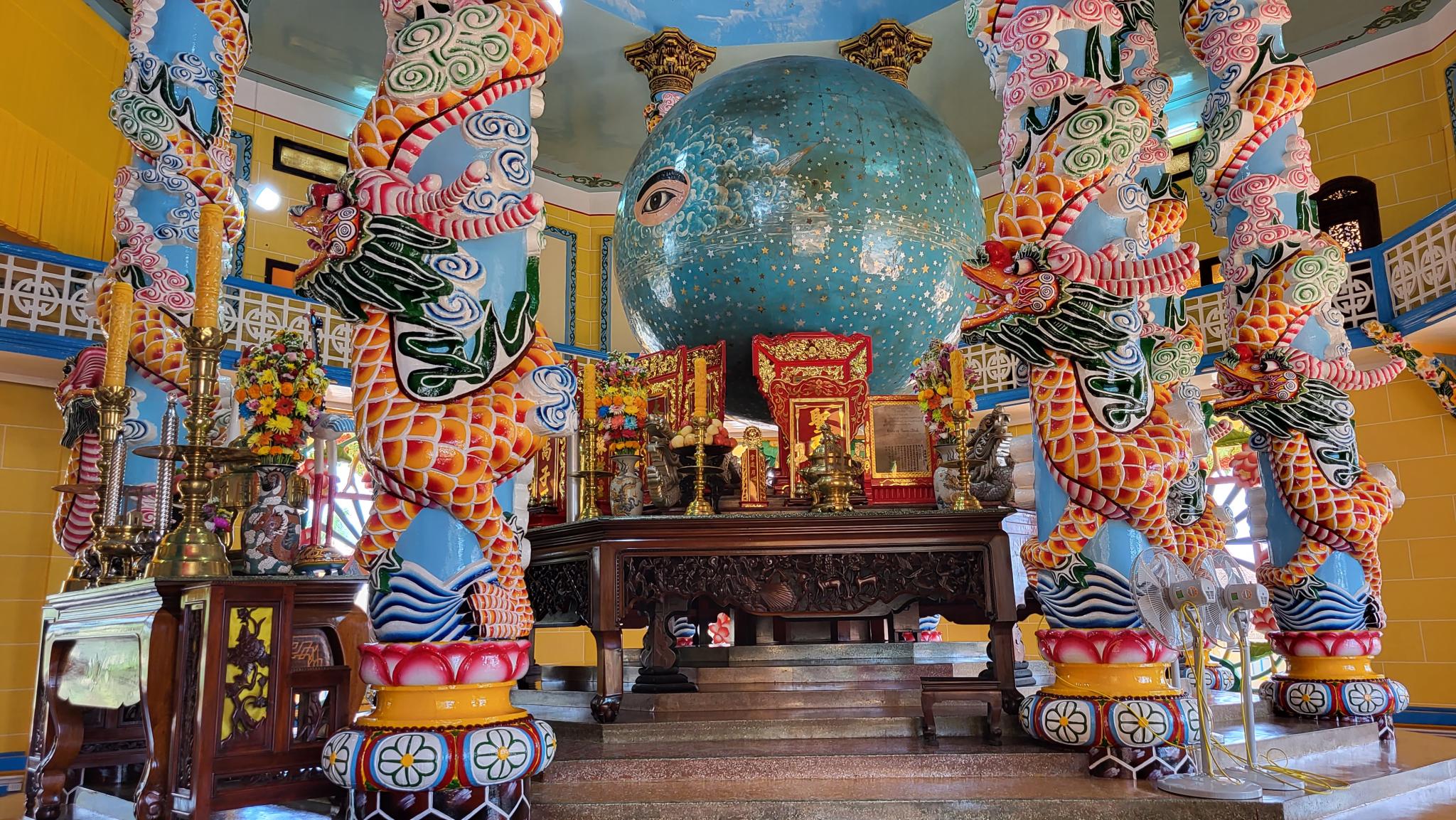
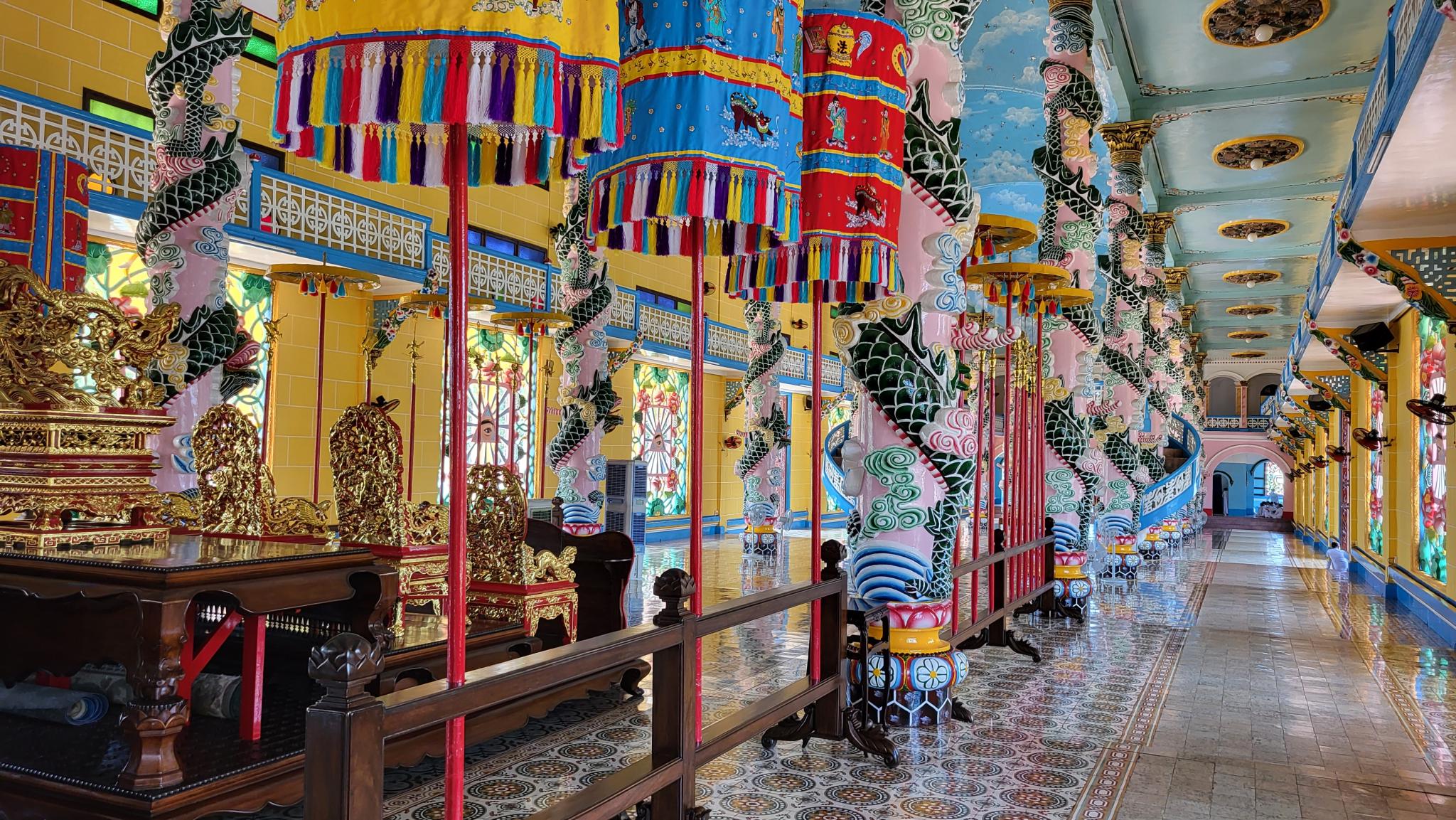
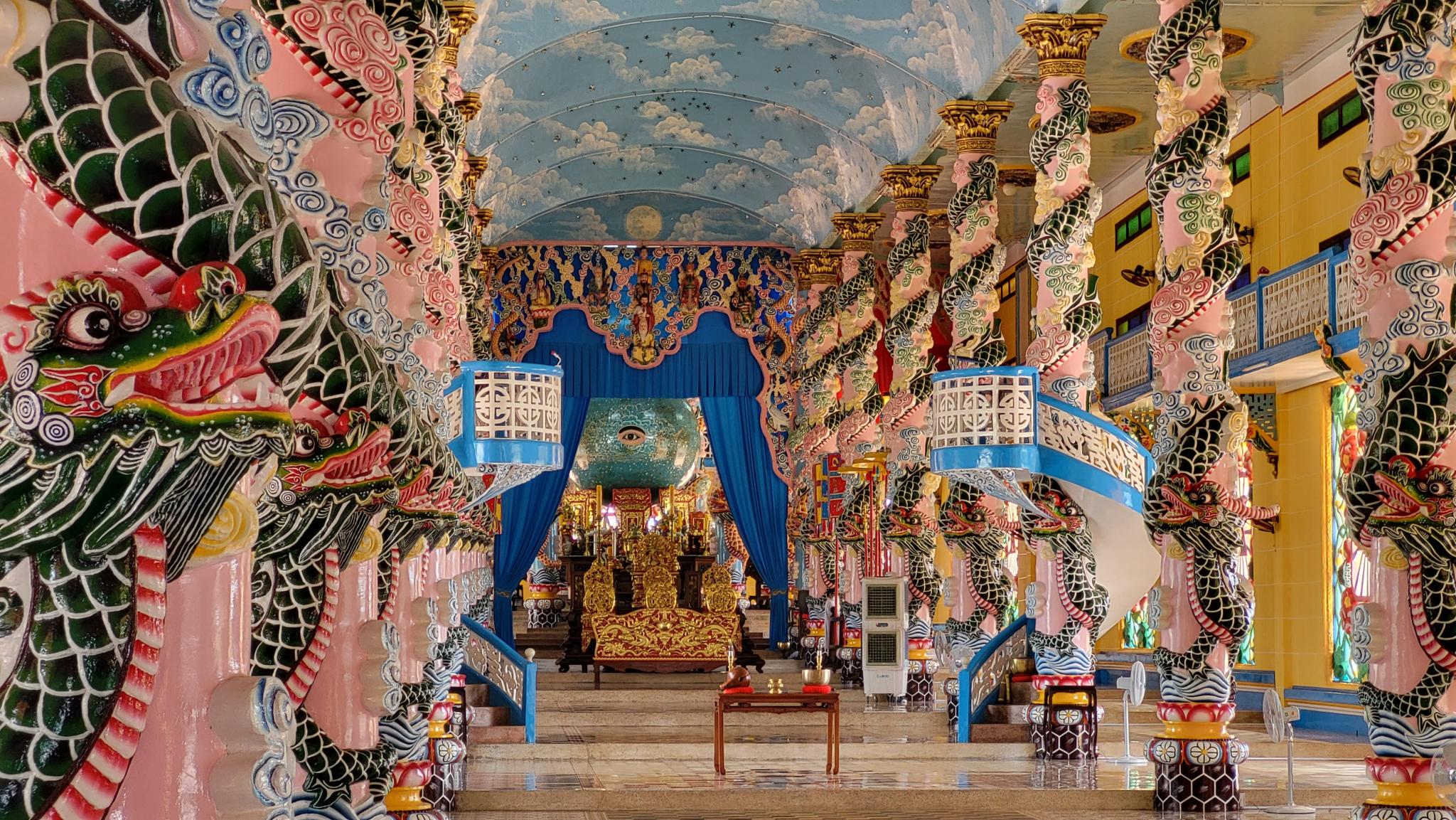
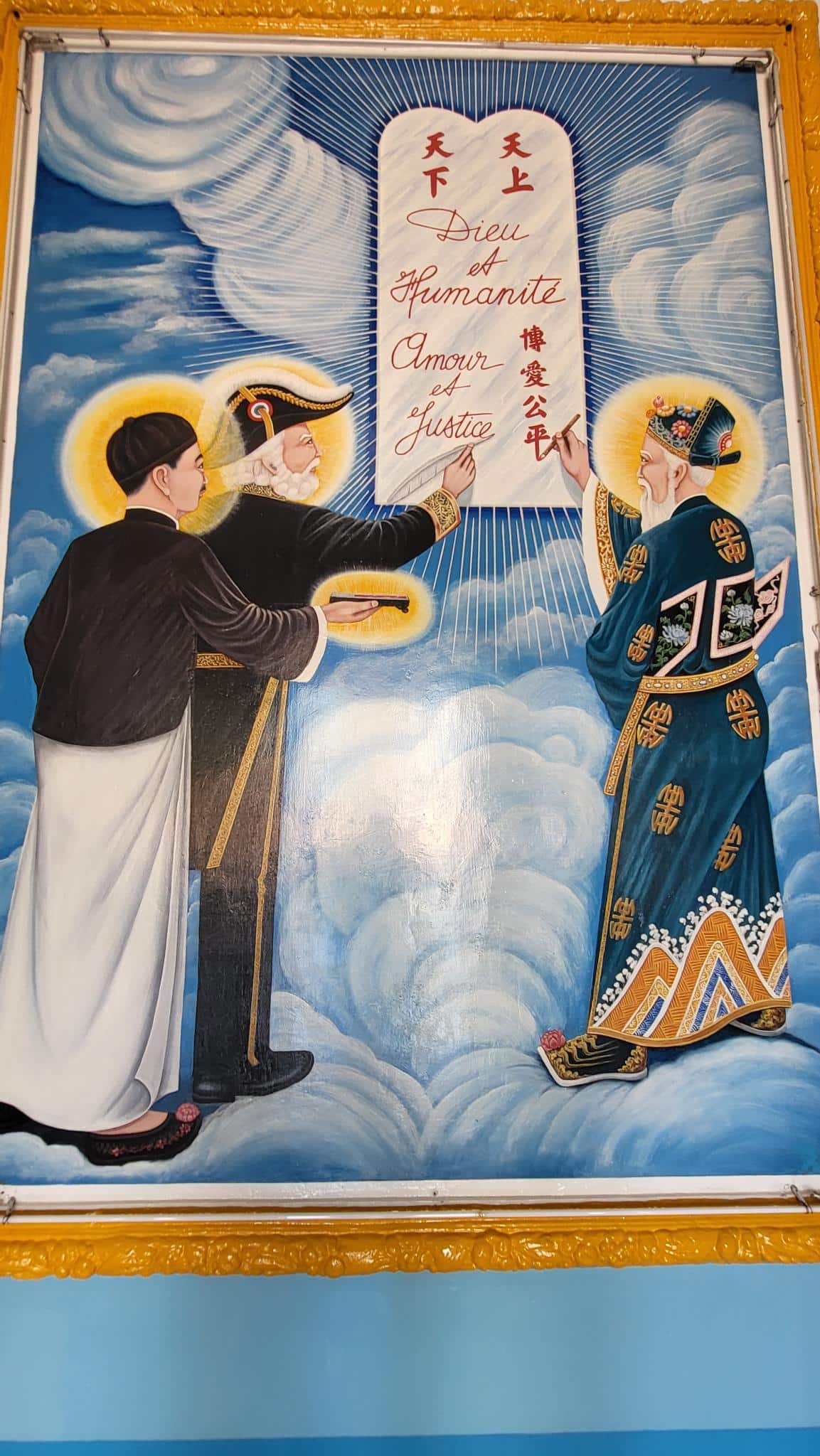
- Interior Layout: Inside the temple, visitors encounter a grand hall adorned with religious symbols, statues, altars, and intricate artwork that depict scenes from the Cao Đài cosmology, mythology, and teachings. The temple’s interior design emphasizes harmony, balance, and spiritual enlightenment, providing worshippers and visitors with a serene and sacred space for prayer, meditation, and reflection.
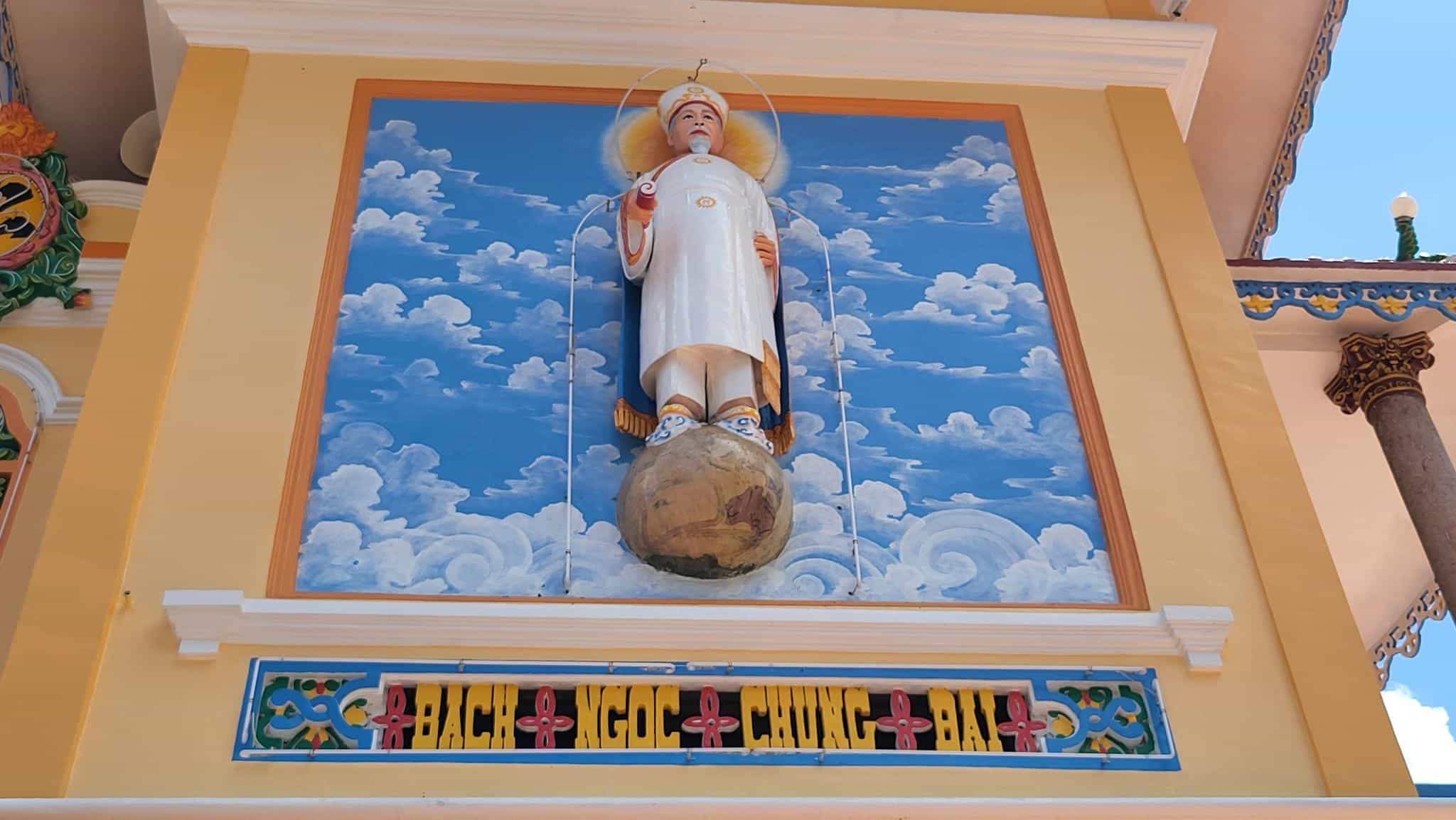
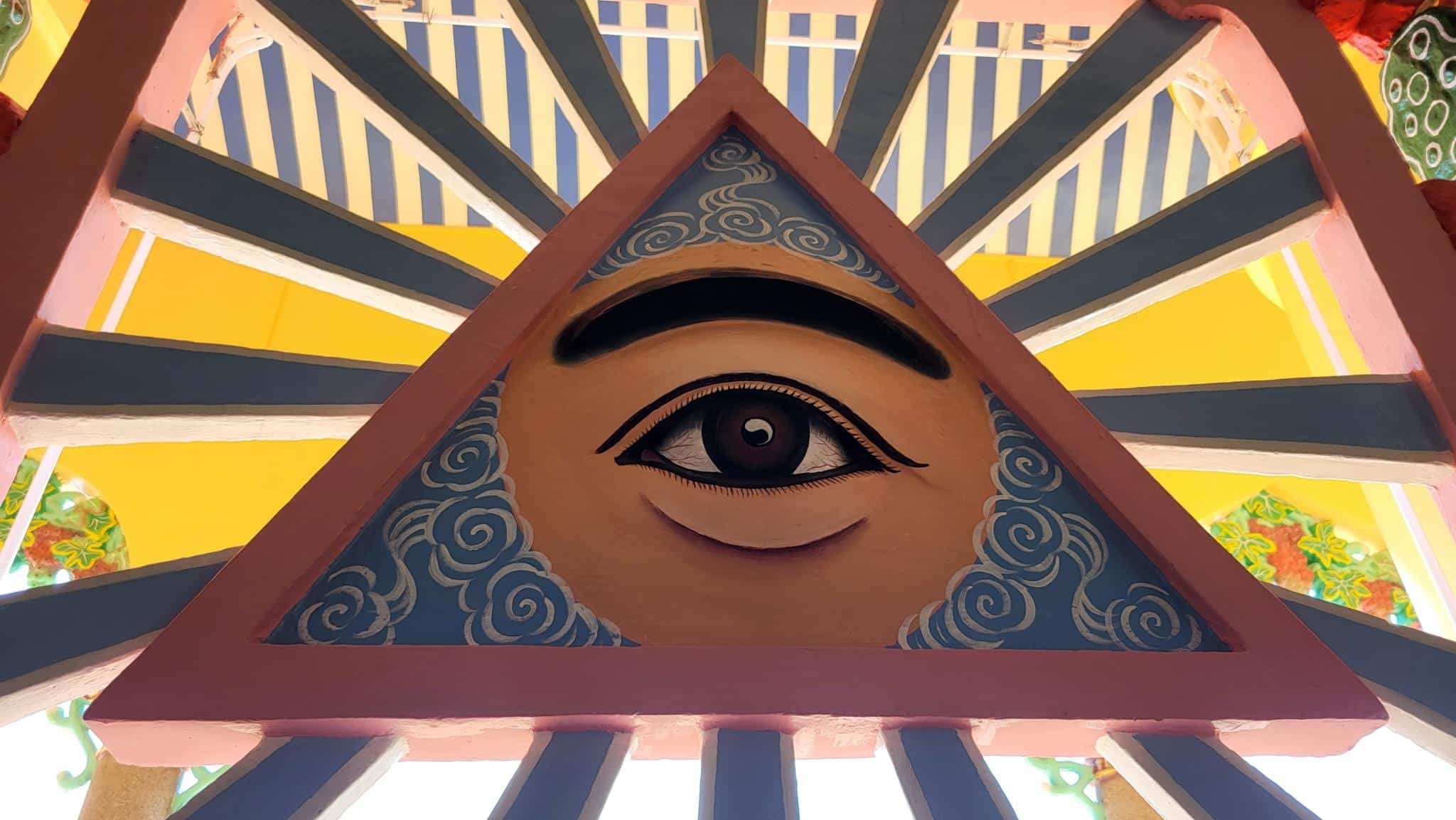
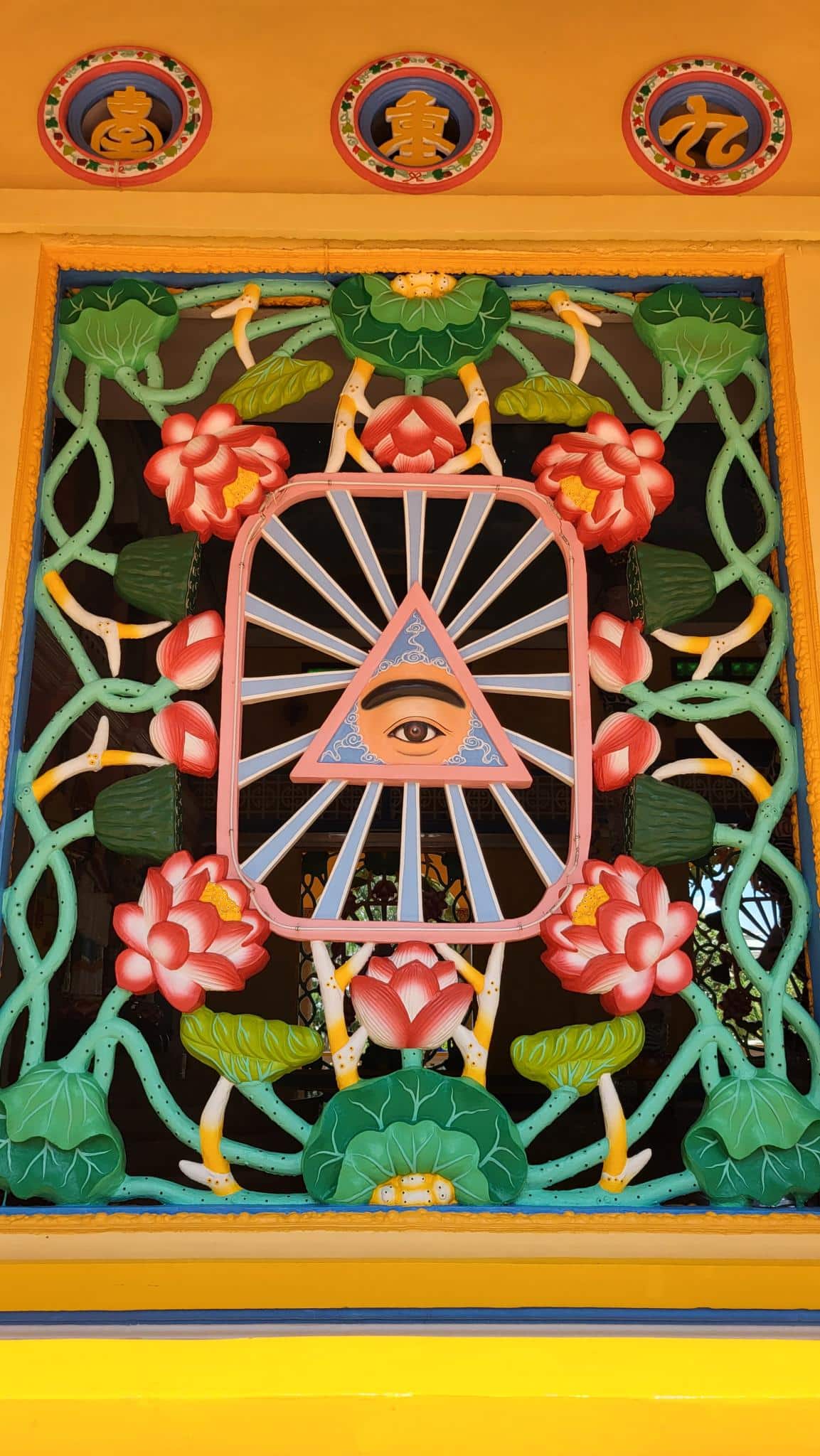
- Symbolism and Iconography: The Cao Dai Temple’s architecture incorporates various symbols, icons, and representations that hold significant meaning within the Cao Đài religion. These symbols often include the Divine Eye, the yin-yang symbol, dragons, phoenixes, and other motifs that convey the religion’s cosmological, moral, and spiritual principles.
- Sacred Spaces: The temple comprises multiple sacred spaces, chambers, halls, and altars dedicated to different figures, deities, saints, and principles within the Cao Đài pantheon. Each area of the temple serves specific religious, ceremonial, and ritualistic purposes, facilitating worship, meditation, and spiritual practices for adherents of the faith.
Cao Đài Religion:
- Origins and Beliefs: The Cao Đài religion originated in Vietnam in the early 20th century, combining elements from various religious traditions, including Buddhism, Taoism, Confucianism, Christianity, and spiritualism. Followers of the Cao Đài faith believe in a universal deity, moral principles, reincarnation, karma, and the spiritual evolution of the soul toward enlightenment and liberation.
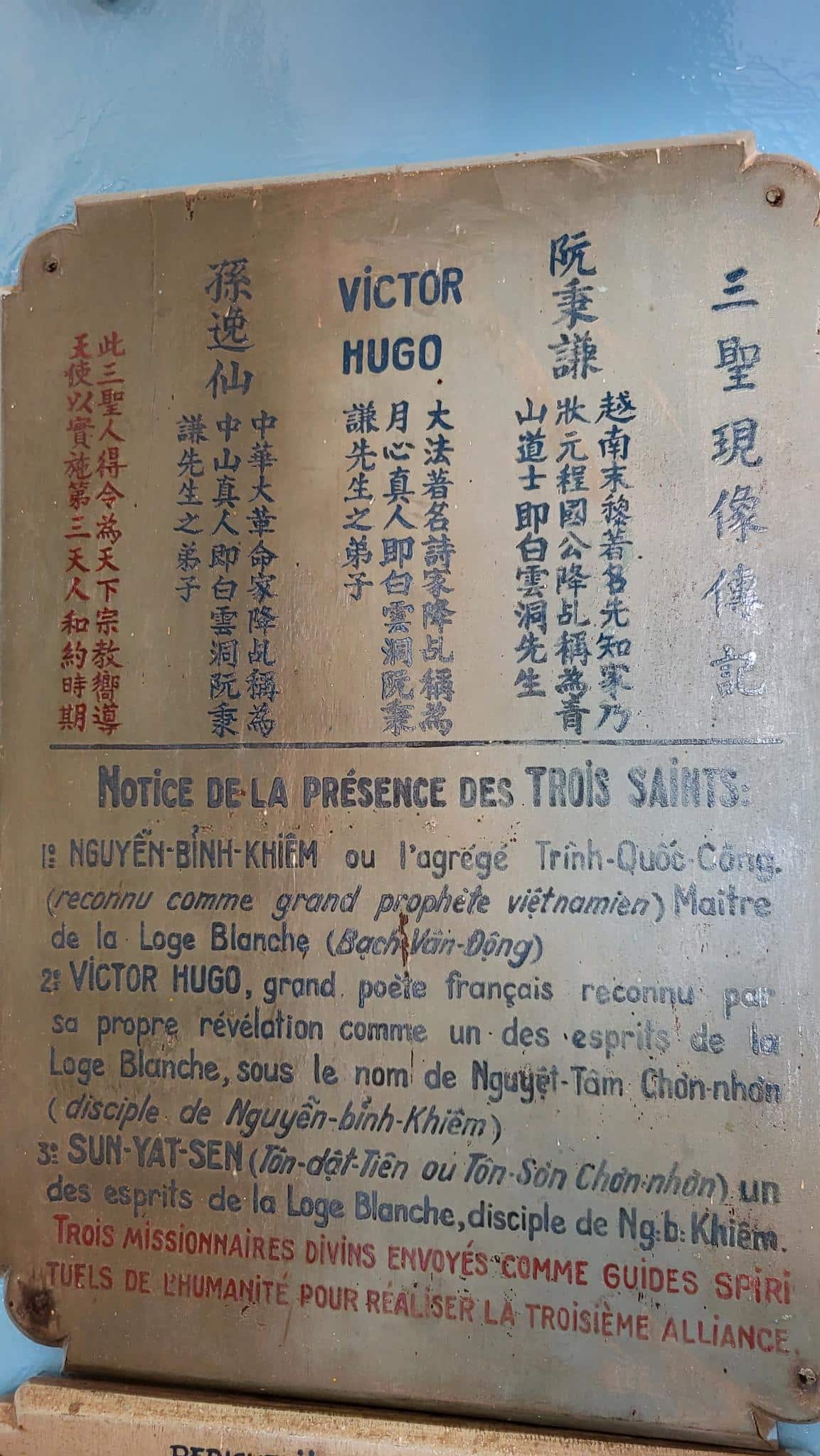
- Divine Messages: The founder of the Cao Đài religion, Ngo Minh Chieu, claimed to receive divine revelations from various spiritual entities, including Buddha, Jesus Christ, Confucius, and Laozi. These messages conveyed teachings, principles, and guidelines that form the foundational beliefs, practices, rituals, and organizational structure of the Cao Đài religion.
- Organizational Structure: The Cao Đài religion has a hierarchical structure with a governing body, clergy, and followers organized into different levels, ranks, and roles. The religion emphasizes moral values, ethical conduct, social harmony, and spiritual development, guiding adherents in living virtuously, compassionately, and harmoniously within society.
- Rituals and Practices: Followers of the Cao Đài faith engage in various rituals, ceremonies, prayers, meditations, and practices that reflect the religion’s beliefs, principles, and teachings. These religious activities foster spiritual growth, communal bonding, ethical living, and devotion to the universal deity and spiritual entities revered within the Cao Đài pantheon.
In summary, the Cao Dai Temple in Tây Ninh, Vietnam, is a magnificent architectural masterpiece that serves as the spiritual and organizational center of the Cao Đài religion. The temple’s design, symbolism, and sacred spaces reflect the religious beliefs, principles, practices, and cosmology of the Cao Đài faith, providing worshippers and visitors with a profound and enlightening experience of this unique and syncretic religious tradition in Vietnam.