Bao Dai’s summer palace – Dalat
Listing has verified and belong the business owner or manager.
History of Bảo Đại’s Summer Palace in Đà Lạt:
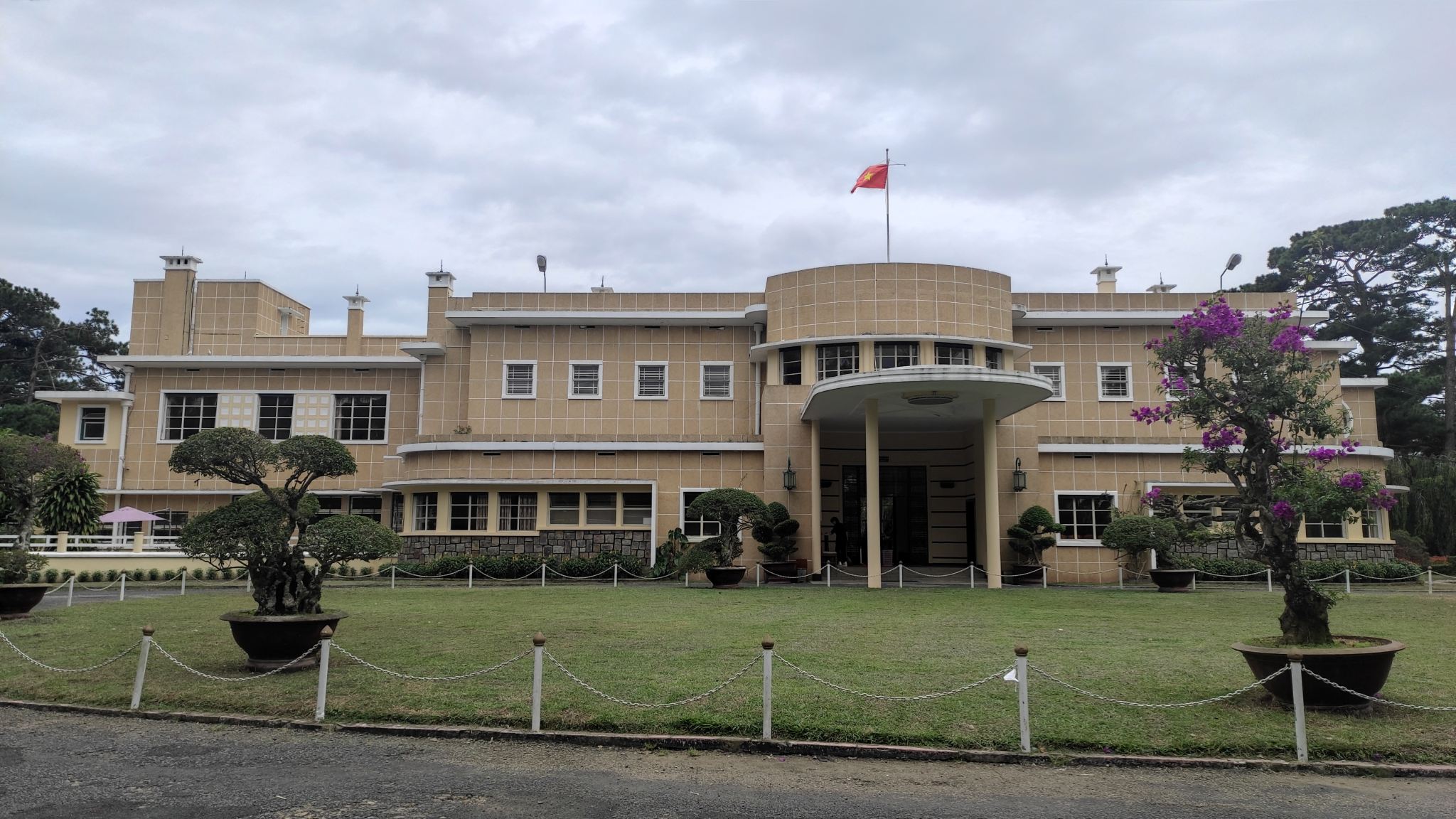
Bảo Đại’s Summer Palace, located in Đà Lạt, Vietnam, is a historical landmark that served as the summer residence of Bảo Đại, the last emperor of Vietnam, and his family during the early to mid-20th century. The palace was built between 1933 and 1938, reflecting a blend of colonial, art deco, and Vietnamese architectural influences.
Bảo Đại’s Summer Palace witnessed significant historical events, including the abdication of Bảo Đại in 1945 and the later establishment of the Republic of Vietnam. After the political changes and the end of the monarchy, the palace remained a symbol of Vietnam’s rich history, cultural heritage, and architectural legacy.
Architecture:
- Colonial and Art Deco Influences: Bảo Đại’s Summer Palace showcases a unique architectural style that combines colonial and art deco influences. The palace’s design features symmetrical layouts, elegant facades, and intricate detailing characteristic of art deco architecture, reflecting the aesthetic trends prevalent during the early to mid-20th century.
- Vietnamese Elements: Despite its colonial and art deco influences, the palace incorporates traditional Vietnamese architectural elements, materials, and craftsmanship. The integration of local materials, such as wood, stone, and tiles, along with traditional design motifs, creates a harmonious blend of Western and Vietnamese architectural styles, reflecting the country’s cultural diversity and heritage.
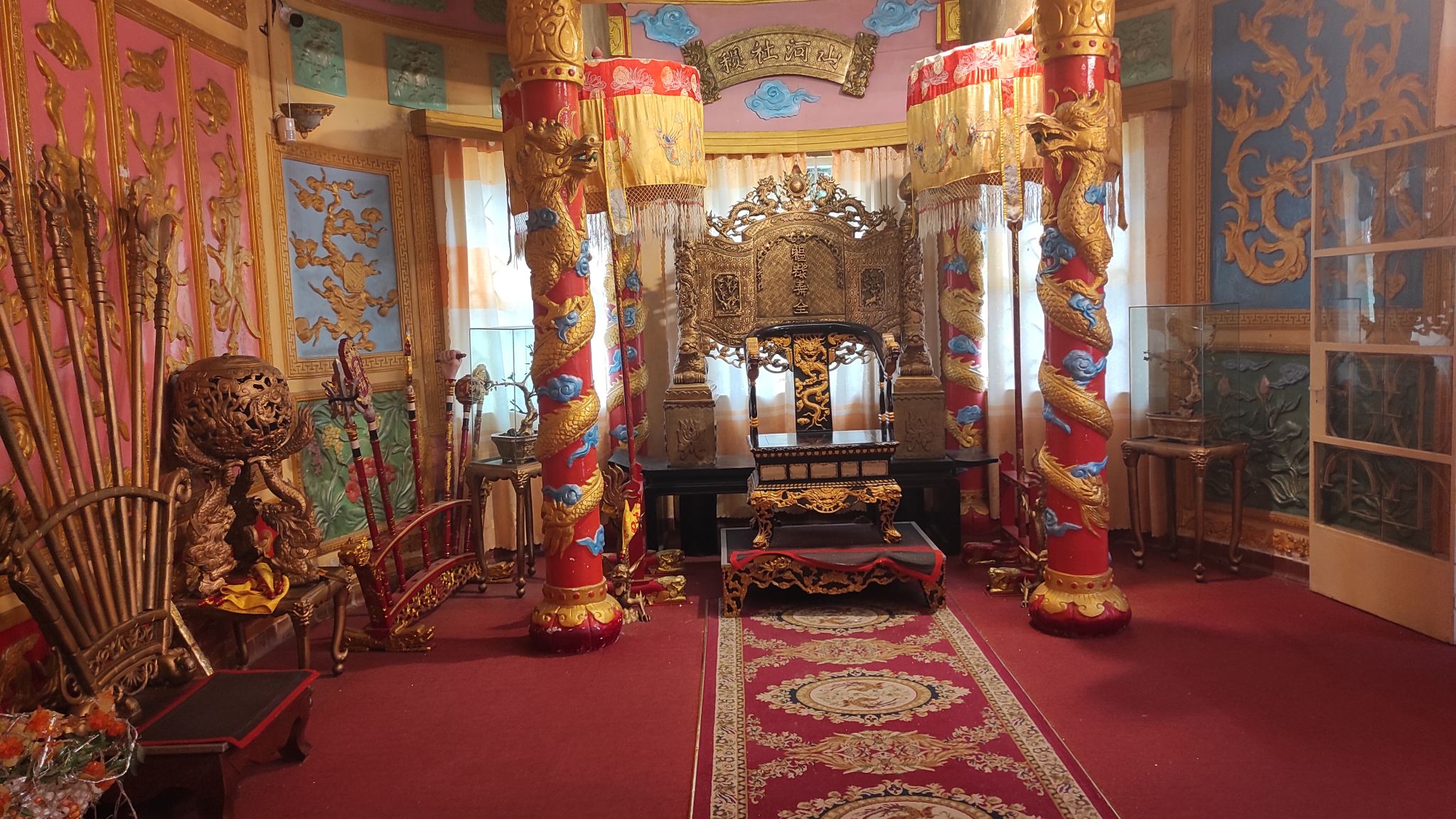
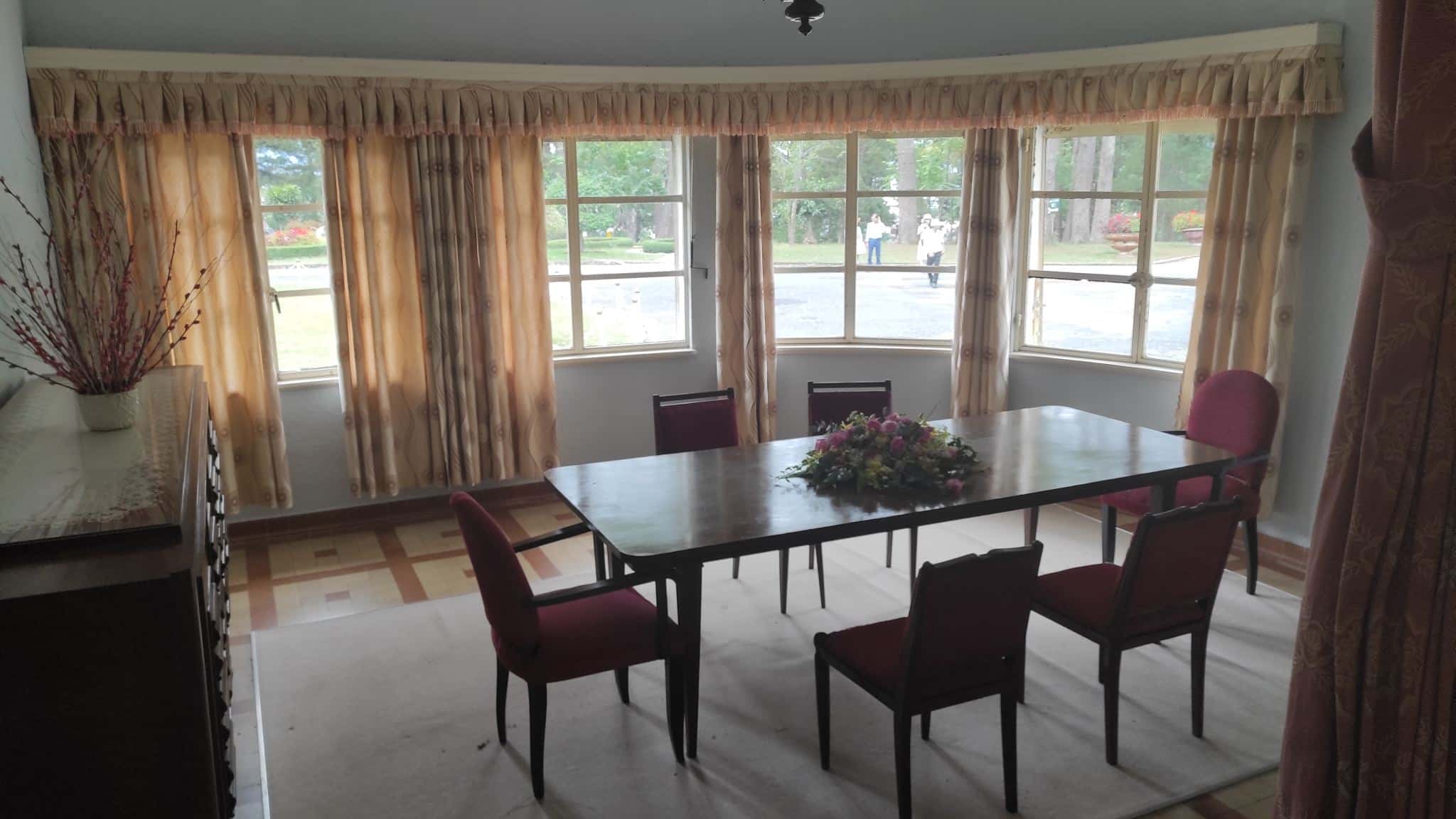
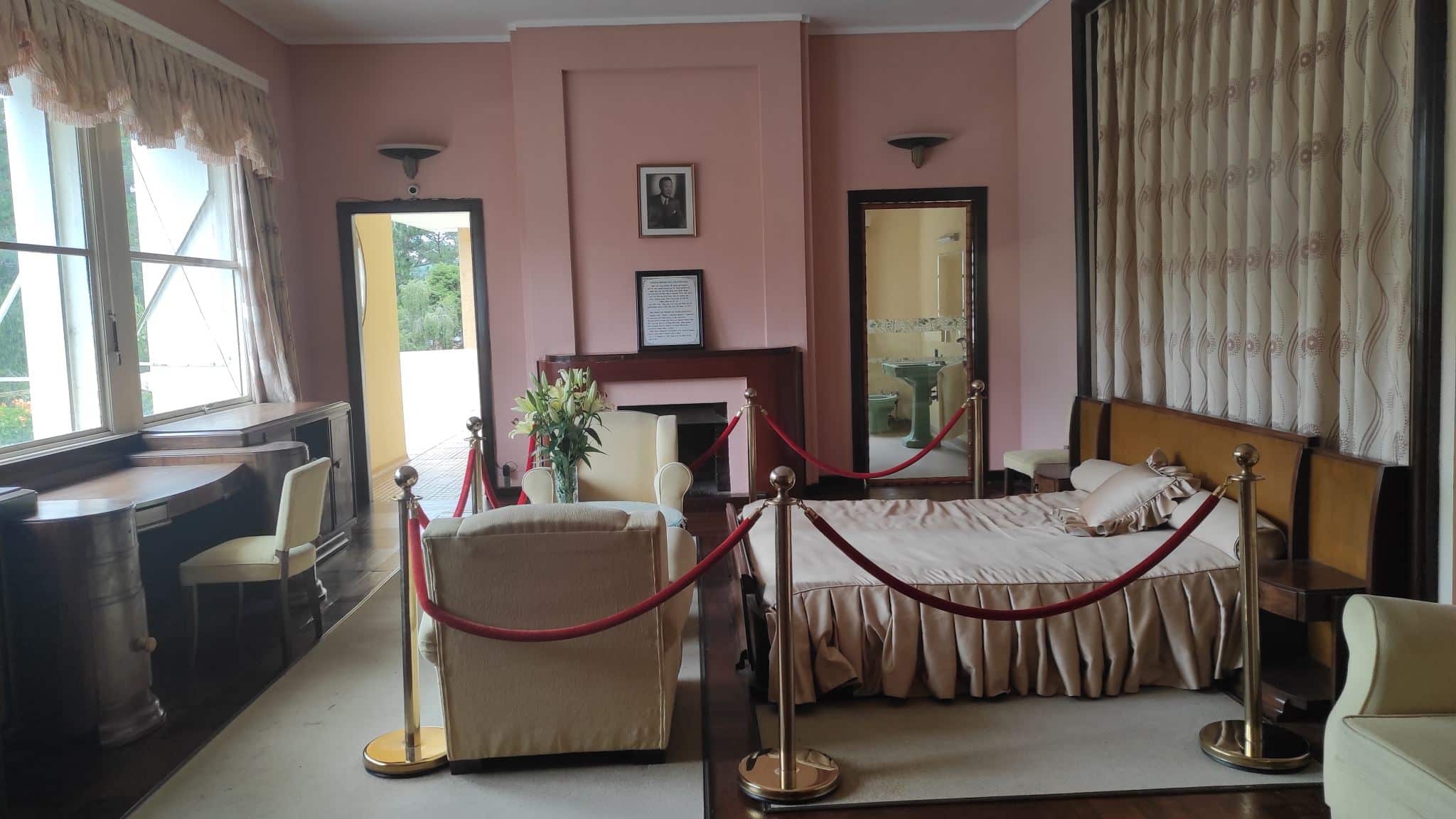
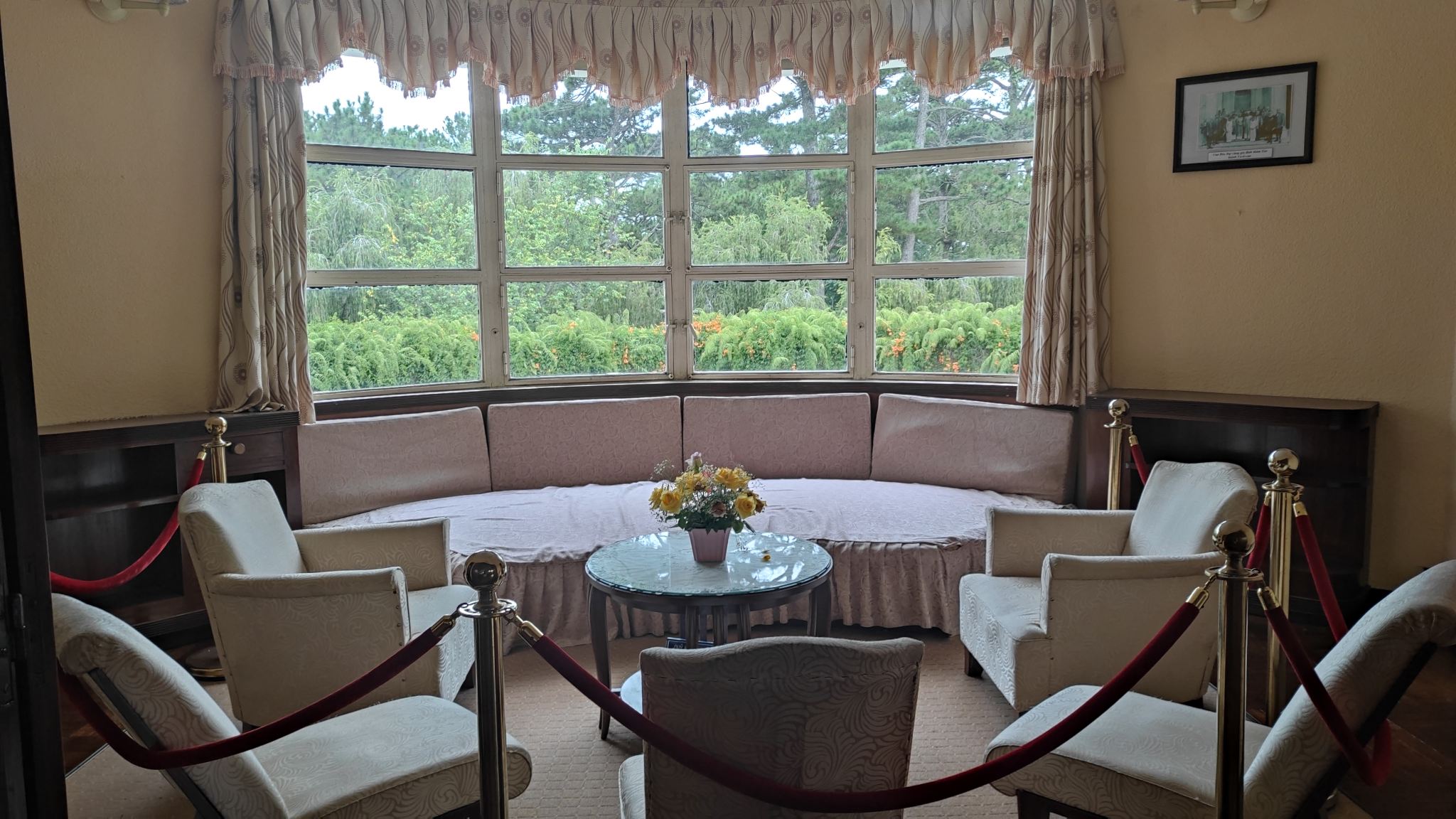
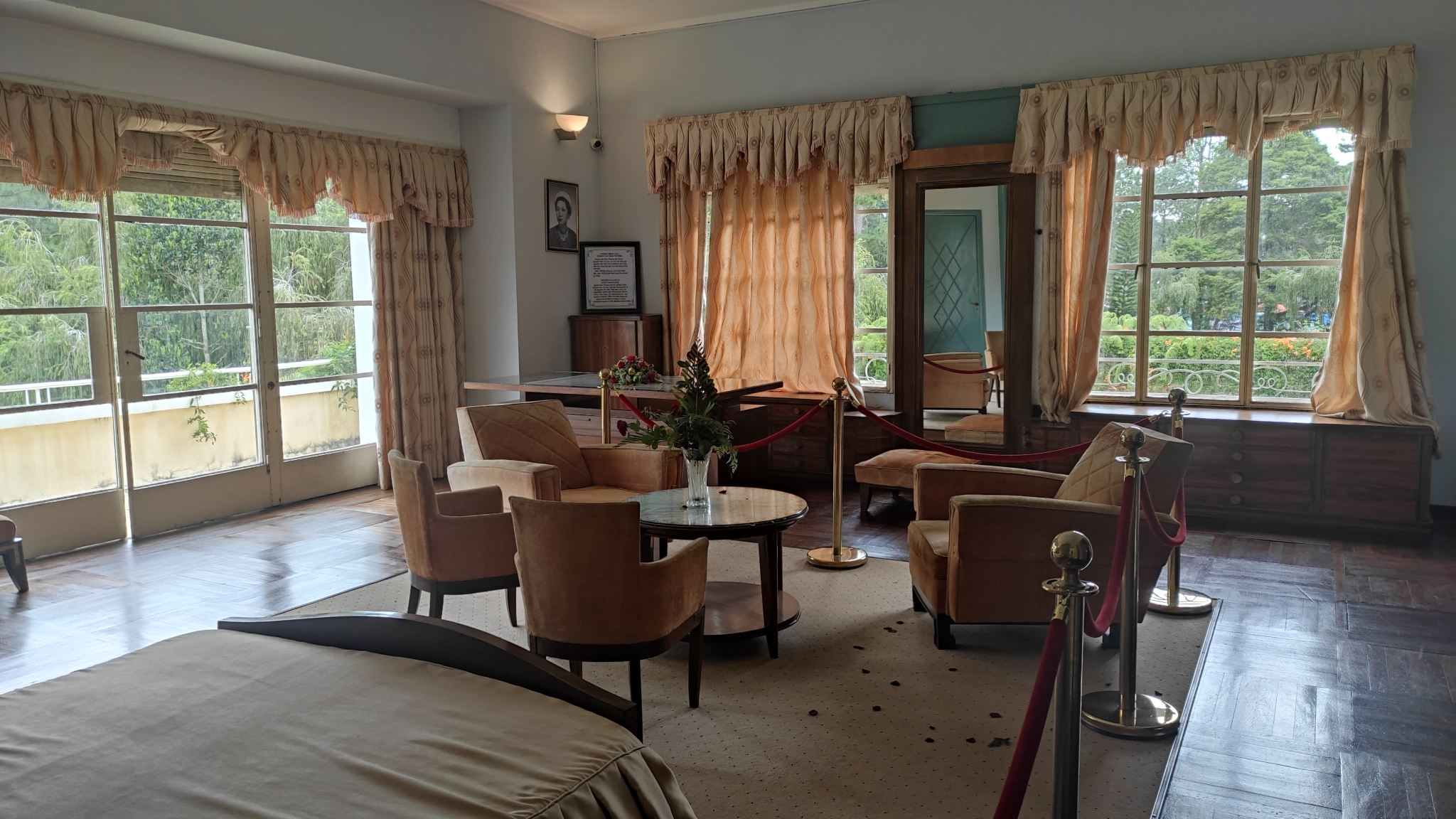
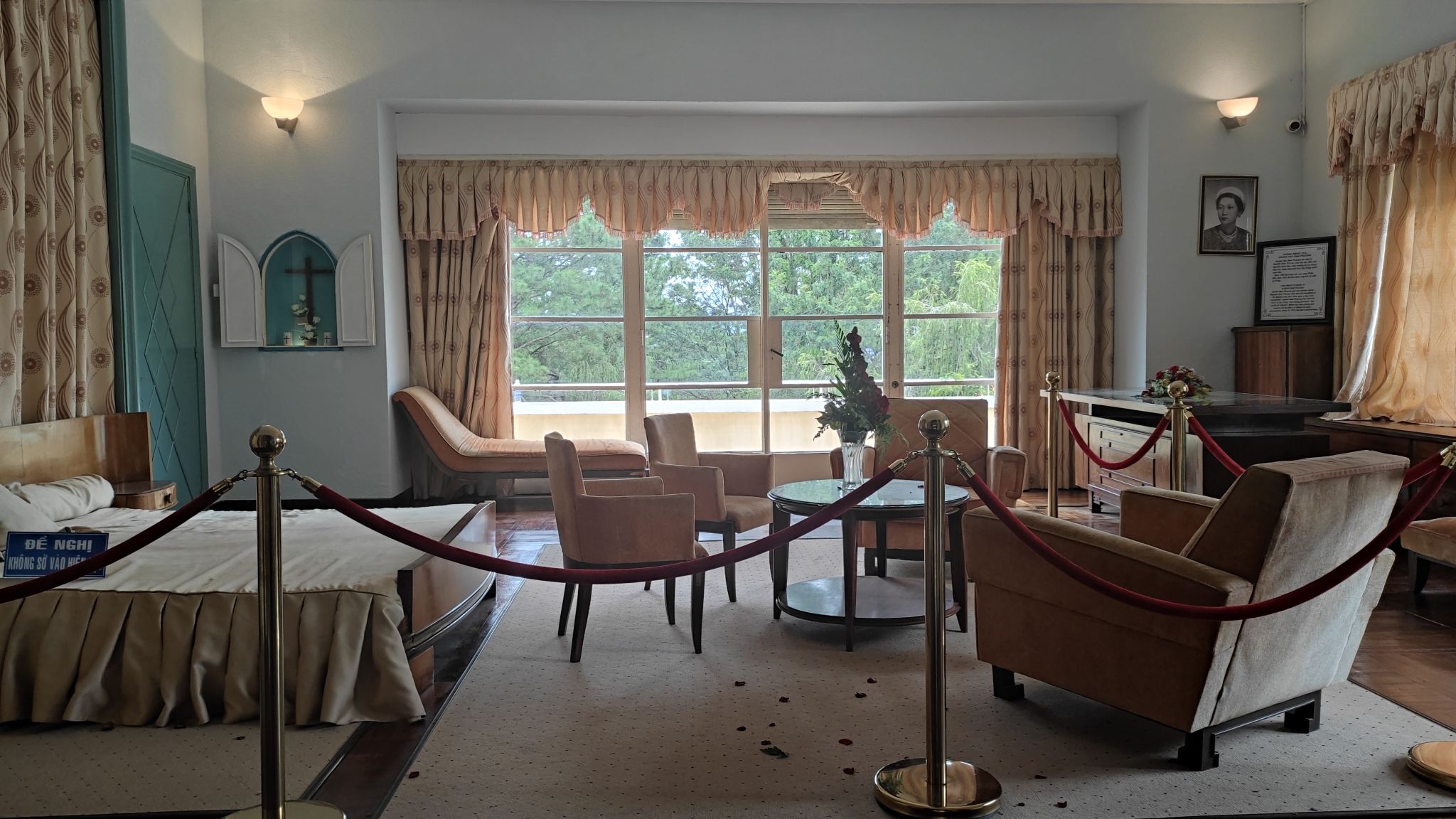
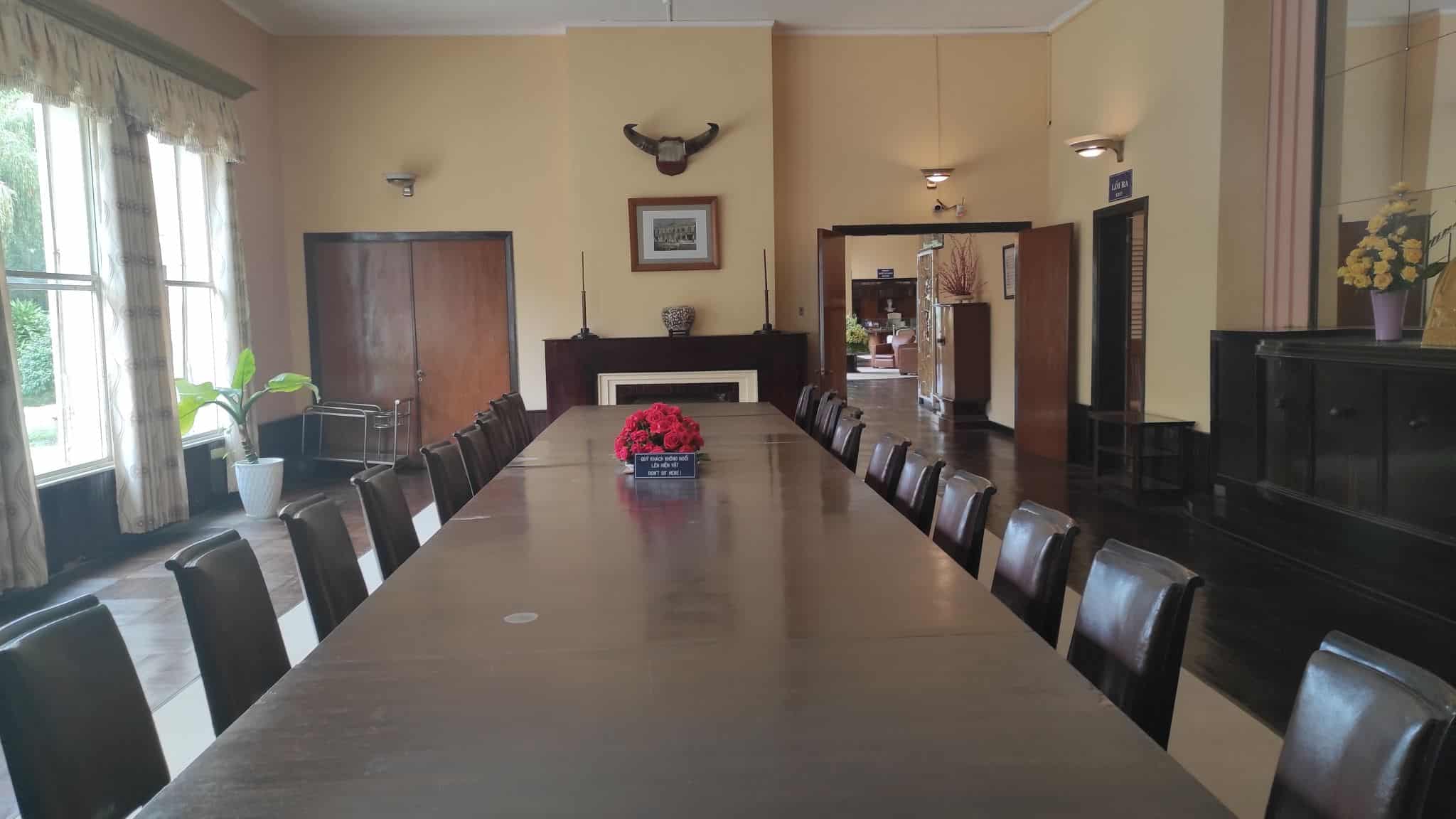
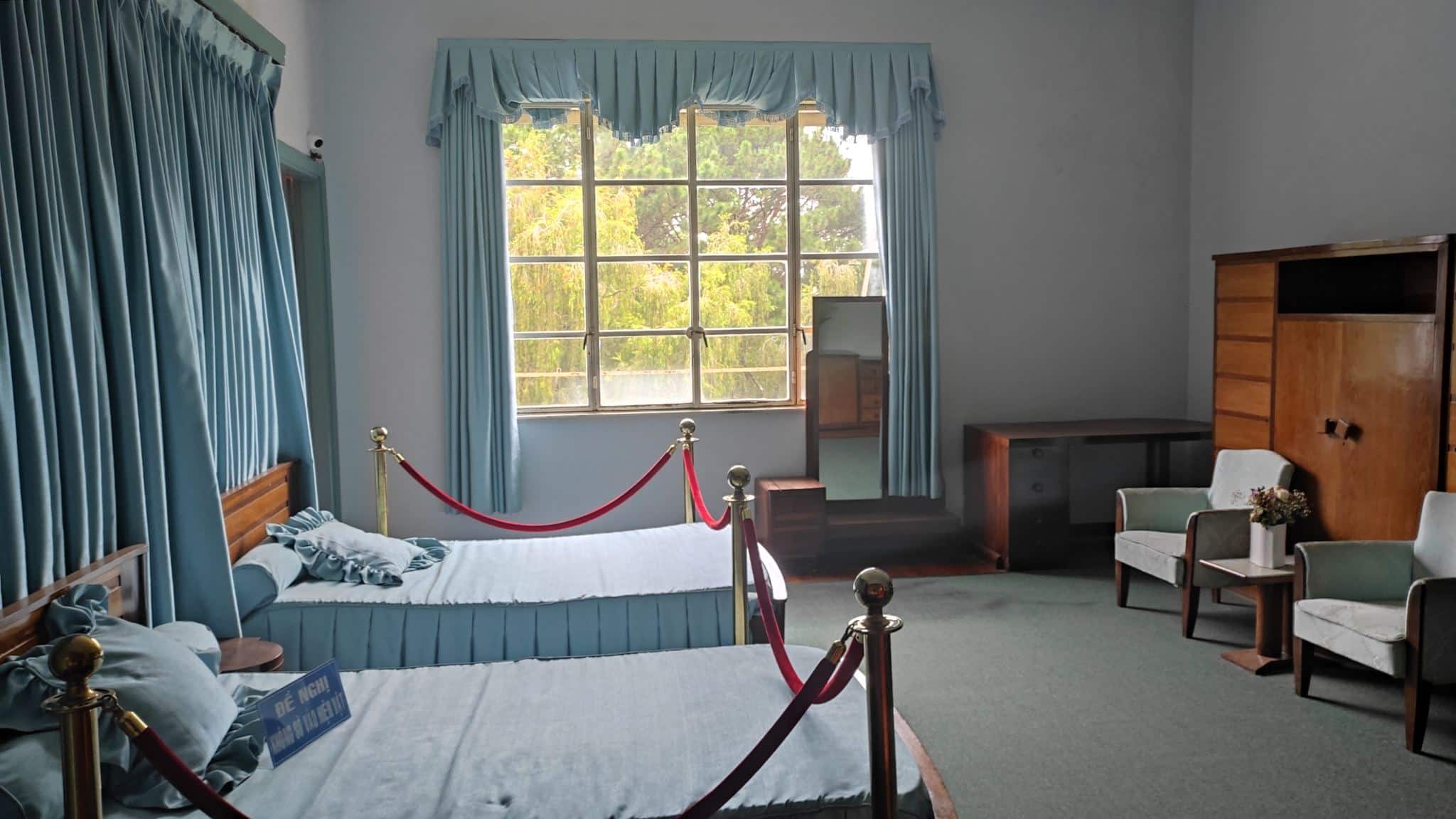
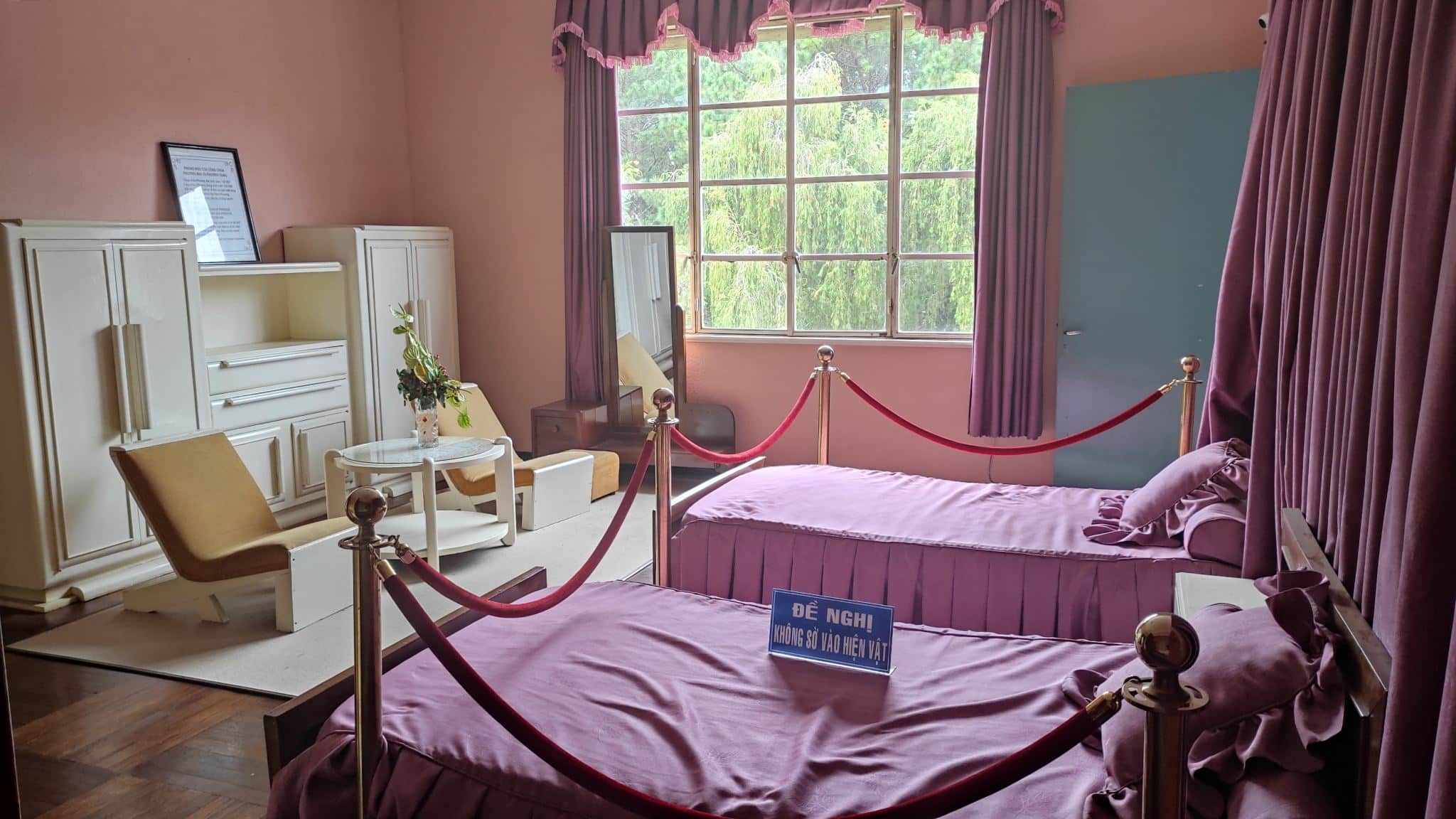
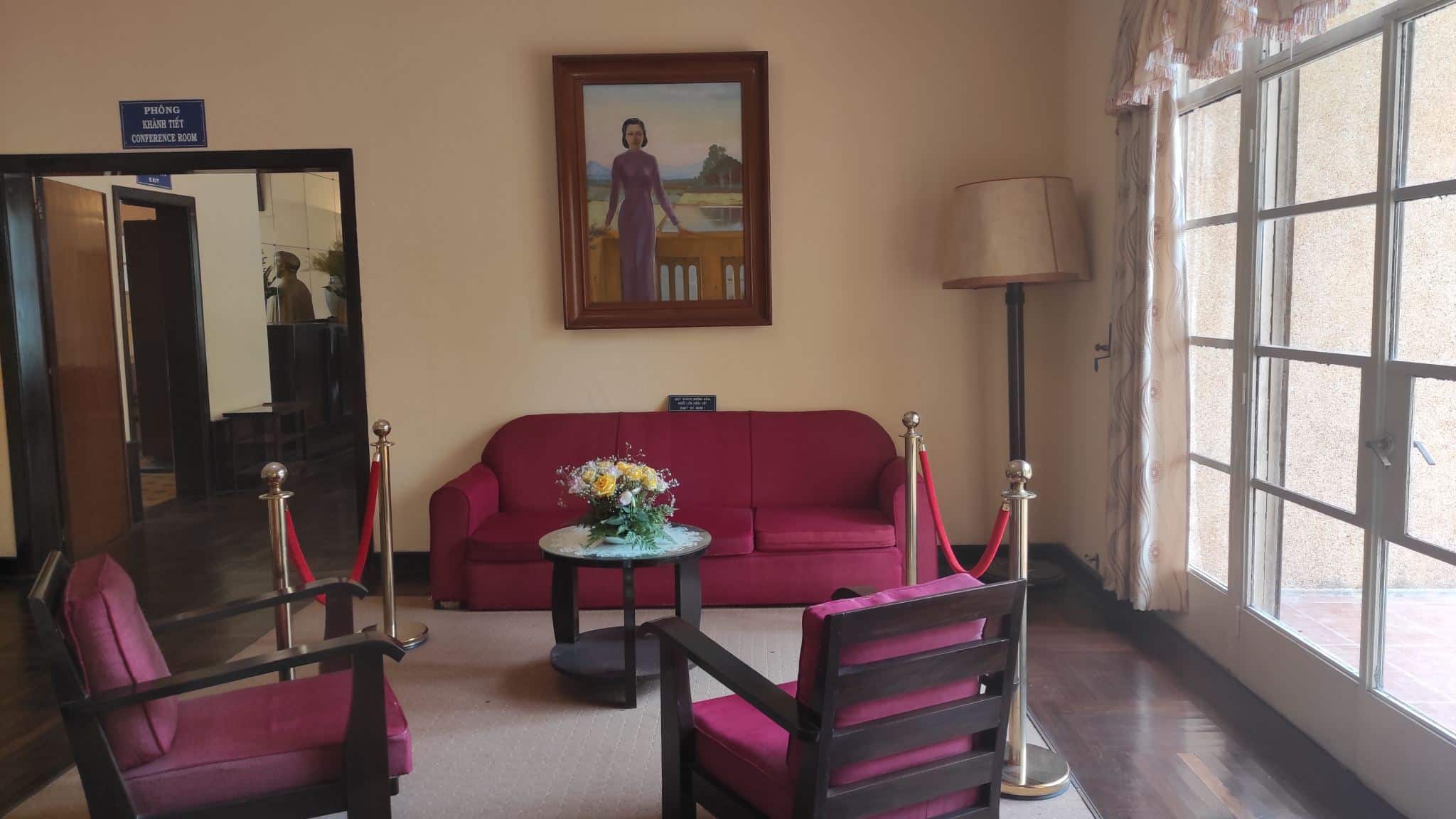
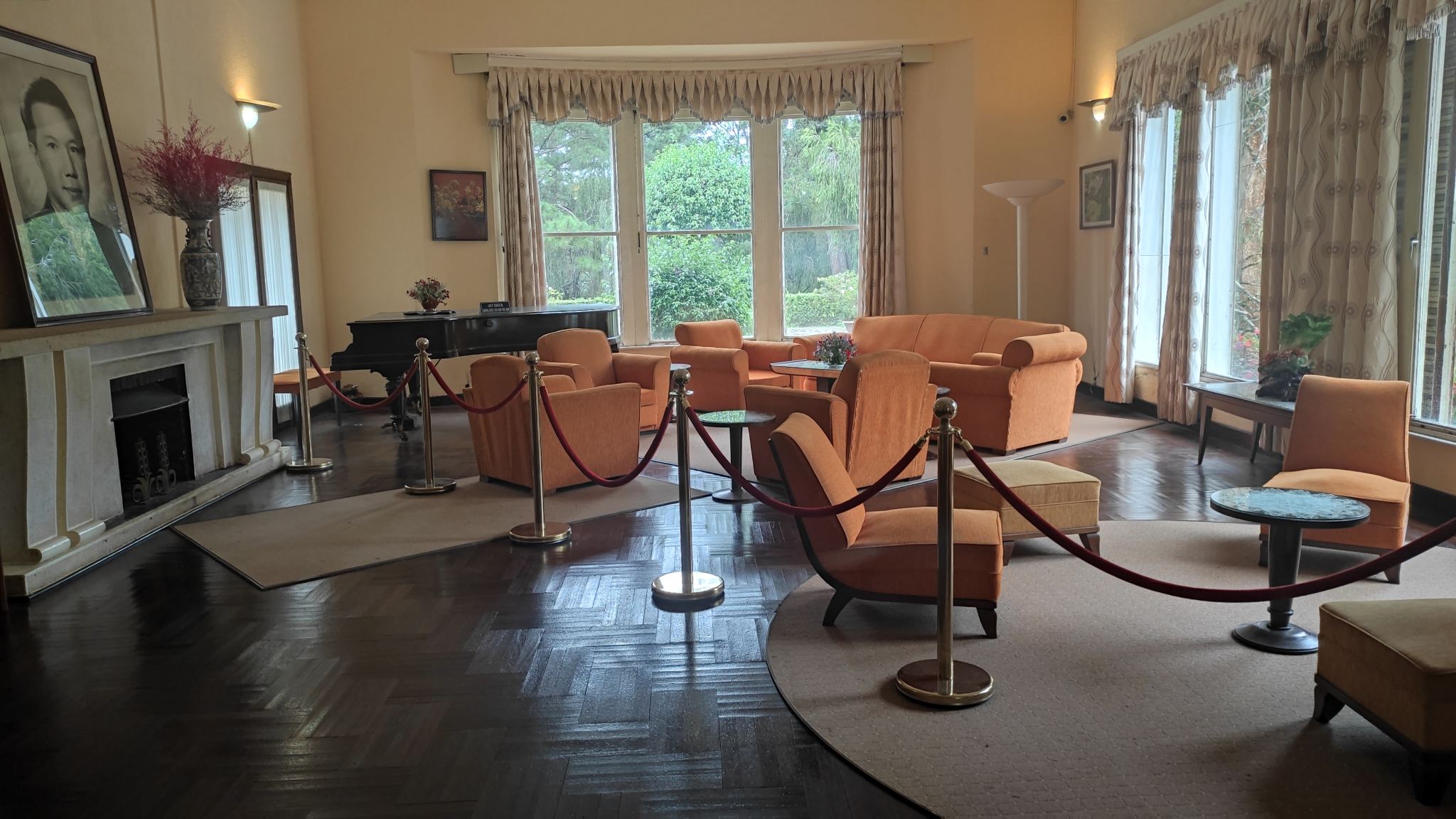
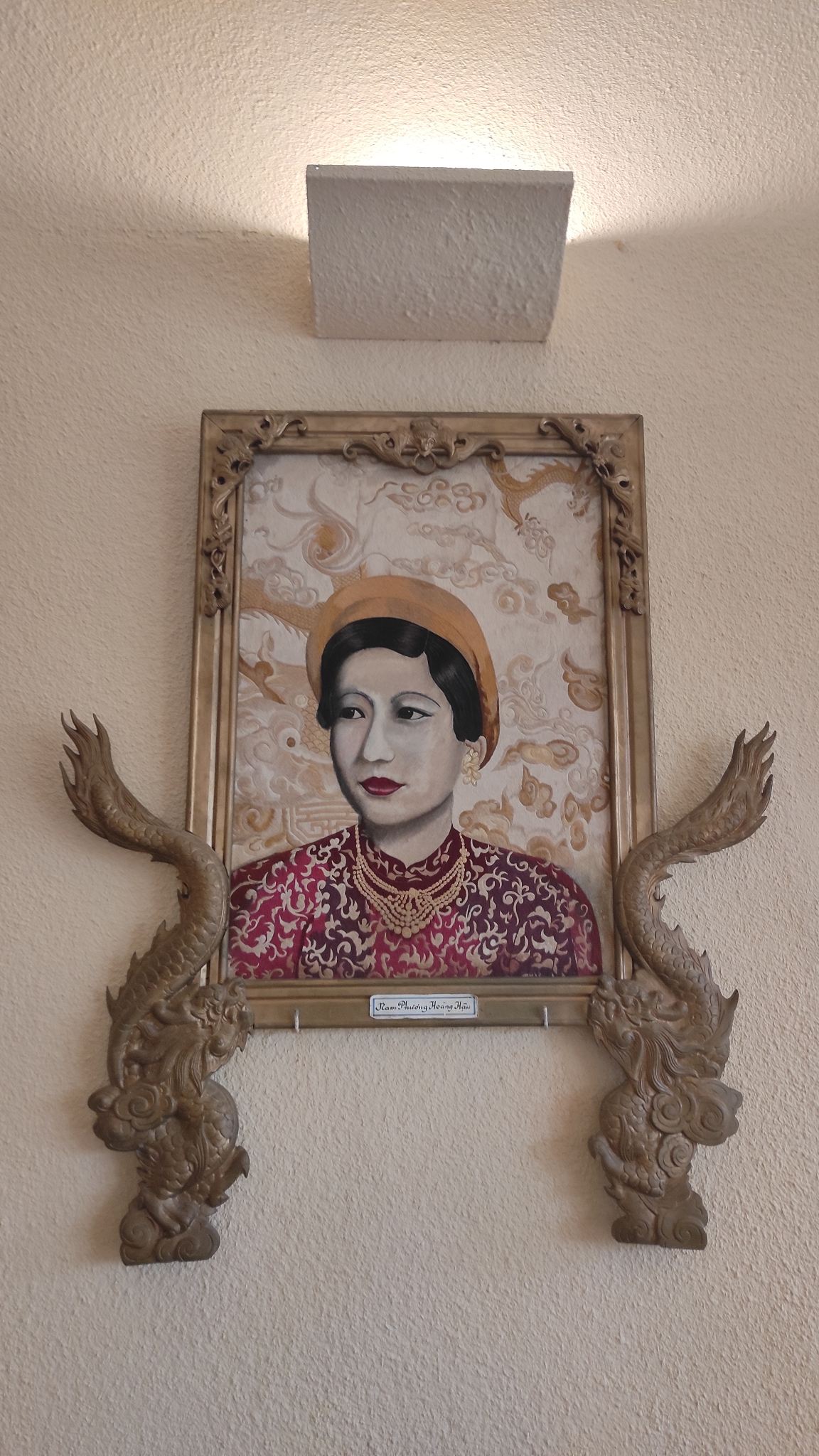
- Historical Significance: Bảo Đại’s Summer Palace’s architecture and design reflect its historical significance as a residence for the last emperor of Vietnam and his family. The palace’s interior spaces, furnishings, and decorations provide insights into the lifestyle, preferences, and cultural influences of Bảo Đại and his family during their time at the residence.
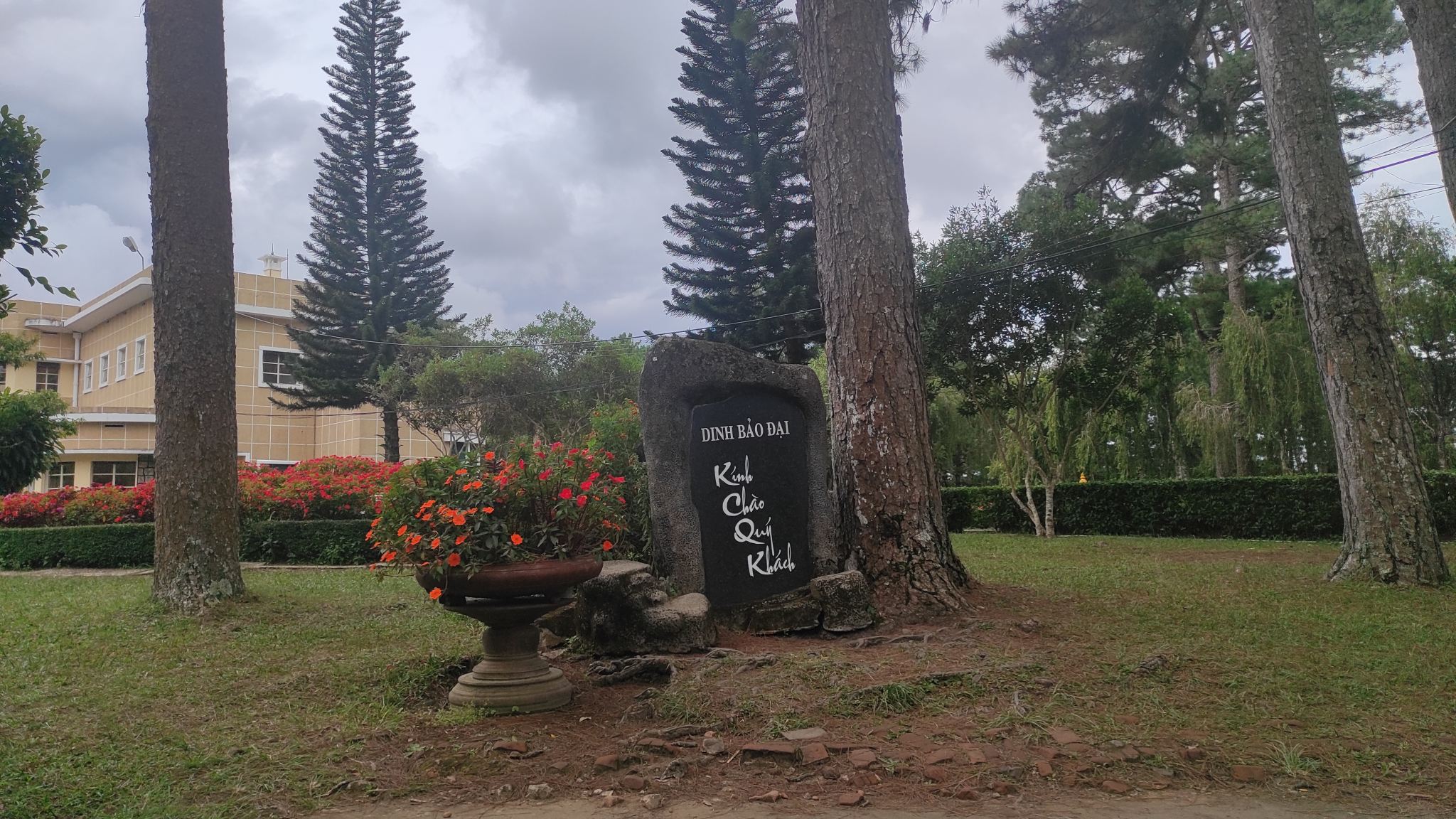
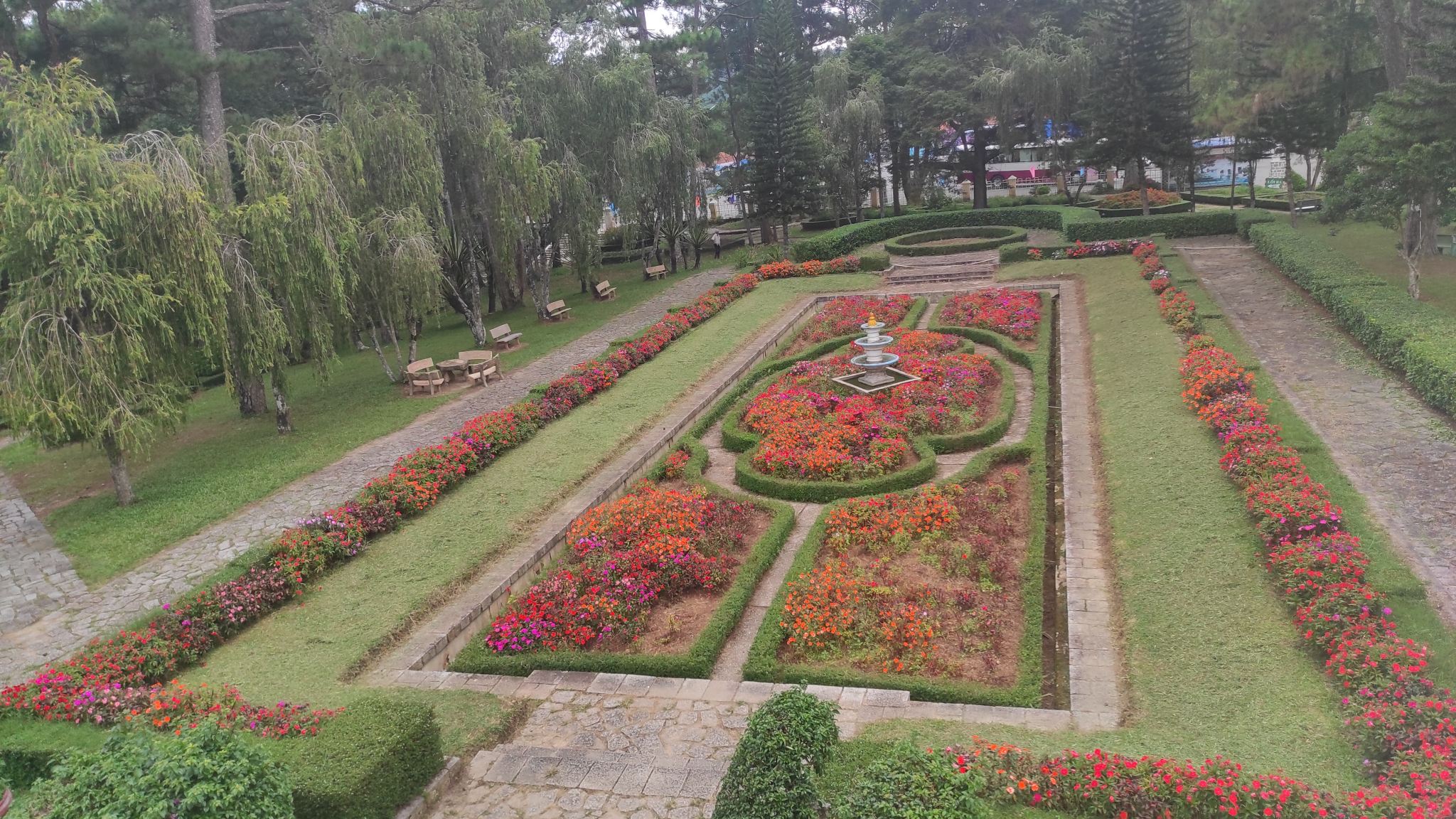
- Landscaped Gardens and Surroundings: Surrounding Bảo Đại’s Summer Palace are beautifully landscaped gardens, pathways, and scenic vistas that complement the architectural design and enhance the palace’s aesthetic appeal. The meticulously maintained gardens, water features, and outdoor spaces create a tranquil and picturesque setting that invites visitors to explore, relax, and appreciate the palace’s beauty and historical significance.