Am Phu Cave and Hell (Động Âm Phủ) – Da Nang
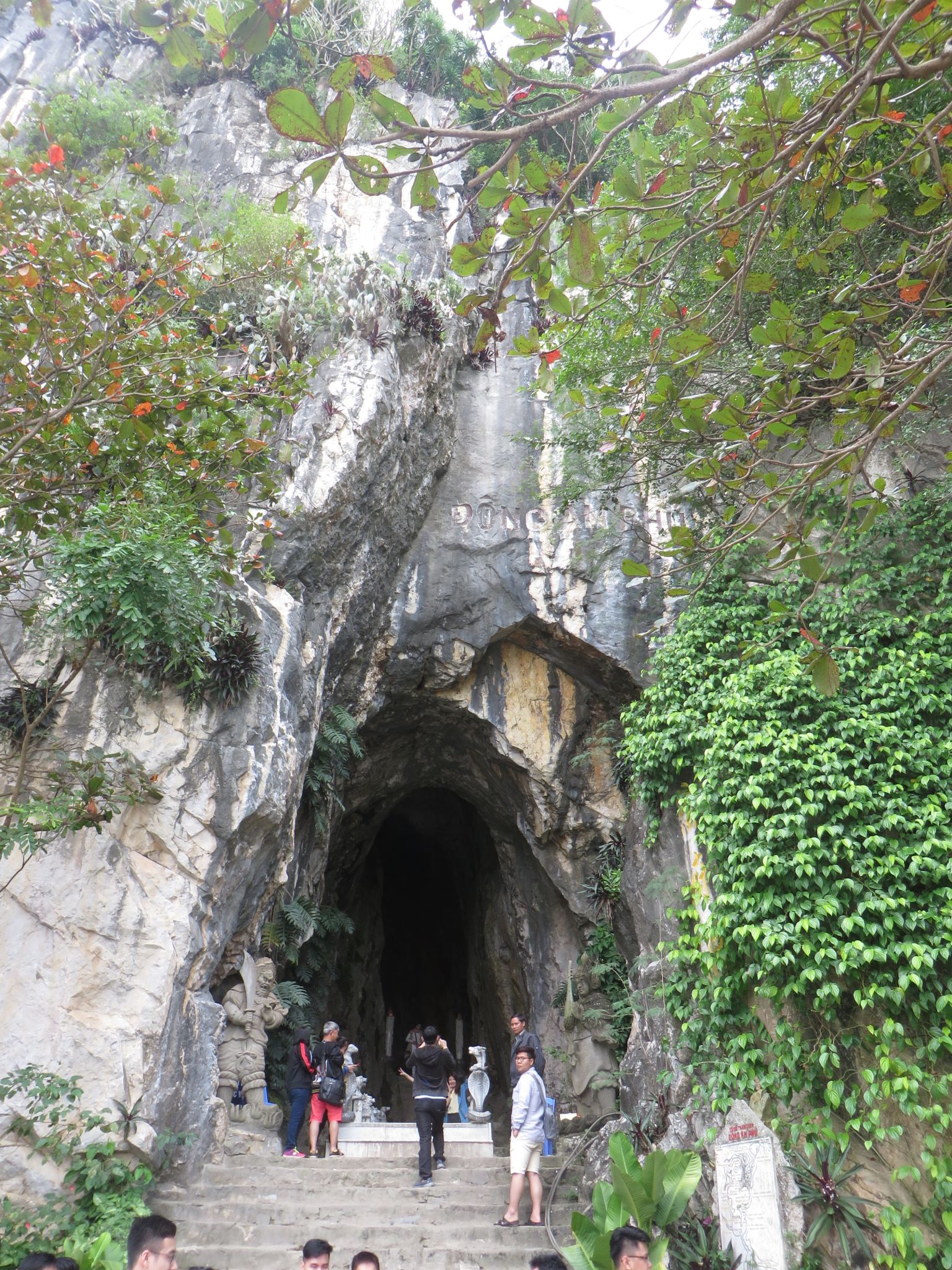
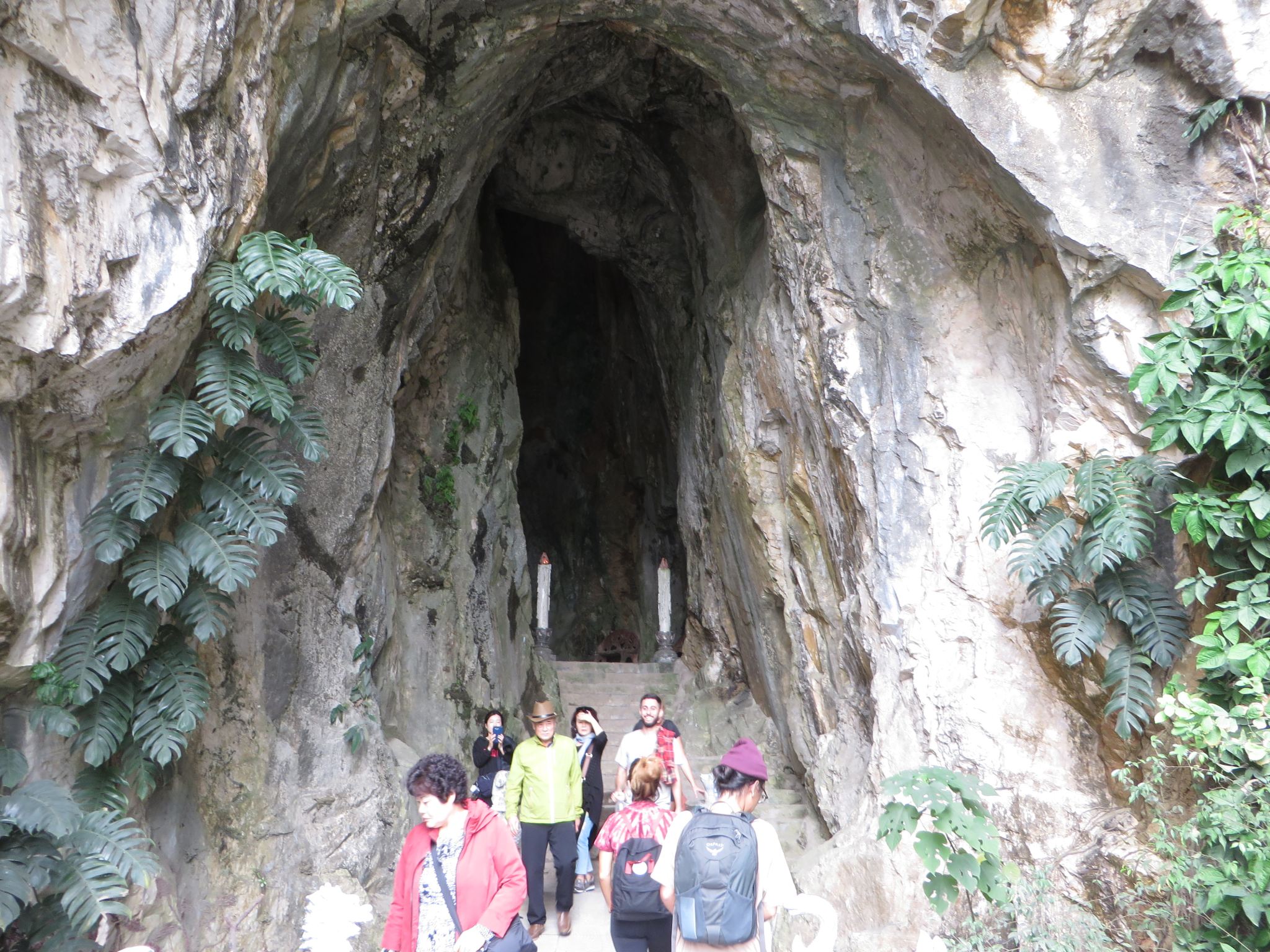
Am Phu Cave, often referred to as the “Hell Cave,” is a significant and intriguing site located within the Marble Mountains complex near Da Nang. The cave is known for its representation of the Buddhist concept of hell and offers visitors a unique and immersive experience that depicts the various realms of the afterlife based on Buddhist teachings. Here’s a closer look at Am Phu Cave:
Religious and Spiritual Significance:
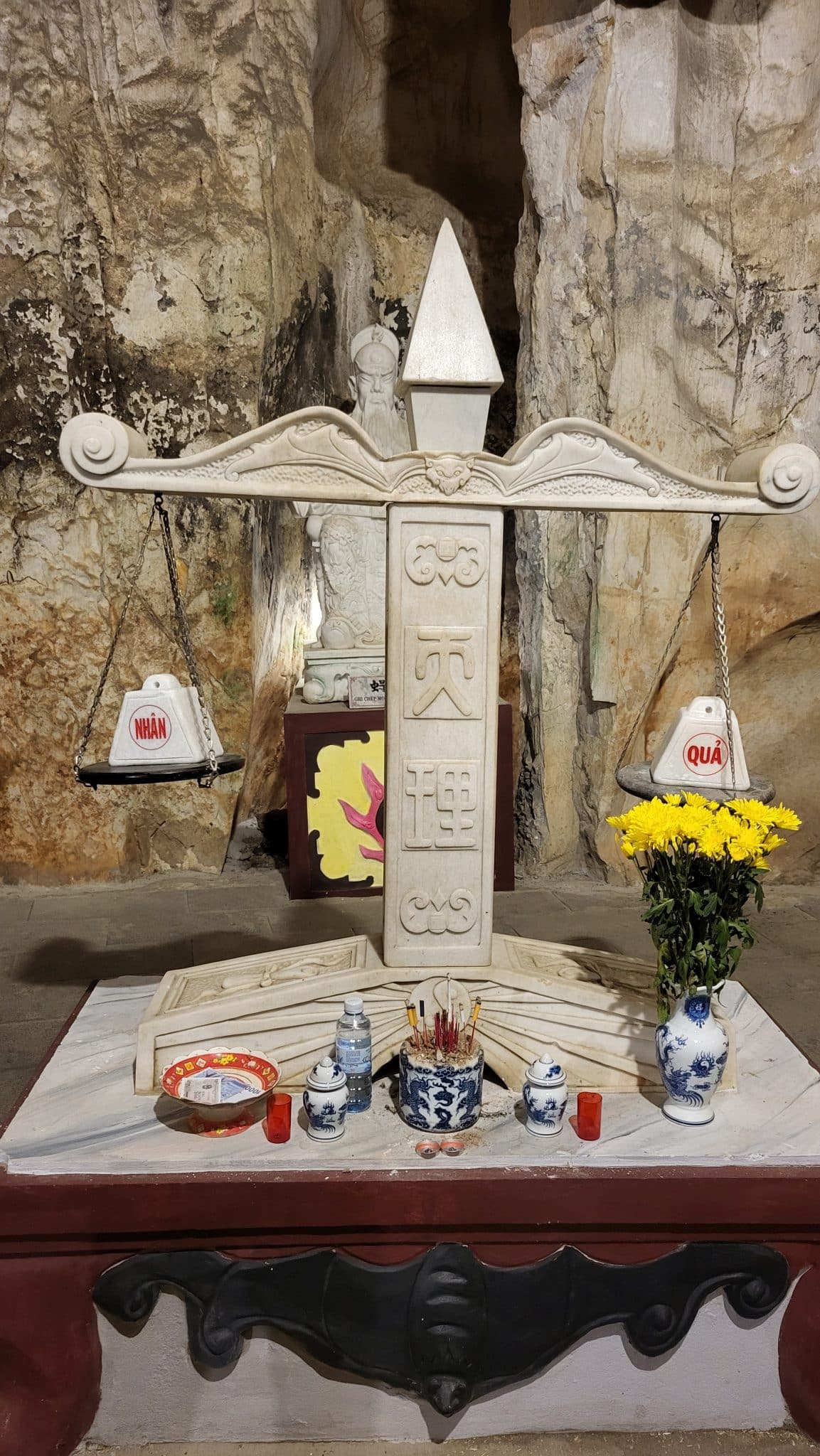
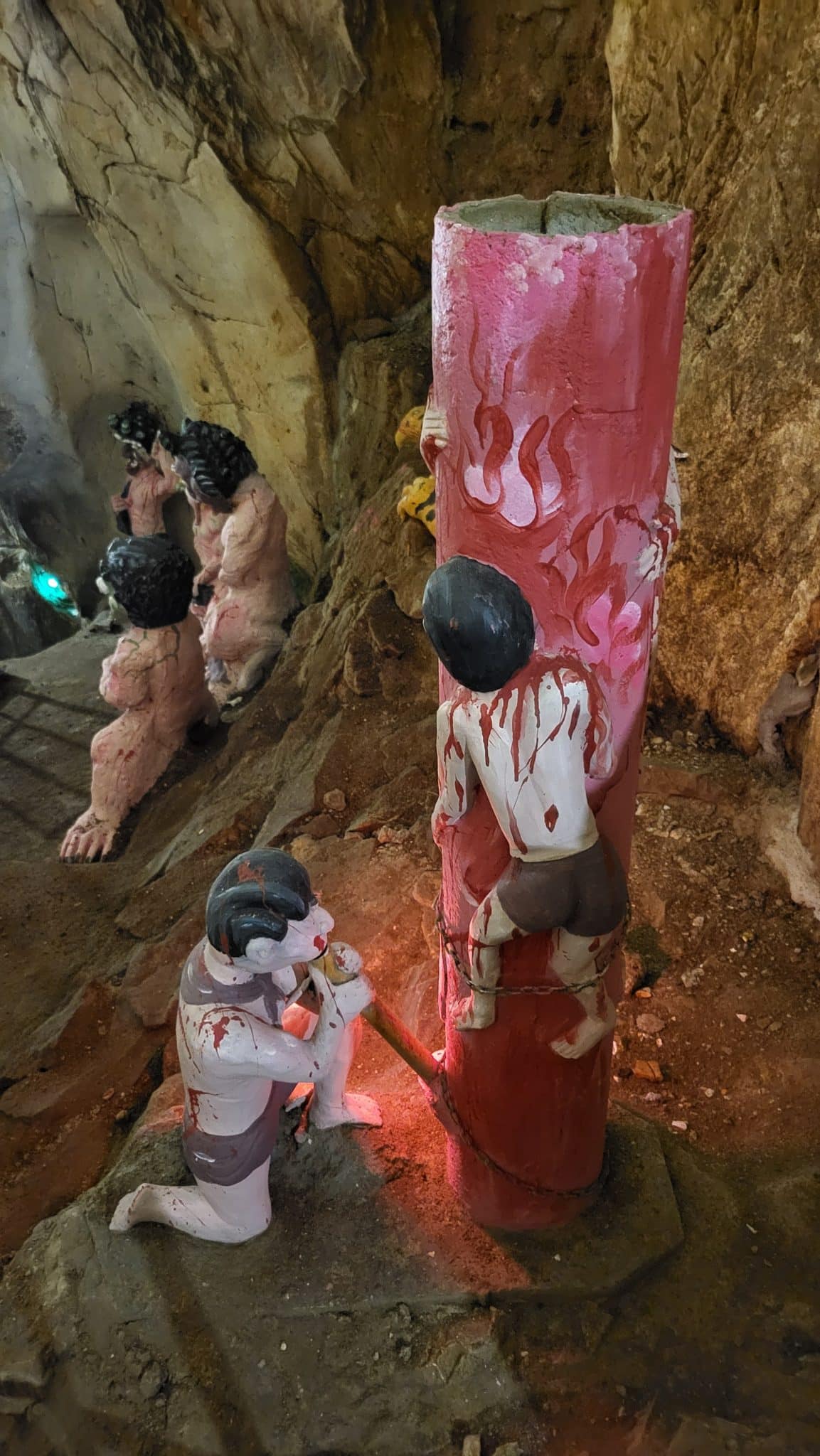
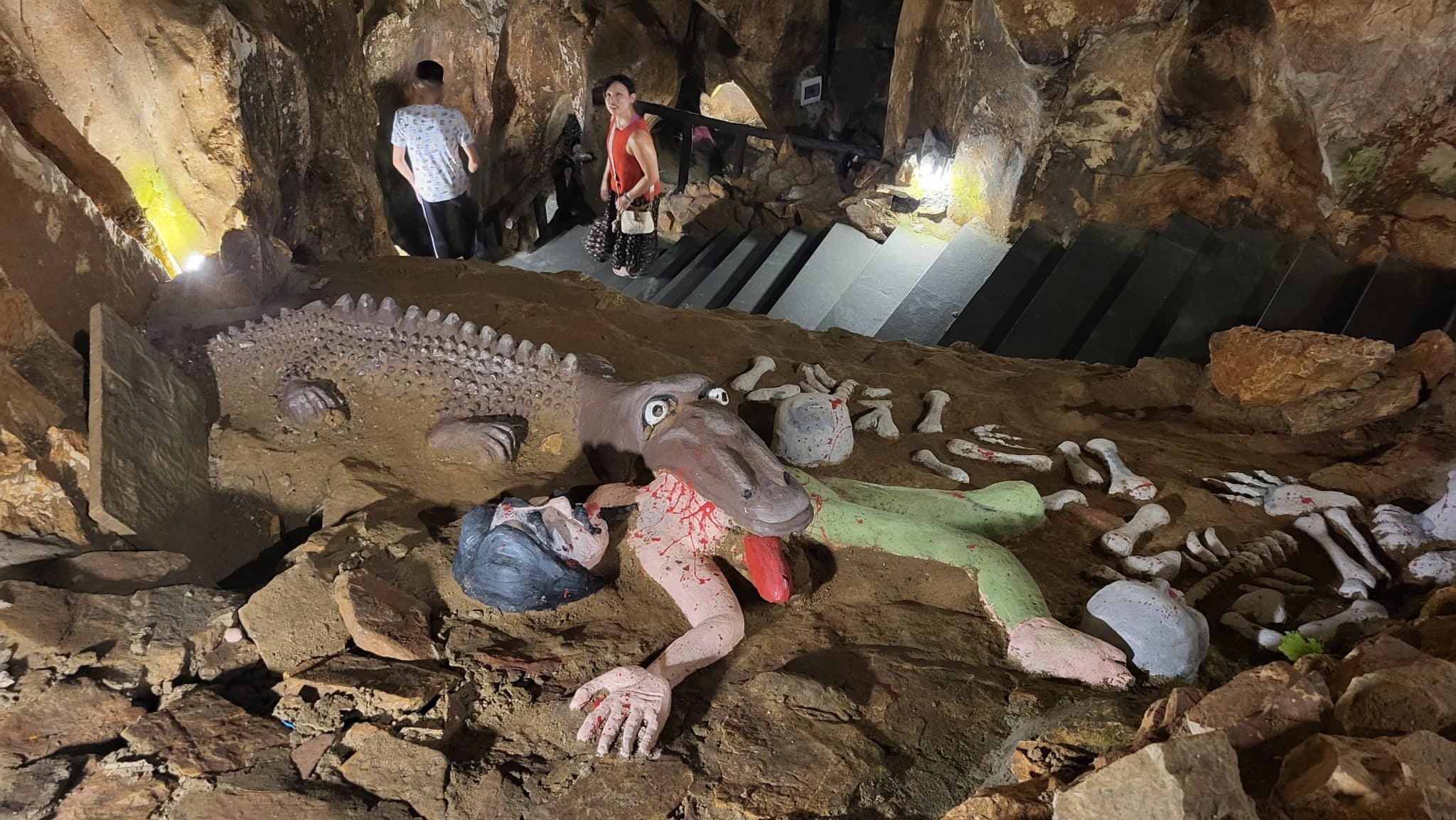
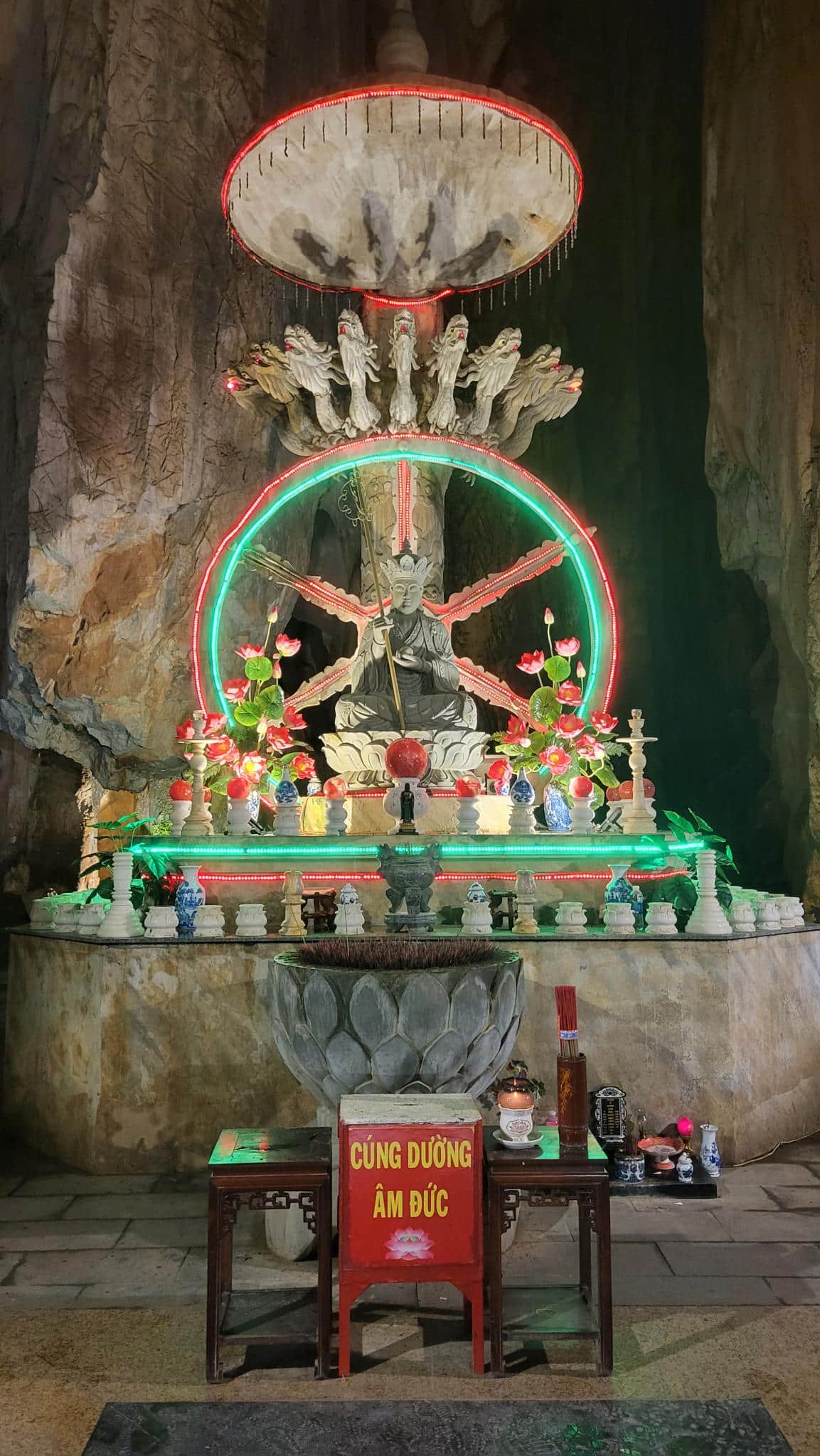
- Buddhist Representation: Am Phu Cave serves as a vivid representation of the Buddhist concept of hell, which depicts various realms and stages of suffering that souls may undergo based on their actions and karma in previous lives. The cave is designed to educate visitors about Buddhist teachings on morality, ethics, and the consequences of one’s actions.
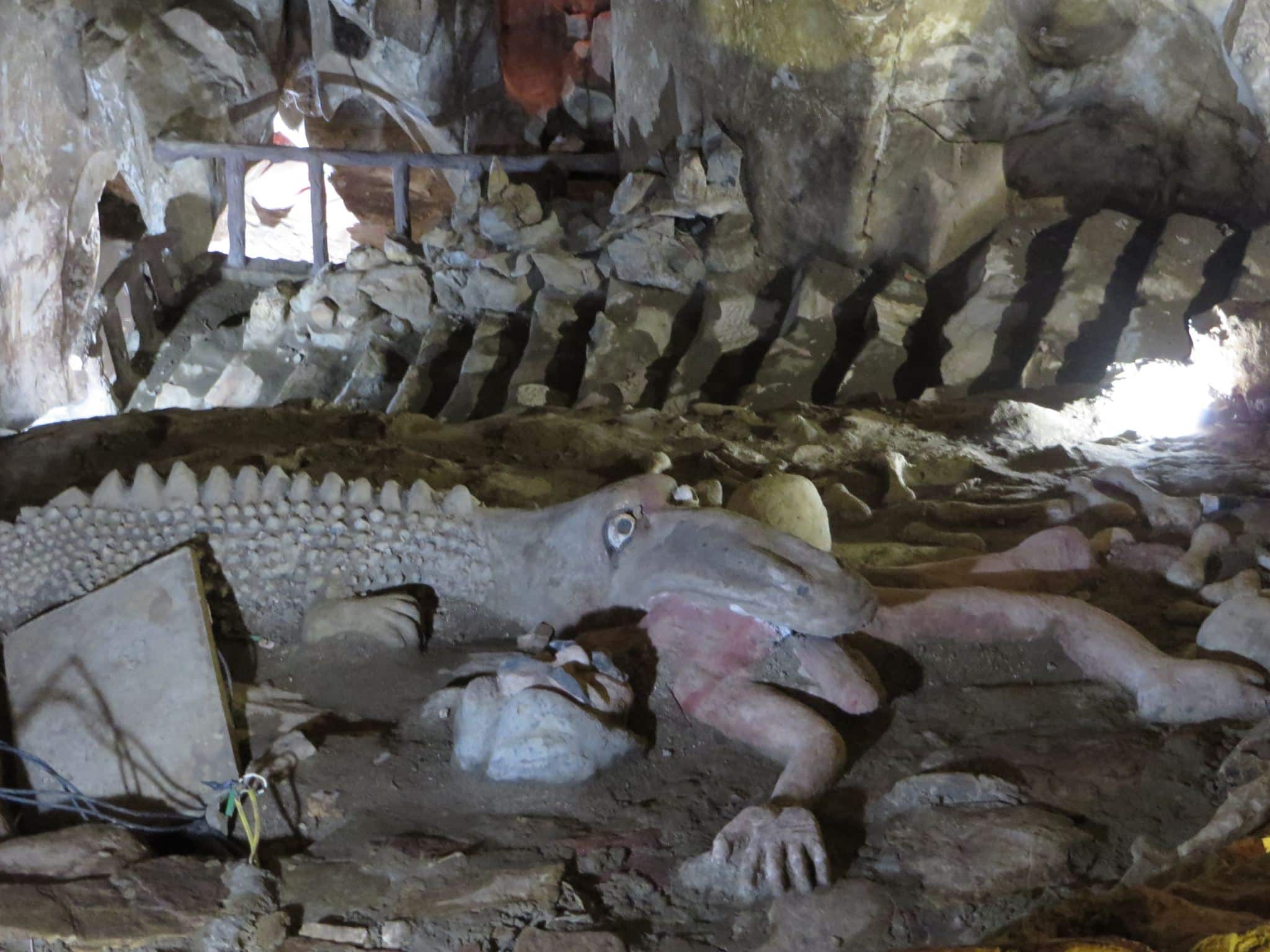
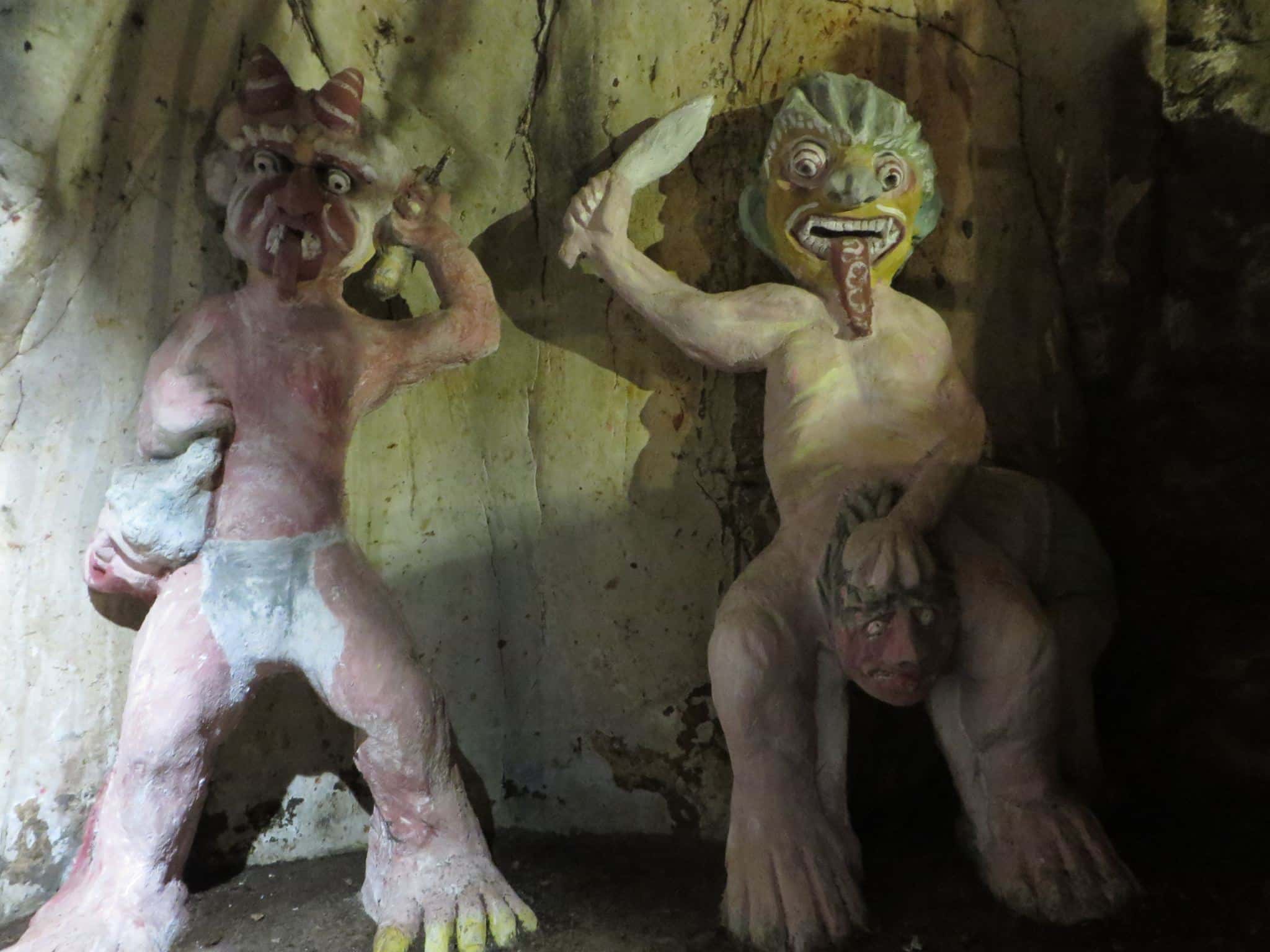
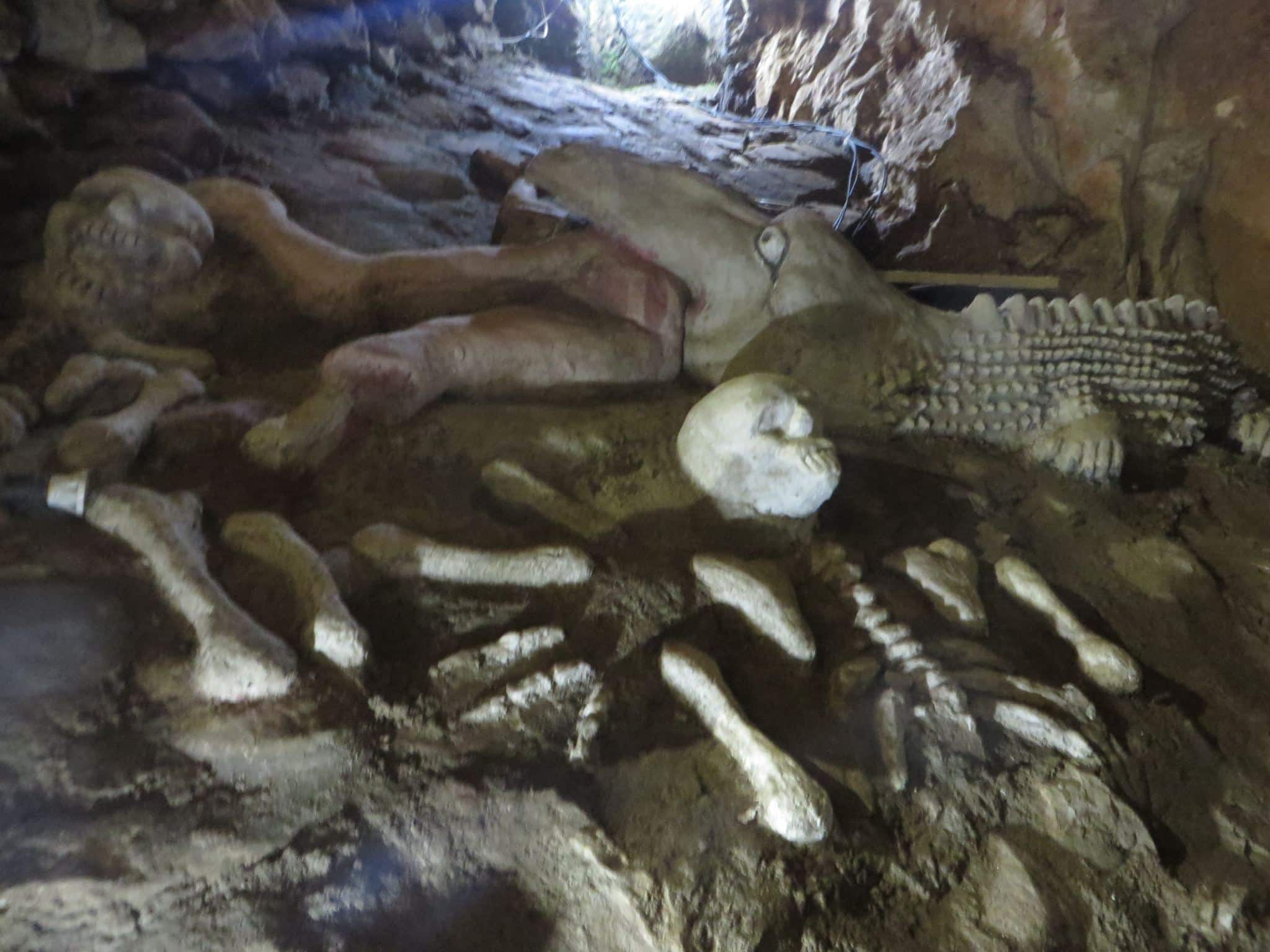
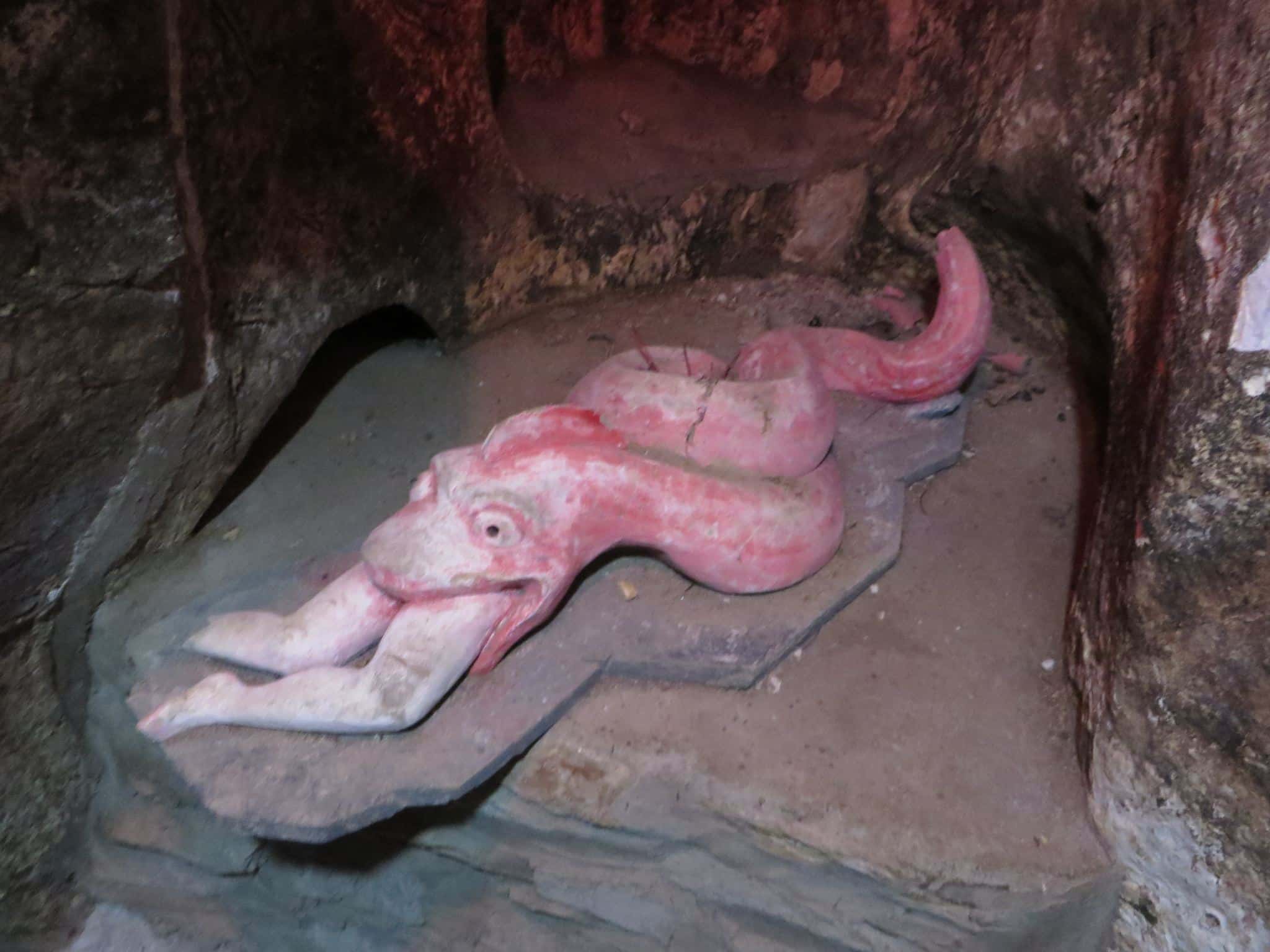
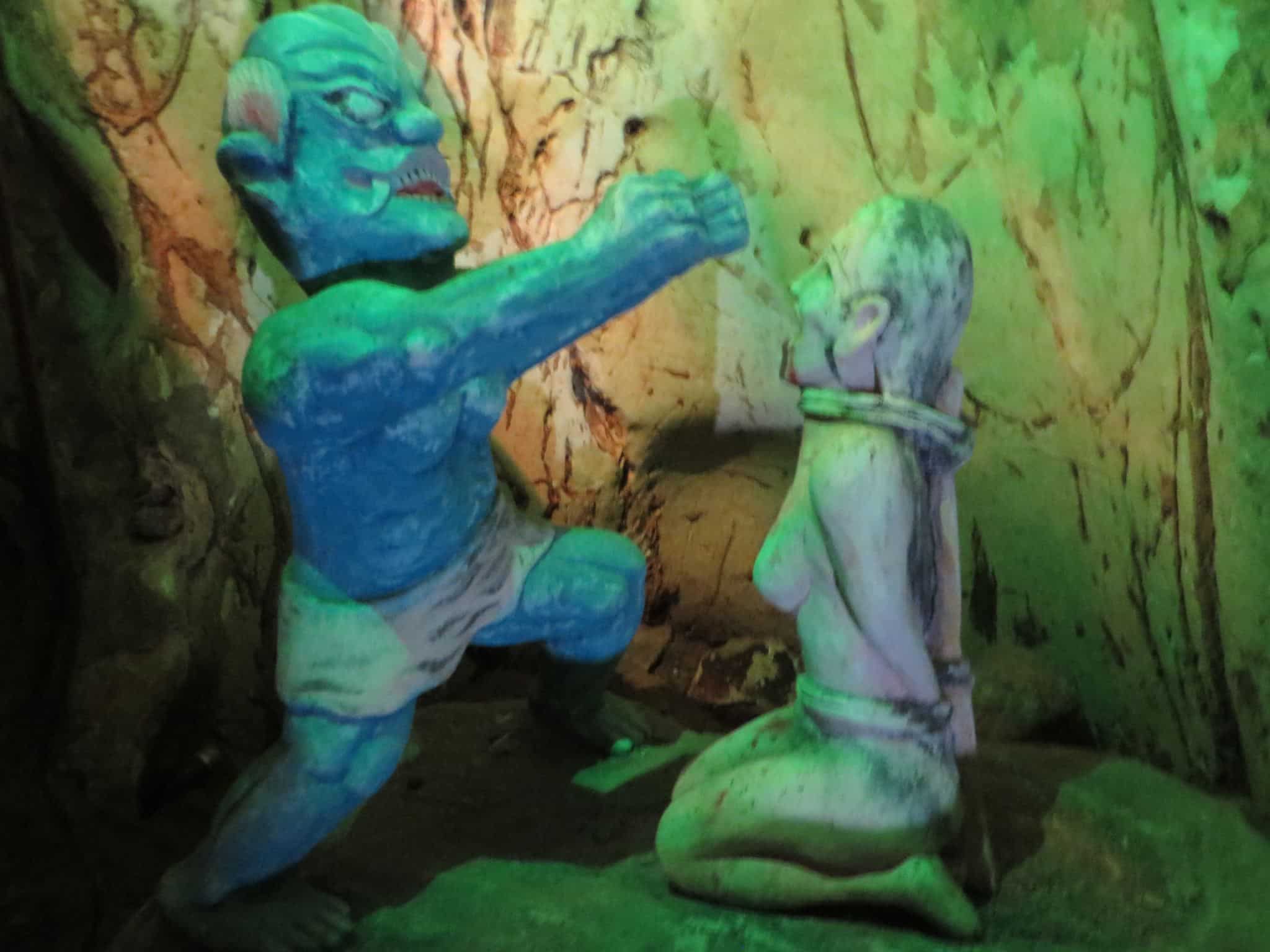
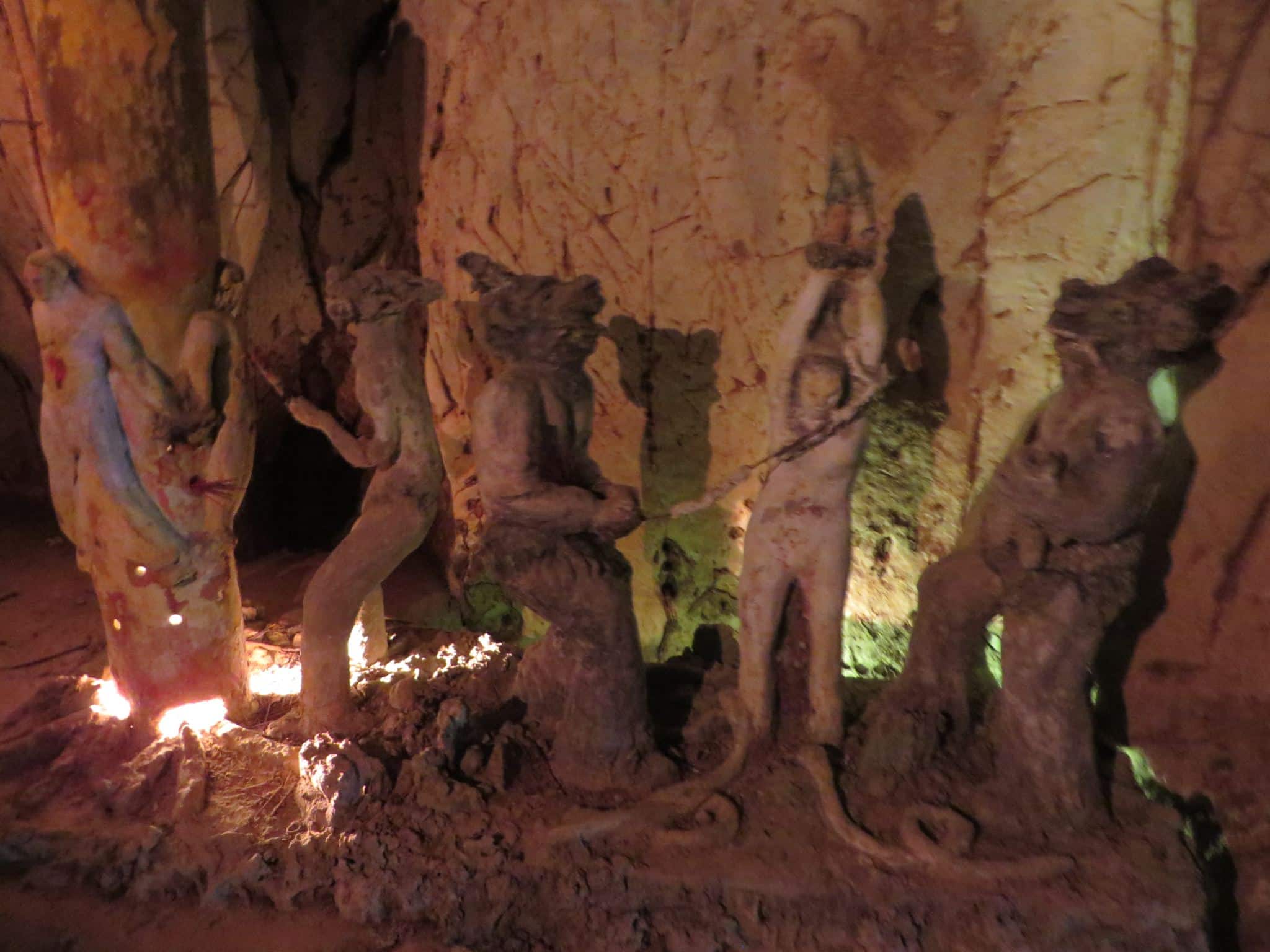
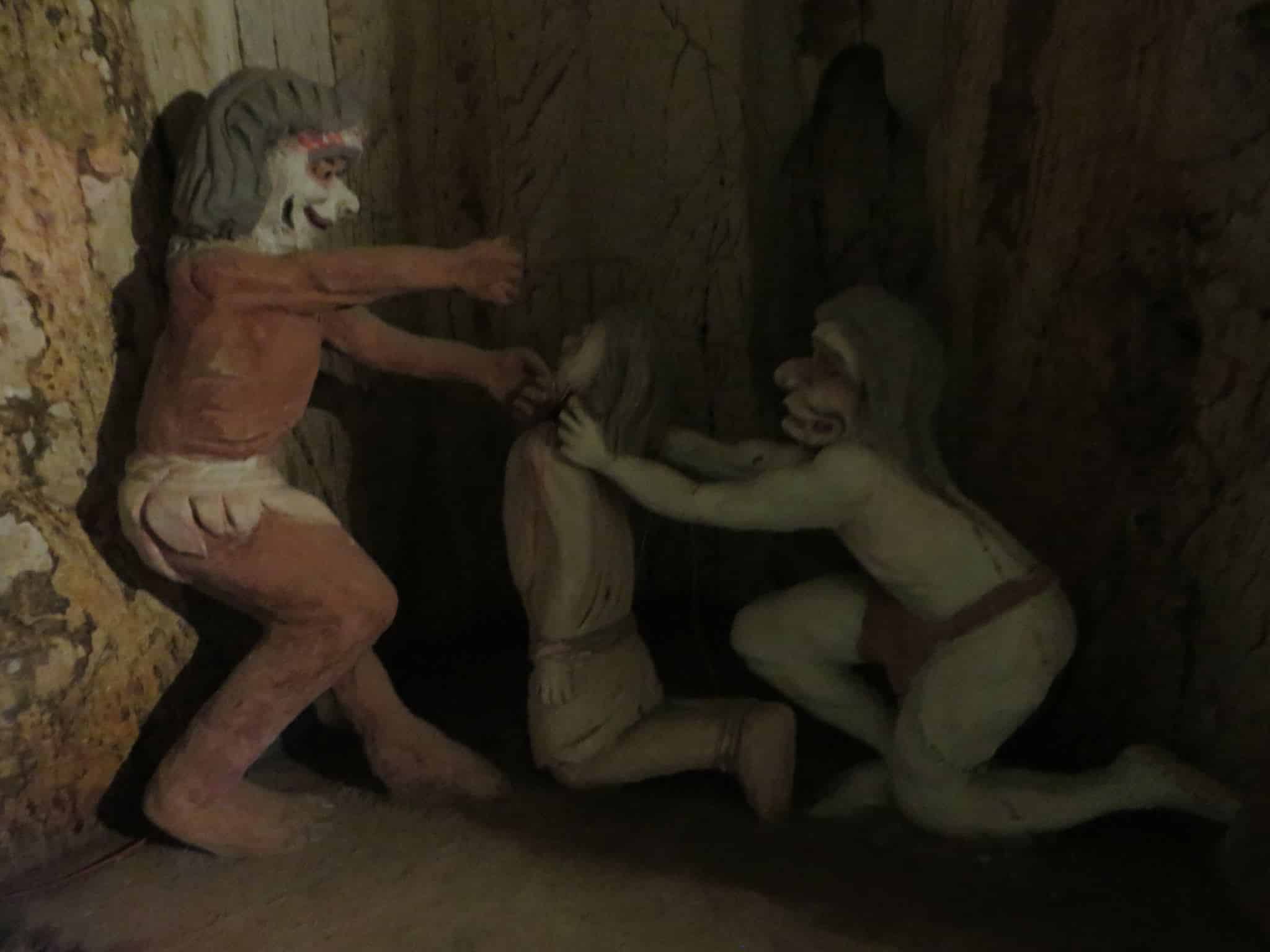
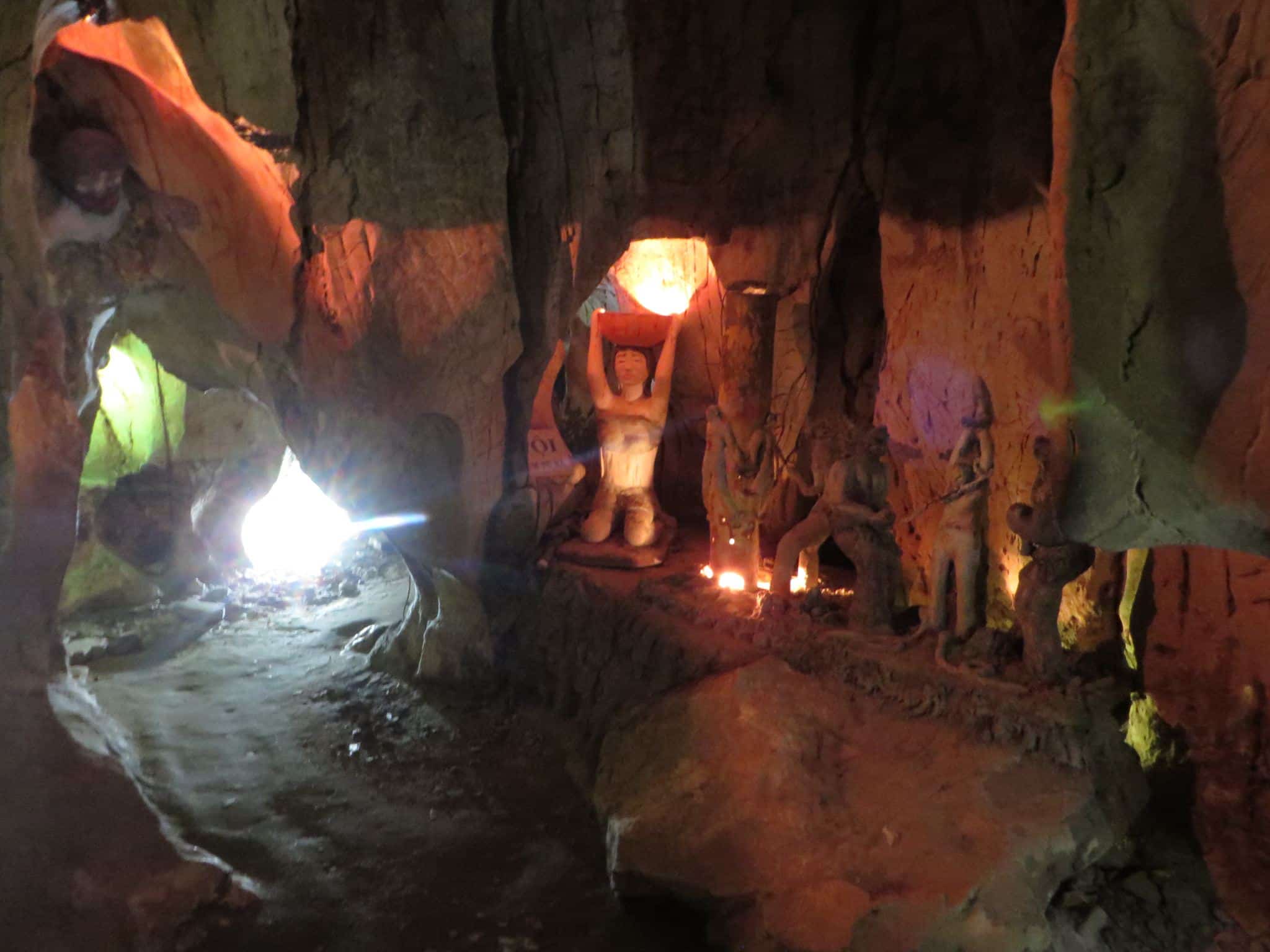
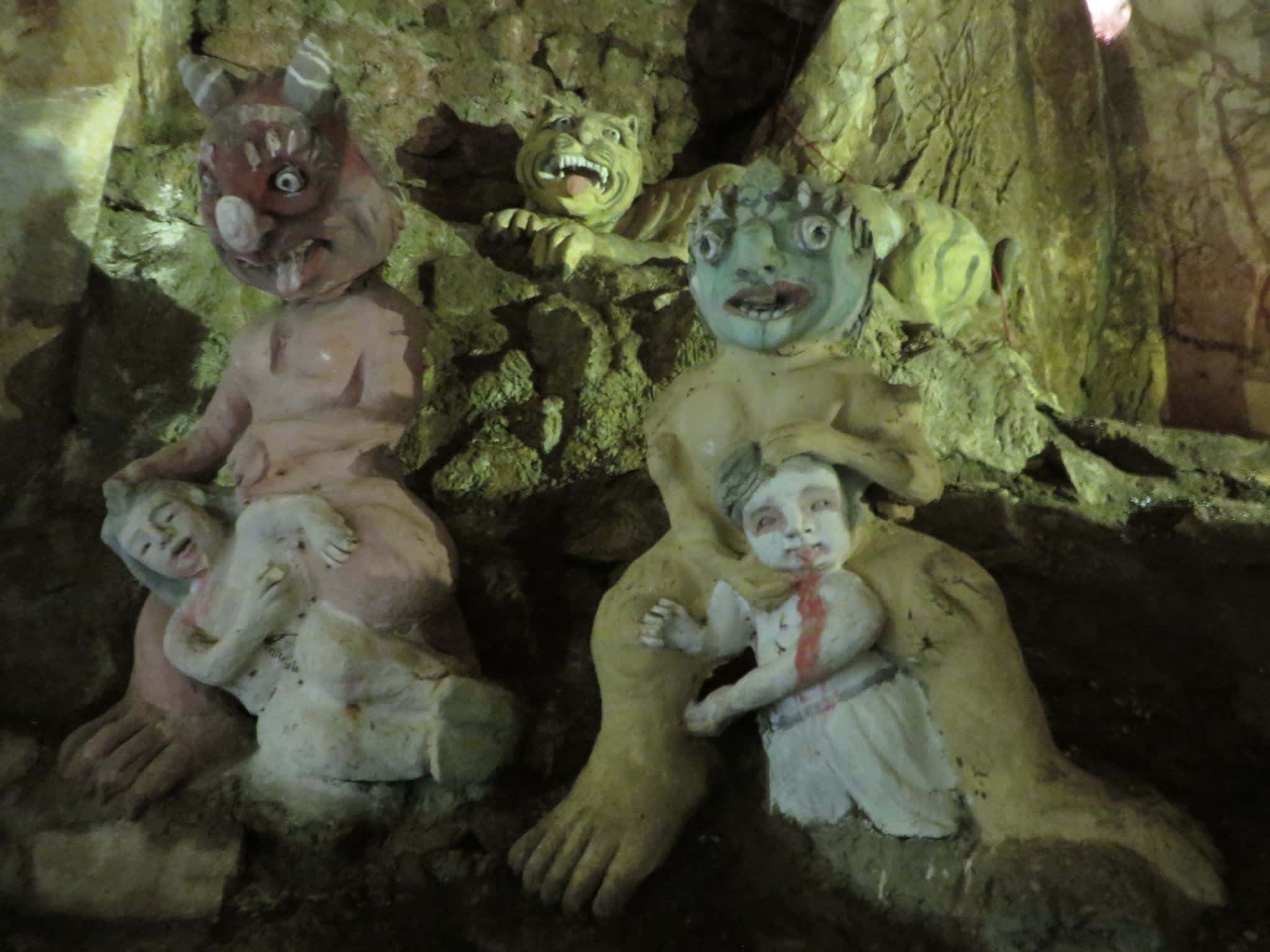
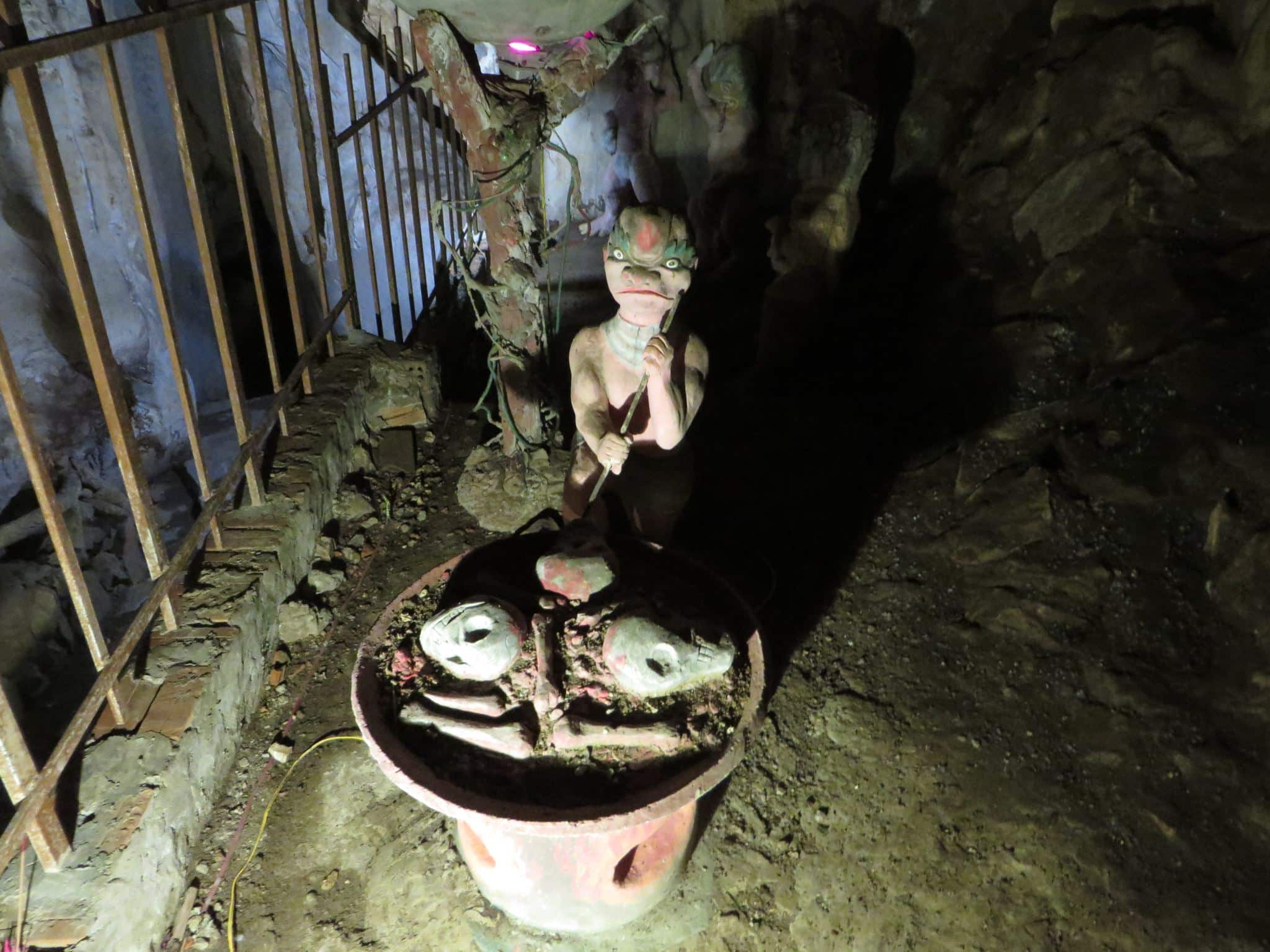
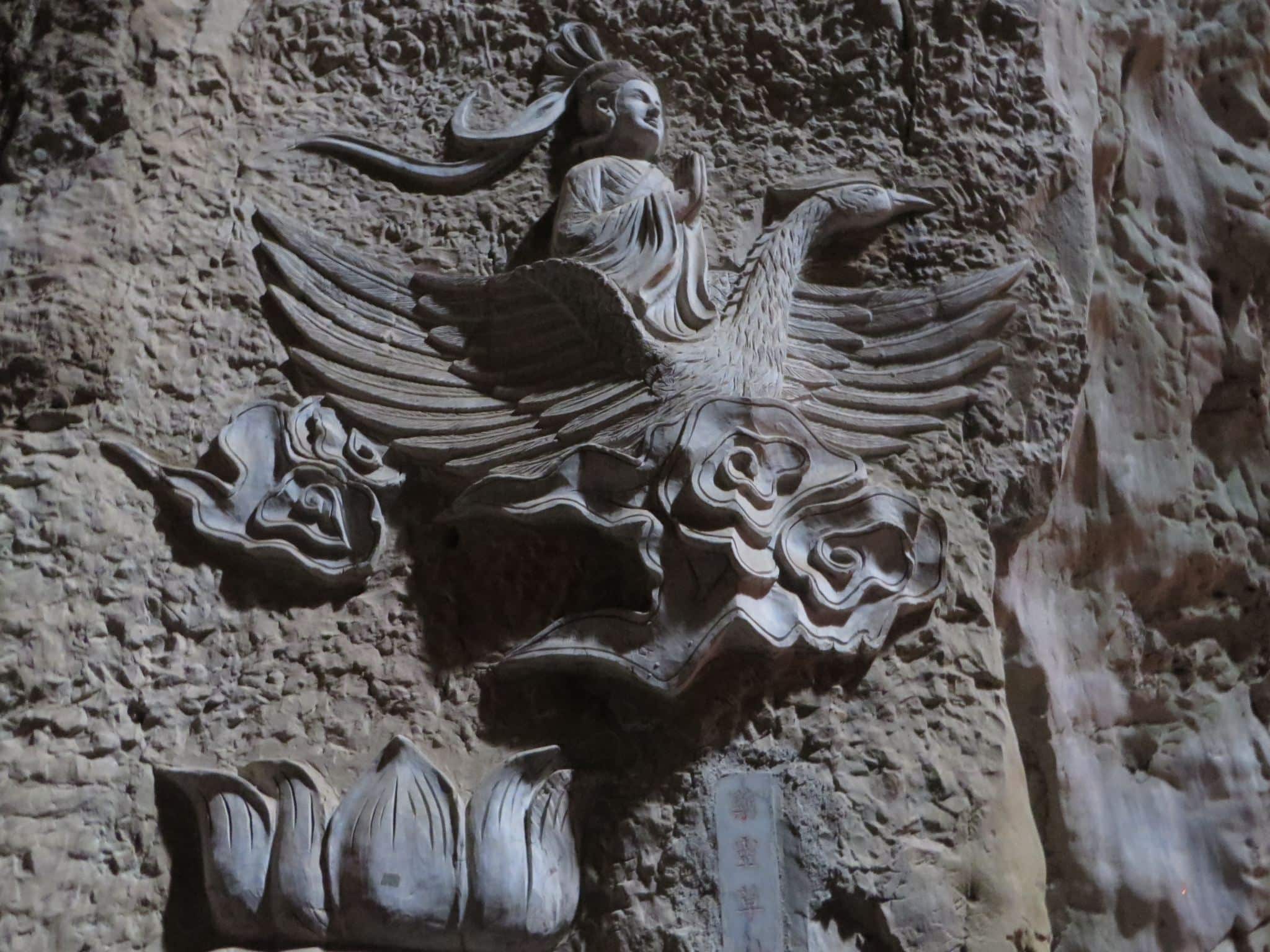
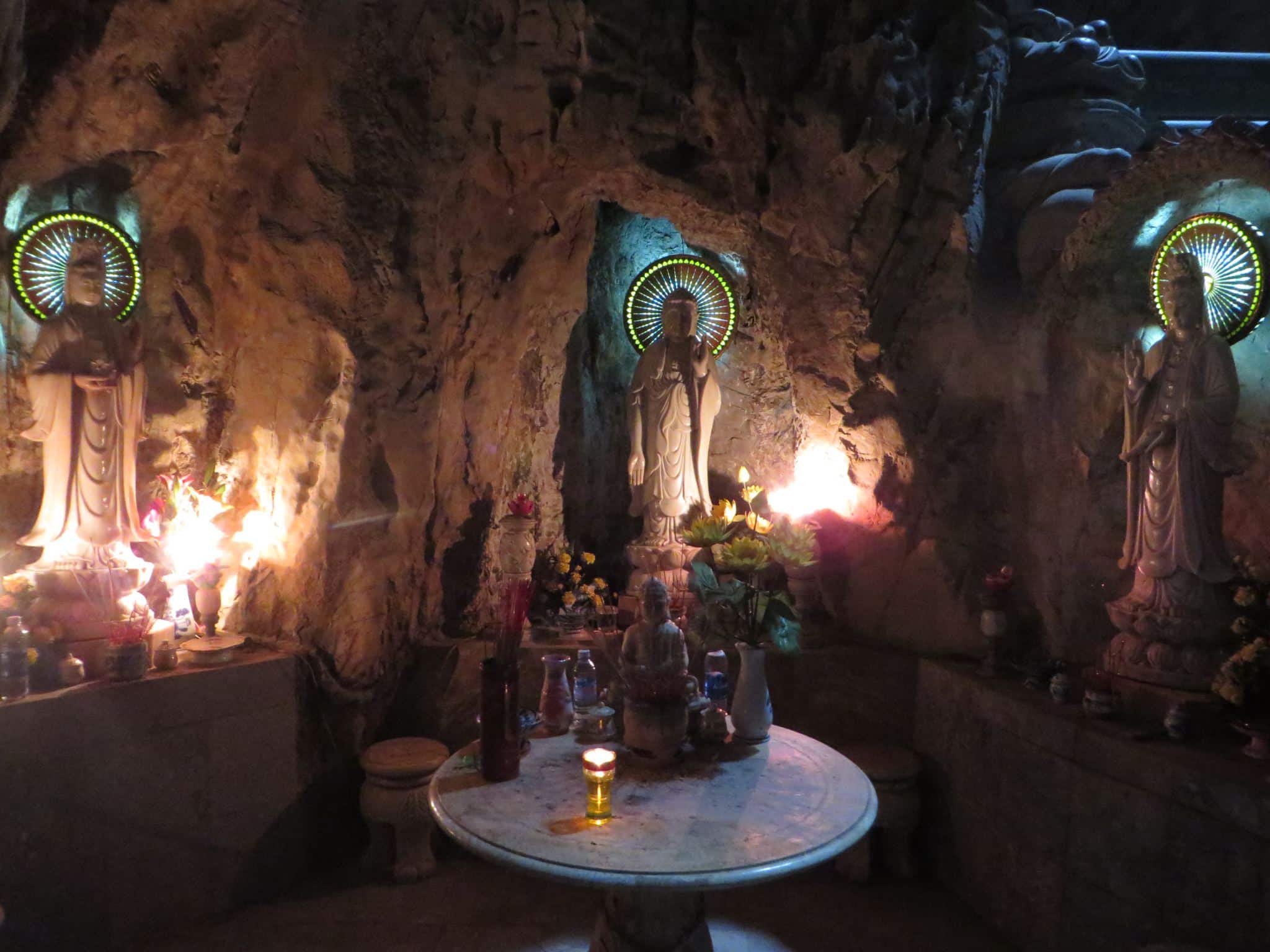
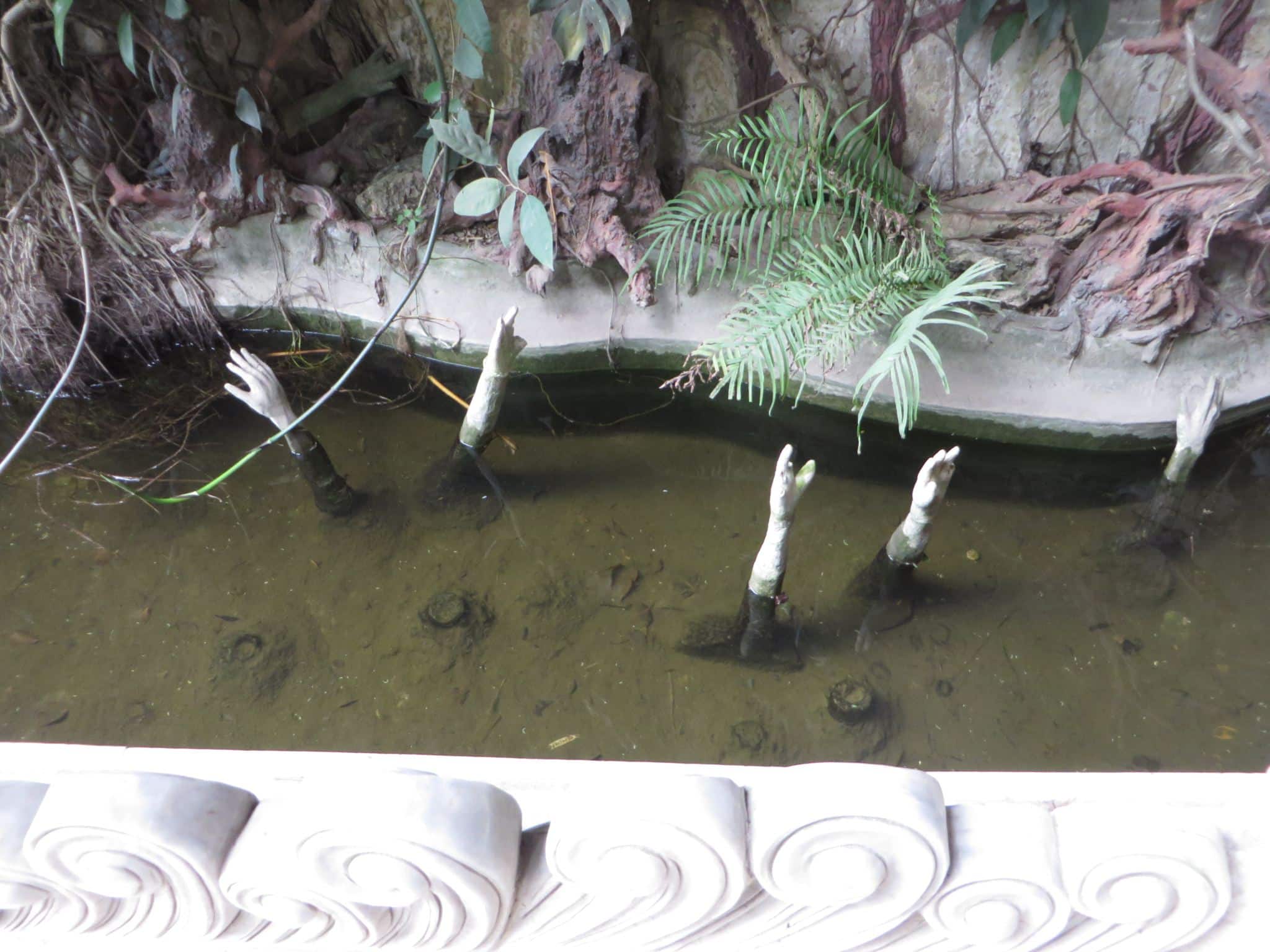
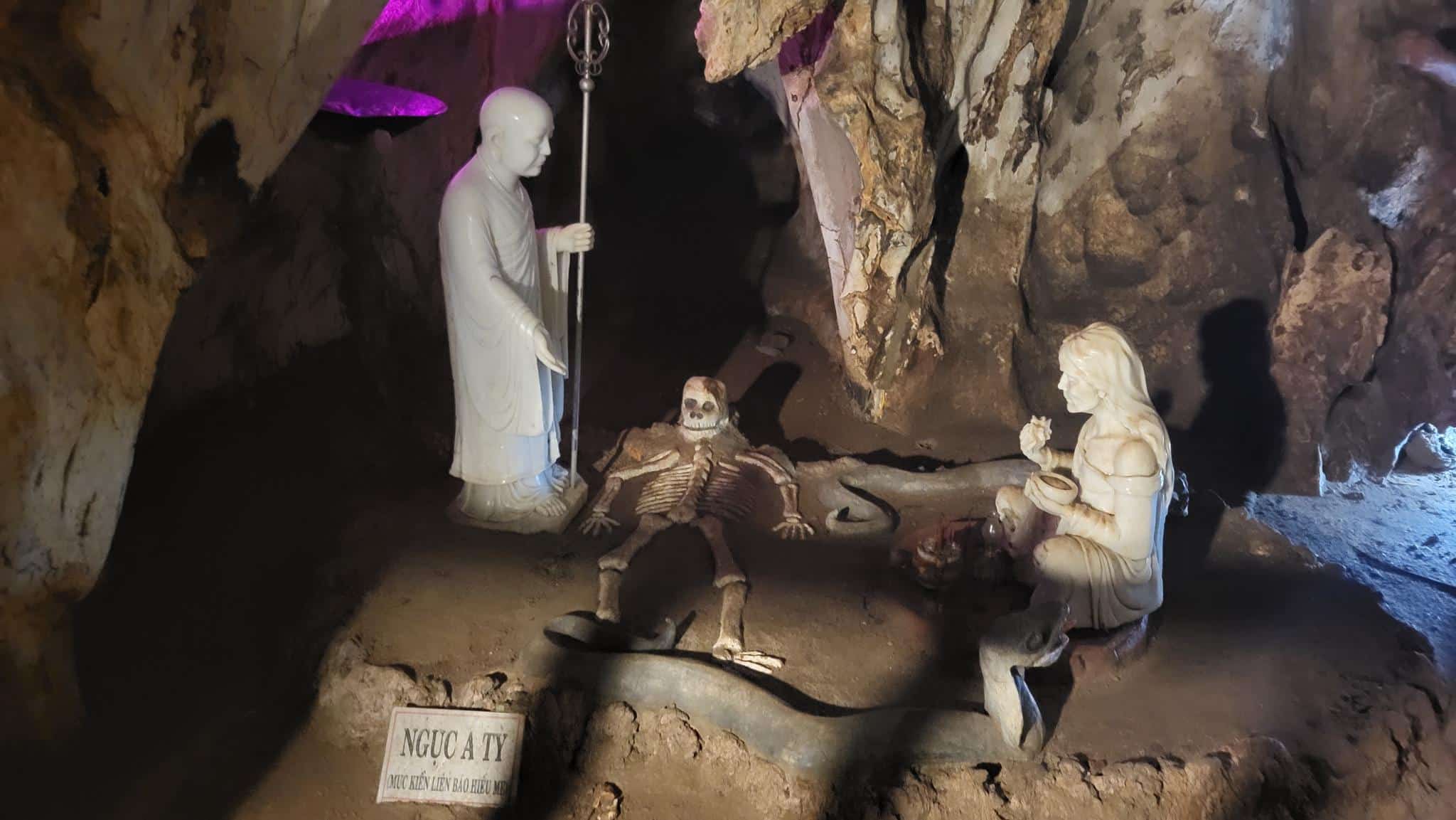
- Depictions and Symbols: As visitors traverse through Am Phu Cave, they encounter elaborate statues, dioramas, and artwork depicting scenes of punishment, redemption, and rebirth according to Buddhist beliefs. These depictions include representations of demons, sinners, and various stages of suffering and torment, intended to convey the consequences of negative actions and the importance of spiritual enlightenment.
Architectural and Artistic Features:
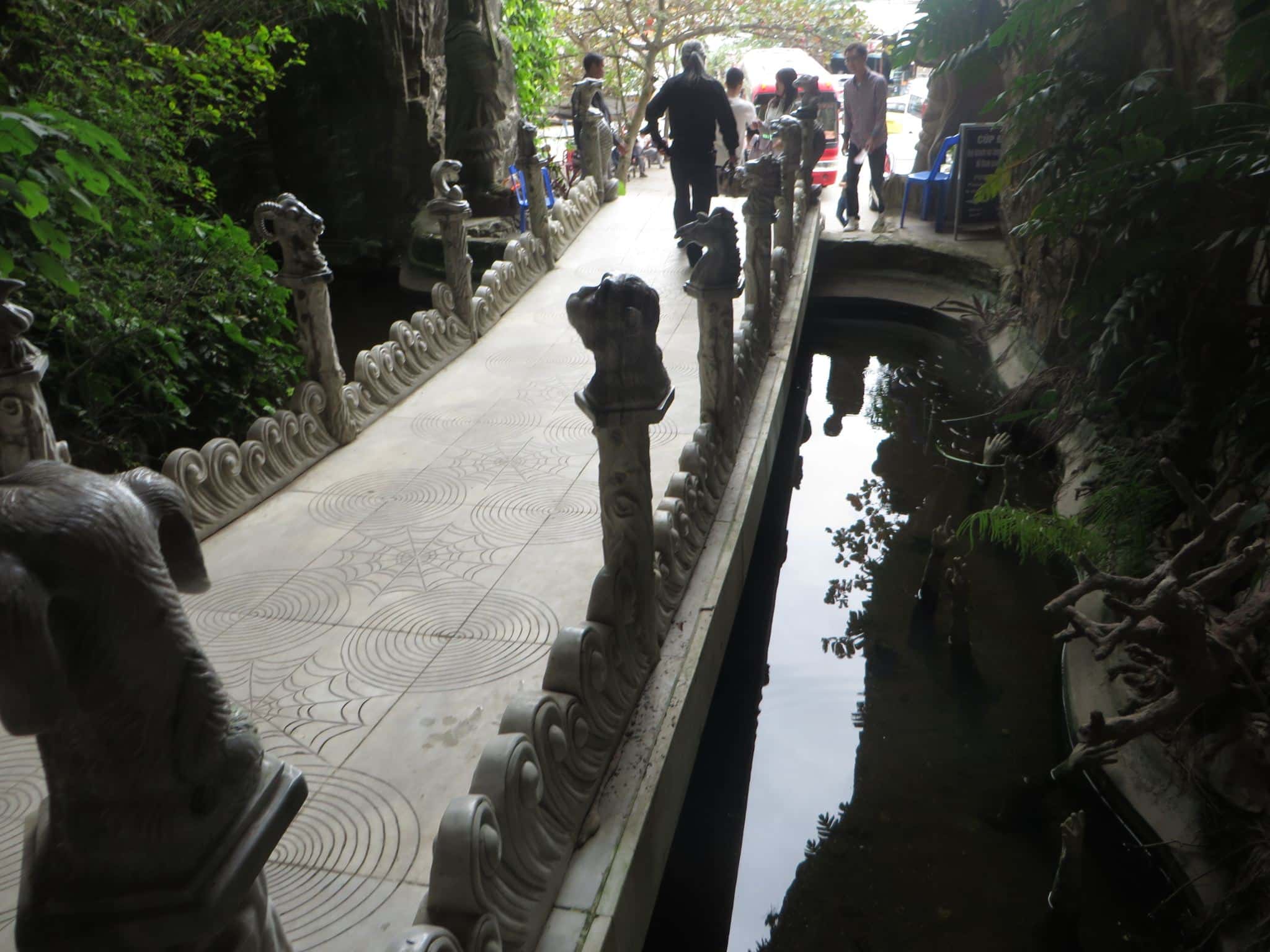
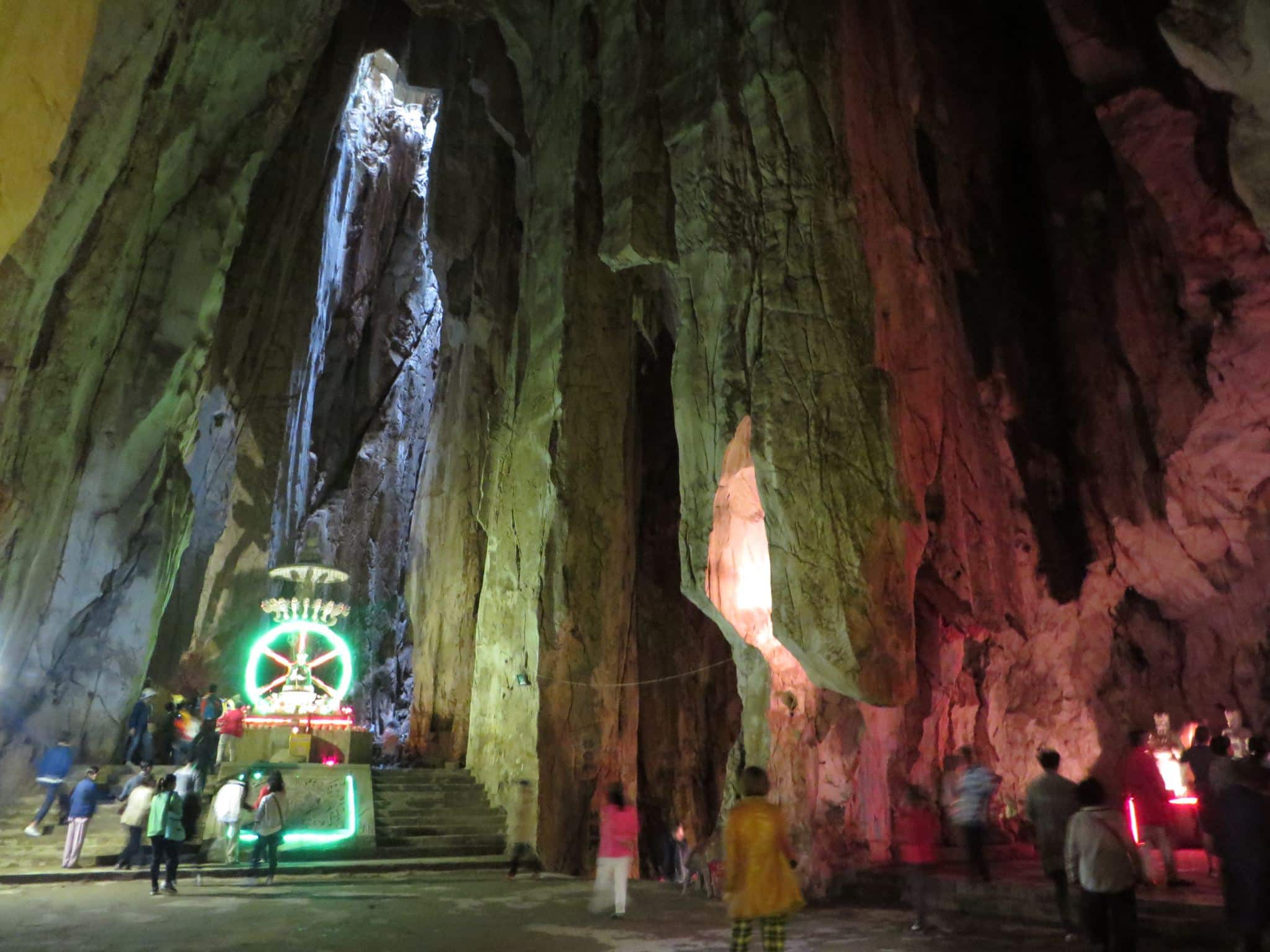
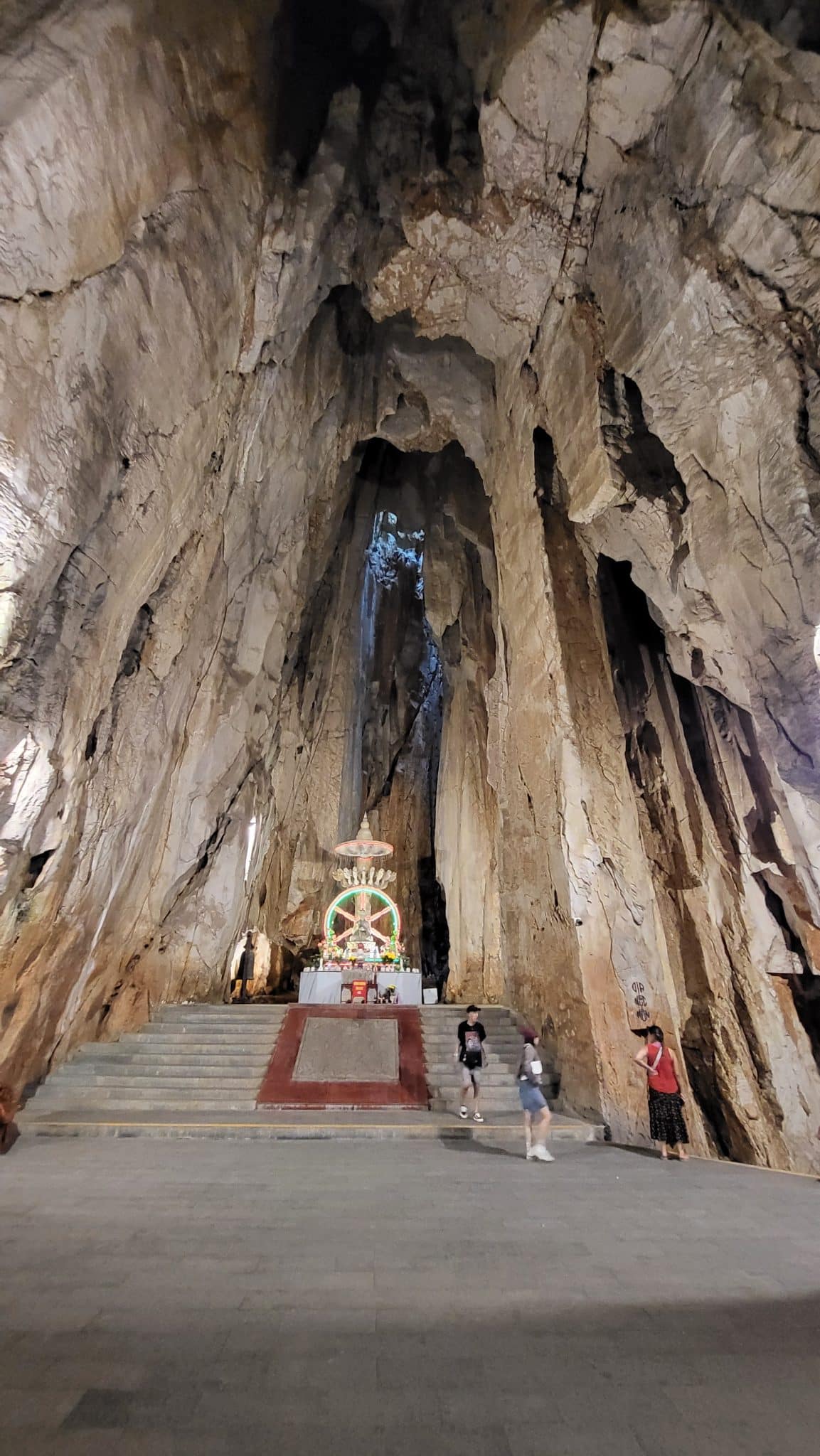
- Elaborate Design: Am Phu Cave is meticulously designed with intricate details, sculptures, and artwork that create a hauntingly realistic depiction of the Buddhist concept of hell. The cave’s architecture, lighting, and atmosphere are carefully crafted to evoke feelings of awe, contemplation, and reverence among visitors.
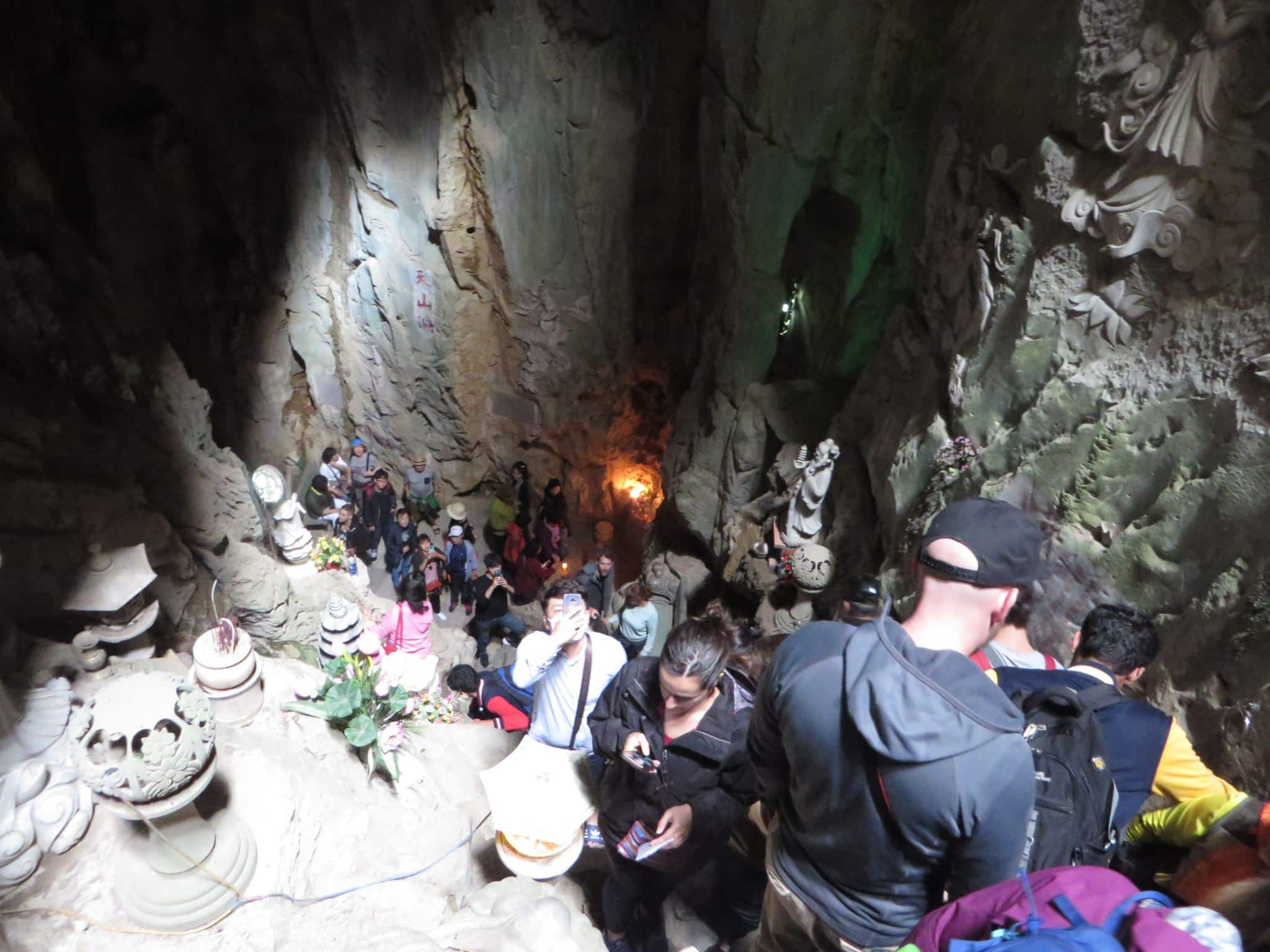
- Stalactites and Formations: In addition to its religious and spiritual significance, Am Phu Cave is renowned for its natural beauty, including stunning stalactites, stalagmites, and rock formations that add to the cave’s mystical and otherworldly ambiance.
Visitor Experience:
- Educational and Reflective: Visiting Am Phu Cave offers visitors a unique opportunity to learn about Buddhist teachings, ethics, and the concept of karma. The cave serves as a reflective and contemplative space where visitors can contemplate the nature of existence, morality, and the afterlife according to Buddhist beliefs.
- Cultural and Historical Context: Am Phu Cave is not only a place of religious significance but also a cultural and historical landmark that provides insights into Vietnam’s Buddhist heritage, traditions, and beliefs. The cave’s representations and depictions offer valuable insights into the cultural, ethical, and spiritual values that have shaped Vietnamese society for centuries.
In summary, Am Phu Cave in Da Nang is a fascinating and thought-provoking site that offers visitors a unique perspective on the Buddhist concept of hell. Its intricate design, religious significance, and cultural heritage make it a must-visit destination for travelers, spiritual seekers, and anyone interested in exploring the rich tapestry of Vietnam’s religious and cultural landscape.
Photos of Am Phu Cave and Hell (Động Âm Phủ) – Da Nang (2024)
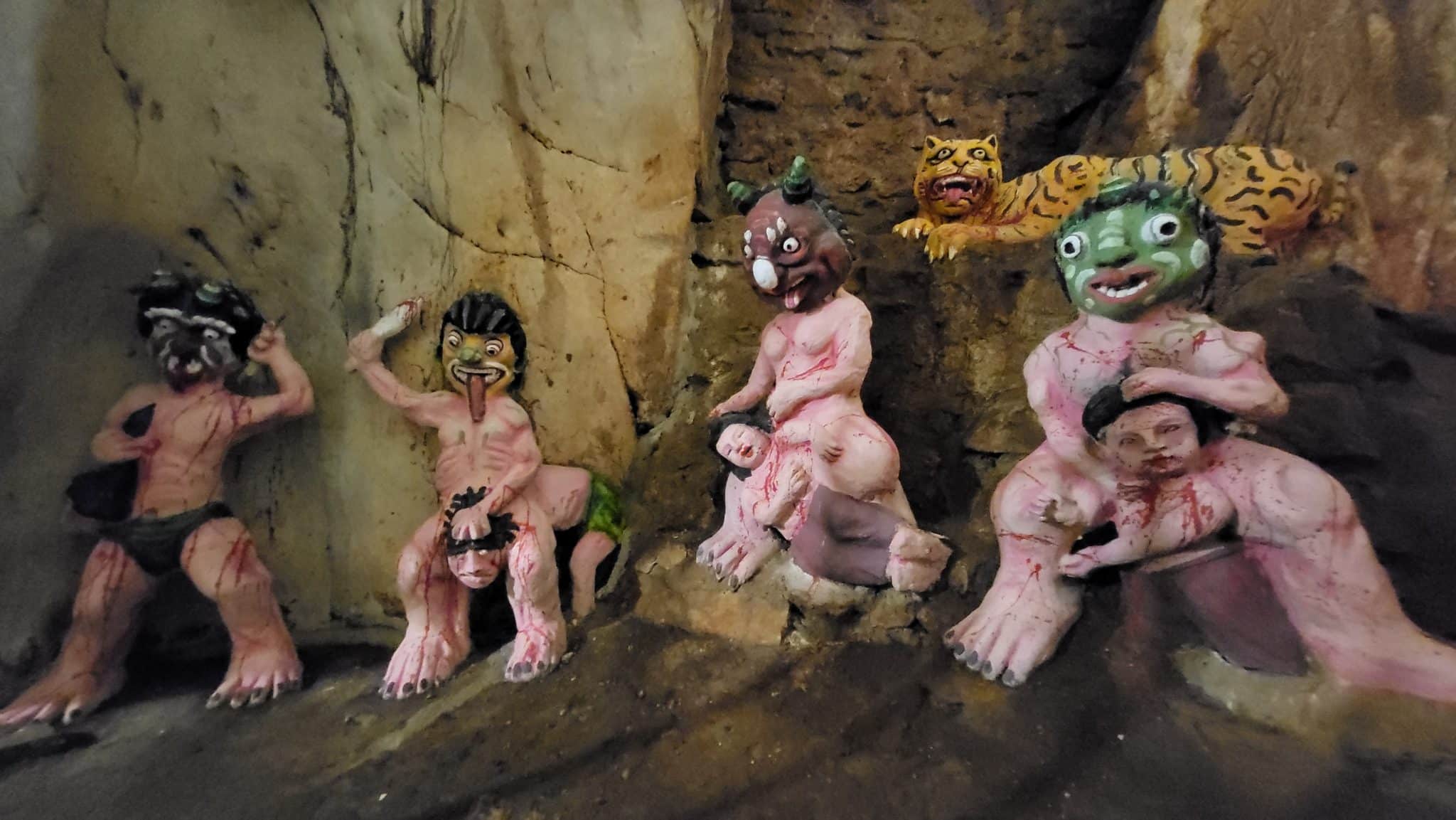
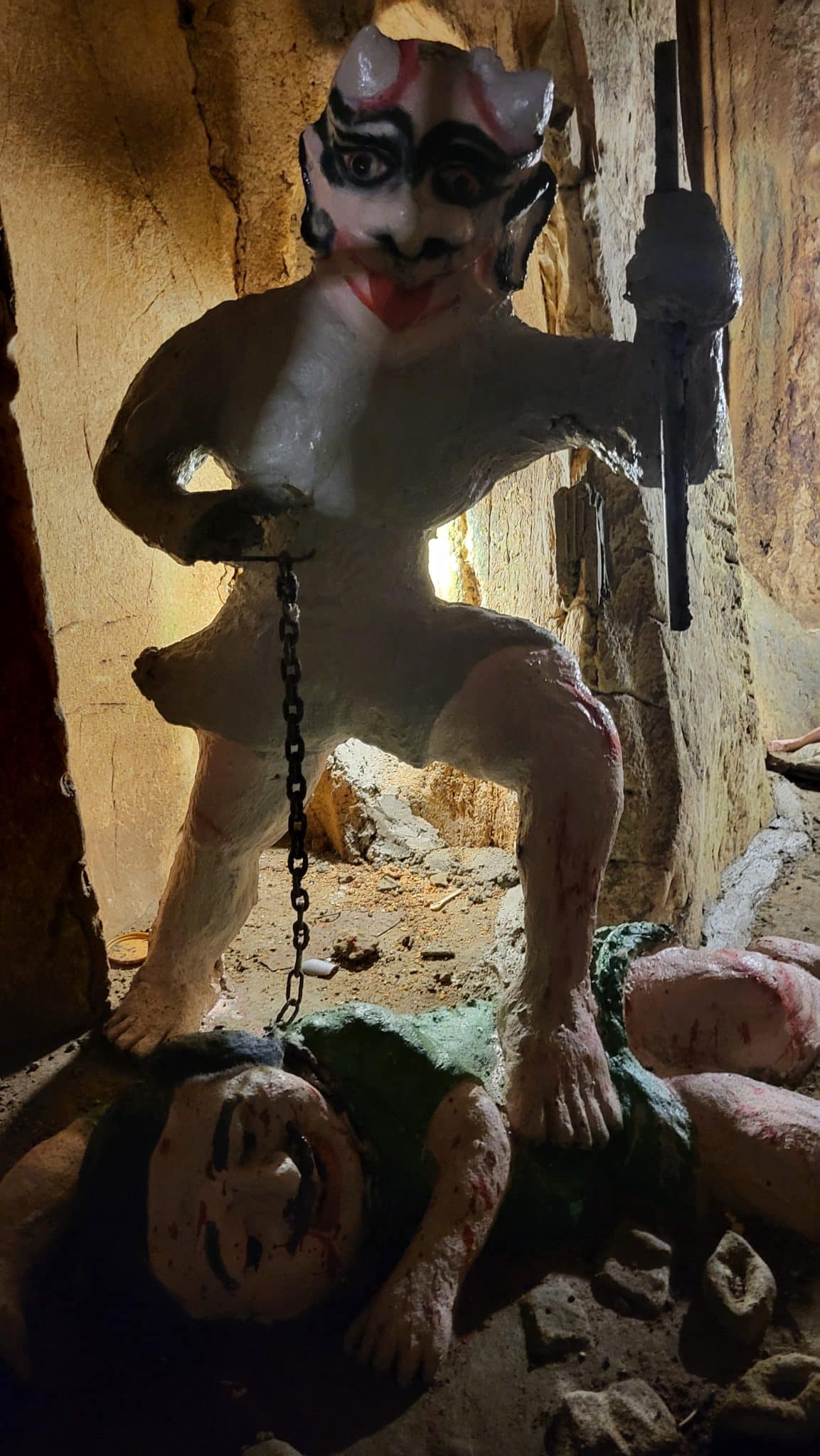
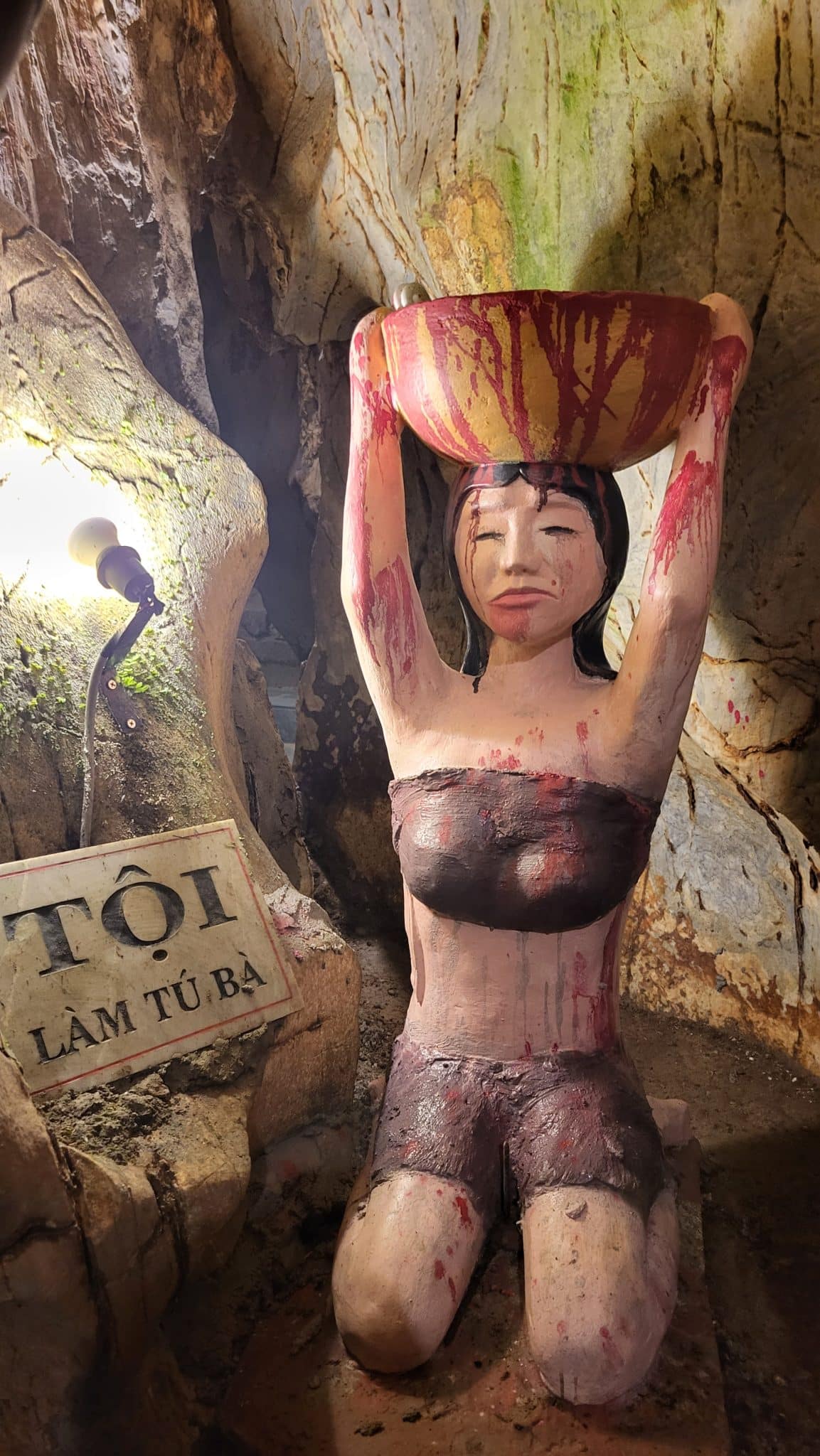
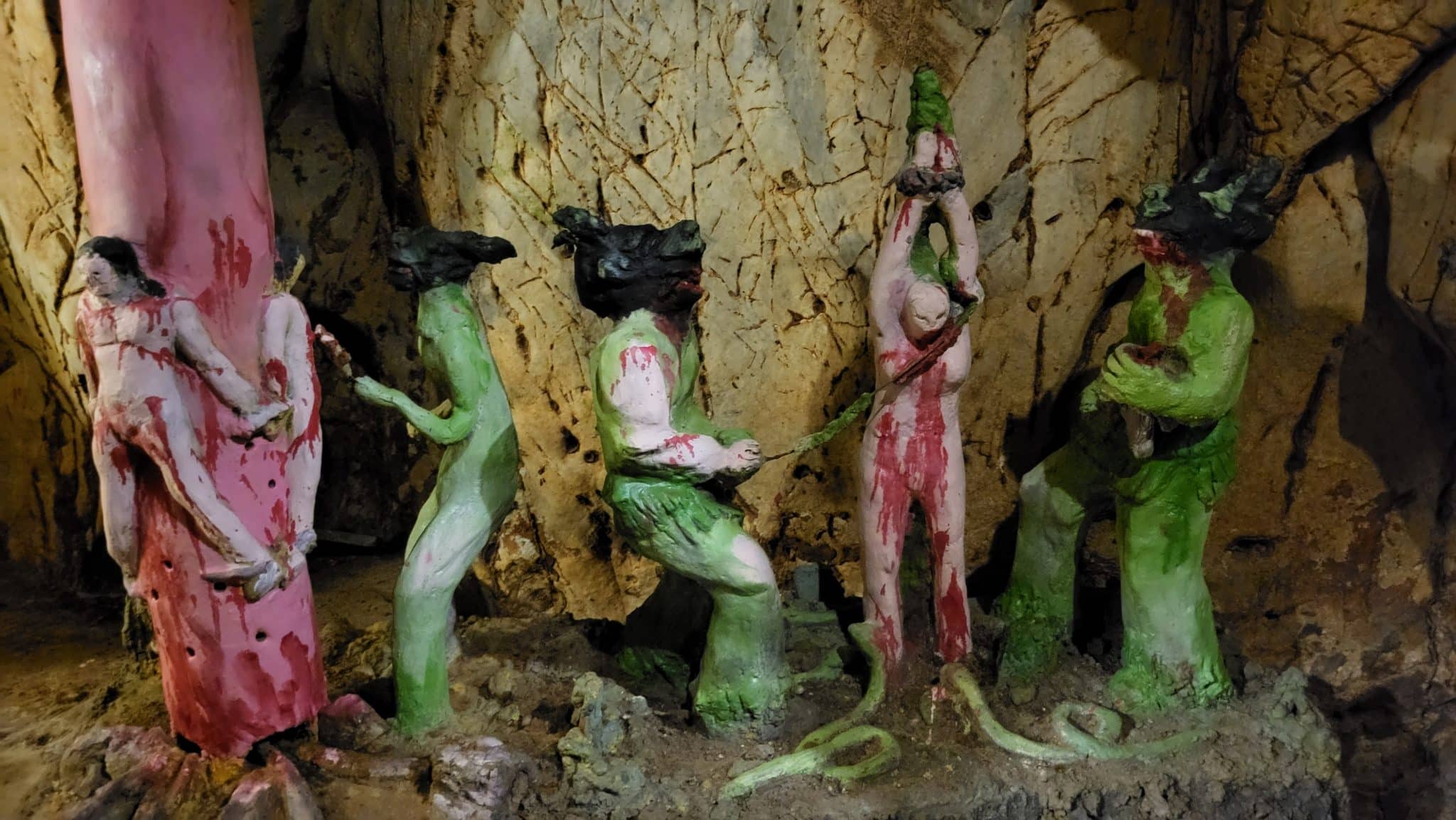
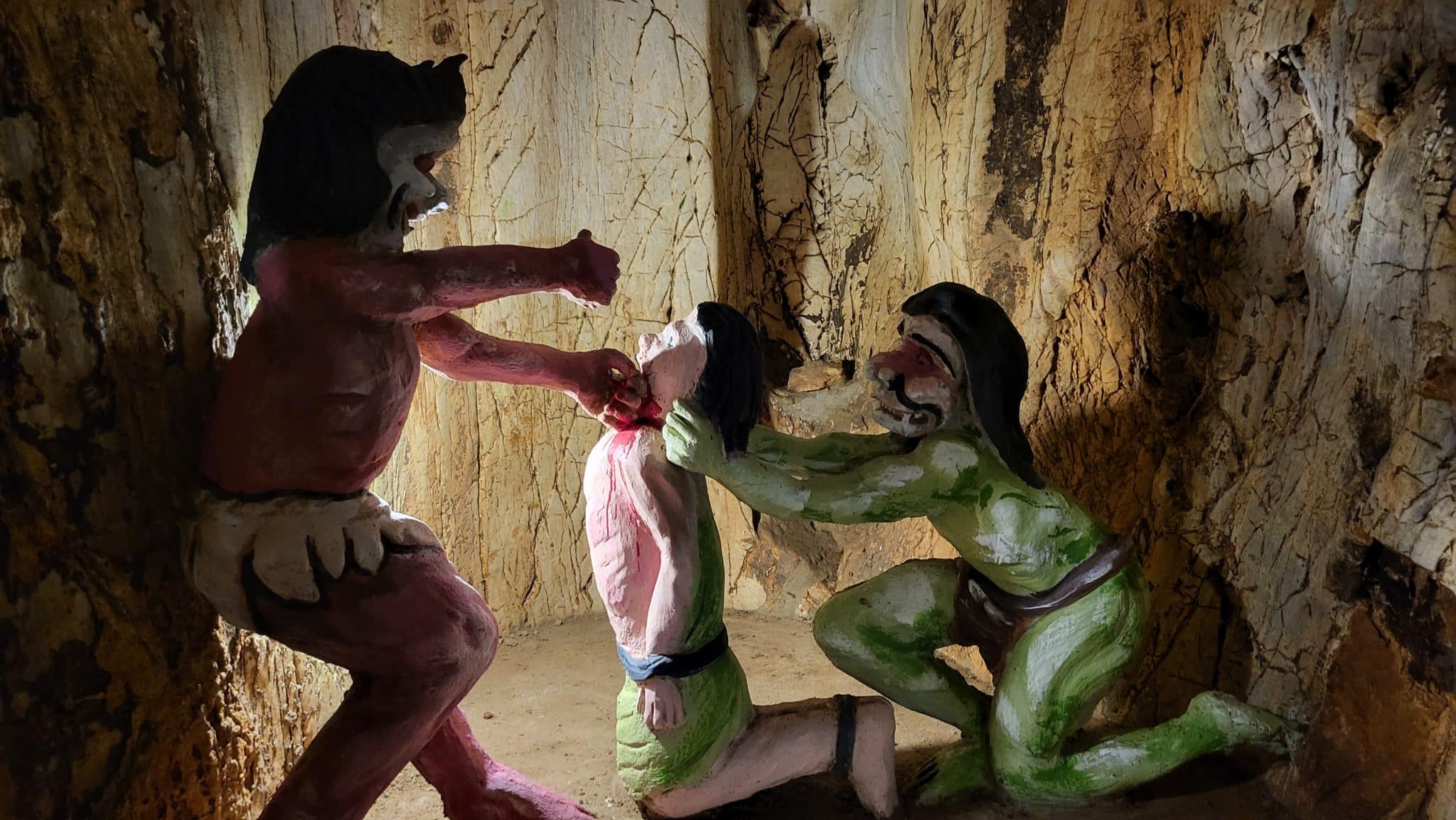
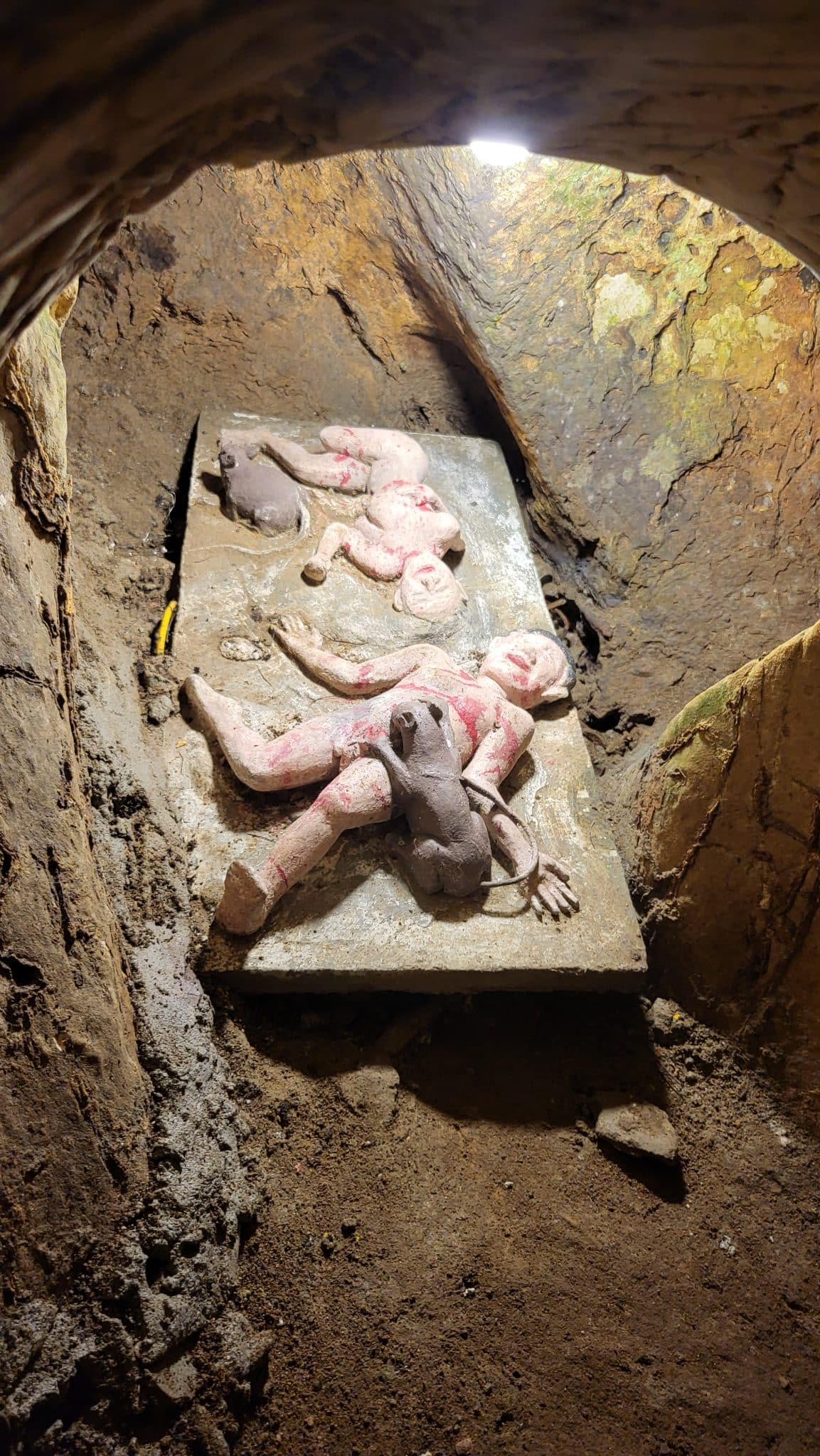
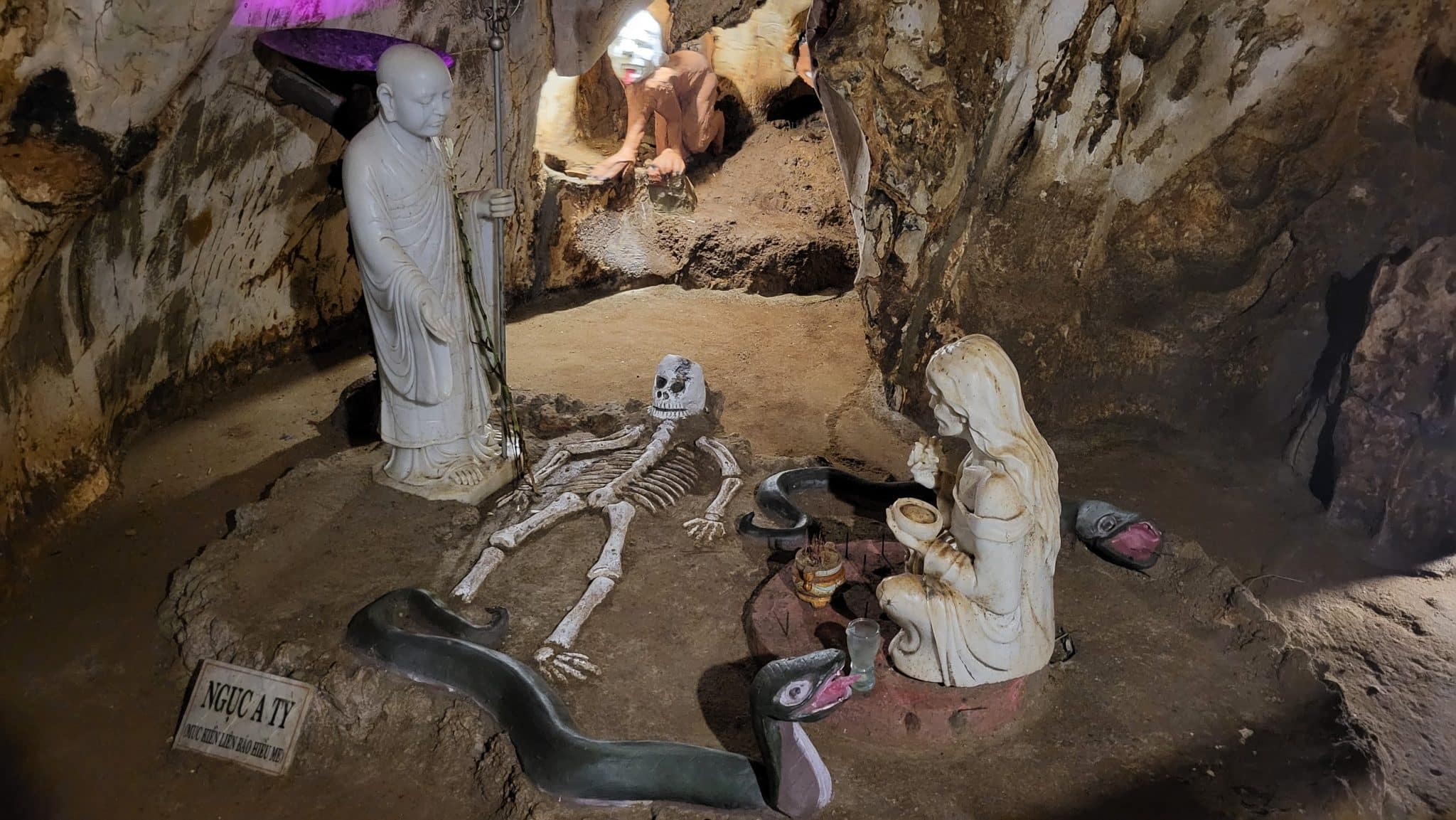
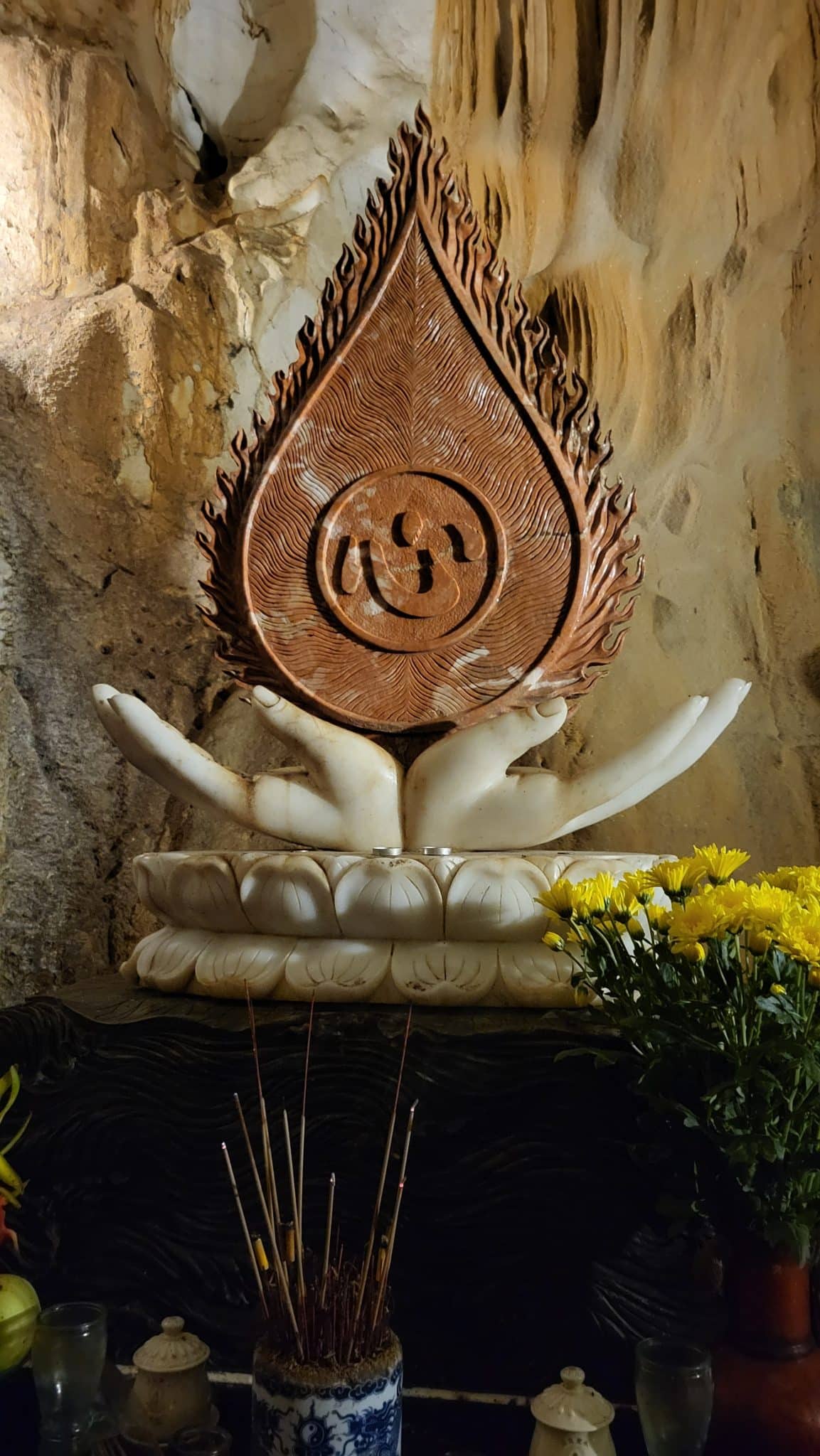
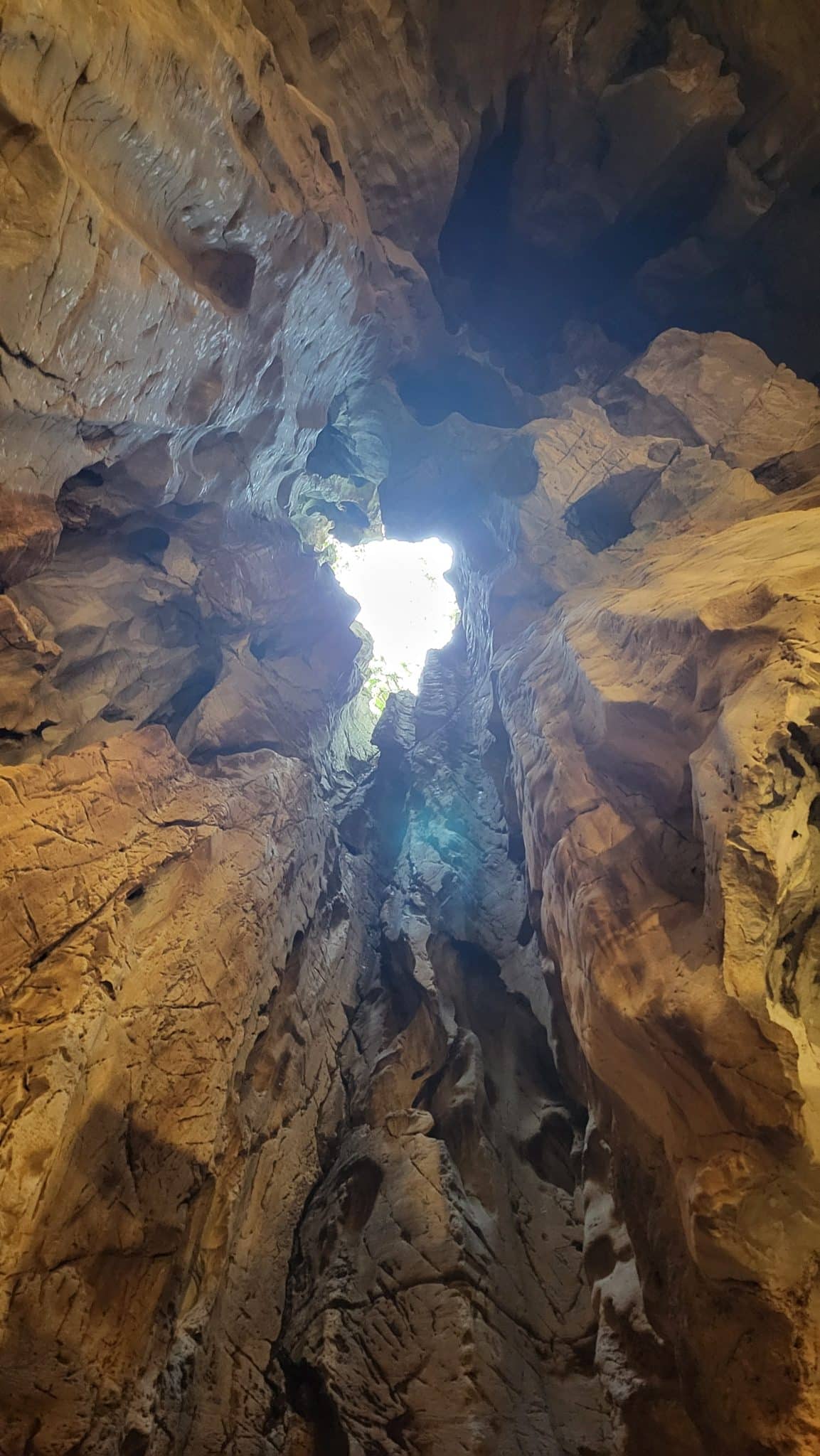
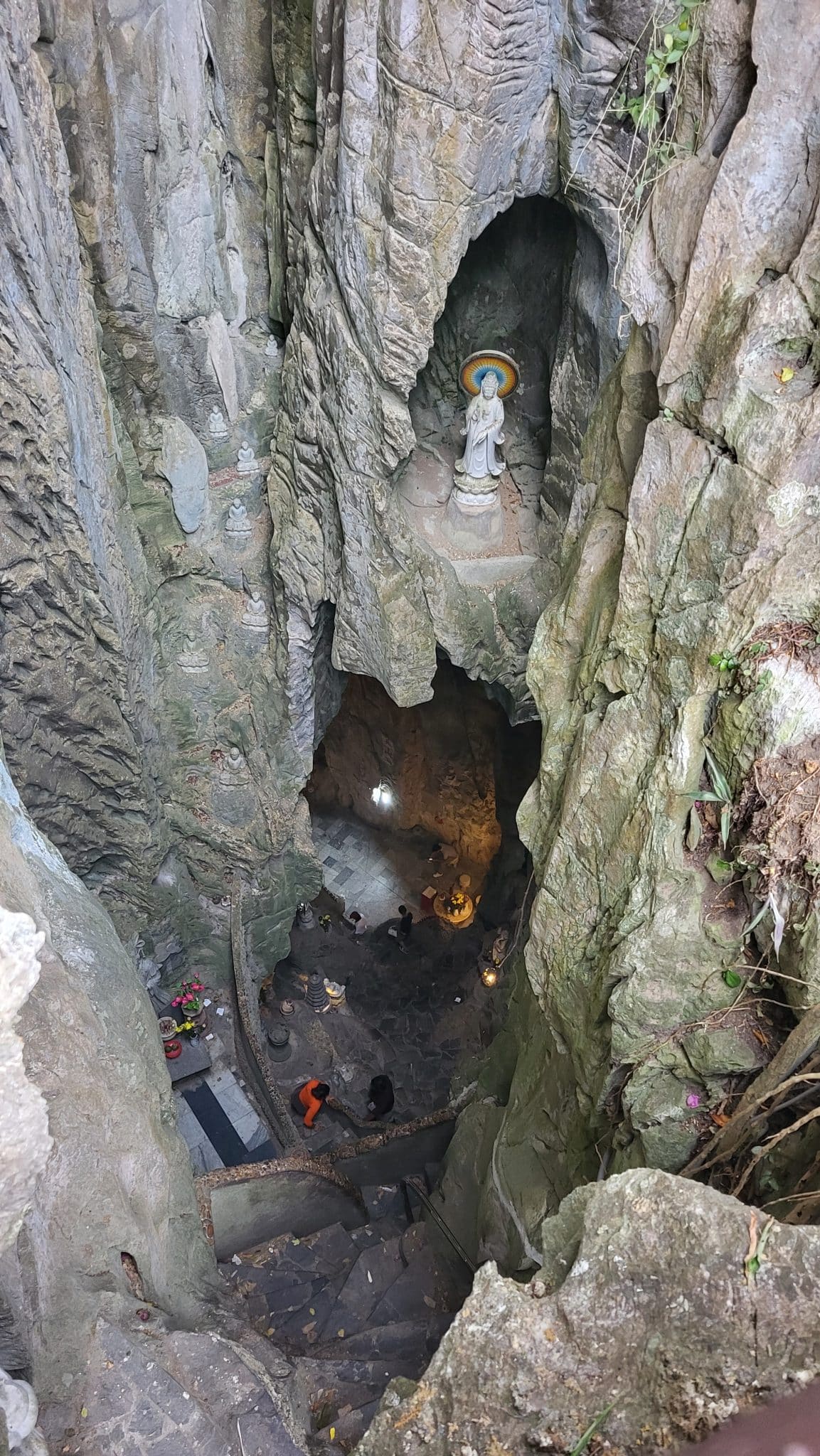
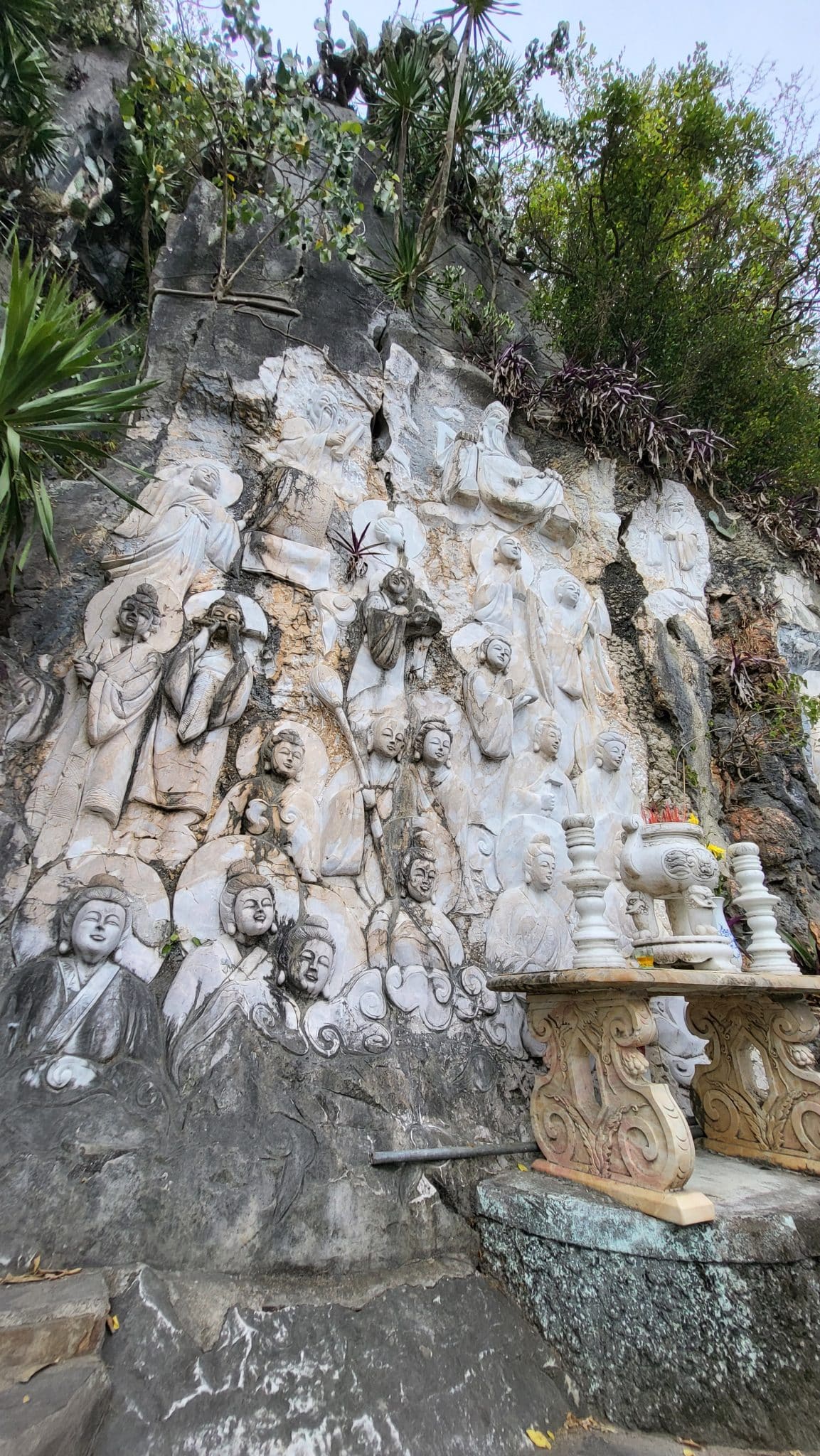
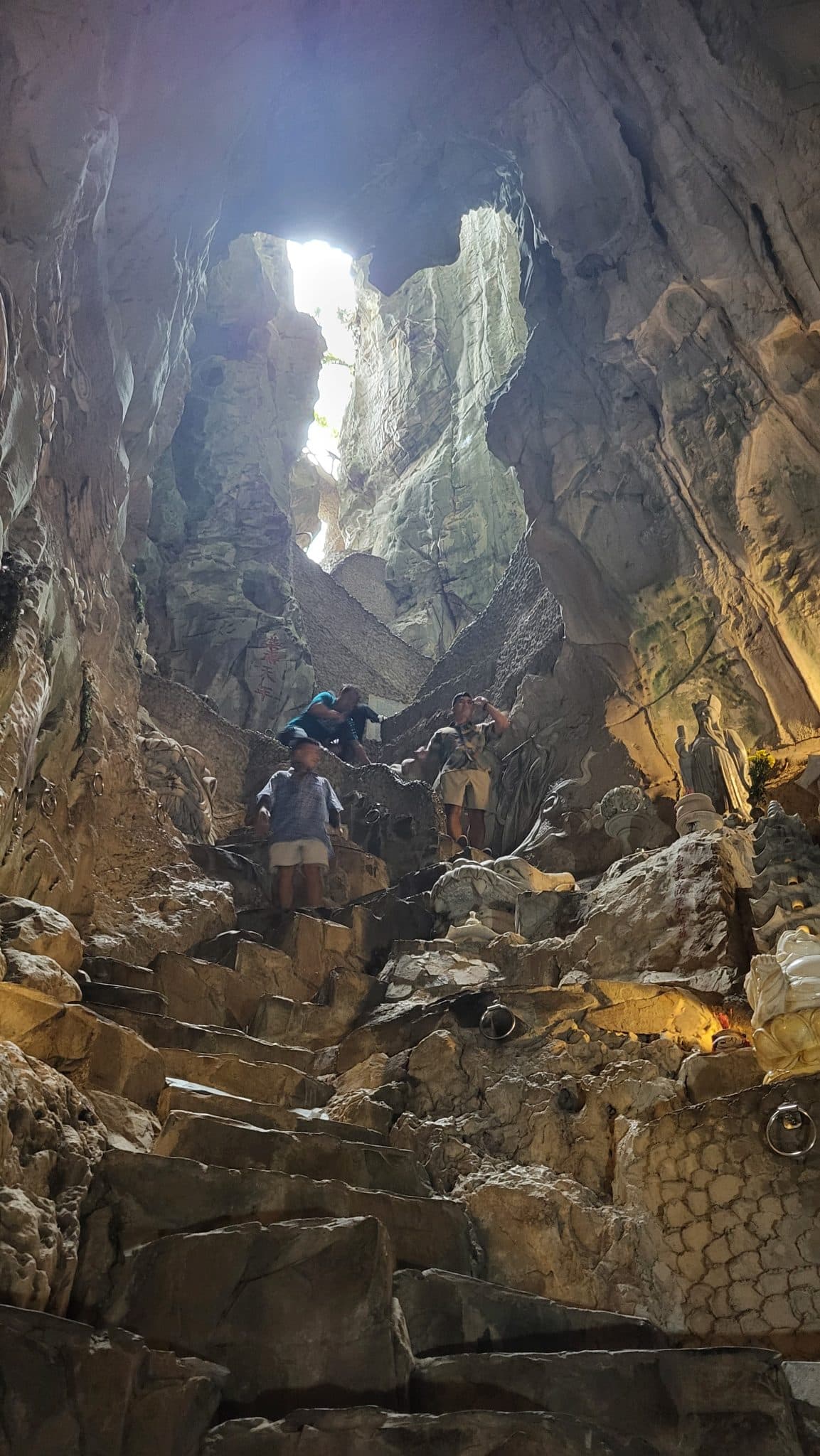
Photos of Am Phu Cave and Hell (Động Âm Phủ) – Da Nang (2023)
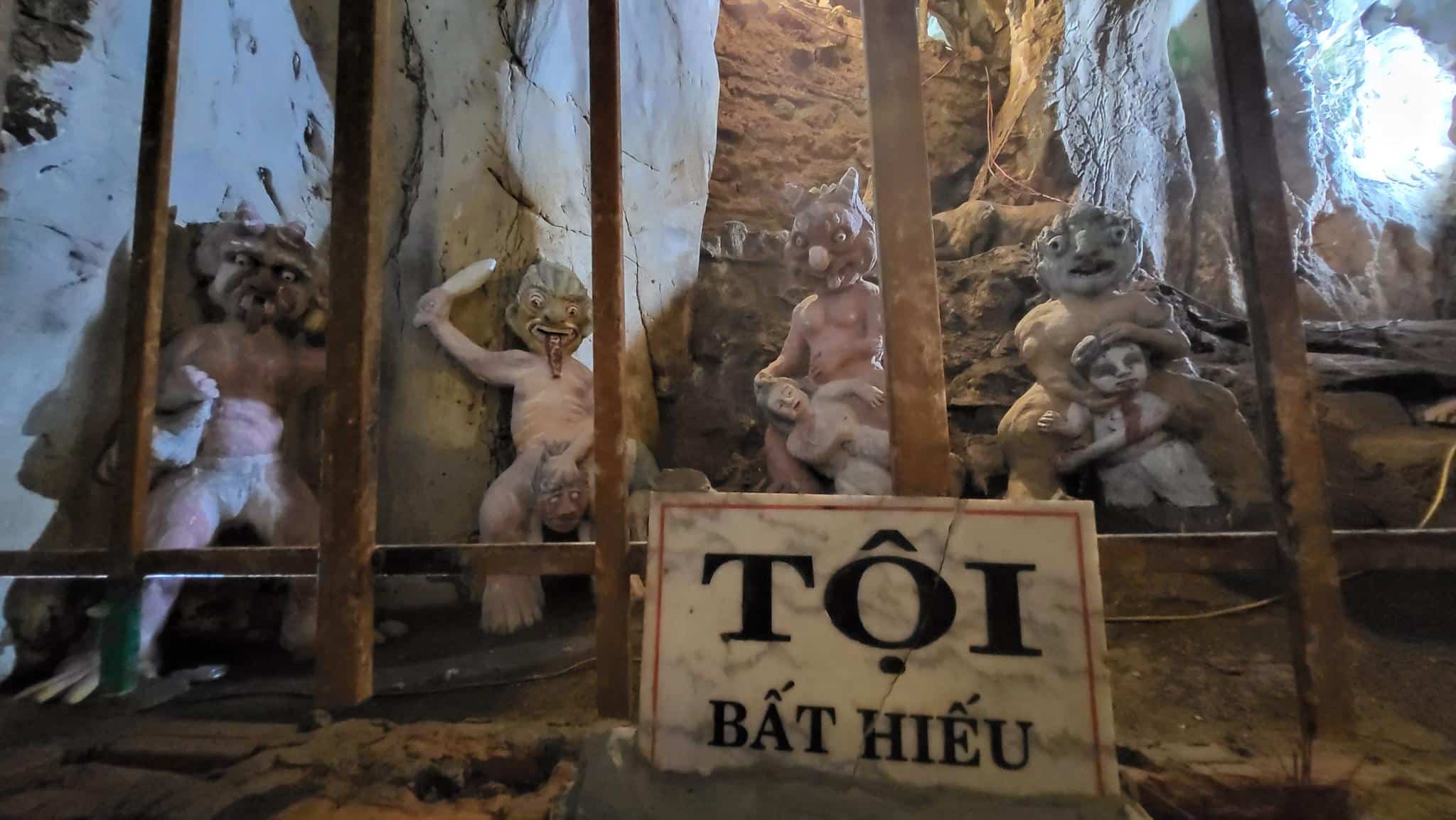
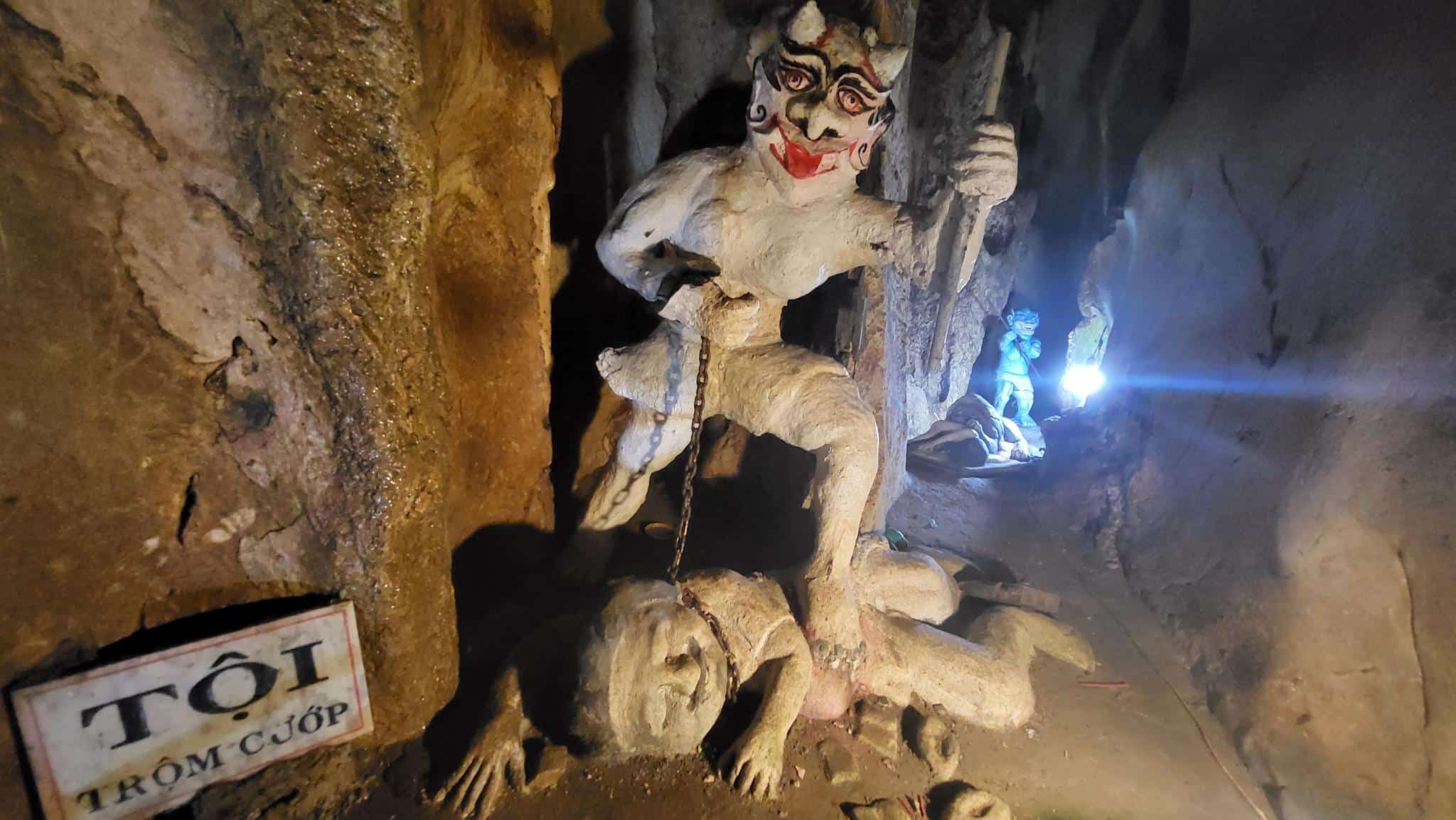
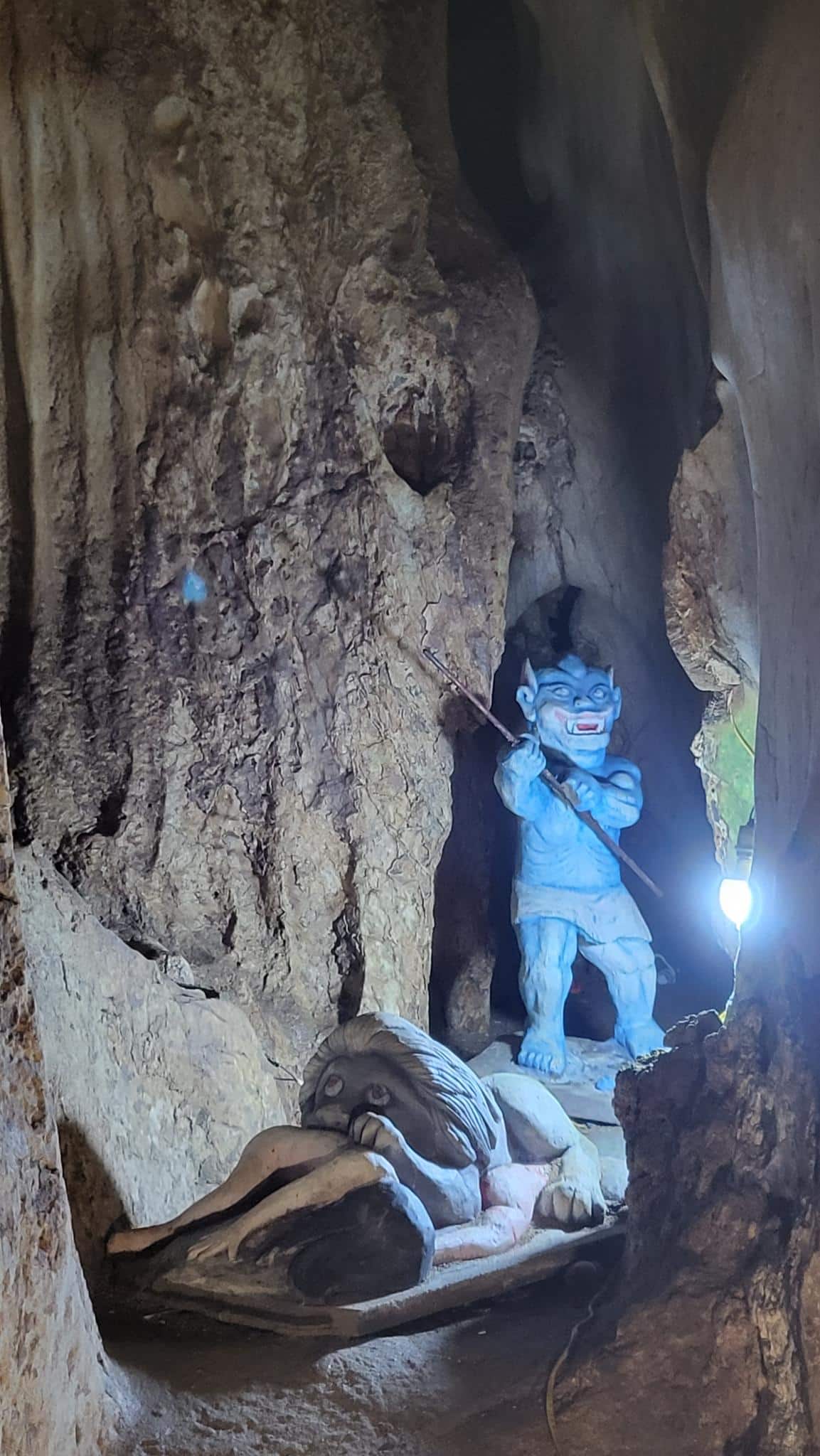
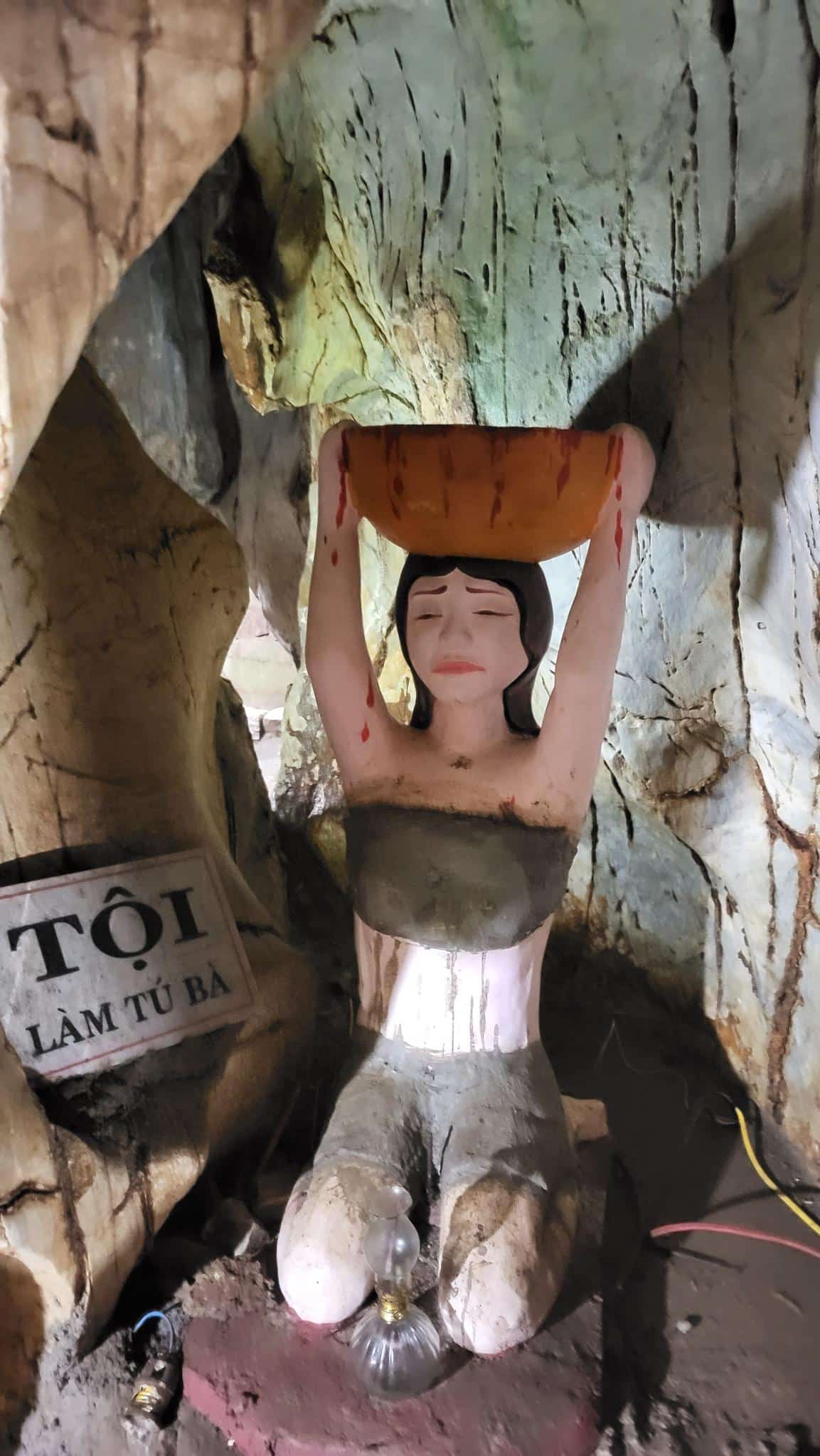
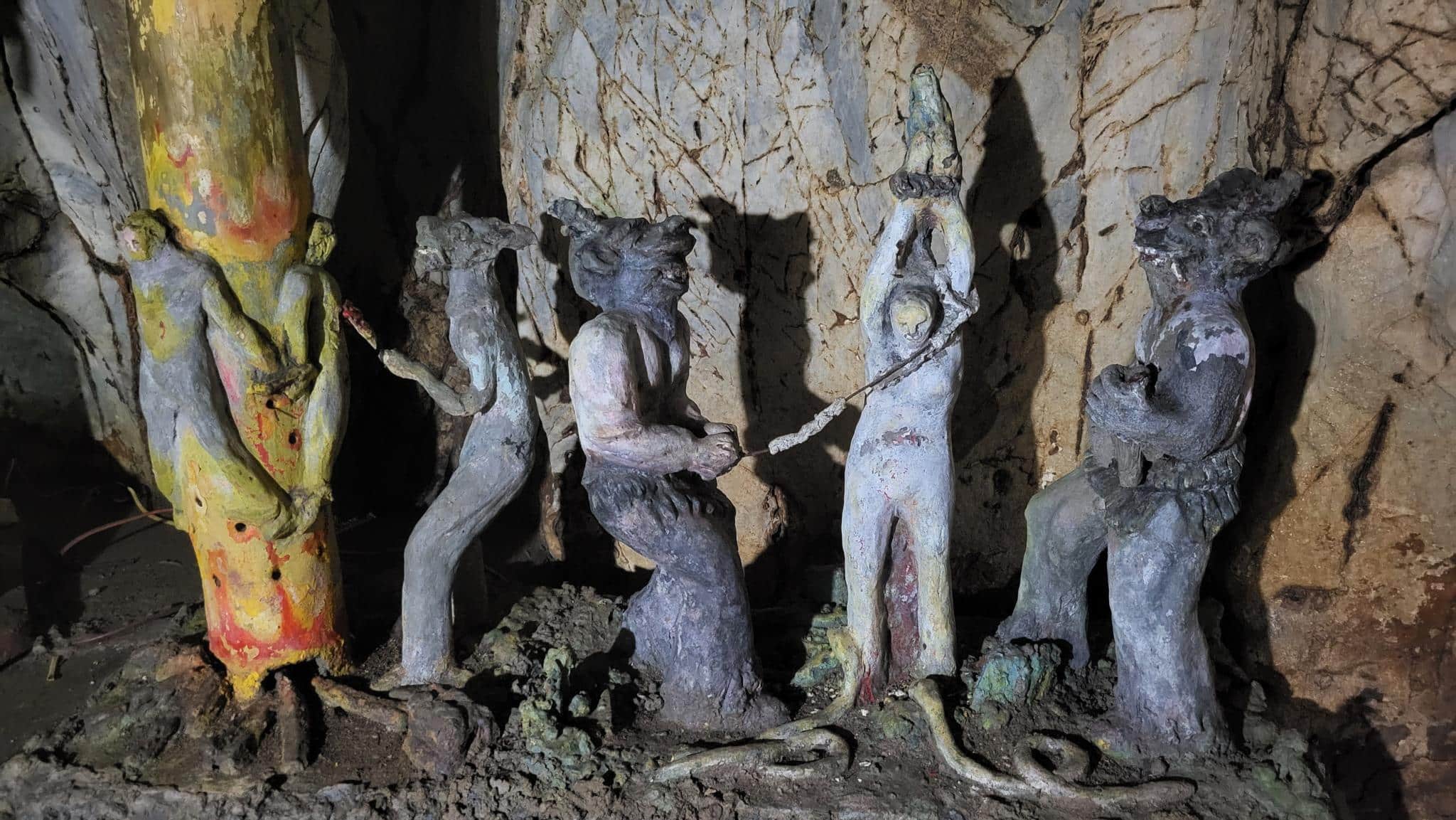
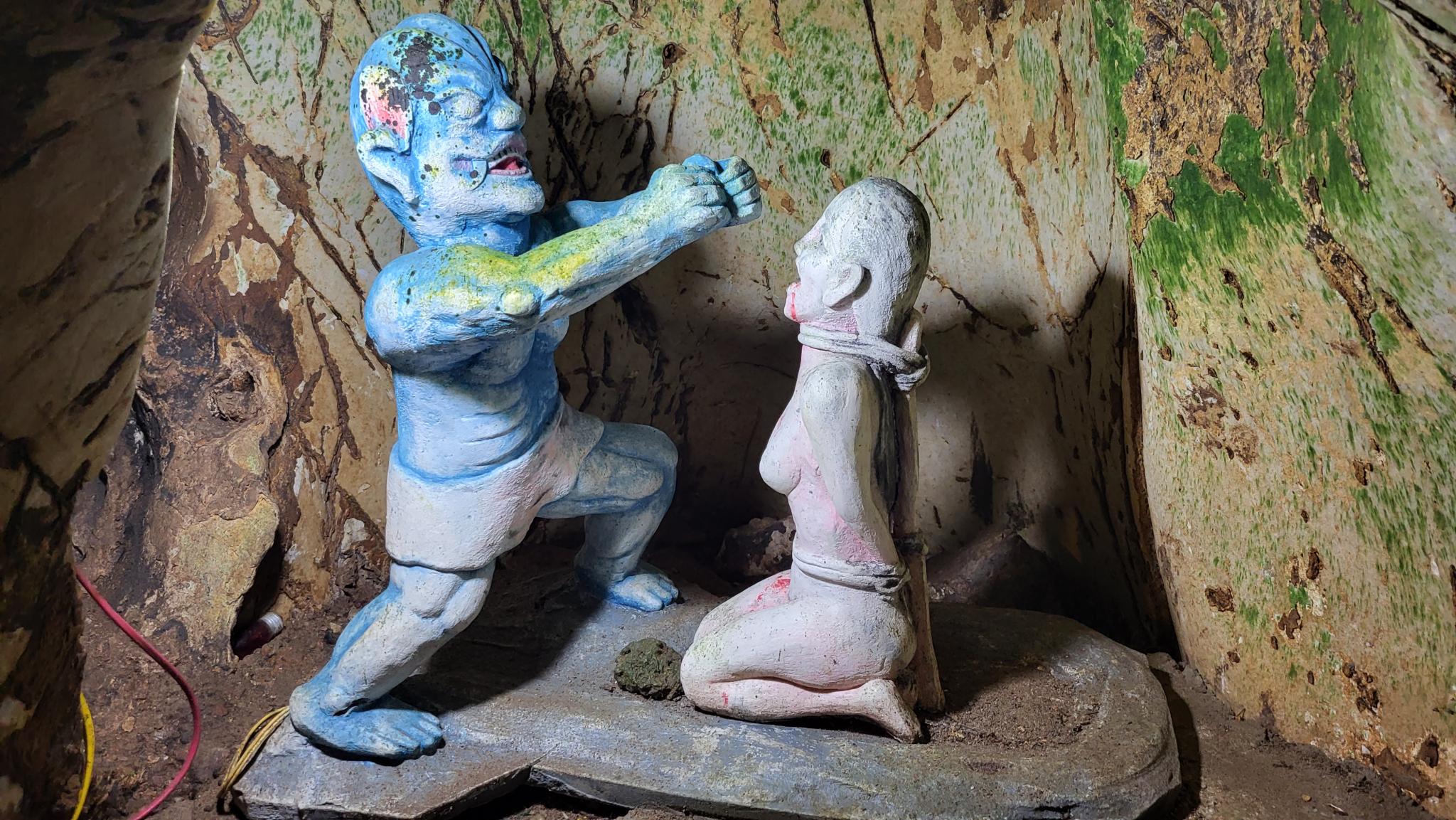
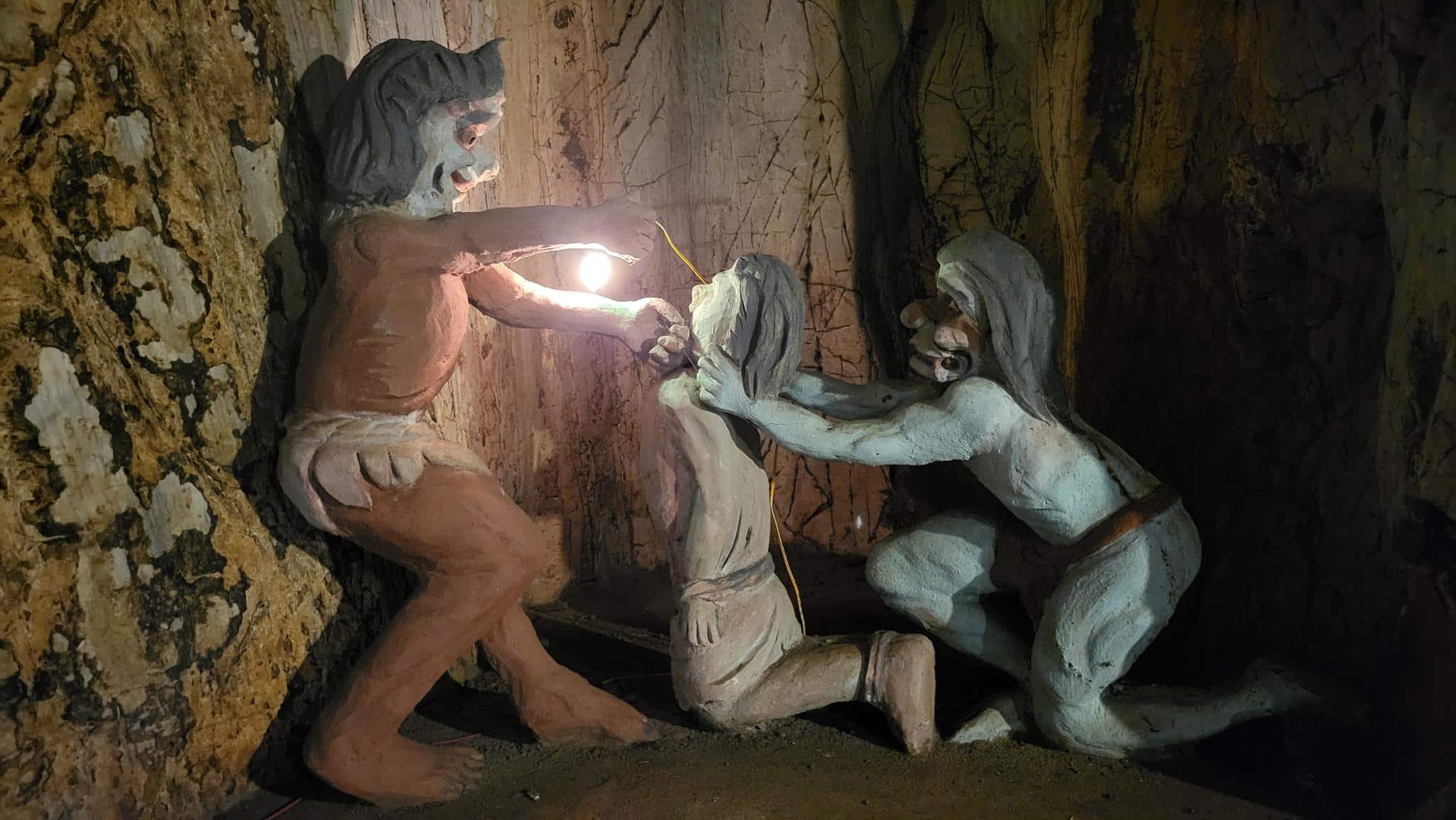
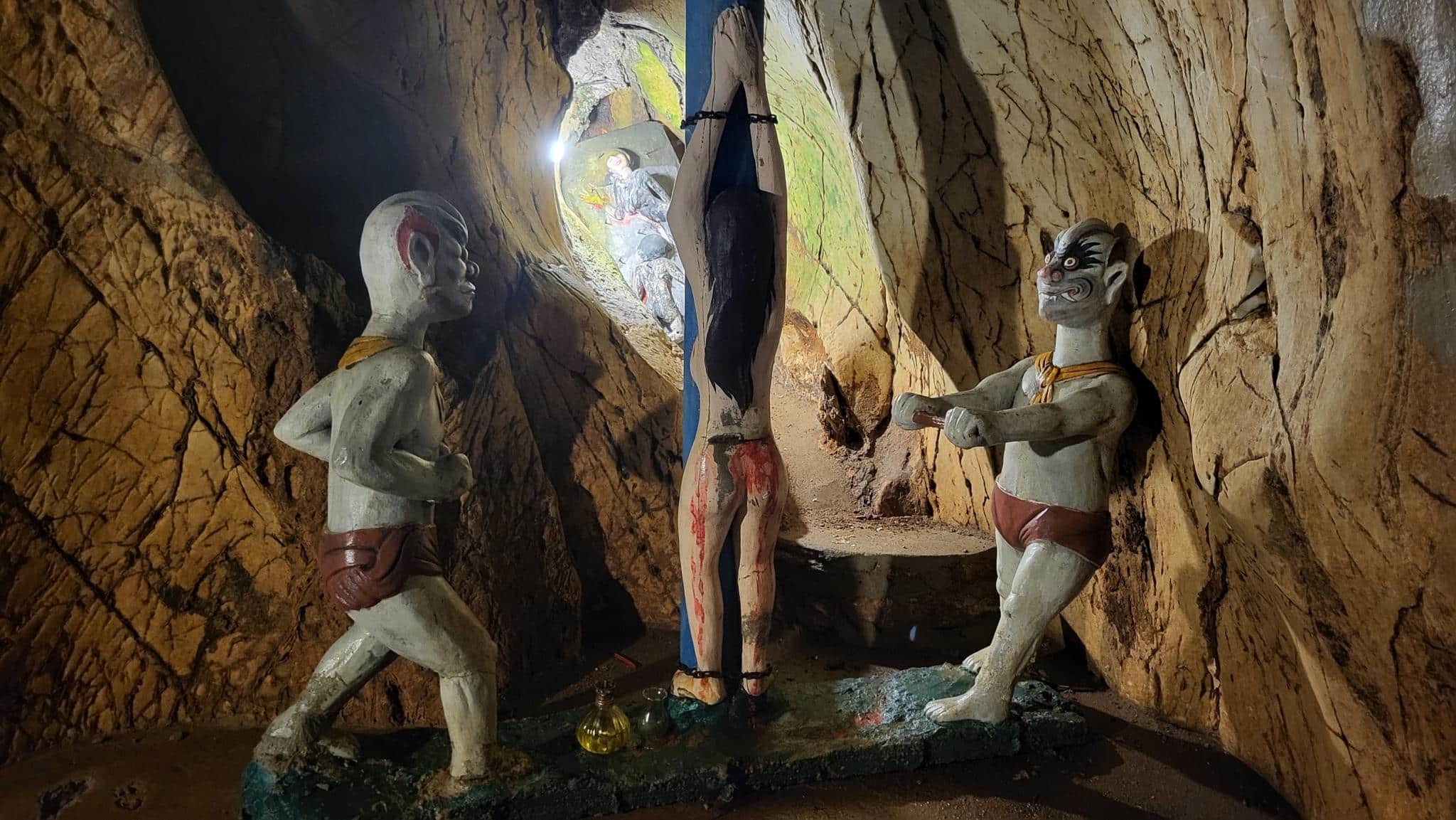
Photos of Am Phu Cave and Hell (Động Âm Phủ) – Da Nang (2018)